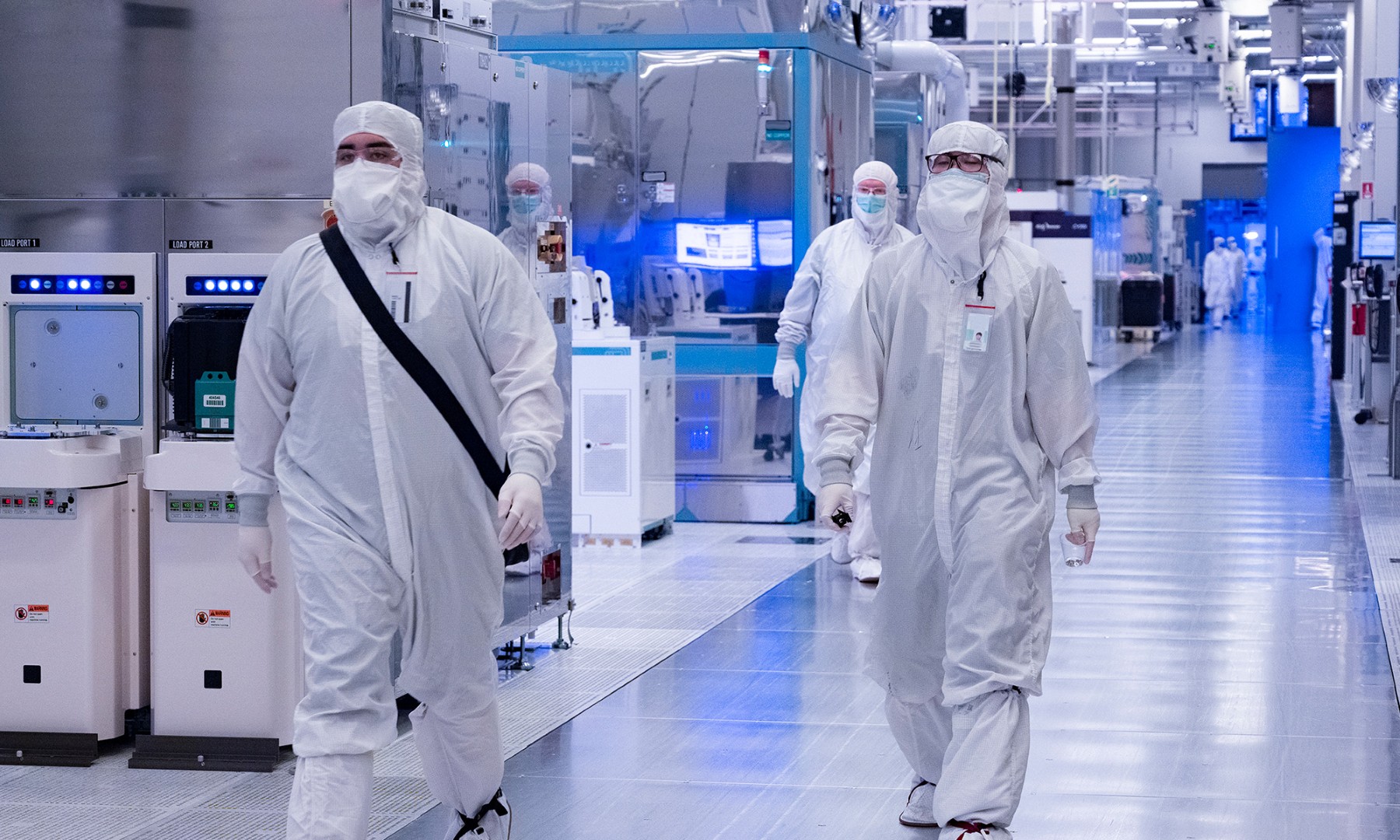
The arrival of Intel’s Panther Lake processors, born from the 18A process node, is not merely a technical advancement; it is a subtle realignment of forces in a domain long dominated by others. One observes a quiet confidence emanating from the company, a tentative reclaiming of ground lost over years of incremental setbacks. It is a scene reminiscent of a landowner returning to a neglected estate, assessing the damage with a melancholic gaze, yet harboring a determined spirit to restore its former glory. The implications for TSMC, of course, are not insignificant.
A Measured Advance
For some time, the architecture of modern chips has resembled a congested city, with interconnects – those delicate threads of communication – and power delivery systems vying for space. This congestion, once a minor inconvenience, has become a palpable constraint as density increases. It is as if the very arteries of these silicon brains are becoming clogged, hindering their capacity for swift thought. The solution, as Intel has demonstrated, lies in a re-thinking of the layout—a shifting of the power infrastructure to the reverse side of the chip, freeing the front for unimpeded communication.
This ‘backside power delivery,’ implemented through a process Intel terms PowerVia, is not a revolution, but a refinement—a quiet elegance in engineering. It is a testament to the enduring power of methodical innovation. Early indications suggest a modest, yet meaningful, improvement—a 6% increase in chip frequency—a gain that, while not spectacular, represents a valuable edge in a fiercely competitive market. It is a small victory, perhaps, but one that hints at a larger resurgence.
TSMC, naturally, is not idle. Their own ‘Super Power Rail’ is slated for implementation with the A16 node, but Intel currently enjoys a lead of six to twelve months. In the grand scheme of technological progress, this may seem a fleeting advantage, yet in the world of semiconductor manufacturing, such a lead can be decisive. It is akin to a chess player gaining a tempo—a small gain that can unravel an opponent’s carefully constructed strategy.
The Return of Invention
The fleeting nature of technological advantage is well understood, and Intel’s monopoly on backside power delivery will inevitably erode. However, the successful launch of the 18A process, and the implementation of this technology, signifies something more profound—a rekindling of the innovative spirit within the company. It is as if a dormant engine has begun to sputter back to life, fueled by a renewed sense of purpose.
Looking ahead, Intel’s plans for the 14A process, scheduled for 2027, are equally ambitious. A potential lead in the adoption of High-NA EUV lithography—a technology poised to further refine the manufacturing process—could solidify Intel’s position as a frontrunner. The market, one suspects, is watching with a mixture of curiosity and anticipation.
As Intel seeks to attract external customers for its foundry services, these advancements—backside power delivery and High-NA EUV—could prove to be pivotal. The transformation of a struggling foundry business into a long-term success is, of course, far from guaranteed. Yet, the seeds of potential have been sown. It remains to be seen whether they will blossom into a full and enduring harvest. The landscape, as always, is shifting, and the future remains unwritten.
Read More
- Seeing Through the Lies: A New Approach to Detecting Image Forgeries
- Julia Roberts, 58, Turns Heads With Sexy Plunging Dress at the Golden Globes
- Staying Ahead of the Fakes: A New Approach to Detecting AI-Generated Images
- Top 10 Coolest Things About Invincible (Mark Grayson)
- Silver Rate Forecast
- Smarter Reasoning, Less Compute: Teaching Models When to Stop
- Gold Rate Forecast
- Palantir and Tesla: A Tale of Two Stocks
- TV Shows That Race-Bent Villains and Confused Everyone
- Unmasking falsehoods: A New Approach to AI Truthfulness
2026-01-21 14:34