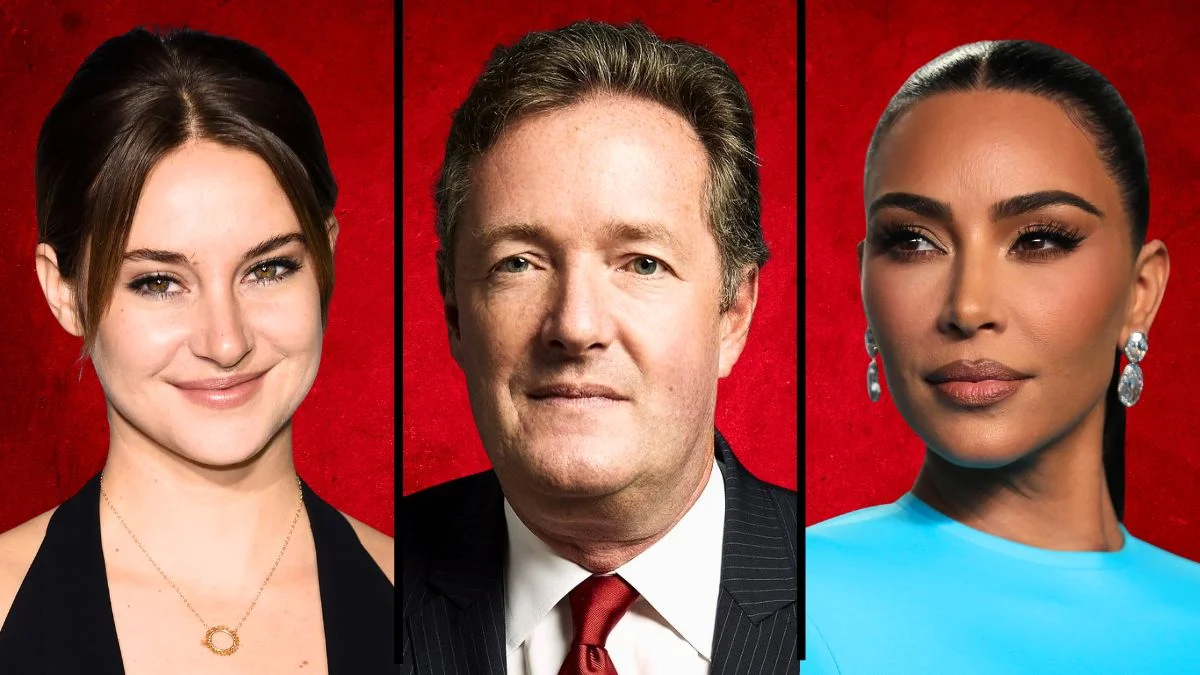
Over the past few decades, conversations about feminism have become more complex, leading to a wide range of viewpoints, especially within the entertainment industry. While many celebrities openly support feminism, others have expressed concerns about what they see as extreme or polarizing aspects of the movement. Some prefer the term “humanist,” believing that focusing on gender differences is outdated and unhelpful. Others have criticized initiatives like #MeToo, suggesting they might unfairly bypass legal procedures or create an atmosphere of anxiety. This article highlights the actors, musicians, and public figures who have publicly stepped back from radical feminist ideas or the term “feminism” itself.
Shailene Woodley
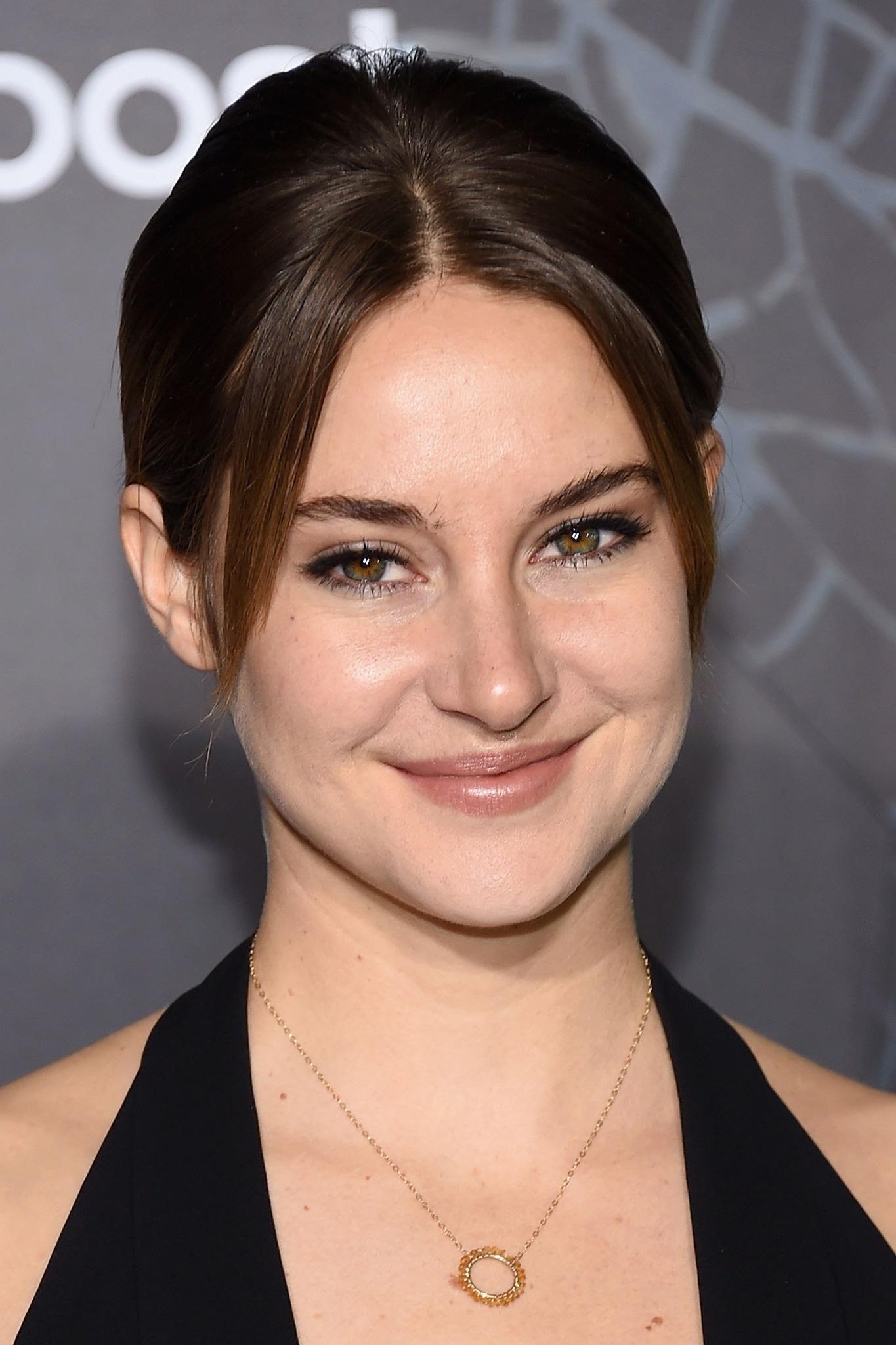
I remember when Shailene Woodley, who I really liked in ‘Divergent,’ got a lot of attention for saying she didn’t identify as a feminist back in 2014. She explained it wasn’t about disliking men, but that she didn’t think empowering women should come at the expense of men – she worried it would create a new kind of imbalance. She was all about building strong relationships between everyone, a real sense of brotherhood and sisterhood. She felt the ‘feminist’ label could actually push some people away and that achieving true equality meant getting both men and women involved, working together without any fighting or animosity.
Sarah Jessica Parker
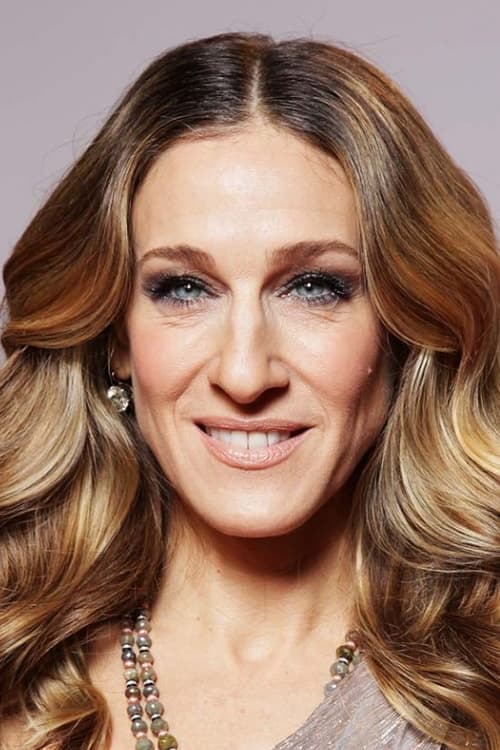
Even though she played a strong, independent woman on ‘Sex and the City’, Sarah Jessica Parker doesn’t consider herself a feminist. She prefers to be called a humanist, believing we should focus on equality for everyone, not just based on gender. Parker feels tired of constantly labeling people and thinks that using the term ‘feminist’ can sometimes create the divisions it’s trying to overcome. She believes the focus should be on treating all people with respect and fairness.
Susan Sarandon
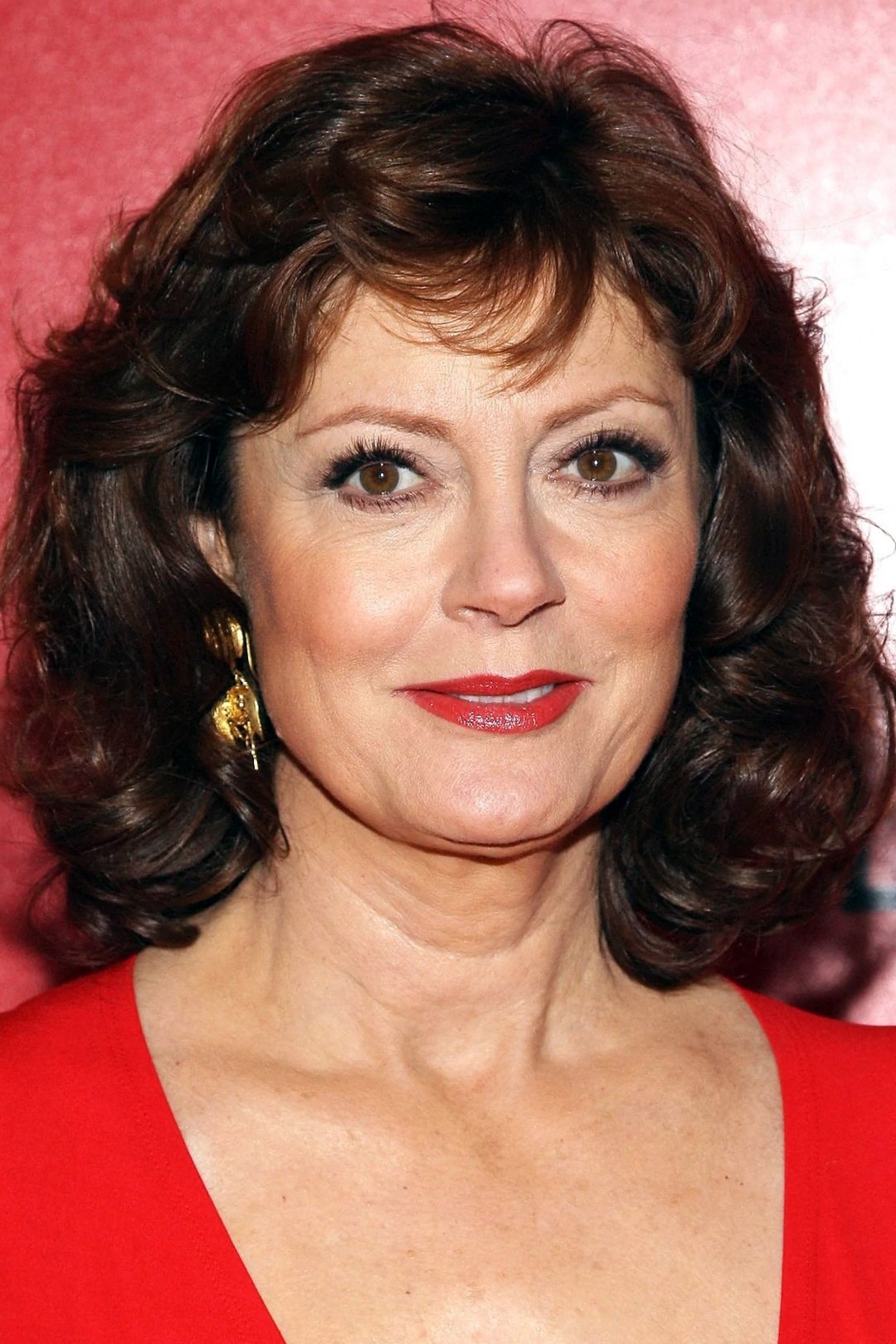
I’ve always been fascinated by Susan Sarandon, and it’s interesting how she identifies as a humanist instead of a feminist. She’s said that sometimes the current feminist movement can come across as a little harsh and can actually push people away if they don’t agree with everything. She feels the term ‘feminist’ itself feels outdated and doesn’t really cover all the important issues around human rights these days. She’s even mentioned her daughter feels the same way – they both believe in fighting for things like control over your own body and equal power, but don’t necessarily need to label it as ‘feminism’ to do so.
Marion Cotillard
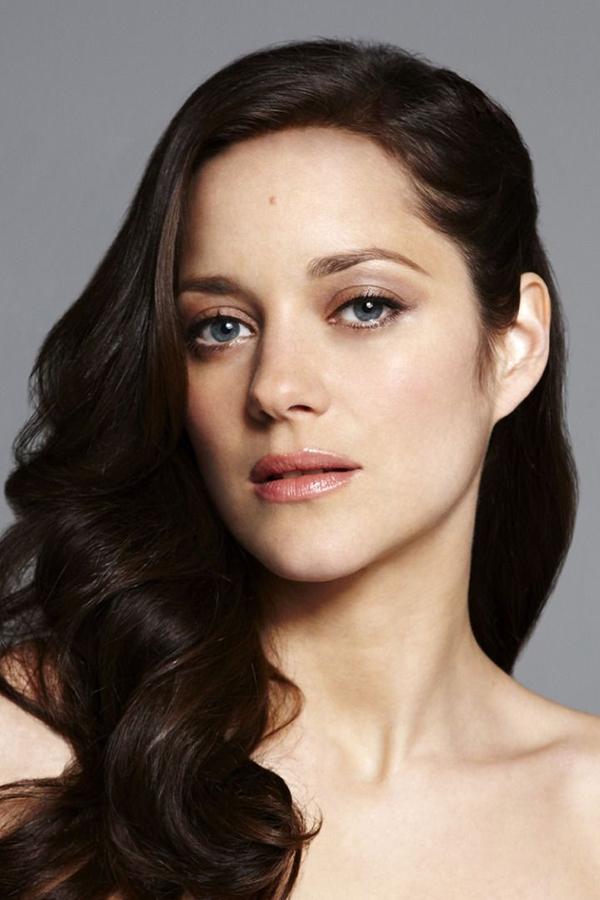
Marion Cotillard, the French actress, has expressed her disagreement with categorizing films based on gender and doesn’t consider herself a feminist. She believes film festivals, like Cannes, shouldn’t be required to meet gender quotas because that could compromise the quality of the films chosen. Cotillard supports the fight for women’s rights, but feels that separating art by gender creates unnecessary division. She wants to be recognized for her talent as an artist, not simply as a woman.
Juliette Binoche
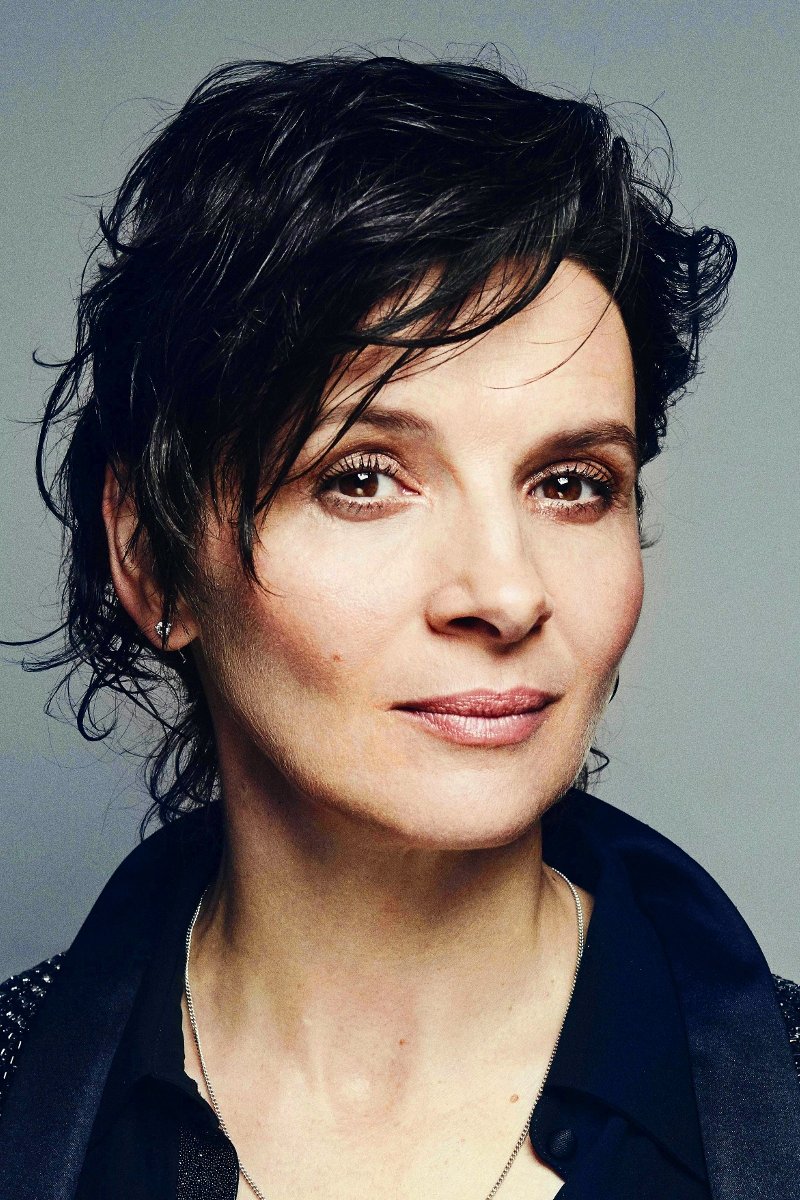
I really respect Juliette Binoche, and I understand where she’s coming from when she says the word ‘feminism’ can feel limiting. It’s not that she’s against equality, but she thinks we get further by doing things – creating, acting – rather than getting caught up in labels and endless debates. She believes focusing too much on ‘feminism’ as an ideology can actually slow down progress. For her, it’s about being an individual, an artist, and recognizing that our shared humanity is more important than gender.
Carla Bruni
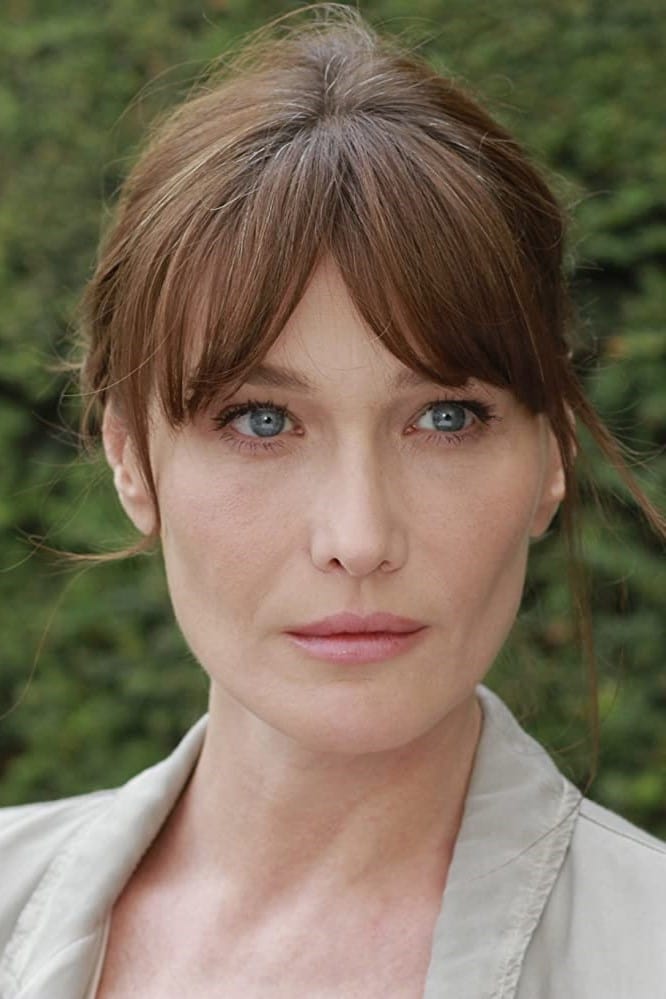
Carla Bruni, a singer and former First Lady of France, once said she doesn’t feel a need for feminism. She believes earlier activists already achieved significant progress and she’s content focusing on her life as a wife and mother. While her comments sparked criticism, Bruni stood by her position, stating she doesn’t identify as a feminist and doesn’t see a need for ongoing activism in her own life. She embodies a perspective that views the biggest feminist achievements as already being in the past.
Lana Del Rey
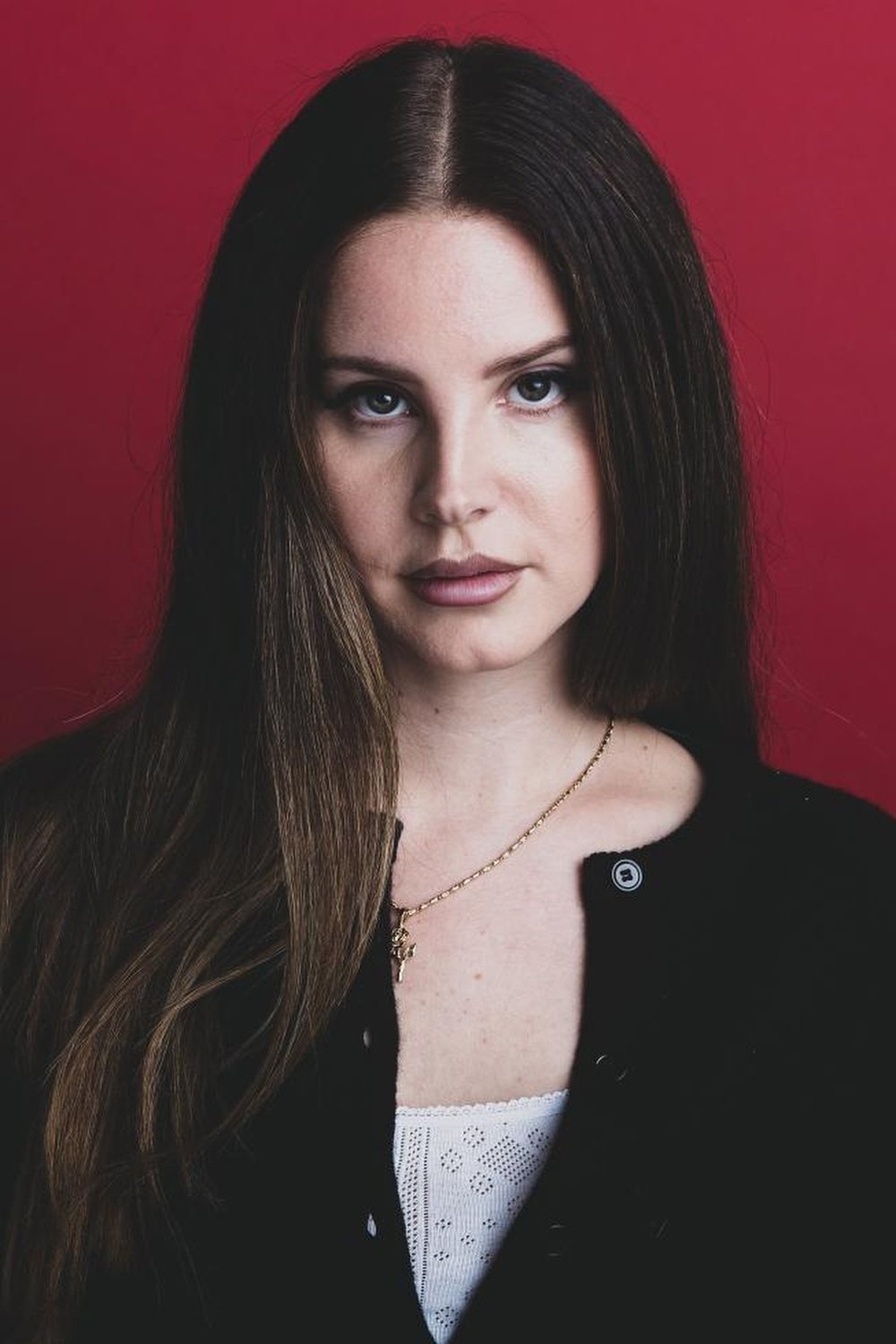
Lana Del Rey has openly said she isn’t drawn to traditional feminist ideas. In an interview with The Fader, she explained that she finds topics like space exploration with companies like SpaceX and Tesla more compelling than discussions about gender and politics. She described a feminist as simply a woman who lives life on her own terms. Del Rey’s disinterest in the movement comes from her preference for looking forward and prioritizing individual freedom over political engagement.
Evangeline Lilly
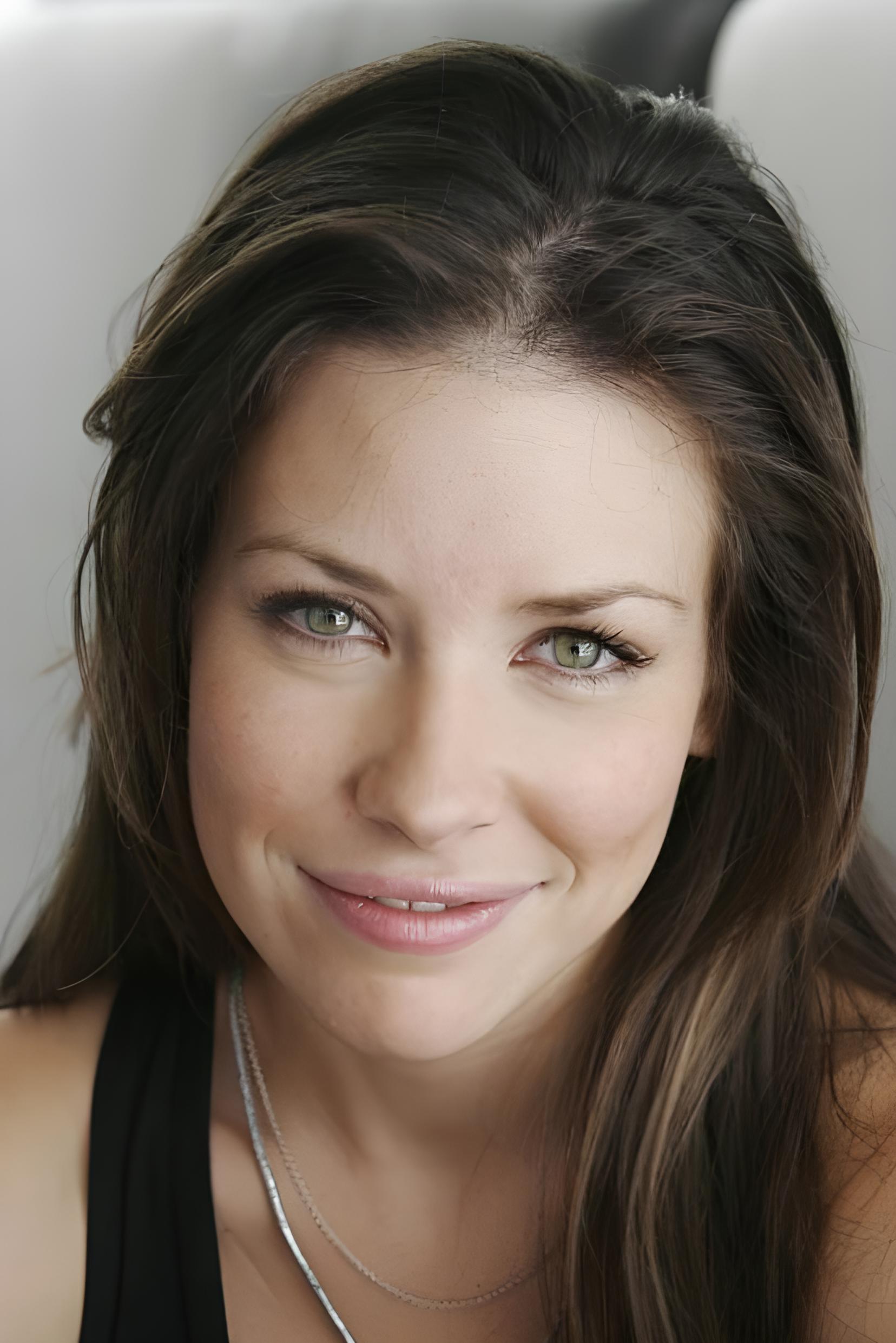
Evangeline Lilly, known for her role in ‘Ant-Man,’ doesn’t identify as a feminist because she believes the term is often linked to women attempting to emulate men. She’s proud of her identity as a woman and doesn’t want to sacrifice her femininity to achieve equality. Lilly feels some forms of radical feminism downplay traditionally feminine qualities, prioritizing masculine traits instead. She prefers to celebrate what makes women unique rather than trying to make the genders the same.
Pamela Anderson
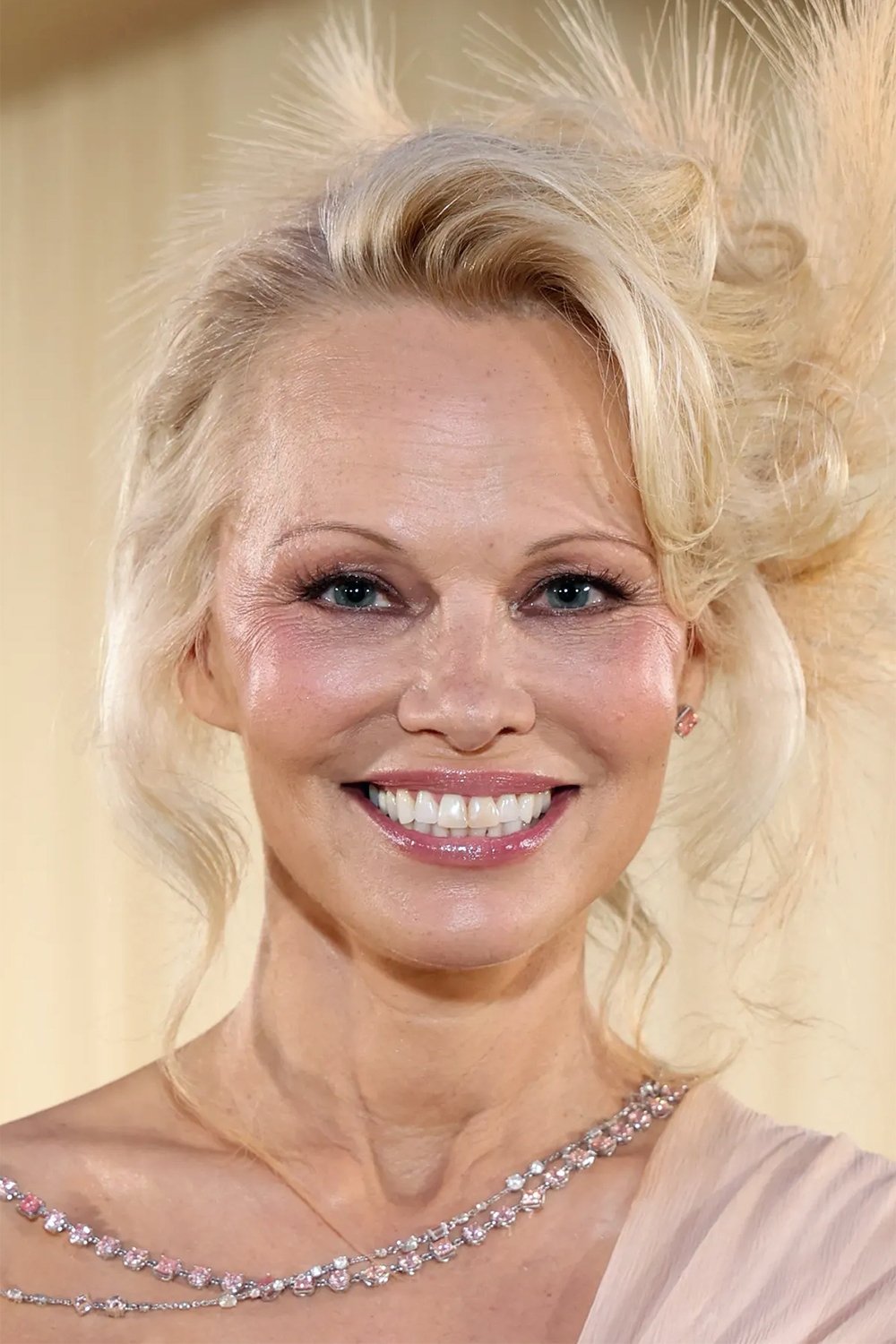
Pamela Anderson has publicly disagreed with some aspects of modern feminism, especially how the #MeToo movement has played out. She believes it’s made men overly cautious and finds third-wave feminism uninspiring. Anderson argues that practical judgment should guide interactions between men and women, suggesting that current discussions sometimes portray women as victims when it’s not necessary. She’s expressed a desire for a return to more traditional roles where men can pursue relationships without instantly being criticized.
Catherine Deneuve

Catherine Deneuve, a famous French actress, sparked debate by signing a letter critical of the #MeToo movement. The letter, also signed by nearly 100 other French women, suggested the movement had become excessive and was wrongly equating harmless flirting with sexual assault. Deneuve argued that men should still be able to express interest in women, seeing it as a natural part of freedom. Although she received significant criticism worldwide, she maintained her belief that #MeToo was becoming overly restrictive and puritanical.
Brigitte Bardot
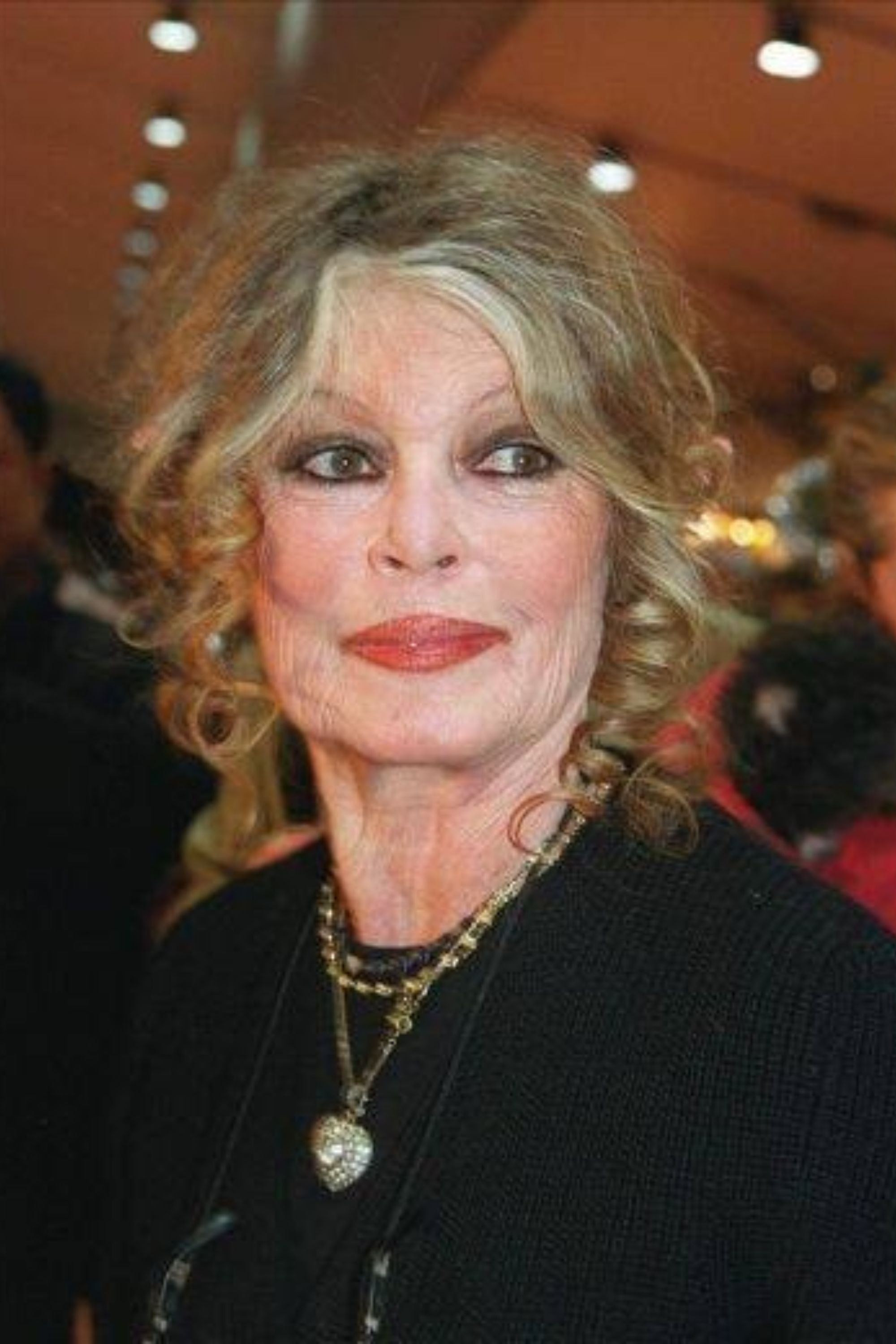
Brigitte Bardot, a famous actress from the 1960s, has criticized the #MeToo movement, calling it insincere. She believes some actresses intentionally use flirtation to advance their careers, and then falsely claim harassment to gain attention. Bardot sees these complaints as a way for actresses to remain in the public eye. Her views reflect a difference in perspective between generations, with some believing today’s standards in the entertainment industry are too easily offended compared to how things used to be.
Lindsay Lohan
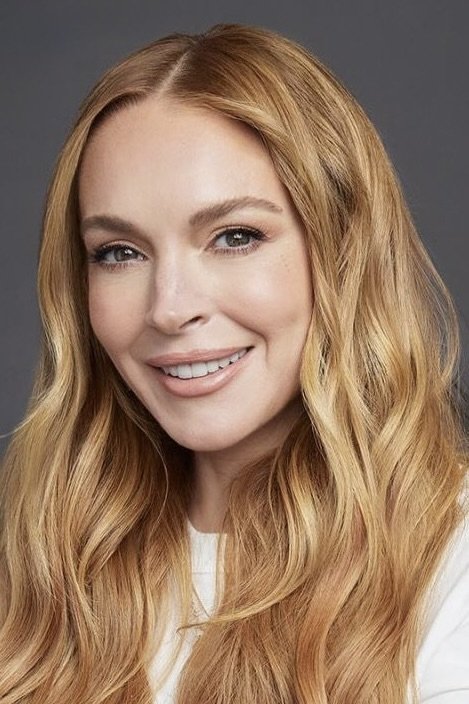
Lindsay Lohan faced backlash after sharing her views on the #MeToo movement in an interview with The Times. She questioned why women don’t report experiences to the police right away, suggesting that speaking out years later could be perceived as a sign of weakness. Lohan also expressed concern that the movement sometimes seems more focused on gaining attention than achieving justice, and her comments were interpreted as a criticism of how social media plays a role in modern feminist activism.
Liam Neeson
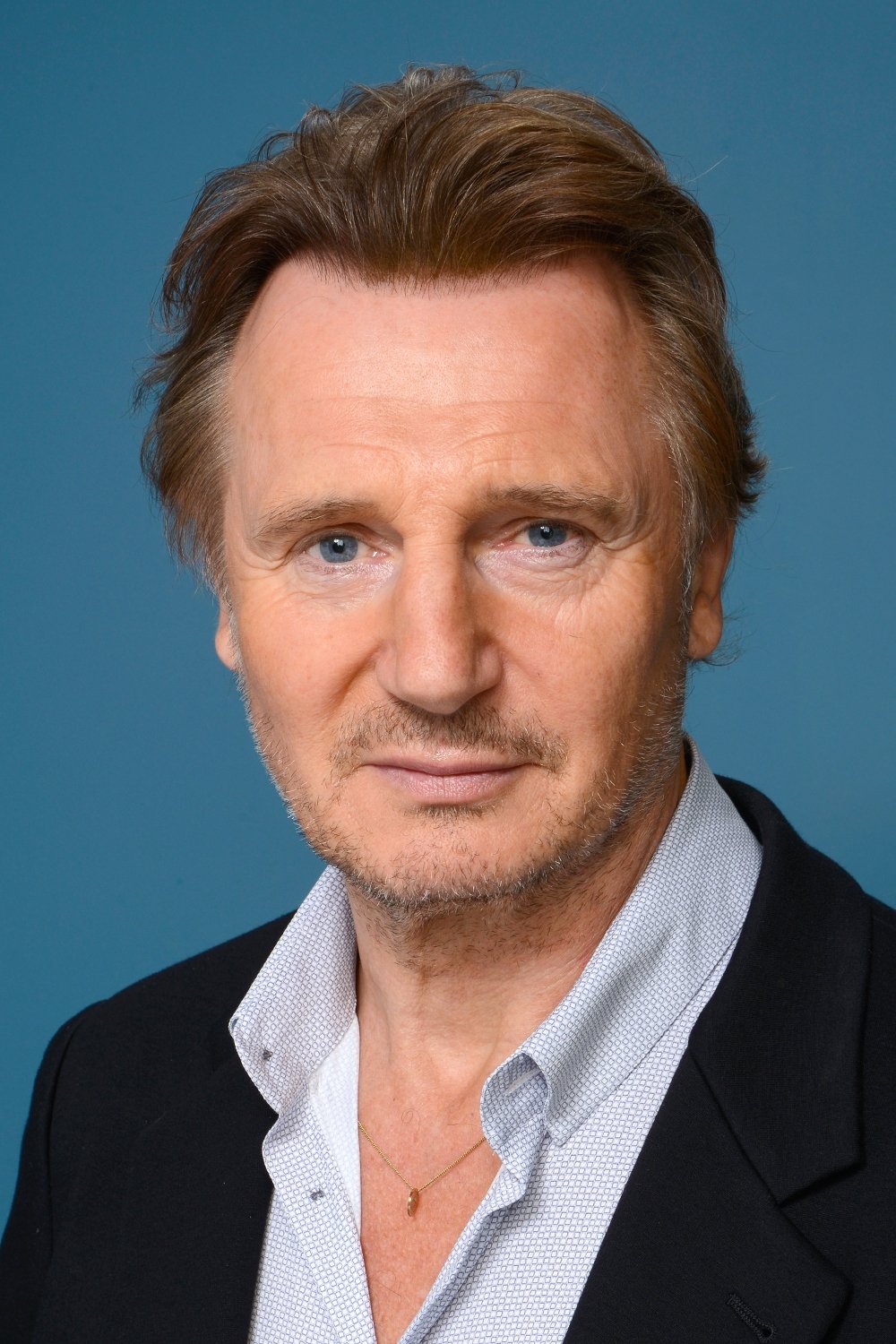
Liam Neeson, known for his action roles, recently described the #MeToo movement as resembling a “witch hunt” in a TV interview. He worried that the movement was creating a climate of fear where accusations were leading to job losses without proper investigation or fair process. While Neeson stated he believes in holding people accountable for genuine crimes, he felt the focus had shifted and that some individuals were losing their careers over relatively minor missteps, not actual criminal behavior.
Sean Penn
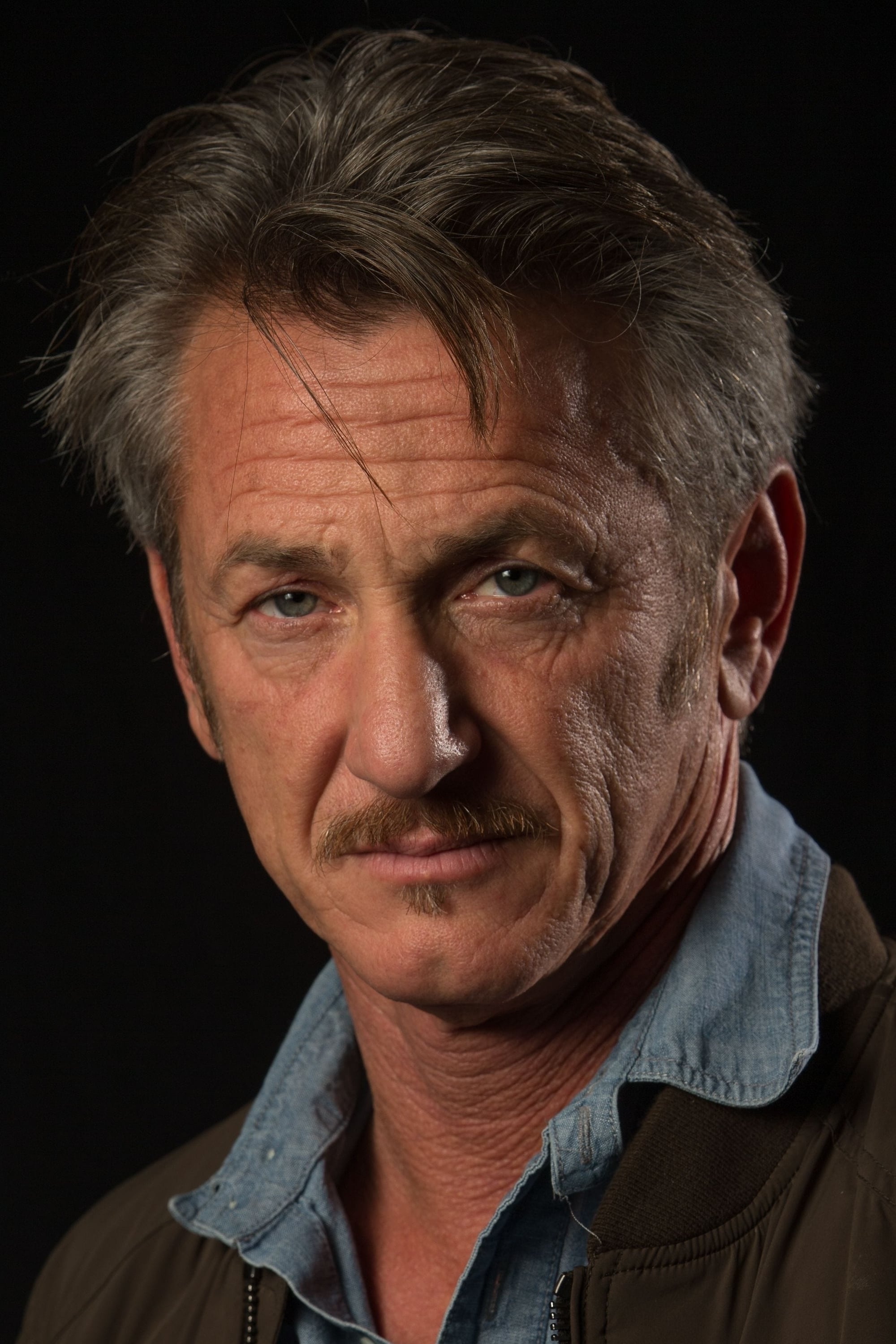
Sean Penn has consistently voiced criticism of the #MeToo movement, describing it as overly sensational and lacking in subtlety. He believes it often creates division between men and women and isn’t always based on honest reasoning. Penn feels the movement tends to oversimplify complex issues, and he sees the “cancel culture” associated with some feminist viewpoints as harmful to society.
Matt Damon
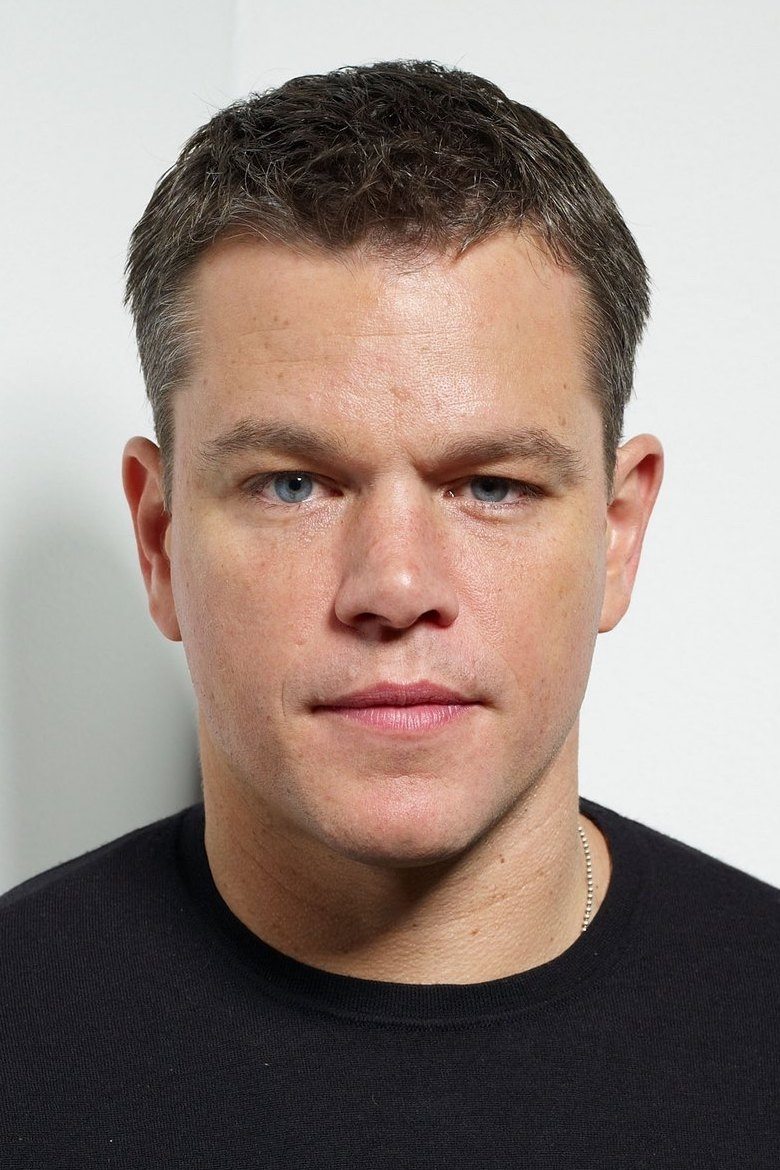
Matt Damon received significant criticism after suggesting that the discussion around sexual misconduct needed to recognize a range of behaviors. He pointed out a distinction between serious crimes like rape and less severe actions like unwanted touching, arguing they shouldn’t be grouped together. Damon also expressed concern about what he saw as an overly reactive and sensitive atmosphere surrounding the issue. Although he later apologized for any hurt his words caused, his original comments reflected a call for more thoughtful and detailed conversation within feminist discussions.
Terry Gilliam
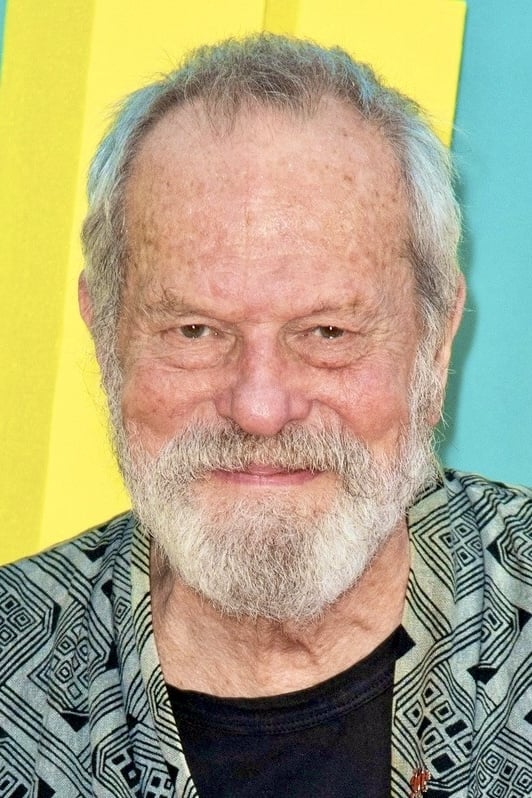
Director Terry Gilliam, known for his work with Monty Python, criticized the #MeToo movement, calling it a form of “mob rule.” He likened the public shaming of accused men to an angry mob attacking a monster in a classic horror story. Gilliam felt the movement unfairly reduced complicated relationships to simple labels of victim and perpetrator. He believes people in Hollywood often make deliberate choices, and it’s unfair to judge past interactions by today’s standards.
Margaret Atwood

Margaret Atwood, the author of the influential feminist novel ‘The Handmaid’s Tale,’ has received criticism for voicing concerns about some aspects of contemporary feminism. She cautioned that the #MeToo movement risked functioning like a flawed legal system, potentially skipping important steps to ensure fairness. In an essay, Atwood questioned whether the movement was evolving into a system where accusations were treated as convictions. She firmly believes that genuine justice demands fair trials and hearings, a position that has caused disagreement with some more activist-minded individuals.
Rose McGowan
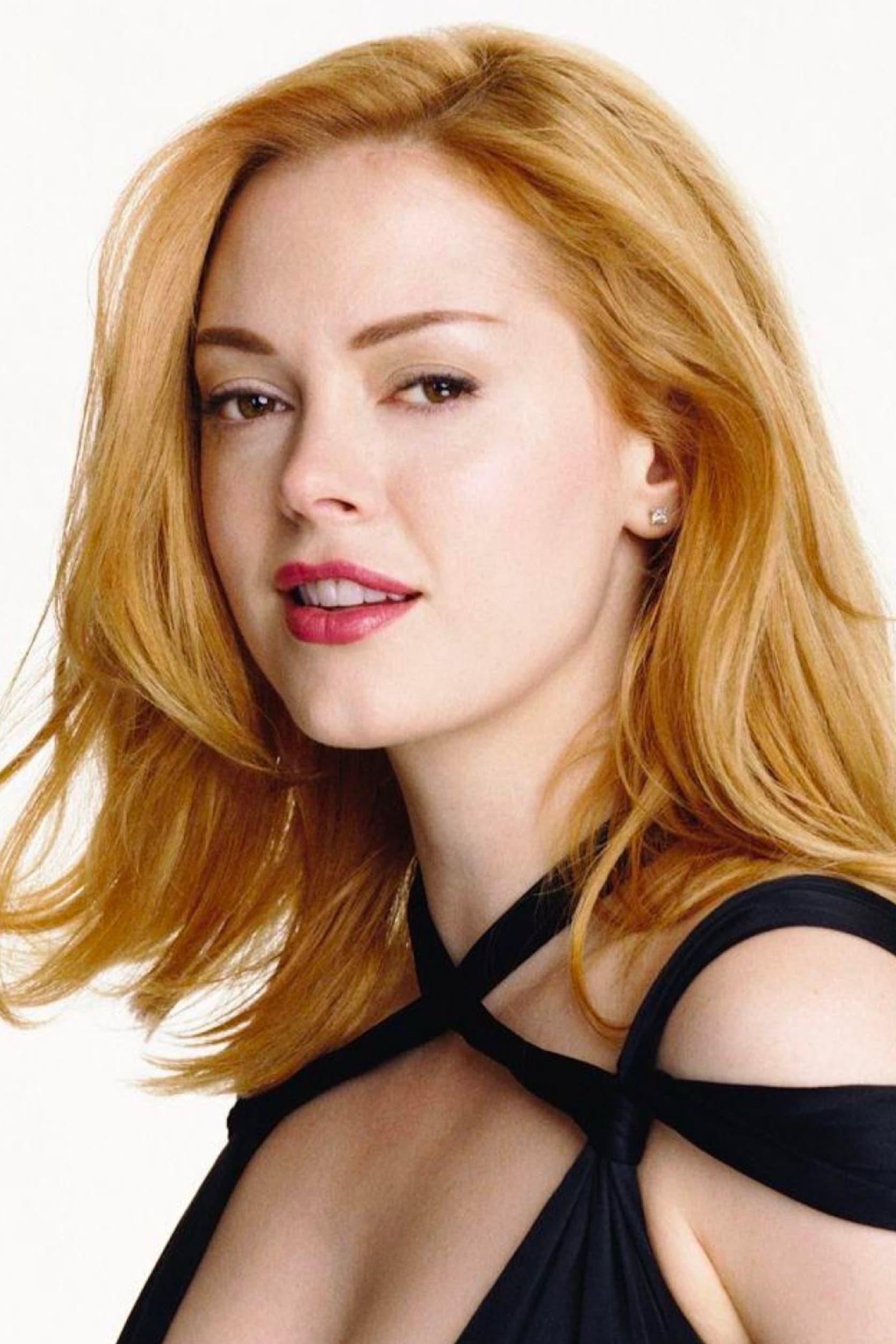
Rose McGowan, known for speaking out against Harvey Weinstein, has been a vocal critic of mainstream Hollywood feminism, particularly groups like Time’s Up. She’s dismissed the movement as insincere, claiming that some famous actresses only pretended to be activists to improve their public image after years of silence. McGowan believes this type of corporate feminism simply protects the existing power structure instead of truly challenging it. She sees herself as a more uncompromising feminist – one who rejects the carefully crafted, cautious image of feminism often presented in the media.
J.K. Rowling
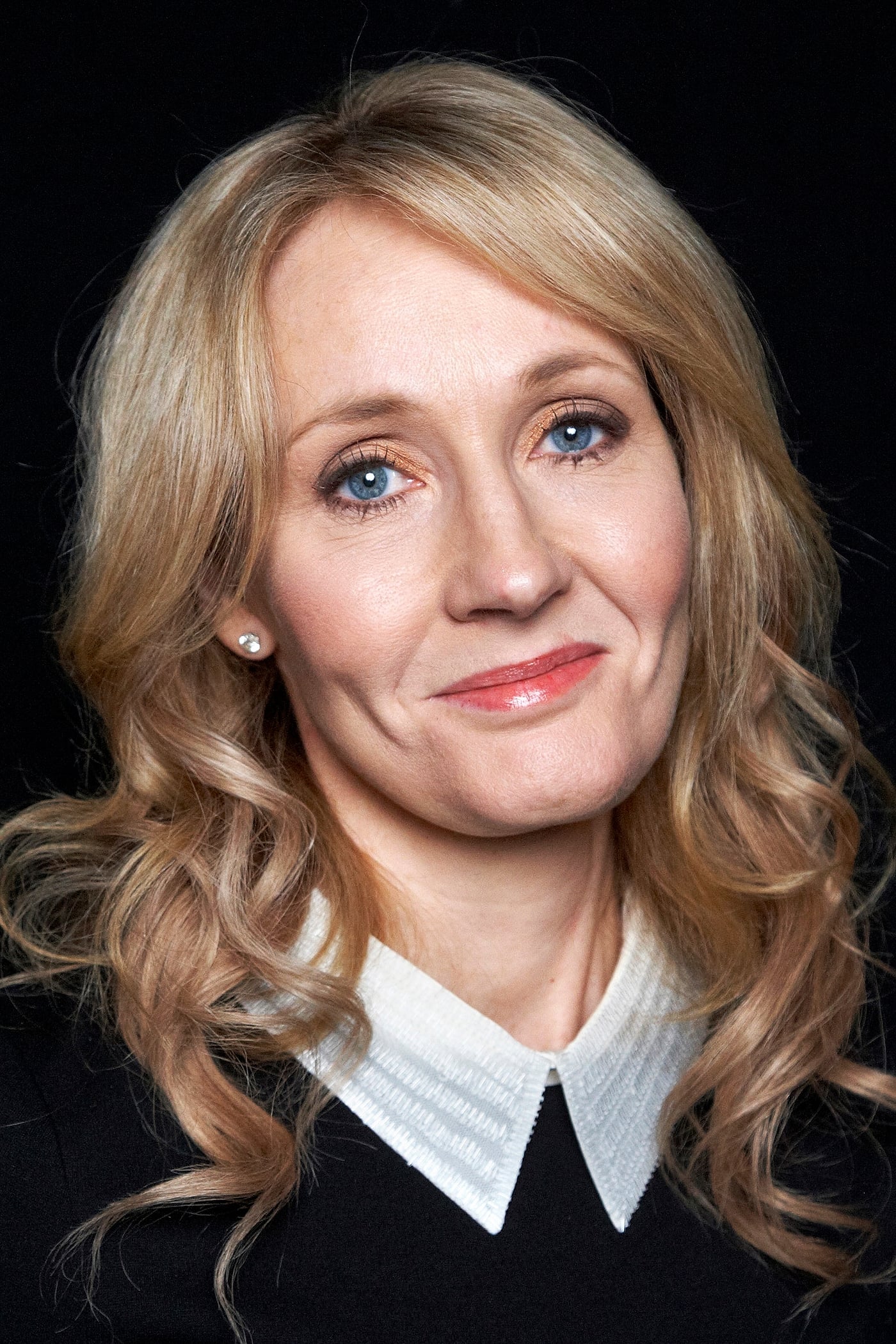
J.K. Rowling has publicly disagreed with some current ideas within feminism, particularly those relating to gender identity and how it intersects with other social issues. While still considering herself a feminist, she believes that focusing less on biological sex harms women’s rights and experiences worldwide. She’s voiced concerns that the way gender is currently discussed could threaten women-only spaces and change the legal definition of what it means to be a woman. These views have caused significant controversy and distanced her from many contemporary feminists.
Bill Burr
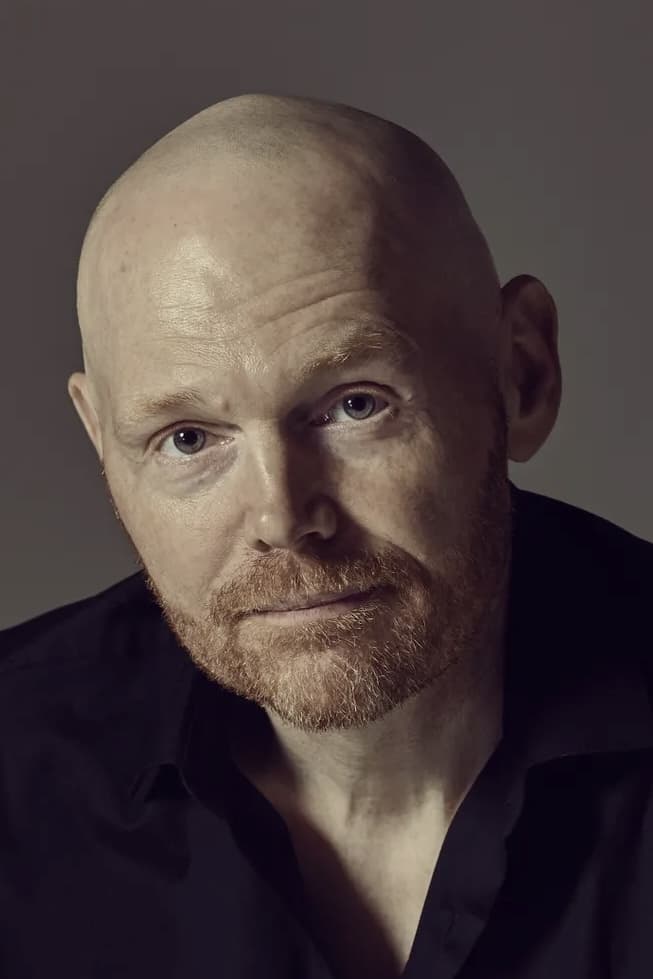
Bill Burr, a popular comedian, often jokes about what he sees as inconsistencies within the feminist movement, particularly regarding men. He points out that discussions often overlook the challenges men experience and suggests society has become overly critical of them. Burr challenges the idea that all men are part of a problematic system, using humor to expose what he believes are unfair double standards. Through his comedy, he also responds to what he sees as the practice of quickly condemning people for perceived missteps, often by activist groups.
Dave Chappelle
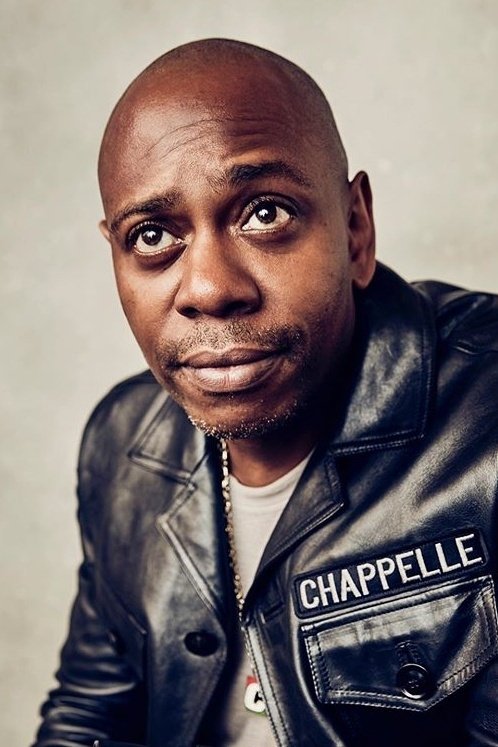
As a big fan of comedy, I’ve been following the discussions around Dave Chappelle’s recent specials. What really strikes me is how he tackles this whole ‘cancel culture’ thing, especially as it relates to social justice and even feminism. He basically argues that people are so easily offended these days that it’s become really hard to do honest, edgy comedy. He seems to think these movements sometimes turn on each other, and that this push for everyone to think exactly alike can be kind of controlling. He’s a real defender of the idea that comedy should be able to push boundaries and even offend, and he definitely challenges some of the commonly accepted ideas about gender and power dynamics that are part of modern feminist thought. It’s definitely thought-provoking stuff.
Ricky Gervais
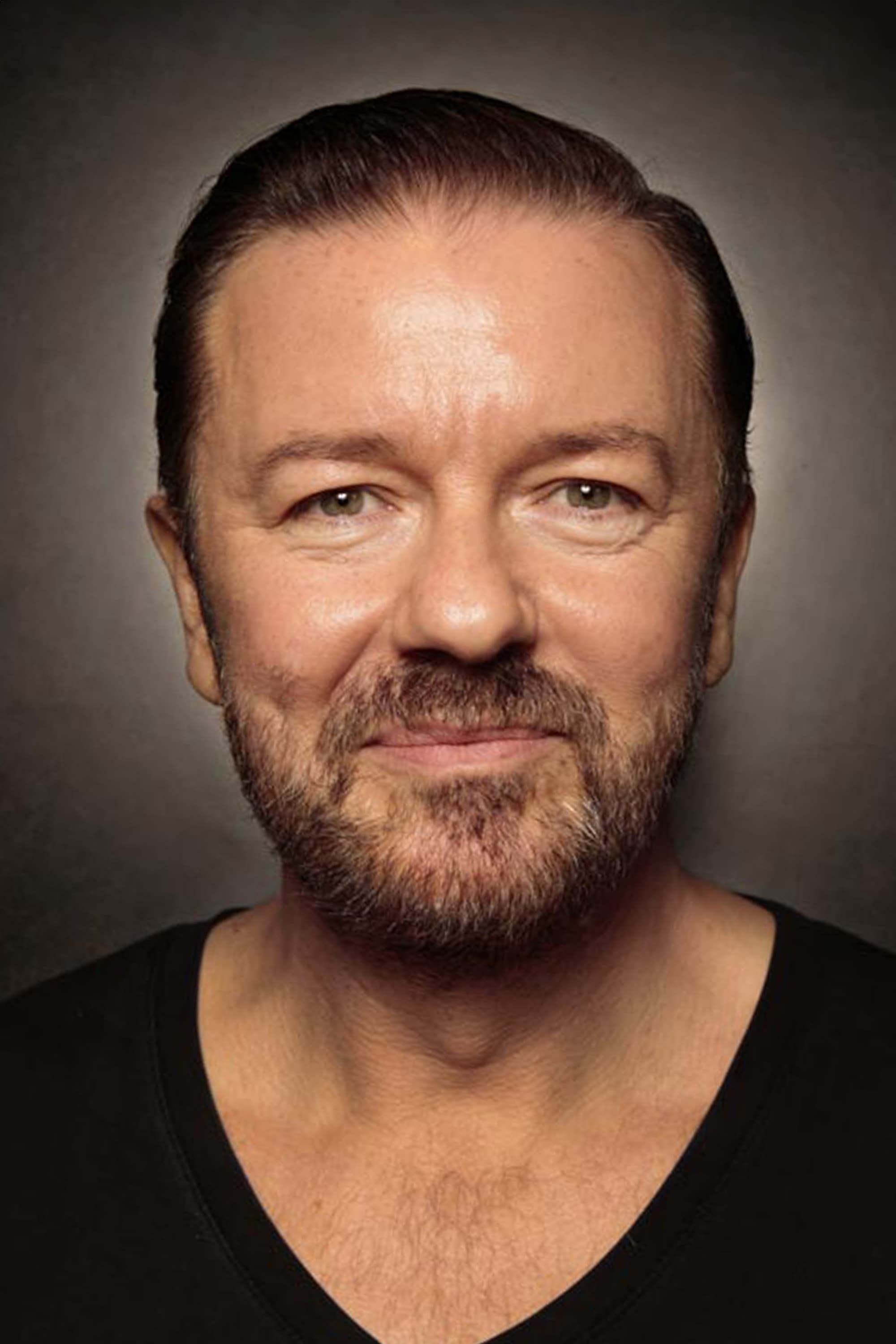
Ricky Gervais, a British comedian, is known for speaking out against what he sees as excessive political correctness, often linking it to strict rules about language promoted by some feminists. He frequently uses his high-profile events, like hosting the Golden Globes, to call out celebrities who advocate for ethical behavior while also benefiting from companies with questionable practices. Gervais believes that many modern social justice efforts are just for show and lack real thought. He remains committed to making jokes on any topic, including gender and identity, and refuses to self-censor.
Piers Morgan
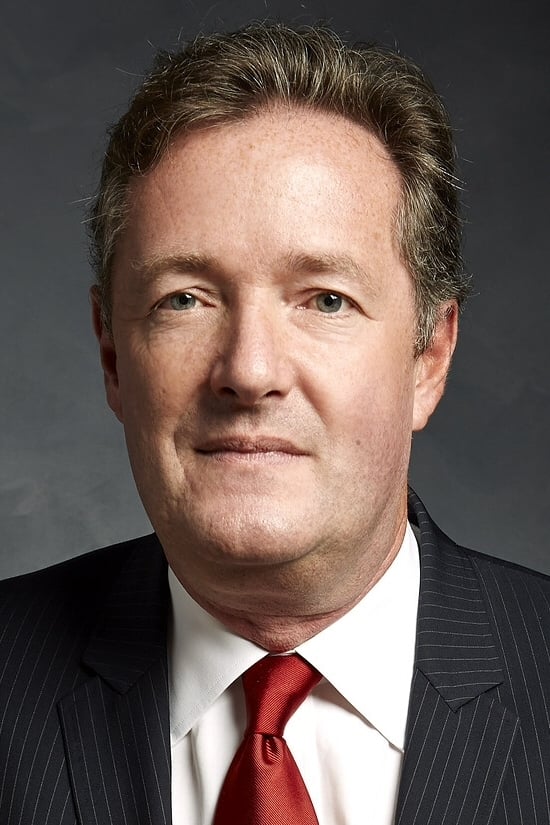
Piers Morgan often speaks out against what he calls “radical feminism,” frequently discussing the topic with guests on his programs. He differentiates between feminism focused on equal rights – which he supports – and a more recent form he believes unfairly targets men. Morgan regularly criticizes protests and online campaigns he considers overly extreme or illogical, like the decision to remove grid girls from Formula 1 racing. He believes the feminist movement has been taken over by people who want to prioritize women over men, rather than achieve true equality.
Joe Rogan
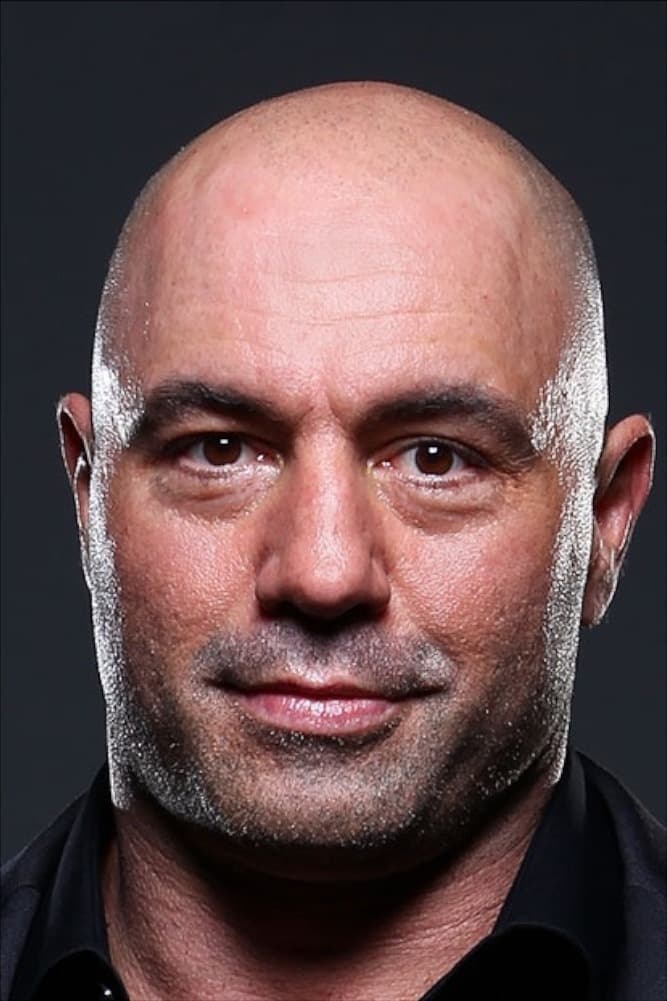
Joe Rogan, a popular podcaster, often features guests who are critical of modern feminism and dedicates significant time to discussing the topic. He believes the movement has evolved into something hostile towards men and doesn’t recognize natural biological differences. Rogan suggests that claims about a dominant “patriarchy” are often exaggerated and overlook the difficulties faced by working-class men. He frequently provides a platform for thinkers known as the “Intellectual Dark Web,” who question established feminist ideas from academia.
Candace Owens

Candace Owens, a well-known conservative voice, is a strong critic of modern feminism, even calling it a deceptive practice. She believes the movement fosters unhappiness in women and pits them against men instead of encouraging partnership. Owens argues feminism has weakened traditional family structures and given women unrealistic expectations for happiness. She attributes these issues to what she sees as a harmful ideology that has influenced modern women.
Gina Carano
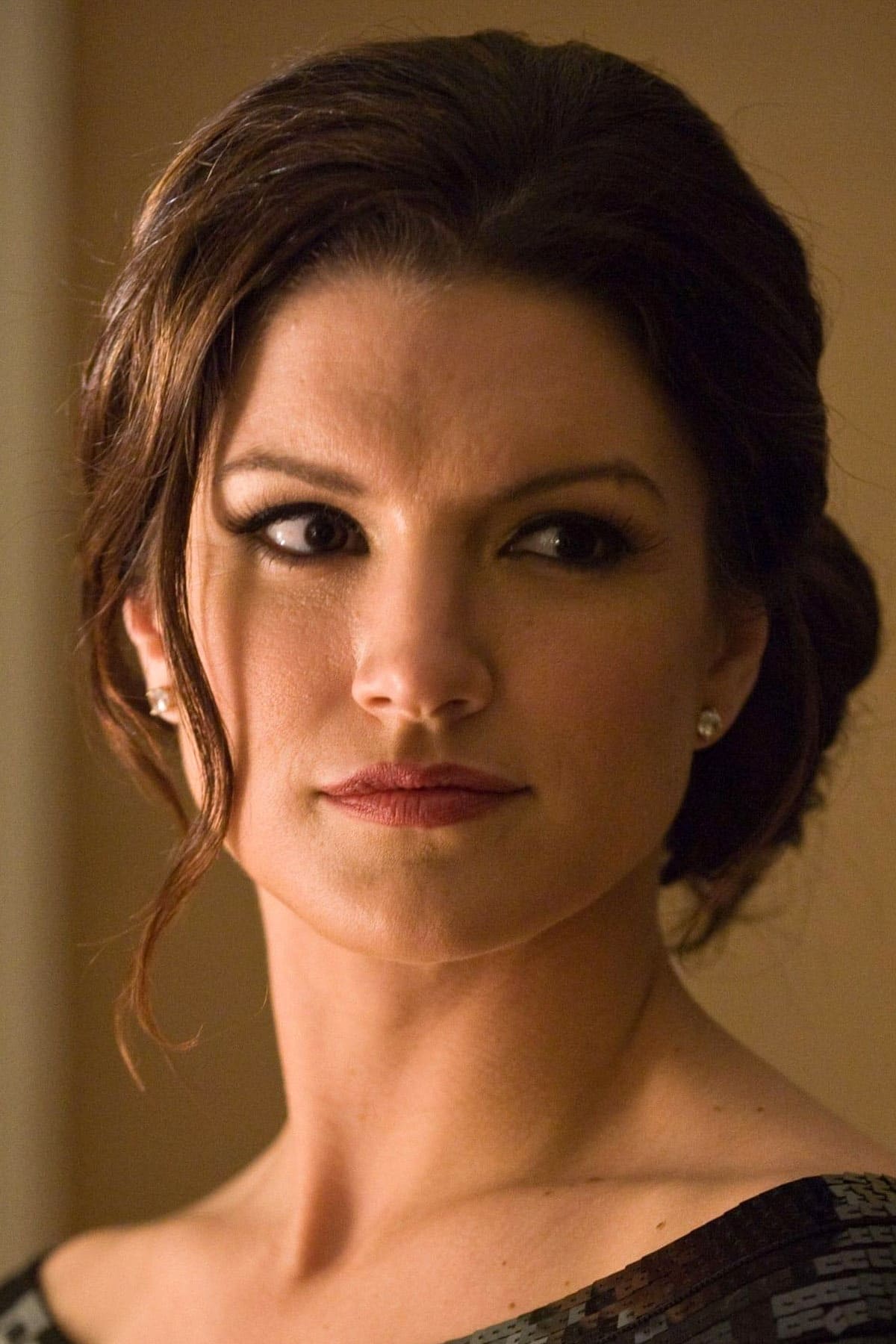
Gina Carano, an actress and former MMA fighter, has received a lot of criticism for not following current social and political expectations, particularly those concerning gender identity. She’s spoken out against the expectation of including pronouns in online profiles and feels pressured to conform in Hollywood. Carano believes today’s feminist and activist movements often feel like bullying instead of empowerment. Ultimately, her refusal to accept these norms led to her departure from Disney and her role on ‘The Mandalorian’.
Kevin Sorbo
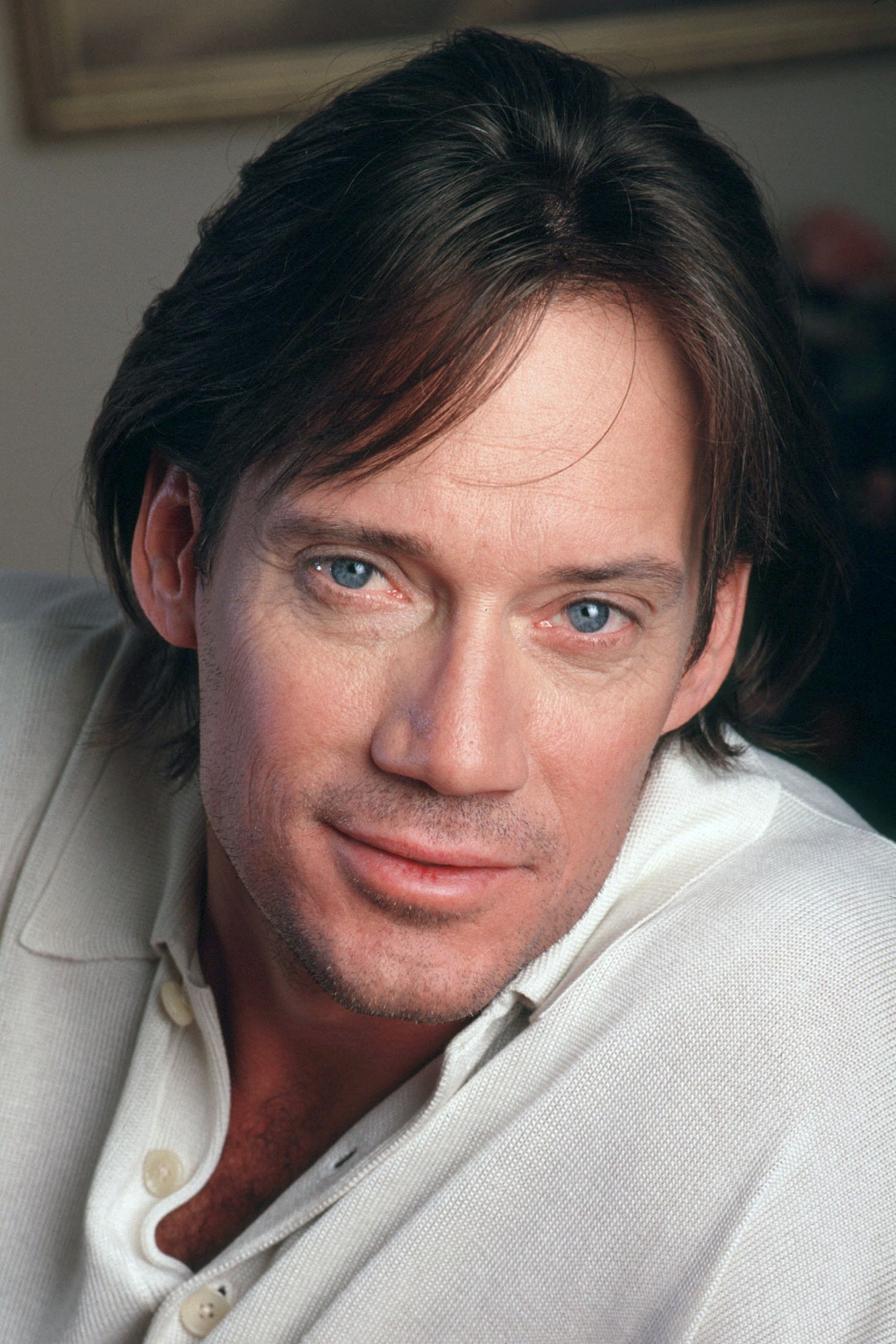
Actor Kevin Sorbo frequently expresses concern about what he sees as a decline in traditional masculinity and attacks on men in modern culture. He believes Hollywood and the media are actively promoting ideas that weaken and diminish men. Sorbo argues that while feminism should empower women, the current movement often does so by negatively portraying men. He supports a return to traditional gender roles and values rooted in biblical teachings.
James Woods
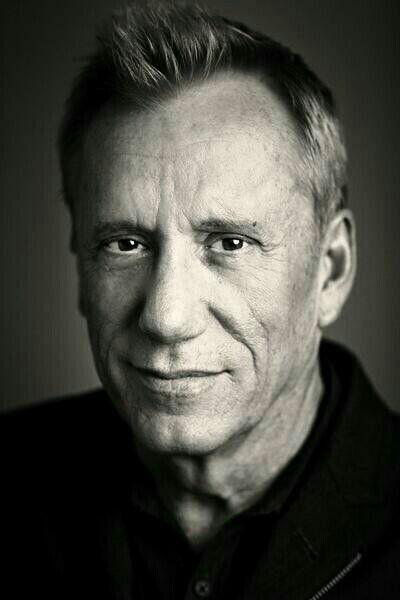
James Woods is known for his strong criticism of progressive ideas on Twitter, often challenging feminist viewpoints. He uses his account to ridicule what he considers illogical aspects of current discussions around gender and the #MeToo movement, arguing that emotions have overtaken reason. Woods sees himself as protecting traditional American values from what he believes is a drastic change in culture.
John Cleese
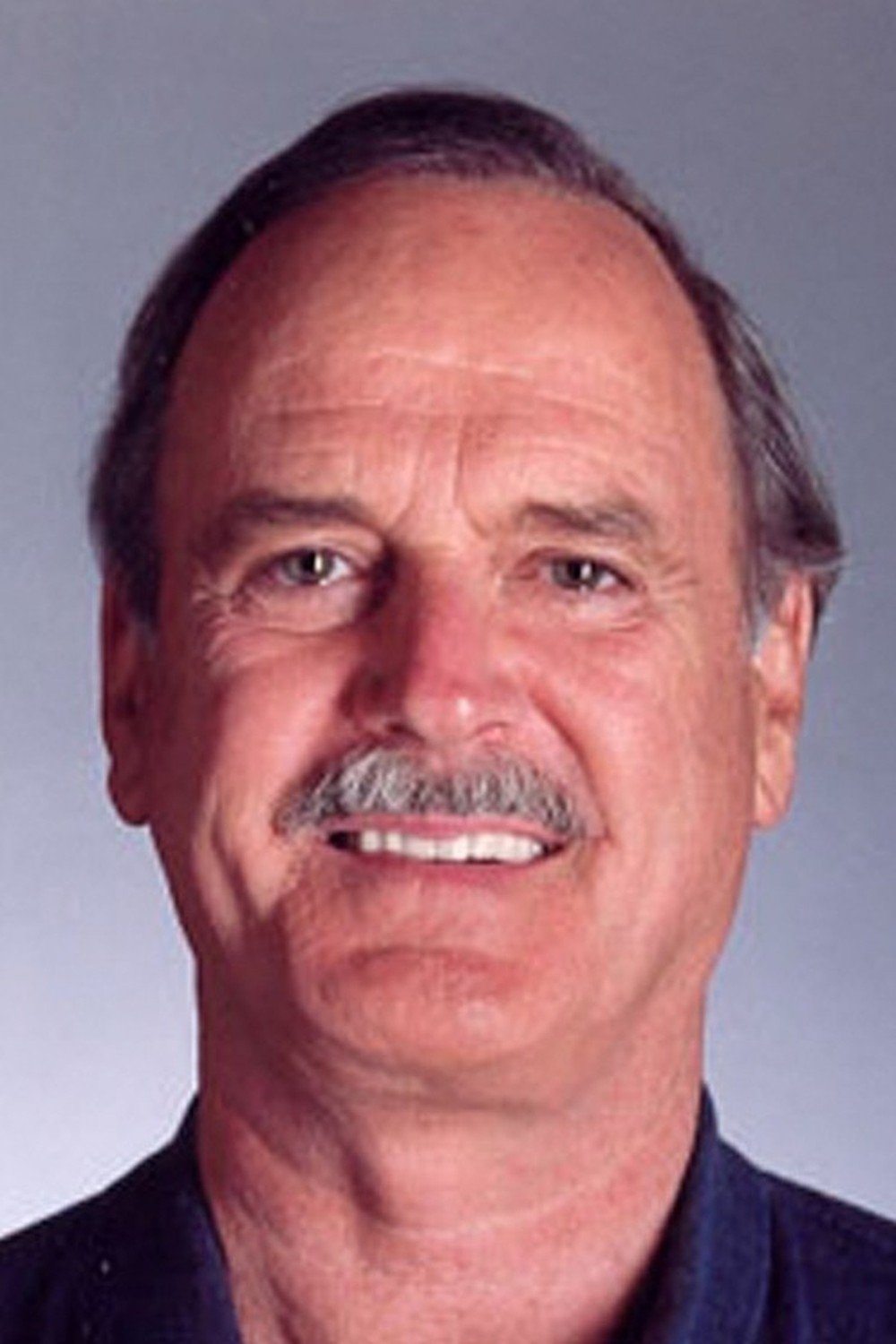
John Cleese, famous for Monty Python, has spoken out against what he sees as the limiting effects of political correctness and extreme feminist views on comedy. He believes comedians are now too afraid of causing offense, especially to groups like women, which has ruined the subtlety and cleverness of humor. Cleese describes the current “woke” culture as overly controlling and lacking perspective, and he’s firm in his refusal to apologize for jokes he’s made in the past or change his comedic approach to meet today’s standards.
Laurence Fox
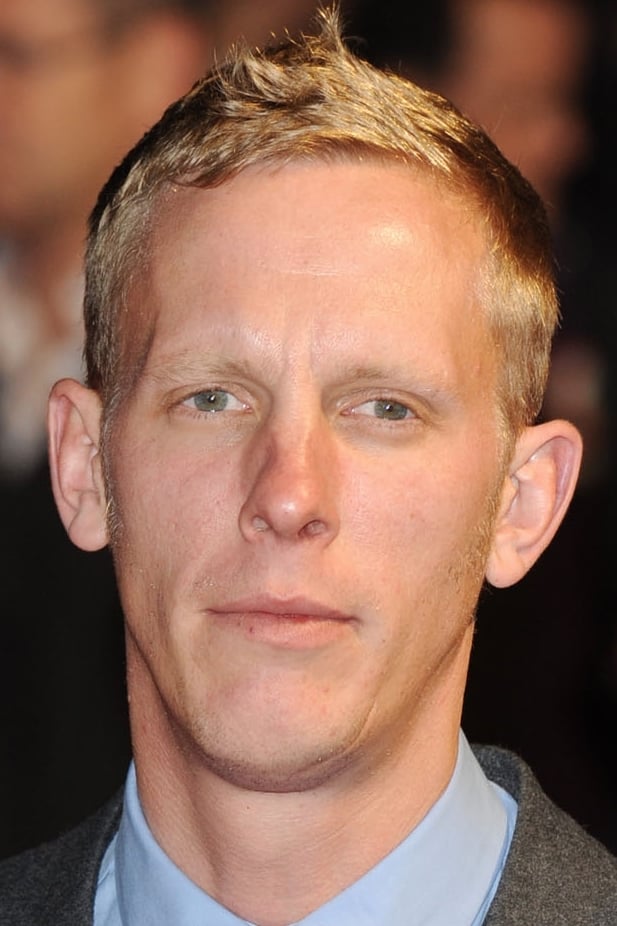
As a film buff, I’ve been following Laurence Fox, and it’s fascinating – and frankly, a bit controversial – what he’s doing politically. He started the Reclaim Party, and his main focus seems to be pushing back against what he calls “woke” culture, specifically things like radical feminism. He believes there’s a growing trend of overlooking the struggles faced by white men and argues that the idea of systemic privilege isn’t accurate. It’s gotten pretty personal too – he’s even publicly said he wouldn’t date women who subscribe to those ideologies, finding it all too much. Essentially, his whole political stance revolves around critiquing this focus on identity politics, especially when it comes to gender and race.
Morrissey

Morrissey, the former lead singer of The Smiths, has repeatedly sparked controversy with his opinions on gender and social issues. He believes the current understanding of harassment is too broad, diminishing the seriousness of genuine attacks. He’s also questioned the idea of automatically believing all accusations made by women, suggesting that false claims should also be considered. Generally, his views go against what most people now consider to be acceptable social norms.
Sandra Day O’Connor
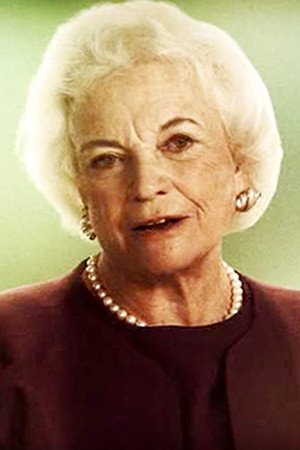
Sandra Day O’Connor, the first woman on the U.S. Supreme Court, didn’t like being called a feminist. She often said she preferred to be seen simply as a strong and impartial judge who worked diligently. O’Connor felt her accomplishments were more important than any political label, and she didn’t believe in activism. Her approach was subtle but effective – she reached the peak of her profession without embracing the term or its associated beliefs.
Kim Kardashian
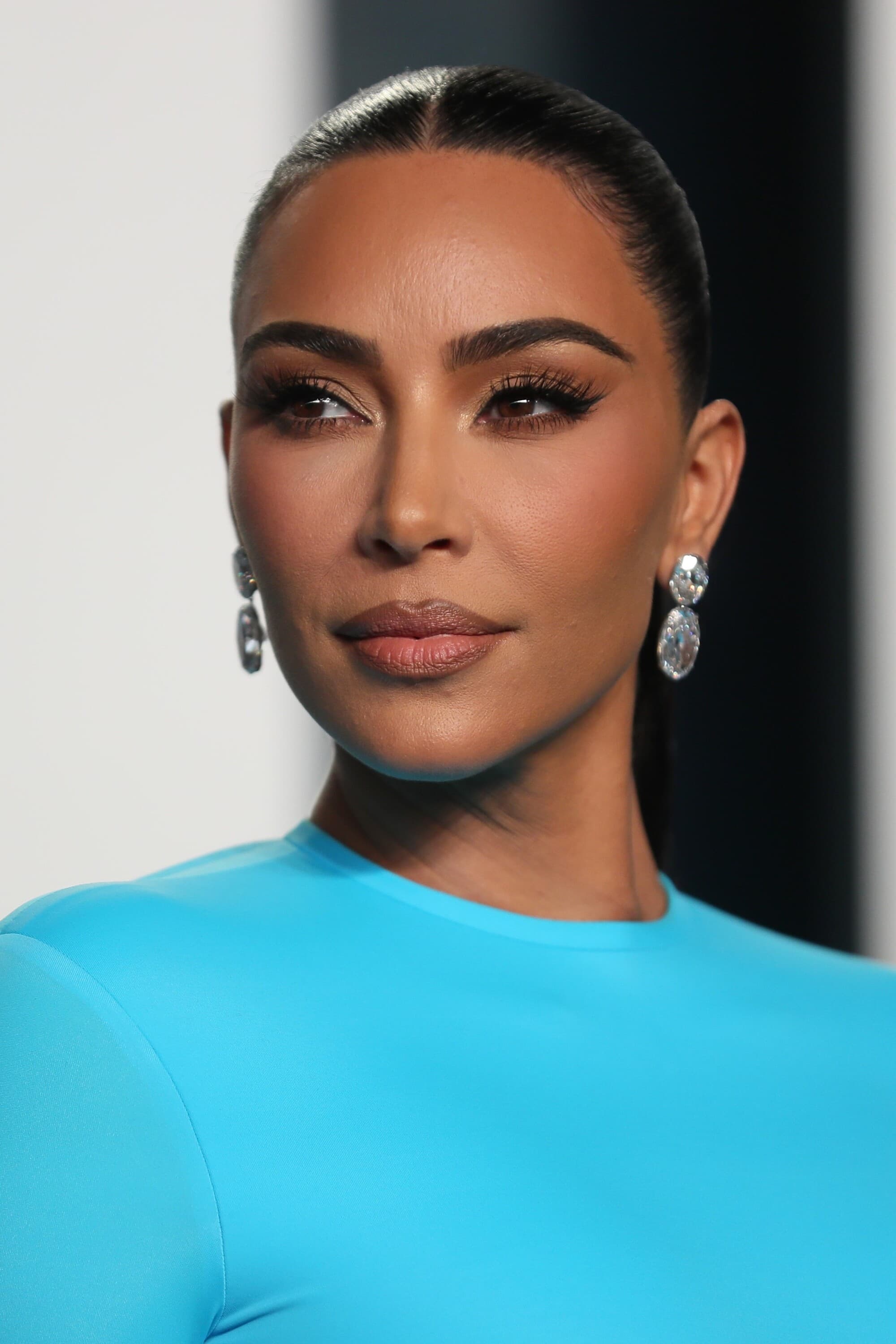
Kim Kardashian, the star of several reality TV shows, recently sparked debate by saying she doesn’t identify as a feminist. She clarified that although she supports women, she prefers not to use labels and doesn’t want to be categorized. Kardashian believes you can still work to empower women without formally being a feminist. This perspective highlights a current trend of focusing on personal achievement rather than broader political movements.
Kendall Jenner
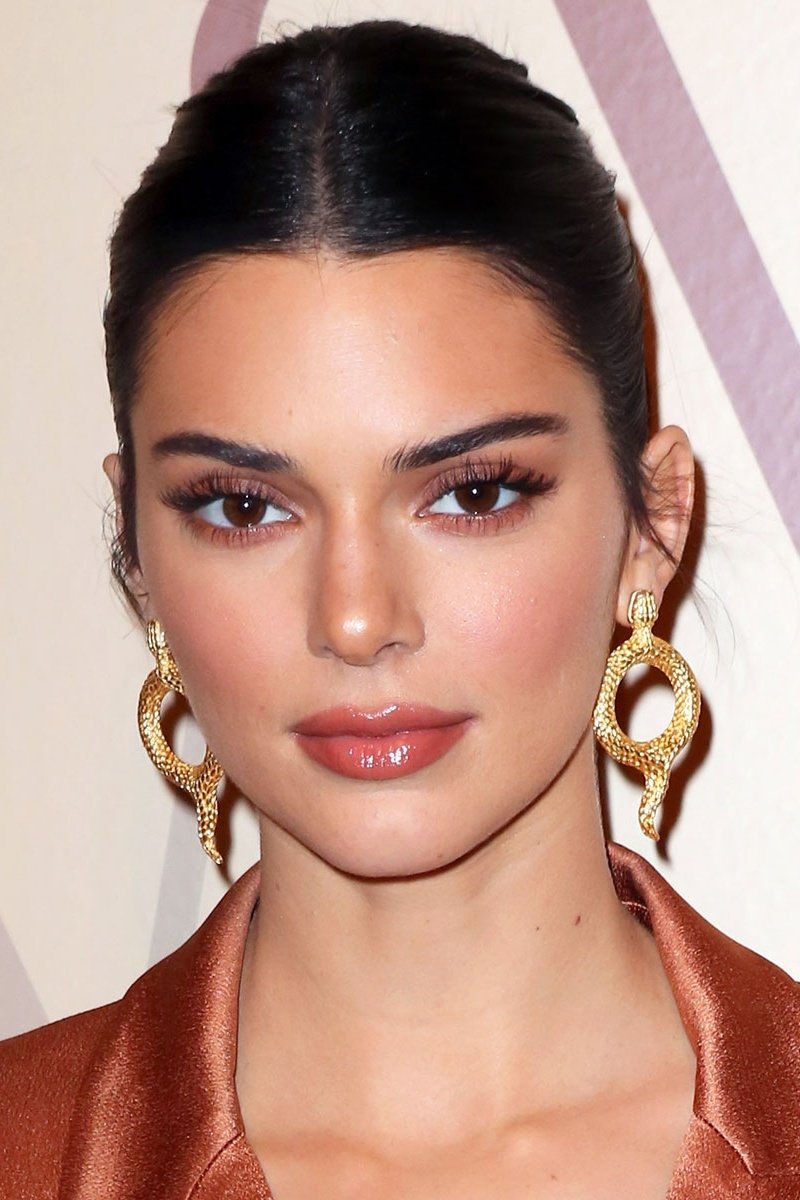
Like her sister, Kendall Jenner doesn’t consider herself a feminist. She wonders why she needs to use the label, explaining that she simply supports other women. This viewpoint suggests a lack of interest in the political implications of the term ‘feminist,’ and reflects how some younger people see the label as unnecessary or no longer relevant.
Melissa Leo
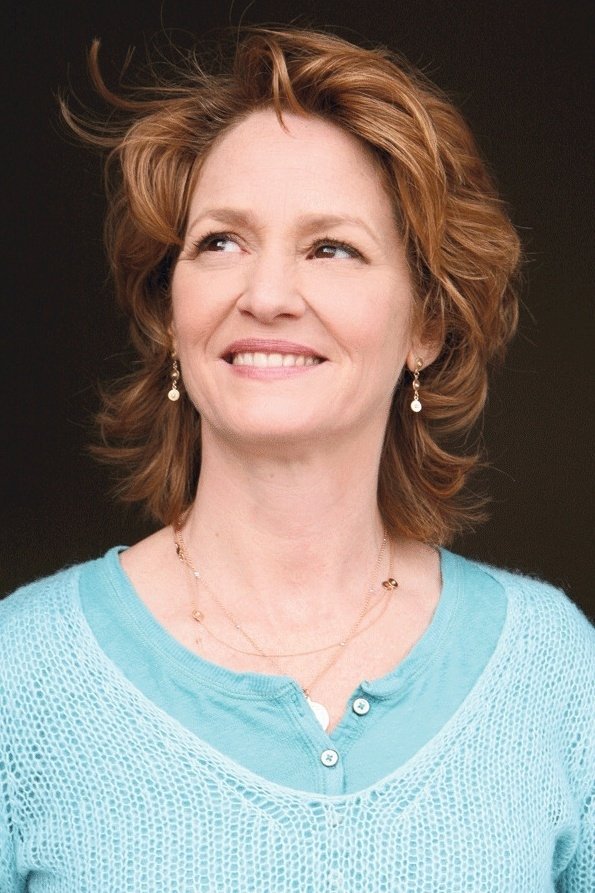
Melissa Leo, the actress, doesn’t identify as a feminist, believing that using labels—like any kind of categorization—actually hinders understanding. She thinks these labels create separation between people and make it harder to connect on a human level. Leo emphasizes the importance of seeing people as individuals, rather than defining them by group affiliations, and sees labels as naturally restrictive.
Jacqueline Bisset
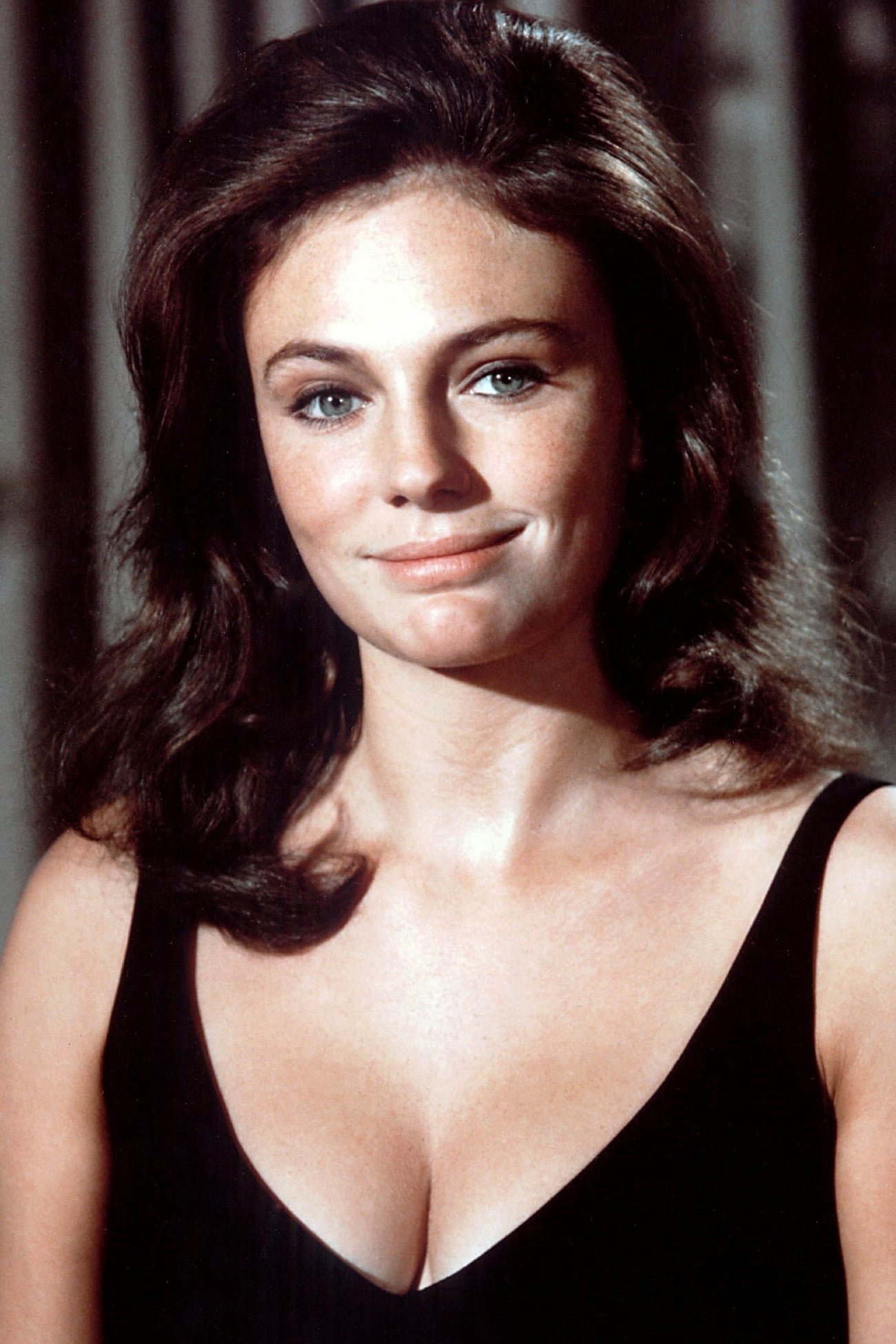
Jacqueline Bisset, the British actress, has explained she never fully identified with feminism, finding it often came across as overly assertive. While acknowledging the movement’s positive aspects, she felt that a focus on strength sometimes caused women to lose a certain allure. Bisset believes in preserving a sense of mystery and softness in relationships and feels that some feminist viewpoints overlook the appeal of traditional gender roles and dynamics.
Carrie Underwood
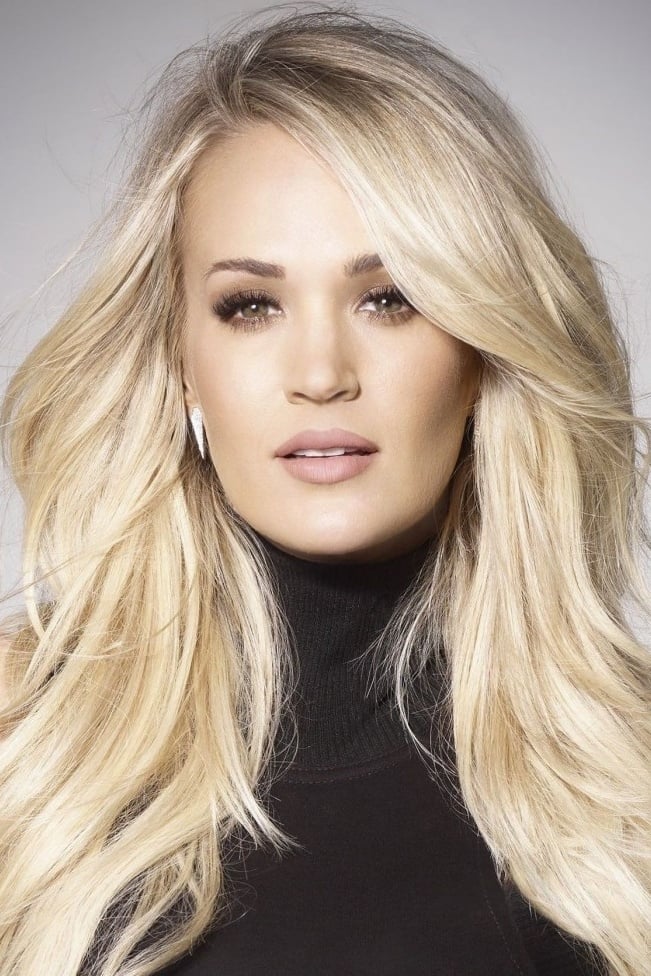
Carrie Underwood, the popular country singer, has intentionally steered clear of calling herself a feminist. She feels the term carries negative associations and prefers to be known as a “strong female” instead. Underwood worries that the word “feminist” is often seen as aggressive or confrontational, and she wants to inspire women without being tied to those perceptions or political debates.
Reba McEntire
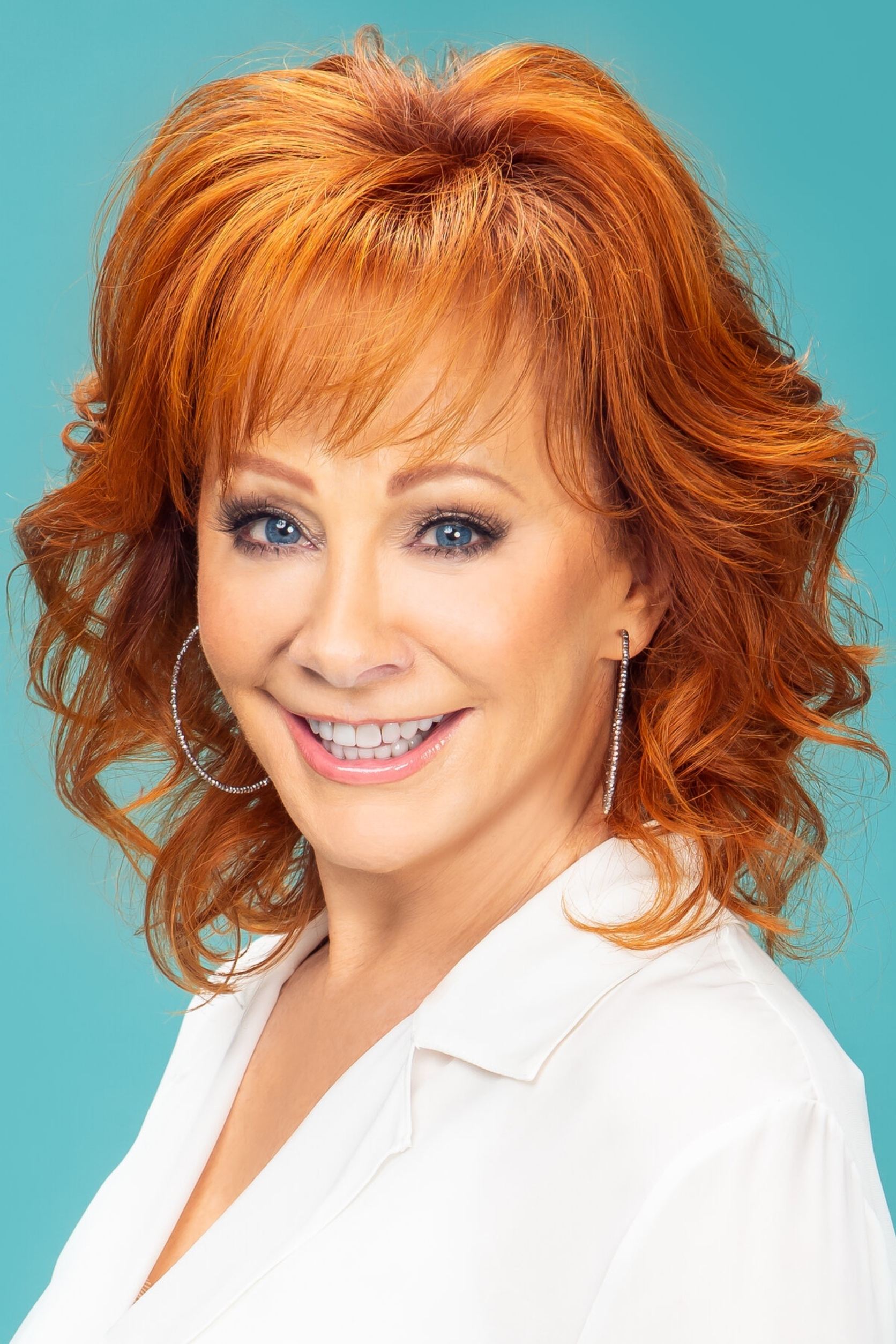
Reba McEntire, the famous country singer, has said she doesn’t identify with feminist labels, preferring to focus on supporting everyone equally. She believes in working hard and being kind to all people, no matter their gender. McEntire feels the feminist movement can sometimes be too focused on conflict or exclude certain people. She represents a more traditional, self-reliant approach, prioritizing personal effort over analyzing systemic gender issues.
Dolly Parton
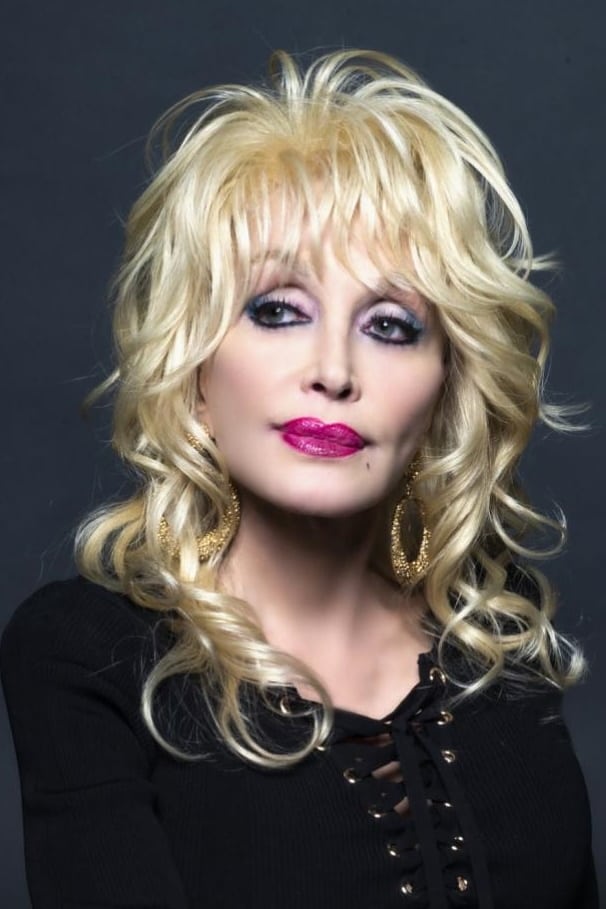
I’ve always been amazed by Dolly Parton – she’s such a strong, independent woman who’s built an incredible career all on her own terms. It’s interesting, though, that she doesn’t identify as a feminist. She’s explained that she genuinely likes men and doesn’t want to be associated with anything that feels anti-male. Instead, she feels she proves her point just by being herself – running a successful business and commanding respect. She truly believes in treating everyone equally, but she doesn’t like the often-aggressive image that comes with the term ‘feminist.’ It’s a thoughtful perspective, and I really respect it.
Kelly Clarkson
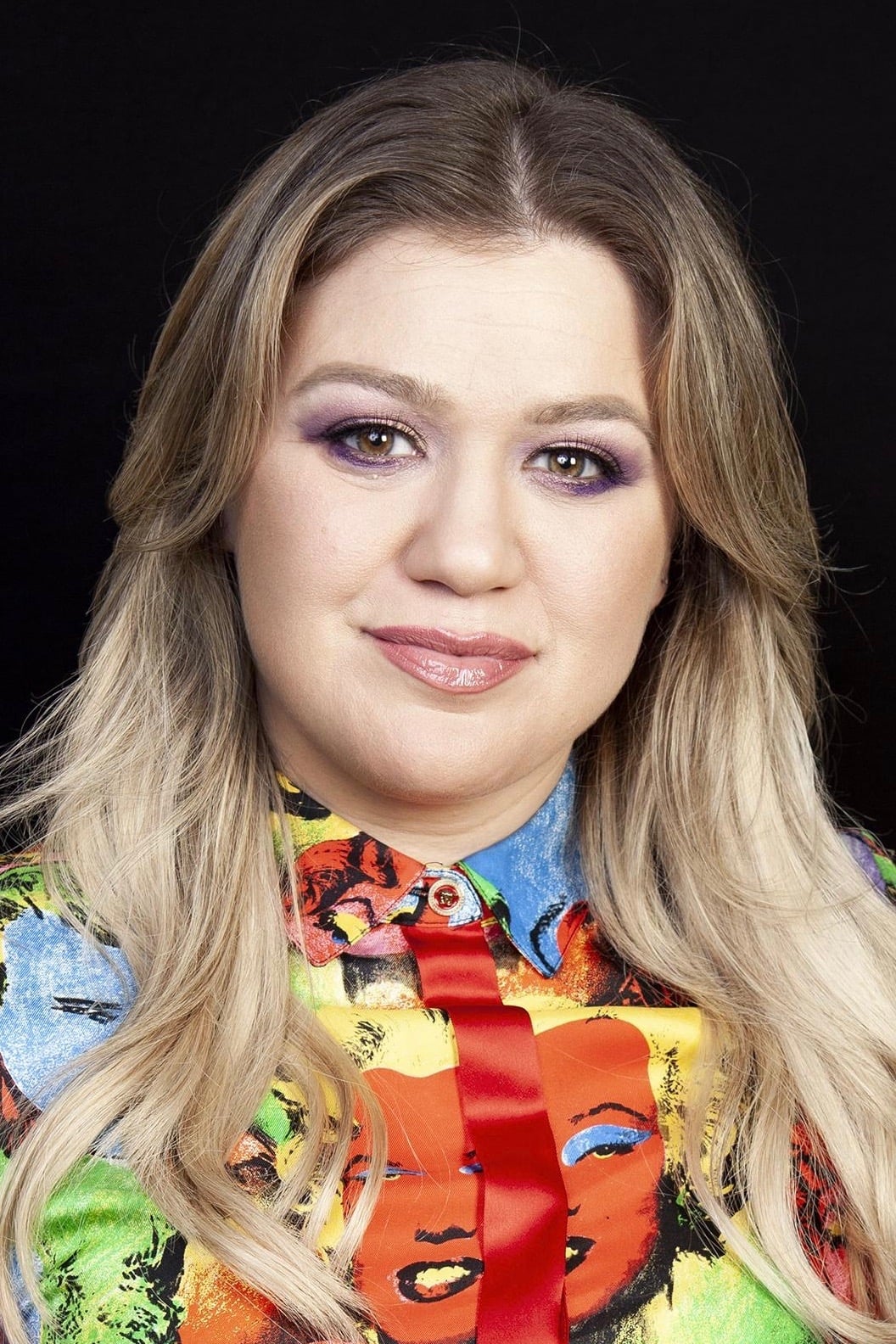
Kelly Clarkson has said she doesn’t identify as a feminist because she feels the term comes across as too assertive. She worried it suggests a need to be completely self-reliant and not need help from anyone, while she personally values being cared for in a relationship. This shows how some people mistakenly believe feminism means women have to be entirely independent and reject traditional roles. Clarkson felt the label didn’t fit her desire for a partner who would take care of her.
Katy Perry
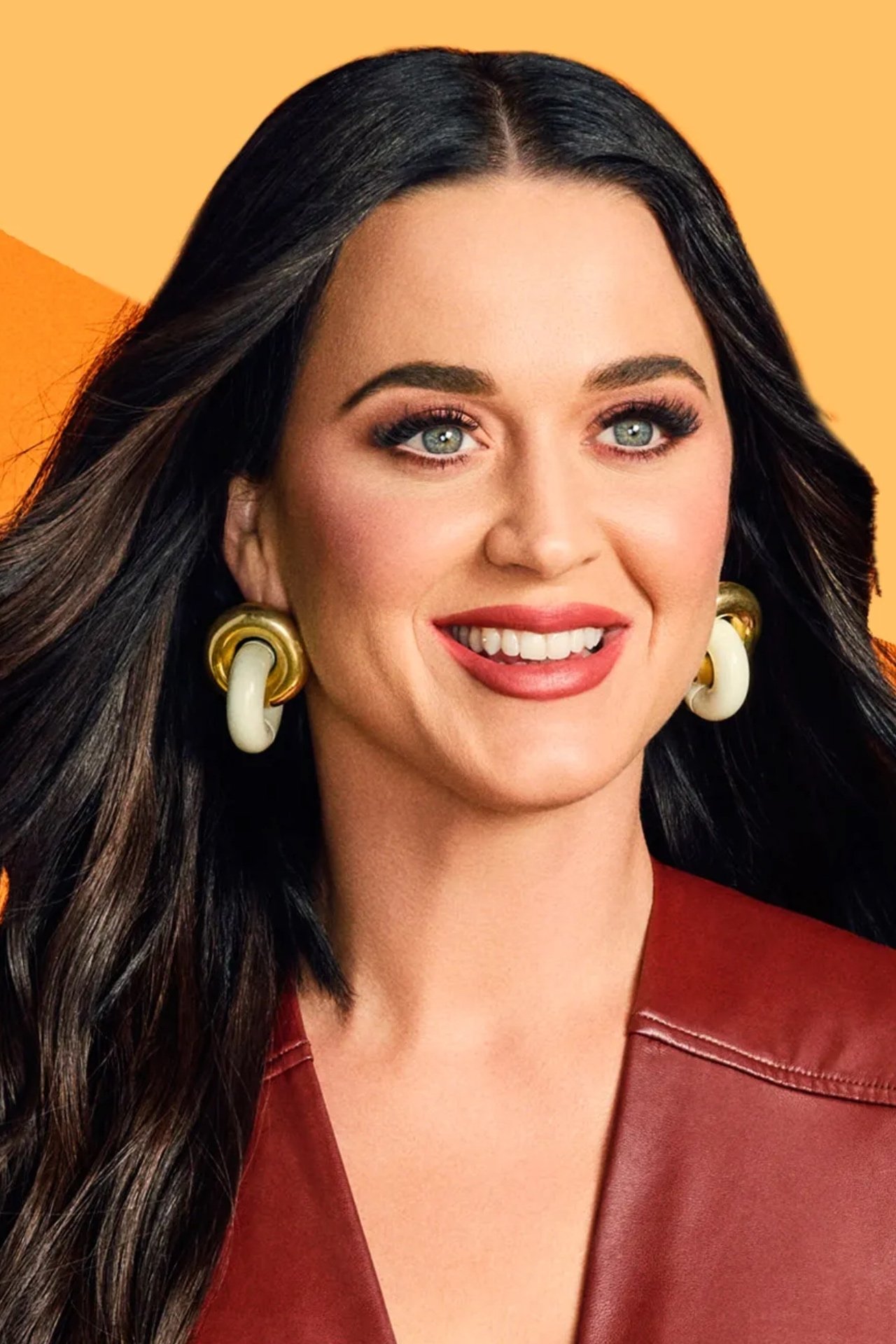
I remember when Katy Perry first addressed the whole feminism question – it was years ago, and she said she wasn’t a feminist, but absolutely believed in empowering women. She admitted she didn’t really get what the term meant back then, and honestly, she worried it came across as being against men. It was a pretty common idea at the time, this thought that feminism and being anti-men went hand-in-hand. Looking back, her initial hesitation sparked a lot of discussion, and it was a notable moment when a celebrity publicly wrestled with the ‘feminist’ label.
Lady Gaga
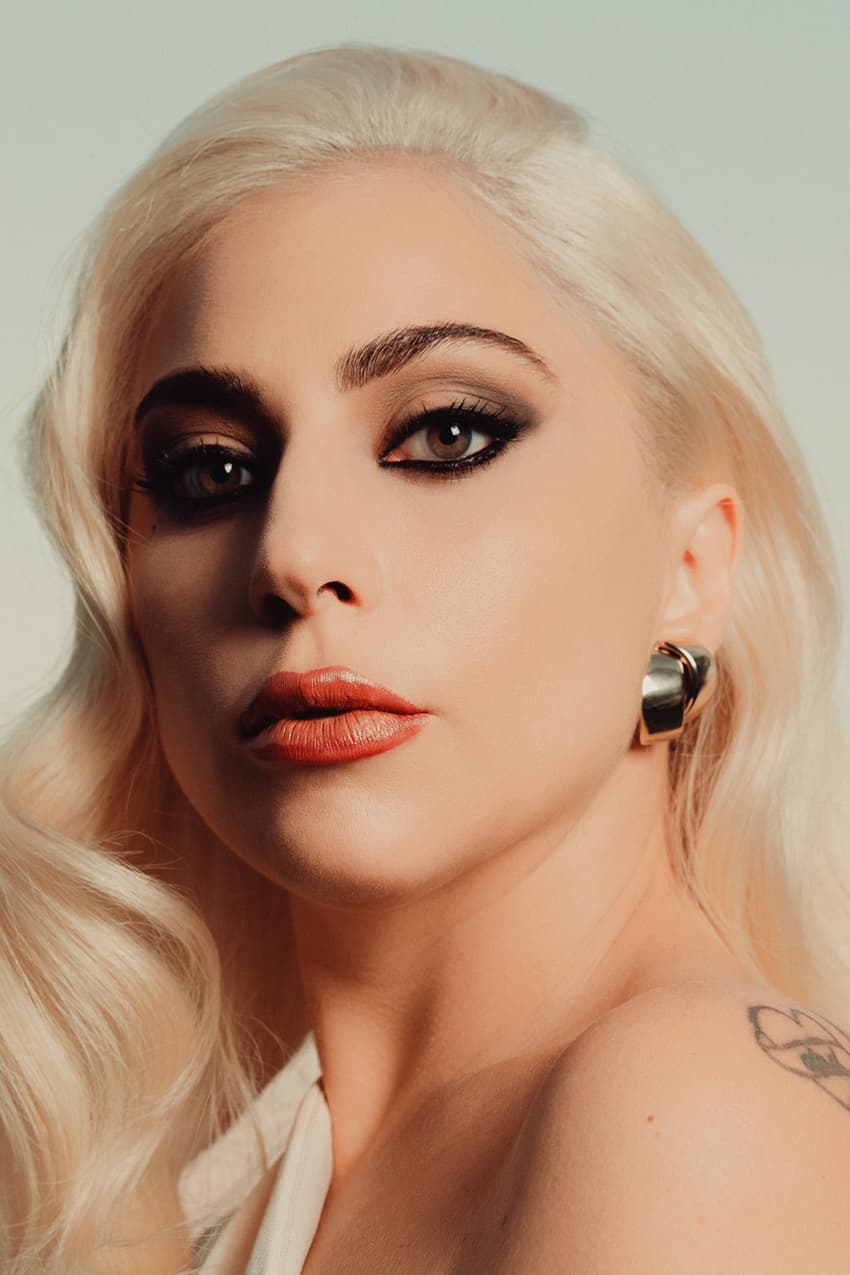
When Lady Gaga first became famous, she told the Los Angeles Times that she didn’t identify as a feminist, stating she “hails men” and “loves men.” She felt the feminist movement sometimes seemed to criticize traditionally masculine aspects of American culture, like beer and cars. Gaga believed she could be a powerful woman without being labeled as anti-male. This statement is often remembered as a well-known example of a celebrity distancing themselves from feminism in favor of embracing masculinity.
Björk
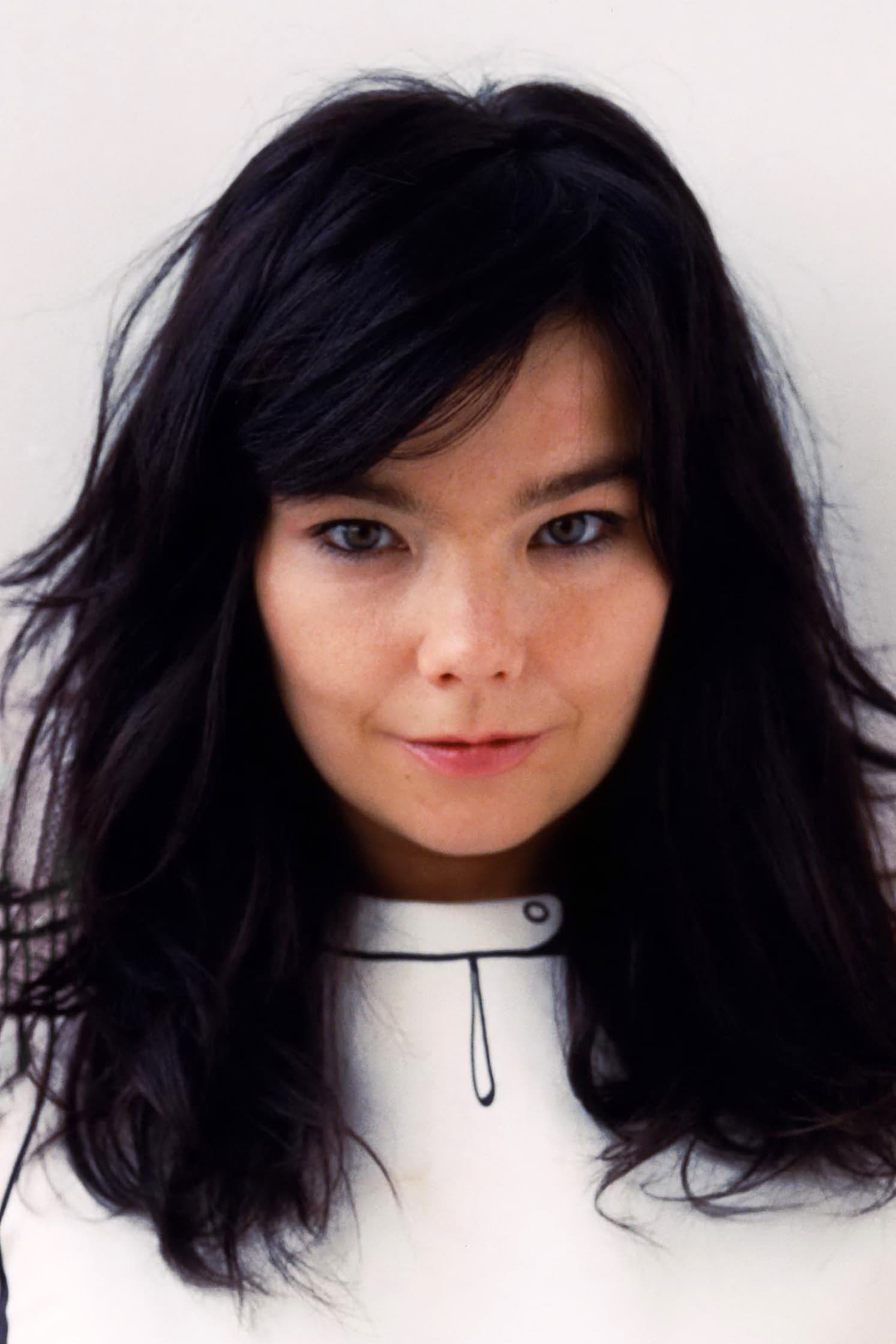
Björk, the Icelandic artist, has explained that she doesn’t consider herself a feminist because she believes labels can be limiting. She’d rather concentrate on positive action and solutions than dwell on problems. Björk feels the feminist movement sometimes emphasizes negativity too much and prefers to focus on creativity, nature, and a broader view of humanity, operating outside of strict political categories.
Adam Baldwin
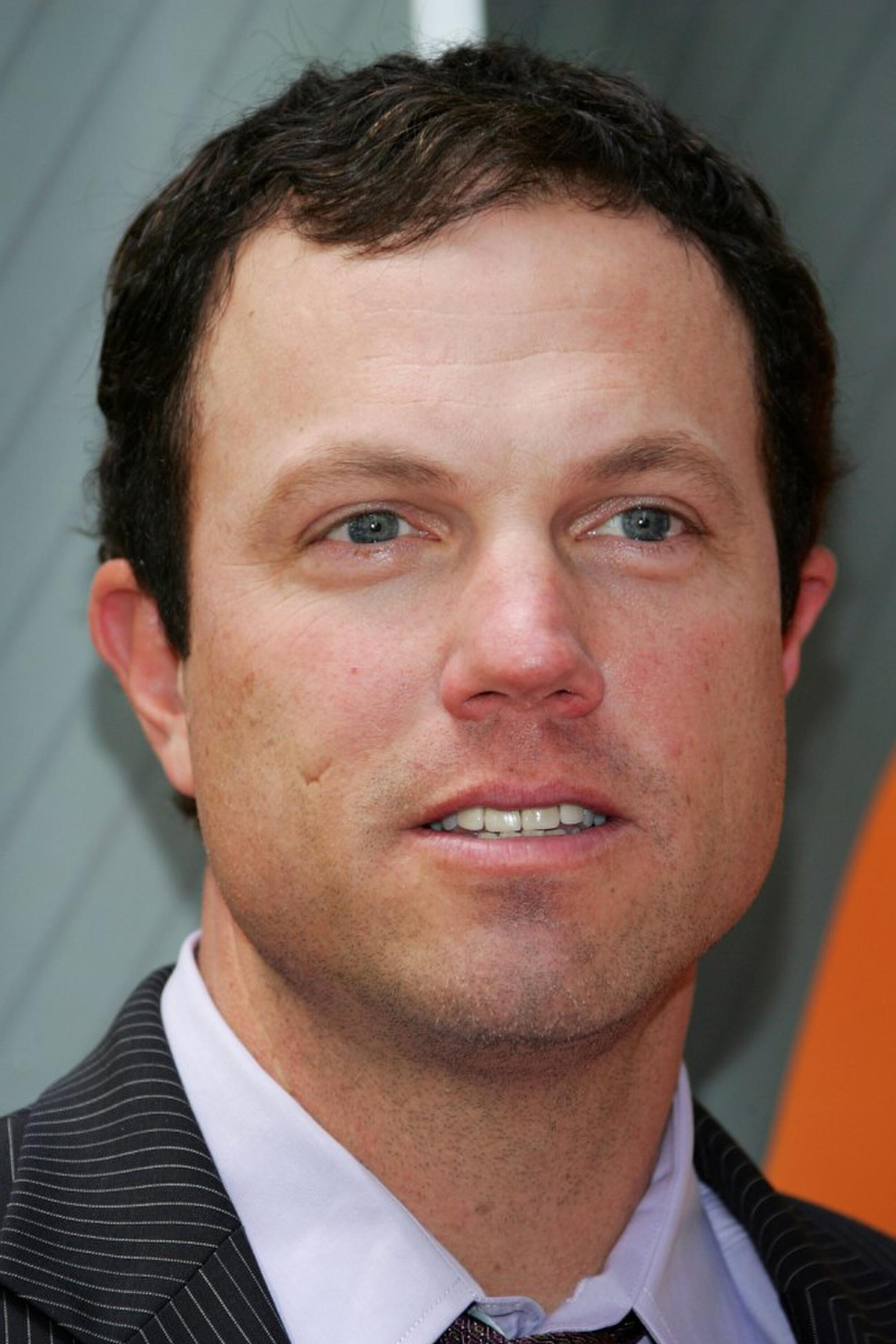
Adam Baldwin, the actor from ‘Firefly’, became well-known for his involvement in the GamerGate controversy and his strong criticism of what he sees as extreme feminism in media. He claims that people he calls “social justice warriors” are harming entertainment by unnecessarily pushing for diversity and feminist ideas. Baldwin argues that a system based on skill and talent is being undermined by the use of gender quotas, and he actively uses social media to fight against what he considers to be the forced imposition of progressive gender politics.
Read More
- Top 20 Dinosaur Movies, Ranked
- 20 Movies Where the Black Villain Was Secretly the Most Popular Character
- 25 “Woke” Films That Used Black Trauma to Humanize White Leads
- Silver Rate Forecast
- 22 Films Where the White Protagonist Is Canonically the Sidekick to a Black Lead
- Can AI Lie with a Picture? Detecting Deception in Multimodal Models
- Gold Rate Forecast
- Top 10 Coolest Things About Invincible (Mark Grayson)
- When AI Teams Cheat: Lessons from Human Collusion
- From Bids to Best Policies: Smarter Auto-Bidding with Generative AI
2026-01-21 11:20