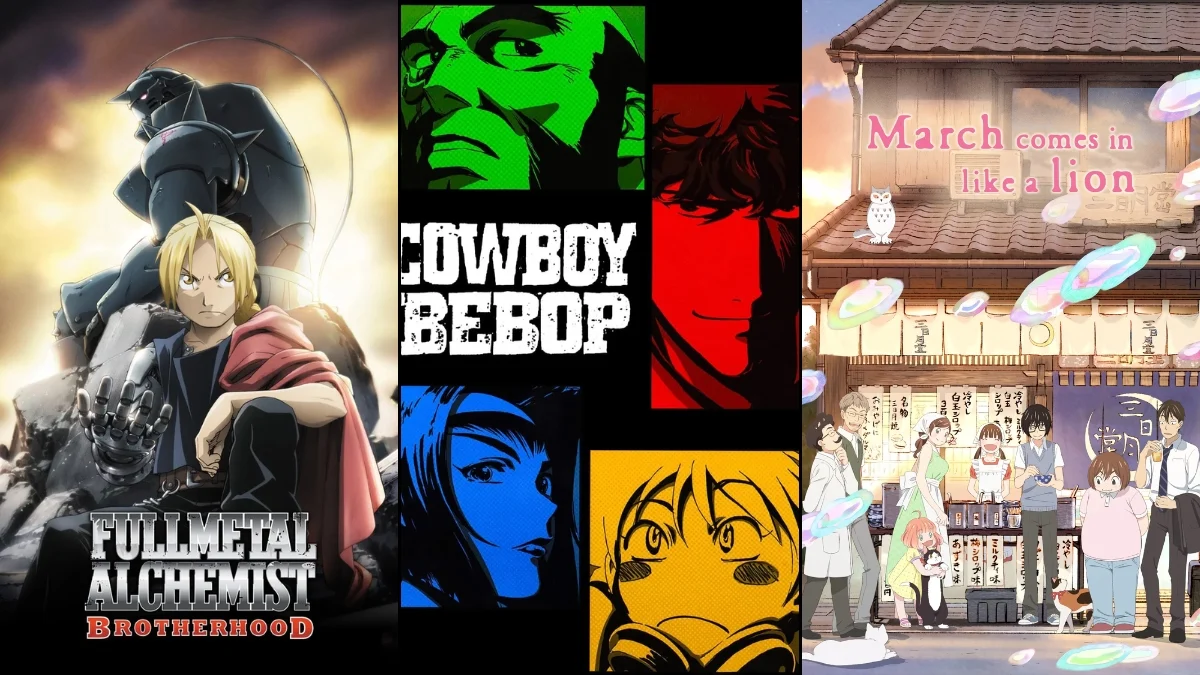
Anime has always been known for creating characters with unique designs, going beyond typical stereotypes. Even before the body positivity movement gained popularity, many anime creators showed characters of all shapes and sizes. These shows often used diverse body types to question common beliefs or to create more realistic stories. From exciting action series to touching everyday dramas, including different body types has made anime storytelling richer. These shows were ahead of their time in meaningfully representing body diversity.
‘Cyborg 009’ (1968)
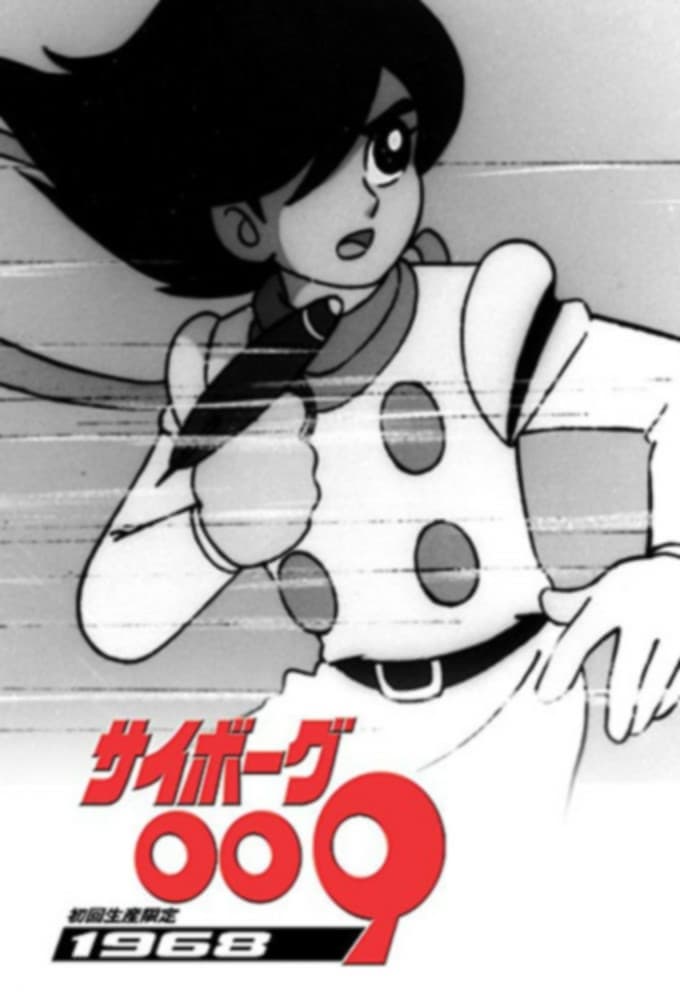
Shotaro Ishinomori’s ‘Cyborg 009’ was groundbreaking for its diverse team of heroes. Each member of the team, identified by a number, had different abilities and appearances, reflecting their backgrounds from around the world. The series featured a variety of body types – some characters were powerfully built, like Geronimo Junior, while others were more slender. This showed that anyone, regardless of their physical appearance, could be a hero, and it’s still a significant example of representation in early Japanese animation.
‘Dragon Ball’ (1986–1989)
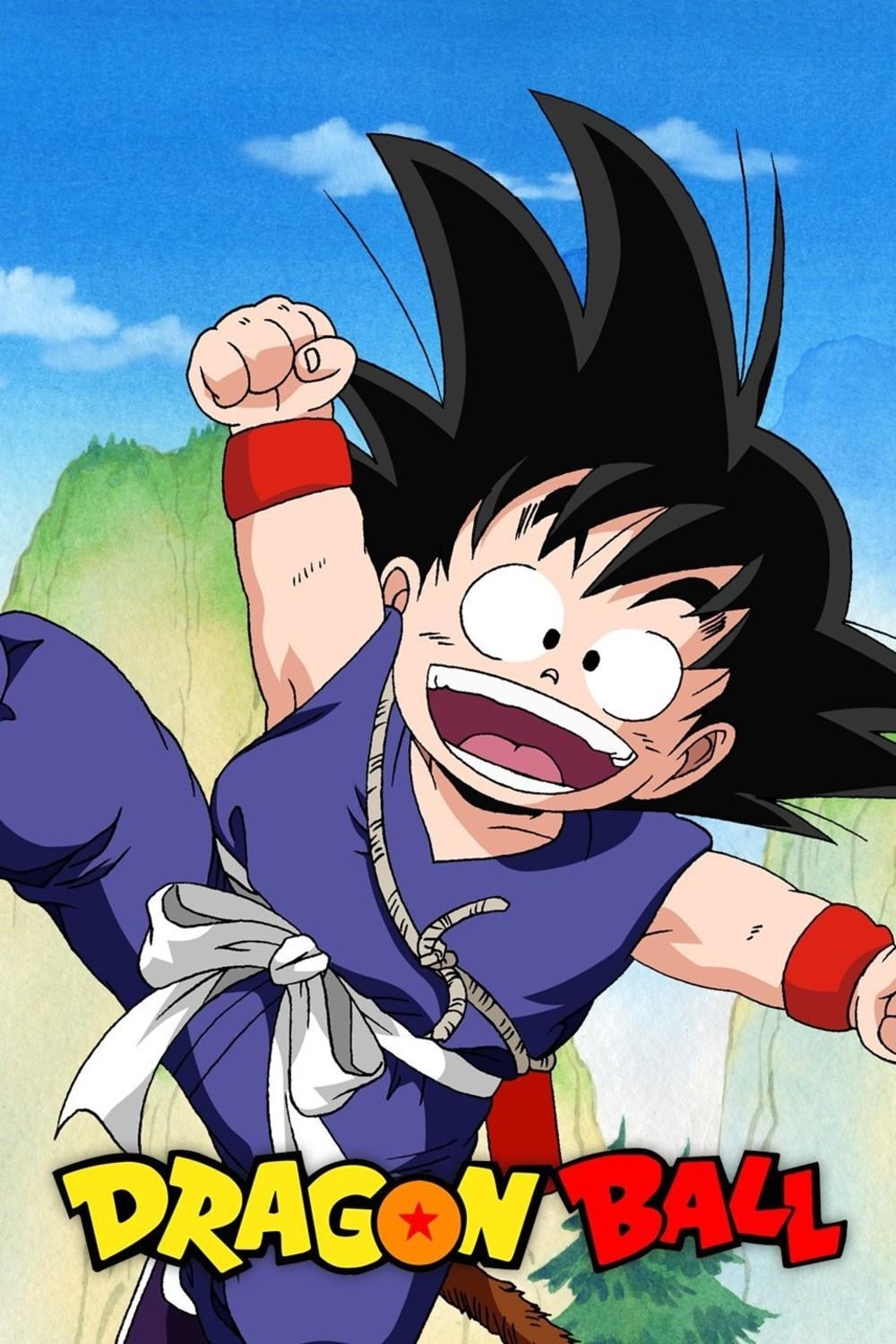
Akira Toriyama’s ‘Dragon Ball’ included a diverse range of characters, both big and small, like the short Krillin and the stout Yajirobe. The show often surprised viewers by demonstrating that strength wasn’t tied to appearance. Yajirobe, a powerful swordsman despite his unusual build, is a prime example. Characters like Oolong, who can change shape, further added to the show’s visual appeal. These unique designs helped build a world where anyone, regardless of size or shape, could be strong.
‘Ranma ½’ (1989–1992)
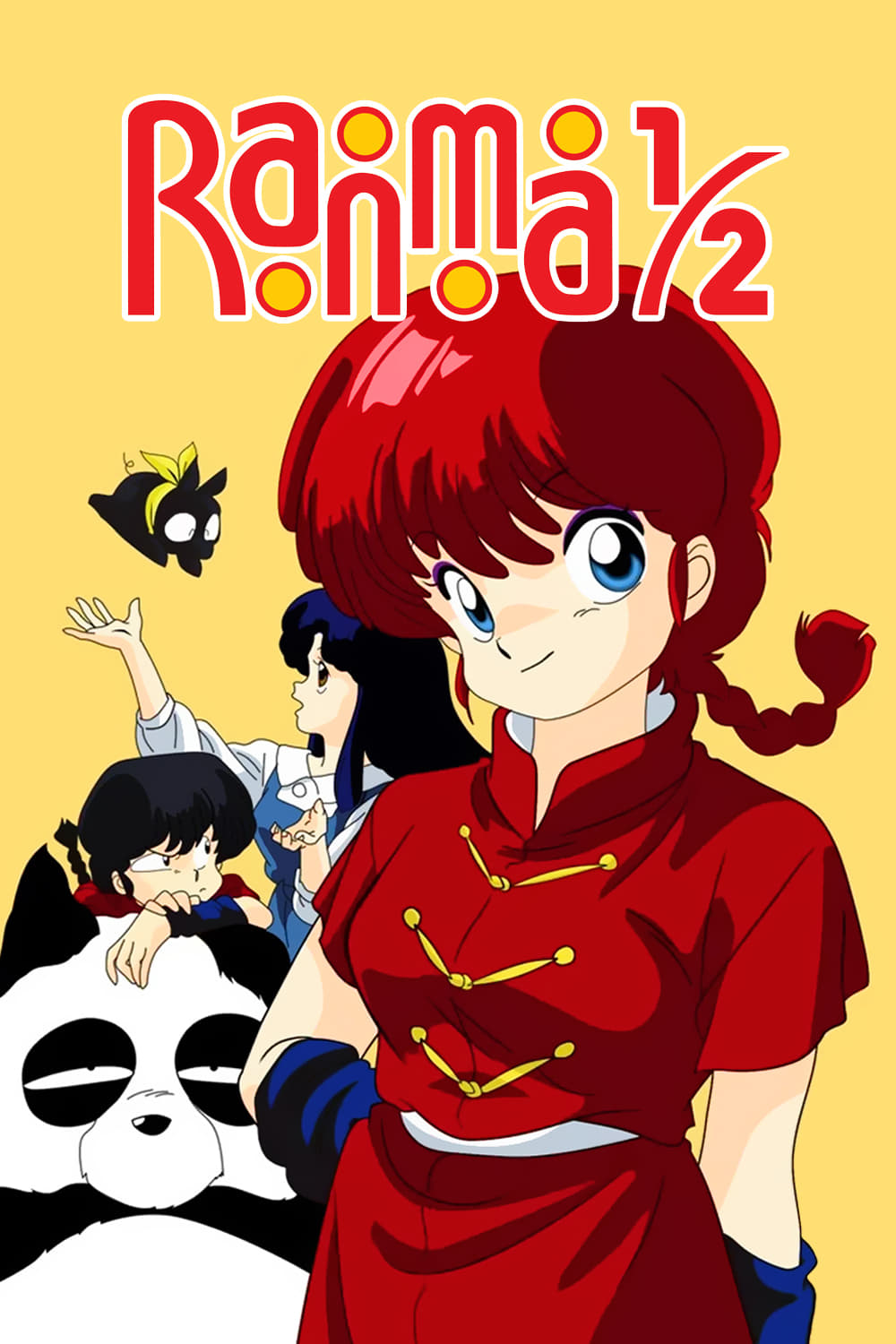
Rumiko Takahashi is famous for her memorable and varied characters, and ‘Ranma 1/2’ is a great example of this. The series includes characters like Genma Saotome, who frequently appears as both a man and a panda. Characters like the powerfully built Cologne and the tiny Happosai demonstrate that strength and size aren’t everything when it comes to martial arts. This variety is used for humor and to highlight each character’s unique fighting style. The series also offered a wide range of body types, which was fairly unusual for television in the late 80s and early 90s.
‘Cowboy Bebop’ (1998–1999)
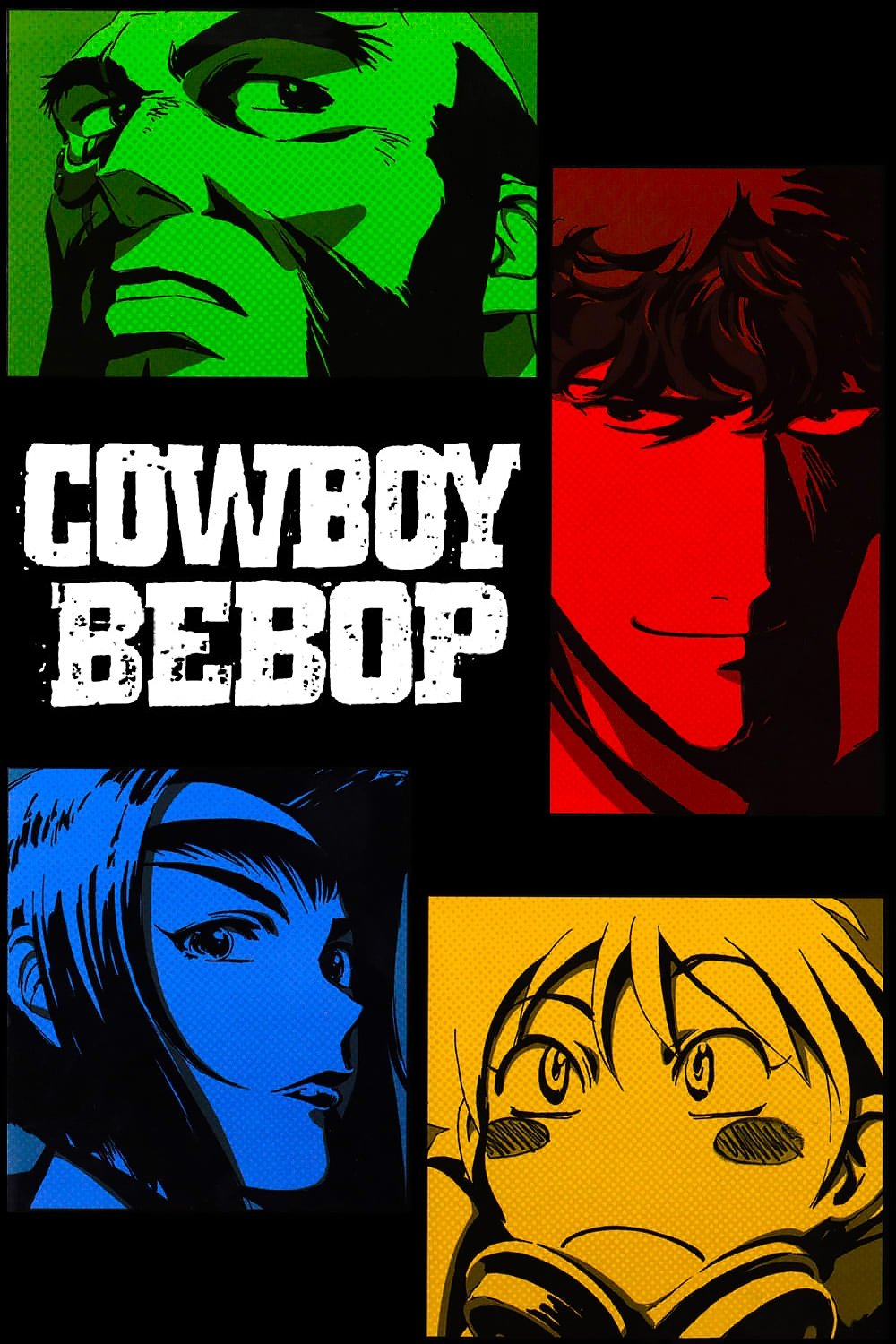
‘Cowboy Bebop’ creates a believable world filled with diverse characters, both central and in the background, reflecting a realistic mix of people. The crew itself is varied – Jet Black is large and strong with a robotic arm, while Spike Spiegel is slender and agile. Throughout their bounty hunting missions, the show consistently portrays people of all ages, body types, and ethnicities. This dedication to inclusivity makes the futuristic setting feel grounded and relatable, and is a key reason the series is still praised for its mature and thoughtful character designs.
‘Great Teacher Onizuka’ (1999–2000)
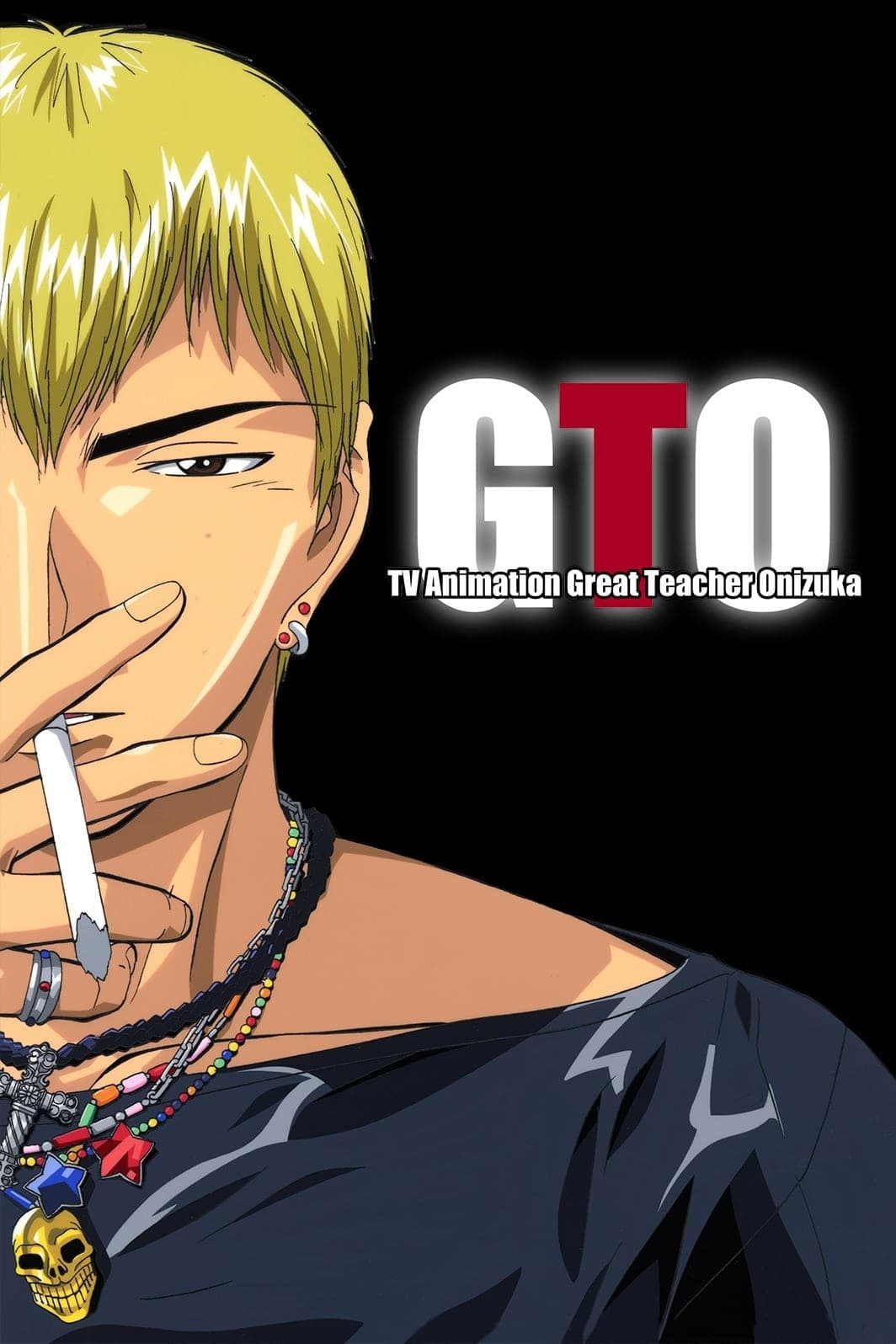
‘Great Teacher Onizuka’ stands out because its characters – both students and teachers – aren’t cookie-cutter. They have unique appearances and body types, like the comically exaggerated features of Vice Principal Uchiyamada. The show avoids typical anime stereotypes, presenting a realistic range of physical builds and heights among its students. This commitment to realism helps the series explore the real challenges of being a teenager and dealing with societal pressures. Ultimately, the show stresses the importance of looking beyond someone’s appearance to understand who they truly are.
‘One Piece’ (1999–Present)
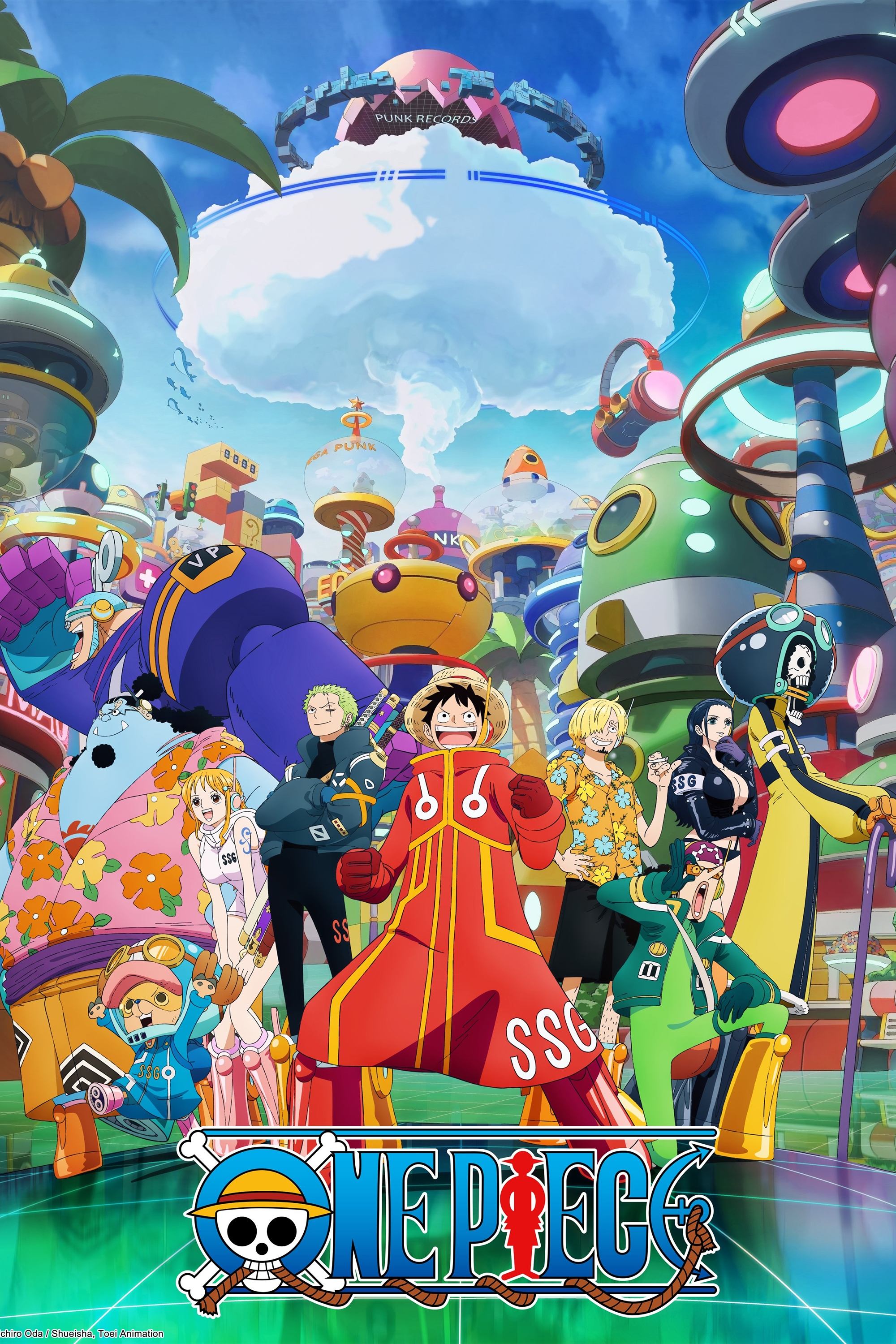
“One Piece” is well-known for its characters’ unusual and diverse designs, which often break from typical body standards. Creator Eiichiro Oda has filled the series with all kinds of people – from giants and fish-men to characters of every size, like the enormous Big Mom and the petite Princess Mansherry. Characters such as Lucky Roux and Alvida further stand out with their distinctive appearances, challenging conventional ideas of beauty. This variety is key to the show’s message about freedom and embracing what makes each person unique. For over twenty years, “One Piece” has demonstrated that anyone can be a hero and contribute to an epic journey.
‘Spirited Away’ (2001)
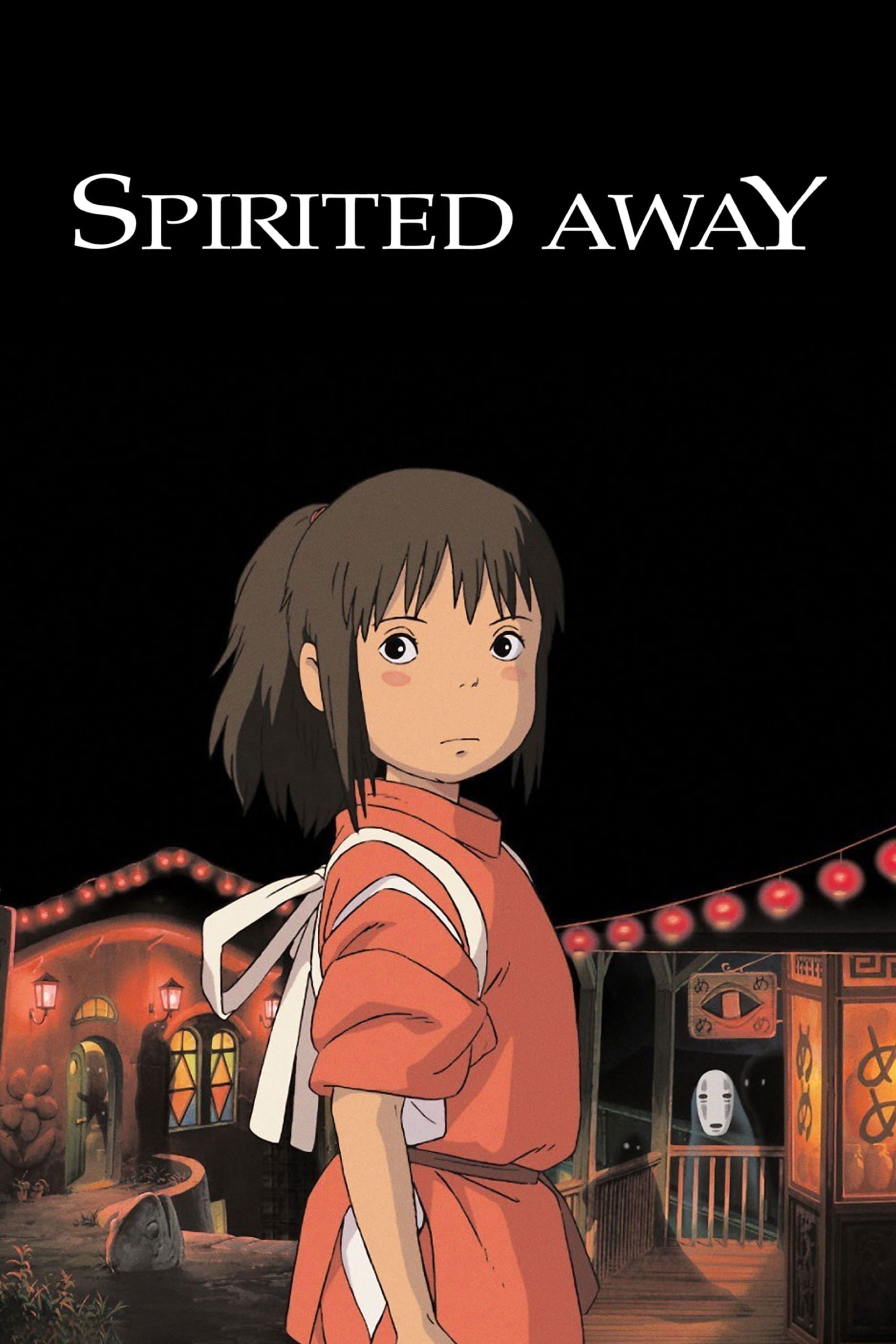
In Studio Ghibli’s ‘Spirited Away,’ the bathhouse is filled with spirits and workers of all shapes and sizes. The main character, Chihiro, is a typical ten-year-old girl, but she’s surrounded by characters with unusual bodies, like the boiler man Kamaji and the mysterious No-Face. Characters like Lin and the Radish Spirits add to the film’s vibrant and detailed look. Director Hayao Miyazaki pays close attention to how each character moves and carries themselves, making them feel unique and believable. The film’s popularity helped introduce this kind of creative and diverse character design to audiences around the world.
‘Naruto’ (2002–2007)
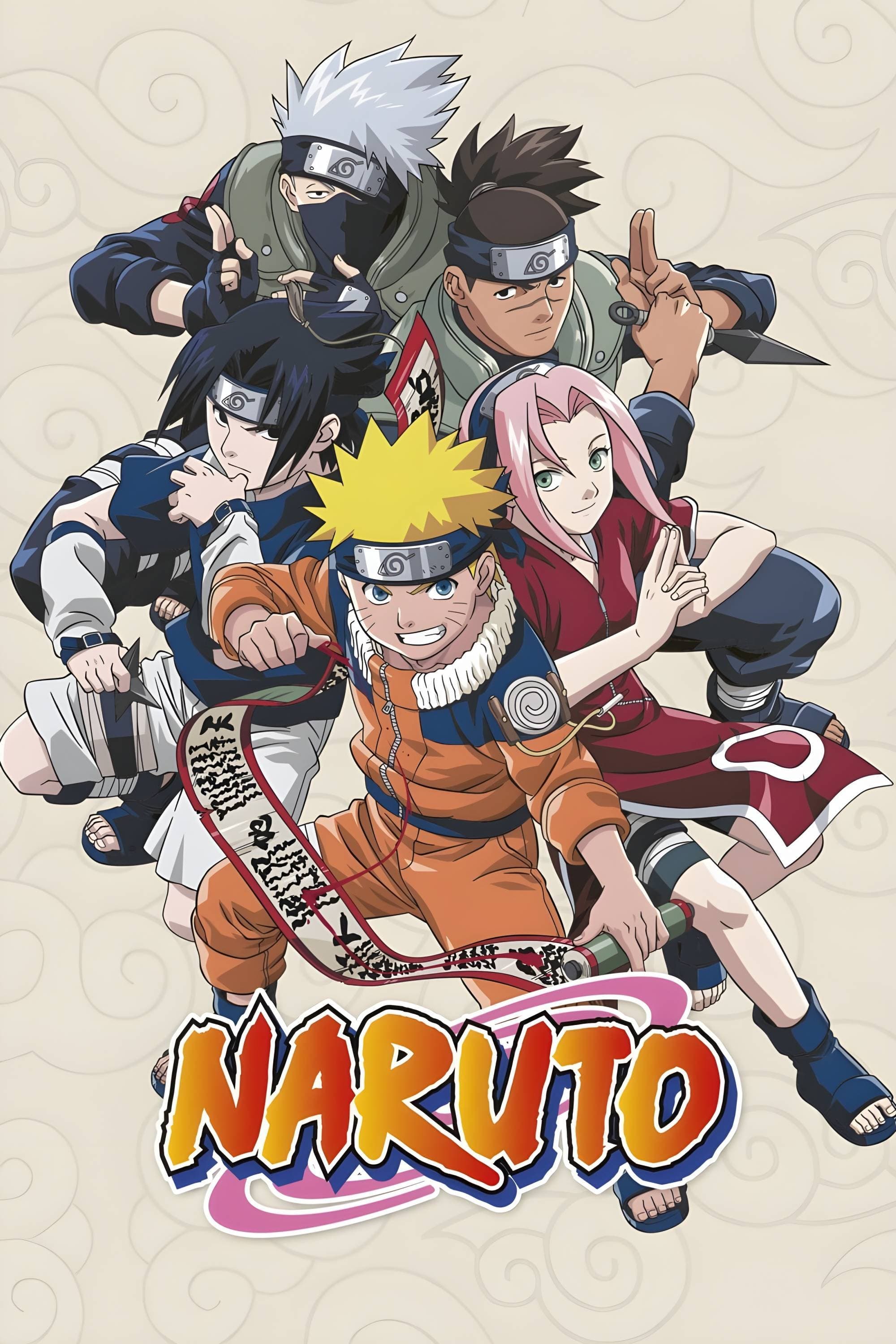
I’ve always been fascinated by how ‘Naruto’ portrays its characters. It’s not just about the usual lean, muscular ninja; the Akimichi clan really stands out. They’re built larger, and that size is their strength! Watching Choji learn to embrace his body and use it in battle was inspiring. But it’s not just them – you have characters like the towering Kisame or the older, but still powerful, Chiyo. It really shows that in this world, everyone has their own unique abilities and what they need physically to use them. It’s cool to see a shonen series celebrate different body types like that, and make them integral to how ninjas fight.
‘Howl’s Moving Castle’ (2004)

‘Howl’s Moving Castle’ delves into how changing physically impacts how we see ourselves. The Witch of the Waste is a striking character whose appearance shifts dramatically, breaking away from traditional villain portrayals. Sophie Hatter spends most of the film as an elderly woman, which unexpectedly helps her discover a new sense of inner power. The movie features a wide range of characters – young, old, and all shapes and sizes – and treats each one with respect. Ultimately, it encourages viewers to appreciate beauty at every age and in every form.
‘Paprika’ (2006)
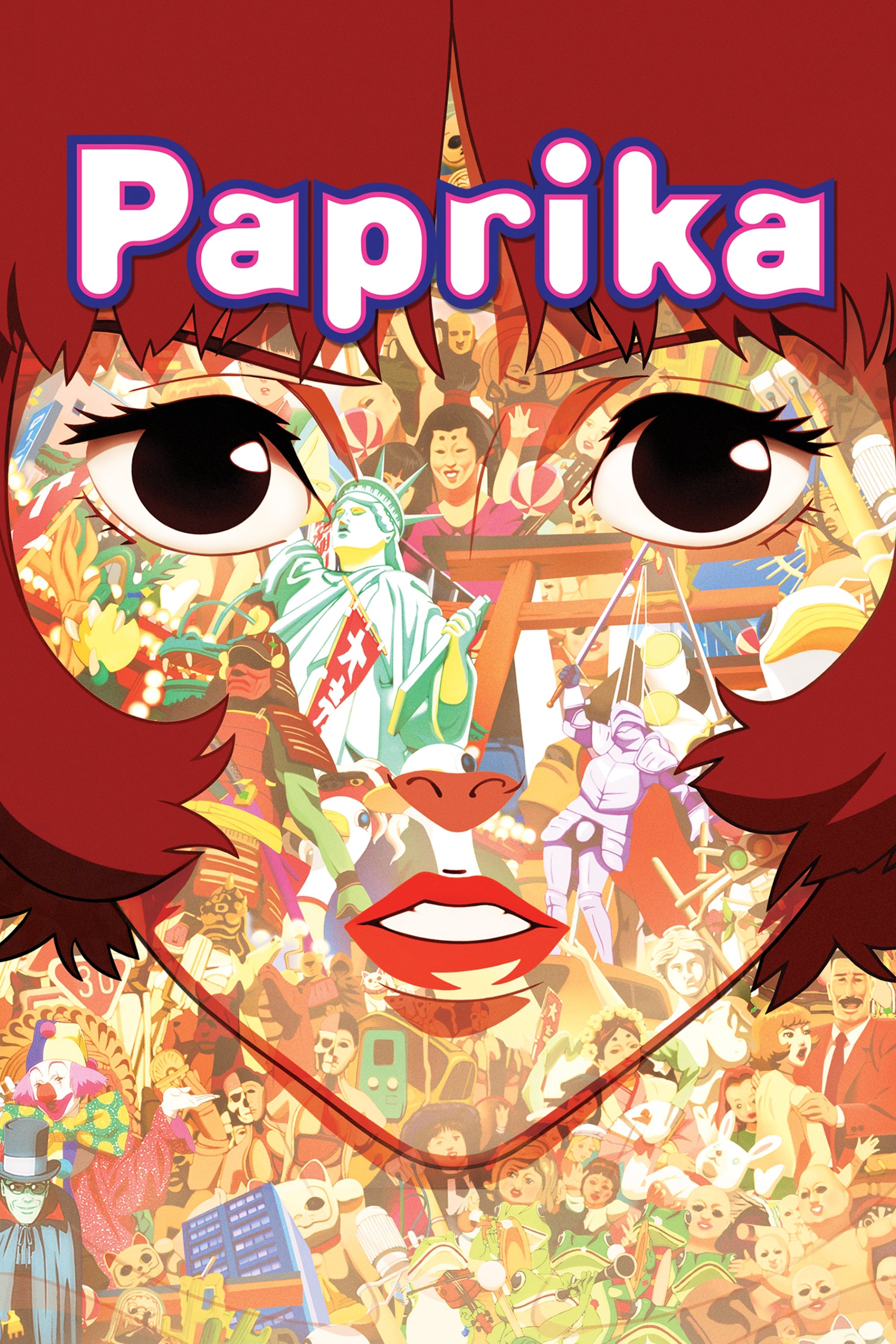
In Satoshi Kon’s ‘Paprika,’ Dr. Kosaku Tokita is a central character – a remarkably intelligent scientist whose personality is defined by his curiosity and imagination, not by jokes about his size. The film’s dream sequences are filled with many different people, representing the unique inner worlds of those experiencing them. The character of Paprika is lively and full of energy, a stark contrast to the more realistic appearances of people when they’re awake. This difference emphasizes the film’s themes of identity and how we perceive ourselves and others.
‘Gintama’ (2006–2018)
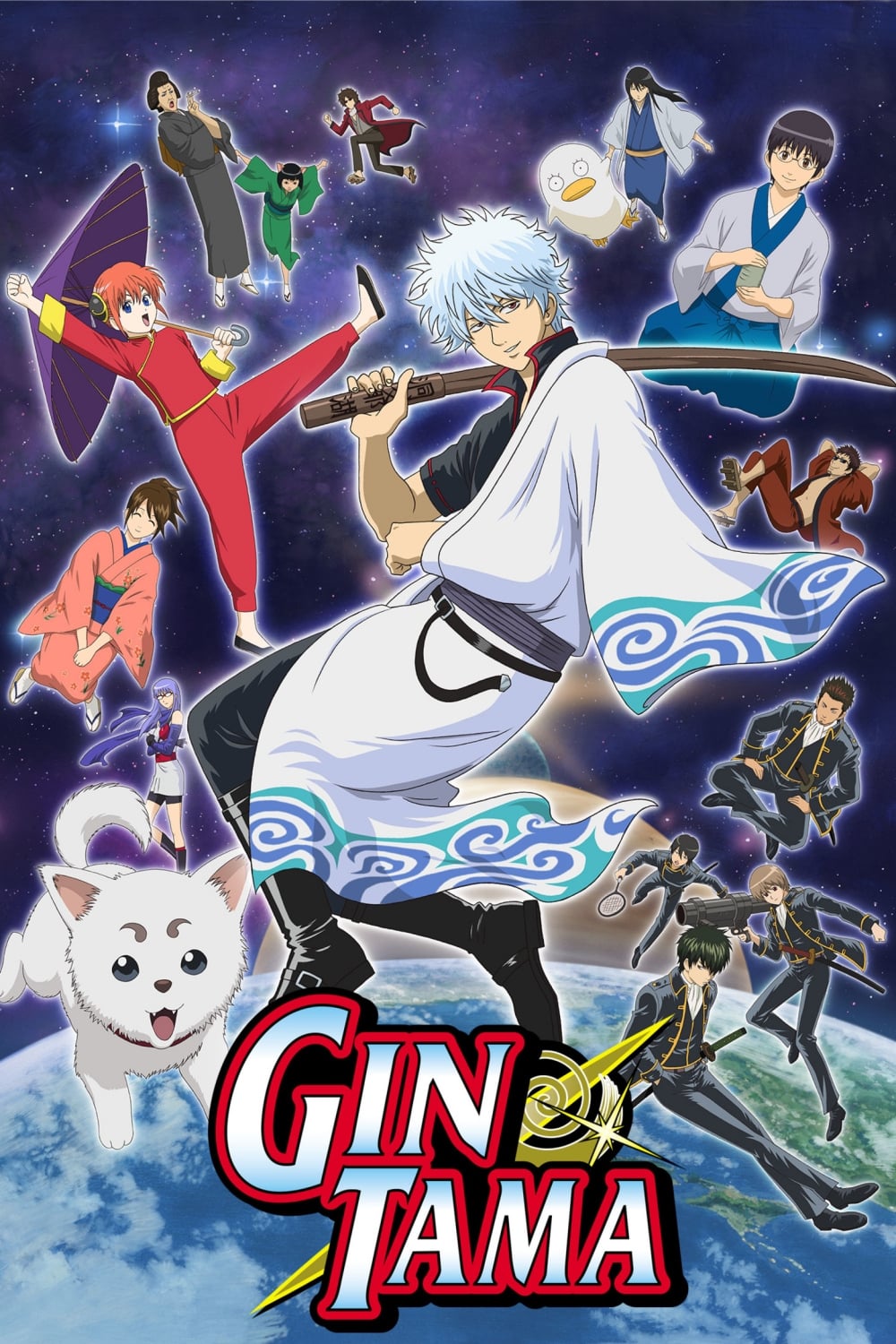
‘Gintama’ features a wonderfully strange and varied group of characters, both human and alien, with all sorts of body types. From Otose, the strong and seasoned landlady, to characters like Catherine and the members of the Shinsengumi, the show boasts a visually diverse cast. It often challenges typical anime character designs by embracing different body types, creating a funny and welcoming world where everyone feels included.
‘The Wallflower’ (2006–2007)

‘The Wallflower’ tells the story of Sunako Nakahara, a girl who doesn’t fit typical beauty ideals and often shrinks into herself as a way of dealing with social situations. The show focuses on her journey to be herself while facing pressure to conform to what society expects. Although the male characters are conventionally handsome, the series really highlights Sunako’s determination to stay true to who she is. It looks at how beauty standards can affect people’s mental health and the importance of accepting yourself, ultimately suggesting that everyone should find what makes them comfortable in their own skin.
‘Lovely★Complex’ (2007)
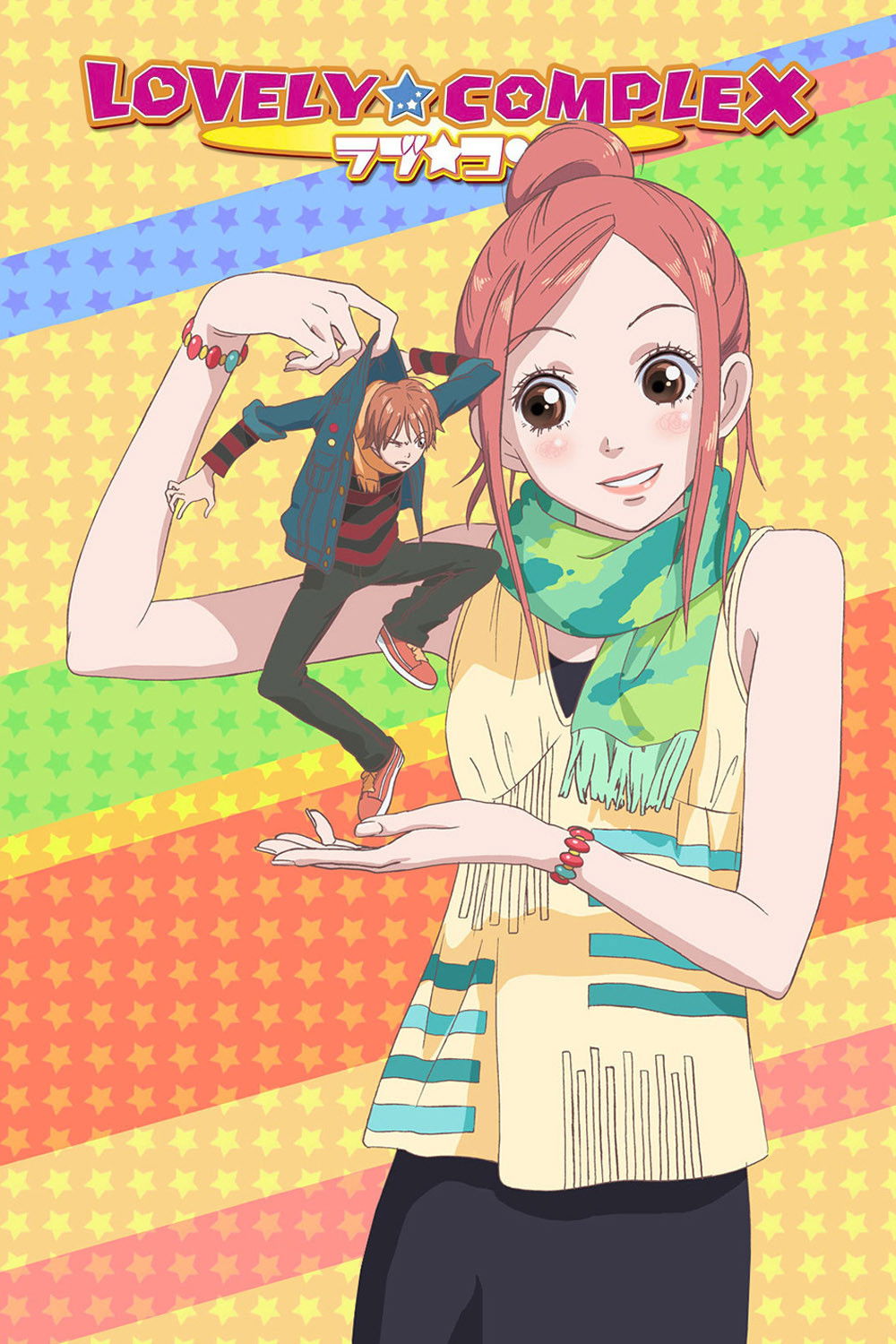
‘Lovely Complex’ is a romantic comedy about Risa Koizumi, a tall girl, and Atsushi Otani, a short boy. Both characters struggle with feeling self-conscious about their heights and how others see them. The show uses their height difference to help them grow as people and to playfully challenge unrealistic social expectations. By focusing on this unique dynamic, it suggests that anyone can find love, regardless of physical appearance. It’s still popular today for its realistic and relatable take on body image issues.
‘Fullmetal Alchemist: Brotherhood’ (2009–2010)
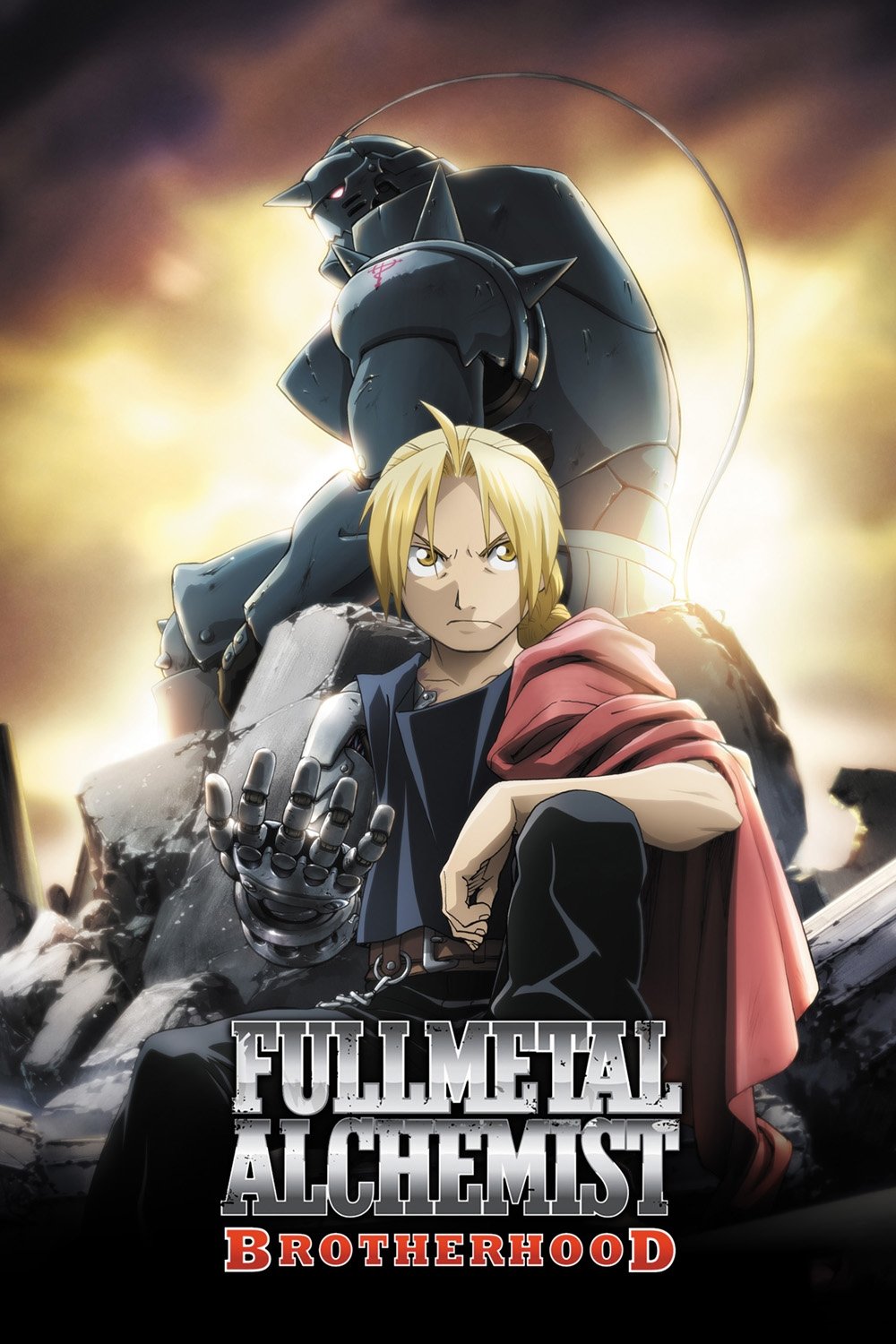
The characters in ‘Fullmetal Alchemist: Brotherhood’ are known for their realistic and varied appearances. The show features people of all shapes and sizes, from powerfully built characters like Izumi Curtis to lean and agile ones like Envy. Characters like Gluttony and Alex Louis Armstrong showcase extreme physical differences, but both play important roles. This variety feels natural within the world of Amestris and adds to the show’s realistic portrayal of people, demonstrating that strength and personality aren’t tied to physical form.
‘Princess Jellyfish’ (2010)
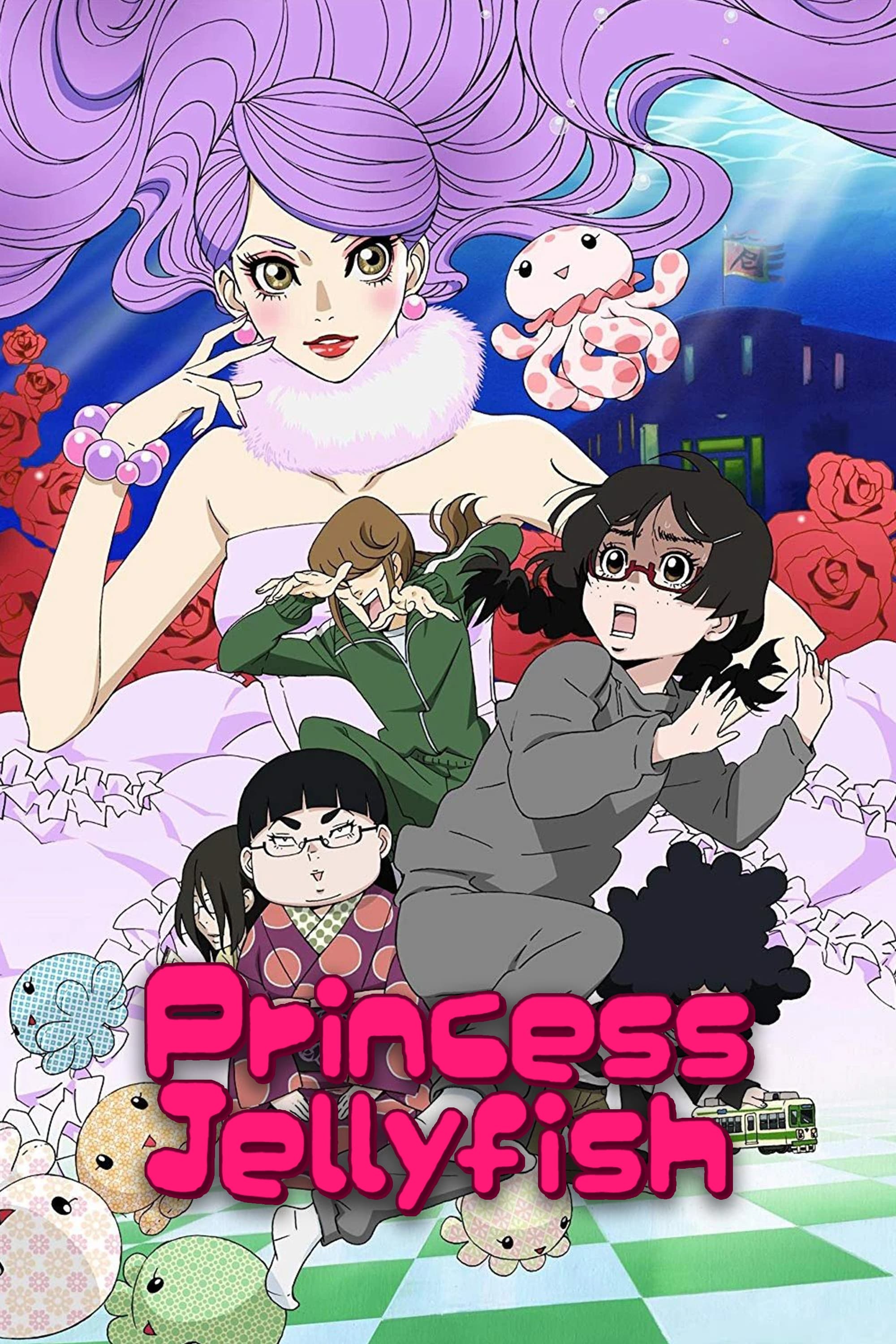
‘Princess Jellyfish’ centers around a group of women who are passionate about niche hobbies and live together in a shared home. Each character has a unique look and personality, moving away from typical anime character designs. The show honestly portrays their worries about navigating the world and how they find strength through their friendships and a shared love of fashion. It’s notable for offering a kind and relatable depiction of women who don’t conform to traditional beauty standards, and is praised for its realistic and heartwarming exploration of female identity.
‘Accel World’ (2012)
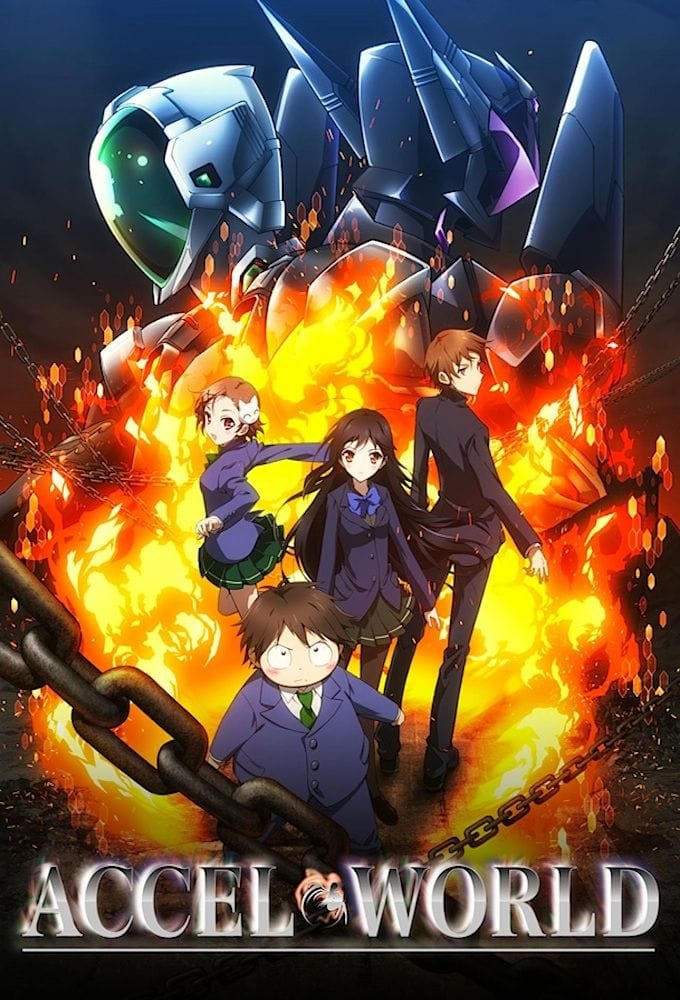
‘Accel World’ centers around Haruyuki Arita, a middle school student who is noticeably short and overweight. This physical description isn’t just a detail – it’s key to his character and the bullying he faces. The story follows his progress in a virtual reality game, where his in-game appearance changes as he gains confidence and ability. The series handles his body image with honesty, focusing on his journey to self-acceptance rather than a simple physical makeover. It’s unusual because Haruyuki doesn’t fit the typical handsome young man (‘bishonen’) archetype often seen in these kinds of stories.
‘Silver Spoon’ (2013–2014)

‘Silver Spoon’ takes place at an agricultural high school and portrays students with bodies shaped by their farm work. One notable character, Tamako Inada, is proud of her strong build, which comes from her family’s thriving dairy farm. The show doesn’t make fun of her size, but instead highlights her intelligence and physical power. The diverse body types of all the characters realistically reflect their different farming roles and life experiences, contributing to the show’s authentic and informative feel.
‘My Love Story!!’ (2015)

I absolutely adore ‘My Love Story!!’ It’s about Takeo Goda, this huge, strong high schooler who’s surprisingly shy, especially around his good-looking best friend. But beneath that tough exterior, Takeo is a total sweetheart, and it’s so sweet to watch him fall for the adorable Yamato. What I really love is how the story explores how people react to Takeo because of his size, and how it totally flips the typical “tough guy” image on its head – he’s the most gentle person! It’s a really refreshing take on romance, and it’s great to see a story that celebrates different body types and really focuses on character depth.
‘Yuri!!! on Ice’ (2016)
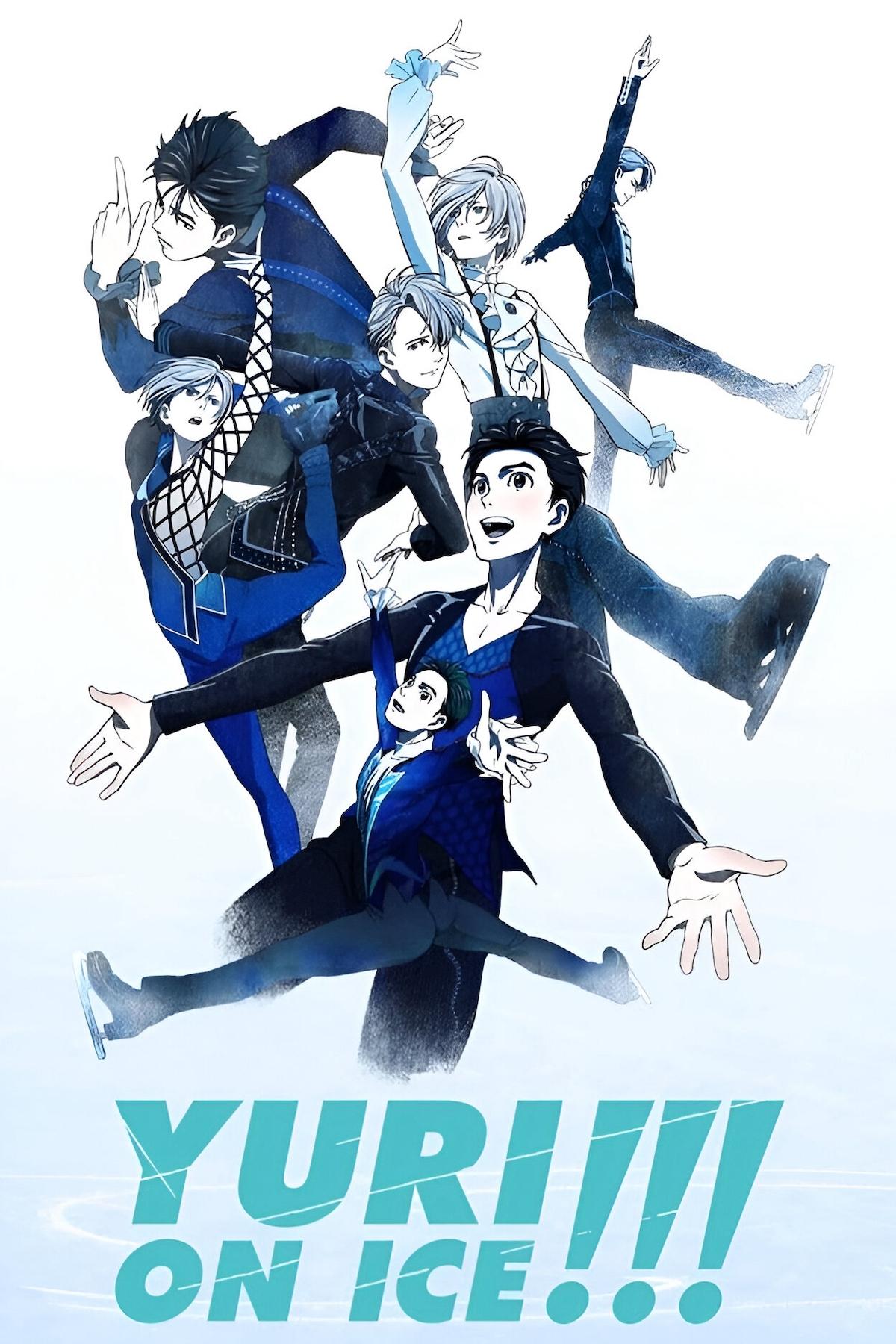
Yuri Katsuki, the main character in ‘Yuri!!! on Ice’, is shown as someone who is emotionally sensitive and whose weight changes depending on how he’s feeling. The series begins with Yuri having gained weight after a difficult competition, which is presented as a normal experience for athletes. The story then follows his efforts to get back into shape through training and with help from his coach. This realistic depiction of the challenges athletes face with their bodies makes Yuri a relatable and vulnerable character, highlighting that staying in peak physical condition is an ongoing and human endeavor.
‘March Comes in Like a Lion’ (2016–2018)
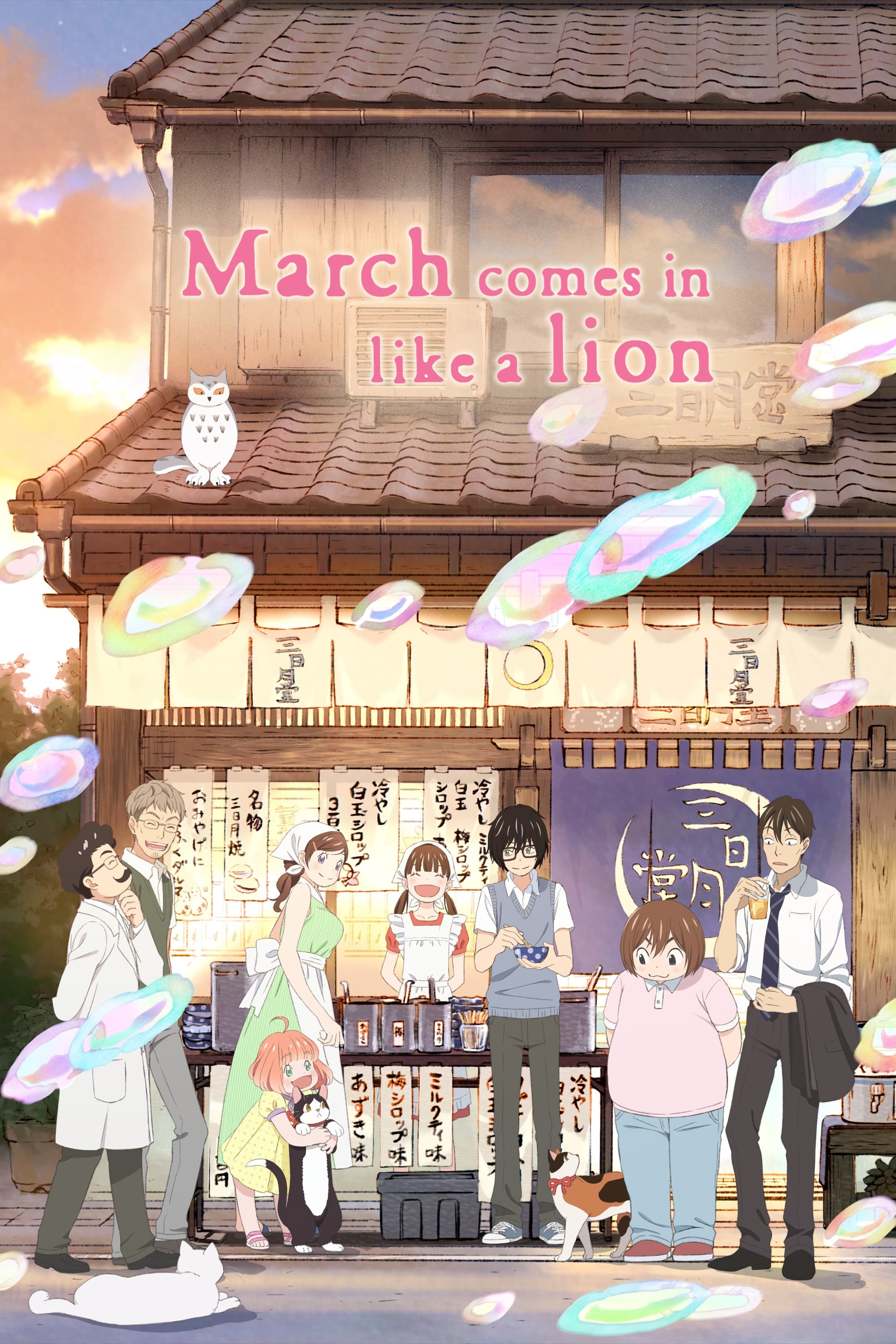
The anime ‘March Comes in Like a Lion’ stands out for its character designs, which focus on making the characters feel real and relatable. For example, Akari Kawamoto, the oldest sister, is drawn with a gentle, rounded figure that matches her caring nature. The show also portrays older shogi players with realistic bodies that show their years of experience. These design choices help create a warm, understanding atmosphere and add emotional depth to the story, effectively using a variety of body types to connect with viewers.
Share your favorite examples of inclusive character designs in anime in the comments.
Read More
- 20 Movies Where the Black Villain Was Secretly the Most Popular Character
- Top 20 Dinosaur Movies, Ranked
- 25 “Woke” Films That Used Black Trauma to Humanize White Leads
- Gold Rate Forecast
- Spotting the Loops in Autonomous Systems
- Silver Rate Forecast
- 22 Films Where the White Protagonist Is Canonically the Sidekick to a Black Lead
- Top 10 Coolest Things About Invincible (Mark Grayson)
- Can AI Lie with a Picture? Detecting Deception in Multimodal Models
- Celebs Who Narrowly Escaped The 9/11 Attacks
2026-01-21 06:17