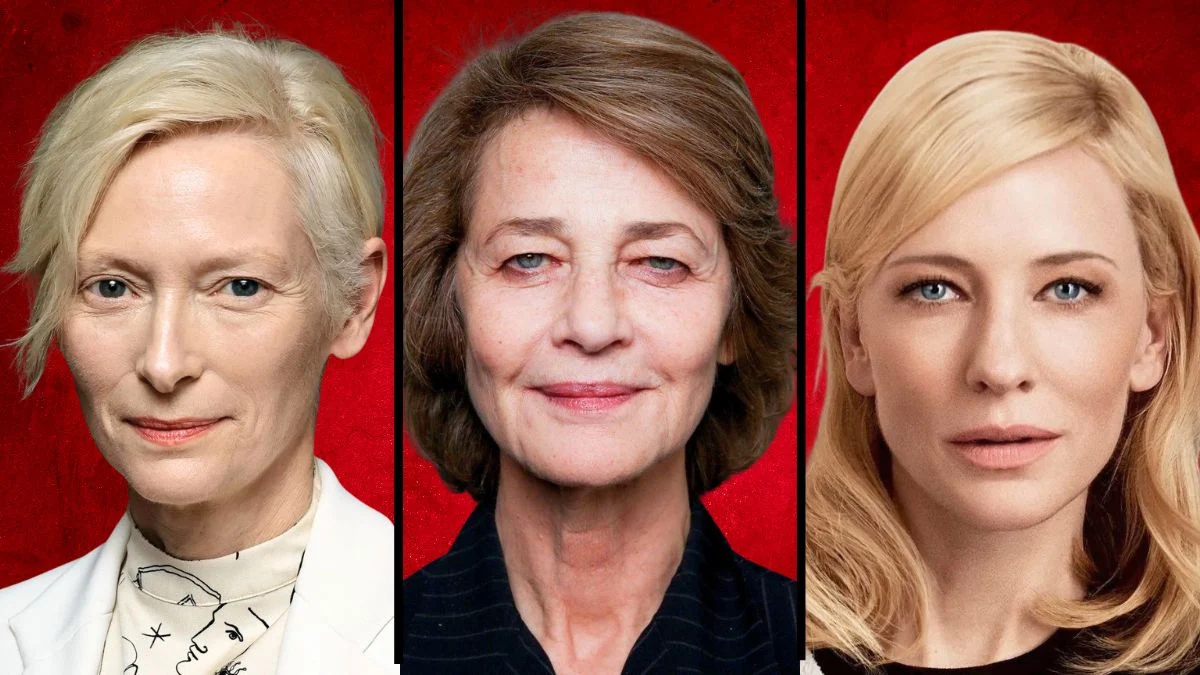
Over the past ten years, Hollywood has been focusing more on diversity and inclusion. However, not everyone in the industry supports the ways these goals are being achieved. Some actresses have expressed worries about things like strict casting rules, changes to well-known characters, and whether focusing on identity affects the quality of creative work. When these actresses have spoken up, they’ve often faced strong criticism. This list highlights several actresses who have publicly questioned or disagreed with certain diversity efforts and changes in the entertainment industry.
Gina Carano
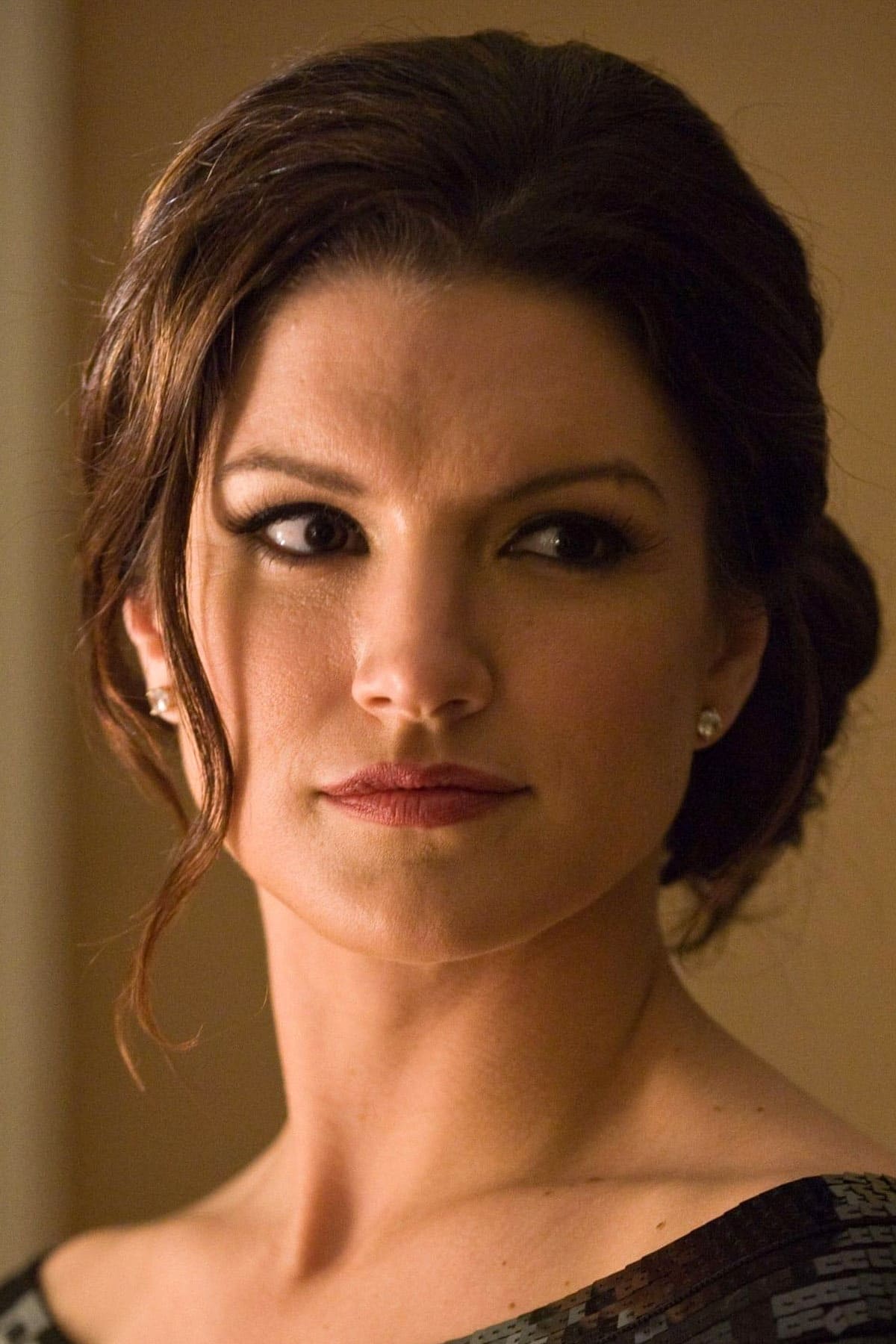
Gina Carano’s firing from ‘The Mandalorian’ sparked a conversation about political viewpoints in Hollywood. She filed a lawsuit against Disney and Lucasfilm, alleging she was unfairly dismissed and discriminated against because of her political beliefs. Carano has publicly criticized what she sees as pressure within the entertainment industry to conform to a single ideology, arguing that corporate diversity initiatives actually silence conservative perspectives.
Stacey Dash
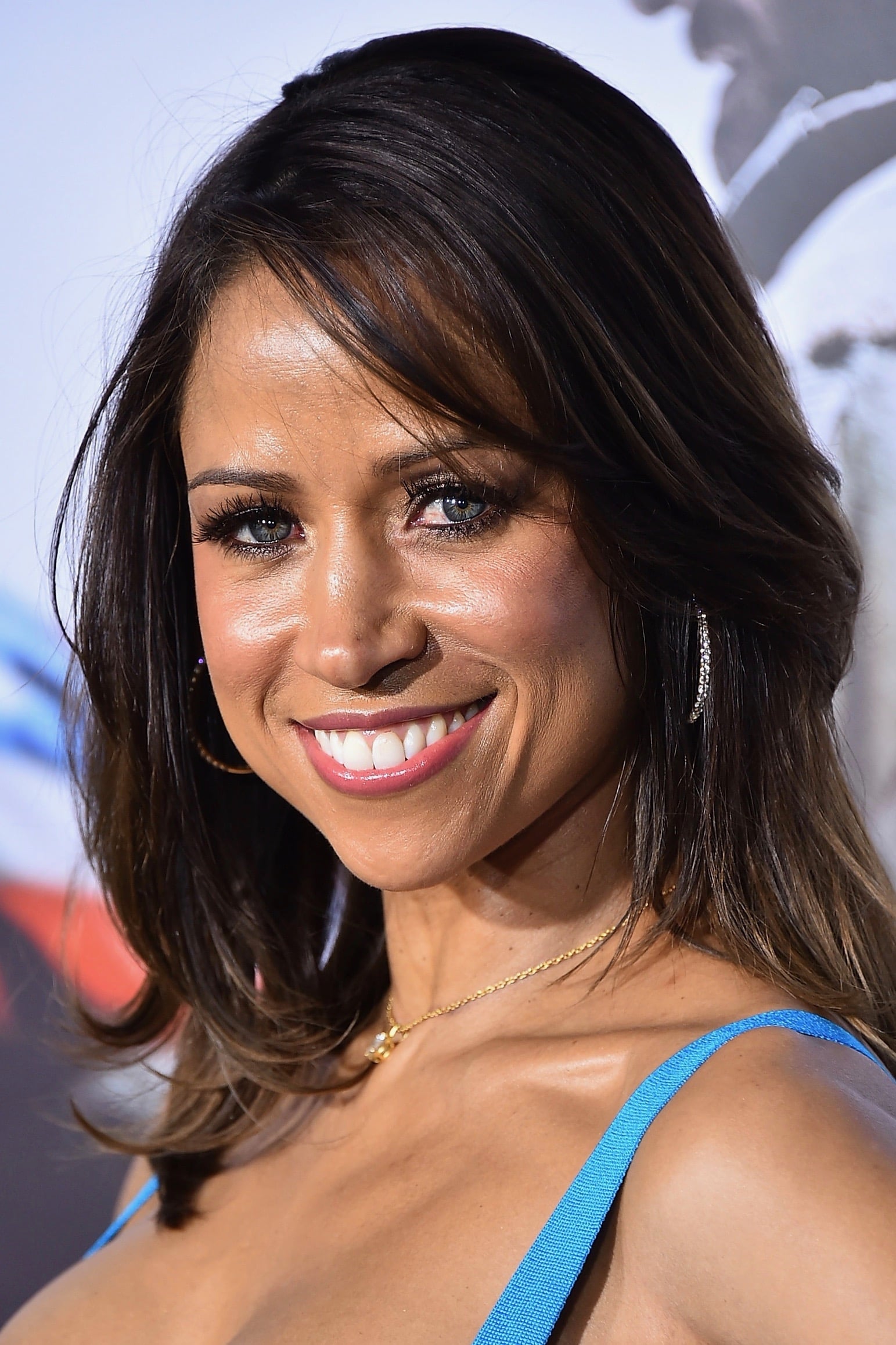
As a film fan, I always remember Stacey Dash from ‘Clueless,’ but she’s become known for some pretty controversial opinions lately. She’s said things like we should get rid of channels like BET and stop having months dedicated to Black History. Her reasoning is that these things actually keep us separated instead of bringing us together, and she believes we shouldn’t focus so much on race. She’s consistently spoken out against what she sees as ‘identity politics’ and anything that feels like it creates unfair double standards. It definitely sparked a lot of debate, but she’s always stood by her belief that focusing on race isn’t the way to achieve true equality.
Charlotte Rampling
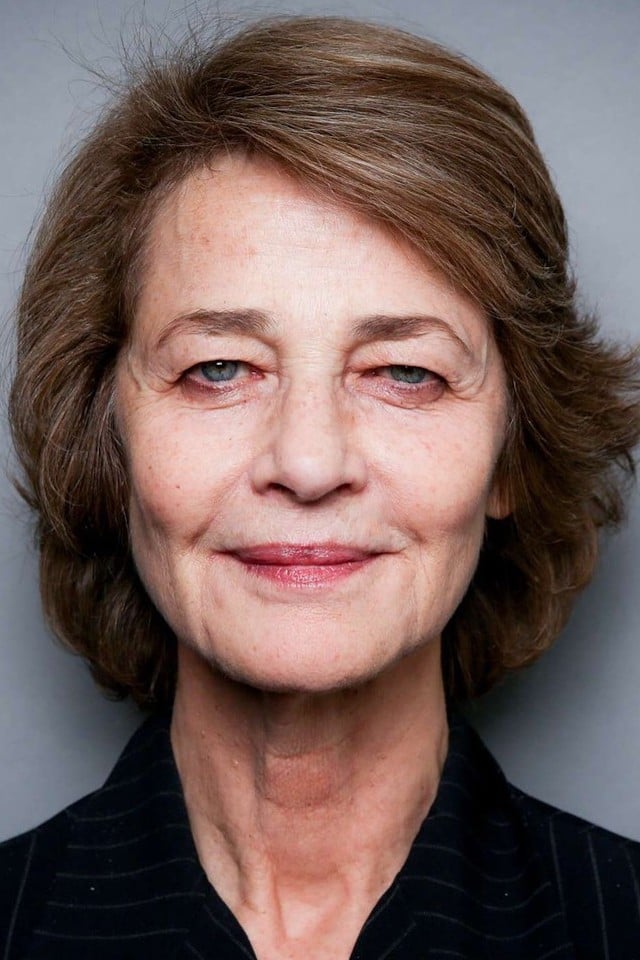
The celebrated British actress sparked controversy during the #OscarsSoWhite debate when she called the boycott of the awards ceremony a form of racism against white people. She also implied that actors of color who weren’t nominated simply hadn’t performed well enough that year. Rampling opposed the idea of using quotas in the voting process, believing awards should be based solely on talent. Many viewed her statements as a rejection of the efforts to address and remove the underlying, systemic issues that prevent diversity in the film industry.
Roseanne Barr
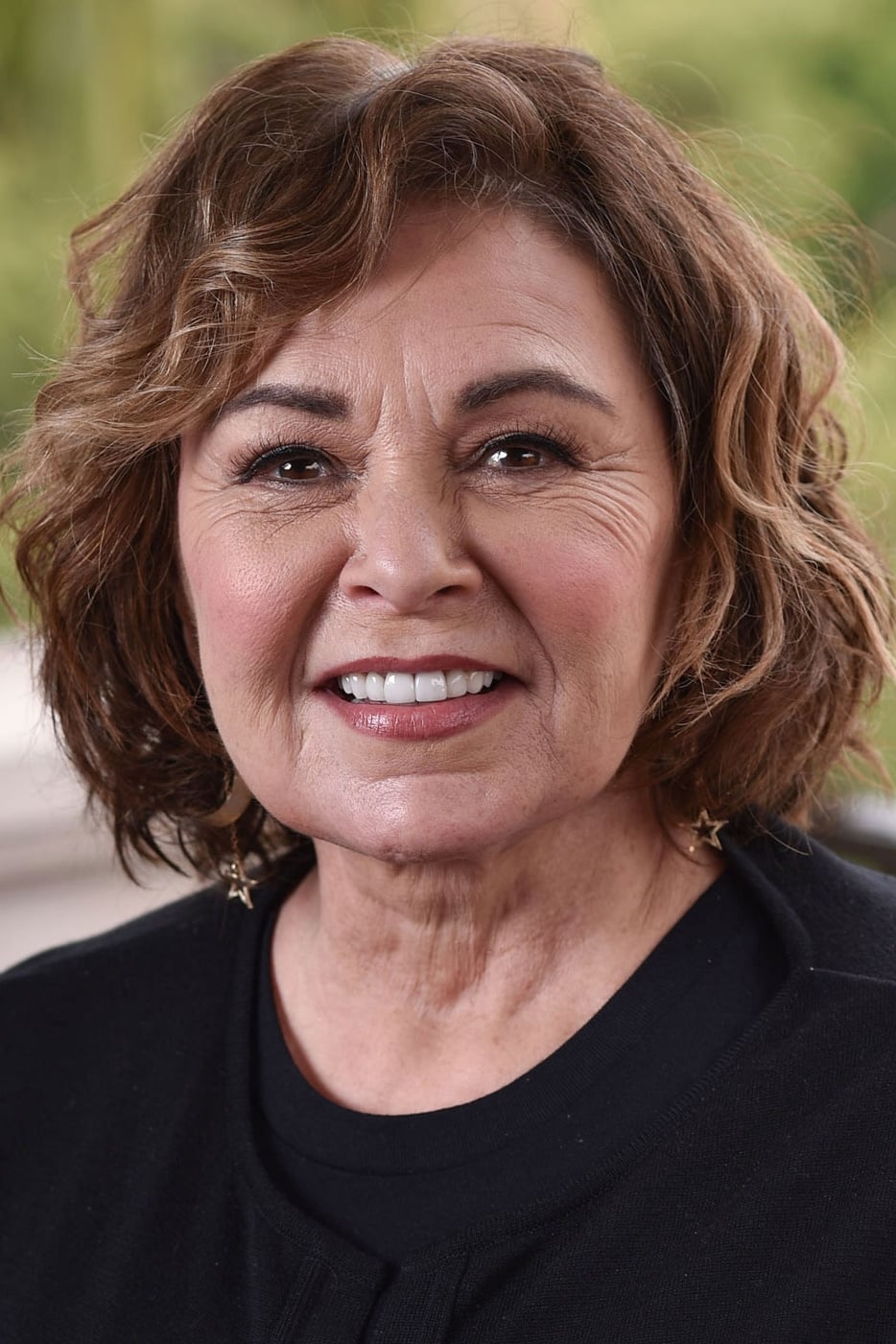
Roseanne Barr has often spoken out against what she calls “woke” culture and diversity requirements in the entertainment industry, which she believes are harming comedy. After her show ‘Roseanne’ was cancelled in 2018, she became a vocal critic of political correctness and how actors are cast. She feels that efforts to be more inclusive often lead to people being afraid to express different opinions and make jokes less funny. Barr continues to be a controversial figure, seeing these diversity efforts as a form of censorship.
Kirstie Alley
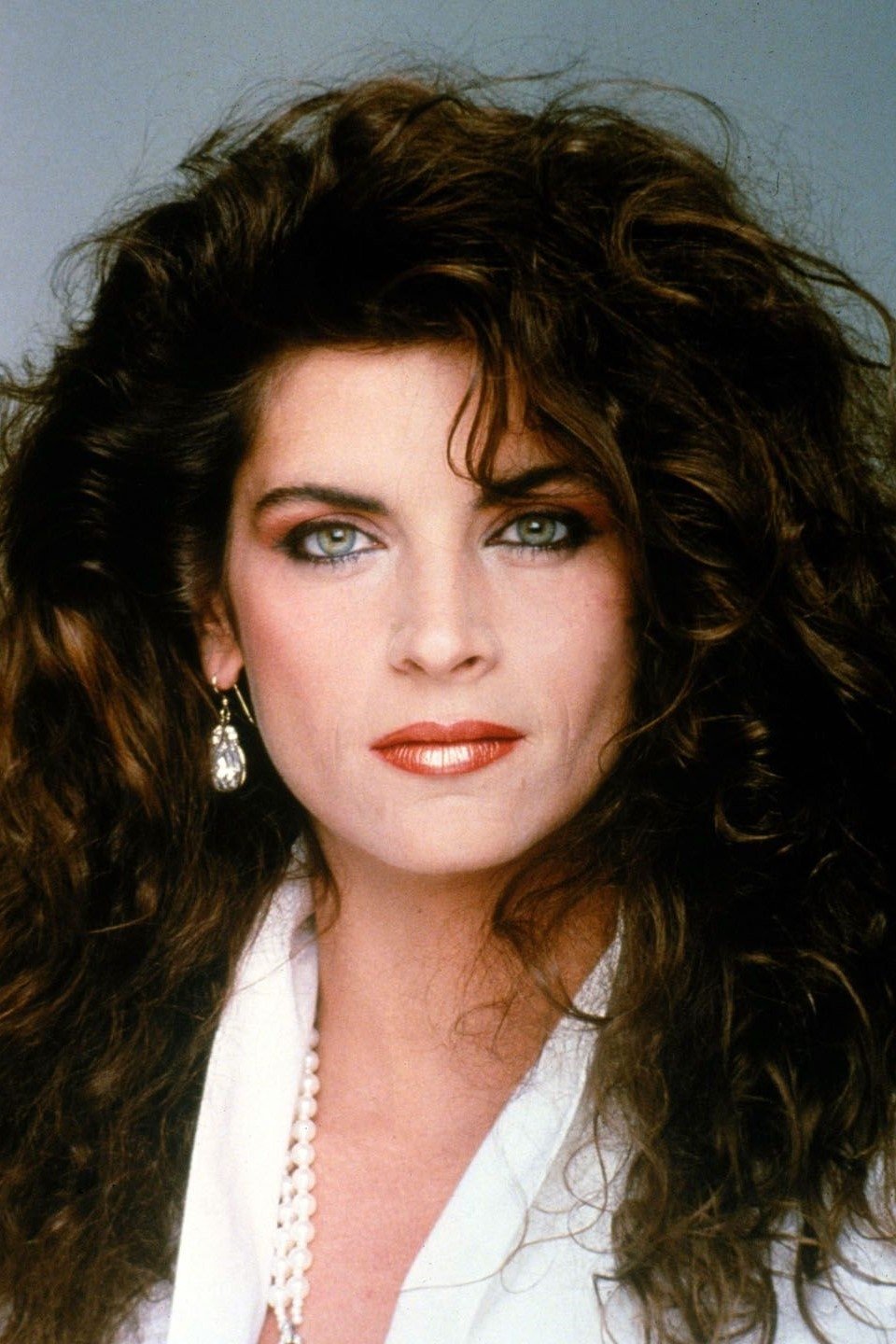
Before she died, Kirstie Alley publicly disagreed with the Academy’s new rules for movies hoping to win Best Picture. She felt these rules, which required certain levels of diversity, were insulting to artists and that art shouldn’t be controlled by a list of requirements. Alley believed filmmakers should be free to create without being told what to include based on quotas, arguing that artistic expression should be prioritized over simply meeting diversity numbers.
Cate Blanchett
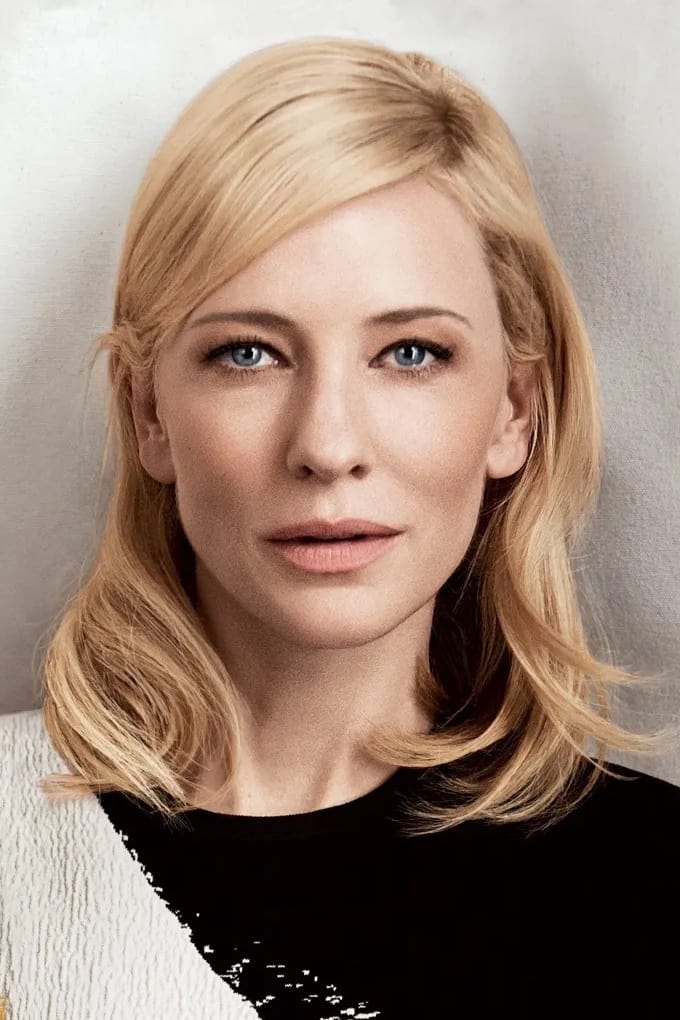
Cate Blanchett has spoken out in favor of actors being able to play any role, even those outside of their personal backgrounds. This position goes against the recent trend of ‘authentic casting,’ which prioritizes hiring actors who share the same identity as the characters they portray. Blanchett believes actors should be able to embody diverse characters, and that restricting roles based on an actor’s identity defeats the purpose of acting. Her views question the increasingly common practice of reserving roles for actors from specific minority groups.
Scarlett Johansson
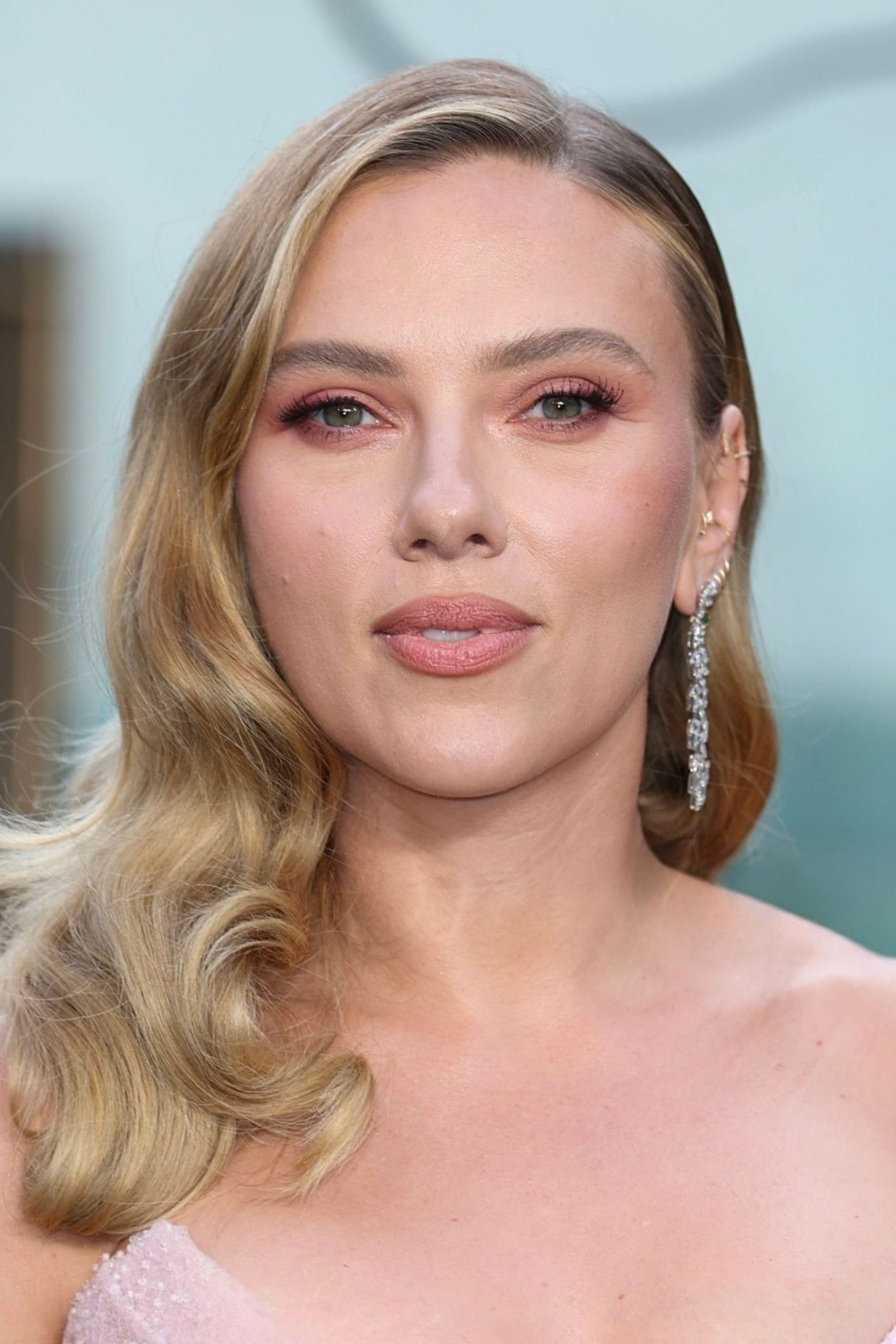
Scarlett Johansson has been criticized for taking roles that some felt should have gone to actors from the communities the characters belonged to. She initially explained her choices, like playing a transgender man in ‘Rub & Tug’ and an Asian character in ‘Ghost in the Shell,’ as being about artistic expression. While she eventually stepped away from ‘Rub & Tug,’ she has voiced annoyance with what she sees as overly strict rules about who can play certain roles, suggesting she believes an actor’s background shouldn’t limit their opportunities. This shows her disagreement with the idea that actors need to perfectly match the demographics of the characters they portray.
Tilda Swinton
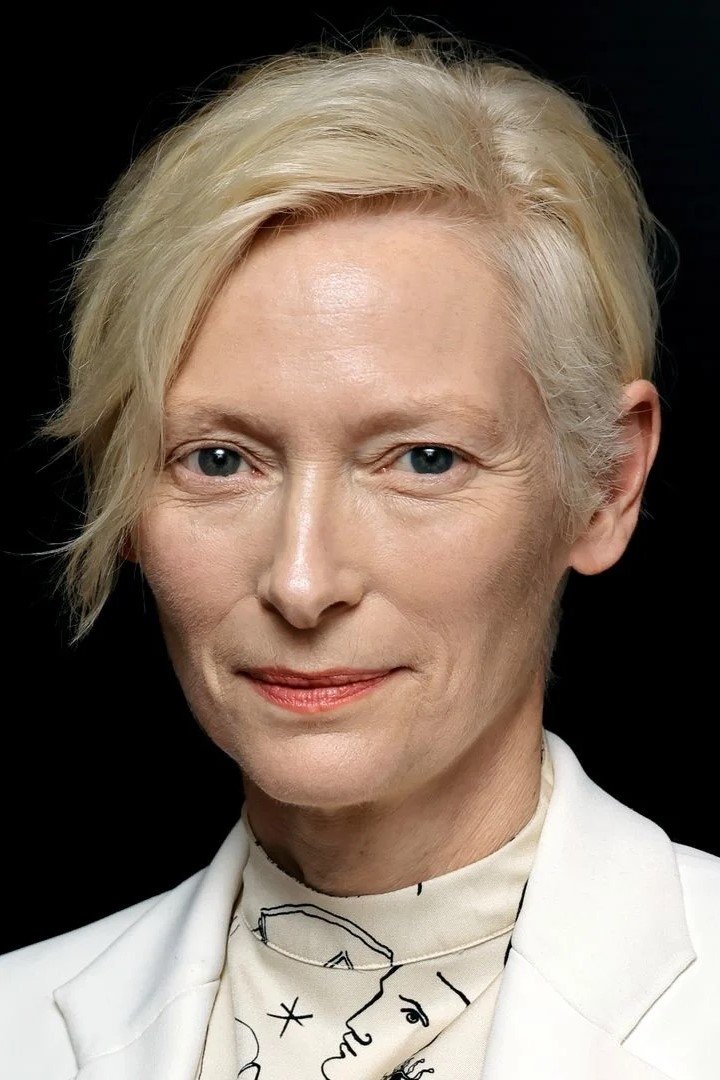
I remember when Tilda Swinton landed the role of The Ancient One in ‘Doctor Strange,’ and it sparked a lot of debate. There was a real outcry about whitewashing, with people rightly pointing out that an Asian character had gone to a white actress. But I also read her side of things, and she explained they deliberately chose her to avoid falling into tired, harmful stereotypes, like the ‘Dragon Lady’ trope. She felt it was a way to be subversive, not to exclude Asian actors. Even with all the criticism from those advocating for accurate representation, she stood firm on the artistic choices they’d made, and I found her explanation pretty compelling, even if it didn’t fully satisfy everyone.
Ana de Armas
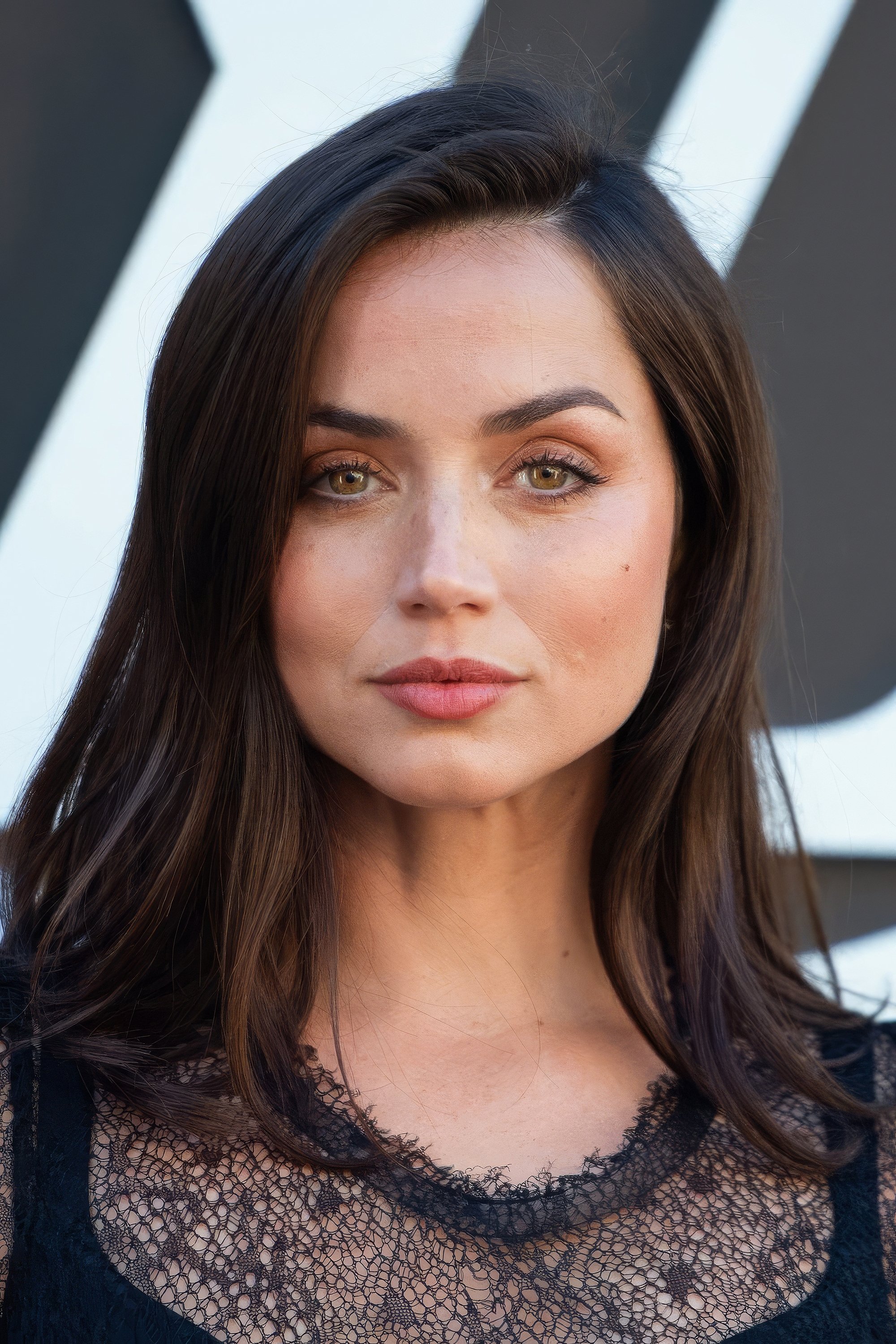
During promotion for ‘No Time to Die’ (2021), Ana de Armas expressed her disapproval of the idea of making James Bond a woman. She believes that instead of changing an existing male character, new, strong roles should be written specifically for women. De Armas feels this approach avoids simply trying to meet diversity goals by altering established male franchises and instead encourages genuinely original stories.
Rachel Weisz
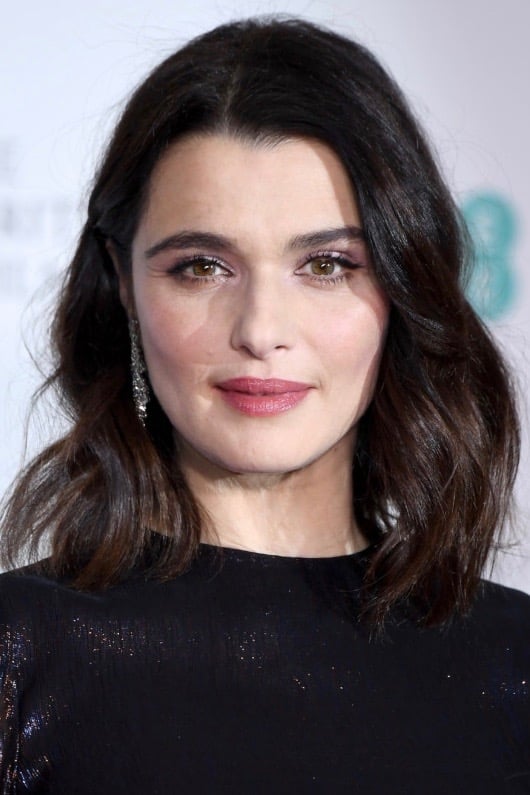
Naomi Weisz has expressed her opinion that James Bond should remain a male character, as the role was originally written for a man. She feels women deserve their own unique stories and shouldn’t be burdened with taking on the history of male characters. Weisz sees the practice of changing established characters’ genders as an easy way to appear inclusive, and she believes real progress comes from developing fresh, original stories instead of altering existing ones.
Halle Berry
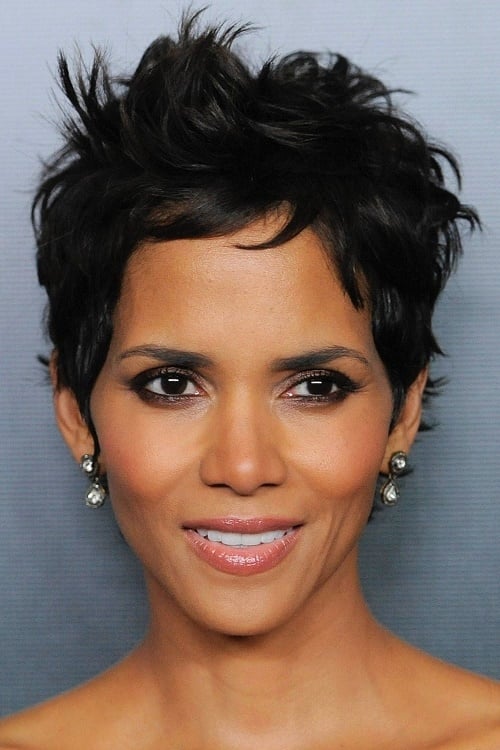
Look, as someone who actually was a Bond girl – I played Jinx in ‘Die Another Day’ – I have to say I’m with those who think James Bond should remain James Bond. It’s not about being against women in leading roles, it’s that Bond has so much history attached to him, changing the character’s gender just to tick a box feels…wrong. I think we should be focusing on building new iconic characters, giving them their own stories and legacies, rather than just swapping genders on established ones. It’s a shortcut, and frankly, a little lazy when it comes to achieving real diversity.
Eva Green
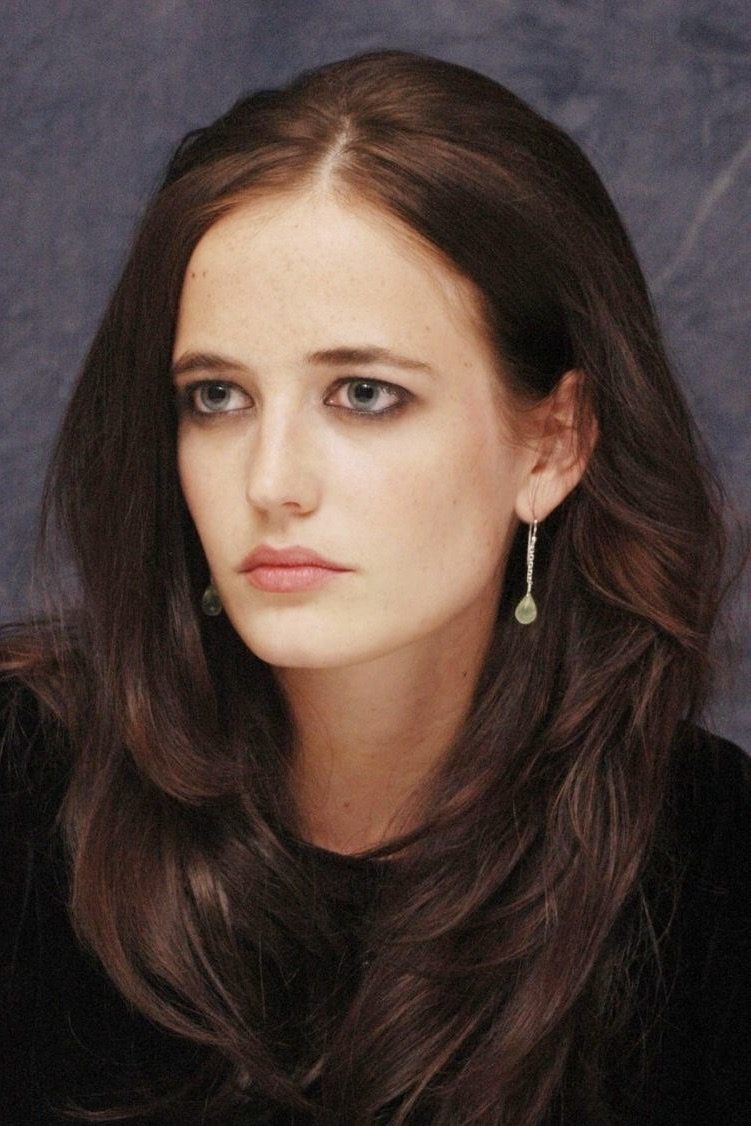
I really admire Judi Dench, who was amazing in ‘Casino Royale,’ and I understand her point about James Bond. She believes Bond should stay a male character, really respecting the history of the role and the original character created by Ian Fleming. She’s a huge supporter of strong female characters – she is one! – but she doesn’t think changing established male icons is the way to achieve diversity. She feels it would actually go against what makes Bond, well, Bond, and that it’s not true to the original story.
Catherine Deneuve

Catherine Deneuve publicly criticized the #MeToo movement, calling it a harsh and overly zealous campaign that risked harming sexual liberty. While acknowledging the movement’s goal of protecting women, she believed it unfairly demonized men and defended their right to flirt. Deneuve also expressed concern that #MeToo was creating an environment of censorship and directly opposed efforts to change the balance of power in the entertainment industry.
Brigitte Bardot
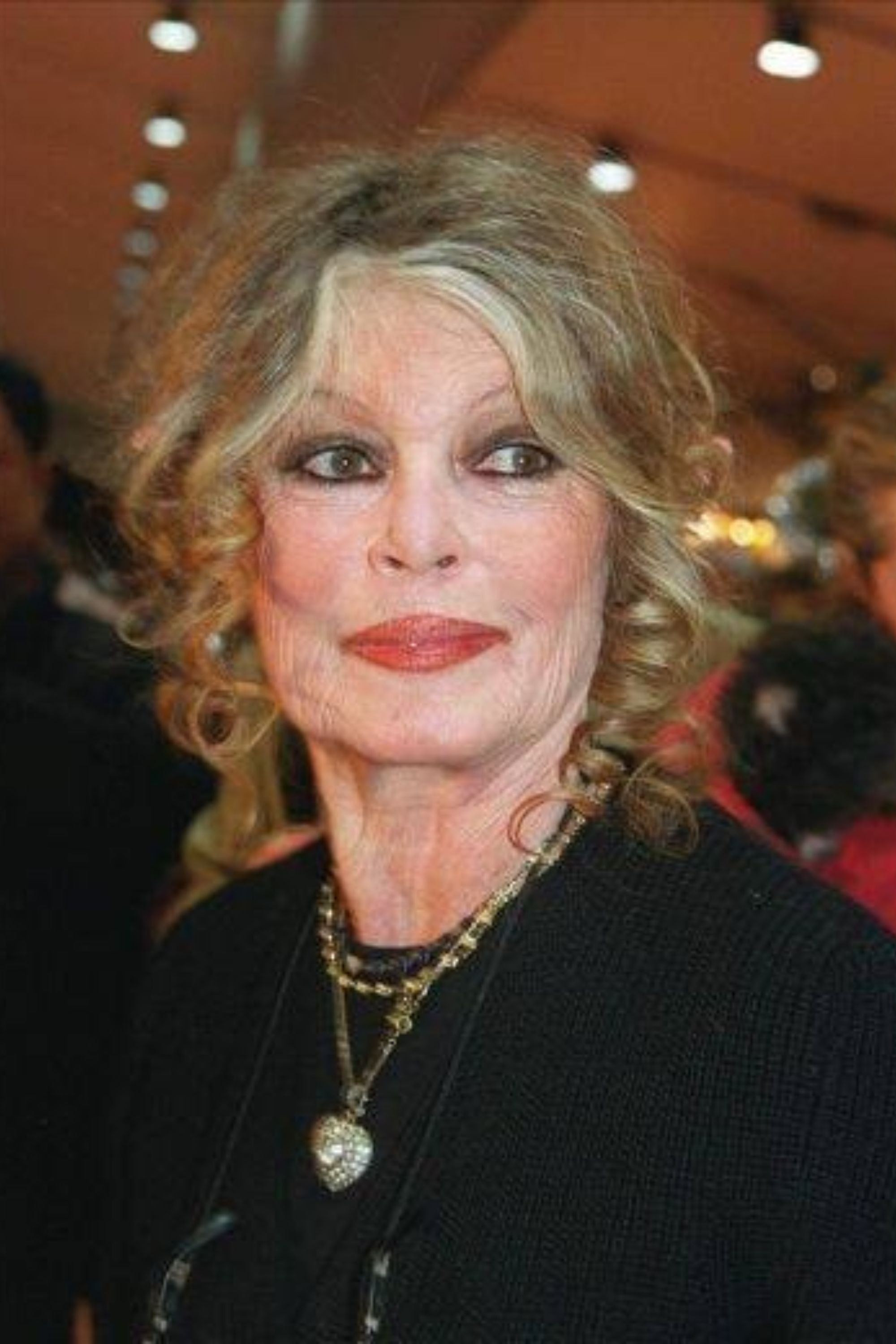
The famous French actress Brigitte Bardot has often spoken out against the #MeToo movement and current discussions about diversity in film. She’s suggested that some actresses exaggerate claims of harassment for attention and has called the movement insincere. Bardot also disapproves of what she sees as an overemphasis on diversity in French media and society. Her views highlight a difference in perspective between generations and a resistance to the changes happening within the film industry.
Helena Bonham Carter
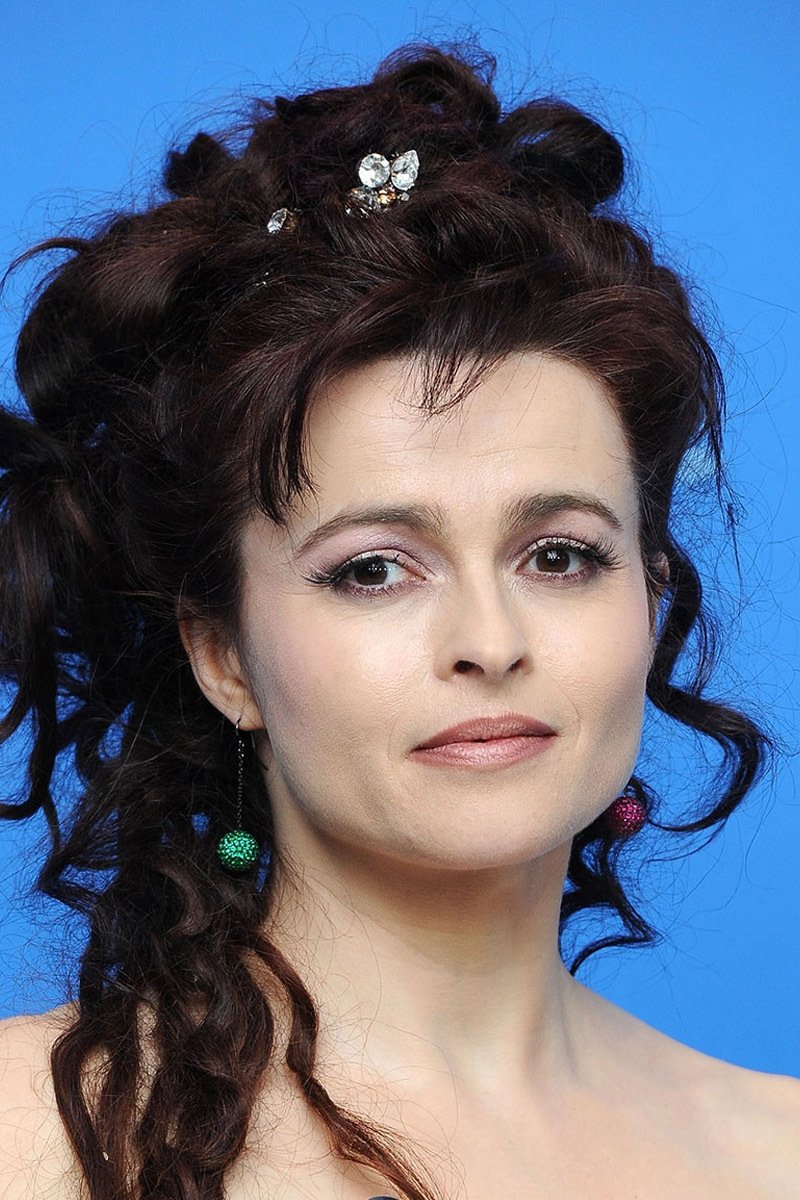
Helena Bonham Carter has spoken out against the practice of “cancel culture” in Hollywood, which she sees as a negative side effect of efforts to promote social justice. She’s defended J.K. Rowling and Johnny Depp, believing they were unfairly targeted by public opinion instead of being judged based on facts. Bonham Carter argues that people shouldn’t be ostracized or silenced simply for holding different views or having complicated personal lives. This stance goes against the current trend in the entertainment industry of distancing itself from anyone considered controversial in order to appear more inclusive.
Candace Cameron Bure
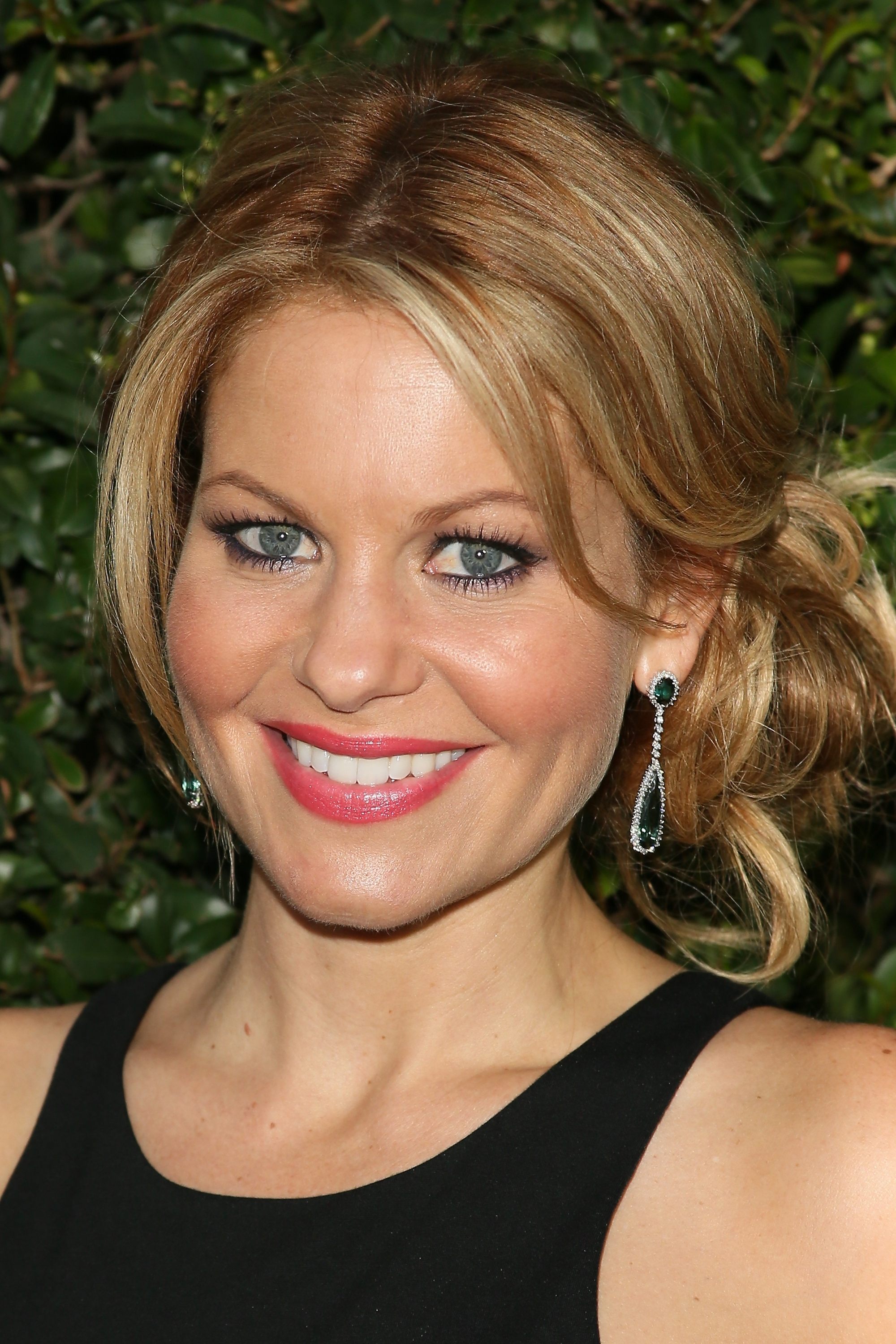
Candace Cameron Bure switched from Hallmark Channel to Great American Family because she wanted to create stories centered around traditional marriage. Her statements suggested she didn’t want to include LGBTQ+ storylines, something Hallmark had started doing. This led to criticism, as many felt she was saying same-sex couples shouldn’t be part of the network’s stories. Bure’s decision clearly signaled her disapproval of the entertainment industry’s increasing efforts to include LGBTQ+ representation.
Sam Sorbo
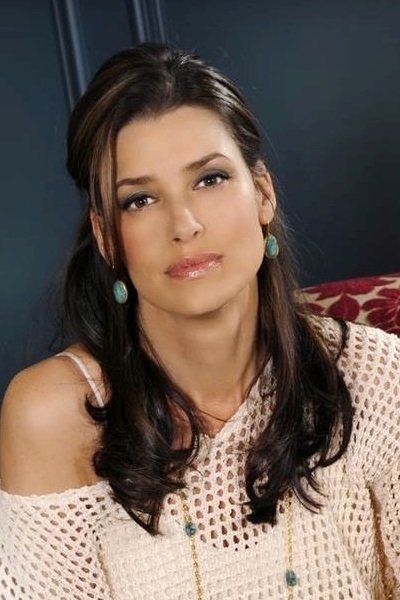
Sorbo is a vocal opponent of public schools and the focus on diversity, equity, and inclusion (DEI) in Hollywood. She believes the entertainment industry promotes left-leaning ideas that are damaging to both children and society. Instead, she champions content rooted in faith and conservative principles, offering an alternative to what she sees as the mainstream media’s push for inclusivity. Her work is a direct response to what she considers the dominant secular and progressive values in entertainment.
Victoria Jackson
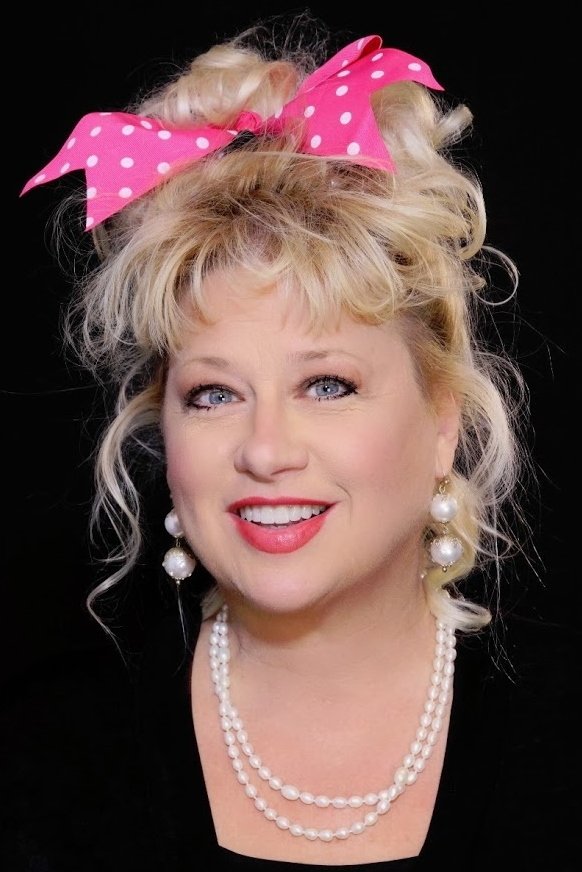
Okay, so I just watched a fascinating interview with this former ‘SNL’ cast member, and honestly, it was a bit of a shock. She’s become a really outspoken conservative, and she doesn’t hold back when it comes to criticizing the show now. She feels ‘SNL’ has gone too far left, and it’s not just that – she’s openly critical of the increasing LGBTQ+ representation in media and what she sees as a general decline in moral standards. She believes Hollywood’s push for diversity isn’t about inclusivity, but a deliberate attempt to challenge traditional Christian beliefs. Basically, she’s fighting against the very things the entertainment industry is now trying to embrace. It’s a really strong stance, and definitely makes you think.
Samaire Armstrong
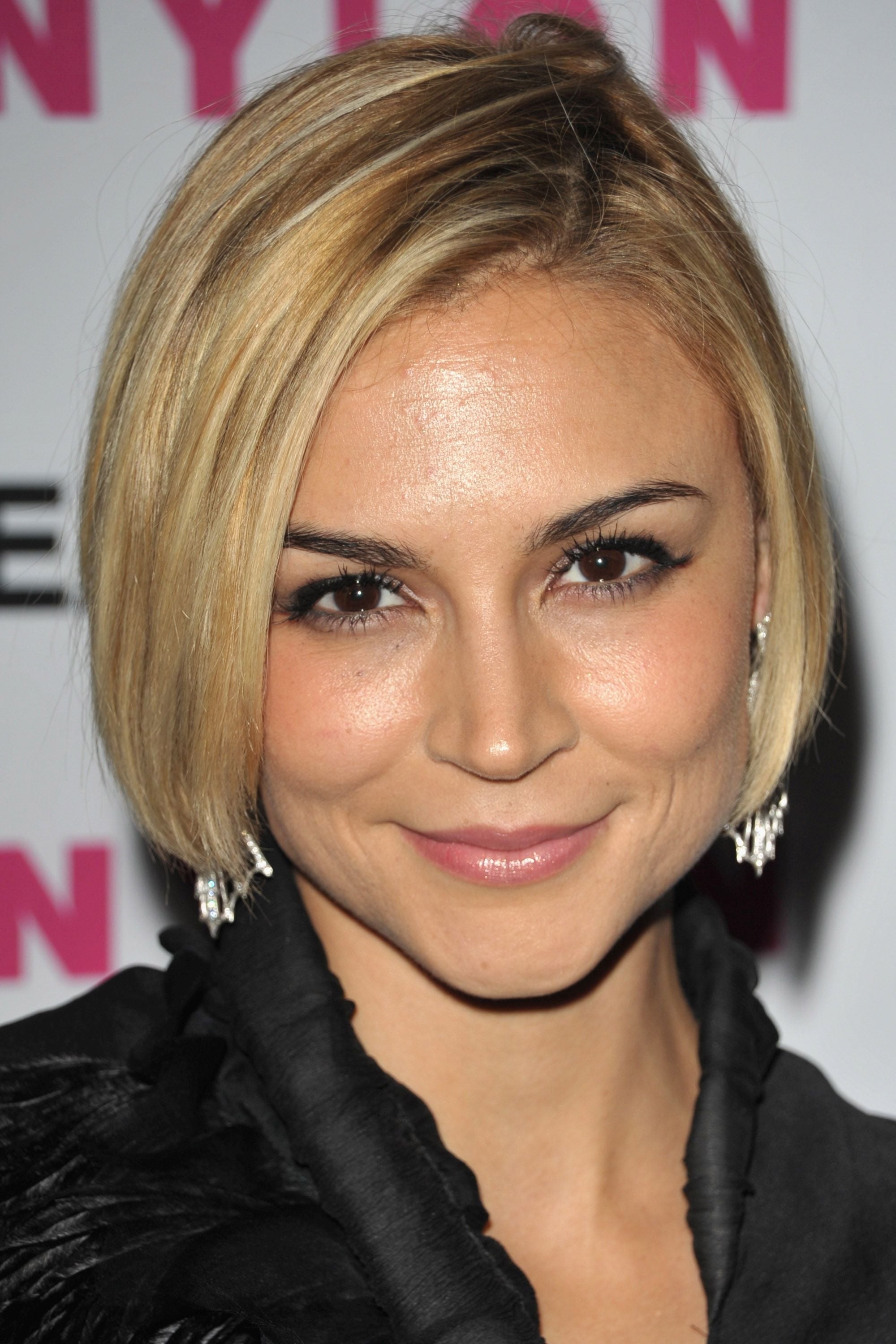
Armstrong has publicly criticized both the Black Lives Matter movement and efforts to advance transgender rights. She believes that Hollywood’s focus on social justice is often just for show and doesn’t reflect real change. The actress argues that what she calls “woke” ideology is harmful to traditional American values, particularly as portrayed in media and taught in schools. These views put her at odds with many of her colleagues who support greater racial and gender diversity.
Kristy Swanson
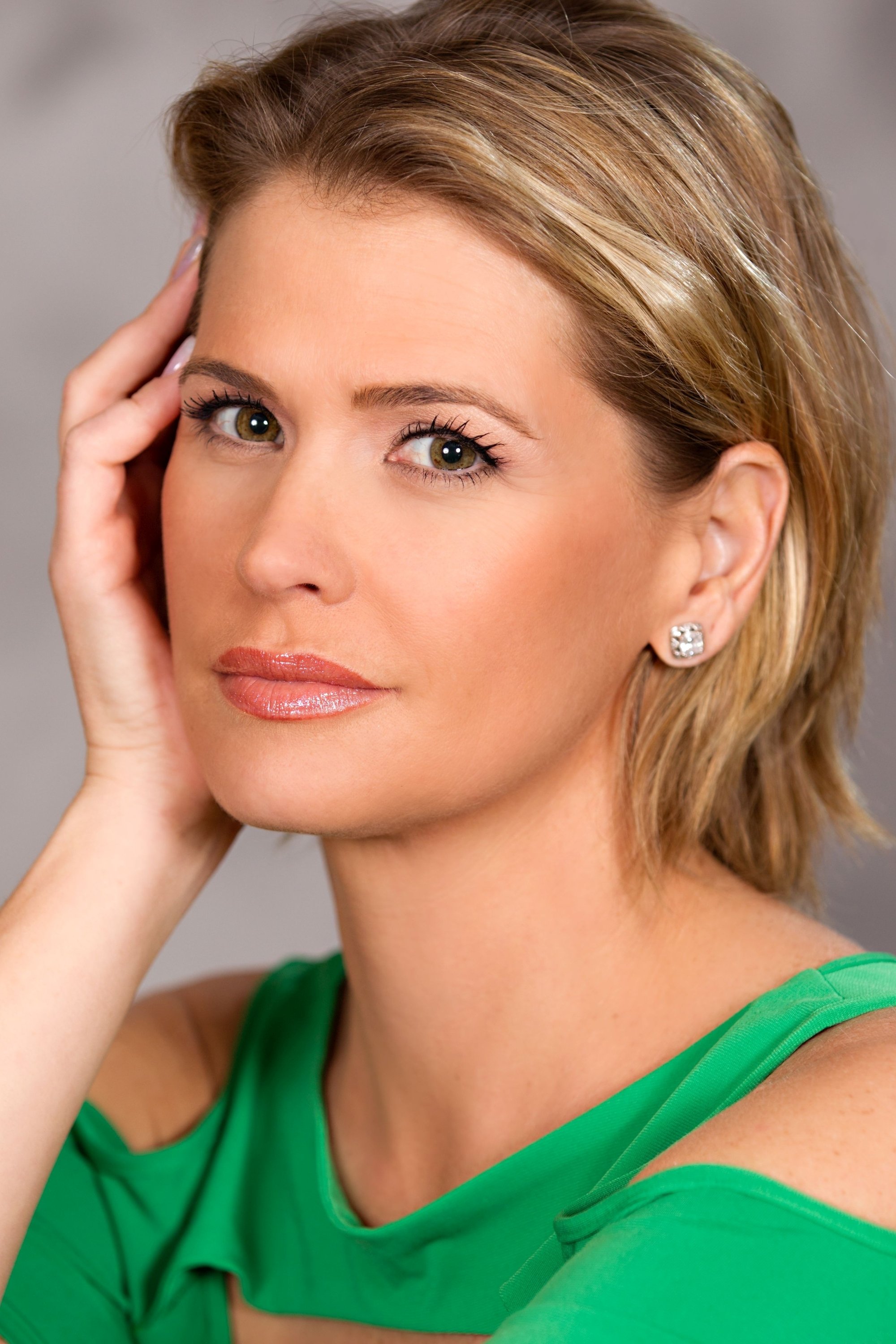
Kristy Swanson, famous for her role in the 1992 film ‘Buffy the Vampire Slayer,’ is a public advocate for conservative viewpoints and often speaks out against what she sees as ‘cancel culture.’ She believes Hollywood unfairly penalizes people who don’t share mainstream progressive ideas about diversity and social issues. Swanson often questions commonly held beliefs about systemic racism and gender identity, which are key focuses for many Hollywood projects. She argues that the entertainment industry excludes conservatives while simultaneously promoting inclusivity.
Meryl Streep
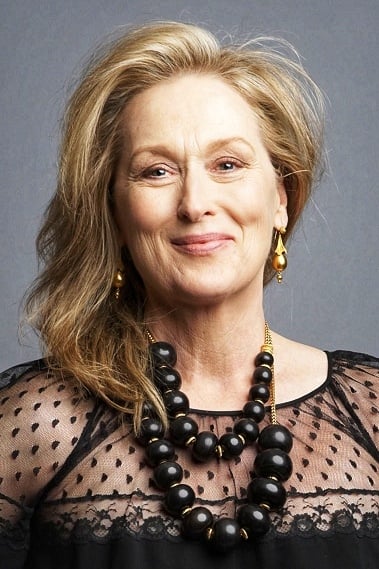
Meryl Streep received criticism while leading the Berlin Film Festival jury after she addressed concerns about the jury being entirely white. She said “we are all Africans,” a statement many critics felt minimized the importance of having racial diversity on the panel. Some interpreted her comment as an attempt to downplay the unique challenges faced by people of color by suggesting that everyone shares the same experiences. Although she generally supports diversity, this instance suggested she was hesitant to embrace the idea of using quotas to ensure representation.
Rooney Mara
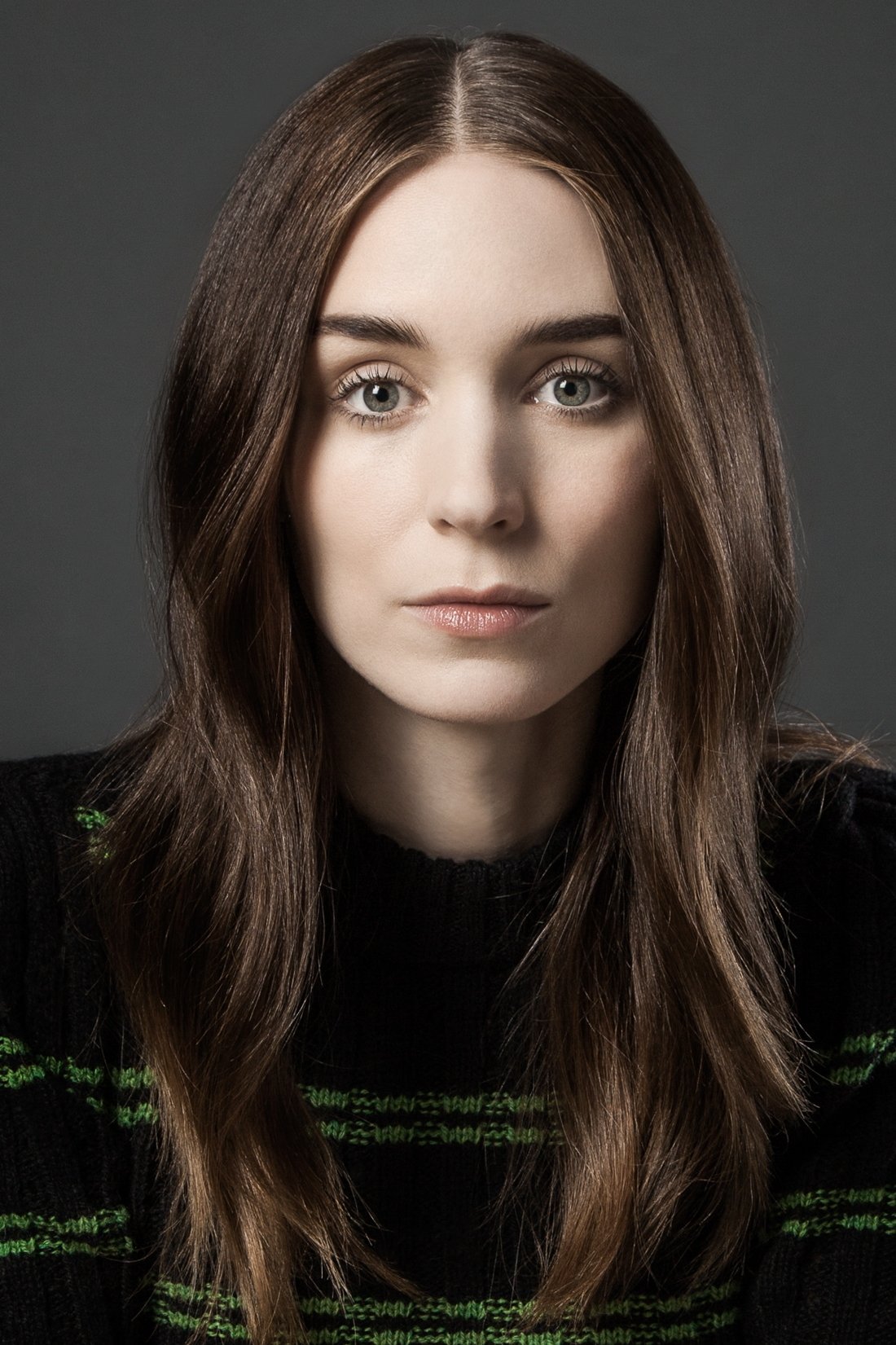
Mara received significant backlash for playing Tiger Lily in the 2015 film ‘Pan,’ as the character is traditionally Native American. While she initially stood by the casting decision and the director’s creative choices, she later expressed regret in response to public criticism. Many viewers felt her involvement contributed to the common practice of replacing actors of color with white actors. This situation brought to light the conflict between how casting has been done in the past and the increasing calls for more accurate and respectful representation in film.
Julie Delpy
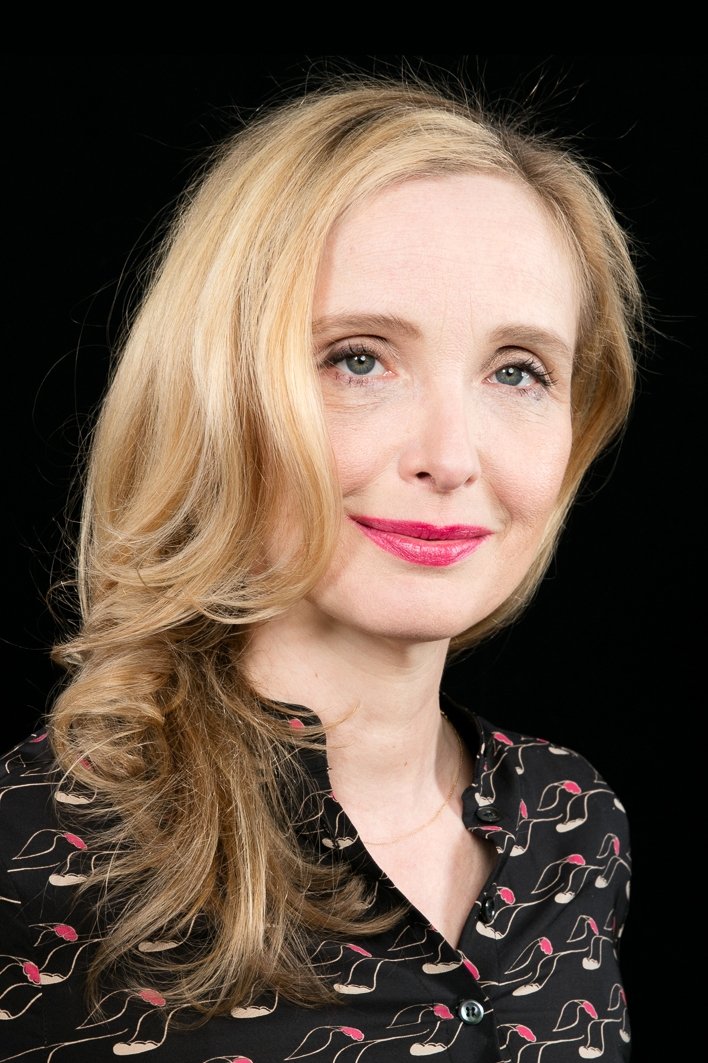
Delpy caused an uproar after saying it’s the worst thing to be a white woman in Hollywood while talking about diversity. While she meant to draw attention to the challenges women face, many criticized her for overlooking the additional hurdles faced by women of color. People felt she didn’t acknowledge how race and gender combine to create unique difficulties, or the efforts to support actresses who aren’t white. Delpy later apologized, but her comment was widely seen as insensitive to the conversation about racial diversity.
Angela Lansbury
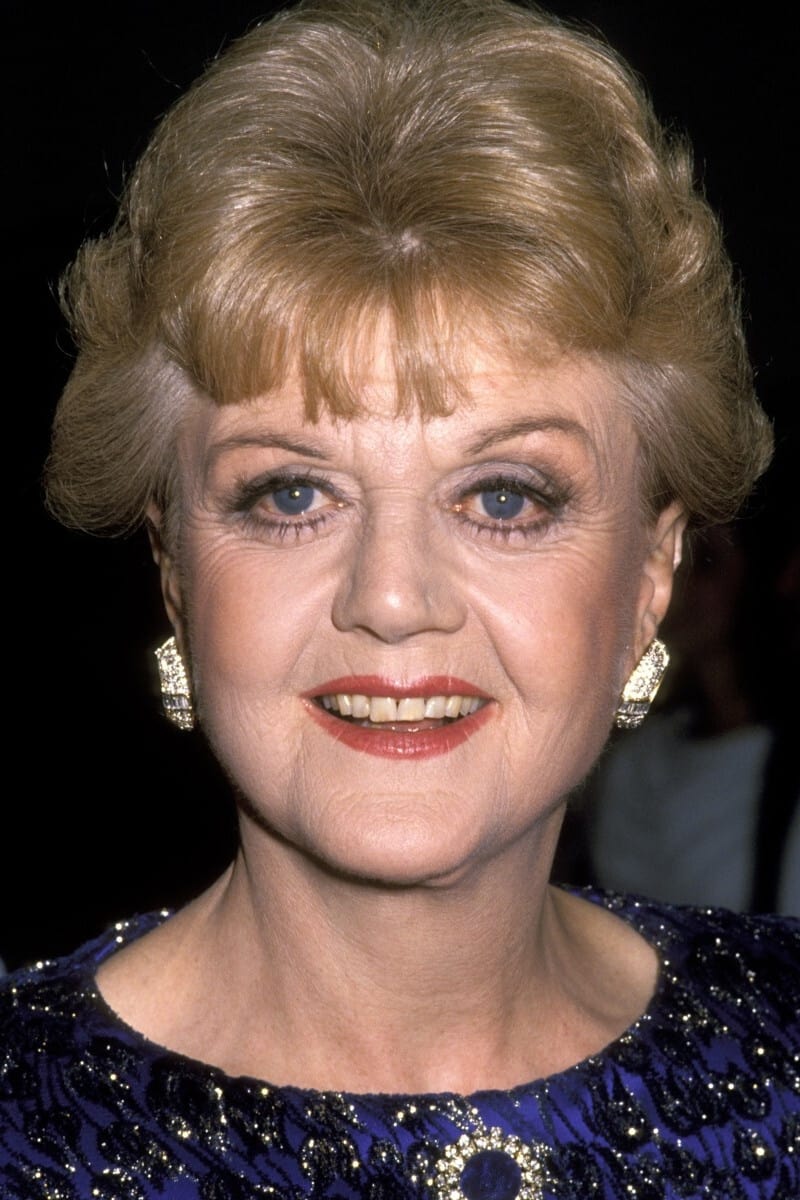
The actress faced backlash for her opinions on the #MeToo movement and sexual harassment in Hollywood. She proposed that women sometimes share responsibility for harassment due to their choices about appearance, and believed there was too much focus on condemning men without considering individual accountability. These views contrasted with the ongoing efforts to create safer working conditions and systemic change for women in the film industry.
Lindsay Lohan
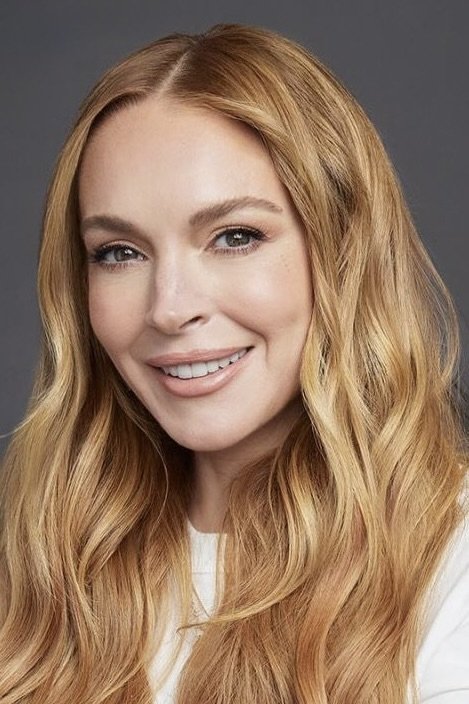
Okay, so looking back at the #MeToo movement, I remember Lindsay Lohan initially made some really frustrating comments. She basically said the women speaking out seemed…weak, which, honestly, didn’t sit right with a lot of people. She seemed to think they were doing it for attention, not because they were genuinely seeking justice. She did try to walk that back later, but her first reaction was definitely questioning the whole movement and whether it was valid. It felt like she was against creating a safe space for people to share their experiences with harassment, and that was tough to watch.
Sharon Stone
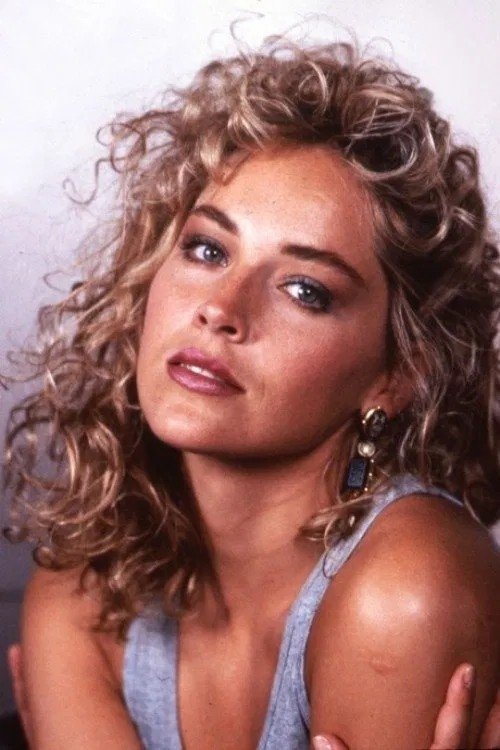
Stone has voiced worries about “cancel culture” and the way people are sometimes punished without a fair hearing, especially after recent events in Hollywood. She believes the entertainment industry is often too quick to judge, potentially ruining careers without proper investigation or considering all sides of a story. While she supports protecting women, she cautions against a situation where simply being accused of something is treated as proof of guilt. Her views suggest she questions the harsh penalties often linked to today’s efforts to hold people accountable.
Jennifer Aniston
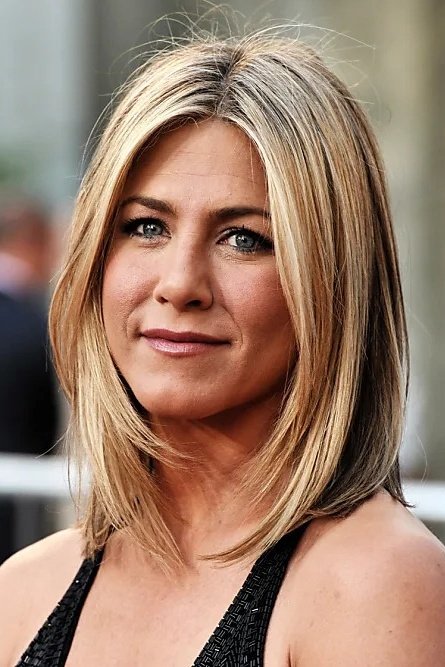
Jennifer Aniston has often said that it’s become hard to make genuinely funny movies because people are so easily offended these days. She feels comedy is now limited because there’s a constant search for things that might upset someone. She’s pointing to a change in culture where movies and jokes are heavily scrutinized to avoid offending any particular group. Aniston believes this focus on avoiding offense is actually hurting creativity and making it difficult to poke fun at common human quirks and stereotypes.
Goldie Hawn
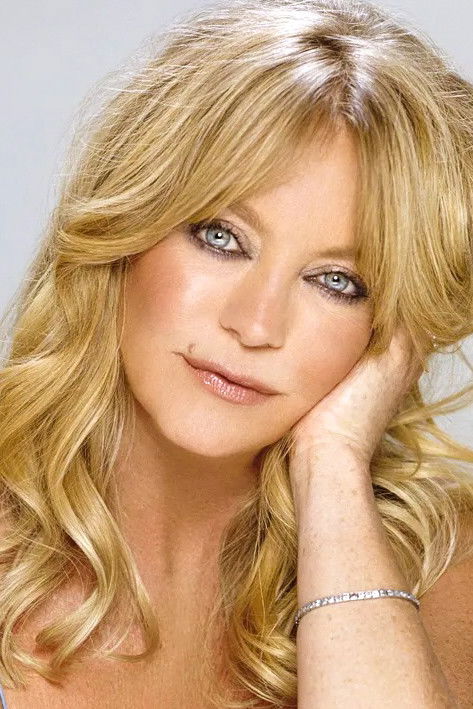
Goldie Hawn has expressed concern that today’s culture is stifling comedy, leading people to self-censor. She feels that a comedian’s intent is more important than whether a joke unintentionally offends someone. Hawn believes the entertainment industry’s desire to avoid causing offense is taking away the fun and naturalness of performance. This viewpoint clashes with efforts to make content more inclusive and less likely to offend.
Emily Blunt
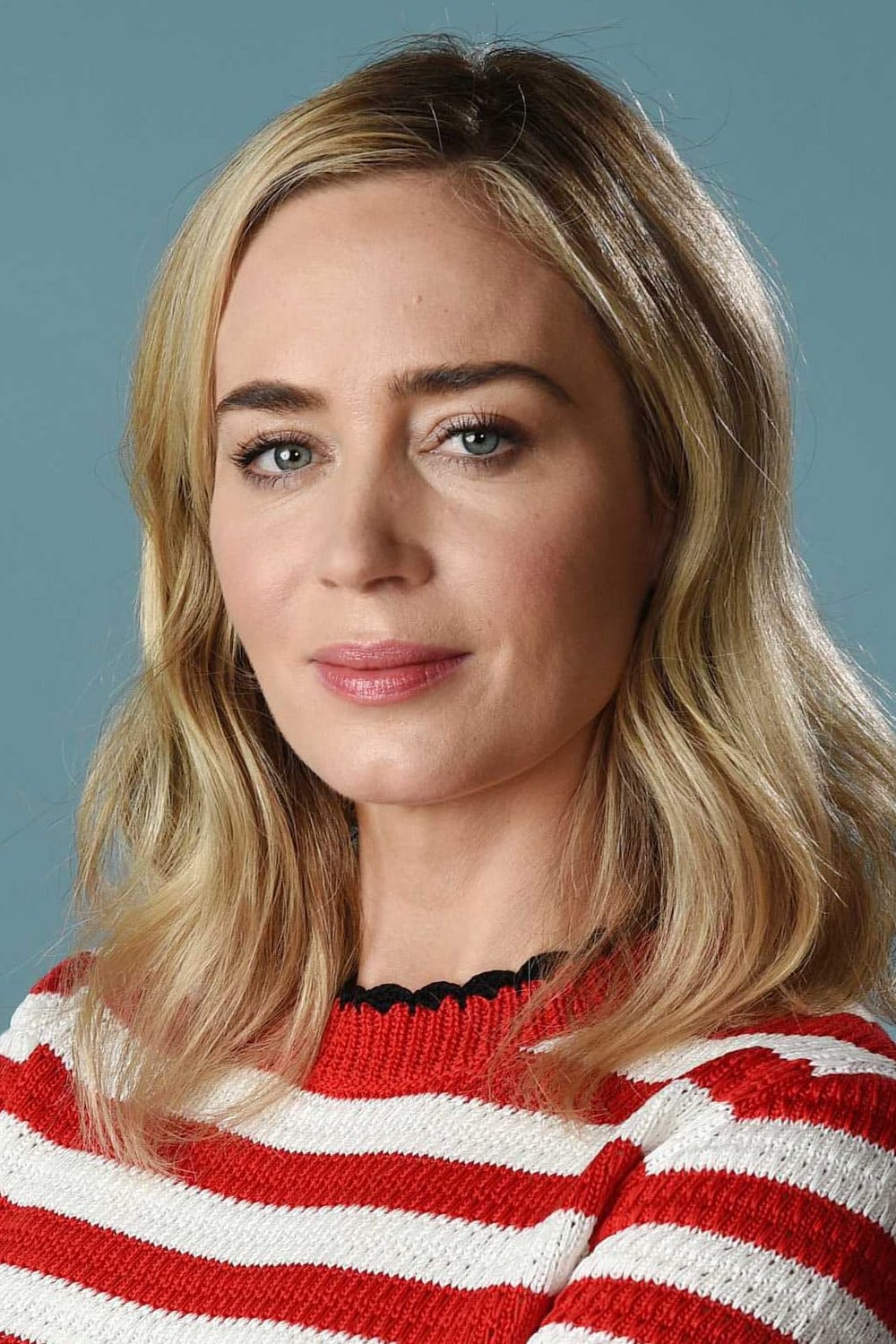
Emily Blunt has voiced her concerns about the common “strong female lead” found in many scripts aiming for gender diversity. She believes these characters often lack depth, feeling flat and overly stoic, and missing the complexities and imperfections that make characters relatable. Blunt expressed being tired of the expectation for women to always be portrayed as tough and powerful, suggesting that efforts to empower female characters have sometimes resulted in them becoming predictable and uninteresting stereotypes.
Joanna Lumley
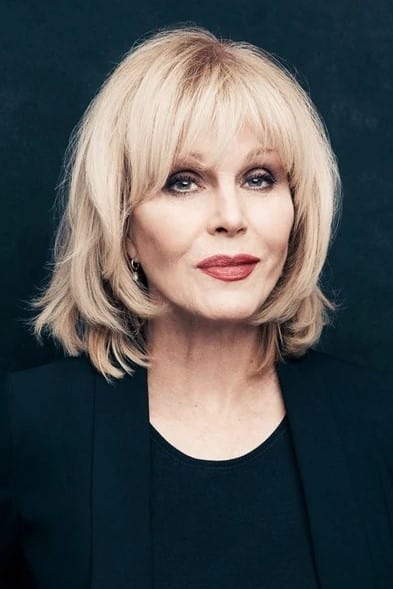
Joanna Lumley has spoken out against what she sees as a growing trend of people identifying as victims, particularly within the entertainment industry and broader society. She encourages actresses to be resilient and avoid joining what she considers an overreaction to perceived injustices. This ‘stiff upper lip’ approach suggests she doesn’t believe many current concerns about how people are treated or represented are legitimate, and she feels a constant focus on problems is a step backwards, not forward.
Judi Dench
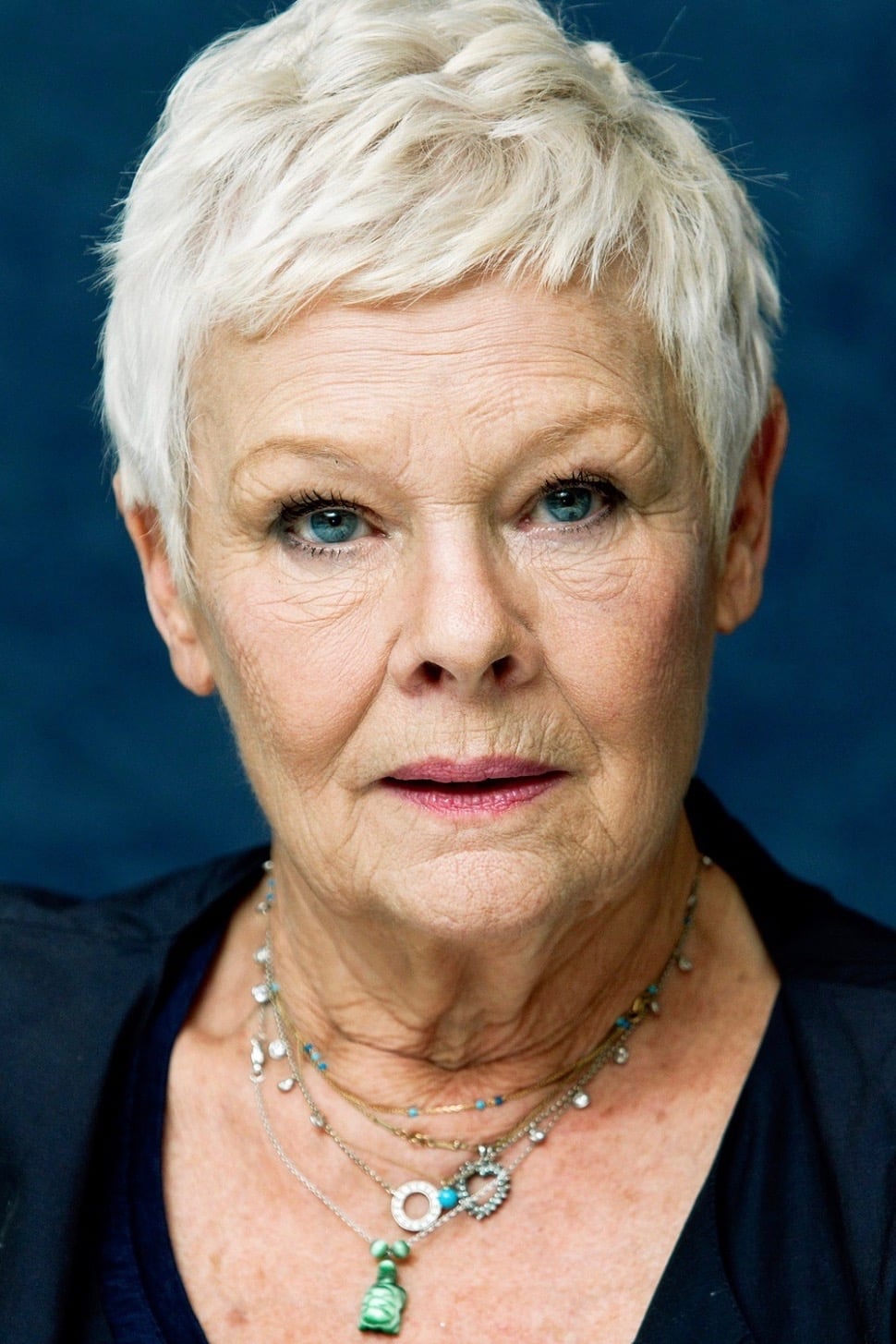
Look, as a film fanatic, it really bothers me when people try to just erase artists from history because of bad behavior. I get that actions have consequences, absolutely, but I’m with Judi Dench on this one. She’s right – taking away Kevin Spacey or Harvey Weinstein’s films doesn’t just punish them; it hurts everyone else who worked on those projects, and it actually damages our understanding of film history. It feels like we’re prioritizing ‘canceling’ someone over preserving the art itself, and I think that’s a mistake. It’s about acknowledging the problematic stuff and the work, not pretending it never existed.
Drea de Matteo
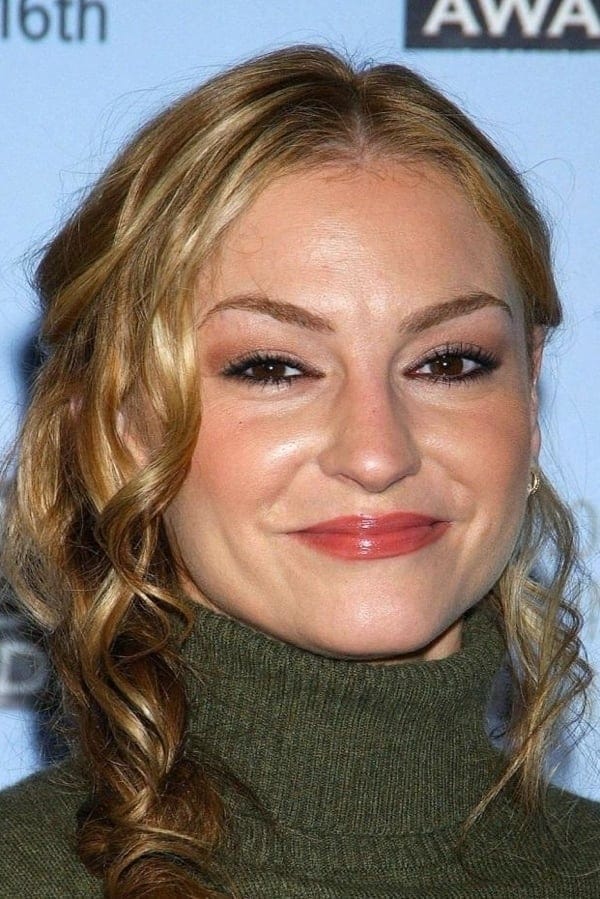
De Matteo has publicly spoken out against Hollywood’s rules regarding vaccinations and the overall pressure she feels the industry puts on people. She’s sided with those who challenge the status quo and has criticized what she sees as a groupthink mentality within entertainment. This also includes a rejection of the typical, corporate-driven approach to diversity and inclusion. Ultimately, she believes in individual liberty over industry-wide requirements.
Janine Turner
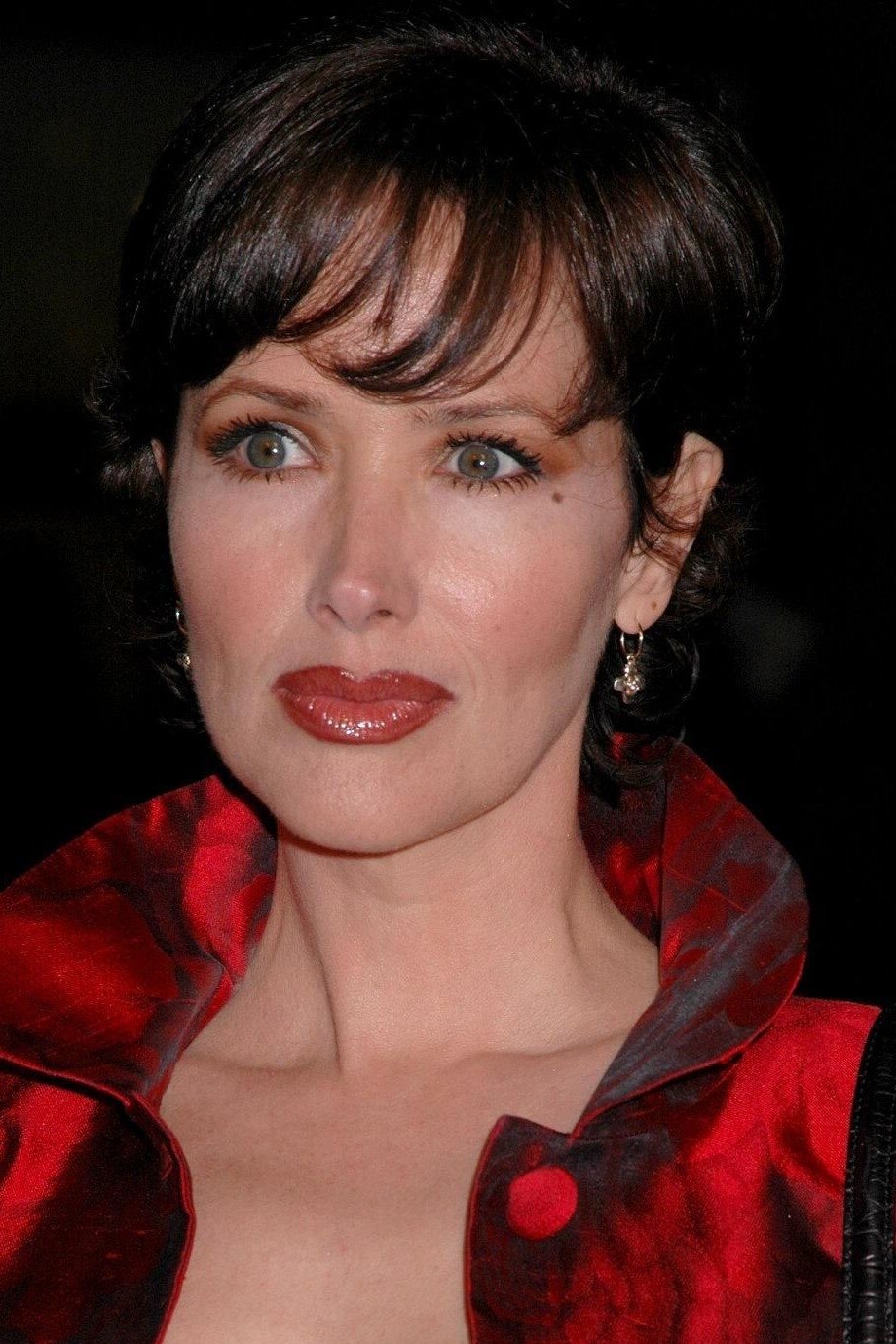
Turner is a conservative activist who believes Hollywood often overlooks or excludes people with different political and religious beliefs. She’s spoken out about the lack of variety in viewpoints within the entertainment industry, particularly the underrepresentation of traditional values and faith-based stories. Turner would like to see more stories reflecting those values, arguing that current diversity efforts sometimes leave out conservative perspectives.
Patricia Heaton
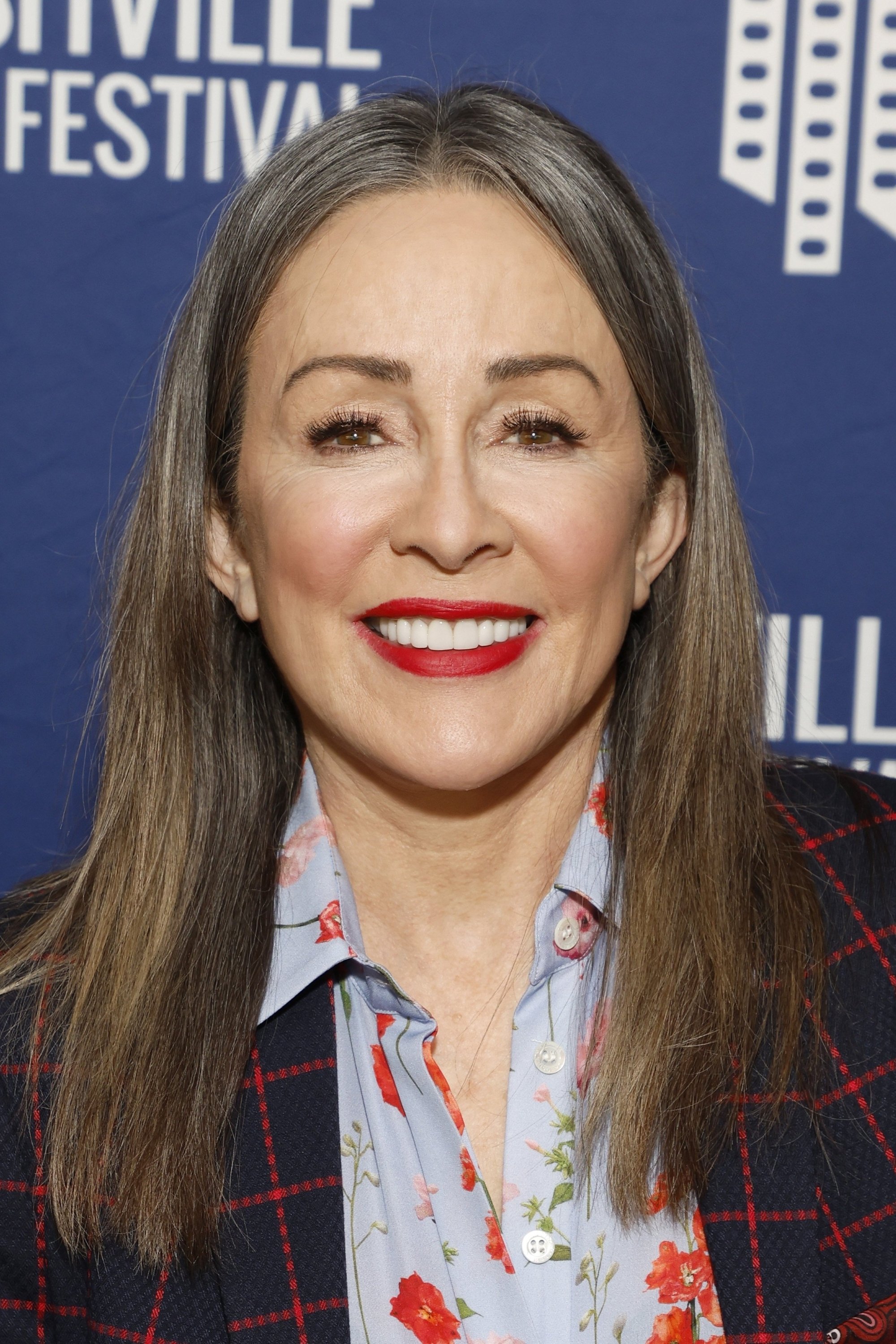
Alyssa Heaton has often voiced concerns about Disney and Pixar’s recent content, particularly the characters featured in the movie ‘Lightyear’ (2022). She believes the company is prioritizing a social message over good storytelling, which she feels is turning audiences away. Heaton prefers entertainment that aligns with traditional family values and doesn’t focus on contemporary social issues. Her main issue is with Disney’s practice of incorporating diversity efforts into shows and movies for children.
Angie Harmon
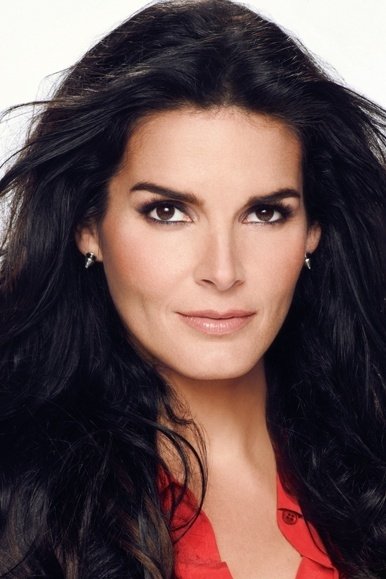
Harmon has discussed the challenges of being a conservative in Hollywood, noting she often encounters prejudice because of her beliefs. She’s been critical of how the entertainment industry approaches feminism, suggesting it doesn’t genuinely embrace all women if it excludes those with conservative viewpoints. Harmon argues that true diversity means including people with different ideas and political backgrounds. Her comments underscore the conflict between valuing political differences and the industry’s focus on other forms of identity-based diversity.
Rose McGowan
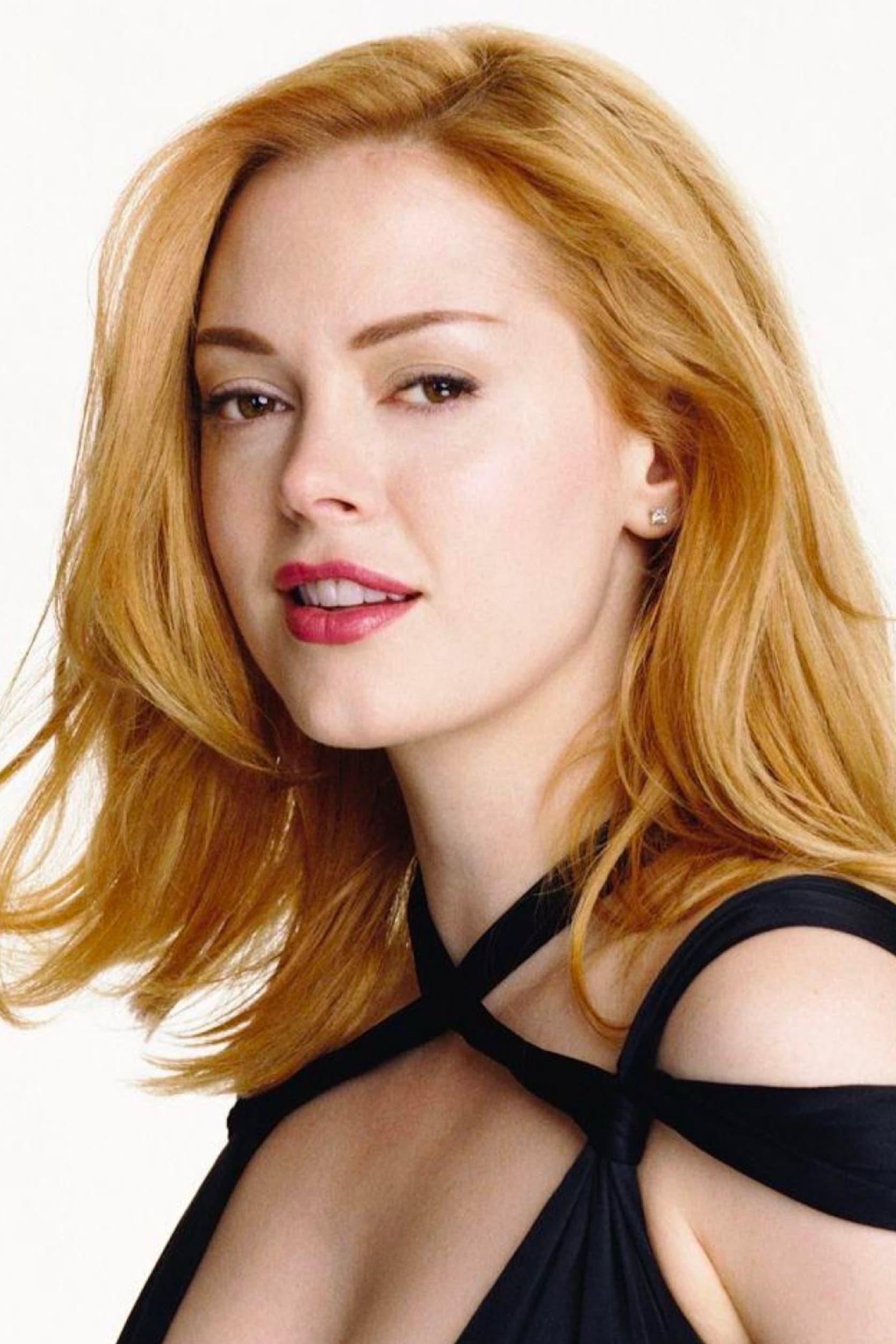
Rose McGowan, a prominent voice in launching the #MeToo movement, strongly criticized the Time’s Up initiative and Hollywood’s powerful figures, accusing them of superficial activism. She famously questioned the sincerity of actresses wearing black at the Golden Globes, pointing out their past silence on the issue. McGowan believed that the industry’s efforts to promote diversity and safety were primarily for public relations, not real progress. Ultimately, her issue was with the way corporations seemed to take over and control a movement she had helped create.
Mayim Bialik
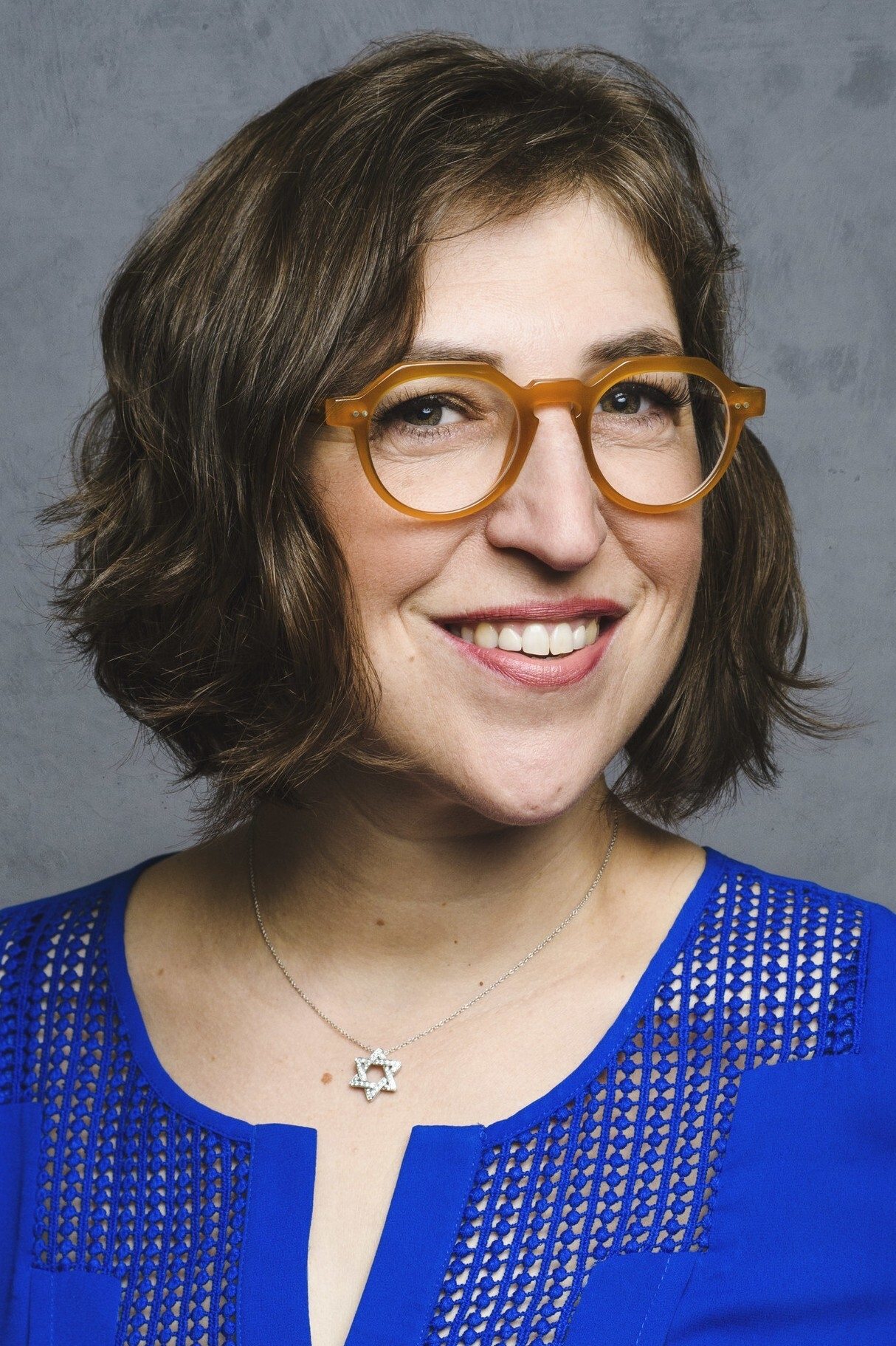
Mayim Bialik faced significant criticism after writing an opinion piece for the New York Times about the Harvey Weinstein allegations. In it, she shared that her decision to dress conservatively and avoid flirtatious behavior helped her avoid becoming a target of predatory behavior in the entertainment industry. Many people disagreed with her, arguing that her statement implied victims were responsible for the actions of predators and weakened efforts to hold abusers accountable. While Bialik maintained she was simply sharing her personal experience, her views conflicted with the central idea that everyone deserves safety, regardless of their choices or behavior.
Patti LuPone
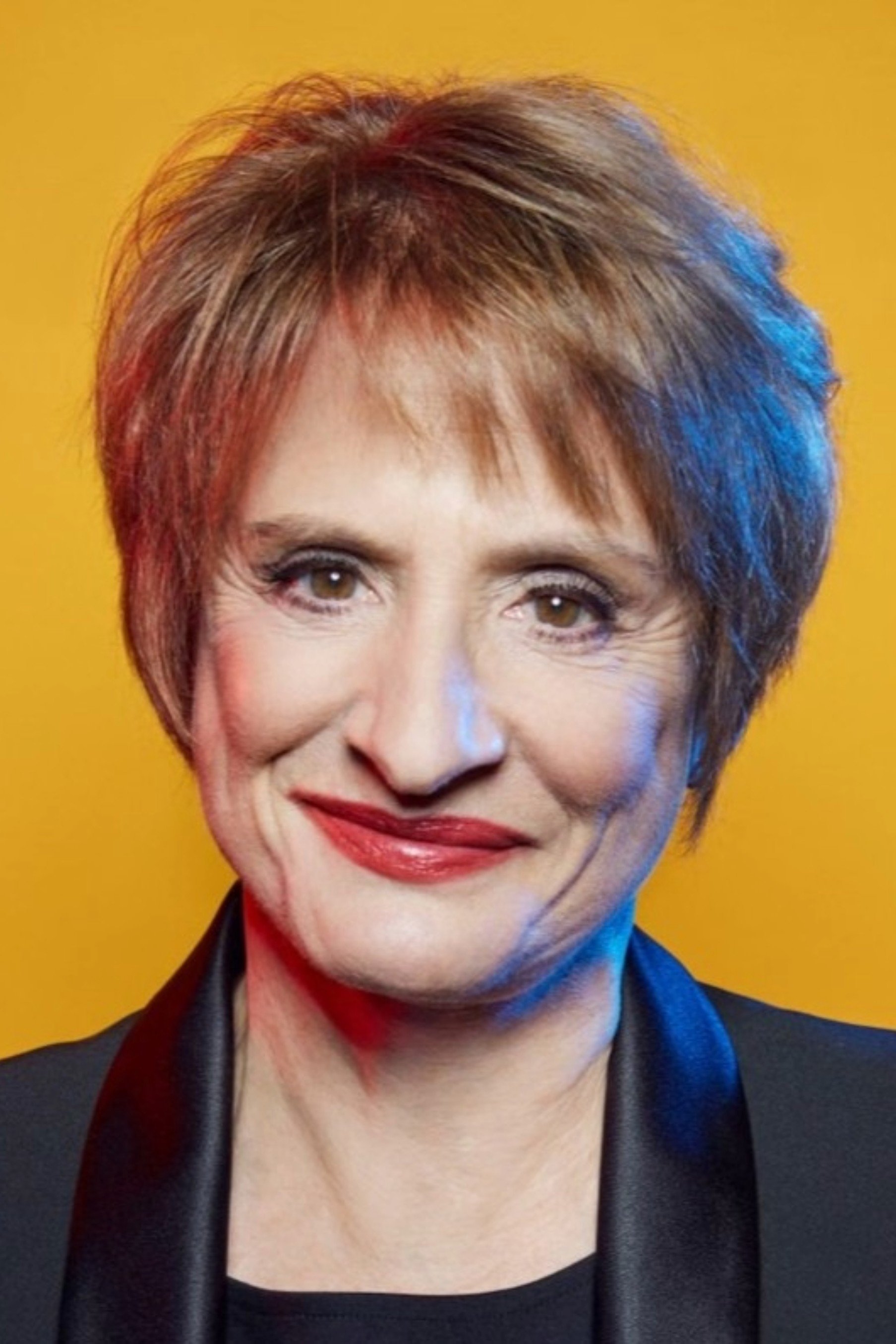
I’ve always admired Patti LuPone, and I understood her frustration when Kim Kardashian was cast in ‘American Horror Story.’ She believes, and I agree, that acting roles should primarily go to people who’ve spent years honing their skills. It just feels unfair when someone with no formal training gets a part that could have gone to a dedicated actor. I know there’s a push for more diverse casting now, which is great, but it seems like sometimes that comes at the expense of those who’ve truly committed their lives to the art of acting. She really values the traditional idea of earning your place on stage, and I respect that, even if it’s not always the current trend.
Whoopi Goldberg
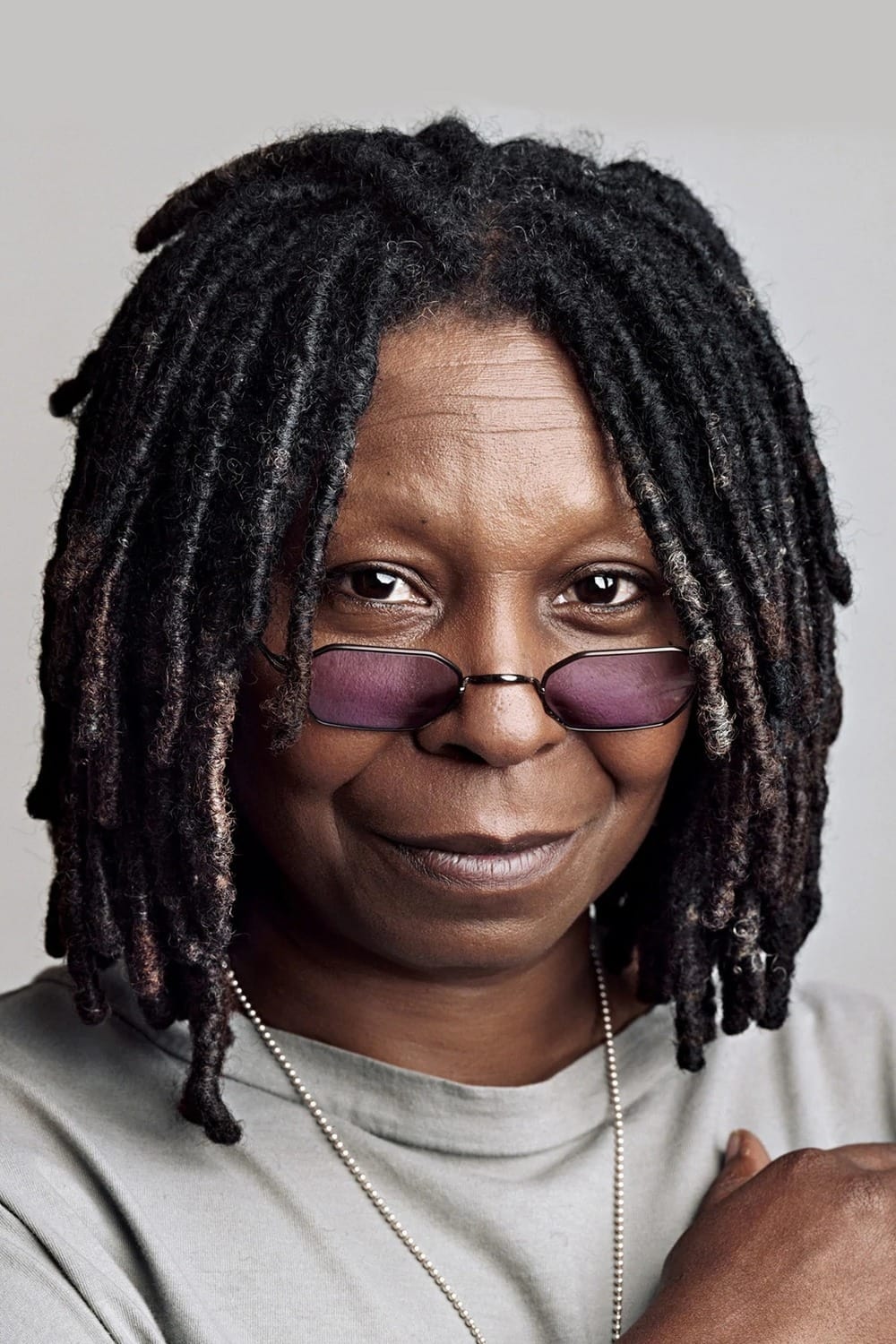
Whoopi Goldberg was temporarily removed from ‘The View’ after stating the Holocaust wasn’t about race, but about general cruelty. Critics pointed out this didn’t acknowledge the racial hatred at the core of antisemitism. The situation revealed a gap in her understanding of racism and diversity, and while she apologized, it sparked a larger conversation about how different groups experience and define discrimination.
Please share your thoughts on these actresses and their stances in the comments.
Read More
- 20 Movies Where the Black Villain Was Secretly the Most Popular Character
- Can AI Lie with a Picture? Detecting Deception in Multimodal Models
- 25 “Woke” Films That Used Black Trauma to Humanize White Leads
- 22 Films Where the White Protagonist Is Canonically the Sidekick to a Black Lead
- Silver Rate Forecast
- Top 10 Coolest Things About Invincible (Mark Grayson)
- From Bids to Best Policies: Smarter Auto-Bidding with Generative AI
- When AI Teams Cheat: Lessons from Human Collusion
- Top 20 Dinosaur Movies, Ranked
- Unmasking falsehoods: A New Approach to AI Truthfulness
2026-01-20 04:20