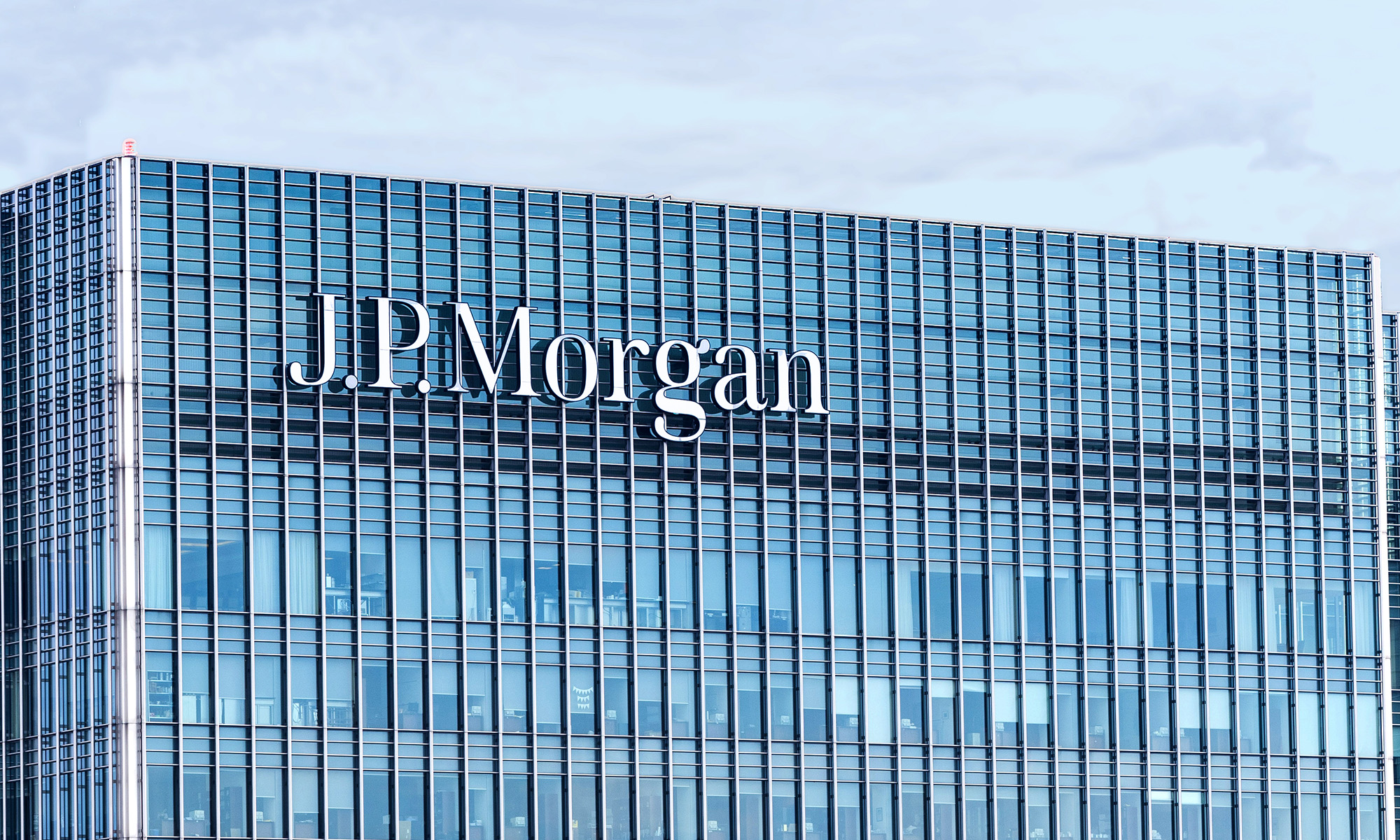
Goldman Sachs, a firm accustomed to moving vast sums for those already possessing them, has demonstrated its limitations in the simpler task of serving the consumer. The decision to offload the Apple Card portfolio – a collection of debts amounting to some $20 billion – to JPMorgan Chase is not a sign of innovation, but an admission of failure. The arrangement, slated to conclude in two years’ time, reveals a pattern: complex finance is their strength, everyday banking, evidently, is not.
The matter, for investors, is not one of grand opportunity, but of subtle accounting. The narrative of ‘high-value consumers’ being transferred is, predictably, being emphasized. It is worth remembering that a debt is merely a debt, regardless of who holds it or the presumed status of the debtor.
The Illusion of Access
The trouble with the Apple Card, it appears, stemmed from a willingness to extend credit too freely. Unexpectedly high default rates – a consequence of approving applicants with questionable credit histories – exposed the inherent risks of chasing volume over prudence. This is not an isolated incident, but a symptom of a wider delusion: the belief that consumer banking can be ‘disrupted’ without understanding the fundamental principles of lending.
JPMorgan Chase, with its $4.4 trillion in assets, is positioned to absorb this portfolio. They claim access to 12 million Apple Card customers. The implication is that these individuals, possessing Apple devices, represent a uniquely profitable segment. This is a convenient narrative, but one should not mistake correlation for causation. Owning an expensive gadget does not guarantee financial responsibility.
The bank’s management acknowledges the integration will be complex. Jeremy Barnum, the CFO, describes it as ‘economically compelling.’ Such language is typical of those engaged in the business of moving money; it rarely translates to genuine value for the investor. The transaction itself is, at best, a neutral event, a shuffling of existing assets rather than a creation of new wealth.
A Minimal Impact, A Costly Valuation
The immediate financial impact on JPMorgan Chase will be negligible. The $20 billion in Apple Card balances represents a mere 1.3% of their total loan portfolio. To suggest this will ‘move the needle’ is disingenuous. The bank is large enough to absorb such an addition without noticeable strain, much like a man swallowing a crumb.
Furthermore, this transaction offers no compelling reason to invest in JPMorgan Chase stock. The shares are currently trading at a price-to-book ratio of 2.5 – a valuation that suggests the market has already priced in a great deal of optimism. In a world of limited returns, such exuberance is rarely justified. It is a costly stock, and this development does nothing to alter that fact. The pursuit of profit, it seems, remains a game of diminishing returns, masked by layers of financial complexity.
Read More
- Gold Rate Forecast
- Silver Rate Forecast
- Securing the Agent Ecosystem: Detecting Malicious Workflow Patterns
- DOT PREDICTION. DOT cryptocurrency
- 4 Reasons to Buy Interactive Brokers Stock Like There’s No Tomorrow
- NEAR PREDICTION. NEAR cryptocurrency
- EUR UAH PREDICTION
- Did Alan Cumming Reveal Comic-Accurate Costume for AVENGERS: DOOMSDAY?
- Top 15 Insanely Popular Android Games
- USD COP PREDICTION
2026-01-19 01:14