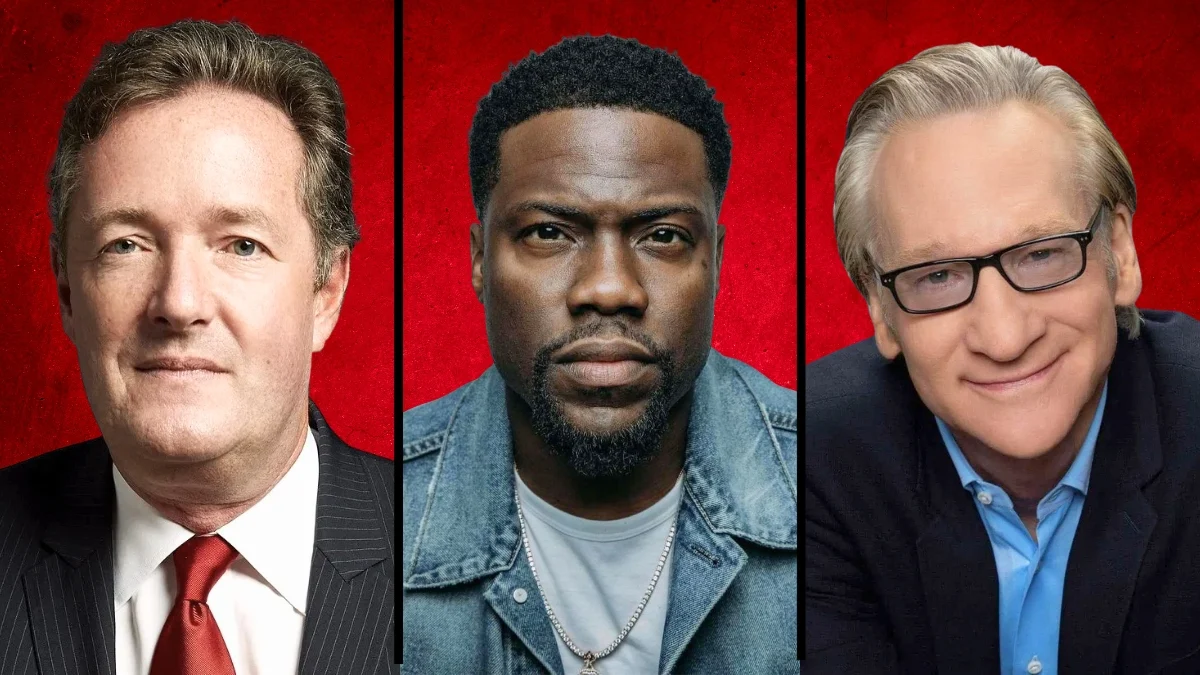
In today’s media landscape, “cancel culture” is increasingly common, often resulting in public figures being shunned for things they’ve said or done that are considered controversial. Several celebrities have recently criticized this trend, claiming it limits free expression and makes it harder to have open conversations. They believe this atmosphere of fear discourages creativity and prevents people from learning from errors. Although the question of holding people accountable is still being debated, these stars have expressed worry about how public shaming could ultimately affect the entertainment world.
Ricky Gervais
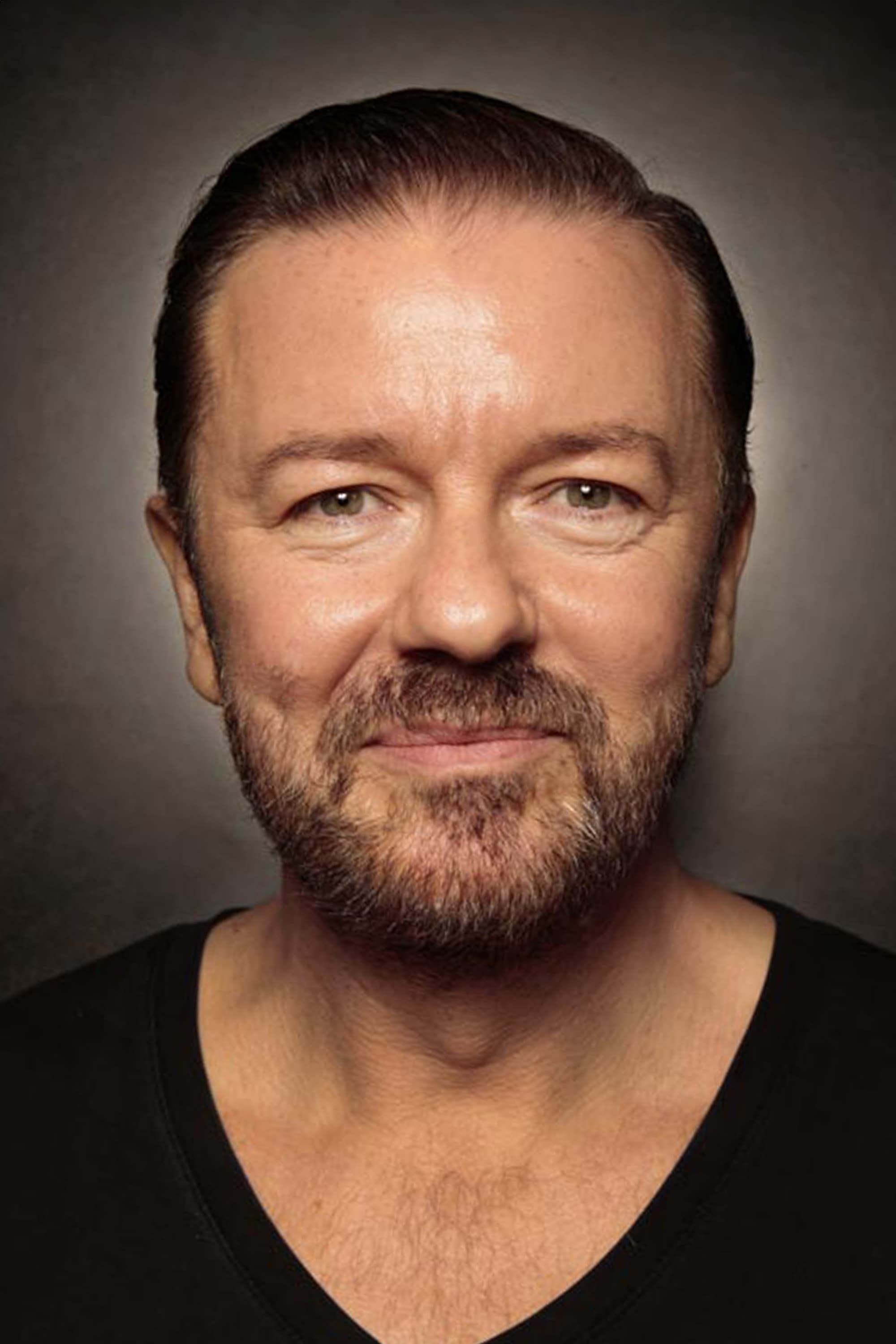
The comedian often criticizes modern society, believing people have the right to be upset by things. While hosting the Golden Globes several times, he famously poked fun at how easily offended those in Hollywood seem to be. He insists that comedy should be able to tackle difficult topics without fear of losing work, and he frequently debates this point with his critics online, emphasizing the importance of freedom of speech in humor.
Dave Chappelle
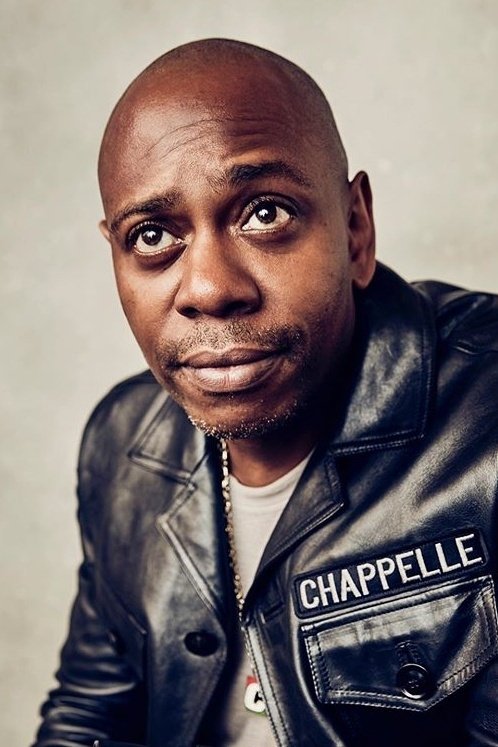
After releasing several comedy specials on Netflix, the comedian received strong criticism for jokes about the LGBTQ+ community. Chappelle has responded to this criticism in his shows, explaining that he won’t stop making jokes just because of public outcry. He believes that quickly dismissing people for their views makes it harder to have thoughtful conversations about difficult topics. Despite many people calling for his specials to be removed, he continues to perform and has received support from other comedians.
Jennifer Aniston
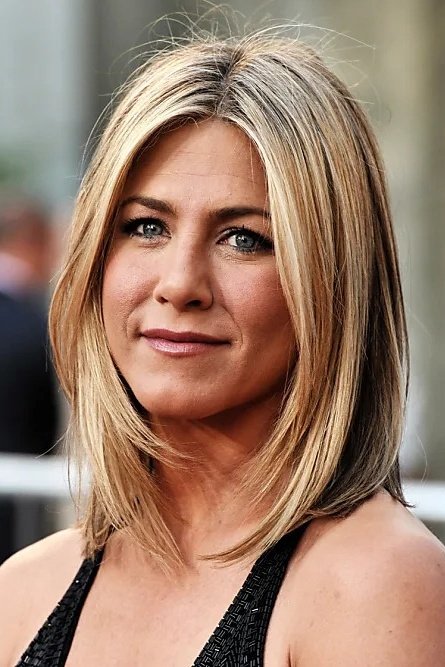
During a recent interview, actress Jennifer Aniston discussed how comedy has changed and how audiences react to it today. She pointed out that while some older jokes might be considered offensive now, it’s also harder for comedians to be bold and try new things. Aniston believes we need to find a way to both hold people accountable for their words and still be able to laugh. She’s worried that the fear of facing backlash is stifling creativity and preventing artists from taking risks.
Chris Rock
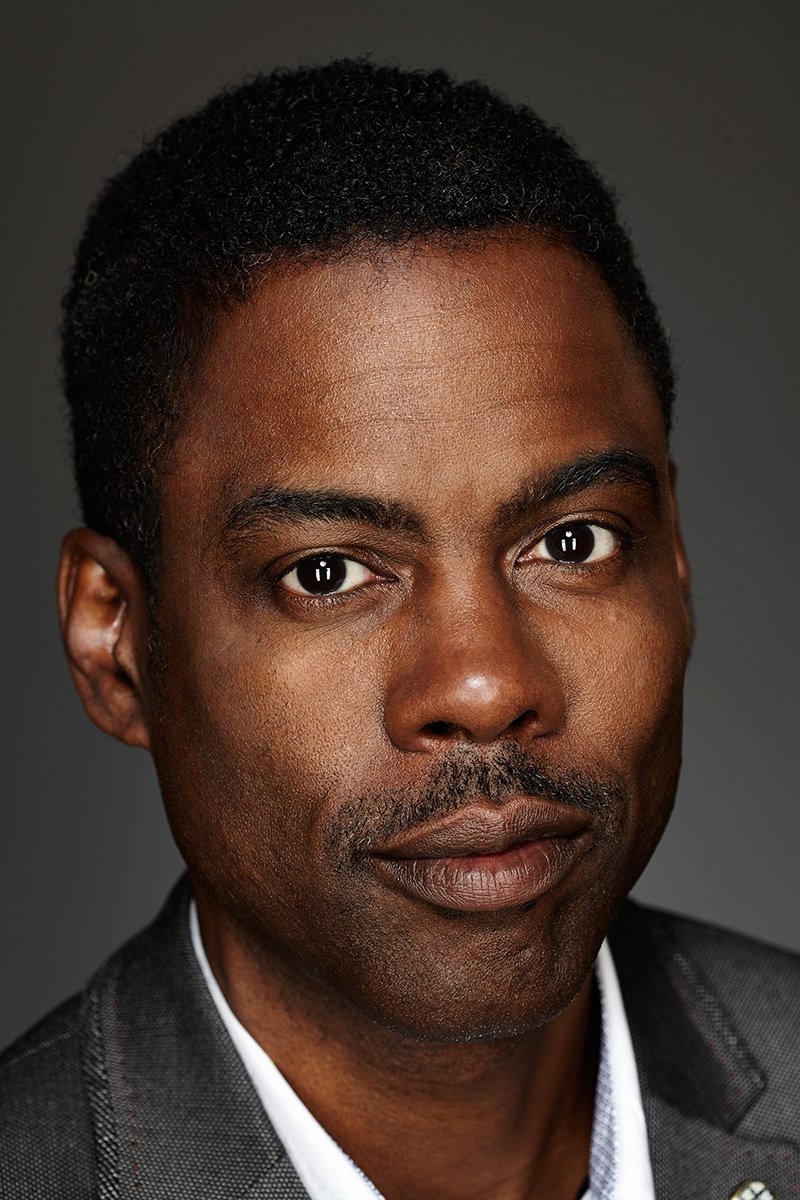
The comedian, a long-time performer, has said that today’s culture feels stifled because people are afraid of causing offense. In his shows, he’s pointed out how quickly people condemn others for things they’ve said or done in the past. According to Rock, this creates a lack of genuine conversation and entertainment. He believes performers should be able to take risks and even make mistakes without facing lasting repercussions.
Bill Maher
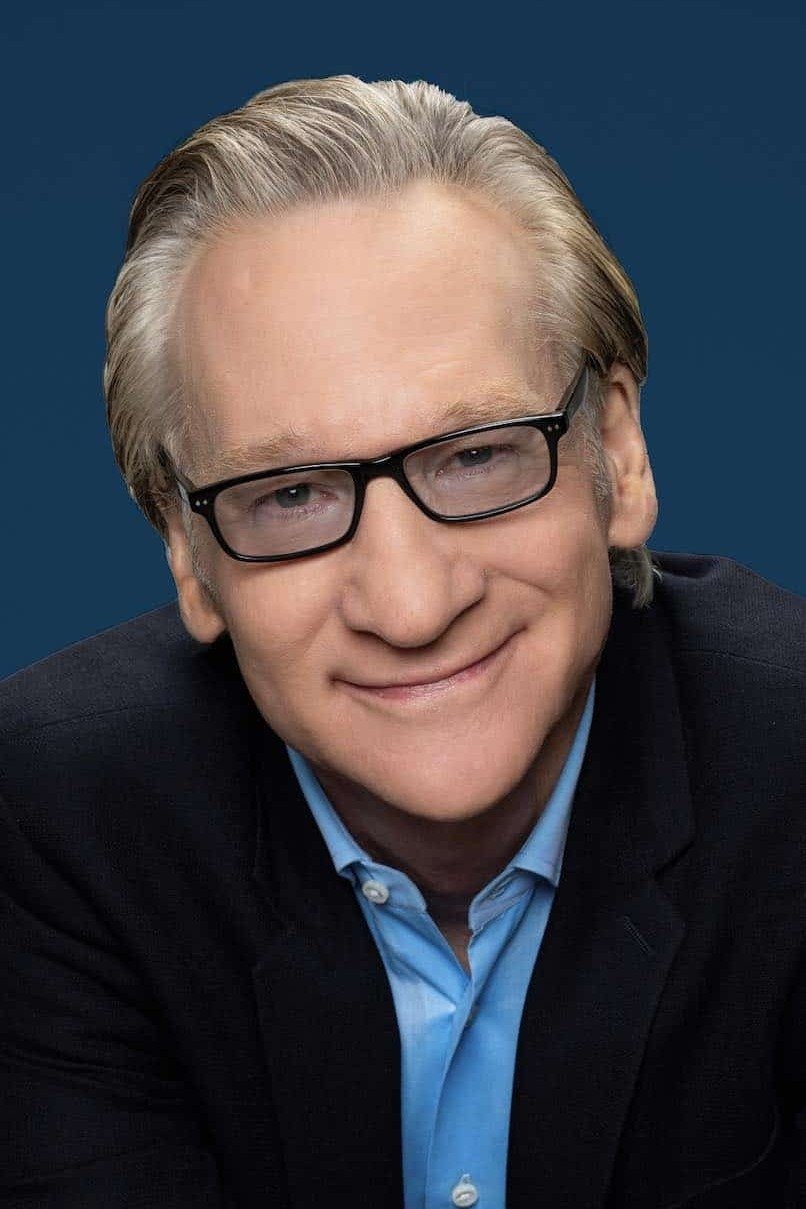
Bill Maher, host of ‘Real Time with Bill Maher,’ often uses his show to critique what he sees as extremes within the progressive movement. He’s repeatedly called “cancel culture” a new version of the unfair accusations seen during the McCarthy era, arguing it punishes people simply for having different opinions. Maher believes this practice often focuses on small mistakes instead of bigger, more important problems. He insists that a strong democracy needs open discussion, even when ideas are controversial.
J.K. Rowling
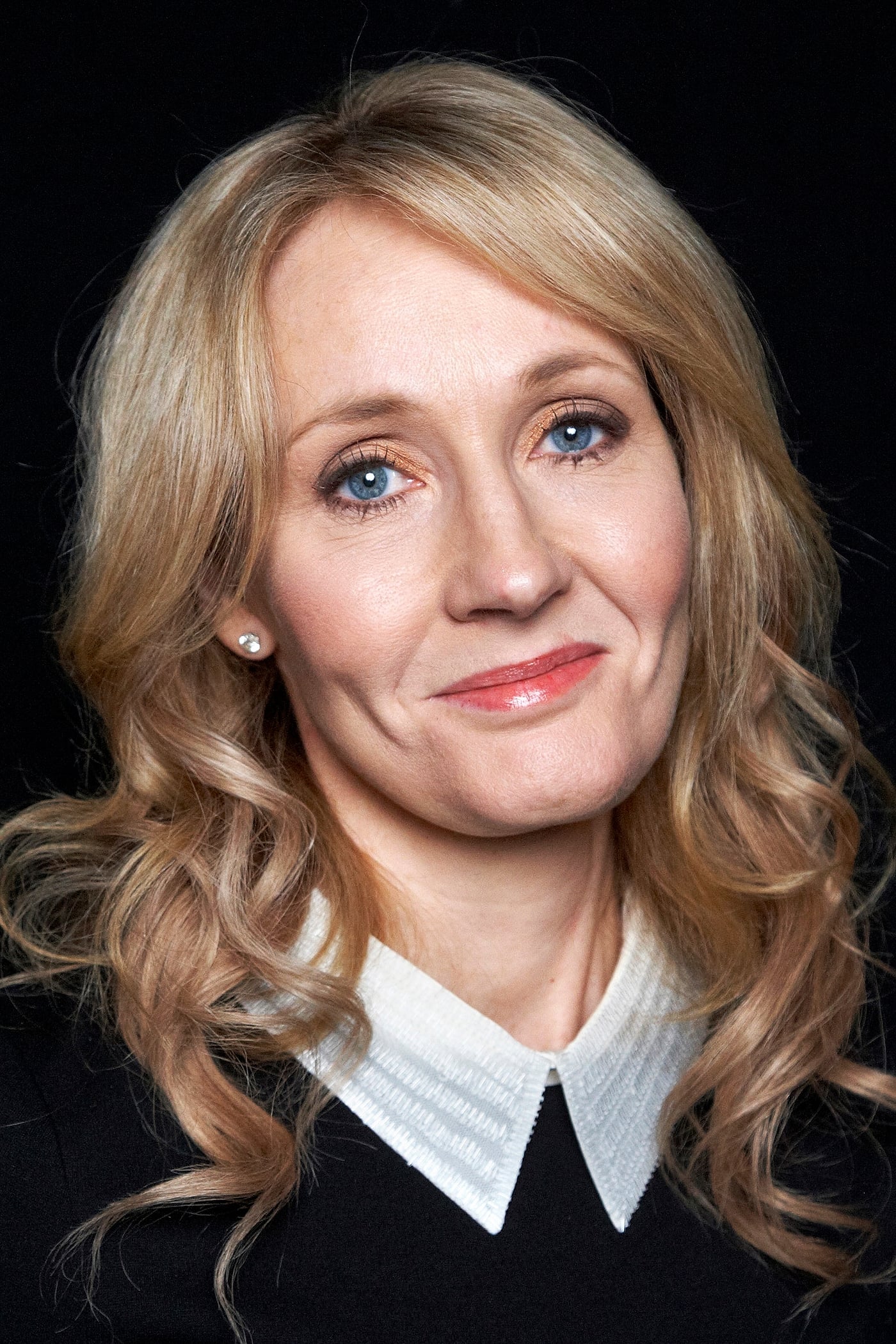
J.K. Rowling, the author of the ‘Harry Potter’ series, has publicly spoken out against what she sees as a lack of open discussion about gender identity. She joined other prominent thinkers in signing a letter published in ‘Harper’s Magazine’ expressing worry that people are becoming less accepting of different viewpoints. Despite facing strong public criticism and calls for boycotts, Rowling continues to defend her right to share her opinions. She believes that the fear of being punished for speaking out is harming creative and intellectual fields.
John Cleese
John Cleese, best known as a member of Monty Python, has become a vocal critic of what he calls “woke” culture, arguing it’s harming comedy. He recently withdrew from a documentary because he felt it was being censored. Cleese believes that good comedy needs to tackle difficult and sometimes uncomfortable topics, and he often uses social media to warn about the potential dangers of “cancel culture” for artists and creative expression.
Sharon Osbourne
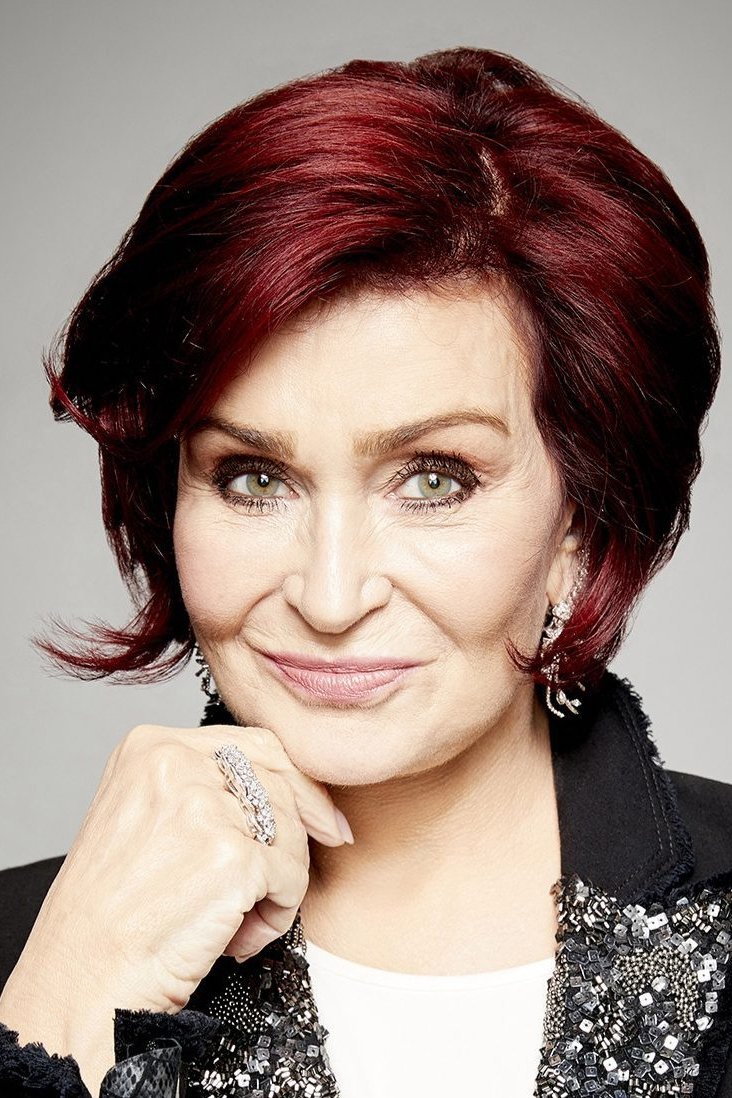
Following her exit from ‘The Talk’, Sharon Osbourne publicly criticized the reasons behind her departure. She stated she felt she was unfairly treated for disagreeing with others and defending her friends. Since then, she’s spoken on numerous news shows about the personal and professional impact of being publicly criticized, and believes the entertainment industry is now overly cautious, with people afraid of making mistakes or causing offense.
Kevin Hart
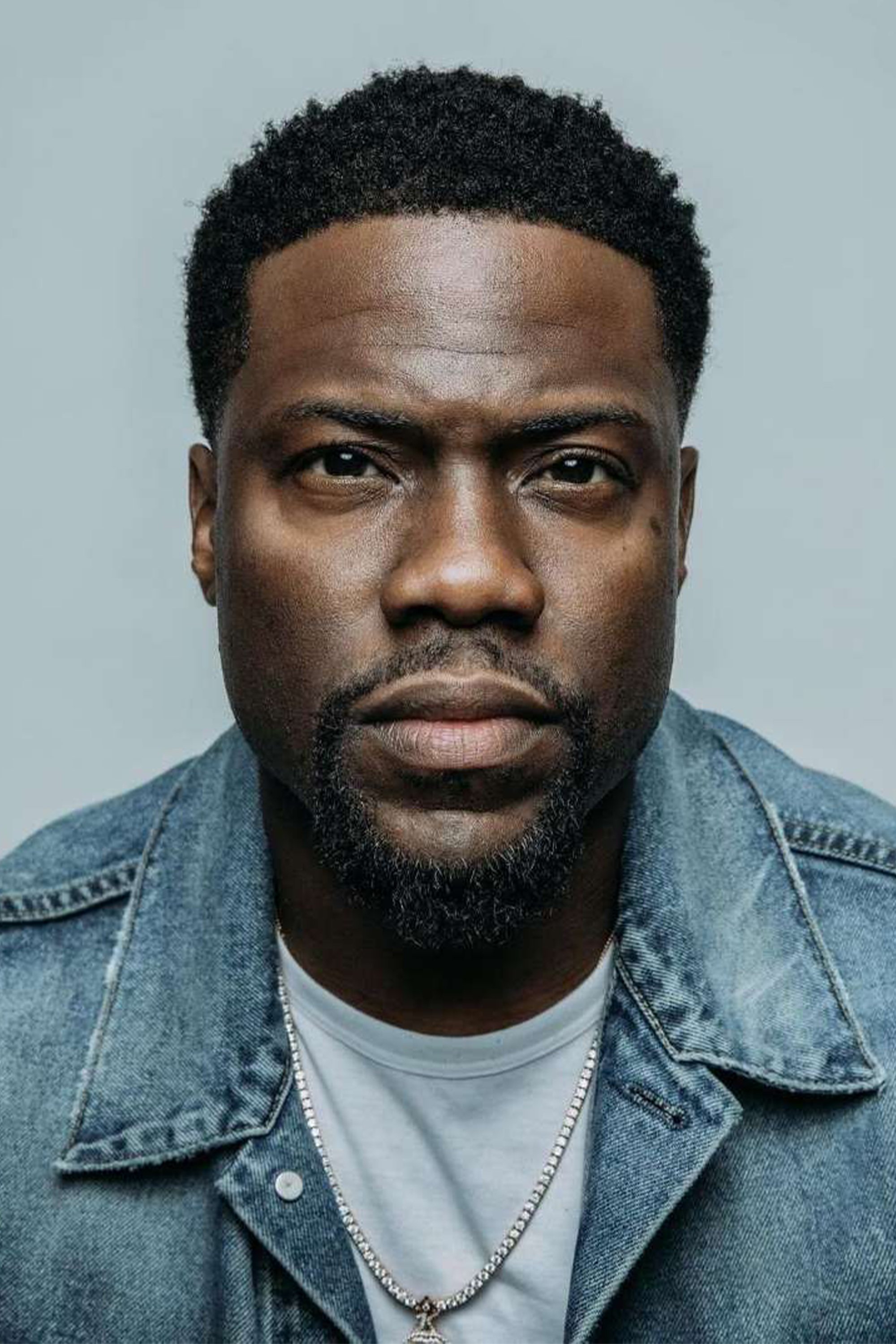
The actor and comedian decided not to host the Oscars after some old, controversial tweets came to light, leading to a discussion about personal growth and whether people deserve forgiveness. He has since explained that it’s difficult to move past mistakes in today’s social media climate, arguing that people should be able to learn and change without being permanently judged for things they’ve done in the past. He believes having a conversation about mistakes is more productive than immediately canceling someone.
Cate Blanchett
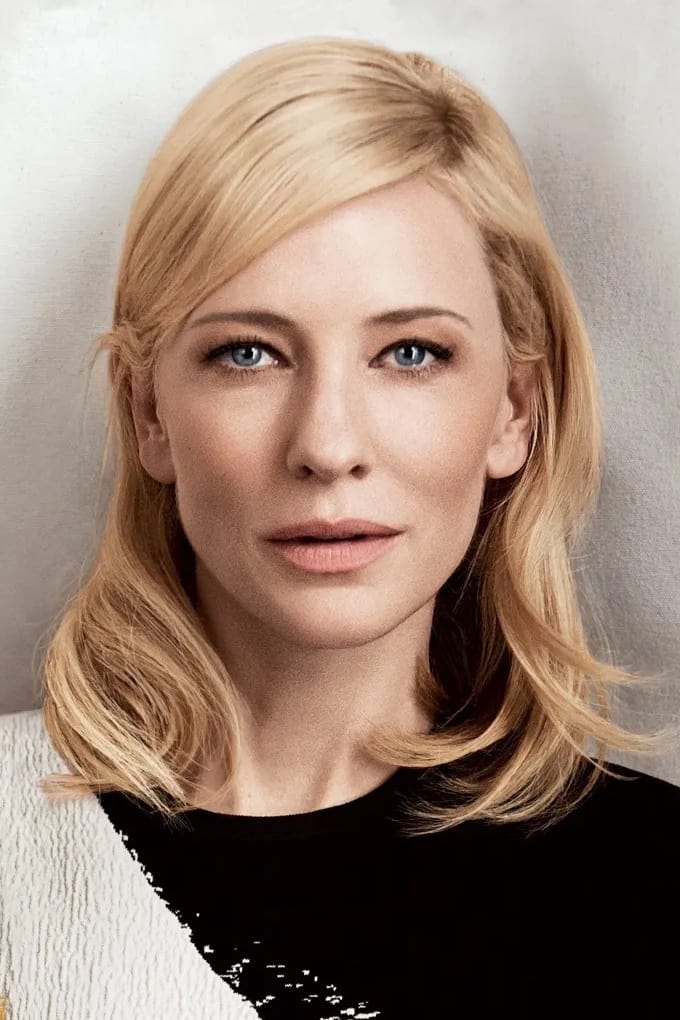
The Oscar-winning actress worries that judging art from the past by today’s standards could have a huge negative effect. She argues that removing or censoring older works stops us from learning about our history. Instead of simply taking down things we find offensive, Blanchett believes we should understand the context in which they were created. She also feels artists need the freedom to tackle challenging subjects without worrying about complete disapproval.
Winston Marshall
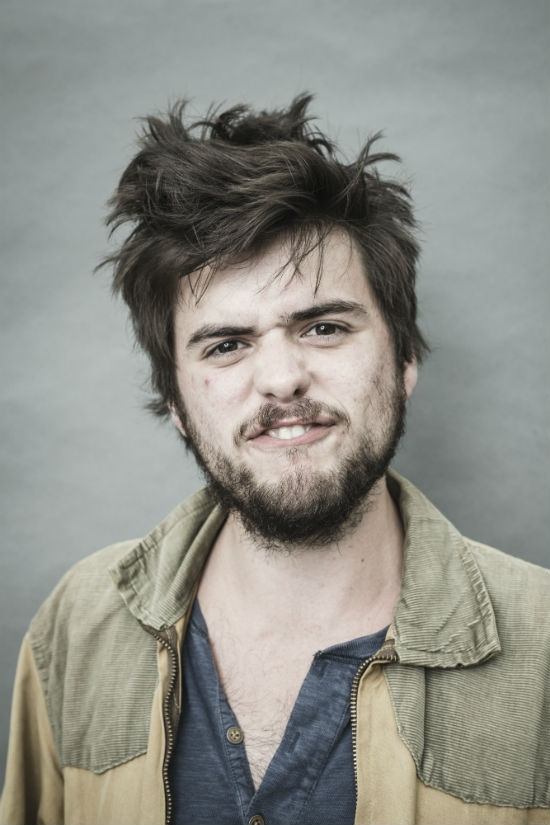
After receiving criticism for supporting a book by a conservative writer, former Mumford & Sons banjoist Winston Marshall decided to leave the band. He explained that he wanted to be able to freely express his views without causing further problems for his bandmates. Since then, Marshall has spoken out publicly about the need for more diverse viewpoints, arguing that pressure to think and believe the same things harms creativity in the music world.
Gina Carano
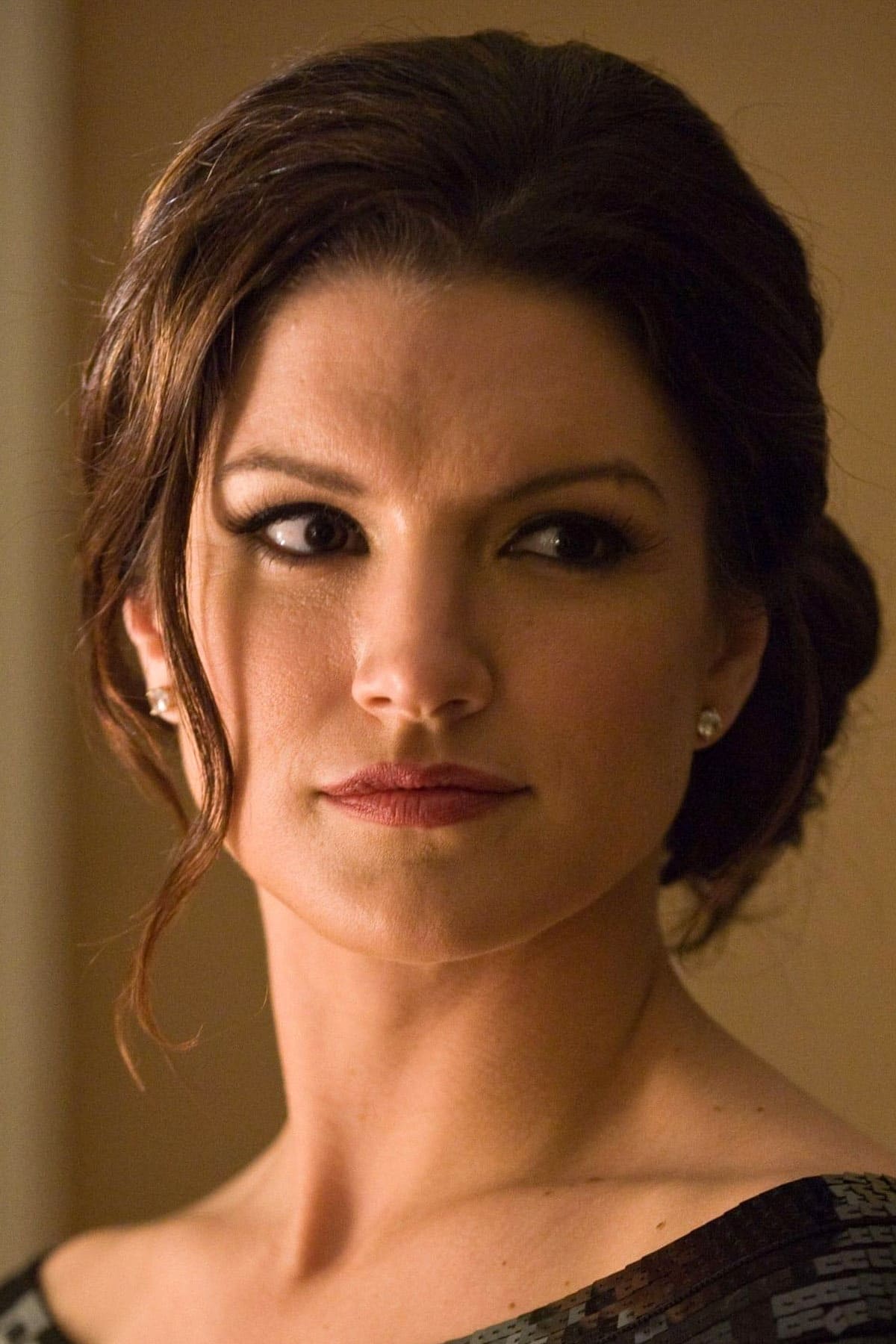
After being let go from ‘The Mandalorian’, the actress has openly discussed what she calls the negative effects of “cancel culture.” She’s now working with conservative news sources to create films and pursue her career independently. Carano believes she was unfairly targeted because of her political views and won’t retract her social media statements. She often urges people to resist giving in to public pressure and stand up for what they believe in.
Seth MacFarlane
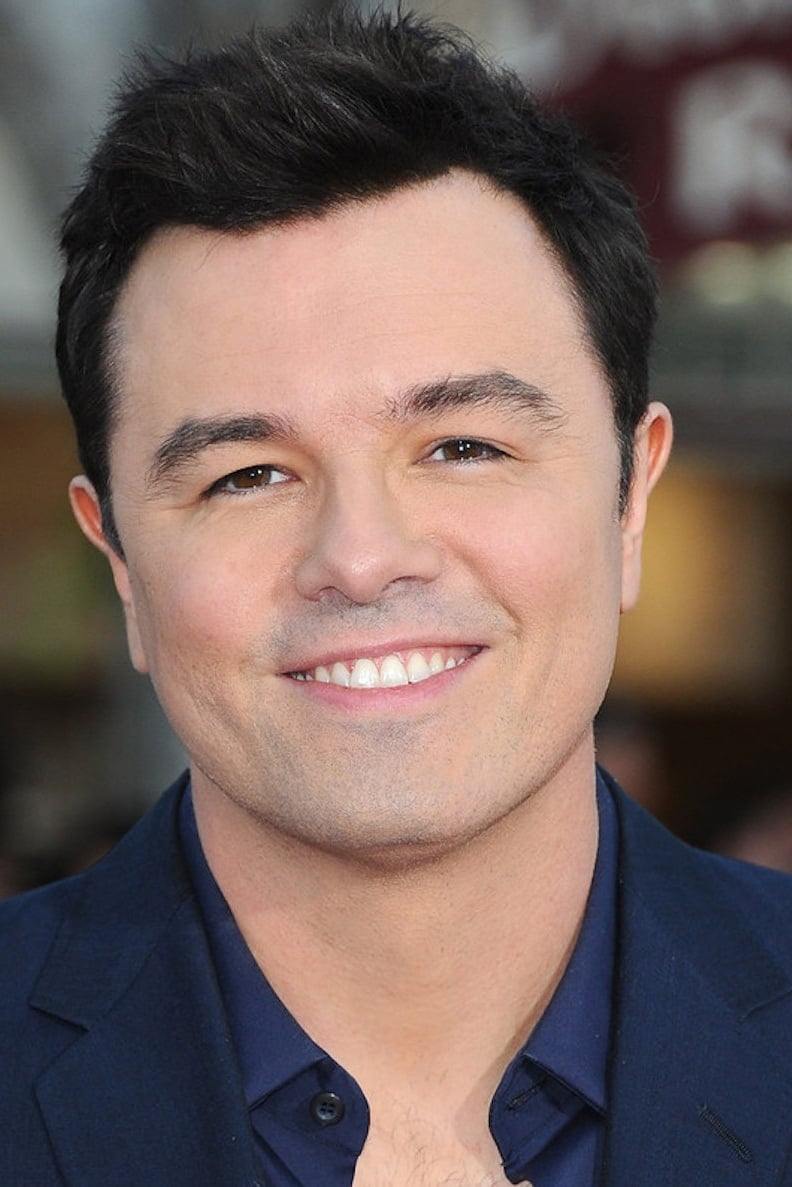
Seth MacFarlane, the creator of ‘Family Guy,’ frequently uses his shows to satirize political correctness. He worries that overly sensitive reactions to jokes are weakening comedy and limiting free expression. MacFarlane feels that being able to shock or offend is essential for truly effective humor, and he continues to create boundary-pushing content even as cultural norms evolve.
Piers Morgan
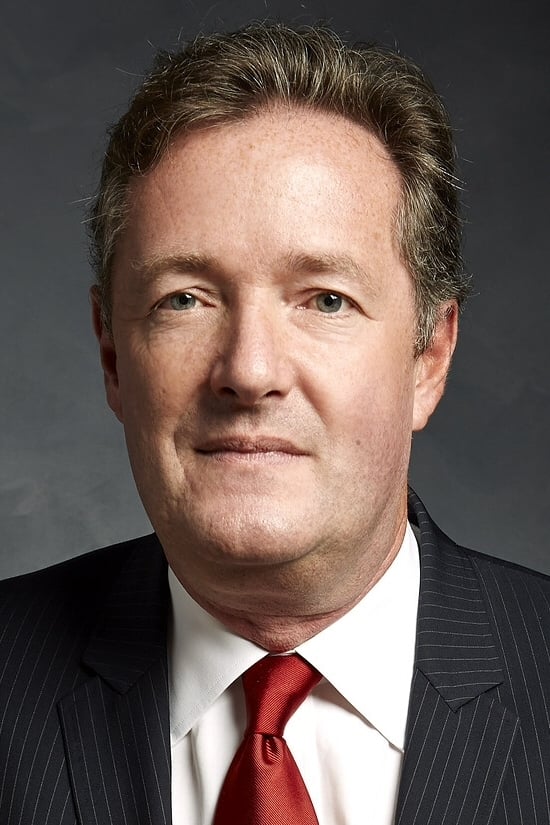
The TV personality gained attention after abruptly leaving the ‘Good Morning Britain’ show during a passionate discussion about Meghan Markle. He later wrote a book called ‘Wake Up’ where he criticizes what he sees as ‘cancel culture.’ Morgan believes this environment fosters a quick-to-judge attitude that aims to silence anyone who disagrees with the prevailing opinion. He continues to be a well-known commentator in both British and American media, calling for more open and honest discussion.
Roseanne Barr
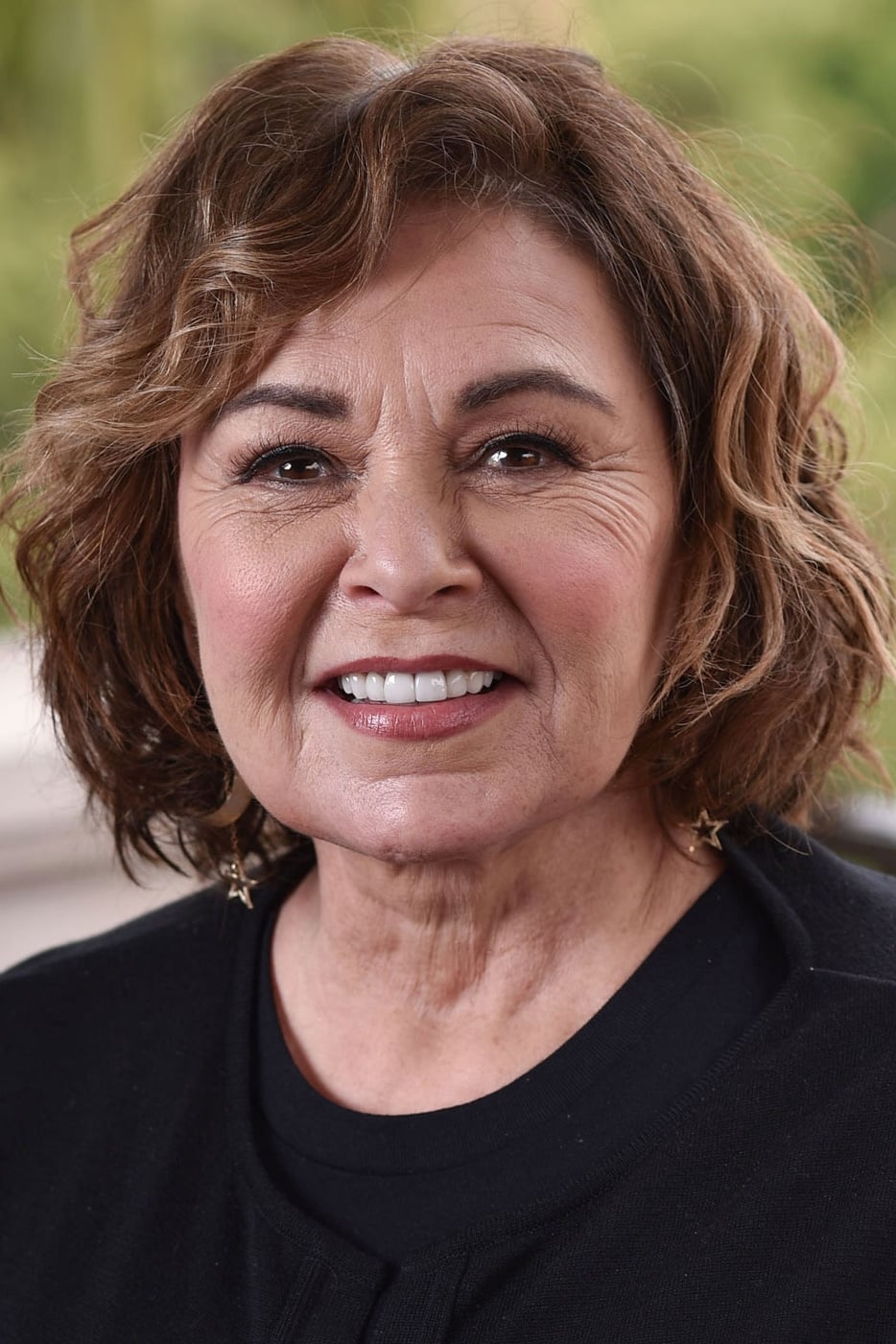
Following the cancellation of her show ‘Roseanne’ after a problematic tweet, the comedian has publicly criticized the entertainment industry’s response. She believes she was treated unjustly and that her political beliefs contributed to the quick decision to end her show. Barr still performs stand-up comedy and uses her performances to speak out against what she perceives as hypocrisy in Hollywood, suggesting that many conservative performers are afraid to share their opinions for fear of facing similar consequences.
Matthew McConaughey
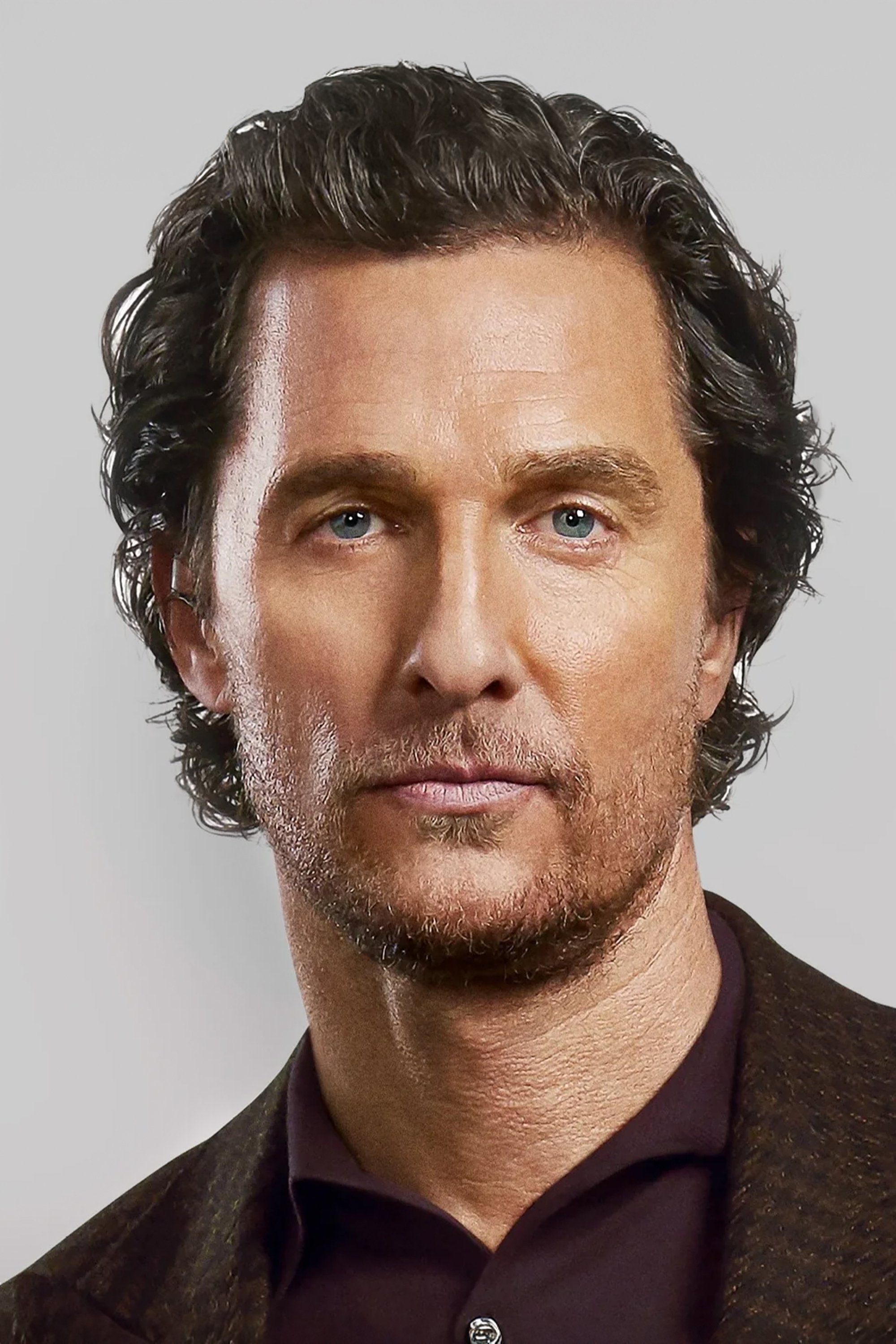
The Academy Award-winning actor recently discussed what he sees as problematic trends on the left, specifically ‘cancel culture.’ He’s calling for a more balanced approach to politics, moving beyond the strong opinions on both sides. McConaughey argues that people are often too quick to judge others, ignoring the nuances of why people act the way they do. He thinks that being more understanding and empathetic, especially when disagreeing with someone, would be good for both Hollywood and society as a whole.
Nick Cave
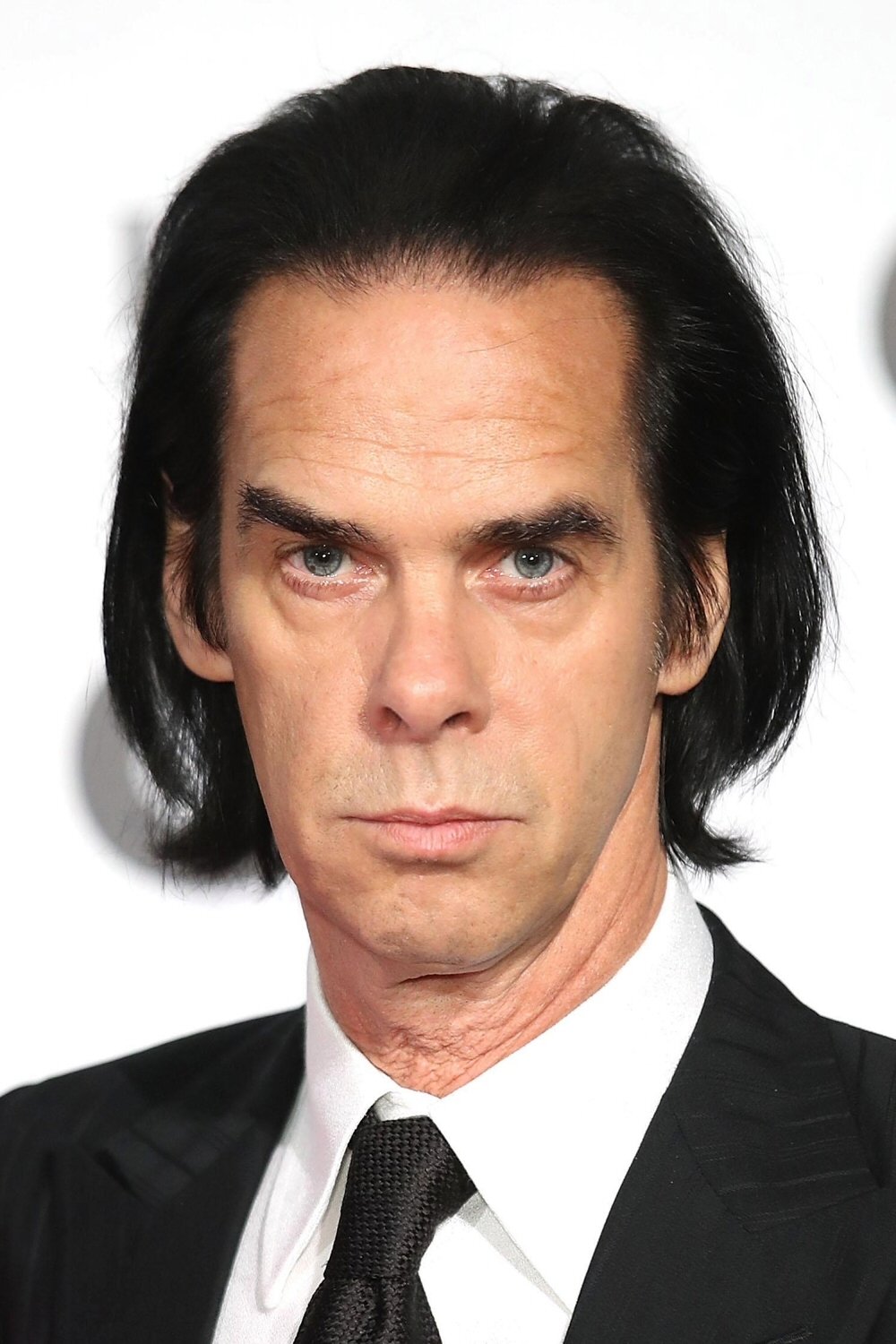
In his newsletter, ‘The Red Hand Files,’ the musician calls cancel culture the opposite of compassion. He believes that a lack of forgiveness and the inability to allow people to learn from their mistakes is harmful to the arts. Cave argues that creativity is often imperfect, and artists need the freedom to experiment and sometimes fail. He feels that without the possibility of redemption, artistic expression is limited.
Helena Bonham Carter
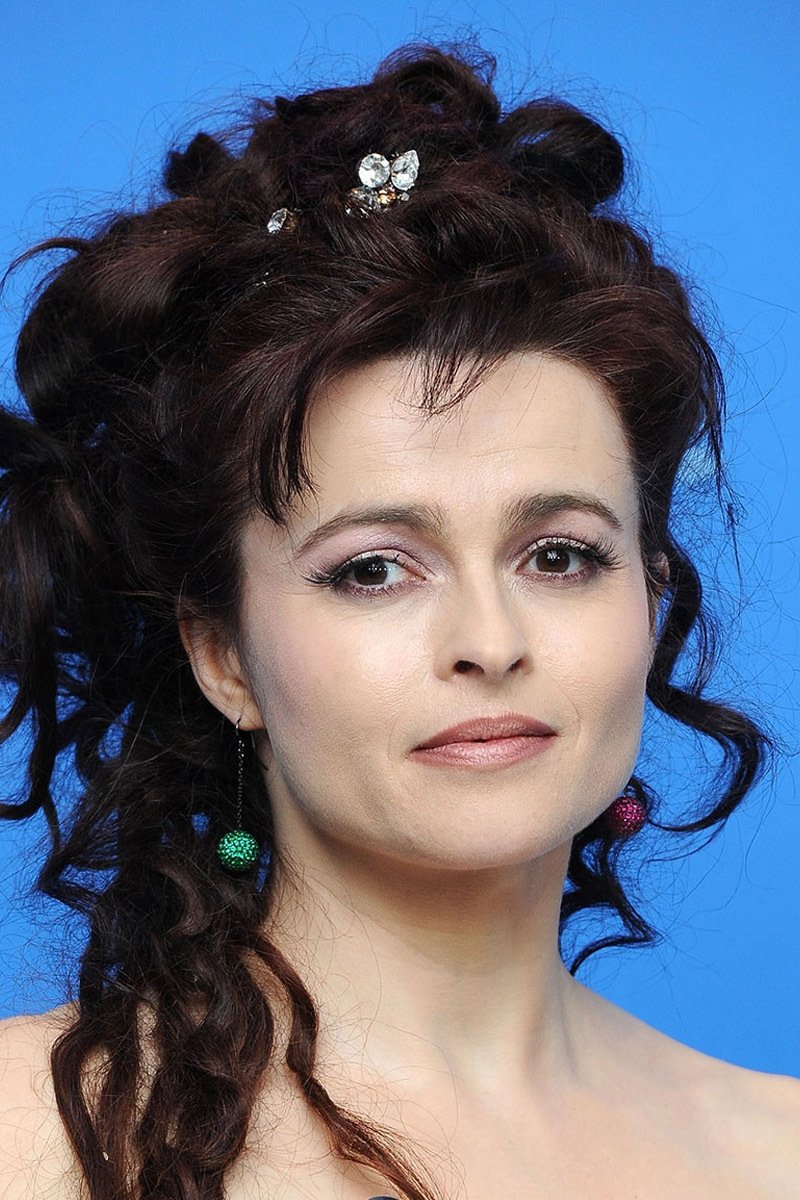
The actress has spoken out in support of J.K. Rowling and Johnny Depp, arguing against the practice of ‘canceling’ people for their private lives or beliefs. She feels public shaming has become overly emotional and lacks thoughtful consideration. Bonham Carter believes someone’s work should be judged on its own merits, separate from any personal issues they may have. She maintains that people should be free to hold different opinions without risking their careers.
Bryan Cranston
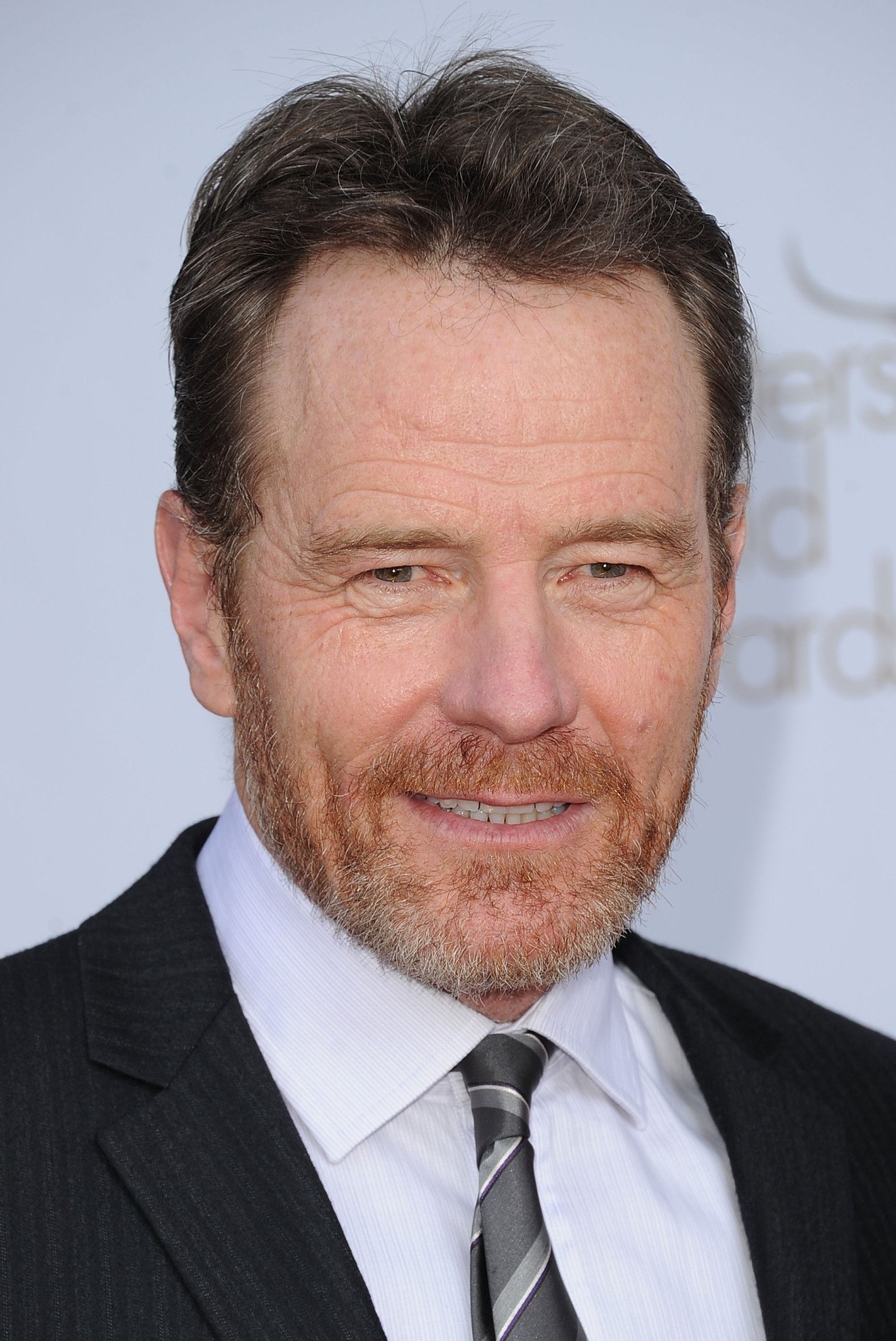
Bryan Cranston, known for his role in ‘Breaking Bad,’ has expressed worry that people today aren’t very forgiving. He points out that it’s hard for individuals to admit wrongdoing and rebuild trust after making errors. Cranston argues we should prioritize learning and improvement instead of permanently shunning those who slip up. He thinks a kinder, more understanding public conversation would lead to real progress.
Gary Oldman
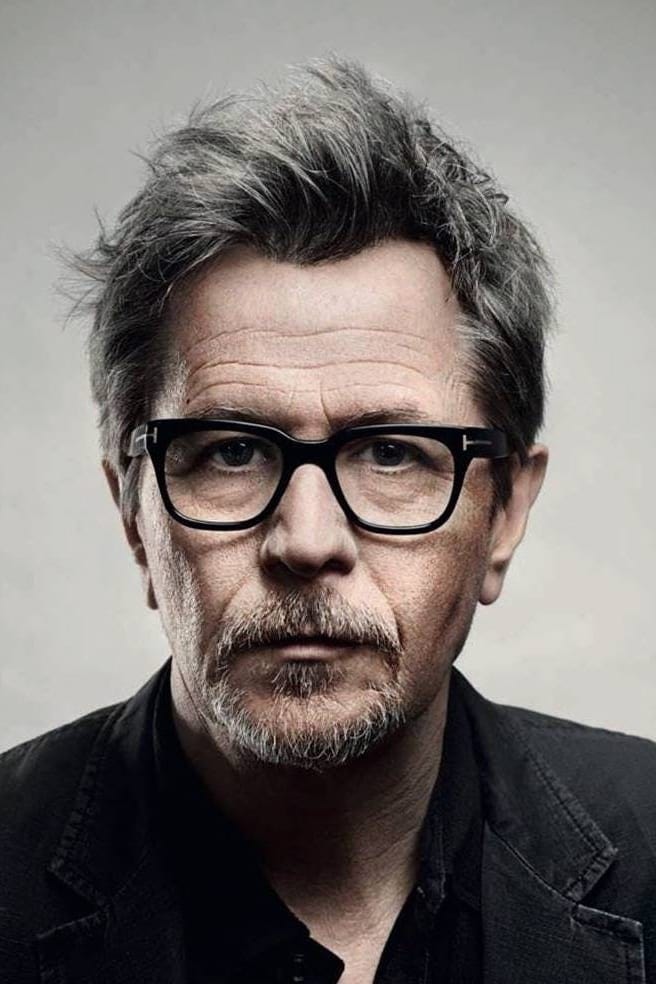
The actor previously spoke out in support of Mel Gibson and Alec Baldwin, criticizing what he felt was an overemphasis on “political correctness” in Hollywood. He pointed out what he saw as hypocrisy within the industry regarding judging others’ actions. Oldman has said he wants a more understanding and less critical atmosphere for actors, believing that people are too quick to condemn others without considering the full story.
Jon Favreau
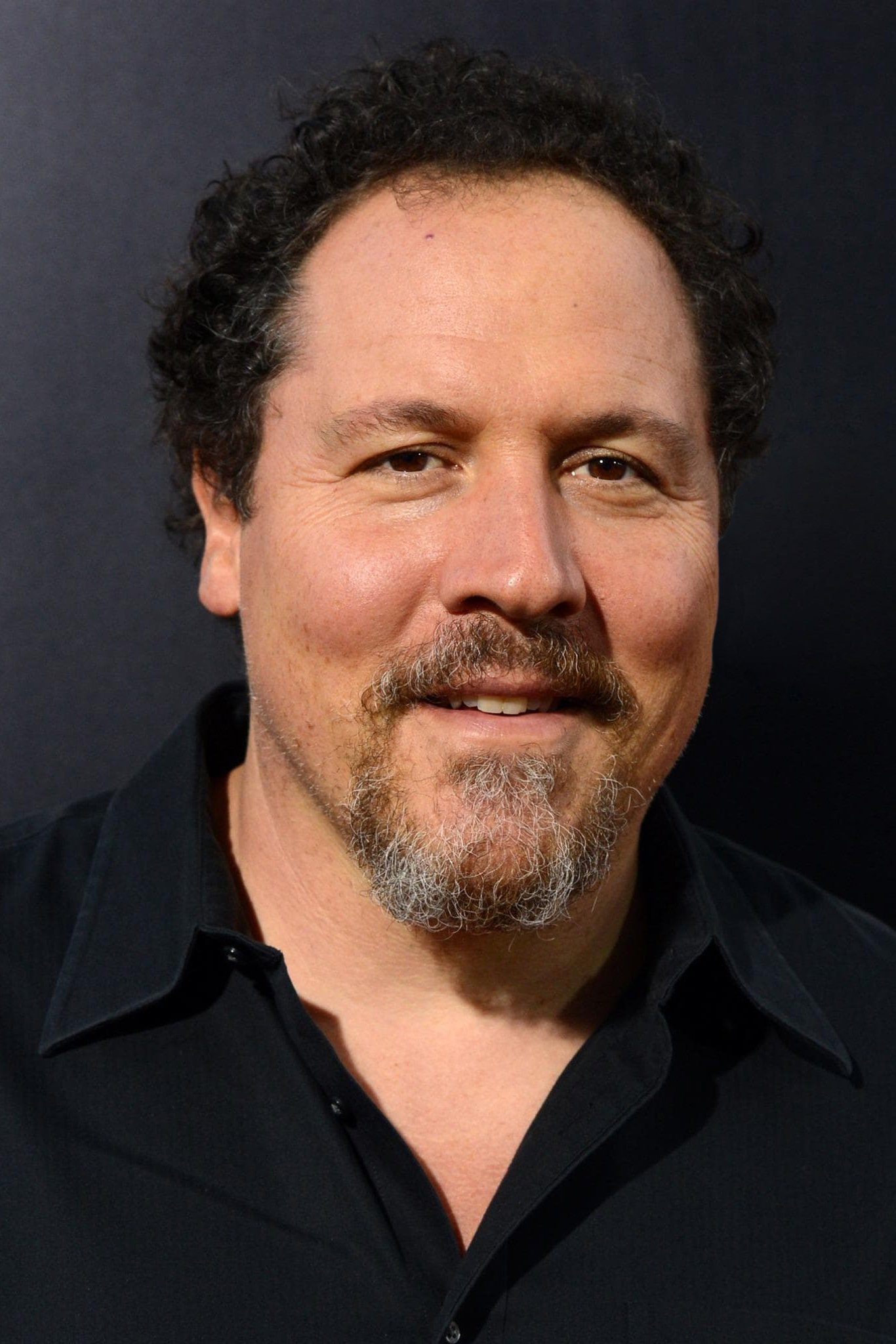
Though he generally avoids getting involved in political discussions, the director has often highlighted how important artistic freedom is, especially in shows like ‘The Mandalorian’. He believes artists need a supportive and open environment where they can freely share their ideas. When faced with casting issues, Favreau has consistently prioritized the quality of the work itself, rather than reacting to public criticism. He argues that a franchise’s long-term success relies on strong storytelling and resisting pressure from outside sources.
Patton Oswalt
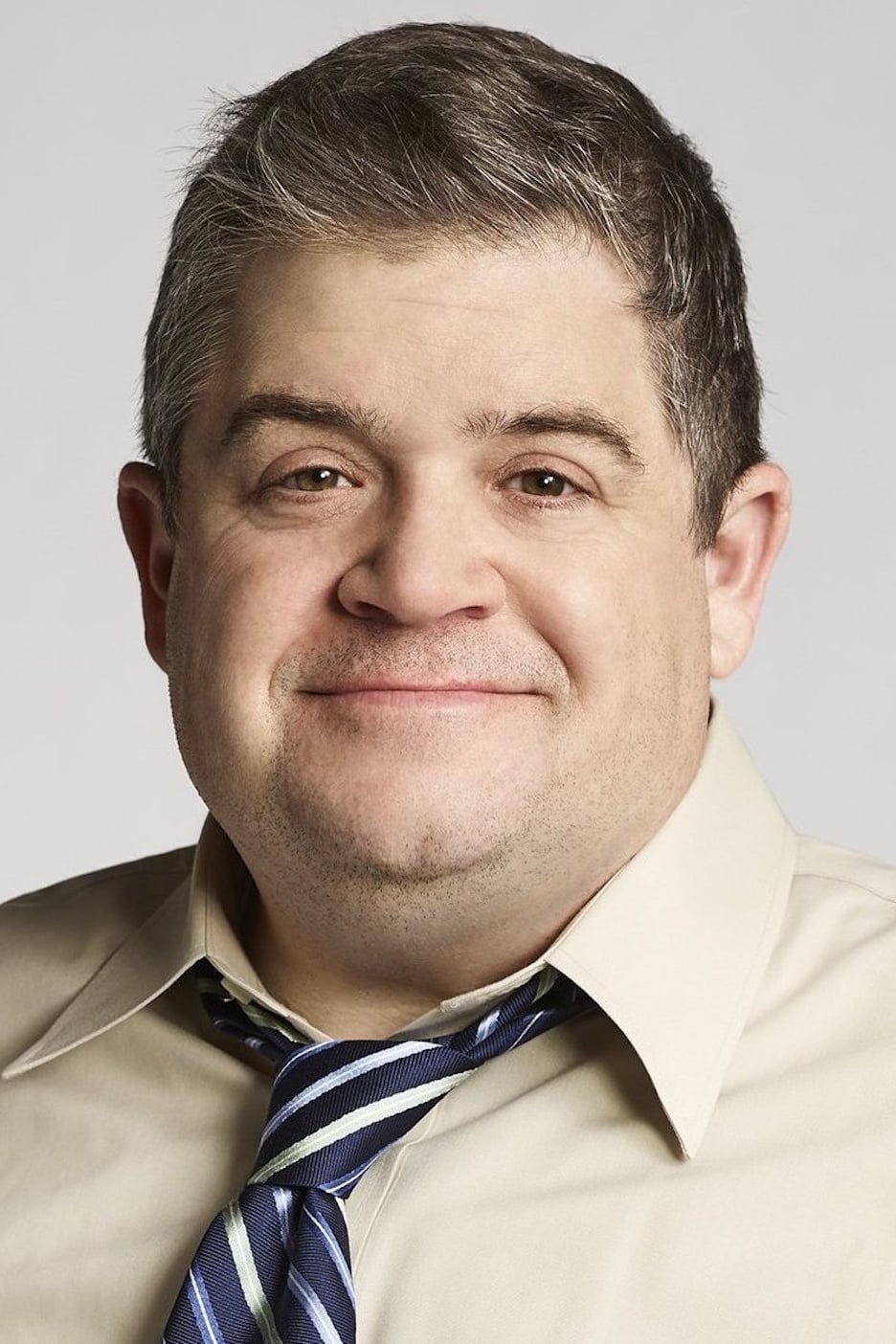
The comedian recently experienced backlash – a form of online shaming – after sharing a photo with Dave Chappelle, which led him to publicly explain his position. Although he generally supports progressive viewpoints, he was upset by pressure to end a friendship with a longtime colleague simply because they have different artistic opinions. Oswalt believes you can dislike someone’s work without dismissing them as a person. He’s still working to find a balance between his own beliefs and what his audience expects from him.
Judi Dench
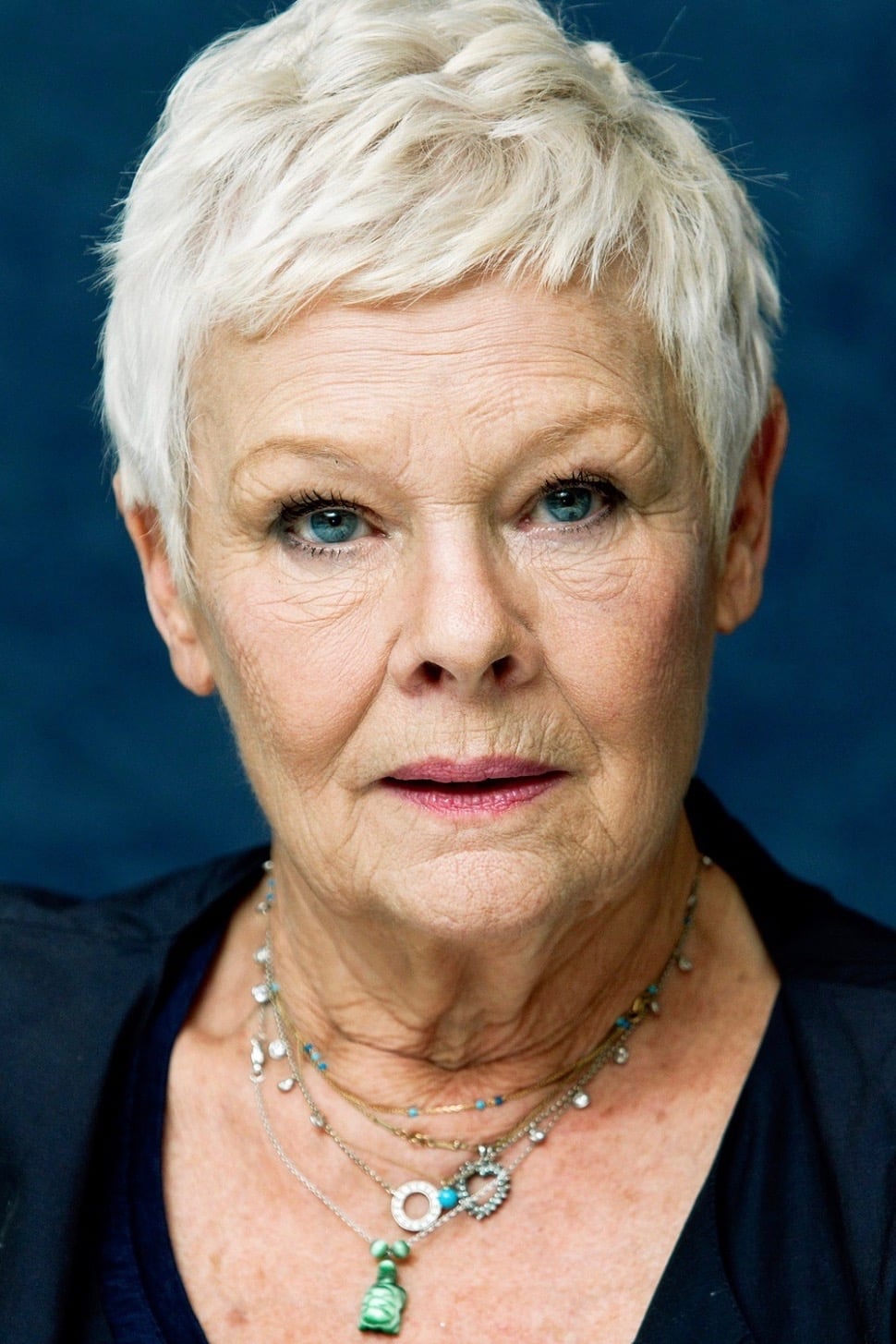
As a huge movie fan, I was really interested to hear what Dame Judi Dench had to say about the whole thing with actors being removed from films after scandals. She doesn’t agree with ‘erasing’ them, and brought up the Kevin Spacey situation – how they re-shot his scenes in ‘All the Money in the World.’ She feels like we should preserve film history as it happened, even if we later find out something troubling about the people who made it. Basically, she thinks the work itself should be judged separately from the artist’s personal life, and I totally get that. It’s a tricky issue, but she makes a really good point about keeping cinema history intact.
Terry Gilliam
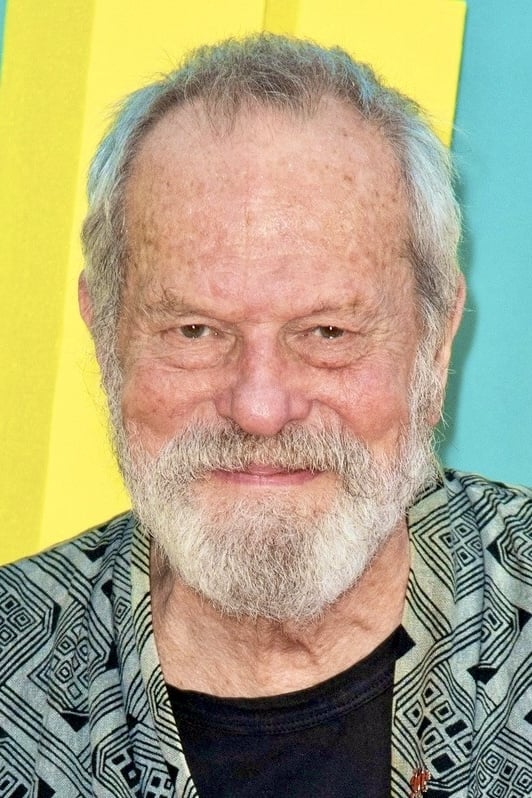
Terry Gilliam, known for his work with Monty Python, often speaks out against what he sees as overly sensitive political correctness. He believes today’s culture stifles creativity and humor, arguing that filmmakers are now too afraid of causing offense to explore diverse and complex stories. Gilliam maintains that the entertainment industry has become too cautious and unwilling to take risks.
Diane Keaton
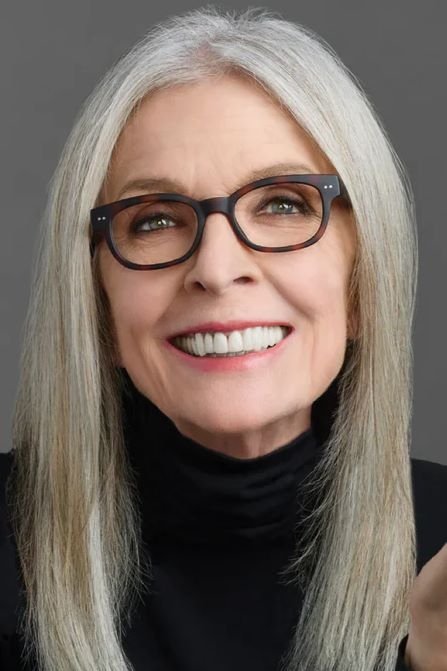
Diane Keaton has publicly supported her friend Woody Allen despite the controversies surrounding him, stating she believes in his innocence. While her position has faced backlash, she’s steadfast in her support and refuses to disown him because of public opinion. Keaton stresses the value of loyalty and the intricacies of long-lasting relationships, and continues to pursue her career while staying true to her beliefs.
Justin Bieber
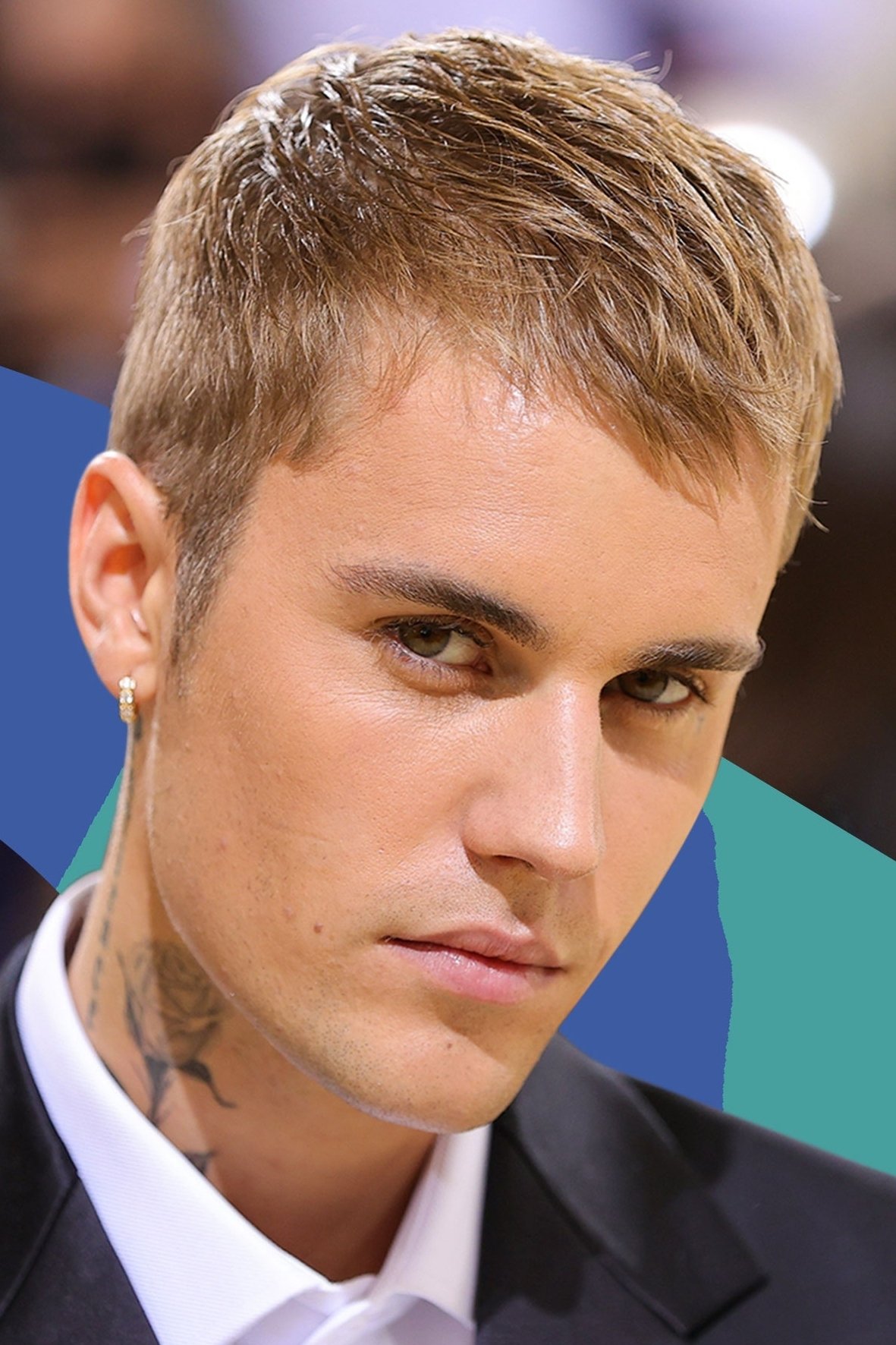
The singer has been using social media to talk about the value of understanding and forgiveness. He’s shared his own experiences with making mistakes and being judged when he was younger. Bieber believes that constantly criticizing people doesn’t give them a chance to grow and improve. He’s urging his followers to try and understand others instead of joining in on negativity and criticism.
Sarah Silverman
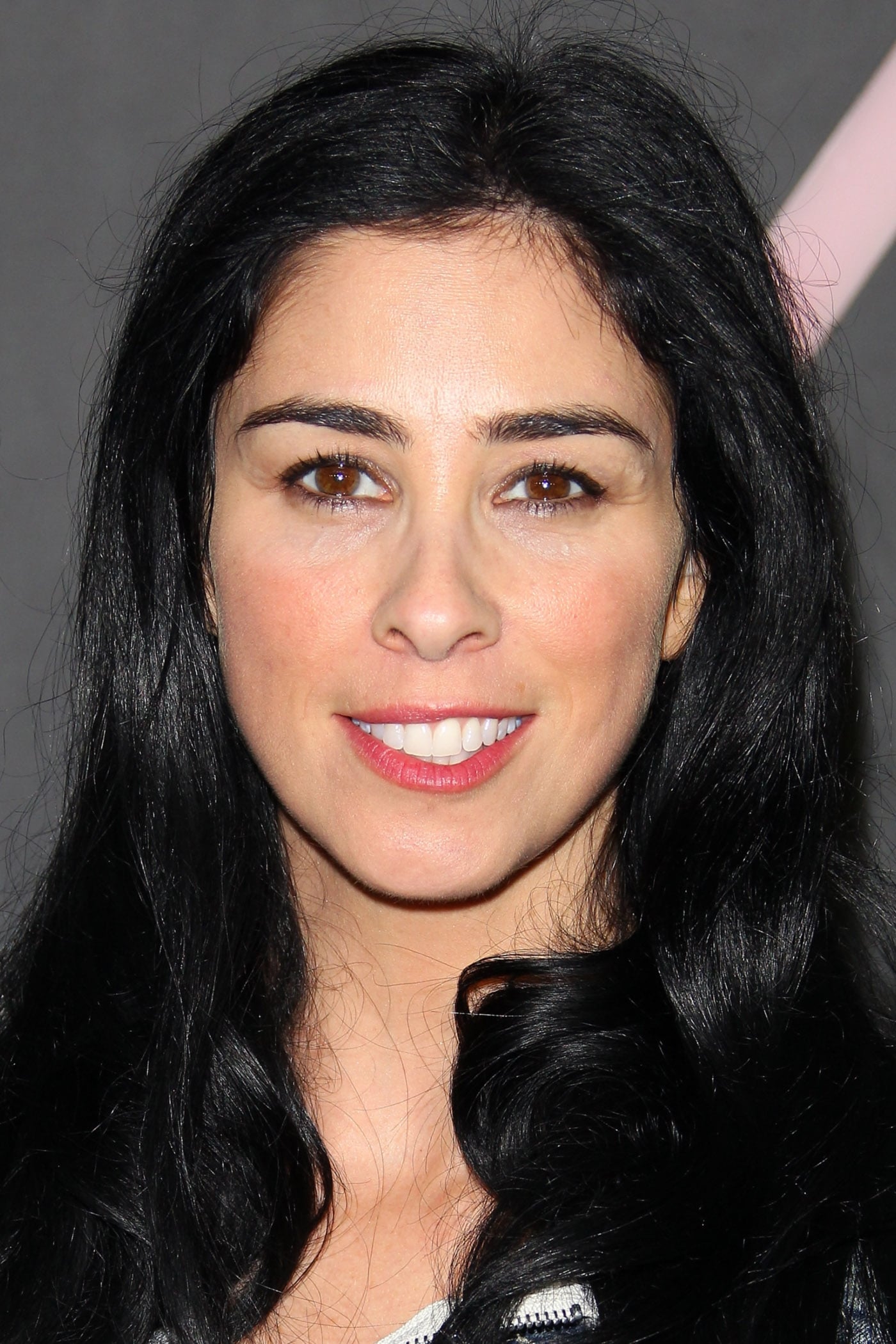
The comedian has discussed how what she calls “righteousness porn” contributes to cancel culture. She worries that people are often targeted, even when they generally agree on important issues, simply for making a mistake. Silverman argues that we should focus on having conversations with people to help them understand their errors, rather than trying to publicly shame and ruin them. She continues to support a more thoughtful and understanding approach to holding people accountable for their actions.
Kelly Osbourne
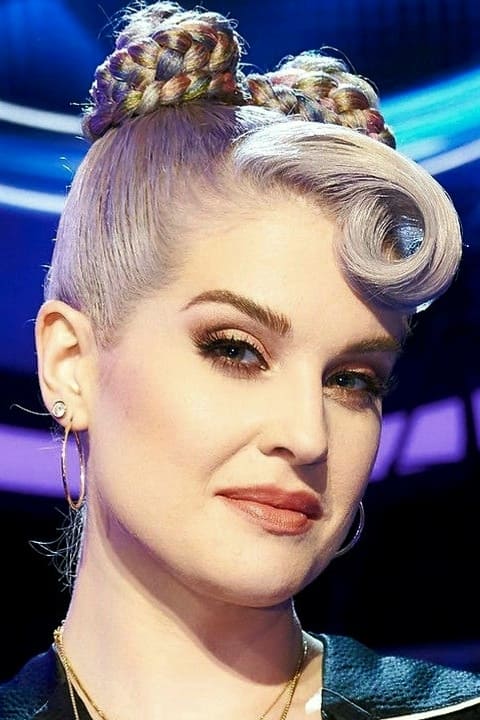
The celebrity feels that ‘woke’ culture has become excessive lately. She’s described feeling anxious about speaking her mind, as if she constantly has to be careful not to offend anyone. Osbourne believes this fear of saying the wrong thing is harmful to people’s well-being and prevents honest conversations. She’s advocating for a more practical and reasonable way of interacting with each other.
Ice Cube
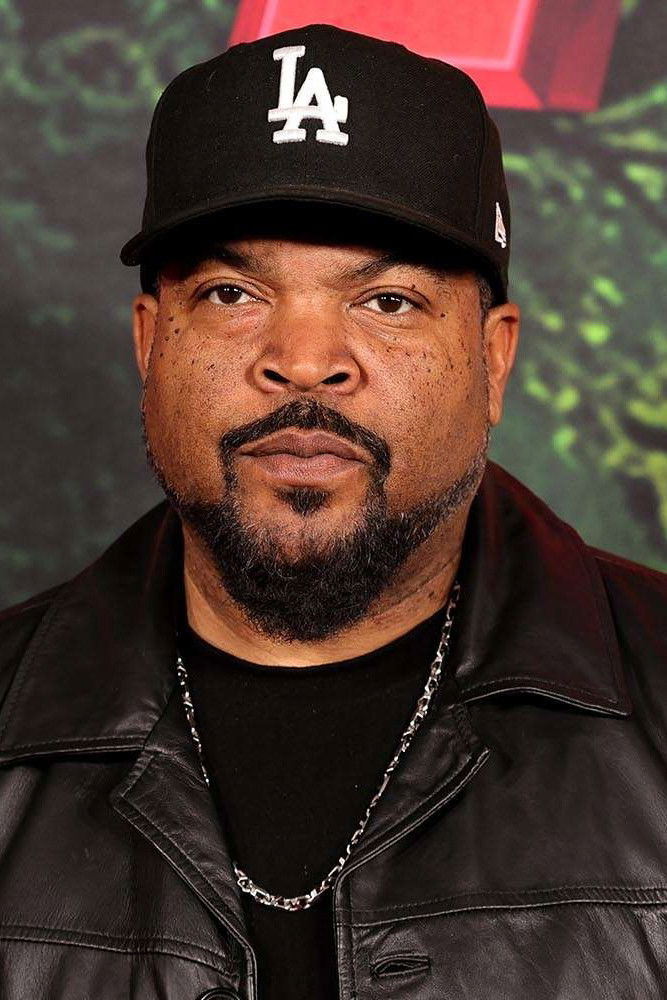
The rapper and actor has consistently spoken out against attempts to silence him for his political and social opinions. While he’s received criticism for some of his statements, he believes he has the right to share his views. Ice Cube feels that ‘cancel culture’ is frequently used to control what’s being discussed and stifle those who disagree. He’s committed to continuing his work on his own terms, focusing on his artistic vision rather than trying to please everyone.
Jim Carrey
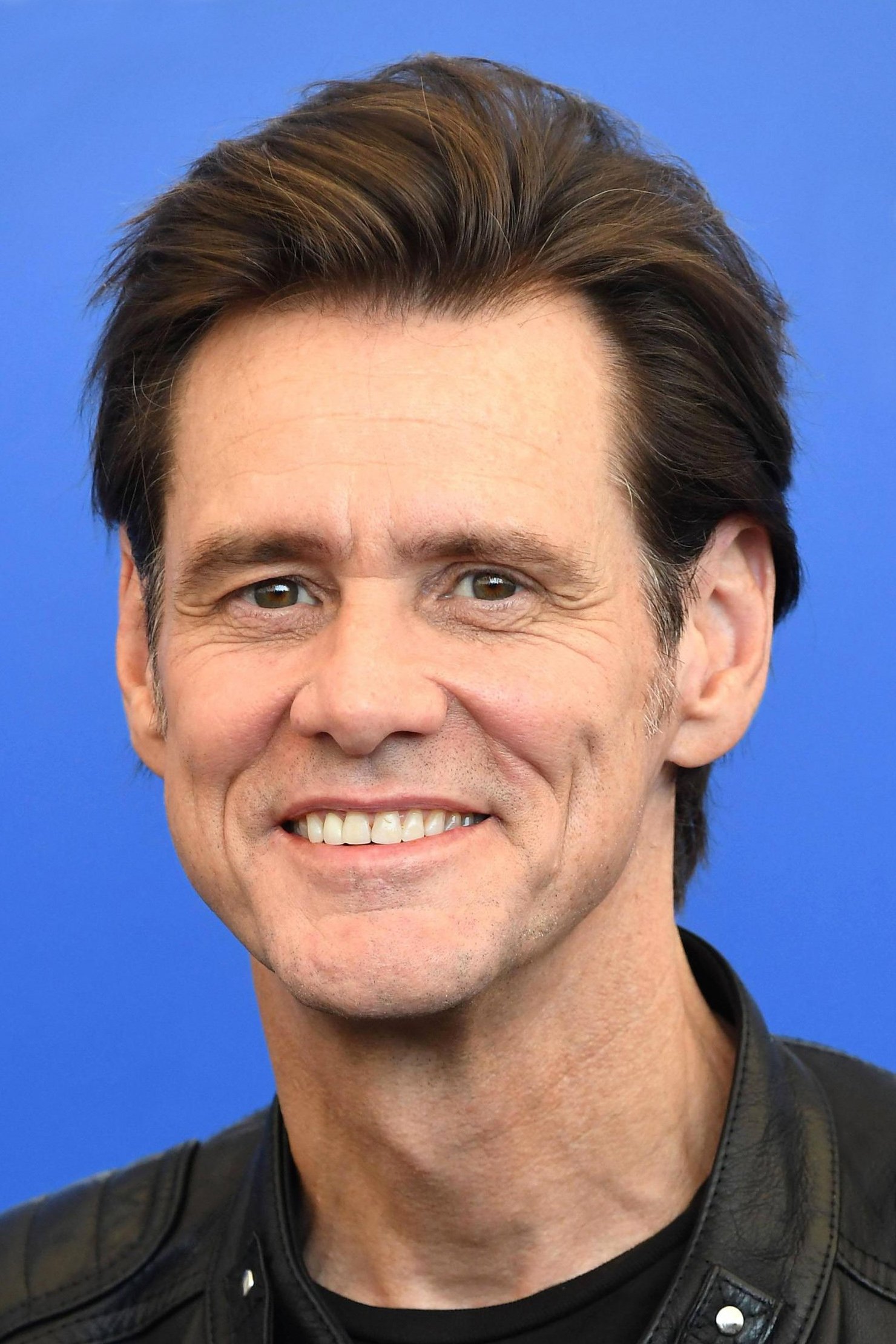
The actor and artist recently spoke about how draining today’s social environment is. He wishes things were more like they used to be, where people could learn from their errors without facing lifelong repercussions. Carrey believes that constantly focusing on public shaming takes attention away from bigger problems. He continues to use his artwork to share his thoughts on the world, often exploring ideas about how we see things and what’s real.
Donald Glover
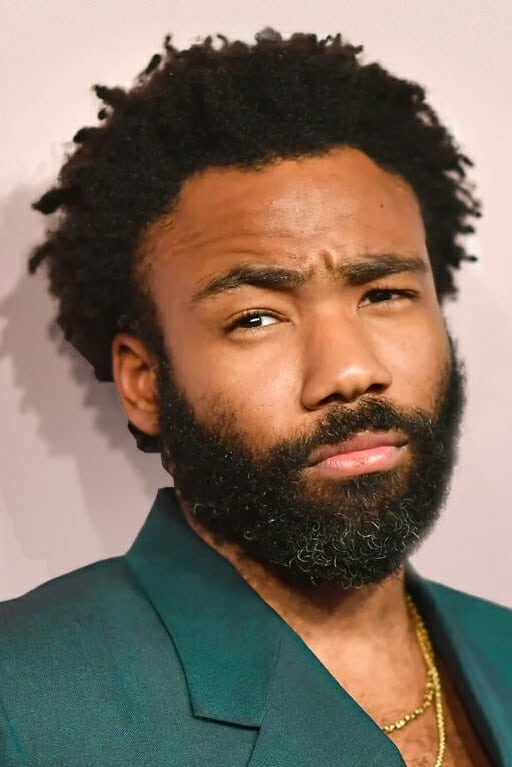
Donald Glover, the creator of ‘Atlanta,’ recently shared his thoughts on Twitter, expressing concern that the worry of facing backlash or ‘cancel culture’ is making TV and movies less interesting. He believes that artists playing it safe and avoiding risks hurts the quality of storytelling. Glover feels that truly great art comes from trying new things and being willing to potentially fail, and he encourages creators to prioritize their artistic vision over trying to appeal to everyone.
Mark Duplass
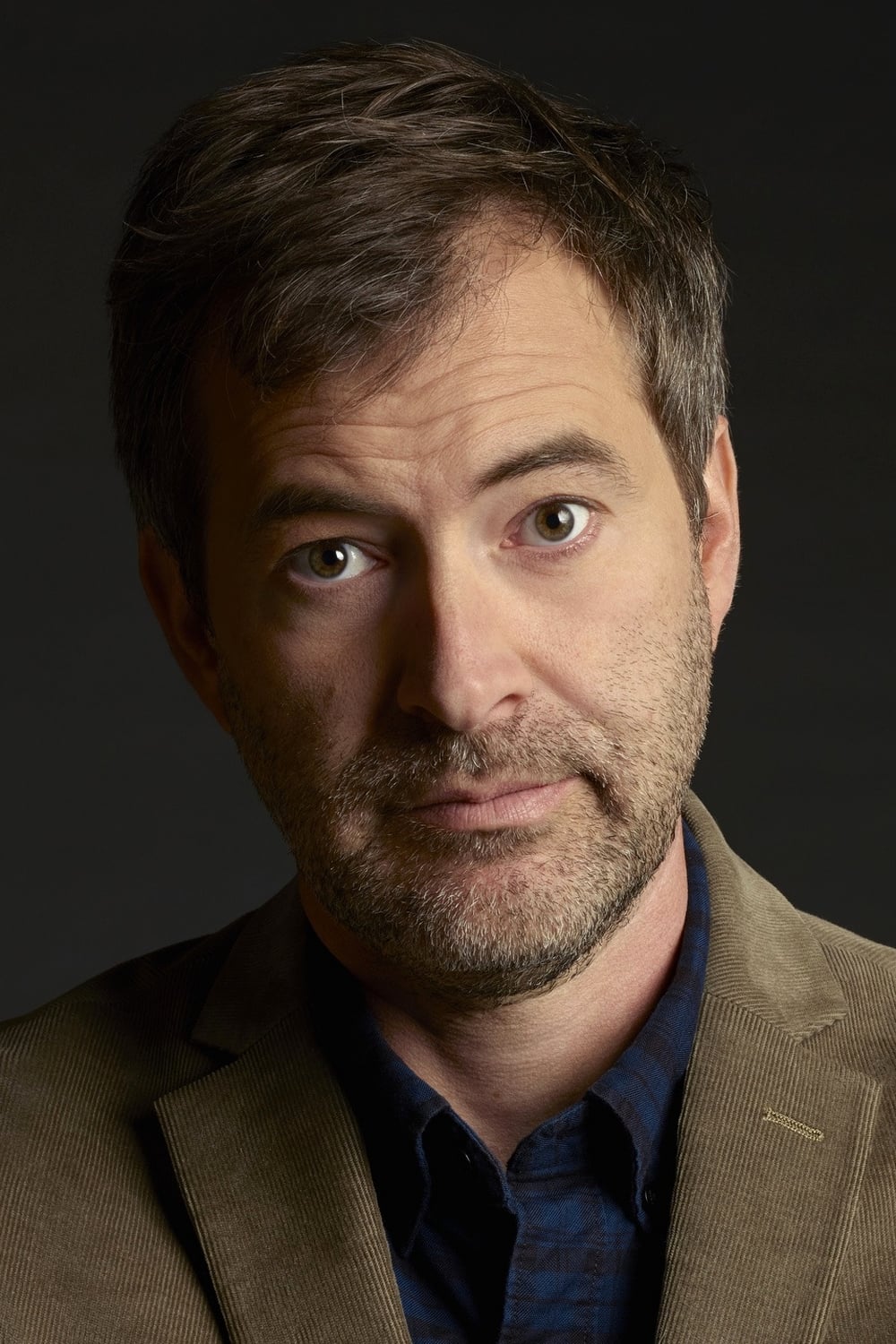
The independent filmmaker received criticism for suggesting people follow a conservative voice to gain a broader understanding of different perspectives. He apologized for how he said it, and later considered why the response was so strong. Duplass has often discussed how hard it is to have real conversations when people are so divided, and he’s still looking for ways to connect opposing viewpoints through his films.
Rob Lowe
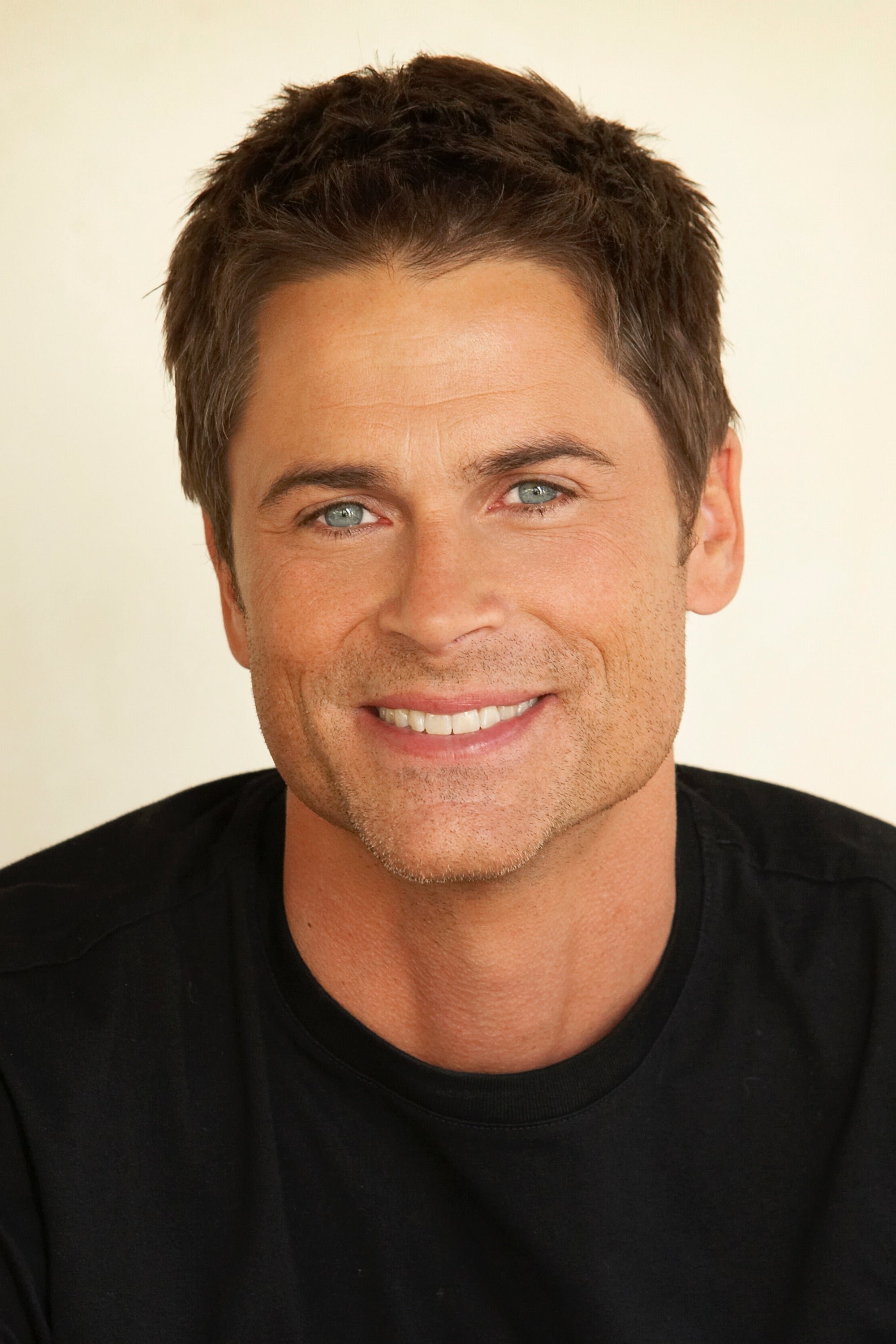
The actor admires colleagues who aren’t afraid to be themselves, even when it goes against the grain. He believes it’s crucial for people in the entertainment industry to develop resilience. Lowe feels that public outrage doesn’t usually last long, and encourages performers to remain authentic. He attributes his continued success to focusing on his work and staying optimistic.
Jamie Foxx
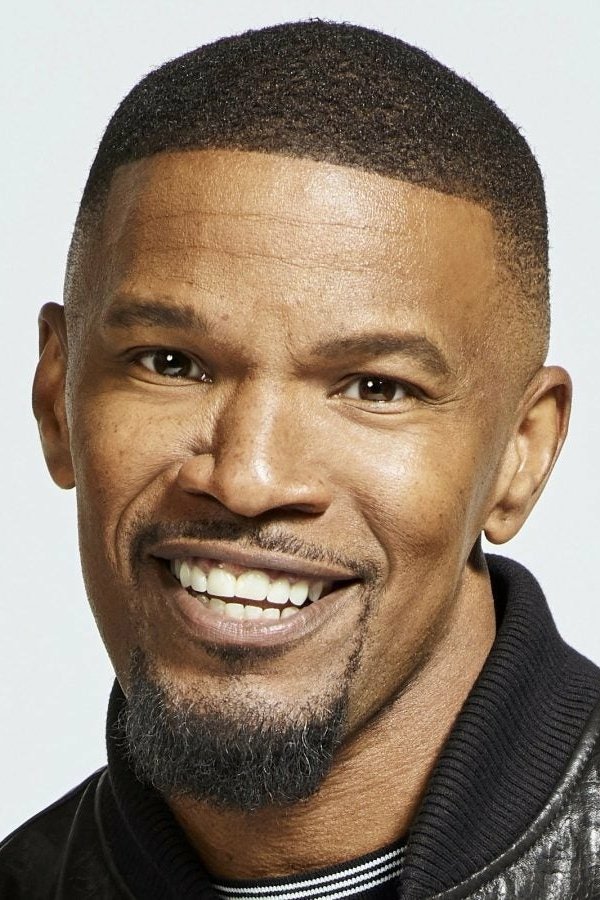
Jamie Foxx spoke out to defend his friend Robert Downey Jr. against recent criticism of his performance in ‘Tropic Thunder.’ Foxx explained the film was meant as satire and that understanding the comedic context is key. He’s frustrated by the habit of judging older movies by today’s values, and continues to support his fellow actors and the importance of creative freedom in comedy.
Idris Elba
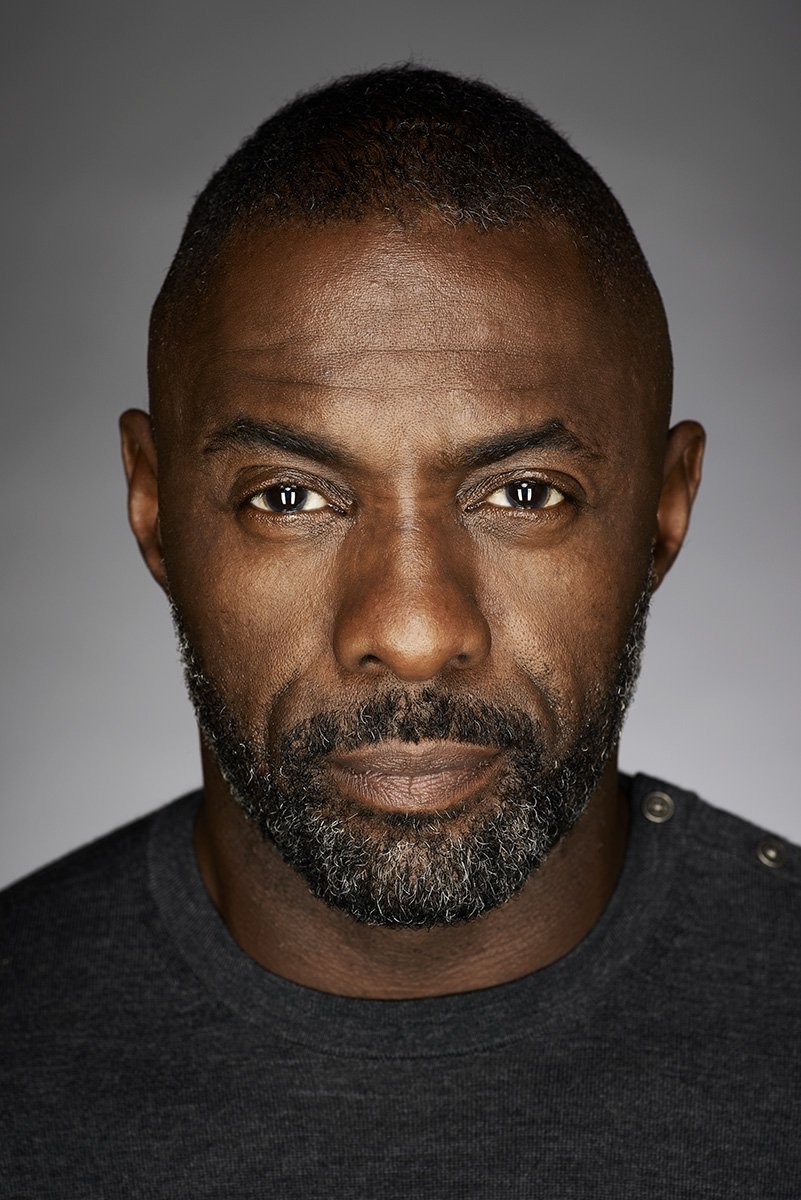
The actor is against editing or removing potentially offensive content from older TV shows and films. He proposes that these works should be used to teach people about how values and perspectives have evolved over time. He believes viewers should be able to make their own choices about what they watch, and that trying to erase the past won’t help us create a better future.
Scarlett Johansson
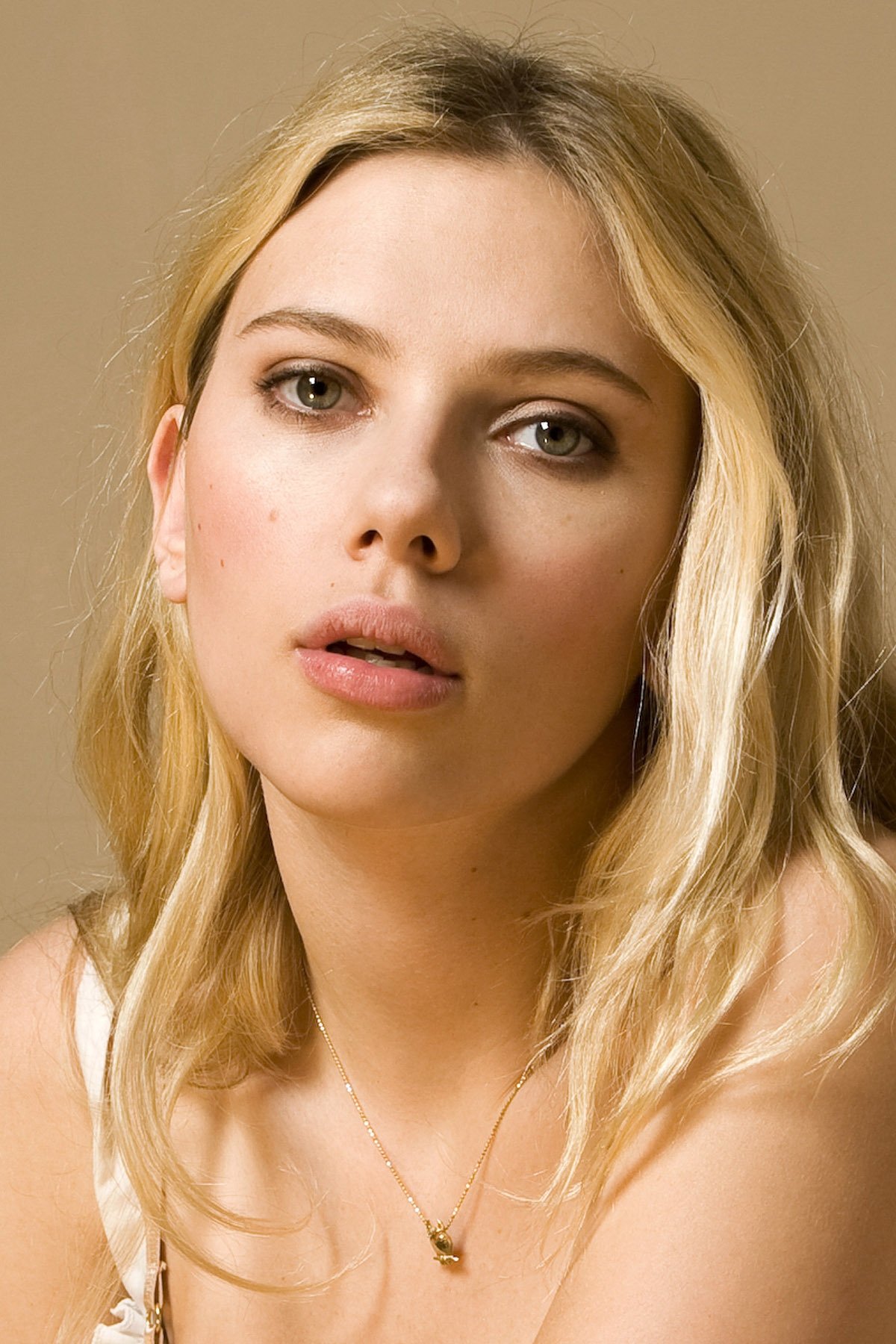
Scarlett Johansson has received criticism for roles in ‘Ghost in the Shell’ and initially agreeing to play a transgender man in ‘Rub & Tug’ (a project she later left). She’s discussed how challenging it is for actors to find work in today’s environment, stating her view that actors should be able to portray any character, regardless of identity. Despite these controversies, she remains a major star and continues to engage with important discussions about representation in Hollywood.
David Mamet
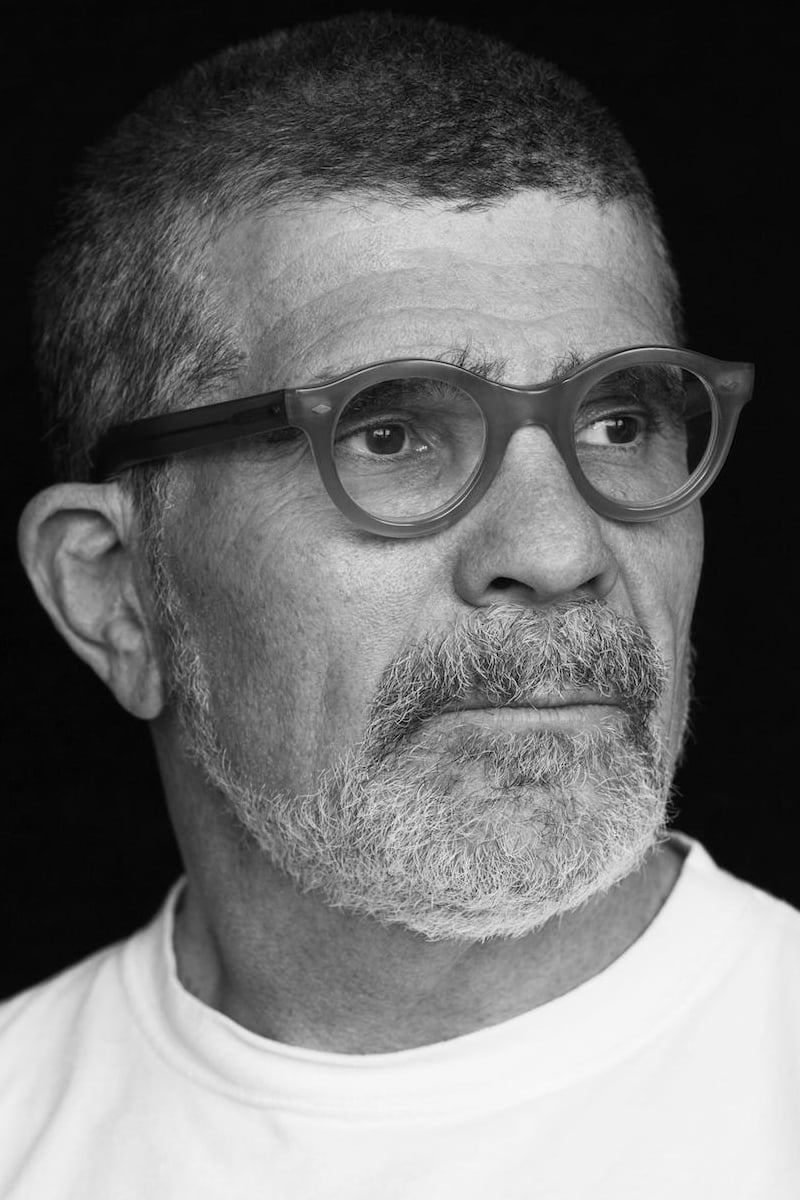
The celebrated playwright and director has recently spoken out against what he sees as excessive moralizing in Hollywood. He believes the film industry now demands everyone agree politically to get ahead. Mamet has written a lot about how his own political beliefs have changed and how much he dislikes current trends. He insists that real art needs the ability to question and challenge popular ideas.
Michael Bublé
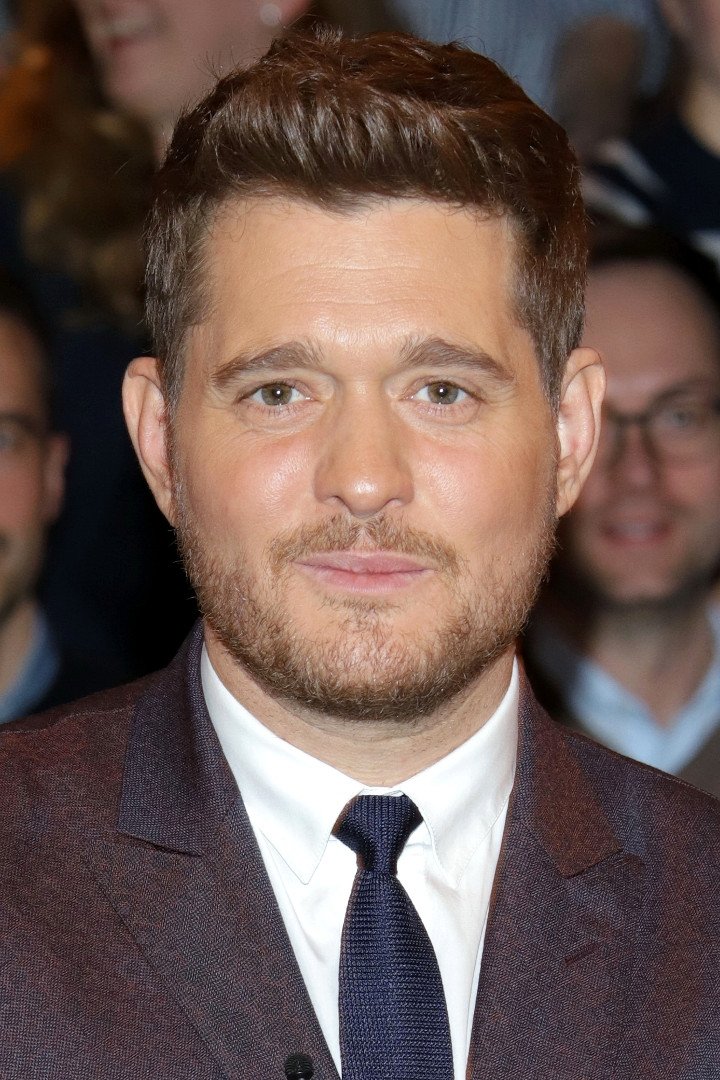
The singer recently spoke out about the problems with ‘cancel culture,’ arguing it’s harmful, especially to young people. He thinks the quickness to judge others online creates fear instead of allowing for learning and improvement. Bublé encourages more empathy and understanding in public conversations, believing everyone deserves a chance to grow and change.
Candace Cameron Bure
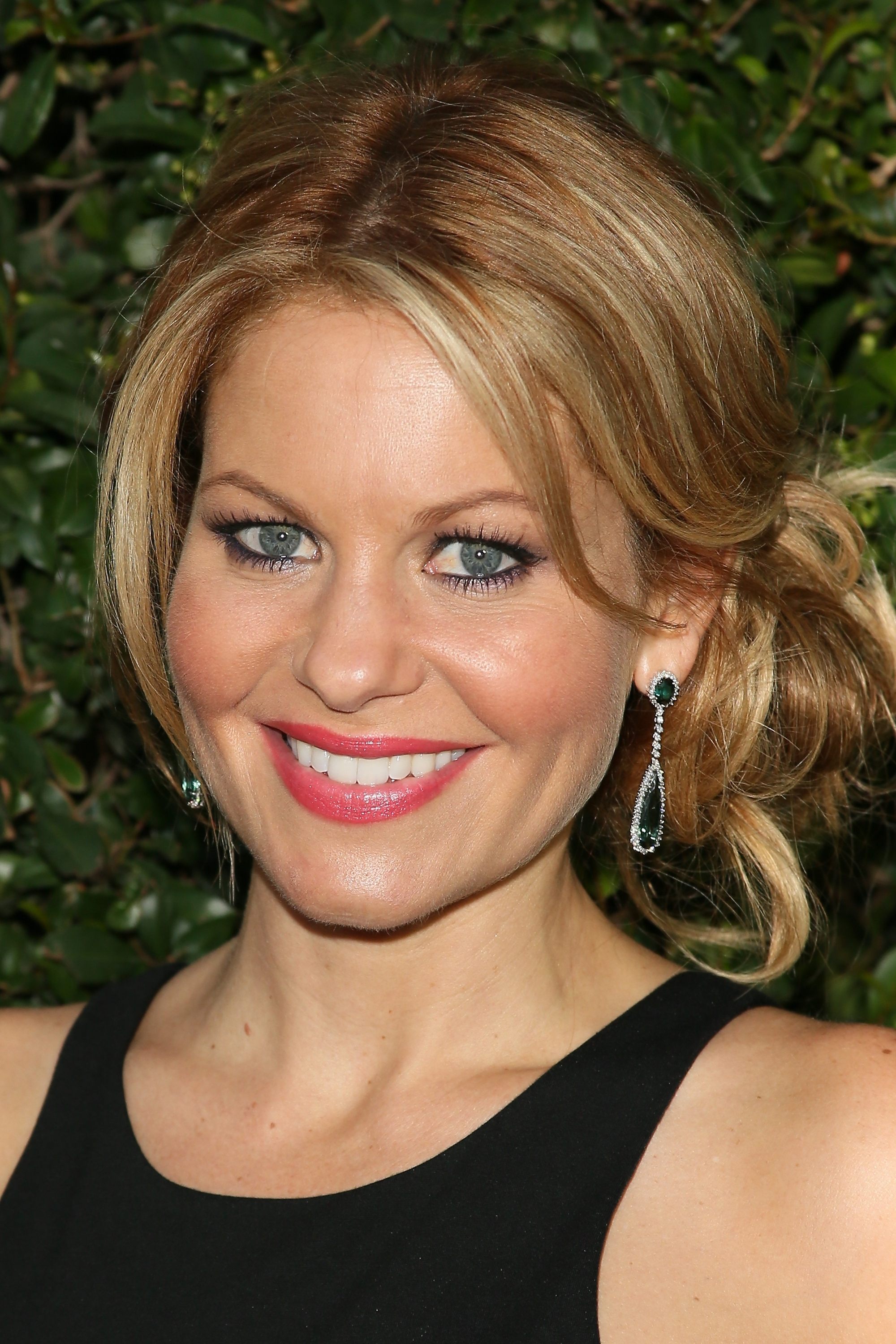
Candace Cameron Bure, known for her role on ‘Full House,’ has often discussed the challenges of being a conservative Christian in Hollywood. She’s received pushback for her stances on issues like marriage and other social topics, but she’s determined not to change who she is. Bure continues to create movies and shows that reflect her values, frequently working with networks that share a similar viewpoint.
Rapman
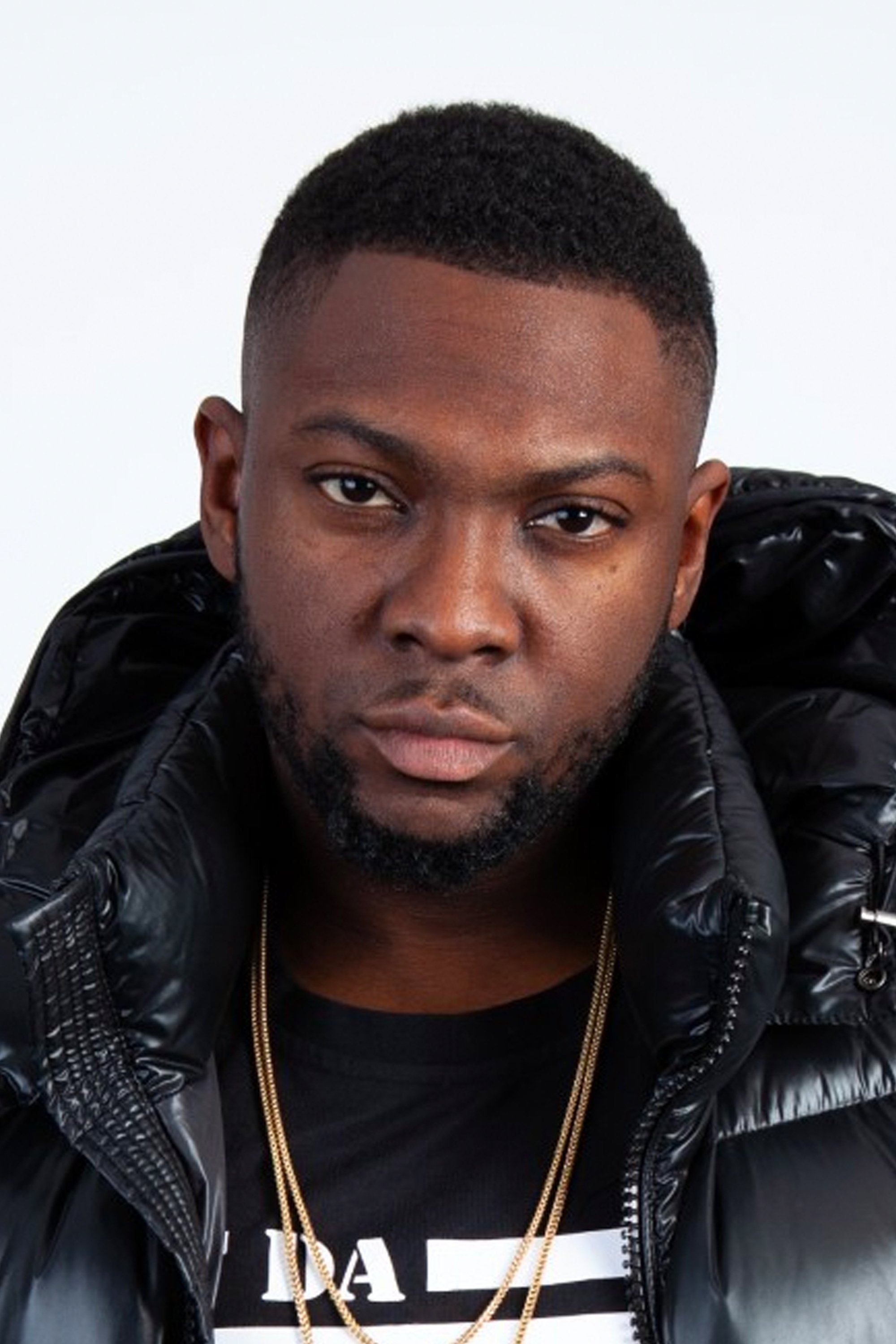
Rapman, the director of ‘Blue Story’, has discussed how public opinion affects his films. He’s worried that some groups face more pressure to be silenced than others. He believes everyone should have an equal opportunity to share their stories, and he continues to use his work to tackle difficult subjects and challenge the way we think about city life.
I’m really curious to hear what everyone thinks about how ‘cancel culture’ is affecting movies, TV, and music. What are your experiences and opinions on this? I’d love to read your thoughts in the comments below.
Read More
- 20 Movies Where the Black Villain Was Secretly the Most Popular Character
- Can AI Lie with a Picture? Detecting Deception in Multimodal Models
- 25 “Woke” Films That Used Black Trauma to Humanize White Leads
- 22 Films Where the White Protagonist Is Canonically the Sidekick to a Black Lead
- Silver Rate Forecast
- Top 20 Dinosaur Movies, Ranked
- Top 10 Coolest Things About Invincible (Mark Grayson)
- When AI Teams Cheat: Lessons from Human Collusion
- From Bids to Best Policies: Smarter Auto-Bidding with Generative AI
- Unmasking falsehoods: A New Approach to AI Truthfulness
2026-01-18 22:49