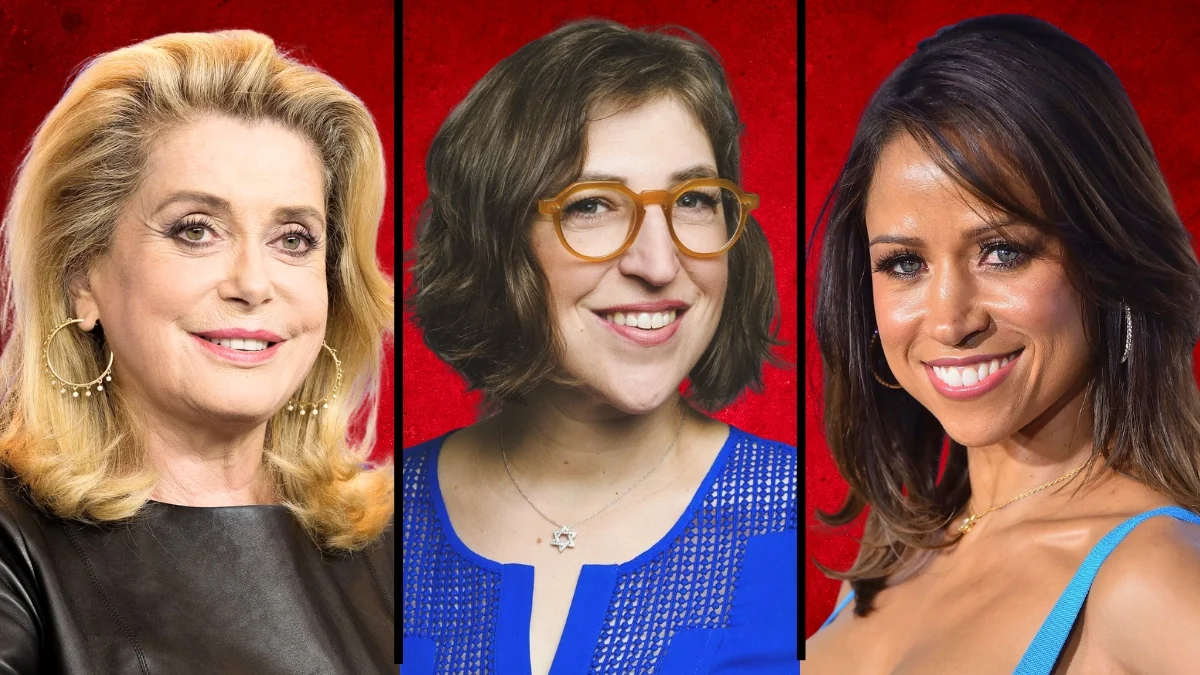
The #MeToo movement, which gained widespread attention in 2017, has significantly changed how the entertainment industry and society talk about sexual misconduct. While many celebrities have supported the movement, some well-known actresses have expressed doubts, criticisms, or even opposition to how it’s been carried out and its overall effect on culture. These actresses have brought up issues like the potential for unfair accusations and a perceived increase in overly strict moral standards. Their varied viewpoints demonstrate the complicated discussion surrounding the movement’s lasting impact on both society and the arts.
Catherine Deneuve

Catherine Deneuve, the famous French actress known for films like ‘Belle de Jour’, publicly criticized the #MeToo movement. In a letter published in ‘Le Monde’ with 99 other women, she argued the campaign had become a harmful overreaction, unfairly targeting individuals and threatening personal freedom. While she later apologized to those who had experienced sexual assault, Deneuve maintained her concerns about the movement’s approach, believing it fostered a restrictive atmosphere and stifled artistic creativity. She felt publicly shaming people without proper investigation was damaging to society.
Brigitte Bardot
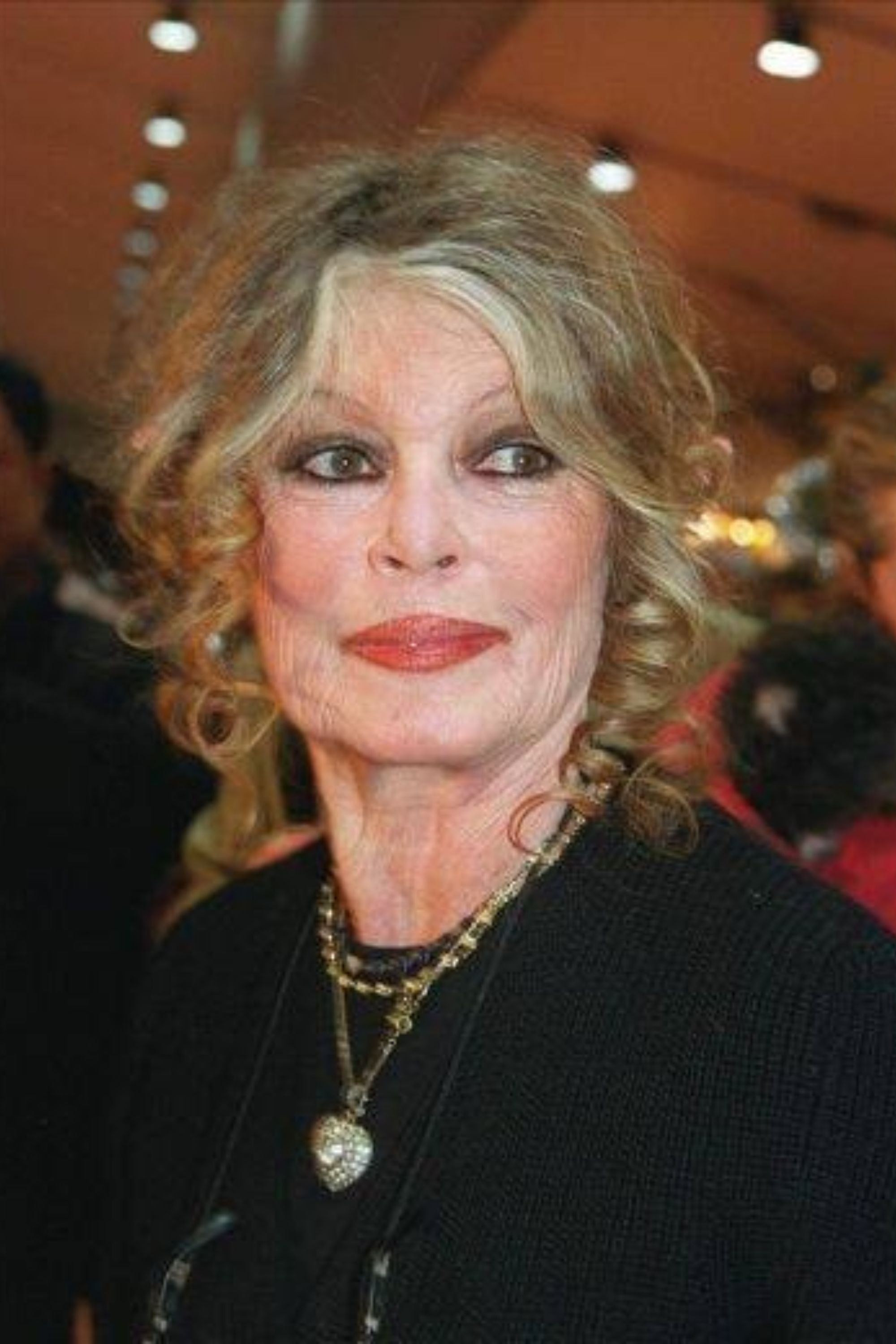
Brigitte Bardot, the famous actress known for ‘And God Created Woman,’ publicly criticized the #MeToo movement, calling it “hypocritical and ridiculous.” In several interviews, she suggested that some actresses who report harassment also use flirtation to get parts, and then speak out to gain attention. Bardot maintained that she never experienced sexual harassment throughout her long career in French films. She believed the movement undermines the natural and playful dynamic between men and women. Her views caused considerable backlash from activists and other actors who support the movement.
Pamela Anderson
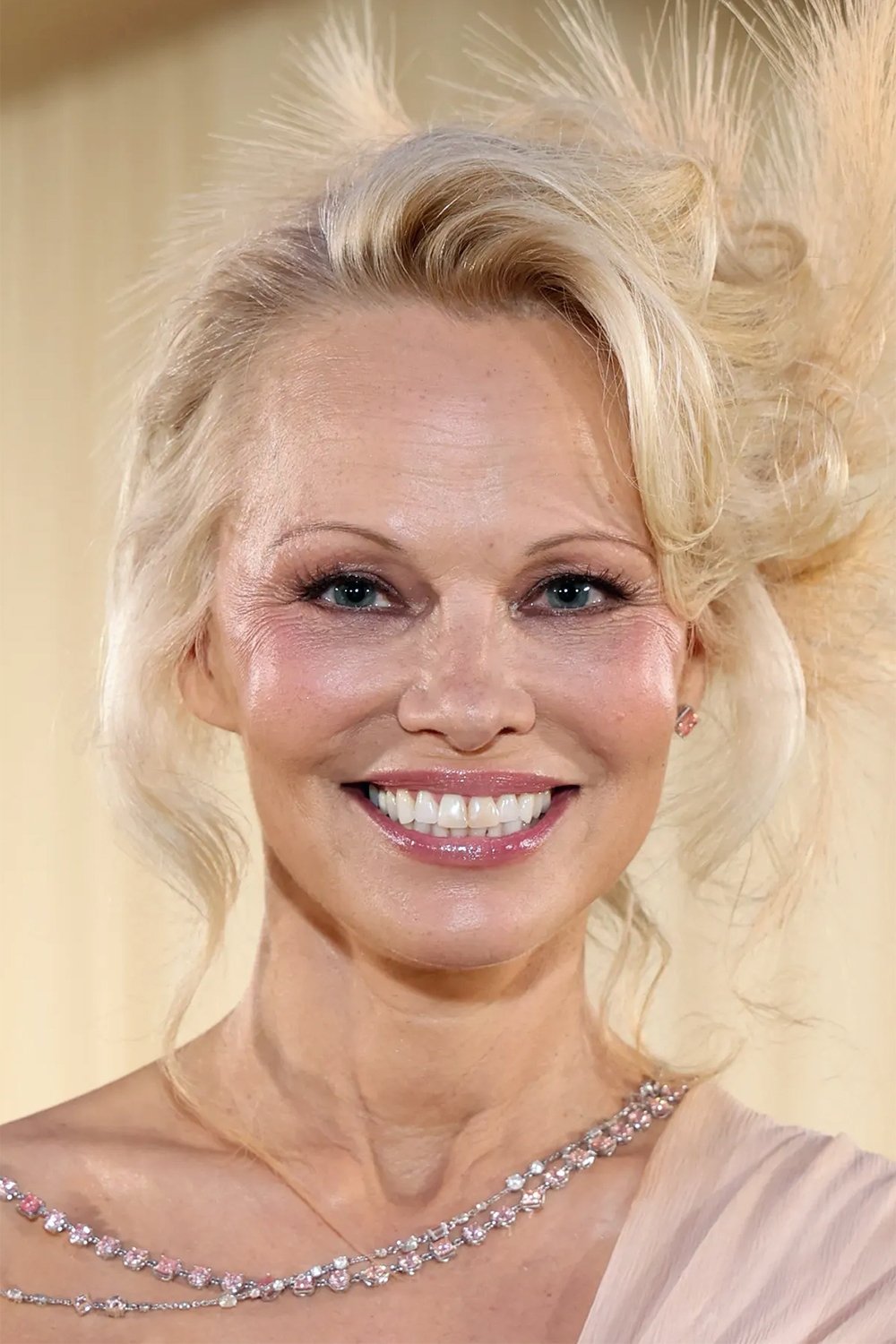
Pamela Anderson recently questioned the #MeToo movement in an interview with Megyn Kelly, suggesting it might go too far. She believes women should be aware of potential risks when meeting privately with people in positions of power, a lesson her mother instilled in her. Anderson also worried that the movement could make it harder for men and women to connect naturally. Her comments sparked considerable debate and received widespread attention from the public and the media.
Lindsay Lohan
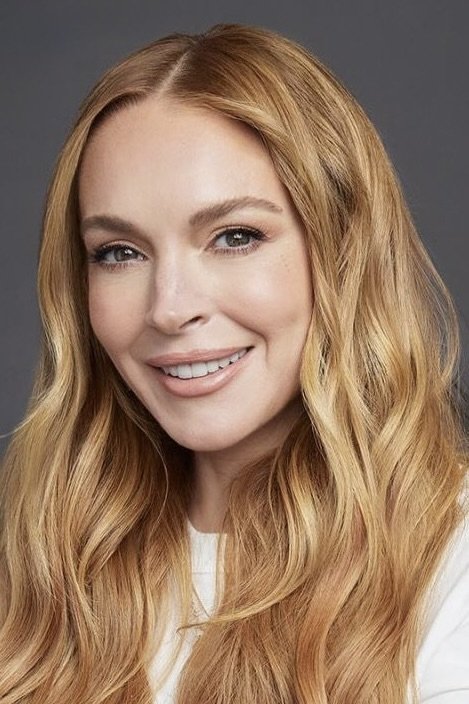
Lindsay Lohan, known for her role in ‘Mean Girls,’ recently shared her concerns about how some women have approached sharing their experiences during the rise of the #MeToo movement. In an interview with ‘The Times,’ she suggested that publicly discussing these issues can come across as a sign of weakness. Lohan believes these matters are best handled through the legal system, rather than on social media. She worried the movement might encourage unwanted attention. Although she later clarified her statements, she still questioned the public way the movement unfolded.
Mayim Bialik
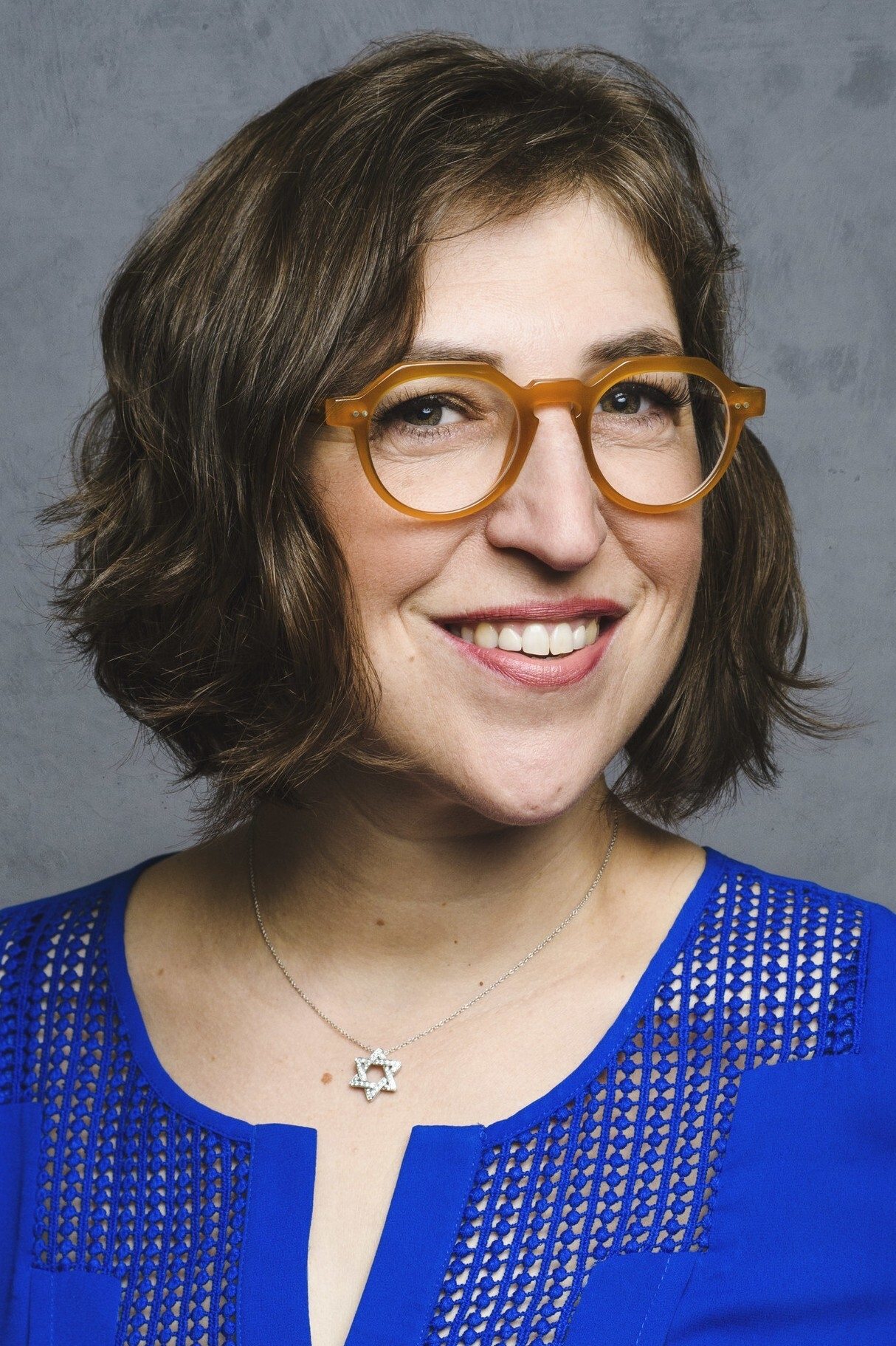
Mayim Bialik, known for her role on ‘The Big Bang Theory,’ received criticism after publishing an opinion piece in ‘The New York Times’ about her experiences in Hollywood. She wrote that making modest choices and being careful about dating helped her avoid unwanted advances. Some critics felt this implied that those who experienced misconduct were somehow responsible for it, rather than the people who committed it. Bialik later explained that she didn’t mean to blame victims, but she still believes in the importance of setting personal boundaries and protecting oneself. She continues to express more traditional views, especially regarding the changes happening in society and culture.
Angela Lansbury
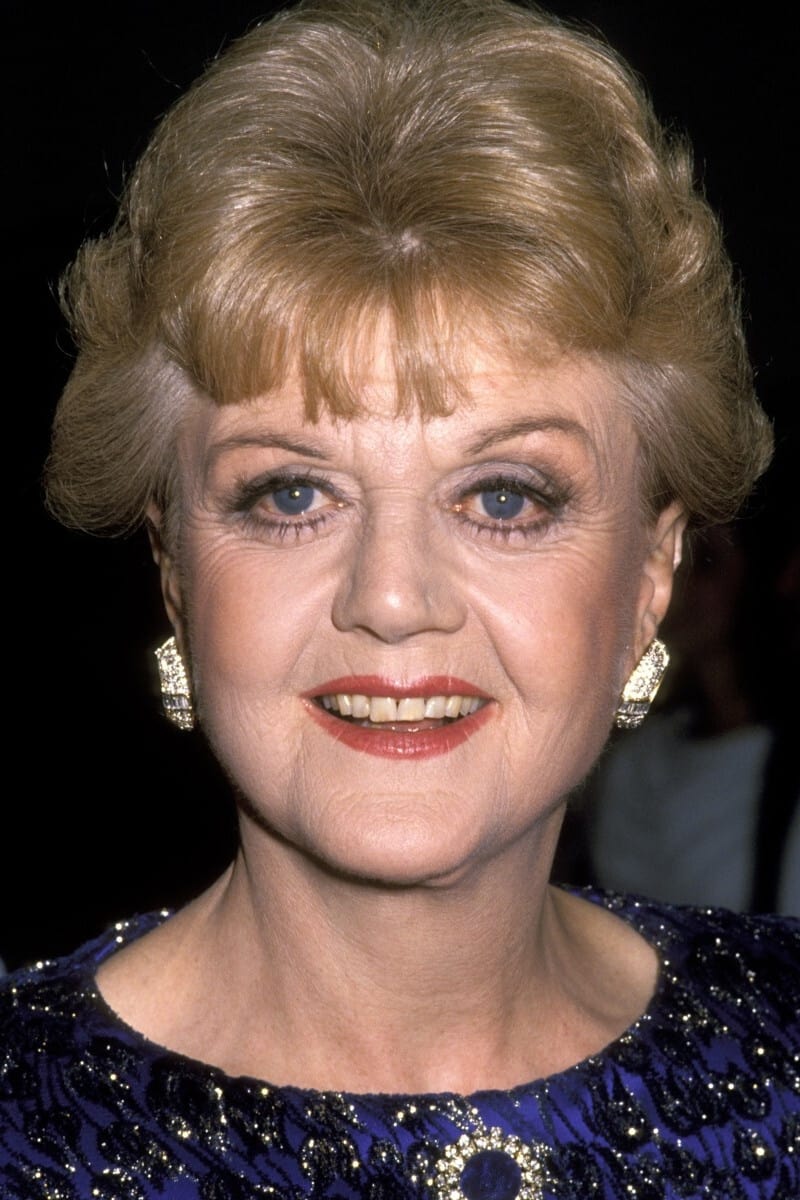
Angela Lansbury, known for her role in ‘Murder, She Wrote,’ said women sometimes contribute to the way they’re treated. In an interview, she explained that historically, women have often tried hard to be attractive, and this has unintentionally created problems. While she emphasized that sexual assault is never justified, she suggested people need to be careful given the current climate. Her comments sparked widespread criticism, with many believing she was blaming victims for the harassment they experience. Lansbury later said she was sorry if her words were misunderstood, but she still disagreed with some aspects of the movement’s messaging.
Sharon Stone
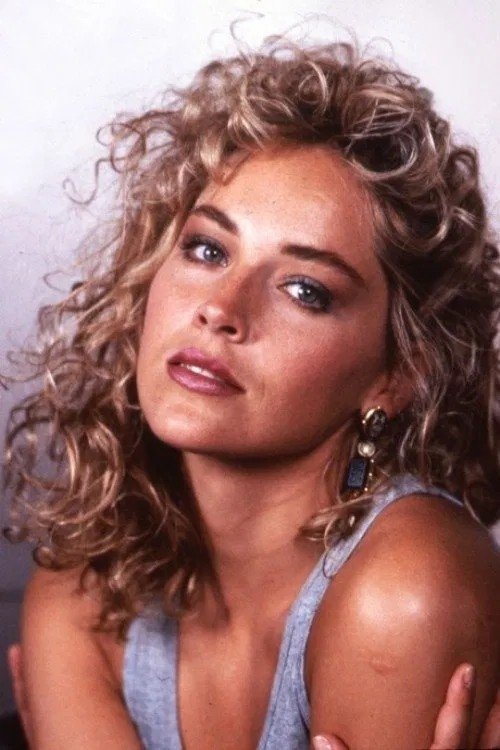
When asked about discomfort in Hollywood, actress Sharon Stone famously laughed, saying she’d experienced everything over her four decades in the industry. She feels the current discussions don’t fully capture the complexities of working in Hollywood and suggested some recent changes might be overly dramatic and lack perspective. Stone believes that while progress is important, the current movement sometimes overlooks the individual situations and practicalities of professional life. As a long-time industry insider, she’s cautious about quick, sweeping changes.
Melanie Griffith
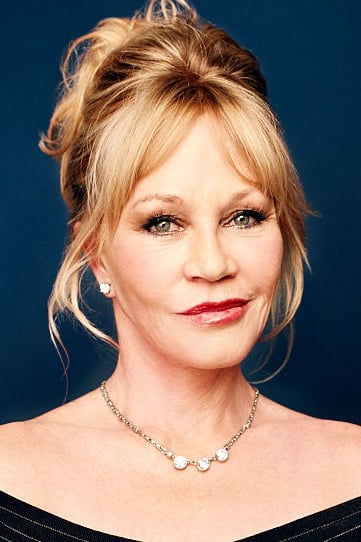
Melanie Griffith, known for her role in ‘Working Girl,’ has shared her worries about where the #MeToo movement is headed. In interviews, she explained that while she believes the movement started with good intentions, it’s created a tense and “unhealthy” environment. Griffith feels it’s become harder for men and women to interact comfortably at work, and she hopes for a return to a more balanced workplace where fairness and respect are valued for everyone. She’s concerned about the movement’s potential long-term effects on social interactions.
Juliette Binoche
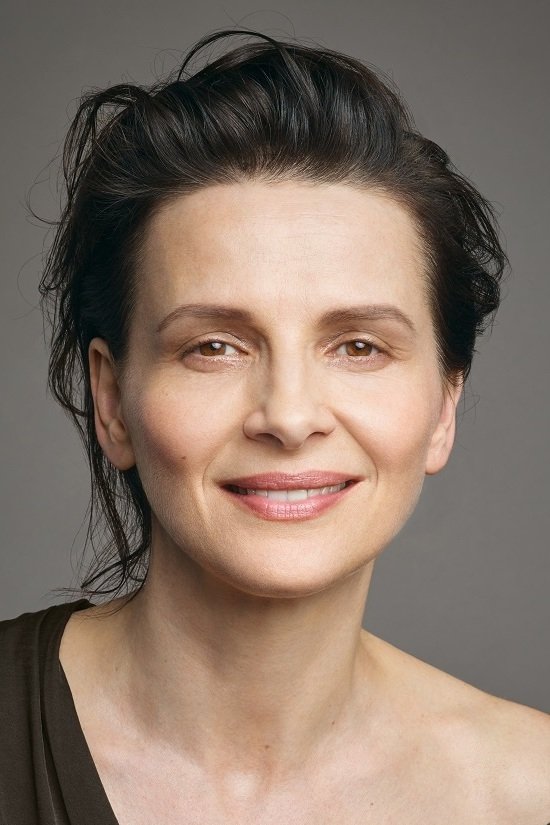
Juliette Binoche, the Oscar-winning actress known for ‘The English Patient,’ has asked for a more thoughtful discussion about the #MeToo movement. She worries it sometimes focuses too much on victimhood, which she believes isn’t helpful for women in the long term. Binoche added her name to a French statement that questioned the movement’s increasingly strict approach. She feels the emphasis should be on teaching and open conversation, not publicly shaming people or ruining their careers. These opinions are shared by many in the European film industry.
Kirstie Alley
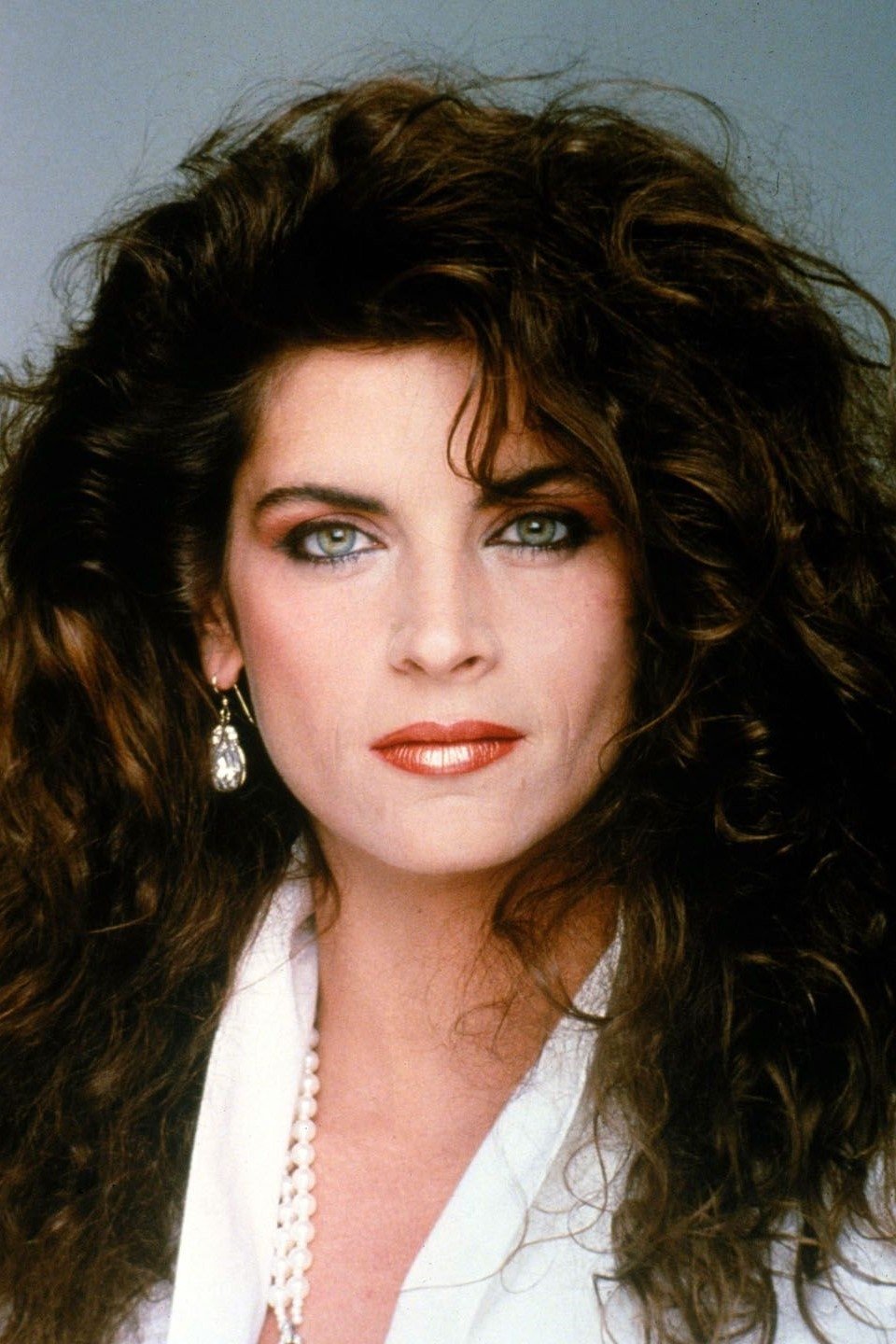
Kirstie Alley, known for her role on ‘Cheers,’ has publicly criticized the #MeToo movement, especially concerning the fairness of legal processes. She believes the movement sometimes skips the legal system, leading to what she calls ‘mob rule,’ where people’s careers are ruined based solely on accusations without thorough investigation. Alley has often debated with #MeToo supporters on platforms like Twitter, consistently highlighting the importance of the presumption of innocence – that someone is considered innocent until proven guilty – in every situation.
Roseanne Barr
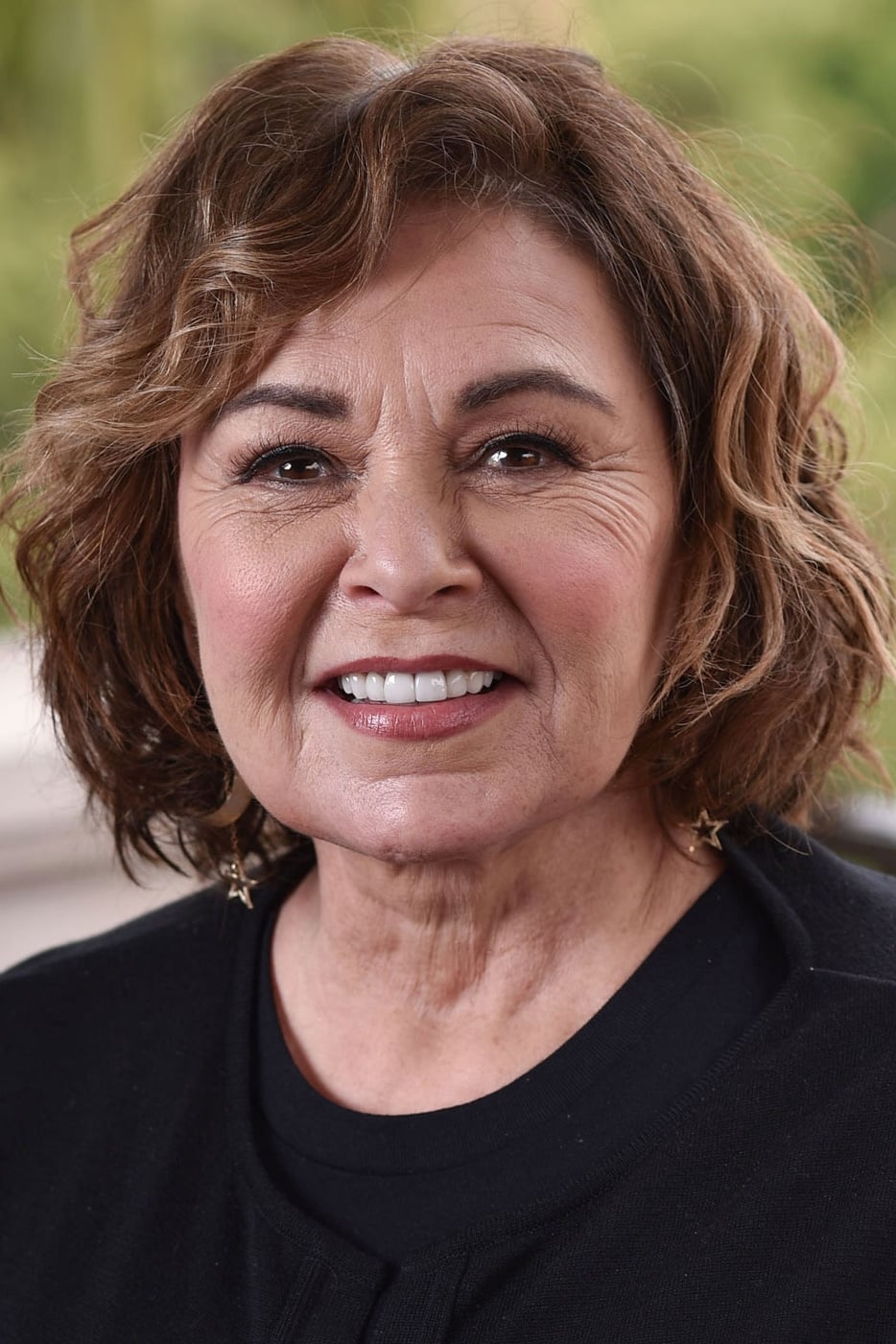
Roseanne Barr, the star of ‘Roseanne,’ has been critical of the recent movement, believing it encourages an overemphasis on being a victim. She suggests some participants seem more interested in gaining attention and furthering their careers than addressing genuine hardship. Barr points out that the entertainment industry has always been challenging and that people should be responsible for their own career paths. She prefers to see individuals held accountable rather than focusing on collective action, and her strong opinions have established her as a notable doubter of the movement’s effects on Hollywood.
Joanna Lumley
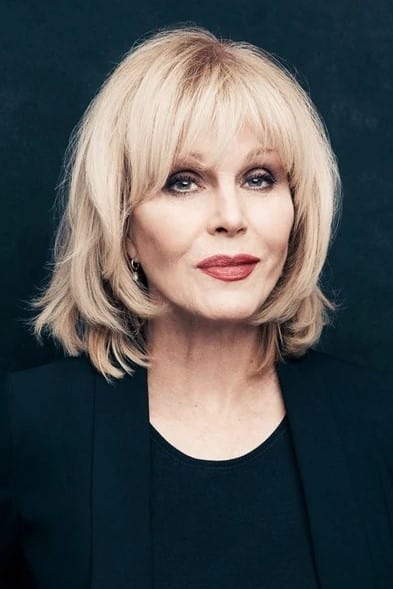
As a lifelong movie and people watcher, I’ve been thinking a lot about this #MeToo movement, and Joanna Lumley recently voiced something that really resonated with me. She worries, and frankly, so do I, that it’s created this atmosphere of distrust between men and women. It feels like things have shifted so much that men are now hesitant to be kind or pay a compliment, afraid of how it might be perceived. It’s a shame, because those small, genuine interactions used to bring a lot of joy. She’s not dismissing the importance of addressing misconduct, but she’s concerned about a world where every gesture is overanalyzed and seen with suspicion. Ultimately, she’s hoping we can preserve some of the natural, positive connections between men and women, and not lose sight of simple appreciation.
Miriam Margolyes
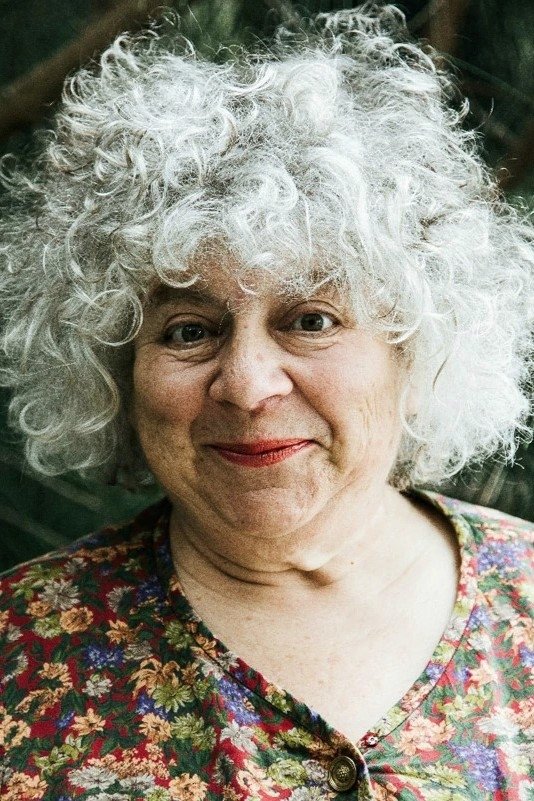
The actress best known for her role in the ‘Harry Potter’ films has recently called the current movement surrounding misconduct “excessive.” While acknowledging that some change is needed, she believes the reaction has frequently been extreme and illogical. Margolyes worries this has created an environment where people fear expressing themselves honestly. She’s urging a more balanced and reasonable approach to addressing the concerns of those who have experienced misconduct, suggesting a need for moderation in how society responds to allegations of sexual harassment.
Stacey Dash
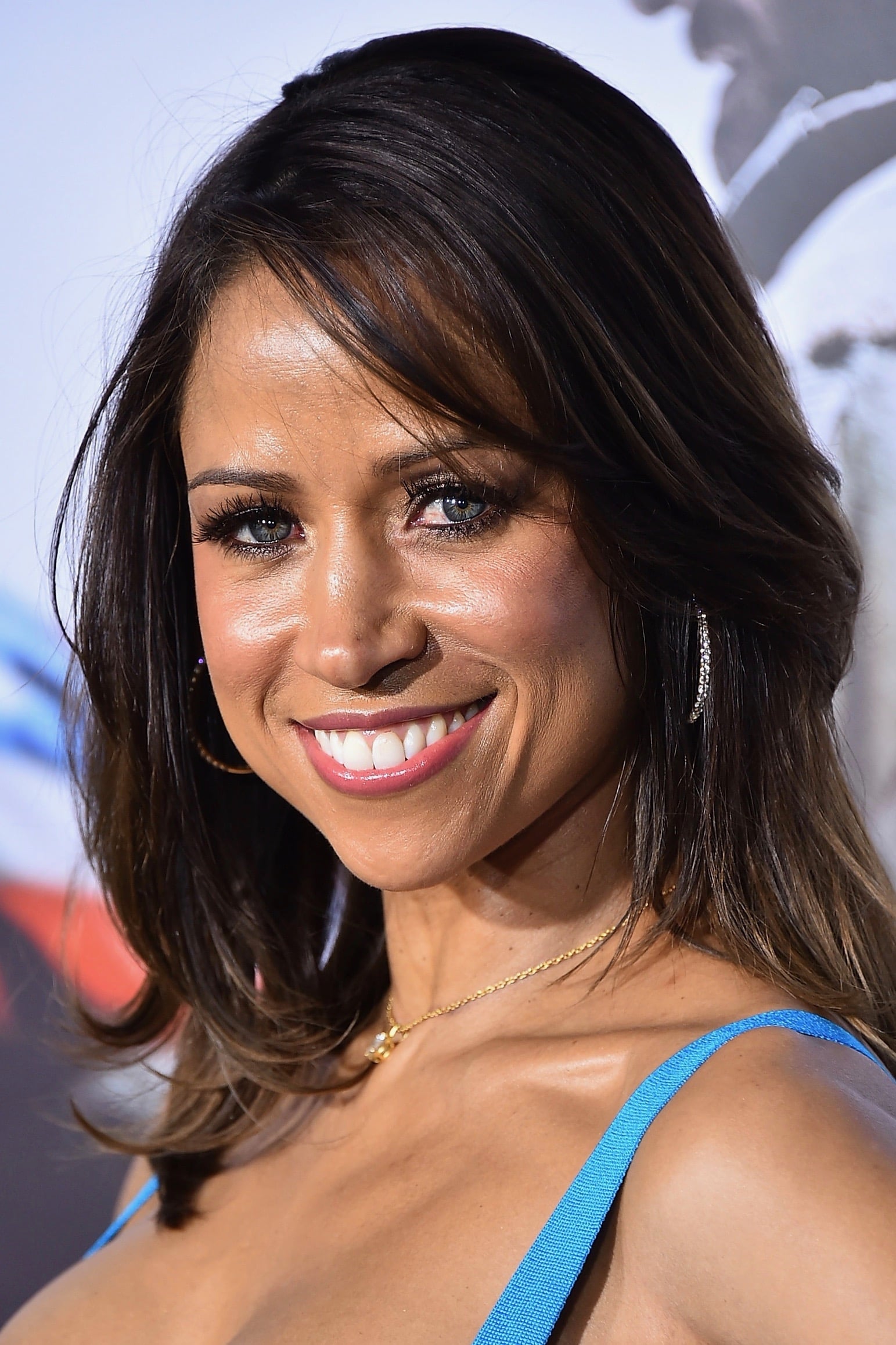
Alicia Silverstone, known for her role in ‘Clueless,’ has publicly spoken out against the feminist movement, often sharing her criticisms in the media. She believes it fosters a culture of victimhood that ultimately harms women instead of helping them. Silverstone has said she’d rather see a return to traditional roles where men protect and show courtesy – valuing ‘chivalry.’ She’s also questioned the movement’s motivations, suggesting it’s driven by politics and isn’t always fair in who it targets. These views reflect her generally conservative political beliefs and her broader criticisms of contemporary social justice efforts.
Carole Bouquet
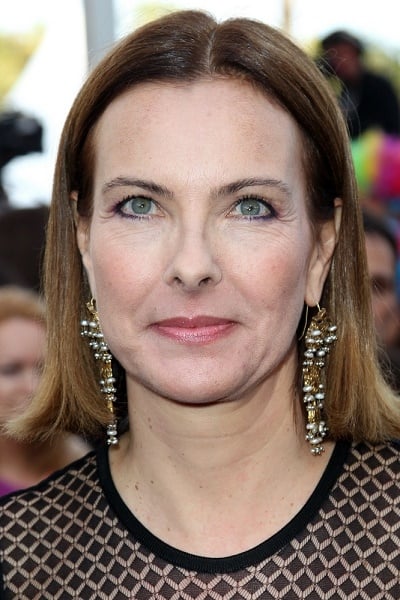
The French actress, known for her role in the James Bond film ‘For Your Eyes Only’, also signed the French manifesto. She stated that the movement had become a public shaming of people without proof. Bouquet argued that this campaign limits both artistic expression and the freedom to have personal relationships without unwanted attention. She feels that publicly calling out individuals is a step backward for society. By signing the letter, she clearly showed she disagrees with how the movement operates and what it aims to achieve.
Fanny Ardant
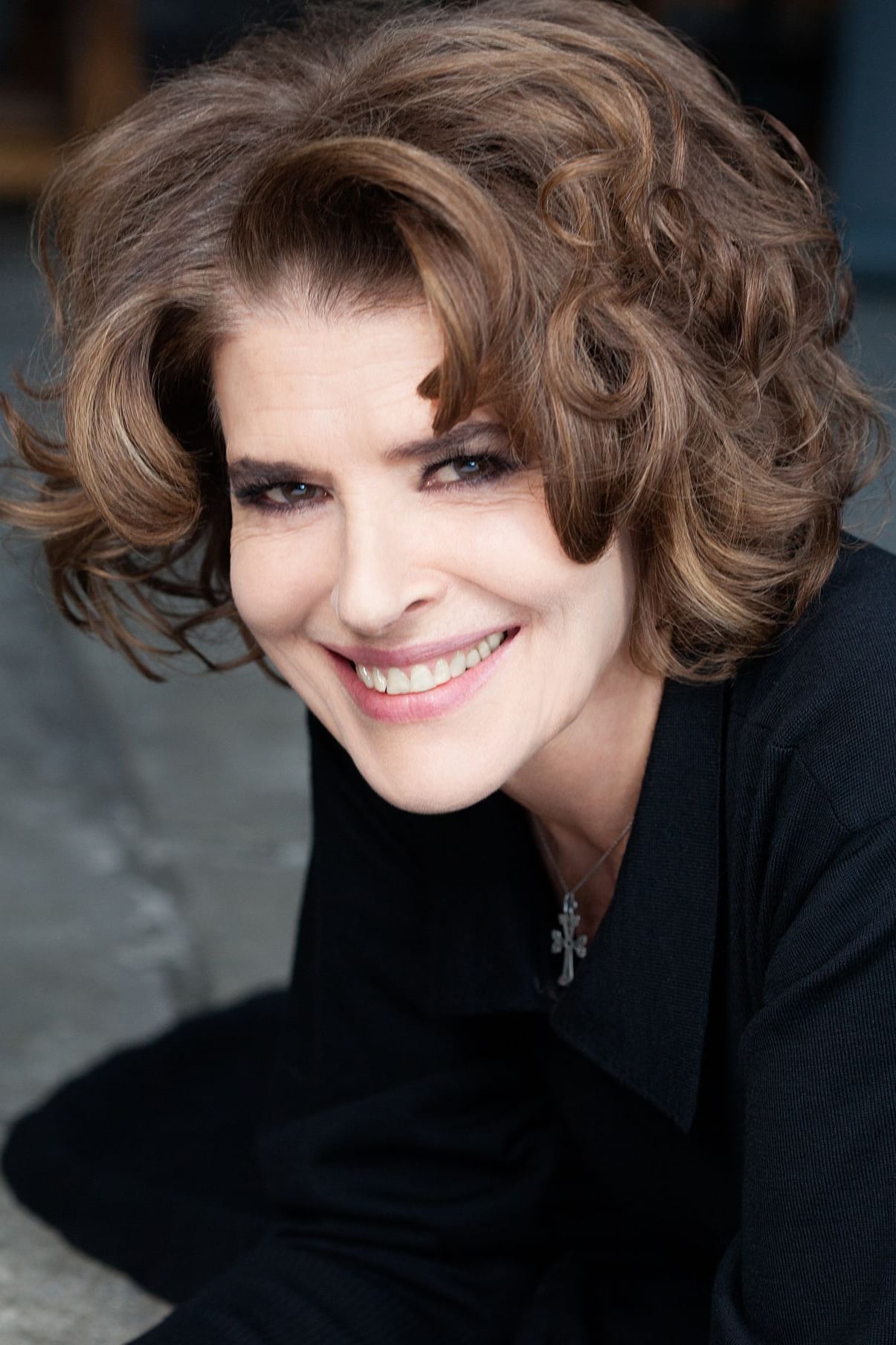
I’ve always admired this actress, especially from ‘The Woman Next Door,’ and I understand where she’s coming from, even if it’s unpopular. She’s been getting some heat for defending people others don’t, and for questioning this current movement. Honestly, she feels uncomfortable with what she calls the ‘pack mentality’ – the way everyone jumps on the same bandwagon. She’d rather stand up for a person as an individual, rather than just follow what’s trending. She really dislikes how quickly people are judged for things they’ve done in the past, without looking at the full picture or the context of the time. It all comes down to her belief in sticking by individuals and being wary of huge social movements – and I respect that.
Béatrice Dalle
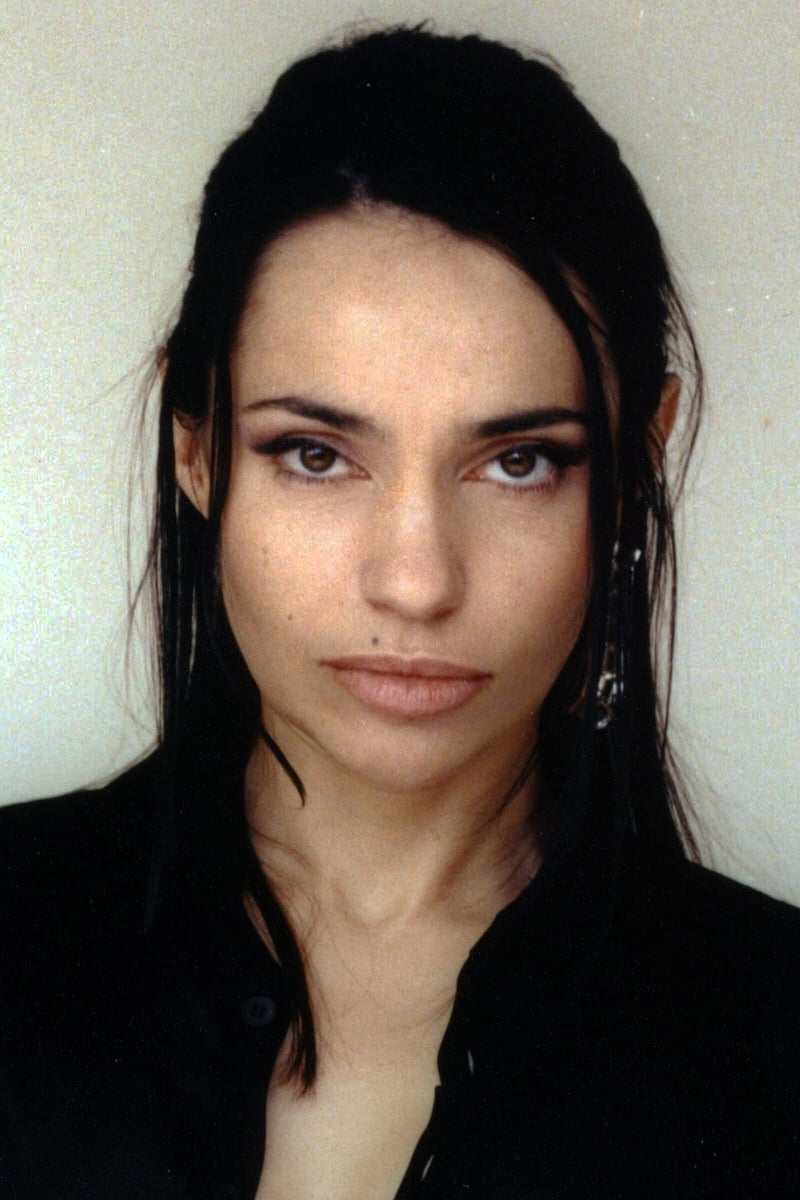
Actress Béatrice Dalle has publicly criticized the #MeToo movement, describing it as tedious and irritating. She stated she’s never felt victimized and doesn’t identify with its leaders. Dalle believes women are capable of protecting themselves without needing a large-scale movement or legal changes. She also finds the movement’s approach to relationships overly judgmental and restrictive, and her views demonstrate a rejection of current cultural trends often seen in the media.
Anny Duperey
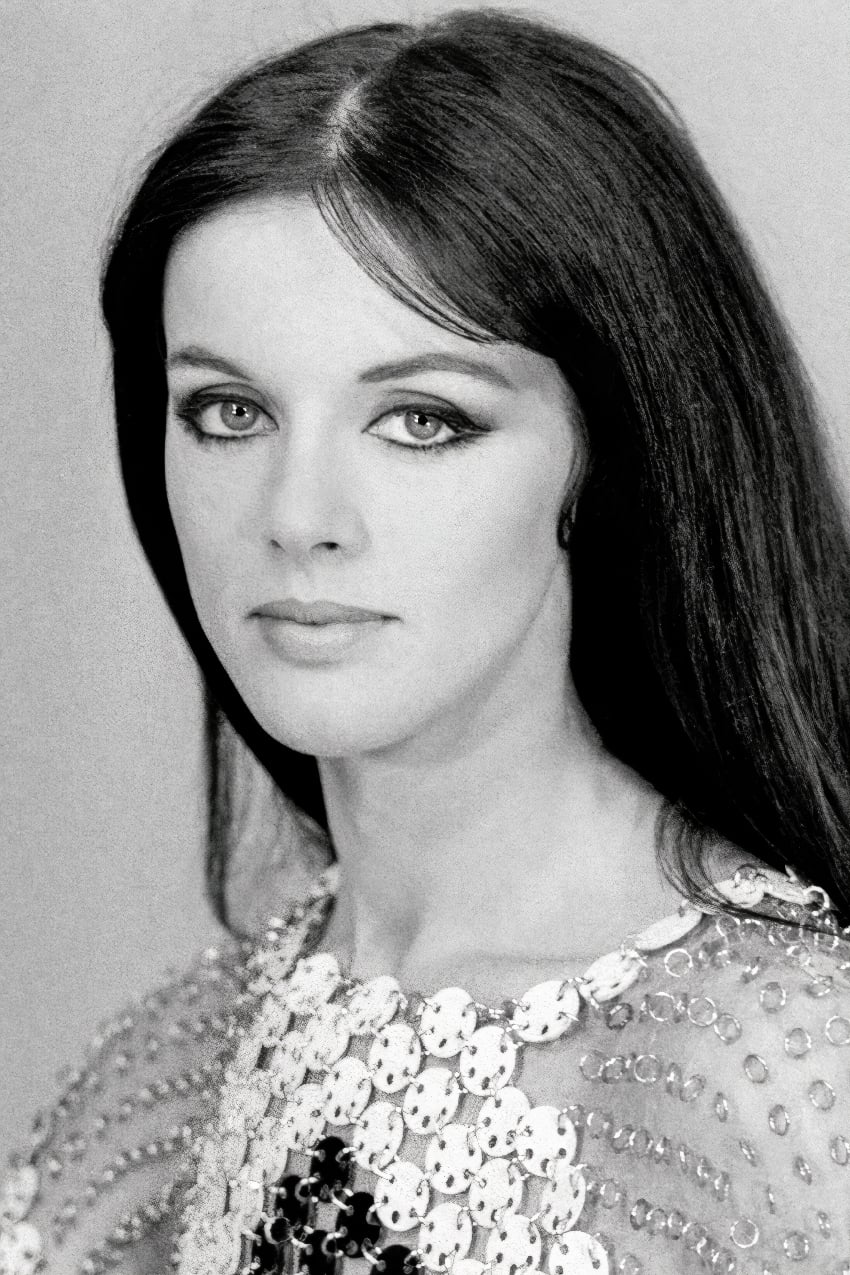
The French actress and writer shared her worries about the current movement, calling the environment it fosters “terrifying.” She believes it’s created a culture of constant accusation, reminiscent of troubling times in history. Duperey is concerned the movement dwells too much on past wrongs instead of working towards a better future for everyone. She feels public shaming damages the ability of people to connect and trust each other, and argues that forgiveness, open conversation, and fair treatment are essential.
Diane Kruger
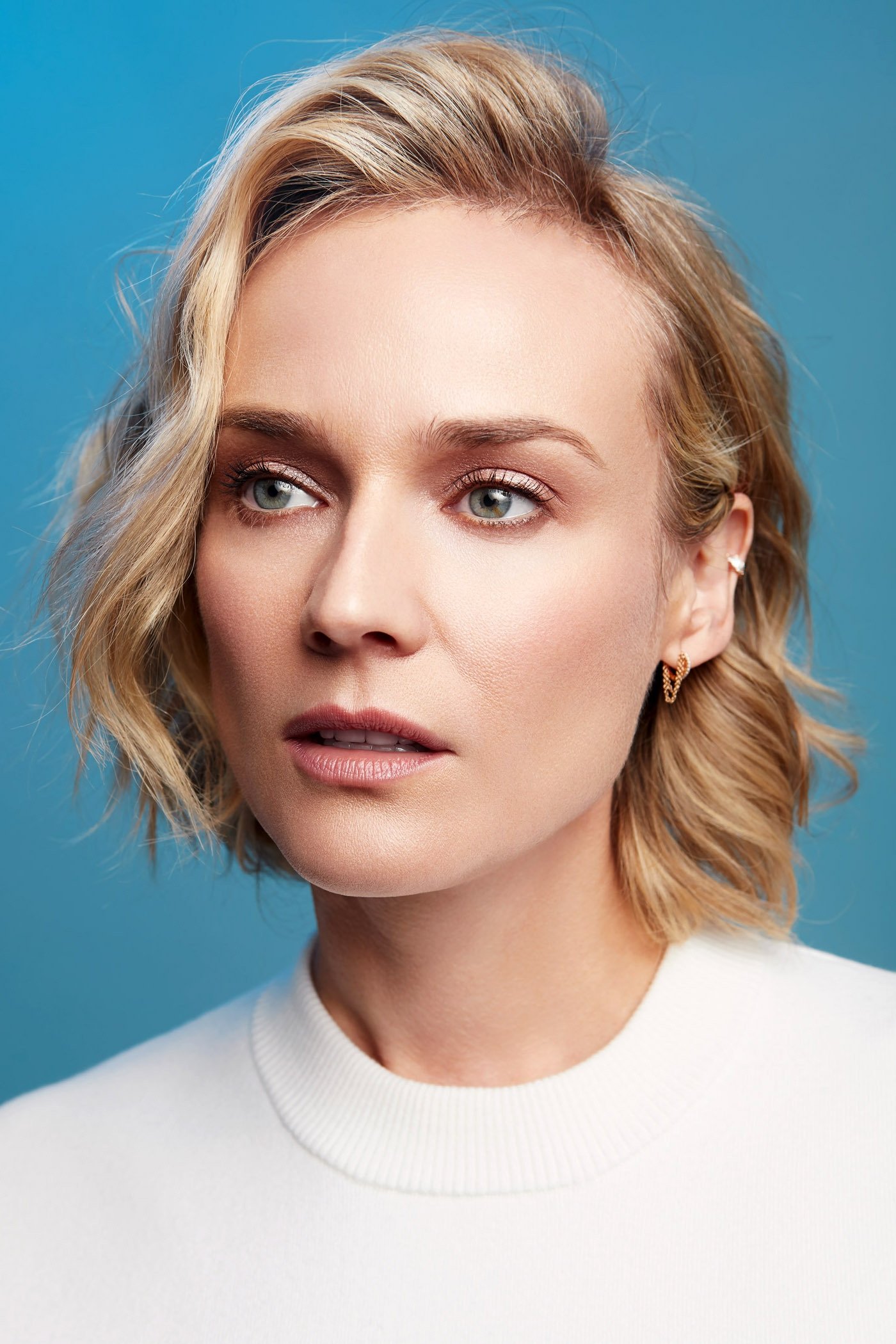
Diane Kruger, known for her role in ‘Inglourious Basterds,’ has expressed mixed feelings about the impact of the #MeToo movement on Hollywood. She worries that accusations often lead to immediate public condemnation on social media before a full investigation can take place. While she supports the movement’s goals, Kruger believes that rushing to judgment can be harmful and advocates for a more careful and fair process when dealing with misconduct allegations in the film industry. Her perspective reflects the challenge of balancing the need for change with the importance of due process and fairness.
Let us know what you think about these actresses’ opinions and how the discussion around this movement is changing, by sharing your thoughts in the comments below.
Read More
- Seeing Through the Lies: A New Approach to Detecting Image Forgeries
- Staying Ahead of the Fakes: A New Approach to Detecting AI-Generated Images
- Julia Roberts, 58, Turns Heads With Sexy Plunging Dress at the Golden Globes
- Top 10 Coolest Things About Invincible (Mark Grayson)
- TV Shows That Race-Bent Villains and Confused Everyone
- Palantir and Tesla: A Tale of Two Stocks
- Smarter Reasoning, Less Compute: Teaching Models When to Stop
- Unmasking falsehoods: A New Approach to AI Truthfulness
- Gold Rate Forecast
- How to rank up with Tuvalkane – Soulframe
2026-01-18 20:48