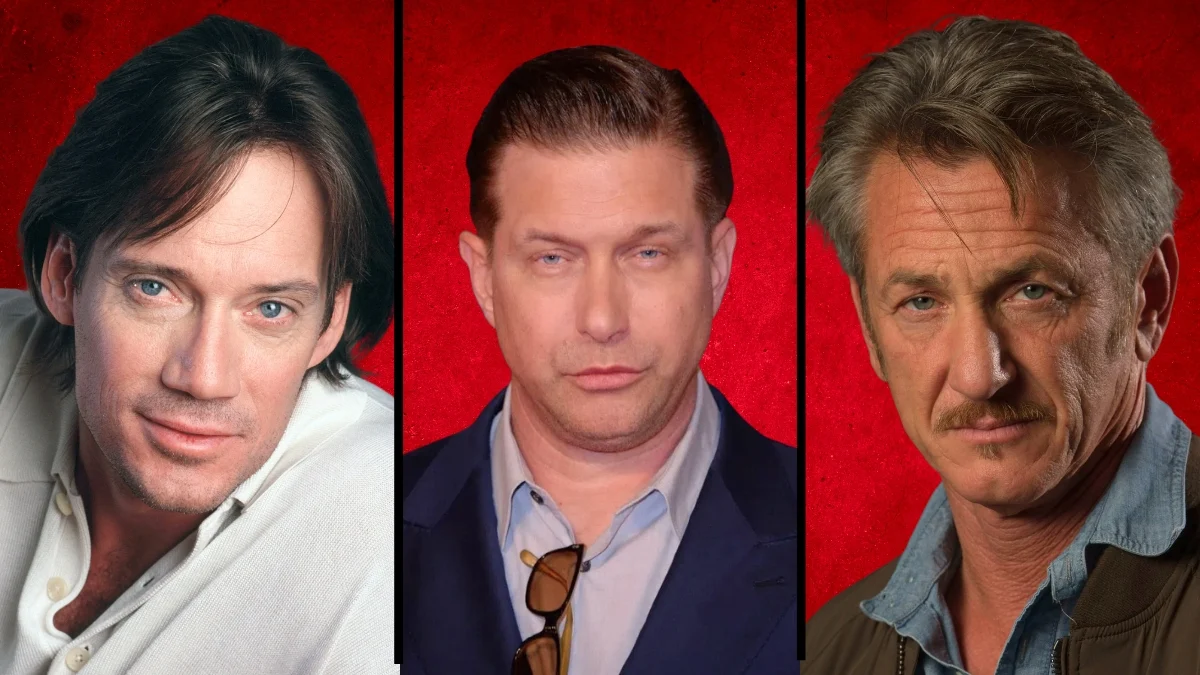
Hollywood is increasingly talking about gender politics and feminism, with many celebrities sharing their opinions. While most in the industry seem to support current feminist movements, some have expressed concerns about the ways certain branches of feminism operate. These concerns often center on fairness, the potential impact on artistic expression, and how traditional ideas about masculinity are changing. Several actors have publicly discussed these issues in interviews, on social media, and at public events.
Sean Penn
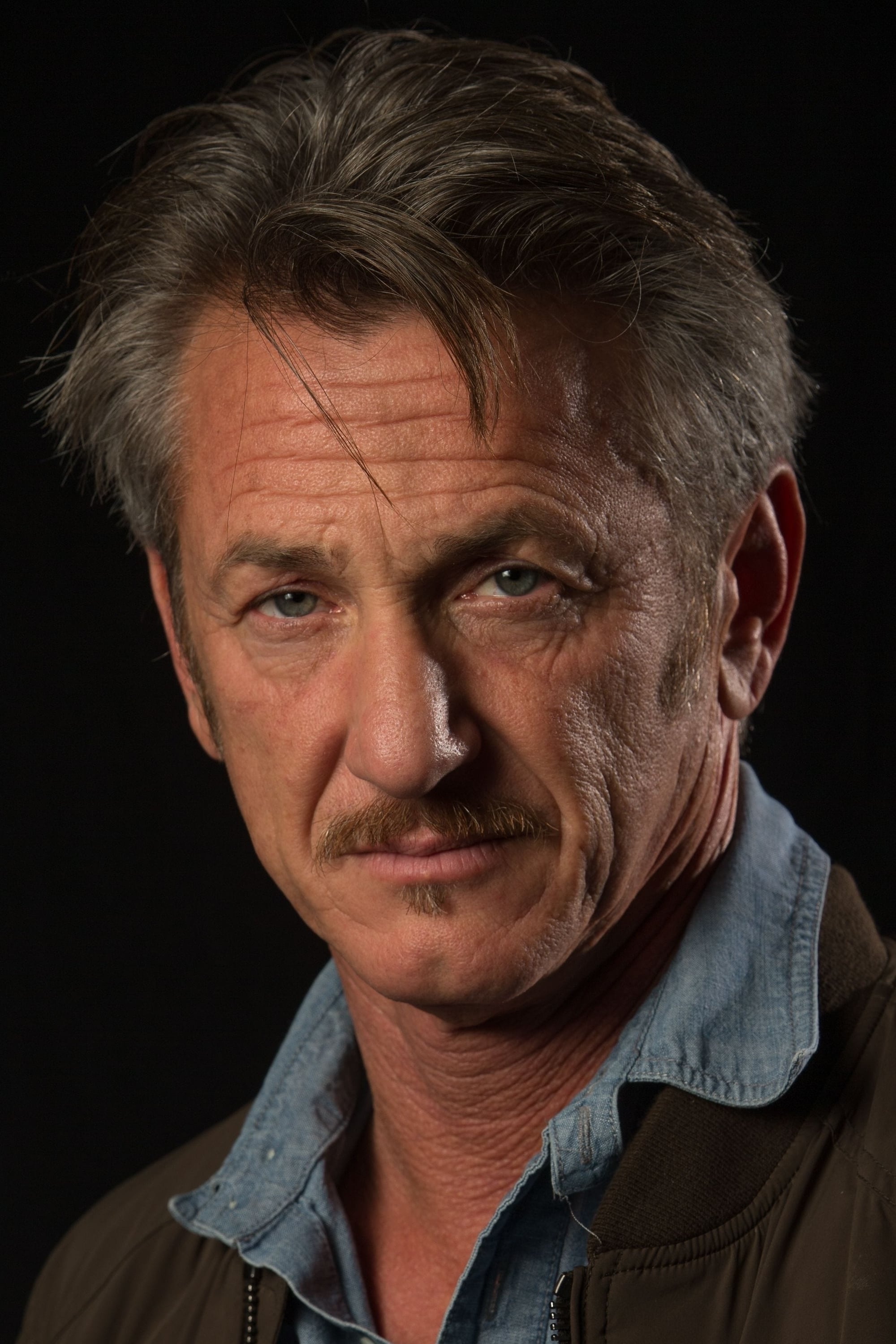
Sean Penn has questioned aspects of the #MeToo movement, calling some of the attention it receives sensationalized. He’s worried that it sometimes oversimplifies difficult issues and can create unnecessary conflict between men and women. Penn believes that the emphasis on social media reactions can distract from the complicated nature of relationships. His views have led to considerable discussion about the direction of feminist efforts within the film industry.
Bill Burr
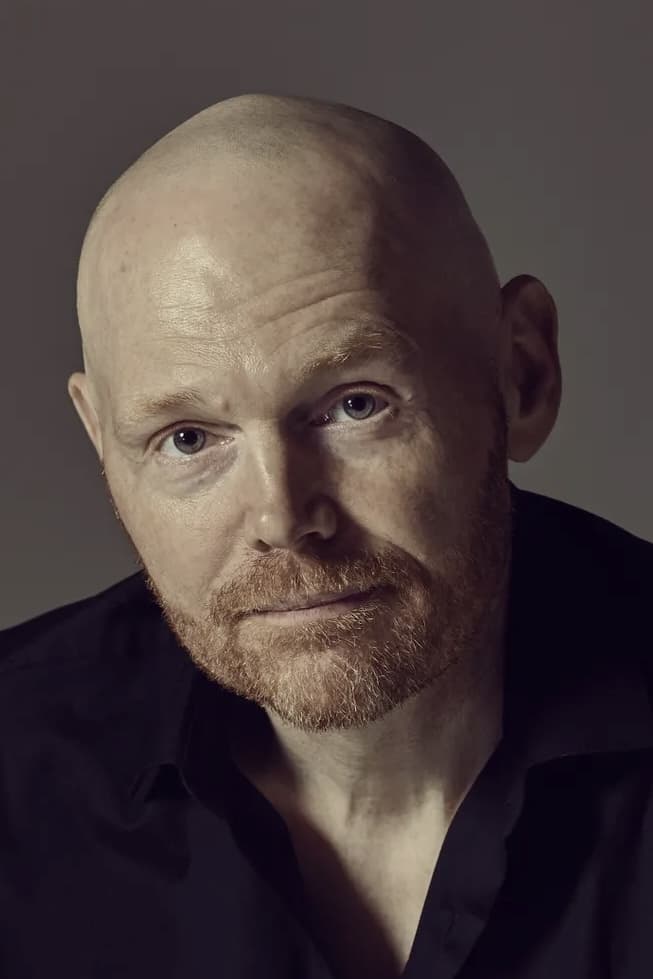
Bill Burr is a comedian and actor, known for his stand-up and roles in shows like ‘The Mandalorian’ and the movie ‘The King of Staten Island’. He often talks about what he sees as inconsistencies in modern feminist discussions, suggesting that some viewpoints don’t consider men’s experiences. A common theme in his comedy is how concerns about political correctness have changed what’s acceptable to joke about.
Liam Neeson
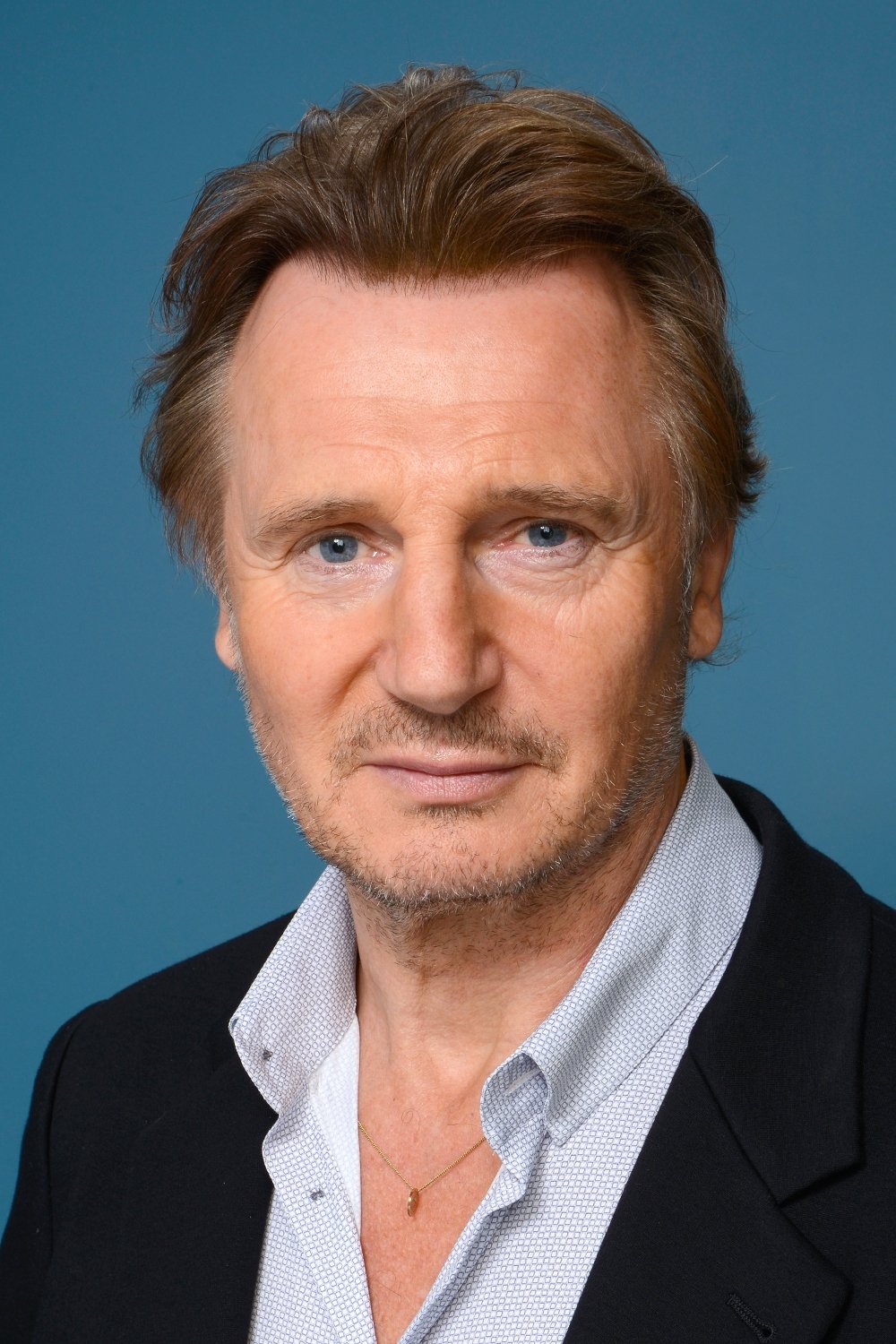
Liam Neeson recently sparked discussion after calling the #MeToo movement a bit like a witch hunt during an interview on Irish television. While he agrees that addressing harassment is important, he worried that people are being too quickly judged. Neeson pointed out that some accusations appear to mix up serious offenses with relatively harmless mistakes. The actor, known for his role in ‘Taken,’ stressed the importance of fairness and a more measured response to accusations within the entertainment industry.
Matt Damon
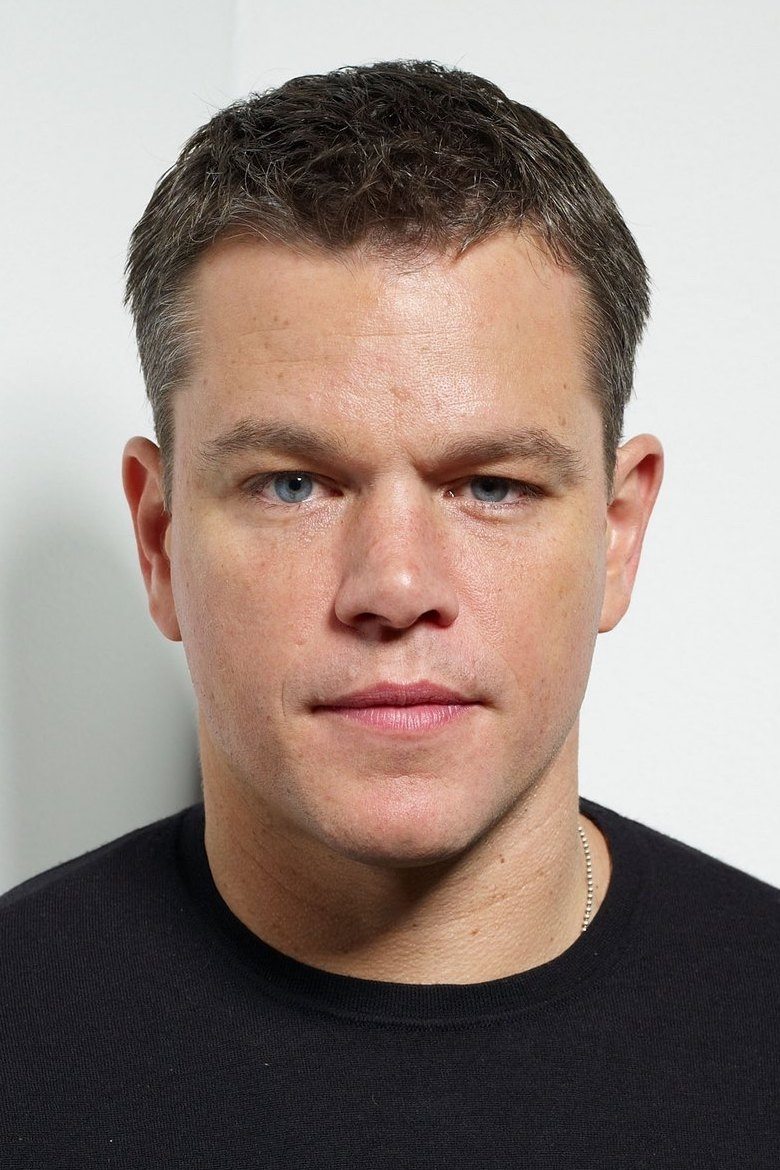
Matt Damon discussed the #MeToo movement, pointing out that not all inappropriate behavior is the same. He distinguished between serious sexual assault and less harmful actions, like unwanted touching. This sparked criticism, with many arguing his comments downplayed the experiences of survivors. Damon defended his position, stating that overly simplified views of social justice can sometimes lead to unfair results.
Terry Gilliam
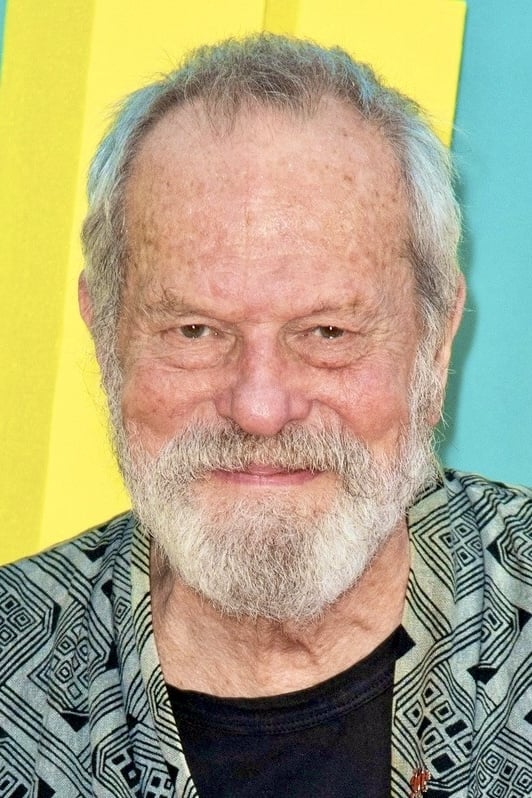
Terry Gilliam, famous for his work with ‘Monty Python’s Flying Circus’, has publicly criticized current trends in identity politics. He’s described the #MeToo movement as a form of overreach, creating a fearful atmosphere in the entertainment industry. Gilliam believes the movement has gone beyond seeking justice and now focuses on blaming entire groups of people. He frequently expresses concern that these changing social norms are stifling creativity and humor.
Laurence Fox
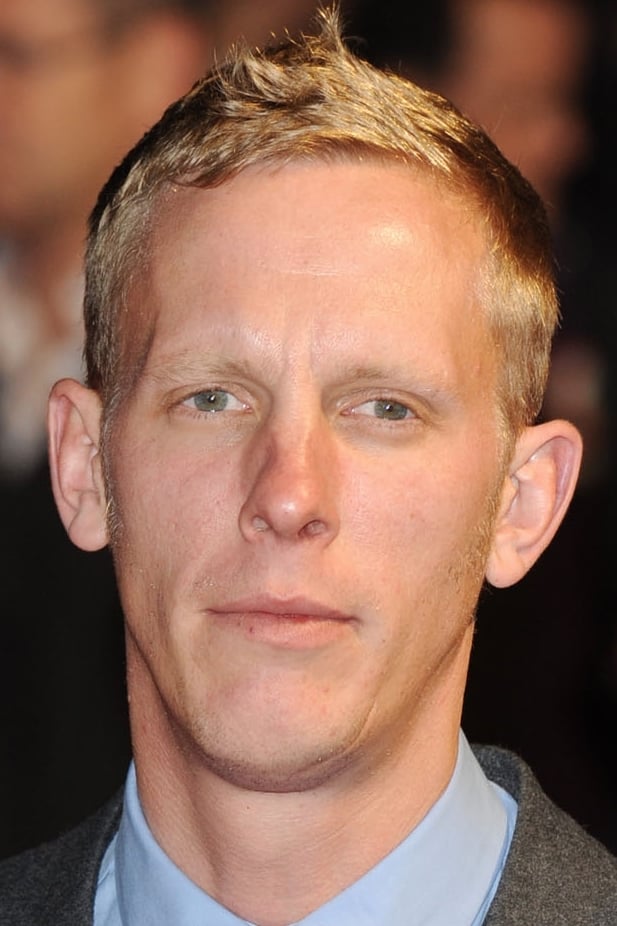
Laurence Fox gained notoriety after speaking out against what he called “woke” culture and radical feminism during an appearance on the show ‘Question Time’. He suggested that many current social justice movements emphasize being a victim instead of focusing on solutions and strength. Since then, he’s been involved in political debates, particularly advocating for the protection of free speech against what he sees as overly progressive ideas. This position has made him a leading voice for people in the UK who are critical of modern feminist viewpoints.
Adam Baldwin
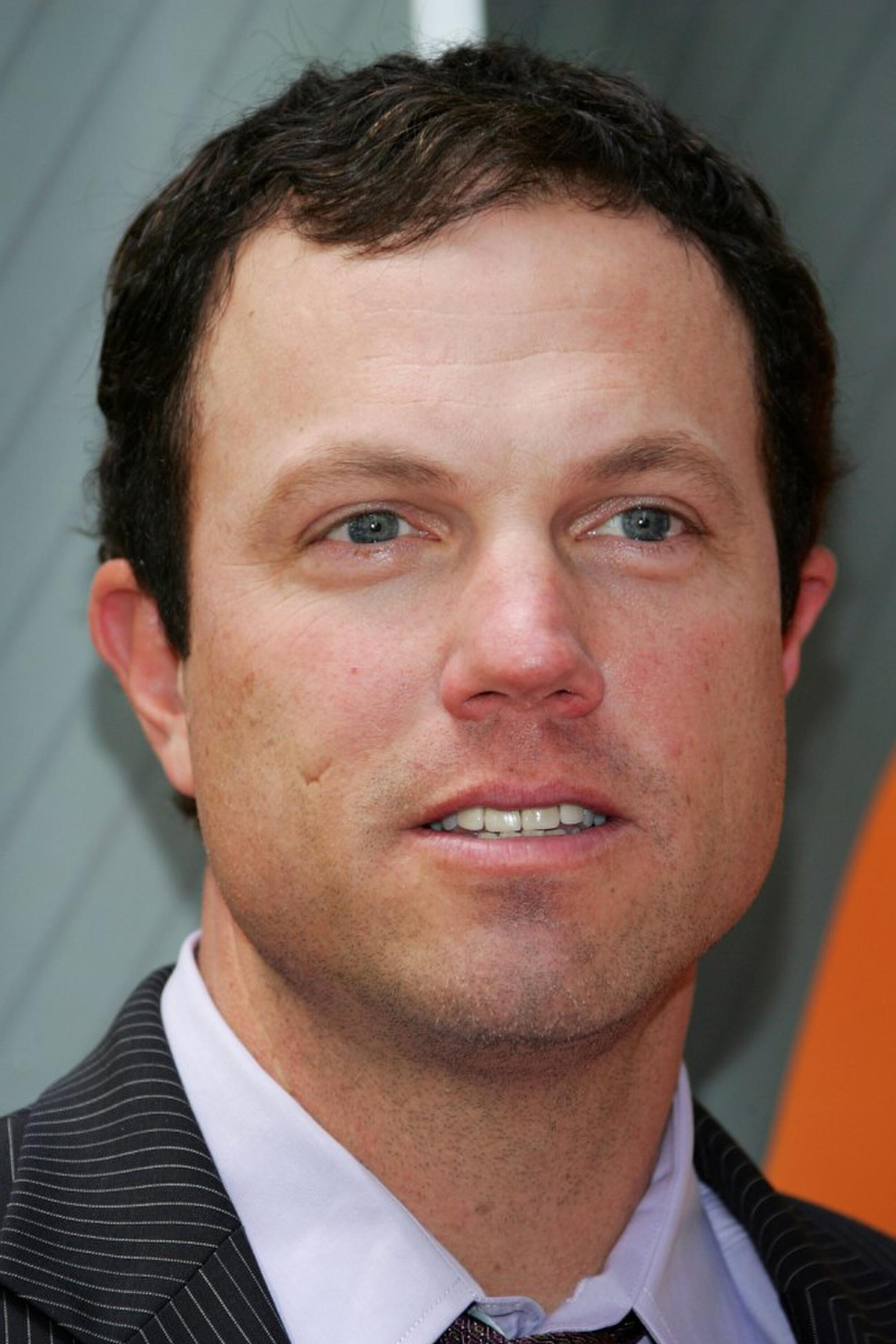
Actor Adam Baldwin, famous for his work in shows like ‘Firefly’ and films like ‘Full Metal Jacket’, has often spoken out against what he sees as the growing influence of modern feminism in media. He was a prominent voice during the GamerGate controversy, criticizing the introduction of political agendas into entertainment. Baldwin regularly uses social media to question feminist viewpoints, believing they challenge traditional values. He champions the idea that success should be based on talent and skill, and that creative projects should be free from ideological requirements.
Kevin Sorbo
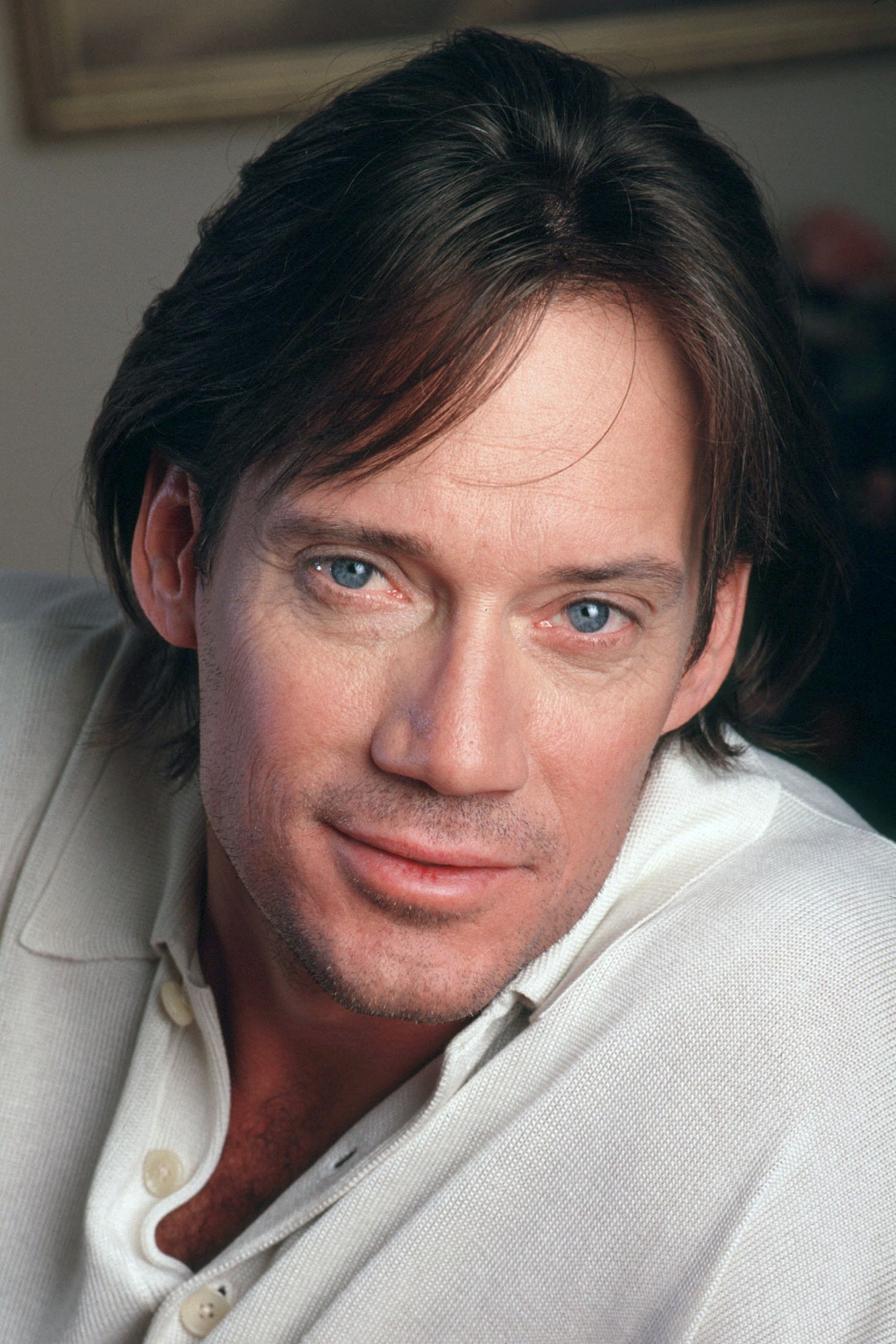
Kevin Sorbo, known for his role in ‘Hercules: The Legendary Journeys,’ often discusses what he sees as a decline in traditional masculinity and a lack of support for men. He argues that some modern feminist viewpoints focus more on criticizing traditional male roles than on achieving true equality. Sorbo frequently shares these opinions on conservative media, stressing the need for positive male figures. He also believes that extreme ideologies are harming the quality of stories being produced in Hollywood.
James Woods
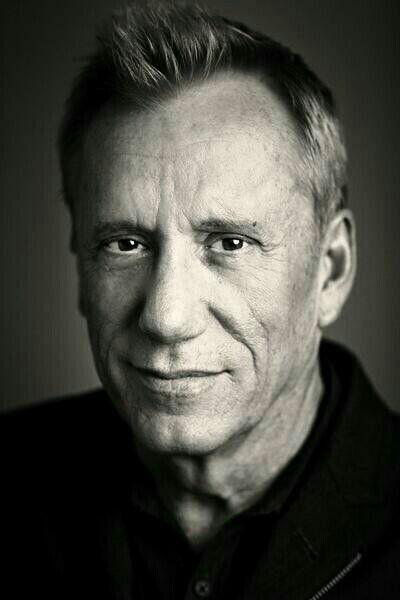
James Woods is known for publicly criticizing progressive ideas, particularly those within radical feminist movements. He frequently uses social media to point out what he sees as flaws and extremes in contemporary social justice efforts. Woods believes the current environment discourages differing viewpoints and favors a single way of thinking. He often connects feminist activism to wider political changes that he worries about for the country’s future.
John Cleese
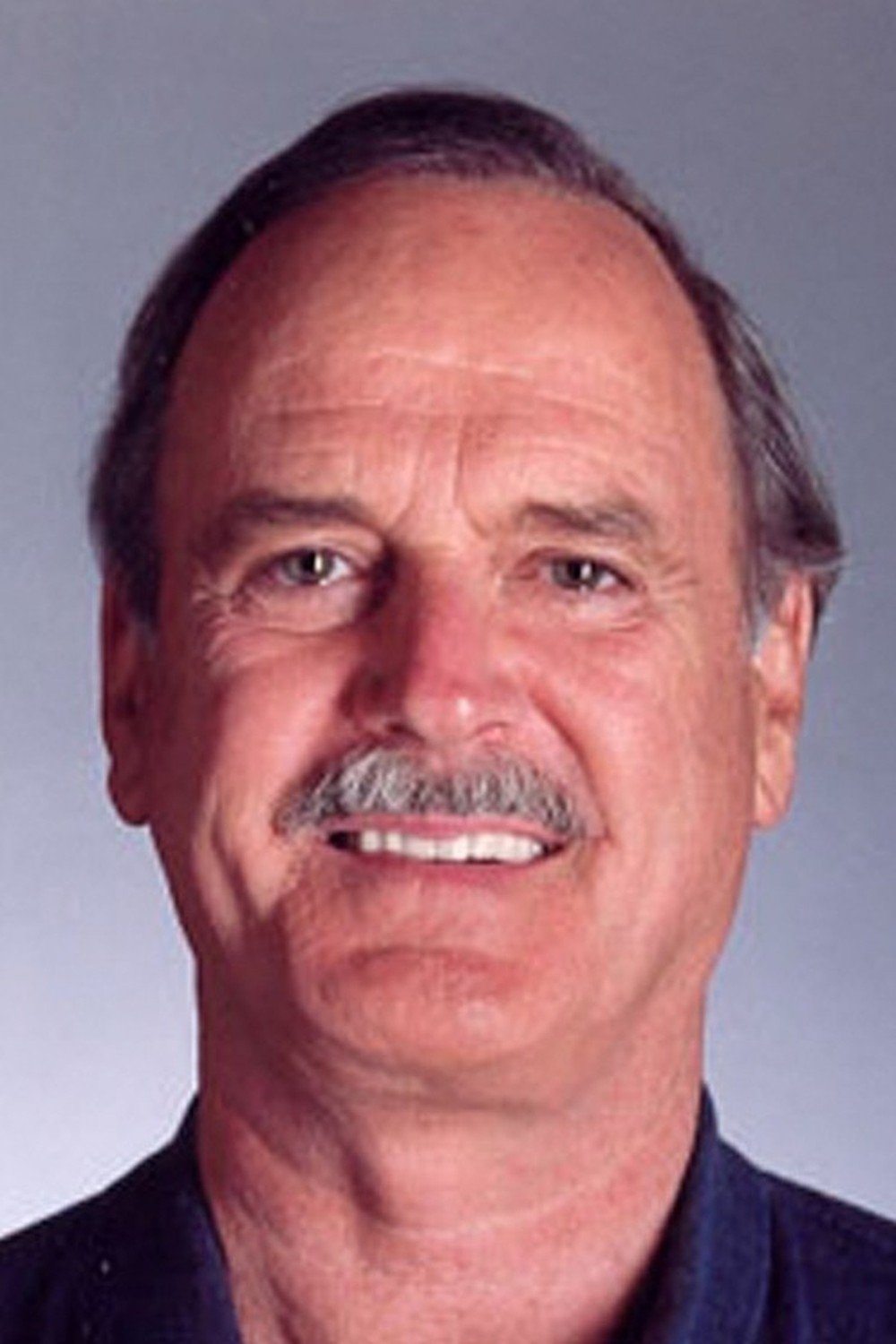
John Cleese believes that comedy is being negatively affected by today’s focus on avoiding offense, particularly as it relates to “woke” culture and radical feminism. He feels that the pressure to be politically correct is preventing comedians from tackling difficult or sensitive topics. Cleese also objects to what he sees as overly strict rules about how people should communicate, arguing that humor needs the freedom to question all beliefs, including feminist ideas.
Jeremy Irons
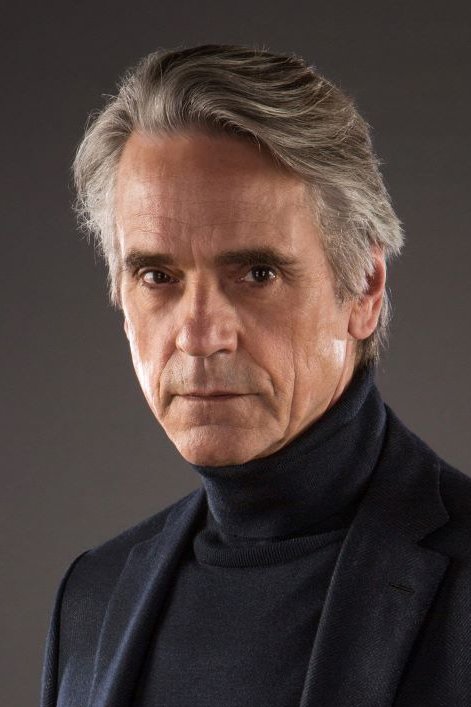
Jeremy Irons has raised concerns about how the #MeToo movement and current dating expectations might affect men, suggesting it could make them hesitant to approach women. He also believes that we sometimes judge past behavior by today’s standards, which isn’t always fair. Overall, Irons seems skeptical about how quickly gender roles and expectations are changing.
Michael Douglas
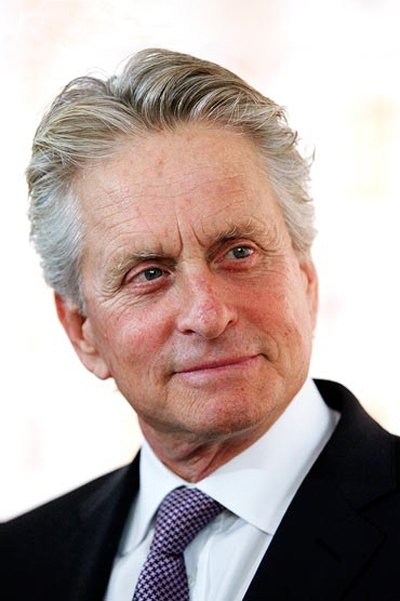
Michael Douglas believes American male actors are facing a problem, partly because our culture is so focused on political correctness. He thinks this focus is making it harder to create classic leading roles, as casting and storytelling are changing with the rise of identity politics. Douglas stressed that while it’s important to have equal representation for all genders, we shouldn’t lose well-developed characters in the process.
Henry Cavill
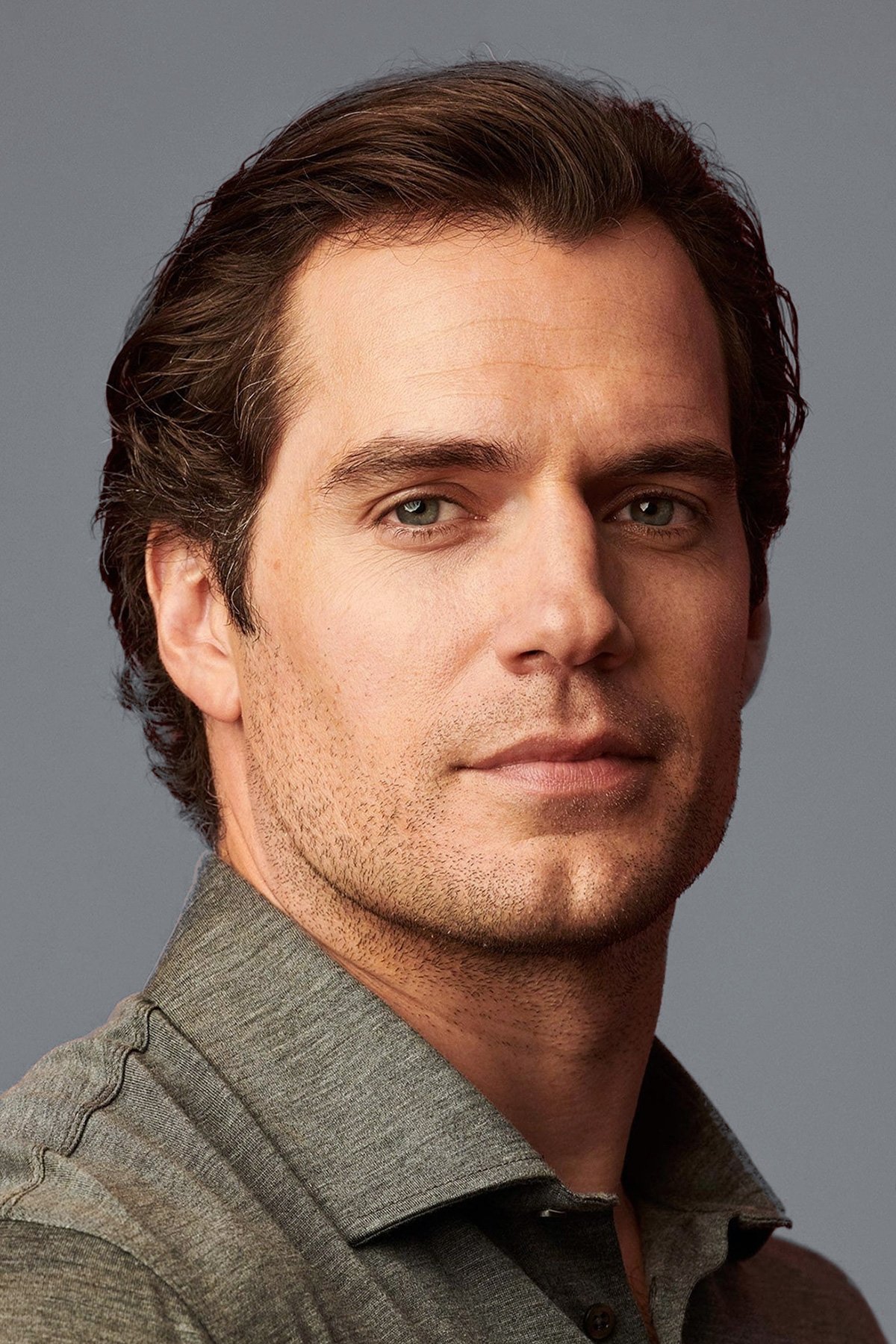
Henry Cavill recently talked to ‘GQ Australia’ about how dating has changed with the #MeToo movement. He explained he worries that showing romantic interest could be wrongly seen as inappropriate or even predatory. He feels the old-fashioned idea of playfully pursuing someone is now more difficult because of changing social expectations. While he later made it clear he supports the #MeToo movement, his initial comments reflected concerns some men have about navigating relationships in today’s climate.
Vince Vaughn
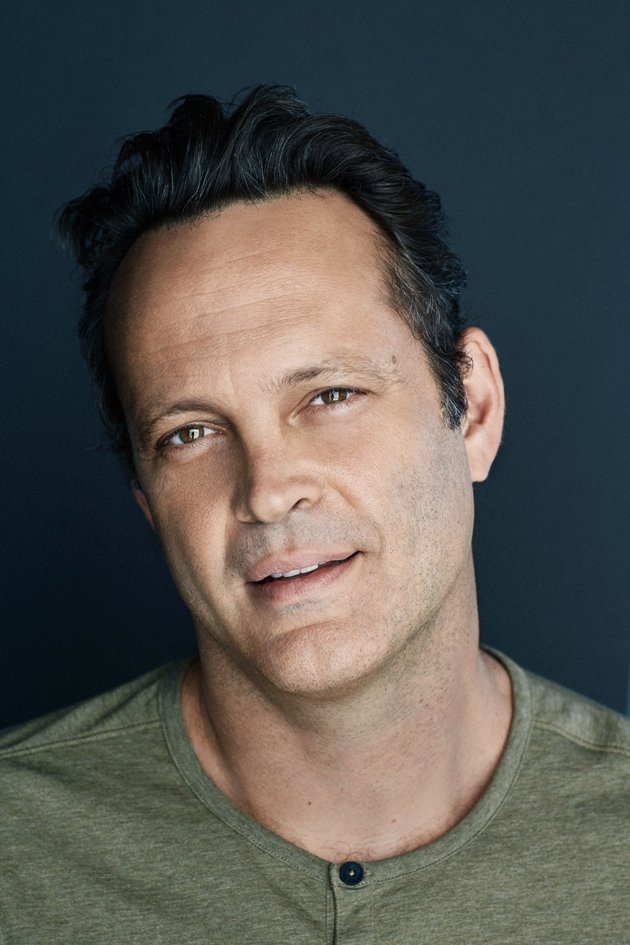
Vince Vaughn generally leans libertarian and often questions ideas about group identities. He doesn’t usually get into public political fights, but he has spoken out against the pressure to agree with certain progressive viewpoints. Vaughn believes people should be responsible for themselves and supports a society where open discussion is valued more than strict adherence to any one ideology. This perspective is similar to broader concerns about how radical feminist ideas have shaped social expectations.
Tim Allen
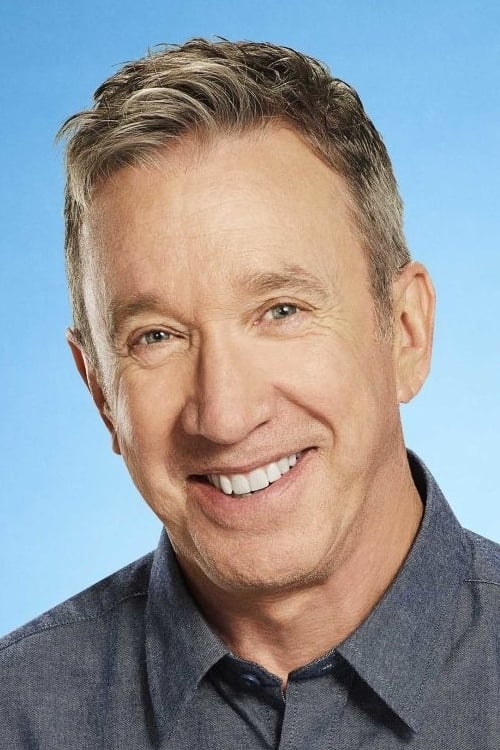
As a fan, I’ve noticed Tim Allen often touches on how tough it is to deal with today’s ‘politically correct’ culture in ‘Last Man Standing’. He regularly uses the show to talk about how things have changed in American families, especially with modern feminism and social justice. He seems to feel that traditional viewpoints from men are often unfairly labeled as negative or harmful. What I really appreciate is that he tries to keep things lighthearted and grounded in common sense, even when discussing big changes in society.
Rob Schneider
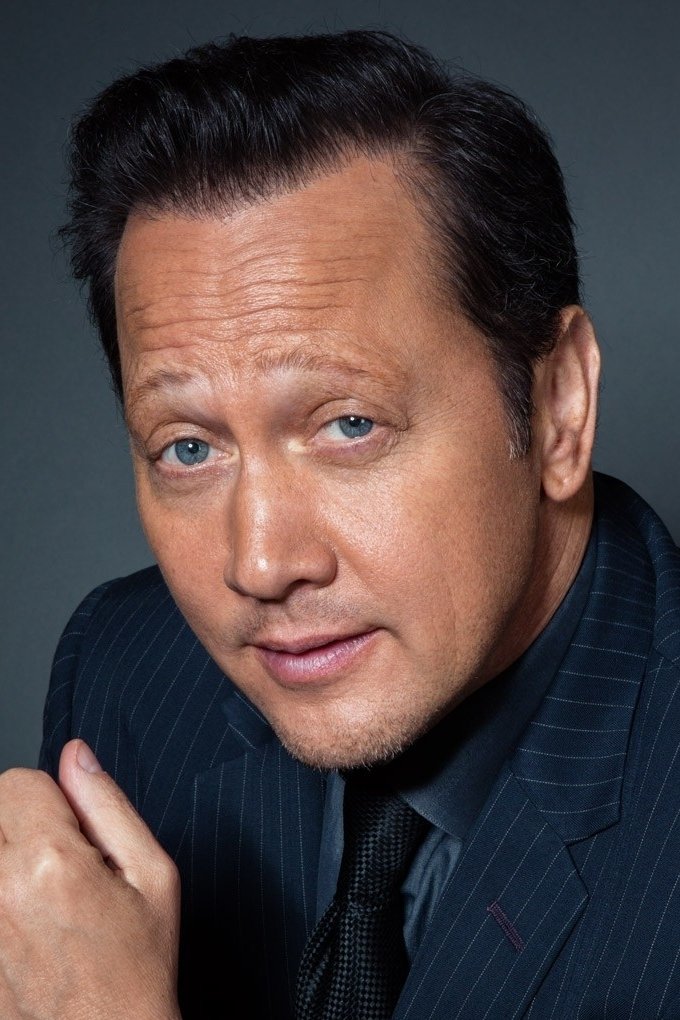
In recent years, Rob Schneider has become increasingly outspoken about his concerns with progressive and radical feminist ideas. He often uses social media to question the idea that current social movements are always positive, arguing that they can be close-minded and have negatively impacted the entertainment world. He generally supports a more accepting and less politically focused culture.
Stephen Baldwin

Stephen Baldwin is known for his conservative beliefs and strong religious faith, which frequently contrast with radical feminist viewpoints. He believes in the importance of traditional families and clearly defined roles for men and women, based on his religious convictions. Baldwin has spoken out about what he sees as a decline in the appreciation of fathers and the traditional family unit. He consistently advocates for conservative social values in public discussions.
Jon Voight
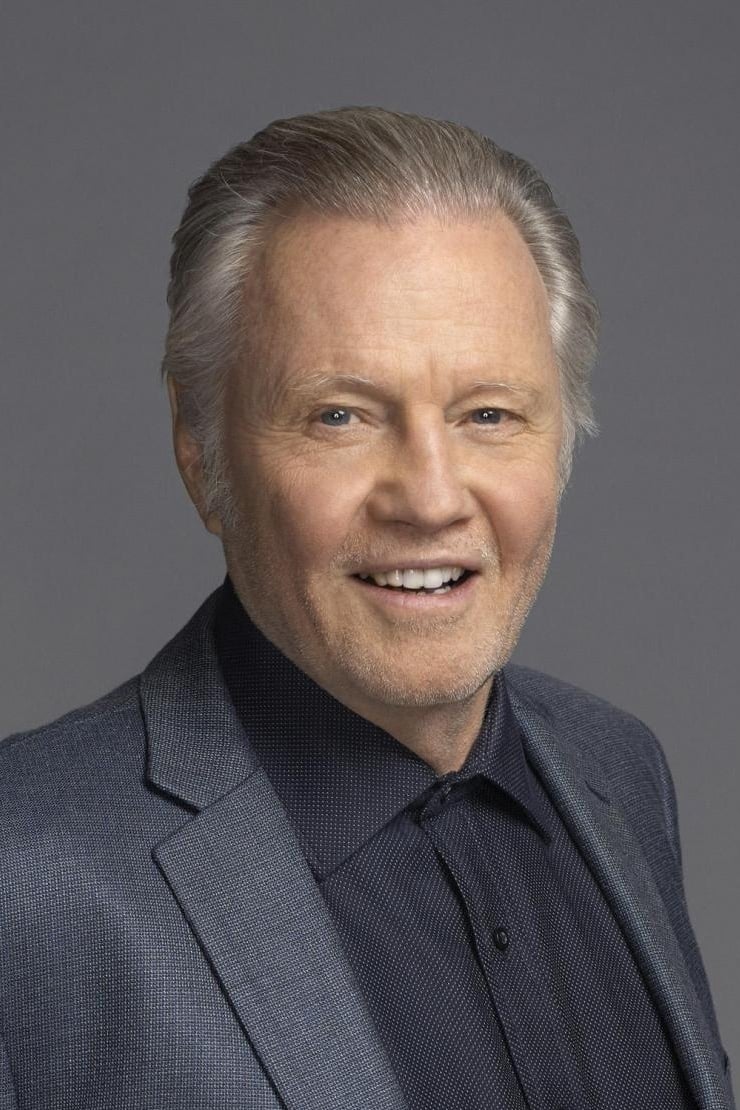
Jon Voight often speaks out against what he sees as a leftward shift in Hollywood culture, particularly the growing influence of radical feminist ideas. He regularly shares videos expressing his worries about the country’s direction and the effects of progressive beliefs. Voight argues that these movements tend to create more conflict than cooperation, and he’s concerned that criticism of traditional male roles could destabilize society.
Dean Cain
As a lifelong movie and TV fan, I’ve noticed Dean Cain – you probably know him as Superman from ‘Lois & Clark’ – has been pretty vocal about how some of these modern reboots and reimaginings are handling classic characters. He seems to think a lot of them are ditching the core of what made those characters great in the first place, often to push a certain agenda. He basically believes stories should be about timeless themes and relatable truths, not just trying to make a political point. He’s often commenting on what he sees as overreach from some of today’s social justice movements, and how that impacts the stories we love.
Robert Davi
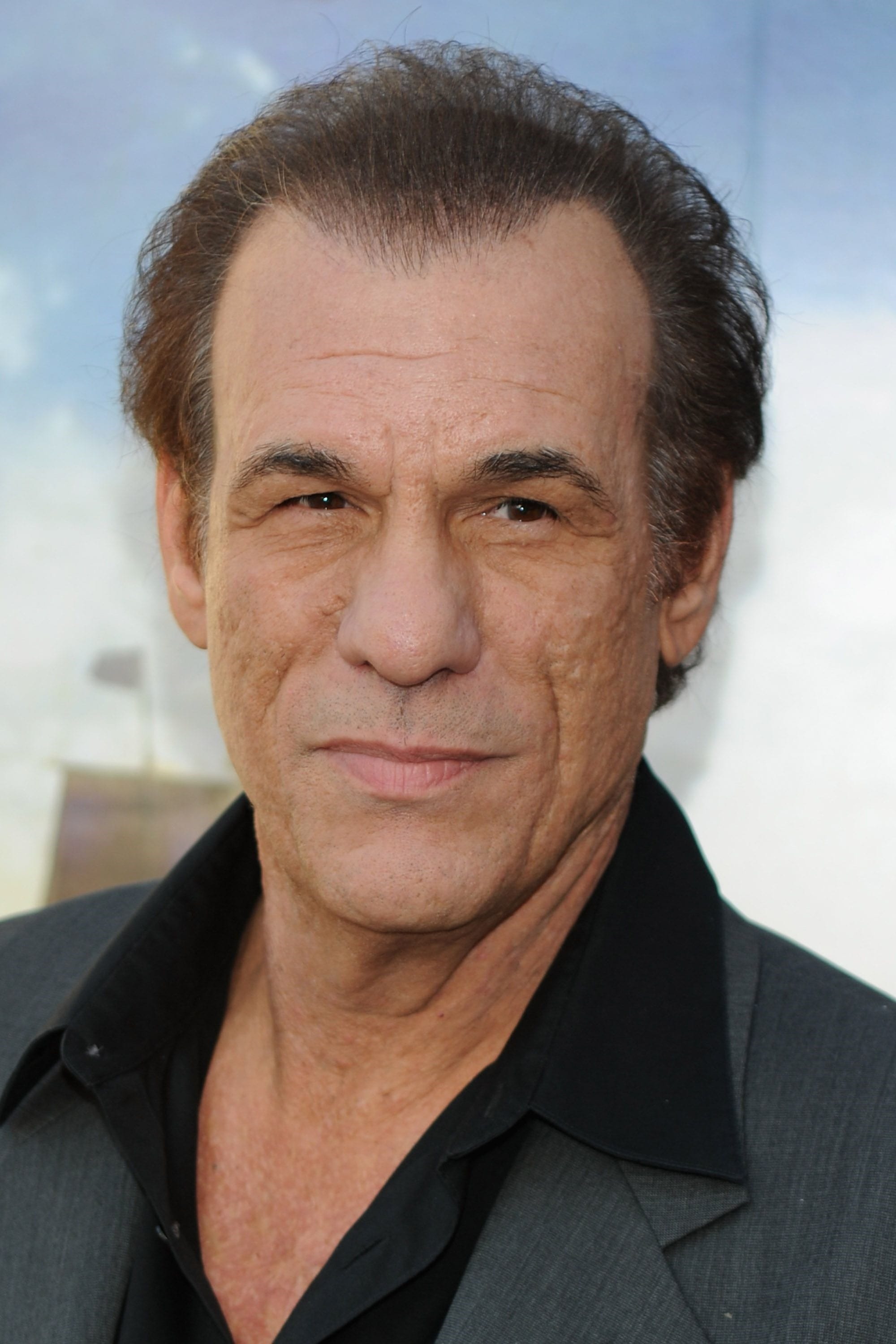
Robert Davi publicly supports traditional roles for men and women and has voiced concerns about how modern feminism has affected the film industry. He feels that movies today lack strong, traditionally masculine characters. Davi frequently discusses the importance of men returning to what he sees as their historical roles in families and society, believing the current direction of culture harms everyone.
Jim Caviezel
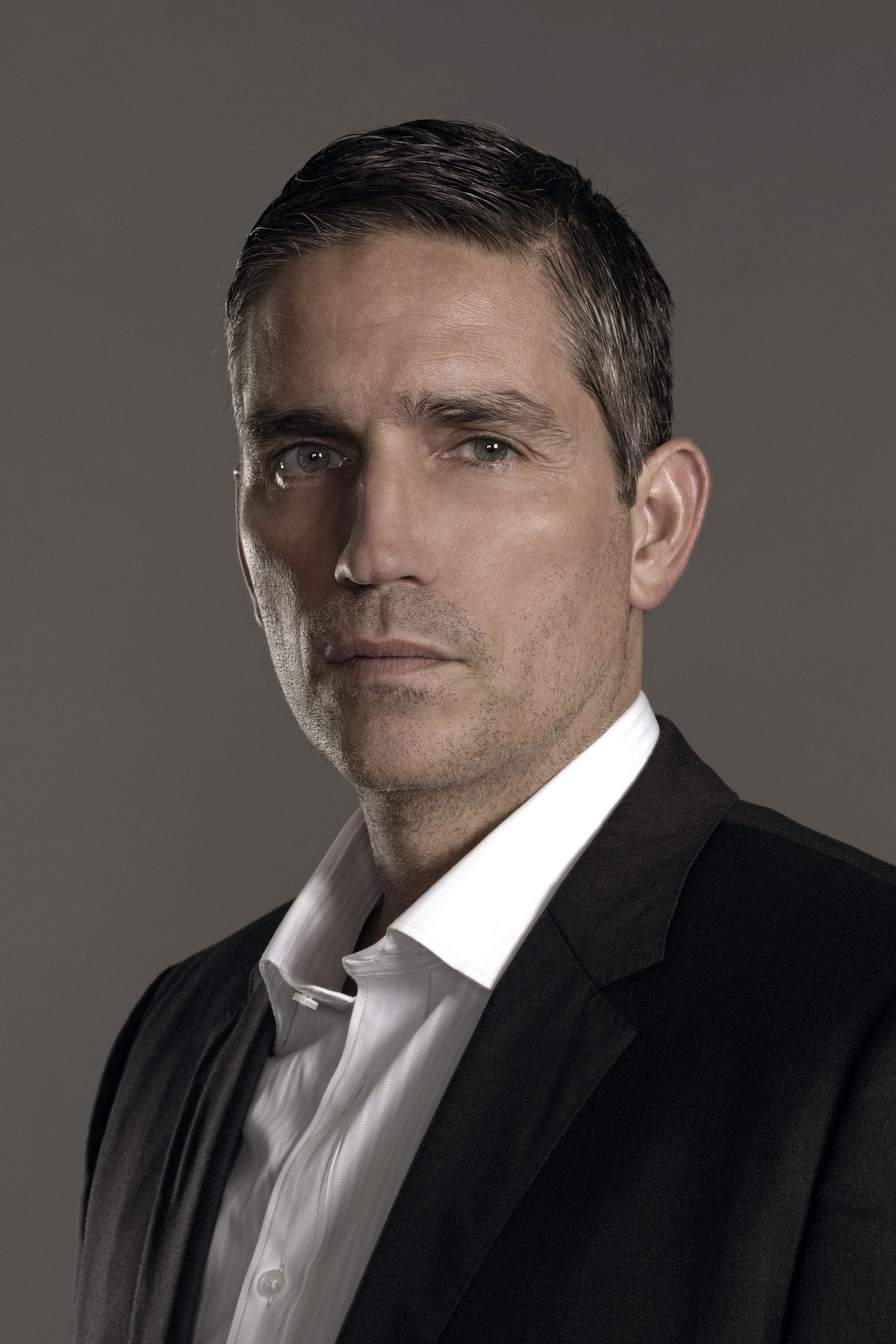
Jim Caviezel frequently expresses opinions that reflect a traditional, faith-based perspective on current social and cultural trends. He often discusses the importance of maintaining values he believes are threatened by increasingly progressive ideas. Caviezel emphasizes the need for strong moral principles, especially as societal movements challenge conventional understandings of gender and family. He’s motivated by a wish to protect what he considers core, unchanging truths.
Scott Baio
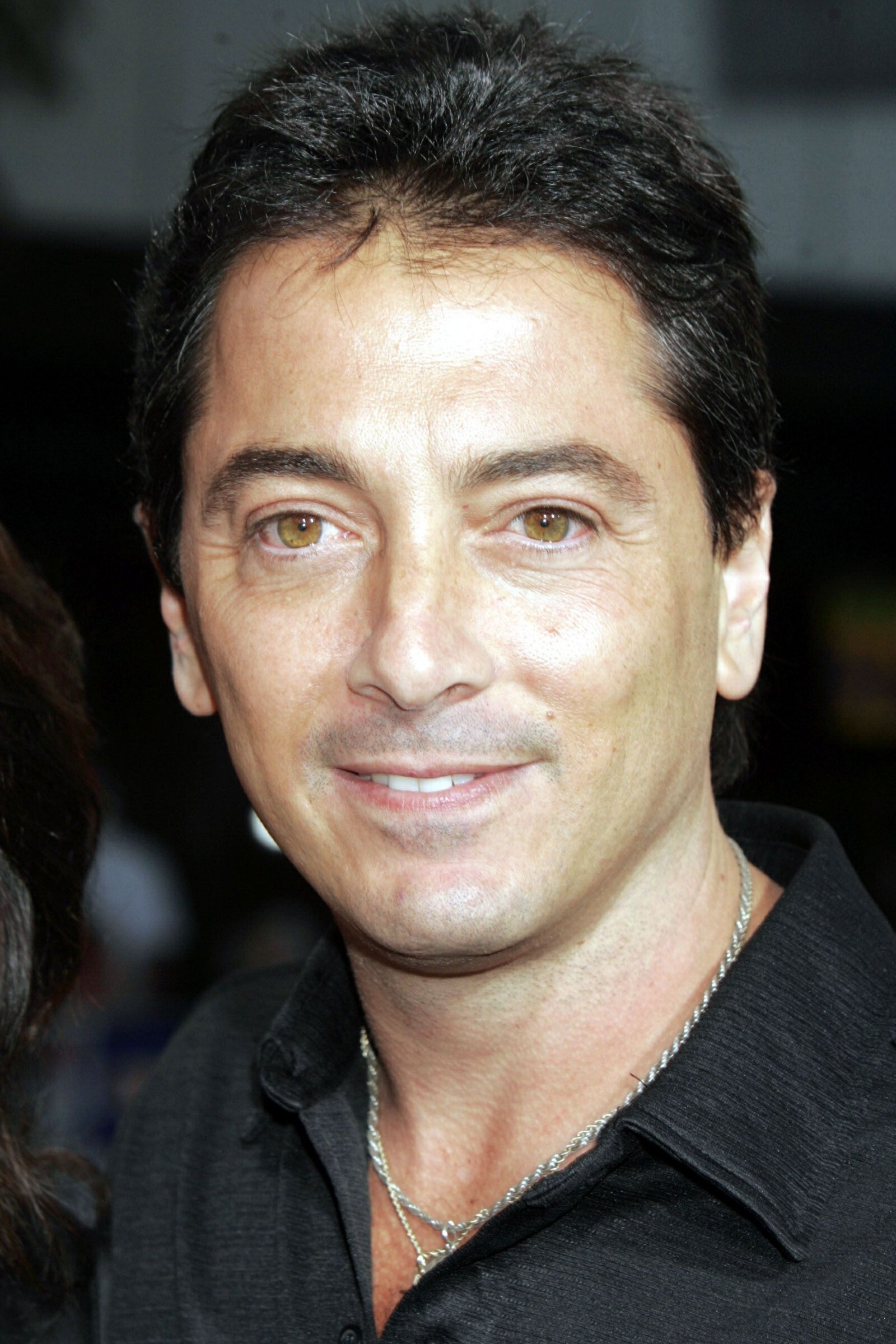
Scott Baio has long been critical of liberal and feminist viewpoints. He often discusses how progressive policies affect American culture, particularly on social media. Baio believes that some feminist ideas have led to unfair treatment of men, both at work and in everyday life. He consistently advocates for conservative values and traditional ways of life.
Antonio Sabàto, Jr.
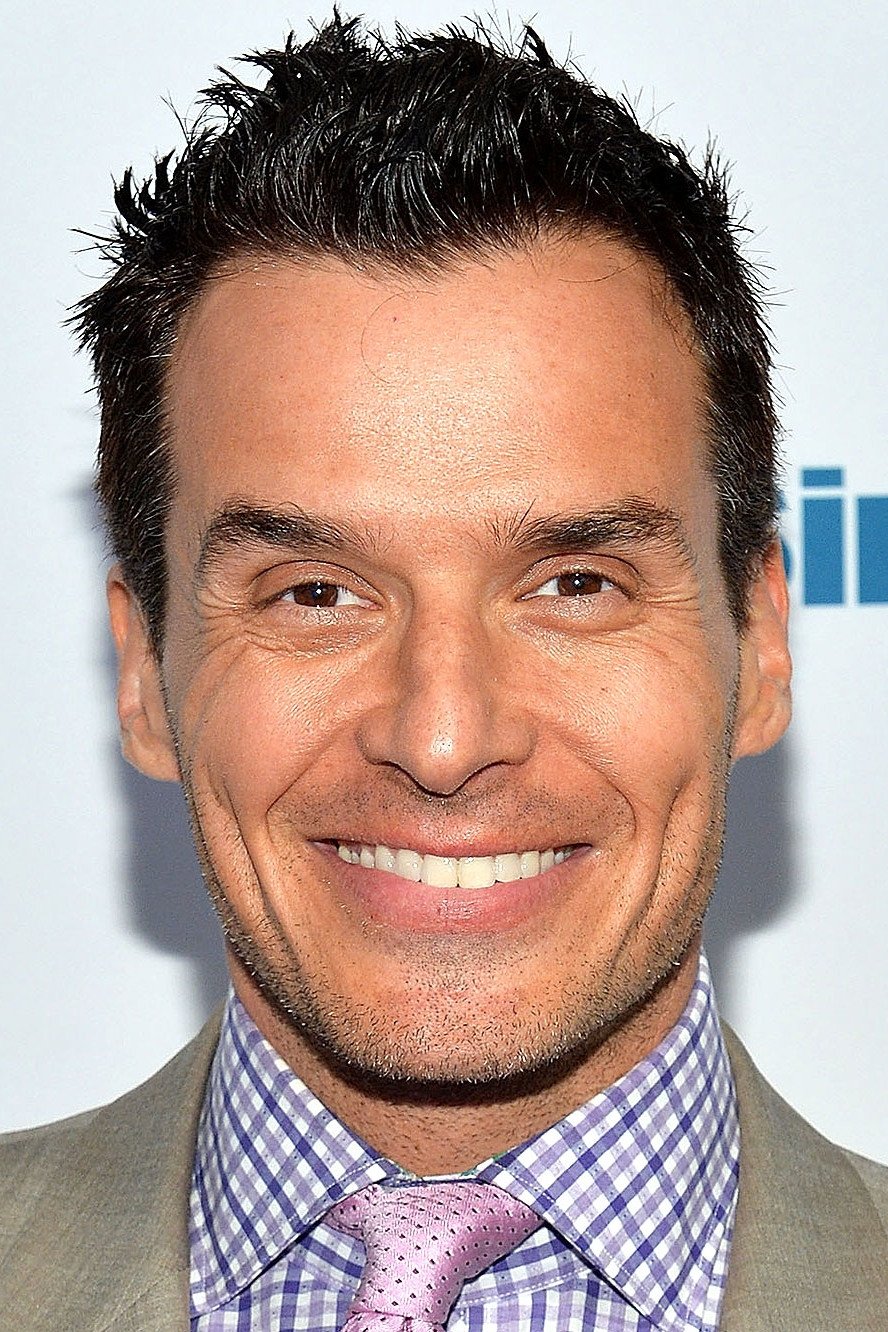
Antonio Sabato Jr. has publicly criticized what he sees as an overly progressive shift in Hollywood. He believes that strong feminist viewpoints are now dominant and making it harder for actors who hold more traditional beliefs to get roles. Sabato Jr. feels a return to valuing tradition and rewarding talent is necessary, and he often speaks out against how social and political activism are affecting the quality of movies and TV shows.
Vincent Gallo
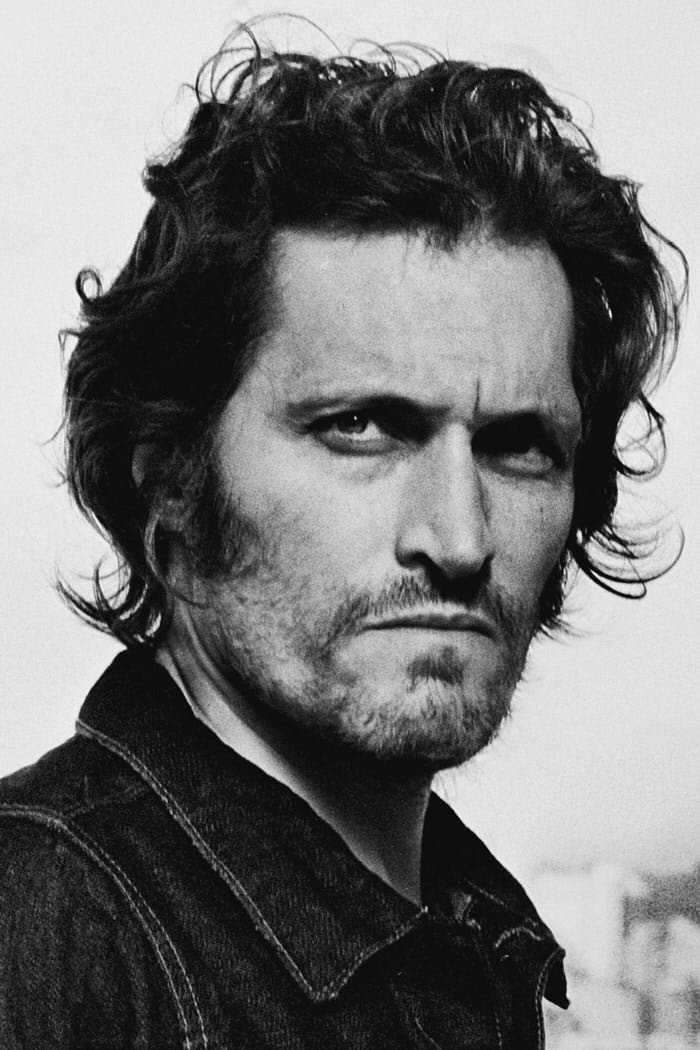
Vincent Gallo is an independent filmmaker and actor who’s known for being outspoken and sometimes controversial. He’s been a long-time critic of what he sees as excessive political correctness and the increasing influence of radical feminist ideas in the art world. Gallo frequently challenges typical Hollywood culture, finding it dishonest and restrictive. He generally focuses his criticism on what he believes is a decline in artists staying true to their own vision.
Clint Eastwood
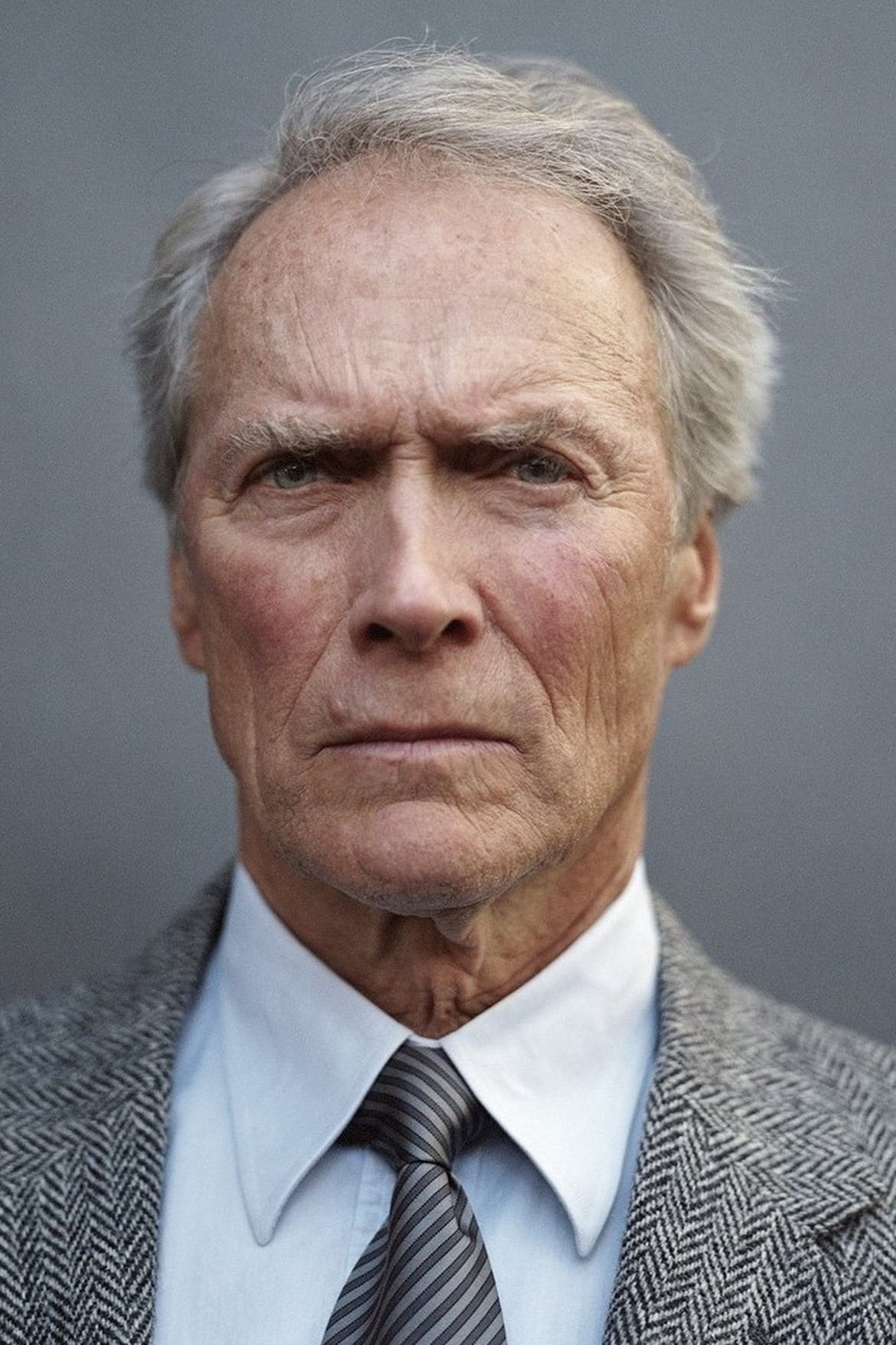
Clint Eastwood sparked controversy when he complained about what he called a overly sensitive generation in an interview with ‘Esquire’. He felt people were too quick to label things as racist or sexist, and that this excessive political correctness was hindering open discussion. While not necessarily against feminism itself, he believes some aspects of the movement have created an environment where people are easily offended. Eastwood argues for a more robust and adaptable mindset when facing challenges in both personal and professional settings.
Mel Gibson
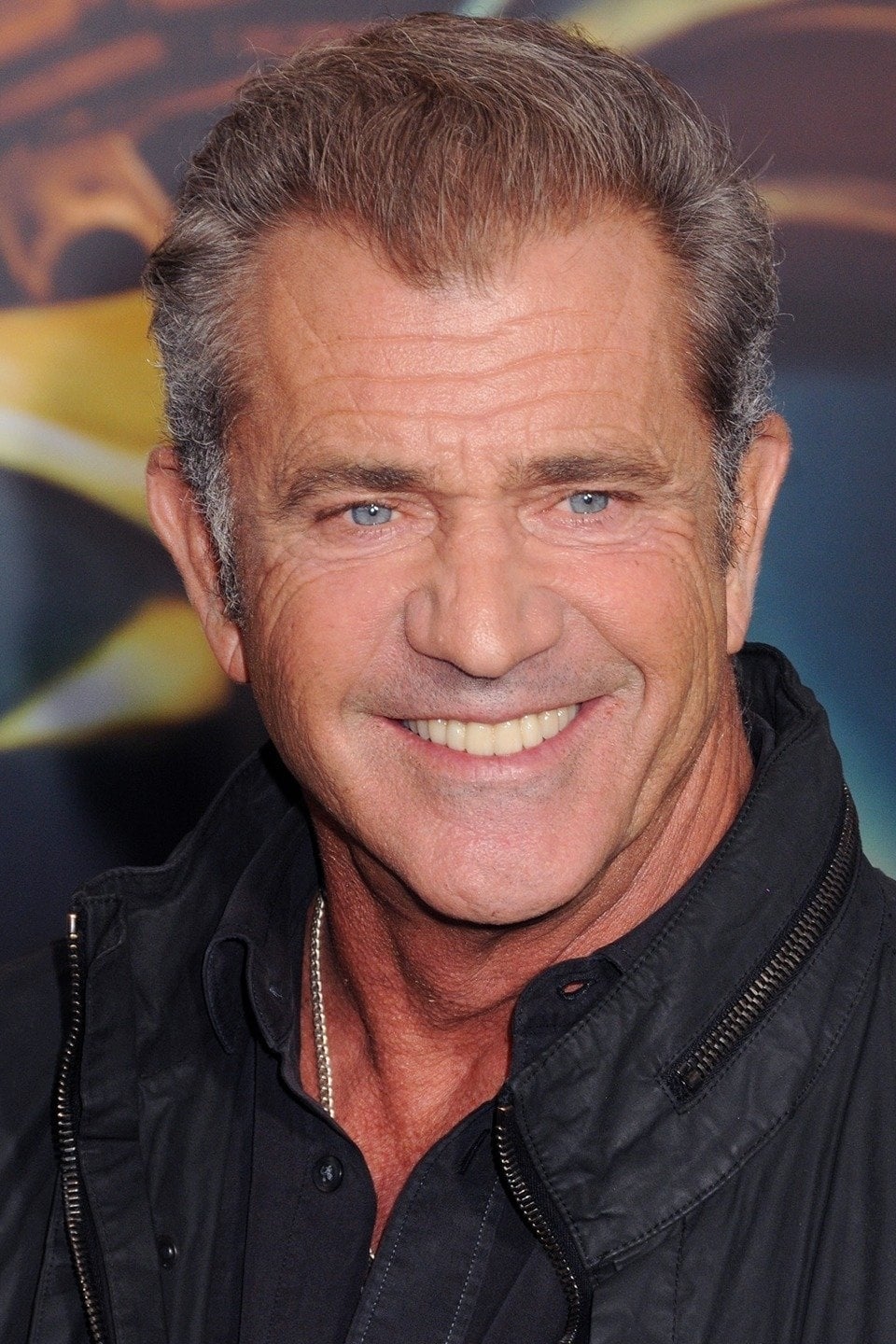
Mel Gibson has often questioned changes in society that move away from traditional values, including some ideas within the feminist movement. His beliefs are rooted in his religious faith and a traditional view of gender roles. While he’s been criticized for his public statements, he consistently presents work that challenges modern social norms and often focuses on themes like self-sacrifice, strong leadership, and religious faith.
Isaiah Washington
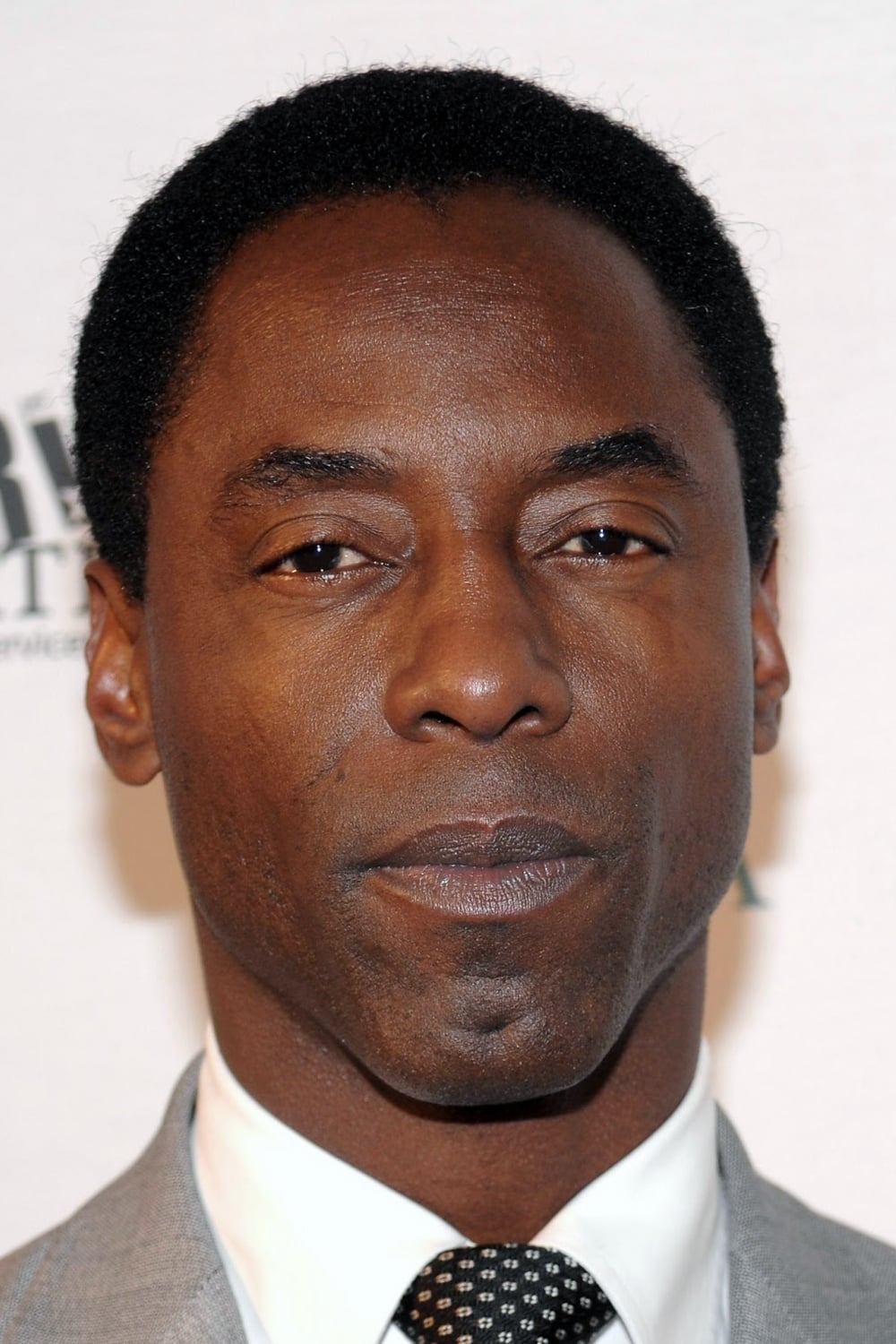
As a fan, I’ve been following Isaiah Washington’s thoughts lately, and he’s raised some really interesting points about how things are going with identity politics and social justice movements – even things like feminism. He seems to think that sometimes, these movements can get twisted into just being about personal grudges instead of actually making things fairer. What I really appreciate is that he consistently talks about needing different viewpoints in Hollywood, and he’s urging us to really look at why people are pushing for certain things within these movements. It’s definitely given me something to think about.
Nick Searcy
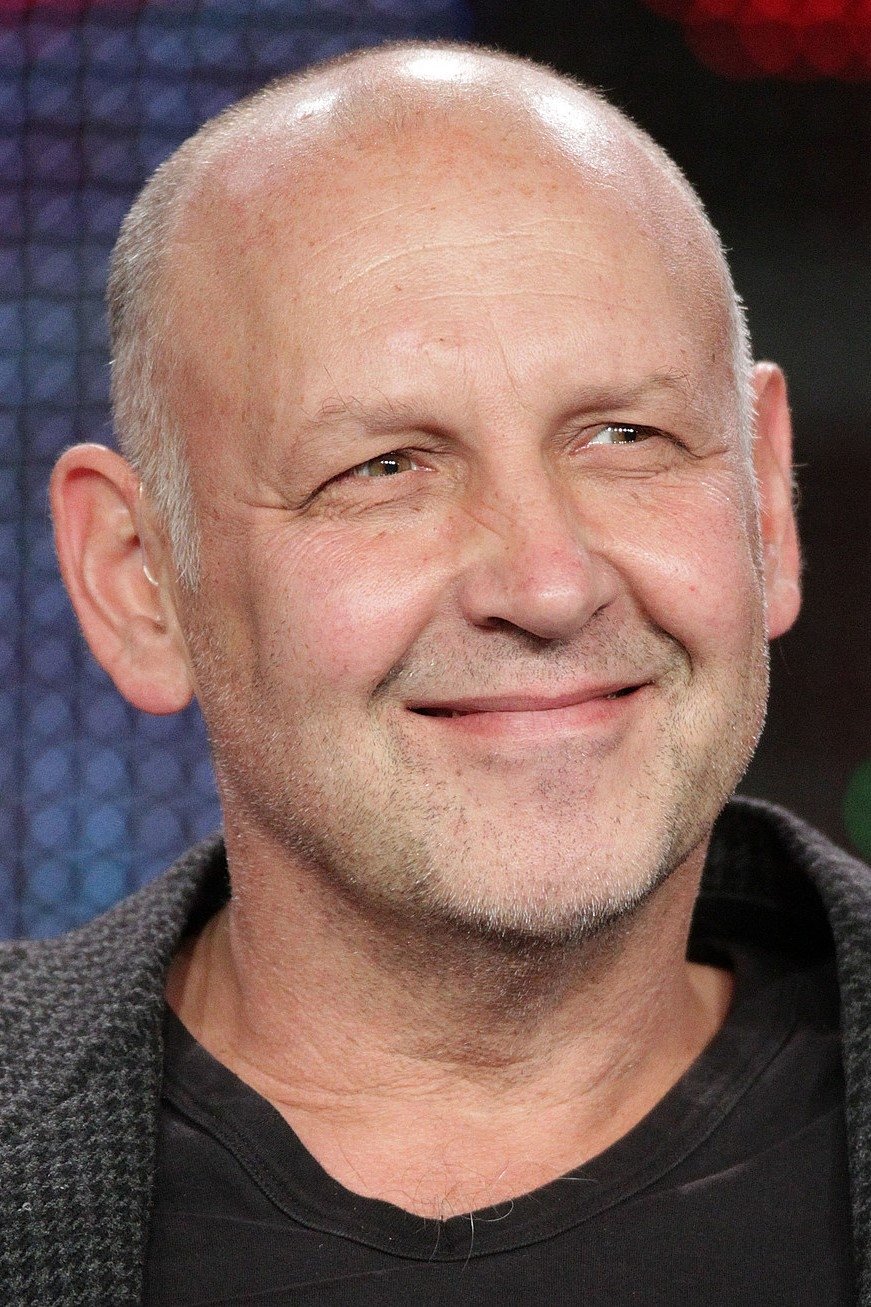
Nick Searcy often speaks out against social justice movements in Hollywood. He regularly criticizes what he sees as extreme views from feminists and those promoting “woke” ideologies. Searcy believes the entertainment industry has become too focused on progressive ideas, shutting out more traditional or conservative viewpoints. He strongly supports free speech and opposes the practice of demanding strict adherence to a particular ideology.
Kirk Cameron
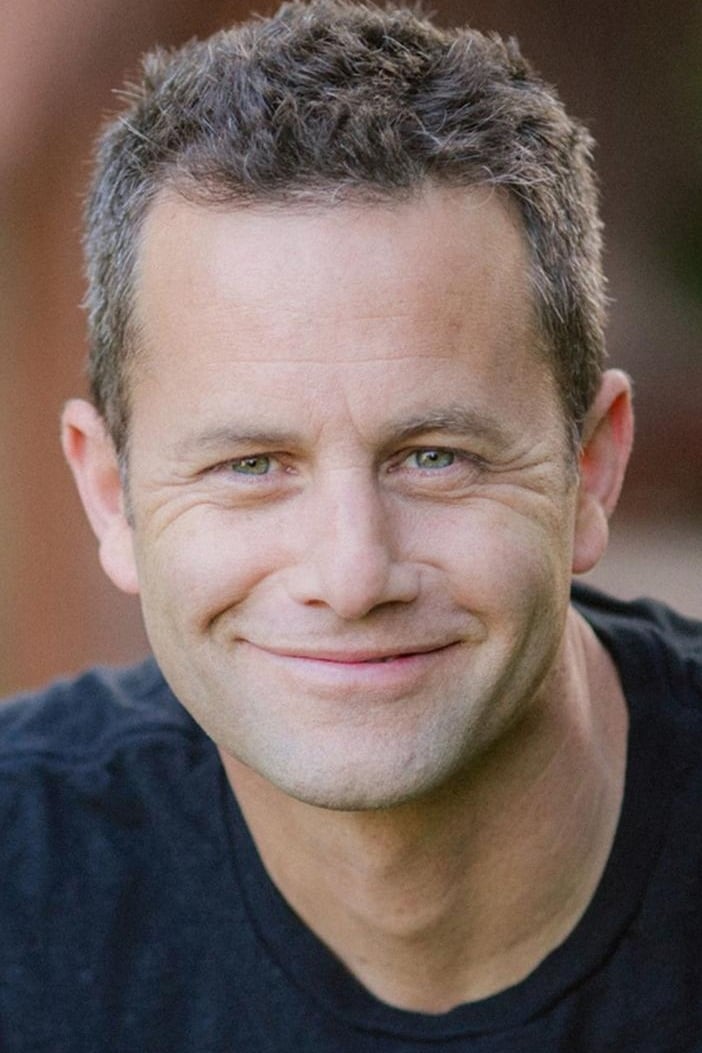
Kirk Cameron is well-known for supporting traditional views on gender roles based on his biblical beliefs. This puts him at odds with more progressive feminist ideas. He frequently creates videos and gives talks emphasizing the importance of men taking leadership roles in families and churches. Cameron argues that modern feminism has negatively impacted women and weakened family structures, and he consistently expresses these views from a strong Christian perspective.
Richard Dreyfuss
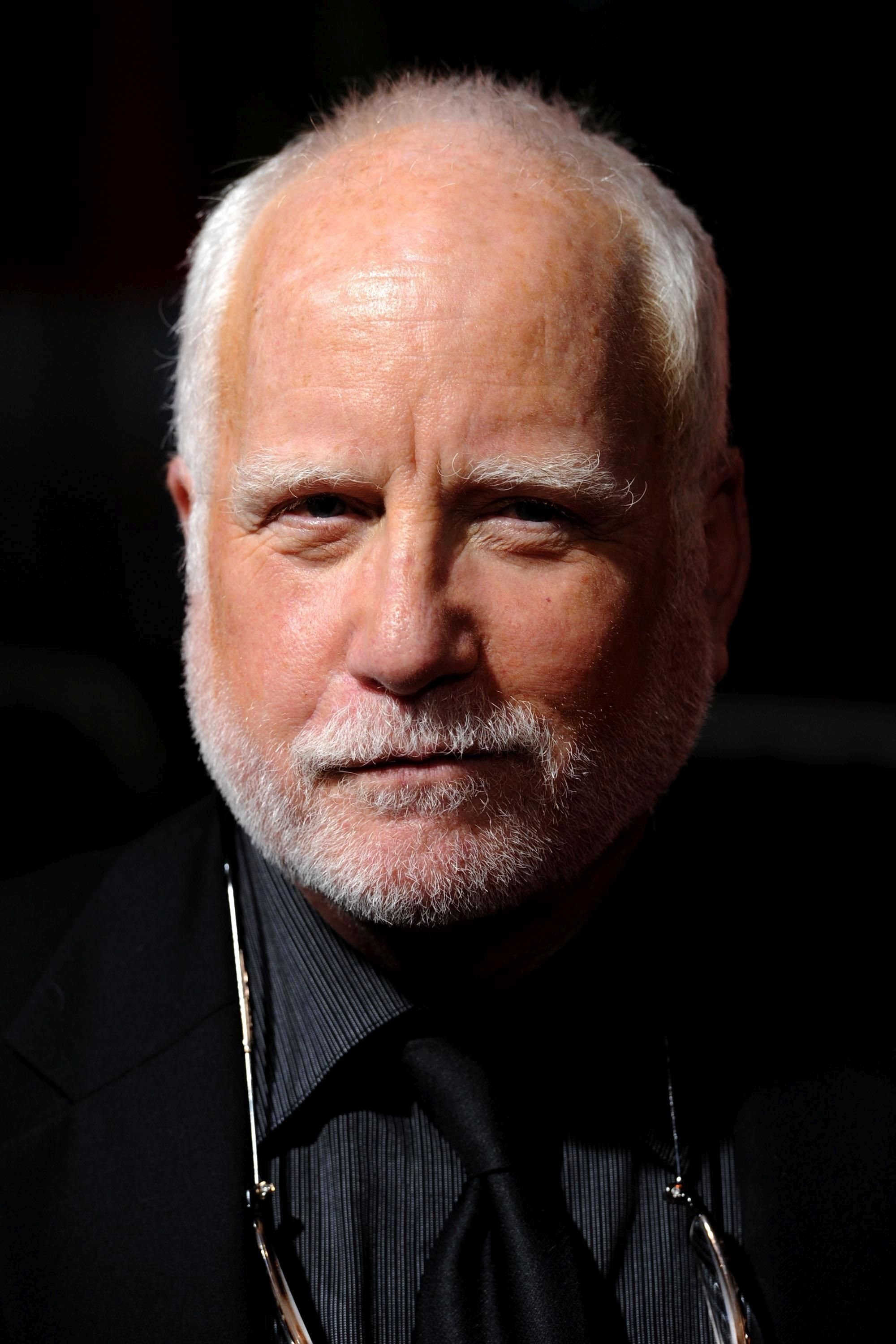
I have to say, I agree with Richard Dreyfuss about the Academy’s new diversity rules. It feels like they’re trying to dictate how movies should be made, and that just doesn’t sit right with me. I believe art, especially filmmaking, should be free from being told what to create based on social agendas. It’s a real worry that Hollywood is starting to prioritize social engineering over genuine creativity, and I think Dreyfuss is spot on to call that out. It feels like they’re taking away the artistic freedom that makes movies so special.
As a film critic, I’ve been watching with great interest how Hollywood is increasingly engaging with – and sometimes reacting to – the big social movements of our time. It’s a fascinating dynamic, and I’m really curious to hear what you think. What films or trends have caught your eye? Are you seeing genuine progress, or just performative activism? Let’s discuss in the comments – I’m eager to get your perspective on this evolving relationship.
Read More
- Can AI Lie with a Picture? Detecting Deception in Multimodal Models
- 20 Movies Where the Black Villain Was Secretly the Most Popular Character
- Top 10 Coolest Things About Invincible (Mark Grayson)
- 25 “Woke” Films That Used Black Trauma to Humanize White Leads
- Silver Rate Forecast
- 22 Films Where the White Protagonist Is Canonically the Sidekick to a Black Lead
- When AI Teams Cheat: Lessons from Human Collusion
- From Bids to Best Policies: Smarter Auto-Bidding with Generative AI
- Gold Rate Forecast
- Top 20 Dinosaur Movies, Ranked
2026-01-18 19:22