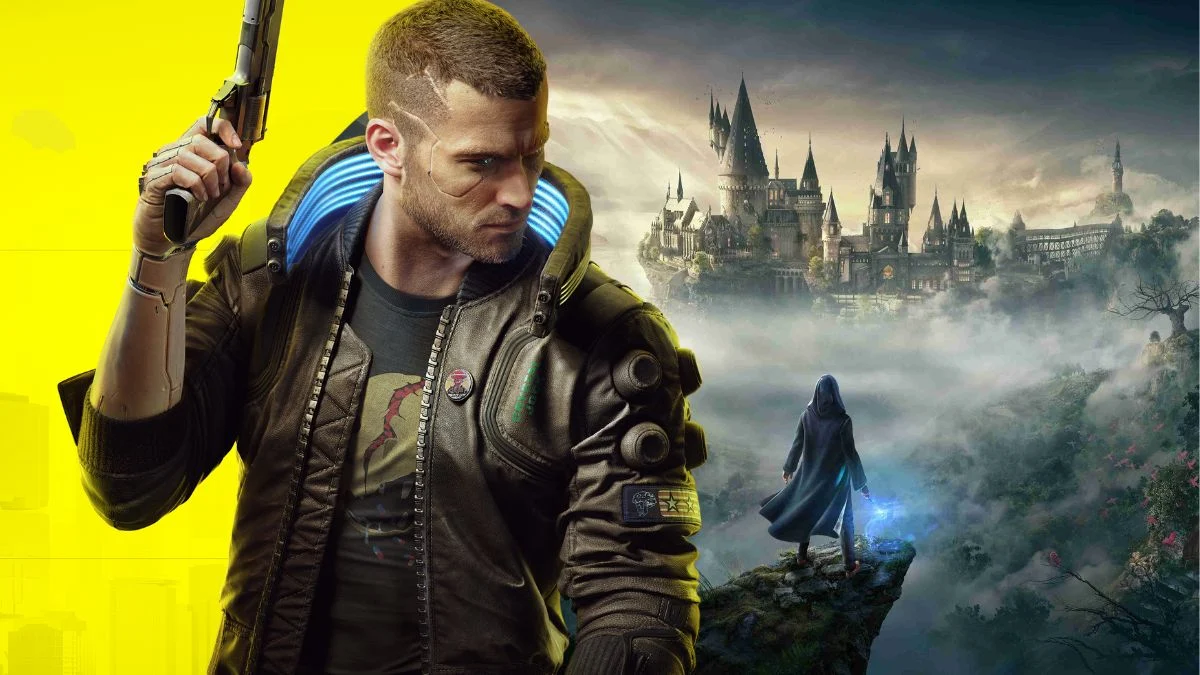
Video games are changing to better represent the wide range of players enjoying them. This often means adding diverse characters, offering more inclusive options, and even revising established storylines to meet today’s expectations. These updates have often sparked strong debates among players online, with some concerned about staying true to the original artistic vision and others welcoming the push for greater inclusivity. Here’s a look at some games where these changes have led to particularly lively discussions among fans.
‘The Last of Us Part II’ (2020)
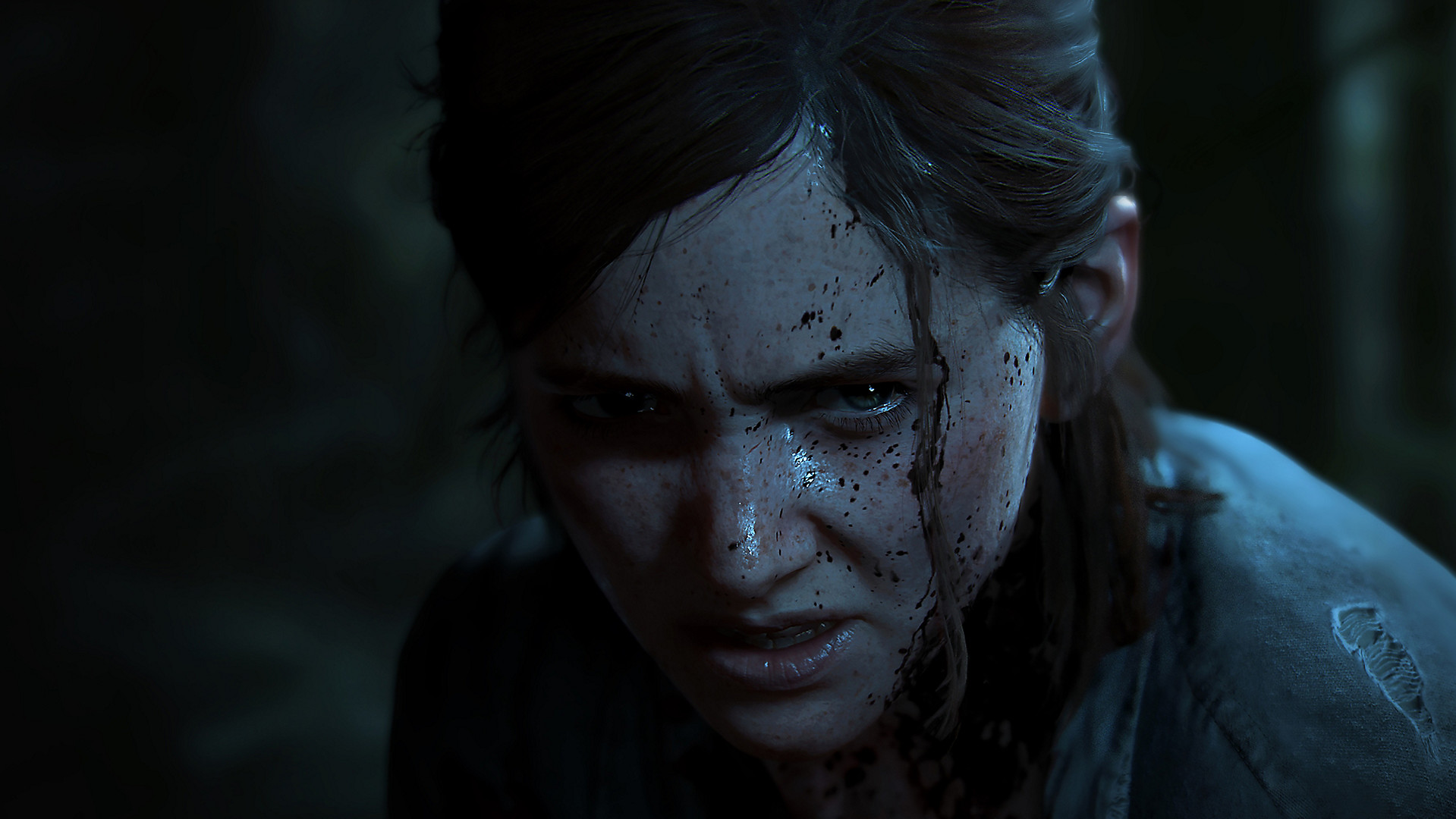
The recently released sequel from Naughty Dog sparked a lot of discussion – and disagreement – about its story. Many players were upset by the introduction of the character Abby Anderson and how central she was to the plot, especially alongside Ellie. Some critics also questioned Abby’s very muscular build, feeling it didn’t fit the post-apocalyptic world. However, the developers explained that her design was based on a real female bodybuilder to make her feel strong and believable.
‘Starfield’ (2023)
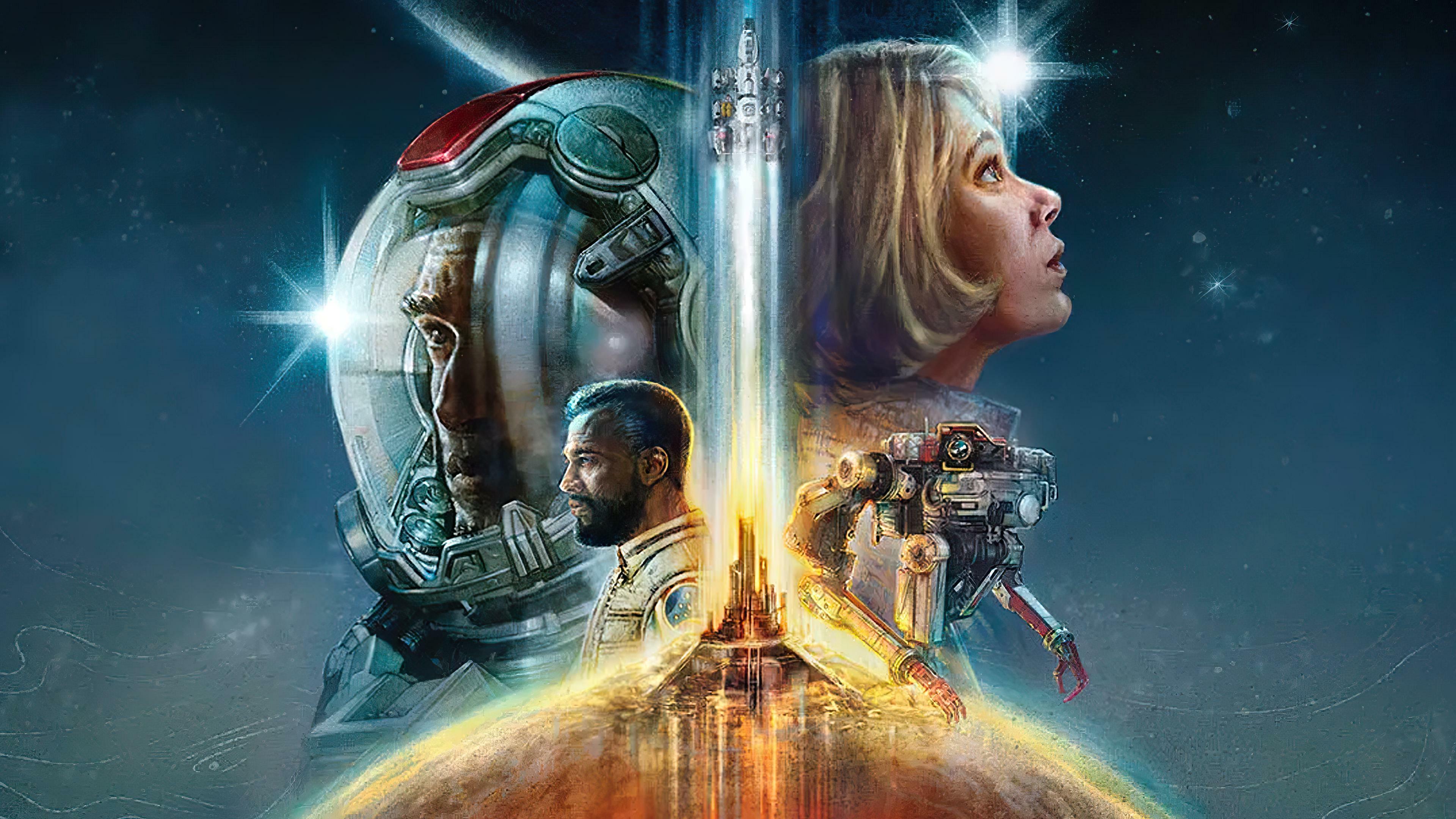
Bethesda’s new space RPG received some negative feedback after its initial release. Players were surprised to find the character creation process required selecting pronouns – options included he/him, she/her, and they/them. Some players felt this choice disrupted their enjoyment of the game or suggested the developers were pushing a particular viewpoint. Bethesda explained that the feature was simply meant to give players more options for self-expression within the game’s role-playing setting.
‘God of War Ragnarök’ (2022)
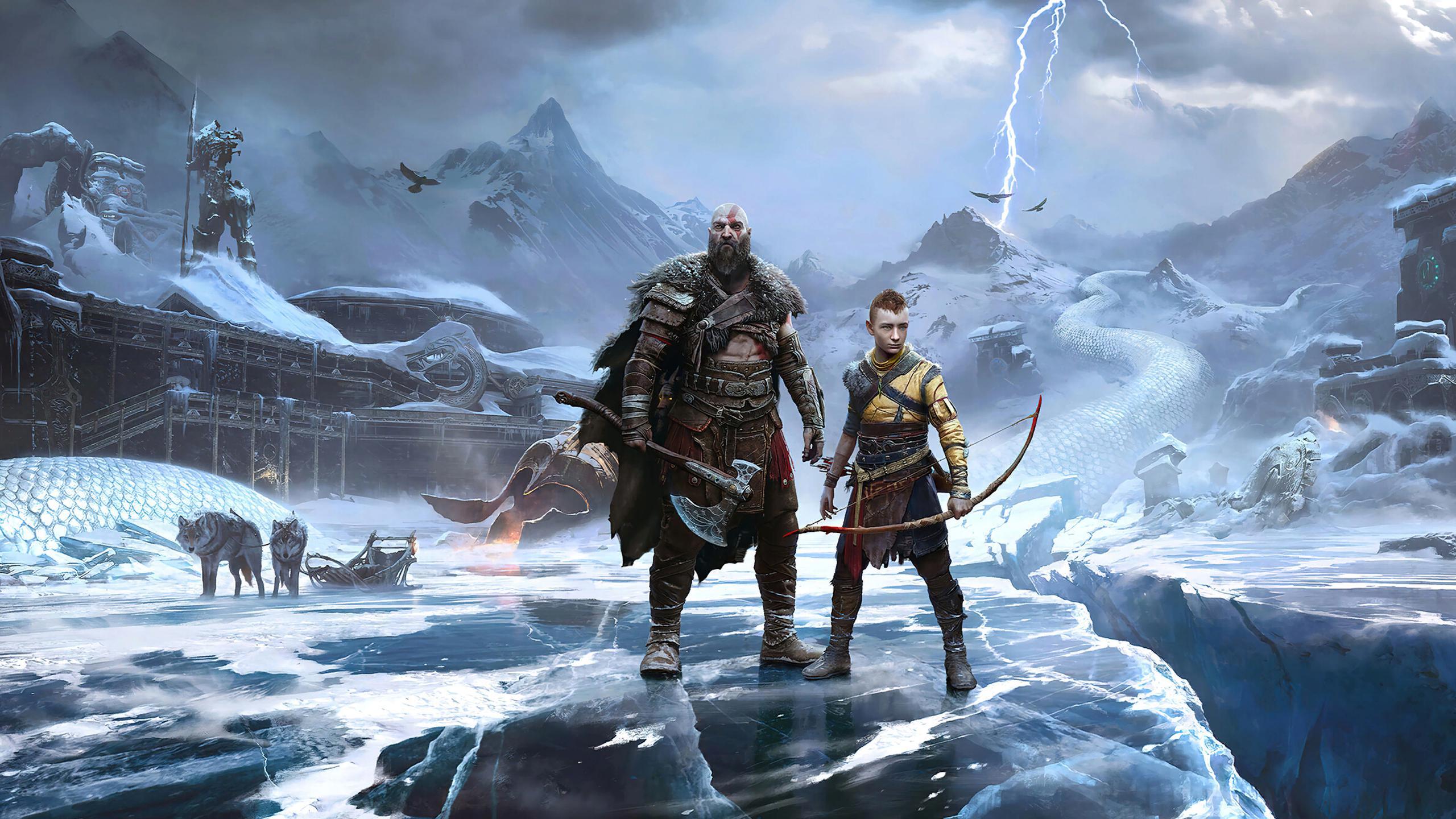
Santa Monica Studio recently introduced Angrboda, one of the last Giants in Norse mythology, as a character in their game. Her portrayal as a young Black woman caused debate online, with some questioning how accurately it reflected historical and mythological sources. Supporters of the decision noted the game already takes creative freedoms with Norse myths, like including a Greek character. The developers explained they focused on telling a fresh, compelling story, rather than strictly following ancient texts.
‘Baldur’s Gate 3’ (2023)
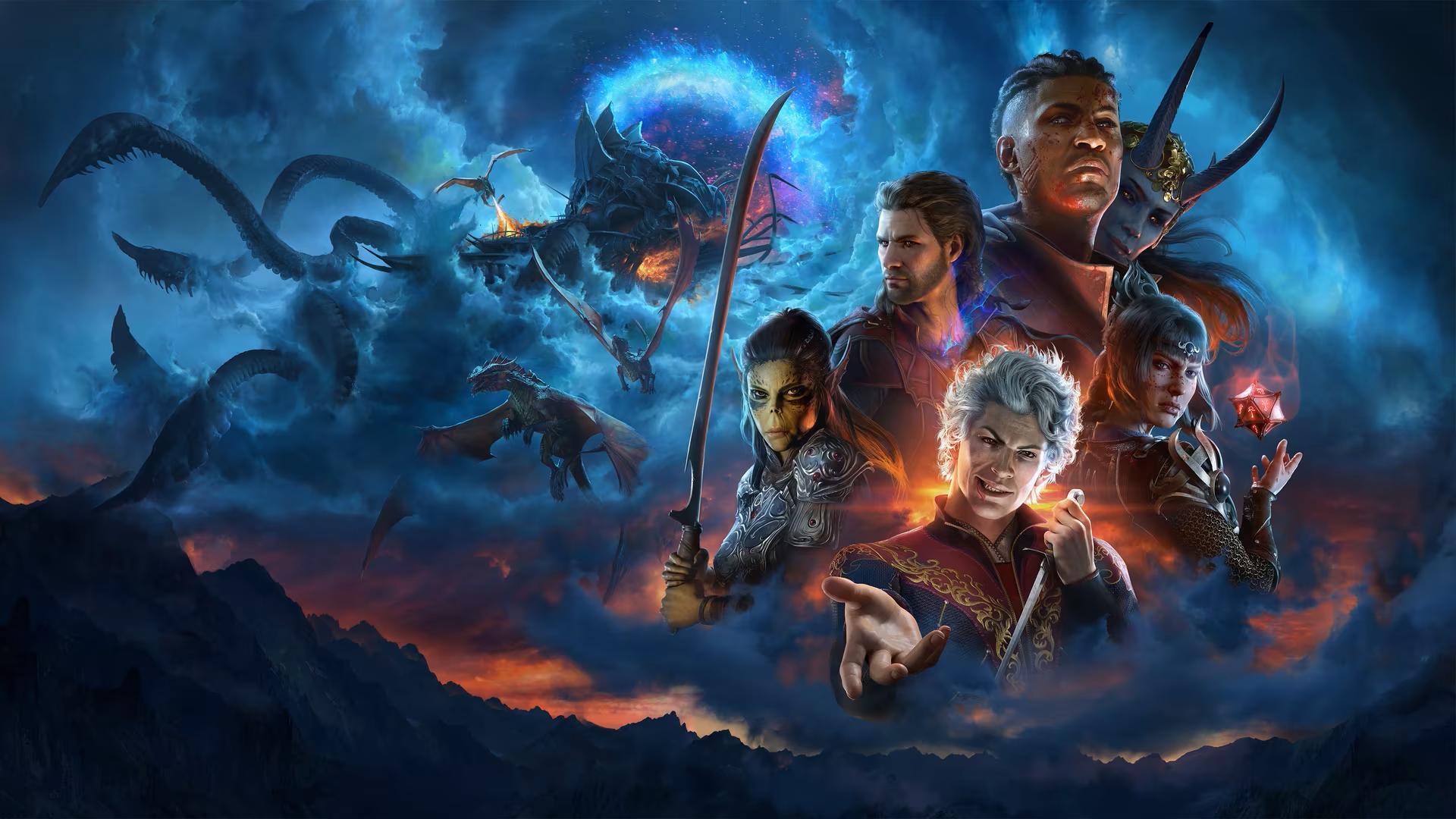
Larian Studios made a large, detailed role-playing game that gave players a lot of freedom to create their characters and develop relationships. Some people criticized the game for letting players customize character bodies and voices separately from their genitals. There was also discussion about the fact that all of the game’s companion characters were open to romance with the player, no matter the player’s gender. Those who liked the game praised its commitment to inclusivity and giving players control over their experience, even if it broke from typical game conventions.
‘Horizon Forbidden West’ (2022)
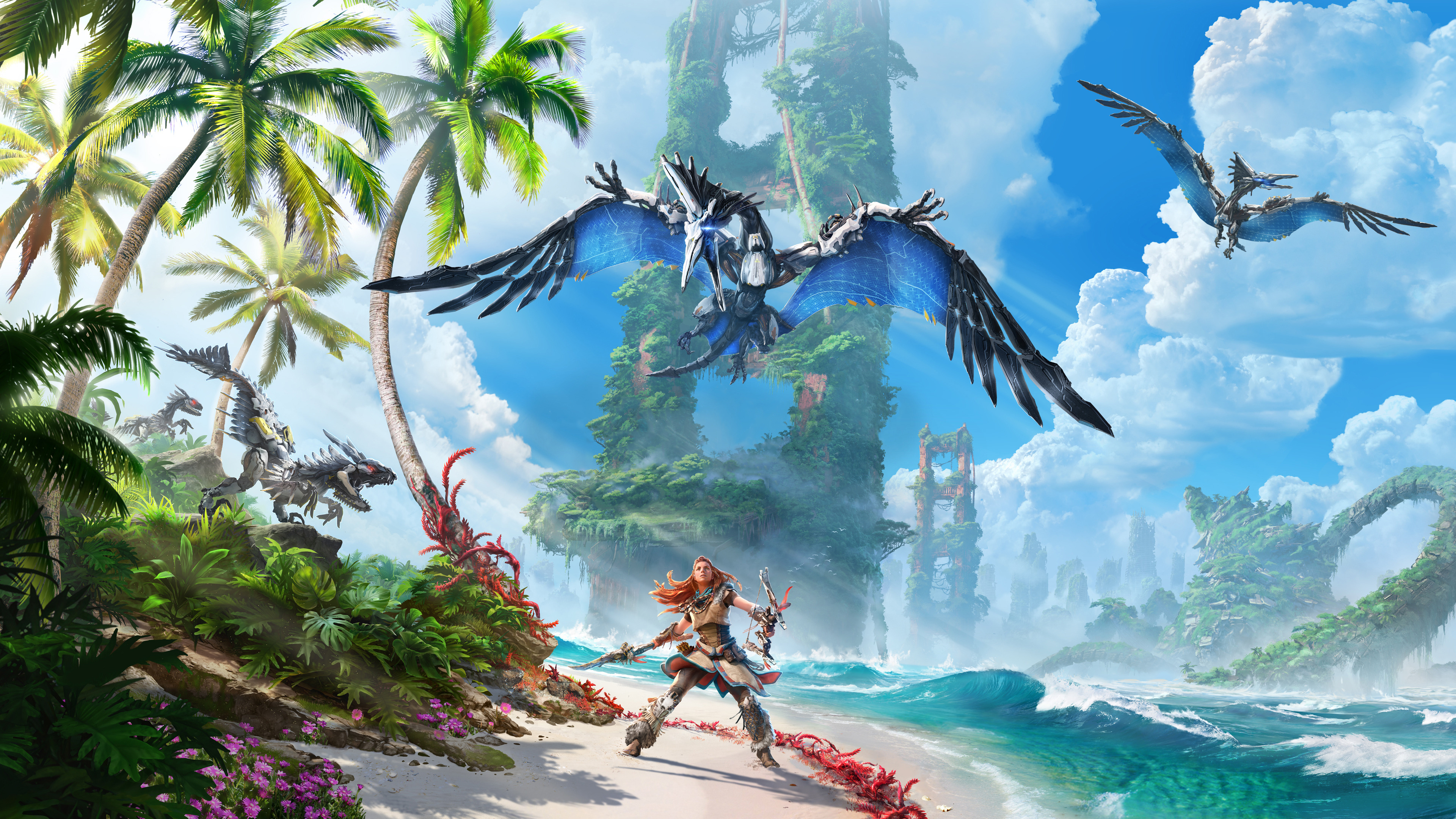
The ‘Burning Shores’ expansion for Guerrilla Games’ title continued the story of Aloy, introducing a new character, Seyka. The expansion included an optional scene where players could choose to have Aloy and Seyka kiss, which sparked negative reviews from players who disagreed with the romantic storyline. The developers defended their decision, stating it felt like a fitting development for Aloy’s character.
‘Apex Legends’ (2022)
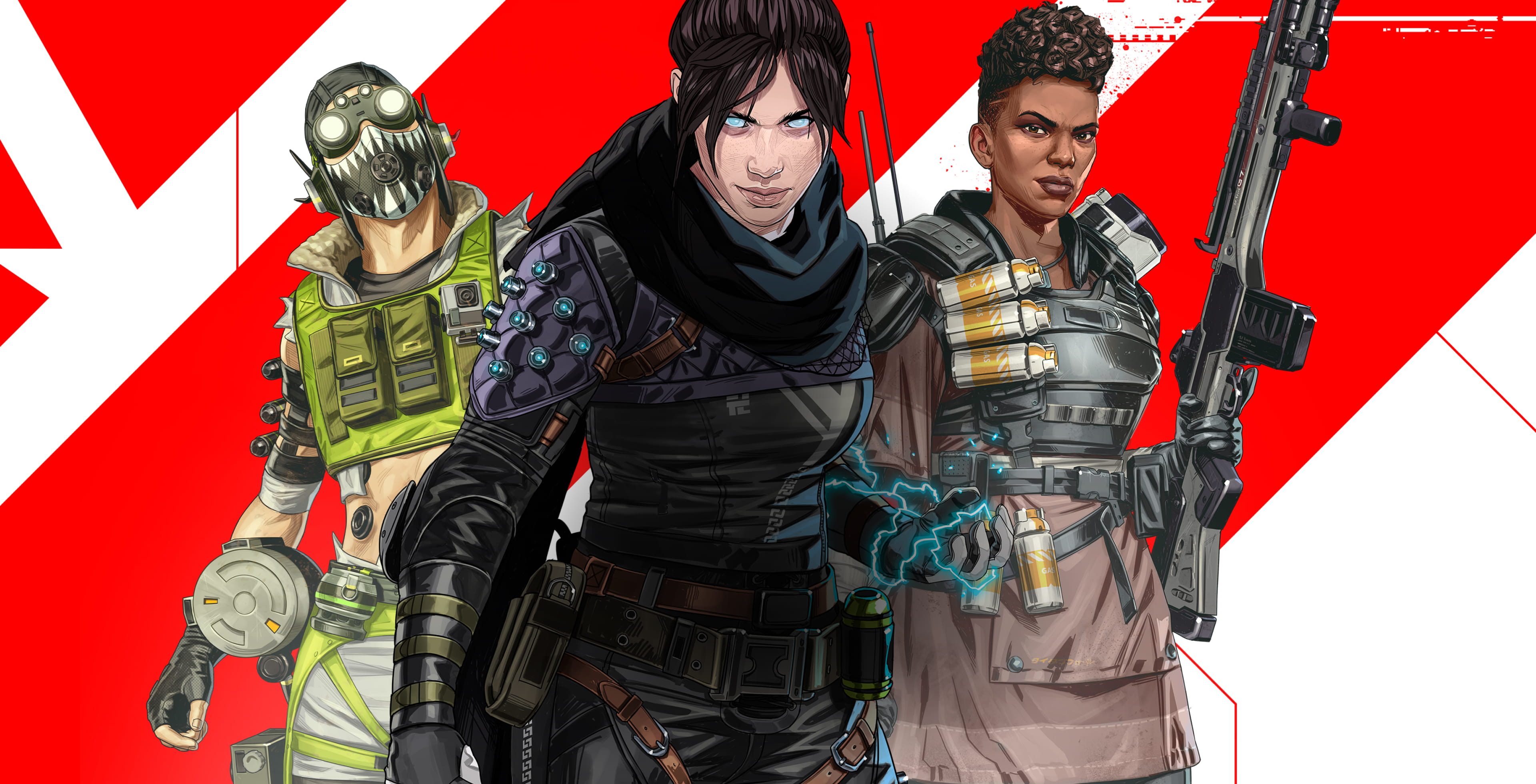
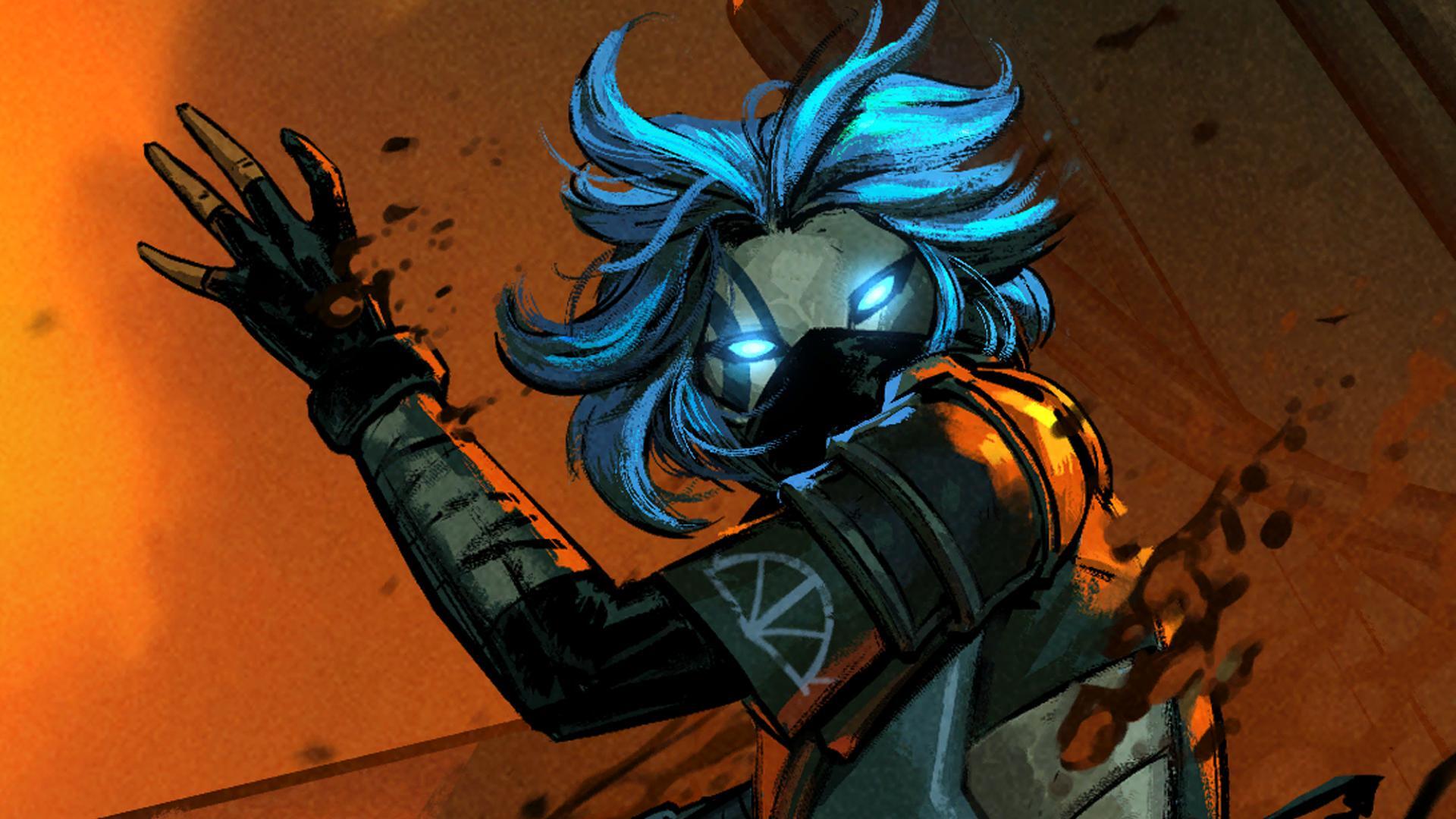
Okay, so Apex Legends just dropped a new character, Catalyst, and it was a big deal for a lot of us. Turns out she’s a trans woman, and Respawn actually showed that in the trailers, which was awesome to see more representation in the game. Some people weren’t thrilled that her identity was a focus, but honestly, I thought it was cool. The devs worked with trans consultants and voice actors to make sure they got her story right, which is super important. It’s also just another example of Respawn making characters with really interesting and diverse backgrounds – they’ve been doing that since the Titanfall days, and I’m here for it!
‘Overwatch’ (2019)
Blizzard recently revealed a part of Soldier: 76’s backstory in a short story called ‘Bastet,’ confirming he previously had a romantic relationship with a man named Vincent. This news sparked discussion among players, with some questioning if it was a necessary addition to the character’s history. It’s similar to a past reveal about Tracer, who was established as gay in a holiday comic. The game’s writers explained that these personal details help make the heroes more relatable and human beyond just their roles as fighters.
‘Dragon Age: The Veilguard’ (2024)
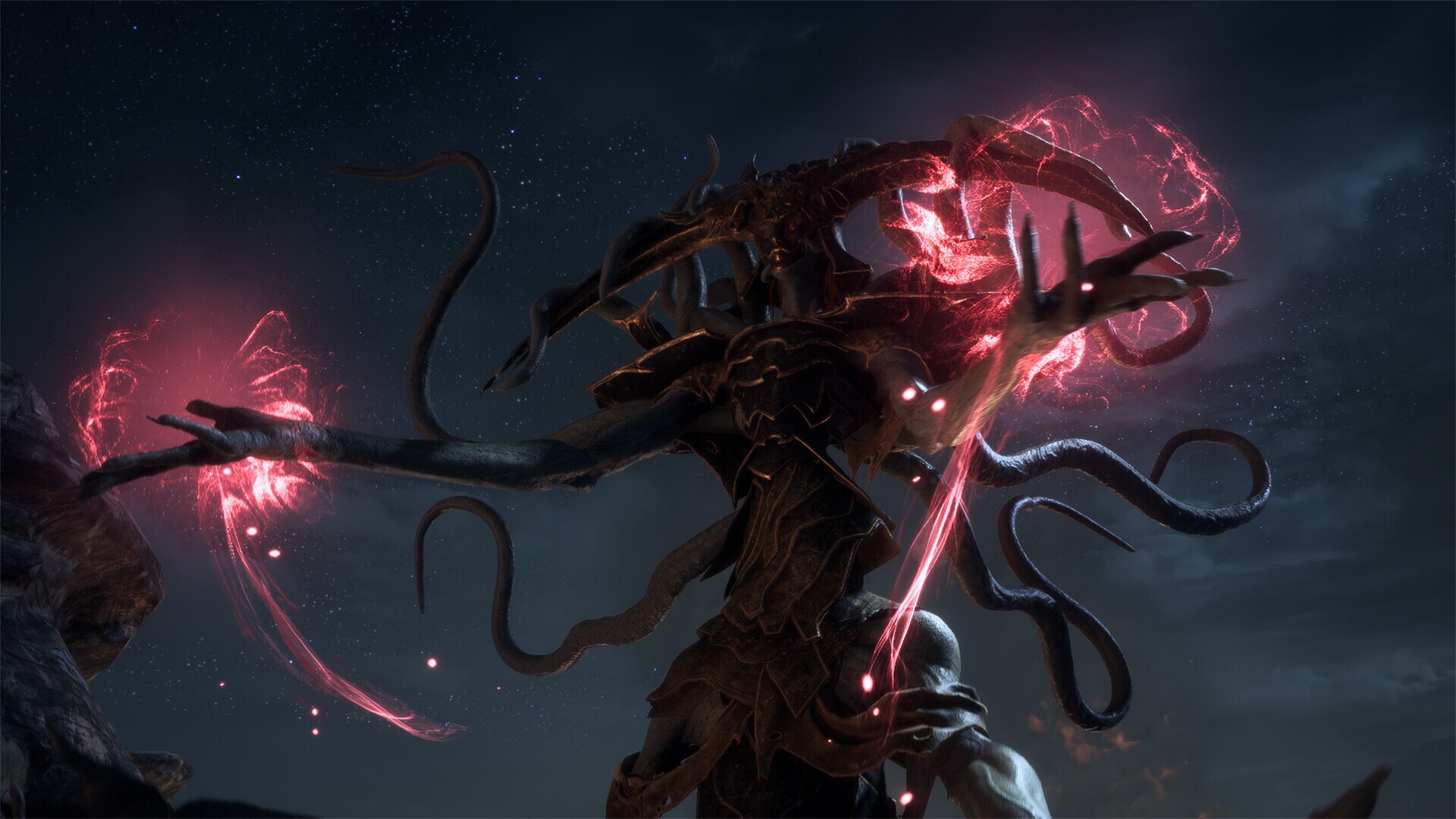
As a huge fan, I was so excited when BioWare finally released the sequel! One of the coolest things was the incredibly detailed character creator – they even included options for scars from top surgery. It surprisingly became a big topic online, with some people debating if it fit in a fantasy world. But honestly, I loved it! It meant I – and other players – could really create characters that felt personal and true to who we are. It totally fits with what BioWare’s always done, telling progressive stories and letting you build meaningful relationships with whoever you want in the game.
‘World of Warcraft’ (2022)
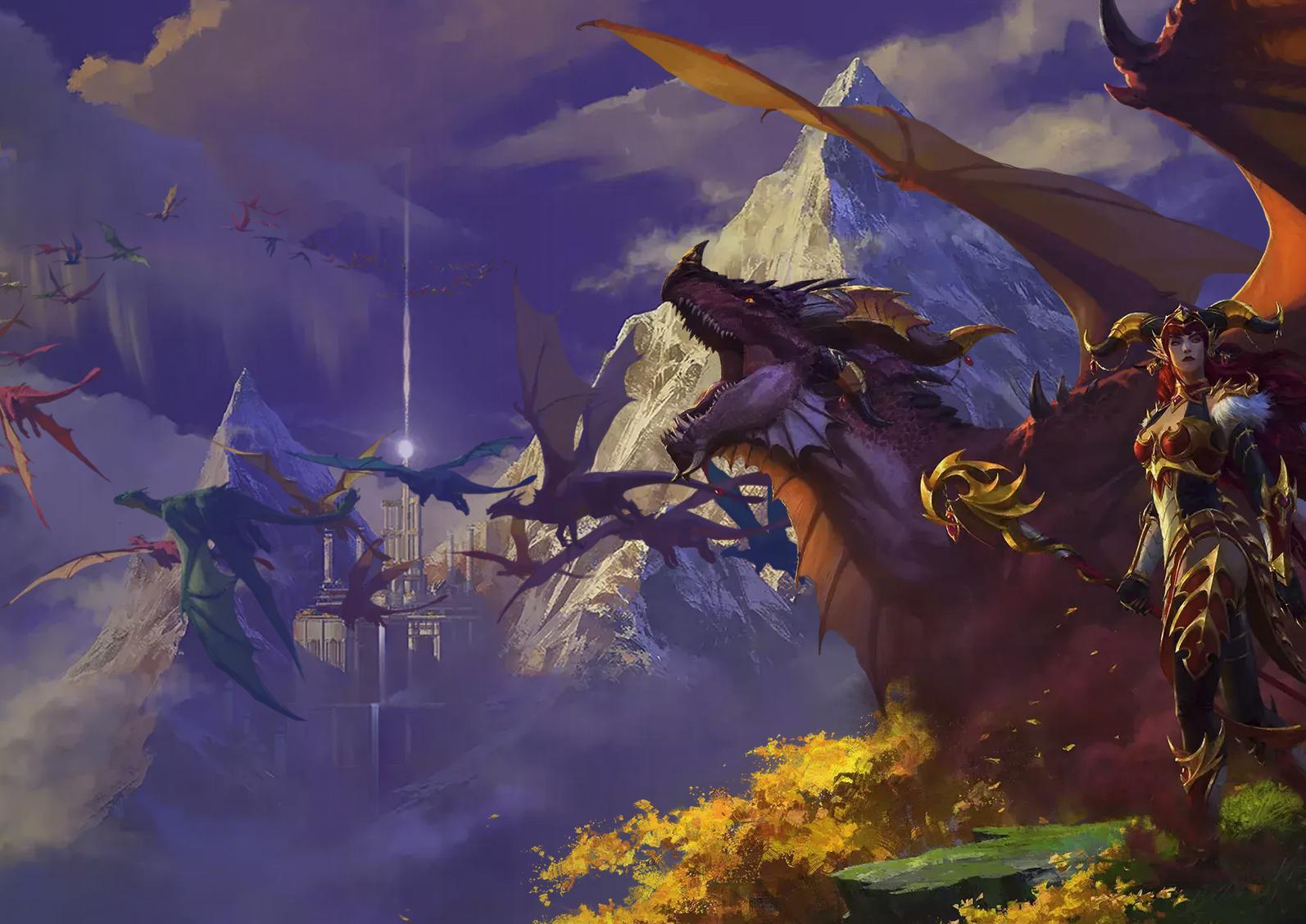
Blizzard Entertainment recently updated its character creation process, replacing ‘male’ and ‘female’ options with ‘Body 1’ and ‘Body 2’. This change sparked discussion among players, with some seeing it as a positive step towards inclusivity and others worrying it blurred the lines of established character traits. Blizzard explained that this was part of a larger effort to make their games more welcoming and consistent across all their titles.
‘Battlefield V’ (2018)
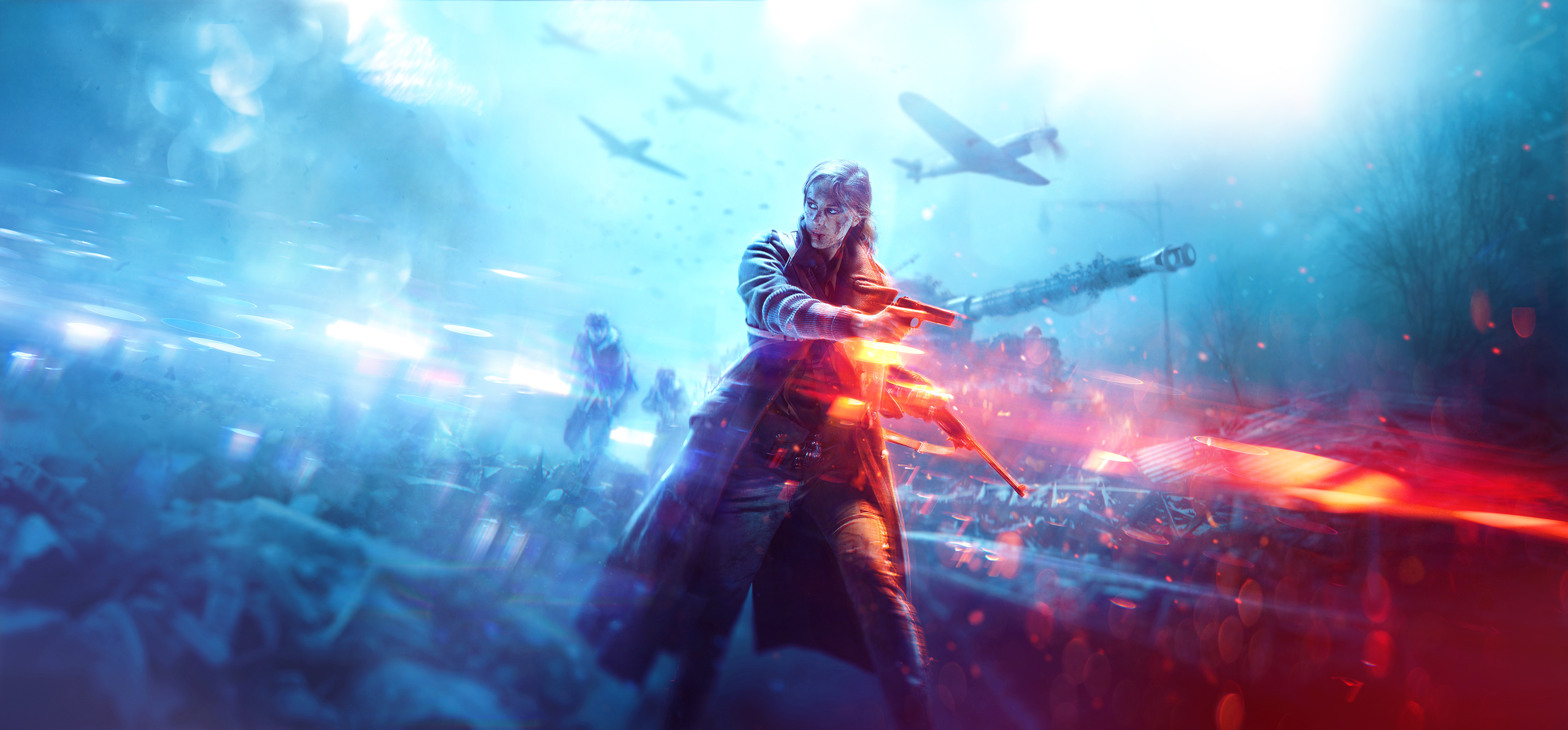
DICE recently unveiled a trailer for their World War II shooter, showcasing a female soldier with a prosthetic arm as a key fighter. This sparked significant backlash from players who felt it misrepresented the historical realities of the war. Electronic Arts executives then told those unhappy with this inclusion that they didn’t have to purchase the game. The situation underscored the ongoing debate between maintaining historical accuracy and allowing for diverse character customization in action-packed, online shooters.
‘Cyberpunk 2077’ (2020)
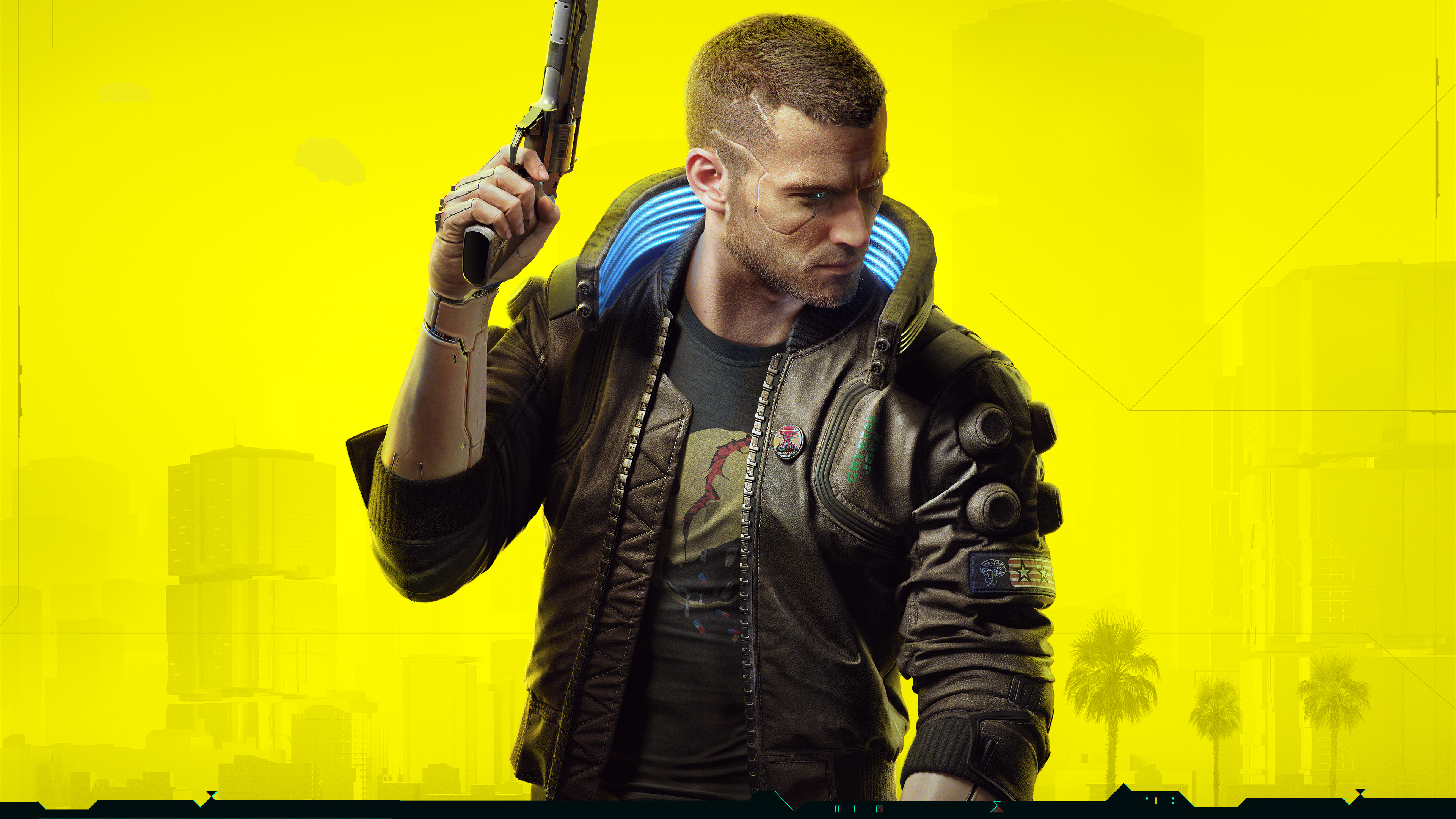
CD Projekt Red’s character creation system allowed players to choose their character’s voice, body type, and genitals independently, aiming to be inclusive of transgender and non-binary players. However, the game faced criticism because, despite these options, many players felt the world didn’t acknowledge the player’s choices – NPCs still addressed the main character in ways that didn’t reflect them. This led to debate about whether the game’s representation was authentic or simply a marketing tactic.
‘Dead Space’ (2023)
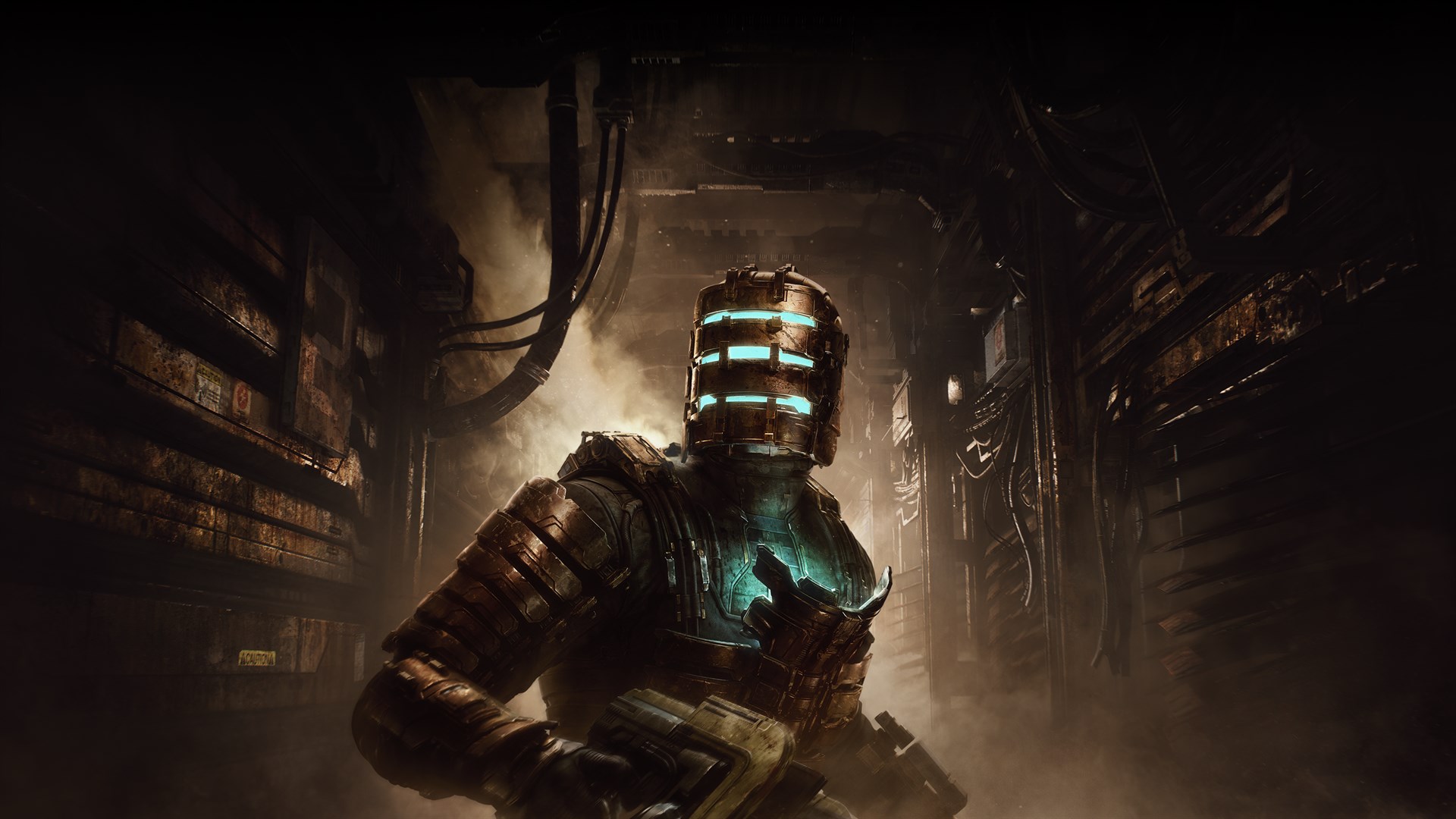
The recent remake of the classic survival horror game included small updates to the game world, like gender-neutral bathroom signs on the spaceship, USG Ishimura. Some players reacted negatively online, feeling that modern political ideas didn’t belong in a sci-fi game. Others countered that a futuristic setting should naturally reflect different social values. The developers explained they wanted to update the game for modern audiences while still preserving its original feel.
‘Hogwarts Legacy’ (2023)
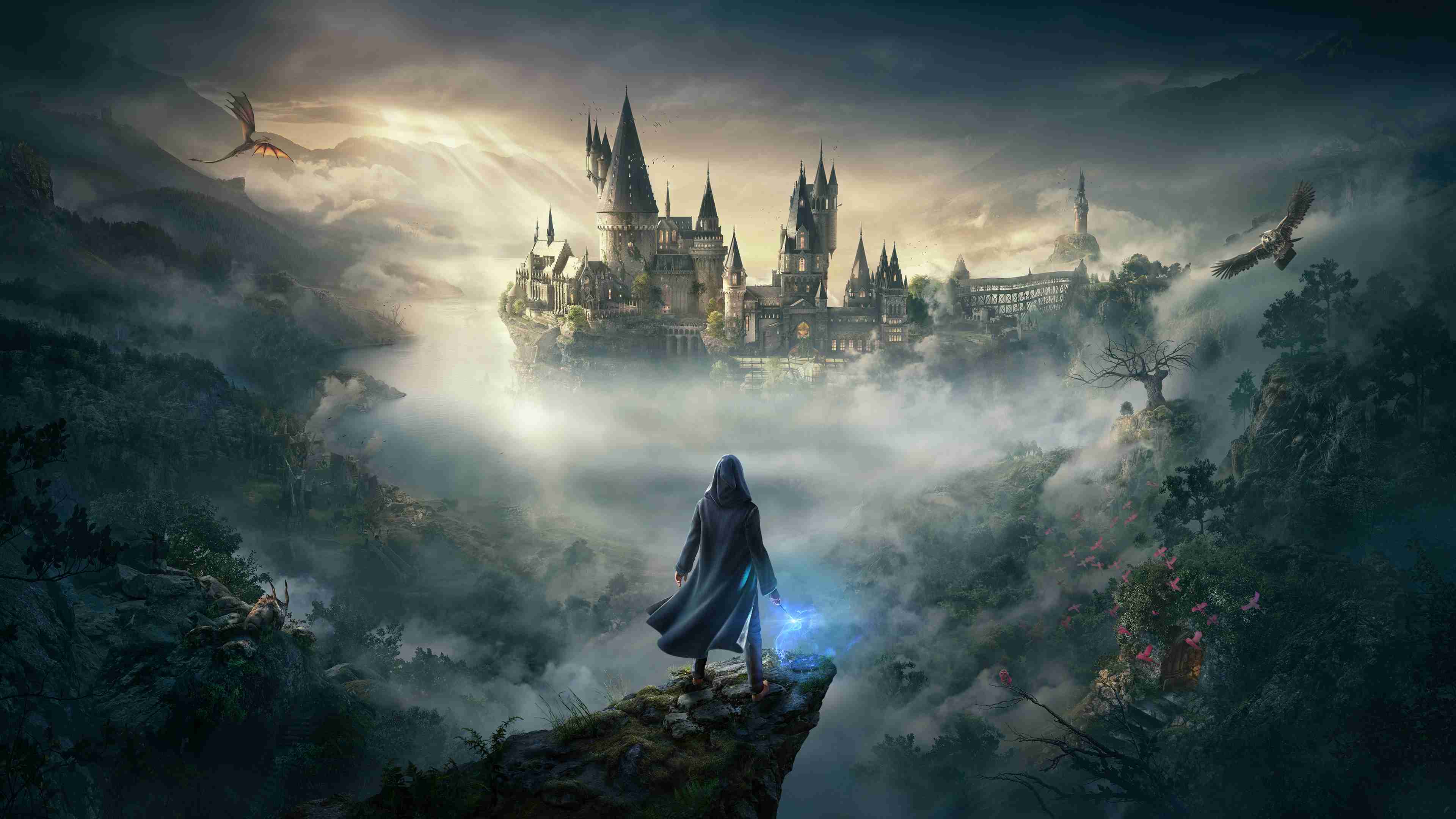
Avalanche Software added a new character, Sirona Ryan, who runs the Three Broomsticks inn in the game. The way the character speaks heavily suggests she is a transgender woman, which led to discussion online, especially considering past controversies involving the creator of the Wizarding World franchise. Some players questioned the character’s name, while others debated whether her inclusion fit with established lore. The development team highlighted that the game was made by and for a diverse group of people.
‘Assassin’s Creed Shadows’ (2024)
Ubisoft announced that Yasuke, a historical figure of African descent, would be one of the two main characters in their upcoming game set in feudal Japan. This choice sparked discussion among some gamers, who felt the lead should have been a Japanese male samurai. Historians and fans then had detailed conversations about Yasuke’s life and importance in Japanese history. Ubisoft explained that having two main characters let them show multiple viewpoints from that time period.
‘Alan Wake 2’ (2023)
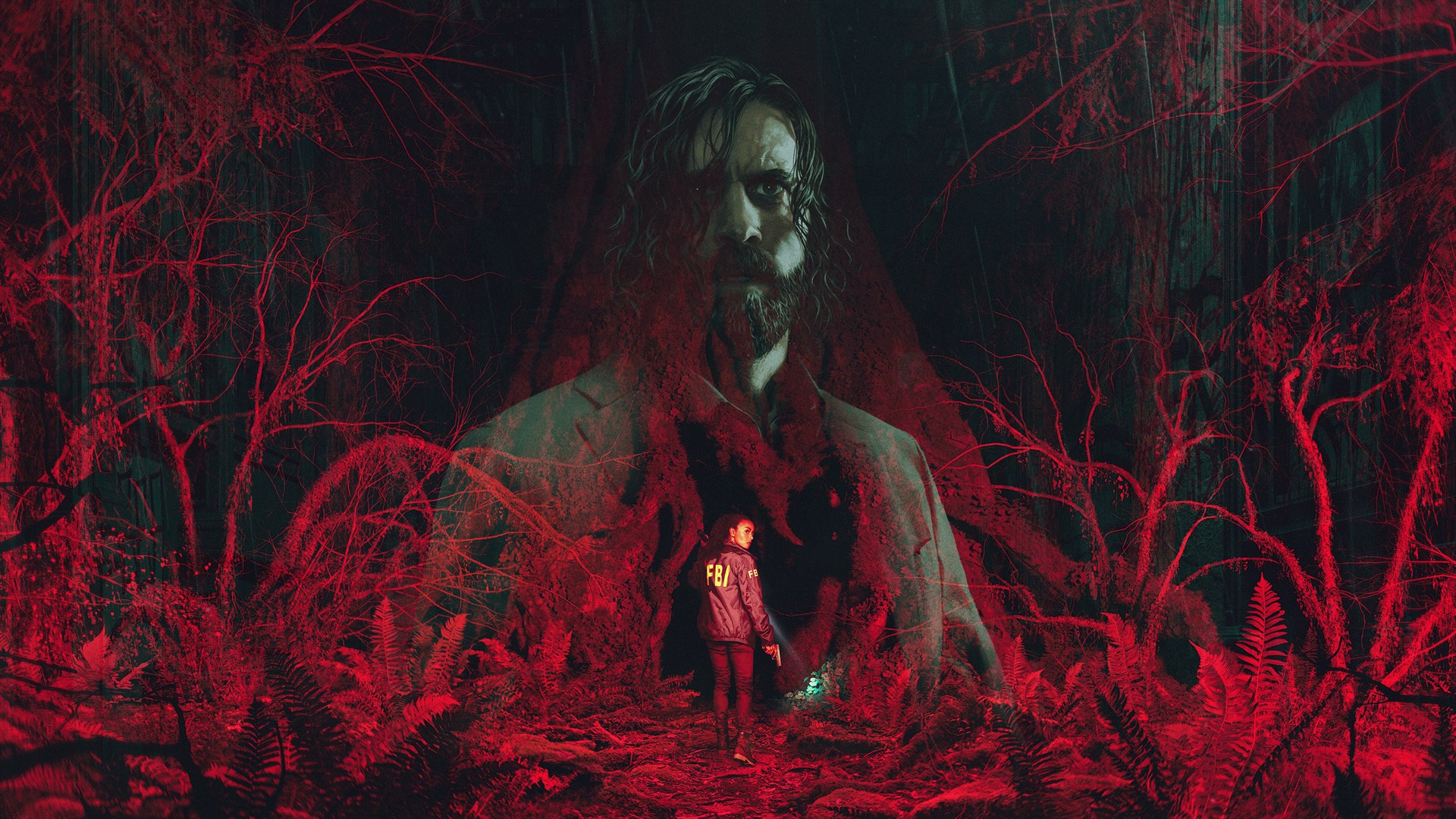
Remedy Entertainment’s sequel introduced Saga Anderson as a playable character alongside the main hero. Some fans reacted negatively to the casting of a Black actress in the role, believing early hints suggested the character was originally intended to be white. The game explained Saga’s presence through a detailed story about her family history and the existence of alternate worlds. Many critics defended the character and praised both the actress’s performance and the richness she brought to the game’s story.
‘Street Fighter 6’ (2023)
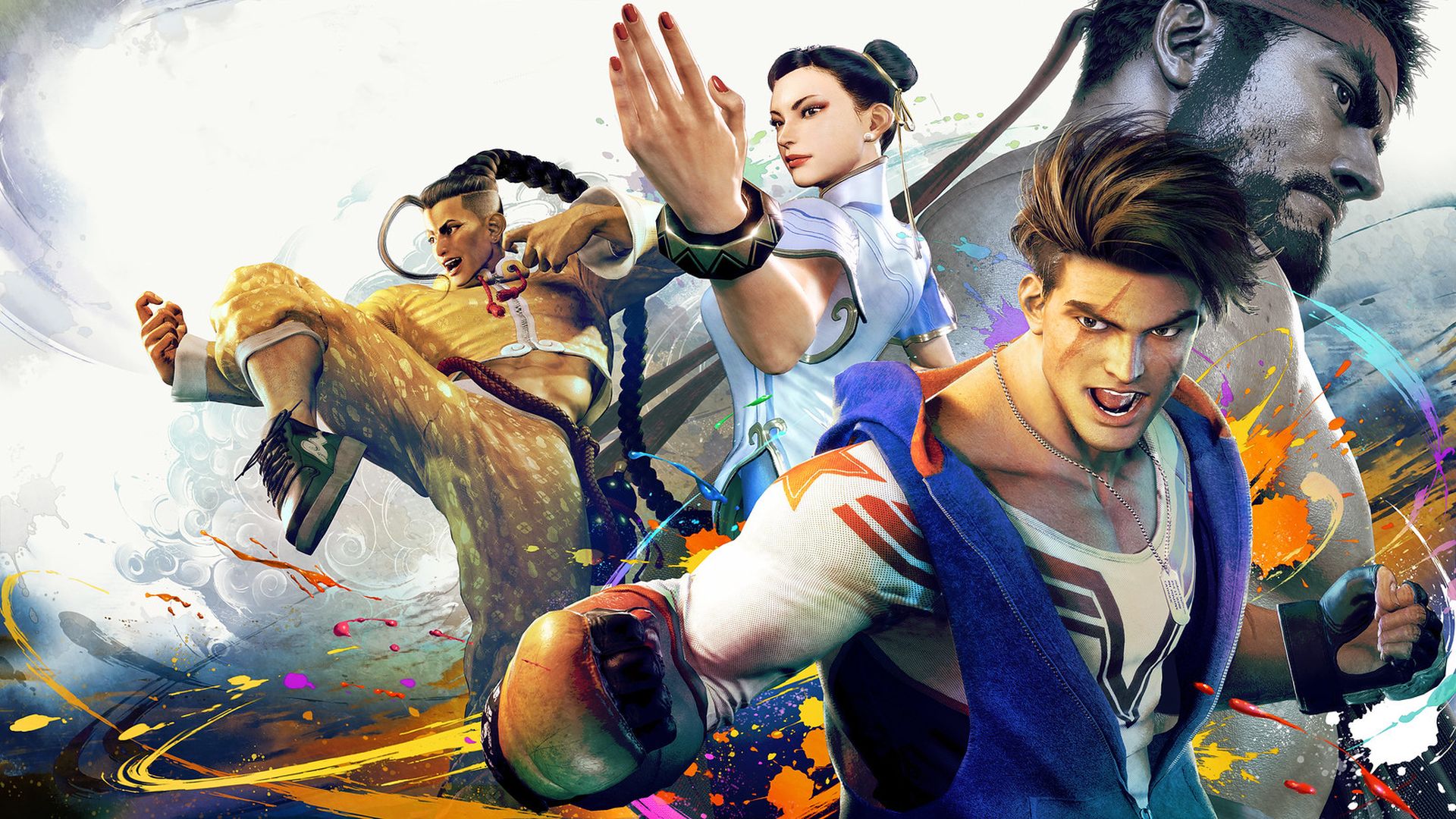
During promotion of their new fighting game, Capcom revealed a commentator character named Eternity. Some online players reacted negatively to Eternity’s bold and unique design, with some criticizing it as unnecessary or clashing with the game’s style. The developers, however, designed the game’s Battle Hub area to be a welcoming and lively space for all players.
‘Mortal Kombat 1’ (2023)
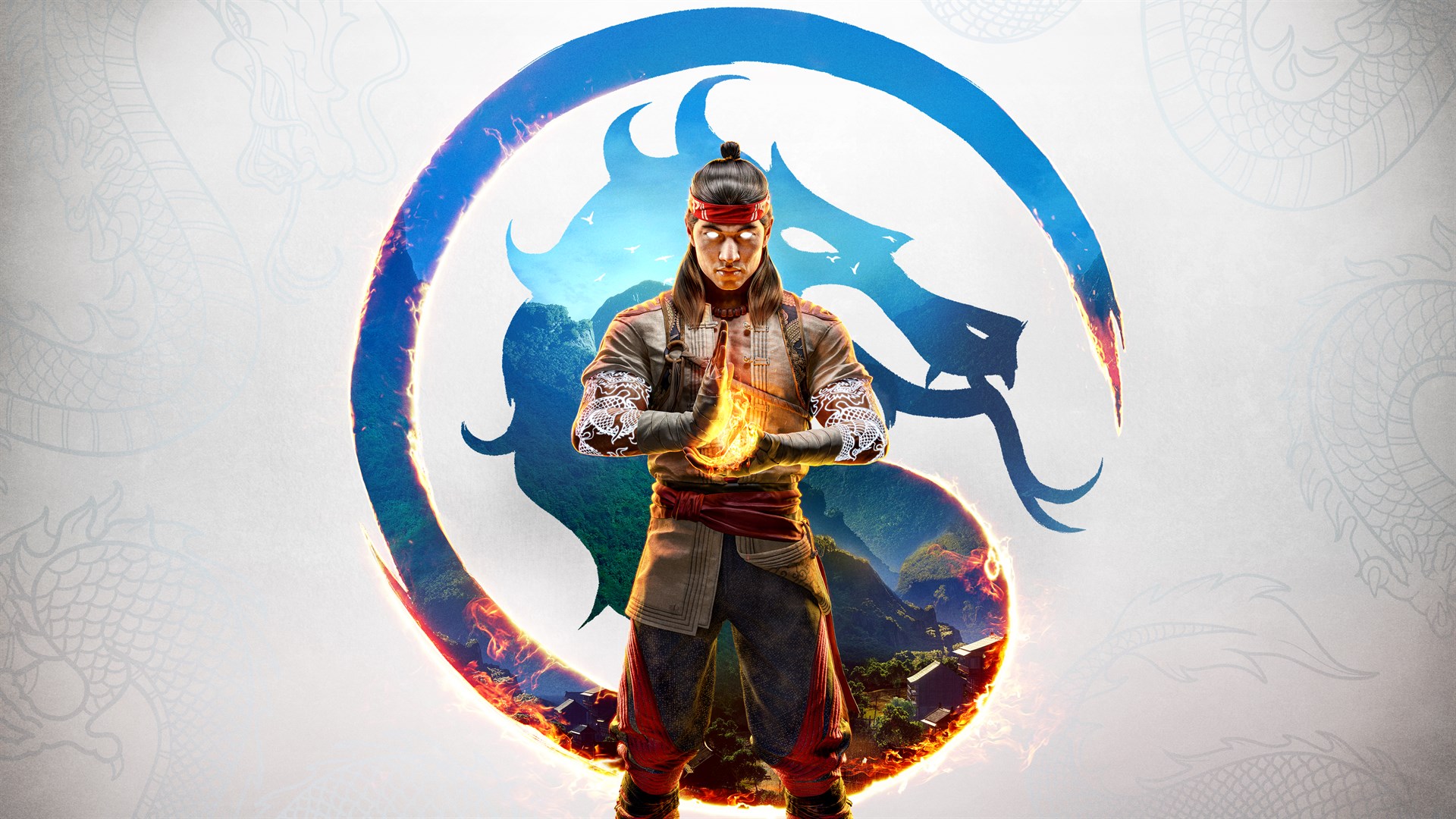
NetherRealm Studios recently updated the character Tanya for their latest game, but fans weren’t happy with the changes. Many criticized her new look, particularly her face and hair, saying it was a big departure from her previous designs. Some even accused the developers of deliberately making the character less conventionally attractive to fit current trends. However, the studio defended the design, explaining it was based on the features of a real actress.
‘Saints Row’ (2022)
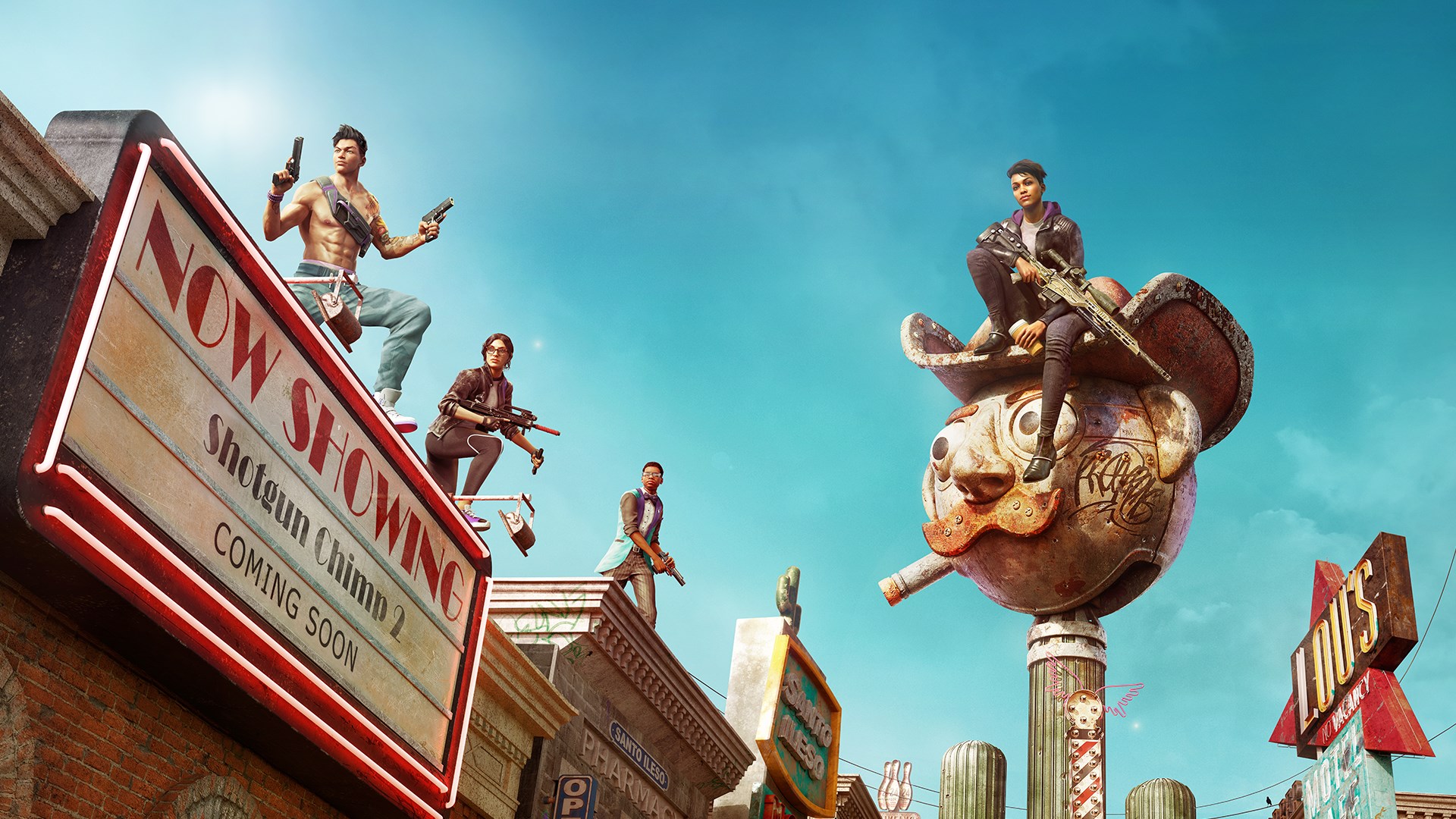
Volition tried to refresh their open-world game series with a new story and characters aimed at a younger audience interested in social issues. However, longtime fans didn’t like the new writing, which they felt replaced the original’s gritty style with conversations about things like college debt and friendships. Many felt the characters were too polished and seemed like forced attempts at inclusivity, rather than believable criminals. This negative reaction showed how challenging it is to update a well-known franchise for modern times.
‘Rainbow Six Siege’ (2021)
Ubisoft recently introduced Osa, the first openly transgender character in their popular tactical shooter game. While players generally liked how Osa plays, some questioned whether her gender identity fit the game’s focus on counter-terrorism. The developers collaborated with transgender consultants to create a respectful and believable character. Despite the debate, Osa received strong support from professional players and the competitive gaming community.
‘Mass Effect: Andromeda’ (2017)
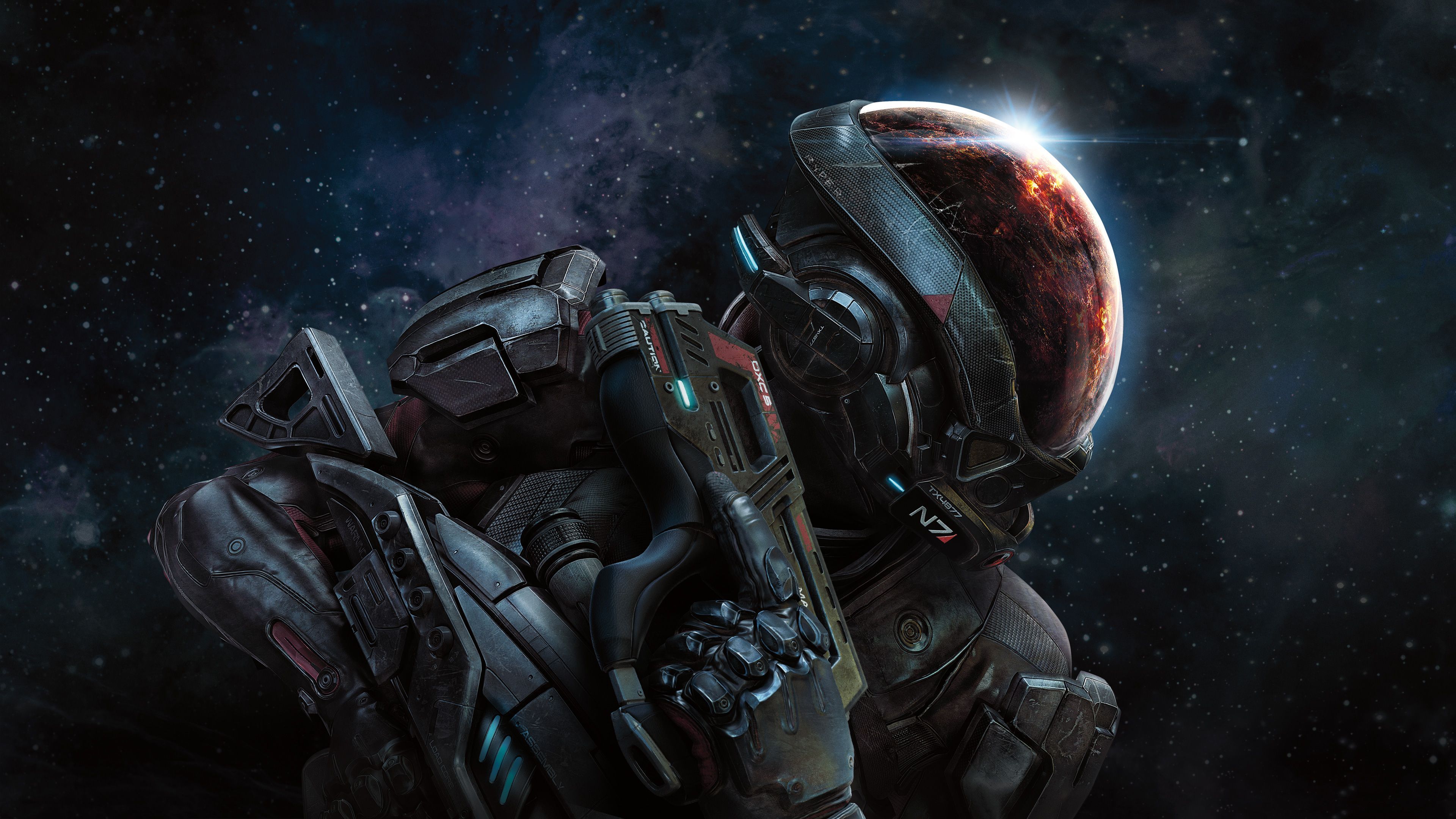
BioWare updated the game after players reacted negatively to a character named Hainly Abrams. When players first met her, she immediately revealed a previous name, which many felt was poorly written and insensitive. The update changed the dialogue so this information only comes up if the player builds a close relationship with her. Interestingly, this was a rare instance of a game update aimed at improving representation, rather than reducing it.
‘Total War: Rome II’ (2018)
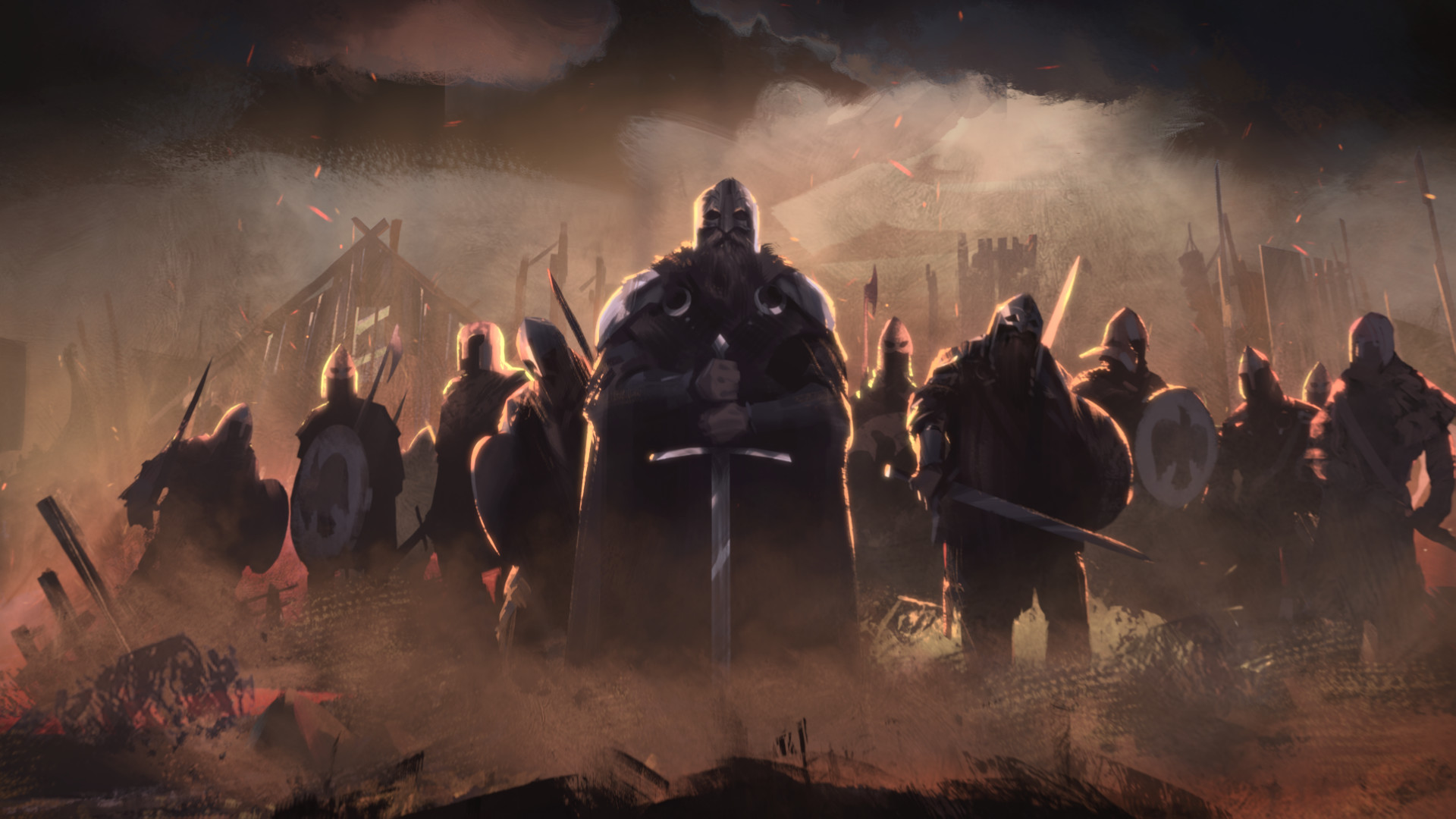
As a Total War fan, I noticed Creative Assembly put out a patch recently to mix things up and let us see more female generals in some of the factions. Honestly, it caused a bit of an uproar! Some players got really upset, saying it wasn’t historically accurate to have so many women in those leadership roles and left negative reviews on Steam. The developers quickly explained they’d actually researched this and the number of female generals appearing was still within what was reasonable for the time and cultures in the game. Eventually, most people played the update and realized it didn’t really change the game all that much, so the whole thing died down.
‘League of Legends’ (2022)

Riot Games recently introduced K’Sante, a new champion for the top lane, who is notable as the game’s first Black LGBTQ+ tank character. The announcement sparked varied responses online, with some areas showing negative reactions to his sexual orientation. The developers wove a story of lost love into K’Sante’s background and personality through in-game dialogue and a short story. Riot Games has stated they are dedicated to creating diverse characters that appeal to players worldwide.
‘Valorant’ (2024)

As a Valorant player, I was really excited to see Riot introduce Clove, their new controller agent who uses they/them pronouns! Of course, the reveal brought about the typical chatter online – some people had opinions about a non-binary character in a competitive shooter. But I was glad to see Riot proactively asked creators and casters to use the correct pronouns, which really helped make Clove’s inclusion feel normal during streams. Honestly, most of the competitive community seemed to love Clove’s design and abilities, even if there was some debate about the character’s backstory.
‘Dead by Daylight’ (2022)

Behaviour Interactive recently updated the game’s lore, revealing that the long-time survivor David King is gay. This decision, made after the character’s initial release, sparked criticism from some players who felt it altered his established backstory for the sake of representation. The developers explained they aimed to include LGBTQ+ representation for players within the game’s popular characters. The addition of pride-themed cosmetic items also caused disagreement among players.
‘Genshin Impact’ (2022)

HoYoverse’s release of the Sumeru region, based on Middle Eastern and South Asian cultures, sparked criticism from many international fans. They pointed out that most of the characters players could control had very light skin tones. This issue came up again with the release of the Natlan region, bringing similar concerns about representation to light. Though different from typical debates about ‘forced diversity,’ it led to a large disagreement among fans about how best to include diversity in games with a global audience.
‘Borderlands 3’ (2019)
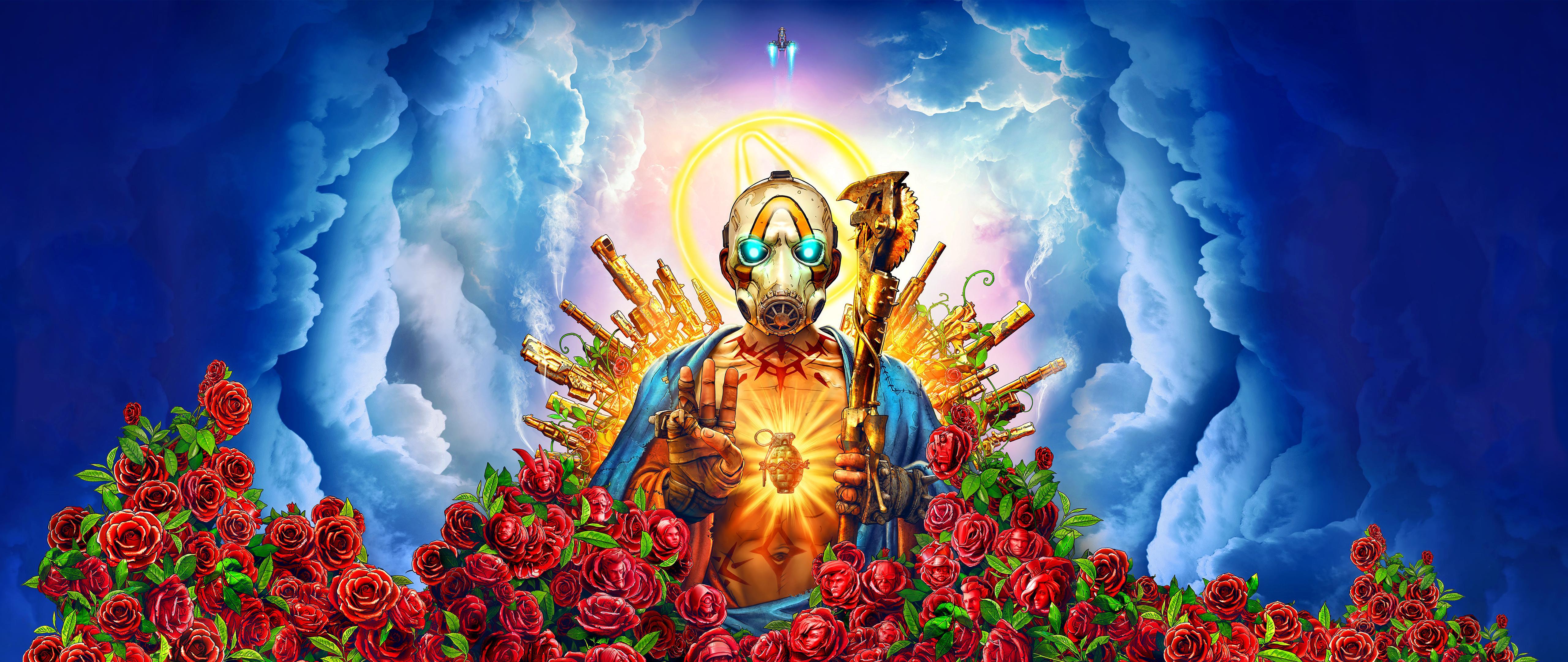
Gearbox Software’s character FL4K, one of the playable heroes in the game, is a robot who identifies with they/them pronouns and proudly displays a non-binary pin. This choice sparked debate among players, requiring forum moderators to manage discussions about whether a robot could have a gender identity. The game’s creators explained that FL4K’s intelligence and self-awareness meant they could develop a personal identity separate from their robotic nature.
‘Psychonauts 2’ (2021)
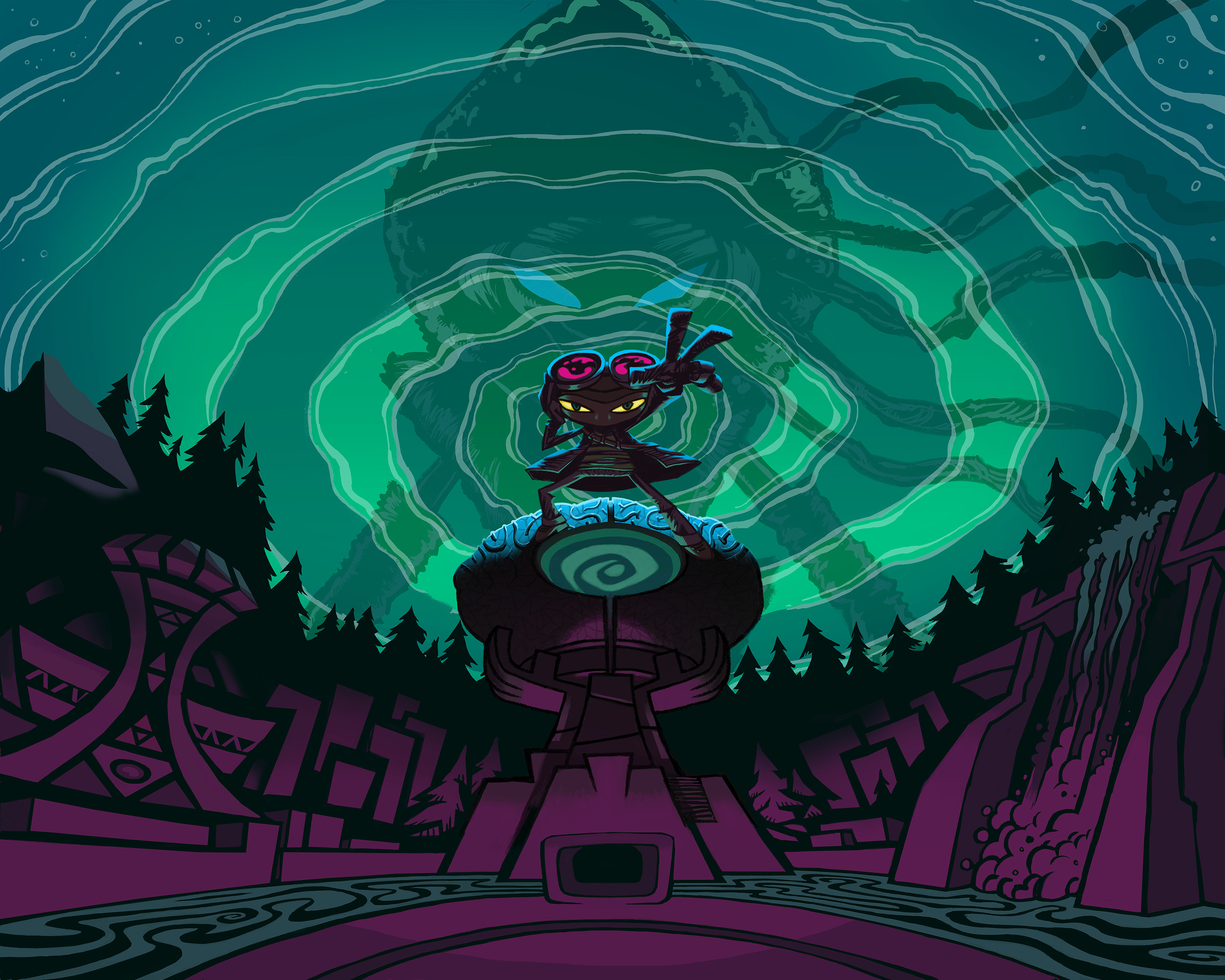
Double Fine Productions added a warning at the beginning of the game to let players know it deals with sensitive mental health topics. This sparked discussion – some felt it was overly cautious, while others appreciated the warning. Despite the debate, the game was praised for portraying mental health issues with care and understanding. The developers explained the warning was there so players could decide if the game was right for them.
‘Gotham Knights’ (2022)
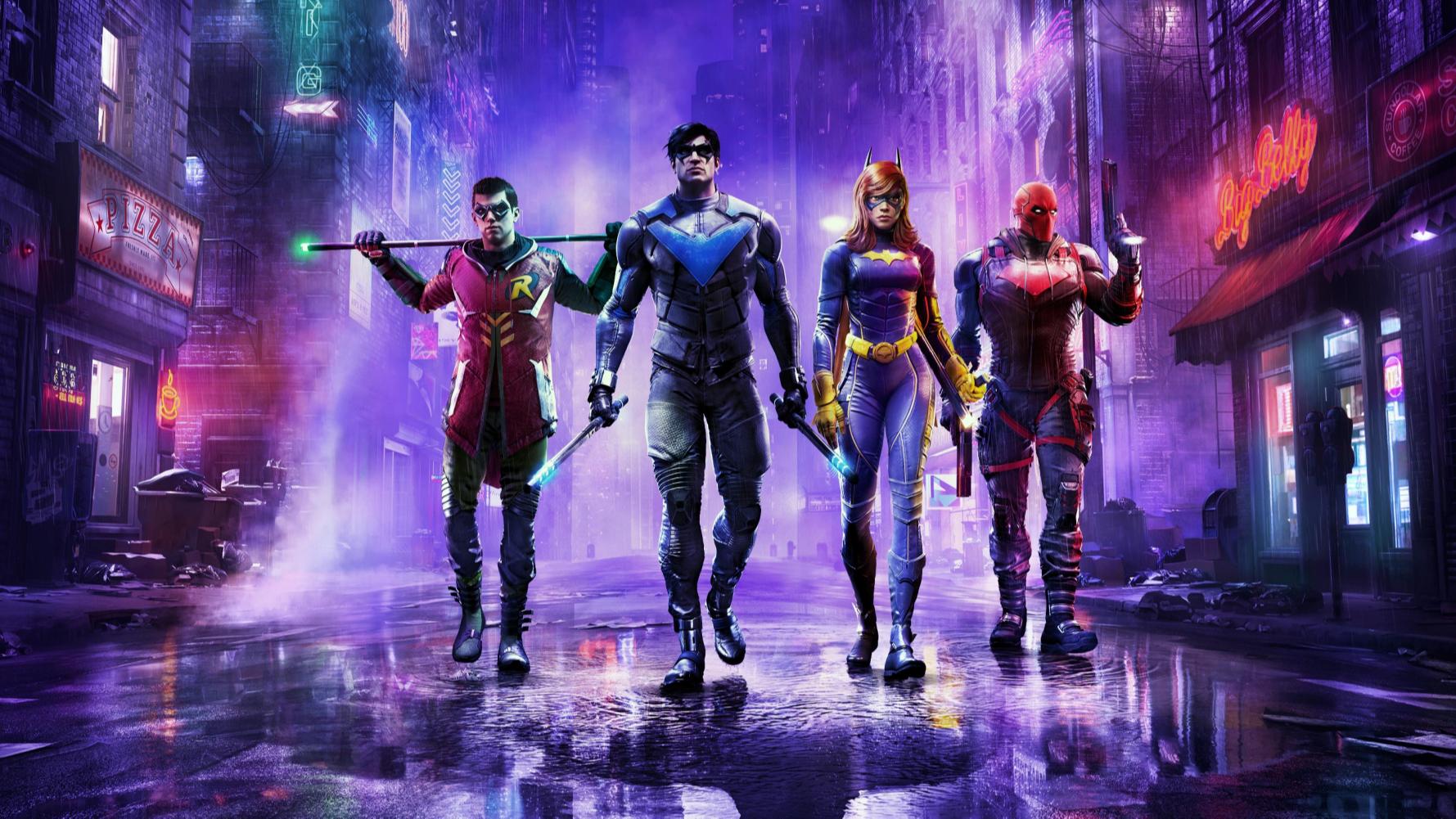
A detail in the game Gotham Knights sparked discussion online: a character biography for Robin mentioned his support for a local Pride parade. Screenshots of this, along with the inclusion of a Pride flag in the game’s headquarters, were shared by players who felt it was an unnecessary political addition. The developers explained that these details were included to make the game’s version of Gotham City feel more contemporary.
‘Marvel’s Spider-Man 2’ (2023)
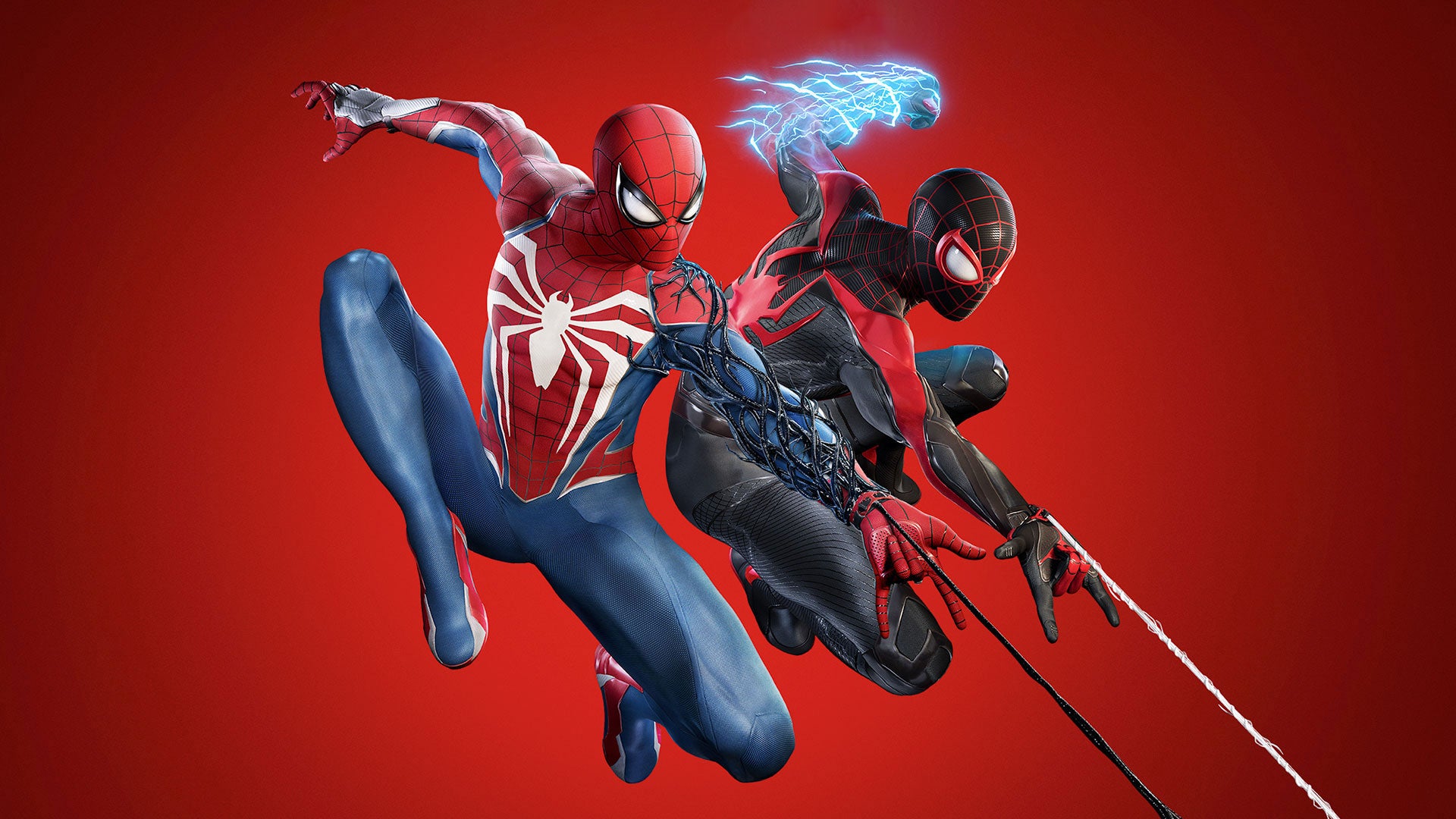
Insomniac Games received some backlash over its Spanish translation of the game. They used the gender-neutral pronoun “le” instead of traditionally gendered language for certain characters, which upset some language experts. Also, a character in an in-game podcast discussed bees in a way that some players saw as a metaphor for non-binary identity. Despite strong reactions online, the studio chose not to change this content.
‘Ion Fury’ (2019)
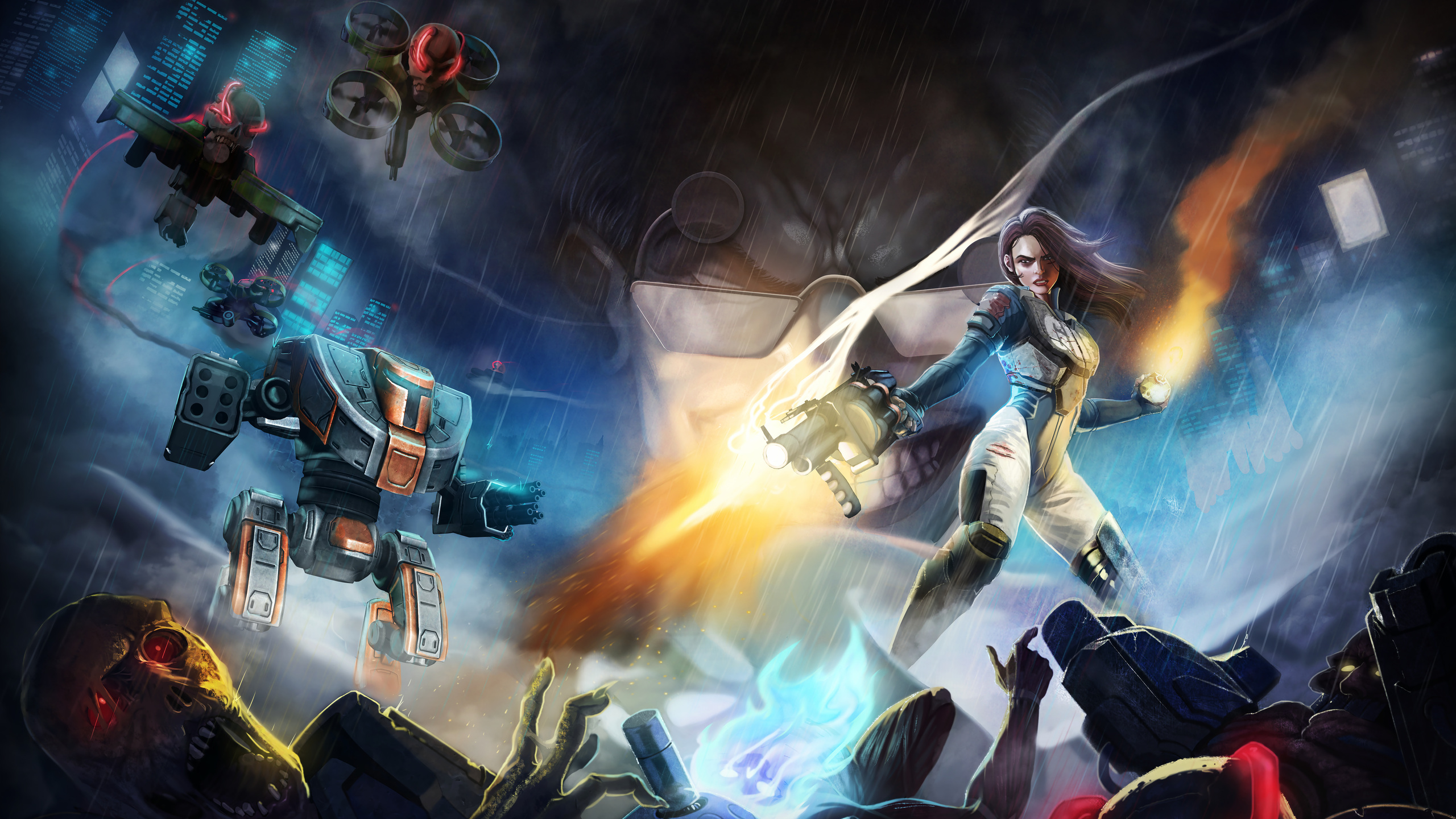
Voidpoint, a game studio, first decided against removing a homophobic slur that appeared on a soap bottle within their game. However, after facing criticism, they apologized and removed the offensive text with a game update. This change sparked conflict among fans, with some of their original supporters accusing them of giving in to pressure. Ultimately, Voidpoint donated to an LGBTQ+ charity and kept the patch, demonstrating how difficult it can be to satisfy everyone during debates within gaming communities.
‘Elden Ring’ (2022)
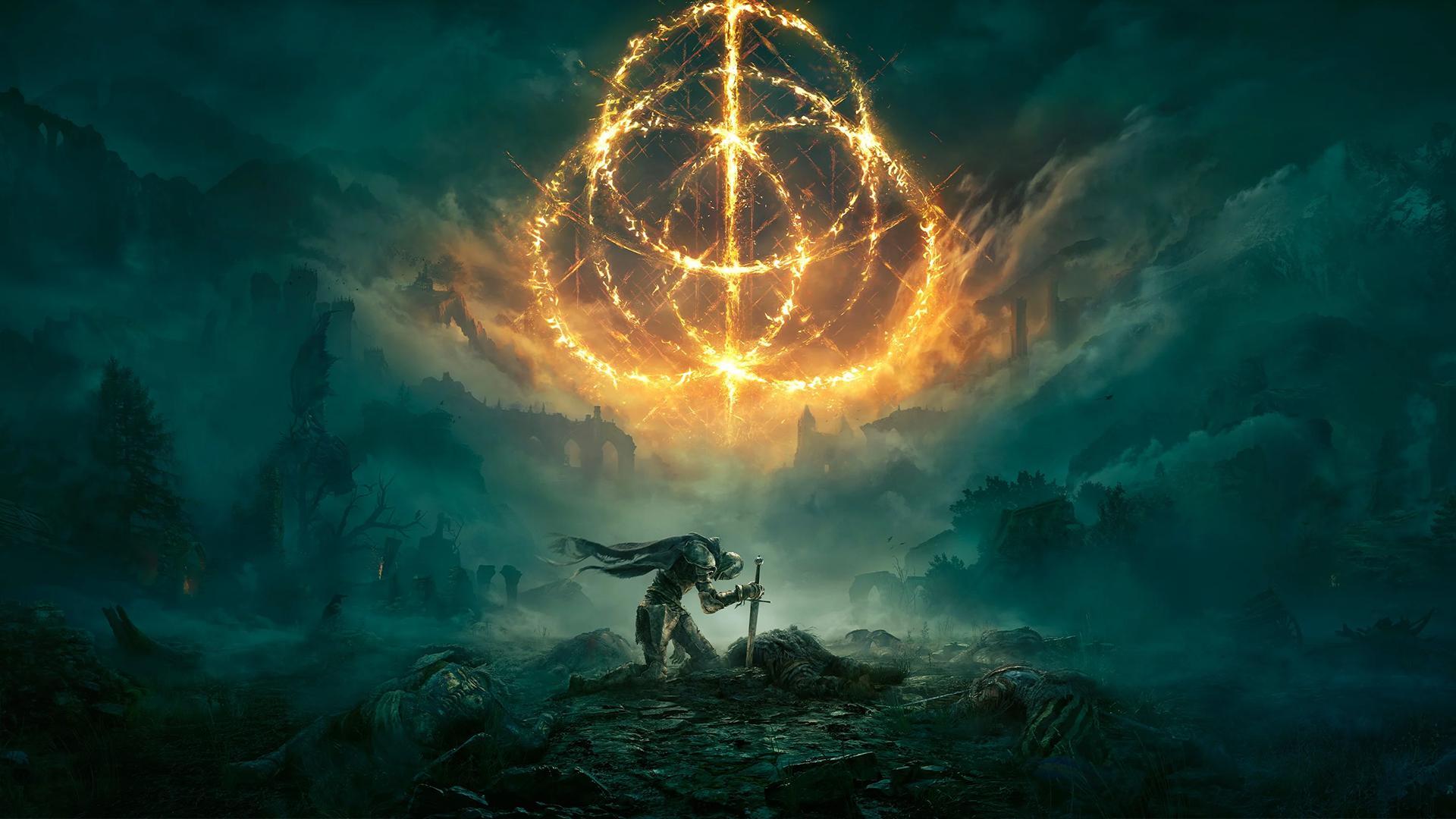
FromSoftware, like many game developers, removed traditional male and female character options and instead used ‘Type A’ and ‘Type B’ in their character creation tool. Some players expressed disappointment that a Japanese studio was seemingly following Western trends toward inclusivity. However, these character types only affected appearance and had no impact on gameplay. The conversation quickly died down as players became immersed in the game’s expansive world.
‘Minecraft’ (2022)

Mojang Studios recently updated their game with several new default character skins, in addition to the original Steve and Alex. These new characters are more diverse, representing a wider variety of ethnicities and including options for prosthetic limbs. While the change aims to give new players more choices from the start, some players expressed concern that it diminishes the simple, classic look of Steve and Alex. The developers explained that they want players to feel represented in the game right away, even before customizing their own characters.
‘Call of Duty: Modern Warfare II’ (2022)
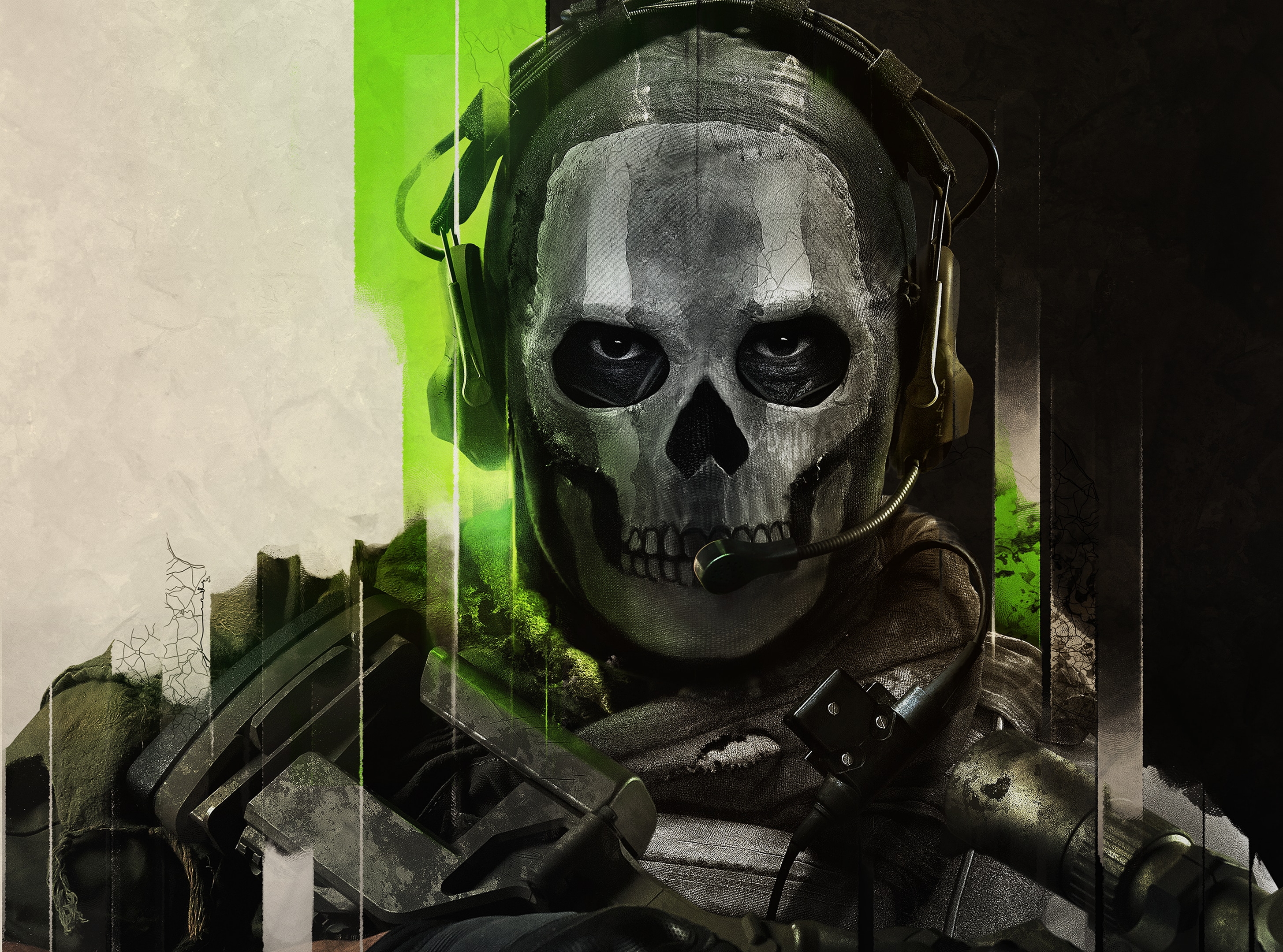
Activision has been adding operator bundles to the game featuring pride flags and characters representing a variety of backgrounds. This often sparks debate among players, with some arguing that these additions don’t belong in a military-themed shooter. However, despite the criticism, these bundles consistently rank among the game’s best-selling items. The game continues to add new characters to its lineup to attract players from around the world.
‘Forspoken’ (2023)
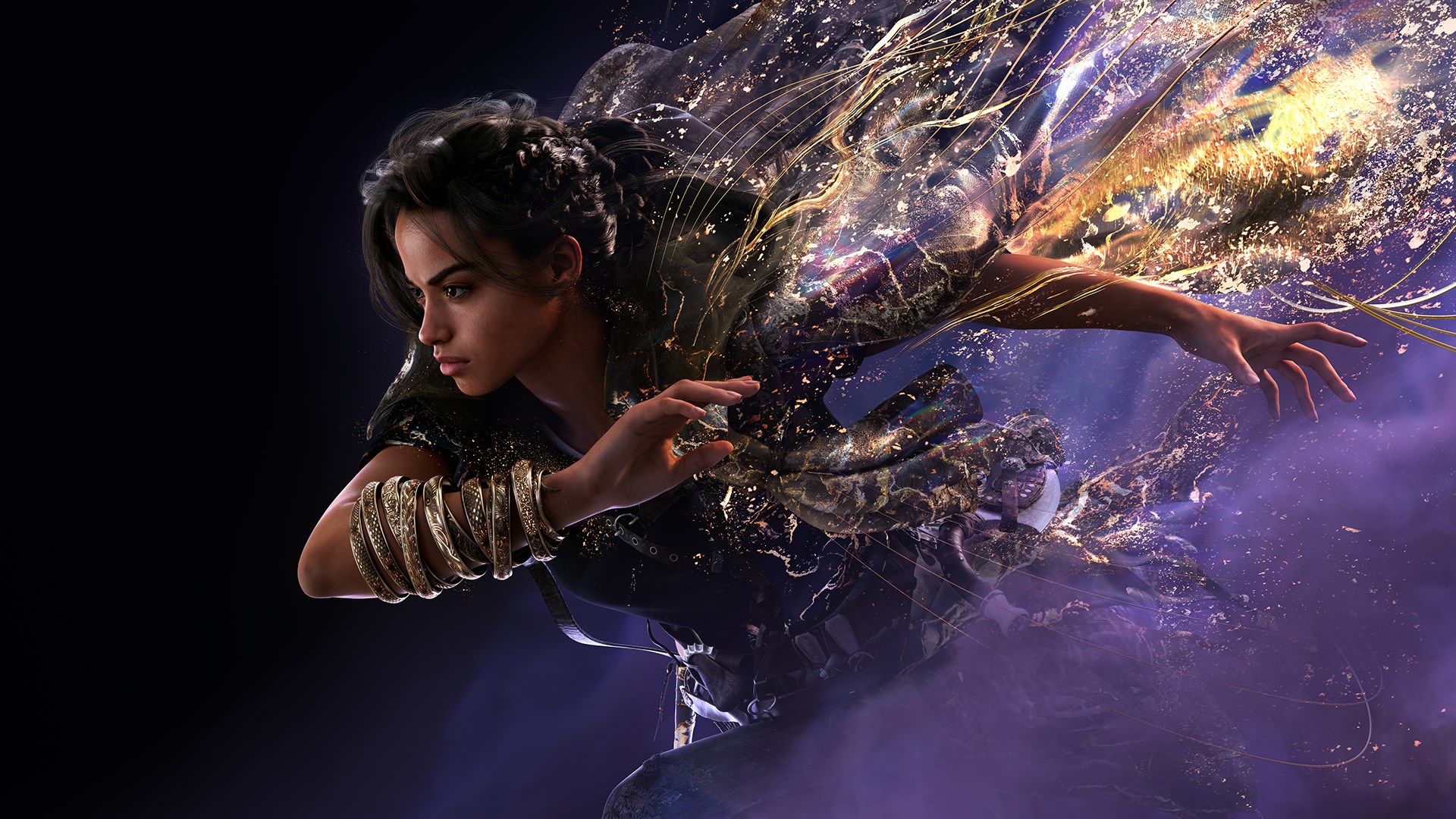
Square Enix’s new action RPG tells the story of a young Black woman from New York who finds herself in a fantasy world. The game received criticism, particularly for the protagonist’s personality and dialogue, which some people labeled as overly focused on current social issues. While the game did have some pacing problems, much of the discussion centered on the character’s attitude and her race, creating a complicated reaction that blended gameplay concerns with broader cultural debates.
‘Suicide Squad: Kill the Justice League’ (2024)
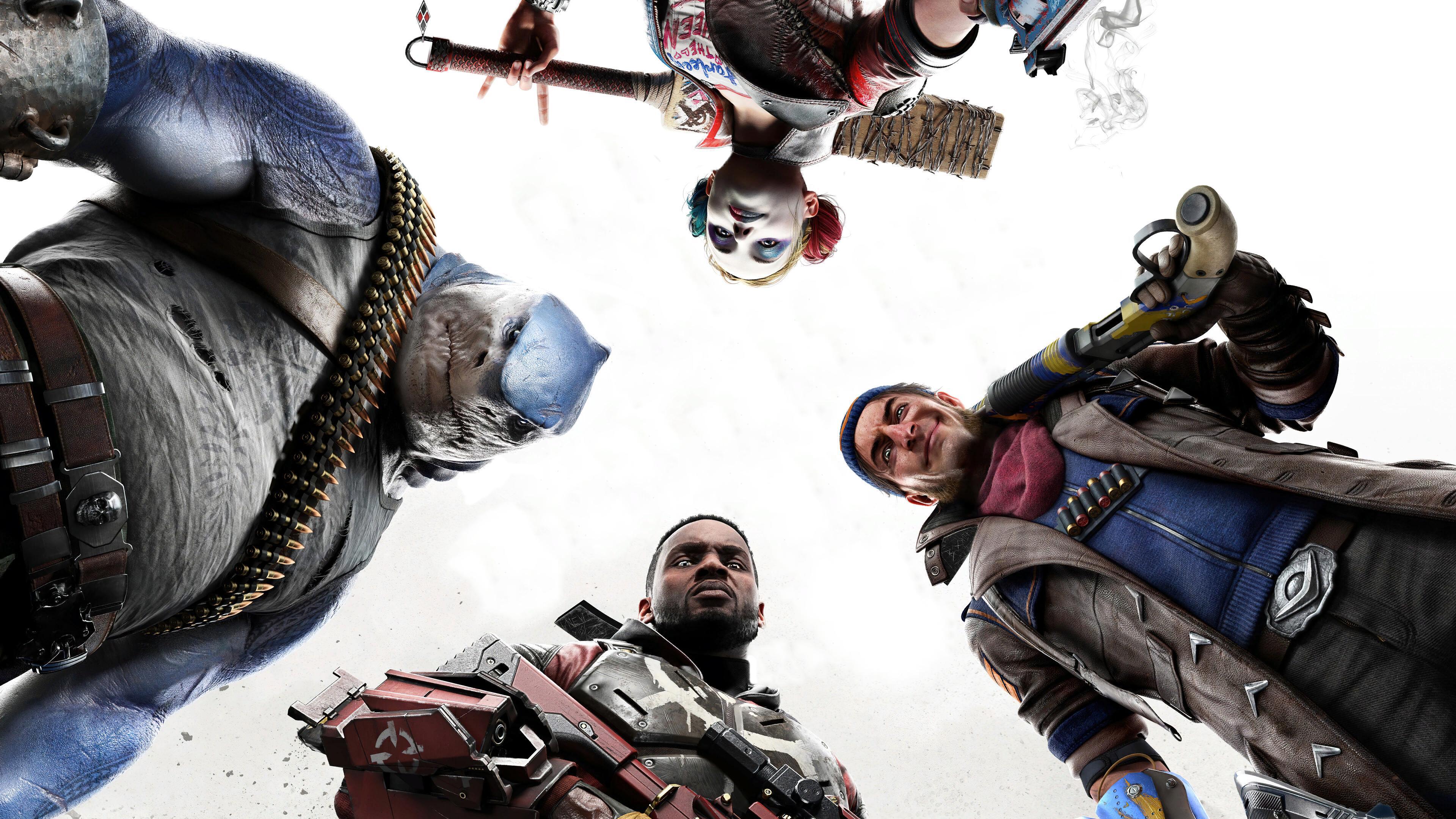
Rocksteady Studios encountered significant criticism before their game launched, stemming from their collaboration with the company Sweet Baby Inc. Critics accused Sweet Baby Inc. of imposing unwanted changes to the story and characters from DC Comics, ultimately damaging their portrayal. This negative reaction spread online through shared screenshots and short video clips, but Rocksteady didn’t officially respond to the resulting rumors and accusations.
‘Fable’ (2024)
A recent trailer for the new installment of Playground Games’ series sparked controversy online. Some viewers criticized the appearance of the female lead, claiming she didn’t fit traditional beauty standards and even digitally altered her image. This led to complaints about how female characters are portrayed in Western games. However, critics overlooked the fact that the game has always let players customize their characters’ appearances. The developers chose not to address these criticisms, which focused solely on the character’s looks.
‘Tell Me Why’ (2020)
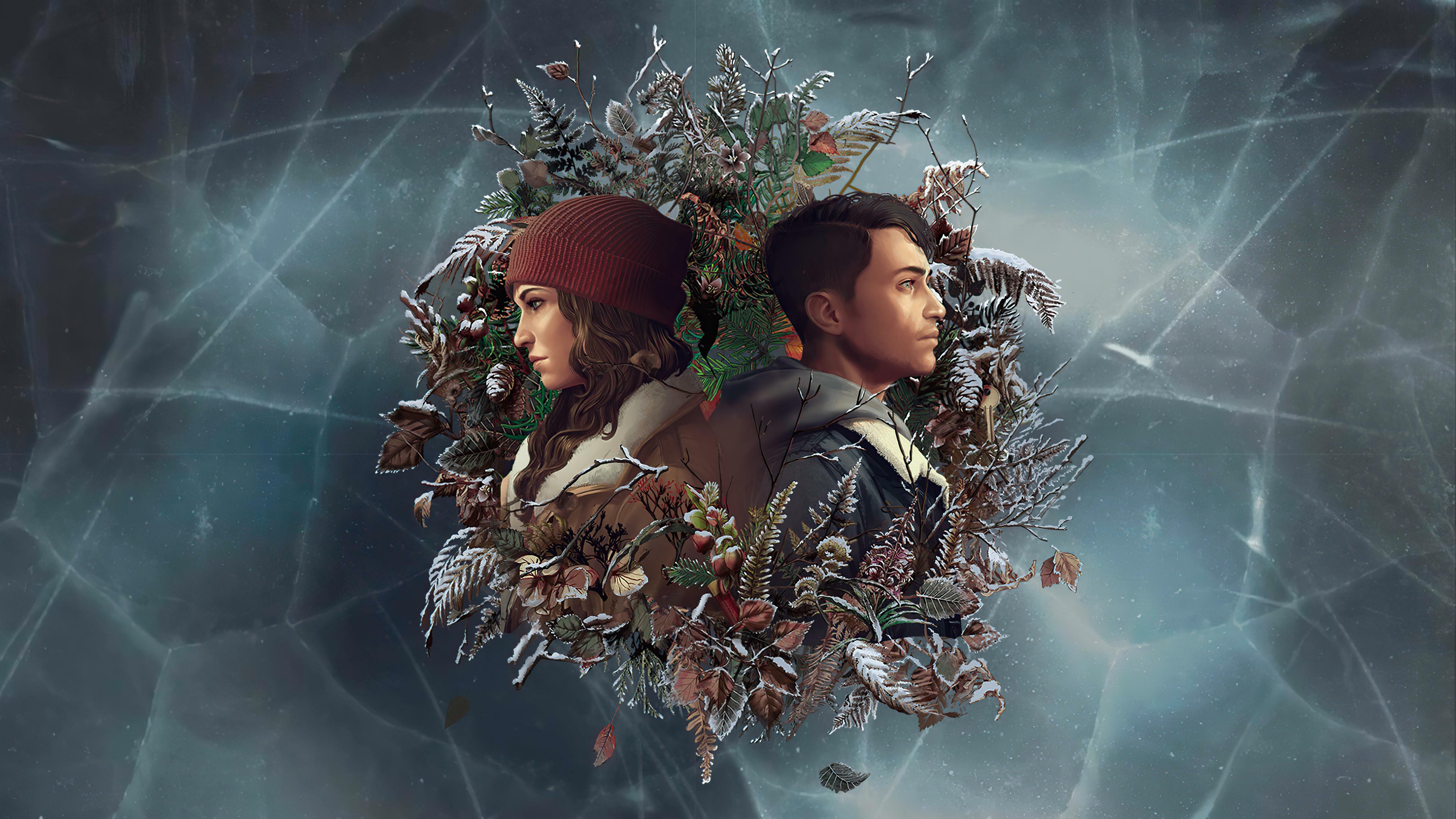
I recently played this really cool story-driven game from Dontnod, and what I loved most was that one of the two characters you play as is a trans man. It was a bit sad to see it get review bombed online by people who didn’t like the story’s main idea, but it was awesome that Microsoft and the developers responded by making it free to download during Pride month. Honestly, it’s a really well-done game and it’s won a bunch of awards for how realistically and sensitively it portrays the trans experience. Definitely recommend checking it out!
‘Goodbye Volcano High’ (2023)
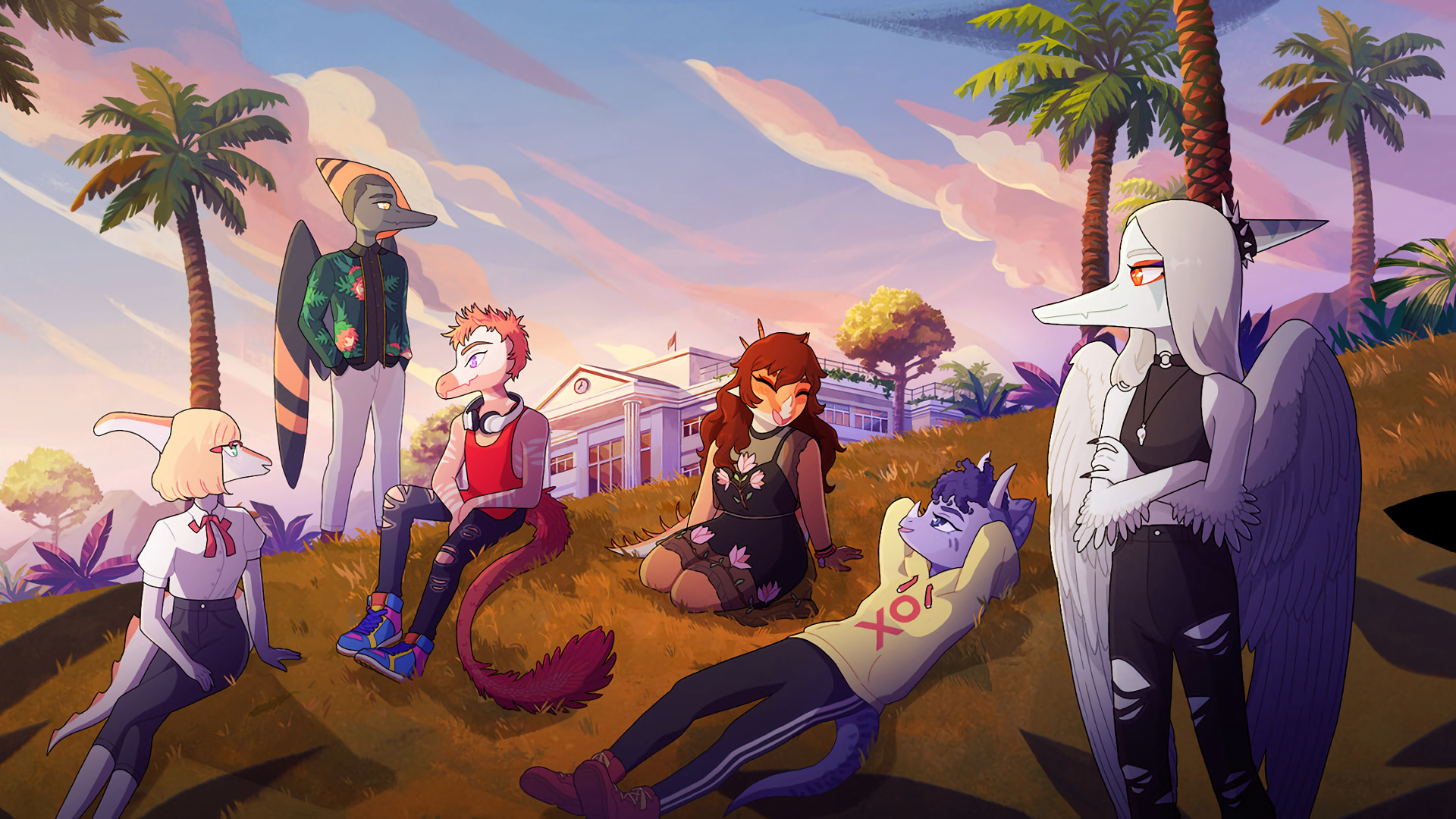
KO_OP created a story-driven game centered around teenage dinosaurs, including characters who don’t identify with traditional gender roles and exploring LGBTQ+ themes. Even before the game launched, it faced harassment because of its art and subject matter, forcing the developers to change how they managed their online community to deal with the hateful messages. While critics applauded the game’s writing when it finally came out, it continued to be a target for those who disagreed with its ideas.
‘Dustborn’ (2024)
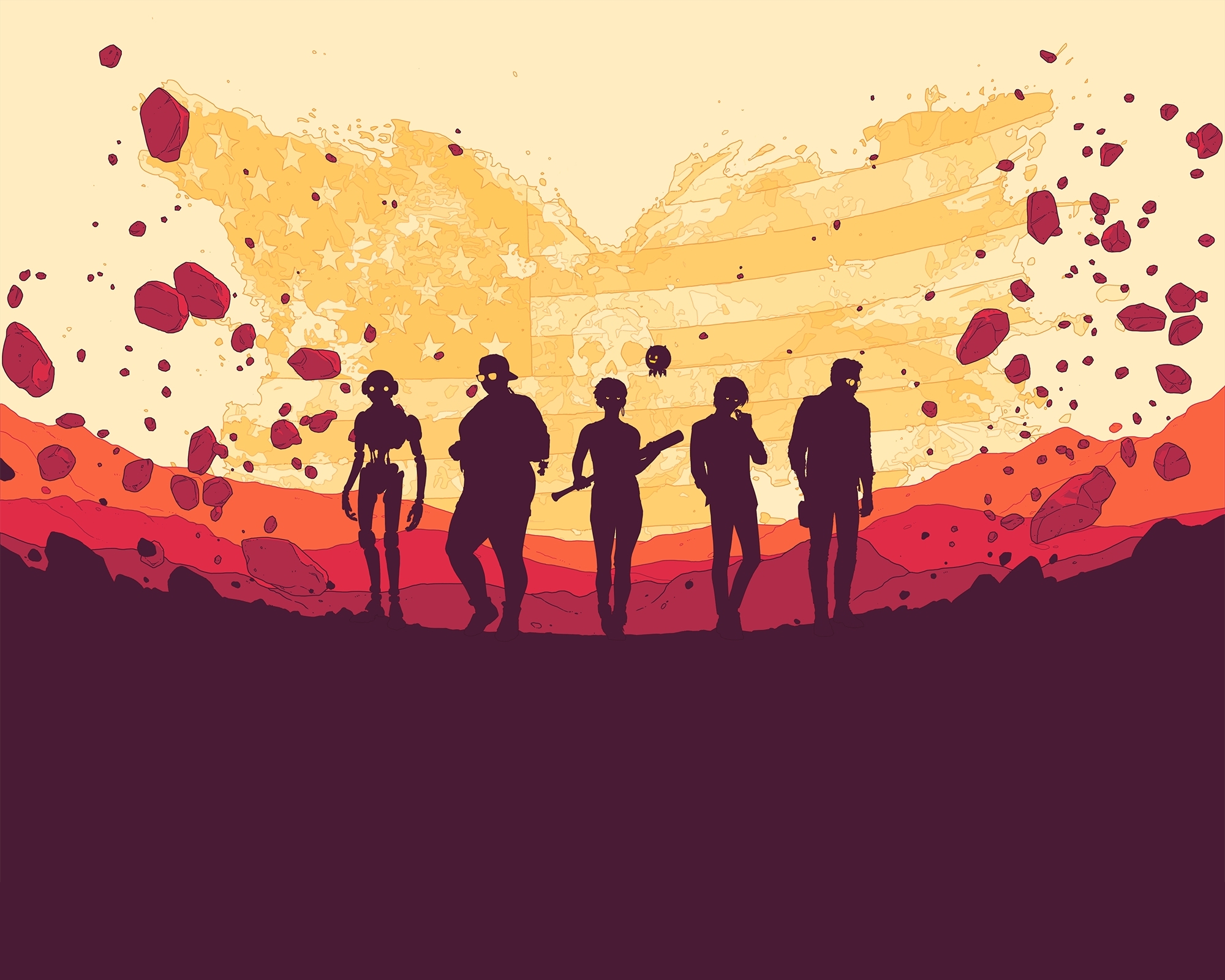
I remember when Red Thread Games released this game – it was really interesting! It followed a group of activists traveling across a broken America. What got everyone talking, though, was how they turned progressive ideas into actual shouts the characters used in combat. It immediately caused a huge uproar, especially from more conservative gamers. Honestly, it sparked a big debate about how directly games should deal with political themes. The developers were pretty upfront about who they were making the game for, and it definitely resonated with that audience.
‘Rust’ (2016)

Facepunch Studios tried an unusual system where a player’s race and gender in the game were automatically set based on their Steam account and couldn’t be changed. This meant players didn’t get to choose how their character looked, and some were unhappy about being forced to play as a race or gender they didn’t identify with. The change sparked a lot of criticism, with players asking for the ability to customize their avatars. The game’s creator, Garry Newman, explained that he implemented the system as a test to see how players would interact with each other when certain characteristics were fixed and unchangeable.
‘Returnal’ (2021)
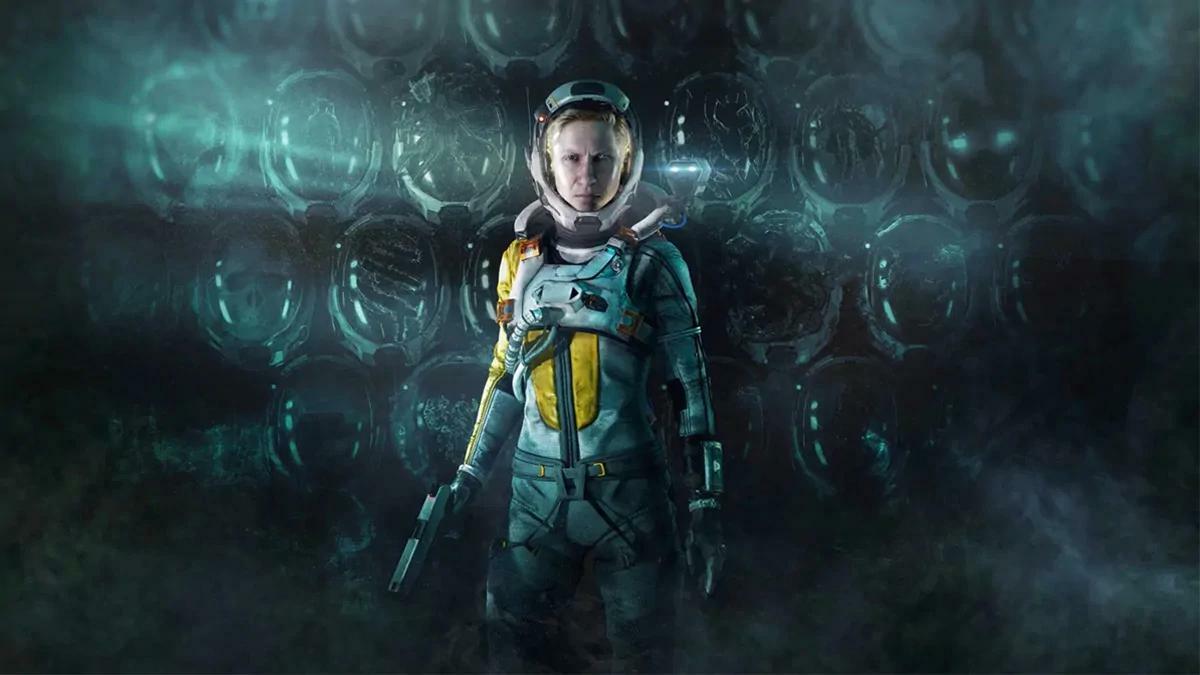
I was so excited for Housemarque’s new game with Selene, this astronaut stuck in a time loop! But I was really disappointed to see some people complaining about how she looked. They said she wasn’t traditionally attractive or young enough to be an action hero. Honestly, I thought it was great that they made her a more realistic, middle-aged character – she’s a seasoned astronaut, not a teenager! It just struck me how much pressure there still is on female characters to look a certain way, and how rarely we see older women as leads. It really showed how much ageism exists in gaming, which is frustrating.
‘Warhammer 40,000: Space Marine 2’ (2024)
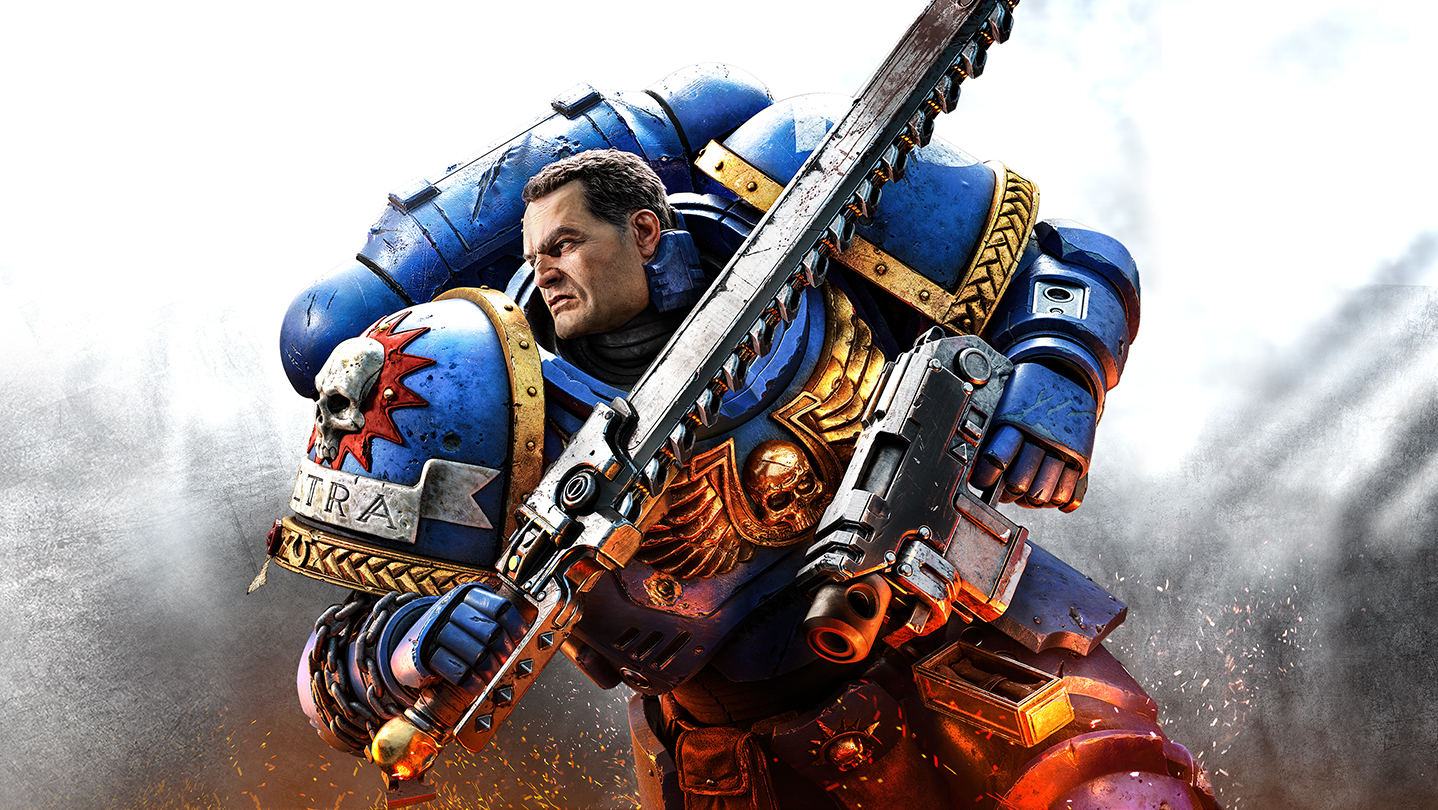
When Saber Interactive released the game, it faced some backlash stemming from a debate within the tabletop gaming community about adding female characters to the game’s universe. Although the game itself featured only male Space Marines, some fans worried that recent changes to the game’s backstory – which they considered to be driven by ‘woke’ ideology – would be incorporated into the game. The developers chose to concentrate on their own story and avoided getting involved in the tabletop debate. Players are still carefully watching for any changes to the established storyline.
Tell us which of these controversies you remember most vividly by leaving a comment.
Read More
- Seeing Through the Lies: A New Approach to Detecting Image Forgeries
- Staying Ahead of the Fakes: A New Approach to Detecting AI-Generated Images
- Julia Roberts, 58, Turns Heads With Sexy Plunging Dress at the Golden Globes
- Gold Rate Forecast
- Smarter Reasoning, Less Compute: Teaching Models When to Stop
- Unmasking falsehoods: A New Approach to AI Truthfulness
- Palantir and Tesla: A Tale of Two Stocks
- How to rank up with Tuvalkane – Soulframe
- TV Shows That Race-Bent Villains and Confused Everyone
- The 25 Marvel Projects That Race-Bent Characters and Lost Black Fans
2026-01-16 20:52