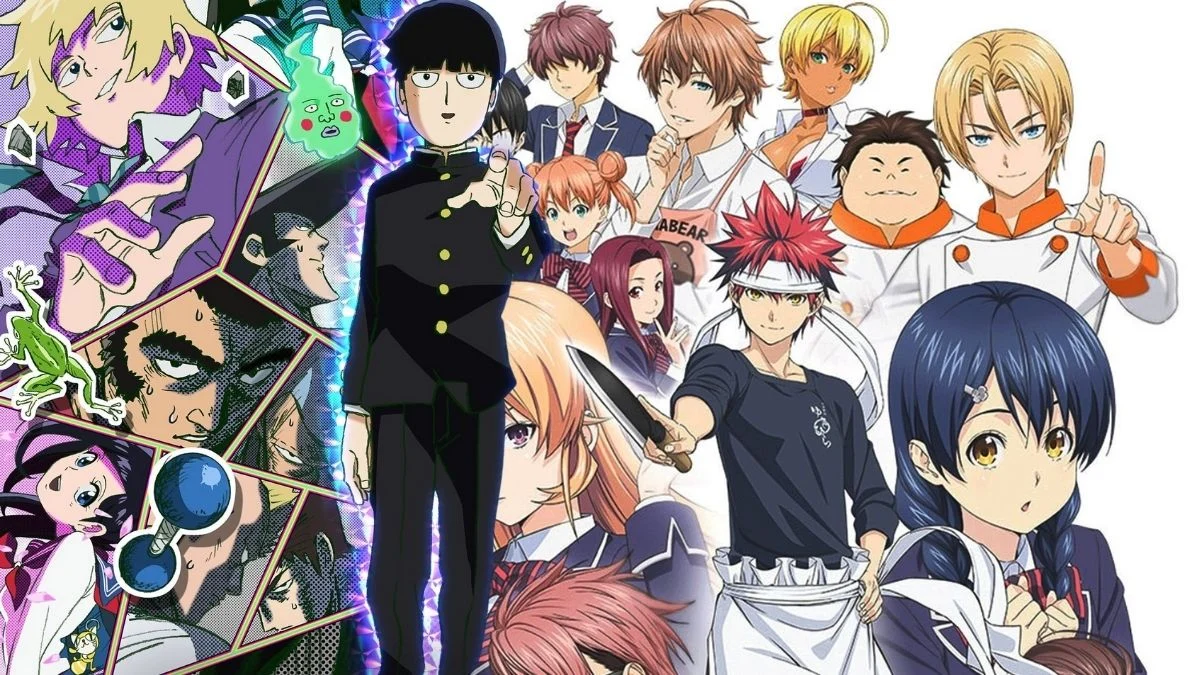
Voice actors are essential to anime, bringing characters to life in a way that fans truly connect with. When a voice actor leaves a role during a series, it can cause big problems for both the production and the fans. While sometimes these changes happen due to illness or unfortunate events, they can also be caused by disagreements over contracts or public controversies. Several anime series have faced significant casting changes that impacted the show and left a mark on the anime world.
‘Detective Conan’ (1996–Present)
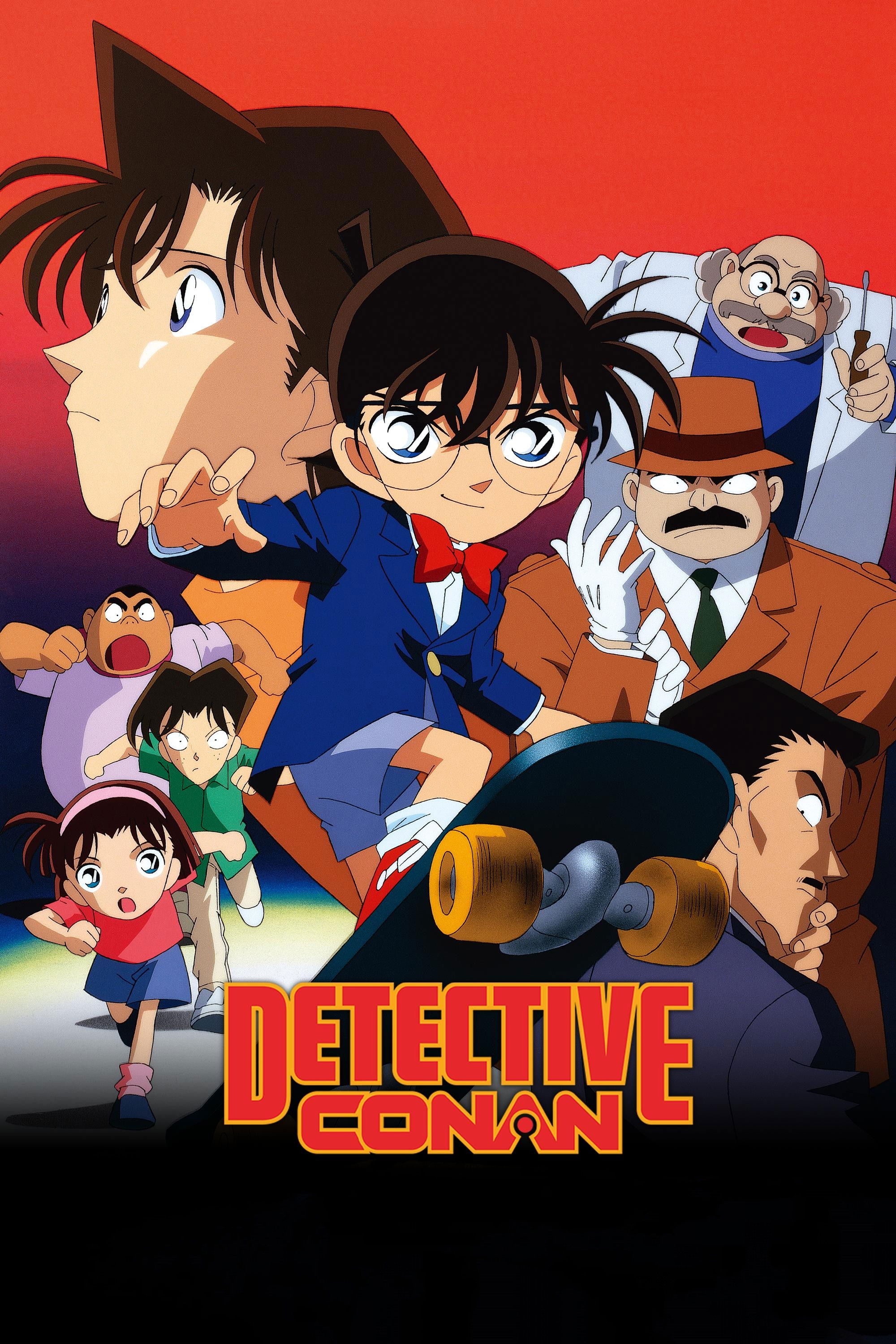
For more than ten years, Akira Kamiya was the well-known voice of Kogoro Mouri, the detective known for being a bit clumsy but self-assured. He stopped voicing the character in 2009 after a disagreement with the show’s producers, which allegedly involved him sharing private information on his blog. This sudden change surprised many fans who had grown accustomed to his unique, deep voice. Rikiya Koyama then took over the role, bringing a slightly different feel to the character, particularly when portraying the ‘Sleeping Kogoro’ scenes.
‘One Piece’ (1999–Present)
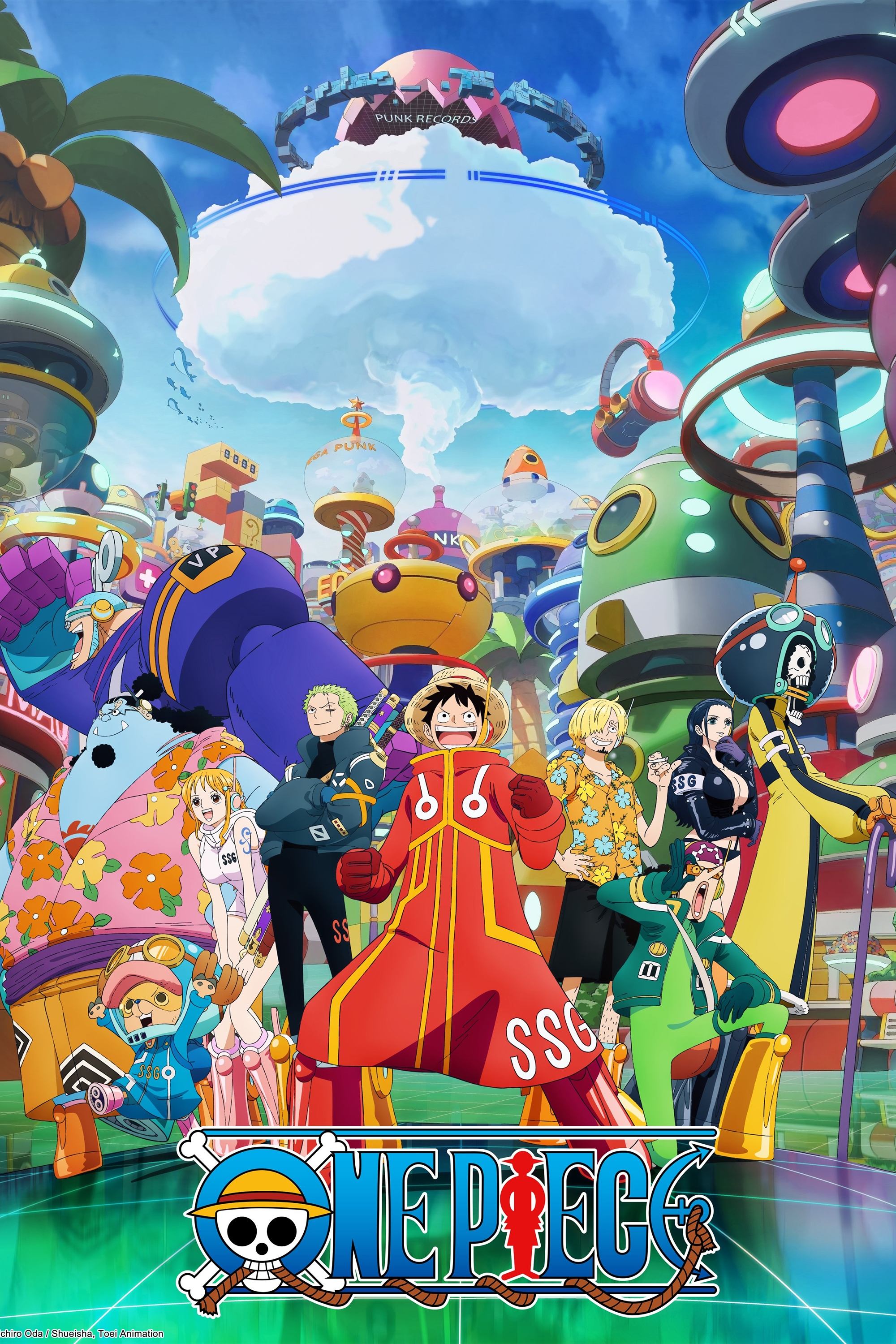
Emporio Ivankov, a famously energetic character, was first voiced by Norio Imamura, who brought that chaotic spirit to life. However, after Imamura’s arrest in 2010 for sharing inappropriate content online, he was immediately replaced. Mitsuo Iwata stepped in to voice the character for the rest of the Marineford story arc and all future episodes. This situation demonstrated how seriously Japanese voice actors are expected to adhere to conduct standards outlined in their contracts.
‘Tokyo Revengers’ (2021–Present)
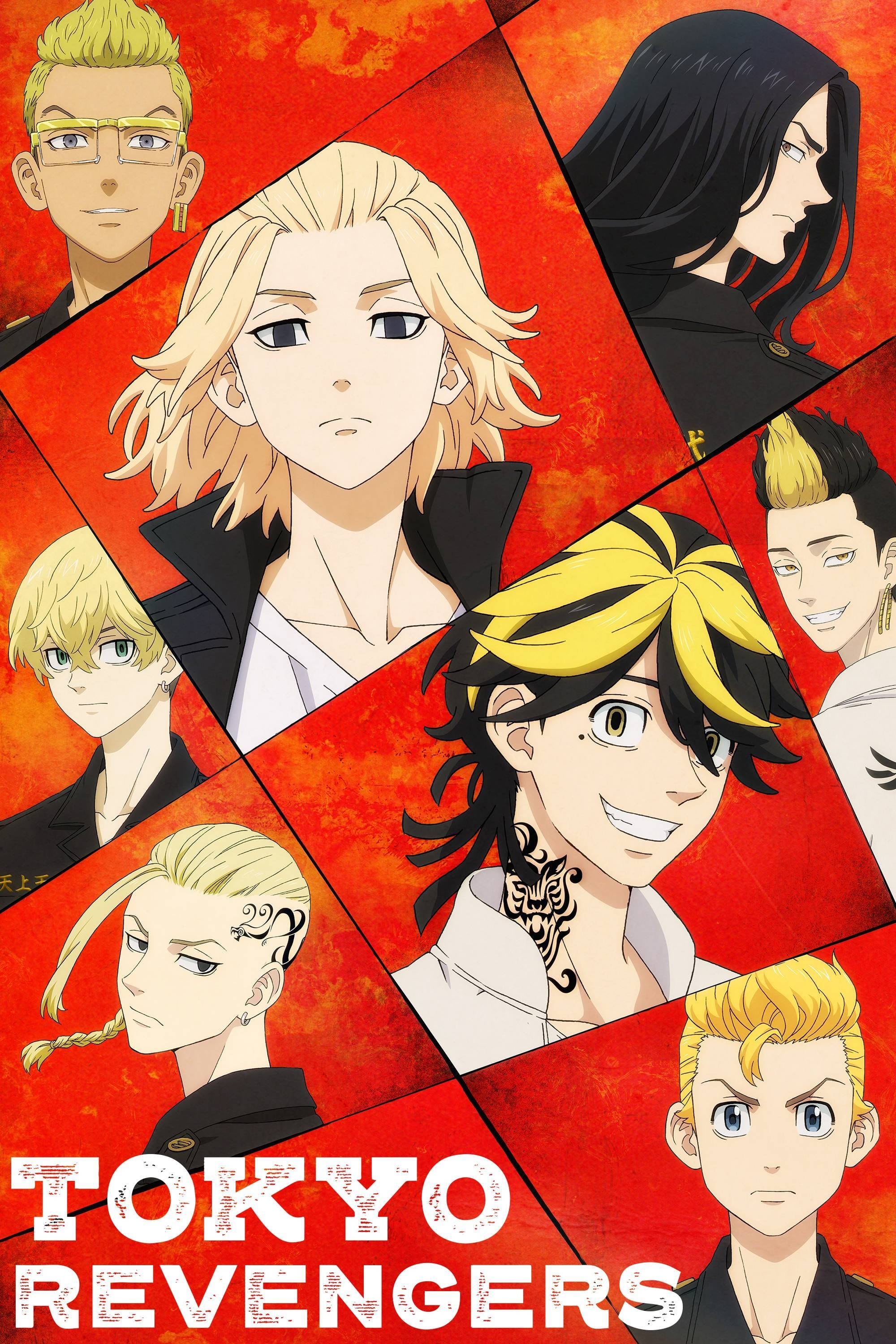
Tatsuhisa Suzuki originally voiced the beloved character Ken “Draken” Ryuguji in the first season of the popular anime. After a public scandal in 2021, Suzuki took a break from acting and was replaced. Masaya Fukunishi took over the role of Draken, re-recording lines for older episodes and home video releases to make sure everything sounded consistent. This change was widely discussed by fans, considering how important Draken is to the story.
‘The Misfit of Demon King Academy’ (2020–Present)
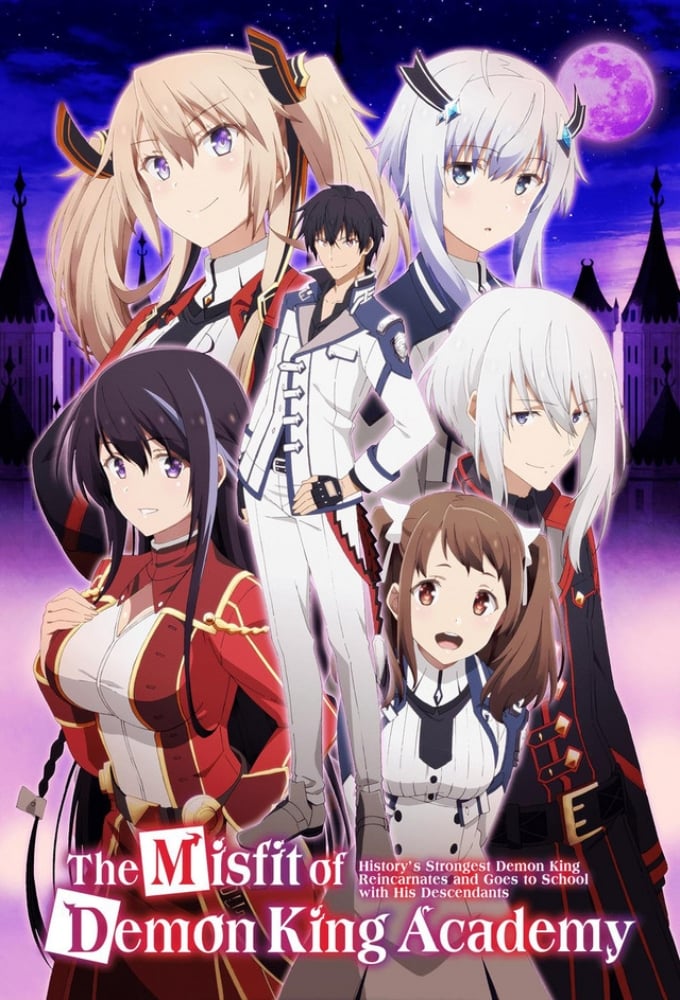
Anos Voldigoad, the main character, was first voiced by Tatsuhisa Suzuki, who perfectly captured his incredibly confident personality. However, due to the same issues that caused him to leave his role in ‘Tokyo Revengers,’ Suzuki was replaced. Yuichirou Umehara stepped in for the second season and did a great job portraying Anos’s proud and arrogant attitude. It took some getting used to, as fans were already familiar with Suzuki’s unique performance as the Demon King.
‘Dragon Ball Z’ (1989–1996)

The popular character Mr. Satan was originally voiced by the energetic Daisuke Gori. When Gori sadly passed away in 2010, the Dragon Ball franchise needed a new voice actor. Unsho Ishizuka stepped in, continuing to portray Mr. Satan’s confident personality until his own death. Now, Masashi Ebara voices the character. Many fans missed Gori’s distinctive, loud style, which was a key part of what made Mr. Satan so beloved.
‘Food Wars! Shokugeki no Soma’ (2015–2020)

Risa Taneda first voiced Erina Nakiri, a main character in the series. After the second season, Taneda needed to take a break from voice acting to receive medical care for her throat. Hisako Kanemoto, who had voiced Erina before in a short animated episode, then took over the role for the third season and continued until the show ended. This change was noticeable because Erina was a major character with a lot of screen time, but it was important for Taneda’s health.
‘Sazae-san’ (1969–Present)
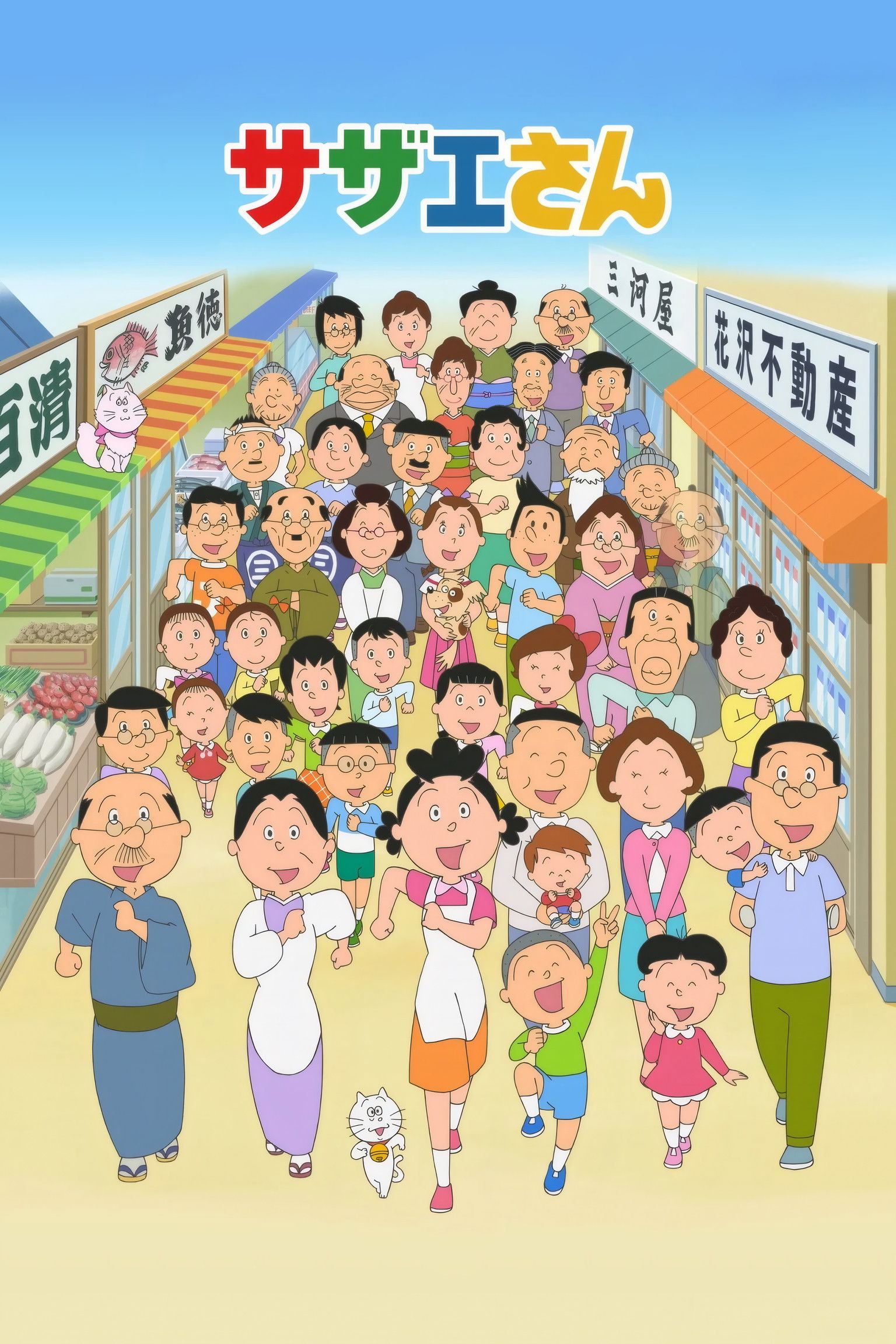
‘Sazae-san’ is the longest-running animated series ever, so it’s naturally seen some changes in its voice cast over the years. When Ichiro Nagai, who voiced the grandfather Namihei Isono for 45 years, passed away in 2014, it was a moment of national sadness. His famous catchphrase, ‘Bakamon!’ was well-known throughout Japanese culture. The actor who took over the role, Chafurin, faced a lot of pressure, as many people considered watching ‘Sazae-san’ a weekly Sunday tradition.
‘One Piece’ (1999–Present)
In 2024, veteran actor Toru Furuya resigned from his role as Sabo after admitting to a long-term affair and inappropriate behavior. His agency and the anime production team quickly replaced him with Miyu Irino, who debuted as the new voice of Sabo in a much-awaited episode. This swift decision highlights a growing trend in the industry: a zero-tolerance stance towards personal scandals that impact professional work.
‘Mobile Suit Gundam’ (1979–1980)
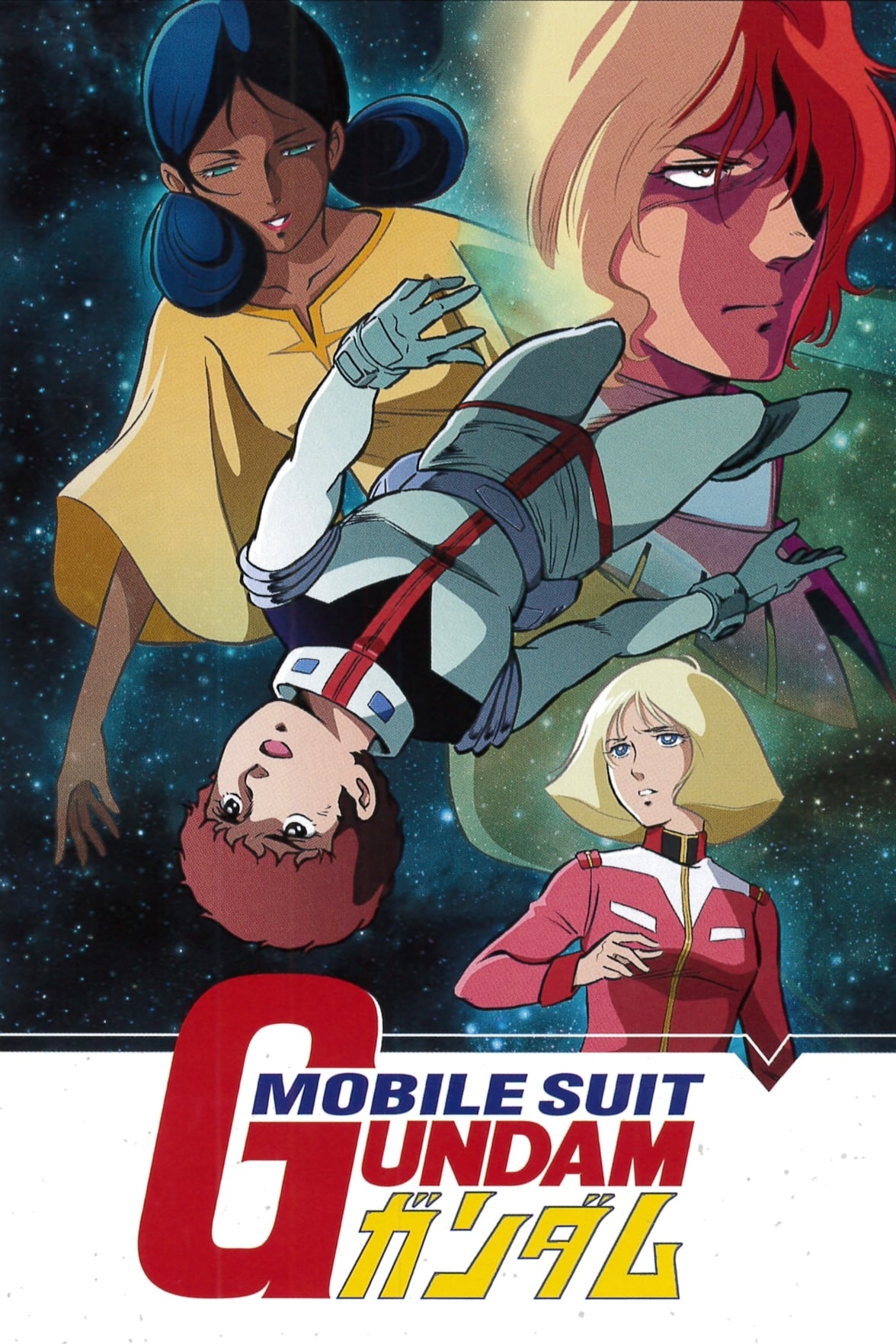
Bright Noa is a rare character who shows up in several different ‘Gundam’ series, and was first voiced by Hirotaka Suzuoki. When Suzuoki passed away in 2006, the creators needed a new voice actor for future appearances, such as in ‘Gundam Unicorn’. They chose Ken Narita, who diligently studied the original performance to ensure the character sounded consistent. This change was made with a lot of care and respect for Suzuoki’s iconic portrayal of the captain of the White Base.
‘Pokémon’ (1997–2023)
Unsho Ishizuka was a beloved voice actor for the ‘Pokemon’ anime, famously playing Professor Oak and narrating the show for more than 20 years. After his passing in 2018, Kenyuu Horiuchi stepped in to take on these roles, giving the character a slightly different, more upbeat feel. Many fans found the change bittersweet, as they had become accustomed to hearing Ishizuka’s voice at the start of every episode.
‘Ayaka’ (2023)
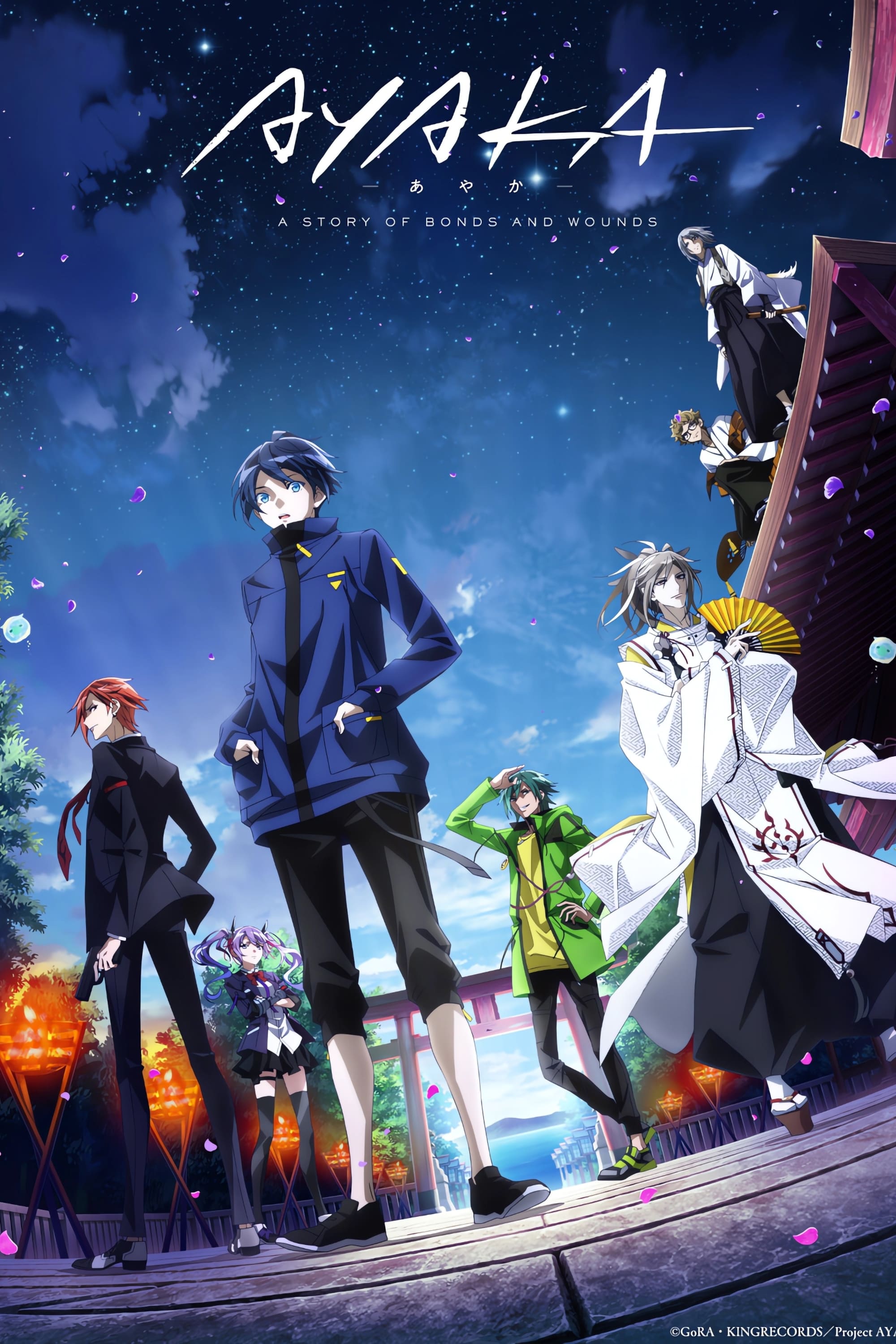
Many anime shows depend on popular voice actors to attract viewers. ‘Ayaka’ originally cast Takahiro Sakurai in a main role, but after a personal scandal, he was replaced before the show even premiered. Kousuke Toriumi then recorded all of Sakurai’s lines. This situation demonstrates the potential difficulties studios face when they heavily promote shows based on specific voice actors.
‘Dragon Ball Super’ (2015–2018)

Hiromi Tsuru was the voice of Bulma for more than 30 years, starting with the very first episode of ‘Dragon Ball’ and continuing through ‘Dragon Ball Super’. Her unexpected death in 2017 was a shock to both the animation industry and fans around the world. Aya Hisakawa then took on the role of Bulma, and her performance was well-received for honoring Tsuru’s work while also bringing a fresh energy to the character.
‘The First Slam Dunk’ (2022)
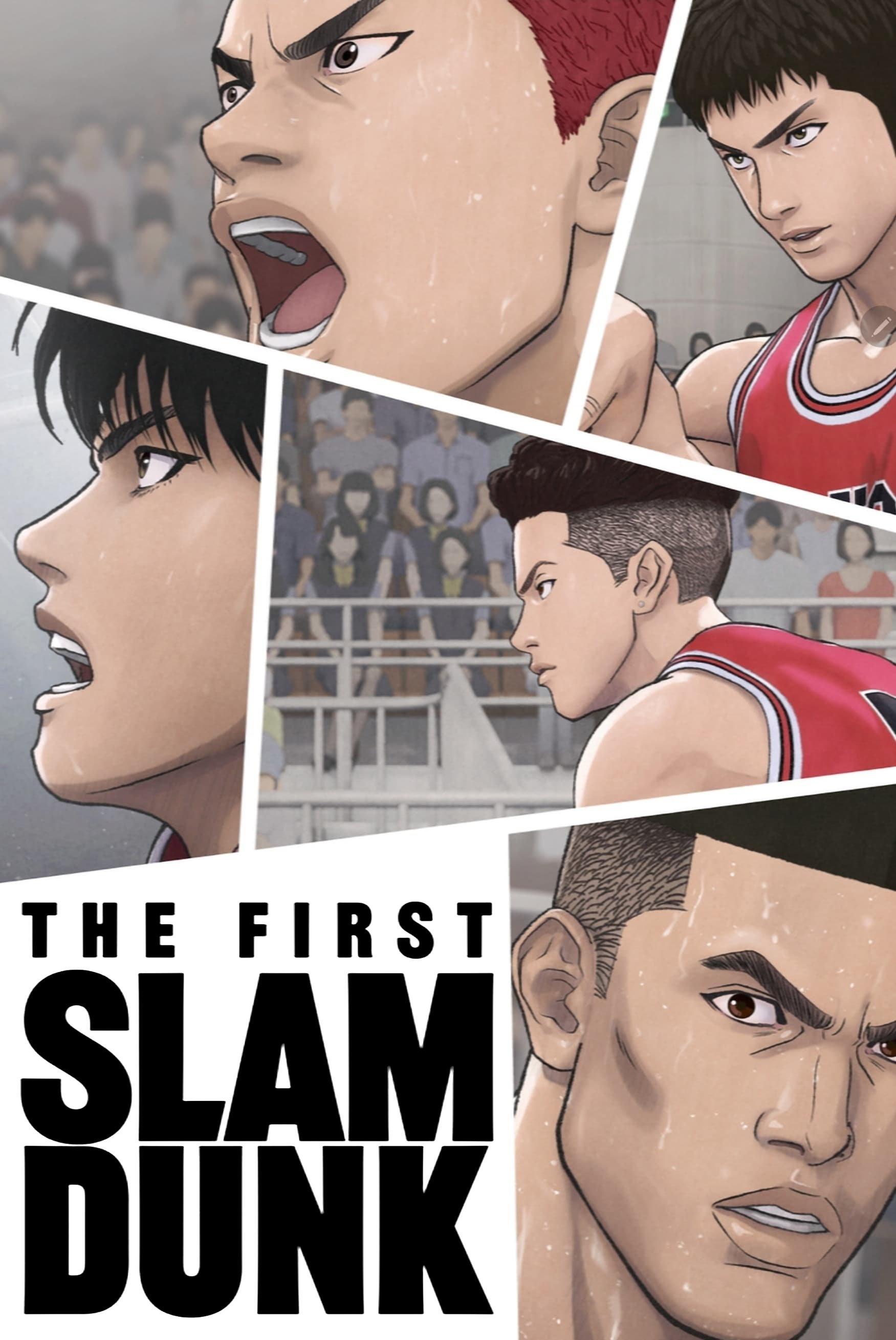
The new movie, ‘The First Slam Dunk,’ sparked debate when it was announced that none of the original voice actors from the 1990s anime series would return. Director Takehiko Inoue aimed for a more realistic and mature feel in the film, moving away from the over-the-top style of the TV show. While many fans were initially upset and voiced their concerns online, the movie ultimately became a huge hit with critics and audiences, proving the new cast a success.
‘Chibi Maruko-chan’ (1990–Present)

For many years, Keaton Yamada was both the narrator and the voice of the character Tomozou. When he retired from voice acting in 2021, the show held a special event to honor his long-running contribution to its distinctive feel. Jooji Tanaka then became the new voice of Tomozou, and another actor took over the narration.
‘Mob Psycho 100’ (2016–2022)
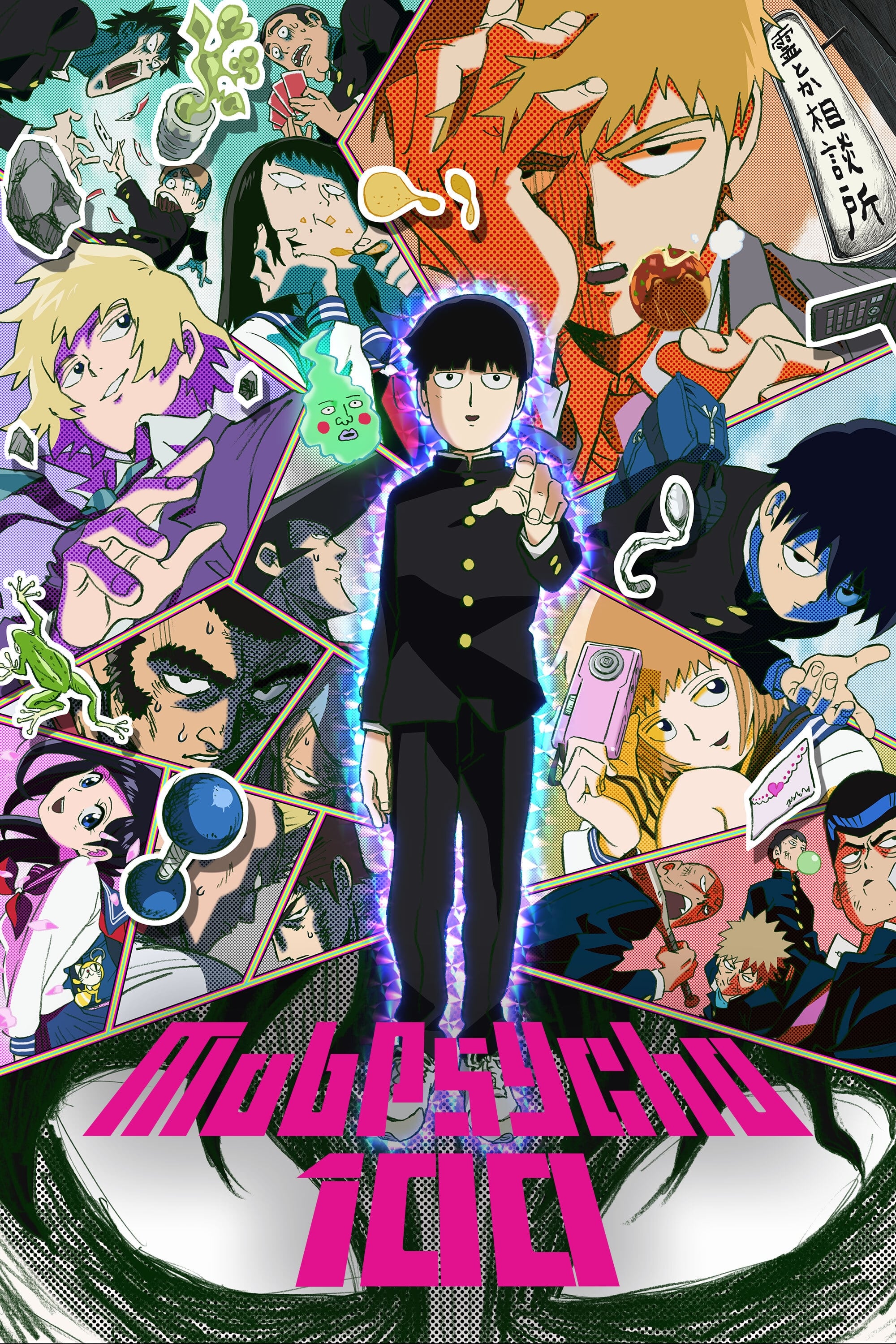
The English dub of the show faced controversy when Kyle McCarley, who voiced the main character Mob, wasn’t asked back for the third season. McCarley explained that he was dismissed because Crunchyroll wouldn’t negotiate with the SAG-AFTRA union about potential contracts. This situation ignited a larger discussion about unionizing workers in the dubbing industry. A new actor took over the role, and fans had varied reactions, with many supporting McCarley’s position.
‘Dragon Ball Super: Broly’ (2018)
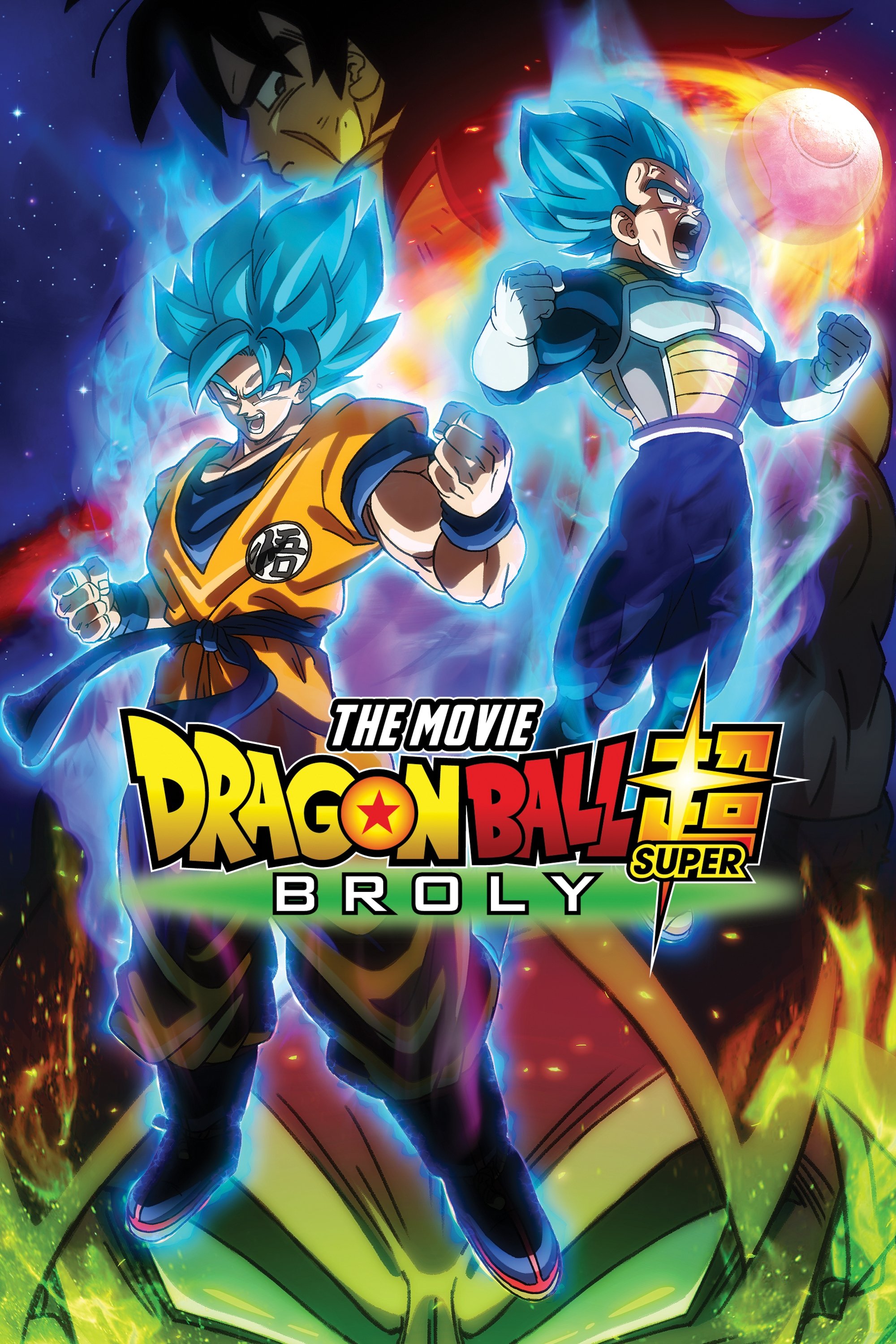
For almost twenty years, Vic Mignogna was the English voice actor for the powerful character Broly in the ‘Dragon Ball’ series. However, after accusations and a legal case in 2019, Funimation ended their working relationship with him. Johnny Yong Bosch then took over the role of Broly in new anime and video games. This change sparked a lot of debate among fans in the West, often overshadowing discussions about what was next for the character himself.
‘Neon Genesis Evangelion’ (1995–1996)
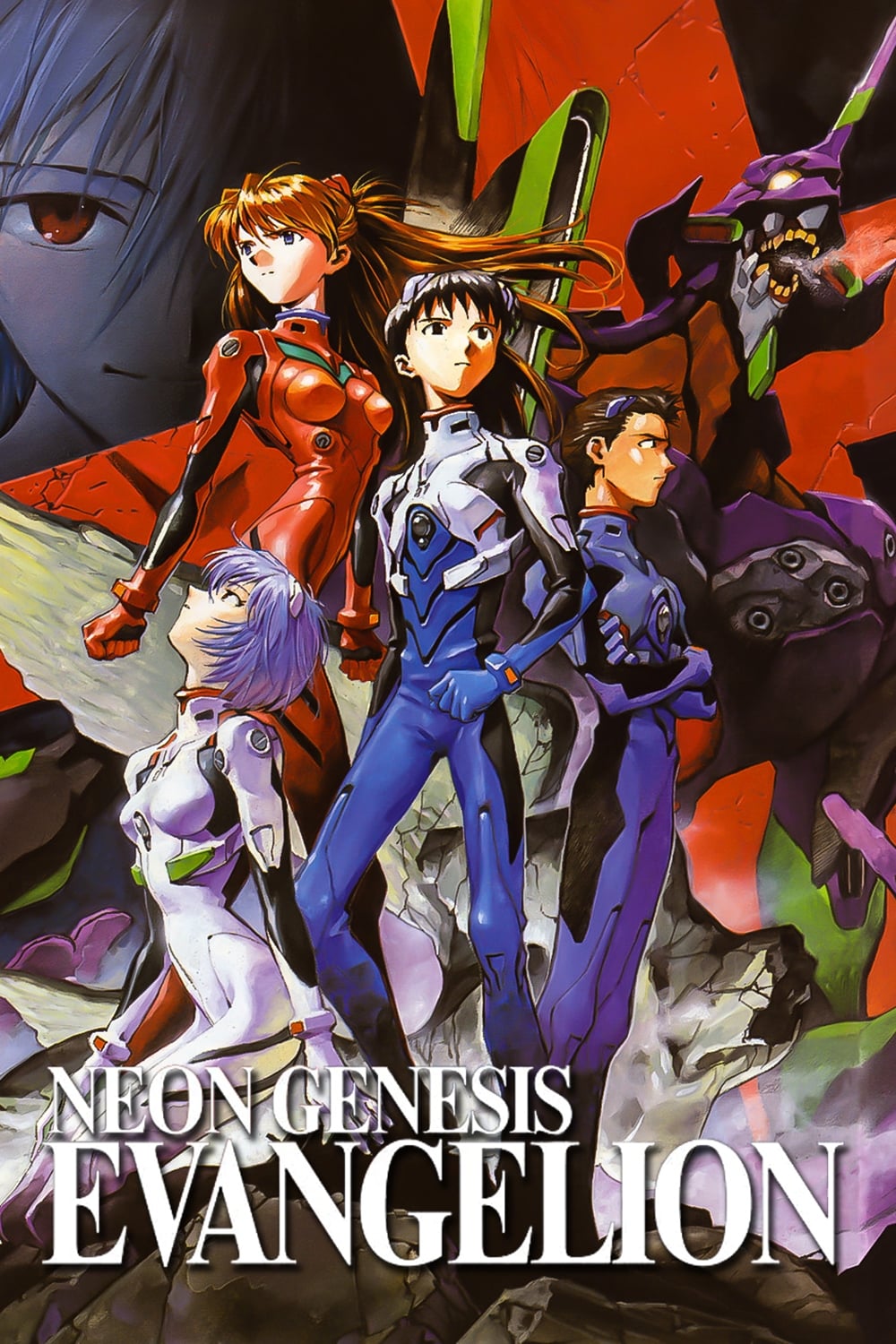
When Netflix started streaming ‘Neon Genesis Evangelion’ in 2019, they created a brand new English dub of the series. This meant replacing the voice actors from the original ADV Films dub, who fans had loved for twenty years. The new dub’s script and casting choices were criticized for altering the meaning and feel of some scenes. Although the new actors were skilled, the decision to remove the original performances created a split among longtime fans and newcomers.
‘Hunter x Hunter’ (2011–2014)

Ichiro Nagai was the original voice of Chairman Isaac Netero, a key character in the Chimera Ant storyline. Sadly, Nagai passed away while the arc was still being broadcast, which meant the role needed to be quickly recast. Ginga Banjo stepped in to finish voicing Netero, delivering his final scenes. While the change was handled smoothly, some fans noticed a subtle difference in the voice quality, particularly during Netero’s biggest fight.
‘Code Geass: Lelouch of the Re;surrection’ (2019)
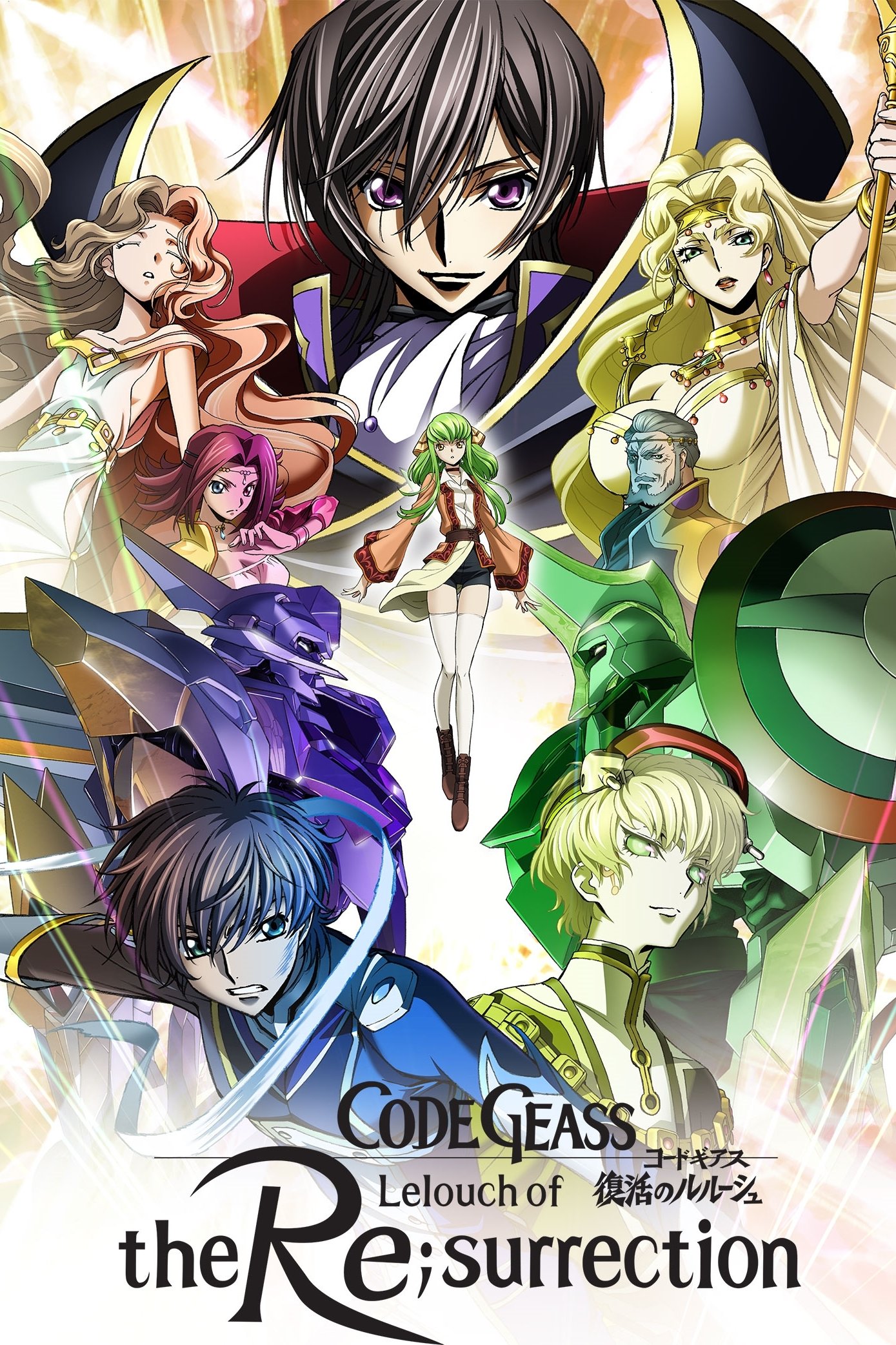
Shinichiro Tamaki was first voiced by Kazunari Tanaka, who played the character as boisterous and outspoken. After Tanaka’s passing, Nobuyuki Hiyama took over the role for the sequel film. Hiyama, often cast in energetic roles, was a natural fit for Tamaki’s lively personality. This change allowed the character to return for a reunion movie, ensuring he wasn’t permanently written out as a tribute.
‘Dream Festival!’ (2016)

A multimedia project featuring idols experienced a major problem when one of its lead actors unexpectedly left. Junya Amamiya, the voice of Chizuru, departed the project, and his agency stated he had broken their contract. Soma Ishihara was brought in as his replacement for both the animated series and the real-life idol group. This sudden change meant they had to reshoot music videos and rerecord songs, which delayed the group’s planned promotions.
‘Ensemble Stars!’ (2019)

Initially, Jun Kitamura voiced Arashi Narukami in the original game. After a break, Kitamura left the series, and Ryo Kitamura took over the role. This voice change, which first occurred in the game, also affected the anime. Fans had to get used to hearing a different voice for this well-loved character.
‘Trigun Stampede’ (2023)
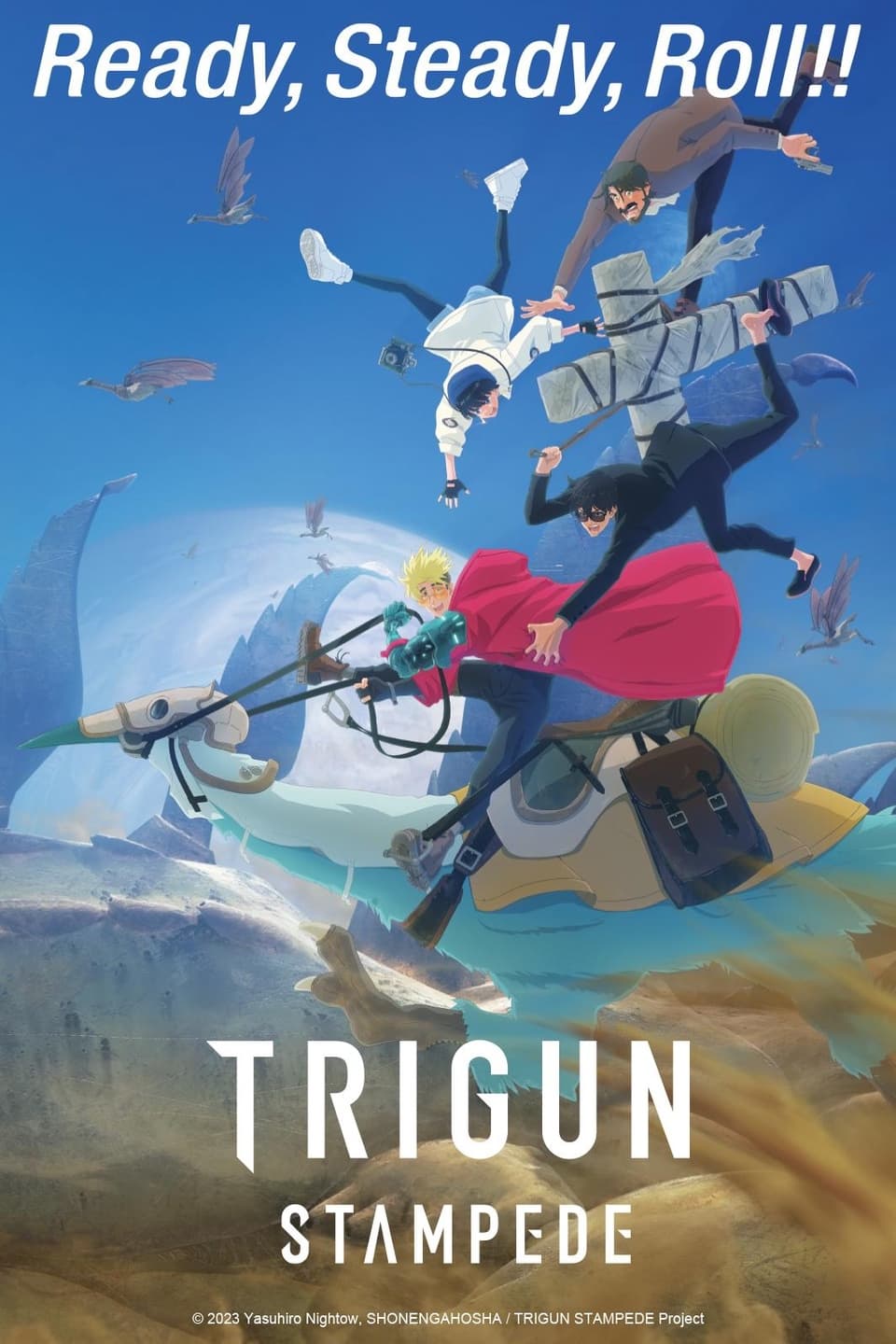
The 2023 revival of ‘Trigun’ sought to update the series with a fresh look and feel. A key part of this update was recasting the voice of the main character, Vash the Stampede. Yoshitsugu Matsuoka took over the role from Masaya Onosaka, who originally voiced Vash and remained involved in the reboot with a different part. This change highlighted the reboot’s intention to be distinct from the 1998 version, but it also divided fans, many of whom believed Onosaka’s voice was integral to Vash’s personality.
‘Bleach’ (2004–2012)

As a huge fan, I was so thrilled to see Genryusai Shigekuni Yamamoto, the Captain-Commander, return in the ‘Thousand-Year Blood War’ arc! It was really sad when Masaaki Tsukada, the original voice actor, passed away in 2014, and the character felt incomplete without him. But Binbin Takaoka stepped in and absolutely nailed it. He perfectly captured Yamamoto’s powerful and commanding presence, and it felt like a beautiful tribute to everything Tsukada-san had already established with the character. It was amazing to hear Yamamoto’s final battles brought to life so well.
‘One Piece’ (1999–Present)
Admiral Kizaru is famous for his slow, drawn-out way of speaking, a style first created by voice actor Unsho Ishizuka. After Ishizuka passed away, Ryotaro Okiayu took over the role, and had to carefully copy the unique, elongated speech pattern that Ishizuka had already made so recognizable. This ensures the character sounds consistent throughout the series.
‘Mister Ajikko’ (1987–1989)
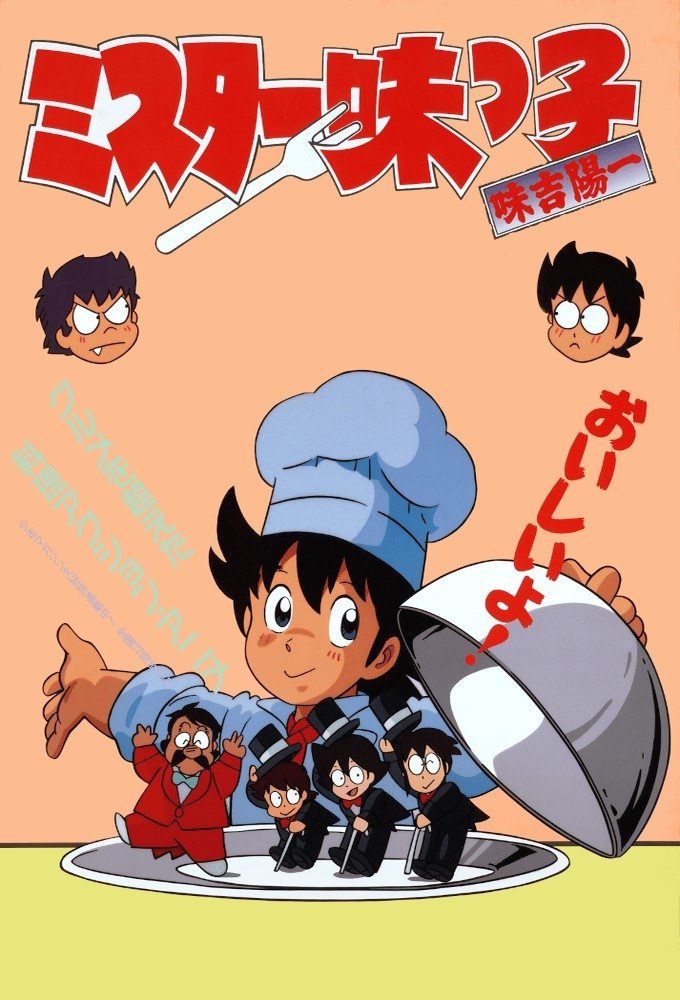
The popular cooking anime featured a unique situation with its main character, Yoichi Ajiyoshi. The original voice actress, Minami Takayama, had to take a break from recording due to scheduling issues or illness, so another actress filled in temporarily. This is unusual for a lead character, especially in anime made before digital recording was common. Fans who grew up with 80s anime often remember this as an example of the production challenges faced back then.
‘Kingdom’ (2012–Present)
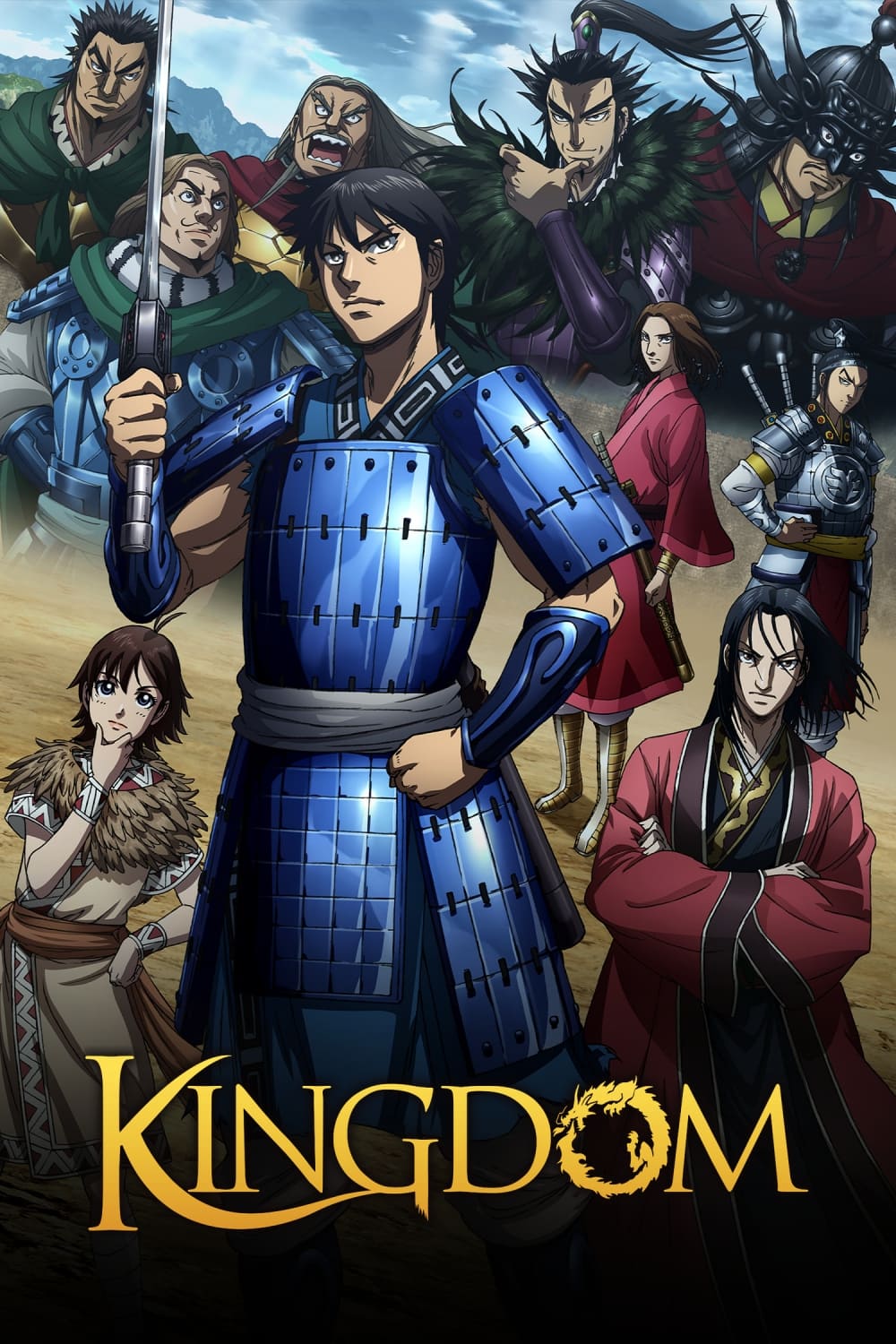
Initially, the character Renpa, a famous general, was voiced by Shozo Iizuka. When Iizuka retired due to his age, Katsuyuki Konishi took over the role. This change mirrored Renpa’s own continued strength and vitality within the story, and Konishi brought a fresher, more energetic feel to the character’s powerful persona.
‘Fruits Basket’ (2019–2021)

The 2019 series was a fresh start, completely reimagined with a new cast. This wasn’t just a typical remake; the original creator, Natsuki Takaya, specifically asked for all the voice actors to be replaced. She wanted to distance this new version from the 2001 anime, which she wasn’t happy with. While Japanese fans generally welcomed the change as a new beginning, those who loved the 2001 English dub had varied reactions. This makes the 2019 series unusual because the author intentionally chose a completely new cast to start from scratch.
Please tell us which voice actor change shocked you the most in the comments.
Read More
- Spotting the Loops in Autonomous Systems
- Seeing Through the Lies: A New Approach to Detecting Image Forgeries
- Staying Ahead of the Fakes: A New Approach to Detecting AI-Generated Images
- Julia Roberts, 58, Turns Heads With Sexy Plunging Dress at the Golden Globes
- Unmasking falsehoods: A New Approach to AI Truthfulness
- Gold Rate Forecast
- TV Shows That Race-Bent Villains and Confused Everyone
- Palantir and Tesla: A Tale of Two Stocks
- The Glitch in the Machine: Spotting AI-Generated Images Beyond the Obvious
- How to rank up with Tuvalkane – Soulframe
2026-01-16 03:25