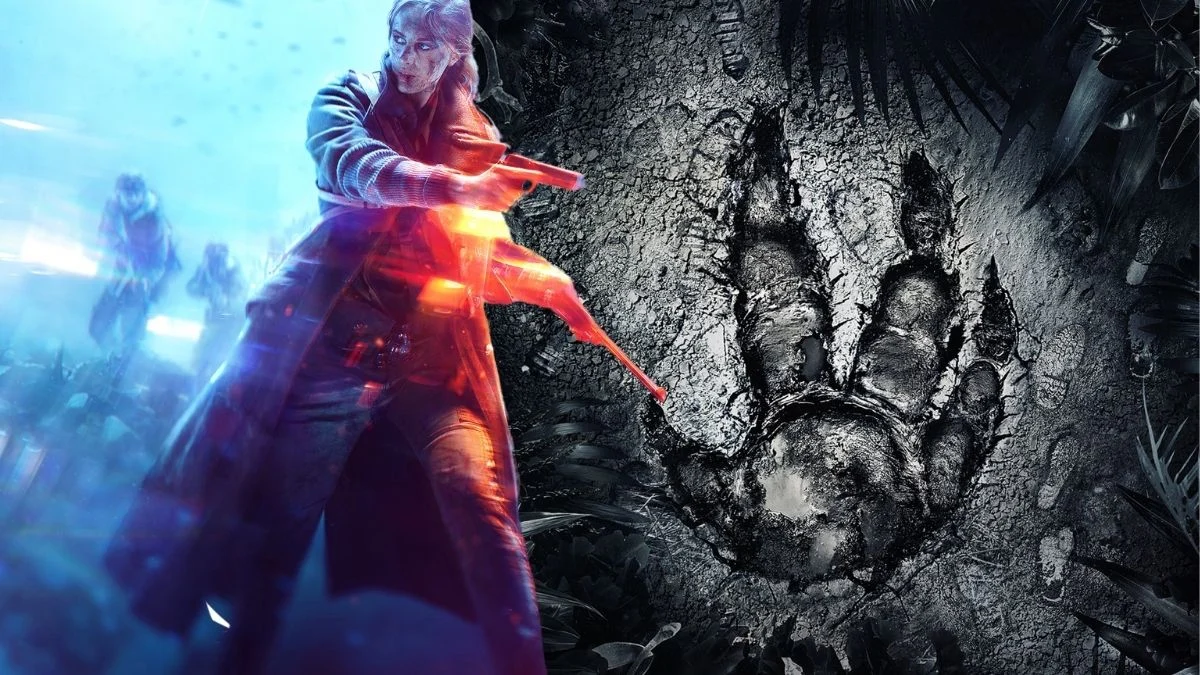
Social media has connected game developers with their fans, but this direct connection can quickly create problems. It’s common to see developers using platforms like X (formerly Twitter) to express their frustrations, which often upsets their player base. These situations often involve developers asking for understanding while also being dismissive of legitimate feedback. Here are some notable examples of how social media missteps led to game boycotts, refund requests, and long-term damage to a game’s reputation.
‘Battlefield V’ (2018)
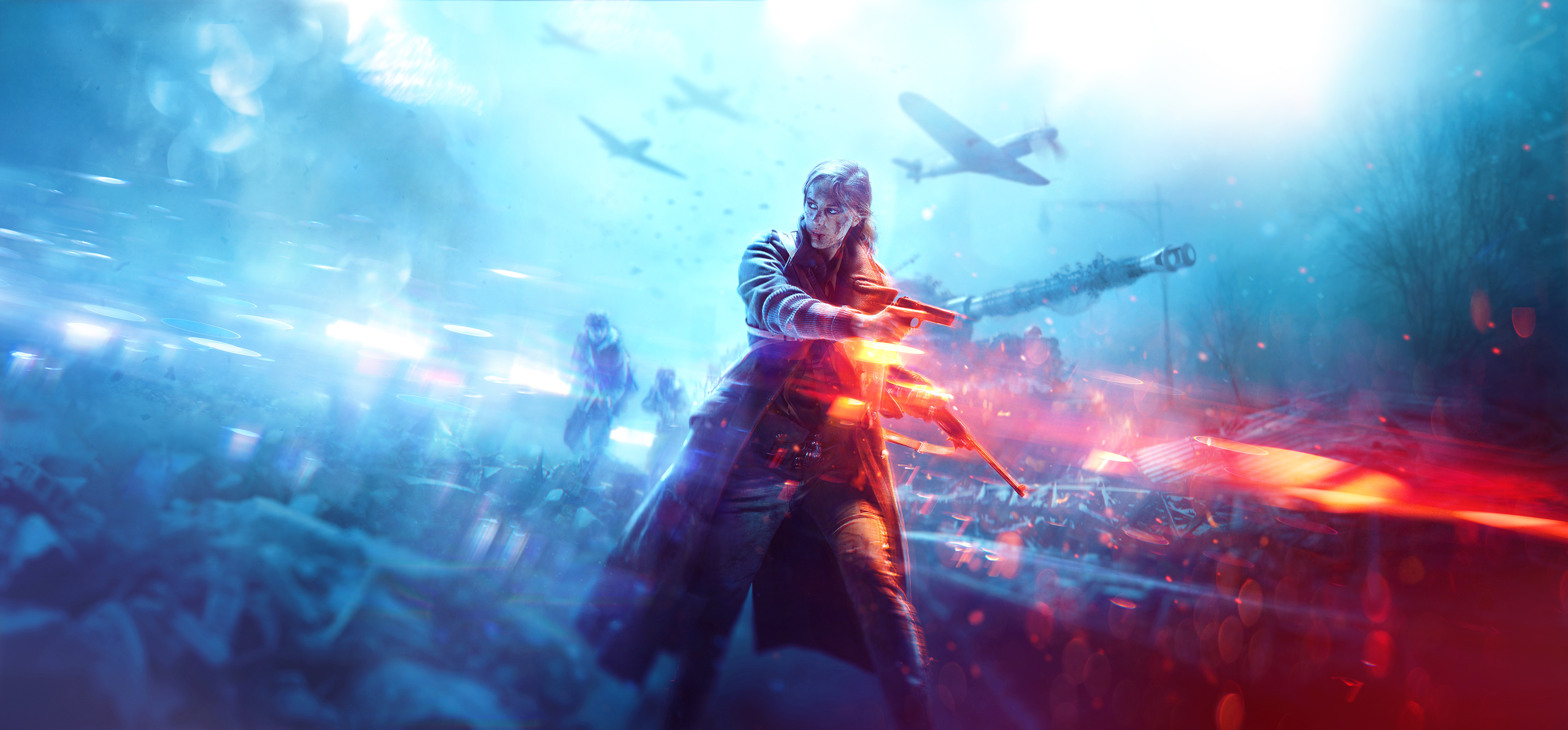
A new World War II video game faced criticism when its reveal trailer featured a character with a prosthetic arm, leading some players to question its historical accuracy. EA’s creative head, Patrick Söderlund, reacted strongly, telling fans they were misinformed and essentially telling them to either accept the game’s creative choices or not buy it. Many saw this as an arrogant response, especially considering the studio had previously emphasized historical detail. Players largely took his advice, resulting in lower-than-expected pre-orders and a quick sale on the game after it was released.
‘Concord’ (2024)
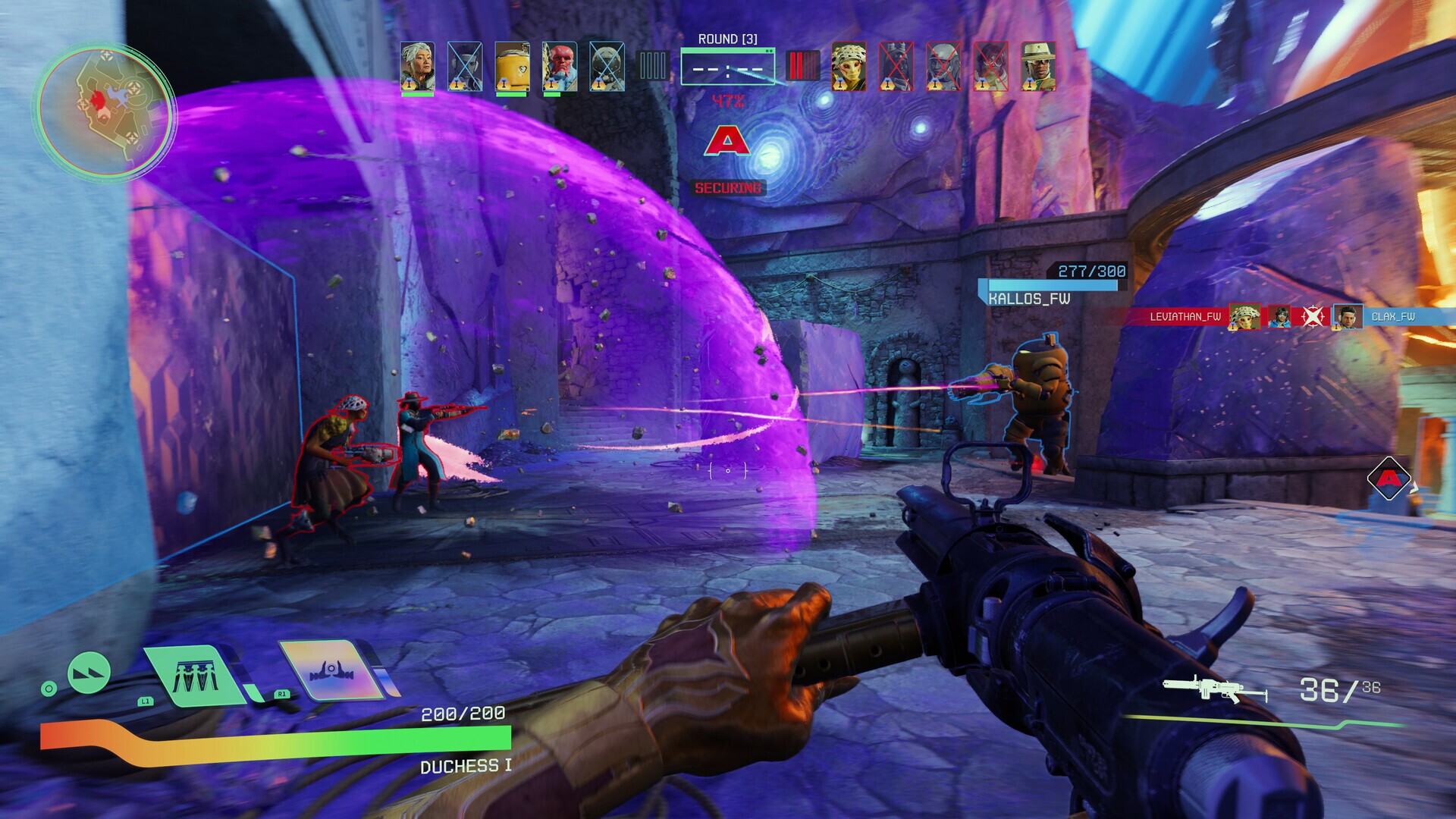
After the troubled launch and quick cancellation of their hero shooter, the team at Firewalk Studios came under fire for how they acted online. One developer specifically responded to criticism by attacking reviewers on social media, calling them names and claiming the game failed because of a deliberate smear campaign, not due to issues with its design or cost. This was seen as a contradiction, considering the studio had publicly emphasized being positive and welcoming to everyone. The negative reaction drove away potential players and ultimately led to the game becoming one of the fastest failures in recent gaming history.
‘Borderlands 3’ (2019)
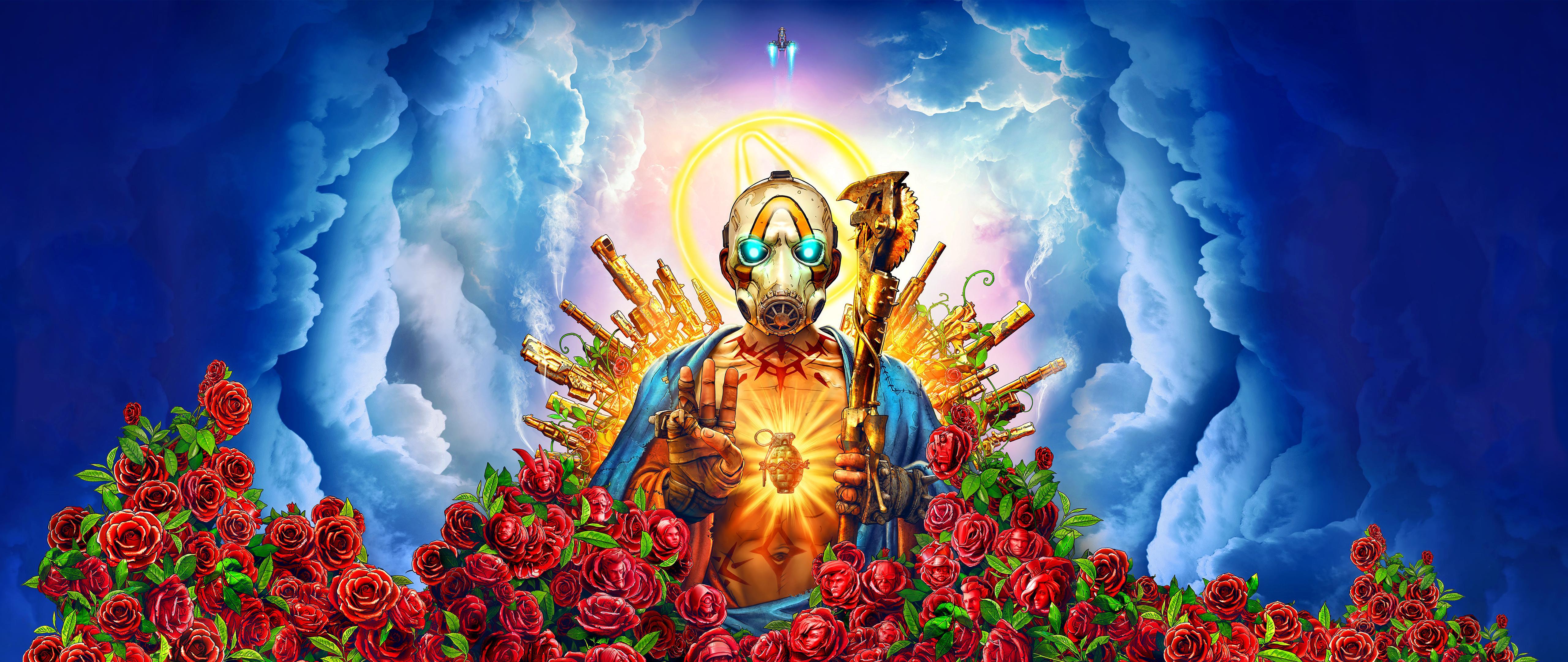
Randy Pitchford, the CEO of Gearbox Software, is well-known for his outspoken and often controversial behavior on social media, which has repeatedly caused problems for his company. During the promotion of ‘Borderlands 3’, he publicly argued with both journalists and fans, including disputes over how much voice actors were paid. He blocked critics online and made strange, defensive statements that went against what his company officially said. This led many loyal fans to struggle with supporting the game, and some called for a boycott to protest his leadership.
‘Apex Legends’ (2019)
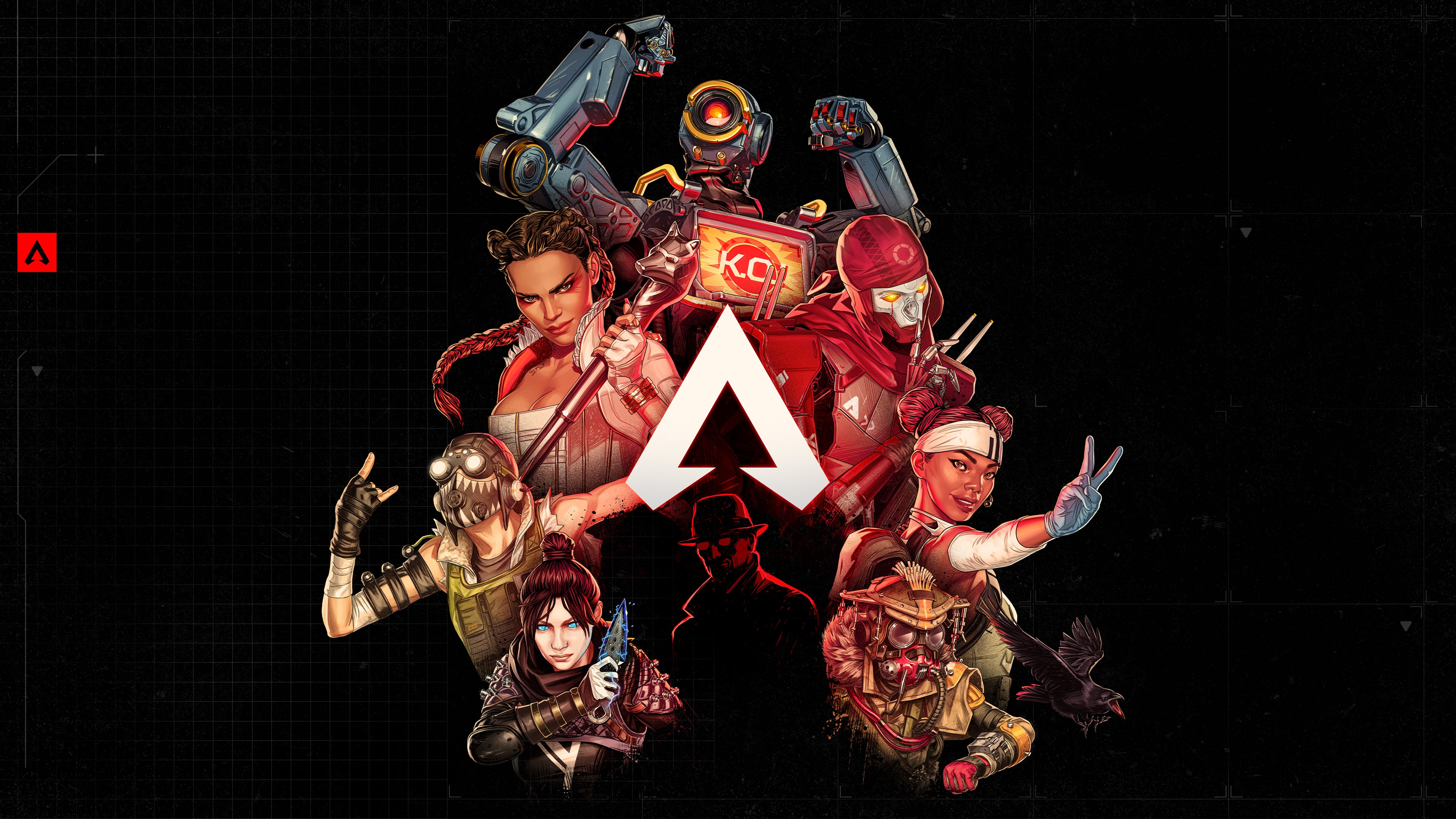
The Iron Crown event sparked outrage when players criticized the high prices of in-game cosmetic items. Instead of addressing the concerns, developers at Respawn Entertainment responded on Reddit with offensive language, calling players names. While the developers said they were trying to combat negativity, players noted the irony of responding to insults with unprofessional behavior. This caused a major fallout between the studio and its community, leading many players to stop purchasing in-game items altogether.
‘Fez’ (2012)

Phil Fish, known for creating the game ‘Fez’, became a controversial figure online because of his harsh attitude and frequent disagreements with players. He famously made a very negative comment about gamers and often criticized those who questioned his work or how much it cost. After a particularly intense Twitter argument where he told someone to compare their life to his and take their own life, Fish suddenly cancelled the sequel to ‘Fez’ and left the video game industry. His aggressive behavior serves as a warning that how a developer interacts with fans can sometimes overshadow even a well-received game.
‘The Day Before’ (2023)

As a fan who was following this game, it was really frustrating to watch the whole situation unfold with Fntastic and their MMO. They spent so much time on social media getting defensive and attacking anyone who questioned if the game was legitimate or just using borrowed assets. They constantly blamed ‘haters’ and the media for the negativity. Then, when the game finally came out and was a mess – proving everyone right – they shut down the studio, but still blamed us, the players, for not supporting them financially! Their last posts just felt incredibly hypocritical, like they couldn’t admit they’d been misleading us with their marketing for years. It was a really disappointing experience.
‘Bayonetta 3’ (2022)
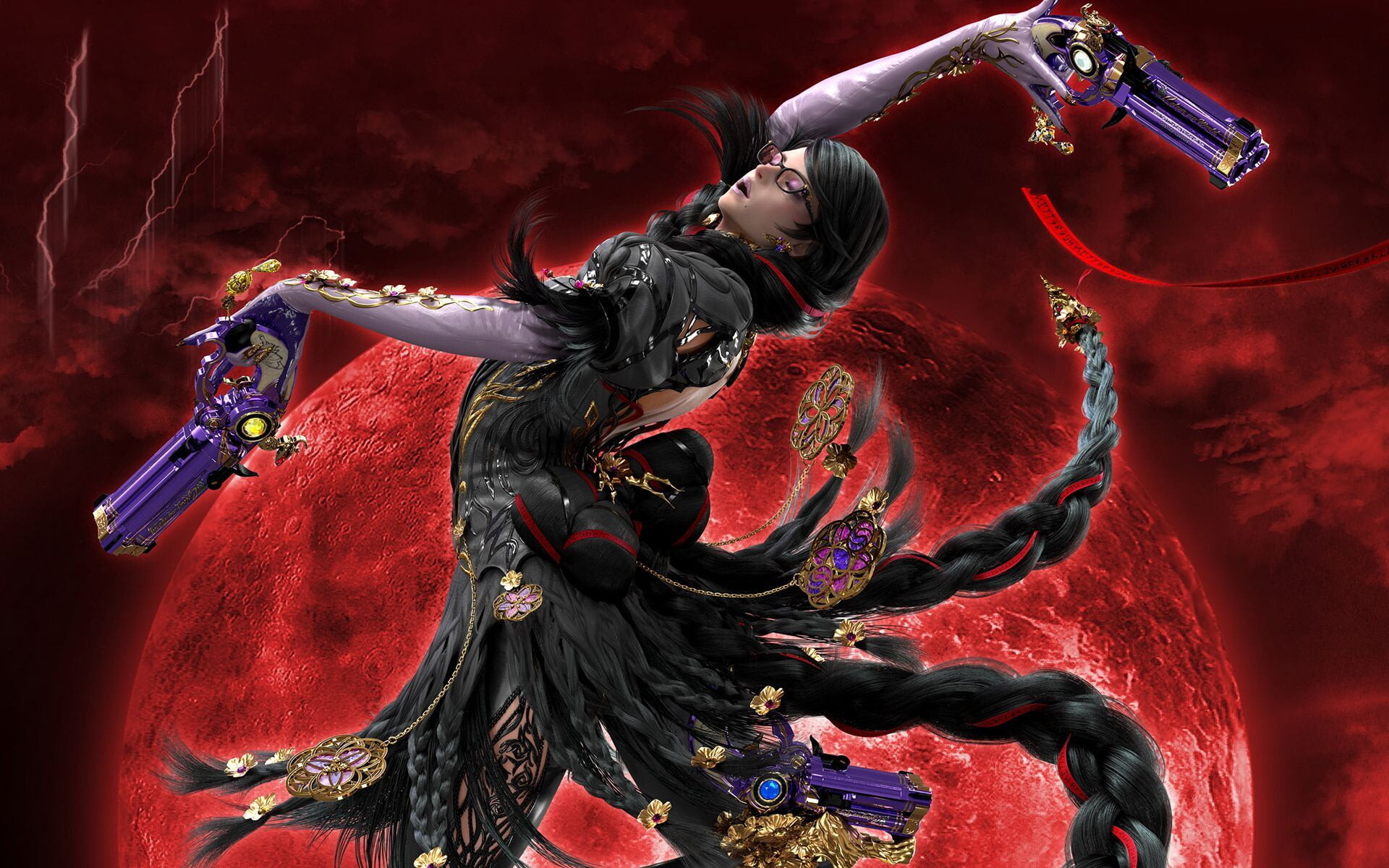
Hideki Kamiya, a leader at PlatinumGames, is usually known for a firm rule about blocking people on Twitter. However, his reaction to concerns about low pay for the original voice actress in ‘Bayonetta 3’ caused a lot of backlash. When people raised questions, Kamiya responded harshly, calling them “insects” and blocking many fans. While the pay issue turned out to be more complicated than initially thought, his quick and angry response led many to cancel their pre-orders of the game. This situation showed how risky it can be for a well-known developer to dismiss serious concerns within the industry.
‘Diablo Immortal’ (2022)
The phrase “Do you guys not have phones?”—said during a presentation—immediately sparked criticism, but it was Blizzard developers’ online responses that truly intensified the negative reaction. These developers seemed puzzled and upset that their loyal PC players weren’t enthusiastic about a game designed only for mobile devices, which fans perceived as dismissive and arrogant. Many felt the developers ignored valid worries about in-game purchases and a preference for PC gaming, a departure from the studio’s long-held commitment to prioritizing fun gameplay. This caused fans to organize a boycott that continued even after a PC version of the game was released.
‘Saints Row’ (2022)
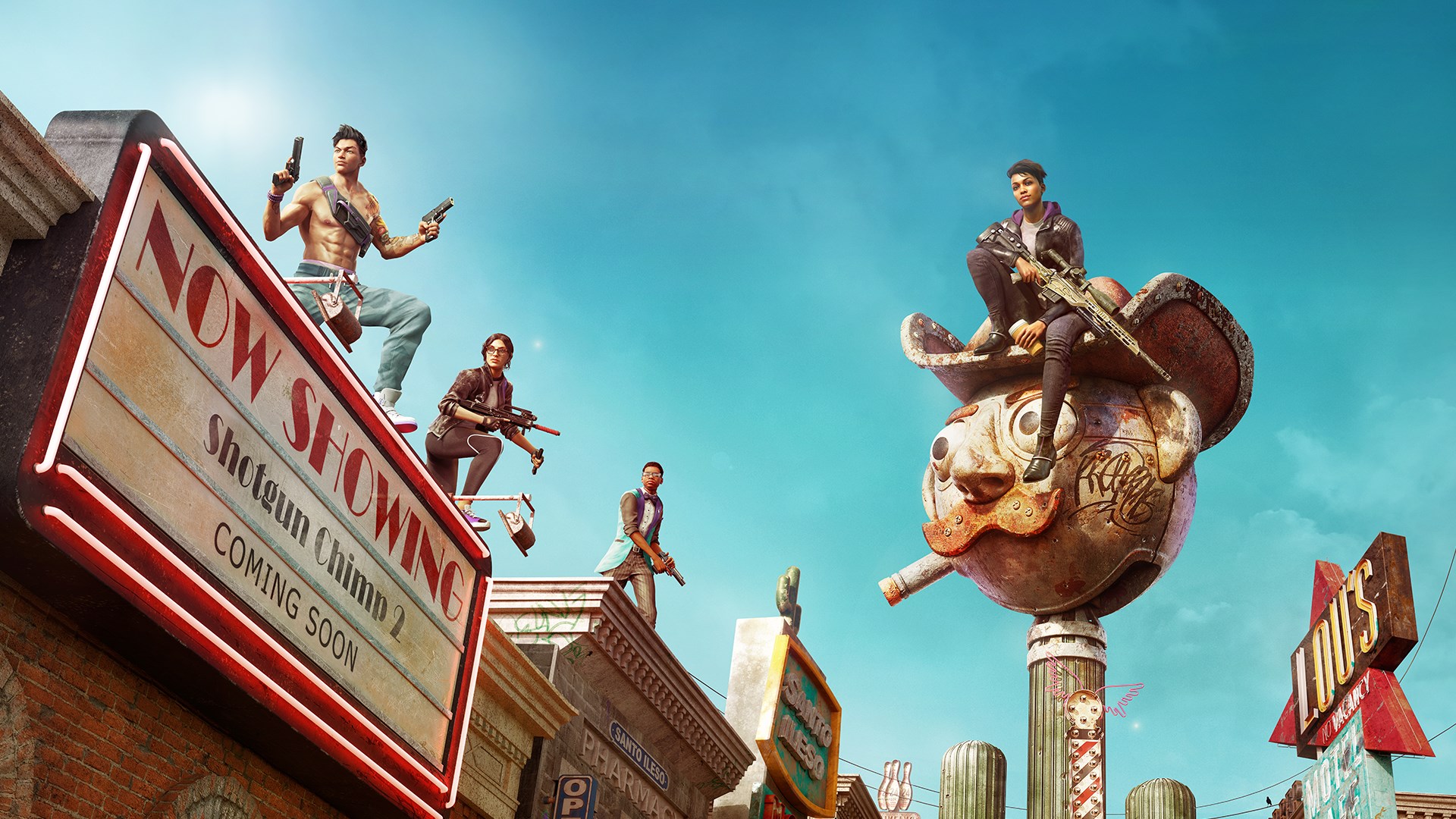
The recent ‘Saints Row’ reboot disappointed many longtime fans who felt it strayed too far from what made the original games popular. Instead of listening to this feedback, the developers responded dismissively on social media, essentially telling critics to accept the changes. This approach frustrated the core fanbase and likely contributed to the game’s poor reception by both critics and players. Ultimately, the game’s failure led to the closure of the development studio, Volition.
‘Total War: Rome II’ (2013)
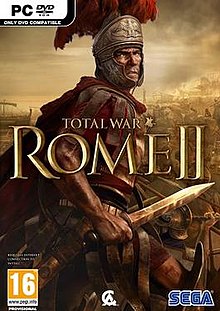
Creative Assembly, the creators of the game, received significant backlash after players raised concerns about how often female generals appeared. A community manager made the situation worse by suggesting players who disliked the inclusion of female characters could simply change the game themselves or stop playing altogether. This response was seen as disrespectful to fans who believed the game should accurately reflect history, even if their arguments weren’t entirely correct. The dismissive attitude quickly led to negative reviews and calls for a boycott of future games in the Total War series.
‘SimCity’ (2013)
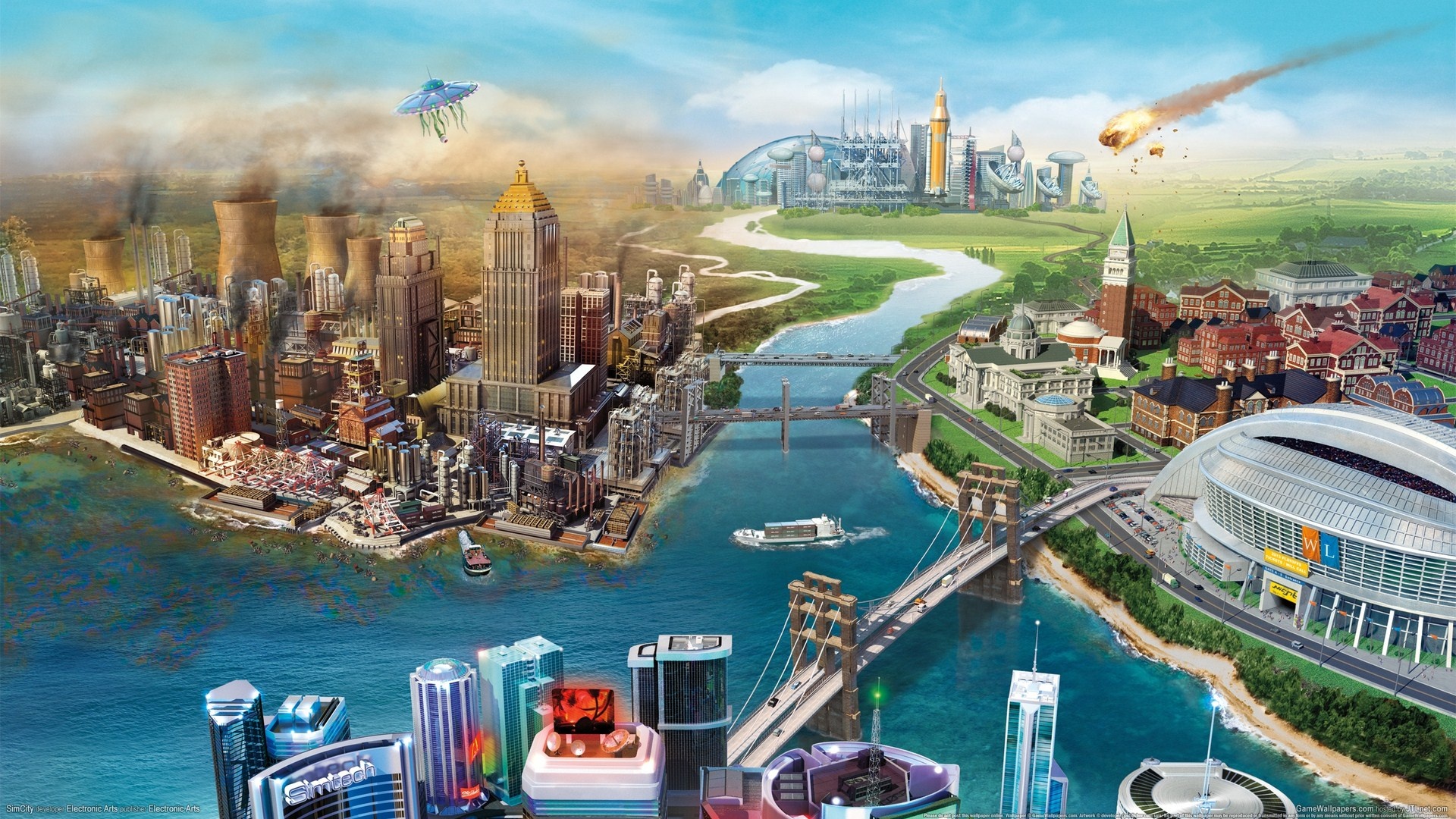
Leading up to the game’s release, Maxis and EA stated on social media that an always-online connection was essential for handling the game’s complex processes on their servers. However, after the game launched and servers crashed, modders demonstrated that the game could actually run offline, revealing that the developers’ earlier statements were false. This discrepancy – claiming the requirement benefited players while preventing them from playing – sparked widespread outrage. The situation serves as a prime example of how deceptive technical explanations on social media can severely damage consumer confidence.
‘Suicide Squad: Kill the Justice League’ (2024)
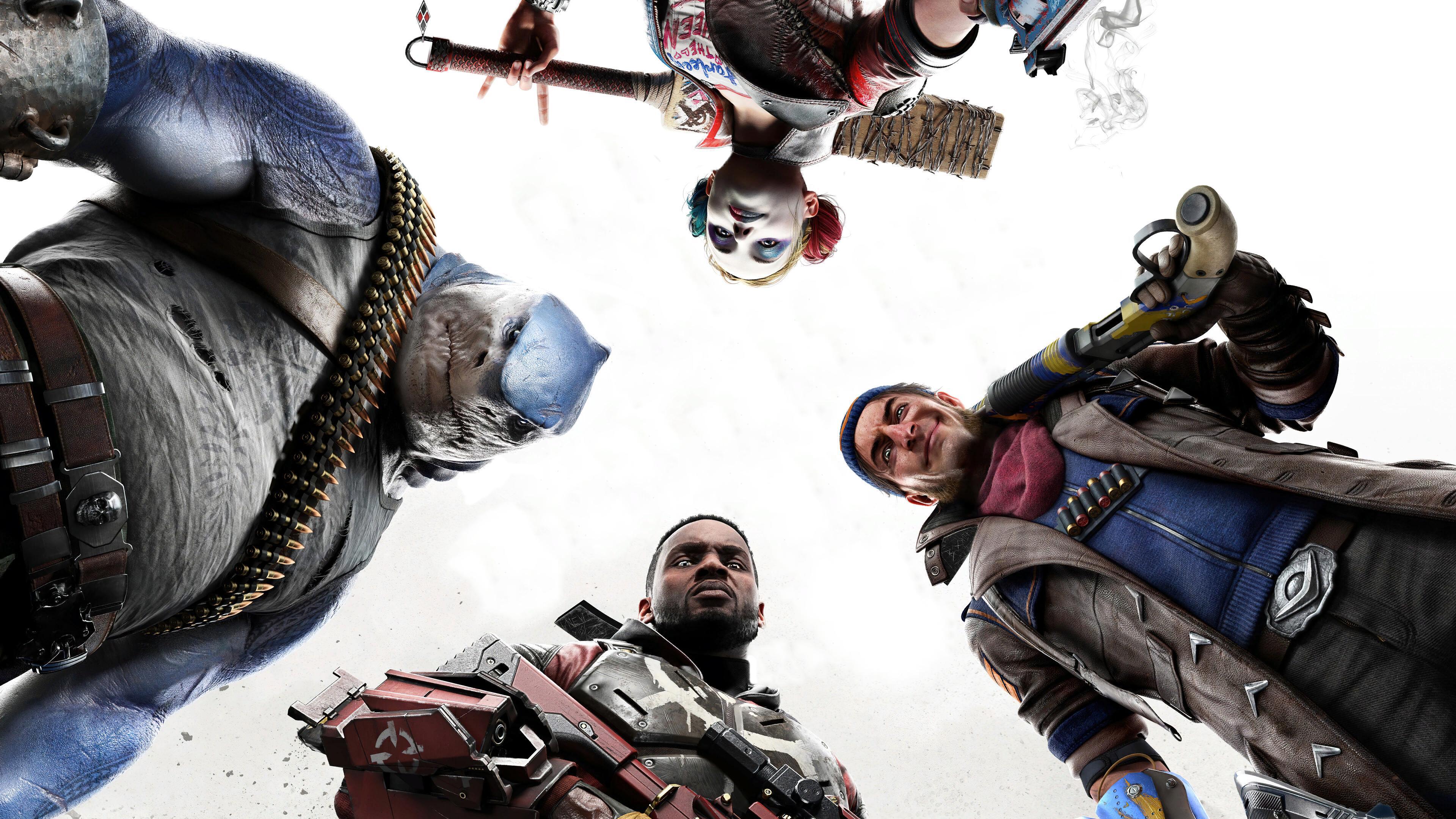
Rocksteady Studios received strong criticism for the new game, not only because of its online features, but also because many fans felt it didn’t respect the established Batman story from the ‘Arkham’ series. When developers tried to explain their creative decisions on social media, they sometimes came across as dismissive of fans’ deep connection to the character. This worsened the situation, creating a gap between what the studio wanted to achieve and what the audience expected. Ultimately, the game launched poorly because core fans felt their loyalty and passion for the franchise were disregarded.
‘Skullgirls’ (2023)
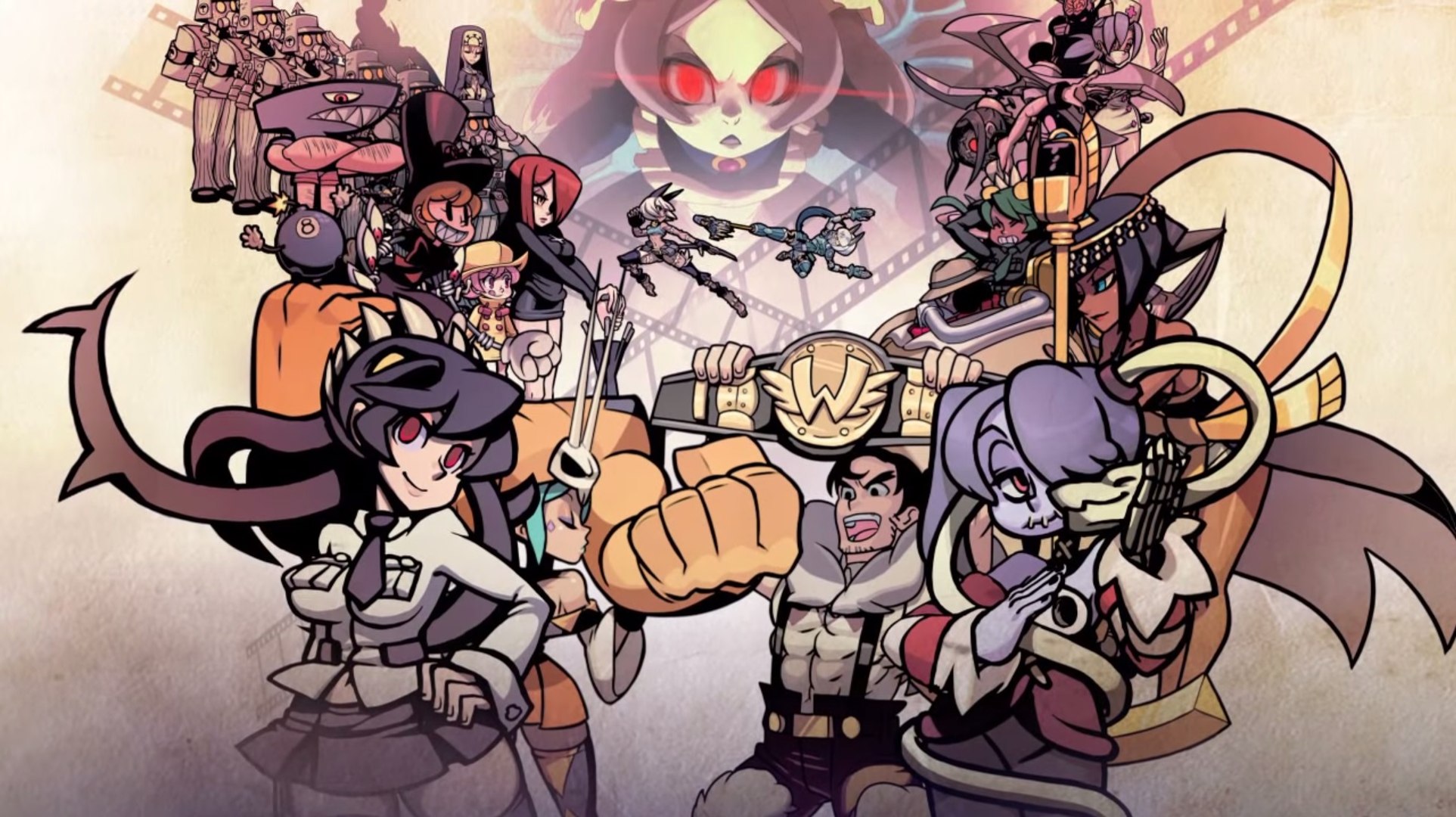
Hidden Variable, the developers of a popular game, recently made changes to the artwork and removed some content they considered inappropriate. While they explained these changes were aligned with their current values, many fans were upset because they had financially supported the game for years specifically because of its original style. This led to a wave of negative reviews, not so much because of the content changes themselves, but because fans felt the studio was being hypocritical – accepting their money for a certain experience and then changing it while also seeming to criticize those who enjoyed the original version.
‘Helldivers 2’ (2024)

The game became very popular, but a crisis arose when a Community Manager upset players during a dispute over linking PlayStation Network accounts. The manager initially told players to leave bad reviews and request refunds to punish the publisher, but then argued with them and used dismissive language in other situations. This inconsistent behavior confused and angered the community, making an already tense situation even worse. Although the requirement to link accounts was eventually removed, many players were left with a negative impression due to the unprofessional actions of the community management team.
‘Forspoken’ (2023)
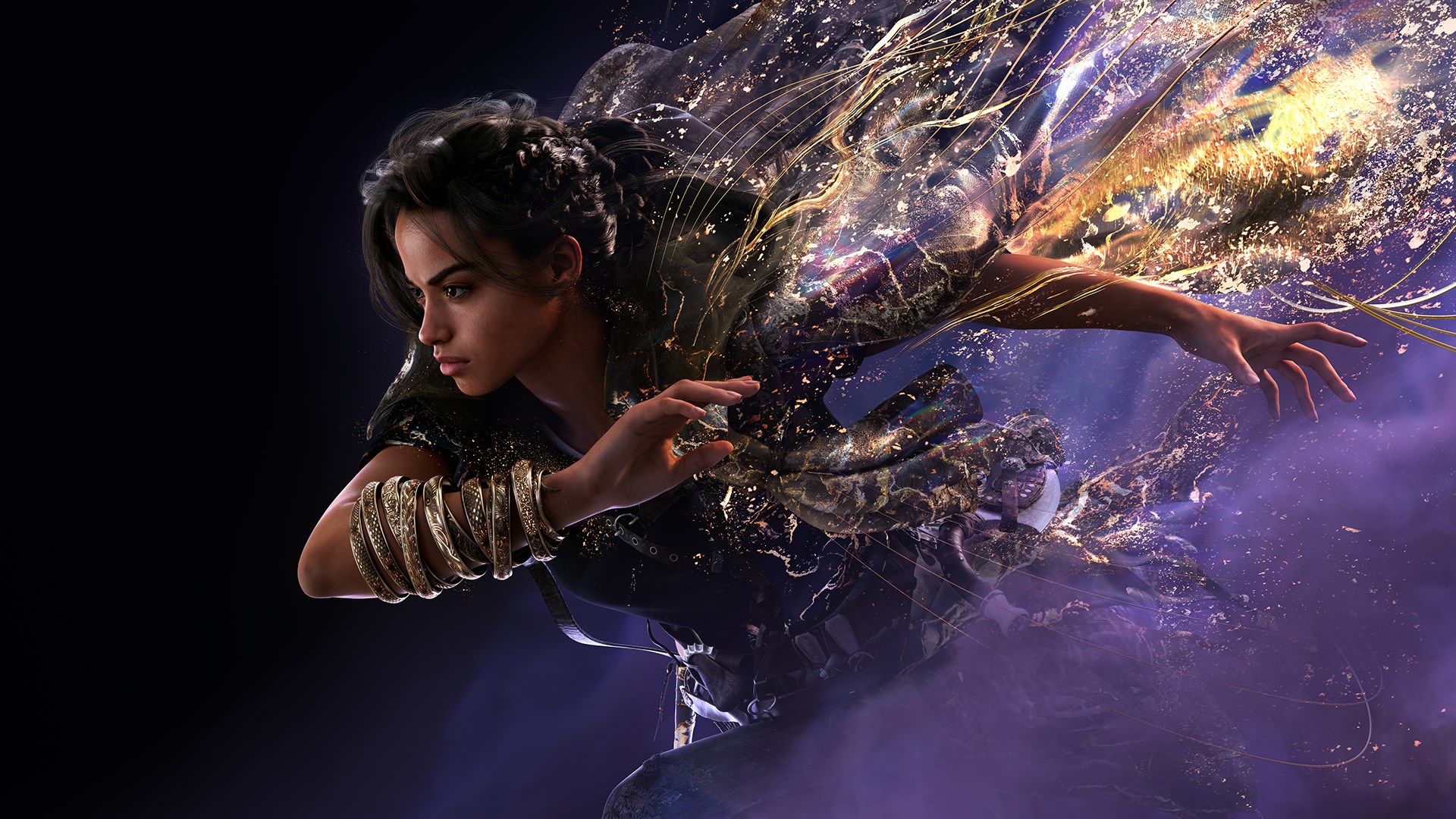
After players reacted negatively to the game’s demo, calling the dialogue awkward and overly filled with jokes, the development team seemed to dismiss the criticism online. They suggested players misunderstood the intended style. This response made it seem like the team wasn’t listening to player feedback, and didn’t understand what players expect from modern games. The dialogue, which many compared to the style of Joss Whedon, quickly became a running joke, and the developers’ defensive attitude only led to more criticism and people avoiding the game.
‘Payday 2’ (2015)
During the development of ‘Payday 2,’ Overkill Software firmly stated they would never include microtransactions, even going so far as to say players would be foolish to think otherwise. However, they later added paid items – weapon skins that boosted stats – which sparked outrage from the community. Players quickly found and shared the developers’ original statements, pointing out the clear contradiction. While the developers attempted to justify the change as a way to keep the game alive, many players who had already purchased the game and its numerous expansions weren’t convinced. The developers’ initial comment, ‘Shame on you,’ became a central point for those organizing a boycott.
‘Mighty No. 9’ (2016)
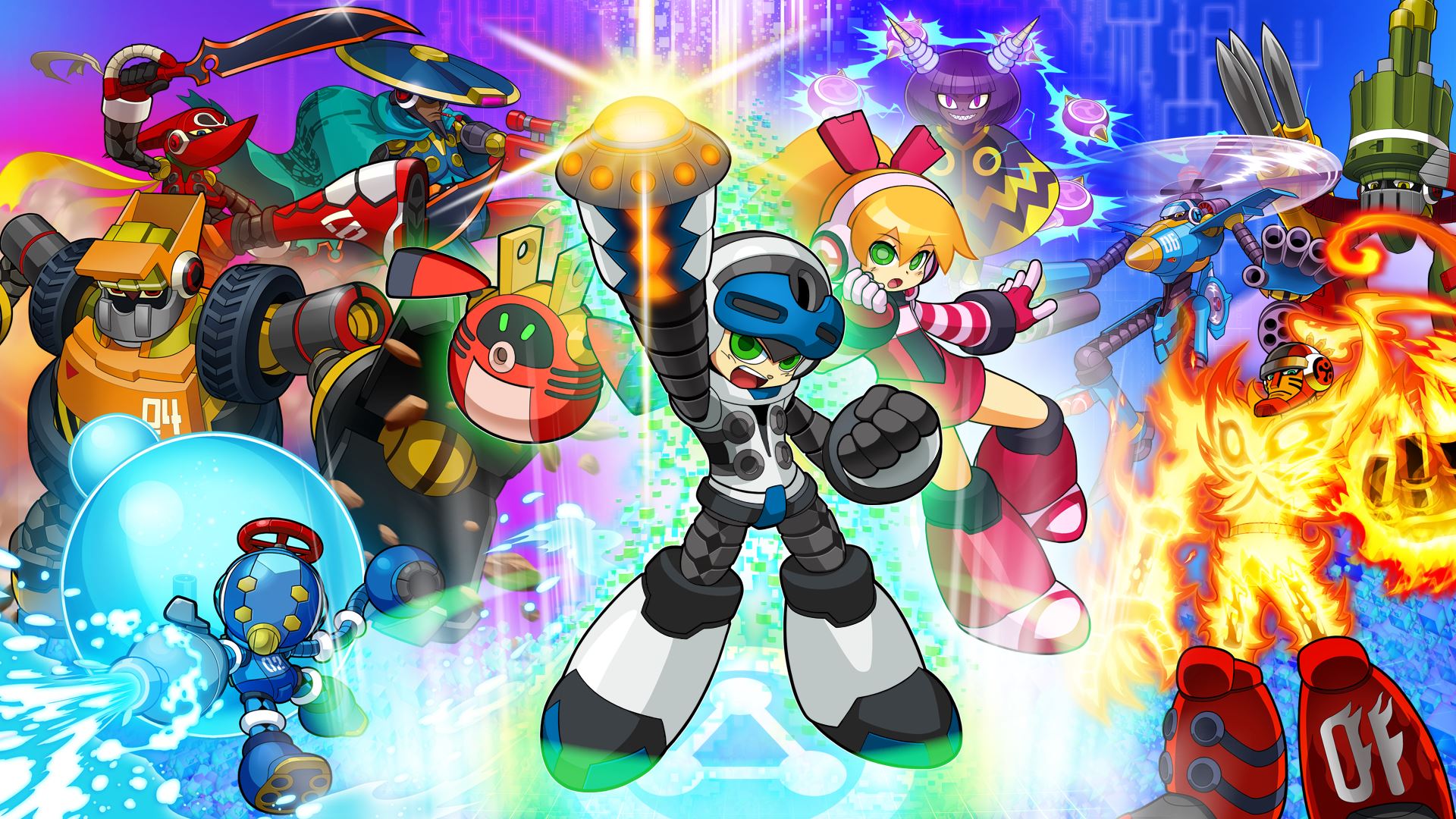
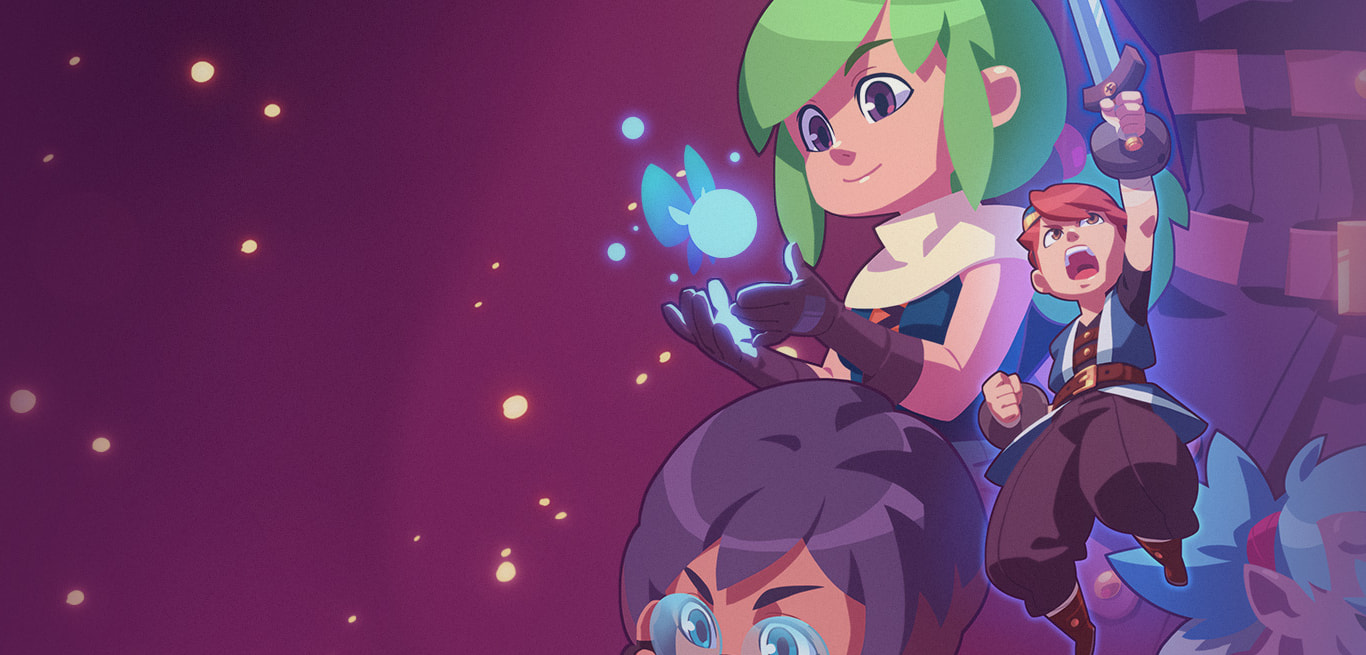
The Kickstarter launch for this game got off to a terrible start when the community manager shared a trailer with a caption that mocked the game’s visual style, jokingly comparing it to “an anime fan on prom night.” This attempt at humor failed badly, as it offended the backers who had supported the game precisely because of its anime look. It came across as disrespectful to both the game itself and its fans. The tweet quickly became a symbol of the campaign’s overall mismanagement, and many backers requested refunds.
‘Ion Fury’ (2019)
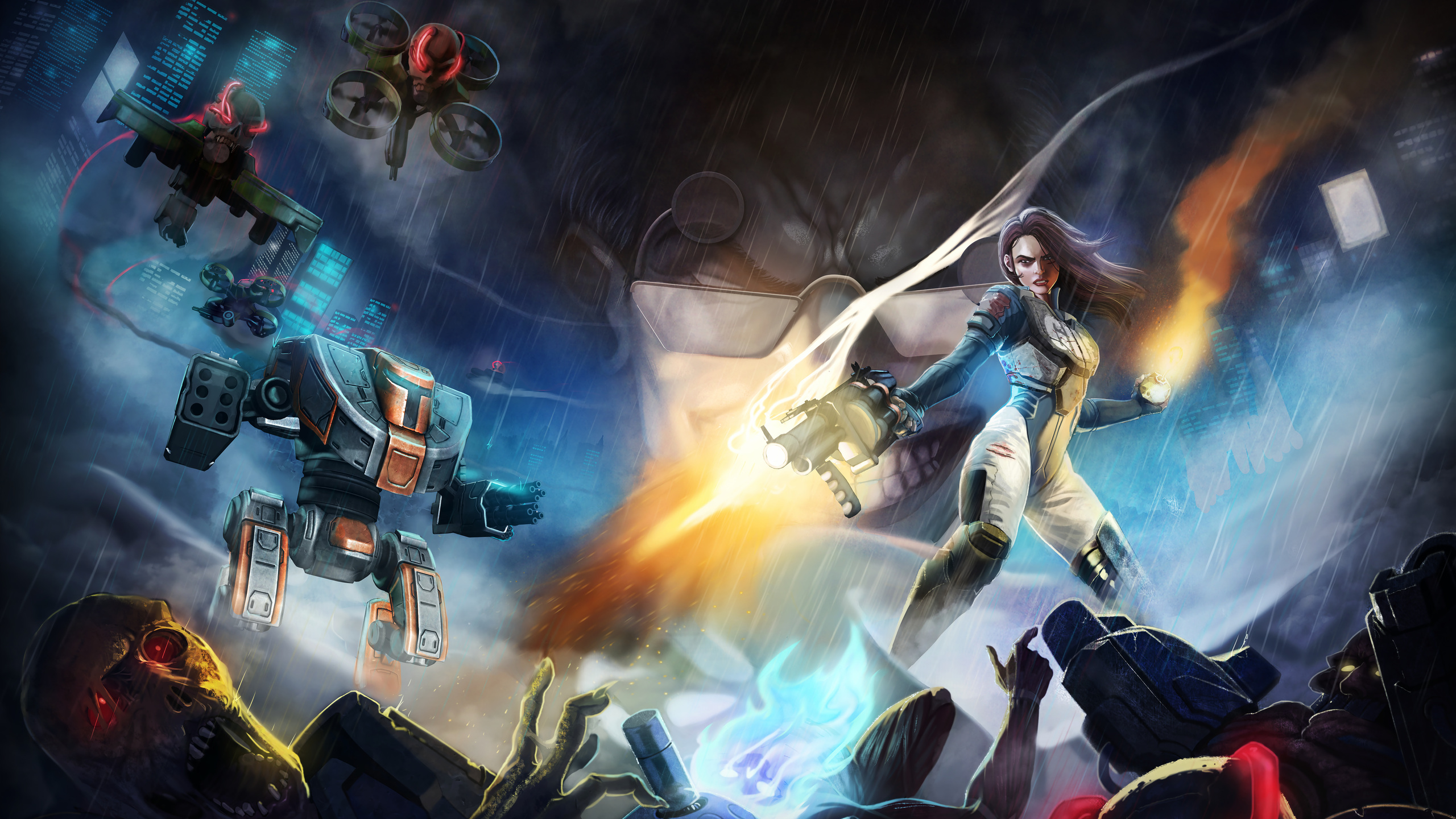
Voidpoint faced a difficult situation because of inconsistent handling of offensive language discovered in their game. They first apologized for homophobic slurs and pledged a charitable donation, but then reversed course and decided against censoring the game after receiving backlash from groups opposed to progressive values. This change in position angered people on both sides of the political debate, resulting in boycotts from gamers with a range of viewpoints. Their lack of a firm stance on their values ultimately alienated players across the spectrum.
‘Genshin Impact’ (2021)

So, when the game hit its one-year mark, everyone was pretty disappointed with the rewards they gave us. We all started complaining online, but things got weird fast. They started deleting critical comments and even banning people for speaking up! The devs themselves went radio silent, or just posted ads for other stuff. It felt super hypocritical since they always said they were listening to the community. Things got really bad – people started leaving negative reviews on completely different apps just to get their attention. Finally, the studio had to apologize and actually give us some decent rewards. It was a whole mess, honestly.
‘Shadow Complex Remastered’ (2015)
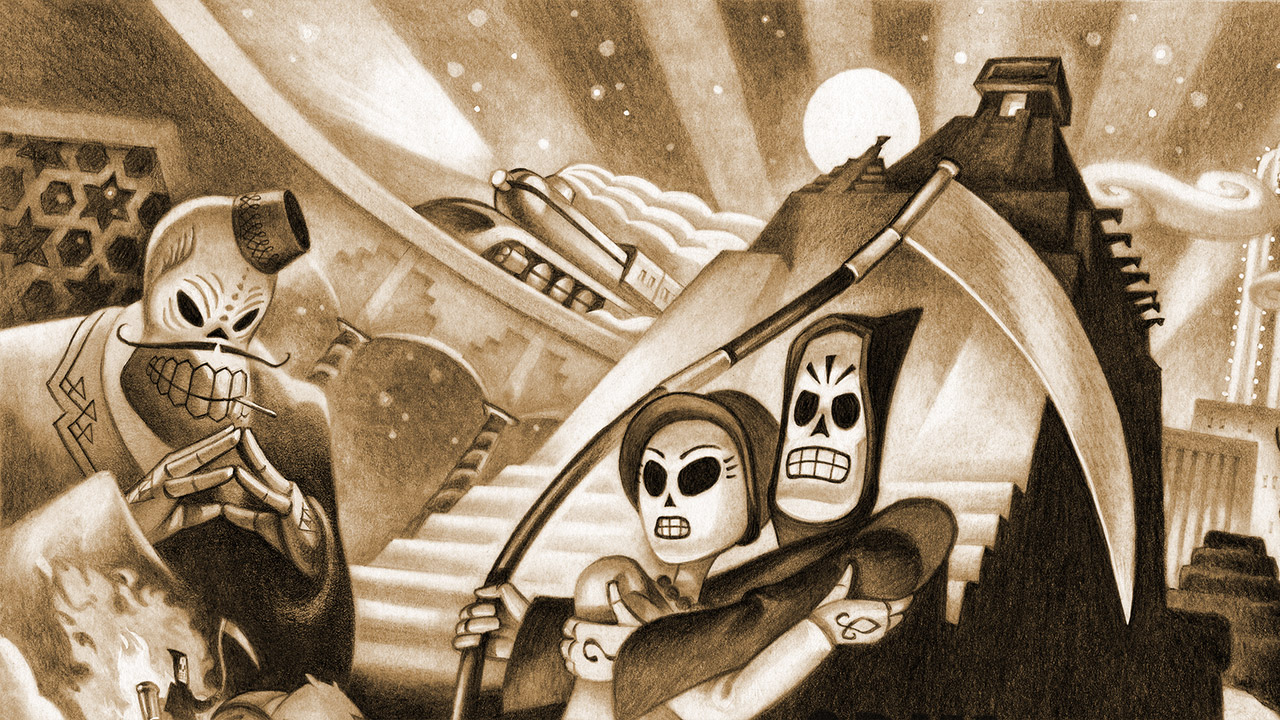
The game faced a boycott due to the involvement of Orson Scott Card, who is known for his opposition to LGBTQ+ rights. The studio didn’t handle the situation well. When questioned online about their connection to Card, they offered unclear responses, suggesting they wanted to focus on the game itself rather than his personal beliefs. However, many gamers were turned off by the studio’s unwillingness to directly denounce Card’s views, especially since he would profit from the game’s sales. Their lack of a clear statement was seen as silent approval of his harmful rhetoric.
‘LawBreakers’ (2017)

Okay, so looking back at the launch of my game, things got… messy. I was really hyped, and honestly, a bit of a jerk on Twitter. I trash-talked games like ‘Overwatch’ and even took jabs at Xbox players. I basically said my game was for the ‘elite’ and not for ‘casuals’ – which, yeah, probably wasn’t the smartest move. When we didn’t get the player numbers we wanted, all that tough talk came back to haunt me. It turned out the people I’d been putting down just weren’t interested in supporting the game, and honestly, I can’t blame them. The whole ‘hardcore only’ thing totally backfired.
‘Evolve’ (2015)

As a fan, I remember being really disappointed with how Turtle Rock and 2K handled the DLC for the game. Before it even came out, they showed these complicated charts explaining all the extra content they had planned, and it just felt…off. The developers tried to explain it away, saying the game was designed with DLC in mind to give us more choices, but it came across as corporate jargon. Honestly, it felt like they’d intentionally held back content from the full game to sell it back to us later. A lot of us felt like they were being greedy and weren’t listening to what we wanted, and unfortunately, the player base dropped off pretty quickly after launch.
‘Artifact’ (2018)
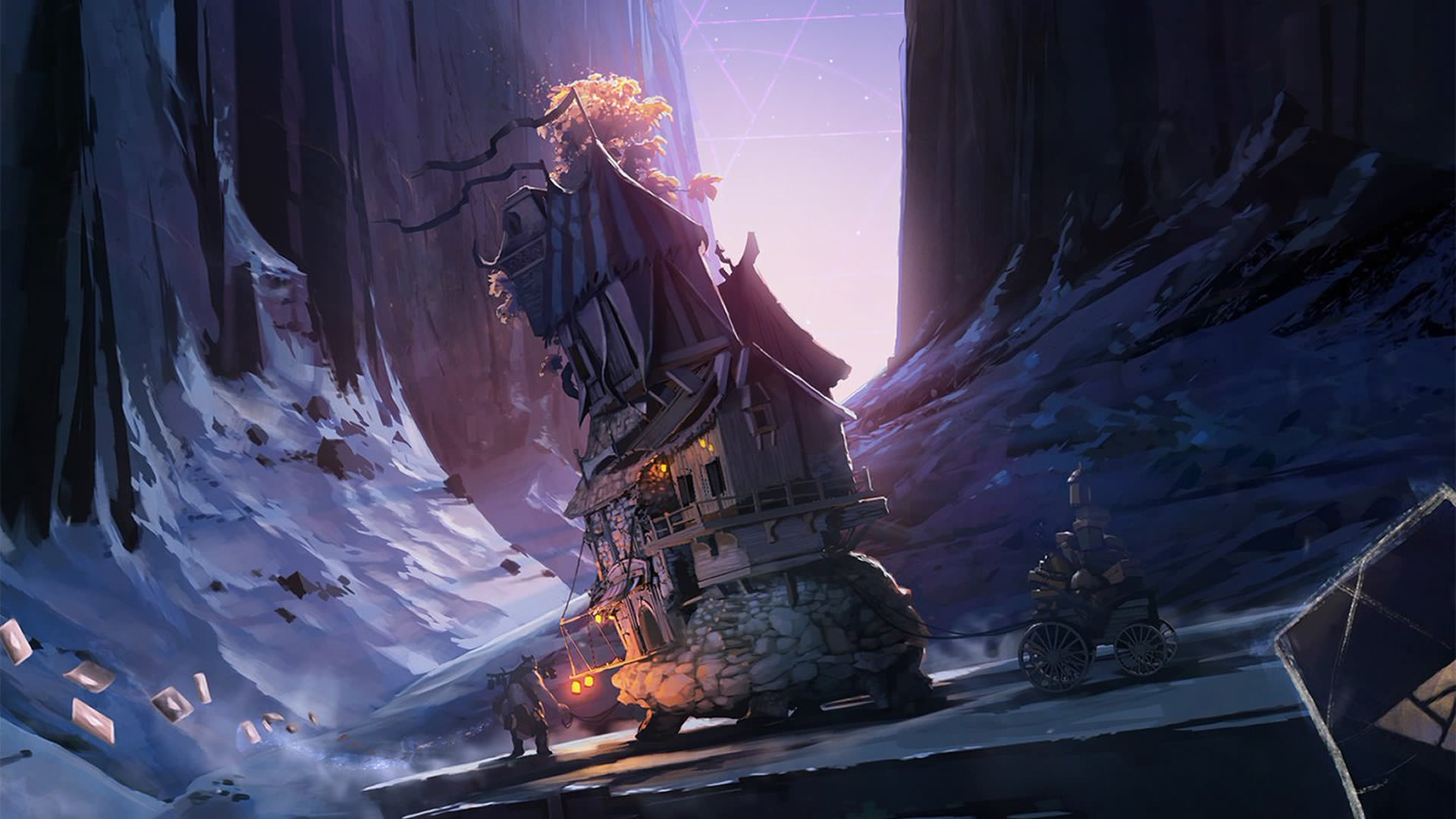
When Valve first announced its card game, many people were unsure about it. However, the developers made things worse by staying quiet and not responding to concerns about how the game would be paid for. When they finally did speak up, they strongly defended a system where players would have to pay for each individual card, drawing a comparison to traditional, physical trading cards. This justification didn’t make sense for a digital game and didn’t meet player expectations. Ultimately, their unwillingness to listen to feedback led to the game losing almost all of its players within a few months.
‘Dragon Age: The Veilguard’ (2024)
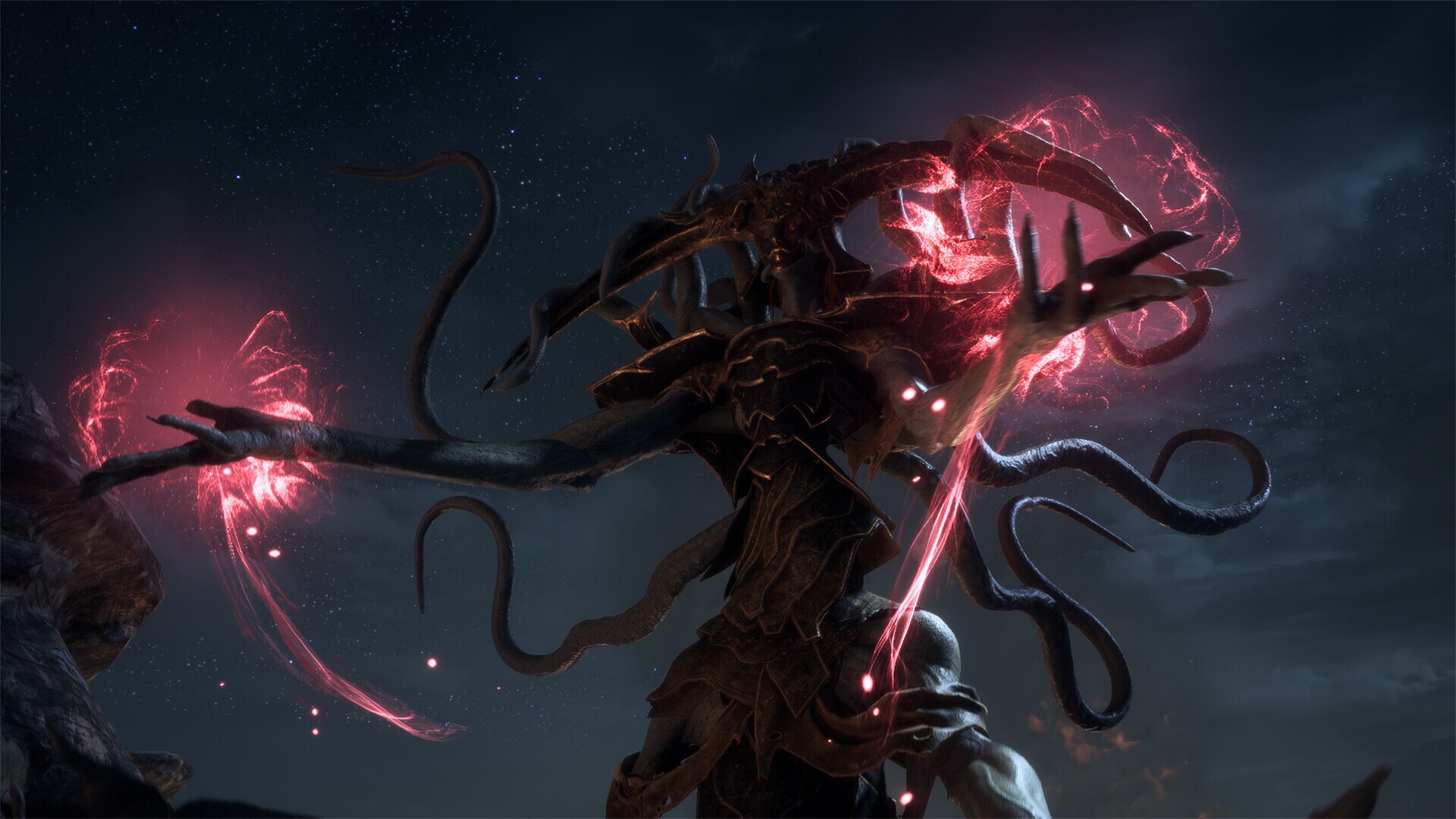
BioWare staff faced criticism for dismissing concerns about the game’s artistic direction and overall feel, labeling those who voiced them as outsiders unfamiliar with the series. Some developers suggested that dedicated fans who preferred the darker style of the original game were either unwilling to accept change or had ulterior motives. This dismissive attitude towards long-time supporters, who had stuck with the studio during difficult times, created division within the fanbase even before the game launched. The resulting ‘insider versus outsider’ mindset online fractured the community.
‘Gotham Knights’ (2022)
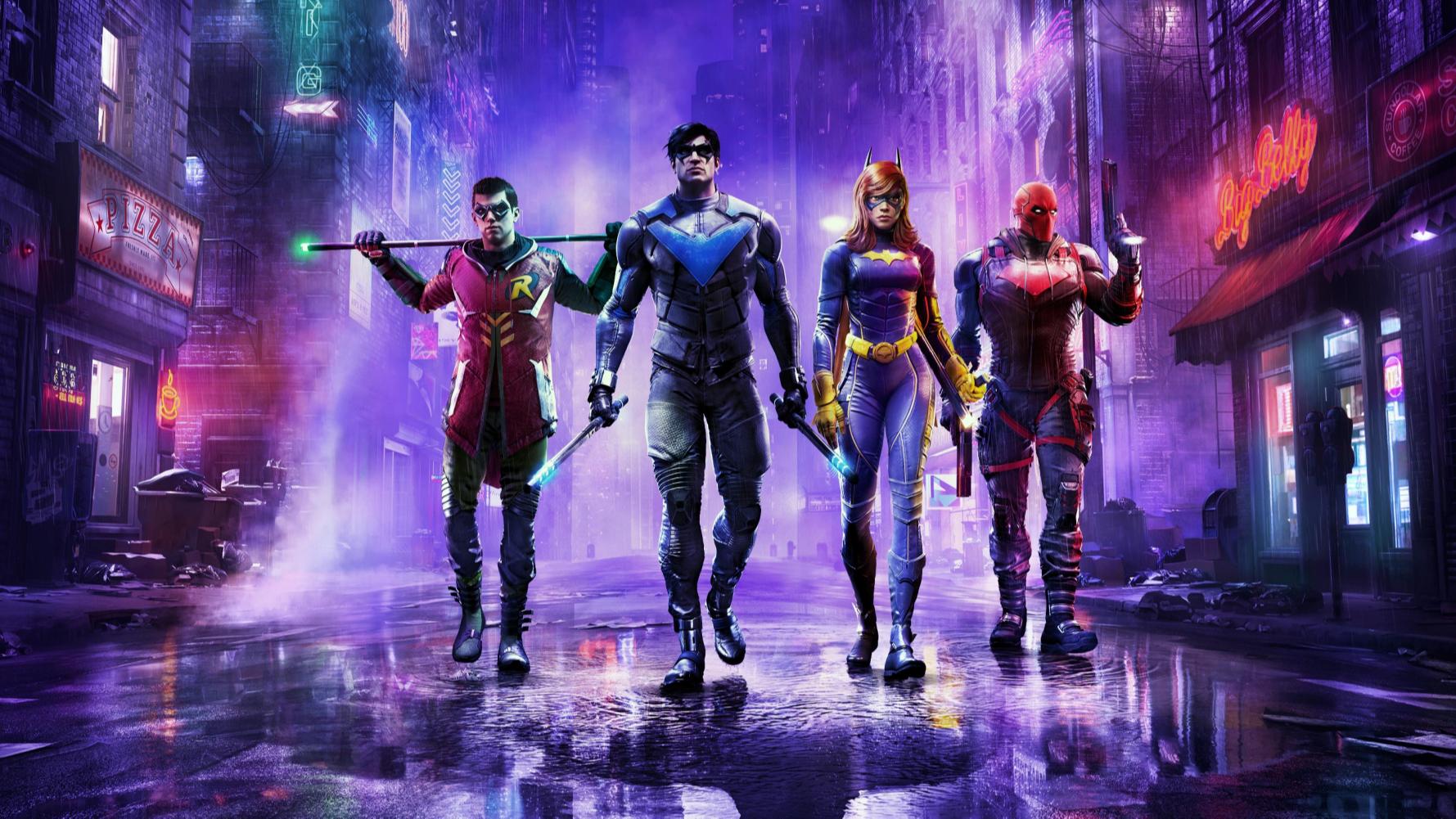
After it was announced the game would run at 30 frames per second on consoles, a developer at WB Games Montreal suggested the Xbox Series S was limiting performance for the entire generation. Fans quickly proved this wrong, pointing out that other, more complex games run smoothly at 60fps on the same console. Many saw this as the developer trying to avoid taking responsibility for problems with the game’s optimization, and it came across as dishonest. The comment spread rapidly online, damaging player confidence in the studio’s technical skills.
‘Minecraft’ (2019)

Markus Persson, known as ‘Notch’ and famous for creating ‘Minecraft’, faced widespread criticism after making offensive statements on social media following the sale of the game to Microsoft. Although he was no longer involved in development, his name still appeared when the game launched. These comments led Microsoft to remove all mentions of him from ‘Minecraft’. The backlash wasn’t aimed at the game itself, but at Persson’s reputation, with many players wanting him completely removed from the brand. This situation demonstrated how a creator’s actions after achieving success can negatively impact how their work is viewed.
‘Palworld’ (2024)
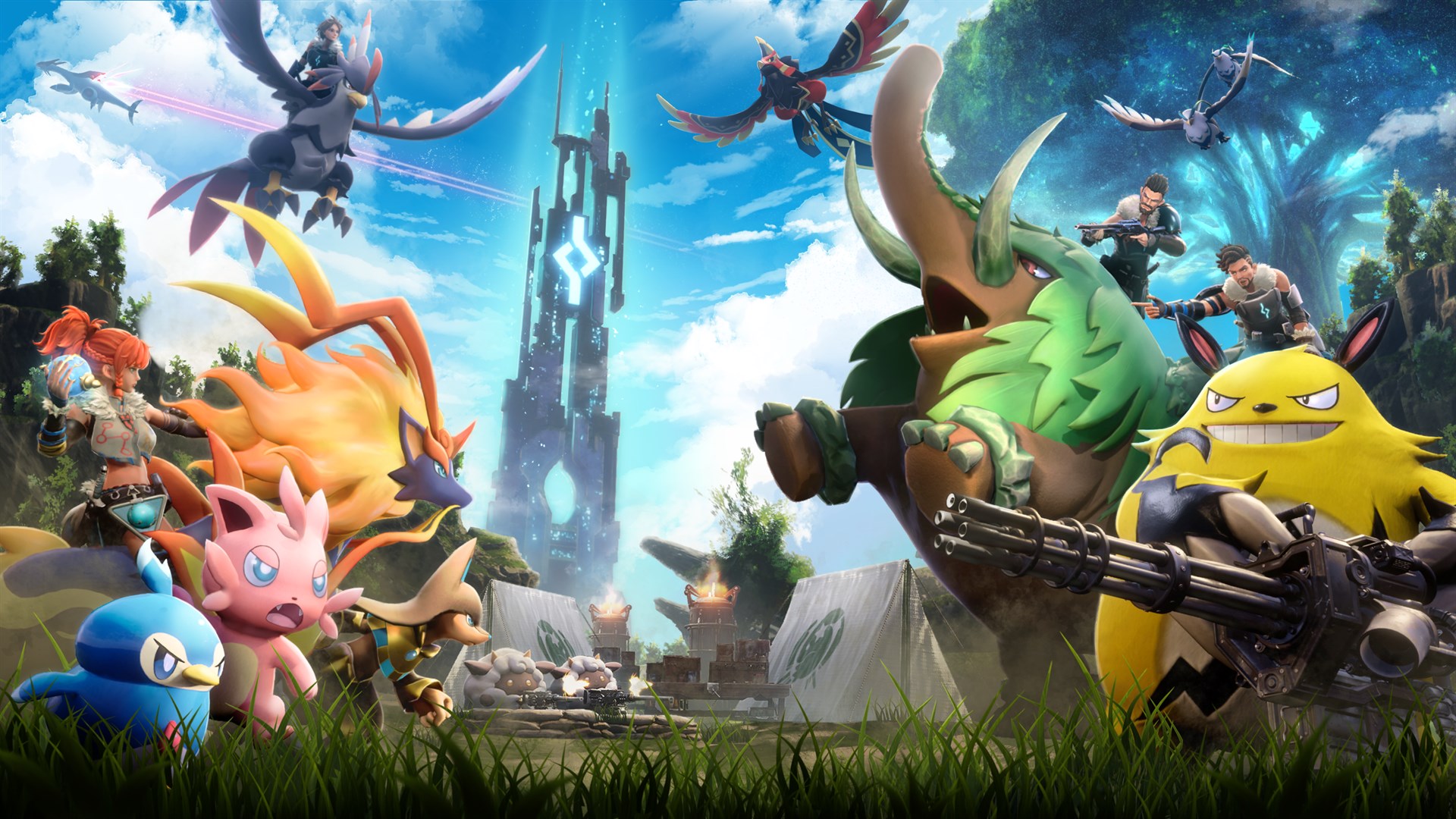
Takuro Mizobe, CEO of Pocketpair, was criticized for allegedly copying designs and using AI to create creatures in their game. Instead of directly responding to these claims, old tweets of Mizobe praising AI’s ability to avoid copyright issues surfaced. These posts suggested he prioritized speed and profit over original art, leading many to believe the game lacked creativity. Despite its commercial success, a large number of artists refused to support the game because of these ethical concerns.
‘God of War Ragnarok’ (2022)
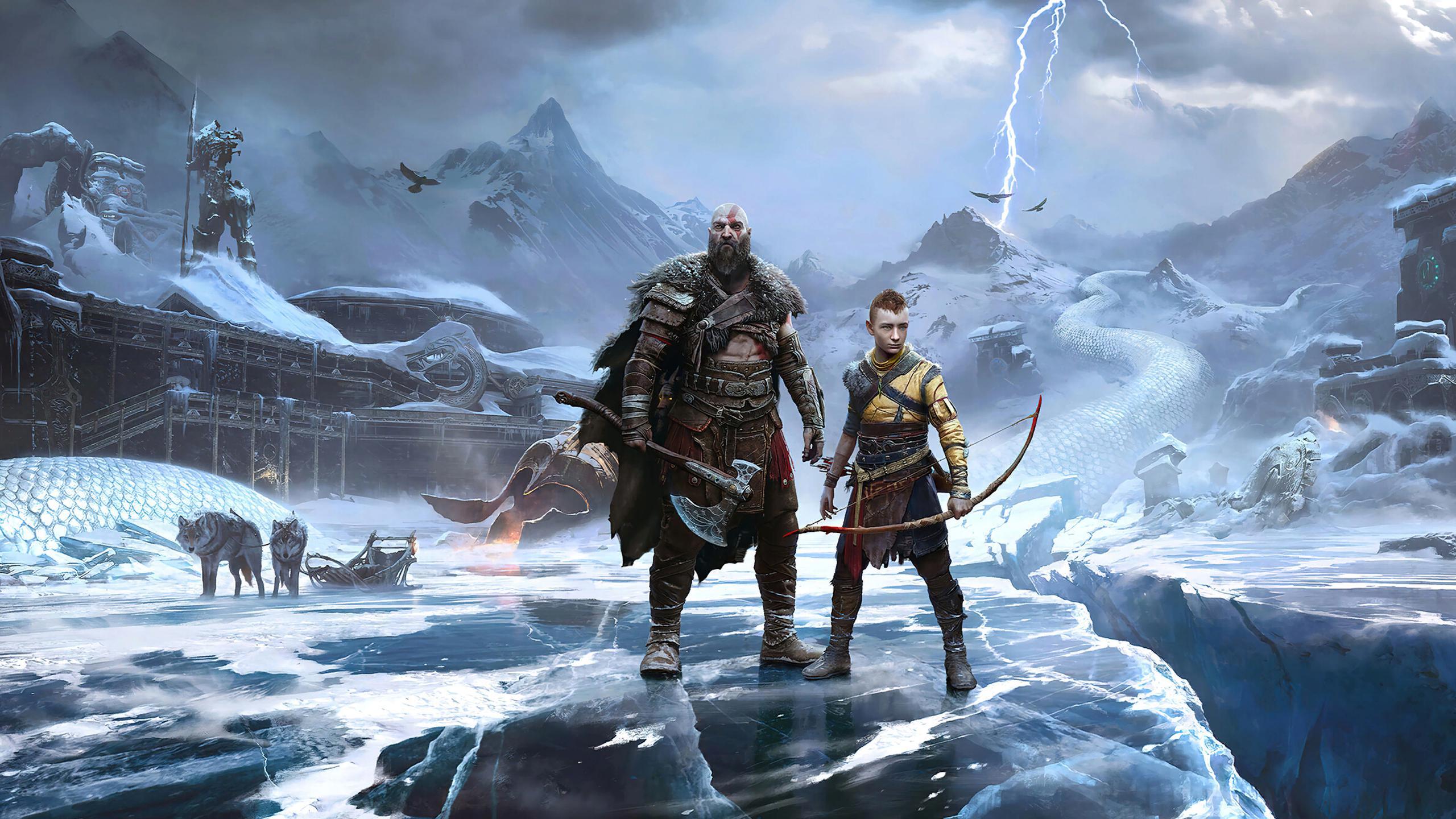
After Santa Monica Studio revealed the character Angrboda, one of their writers received online harassment. The studio’s response unfortunately made the situation worse. Instead of calming things down, some developers got into arguments with fans on Twitter, strongly defending their creative choices and dismissing concerns about how accurately the game portrayed mythology. While it was right to support their colleague, the defensive and confrontational approach upset many fans who were simply asking questions about the adaptation. This led to a dismissive attitude – essentially telling players who didn’t like the changes to simply not play the game – which caused some fans to do just that.
‘Rust’ (2018)

Garry Newman, the founder of Facepunch Studios, has a reputation for being direct – and sometimes harsh – when responding to player feedback. When Linux users expressed disappointment about the loss of support for their operating system, Newman told them to request a refund and suggested the Linux community wasn’t worth the effort. Though known for his honesty, many considered this response to paying customers to be unprofessional. This led to a boycott of Facepunch games and a wave of negative reviews from the Linux gaming community.
‘Starfield’ (2023)
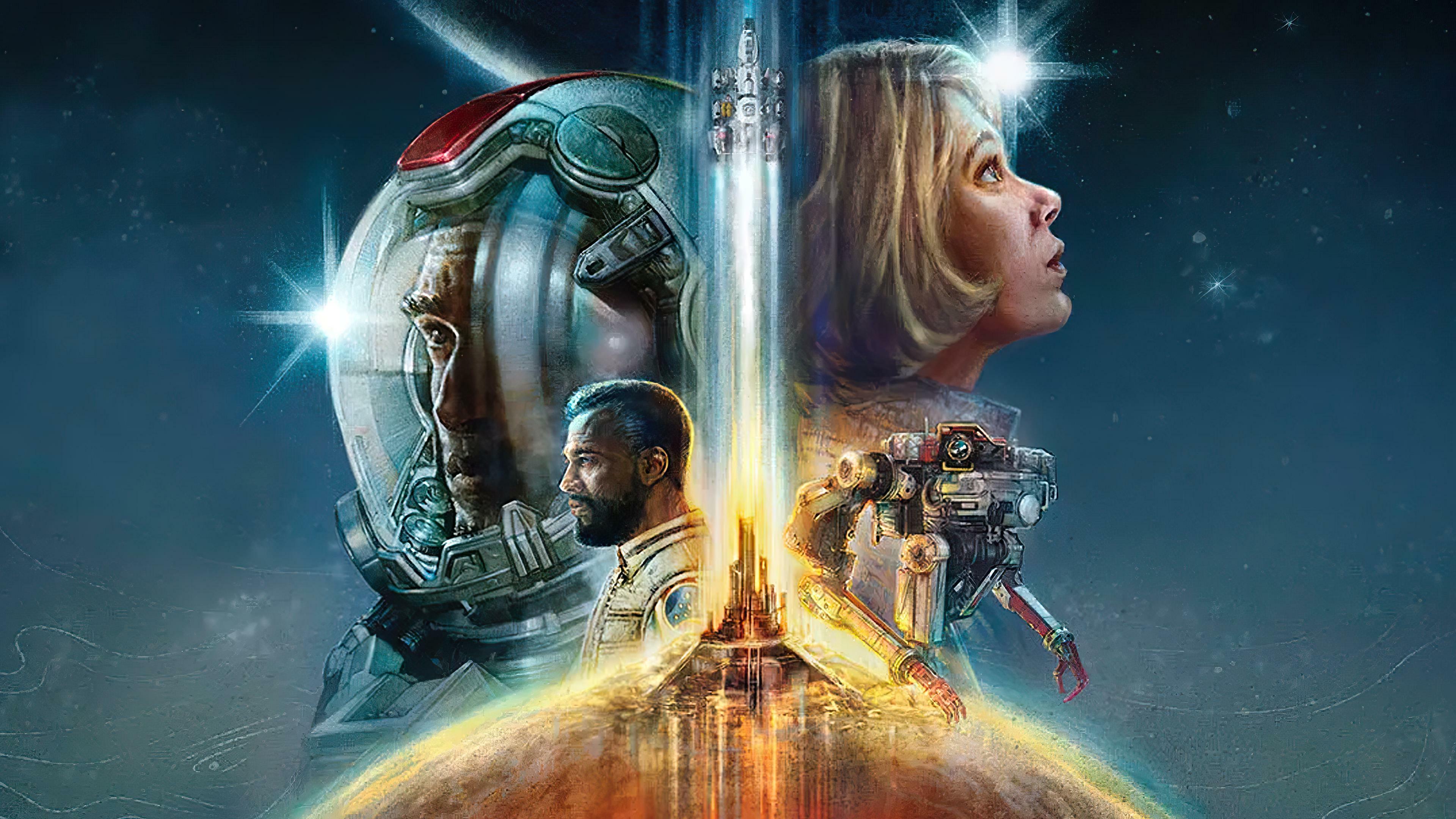
After players criticized the game for having desolate planets and depending too much on quick travel, Bethesda’s Pete Hines responded on X, defending the game’s design. He claimed the emptiness was intentional to reflect the reality of space and suggested players who were bored simply weren’t exploring properly or didn’t appreciate the vastness of space. This dismissal of players’ feelings was widely seen as dismissive and contributed to the mixed reactions the game received. Telling players they’re ‘playing it wrong’ is rarely a good response, and it fueled the controversy surrounding the game.
‘Firewatch’ (2017)
Game developer Campo Santo asked YouTube to remove a video of their game played by PewDiePie after he used a racial slur in a separate video. While most people agreed the slur was wrong, many felt Campo Santo was misusing copyright law to punish PewDiePie for something outside of the game itself, seeing it as an overreach of power. The developers announced they would issue copyright strikes against all of PewDiePie’s content, which gamers criticized as unfair censorship. This sparked a wave of negative reviews on Steam, not due to problems with the game, but because of what players saw as Campo Santo’s aggressive legal tactics.
‘Dustborn’ (2024)
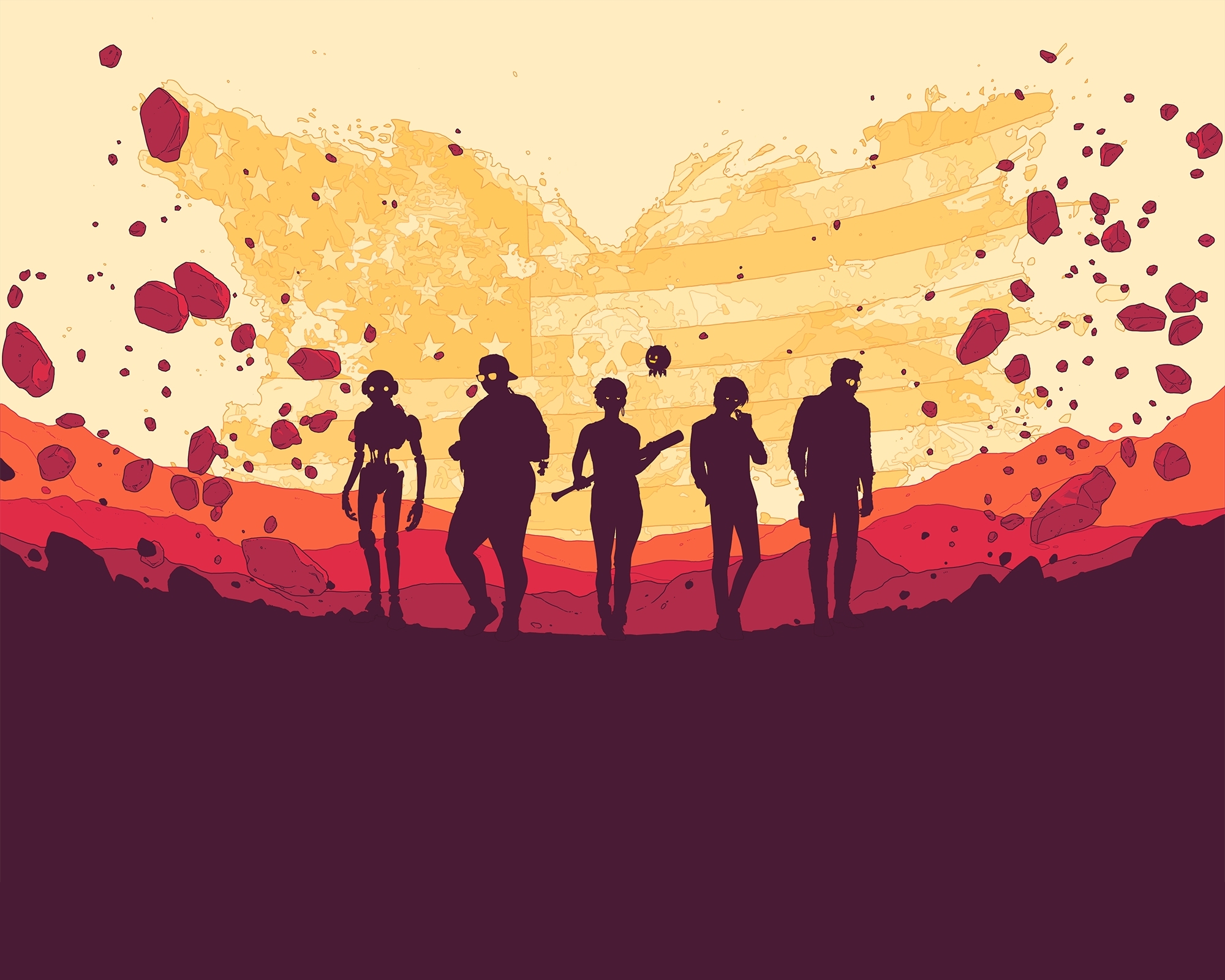
When this story-driven game was announced, it quickly received strong criticism online, and the developer’s reaction made things even worse. Instead of addressing concerns about the game’s political messages, the developers blocked critical users and made fun of them on Twitter. Adding to the controversy, the studio received funding from government grants, and the developers responded dismissively to those questioning how taxpayer money was used. This combative approach on social media meant the game launched to a very negative reception and almost no players.
‘Five Nights at Freddy’s’ (2021)
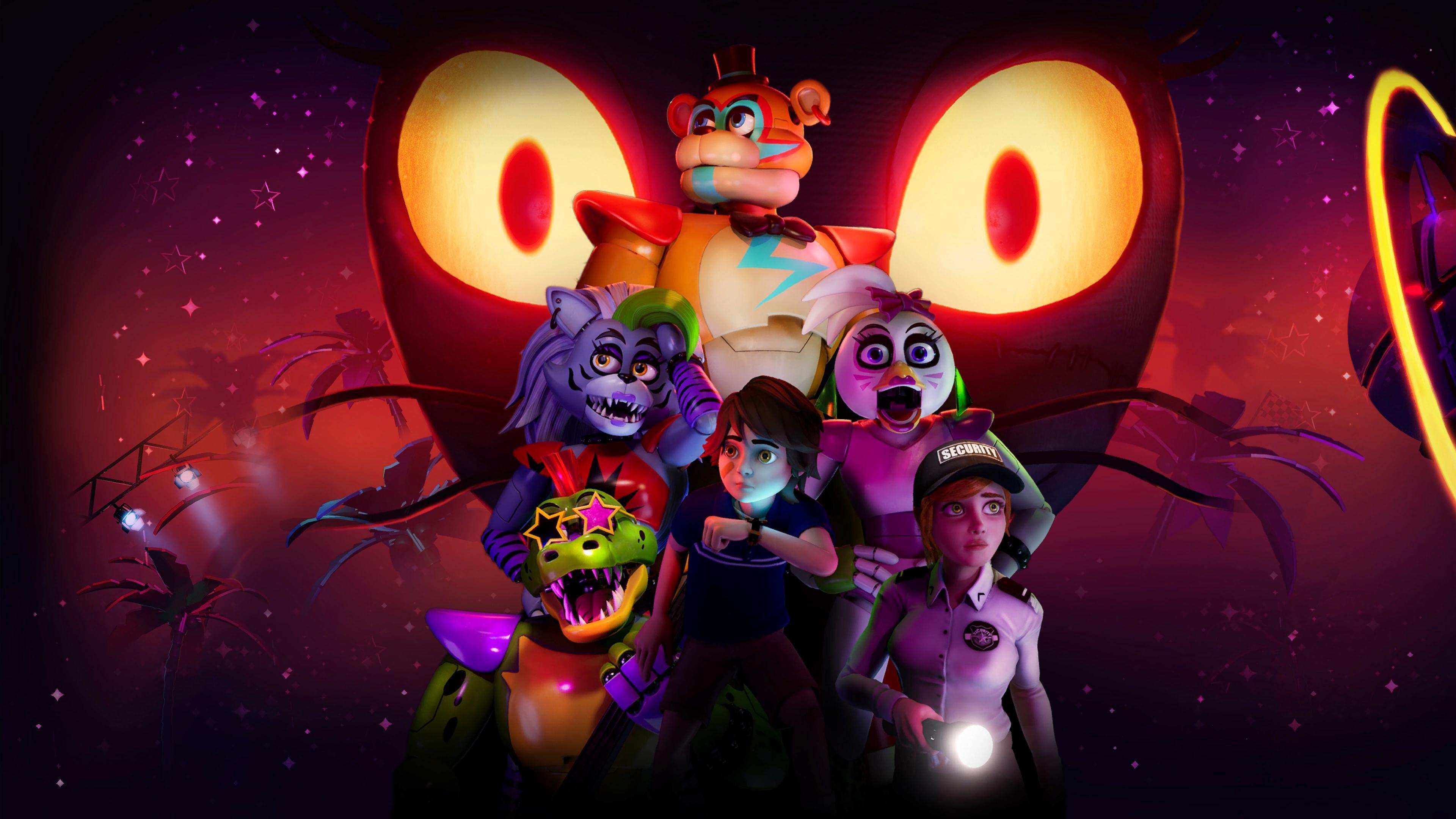
Man, things got really messy for Scott Cawthon, the creator of Five Nights at Freddy’s. After it came out that he’d donated to some politicians with conservative views, a lot of people called for a boycott. He responded by saying he wasn’t going to apologize for what he believed in, and that he loved the FNAF community and the characters. But a big part of the LGBTQ+ fanbase felt really let down – they saw his donations as going against the whole message of acceptance that the games often seemed to promote. It got so bad that he ended up retiring from making games altogether, probably to try and protect the franchise from all the drama.
‘Return to Monkey Island’ (2022)
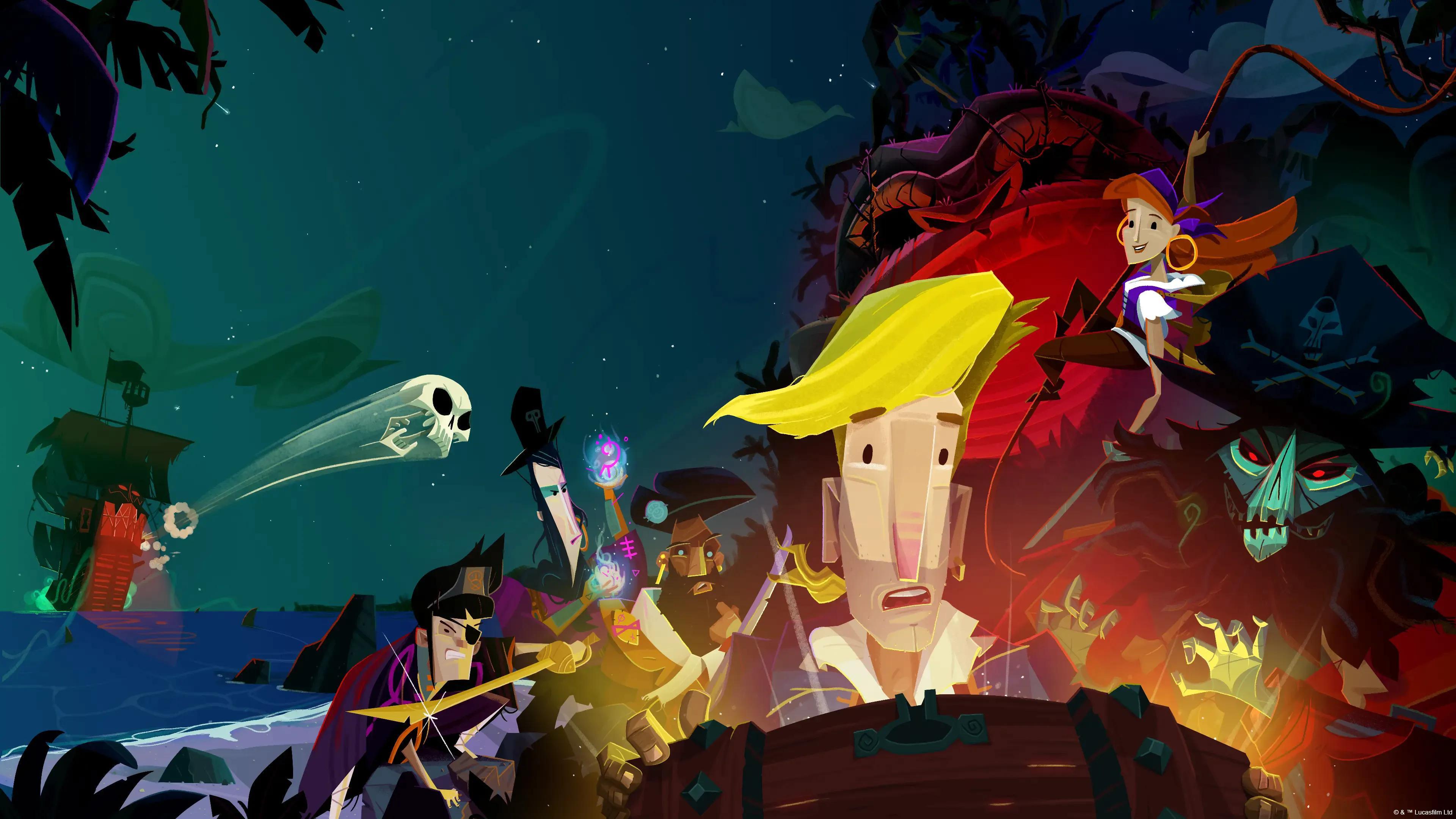
Ron Gilbert, the creator of the game, closed comments on his blog after receiving negative feedback about the game’s new look. He expressed disappointment with fans he considered unkind and announced he would no longer share updates – essentially withdrawing from the conversation. While the negative comments he received weren’t fair, some felt his response was overly sensitive, especially considering his experience in the industry. This situation dampened excitement for the game’s release, leaving many fans feeling unfairly criticized for simply disliking the new art style.
‘Stellar Blade’ (2024)
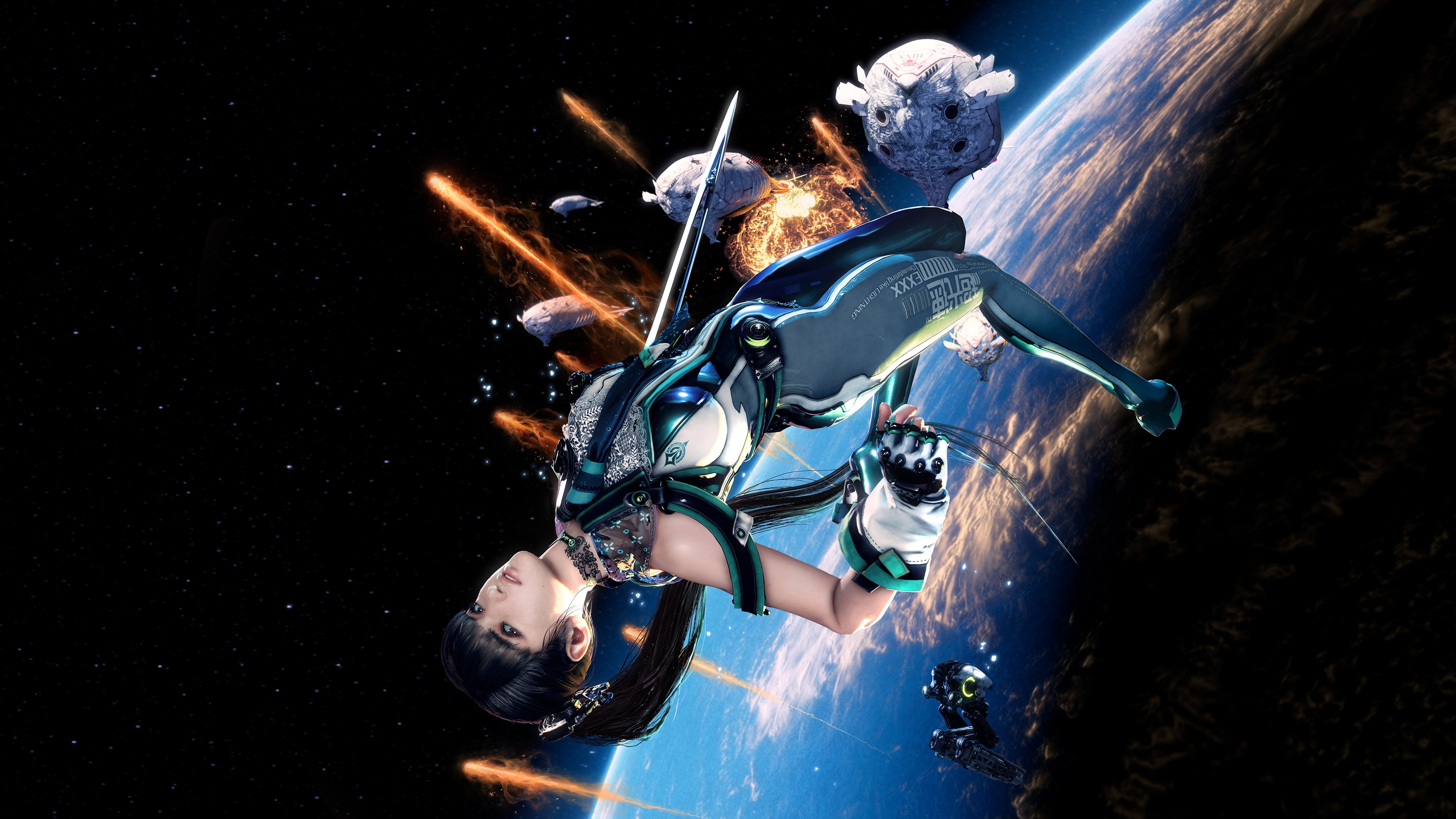
Before its release, the developers of the game, Shift Up, repeatedly promised an “uncensored” experience, appealing to players who value artistic freedom. However, the game launched with censored outfits and violence through a day-one update. This led to criticism that they had misled customers. The studio then remained quiet and issued unclear statements that didn’t match their earlier confident claims, angering the very audience they had tried to attract. This contradiction – promoting a game as uncensored and then censoring it – sparked a movement for refunds.
Share your thoughts on these controversies or mention any we missed in the comments.
Read More
- Spotting the Loops in Autonomous Systems
- Seeing Through the Lies: A New Approach to Detecting Image Forgeries
- Julia Roberts, 58, Turns Heads With Sexy Plunging Dress at the Golden Globes
- Staying Ahead of the Fakes: A New Approach to Detecting AI-Generated Images
- Gold Rate Forecast
- TV Shows That Race-Bent Villains and Confused Everyone
- Palantir and Tesla: A Tale of Two Stocks
- The Glitch in the Machine: Spotting AI-Generated Images Beyond the Obvious
- How to rank up with Tuvalkane – Soulframe
- The 25 Marvel Projects That Race-Bent Characters and Lost Black Fans
2026-01-15 22:27