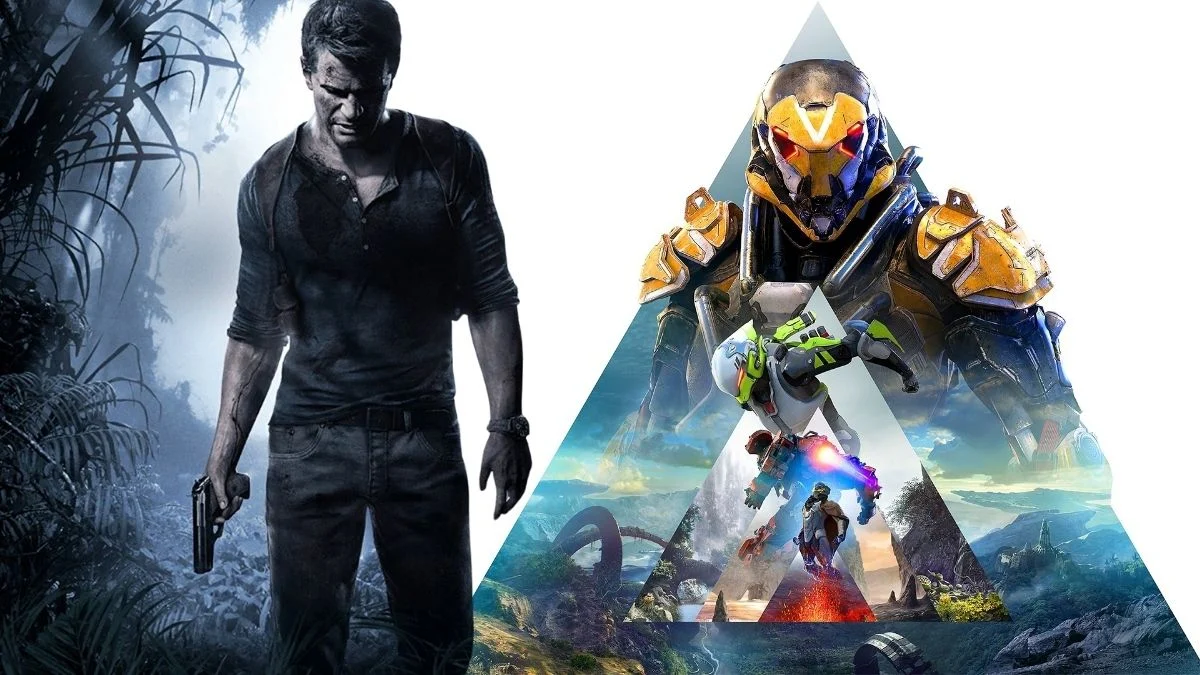
The video game industry is going through a major change. For years, the industry appeared glamorous, but now we’re seeing a darker side of overworked and exploited developers. More and more game developers are speaking out against “crunch culture” – the practice of forcing employees to work extremely long hours to finish games, often while falsely claiming the extra time is optional. This has led to protests, walkouts, and efforts to form unions, all demanding better treatment for those who create the games we enjoy.
‘World of Warcraft’ (2004)
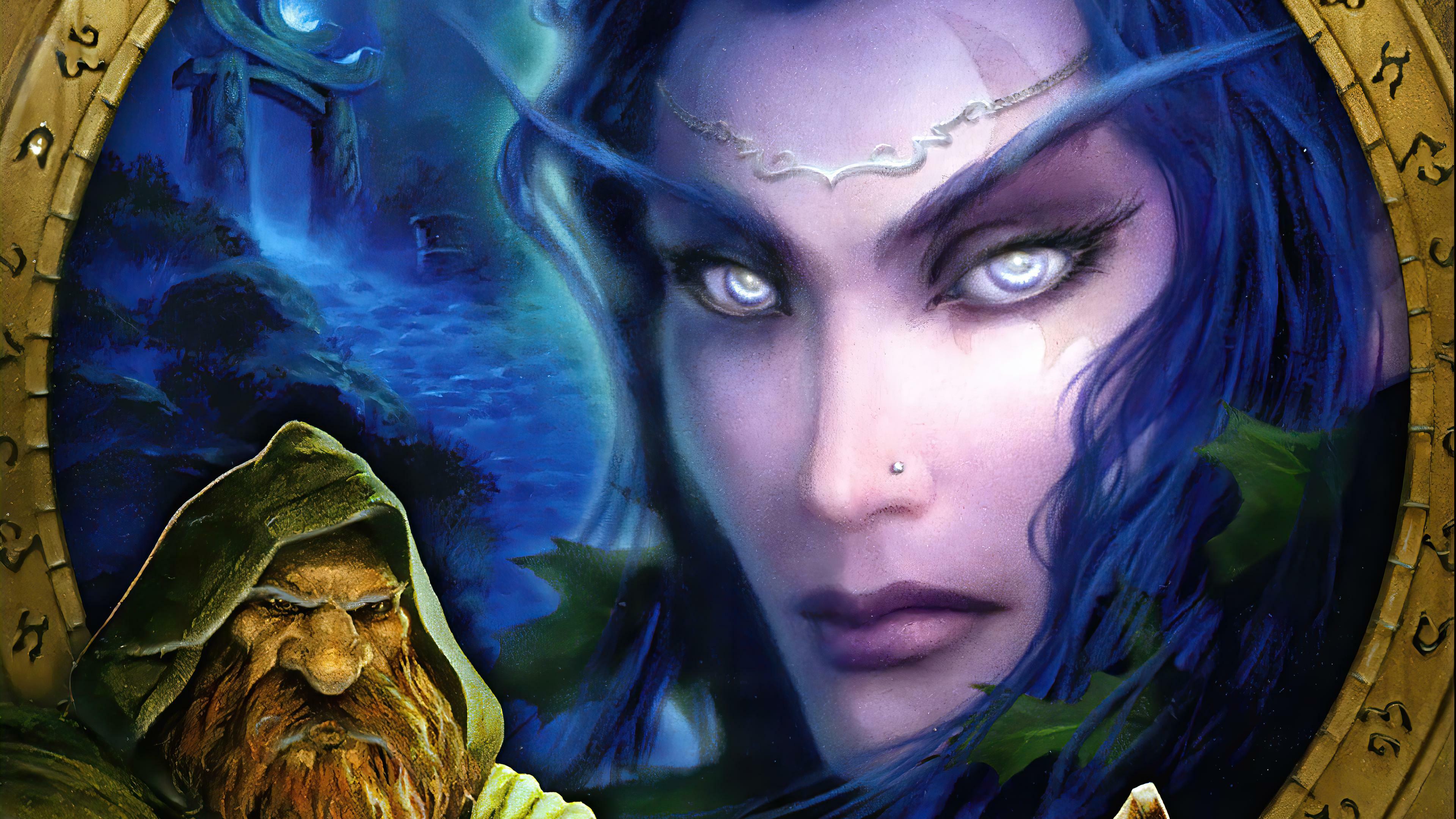
A major lawsuit alleging a deeply problematic “frat boy” culture and widespread harassment at Activision Blizzard sparked one of the biggest employee walkouts in video game history. In 2021, workers protested after years of complaints about excessive crunch, a toxic work environment, and leadership’s failure to address these issues – all in the name of keeping the game’s content pipeline full. This walkout was a pivotal moment, as developers openly called for the company to take responsibility for the negative impact its practices had on employees.
‘Cyberpunk 2077’ (2020)

CD Projekt Red initially pledged that developers wouldn’t have to work excessive overtime to complete their new role-playing game. But as the release date neared, they went back on that promise, requiring employees to work six days a week to address technical problems. The game launched with many bugs, and the public reacted negatively, proving that forcing overtime doesn’t ensure a good product. This caused morale to plummet within the studio and led to developers leaving. The situation became a key example used by those who argue that promises from game studios about healthy work-life balance are often unreliable.
‘The Last of Us Part II’ (2020)
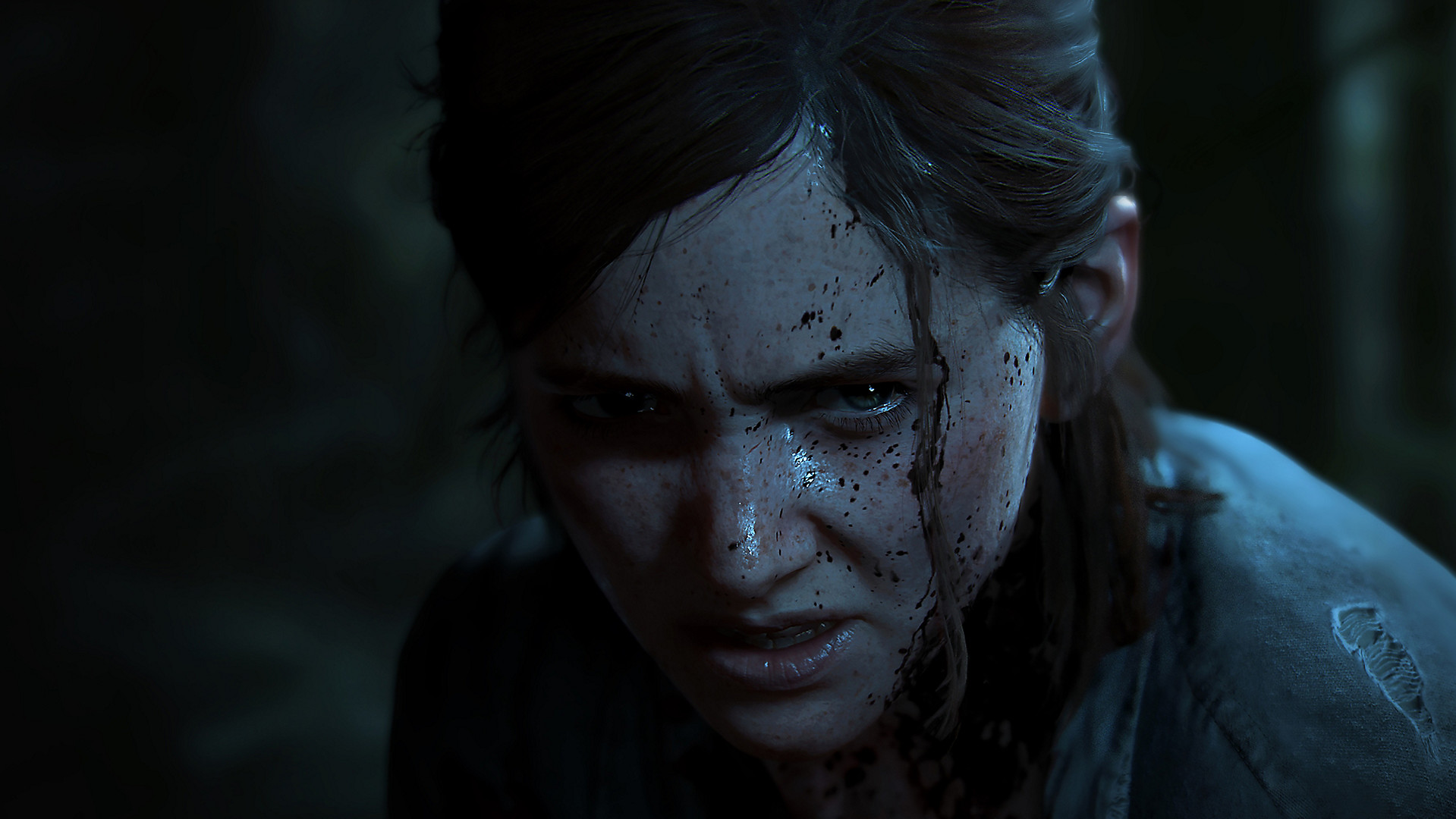
Naughty Dog is known for its amazing storytelling, but reports surfaced during the making of their latest game revealing a demanding work environment. Designers described a culture where long hours were the unspoken norm to achieve the studio’s high standards, resulting in many employees leaving before the game was finished. This led to a broader discussion in the gaming industry, shifting the focus from praising ‘passion’ for work to acknowledging how it can be used to unfairly demand more from employees. The attention on this game also contributed to the growing movement towards forming unions within large game development studios.
‘Red Dead Redemption 2’ (2018)
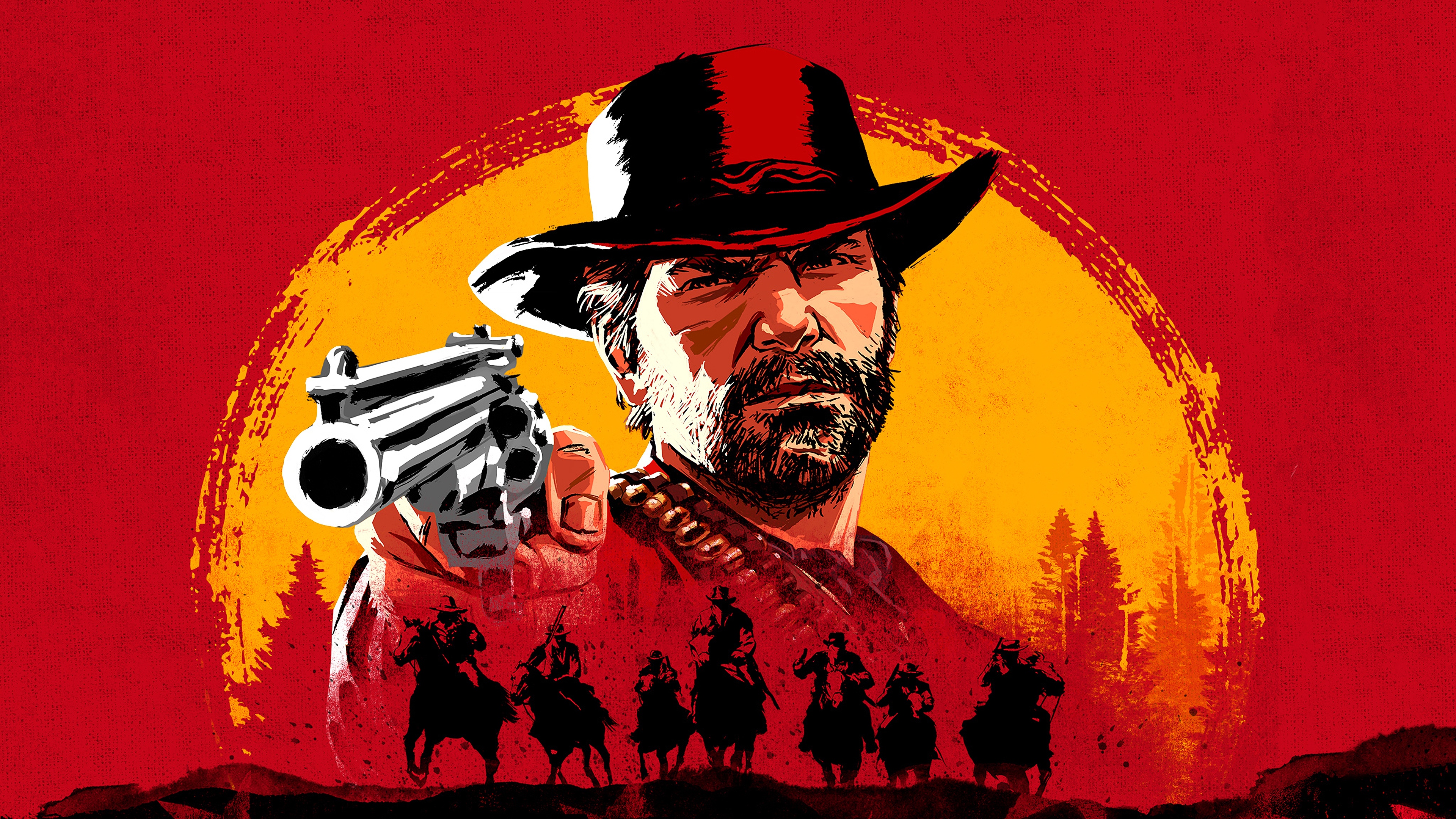
Rockstar Games received strong backlash when leaders admitted to working incredibly long, 100-hour weeks to finish their popular western-themed game. This led to a broader look at working conditions in the game industry, revealing a worrying pattern where temporary workers felt forced to overwork to try and get permanent jobs. Former employees shared how the demanding schedule negatively impacted their health and well-being, and questioned why such intense work was considered normal. The situation ultimately encouraged many game developers to publicly discuss their experiences and working conditions online.
‘League of Legends’ (2009)

In 2019, Riot Games faced an unprecedented walkout – the largest of its kind in the gaming industry. Employees protested forced arbitration and a workplace culture they described as sexist. While the core issues were about legal rights and harassment, the protest also stemmed from the intense pressure of running a hugely popular competitive game. The walkout showed that game industry workers were willing to come together and demand change, and it ultimately pushed Riot Games to review its policies and work towards improving its company culture.
‘Call of Duty: Warzone’ (2020)

As a big fan of the game, I was really upset to hear about what happened at Raven Software back in late 2021. The QA testers, who were working incredibly hard under a lot of pressure to keep the game updated, were suddenly laid off, even though they’d been promised raises. It was a really tough situation, and they decided to walk out in protest. Honestly, it was inspiring to see them stand up for themselves! That walkout ended up being a huge moment because it directly led to the creation of the Game Workers Alliance – the first real union for game developers in North America. It showed everyone that if workers come together, they can actually make a difference, even when companies don’t seem to care.
‘Anthem’ (2019)
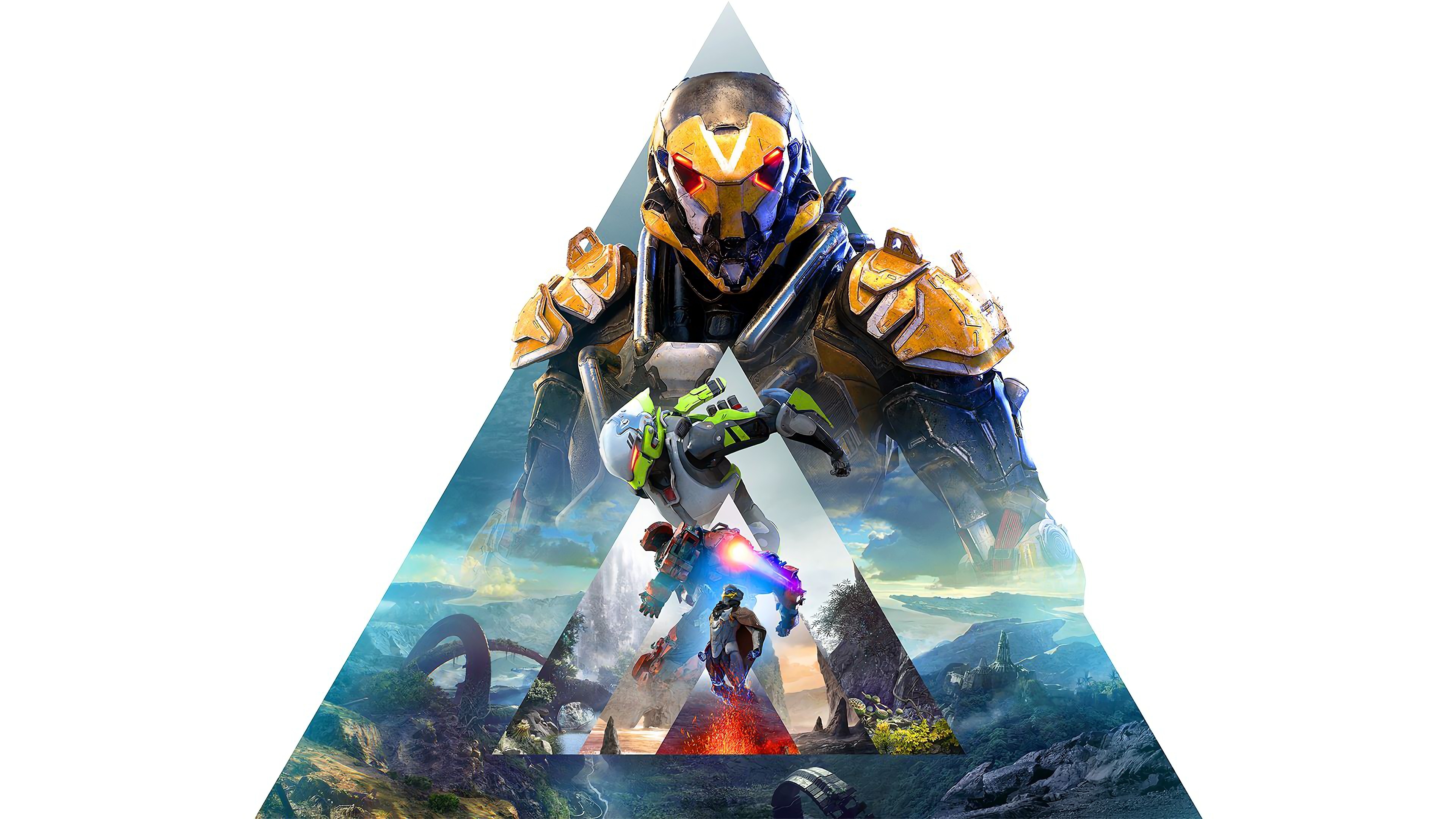
BioWare’s image took a major hit when it became known that some employees had to take mental health leave because of severe burnout – internally called “stress casualties.” The game’s development was marked by constant second-guessing and an overreliance on hoping that intense last-minute work – nicknamed “BioWare Magic” – would somehow fix the project. This poor management resulted in a game that didn’t live up to expectations, demonstrating that pushing employees to their limits can’t make up for a lack of planning. The situation became public, forcing the studio to admit it needed to make significant changes to how it operates.
‘LEGO Star Wars: The Skywalker Saga’ (2022)

The creation of this large-scale game at TT Games was apparently troubled by a problematic work environment where employees felt subtly coerced into working extra hours. The studio faced difficulties with a new game engine and kept adding more features, which led to years of intense crunch time as they tried to include all nine films. Ex-employees have said that leaving work on time was seen as disloyal. These revelations have damaged the brand’s family-friendly reputation, showing that even seemingly lighthearted games can rely on developers working to the point of exhaustion.
‘L.A. Noire’ (2011)

Man, I love L.A. Noire, but the story behind the game is seriously messed up. Apparently, the team at Team Bondi was pushed way too hard – we’re talking 100-hour work weeks! It got so bad the studio basically fell apart right after the game came out. They even reportedly left out the names of people who had left the project from the credits, which is awful. It actually sparked a whole investigation by the game developers association about ‘crunch’ – that intense, unsustainable overtime. It’s a really great game, but it’s a sad reminder of how some studios used to think burning out their employees was just part of making something ambitious. It’s a cautionary tale, honestly.
‘Assassin’s Creed: Odyssey’ (2018)
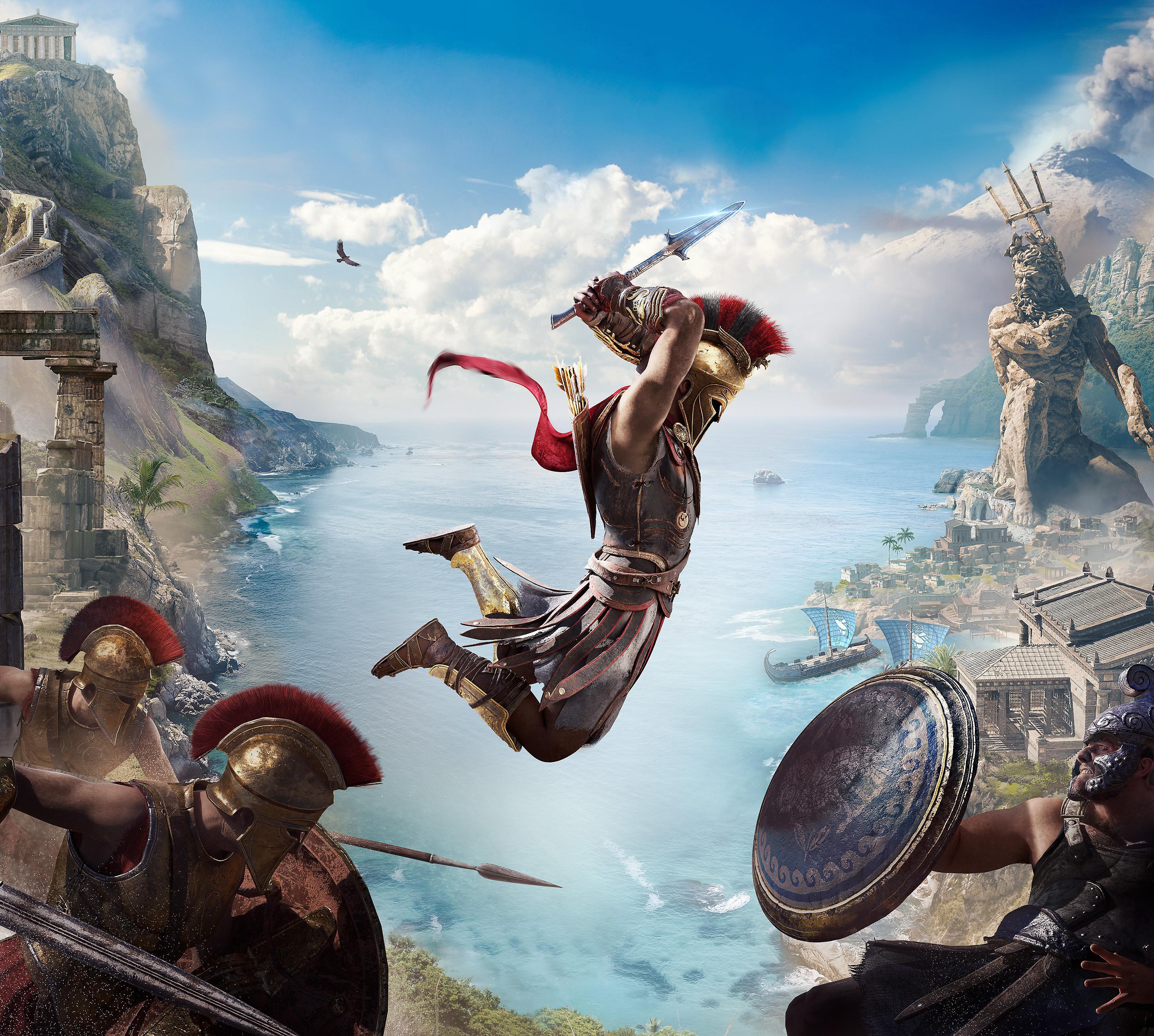
Things at Ubisoft really started falling apart around 2020. A ton of stories came out about really bad management and a culture of abuse happening at several of their studios. Even though Odyssey sold well, it turns out it was made during a time when a small group of people were making all the creative decisions and, shockingly, were covering for managers who were being awful. This created a super unhappy workforce, and a lot of employees publicly called for changes. Honestly, all the drama at Ubisoft played a big part in seeing more and more game workers start to organize and demand better conditions across the whole industry.
‘Overwatch 2’ (2022)
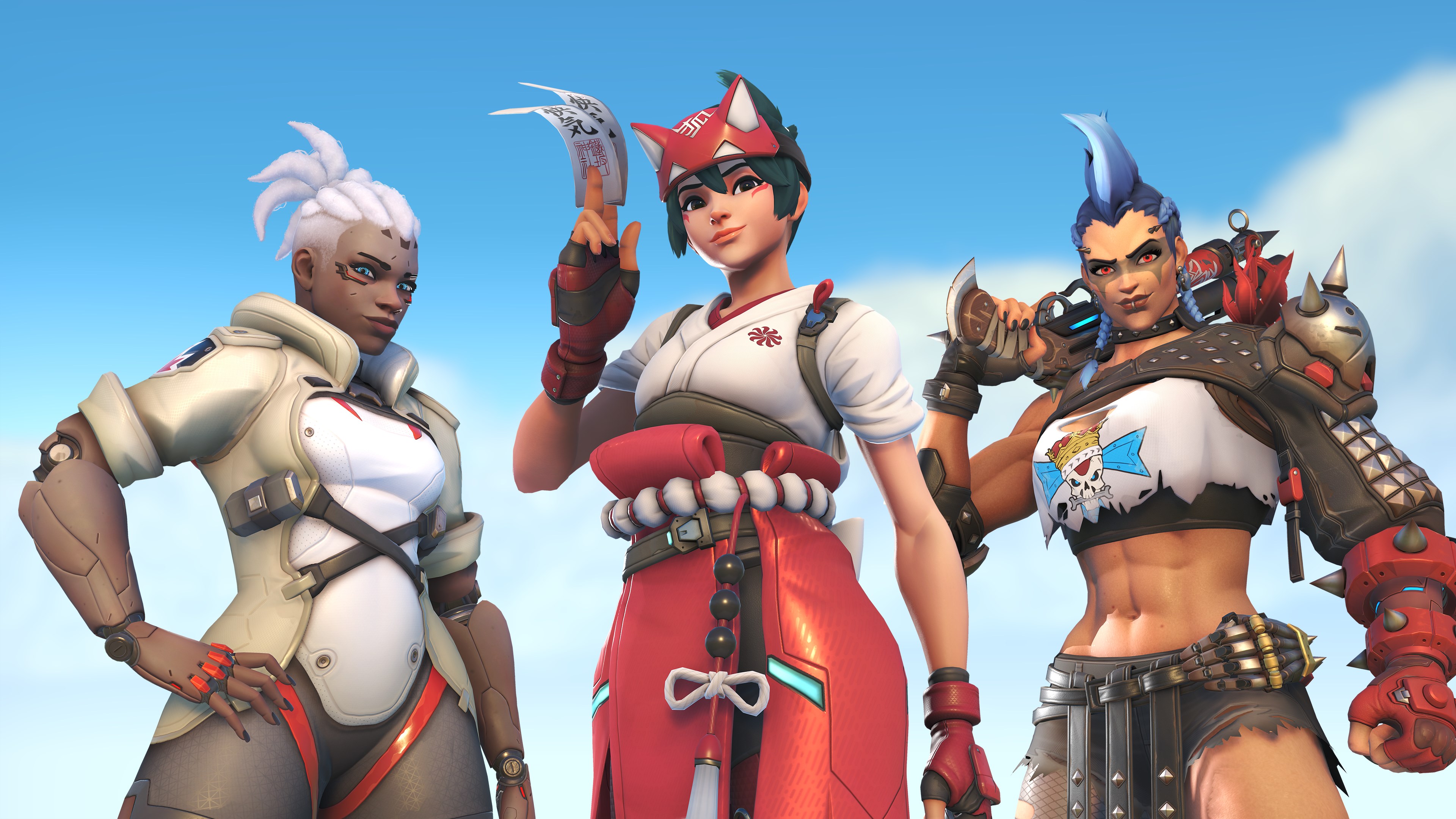
Creating the sequel was seriously hampered by losing important team members and the problems at Blizzard Entertainment. With the company dealing with lawsuits and employees leaving, the development team faced constantly changing plans and the consequences of leaders leaving. Developers felt pressured to focus on making money from the sequel, which led to increased burnout. The game ultimately became a representation of the conflict between what the company wanted and the needs of the people making it.
‘Diablo IV’ (2023)
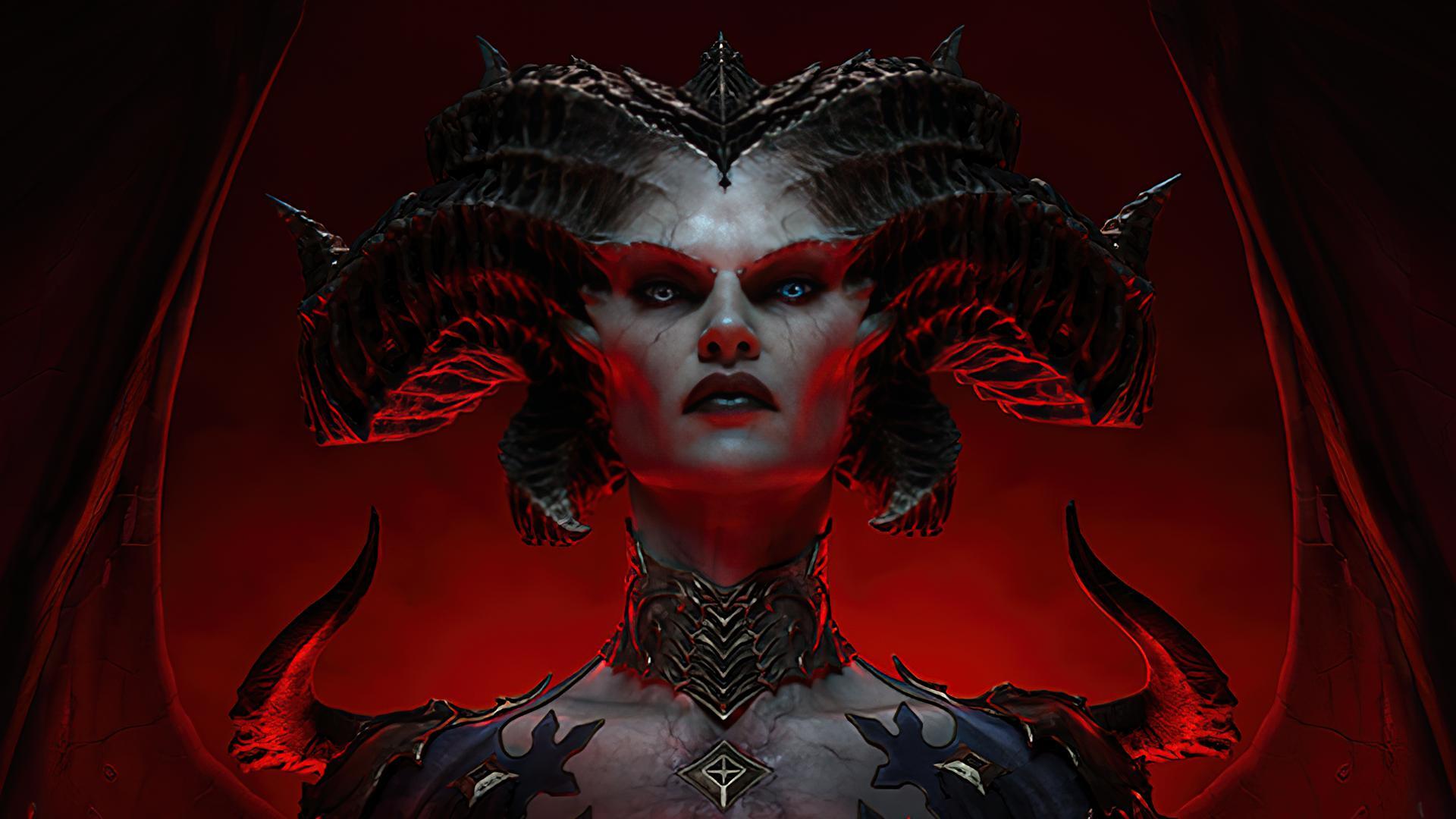
Before the game’s release, it became known that Blizzard Albany was experiencing staff departures due to low pay and excessive overtime, leading employees to consider forming a union. The quality assurance testers at the studio voted to unionize, inspired by a similar move at Raven Software, to push for better working conditions and clearer pay practices. The fact that this major game launched amidst these labor issues underscored the widening gap between the company’s high profits and what its workers were earning. The successful union vote showed that those working on popular games were no longer content with simply having a prestigious job title – they wanted fair treatment and compensation.
‘Fallout 76’ (2018)
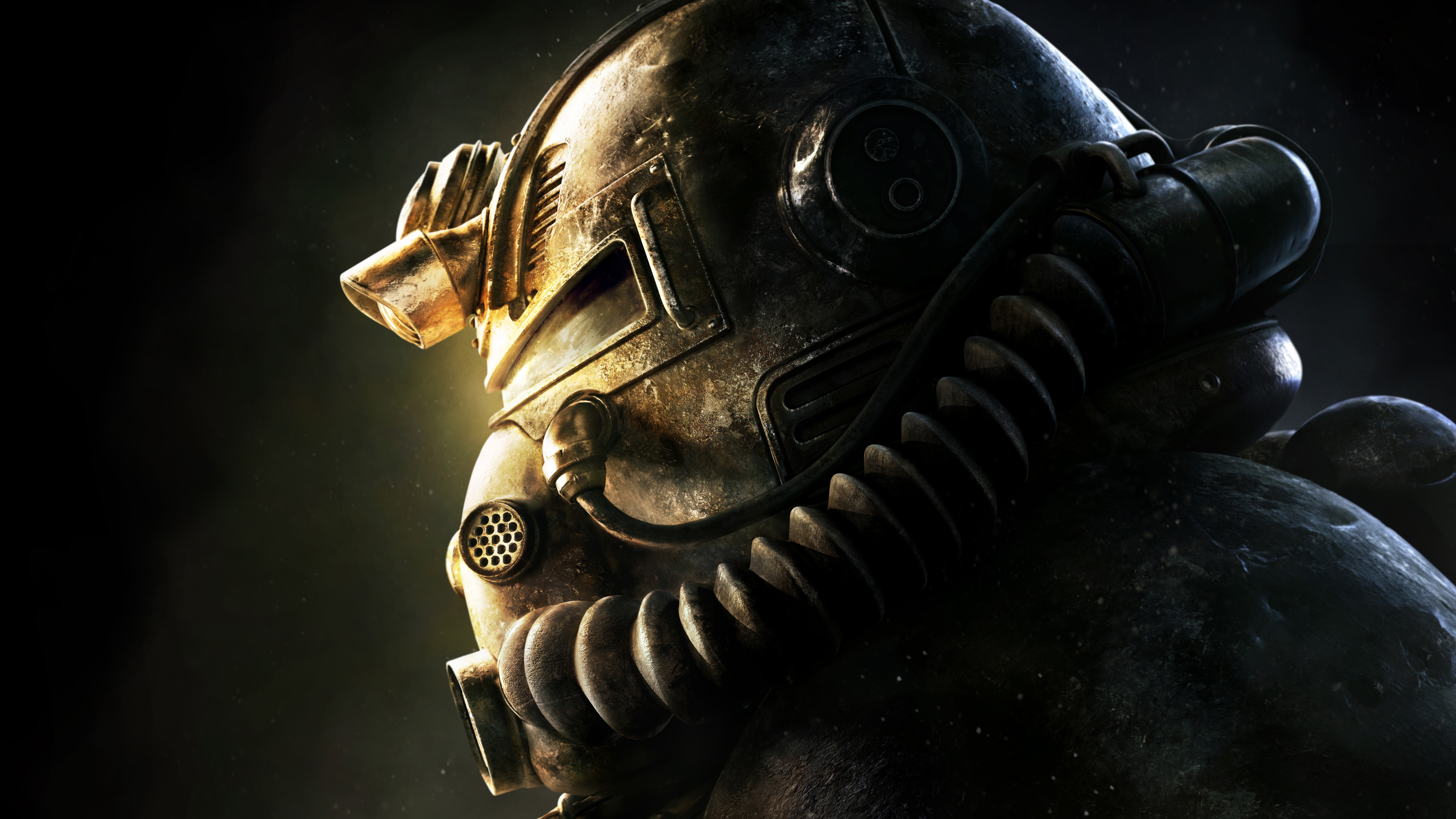
Bethesda’s attempt at a multiplayer game launched with many problems, forcing developers into a difficult period of fixes and improvements after release. It was later revealed that the quality assurance team faced intense pressure, with some testers working long hours – 10 hours a day, six days a week. The use of temporary contractors, who feared losing their jobs, added to the problem, as they felt pressured to work overtime. This situation highlighted a common issue in the gaming industry: releasing games before they’re ready and then relying on overworked employees to fix them later.
‘Mortal Kombat 11’ (2019)

So, I was reading about how NetherRealm, the guys who make Mortal Kombat, got called out for some pretty rough treatment of their contractors. Apparently, these folks were getting paid really low wages and were forced to work crazy long hours to get the cinematics looking amazing. People who used to work there described it as a real ‘crunch’ environment – like, months of work with no days off! It was a huge contrast seeing this super polished game and then hearing about the people who made it being totally burned out and underpaid. It caused a big stir, and now NetherRealm has promised to try and improve things and give people a better work-life balance on future games. It’s good to see them responding, honestly.
‘Fortnite’ (2017)
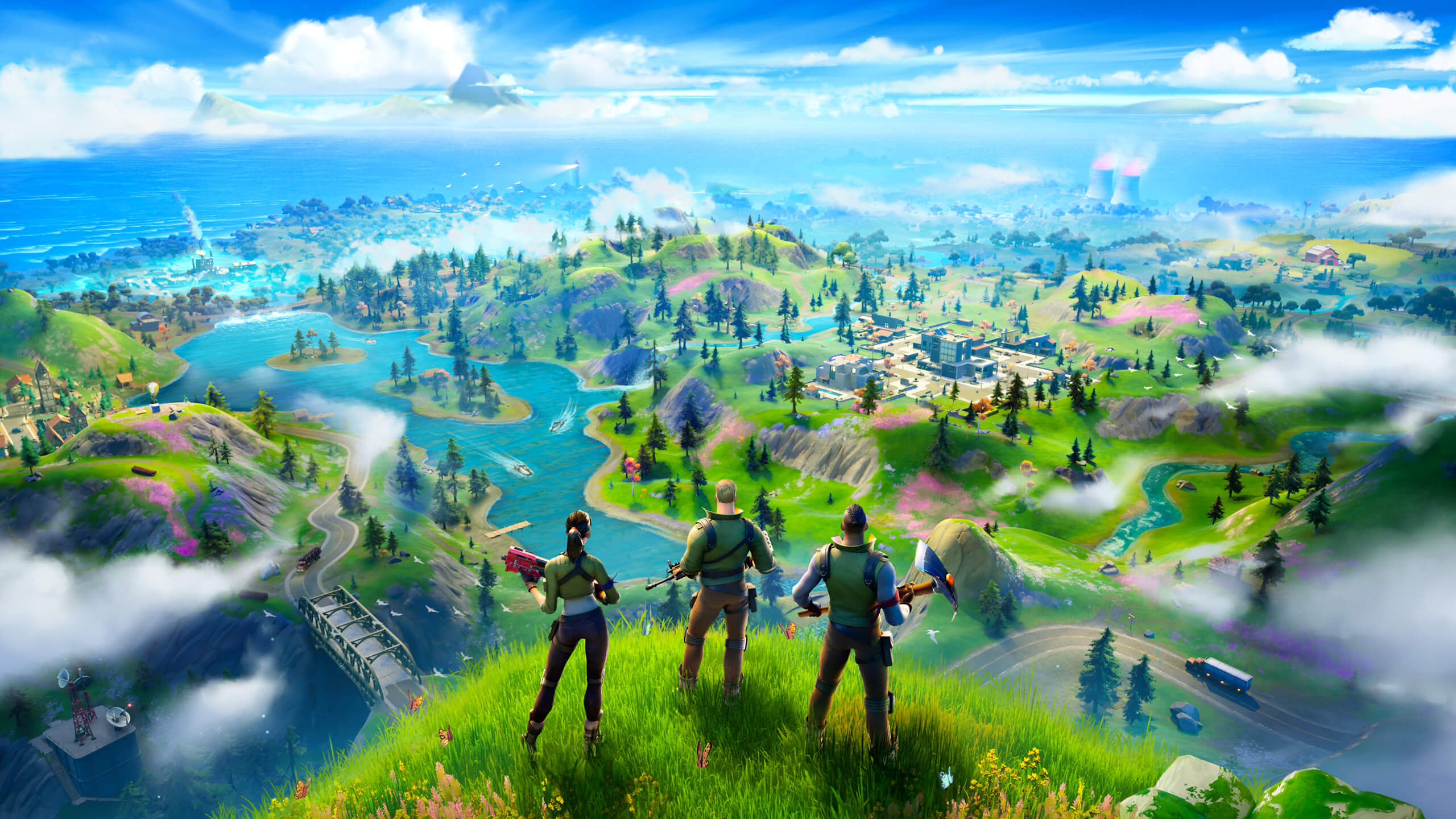
The huge popularity of Fortnite led to constant, intense work periods at Epic Games as they worked to regularly update the game. Many developers and contractors reported working extremely long hours – between 70 and 100 a week – to create new content like outfits, events, and gameplay improvements. Because Fortnite was designed as a constantly evolving “live service,” this intense work wasn’t just temporary; it became the normal way of operating. This raised concerns about the long-term impact on employees needed to maintain the game’s success.
‘Detroit: Become Human’ (2018)
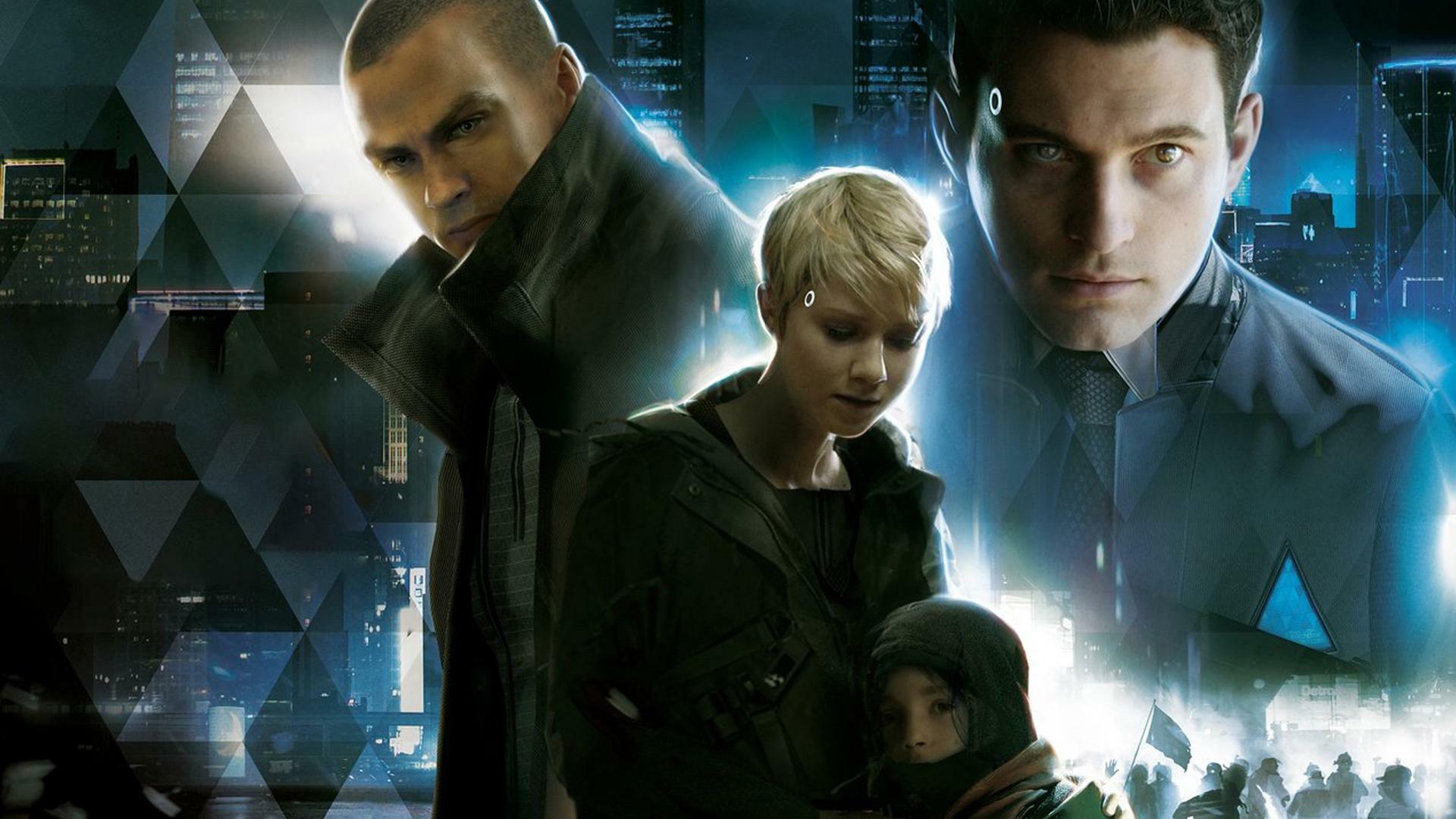
Quantic Dream, a well-known game developer, dealt with lawsuits and negative publicity after reports surfaced in France detailing a harmful work environment filled with racist and sexist behavior. Although company leaders disputed the claims, the situation highlighted how unchecked issues can arise even in successful studios. The legal challenges and public attention sent a clear message to the industry: a company’s internal culture can’t be kept hidden. Interestingly, the game they were working on featured androids fighting for their rights, which mirrored the real-life struggle of their own developers to be treated with respect and dignity.
‘Metroid Prime’ (2002)

The creation of this beloved game at Retro Studios is well-known for its intense and damaging development period. To meet the release date, employees worked non-stop for months, which led to many people leaving the company and changes in leadership. This story is frequently brought up when discussing the high standards of Nintendo games and the potential negative impact on the people who make them. It’s a stark reminder that even games praised by critics can be built on the backs of overworked and exploited developers.
‘Daikatana’ (2000)
The development of this well-known shooter is a stark reminder of how strong personalities and overly ambitious goals can create a terrible workplace. The original developers left en masse because of a negative atmosphere and concerns about the game’s future. The game’s failure and the team’s public fallout became an early warning sign for the industry, proving that skilled professionals won’t tolerate being ignored or treated without respect.
‘Mass Effect: Andromeda’ (2017)
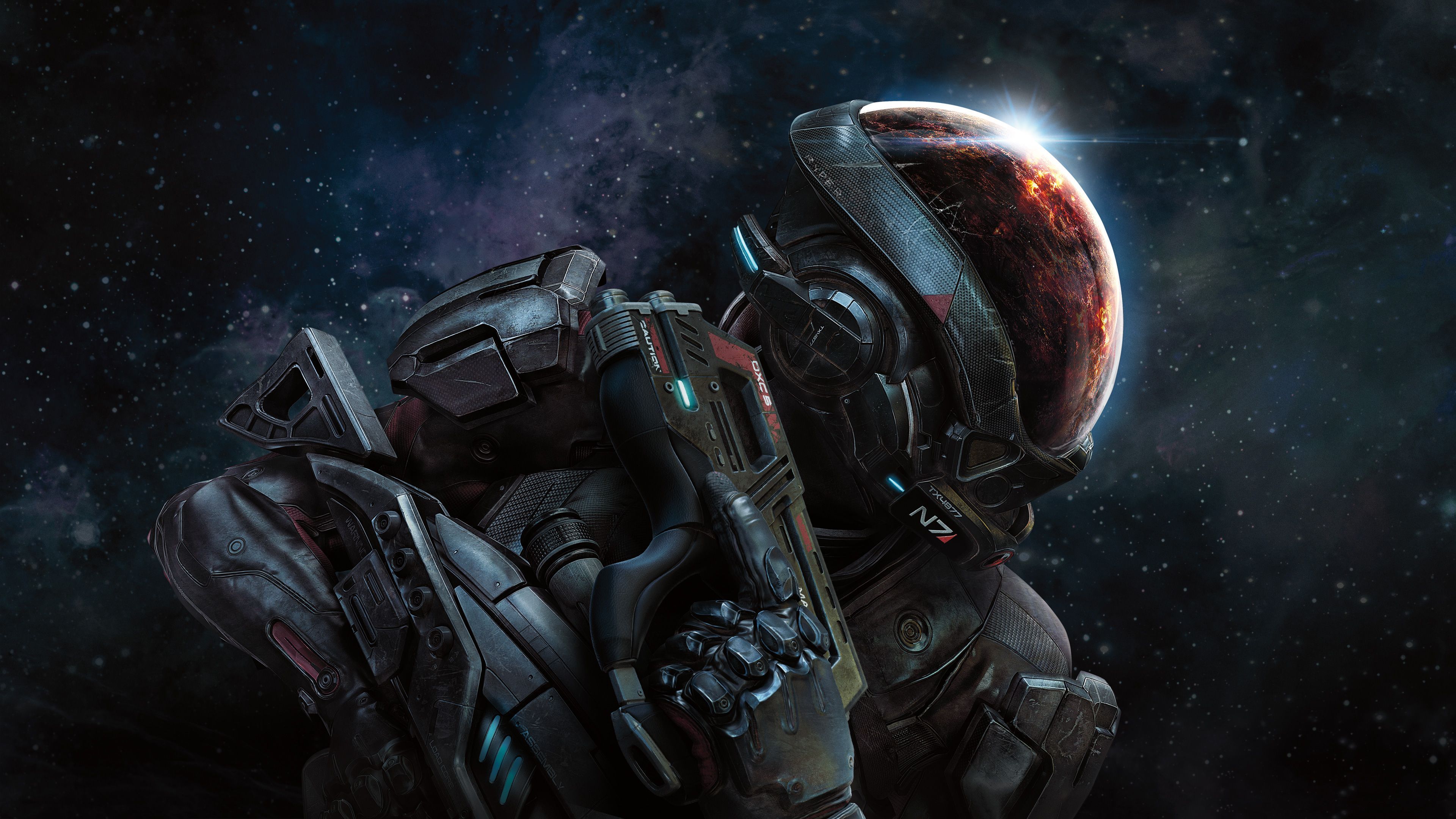
The development of this sci-fi RPG was difficult due to several factors, including switching game engines, a lack of a focused plan, and intense pressure to finish the game by a specific date. Many developers at BioWare Montreal left the project or burned out while trying to fix problems that had been building for years. Because the team was so exhausted, they couldn’t fully refine the game before release, which led to its poor reception. This failure caused the studio to reorganize and the publisher to rethink how games were made.
‘The Witcher 3: Wild Hunt’ (2015)

Despite being hailed as a classic, the creation of this open-world RPG relied heavily on employees working long hours – a practice CD Projekt Red first justified as unavoidable. The company’s leaders later acknowledged the extreme workload was unacceptable and vowed to prevent it on future games, but didn’t keep that promise with their next project. Sadly, the game’s success reinforced the idea that overworking staff leads to better results, and it continues to be a troubling example of an industry that prioritizes outcomes over the well-being of its workers.
‘Halo Infinite’ (2021)
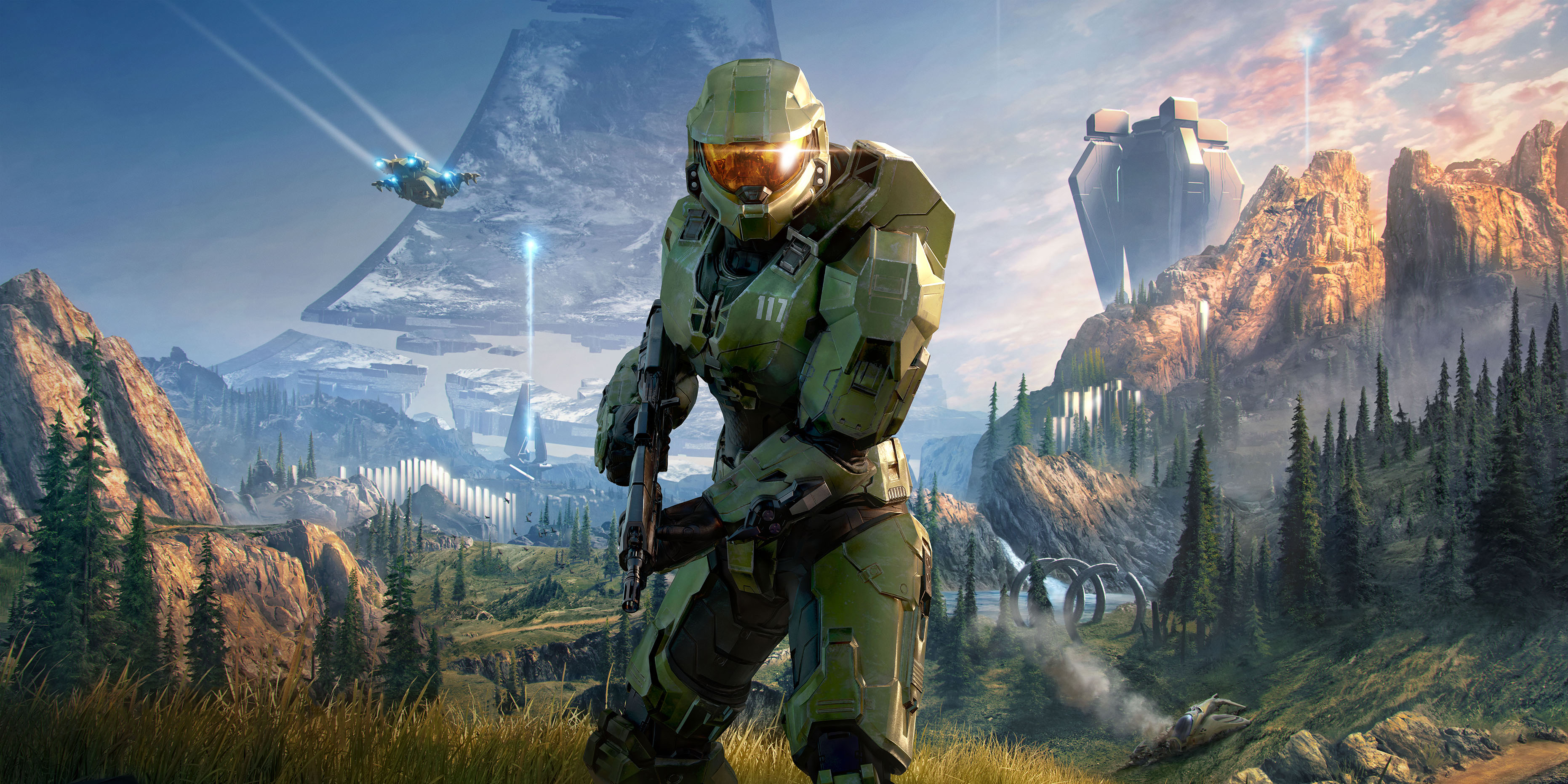
343 Industries struggled because they depended heavily on temporary workers. Microsoft’s policy required these workers to leave after 18 months, creating a constant turnover. This loss of experienced staff led to technical problems and a lack of consistent progress, forcing the full-time employees to work overtime to compensate. The resulting delays in releasing the game and providing new content showed the problems with treating developers as temporary resources. This situation has prompted calls for larger tech companies to rethink how they use temporary staff in game development.
‘Borderlands 3’ (2019)
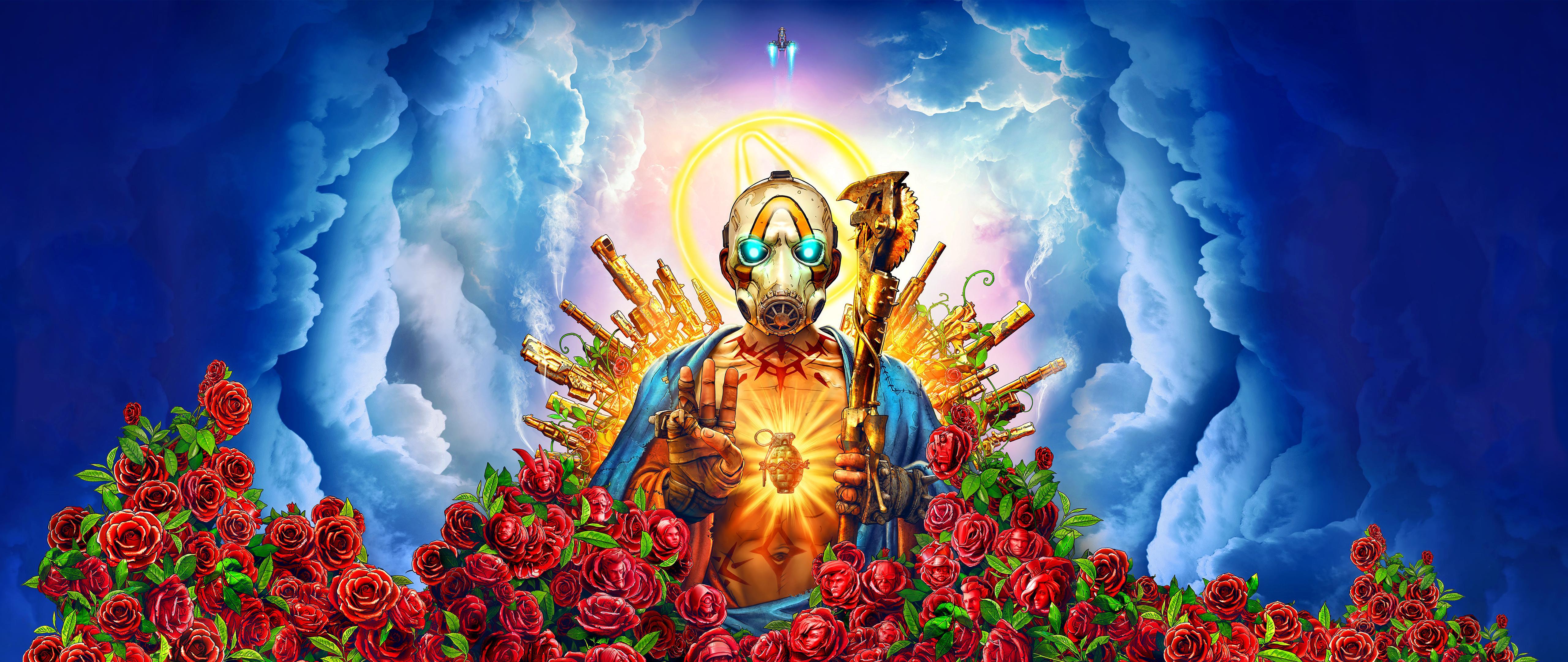
Gearbox Software faced criticism after reports surfaced that developers wouldn’t receive the large royalty bonuses they were originally promised. Employees had put in extra-long hours expecting a significant financial reward based on the game’s success, but were then informed the bonus money was much less than expected. This sudden change in compensation angered staff who had made personal sacrifices for the project. It also brought attention to the financial instability many developers face when relying on bonuses instead of a solid base salary.
‘Ori and the Will of the Wisps’ (2020)
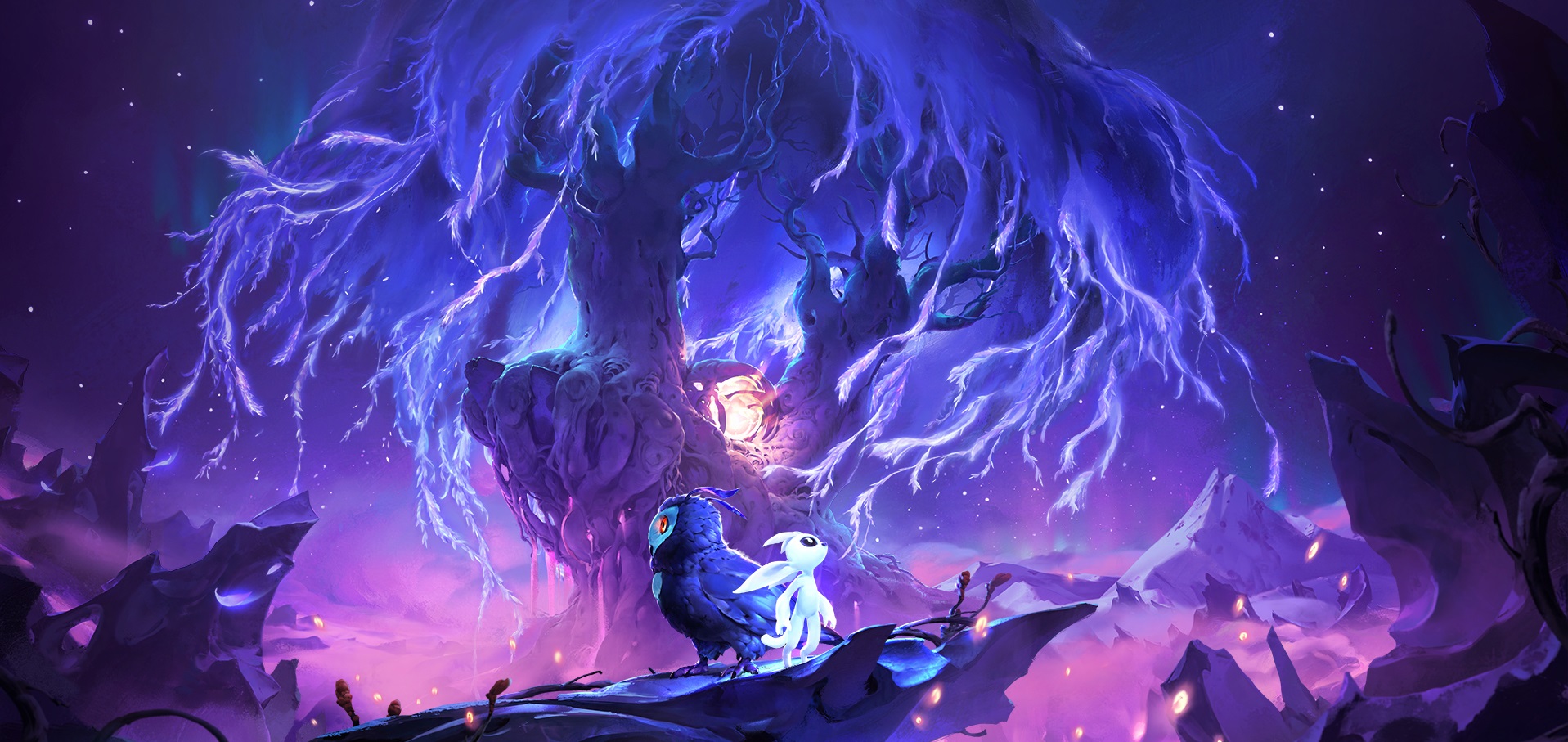
Moon Studios, the company that made the popular platformer game, recently faced accusations of a negative and demanding work environment created by its leaders. Even though the studio allows employees to work remotely, reports described a ‘crunch culture’ where people felt pressured to be constantly available and received critical, unprofessional feedback. Many fans were surprised by this, considering the game’s positive and uplifting story. This situation highlighted that problems with workplace abuse aren’t limited to big companies – they can happen at smaller, independent studios too.
‘Vampire: The Masquerade – Bloodlines 2’ (TBA)
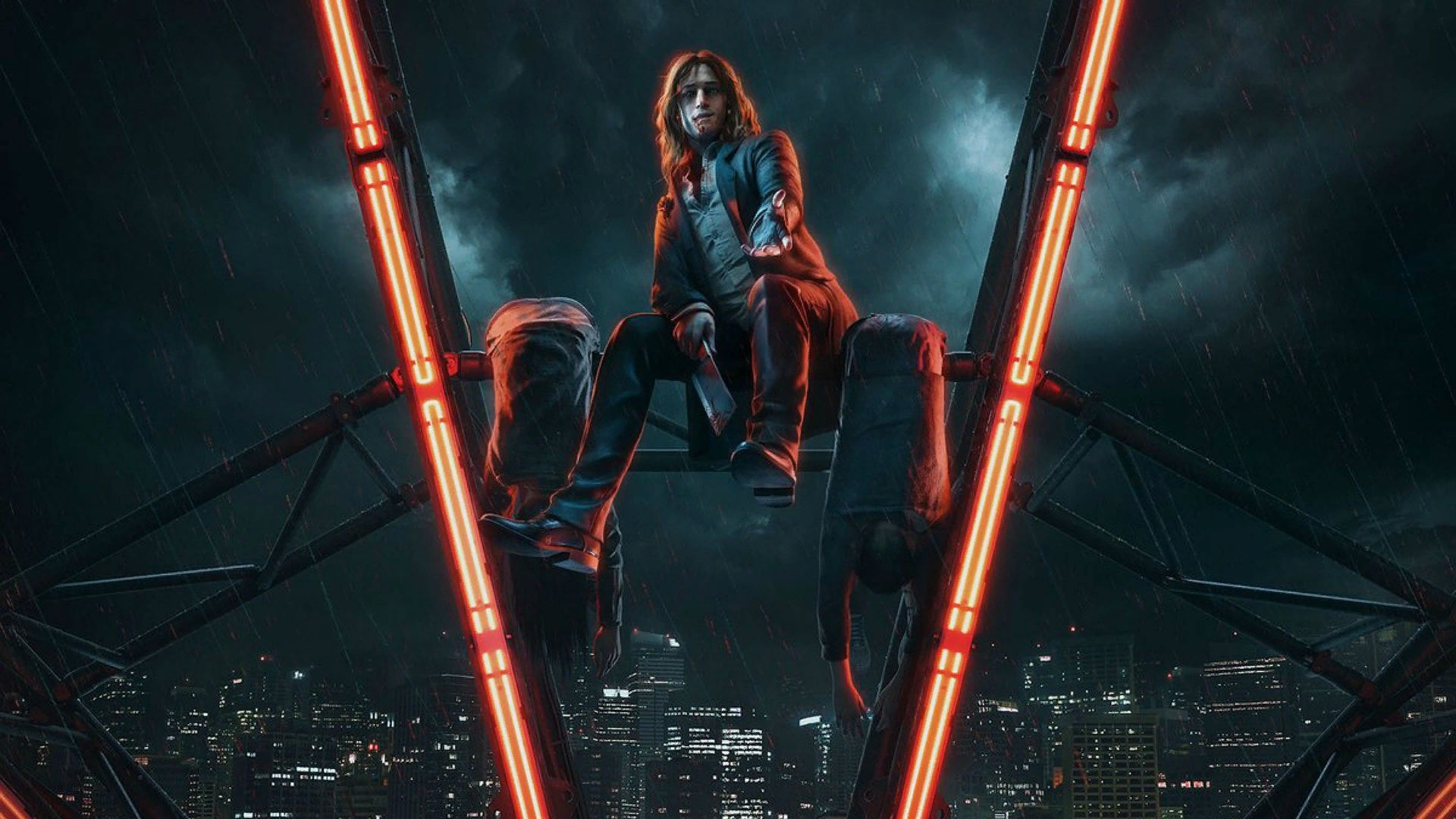
Man, the development of this sequel has been a total mess. The original team, Hardsuit Labs, got pulled off the project after things were delayed forever and they had to let people go. From what I’ve heard, it was a really tough environment with tons of crunch and bad management before the publisher decided to just hand it to a completely different studio. They even fired some of the lead creative people, which left everyone else super worried about their jobs. It’s a really frustrating situation, and honestly, it shows how bad decisions from the people in charge can end up costing developers their livelihoods.
‘Dying Light 2: Stay Human’ (2022)
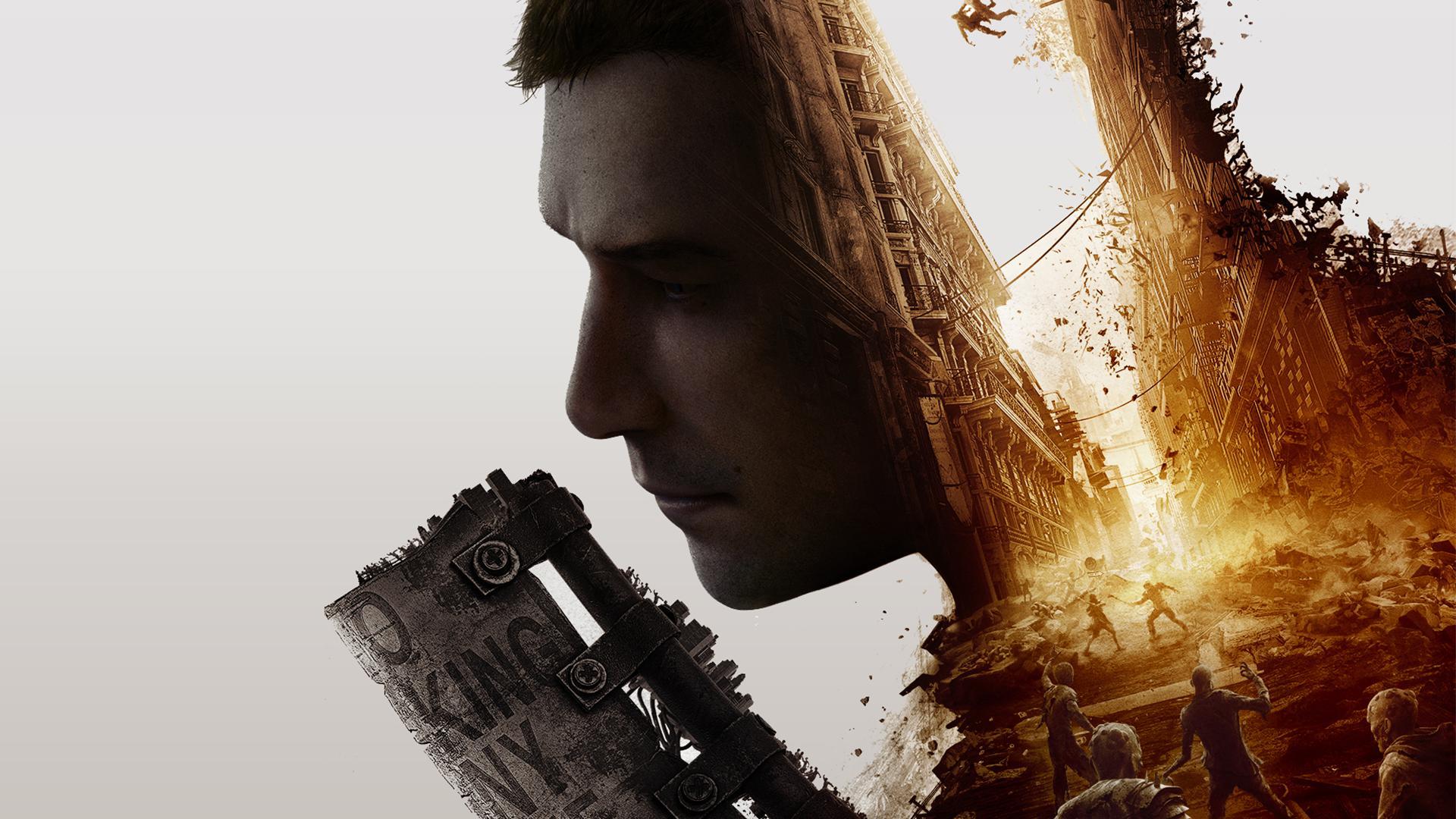
Techland was criticized for poor management and a lack of a clear plan, which resulted in repeatedly revising the game and forcing employees to work long hours. Many described a workplace where criticism was often blunt and instructions changed frequently, causing people to leave the company. The game took a long time to develop, proving that constantly making changes without a strong overall strategy can be ineffective. Developers shared how being disorganized can be just as harmful to a team as requiring excessive overtime.
‘Crysis 3’ (2013)

Things got really rough over at Crytek a while back, and it was honestly pretty scary to watch. Word got out that people weren’t getting paid on time – like, for months! A lot of staff basically stopped working or just left the company altogether. It really showed me that even big, famous studios aren’t immune to financial trouble, and it’s a tough reminder that even in this industry, your paycheck isn’t always guaranteed. It makes you think about how little protection workers actually have when a company starts to struggle.
‘Horizon Forbidden West’ (2022)
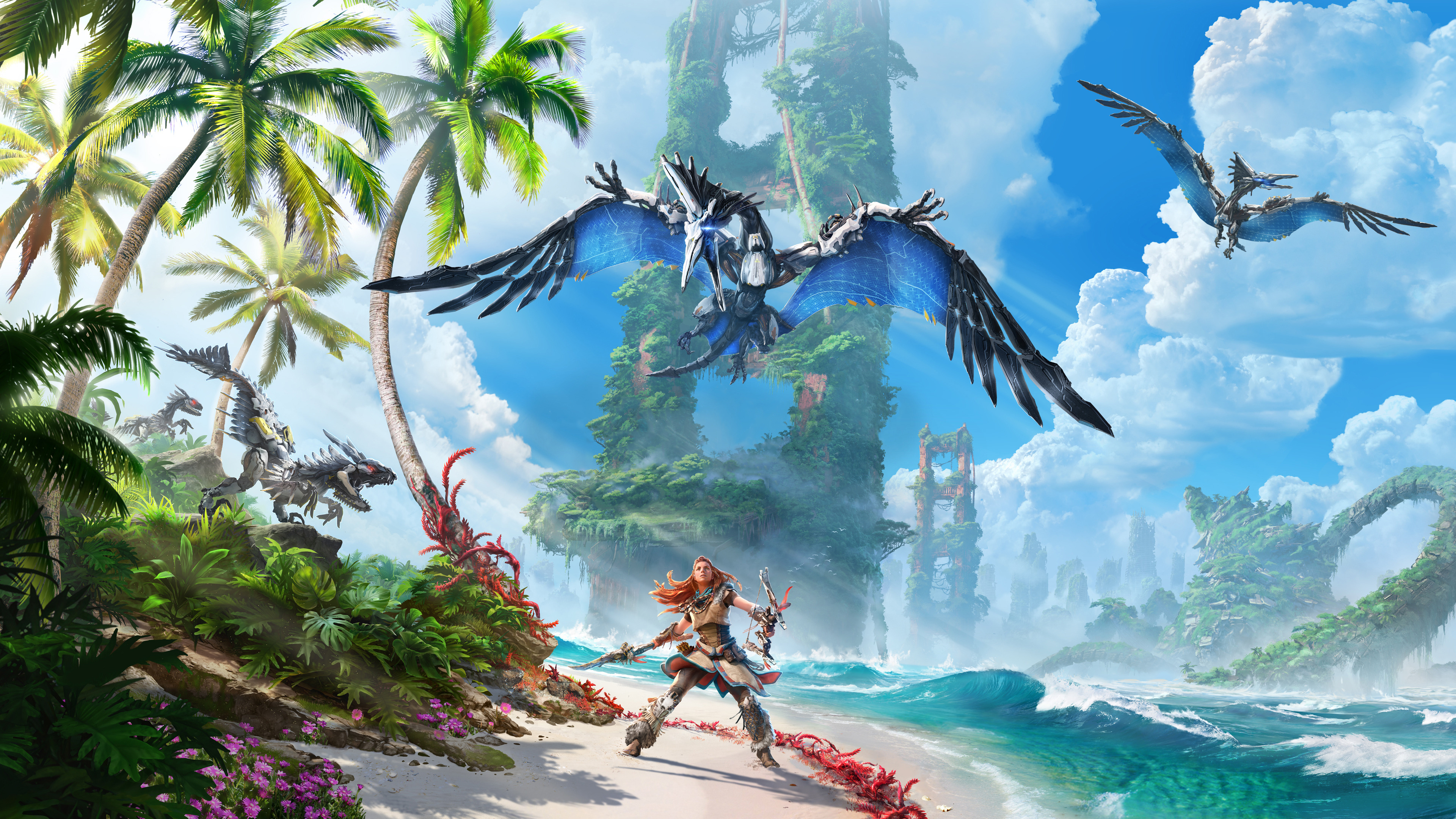
As a big fan, I was really impressed when Guerrilla Games decided to push back the release date. They did it specifically to avoid forcing their team to work crazy hours – something that had been a problem on past games. It was a little frustrating waiting, sure, but it showed they were learning from the past and that the game was on a really tight schedule. A lot of people in the industry celebrated it, and rightfully so! It proved that delaying a game is way better than burning out the people making it. Honestly, it was great to see management actually listen and make a change, which meant the team didn’t have to worry about having to protest or even quit.
‘Dragon Age: Inquisition’ (2014)
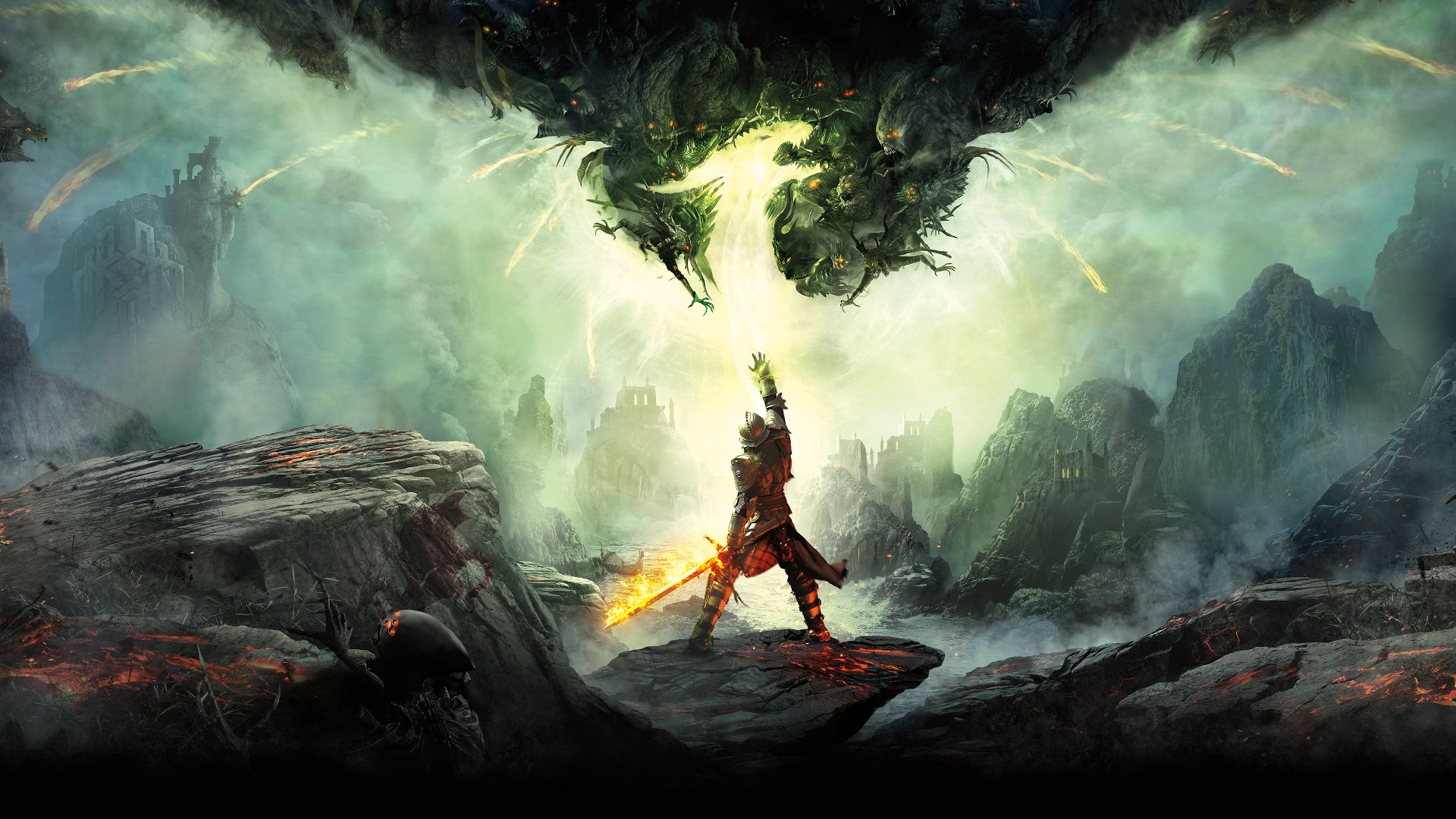
Winning Game of the Year came at a cost, setting a troubling pattern – often called “BioWare Magic” – that would later create problems for the studio. The team worked incredibly long hours during the final year to get everything working together, causing many experienced employees to burn out and leave. Unfortunately, management misinterpreted this success, believing that intense crunch time was an acceptable way to finish games. This mindset ultimately led to the difficult development processes of their future titles.
‘Uncharted 4: A Thief’s End’ (2016)
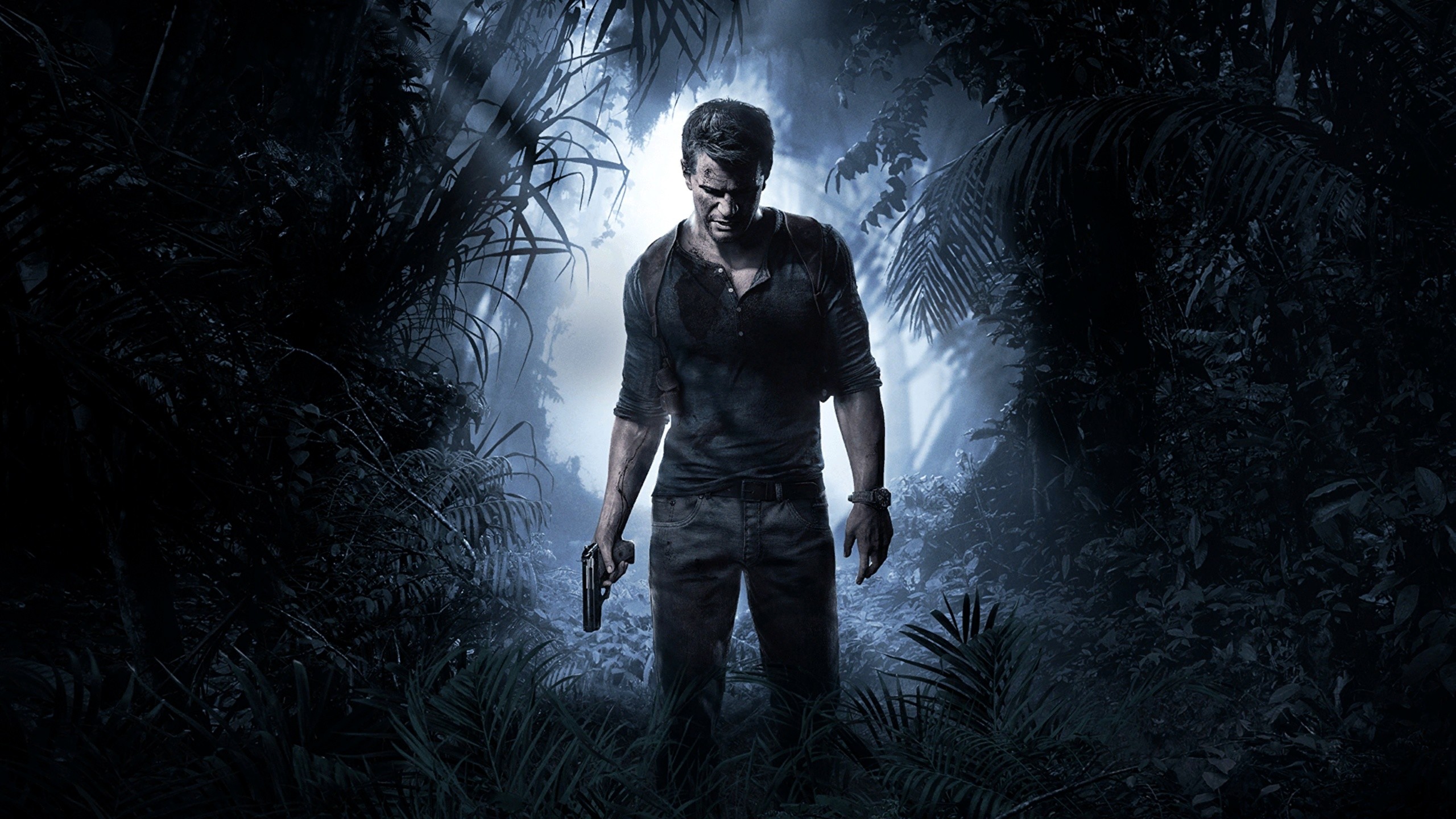
Finishing Nathan Drake’s story was incredibly demanding, requiring developers to work extensive overtime. The project faced a major setback when the creative director left, forcing a story overhaul and putting intense pressure on the remaining team. Although the final game is polished and technically sound, achieving that quality came at a significant human cost and wasn’t sustainable in the long run. The stress and departures following the game’s release played a role in internal conversations that later became public during the development of The Last of Us Part II.
‘Grand Theft Auto V’ (2013)
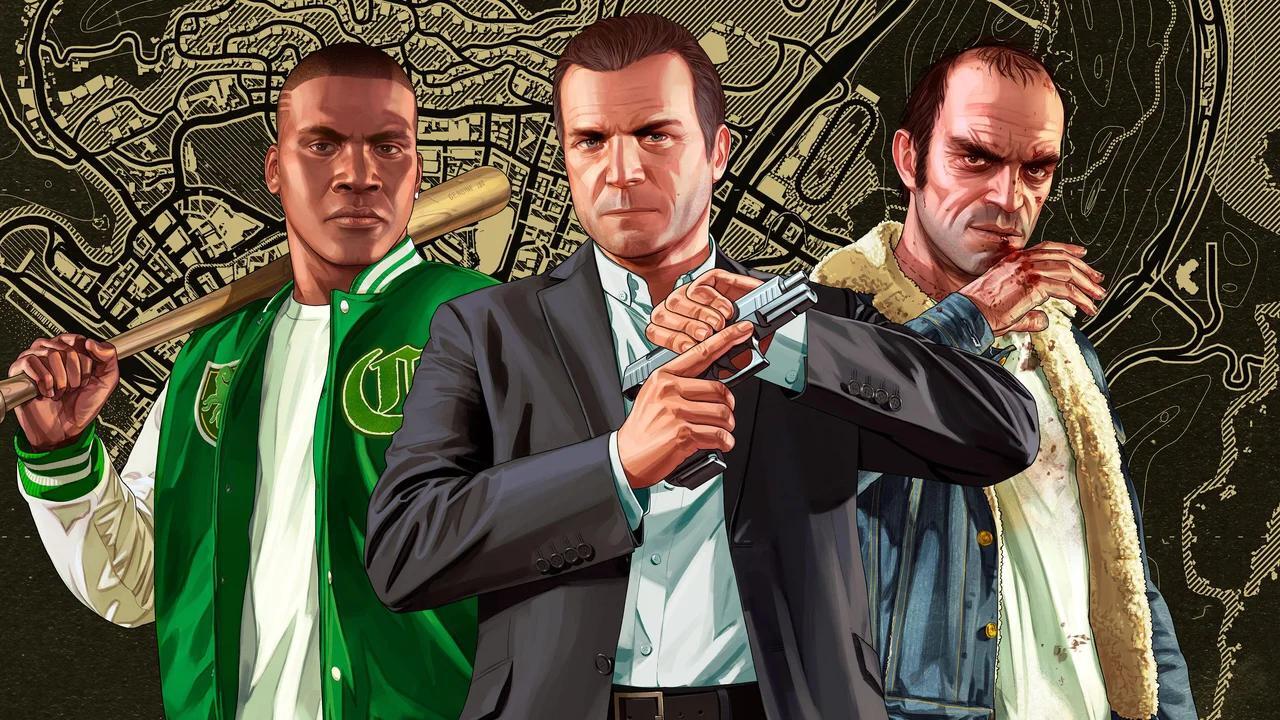
Even before the issues surrounding Red Dead Redemption 2 became public, Rockstar Games was known for demanding work conditions. Making their previous hit game required everyone at all of Rockstar’s studios around the world to work constantly, creating a non-stop development process. Developers’ families even wrote a letter protesting the required overtime, which often kept their spouses at work for extended periods. This was an early sign of the concerns that would later fuel more formal efforts to improve working conditions within the industry.
Let us know what you think about these recent developments and the growing movement to form unions in the industry by leaving a comment below.
Read More
- Spotting the Loops in Autonomous Systems
- Seeing Through the Lies: A New Approach to Detecting Image Forgeries
- Julia Roberts, 58, Turns Heads With Sexy Plunging Dress at the Golden Globes
- Staying Ahead of the Fakes: A New Approach to Detecting AI-Generated Images
- Unmasking falsehoods: A New Approach to AI Truthfulness
- Palantir and Tesla: A Tale of Two Stocks
- Gold Rate Forecast
- TV Shows That Race-Bent Villains and Confused Everyone
- The Glitch in the Machine: Spotting AI-Generated Images Beyond the Obvious
- How to rank up with Tuvalkane – Soulframe
2026-01-15 20:27