The video game industry is built on getting players excited about new and innovative games. Marketing often creates a lot of buzz, leading to huge numbers of pre-orders even before anyone has seen the game in action. Unfortunately, this excitement can sometimes turn into disappointment if the finished game doesn’t live up to the hype, either in terms of how it plays or how well it runs. This often leads to angry customers and forces stores and publishers to offer refunds.
‘The Day Before’ (2023)

The game was advertised as a large-scale, online survival experience set in a ruined America. However, players quickly found it was a much smaller, action-focused game reusing existing assets. The studio shut down just days after launch because of the strong negative reaction and couldn’t afford to continue. Steam, in an unusual move, offered full refunds to everyone who bought the game, even if they had played it for a long time.
‘Cyberpunk 2077’ (2020)
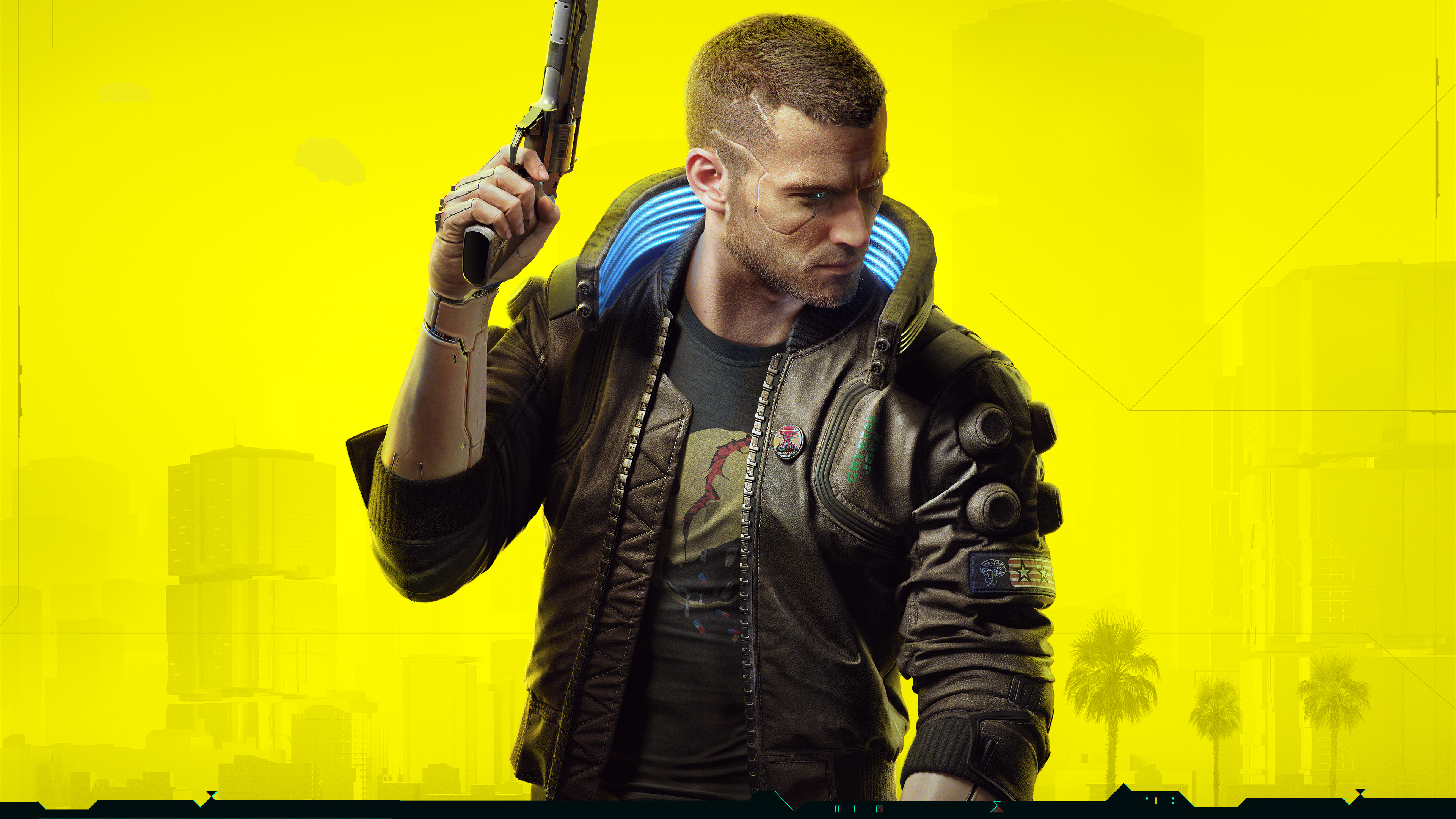
Okay, so CD Projekt Red really hyped up Cyberpunk 2077, promising this incredible open-world RPG with a city that felt truly alive. But when it launched on older consoles like the PS4 and Xbox One, it was a disaster. The game was so buggy and ran so poorly that a lot of people couldn’t even play it. Plus, a bunch of cool stuff they showed off in trailers and demos just wasn’t in the final game, or it was way different. It got so bad that Sony actually pulled the digital version from the PlayStation Store and gave full refunds to anyone who bought it. It was a huge mess, honestly.
‘No Man’s Sky’ (2016)
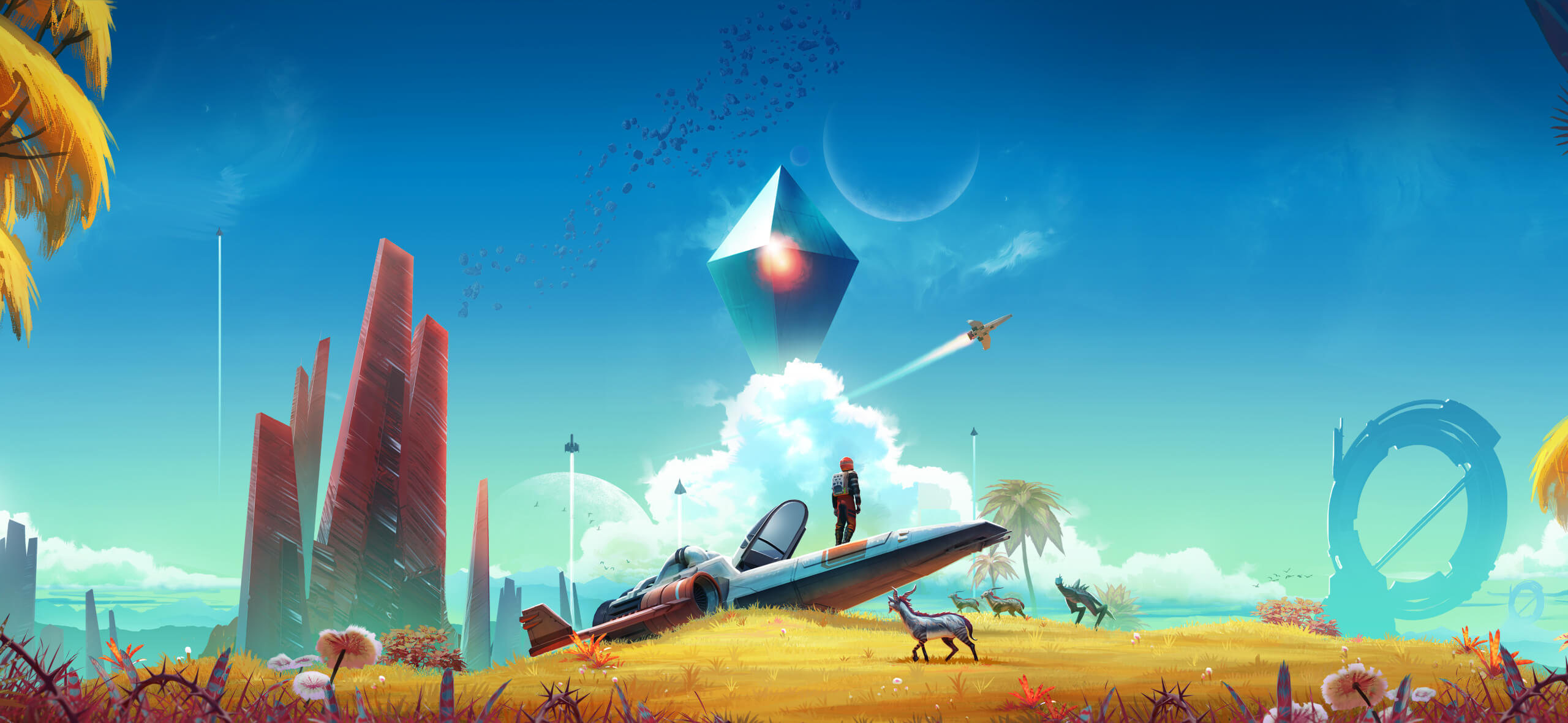
The game was heavily advertised with promises of a shared online world and realistic planetary environments. However, when it launched, players discovered a largely single-player experience lacking many of the features shown in trailers and promotional materials. This significant difference between expectations and reality sparked widespread criticism online, and stores like Steam offered extended refund periods to handle the influx of dissatisfied customers.
‘Warcraft III: Reforged’ (2020)

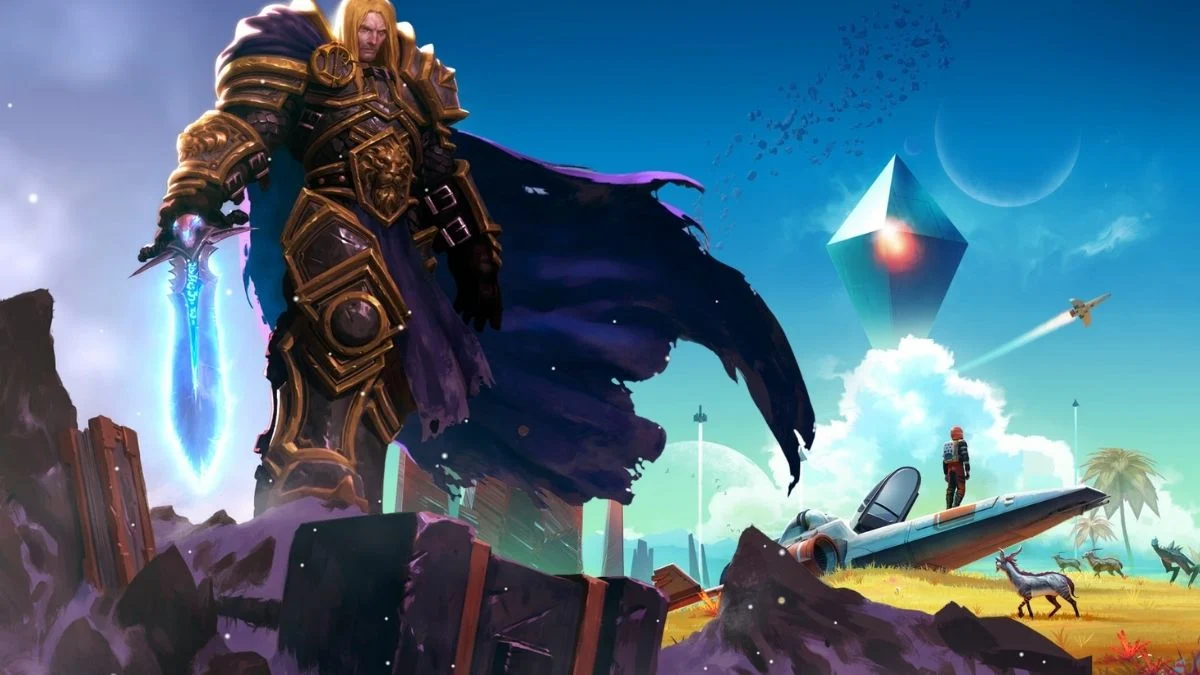
Blizzard Entertainment announced a remastered version of the game, promising updated cutscenes and a more modern design. However, the released version didn’t include the promised cutscenes and even removed features from the original game, frustrating players. Adding to the anger, a new user agreement claimed Blizzard owned custom maps created by the community. Eventually, Blizzard offered automatic refunds in response to the negative reaction.
‘Aliens: Colonial Marines’ (2013)
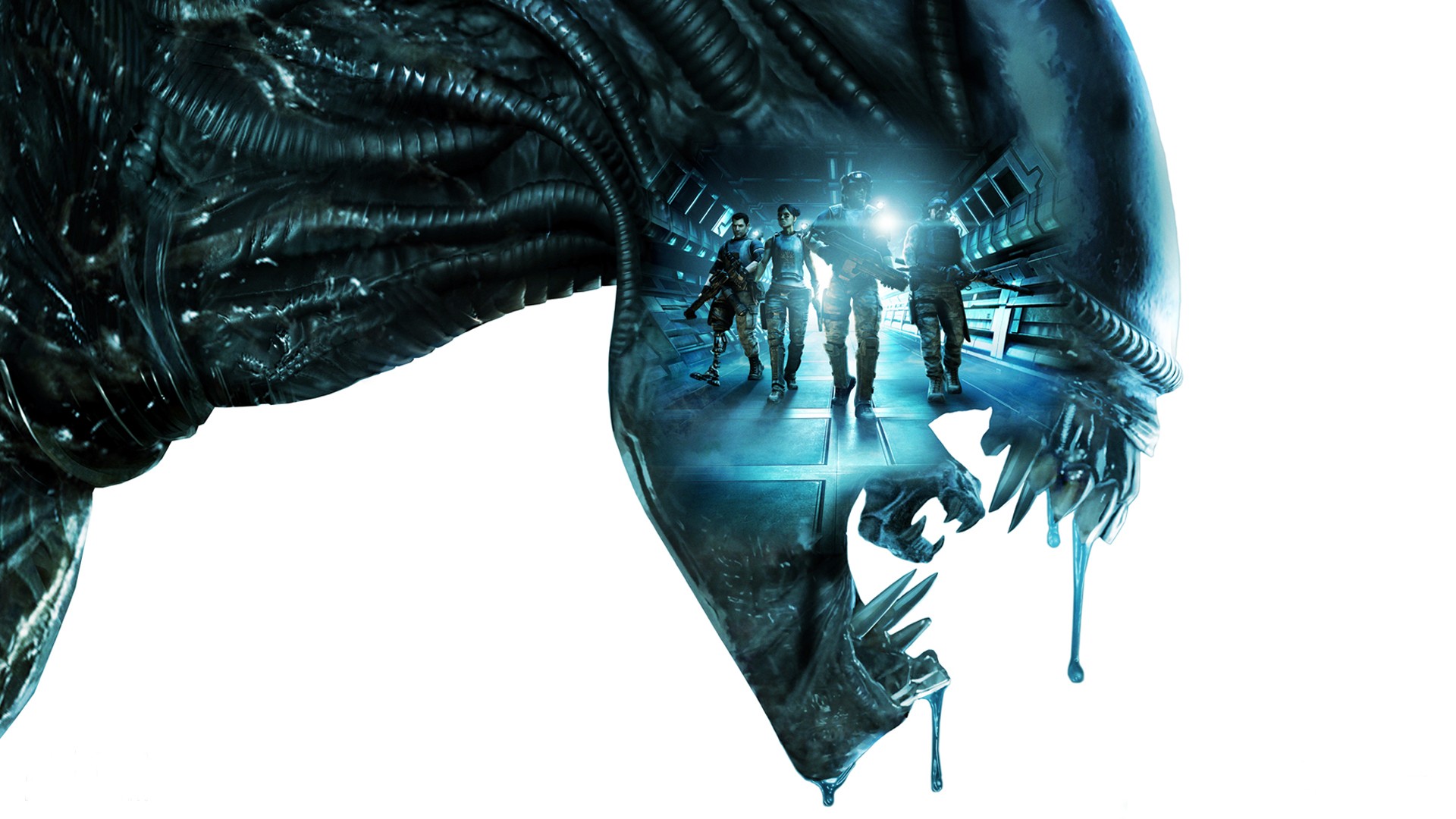
Gearbox Software initially showed off a demo of their game with impressive lighting and smart enemy behavior. However, the final released version had much simpler graphics and enemies that often acted strangely – either ignoring players or getting stuck in the environment. Later, it was discovered that a small error in the game’s code was likely responsible for the broken enemy AI. This discrepancy sparked a class-action lawsuit claiming false advertising, and many players requested refunds.
‘Star Wars: Battlefront II’ (2017)
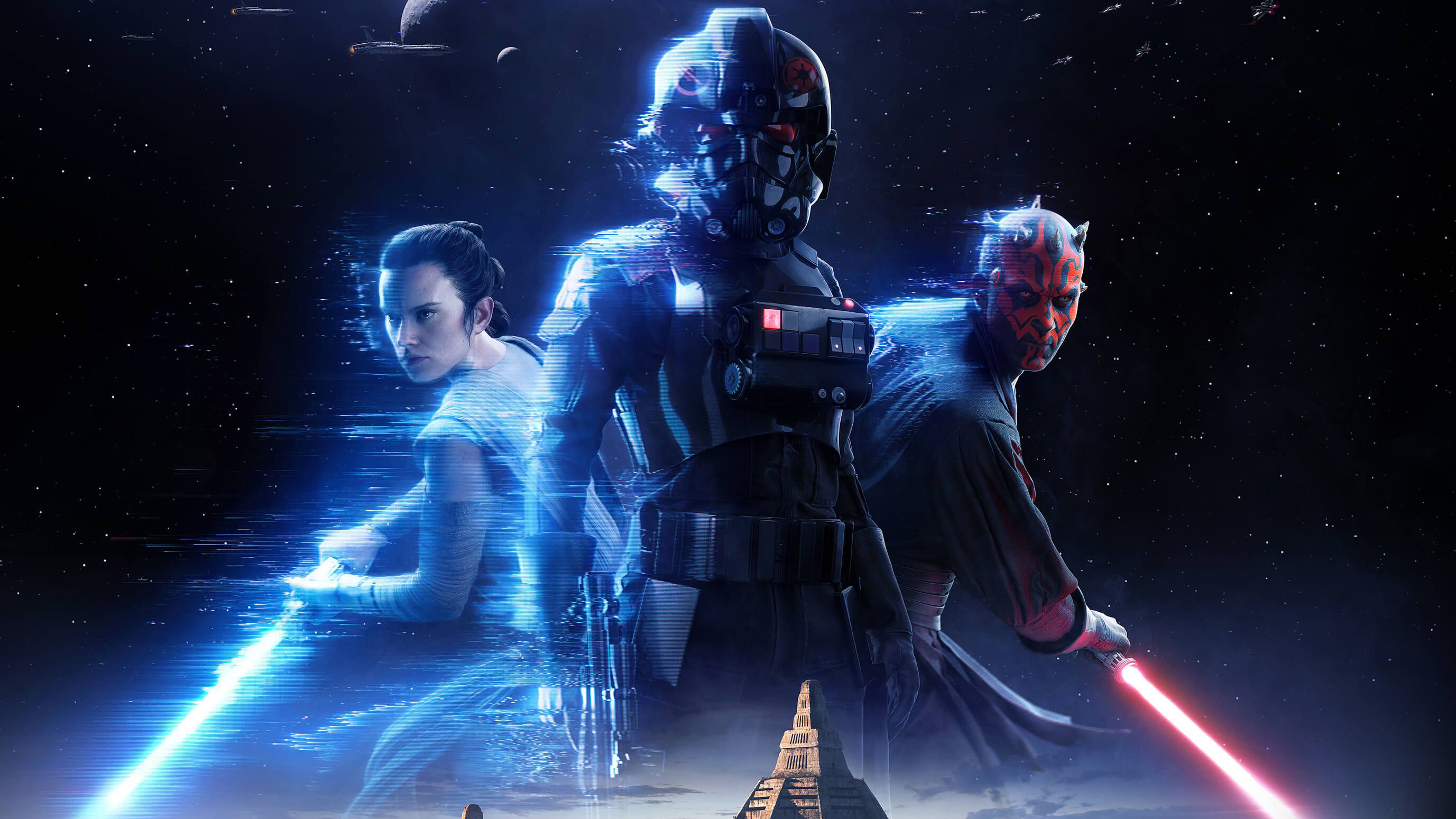
When the game was first available to a limited group of players, the way it allowed players to earn rewards—specifically ‘loot boxes’ linked to unlocking characters—caused a lot of anger. Fans quickly realized it would take an extremely long time to unlock popular characters like Darth Vader without spending a lot of money. Disney reportedly intervened and asked the developers to change how players could spend money before the game officially launched. Many fans canceled their pre-orders and requested refunds, feeling the system unfairly pressured them to spend money.
‘Fallout 76’ (2018)
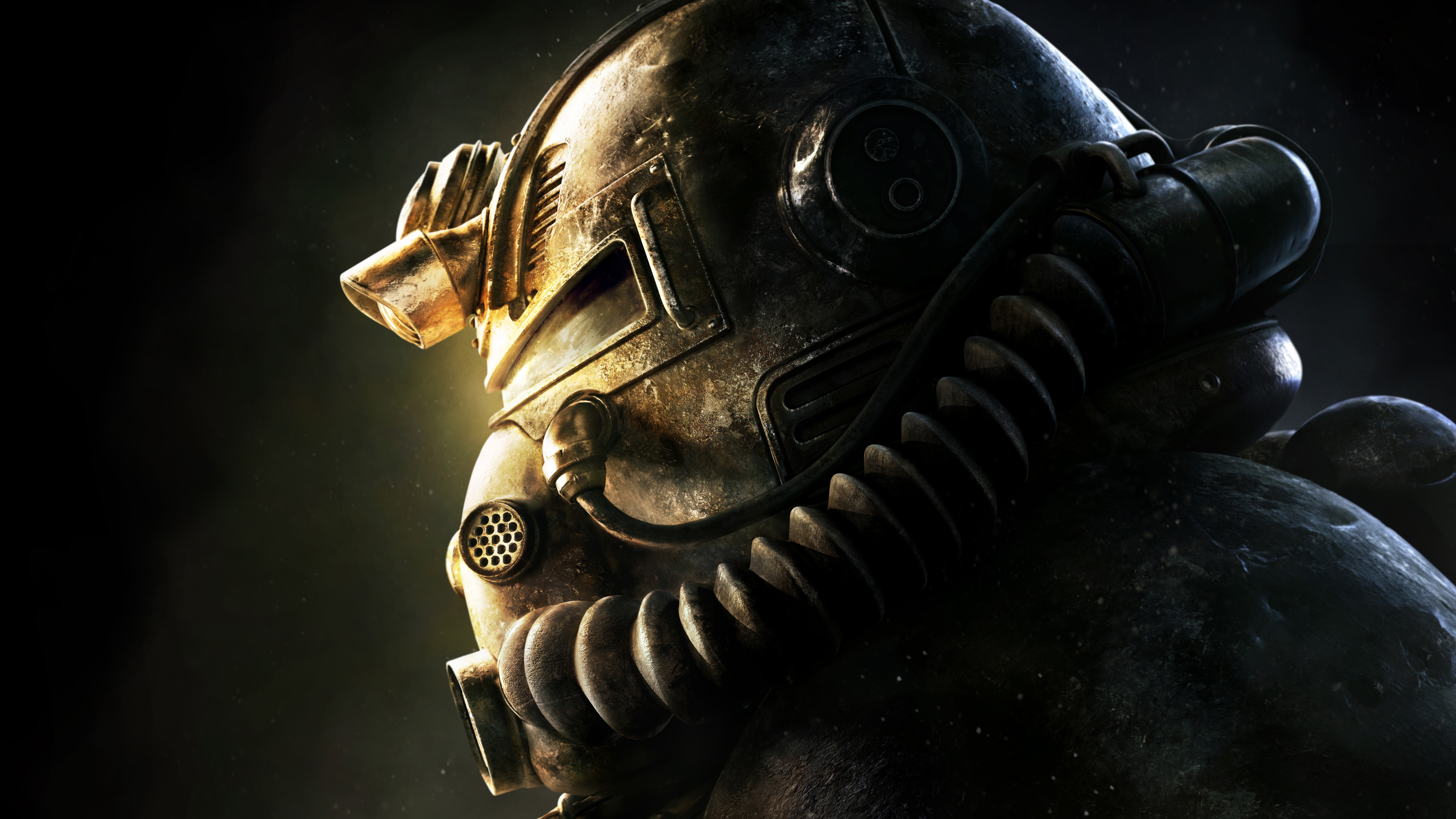
Bethesda brought their well-known post-apocalyptic series online, but the launch was troubled. Many players found the world felt deserted because it lacked people to interact with, and the game suffered from technical problems and frustrating bugs. Adding to the disappointment, a special collector’s edition included a cheaper nylon bag instead of the advertised canvas one, which angered customers. The game was so flawed that stores eventually allowed people to return even opened copies.
‘Grand Theft Auto: The Trilogy – The Definitive Edition’ (2021)
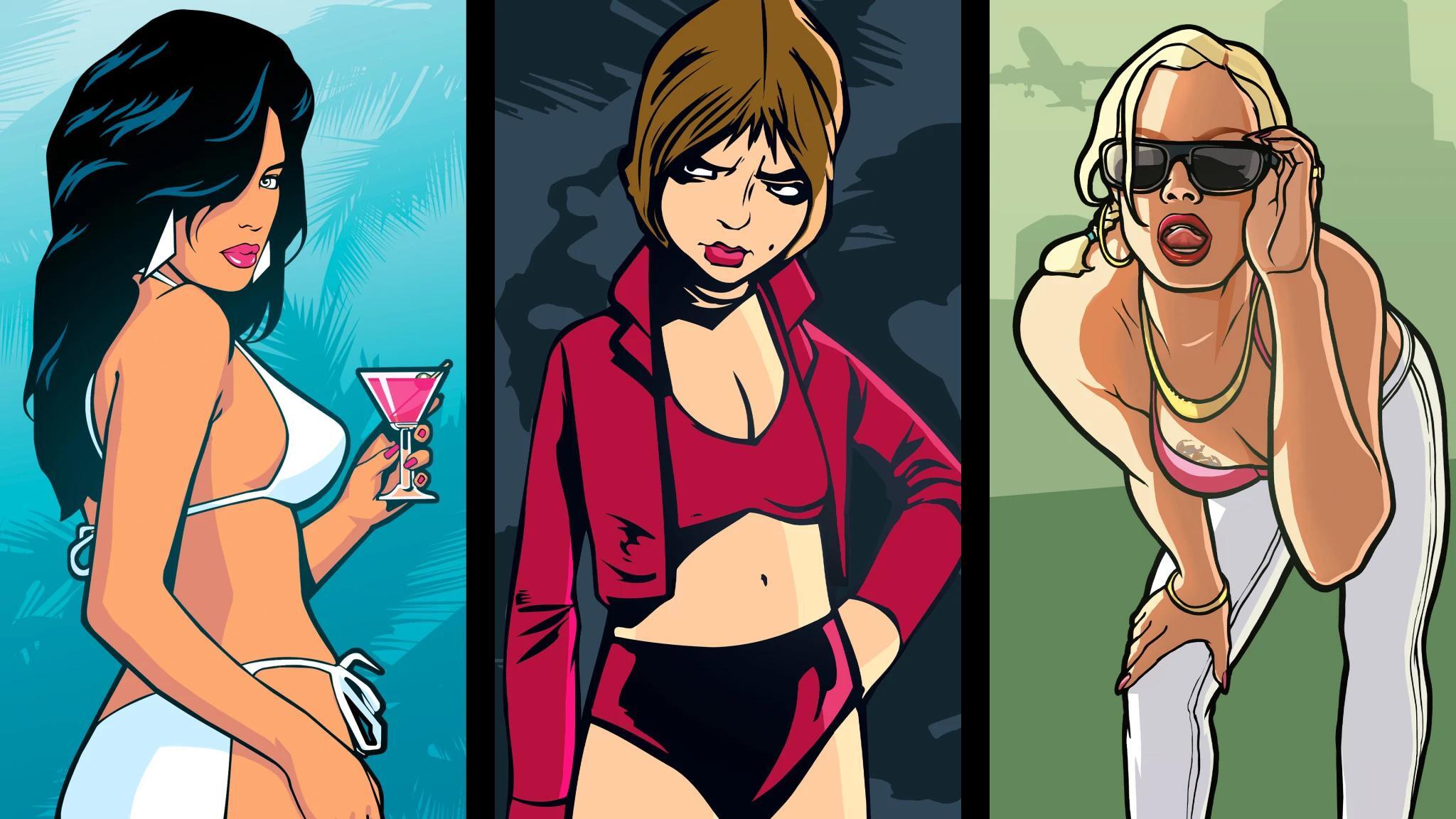
Rockstar Games released updated versions of three classic games with improved controls and graphics. However, the launch was plagued with problems, including strange-looking characters and overly intense rain that made it hard to see what was happening. To make matters worse, the original games had been removed from digital stores. Due to the widespread technical issues, Rockstar apologized and gave away the original versions for free to those who purchased the updated collection.
‘Batman: Arkham Knight’ (2015)
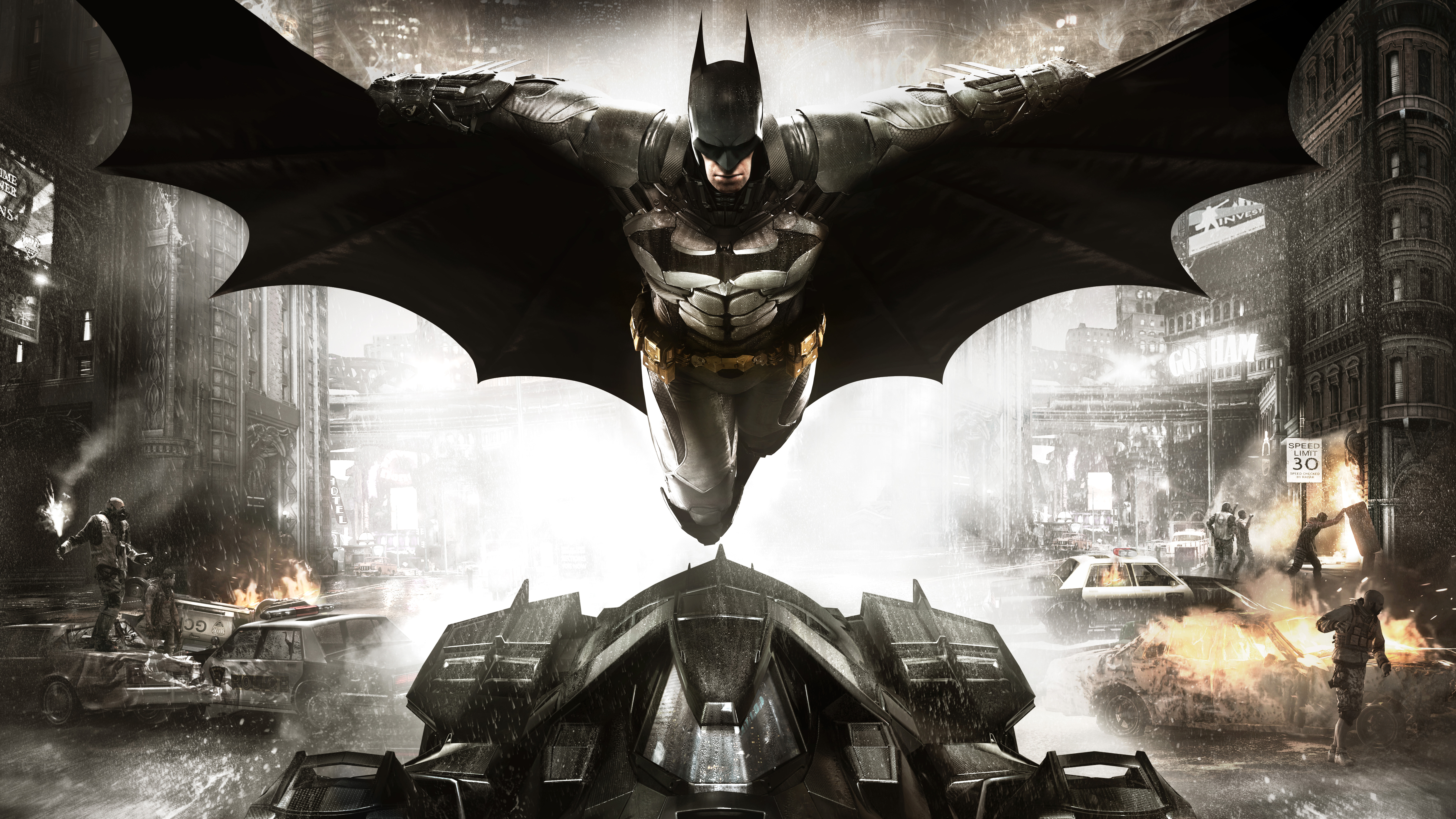
The PC release of the final Arkham game had major performance issues, causing the game to run with frustrating stuttering. Warner Bros. quickly stopped selling the PC version due to these problems. They spent months trying to fix the issues and offered refunds to players who were unhappy with the game. While the game ran smoothly on consoles, the PC launch is remembered as a rare case of a game being temporarily removed from sale.
‘SimCity’ (2013)
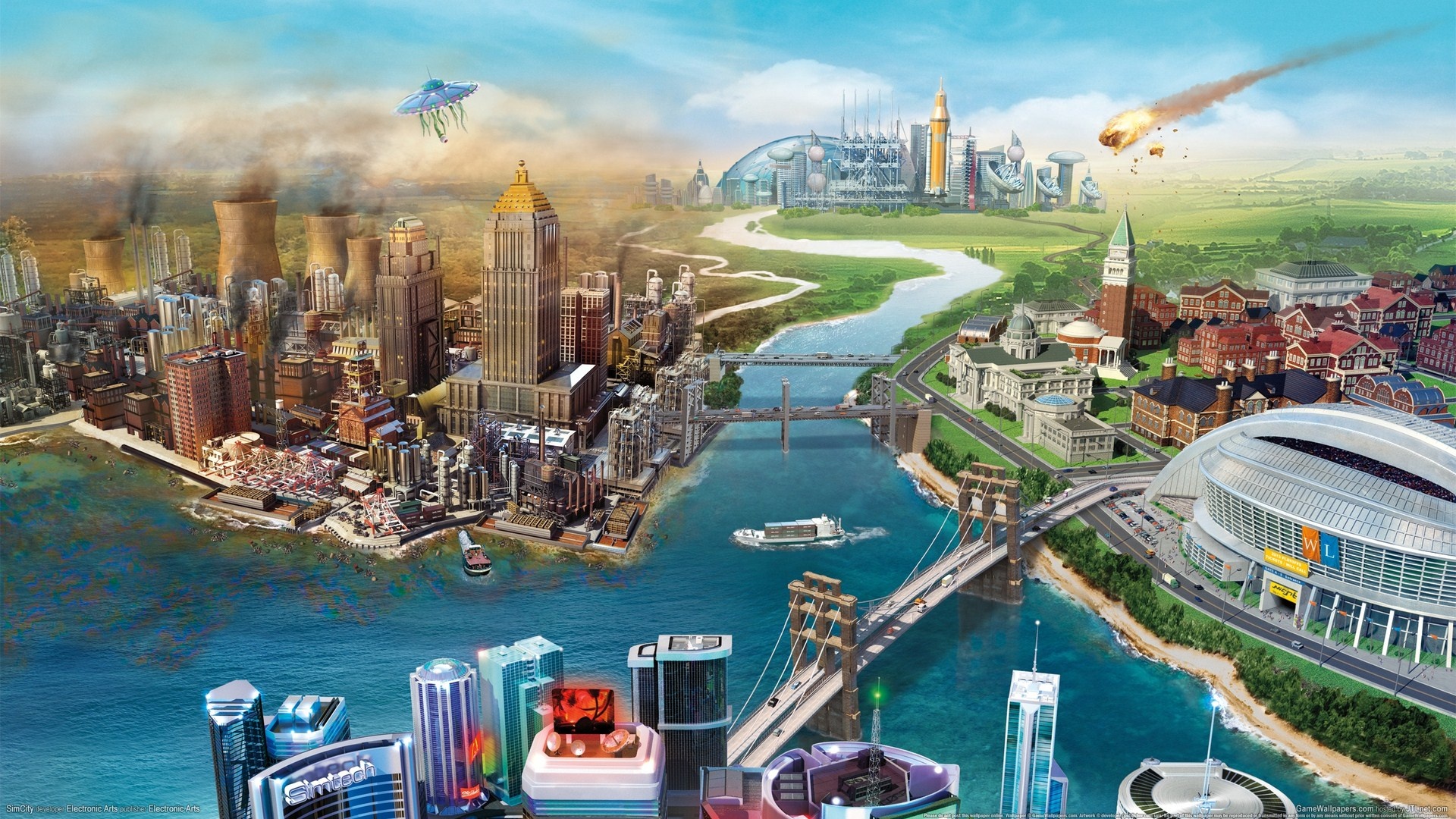
Electronic Arts claimed the game needed a constant internet connection to perform complicated calculations using cloud technology. However, when the game launched, the servers quickly overloaded, preventing players from accessing even the single-player portions of the game for several days. Eventually, players discovered the game could actually run without an internet connection, despite what the company had said. EA finally added an offline mode and offered a free game to those who were upset by the issues.
‘Overwatch 2’ (2022)
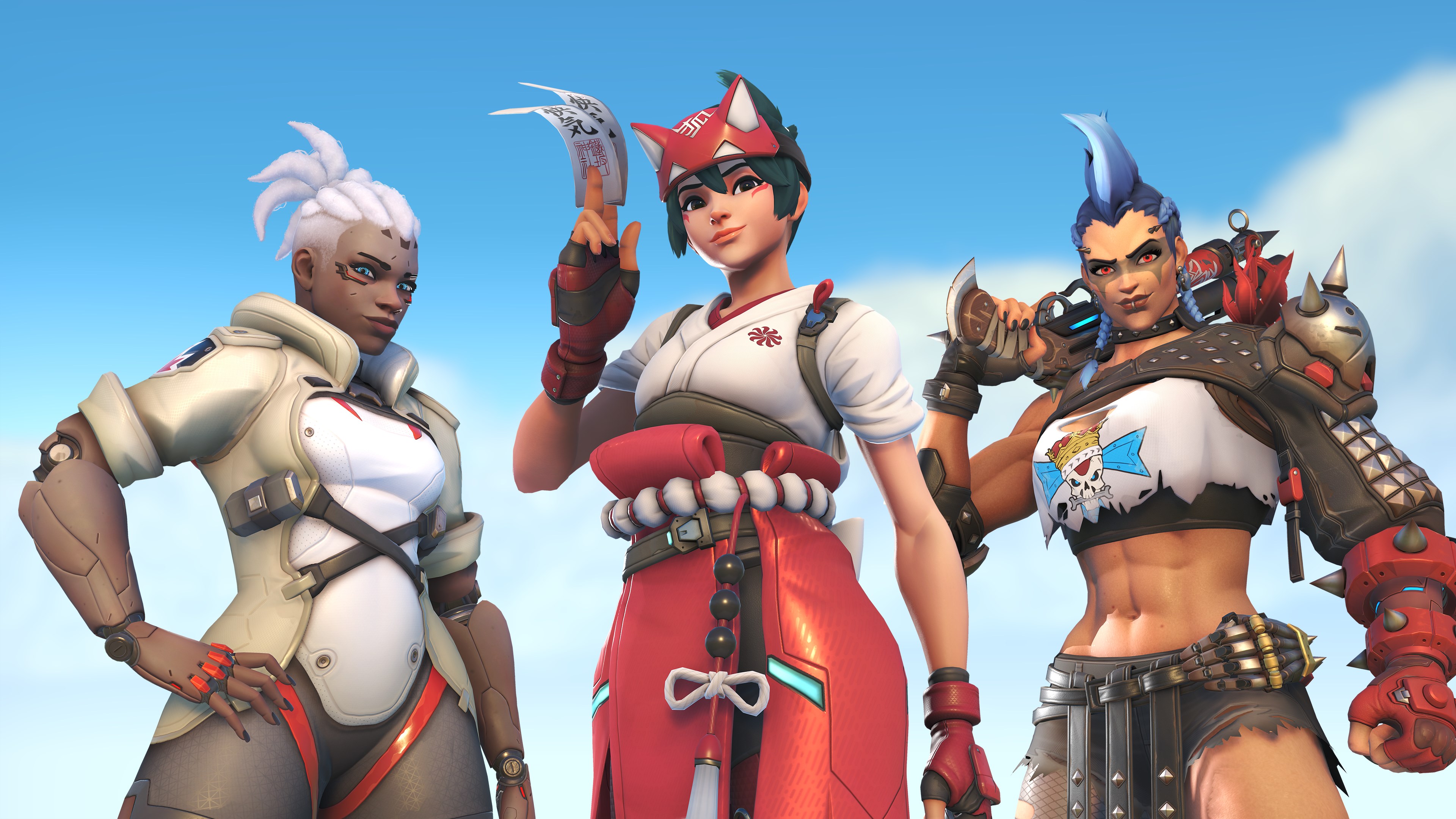
Okay, so Blizzard sold us on Overwatch 2 mostly because of this Hero Mode they promised – a really deep, replayable PvE experience with skill trees and everything. But then they just… cancelled it. Seriously! They said they were switching focus to just the PvP side of things, the live service stuff. We were all super upset because that Hero Mode was the reason a lot of us were even excited about the sequel, especially after they changed how you could get stuff in the game. It was a huge letdown, and people started leaving terrible reviews and asking for their money back for the bundles they’d already bought.
‘Assassin’s Creed: Unity’ (2014)
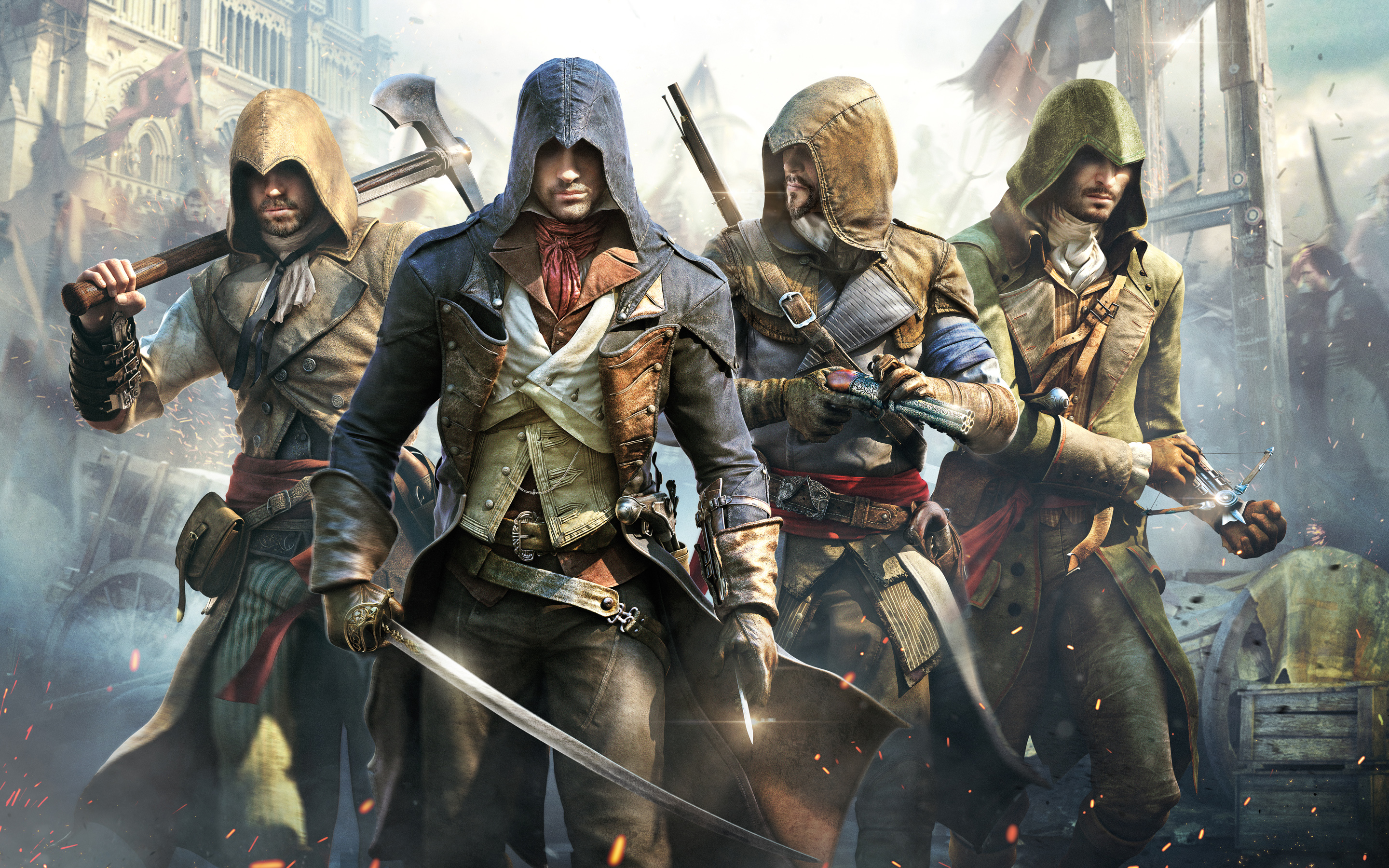
Ubisoft launched its new game with a lot of technical problems, like characters appearing without faces. The game also ran poorly, especially in busy scenes, making it hard to play on consoles. To apologize for the rough start, Ubisoft canceled the planned season pass and gave everyone the “Dead Kings” expansion for free. Season pass holders also received a free game as compensation.
‘Mass Effect: Andromeda’ (2017)
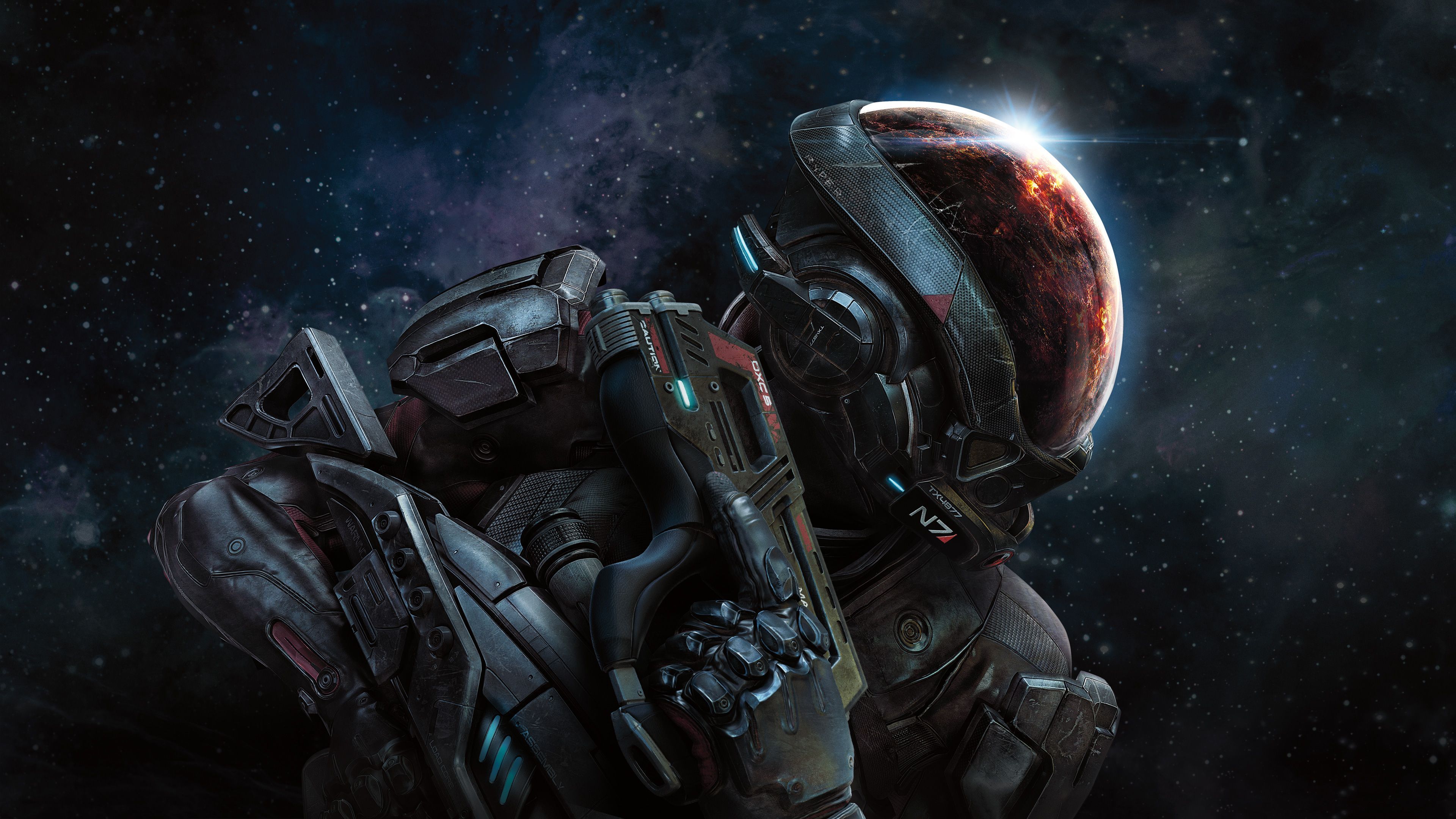
Players were excited for the new game in the popular sci-fi RPG series, but it didn’t meet expectations. It launched with clumsy character movements and many technical problems, quickly becoming a target of online jokes. Because of the poor reviews, plans for additional story content were scrapped, and the developers stopped supporting the game sooner than anyone expected.
‘Anthem’ (2019)
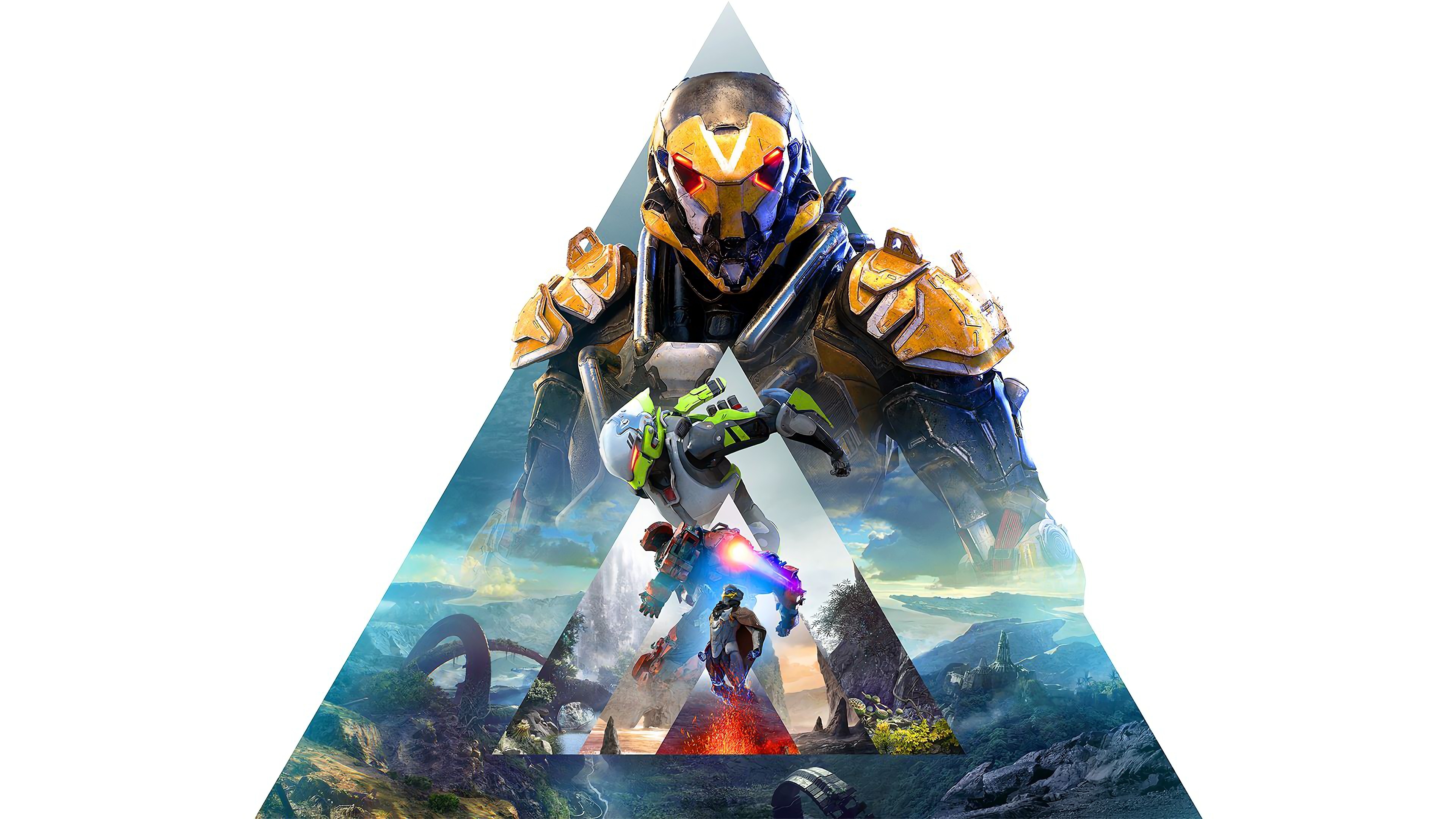
The game’s first trailer showed a vibrant world with exciting events and smooth gameplay, but the final version didn’t live up to that promise. Many of the detailed environments were missing, and the game ended up with repetitive missions. It turned out development had been difficult, and the impressive trailer was made before the game was fully functional. Ultimately, the game didn’t sell well, and plans to significantly improve it were scrapped.
‘Battlefield 2042’ (2021)
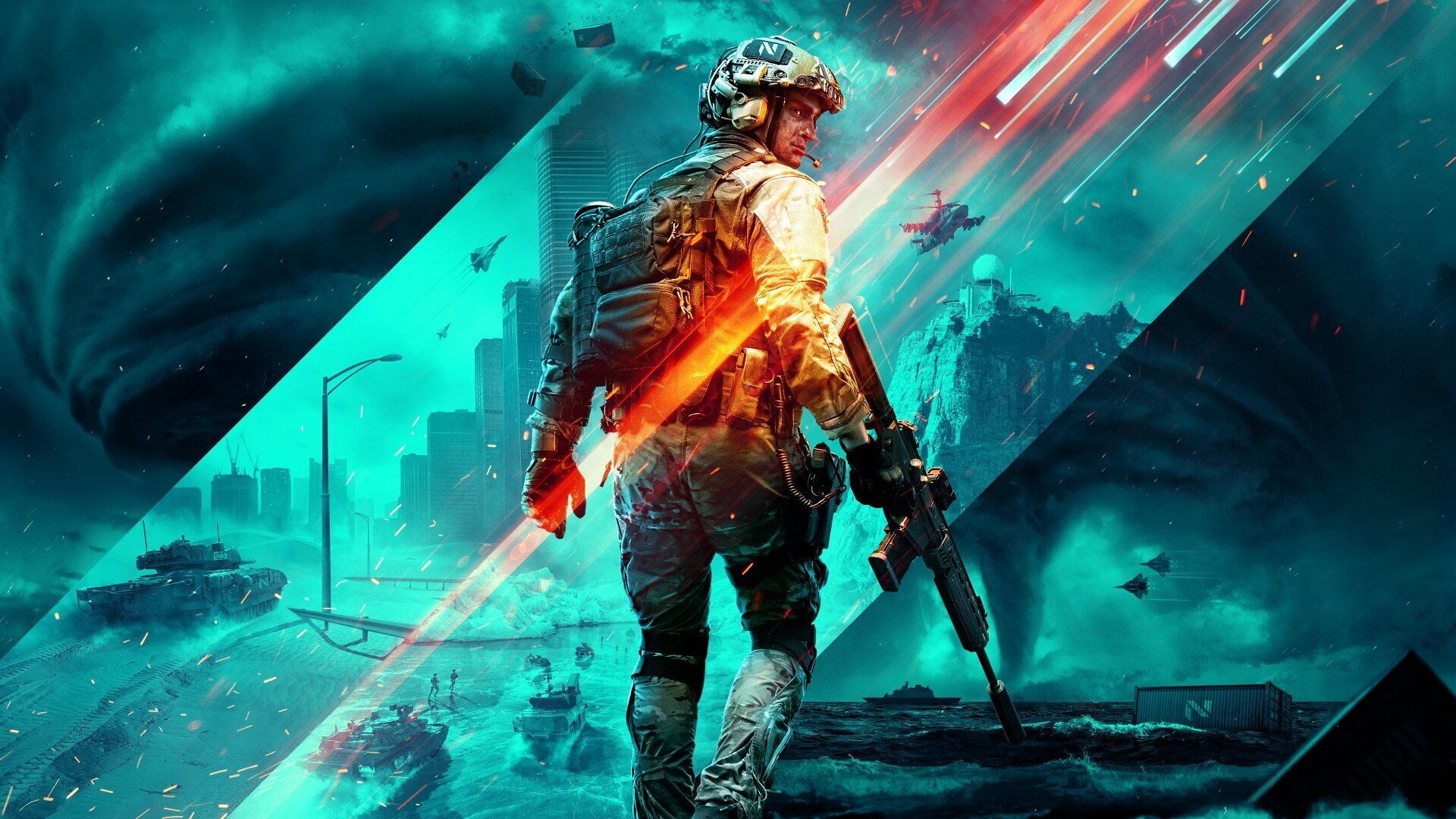
DICE eliminated the long-standing class system that players had known for years in the game. However, the launch was plagued with server problems and missing features like a scoreboard and voice chat. Players also criticized the maps, finding them too big, barren, and lacking adequate cover. As a result, the number of players quickly dropped, and requests for refunds overwhelmed customer support.
‘Pokémon Scarlet and Violet’ (2022)

These games promised a vast, open world, but they had noticeable visual problems like objects appearing suddenly and the game running slowly. Characters and things in the environment often glitched or moved jerkily, even when the player was close by. As a result, Nintendo received a lot of requests for refunds – more than usual for a major game in the series. The company eventually released an update and issued a rare apology for the game’s technical issues.
‘Halo: The Master Chief Collection’ (2014)
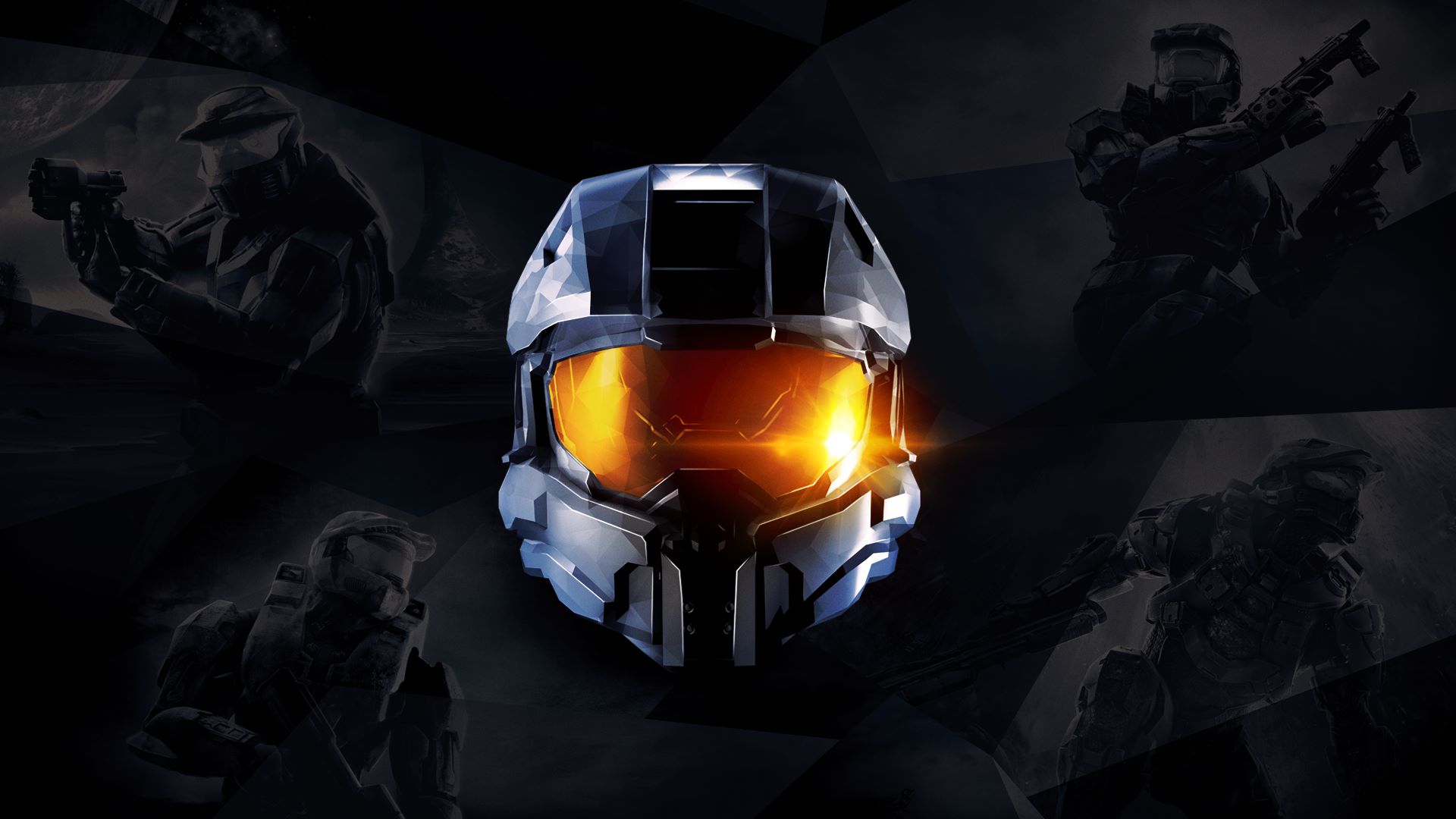
Microsoft aimed to deliver the definitive collection of Halo games with a single, connected multiplayer experience. Unfortunately, the game’s matchmaking system didn’t work when it first launched, making it impossible for players to find matches for several weeks. The developers worked for months to fix the underlying network code and get multiplayer working properly. As an apology for the long delays, players who bought the game early received a remastered version of ‘Halo 3: ODST’.
‘WWE 2K20’ (2019)
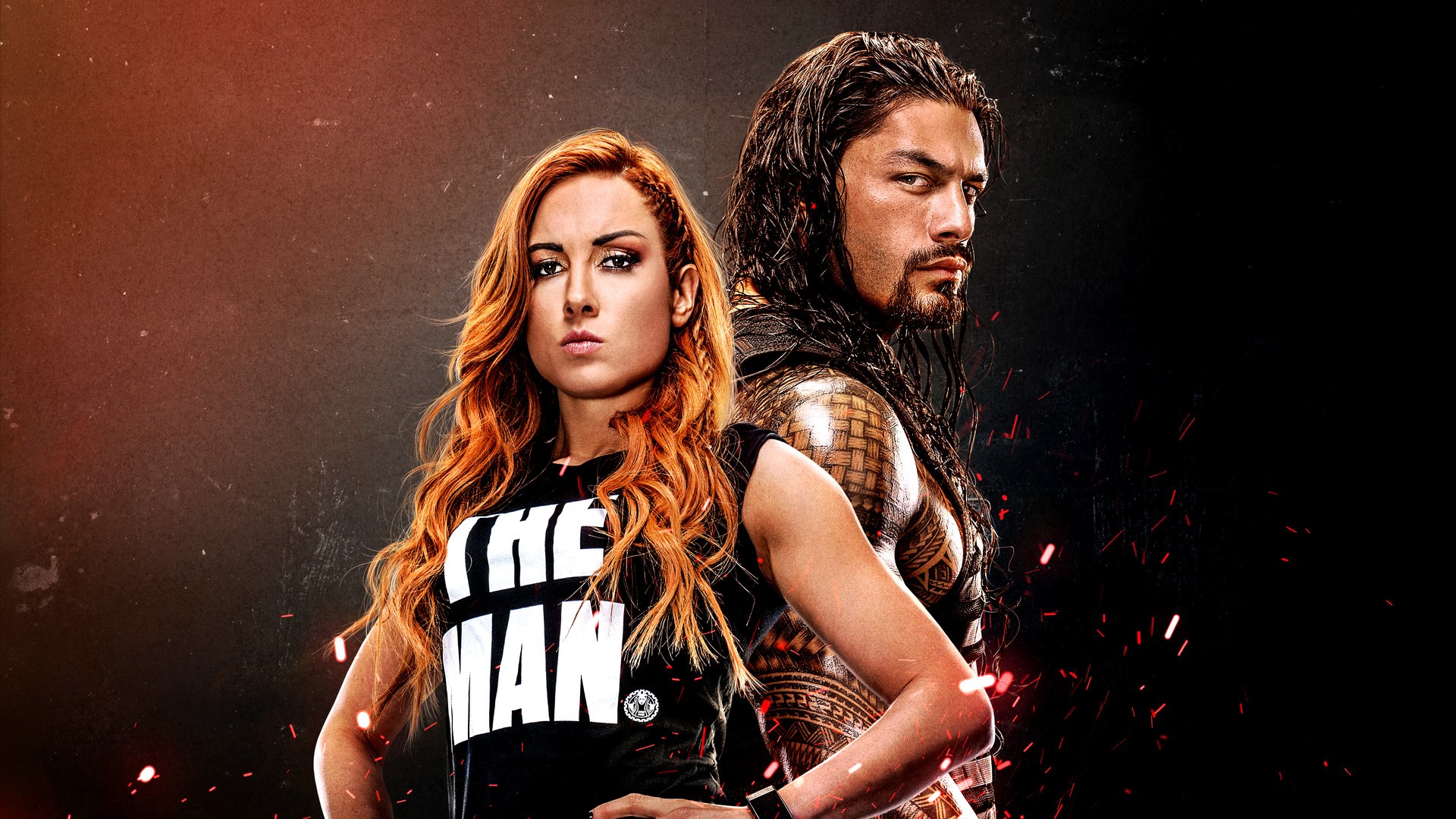
When Visual Concepts took over development, the released wrestling game was riddled with technical problems. Players experienced bizarre glitches, like characters stretching and falling through the arena floor. The game was so broken that Sony offered refunds for digital purchases, and the publisher ultimately cancelled the next game in the series to completely rebuild the underlying engine.
‘Marvel’s Avengers’ (2020)
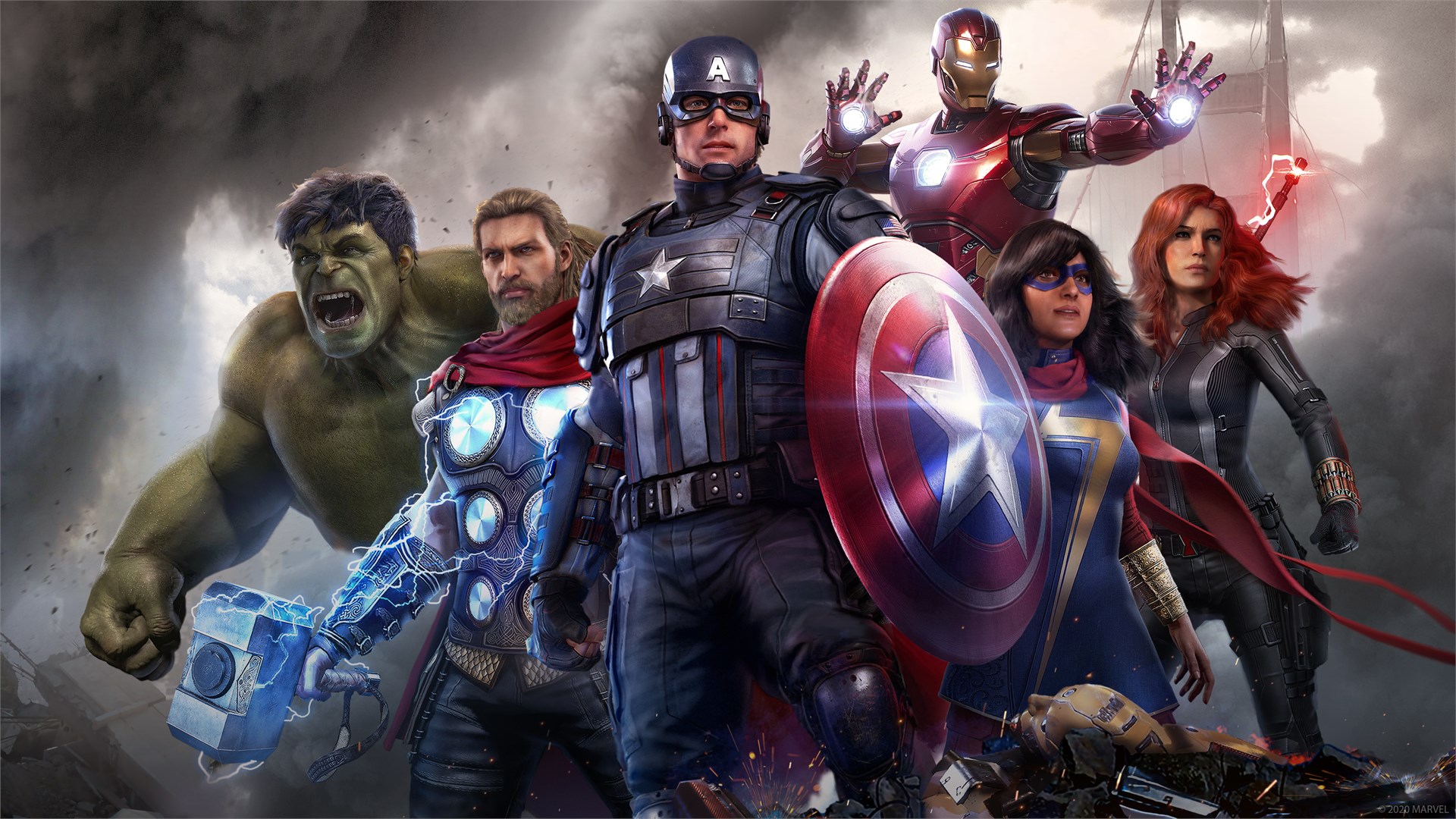
This online game was designed to constantly evolve with new characters and a continuing storyline. However, players quickly found the gameplay became boring and the rewards weren’t worth the effort. Plans for future updates were repeatedly delayed, and new characters were released much slower than expected. Ultimately, the game lost players and was removed from online stores when the developers stopped supporting it.
‘Street Fighter V’ (2016)
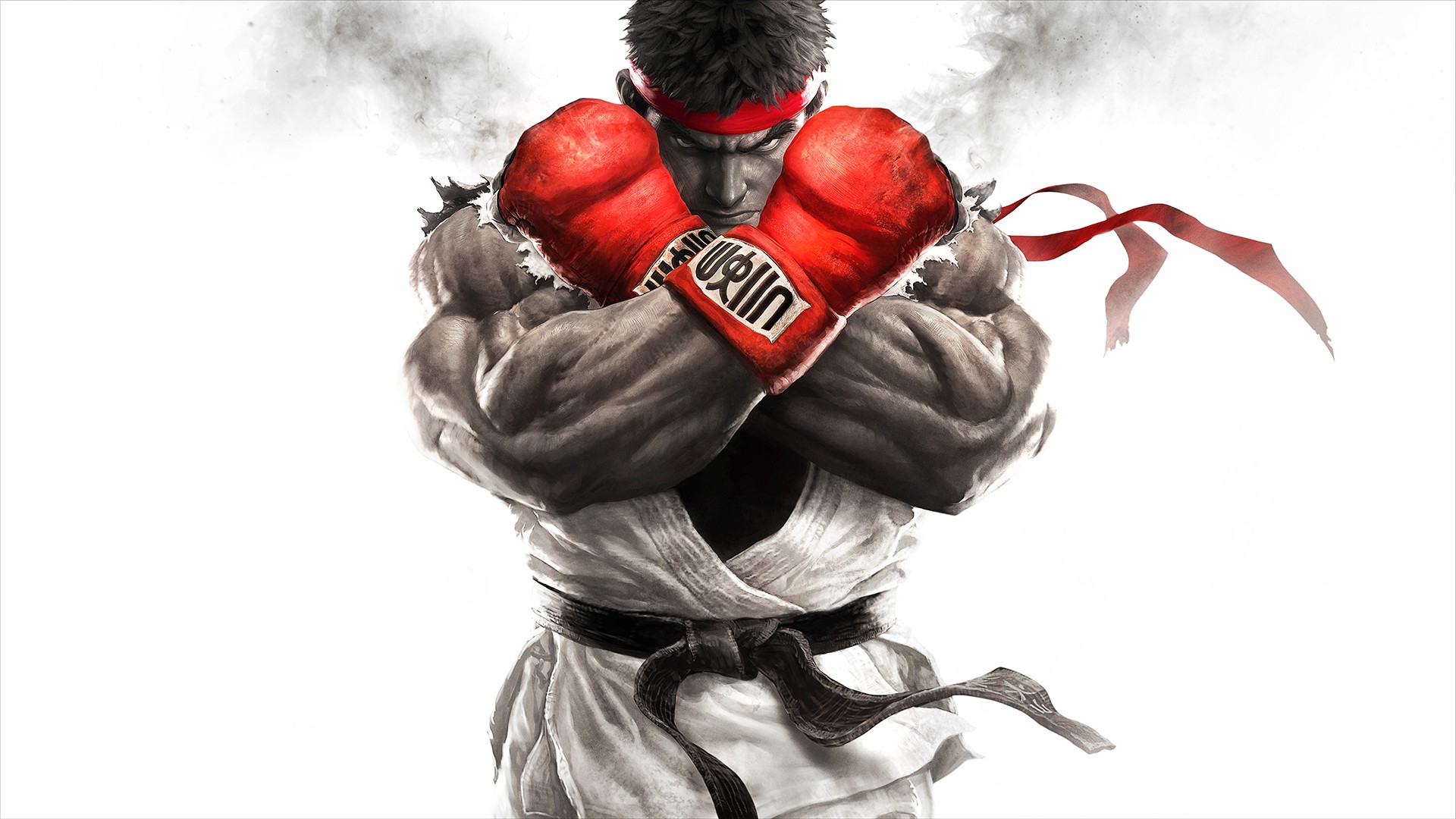
Capcom launched the fighting game with a limited number of characters and without a classic arcade mode. Many players who weren’t hardcore fans were disappointed, feeling the game wasn’t complete. Early online play was also problematic due to connection issues. Over several years, the developers added the features and content that players had anticipated from the start.
‘Tony Hawk’s Pro Skater 5’ (2015)

As a fan, I was so disappointed with this game when it first came out. They sent you a disc, but it only had the tutorial on it – you had to download the entire rest of the game! And honestly, it was a mess. There were so many bugs and glitches that skaters would just fly off into the air, totally breaking the gameplay. To top it off, Activision shut down the online servers almost immediately, which made the game even more limited. A lot of people, myself included, think this game is a big reason why the series went on hold for so long before they started making remakes.
‘Driveclub’ (2014)
Sony promoted this racing game as a highly social experience built around player clubs. However, the game’s servers couldn’t handle the initial number of players, making the social features unusable for months. A free version promised to PlayStation Plus members was delayed almost a year. Ultimately, Sony closed the game’s development team due to its poor sales.
‘Payday 3’ (2023)
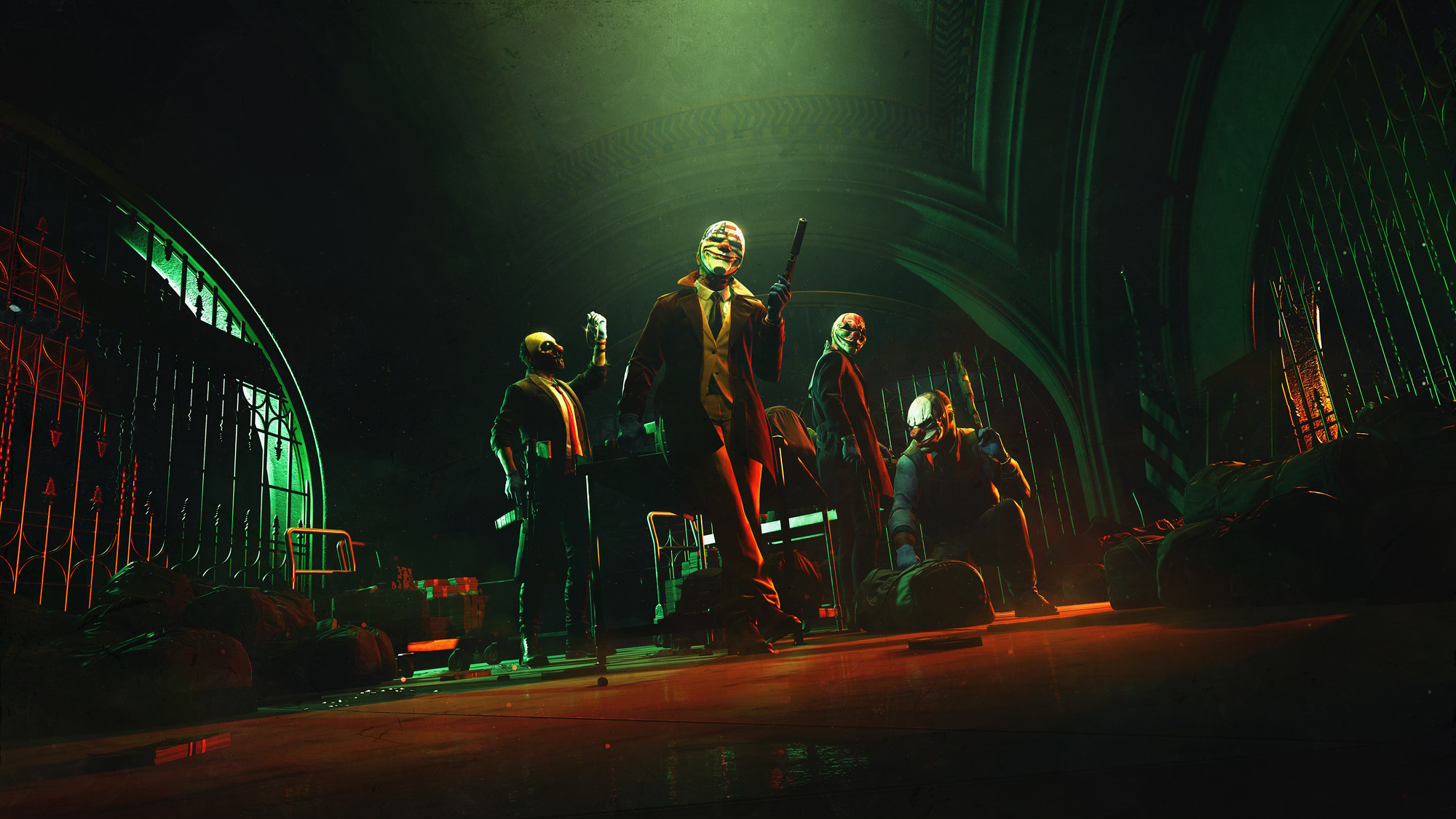
The game requires a constant internet connection, even when playing alone. Unfortunately, the servers that connect players crashed right after launch, blocking everyone from playing any missions for several days. This caused a wave of negative reviews on Steam, and the game’s player numbers quickly dropped below those of the previous title. The head of the studio issued a public apology.
‘Redfall’ (2023)
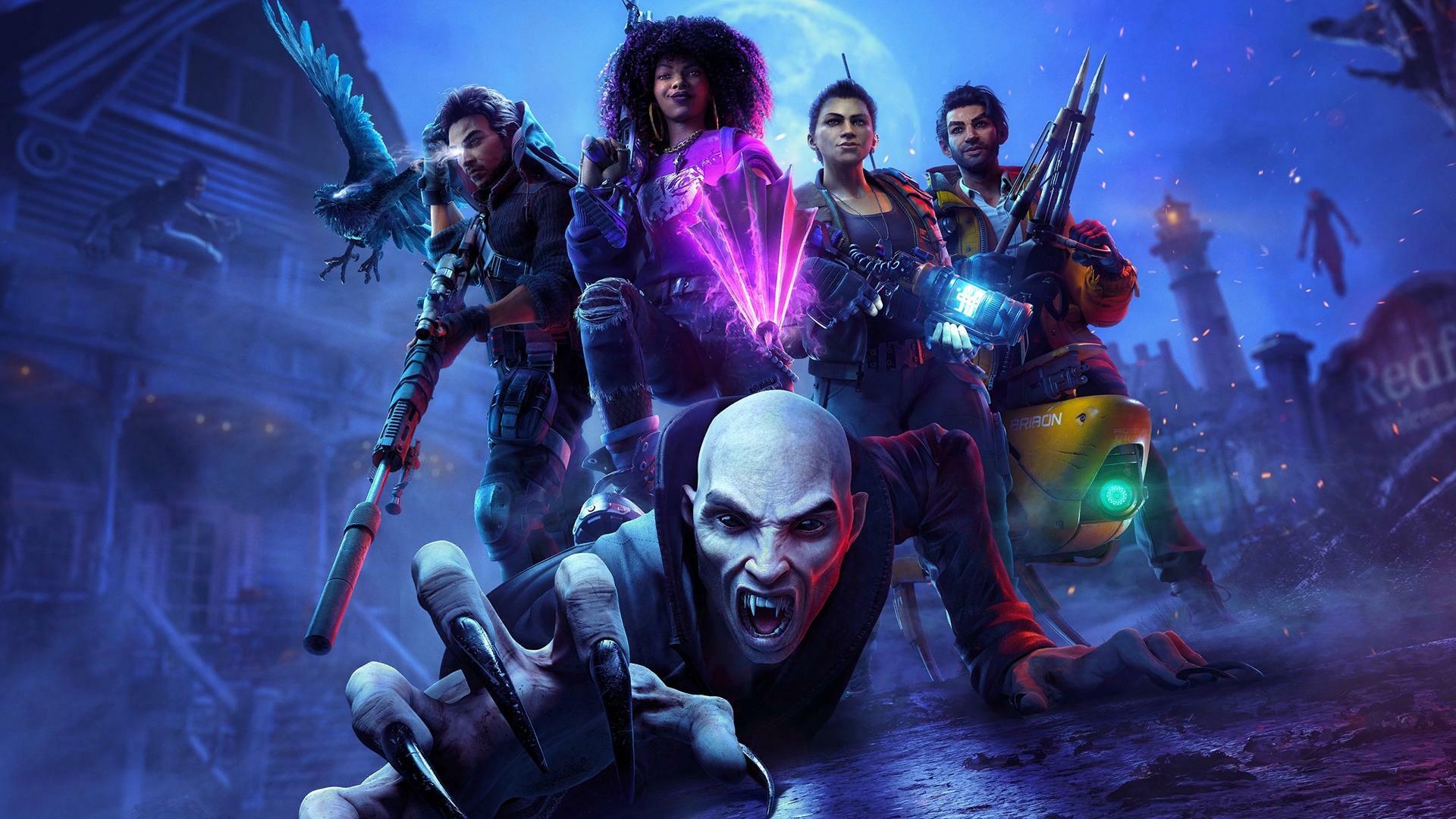
Arkane Studios aimed to deliver a unique vampire-themed shooter, blending it with the detailed environments and player freedom they’re known for. However, the console version didn’t run at the expected smooth 60 frames per second, despite earlier previews showing it could. Players also noted the enemy characters weren’t very smart, and the game world felt empty, especially when compared to Arkane’s previous titles. Xbox leadership publicly apologized for the game’s shortcomings at launch.
‘Cities: Skylines II’ (2023)
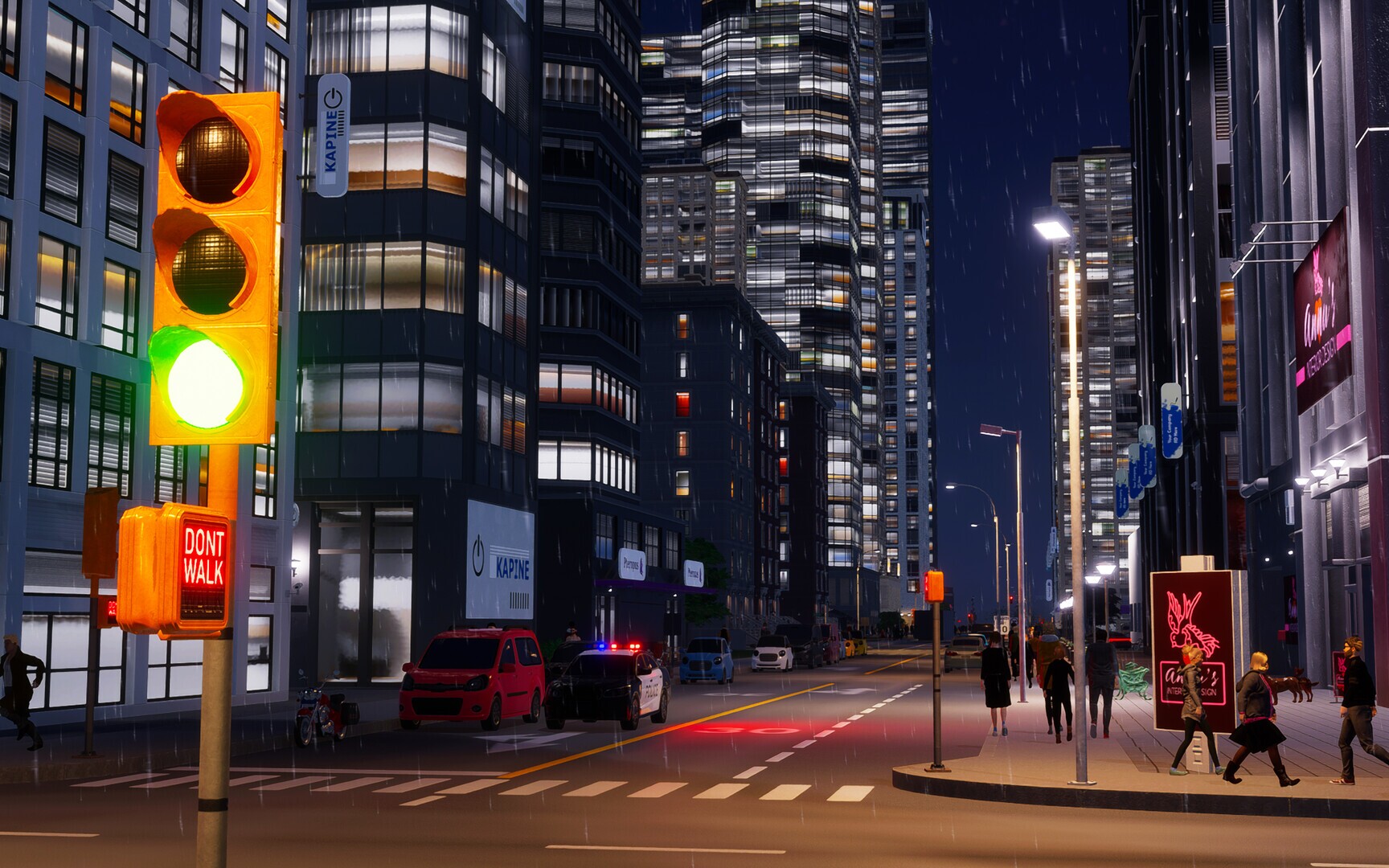
The highly anticipated follow-up to the popular city-building game launched with significant performance problems, even on powerful computers. While Paradox Interactive had cautioned players about potential issues before release, the actual performance proved to be even worse. Key features promised by the developers, like official mod support and a map editor, weren’t available when the game first came out. The team has since been working on updates to improve how quickly the game runs and reduce its graphical demands.
‘Kerbal Space Program 2’ (2023)
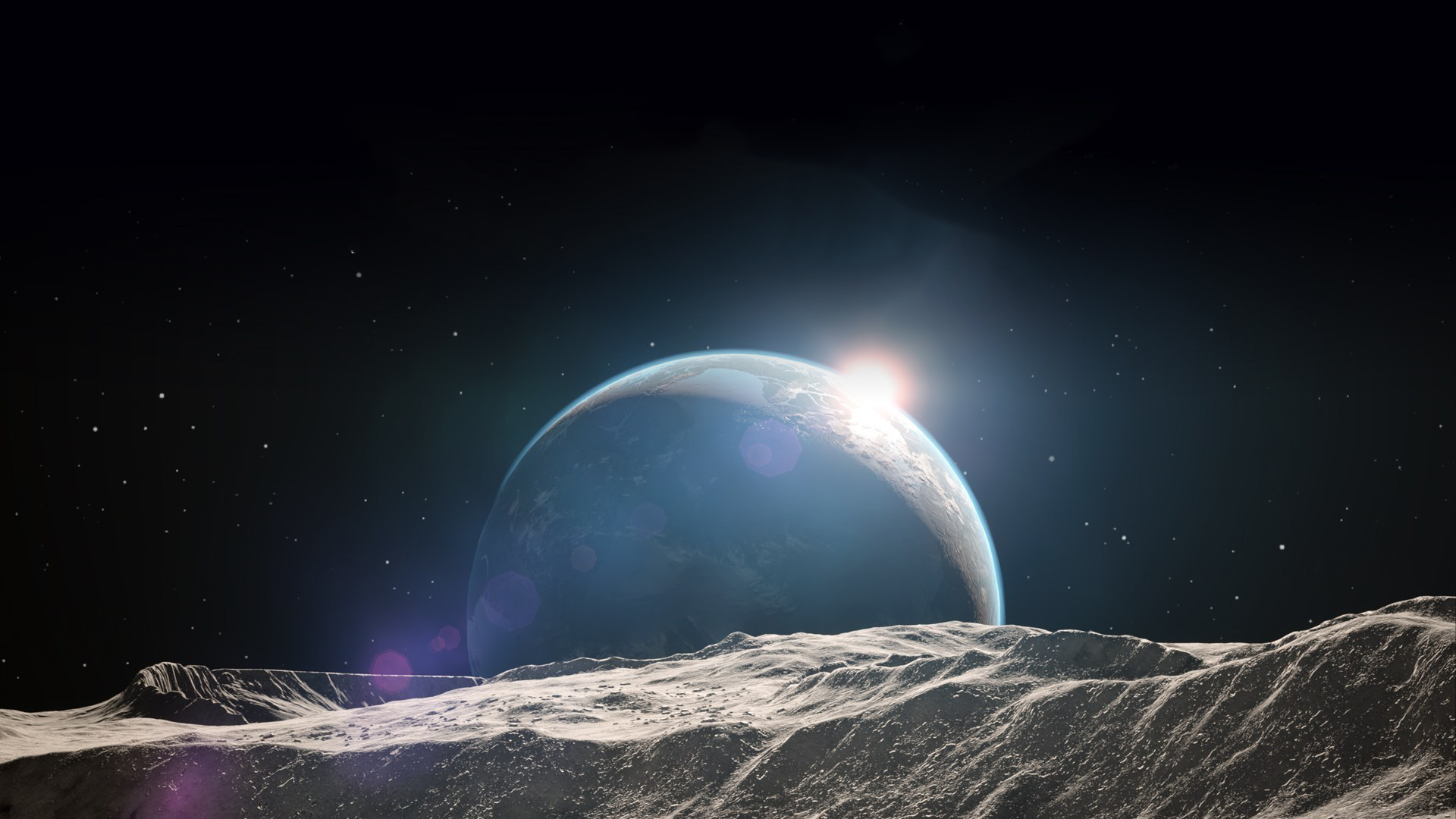
The game’s sequel launched in early access with plans for features like multiplayer and space travel. However, players experienced significant performance issues and unstable physics compared to the first game. Before these planned features could be finished, the publisher closed down the development team. Now, reviews show that fans are upset and feel the game has been left unfinished.
‘Mighty No. 9’ (2016)
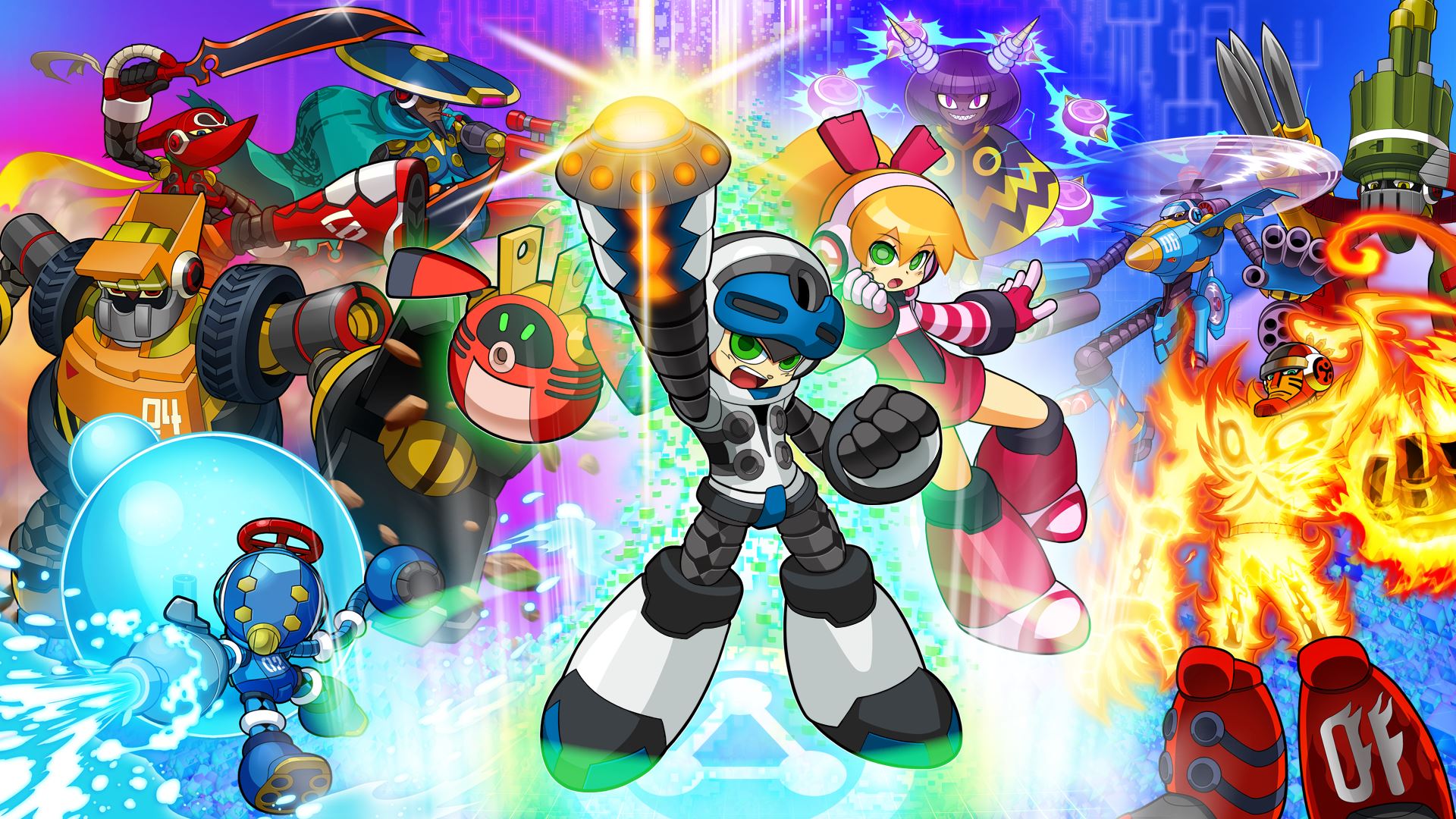
The game started as a highly successful Kickstarter project, promising a new experience inspired by the original Mega Man series. However, the finished game looked much less polished than early previews and artwork had shown. Problems with communication and repeated delays frustrated supporters even before the game was released. Adding to the issues, the game’s ending credits were unusually long – over four hours – because they listed the name of every person who had backed the project.
‘Imperator: Rome’ (2019)
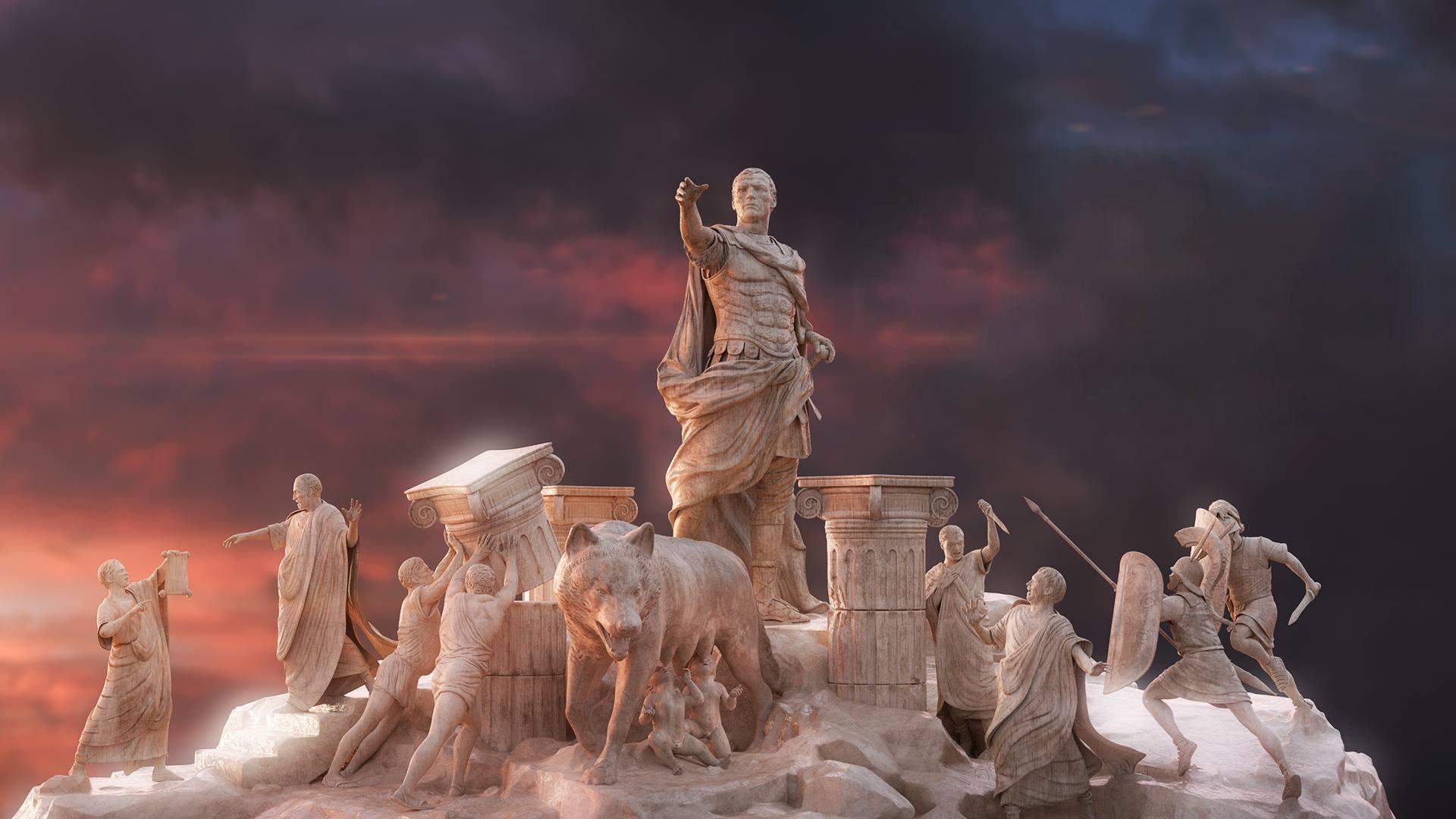
Paradox Interactive released this strategy game, but players found its core features less complex and satisfying than their previous work. A key part of the game, the system for managing government, was seen as confusing and boring. While the developers made big changes to improve it, they eventually stopped working on the game to concentrate on other projects. This left many players who bought the game early feeling like it was given up on right when it was getting better.
‘Sword of the Stars II: Lords of Winter’ (2011)

The game launched with significant problems, which the developers acknowledged was due to releasing an unfinished version. Key features, such as the menus and ship customization, didn’t work properly or were completely absent. The publisher apologized and offered everyone a full refund. It took several months of updates and fixes to finally make the game enjoyable.
‘Atlas’ (2018)
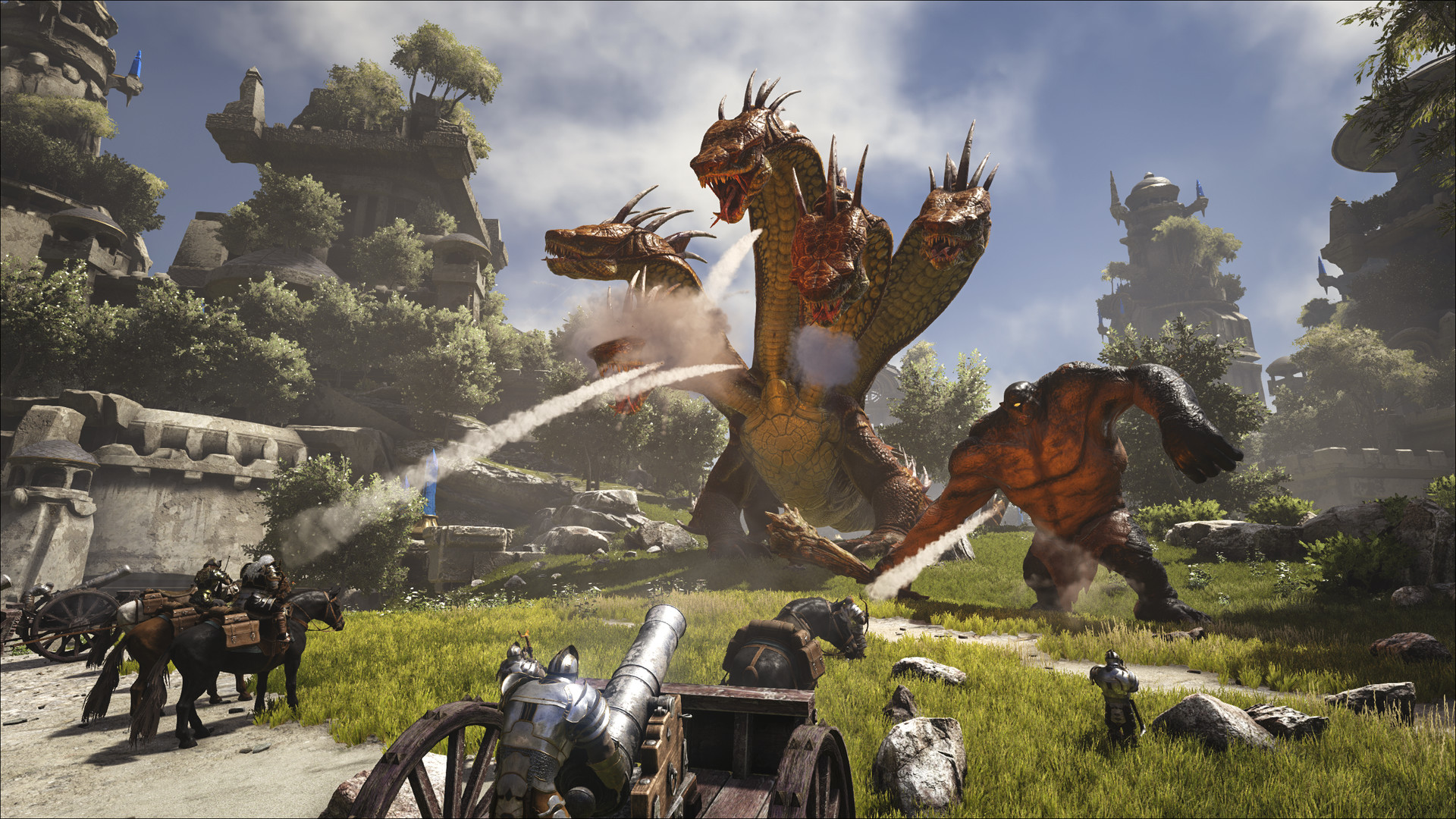
The game’s trailer showed a huge online pirate world with thousands of players. However, players quickly found a hidden menu revealing the game was actually built using the same engine as ‘ARK: Survival Evolved’. This resulted in very poor performance and significant lag, making it difficult to even move beyond the initial areas. Many players accused the developers of simply repackaging ‘ARK’ content as a completely new, standalone game.
‘X Rebirth’ (2013)
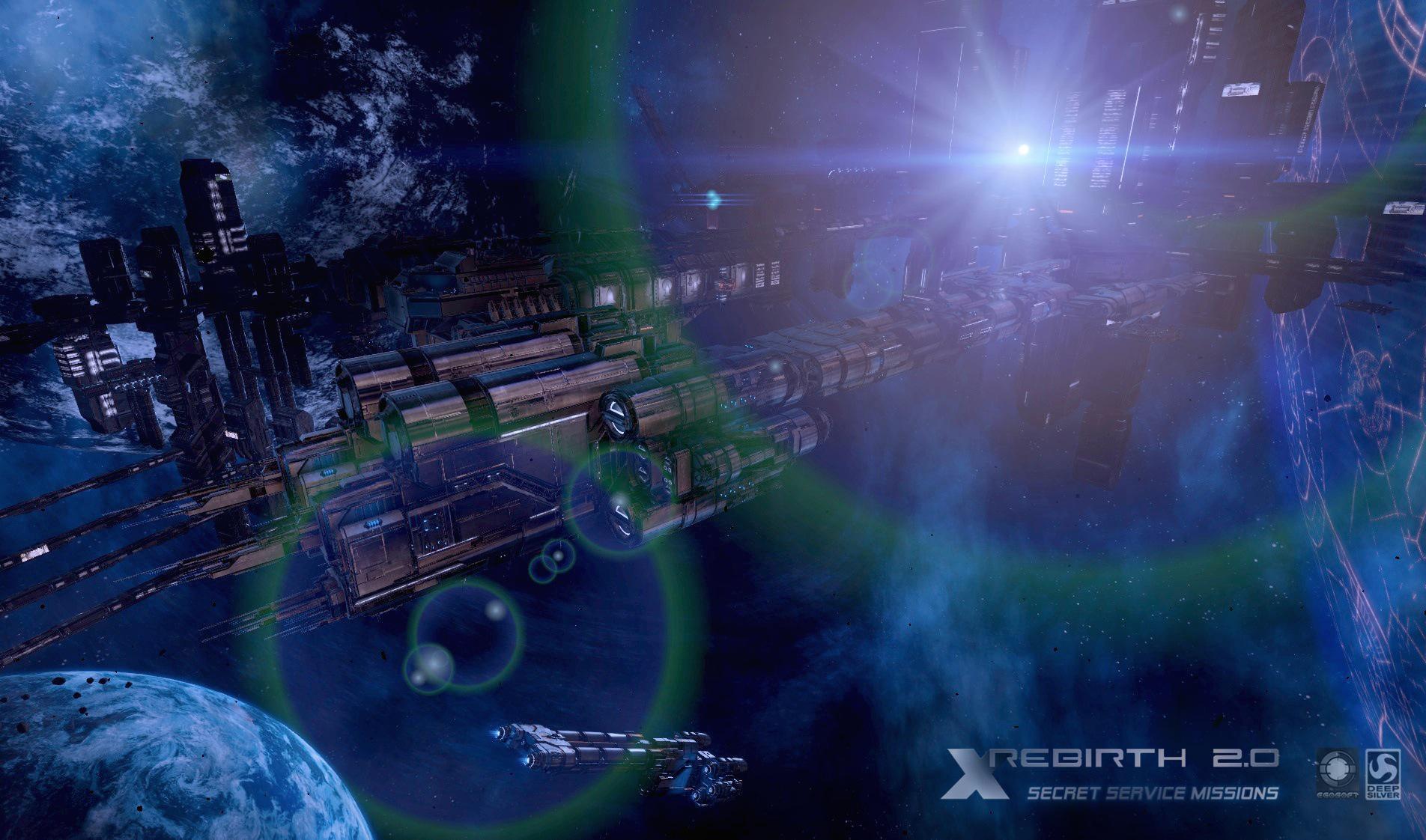
Egosoft made the game easier to play than previous titles to attract more players. However, dedicated fans weren’t happy with the restrictions – like only being able to control one ship – and the game had a lot of problems when it first launched. The inside of space stations felt samey, and the trading often didn’t work correctly. While the developers worked for years to fix these issues, the game never quite regained a good reputation.
‘Babylon’s Fall’ (2022)
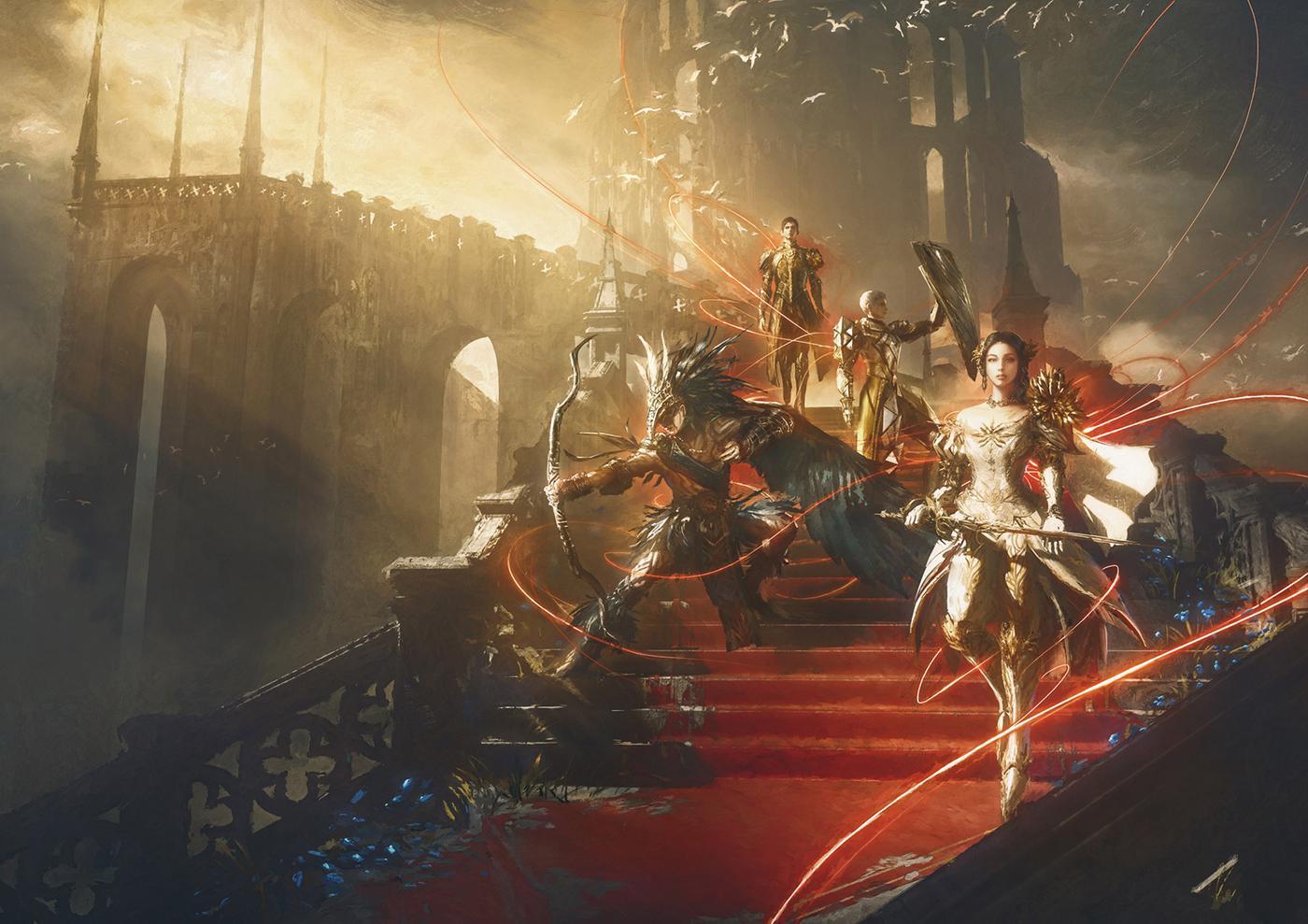
PlatinumGames tried to launch a game that combined action combat with ongoing updates and collectible items, aiming for a distinctive look inspired by oil paintings. However, players found the graphics unclear and the gameplay repetitive. The game quickly lost players on Steam, and within a year, Square Enix shut it down completely, with unsold copies being discarded by stores.
‘Crucible’ (2020)
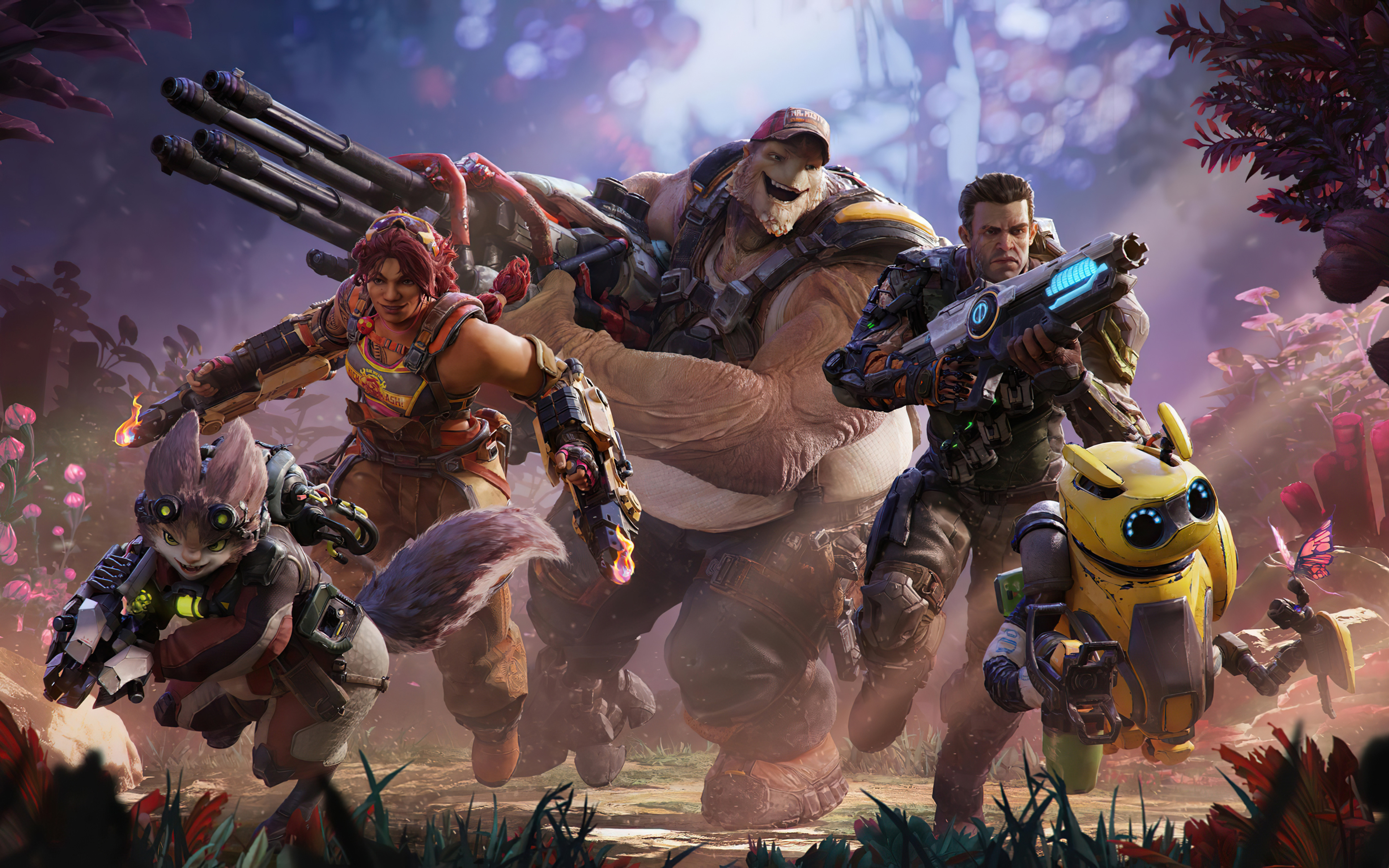
Amazon’s attempt at a hero shooter struggled from the start, lacking a defined audience and a unique style. After launching to poor reviews, it was quickly reverted to a closed beta test. A few months later, development was cancelled altogether so the team could focus on their game ‘New World’. Today, it’s known as one of the fastest multiplayer games to fail.
‘Brink’ (2011)
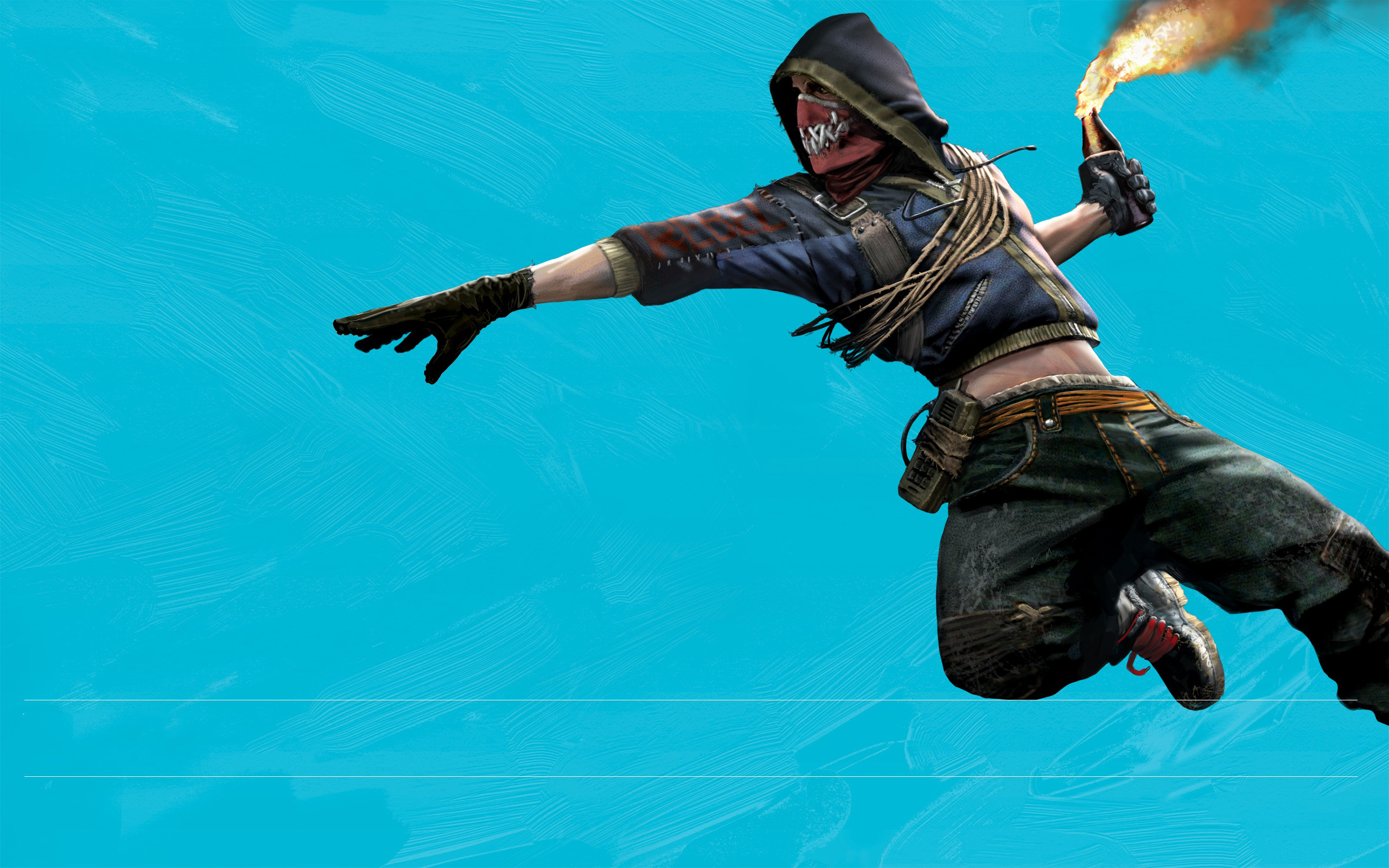
Honestly, I was super hyped for this game because the marketing showed amazing parkour and movement – they called it ‘SMART,’ and it looked so fluid. But when I actually played, it just felt…clunky. It wasn’t what they promised at all. Plus, the multiplayer was pretty empty, and the bots weren’t much fun to play with. What really killed it for me was that the story mode felt exactly the same as just jumping into a multiplayer match – there was no difference! People lost interest really quickly, and it’s a shame because the trailers had so much energy, but the actual gameplay just didn’t deliver.
‘Dark Spore’ (2011)
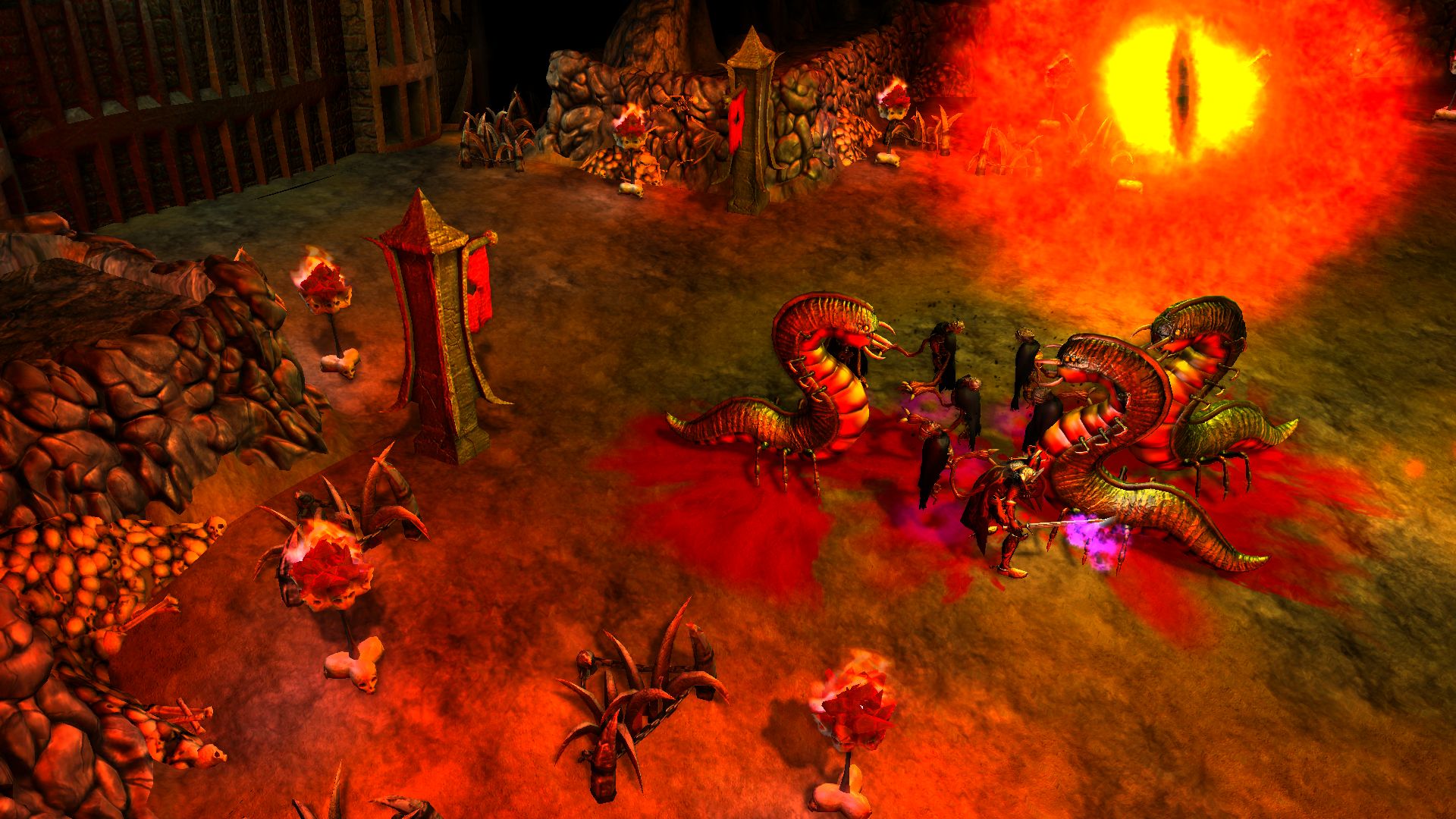
Maxis tried to transform the character creation tool from ‘Spore’ into an action role-playing game. However, the game needed a constant internet connection, which caused problems when the servers weren’t working reliably. Eventually, the game was taken off digital stores and became completely unplayable when the servers were shut down, leaving players unable to access a product they had purchased.
‘The Lord of the Rings: Gollum’ (2023)
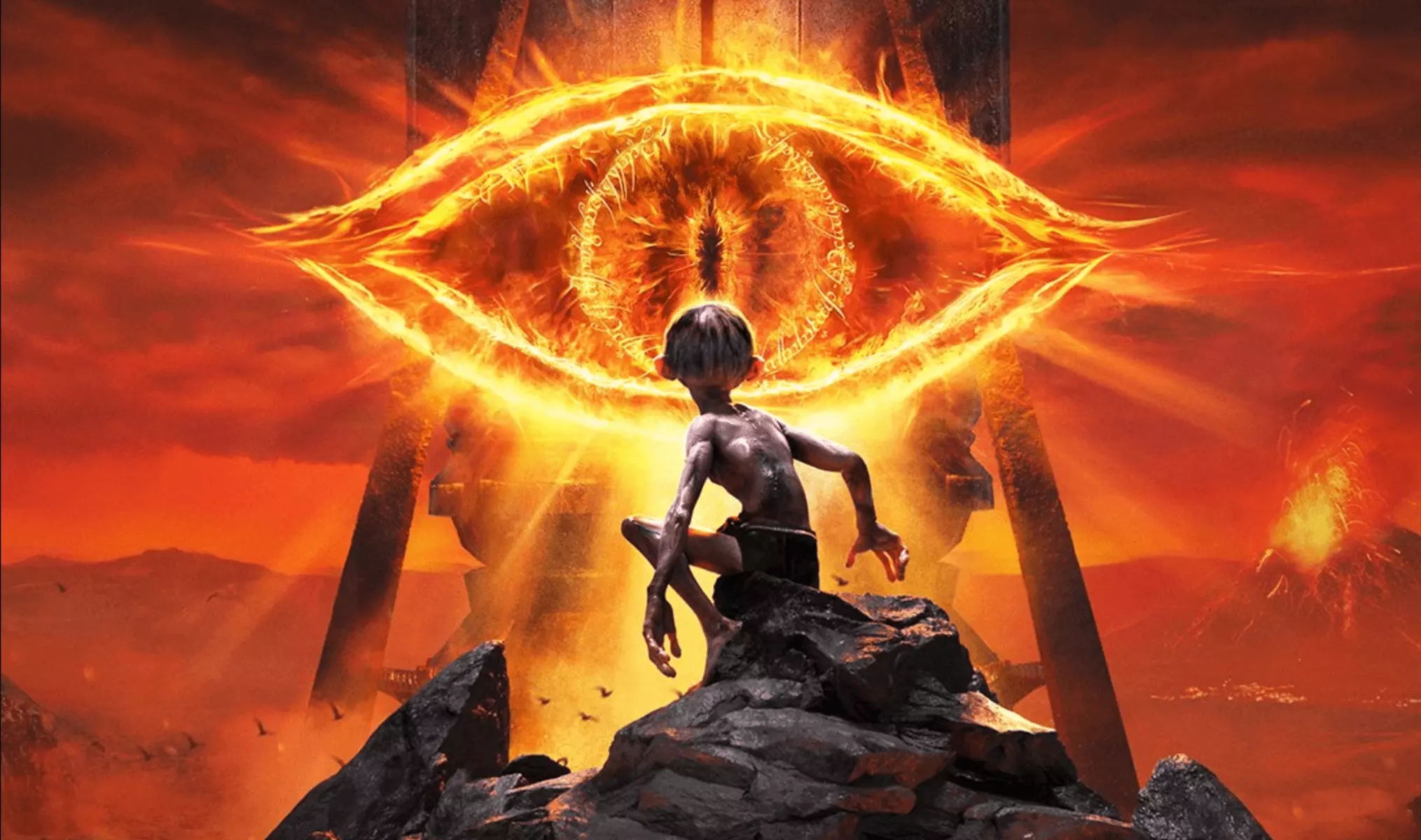
I was really excited for Daedalic’s new game, especially because they said it would dive deep into the main character’s inner struggles. But honestly, when it finally came out, it felt really old-fashioned – the graphics weren’t great and the jumping and movement were just…clunky. Then, to make things worse, they released a special edition that basically made you pay to unlock story parts that should have been there from the start! It was a huge disappointment, and sadly, it seems like it was the beginning of the end for the studio – they had to cancel their next game and shut down their development team. It’s just really sad to see.
‘Umbrella Corps’ (2016)
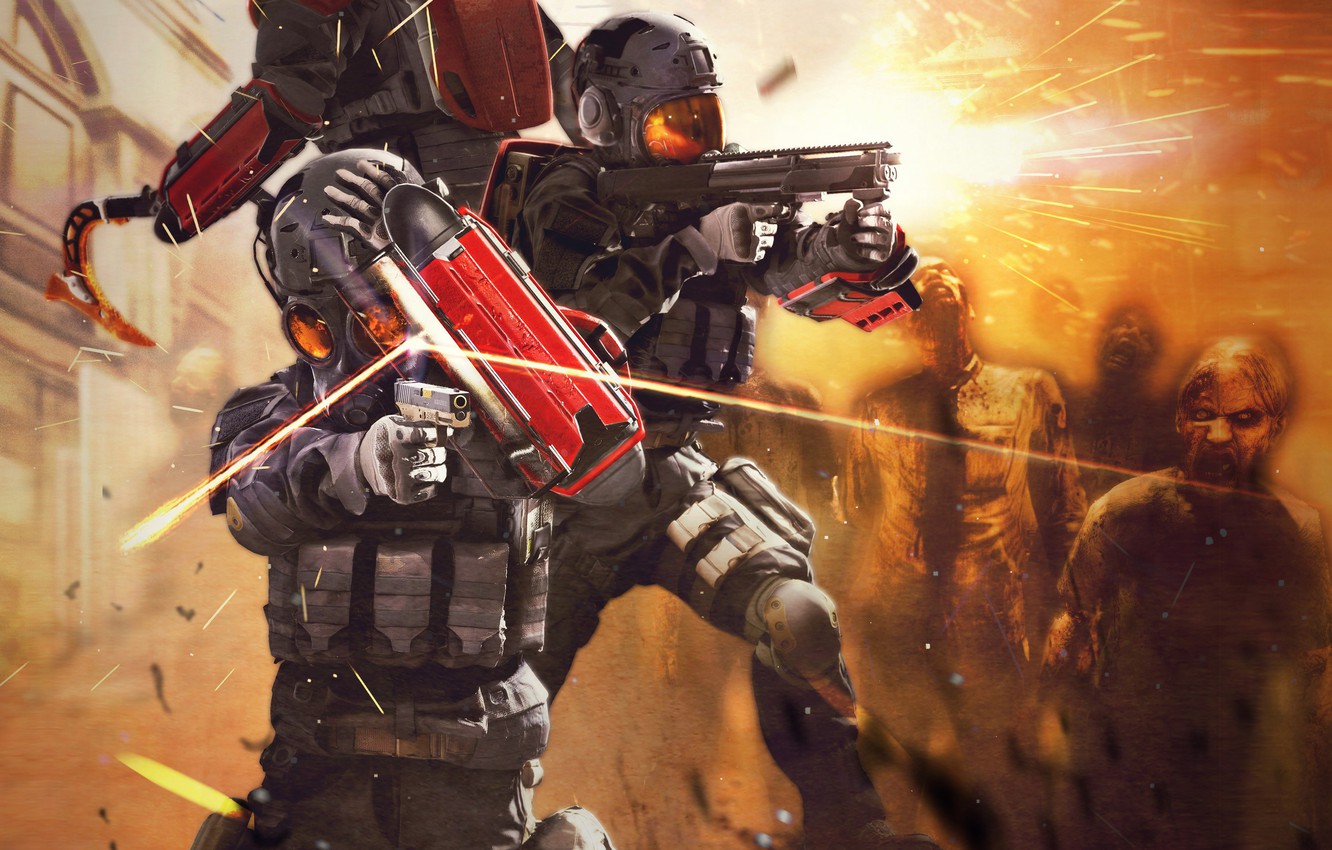
This competitive shooter was created as a side story within the Resident Evil universe. However, it received criticism for awkward character movements and cramped maps that didn’t suit the fast-paced gameplay. There wasn’t much of a single-player experience, consisting mostly of repetitive challenge waves. Many fans consider it a low point for the Resident Evil series.
‘Dead Island’ (2011)
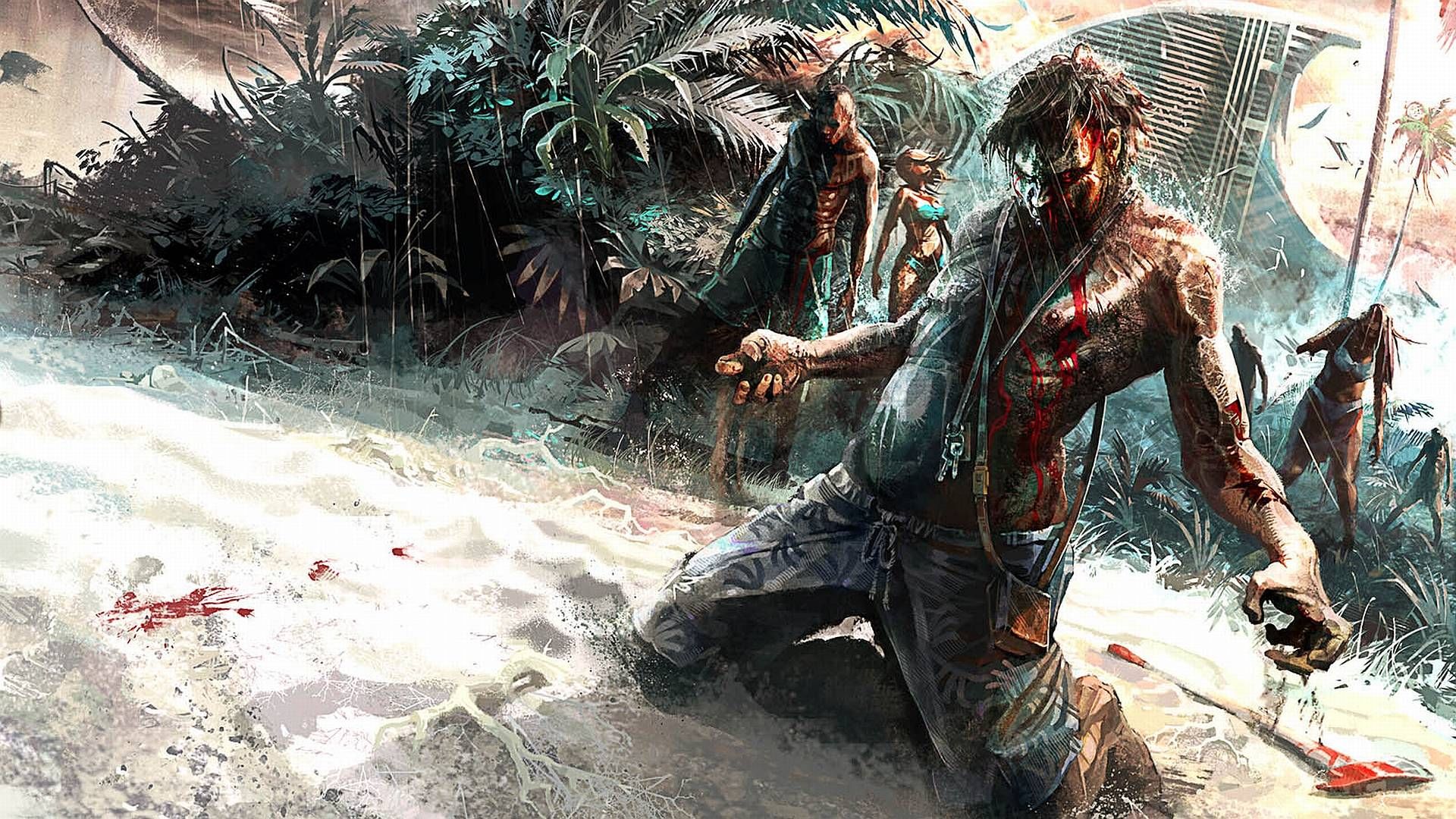
The game launched on Steam with a version that shouldn’t have been released to the public – it was a developer version containing cheat codes and even the ability to fly. This meant players could access hidden menus and easily disrupt the game’s story. The developers quickly fixed the issue with a patch, but the initial, flawed download caused some confusion. Additionally, some players felt the game’s overall tone didn’t align with the more serious and emotional feel of the announcement trailer.
‘Haze’ (2008)
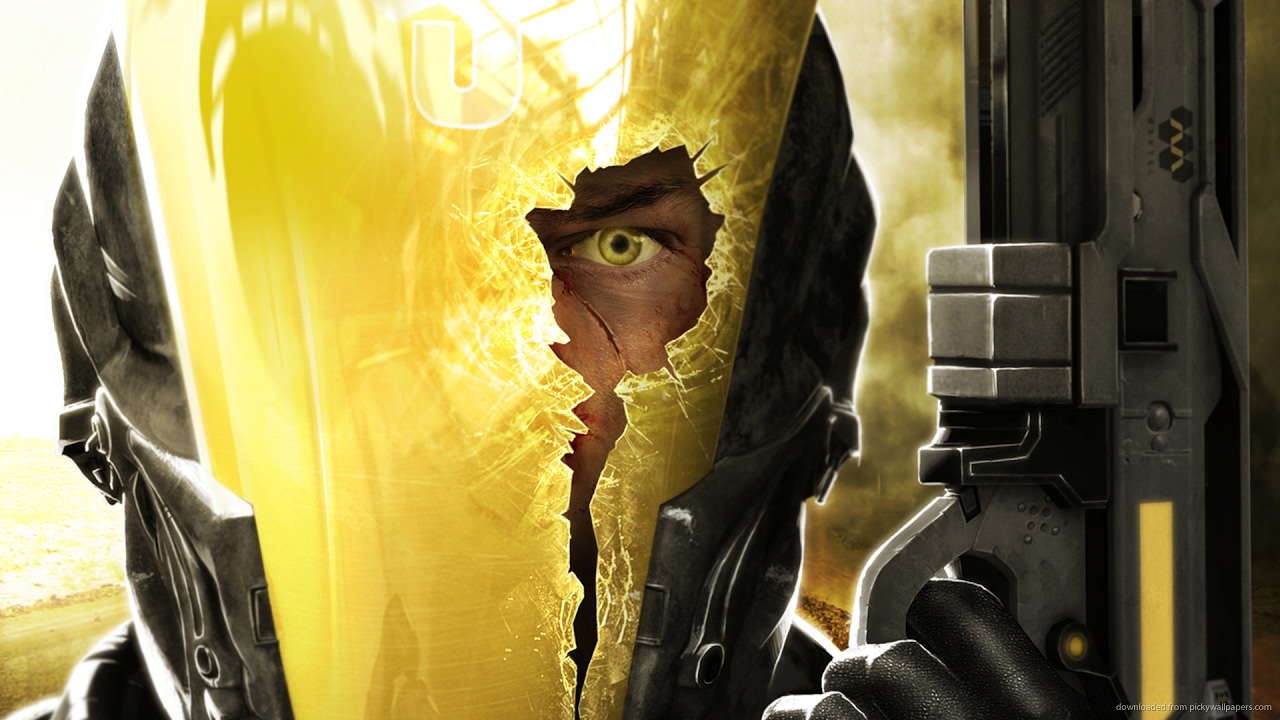
Ubisoft heavily promoted this PlayStation 3 game as a competitor to Halo. While the story revolved around a substance called Nectar, the gameplay itself wasn’t very impressive. The game suffered from blurry graphics and poor artificial intelligence. Ultimately, it failed to establish a new series, and the development studio closed its doors soon after release.
‘Total War: Rome II’ (2013)
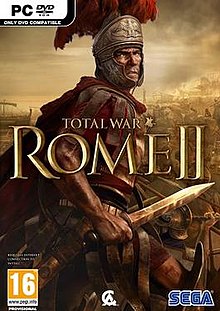
Creative Assembly’s new strategy game launched with noticeable problems, including flawed artificial intelligence and low-resolution textures. Players reported seeing ships sail across land and enemy armies remaining motionless during battles. Critics also disliked how capturing points in battles felt more like an arcade game than a realistic simulation. After a year of work to address these issues, the developers released an improved “Emperor Edition” to replace the original game.
Share your own experiences with gaming refunds and broken promises in the comments.
Read More
- Spotting the Loops in Autonomous Systems
- Seeing Through the Lies: A New Approach to Detecting Image Forgeries
- Julia Roberts, 58, Turns Heads With Sexy Plunging Dress at the Golden Globes
- Staying Ahead of the Fakes: A New Approach to Detecting AI-Generated Images
- Gold Rate Forecast
- TV Shows That Race-Bent Villains and Confused Everyone
- Palantir and Tesla: A Tale of Two Stocks
- The Glitch in the Machine: Spotting AI-Generated Images Beyond the Obvious
- How to rank up with Tuvalkane – Soulframe
- The 25 Marvel Projects That Race-Bent Characters and Lost Black Fans
2026-01-15 16:19