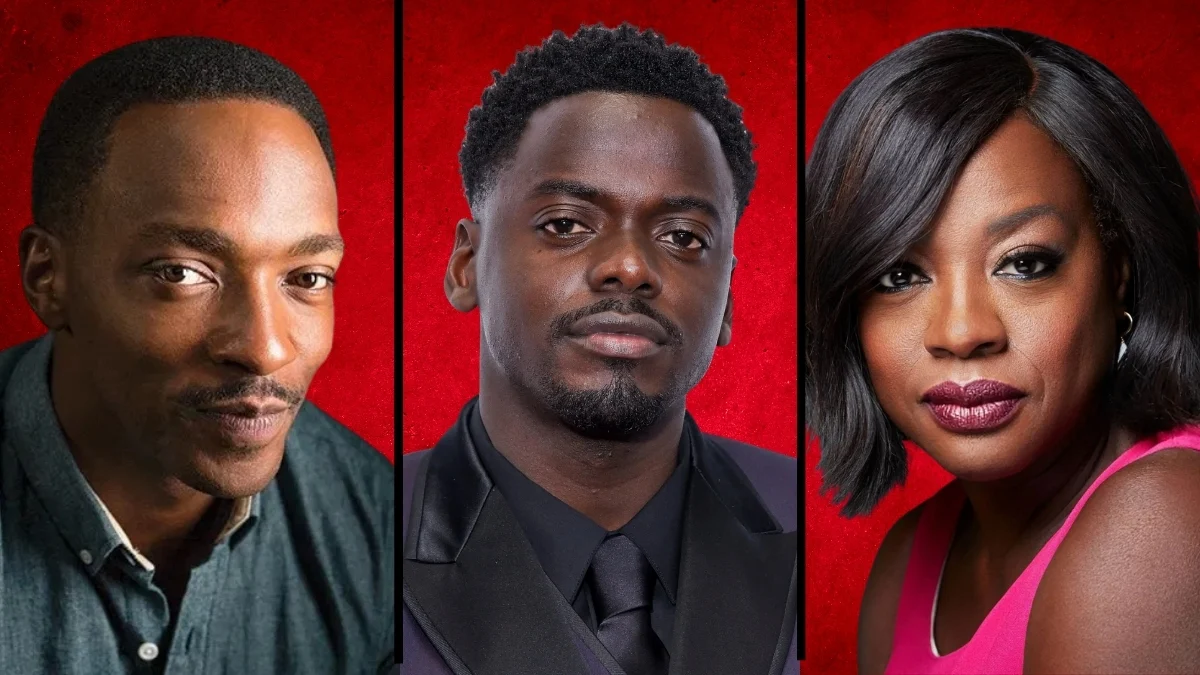
As a film lover, I’ve noticed a lot of changes in Hollywood lately, but something still feels off. A lot of Black actors are saying that even with more diversity on screen, the stories themselves often miss the mark. It’s not enough to just see representation; the writers and directors – often white – don’t always understand the subtleties of Black life and culture. These actors are constantly pushing for more authentic storytelling, pointing out that important cultural details get lost, simplified, or fall into tired stereotypes. They’re speaking up – through changes to scripts and even publicly – because they want diverse voices behind the camera to ensure their stories are told with the depth and humanity they deserve.
John Boyega
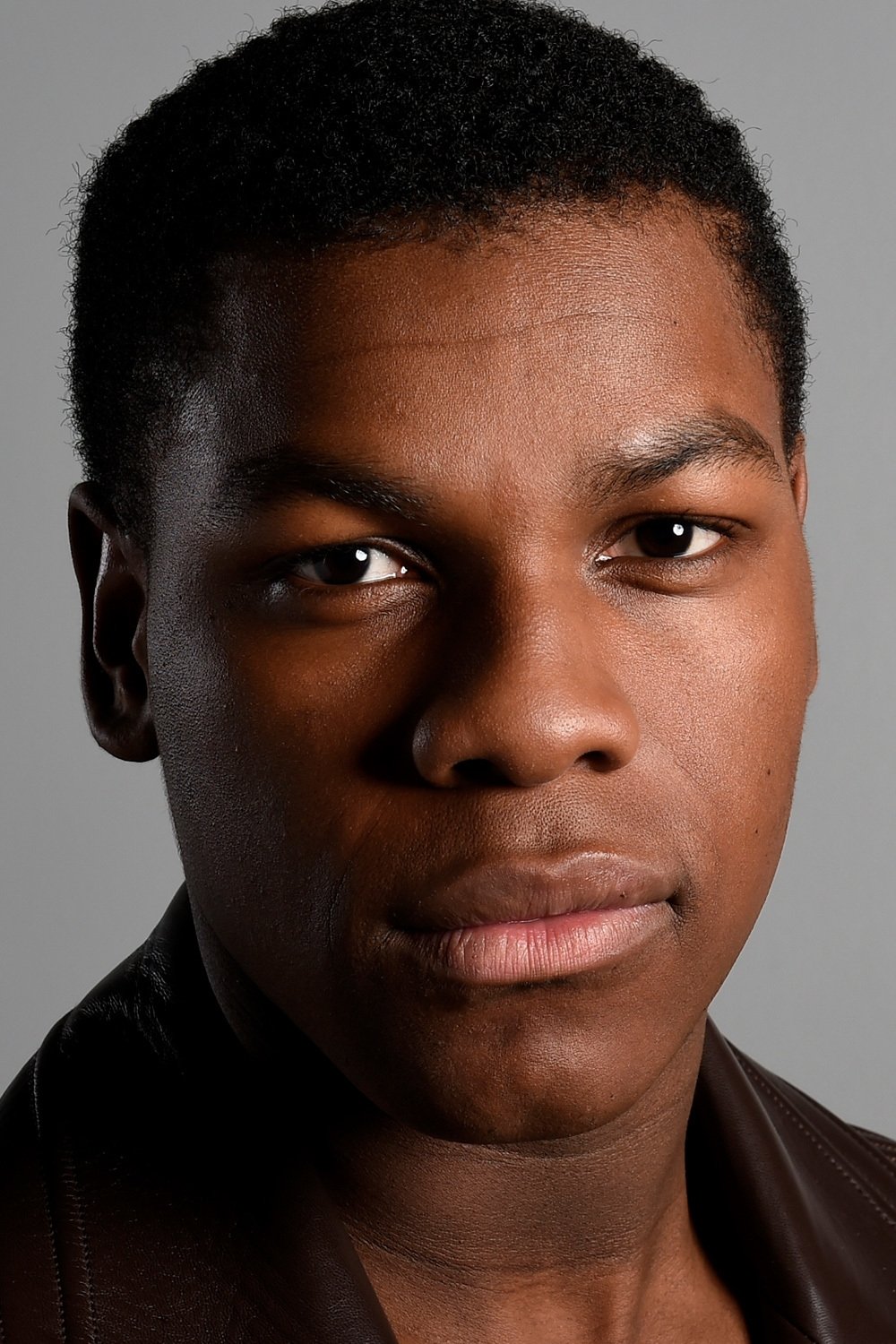
John Boyega has openly discussed his disappointment with how his ‘Star Wars’ character, Finn, was developed. Despite being promoted as a key player, Finn’s storyline felt sidelined as the films went on. Boyega believes the filmmakers struggled to create a compelling story for his character, compared to the white leads. Because of this, he now focuses on projects with Black directors who can better understand and portray the depth of his roles. He continues to push for changes in the industry so Black characters are given more meaningful representation and aren’t just used as symbols.
Viola Davis
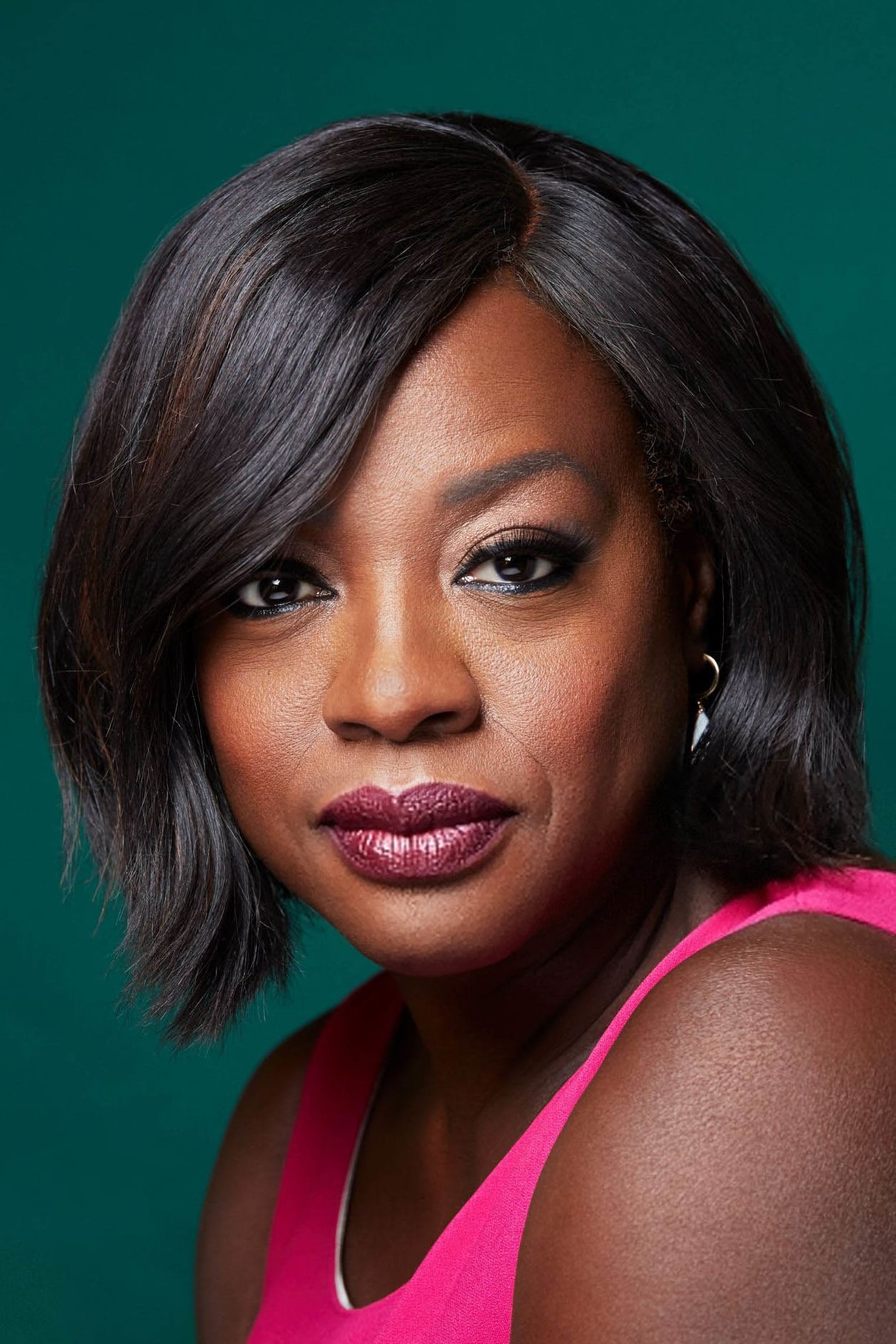
Viola Davis has openly admitted she regrets being part of the 2011 movie ‘The Help,’ even though she received an Oscar nomination for it. She believes the film presented the story through a racist lens and was mainly made to make white viewers feel comfortable. Davis felt the Black maids’ perspectives weren’t genuinely represented and that the movie didn’t delve deeply into their inner lives. Since then, through her production company, JuVee Productions, she’s focused on telling stories that explore the full human experience, rather than using race as a simple theme. Davis continues to speak out against stories that center on white characters ‘saving’ people of color, arguing they overshadow the experiences of Black characters.
Taraji P. Henson
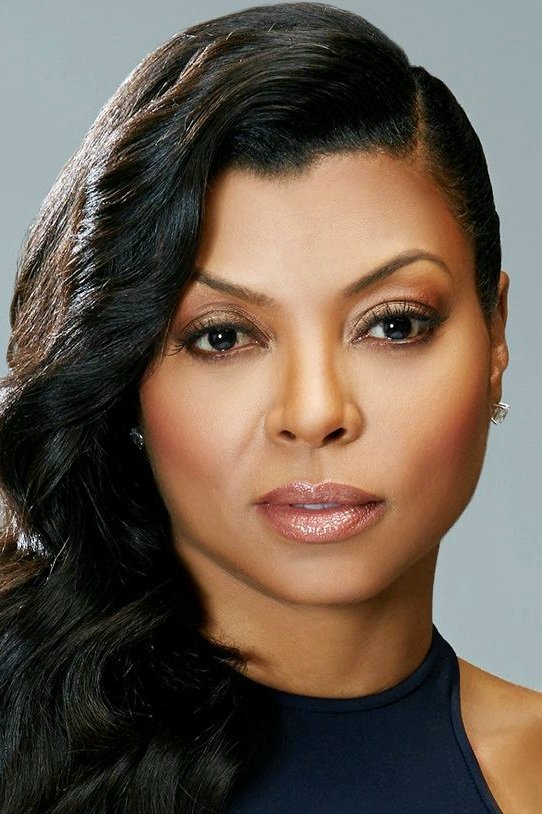
Taraji P. Henson has often spoken about how white directors sometimes have a limited view when it comes to casting and writing roles for Black women. In her memoir, she shared that she lost out on parts – like a Russian stripper in ‘St. Vincent’ – because producers couldn’t see her playing characters outside of what they expected. She also pointed out the significant pay difference she experienced in ‘The Curious Case of Benjamin Button,’ even though her character was crucial to the film’s emotional impact. Henson believes many white filmmakers don’t realize how popular and versatile Black actors can be with audiences worldwide. Throughout her career, she’s consistently fought for roles that allow her to portray a wide range of feelings and complex characters.
Regina King
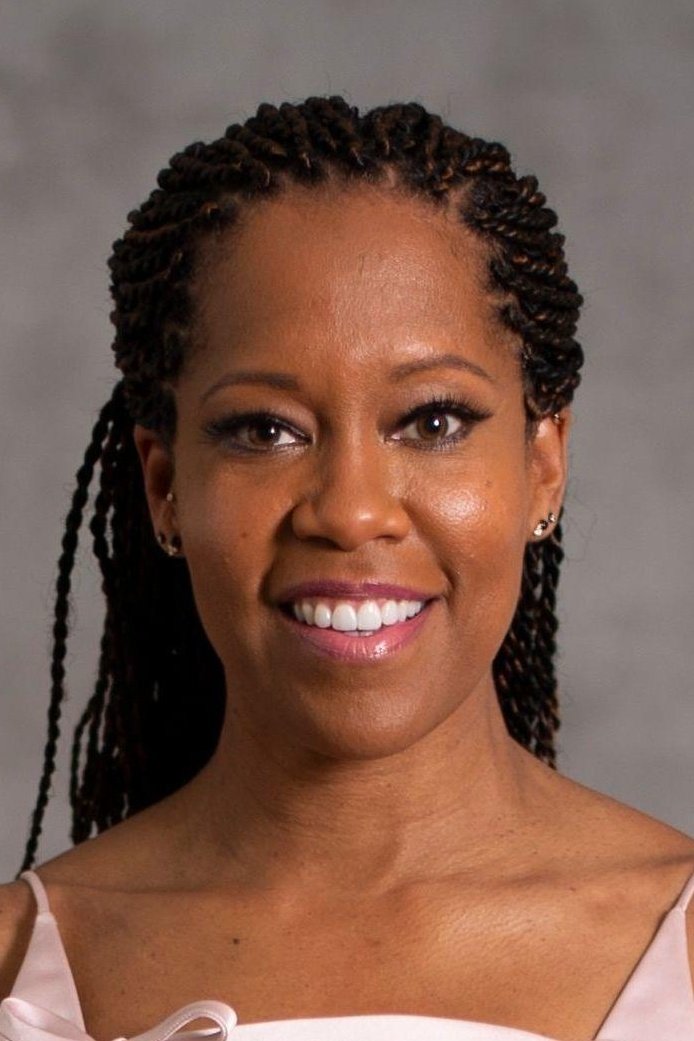
Regina King decided to direct films because she noticed a lack of realistic and complex relationships between Black men in movies and TV shows created by white filmmakers. Her first film, ‘One Night in Miami,’ was her way of showing Black men having honest, personal conversations. She’s pointed out that many projects don’t portray the strong, emotional connections common within Black culture. King feels that having a Black woman director allowed her film to move beyond typical portrayals of aggression and instead focus on the intellectual and spiritual bonds between the characters. Through her work, she’s pushing the entertainment industry to see Black characters as fully developed people, not just stereotypes.
Anthony Mackie
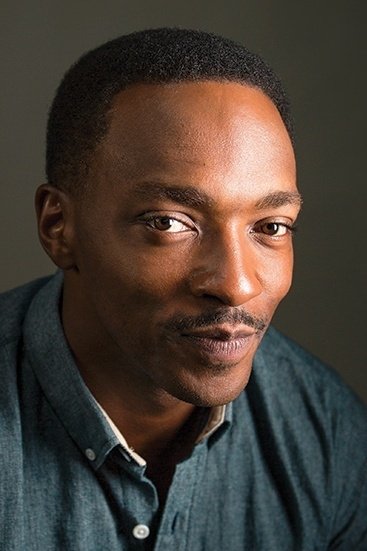
Anthony Mackie has spoken out about the lack of diversity among the people working behind the scenes on big films, particularly within the Marvel Cinematic Universe. He’s noticed that after being in many Marvel movies, almost everyone in positions of power – from producers to directors – has been white. Mackie points out that Black crews are often only hired for films specifically about Black stories, like ‘Black Panther,’ which suggests a belief that they aren’t qualified to work on other types of projects. He believes this lack of diversity impacts how Black characters are developed and portrayed on screen, and he’s using his voice to push for more inclusive film sets that better reflect the world around us.
Issa Rae
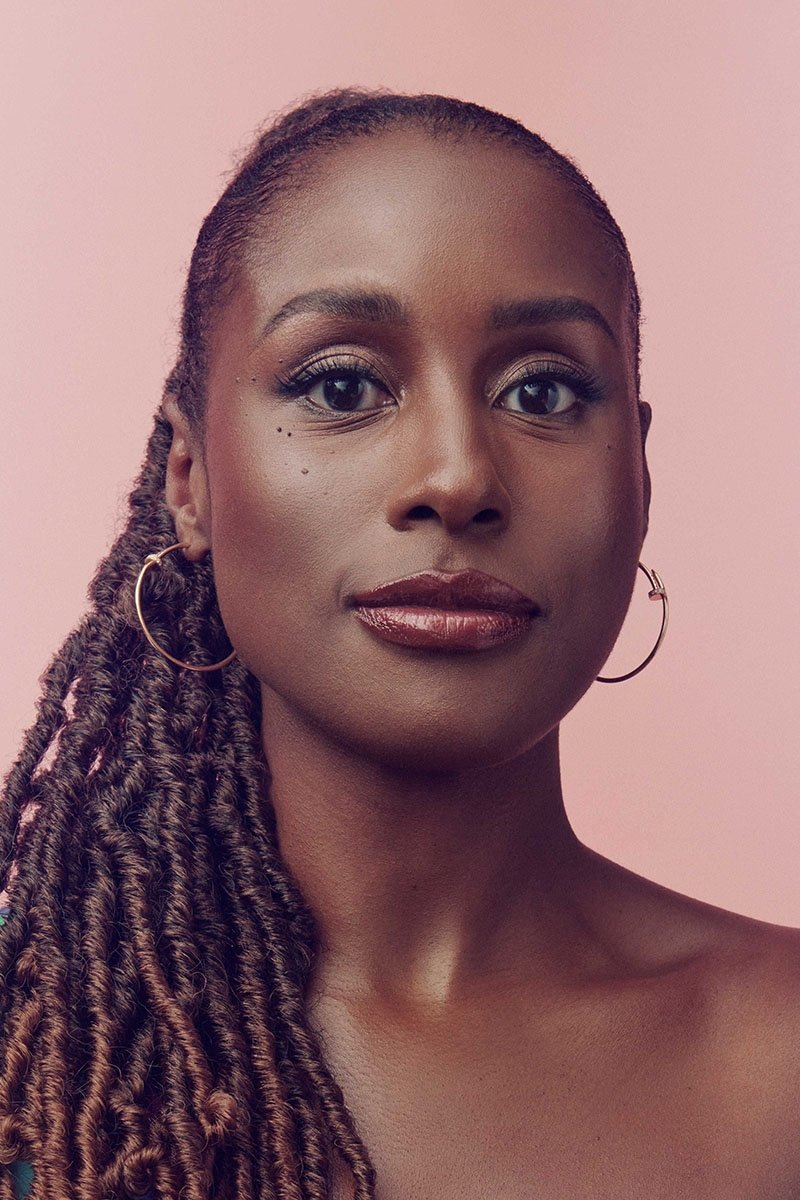
Issa Rae credits the Black writers’ room as essential to the success of her show, ‘Insecure.’ She’s explained that writers who weren’t familiar with Black culture often didn’t understand nuances until after editing. Rae made it clear she needed a primarily Black staff to authentically portray Black life, as certain experiences don’t need explaining within the culture. She also pushed back against suggestions to include white characters to broaden the show’s appeal. Ultimately, ‘Insecure’s’ success demonstrates that stories deeply rooted in Black experiences can connect with a wide audience without compromising their truthfulness.
Chadwick Boseman
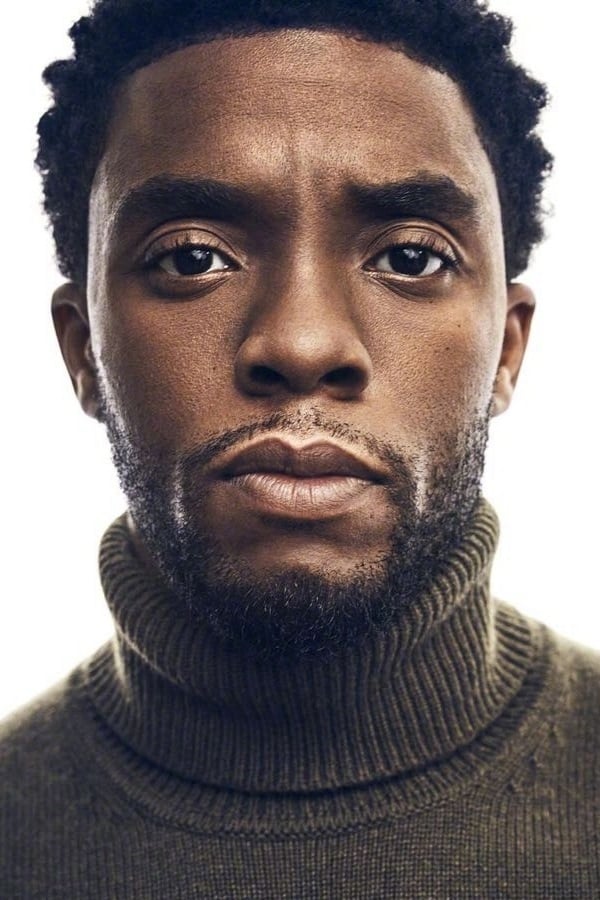
Chadwick Boseman strongly advocated for T’Challa to have an African accent in his first appearance in ‘Captain America: Civil War’. He felt it was crucial that the king of Wakanda, a nation never colonized, shouldn’t sound like he’d adopted a European or American way of speaking. Boseman worried a British accent, in particular, would unintentionally suggest that Wakandan royalty defined themselves by colonial standards of education and sophistication. His insistence on an authentic accent pushed the filmmakers to respect the character’s cultural background, a decision that heavily influenced the overall look and sound of ‘Black Panther’.
Sterling K. Brown
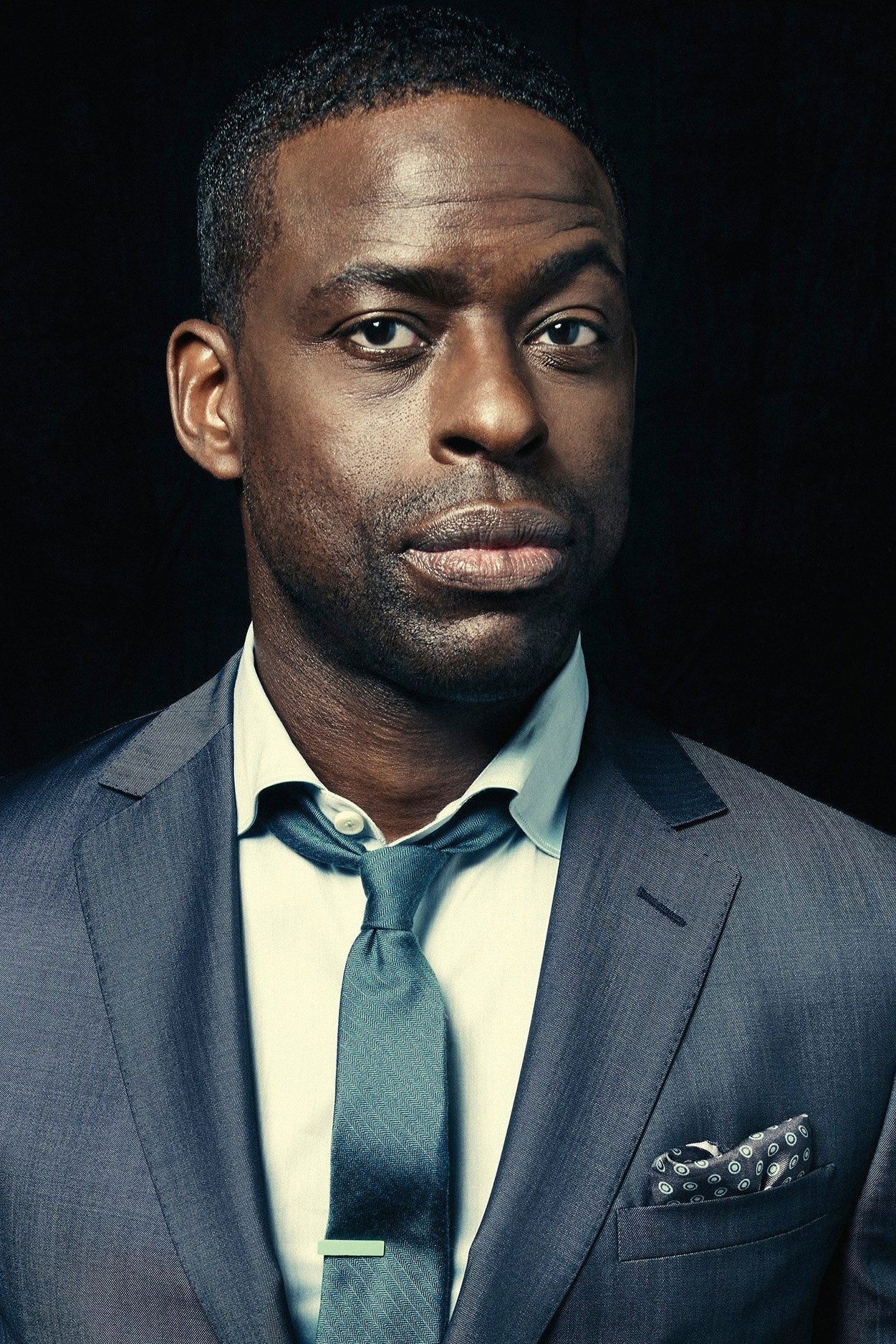
Sterling K. Brown emphasizes the importance of having Black writers involved in projects like ‘This Is Us’ to make sure stories about Black characters feel genuine. He often shared his insights with the show’s creator, Dan Fogelman, to help the writing team better understand Black family life. Brown was initially unsure about the film ‘Waves’ because it was written and directed by a white filmmaker portraying a Black family facing difficulties. He agreed to participate only after the director proved willing to listen to and include the actors’ personal experiences in the story. Brown is committed to avoiding harmful stereotypes in his roles and ensuring his characters are portrayed with authenticity.
Gabrielle Union
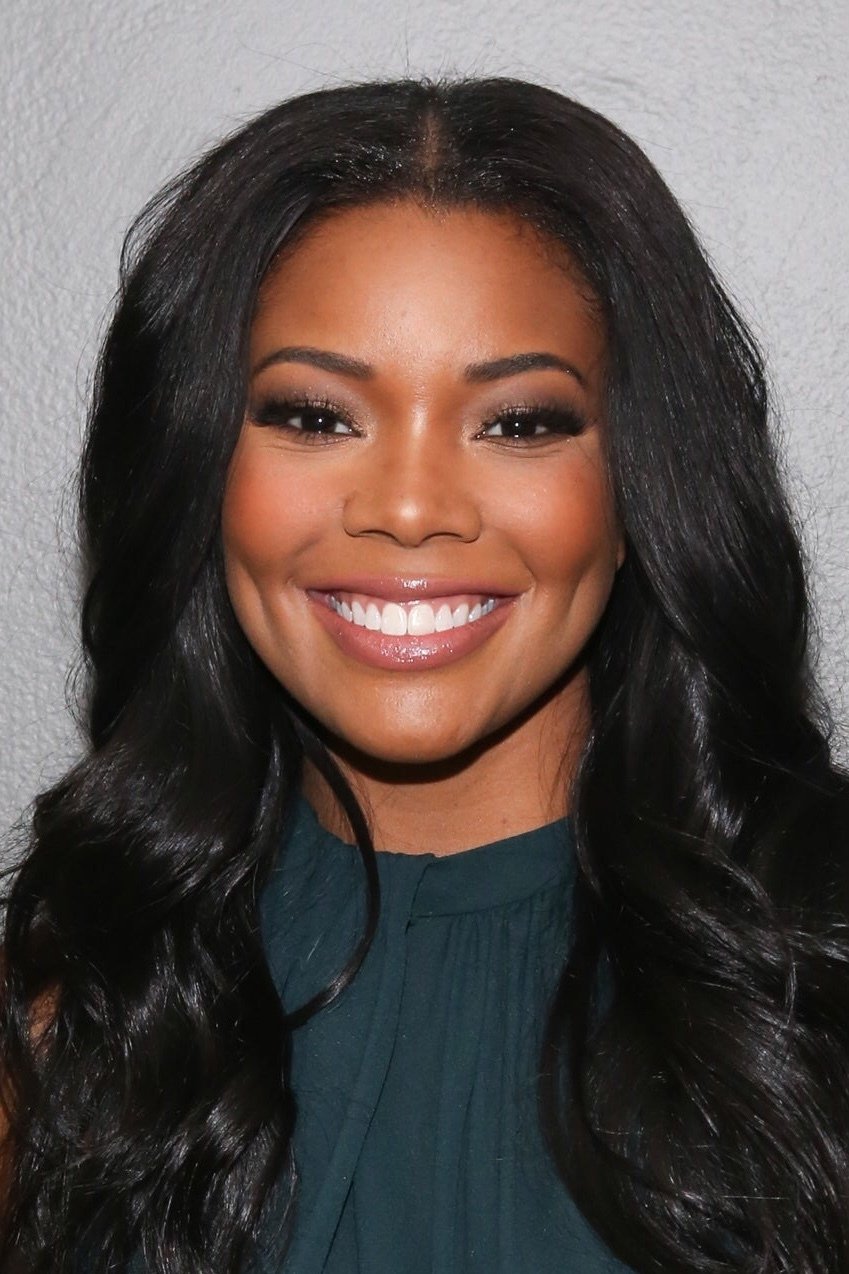
Gabrielle Union has spoken out about the lack of diversity she experienced in many writers’ rooms early in her career, describing them as overwhelmingly white. She often found herself typecast in roles like the “sassy Black best friend,” which were rarely fully developed and sometimes relied on harmful stereotypes. When she raised concerns about scripts or jokes, she was often dismissed as being overly sensitive or difficult. Looking back, she even wishes she’d played her character in ‘Bring It On’ differently, feeling she toned down the character’s personality to conform to what was considered acceptable to a white audience. Union continues to push for more Black women to have the power to tell their own stories creatively.
Michaela Coel
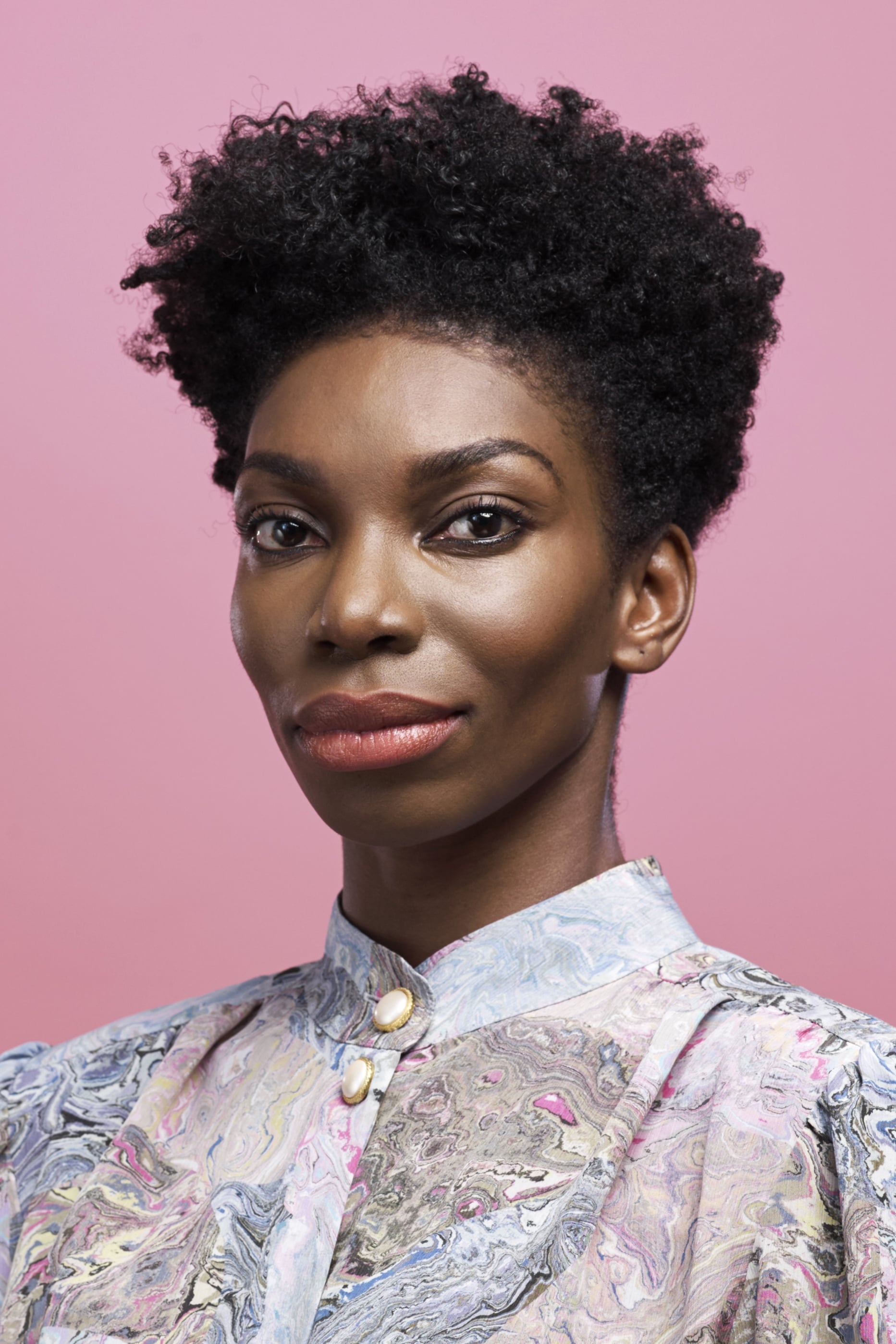
Michaela Coel famously declined a $1 million offer from Netflix for her series ‘I May Destroy You’ because they wouldn’t let her maintain full creative control and ownership. She felt it was crucial that the story, which was deeply personal and explored her experiences as a Black British woman, be told authentically and wasn’t something white executives or writers could accurately represent. Coel has also spoken about facing subtle discrimination while working on ‘Chewing Gum’, recalling instances where white directors had difficulty remembering the names of Black cast members. Her commitment to writing, directing, and producing her own projects has become a benchmark for Black creatives, allowing her to tell her stories without being filtered through the perspectives of others.
Denzel Washington
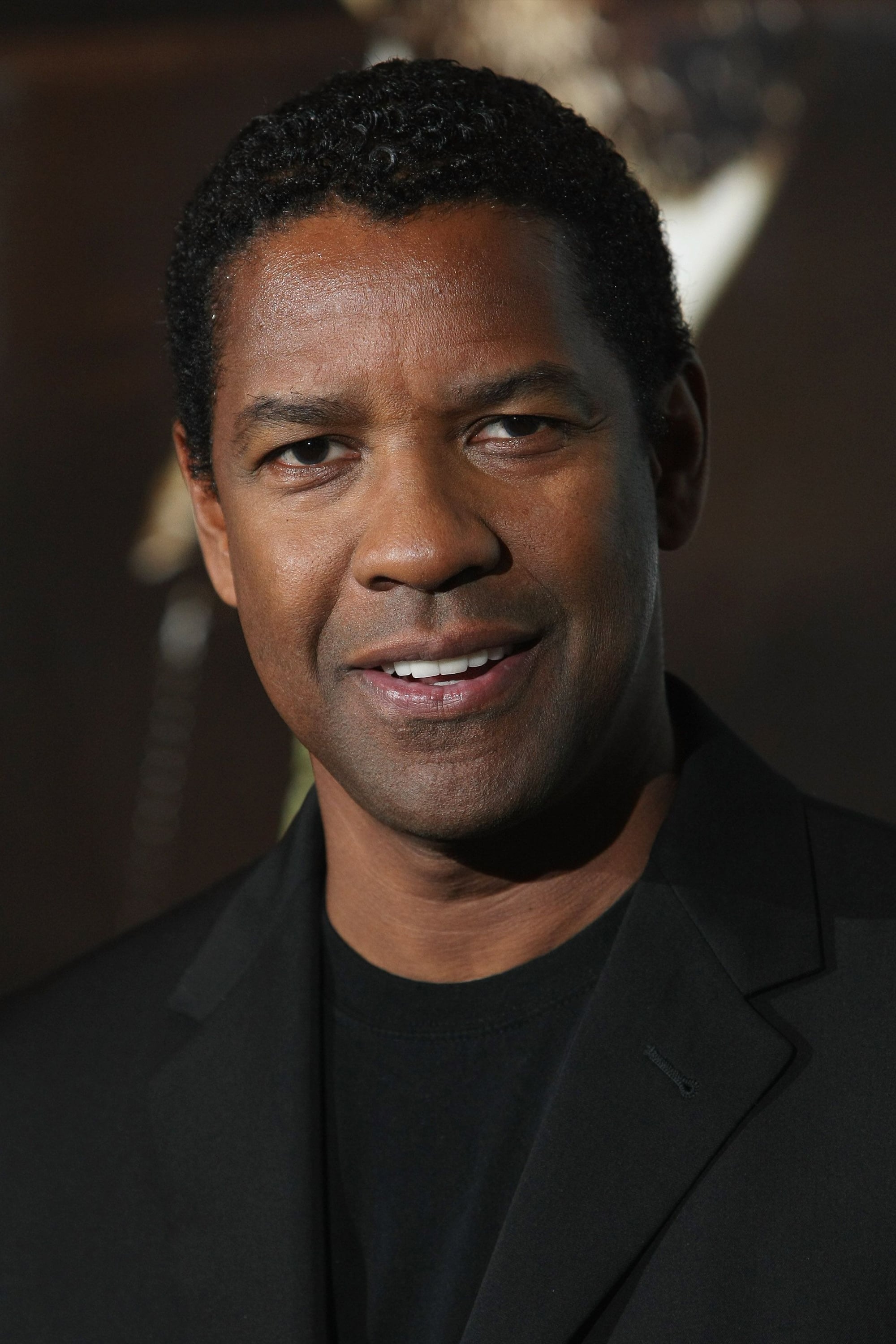
Denzel Washington made it a priority for a Black director to lead the movie version of ‘Fences’ to ensure the cultural heart of August Wilson’s play remained intact. He explained that it wasn’t simply about race, but about understanding a specific culture and its unique experiences. Washington believed a Black director would naturally grasp subtle cultural details – like the familiar scent of a hot comb on a Sunday – that someone outside the culture might overlook. He felt these details were essential to the story’s authenticity and spirit, and he directed the 2016 film with the goal of faithfully representing them.
Jeffrey Wright
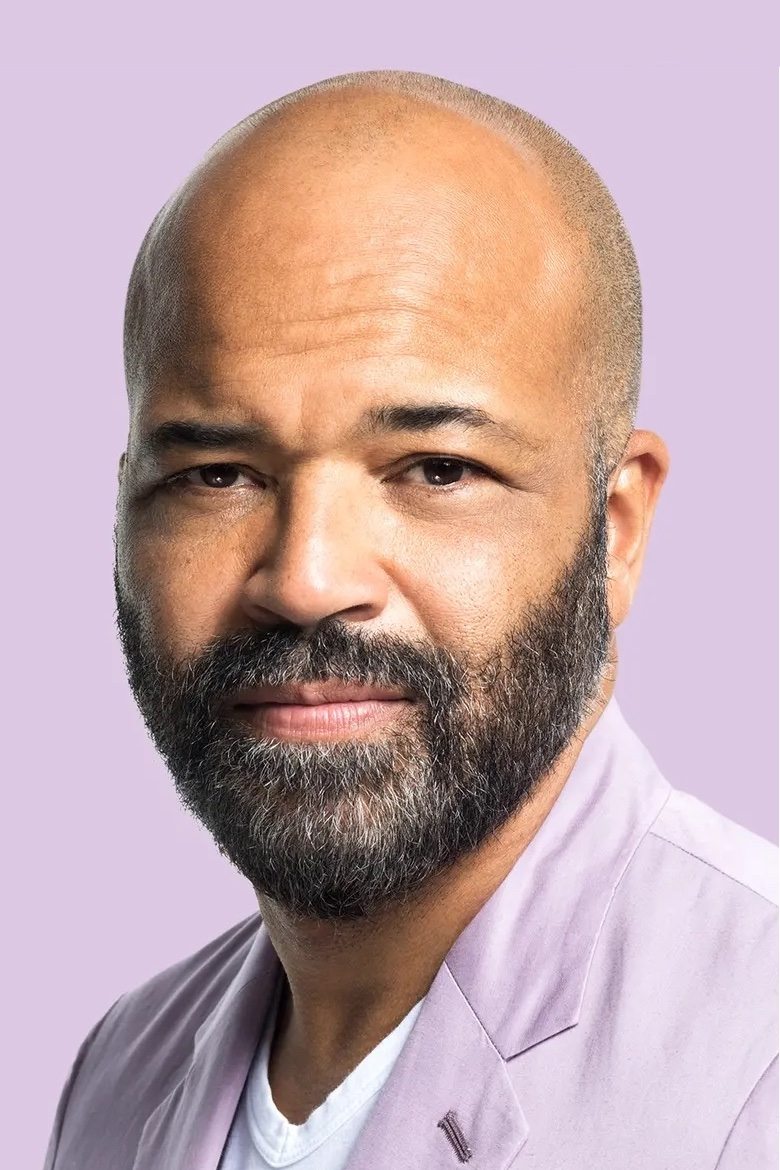
Jeffrey Wright, through his work in ‘American Fiction,’ has highlighted Hollywood’s tendency to rely on harmful stereotypes when portraying Black lives. He’s discussed how the film industry frequently prioritizes stories about Black trauma or clichés aimed at appealing to white audiences. Wright pointed out that mainstream entertainment often demands Black characters to conform to expectations and ‘perform’ Blackness in a way that’s acceptable to white creators. He’s expressed appreciation for projects that allow Black characters to be fully realized, complex individuals, rather than symbols of social problems. Wright actively seeks roles that push back against the industry’s limited and narrow view of Black identity.
Tracee Ellis Ross
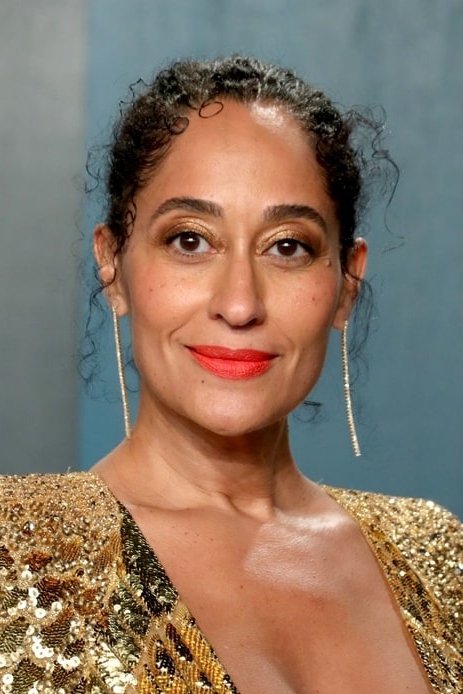
Tracee Ellis Ross has spoken about how important her working relationship with ‘Black-ish’ creator Kenya Barris was to making her character, Rainbow, feel authentic. She often saw things differently than the other writers and felt it was her job to represent the audience’s perspective. Ross stressed that the show’s humor needed to be genuine and relatable, not just broadly funny. She consistently challenged narrow representations of Black identity, making sure her character’s biracial background was included in the story. Ross prioritizes working in environments where her understanding of different cultures is valued and used effectively.
Zendaya

Zendaya doesn’t just act in ‘Euphoria’ – she’s also a producer, and she uses that role to deeply influence her character, Rue. She’s worked with the show’s creator to make sure Rue’s experiences as a Black woman feel real and are portrayed accurately. Zendaya has emphasized how important it is for her to contribute to Rue’s story, ensuring it reflects genuine experiences instead of someone else’s ideas about them. Being a producer gives her the power to prevent storylines that could feel fake or insensitive. She represents a new wave of actors who want to be involved in the creative process from the very start.
Daniel Kaluuya
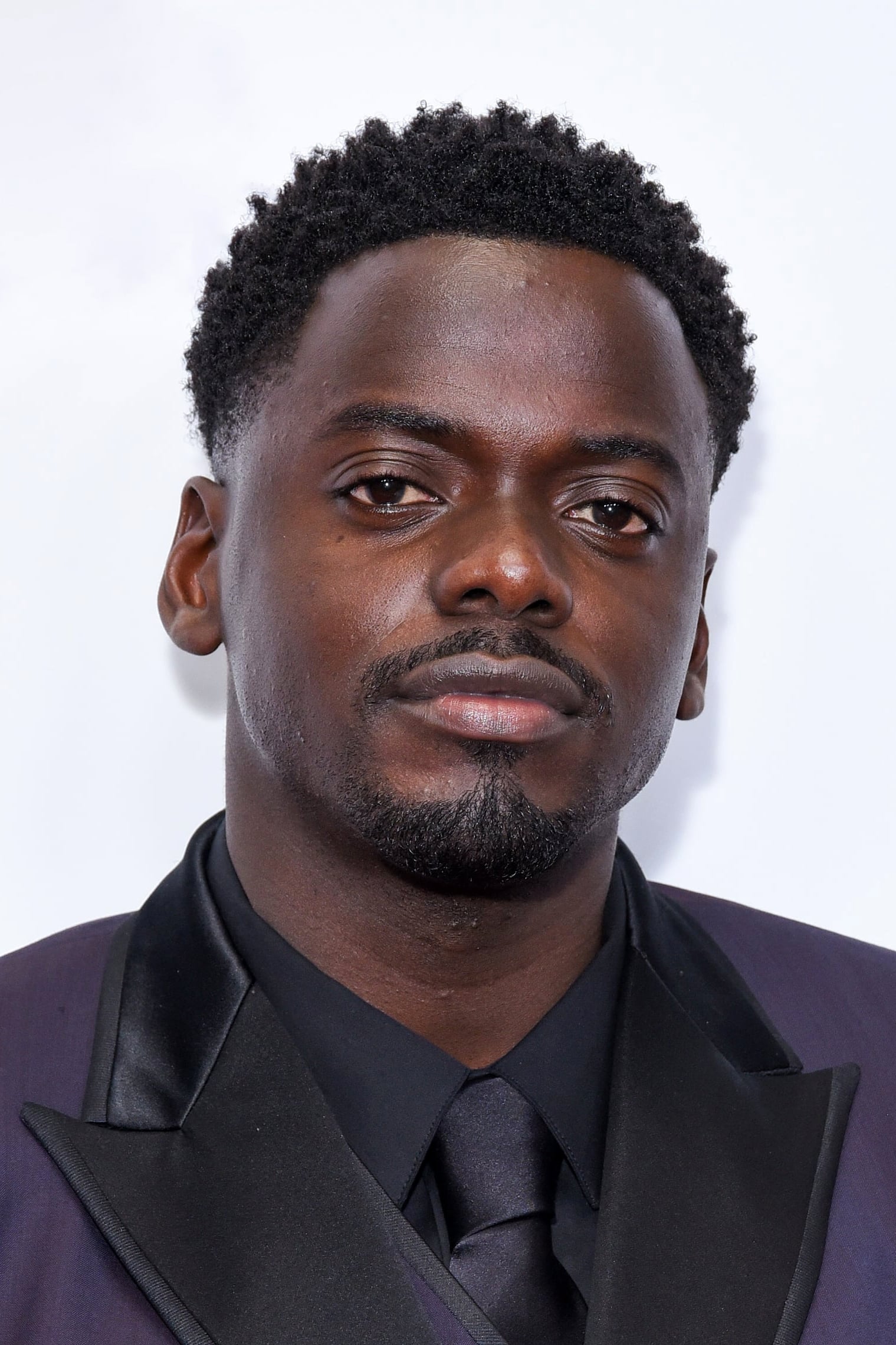
Daniel Kaluuya recently discussed the doubts some American critics and actors had about a British actor portraying the African American experience. He explained that while there are common threads in Black life everywhere, the specifics of race in America need to be carefully understood and respected. Kaluuya has collaborated closely with Black directors like Jordan Peele and Melina Matsoukas to make sure his roles feel genuine to the American context. He’s also pointed out that Black directors often bring a deeper understanding of subtlety and humanity to their work, something he doesn’t always see from white directors. Ultimately, Kaluuya aims to connect different Black cultures while staying true to the story.
Tessa Thompson
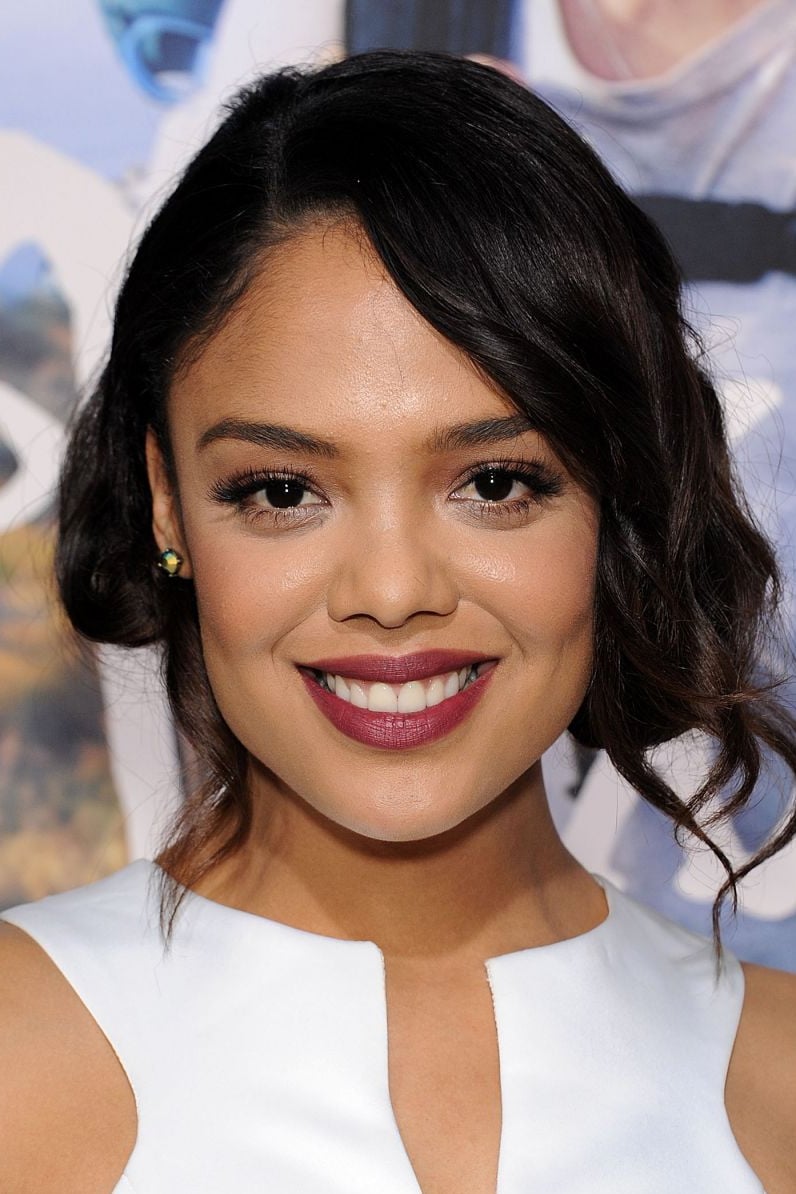
Tessa Thompson has consistently spoken out about the need for more diversity on film sets, saying she wants to see crews that reflect a wider range of backgrounds. She argues that a lack of diversity behind the camera often leads to limited perspectives in storytelling. Thompson also points out that Hollywood often asks actors to perform a certain identity, and she actively seeks roles that allow her to move beyond those expectations. She admires films like ‘Dear White People’ and ‘Passing’ for their nuanced portrayals of identity, something she feels is often missing in mainstream movies. For Thompson, true inclusion means diversifying all aspects of filmmaking, not just the actors on screen.
Cynthia Erivo
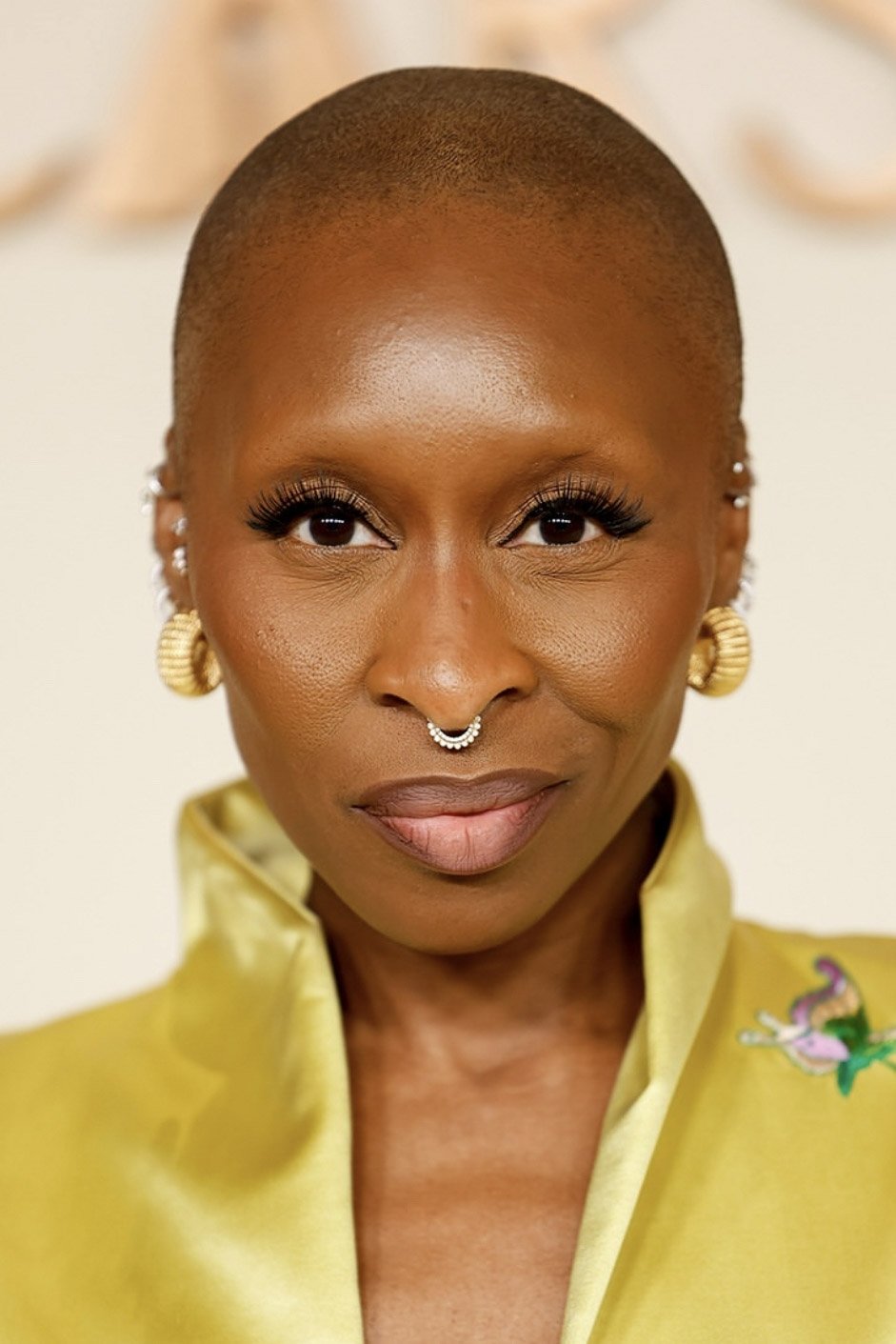
Cynthia Erivo has experienced difficulties working with some white directors who haven’t fully appreciated her as an individual. She shared an example of a director constantly calling her and another Black actress “the twins” instead of using their names, which she sees as a subtle form of disrespect. This kind of behavior reveals a larger problem where some white filmmakers struggle to see Black actors as unique individuals. Because of this, Erivo is now very careful about the projects she chooses, preferring to collaborate with filmmakers who understand and value her specific skills and cultural background. She’s committed to finding roles that allow her to fully express her talents, rather than being limited by stereotypical expectations.
Lupita Nyong’o
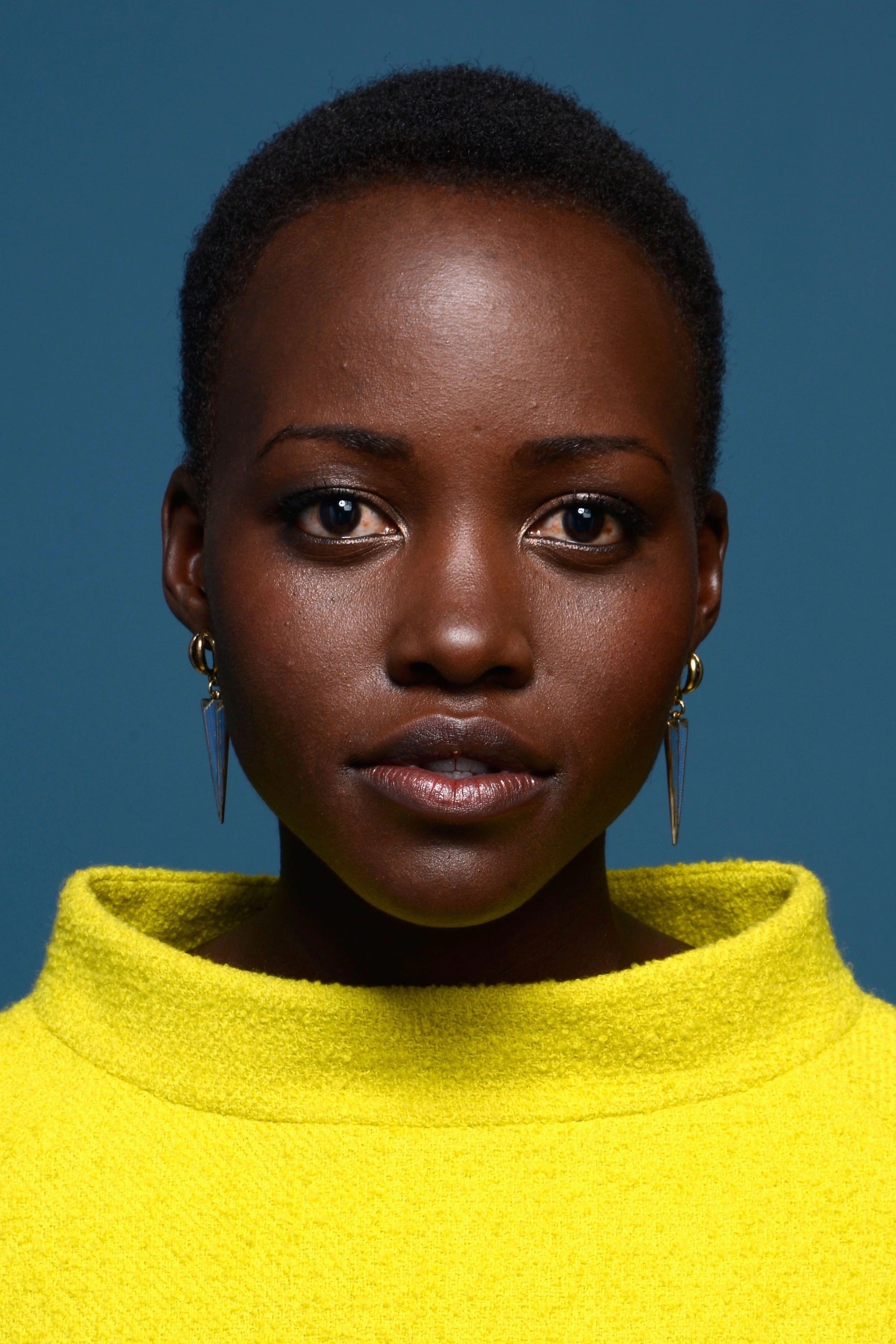
Lupita Nyong’o has noted a lack of general roles in the acting world that aren’t specifically defined by an actor’s race. While she’s achieved success in films like ’12 Years a Slave’ and ‘Black Panther’, those parts were written with Black actors in mind. Nyong’o explains that it’s often difficult for white writers to create characters who aren’t tied to race in a way that avoids stereotypes. She hopes to see a future where Black actors are considered for all kinds of roles, not just those focused on hardship. Nyong’o continues to be a leading voice in discussions about diversity in film and how stories are often told through a limited, or ‘white,’ perspective.
David Oyelowo
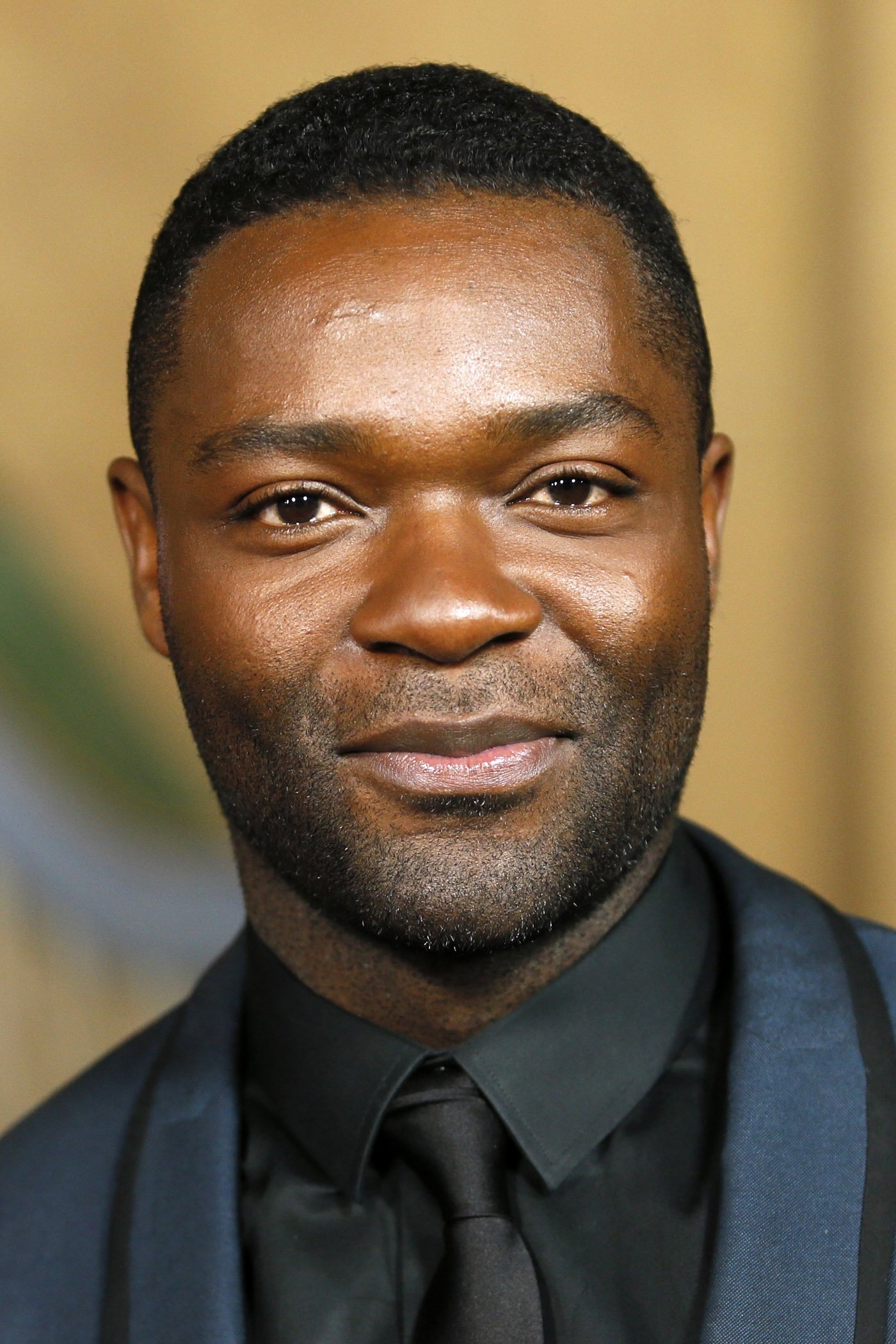
David Oyelowo has talked about the difficulties of portraying real Black historical figures when the director is white. While promoting the film ‘Selma’, he explained that he had to work very hard to avoid a stereotypical depiction of Martin Luther King Jr. He’s observed that white directors sometimes have a different understanding of how Black leaders behave and think, which can result in characters lacking emotional complexity. Because of this, Oyelowo now also produces and directs films himself, ensuring stories are told with genuine cultural understanding. He feels it’s crucial to have Black perspectives leading the way when telling Black historical stories.
Thandiwe Newton

Thandiwe Newton has spoken out about the lack of diversity within diversity in Hollywood, especially in how roles are written by white men. She’s observed that many scripts portray Black experiences as a single, unified thing, failing to recognize the unique struggles faced by Black women with different complexions and backgrounds. Newton publicly apologized for the advantages her lighter skin gave her, admitting she sometimes landed roles that should have gone to darker-skinned actresses because white creators found her more acceptable. She believes Hollywood needs to stop assuming all Black people are men and all women are white. Throughout her career, she has consistently worked to amplify the stories and voices of women of color.
Share your thoughts on the importance of diverse writers’ rooms in the comments.
Read More
- Spotting the Loops in Autonomous Systems
- Seeing Through the Lies: A New Approach to Detecting Image Forgeries
- Staying Ahead of the Fakes: A New Approach to Detecting AI-Generated Images
- Julia Roberts, 58, Turns Heads With Sexy Plunging Dress at the Golden Globes
- Palantir and Tesla: A Tale of Two Stocks
- TV Shows That Race-Bent Villains and Confused Everyone
- The Glitch in the Machine: Spotting AI-Generated Images Beyond the Obvious
- How to rank up with Tuvalkane – Soulframe
- Gold Rate Forecast
- The 25 Marvel Projects That Race-Bent Characters and Lost Black Fans
2026-01-15 06:47