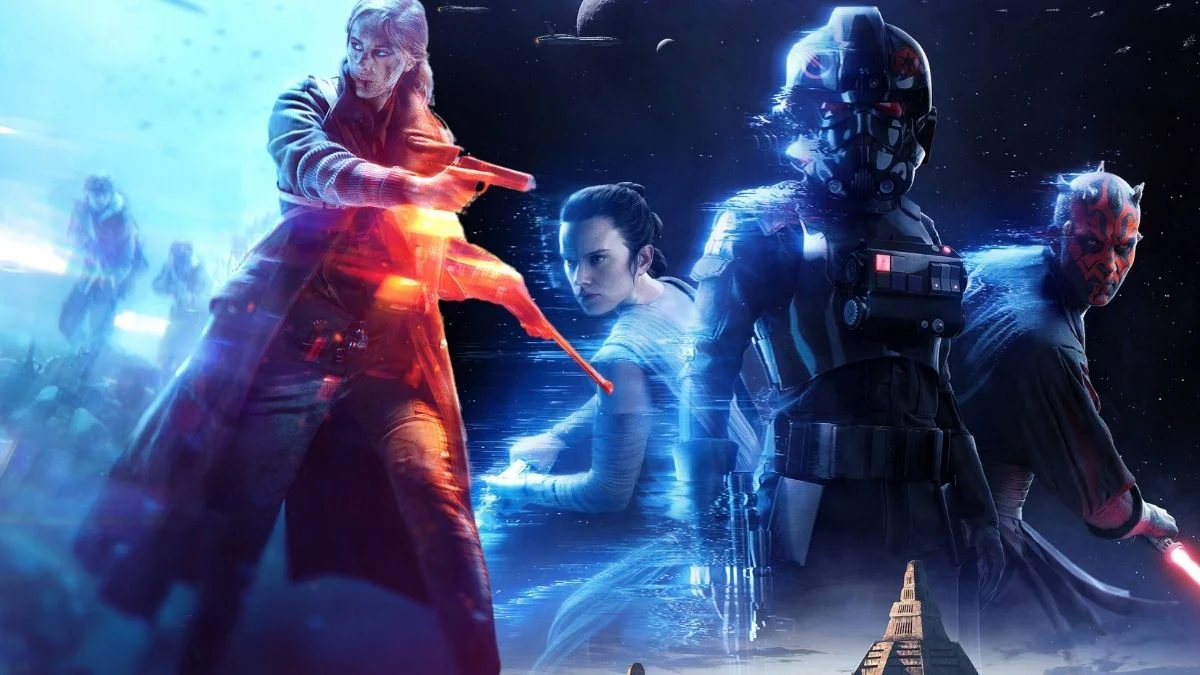
Game developers occasionally lose sight of the fact that players are their most important audience. When studios offend their fans or brush off legitimate concerns with a dismissive attitude, it can create public relations crises. These situations frequently result in decreased sales and damage a studio’s reputation, which can take a long time to repair. The games discussed below offer examples of what can happen when you alienate the people who support your work.
‘Concord’ (2024)
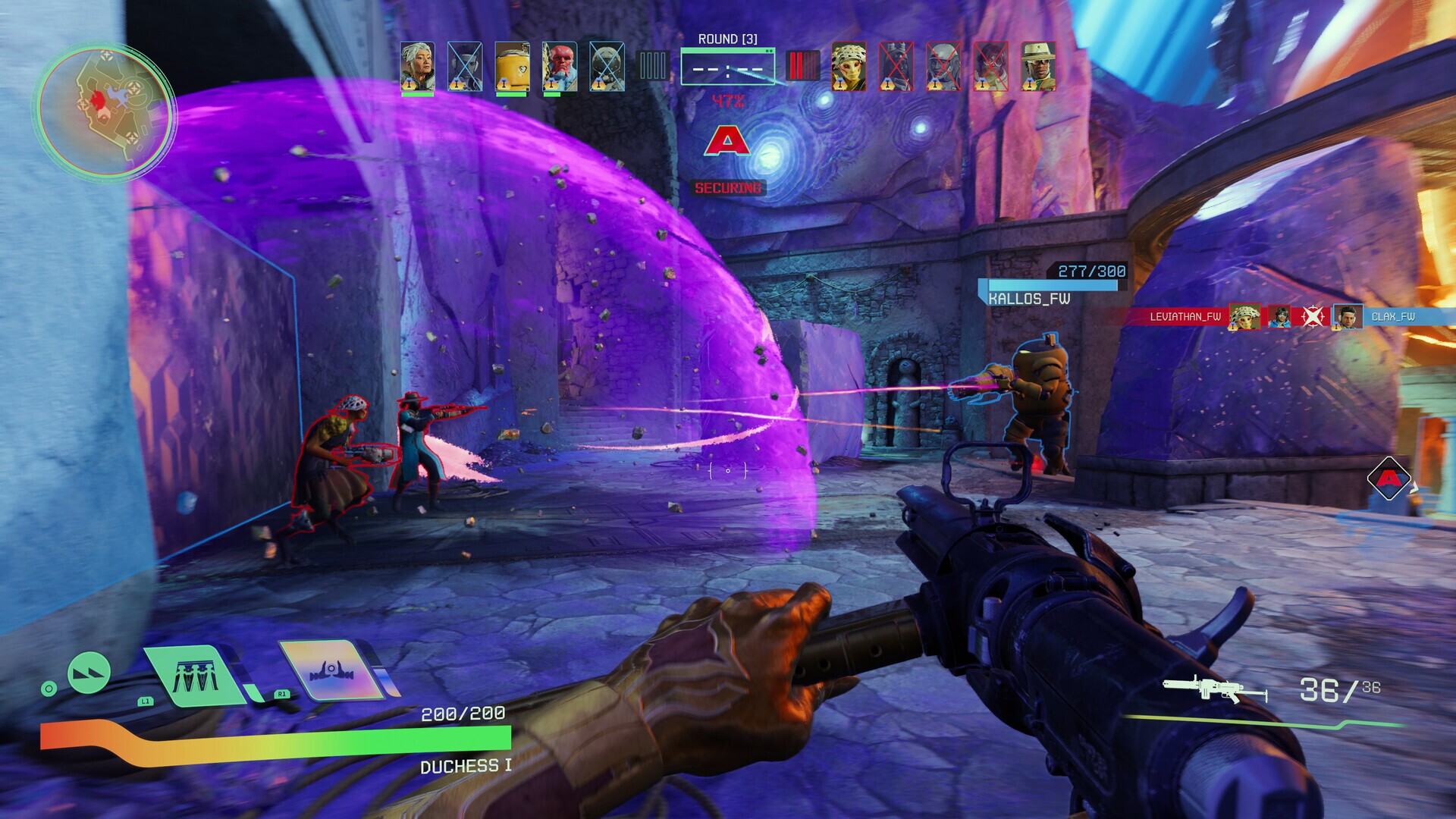
This team-based shooter had one of the worst launches ever on PlayStation. Just before it came out, a developer insulted reviewers online. The game quickly failed to find an audience, selling fewer than 25,000 copies worldwide. Sony quickly pulled the plug, shutting down the game servers after only two weeks and offering everyone their money back. The development studio was then closed down as well.
‘Battlefield V’ (2018)
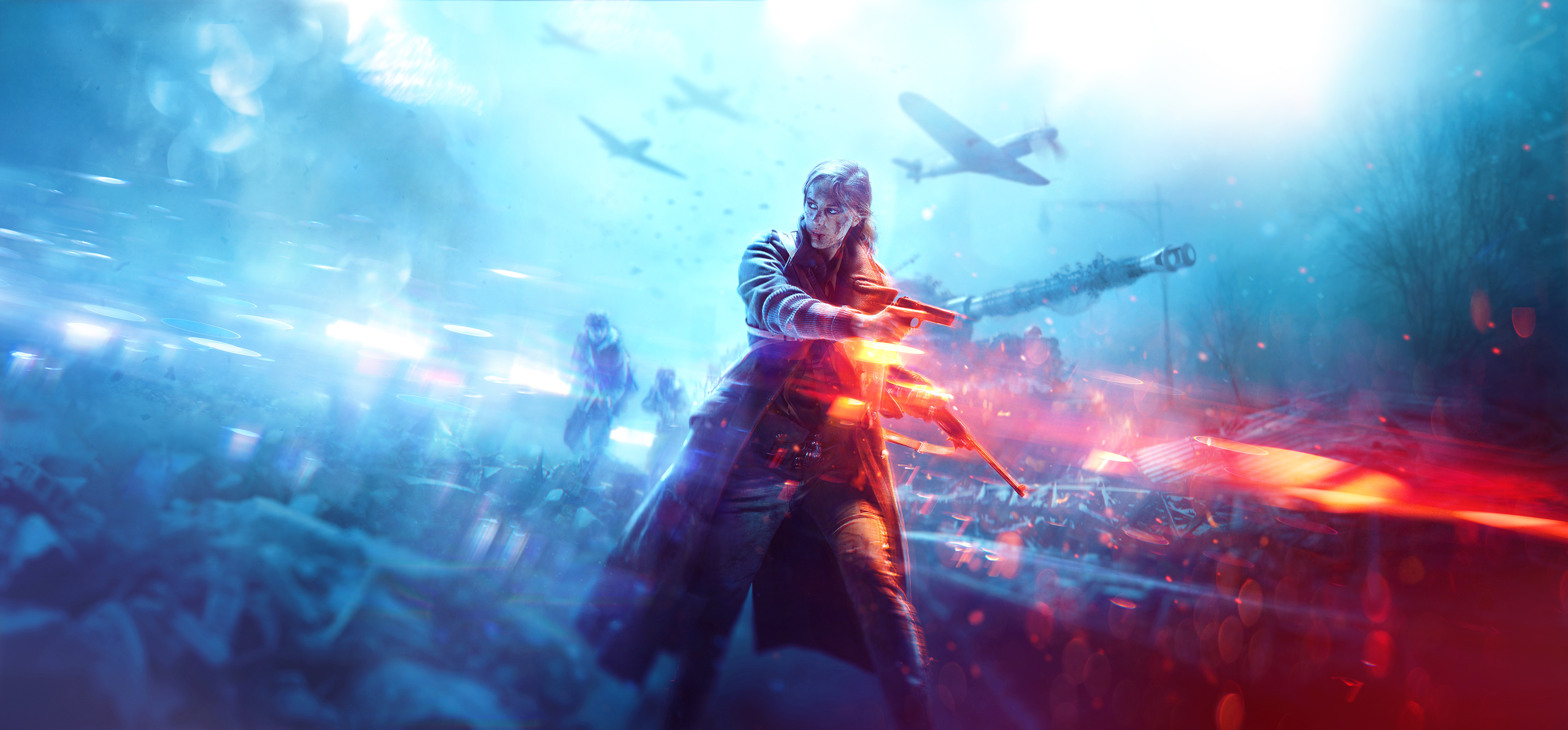
Electronic Arts executive Patrick Söderlund once told players who disagreed with the game’s direction to simply not buy it. He also responded dismissively to concerns about historical accuracy and made accusations of sexism against fans. As a result, many players followed his advice and didn’t purchase the game, leading to significantly lower sales and missed financial goals. Consequently, EA quickly reduced support for the game and shifted its focus to the next installment in the series.
‘LawBreakers’ (2017)

Cliff Bleszinski, the director of the game, often clashed with potential players on Twitter and made fun of competing hero shooters. He boldly stated his game was incredibly difficult, like “Dark Souls,” and brushed off any criticism as simply negativity. Unfortunately, the game launched with very few players, making it hard to even start matches. Less than a year later, the servers were shut down because the studio couldn’t afford to keep it running. This failure ultimately led to the closure of the game studio, Boss Key Productions.
‘The Day Before’ (2023)

The team behind the recently released zombie survival game repeatedly dismissed criticism as negativity and accused people of spreading false information. However, the game launched with numerous problems and missing features, leading players to feel misled by promotional trailers and request their money back. Just four days after release, the studio, Fntastic, announced it was closing down, and the game servers were shut off permanently a few weeks later.
‘Saints Row’ (2022)
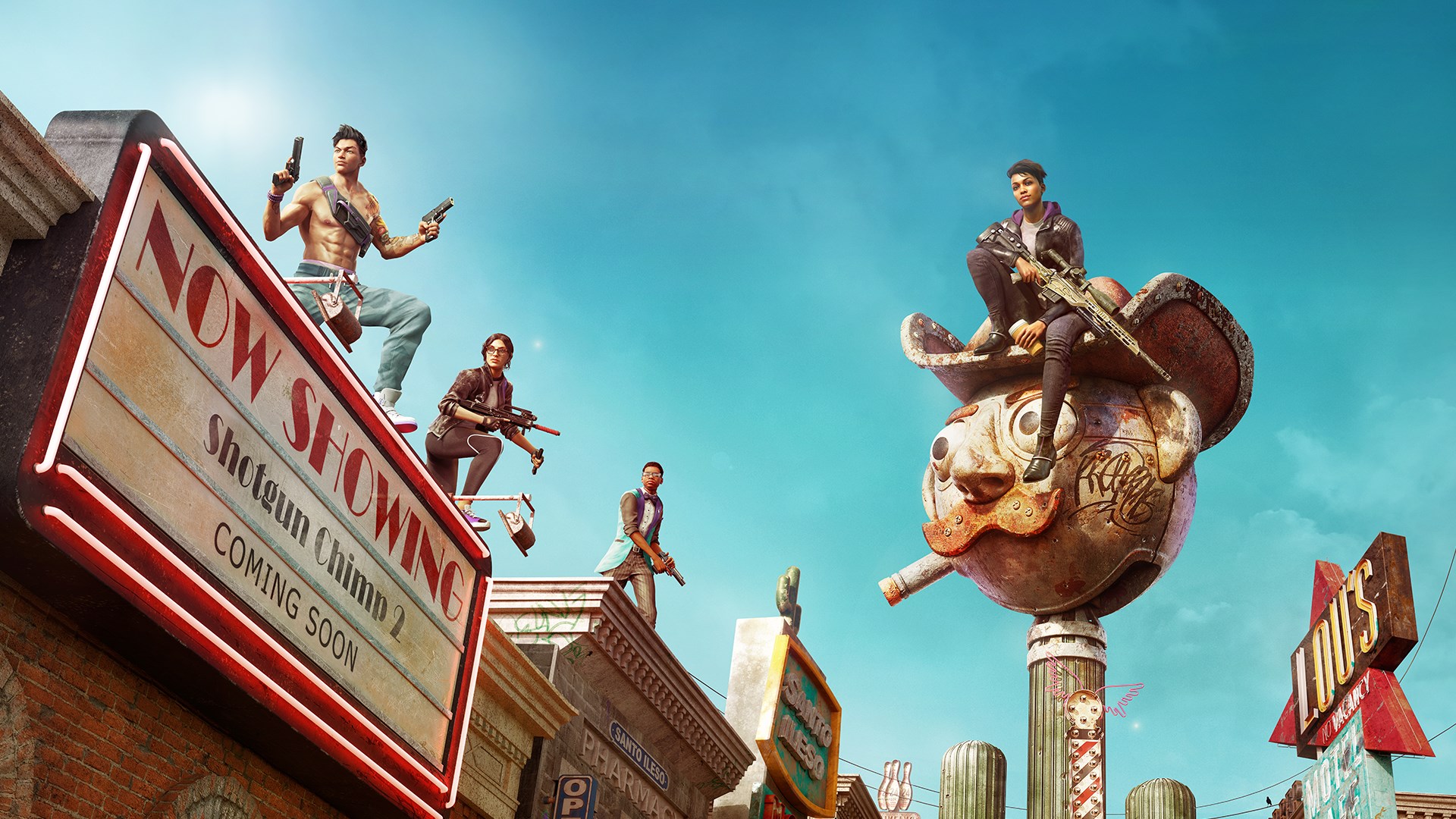
The latest installment of the game series disappointed many longtime fans with its new approach. When players offered constructive criticism, the game’s official Twitter account responded with a dismissive message, which further angered the community and sparked a strong negative reaction. Ultimately, the game didn’t sell well, and the development studio, Volition Games, was forced to close.
‘Artifact’ (2018)
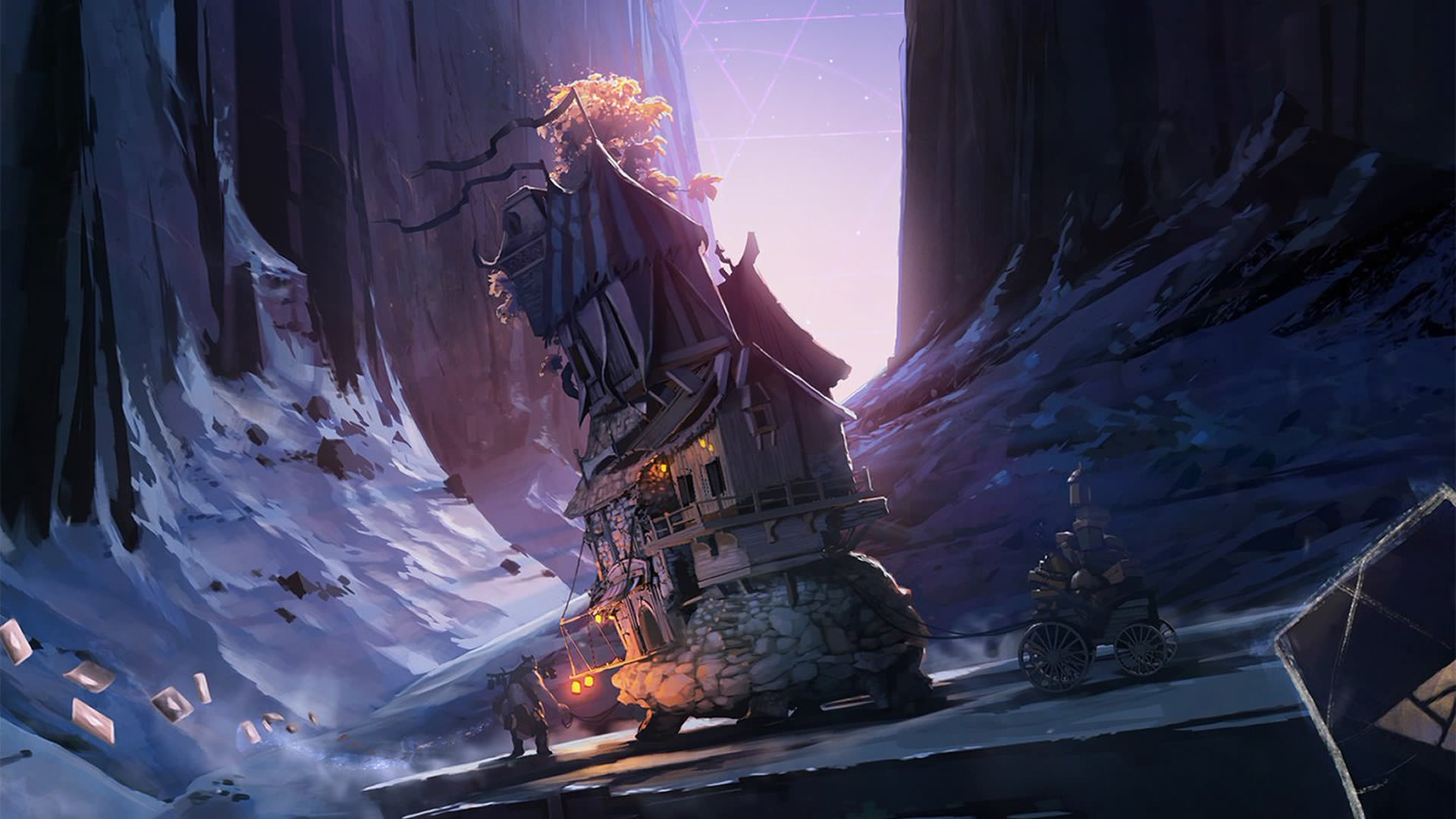
Richard Garfield, a designer at Valve, justified the game’s heavy focus on spending by arguing that other approaches were deceptive to players. However, fans felt the game constantly pushed them to spend money on almost everything, and the player count quickly dropped from 60,000 to just a few hundred in a matter of months. As a result, Valve stopped working on the game and ultimately cancelled it. It’s now widely considered one of Valve’s biggest failures.
‘Mighty No. 9’ (2016)
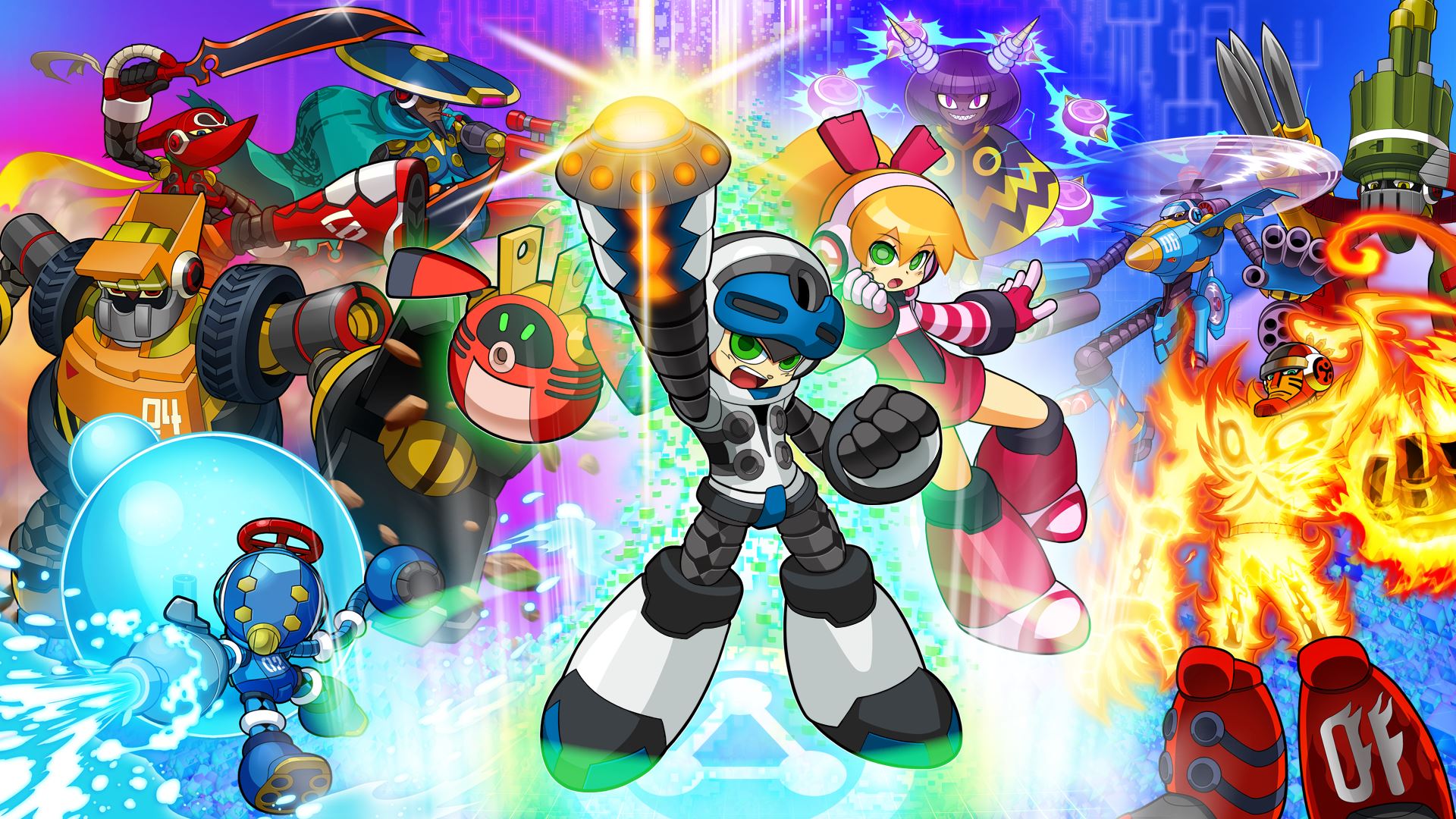
The community manager upset fans with a dismissive comment, suggesting the game’s repeated delays meant even a high school prom would be more enjoyable. This angered backers who had been waiting for the Kickstarter-funded project for years. When the game finally launched, it had poor graphics and didn’t live up to the promises made, quickly becoming known as a major letdown in the world of crowdfunding.
‘DmC: Devil May Cry’ (2013)
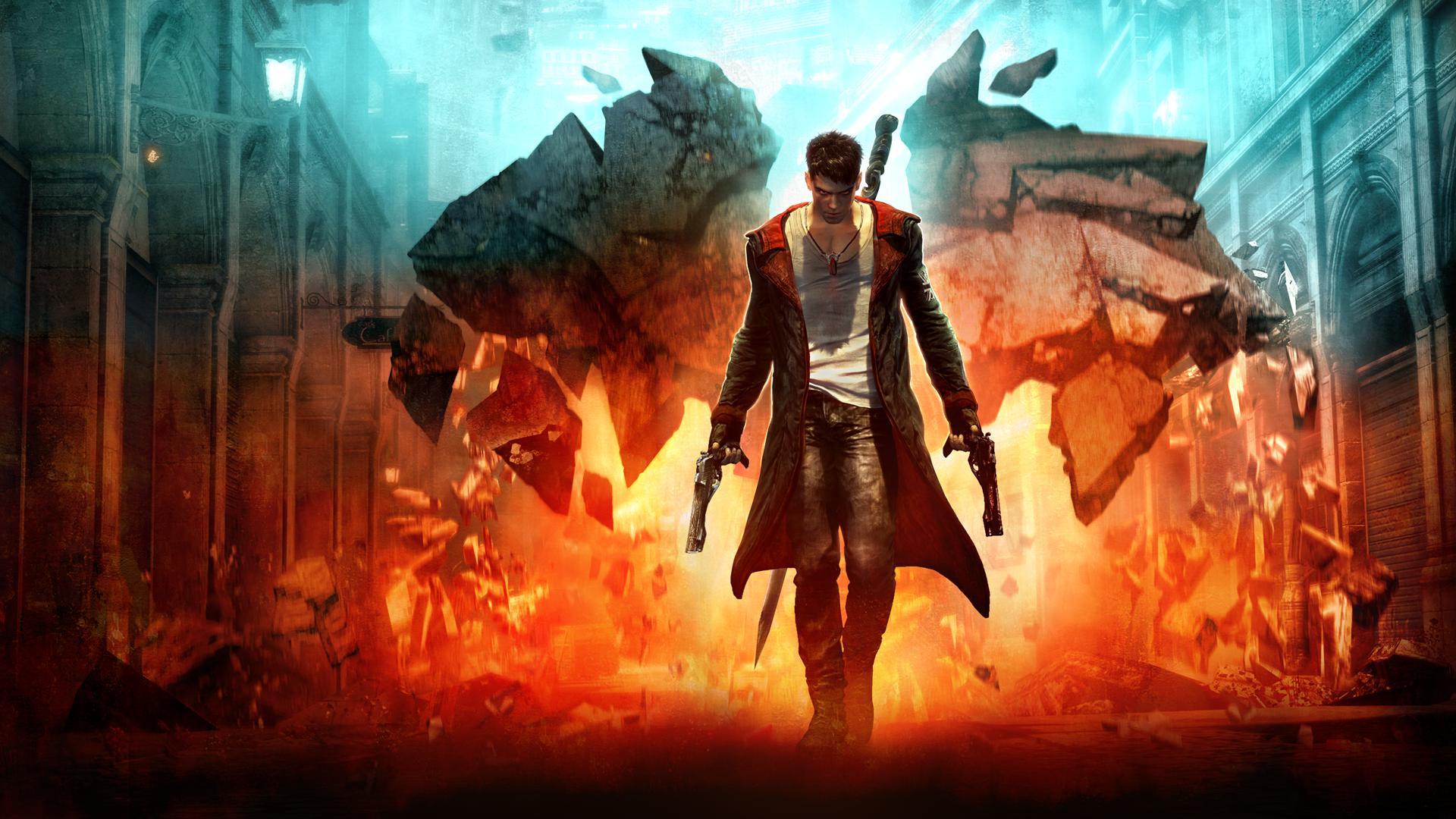
The developers at Ninja Theory publicly criticized the original Dante’s appearance and the fans who enjoyed it, suggesting it looked outdated. This led to a fan boycott, and the game didn’t sell as well as Capcom hoped. Ultimately, the publisher decided to scrap the reboot and went back to the established series.
‘SimCity’ (2013)
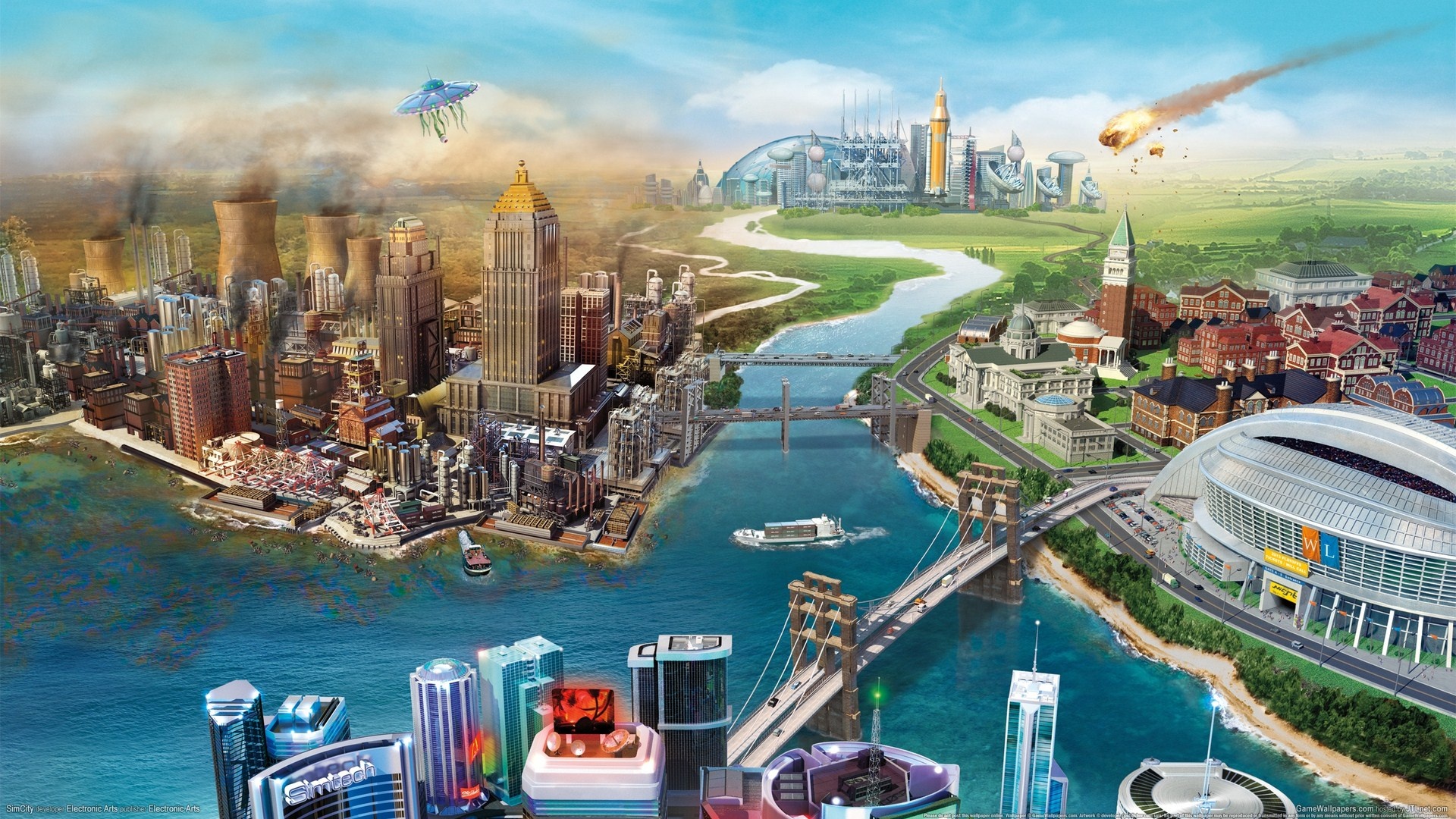
Maxis and EA claimed the game needed a constant internet connection to utilize cloud technology. However, players quickly discovered this wasn’t true when modders successfully allowed offline gameplay soon after release. Developers initially ignored player concerns until widespread server problems made the game unplayable for weeks. This troubled launch severely damaged the game’s reputation and ultimately led to the shutdown of the primary Maxis development studio.
‘Total War: Rome II’ (2013)
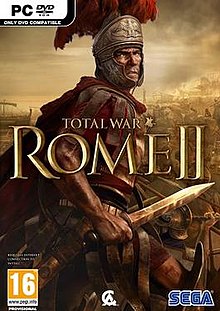
When a game developer said players who disliked the addition of female generals shouldn’t play, it sparked a wave of negative reviews on Steam. The game also had a rocky start, launching with significant bugs, poor AI, and technical problems. It took Creative Assembly several years of updates and fixes to recover their reputation.
‘Star Wars Battlefront II’ (2017)
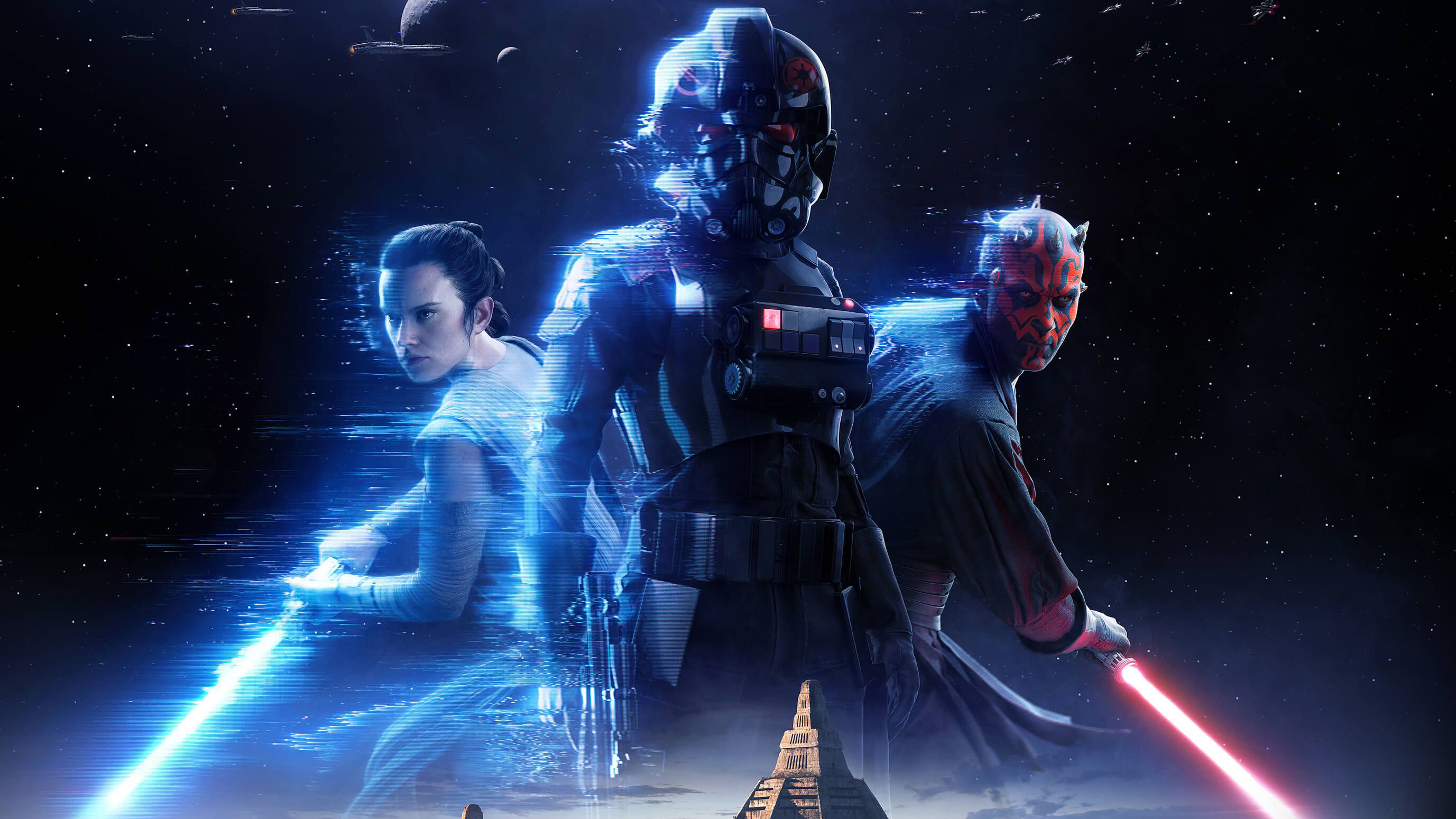
Electronic Arts’ attempt to defend the game’s loot box system on Reddit backfired spectacularly, becoming the most disliked comment ever on the platform. They argued that the repetitive gameplay was rewarding, but this sparked massive criticism, reportedly leading Disney to step in and demand changes. Ultimately, the game didn’t sell as well as expected and harmed the reputation of Star Wars games.
‘Mass Effect 3’ (2012)
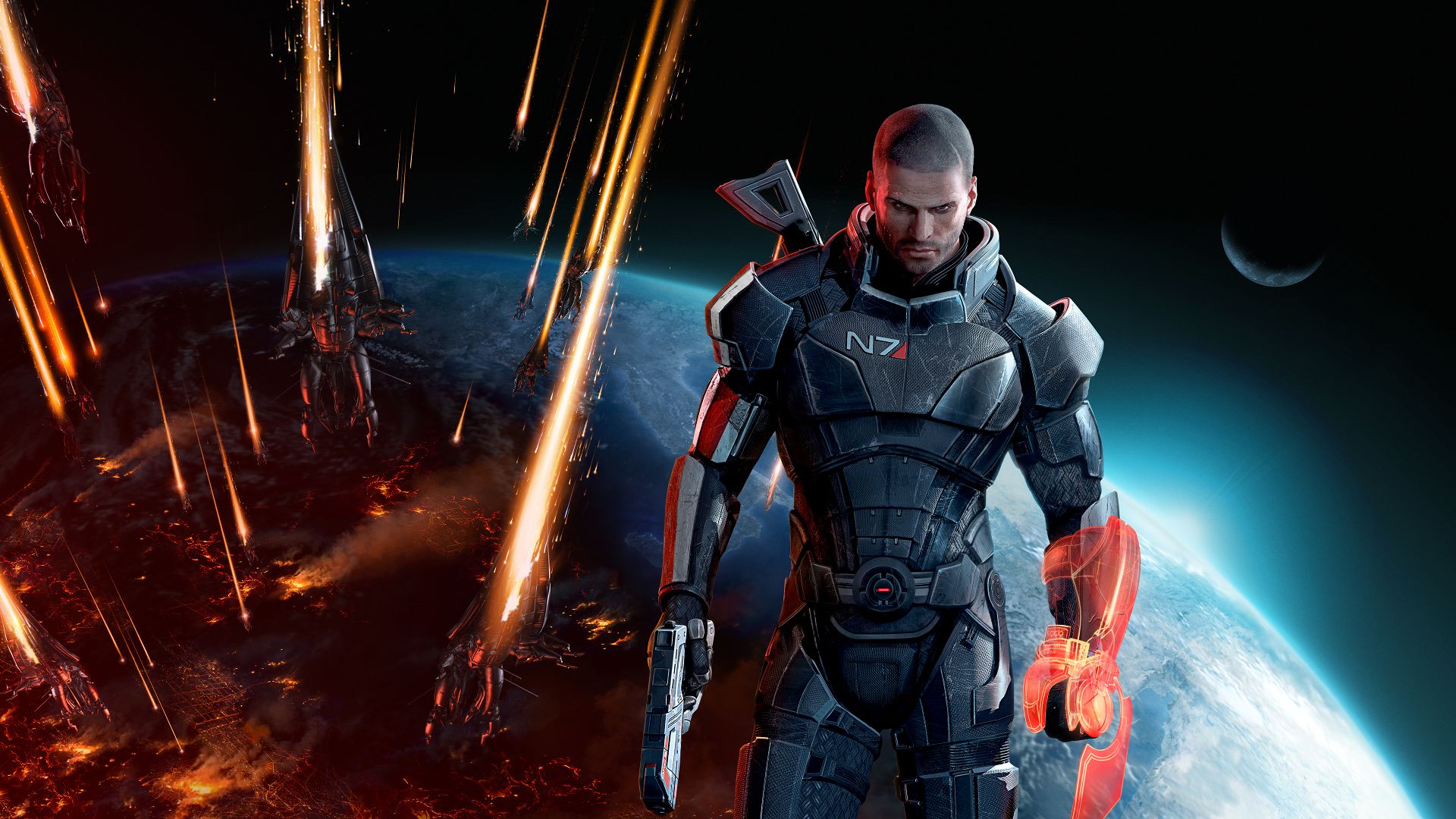
The leaders of the Mass Effect 3 project, Casey Hudson and Mac Walters, sparked controversy by suggesting fans weren’t entitled to a satisfying ending and that staying true to their creative vision was more important than pleasing players. The strong negative reaction from fans ultimately led BioWare to release the ‘Extended Cut’ downloadable content to address issues with the story. This whole situation significantly damaged the franchise’s reputation.
‘Diablo Immortal’ (2022)
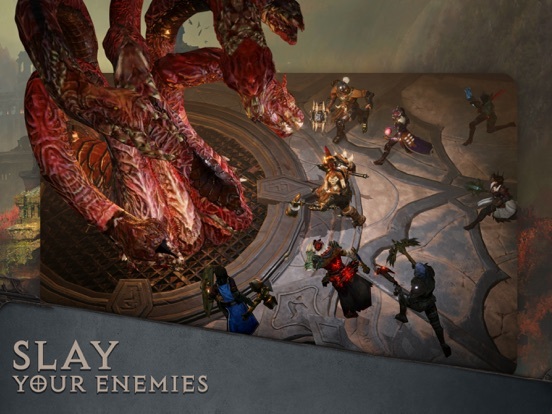
Wyatt Cheng, the lead designer, received boos from the audience and famously responded by questioning why they were using phones instead of paying attention. This dismissive reaction to gamers wanting a proper sequel quickly became a popular online joke. Unfortunately, the game launched with aggressive in-app purchases that upset longtime fans, and it ended up with one of the worst user ratings ever recorded on Metacritic.
‘Evolve’ (2015)
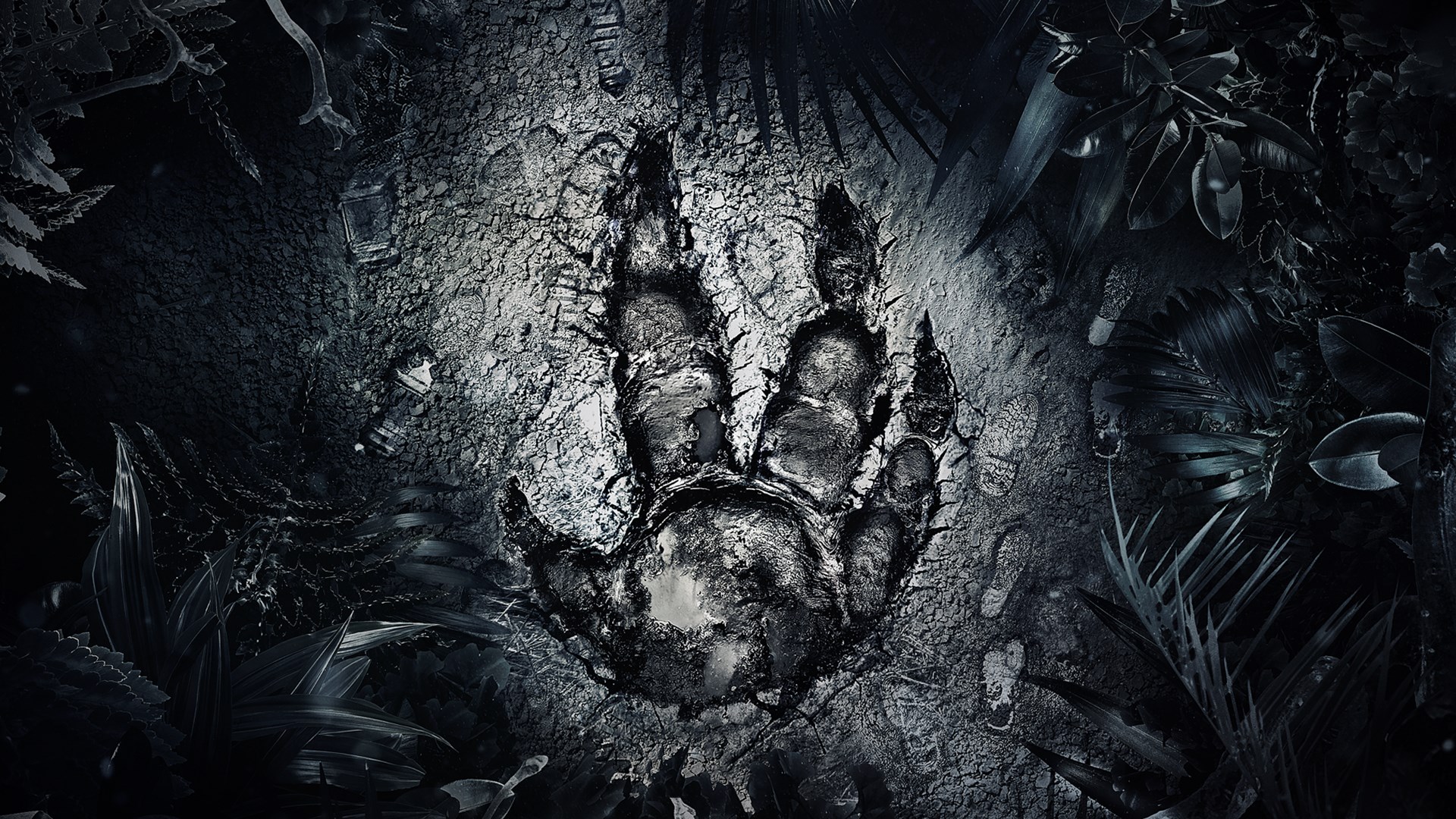
Before the game was even released, its creators strongly justified their plan to sell downloadable content, insisting the game was designed with expansions in mind. However, players believed the game was deliberately fragmented to encourage extra purchases and largely boycotted it. The player community quickly dwindled, and the game eventually transitioned to a free-to-play model before being discontinued.
‘Battleborn’ (2016)
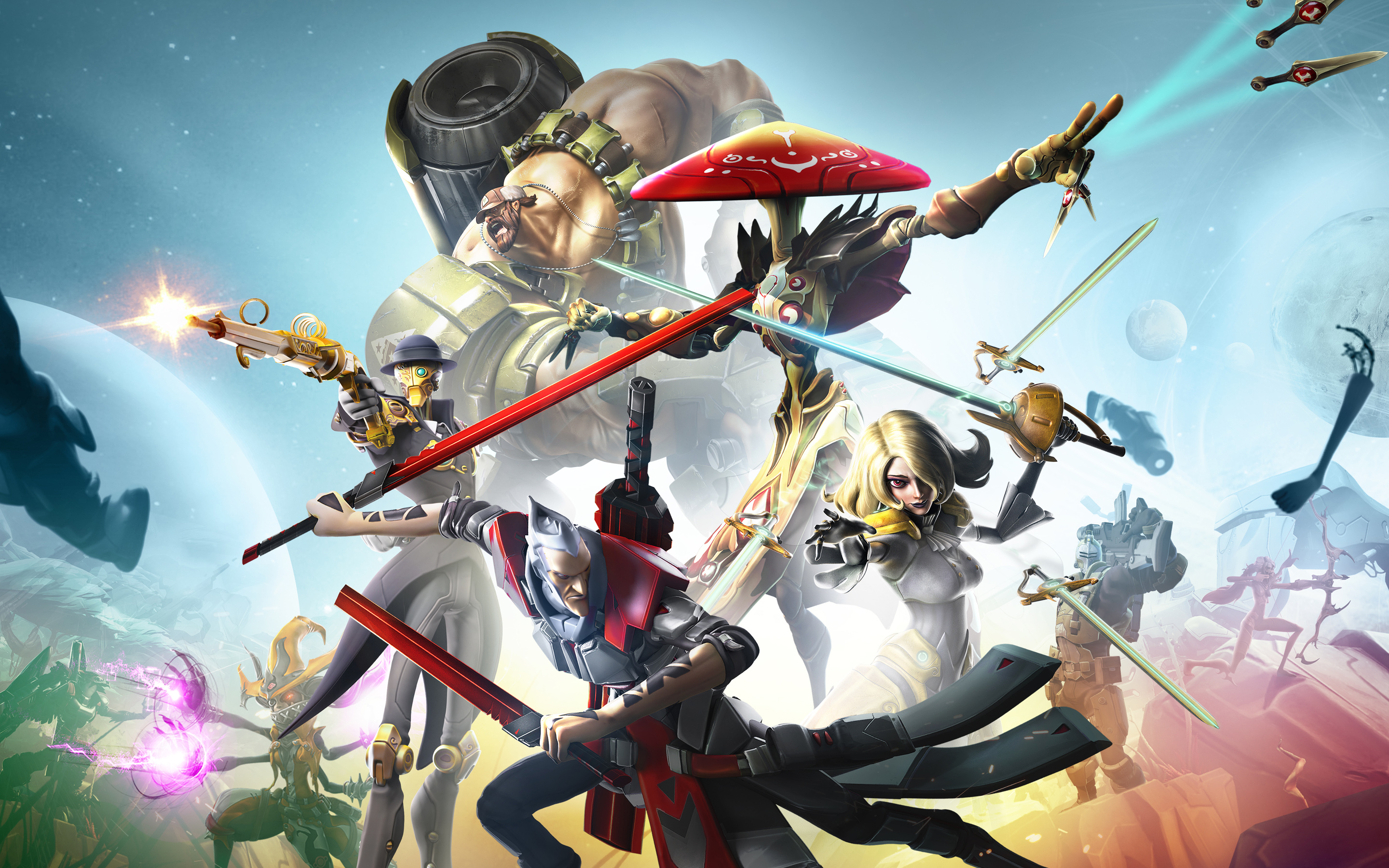
Randy Pitchford often clashed with people on Twitter who compared his game to others, even blocking critics and unnecessarily fueling a competitive rivalry. Unfortunately, the game didn’t gain much popularity and was quickly eclipsed by its competitors. Eventually, the game’s servers were shut down, making it impossible to play.
‘The Culling 2’ (2018)

The game’s creators didn’t listen to player feedback and launched a sequel that failed to resonate with the community. They drastically altered the fighting system that fans loved about the original game. Within hours of launching, the game had fewer than ten players online on Steam. A week later, the studio removed the game from sale and issued an apology.
‘Towns’ (2012)
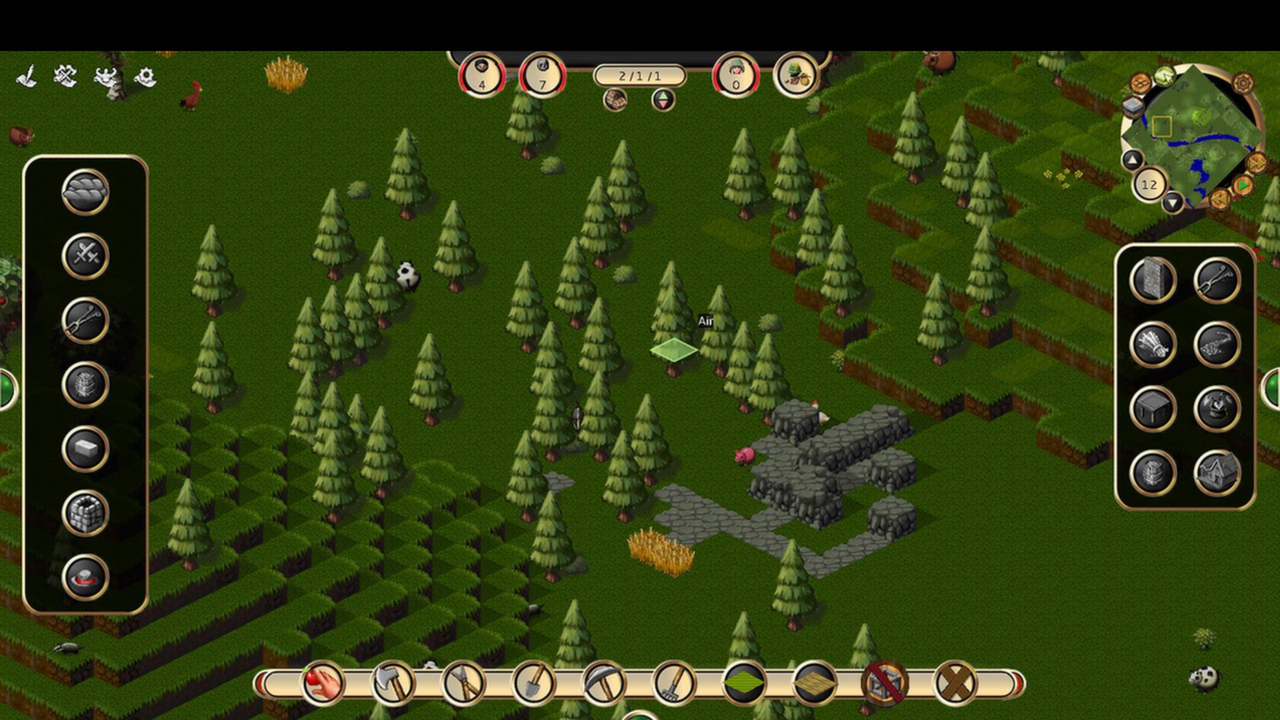
I was really excited about this game when it first came out, but the developer just… stopped working on it. It was left unfinished, and honestly, it felt like he was blaming us, the players, for it! He said sales weren’t high enough to continue, which was a huge letdown considering all the promises he made when he was trying to get it greenlit. The whole community felt ripped off, and sadly, the game is still broken now. It was a really early example of how risky Early Access can be, and it definitely made me more cautious about buying games that aren’t finished.
‘War Z: Infestation Survivor Stories’ (2012)
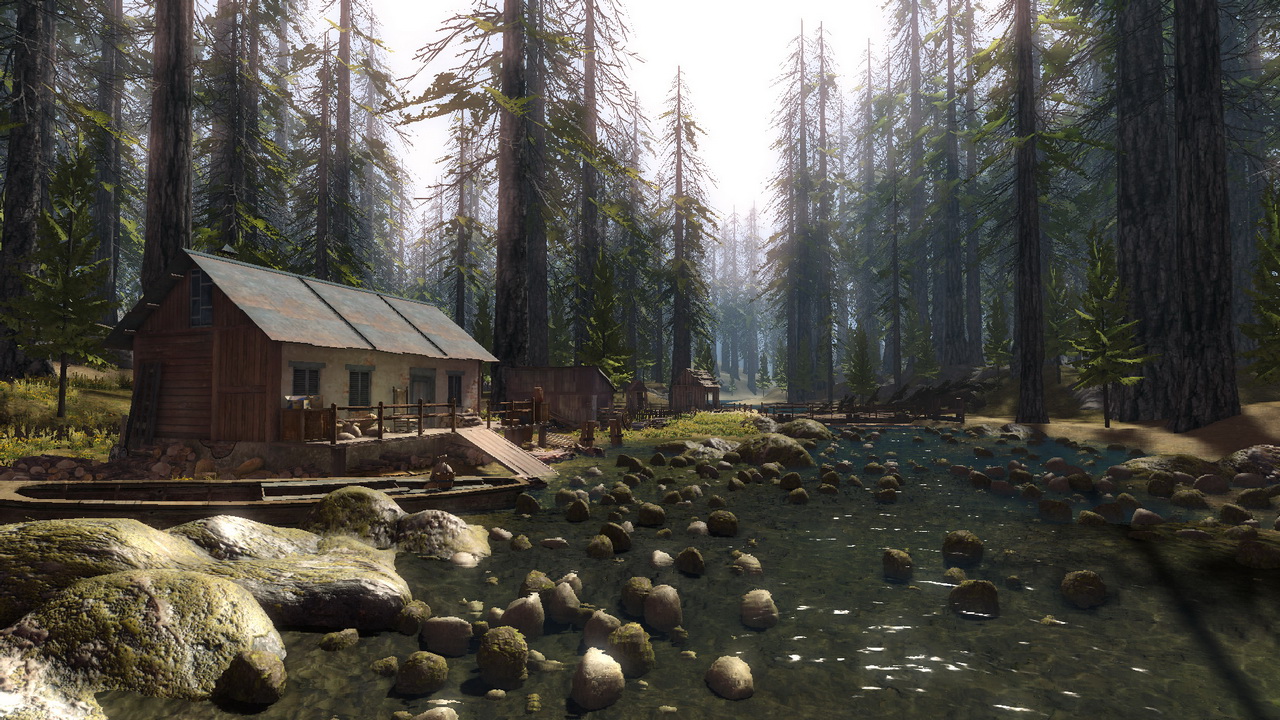
When players voiced concerns, the game’s producer, Sergey Titov, responded by insulting them online and calling them “campers.” He also falsely advertised features on the game’s Steam page. This misleading marketing led to the game being temporarily removed from Steam. Although it underwent several rebrands, the game never regained a positive reputation.
‘Fez’ (2012)
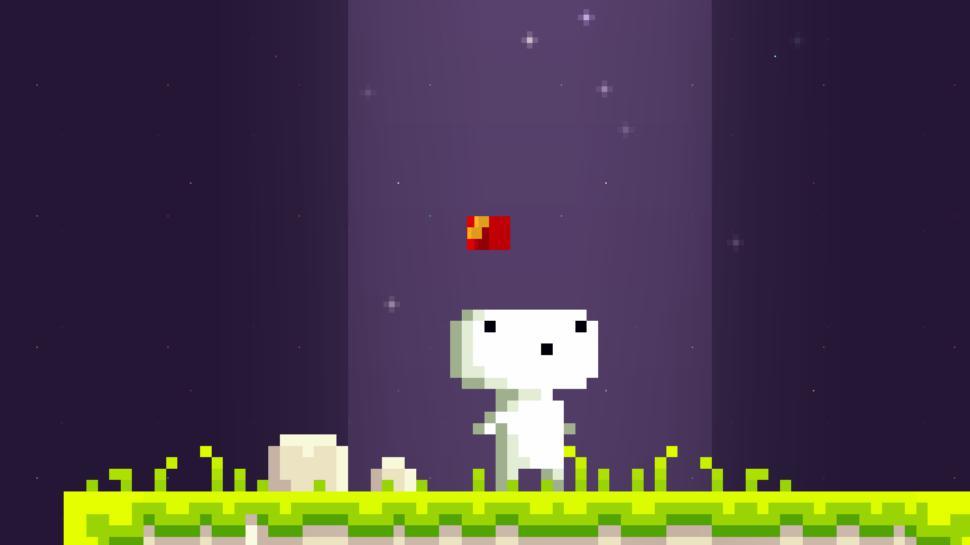
Phil Fish, the creator of the game, repeatedly offended the gaming community with harsh online comments. He famously told one player to commit suicide and broadly criticized modern gamers. After a Twitter argument, he angrily cancelled plans for a sequel and subsequently left the video game industry, leaving the game’s future uncertain.
‘Apex Legends’ (2019)
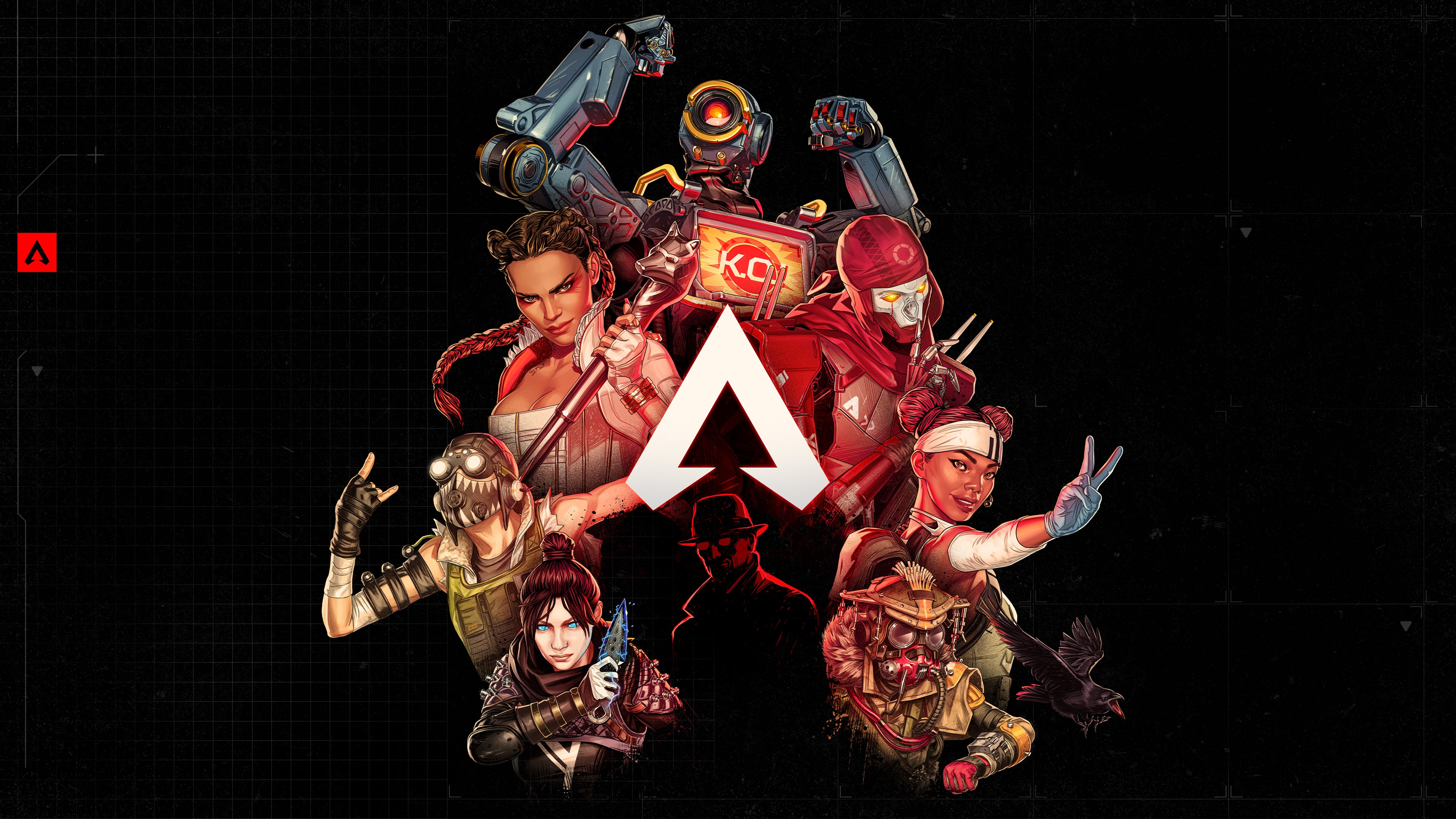
During a Reddit question-and-answer session, developers from Respawn Entertainment used offensive language, calling players names while trying to justify a controversial event featuring pricey in-game items. This sparked a major public backlash that completely overshadowed the event itself, and damaged the relationship between the developers and the game’s subreddit community for years to come.
‘Fallout 76’ (2018)
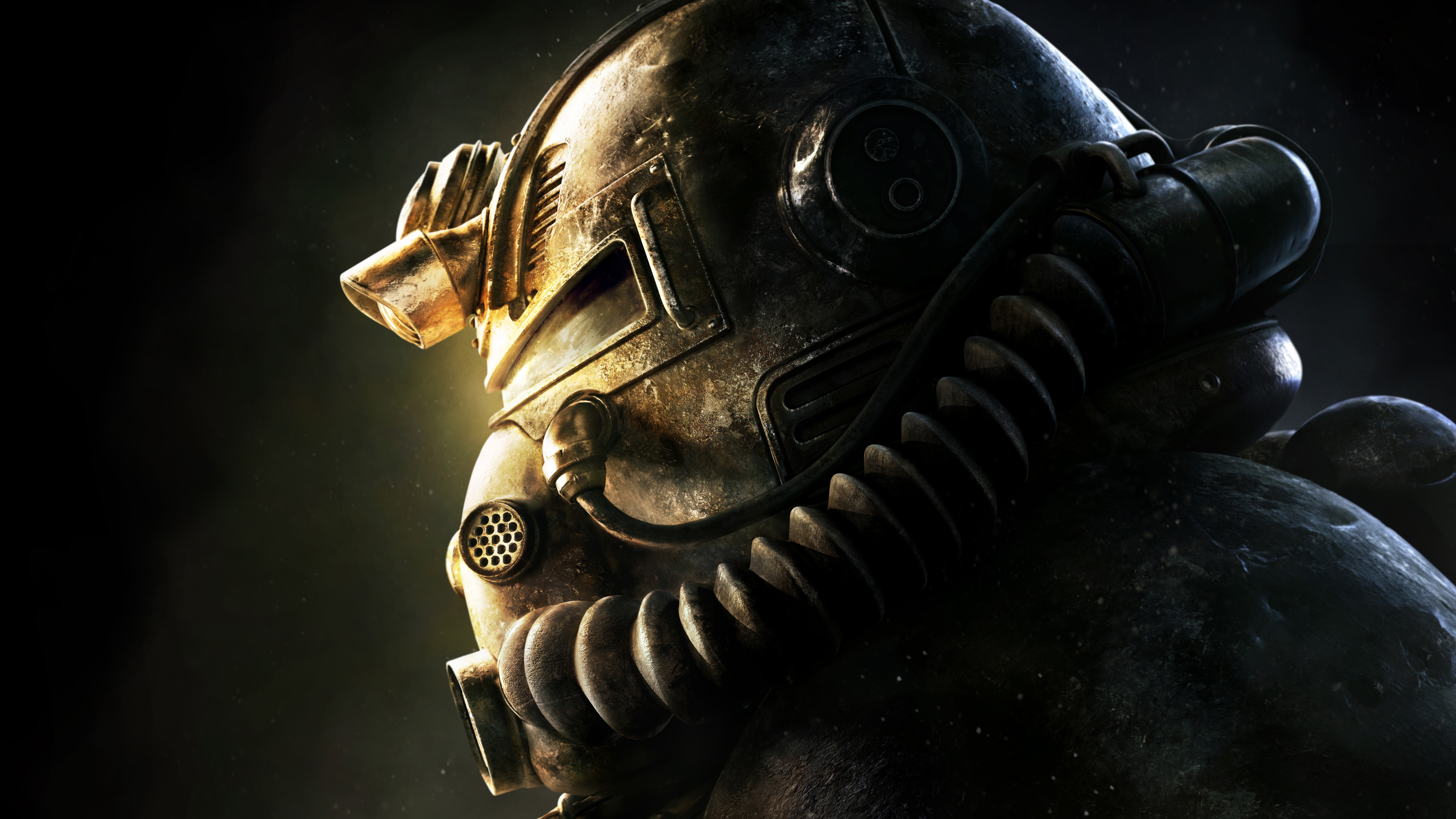
Bethesda’s customer support team indicated they wouldn’t address complaints about the canvas bags they promised as part of a promotion. Customers received cheap nylon bags instead, and this lack of response worsened the problems caused by a troubled game launch. It took years of updates and improvements to win back players’ confidence.
‘Anthem’ (2019)
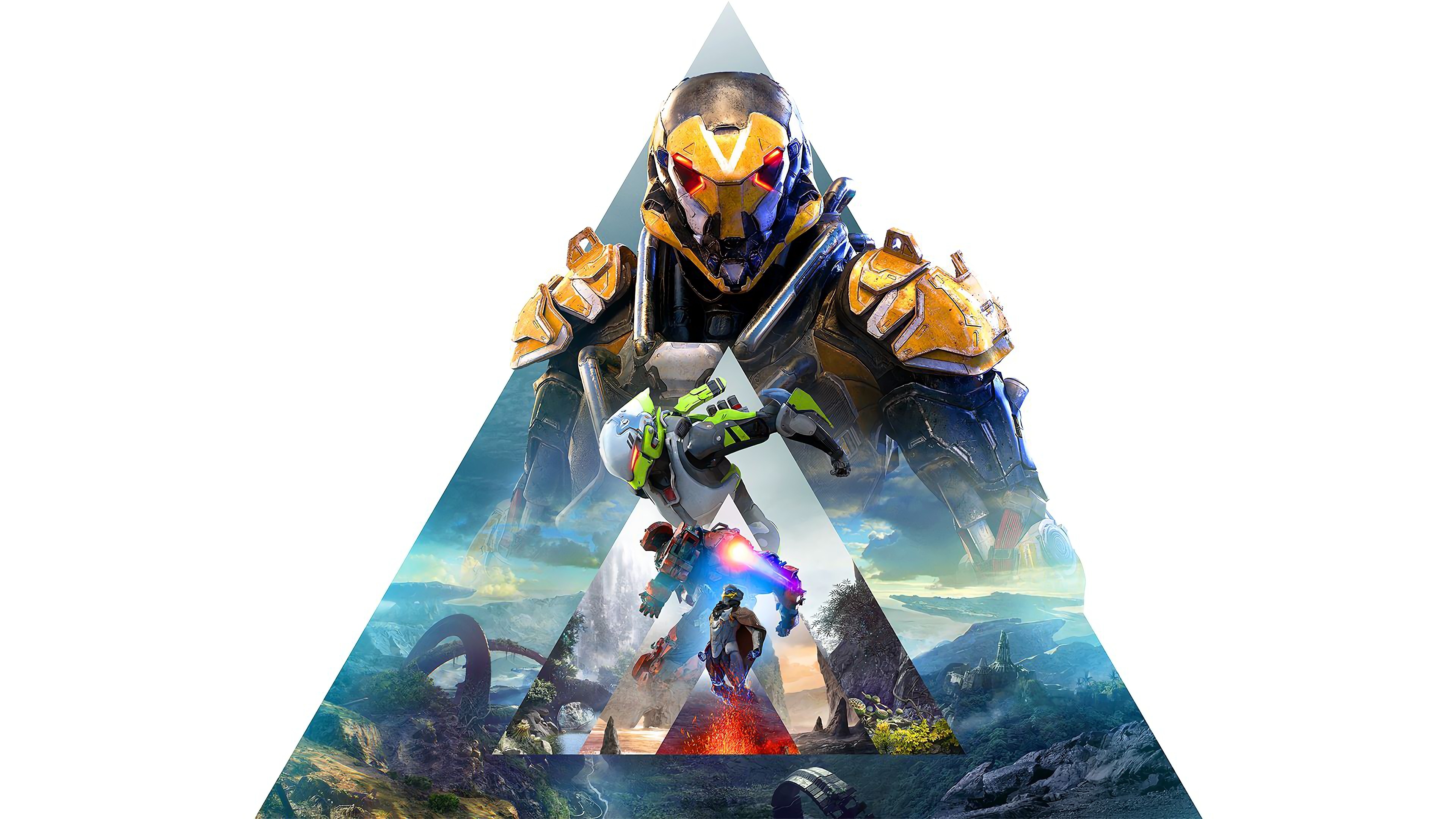
The team at BioWare didn’t listen to feedback during the game’s creation, hoping they could fix problems with their usual approach. They also didn’t pay attention to what other similar games were doing, and didn’t try to avoid the same mistakes. As a result, the game launched with too little to do and many technical issues. Eventually, development stopped completely after an unsuccessful attempt to restart the project.
‘Babylon’s Fall’ (2022)
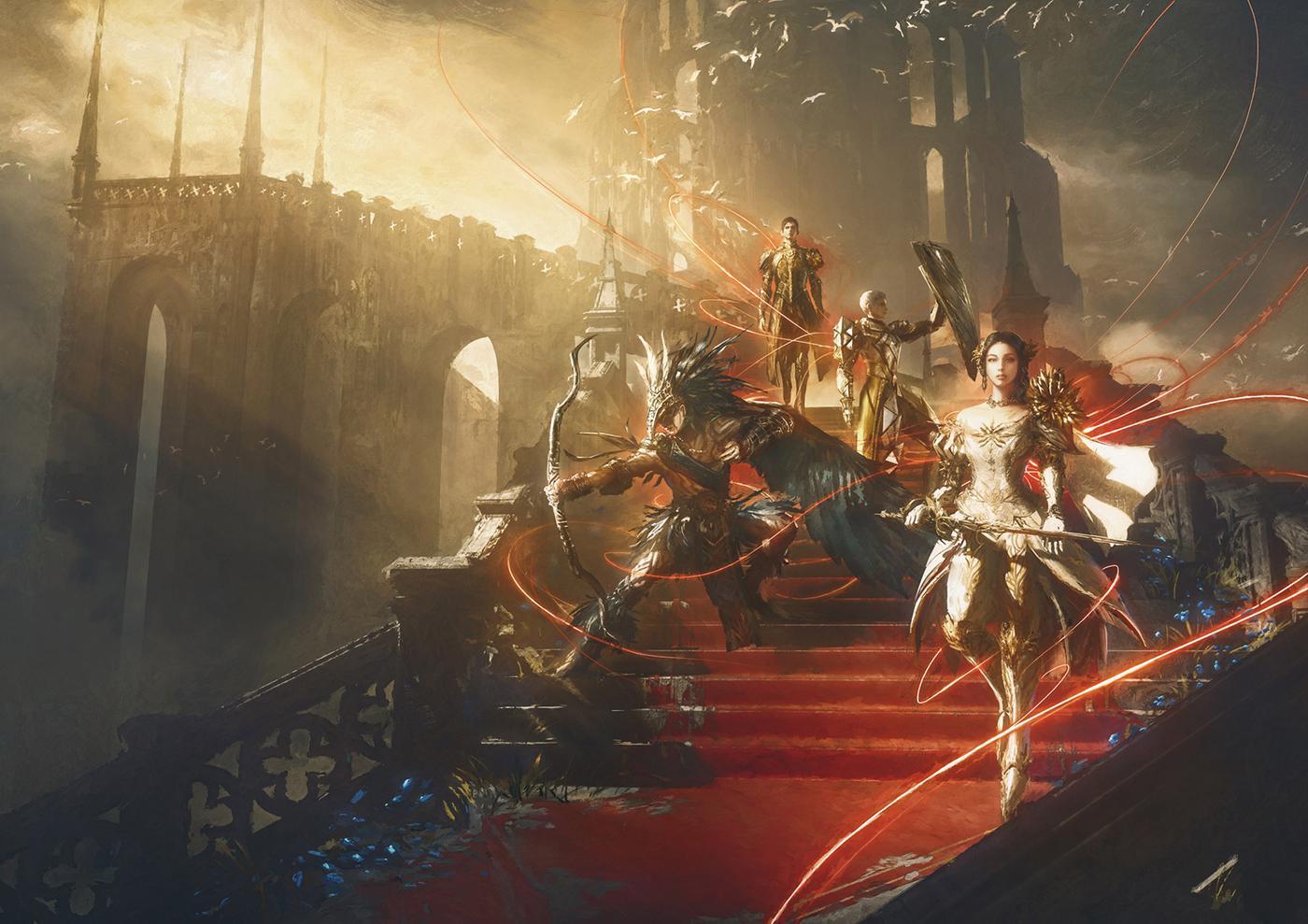
Despite a clear lack of player interest, PlatinumGames continued developing and updating a game that rarely had more than ten people playing at the same time. The game didn’t measure up to the quality of their other projects and looked outdated. Ultimately, Square Enix closed the game’s servers less than a year after it was released.
‘Gollum’ (2023)
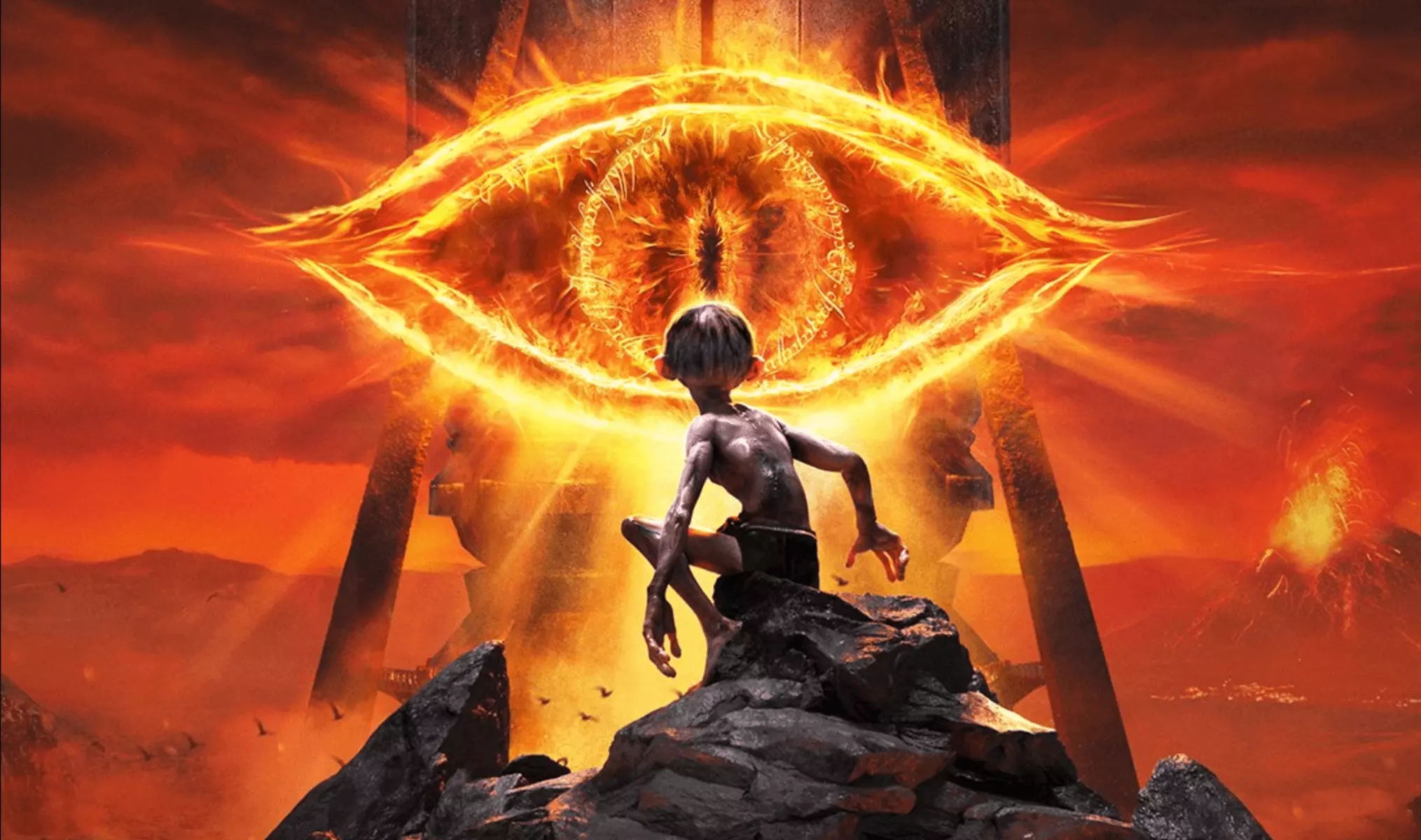
The publisher issued an apology that was apparently drafted by artificial intelligence. Fans quickly spotted a misspelling of the game’s title in the letter. The game itself was a critical and commercial failure, receiving overwhelmingly negative reviews. As a result, the development studio, Daedalic Entertainment, closed its in-house development team soon after.
‘Suicide Squad: Kill the Justice League’ (2024)
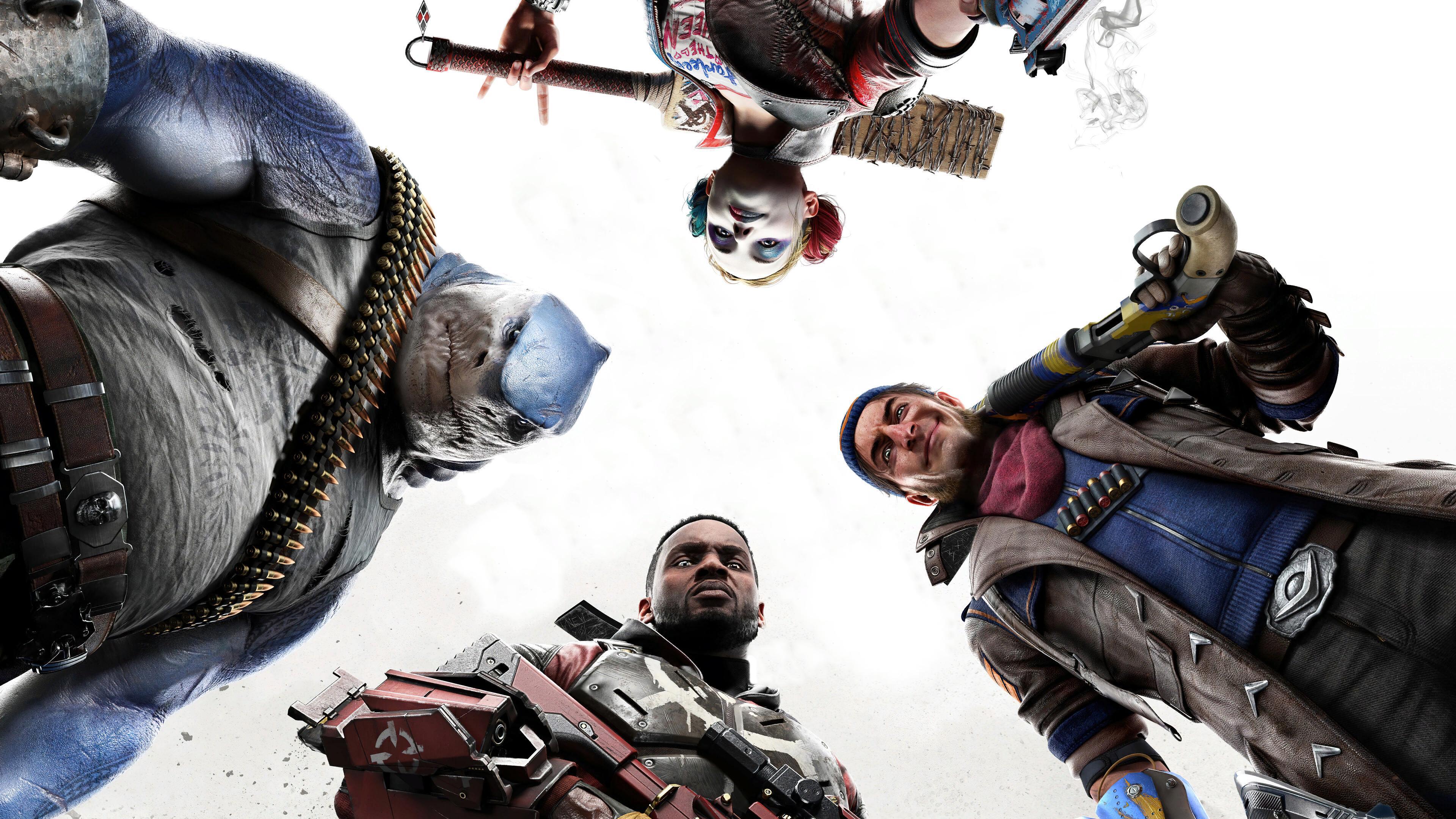
Despite player interest in a traditional single-player game, developers focused heavily on ongoing live service features. This disregard for the established Batman character and storyline angered many fans. Consequently, the game didn’t sell as well as hoped, causing significant financial losses for Warner Bros., and player numbers quickly declined to lower levels than previous Batman titles.
‘Skull and Bones’ (2024)
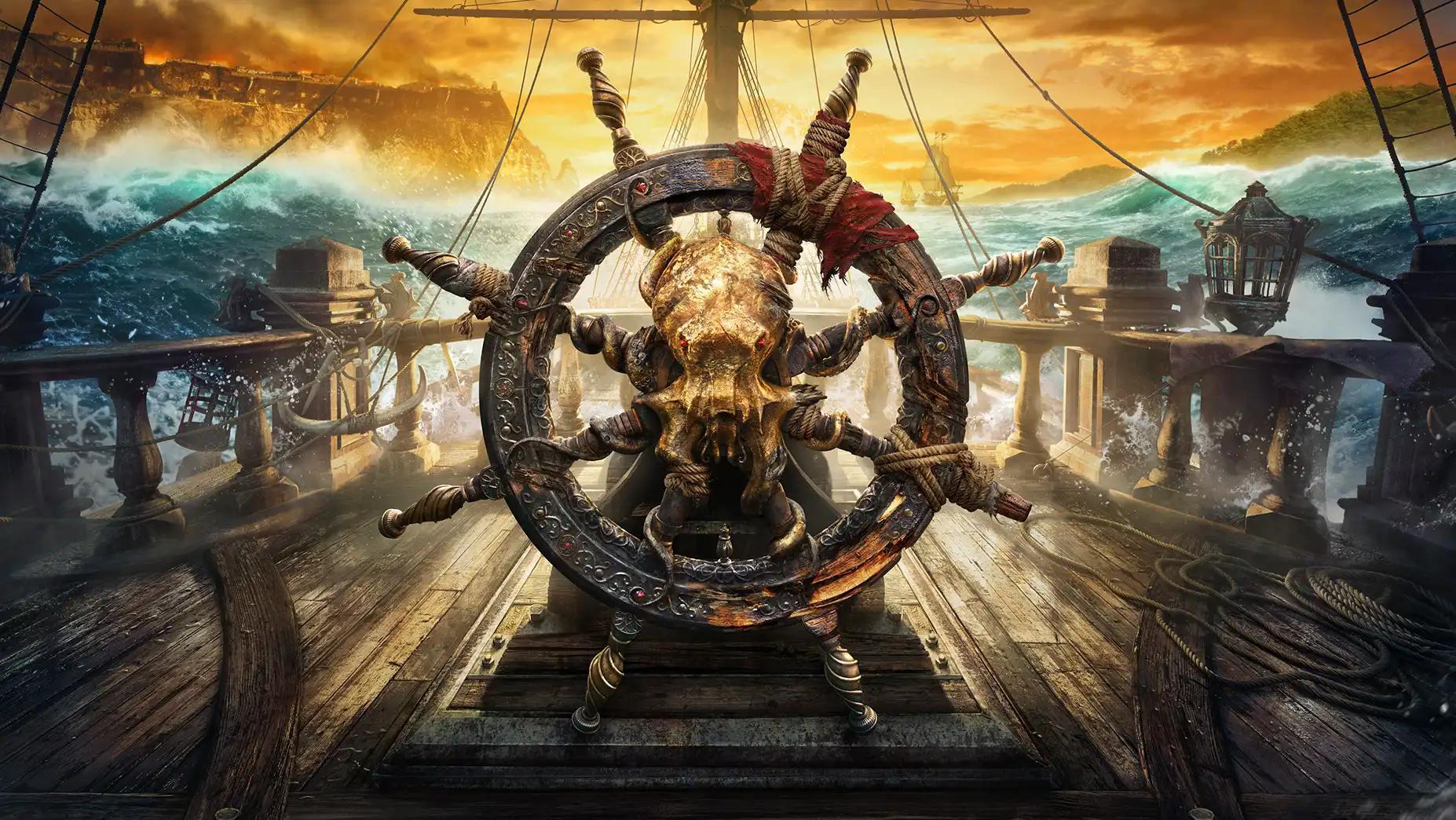
Ubisoft’s CEO labeled this pirate game a “AAAA” title to defend its $70 price, but players quickly discovered the gameplay wasn’t very deep and there wasn’t much to do after finishing the main story. That boastful claim quickly became a running joke, and the game’s price was significantly reduced just weeks after launch in an attempt to keep people playing.
‘Redfall’ (2023)
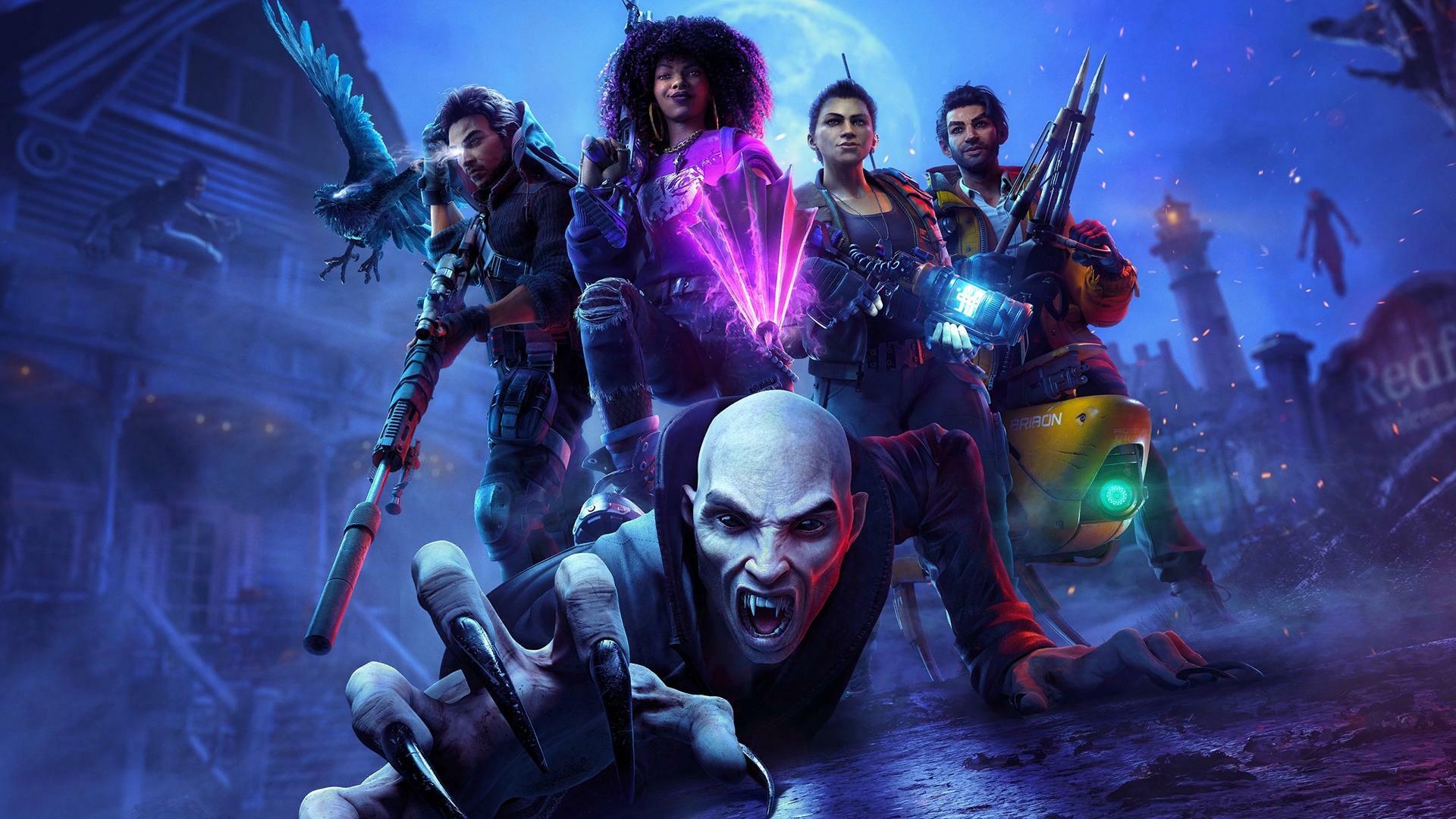
Leaders at Arkane Austin didn’t address worries within the team about making the game multiplayer. The released game didn’t have the detailed, player-driven experiences that fans had come to expect. Xbox leadership later acknowledged they didn’t intervene, allowing the project to struggle. Ultimately, Microsoft closed the studio just a year after the game’s release.
‘Command & Conquer 4: Tiberian Twilight’ (2010)
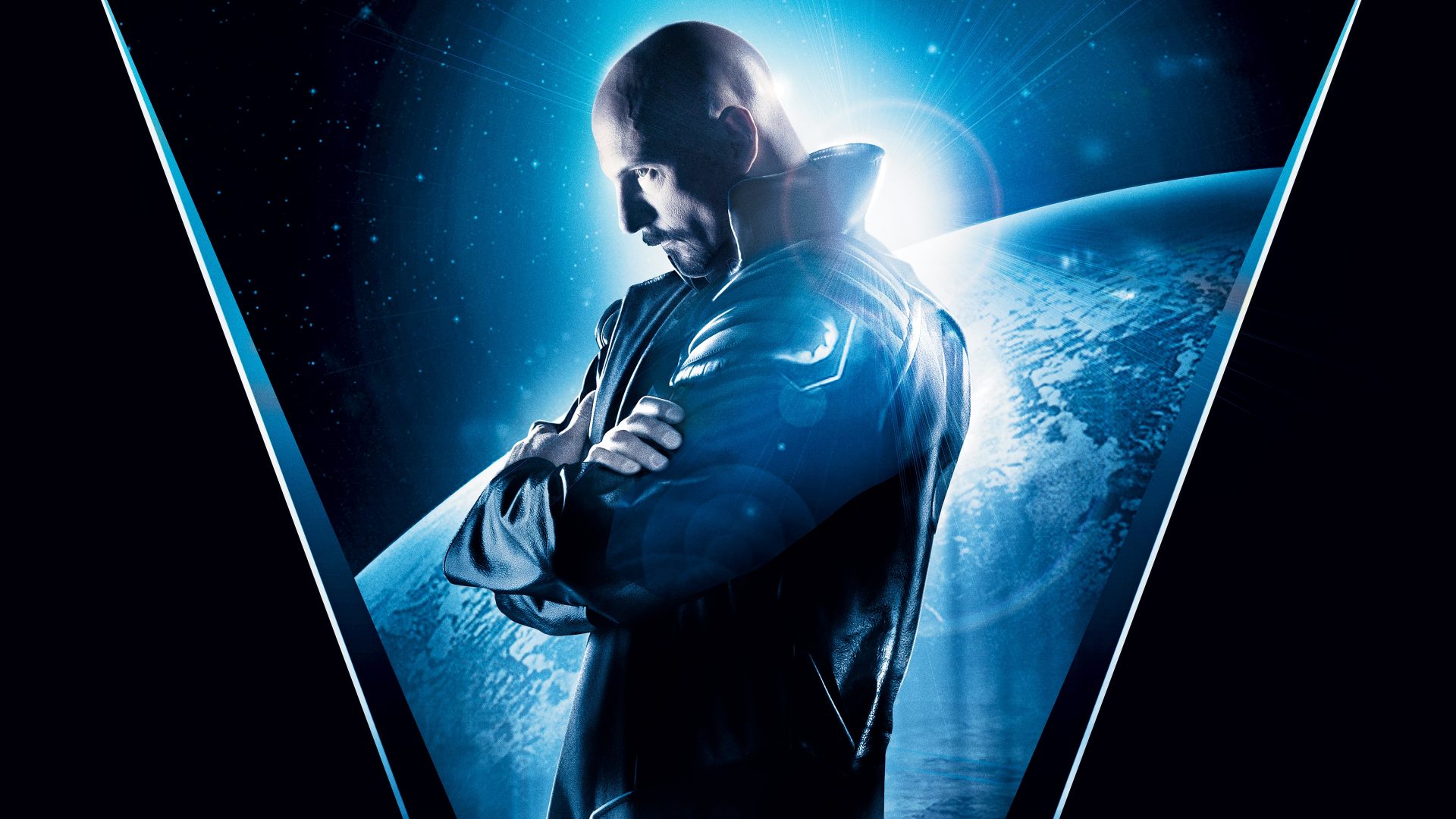
The game’s creators tried to follow popular trends by removing features like base building and resource gathering. They didn’t listen to player feedback during testing, and fans strongly disliked the new, mobile-game-like controls. As a result, the game received very negative reviews and didn’t sell well, ultimately leading to the franchise being put on hold for over ten years.
‘Dungeon Keeper Mobile’ (2014)
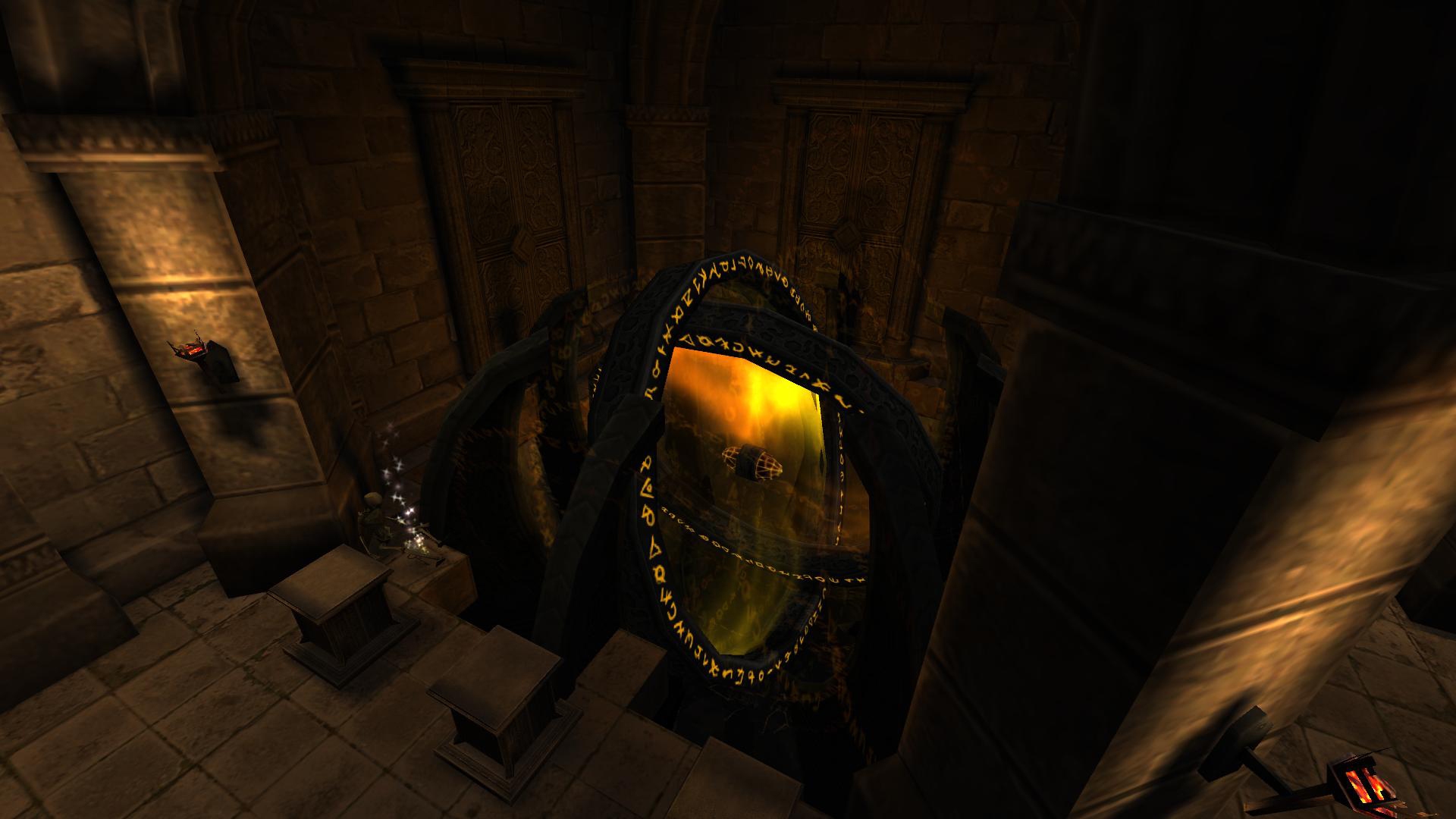
EA Mythic’s mobile game was designed to strongly encourage in-app purchases, making it difficult to enjoy without spending money. They also manipulated the review system to hide negative feedback, preventing players from leaving low ratings. The game’s lead producer defended these practices as standard for free-to-play games, but it was heavily criticized and is now remembered as one of the worst mobile games ever made.
‘Umbrella Corps’ (2016)
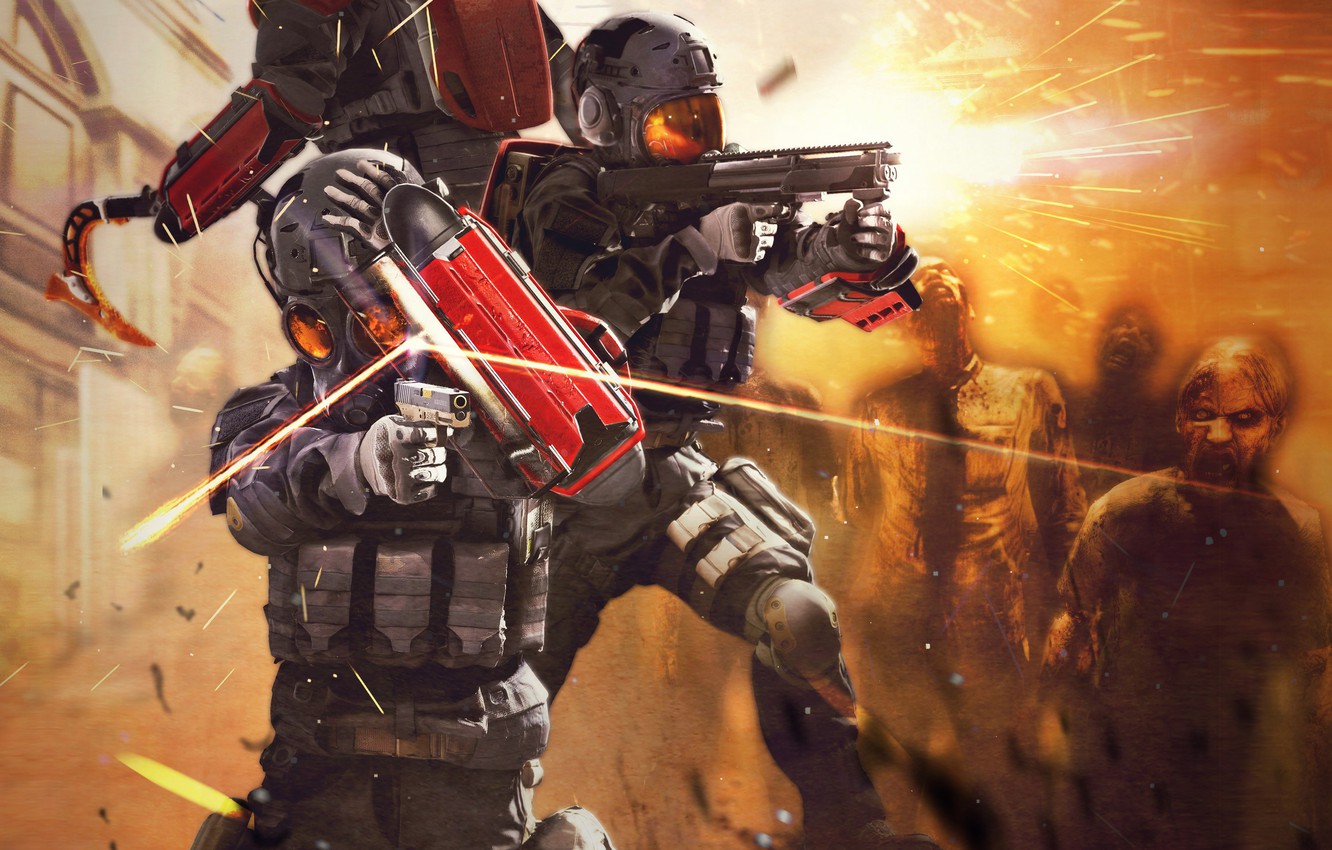
Capcom stated they created this game to be a competitive e-sport, but they didn’t listen to fans who wanted a scary, traditional Resident Evil experience. Unfortunately, the game released with flawed controls and poorly designed levels. It failed to gain traction and is now largely overlooked within the series.
‘CrossfireX’ (2022)
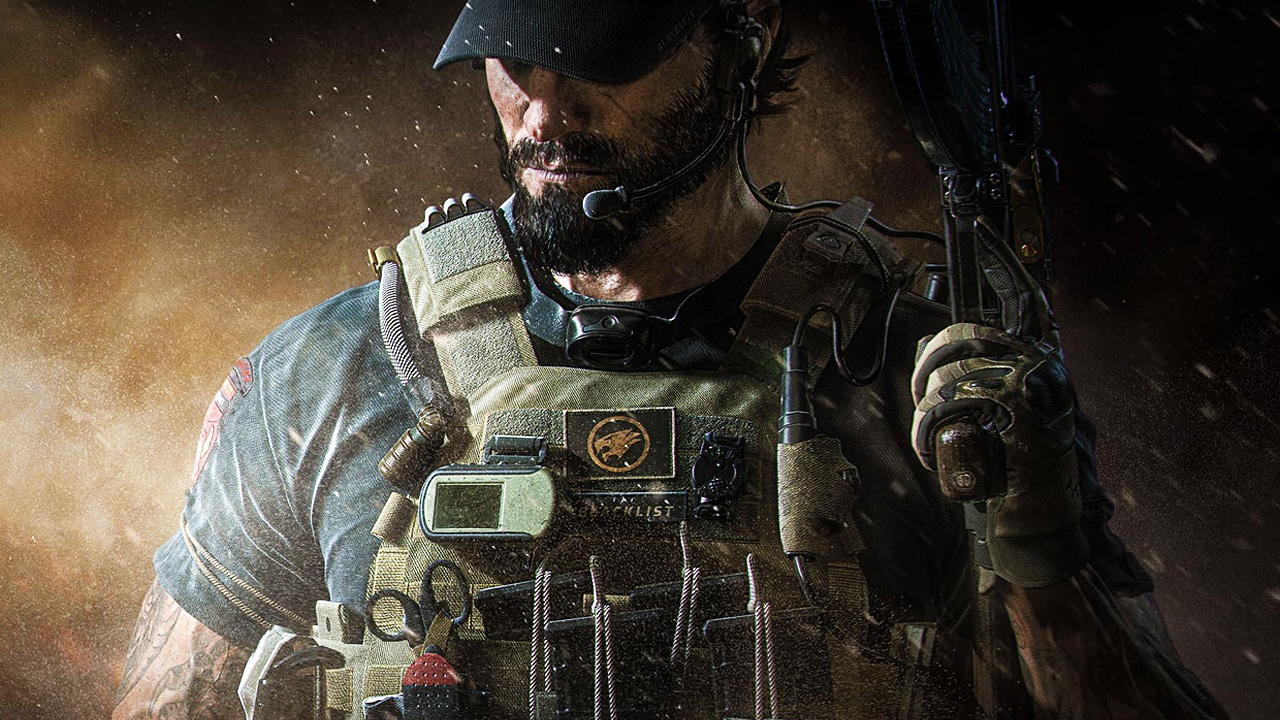
The game’s launch was a major disappointment and a breach of trust with players. It was plagued with problems, including faulty aiming and missing features. Even the single-player story, created by Remedy, was riddled with bugs and felt incomplete. Ultimately, the game’s servers were taken offline just over a year after release.
‘Spacebase DF-9’ (2014)
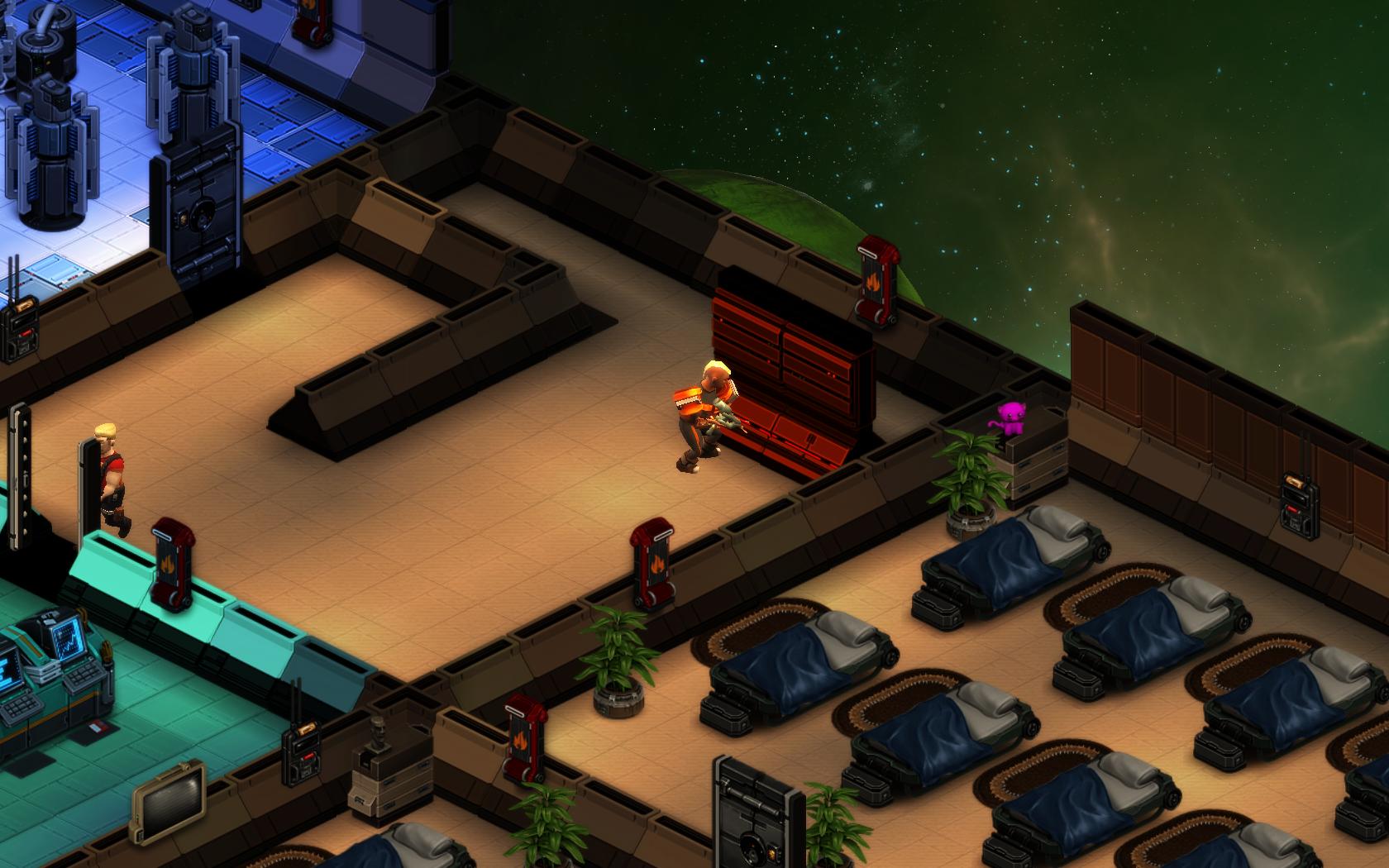
Double Fine had to cancel development and shared the incomplete game code with fans. Tim Schafer explained this was due to a lack of funds. Many fans were disappointed, as the game was very early in development. This caused some to lose confidence in Double Fine’s future crowdfunding efforts.
‘Godus’ (2013)
Peter Molyneux often announced ambitious features for his games that never materialized, and he then shifted his focus to new projects. He controversially suggested that players and the press were responsible for the perception that he wasn’t truthful. A player who won a contest associated with one of his games never actually received the prize they were promised, and the game is still stuck in an endless early access phase on Steam.
‘Forspoken’ (2023)

The creators behind the game stood by their writing, even though many players found the dialogue awkward. They argued that the main character was meant to be believable and multifaceted, despite the negative reaction. Unfortunately, the game didn’t sell well enough to earn back its high production costs. As a result, the development studio, Luminous Productions, was absorbed back into Square Enix and ceased to exist as a separate entity.
‘Helldivers 2’ (2024)

During the recent issue with linking PlayStation Network accounts, official Discord staff actively argued with players. They even advised unhappy players to leave negative reviews on Steam. Players did so, causing the game’s Steam rating to plummet. Although Sony later changed its decision, the situation caused considerable public relations problems for the company.
Share your thoughts on these PR disasters in the comments.
Read More
- Spotting the Loops in Autonomous Systems
- Seeing Through the Lies: A New Approach to Detecting Image Forgeries
- Staying Ahead of the Fakes: A New Approach to Detecting AI-Generated Images
- Julia Roberts, 58, Turns Heads With Sexy Plunging Dress at the Golden Globes
- Gold Rate Forecast
- Palantir and Tesla: A Tale of Two Stocks
- The Glitch in the Machine: Spotting AI-Generated Images Beyond the Obvious
- How to rank up with Tuvalkane – Soulframe
- TV Shows That Race-Bent Villains and Confused Everyone
- 2025 Crypto Wallets: Secure, Smart, and Surprisingly Simple!
2026-01-15 02:18