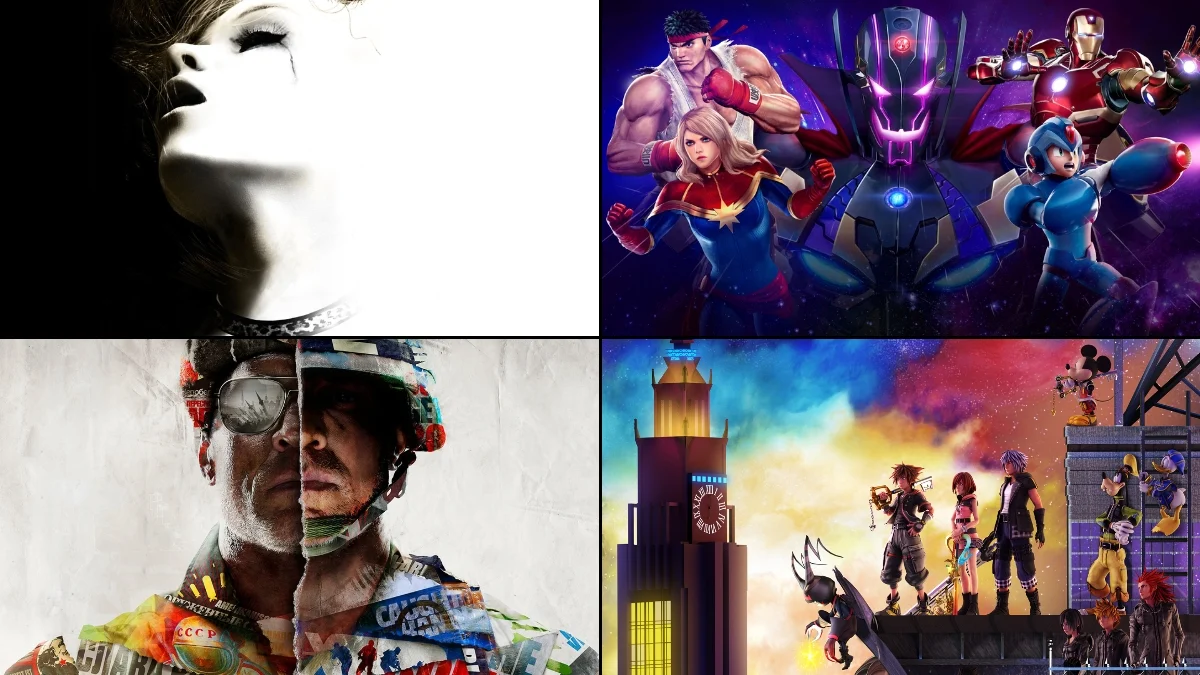
Video games depend on memorable voice acting to make characters feel real. But often, disagreements over contracts and pay lead to actors being replaced, which can confuse fans and disrupt long-running game series. Whether it’s through union actions or individual disputes about ongoing payments, many popular games have had to recast important roles. This situation often reveals the challenge of balancing game development costs with fairly compensating the talented people who bring those games to life.
‘Bayonetta 3’ (2022)
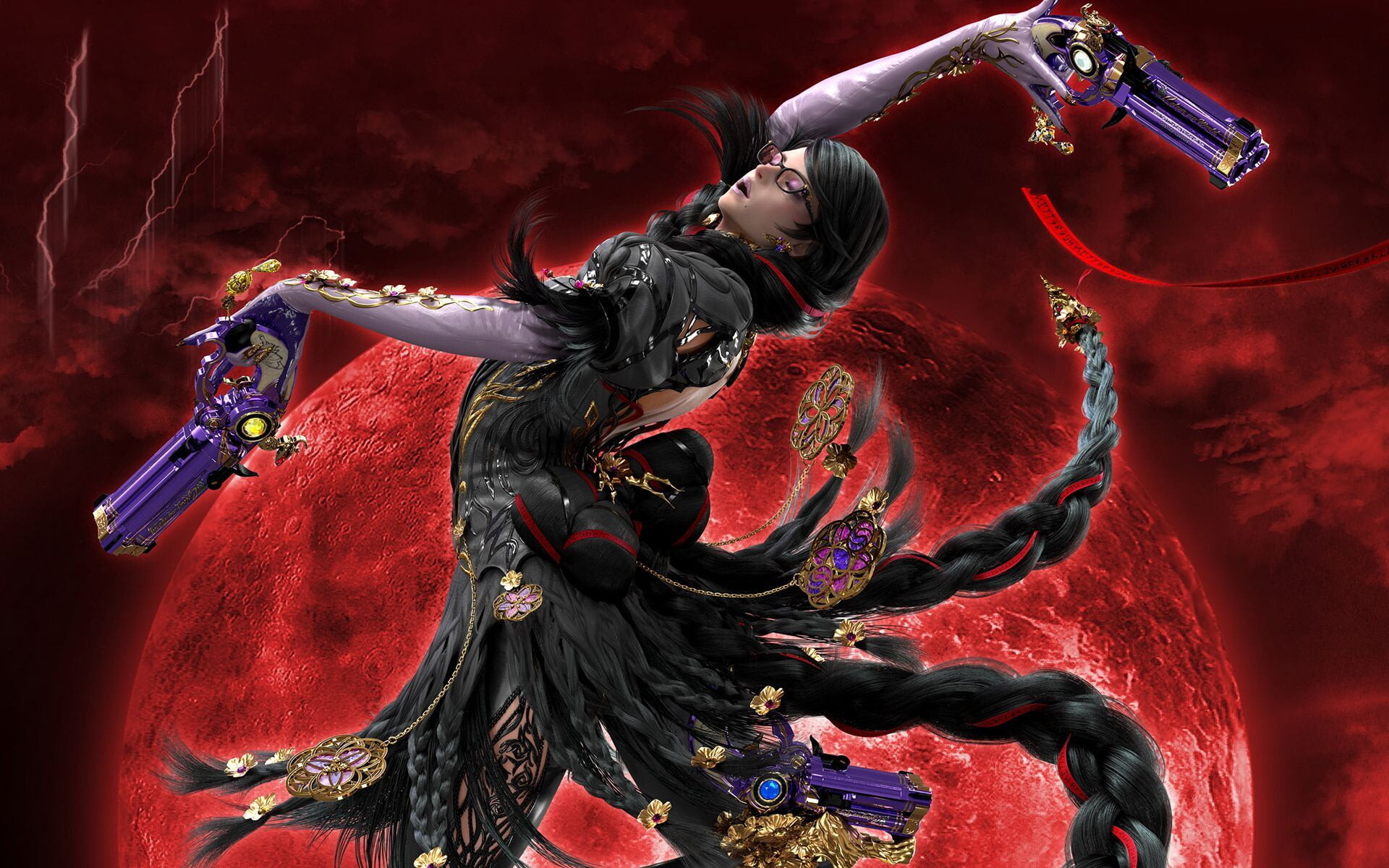
Hellena Taylor, who originally voiced the main character, didn’t reprise her role in this new game developed by PlatinumGames and published by Nintendo. The reason became public when Taylor stated she was offered only $4,000 – a flat fee for all her voice work in the game, which she considered unacceptable. Jennifer Hale was then cast in the role, and the developers gave several reasons for the change. This situation sparked a large discussion within the gaming industry about how much experienced voice actors should be paid for their work on major sequels.
‘Life is Strange: Before the Storm’ (2017)
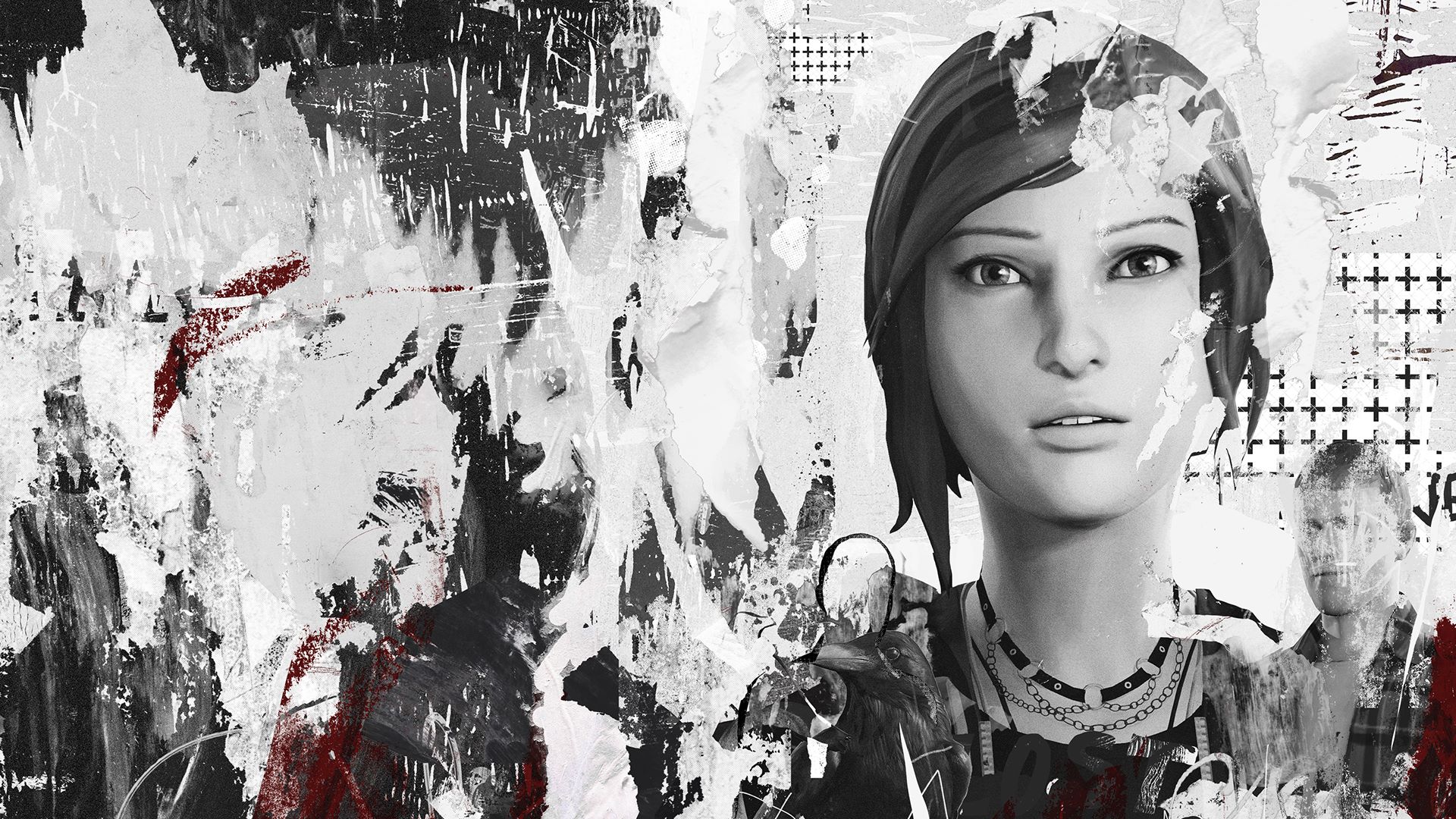
Ashly Burch, the original voice of Chloe Price, couldn’t return for this prequel because of a strike by the SAG-AFTRA union. The strike was against major game companies, including Square Enix, and focused on issues like fair pay for voice actors and improved working conditions. Deck Nine, the game developer, had to cast Rhianna DeVries in her place, though Burch still helped with the game’s writing. Once the strike ended and a new agreement was reached, Burch was able to reprise her role in an extra episode.
‘Resident Evil 2’ (2019)
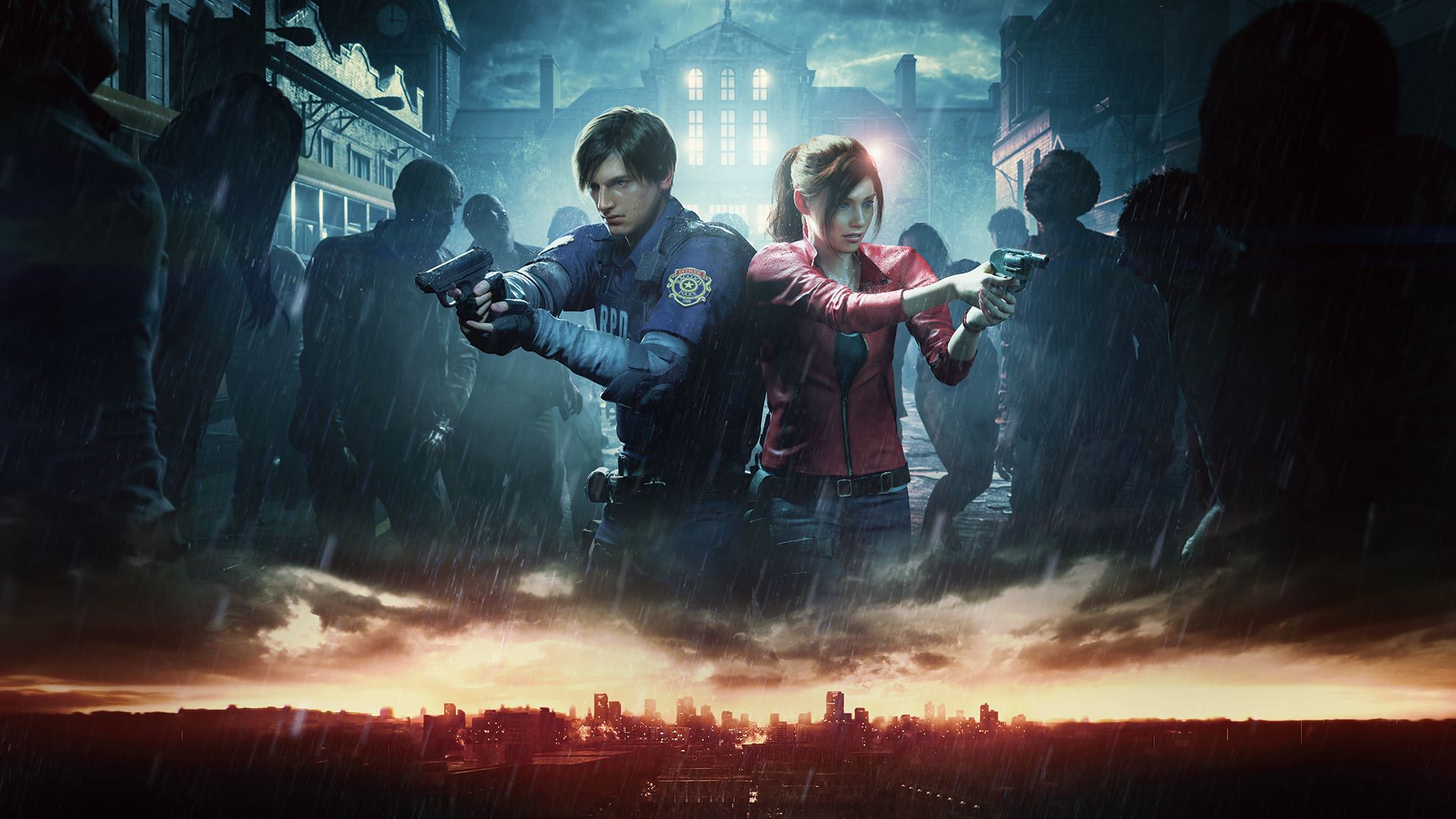
Alyson Court, who famously voiced Claire Redfield for many years, wasn’t asked to return for the remake created by Capcom. She explained that the company handling the game’s translation and voice acting opted for non-union actors to save money on union fees and contracts. As a result, the entire original voice cast was replaced. Many fans were upset by this change, as they strongly identified Court’s voice with the character, having heard it since the game first came out in 1998.
‘Silent Hill HD Collection’ (2012)

Konami’s re-release of these classic horror games included completely new voice acting due to a disagreement with actor Guy Cihi, who voiced James Sunderland. Cihi hadn’t received royalties he felt he was owed for the re-release. The game developer, Hijinx Studios, first re-recorded all the lines to avoid the royalty problem, but later reached an agreement with the original actors. This deal ultimately let players choose between the original and new voiceovers in ‘Silent Hill 2’.
‘Mass Effect 3’ (2012)
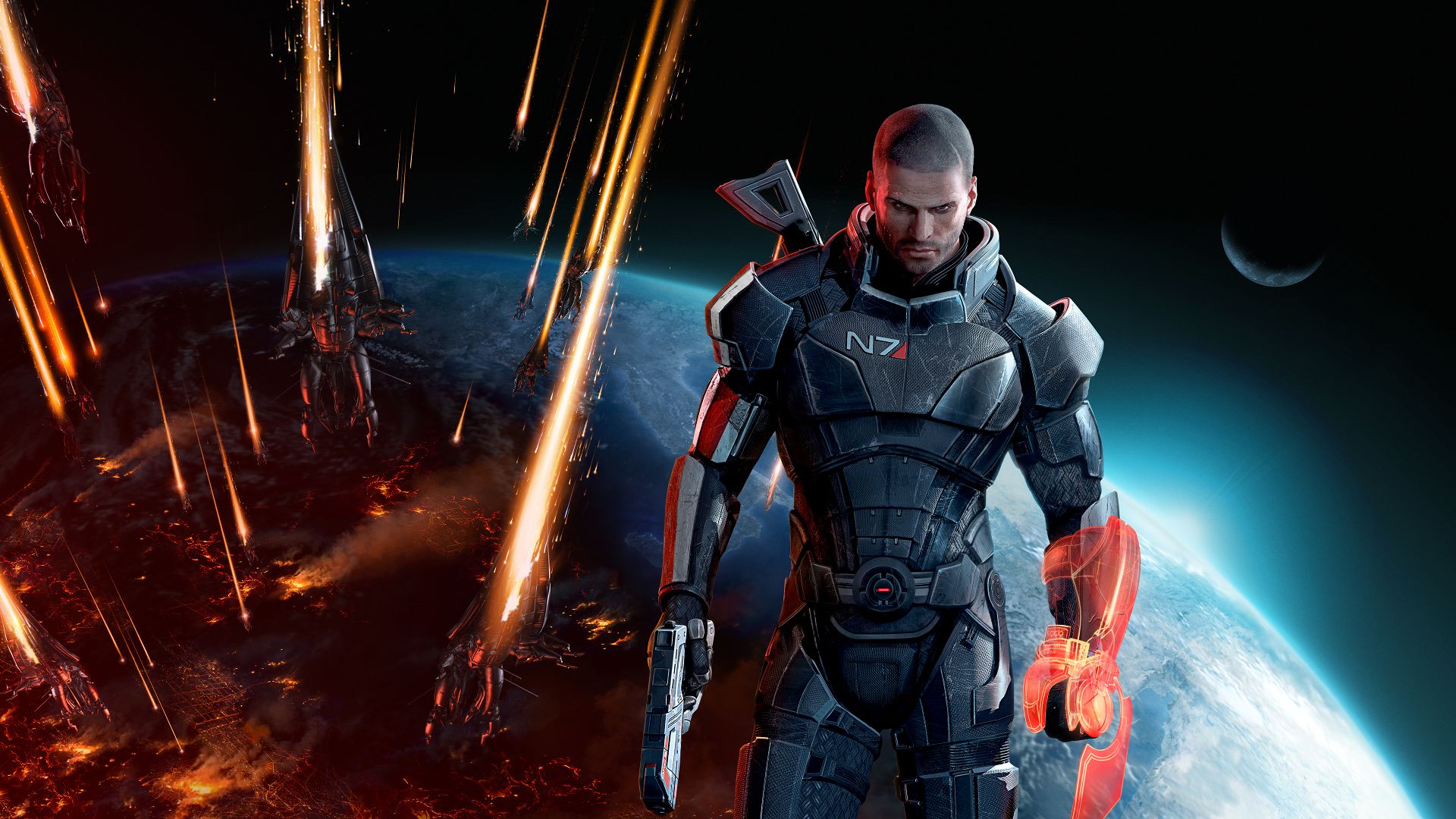
Michael Beattie, the original voice of Mordin Solus in the popular game series, wasn’t asked to return for the final game. Instead, William Salyers took on the role. It appears BioWare and Electronic Arts couldn’t agree on a price with Beattie. Although Salyers did a good job, many fans noticed the change in voice, as they were used to Beattie’s performance. This situation showed how disagreements over money can affect the consistency of characters in long-lasting role-playing games.
‘Call of Duty: Black Ops Cold War’ (2020)

James C. Burns, the original voice of Frank Woods, wasn’t in this game. Activision replaced him with Damon Victor Allen, and Burns publicly shared his disappointment, saying the game developers, Treyarch, never even reached out to discuss him returning. Many believed the change was to save money by using actors who weren’t part of the union or to lower costs associated with experienced voice actors. Burns stated he would have been happy to reprise the role if he’d been offered a reasonable contract.
‘Marvel vs. Capcom: Infinite’ (2017)
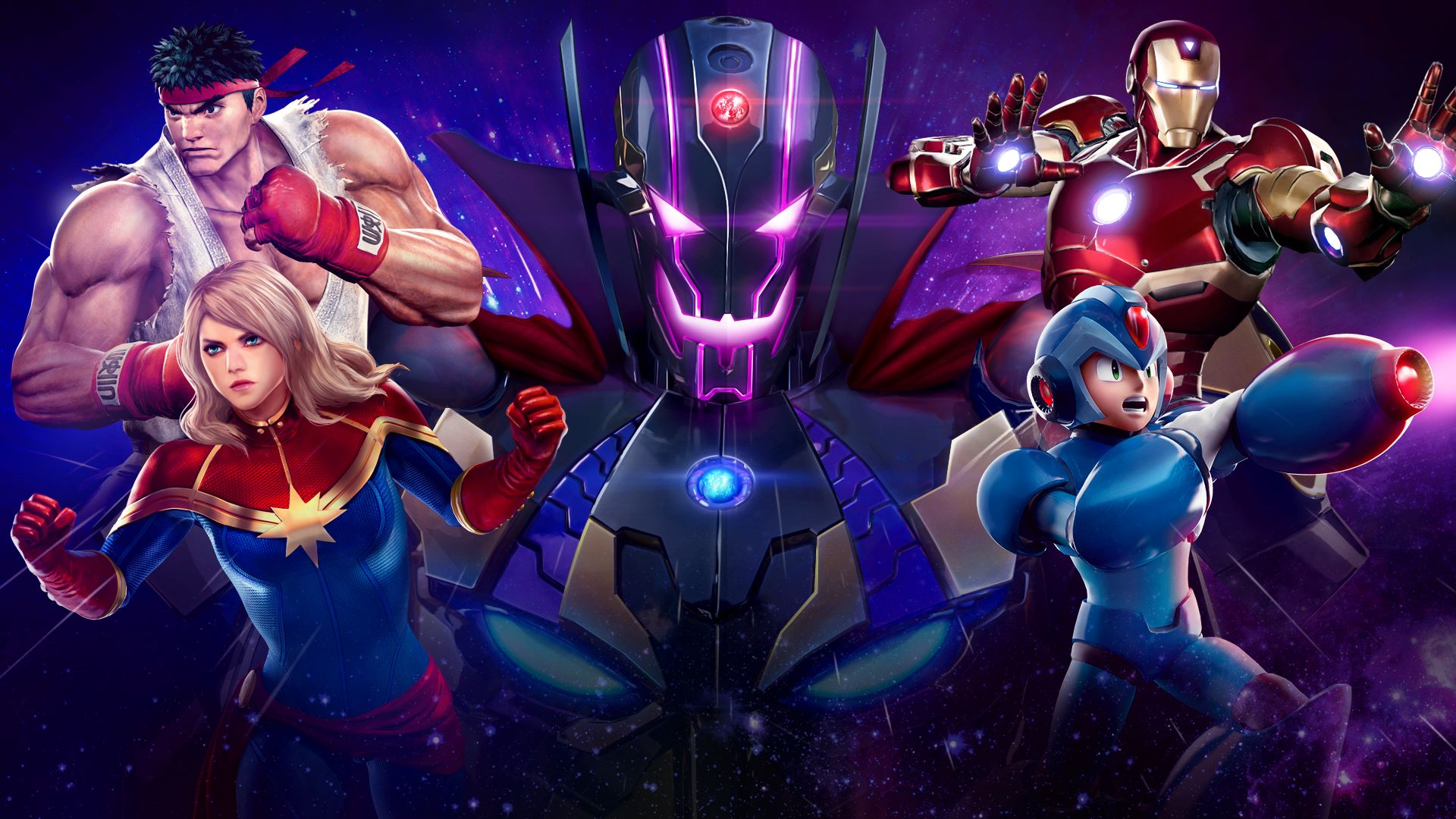
Capcom’s latest fighting game underwent significant changes to its voice acting due to the ongoing SAG-AFTRA strike. Because the strike affected several companies working on the game, many of the usual Marvel voice actors couldn’t participate. This meant characters like Rocket Raccoon and Captain America had different voice actors than fans were used to from previous games and the Marvel movies. Using non-union actors to stay within budget led some critics to believe the new cast wasn’t as strong as the original.
‘Final Fantasy VII Remake’ (2020)
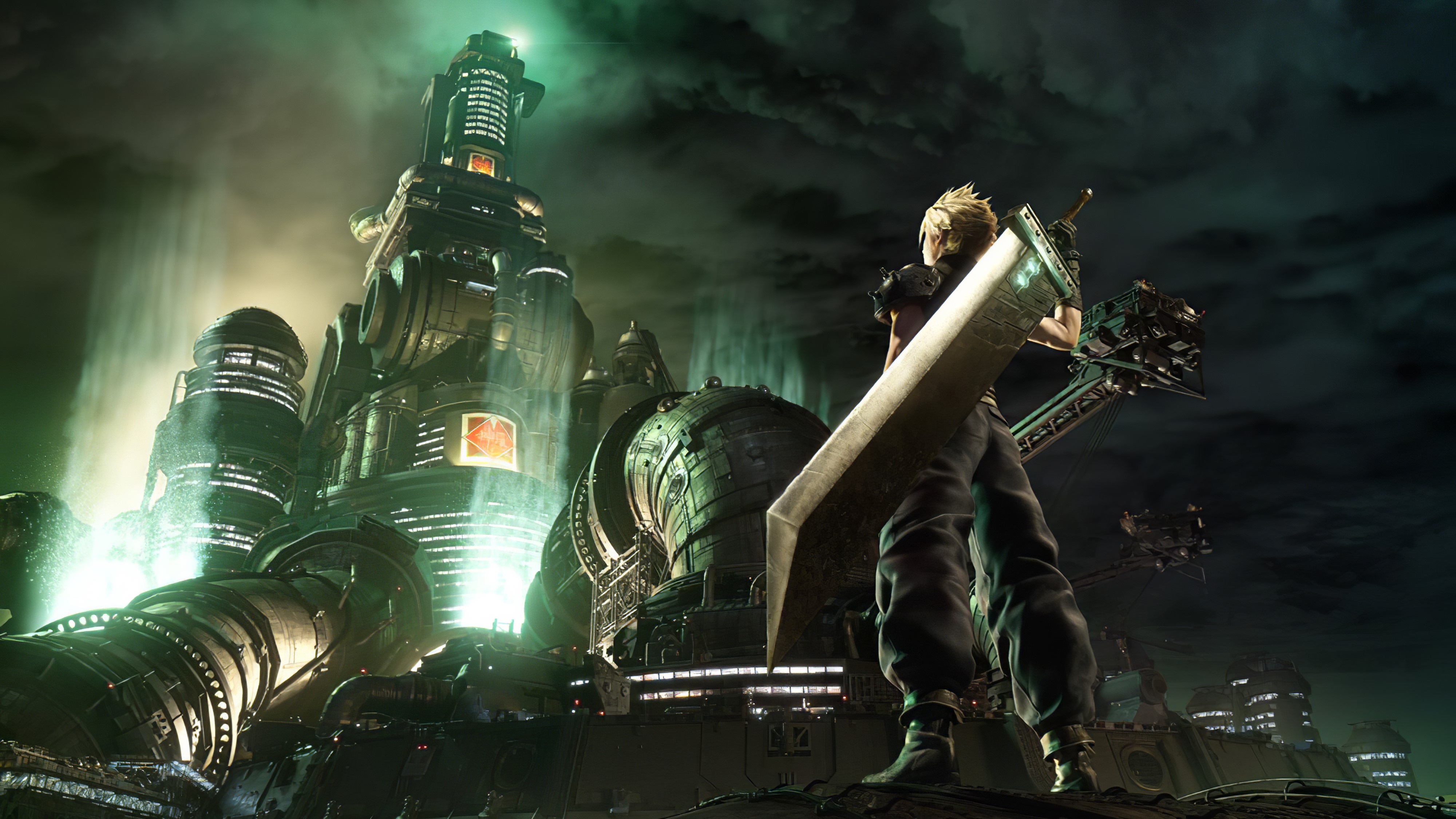
Okay, so Square Enix totally swapped out the entire voice cast for the Final Fantasy VII remake, which was a huge shock to me and a lot of other fans. Guys like Steve Burton, who I grew up hearing as Cloud, and Quinton Flynn as Reno – they were out. Square Enix said they wanted a fresh start, but honestly, a lot of people in the industry think it was about money. Switching to a non-union cast meant they didn’t have to pay the higher rates or residuals to the original actors, which, yeah, makes sense from a business perspective, but it still feels a little off to me.
‘Dead or Alive 6’ (2019)
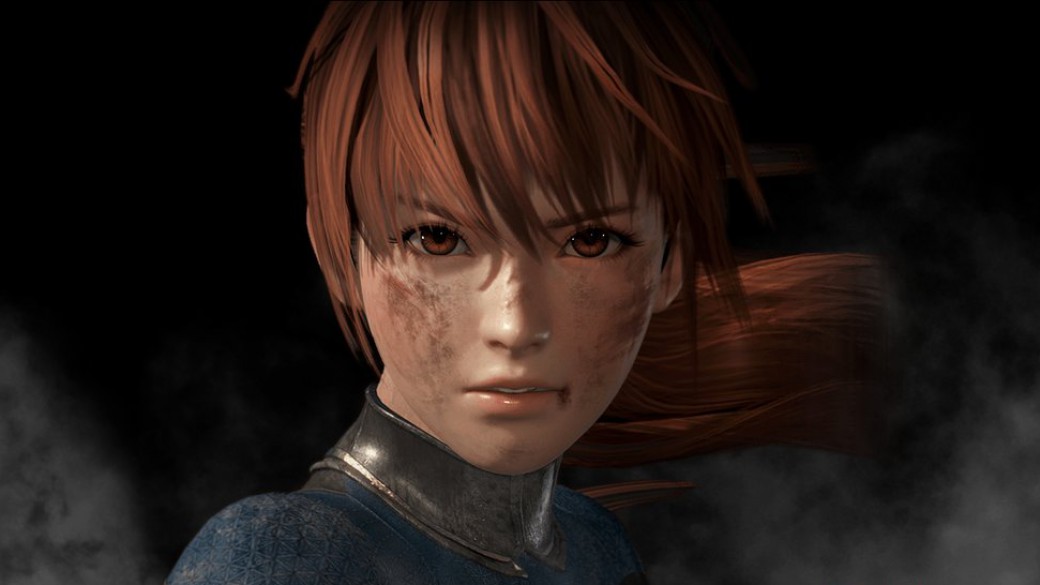
A change in voice actors for the game developed by Team Ninja and published by Koei Tecmo centered around Peter Gadiot, who voiced Diego. Reports suggest the studio faced budget issues with some international actors near the end of development. To stay within budget, they made adjustments to the voice acting in different regions. This highlights the financial challenges of consistently using the same global cast as fighting game rosters grow.
‘Injustice 2’ (2017)
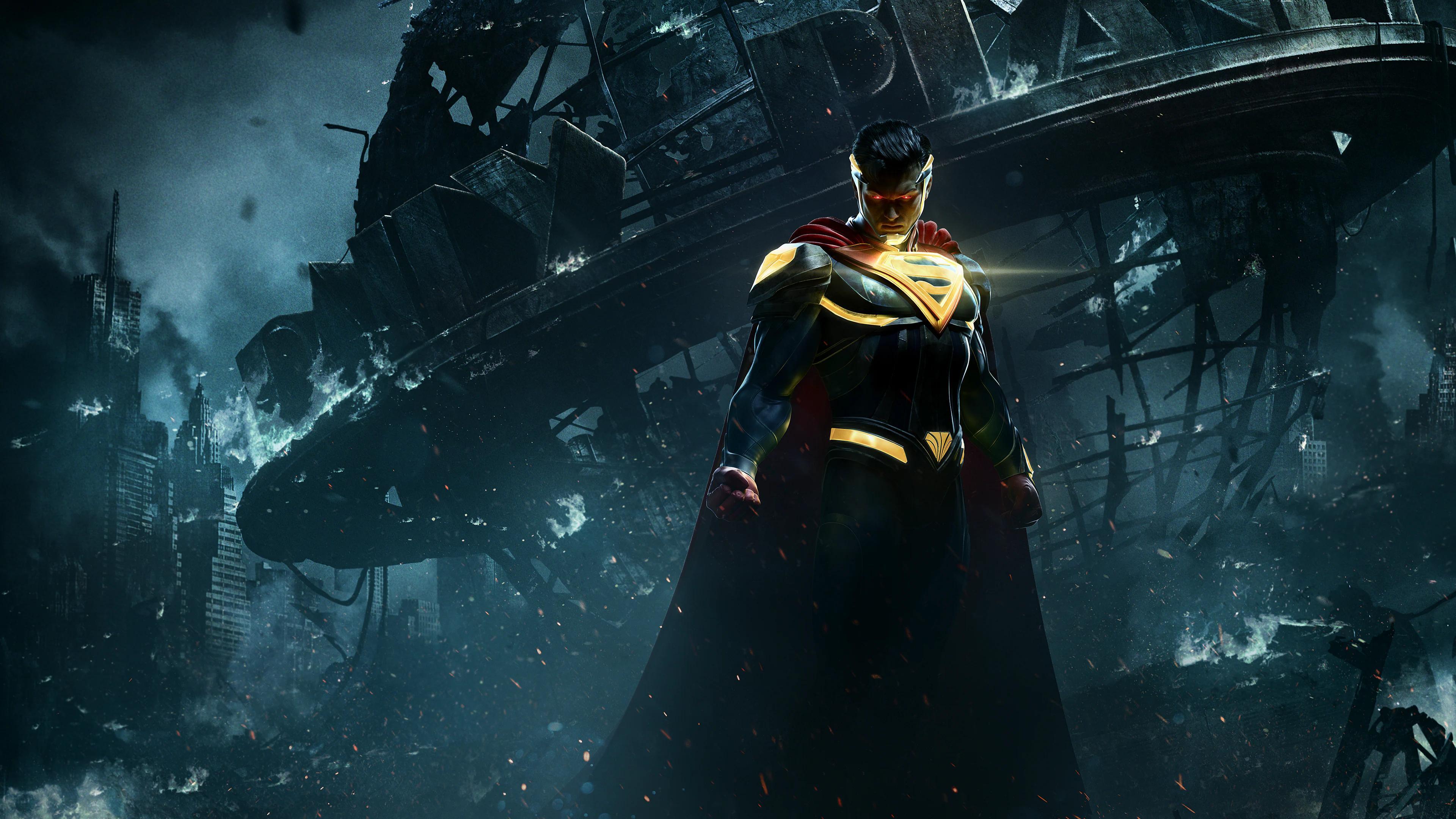
This game, created by NetherRealm Studios and published by Warner Bros. Interactive Entertainment, faced challenges due to the SAG-AFTRA strike. Because the original actors were participating in the strike to advocate for fair wages and working conditions, different performers had to step in for key roles. This meant the development team had to blend both familiar and new voice talent during a difficult time. The strike’s eventual end helped ensure more stability for future Warner Bros. games.
‘Lego Dimensions’ (2015)
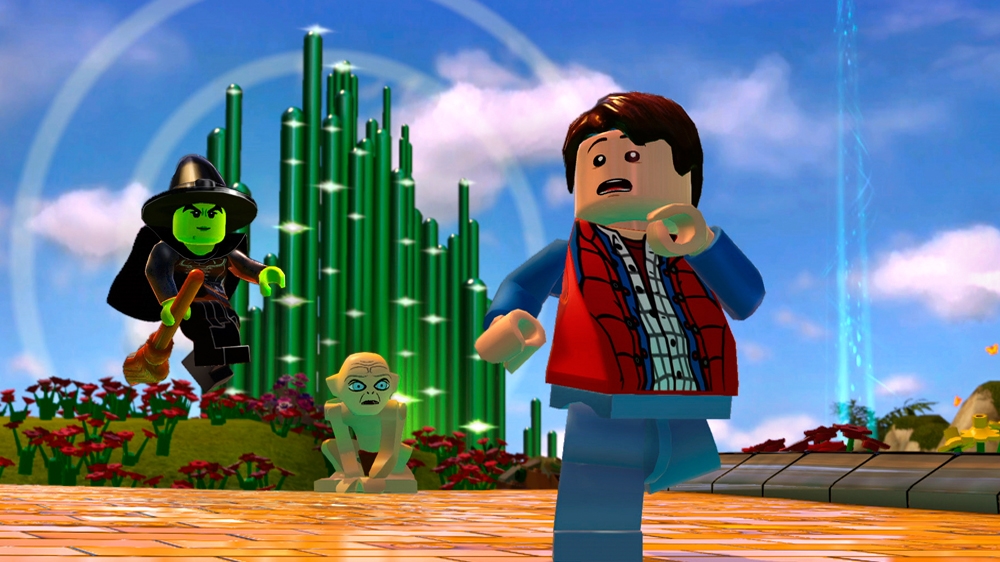
The large-scale LEGO game required a huge cast of actors, but paying them all became a challenge. When agreements couldn’t be reached on compensation for extra lines, the studio used voice impersonators instead of the original actors. Hiring famous Hollywood talent for this type of game proved expensive and complicated, resulting in cast changes throughout the game’s downloadable content and updates.
‘Mortal Kombat 11’ (2019)

NetherRealm Studios’ latest fighting game saw some changes in its voice cast as the studio looked for ways to cut production costs. While they brought in well-known personalities like Ronda Rousey, many experienced voice actors who had worked on previous games weren’t included. This decision led to criticism of publisher Warner Bros. Interactive Entertainment, with many pointing out the difference in pay between celebrities and professional voice actors. The issue highlights a broader conversation about how money is spent during the development of fighting games.
‘Shenmue III’ (2019)
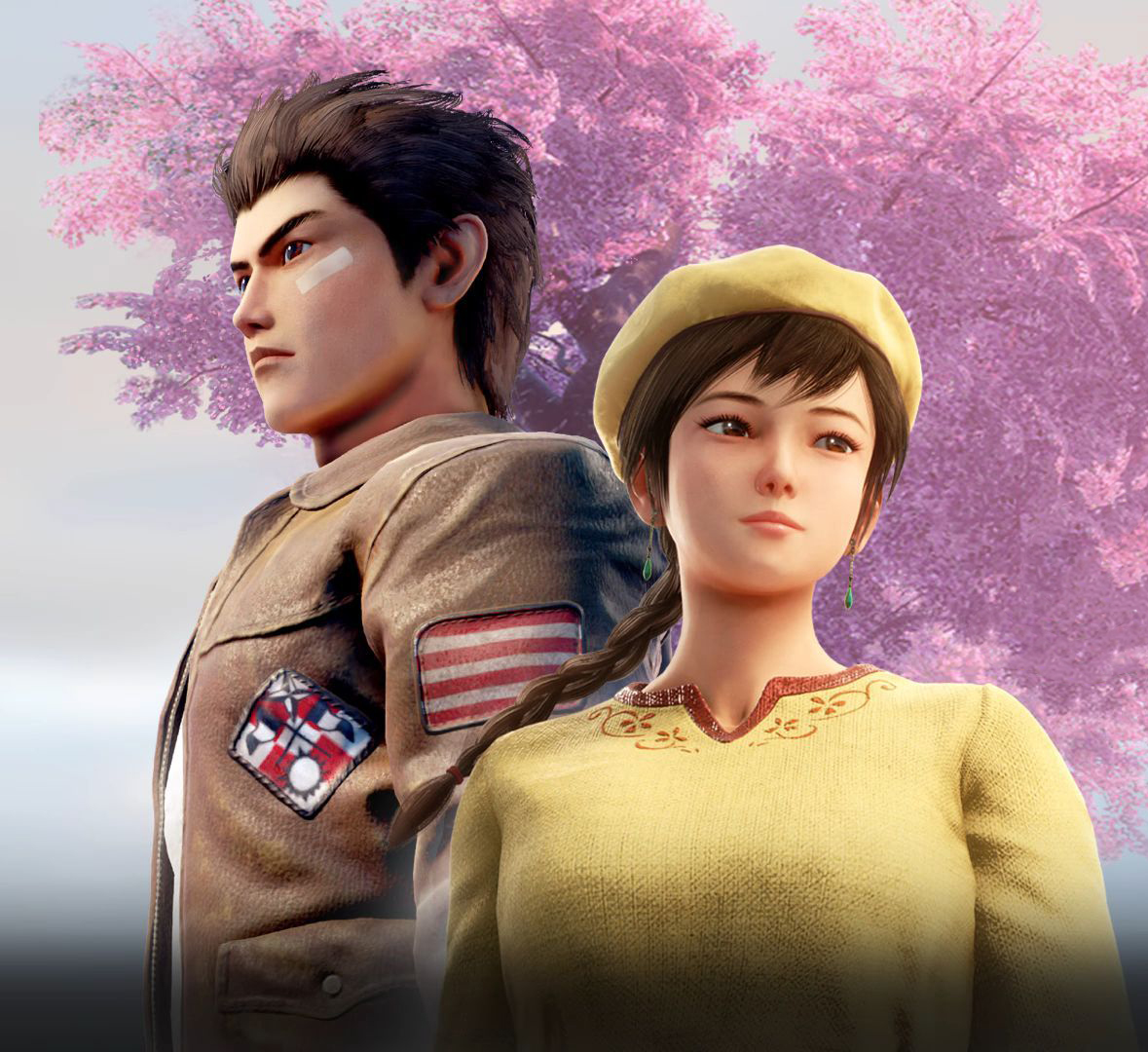
Following a hugely successful crowdfunding effort, the team at Ys Net and Deep Silver faced challenges reassembling the original English voice actors. While Corey Marshall reprised his role as Ryo Hazuki, budget constraints meant many others couldn’t be brought back for this independently produced game. The developers had to hire new, more affordable voice talent to cover all the characters. This choice upset many dedicated fans who had hoped to hear the original cast continue the story after almost twenty years.
‘Kingdom Hearts III’ (2019)
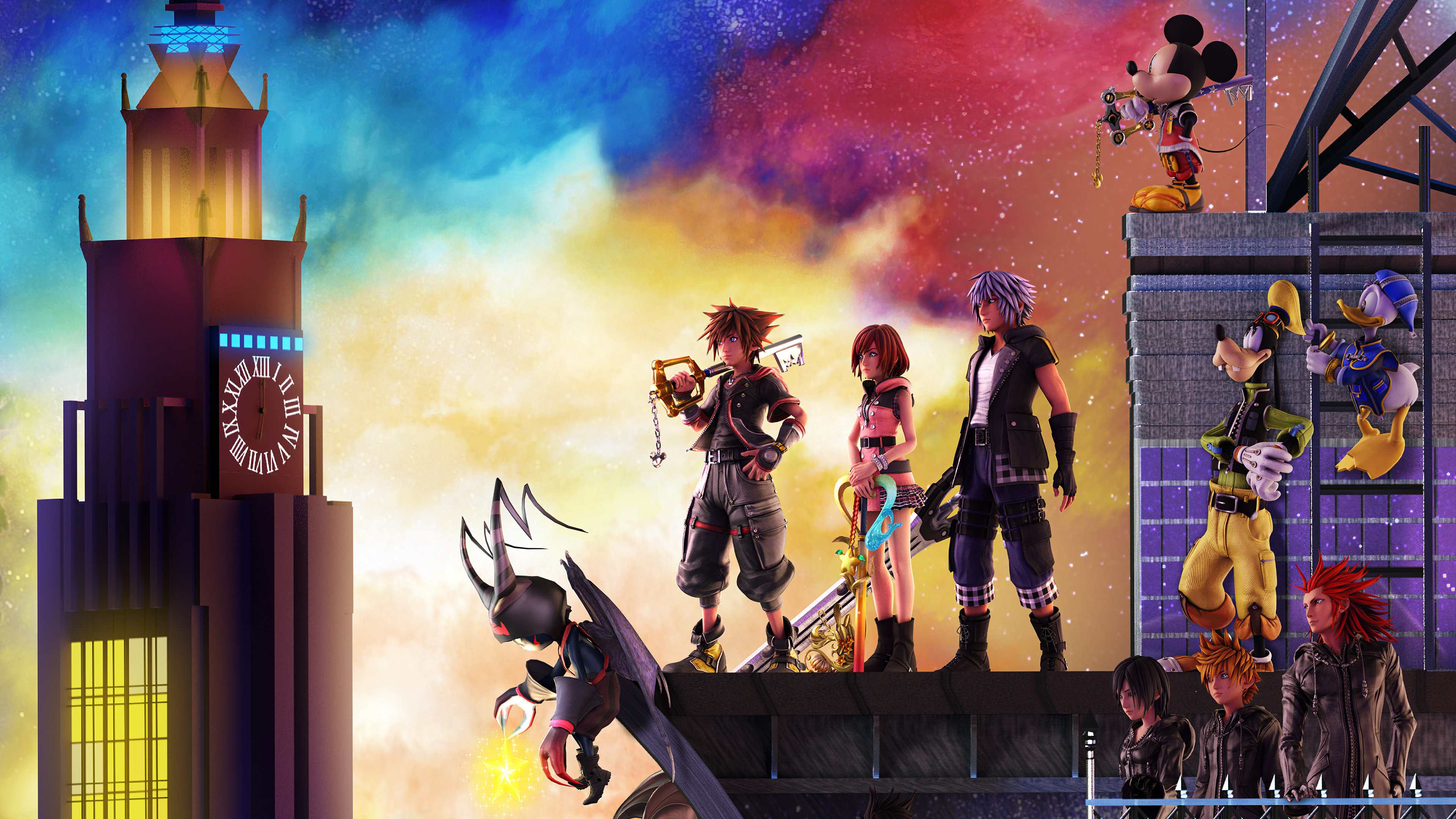
Willa Holland, the voice of Aqua, had a smaller role in some parts of the game, and other actors sometimes filled in. Square Enix, the game’s creator, ran into difficulties because popular voice actors had busy schedules and rising costs. This led to some characters appearing less or being voiced by different people in updates released after the game launched. This kind of change is common in long-term projects when budgets and availability shift over time.
‘Grand Theft Auto IV’ (2008)
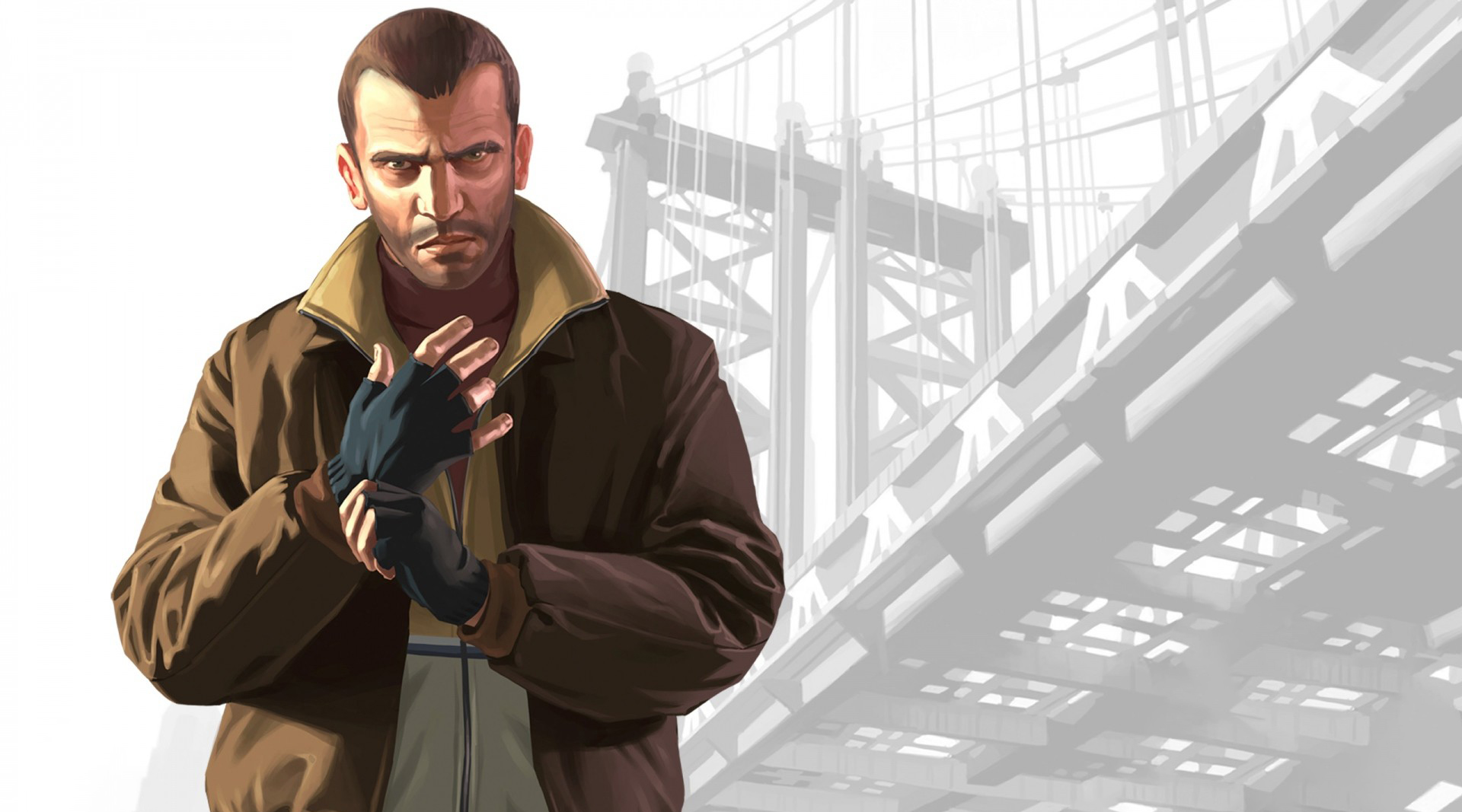
Michael Hollick, who voiced the main character Niko Bellic in the hugely popular game, publicly criticized Rockstar Games’ payment system. Although he received standard union pay for his work, he didn’t receive any ongoing royalties from the game’s massive billion-dollar success. This disagreement damaged his relationship with Rockstar, and he wasn’t asked to return for any sequels or expansions. Since then, Rockstar has generally used less well-known voice actors, likely to avoid similar public conflicts over how profits are shared.
Let us know what you think about the new voice acting and if it changed how you enjoyed the game or story. Share your opinions in the comments below!
Read More
- Spotting the Loops in Autonomous Systems
- Seeing Through the Lies: A New Approach to Detecting Image Forgeries
- Staying Ahead of the Fakes: A New Approach to Detecting AI-Generated Images
- 20 Best TV Shows Featuring All-White Casts You Should See
- Julia Roberts, 58, Turns Heads With Sexy Plunging Dress at the Golden Globes
- The Glitch in the Machine: Spotting AI-Generated Images Beyond the Obvious
- Palantir and Tesla: A Tale of Two Stocks
- The Best Directors of 2025
- Gold Rate Forecast
- How to rank up with Tuvalkane – Soulframe
2026-01-14 14:24