
Voice actors are often the heart and soul of popular video game characters, and fans develop strong connections with them over time. When game companies decide to replace a voice actor, it often causes a strong negative reaction from dedicated fans who feel loyal to the original performer. These disagreements can stem from issues like fair pay and union rights, or from personal issues that lead a company to recast the role. Sometimes, fans respond with boycotts and online campaigns, asking for more openness from the company or the return of their preferred voice actor.
‘Bayonetta 3’ (2022)

The release of ‘Bayonetta 3’ was overshadowed by controversy when Hellena Taylor, the original voice of Bayonetta, asked players to boycott the game. Taylor claimed she was offered only $4,000 to return to the role, a sum she considered unfairly low. After being replaced by Jennifer Hale, the situation sparked a heated discussion about fair wages for voice actors. While some reports later challenged the details of Taylor’s claims, her initial call for a boycott heavily influenced the conversation surrounding the game’s launch.
‘Metal Gear Solid V: The Phantom Pain’ (2015)
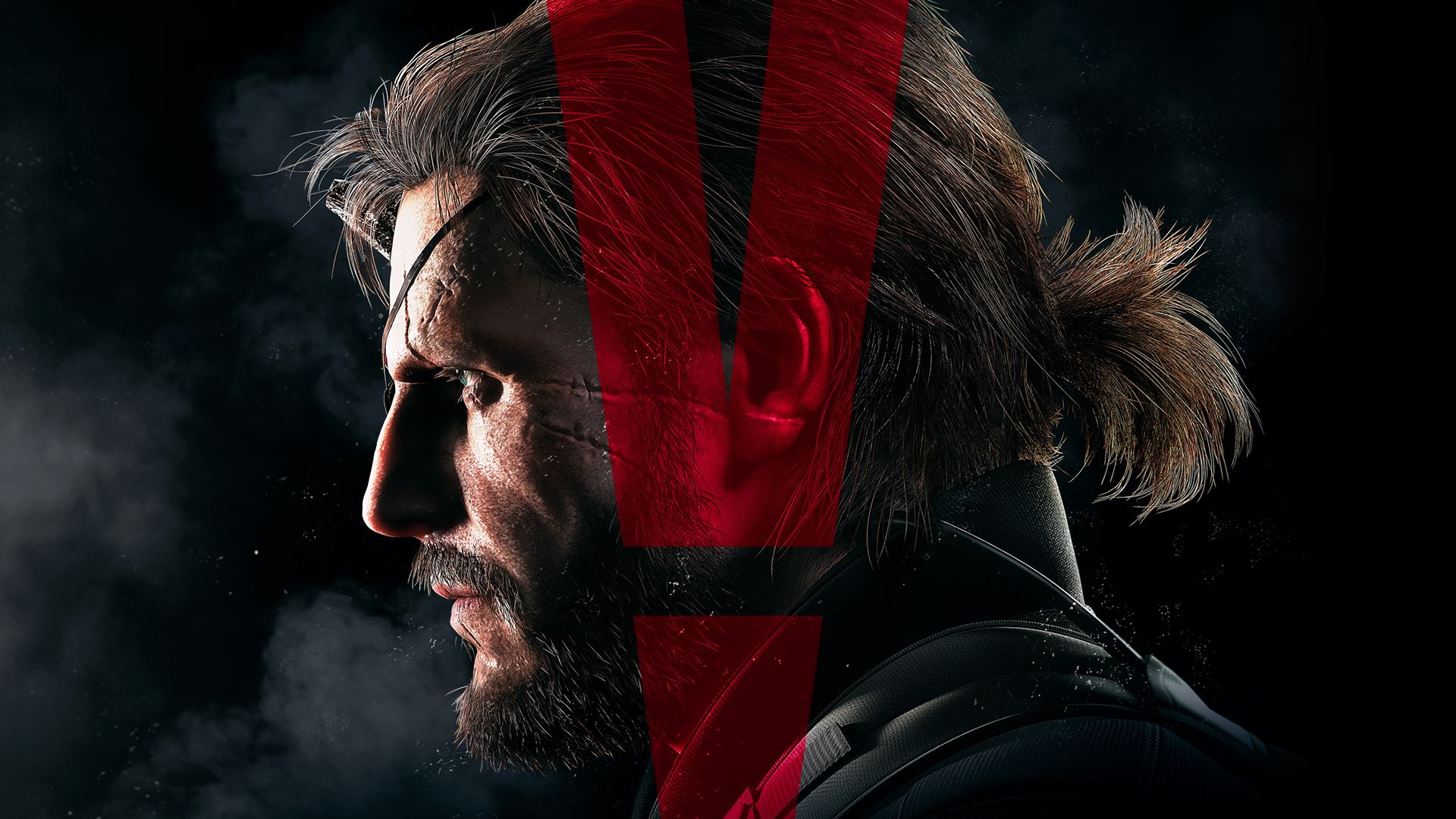
The decision by Konami and Kojima Productions to replace David Hayter, the voice of Solid Snake and Big Boss since 1998, with actor Kiefer Sutherland in ‘Metal Gear Solid V: The Phantom Pain’ sparked controversy. Hayter publicly shared his disappointment at being left off the project without a reason. This led to fan protests and boycott threats in support of the longtime voice actor. While the game received positive reviews upon release, many dedicated fans still feel strongly about Hayter’s absence.
‘Life is Strange: Before the Storm’ (2017)

In ‘Life is Strange: Before the Storm’, Ashly Burch, the original voice of Chloe Price, was replaced. This change happened because of the 2016-2017 video game voice actor strike, and Burch was participating as a member of the SAG-AFTRA union. Although she still worked on the game as a consultant, many fans disliked the new voice actor and asked others not to buy the game to support the striking actors. This situation showed the conflict between video game labor unions and large publishing companies at a crucial time for the industry.
‘Splinter Cell: Blacklist’ (2013)
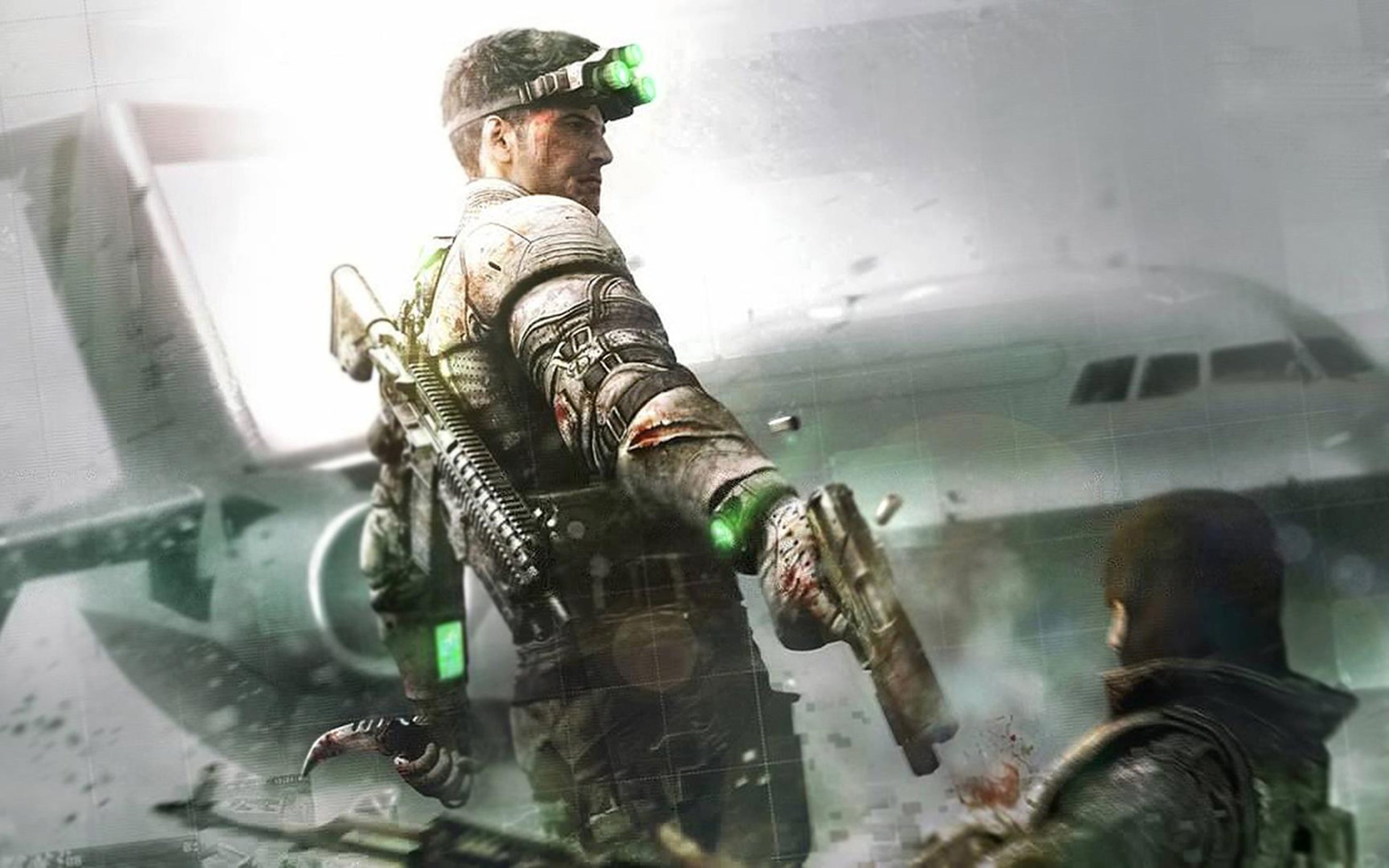
In 2013, Ubisoft released ‘Splinter Cell: Blacklist’ with a new voice actor, Eric Johnson, taking over the role of Sam Fisher from the well-known Michael Ironside. The developers explained the change was necessary to have an actor perform both motion capture and voice work at the same time. Many dedicated fans felt this replaced the character’s established voice and personality, leading to calls for a boycott. Later, Michael Ironside reprised the role in ‘Tom Clancy’s Ghost Recon’ crossovers, explaining he had initially left due to health concerns.
‘Resident Evil 2’ (2019)
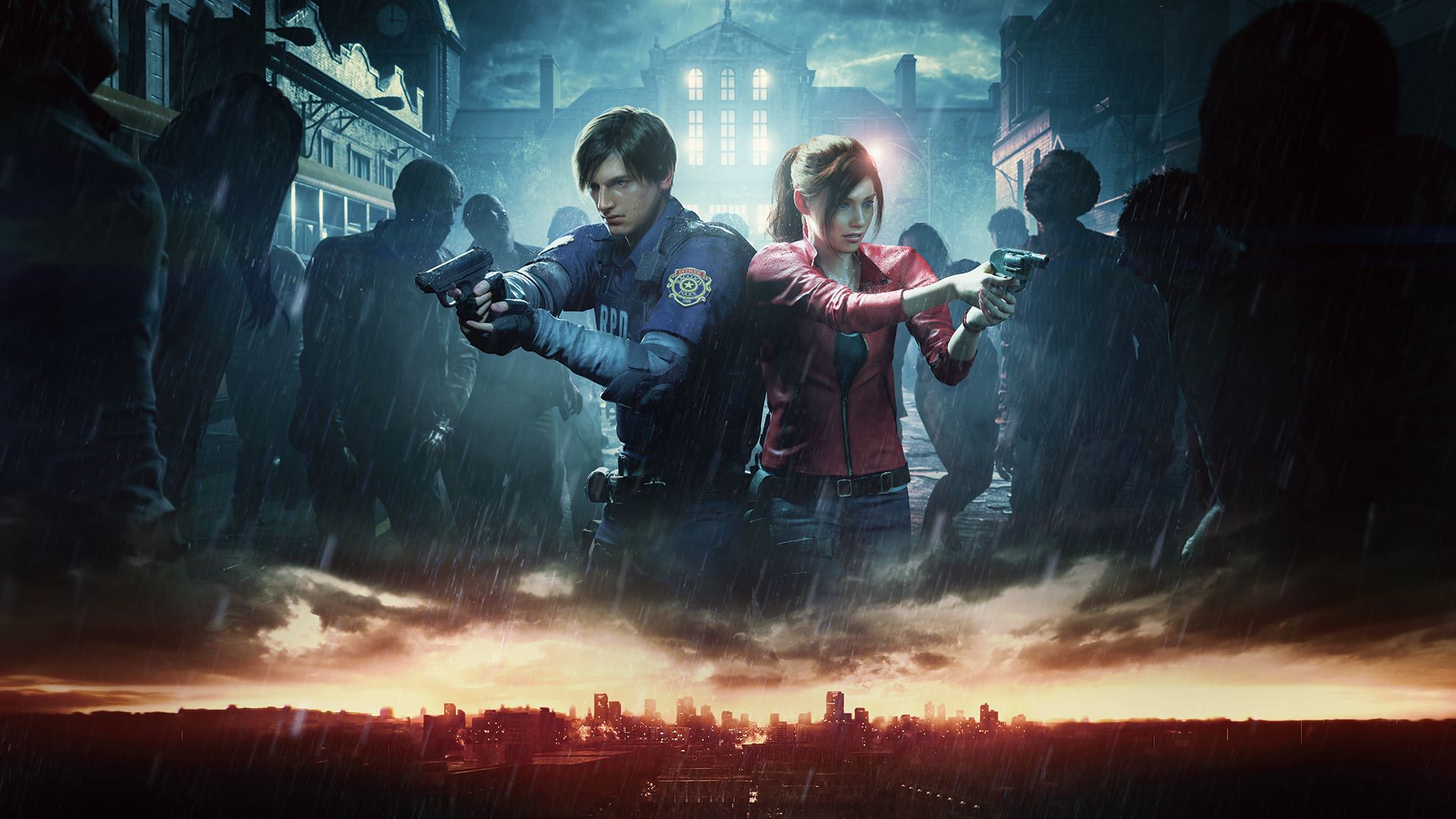
Capcom’s 2019 remake of ‘Resident Evil 2’ upset many fans because it used a completely new voice cast instead of bringing back the original actors. Alyson Court, who famously voiced Claire Redfield in the original 1998 game and its sequels, explained she wasn’t asked to return because the production opted for actors who weren’t part of the union. This decision sparked calls for a boycott from some fans who wanted the original cast members to be included. Capcom responded by saying the new voice actors were chosen to better fit the game’s updated, realistic graphics powered by their modern RE Engine.
‘Judgment’ (2018)

Following actor Pierre Taki’s arrest on drug charges, Sega and Ryu Ga Gotoku Studio quickly had to replace him in the game ‘Judgment’. Taki voiced and provided the appearance for the character Kyohei Hamura, and his role was removed and the character visually updated. Although the decision was made to comply with Japanese laws and company rules, some fans felt it was too harsh a response to a private legal issue. The game was briefly taken off sale in Japan, then re-released with Miura Akasaka taking over the role.
‘Fire Emblem: Three Houses’ (2019)

Following accusations of emotional abuse and professional misconduct, Nintendo removed actor Chris Niosi from his role as the main character, Byleth, in the game ‘Fire Emblem: Three Houses’. The game, created by Intelligent Systems, was quickly updated with new voice work from Zach Aguilar. Although a small number of fans protested the original casting, most players supported Nintendo’s decision to separate the game from Niosi.
‘Genshin Impact’ (2020)

The popular game ‘Genshin Impact’, created by HoYoverse, was caught in controversy when voice actor Elliot Gindi, who played the character Tighnari, was fired after accusations of sexual misconduct. Players reacted strongly, with many vowing to stop making purchases until the issue was resolved. HoYoverse removed Gindi’s voice lines from the game and brought in Zachary Gordon to re-record all of Tighnari’s dialogue. This situation led to a wider conversation about how companies check the backgrounds of voice actors for ongoing, live-service games.
‘Dragon Age: The Veilguard’ (2024)
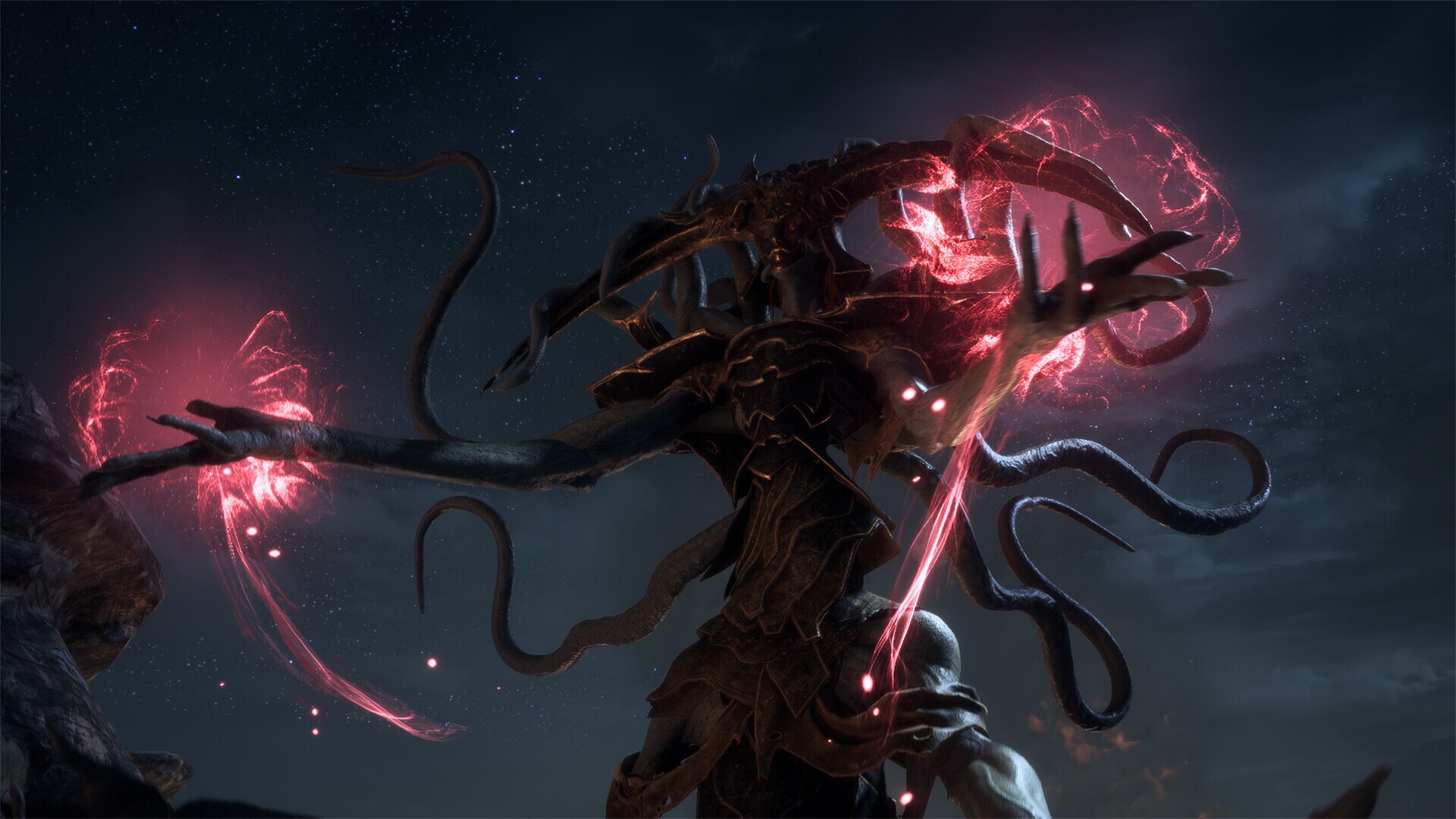
BioWare and Electronic Arts’ upcoming game, ‘Dragon Age: The Veilguard’, will not feature Greg Ellis as the voice of Cullen. This decision followed controversies and unprofessional conduct by Ellis towards the development team on social media. While some fans protested, believing the removal was due to political reasons, BioWare stated that their focus was on maintaining a professional work environment and the game’s creative vision when making casting decisions.
‘Yakuza 4’ (2010)
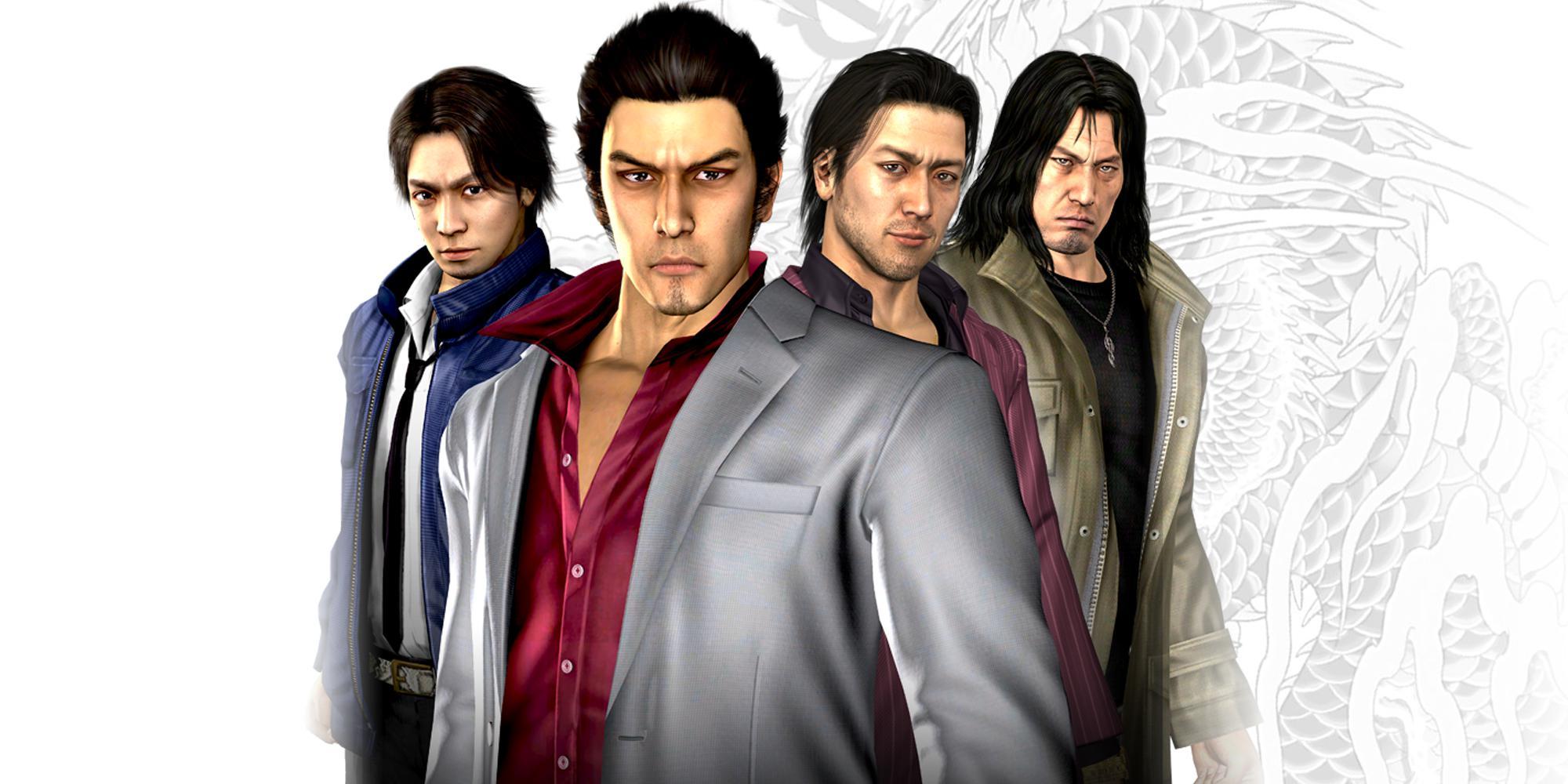
When Sega re-released ‘Yakuza 4’ on newer consoles, they had to replace the actor who played Masayoshi Tanimura, Hiroki Narimiya. Narimiya had left the entertainment industry after facing drug-related accusations. As a result, the developers updated the character’s appearance and hired Toshiki Masuda to re-record all of Tanimura’s lines. Some fans were unhappy with this change, feeling the original performance was better and the recast wasn’t needed. However, the updated version became the only one available to players outside of Japan.
‘Final Fantasy VII Remake’ (2020)
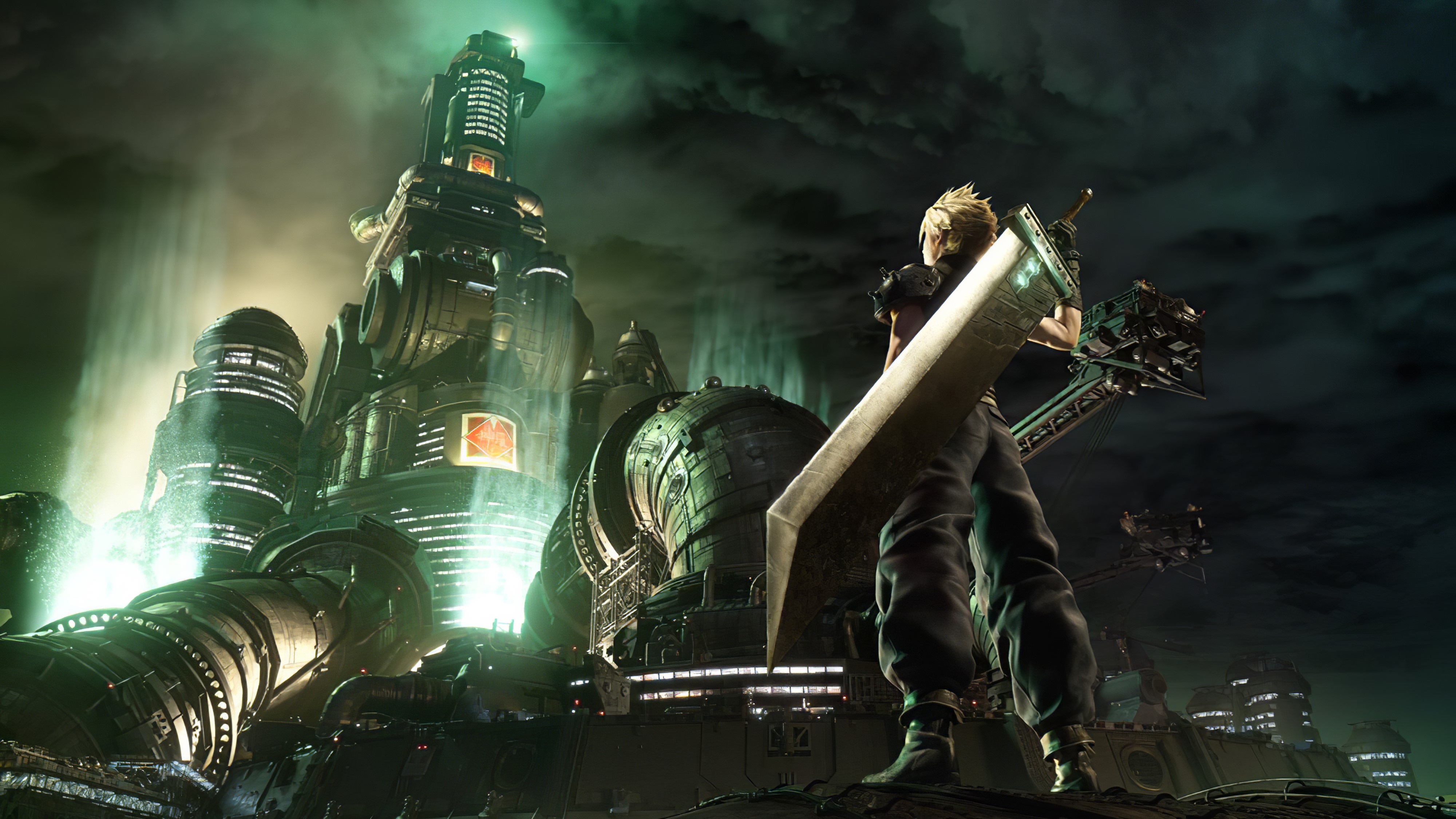
Square Enix chose to replace the entire voice cast for ‘Final Fantasy VII Remake’ with new actors. This meant actors like Steve Burton and Quinton Flynn, who had voiced the characters for over ten years in games like ‘Kingdom Hearts’ and ‘Advent Children’, weren’t asked to return. Many fans were upset by this decision and started petitions and threatened to boycott the game, feeling the original actors deserved to continue their roles. Square Enix explained that they wanted a fresh start for the voices to match the game’s updated story and gameplay.
‘Street Fighter V’ (2016)

The voice actor Reuben Langdon, known for playing Ken Masters in ‘Street Fighter V’, faced public backlash for his controversial statements. Although Capcom didn’t fire him while ‘Street Fighter V’ was still being updated, the controversy ultimately led to him being replaced by David Matranga in ‘Street Fighter 6’. Many fans threatened to not buy updates for the fifth game or the new sequel, prompting Capcom to make the change and distance themselves from the ongoing issues surrounding Langdon.
‘Silent Hill HD Collection’ (2012)

Man, the ‘Silent Hill HD Collection’ was a total mess. Konami decided to re-record the voices for ‘Silent Hill 2’ and ‘3’, and it caused a huge uproar. I remember Guy Cihi, the guy who voiced James Sunderland in ‘2’, really speaking out about it – he and other actors weren’t getting paid residuals and weren’t even credited! It sparked a big fan boycott because everyone felt the new voice acting totally ruined the creepy vibe of those classic games. Eventually, Konami caved and let us choose the original voices for ‘Silent Hill 2’, which was awesome, but they never fixed ‘3’, so we’re stuck with the new recordings there. It was a frustrating situation for a lot of us fans.
Please share your thoughts on these voice actor replacements and boycotts in the comments.
Read More
- Spotting the Loops in Autonomous Systems
- Seeing Through the Lies: A New Approach to Detecting Image Forgeries
- Staying Ahead of the Fakes: A New Approach to Detecting AI-Generated Images
- Julia Roberts, 58, Turns Heads With Sexy Plunging Dress at the Golden Globes
- Palantir and Tesla: A Tale of Two Stocks
- Gold Rate Forecast
- The Glitch in the Machine: Spotting AI-Generated Images Beyond the Obvious
- How to rank up with Tuvalkane – Soulframe
- TV Shows That Race-Bent Villains and Confused Everyone
- 2025 Crypto Wallets: Secure, Smart, and Surprisingly Simple!
2026-01-14 09:53