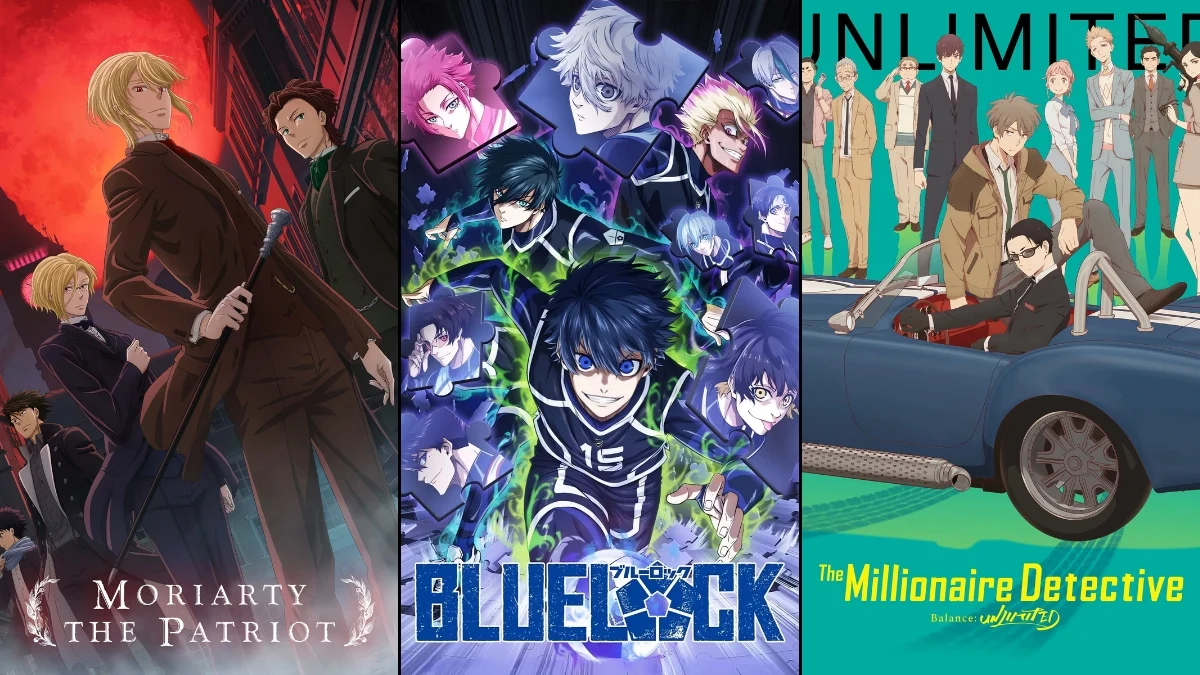
Recently, there’s been a lot of discussion about a trend called “queer-baiting” in anime. This happens when shows hint at romantic relationships between characters of the same sex – using suggestive imagery or storylines – but never actually confirm those relationships. While these anime are often well-made, some viewers feel they’re using LGBTQ+ themes to attract an audience without fully representing them, and accuse the creators of exploiting queer identity for profit. This article looks at popular anime that have been criticized for ultimately sticking to traditional, heterosexual storylines despite strongly implying otherwise.
‘Blue Lock’ (2022–2023)

Blue Lock is a soccer anime about a ruthless training camp aiming to forge the ultimate, self-centered striker. It’s known for its dramatic character interactions and emotionally intense conversations, particularly between the male characters. Many viewers have noted how the close, competitive relationships feel like they hint at queer themes, potentially to attract a certain audience. However, the story consistently emphasizes athletic drive and individual rivalry, and it deliberately avoids any romantic storylines, keeping those suggestive dynamics as unspoken undertones.
‘K-On!’ (2009–2010)

‘K-On!’ centers around the everyday lives of five friends in the Light Music Club at Sakuragaoka High School. The show emphasizes their strong bond through charming character designs and interactions, often using tropes seen in romantic comedies – particularly with characters like Ritsu and Mio. Despite these hints of potential romance, the series intentionally avoids any actual romantic storylines, choosing instead to focus on lighthearted, wholesome moments. This approach broadens its appeal but also means it doesn’t explore romantic relationships between the girls.
‘Love Live! School Idol Project’ (2013–2014)
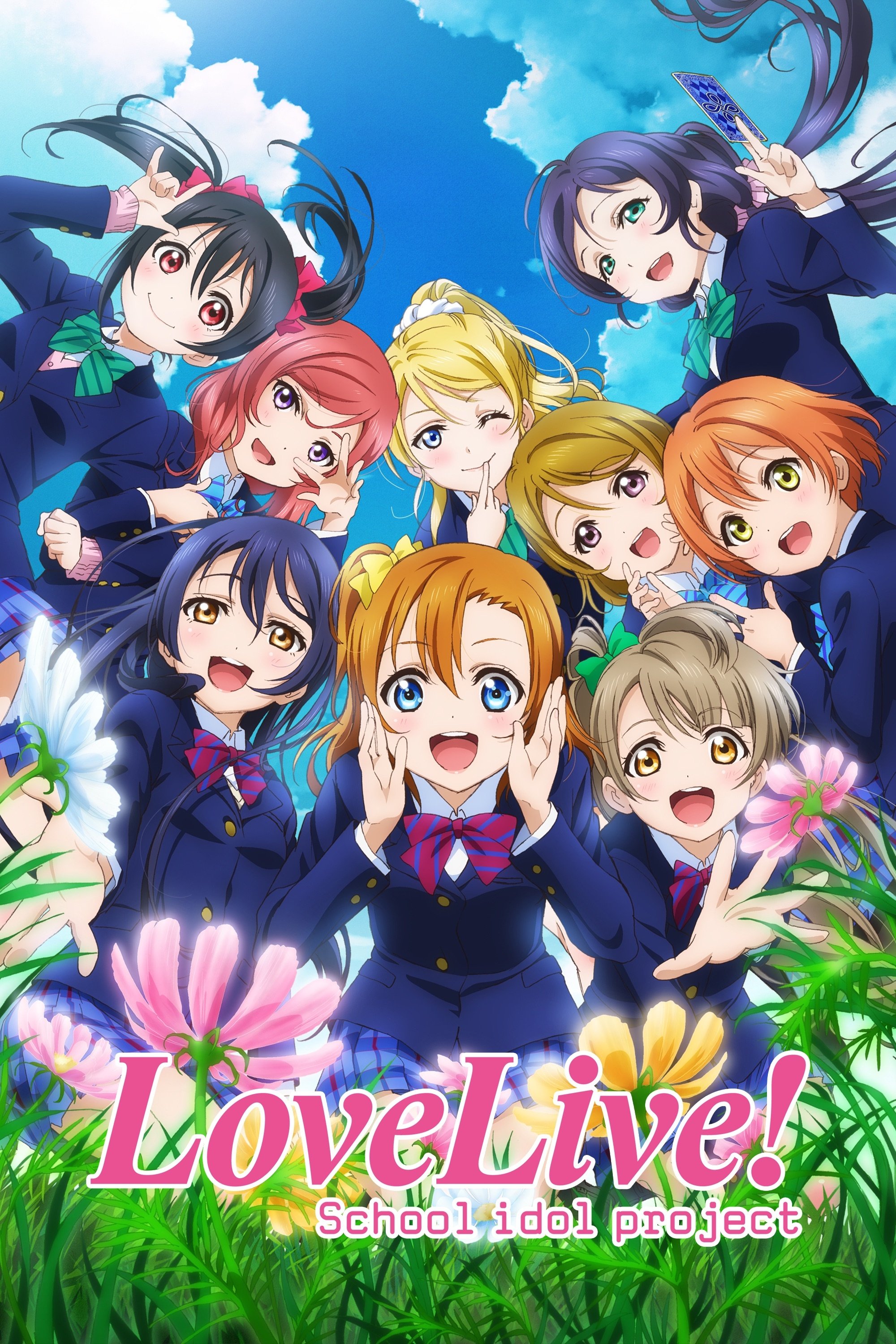
‘Love Live! School Idol Project’ tells the story of a high school girl group who try to become idols to prevent their school from shutting down. The show has a big cast of characters with complex friendships, and viewers often see romantic potential in those relationships. While the official artwork and some episodes hint at these pairings, they never explicitly confirm anything. This is typical in idol shows, where keeping characters available appeals to a wider audience and is considered important for marketing. Because of this, ‘Love Live!’ is often seen as a key example of ‘queer-baiting’ – suggesting romantic relationships without actually confirming them – within the idol genre.
‘A Certain Scientific Railgun’ (2009–2020)
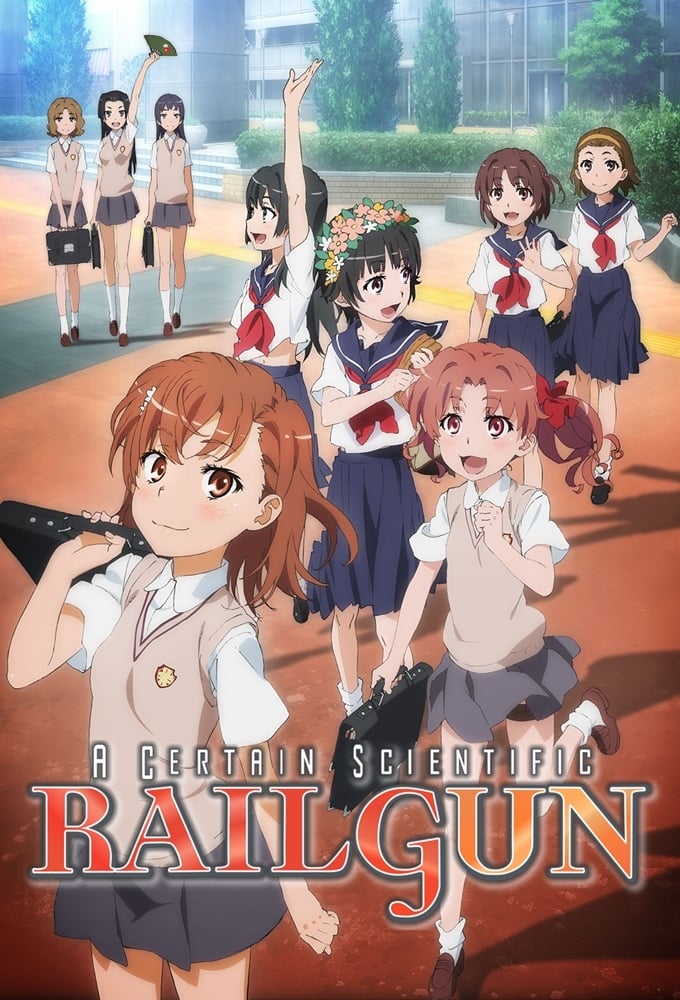
‘A Certain Scientific Railgun’ centers around Mikoto Misaka, a very powerful psychic student. A running gag involves Kuroko Shirai’s strong, often exaggerated, attraction to Mikoto. The series uses this dynamic mostly for humor, portraying Kuroko’s advances as silly or awkward. This approach avoids exploring same-sex attraction with the seriousness some viewers would prefer, instead presenting it as a joke or personality trait. This handling of LGBTQ+ themes has drawn criticism from fans who want more thoughtful and genuine representation.
‘Little Witch Academia’ (2017)
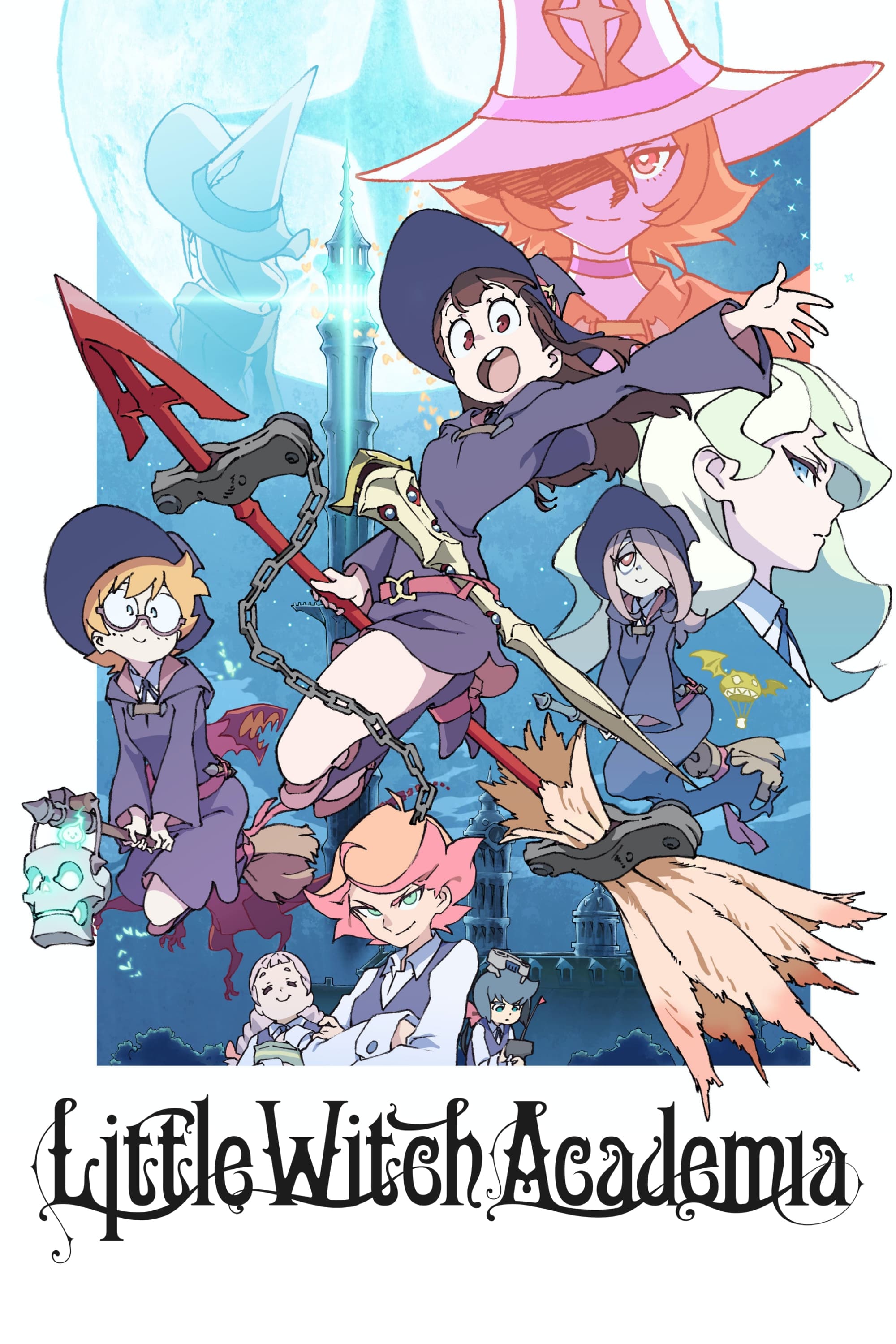
‘Little Witch Academia’ centers on Akko Kagari and her time at Luna Nova Magical Academy, where she’s working to become a witch. A key part of the story is the evolving relationship between Akko and her rival, Diana Cavendish, which moves from dislike to a strong, respectful connection. Many viewers have seen romantic hints in their interactions, especially towards the end of the series. Although people involved in making the show have personally supported the idea of them becoming a couple, the anime itself doesn’t depict any romantic relationship. This difference between what the creators wanted and what ended up on screen has led to discussions about whether the series intentionally teased a romance that never happened.
‘Tsurune’ (2018–2023)
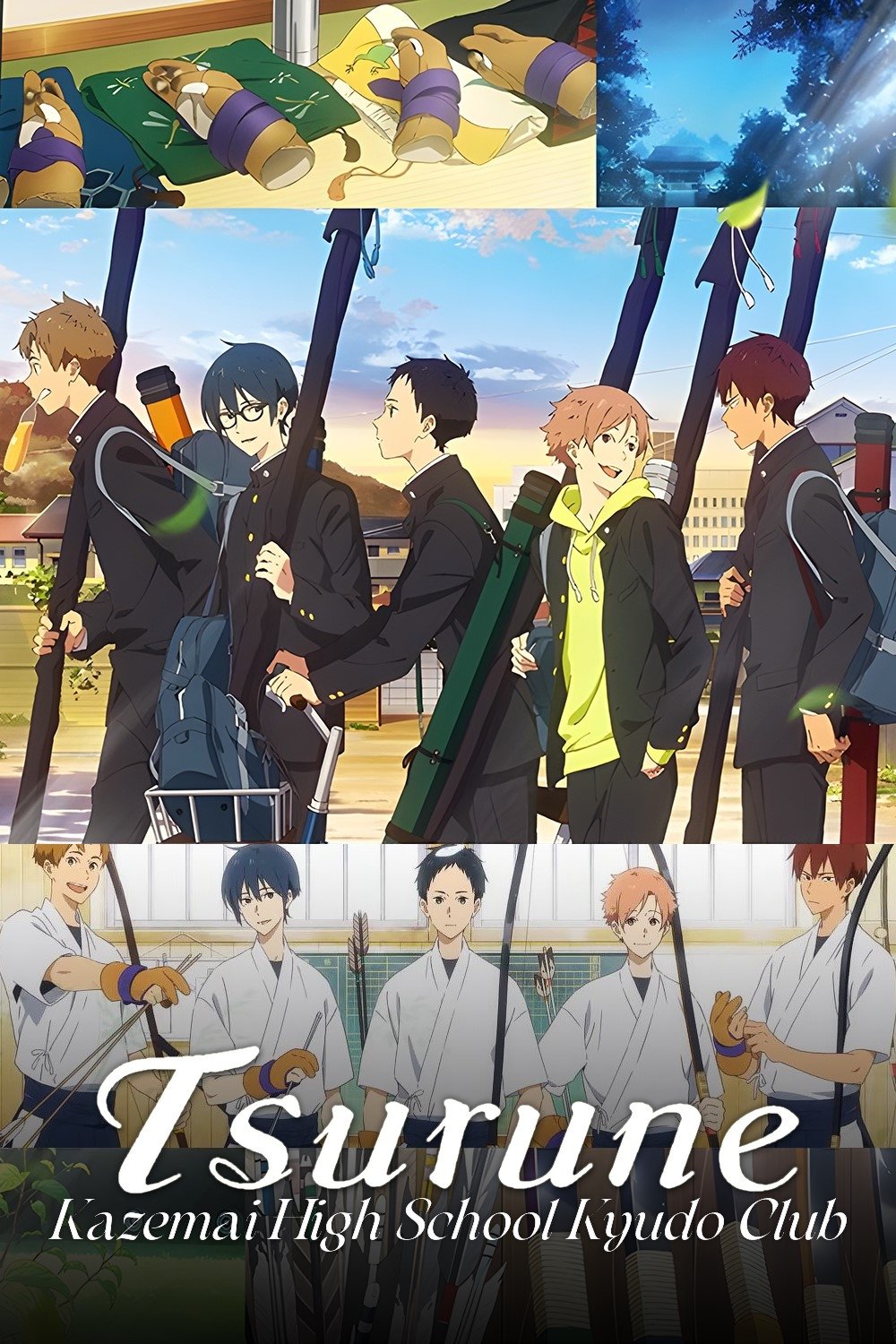
‘Tsurune’ is an anime by Kyoto Animation that follows the story of high school archers. The show beautifully portrays the close relationships between the characters, using visuals like soft lighting and close-ups to highlight their connections. The bond between Minato and Shu is especially complex and has led many viewers to see it as a romantic relationship. However, the story primarily focuses on archery and the characters’ journeys of self-improvement. Some critics believe the show’s artistic style intentionally appeals to fans of boys’ love stories without explicitly confirming a romantic connection.
‘Wonder Egg Priority’ (2021)
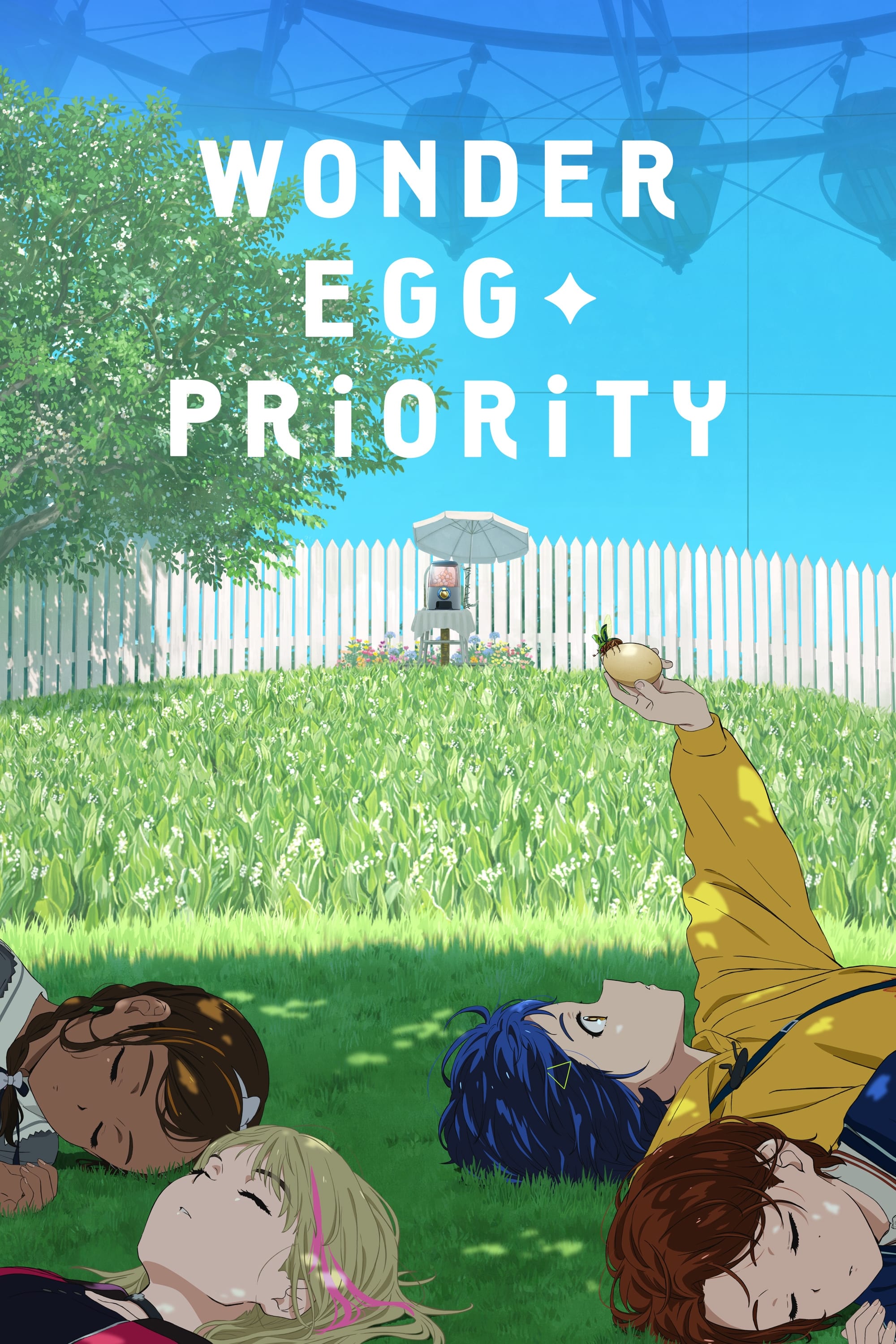
Wonder Egg Priority centers around four girls fighting monsters in a dream world, attempting to save friends lost to suicide. While the show was initially celebrated for its exploration of identity – particularly through a character named Momoe who grapples with being seen as male – the story’s direction received significant criticism after the finale. Many viewers felt the show dropped its subtle LGBTQ+ themes, replacing them with a complicated and disconnected science fiction plot. This led to accusations that the show used inclusive representation mainly to attract viewers at the beginning, rather than genuinely exploring these themes.
‘Buddy Daddies’ (2023)
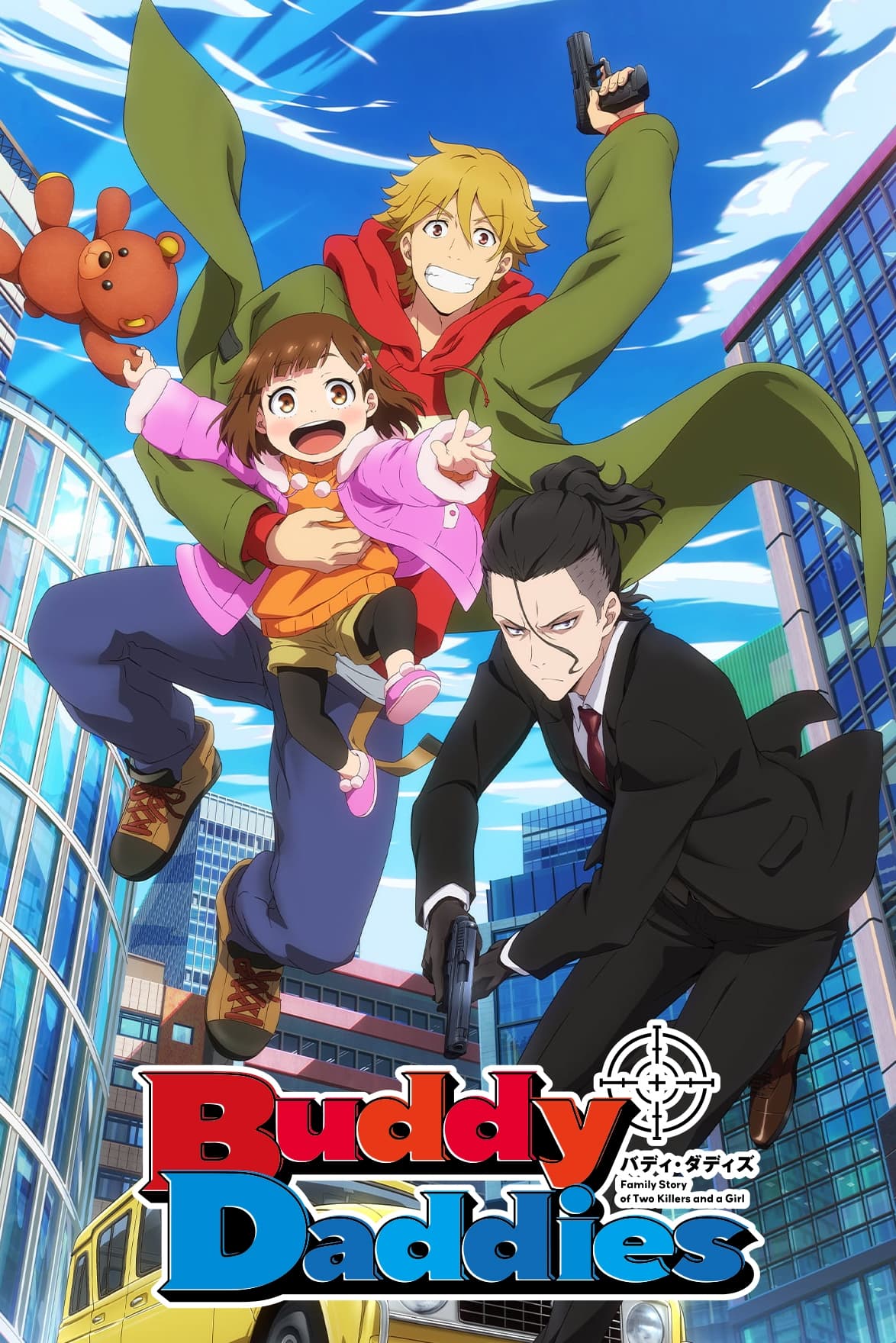
The anime ‘Buddy Daddies’ centers around two hitmen who unexpectedly become caregivers to a young girl. Marketing for the show emphasized the idea of a ‘two dads’ dynamic, similar to other stories about found families. While the series depicts the two men sharing parenting duties and building a close family bond that resembles a romantic relationship, it makes it clear their connection is strictly platonic and based on their professional partnership. This distinction led to criticism from some viewers who felt the show used romantic tropes to attract an audience without actually delivering a romantic storyline.
‘Moriarty the Patriot’ (2020–2021)
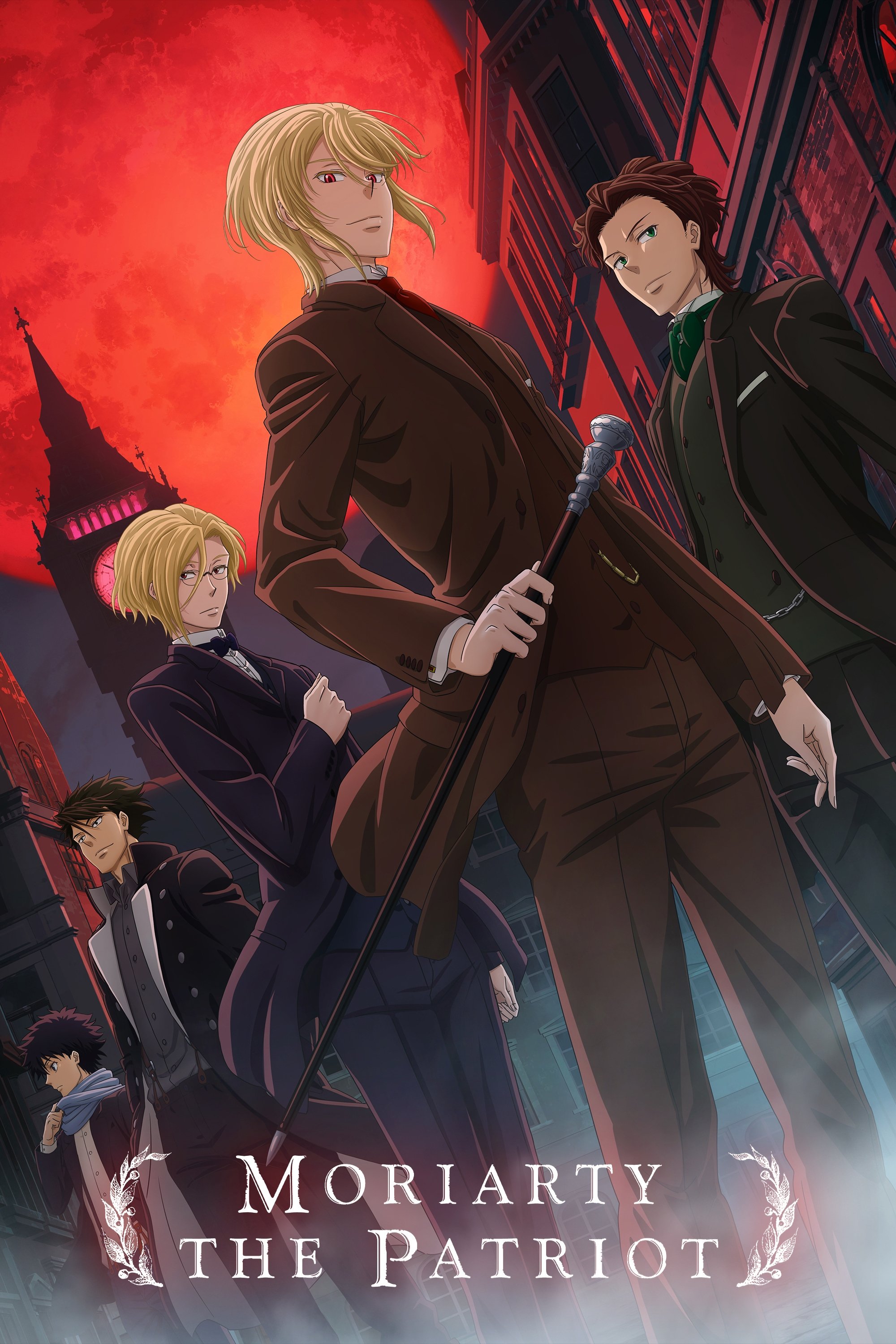
‘Moriarty the Patriot’ offers a fresh take on the Sherlock Holmes stories, telling them from the point of view of William James Moriarty. The intense connection between William and Sherlock is central to the story’s biggest moments. Their scenes together are full of suspense and hints of deep understanding, resembling a romantic relationship. However, the series portrays this bond as a powerful, all-consuming rivalry, never explicitly confirming it as anything more. The show uses the visual language of a close connection while keeping any romantic interpretations implied rather than stated directly.
‘The Case Study of Vanitas’ (2021–2022)

‘The Case Study of Vanitas’ is set in 19th-century Paris and centers on a doctor and a vampire who team up. The show is visually striking and features a lot of close physical contact between the two main male characters. Although both have romantic interests in women, the strongest emotional connection is between them. This creates a complicated relationship where the show hints at same-sex attraction but ultimately sticks to a traditional heterosexual storyline. Some viewers have criticized this, feeling it’s a way to attract a wider audience without actually providing meaningful LGBTQ+ representation.
‘Bungo Stray Dogs’ (2016–2023)
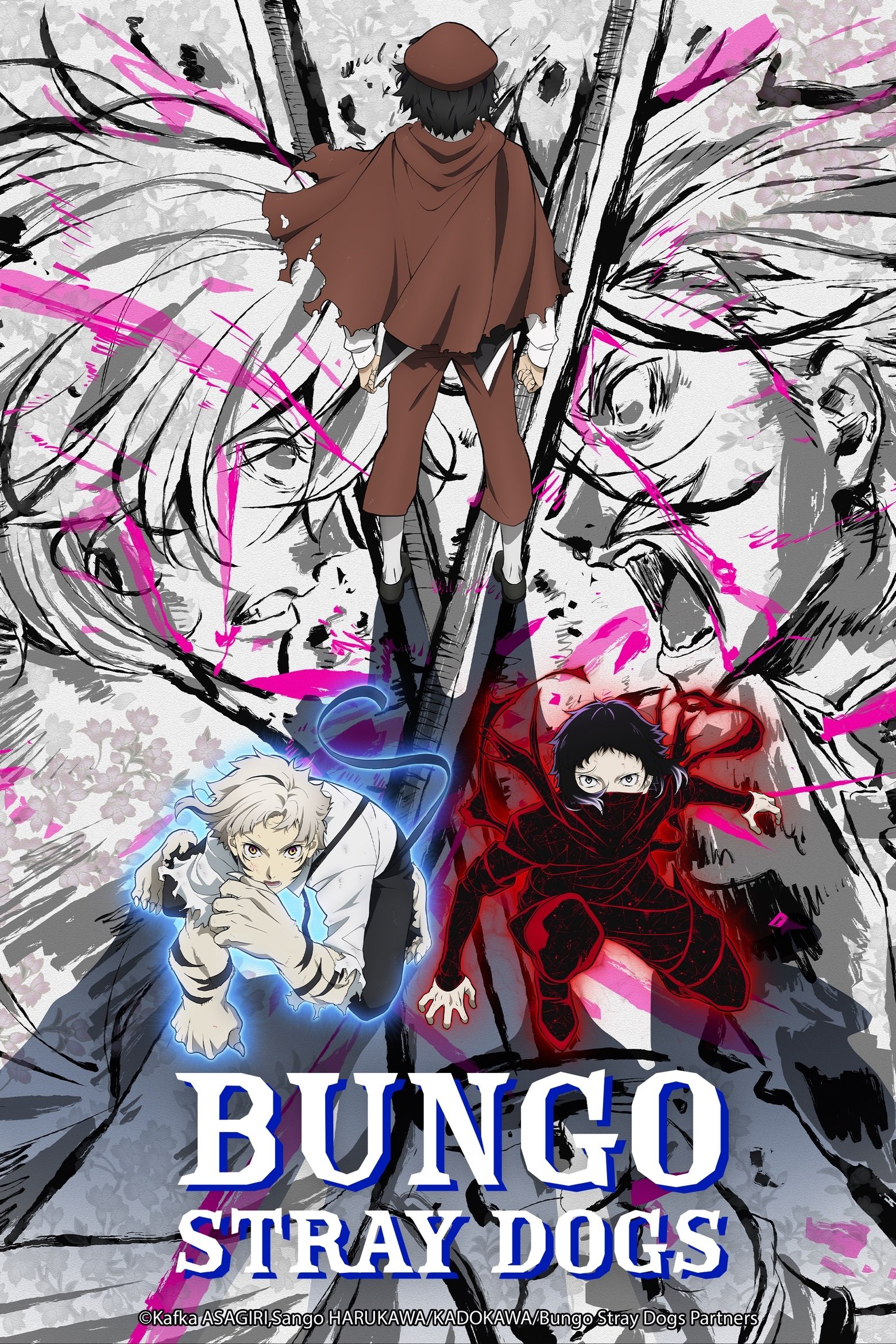
‘Bungo Stray Dogs’ is known for its characters, each based on a famous author and equipped with unique supernatural abilities. The story focuses on the complicated relationships between these characters, especially the intense connection—full of conflict and dependence—between Dazai and Chuuya. The anime hints at romantic possibilities between characters but never confirms anything, which allows fans to create their own interpretations and keeps the show broadly appealing as an action series for young men.
‘Haikyu!!’ (2014–2020)
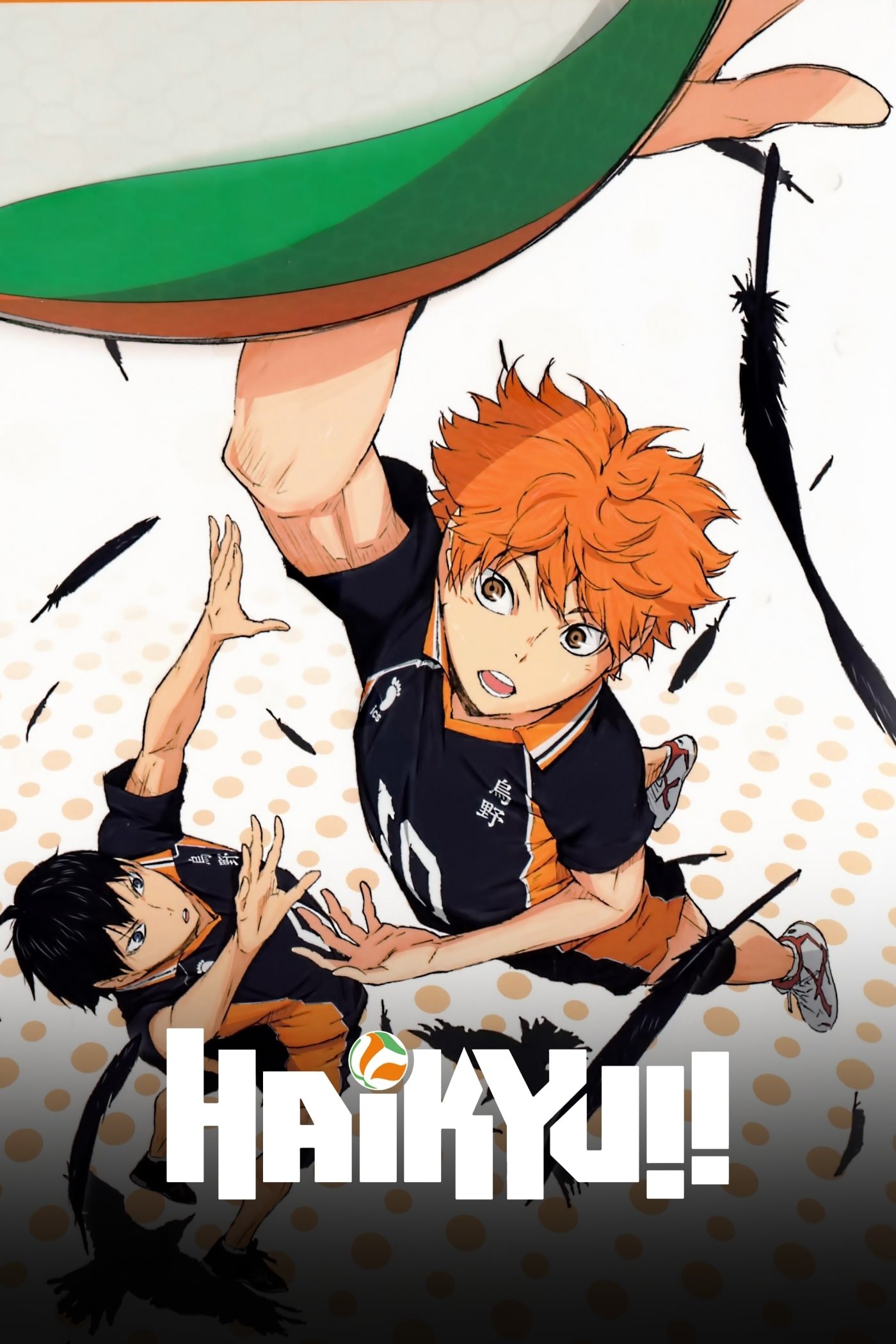
‘Haikyuu!!’ is a well-loved anime about volleyball, highlighting the importance of teamwork and striving for victory. The dynamic between the characters Hinata and Kageyama is particularly famous, showing how they depend on each other and complement each other’s skills during matches. Although the story focuses on sports and friendship, the anime’s official promotional materials sometimes use suggestive images, which has caused debate among fans. Many viewers feel this promotional approach doesn’t align with the series’ more down-to-earth themes.
‘Black Butler’ (2008–2024)
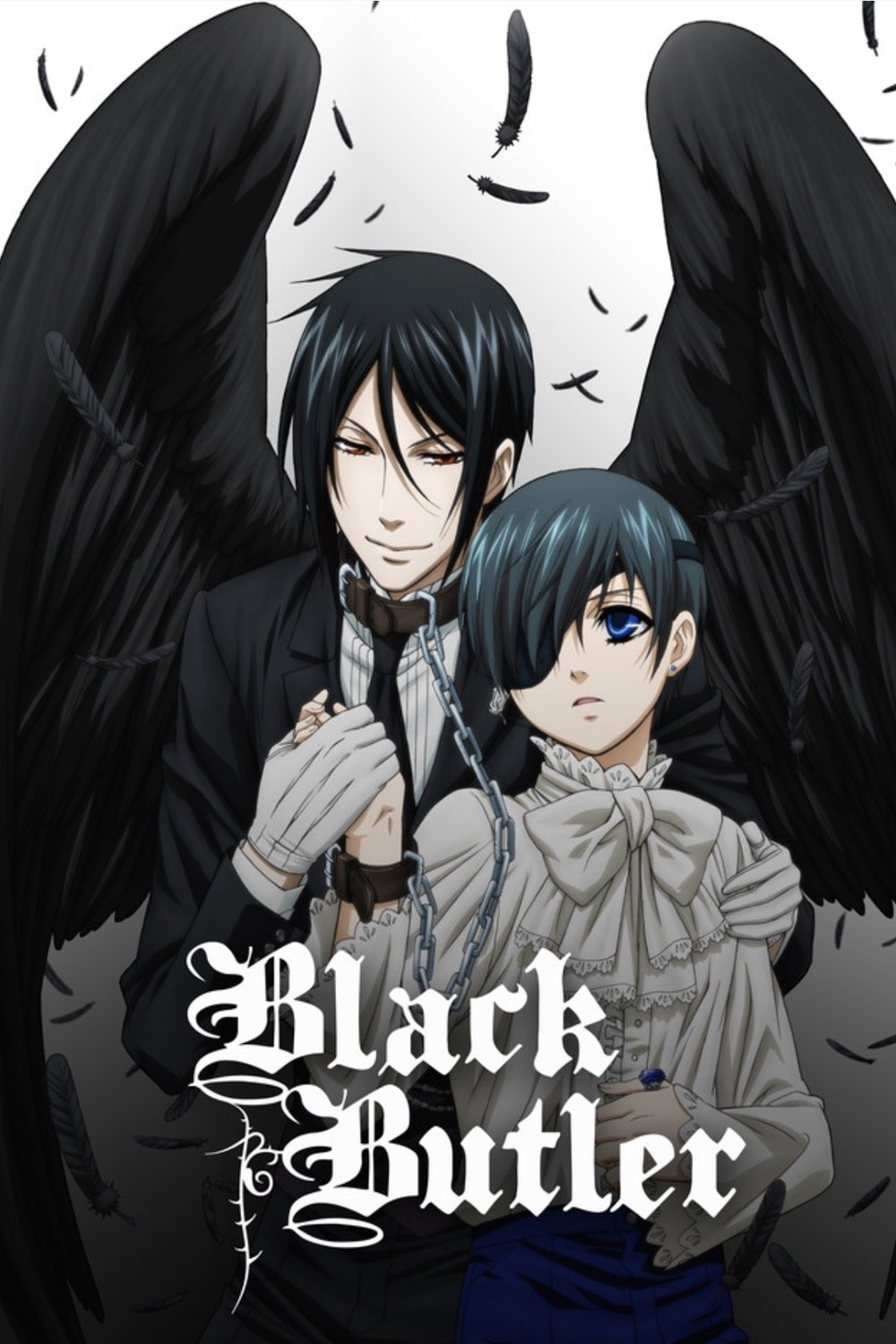
Black Butler centers around Ciel Phantomhive and his butler, Sebastian, a demon who intends to eventually consume Ciel’s soul. The series is known for its dark, gothic atmosphere and the complex relationship between Ciel and Sebastian, which often features romantic or suggestive elements. This has drawn a large LGBTQ+ and female fanbase. However, the terms of their supernatural agreement prevent any truly healthy or honest romance from developing. Many viewers see the show’s use of these shadowy, suggestive themes as a way of hinting at queer relationships without explicitly confirming them.
‘Lycoris Recoil’ (2022)
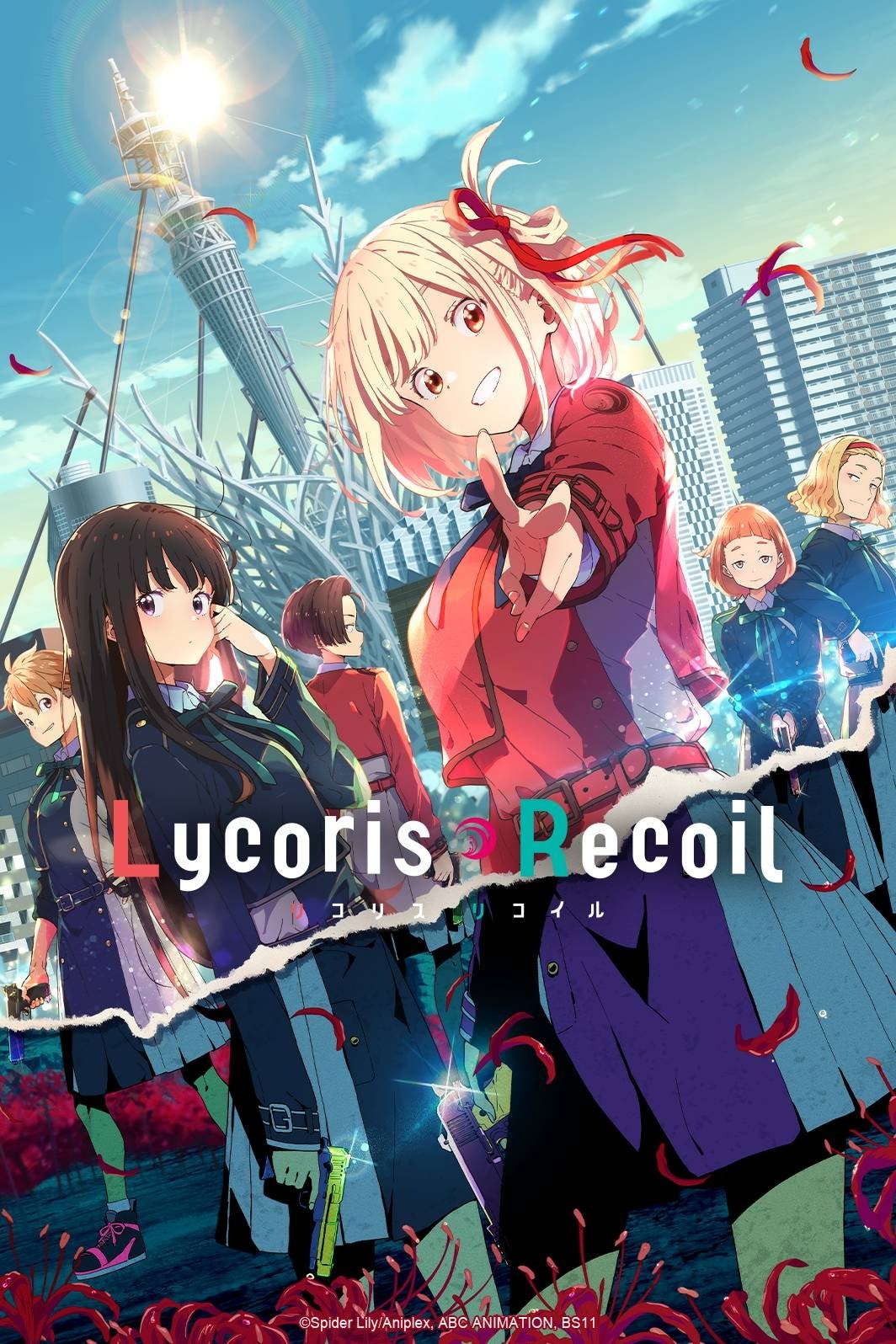
I was completely hooked by ‘Lycoris Recoil’! It’s about two teenage girls working undercover to fight terrorism, but honestly, the real magic was the connection between Chisato and Takina. Their relationship felt so deep, and they really challenged each other and helped each other grow. There was a lot of build-up that felt like it was heading towards a romantic connection, and a lot of us in the ‘yuri’ fandom were really invested. It was a bit disappointing that the show didn’t explicitly confirm anything, and some people felt like the creators were just trying to attract us for views. Still, I loved the show and the amazing bond between the two leads.
‘The Millionaire Detective – Balance: UNLIMITED’ (2020)
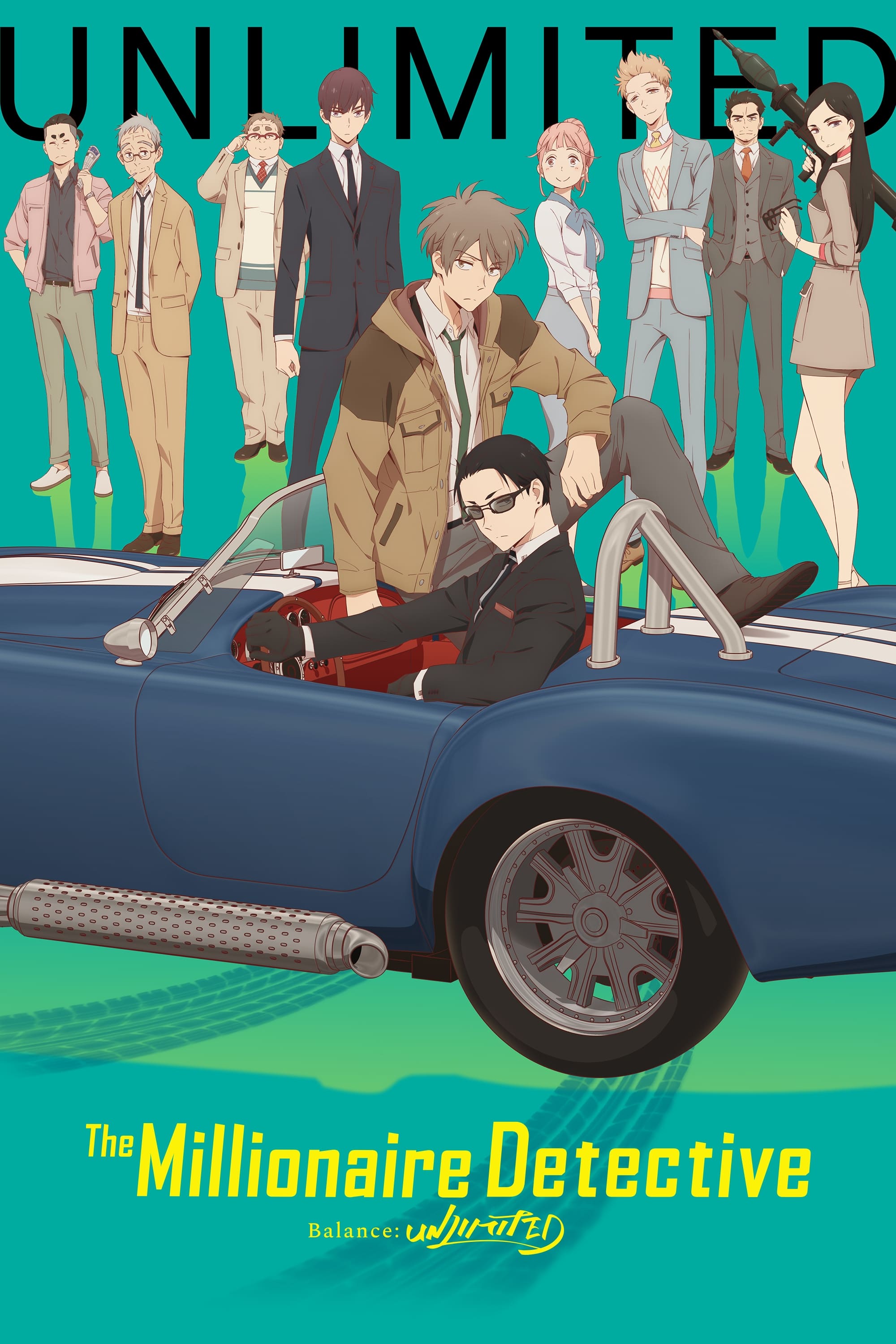
‘The Millionaire Detective Balance: Unlimited’ centers on a rich detective and his down-to-earth partner. The show initially attracted attention with stylish and suggestive visuals, leading many to believe a romantic connection between the two leads would develop. However, the series ultimately prioritized solving mysteries, keeping their relationship purely platonic. This disappointed some viewers who felt the show used hints of a romantic connection without actually offering meaningful LGBTQ+ representation.
‘Sk8 the Infinity’ (2021)
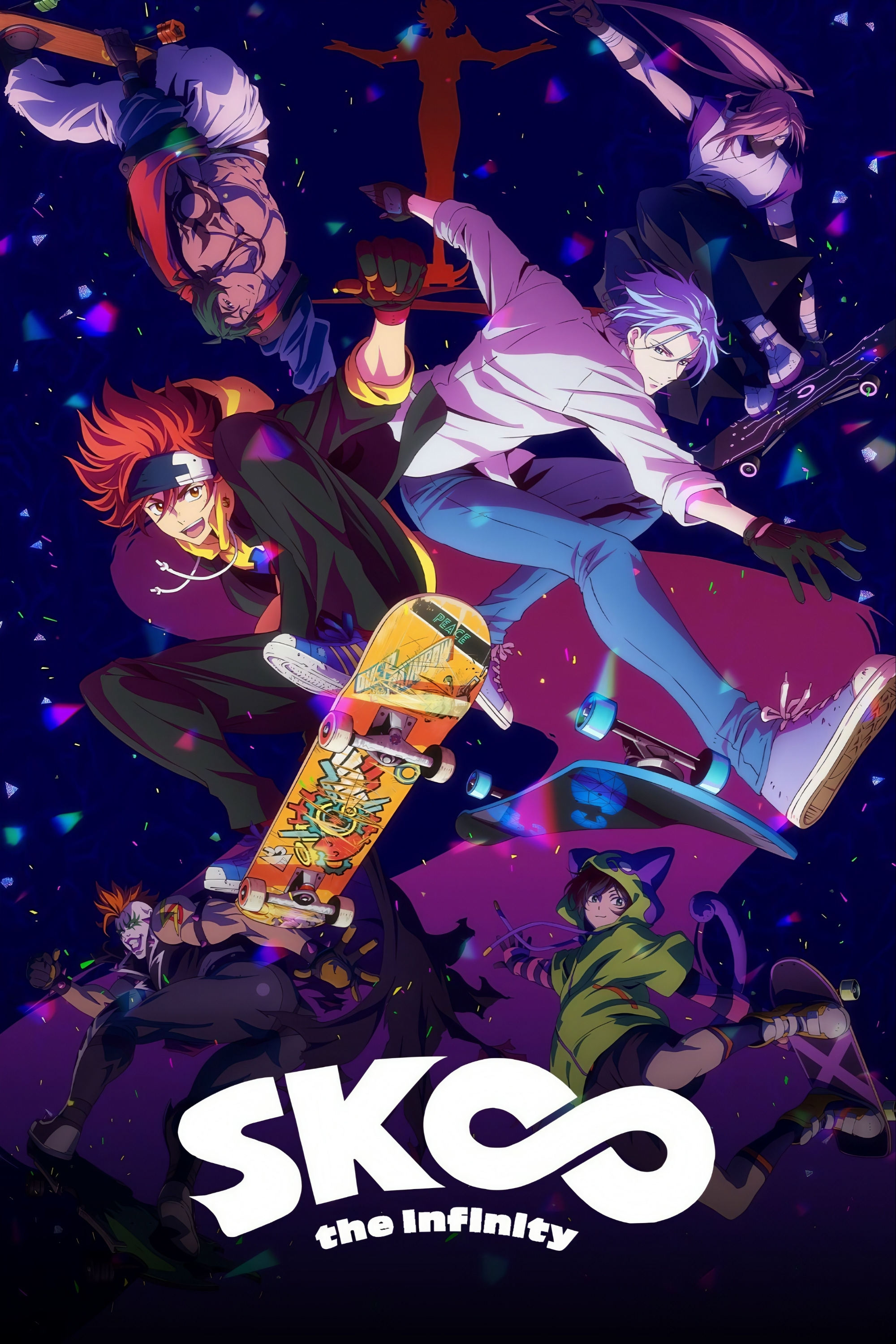
“SK8 the Infinity” is a unique anime centered around the competitive world of underground skateboarding. The series explores the close connection between Reki and Langa, portraying their friendship with visual storytelling often found in romance anime. Langa’s growing feelings for Reki are even presented as a literal “spark,” similar to a romantic awakening. However, despite these strong hints, the show ultimately keeps their relationship as a close friendship. This use of romantic imagery to depict a platonic bond has sparked a lot of discussion and debate among fans.
‘Seraph of the End’ (2015)
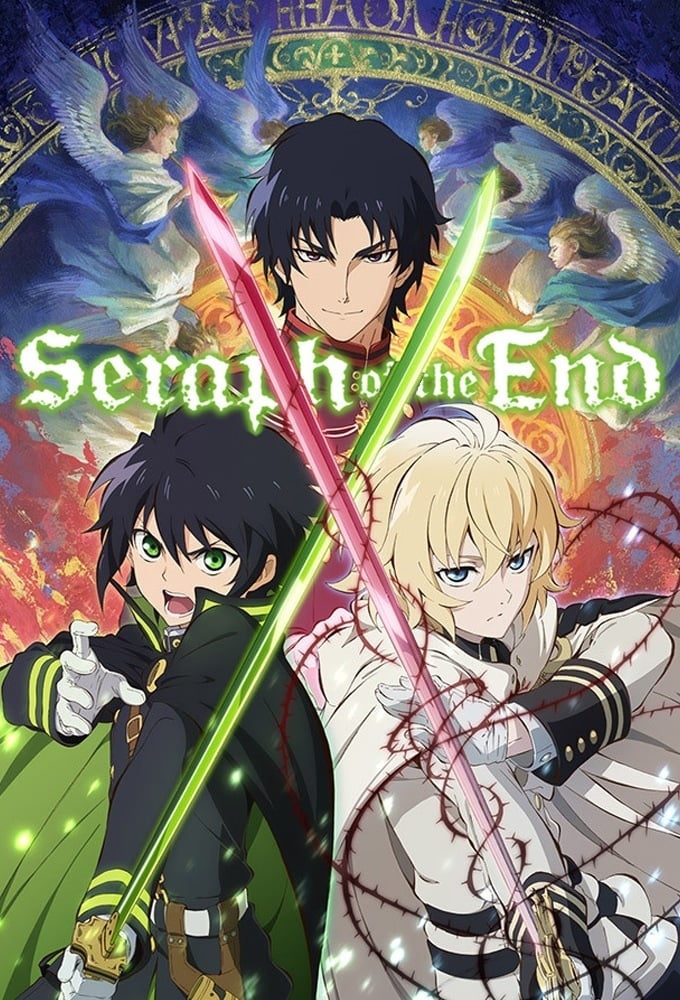
‘Seraph of the End: Vampire Reign’ centers on Yuuichirou’s journey to rescue his friend Mikaela in a world ruled by vampires. Mikaela is deeply devoted to Yuuichirou, and their connection is portrayed with strong emotional intensity. The anime adaptation maintains this, showing moments where both characters are emotionally and physically vulnerable with each other. Despite this, the series doesn’t explicitly recognize their bond as romantic, which is a frequent criticism of its portrayal of relationships. Many viewers feel the show avoids labeling a significant same-sex connection.
‘Yuri!!! on Ice’ (2016)
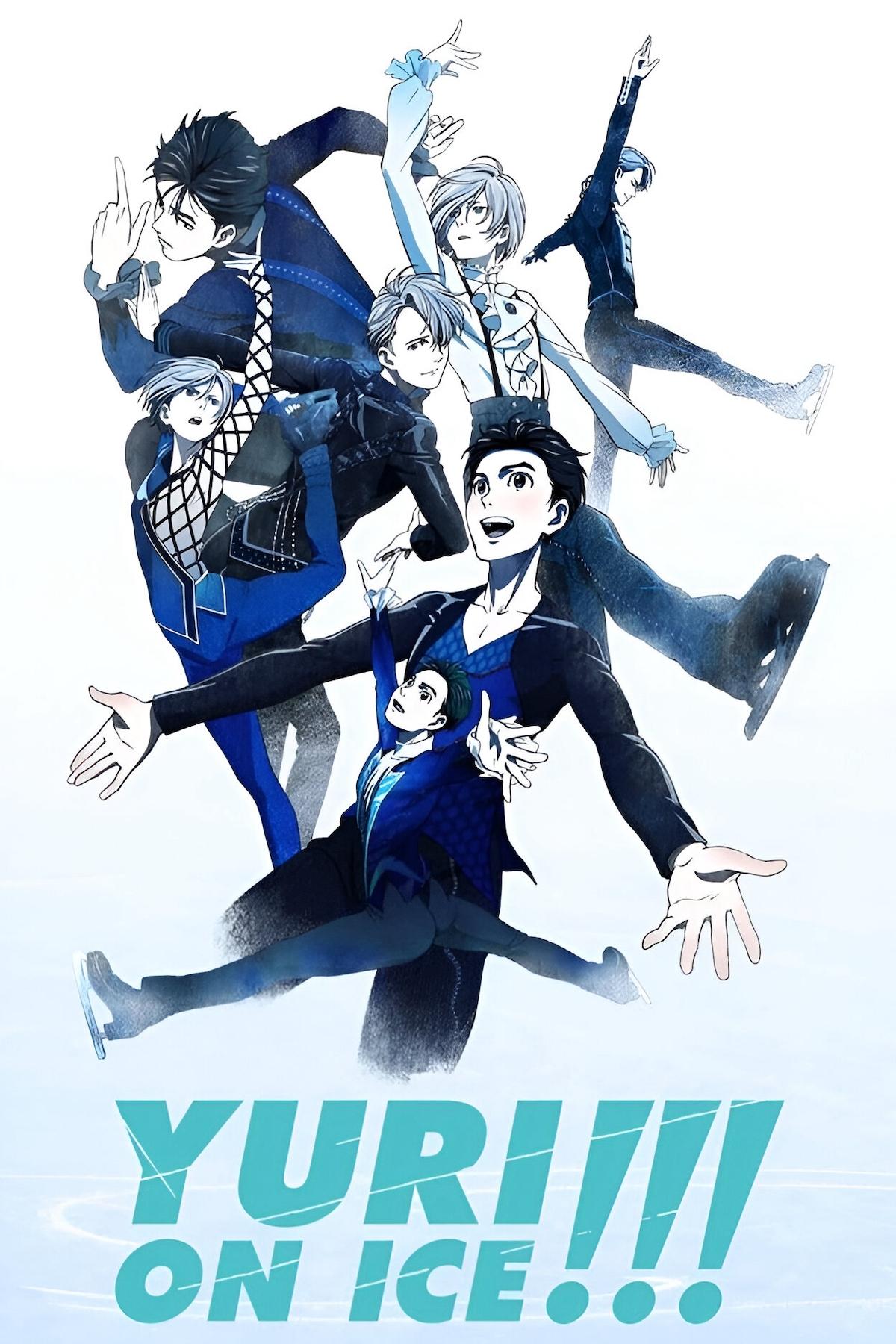
‘Yuri!!! on Ice’ centers on the developing connection between figure skater Yuri Katsuki and his role model, Victor Nikiforov. Some viewers feel the show deliberately teased a romantic relationship, pointing to a key kiss that was partially hidden and a lack of direct confirmation about the characters’ feelings. Although the series is considered forward-thinking compared to many others, this ambiguity has frustrated fans who wanted a clearer portrayal of a same-sex relationship. Many see it as a chance missed to prominently feature LGBTQ+ representation in popular anime.
‘Free! – Iwatobi Swim Club’ (2013)
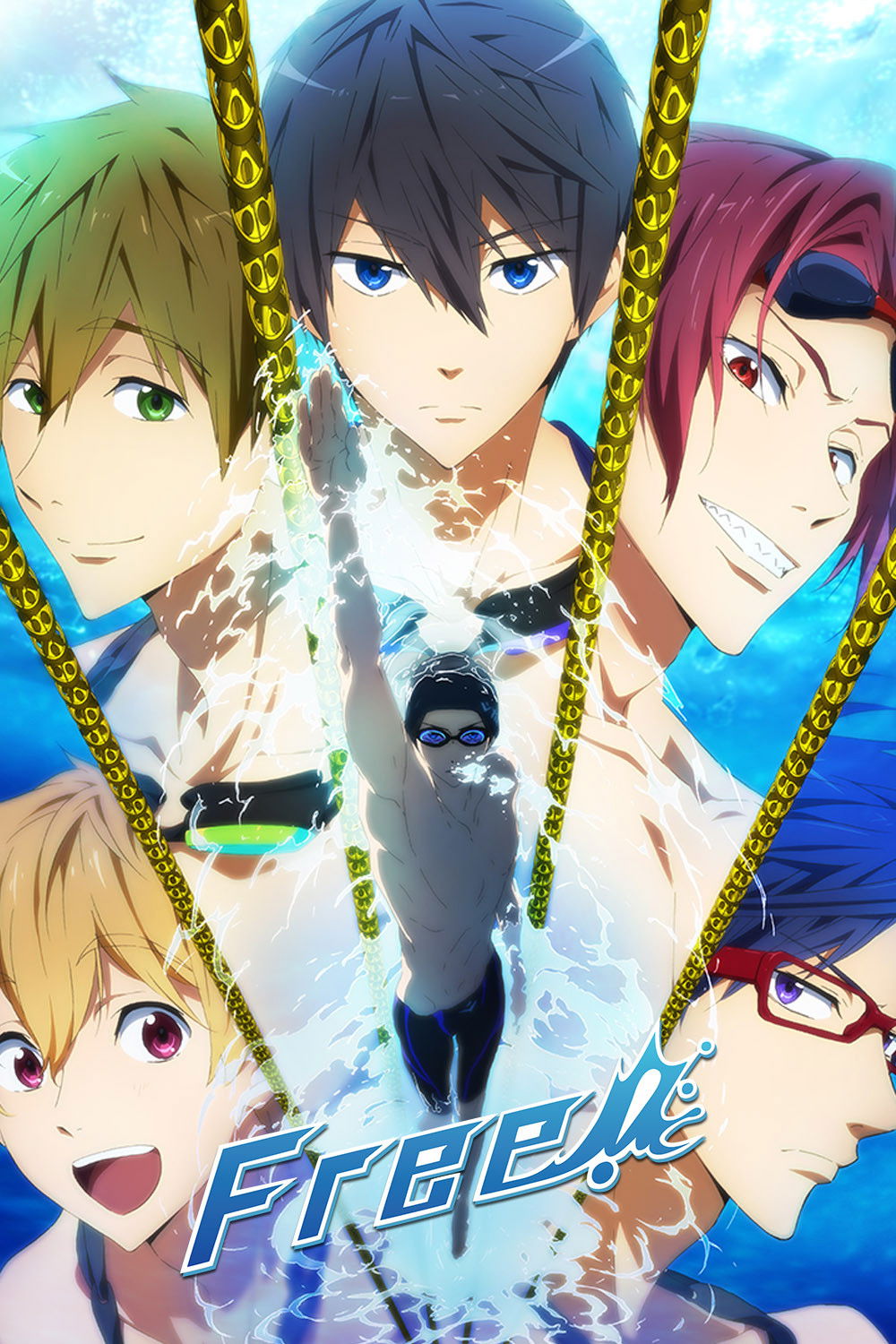
‘Free! – Iwatobi Swim Club’ is a sports anime that centers on the connections between high school swimming teammates. It gained popularity for its beautiful animation, particularly of the characters’ bodies, and for the strong emotional bonds between characters like Haruka and Rin. The show often presented these relationships in ways that resembled romantic storylines, including feelings of jealousy and longing. However, the series never officially confirmed any romantic relationships, which led to discussions about whether it was exploiting male intimacy to appeal to a certain audience.
‘Sound! Euphonium’ (2015–2024)
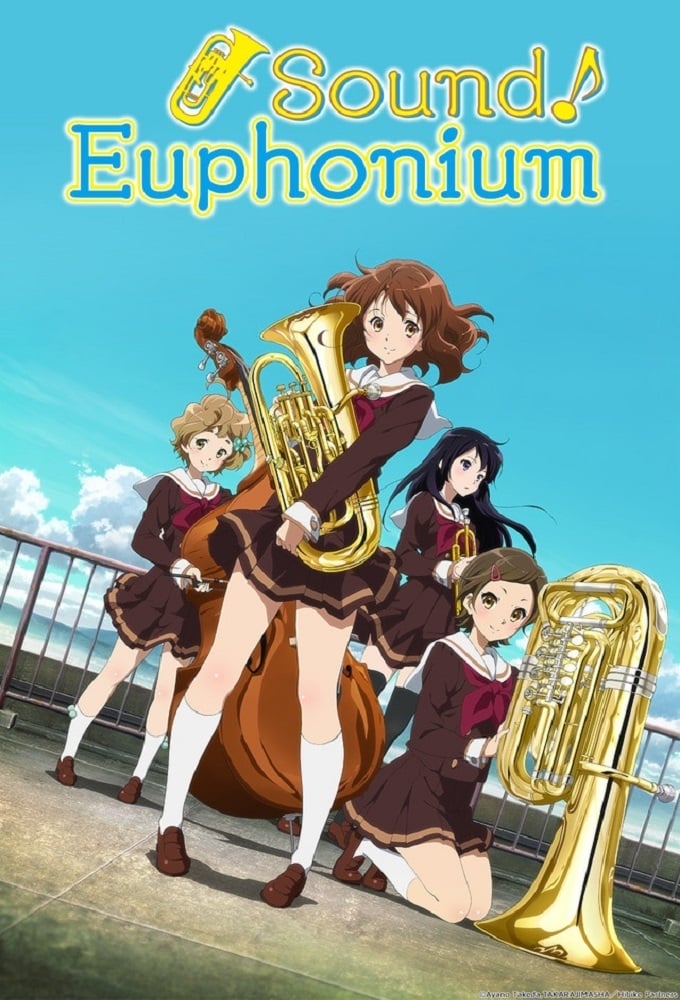
‘Sound! Euphonium’ follows a high school concert band as they strive for the national championships. The connection between two characters, Kumiko Oumae and Reina Kousaka, is well-known for leading viewers to believe a romantic relationship would develop, though it never does. The show uses close-up shots, meaningful conversations, and shared experiences to create a strong bond between them. However, the story ultimately reveals the characters are interested in relationships with others, portraying their closeness as a deep friendship instead. This difference between how the story felt and how it actually ended continues to be a major topic of conversation among fans.
Share your thoughts on these instances of subtext versus representation in the comments.
Read More
- Spotting the Loops in Autonomous Systems
- Seeing Through the Lies: A New Approach to Detecting Image Forgeries
- 20 Best TV Shows Featuring All-White Casts You Should See
- Julia Roberts, 58, Turns Heads With Sexy Plunging Dress at the Golden Globes
- Staying Ahead of the Fakes: A New Approach to Detecting AI-Generated Images
- The Glitch in the Machine: Spotting AI-Generated Images Beyond the Obvious
- The Best Directors of 2025
- Palantir and Tesla: A Tale of Two Stocks
- Gold Rate Forecast
- How to rank up with Tuvalkane – Soulframe
2026-01-13 05:47