
Television often shows Black characters suffering primarily to help White characters grow and change. Critics point out this frequently reduces Black trauma to a simple plot point, failing to fully explore the impact on the Black character themselves. This pattern, sometimes called “Black pain for White growth,” can overshadow Black voices and experiences by focusing on how White characters react to the suffering, rather than the suffering itself. Media analysts have observed this in many shows, noting that some stories seem to prioritize the moral development of White characters while disregarding the well-being of Black characters. Several shows have been identified as examples of this common storyline.
‘Orange Is the New Black’ (2013–2019)

Poussey Washington’s death on ‘Orange Is the New Black’ caused a lot of discussion, with many viewers and critics questioning the show’s choices. A common criticism was that the death of a popular Black character seemed mainly used to further the story of Piper Chapman, the show’s White protagonist, and her political growth. The story then focused on how the prison system and White inmates reacted, rather than exploring the grief within the Black community inside the prison. Critics felt this approach prioritized highlighting systemic problems through a White perspective, at the expense of fully portraying the impact on Black characters. This storyline is often cited as an example of the problematic practice of using Black trauma to teach lessons or advance the narratives of others.
‘Game of Thrones’ (2011–2019)

As a huge fan of ‘Game of Thrones,’ I was really disappointed by how they handled Missandei in the final season. It felt wrong to see such a strong character, and really the only prominent woman of color, killed off in such a brutal way. It seemed like her death wasn’t about her story, but just a way to make Daenerys’s arc move forward, and honestly, it felt incredibly unfair. It struck me, and a lot of other viewers, that Missandei didn’t get the chance to really develop as a character herself; she was essentially used as a plot device to fuel someone else’s journey. It sadly reinforced this harmful pattern where characters of color are sacrificed to create emotional impact for white characters, and it really sparked a conversation about how diverse characters deserve their own full stories, especially in fantasy worlds.
‘The Vampire Diaries’ (2009–2017)
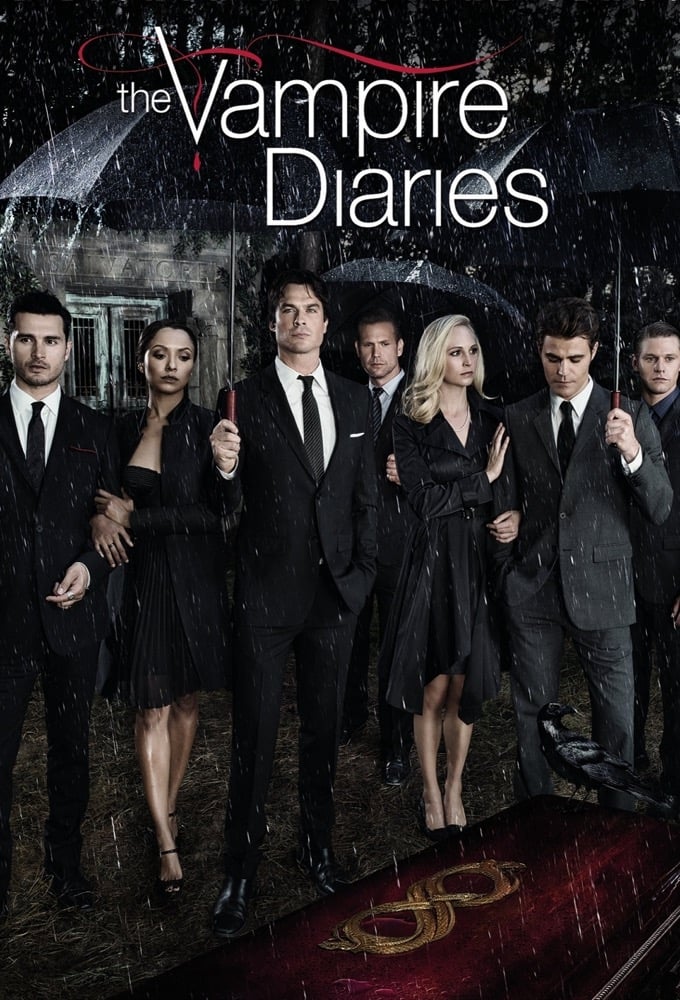
Throughout ‘The Vampire Diaries,’ Bonnie Bennett consistently endured intense hardship and trauma. Many critics observed that her role often centered around using her magic to rescue the show’s White characters, frequently at great personal cost – including the loss of her family and her own well-being. Her struggles weren’t explored with the same depth as those of the White leads, leading many to see her as a variation of the “magical negro” trope, where her pain served primarily to further the stories of others. Both viewers and critics felt the show didn’t give Bonnie a satisfying conclusion that adequately acknowledged everything she sacrificed.
‘The Handmaid’s Tale’ (2017–Present)
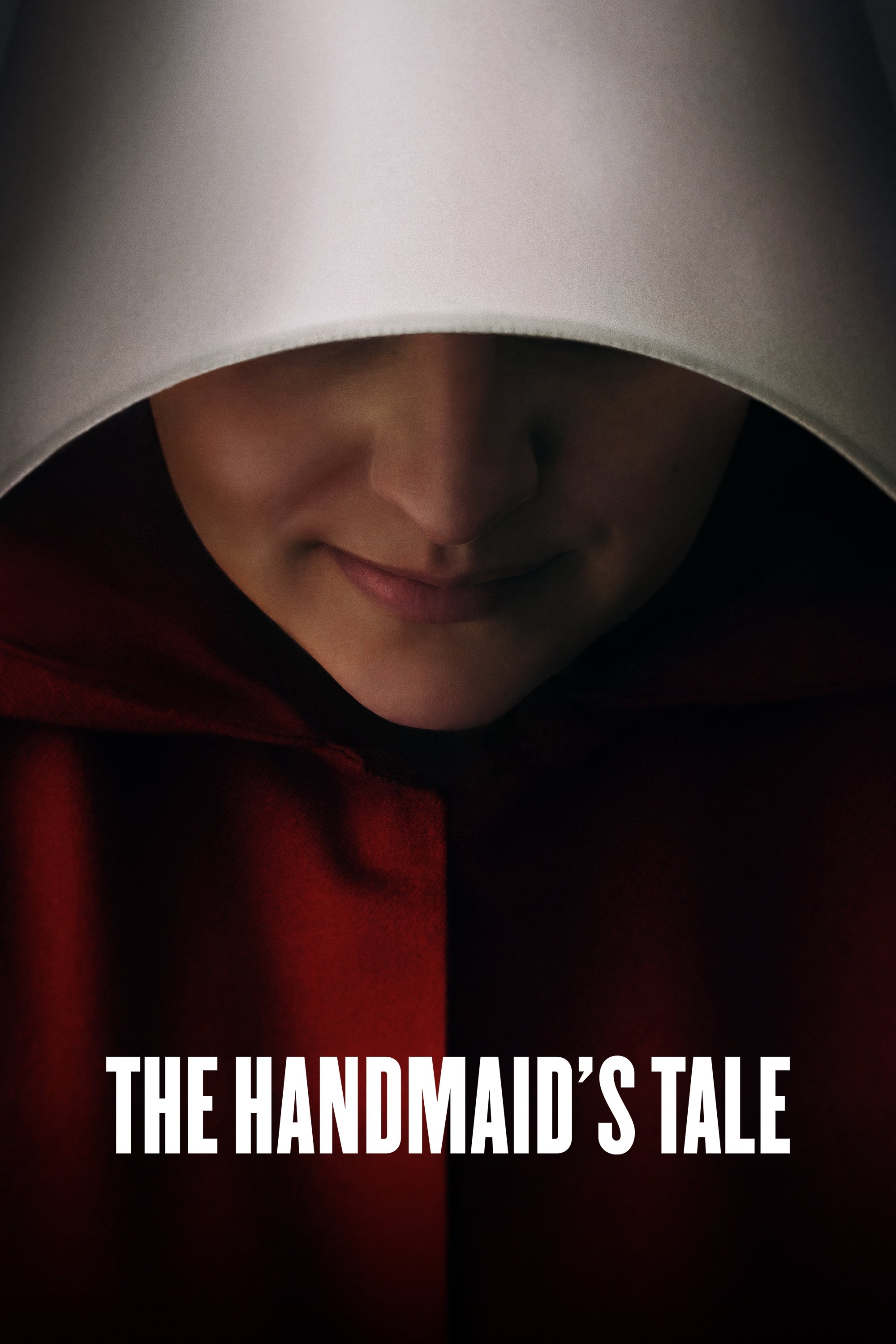
Although ‘The Handmaid’s Tale’ is praised for depicting the oppression of women, some critics point out that it often overlooks the unique challenges faced by Black women. Characters like Moira and other Black Handmaids experience significant trauma, but this often seems to exist primarily to emphasize the struggles of the main character, June. Critics suggest the show uses the suffering of Black characters as a backdrop to illustrate the harshness of Gilead, centering the emotional story on White motherhood. This has been described as a way to make June’s experiences relatable to a wider audience without fully acknowledging the specific impact of racism. Many have called for the series to develop its characters of color beyond simply portraying them as victims.
‘The Walking Dead’ (2010–2022)

Critics have pointed out a troubling pattern in ‘The Walking Dead’ where Black characters are frequently introduced only to die soon after, seemingly to further the storylines of White characters. For example, the death of Noah was used to emotionally impact Glenn and Nicholas, pushing their characters forward. This led to accusations of a ‘one in, one out’ cycle, where a new Black character appearing often meant another would quickly die. Many believe this was a way to create dramatic moments without investing in the long-term development of its Black actors. The repeated use of Black characters’ deaths for shock value has become a major topic of criticism for the show.
‘Grey’s Anatomy’ (2005–Present)

‘Grey’s Anatomy’ has faced criticism for how it handles the departures of its Black characters, specifically Stephanie Edwards and Mina Okafor. Some argue the show uses their traumatic experiences and career setbacks primarily to further the growth of the White doctors around them. While the show features a diverse cast, critics suggest it often focuses on how these characters struggle with systemic issues, framing their pain as learning opportunities for the White protagonists instead of fully exploring their strength and resilience. This pattern suggests the emotional weight of these failures falls disproportionately on the Black characters.
‘The Falcon and the Winter Soldier’ (2021)

The series ‘The Falcon and the Winter Soldier’ brought in the character Isaiah Bradley to reveal the troubling past of the Super Soldier program. While his story powerfully highlighted racial injustice, some felt it existed mainly to motivate Sam Wilson and Bucky Barnes. Isaiah’s experiences with experimentation and imprisonment were presented as a lesson for the white characters about the responsibility that comes with being Captain America. However, critics pointed out that Isaiah remained a symbol of past suffering, lacking a fully developed story of his own. This approach, they argued, unfairly placed the weight of historical trauma on a Black character to help the white superheroes grow.
‘Little Fires Everywhere’ (2020)
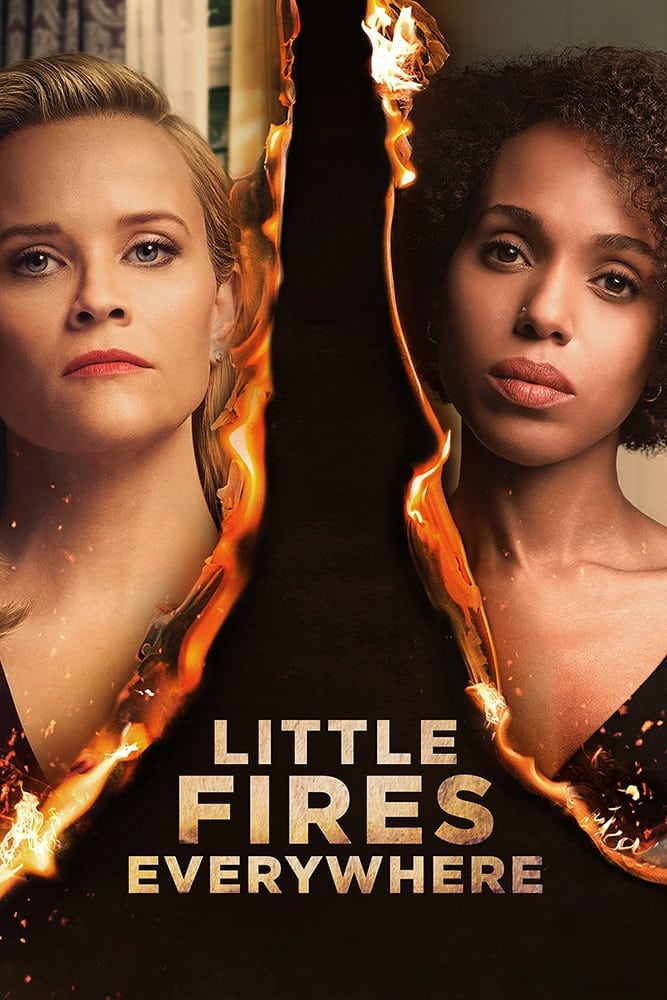
The core of ‘Little Fires Everywhere’ revolves around the conflict between Mia Warren and Elena Richardson. The story often highlights the contrast between Mia’s difficult past, marked by trauma and racial discrimination, and Elena’s comfortable, privileged life. This is done to show Elena gradually becoming aware of her own prejudices. However, some critics argue the show leans too heavily on Mia’s suffering to drive Elena’s understanding. This creates a situation where Mia’s well-being seems tied to Elena’s moral development. Some have questioned whether the show truly prioritizes Mia’s point of view, or if it falls into the common pattern of using Black characters’ struggles to teach White audiences a lesson.
‘The 100’ (2014–2020)

Many viewers and critics felt Lincoln’s death on ‘The 100’ was a missed opportunity, as it seemed to exist solely to further the storyline of a White character, Octavia Blake. His execution propelled Octavia’s transformation into the fierce leader known as ‘Blodreina,’ and critics argued that sacrificing a well-developed and morally upright Black character to fuel another character’s arc was a problematic choice. Lincoln was one of the few positive Black male figures on the show, and his death meant that representation was lost, with his suffering serving as a catalyst for Octavia’s pursuit of power and revenge.
‘The Resident’ (2018–2023)

The TV show ‘The Resident’ received backlash for how it handled the exit of Mina Okafor, a popular and gifted surgeon. After facing both career and personal difficulties, her character was written off in a way that some critics felt drew attention to the challenges Black professionals often encounter, but ultimately prioritized the storylines of the show’s White main characters. While the show used Mina’s struggles with immigration and workplace sabotage to expose flaws within the hospital’s leadership, critics pointed out that White characters typically overcame similar obstacles with strength, whereas Mina had to give up her job. Many felt this demonstrated a lack of support for a strong, Black character and undermined her ability to control her own story.
‘The Morning Show’ (2019–Present)

On ‘The Morning Show,’ the character Mia Jordan experiences workplace exploitation and emotional manipulation. Critics have noted that her personal pain, stemming from a past relationship with a fallen news anchor, often serves to enhance the storylines of the show’s main White characters, Alex and Bradley. While Mia fights to stay true to herself within a chaotic corporate environment, her struggles primarily function as a way to highlight the moral challenges faced by the White leads. Media experts have also pointed out that Mia’s strength is consistently tested to create tension around the network’s internal conflicts, ultimately positioning Black professional challenges as secondary to the drama surrounding White characters’ careers.
’13 Reasons Why’ (2017–2020)

When Ani Achola was introduced in the show ’13 Reasons Why,’ many viewers and critics reacted negatively to her role. She served as a narrator and a voice of morality, but her main purpose seemed to be making Bryce Walker, a problematic character, appear more human. Critics pointed out that the show was using a Black character to create sympathy for someone who had committed terrible acts. Ani’s own story and growth were neglected, as the focus was on her reactions to and emotional support of the White characters. Many felt this was a harmful way to use a Black female lead – to try and redeem a White male character.
‘Big Little Lies’ (2017–2019)

The TV series ‘Big Little Lies’ faced criticism for how it portrayed Bonnie Carlson, especially in the first season. Compared to the book, her character wasn’t developed as much, and she often seemed like a quiet observer of the problems faced by the other women. Her own personal struggles weren’t explored until the second season, which made her feel like an outsider carrying the group’s burden of guilt. The first season’s dramatic ending relied on Bonnie physically stepping in to save the other characters, putting her in a difficult legal and emotional situation. Some critics felt this unfairly used Bonnie as a means to resolve the problems of the main characters and allow them to grow.
‘Ginny & Georgia’ (2021–Present)

The show ‘Ginny & Georgia’ focuses on the complicated relationship between a biracial teenage girl and her white mother, but some viewers and critics have raised concerns about how the show handles Ginny’s struggles. Specifically, Ginny’s difficulties with self-harm and understanding her racial identity are often shown through how they impact her mother, Georgia, and Georgia’s life. Some believe the show uses Ginny’s trauma to highlight Georgia’s parenting style and portray her as a protective mother, even if unconventional. This approach can sometimes make the story more about Georgia’s feelings and reactions than about Ginny’s actual experiences and mental health.
‘This Is Us’ (2016–2022)

‘This Is Us’ was widely praised, but also sparked conversations about how it portrayed Randall Pearson, a Black child raised by a white family. Although the show later delved into Randall’s identity, some critics pointed out that his initial difficulties often seemed to exist to help his white family members grow emotionally. His experiences with adoption and his racial background frequently served as lessons for Kevin, Kate, and Rebecca, helping them confront their own prejudices. Some observers felt the show’s early attempt at a “colorblind” approach unfairly put the responsibility on Randall to navigate these differences and constantly explain his perspective to his family.
‘Lovecraft Country’ (2020)
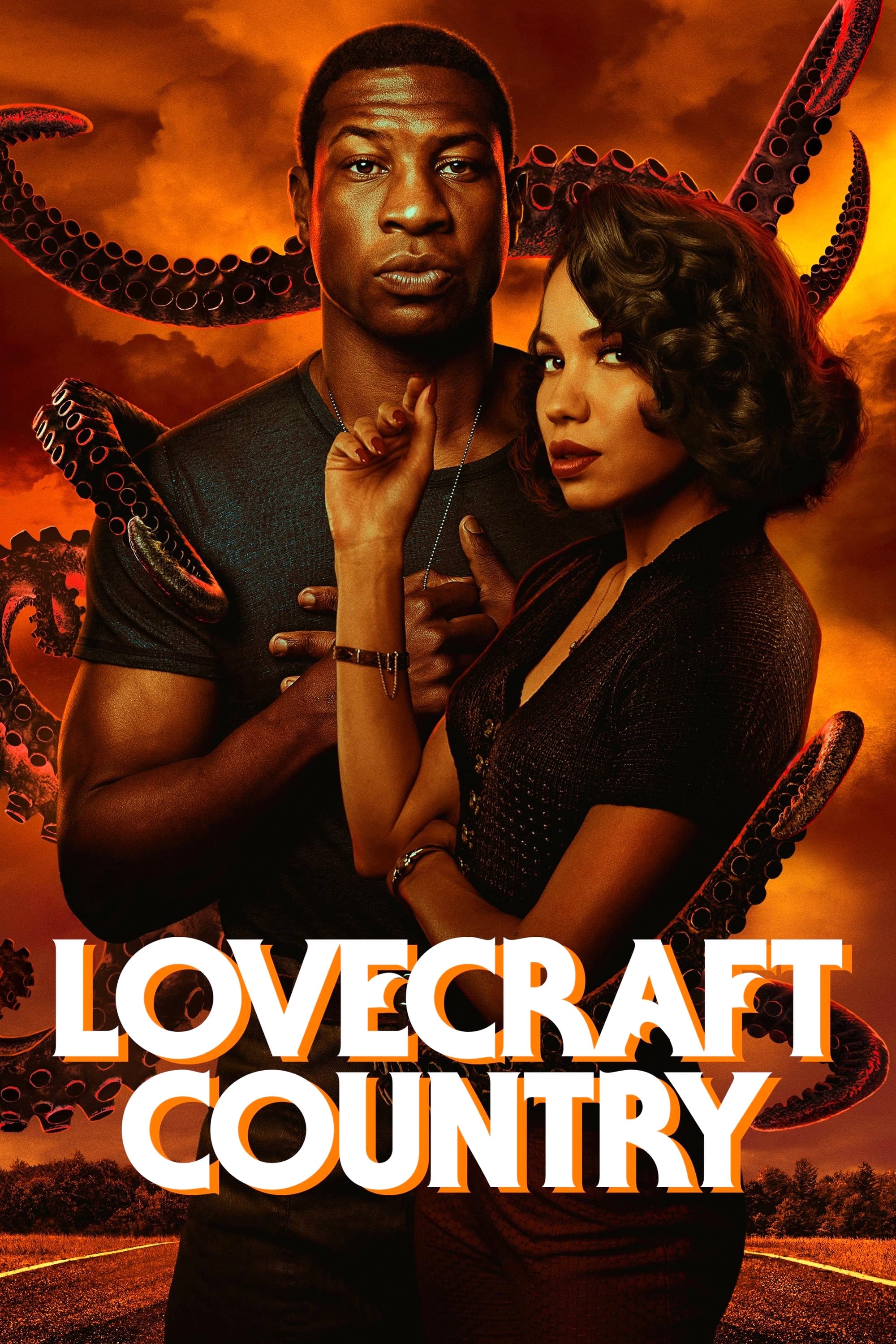
‘Lovecraft Country’ received both praise and criticism for its portrayal of horror and the experiences of Black characters. While many admired its unique take on the genre, some critics felt the show focused too much on the suffering of its Black characters, particularly Dee, and that her trauma was exploited for dramatic effect. Though the show aimed to expose historical injustices, some argued that the constant violence against Black characters overshadowed any moments of happiness. This sparked a discussion about whether the show depended too much on depicting Black pain to get its message across.
‘Succession’ (2018–2023)
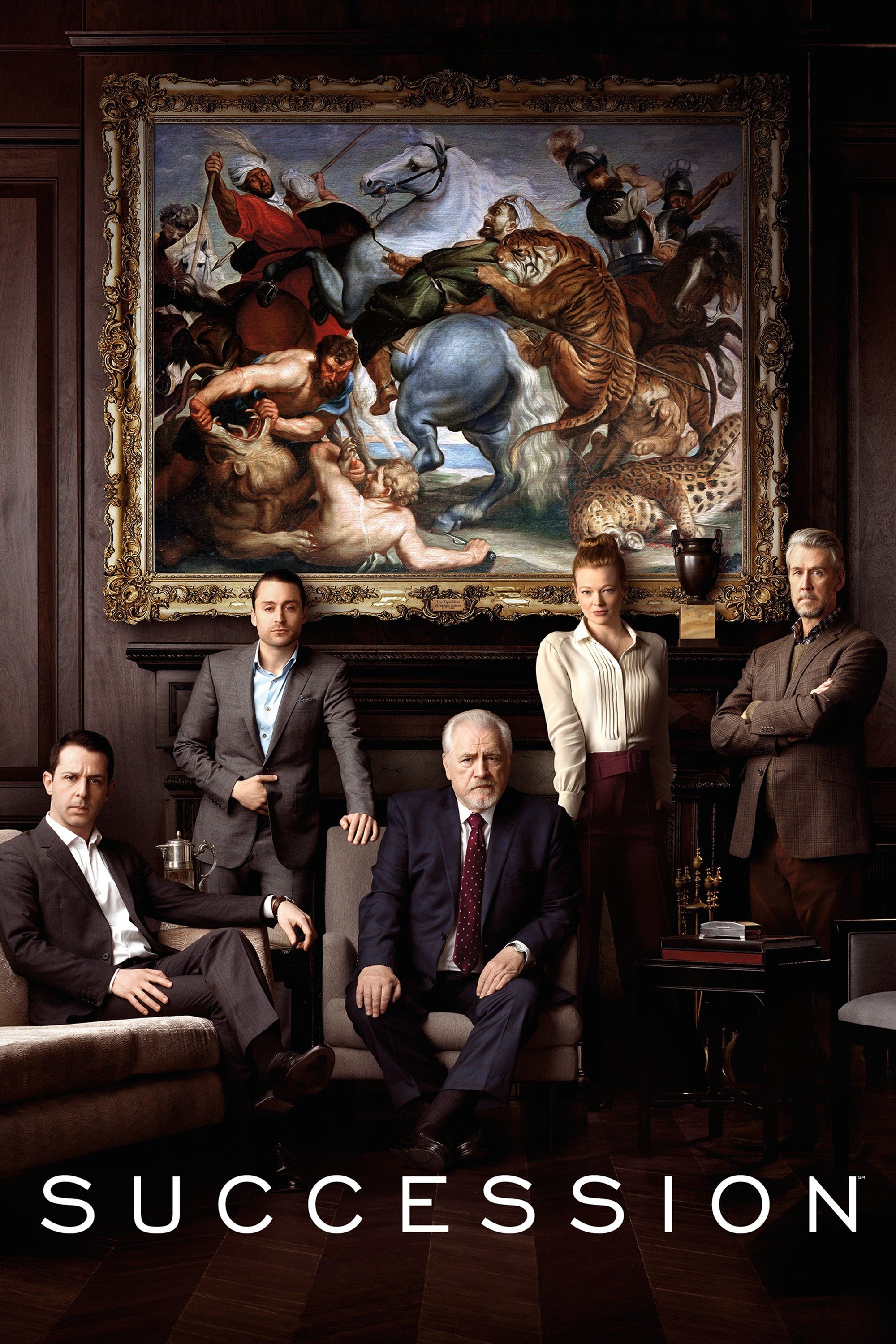
The HBO show ‘Succession’ largely features Black and Brown characters in supporting roles – as staff or in the background. Critics have pointed out that the Roy family consistently overlooks these characters, even explicitly dismissing them as unimportant. When incidents involving these non-White characters do occur, their consequences are used to reveal the flawed morals and changing fortunes of the Roy children. Essentially, their pain serves to highlight the Roy family’s lack of empathy, but these characters never get a story of their own. This pattern emphasizes how the suffering of Black people can be ignored or minimized within powerful circles.
‘Outer Banks’ (2020–Present)

Pope Heyward is the thoughtful and ethical center of the ‘Pogue’ group in ‘Outer Banks,’ but critics feel his storyline often exists to move the larger plot forward. Pope’s journey to uncover his family history and deal with past trauma fuels the show’s central treasure hunt. While this gives him a personal stake in the adventure, some argue that his family’s struggles are mainly used to drive the story for the other characters. His own challenges and sacrifices often take a backseat when the leads, John B and Sarah, are facing difficulties. Critics have observed that Pope’s hardships frequently end up benefiting the White characters, both financially and emotionally.
‘Supernatural’ (2005–2020)
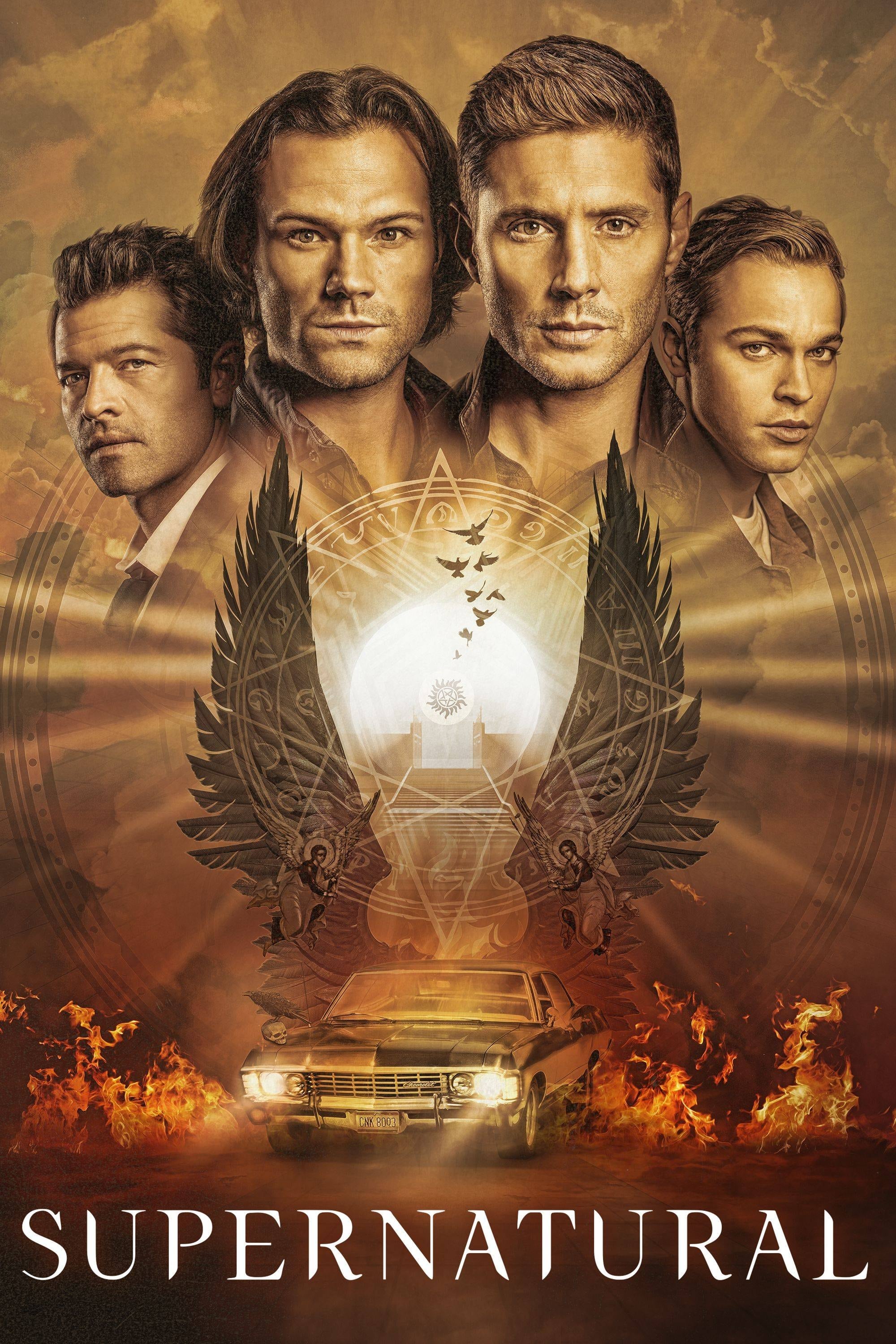
The TV show ‘Supernatural’ has faced criticism for the frequent deaths of Black guest stars and recurring characters. These characters, such as Cassie Robinson and various Reapers, often appeared to create challenges or emotional moments for the main characters, Sam and Dean Winchester. However, critics pointed out that these characters rarely survived their storylines and primarily existed to further the Winchesters’ journey. Their struggles served as temporary plot devices before the show returned its focus to the relationship between the two brothers. This pattern led to accusations that the show treated Black characters as expendable, simply used to advance the stories of the white protagonists.
‘The Boys’ (2019–Present)

While ‘The Boys’ is famous for its humorous and critical look at superheroes, many critics have also discussed how the show portrays the difficult experiences of characters like A-Train and Mother’s Milk. A-Train’s story explores his identity as a Black man and his complicated relationship with his brother, often contrasting with the experiences of the show’s white protagonists, Hughie and Starlight. Mother’s Milk’s past trauma related to the corporation Vought adds a sense of history and importance to the team’s goals. However, critics disagree on whether these storylines truly add depth to the characters or simply increase the tension in the main conflict between Billy Butcher and Homelander. Ultimately, the show often centers on how the white characters react to and navigate the challenges presented by the experiences of these Black characters.
‘Dear White People’ (2017–2021)
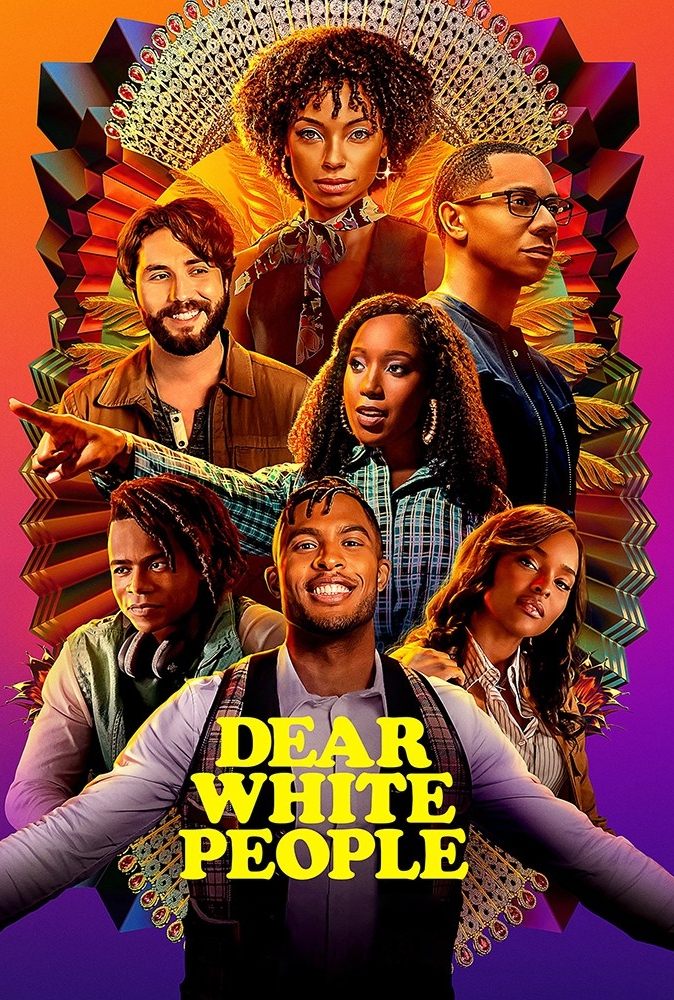
The show ‘Dear White People,’ which centers on Black students at a mostly White college, has faced criticism regarding its portrayal of White allies. The character of Gabe Mitchell often learns about his own privilege through witnessing the experiences of Sam White, particularly her struggles. Some critics argue that the show sometimes prioritizes Gabe’s journey to understanding racism over the emotional impact these events have on Sam and other Black characters. This dynamic, they suggest, mirrors the real-life pressure often placed on Black individuals to educate their White peers about racism.
‘Seven Seconds’ (2018)

I recently finished watching ‘Seven Seconds,’ and it’s a tough show to shake. It starts with a white police officer accidentally hitting a Black teenager, and the story quickly spirals into a cover-up. What struck me most was how much of the drama centered on the officers involved – their guilt, their moral compromises, and the corruption within the system. While the show definitely portrays the grief of the boy’s mother, Latrice, it often felt like her family’s pain was used as a backdrop to explore the internal struggles of these white officers. Some critics, and I agree, felt this focus on ‘who did it’ and the officers’ perspectives actually weakened the emotional weight of the family’s loss. It really made me question whether the series prioritized the internal journeys of the white characters over fully exploring the humanity of the Black victims.
‘Dahmer – Monster: The Jeffrey Dahmer Story’ (2022)

The Netflix series ‘Dahmer’ faced strong criticism for how it portrayed the real suffering experienced by the Black community in Milwaukee. Many argued the show spent more time exploring Jeffrey Dahmer’s mindset than acknowledging the impact on his victims and their families. While the character of Glenda Cleveland, who repeatedly tried to alert the police, was included to show the systemic problems of the time, critics felt her fear and trauma were used primarily to create suspense for Dahmer’s storyline. The series ignited a significant discussion about whether it’s ethical to use the real pain of Black individuals for entertainment and to make a point to a wider audience.
‘Boardwalk Empire’ (2010–2014)

As a big fan of ‘Boardwalk Empire,’ I always felt a bit conflicted about Chalky White’s storyline. He was such a compelling character, a real power player in Atlantic City’s Black community. But looking back, it often felt like his struggles – especially the heartbreaking things that happened to his family – were used to move Nucky Thompson’s story forward. It was a painful reminder of the racism of the time, but ultimately, Chalky’s pain served Nucky’s ambitions. Critics pointed out, and I agree, that Chalky’s story often took a backseat to the dramas of the white gangsters. It was like the struggles of Black people were just a supporting element in the bigger fight for white power, which was frustrating to watch, even though the show was amazing.
‘The Flash’ (2014–2023)

Many viewers and critics have observed that Iris West-Allen on ‘The Flash’ often experiences hardship primarily to drive Barry Allen’s story forward. Throughout the show, she’s repeatedly been a target, kidnapped, or placed in danger, serving as motivation for Barry to become stronger or alter events. Some argue this consistently sidelines Iris’s own ambitions and development, prioritizing Barry’s emotional arc. This pattern suggests she’s used as a plot device to create tension rather than being a fully realized character with her own goals. This highlights a broader issue: the difficulty for women of color in leading roles to have storylines that aren’t centered around the growth of a white male character.
We’d love to hear your opinions on these storytelling trends and how they’re changing TV. Share your thoughts in the comments below!
Read More
- Spotting the Loops in Autonomous Systems
- Seeing Through the Lies: A New Approach to Detecting Image Forgeries
- 20 Best TV Shows Featuring All-White Casts You Should See
- Julia Roberts, 58, Turns Heads With Sexy Plunging Dress at the Golden Globes
- Staying Ahead of the Fakes: A New Approach to Detecting AI-Generated Images
- The Glitch in the Machine: Spotting AI-Generated Images Beyond the Obvious
- The Best Directors of 2025
- Gold Rate Forecast
- Palantir and Tesla: A Tale of Two Stocks
- How to rank up with Tuvalkane – Soulframe
2026-01-13 04:48