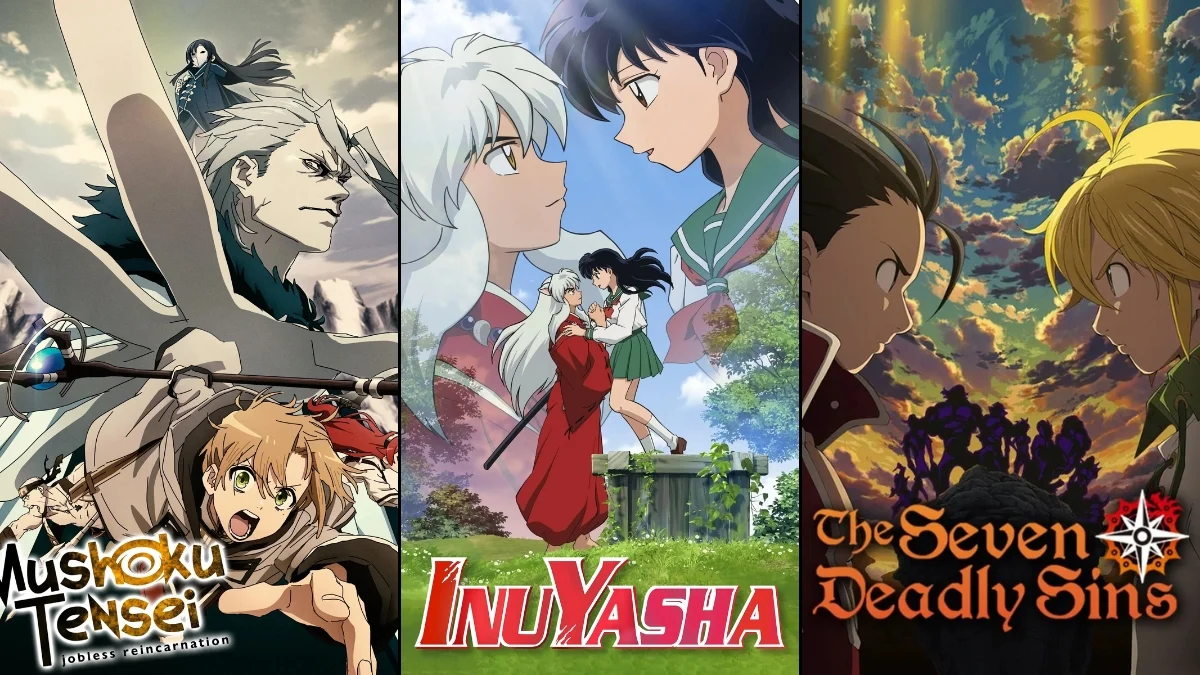
People who follow entertainment and social commentators have often discussed how gender is portrayed in Japanese animation. Though known for its imaginative storytelling, anime often uses familiar character types that some find troubling or outdated. These patterns can involve minimizing strong female characters to simply be love interests, or presenting harmful ideas about masculinity as something to admire in heroes. Recognizing these concerns gives us a better understanding of how media can shape our views on gender roles.
‘Dragon Ball Z’ (1989–1996)

Many viewers and critics feel Chichi’s character is a good example of how female strength is often diminished in media. Initially presented as a skilled fighter, she later becomes mostly known as a stereotypical housewife who focuses on her family’s education rather than pursuing her own passions. This change reinforces the idea that women should give up their interests after becoming mothers. The show often treats her everyday concerns as annoying or as something that gets in the way of the male characters’ development.
‘Naruto’ (2002–2007)
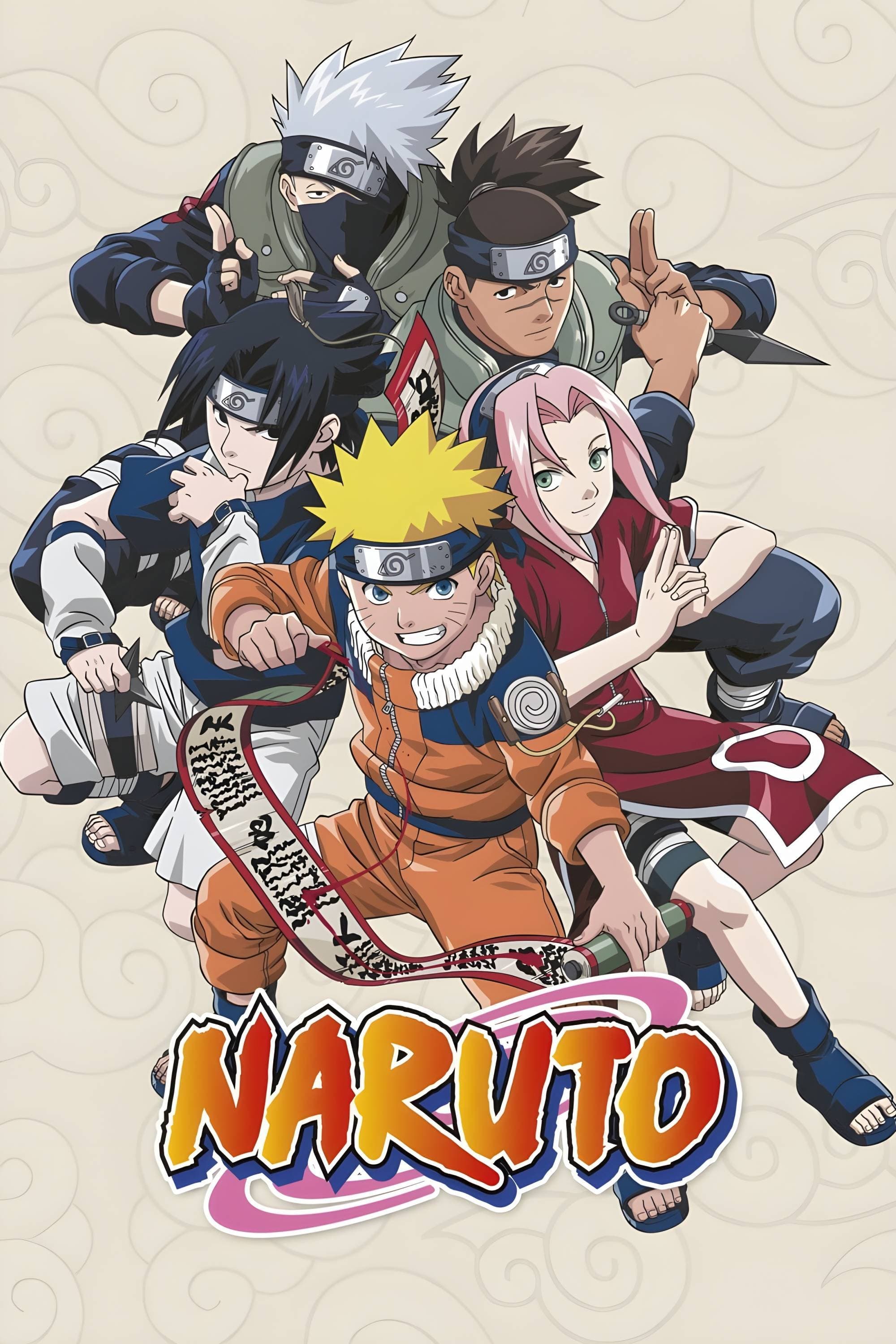
A common criticism of the series is that its female characters are frequently portrayed as less capable or more emotionally vulnerable than the male characters. For example, Sakura Haruno, who starts with potential as a ninja, often needs rescuing while Naruto and Sasuke fight their battles. This pattern suggests women are mainly shown as needing support or being saved, rather than acting as strong, independent heroes. Even strong female characters like Tsunade are often characterized by their looks or difficult past experiences related to men.
‘The Seven Deadly Sins’ (2014–2021)
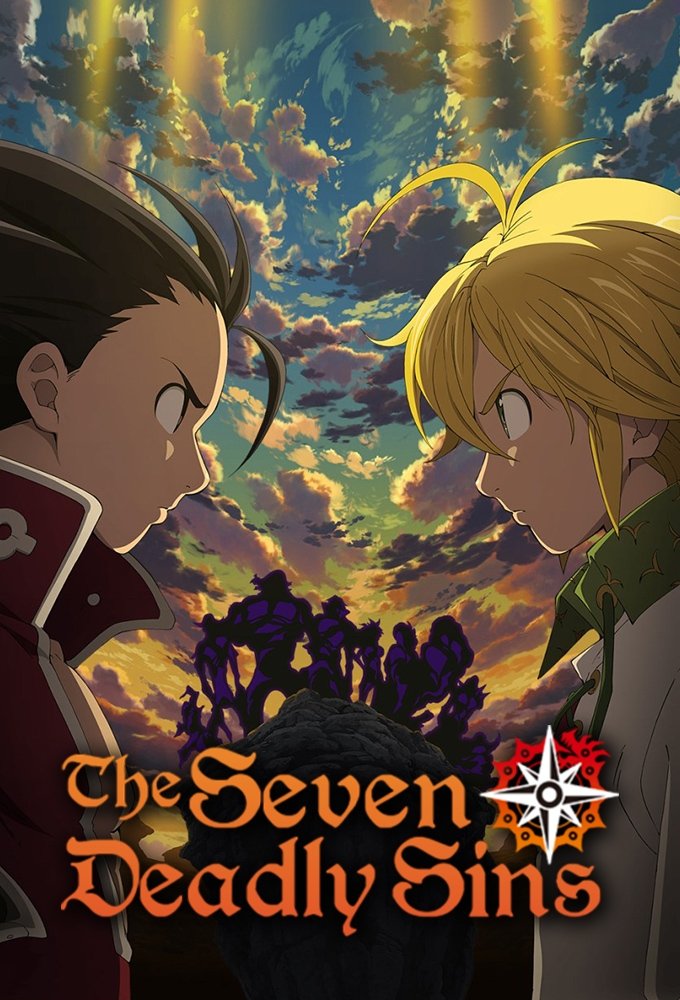
Many international viewers have expressed concern about the repeated physical contact between Meliodas and Elizabeth, often shown without her consent. Despite being presented as comedic, these moments are problematic because they can normalize behaviors that resemble sexual harassment, suggesting it’s simply a playful or affectionate trait. This not only undermines Elizabeth’s control over her own body but also reinforces unhealthy and unequal power dynamics in their relationship.
‘Sword Art Online’ (2012–2014)

Many fans were disappointed by Asuna Yuuki’s shift in the second story arc, where she went from being a strong leader to a helpless captive. While initially portrayed as the hero’s equal, she was later imprisoned and threatened, a frustrating trope where a capable female character is reduced to simply motivating the male protagonist. This implies her strength was only temporary and existed to serve his story, which many viewers found problematic.
‘One Piece’ (1999–2026)
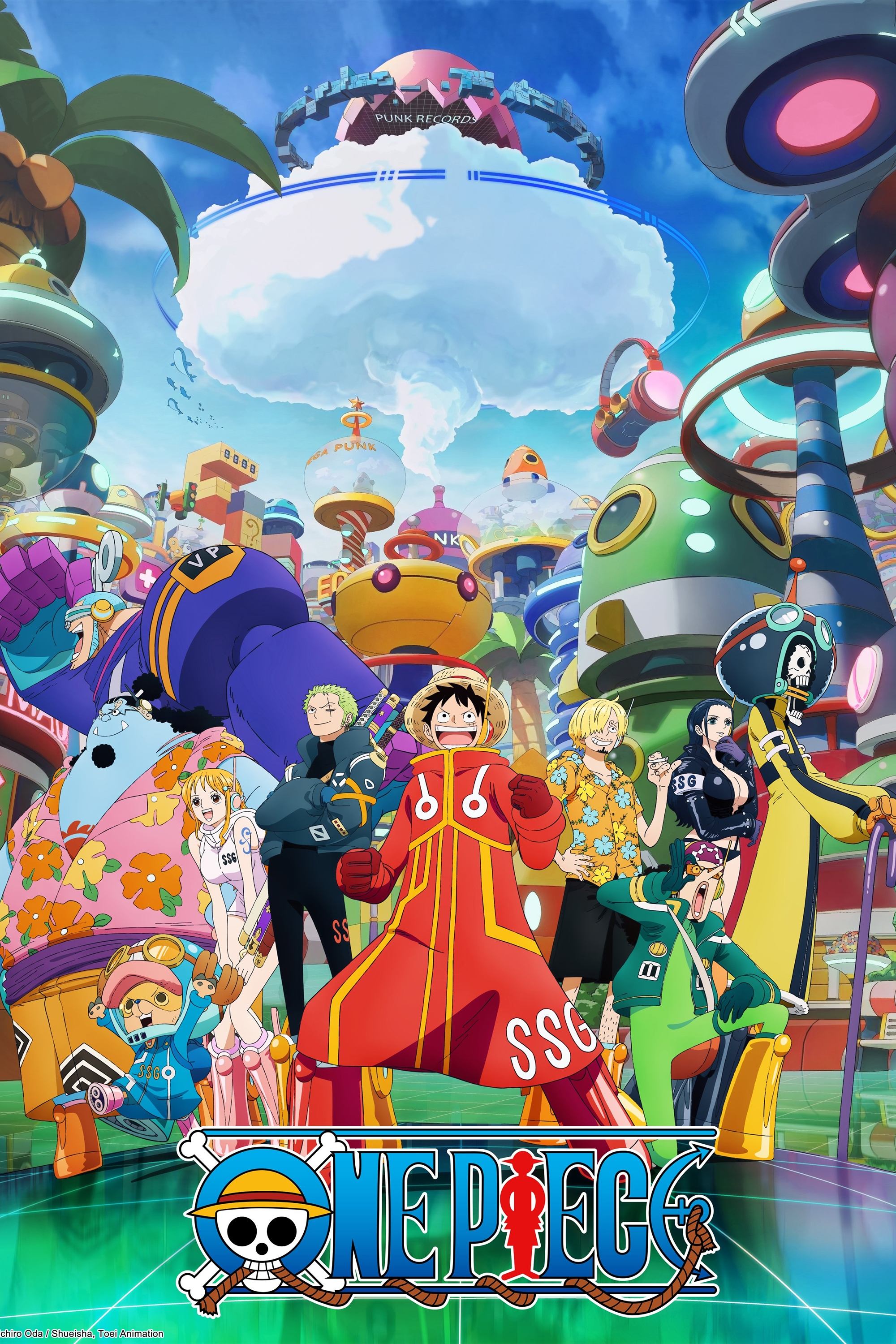
The character designs in this long-running series have been criticized for their unrealistic body types. Female characters often have very small waists and large breasts, which some believe focuses more on appealing to a male audience than on developing their personalities. Even though characters like Nami and Robin are smart and capable, their clothing tends to become more revealing during fights. This can distract from their stories and promote unrealistic beauty standards for viewers.
‘The Rising of the Shield Hero’ (2019–2026)
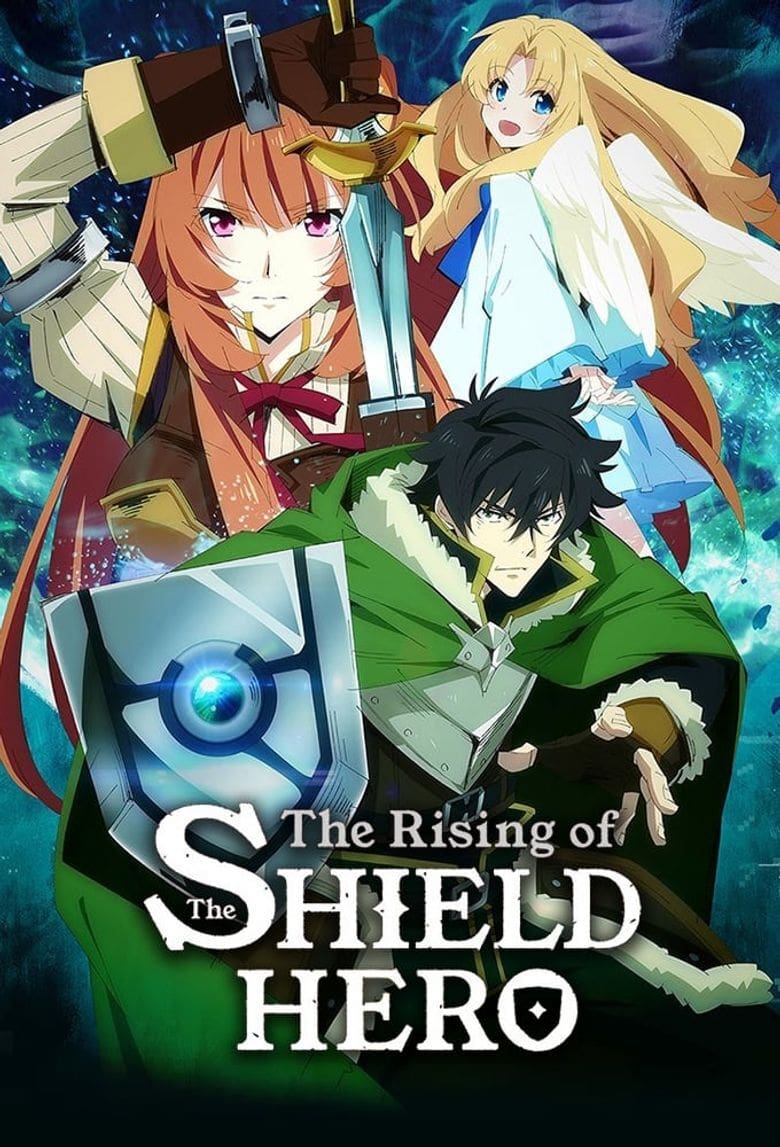
The show has faced strong criticism for building its story around a false claim of sexual assault, which many believe minimizes the seriousness of real assaults and reinforces harmful stereotypes about women lying. The show’s depiction of the main character buying female slaves who then develop romantic feelings for him adds to these concerns. Together, these plot points present a problematic view of women, portraying them as either manipulative or passively dependent on men, lacking their own agency.
‘High School D×D’ (2012–2018)
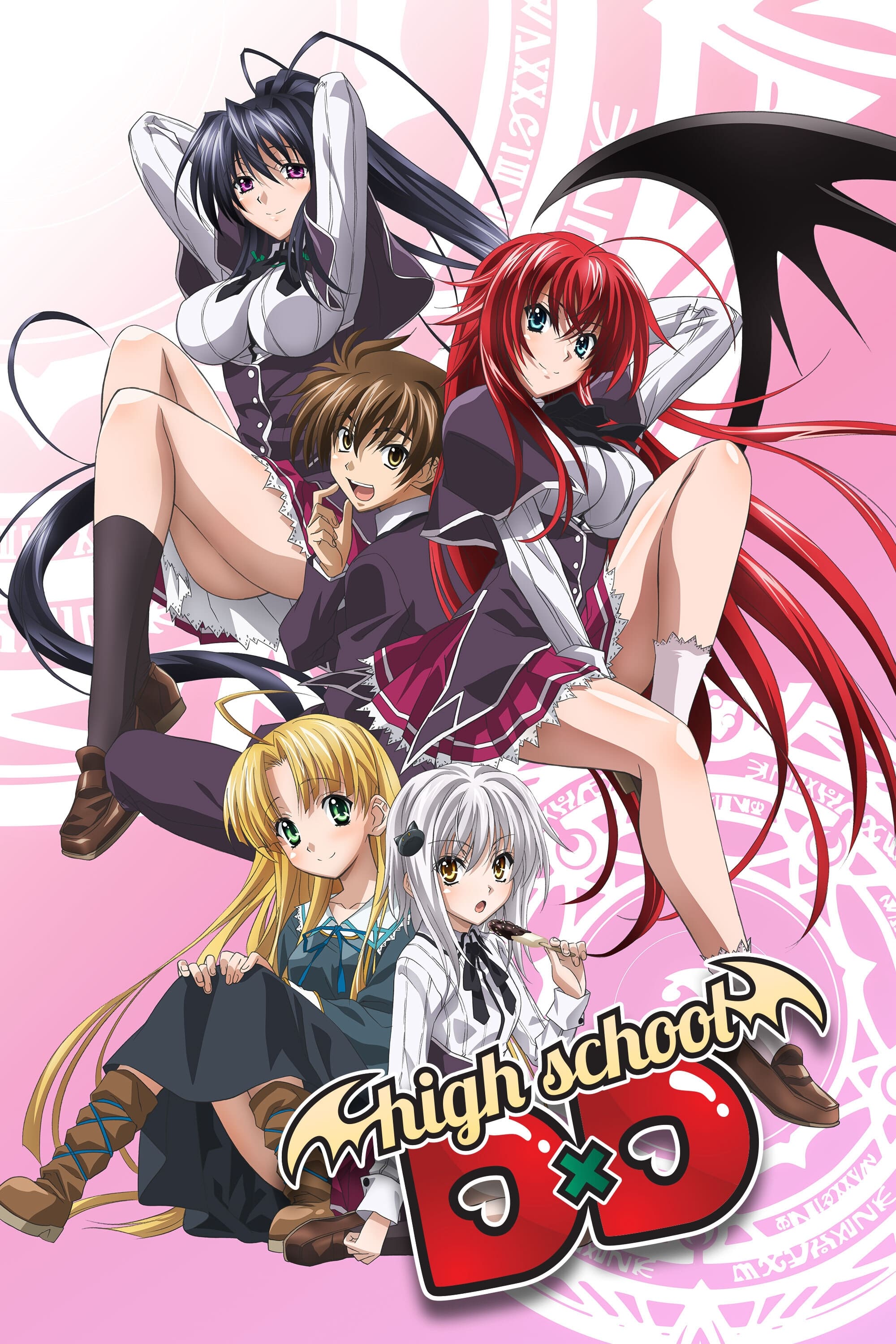
This show is often criticized for how it overly sexualizes its female characters, particularly through the use of suggestive content. The story revolves around a male character who becomes stronger by being attracted to women, essentially turning them into a power source. Their individual personalities and histories often take a backseat to their role in boosting the male lead. This approach promotes the harmful idea that women’s bodies are simply objects for male pleasure and benefit.
‘Prison School’ (2015)
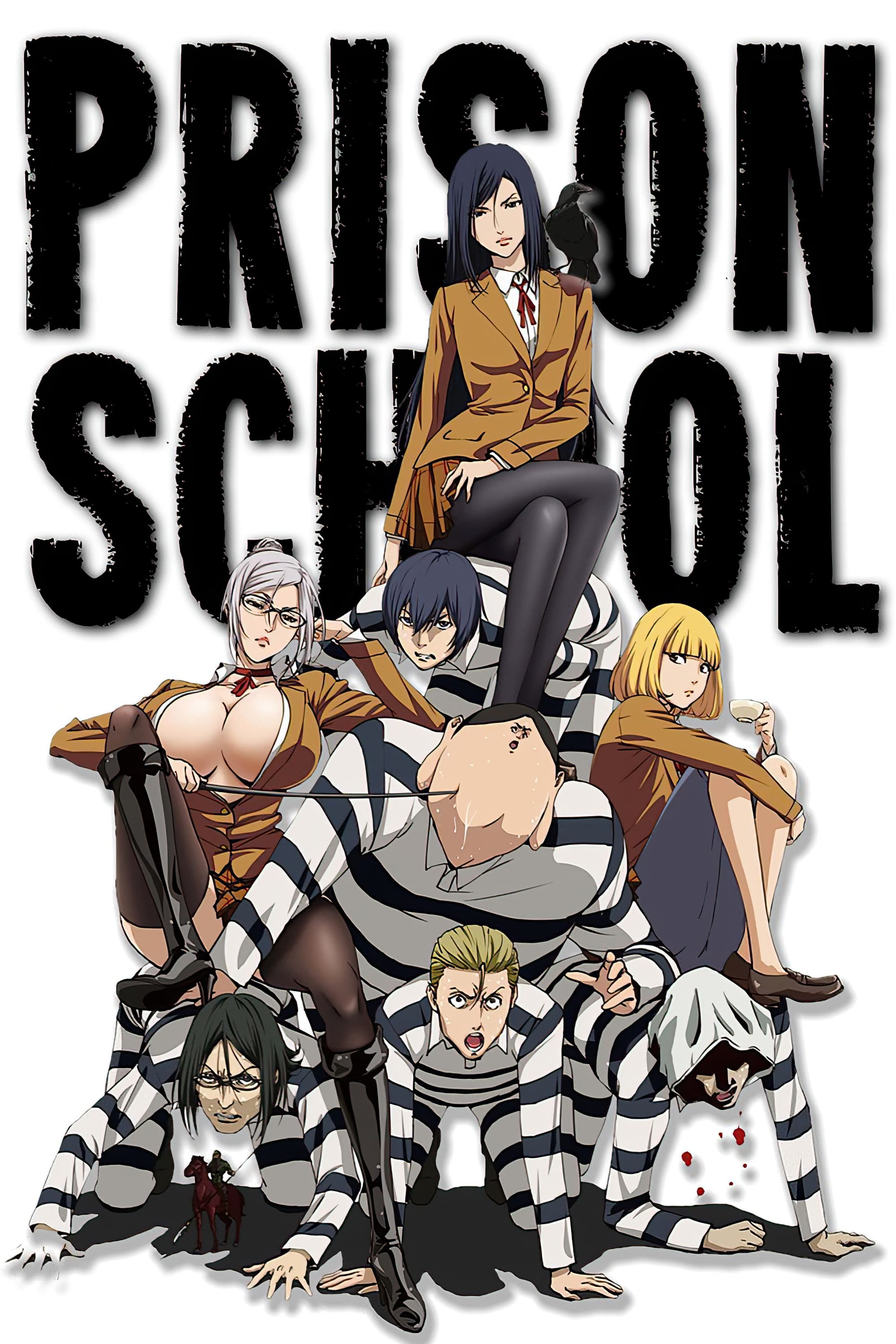
The show takes place in a prison-like school and exaggerates typical high school behavior to an extreme. The female student council members are portrayed as cruel and controlling, while the male students act on pure instinct. This relies on the ‘dangerous woman’ stereotype to create conflict and often relies on shock value for laughs. Many viewers feel these over-the-top characters aren’t believable and reinforce harmful stereotypes about gender, aiming to be shocking rather than insightful.
‘Ouran High School Host Club’ (2006)
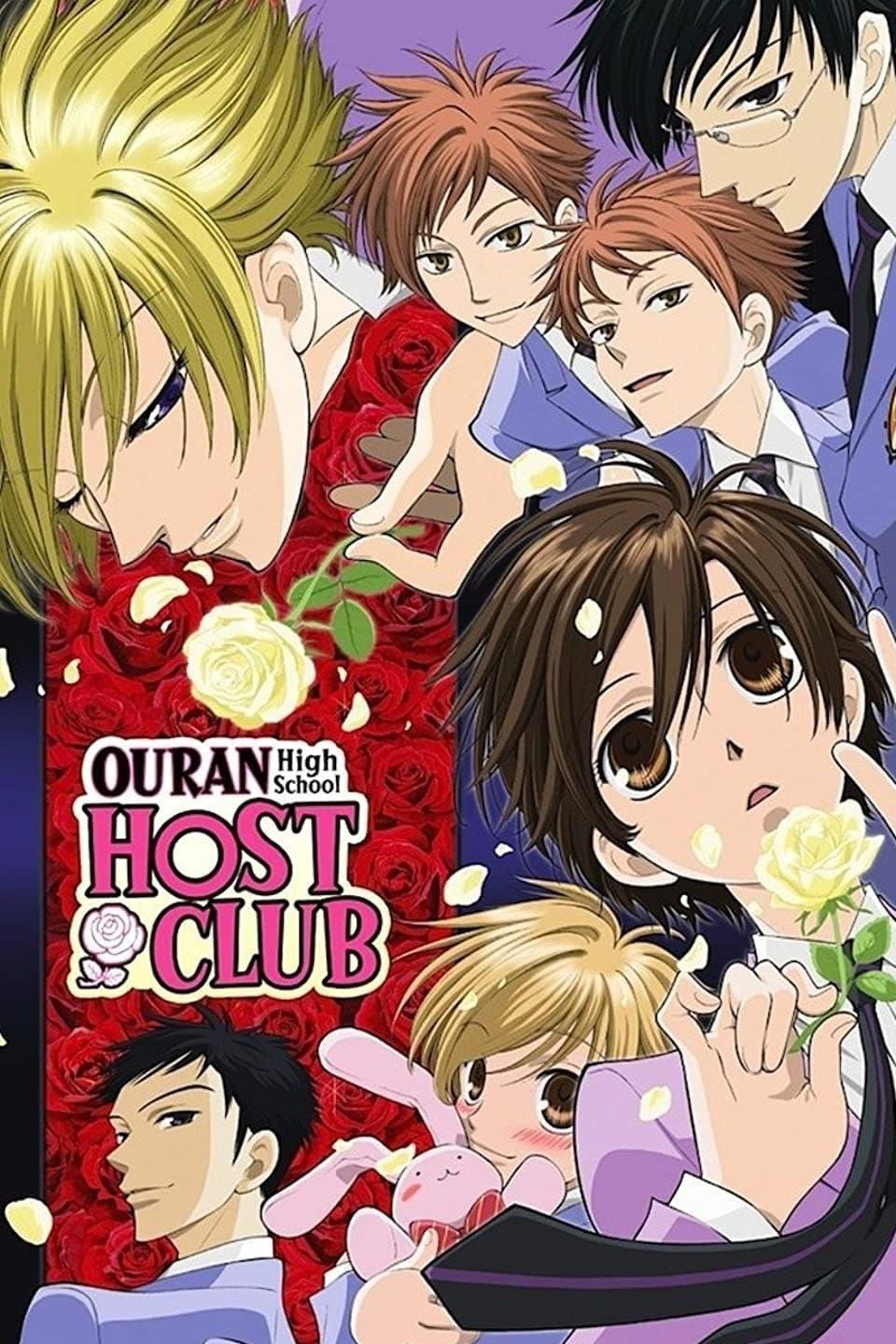
The show tries to challenge traditional ideas about gender with its main character, but it often falls back on familiar stereotypes with the other characters. The supporting cast members represent predictable types—like the perfect prince or the strong, silent type—which seem designed to appeal to what the show thinks women want. The main character frequently finds herself in situations where her not acting traditionally feminine is presented as something that needs fixing by the male characters. This creates confusion about whether the show really believes gender is flexible, or if it’s just using different roles for entertainment.
‘Ranma ½’ (1989–1992)
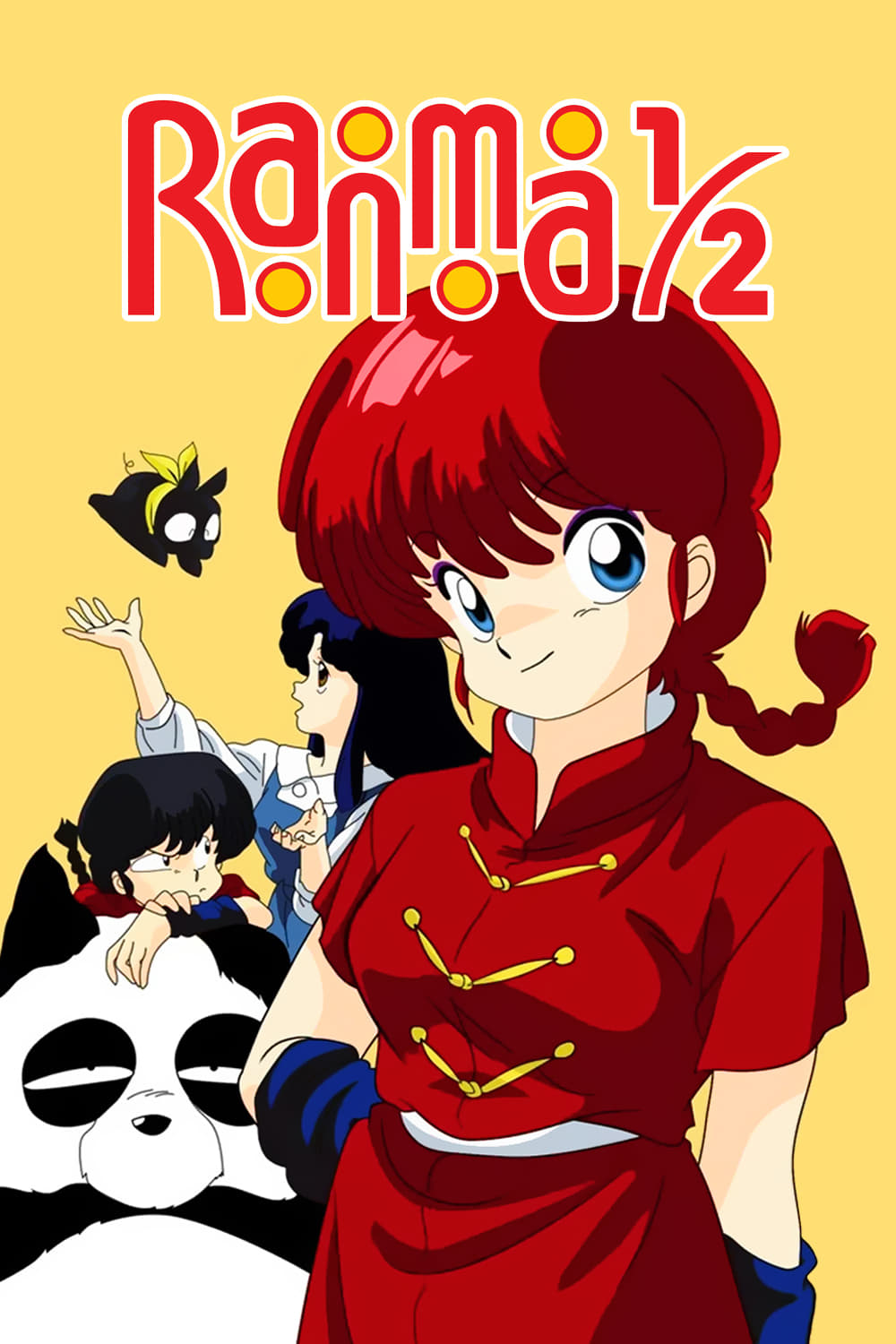
The show’s main idea – a boy transforming into a girl with cold water – relies heavily on jokes about gender. The main character frequently shows discomfort or embarrassment when he’s turned into a girl, which could suggest that the show doesn’t value women. Many of the female characters are portrayed as either overly jealous or fixated on getting married. These depictions reflect the concerns of the time the show was made, but they might feel outdated and simplistic to viewers today who are looking for more complex and thoughtful representation.
‘Sailor Moon’ (1992–1997)
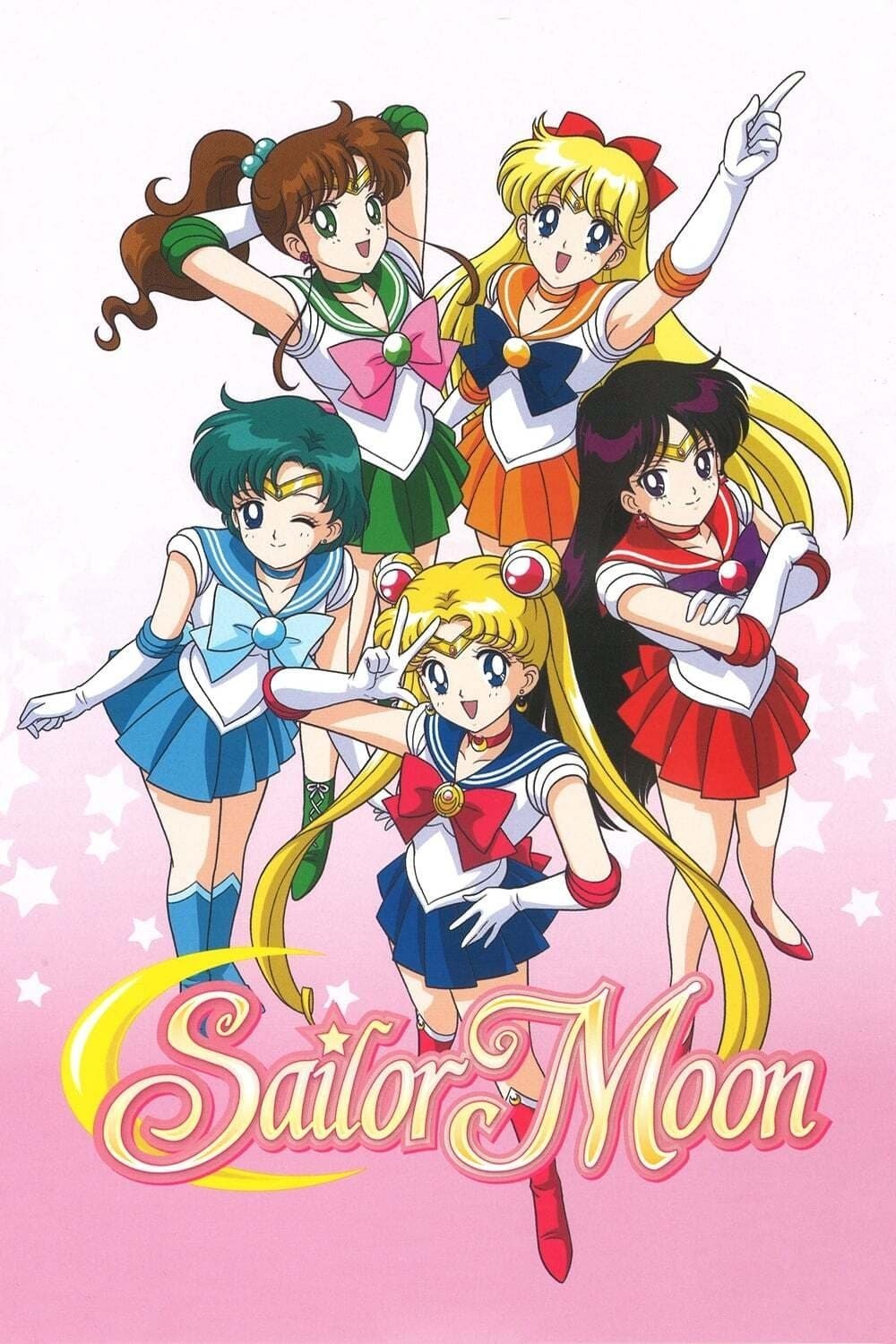
Although it helped create the magical girl genre, the original series sometimes relied on outdated ideas about girls, portraying them as vain or silly. The main character, Usagi Tsukino, was often shown as clumsy and preoccupied with food or romance, which some viewers felt weakened her image as a powerful warrior. Especially in the beginning, the show frequently had a male character save her during important fights. While the characters eventually became more independent, these early storylines set a pattern of stereotypical ‘girlish’ behavior that held them back.
‘Fruits Basket’ (2001–2002)
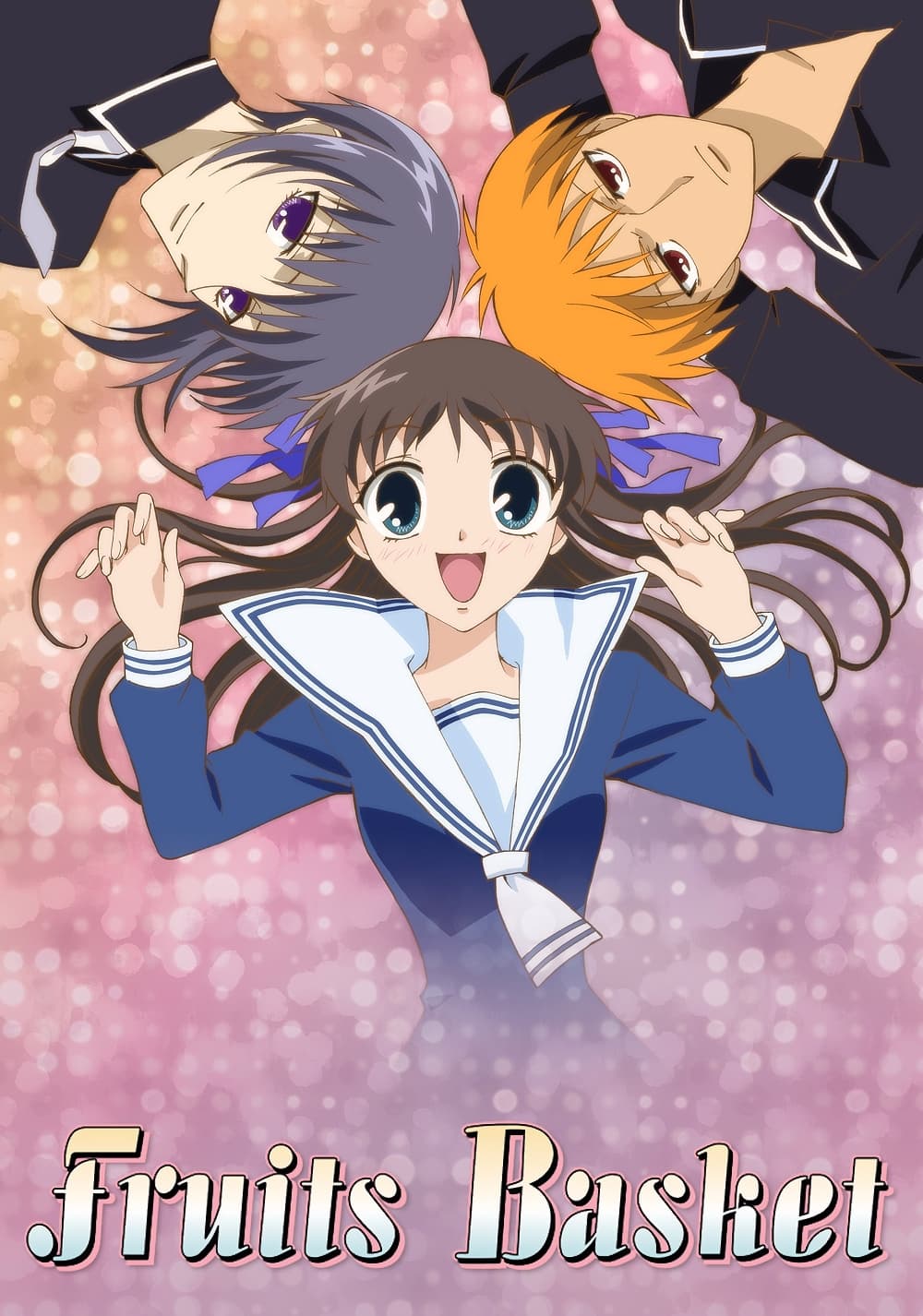
Tohru Honda is sometimes seen as a character who prioritizes the emotional well-being of the men in her life to an extreme degree, often at the expense of her own needs. She consistently focuses on caring for others without seeking anything for herself. This type of character, where a woman’s primary role is to nurture and ‘fix’ men, can be problematic because it implies a woman’s worth is based on her ability to heal others. Additionally, her lack of goals beyond caring for a home and family reinforces outdated and limiting expectations for women.
‘Baki the Grappler’ (2001)
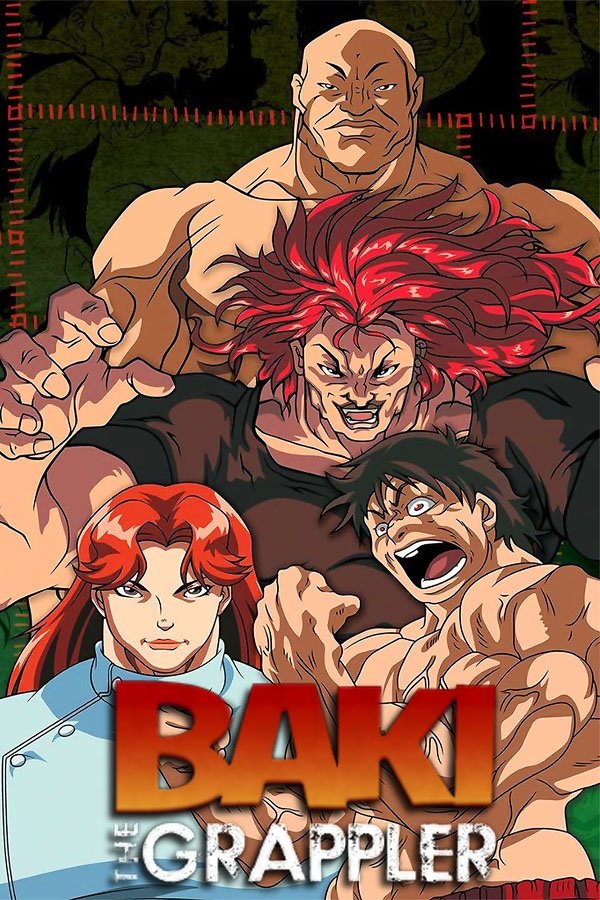
This series heavily emphasizes traditional masculinity, valuing characters almost solely on their physical strength. Women are rarely seen and when they are, they typically play small roles as mothers or romantic partners, without influencing the main story. The show implies that real strength and growth are only achieved through violence, and only by men. This lack of female representation in positions of power reinforces a limited and unfair idea of what both genders are capable of.
‘To LOVE-Ru’ (2008–2010)
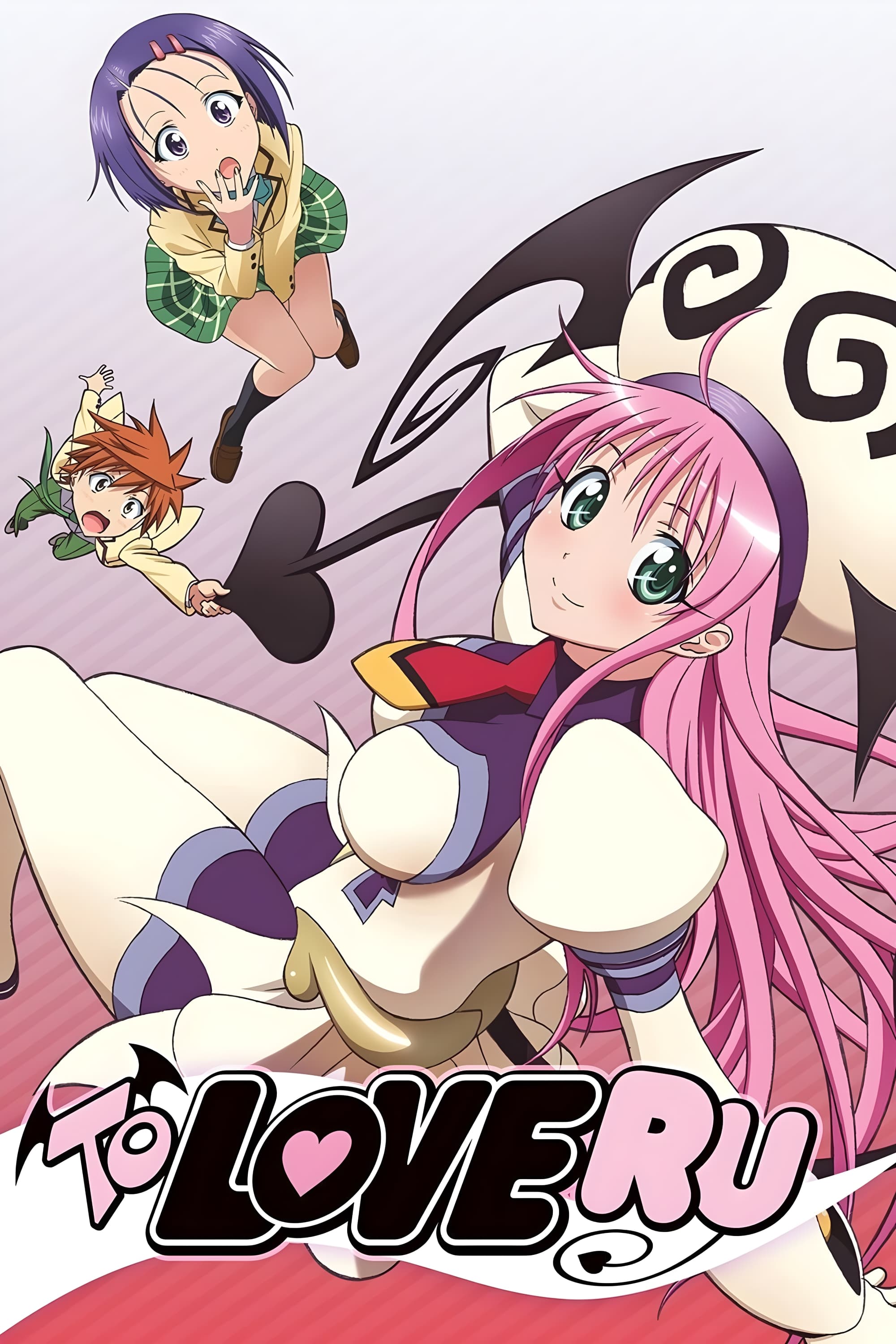
Stories in the ‘harem’ genre often portray women as simply objects of desire for the main male character, and this series is a typical example. The female characters are usually defined by how they look, and many end up in awkward or sexual situations with the lead. These characters often lack control over their own fates, with events frequently happening to them that result in them being shown nude or in suggestive ways. This pattern turns potentially interesting characters into simple eye candy and suggests that women are primarily there for the enjoyment of male viewers.
‘Rent-a-Girlfriend’ (2020–2026)
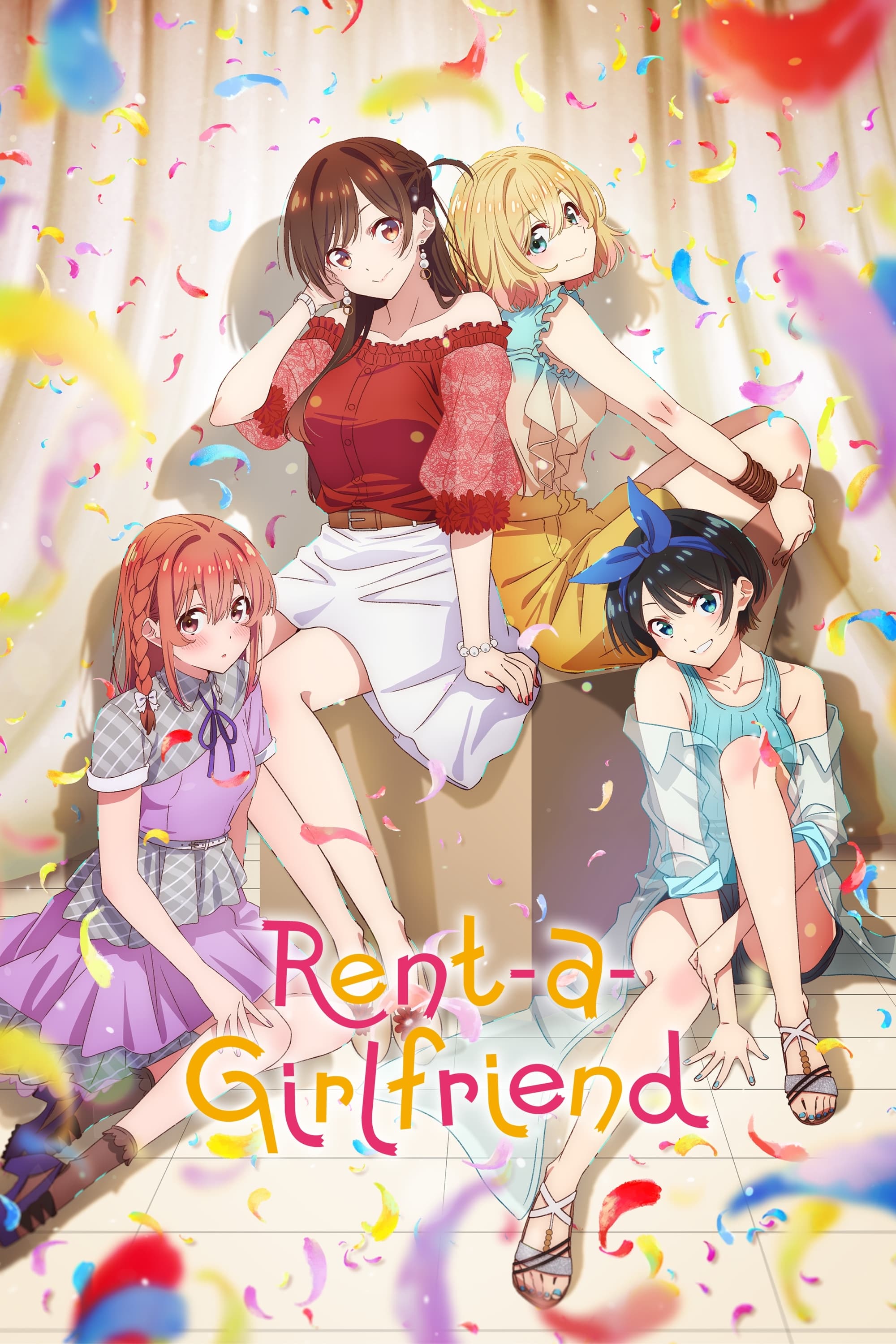
As a critic, I found the core idea of this show – paying for companionship – deeply troubling. It reduces genuine emotional connection to a transaction, and frankly, the male lead is often just awful, displaying really unhealthy jealousy and a sense of ownership over the women he’s ‘dating’. The show presents these women as customizable products, essentially offering different ‘personalities’ for a price. What really bothers me, and a lot of viewers, is how this seems to suggest that a man’s loneliness can be fixed with money and by essentially buying a woman’s performance of affection. It’s a really problematic dynamic that feels dangerously close to normalizing something deeply unsettling.
‘Goblin Slayer’ (2018–2026)

The new series sparked controversy because it showed explicit sexual violence against women to emphasize the dangers of its world. Many viewers felt this was a harmful and overused storytelling technique, exploiting women’s suffering instead of genuinely exploring trauma. This approach often feels like it uses violence against women simply to motivate male characters, and it can be alienating to female audiences, reinforcing the harmful idea that women are often just victims in these kinds of stories.
‘Mushoku Tensei: Jobless Reincarnation’ (2021–2026)

The main character is highly problematic because he repeatedly acts inappropriately and disregards personal boundaries, particularly those of women. Even though the story involves reincarnation, his harmful behavior from a past life continues, often directed towards young girls. Many viewers and critics feel the show minimizes or justifies his actions by presenting them as funny or part of his development. This can wrongly suggest that sexual misconduct is acceptable or even something someone can grow out of, instead of recognizing it as a serious offense.
‘Bakemonogatari’ (2009–2010)
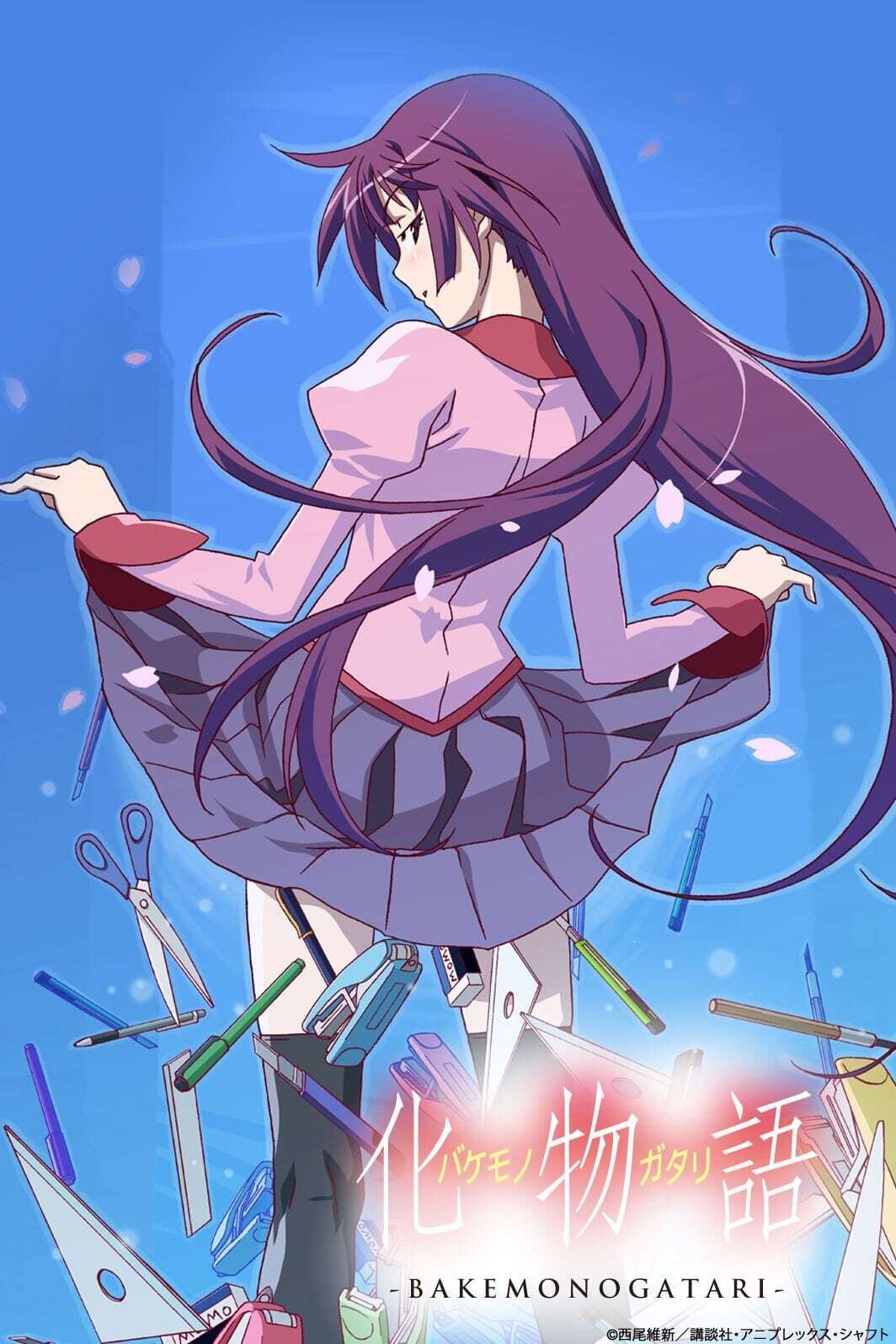
The show has faced strong criticism for repeatedly presenting young female characters in a sexualized way, using camera angles and scenarios that are unnecessarily suggestive. The camera frequently focuses on their bodies, even though these characters are supposed to be middle or high school students. This creates a disturbing effect, as many viewers believe the show exploits these young actresses for entertainment. The main character often touches or interacts with younger characters in ways that feel inappropriate, and this is presented as just part of their personality. Critics find this deeply concerning, arguing that portraying such behavior as normal, even for artistic reasons, is harmful. It sends the message that it’s acceptable to objectify and sexualize young women, regardless of the story being told.
‘Fire Force’ (2019–2026)
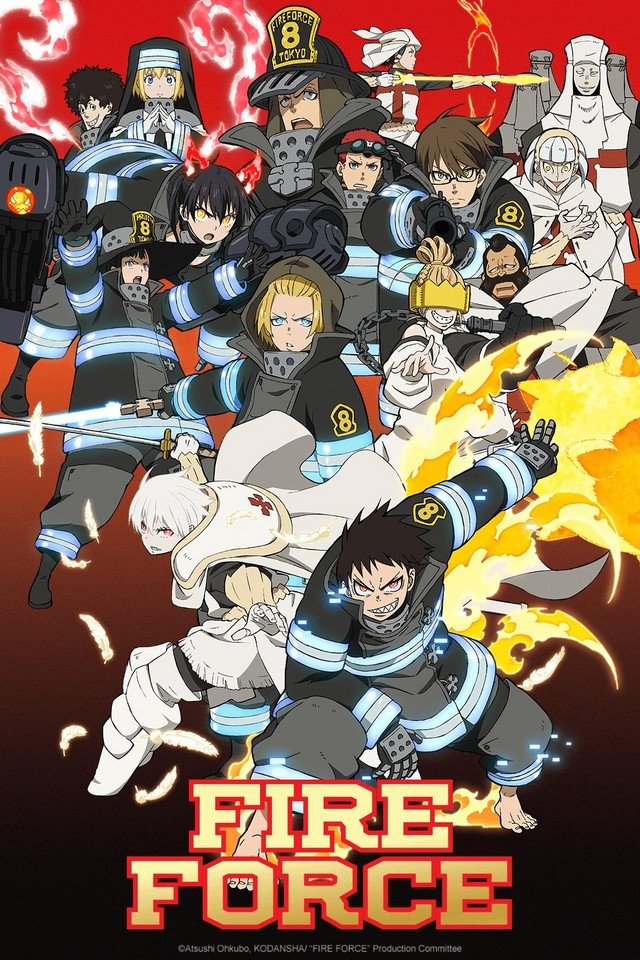
Okay, so there’s this character, Tamaki, and honestly, it bugs me how often the show uses her for cheap laughs. It’s this running joke where she’s constantly losing her clothes or getting into awkward, overly suggestive situations – and it happens during intense action scenes, no less! A lot of fans, myself included, feel like it totally cheapens her as a professional firefighter. It feels like they’re reducing her to just being eye candy, like her job isn’t the important part. It sends a really frustrating message that even when a woman is kicking butt in a serious career, she’s still primarily there for the audience’s enjoyment. It’s alienating, you know? I want to see female characters treated with the same respect as the guys, and this just feels… disrespectful.
‘Inuyasha’ (2000–2004)

Kagome is often seen as existing mainly to support the main male character emotionally, especially when he’s struggling. Her own growth as a character often takes a backseat to a predictable love triangle filled with clichés about jealousy and traditional roles for women. Although she’s powerful, her ability to fight effectively sometimes depends on how she’s feeling or whether the hero is there to protect her. This pattern suggests she’s valued more for her relationship to the male lead than for her own strengths. Many believe this holds her back from becoming a fully realized and independent heroine.
Please share your thoughts on which anime you believe handled gender roles poorly in the comments.
Read More
- Spotting the Loops in Autonomous Systems
- The Best Directors of 2025
- Staying Ahead of the Fakes: A New Approach to Detecting AI-Generated Images
- The Glitch in the Machine: Spotting AI-Generated Images Beyond the Obvious
- 20 Best TV Shows Featuring All-White Casts You Should See
- Gold Rate Forecast
- Umamusume: Gold Ship build guide
- Seeing Through the Lies: A New Approach to Detecting Image Forgeries
- 2025 Crypto Wallets: Secure, Smart, and Surprisingly Simple!
- Mel Gibson, 69, and Rosalind Ross, 35, Call It Quits After Nearly a Decade: “It’s Sad To End This Chapter in our Lives”
2026-01-12 14:47