The video game industry boasts many iconic series that shaped the way we play. Unfortunately, some of these franchises stumbled when sequels drastically changed what made them popular in the first place. These new installments often included unwelcome features or altered the overall feel of the game, turning off longtime fans. This article looks at several video game franchises that experienced a major downturn or were even canceled after a particularly disappointing release. Each game on this list marks a moment where a once-beloved brand lost its direction.
‘Duke Nukem Forever’ (2011)
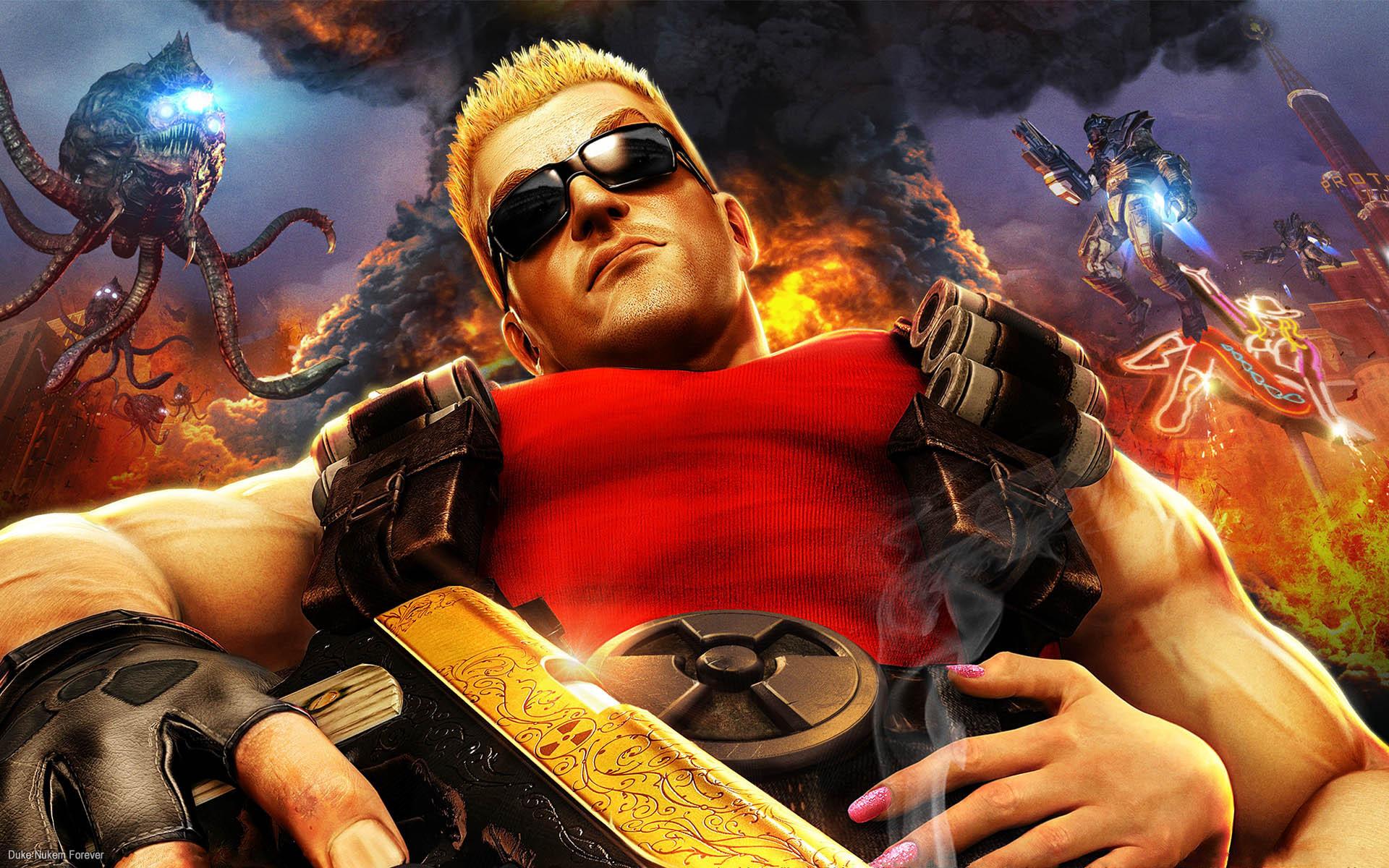
After more than fifteen years in development, the sequel to the classic game ‘Duke Nukem 3D’ was finally released, but it disappointed many players. Its graphics and gameplay felt old-fashioned, and longtime fans found that the game’s signature humor and style didn’t work as well in modern gaming. Critics widely panned the game due to technical problems and a lack of new ideas, ultimately damaging the reputation of a once-popular first-person shooter series.
‘Dead Space 3’ (2013)
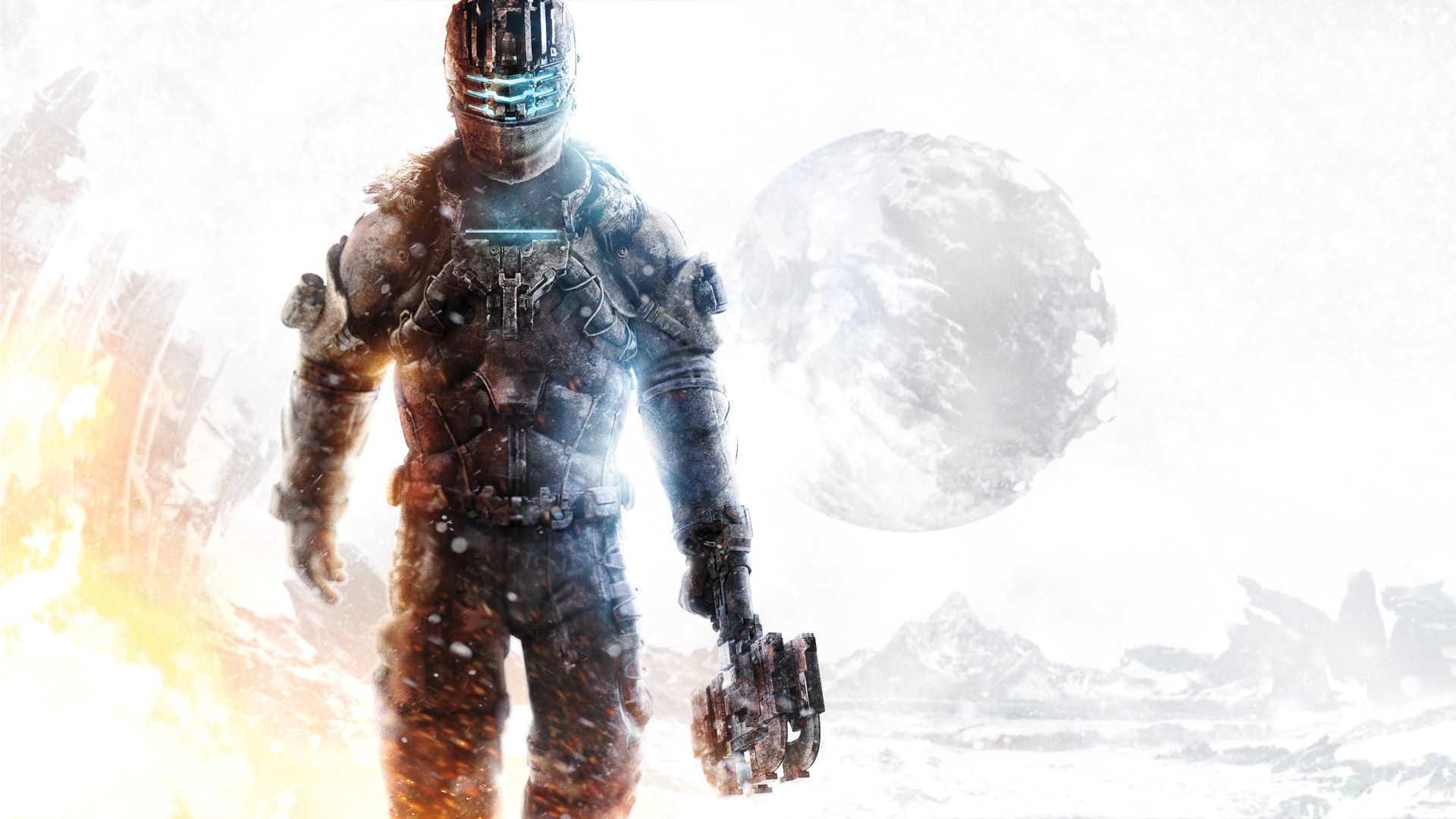
This game marked a shift for the series, moving away from pure survival horror and adding more action. It introduced the ability to play with friends and a system for buying upgrades. While some appreciated the new human enemies and increased ammo, many felt it lessened the scary atmosphere of previous installments. The game finished the story arc that began in the first title, but its performance left the future of the series uncertain. Despite being well-made, it didn’t sell as well as the publisher had hoped.
‘Banjo Kazooie Nuts & Bolts’ (2008)
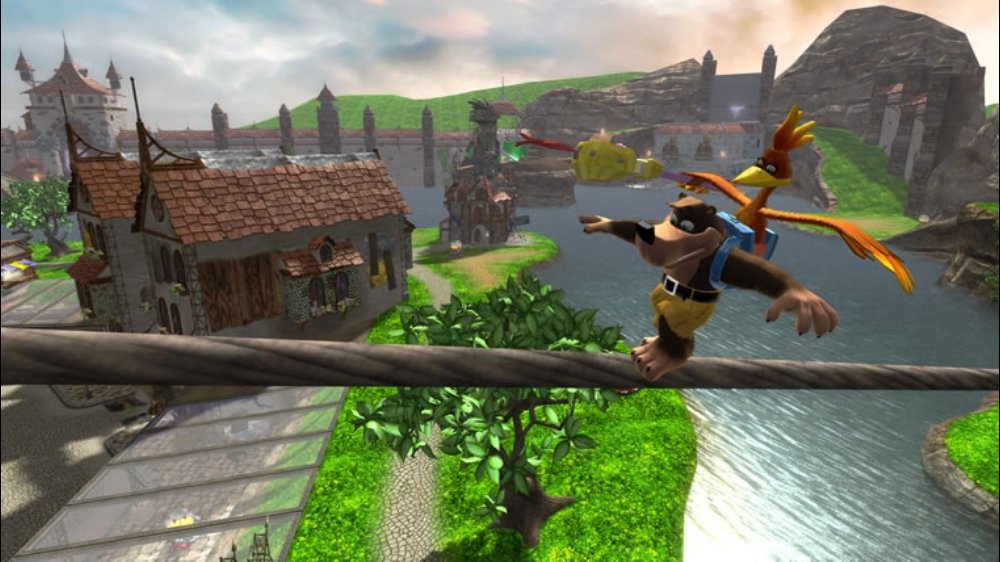
Players anticipated a classic platforming experience with the new ‘Banjo-Kazooie’ game, but were surprised to find it centered around building vehicles. Though the building aspects were complex, they didn’t deliver what fans expected from a sequel to the beloved Nintendo 64 games. This shift in gameplay was a significant change from the original titles, trading the enjoyable exploration and character-driven abilities for challenges focused on driving through vast, empty environments. The series hasn’t seen a major release since this experimental game, and has remained mostly inactive.
‘Saints Row’ (2022)
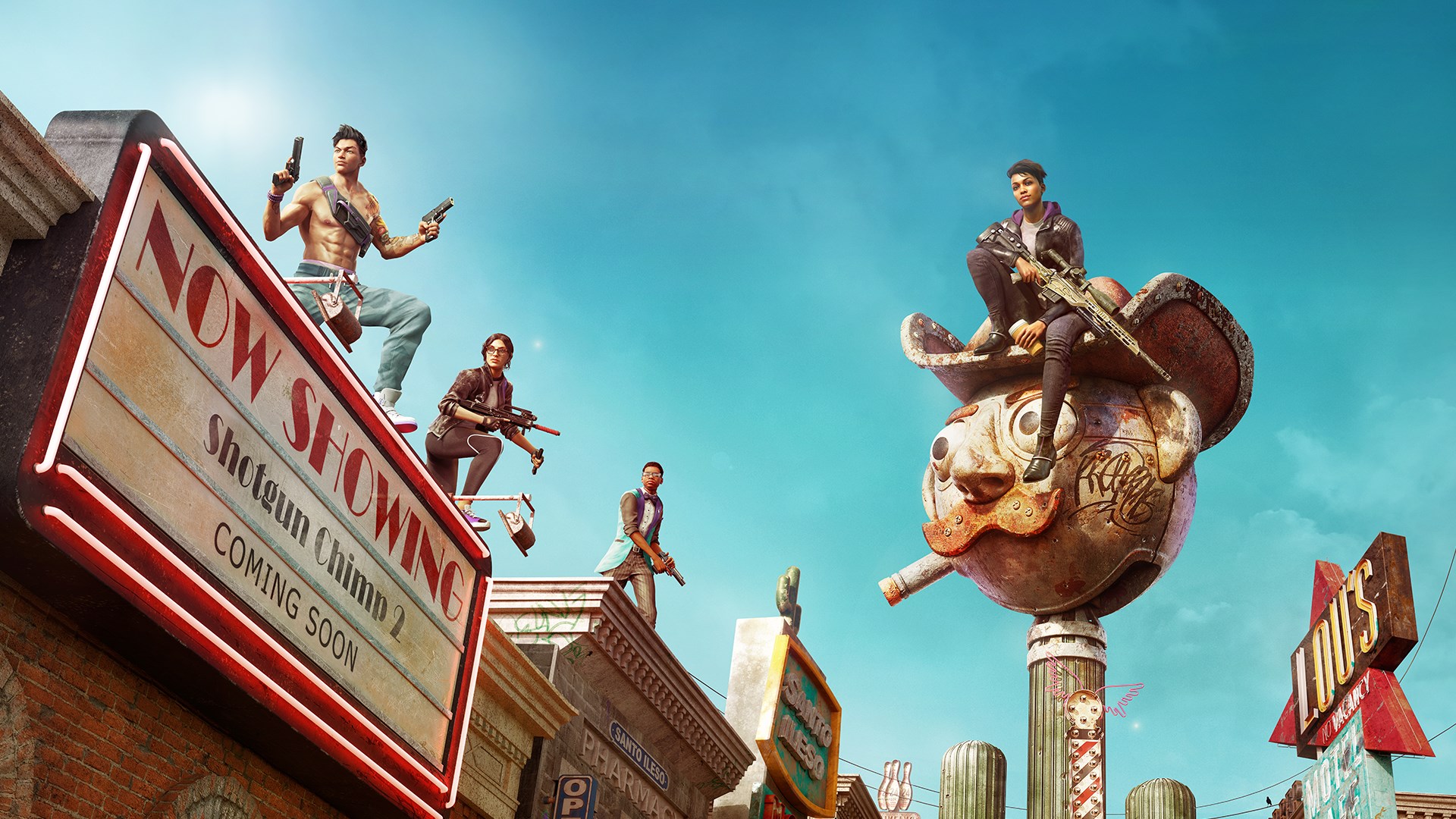
The 2022 reboot of the crime series aimed to update the game with new characters and a new city. However, it launched with many technical problems and a story that didn’t resonate with players as much as the older games. Unlike previous installments, the new game toned down the wild, comedic elements, which didn’t appeal to new players and frustrated longtime fans. Ultimately, the game didn’t sell well, and the development studio was later shut down.
‘SimCity’ (2013)
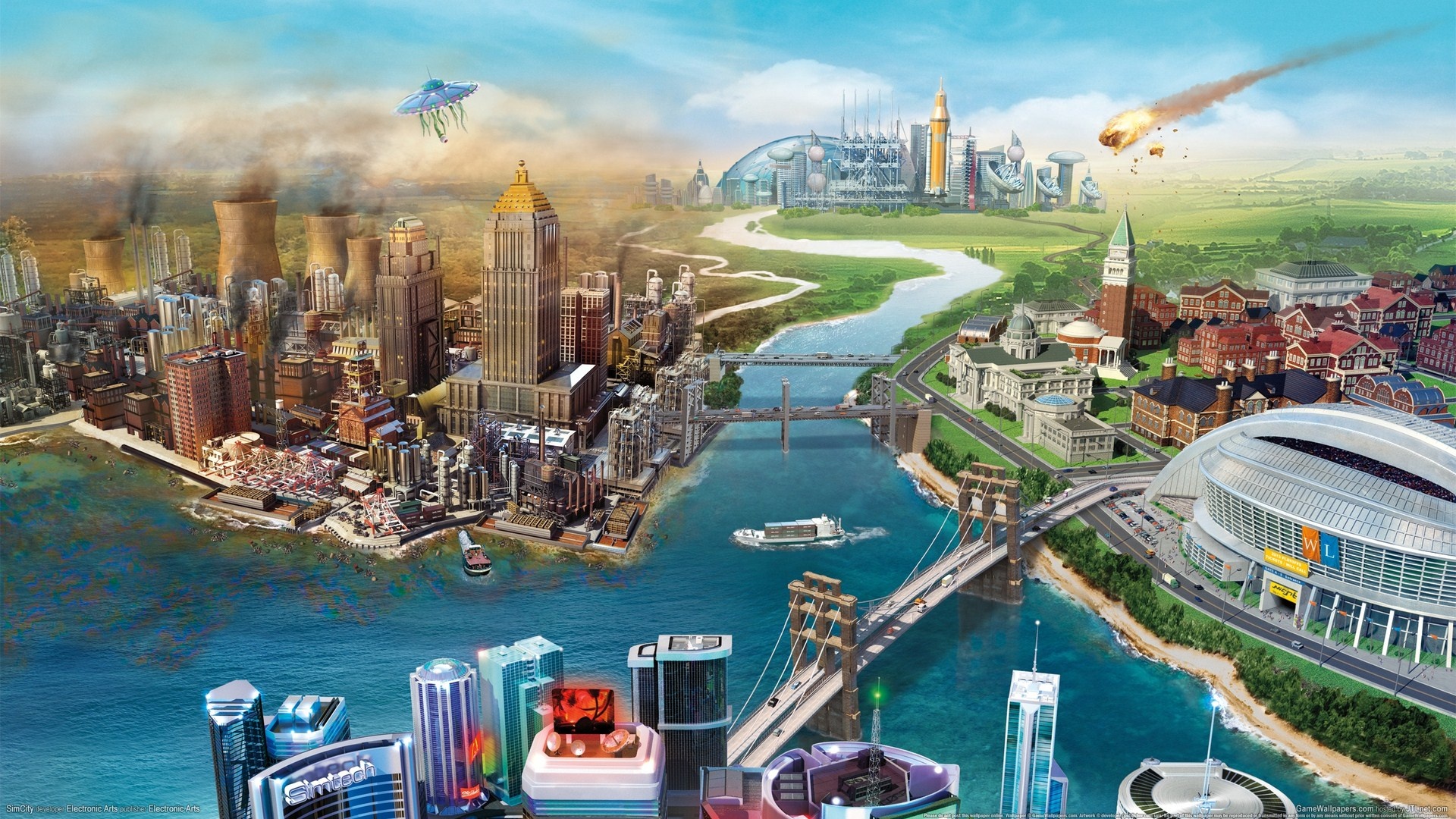
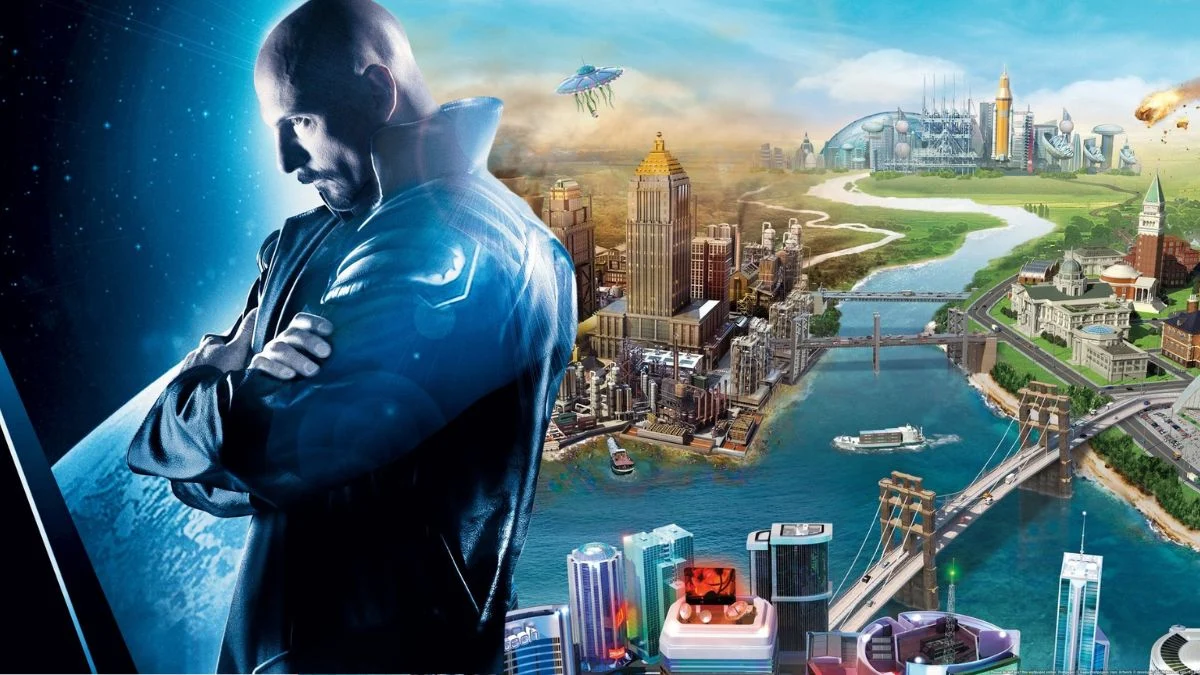
When ‘SimCity’ was relaunched in 2013, it surprisingly needed a constant internet connection, even for single-player mode. This caused major problems with the game’s servers, leaving many players unable to play. The game also featured much smaller city areas compared to older versions, frustrating long-time fans. Despite looking good, these technical issues and the always-online requirement really hurt the game’s reputation. As a result, there hasn’t been a major new ‘SimCity’ game for PC since.
‘Command & Conquer 4 Tiberian Twilight’ (2010)
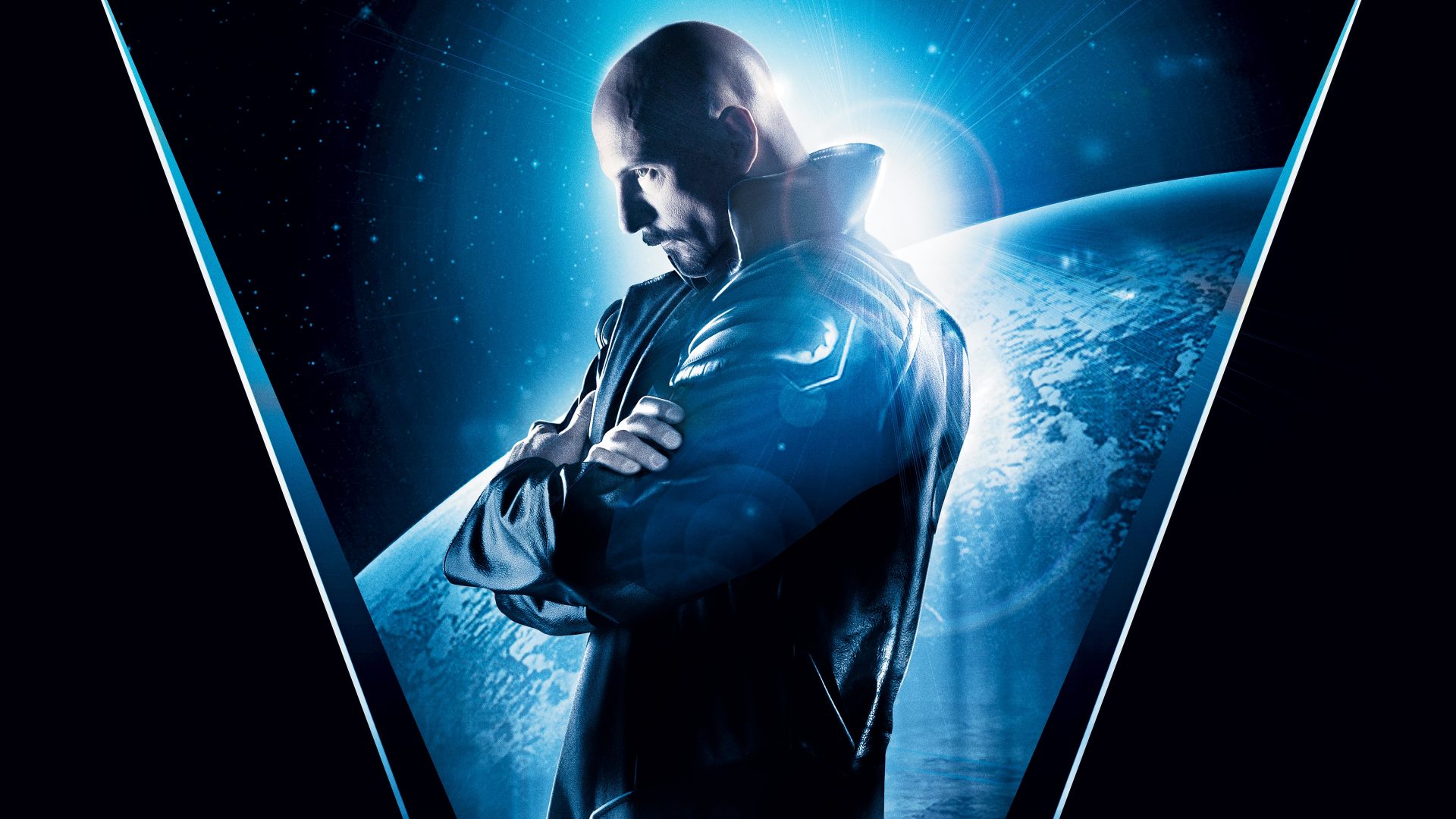
The last installment in the Tiberian series dramatically changed the gameplay by removing base building, a core feature of previous games. It introduced mobile bases and a class-based system, shifting the experience into a different genre. While the game finished the story of the famous character Kane, many longtime fans were disappointed by these major changes. The always-online requirement and the absence of standard skirmish maps also hurt the game’s reception. Since its release, the series hasn’t seen a traditional sequel.
‘Silent Hill Downpour’ (2012)
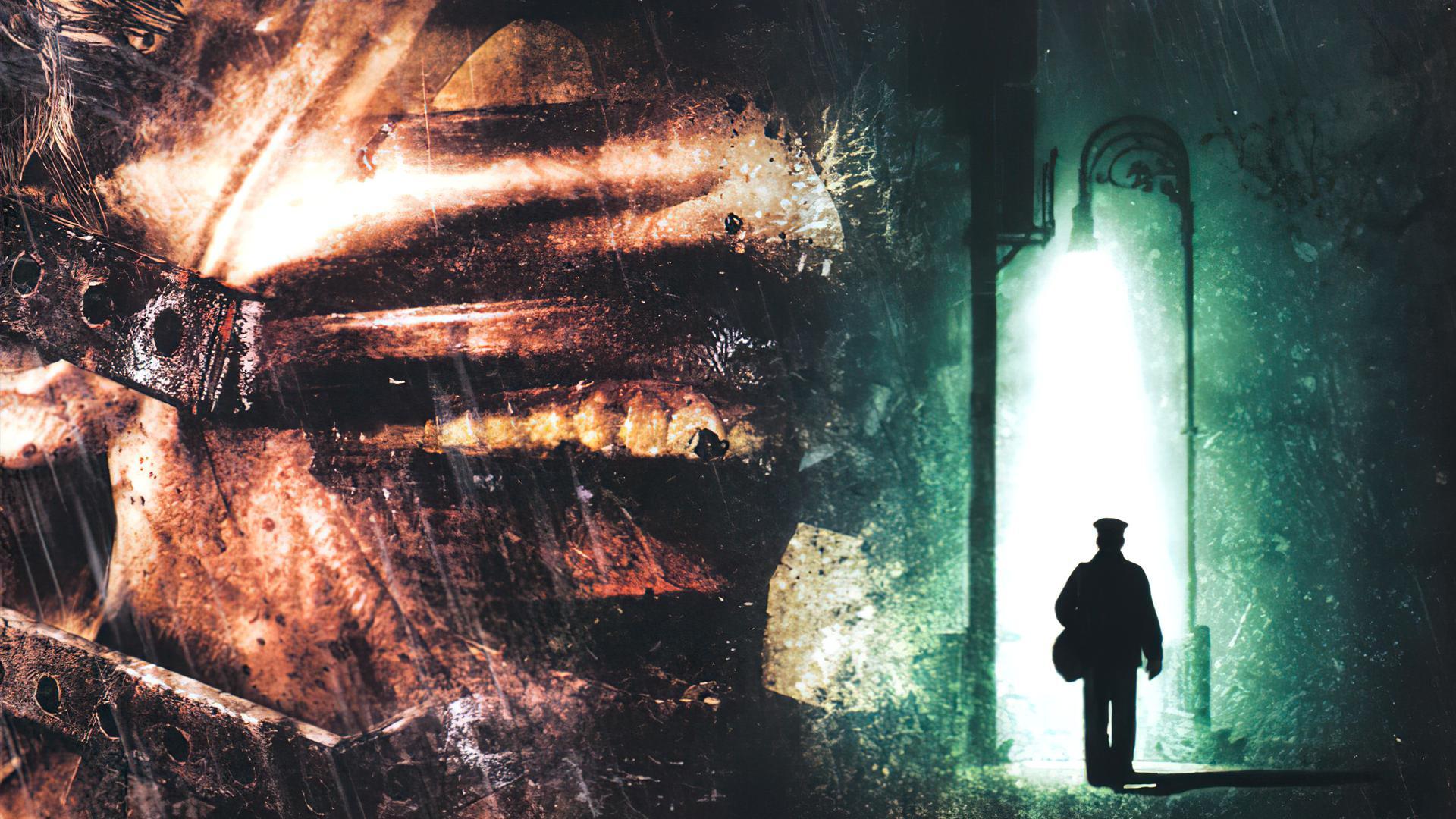
As a long-time fan, I was really excited when this new game came out, hoping it would bring the horror series back to life. They tried something different with an open world and changing weather, which sounded cool, but honestly, it just didn’t quite work. It was plagued with technical problems, and it really missed the psychological tension that made the original games so scary. The fighting felt awkward, and a lot of us felt the monsters weren’t as creative or frightening as the ones we remembered. The story just didn’t hit the same way, and the atmosphere wasn’t nearly as terrifying. Sadly, it didn’t really recapture the magic, and the series went quiet for a while after this, with a few other sequels being made by Western developers.
‘Mass Effect Andromeda’ (2017)
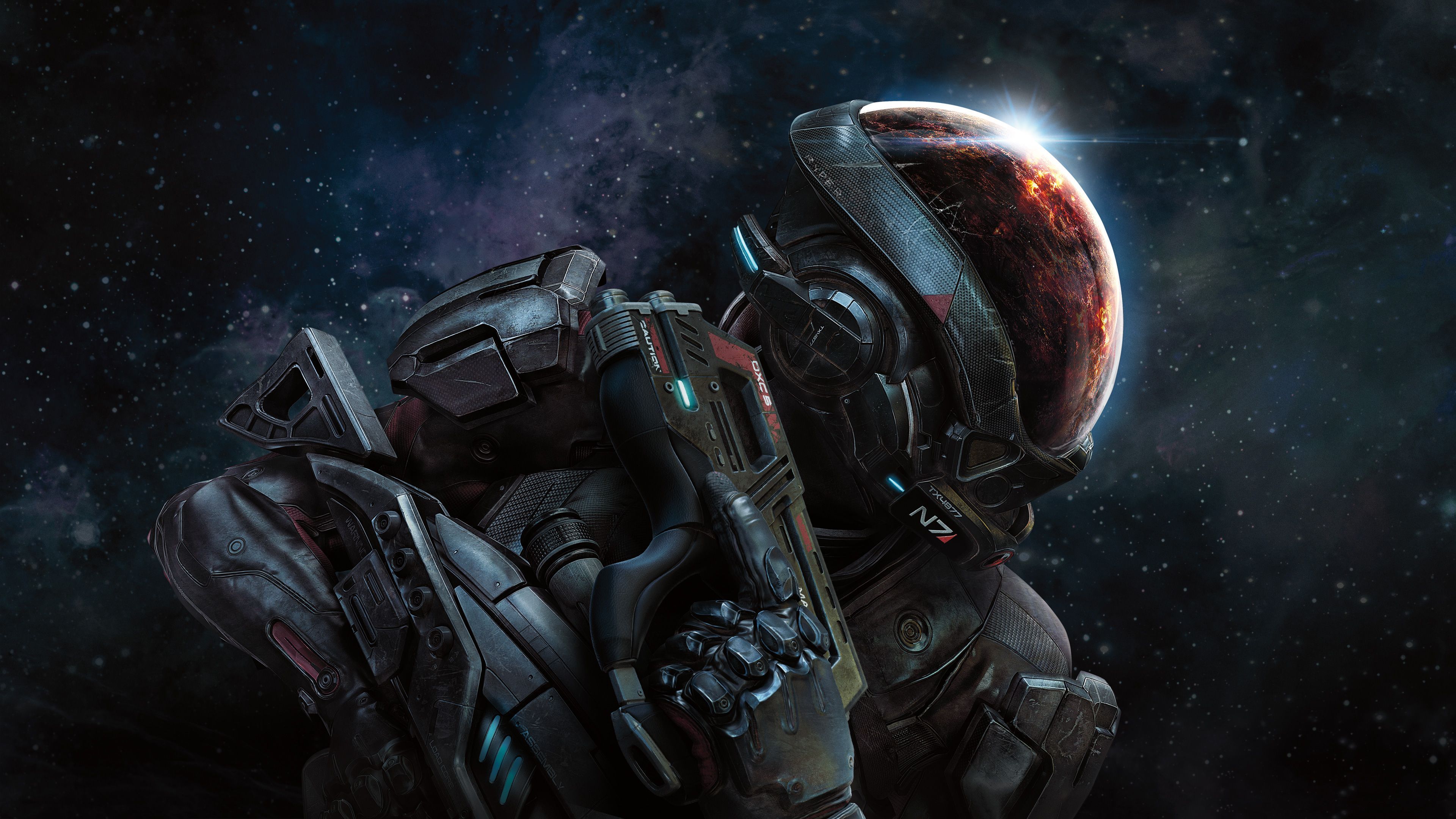
After the popular ‘Mass Effect’ trilogy, ‘Mass Effect Andromeda’ was intended to begin a fresh story in a new galaxy. However, the game launched with noticeable issues, including awkward animations and various technical bugs, which drew a lot of criticism online. Players generally found the new characters and story less engaging than those in the original trilogy. Although the gameplay was better, the game’s exploration and overall story didn’t live up to the expectations set by previous installments. Consequently, the series was put on hold for several years.
‘Star Fox Zero’ (2016)
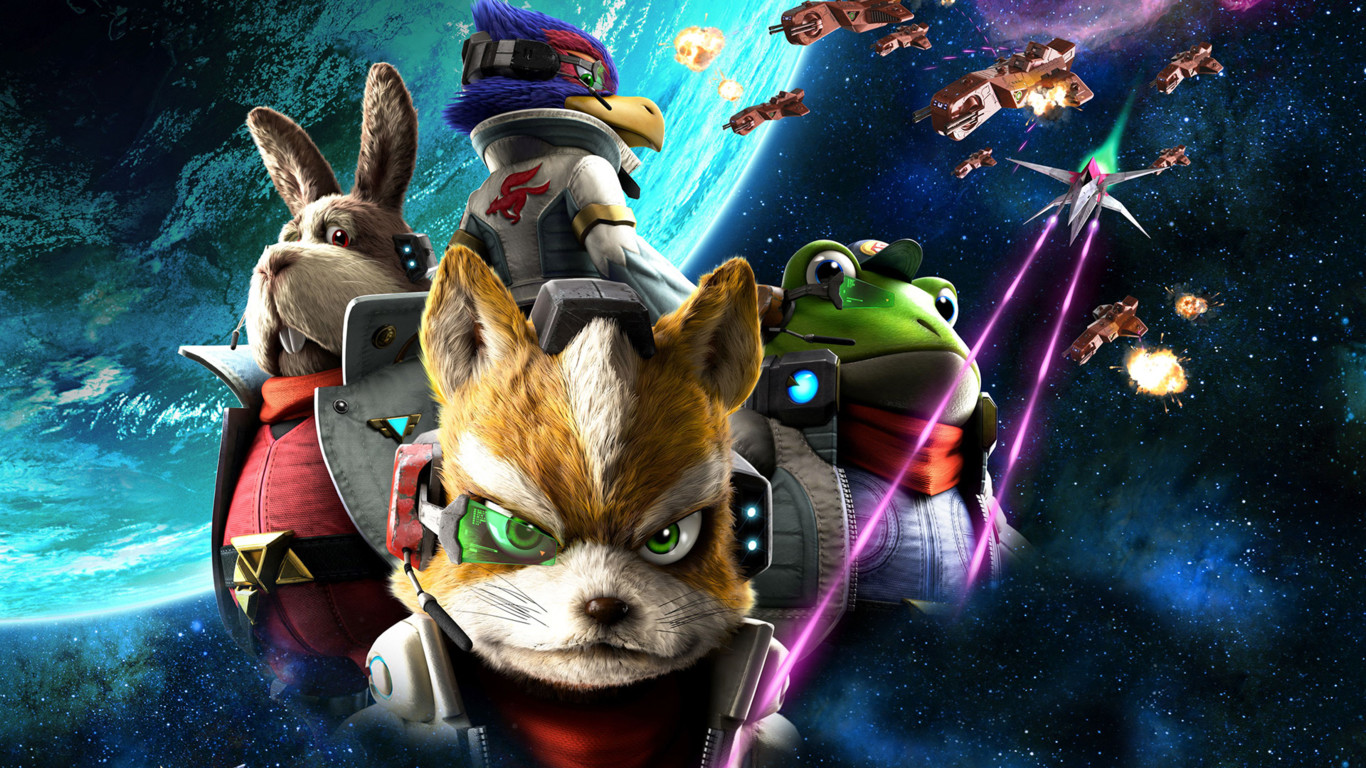
This game tried to take advantage of the Wii U’s two screens for gameplay, requiring players to constantly switch their focus between the TV and the gamepad to aim and fly. However, this proved difficult and confusing for many established fans. Adding to the issues, the game simply retold a familiar story instead of offering something new. Without a standard control option and with repetitive content, the game wasn’t able to breathe new life into the series.
‘Dungeon Keeper’ (2014)
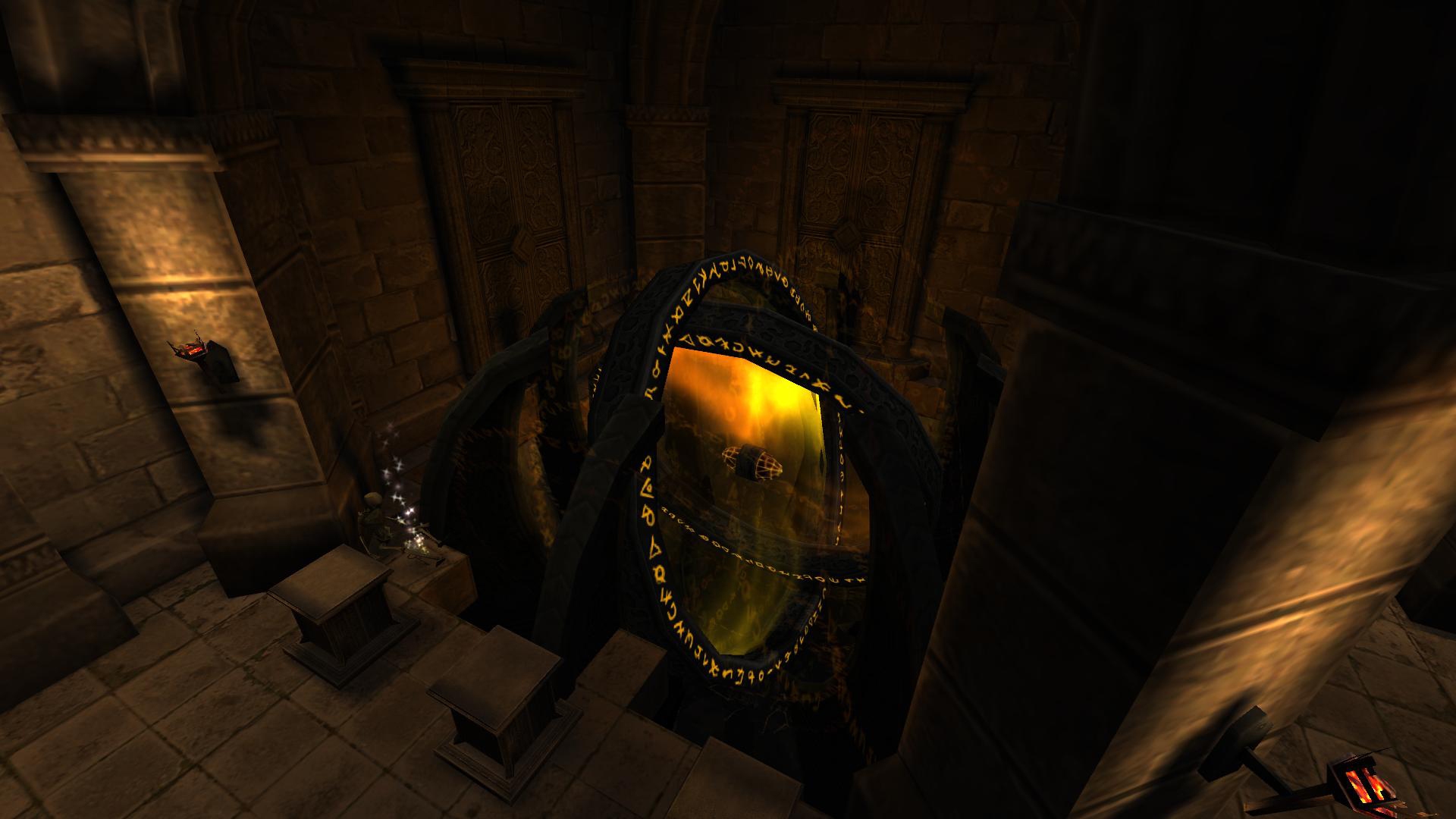
The popular ‘Dungeon Keeper’ series made a comeback as a mobile game, but it quickly disappointed fans and critics. The game relied too much on costly in-app purchases and long wait times, drastically slowing down the gameplay. This focus on making money, rather than enjoyable gameplay, led to widespread criticism and became a notorious example of how not to adapt a classic franchise for mobile. The attempt to update the series ultimately damaged its reputation.
‘Tony Hawks Pro Skater 5’ (2015)

The game launched in a very rough condition, filled with serious bugs and awkward movement. The visual style shifted late in production, and the levels weren’t as imaginative as those in previous Neversoft titles. Requiring an internet connection even for single-player mode made the game frustrating to play at first. Fans who had been anticipating a return to the series’ roots were disappointed with what felt like a cheaply made copy. The series didn’t recover until much later, with a successful remake of the original two games.
‘Sonic the Hedgehog’ (2006)
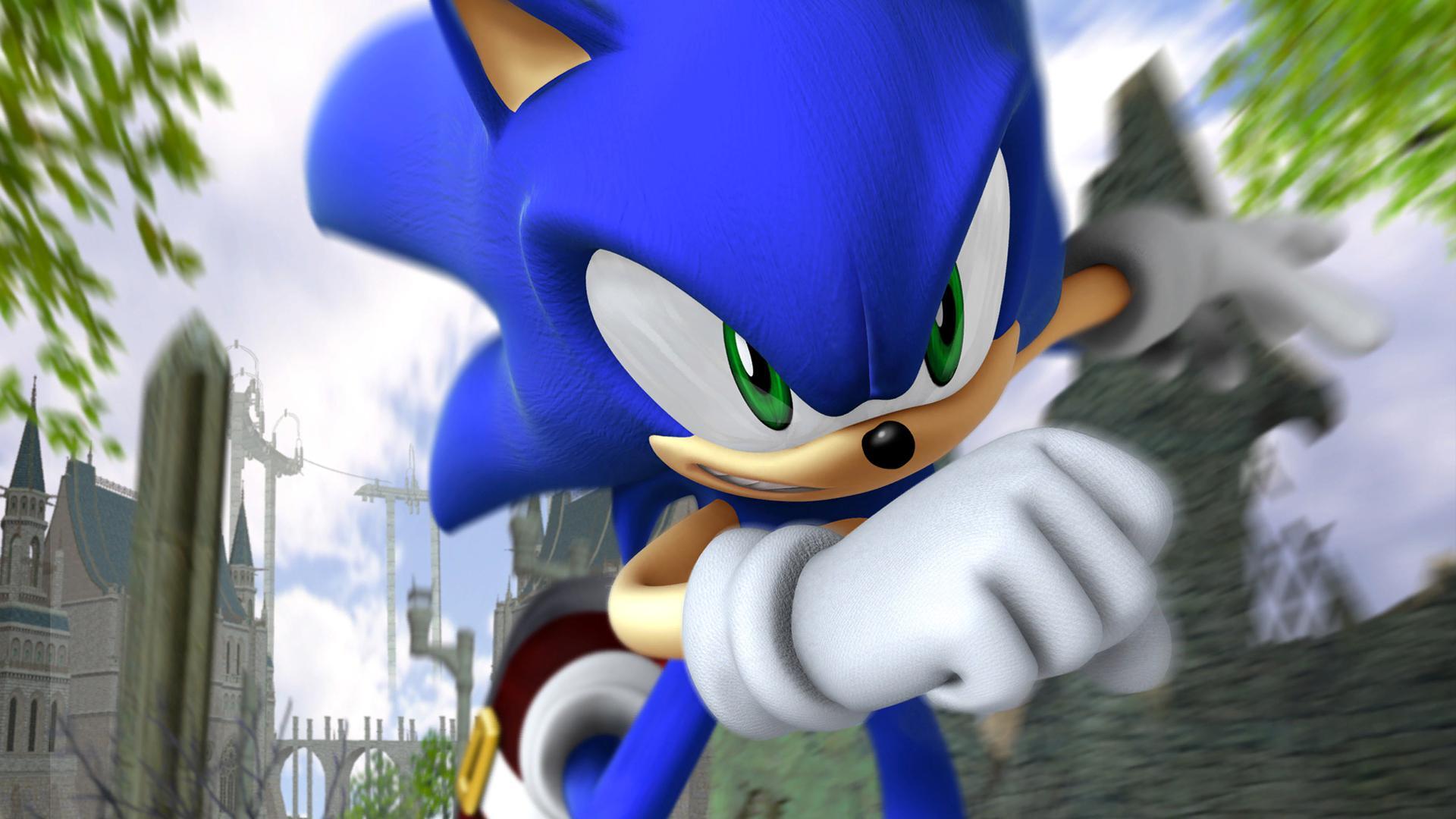
This game was meant to be a fresh start for the series on newer consoles, but it was released too quickly. As a result, it was filled with technical problems and had a confusing storyline. Players found the camera controls frustrating and the game’s physics unpredictable. The attempt to make characters more realistic and add a romance subplot didn’t resonate with fans. Ultimately, this title represents a low point for the series and its challenges adapting to modern gaming.
‘Metal Gear Survive’ (2018)
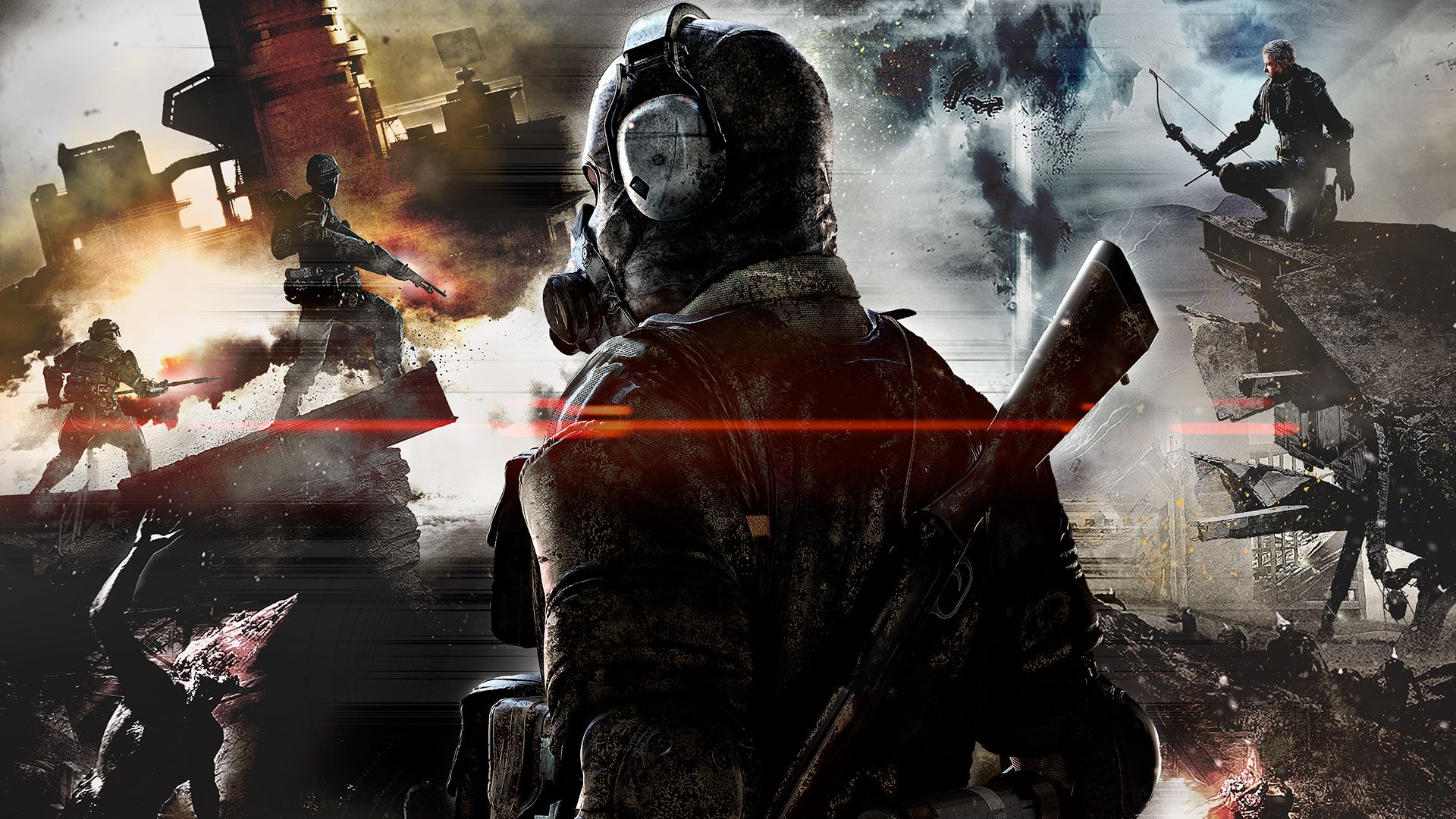
Following the departure of the original creator, ‘Metal Gear Survive’ moved away from the series’ core stealth gameplay, focusing instead on survival and building defenses. It always required an internet connection and relied heavily on small in-game purchases, even for essential features. The game’s story, featuring zombies in a different dimension, didn’t resonate with many fans, who felt it didn’t fit the ‘Metal Gear’ universe. Players found the gameplay repetitive and lacking the strategic complexity of previous titles. As a result, the game wasn’t very successful and is rarely mentioned when fans discuss their favorite ‘Metal Gear’ games.
‘Overwatch 2’ (2022)
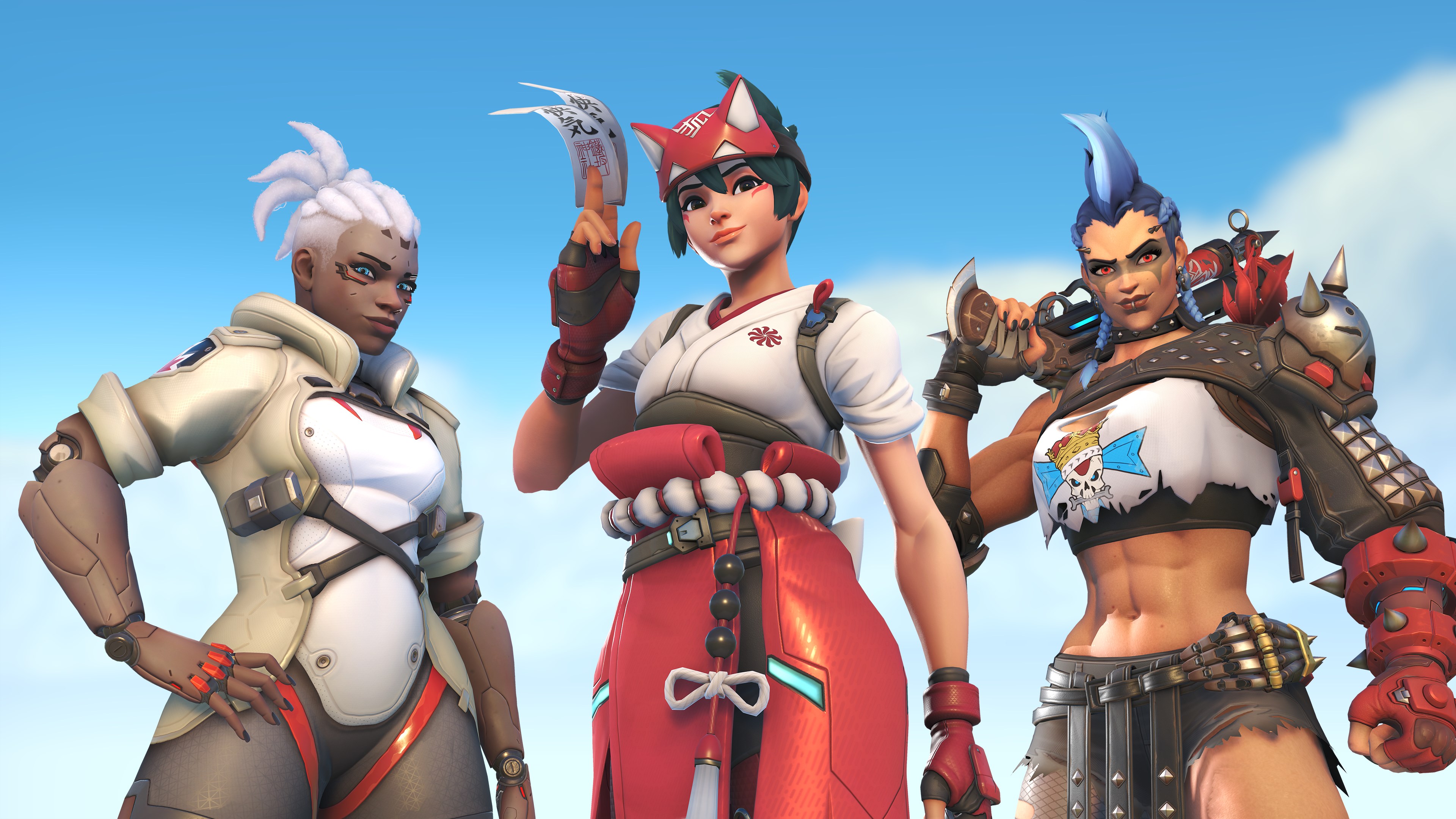
The new version of the game completely replaced the first one and changed the gameplay to team battles with two teams of five players. While the game became free to play, many players thought the optional cosmetic items were too expensive. A story mode that was initially promised to justify the new game was later canceled or greatly reduced in scope. Players who enjoyed the original game felt that the sequel lost the balanced gameplay and unique feel of the first team-based shooter. The introduction of a seasonal battle pass also caused disagreements among players.
‘Battlefield 2042’ (2021)
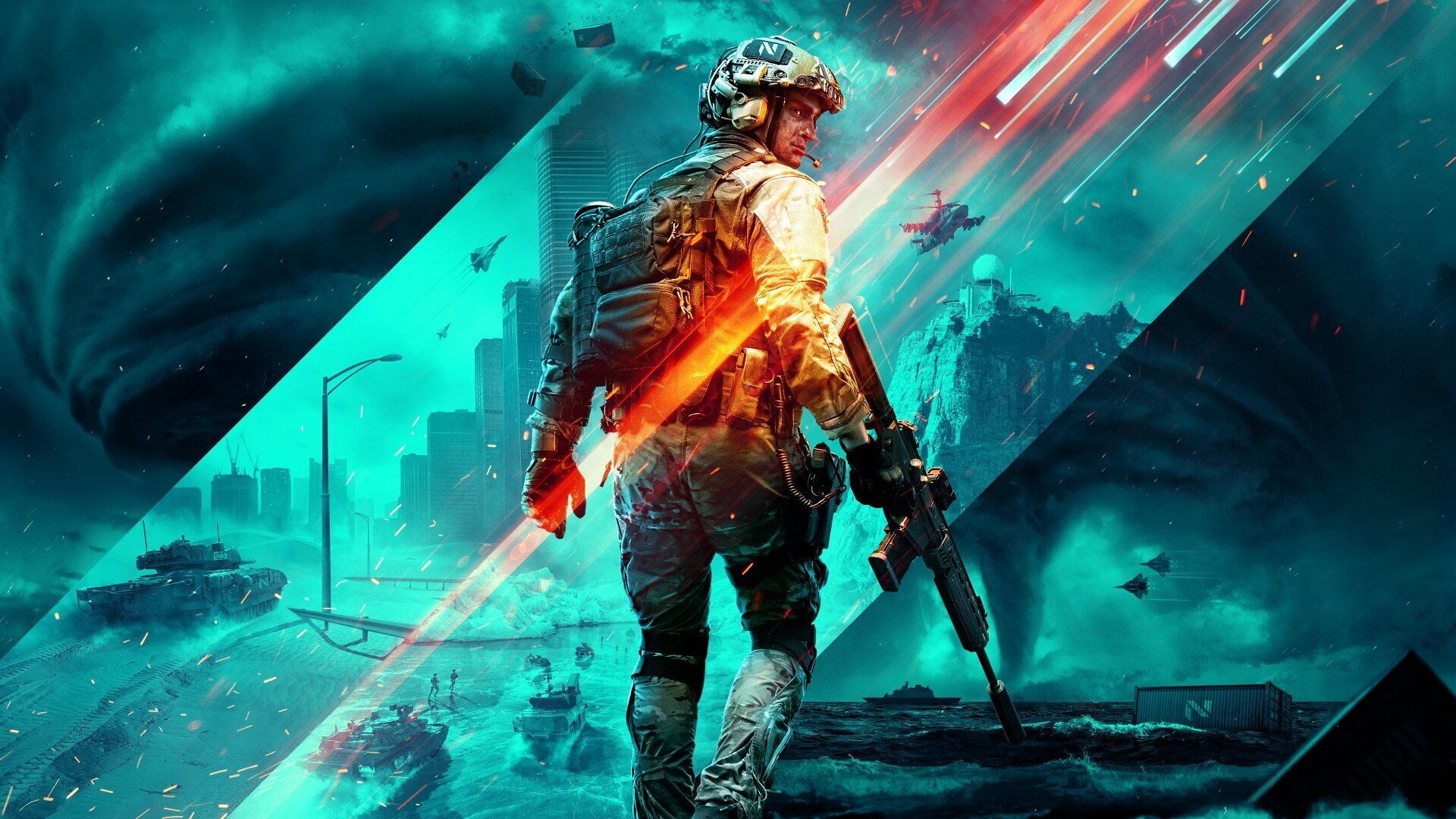
Players reacted negatively to the shift away from classic character classes, preferring the specialized characters instead. The game’s launch maps were huge but felt deserted, and didn’t offer the same level of strategic destruction as earlier games. Technical problems and missing features, like a simple scoreboard, added to the frustration. Many were also disappointed by the lack of a single-player story mode. Although updates have made improvements, the rocky start significantly hurt the franchise’s reputation.
‘Fable The Journey’ (2012)
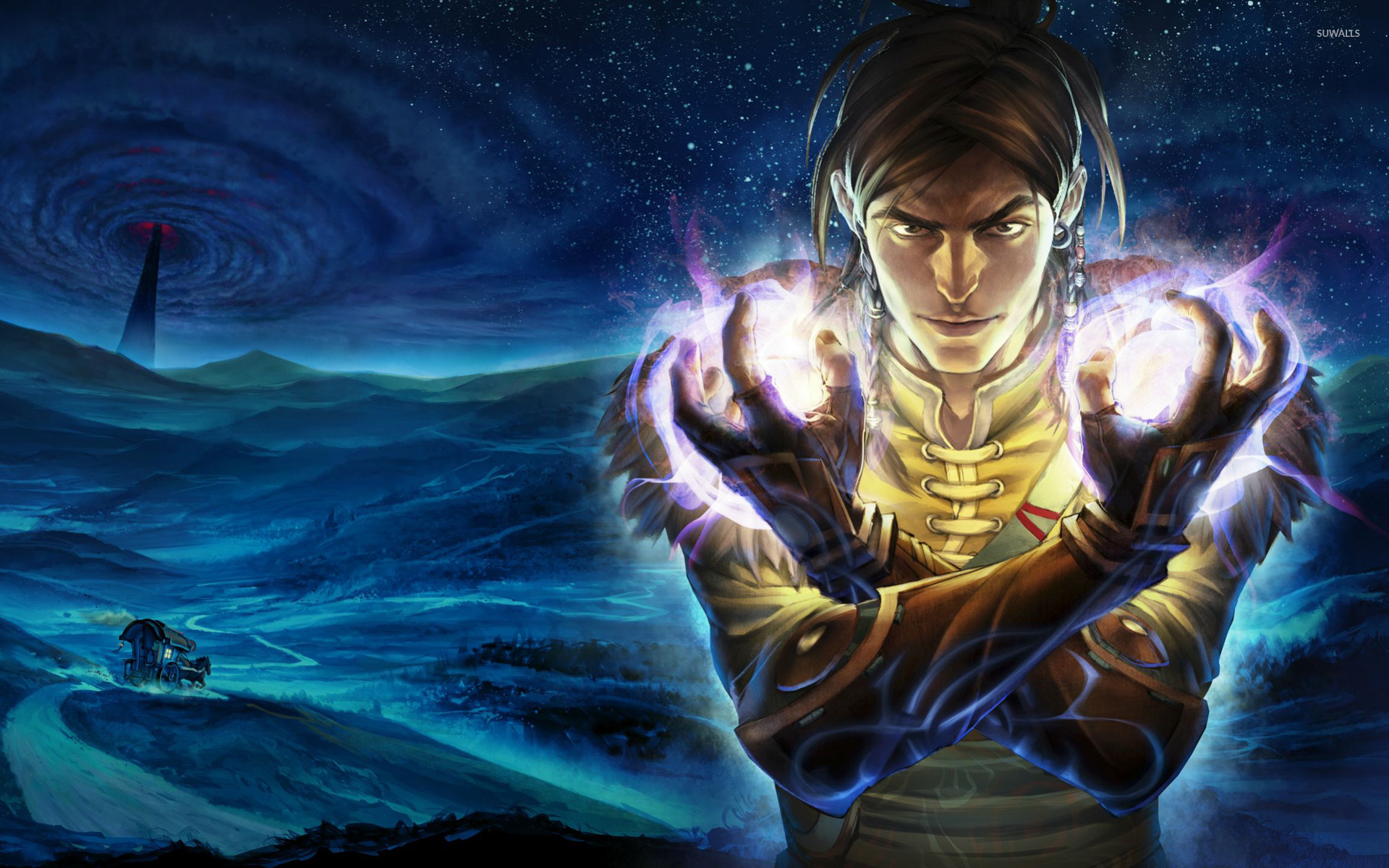
This game shifted away from its origins as a role-playing adventure and became an on-rails shooter built for the Kinect. Players controlled the game by moving their arms to cast spells and steer a horse-drawn carriage through set levels. Fans didn’t like this change from the earlier games’ open worlds and meaningful choices. The motion controls were also difficult to use accurately and could become exhausting during extended play. This was the last mainline game developed by the original studio.
‘Guitar Hero Live’ (2015)

When rhythm games made a comeback, a new controller with six buttons replaced older plastic instruments. This new version included live video performances and a subscription service where players paid to unlock songs. Unfortunately, when the online servers were shut down, most of the game’s music became unplayable. This dependence on online services, combined with the shift away from the traditional controller, ultimately led to the game’s failure, and there haven’t been any new installments in the series since.
‘Mirrors Edge Catalyst’ (2016)
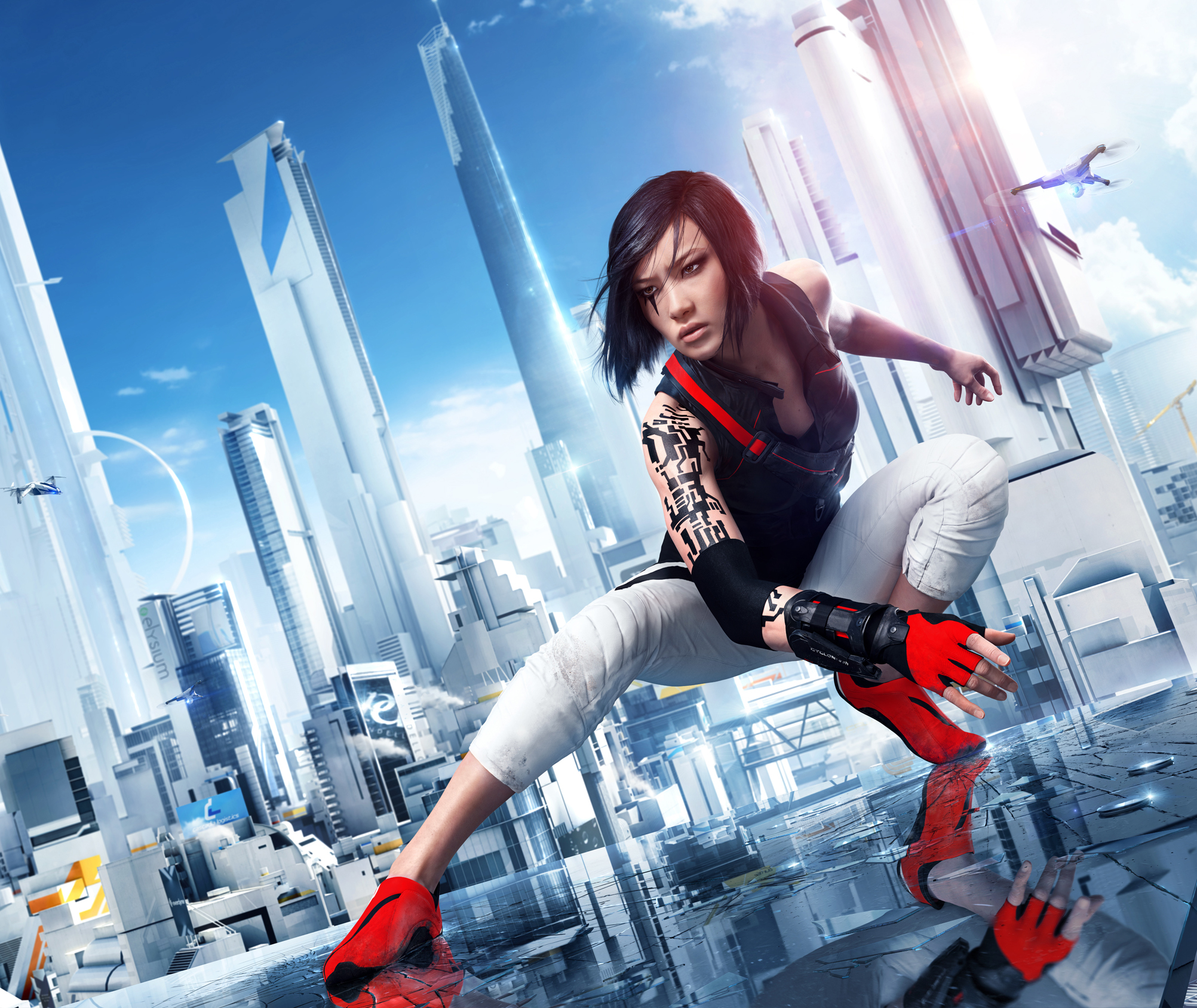
The first game was known for its fast-paced, focused platforming. The sequel tried something different with a large, open world, but many players felt this made the core parkour gameplay less impactful. New features like skill upgrades and numerous side quests felt like they overcomplicated what was once a streamlined and enjoyable experience. Although the game still looked good and moved well, the world felt empty and lacked the excitement of the original. Since this attempt to attract a wider audience didn’t succeed, the series hasn’t released a new installment.
‘Sacred 3’ (2014)
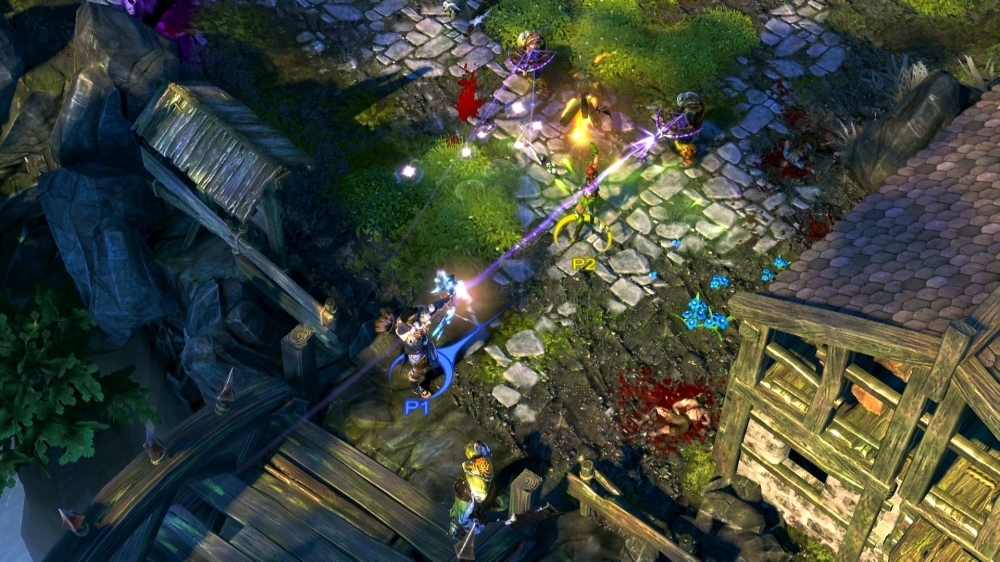
Earlier games in this series were immersive, open-world action RPGs, letting players explore and customize their characters. However, the third game shifted gears dramatically, becoming a straightforward, level-based fighting game. This meant losing the character customization and open-world exploration that fans loved. The change was heavily criticized, as it alienated longtime players and the game struggled to stand out in a competitive fighting game scene.
‘The 3rd Birthday’ (2010)
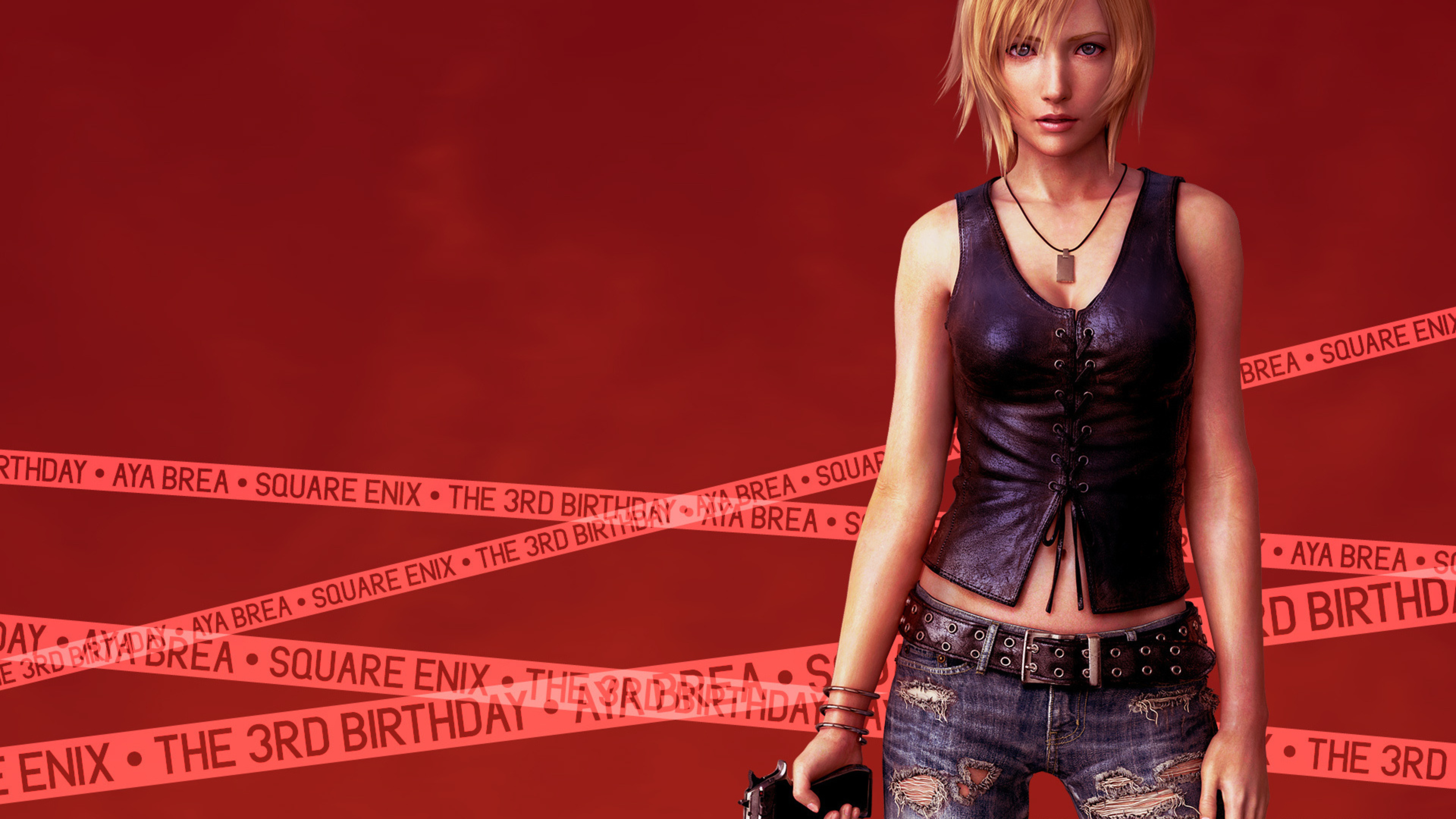
This game was a sequel to ‘Parasite Eve,’ but it switched from the original’s RPG style to a third-person shooter. Unfortunately, the story became overly complicated, and the main character was changed in ways that fans didn’t appreciate. The unique RPG elements that defined the first games were largely removed, replaced with standard action gameplay. A new ability involving body swapping added to the confusion and frustration for many players. As a result of this unsuccessful entry, the series hasn’t seen a new release since.
‘Turok’ (2008)
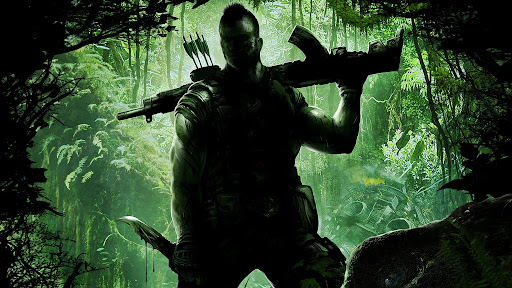
The 2008 game aimed to update the dinosaur hunting series with realistic graphics and a new storyline. However, it traded the bright, creative settings of the older games for a typical military plot. The gameplay felt awkward at times, and the stealth elements didn’t quite fit the series’ reputation for quick, exciting action. Though you still hunted dinosaurs, the game ultimately felt like many other shooters released around that time. Since then, there haven’t been any major, big-budget installments in the franchise.
‘Postal III’ (2011)
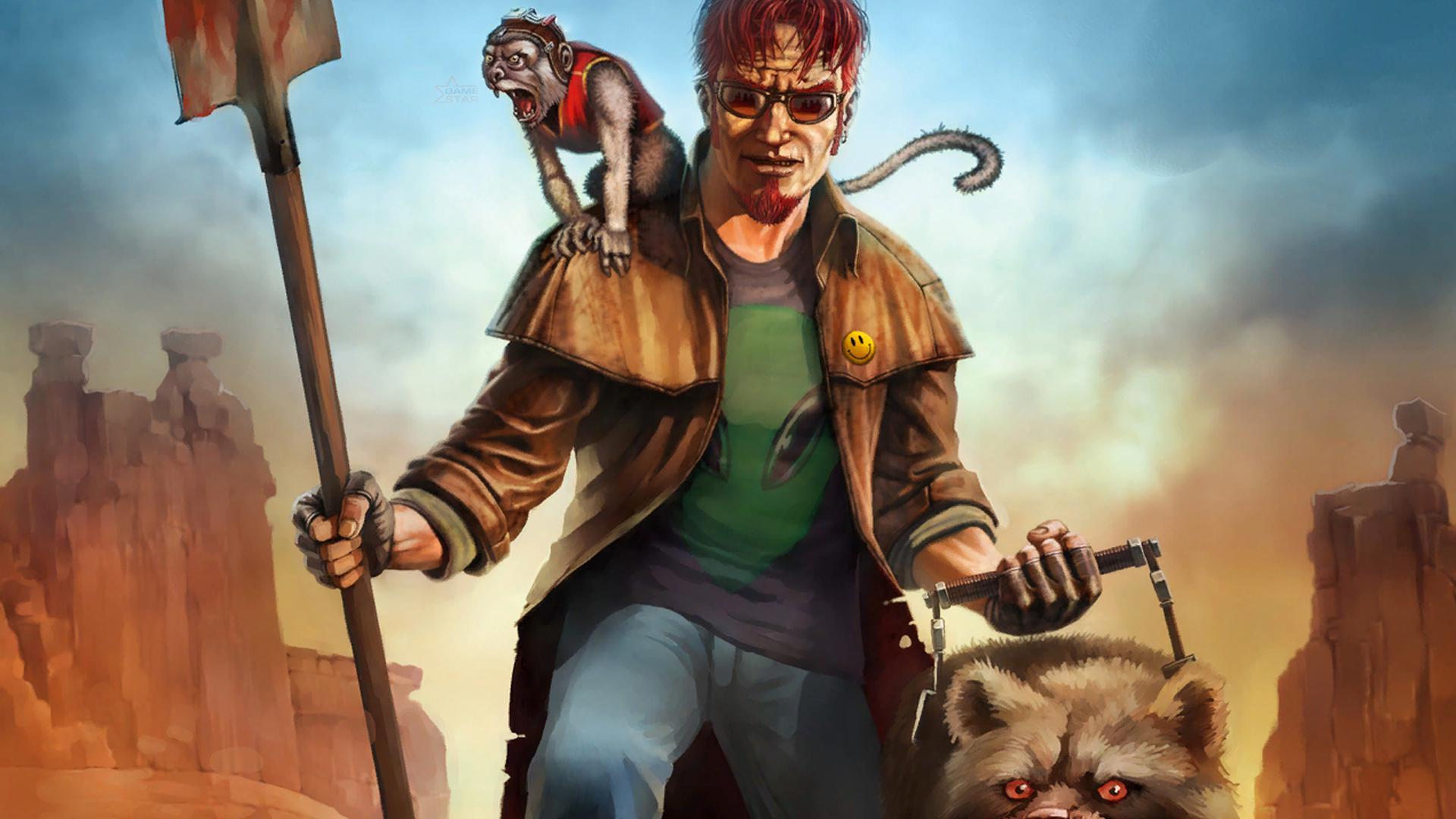
The third game in the series drastically changed direction, moving away from the open-world freedom of its predecessor to a more restrictive, third-person shooter format. Unfortunately, it was plagued with technical problems and many players found it nearly unplayable when it first came out. The game’s humor didn’t age well, and even the developers eventually distanced themselves from it, advising fans to stay away. Compared to earlier installments, the physics and artificial intelligence felt like a downgrade. The series didn’t regain its popularity until later updates and expansions returned to the gameplay style of the second game.
‘Contra Rogue Corps’ (2019)
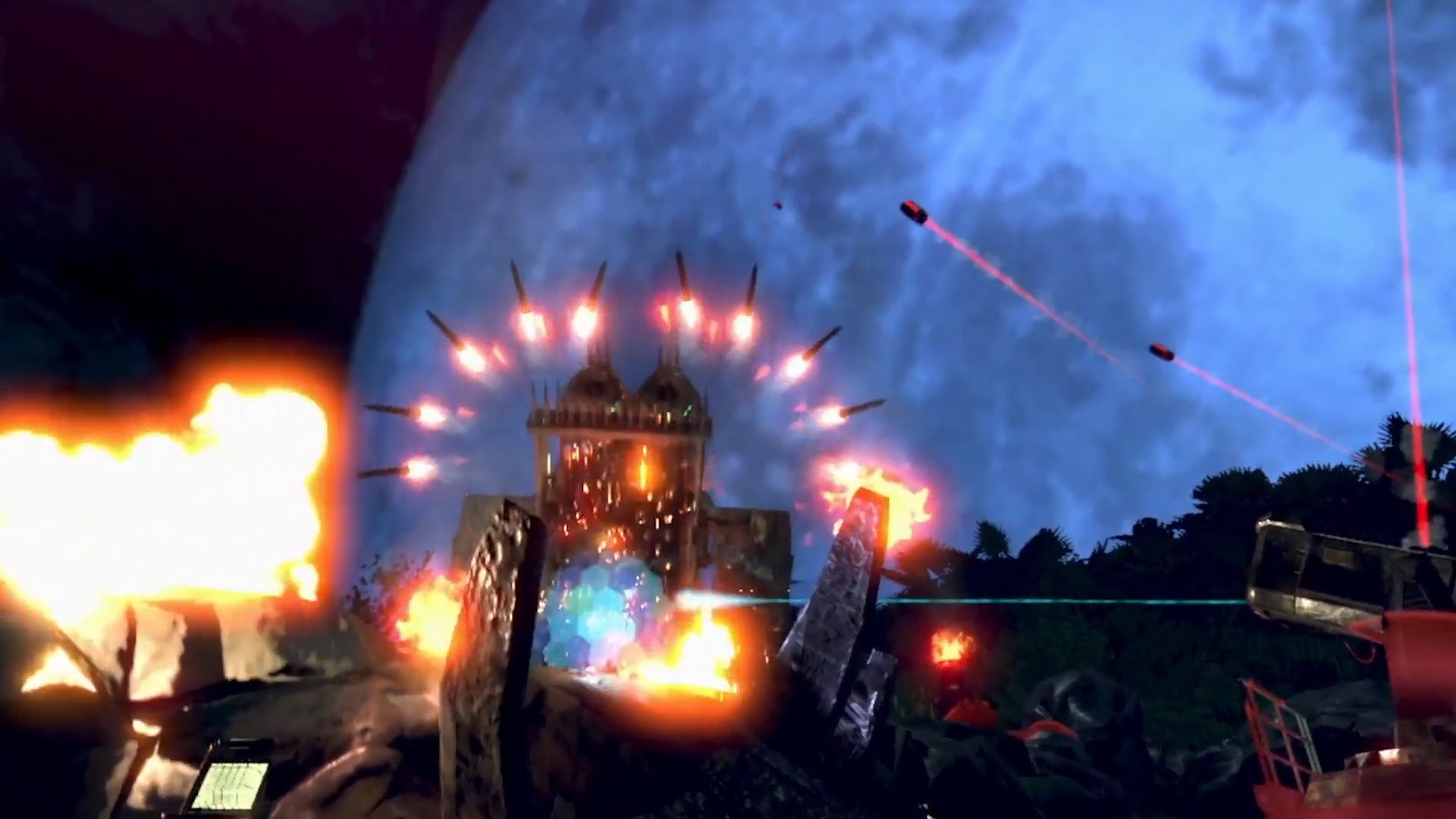
This game, part of a well-known series of side-scrolling shooters, tried something new by switching to a top-down, twin-stick shooting style. However, it didn’t quite work. The graphics were unattractive, and the game relied too much on collecting loot, which didn’t fit the spirit of the original ‘Contra’ games. Players also found the weapon overheating frustrating, as they simply wanted fast-paced shooting. A cluttered screen and awkward controls made the game chaotic and hard to enjoy, and many considered it a disappointing use of a beloved franchise name.
‘Castlevania Lords of Shadow 2’ (2014)
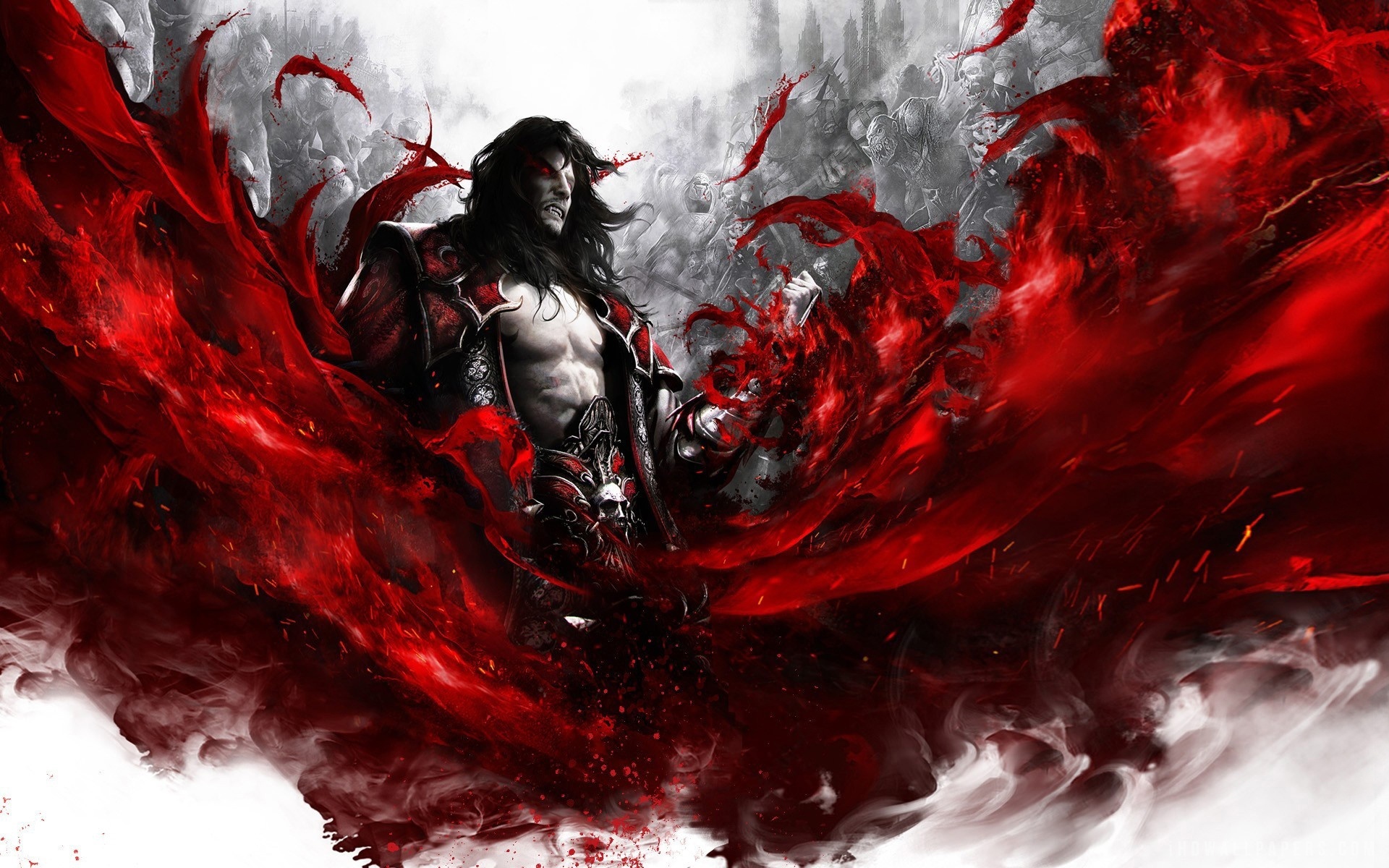
The first ‘Lords of Shadow’ game was a hit, but its sequel had some problems. It included slow, awkward stealth sections and shifted the setting to the present day, which didn’t fit well with the game’s fast-paced combat. Many players also found the story’s pacing to be off and felt it didn’t deliver a satisfying ending to the series. The new, more open city environments weren’t as immersive as the classic gothic castles. After this game, the series moved towards smaller releases and compilation packages.
‘Breath of Fire 6’ (2016)
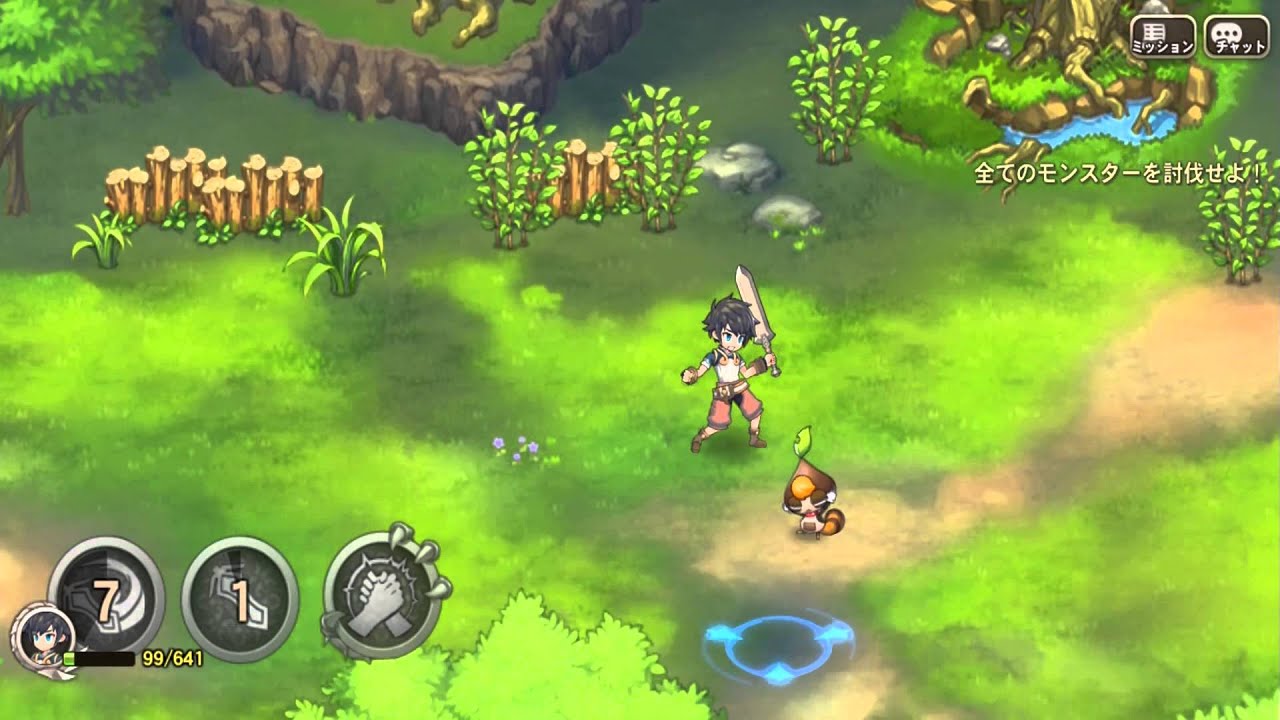
The sixth installment in a popular Japanese role-playing game series arrived as a mobile and online game, but it was a major departure from what fans expected. It featured a new art style and was built around quick play sessions and small in-app purchases. After waiting over ten years for a new main game, fans were very disappointed with these changes. The game was only available in a few countries and was eventually discontinued. Sadly, it remains the last traditional numbered release in a series that was once a huge competitor in the genre.
‘Perfect Dark Zero’ (2005)
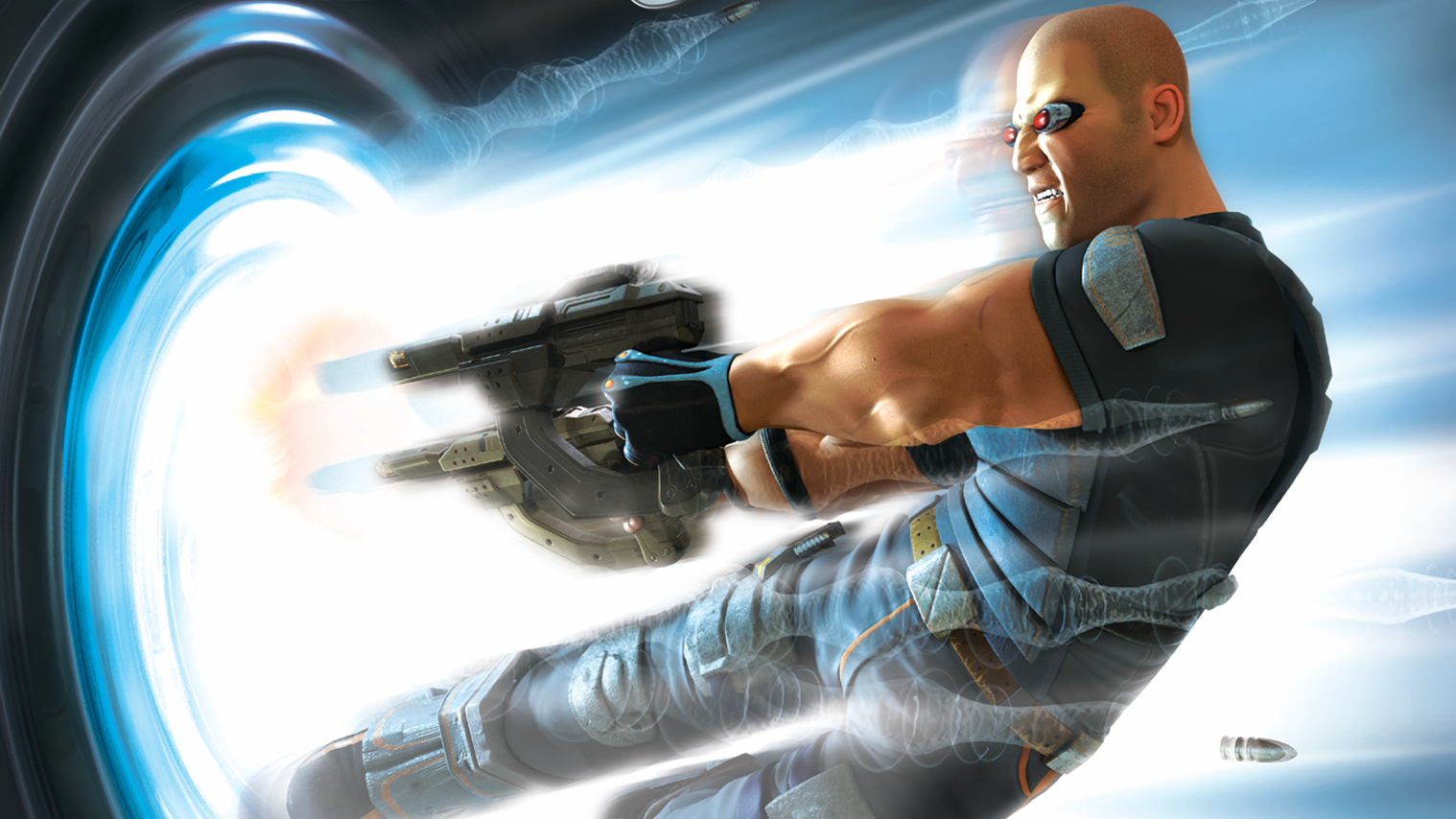
The first ‘Perfect Dark’ was groundbreaking for console first-person shooters, but the second game didn’t live up to the original. It launched with bright, though unremarkable, visuals that lacked the dark and immersive feel of its predecessor. Critics found the levels and enemy intelligence to be average for games released at the time. Although technically impressive when it came out, the gameplay didn’t feel like a worthy continuation of the series. This disappointing prequel has left the franchise struggling to regain its momentum ever since.
‘FlatOut 3 Chaos & Destruction’ (2011)
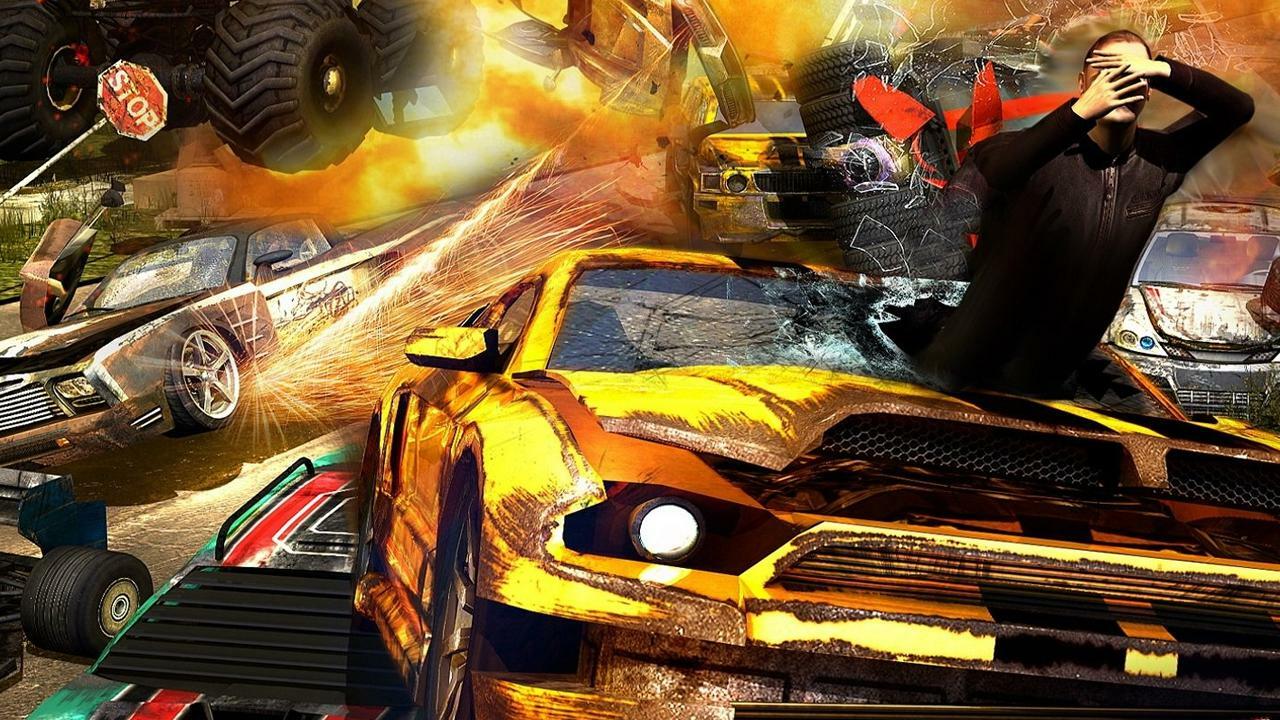
The original ‘FlatOut’ games were popular for their realistic physics and exciting crashes. However, the third game, made by a different developer, was a major disappointment. It had poor handling, a broken physics system compared to the earlier titles, and noticeably worse graphics. This release severely damaged the ‘FlatOut’ brand’s reputation with racing game enthusiasts.
‘Dead Rising 4’ (2016)
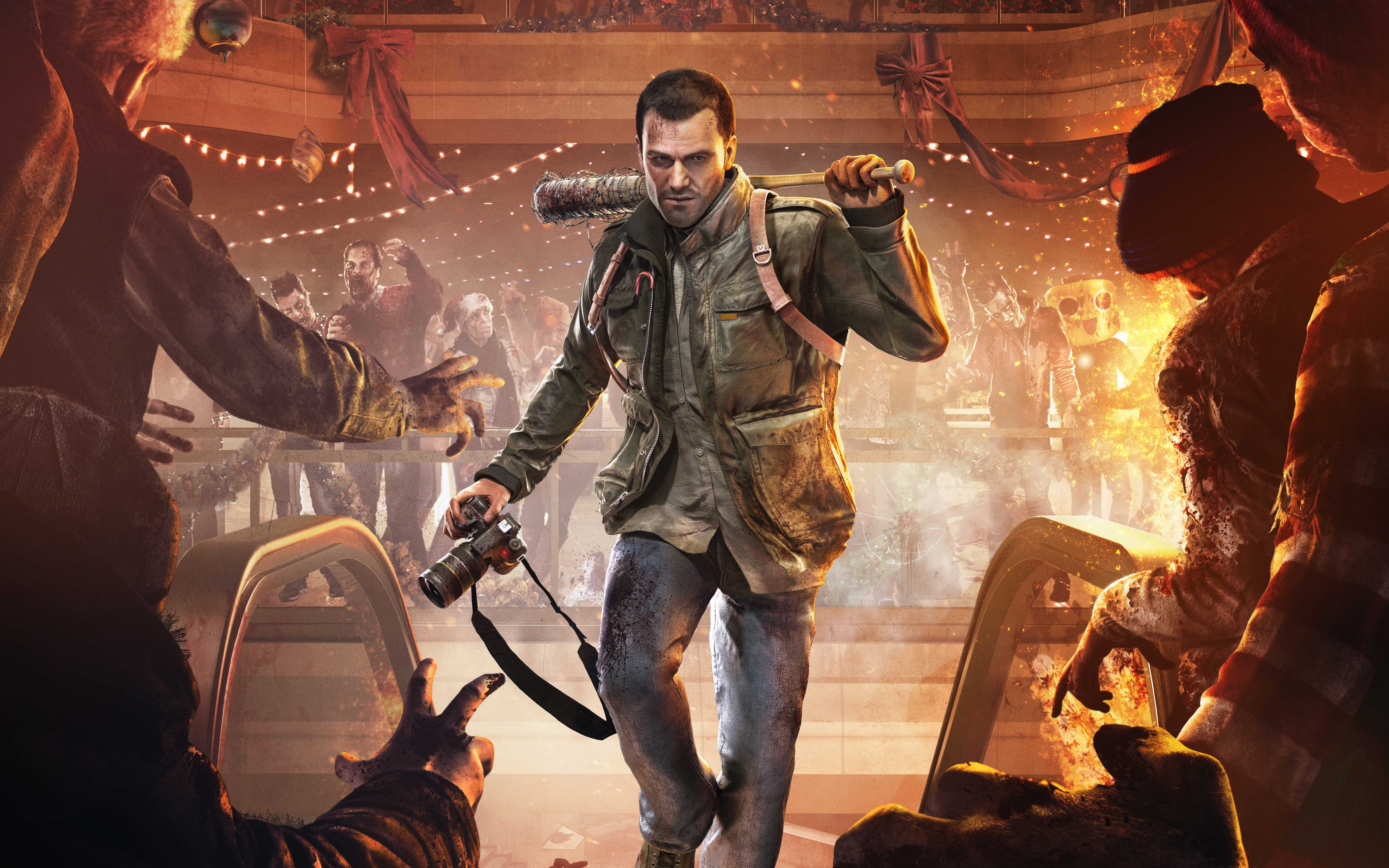
The fourth game in the series brought back the main character, but it dropped the series’ signature countdown timer. They also replaced the original voice actor, which disappointed many longtime fans. The game’s levels felt less detailed and challenging compared to earlier installments. Many players thought the game had been made too easy to attract more players. Ultimately, the game didn’t sell well, and the development studio closed down.
‘FEAR 3’ (2011)
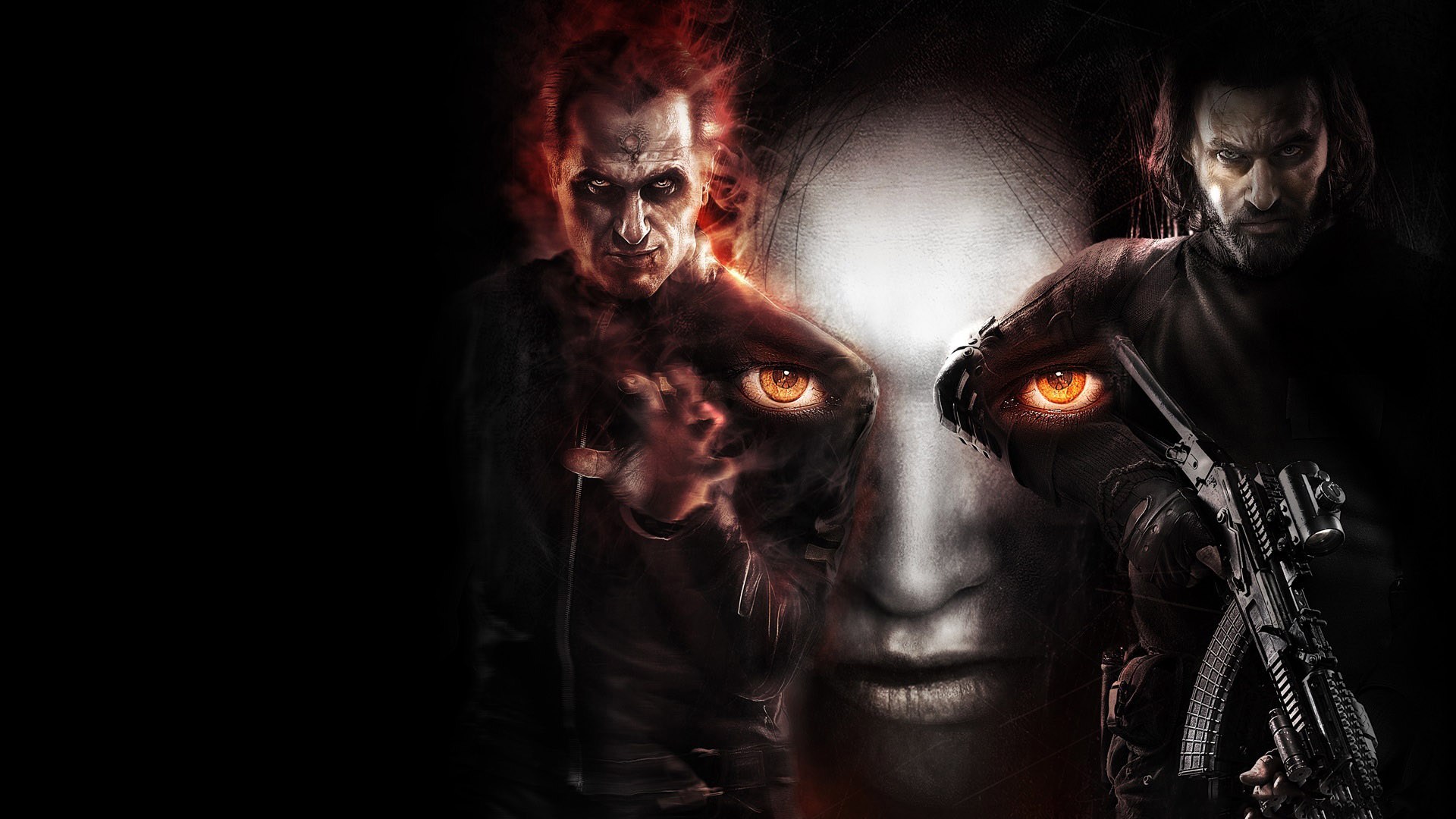
This second game moved away from the creepy, suspenseful atmosphere of the original, and instead focused on players working together to fight enemies. Although the fighting was decent, the game lost almost all of the scares that made the first one so memorable. The story became overly complicated and used predictable action movie clichés instead of building psychological tension. Many fans disliked the addition of a second player, feeling it destroyed the sense of loneliness that was key to the series. This game finished the story arc, and there haven’t been any new games released since.
‘Thief’ (2014)
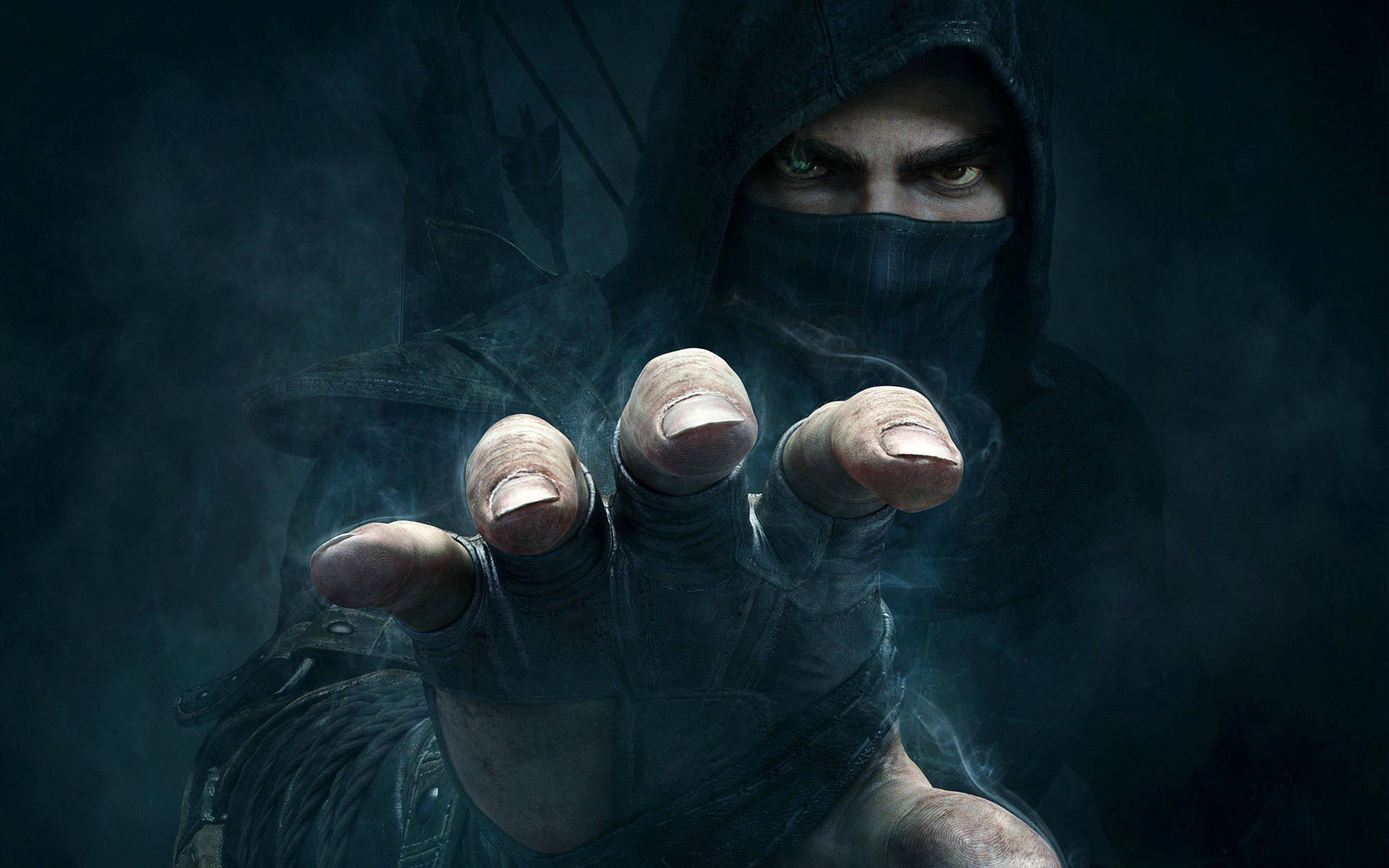
The 2014 reboot of the ‘Thief’ series aimed to update the gameplay for modern players, but it ended up disappointing many long-time fans. The new version featured more straightforward levels and simplified the intricate stealth gameplay of the earlier games. It also introduced a new main character and traded the series’ distinctive, atmospheric world for a more typical dark fantasy setting. Problems with the game’s technology and a confusing interface made the initial experience even worse, leading most fans to feel it didn’t live up to the standards of previous ‘Thief’ games.
‘Splinter Cell Conviction’ (2010)
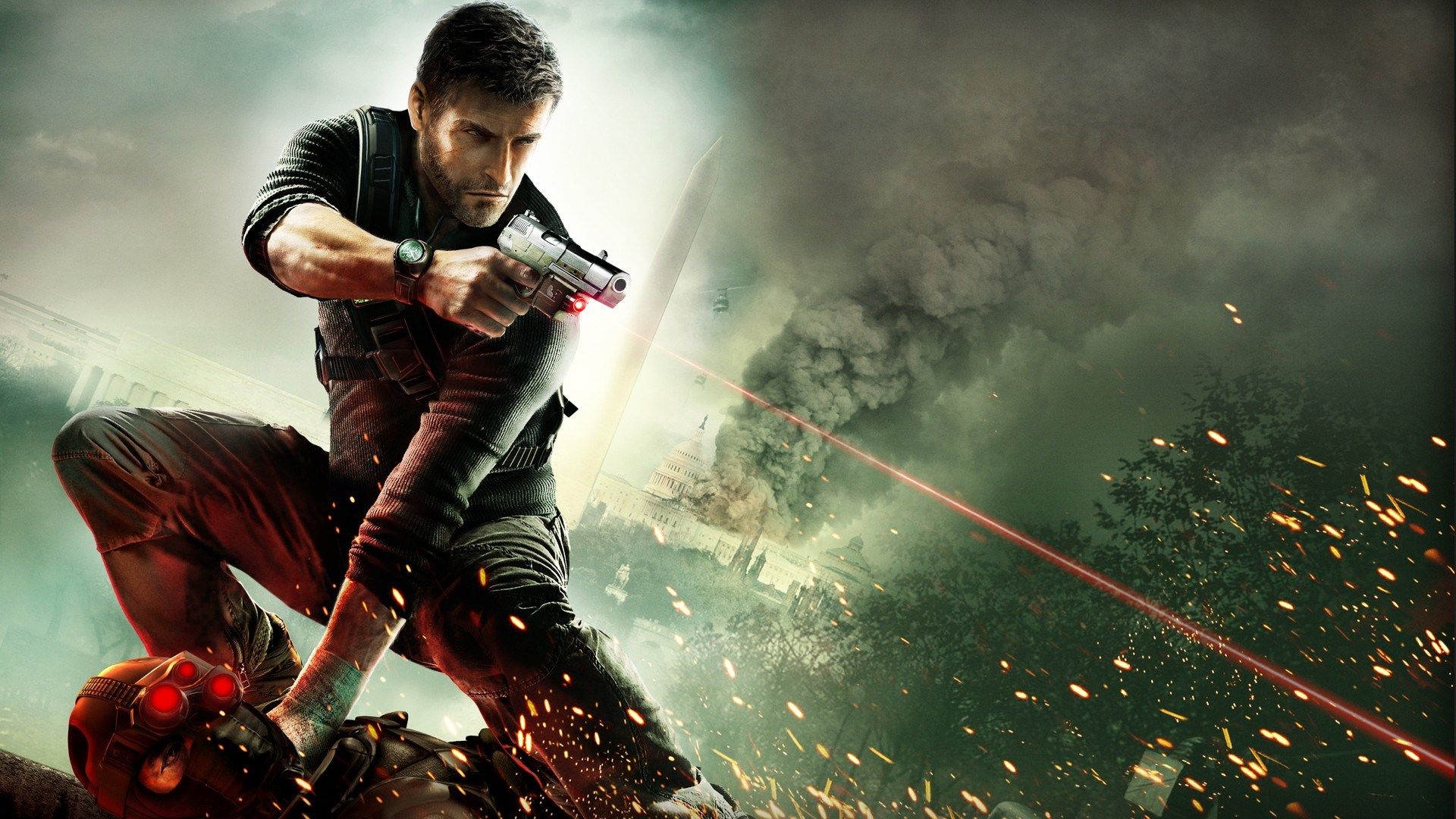
This installment shifted the series from a careful, stealth-focused experience to a quicker, more action-oriented shooter. The complex system of light and shadow was made simpler, and players had fewer options for non-lethal takedowns. Although it was a popular action game, it strayed too far from the deliberate, methodical gameplay that fans enjoyed. The storyline also changed, focusing on a personal quest for revenge instead of the political complexities of previous games. The series then struggled to find its footing in the next game before going on hiatus.
‘Lost Planet 3’ (2013)
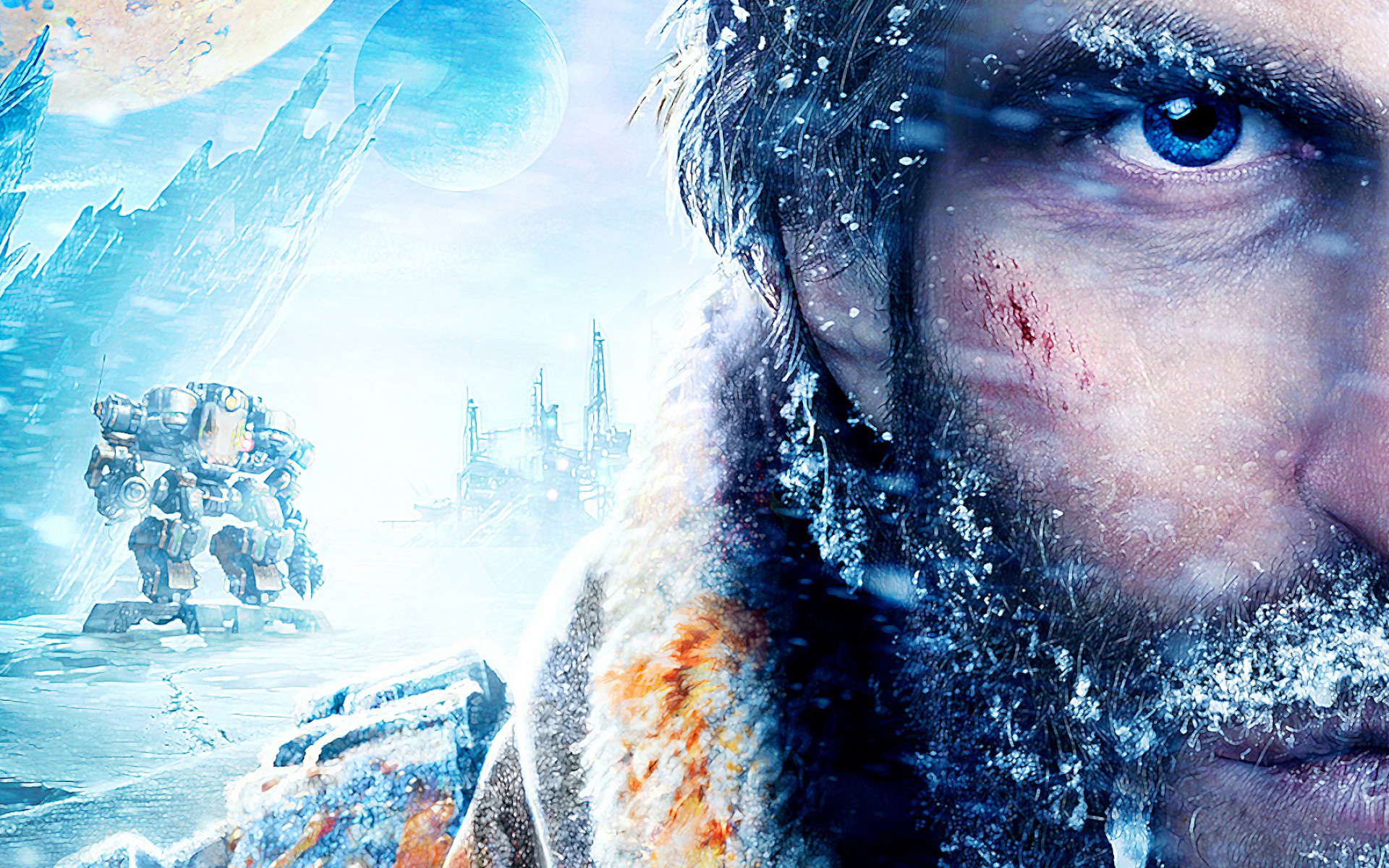
The third game in the series moved away from the fast-paced action and innovative energy-based gameplay of its predecessors. It became a more straightforward, story-driven shooter. Players encountered fewer battles with massive creatures, and the expansive environments were traded for tighter, more confined spaces. Longtime fans felt it lacked the grand scale and exciting battles of earlier games. The series hasn’t seen a new installment since, as this game didn’t connect with its existing audience.
‘Crackdown 3’ (2019)
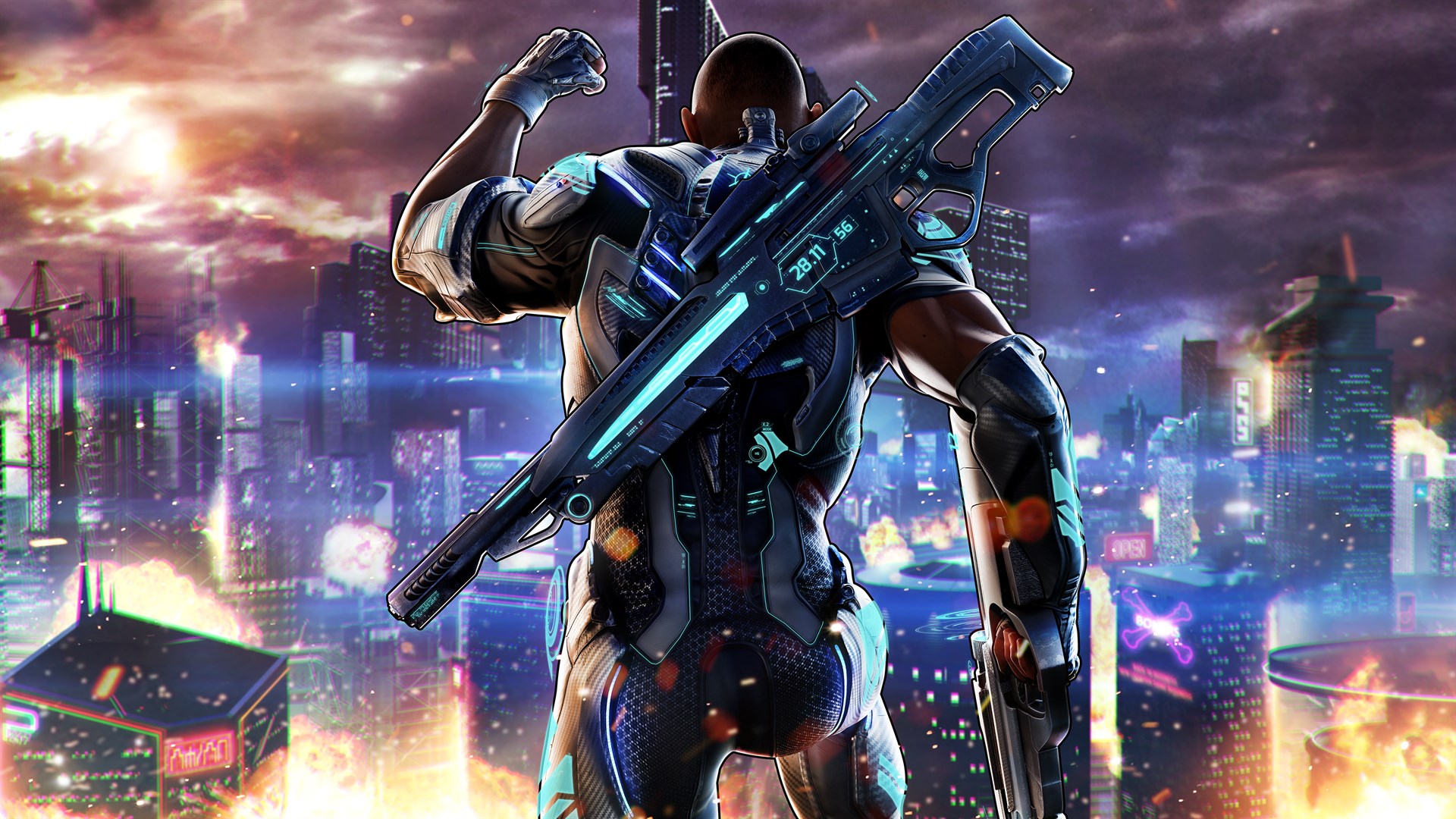
‘Crackdown 3’ had a difficult development, and when it finally launched, its graphics and physics felt outdated. The game’s highly anticipated cloud-based destruction feature was restricted to a multiplayer mode that didn’t attract many players. The single-player campaign proved to be a tedious and repetitive experience, lacking the engaging progression and large-scale feel that made the original ‘Crackdown’ so popular. As a result, this disappointing sequel caused the franchise to quickly lose its appeal.
‘Ninja Gaiden 3’ (2012)
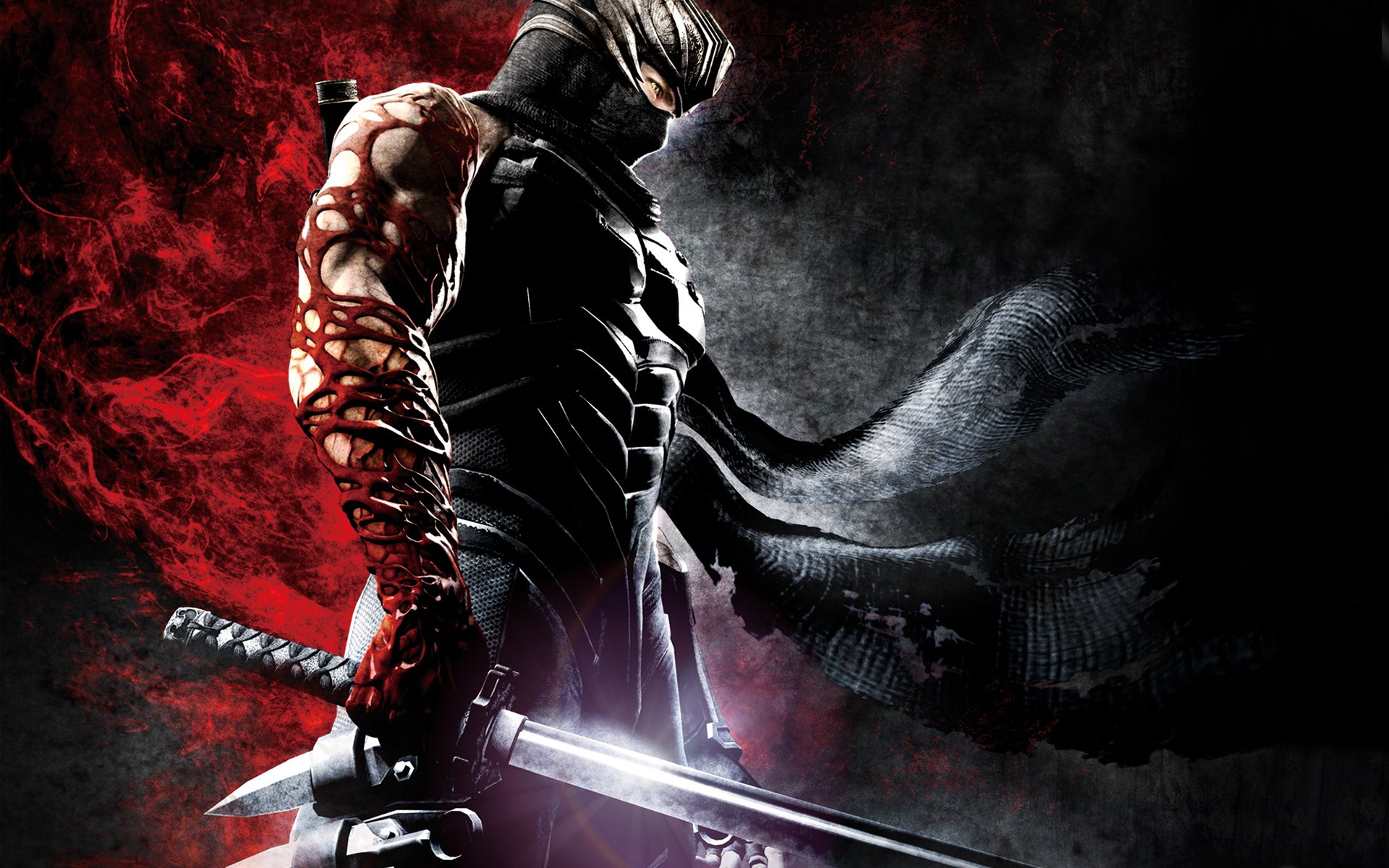
The third game in the revived series simplified the combat and removed many of the weapons found in the first two. It aimed for a more emotionally driven story, but gameplay felt repetitive due to limited options and too many quick-time events. Fans missed the challenging difficulty, as it was replaced with endless waves of unremarkable enemies. Although an update addressed some of these problems, the game was initially a letdown, and the series hasn’t seen a major new installment since.
‘Dino Crisis 3’ (2003)
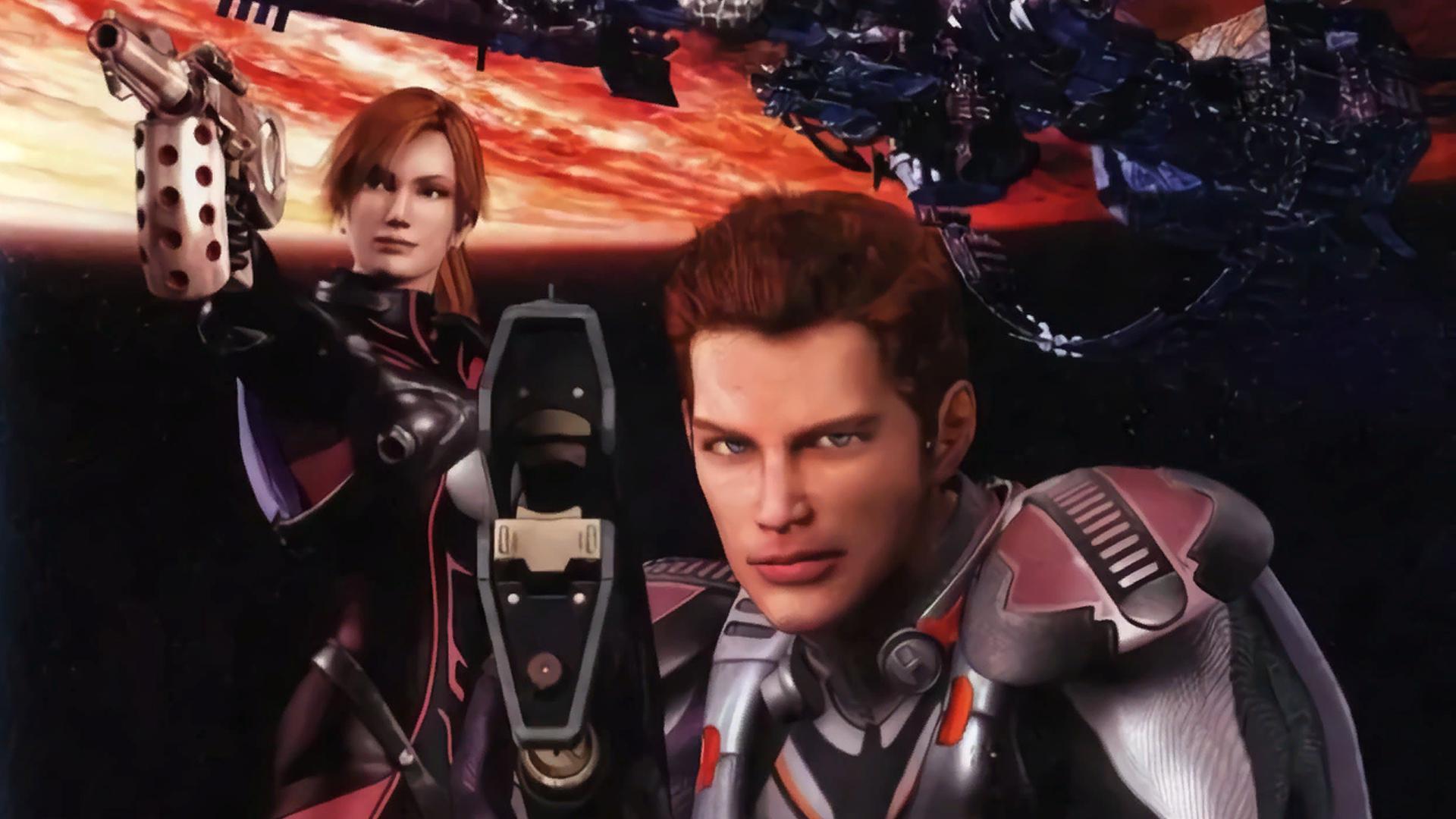
The second game in the ‘Dino Crisis’ series took a big leap, swapping the jungle island setting for a futuristic spaceship. Instead of the dinosaurs players remembered, this installment featured mutated space creatures with a completely different look. The game was also known for its frustrating camera controls, especially in the ship’s narrow hallways. These changes proved unpopular with fans of the original games, and the game’s poor sales led Capcom to halt development of any further ‘Dino Crisis’ titles.
‘Ridge Racer Unbounded’ (2012)
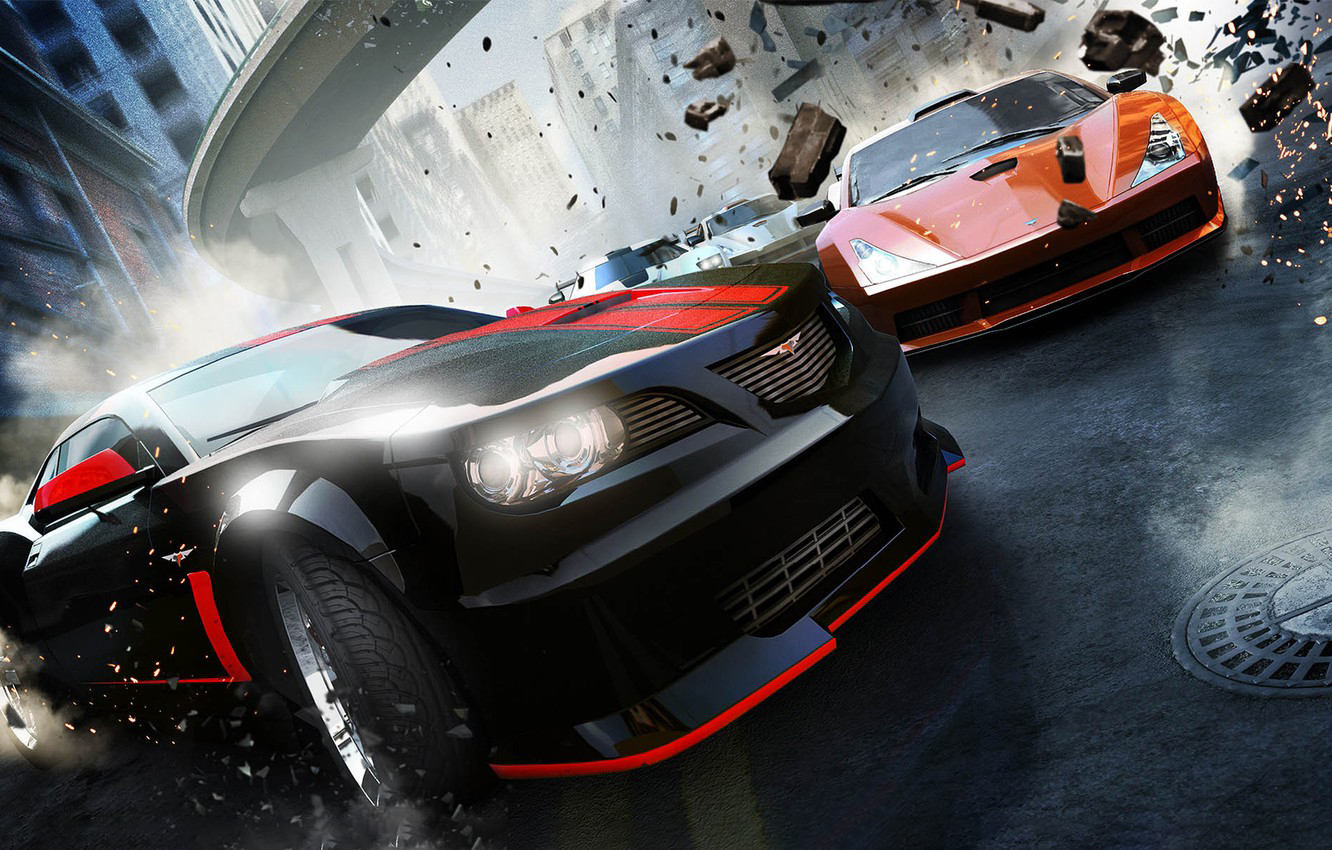
This game attempted to change the racing series from a skill-based drifting experience into a fast-paced, crash-focused game, much like the ‘Burnout’ series. Instead of rewarding precise driving, it emphasized smashing through obstacles and causing destruction. This new handling style was a significant departure from what fans loved about the series, and the effort to appeal to a Western audience ultimately missed the mark. As a result, the franchise has largely been limited to releases on mobile devices and handheld consoles ever since.
‘Earthworm Jim 3D’ (1999)

Moving from 2D to 3D proved challenging for many platforming games, and ‘Earthworm Jim’ was no different. The colorful, fluid animation of the original games suffered when it switched to clunky, unattractive 3D graphics. The game also lost its unique charm and imaginative levels, becoming a standard game about collecting items. Players found it frustrating to control the character because of awkward camera views and difficult jumping. Ultimately, this installment stalled the success of the once-beloved hero.
‘Bubsy 3D’ (1996)
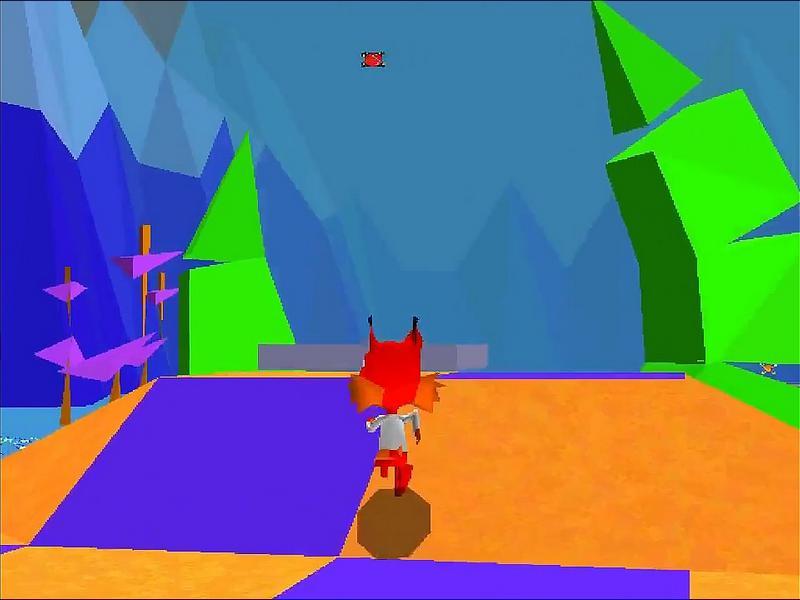
This game is widely considered one of the worst ever made, a failed attempt to compete in the growing world of 3D platformers. It was plagued by bland, empty levels, uninspired visuals, and incredibly difficult controls. Players found the main character’s voice lines to be repetitive and irritating. Released alongside revolutionary games like ‘Super Mario 64,’ its shortcomings were especially noticeable. The game’s failure turned the ‘Bubsy’ name into an industry punchline that lasted for years.
‘Marvel vs Capcom Infinite’ (2017)
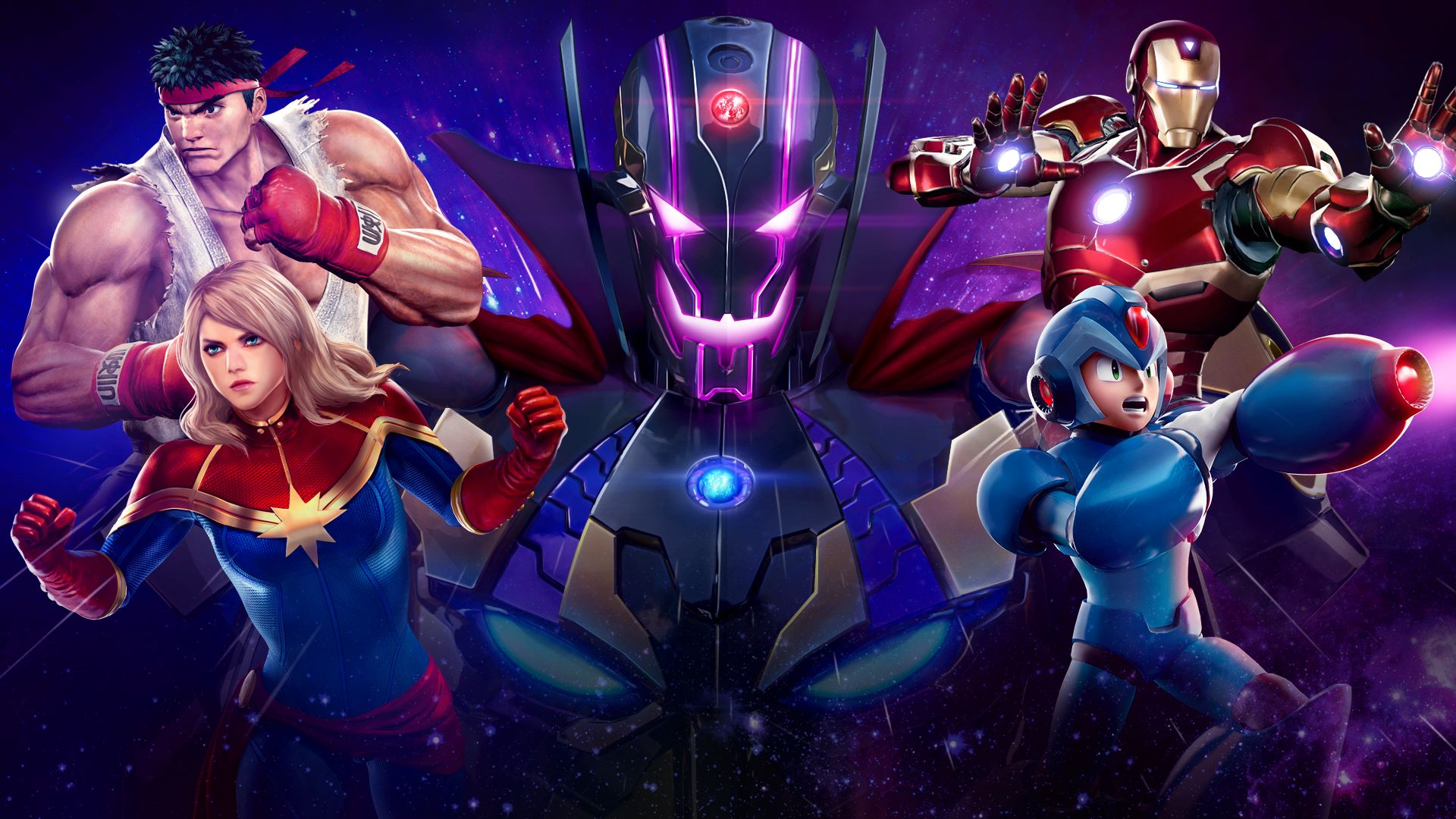
This fighting game didn’t live up to expectations, largely because it was missing popular characters due to licensing problems. Many players also felt the graphics were a downgrade from previous games, appearing less polished and colorful. Although the core fighting system was good, the game felt like a disappointment overall for long-time fans. It didn’t attract much attention from competitive players and was quickly surpassed by other titles. This release left the future of the series in doubt after disappointing its fanbase.
‘Resistance Burning Skies’ (2012)
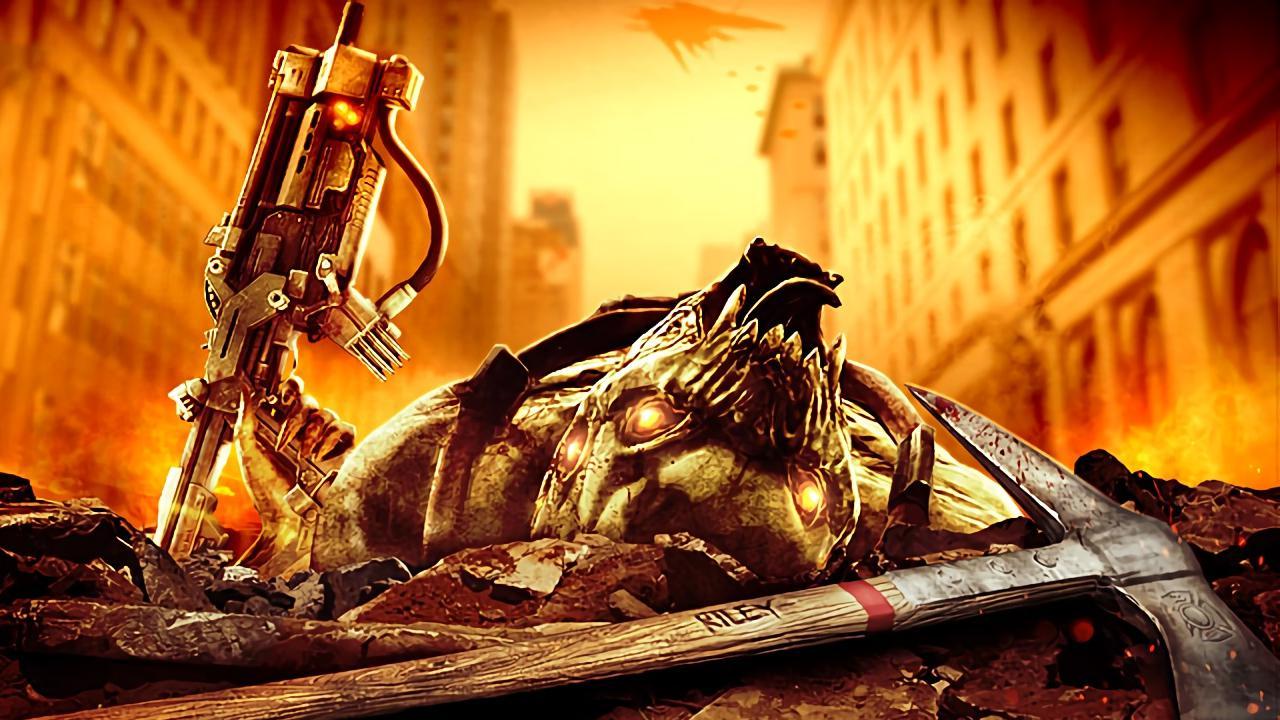
This portable game was innovative for introducing dual analog sticks to handheld gaming, but ultimately didn’t live up to expectations. The story was brief and uninspired, adding little to the overall series. Compared to the console versions, it had noticeably simpler graphics and fewer enemy types. Numerous technical issues and a general lack of refinement gave the impression that the game was released before it was truly finished. This marked the last installment in the ‘Resistance’ series, after which the franchise was discontinued.
‘Paper Mario Sticker Star’ (2012)
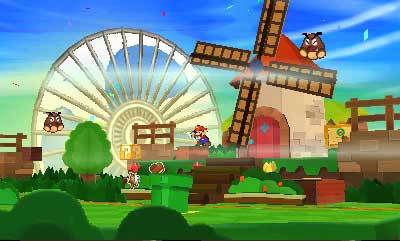
This installment moved away from the role-playing aspects and compelling stories that defined the first two games. Instead of a traditional battle system, it used collectible stickers, which made players less likely to fight. The game didn’t offer experience points or character development, so exploring wasn’t as rewarding. This new approach proved controversial, and many fans felt it lacked the heart of the earlier games. Despite continued requests from fans for a return to the original style, the series has kept experimenting with these changes.
‘Dawn of Mana’ (2006)
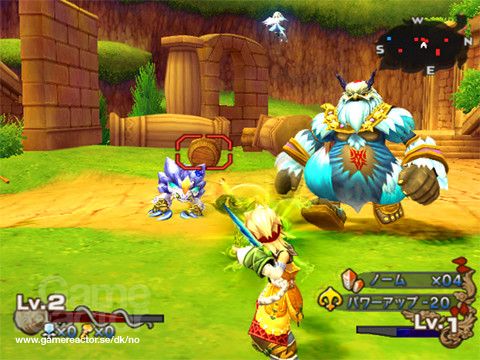
This game dramatically changed the established action RPG formula, shifting to a straightforward, action-focused experience with lots of puzzles based on physics. Instead of the usual character leveling, progress was temporary and reset after each chapter. Many players found the camera and controls frustrating, which contributed to the game’s lack of popularity. It moved away from the open-world exploration that fans loved in previous installments. As a result of this unsuccessful game, the ‘Mana’ series was put on hold for a long time.
‘Steel Battalion Heavy Armor’ (2012)

The first ‘Steel Battalion’ game was known for its incredibly detailed, custom-built controller that made players feel like they were really piloting a tank. The sequel tried something different, using the Kinect to let players control the tank with their movements. Unfortunately, the Kinect wasn’t very reliable, often misreading or failing to register movements, which made even simple actions in the game impossible. This made the game frustrating and unplayable for many, and the series hasn’t had a new installment since.
‘Alone in the Dark Illumination’ (2015)
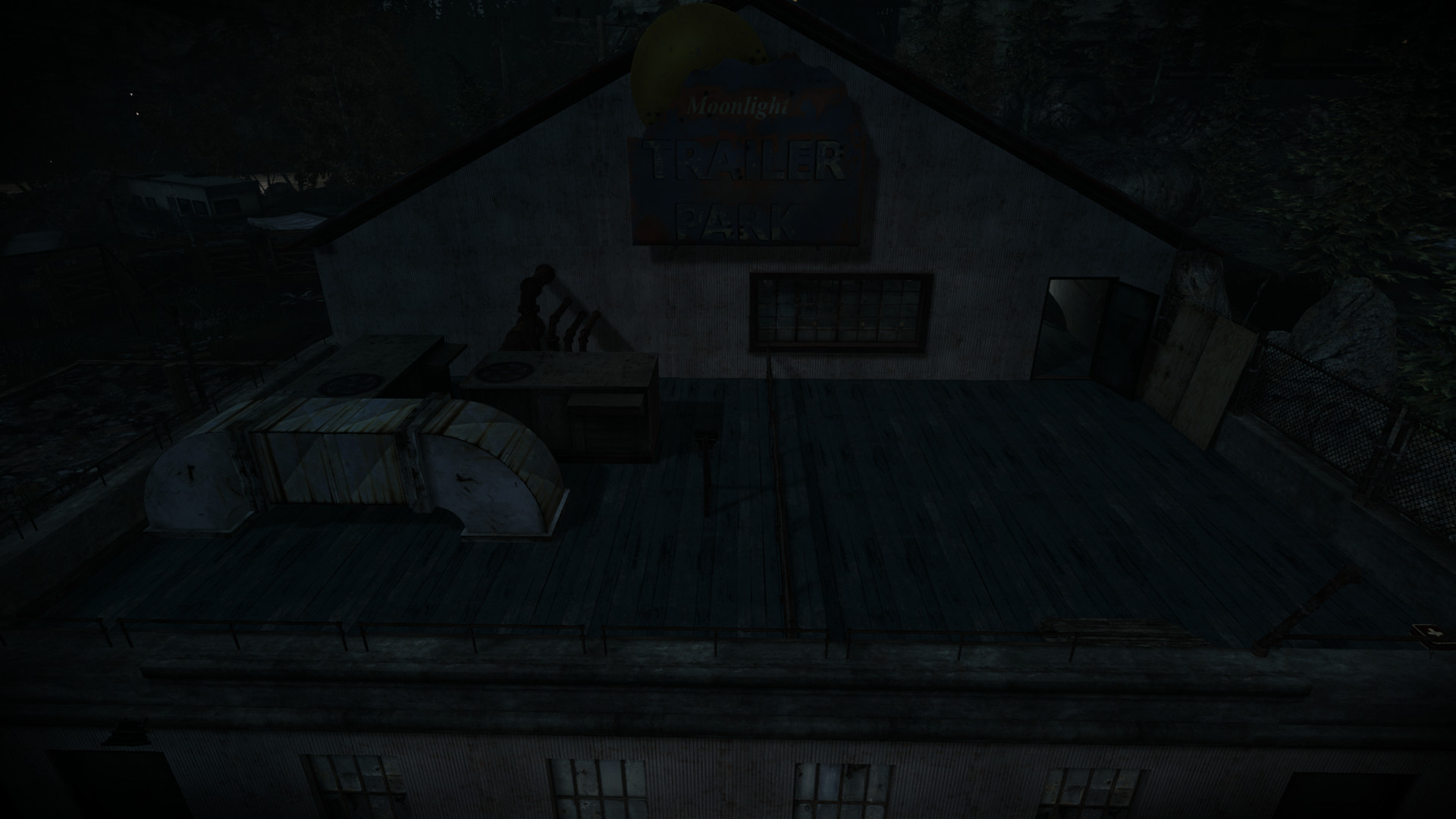
This installment of the classic survival horror series drastically changed the formula, becoming a four-player shooting game focused on teamwork. However, it lost the spooky atmosphere and challenging puzzles that made the original games, from the early 1990s, so beloved. Critics and fans generally disliked it, finding the graphics and gameplay felt old-fashioned even when it first came out. This attempt to capitalize on the popularity of cooperative action games very nearly killed the entire series.
‘Bionic Commando’ (2009)
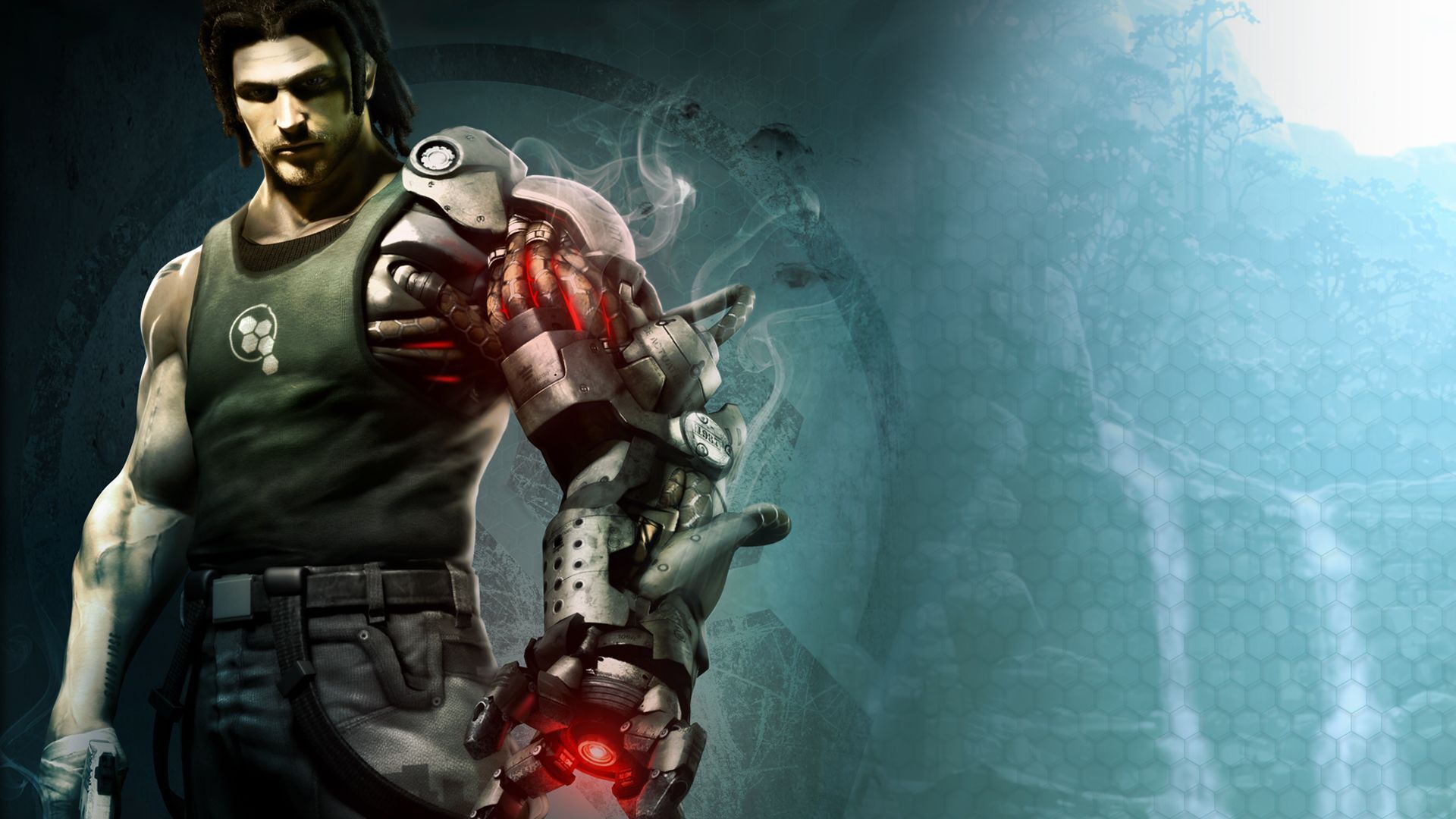
This 2009 game was a fresh start for the classic series, aiming to update its signature swinging gameplay. However, it included a dark and divisive story twist that many players found unbelievable. The levels often limited the freedom to swing, which was the most enjoyable part of the original games. Although the swinging felt good, the rest of the game played like a typical third-person shooter. This reboot didn’t capture player interest, and the series hasn’t appeared on consoles since.
‘Dungeon Siege III’ (2011)
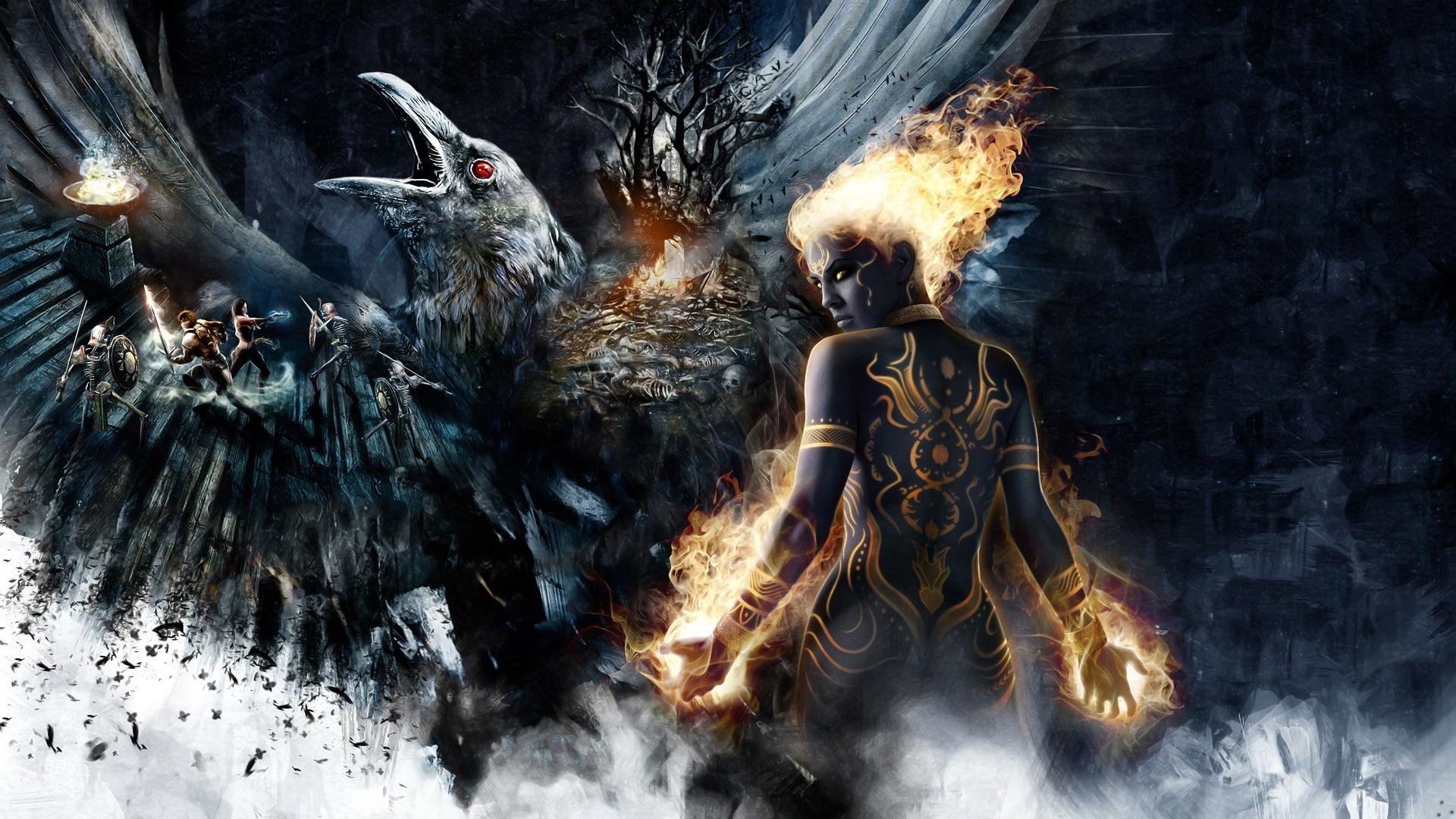
The third game in the series marked a major shift, moving away from the PC-based, strategic RPG gameplay of the originals to a more console-focused, action-packed fighting style. It reduced the number of playable characters and streamlined the item and skill systems. While aiming for broader appeal, this change disappointed longtime fans who missed the depth and complexity of earlier installments. The game also limited cooperative play, frustrating players who enjoyed playing with friends. Since its release, the series has been on hold, as the game failed to satisfy both existing and new audiences.
‘Front Mission Evolved’ (2010)
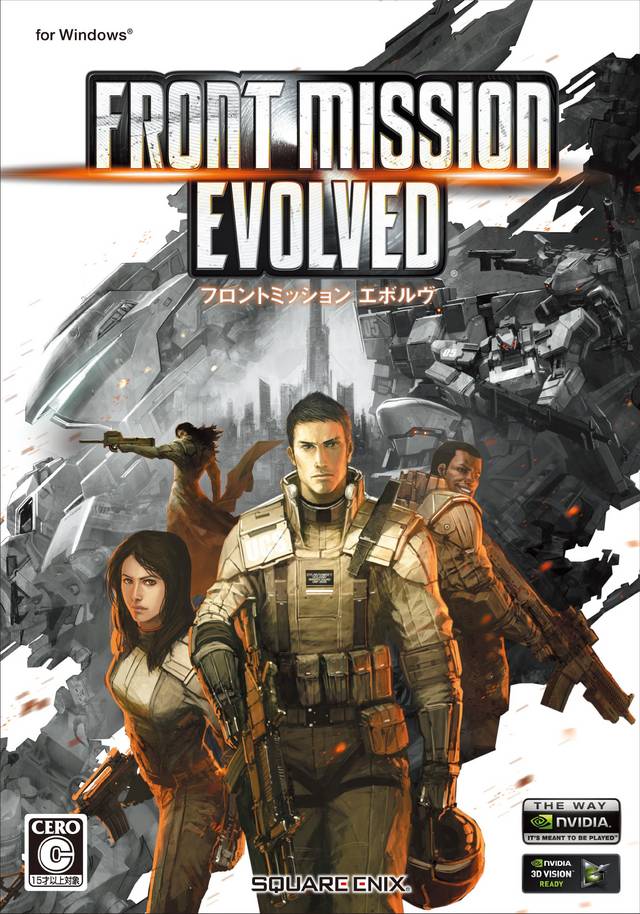
This sequel drastically changed the long-running tactical RPG series, turning it into a fast-paced, third-person action game. Instead of carefully customizing mechs and engaging in turn-based battles, players found themselves in a more standard shooting experience. Critics didn’t find the story or characters compelling, and longtime fans were let down by the change in gameplay and the game’s overall lack of refinement. Years later, the series went back to its original tactical style with remakes and smaller games, after this experiment didn’t succeed.
‘Suikoden Tierkreis’ (2008)
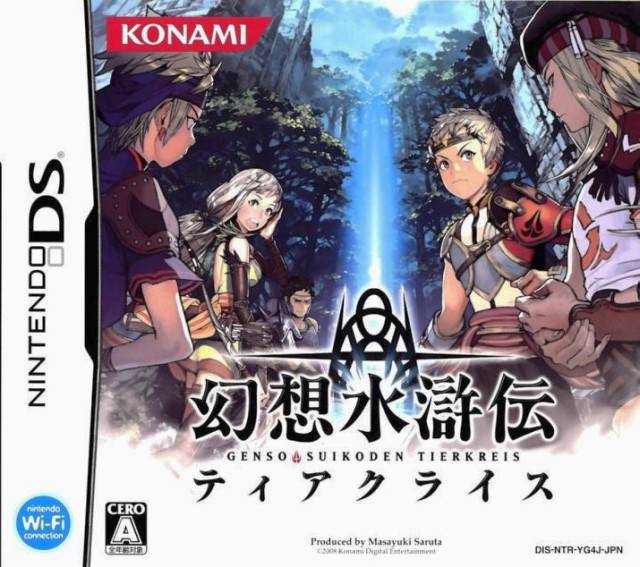
This portable game took the series in a new direction, moving the story to a separate dimension. It left out many popular features, like large-scale battles and the familiar rune system. The story felt separate from the rich history built up in the first five games. Although it was a solid RPG, it didn’t quite feel like a true ‘Suikoden’ title. Since this game and other side stories came out, there haven’t been any new main installments in the series.
‘Syphon Filter The Omega Strain’ (2004)
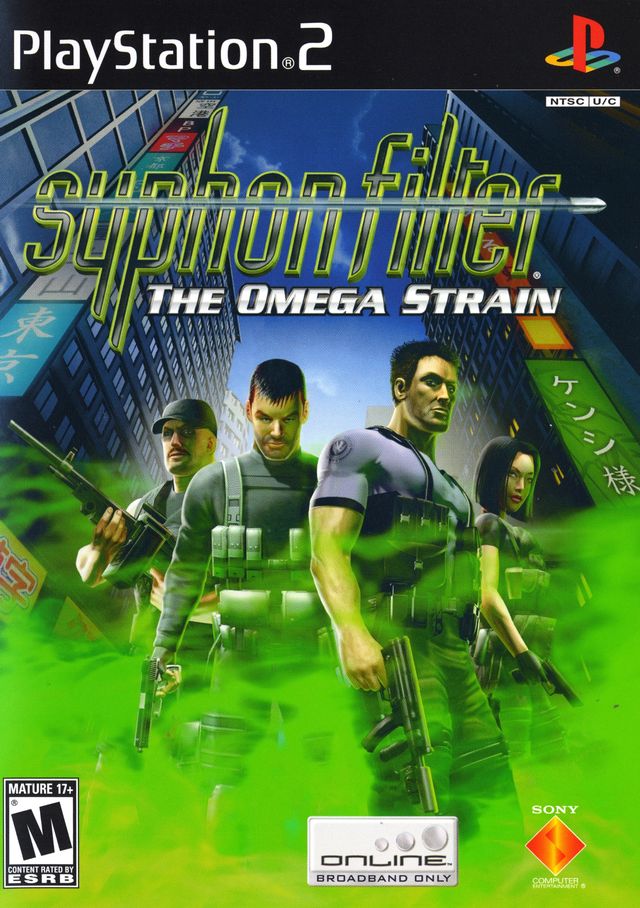
The latest installment in the series emphasized teamwork, making players build and control their own characters instead of using the series’ hero. Many found the missions challenging and stressful due to tight deadlines and demanding goals that needed multiple people to complete. Technical problems and lengthy loading screens also created issues for players. Fans were disappointed that the familiar main character wasn’t involved in the story. The series later appeared on portable consoles but ultimately lost popularity and was discontinued.
‘Jak and Daxter The Lost Frontier’ (2009)
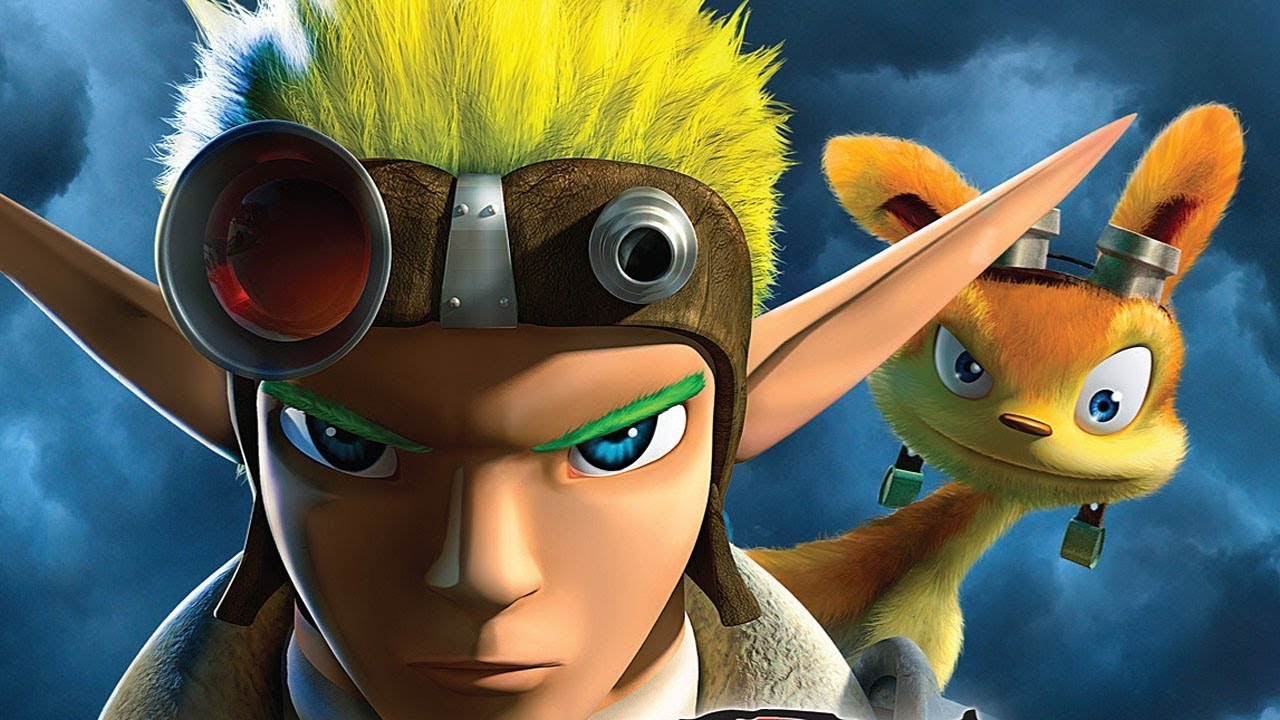
As a big Jak and Daxter fan, I was really disappointed with this one. It just didn’t feel as good as the games Naughty Dog made. The jumping and moving around felt awkward, and the flying combat got old really fast – it wasn’t very deep. Honestly, everything looked a little less polished too, from the characters to the worlds themselves. A lot of us felt like it didn’t really get what made Jak and Daxter special, and it didn’t feel true to the characters we loved. Sadly, it’s been over ten years since this game came out, and we haven’t seen a new Jak and Daxter adventure since.
Tell us about sequels that disappointed you and negatively impacted a game series you used to love! Share your thoughts in the comments below.
Read More
- Building 3D Worlds from Words: Is Reinforcement Learning the Key?
- Spotting the Loops in Autonomous Systems
- The Best Directors of 2025
- The Glitch in the Machine: Spotting AI-Generated Images Beyond the Obvious
- 2025 Crypto Wallets: Secure, Smart, and Surprisingly Simple!
- 20 Best TV Shows Featuring All-White Casts You Should See
- Gold Rate Forecast
- Umamusume: Gold Ship build guide
- Mel Gibson, 69, and Rosalind Ross, 35, Call It Quits After Nearly a Decade: “It’s Sad To End This Chapter in our Lives”
- Uncovering Hidden Signals in Finance with AI
2026-01-12 14:22