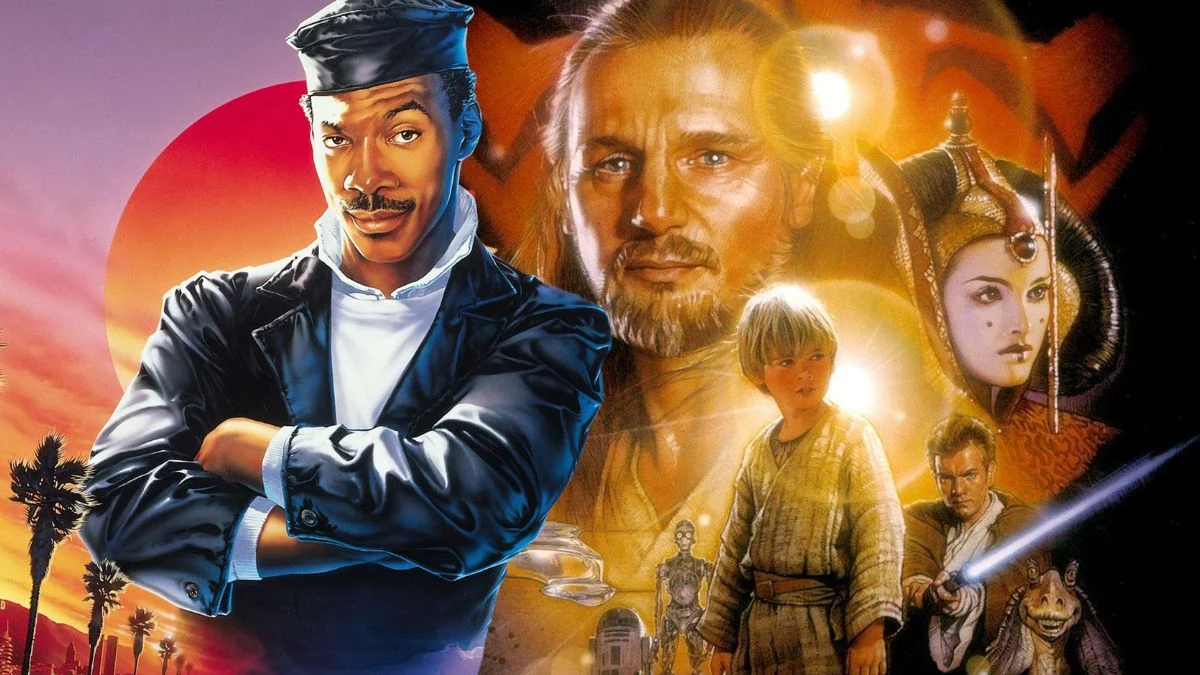
As a movie fan, it really frustrates me when Hollywood takes interesting characters with complex backgrounds and boils them down to simple stereotypes. It feels like they miss a huge opportunity to create truly compelling villains by ignoring the cultural details and history that would make them feel real. Too often, filmmakers seem to choose easy, over-the-top portrayals instead of striving for authentic representation, and we end up with caricatures instead of nuanced characters. It’s a shame to see those details lost.
‘The Mask of Fu Manchu’ (1932)
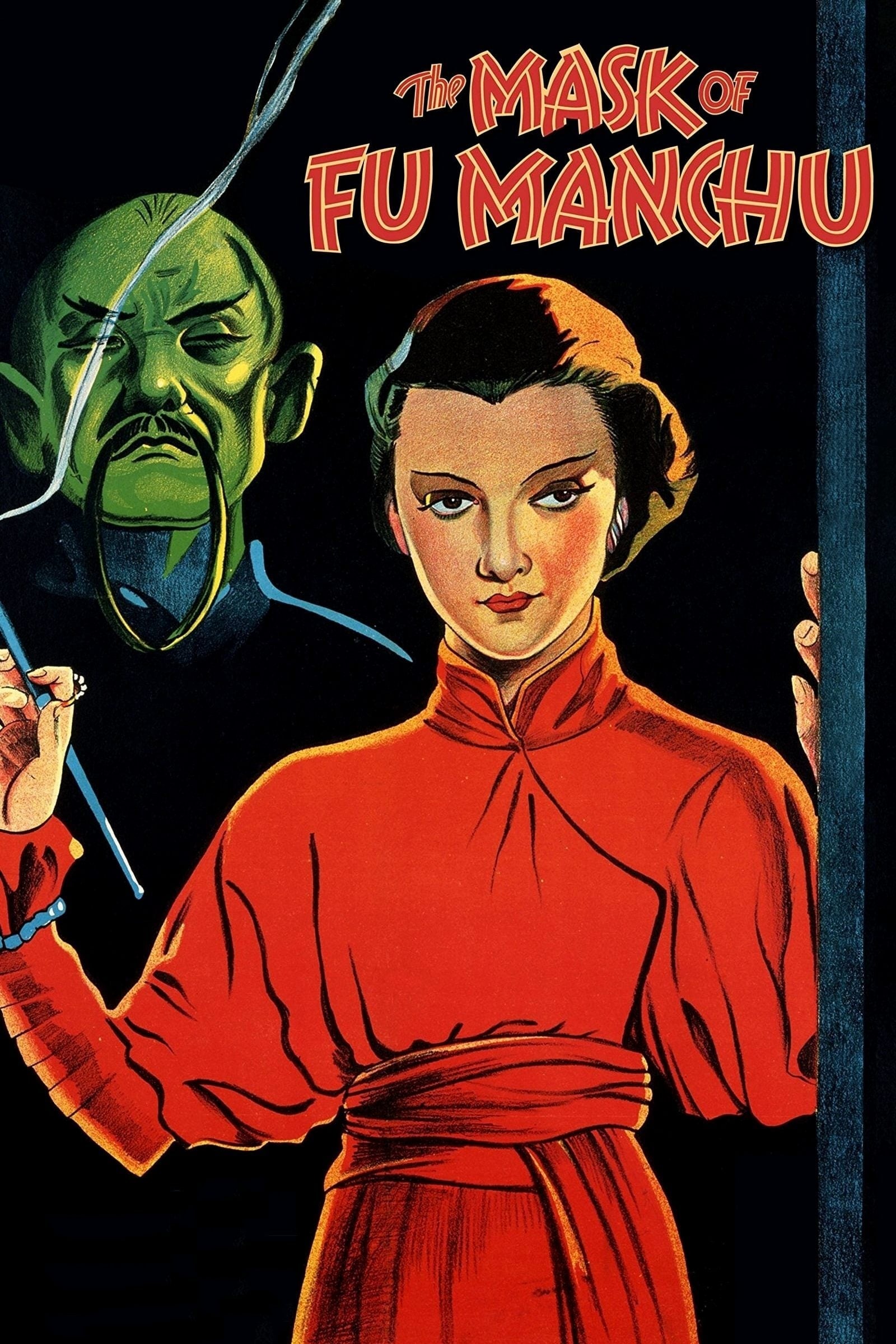
Fu Manchu is the classic example of the evil Asian villain in early films. He’s portrayed as a remarkably intelligent, but completely ruthless scientist determined to take over the West. The character’s appearance – with long fingernails and fancy robes – emphasizes his ‘foreignness.’ This cinematic version simplifies the more complex character from the original stories, instead functioning as a way to express anxieties and prejudices related to foreigners during the Great Depression.
‘The Thief of Bagdad’ (1940)
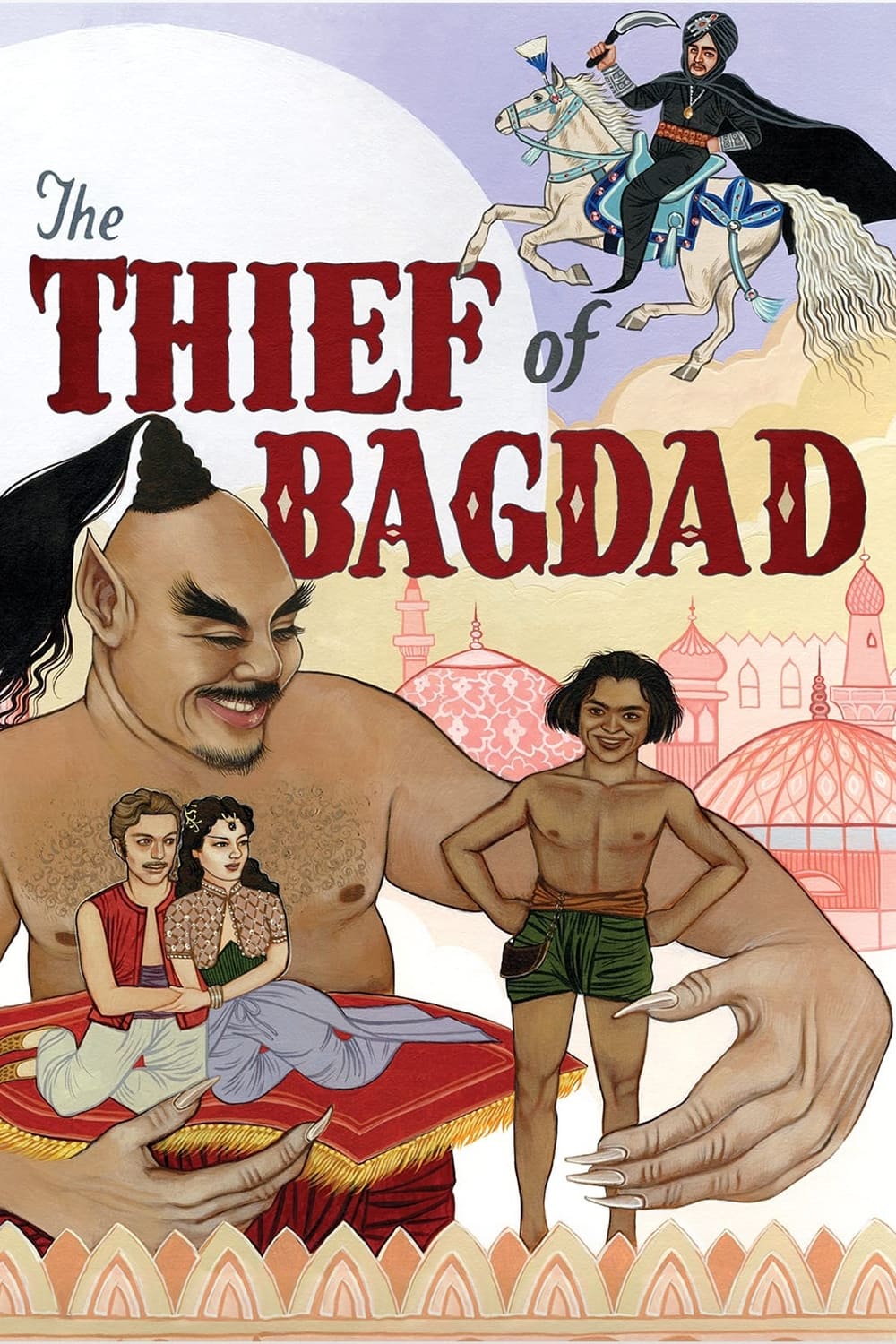
Jaffar is a powerful advisor who uses evil magic and deceit to seize power from the true ruler. He’s designed to look intimidating and fits into the stereotypical, exotic images popular at the time. Driven by a simple hunger for power and unrequited love for a princess, the character lacks complexity, instead relying on magical effects and dramatic villainous monologues. This portrayal unfortunately set a pattern for how Middle Eastern villains were depicted in movies for many years to come.
‘Song of the South’ (1946)
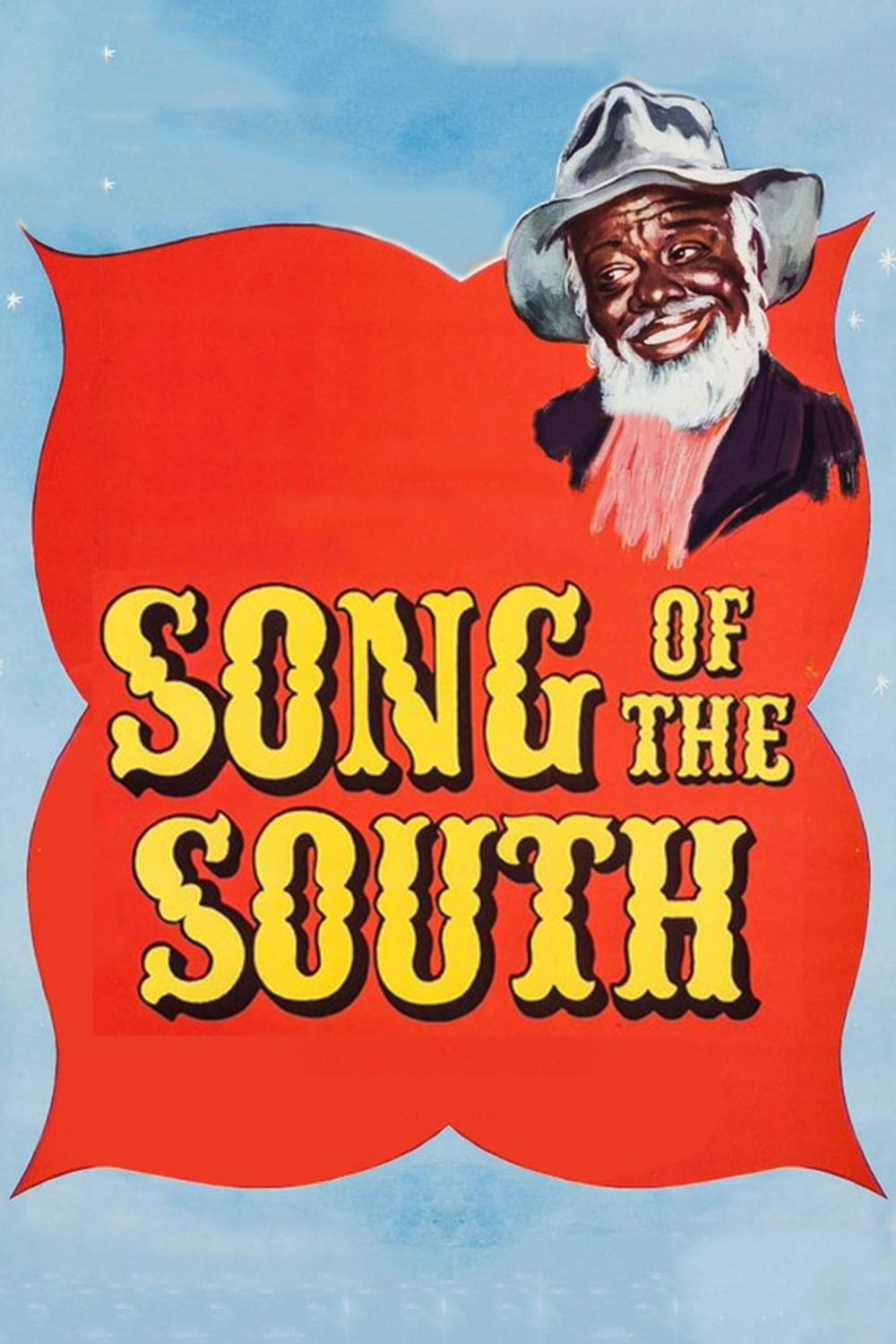
Br’er Fox and Br’er Bear are cartoon villains who are always trying to catch the main character. The way they look and act unfortunately relies on harmful racial stereotypes that were common after the war. The film presents a simplified and unrealistic version of the time period, and their silly, clumsy behavior is used for comedic effect. This focus on slapstick prevents the characters from being developed in a thoughtful or nuanced way.
‘Touch of Evil’ (1958)
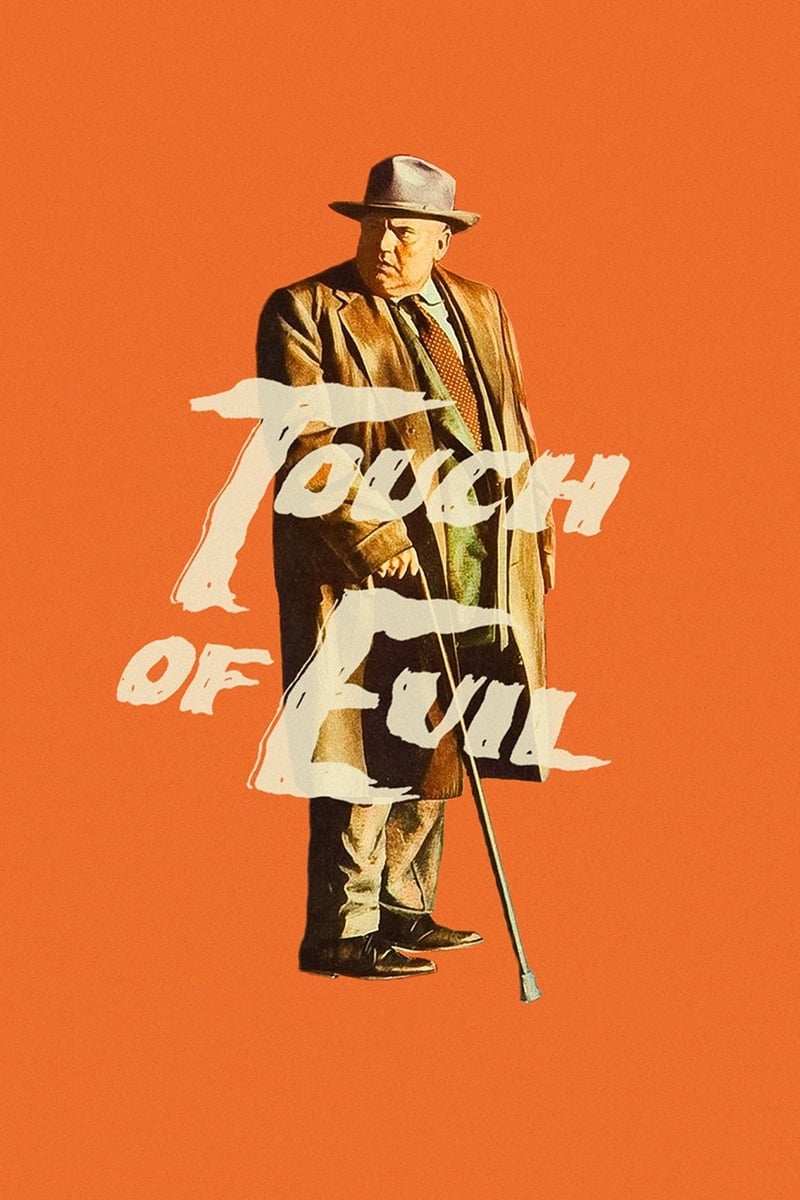
Uncle Joe Grandi is a gang leader played by a white actor in dark makeup to look Latino. The character is intentionally written as sleazy and fearful, lacking any real power or threat. Instead of being frightening, he’s meant to be a joke, reducing a criminal boss to a figure of ridicule. The film could have created a strong and complex villain rooted in the local community, but instead opted for a comical and ultimately weak portrayal.
‘Breakfast at Tiffany’s’ (1961)

Mr. Yunioshi is a neighbor character played by a white actor using exaggerated makeup and costuming. He’s used as the main source of comedy and conflict for the story’s main character, and the portrayal relies on harmful stereotypes through a strong accent and clumsy movements. The character is never shown as a fully developed person with his own life, existing only to be a nuisance. This role is still often pointed to as a particularly damaging example of racial caricature in Hollywood films.
‘Dr. No’ (1962)
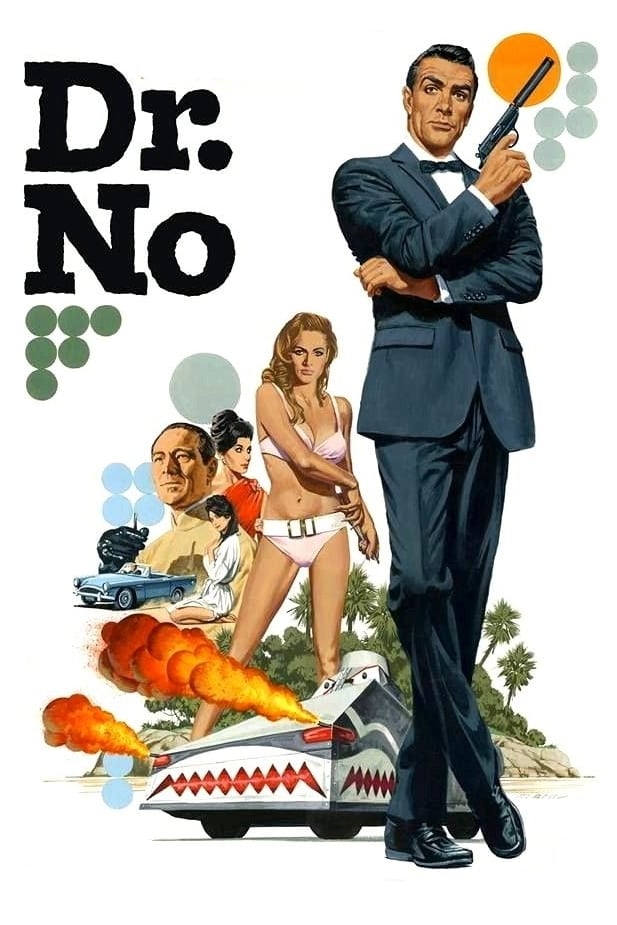
The main villain is a highly intelligent scientist of German and Chinese descent, portrayed by a white actor. He operates from a hidden island base and plans to take over the world using advanced technology. The character falls into the familiar stereotype of a disfigured, emotionless, and foreign criminal mastermind. His mixed background is used to make him appear more threatening and unfamiliar to viewers. The film misses an opportunity to explore the complexities of his identity.
‘Cleopatra’ (1963)
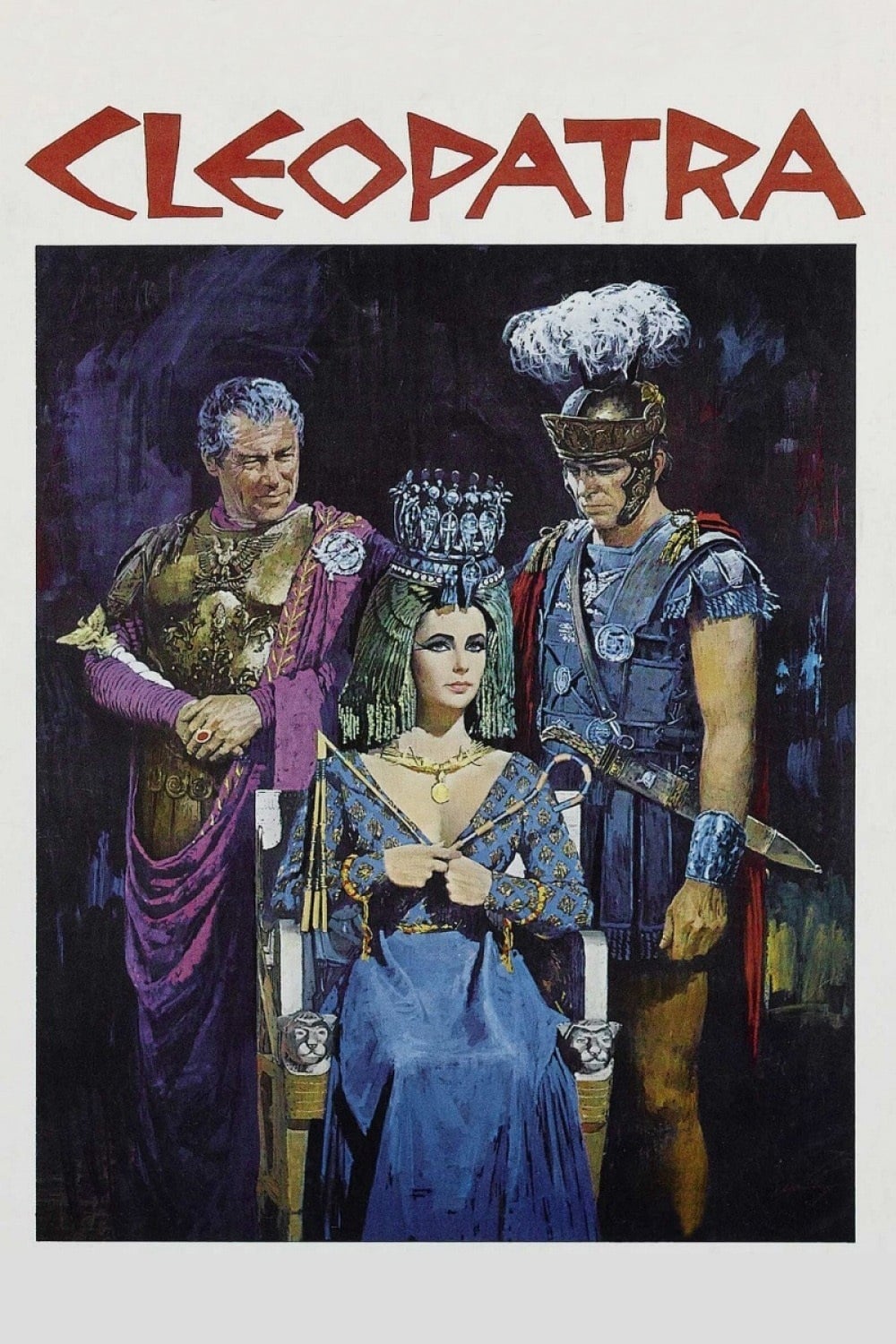
The film presents Egyptian characters as flawed and untrustworthy opponents to the main heroes. These characters are often shown living lavishly and are portrayed as morally weak. Their political goals aren’t important; they mainly exist to create problems for the European protagonists. Because the film is so large in scope, these Egyptian characters aren’t developed much and end up feeling like minor players in a story centered on European stars.
‘Zulu’ (1964)
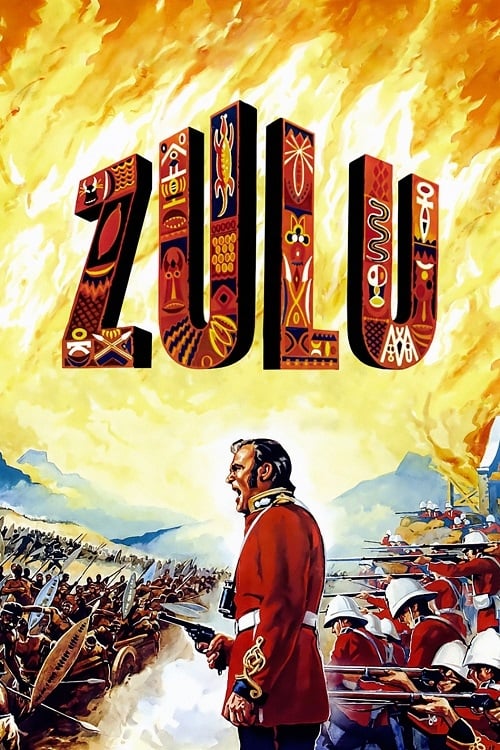
The film portrays Zulu warriors as a huge, unstoppable wave attacking a British fort. Though shown as courageous, they’re largely presented as a single, indistinguishable group. The story emphasizes the British soldiers’ clever strategies, but offers a simplified view of why the Zulu were fighting. We don’t hear much from Zulu leaders, and their side of the story isn’t explored. This approach turns a complicated historical conflict into a straightforward fight against what’s seen as a dangerous enemy.
‘The Good, the Bad and the Ugly’ (1966)
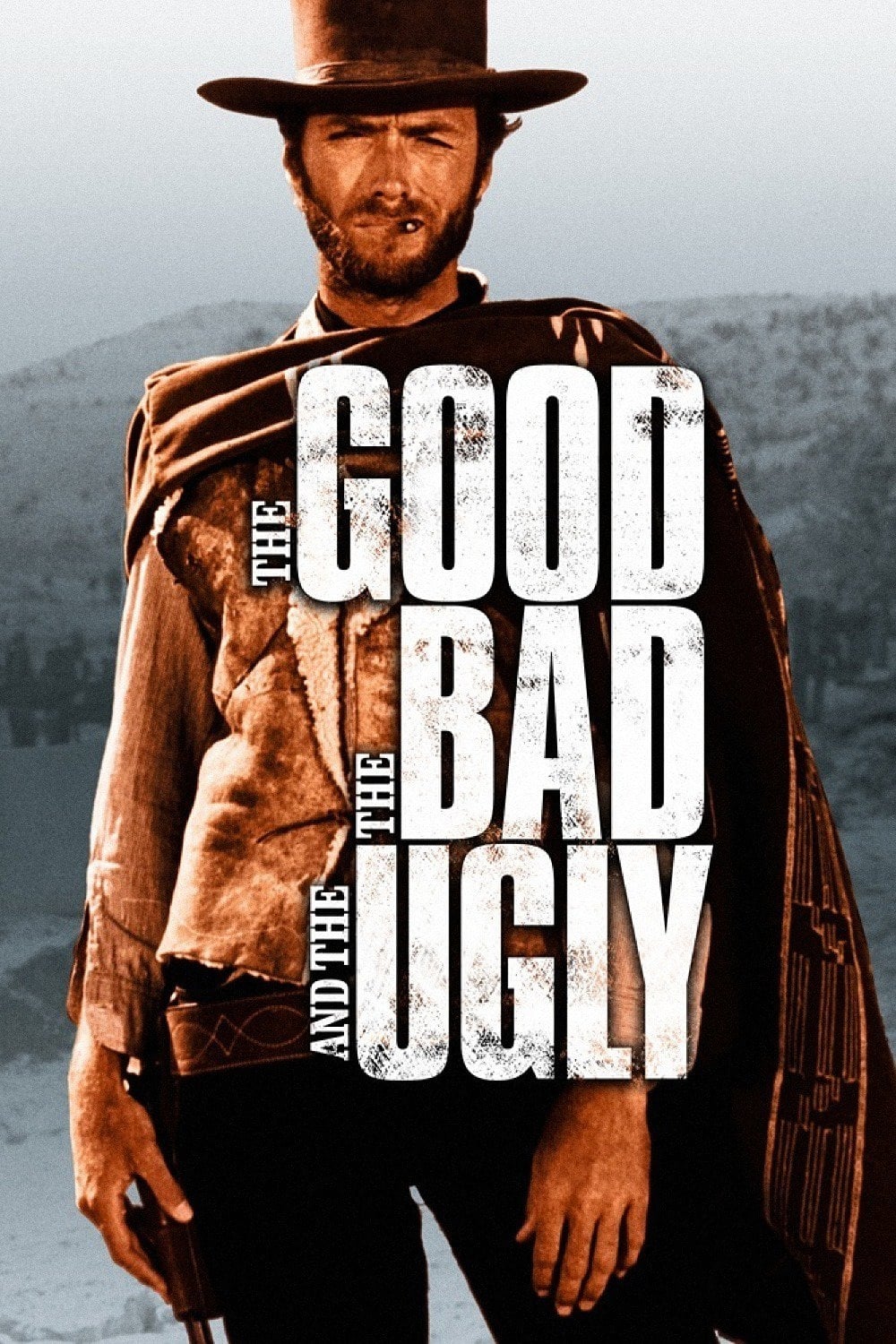
Tuco is a memorable Mexican bandit and one of the central figures in this classic Western. He’s depicted as energetic and driven by greed, playing into common stereotypes of the era. Although popular with audiences, his character often comes across as more foolish than the white characters. The story uses his background for comedic effect instead of exploring his personal history, making him a somewhat exaggerated version of the typical untrustworthy outlaw seen in these types of films.
‘You Only Live Twice’ (1967)

The movie includes Japanese villains who are part of a worldwide crime group. They’re shown using classic martial arts and old traditions, but in a contemporary way. The film emphasizes how unusual their techniques are, rather than what they’re trying to achieve. Even the hero briefly becomes a Japanese man, relying on familiar and somewhat superficial stereotypes. Ultimately, these villains are defined by clichés and prioritize flashy action over meaningful character development.
‘The Green Berets’ (1968)
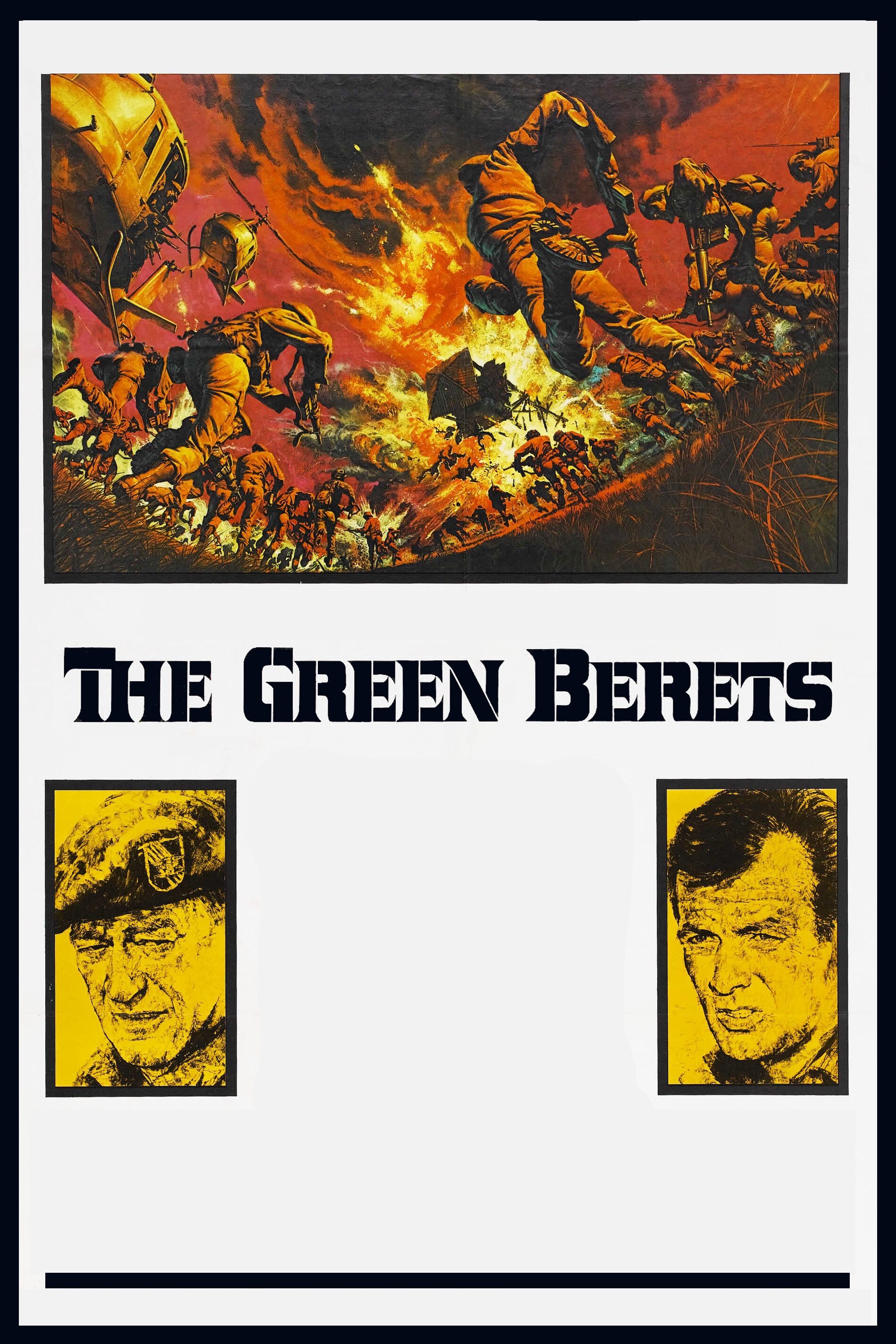
The film portrays North Vietnamese soldiers as purely evil, lacking any positive traits. Made during the Vietnam War, it clearly aims to promote a political message. The enemy is shown committing terrible acts to make the American soldiers look like heroes. The film doesn’t try to explain why the Vietnamese are fighting, instead presenting them as simple villains meant to be overcome.
‘Live and Let Die’ (1973)

Mr. Big is a powerful drug dealer who relies on voodoo and Caribbean beliefs to stay in control. The film strongly echoes the blaxploitation style of the 1970s. However, the villains are presented as one-dimensional, focusing on crime and superstition without exploring their complexities. They’re driven solely by criminal intent and shown as either bizarre or simplistic, reducing Black characters to exaggerated and intimidating stereotypes.
‘Flash Gordon’ (1980)
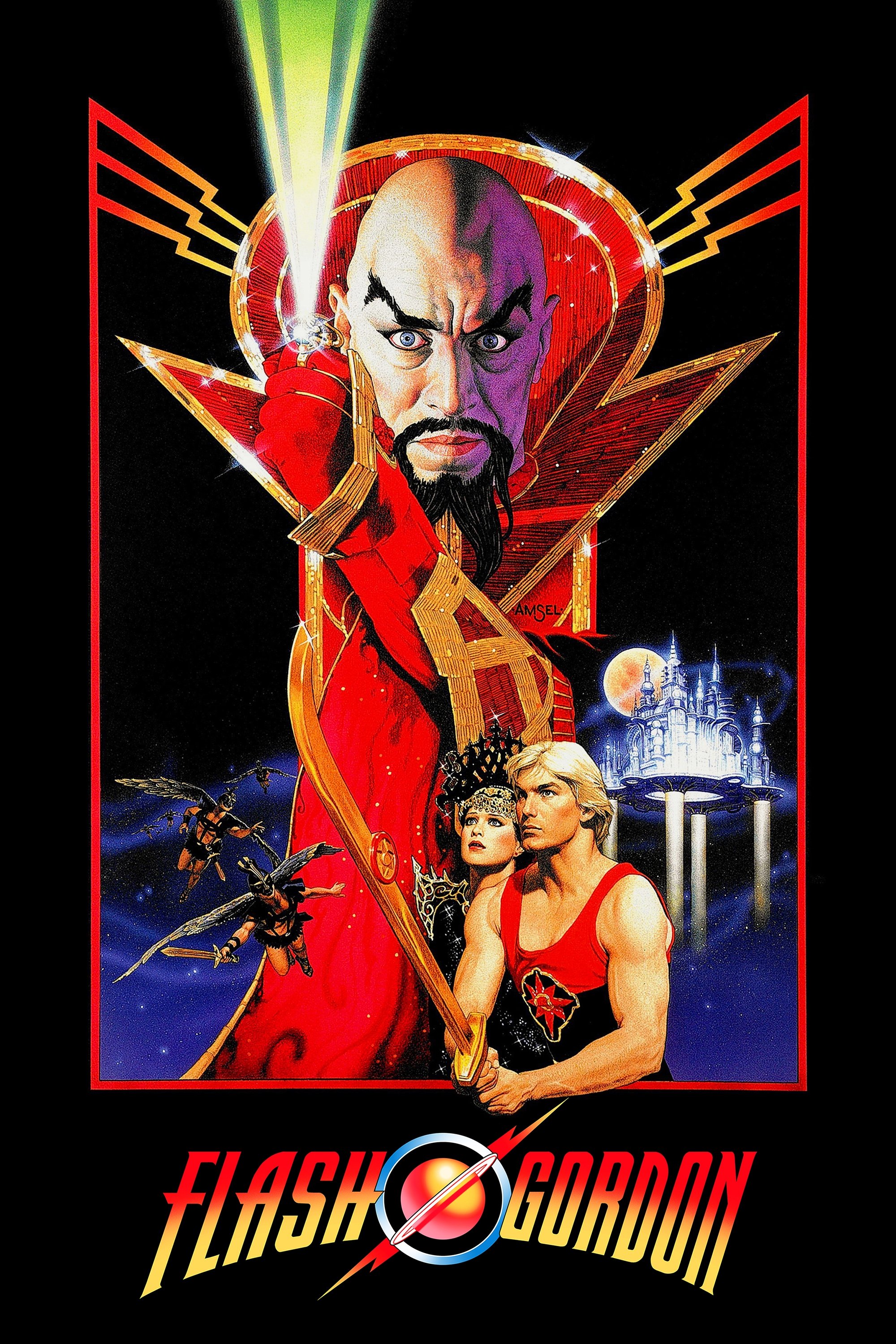
Ming the Merciless is a villain from outer space who embodies outdated and harmful stereotypes about East Asians. His appearance – including fancy clothing and a long mustache – deliberately plays into these old, prejudiced images. He wants to destroy Earth simply because he’s bored and has no compassion for others. The character is intentionally exaggerated and theatrical, fitting the film’s overall style. This makes him a cartoonish villain, despite being portrayed as a powerful ruler.
‘Conan the Barbarian’ (1982)
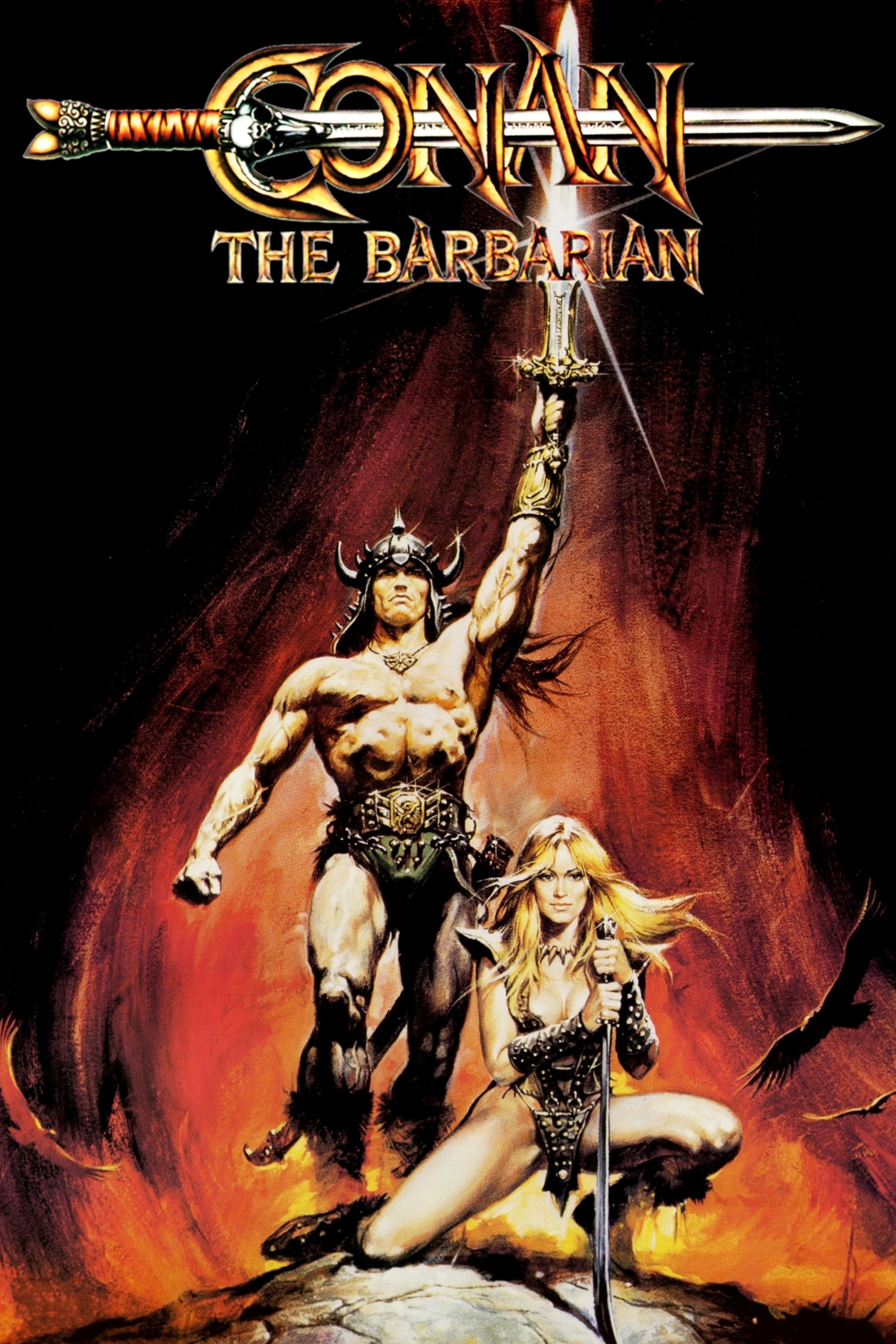
Thulsa Doom is the leader of a dangerous cult with the power to turn into a massive snake. He controls a large group of devoted followers. While portrayed by a Black actor, the character draws on long-standing, mystical stereotypes. The film emphasizes his supernatural abilities and how he controls people’s minds. He’s depicted as a raw, destructive influence, not someone with a clear goal for gaining power, and this relies on the classic image of an evil sorcerer to create fear.
‘Indiana Jones and the Temple of Doom’ (1984)
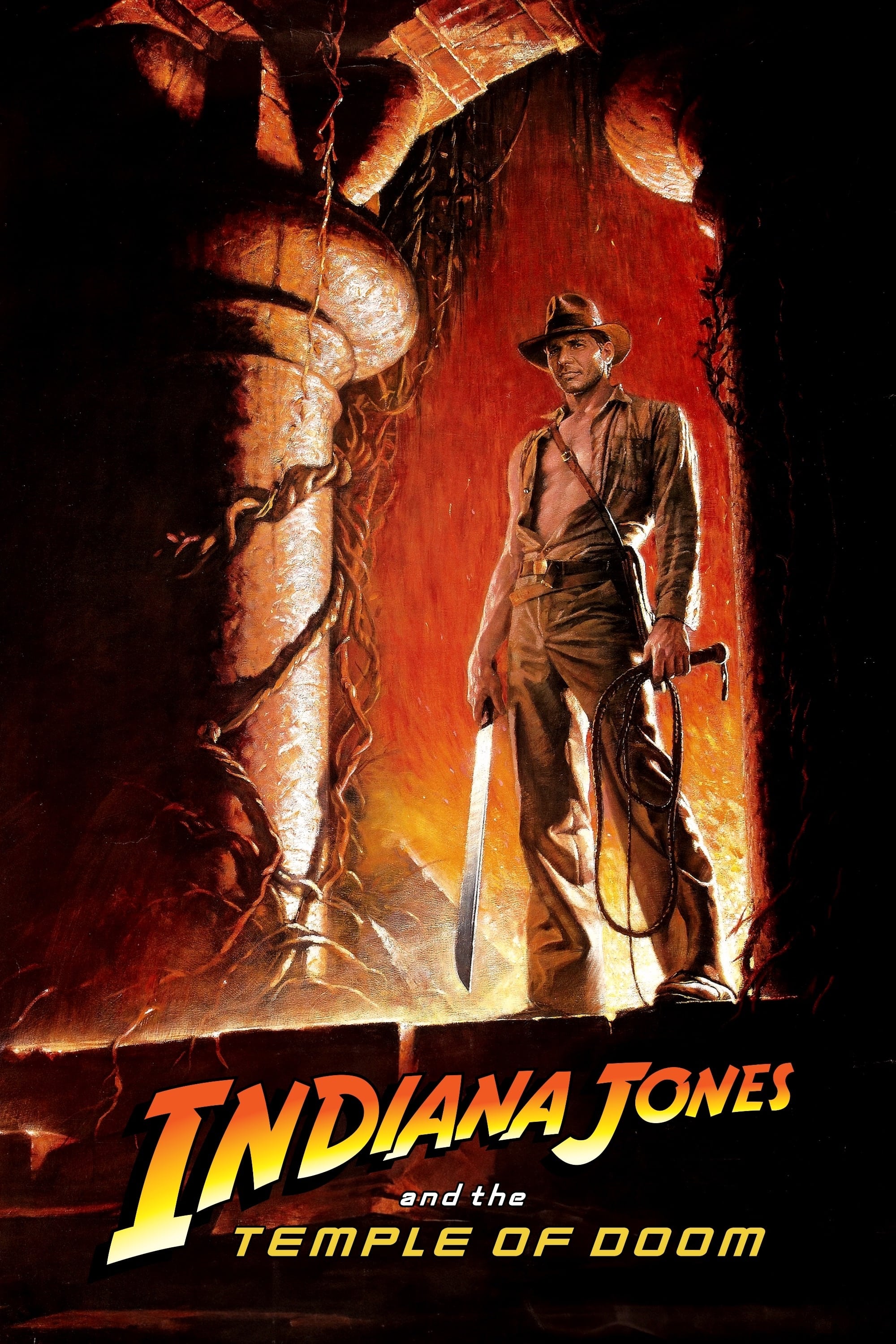
Mola Ram is a terrifying high priest leading a brutal cult that sacrifices people in a hidden temple. He’s defined by his frightening looks and strange, ritualistic actions. The movie portrays Indian culture in a way that many found savage and shocking, particularly through its depiction of food. Mola Ram’s only purpose is to serve his evil god through bloodshed, reducing him to a monstrous and exaggerated representation of foreign fanaticism.
‘Missing in Action’ (1984)
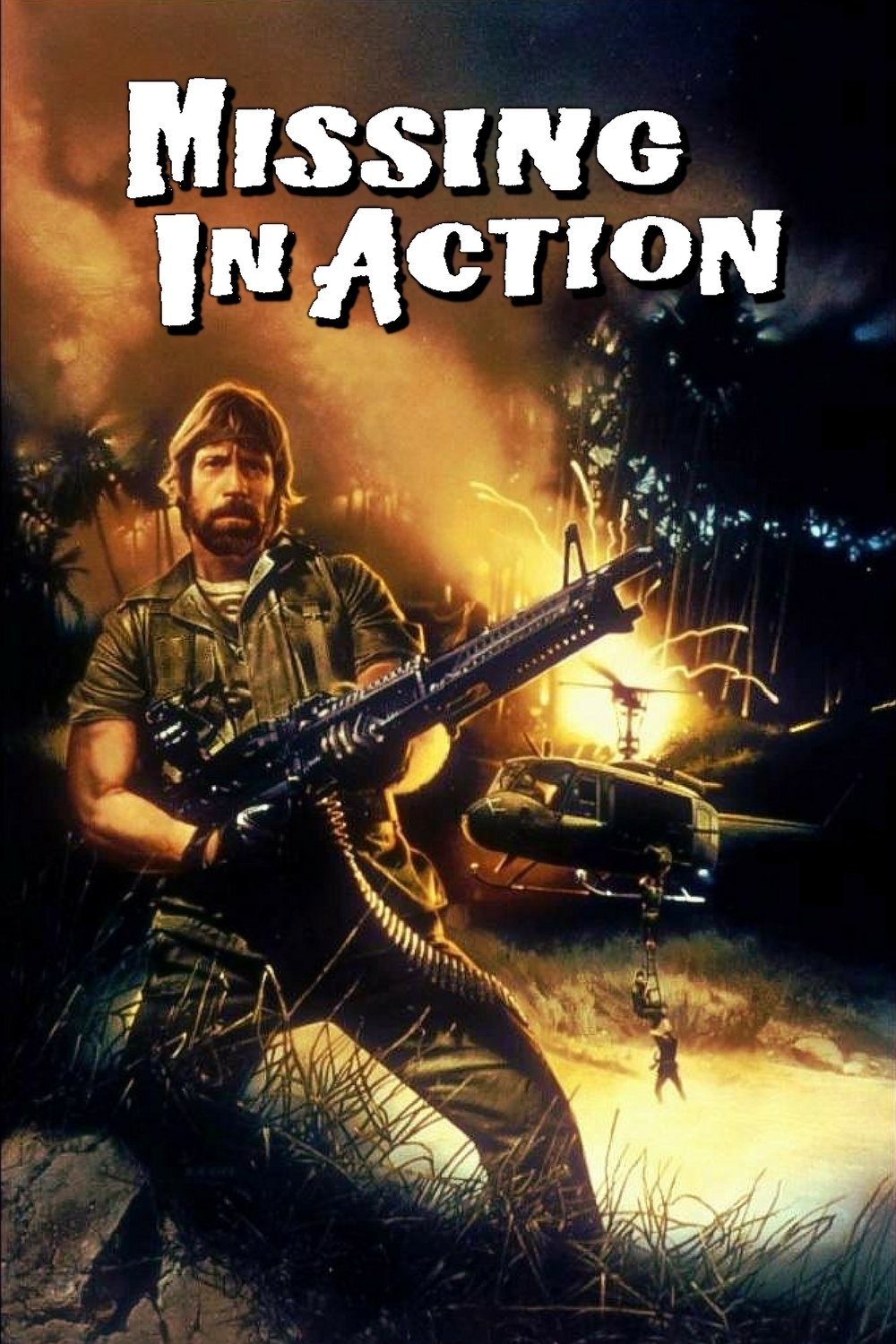
General Trau is a Vietnamese officer who continues to hold American prisoners of war even after the war is over. He’s portrayed as cruel and boastful, taking pleasure in the pain of those he’s captured. In the story, he mainly exists as a challenge for the hero to defeat in a series of action scenes. The script doesn’t explore his background or motivations; he’s simply presented as a villain representing the enemy, designed to give the audience a feeling of release and satisfaction.
‘Red Dawn’ (1984)

The movie portrays a Soviet and Cuban invasion of the United States during the Cold War. Cuban officers are depicted as cruel invaders who delight in damaging American towns, identified primarily by their rank and their animosity towards the main characters. The story doesn’t explore the political reasons behind the invasion, instead presenting these characters as nameless, threatening figures that embody the anxieties of the time.
‘Rambo: First Blood Part II’ (1985)
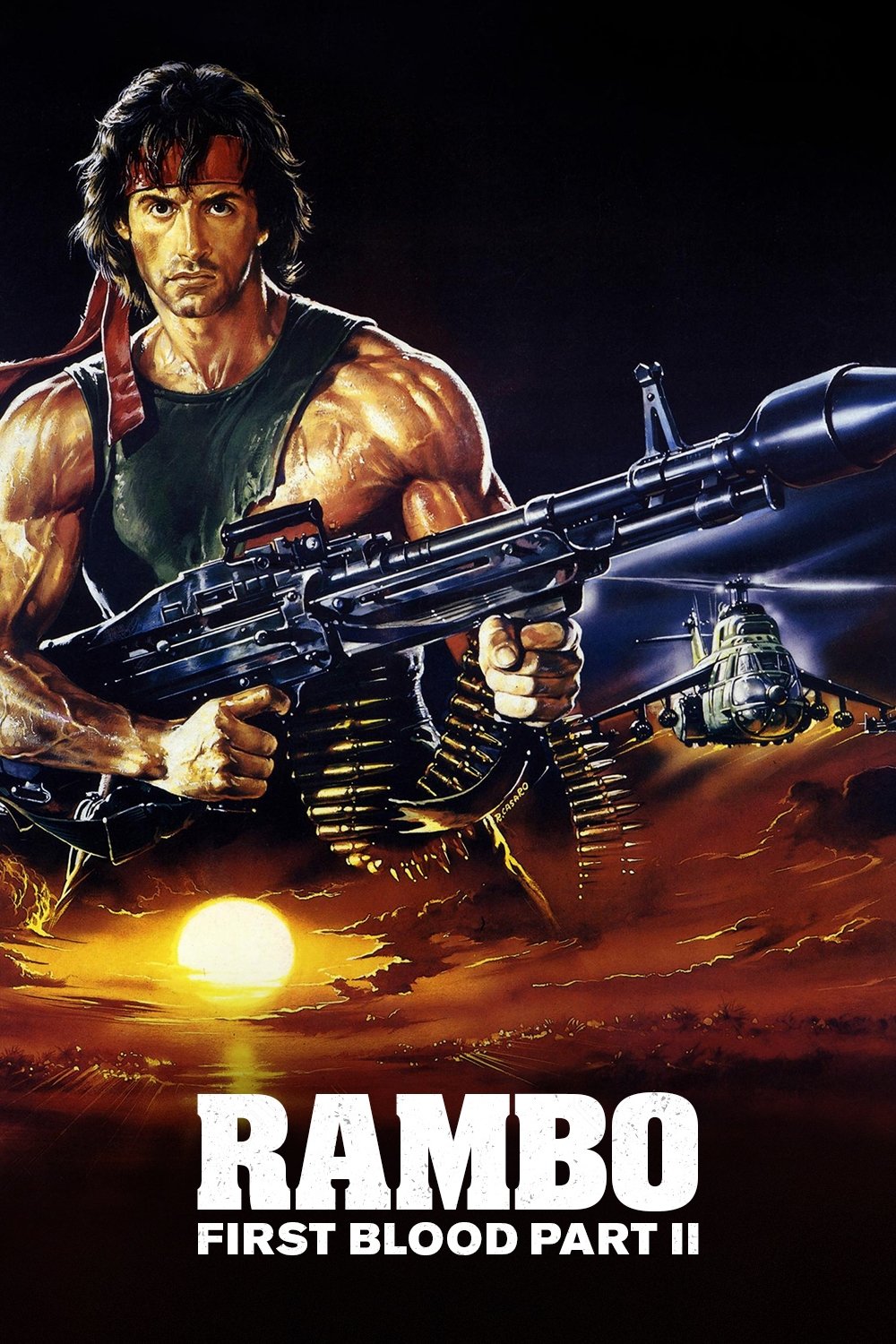
The movie portrays Vietnamese and Soviet soldiers as a unified, oppressive force opposing the main character. Local soldiers are shown as either inept or brutal, and their Soviet advisors are depicted as cold and strategic. By presenting these characters as nameless and one-dimensional villains, the film builds a constant sense of threat in the jungle environment. They exist solely as obstacles for the hero to overcome.
‘Big Trouble in Little China’ (1986)
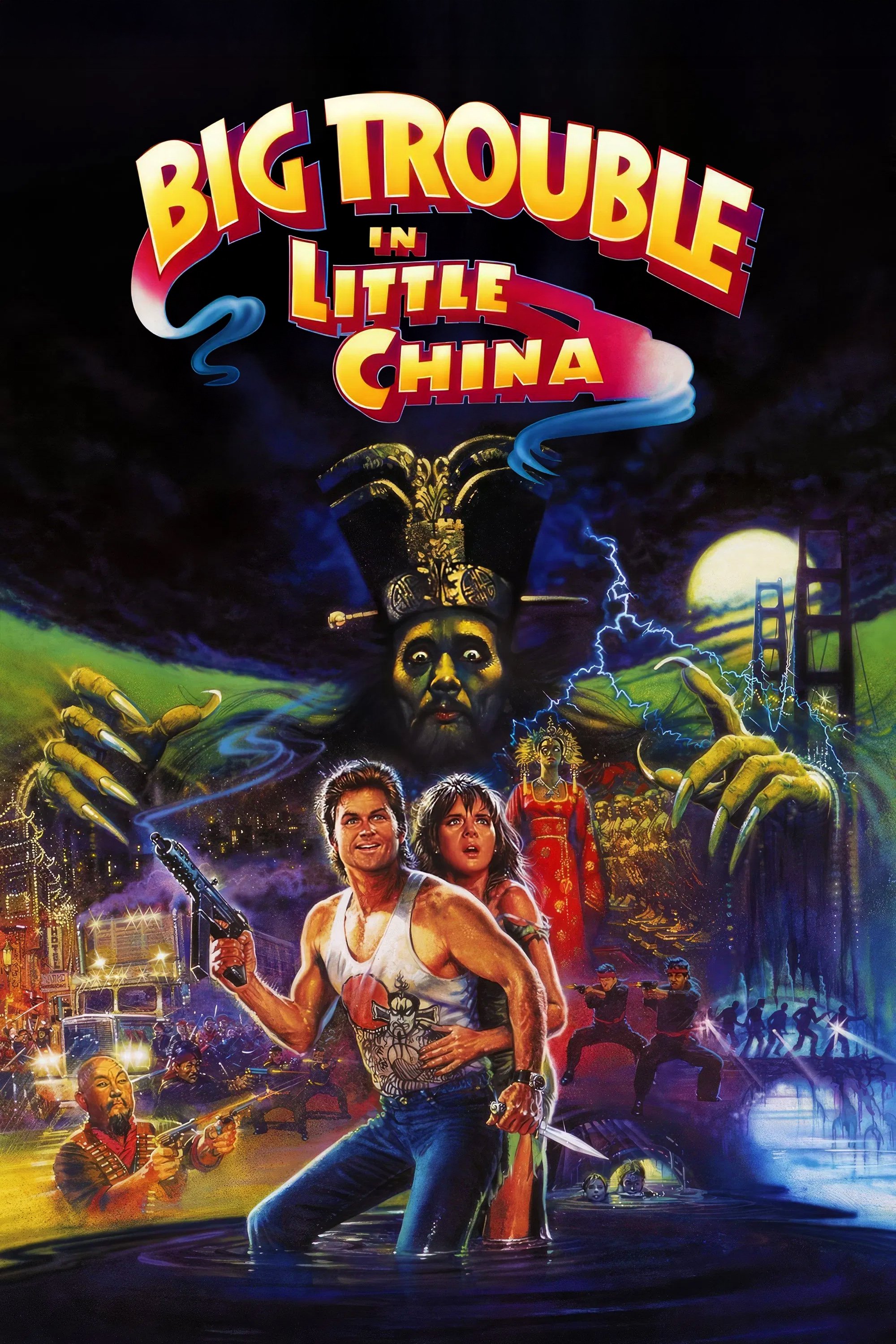
Lo Pan is a centuries-old sorcerer who exists as a ghost and controls a hidden world beneath San Francisco’s Chinatown. To become human again, he needs to marry a woman with green eyes. The character draws on many Asian myths and combines them with scary, supernatural elements. Though the movie is a fan favorite, Lo Pan is essentially a simplified and exaggerated take on ancient Chinese legends. He embodies a distant, almost mythical past that continues to influence the present.
‘The Golden Child’ (1986)
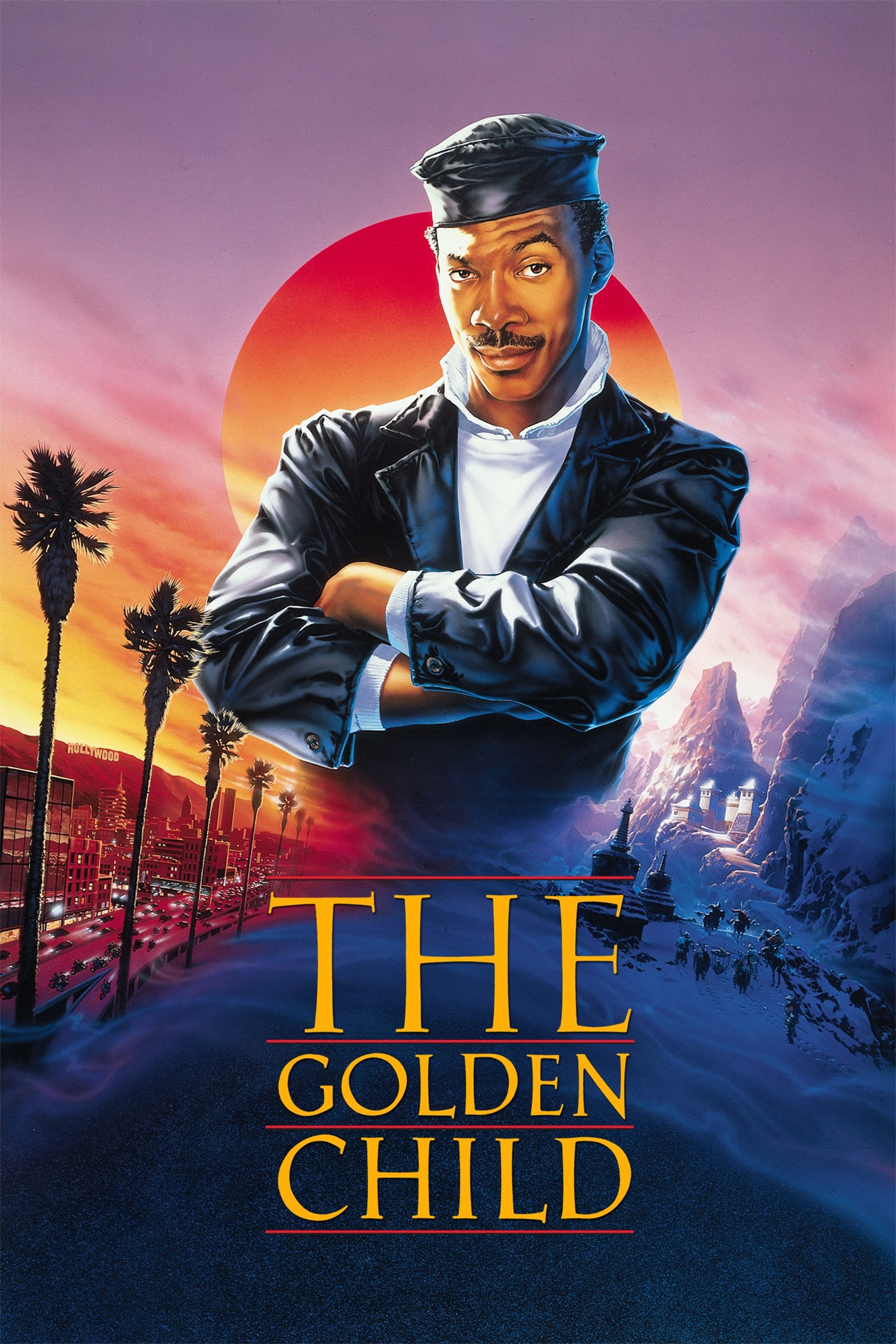
Sardo Numspa is a demon who disguises himself as a man to kidnap a special child. He’s linked to Tibetan mysticism and uses dark magic, but his character feels more like a typical action movie villain than a culturally grounded figure. While the story draws on spiritual themes, Sardo’s motivations are simply about a generic fight between good and evil, which diminishes the unique setting and turns it into a backdrop for a standard villainous plot.
‘The Delta Force’ (1986)
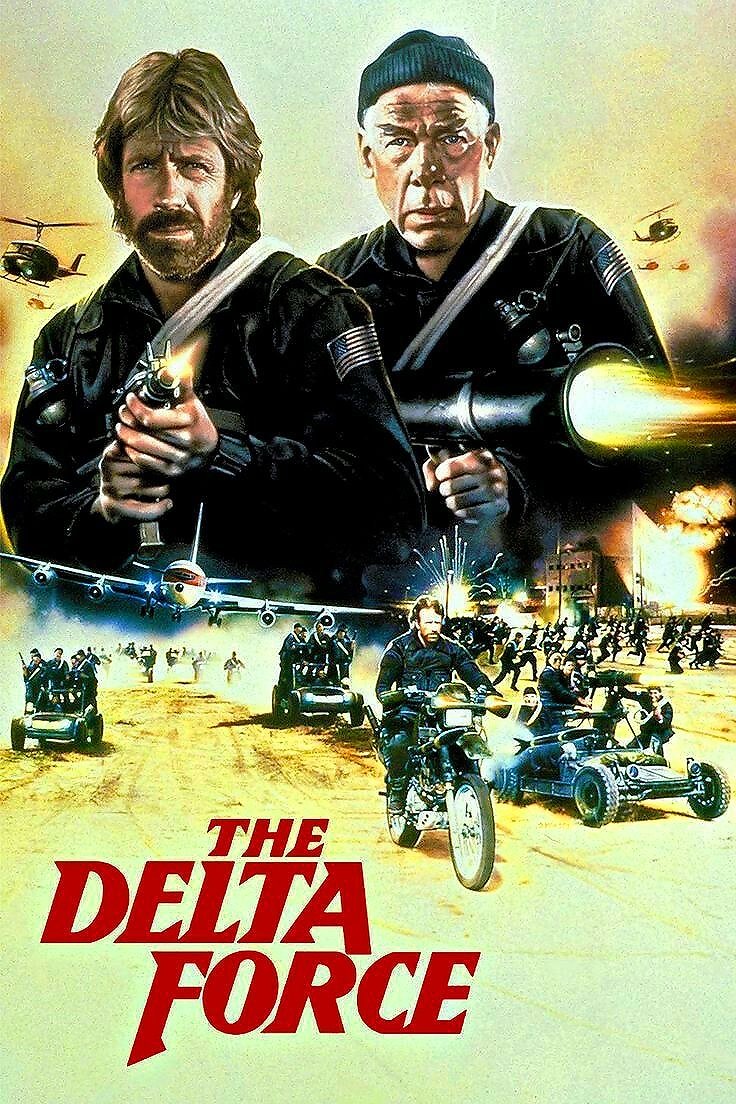
Abdul Rafai is a villain who takes over a plane and holds everyone on board hostage. He’s portrayed as a typical, intensely aggressive terrorist from 1980s action movies. His motivation is a general dislike of Western countries, not any clear political agenda. Throughout the film, he’s mostly seen yelling commands and making threats. This character reinforces the harmful stereotype of Middle Eastern terrorists as simple, evil figures.
‘Short Circuit 2’ (1988)
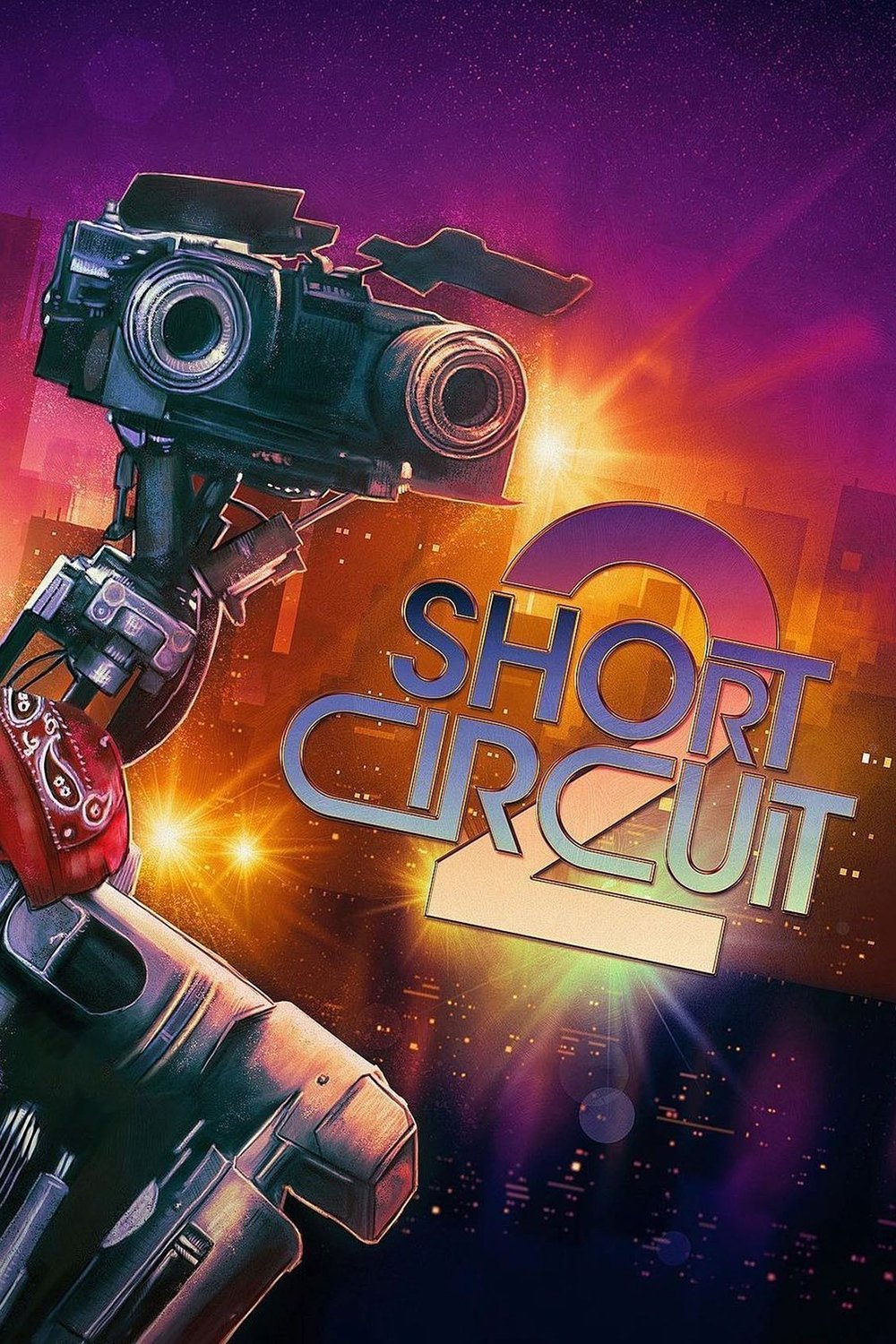
Ben Jabituya is a character presented as a highly intelligent scientist, but is played by a white actor performing with a strong Indian accent. Despite being a main character, the humor surrounding him largely comes from miscommunications and social discomfort. Jokes are frequently made about his cultural background, not his intellect, and the performance suggests that his foreignness is the primary source of comedy. This reduces a potentially complex scientist to a simple comedic stereotype.
‘Aladdin’ (1992)
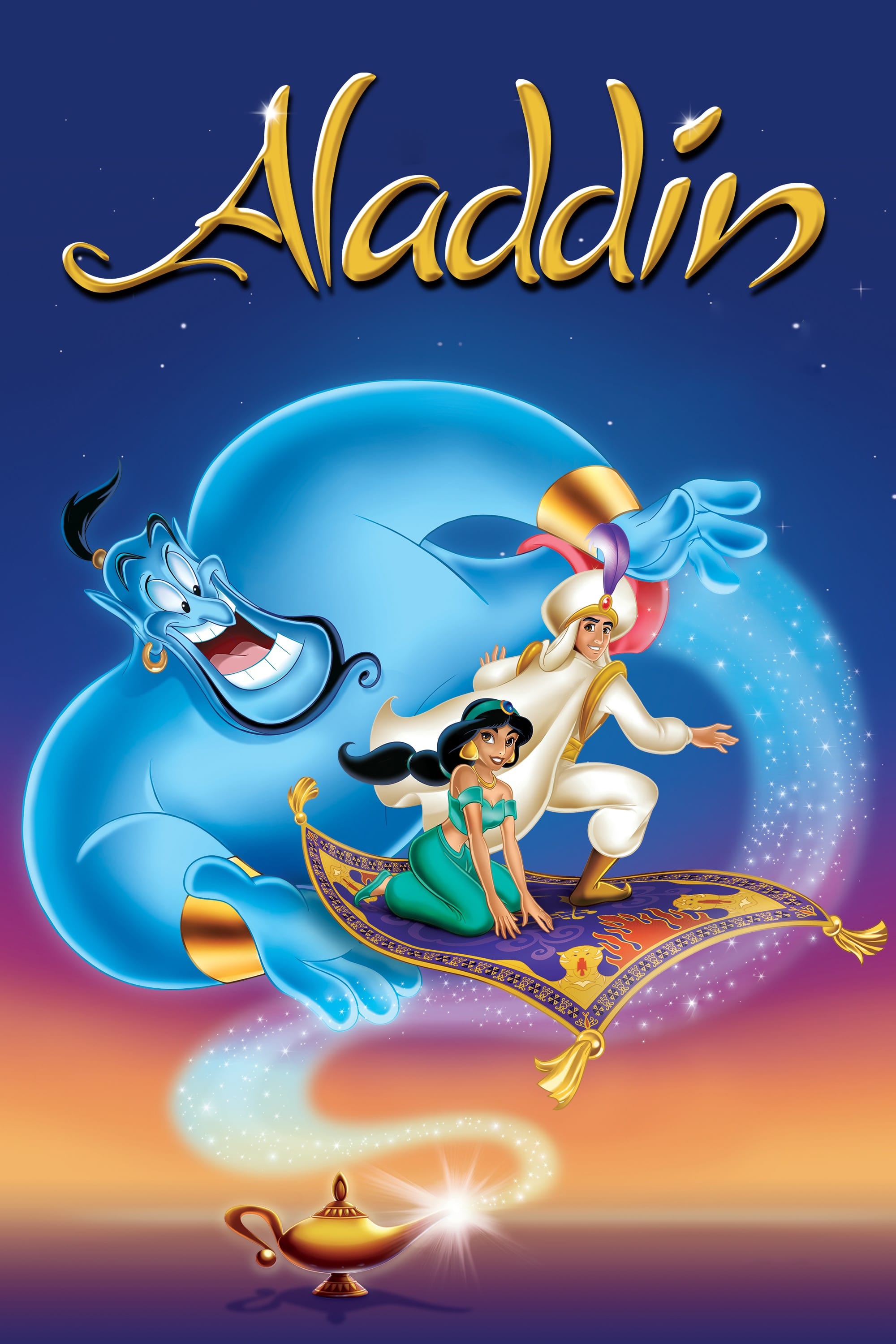
Jafar, the power-hungry advisor to the Sultan of Agrabah, wants to control the kingdom using a magical lamp. His appearance is intentionally harsh and angular, setting him apart from the kinder, more approachable heroes. He’s a classic villain – the untrustworthy, magical figure often found in desert tales. The movie highlights his selfishness and how badly he treats those he considers inferior. Jafar is purely evil, with no hidden depths or understandable motivations.
‘Falling Down’ (1993)
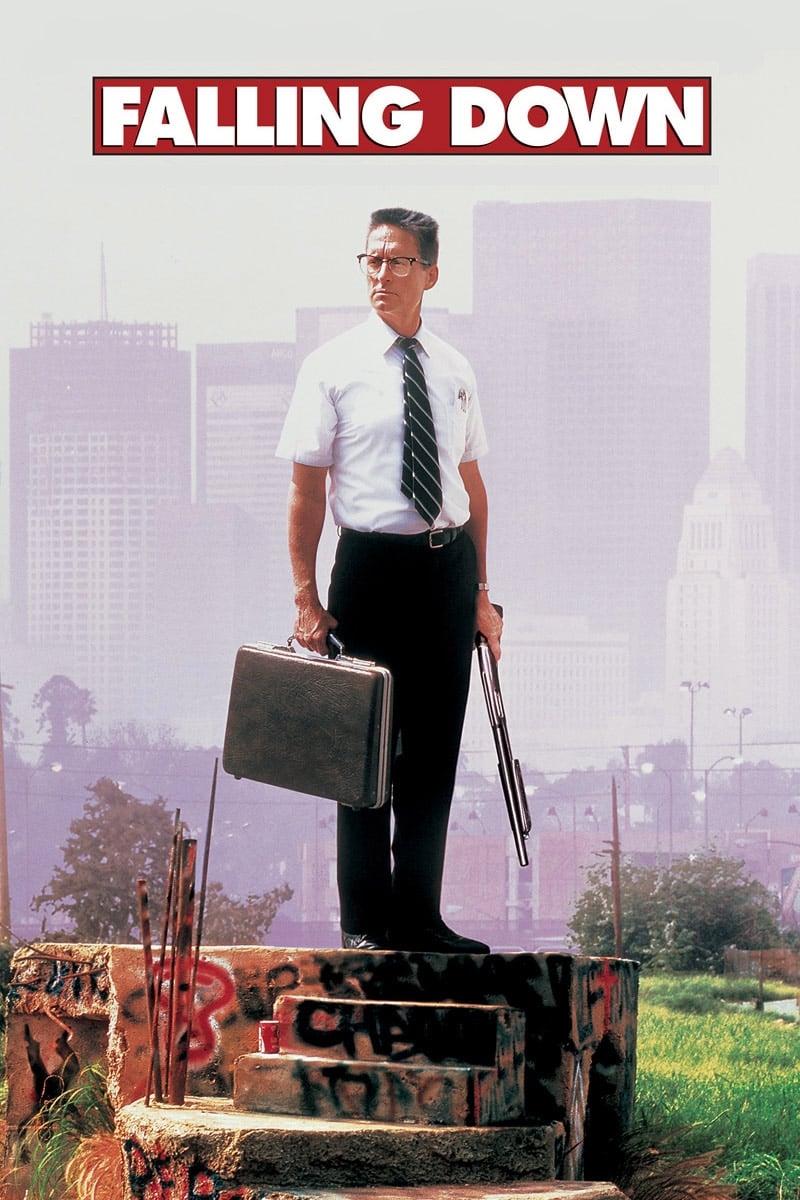
Mr. Lee, a Korean convenience store owner, has a confrontational interaction with the story’s main character. He’s portrayed as an unyielding and unwelcoming man who won’t provide change for a phone call, and the scene unfortunately plays on common stereotypes about immigrant business owners and their relationships with the community. Mr. Lee’s sole purpose in the story is to kickstart the protagonist’s mental breakdown; he’s a quick, but impactful, representation of city-life annoyances.
‘Rising Sun’ (1993)
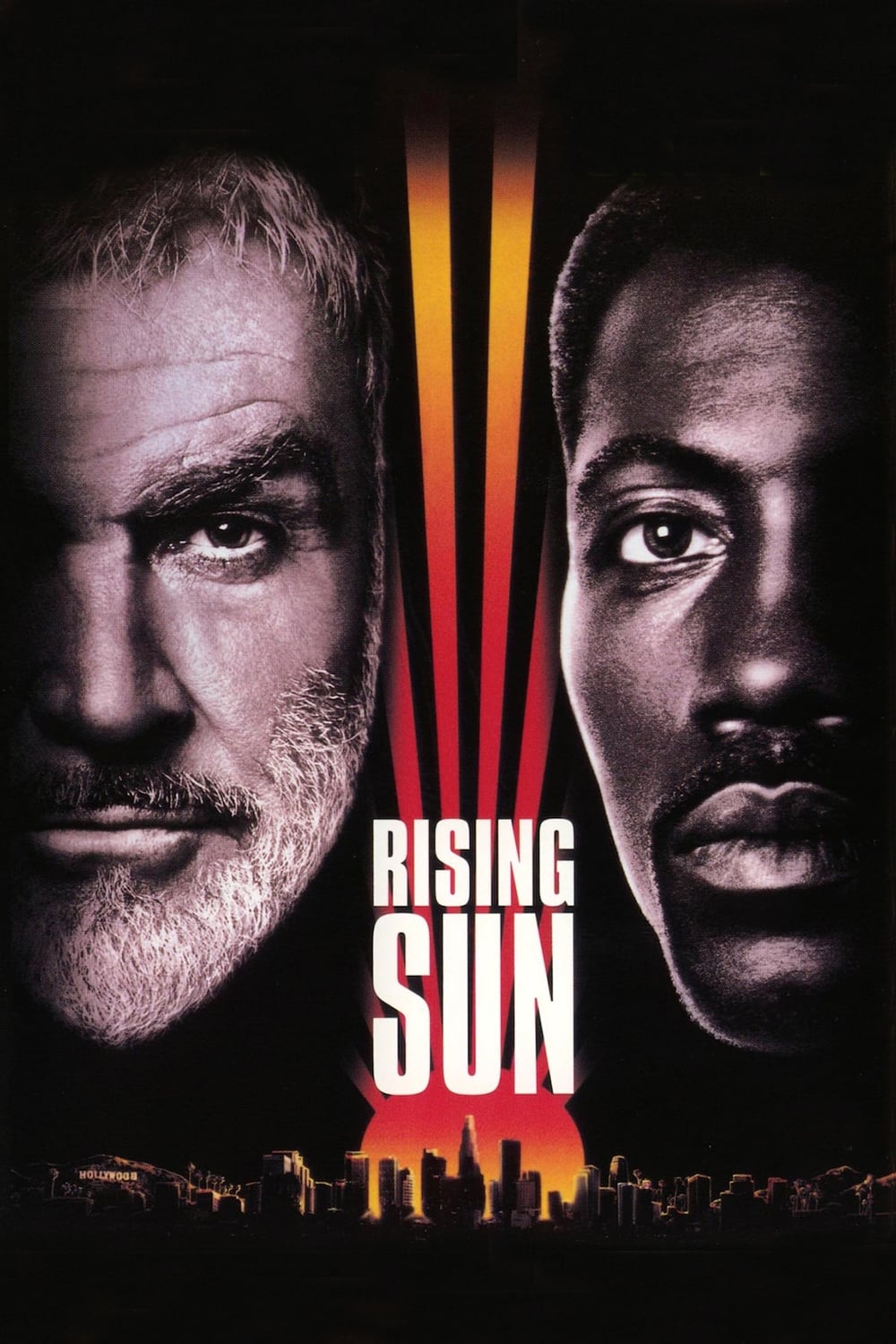
The movie centers around Japanese businessmen caught up in both a murder and a hostile takeover attempt. They’re presented as a powerful, secretive group with dubious morals. The story taps into fears from the early 1990s about Japan’s growing economic influence. These characters are often shown as detached and prioritizing reputation above all else, which played on the anxieties of American viewers about business and competition.
‘True Lies’ (1994)
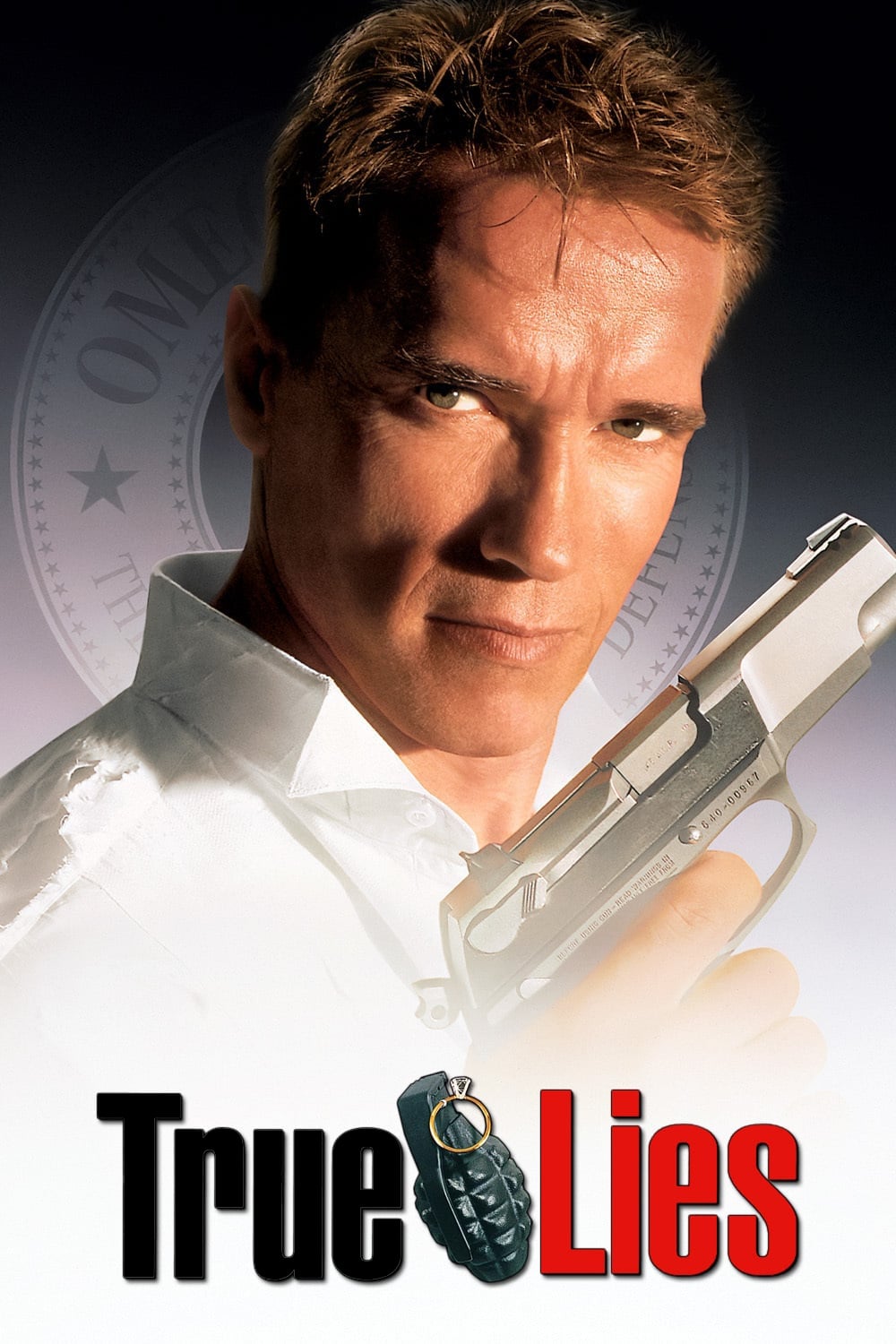
Salim Abu Aziz leads the Crimson Jihad, a terrorist group posing a threat to the United States. In the film, he’s depicted as a zealous but ultimately foolish villain, often outwitted by the main hero. He primarily serves to create dramatic tension and provide some humor through his repeated failures. The movie doesn’t delve into why he’s a villain, instead presenting him as a stereotypical and one-dimensional representation of Middle Eastern extremism, lacking any real personality or backstory.
‘Red Corner’ (1997)
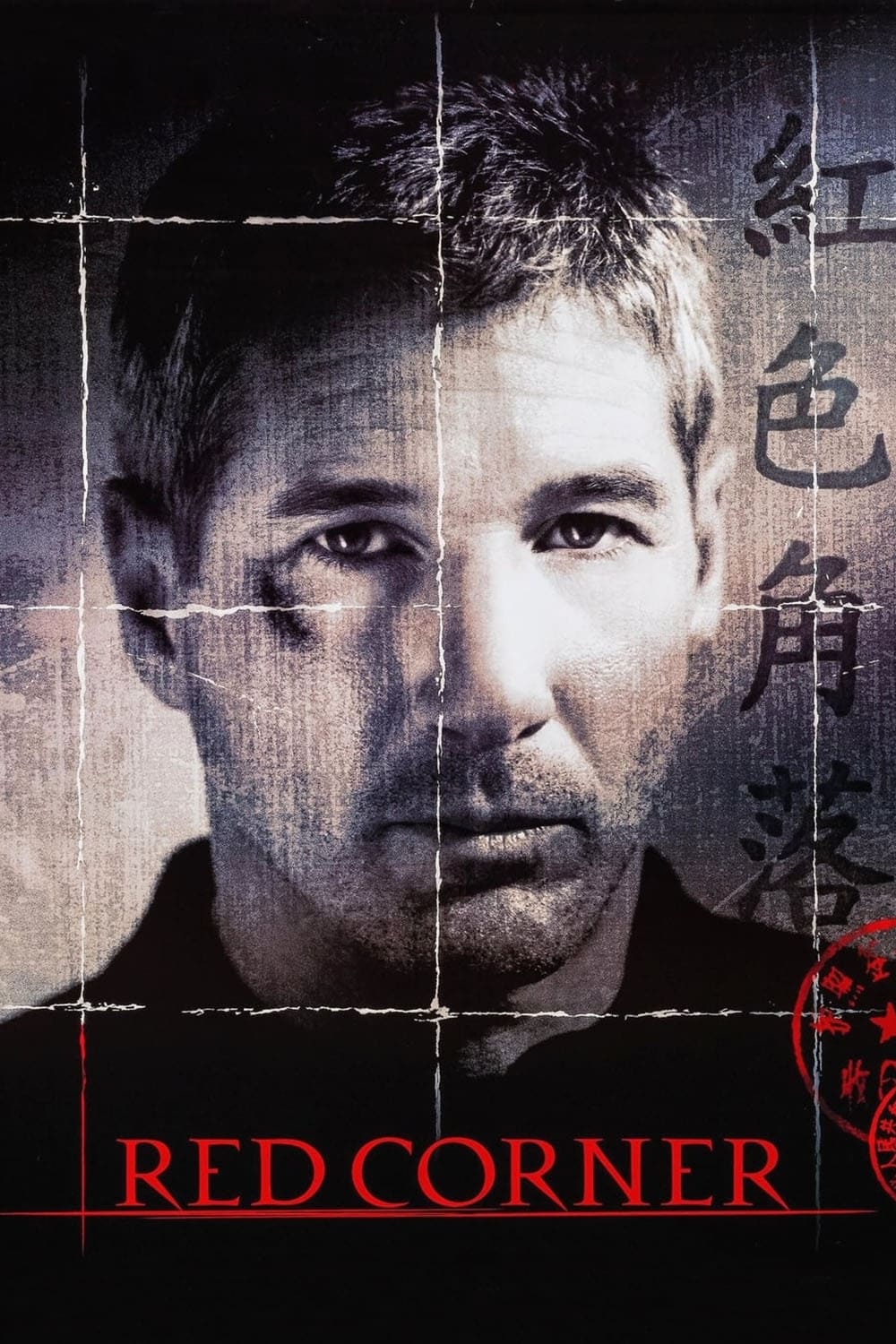
The film portrays Chinese officials as a uniformly corrupt group that subjects the main character to an endless legal battle. It depicts China’s legal system as fundamentally unfair and lacking any concern for human rights. The individual officials are shown as unfeeling and dedicated to a broken system, with no nuance or inner struggles. Essentially, the Chinese characters act as a single, villainous obstacle for the hero to overcome.
‘The Siege’ (1998)
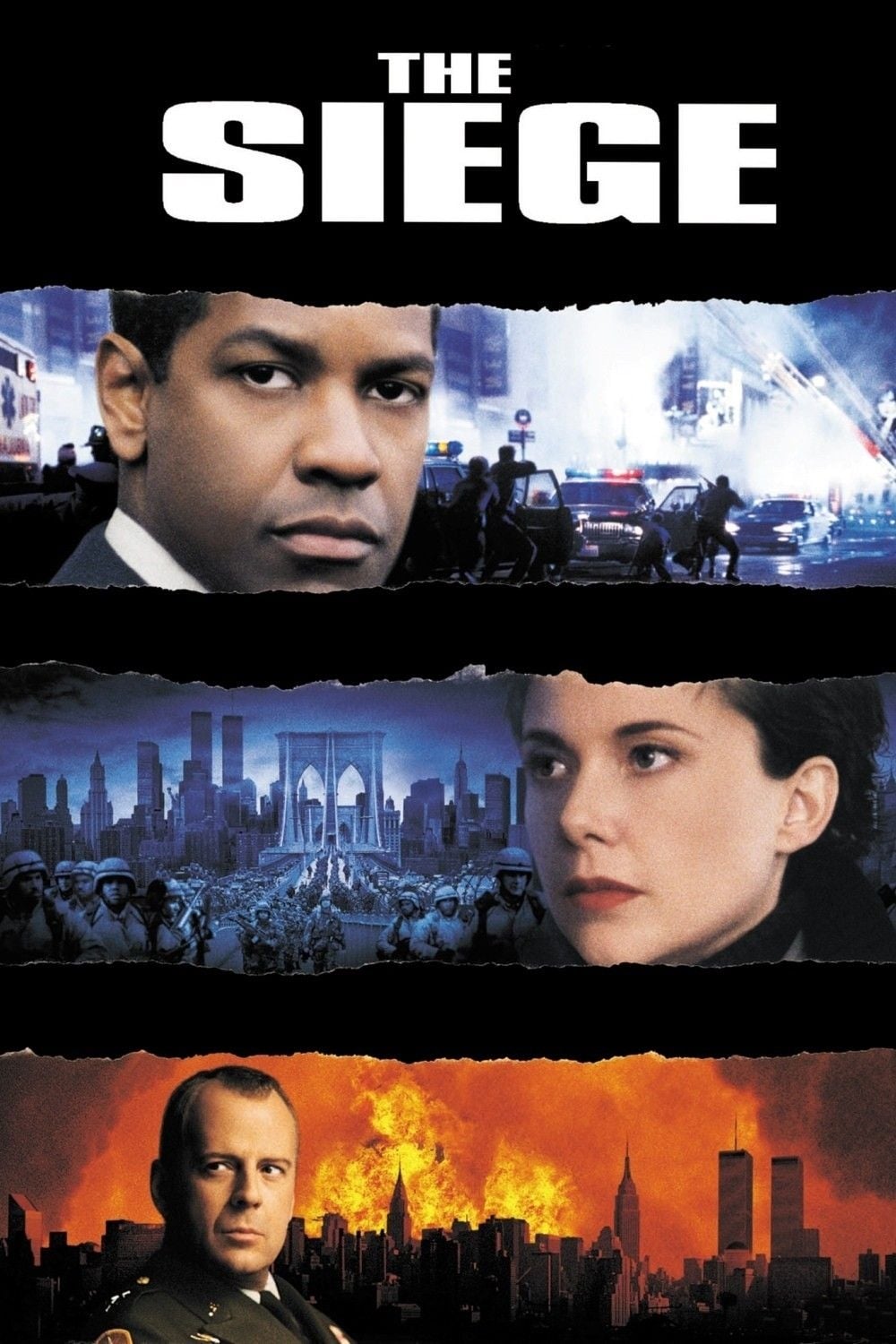
The movie centers around terrorist attacks in New York City that trigger the imposition of martial law. Although it attempts to explore issues of civil liberties, the portrayal of the terrorists is quite limited. They’re presented as cold, effective killers who have secretly spread throughout society. The film uses their religious and cultural identities to instill widespread fear, presenting them more as a frightening idea than as complex characters.
‘The Mummy’ (1999)
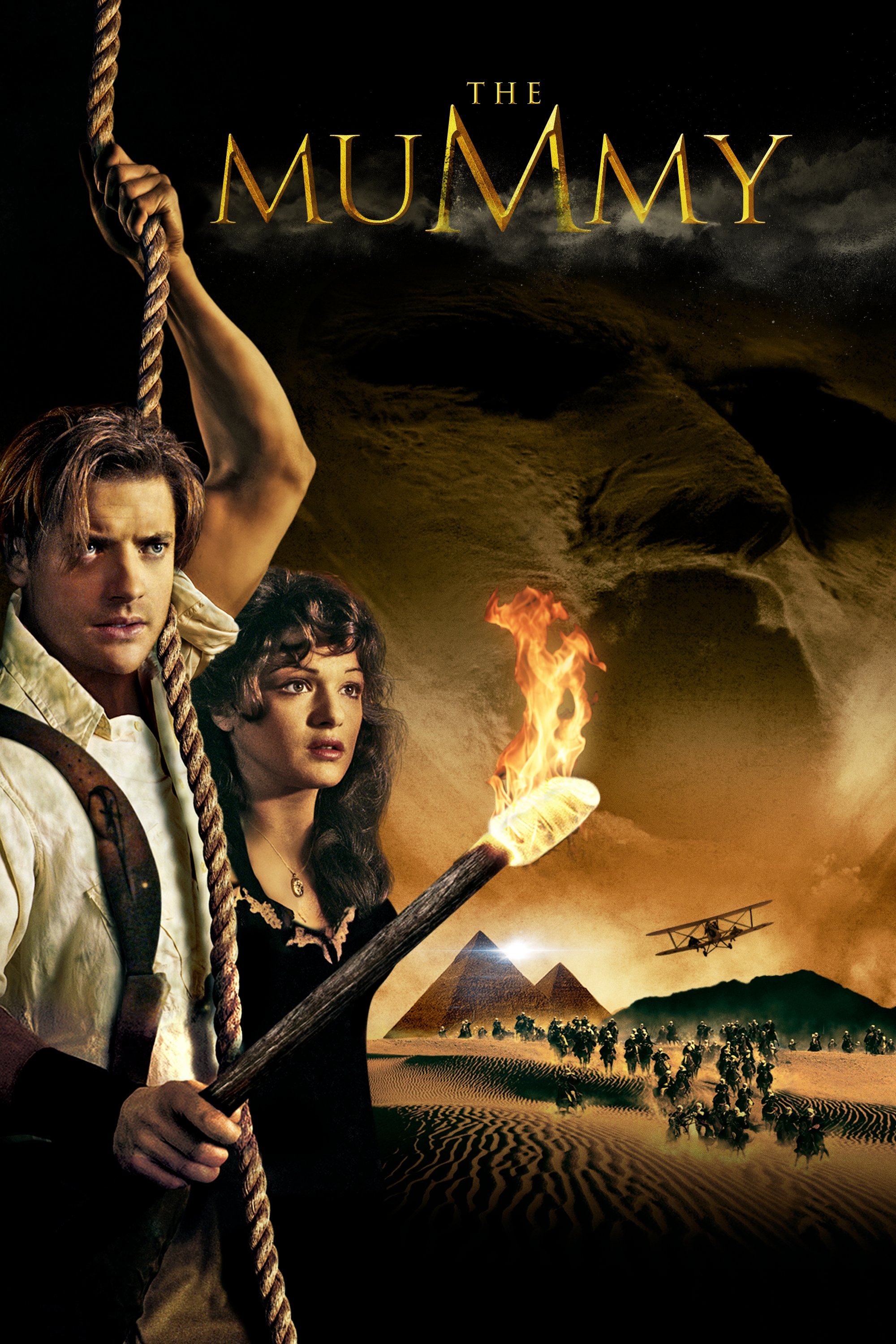
Beni is a selfish thief who ends up working for an ancient mummy after getting trapped in a tomb. He’s a cowardly and greedy character who repeatedly causes trouble for the heroes. While meant to be funny, his betrayals and constant struggles for survival are played for laughs, and his portrayal relies on exaggerated stereotypes. He’s ultimately presented as a weak and pitiful contrast to the more competent heroes.
‘Star Wars: Episode I – The Phantom Menace’ (1999)
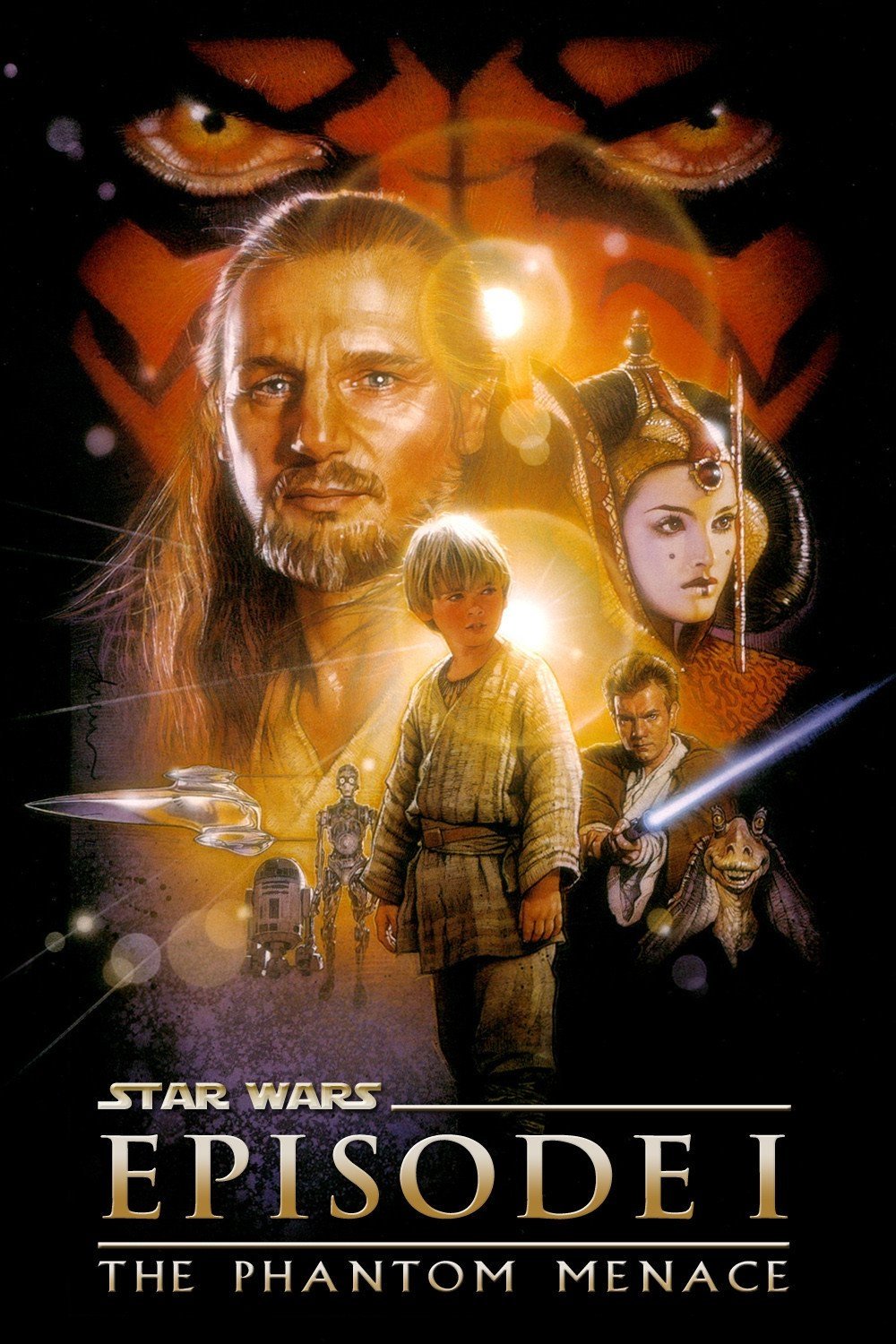
Okay, let’s talk about the Trade Federation leaders, Nute Gunray and Lott Dod. Honestly, their portrayal really bothered me, and I wasn’t alone. The accents and the way they carried themselves felt like a step back, leaning heavily into some really tired and offensive Asian stereotypes we’ve seen in movies for years. They weren’t presented as complex people at all – just greedy, easily-controlled businessmen motivated purely by profit. It felt like they flattened an entire political group into a simple, and frankly, problematic caricature. It’s a shame, because it undermined any potential nuance and left a bad taste in my mouth.
‘Rules of Engagement’ (2000)
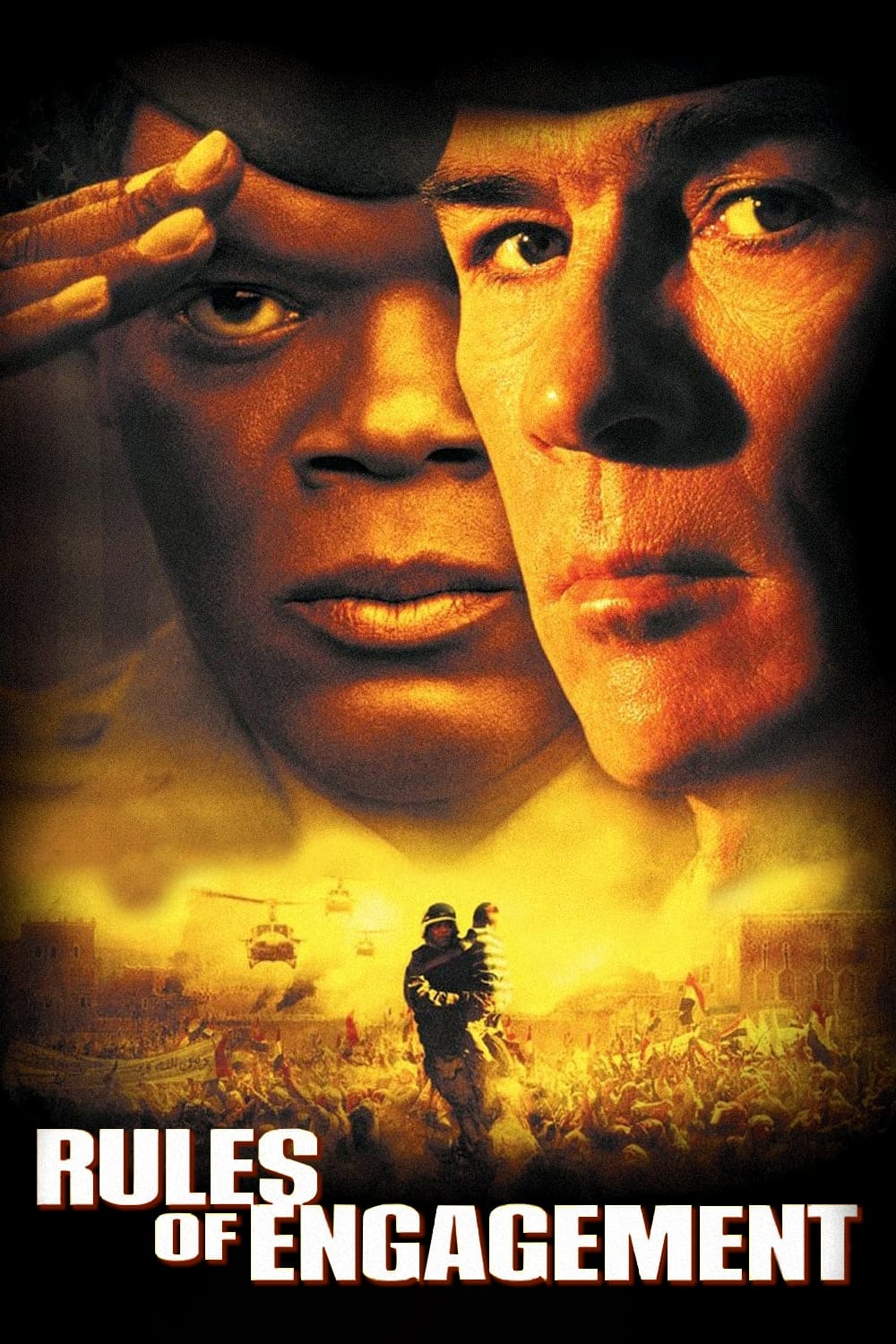
The film portrays American marines firing on a group of Yemeni civilians during an evacuation. It’s later revealed that the civilians, including women and children, were actually involved in a violent attack. This unexpected twist paints the entire local population as a dangerous enemy. The story then suggests the marines’ actions were justified, simplifying a difficult humanitarian crisis into a narrative about necessary military force and portraying the local people as deceptive.
‘The Passion of the Christ’ (2004)
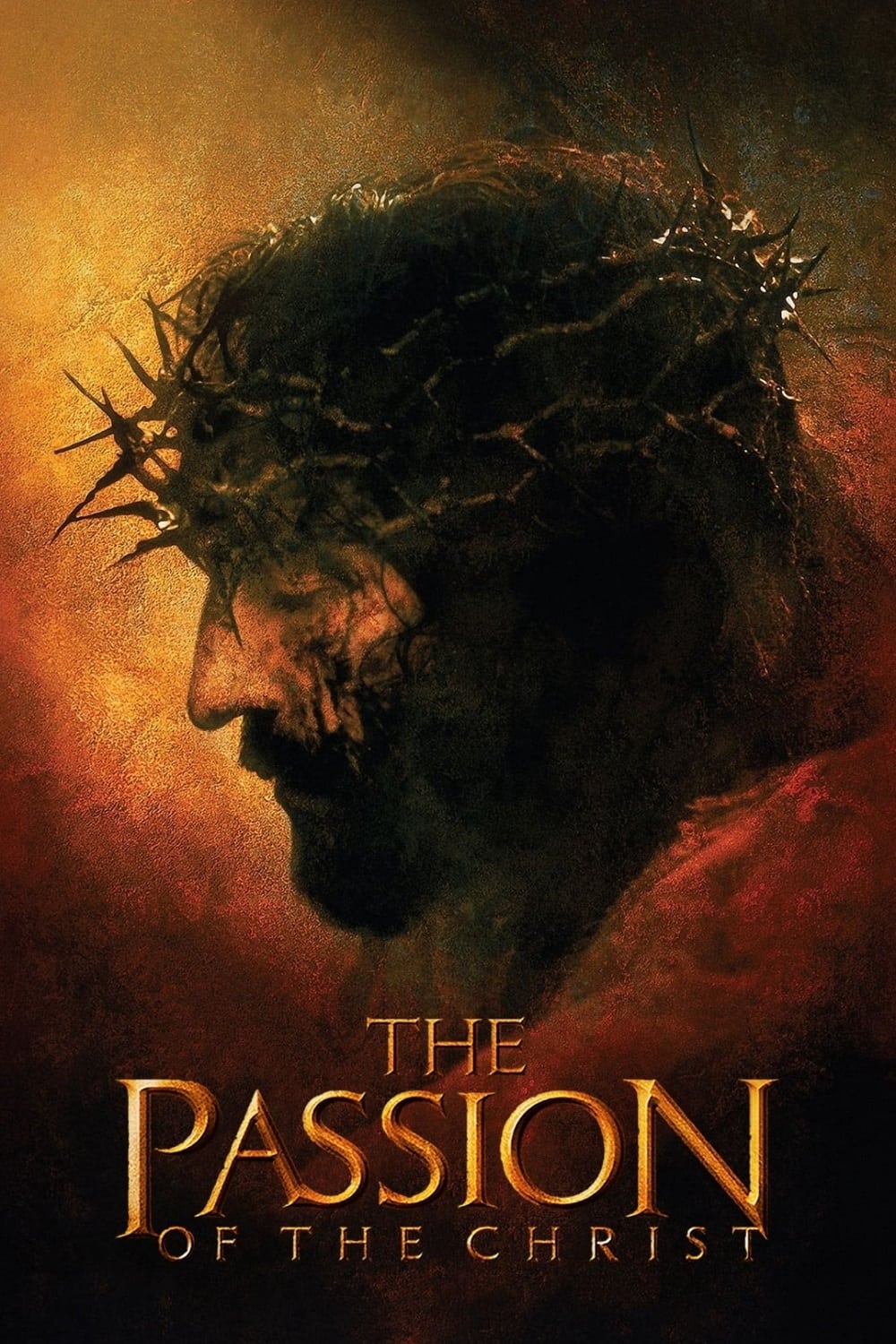
The movie depicts the Sanhedrin’s high priests as the main instigators of Jesus’s suffering, portraying them with overly harsh expressions and a clear obsession with holding onto their authority. Critics have pointed out that this reinforces an old and harmful stereotype of Jewish leaders being unusually evil. The film doesn’t develop the council members as individuals with understandable reasons for their actions; instead, they are presented as a single, opposing force representing rigid tradition.
‘Batman Begins’ (2005)
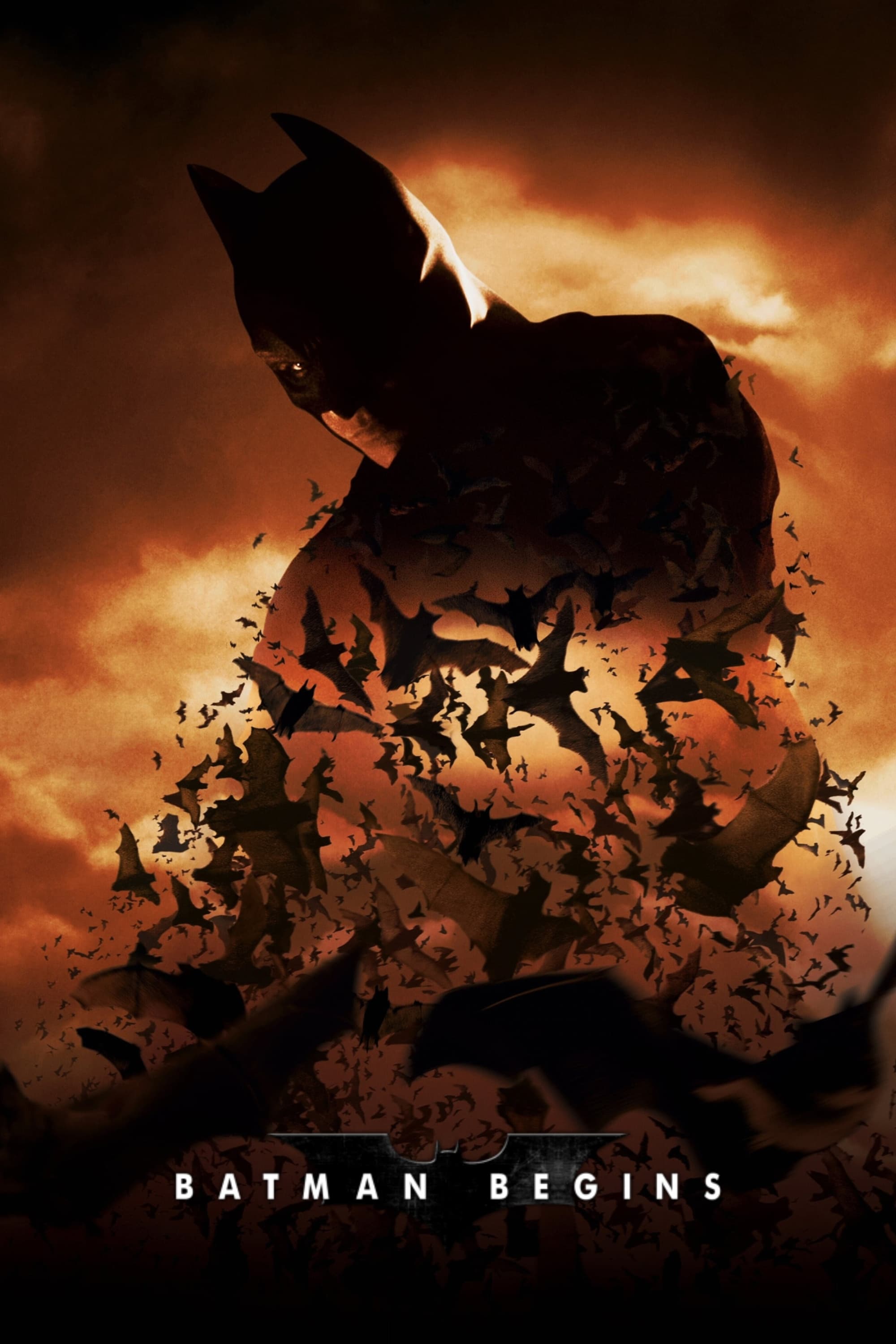
Ra’s al Ghul is a centuries-old leader of a secret society dedicated to dismantling what they see as flawed civilizations. While the character’s comic book roots are clearly Middle Eastern, the film version is played by a white actor. The movie also reimagines his League of Assassins, transforming them from a culturally specific group into a typical terrorist organization. This change removes the character’s rich cultural background, turning him into a generic villain instead of the unique figure he originally was.
‘Memoirs of a Geisha’ (2005)

Hatsumomo, a competing geisha, is portrayed as mean and envious, actively trying to ruin the main character’s life. The film faced criticism for casting actors of different Asian ethnicities in these Japanese roles. The character of Hatsumomo is overly dramatic and doesn’t reflect the difficult realities of being a geisha. Her drive comes from wanting to be the most powerful woman in the geisha house, but she ultimately feels like a simple, stereotypical villain in a very artificial world.
‘300’ (2006)
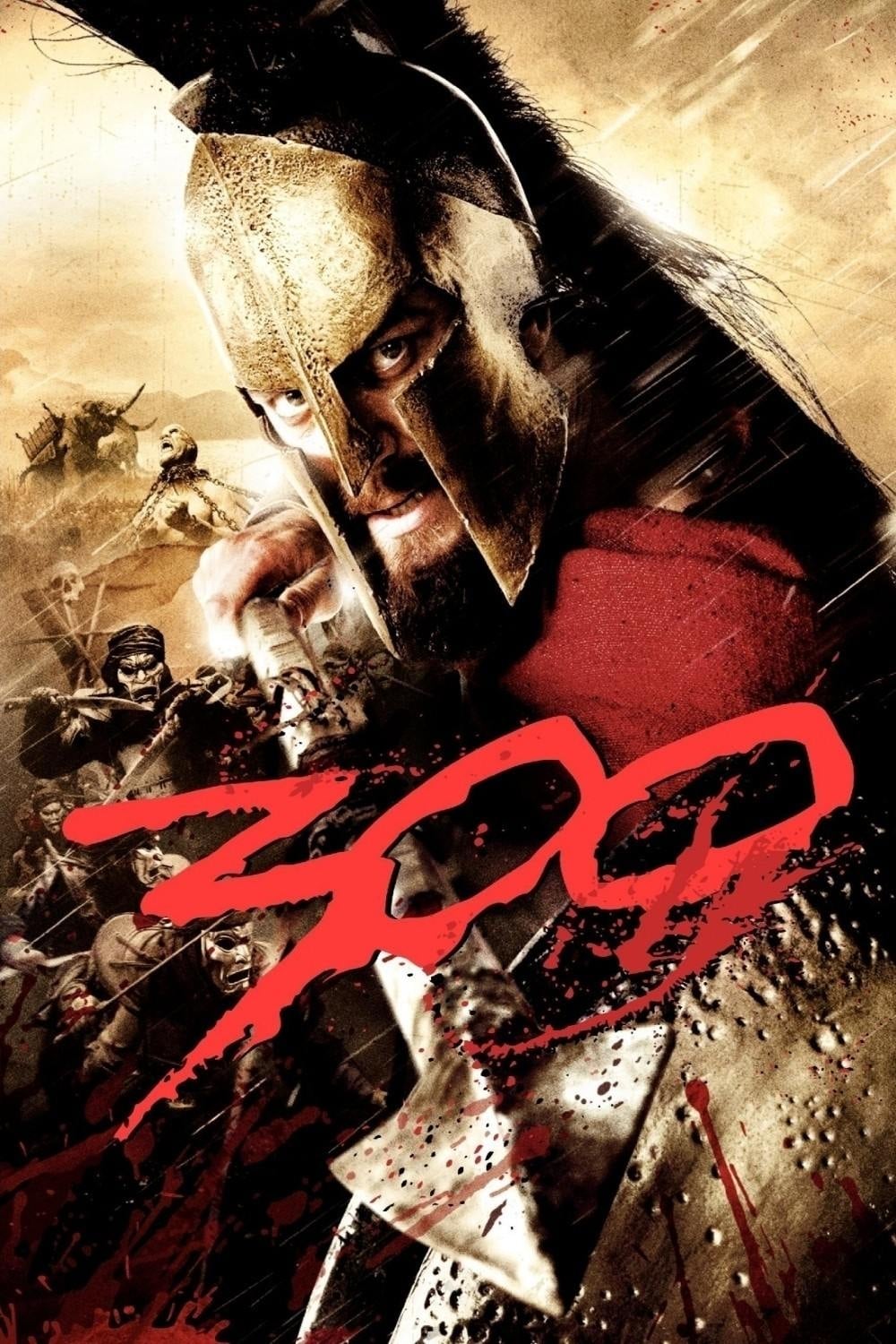
The movie depicts Xerxes, the Persian king, as an enormous, almost otherworldly figure adorned with gold and piercings. He’s presented as a god-like ruler commanding a terrifying army of monsters and slaves, which is a far cry from the real historical Xerxes, who was a shrewd and complicated political leader. The film uses him as a representation of excessive and oppressive Eastern rule, contrasting sharply with the perceived honor of the Spartans. This portrayal relies heavily on shocking visuals to create a memorable, but ultimately one-dimensional, villain.
‘Apocalypto’ (2006)
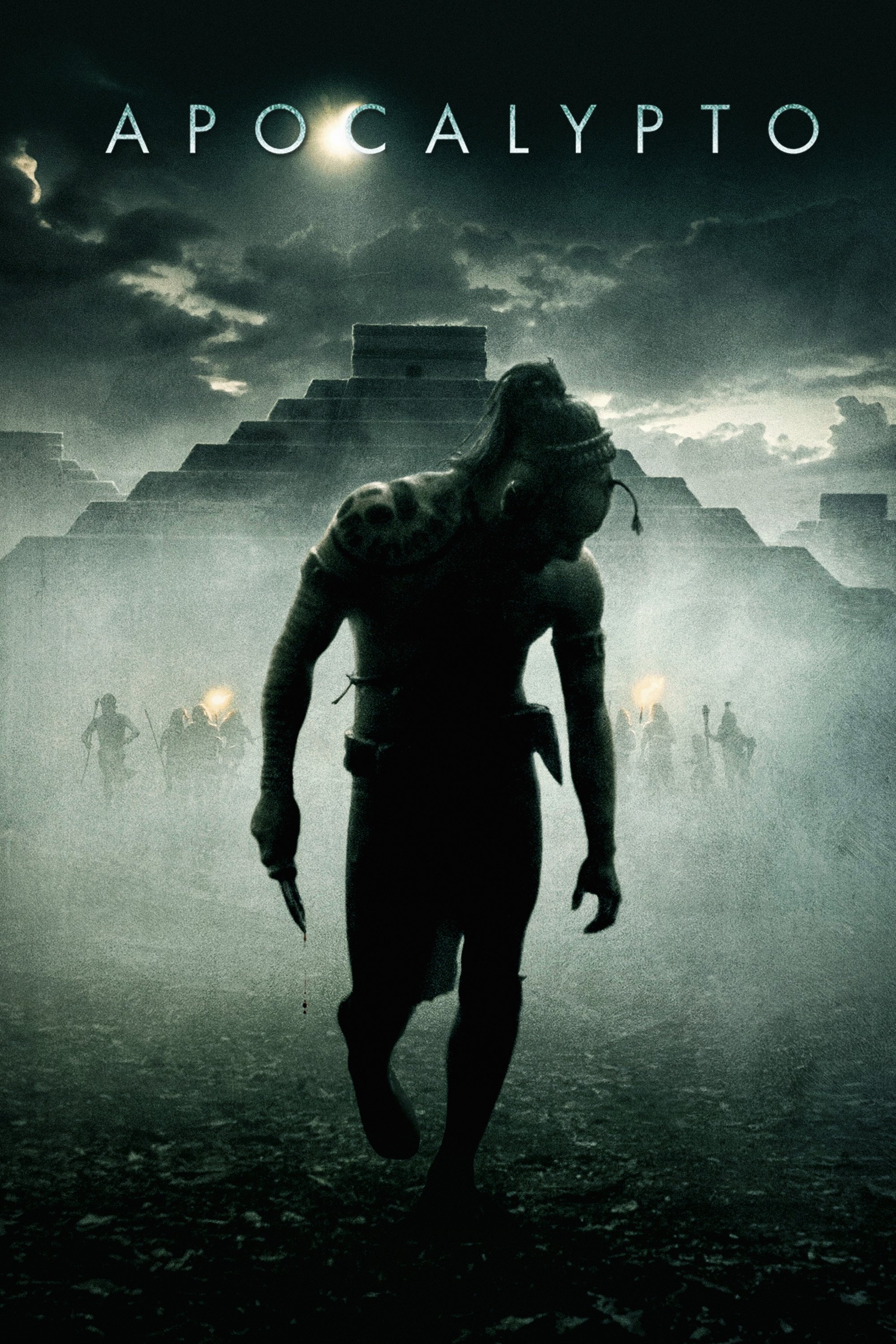
The Mayan people who pursue the main character are depicted as both highly skilled and incredibly violent. The film emphasizes their brutal practices, like human sacrifice, and their enjoyment of causing pain. Although the production features indigenous actors, the story primarily focuses on the civilization’s cruelty. The villains are characterized by their mercilessness, even towards their own community. This creates a limited and somewhat unfair portrayal of a complex empire, reducing it to simple savagery.
‘Sherlock Holmes’ (2009)
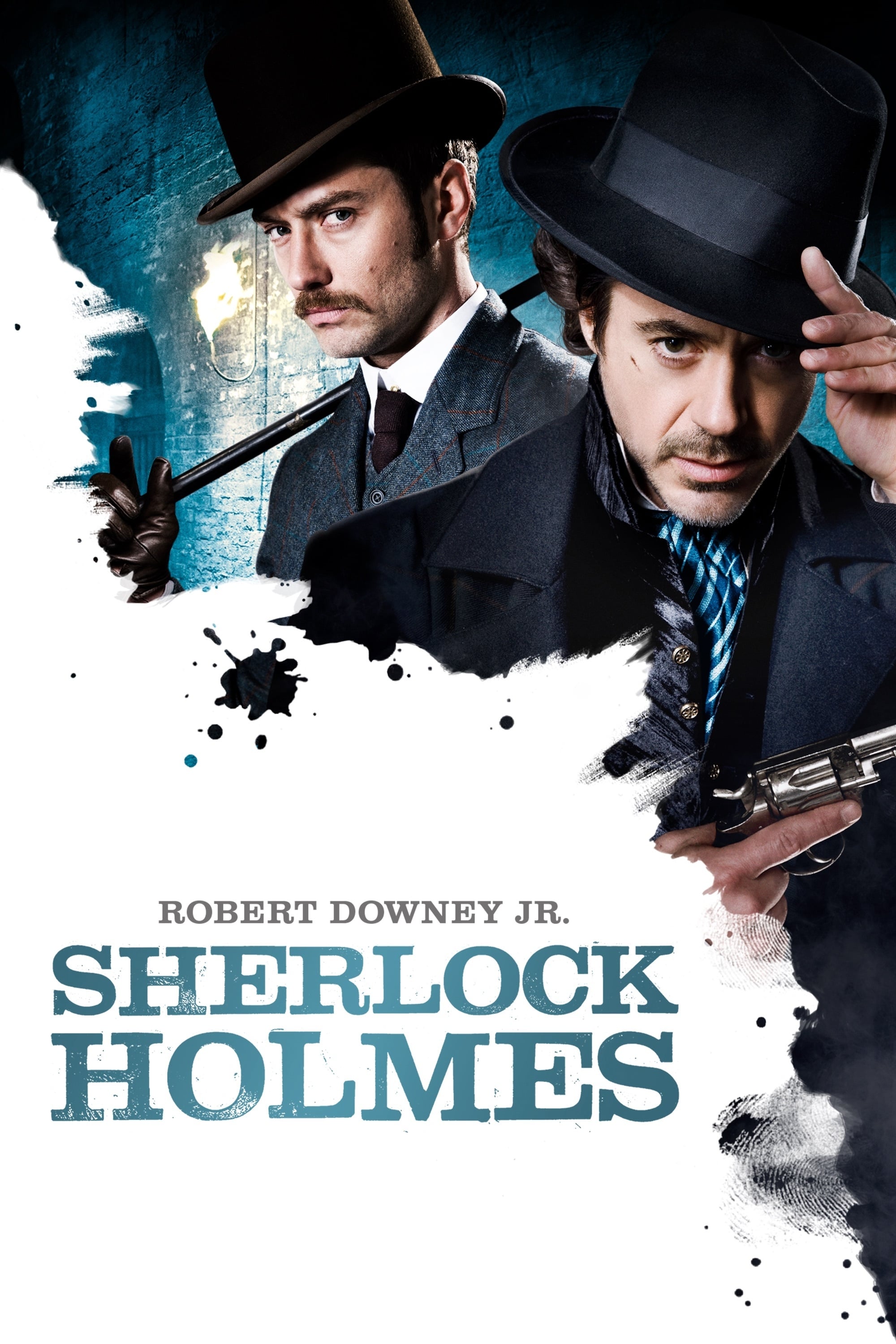
Lord Blackwood, the film’s villain, tries to seize control of the British government through dark magic and a hidden organization. Despite being British himself, the film portrays him using mystical elements typically linked to other cultures. He’s surrounded by followers from around the world, depicted as strong but silent enforcers. These supporting villains have no speaking roles and simply add a sense of foreign danger to the action sequences, functioning more as visual elements than developed characters.
‘The Last Airbender’ (2010)
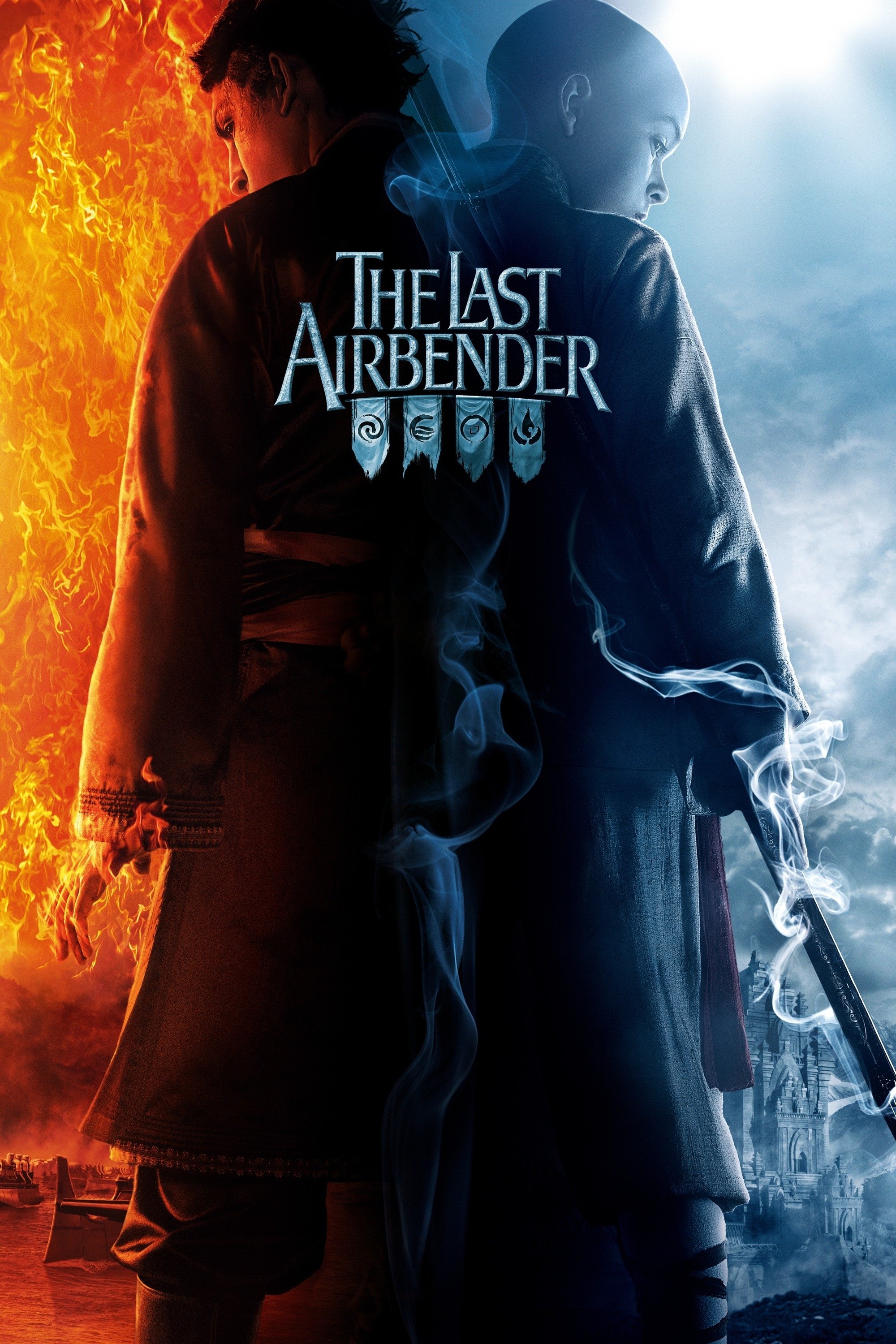
This live-action adaptation portrays characters from the Fire Nation as the main villains. The actors chosen to play these roles have different ethnic backgrounds than the original animated series. Prince Zuko is presented as simply angry and forceful, missing the gradual exploration of his inner conflict. The original series’ complex portrayal of the Fire Nation as a colonizing power is reduced to a straightforward depiction of an evil empire, and the meaningful journey toward redemption is lost.
‘Prince of Persia: The Sands of Time’ (2010)
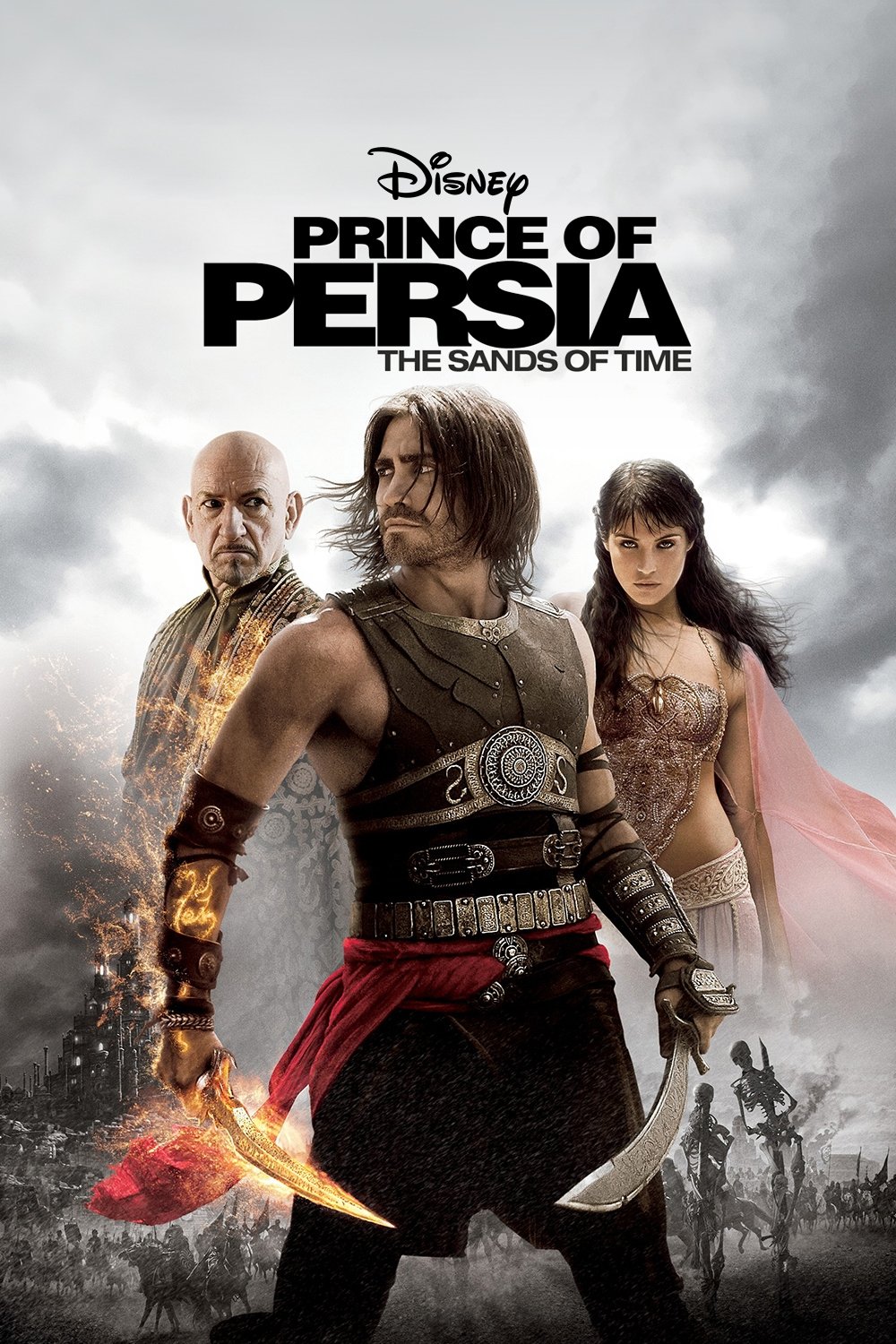
Nizam is a scheming uncle who tries to kill his brother and take over the empire with a magical dagger. The actor playing him is white and doesn’t have a real connection to the culture the story is set in. His reasons for doing wrong are typical of fantasy stories – things like power grabs and fighting with family. This is a shame, because the character could have helped make the story feel more authentic and connected to Middle Eastern culture. Instead, he comes across as a boring and predictable villain.
‘The Dictator’ (2012)
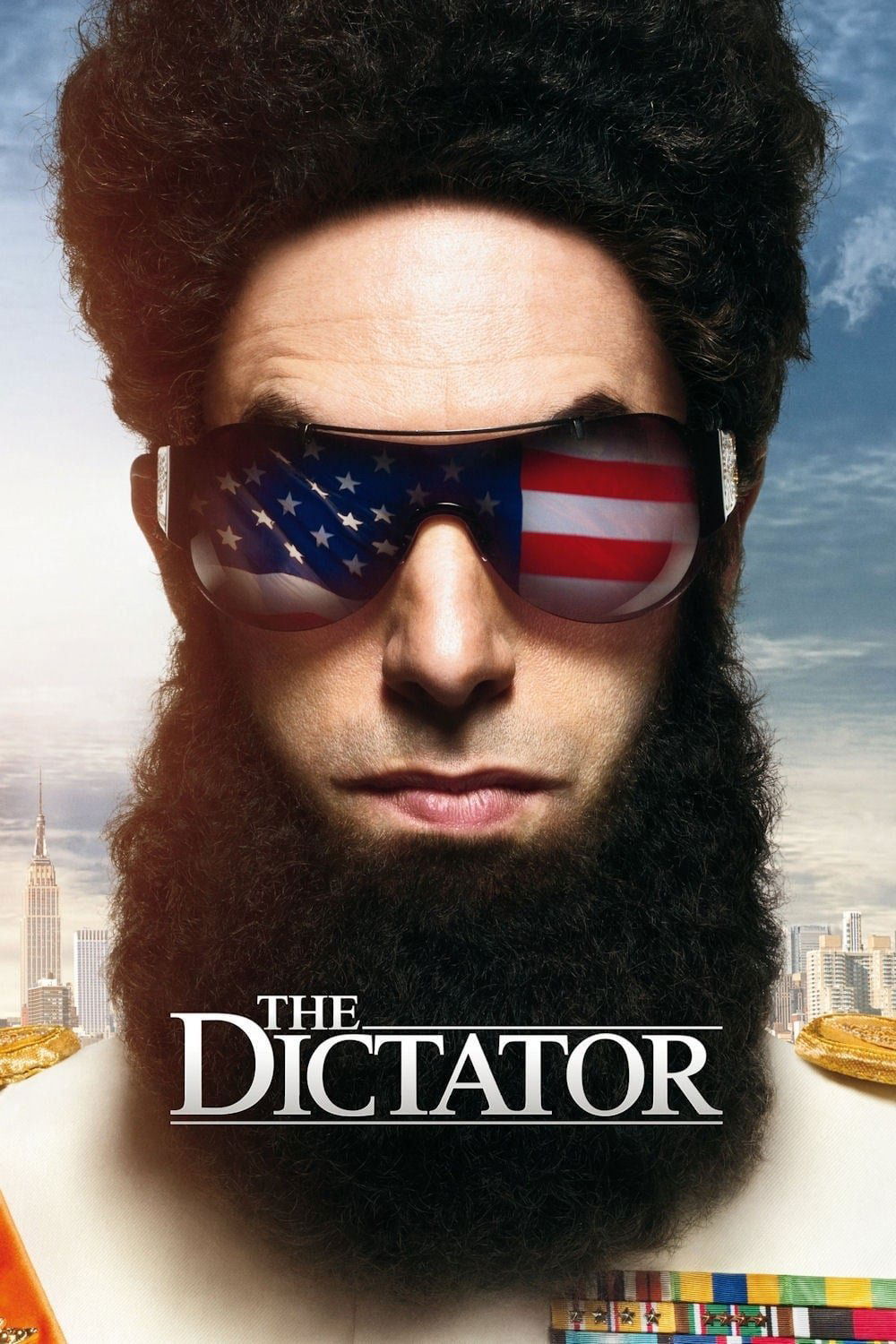
Admiral General Aladeen is a movie character who embodies many common stereotypes about Middle Eastern leaders. The film uses exaggerated characters and humor to make a satirical point. However, the portrayal also relies on and strengthens harmful, long-standing stereotypes seen in Hollywood films. Aladeen is shown acting irrationally and immaturely to emphasize how ridiculous his government is, reducing a political leader to jokes about camels and nuclear weapons.
‘The Dark Knight Rises’ (2012)
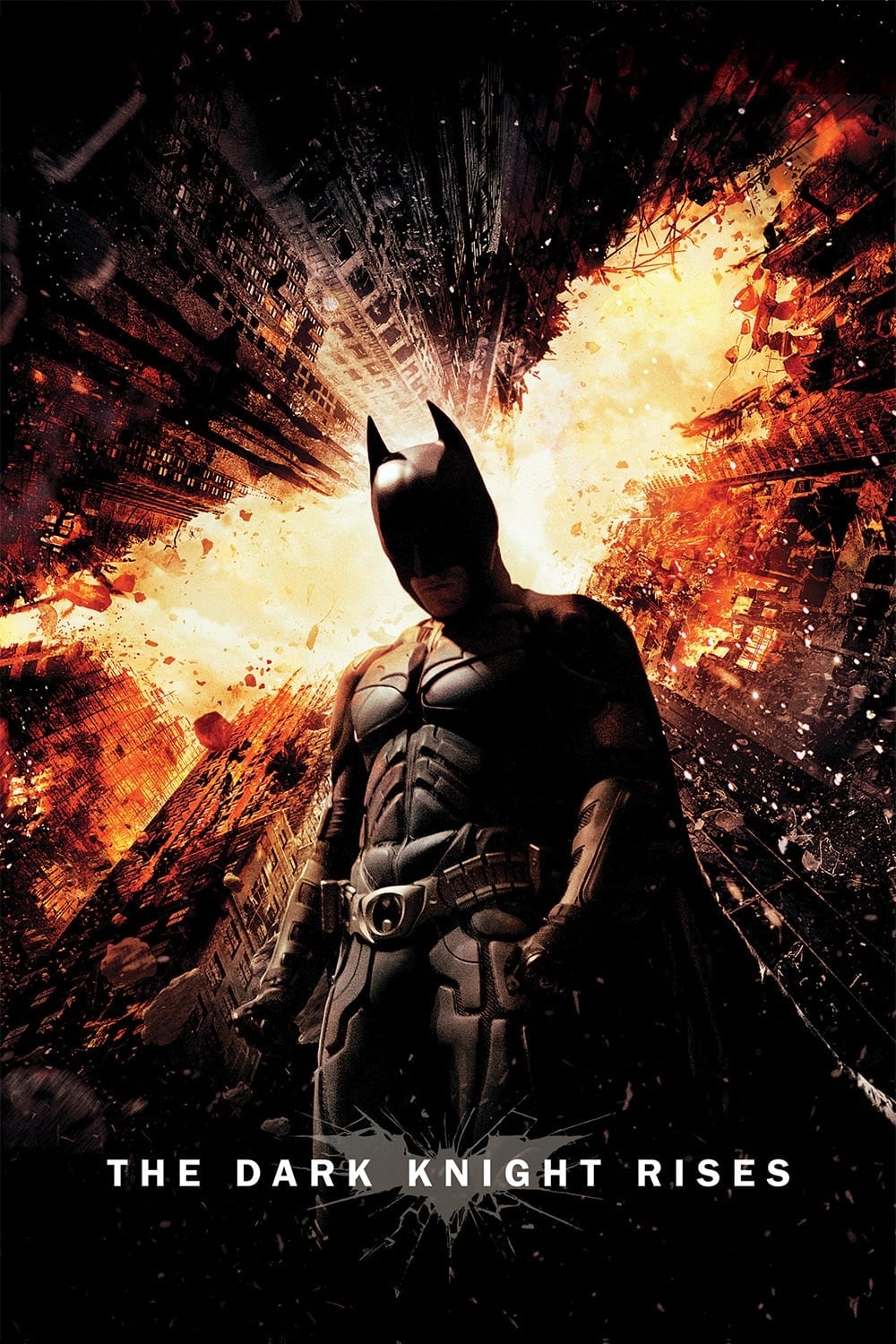
Bane is a mercenary who seizes control of Gotham City, presenting himself as a champion of the people. While the comic book version of the character has a clear Latino background, the film largely overlooks this aspect. He’s played by a white actor who uses a strange accent, which hides his true origins and reasons for acting. What initially appears to be a complex political agenda is later shown to be nothing more than a disguise for a personal quest for revenge. Ultimately, Bane is a physically strong villain, but lacks real depth.
‘The Lone Ranger’ (2013)

Butch Cavendish is a brutal criminal shown committing horrific acts, including cannibalism. The film portrays him as a savage representation of the wild, lawless West. Though he’s the primary villain, the movie’s depiction of Native American characters isn’t always respectful. Cavendish is a one-dimensional character, driven only by greed and his base instincts, and remains a monstrous figure with no real explanation for his cruelty.
‘Iron Man 3’ (2013)

The character of the Mandarin is first shown as a dangerous and enigmatic terrorist, drawing on current anxieties about global extremism and age-old mystical beliefs. However, the film later reveals this Mandarin is simply an inept actor pretending to be someone he’s not. This twist reduces a historically significant villain to a comedic figure and a shallow imitation, sacrificing a genuine threat for the sake of a surprising plot twist.
‘Pacific Rim’ (2013)

Hannibal Chau is a shady dealer in futuristic Hong Kong who makes a living by collecting organs from massive creatures. He’s a flamboyant character with a pessimistic view of humanity, drawing on the classic trope of the quirky, criminal figure often seen in science fiction. While he adds a vibrant element to the story, his personality is mostly driven by selfishness and strange habits, making him feel more like a cartoonish character than a fully developed person with real motivations.
‘Exodus: Gods and Kings’ (2014)

The film portrays Ramesses II as a proud and unyielding pharaoh who won’t release the Hebrew slaves. A white actor plays this historically and culturally important role. Instead of showing the complex political reasons behind his actions, the movie frames his opposition as a personal issue with his adopted brother. The focus is more on the dramatic plagues than on the nuances of Egyptian rule, ultimately simplifying a significant historical leader into a typical villain.
‘Gods of Egypt’ (2016)
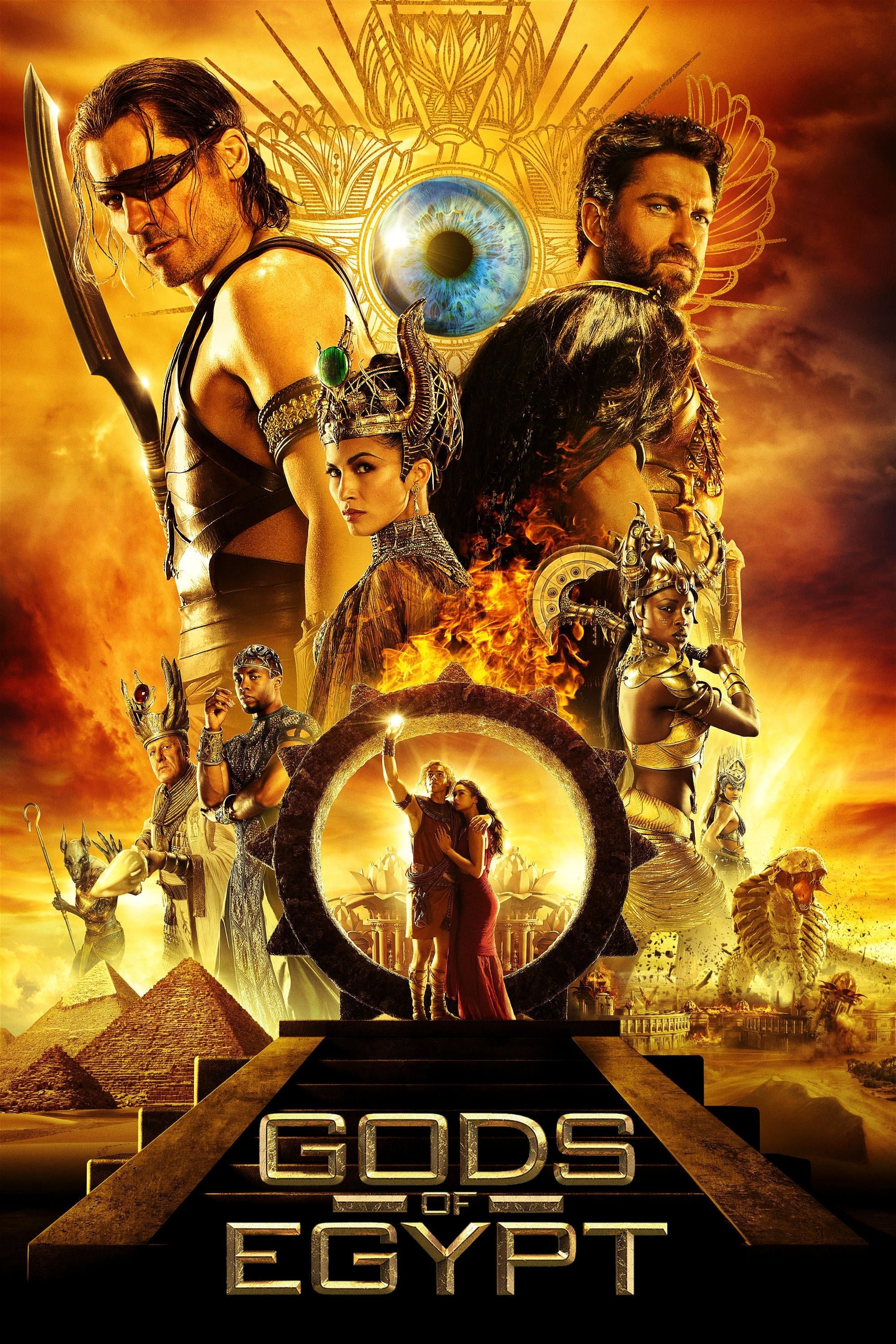
In the film, Set, the god of darkness, is portrayed as a ruthless tyrant who kills his brother to become king and then oppresses the Egyptian people. A white actor plays the role, and the character is a fairly standard villain driven by a thirst for power. The movie uses Egyptian mythology mainly as a setting for visual effects-heavy battles and straightforward storylines. This version of Set lacks the depth and importance he had in the original myths, where he was a crucial figure. Instead, he’s reduced to a typical fantasy villain with little connection to Egyptian culture.
‘Doctor Strange’ (2016)
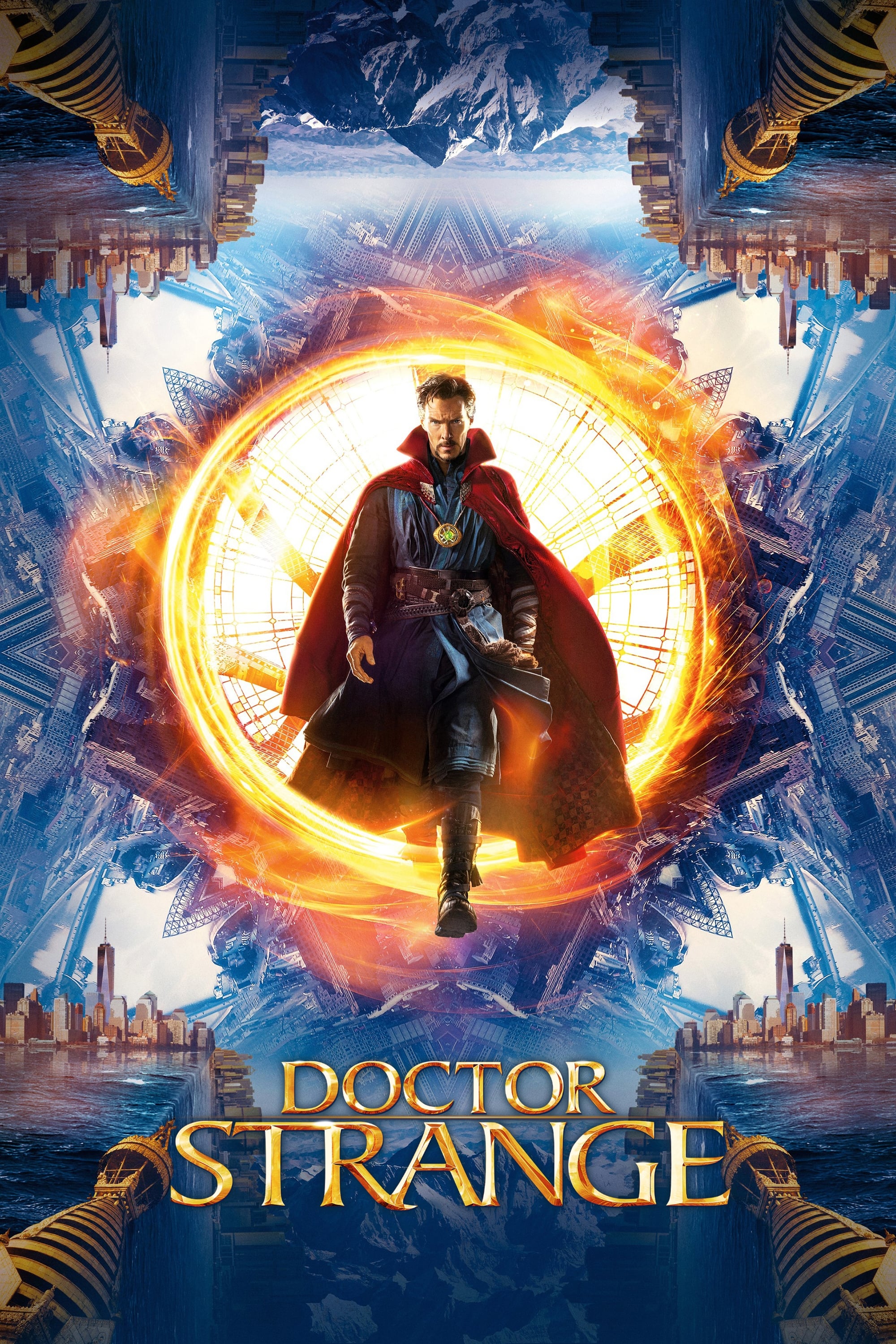
Kaecilius is a former sorcerer with a plan to bring a powerful demon to Earth, believing it will give humanity eternal life. Unlike the villains in the comics, he doesn’t have a detailed backstory. He’s presented as a detached and rational person who thinks he’s doing what’s best for everyone, but he’s not a very developed character. His personality isn’t explored much, and he mainly serves as an obstacle for the hero to overcome – a villain who’s easily defeated once his purpose is served.
‘Ghost in the Shell’ (2017)
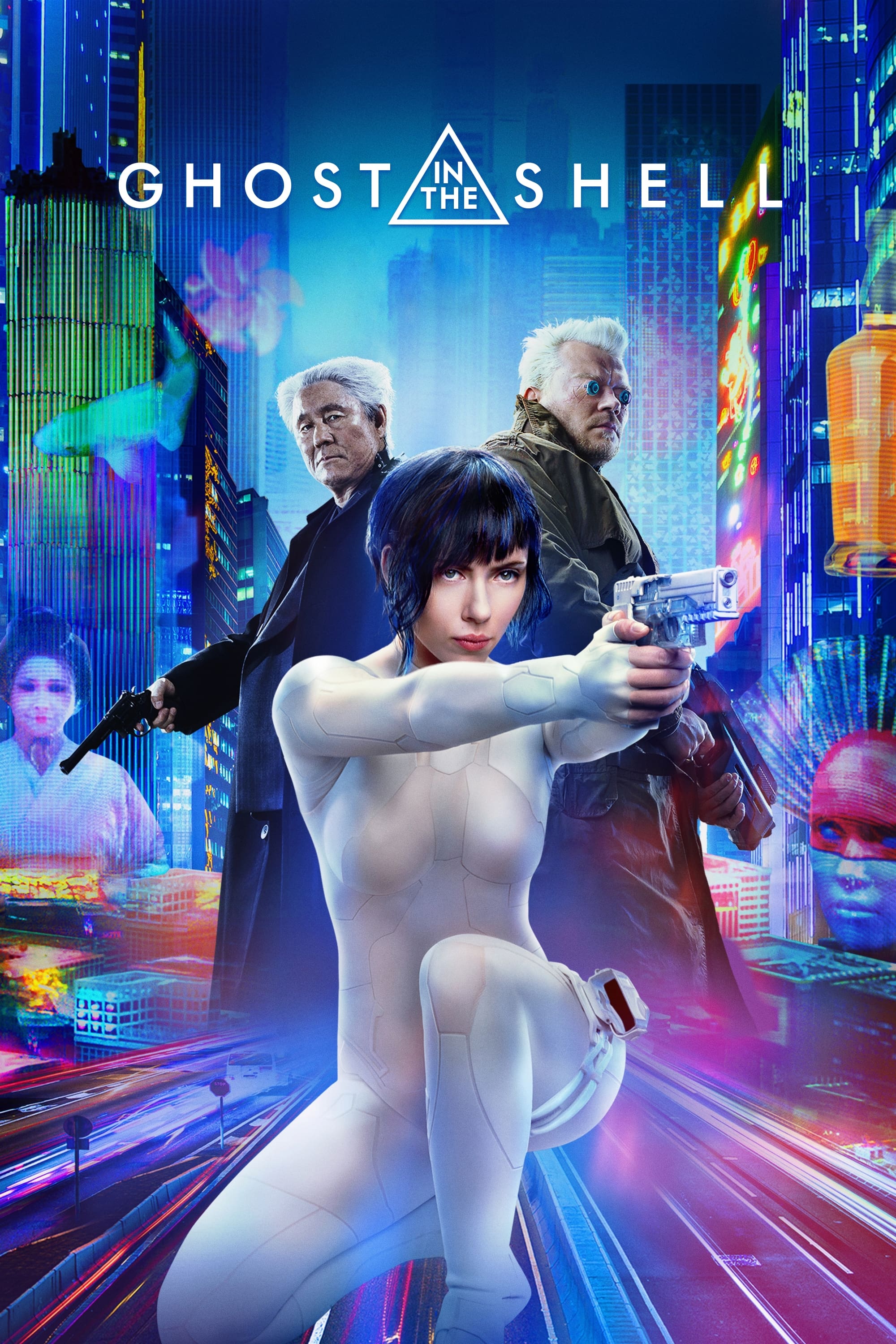
Kuze is a secretive hacker who delves into people’s minds to expose a company’s wrongdoing. However, the film sparked controversy by changing Kuze’s background from Japanese and casting white actors in roles that were originally Japanese. The story gives Kuze a fairly standard motive – revenge against a large corporation – and streamlines the deeper, more philosophical ideas from the original work to fit a typical action movie format.
‘Wonder Woman 1984’ (2020)
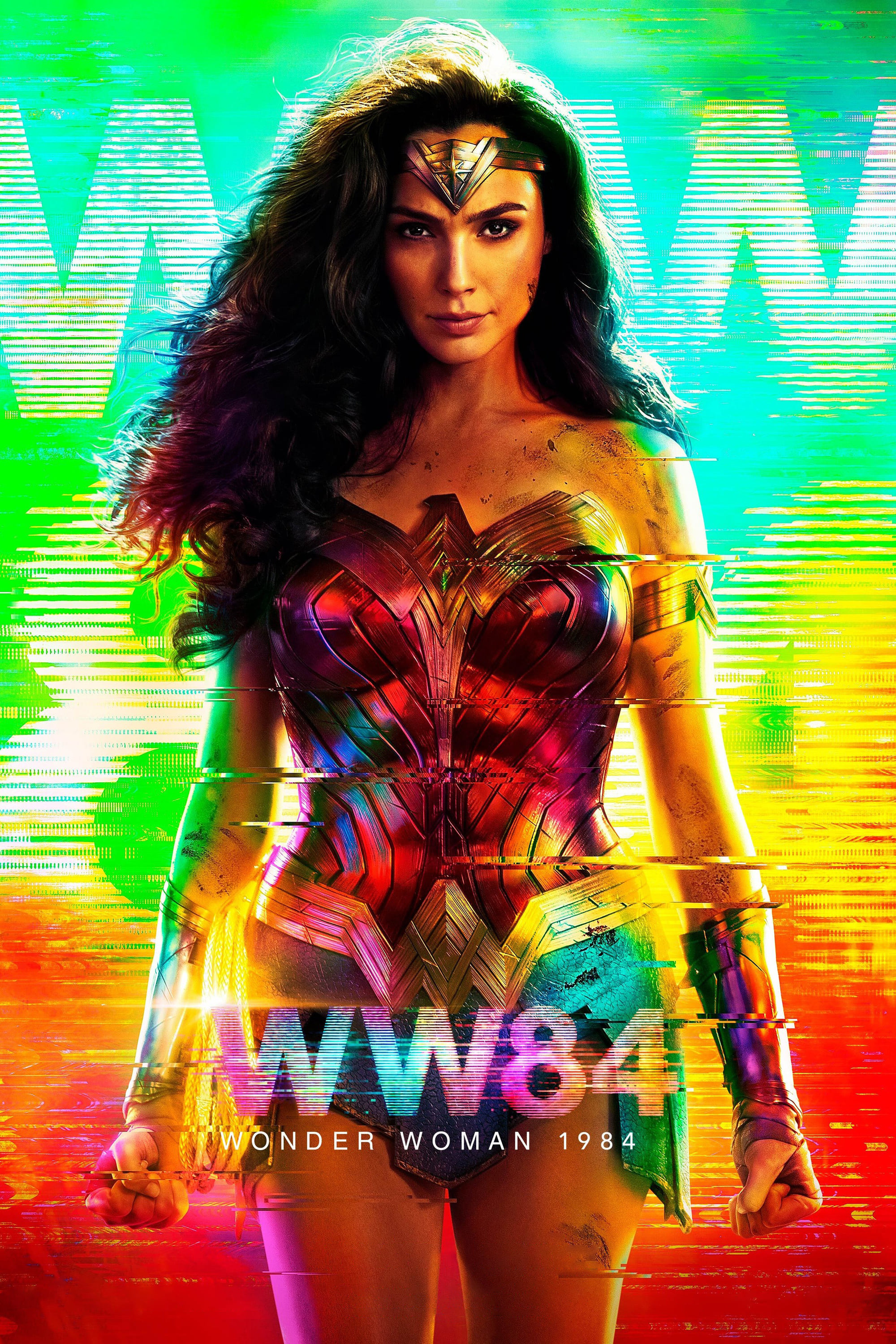
Maxwell Lord starts as a failing businessman, but he suddenly gains the ability to make wishes come true, which he then uses to create chaos around the world. While comic book versions of the character are typically depicted as white, the film reimagines him with a more diverse heritage. Despite this change, the film still portrays him using familiar stereotypes of a ruthless and deceitful salesperson obsessed with achieving success. Ultimately, his actions aren’t driven by grand schemes, but by a simple, personal desire: to earn his son’s affection. He quickly becomes an exaggerated and frantic character, embodying the excessive greed of his time.
Please share your thoughts on these movie portrayals in the comments.
Read More
- Spotting the Loops in Autonomous Systems
- Seeing Through the Lies: A New Approach to Detecting Image Forgeries
- The Best Directors of 2025
- Staying Ahead of the Fakes: A New Approach to Detecting AI-Generated Images
- 20 Best TV Shows Featuring All-White Casts You Should See
- The Glitch in the Machine: Spotting AI-Generated Images Beyond the Obvious
- Umamusume: Gold Ship build guide
- Gold Rate Forecast
- 2025 Crypto Wallets: Secure, Smart, and Surprisingly Simple!
- Mel Gibson, 69, and Rosalind Ross, 35, Call It Quits After Nearly a Decade: “It’s Sad To End This Chapter in our Lives”
2026-01-11 22:21