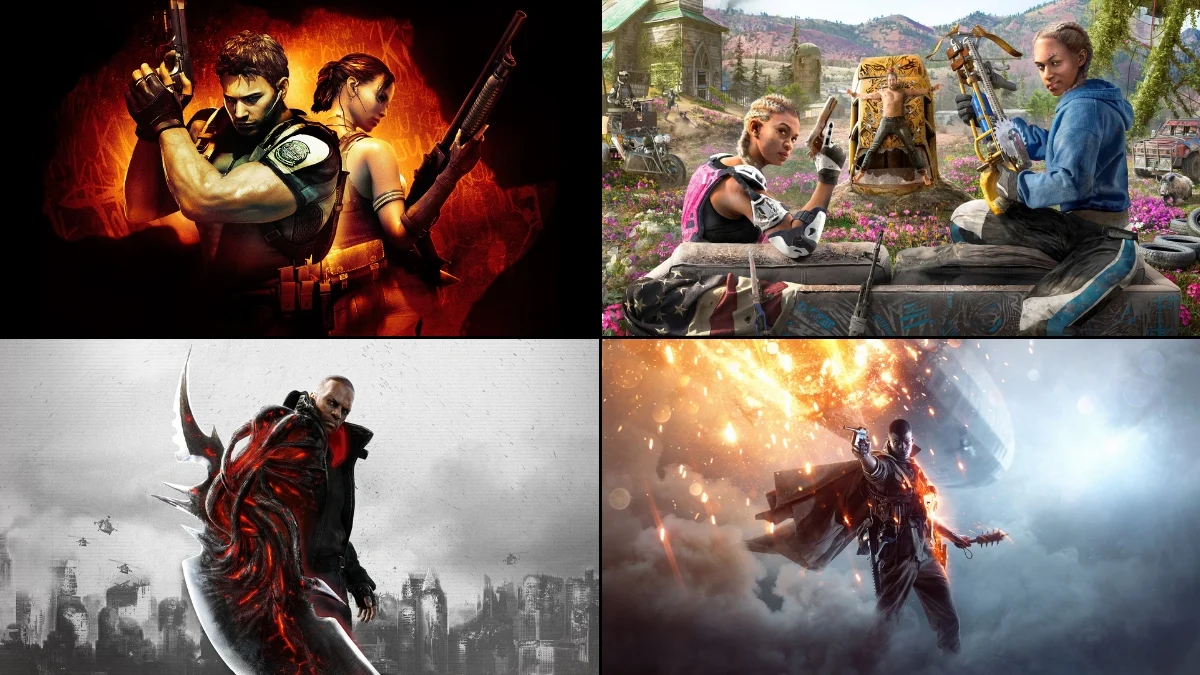
The gaming world is becoming more diverse, with more games featuring Black main characters. However, simply including these characters isn’t enough. Many developers have been criticized for portraying Black characters with stereotypes or without fully considering their cultural backgrounds and histories. This article looks at several popular games where the way Black characters were presented raised questions about how accurately and respectfully their cultures were represented.
‘Assassin’s Creed Shadows’ (2025)
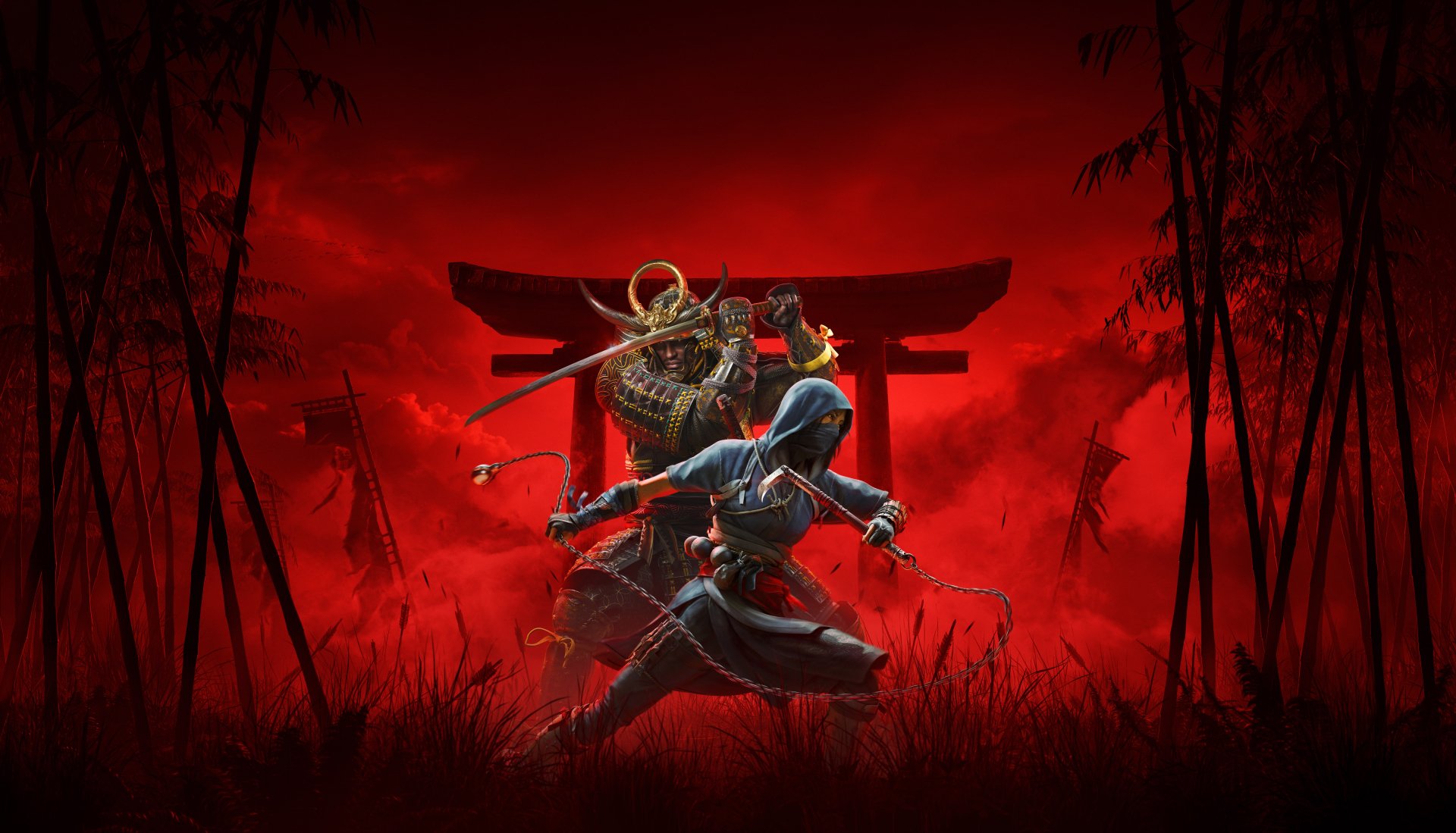
This installment of the popular game series features Yasuke, a historical figure, as a playable character. Including a Black samurai in a Japanese setting caused considerable discussion about how accurately the game portrayed history and represented African people within Eastern history. Both historians and players raised questions about the developers’ choices regarding Yasuke’s actual life and position during the Sengoku period. This debate underscored the challenge of balancing creative storytelling with respecting cultural history, and the game sparked a wider conversation about how developers handle historical facts when creating diverse characters.
‘Forspoken’ (2023)
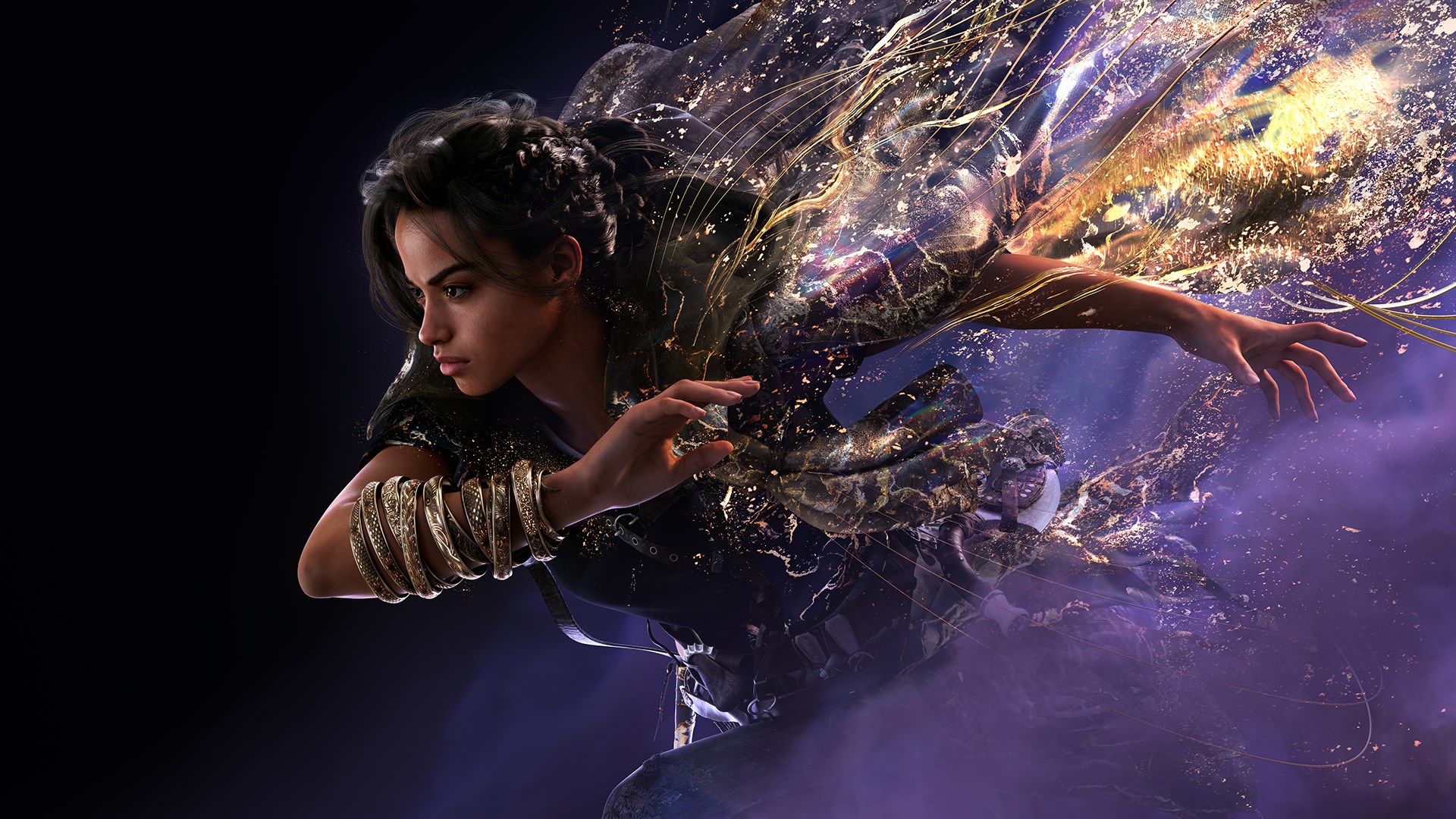
Luminous Productions and Square Enix created this game, which stars the character Frey Holland. However, reviewers felt the story fell into clichés about troubled young people from New York City, without offering enough genuine understanding of that background. The dialogue sometimes didn’t feel authentic to Frey’s experiences, sparking conversations about the need for more diverse perspectives among the writers. Ultimately, this made Frey feel like a predictable character instead of a realistic portrayal of a Black woman.
‘Far Cry New Dawn’ (2019)
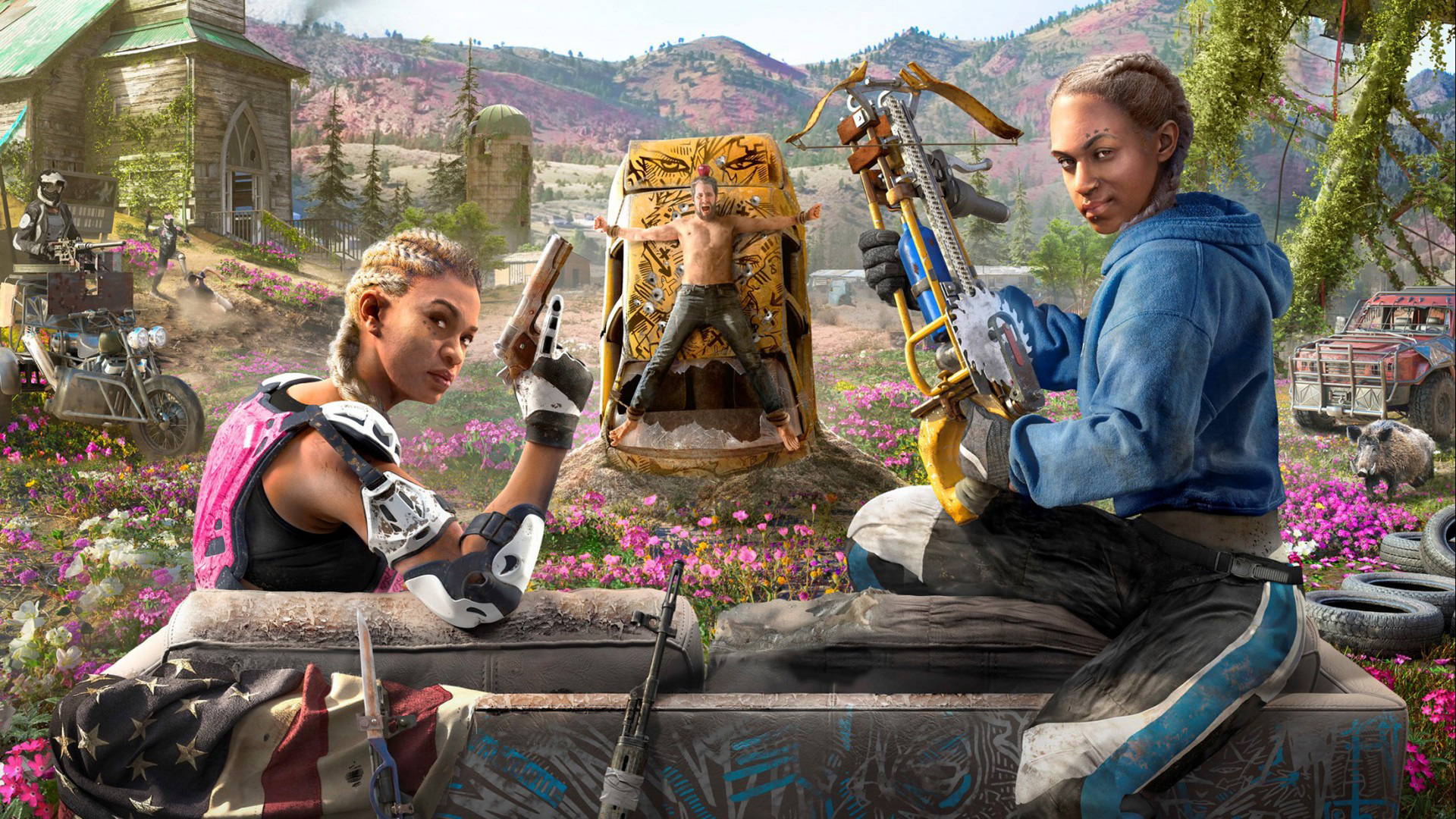
As a fan, I was honestly a little disappointed with the villains in this Ubisoft game. They introduced these twin sisters, Mickey and Lou, as the main bad guys after the world fell apart, but we didn’t really get to know them. It felt like they were just generic villains, and it was a real missed opportunity. Especially since they were Black women, I was hoping to see some of that background reflected in their motivations and how they led things, but it just wasn’t there. It made them feel less important to the story overall, which was a shame.
‘Mafia III’ (2016)
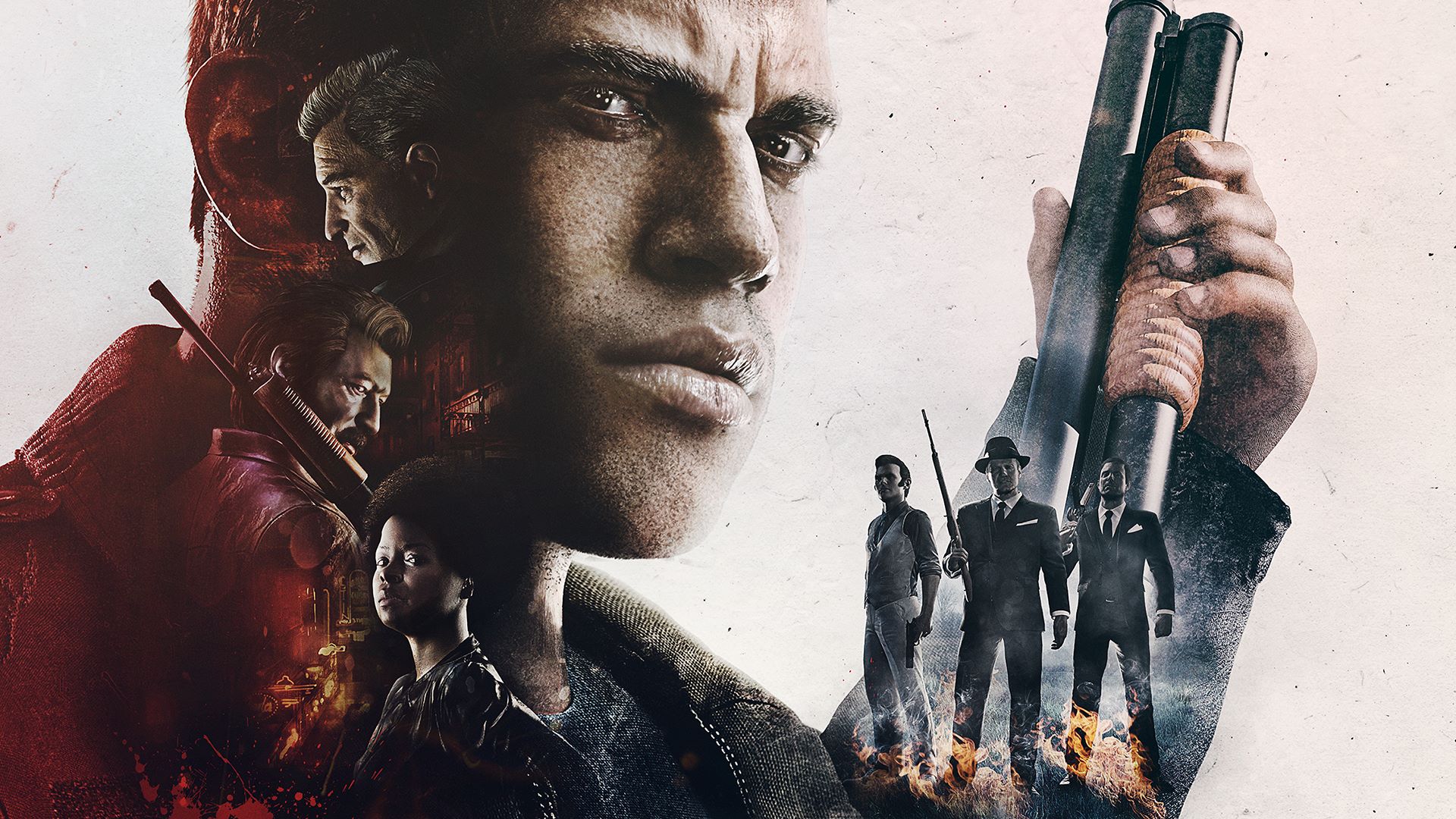
Developed by Hangar 13 and 2K Games, this game tells the story of Lincoln Clay in a reimagined New Orleans. Though it touched on important issues like racism and segregation, some reviewers felt the Black community’s experiences primarily served as a setting for a typical revenge story. The rich culture of the 1960s Black community sometimes felt overshadowed by the game’s repetitive cycle of taking down criminal organizations. This led to debate among players and critics about whether the game truly did justice to the historical period and issues it presented.
‘Watch Dogs 2’ (2016)
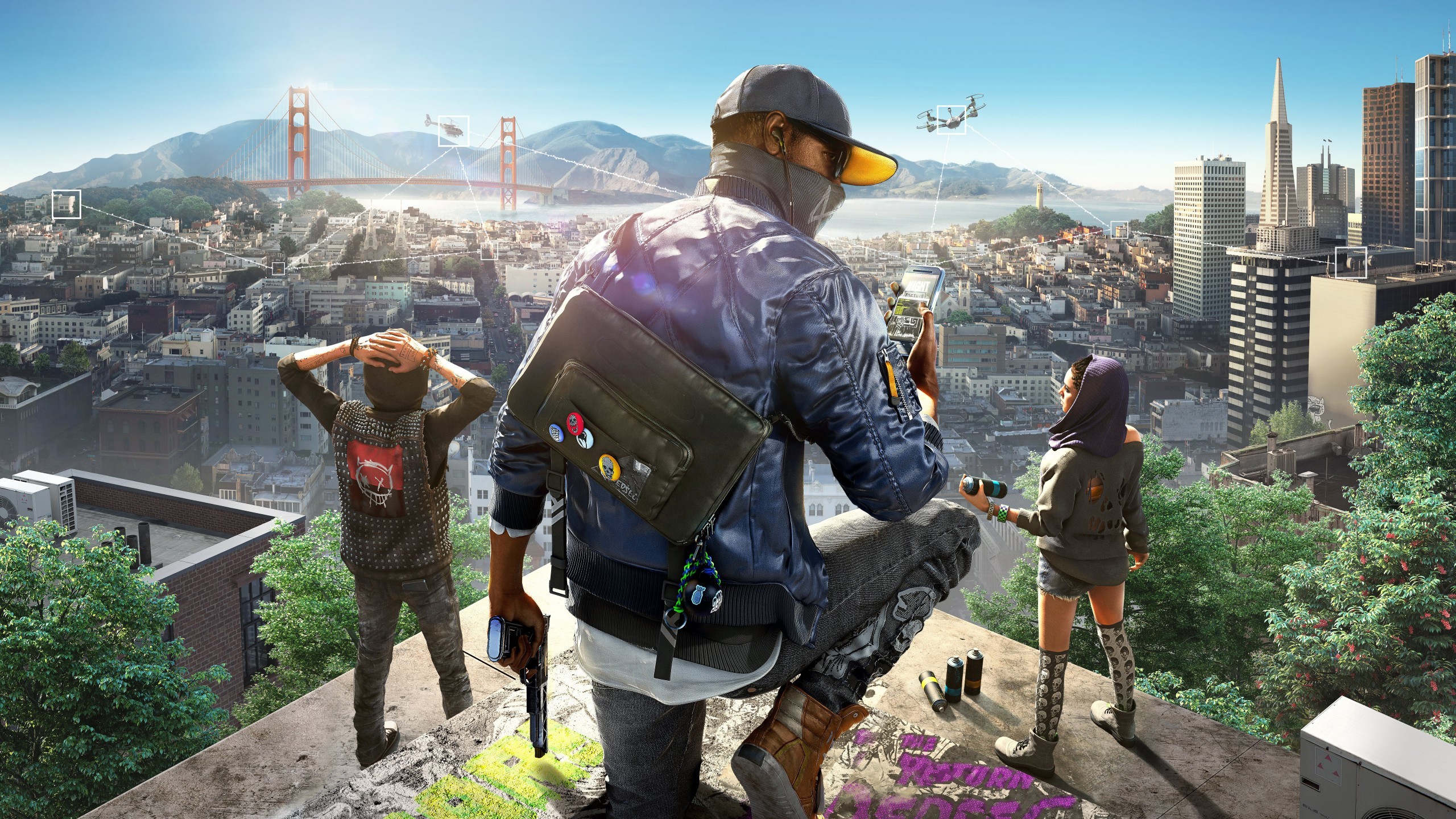
Marcus Holloway, the main hacker in this Watch Dogs sequel set in San Francisco, was developed by Ubisoft Paris and Ubisoft San Francisco. Although many players like Marcus, some felt his fun-loving personality didn’t quite match up with the violent things he does in the game. The story hinted at important topics like racial profiling and unfair practices in the tech world, but often shifted back to being light and humorous. This inconsistency sometimes weakened the impact of the game’s attempts to explore these serious issues.
‘Battlefield 1’ (2016)
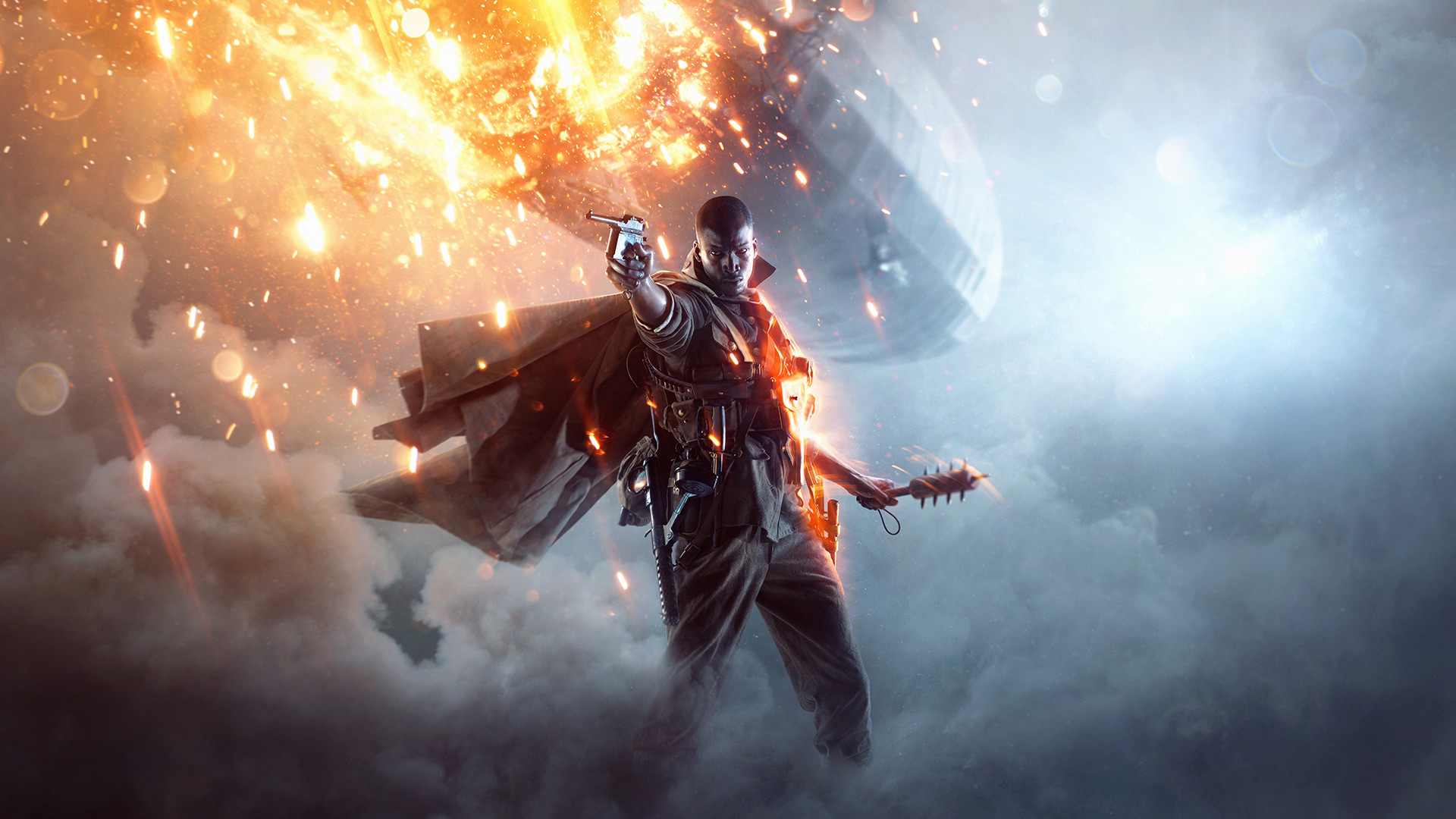
The World War I game from DICE and Electronic Arts featured Black soldiers in its marketing and gameplay. While the game recognized the Harlem Hellfighters, some reviewers thought their stories weren’t as developed as those of other characters. The game didn’t fully explore the important issue of these soldiers fighting for a country that treated them unfairly, prioritizing action over deeper storytelling. This led to criticism that the inclusion of Black soldiers felt superficial, more about appearance than authentic historical or cultural representation.
‘Assassin’s Creed Freedom Cry’ (2013)
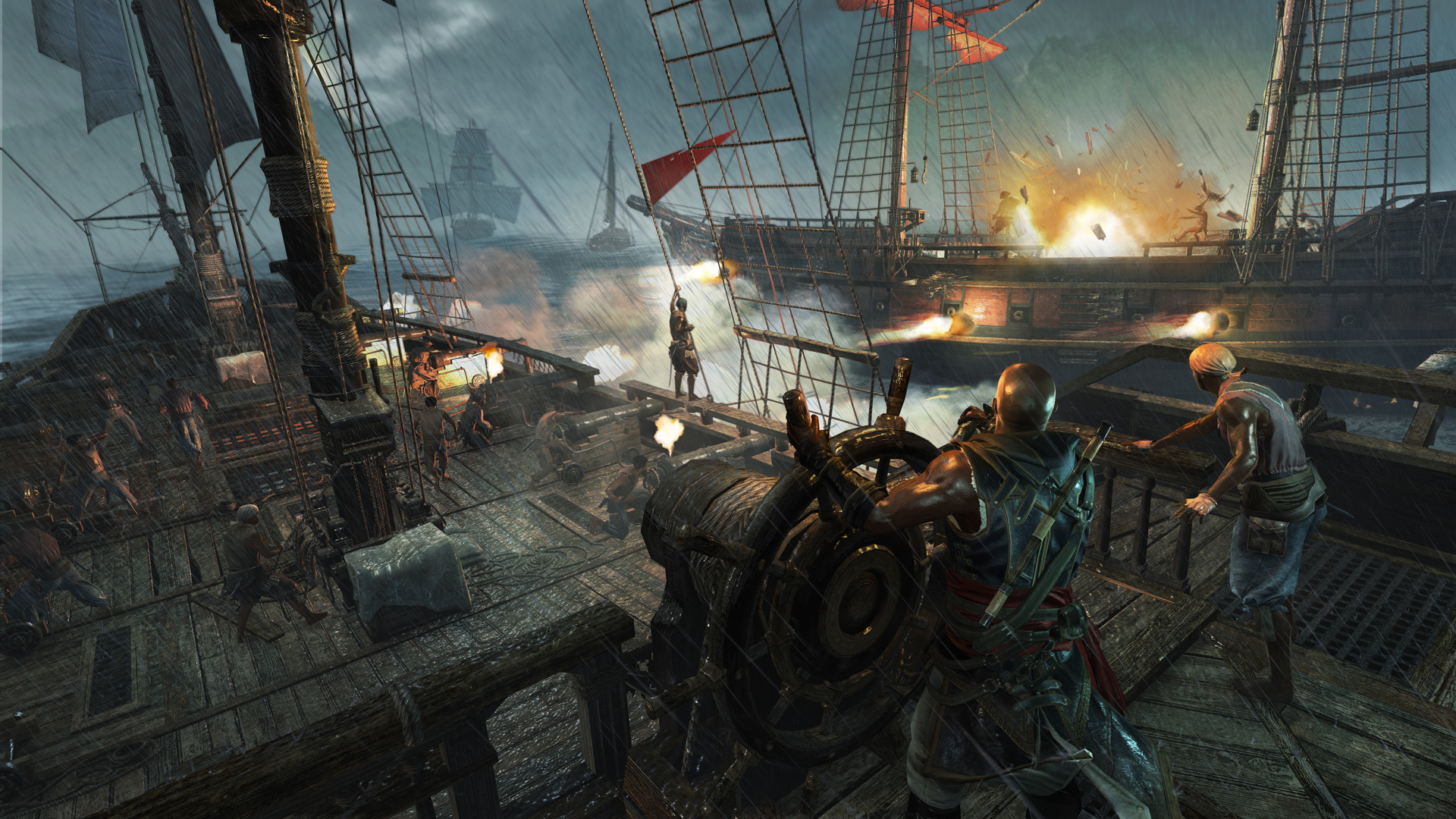
Developed by Ubisoft Quebec, this game puts you in the role of Adéwalé, a former slave who becomes an assassin. While many praised its courageous exploration of difficult themes, some historians pointed out that the gameplay often stuck to familiar patterns, which didn’t always match the seriousness of the historical setting. The game’s focus on collecting items and completing standard missions sometimes lessened the impact of the important historical story, creating a disconnect between the narrative and the gameplay.
‘Prototype 2’ (2012)
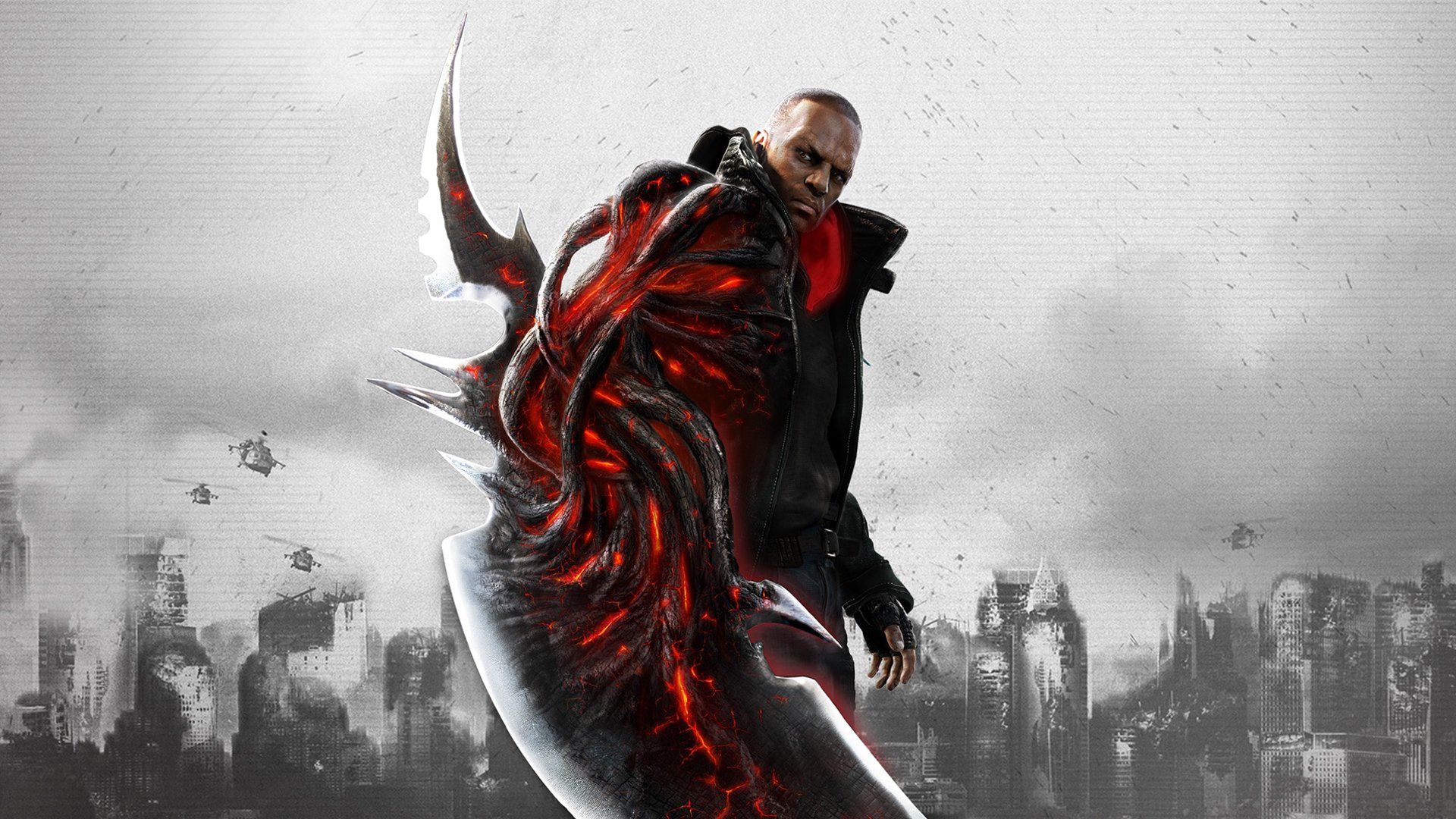
The sequel, created by Radical Entertainment and Activision, features James Heller, who pursues the hero from the first game. However, critics pointed out that Heller’s character was often defined by intense anger and harsh language, which some felt was a disappointing portrayal for a Black protagonist. The game largely overlooked his cultural background, focusing instead on his rage and supernatural abilities. Many saw this as a stereotypical depiction of an ‘angry Black man,’ lacking the depth and complexity his character deserved.
‘Resident Evil 5’ (2009)
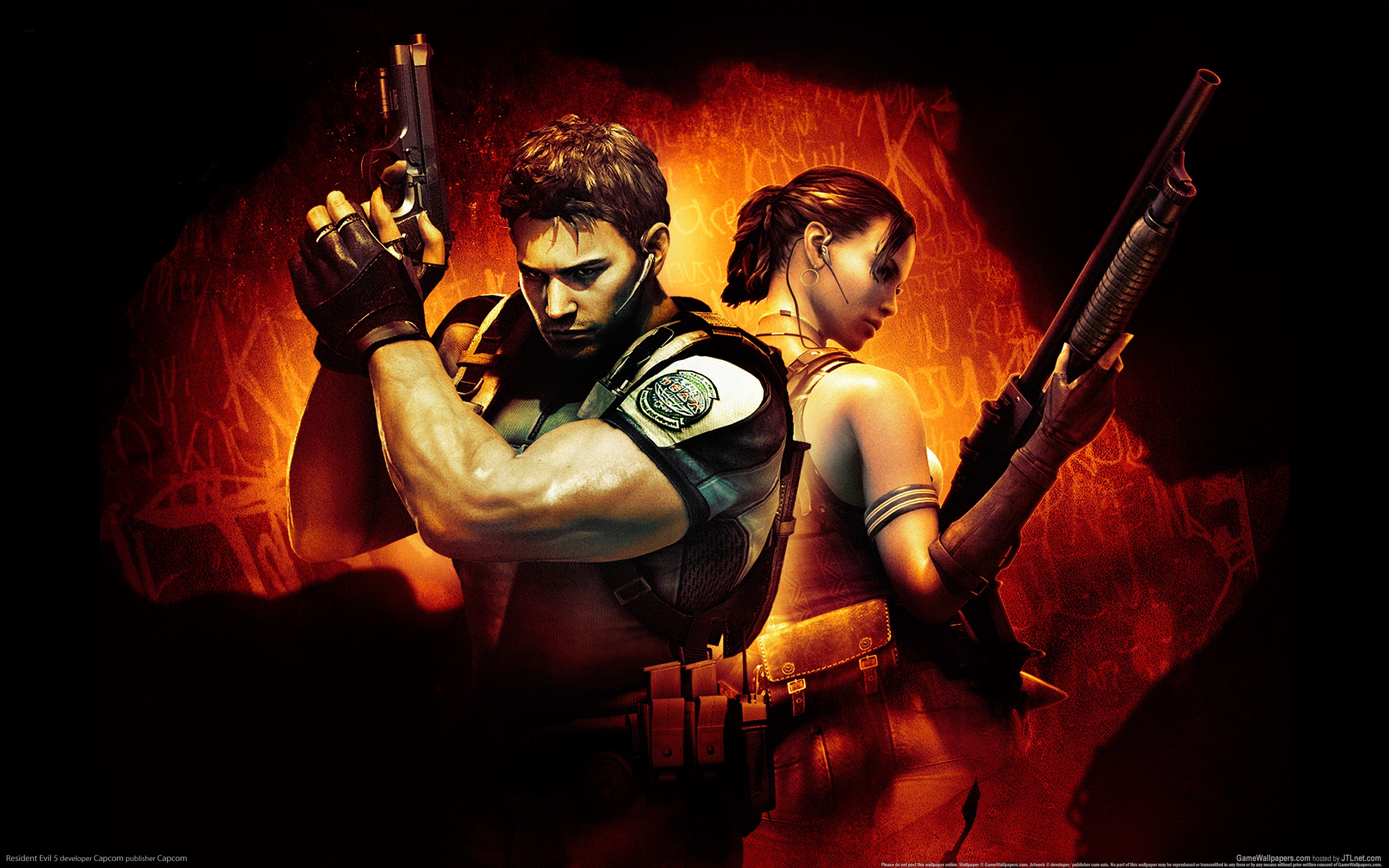
Capcom’s action game paired Chris Redfield with Sheva Alomar as a playable co-star. While the game was notable for featuring a Black lead character, many criticized how it depicted Africa and its people, arguing it relied on outdated, colonial-era stereotypes. Developers were accused of not being sensitive enough to the continent’s history and culture. Additionally, Sheva was often seen as a supporting character, and her own background and identity weren’t fully developed beyond her connection to Chris.
’50 Cent: Blood on the Sand’ (2009)
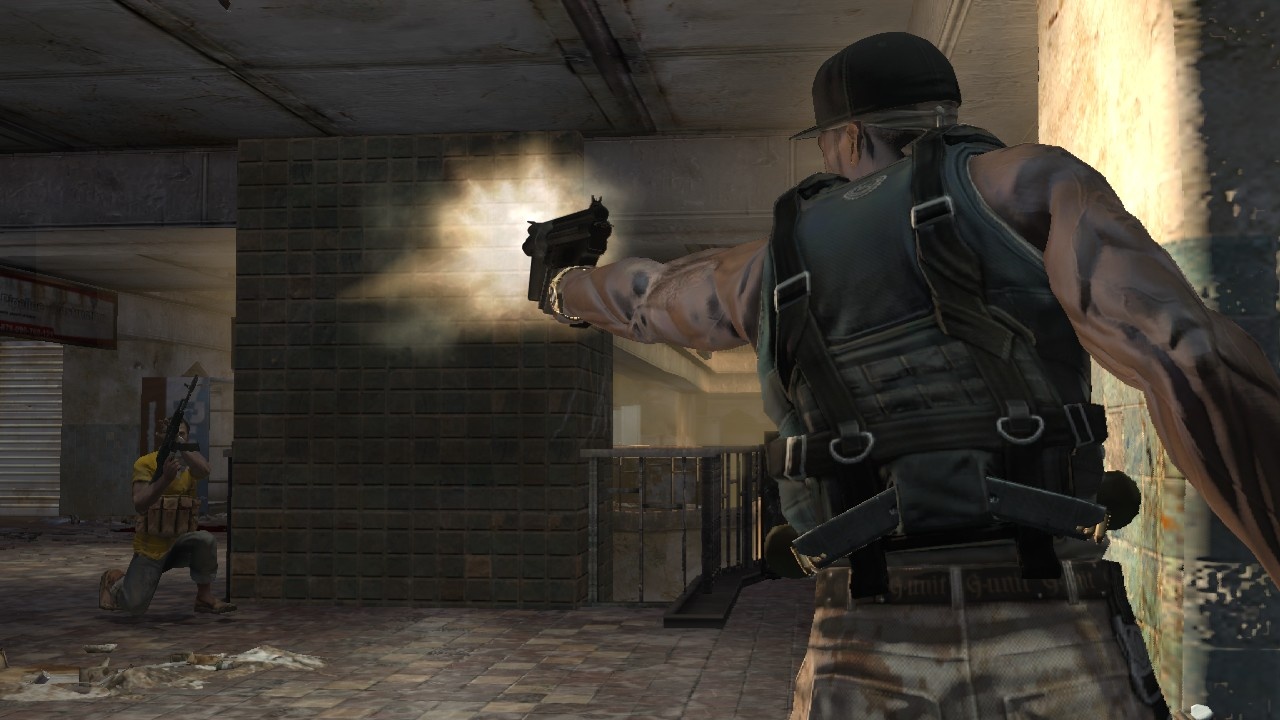
Swordfish Studios and THQ created a third-person shooter featuring the popular rapper, playing a fictionalized version of himself in a Middle Eastern setting. The game focused heavily on over-the-top action, sacrificing any realistic portrayal of the culture or social issues relevant to the main character. Its story depended on exaggerated violence and displays of wealth, offering a shallow take on the hip hop culture it was trying to capitalize on. The game is frequently used as an example of how celebrity branding can overshadow genuine character development.
‘Def Jam: Icon’ (2007)
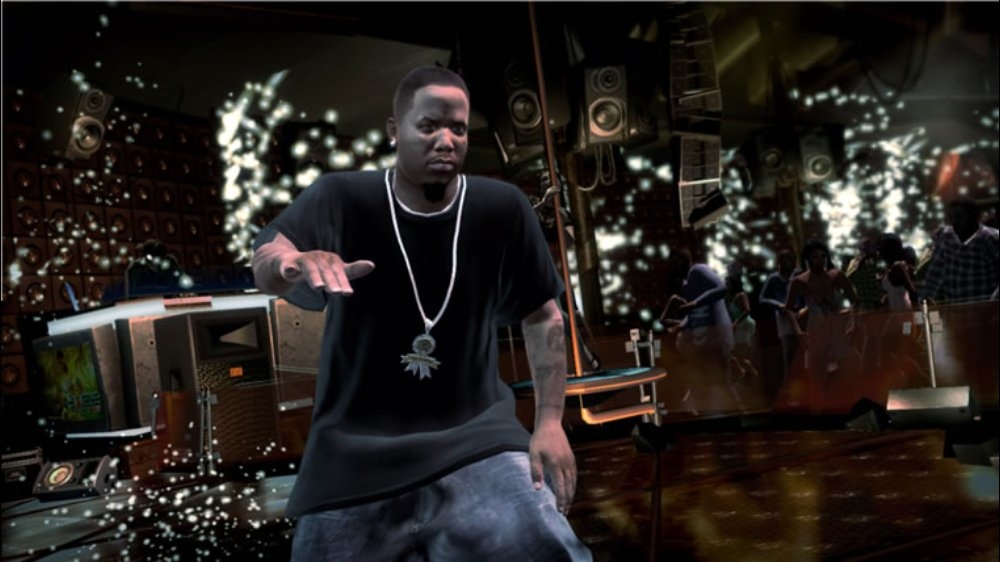
EA Chicago and Electronic Arts created a fighting game inspired by hip hop culture, but it faced criticism for prioritizing style over substance. Many felt the game oversimplified Black culture, focusing on appearances and conflicts related to making music, rather than the deeper artistic and social context of the time. Players often described the representation as shallow and overly focused on commercial aspects.
‘True Crime: New York City’ (2005)
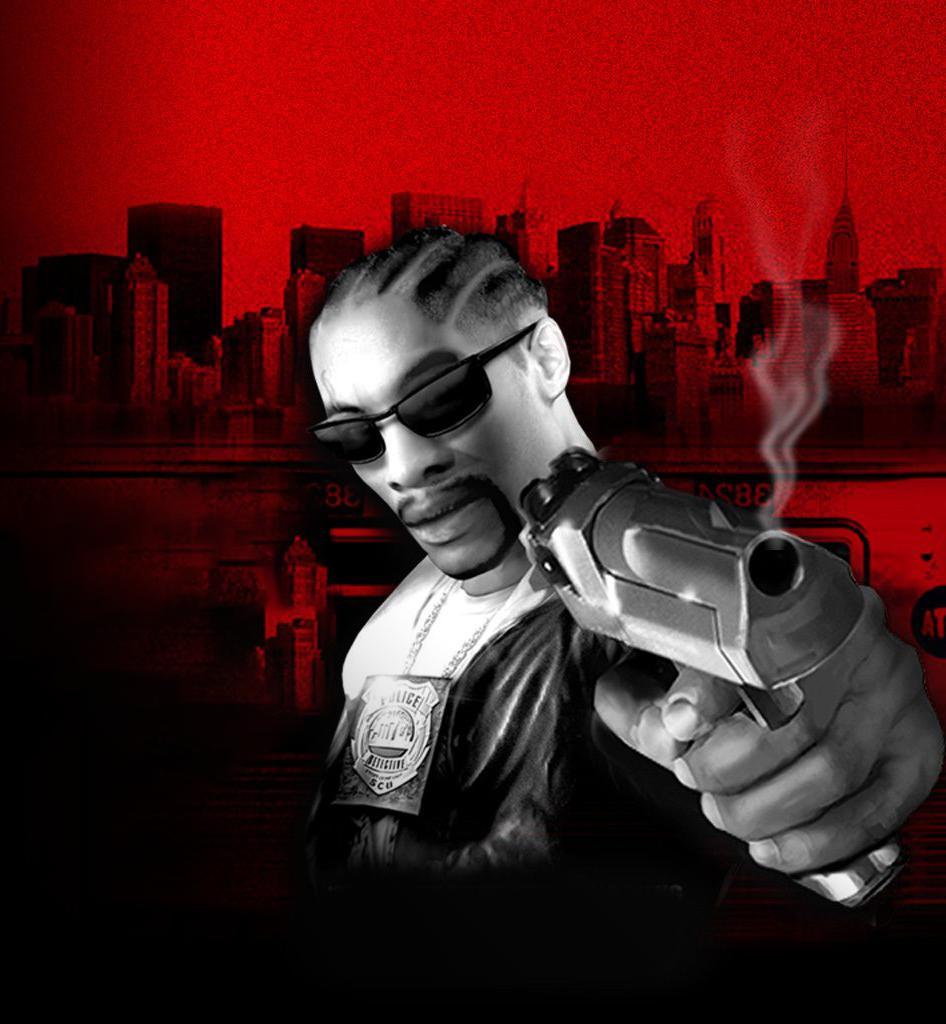
Developed by Luxoflux and Activision, this police game stars Marcus Reed, a detective who used to be a gang member. While the story borrowed familiar themes from urban movies, it didn’t fully explore Marcus’s background or offer a fresh perspective. Reviewers noted that the game’s dialogue and missions sometimes relied on harmful stereotypes about Black men in policing, ultimately preventing Marcus from becoming a well-developed and complex character.
‘Grand Theft Auto: San Andreas’ (2004)
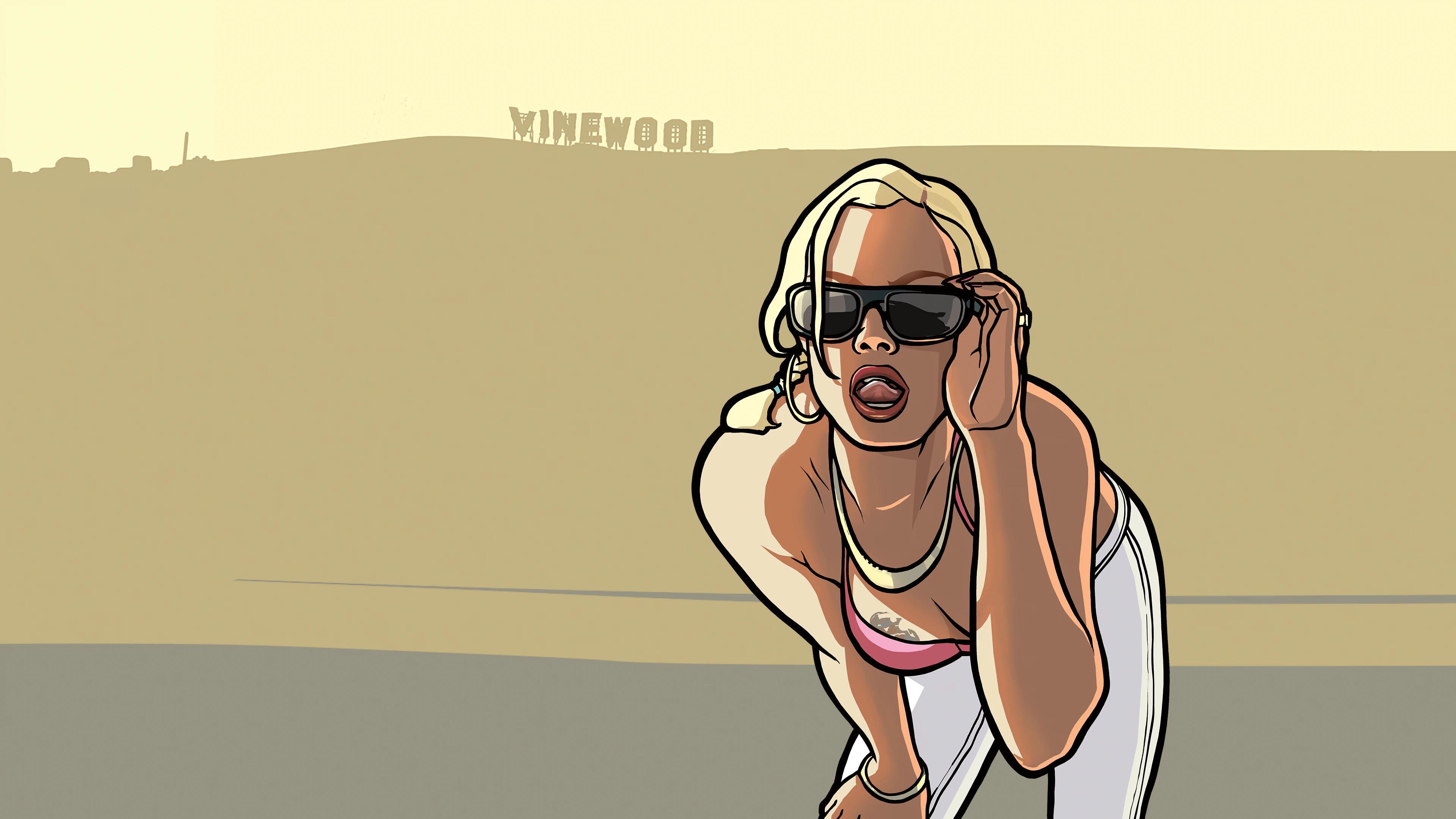
Developed by Rockstar North, this popular open-world game follows Carl Johnson as he returns to a fictional version of Los Angeles. While highly influential, the game has faced criticism for its depiction of 1990s urban life and gang culture, often relying on exaggerated characters and situations. Some argue the script prioritized shock value over realistic portrayal, and this contributed to lasting stereotypes about Black characters for a global audience. The game continues to be studied by academics interested in its impact on how Black characters are represented in media.
‘Street Fighter III’ (1997)

In this fighting game, Capcom created Sean Matsuda, a young Brazilian student inspired by Ken Masters. However, the game primarily focused on Sean’s desire to be like his Japanese teacher, largely ignoring his Brazilian background. This made him feel like a copy of other characters instead of a unique representation of his own culture. Fans have often asked for Sean to be developed further, so he can better reflect the vibrant Afro-Brazilian history he could represent.
I’m really curious to hear what everyone else thought of how the characters were depicted! And, has anyone else noticed similar issues with getting cultures right in other games? I’d love to hear about those too – let’s chat in the comments!
Read More
- Spotting the Loops in Autonomous Systems
- Seeing Through the Lies: A New Approach to Detecting Image Forgeries
- The Best Directors of 2025
- Staying Ahead of the Fakes: A New Approach to Detecting AI-Generated Images
- 20 Best TV Shows Featuring All-White Casts You Should See
- The Glitch in the Machine: Spotting AI-Generated Images Beyond the Obvious
- Gold Rate Forecast
- Umamusume: Gold Ship build guide
- 2025 Crypto Wallets: Secure, Smart, and Surprisingly Simple!
- Mel Gibson, 69, and Rosalind Ross, 35, Call It Quits After Nearly a Decade: “It’s Sad To End This Chapter in our Lives”
2026-01-11 20:16