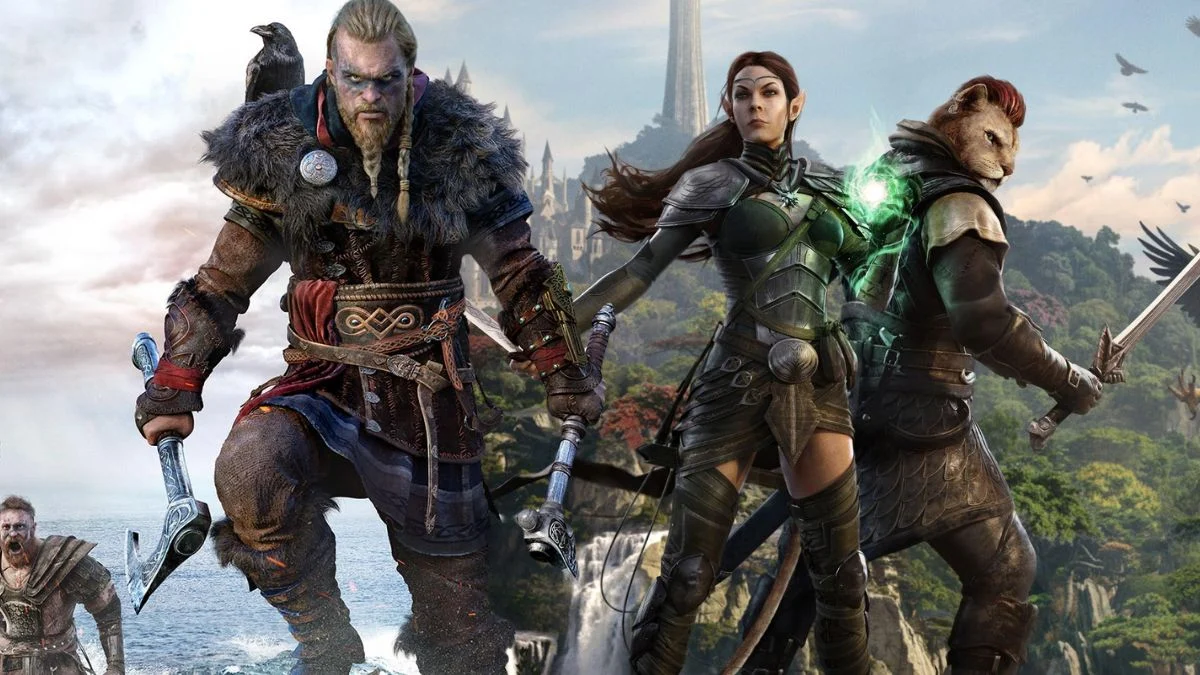
Many modern video games now include special events around certain times of the year to show support for different player groups and celebrate diversity. These events, often happening in June, usually offer players things like unique outfits or limited-time ways to play. However, people often debate whether these events genuinely support inclusivity or are just marketing strategies for game companies. The following is a look at several games where these celebrations have been criticized for feeling insincere and like they’re just required by the company.
‘League of Legends’ (2009)
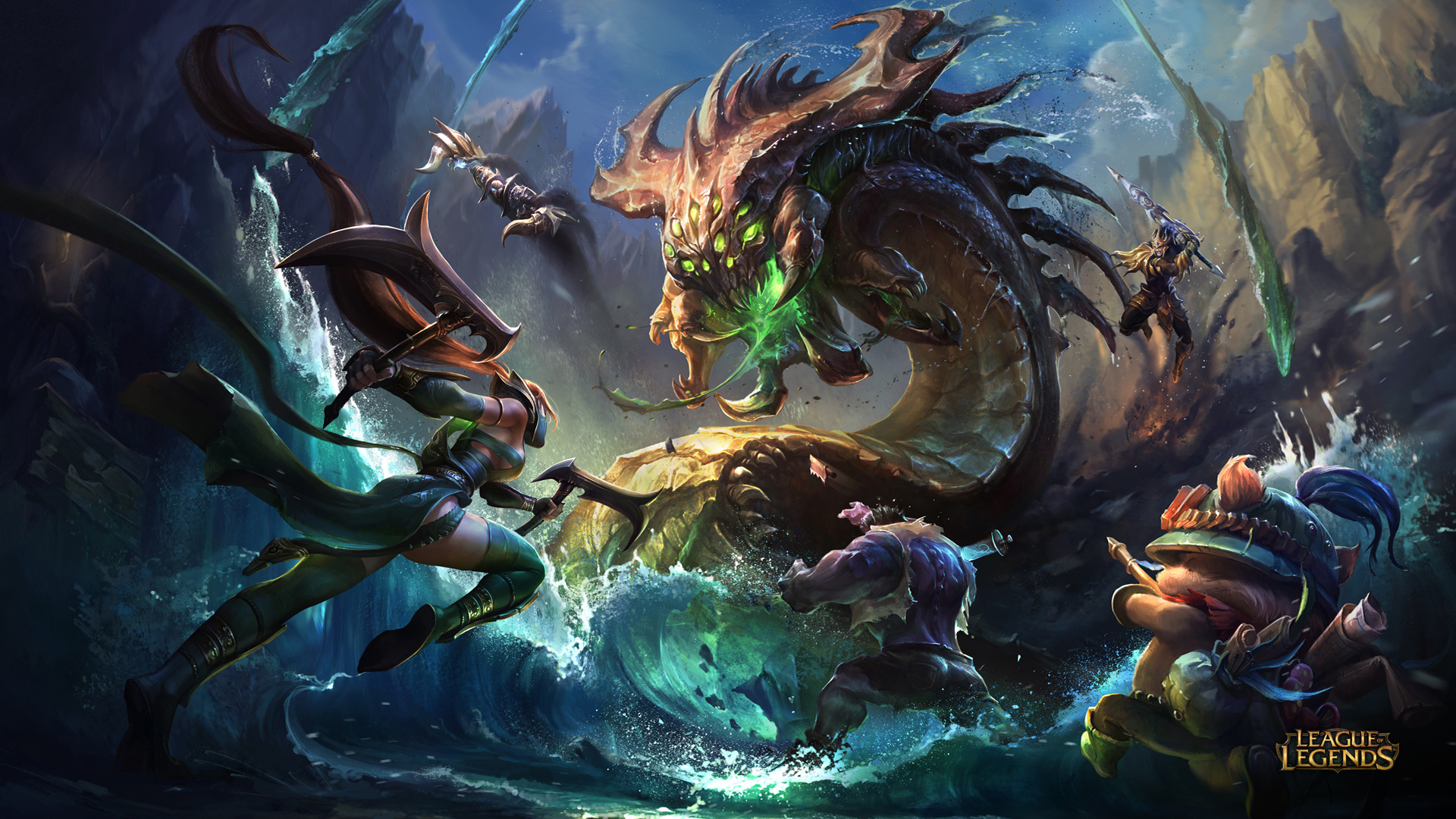
Every year, ‘League of Legends’ hosts a special event with temporary missions. Completing these missions earns players unique icons and emotes, which create rainbow trails behind their characters when they leave the starting area. While the event is visually noticeable, it mainly offers cosmetic changes and doesn’t significantly alter the game’s story or champions. The developers also release related merchandise during this time to boost marketing. Some players have expressed concern that the event’s impact doesn’t extend beyond the month it takes place.
‘Overwatch 2’ (2022)
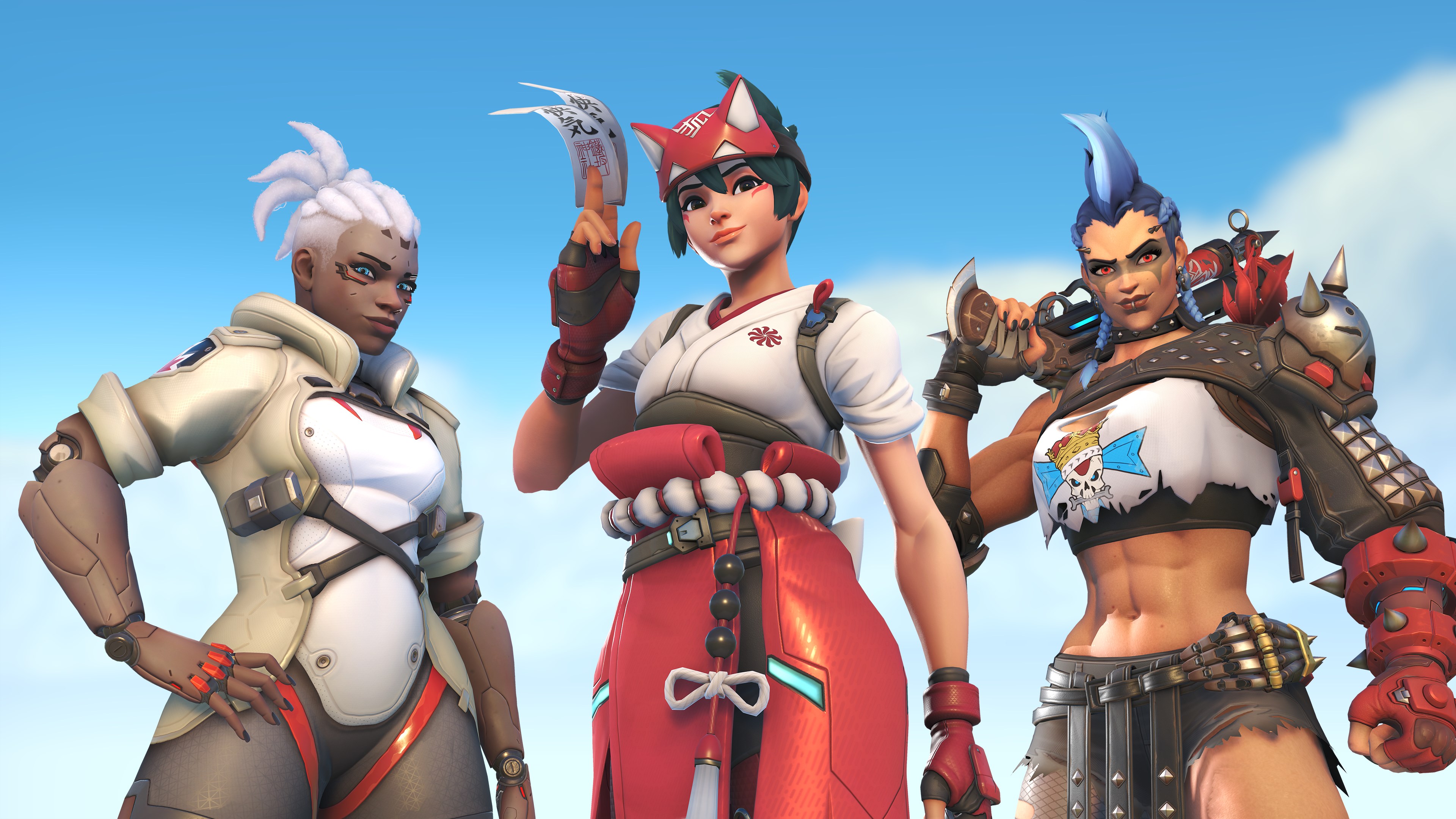
‘Overwatch 2’ held an event featuring short stories and visual items to showcase the backgrounds of its characters. Players could earn profile decorations like icons and nameplates with LGBTQ+ flags. The game also temporarily decorated its Midtown map with colorful additions. However, reviewers pointed out that these changes were mainly cosmetic and didn’t alter the game’s main story or how it’s played. Some players felt the event was strategically timed to demonstrate the company’s commitment to social responsibility.
‘Call of Duty: Modern Warfare II’ (2022)
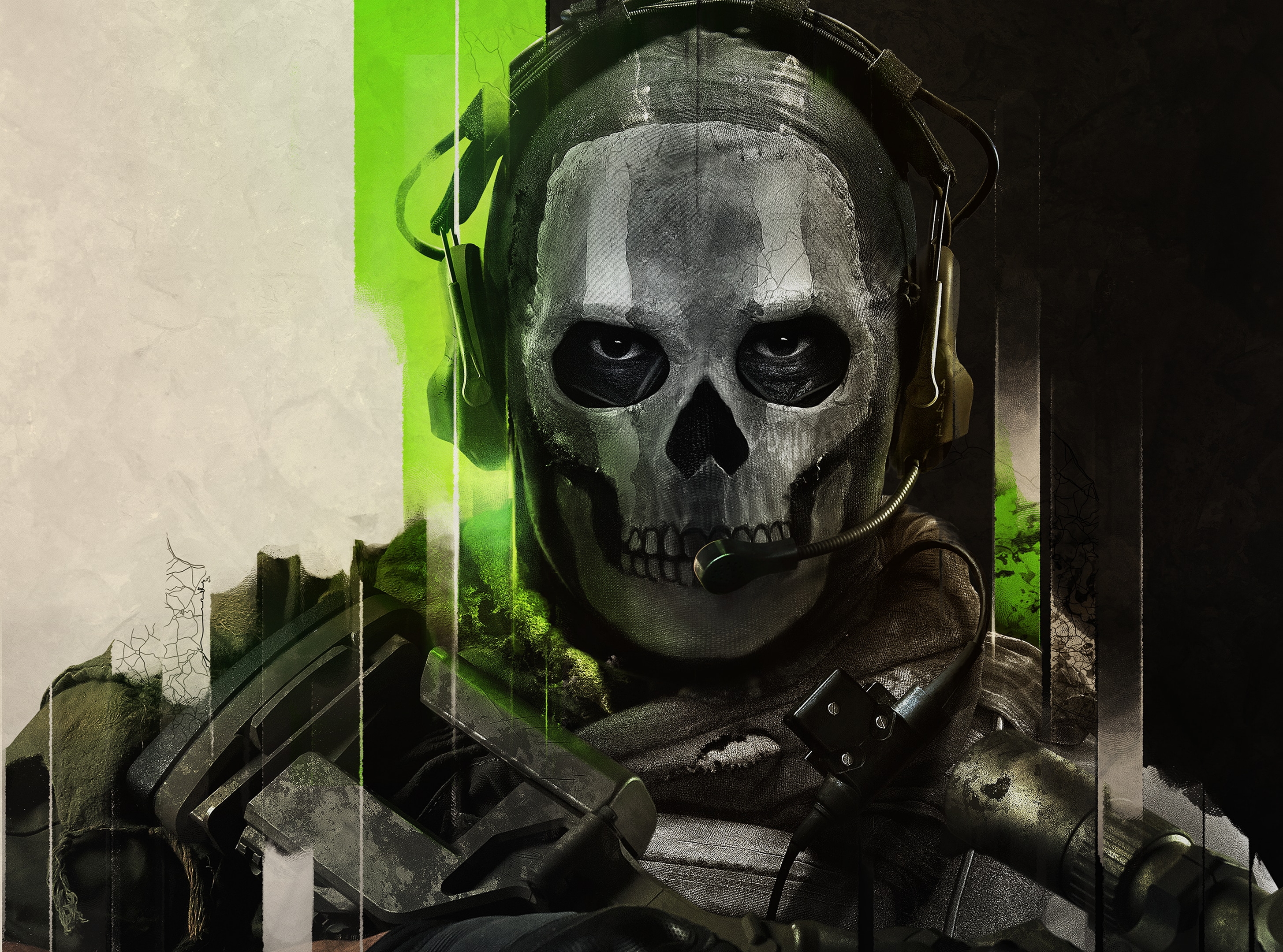
With a recent update, ‘Call of Duty: Modern Warfare II’ offered players free weapon charms and calling cards to celebrate a special occasion. These items were available as free bundles in the game’s store. While the game doesn’t usually include these kinds of themes in its story or characters, fans noticed the items disappeared from the featured store section after the month ended. This rollout followed the typical pattern used for similar small events throughout the year.
‘Apex Legends’ (2019)
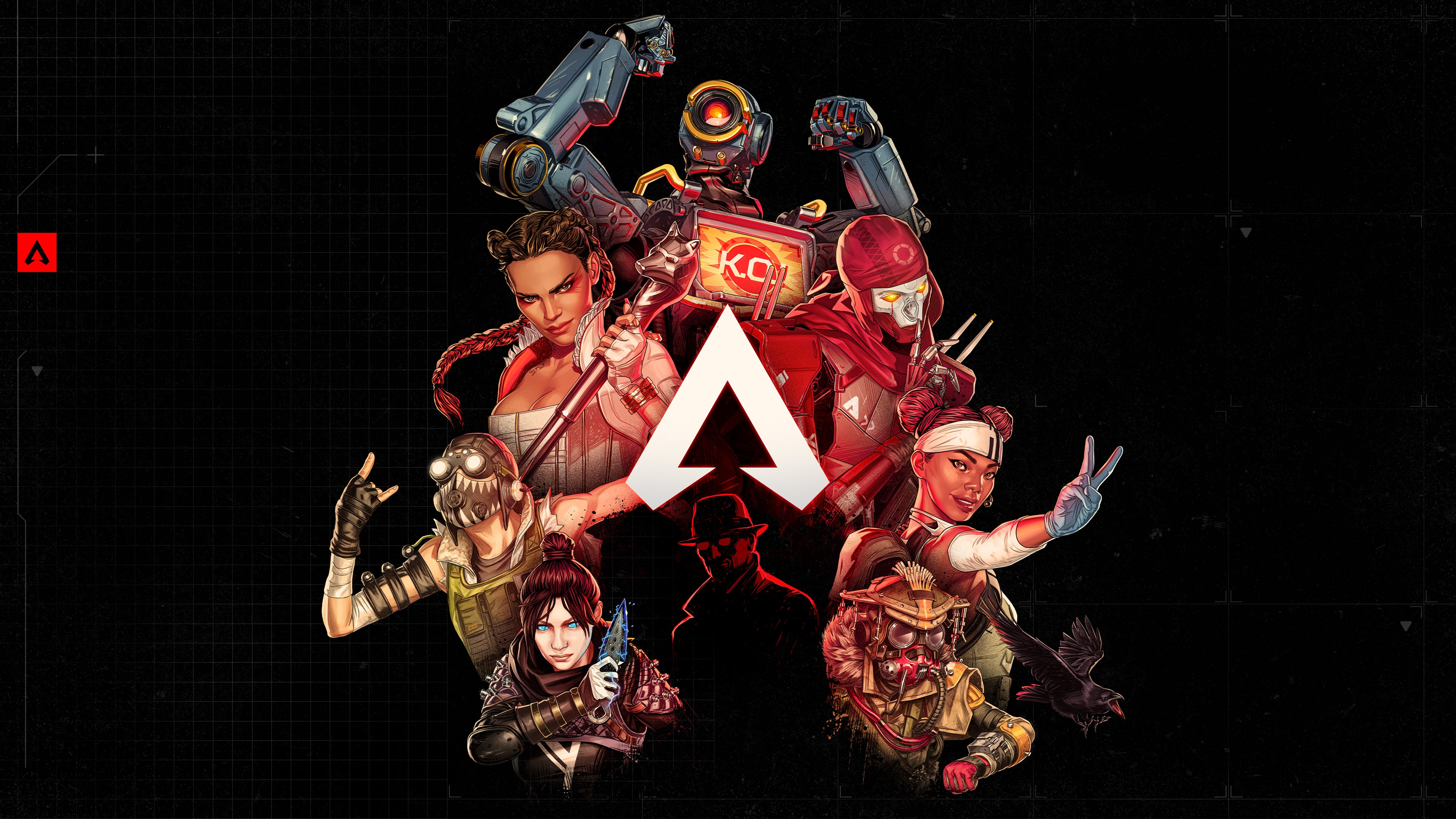
With each new season, ‘Apex Legends’ typically offers players special badges and loading screens to celebrate. While the game boasts a rich cast of characters with detailed histories, the seasonal events themselves often feel limited to rewards you unlock from menus. Players can show off these badges on their profiles during matches. Though the game’s storytelling is more expansive than some others, the event gameplay tends to be similar year after year, leading players to wonder if the developers are leaning too heavily on existing story elements instead of creating fresh, exciting content.
‘The Sims 4’ (2014)
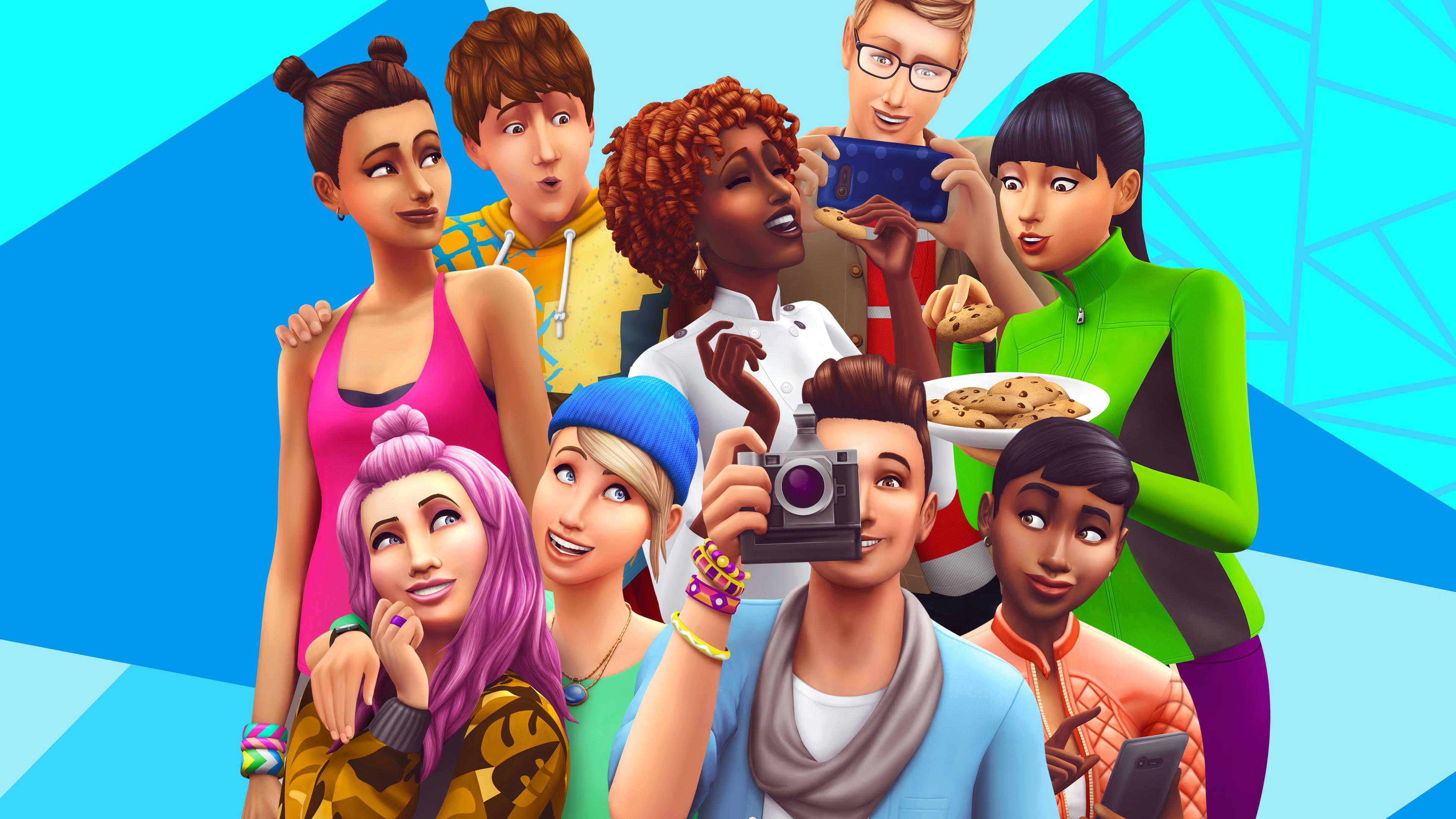
Over the years, ‘The Sims 4’ has received free updates adding features like gender-neutral clothing and furniture celebrating Pride. The game’s creators often highlight these inclusive additions on social media, especially during Pride month. While the game is already highly customizable, some players feel these Pride-themed items are small additions compared to the larger, paid expansion packs. These updates frequently launch alongside sales or collaborations with other brands. Some dedicated players believe features promoting inclusivity should have been included in the original game, rather than released as limited-time content.
‘Destiny 2’ (2017)
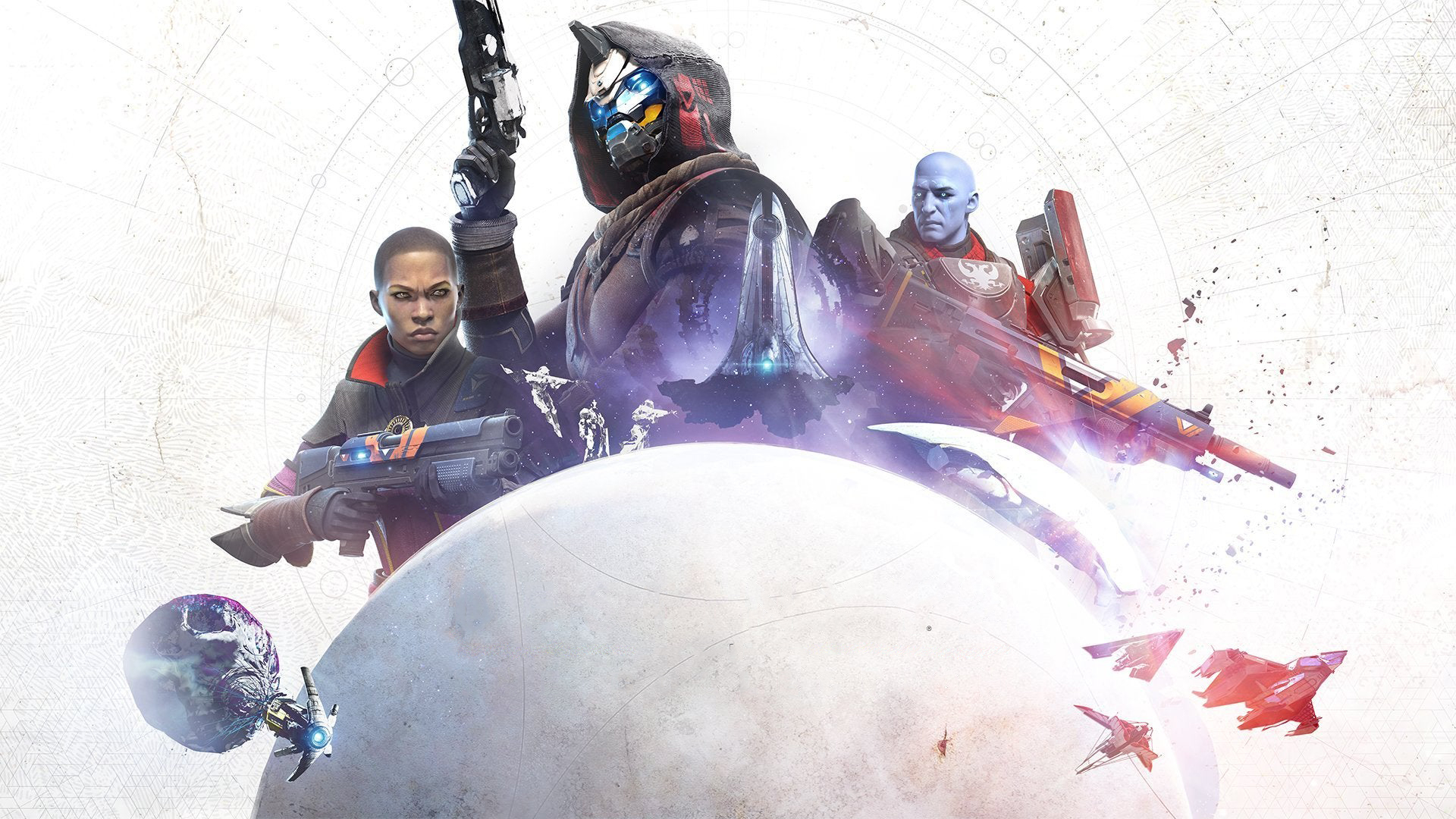
Destiny 2 offers a special emblem each year – a cosmetic item players get with a unique digital code. This emblem lets players personalize how their game looks with colorful designs as they play. Often, getting the emblem is tied to donating to charity, which players appreciate. However, the emblem doesn’t change the actual gameplay experience. Some players feel that offering just one emblem isn’t enough to truly engage its diverse community.
‘Valorant’ (2020)
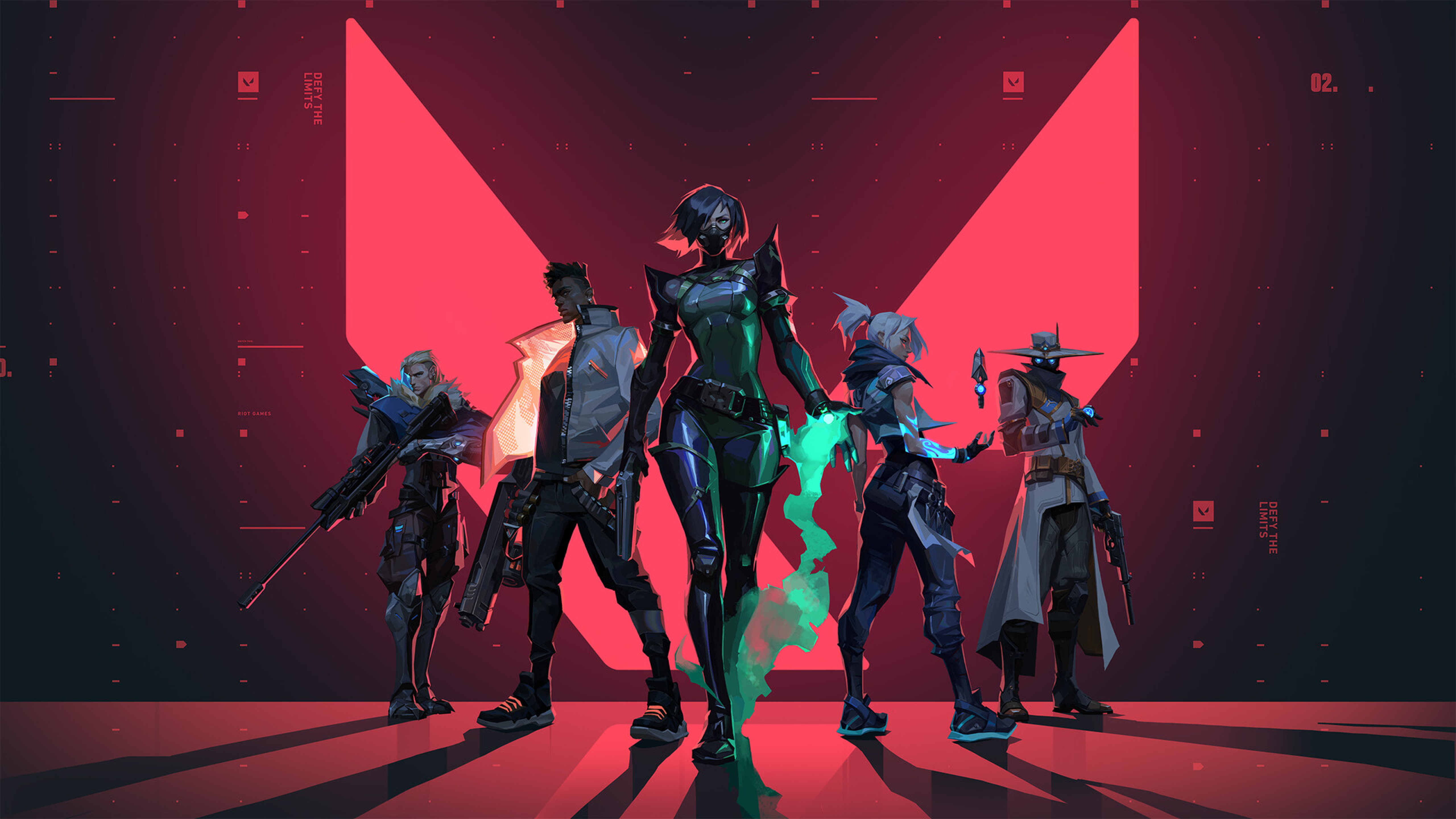
Valorant has released a new set of colorful player cards and gun charms. These items are free for a limited time as part of a special bundle in the game’s shop. However, beyond these small cosmetic additions, there are no new game modes or map changes to mark the occasion. Many players think the items are hard to find in the menus and don’t really create a celebratory atmosphere during gameplay. This approach is often seen as a typical example of a company simply giving away cosmetic items.
‘Dead by Daylight’ (2016)
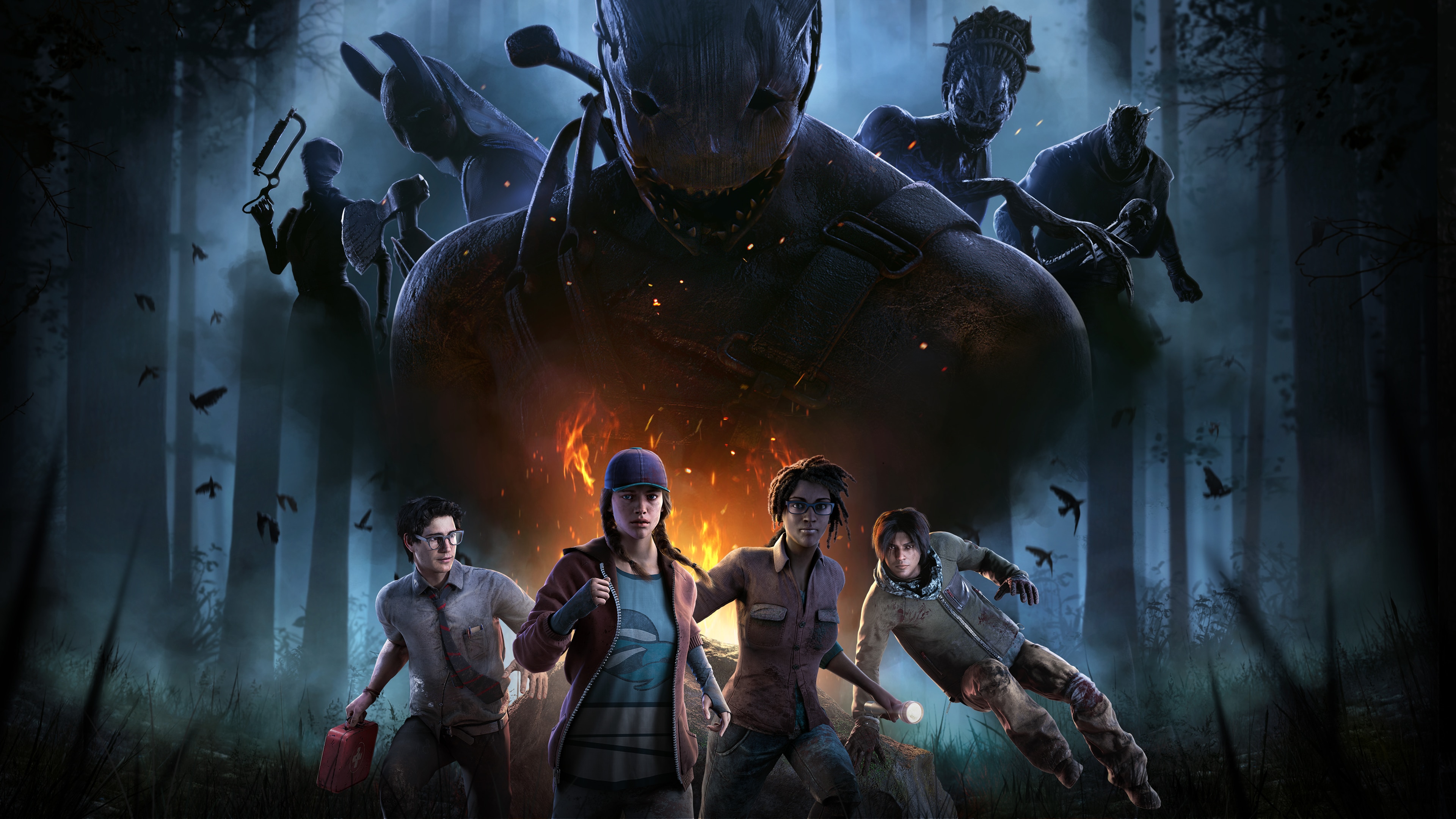
Dead by Daylight features charms – collectible items players can attach to characters or hooks during matches. The game’s developers also regularly showcase community creators through livestreams and spotlights. Although the game boasts a diverse cast of characters, its annual event tends to focus on just one repeating cosmetic item. Some players have asked for more substantial changes during the event, like themed music or decorations. Some feel the current approach is a reliable, but somewhat predictable, way of recognizing the player base.
‘Fortnite’ (2017)
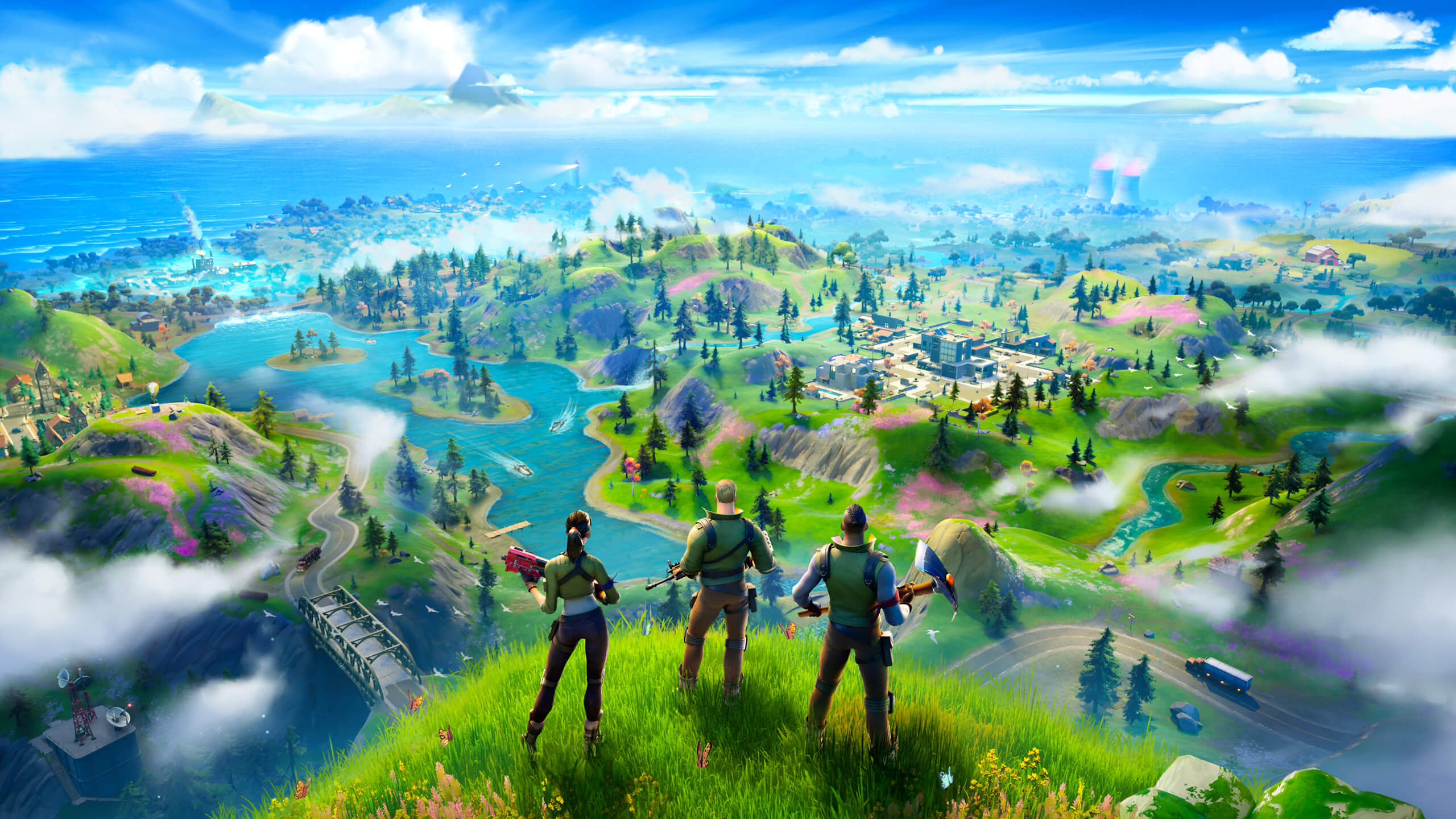
Fortnite is hosting its Rainbow Royale event, adding colorful items and music to the game. Players can earn free rewards like sprays and loading screens by completing challenges. A special radio station will also play music from artists popular with the Fortnite community. While the event is well-made, some see it as just one of many temporary promotions Fortnite uses to keep players interested. Critics also note that because the changes are temporary, the celebration doesn’t feel very lasting.
‘Rocket League’ (2015)
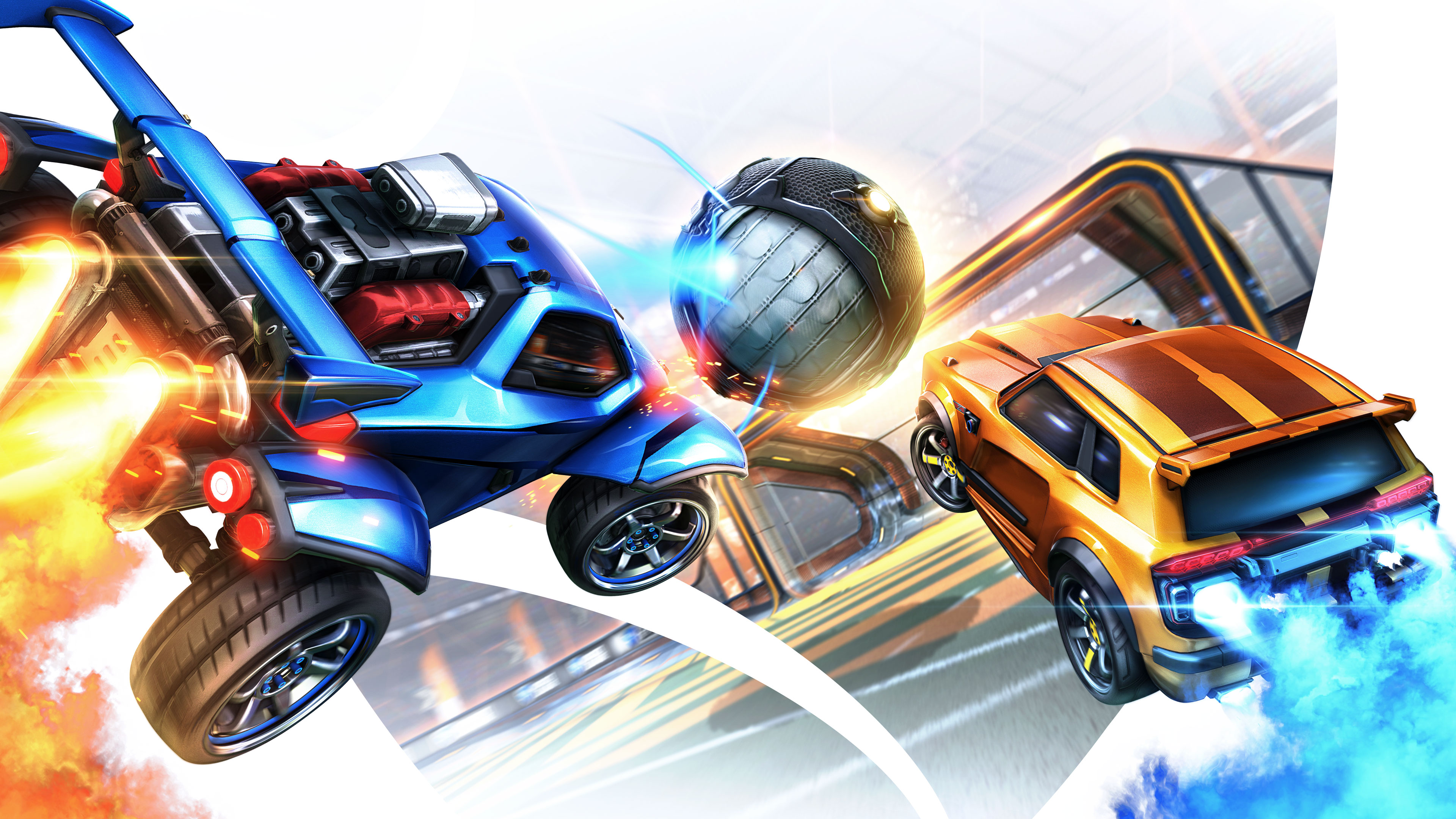
Rocket League offers car customizations like toppers and trails that add colorful visual effects during gameplay. These items are available as a free bundle advertised in the game. Importantly, these additions don’t change how the game is played – they’re purely cosmetic. While many players collect them annually, some feel the rewards don’t really reflect the spirit of the events they’re tied to, and their basic designs suggest a uniform approach to holiday-themed content.
‘Rainbow Six Siege’ (2015)
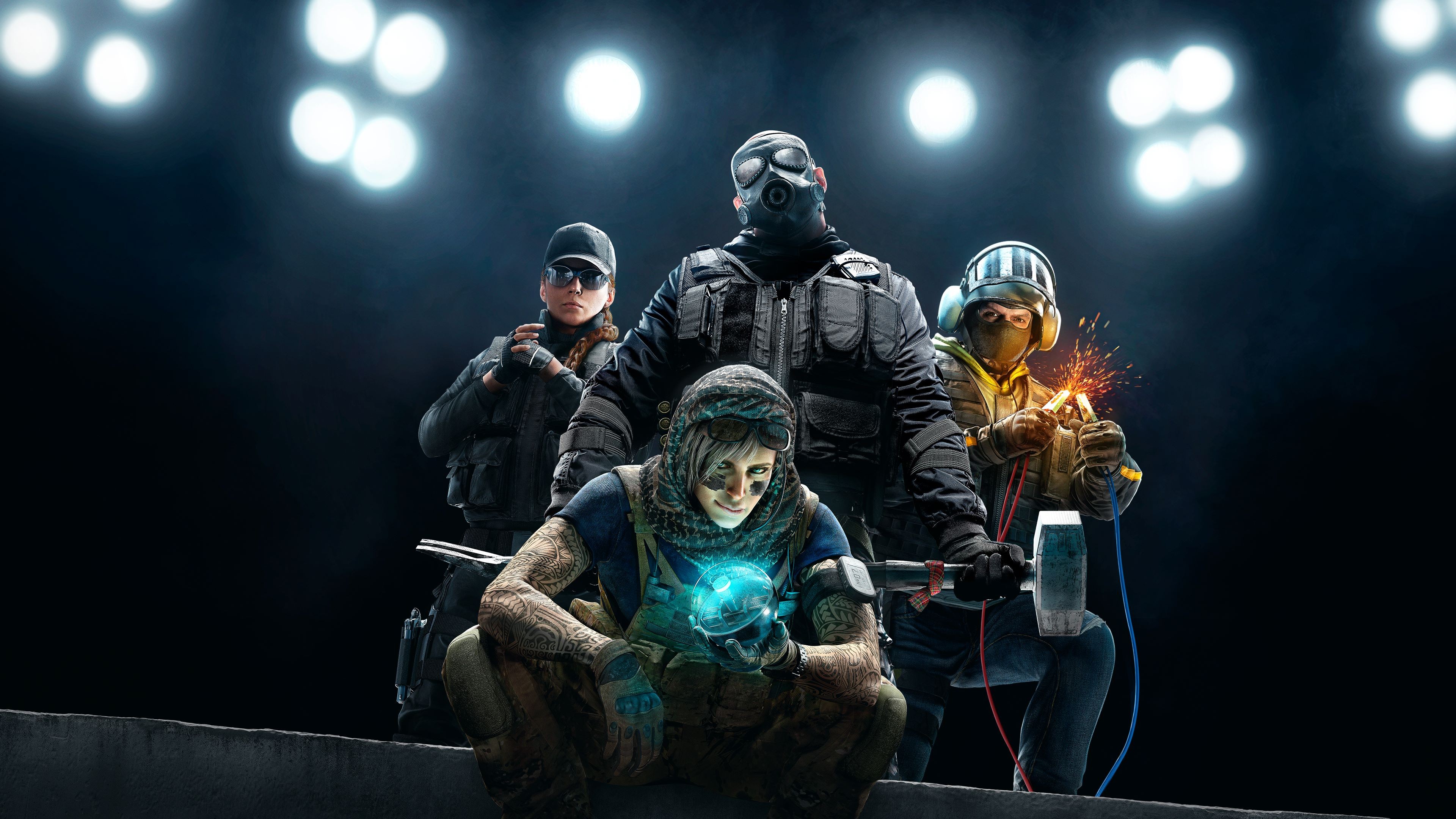
To celebrate June, ‘Rainbow Six Siege’ has introduced new operator backgrounds and weapon skins, letting players customize their characters with bright, colorful designs during gameplay. The developers occasionally collaborate with community artists on these designs. However, these special items can be hard to find within the game store’s large selection of cosmetic options, making it seem like just another standard seasonal update.
‘Sea of Thieves’ (2018)
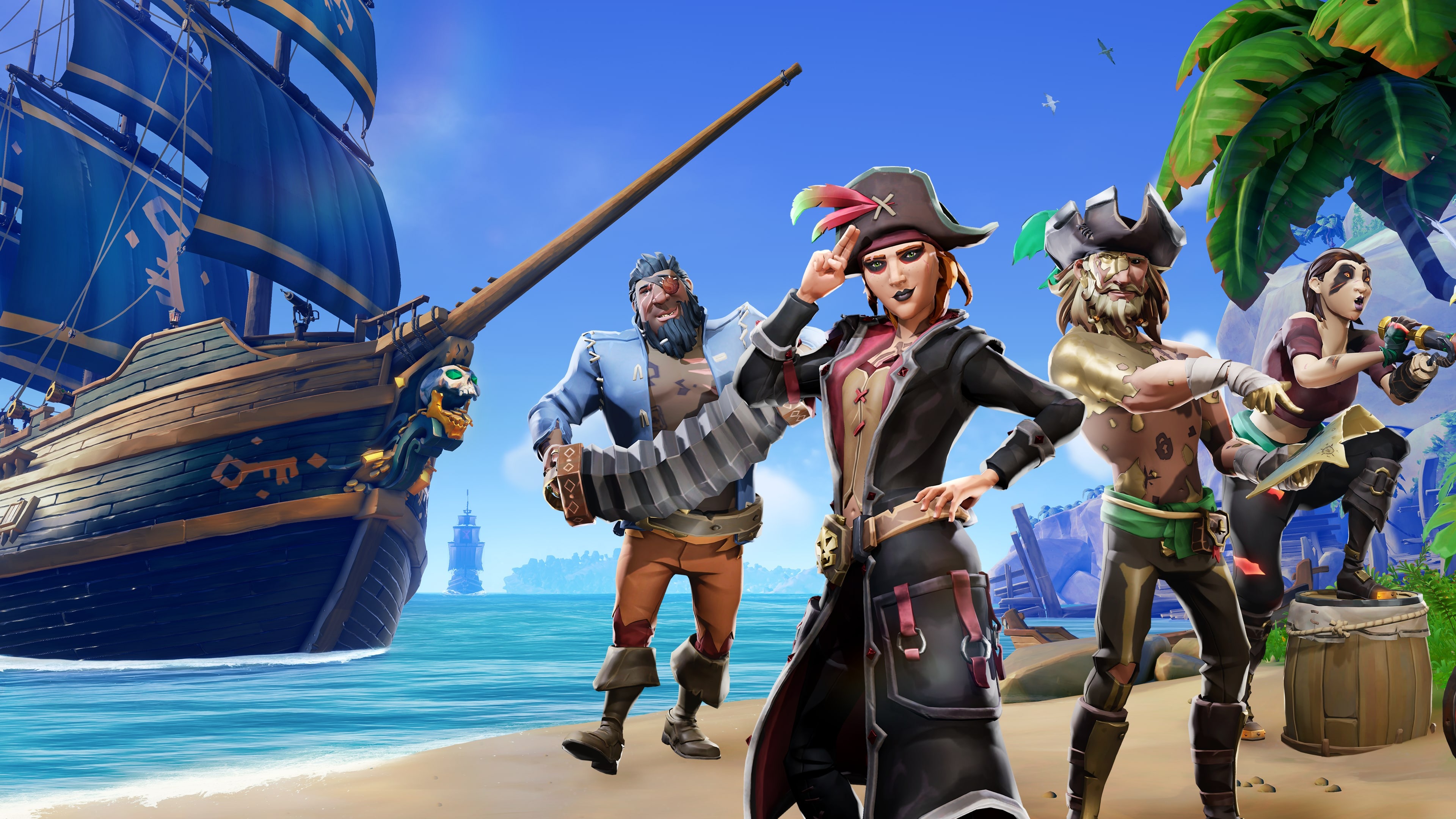
Sea of Thieves lets players show their support with special flags and sails for their pirate ships. These are typically inexpensive to buy with in-game currency or given away as daily rewards. However, the game world and quests themselves don’t change to match any specific event theme. Players appreciate the flags as a cosmetic addition, but they’re a small part of the ship customization options. Because the updates are limited in scope, they sometimes feel like a small task completed by the game developers.
‘World of Warcraft’ (2004)
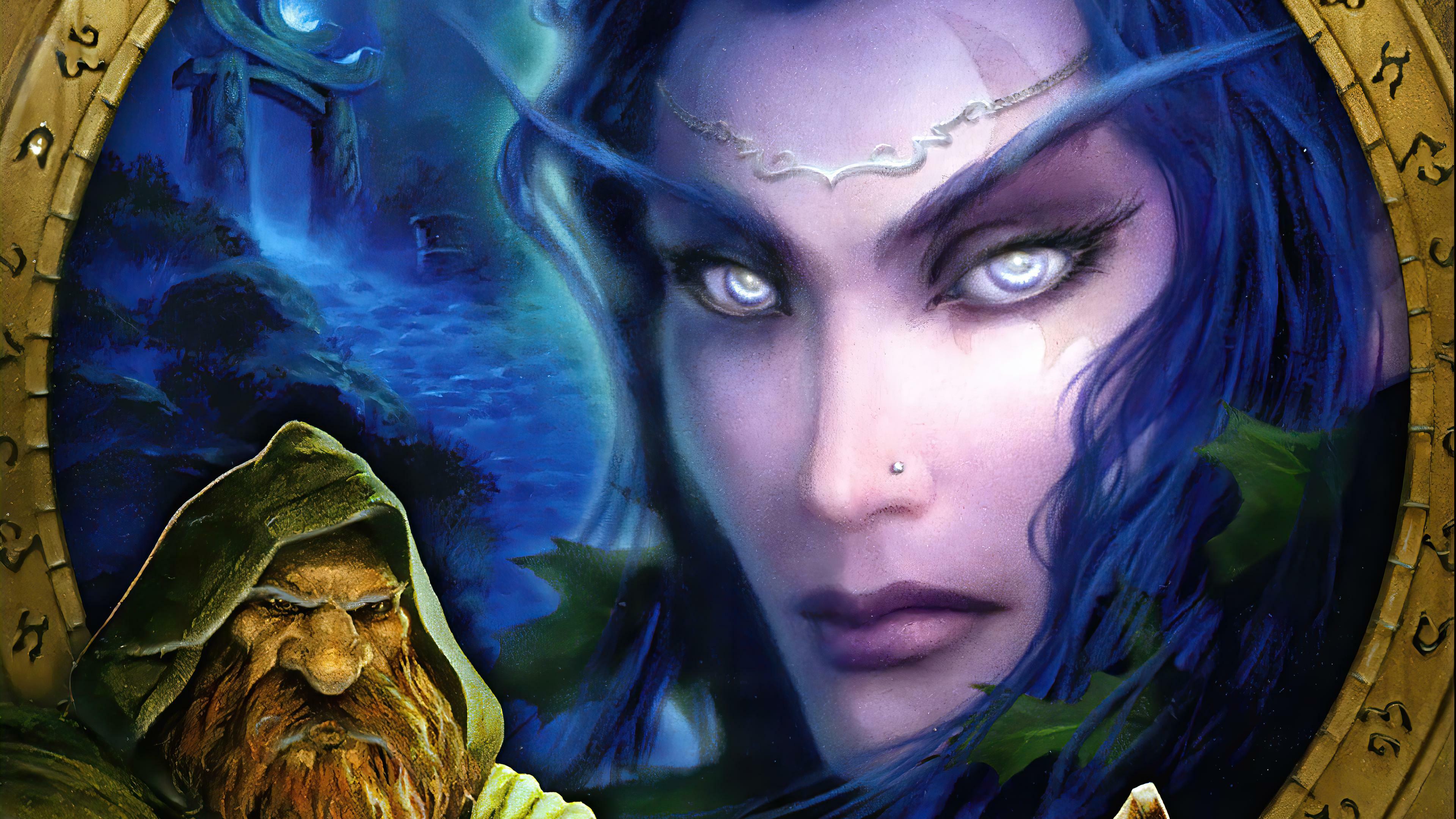
Recently, ‘World of Warcraft’ added a new holiday called the Spark of Pride. It includes simple activities in the game’s main cities where players can click on decorations to get temporary glowing effects on their characters. Many players have been asking for more in-game celebrations like this for years. However, some feel this first attempt is too understated and doesn’t have the same impact as longer-running events like Winter Veil. Currently, the holiday feels like a simple nod to the community without a strong connection to the game’s overall story.
‘Halo Infinite’ (2021)
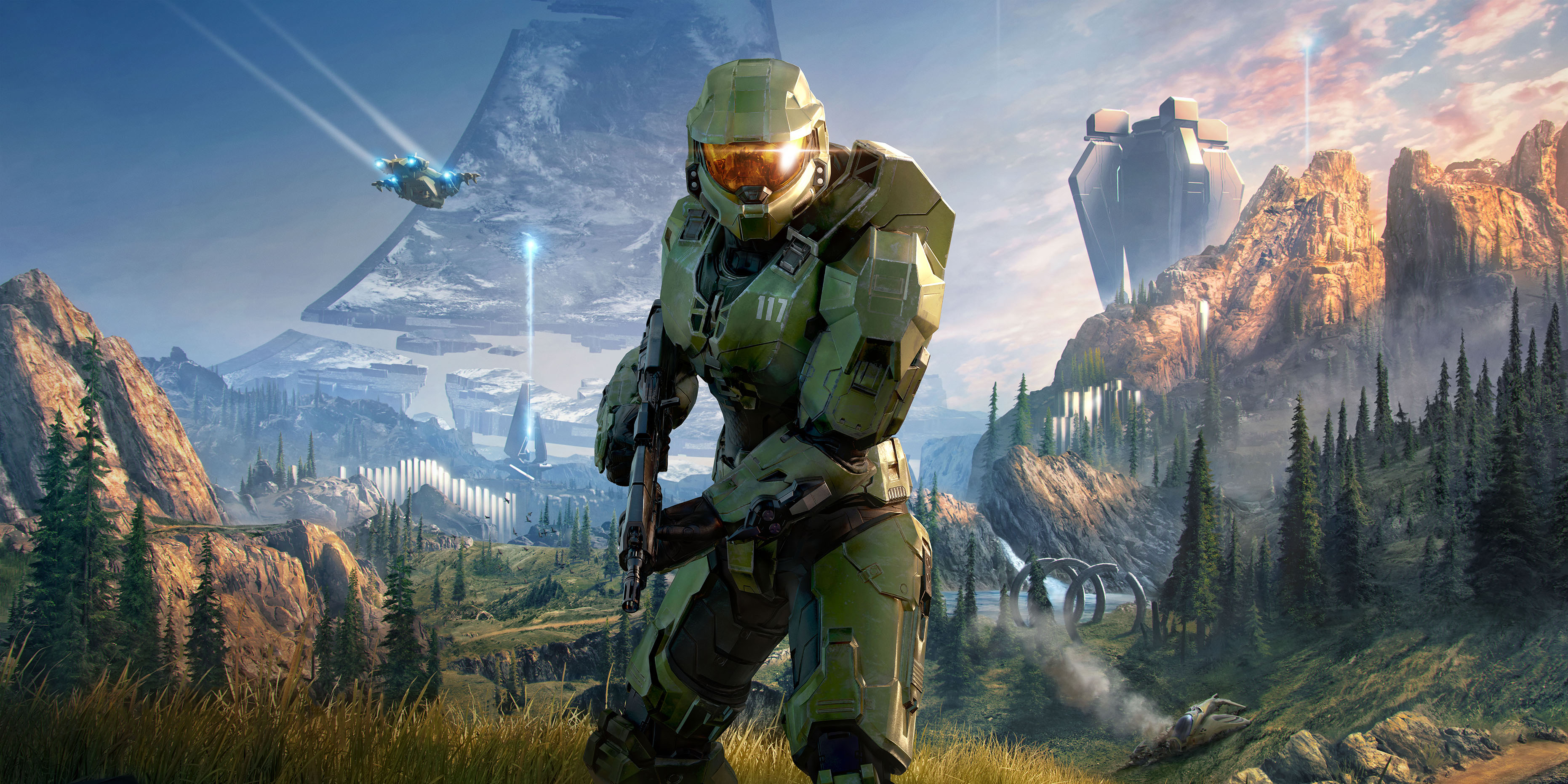
Each June, ‘Halo Infinite’ usually gives players a unique armor color and nameplate. These are just visual customizations and don’t add anything to the game’s story or challenges. While the game’s futuristic world could inspire interesting content, these rewards often feel like simple cosmetic changes. Many fans see them as the least that could be done to keep up with what other games are offering. The fact that there aren’t any special game modes tied to these rewards makes it feel like a requirement from the company rather than a creative choice.
‘Fall Guys’ (2020)
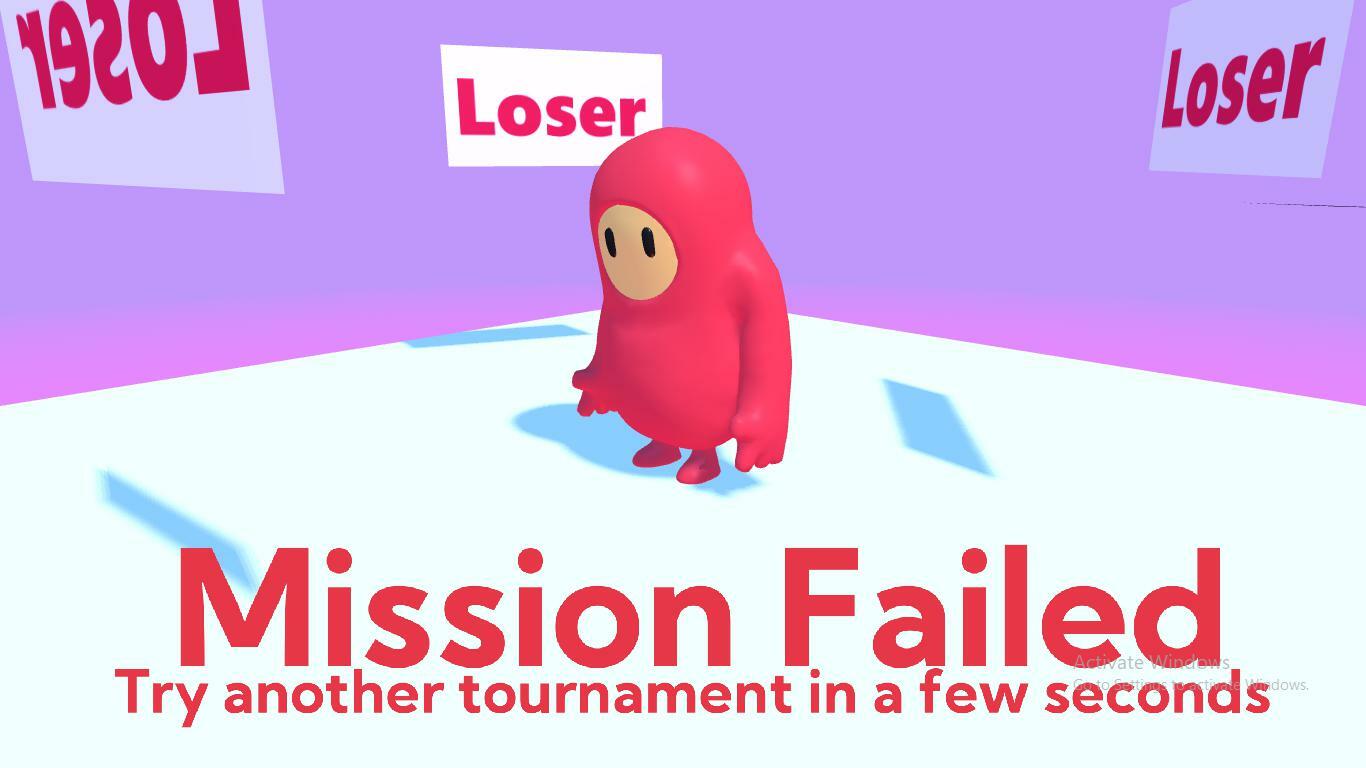
Fall Guys, the popular and fast-paced platformer, lets players customize their bean-shaped characters with colorful patterns and nameplates. These are frequently offered as free, limited-time rewards in the game’s store. However, with so many brand crossovers and costumes constantly being added, these designs can easily get lost in the mix. While the game does offer some celebratory items, the lack of dedicated pride-themed levels or challenges suggests the celebration feels somewhat superficial. Players tend to use these items for a short time before returning to their favorite, more recognizable licensed costumes.
‘The Elder Scrolls Online’ (2014)
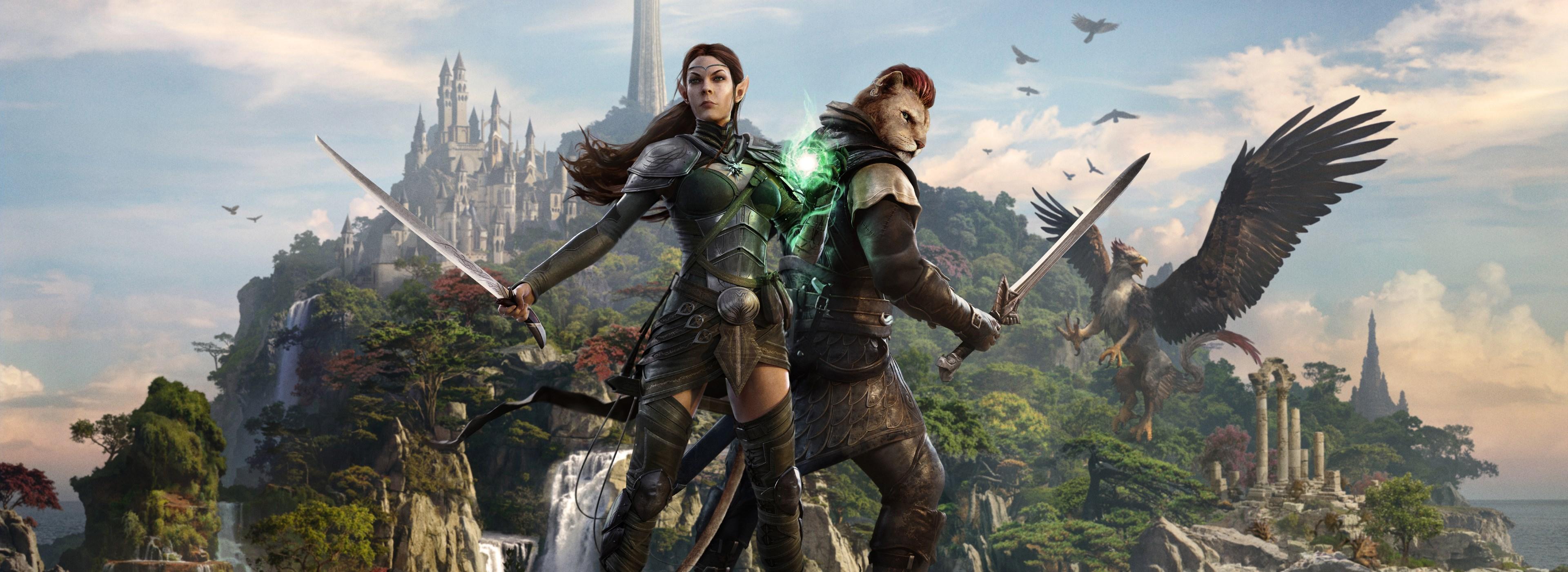
Each year, ‘The Elder Scrolls Online’ celebrates with a focus on player-created content and offers small, purely cosmetic rewards like pets and character markings. These rewards are often unlocked by completing in-game tasks or simply logging in daily. While the game’s world of Tamriel remains largely unchanged during the celebration – cities and characters behave as usual – the event feels more like a typical promotional period than a deep, immersive experience. This is consistent with how the game handles similar events throughout the year.
‘Final Fantasy XIV’ (2010)
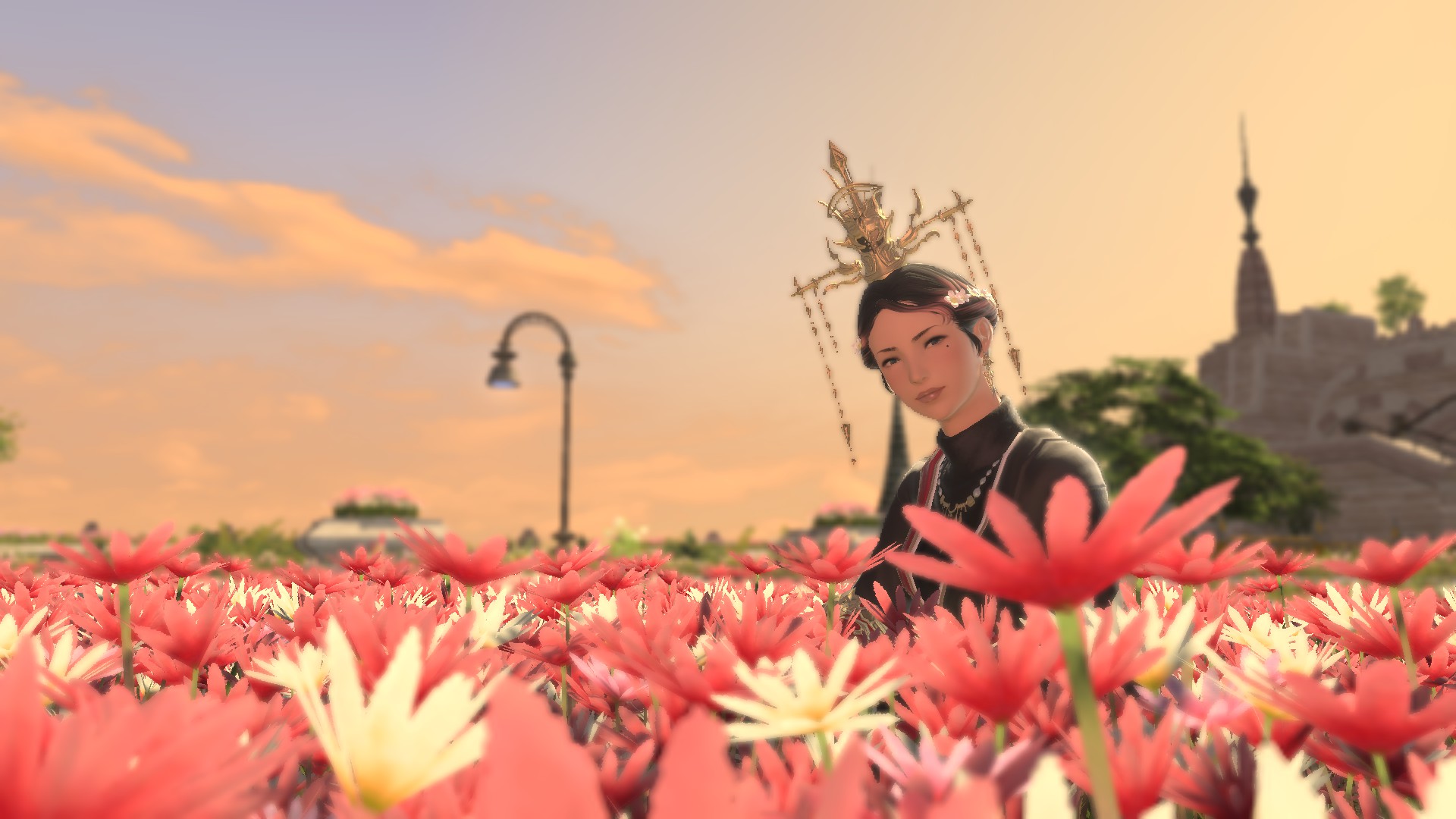
While ‘Final Fantasy XIV’ doesn’t host an official in-game Pride event created by its developers, the team often recognizes player-organized celebrations online. Players have been asking for a formal event for years, similar to the game’s elaborate seasonal festivals. Some believe the developers rely on players to create their own events to avoid the costs of developing new content. This approach is seen by some as taking advantage of the community’s positive image without investing resources. Many feel this lack of official support is a missed chance for a game that emphasizes social connection.
‘Genshin Impact’ (2020)
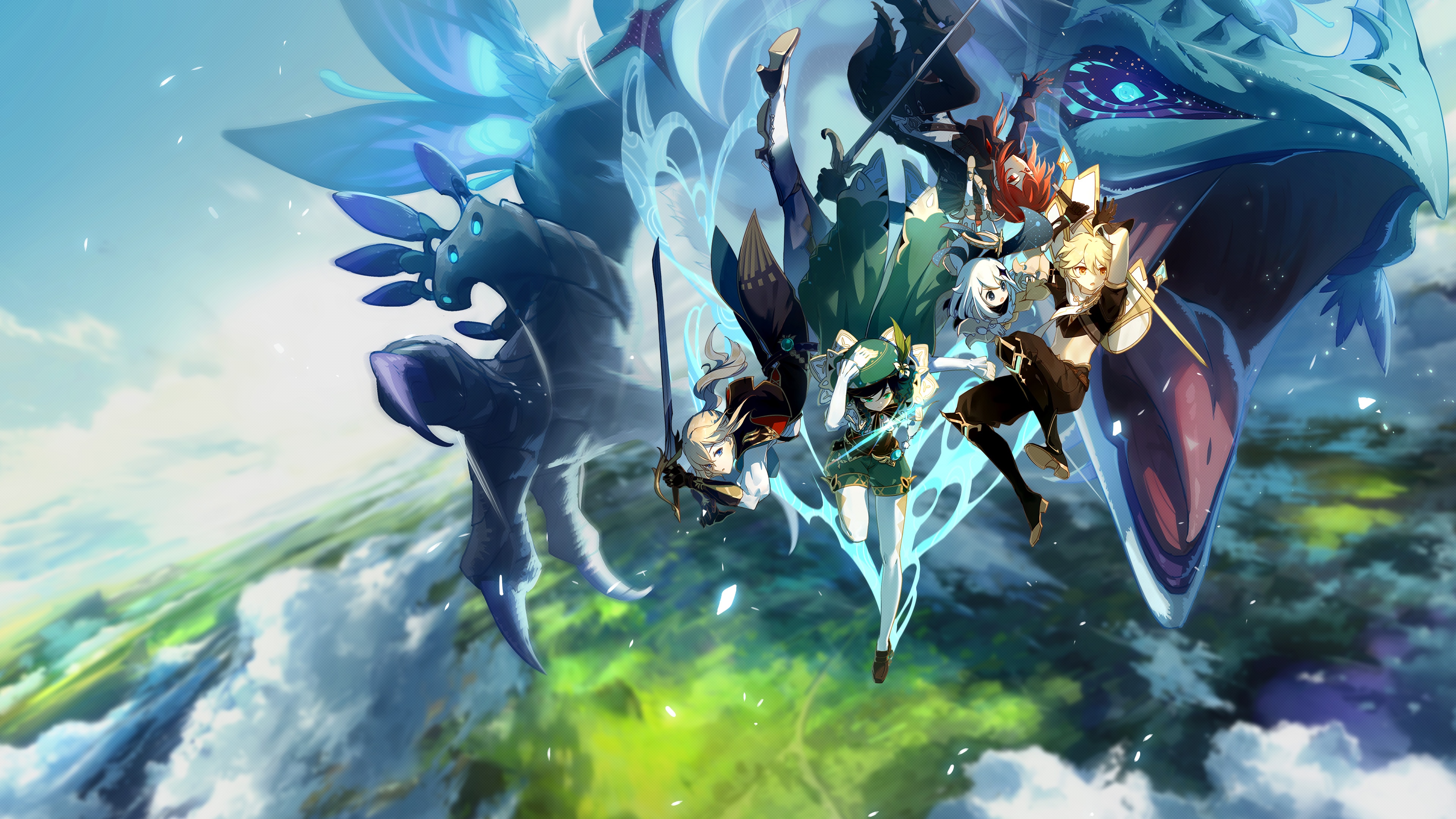
Genshin Impact typically doesn’t directly celebrate Pride or offer related in-game items for players globally. Instead, the game’s creators focus on festivals inspired by real-world cultures that fit the game’s different regions. While the game does hint at diverse representation, it usually does so subtly, rather than through official events or rewards. Many players have noticed this, especially compared to other popular online games that do participate in Pride celebrations. It seems the game’s creators prefer to offer a consistent experience for all players, no matter where they are located, and aren’t prioritizing local events.
‘Brawlhalla’ (2014)
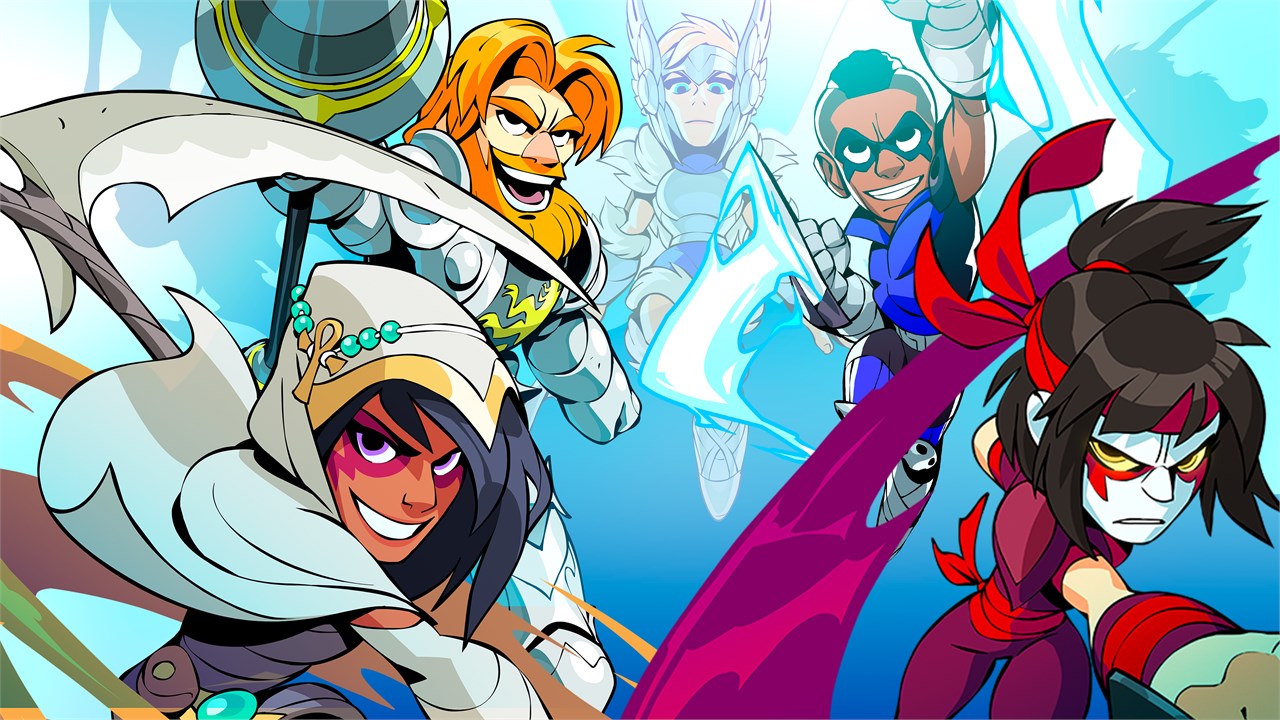
Brawlhalla, the popular platform fighter, is adding a new profile picture and loading screen for players to customize their accounts. These items are usually available for a small in-game currency cost or through promotional codes. While the game regularly introduces new characters (‘Legends’), this update doesn’t include any new stories or special moves for them. Because of its simplicity, this addition feels like a standard update from the developers, and many players view it as a way to provide content between larger seasonal releases.
‘Smite’ (2014)
In the game ‘Smite’, players can use icons and emotes during matches to express themselves as mythological gods. These are often given away in a free chest found in the in-game store. However, despite many cosmetic options being available, few are specifically tied to this particular event. Unlike bigger events like the Odyssey, this celebration doesn’t include special maps or game modes, which makes it feel like a lower priority for the developers.
‘Paladins’ (2018)
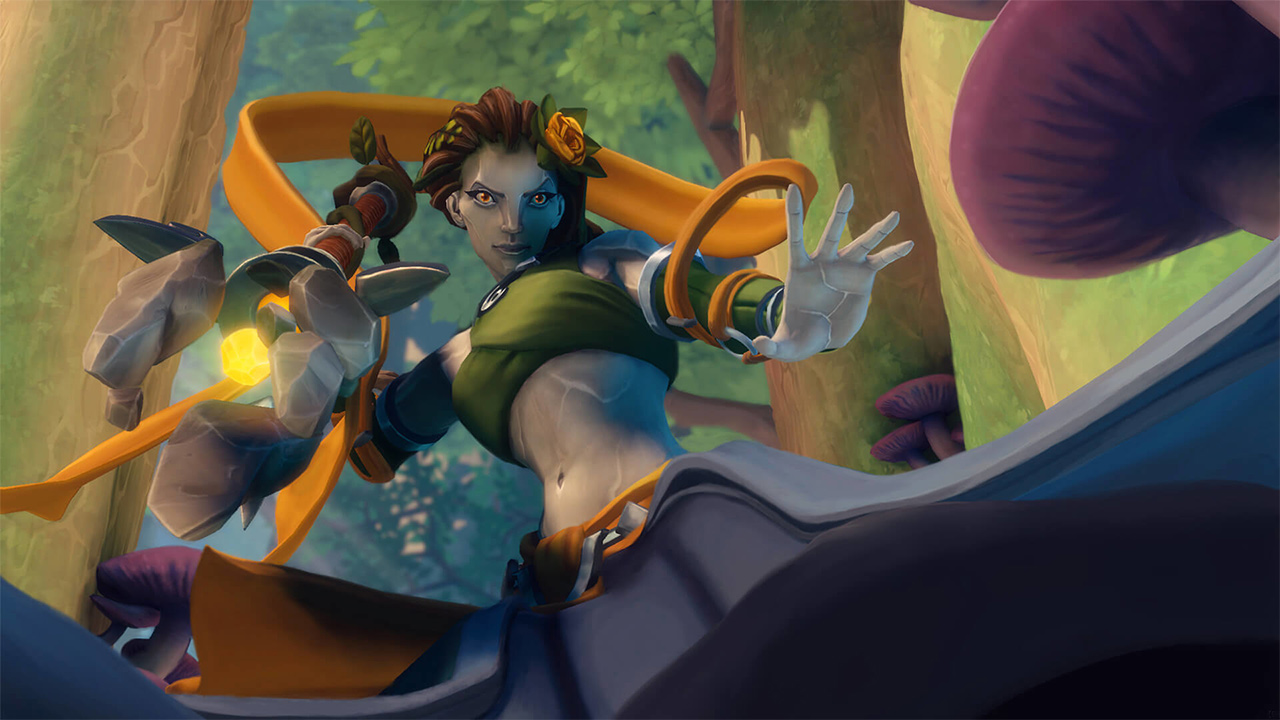
Paladins lets players unlock profile pictures and titles to show their support during pride events. These are usually earned by playing a certain number of matches within the event timeframe. While the game doesn’t receive a major visual update for pride, the rewards can feel a bit lackluster due to the game already having a large number of character skins. This approach is typical of many free-to-play games, which often offer simple rewards like these.
‘Dota 2’ (2013)
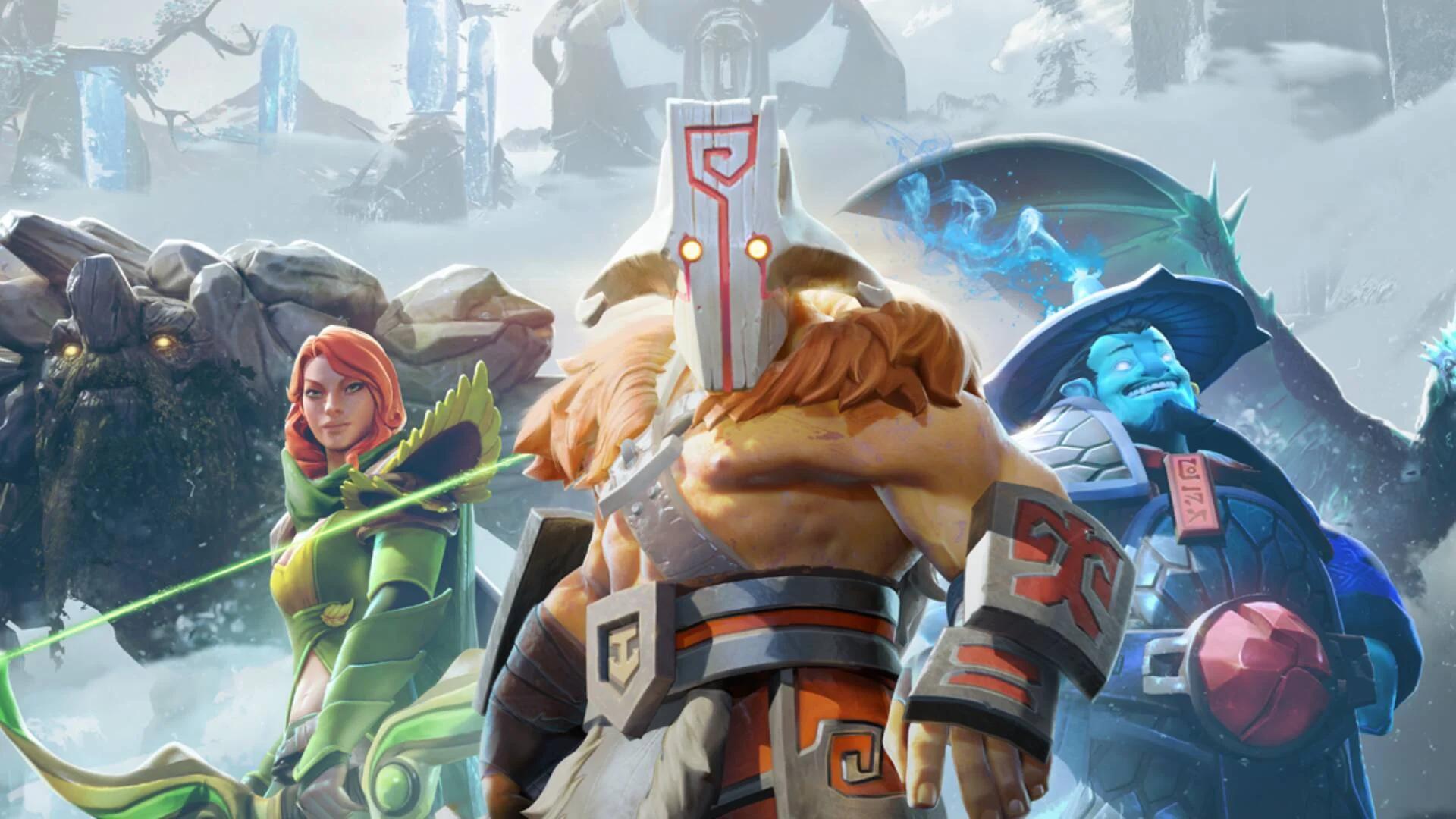
Typically, ‘Dota 2’ doesn’t release new in-game events or cosmetic items in June. The developers concentrate all their efforts on the yearly championship and its battle pass. This is unusual compared to other popular MOBA games. Some players believe this shows the company isn’t paying attention to current events, and the complete lack of even small rewards is a departure from what most games offer.
‘Hearthstone’ (2014)
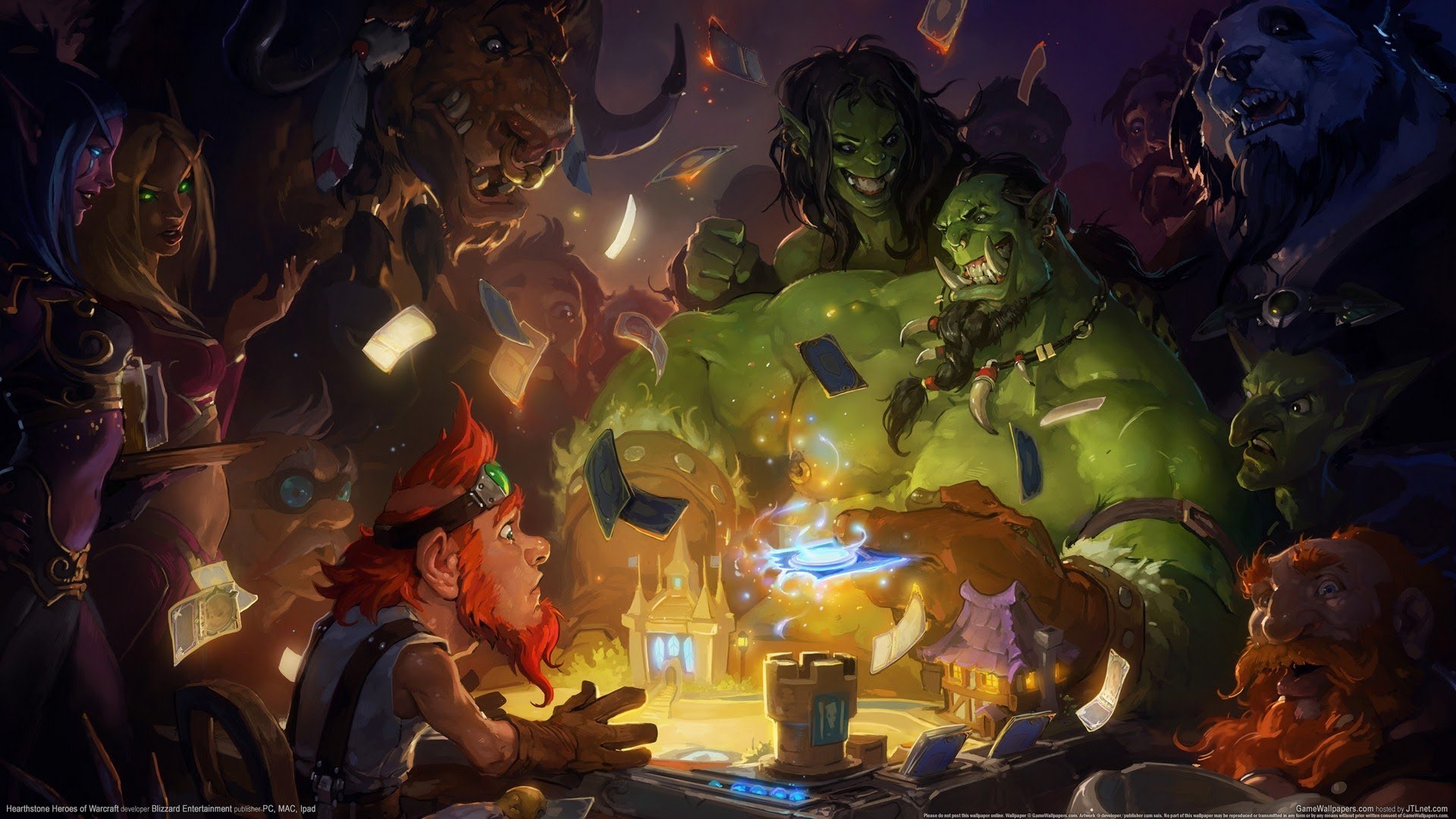
During the summer, the card game ‘Hearthstone’ releases brightly colored card designs and hero appearances. These are usually sold in packages that cost real money or a lot of in-game rewards. However, the game doesn’t offer much in the way of special single-player content or game modes to really showcase these summer themes. Many players think these items are just another way for the game to make money. The game’s marketing emphasizes buying the products themselves, rather than any story or meaning behind them.
‘Diablo IV’ (2023)
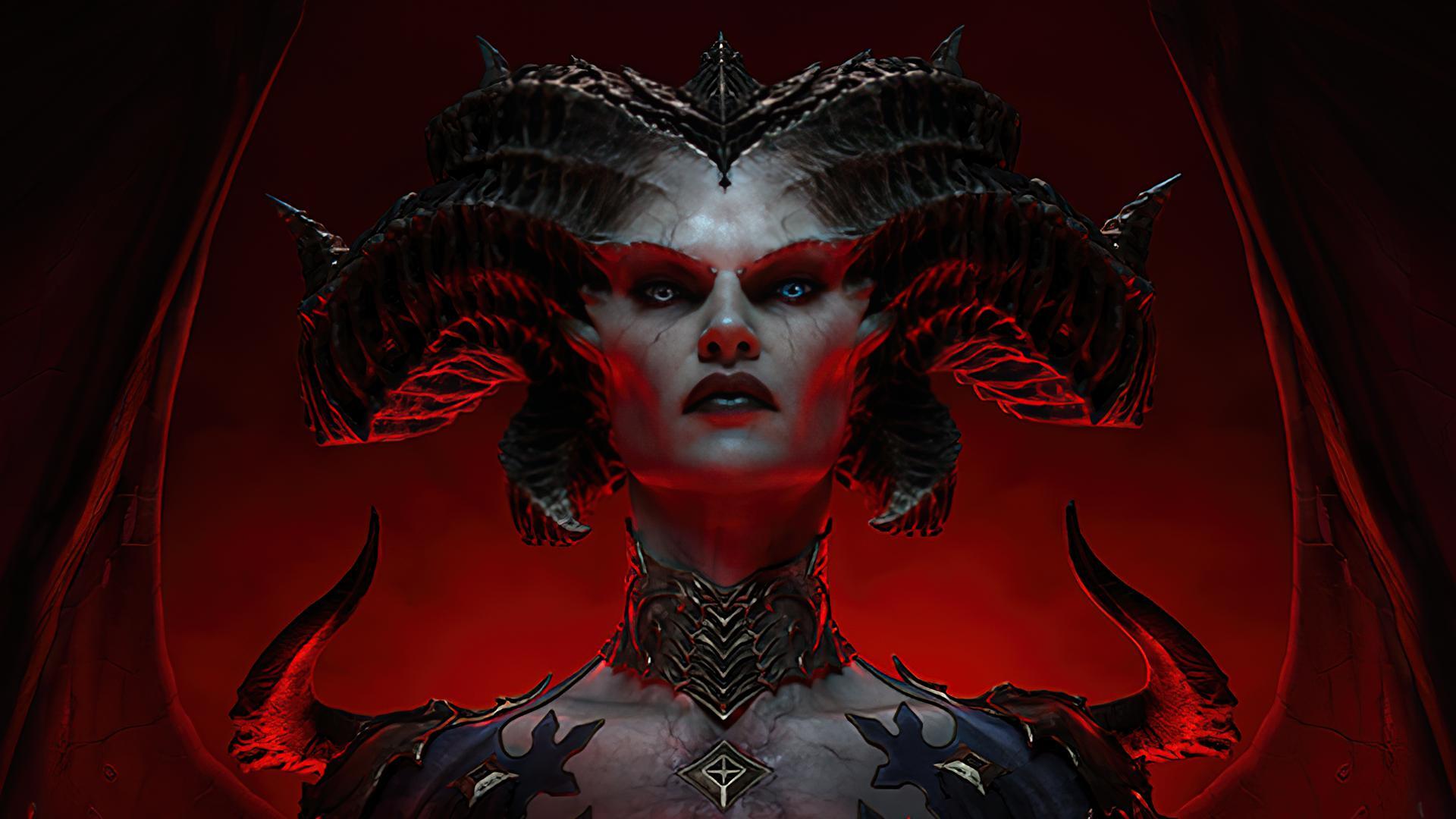
Diablo IV, known for its dark fantasy setting, has only acknowledged Pride events through posts on social media. Unlike other games with extensive character customization, it doesn’t offer any special in-game items or events to celebrate the occasion. Players have noticed this lack of representation, and it seems the developers are more focused on maintaining the game’s dark and realistic look than including seasonal celebrations. As a result, their social media posts sometimes feel insincere or like a simple formality.
‘Street Fighter 6’ (2023)
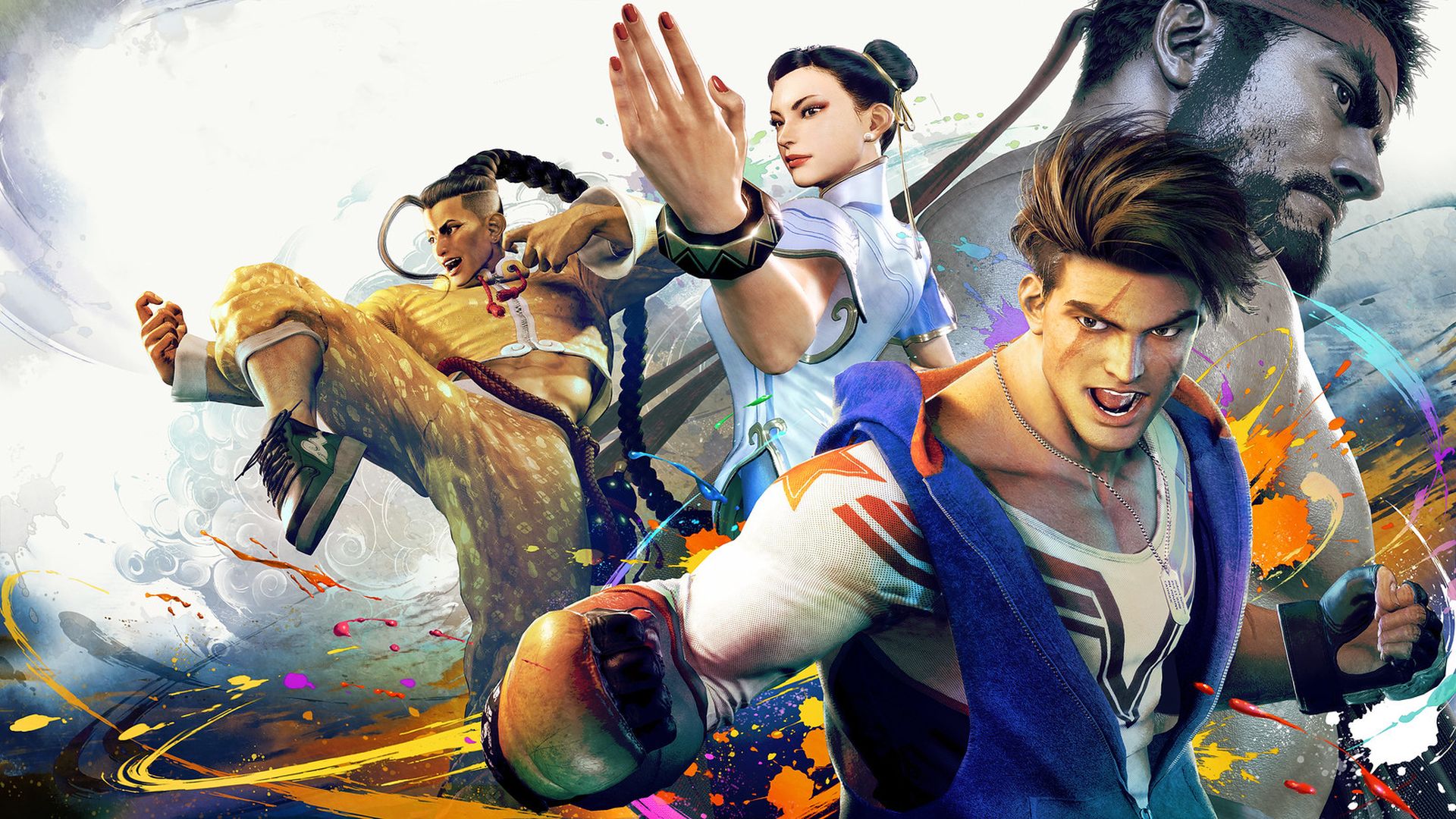
Street Fighter 6 lets you customize your character’s appearance in the Battle Hub with outfits and accessories. You can also use unique stickers while chatting with other players. However, these customization options don’t affect the gameplay itself or the available fighters. New items are added and removed frequently, often as part of promotions with other companies, which can make it feel like these events are temporary marketing pushes rather than lasting features.
‘Warframe’ (2013)
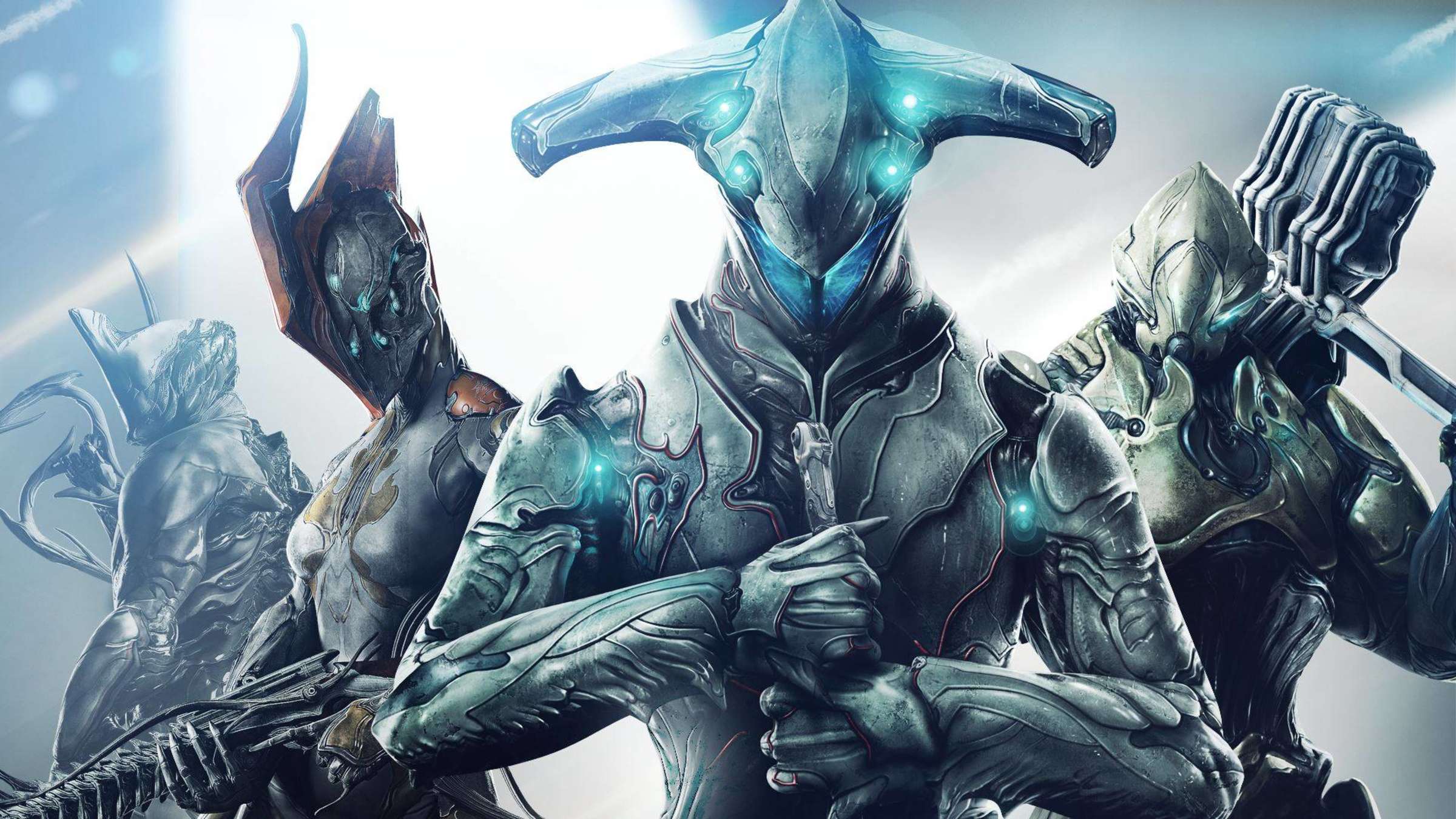
Warframe lets players personalize their gear with a special set of colors, available at no cost. This color set returns to the in-game store annually for a limited time. The game also regularly highlights fan-created artwork and content. However, beyond this annual color palette, there haven’t been many lasting additions to the game to celebrate its community. After ten years, some players are hoping for more significant features, such as themed quests or decorative items.
‘Guild Wars 2’ (2012)
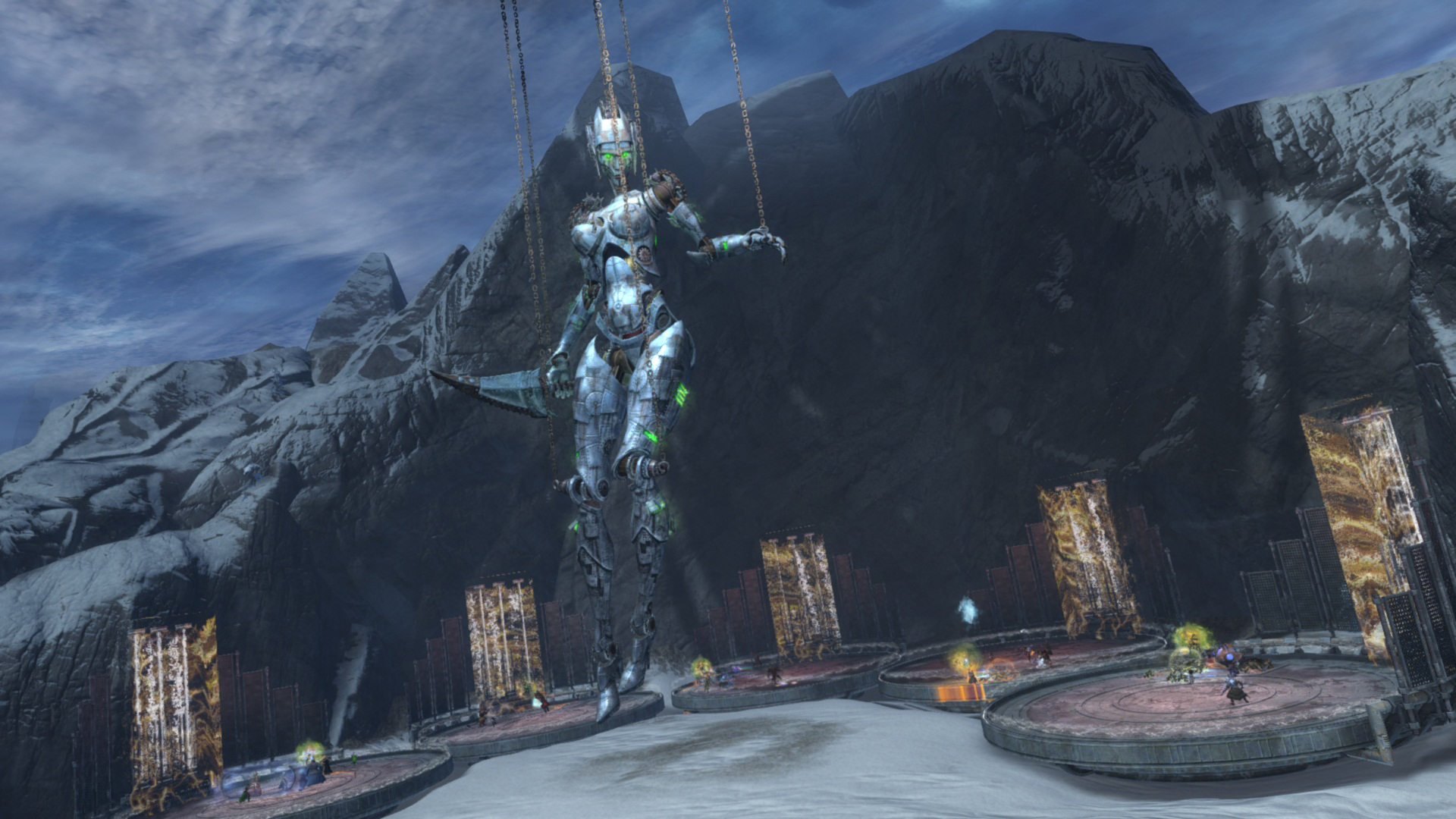
While players in ‘Guild Wars 2’ frequently create their own events, official in-game celebrations are usually tied to items available for purchase. The developers have released cosmetic items like rainbow-themed finishers and mail skins, which are consistently available in the store instead of being earned through gameplay. Because the game world of Tyria doesn’t have official holidays, these store updates can feel disconnected and purely business-driven. Many dedicated fans who appreciate the game’s rich backstory would like to see a more thoughtfully integrated approach to celebrating diversity.
‘Star Wars: The Old Republic’ (2011)
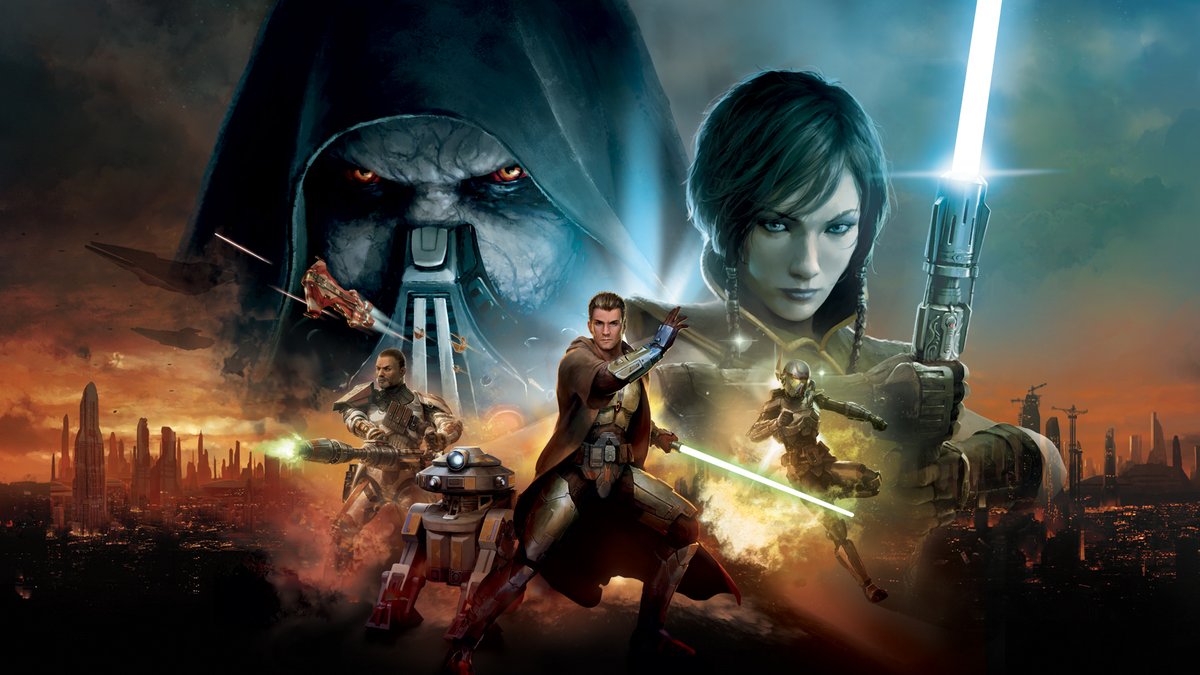
As a longtime ‘Star Wars: The Old Republic’ player, I’ve noticed the developers often remind us about the romance options that have been around forever, which is nice. They also sometimes release cool decorations for our player homes – really colorful stuff! But honestly, it’s a little disappointing because these events rarely add any new stories or let us interact with our companions in fresh ways. It feels like they’re just doing something small for the sake of it, and it mostly stays hidden in the housing area, which a lot of us don’t even bother with often. It doesn’t really change the game, you know?
‘MultiVersus’ (2022)
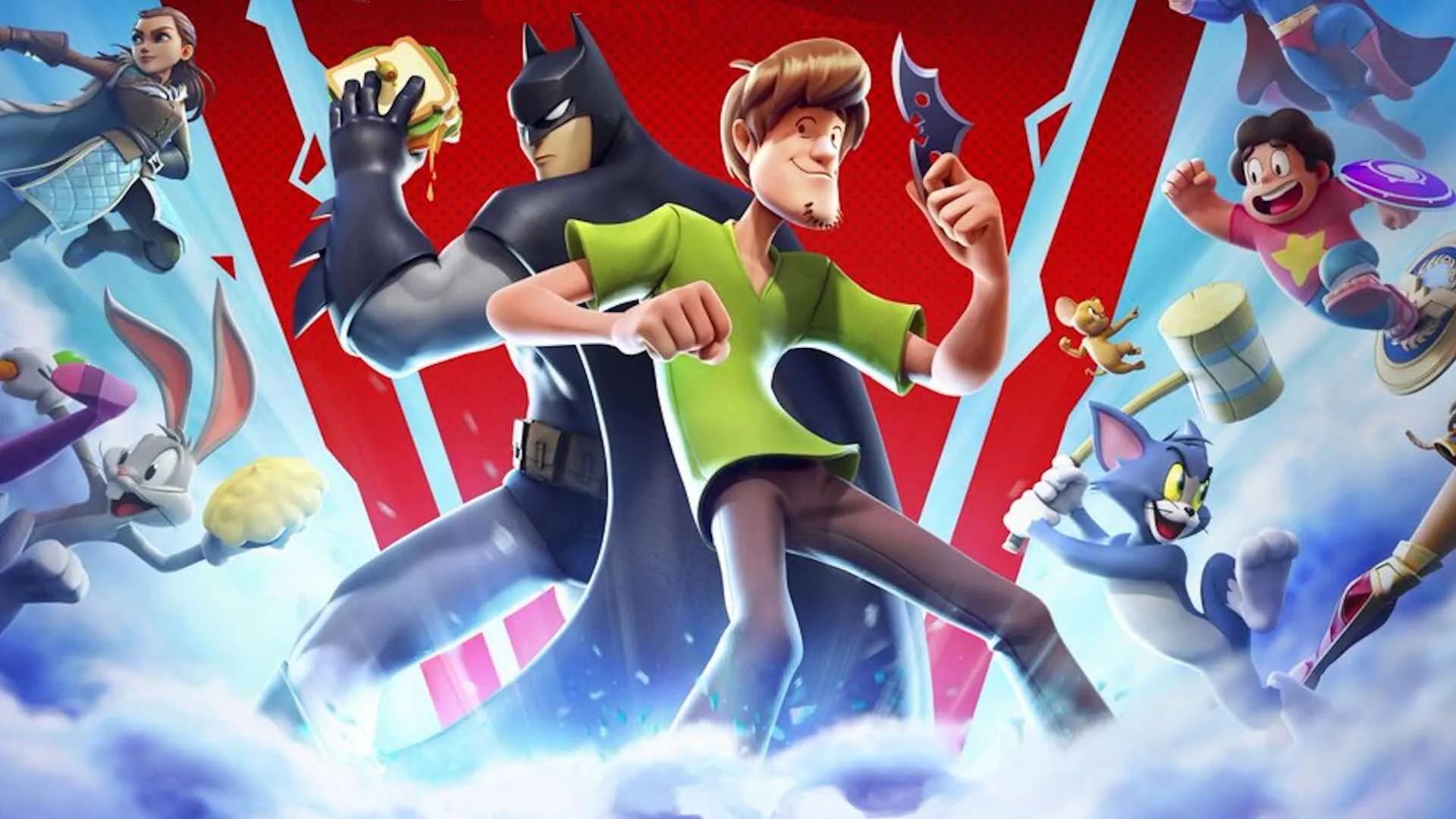
MultiVersus celebrated Pride month with profile pictures and banners showcasing Warner Bros. characters, which players could earn by completing daily challenges or claiming free items in the shop. However, the game didn’t offer any special themed arenas or unique character designs for the event. Given that MultiVersus thrives on collaborations and recognizable brands, these items felt like typical promotional content, prioritizing digital rewards over immersive in-game experiences.
‘Watch Dogs: Legion’ (2020)
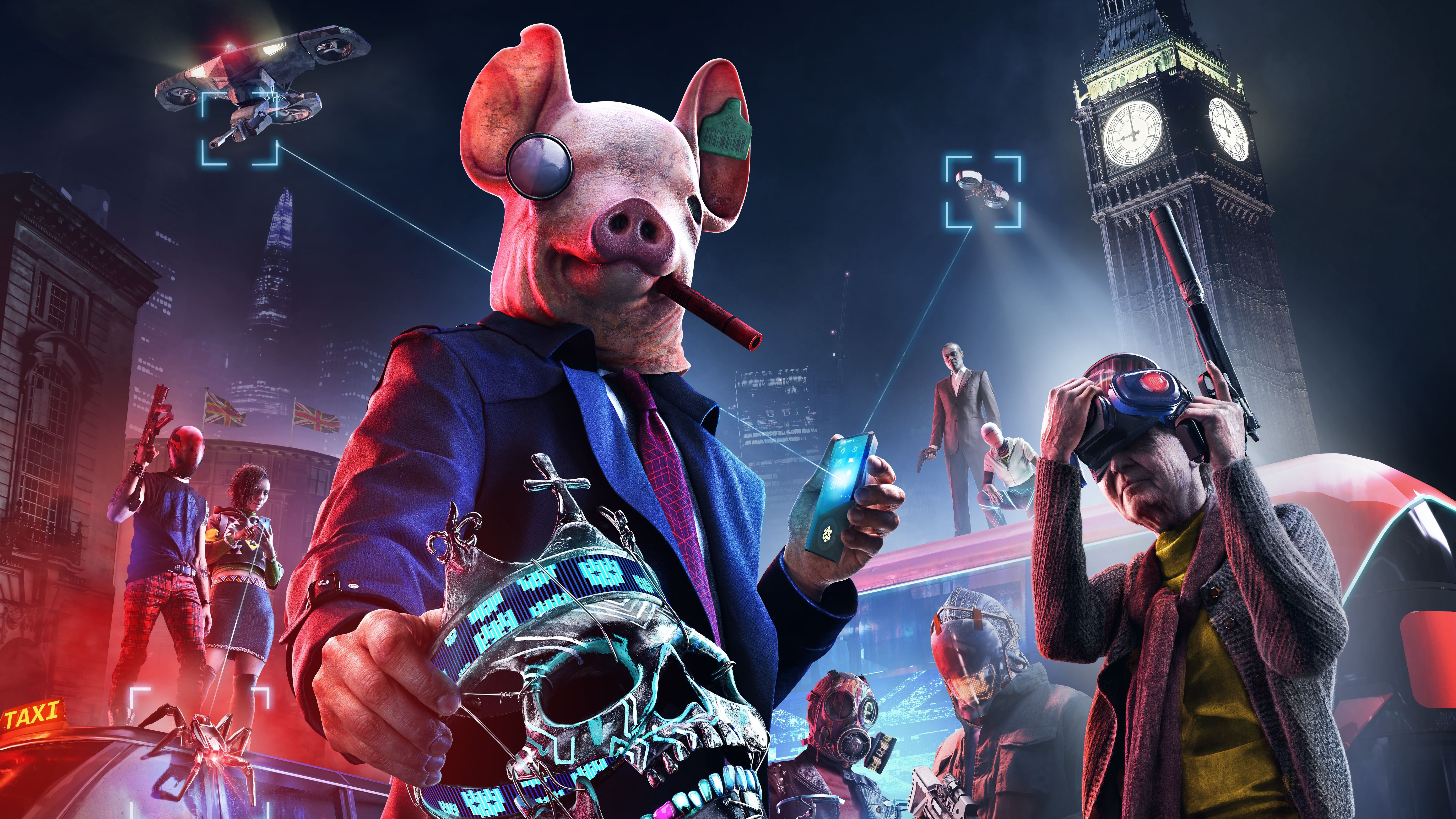
In ‘Watch Dogs: Legion,’ players can customize their characters with a variety of colorful clothing options available in the game’s shops. While these items are always available, they’re often promoted on social media during June. The game is designed to be diverse, with a system for recruiting characters that emphasizes inclusivity. However, the seasonal promotions sometimes feel superficial because they aren’t tied to specific storylines or missions. This marketing can actually distract from the genuine diversity that’s already built into the game.
‘Assassin’s Creed Valhalla’ (2020)
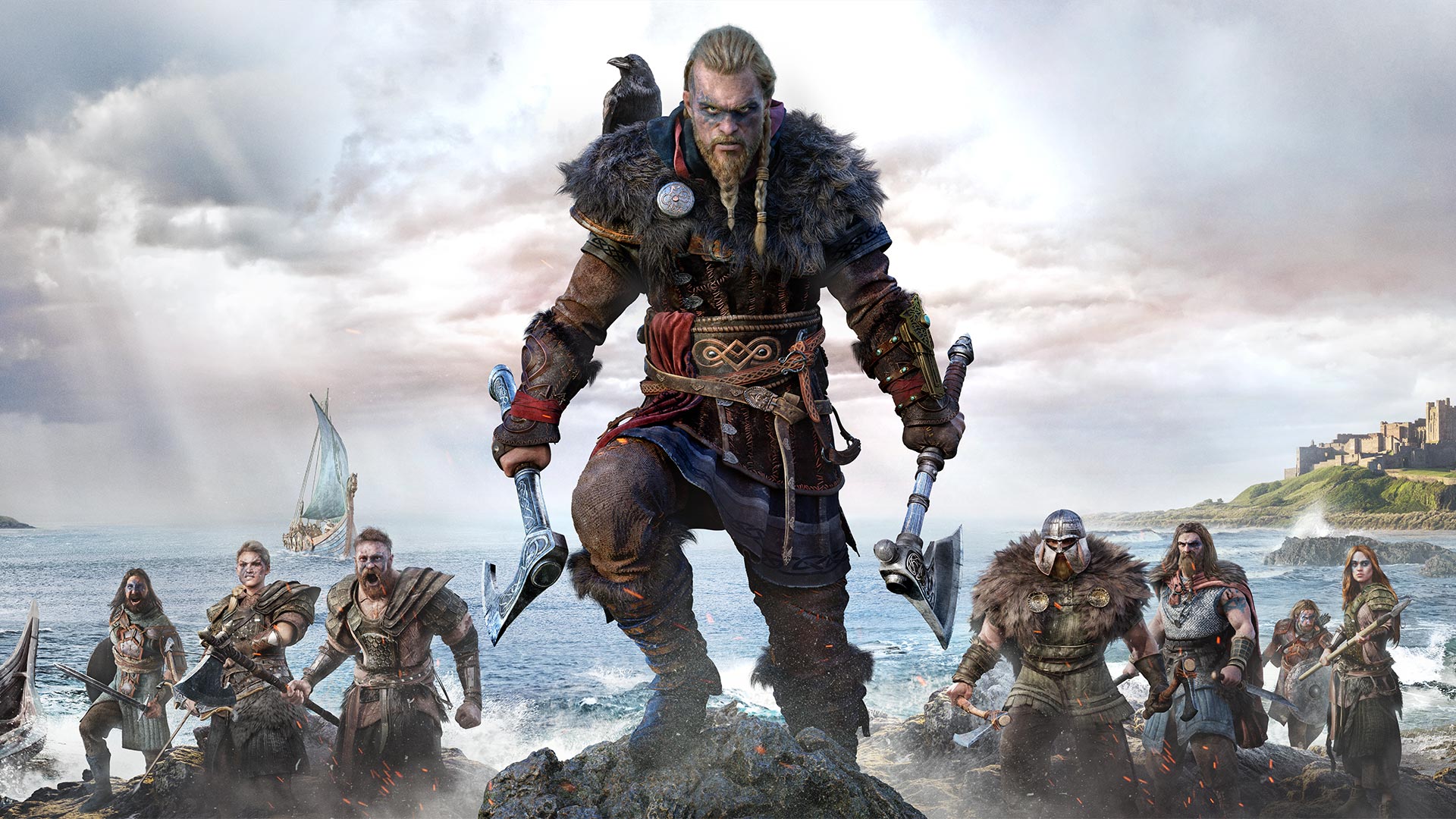
‘Assassin’s Creed Valhalla’ offered players a set of tattoos and decorations for their settlement as free rewards through the Ubisoft Connect platform. However, you needed a separate Ubisoft account to get them. These pride-themed items didn’t appear within the game itself – there were no special events or character interactions related to them. Considering the game’s large amount of post-launch content, these rewards felt like a small addition, and many players wouldn’t even know they existed unless they specifically looked for them in the external rewards section.
‘Back 4 Blood’ (2021)
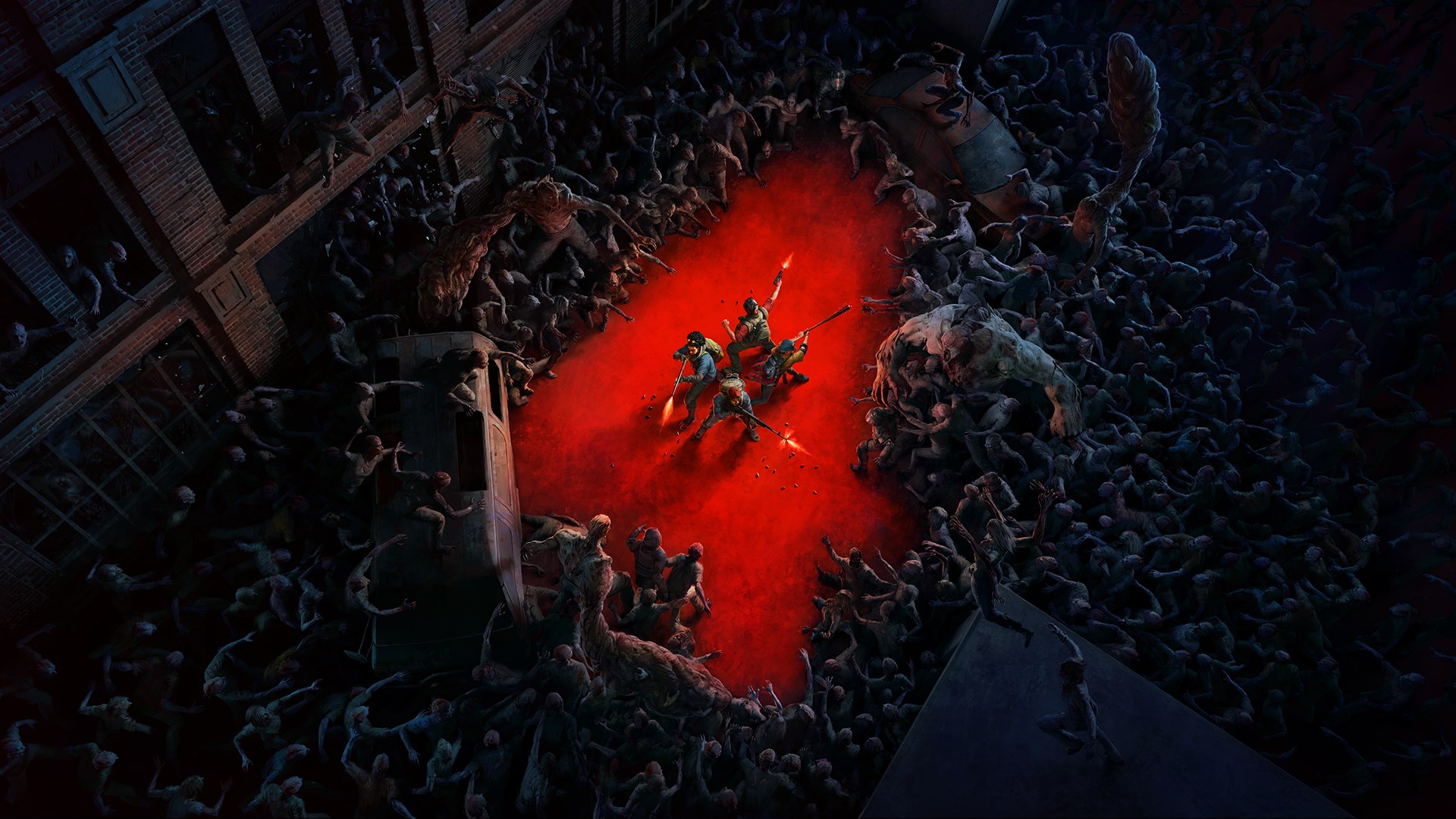
The game ‘Back 4 Blood’ added profile titles and emblems for players to customize their accounts. These were released with a game update and were instantly accessible to everyone. However, the update didn’t include any new maps or changes to gameplay, and the developers only announced it briefly. As a result, most players didn’t even notice the new items.
‘World of Tanks’ (2010)
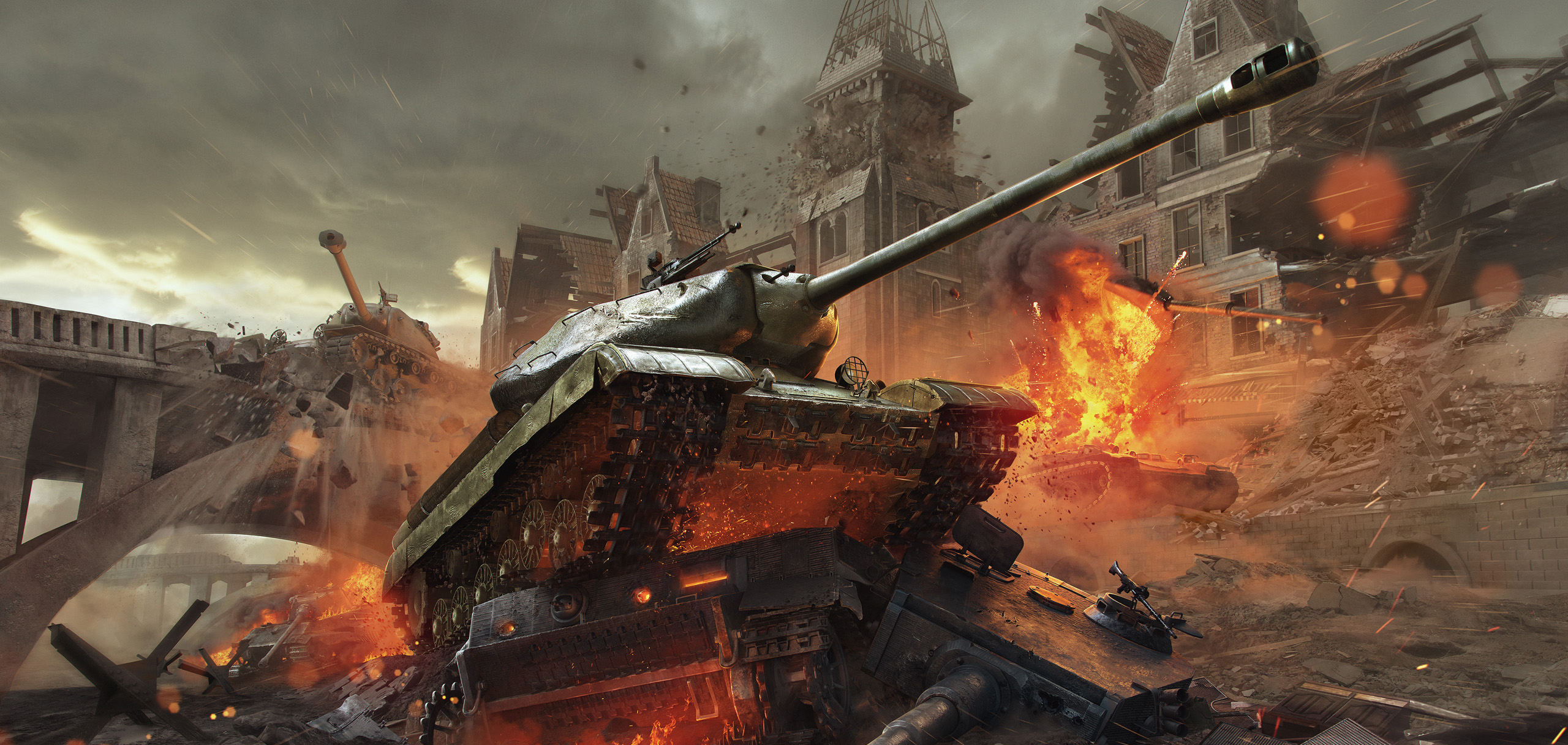
World of Tanks lets players customize their tanks with special emblems and markings. These cosmetic items are usually sold in packages that also include in-game advantages or premium currency. Because the game aims for historical accuracy, some players disagree with the addition of these modern designs. The developers try to address this by keeping the items small and making them optional. However, this careful approach sometimes makes these events feel more like a business requirement than a fun celebration.
‘World of Warships’ (2015)

In ‘World of Warships,’ players can earn special, permanent ship designs and flags. These are usually unlocked by completing easy missions that reward experience points. The core gameplay – strategic naval battles – stays the same, and the game world doesn’t change to reflect these events. These customizations are mostly for show, letting players celebrate without affecting other players. This is a common way the game’s developers handle small, seasonal events.
‘Pokemon GO’ (2016)
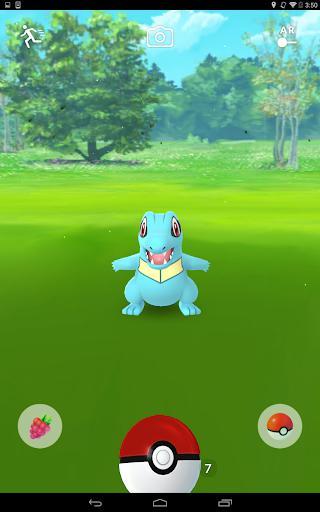
As a Pokémon GO player, I’ve noticed that during June, they often put rainbows in the game, which is cool, and they’ve been showing off more diverse characters in their ads. They’ll sometimes give out free avatar clothes like shirts or hats in the shop, which is nice. But honestly, a lot of the ‘celebration’ feels like it happens on social media. They push the inclusivity angle with their marketing, but there aren’t usually any big changes to how you actually play the game or catch Pokémon. It feels like the in-game stuff is just an afterthought to how they’re trying to look to the public.
‘Marvel’s Avengers’ (2020)
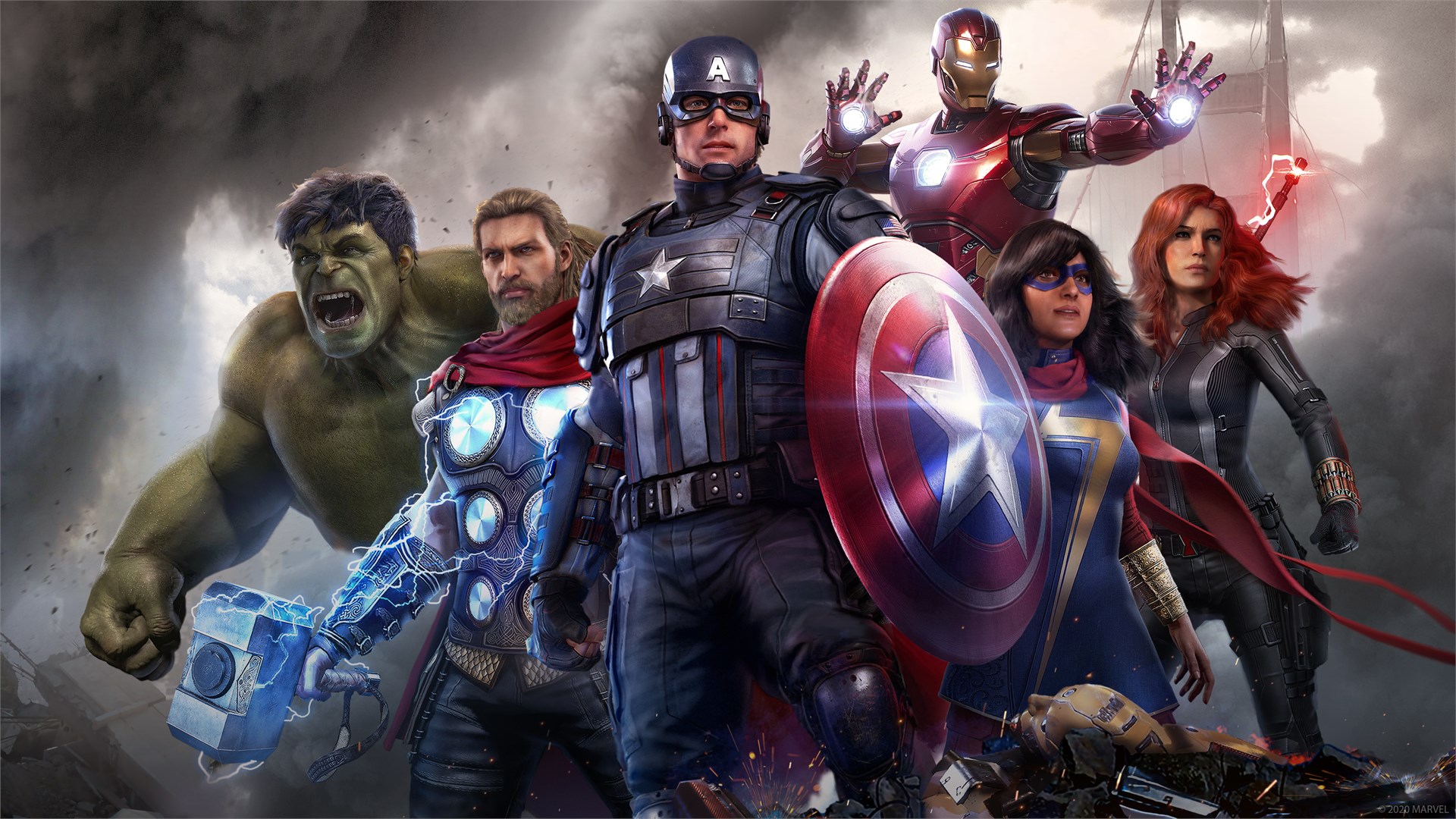
To celebrate Pride month, ‘Marvel’s Avengers’ gave all players who logged in during a certain week a free set of nameplates decorated with pride flags and featuring various heroes. While players appreciated the gesture, many hoped for more significant content, like special character outfits, as they felt the nameplates were a simple way for the game’s publisher to show support for the community.
‘Gotham Knights’ (2022)
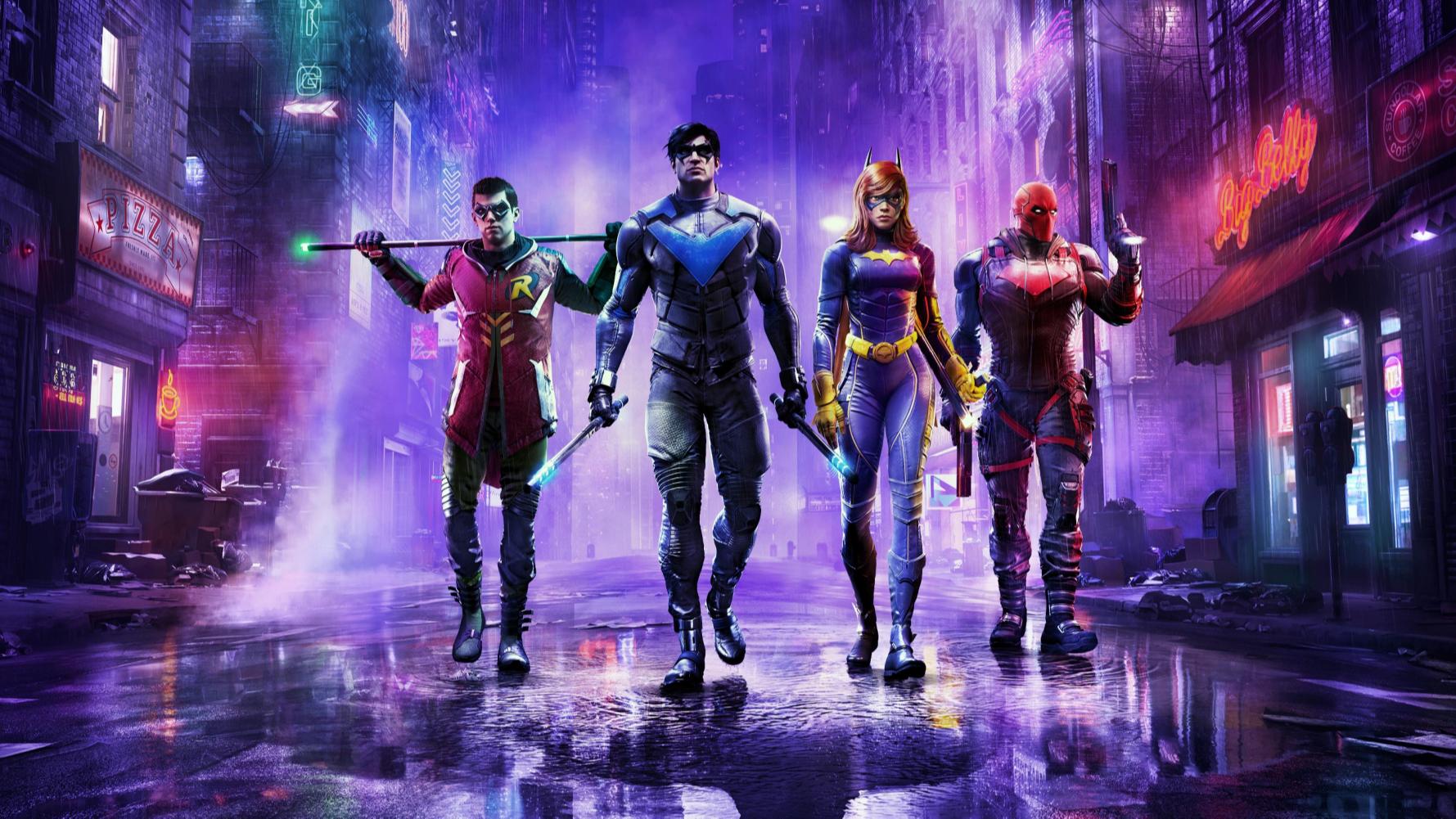
In the game ‘Gotham Knights’, the developers have subtly included LGBTQ+ representation by adding pride flags as permanent decorations around Gotham City. Players can also unlock special color schemes for character outfits by playing the game. However, these elements aren’t tied to any specific in-game event or celebration; they function as regular collectibles and don’t affect the story. This understated inclusion feels like a way to acknowledge these themes without fully integrating them into the game’s narrative.
‘Injustice 2’ (2017)
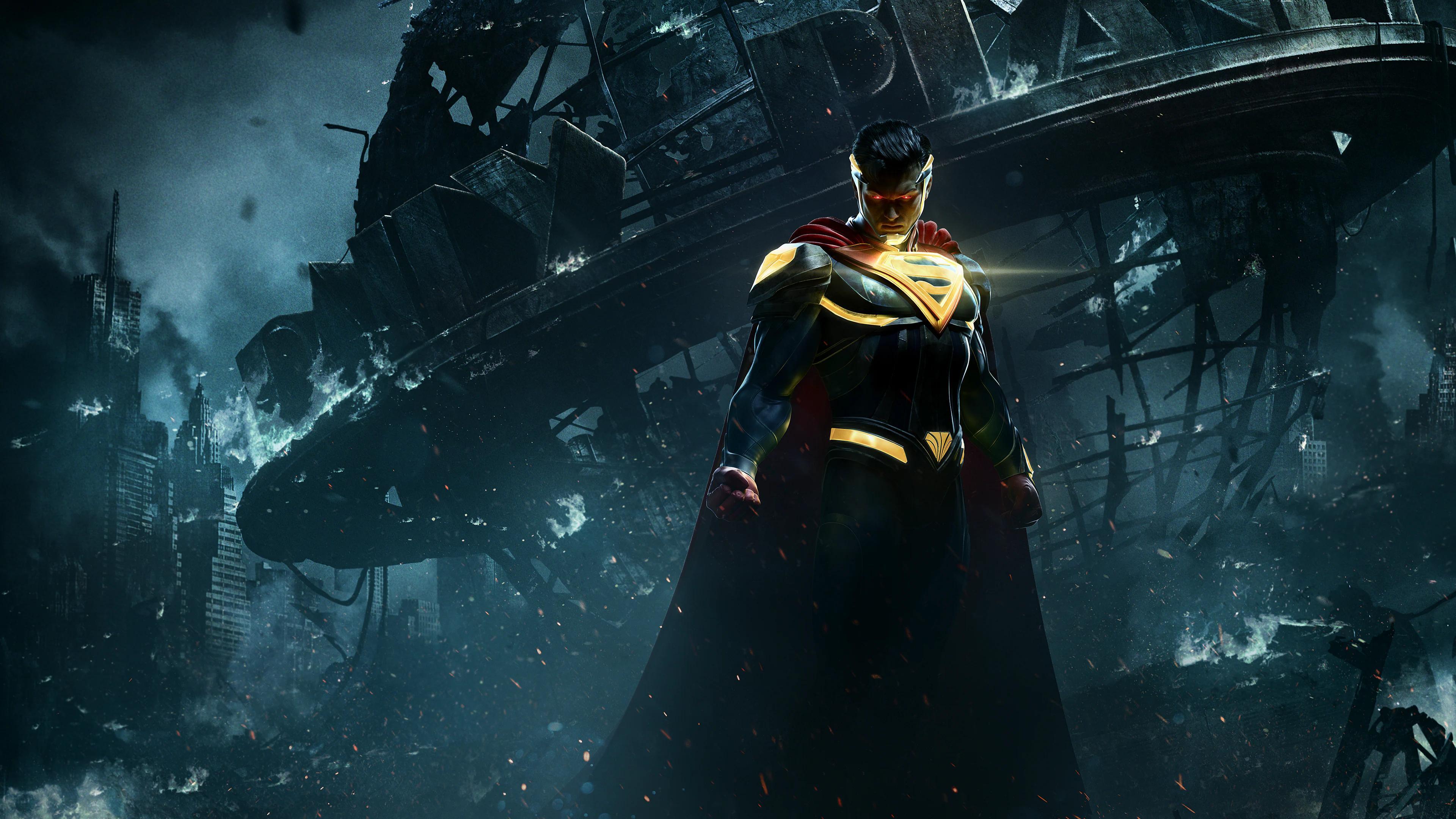
Okay, so ‘Injustice 2’ does post about Pride month on social media, which is cool, but honestly, it feels a little…basic. They haven’t really added anything new to the game itself to celebrate. It’s always just the same old DC characters, and when they do give out rewards, it’s usually profile pics or emblems we’ve already seen before. It’s starting to feel like they’re just checking a box each year, like they have a set script they follow for social media and that’s it. I’d love to see them actually put some effort into creating something special for the community!
‘Mortal Kombat 11’ (2019)

Mortal Kombat 11 sometimes includes ‘Towers of Time’ challenges that give players rewards with bright, colorful designs. These challenges are often presented as a way to highlight the diversity of the game’s fighting community. However, the rewards are typically just existing items with new colors. The game’s main story and violent themes don’t change, and these events ultimately feel like slightly different versions of the usual weekly updates.
‘Call of Duty: Mobile’ (2019)
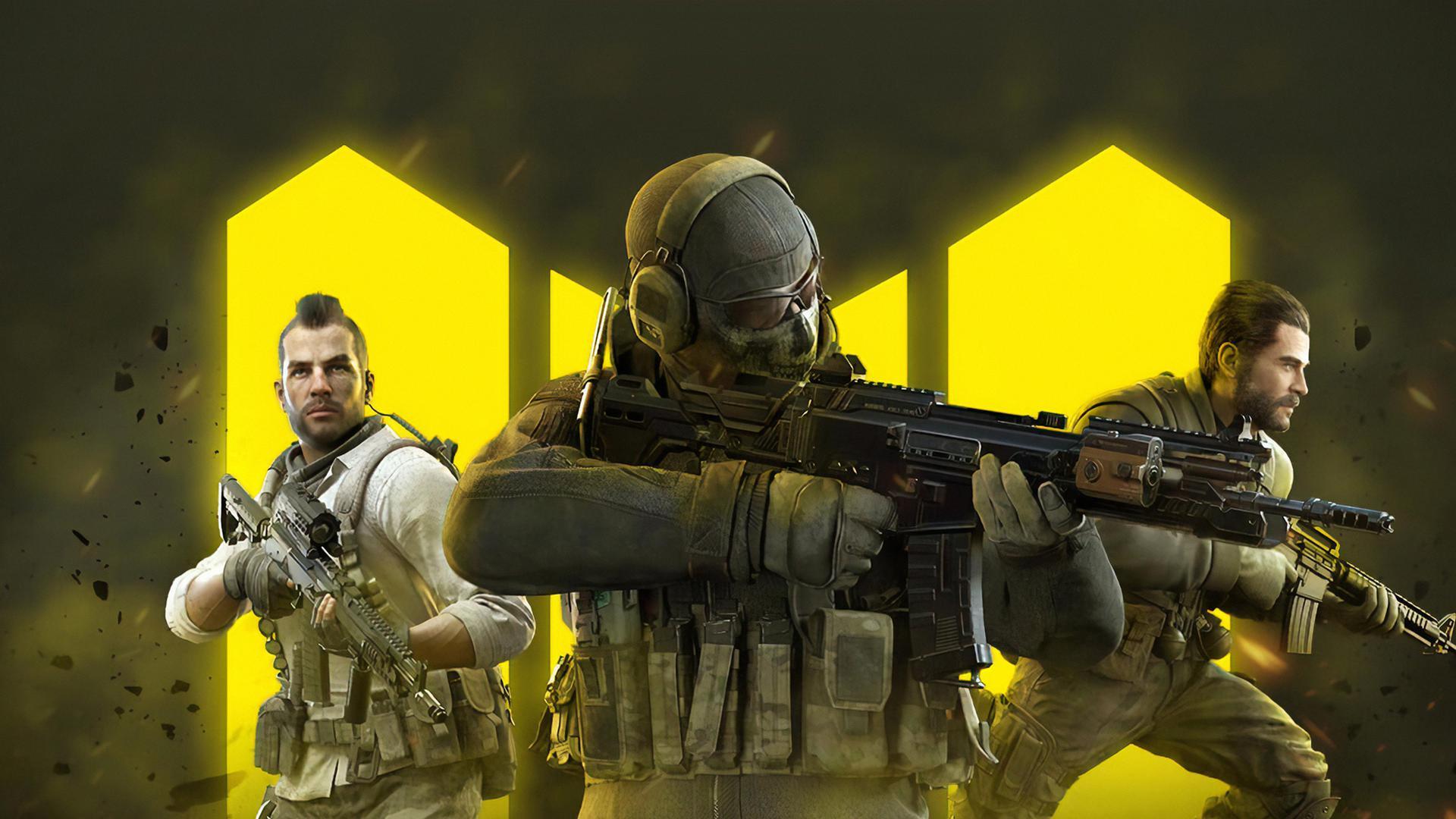
Call of Duty Mobile lets players customize their experience with weapon skins and avatars, which are available through a seasonal battle pass and in-game shop. Each June, players can usually find a free pack of items celebrating Pride. However, these free cosmetics often get lost amongst the more detailed and costly legendary skins that are released simultaneously. Because the game relies heavily on small purchases, the free items can feel like a minor offering. Plus, since these items are only available for a limited time, they don’t have a lasting impact on the game’s overall style.
‘Rumbleverse’ (2022)
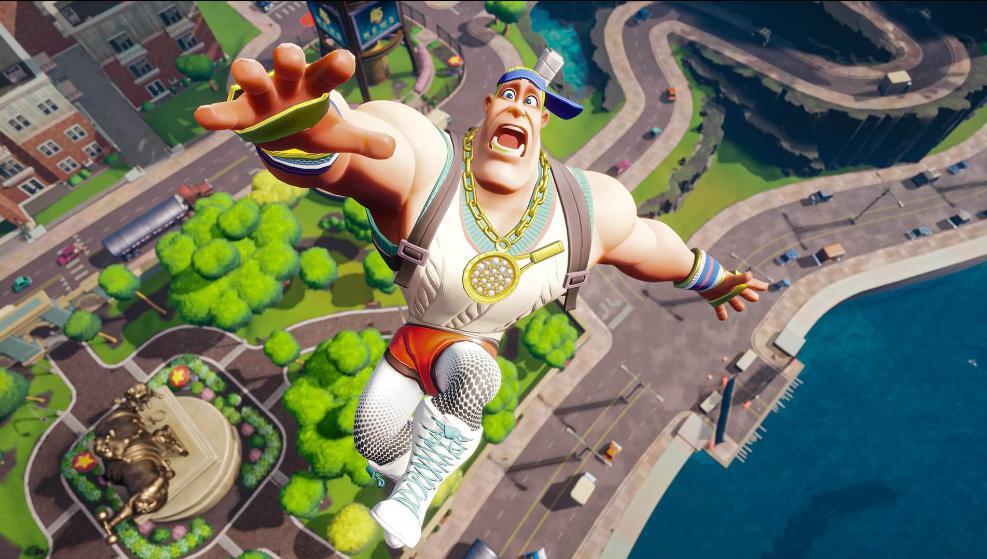
During its time, the game ‘Rumbleverse’ let players customize their characters with a variety of bright accessories and designs. These items were temporarily available in the game’s shop and were meant to show appreciation for the player community. Because the game already had a very colorful style, the special pride-themed items didn’t stand out as much. The event was mostly about changing how characters looked, and didn’t add any new ways to play. This approach was typical for the game, which regularly offered limited-time items as part of its ongoing updates.
‘Splitgate’ (2019)
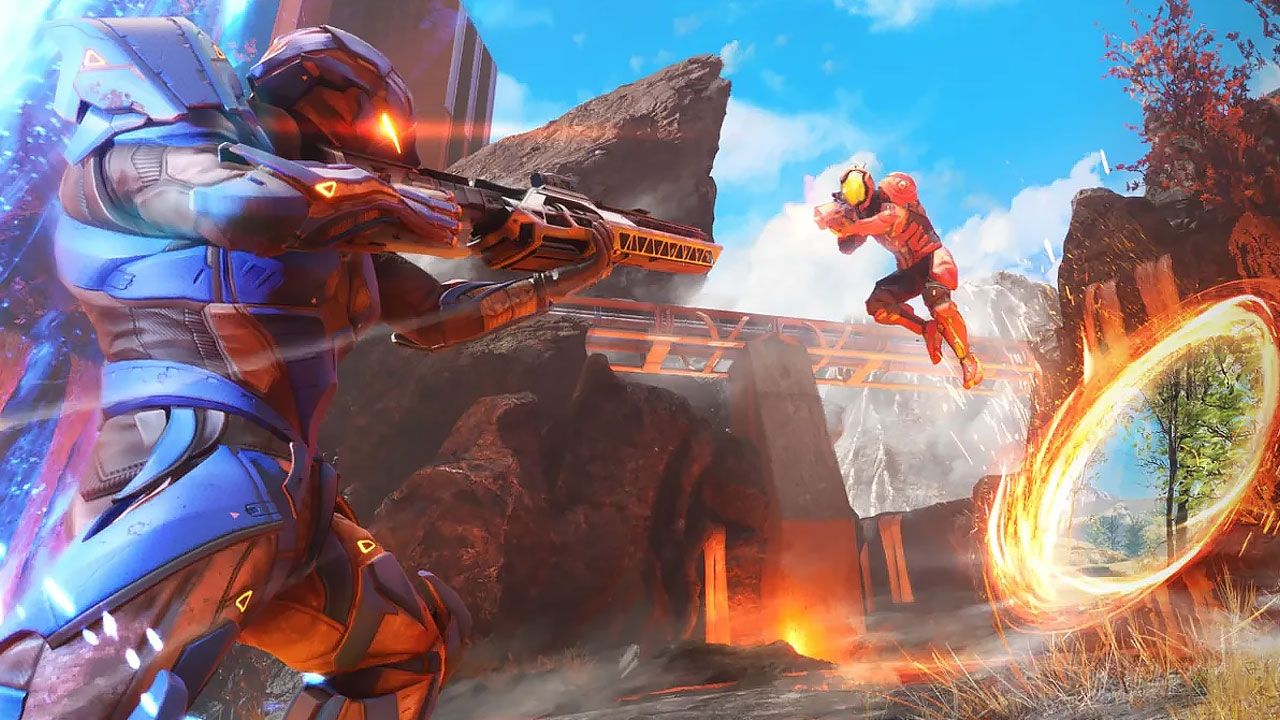
To celebrate the month, the fast-paced shooter ‘Splitgate’ offered players a special weapon skin and banner simply for logging in. This was a way to encourage players to keep playing. While the game’s levels didn’t receive any updates for the occasion, the developers – a small team – focused on creating these digital rewards. Many players saw this as a common promotional tactic rather than a significant effort to connect with the community.
‘Knockout City’ (2021)
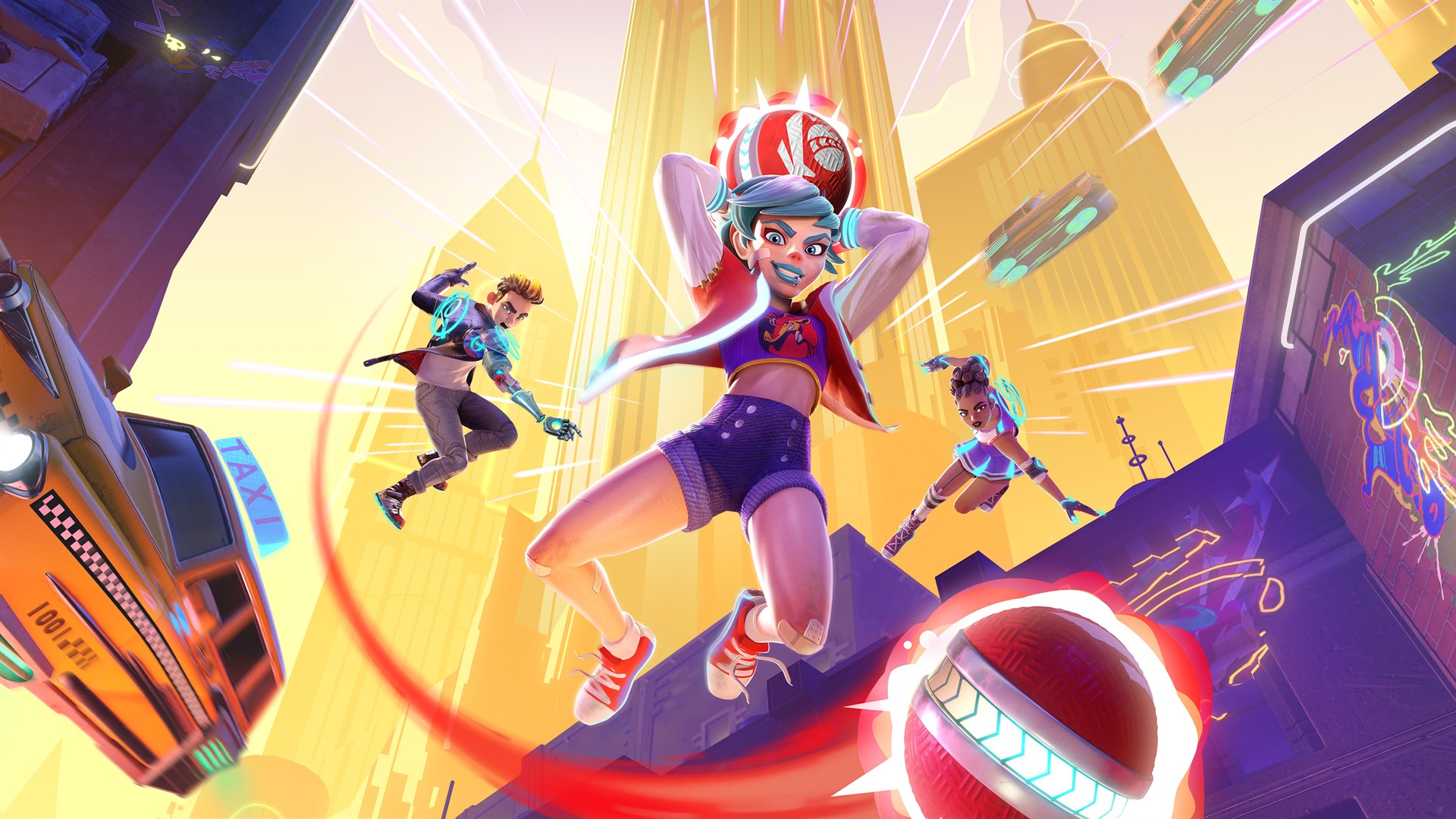
During the ‘Knockout City’ event, players could unlock unique icons and banners by completing challenges in dodgeball matches. These challenges were part of special contracts that rewarded players for specific actions. The game’s central social area also received some small, themed decorations. Although the developers engaged with players, the rewards were fairly typical for seasonal events, which made the event feel predictable and like a routine content update.
‘The Division 2’ (2019)
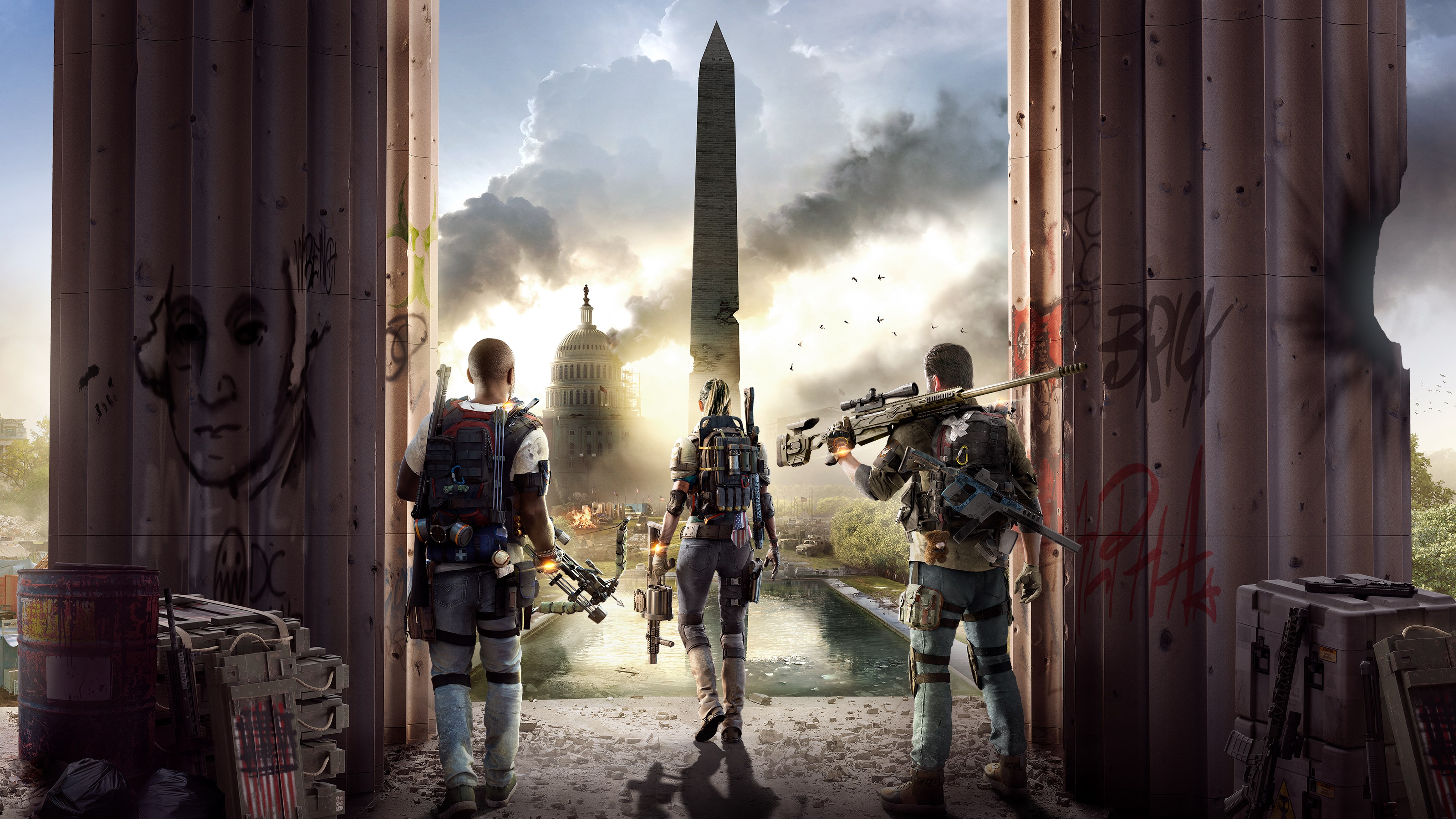
During the summer, ‘The Division 2’ sometimes releases small, colorful backpack decorations or patches. While these items are visually interesting, they don’t make a big impact on how a player’s gear looks. The game’s dark and realistic Washington D.C. setting stays the same during these promotions, and there aren’t any special missions or events tied to them. This makes the rewards feel more like a formality than meaningful additions to the game.
‘For Honor’ (2017)
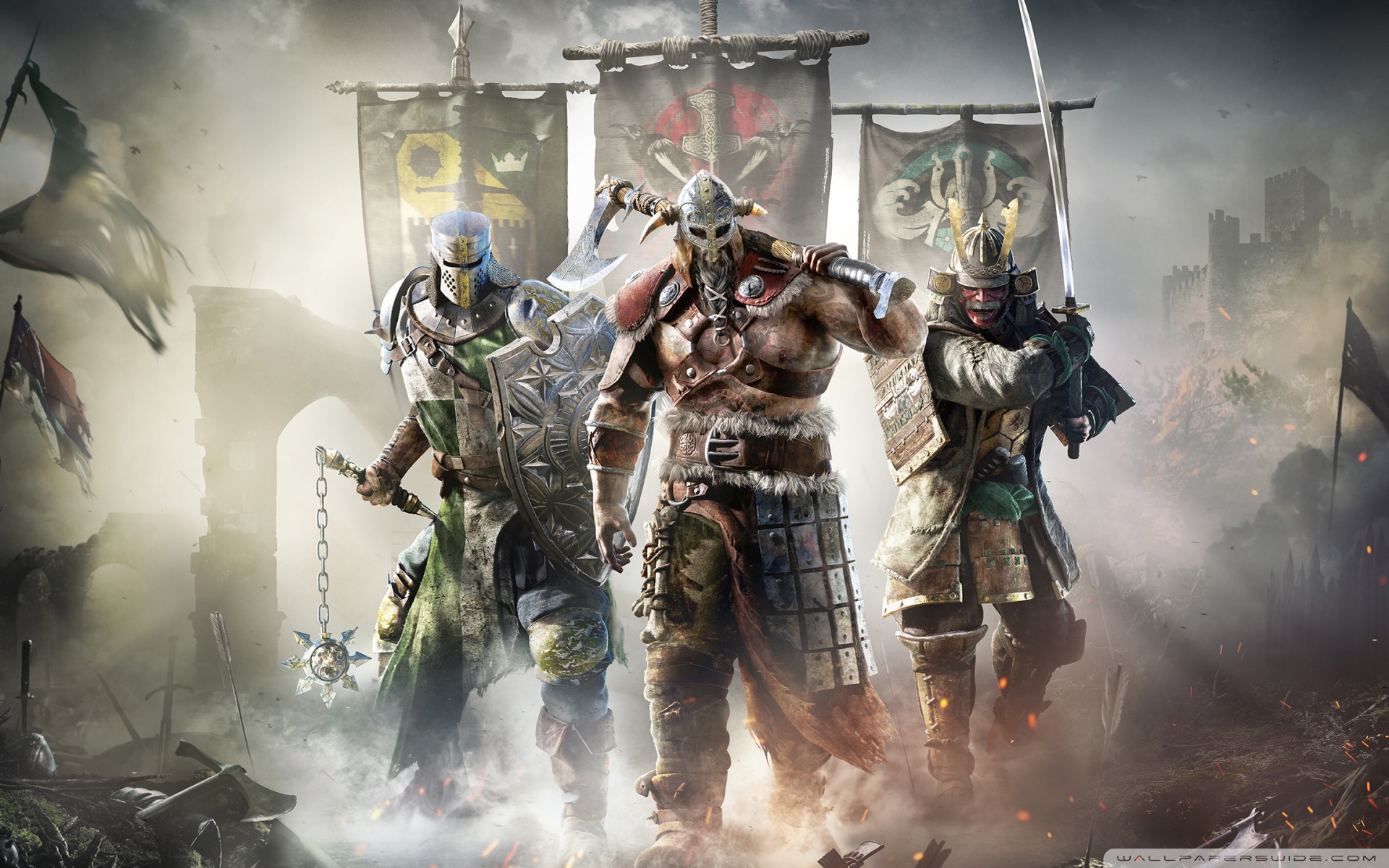
In ‘For Honor,’ players can customize their warriors with emblems and colors, which are often available for free in the in-game store for a limited time. The game continues to center on its historical fantasy combat, and the battlefields haven’t changed much thematically. While these rewards are available every year, they haven’t been updated significantly, leading some players to believe the developers aren’t making many changes to them.
‘Dead Island 2’ (2023)
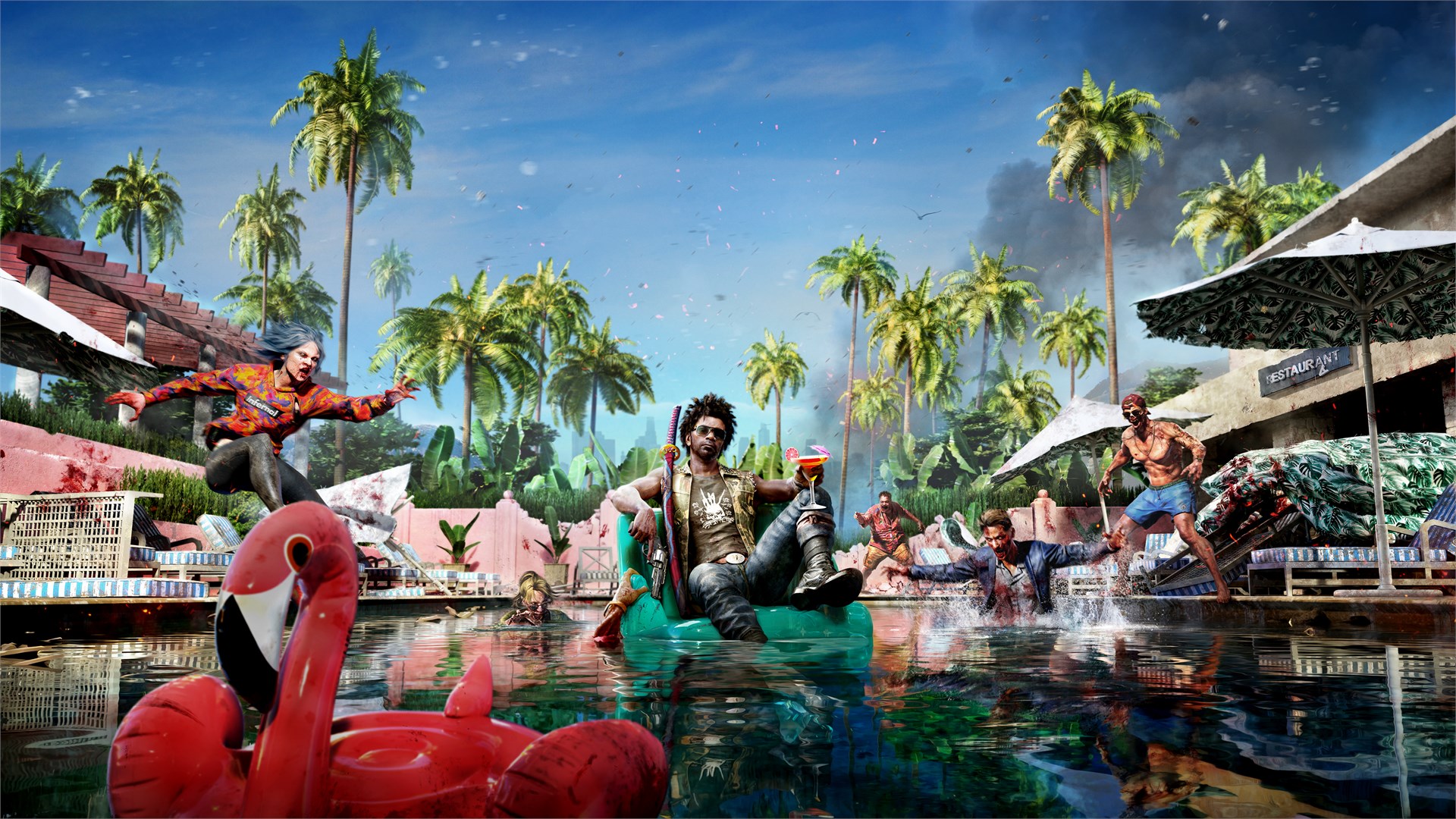
As a fan, I’ve noticed that ‘Dead Island 2’ really nails the feel of Los Angeles – it’s packed with details that show a lot of different cultures. While the game doesn’t have a specific Pride event in it, the developers have been sharing screenshots on social media in June that highlight the diverse areas they’ve already built. It’s cool to see those details, but it’s a little disappointing that they didn’t create anything new – like special weapons or outfits – to actually celebrate Pride month. It feels like they’re pointing to stuff that was already there to look supportive, without really putting in the effort to do something specifically for the event. It’s a bit of a mixed feeling, honestly.
‘Saints Row’ (2022)
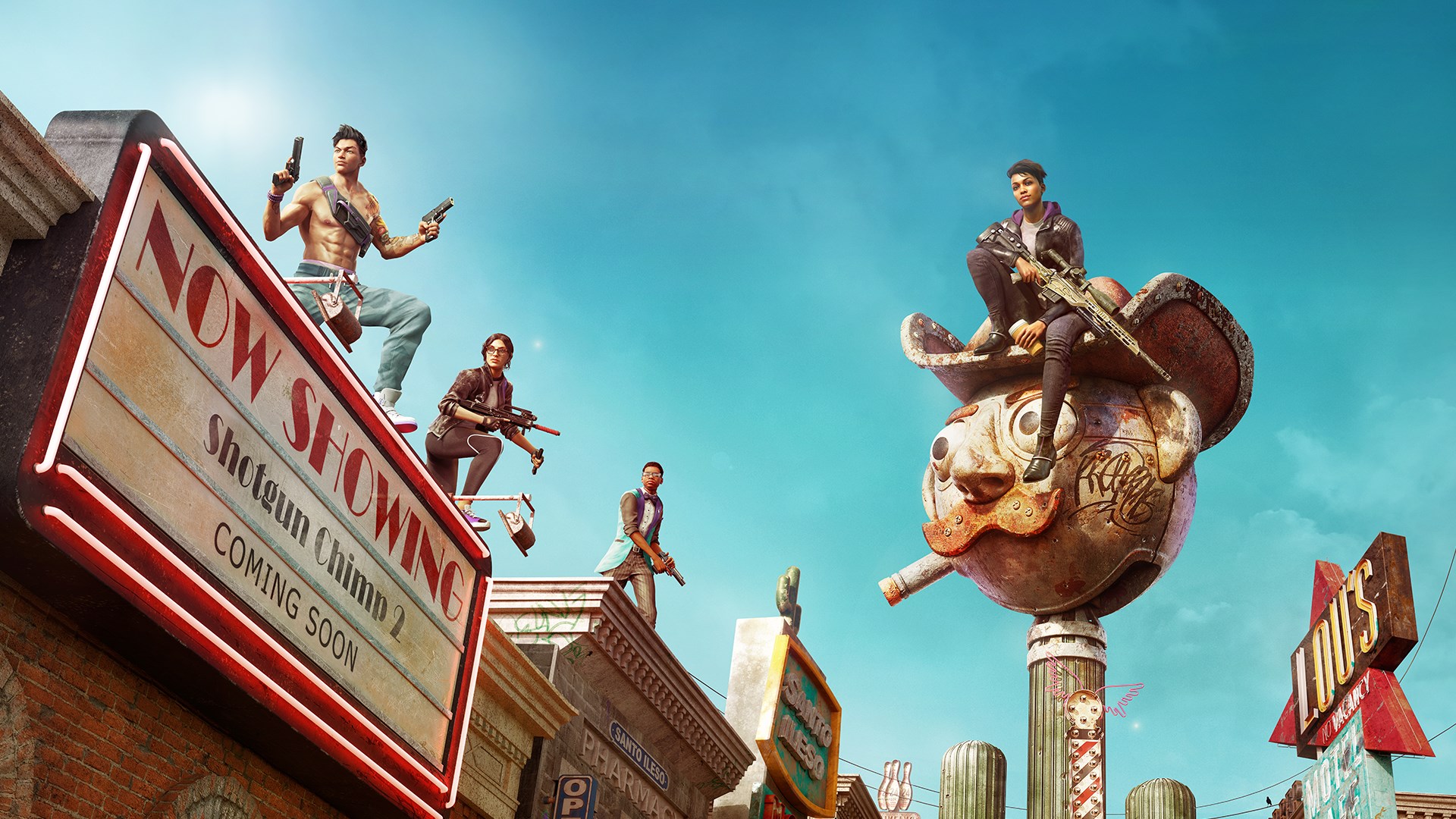
The latest ‘Saints Row’ game offers extensive character and customization options, letting players express themselves creatively. The developers emphasized this inclusivity during their June marketing. However, despite promoting these features, the game didn’t receive any specific updates or events related to Pride. Some players feel the marketing focused on existing features as a way to avoid developing new content, and instead relied on the game’s standard features to represent seasonal celebrations.
‘Minecraft’ (2011)
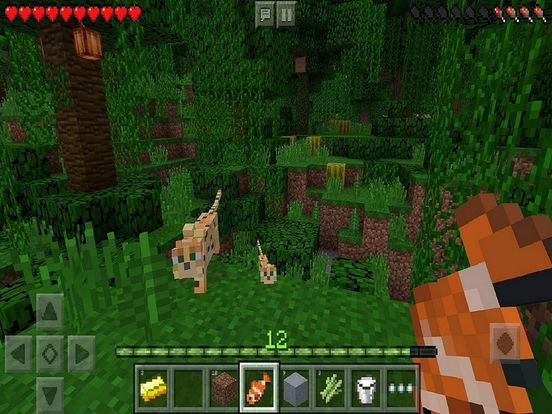
Minecraft offers pride-themed items and character customizations through its marketplace, often created by independent developers and showcased by the official Minecraft team. However, the core game itself doesn’t receive any special updates or host events to celebrate Pride. While players can express themselves creatively, official support mainly involves selecting and promoting these items, making the celebration feel fragmented rather than like a comprehensive, unified event.
‘Animal Crossing: New Horizons’ (2020)
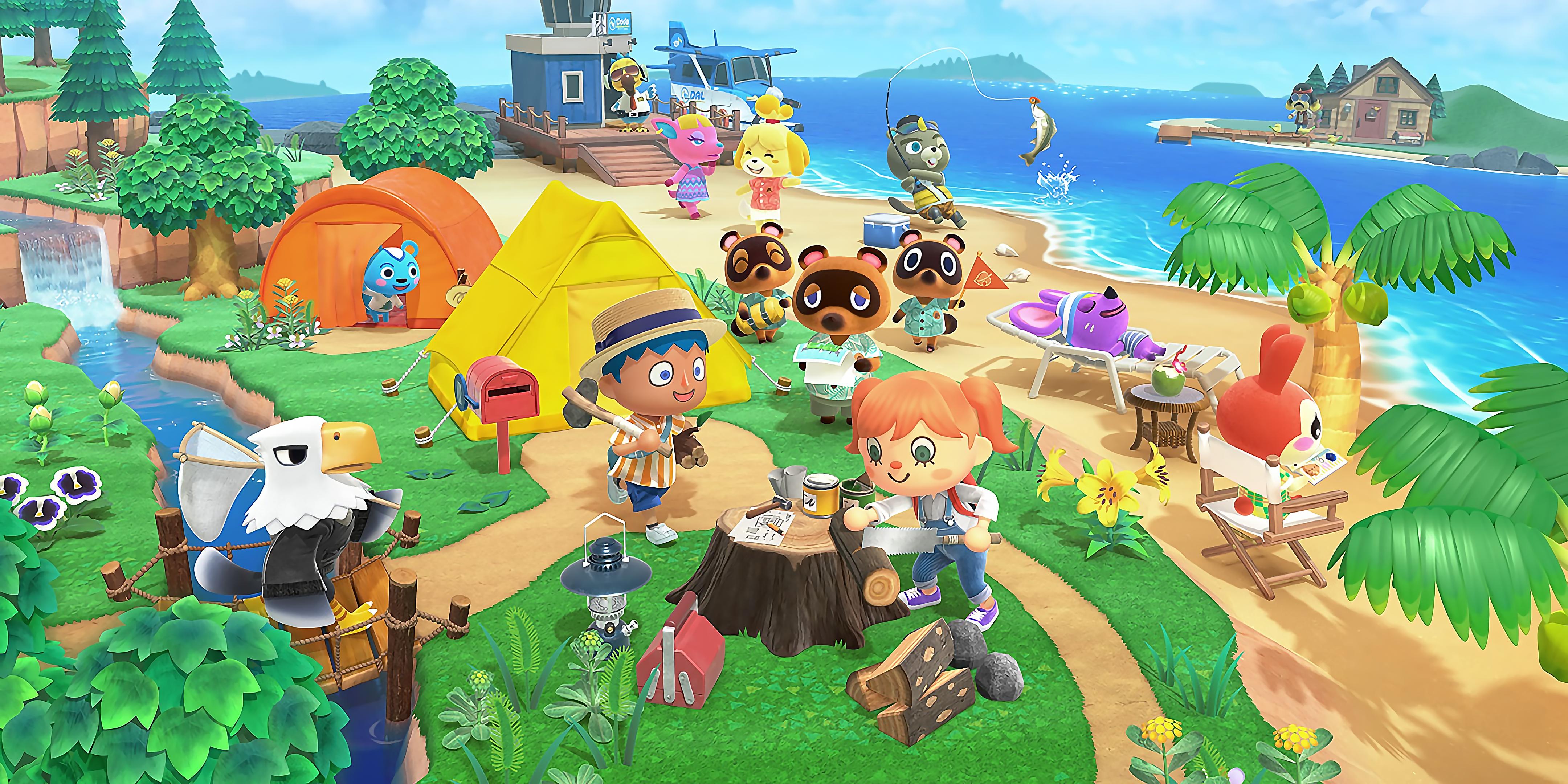
While ‘Animal Crossing: New Horizons’ doesn’t have an official Pride event, players have created their own celebrations using the game’s design tools. Nintendo has recognized these efforts online, but hasn’t added any special Pride-themed items or characters to the game. This is especially noticeable compared to how other holidays are celebrated with dedicated content. By letting players take the lead, Nintendo avoids directly addressing Pride within the game itself. This approach makes their occasional social media posts feel like a small gesture.
‘PUBG: Battlegrounds’ (2017)
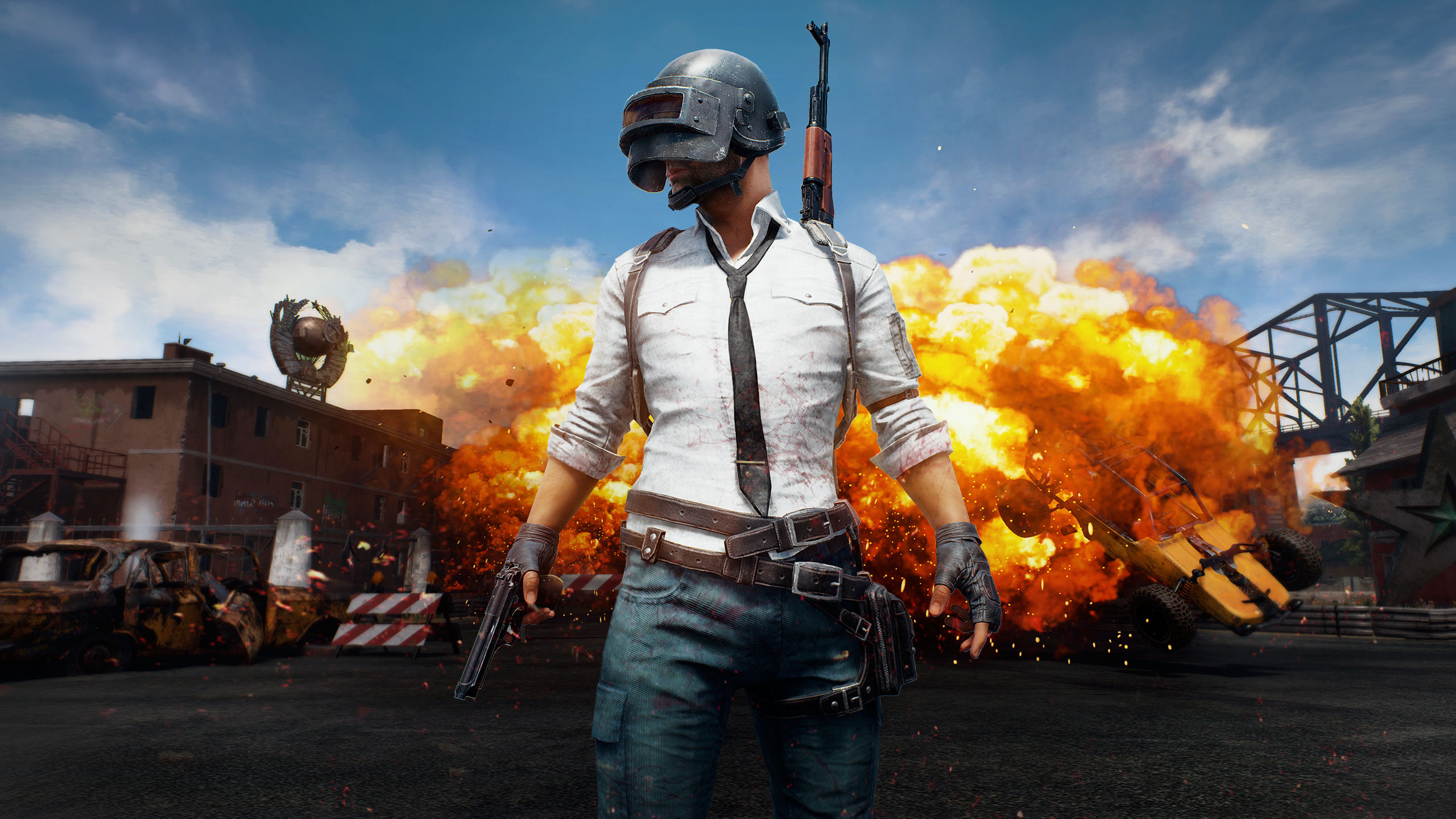
As a PUBG player, I’ve noticed they’ve been adding rainbow-themed nameplates and sprays with their seasonal updates. You can usually find them hidden amongst all the other cosmetic stuff in the store. Honestly, it’s cool they’re adding them, but it doesn’t really change the game – no special events or map tweaks to go with it. It’s all just how your name and sprays look. And finding these items? It can be a bit of a pain, digging through all the menus. It feels pretty typical for a game like PUBG, though – just the usual cosmetic additions for a live service title.
Tell us what you think about these in game events in the comments.
Read More
- Spotting the Loops in Autonomous Systems
- Seeing Through the Lies: A New Approach to Detecting Image Forgeries
- The Best Directors of 2025
- Staying Ahead of the Fakes: A New Approach to Detecting AI-Generated Images
- 20 Best TV Shows Featuring All-White Casts You Should See
- Gold Rate Forecast
- The Glitch in the Machine: Spotting AI-Generated Images Beyond the Obvious
- 2025 Crypto Wallets: Secure, Smart, and Surprisingly Simple!
- Umamusume: Gold Ship build guide
- Mel Gibson, 69, and Rosalind Ross, 35, Call It Quits After Nearly a Decade: “It’s Sad To End This Chapter in our Lives”
2026-01-11 15:27