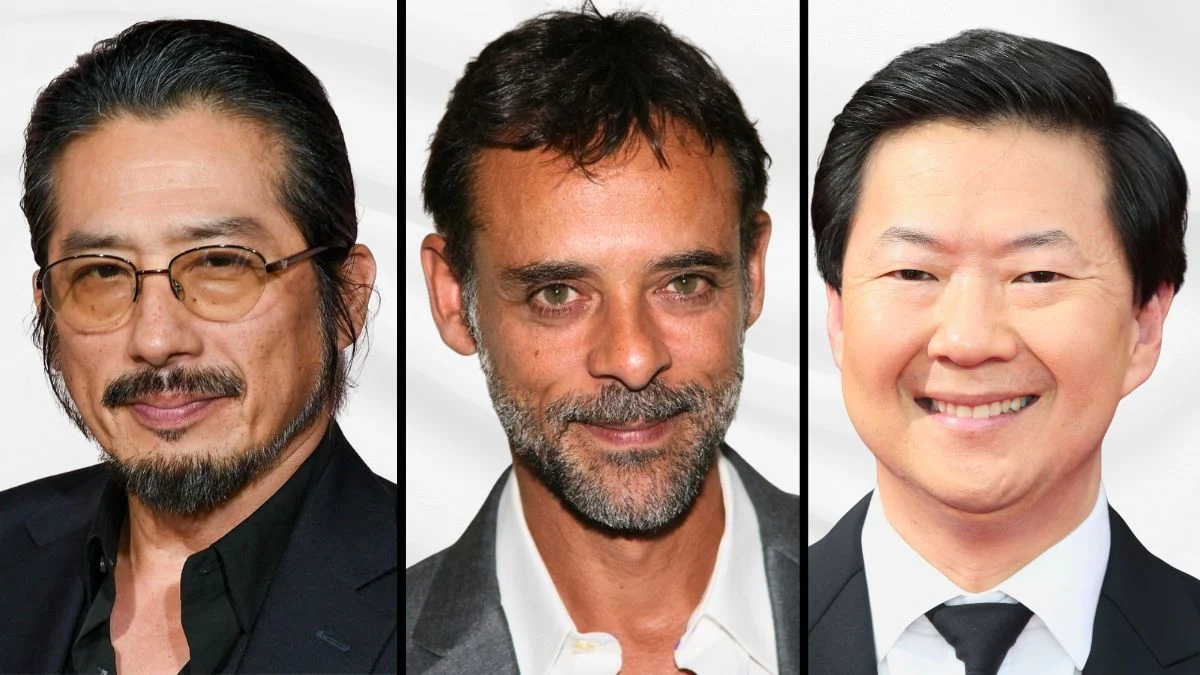
For years, many skilled actors have had to choose between earning a reliable income and challenging damaging portrayals in Hollywood. Historically, the film industry often relied on tired and harmful stereotypes, frequently casting certain ethnic groups as villains. These actors made the brave decision to reject roles that perpetuated these negative stereotypes and restricted their creative freedom. Their combined actions have been instrumental in creating a more inclusive and complex entertainment industry, ultimately changing how audiences view different groups of people.
Riz Ahmed
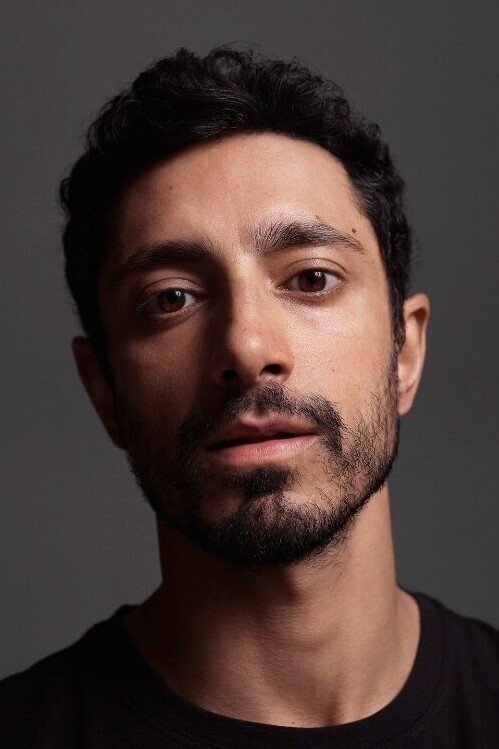
Riz Ahmed has consistently advocated for more accurate and diverse portrayals of Muslim characters in movies and television. He powerfully addressed the British Parliament about the harm caused by stereotypical roles and their impact on how Muslims are seen in the real world. Ahmed frequently turns down parts that depict people from his background as simple terrorists or extremists, instead choosing roles – like in ‘Sound of Metal’ – that offer nuanced and complex human stories. This dedication has allowed him to move beyond the limited types of roles often offered to actors of South Asian heritage.
Jackie Chan
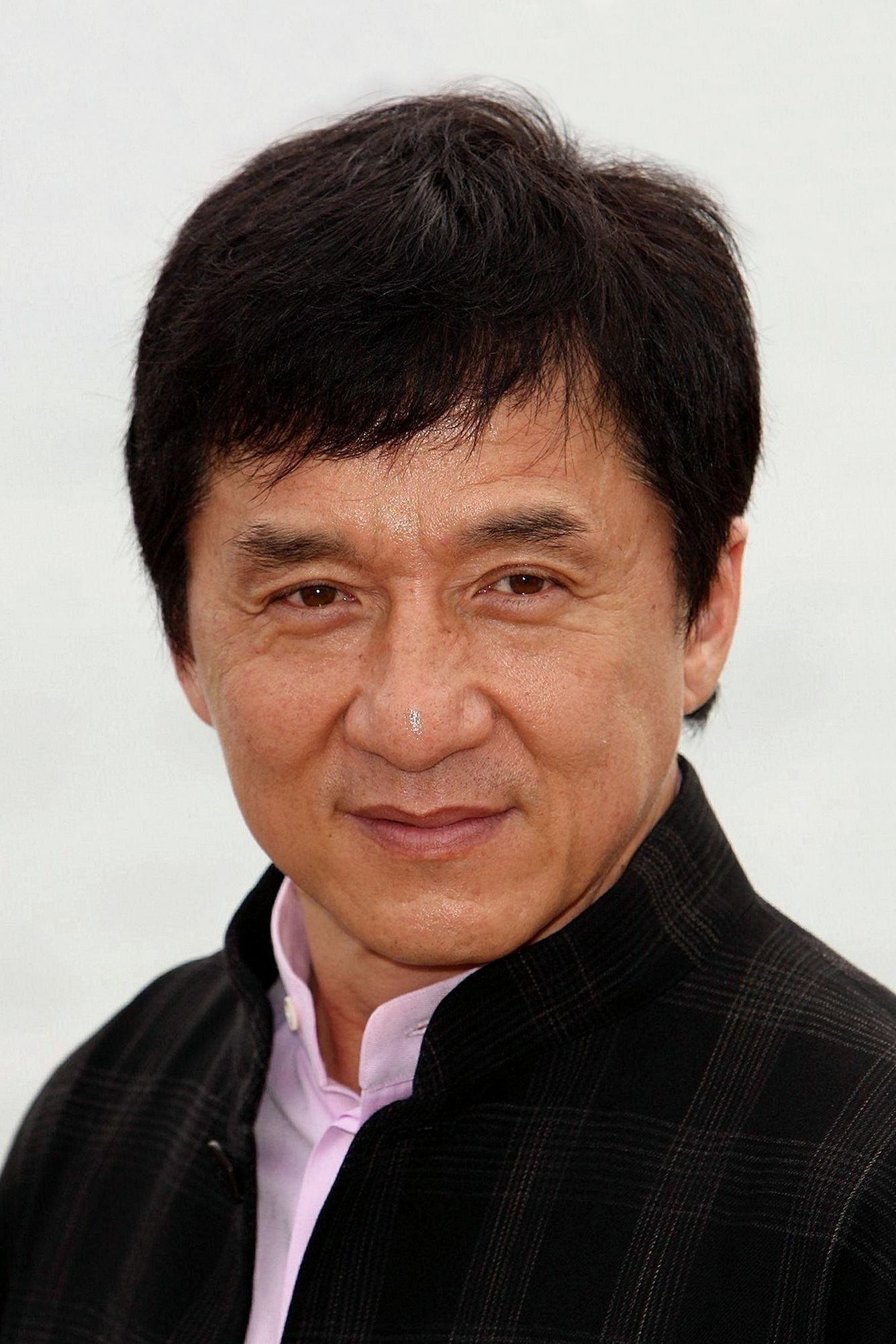
Jackie Chan began his career in Hong Kong cinema taking on diverse roles, even some as morally ambiguous characters. When he started working in international films, he carefully chose roles that presented a positive image, wanting to be a good role model. He famously refused to play the villain in ‘Lethal Weapon 4’ because he didn’t want to reinforce negative stereotypes about Chinese people. Chan preferred playing heroes or sympathetic characters to offer a more positive representation of Asian men in Hollywood, and he’s continued to build a successful career around action-comedy roles with strong moral values.
Danny Trejo
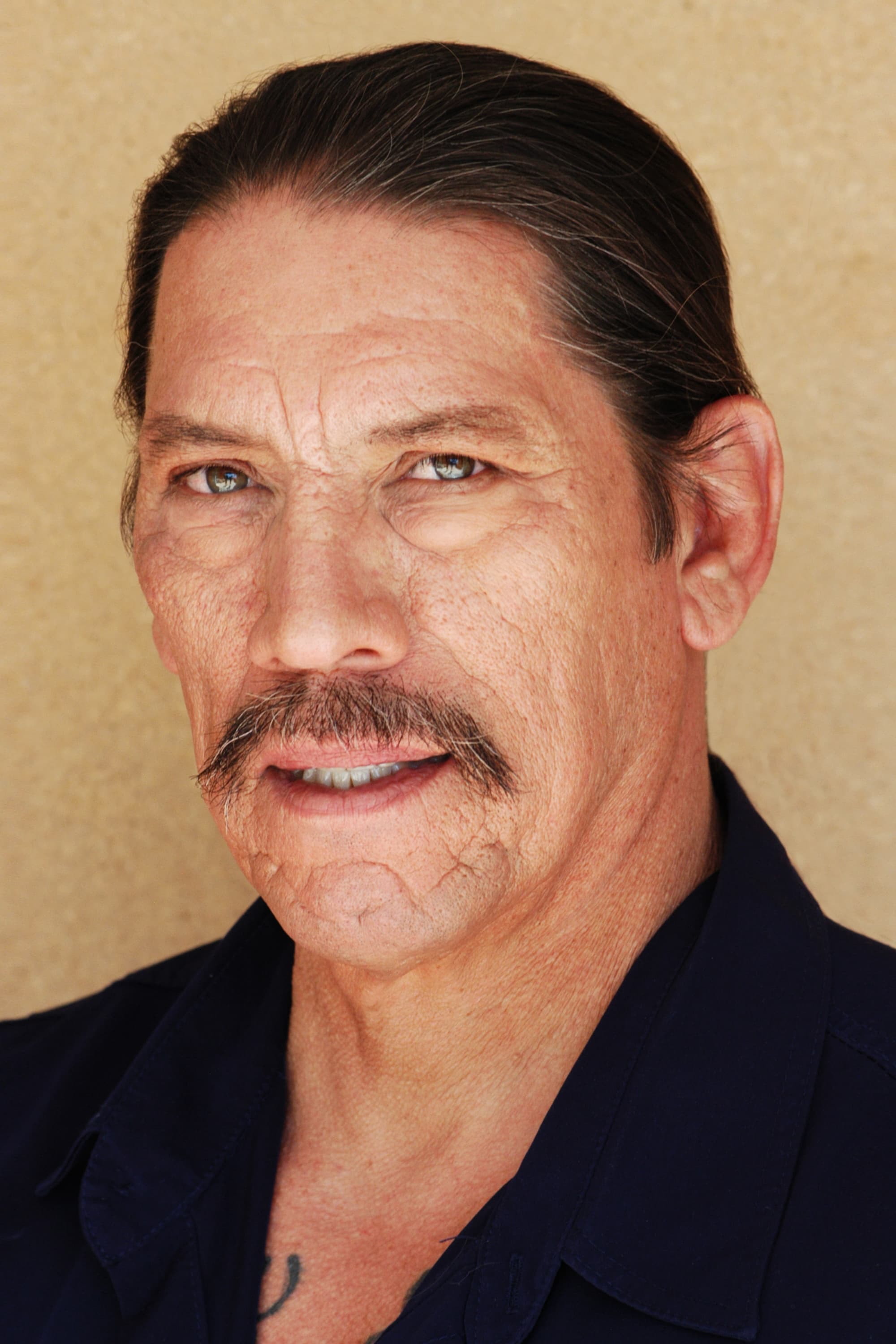
For years, Danny Trejo was often typecast as a hardened criminal or prisoner because of his tough look and past. He later recognized that his roles could influence young fans, so he made a personal commitment: any villain he played would have to be defeated or brought to justice. This ensured he didn’t glorify crime or perpetuate harmful stereotypes about Latino men. He’s since moved on to play more positive and humorous characters, like the main role in ‘Machete’.
Cliff Curtis
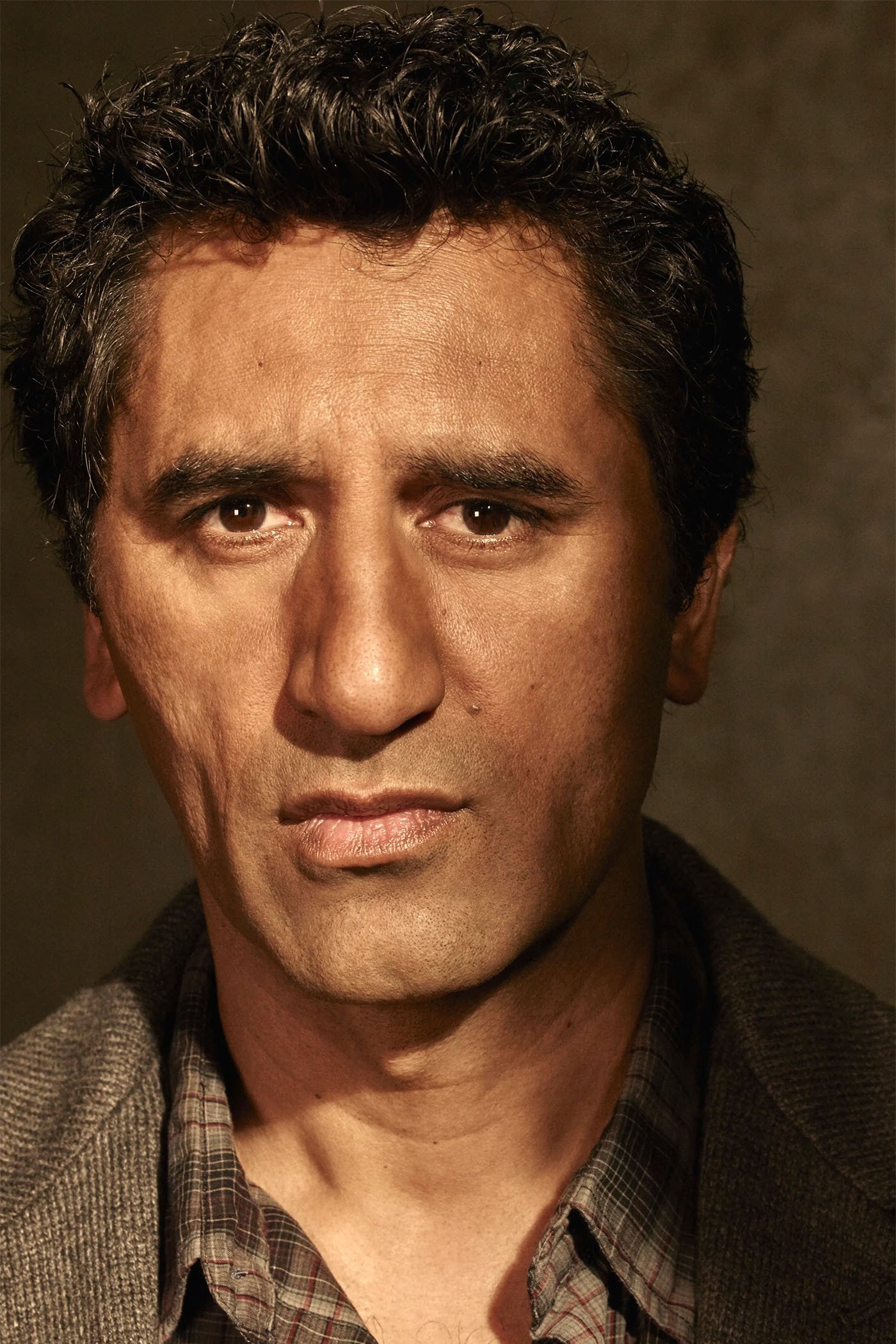
Cliff Curtis is a remarkably versatile actor who has portrayed people from many different backgrounds. He noticed he was often cast as ethnic villains or gang members and decided he wanted to play more complex characters. He started choosing roles, like the one in ‘Whale Rider’, that allowed him to showcase his skills as a dramatic actor. Now, he plays a much wider range of characters, moving beyond the limited types of roles he was initially offered.
Alexander Siddig
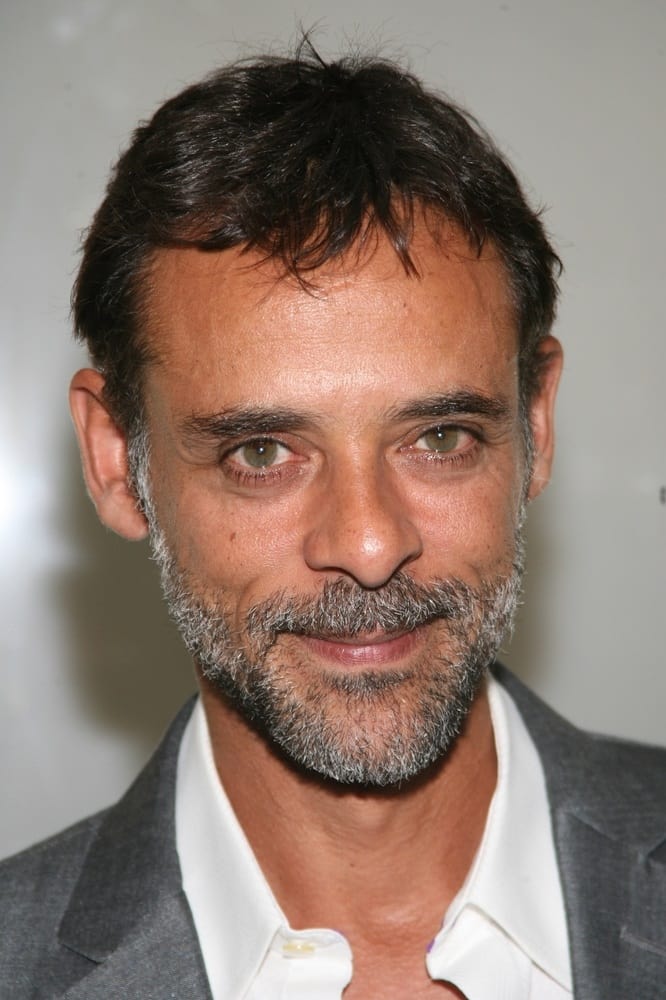
Alexander Siddig became well-known for his role on ‘Star Trek Deep Space Nine,’ where he played a successful professional of Middle Eastern heritage. However, after the show ended, he was often offered roles portraying stereotypical terrorists. Siddig made a conscious decision to reject these parts, wanting to avoid reinforcing negative stereotypes about his background in Western media. He’s frequently discussed the need for more creative and diverse roles for actors of color. Since then, his work has focused on playing complex, well-developed characters, no matter their ethnicity or origin.
Faran Tahir
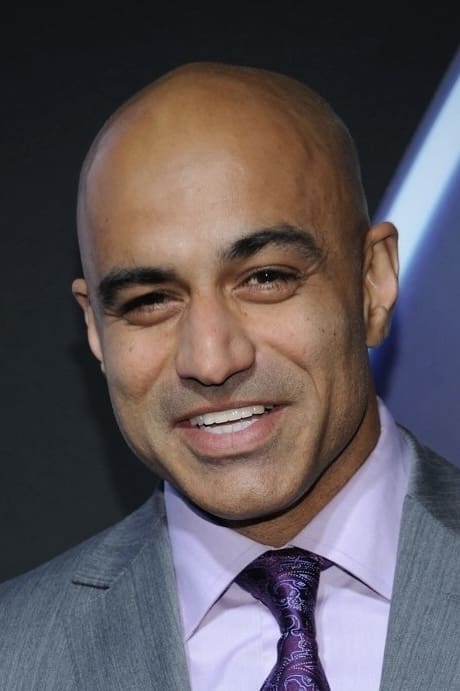
Faran Tahir is known for playing characters with power and depth, but he’s often been offered roles as one-dimensional villains. To avoid these stereotypes, he developed a personal rule: he only accepts antagonist roles if the character has a believable reason for their actions and feels like a real person, not just a representation of their background or beliefs. He famously worked with the creators of ‘Iron Man’ to ensure his character wasn’t a simple stereotype. This careful approach has helped him build a thriving career while staying true to his principles.
Kal Penn
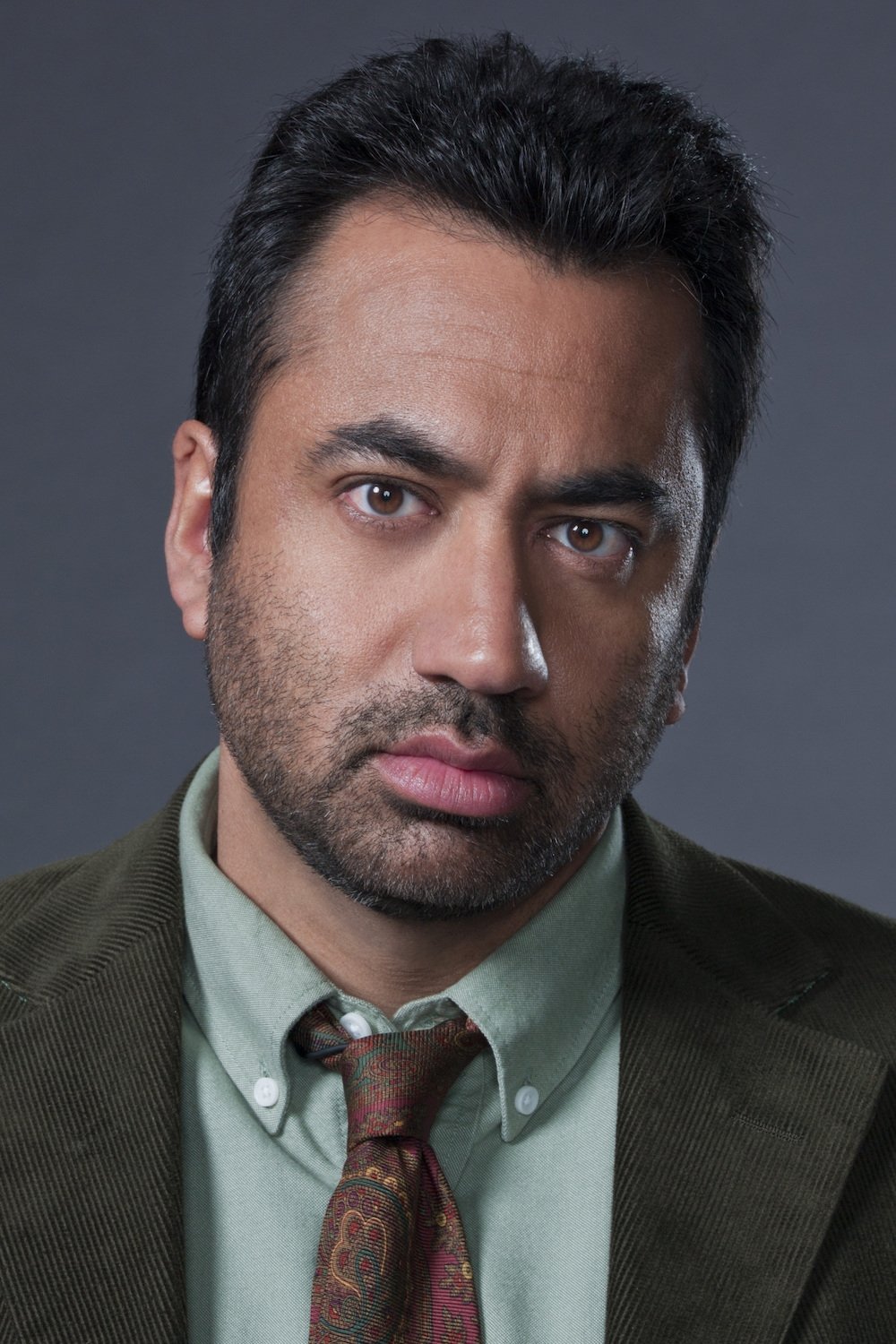
Kal Penn began his acting career by challenging the limited and often stereotypical roles offered to him. He publicly shared examples of scripts that asked him to perform exaggerated accents or rely on harmful clichés about South Asians. Determined to avoid these types of parts, he sought roles that would allow him to portray an everyday American character. This approach led to his breakthrough with the ‘Harold and Kumar’ films, which cleverly challenged expectations for Asian American actors. Later, he transitioned into more dramatic work and even dedicated time to public service.
Tony Shalhoub
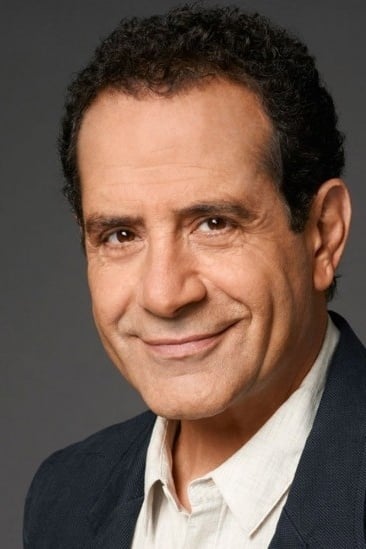
Tony Shalhoub is an award-winning actor who early in his career often found himself offered roles that relied on harmful stereotypes. Because of his Lebanese background, he was frequently asked to play Middle Eastern characters as villains or untrustworthy figures. He deliberately turned down these roles, wanting to avoid being typecast. Instead, Shalhoub concentrated on showcasing his talent for both comedy and drama, as he did in the show ‘Monk’. His success demonstrates that actors of Middle Eastern descent can take leading roles in popular shows and movies without falling into predictable, stereotypical patterns.
Rami Malek
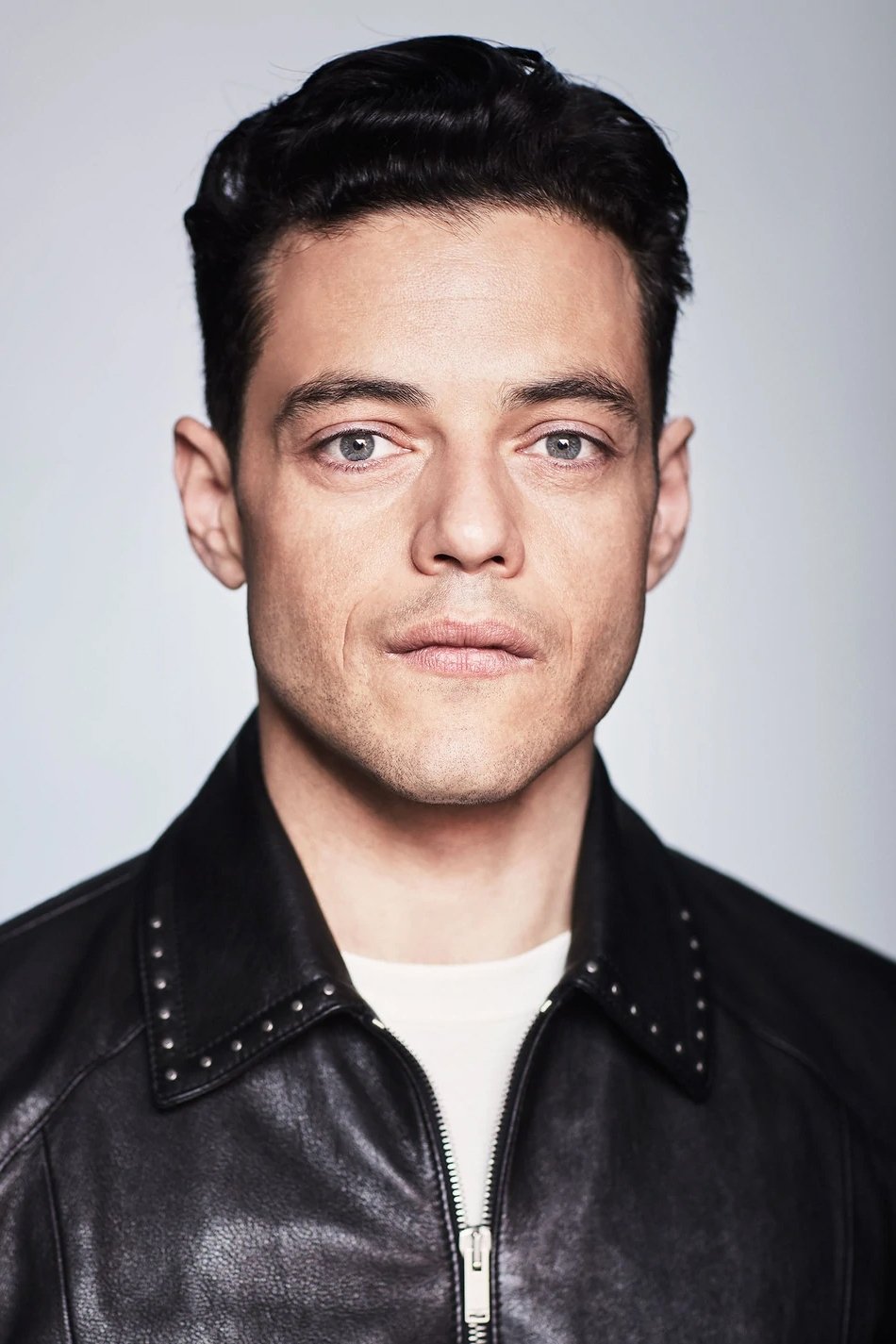
As a huge film fan, I’ve always admired Rami Malek’s commitment to thoughtful roles. He’s been really open about not wanting to play characters that rely on harmful stereotypes, and it came up when he was offered the villain in ‘No Time to Die’. He had a really important conversation with the director, making sure the character wasn’t just a cliché representing a certain group. He only agreed to play the part when they assured him the villain’s actions would be driven by his own personal story, not by his ethnicity or beliefs. It’s something he consistently looks for – complex, individual characters – and it’s become a real signature of his work.
Ken Jeong
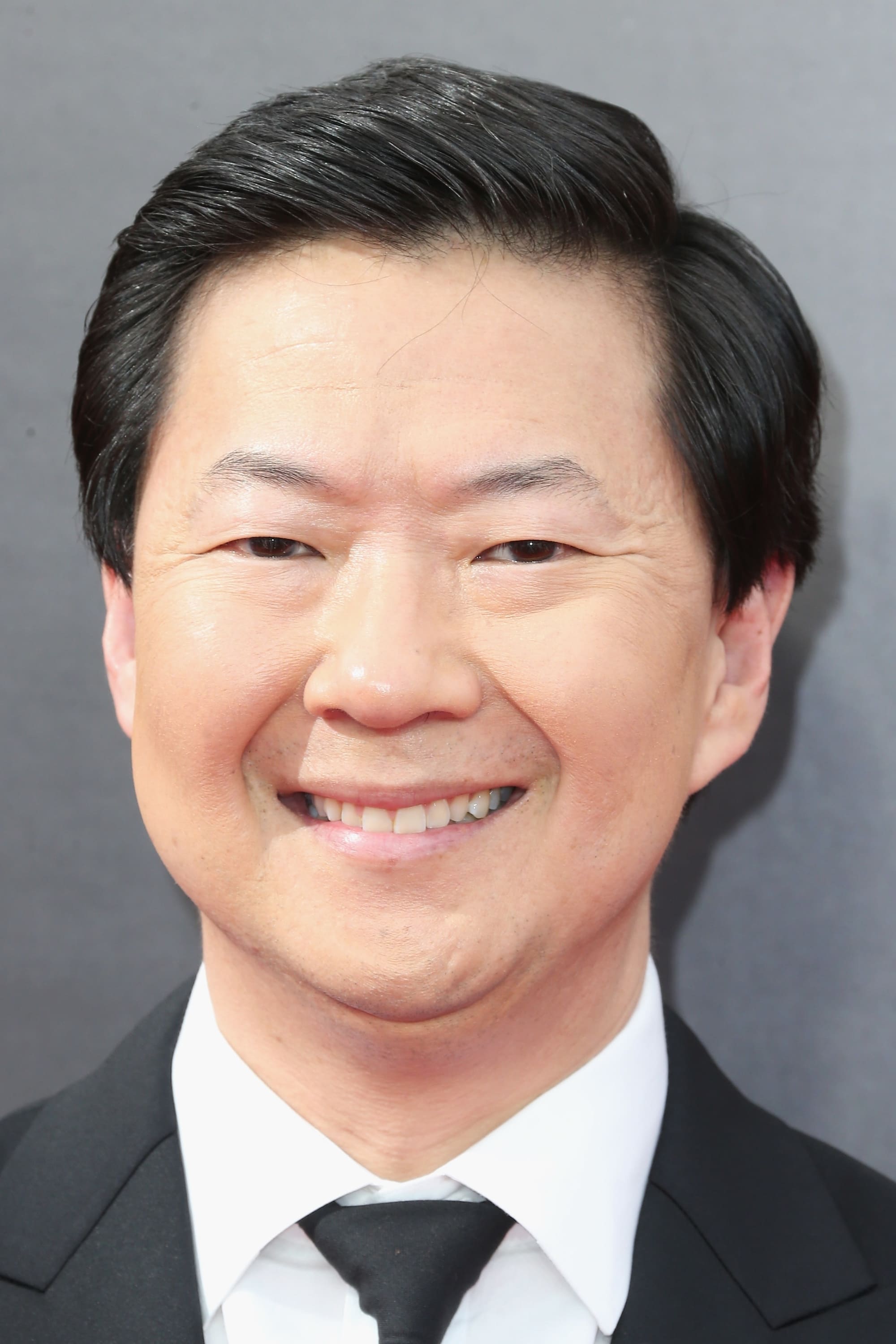
Ken Jeong first became well-known for playing characters that some thought relied too heavily on common stereotypes about Asians. However, he’s since become more aware of how his roles affect how Asian American men are seen. He’s intentionally moved away from exaggerated, cartoonish characters and now seeks roles that are more realistic and relatable. Jeong wants to be involved in projects that showcase the full range and depth of the Asian American experience, and his work, including ‘Dr. Ken,’ shows this commitment to better and more diverse representation.
BD Wong
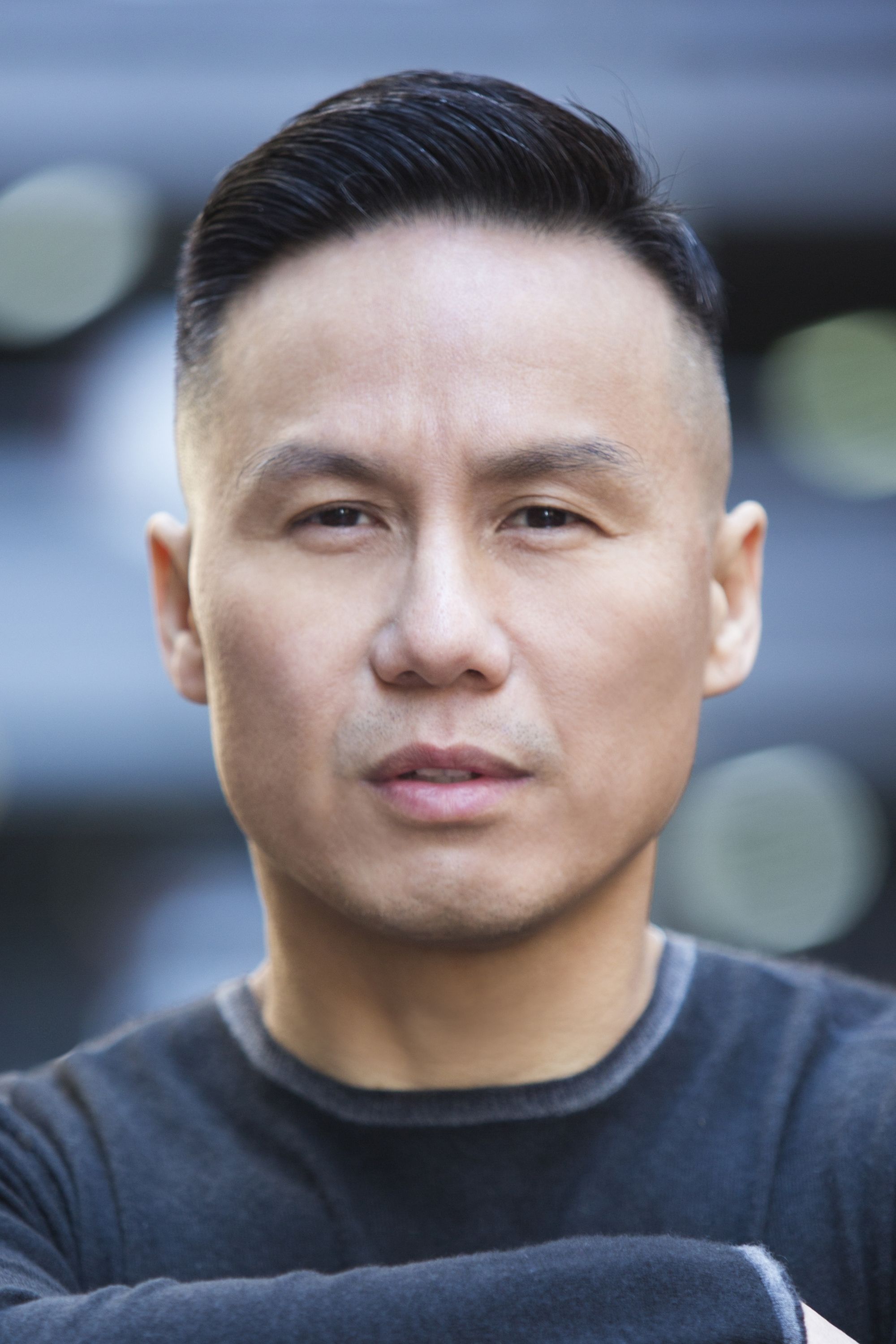
For decades, BD Wong has worked to improve how Asian actors are portrayed in movies and TV. He’s frequently pointed out that the industry often casts Asian men as either quiet villains or simple supporting characters. Wong intentionally chooses roles that break these stereotypes and offer more depth. His work on shows like ‘Law & Order: SVU’ and ‘Mr. Robot’ has let him play complicated characters that aren’t easily defined. He continues to be a strong advocate for honest stories and more diverse casting choices.
John Cho
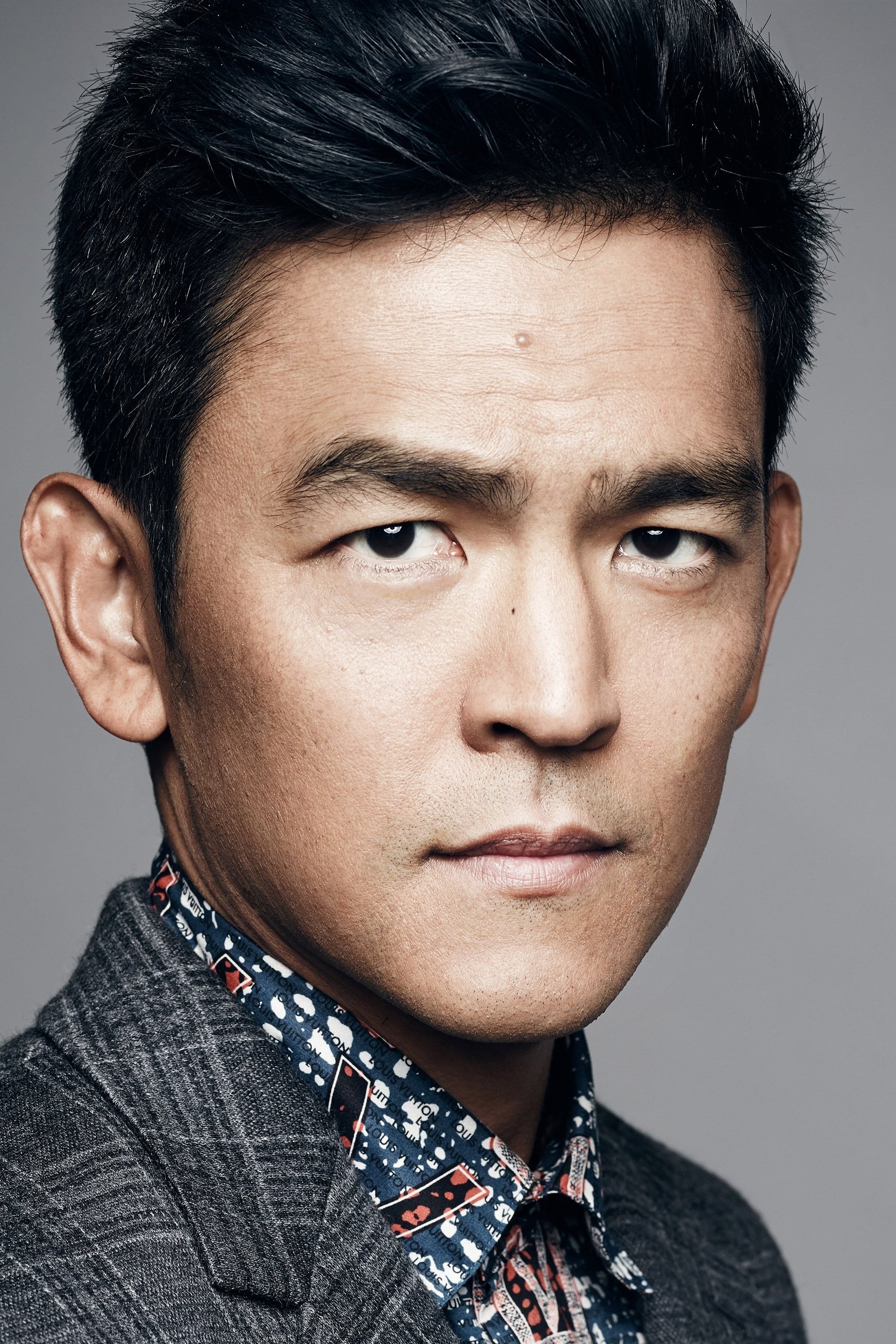
Early in his career, John Cho deliberately chose roles that avoided harmful stereotypes, like fake accents, the “model minority” trope, or villainous characters. He wanted to be recognized simply as an American actor capable of playing a wide range of parts, not limited by his ethnicity. This led him to take on roles—like the one in the ‘Star Trek’ reboot—that were originally intended for white actors. Cho has been a trailblazer for Asian American leading men in Hollywood, constantly challenging expectations and opening doors for others.
Hiroyuki Sanada
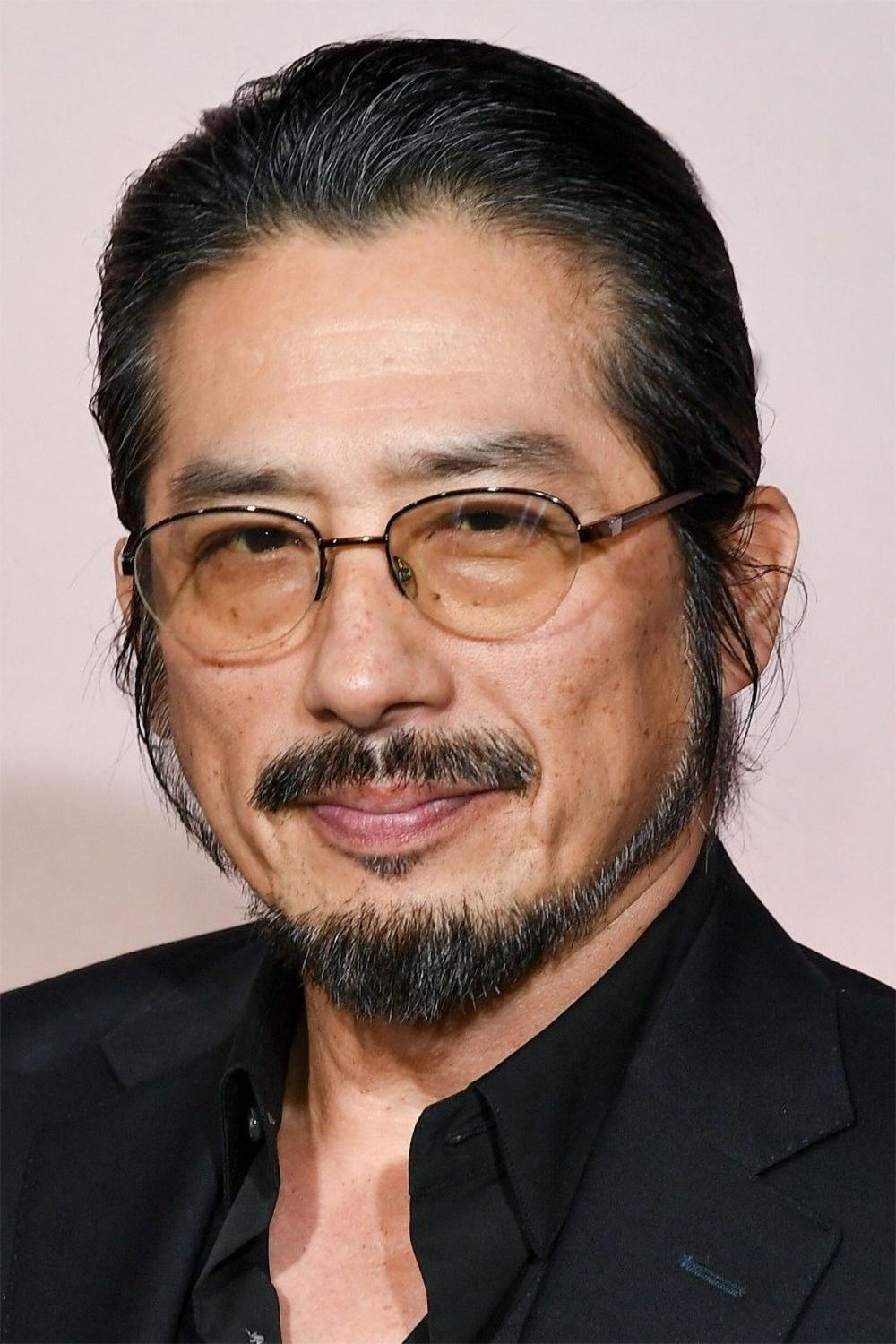
Hiroyuki Sanada is a seasoned actor committed to authentic portrayals of Japanese culture in film. He frequently turns down roles that rely on tired stereotypes of Asian characters, like nameless ninjas or one-dimensional villains. Beyond acting, Sanada often advises productions on costumes and dialogue to ensure respect and accuracy. He favors complex, honorable characters, even when playing the villain, and this dedication has earned him a strong reputation in both Japan and the United States.
Cary-Hiroyuki Tagawa
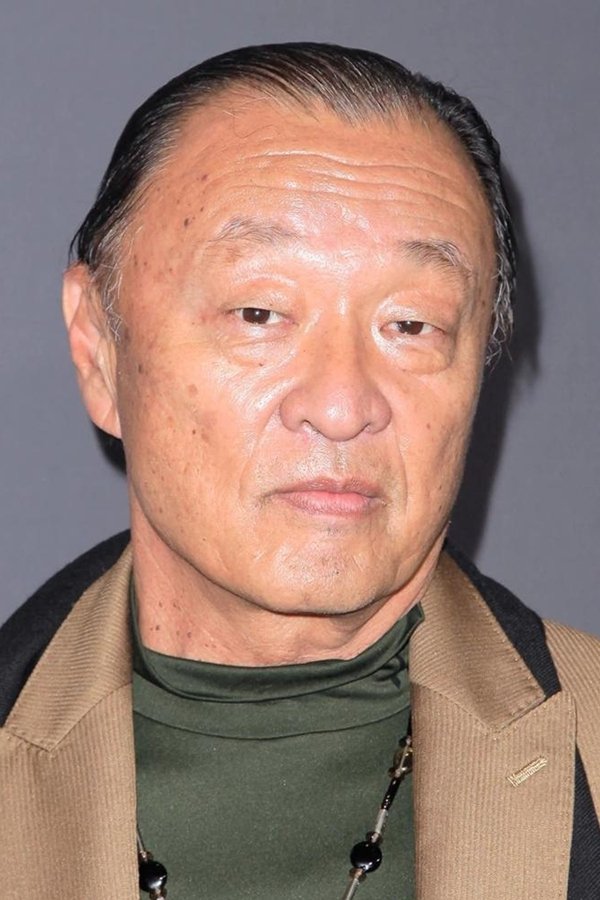
Cary-Hiroyuki Tagawa is well-known for playing memorable villains, but he’s also spoken out about the limited and stereotypical roles often offered to Asian actors. Throughout his career, he started choosing characters that allowed him to explore his deeper, more thoughtful side, moving away from the harmful “yellow peril” stereotypes common in the 80s and 90s. Tagawa actively uses his influence to push for more complex and meaningful roles for Asian actors, going beyond simply playing the villain. He remains committed to finding projects that show the full range of human experience.
Tadanobu Asano
Tadanobu Asano is a highly respected actor in Japan who has thoughtfully approached working in Western films. He’s avoided being typecast as a typical foreign villain or martial arts stereotype, instead choosing roles that are creatively stimulating and allow him to demonstrate his acting skills. He’s proven versatile, moving seamlessly between roles in blockbuster superhero movies and more realistic characters in independent films. His career choices show he’s dedicated to building a global presence without being limited by cultural clichés.
Benedict Wong
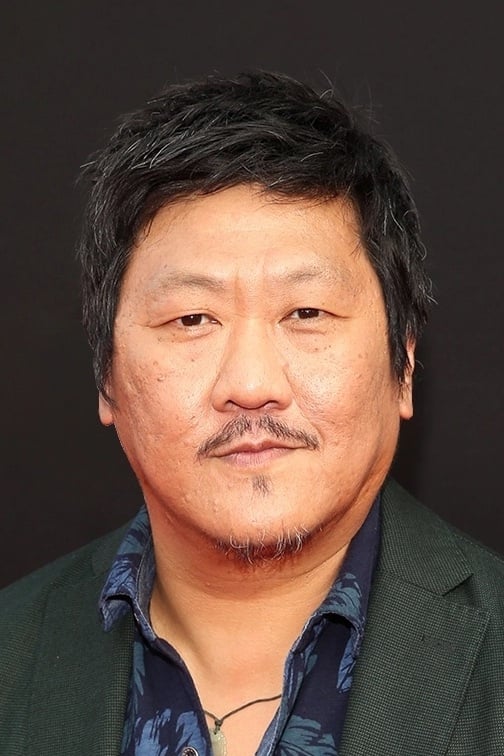
Benedict Wong is a well-known actor in big film series, but he’s careful about the parts he takes. He’s discussed how important it is for Asian actors to move beyond stereotypical roles like waiters or gang members. Wong prefers characters with depth and individuality, such as his role in ‘Doctor Strange,’ and avoids projects that use harmful or outdated clichés when portraying people of Asian heritage. His success shows how representation in blockbuster movies is finally starting to improve.
Shaun Toub
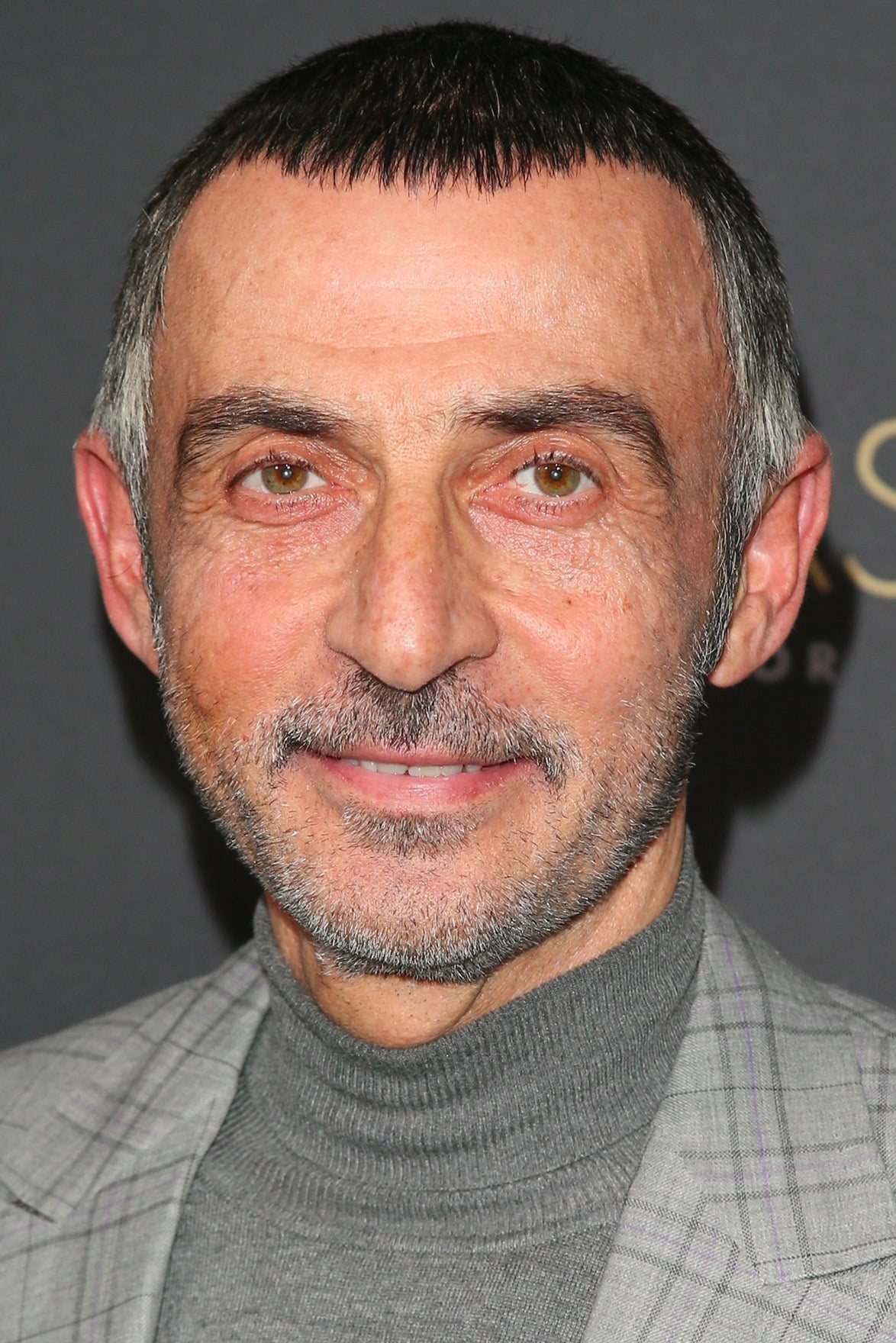
Shaun Toub is a versatile actor who carefully considers how Middle Eastern men are depicted on screen. He often turns down roles that feel one-dimensional or rely on harmful stereotypes, preferring to portray characters with full lives, families, and realistic challenges – even when those characters are involved in conflict. Toub consistently advocates for bringing empathy and humanity to every role, a quality evident in his work in films like ‘Iron Man’ and ‘The Kite Runner’.
Haaz Sleiman
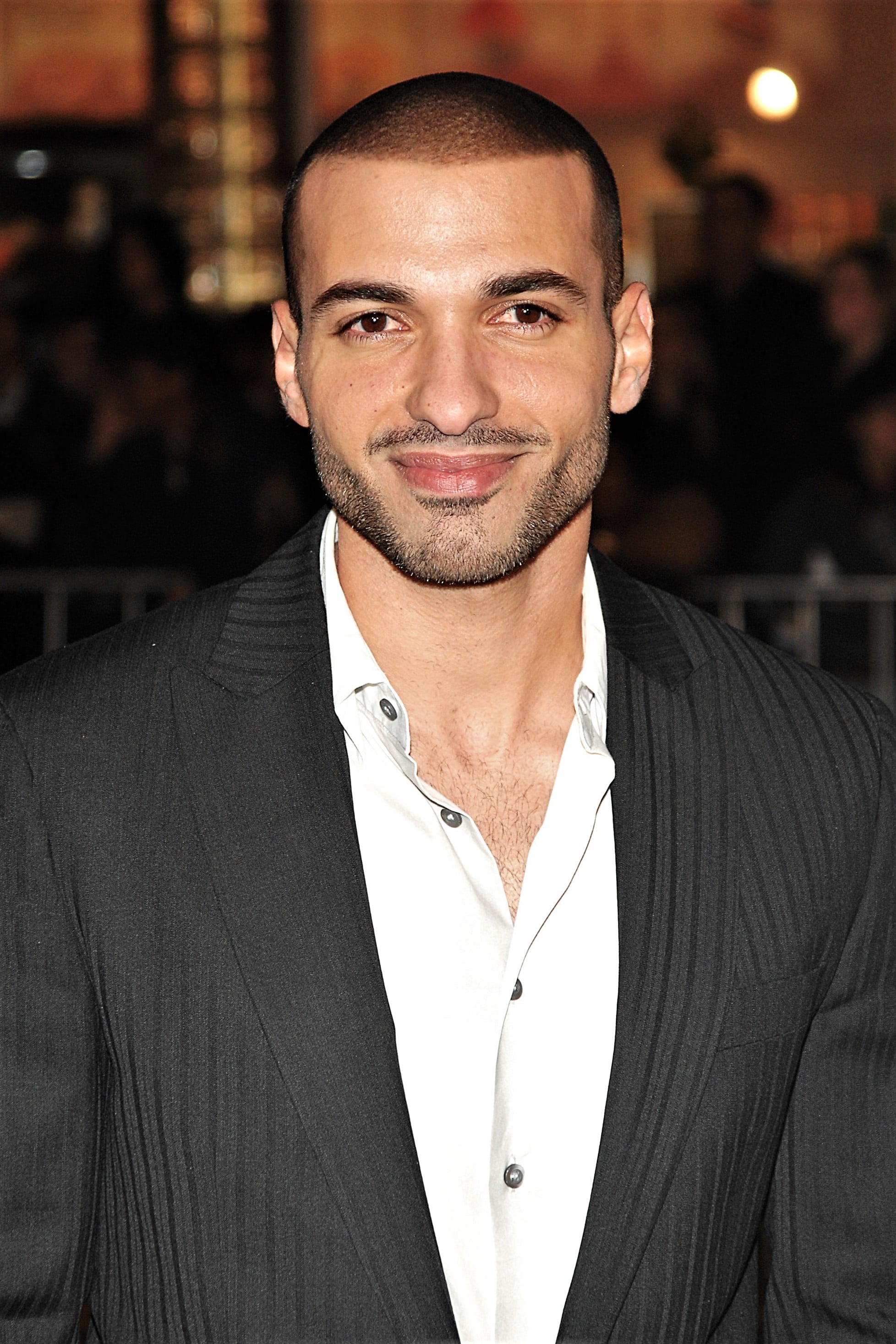
Haaz Sleiman is an actor who advocates for better representation of Middle Eastern people in film and television. He actively avoids projects that promote Islamophobia or portray harmful stereotypes, and instead seeks roles that showcase shared human experiences. He’s also passionate about telling stories that address important social issues, including LGBTQ+ themes, with the goal of creating more understanding and breaking down prejudices through his work.
Maz Jobrani
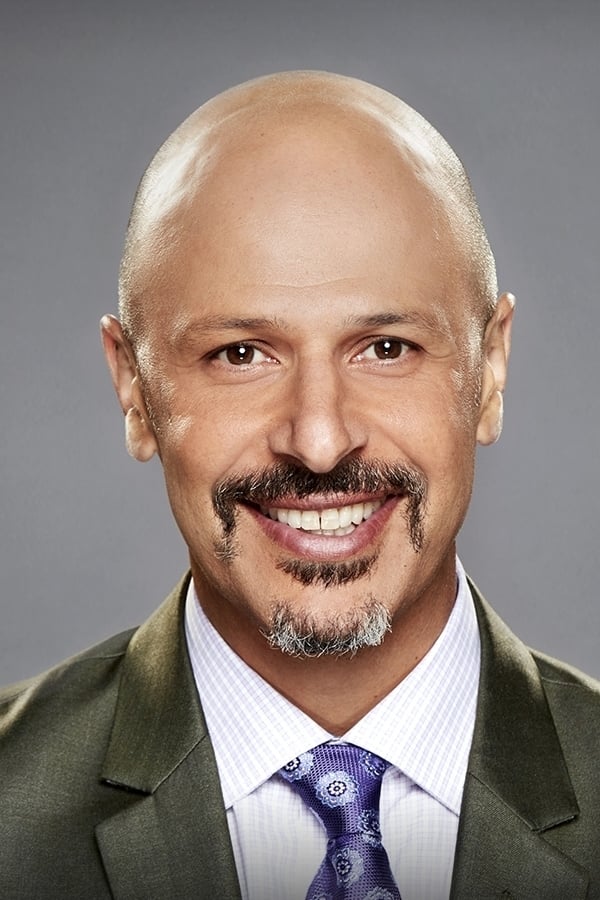
Comedian Maz Jobrani has consistently challenged harmful stereotypes about Middle Eastern people in Hollywood. He’s often been asked to play one-dimensional characters – usually criminals who yell with a vague accent – but he intentionally chooses roles that represent his real life as an Iranian American. Through his comedy, Jobrani points out how ridiculous these casting requests are. Ultimately, his work focuses on celebrating and showing the humanity of Middle Eastern culture, rather than portraying it negatively.
Amr Waked
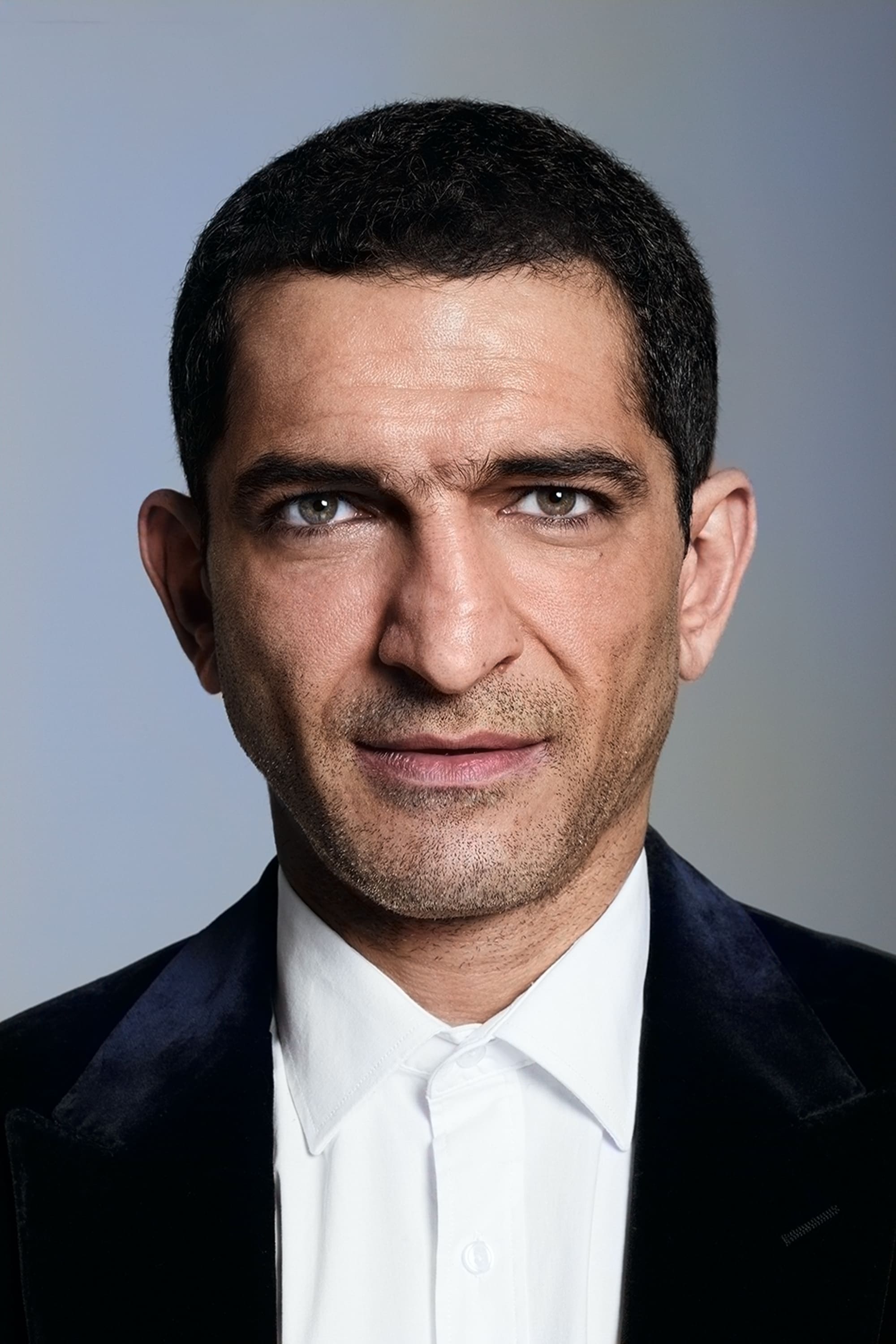
Amr Waked is a well-known Egyptian actor who has begun to appear in international films. He carefully chooses his roles in Western productions, wanting to avoid being typecast as a stereotypical villain. Waked prefers scripts that present a nuanced and complex view of the world, rather than simple good versus evil stories. He’s worked on projects exploring political issues and human rights, proving his range as an actor. Through his work, he aims to connect cultures and promote understanding through meaningful stories.
Oded Fehr
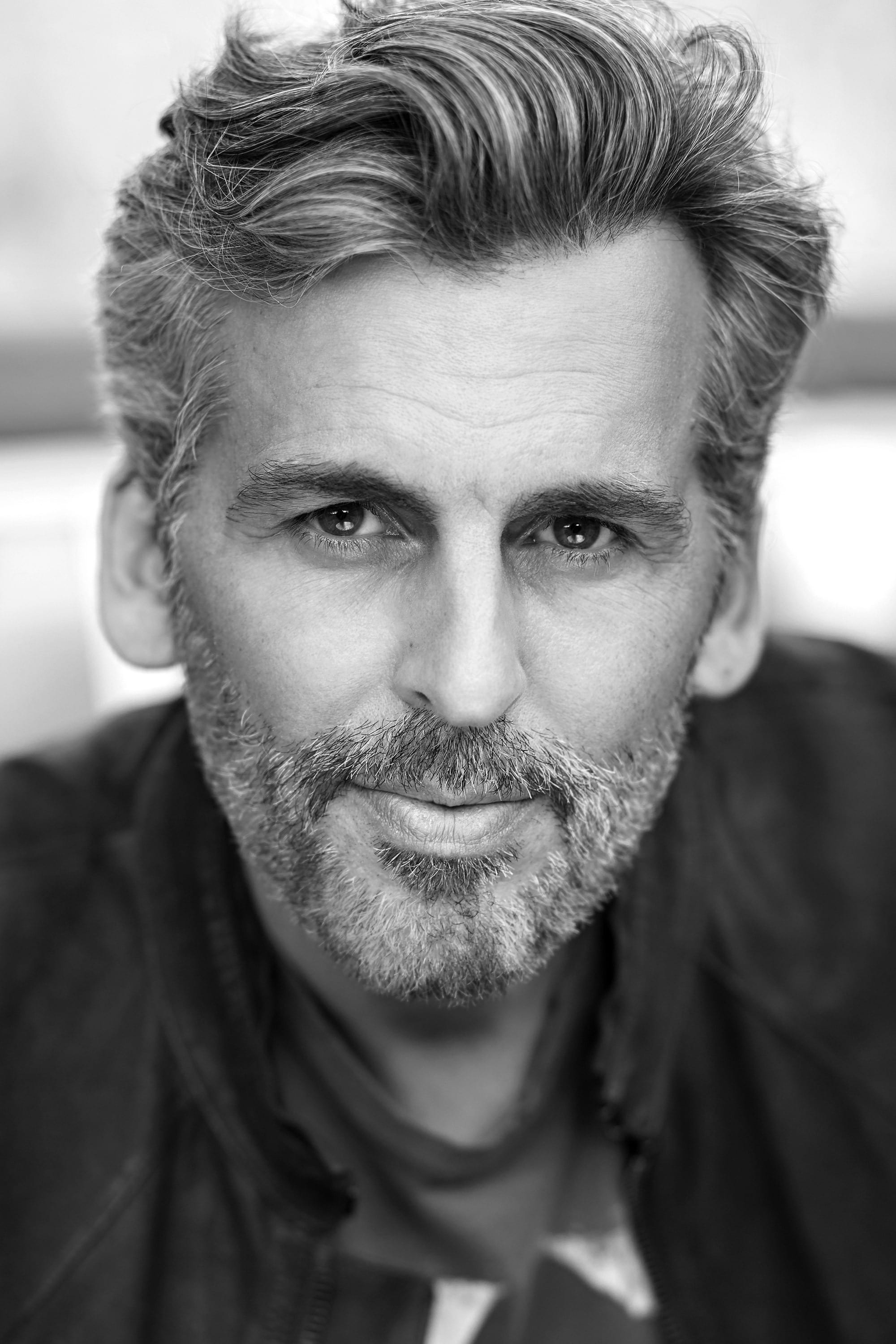
Oded Fehr gained widespread recognition for his role in ‘The Mummy,’ where he portrayed a heroic character from the Middle East. Since then, he’s intentionally chosen roles that avoid the common, negative stereotypes often given to actors with similar backgrounds. He’s successfully played many different characters – soldiers, leaders, and more – consistently showing them as capable and courageous. Fehr’s career is a great example of how an actor can thrive over the long term by avoiding harmful tropes, and he continues to take on interesting and varied roles across many genres.
Naveen Andrews

Naveen Andrews became widely known for his role in ‘Lost’, where he played a character with a complicated and enigmatic background. Earlier in his career, he often faced being typecast as the villain, largely due to his ethnicity. Andrews has intentionally chosen projects that are creatively fulfilling and allow him to explore different facets of his identity. He’s openly discussed the importance of South Asian actors getting leading roles that aren’t solely based on their background. Throughout his career, he’s consistently worked towards more diverse and meaningful roles.
Art Malik
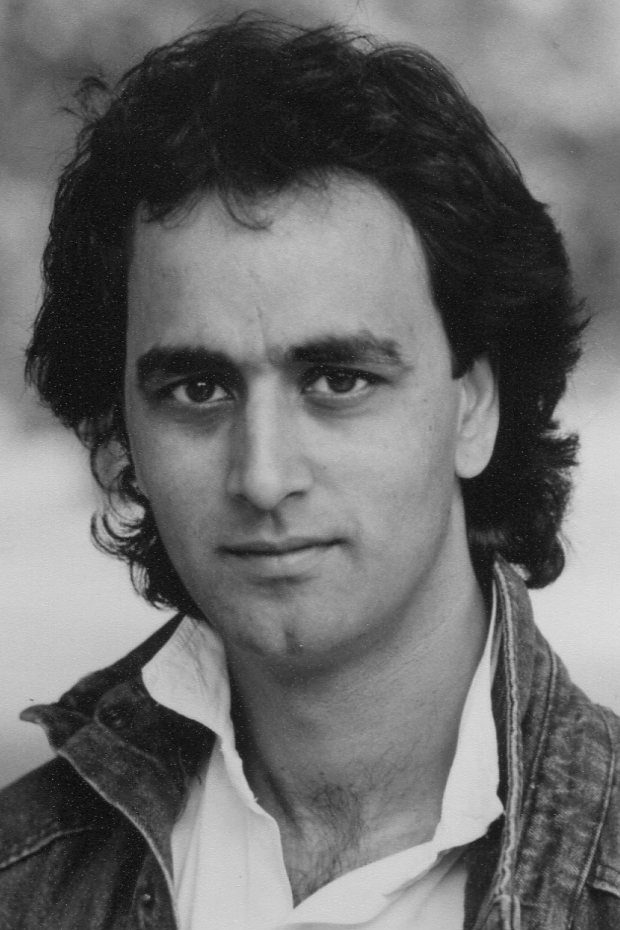
Art Malik is a well-established British actor who has witnessed many changes in the entertainment industry. Early in his career, he often found himself offered stereotypical villain roles, which frustrated him. He made a conscious effort to choose parts that showcased his range and skill as an actor. He’s successfully appeared in a wide variety of productions, from historical dramas to contemporary thrillers, demonstrating his ability to play diverse characters. Malik’s enduring career is a testament to his determination to avoid being typecast.
Saeed Jaffrey
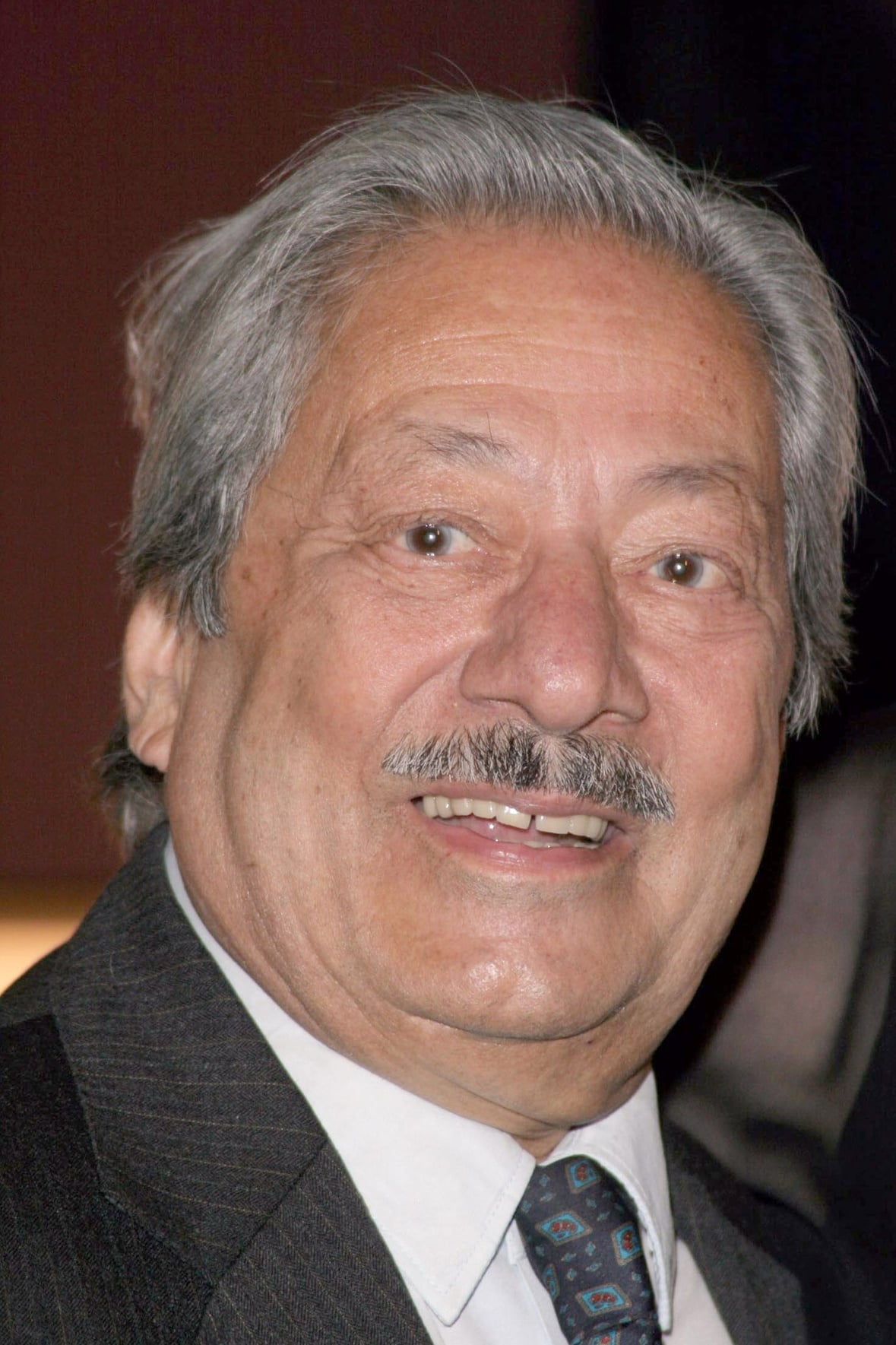
Saeed Jaffrey paved the way for South Asian actors in British and international films throughout his career. He consistently fought to portray his characters with respect and complexity, refusing roles that relied on stereotypes or disrespected his culture. He was among the first actors from his background to find widespread success in many different types of parts, and his work has opened doors for a more diverse range of performers.
Sayed Badreya
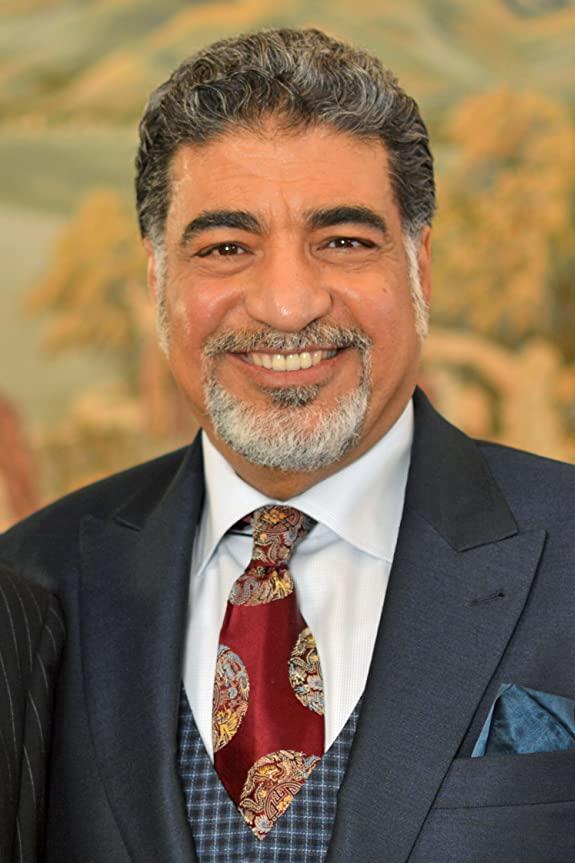
Sayed Badreya is determined to improve how people from the Middle East are depicted in Hollywood. He’s spoken out against the harmful “terrorist” stereotype and consistently works with filmmakers to create more realistic and relatable characters. Badreya focuses on roles that show the normal lives and challenges of people who share his heritage. To ensure more accurate stories are told, he’s also started his own production company. Because of his commitment to truthful representation, he’s become a well-respected voice in the industry.
Waleed Zuaiter
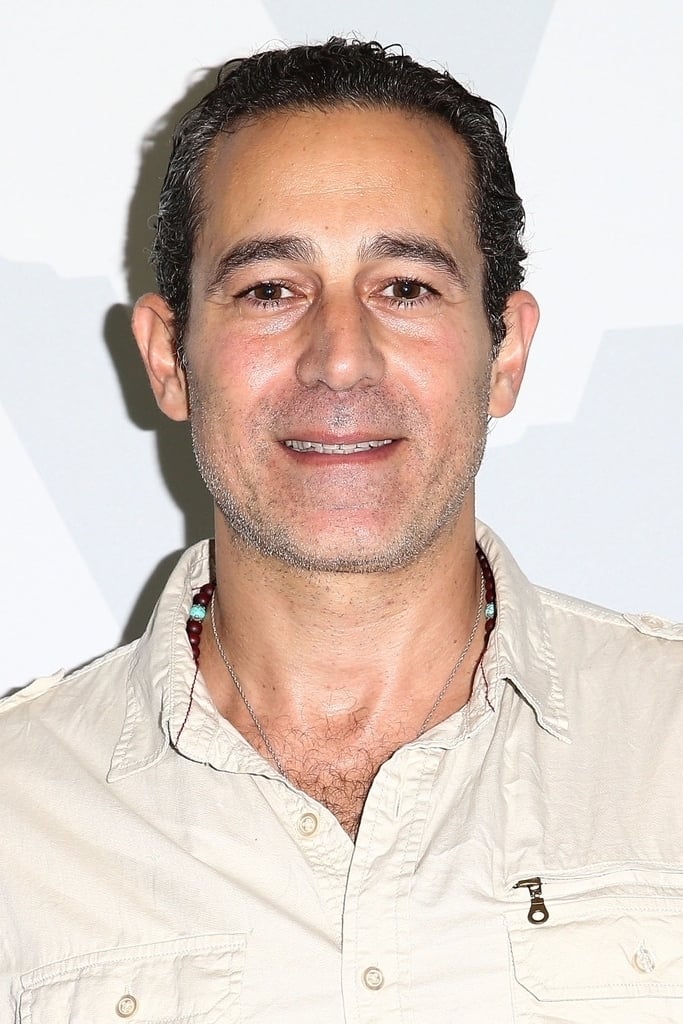
Waleed Zuaiter is an actor and producer dedicated to creating better, more authentic roles for Arab performers. He actively avoids stereotypical or harmful villain roles, instead seeking projects that tackle complex issues and showcase a variety of perspectives. To further this goal, he started his own production company focused on developing stories that offer a more realistic and detailed portrayal of the Middle East. Ultimately, Zuaiter’s work aims to create lasting positive change in how Arab culture is represented.
Ali Suliman
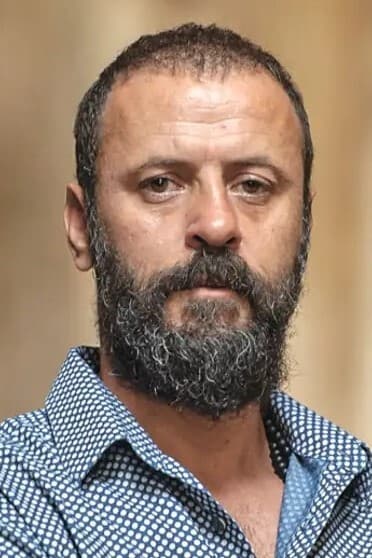
Ali Suliman is an actor who focuses on international and independent films because they offer him more meaningful roles. He’s careful about accepting Hollywood offers, wanting to avoid being typecast as a villain. Suliman prefers characters with complex inner lives and relatable emotions. He’s earned praise for his performances in films that realistically portray life in areas affected by conflict. His career shows the importance of choosing roles that are both honest and impactful.
Ashraf Barhom
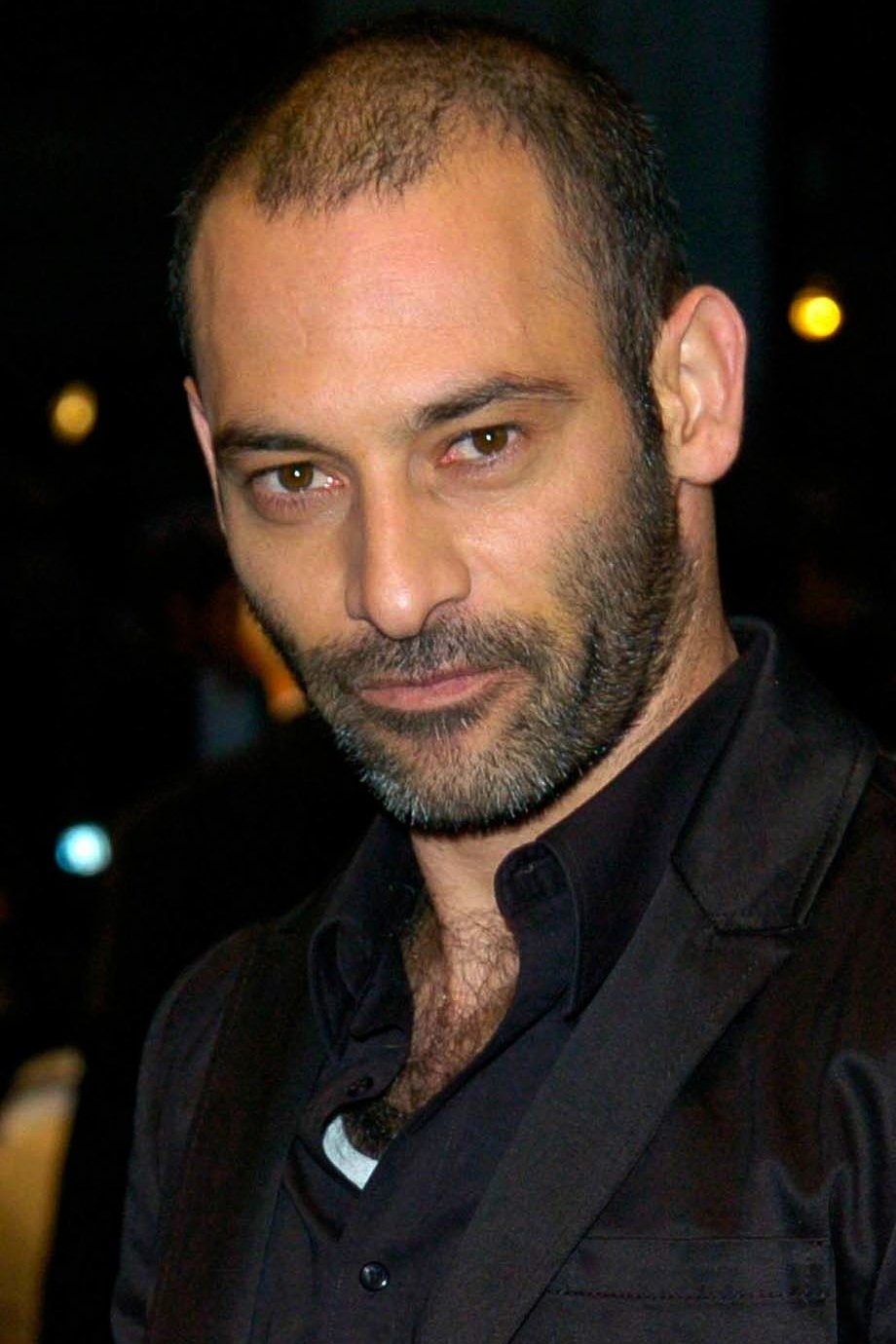
Ashraf Barhom is a celebrated actor known for his compelling and impactful performances in films around the world. He actively seeks roles that avoid clichés related to politics or religion, preferring characters he can explore on a deeper, psychological level. Barhom consistently chooses projects that push boundaries and encourage audiences to challenge their assumptions. This dedication to his art has allowed him to build a successful career based on his skill and range.
Sammy Sheik
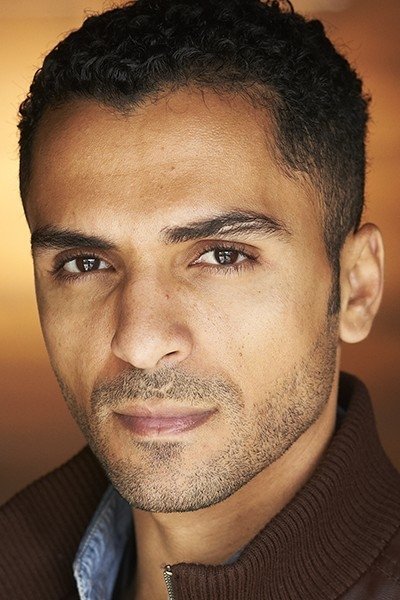
Sammy Sheik has discussed how Hollywood is increasingly focused on diverse casting, and his own part in that change. He carefully chooses roles to avoid reinforcing harmful stereotypes. Sheik looks for characters that showcase the variety within the Middle Eastern community, particularly positive portrayals of professionals and heroes. He’s observed that the entertainment industry is now more willing to tell stories that move beyond conflict and villainy, and his career is a good example of this growing trend toward fairer representation.
Pej Vahdat
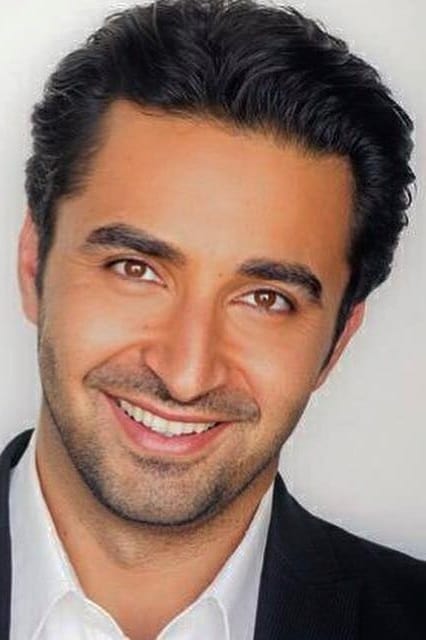
Pej Vahdat has found success as an actor by choosing roles that let him showcase both his comedic and dramatic talents. He’s careful to avoid parts that depend on harmful stereotypes based on religion or culture, instead often playing characters who are well-respected and deeply connected to their communities. He’s become a beloved figure in several long-running shows thanks to his witty and intelligent performances, proving that actors from diverse backgrounds can excel in any type of role.
Bernard White
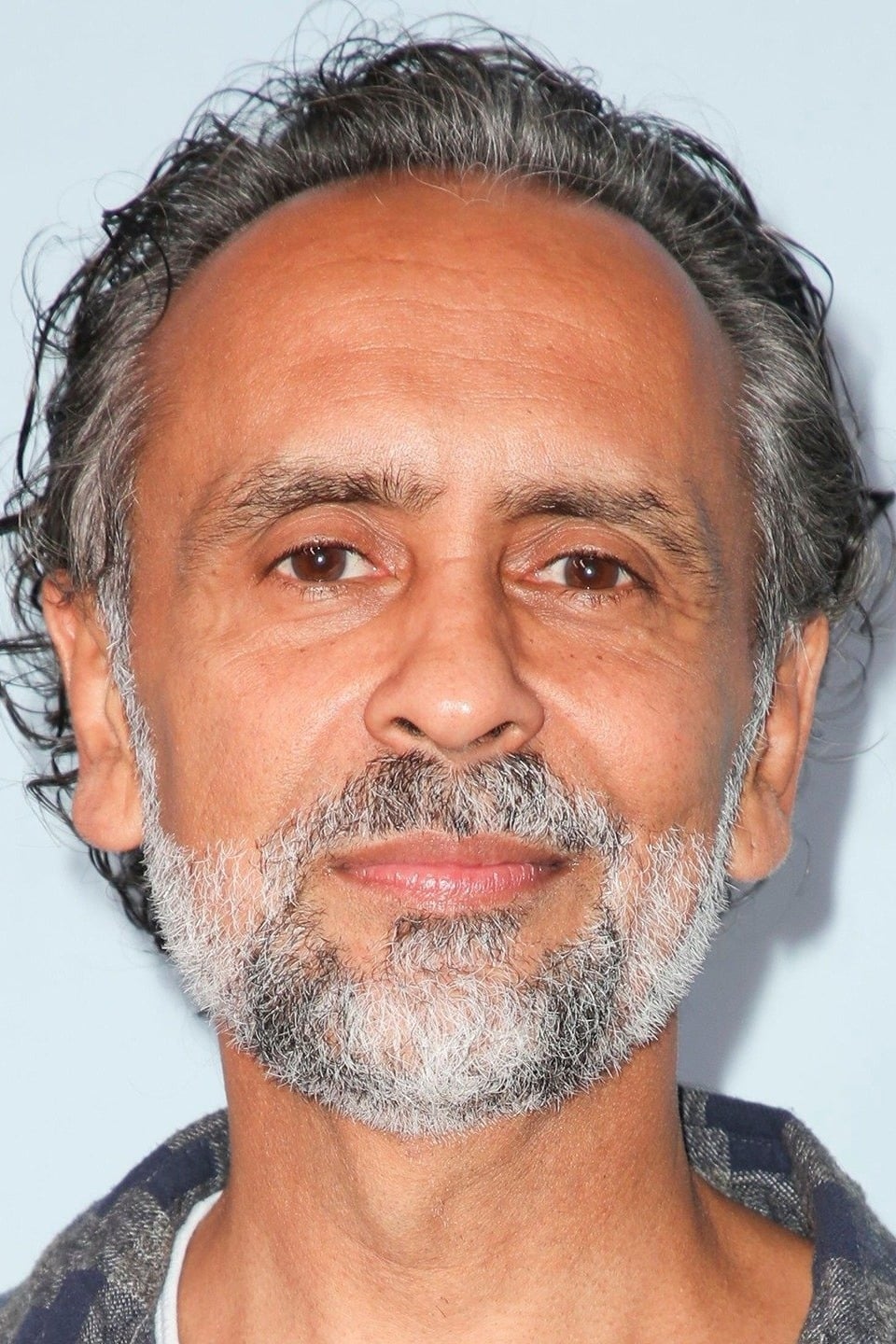
Bernard White is a veteran actor who’s seen a lot of changes in how Hollywood portrays different people. Early in his career, he faced being limited to certain types of roles, but he intentionally shifted away from that. Now, he’s known for playing characters with depth, wisdom, and a strong sense of humanity. Whether in big-budget franchises or smaller independent films, White consistently brings a dignified presence to every performance. His long and successful career is due to his adaptability and his determination to avoid being pigeonholed.
Erick Avari
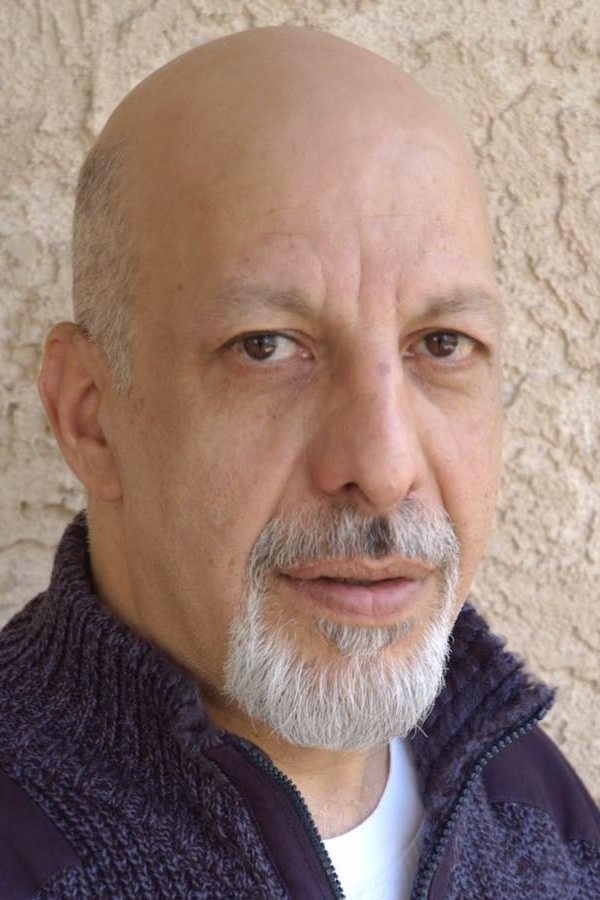
Erick Avari is a remarkably adaptable actor who has appeared in a wide variety of films. He’s known for playing diverse characters and intentionally avoids being typecast. Avari has often spoken out against roles that rely on stereotypes or portray him simply as a villain, preferring to focus on building each character’s individual personality and backstory. His career demonstrates that an actor’s skill should be the primary consideration, not their ethnicity.
Iqbal Theba
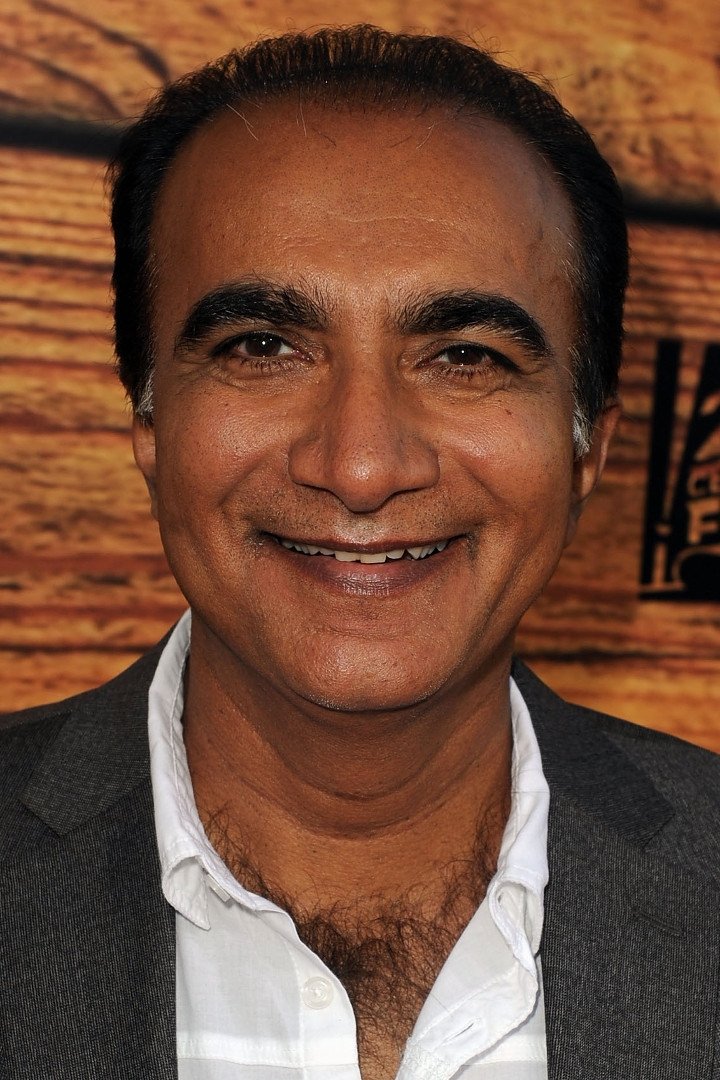
Iqbal Theba won over audiences with his heartwarming and humorous role in ‘Glee’. Before that, he often found himself typecast in limited roles like taxi drivers or shopkeepers, usually requiring a strong accent. Now, he carefully chooses projects to avoid simple jokes or stereotypes, preferring characters with depth and a real impact on the story. His journey demonstrates the importance of staying authentic to who you are.
Sendhil Ramamurthy
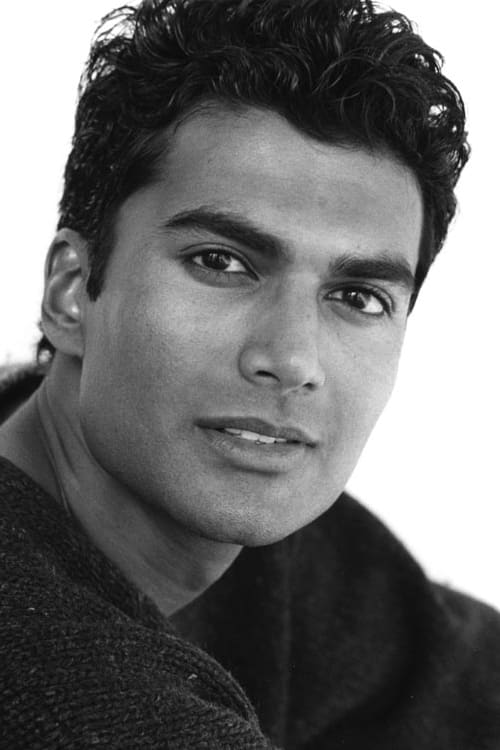
Sendhil Ramamurthy became well-known for his role in ‘Heroes,’ which was unusual because it wasn’t the type of part usually given to actors of South Asian descent. Since then, he’s been a vocal advocate for more diverse leading roles that aren’t defined by ethnicity. Ramamurthy intentionally avoids playing stereotypical villains, preferring characters who are romantic interests or respected professionals. Through his work, he’s consistently pushing Hollywood to move beyond traditional casting practices.
Kunal Nayyar
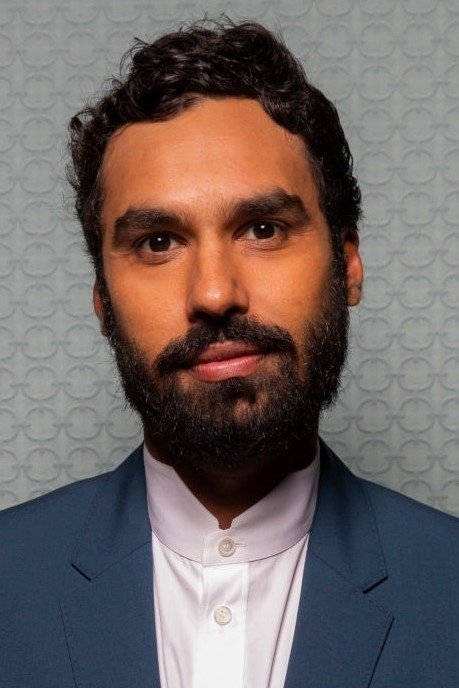
After ten years on a hugely popular TV show, Kunal Nayyar is now broadening his acting career. He’s looking for more challenging and dramatic roles, moving away from the comedy he’s known for. However, he’s determined to avoid roles that rely on common stereotypes about South Asian actors, and instead wants to play complex, nuanced characters whose race isn’t the defining aspect of their story. He’s currently working on projects in both theater and film to explore these new opportunities.
Utkarsh Ambudkar
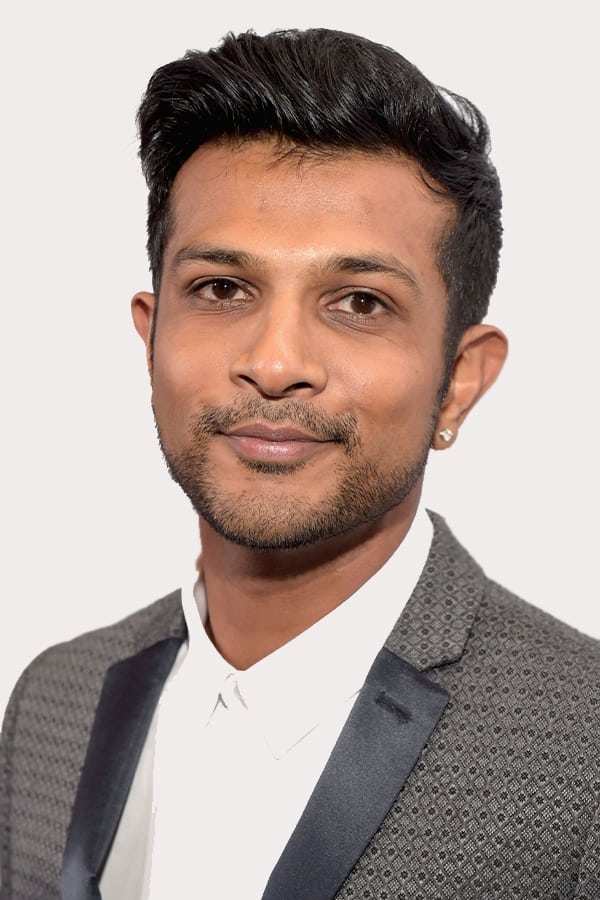
Utkarsh Ambudkar is an actor and musician who strongly believes in seeing realistic and diverse portrayals in movies and TV. He carefully chooses roles, avoiding those that reinforce harmful stereotypes or set back progress for his community. He prefers projects that let him play complex, fully developed characters with their own distinct voice and point of view. He’s found success in both funny and serious roles, showcasing his skills without falling into predictable patterns. His work ultimately reflects the diverse world around us.
Kumail Nanjiani
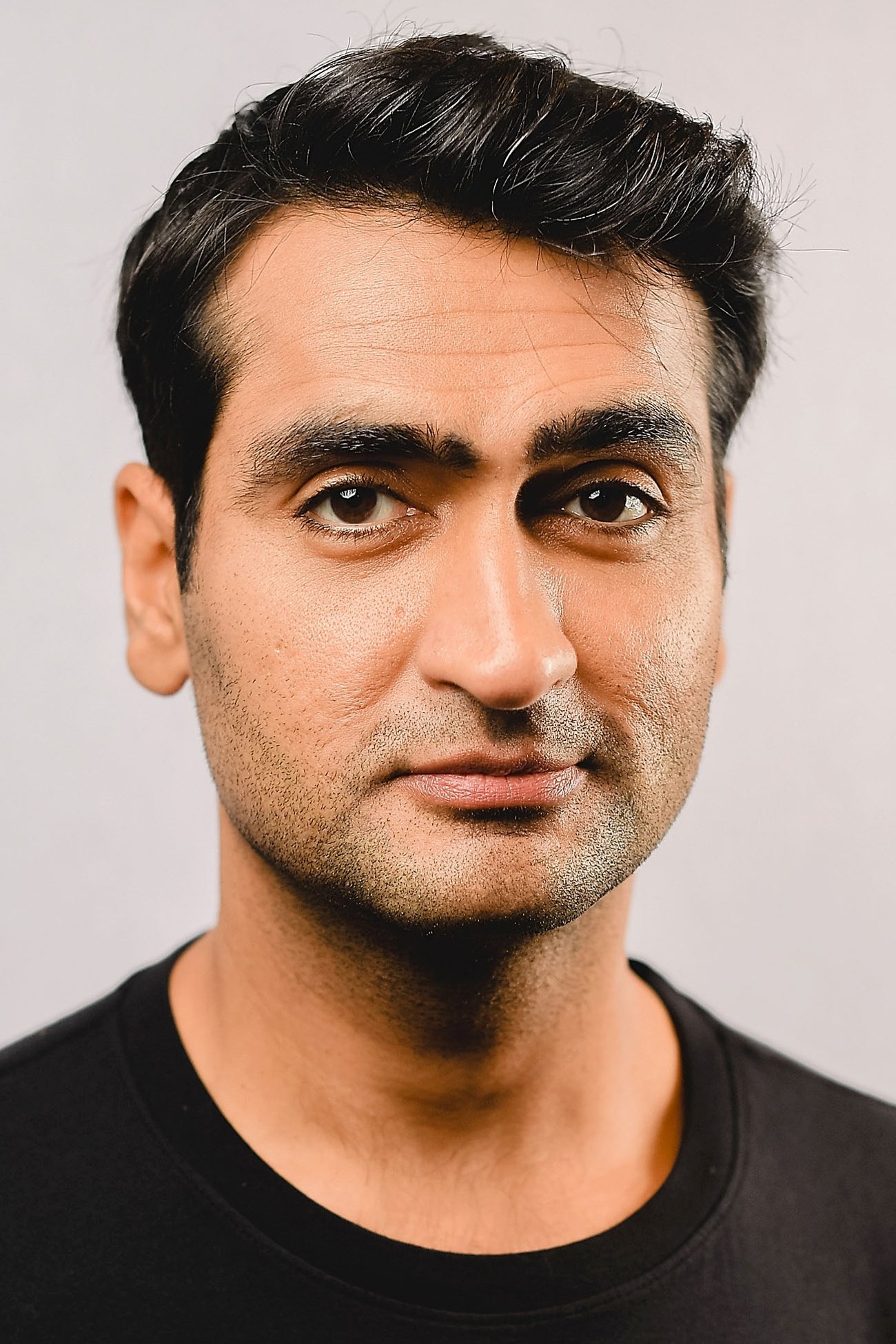
Kumail Nanjiani started as a stand-up comedian but has become a prominent actor in big films. He’s talked openly about the kinds of roles he used to get and why he decided to pursue different opportunities. Nanjiani wanted to show he could play the hero in action movies or the lead in romantic comedies. He intentionally moved away from stereotypical roles – like the quirky sidekick or the villain – often given to actors of his background. His dedication to physical training for the movie ‘Eternals’ was a way of demonstrating his versatility and ability to take on any character.
Hasan Minhaj
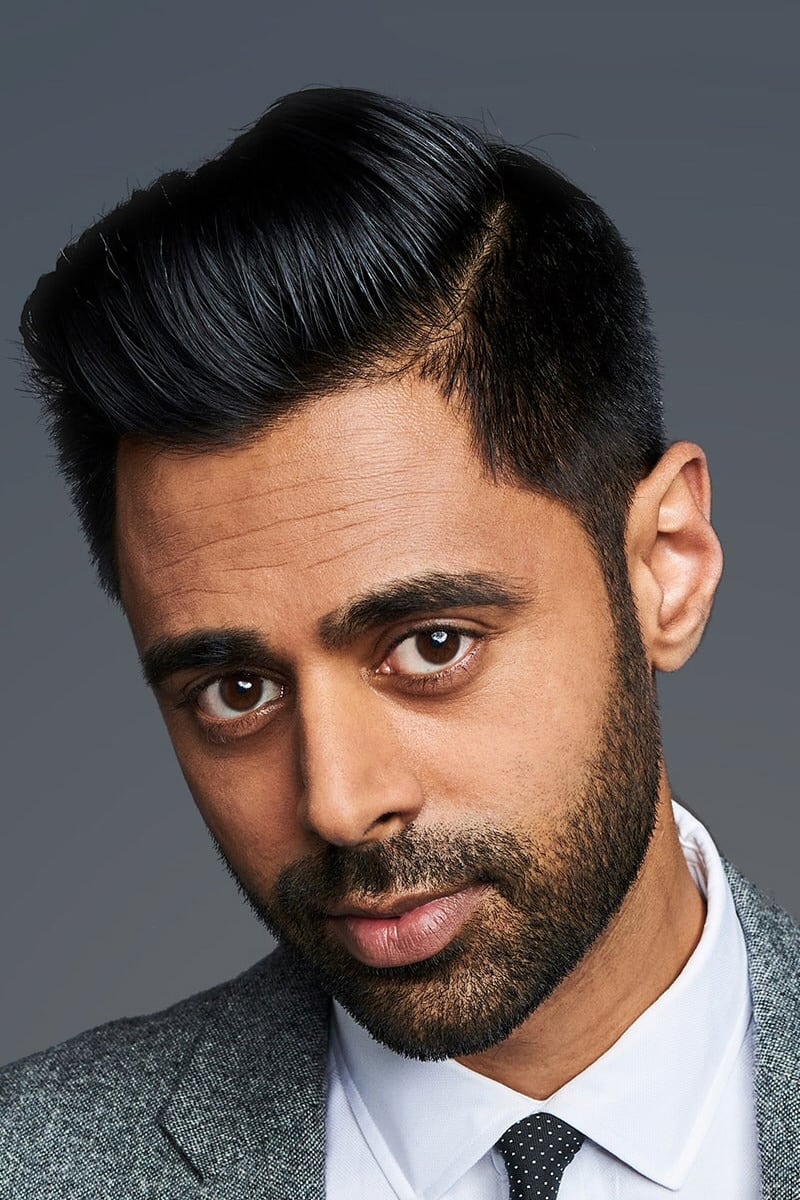
Hasan Minhaj is a comedian and news satirist who has also acted in various projects. He’s become known for speaking out against how people of color are often portrayed in media and film, and he actively avoids roles he feels are stereotypical or disrespectful. Minhaj focuses on creating thoughtful, meaningful stories and is working to bring about larger changes within the entertainment industry.
Aziz Ansari
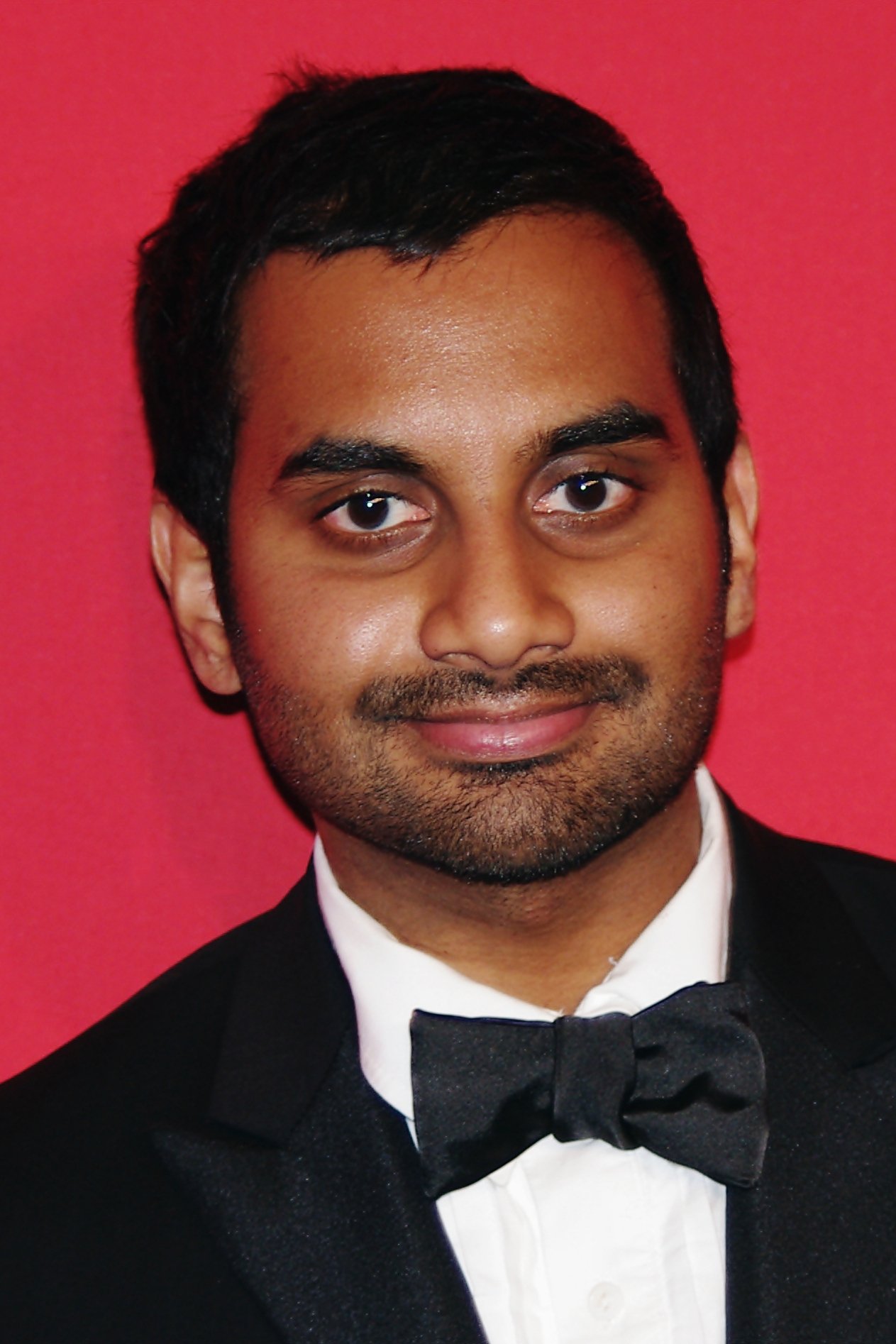
Aziz Ansari developed his own TV show because he felt there weren’t enough complex and leading roles for people like him in the entertainment industry. He’s often spoken out about how actors of Asian and Middle Eastern descent are frequently limited to supporting roles or portrayed as antagonists. Ansari aimed to depict the ordinary experiences of someone with his background in a realistic and genuine way. By creating his own story, he overcame common obstacles in Hollywood and has encouraged others to do the same for their communities.
Dev Patel

Dev Patel has had an impressive career, going from his early role in ‘Skins’ to becoming an Academy Award nominee. He’s consciously avoided stereotypical roles often given to South Asian actors, like the overly nerdy character or depictions focused solely on poverty. Patel has turned down prominent parts that didn’t feel authentic to his background or values. Now, he’s also producing and directing films, giving him more control over the kinds of stories that are shared. His career shows a dedication to both artistic development and respectful cultural representation.
Simu Liu
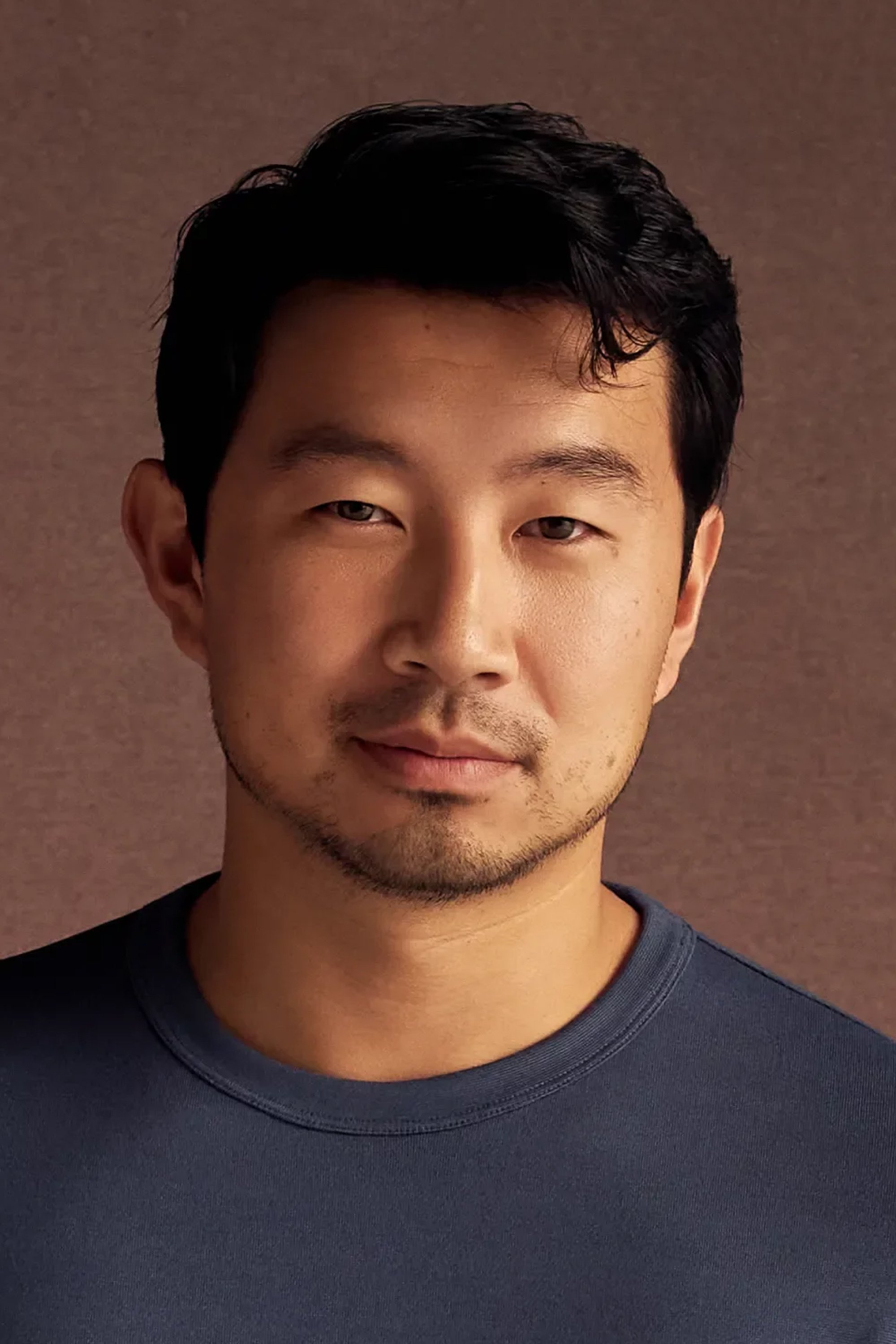
Simu Liu gained international fame for his leading role in ‘Shang-Chi and the Legend of the Ten Rings,’ a film that challenged common stereotypes. Before becoming a Marvel star, he publicly spoke out against the tendency to depict Asian men as either weak or villains in movies and television. Liu actively seeks roles that showcase strength and leadership, and he uses his platform on social media to highlight bias and advocate for more diverse casting. His efforts are significantly contributing to improved representation for the Asian community.
Steven Yeun
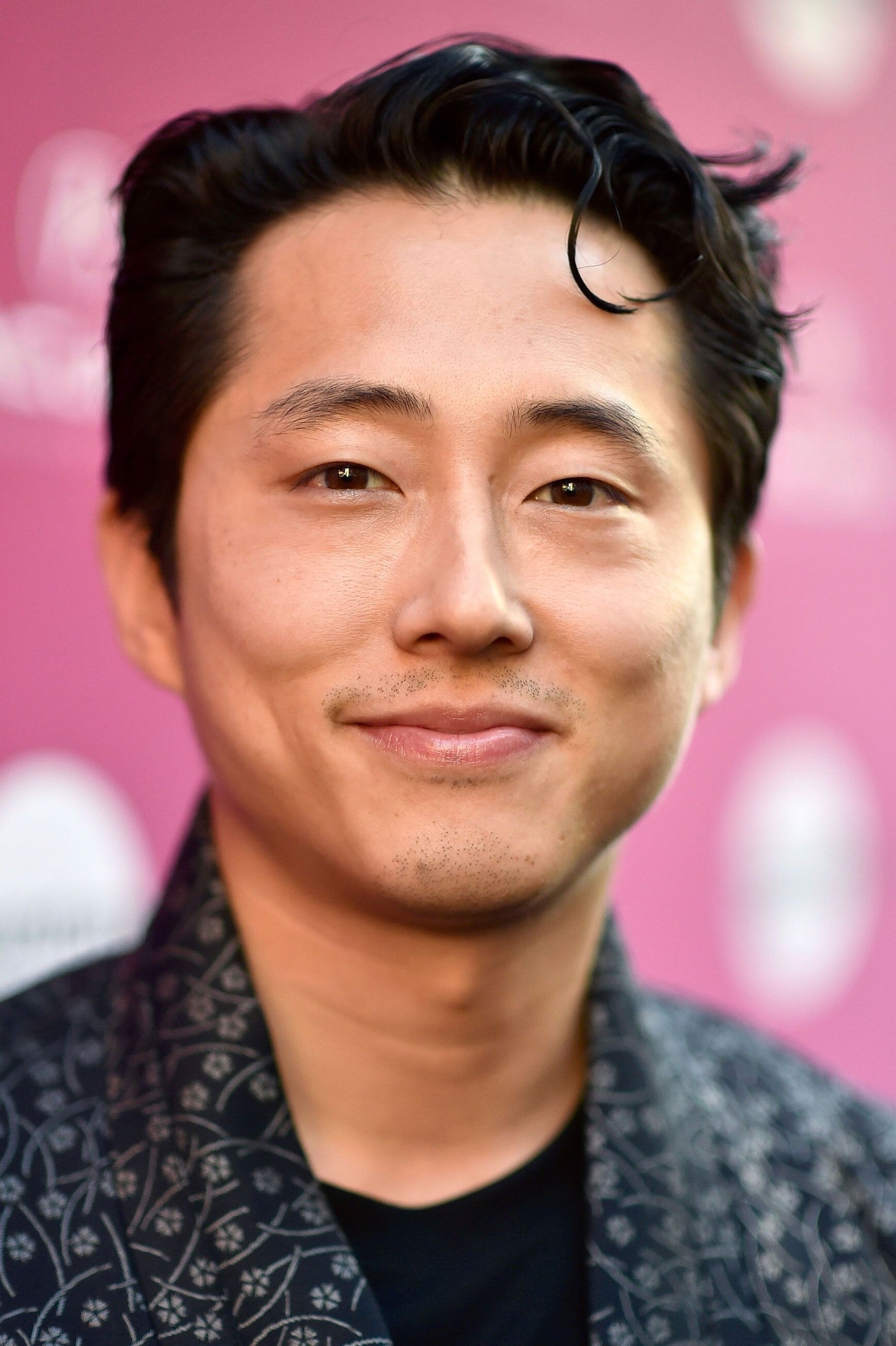
Steven Yeun first gained popularity playing a heroic leader on ‘The Walking Dead.’ Since then, he’s deliberately chosen diverse roles in independent films, avoiding being pigeonholed. He prioritizes complex characters and has earned widespread praise for his performances in movies like ‘Minari’ and ‘Burning.’ Yeun’s career demonstrates how an actor can thrive by staying true to his artistic vision.
Daniel Dae Kim
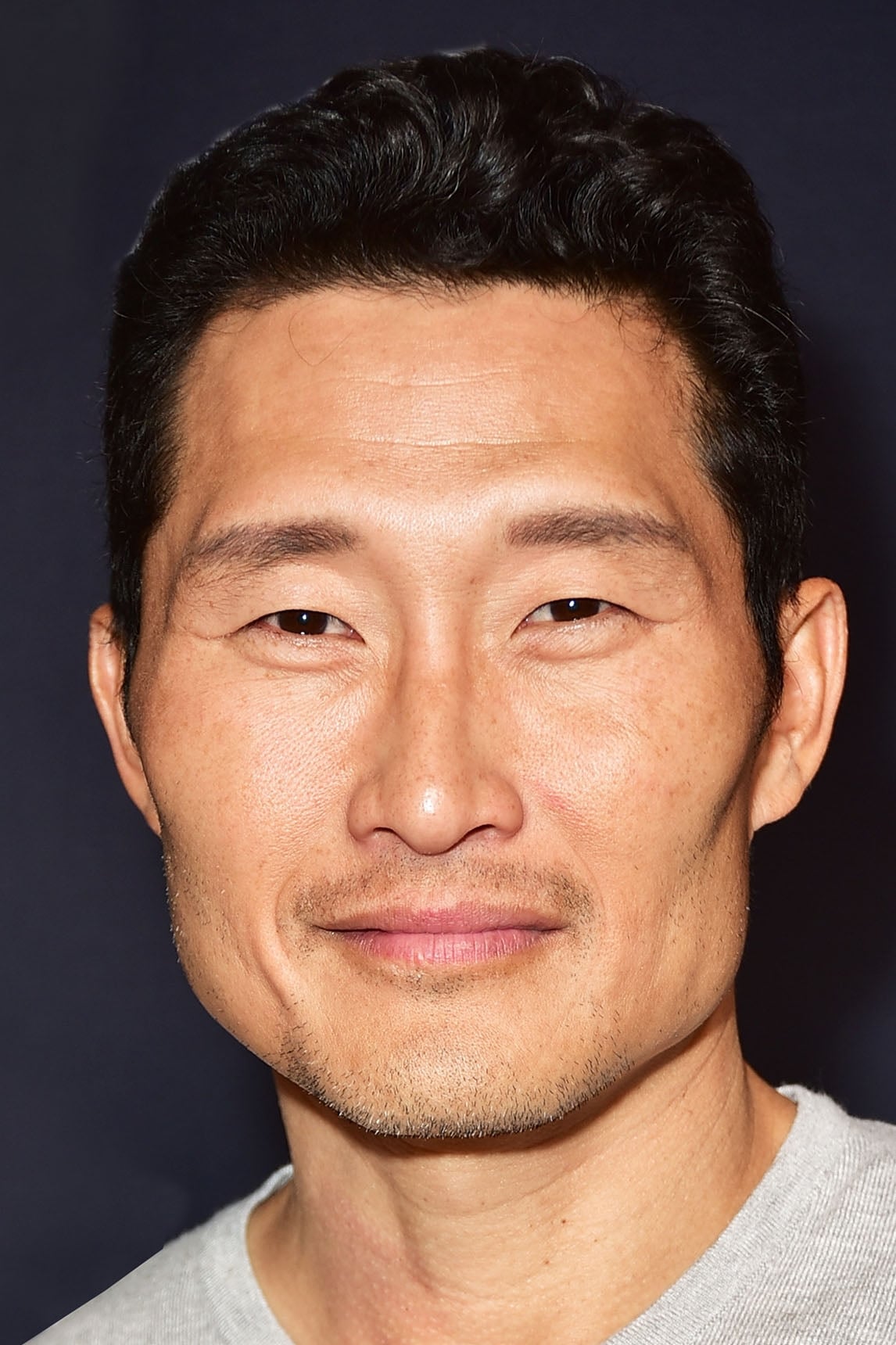
Daniel Dae Kim is a strong advocate for fair pay and improved representation for Asian American actors. He’s been open about leaving projects where he felt his character wasn’t treated with respect, and he actively seeks roles that portray Asian men in a more positive and empowering light. Kim also founded his own production company to create diverse and inclusive stories, establishing himself as a leader in the entertainment industry both in front of and behind the camera.
Sung Kang
Sung Kang is famous for playing a skilled and charismatic character in the ‘Fast and Furious’ movies. He’s spoken about wanting to avoid being typecast as just a minor character or a typical bad guy. Kang actively seeks roles that let him showcase his range, from comedy to drama, and he prefers projects that portray him as a fully developed person, not just defined by his ethnicity. His ongoing success is a testament to both his talent and his careful choices in his career.
Randall Park

Randall Park has consistently broken barriers throughout his career, proving Asian American men can thrive in all types of films, from romantic comedies to action-packed superhero movies. He’s known for choosing roles that challenge stereotypes and offer new perspectives on identity, and he actively avoids characters based on clichés or accents. Expanding his creative control, Park has also begun writing and directing, opening doors for himself and other actors. His work is consistently charming and dedicated to showcasing positive and authentic representation.
Donnie Yen
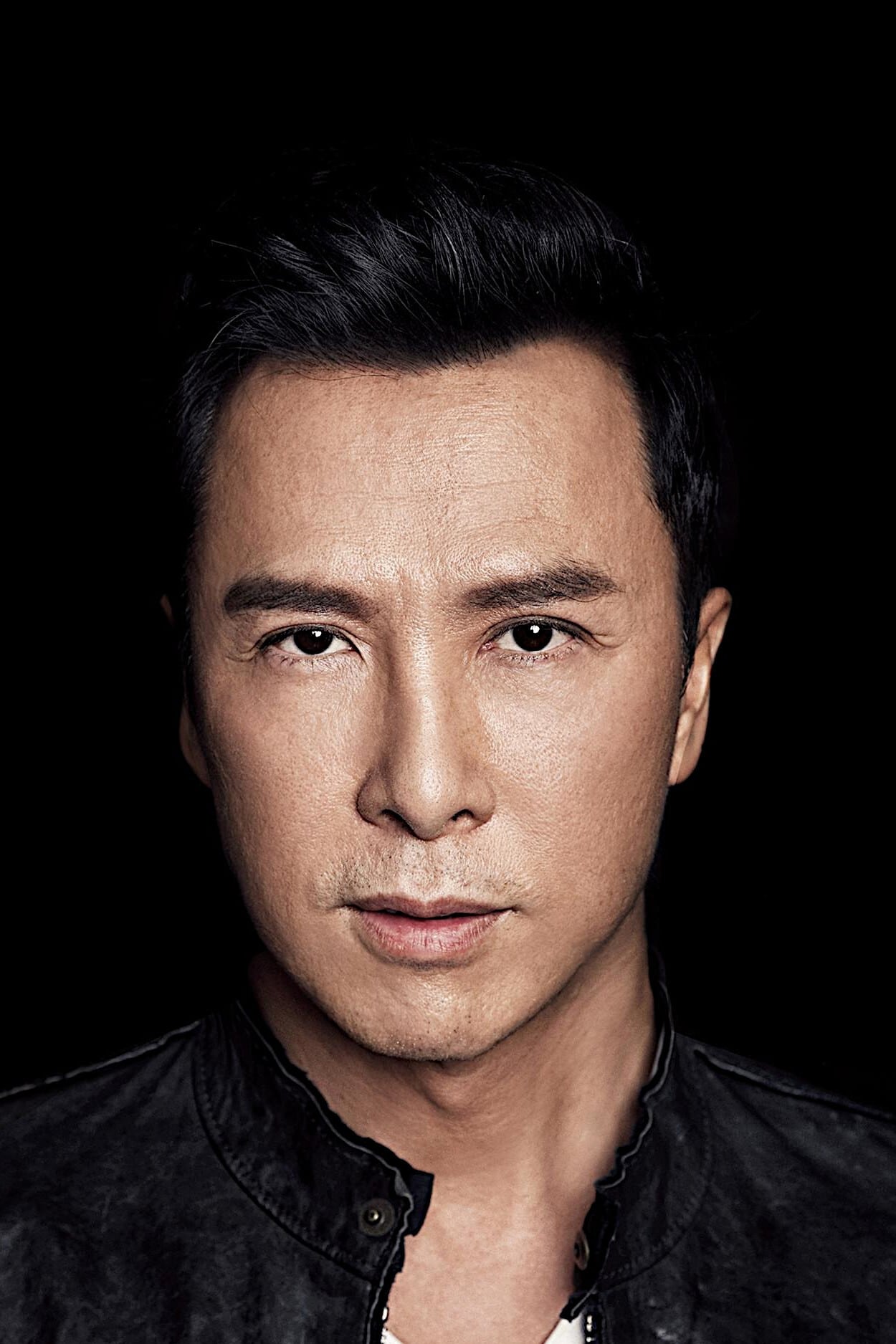
Donnie Yen is a highly respected martial arts actor who is now carefully choosing his roles in Western films. He’s known for declining Hollywood parts that he felt misrepresented Chinese culture or relied on harmful stereotypes. Yen wants to be portrayed with the same dignity in international films as he is in his Asian roles, and he actively promotes accurate and respectful depictions of martial arts and Chinese culture in media worldwide. His work in popular franchises has also helped to increase the representation of Asian actors.
Jet Li
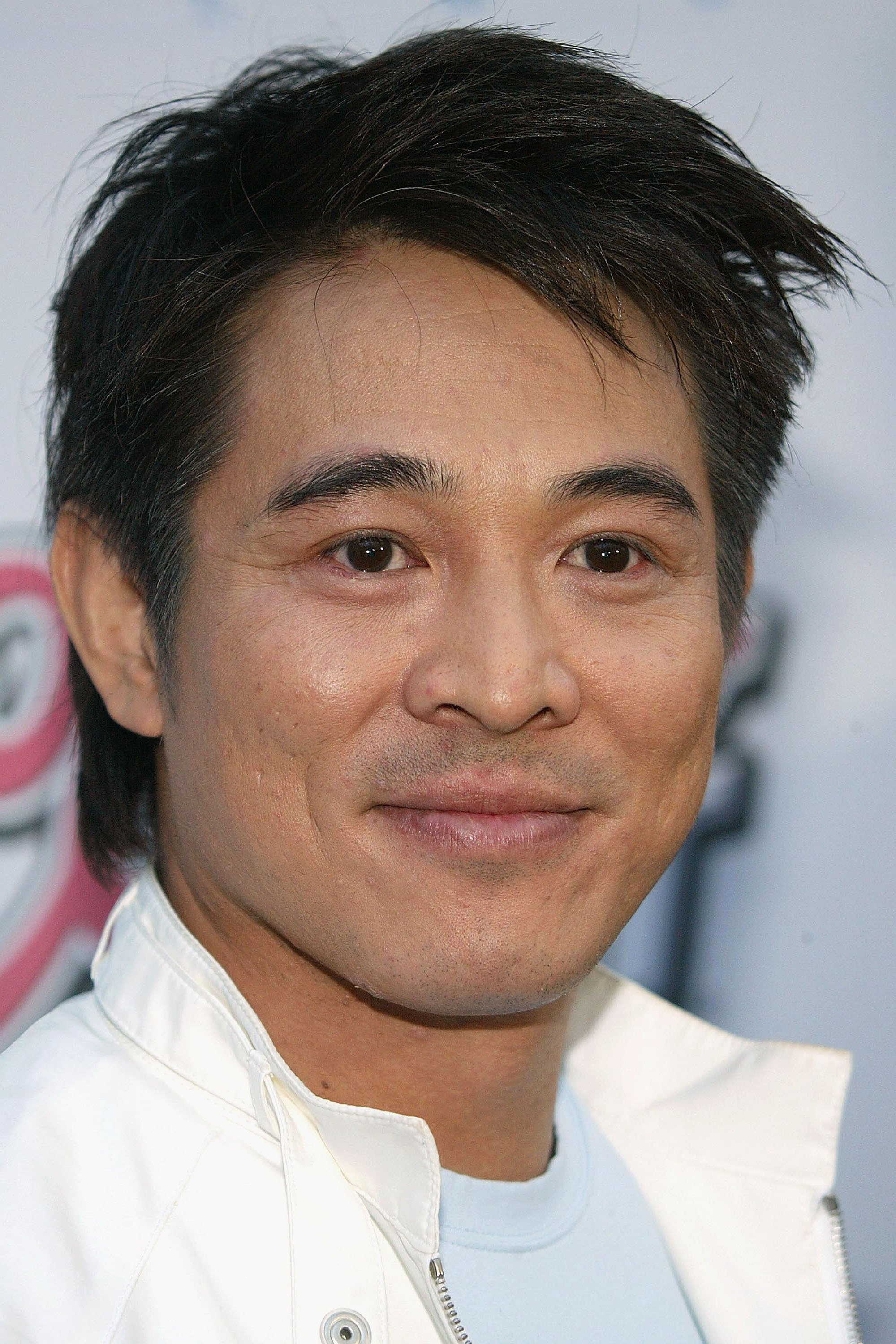
Jet Li, a renowned martial arts star, has always been aware of how his work affects people around the world. He famously declined to appear in further ‘Matrix’ films because he didn’t want his skills used in a way he felt was inappropriate. Li consistently seeks roles that emphasize peace and personal growth, and he’s shifted away from playing purely evil characters to portray those with strong values. His career is rooted in a deep respect for martial arts and his cultural heritage.
Chow Yun-fat
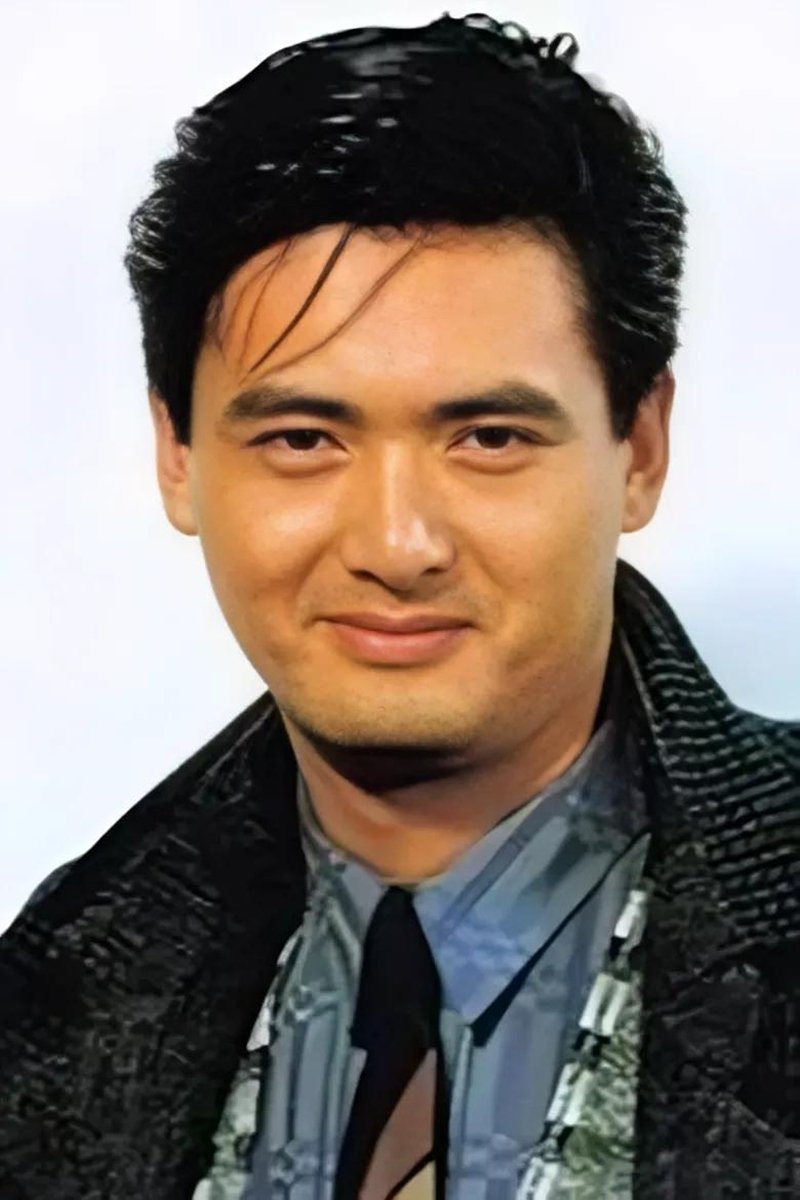
Chow Yun-fat first gained worldwide fame through his exciting action movies in Hong Kong, often playing charming and memorable characters. When he started working in Hollywood, he intentionally avoided being typecast as a gangster or typical villain. He looked for roles that would let his natural charisma and acting skills shine. Throughout his extensive career, Chow Yun-fat has always maintained a sense of grace and sophistication. He continues to be a highly respected actor known for his ability to connect with audiences across different cultures.
Tony Leung Chiu-wai
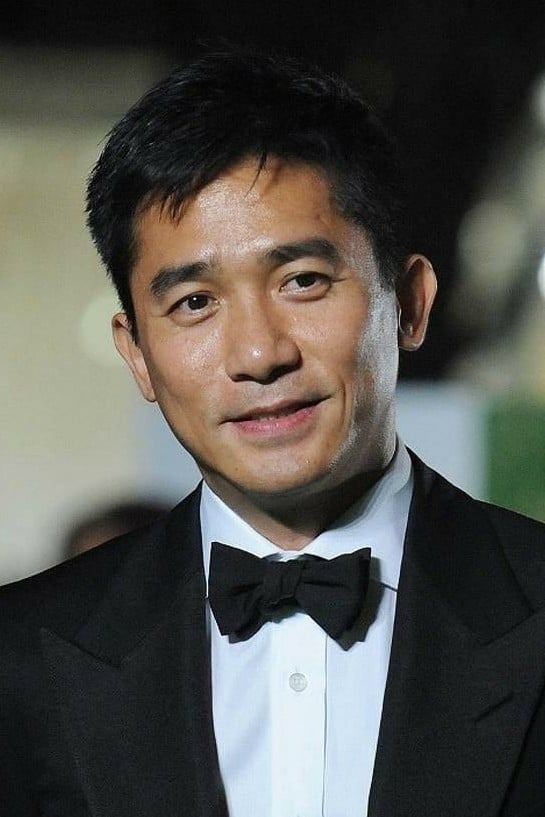
Tony Leung Chiu-wai is celebrated as one of the best actors of his generation. He carefully considered any Hollywood role, waiting for a character that truly resonated with him. When he eventually joined the Marvel Cinematic Universe, he chose to play a villain with a complicated and emotionally rich backstory. Throughout his career, Leung has consistently focused on the artistic merit of a role, valuing depth and challenge over the scale of the project. His career demonstrates a remarkable ability to select roles that are both meaningful and demanding, no matter the genre.
Share your thoughts on these actors and their impact on representation in the comments.
Read More
- Spotting the Loops in Autonomous Systems
- Seeing Through the Lies: A New Approach to Detecting Image Forgeries
- Staying Ahead of the Fakes: A New Approach to Detecting AI-Generated Images
- The Glitch in the Machine: Spotting AI-Generated Images Beyond the Obvious
- The Best Directors of 2025
- 20 Best TV Shows Featuring All-White Casts You Should See
- Julia Roberts, 58, Turns Heads With Sexy Plunging Dress at the Golden Globes
- Palantir and Tesla: A Tale of Two Stocks
- How to rank up with Tuvalkane – Soulframe
- Gold Rate Forecast
2026-01-11 00:52