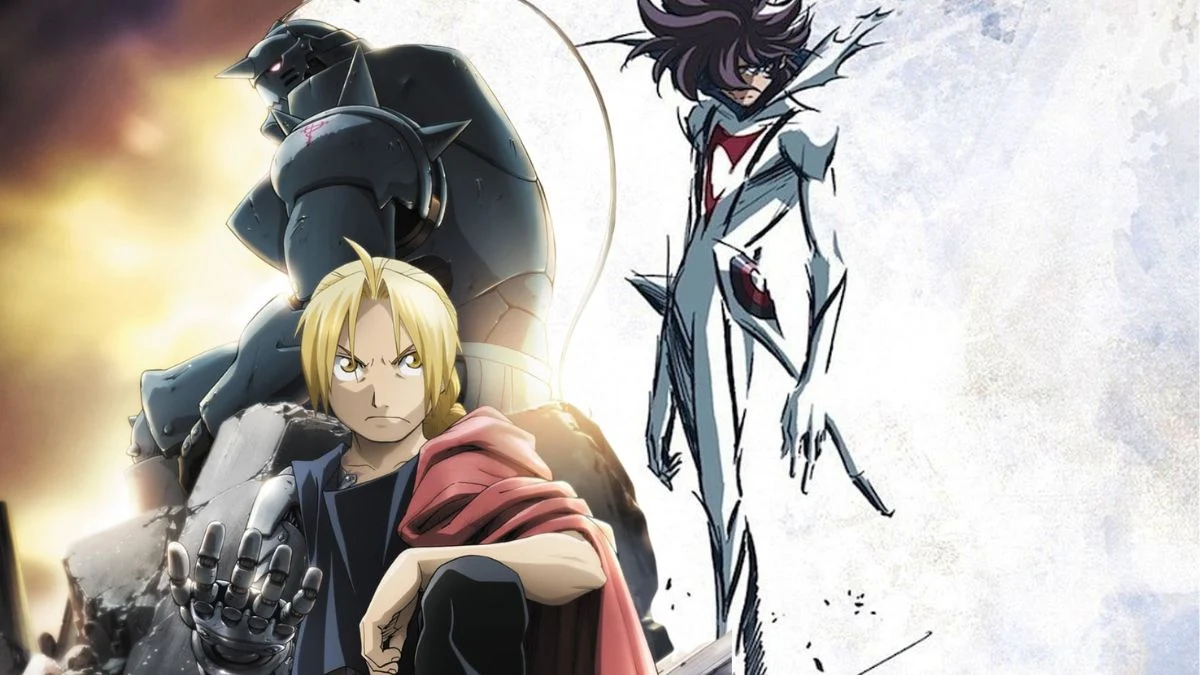
As a huge movie buff, I’ve noticed a trend with remakes – they often try to freshen things up with new looks and storylines. But sometimes, they go further and actually change the gender of villains we all know. And let me tell you, that can really stir things up! Fans who’ve loved these characters for years often have strong opinions about how they should be, and seeing a familiar face suddenly be a different gender can be… divisive, to say the least. I’ve put together a list of examples where remakes or reboots have done just that – switched up the gender of key villains.
‘Sailor Moon Crystal’ (2014–2016)
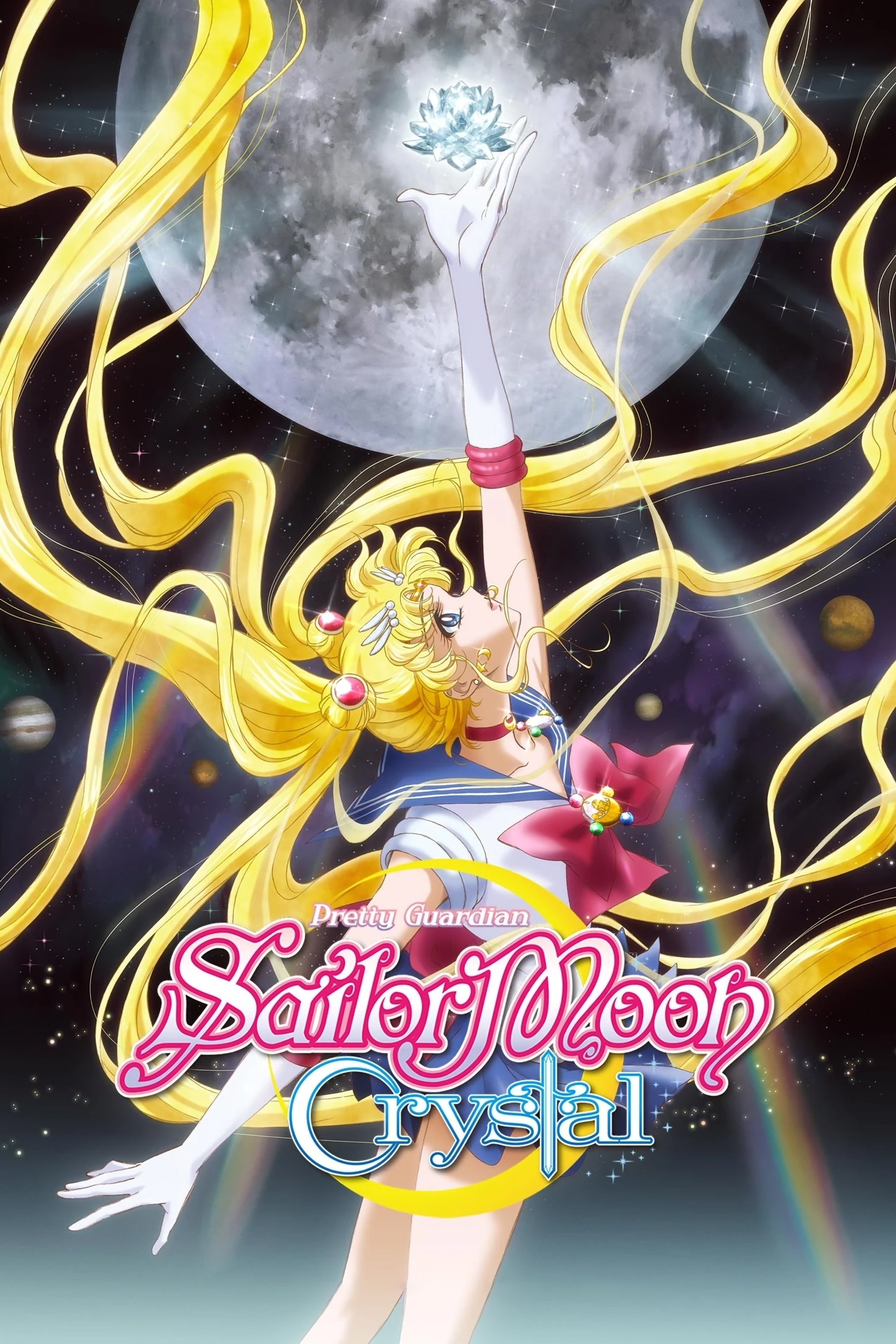
This new version of the story presents Zoisite as a male character, which is consistent with the original manga. This differs from the popular English dub from the 1990s, which changed Zoisite’s gender to avoid depicting a same-sex relationship. Restoring Zoisite’s original male identity significantly changes his relationship with Kunzite in the first part of the story, and many longtime fans of the older series find this change surprising.
‘Devilman Crybaby’ (2018)
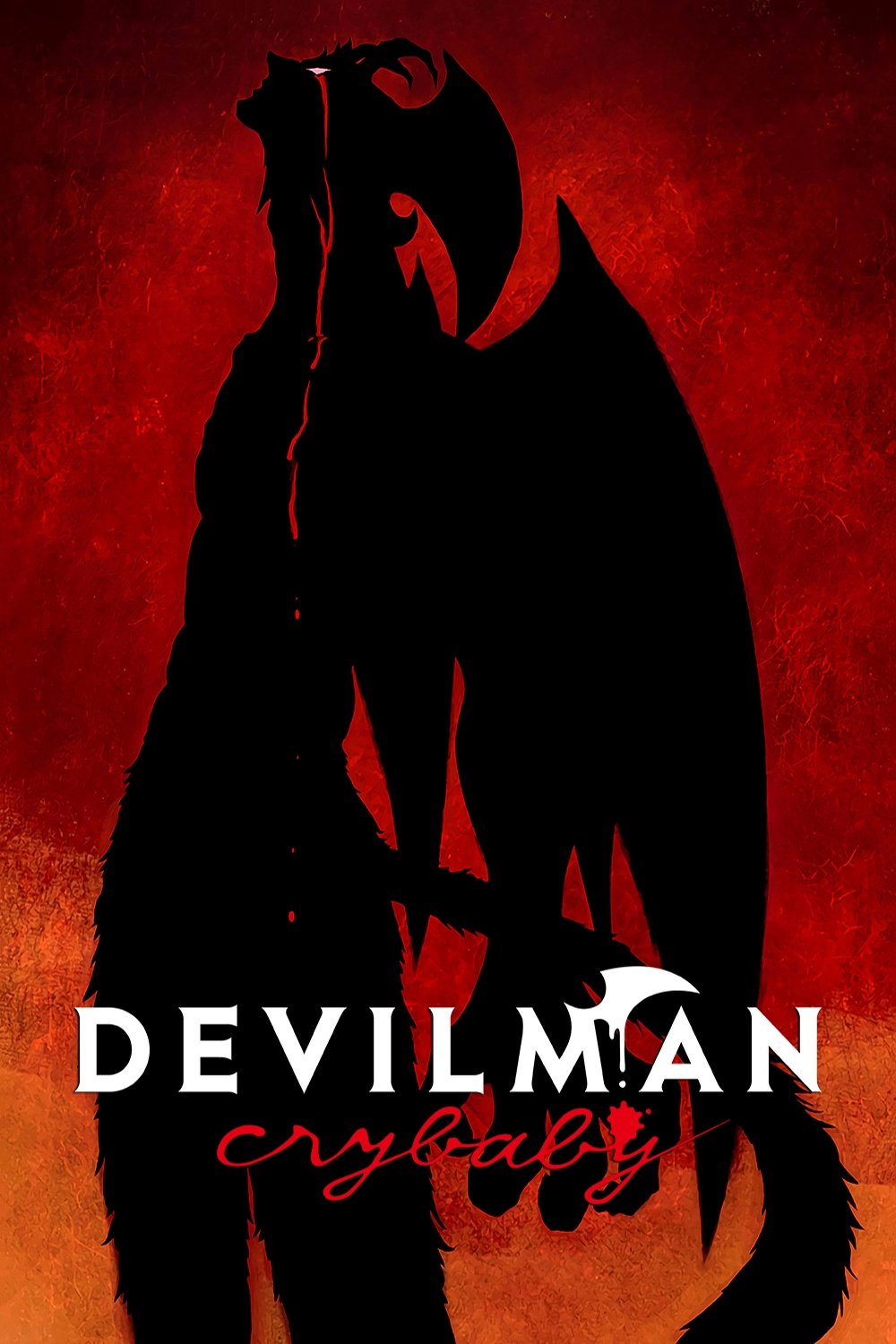
This new version of the Go Nagai story updates the villain, Ryo Asuka, by giving them a less defined gender identity. Unlike past depictions which presented Ryo as male, this version leans towards an androgynous or intersex presentation. This change connects to the story’s deeper ideas about the true nature of Satan. Many fans noticed a big difference in the character’s appearance, finding it a departure from the more traditionally masculine designs of older versions.
‘Gatchaman Crowds’ (2013–2015)

This new take on the 1970s series presents Berg Katze in a way that breaks with typical gender roles. The character is an alien who can change appearance and uses she/her pronouns, even while looking outwardly like a stylish man. This change from the original masked villain surprised many longtime fans of the ‘Science Ninja Team Gatchaman’ series. The remake emphasizes the villain’s mental and emotional impact on others, rather than just focusing on fighting.
‘Fullmetal Alchemist: Brotherhood’ (2009–2010)
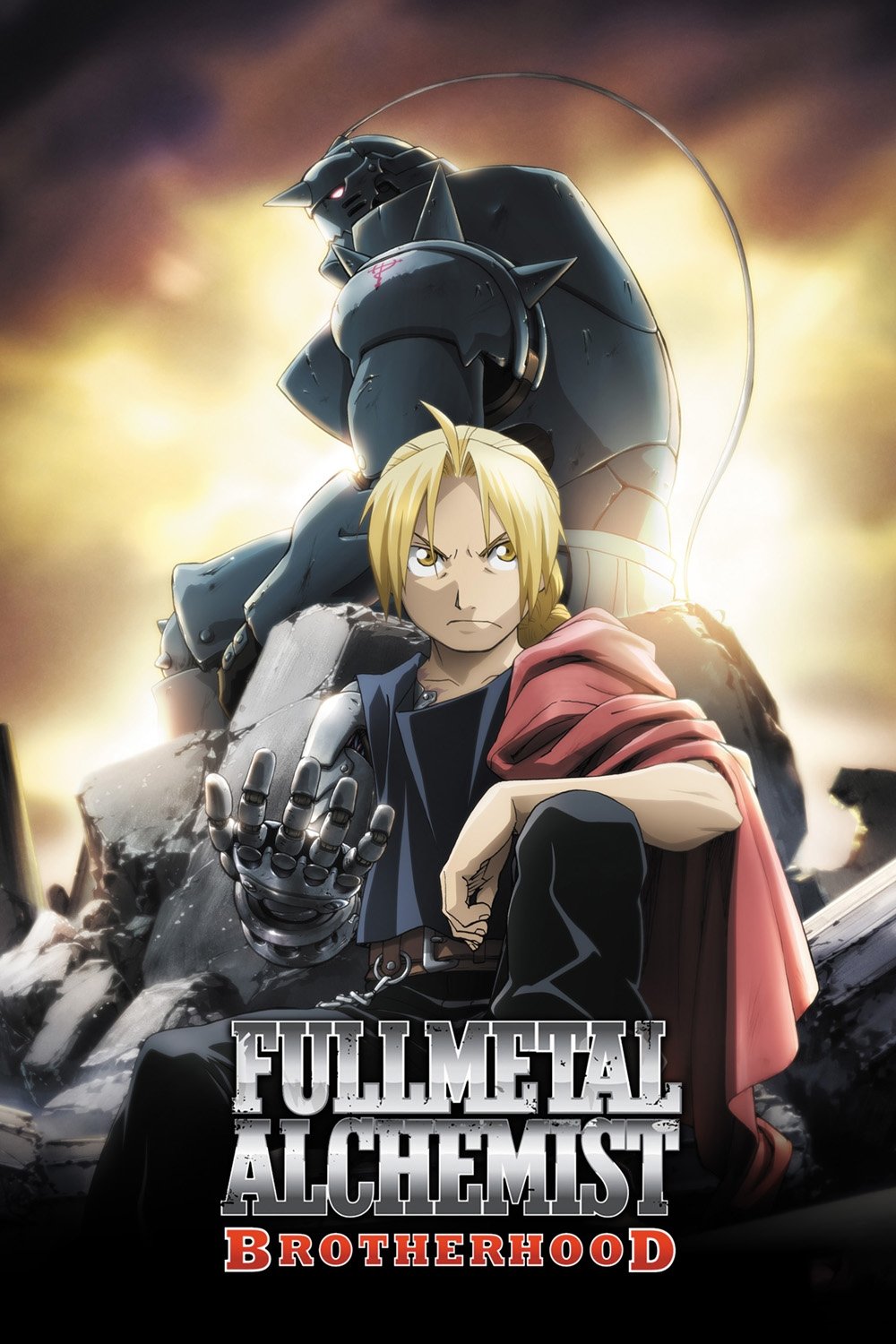
Envy is usually presented as genderless, but their portrayal changes a lot depending on the anime version. The remake gives Envy a more masculine feel, even though they still look androgynous, which makes sense because they can change their shape. There’s a lot of discussion among fans about Envy’s gender, as the original series and manga give mixed signals. This intentional ambiguity is a key part of the character, meant to represent the idea of envy itself.
‘Fruits Basket’ (2019–2021)
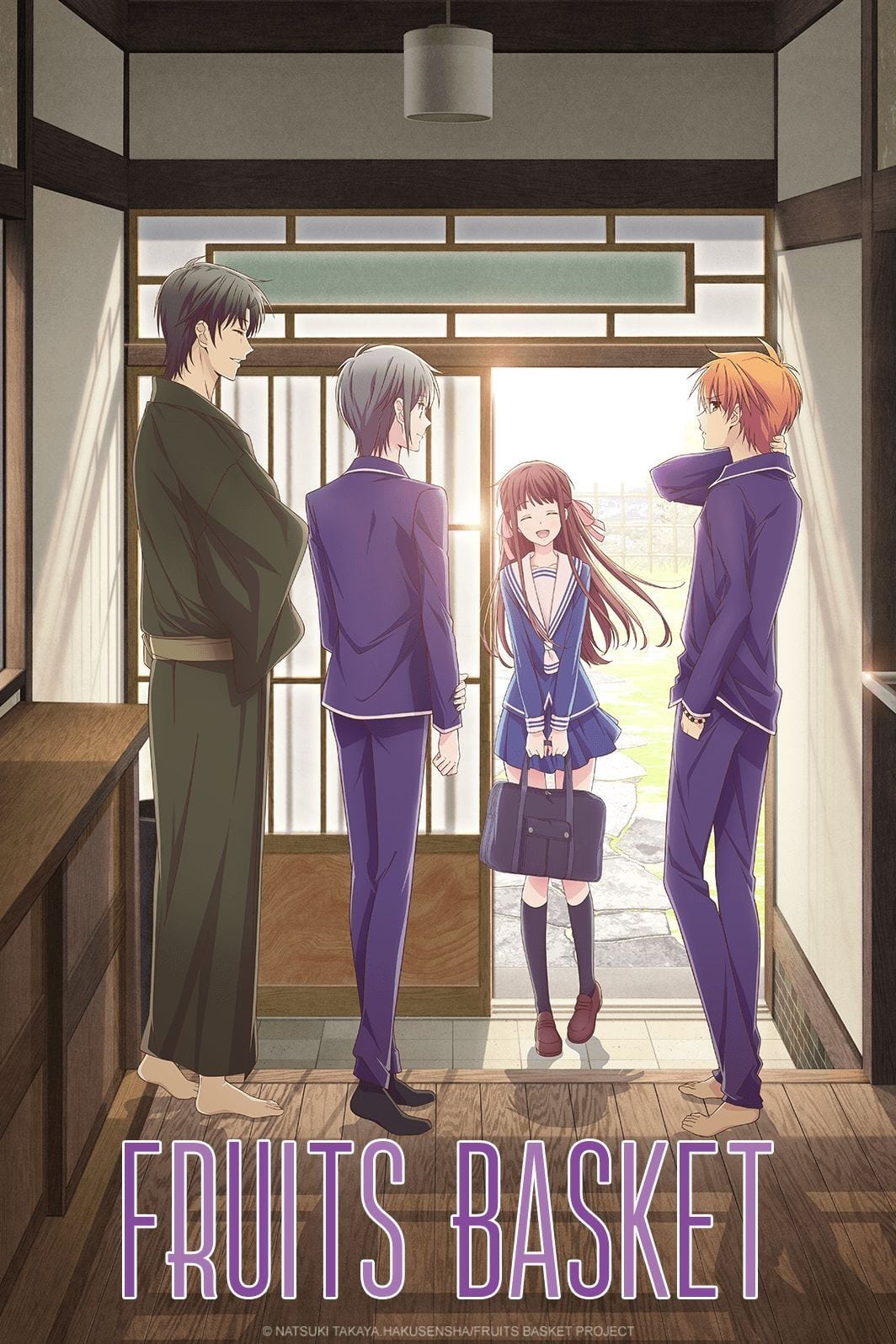
This new version of the story accurately reflects the original manga by revealing that Akito Sohma, the head of the family, is biologically female. This is a significant change from the previous anime series, which presented Akito as male. This revelation is crucial to understanding the deeper issues and reasons behind the actions of the Zodiac members, and many viewers – especially those new to the story or familiar only with the first anime – found it to be a surprising twist regarding the main villain.
‘Dororo’ (2019)
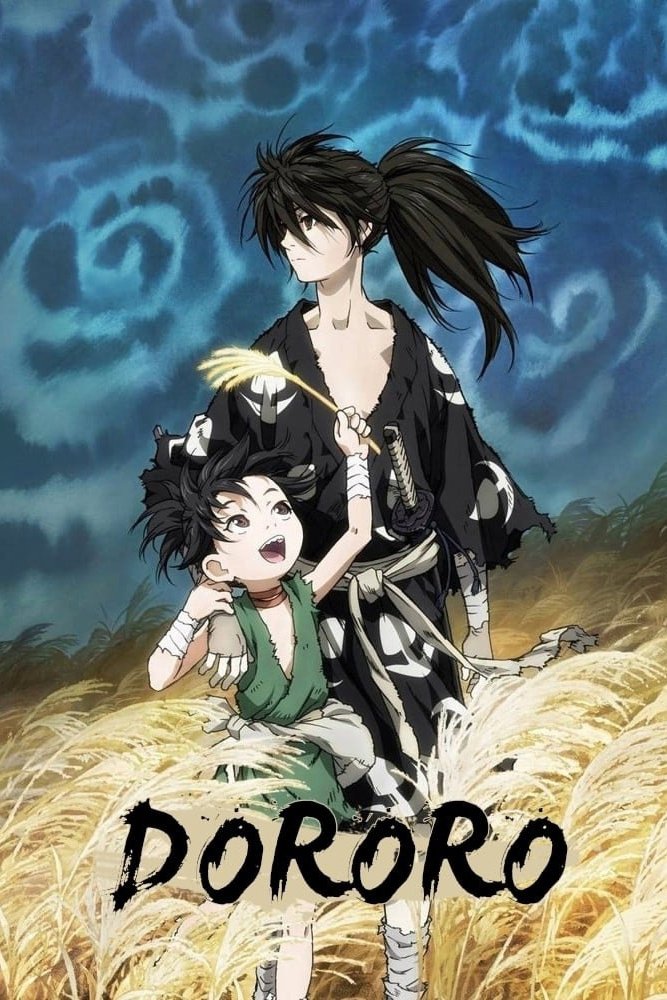
The recent reimagining of Osamu Tezuka’s classic story updates the look of many demons and villains. For example, the demon that steals Hyakkimaru’s skin sometimes appears more feminine than it did in the original 1960s series. These visual changes help bring the story’s creepy, folklore-inspired atmosphere to a new audience. The mysterious nature of some of the spirits also creates a more unsettling feeling than the original black-and-white series could.
‘Cutie Honey Universe’ (2018)
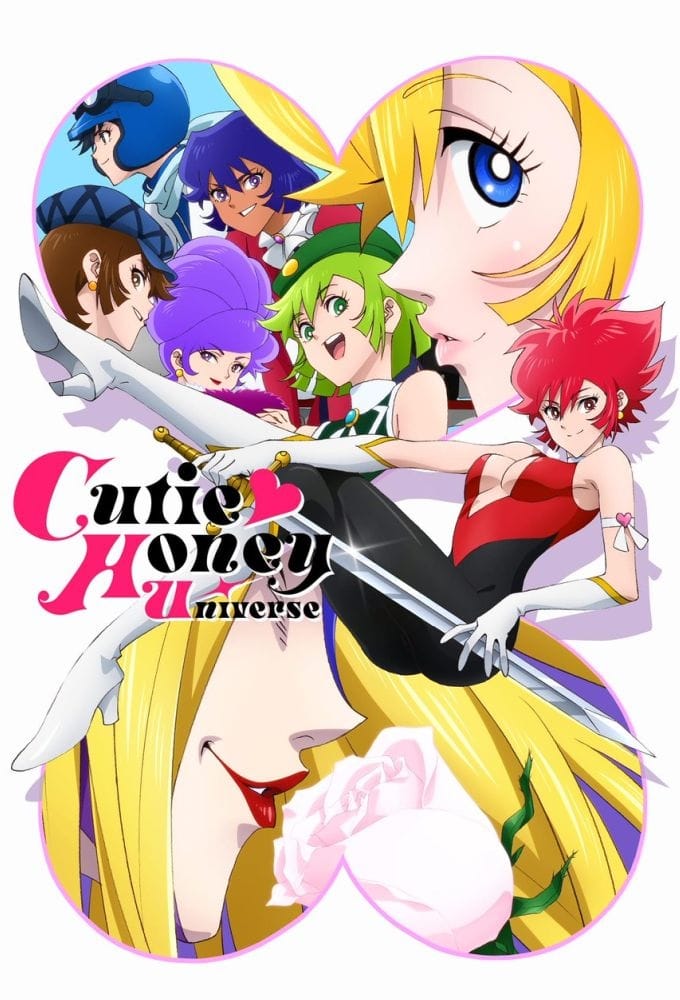
Sister Jill is the main villain in this new version of the classic series, leading the Panther Claw organization. Although she’s always been a female character, her personality and how she interacts with other villains have changed over the years. This latest version emphasizes her obsessive and romantic motivations, making her different from the more over-the-top villains of previous installments. Fans have noted that her current design is a departure from the more classic looks of the 1970s and 1990s.
‘Saint Seiya: Knights of the Zodiac’ (2019–2022)
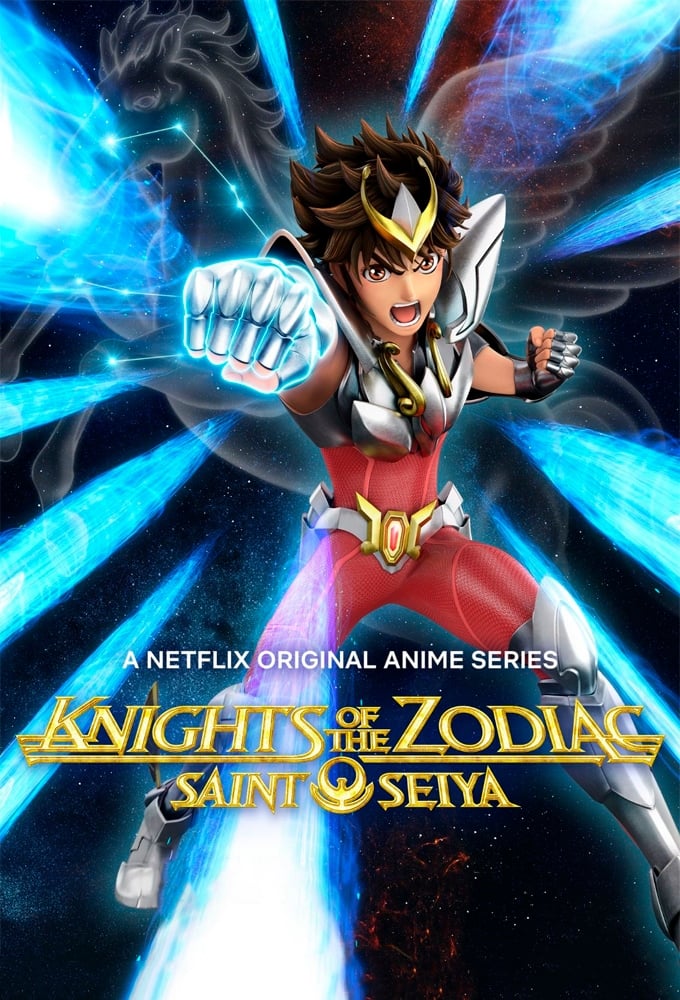
As a fan of the series, it was pretty surprising to see some of the Silver Saints and even some villains reimagined as women in this new CGI version. It seemed like the creators were really trying to make the group of warriors who fight for the gods more diverse. Honestly, a lot of us longtime fans were confused when characters like Milo were suddenly gender-swapped. It’s definitely one of the biggest changes they’ve made, and people are still talking about it!
‘Hellsing Ultimate’ (2006–2012)

Schrödinger is portrayed as a boy who looks quite feminine, which intentionally blurs the lines of his identity within the Millennium organization. This version of the character, true to the manga source material, emphasizes his androgynous appearance even more than the original anime series. His unsettling design is meant to mirror the unpredictable and chaotic power he possesses. The creator’s visual choices have led to years of debate among fans about Schrödinger’s gender.
‘Kamen Rider Black Sun’ (2022)
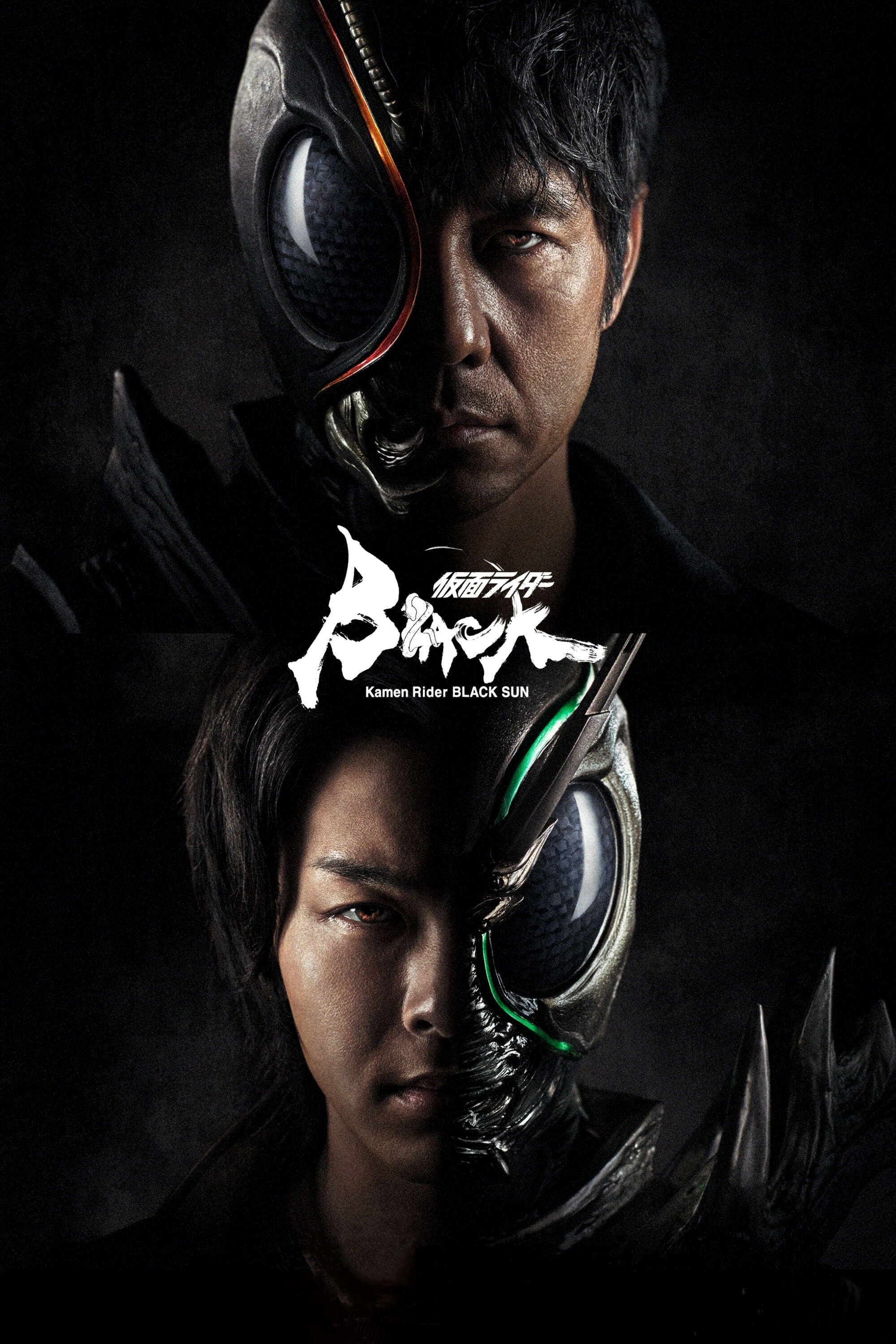
This new version of the classic show updates the original with a modern twist, including reimagined villains and characters. Some villains and leaders of the main organization, who were originally male, now appear as female or non-binary. These changes add depth to the story’s themes and have been the most surprising part of the reboot for many longtime fans of the original series and manga.
‘Fate/Apocrypha’ (2017)
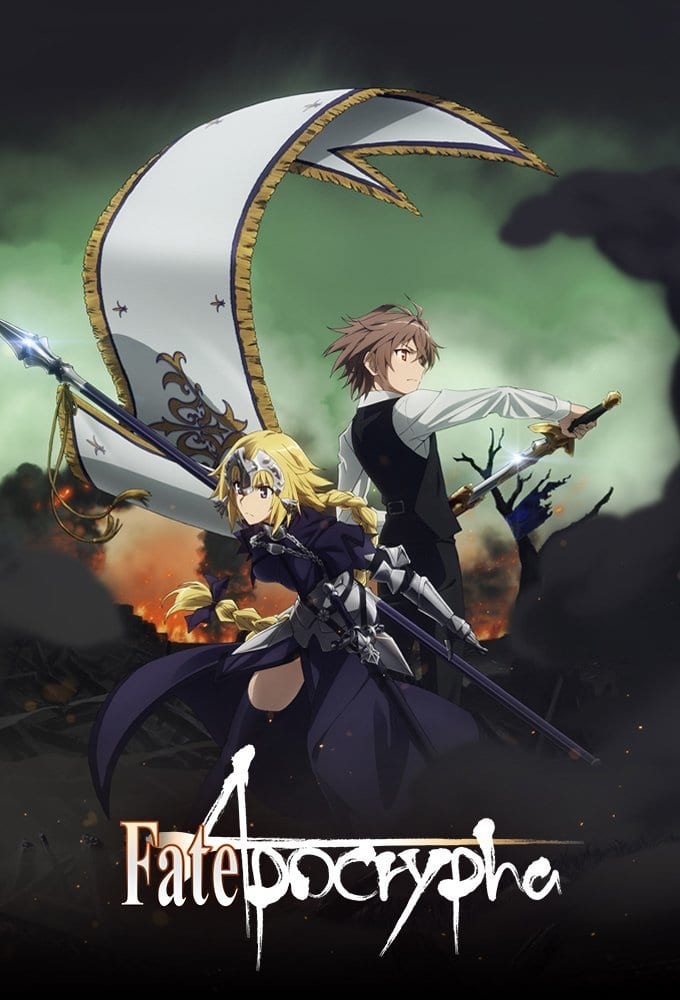
Okay, so this version of Mordred is really interesting. She’s Arthur’s child, but she’s a female knight fighting in this Holy Grail War. She’s a major villain for a lot of the groups involved, and honestly, her biggest drive is wanting to be better than her dad. The story explains the gender change with some cool magic stuff – they’re always playing with history in this series. What everyone keeps talking about is how her being Arthur’s kid impacts everything she does and why she fights the way she does. It’s a really clever twist!
‘Fate/Grand Order Absolute Demonic Front: Babylonia’ (2019–2020)
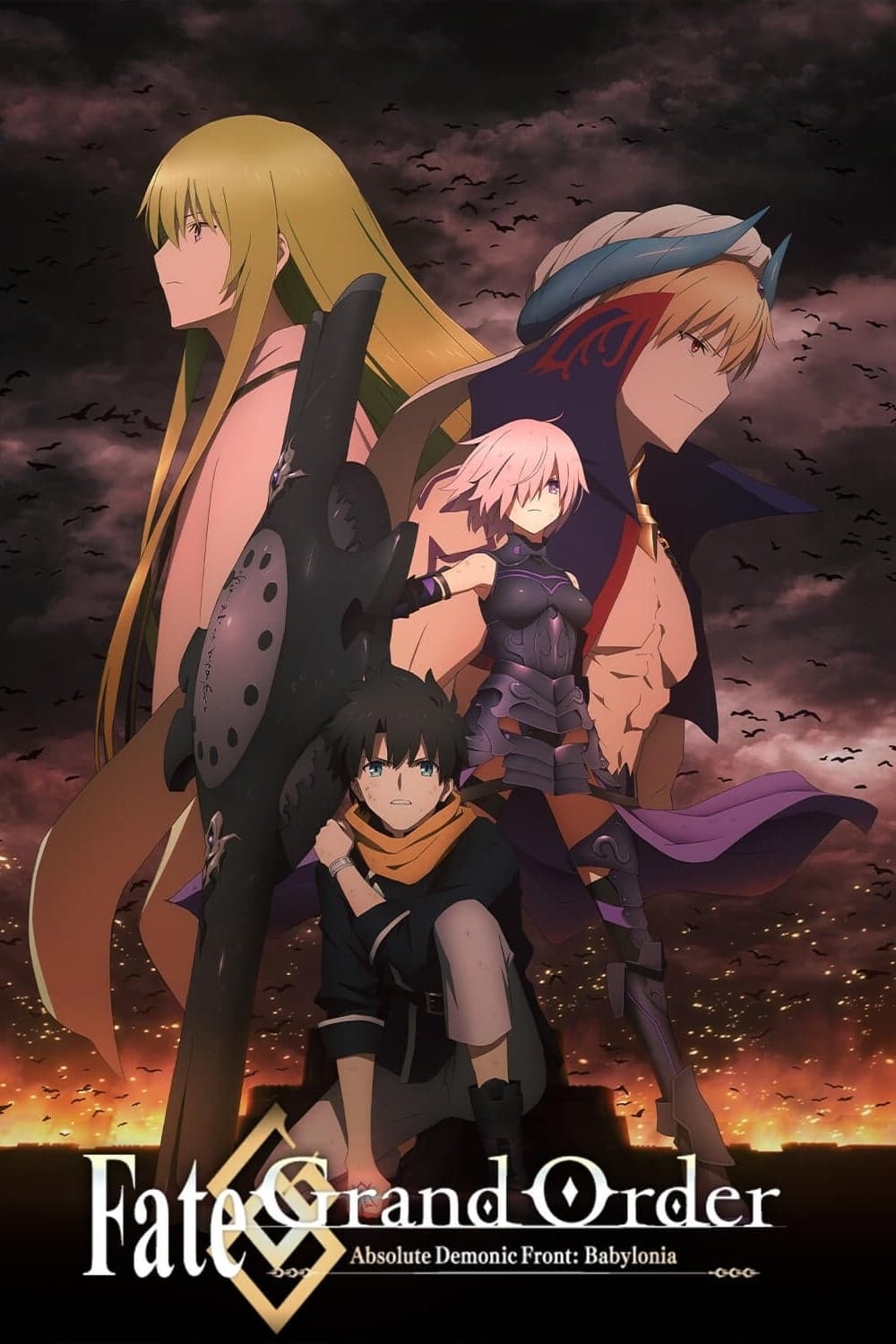
As a huge mythology fan, I have to say this series really throws you for a loop! They take the classic hero Gilgamesh and team him up with figures from history and legend – like Quetzalcoatl, who’s usually portrayed as a god, but here she’s a total powerhouse…and initially an enemy! It’s a really interesting take on Mesoamerican myths, but it definitely messed with my head at first because it’s so different from what I know. Honestly, the show is famous for playing fast and loose with the genders of these iconic figures – they clearly aren’t afraid to shake things up!
‘Drifters’ (2016)
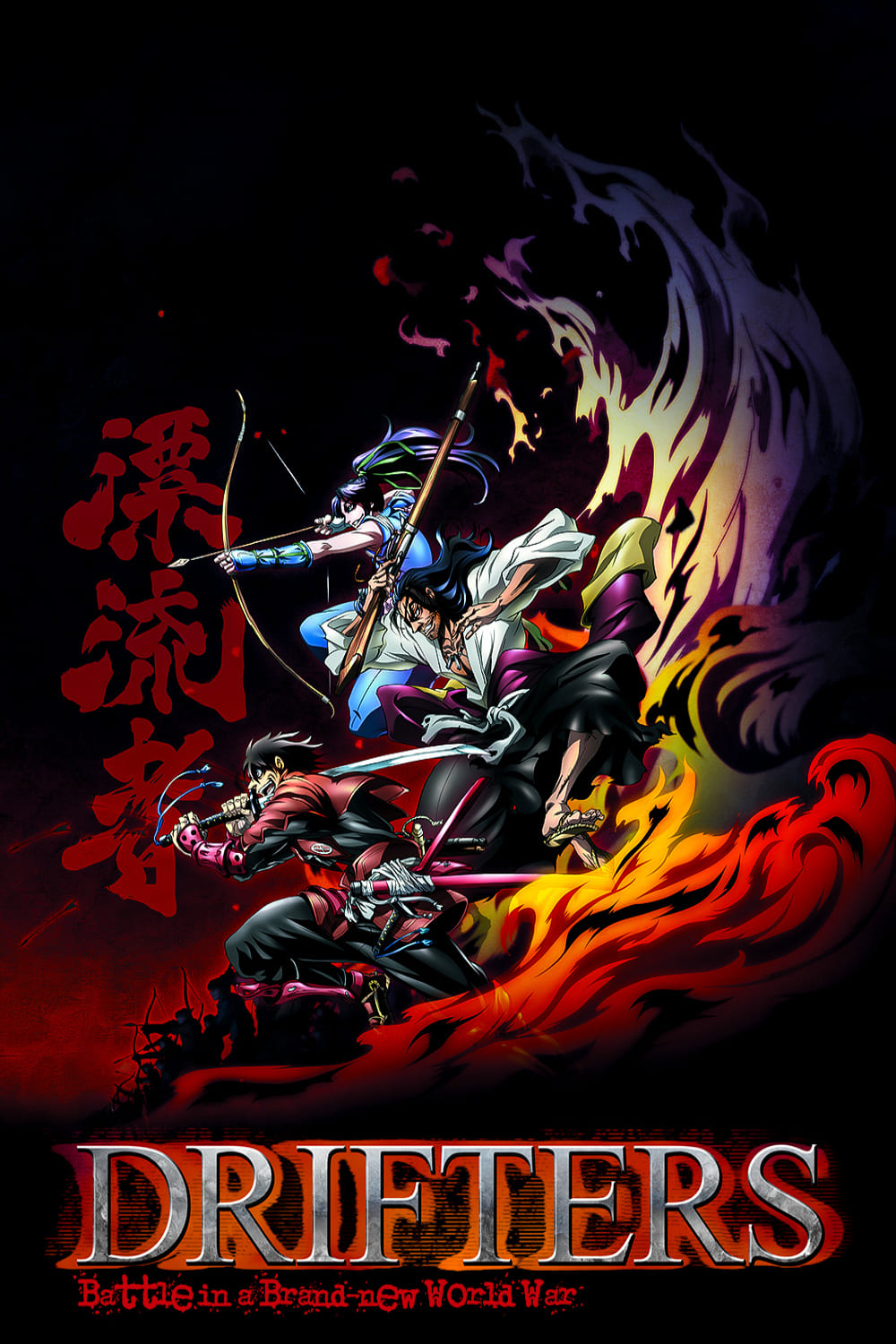
The show brings famous people from history into a fantasy setting, where they battle as heroes or villains. Joan of Arc appears as a fierce and strong enemy, but with a surprising twist: she’s presented as male, and her fighting style is much more aggressive and frightening than how she’s usually portrayed. This version of Joan is a villain obsessed with fire, offering a darker take on the historical figure.
‘Trigun Stampede’ (2023)
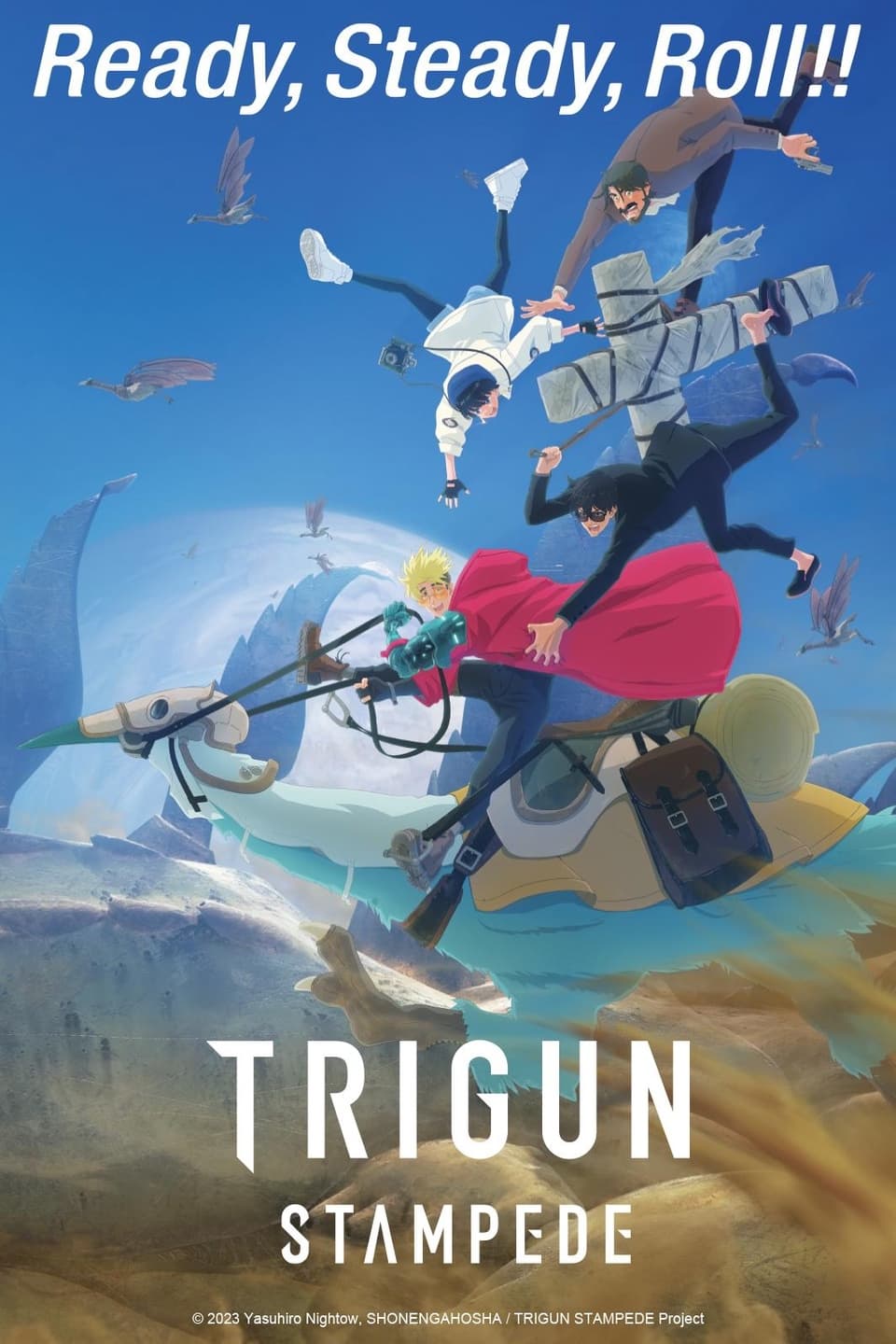
Zazie the Beast, a character from the classic space western, has been completely redesigned for this new version. Originally presented as male in the manga and anime, this reimagining gives Zazie a more gender-neutral or feminine look. This change emphasizes the character’s alien qualities, as Zazie serves as both an observer and a rival to the Gung Ho Guns. Viewers familiar with the original nineties series were quite surprised by how different Zazie looks and acts now.
‘Spriggan’ (2022)
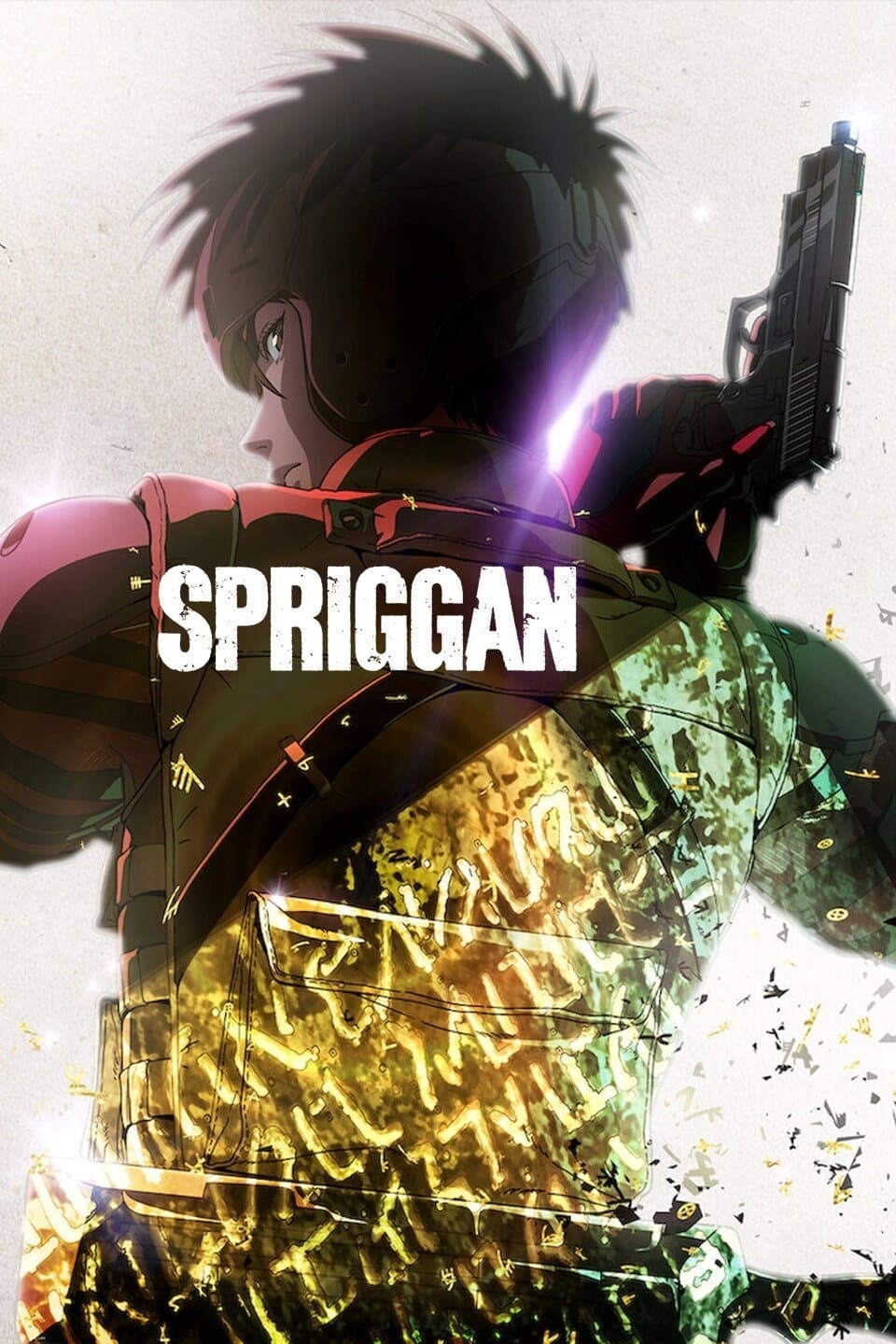
This updated version of the classic action series features villains with cybernetic enhancements and fresh designs. Some characters who were originally typical male soldiers in the original nineties film now have more diverse backgrounds and gender identities, adding a new level of complexity to the enemies our hero faces. Despite these changes, the series still delivers the same exciting, fast-paced action.
‘Urusei Yatsura’ (2022–2024)
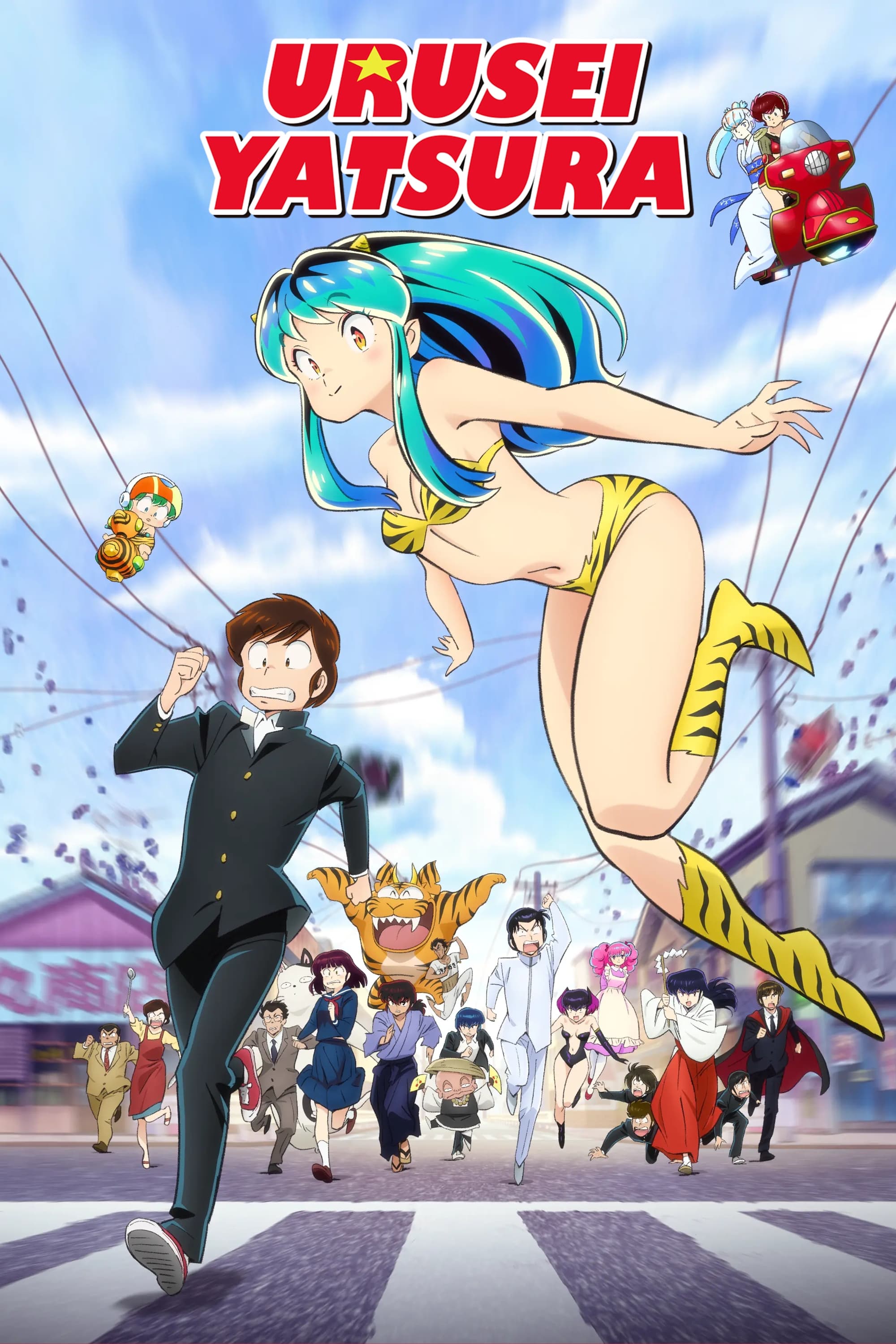
This revived comedy series brings back a host of alien enemies and rivals who come to Earth. Some of the smaller villains from the original show, which aired in the eighties, have been redesigned with a more contemporary look, and sometimes their genders are less defined. These updates show how character design has changed over the years. Fans have fun noticing the differences between the old and new versions of these unique characters.
‘Hunter x Hunter’ (2011)
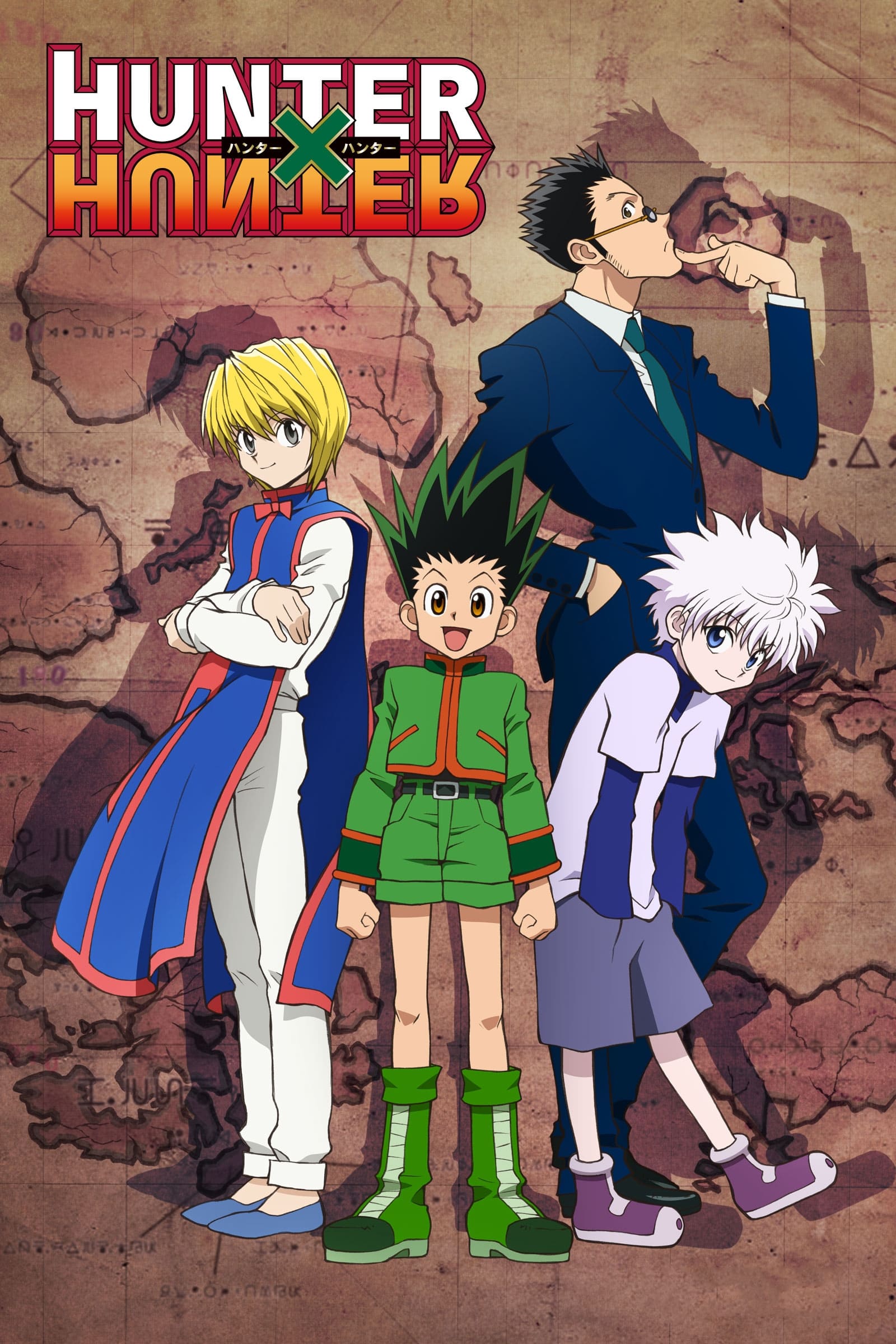
Neferpitou is a powerful villain from the Chimera Ant arc whose gender is deliberately unclear. While the character’s original design was more neutral, the remake gives Neferpitou a more feminine appearance, which has caused a lot of discussion among fans about how to refer to them. Despite any changes to their look, Neferpitou remains a dangerous and frightening enemy.
‘GeGeGe no Kitaro’ (2018–2020)
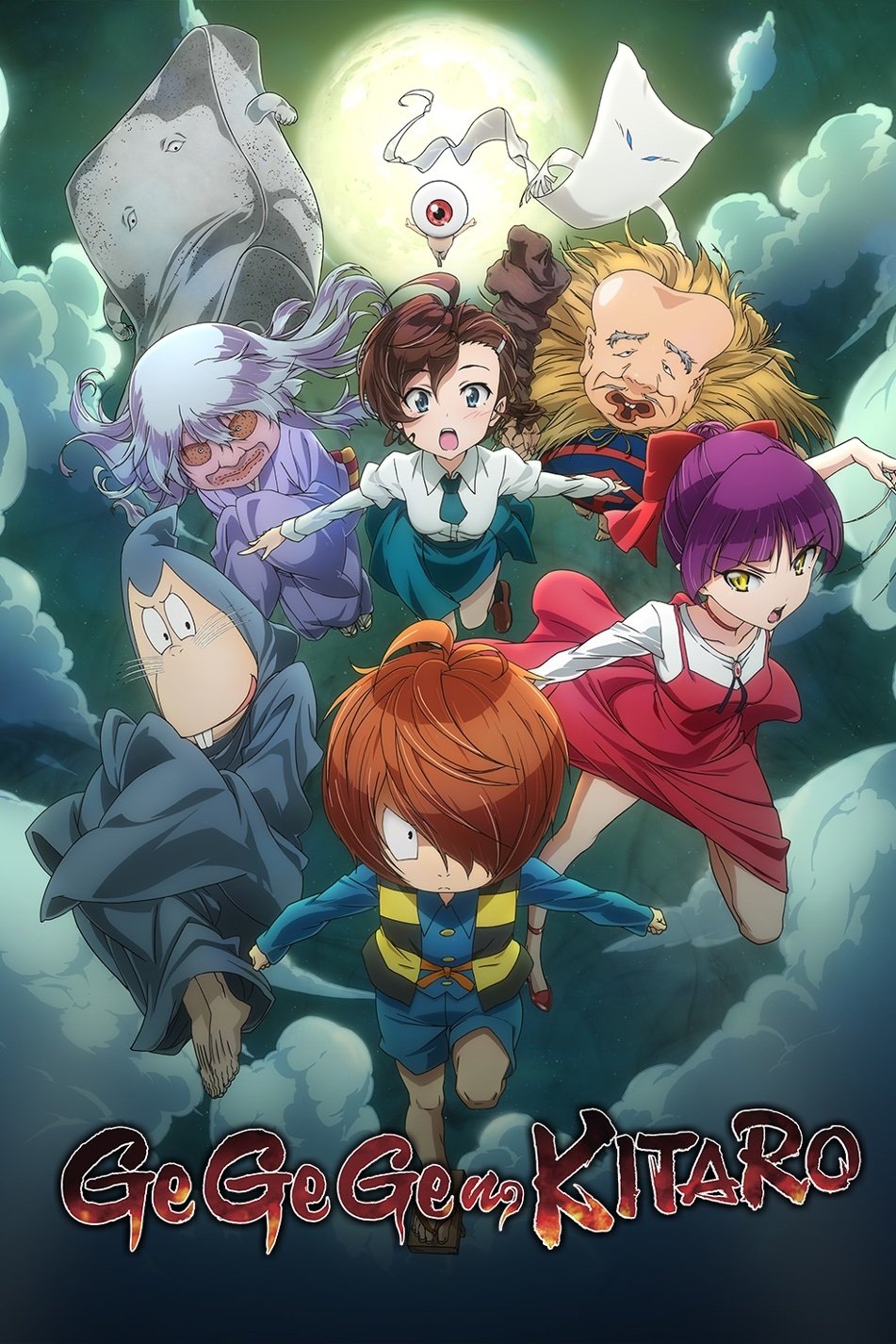
As a longtime fan of this series, I was really intrigued by the latest adaptation – the sixth one, if you’re keeping track! What’s cool is they’ve brought back a lot of the classic monsters, or ‘yokai,’ but with a twist. They’ve updated the genders of some of them – characters who were always guys in the older shows are now women. It’s a really smart move, honestly. It feels fresh and allows them to tackle some modern issues while still keeping the spooky, supernatural vibe we all love. I’ve seen a lot of discussion online about how these changes shake up the relationships between the yokai and the human world, and it’s definitely adding a new layer to the whole thing.
‘Getter Robo Arc’ (2021)
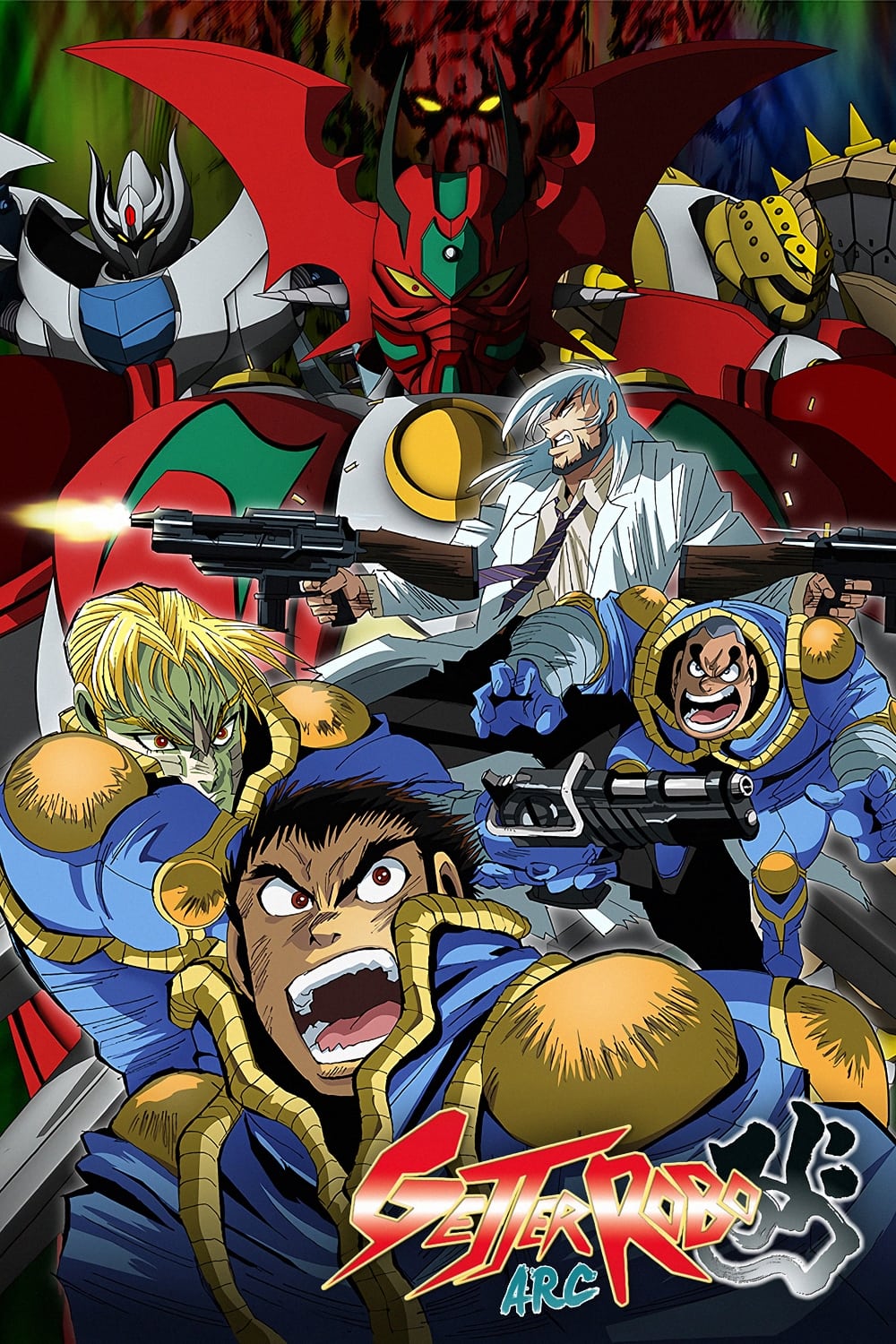
The latest installment in the Getter Robo story finally arrives, bringing with it a cast of villains from a dinosaur empire. Some of these villains have been visually updated to appear more feminine or androgynous than they did in the original series from the 1970s. These new designs showcase the artistic growth of Ken Ishikawa. Many longtime fans of giant robot shows see these changes as a daring move for the franchise.
‘Mazinger Z: Infinity’ (2017)
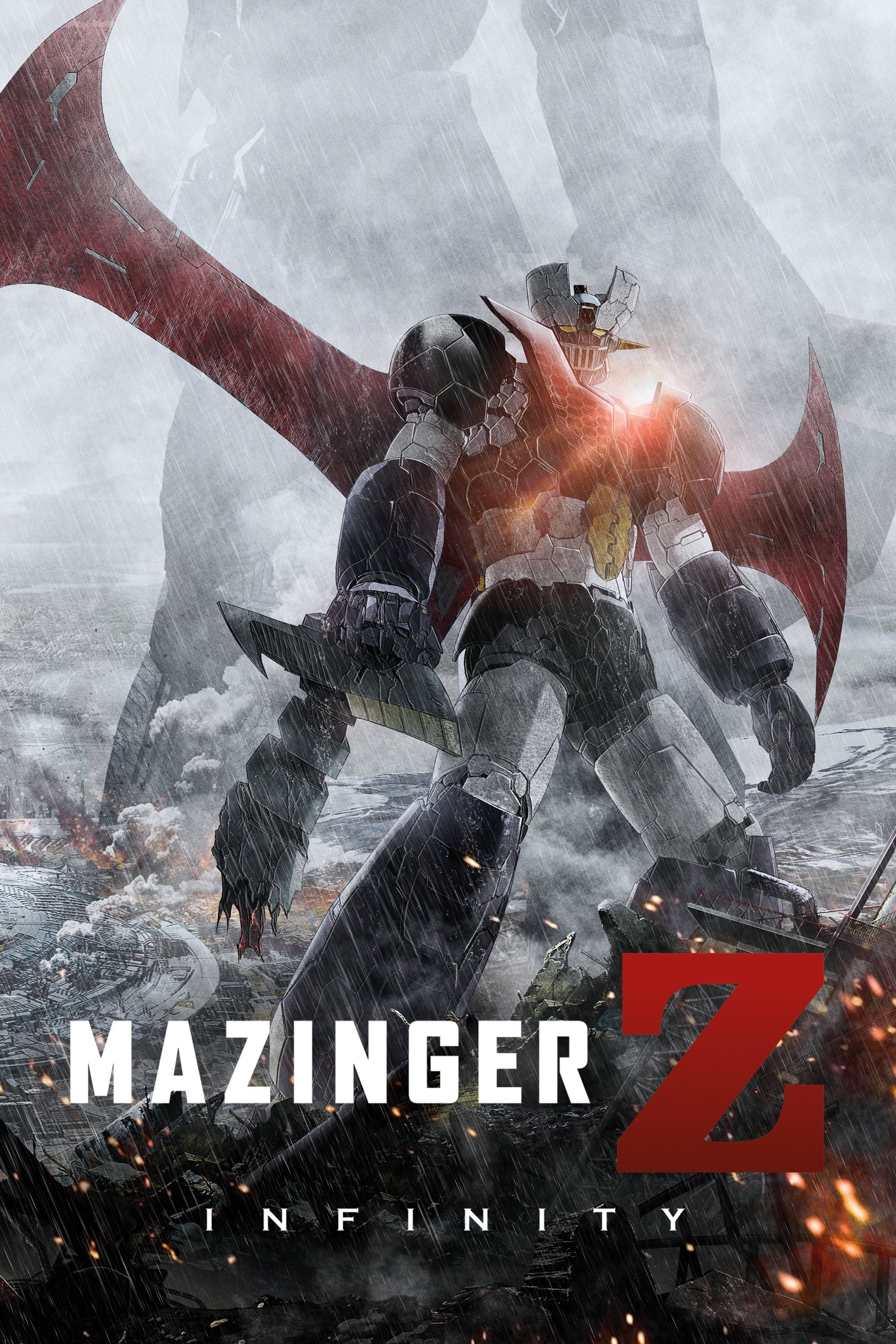
Baron Ashura is a memorable villain – a single character composed of both a male and female half. The latest film version uses impressive animation to really showcase this unusual split. Audiences have always been intrigued and puzzled by this unique character, and the remake both honors the original design and brings it to life for today’s viewers.
‘Casshern Sins’ (2008–2009)
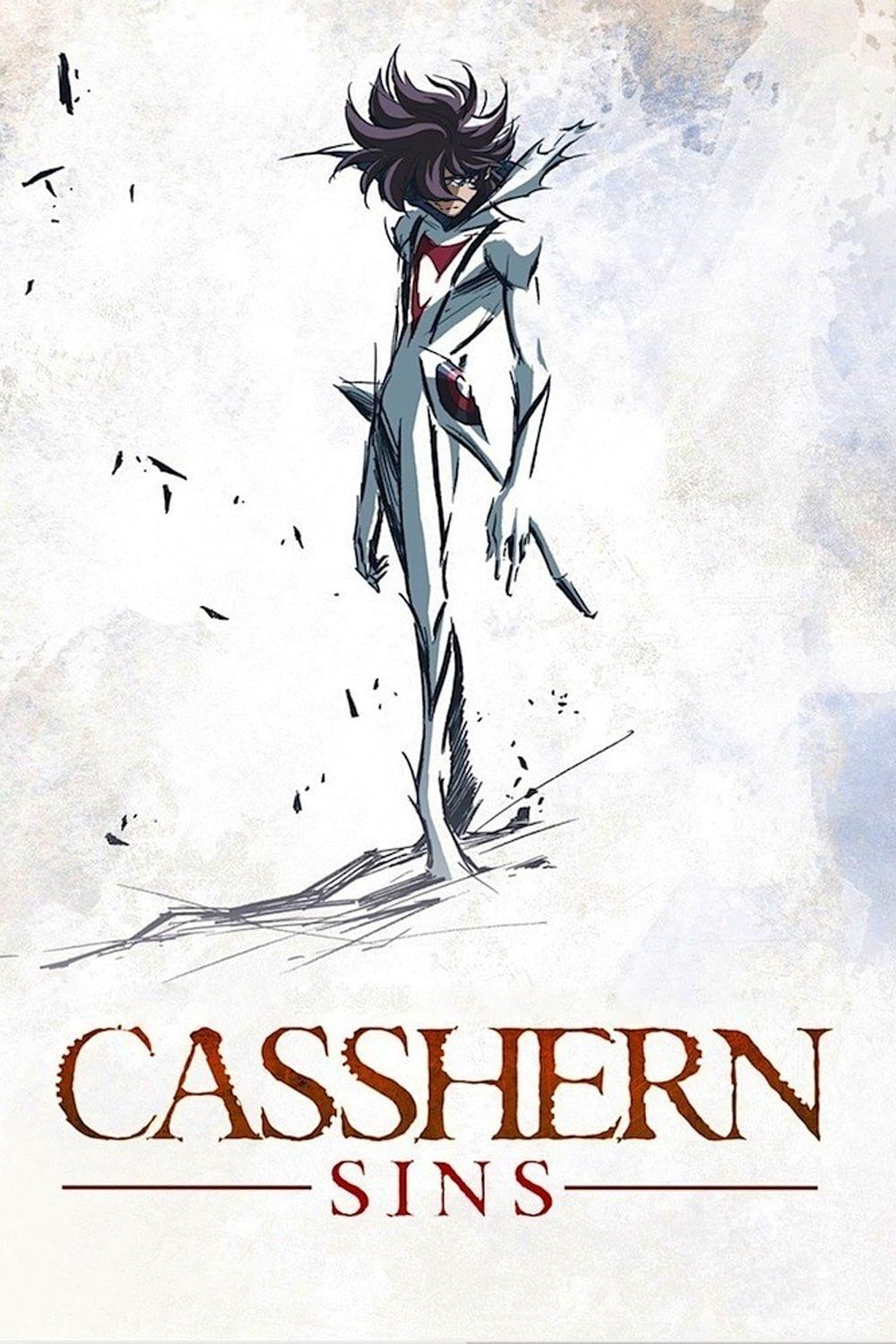
This new take on the classic seventies superhero show features robots as villains, and notably, many of them have had their genders changed. Leda is a key villain with a lot of power and a more developed, intricate backstory than female villains in the original ‘Neo-Human Casshern’. The series is celebrated for its moody atmosphere and fresh interpretations of familiar character types.
‘The Legend of the Galactic Heroes: Die Neue These’ (2018–2024)
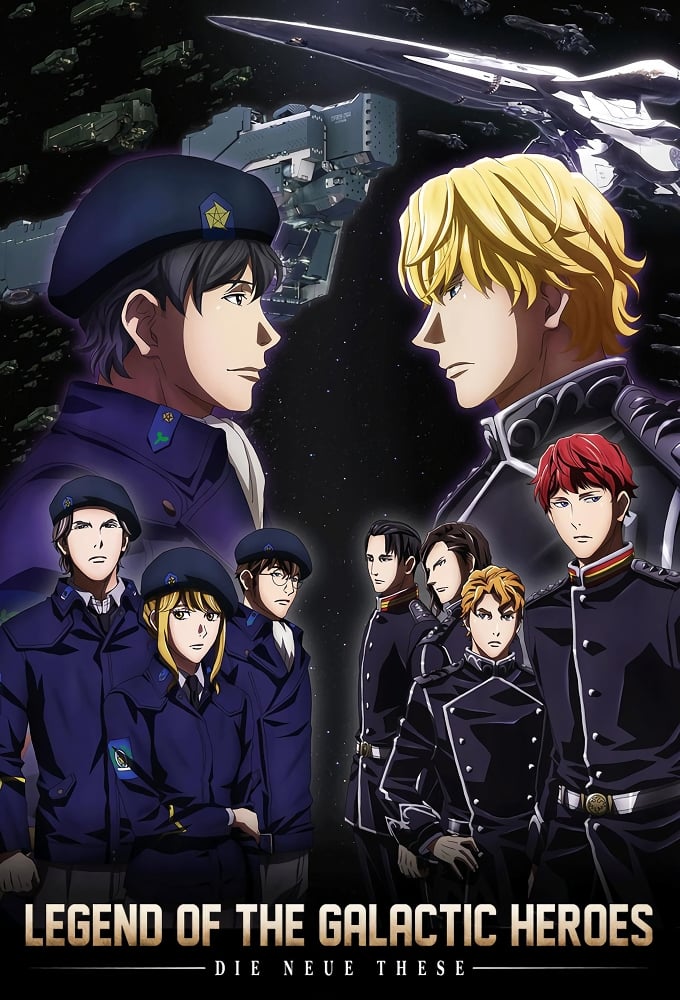
This updated version of the classic space opera boasts a large cast with refreshed character designs. Some of the villains and military leaders now look younger and have more gender-neutral appearances, a deliberate move to attract a new generation of anime fans. However, fans of the original series sometimes find it difficult to connect with these new, less rough-looking designs.
‘Blade of the Immortal’ (2019)
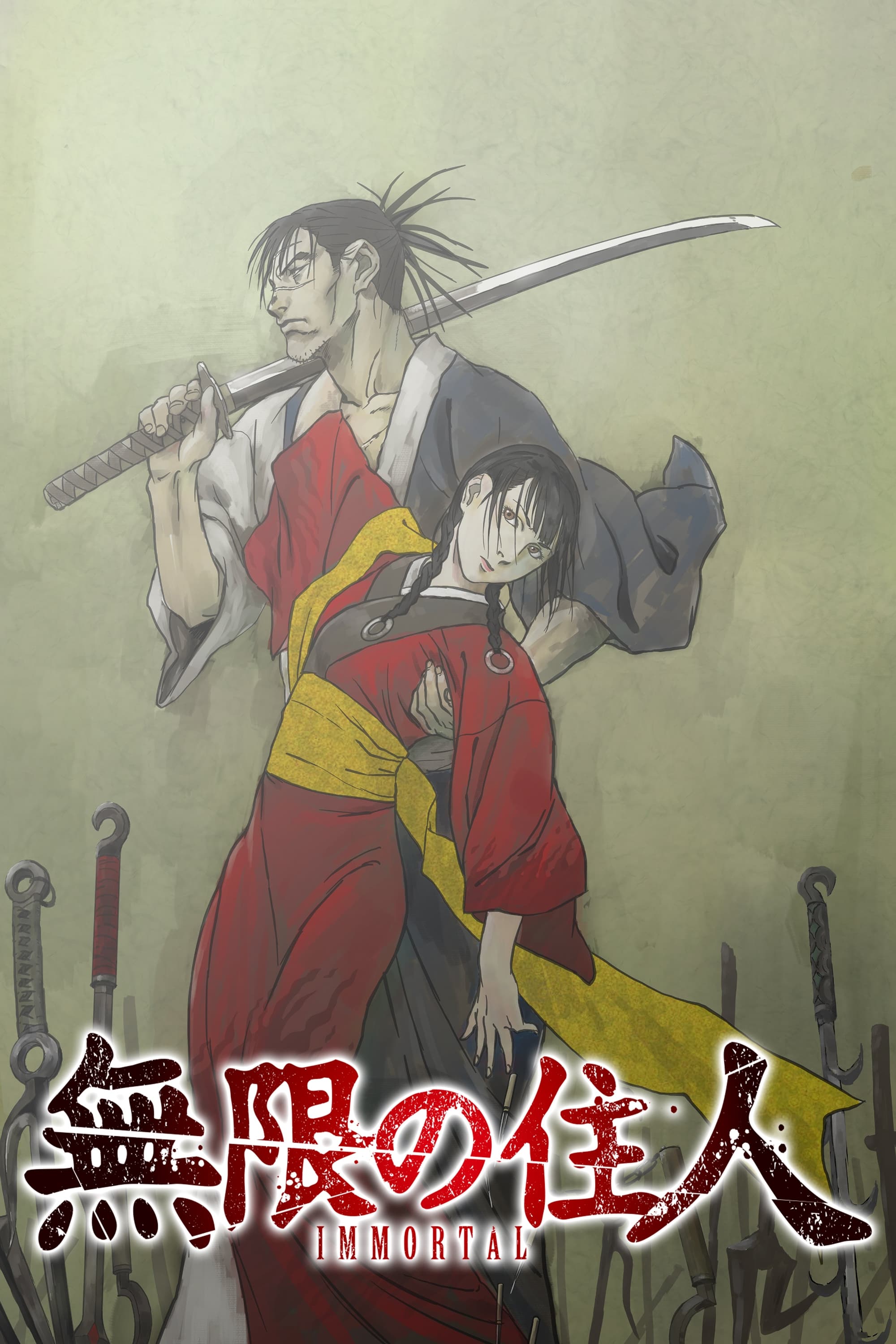
This updated version of the classic samurai story reimagines many characters from the Itto-ryu school. Notably, some of the villains who were originally portrayed as very traditionally masculine now have more ambiguous or androgynous features. This change enhances the overall sense of unpredictability and danger surrounding the rival school led by Anotsu Kagehisa. Viewers have praised how the series stays true to the original story while also giving the characters a fresh, modern look.
Share your thoughts on these villainous character changes in the comments.
Read More
- Spotting the Loops in Autonomous Systems
- Seeing Through the Lies: A New Approach to Detecting Image Forgeries
- The Best Directors of 2025
- Staying Ahead of the Fakes: A New Approach to Detecting AI-Generated Images
- 20 Best TV Shows Featuring All-White Casts You Should See
- The Glitch in the Machine: Spotting AI-Generated Images Beyond the Obvious
- Gold Rate Forecast
- Umamusume: Gold Ship build guide
- 2025 Crypto Wallets: Secure, Smart, and Surprisingly Simple!
- Mel Gibson, 69, and Rosalind Ross, 35, Call It Quits After Nearly a Decade: “It’s Sad To End This Chapter in our Lives”
2026-01-10 22:52