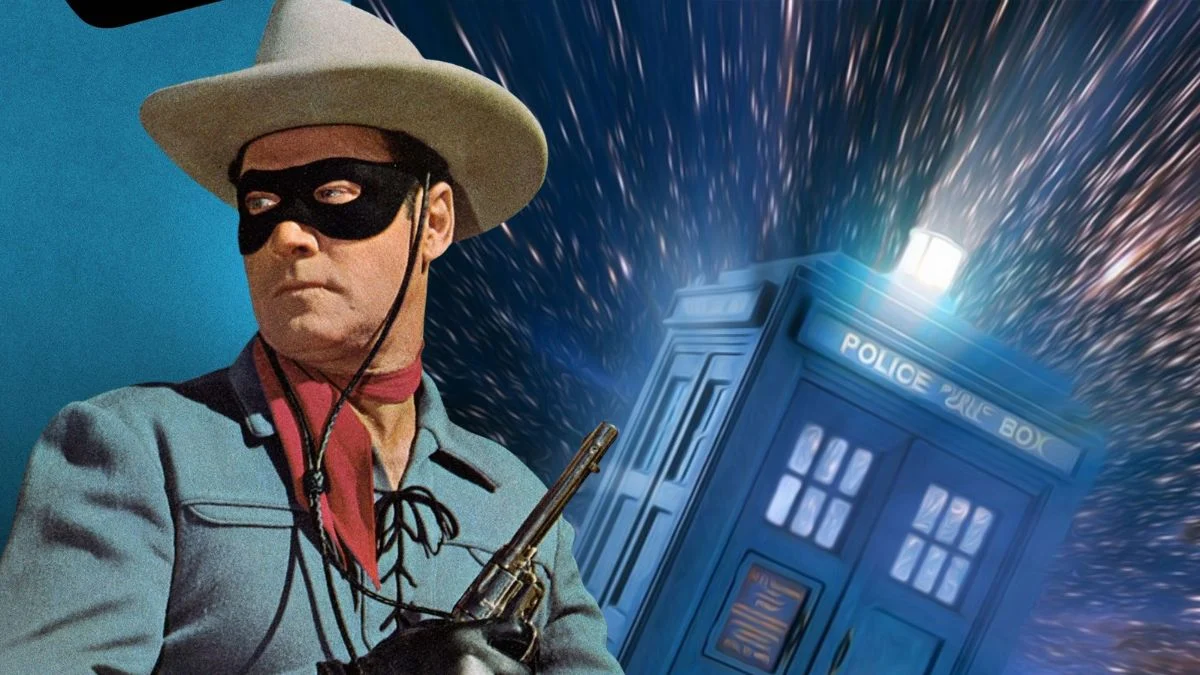
Throughout television history, there have been numerous instances where actors were cast in roles that didn’t match their cultural or ethnic background. For many years, it was common practice to cast white actors in roles originally written for people of color, often using makeup and costumes to change their appearance. Today, these casting choices are often looked at as a sign of past societal norms and limitations within the entertainment industry. This list showcases several TV shows where white actors played characters who were meant to be of a different race or ethnicity.
‘The Lone Ranger’ (1949–1957)
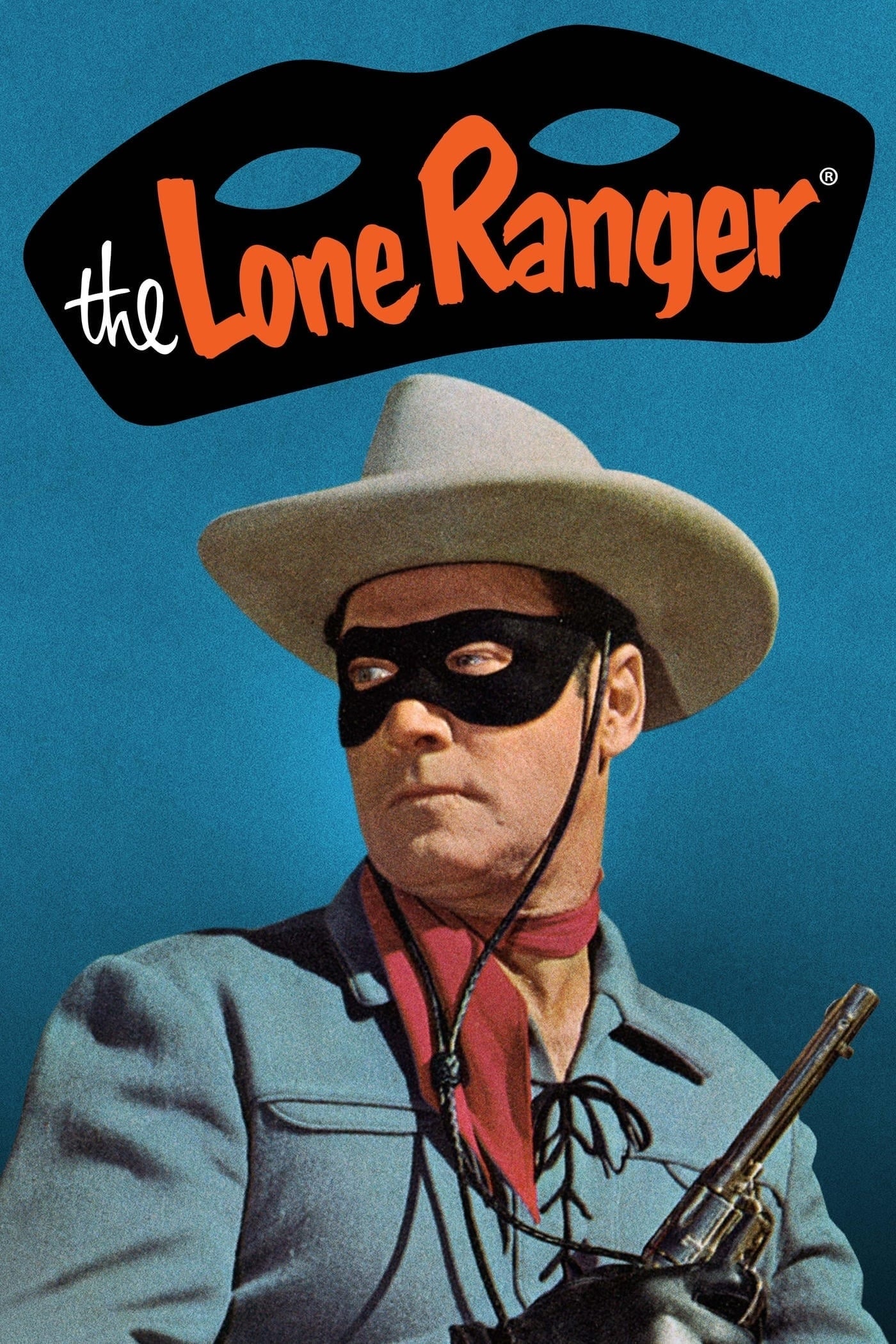
Jay Silverheels famously played Tonto, but most other Native American characters on the show were actually played by white actors. These actors used dark makeup and wigs to portray members of different tribes in the Old West. The series often showed Native Americans as side characters or villains, relying on tired stereotypes in both how they looked and what they said. This type of casting was common at the time, as television shows relied heavily on well-known actors. Today, these episodes are often cited as examples of the poor and inauthentic representation of Native Americans in early television.
‘Brave Eagle’ (1955–1956)
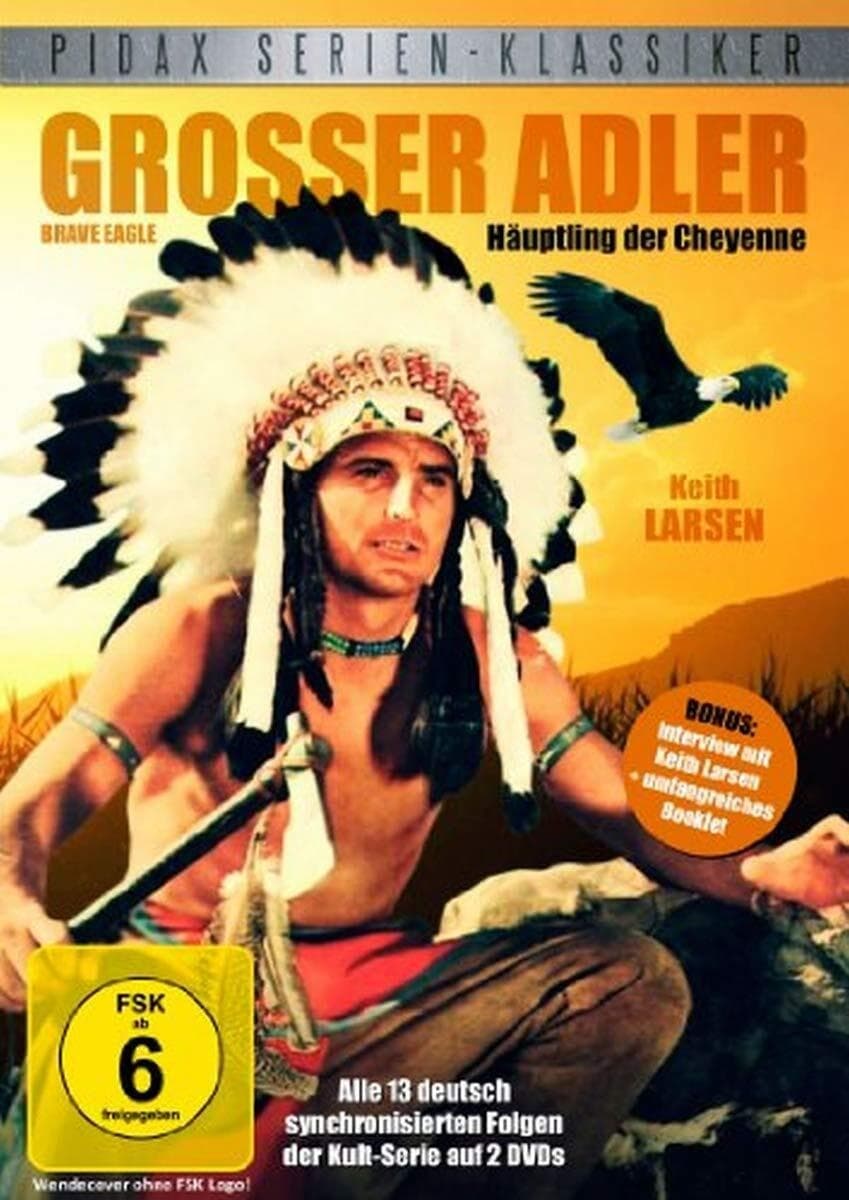
This short-lived Western stood out because it featured a Native American as the main character, something rare for the time in the 19th-century genre. Keith Larsen, a Norwegian-American actor, played Brave Eagle, a Cheyenne chief striving for peace with white settlers, and used makeup and a wig to transform into the role. While the show tried to offer a fresh take on Westerns, it still featured a white actor in the leading part, which was common for television productions in the 1950s.
‘Cheyenne’ (1955–1963)
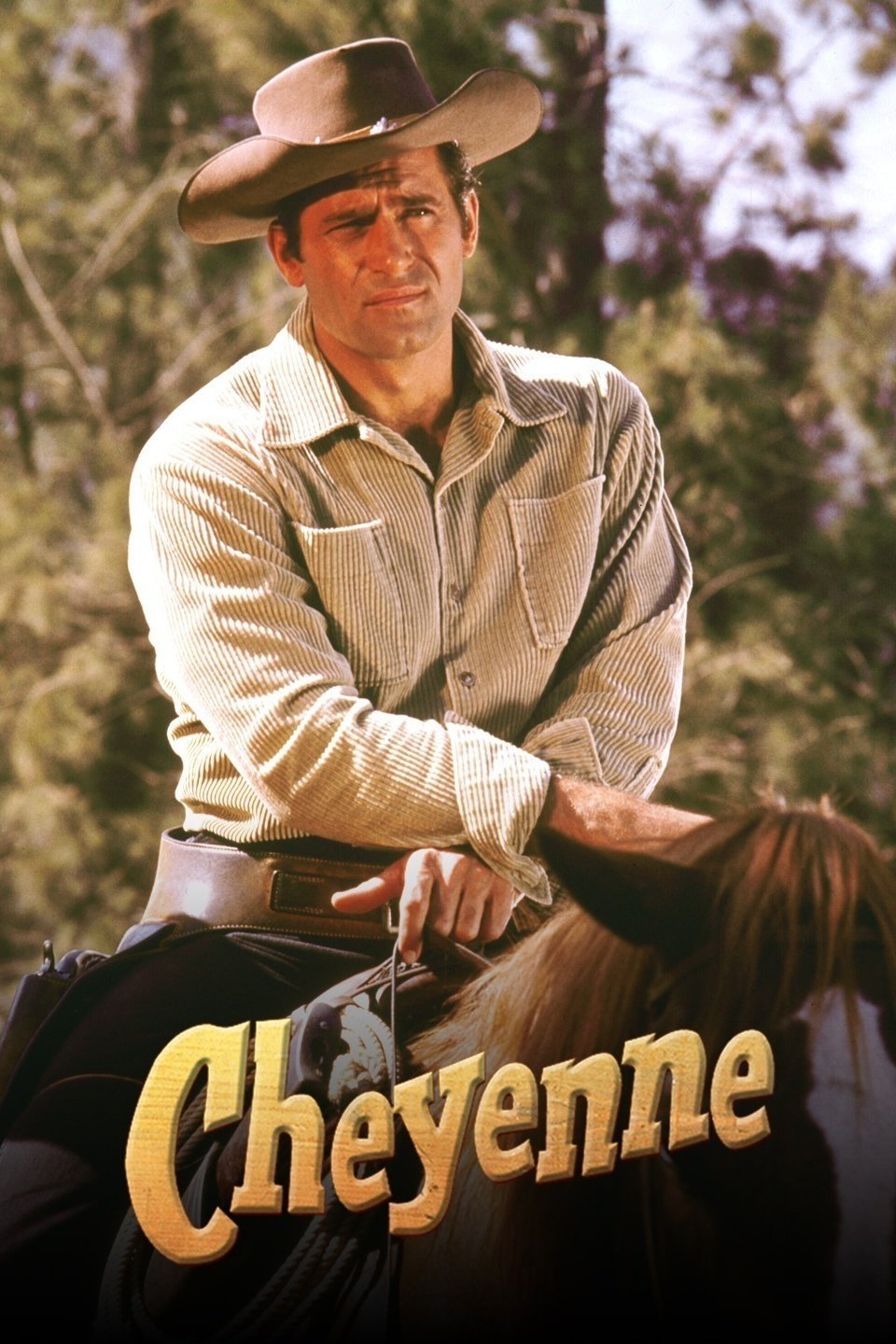
I recently watched an old Western, and it featured Clint Walker as Cheyenne Bodie, a fascinating character. Bodie was a white man raised by the Cheyenne tribe after tragedy struck his family, so he really existed between two worlds – possessing the skills and sensibilities of a Native American, but with a white background. Walker himself was a classic, imposing Western leading man, and the show definitely touched on interesting themes of identity and the clashes happening on the frontier. Though, it’s worth noting that the stories, even those centered around Native American life and impact, were mostly told through the lens of white actors. It’s a product of its time, and while compelling, it’s something to consider when watching it today.
‘Gunsmoke’ (1955–1975)
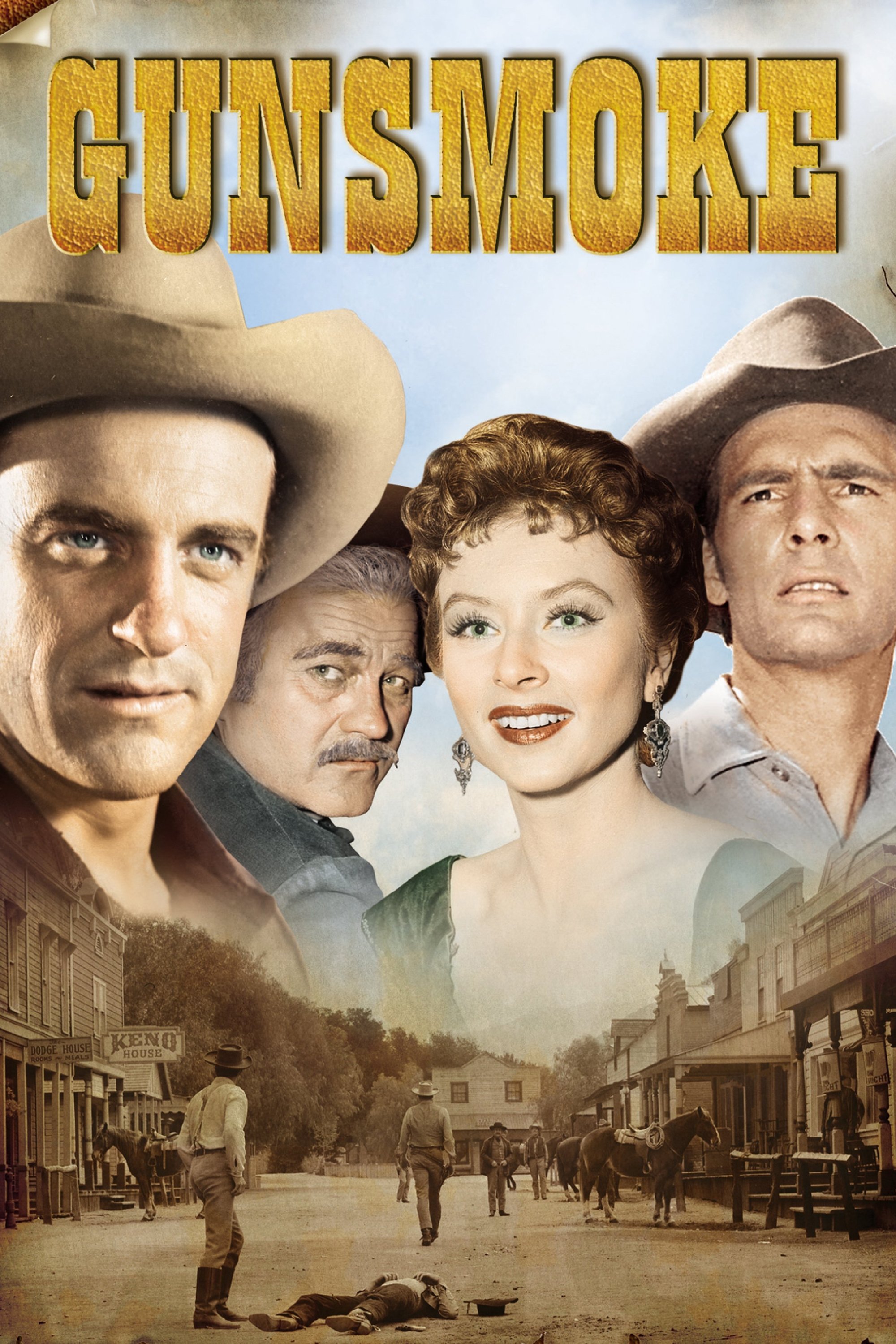
This classic Western series, one of the longest-running of its kind, was known for featuring many guest stars. However, it also frequently featured white actors portraying Native American characters using outdated and often stereotypical makeup and mannerisms. This practice was common in early television, when studios rarely prioritized accurate representation. While the show is remembered for its compelling stories and long run, it’s also now recognized for these problematic casting choices.
‘Broken Arrow’ (1956–1958)
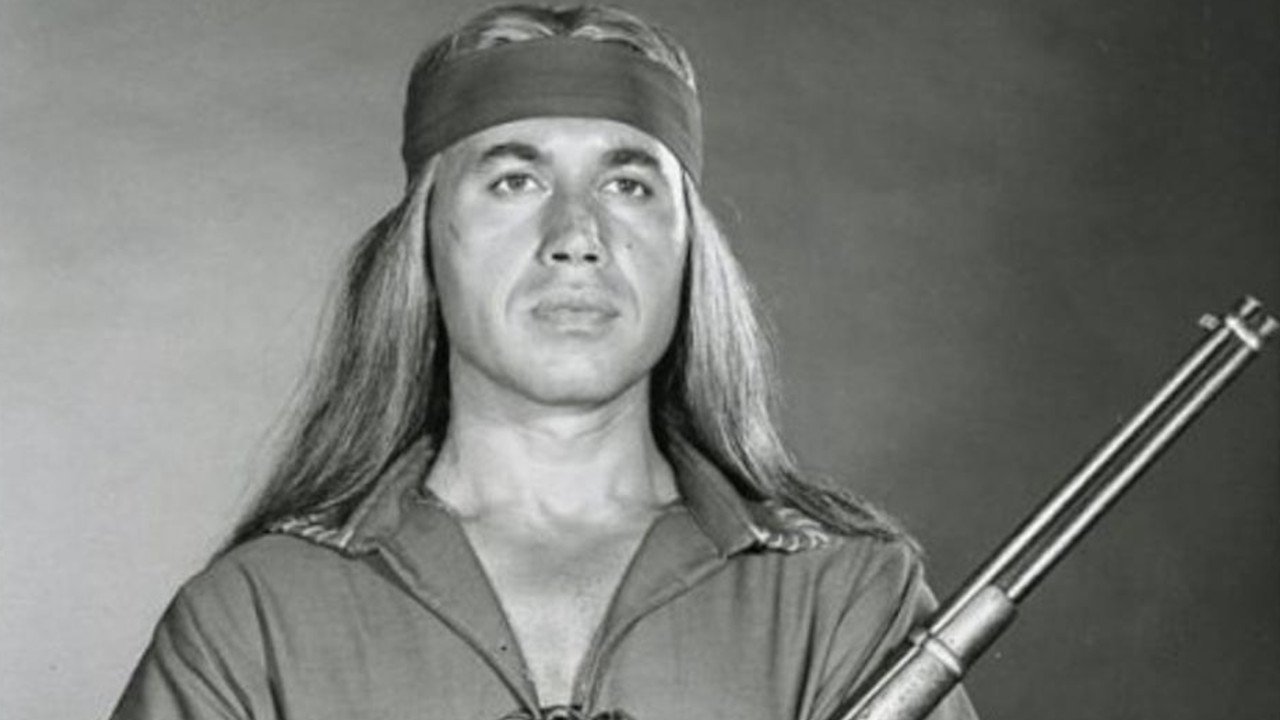
I loved this old Western! It centered on the bond between a government Indian agent and the Apache leader, Cochise. It’s kind of interesting looking back now – the actor who played Cochise, Michael Ansara, was actually Syrian, but he often played people of different ethnicities, including Native Americans. And a lot of the other Apache characters weren’t played by Native actors at all, but by white actors in makeup. At the time, people really liked that the show tried to show Native Americans in a more understanding light than other Westerns did. But honestly, when you think about it now, the casting just feels…off, since they weren’t really representing the people they were portraying with authentic actors.
‘Hawkeye and the Last of the Mohicans’ (1957)
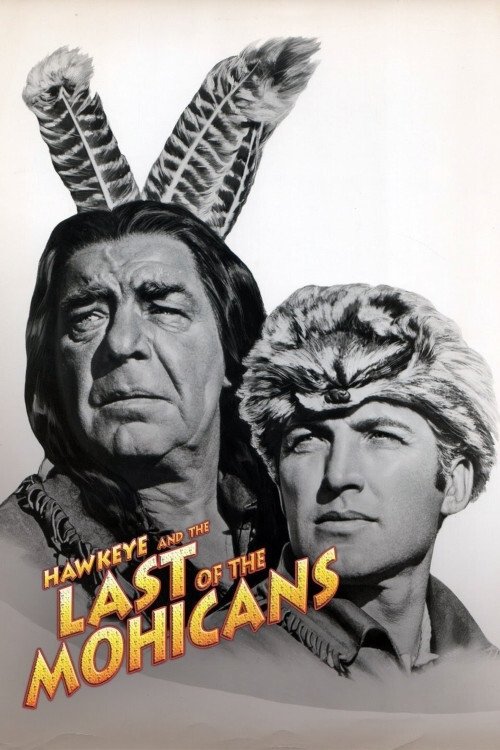
In this TV series, Lon Chaney Jr., a popular actor known for his horror movie roles, played the character Chingachgook. He used makeup and costumes to portray the Mohican warrior, alongside the character Hawkeye. At the time, it was common for productions to cast well-known white actors in the roles of non-white characters, hoping to draw in larger audiences because of their fame.
‘Zorro’ (1957–1959)
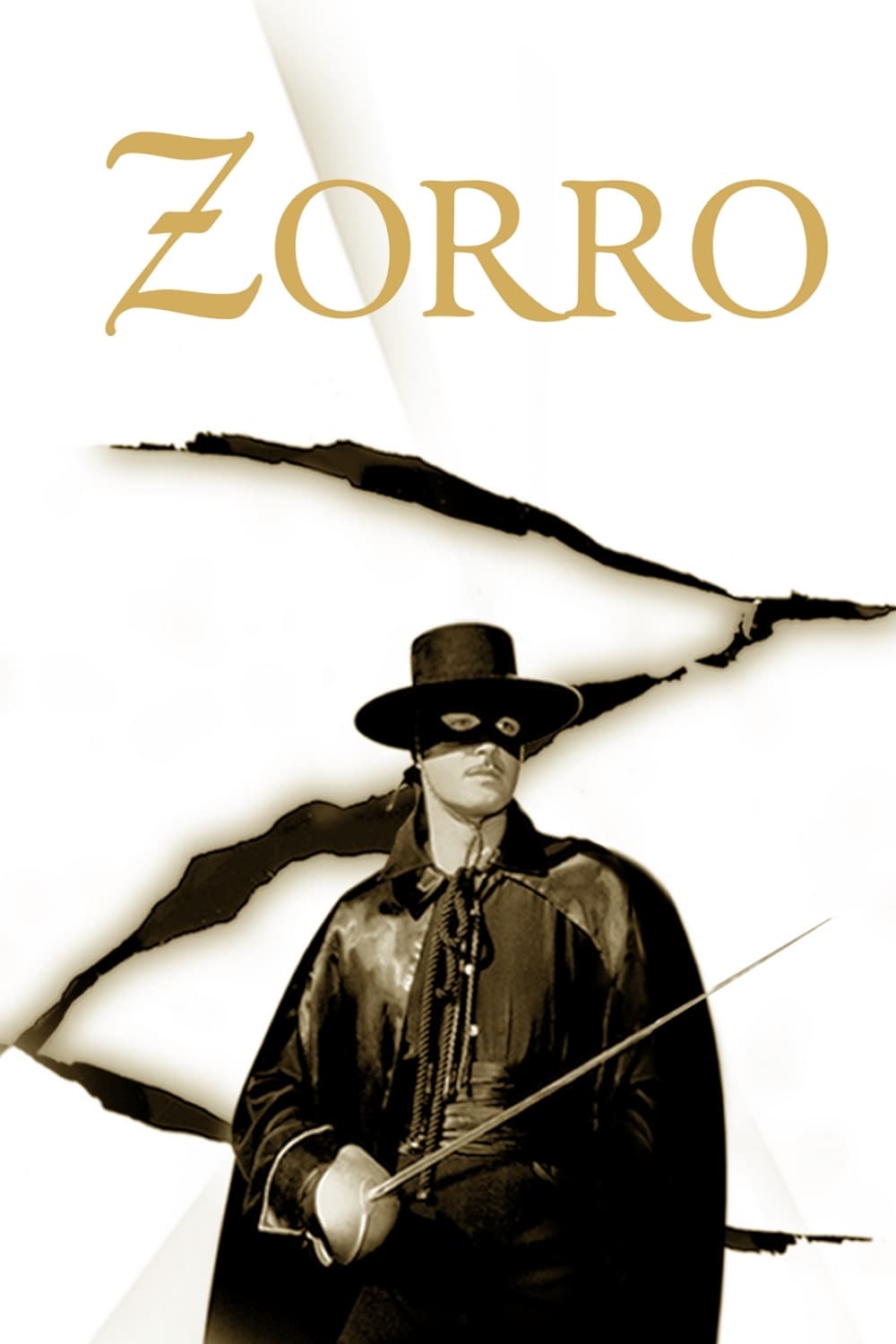
The Disney show starred Guy Williams as Don Diego de la Vega, a nobleman living in Spanish California. Although the character was meant to be of Spanish and Mexican background, Williams was a white actor with Italian ancestry. He became well-known for his exciting performance as the masked hero who defended the helpless. The series was hugely popular and shaped how many people saw the character for years to come. Casting a white actor in the role of a Hispanic hero was common for television shows at the time.
‘The Rifleman’ (1958–1963)
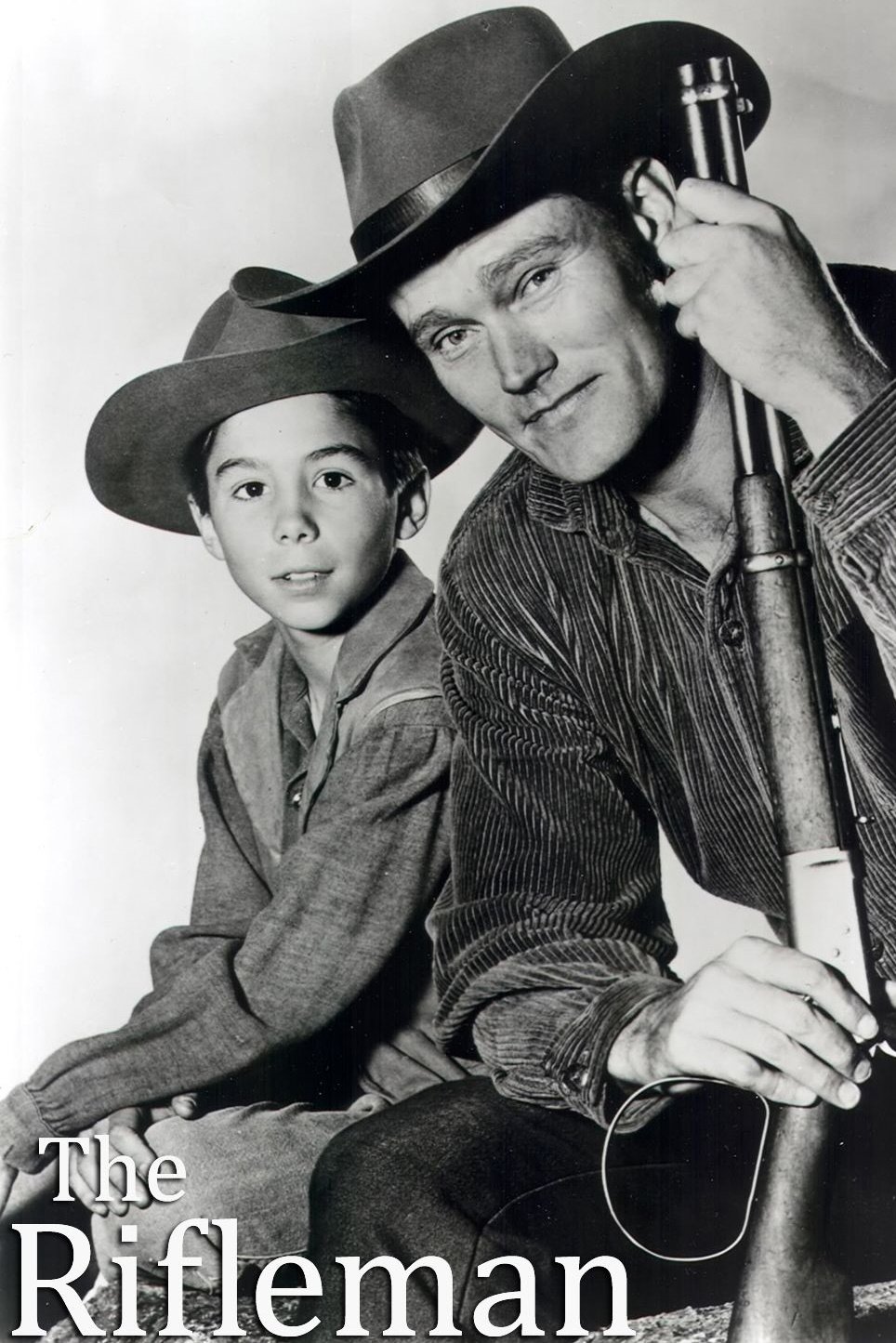
As a classic Western, this show starring Chuck Connors frequently revolved around interactions with Native American tribes. Looking back, it’s hard to ignore how those roles were almost exclusively played by white actors in heavy makeup and costumes. These weren’t just background players either; they were often key to the episode’s central conflict, usually involving themes of frontier law or treaty negotiations. The show really depended on its rotating cast, and frankly, they didn’t seem to worry much about accurate representation. It’s a point critics consistently bring up when discussing the series today, and it’s a significant part of how we view its production now.
‘Rawhide’ (1959–1965)
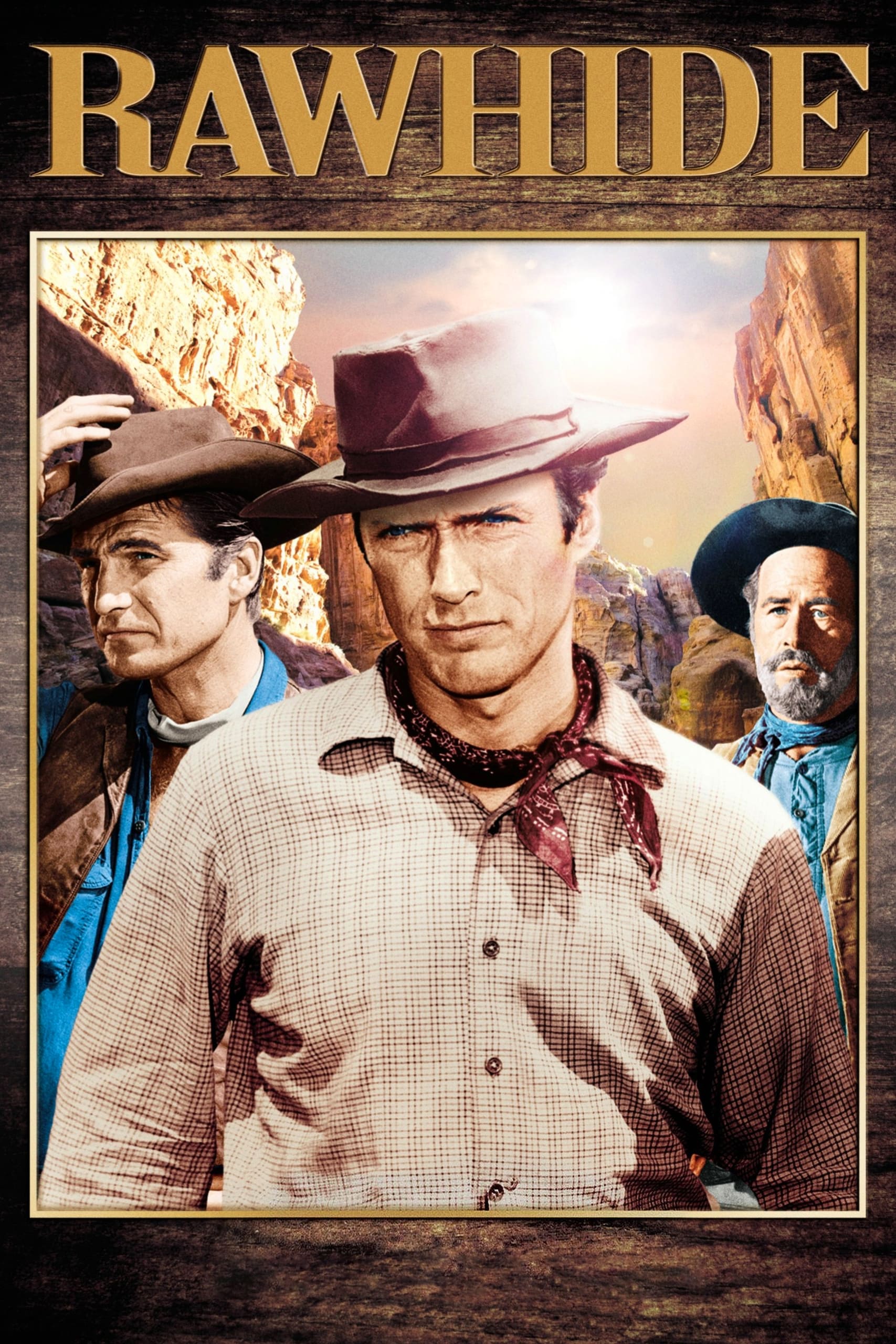
This long-running Western series followed a cattle drive and included many interactions with different people throughout the American West. A common practice at the time, Native American characters were consistently played by white actors in guest roles. These performances often relied on broken English and outdated, stereotypical portrayals. While the show is well-known for helping launch Clint Eastwood’s career, it also reflected the typical casting choices of the era, and didn’t focus on accurately representing Native American cultures or people.
‘Bonanza’ (1959–1973)
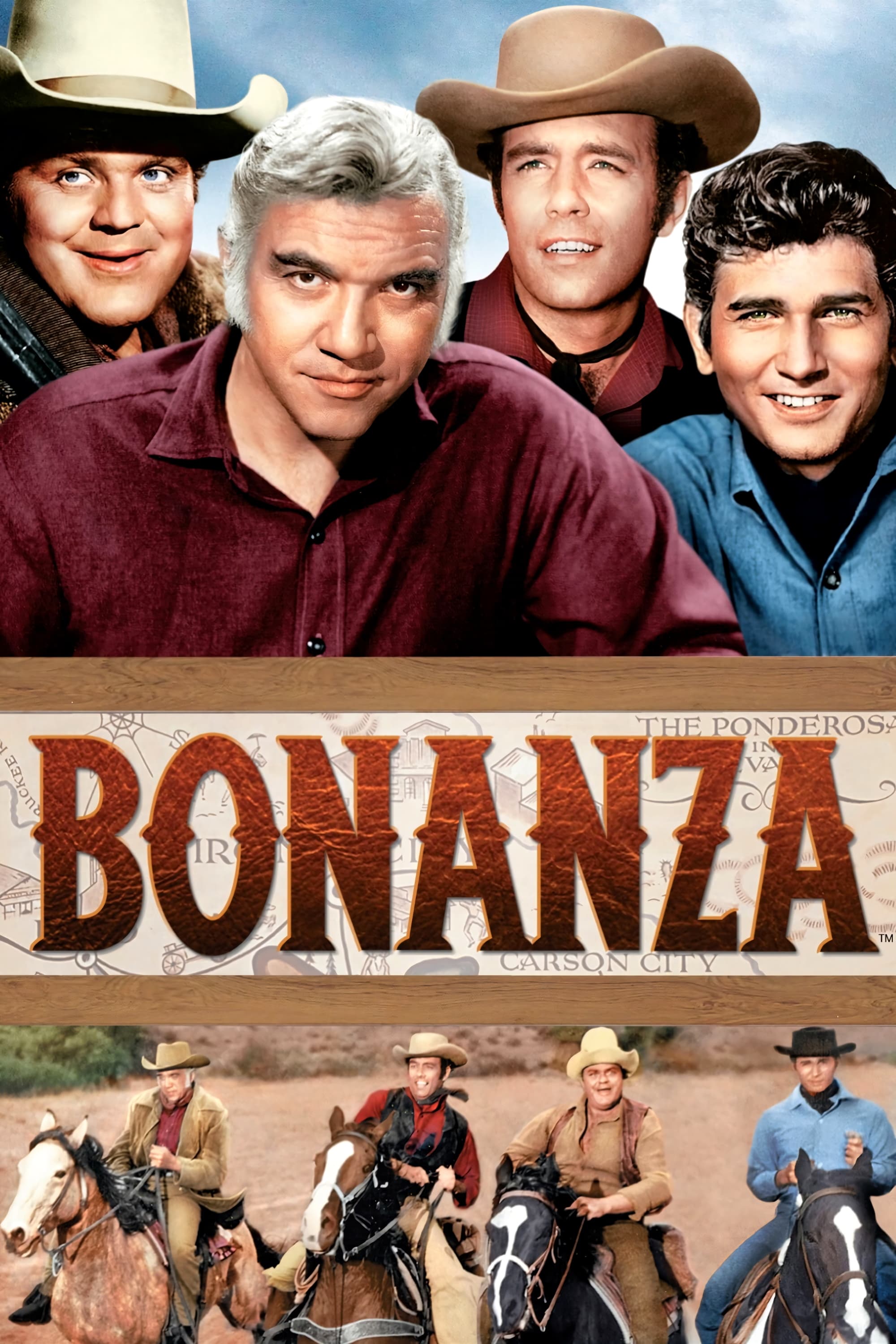
On the classic TV show Bonanza, the Cartwright family frequently encountered Native American tribes living near their ranch in Nevada. However, Native American characters were often played by white actors who were well-known in Western films and television. These actors used heavy makeup and wigs to transform into characters like Cochise and other tribal chiefs. Because Bonanza was one of the first shows filmed in color, the makeup was very noticeable. The show serves as a prime example of how the television industry historically handled diversity in casting.
‘The Mikado’ (1960)
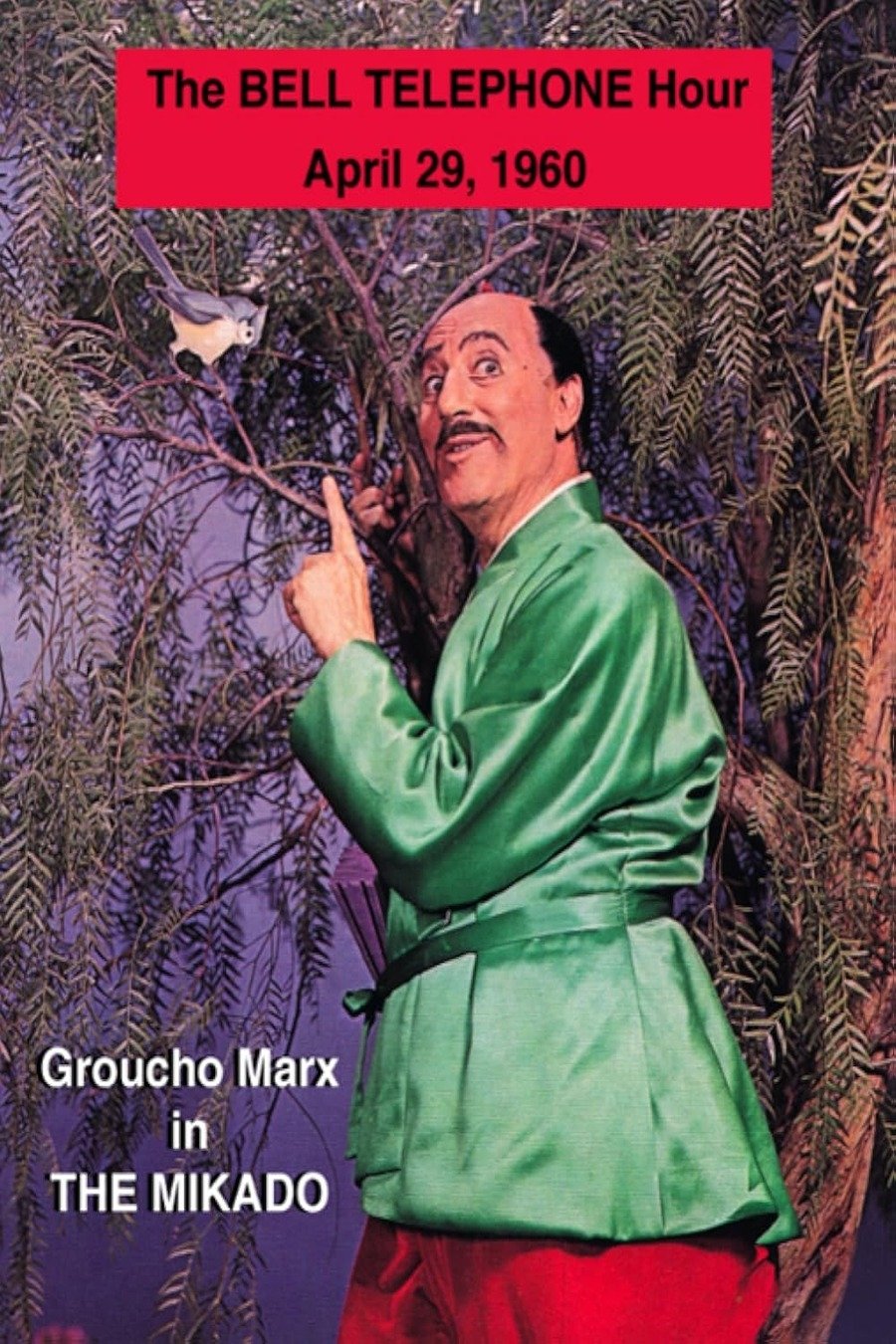
This TV special was a filmed version of the well-known Gilbert and Sullivan operetta, set in Japan. It featured Groucho Marx as Ko-Ko, but was criticized for casting mostly white actors to play Japanese characters. The actors wore over-the-top costumes and makeup to portray a made-up version of Japanese culture. While popular at the time, bringing a classic stage show to a large TV audience, it’s now widely recognized as a clear example of yellowface – the practice of non-Asian actors portraying Asian characters with exaggerated features – in musical theater and television.
‘The Virginian’ (1962–1971)
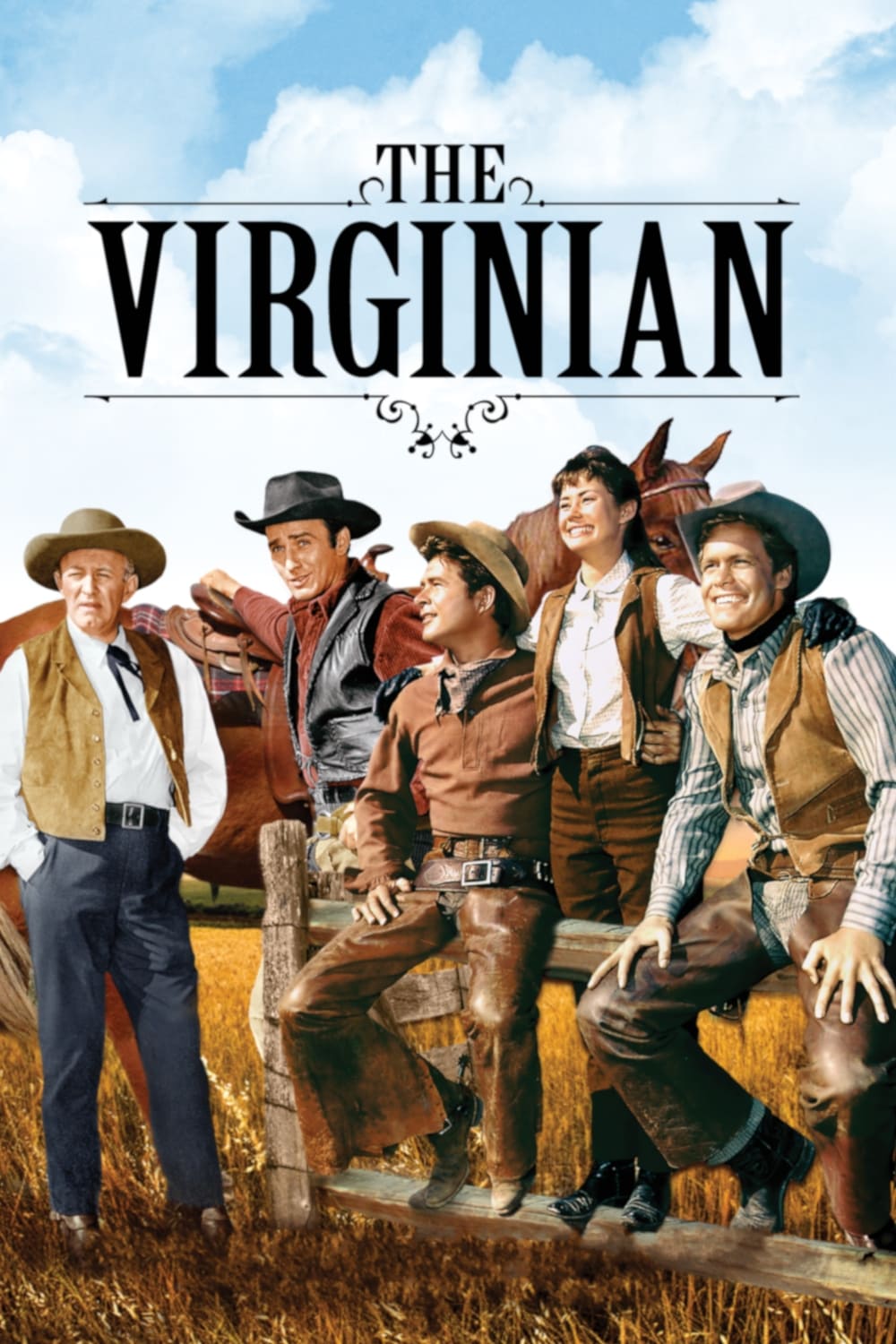
The show was famous for its long, movie-like episodes and impressive production quality. Over its nine seasons, Native American characters were often included in the plots. However, these roles were usually played by white actors who were well-known on television at the time. While this helped ensure consistent acting performances by established standards, it meant that authentic Native American perspectives were missing from a show set on the frontier.
‘The Saint’ (1962–1969)
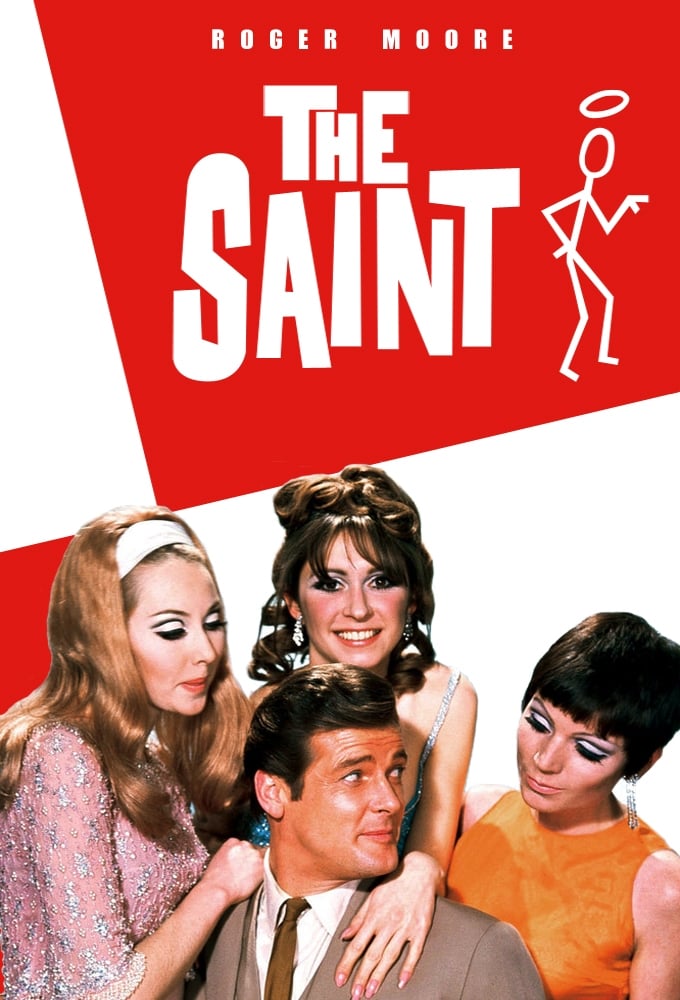
Roger Moore, famous for playing James Bond, also starred as Simon Templar, a secret agent who frequently went undercover using disguises to expose criminals globally. In one episode, ‘The Sign of the Claw,’ Moore used makeup to appear Asian, a common practice in spy stories at the time where actors would pretend to be different ethnicities for their missions. These portrayals relied on outdated and stereotypical depictions typical of mid-20th-century British and American television and film. Today, these moments are often left out of discussions about the series or are viewed critically.
‘Doctor Who’ (1963–Present)
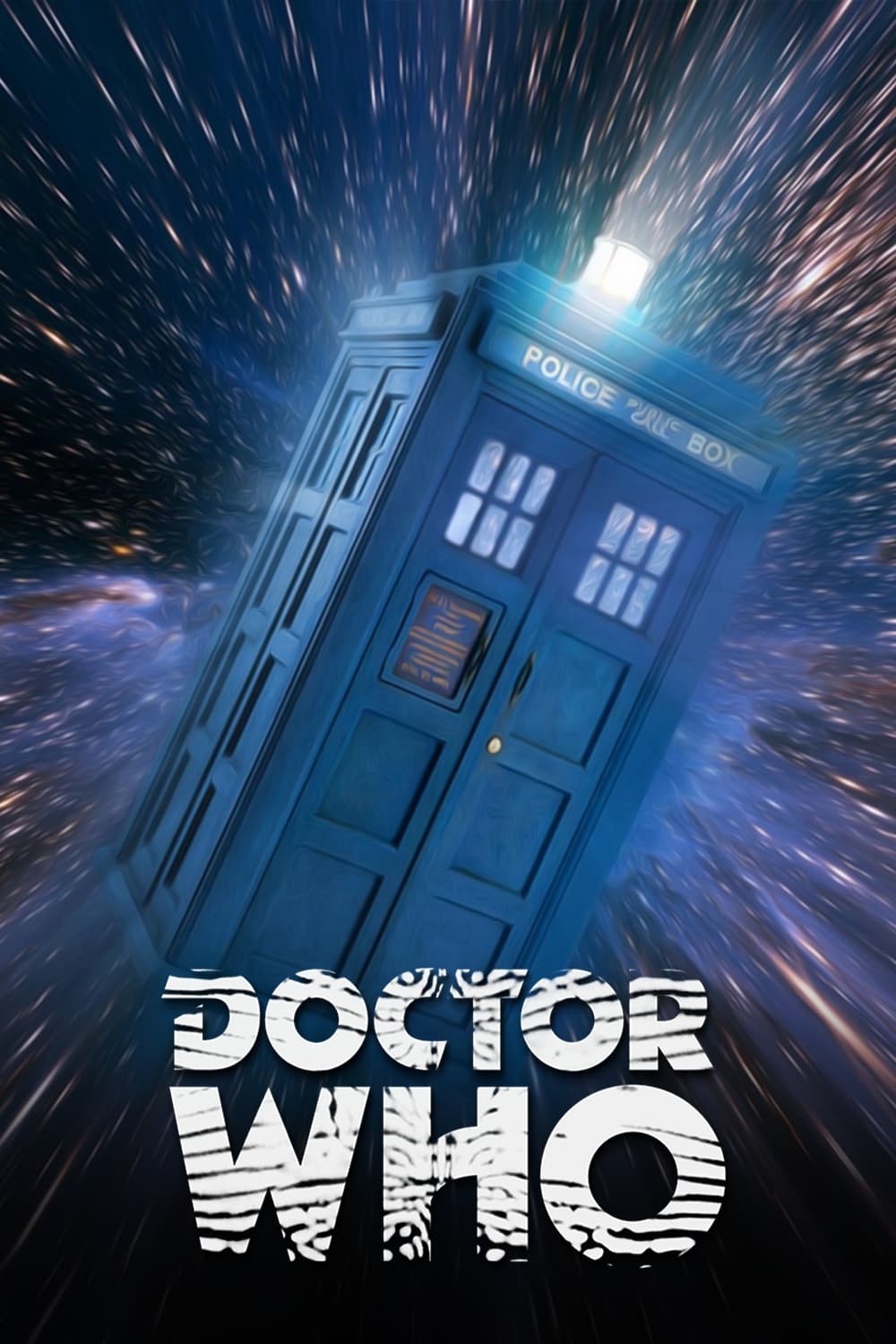
The classic British science fiction show ‘Doctor Who’ faced criticism for its 1977 story, ‘The Talons of Weng-Chiang.’ The episode featured a Chinese character, Li H’sen Chang, played by white actor John Bennett, who wore heavy makeup to appear Asian and used a stereotypical accent. Today, this portrayal is widely seen as a problematic and harmful representation. While the episode was well-made, many fans believe this casting choice has negatively impacted the show’s reputation.
‘Daniel Boone’ (1964–1970)

The show starred Fess Parker as the famous frontiersman Daniel Boone, and Ed Ames played his close friend, Mingo. Ames, who was Jewish and white, portrayed a Cherokee man for several seasons. Mingo was depicted as a skilled and intelligent warrior who frequently helped Boone on his journeys. Though the character was well-liked, his casting was typical of the time, when white actors often played Native American characters. This relationship between Boone and Mingo was a key part of the show’s popularity and its depiction of life in the American wilderness.
‘Branded’ (1965–1966)
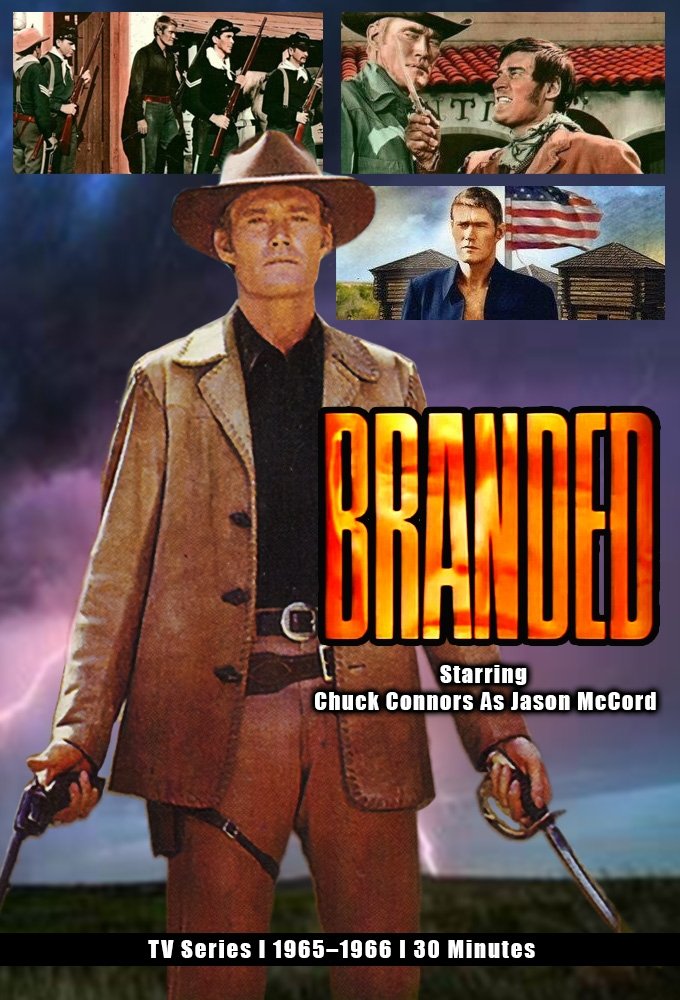
This show starred Chuck Connors as a soldier wrongly accused of cowardice and discharged. The story followed his travels through the American West, where he frequently encountered Native American tribes. Unfortunately, white actors consistently played these Native American characters using outdated makeup and costumes. These characters often served as either a moral compass or a source of trouble for the main character. The series highlights a common issue in classic Westerns: the practice of casting white actors in roles representing diverse cultures.
‘I Dream of Jeannie’ (1965–1970)
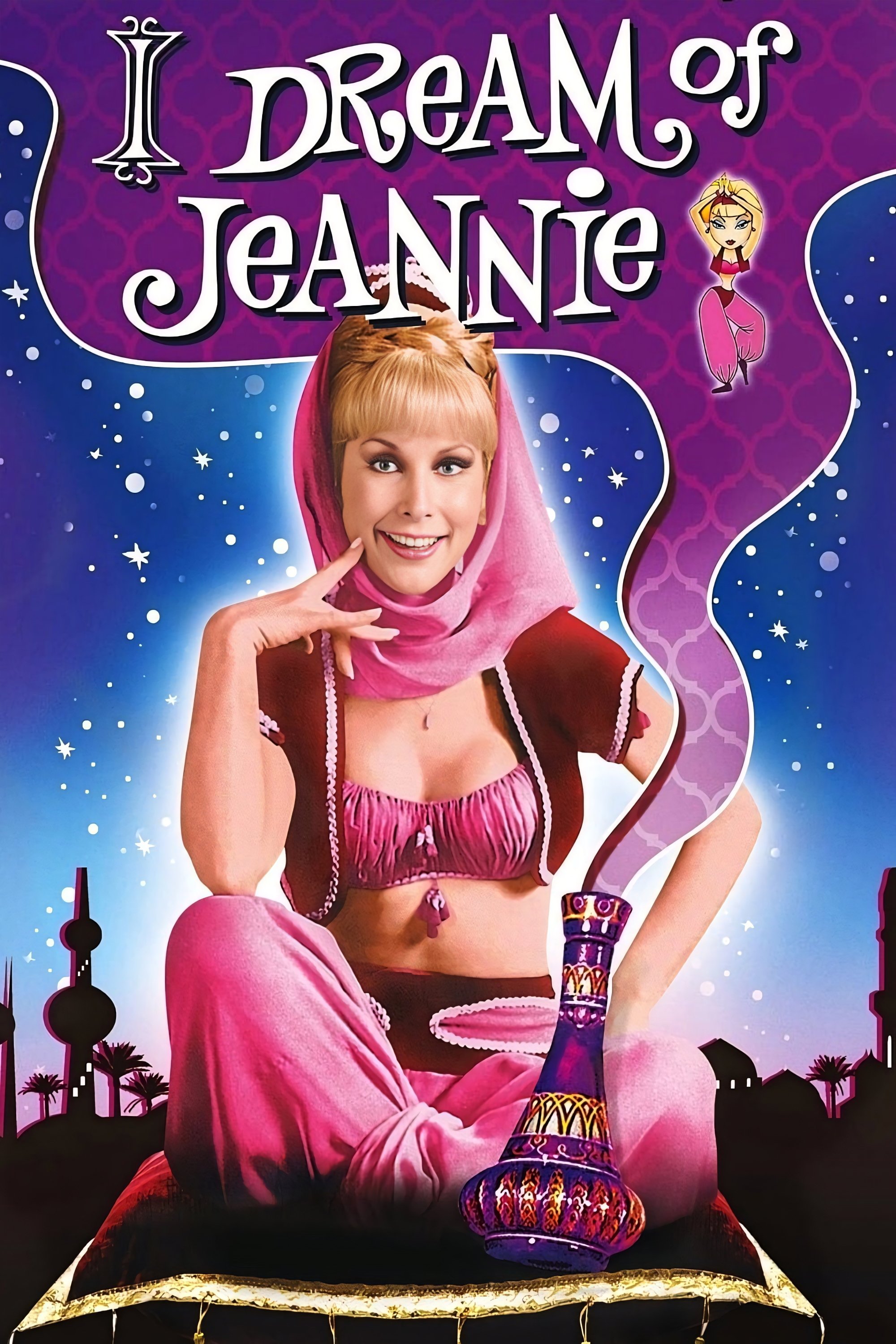
Barbara Eden played Jeannie, a blonde genie found in a bottle by an American astronaut. Jeannie was originally conceived as a spirit from the Middle East, drawing on local stories and traditions. However, the show’s creators chose a white actress and gave the show a distinctly American look and feel. While the series was funny and fantastical, it didn’t explore the genie’s cultural background. This decision was typical of the time, when shows often changed the origins of magical or legendary characters to fit Western preferences.
‘The Big Valley’ (1965–1969)
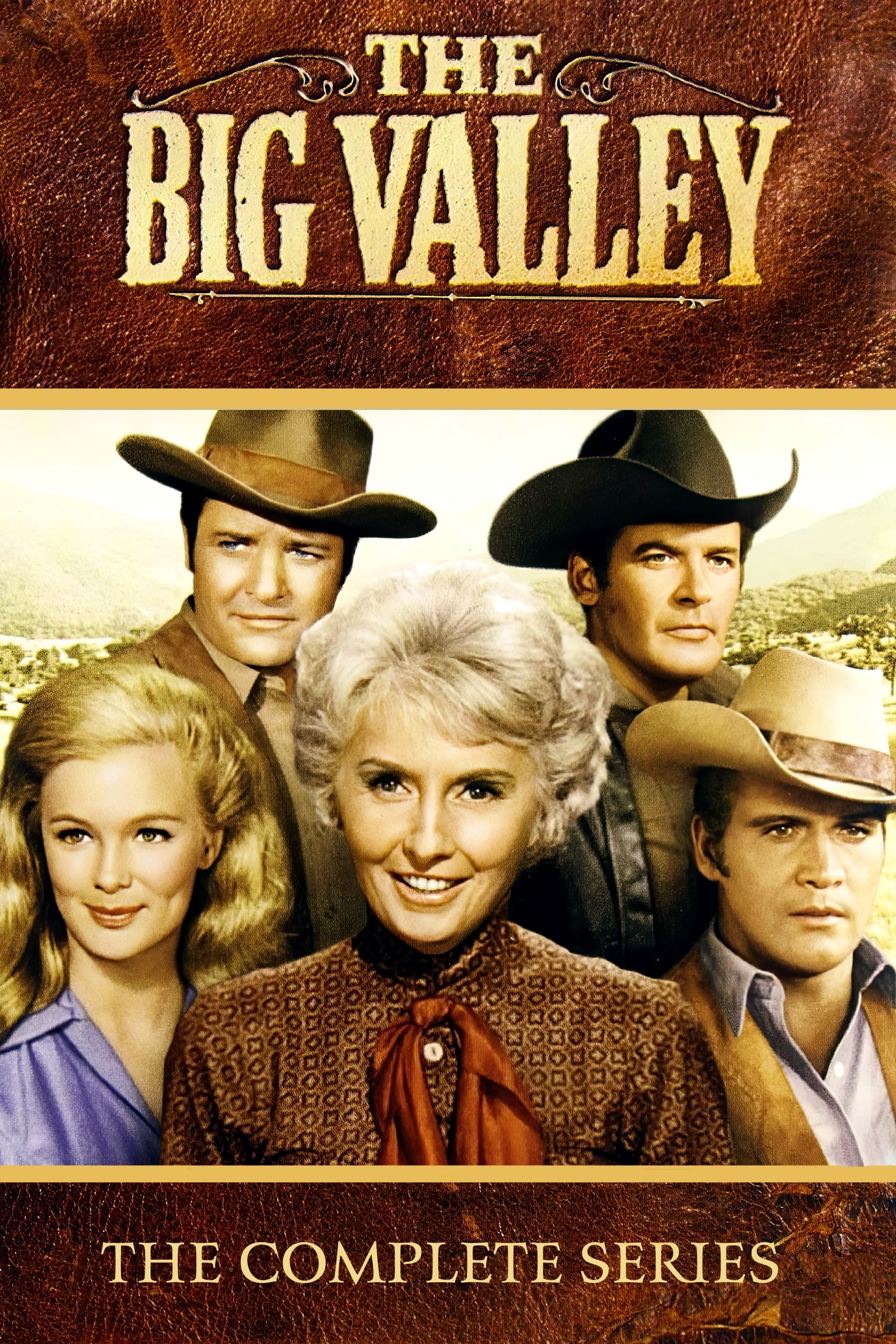
The Barkley family on their California ranch often dealt with difficult situations, including encounters with Native Americans. However, the show typically cast white actors in Native American roles, using the makeup styles common at the time. These characters were usually involved in storylines about conflicts over land or past injustices. A popular Western series, the show featured many well-known actors, but it consistently lacked authentic representation in its casting choices throughout its four seasons.
‘The Wild Wild West’ (1965–1969)
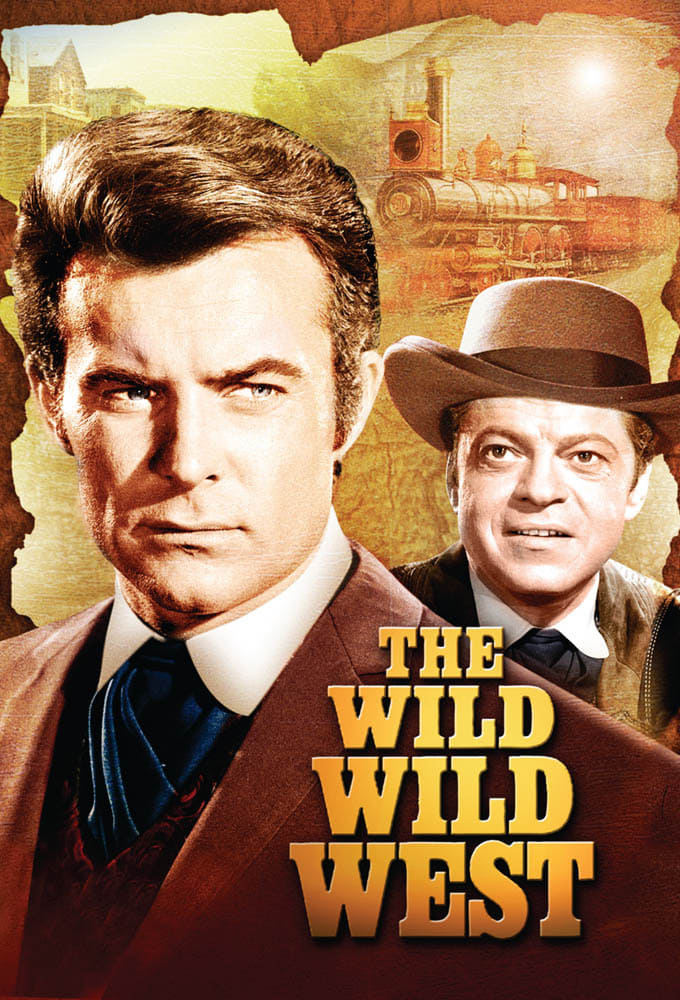
As a fan of the show, I always loved how it mixed classic Westerns with spy adventures! It was full of over-the-top villains from all corners of the globe. Looking back, though, it’s pretty clear a lot of those international bad guys were played by white actors in makeup and doing accents to look like people from Asia or the Middle East. They were often scheming against the US government, and the show really leaned into these dramatic, theatrical performances with these characters. It seems like this was pretty common back then – white actors were often cast as these ‘exotic’ threats in adventure shows, which doesn’t really hold up today.
‘Mission: Impossible’ (1966–1973)
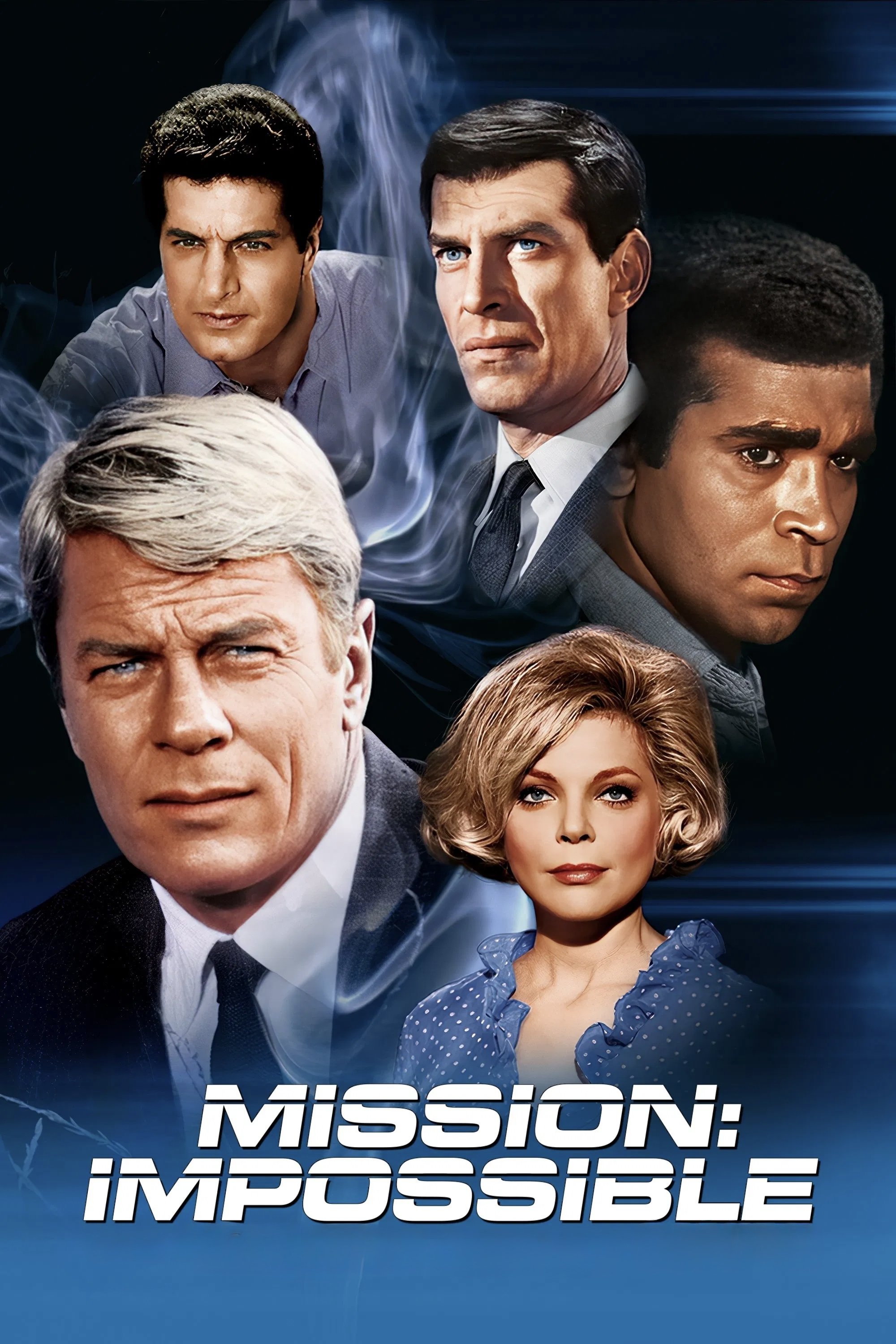
The classic TV show Impossible Missions Force often took place in made-up countries that felt similar to real places in Asia and Latin America. To blend in, the main actors, like Martin Landau and Barbara Bain, would often disguise themselves as local people of different backgrounds. They used makeup and wigs to convincingly portray people who appeared to be from those regions. These disguises were a key part of how the show created excitement and suspense. This technique of having white actors portray people of color was fairly common in spy shows during the 1960s and 70s.
‘Star Trek’ (1966–1969)
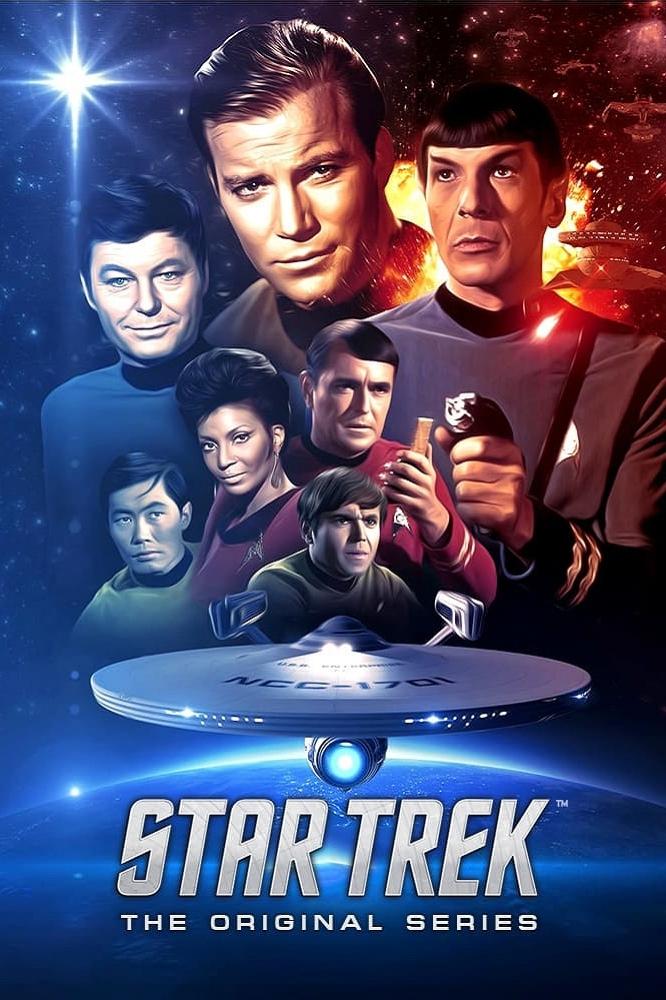
The character of Khan Noonien Singh, a memorable villain in the Star Trek universe, first appeared in the episode ‘Space Seed.’ Though written as a genetically engineered man from India, Khan was played by Ricardo Montalban, a charismatic Mexican actor who brought the role to life with his natural accent and presence. Despite being a person of color, Montalban didn’t share the Indian heritage originally intended for the character, and this casting choice continued when he reprised the role in a later movie.
‘The High Chaparral’ (1967–1971)

This Western series took place in the Arizona Territory and followed a ranching family and their interactions with the Apache people. While the show received positive attention for casting Latino actors in significant roles, it faced criticism for having white actors play most of the Native American characters. These actors were asked to deliver believable and powerful performances as tribal members. Although the series strived for greater historical accuracy than earlier shows, it still fell short when it came to authentic casting. It’s now considered a noteworthy example of the changing landscape of television and the move toward more inclusive representation.
‘Cimarron Strip’ (1967–1968)
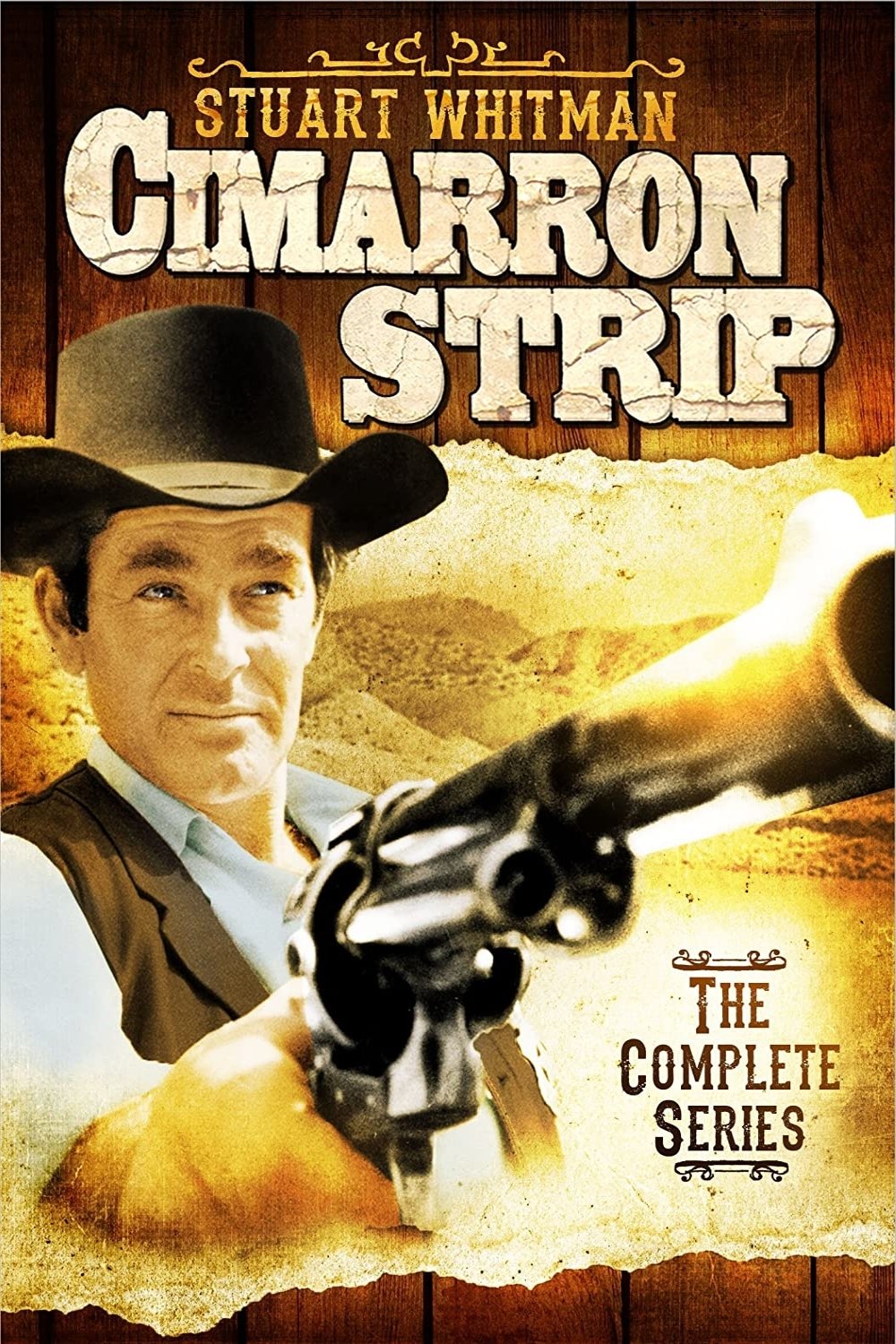
This Western series starred Stuart Whitman as a U.S. Marshal and, despite its brief run, was notable for its high production values. Several episodes focused on the lives of Native Americans in the late 1800s, though these characters were almost always portrayed by white actors in traditional Western makeup. The show aimed to depict the hardships faced by indigenous people as the American frontier expanded. It’s remembered for having longer episodes than most Westerns and for using standard casting practices of the time.
‘Hawaii Five-O’ (1968–1980)
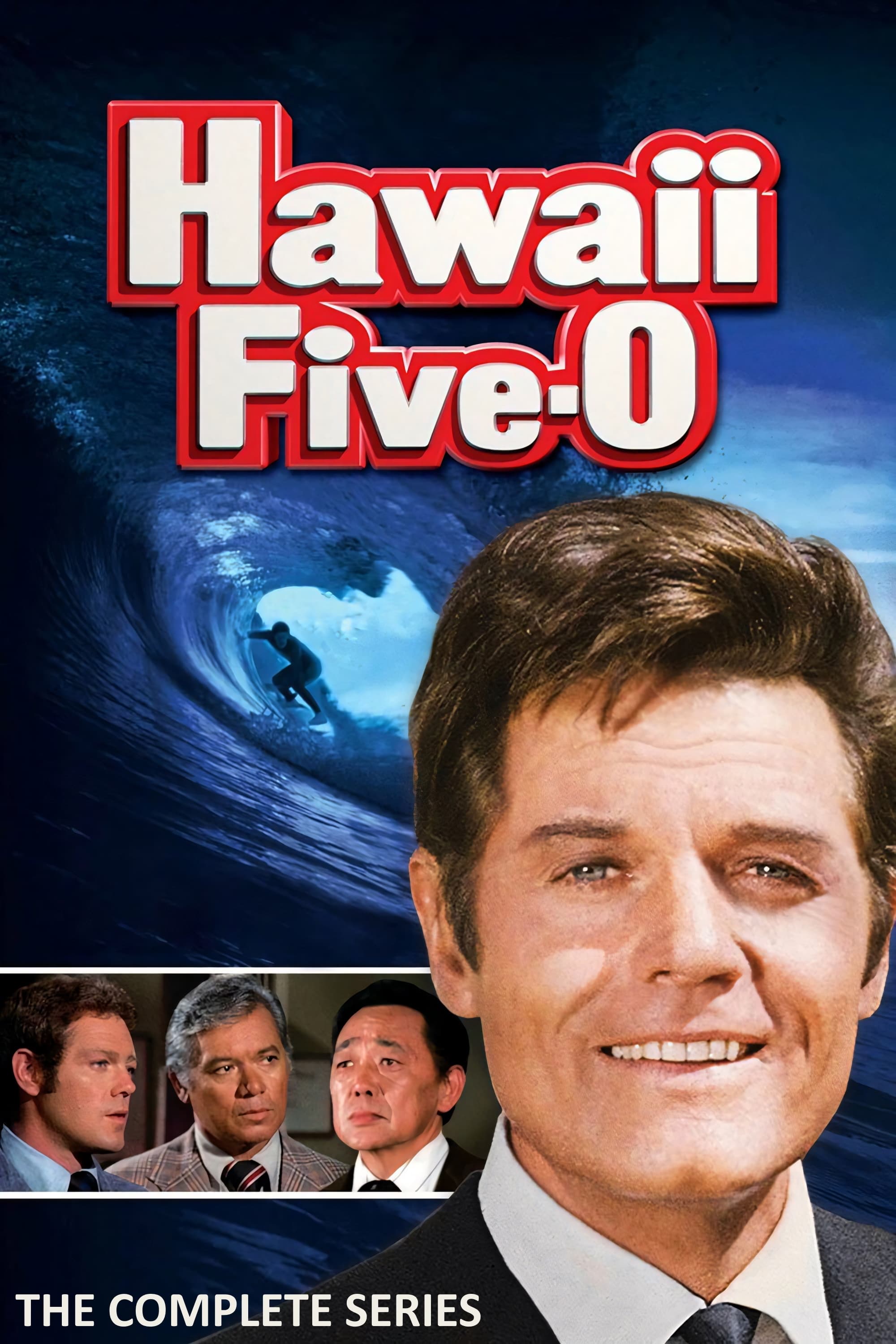
The popular detective series often featured a villain named Wo Fat, played by Khigh Dhiegh, an actor with Anglo-Egyptian and Sudanese roots. Throughout his career, Dhiegh was often cast as Chinese characters, including this well-known role. Wo Fat was a clever and persistent enemy who repeatedly challenged the show’s heroes. This type of casting was common in the entertainment industry, where actors from diverse backgrounds were frequently chosen to play Asian characters.
‘Anna and the King’ (1972)
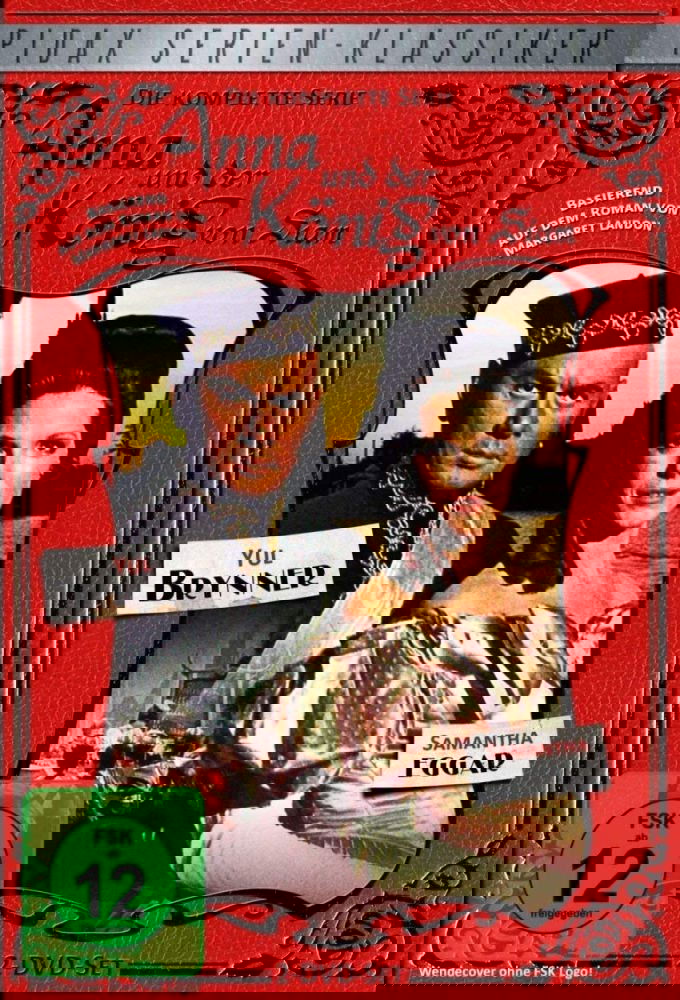
Yul Brynner famously played King Mongkut of Siam again in this brief television series based on the well-known story. Brynner, who had Russian and Buryat heritage, had become closely associated with the Thai king through his work in theater and film. The show focused on the connection between the king and an English teacher during the 1800s. Although Brynner’s portrayal was memorable, it continued a trend of non-Thai actors playing the role. The series was canceled after just one season.
‘Little House on the Prairie’ (1974–1983)
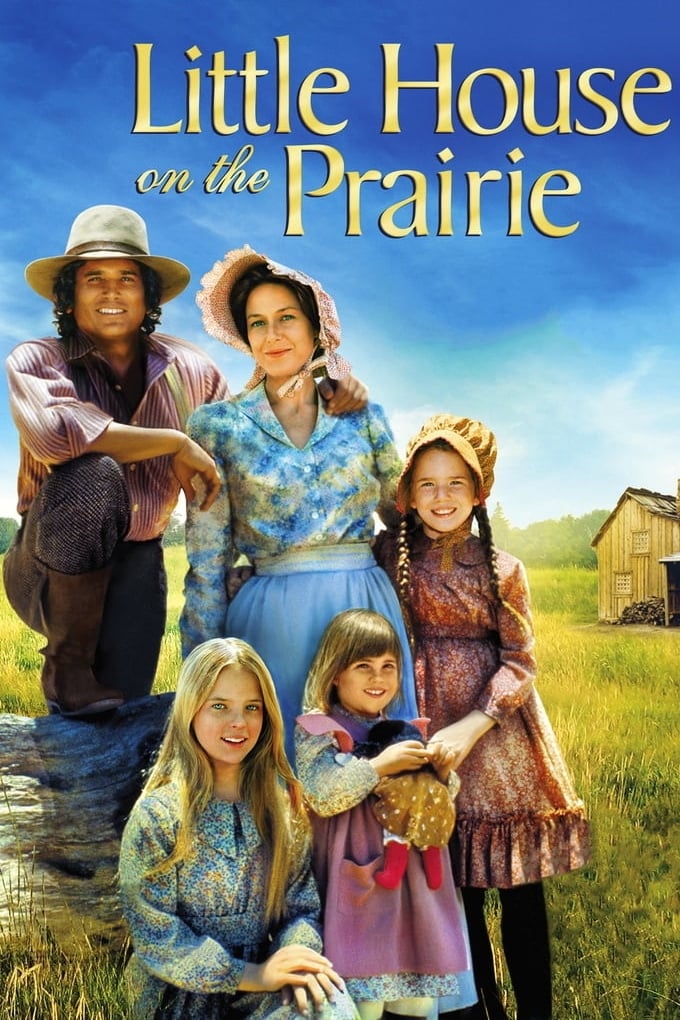
The classic family series, based on the books by Laura Ingalls Wilder, sometimes included Native American characters. However, these roles were almost always played by white actors brought in for specific episodes. The stories typically showed the settlers’ anxieties and lack of understanding about the Native people living nearby. This practice of casting white actors in Native roles was common in Westerns of that era. While the show is still beloved for its family-friendly content, its casting choices are a product of the time it was made.
‘Fantasy Island’ (1977–1984)
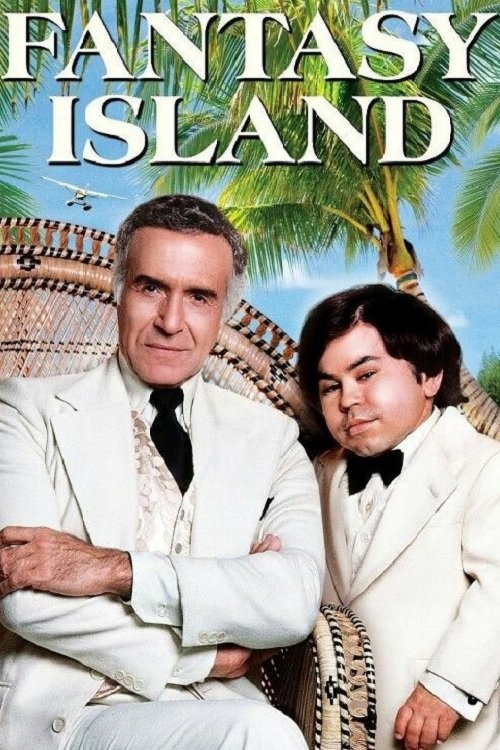
Ricardo Montalban famously played Mr. Roarke, the intriguing host of an island where visitors could experience their wildest dreams. Though his past was never fully revealed on screen, the character had a distinctly European or Mediterranean air. Montalban, a well-known Latino actor, often portrayed people of diverse ethnic backgrounds. His refined and mysterious acting defined the show, and his casting was typical of the time, when actors were frequently chosen for roles suggesting a foreign or unspecified heritage.
‘Centennial’ (1978–1979)
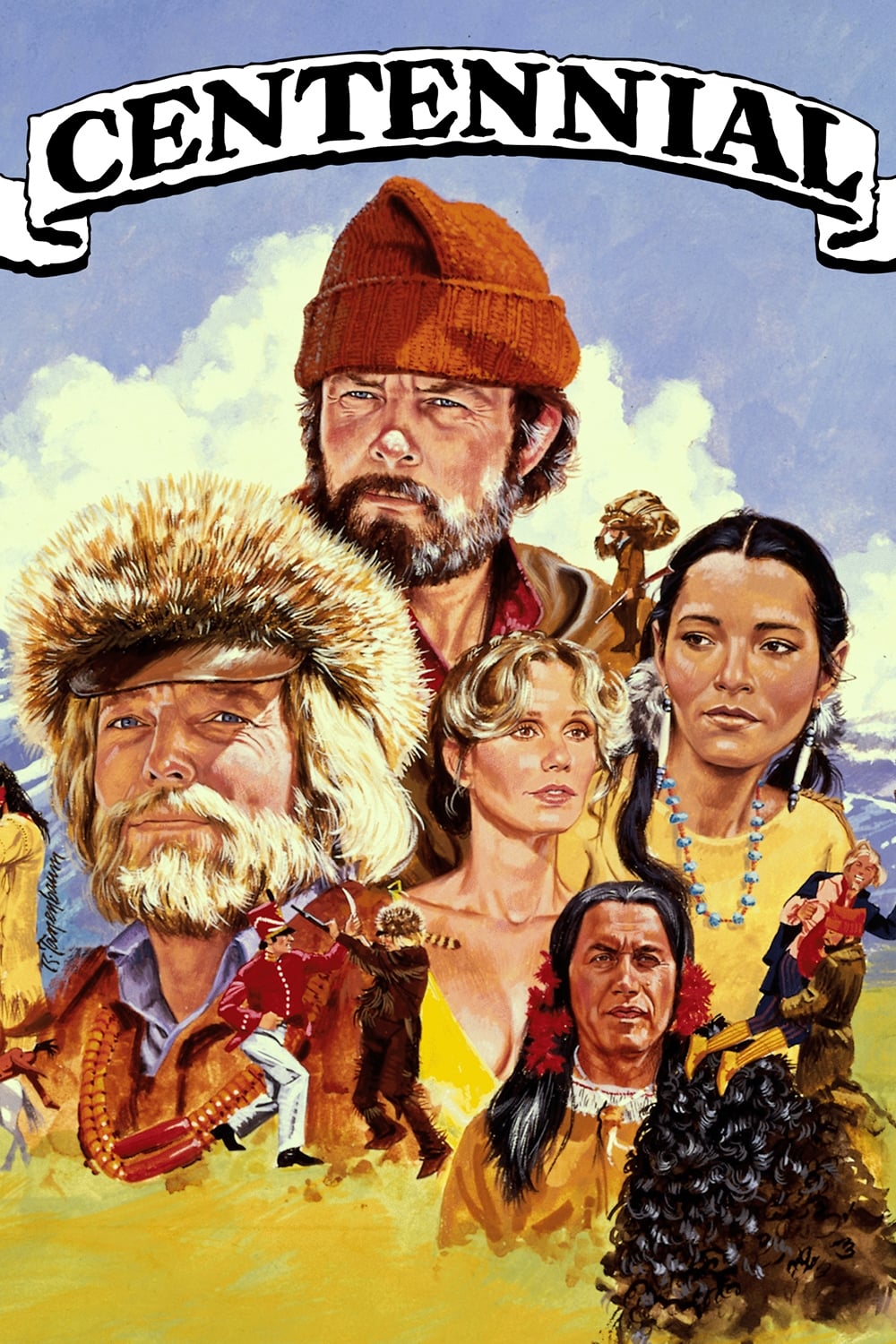
This sprawling miniseries, adapted from James Michener’s novel, followed the multi-generational story of a made-up town in Colorado. It included a diverse cast of characters, with Native Americans playing a central role. While the series aimed for historical accuracy and depicted the complicated history of the American West, it faced criticism for casting white or partially white actors in the roles of fully Indigenous characters – a common practice in the industry at the time.
‘Lonesome Dove’ (1989)
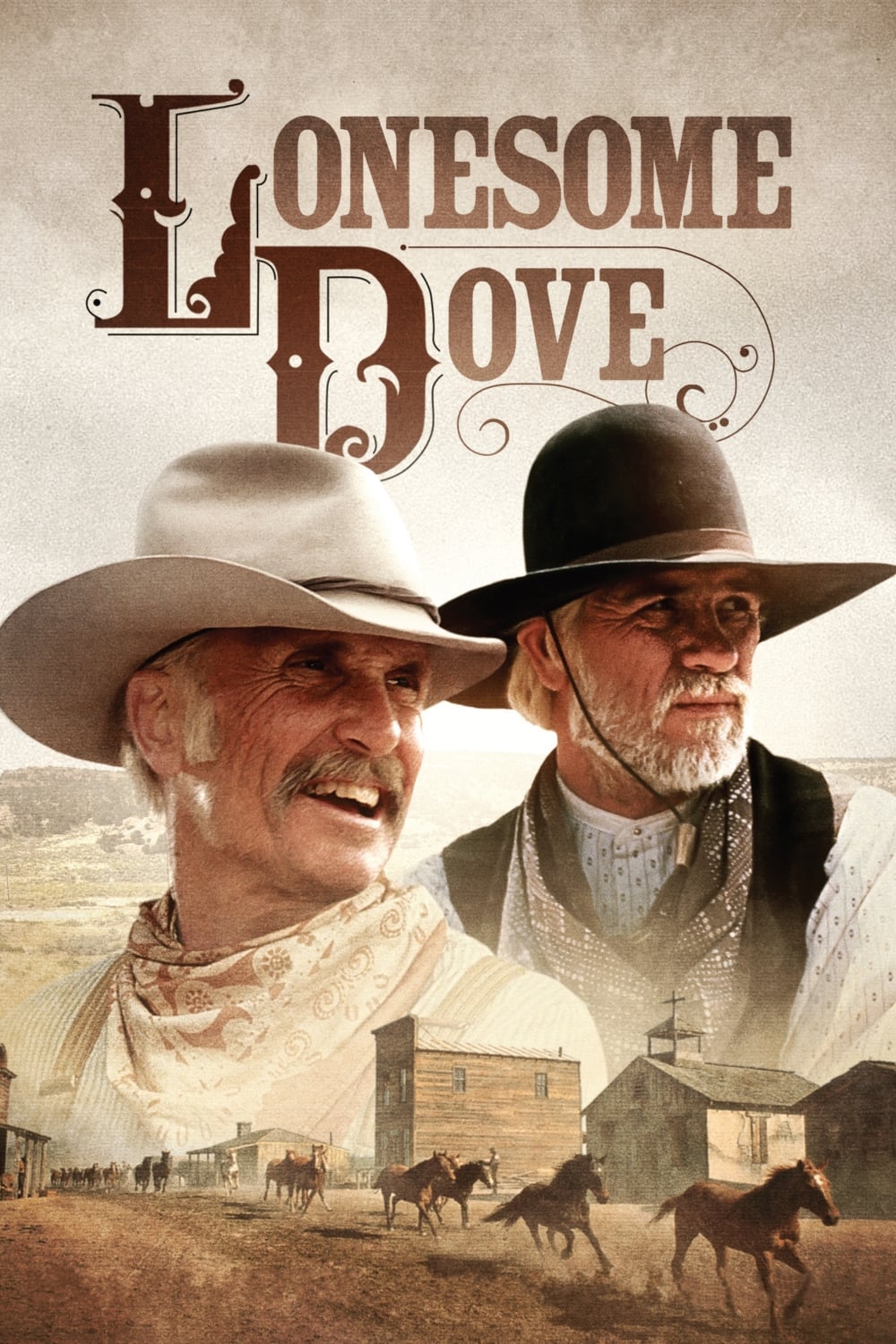
I recently revisited this classic miniseries, and one character really stuck with me: Blue Duck. Played by Frederic Forrest, he was a truly menacing villain. Now, looking back, the casting feels a little dated. Forrest, a white Texan actor, played a character written as having both Mexican and Native American roots. They used makeup and costuming to try and convey that heritage, which, unfortunately, was pretty standard practice in Westerns back then when it came to representing characters of mixed race. It’s a powerful performance, but it definitely reflects a different time and approach to representation.
‘Dr. Quinn, Medicine Woman’ (1993–1998)

This series, set in the 1800s, often explored the complex relationship between white settlers and the Cheyenne people. Although it included Native American actors, some Native American roles were played by white actors. These characters usually appeared in stories about health problems or clashes between cultures. The show was remarkable for tackling important social issues in a way that families could watch together during the 1990s. The casting choices show a time when more accurate representation was starting to happen, but wasn’t yet standard practice.
‘Cleopatra’ (1999)
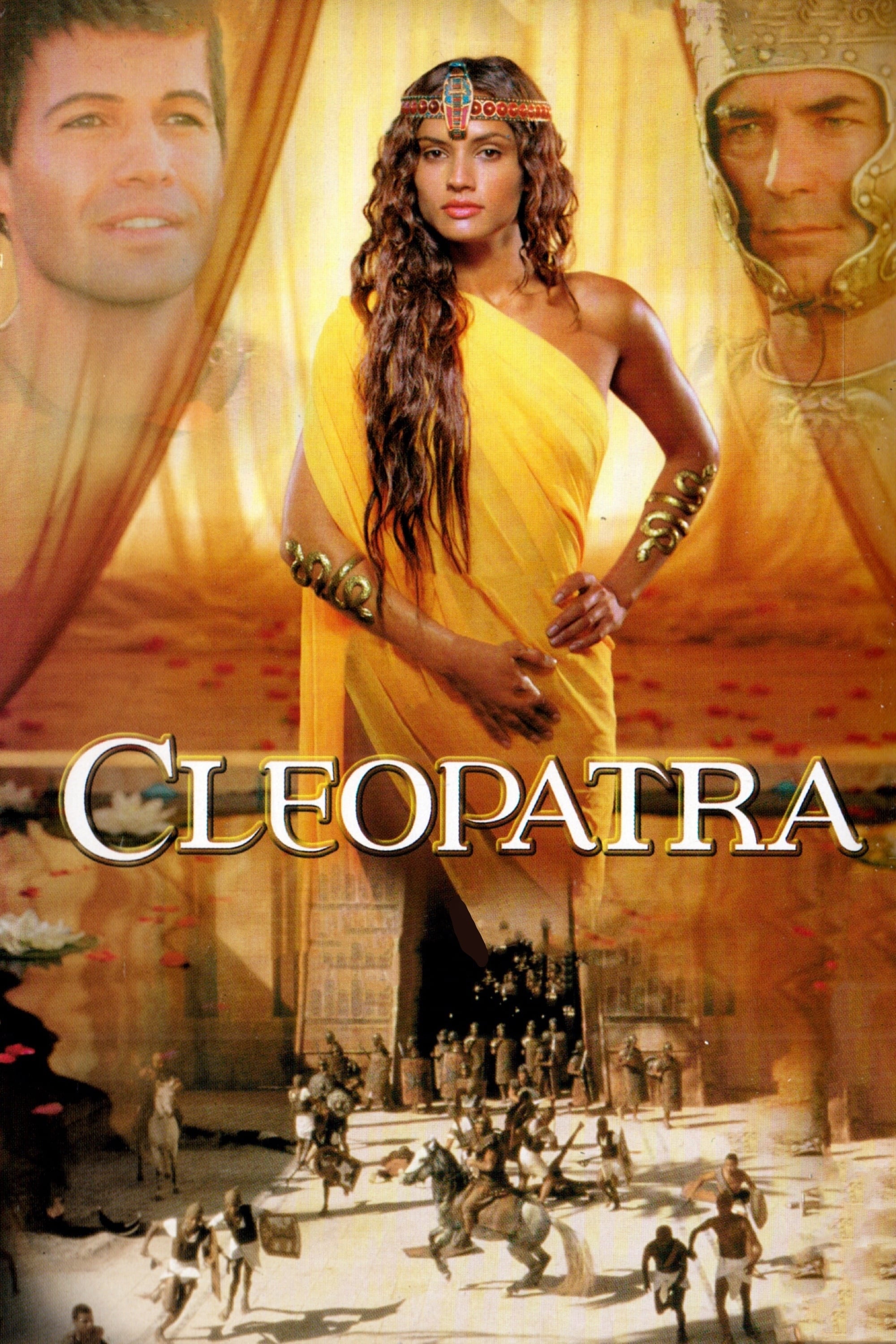
I recently watched this miniseries about Cleopatra, and it was fascinating! Leonor Varela, a really talented Chilean actress, played her. It’s interesting because, while Leonor is Latina, Cleopatra herself was Greek and Egyptian – a ruler of the Ptolemaic Kingdom. Honestly, it’s a pretty common thing in big Hollywood movies – they usually cast Western or Latina actresses to play Cleopatra, and this show followed that tradition. It’s just how the character has been portrayed for years, it seems.
‘Arrow’ (2012–2020)
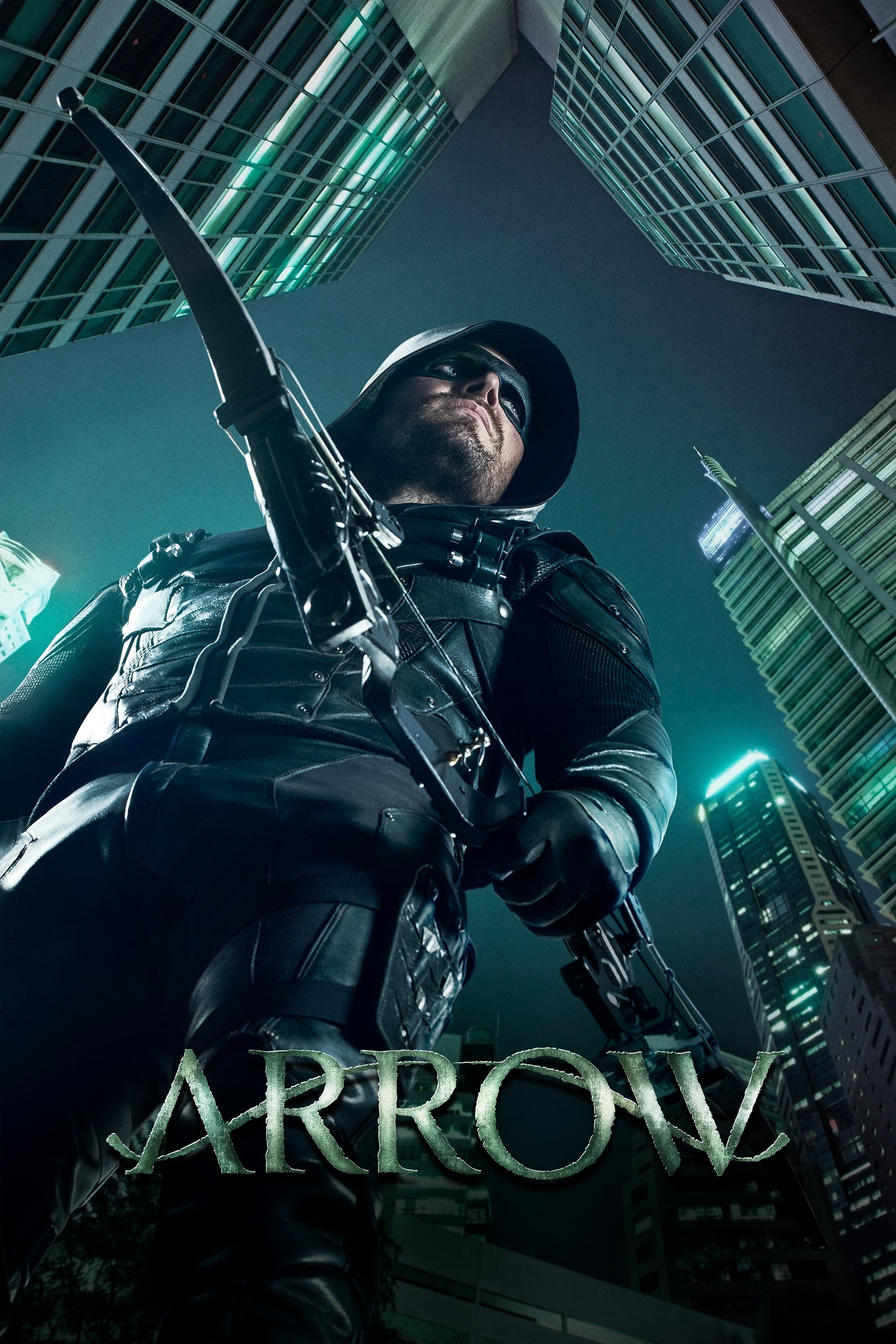
As a huge fan of the show, I remember being really intrigued when Matt Nable was cast as Ra’s al Ghul in season three. Now, Ra’s al Ghul is originally written as having Middle Eastern roots in the comics, and Nable is an Australian actor, so it definitely sparked some debate. He brought a really intense, physical energy to the part, which I appreciated, but I also understood why some fans wished they’d cast someone who more closely matched the character’s background. The show did revisit the character with different actors later on, but Nable’s take is still something people talk about, and it’s a discussion I find pretty interesting.
‘Altered Carbon’ (2018–2020)

This science fiction show centers around Takeshi Kovacs, a character with Japanese and Eastern European roots. The story features a technology that allows people to move their minds into new bodies, called ‘sleeves.’ In the first season, Joel Kinnaman, a Swedish American actor, played Kovacs. While the show explained the character’s changing appearance with technology, many noticed the lead role, originally written as a person of a different background, was played by a white actor. The character’s appearance changed again in the second season, with a different actor taking on the role.
Share your thoughts on these historical casting choices in the comments.
Read More
- Building 3D Worlds from Words: Is Reinforcement Learning the Key?
- Spotting the Loops in Autonomous Systems
- The Best Directors of 2025
- The Glitch in the Machine: Spotting AI-Generated Images Beyond the Obvious
- 2025 Crypto Wallets: Secure, Smart, and Surprisingly Simple!
- Umamusume: Gold Ship build guide
- 20 Best TV Shows Featuring All-White Casts You Should See
- Mel Gibson, 69, and Rosalind Ross, 35, Call It Quits After Nearly a Decade: “It’s Sad To End This Chapter in our Lives”
- Gold Rate Forecast
- Uncovering Hidden Signals in Finance with AI
2026-01-10 18:25