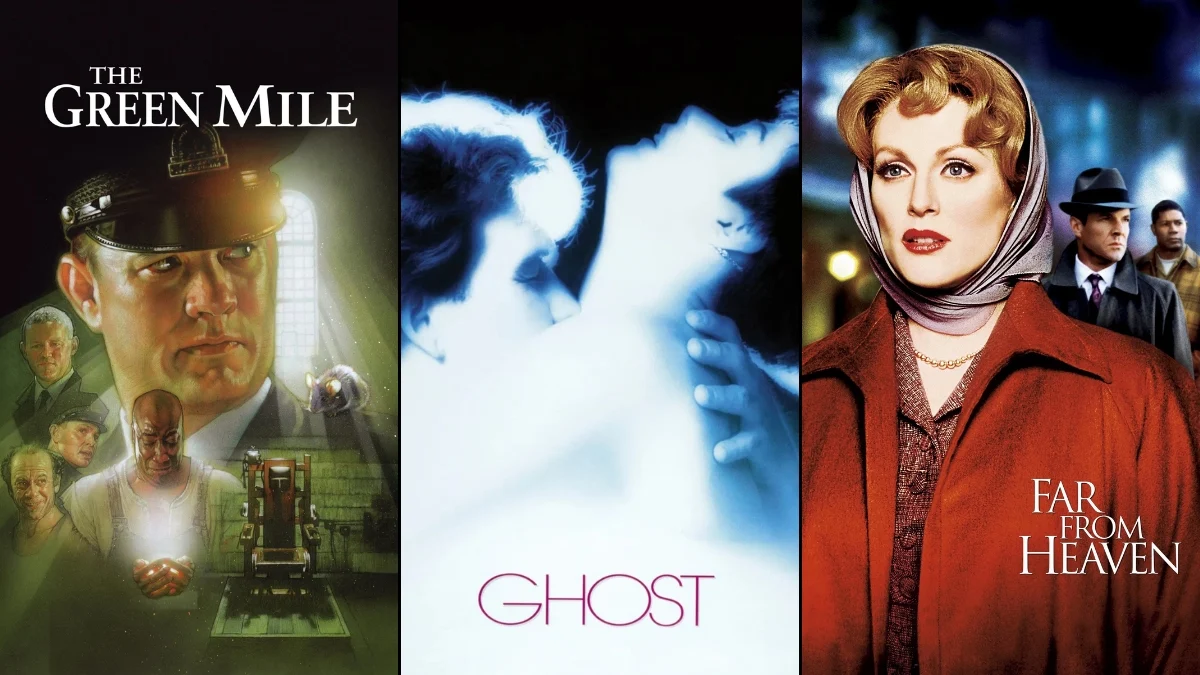
A common criticism in film and academic circles is the way Black characters are often used to help white characters grow and change. These characters are sometimes called the “Magical Negro” or “White Savior” and are often portrayed as having special powers, deep wisdom, or endless patience. Critics point out that these roles tend to focus on helping the white main character with their problems, while the Black characters themselves aren’t developed as full, complex individuals. Many popular and award-winning films have been criticized for simplifying Black characters and using them as lessons for white audiences.
‘The Green Mile’ (1999)
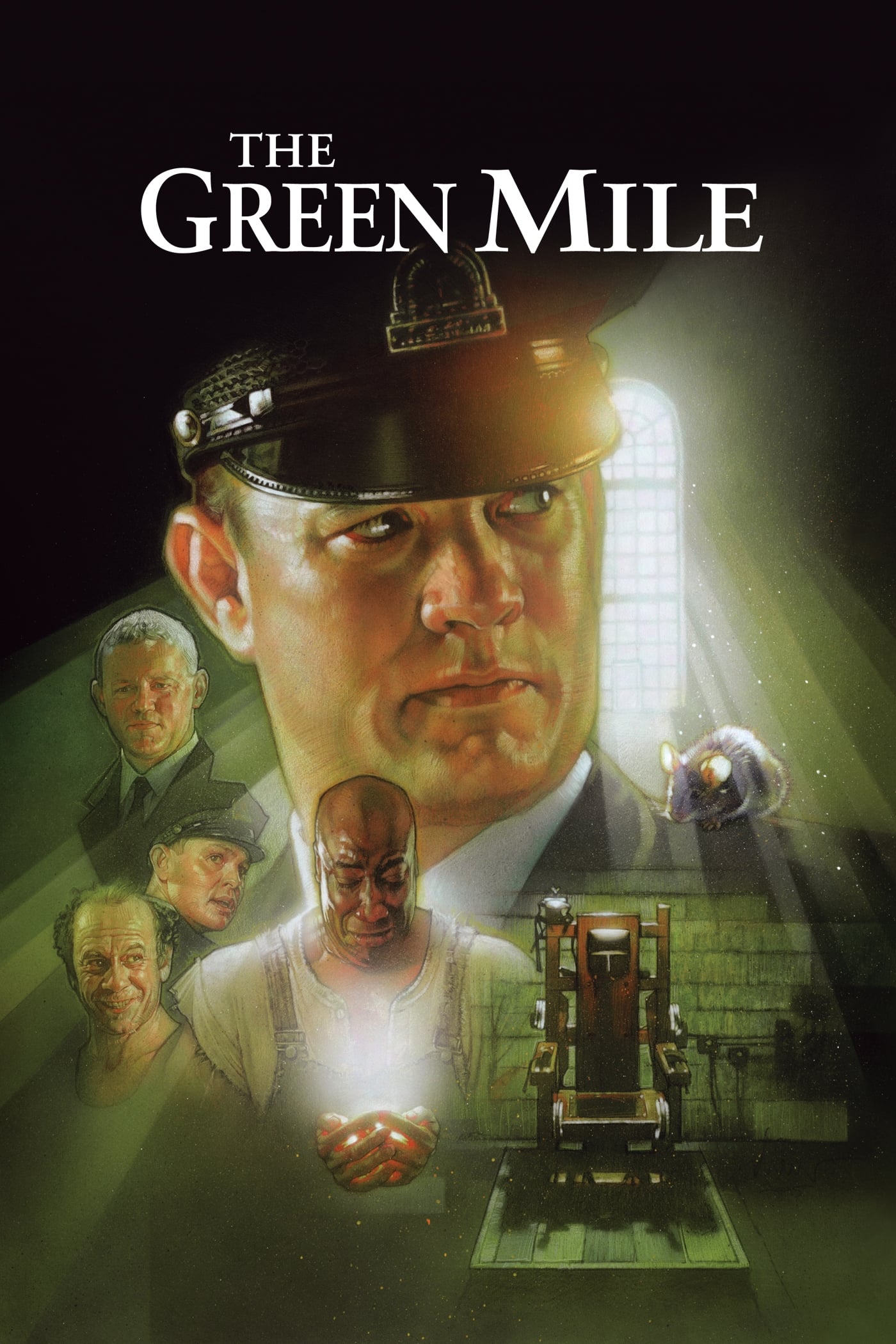
This film, based on a Stephen King story, centers on John Coffey, a Black man wrongly convicted and awaiting execution. Coffey possesses a remarkable gift for healing, and his kindness deeply affects Paul Edgecomb, a white prison guard. Many critics see Coffey as a classic example of the ‘Magical Negro’ trope – a selfless character who exists primarily to help white characters grow morally. Essentially, Coffey’s role in ‘The Green Mile’ is to offer a form of spiritual awakening to those who are about to take his life.
‘Driving Miss Daisy’ (1989)
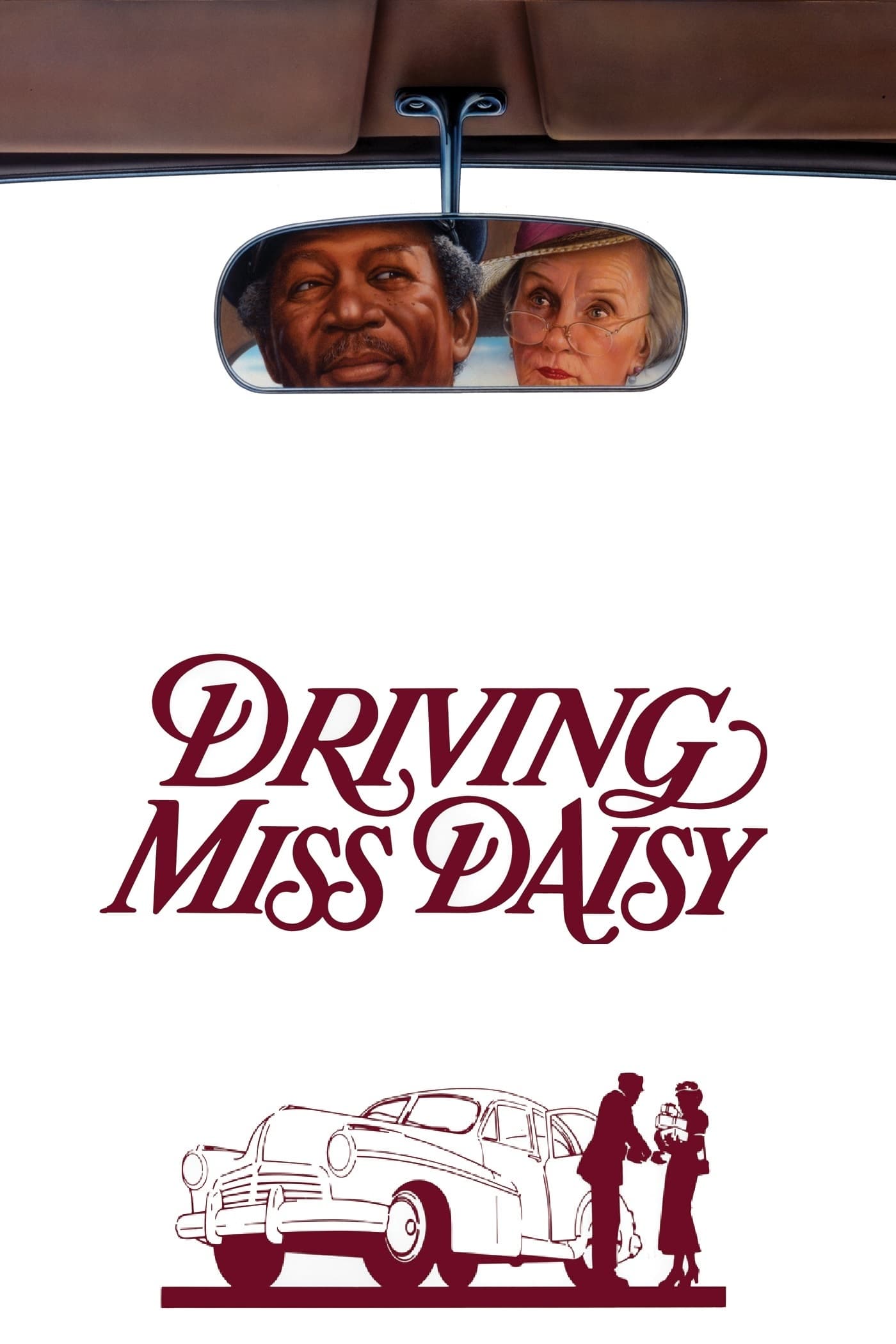
The movie tells the story of a long friendship between an older Jewish woman and her Black chauffeur, Hoke Colburn, set in the American South. Hoke is known for his kindness and patience, even when facing prejudice from his employer. As he spends more time with Daisy Werthan, she begins to challenge her own prejudices and become more understanding. However, some critics point out that the film focuses more on Daisy’s personal growth than on Hoke’s own experiences and challenges.
‘The Legend of Bagger Vance’ (2000)
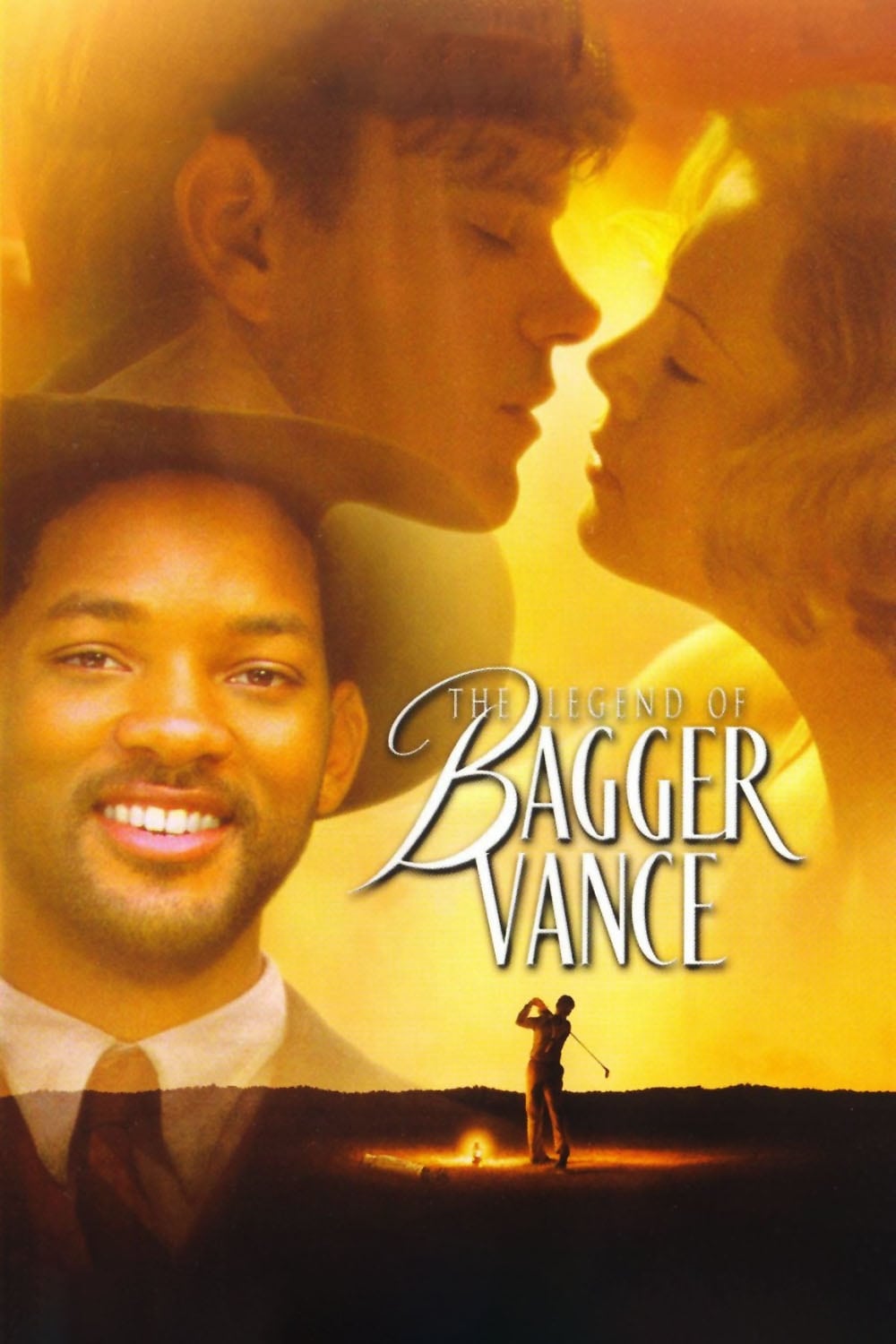
This movie, set during the Great Depression, tells the story of a talented Black golf caddy named Bagger Vance who helps a troubled white war veteran regain his passion for the game and find purpose in life. Bagger Vance guides the veteran using thoughtful advice and almost magical insight, helping him overcome his struggles. However, critics have often pointed out that Bagger Vance’s character isn’t fully developed beyond his role in supporting the main character, essentially functioning as a mentor to help a white man heal emotionally.
‘The Help’ (2011)
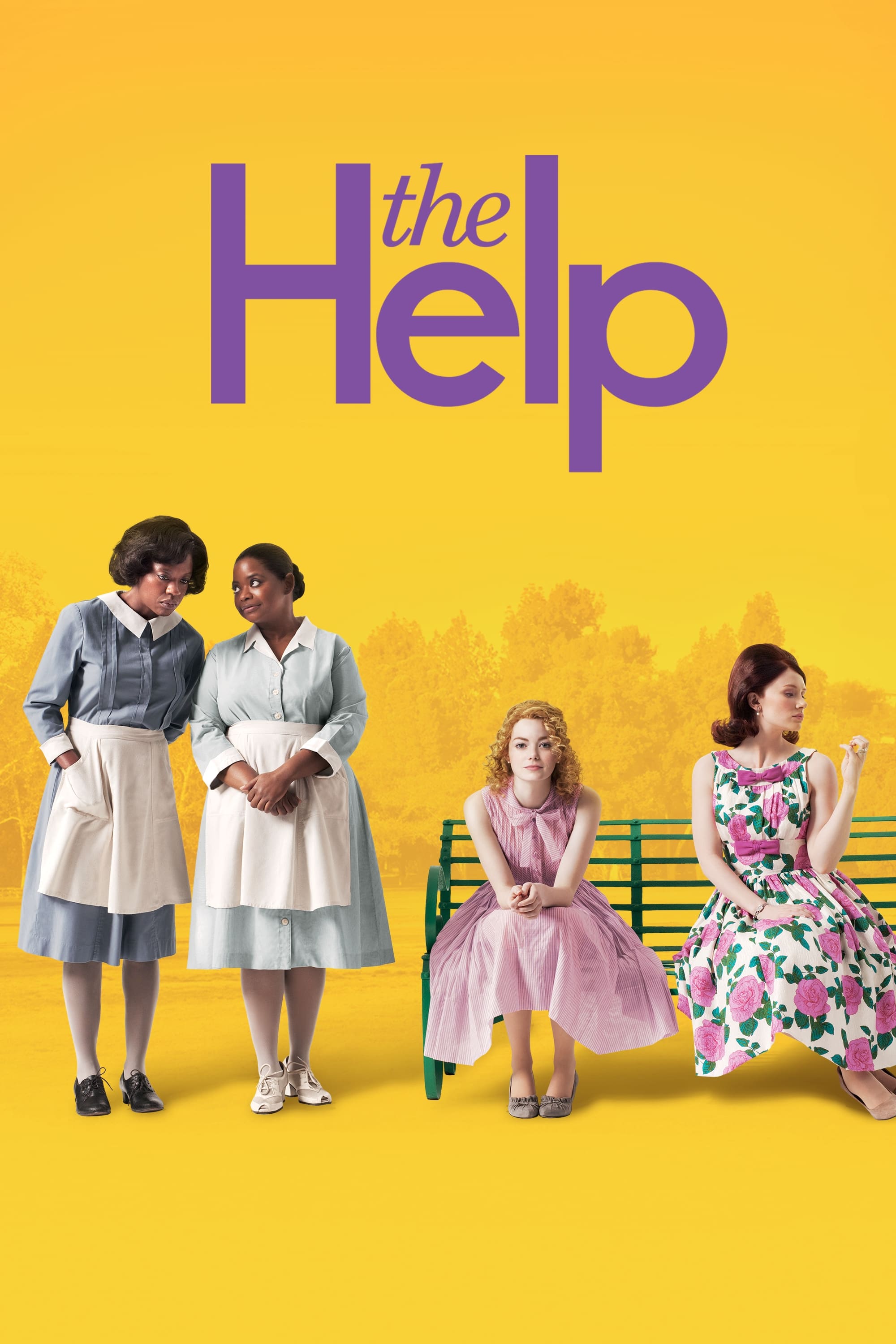
The movie ‘The Help’ depicts the experiences of African American maids working in Mississippi during the 1960s, and their decision to share their stories with a young white journalist to reveal the racism they endured. However, some critics point out that the film focuses more on the white journalist’s personal growth and her becoming a writer, rather than fully exploring the lives and perspectives of the maids themselves. They argue that the Black characters mainly serve to help the white protagonist develop, which overshadows their own strength and independence.
‘The Blind Side’ (2009)

This movie, inspired by real events, tells the story of Michael Oher, a teenager who overcomes homelessness with the help of a well-off white family and goes on to play professional football. While the film highlights the kindness of Leigh Anne Tuohy and her family, some critics argue it presents Oher as someone who needed white intervention to succeed. They believe the movie oversimplifies the bigger problems of inequality and focuses too much on individual generosity.
‘Green Book’ (2018)

The movie ‘Green Book’ tells the true story of Don Shirley, a talented Black classical pianist, and Tony Lip, his Italian-American driver, as they travel through the racially segregated South. The film focuses on how Tony learns to confront his own biases by getting to know Don and appreciate his skills and sophistication. At the same time, Don finds a stronger connection to genuine culture through his relationship with Tony. However, some critics have pointed out that the film seems to use Don’s character mostly to help Tony grow and change as a person.
‘Ghost’ (1990)

This romantic movie with supernatural elements features Oda Mae Brown, a psychic who helps the ghost of a murdered man connect with his heartbroken girlfriend. Though Whoopi Goldberg won an Oscar for playing Oda Mae, some critics argue the character exists mainly to help the white couple find peace. Throughout the film, Oda Mae’s life is endangered as she assists the ghost, and her abilities and humor are key to the main couple’s healing process.
‘Bruce Almighty’ (2003)

In the film, Morgan Freeman plays God, unexpectedly appearing to a frustrated news reporter and giving him superpowers. He acts as a calm, wise, and unassuming janitor, essentially guiding the reporter through a personal crisis. Some critics point out that this setup places a Black character in a position of power, but only to serve the emotional and moral growth of a white character, which they see as a modern take on the classic ‘spiritual mentor’ trope, where the Black character lacks independent purpose in the story.
‘The Family Man’ (2000)

This fantasy series follows a successful banker who is unexpectedly approached by Cash, a mysterious man with supernatural powers who acts as his protector. Cash pulls the banker into another world to help him realize that family is more important than money. Once the banker understands this and commits to changing his ways, Cash disappears. Essentially, Cash’s role is to guide the main character towards a moral awakening.
‘Radio’ (2003)
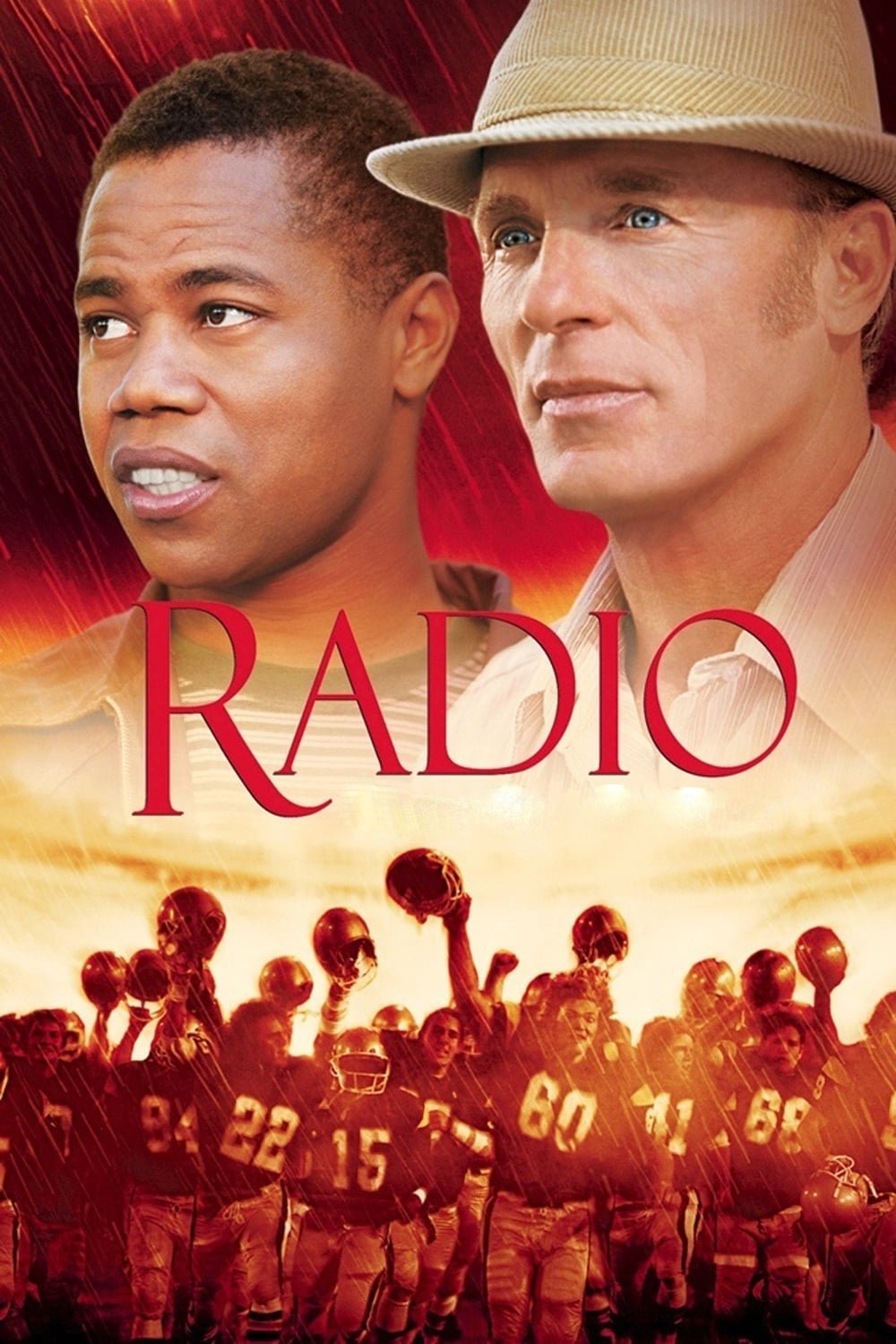
The movie ‘Radio’ centers on the bond between a high school football coach and a man with intellectual disabilities who becomes a beloved part of the team. The coach mentors him, and this relationship becomes a lesson for the players and town about acceptance and compassion. However, some critics argue the film relies too heavily on the character’s disability and naivete to drive the moral development of the town, portraying him as an almost angelic figure whose main purpose is to positively influence the white characters around him.
‘The Shining’ (1980)
Dick Hallorann is the chef at the Overlook Hotel, and like Danny Torrance, he has psychic abilities – often called “the shining.” He explains this gift to Danny. When dangerous, evil forces within the hotel threaten the Torrance family, Hallorann rushes to help. Unfortunately, he’s killed very soon after arriving, which increases the tension and danger for the family. Ultimately, his knowledge and sacrifice are dedicated solely to ensuring the survival of the Torrances.
‘The Bucket List’ (2007)

As a film buff, I recently watched this movie about a mechanic named Carter, a really grounded and thoughtful guy, who ends up sharing a hospital room with a super wealthy man – Jack Nicholson plays him. Carter’s got this incredible ability to look at life, and he uses his wisdom and a ton of random knowledge to help this billionaire find some happiness, even though he doesn’t have much time left. It’s interesting because Carter essentially becomes the moral center of the story, showing this privileged guy how to connect with his feelings and really live. Honestly, the film relies a lot on a familiar idea – the wise Black character guiding a cynical white one – and it’s pretty central to the whole plot.
‘Robin Hood: Prince of Thieves’ (1991)
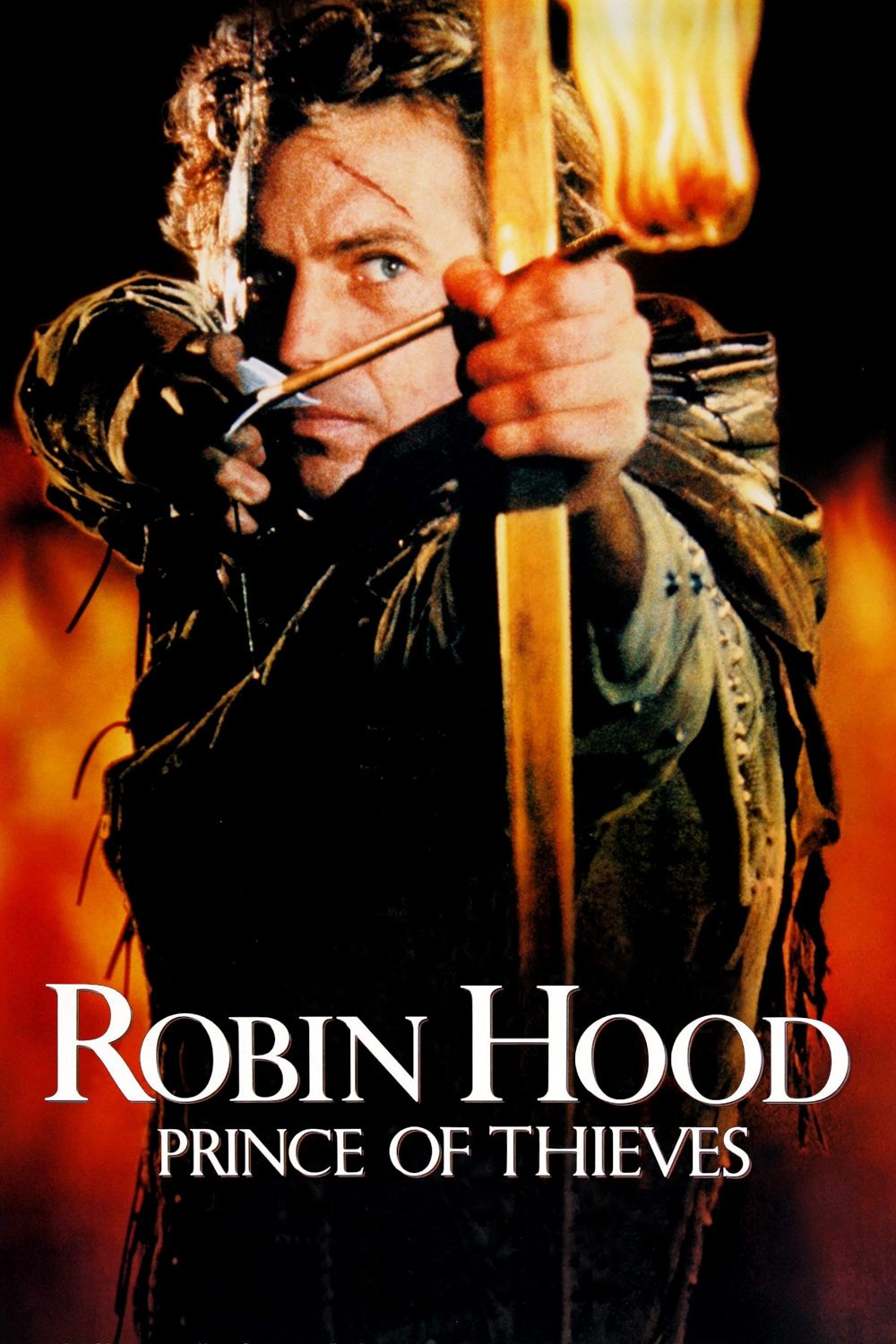
Azeem, a skilled warrior from Moorish descent, joins Robin Hood’s journey back to England to fulfill a promise. He consistently offers Robin insights and tools – like medical expertise and battle strategies – that those around him don’t possess. However, despite being highly capable, Azeem largely plays a supporting role, with his purpose centered on helping Robin regain his position and staying true to his values. He’s consistently loyal to Robin, the film’s main hero.
‘The Matrix’ (1999)

The Oracle is a puzzling character who helps Neo understand his path to becoming “The One.” She appears as a warm, motherly figure, surprisingly living in a normal kitchen and baking cookies, and embodies a sense of timeless wisdom. However, despite her importance to the story, the Oracle’s primary role is to support the journey of the main, white character. She embodies the “Magical Negro” trope – a character who uses supernatural abilities to help the hero progress.
‘Million Dollar Baby’ (2004)

Eddie “Scrap-Iron” Dupris is the film’s narrator and acts as its moral compass. He works at a gym helping his friend, Frankie Dunn, and offers him guidance and emotional support, especially as Frankie trains a female boxer. Scrap-Iron is a wise, resilient man who has faced hardship with grace, and his storytelling helps explain the reasoning behind Frankie’s choices.
‘The Secret Life of Bees’ (2008)
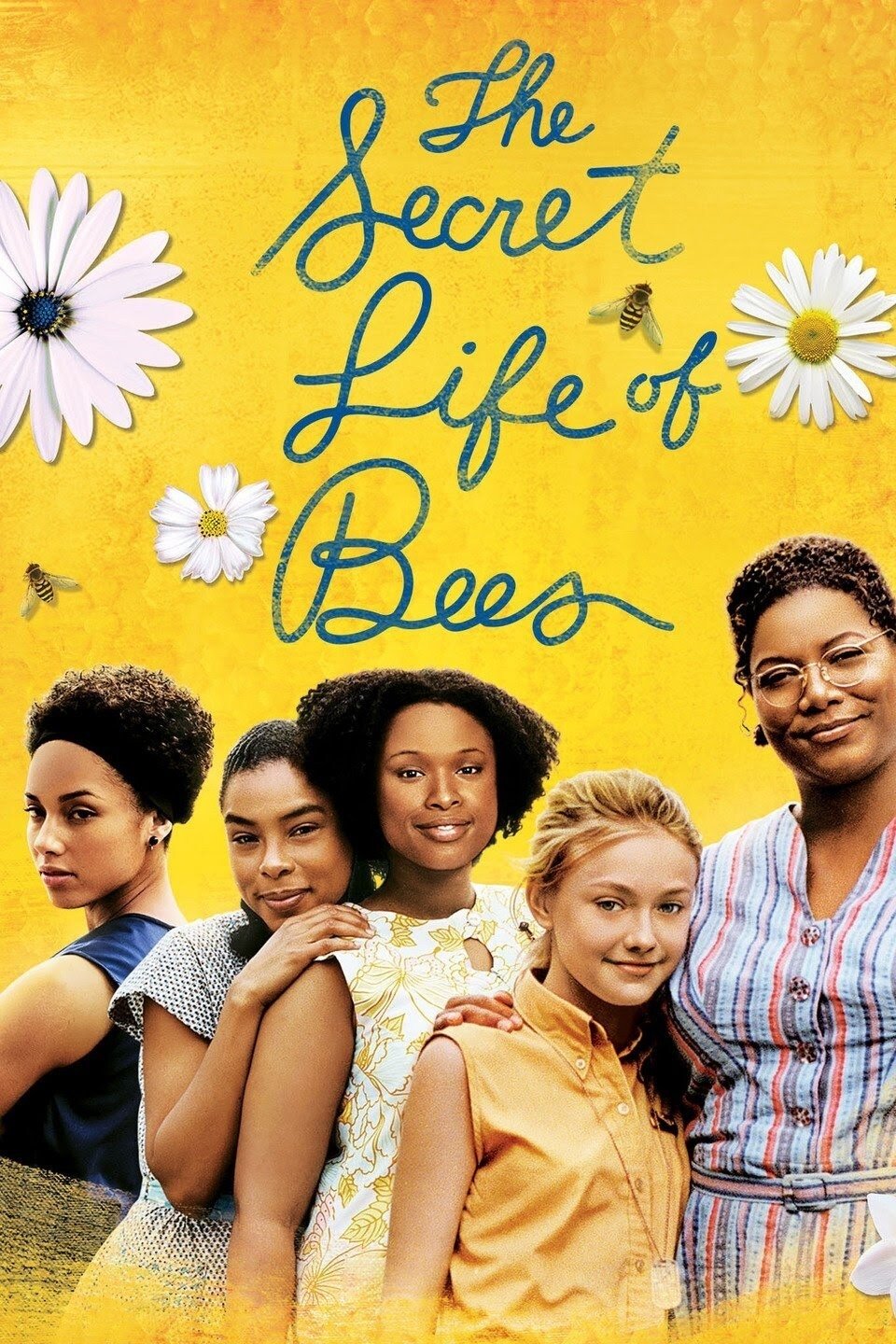
The story centers around the Boatwright sisters, three strong Black women who open their home to Lily, a young white girl escaping her troubled father. They nurture Lily, offering her spiritual guidance, a feeling of community, and help her overcome her painful past. While the sisters have rich lives of their own, the film primarily follows Lily’s journey of growing up and finding herself. Their home becomes a safe haven, and the Black characters largely support Lily’s path to healing and self-discovery.
‘Corrina, Corrina’ (1994)
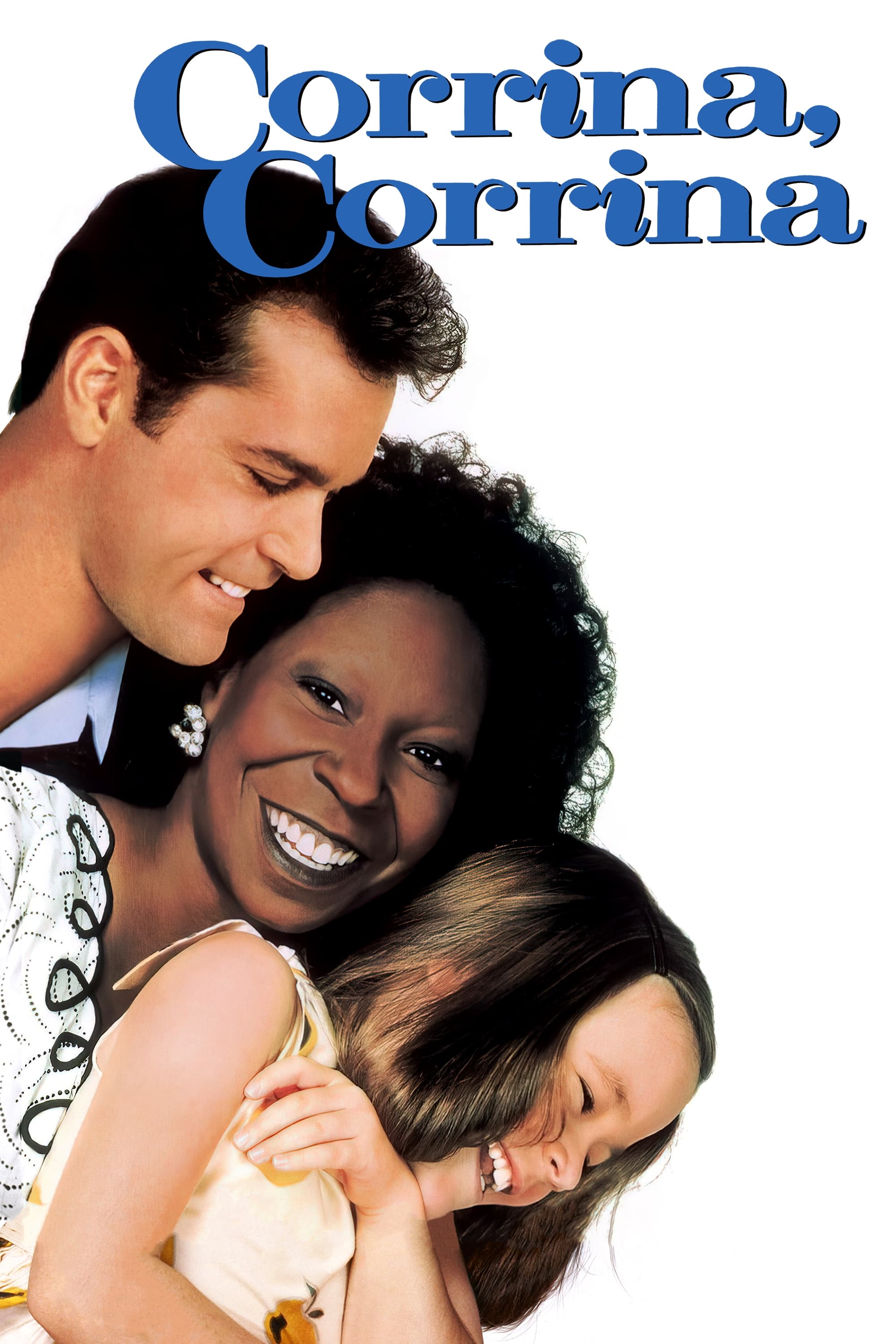
This movie, set in the 1950s, tells the story of a Black housekeeper who brings joy and healing to a father and daughter struggling with loss. Through her kindness and understanding, Corrina helps restore music and laughter to their home and rebuilds their family connections. The film centers on how her caring presence mends the broken relationships within the family and helps them overcome their emotional pain.
‘Finding Forrester’ (2000)
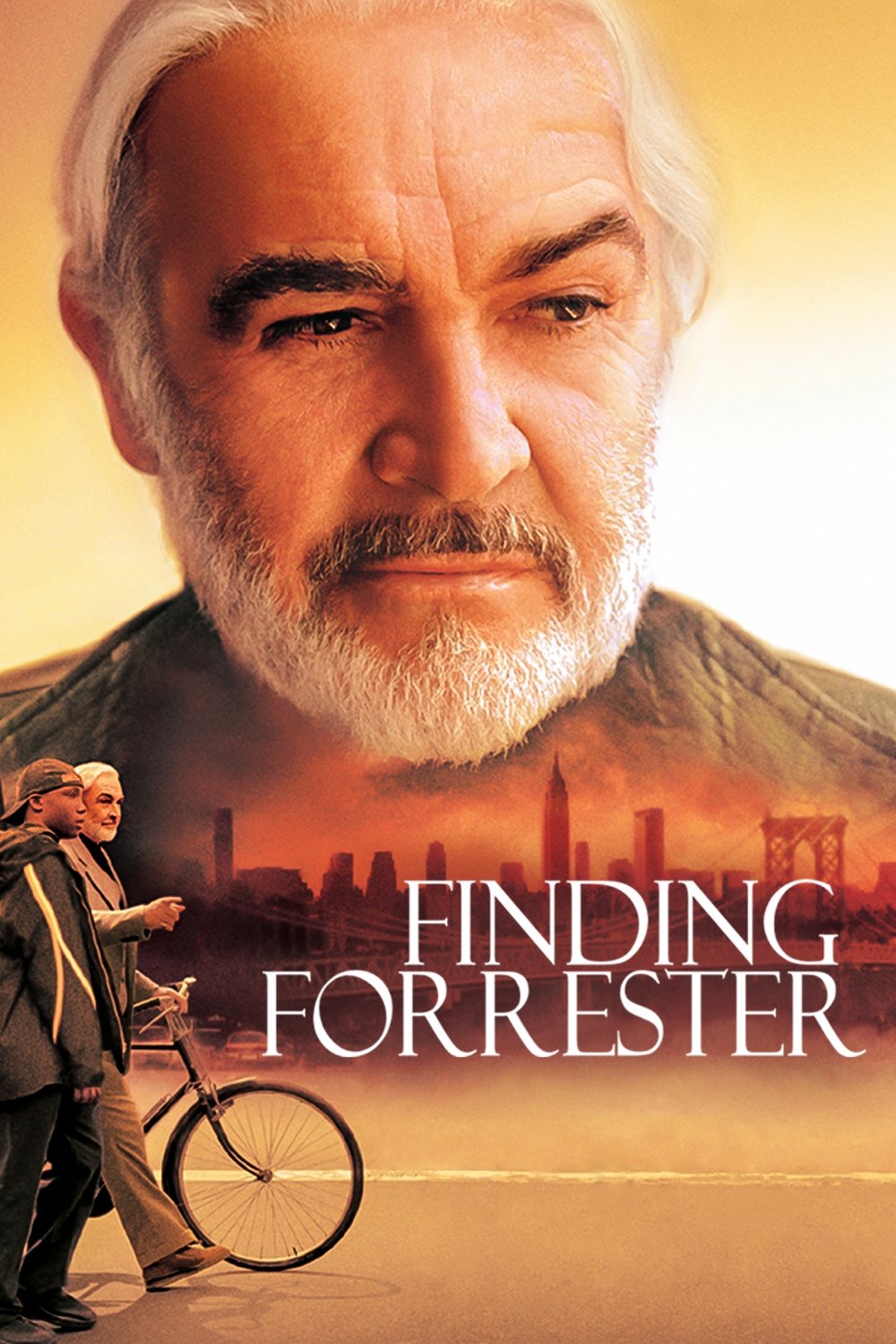
The movie follows a famous, but withdrawn, Black author who begins mentoring a gifted Black teenager. However, the story primarily focuses on the author’s personal journey of rediscovering hope and connection. While the teen develops his writing skills, the author learns to overcome his negativity and rejoin society. Some viewers feel the film relies on the familiar ‘wise mentor’ trope, offering personal growth for both characters without fully addressing larger social issues. The connection between them is presented as a shared journey of moral and emotional awakening, guided by the author’s experience.
‘Amistad’ (1997)
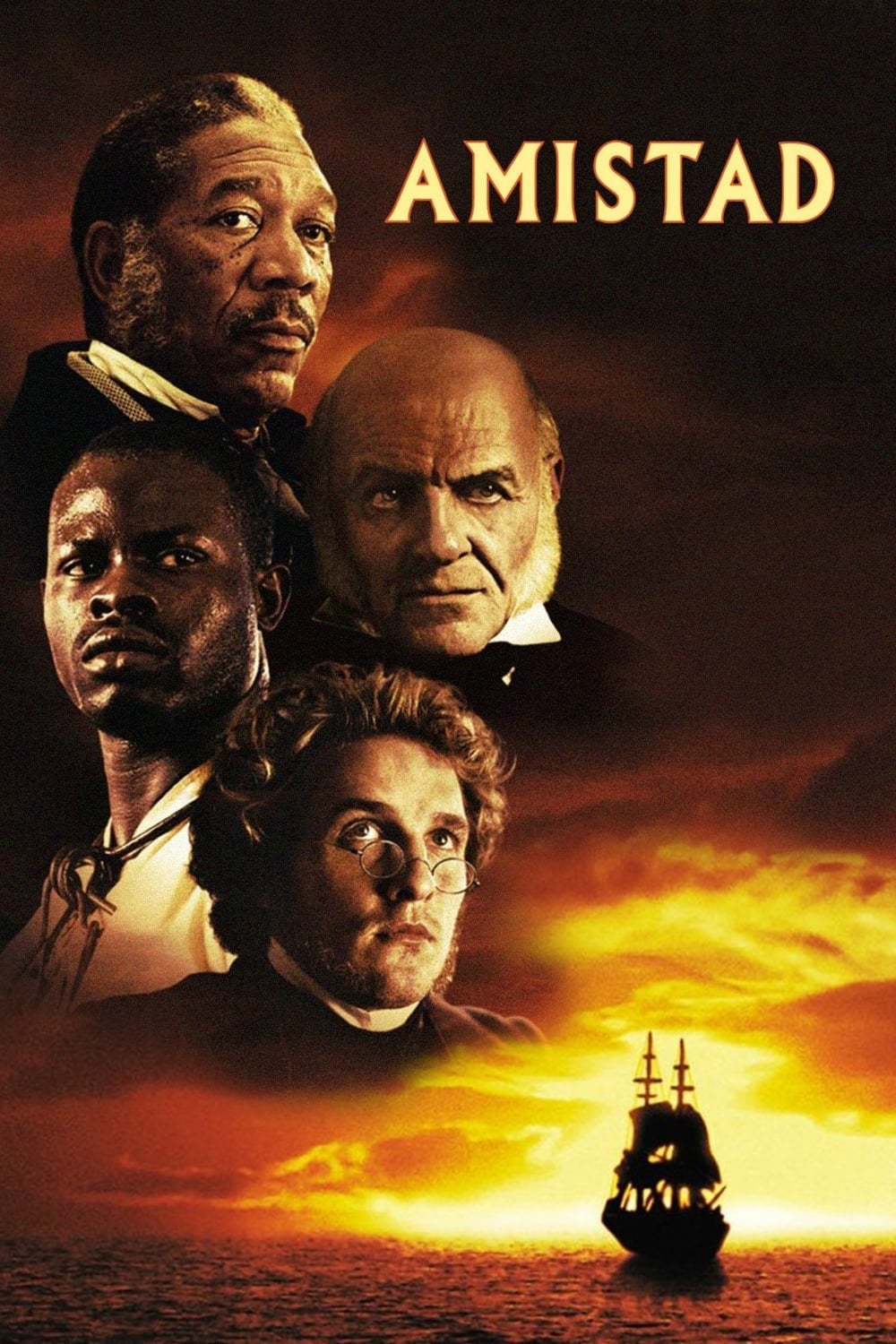
Although ‘Amistad’ portrays a rebellion by enslaved Africans, the film largely centers on the white lawyers who represent them. The African characters, including their leader Cinque, are often shown as dignified but largely as figures acted upon, rather than active participants, in a legal fight led by white men like John Quincy Adams. Some critics argue the film uses the Africans’ hardship and strength to create a backdrop for white characters to explore American values, ultimately focusing more on the development of the legal system than on the personal stories of those who were enslaved.
‘To Kill a Mockingbird’ (1962)
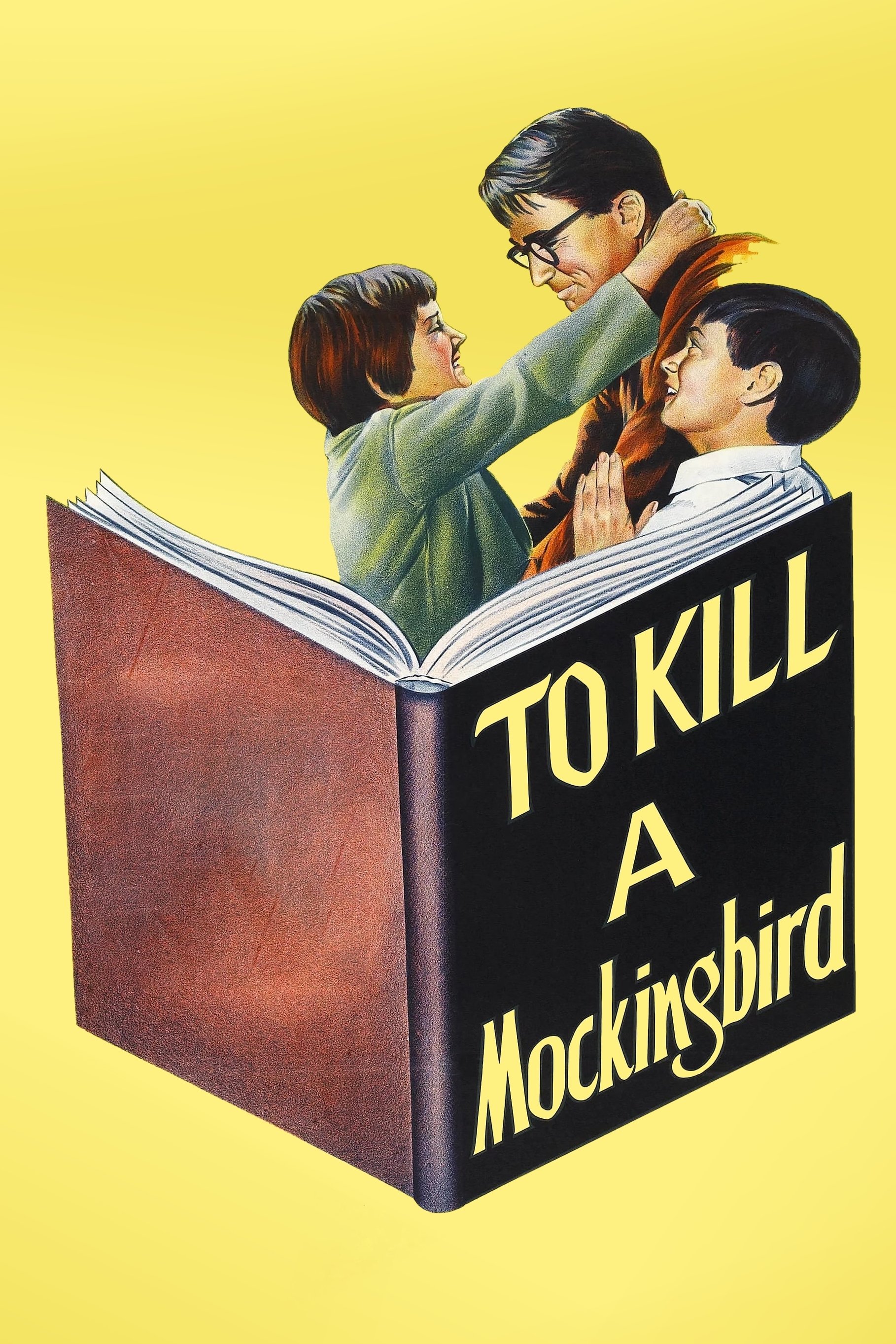
Tom Robinson, a Black man wrongly accused of a crime, is central to the story’s moral lessons, particularly those Atticus Finch teaches his children. He’s portrayed as completely innocent and helpless, and his role is to show the white characters, Scout and Jem, the reality of injustice. The story’s emotional power comes from Tom’s tragic fate, which helps the children grow and understand what is right and wrong.
‘Far from Heaven’ (2002)

This film, inspired by classic 1950s dramas, tells the story of Raymond Deagan, a Black gardener who becomes a source of comfort for a troubled white woman whose life is unraveling. Raymond is depicted as a remarkably thoughtful and empathetic man, a sharp contrast to her emotionally closed-off husband. Their connection emphasizes the woman’s isolation and the restrictive atmosphere of her suburban existence. Ultimately, Raymond helps her begin a journey of self-discovery and provides a moral compass as she changes.
‘Bringing Down the House’ (2003)

This funny movie centers on a woman who’s recently escaped from prison and unexpectedly enters the life of a very proper lawyer. She aims to help him win back his ex-wife and learn to relax. Through her quick wit and direct approach, she shakes up his carefully controlled home life. However, the movie leans heavily on familiar tropes, portraying the woman’s energetic personality as a way to teach the lawyer valuable life lessons. Ultimately, her character exists primarily to improve the life of the main character.
‘The Shawshank Redemption’ (1994)
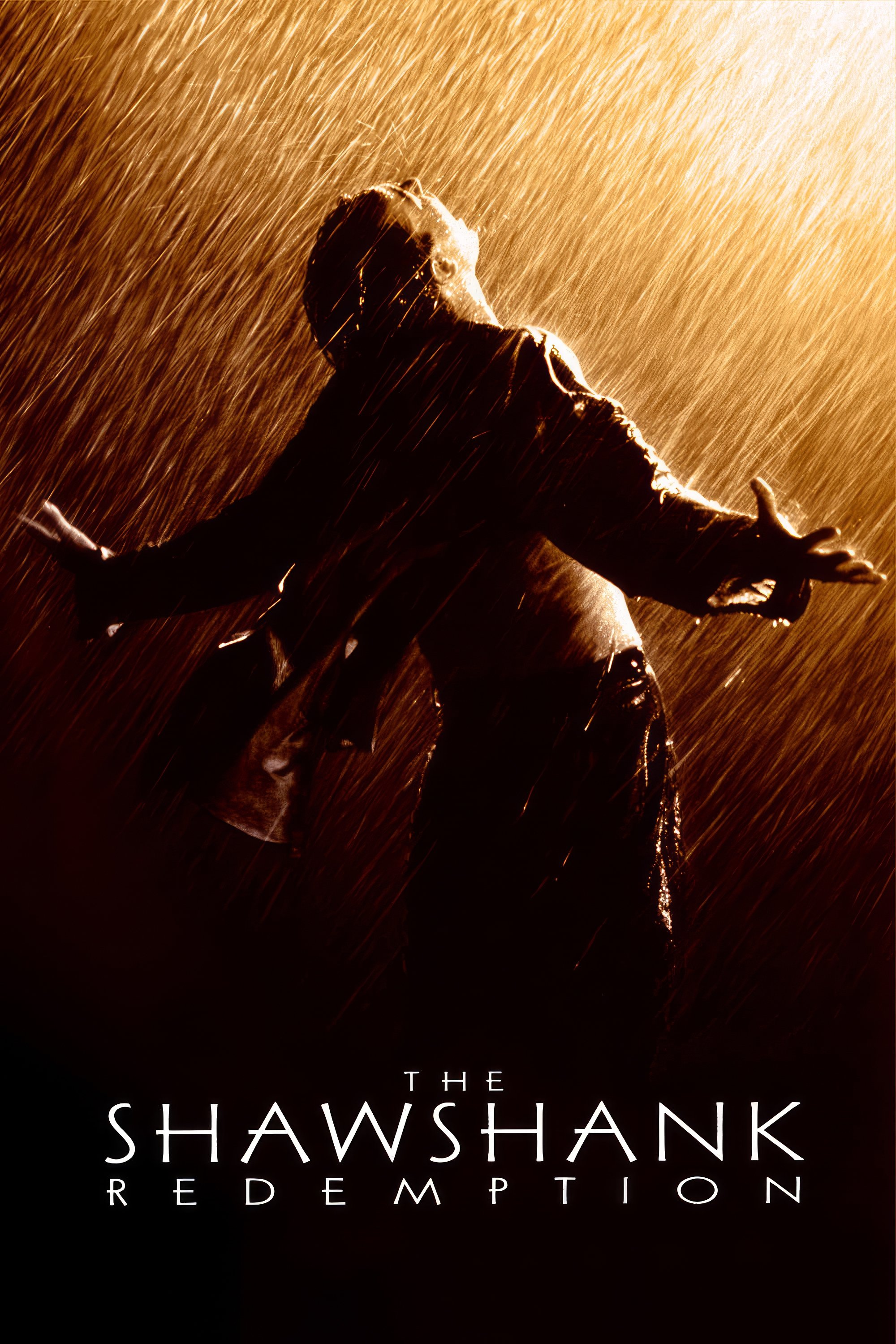
Red Redding narrates the story and represents the long-term prisoners, finding a renewed sense of hope through his friendship with Andy Dufresne. Although Red is a well-developed character, his personal journey closely follows Andy’s strength and resourcefulness. Red transforms from a pessimistic man into someone who believes in possibility, and this change is brought about entirely by Andy’s actions. Many critics see Red as an observer, highlighting Andy’s inspiring influence within the prison.
‘Seven Pounds’ (2008)

The movie follows Ben Thomas, played by Will Smith, as he tries to make up for a tragic accident by helping seven different people. He does this by selflessly giving parts of himself to them, essentially sacrificing everything to improve their lives. This portrayal has been noted for creating a character who is almost saintly – a Black character whose sole purpose seems to be giving to others. The story emphasizes the goodness of his suffering and his ultimate sacrifice for the sake of others.
‘Babel’ (2006)

As a film lover, I found one storyline in this movie particularly troubling. It centers on a Moroccan family whose lives are completely shattered by an accident involving American tourists. But the way it’s presented… it felt like we only really saw the family through how their hardship affected the tourists. Their own struggles, their legal battles – they seemed to exist mainly to fuel the emotional journey of the Western characters. A lot of critics have pointed out that the Moroccan characters felt less like fully realized people and more like a way to teach the audience a lesson about how our actions have global consequences, which honestly left me feeling a bit uneasy.
‘A Time to Kill’ (1996)
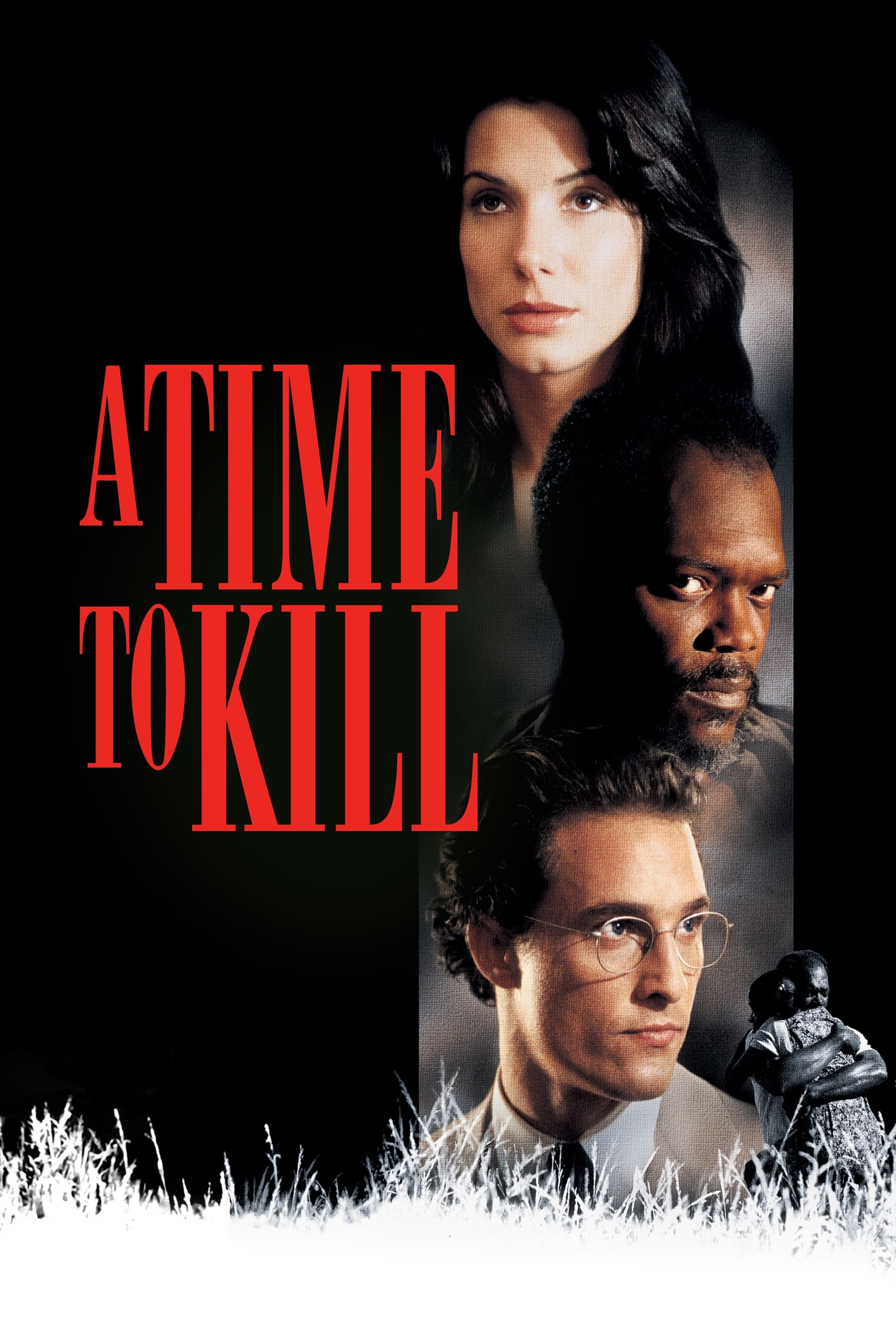
I was completely gripped by this movie! It tells the story of a Black father, Carl Lee Hailey, who did something drastic after his daughter was hurt, and the white lawyer who defends him. But honestly, it’s not just about what Carl Lee did. It’s about the lawyer’s journey, how defending Carl Lee forces him to really look at his own beliefs and be courageous in a town filled with prejudice. The ending is incredibly powerful – the lawyer makes this amazing plea to the jury, asking them to imagine if the victim was white, to really connect with what’s right. It’s like Carl Lee’s case gives this lawyer the chance to truly stand up for what he believes in, and it’s a defining moment for him.
‘Hearts in Atlantis’ (2001)

Ted Brautigan, a secretive old man with psychic powers, arrives at a boarding house and becomes a guide for a young boy named Bobby. Though portrayed by Anthony Hopkins, the story echoes themes found in other works by Stephen King, featuring supernatural figures who teach young, white protagonists about life. Some critics have pointed out that characters like Ted often fit the “Magical Negro” trope – existing primarily to help the main character understand and navigate a world beyond the ordinary.
‘The Soloist’ (2009)

‘The Soloist’ is inspired by a real-life story and centers on a journalist who meets a gifted, homeless musician struggling with schizophrenia. The film explores the journalist’s efforts to help the musician, which raises questions about how much we can truly help others. Through their relationship, the journalist learns valuable lessons about humility and the boundaries of his own impact, with the musician’s experiences ultimately driving the journalist’s personal growth.
‘The Power of One’ (1992)
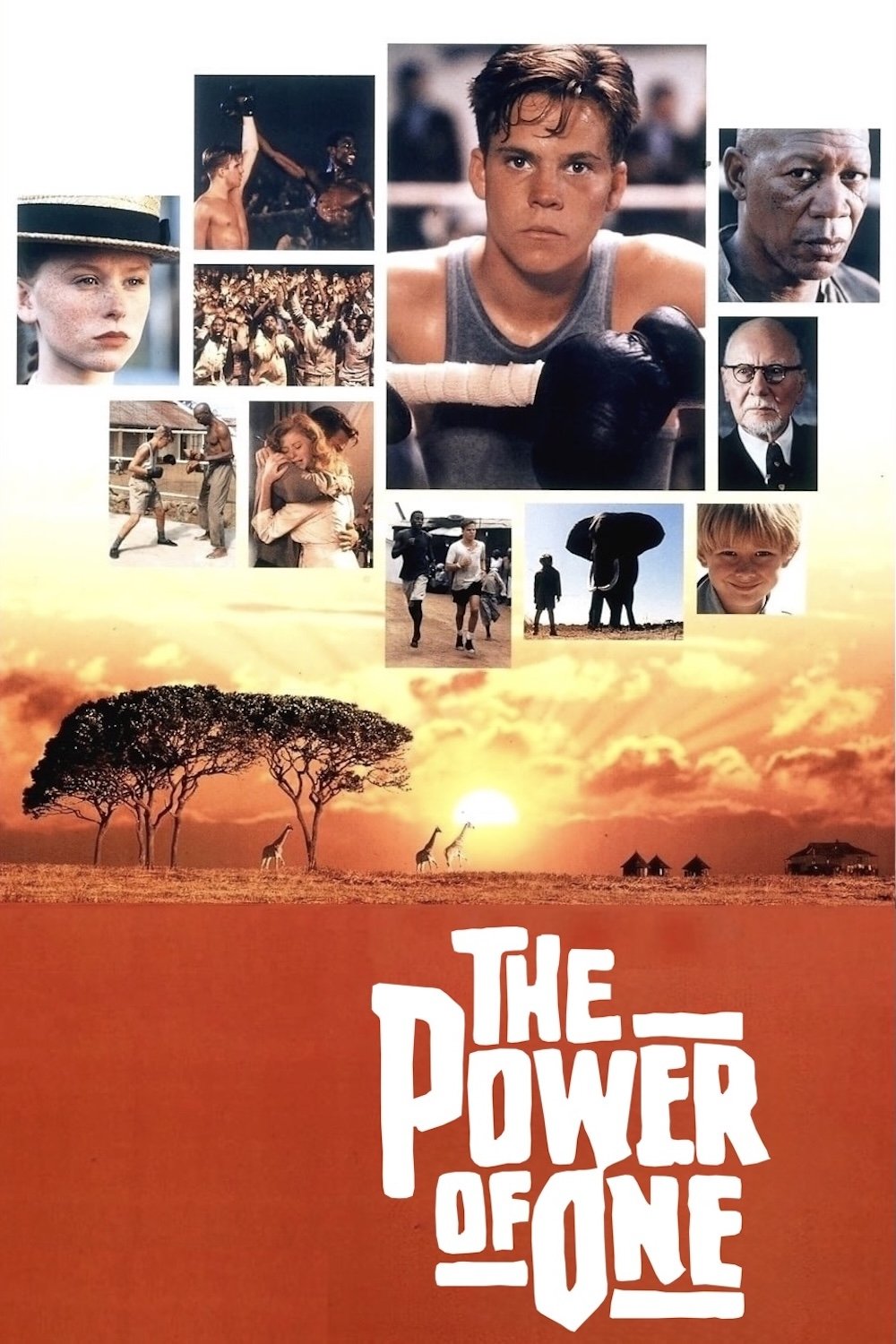
This film takes place in South Africa as apartheid is growing. It centers on a young English boy who learns valuable life lessons from several people, including a Black prisoner named Geel Piet. Geel Piet teaches him how to box and shares wisdom about staying strong and the impact one person can have. Ultimately, Geel Piet gives his life, which inspires the boy to dedicate himself to fighting for social justice. However, the story focuses on how Geel Piet’s death and teachings help the white protagonist on his personal journey.
‘Blood Diamond’ (2006)

The film ‘Blood Diamond’ follows Solomon Vandy, a fisherman searching for his family during a civil war, and his unlikely partnership with a mercenary, played by Leonardo DiCaprio. The story centers on the mercenary’s change from a self-serving diamond smuggler to someone who ultimately makes a sacrifice. While Solomon’s struggles and love for his family drive the emotional core of the film, they also serve as the catalyst for the mercenary’s redemption, meaning the Black character’s hardship is used to enable the white character’s growth.
Please share your thoughts on these cinematic tropes in the comments.
Read More
- Building 3D Worlds from Words: Is Reinforcement Learning the Key?
- Spotting the Loops in Autonomous Systems
- The Best Directors of 2025
- 2025 Crypto Wallets: Secure, Smart, and Surprisingly Simple!
- The Glitch in the Machine: Spotting AI-Generated Images Beyond the Obvious
- 20 Best TV Shows Featuring All-White Casts You Should See
- Umamusume: Gold Ship build guide
- Mel Gibson, 69, and Rosalind Ross, 35, Call It Quits After Nearly a Decade: “It’s Sad To End This Chapter in our Lives”
- Gold Rate Forecast
- Uncovering Hidden Signals in Finance with AI
2026-01-10 18:18