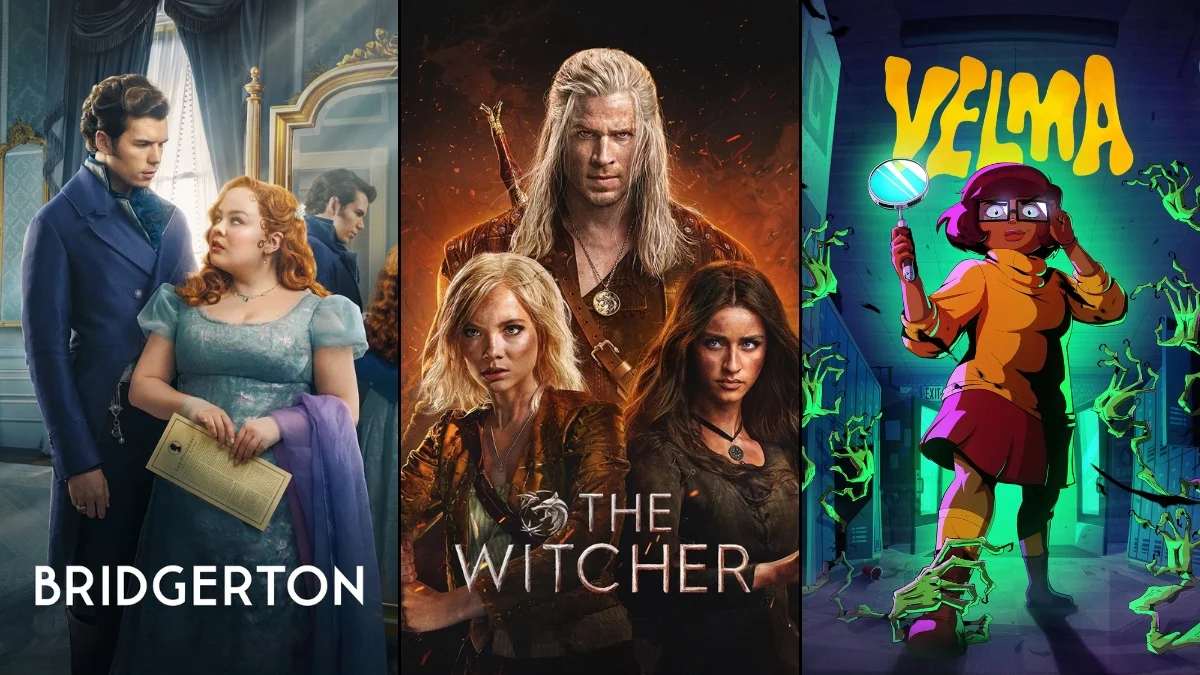
I’ve noticed a big change in TV lately, as shows try to appeal to people all over the world. Some series have done a great job including people from different backgrounds, but others have fallen short. Sometimes it feels like they’re just adding Black characters to check a box, and it doesn’t feel genuine or connected to the main story. Looking at these examples really shows how much work there still is to do to get representation right in TV and film.
‘Friends’ (1994–2004)
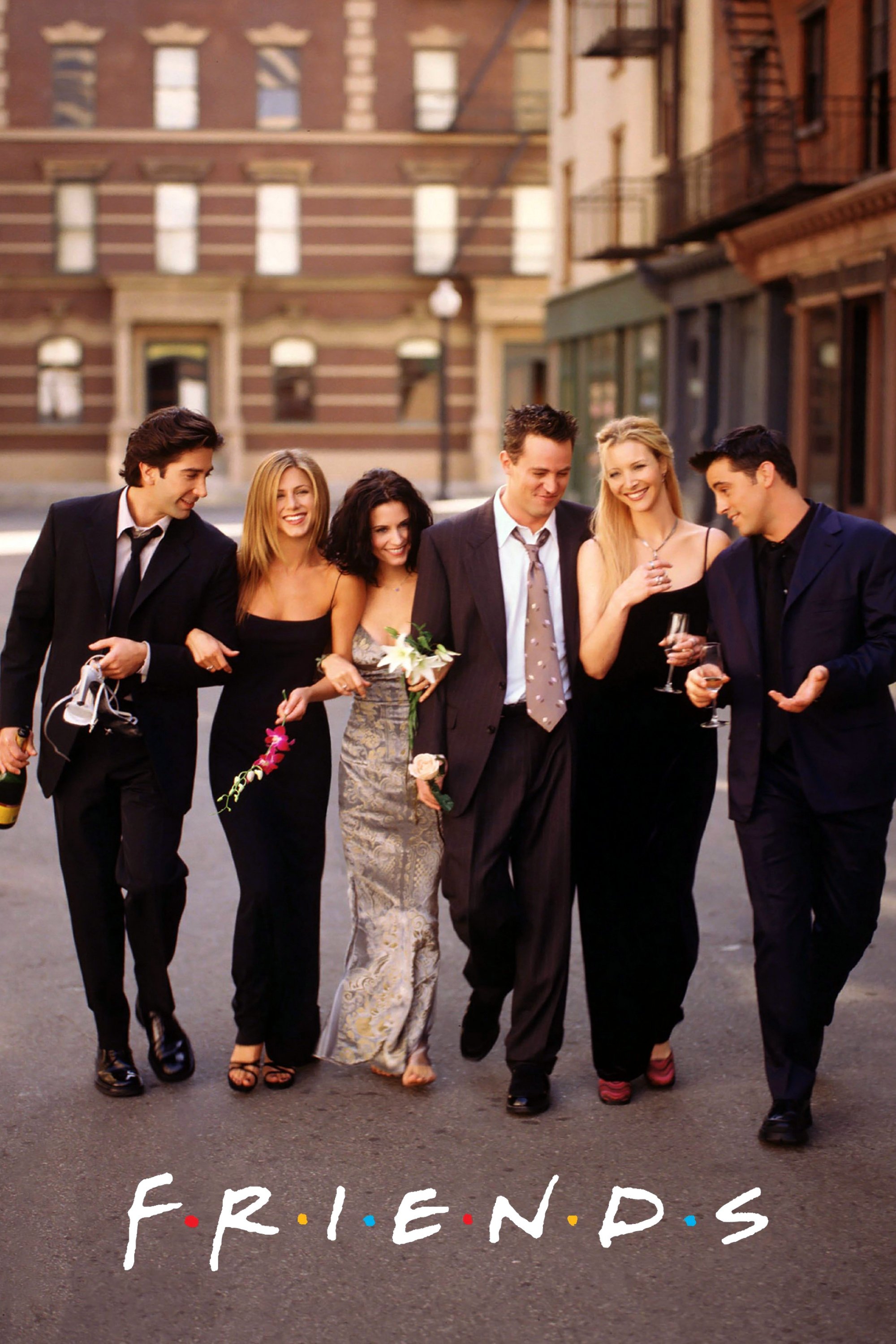
Aisha Tyler joined the cast as Dr. Charlie Wheeler in the ninth season, a move that came after years of criticism about the show’s lack of diversity. Initially, her character had romantic storylines with both Joey and Ross. However, many critics felt her addition was a response to the show’s predominantly white cast, and the storyline didn’t ultimately lead to lasting changes in the show’s main group of characters or overall diversity.
‘Riverdale’ (2017–2023)
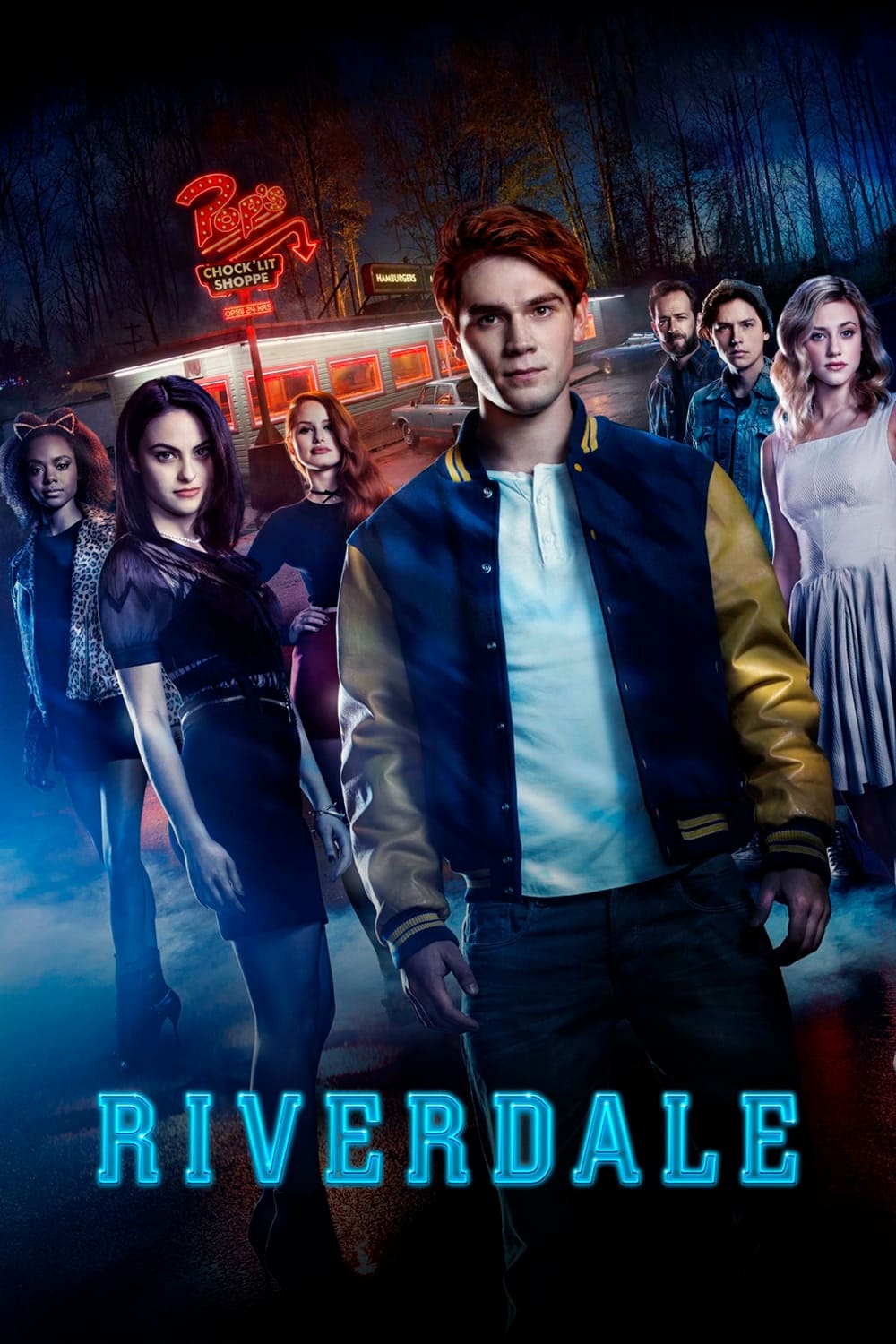
Ashleigh Murray played Josie McCoy, the lead singer of the Pussycats, a well-known group from the Archie Comics stories. However, many viewers and critics felt the show didn’t give her character enough focus, often prioritizing the stories of the four main teenage leads. Later, Vanessa Morgan, who played Toni Topaz, spoke out about the show’s tendency to use Black characters in supporting roles without giving them meaningful storylines of their own. This conversation brought to light problems with how the show handled its diverse cast throughout its seven seasons.
‘The Walking Dead’ (2010–2022)

Theodore “T-Dog” Douglas appeared in the first few seasons of this show about a world after a disaster. Viewers often noted that he didn’t have as much to say or as much of a personal story as the white characters. Some fans believed the show had an unwritten rule where a Black male character would be removed whenever a new one was introduced. This idea continued until the show added more characters and gave people of color more detailed and important storylines.
‘Buffy the Vampire Slayer’ (1997–2003)
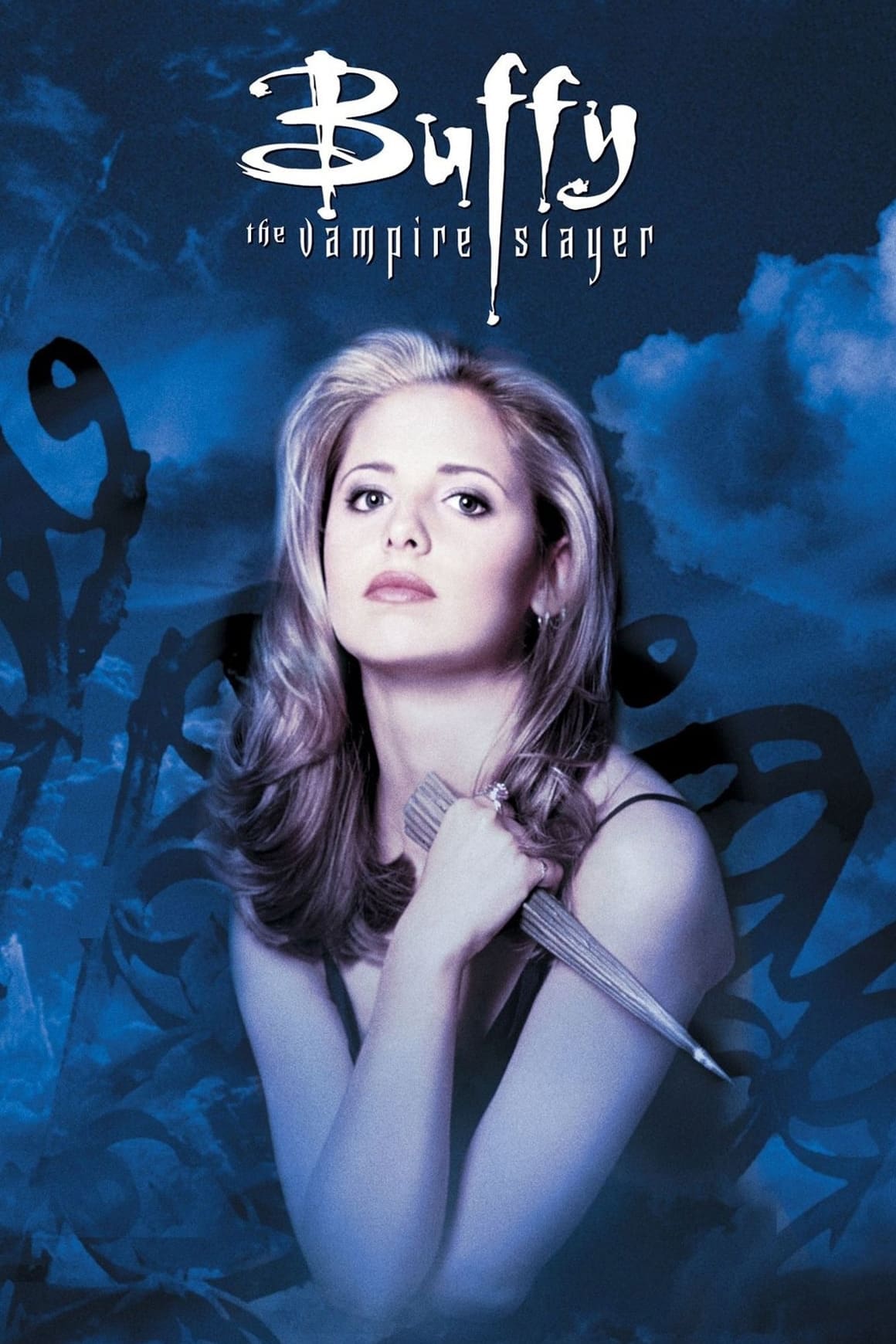
Kendra Young was introduced in the second season of the show as a different kind of vampire hunter, meant to highlight the main character. While intended to add depth to the show’s mythology, her character was quickly removed after just a few episodes. Critics have noted that Kendra often felt underdeveloped and lacked a strong individual identity. Her short time on the show is often brought up when discussing the series’ initial challenges with portraying diverse characters.
‘Glee’ (2009–2015)
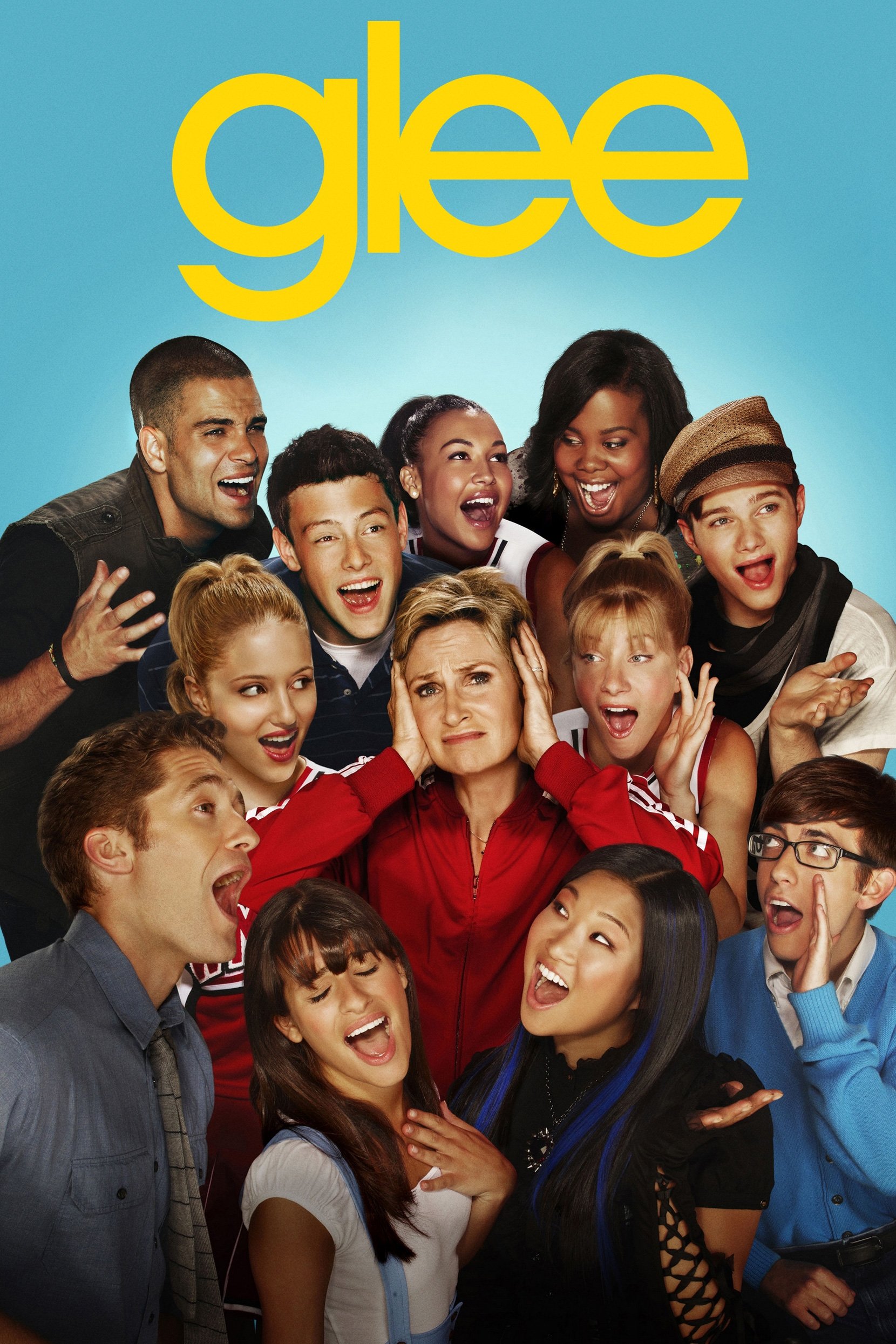
Amber Riley’s character, Mercedes Jones, was a remarkably talented singer who rarely got the chance to shine as a soloist on the show. Despite being popular with viewers, the storyline often highlighted her disappointment with being passed over, which many saw as a reflection of the show’s own decisions about who got the most attention. Some critics pointed out that the show benefited from her abilities but focused more on the emotional journeys of its white characters. This created a discussion about whether the show genuinely appreciated its diverse cast or simply used them for the appearance of diversity.
‘Smallville’ (2001–2011)
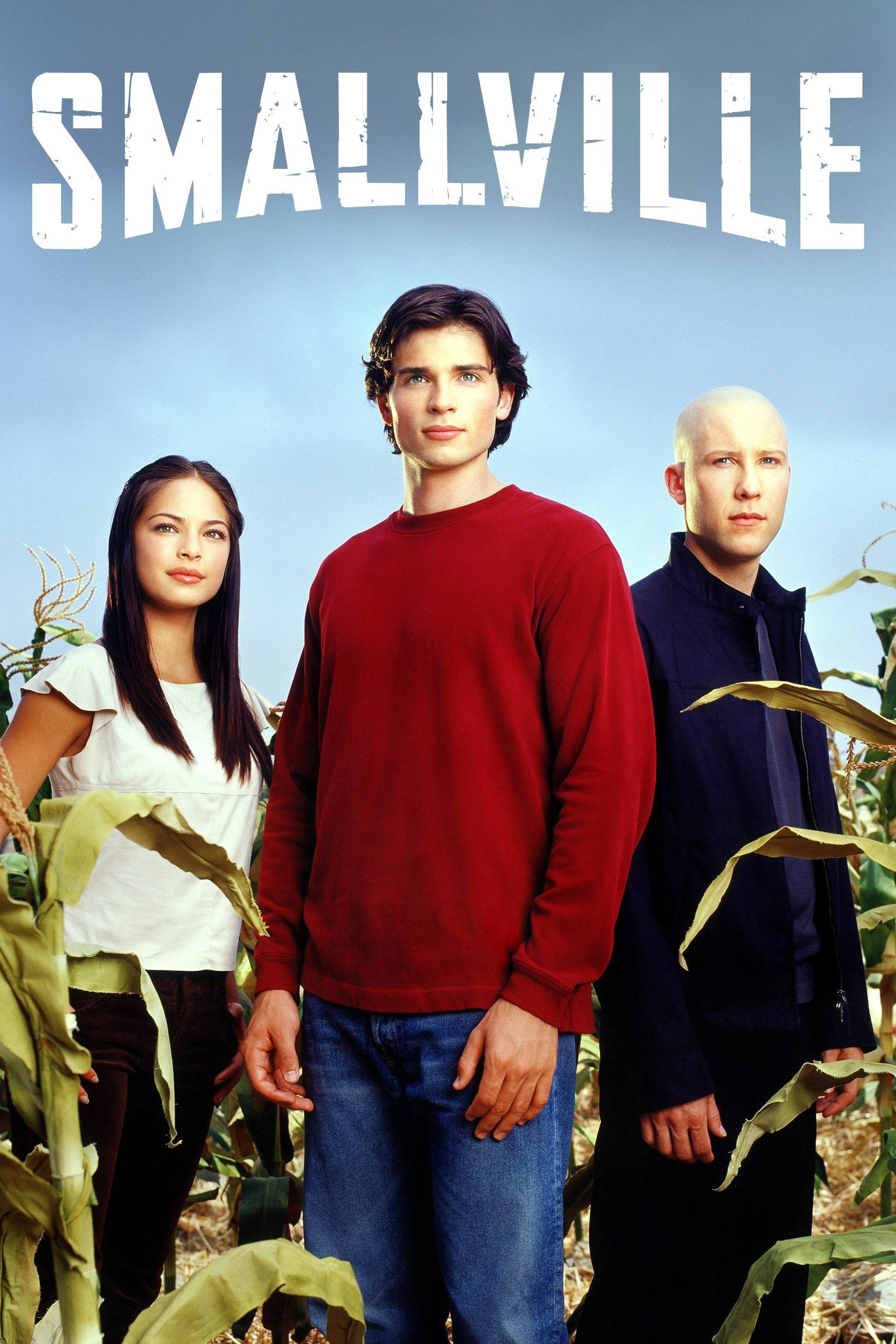
In the early seasons of the show, Clark Kent’s best friend, Pete Ross, was played by Sam Jones III. While Pete was originally portrayed as white in the comics, the show’s writers had difficulty developing substantial storylines for the character, leading to limited screen time. He was eventually removed from the series in its third season. Many fans felt this demonstrated a lack of commitment to developing the character after a diverse casting choice was made.
’13 Reasons Why’ (2017–2020)
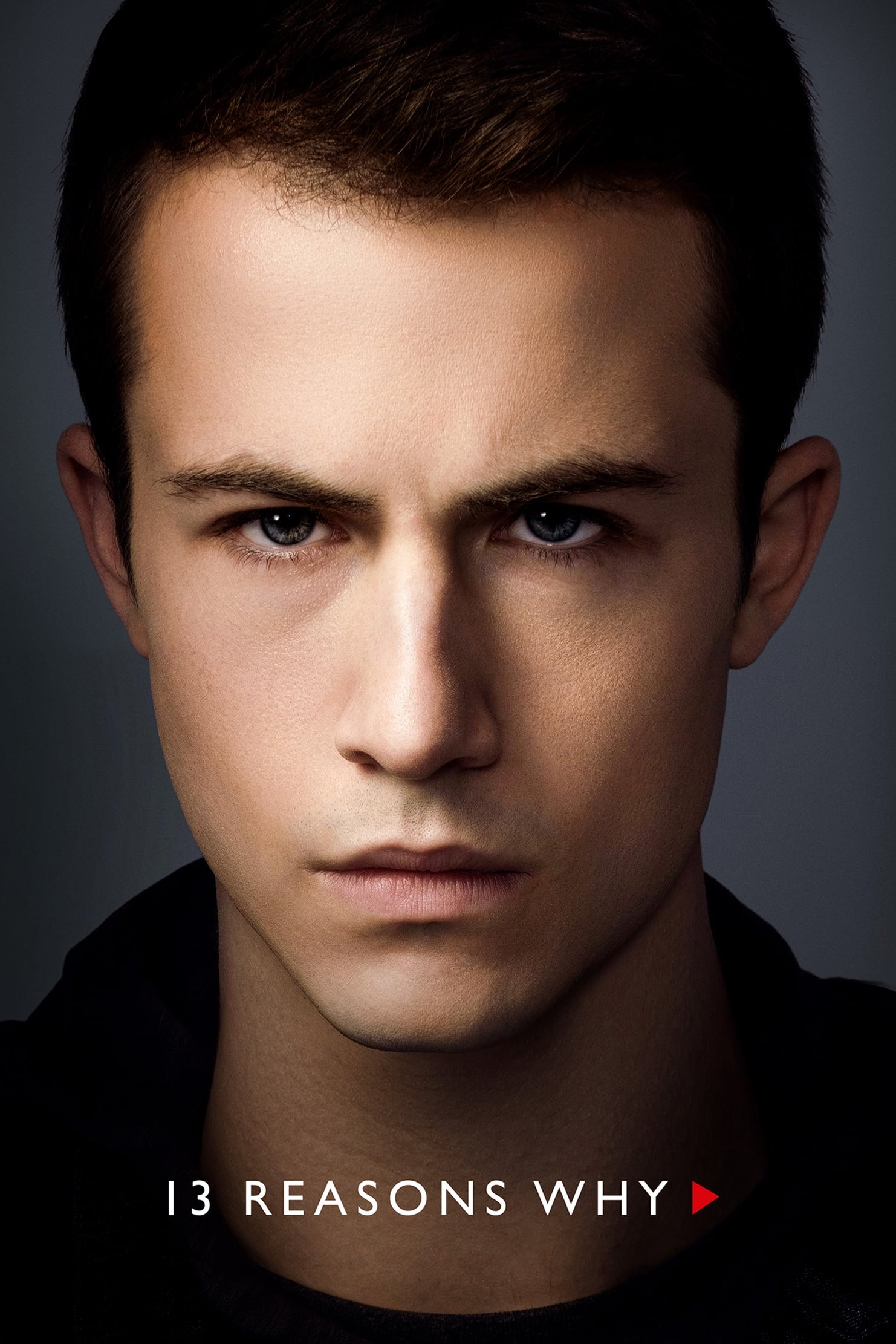
When Ani Achola was brought in as the new narrator for the third season, many longtime fans reacted negatively. They felt the introduction of a new Black character into the main group felt unnatural and like an artificial way to make the show more diverse. Viewers often pointed out that the character seemed to be everywhere and knew things she couldn’t possibly have known. This decision remains a major point of contention among fans and a controversial example of the show’s efforts to increase diversity.
‘The Witcher’ (2019–Present)
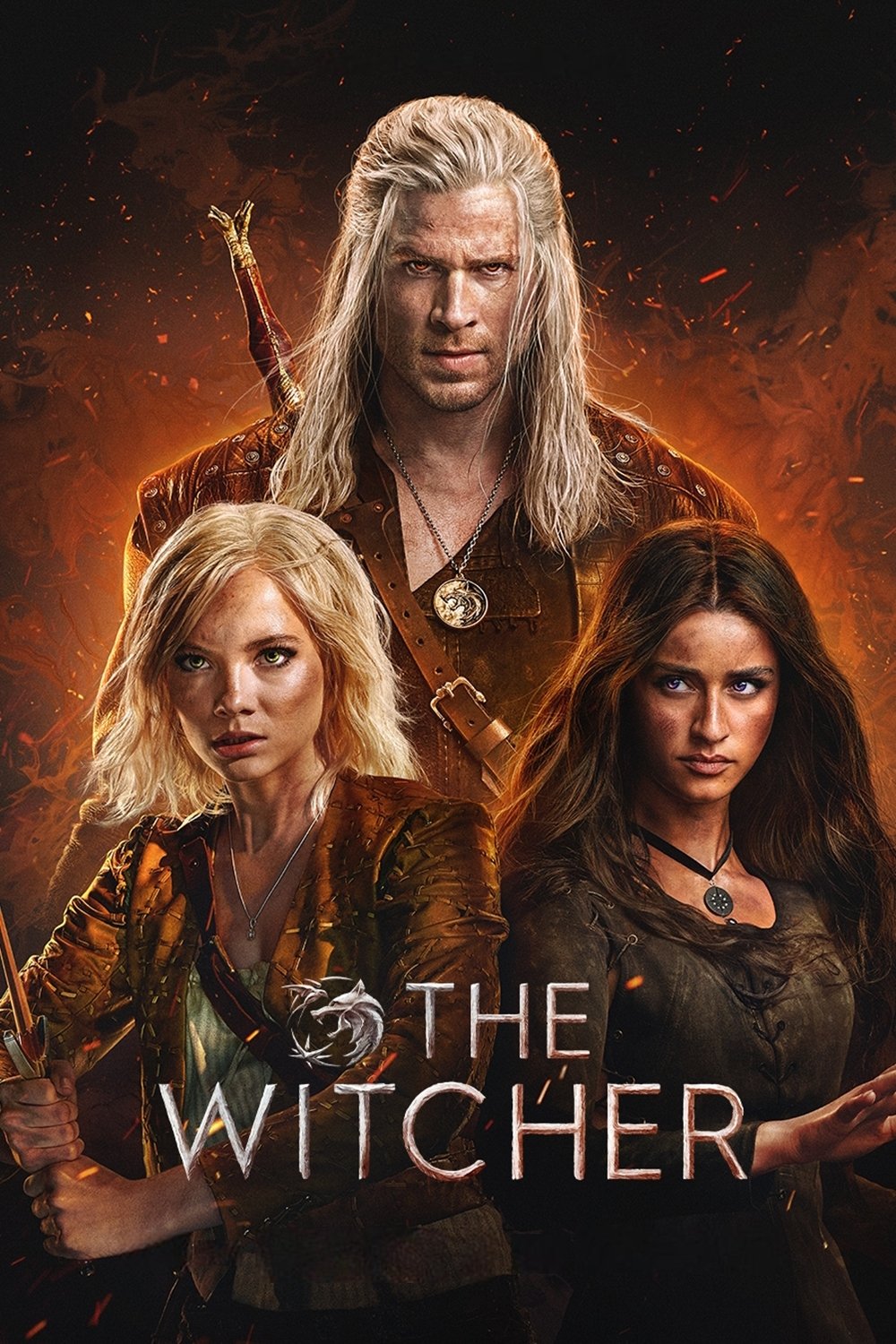
Fringilla Vigo was portrayed quite differently in the Netflix series compared to how she’s described in the original books and video games. The show’s creators wanted a more diverse cast, but some fans felt this change wasn’t true to the established story. The series also gave Fringilla a larger role as a villain and a more prominent part in the political landscape, unlike her portrayal in the source material. This decision led to a lot of discussion about the purpose of diversity in fantasy shows and games.
‘The Lord of the Rings: The Rings of Power’ (2022–Present)
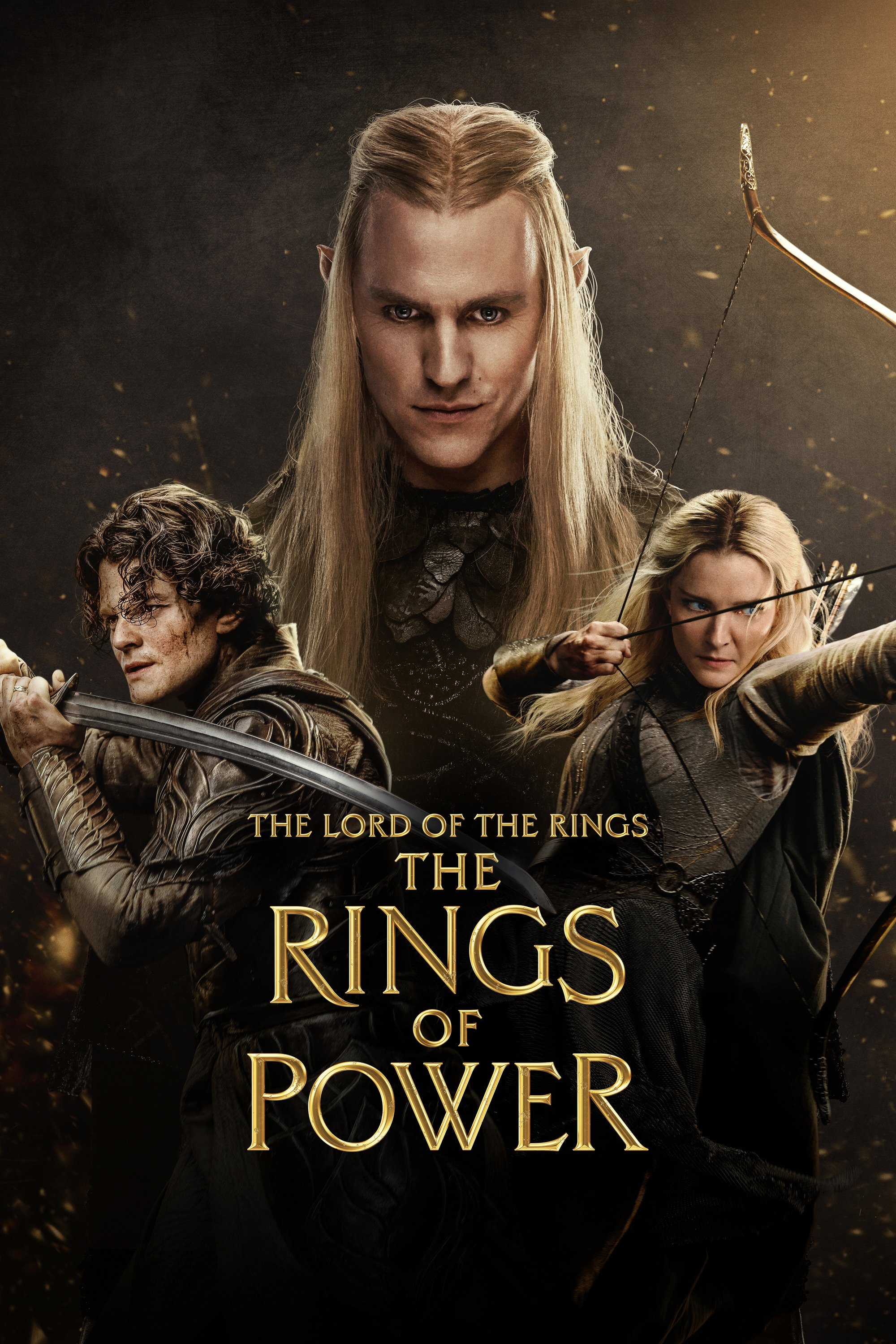
The introduction of the elf Arondir, played by Ismael Cruz Córdova, was a major change from how Middle-earth had been depicted on screen before. The creators said they wanted to bring a more modern feel to J.R.R. Tolkien’s fantasy world. While many viewers loved the performance, some believed the increased diversity was a result of corporate pressure, not a natural part of the story. This led to widespread conversations about how classic books should be adapted for new audiences.
‘Saved by the Bell’ (1989–1992)
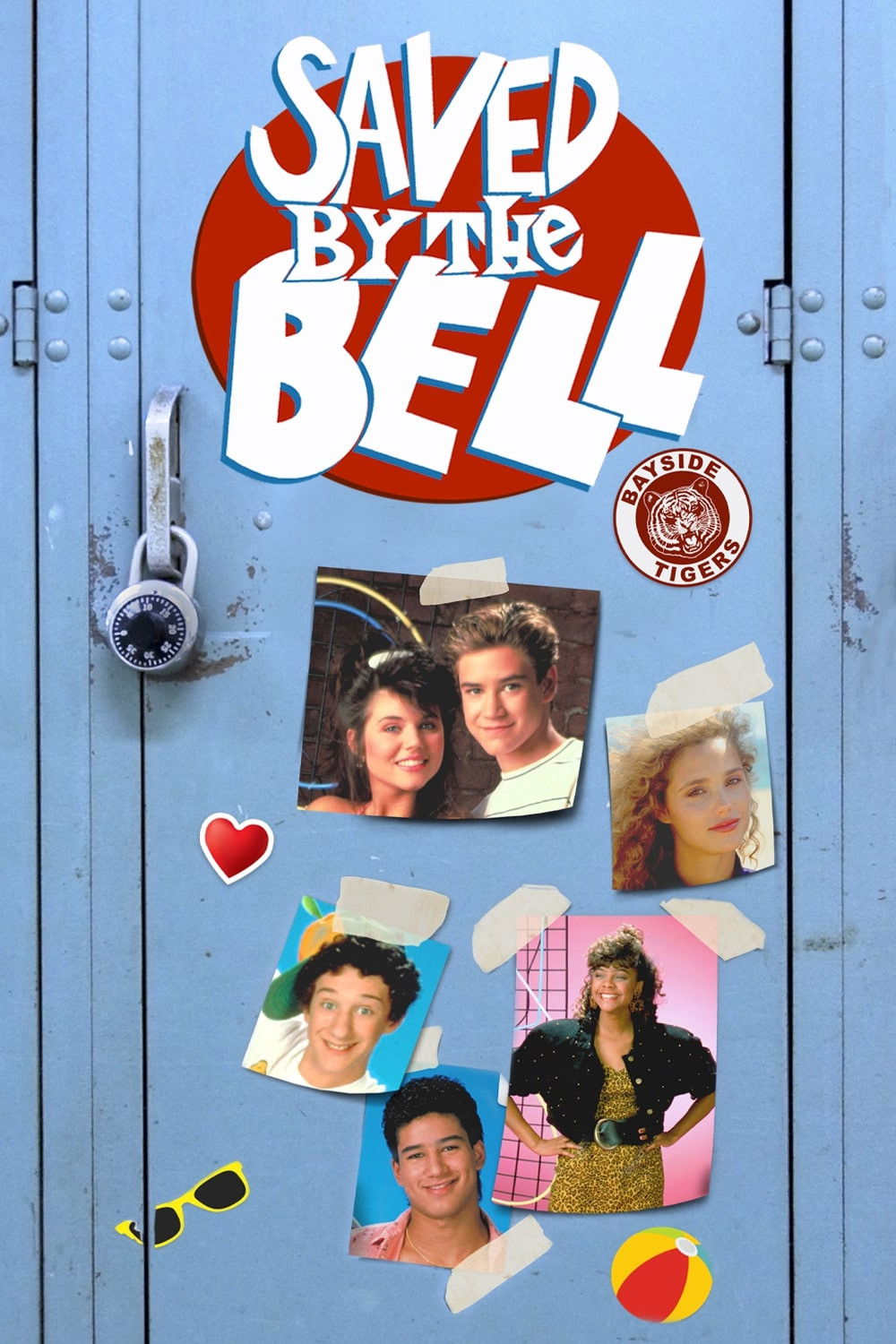
Originally, the character of Lisa Turtle was conceived as a privileged, wealthy young woman from Long Island. However, after Lark Voorhies was cast, the show largely avoided exploring her background as a Black woman. Some believe the character’s personality was altered to better fit the show’s overall image of suburban life. Even so, Lisa Turtle remains a significant and memorable Black character in the history of Saturday morning television.
‘That ’70s Show’ (1998–2006)

Angie Barnett was brought onto the show late in the series as the half-sister of Hyde, revealed after it came out that his biological father was Black. Some viewers felt this felt like a last-minute effort to add diversity to the show’s Wisconsin setting. Angie didn’t quite fit in with the existing characters and her storyline ended before the series finale. Many critics thought her introduction was more about creating a surprise than adding a truly developed character to the main group.
‘Dawson’s Creek’ (1998–2003)
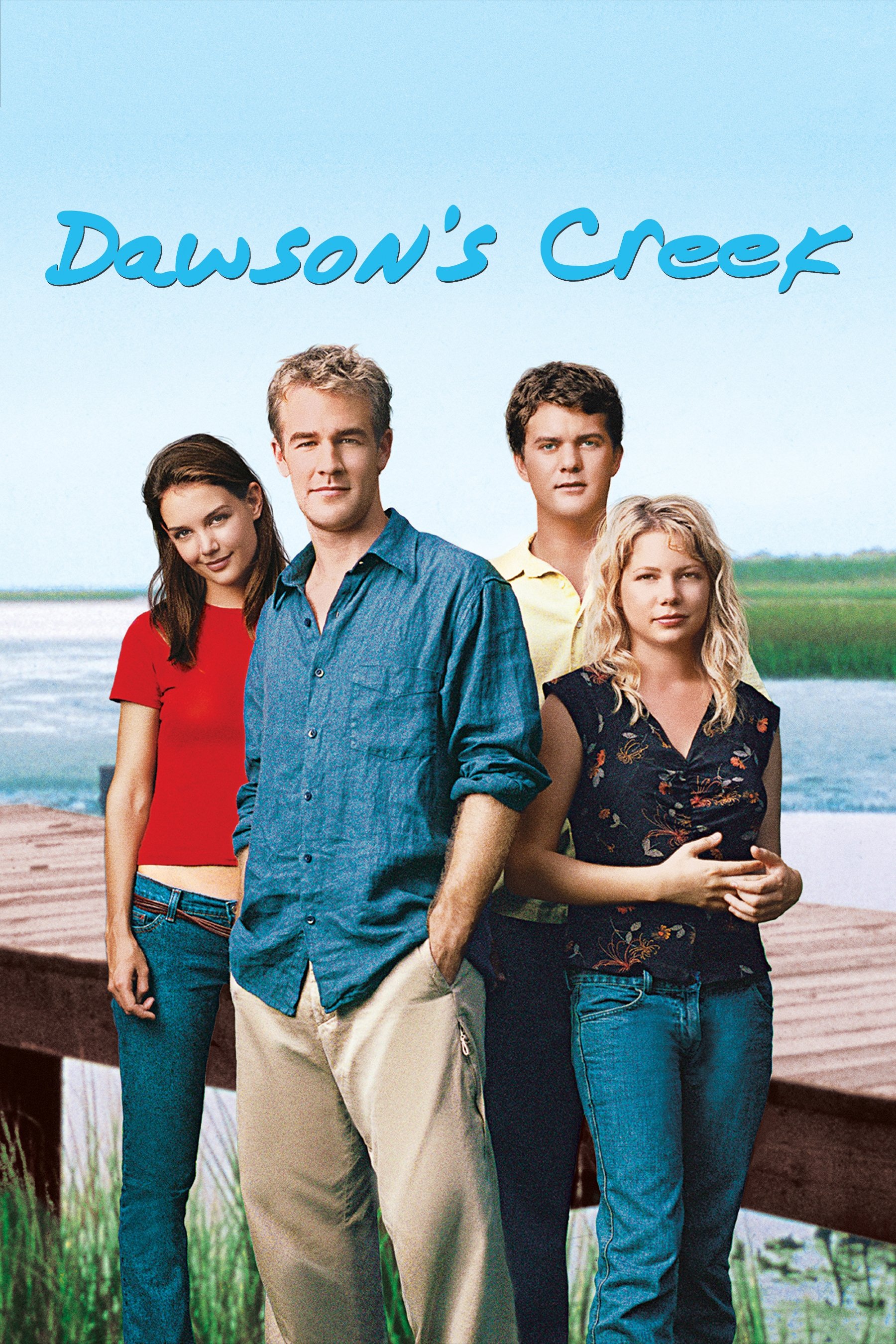
Principal Green, a Black character introduced in the show’s third season, was brought in to disrupt the established social order of the town. The show largely focused on his experiences with racism from the school board. After his storyline dealing with systemic racism concluded, the character was quickly removed. Critics suggest this demonstrates a pattern of using Black characters simply to teach white characters a lesson, rather than developing them as fully realized individuals.
‘Bridgerton’ (2020–Present)
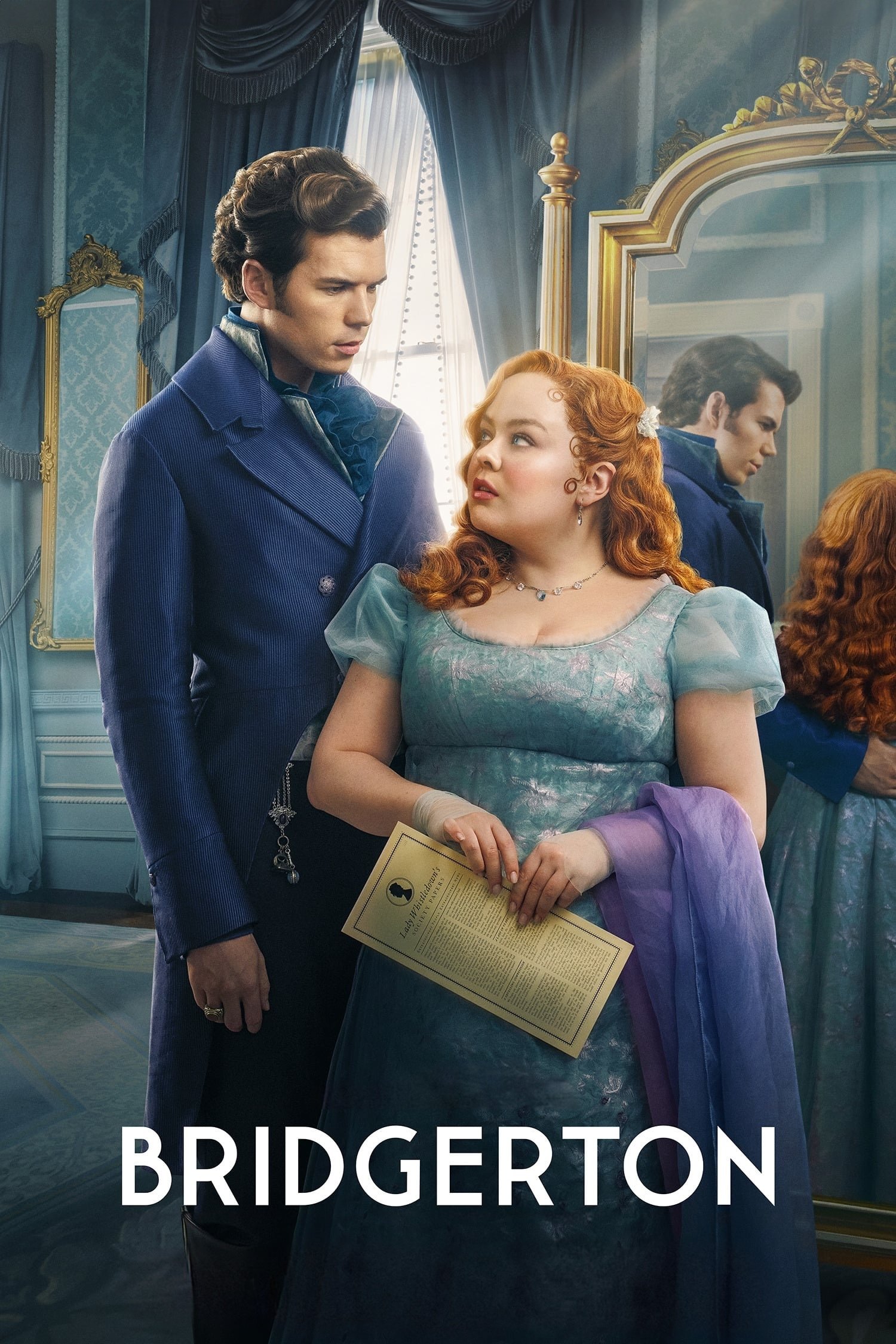
The show ‘Queen Charlotte’ takes inspiration from theories about the Queen’s family history, imagining a Regency-era society where people of color were fully integrated into the upper class. The series suggests that her marriage to King George III led to opportunities for people of color to become members of the nobility. However, some critics have pointed out that this explanation – called the “Great Experiment” – feels like a simple way to include diversity without acknowledging the complicated realities of the past. The show continues to explore how to balance historical fantasy with meaningful representation in a visually striking world.
‘Skins’ (2007–2013)
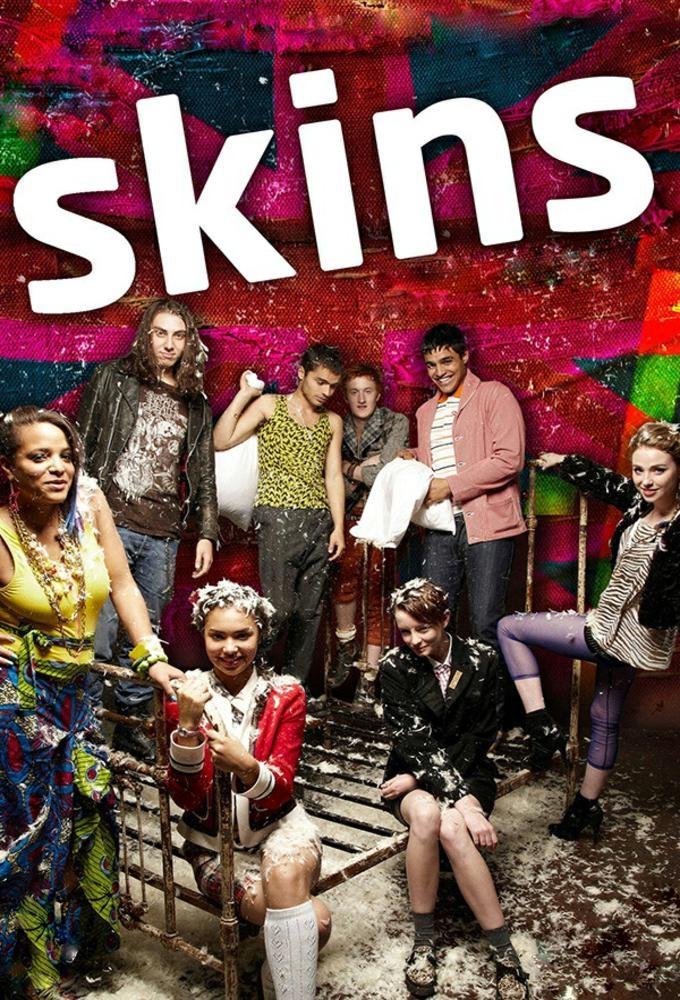
Jelahlah Fazamine, known as Jel, was one of the original stars of this hit British teen show. Though she had dedicated episodes each season, many viewers felt her character was mostly there to offer sensible advice to her friends. While her romance with Tony and her musical abilities added some complexity, critics pointed out she didn’t get the same bold or unusual storylines as other characters. Despite the show being celebrated for its diversity, Jel’s role often felt limited by typical character stereotypes.
‘The Big Bang Theory’ (2007–2019)
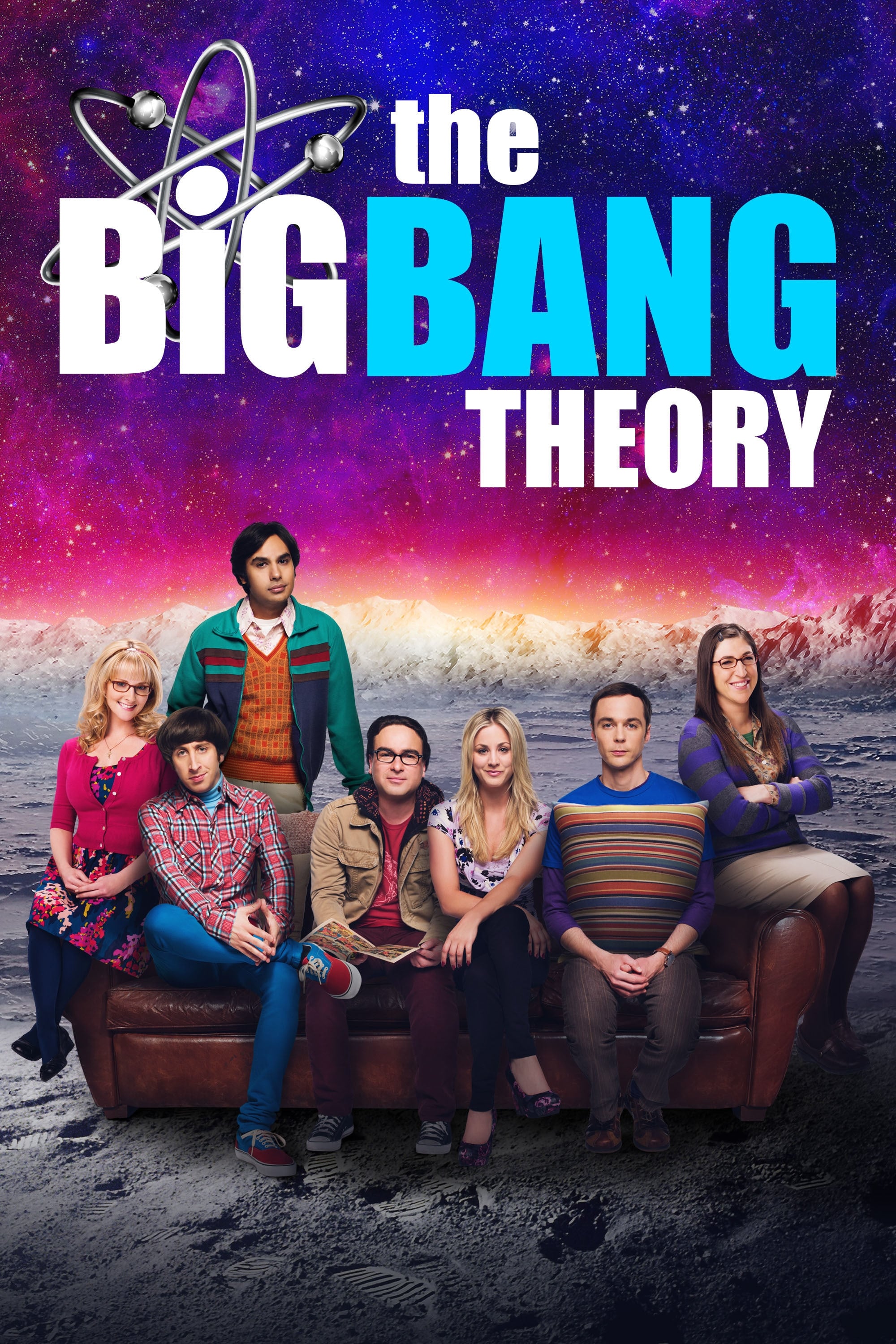
As a TV critic, I’ve always been struck by the portrayal of Janine Davis on that long-running sitcom. She was one of the few Black characters who appeared regularly, but her role felt… limited. So much of her screen time was spent reacting to the often-crude behavior of the main guys. It became clear she existed more to highlight their flaws and be the straight man to their antics, rather than having a fully realized life of her own. And honestly, that dynamic felt like a missed opportunity – a superficial attempt at representation that ultimately didn’t quite land.
‘Sex and the City’ (1998–2004)
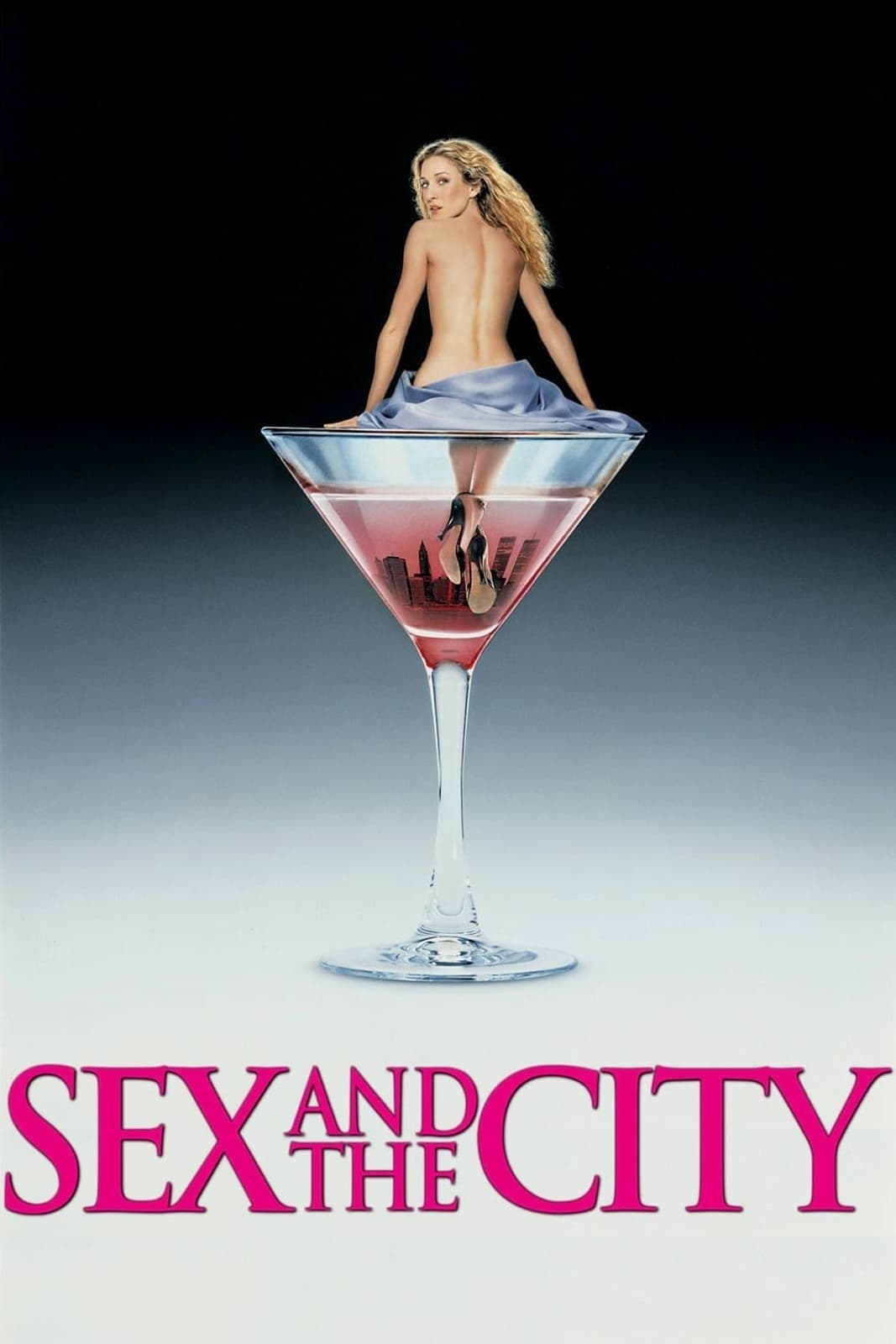
Robert Leeds appeared in the sixth season as a potential partner for Miranda Hobbes, introduced partly in response to criticism about the show’s lack of diversity. Though portrayed as a successful doctor, the character was quickly dropped when the storyline shifted back to Miranda’s original relationship. Many critics view this as a superficial attempt at diversity – a temporary addition that didn’t contribute to the show’s overall story. His departure felt sudden and seemed to only serve Miranda’s character arc for a short period.
‘Girls’ (2012–2017)
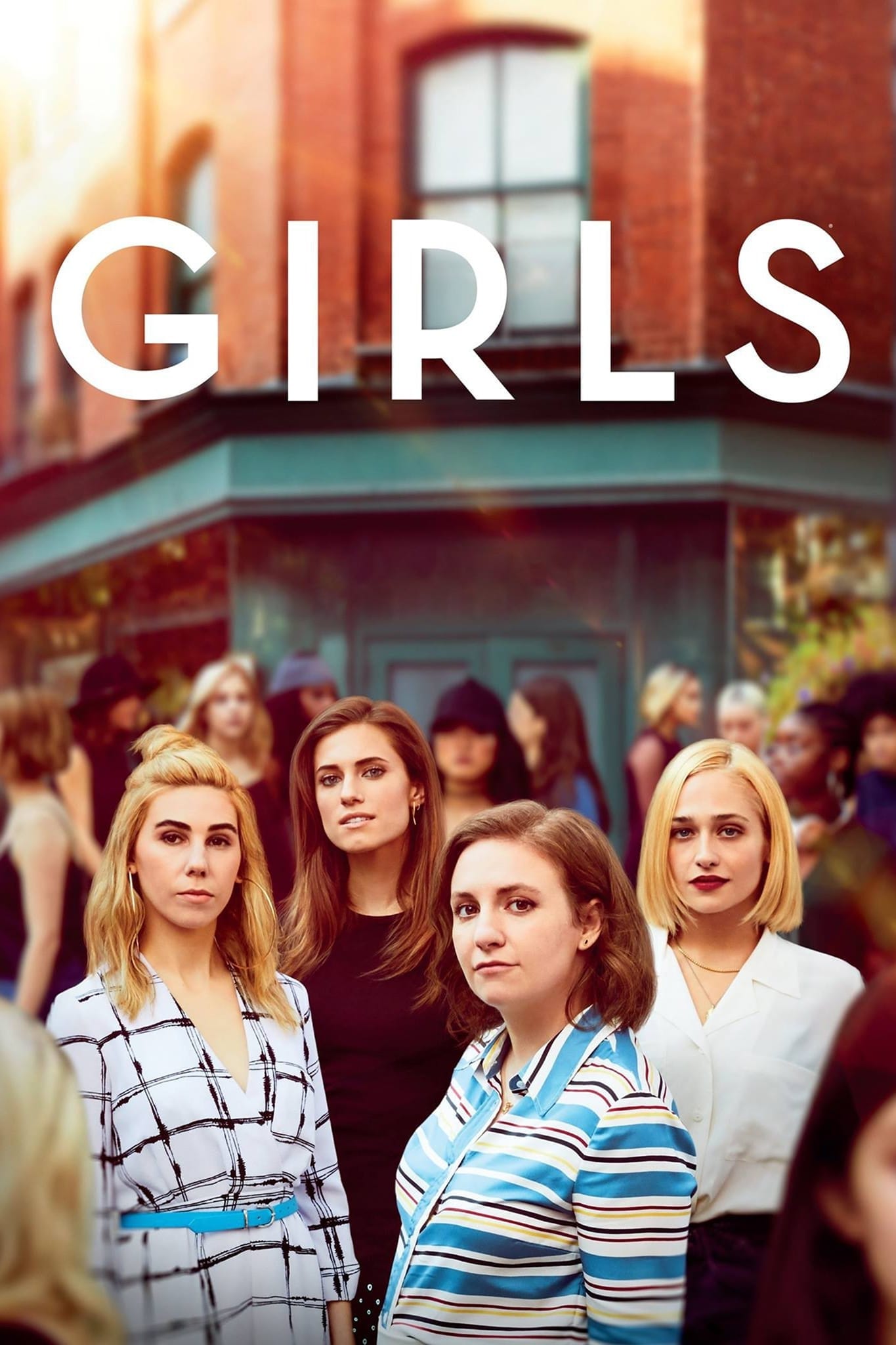
Donald Glover played Sandy, a brief romantic interest for Hannah in the show’s second season. He was introduced after the show received criticism for a lack of diversity in its portrayal of Brooklyn. Their relationship ended after a pointed discussion about race and politics, which many viewers interpreted as the show responding to its critics. Sandy didn’t appear or get mentioned again for the rest of the series.
‘Doctor Who’ (1963–Present)

Bill Potts made history as the first Black companion to be a main character for a whole season of the show with Peter Capaldi as the Doctor. Though Pearl Mackie received a lot of praise for her acting, some viewers wondered if the timing of her introduction felt influenced by the increasing calls for diversity in the series. The show’s creator explained that her identity was a key part of updating the show for modern audiences. When she left after one season, it sparked conversations about how long diverse characters would remain as leads.
‘House of the Dragon’ (2022–Present)
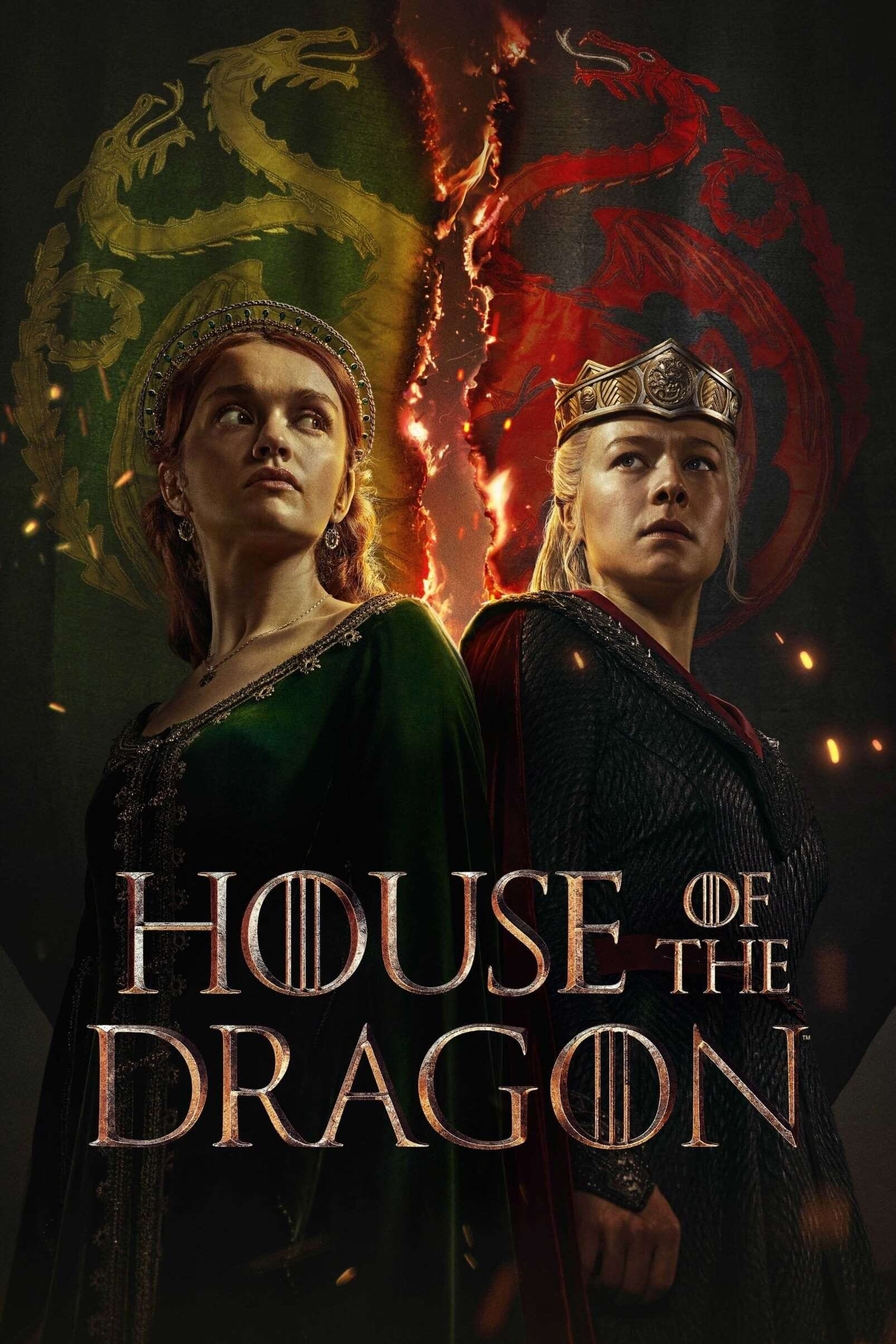
As a huge fan of the books, I understood the showrunners’ decision to cast Black actors as the Velaryons – it was a really smart way to visually set them apart from the Targaryens. The books don’t specifically mention their skin tone, so it wasn’t a direct adaptation, but it worked! While some purists weren’t thrilled with the change, I think it actually enhanced the story. It made the themes of family history, who truly has the right to rule, and the importance of bloodlines even more powerful on screen. It was a bold choice, but I felt it paid off.
‘Velma’ (2023–Present)
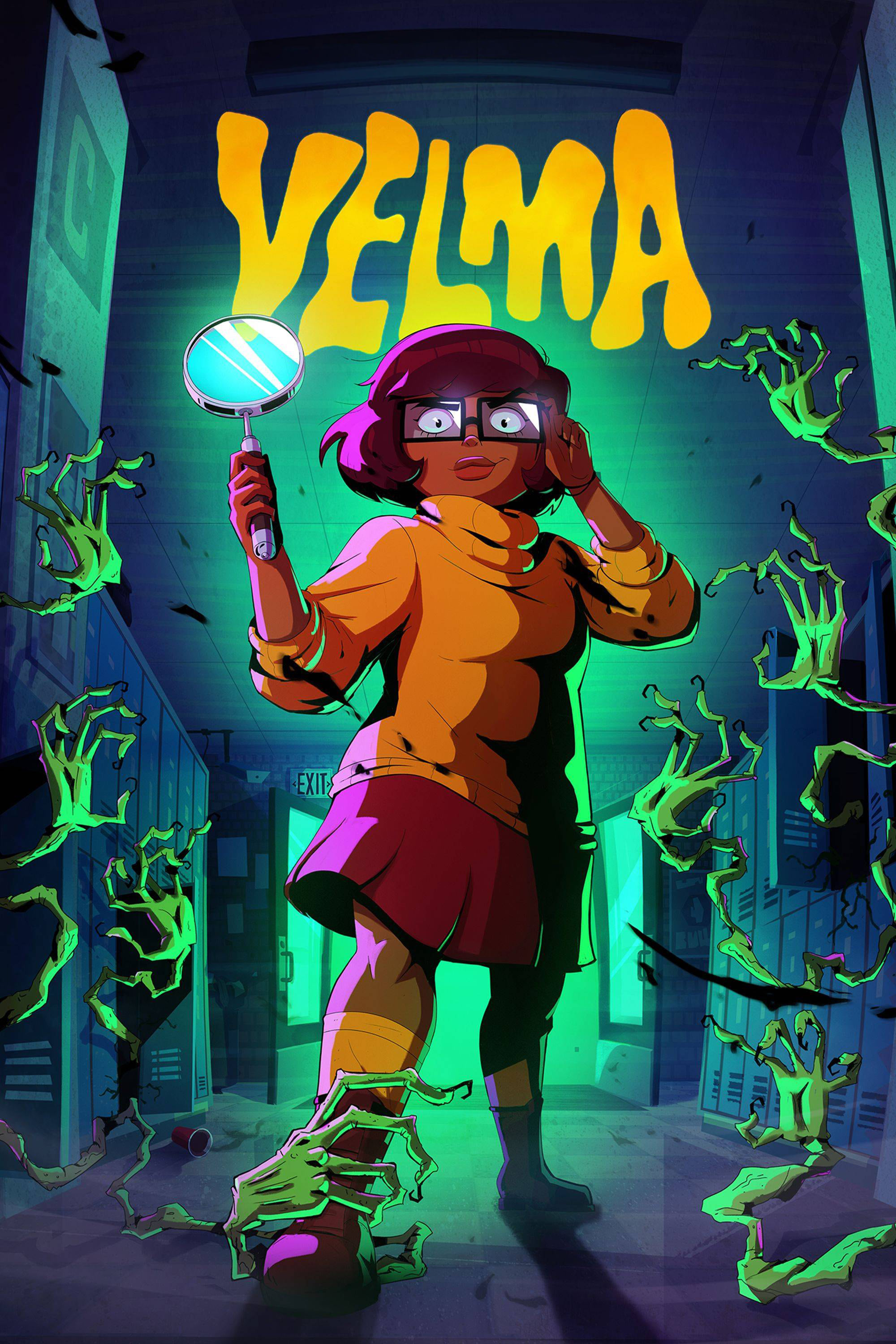
When the new “Scooby-Doo” series introduced Velma as a South Asian woman and Shaggy as a Black man named Norville, it quickly caused a lot of online discussion. The show often joked about these changes to the well-known characters, using satire to address its own diversity. However, many viewers thought the updates felt forced – like an attempt to make the show more modern without keeping the heart and appeal of the original. This led to a wider conversation about whether changing a character’s race in existing stories is a good approach.
Share your thoughts on these casting choices and character arcs in the comments.
Read More
- Building 3D Worlds from Words: Is Reinforcement Learning the Key?
- Spotting the Loops in Autonomous Systems
- The Best Directors of 2025
- 2025 Crypto Wallets: Secure, Smart, and Surprisingly Simple!
- The Glitch in the Machine: Spotting AI-Generated Images Beyond the Obvious
- 20 Best TV Shows Featuring All-White Casts You Should See
- Umamusume: Gold Ship build guide
- Mel Gibson, 69, and Rosalind Ross, 35, Call It Quits After Nearly a Decade: “It’s Sad To End This Chapter in our Lives”
- Gold Rate Forecast
- Uncovering Hidden Signals in Finance with AI
2026-01-10 16:19