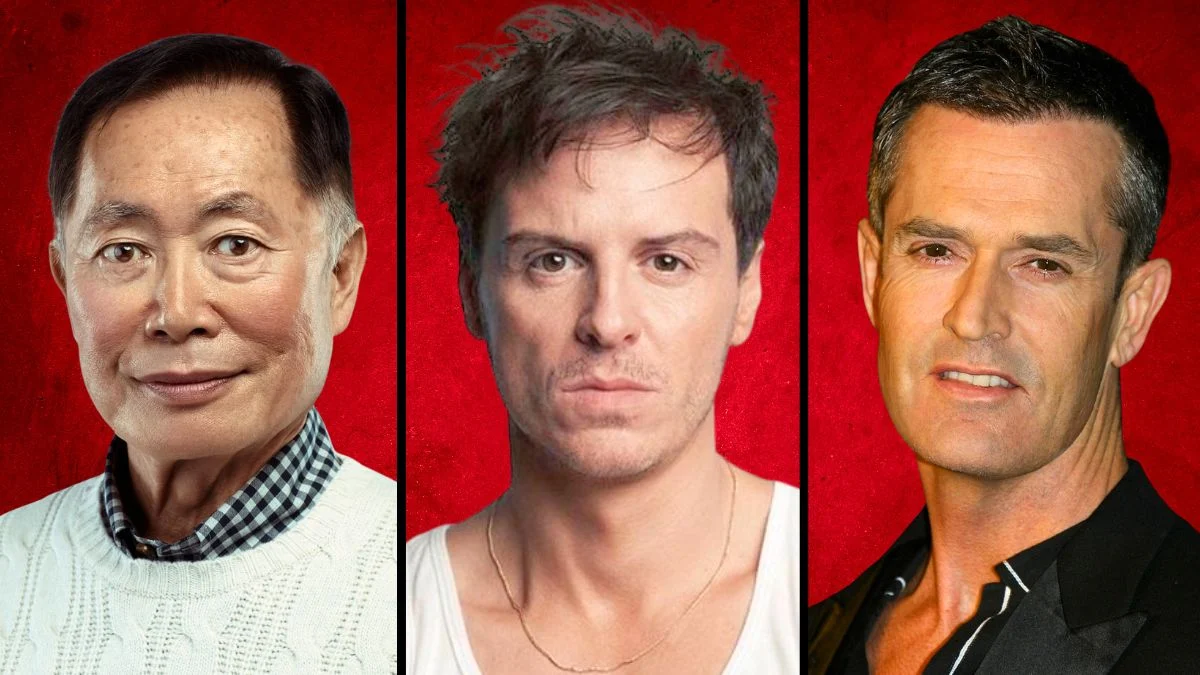
There’s growing discussion about how LGBTQ+ people are portrayed in movies and TV, with concerns that studios are again avoiding fully representing queer characters and stories. Several male actors have spoken up, worried that queer narratives are being watered down or changed to make them more widely acceptable. They stress the importance of accurately portraying the identities of both real and fictional queer figures, and believe Hollywood is becoming more focused on playing it safe commercially than telling authentic stories. These actors are calling for more honest and complete inclusion of queer experiences.
Billy Porter
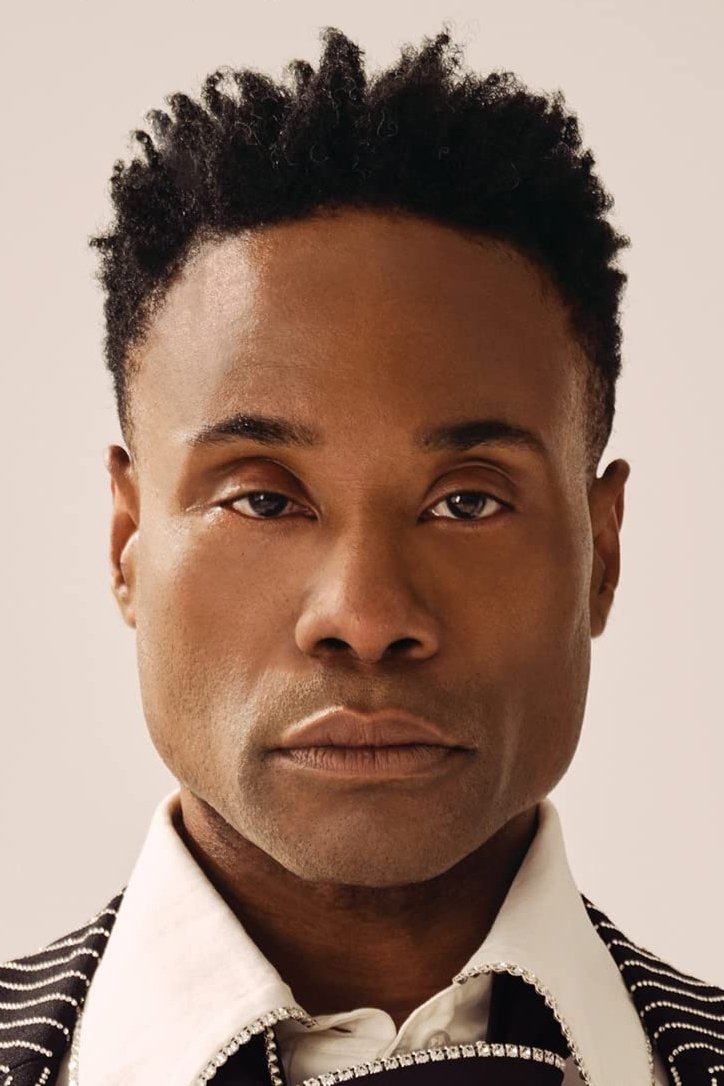
Billy Porter has consistently spoken out about the need for the entertainment industry to properly acknowledge the impact of Black LGBTQ+ artists, without glossing over their stories. He points out that making queer characters more mainstream-friendly often erases important parts of their identity, and this continues to be a problem. Porter, known for his role in ‘Pose,’ believes that genuine representation means showing all sides of life, even the challenging ones. He also feels that casting straight actors in famous gay roles is a step backward for visibility. Ultimately, his work centers on taking back stories that have been altered or controlled by major studios.
Rupert Everett
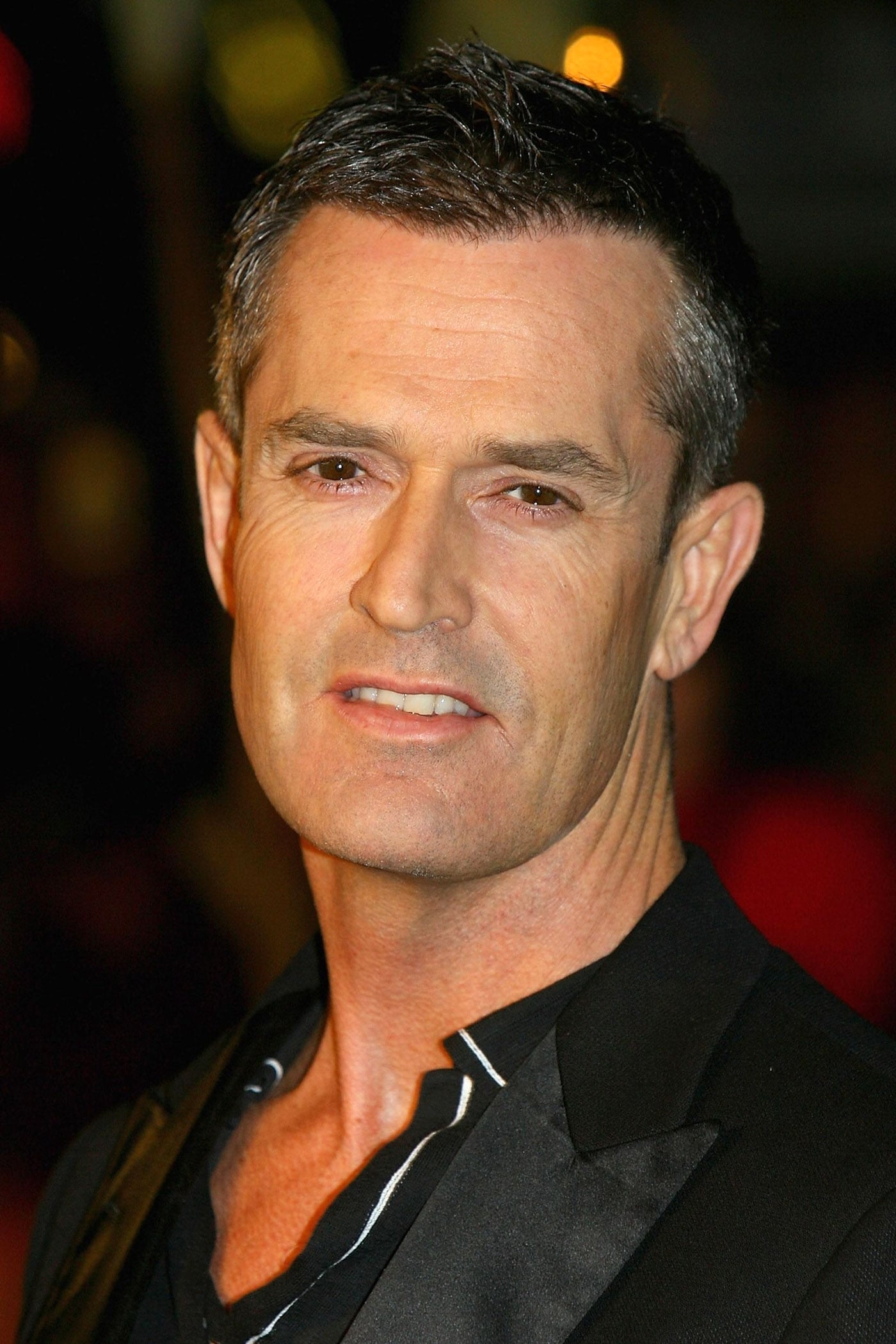
For years, Rupert Everett has spoken about the challenges openly gay actors face in Hollywood. He’s observed that even when movies and shows feature LGBTQ+ stories, they’re often told through a straight point of view. Everett feels the industry often casts straight actors in gay roles, framing it as artistic choice rather than genuine representation. He continues to be a leading voice in discussions about keeping queer stories authentic in film and TV, and his experiences highlight how much work still needs to be done to ensure these stories are told truthfully.
Ben Whishaw
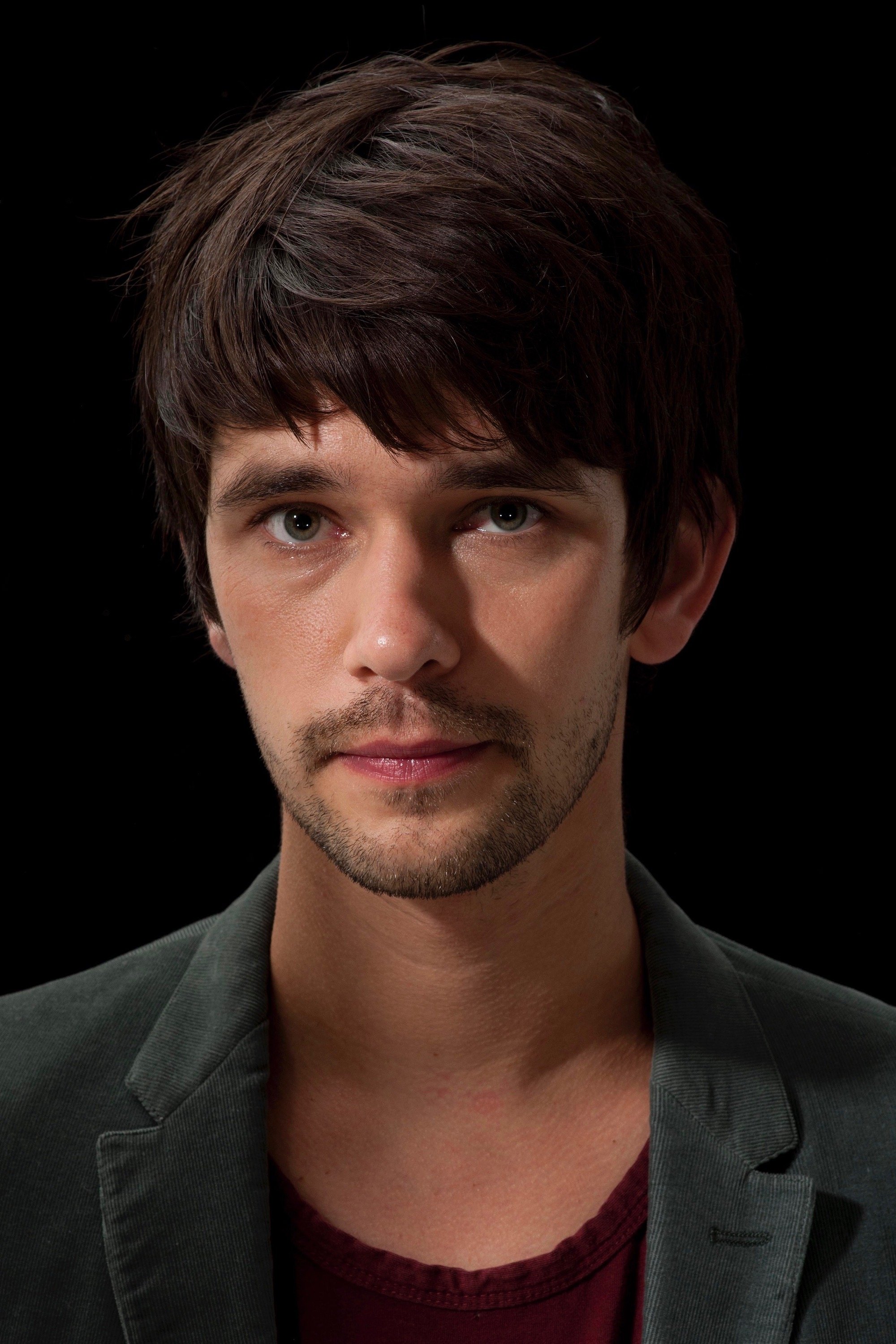
As a film lover, I was really struck by what Ben Whishaw said about casting. He makes a great point that when it comes to queer characters, it’s so important to actually cast queer actors. It just feels like they bring a level of authenticity you can’t fake. He’s right that we’ve made some progress, but there’s still this frustrating pull back towards just casting whoever’s ‘most famous’ instead of someone who genuinely understands the experience. He believes, and I agree, that lived experience adds a real depth to a performance. It’s not just about ticking a box; it’s about telling a story with honesty and respect for who the character truly is. He’s asking for more than just visibility – he wants real, meaningful representation.
Russell Tovey
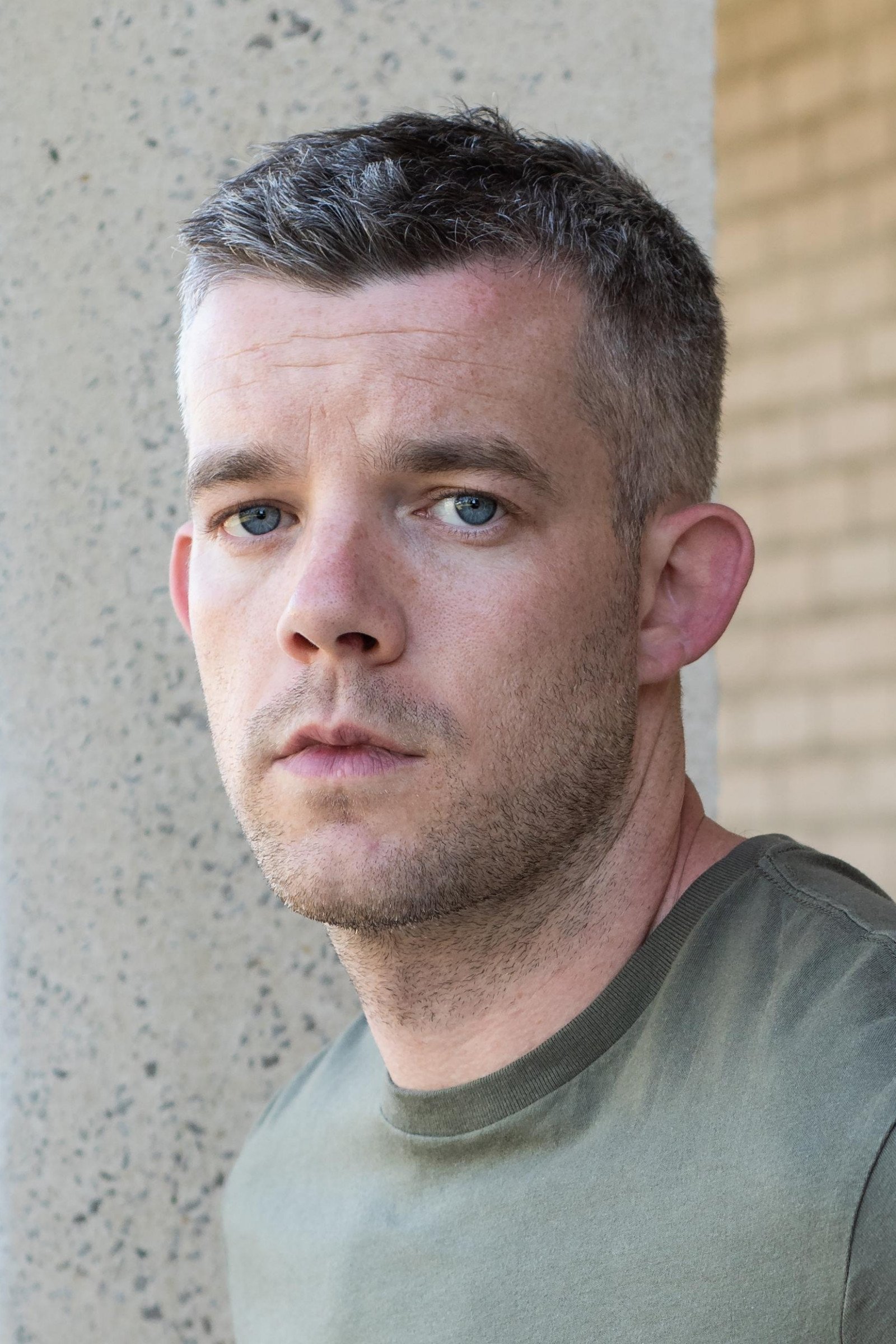
Russell Tovey believes it’s important for gay characters to be fully represented in all kinds of stories, without compromising their identities. He’s noticed a tendency for some productions to try and make queer stories more mainstream by stripping away details that make them unique. Tovey argues that it’s precisely these specific details that make a story connect with a wider audience. He’s dedicated to working on projects that honestly portray the richness and complexity of gay life, and he consistently champions strong, authentic queer representation in film and television.
Andrew Scott
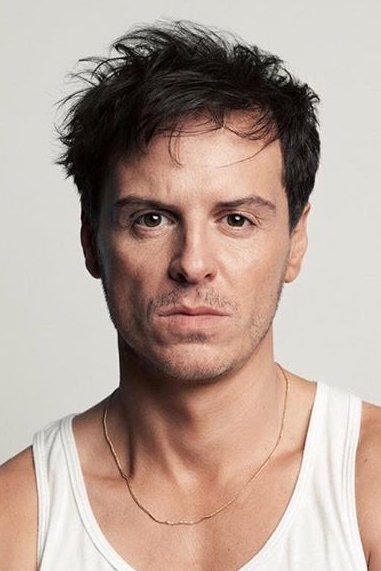
Andrew Scott often talks about how actors get typecast and how that limits the kinds of stories we see. He’s worried the entertainment industry tends to play it safe when it comes to portraying LGBTQ+ characters. Scott, known for his role in ‘Fleabag,’ believes a character’s core identity shouldn’t be changed to make a project more popular. He supports actors having the freedom to take on a variety of roles, as long as LGBTQ+ stories are told thoughtfully and with sensitivity. His views contribute to the important conversation about genuine representation in casting.
Luke Evans
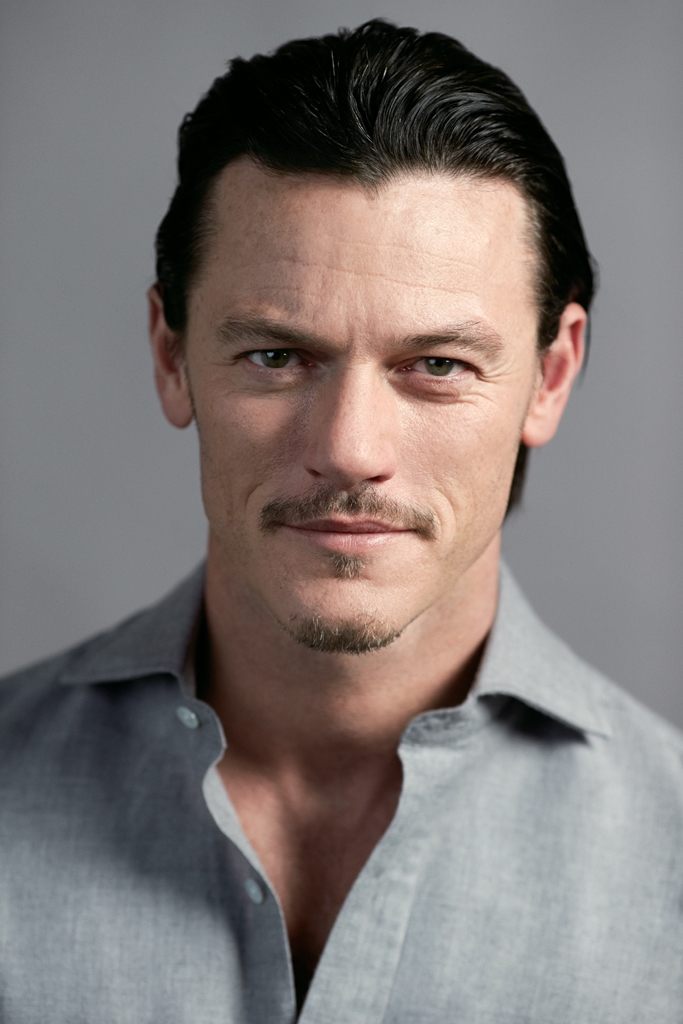
Luke Evans has spoken about the difficulties of being openly gay while working on big movies and in popular franchises. He emphasized the importance of keeping characters true to themselves, even when releasing films internationally, and not changing them to avoid controversy. Evans believes that seeing diverse characters is a key part of creating positive change and should be prioritized. He’s observed how some storylines are altered to be more appealing to more conservative viewers. He sees his work as a way to combine popular entertainment with authentic and honest representation.
Matt Bomer
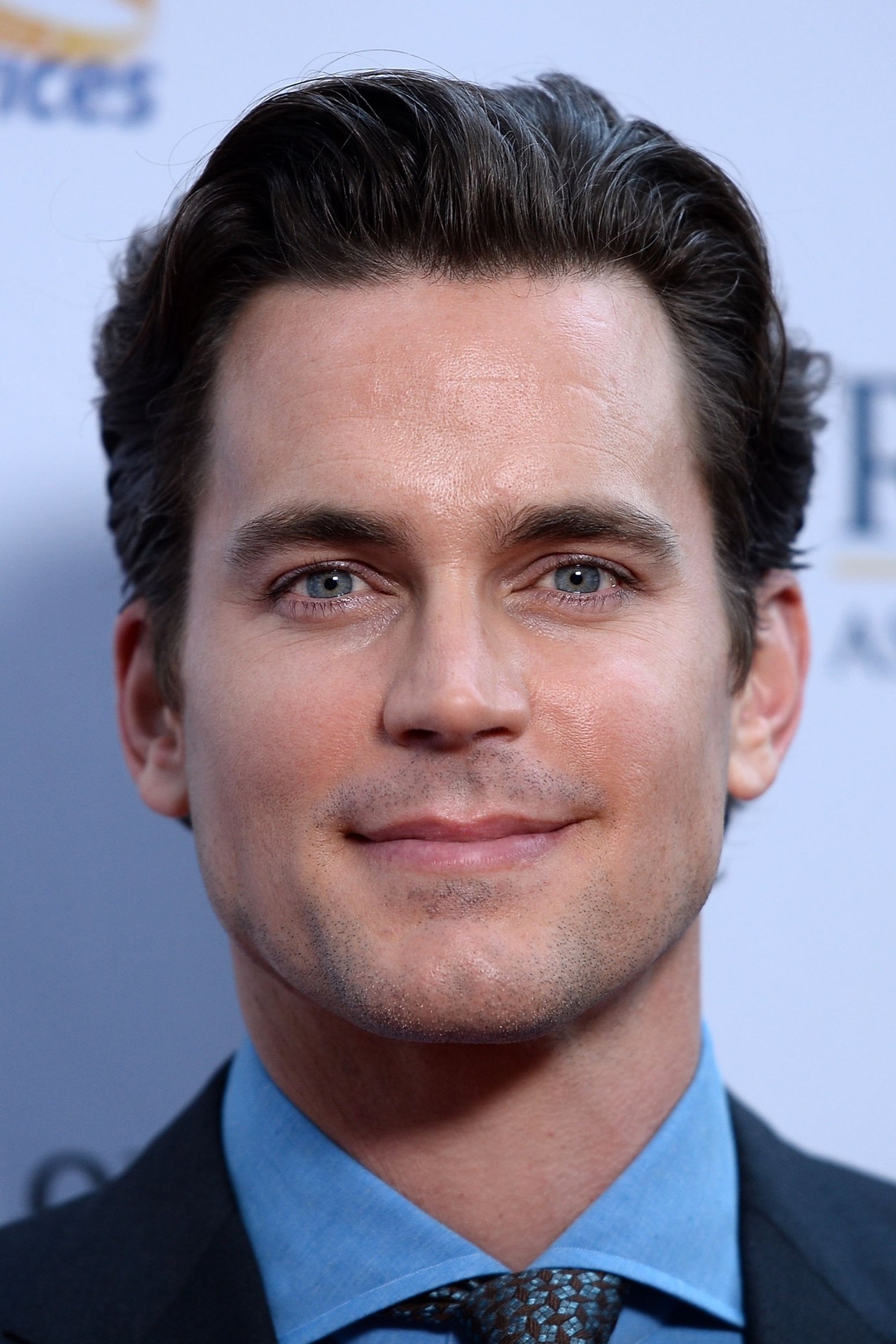
Matt Bomer has spoken candidly about the challenges he faced in Hollywood after coming out. He’s noted that stories about LGBTQ+ people are often created by those who don’t fully grasp the complexities of the community, which can lead to inaccurate or overly simplistic portrayals. Bomer believes the entertainment industry needs to prioritize hiring LGBTQ+ writers, directors, and producers to authentically tell their own stories. His recent projects show his dedication to accurately representing the realities of gay history.
Jonathan Bailey
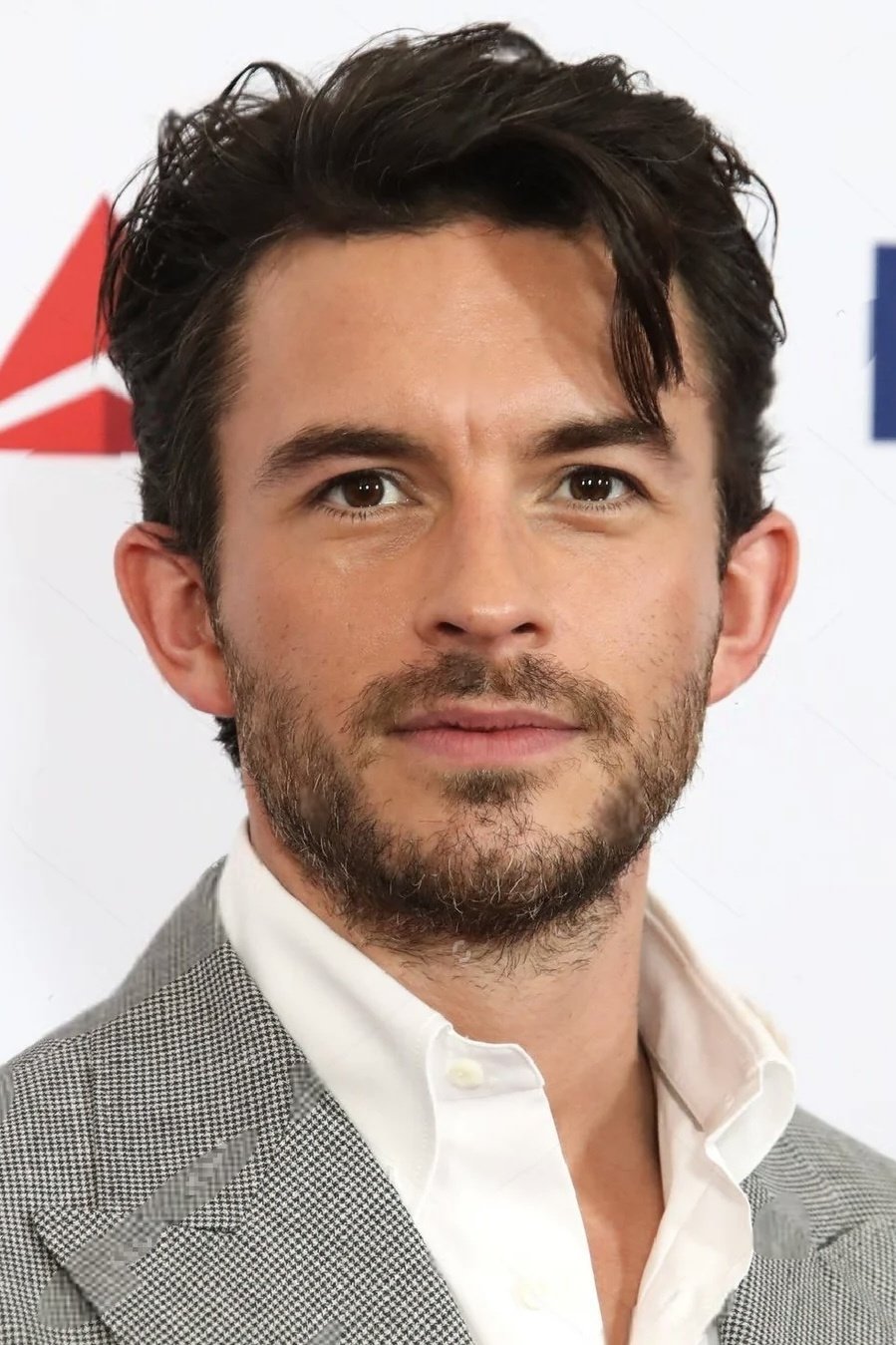
Jonathan Bailey is a prominent advocate for a new wave of LGBTQ+ actors in television. He’s spoken about the pressure to fit traditional ideas of masculinity, which can sometimes diminish authentic queer representation. The ‘Bridgerton’ star believes audiences are eager to see more genuine and varied depictions of love, and he worries the entertainment industry often relies on clichés instead of showcasing real queer experiences and happiness. His work aims to create a future where LGBTQ+ performers don’t have to conceal their identities to achieve success.
Ian McKellen
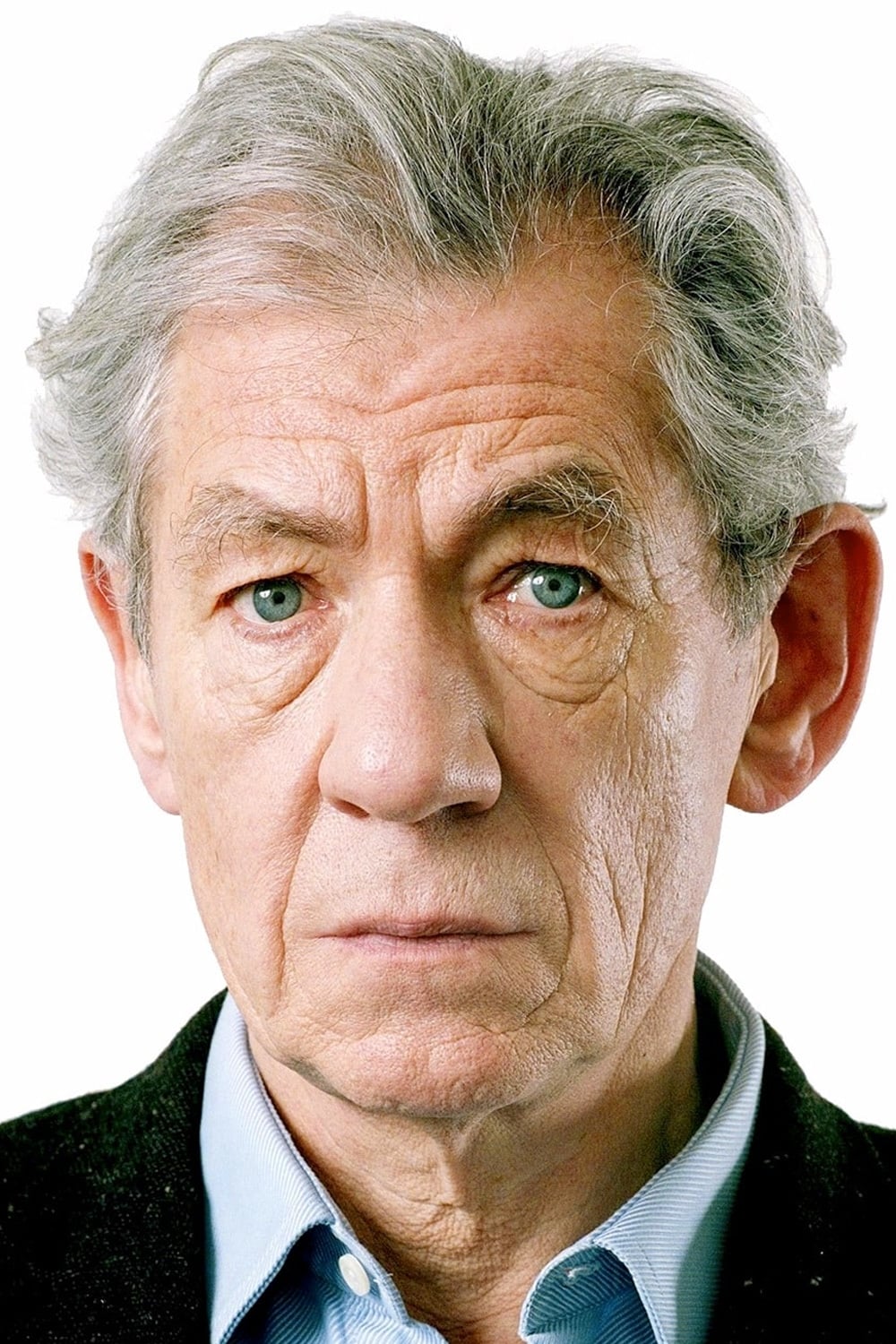
I’ve always admired Sir Ian McKellen, not just for his incredible talent, but for how passionately he advocates for LGBTQ+ representation. He’s pointed out something so important – even when gay characters do appear in big films, their love lives are often ignored or minimized. He calls this a kind of ‘straight-washing,’ and I think he’s right – it’s a subtle way of excluding people. He consistently fights for more authentic and complete representation, both in front of and behind the camera, and his voice is incredibly powerful in pushing for equality in the arts. He truly is a cornerstone of this movement.
George Takei
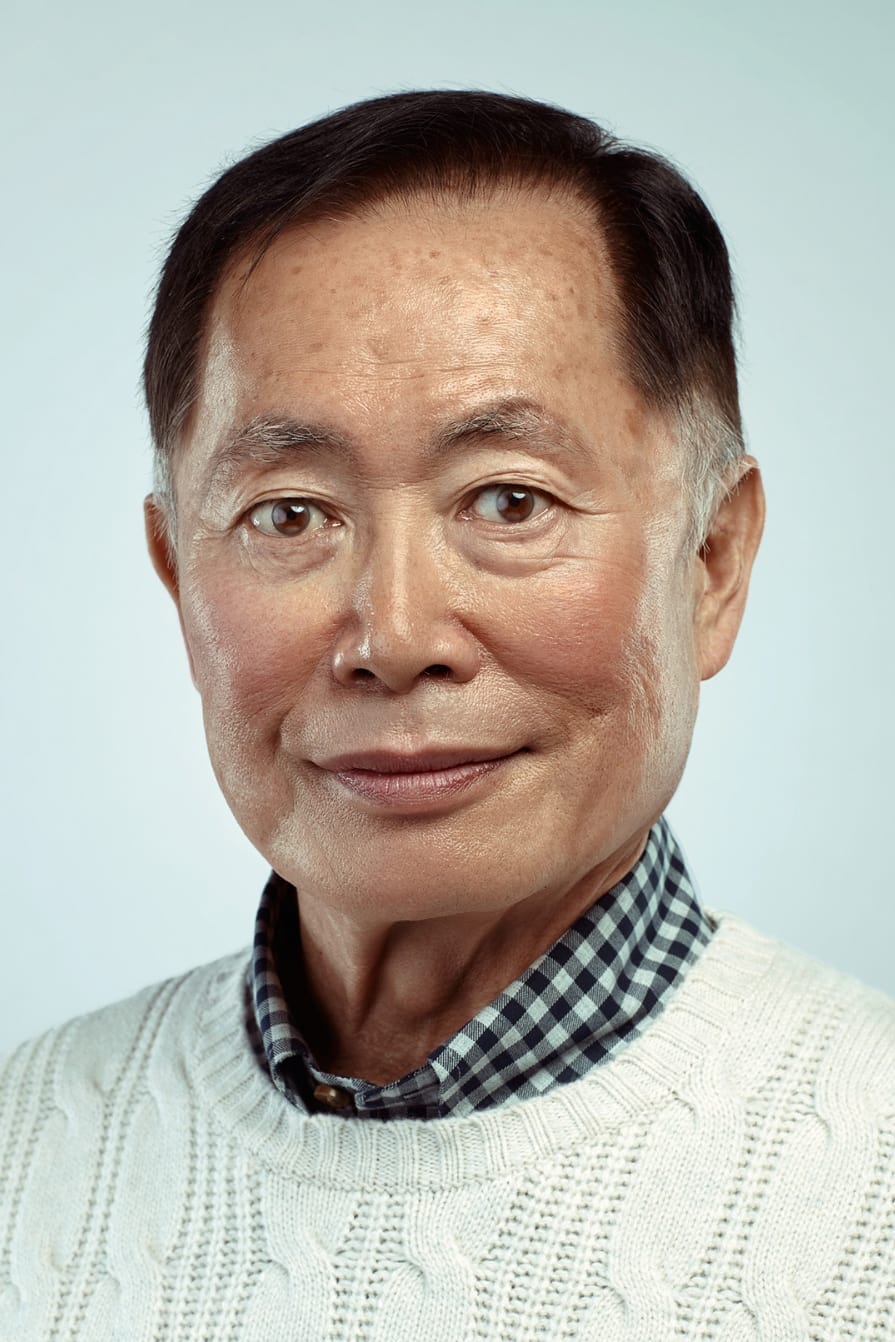
George Takei strongly objects to changing a character’s sexuality after the fact, especially if it goes against what the original creator intended. He publicly disagreed with a recent reveal about a character he played, feeling it didn’t honor the original vision. Takei argues that instead of rewriting the past, the entertainment industry should focus on creating new, original LGBTQ+ characters. He believes in maintaining artistic honesty and respecting the history of storytelling while also paving the way for future representation. His perspective is valuable when considering how characters evolve and their lasting impact.
Wilson Cruz
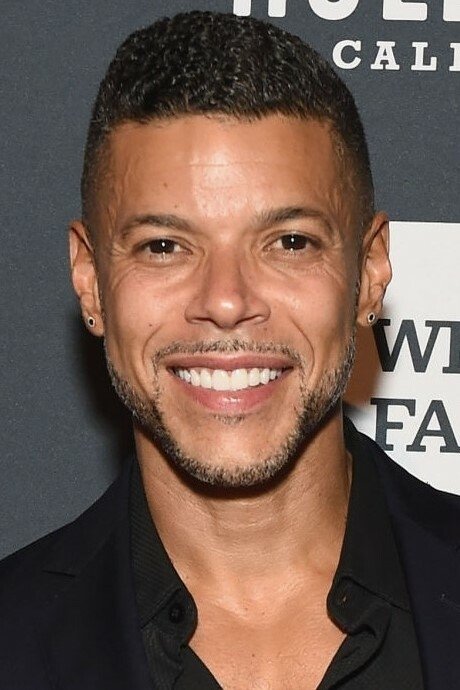
Wilson Cruz has long been a champion for LGBTQ+ visibility on TV, starting with his work in the nineties. He’s criticized the practice of downplaying or removing queer characters from show promotion and international versions, arguing it suggests these stories and lives aren’t as important. Cruz encourages the entertainment industry to actively oppose censorship and the erasure of LGBTQ+ identities. His own career demonstrates the impact of staying authentic to who you are.
Colman Domingo
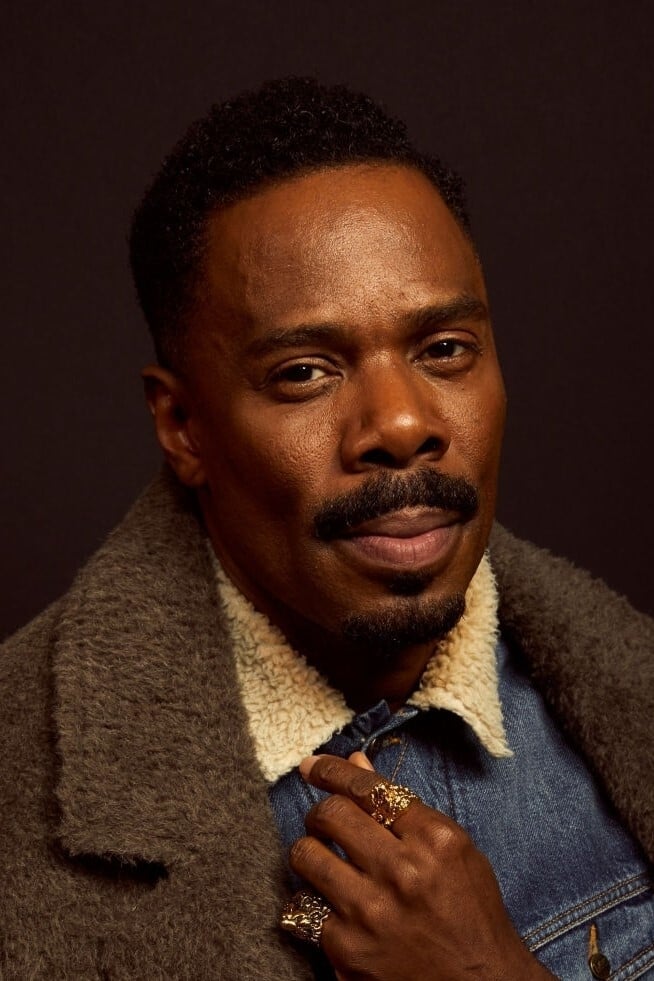
As a film fan, I’ve always been frustrated by how Hollywood tends to gloss over or even completely ignore the complexities of Black queer history. Colman Domingo gets it – he’s saying that if we’re going to tell these stories, we need to be completely honest, no sugarcoating. He’s right – so many biopics sanitize the lives of important figures, especially when it comes to their personal lives, and that really diminishes the impact of what they accomplished. It’s like we’re not getting the full picture. I really appreciate that he’s consistently shining a light on the ways race and sexuality intersect, because those stories deserve to be told authentically.
Jim Parsons

Jim Parsons has been thinking about how gay characters are portrayed on TV and in movies, from his early work on comedies like ‘The Big Bang Theory’ to more serious roles. He’s noticed a pattern of characters being written in ways that are easily understood by most viewers, rather than being fully authentic. Parsons feels the entertainment industry should be willing to explore the complexities and sometimes uncomfortable truths of LGBTQ+ lives. He’s observed that many projects still avoid showing the full reality of gay relationships, and his choice of roles reflects his desire to see more diverse and honest stories being told.
Neil Patrick Harris
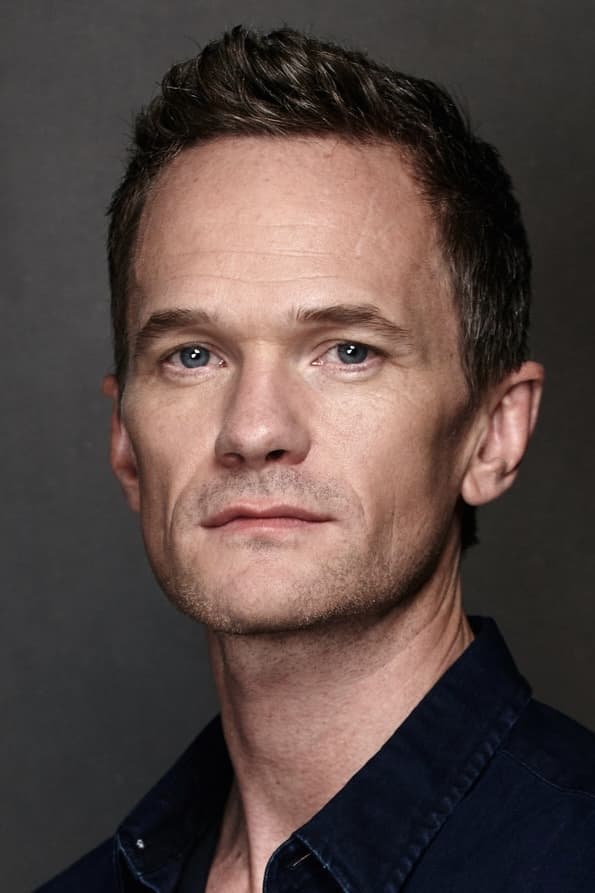
Neil Patrick Harris has built a diverse career, taking on roles as both straight and gay characters while openly sharing his own sexuality. He’s spoken about the complexities of representing sexuality in media and the danger of making those portrayals too safe or bland. Harris, known for ‘How I Met Your Mother,’ feels actors should be able to play any character without sacrificing who they are. He worries that some stories are still being changed to avoid upsetting audiences, and his background in theater and television gives him a unique perspective on this issue.
Zachary Quinto
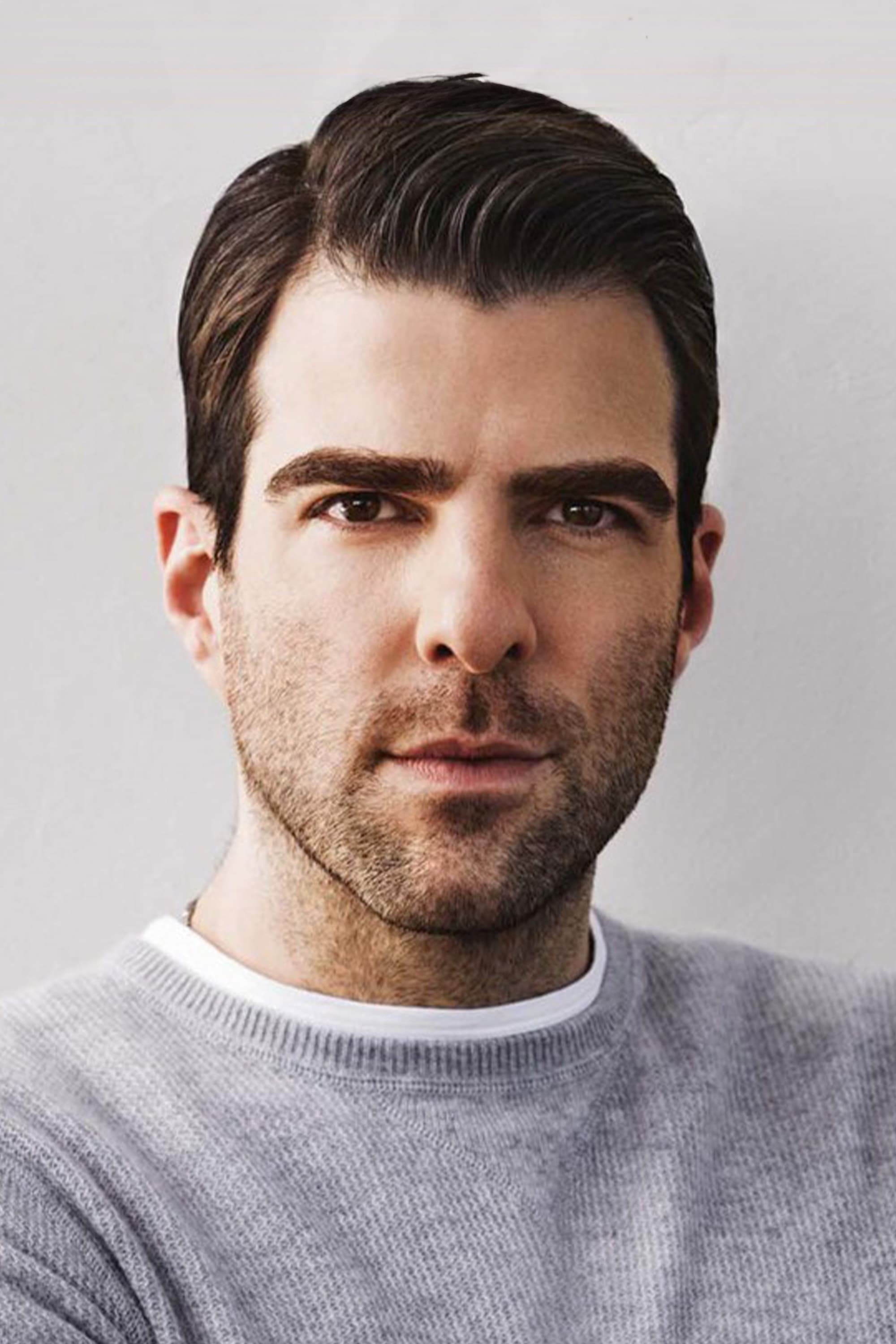
I’ve been really impressed with how Zachary Quinto has spoken up about the need for more LGBTQ+ representation, especially in big franchises. He’s right – it feels like the entertainment industry will sometimes take a small step forward with queer characters, but then backtracks whenever there’s any pushback. He’s pointed out that removing even hints of queer stories or characters actually hurts fans. I totally agree with him that we need bolder, more honest storytelling, especially in sci-fi and fantasy, and consistent representation everywhere we look in media. It’s important to see ourselves reflected in the stories we love.
Alan Cumming
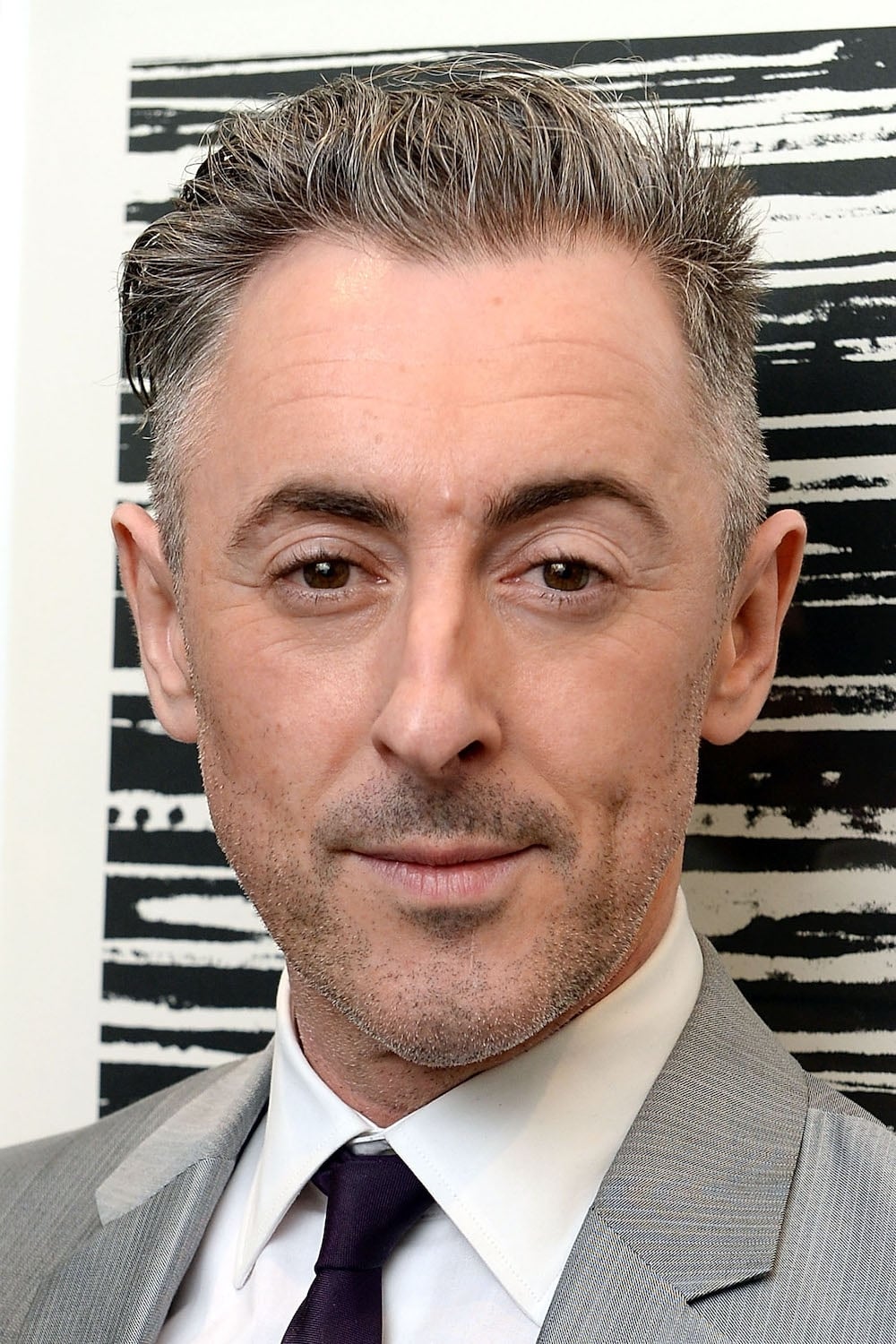
Alan Cumming is known for being true to himself and has frequently spoken out against the traditional ways of Hollywood. He’s noted that the industry often favors straight actors playing gay characters instead of casting queer actors, and he believes this practice makes queer stories less authentic. He’s also observed a pattern of filmmakers softening or avoiding characters’ sexuality to appeal to a wider audience. Throughout his career, Cumming has consistently challenged these industry standards.
Kit Connor
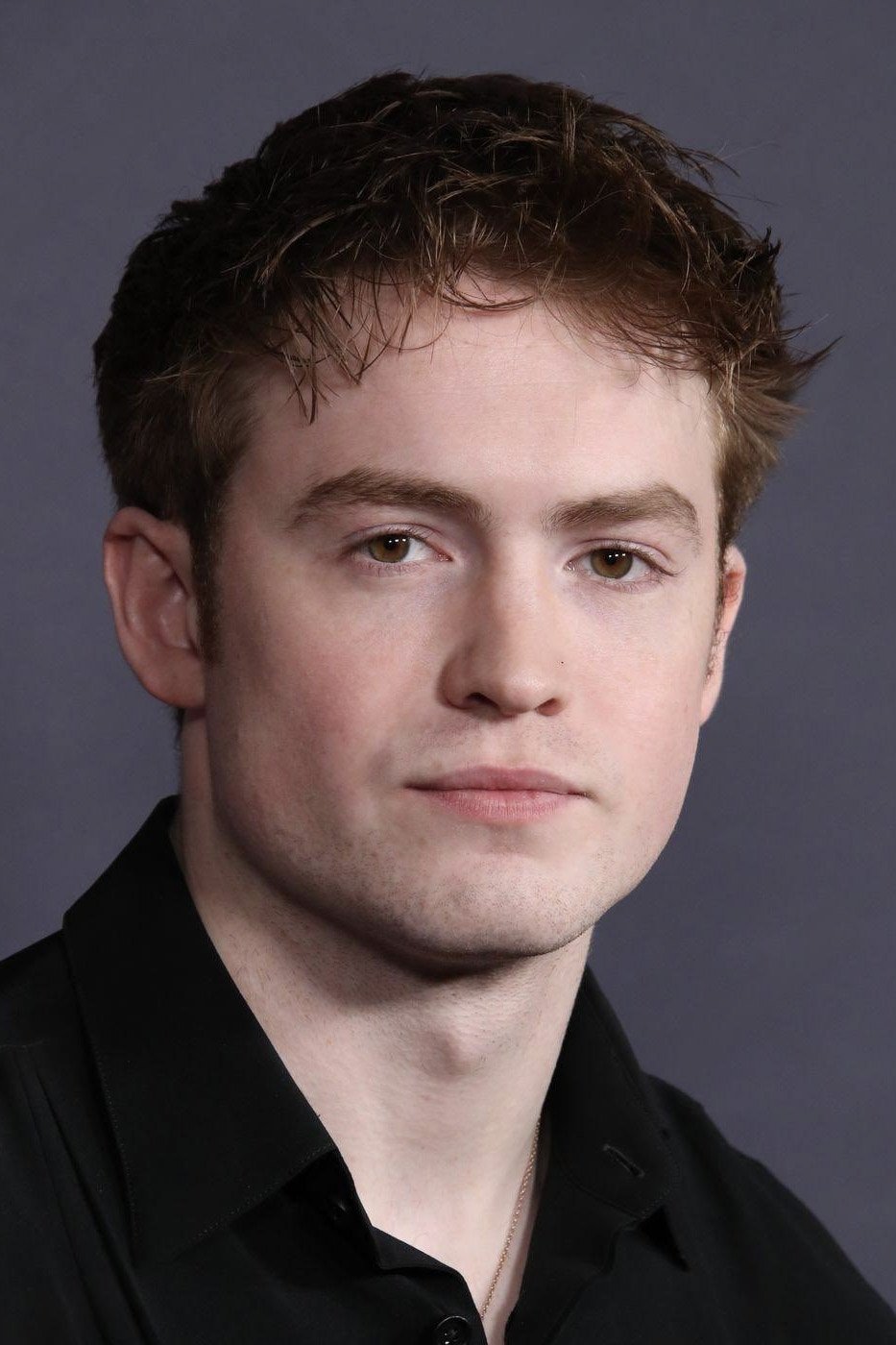
Kit Connor, known for his role in ‘Heartstopper,’ has spoken about the pressures young actors face, particularly when it comes to how the public perceives their identities. He’s noticed a tendency for audiences to want to label both performers and their characters. Connor believes it’s crucial for young viewers to see authentic representation on screen, and he’s cautioned against making characters less openly queer to appeal to a wider audience. His experiences shed light on the difficulties faced by today’s rising stars.
Joe Locke
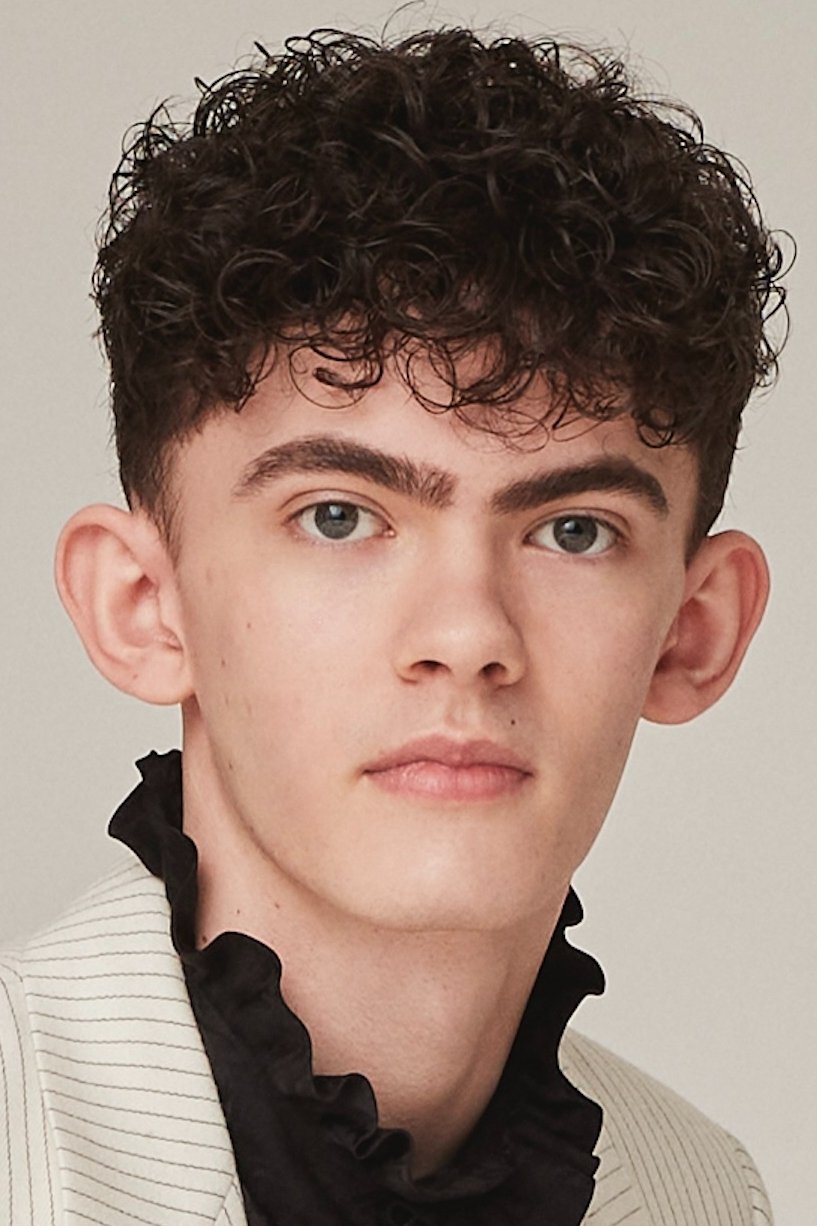
Joe Locke champions the need for LGBTQ+ stories that highlight happiness, not just hardship. He’s observed that many shows still have difficulty realistically portraying gay teens, sometimes falling into the trap of ‘straight-washing’ – removing the authentic experiences of LGBTQ+ people. Locke believes having more diverse writers is key to avoiding these issues and is helping to bring a fresh, inclusive perspective to teen dramas.
Jesse Tyler Ferguson
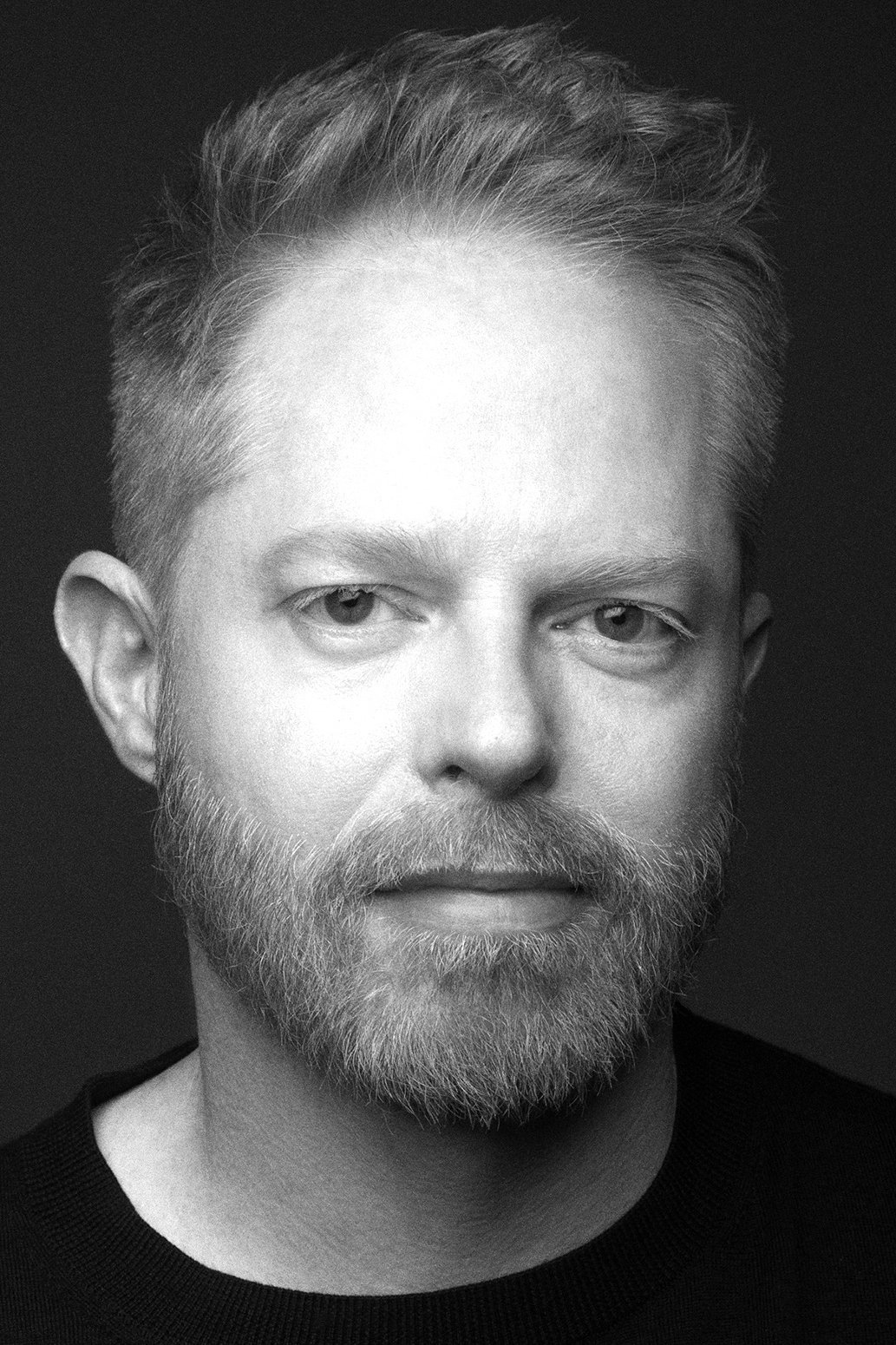
Jesse Tyler Ferguson has discussed how long-running TV shows can shape people’s views of LGBTQ+ individuals. While acknowledging that some shows are groundbreaking, he points out they can sometimes present overly cautious or simplified portrayals of queer characters. The ‘Modern Family’ actor believes it’s crucial to continue challenging norms, even after a show becomes popular. He worries the entertainment industry might be leaning towards presenting a less realistic and more carefully controlled version of queer life, but remains dedicated to authentic representation through his acting and activism.
Tituss Burgess
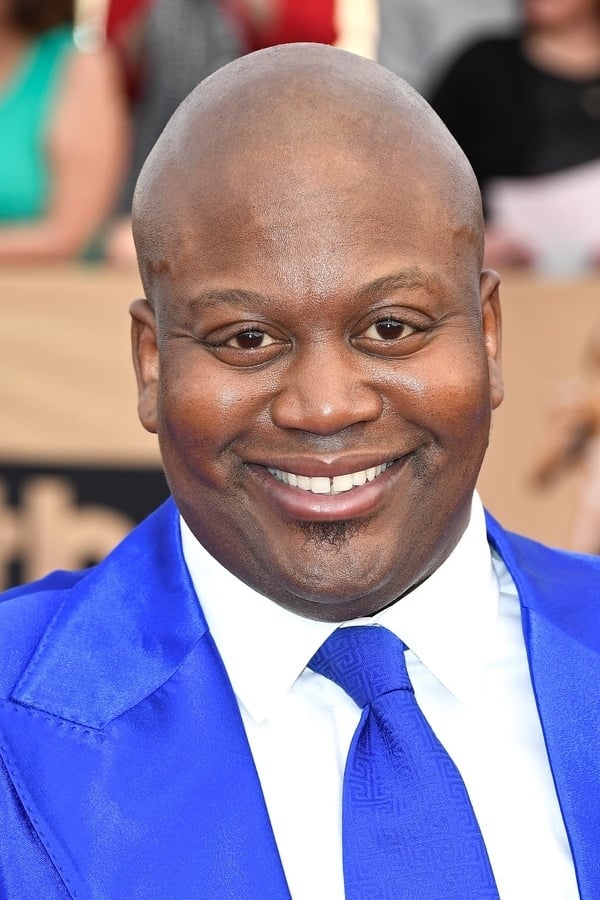
As a movie and TV lover, I’ve been really impressed with Titus Burgess’s willingness to speak up about how queer actors of color are often treated in the industry. He’s pointed out something really important: so often, characters who are also people of color and part of the LGBTQ+ community have their identities watered down, especially if they’re in a comedy. He believes – and I totally agree – that real inclusion means letting characters be fully themselves, complexities and all, without having to apologize for who they are. He’s also worried things are getting less brave, with the industry becoming more hesitant about telling authentic queer stories. Luckily, his work consistently pushes back against that, and he brings such bold, fully-realized characters to life – it’s really inspiring to watch.
Conrad Ricamora
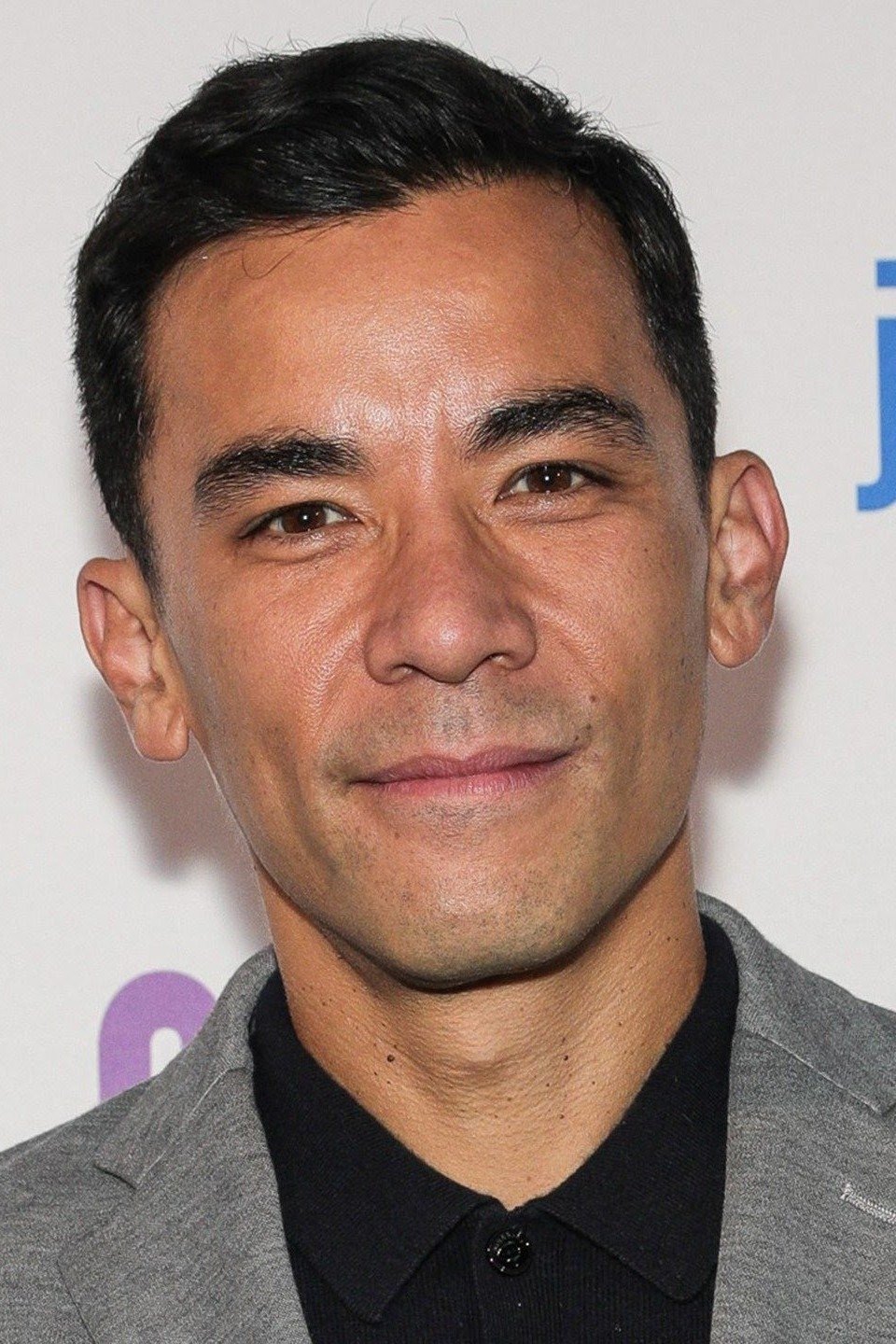
Conrad Ricamora has spoken about the need for better representation of Asian American queer men in leading roles. He’s observed that when these stories are told, they often fall into stereotypes or have their queer aspects minimized. Ricamora, known for his role in ‘How to Get Away with Murder,’ believes that telling specific, detailed stories is crucial for connecting with viewers. He wants to see more nuanced and varied depictions of gay life, and his work is helping to open doors for people from underrepresented groups.
Robin de Jesús
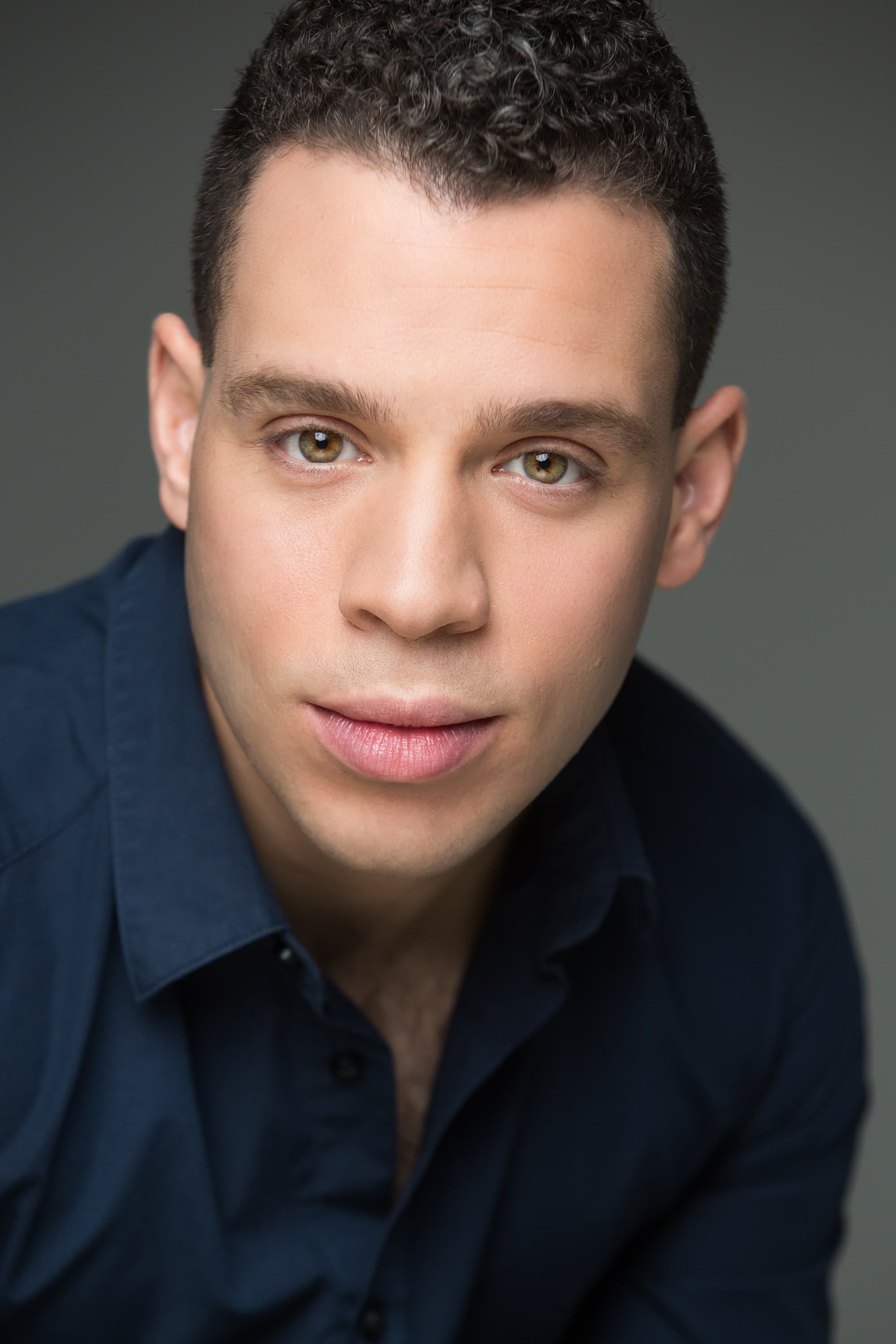
Robin de Jesús has discussed the challenges of being both Latino and queer in Hollywood. He’s noticed that roles for queer men of color often focus on hardship or portray them as supporting characters. De Jesús believes the industry sometimes tries to simplify these characters by downplaying their sexuality. He wants to see more celebration of queer culture, with all its richness and nuance. He feels his work demonstrates how important it is to have genuine and positive representation in media.
Brian Jordan Alvarez
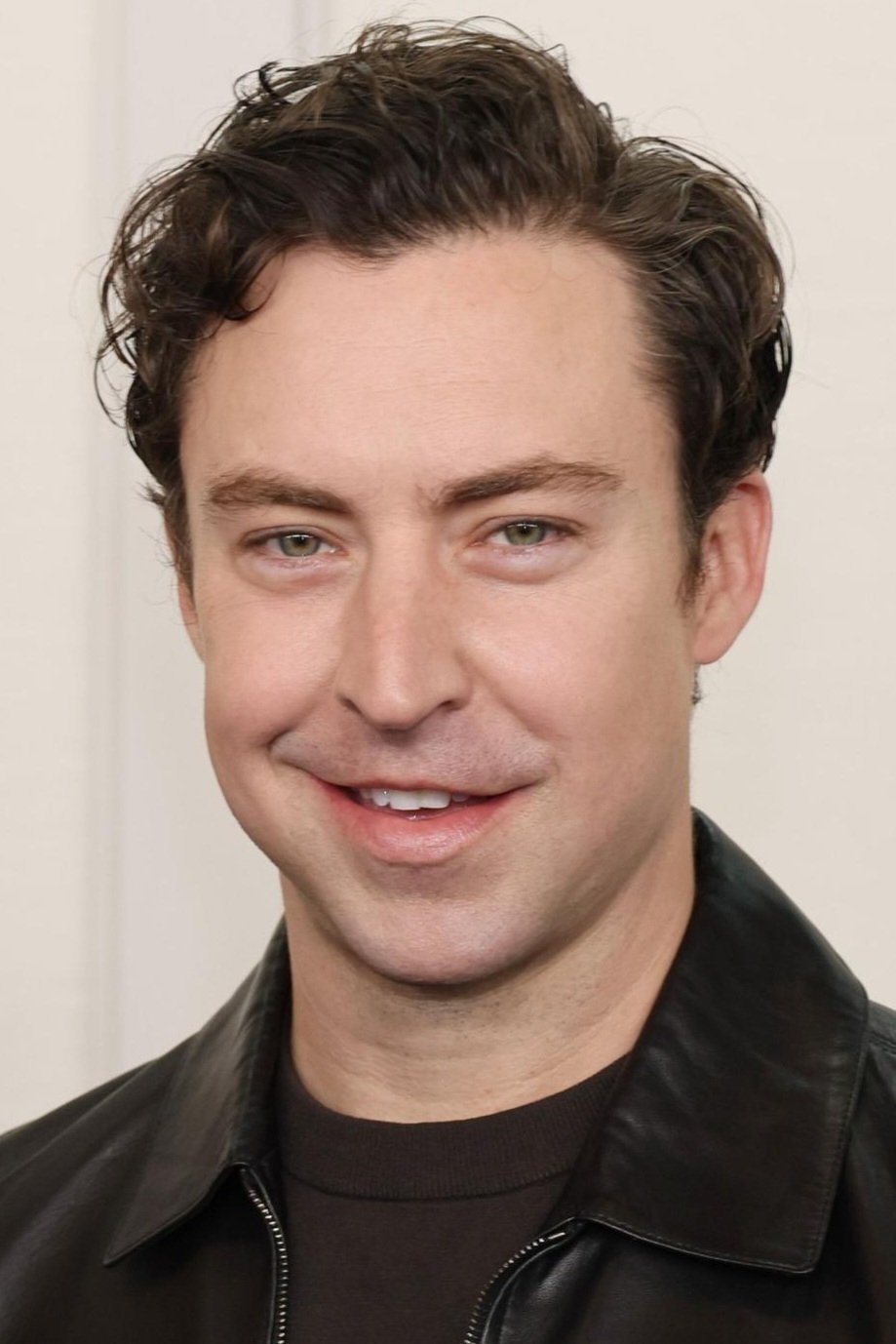
Brian Jordan Alvarez is using social media and his own projects to share a more realistic look at gay life. He’s pointed out that mainstream TV often misses the unique humor and experiences of LGBTQ+ people. As an actor on ‘Will & Grace,’ he thinks independent creators are doing more to avoid overly sanitizing queer stories. He’s noticed that big studios often lag behind when it comes to truly representing diverse communities. Ultimately, his work shows how powerful it is for people to create their own content and tell their own stories.
Murray Bartlett
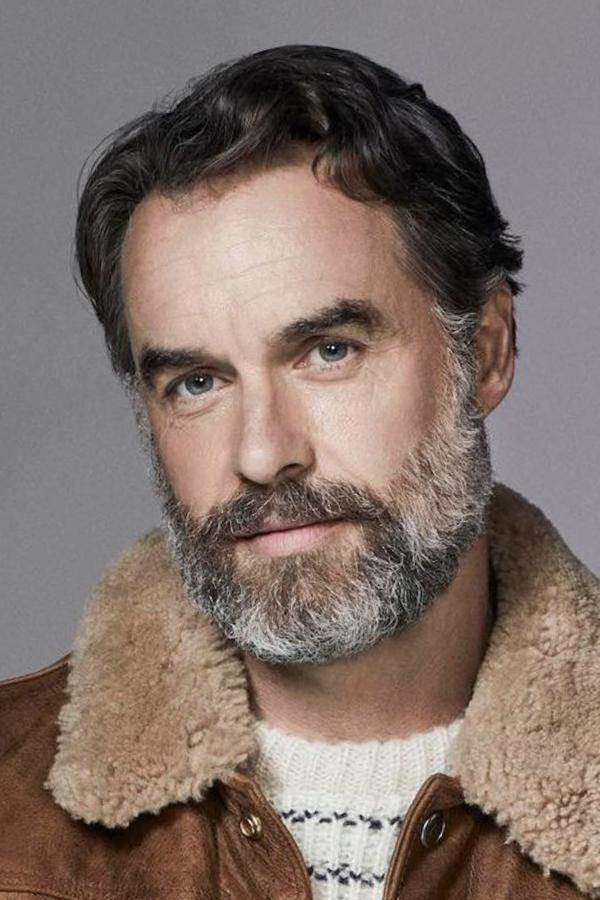
Murray Bartlett is enjoying a career comeback, and he’s using it to share powerful and emotional LGBTQ+ stories. He believes their success shows there’s a real demand for genuine and honest representation. Bartlett, known for his role in ‘The White Lotus,’ feels the entertainment industry shouldn’t be so concerned with making straight viewers comfortable. He’s noticed that some productions still shy away from showing authentic queer intimacy, hoping to avoid higher age ratings. His recent work is now setting a new standard for realistic and nuanced portrayals of gay characters.
Haaz Sleiman
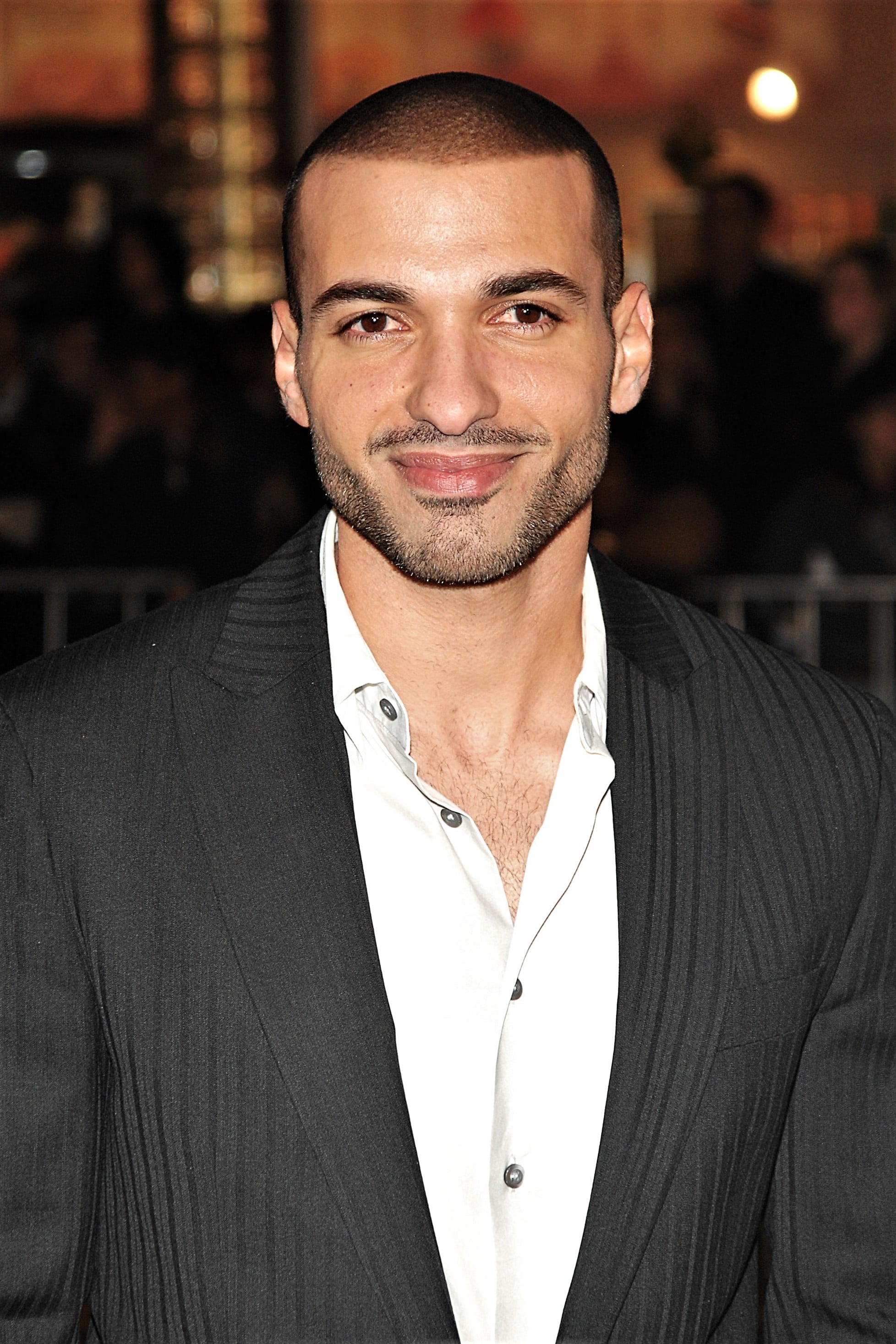
Haaz Sleiman has consistently spoken out about the importance of including LGBTQ+ characters in big-budget films. He’s discussed how meaningful it is to have openly gay characters in superhero movies, and the challenges that can come with it. Sleiman, known for his role in ‘Eternals,’ believes that featuring diverse characters in popular, worldwide franchises is crucial for fostering acceptance and understanding. He’s also worried about the possibility of these characters being removed or altered in some countries. Ultimately, his work in major films helps increase LGBTQ+ representation on a global scale.
Wentworth Miller
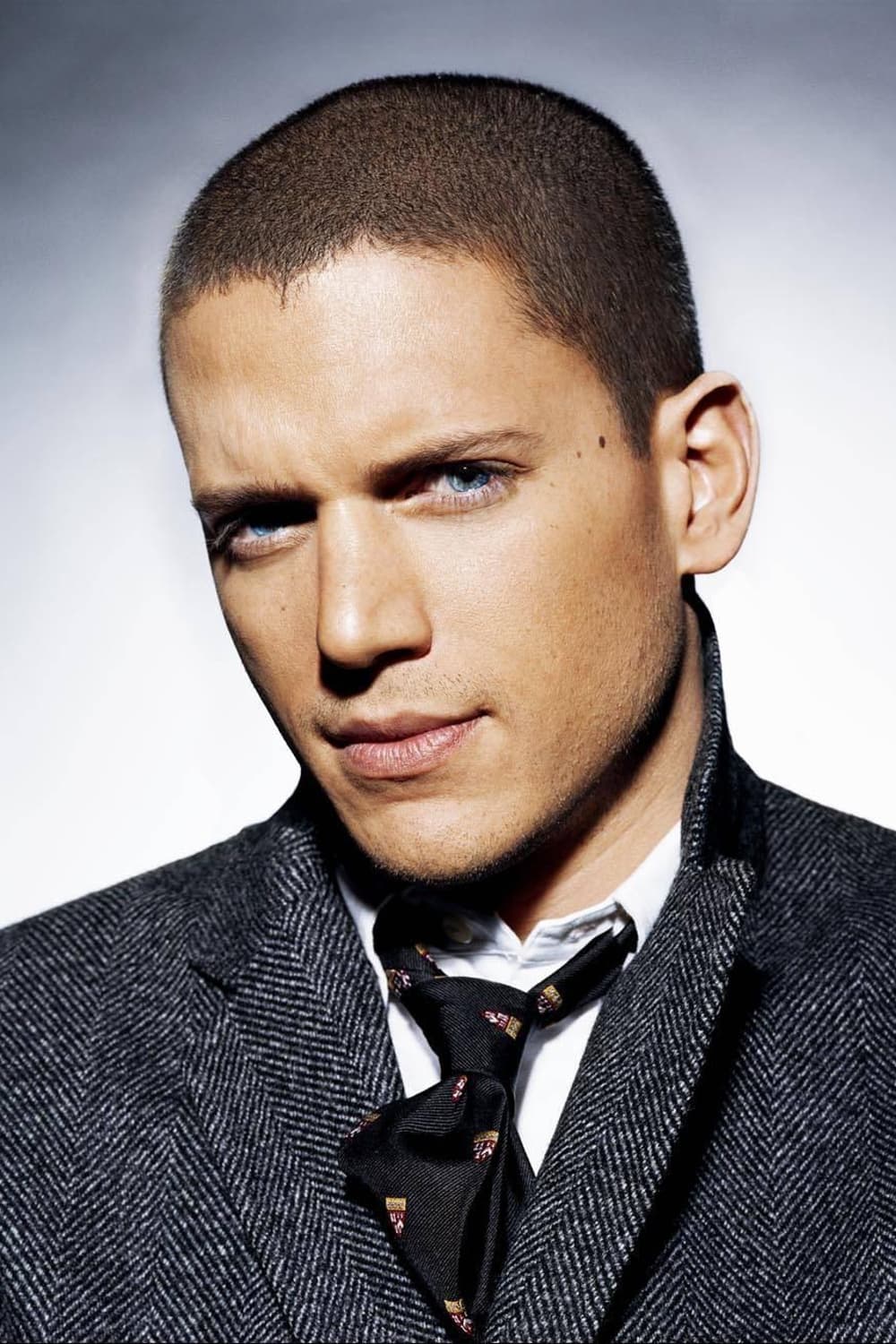
Wentworth Miller recently discussed the long-standing practice in the entertainment industry of having straight actors play gay characters, while often pressuring LGBTQ+ actors to hide their identities. He points out this contributes to a harmful pattern where queer stories aren’t authentically told. Because of this, Miller has chosen to stop accepting roles as straight characters, prioritizing genuine representation. He hopes the industry will create a fairer system for all actors, and his decision has started important discussions about how casting should be done in the future.
Colton Haynes
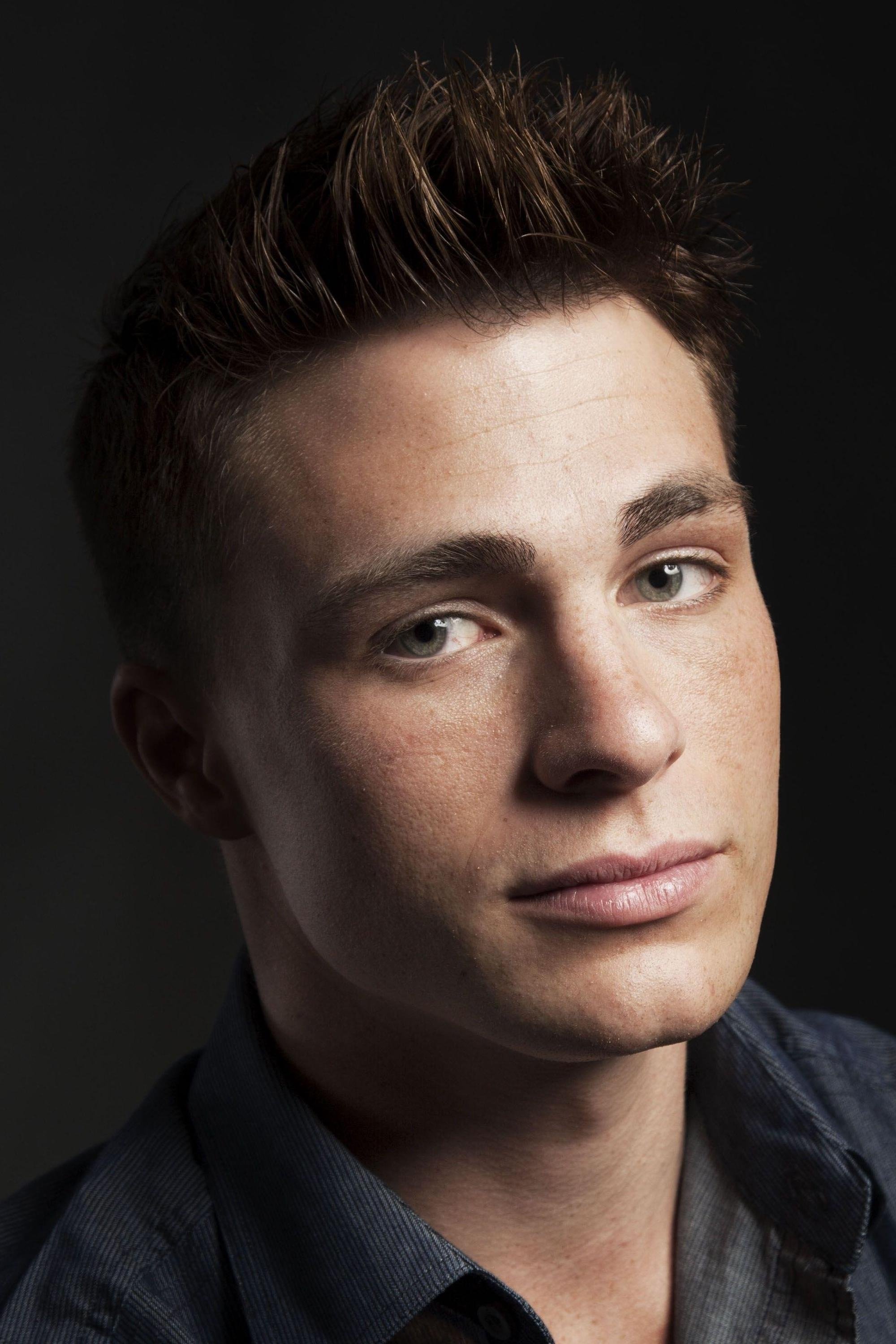
Colton Haynes has discussed the challenges he faced early in his career, feeling he had to conceal his sexuality to fit industry expectations. He’s noted that Hollywood often favors a narrow, traditional idea of masculinity, which can clash with being openly queer. Haynes believes this creates pressure for actors to downplay their true selves, a practice he calls ‘straight-washing.’ Now, he’s a strong voice for mental health and encourages authenticity, and his honesty has inspired other young actors to embrace who they are.
Keiynan Lonsdale
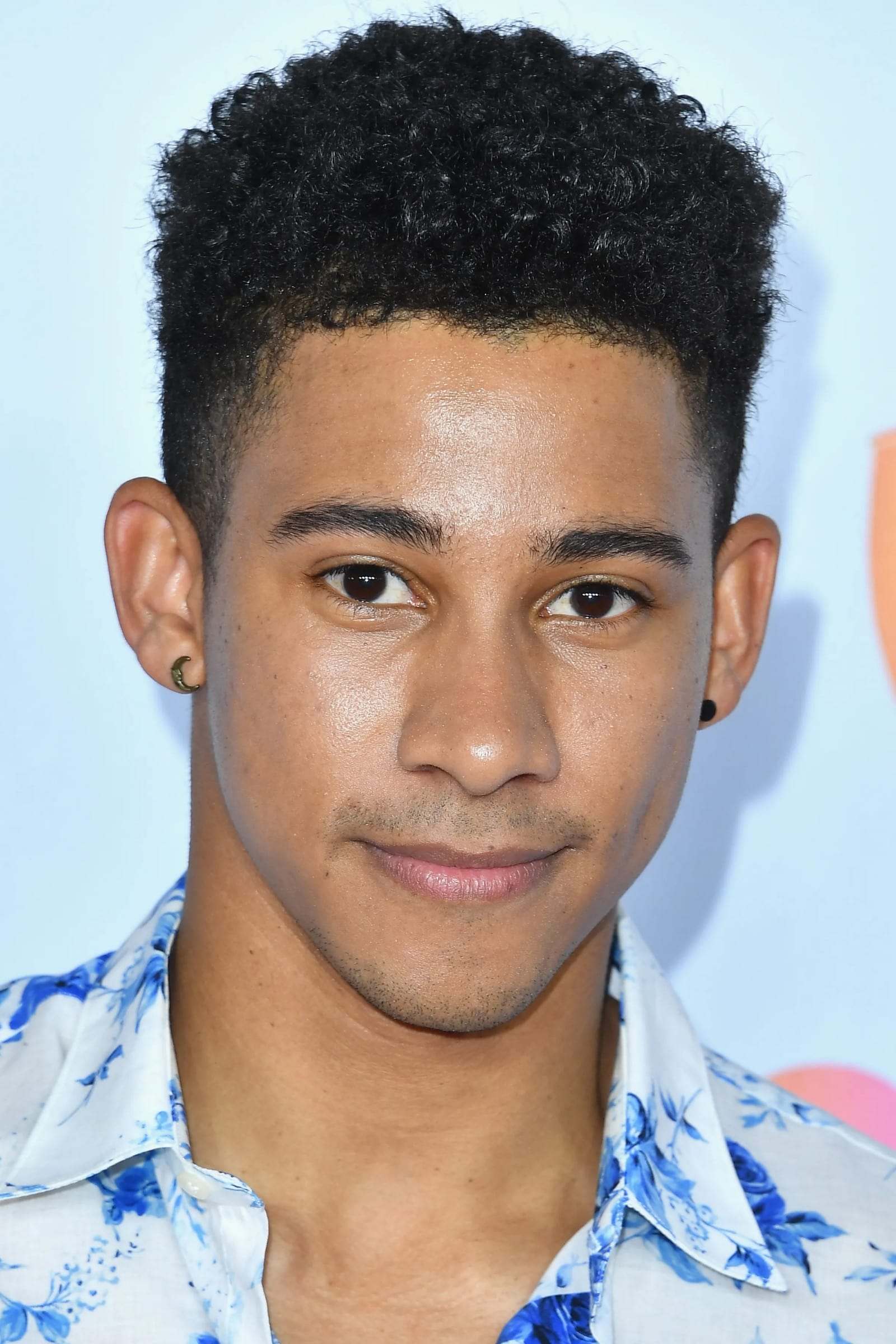
Keiynan Lonsdale is openly embracing his identity as a queer artist and is using his voice to push for change in the entertainment industry. He feels that simply labeling characters as ‘gay’ or ‘straight’ doesn’t allow for the full range of human experience to be explored. The actor, known for ‘Love, Simon,’ believes the industry needs to be more open-minded about identity and allow for more fluidity in storytelling. He worries that stories are being unnecessarily confined to traditional expectations. Through his work in both music and film, Lonsdale demonstrates a dedication to creative and personal freedom.
Bowen Yang
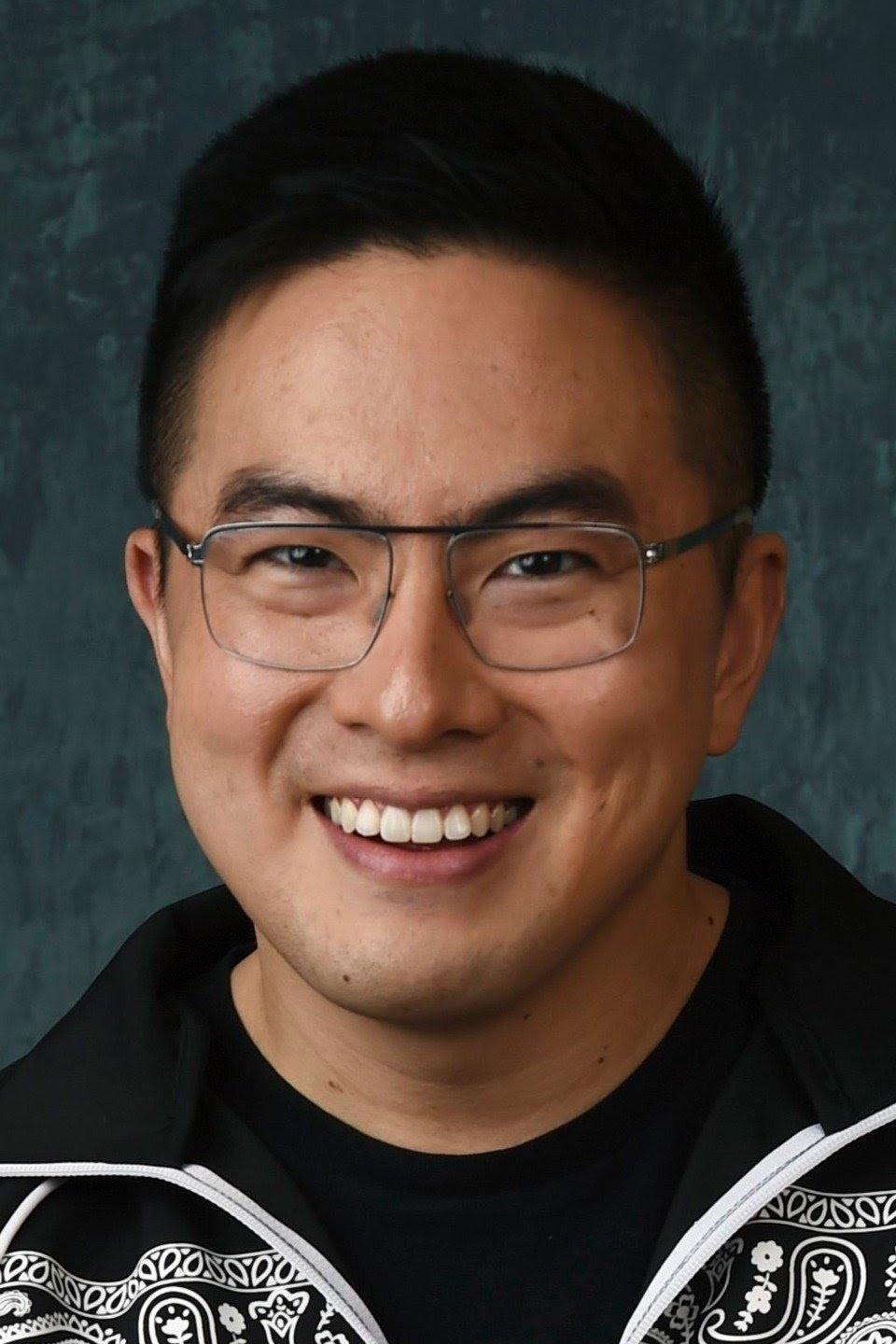
Bowen Yang is a well-known comedian who’s using his platform to share queer stories. He’s pointed out that comedy often tries to appeal to everyone by stripping out details that are meaningful to the LGBTQ+ community. Yang argues that the most effective and inclusive humor comes from being specific. He’s also noticed that queer characters are frequently used simply as jokes, instead of being developed as complex individuals. Having an openly queer performer like Yang on shows like ‘Saturday Night Live’ is a major step forward for representation.
Joel Kim Booster
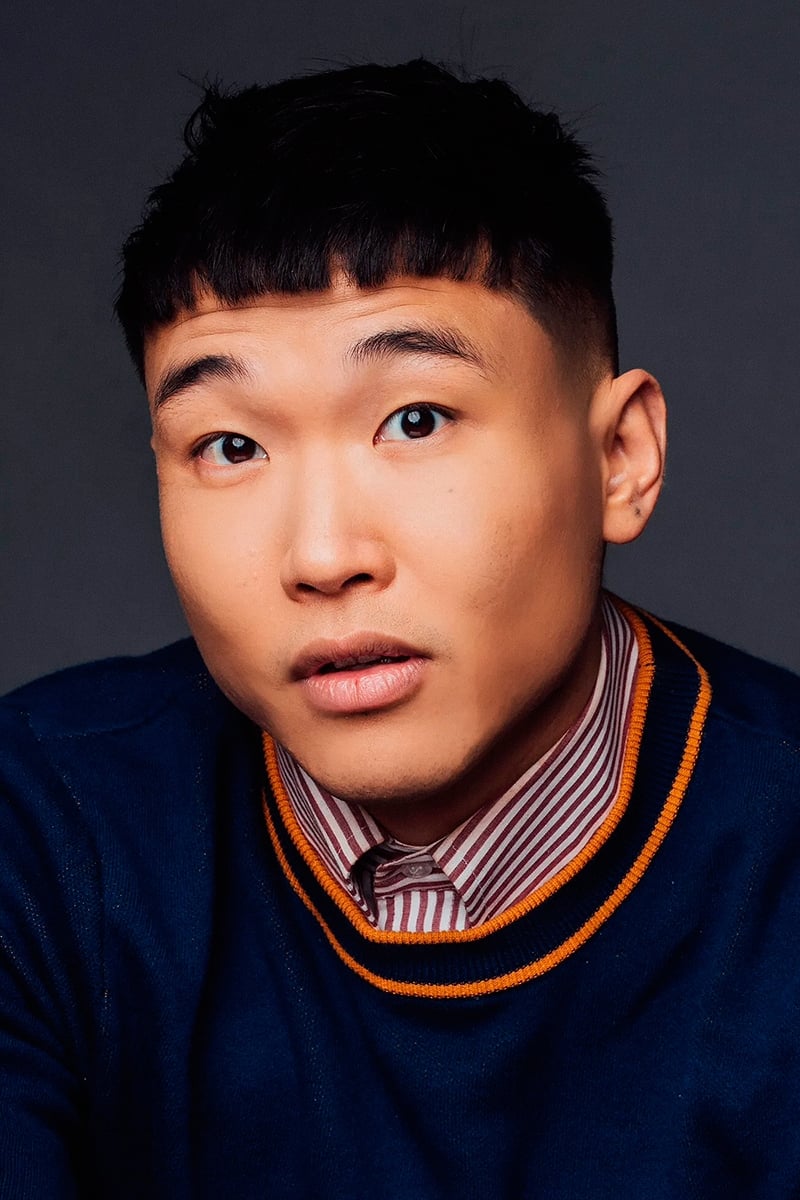
Joel Kim Booster has discussed the difficulties of adapting queer stories for film and television while staying true to their original intent. He’s pointed out that studios often want to broaden a project’s appeal to a larger audience. Booster, known for his role in ‘Fire Island,’ feels it’s important to showcase the distinct culture of the gay community, not downplay it. He’s seen firsthand how scripts can be altered to remove specifically queer elements, and he continues to advocate for authentic and culturally meaningful stories.
Please share your thoughts on the state of LGBTQ+ representation in the comments.
Read More
- Building 3D Worlds from Words: Is Reinforcement Learning the Key?
- The Best Directors of 2025
- 2025 Crypto Wallets: Secure, Smart, and Surprisingly Simple!
- 20 Best TV Shows Featuring All-White Casts You Should See
- Umamusume: Gold Ship build guide
- Mel Gibson, 69, and Rosalind Ross, 35, Call It Quits After Nearly a Decade: “It’s Sad To End This Chapter in our Lives”
- Uncovering Hidden Signals in Finance with AI
- TV Shows That Race-Bent Villains and Confused Everyone
- 39th Developer Notes: 2.5th Anniversary Update
- Gold Rate Forecast
2026-01-09 19:19