
When anime is brought over to Western countries, it often goes through changes to make it more appealing to local audiences and successful commercially. Especially during the dubbing boom of the 80s and 90s, male characters were often altered to fit the typical American action hero. These changes usually meant making them stronger, less emotional, and more stoic. The following series demonstrate how anime heroes were made more ‘macho’ through things like deeper voices and more aggressive lines.
‘Robotech’ (1985)
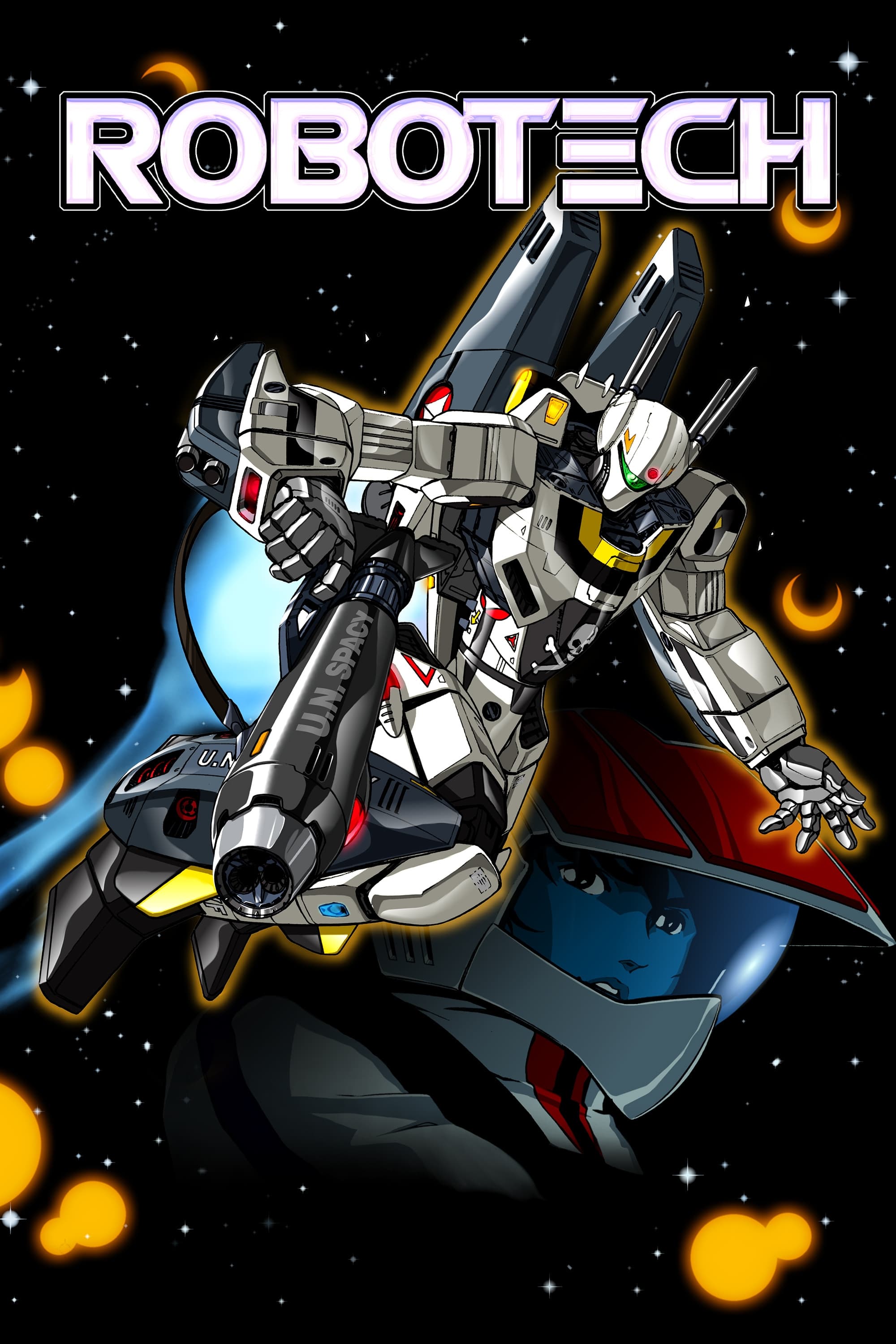
This version of the series, adapted for Western audiences, gives the character Rick Hunter a much bolder and more assertive personality. Instead of showing his thoughts and feelings internally, the English script has him expressing strict military discipline and confidence. This was done to make him feel like a typical American fighter pilot from the 1980s, focusing on his role as a soldier and minimizing the more thoughtful and creative sides of his character as seen in the original Japanese series. The changes were made to better connect with American fans of science fiction and action figures.
‘Voltron: Defender of the Universe’ (1984–1985)

Keith’s character was created based on Akira Kogane, but was reimagined as a stronger, more decisive leader. The English version removes any hesitant or unsure qualities from his original portrayal, presenting him as a firm and unwavering captain who always puts the mission first. To reinforce this image of a powerful, stoic hero, any scenes showing vulnerability were cut. This change was made to create a clear and compelling leader for viewers of the Western cartoon.
‘Battle of the Planets’ (1978–1980)
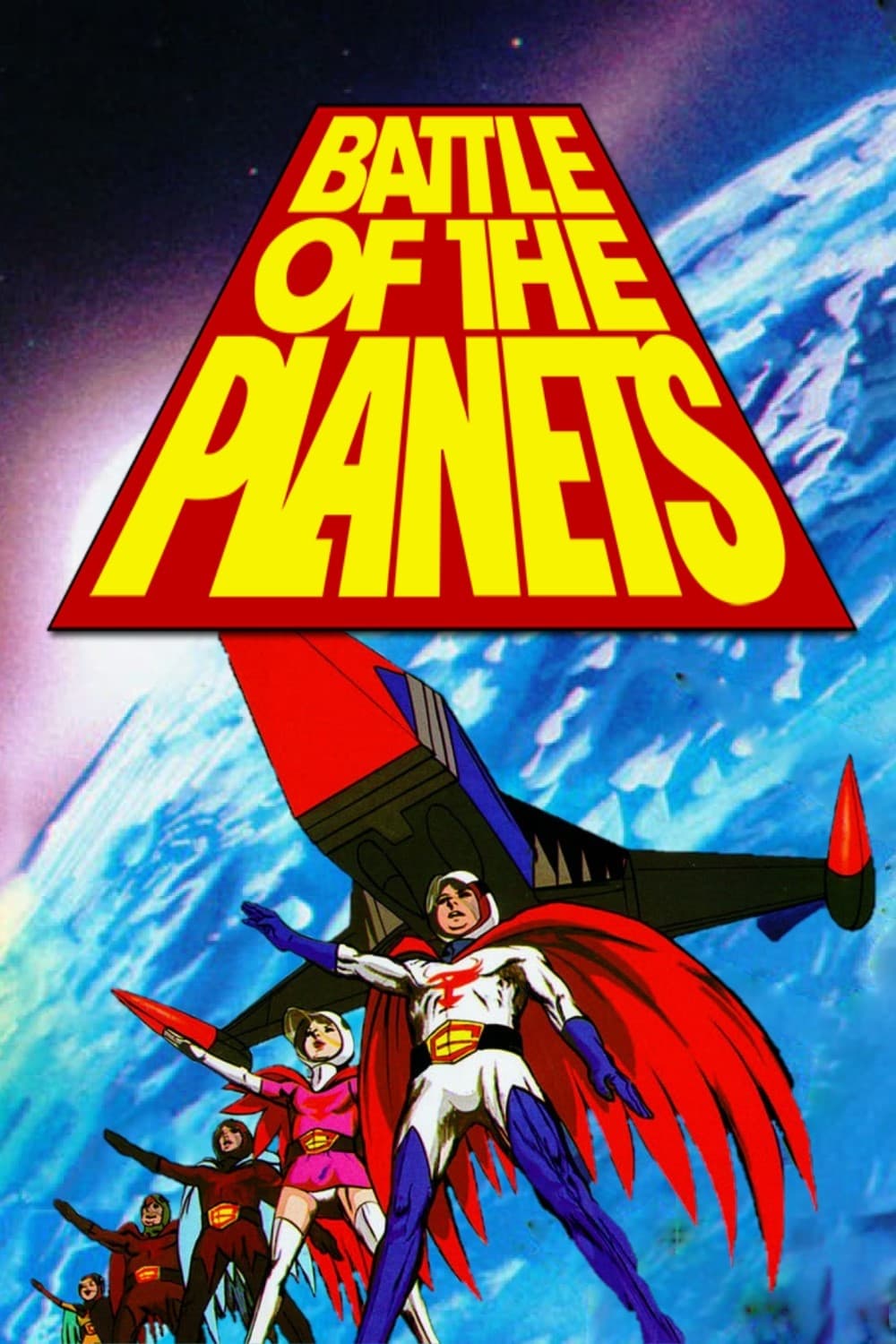
Mark, the leader of the G Force team, was significantly changed from his original Japanese counterpart, Ken the Eagle. The American version of the character was made much more serious and reserved. To appeal to Western audiences, the adaptation toned down the violence and added a narrator. They also portrayed Mark as nearly unbeatable and removed any displays of weakness or inner conflict. The script emphasized his skill as a flawless tactical leader who always acted decisively. These changes were made to align the team with the image of classic Western superheroes.
‘Speed Racer’ (1967–1968)
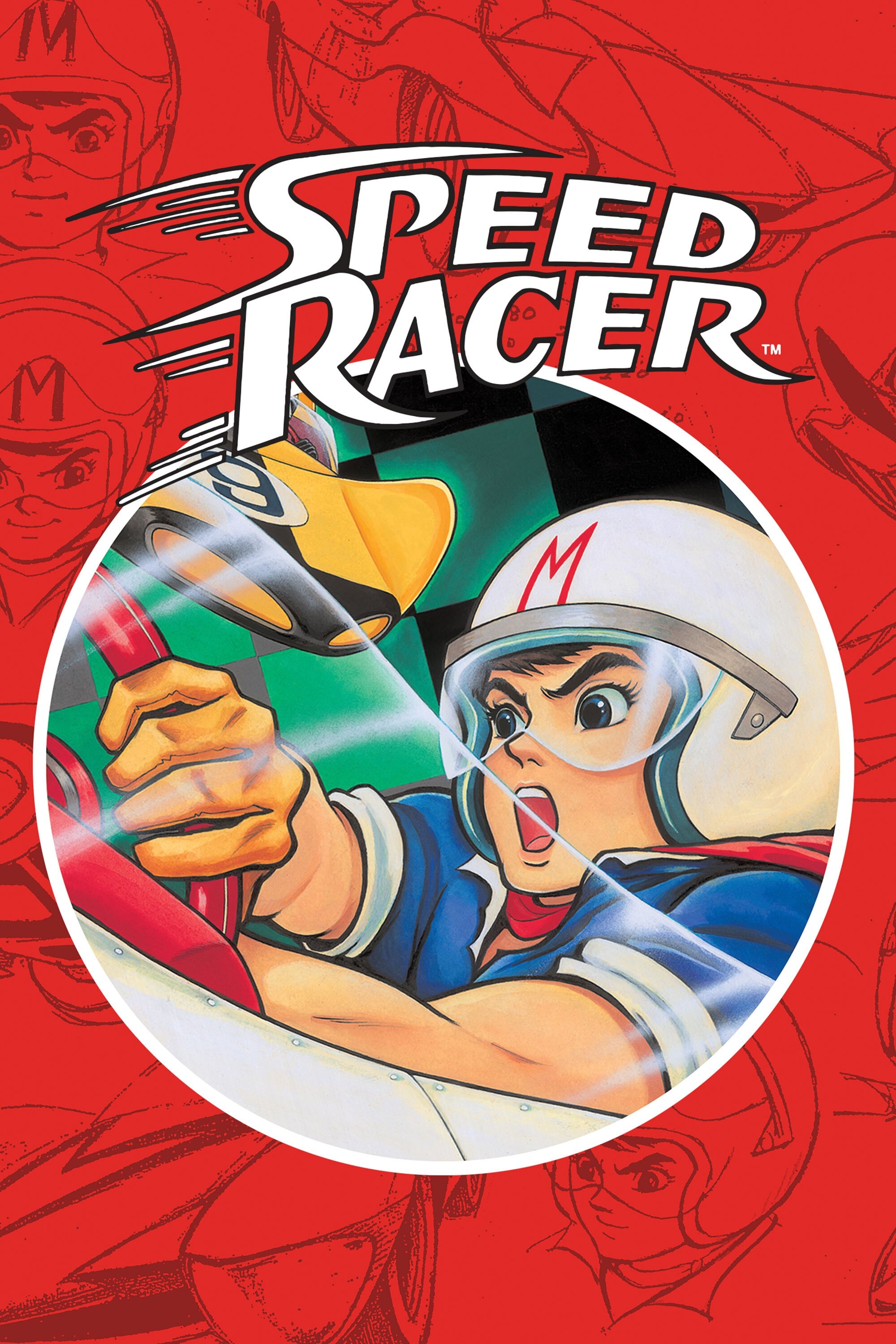
The English dub of the show portrays the main character, Speed, as much more energetic and driven than the original Japanese version of Go Mifune. The English script focuses on his competitive spirit and determination to win, making him seem constantly focused on victory and fairness. Unlike the more thoughtful original character, the English version presents Speed as a fearless and relentless young man who always faces challenges head-on. This high-energy portrayal became a model for many action heroes in early Western anime. His tough image is further strengthened by his readiness to fight if his racing is threatened.
‘Digimon: Digital Monsters’ (1999–2000)
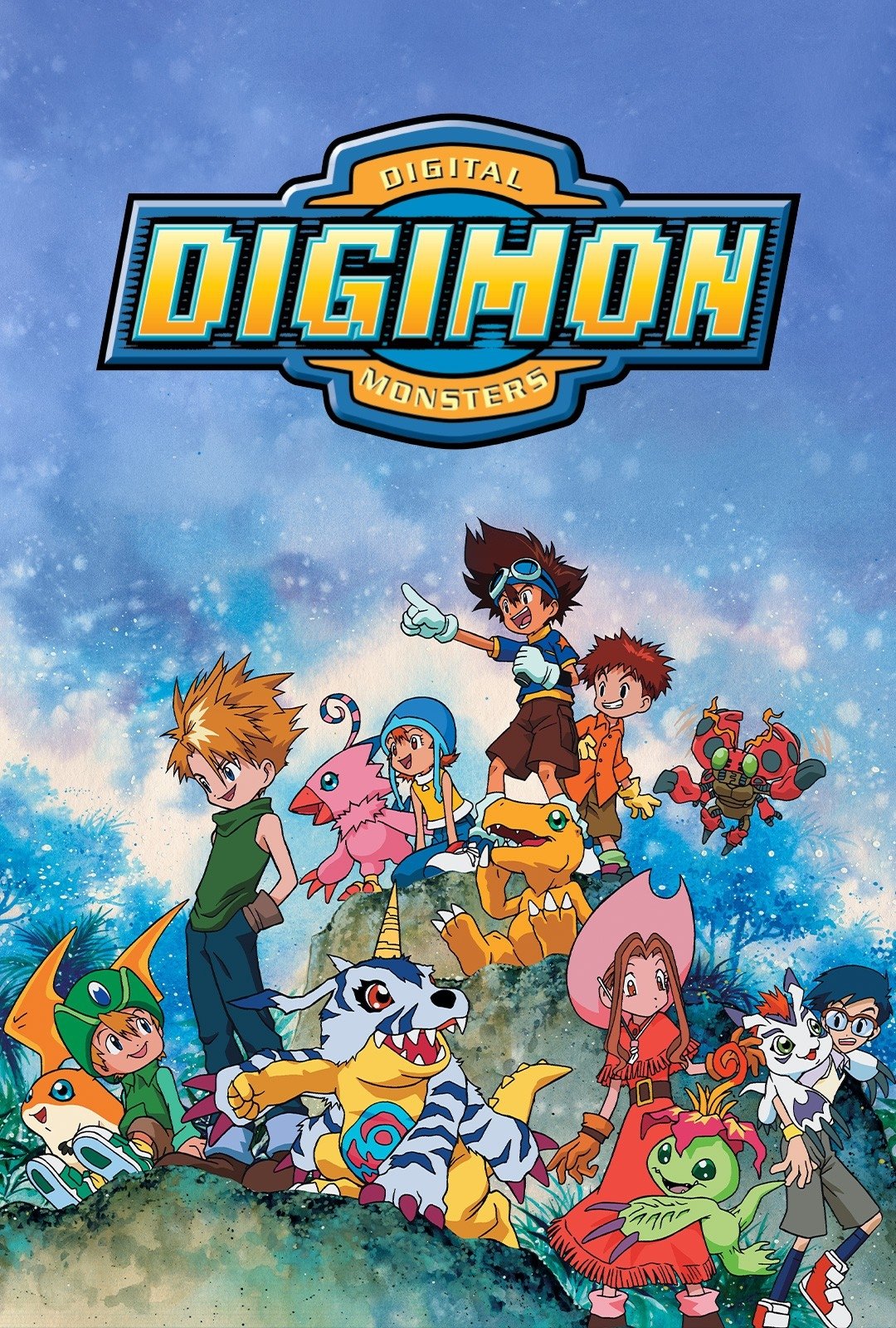
In the English dub of the show, Tai was presented as a more self-assured and athletic leader compared to the original Japanese version. The English adaptation increased his comedic moments and confident dialogue, while downplaying instances of his fear and worry. He was positioned as the group’s main athlete, highlighting his physical courage and leadership during their digital world adventures. The scriptwriters gave him stronger, more assertive lines in arguments and challenges to make him appear as a decisive and powerful hero. This change helped the show appeal to audiences who enjoyed action-packed series with strong, young protagonists.
‘Sailor Moon’ (1995–2000)
Darien, known as Mamoru Chiba in Japan, came across as more distant and serious in the initial English dub. His lines were changed to make him sound older and more traditionally masculine, and some of his gentler moments with the main female characters were cut. This version of Tuxedo Mask was presented as a strong, enigmatic protector focused on physical strength. The producers created this more reserved and dependable hero to appeal to a broader audience, including more young male viewers.
‘Zoids: New Century’ (2001)
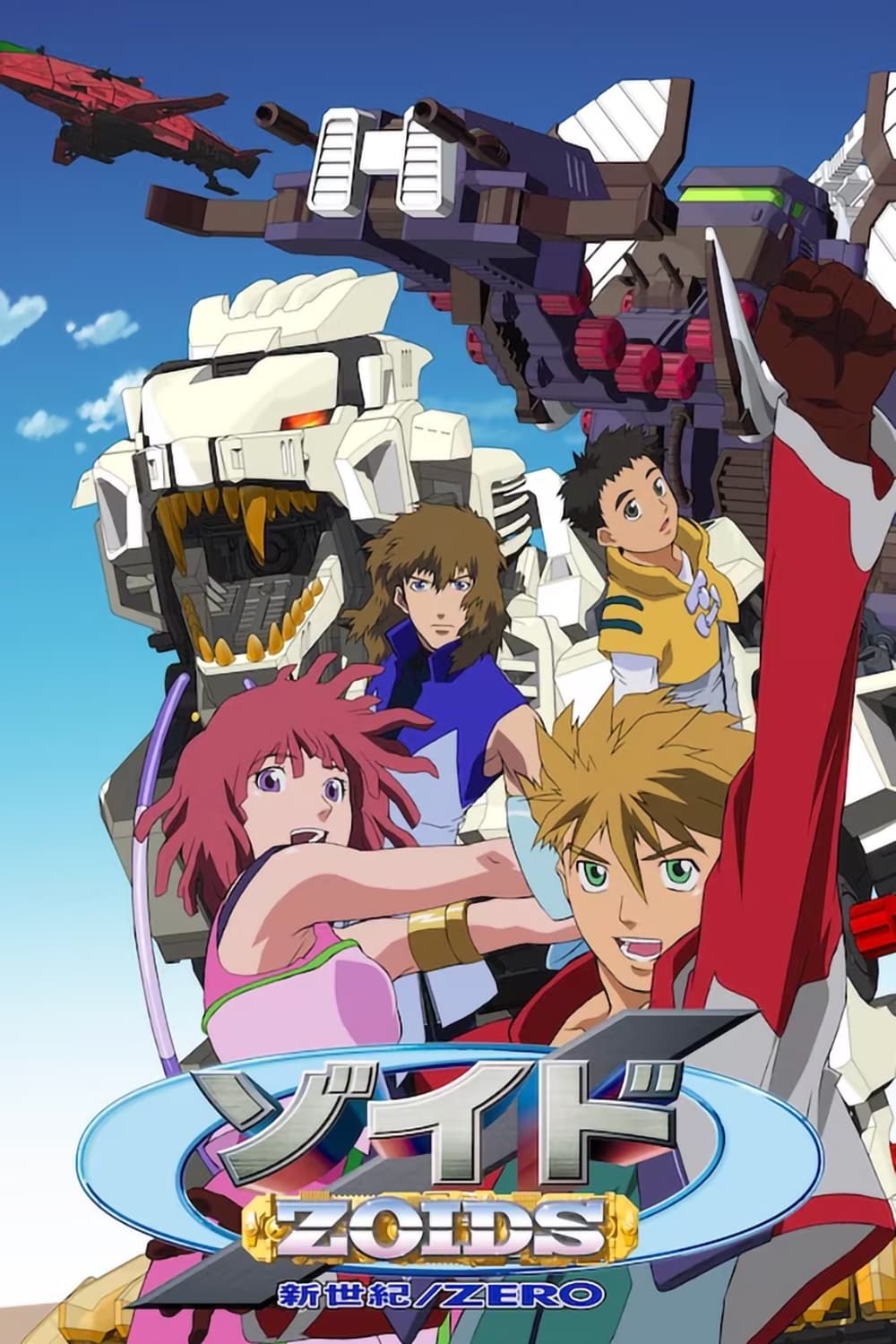
Bit Cloud’s personality was changed for the English version to be more relaxed, confident, and competitive. The translation highlighted his natural fighting ability and bravery when piloting his giant robot. His English lines were more boastful and playfully aggressive, making him seem like a classic, skilled hero – a contrast to his more subdued portrayal in the original Japanese version. The English adaptation of the show generally emphasized the power of the robots and the combat skills of the male pilots.
‘Beyblade’ (2001–2005)
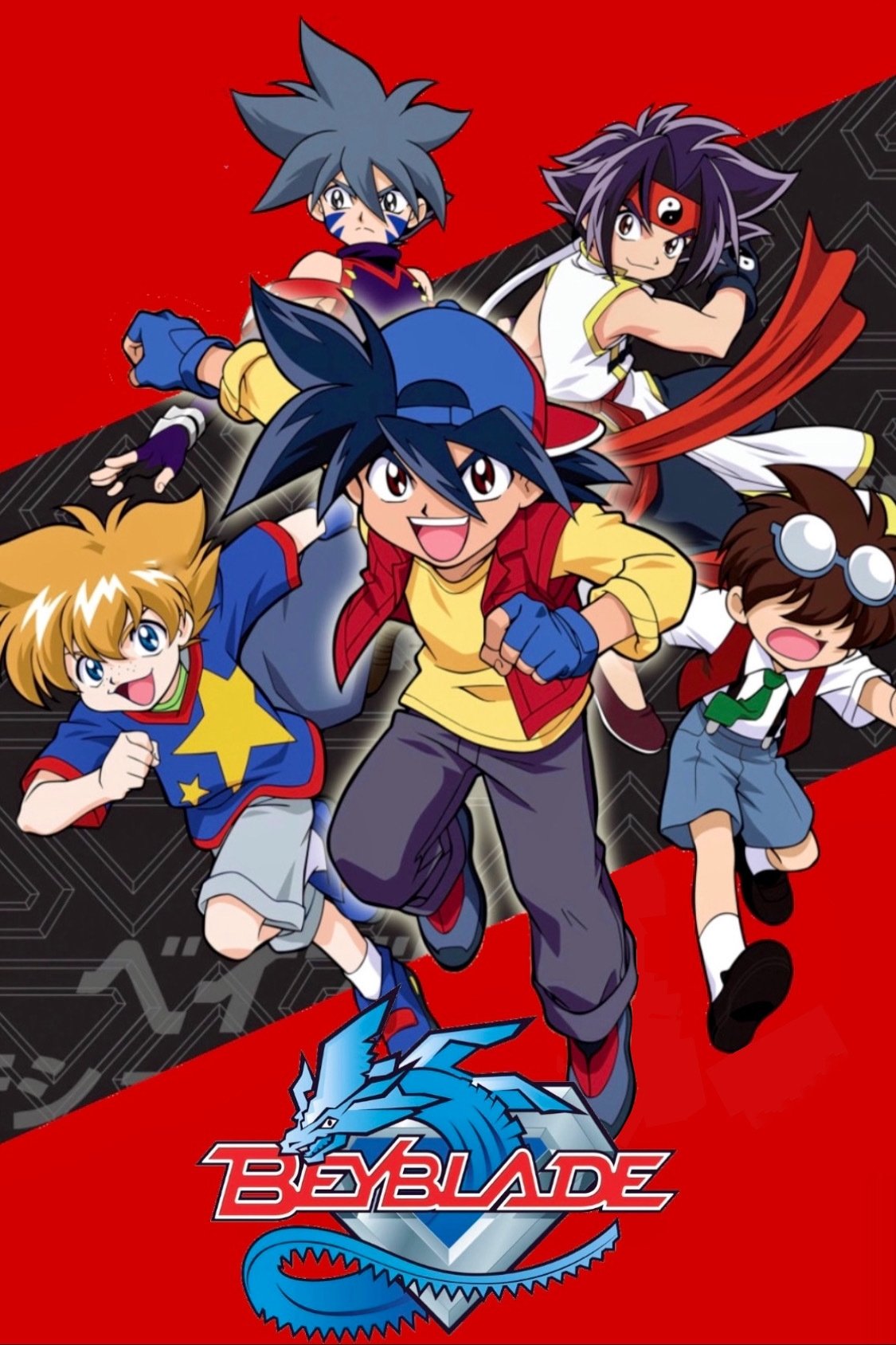
In the English dub, Tyson Granger was presented as a very energetic and determined athlete, completely focused on becoming the champion. The dub highlighted his competitive drive and training to make him resemble a classic sports hero. Compared to the original Japanese version, his interactions with his team showed him as more assertive and a stronger leader. The script also emphasized the physical demands and mental strength needed for the battles, transforming the game into a more intense competition focused on power and stamina for Western viewers.
‘Berserk’ (1997–1998)
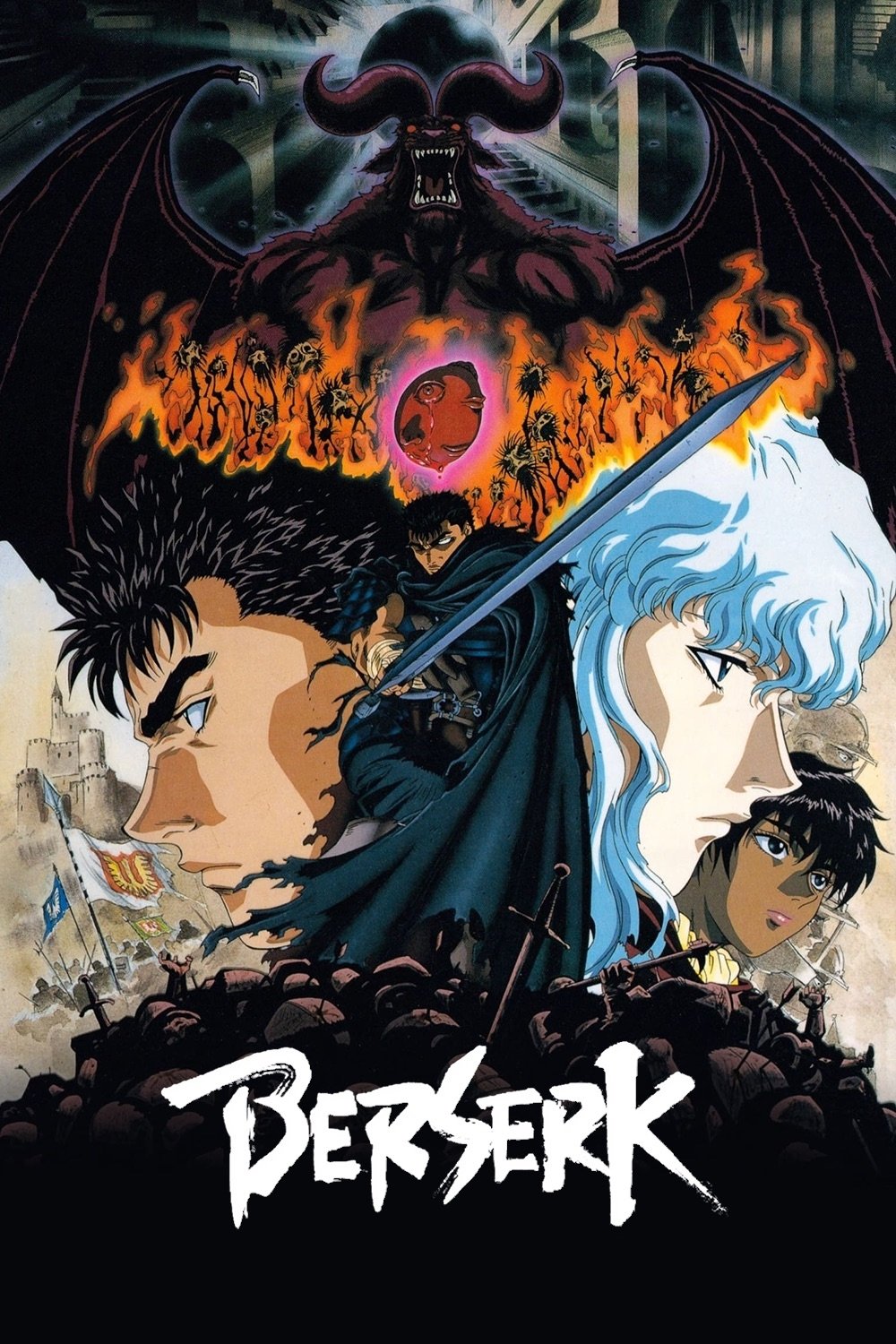
The English dub of Berserk really emphasized Guts’s tough, tormented personality with a deep, rough voice. The localization team also made sure to showcase his incredible strength and ability to endure brutal violence and pain. They gave him more direct, forceful dialogue, reinforcing that he’s a man of action rather than words. The English version strongly embraced the dark fantasy elements and the strong warrior themes of the original series, making Guts a prime example of the powerful, enduring hero archetype for Western anime fans.
‘Fist of the North Star’ (1986)
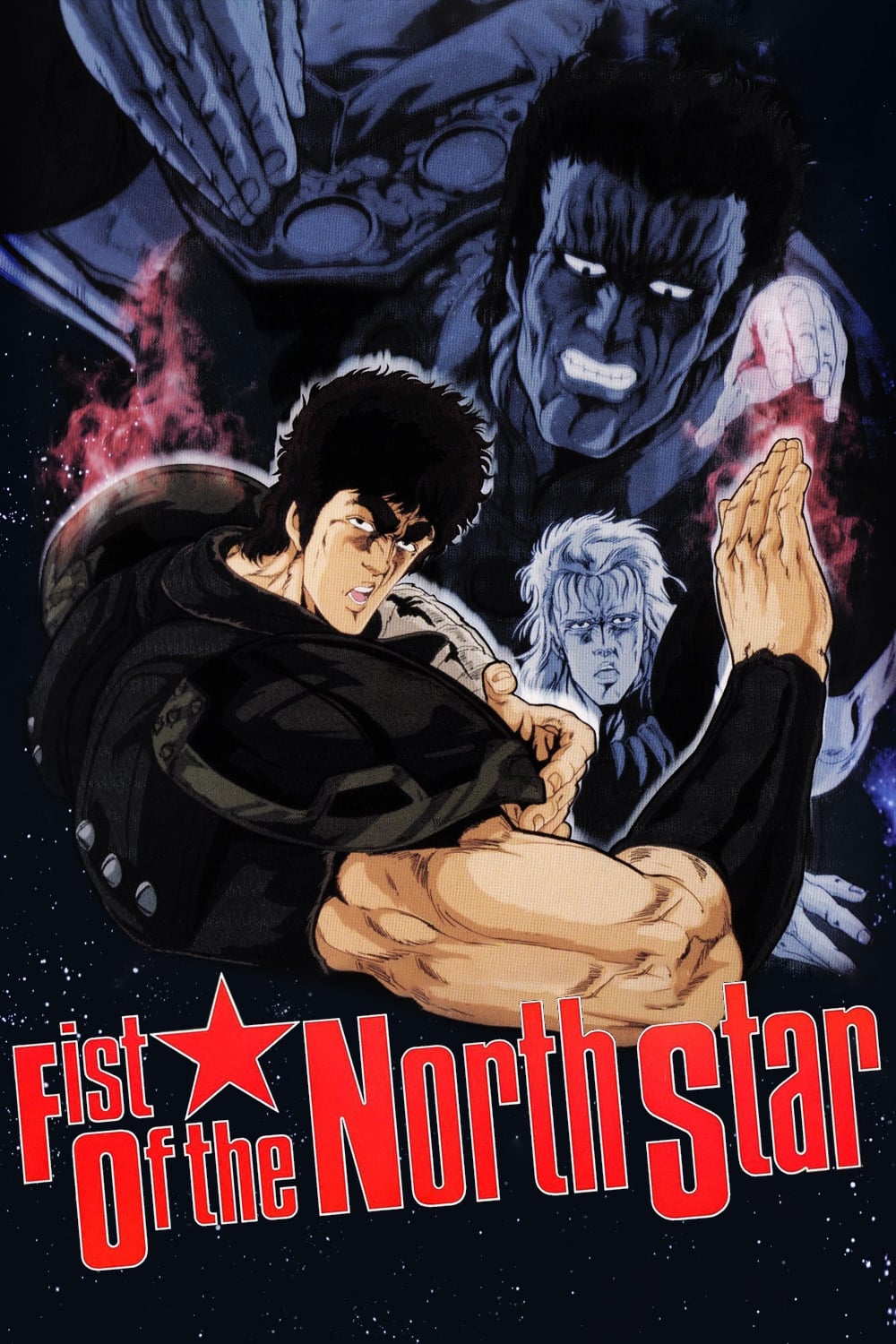
Kenshiro was already portrayed as very masculine, but the English-language movie and dubs amplified this for Western audiences. His voice was made incredibly deep and serious, sounding like a classic 1980s action hero in a ruined world. The localization team really highlighted his strength and how easily he defeated enemies, using tough-sounding dialogue and powerful sound effects. The story focused on him as a violent but ultimately good hero trying to save a chaotic world – a portrayal clearly aimed at fans of movies like Mad Max and Rambo.
‘Street Fighter II: The Animated Movie’ (1994)
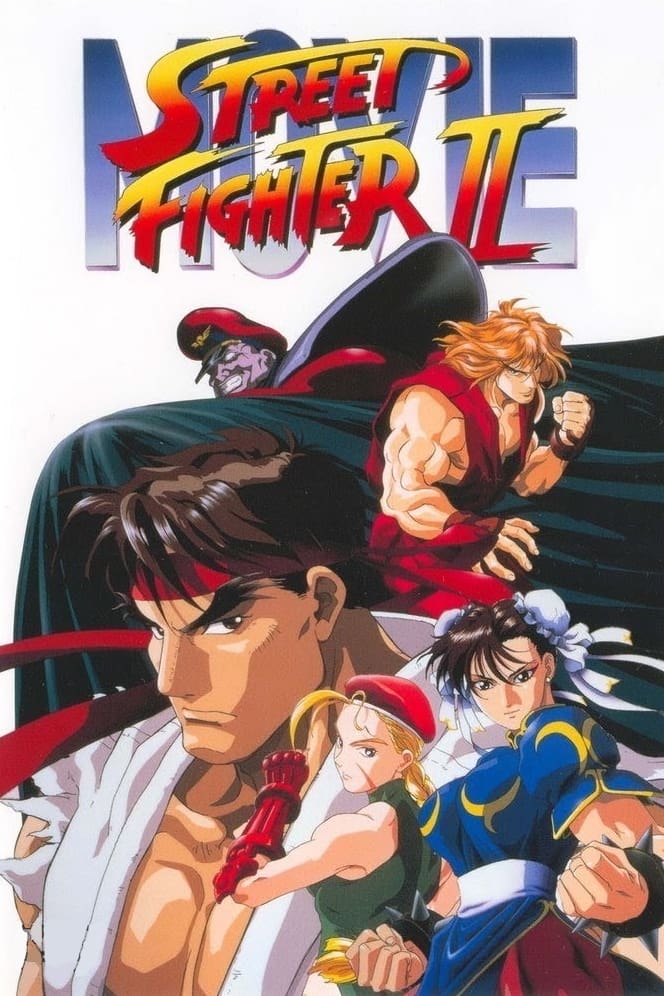
In the English version, Ryu was presented as a serious, classic martial arts hero. The game focused on his intense physical training and unwavering goal to become the world’s greatest fighter. His lines were changed to make him sound more determined and less focused on the spiritual side of his quest. The English version also made his fighting moves seem more impactful and powerful, creating a more exciting and physical experience. This approach helped Ryu align with the typical strong, disciplined hero often seen in Western fighting games and movies.
‘Vampire Hunter D’ (1985)
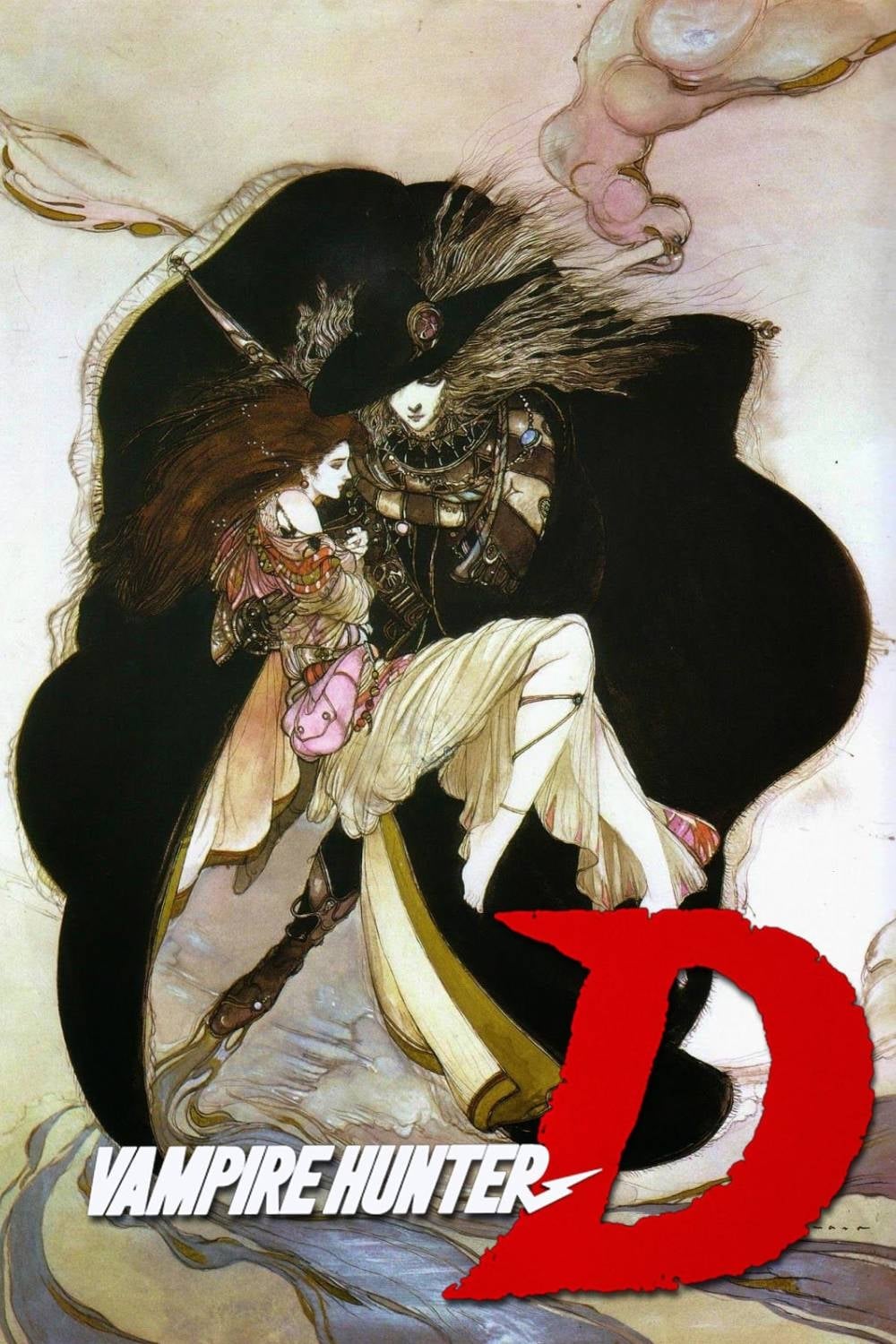
In the English dub, the character D was given a deep, mysterious voice to highlight his powerful and legendary qualities. The translation presented him as a quiet, skilled fighter who uses both his strength and supernatural abilities to track down his targets. His lines were delivered in a cold, professional manner, hinting at a long life spent alone and battling enemies. The adaptation emphasized his role as a solitary wanderer, a common heroic archetype in Westerns and gothic horror, making him seem like a more conventionally cool and intimidating character for English-speaking audiences.
‘Akira’ (1988)
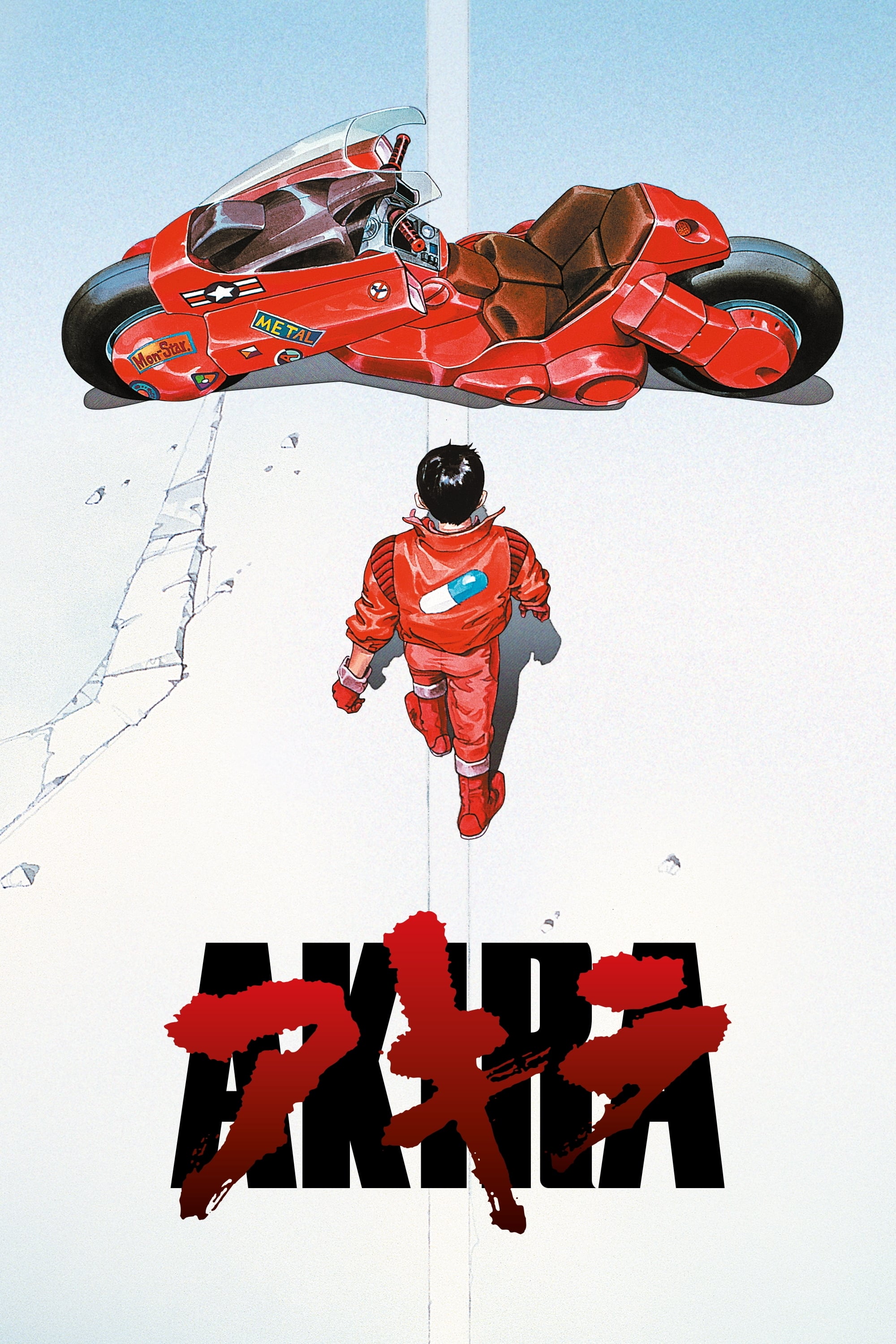
When Akira was dubbed into English, Kaneda’s character was given a bolder, more confident personality. Voice actors played up his role as a rebellious gang leader, delivering his lines with a loud and assertive tone. The English versions included more slang and had him directly challenge authority figures, making him seem like a tougher, more streetwise young man. Western adaptations also highlighted his courage and motorcycle skills. This portrayal helped establish Kaneda as an icon of the tough, futuristic style that was popular in the West in the late 1980s.
‘Ninja Scroll’ (1993)
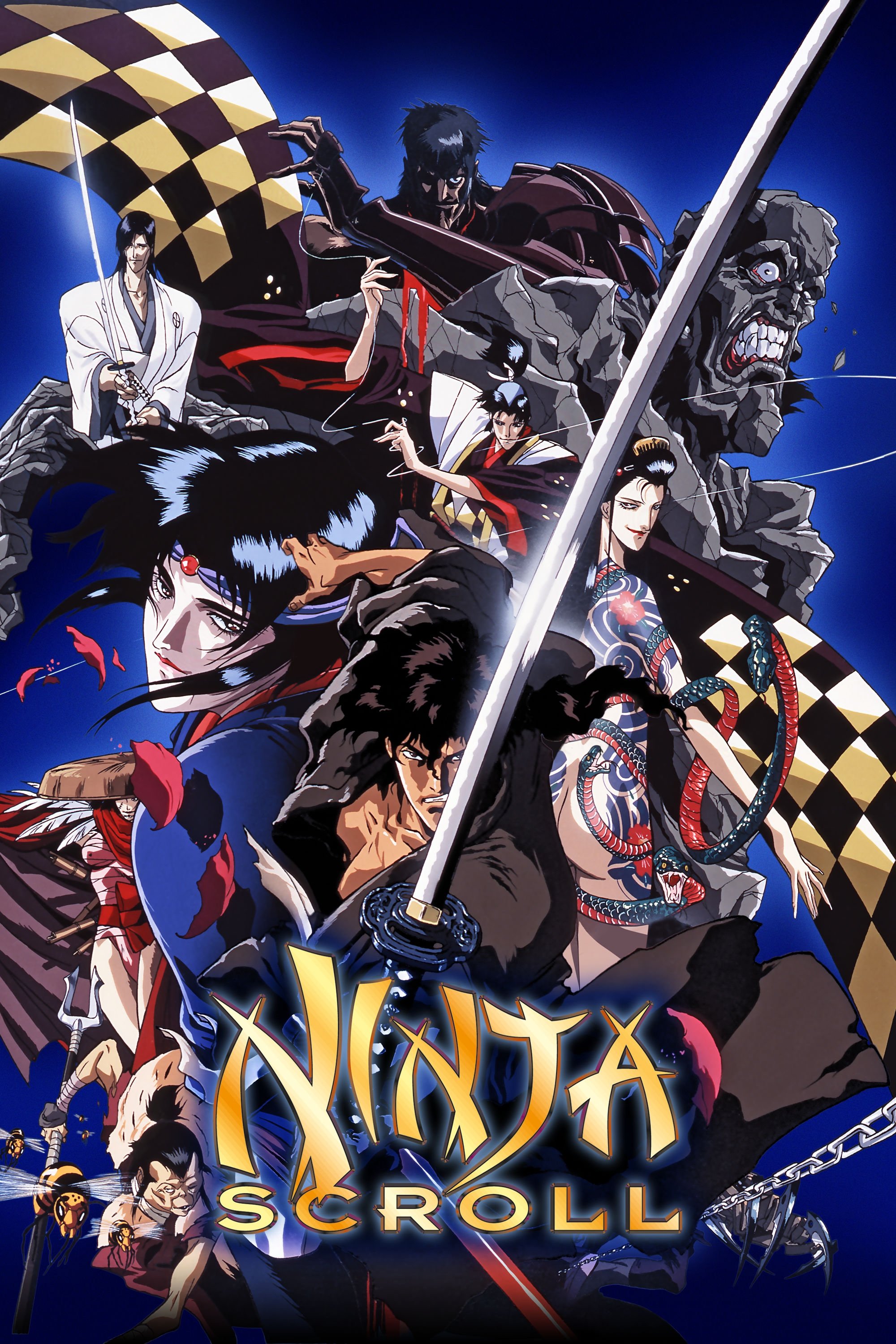
In the English dub, Jubei Kibagami was presented as a traditional wandering samurai – a ronin – with a gravelly voice and a sarcastic wit. The dub emphasized his skill as a self-reliant fighter who could easily take on several supernatural enemies at the same time. His lines were made more direct and businesslike, reinforcing his image as a mercenary who cherishes his independence. The adaptation also made his fight scenes more intense and brutal to attract a mature audience. This approach made Jubei a favorite character among Western fans who enjoy realistic and violent samurai action.
‘Wicked City’ (1987)
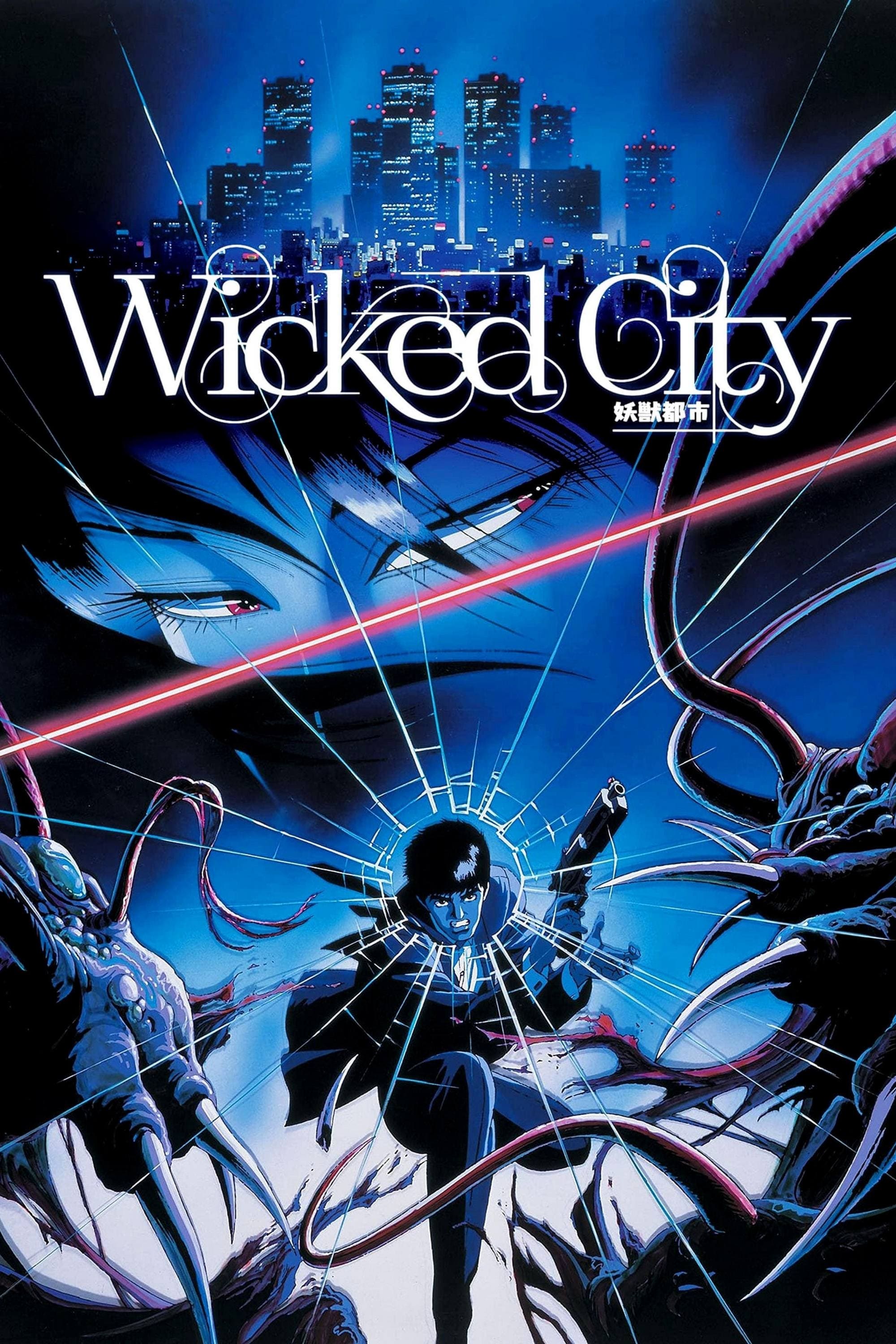
In the English dub, the character Renzaburo Taki was portrayed as more strong and commanding. The dub highlighted his job as a spy, focusing on his fighting skills and high-tech weapons when battling demons. His lines were delivered with a tough, world-weary confidence, making him sound like a detective who deals with the supernatural. The English version also emphasized the series’ more mature and violent aspects, creating a darker, more action-packed feel. This made Taki a classic example of the strong, capable male hero often seen in early English-dubbed anime aimed at adults.
‘Black Lagoon’ (2006)
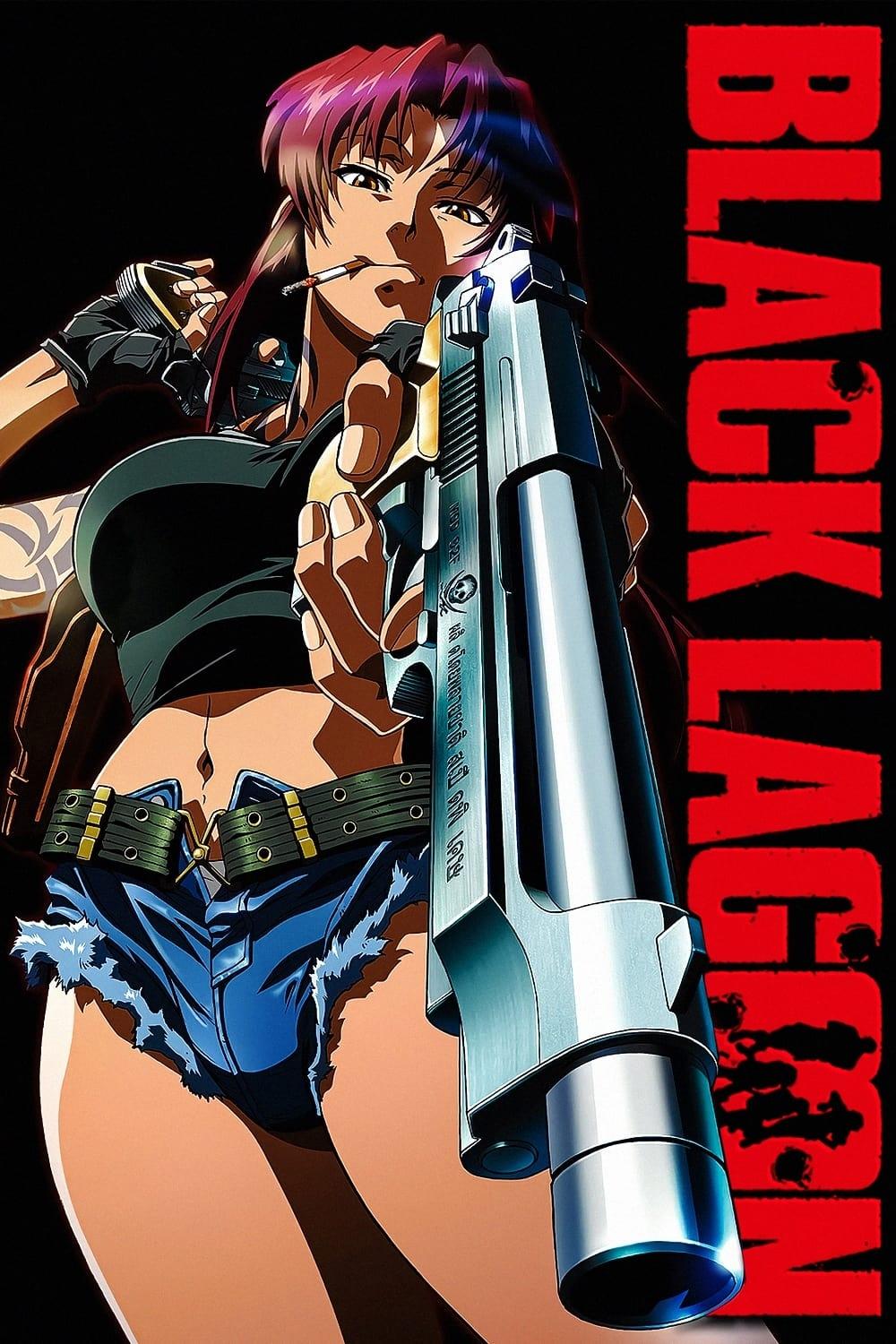
In the English dub, Dutch, the leader of Lagoon Company, was given a strong, authoritative voice to reflect his experience in the military. The translation presented him as a calm, professional leader who expertly manages a team of unpredictable mercenaries. His lines were written to sound like those of a seasoned soldier – direct and focused on getting the job done. The English version emphasized both his imposing physical presence and sharp tactical skills, establishing him as the team’s steady, powerful core. This approach successfully created a believable and gritty atmosphere for the series’ criminal underworld.
‘Devilman’ (1987–1990)

When the series was translated for English-speaking audiences, the character Akira Fudo became much more intense and troubled. Voice actors used deeper, harsher tones to emphasize his painful transformation into a powerful demon. His lines focused on his internal battle to stay human while using his incredible strength to fight other demons. The English version also emphasized the series’ violence and the sadness behind Akira’s tough exterior, presenting him as a darker, more complex take on the traditional superhero for Western viewers.
‘Golgo 13: The Professional’ (1983)
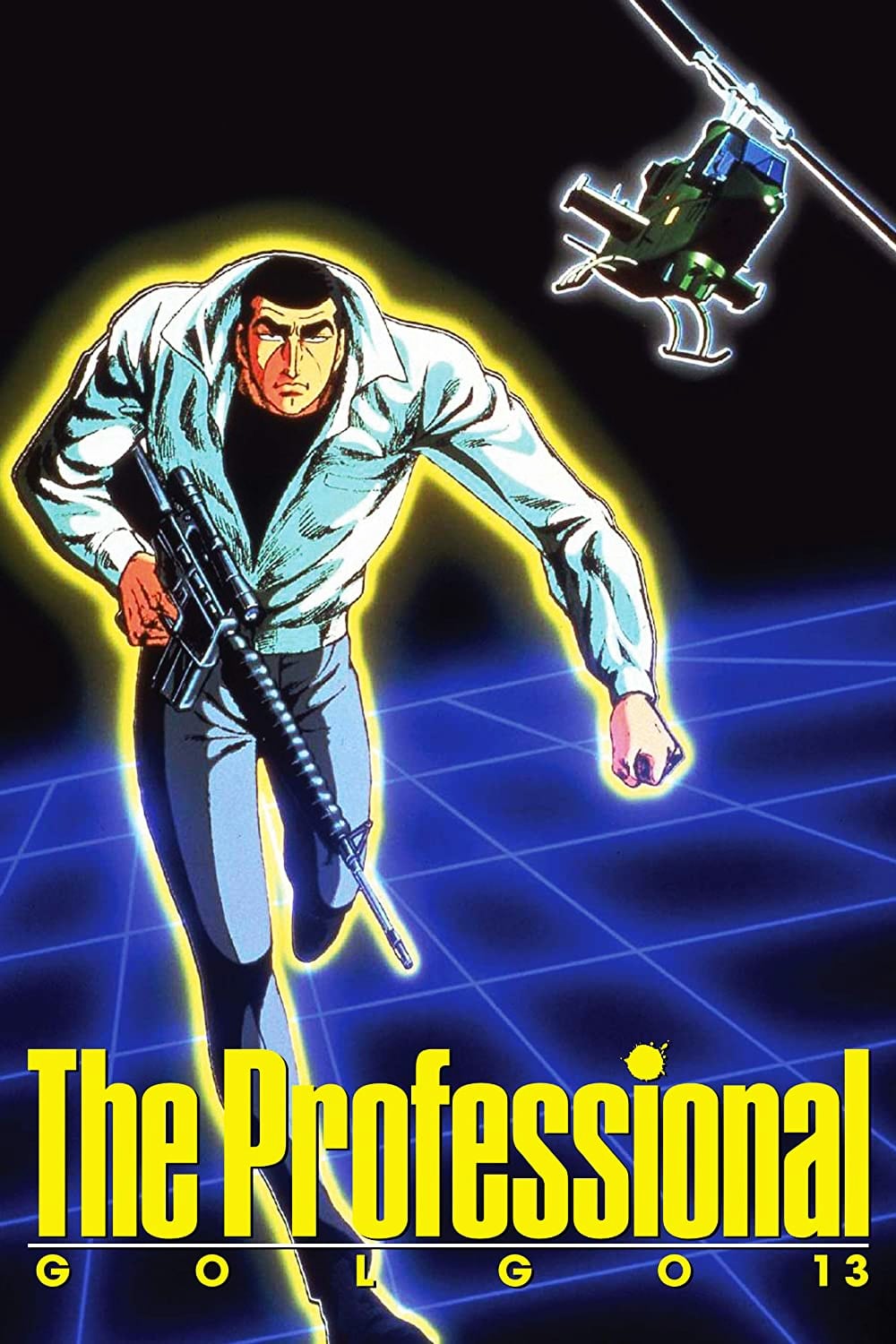
In the English version of this film, Duke Togo is presented as a supremely calm and efficient assassin. He barely speaks, which highlights his cold, calculating personality and skill as a killer. The voice actor delivers a deep, emotionless performance, making Togo seem powerful and unbeatable. The adaptation emphasizes his physical prowess and ability to succeed at incredibly difficult tasks through pure talent and determination. This approach cemented Golgo 13’s status as a legendary, deadly hero.
‘Crying Freeman’ (1988–1994)
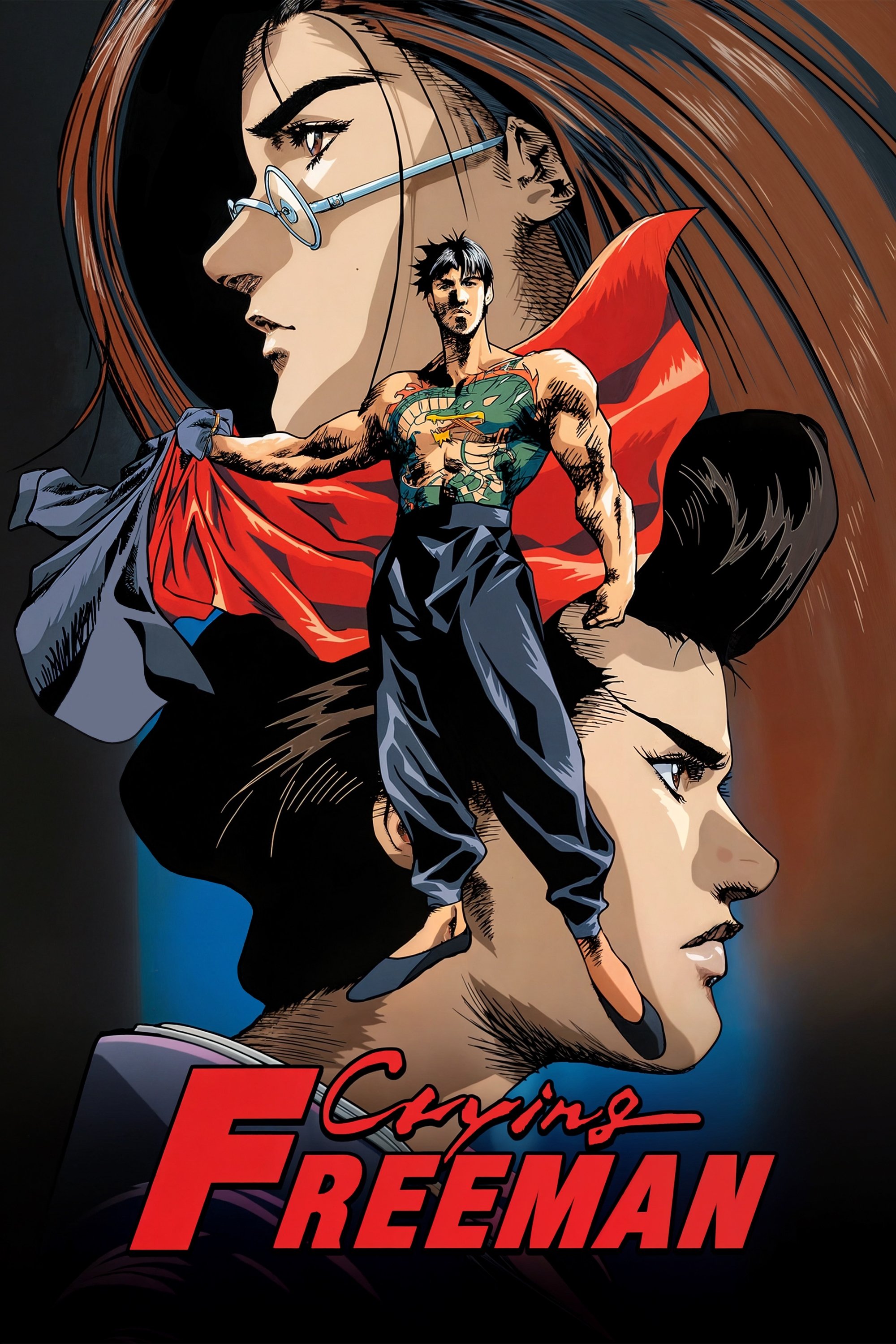
In the English dub, Yo Hinomura was portrayed as a more conventional hero. The localization team stressed his identity as a stunningly handsome and incredibly dangerous assassin, with dialogue that highlighted his commitment to his organization and his physical strength – making him seem like a strong, capable leader. The Western version also emphasized the story’s mature and romantic themes alongside the action, presenting Freeman as a refined and powerful character for Western audiences.
‘M.D. Geist’ (1986)
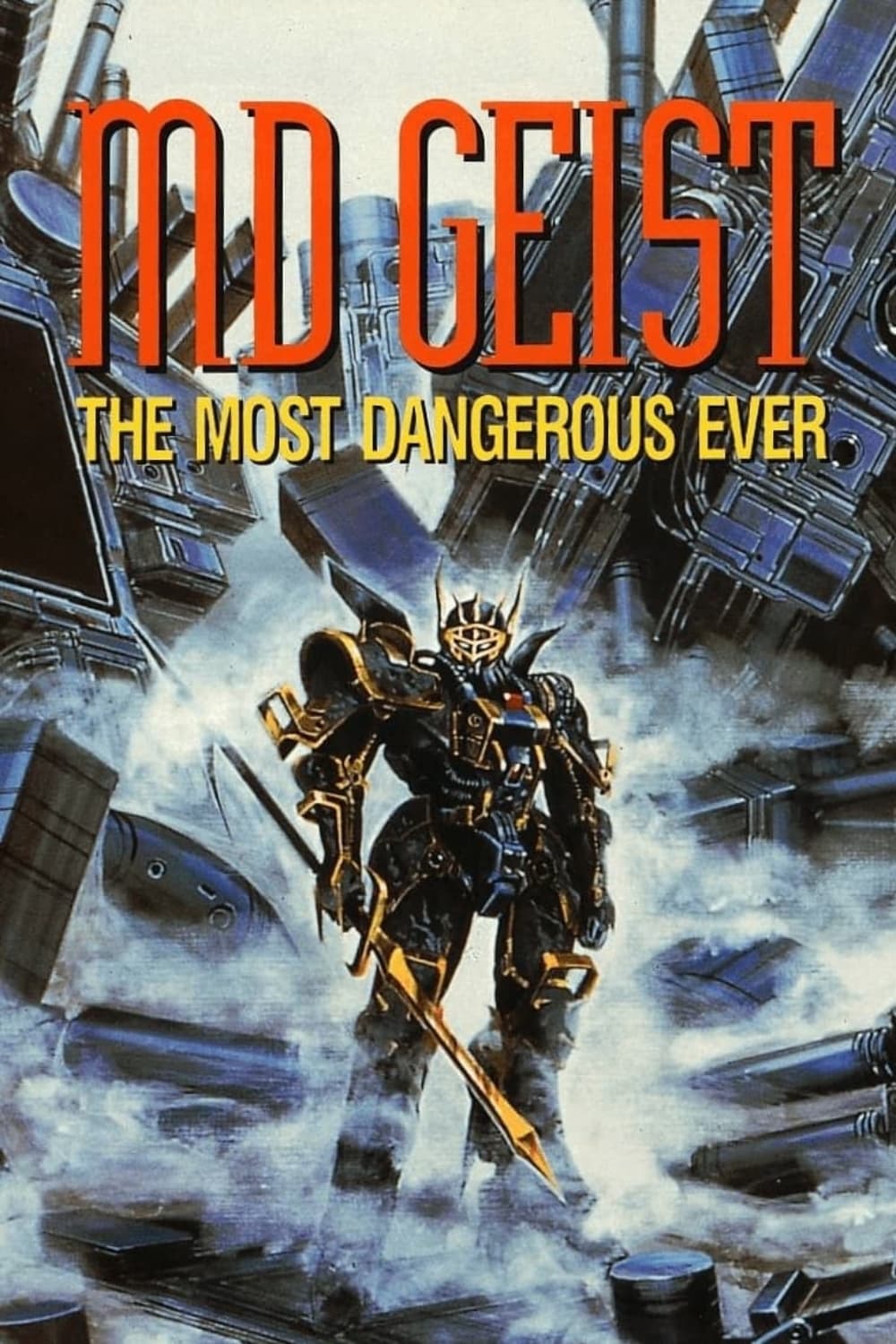
In the English dub, Geist came across as an extremely aggressive and ruthless soldier, driven solely by the thrill of battle. The dub emphasized his reputation as an incredibly powerful and dangerous fighter, completely lacking compassion for his opponents. His lines were delivered with a cold, intense energy, showcasing his destructive tendencies. The Western release of the series heavily focused on intense action and the overwhelming power of the main character. This portrayal made Geist a popular figurehead of the over-the-top, violent anime that was common in the late 80s and early 90s.
‘Genocyber’ (1994)
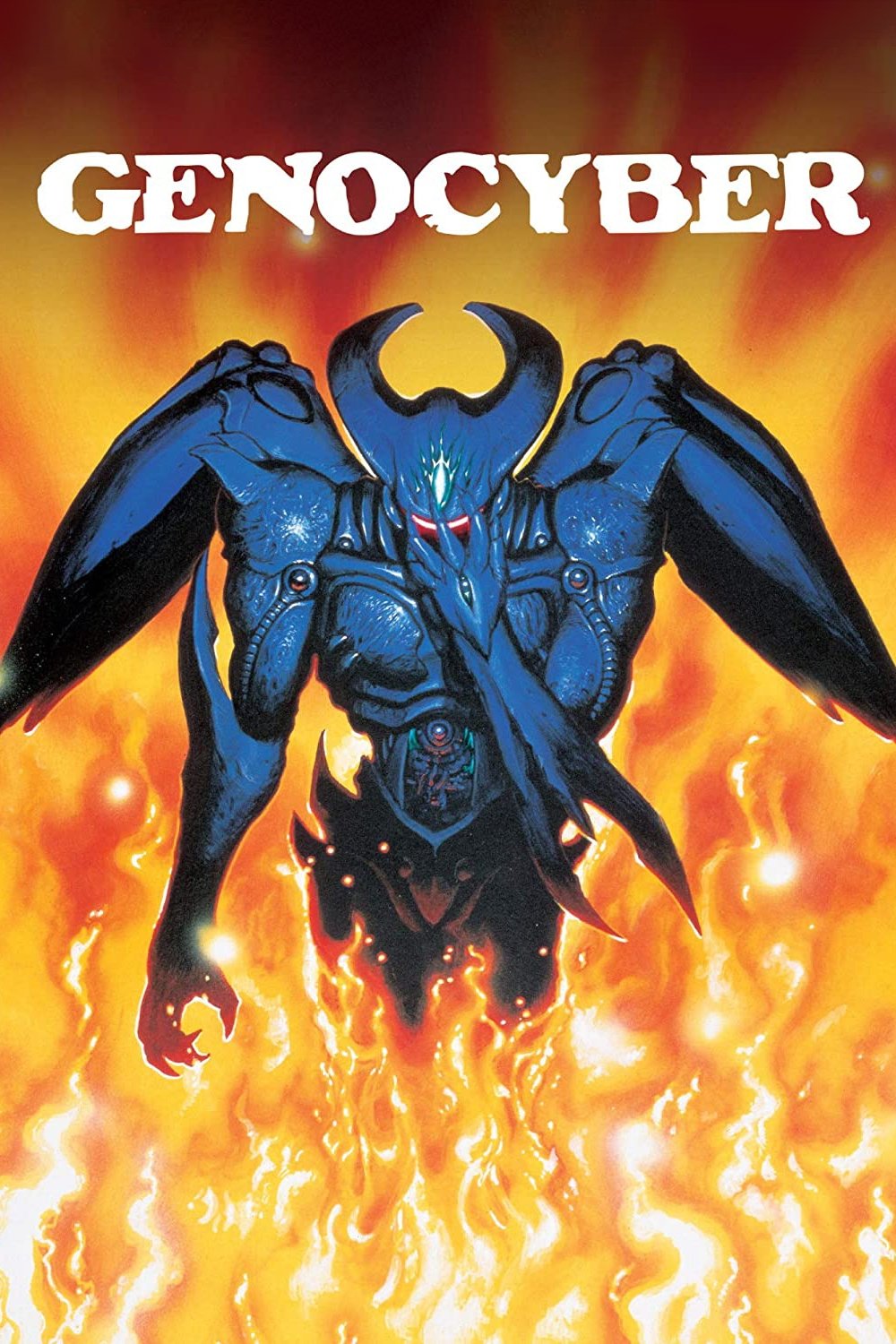
The male characters in this show were made more forceful and intense to match its violent style. When translated into English, the focus shifted to military and business rivalries, giving the characters a very tough, professional image. Their conversations often centered on dominance and power, downplaying the story’s psychological horror. The show was promoted in Western markets as a high-octane action series, relying on these strong, capable male leads to attract fans of intense and graphic content.
‘Bobobo-bo Bo-bobo’ (2005–2007)
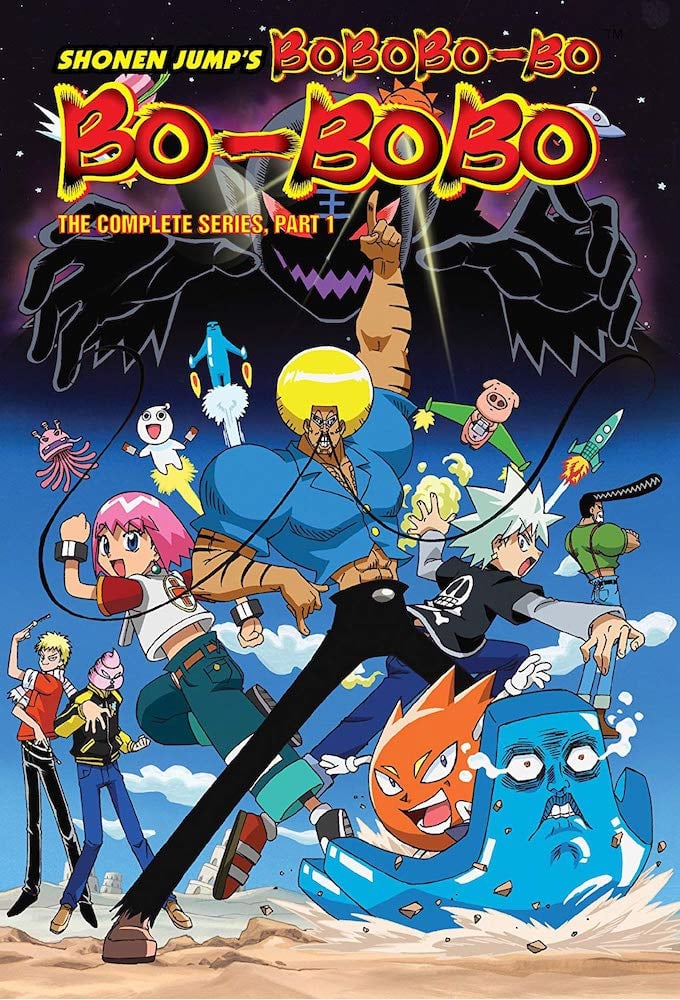
The English dub of the main character intentionally used an overly dramatic, heroic voice to poke fun at typical tough-guy characters in action anime. The dub also played up his huge size and over-the-top fighting style, treating them with the seriousness of a real battle. His lines were filled with silly, aggressive gibberish, exaggerating how traditionally masculine characters talk in other shows. This version of Bobobo became popular with Western fans because it cleverly commented on and parodied the exaggerated masculinity often found in action anime. The English adaptation deliberately amplified these macho elements to make the comedy even funnier.
‘JoJo’s Bizarre Adventure’ (1993–1994)
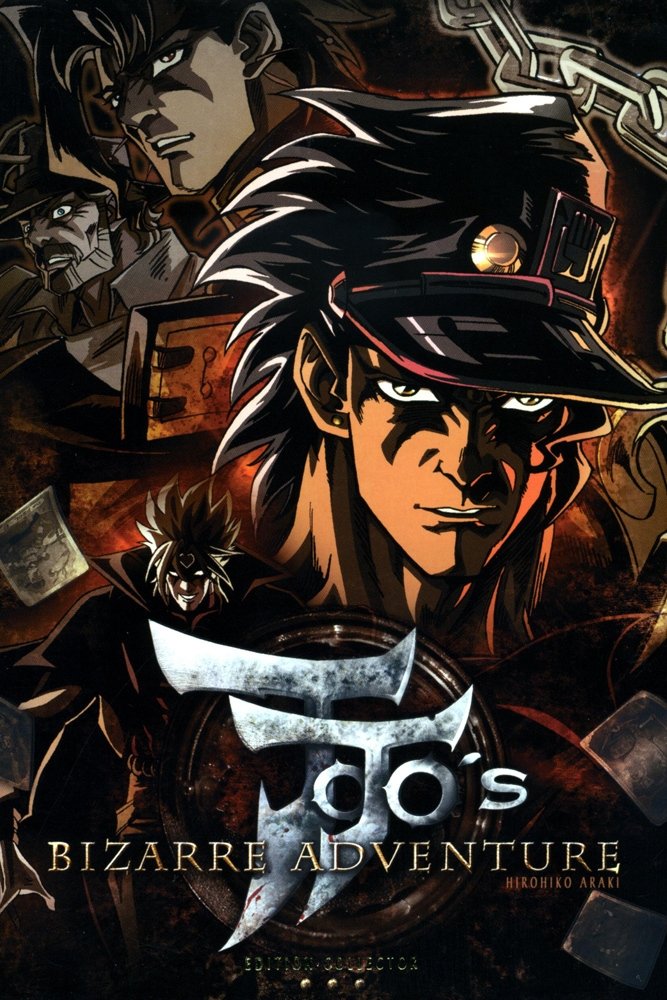
In the English dub of the original JoJo’s Bizarre Adventure OVA, Jotaro Kujo was voiced with a deep, serious tone to reinforce his image as a strong, tough character. The English localization team emphasized that despite being a rebellious troublemaker, Jotaro was ultimately a good person who used his unique power, a Stand, to resolve conflicts. They highlighted his calm attitude and famous catchphrase to present him as a classic, powerful hero. Compared to the original Japanese version, the English script often made Jotaro sound more commanding and less outwardly emotional. This approach helped establish him as an icon of cool, masculine strength for anime fans in Western countries.
‘Macross Plus’ (1994–1995)
In the English dub by Manga Entertainment, Isamu Dyson was portrayed as a very confident and outgoing character. The dub emphasized his rebellious side as a test pilot – he was presented as someone who loved taking risks and wasn’t afraid to show off. His lines were made more confrontational towards his rival, and he frequently boasted about being a better pilot. This version of Isamu came across as a classic, confident action hero, similar to characters in movies like Top Gun. Overall, the English dub effectively showed how determined and skilled Isamu was as a pilot.
Tell us which character you think had the most interesting change in the comments.
Read More
- Building 3D Worlds from Words: Is Reinforcement Learning the Key?
- The Best Directors of 2025
- 2025 Crypto Wallets: Secure, Smart, and Surprisingly Simple!
- 20 Best TV Shows Featuring All-White Casts You Should See
- Umamusume: Gold Ship build guide
- Mel Gibson, 69, and Rosalind Ross, 35, Call It Quits After Nearly a Decade: “It’s Sad To End This Chapter in our Lives”
- Gold Rate Forecast
- 39th Developer Notes: 2.5th Anniversary Update
- Most Famous Richards in the World
- How to Do Sculptor Without a Future in KCD2 – Get 3 Sculptor’s Things
2026-01-08 22:18