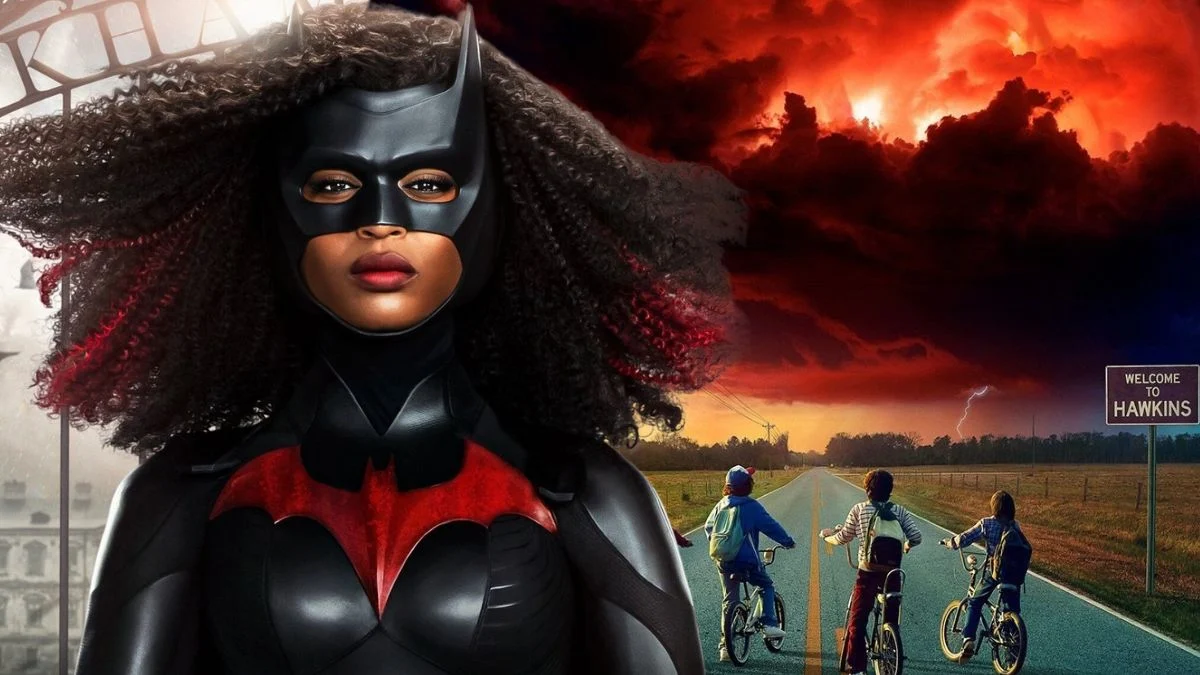
Over the past few decades, television has made strides in representing the diversity of our world. While some shows seamlessly weave these themes into their stories, others haven’t quite hit the mark. Sometimes, storylines or characters meant to be inclusive feel like afterthoughts – added without enough careful development. This list highlights TV shows where these types of arcs – dealing with race, sexuality, or disability – felt forced or didn’t quite fit naturally.
‘Supernatural’ (2005–2020)
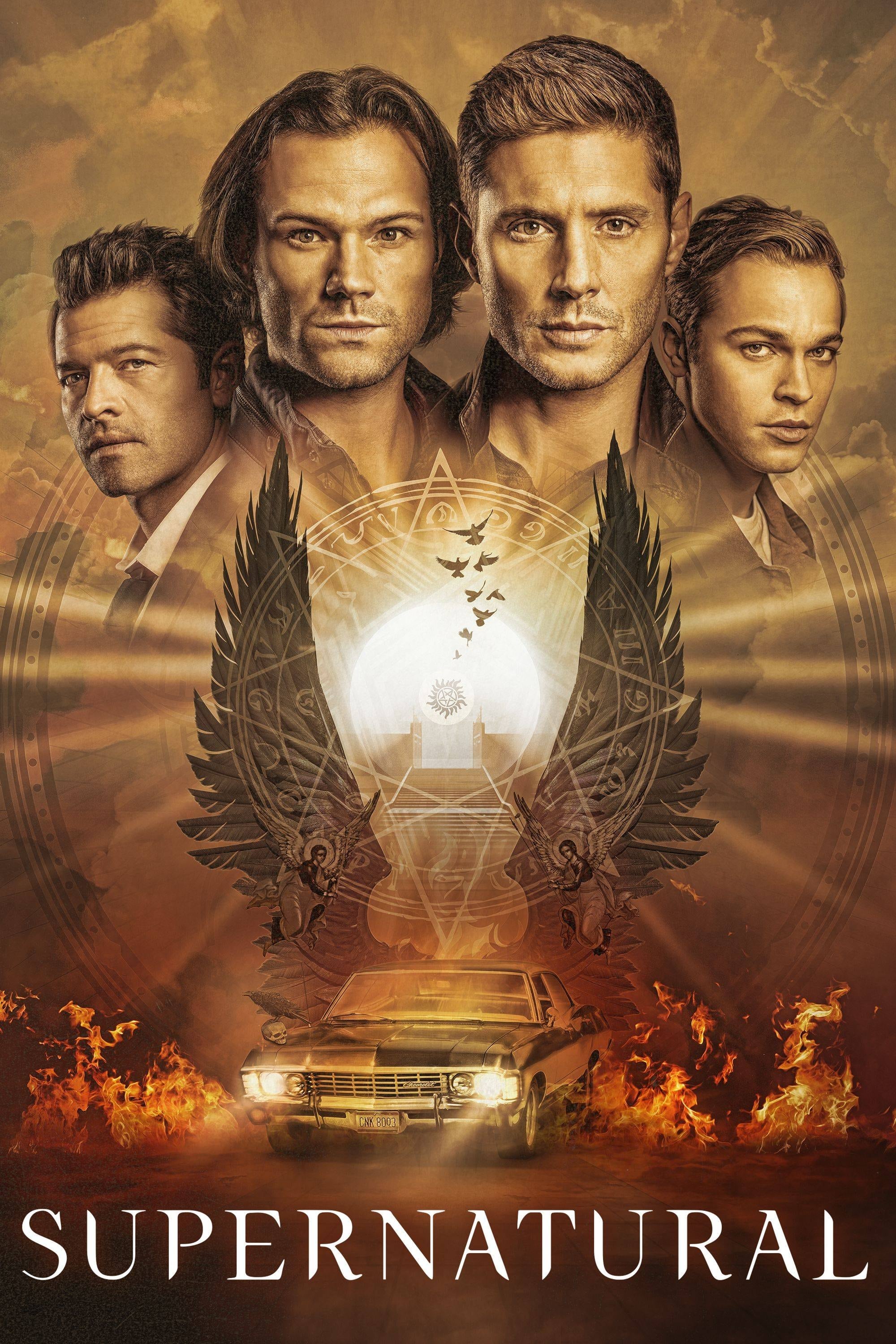
For over ten years, fans wondered about the connection between Dean Winchester and the angel Castiel. The show’s writers finally revealed their feelings in the last season when Castiel confessed his love for Dean right before sacrificing himself. However, the character was instantly killed, and Dean never responded to the confession. Many viewers felt this important moment was wasted and didn’t receive the emotional attention it deserved.
‘Voltron: Legendary Defender’ (2016–2018)
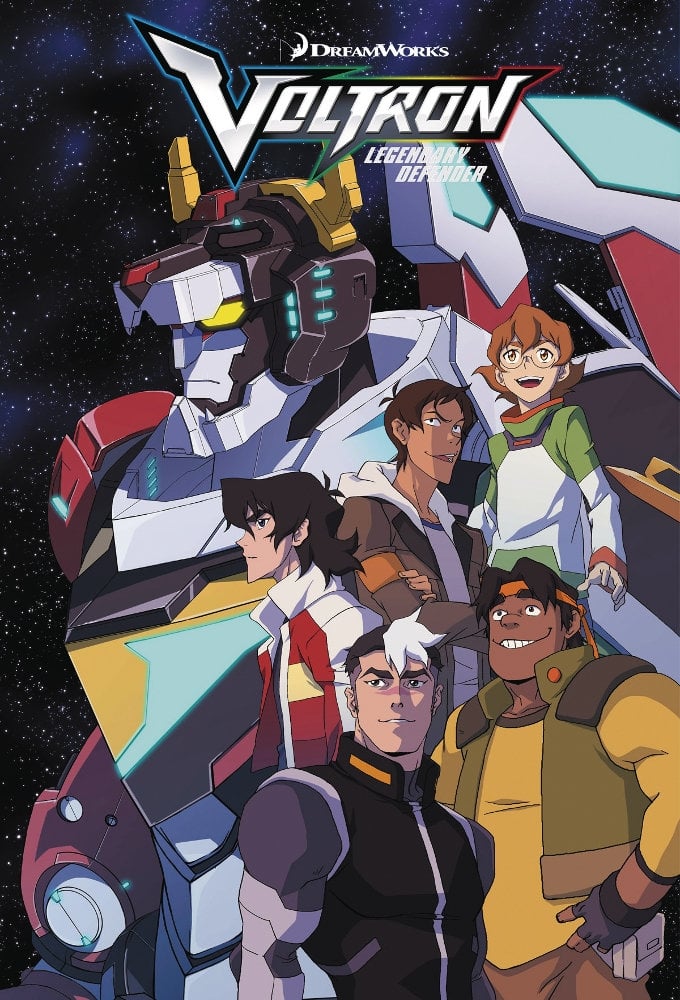
The later seasons of this animated show hinted at a major LGBTQ+ story for the main character, Shiro. However, the story unfolded with Shiro’s fiancé, Adam, appearing only in a short flashback before dying off-screen. The series ended with Shiro marrying a minor character who hadn’t been developed at all. Many critics felt this limited representation felt like a superficial gesture rather than a meaningful part of the story.
‘Loki’ (2021–2023)
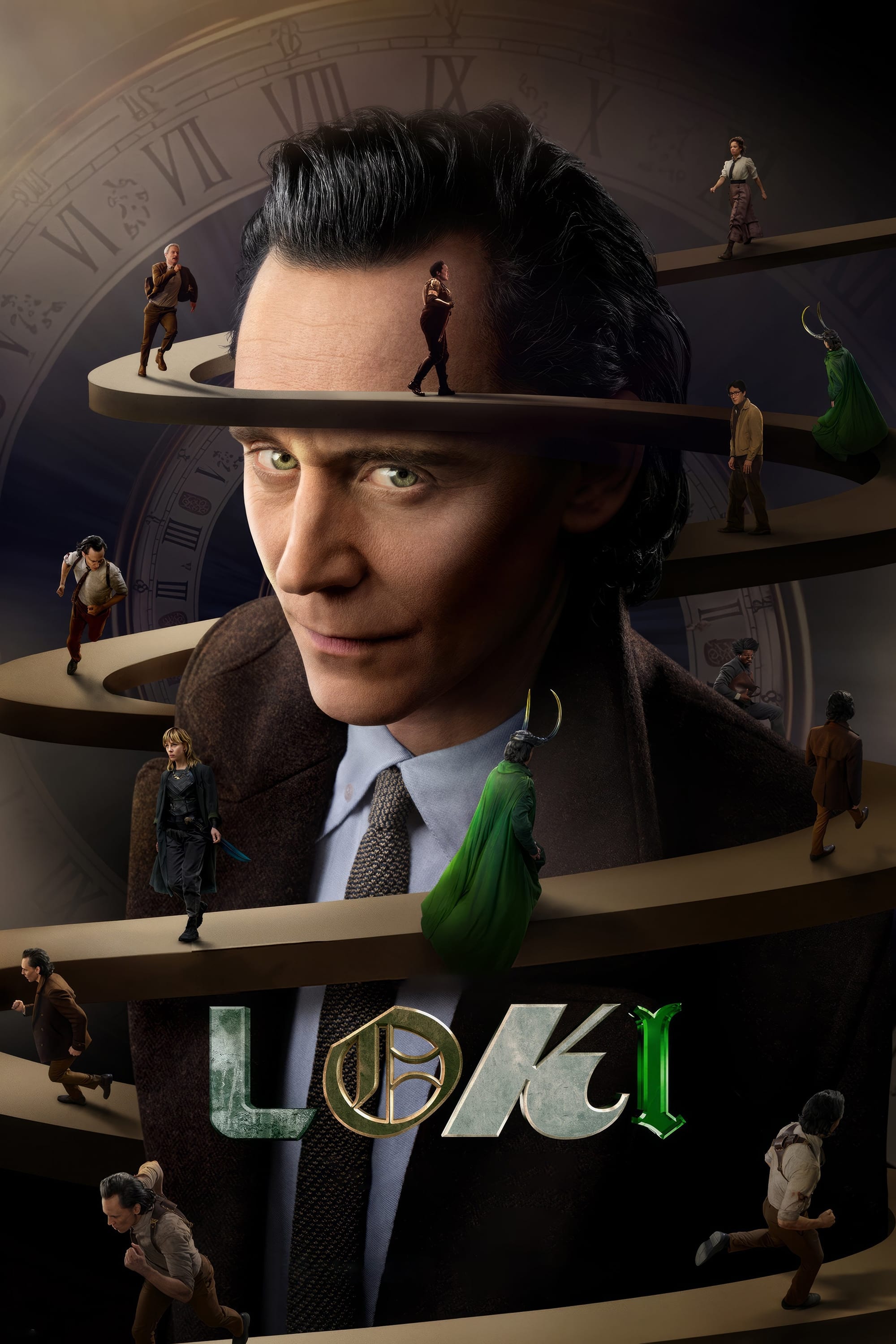
Loki, the God of Mischief, was officially established as bisexual in his Disney+ series. He revealed this during a quick conversation about his past relationships, mentioning he’d been with both men and women. However, the show didn’t delve into this part of his identity beyond that initial moment, leaving some viewers feeling it was a superficial inclusion that didn’t really affect the character or plot.
‘Riverdale’ (2017–2023)
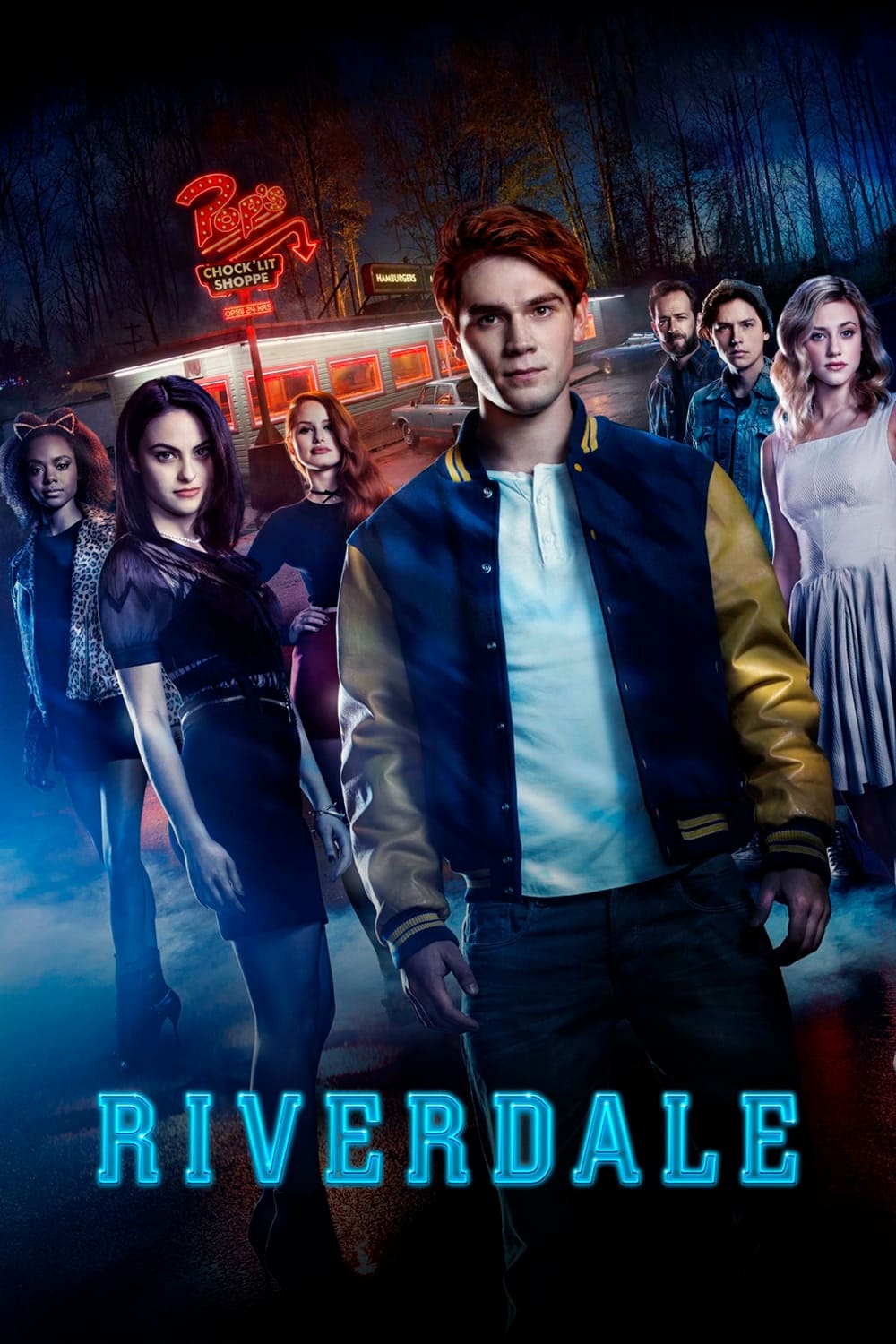
Kevin Keller made history as Archie Comics’ first openly gay character and became a regular part of the show. However, his storylines often relied on damaging stereotypes or had him joining strange groups instead of letting him drive his own story. The writers frequently focused solely on his sexuality or used him as a convenient plot device with different characters, making him feel more like a prop than a well-developed person.
‘Game of Thrones’ (2011–2019)
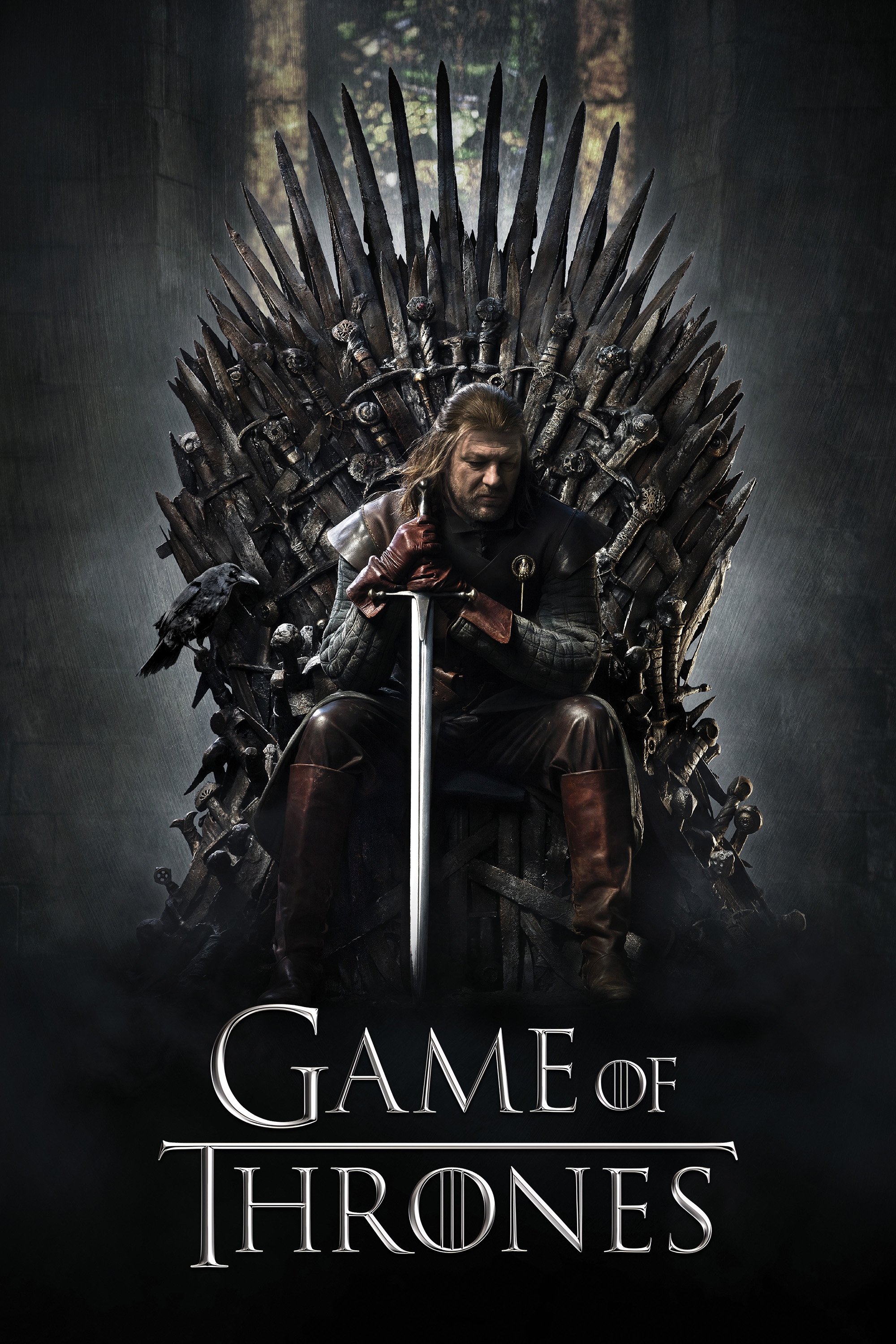
The TV series based on George R. R. Martin’s books received criticism for its portrayal of Dorne and its people. The show simplified the region’s unique culture and strong female characters, often reducing them to clichés and eliminating them when they no longer served the main storyline. Missandei, the only significant woman of color in the core cast, was killed off largely to fuel the emotional arc of a white character. These decisions sparked conversations about whether the show was using its diverse characters simply to advance the plot, rather than treating them as fully developed individuals.
‘Glee’ (2009–2015)
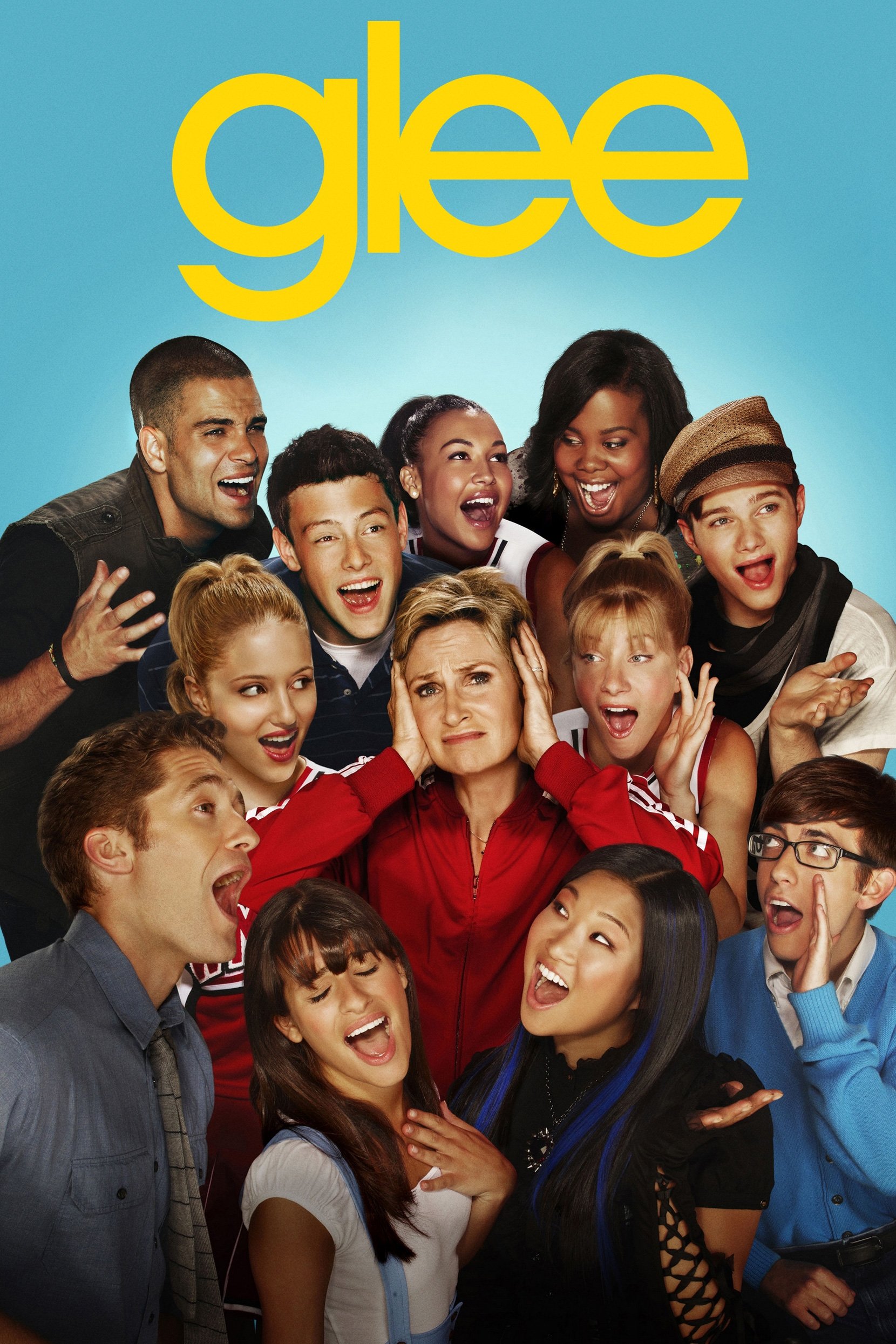
This musical comedy aimed to be welcoming to everyone and showcase a variety of experiences. However, while the show sometimes introduced important storylines – like a character’s gender transition or learning disability – it often quickly abandoned them in favor of new conflicts. One character, Unique, was often the target of jokes about her identity instead of being given a thoughtful and developed story. This pattern made these serious issues feel superficial, as if they were included simply to check boxes.
‘Sherlock’ (2010–2017)
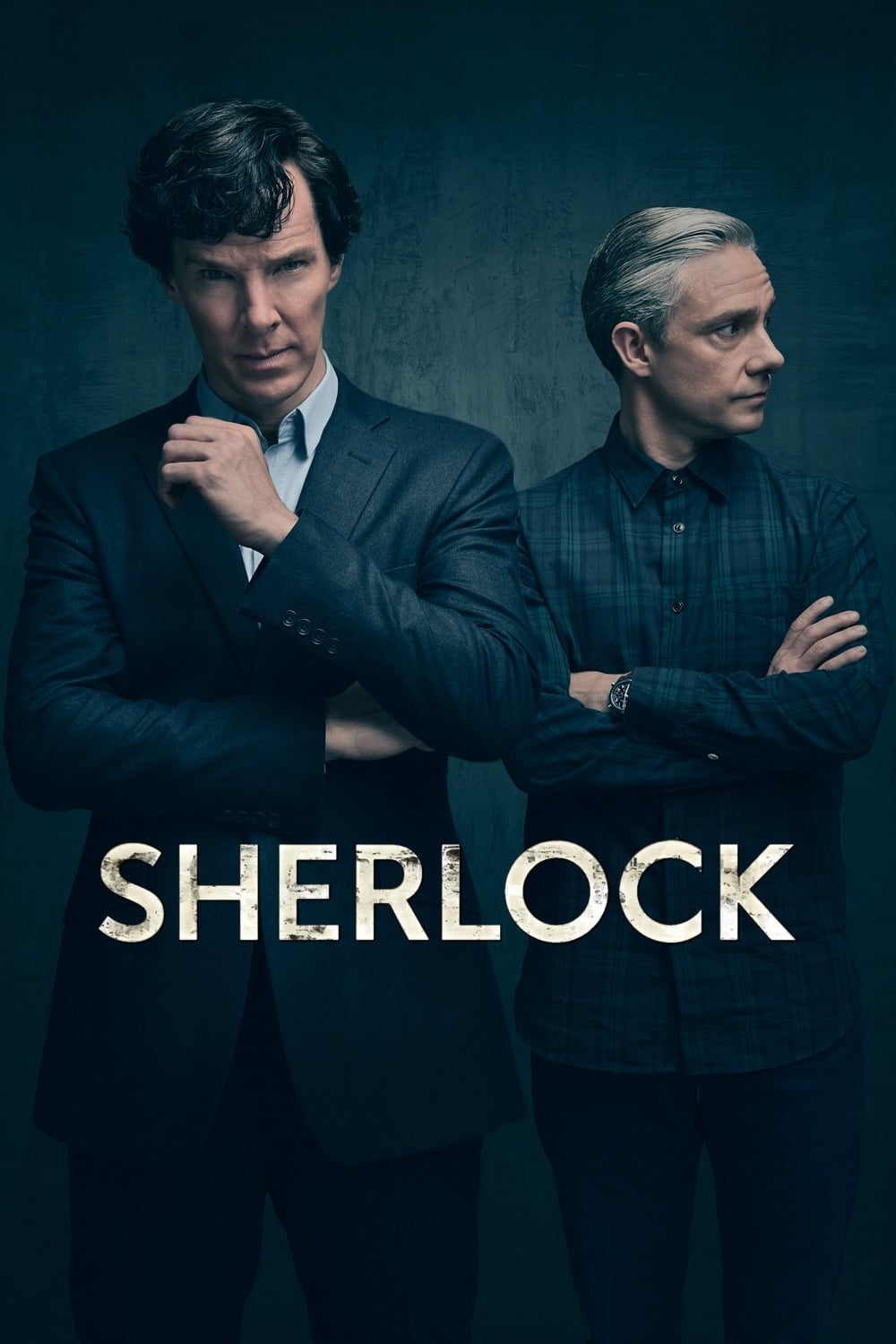
The relationship between Sherlock Holmes and John Watson often hinted at romantic feelings, leading many viewers to see them as a couple. The show’s creators would playfully suggest this possibility, but then downplay or joke about it. This technique, known as queerbaiting, involves attracting and holding an audience with the idea of LGBTQ+ representation without actually delivering it. Many fans felt frustrated and misled because the show never fully explored a romantic connection between the two characters.
‘The 100’ (2014–2020)
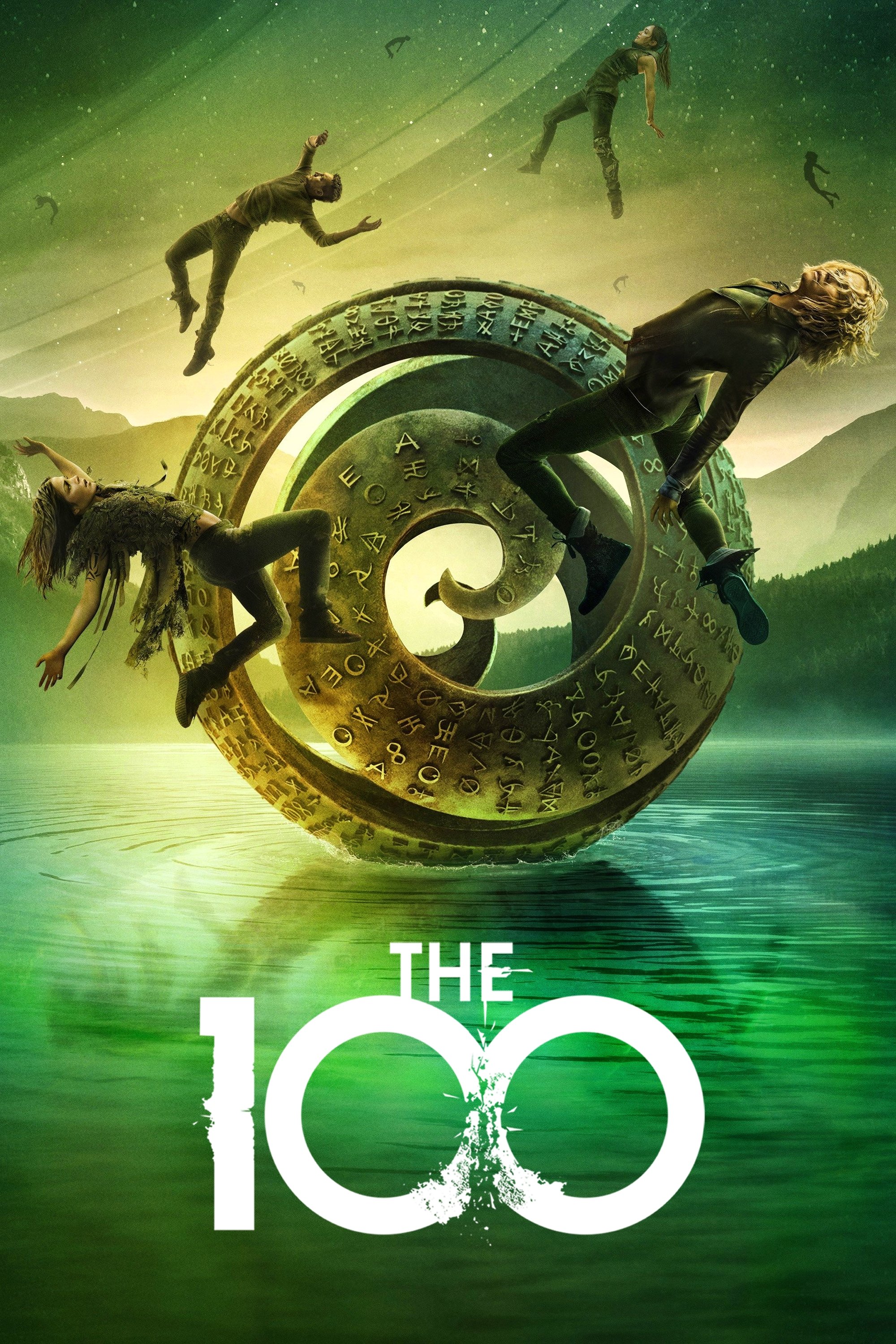
The romance between Clarke Griffin and Commander Lexa was a significant step for LGBTQ+ visibility on sci-fi TV. However, the decision to kill Lexa right after they became intimate repeated a damaging pattern known as the ‘Bury Your Gays’ trope. This caused widespread anger among fans, who felt the show treated Lexa, a well-loved queer character, as simply a way to further the main character’s story and suffering. The show’s creator later apologized for how the storyline played out, recognizing the pain it caused viewers.
‘Modern Family’ (2009–2020)
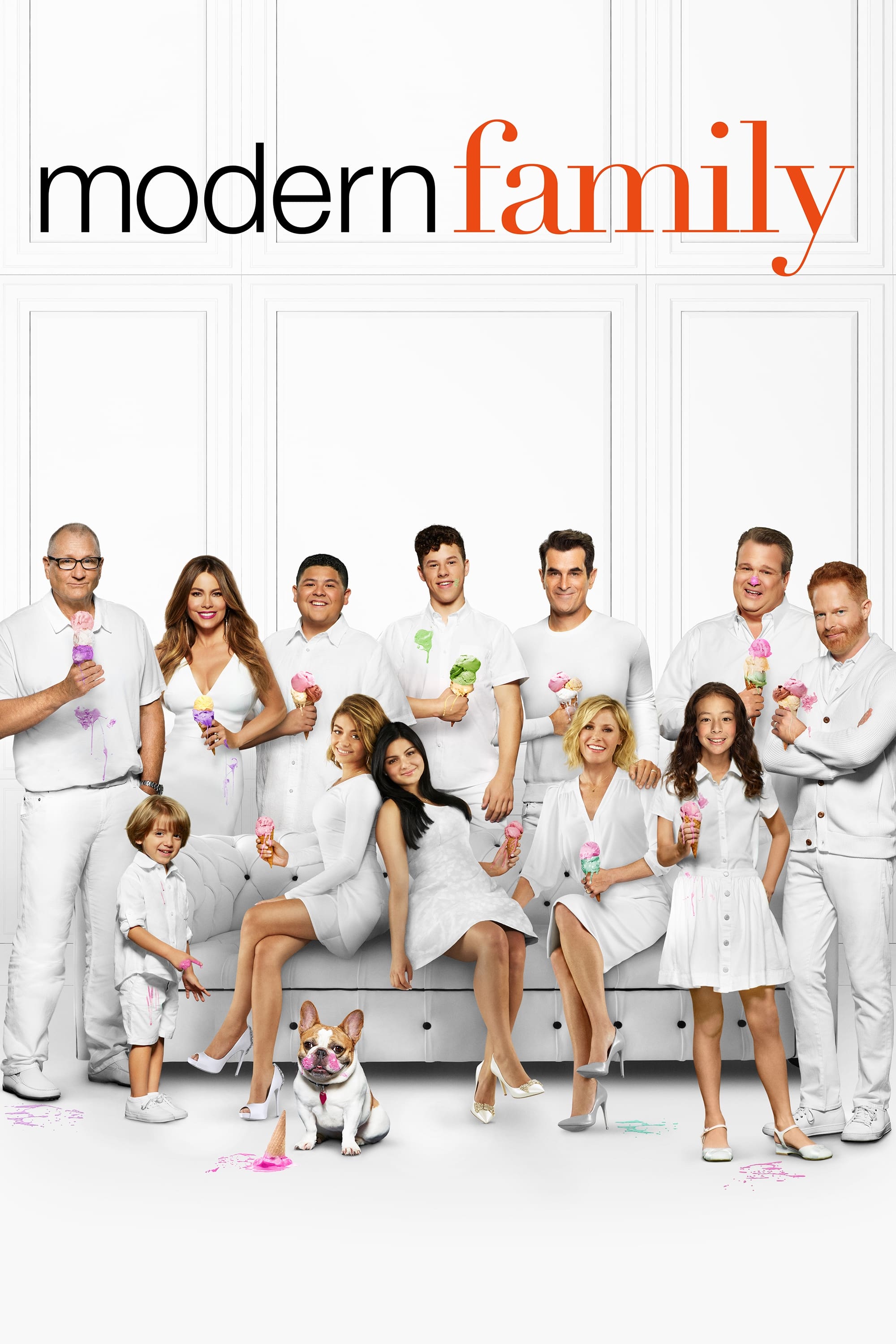
Cam and Mitchell were pioneers as a gay couple on a mainstream sitcom, but their on-screen displays of affection were much more restrained than those of heterosexual couples. Viewers quickly noticed the lack of kissing or intimate moments, even in minor scenes. The show later tackled this issue with an episode centered around a background kiss, but the initial reluctance remained a notable part of the show’s history. This careful approach suggested the network was hesitant to fully portray the physical side of their relationship.
‘Once Upon a Time’ (2011–2018)
The show hinted at a romantic connection between Mulan and Aurora in its second season, but never developed it. When Mulan returned later, she was quickly paired with Red Riding Hood in a story that felt forced and mostly happened away from the main action. This felt like a disappointing attempt to give Mulan a happy ending after years of waiting, especially since the pairing didn’t receive the same attention as the show’s heterosexual relationships.
‘Teen Wolf’ (2011–2017)

Danny Mahealani was a popular gay character on the show, known for being smart and having a great connection with Ethan the werewolf. Fans were surprised when he suddenly disappeared after season three, with no explanation or goodbye. His removal felt especially noticeable because he was part of the main group of friends and involved in the show’s supernatural storylines. This abrupt ending implied the writers didn’t consider his story important to the overall plot.
‘Killing Eve’ (2018–2022)
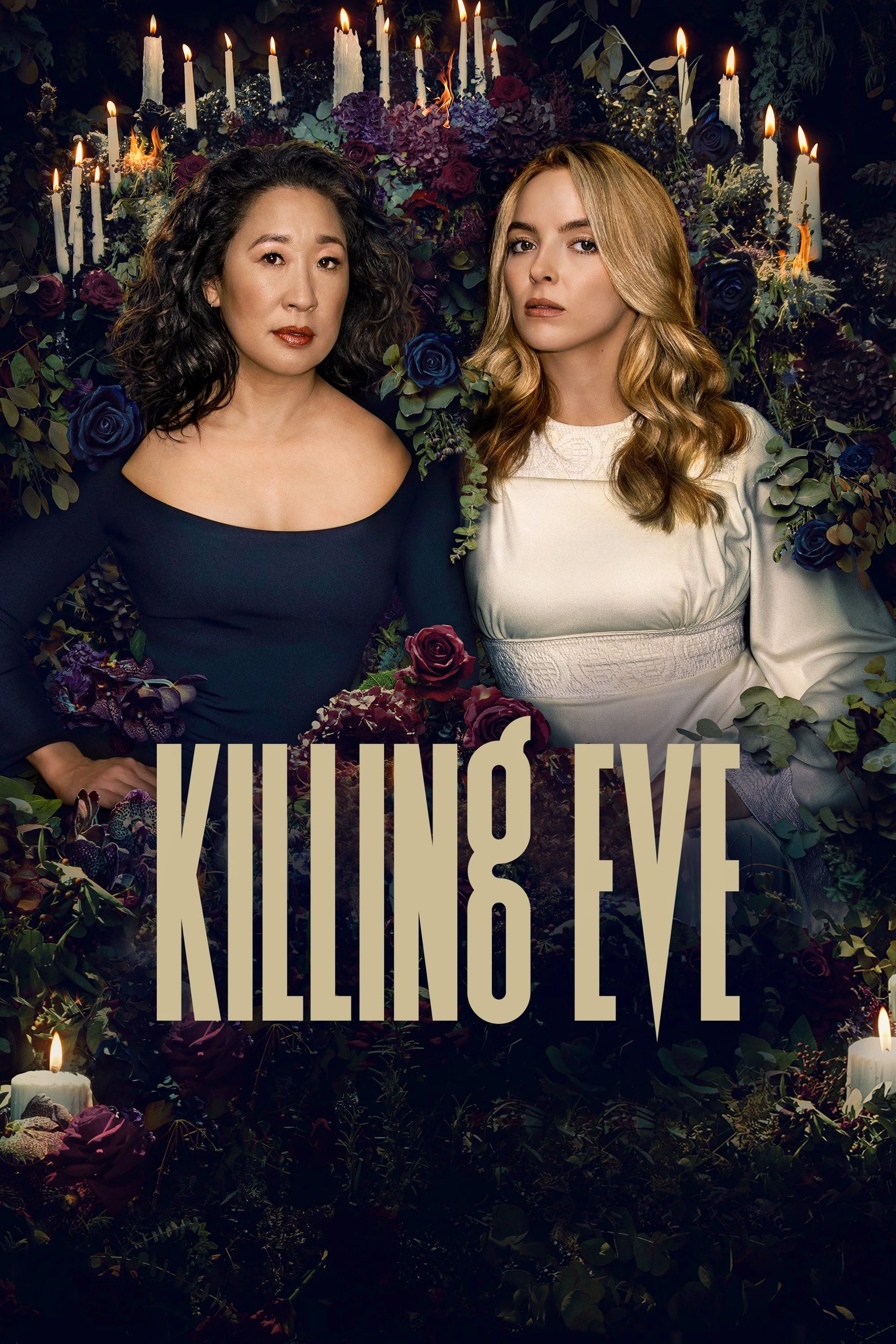
For four seasons, the dynamic between Eve Polastri and Villanelle was charged with romantic and sexual tension. The series ended with a short-lived moment of happiness for them, before Villanelle was tragically killed. Many viewers criticized this ending, finding it relied on harmful clichés that punish LGBTQ+ characters just when they find happiness. It made their complex relationship seem pointless and didn’t fit with the overall feel of the show.
‘And Just Like That…’ (2021–Present)
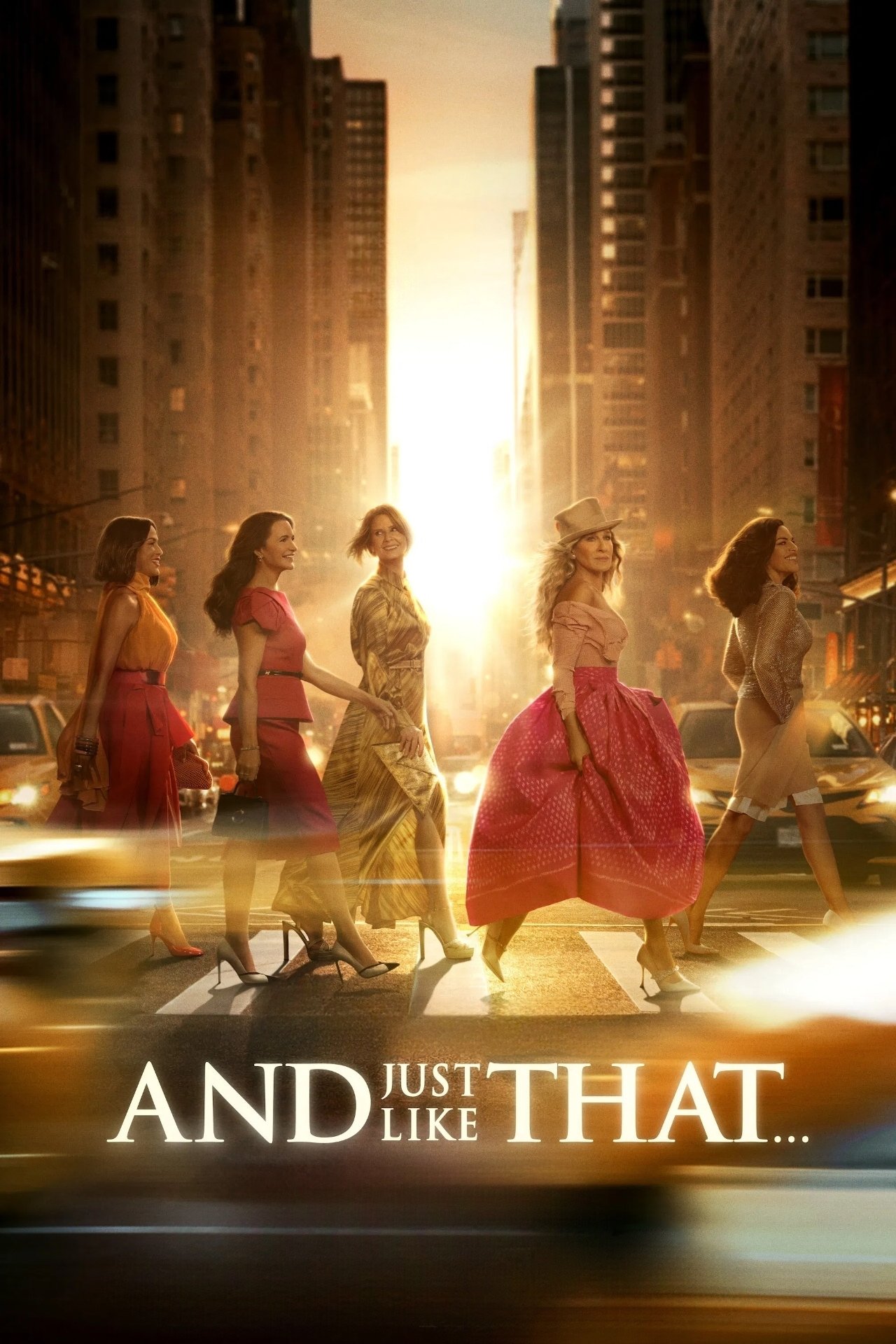
The new ‘Sex and the City’ series featured Che Diaz, a non-binary comedian, and their relationship with Miranda Hobbes. However, many viewers felt Che was an over-the-top representation of current social issues, lacking depth as a character. Miranda’s quick change in attraction and personality to fit this relationship seemed forced and didn’t feel natural for longtime fans. It appeared the show was trying too hard to update its image without developing the characters properly.
‘Star Trek: Voyager’ (1995–2001)
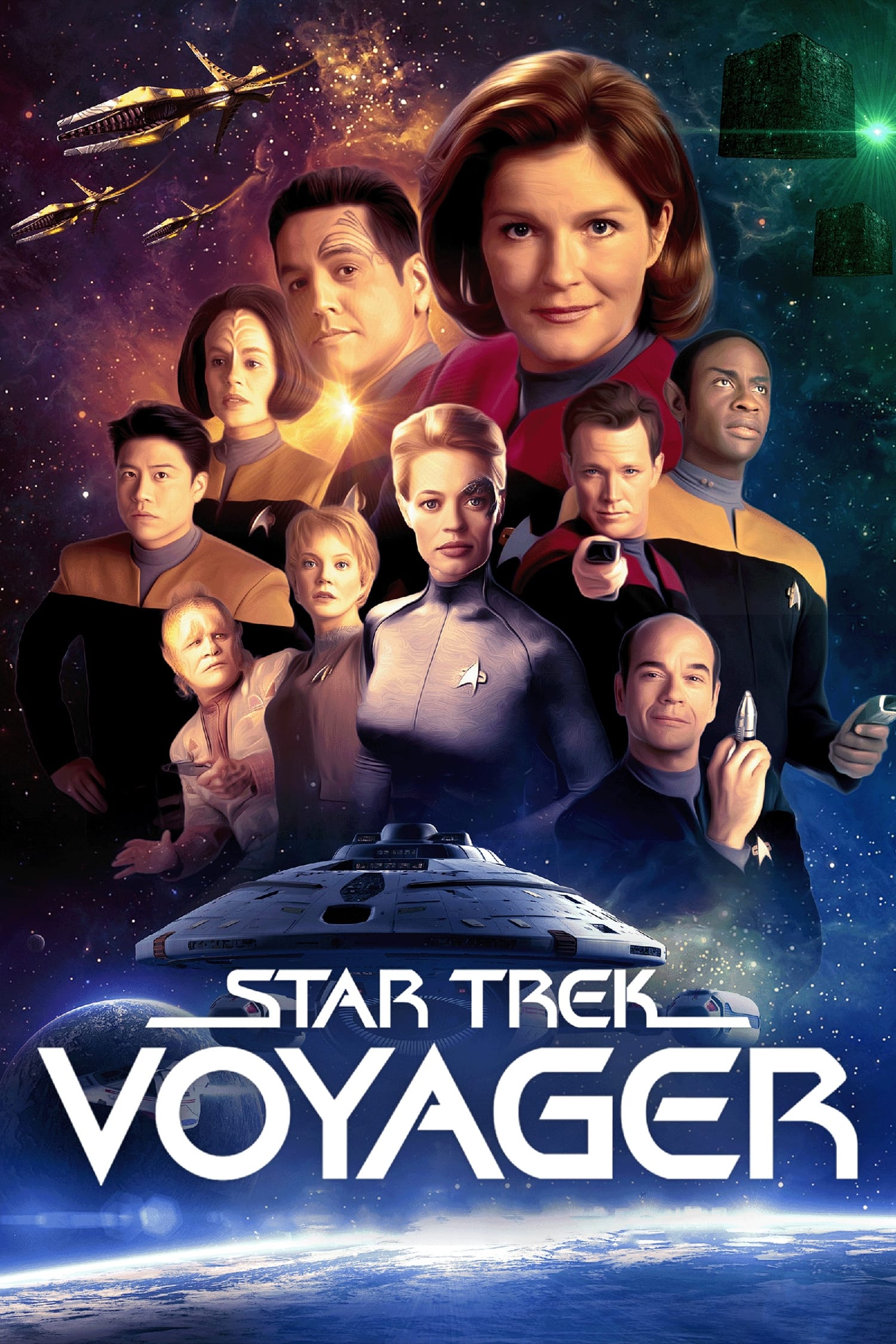
The character of Commander Chakotay was designed to portray Indigenous American culture within the world of Star Trek. Unfortunately, the show’s producers consulted someone who falsely claimed to be an expert in that culture. This led to Chakotay’s stories being filled with inaccurate stereotypes and invented traditions instead of genuine cultural practices. While the intention was to be inclusive, the representation ultimately fell short because of poor research and a lack of respect for authentic culture.
‘Gilmore Girls’ (2000–2007)
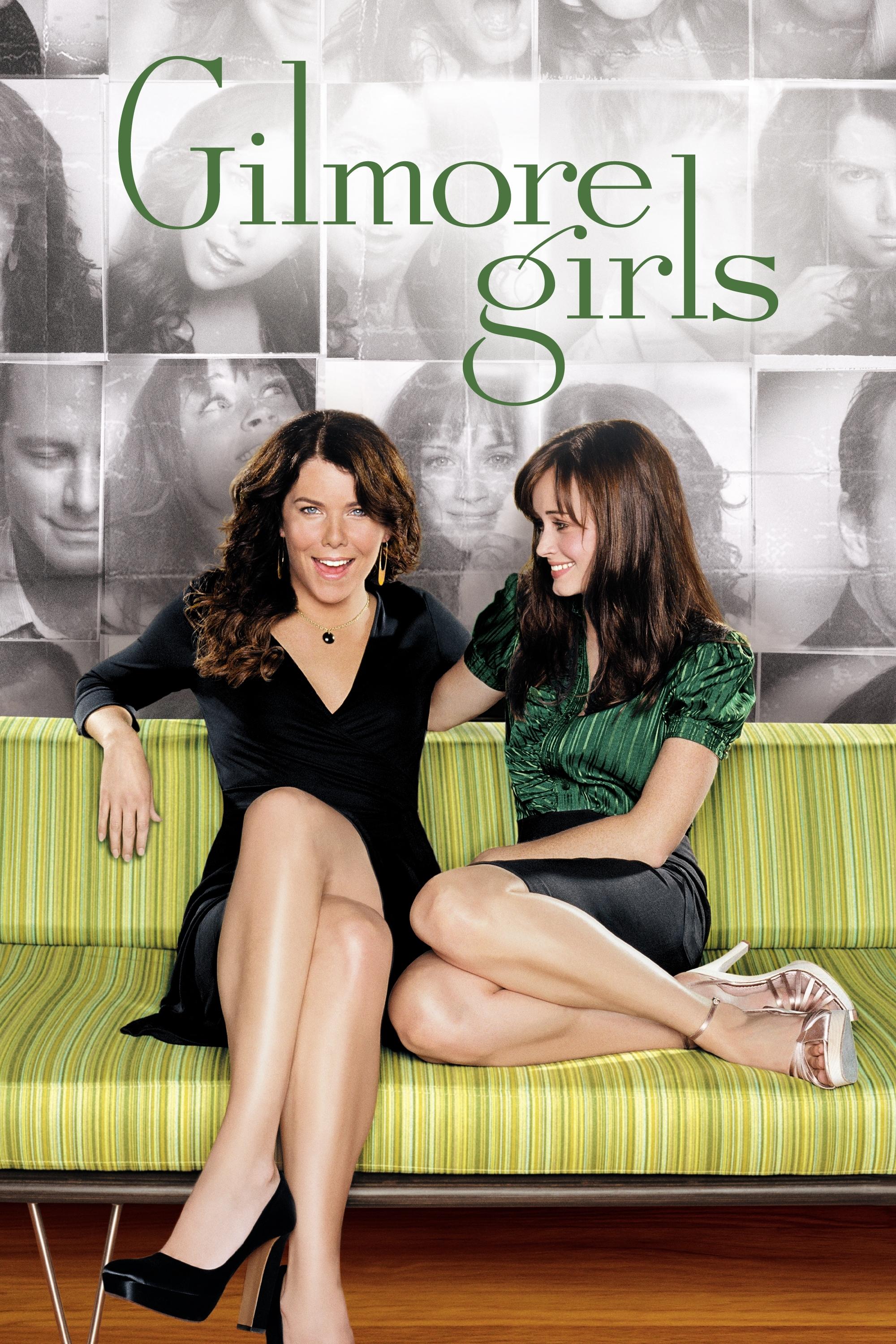
Michel Gerard was a memorable character in the original series, and many viewers interpreted him as embodying common stereotypes often linked to gay men. However, the show never directly addressed his sexuality or gave him a romantic partner for the first seven seasons. It wasn’t until the show was revived in 2016 that he was revealed to be married to a man. This late acknowledgment made the earlier lack of discussion about his personal life seem intentional.
‘How I Met Your Mother’ (2005–2014)
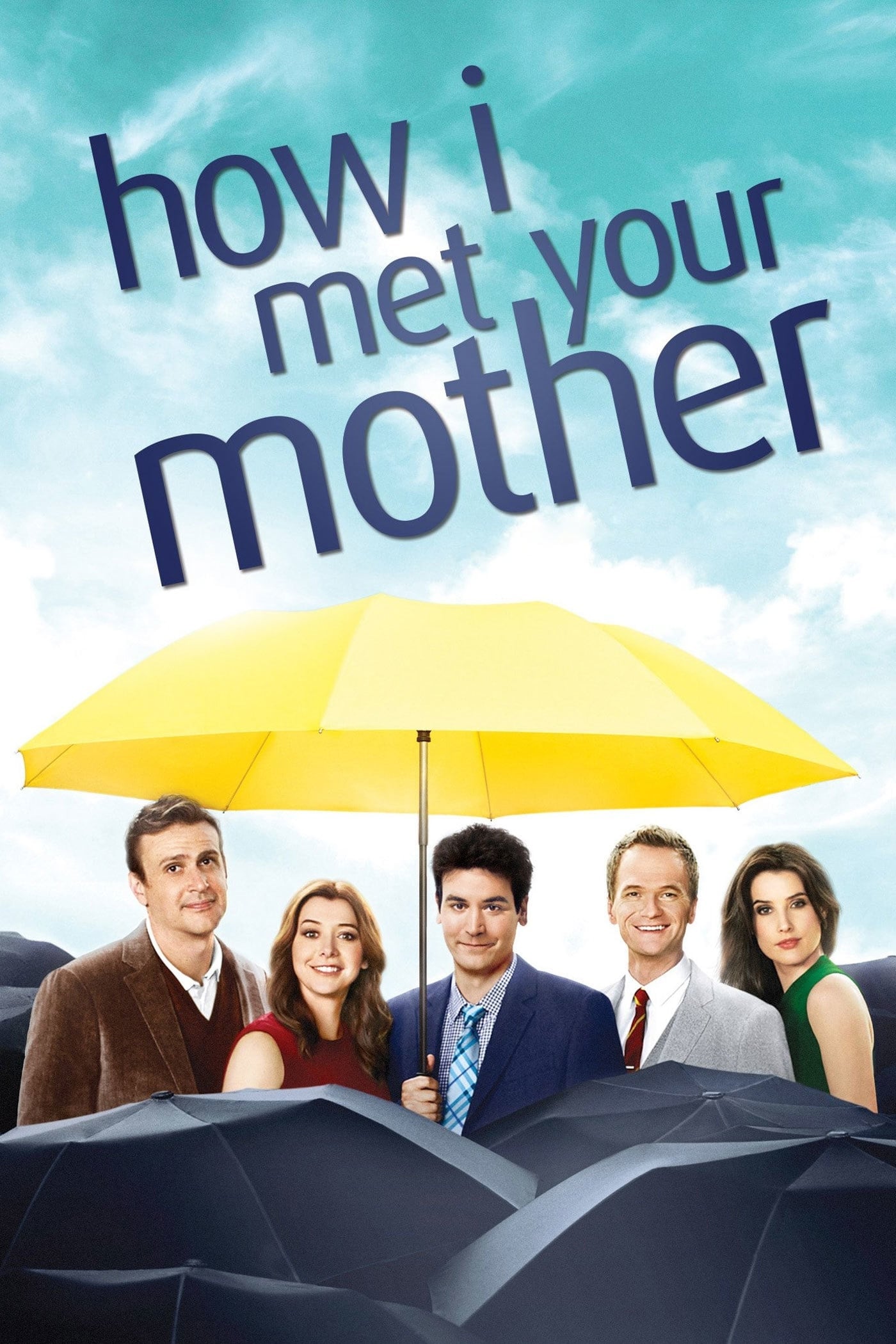
Barney Stinson’s brother, James, appeared occasionally on the sitcom, mainly as a source of jokes about Barney or to move wedding-related storylines forward. The show didn’t delve much into James’s personal life or relationships, keeping his role largely superficial for comedic effect. He often served as a way to deflect potential criticism of the show’s sometimes insensitive humor.
‘Doctor Who’ (2005–Present)
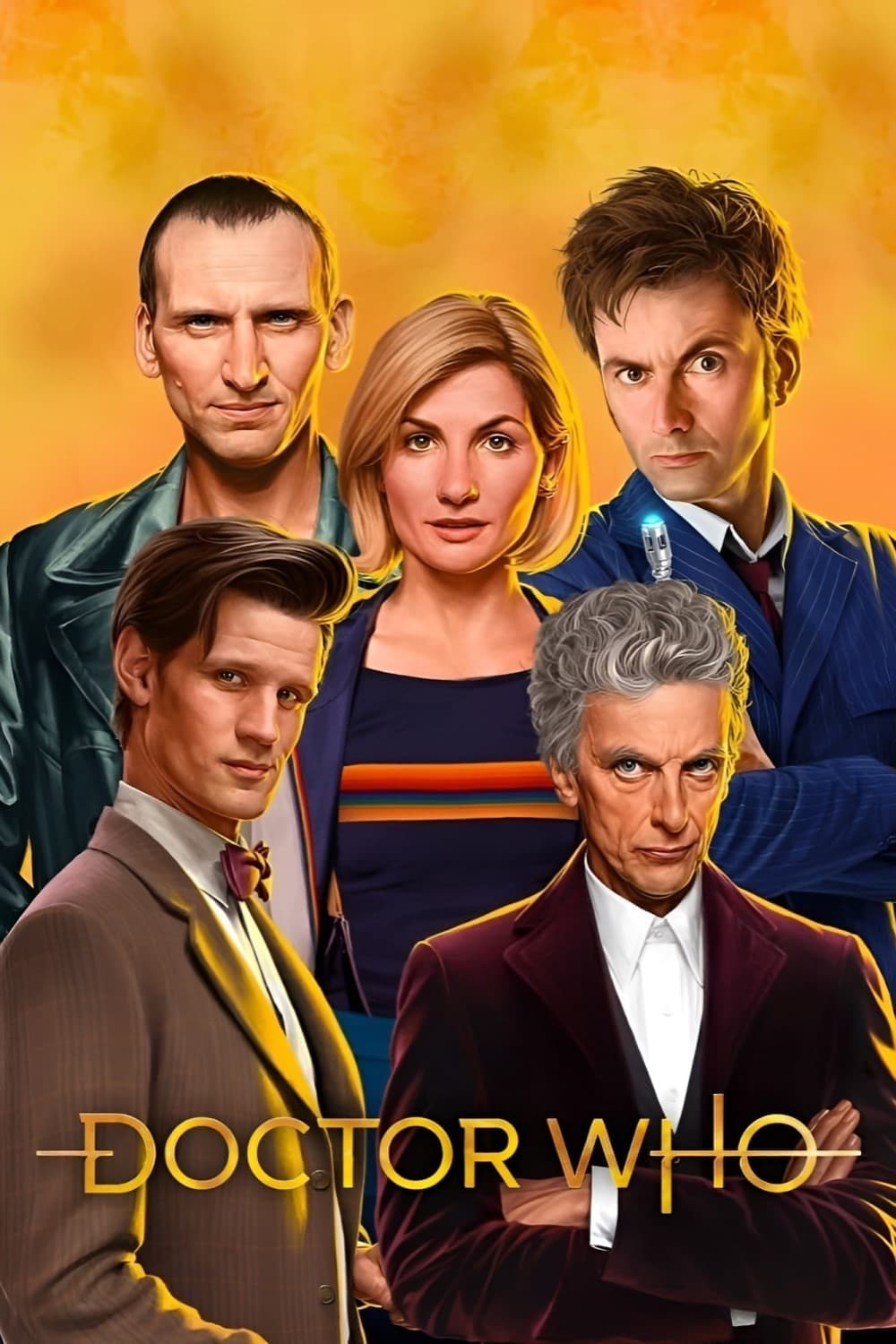
For several seasons, the show hinted at romantic feelings between the Thirteenth Doctor and her companion Yaz through lingering looks and unspoken cues. While these feelings were finally acknowledged near the end of the Doctor’s time, they weren’t reciprocated and the storyline remained unfinished. The show introduced this romantic element too late to develop it properly, making it feel like an afterthought designed to satisfy viewers rather than a carefully planned part of the story.
‘Stranger Things’ (2016–Present)
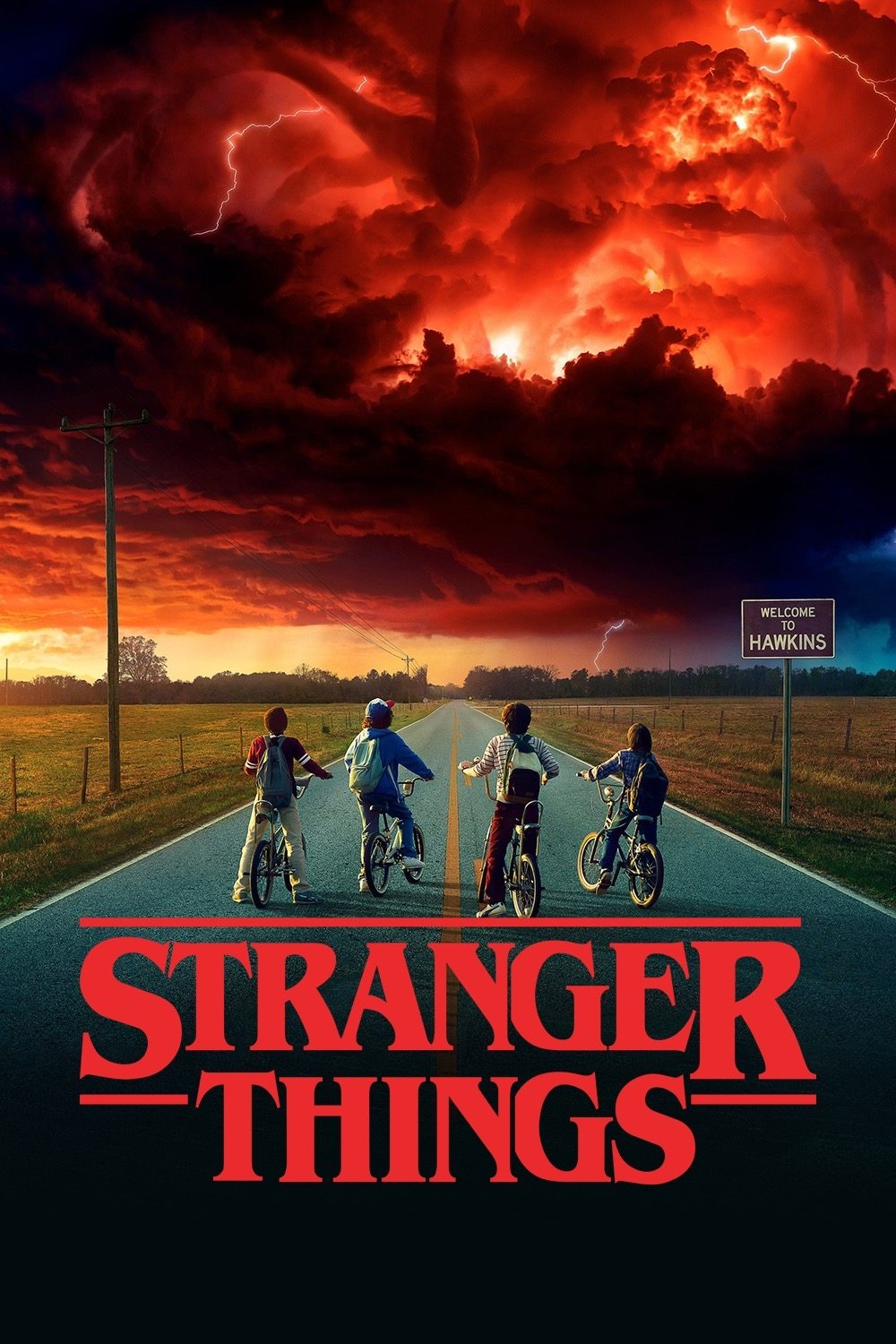
As a longtime fan, it’s been clear to me since the beginning that Will Byers is gay. The show has dropped a lot of hints through how he talks and interacts with others, but they’ve really stretched out his journey of self-discovery. It’s frustrating because we often see him hurting inside, quietly struggling with his feelings, and it feels like the writers are delaying him actually saying how he feels just for the sake of drama. It’s like they’re hesitant to let him fully embrace who he is, and it’s honestly starting to feel stalled.
‘Smallville’ (2001–2011)
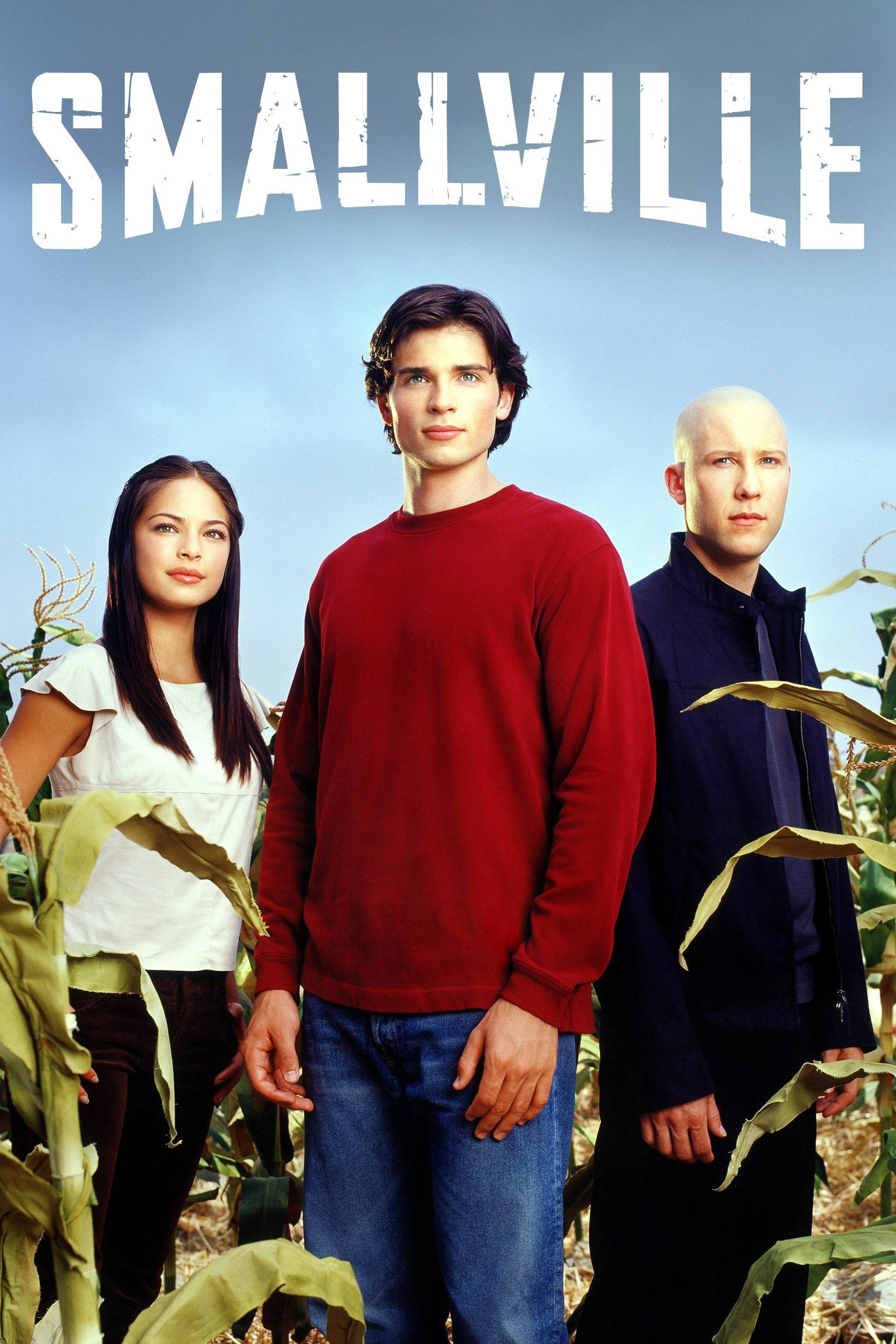
As a long-time fan, I always felt Pete Ross, Clark’s best friend, was a really important character, especially since he was one of the few people of color with a significant role early on. It was frustrating to see him written off the show after just three seasons – he just didn’t get the same depth or storylines as the other characters. It felt like the writers couldn’t figure out how to weave him properly into the growing world of Superman, and honestly, it seemed like a missed opportunity to tell a more diverse and interesting story about Clark’s origins. It really highlighted a lack of creativity in exploring different viewpoints.
‘Pretty Little Liars’ (2010–2017)
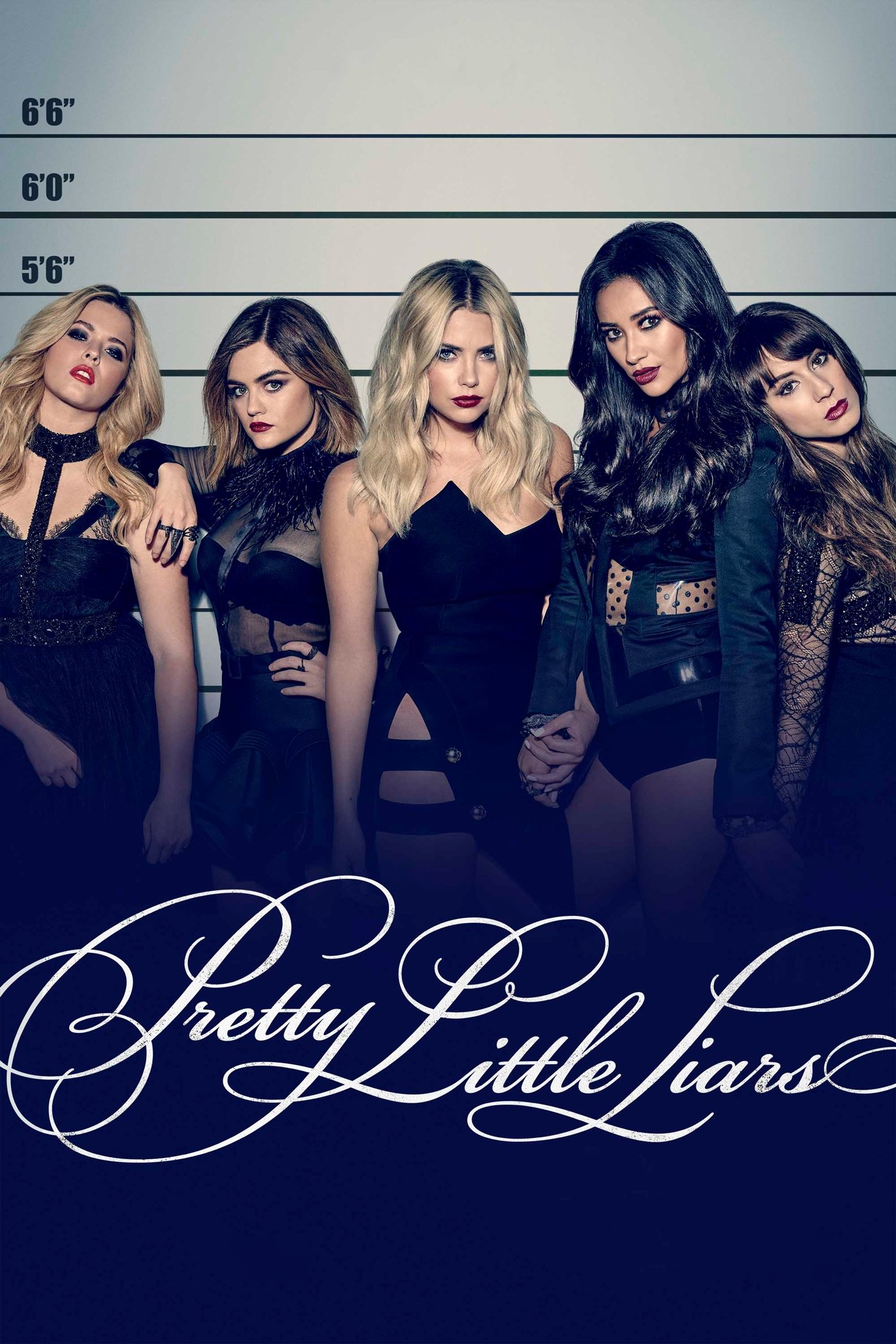
When “A” was revealed to be Charlotte DiLaurentis, the show introduced a storyline about being transgender. However, this was poorly handled, as the story linked being transgender with dishonesty and mental health issues. The character’s backstory didn’t quite add up, suggesting this aspect of her identity was added later in the writing process. Ultimately, the portrayal relied on damaging stereotypes instead of offering a nuanced and respectful representation.
‘The Vampire Diaries’ (2009–2017)
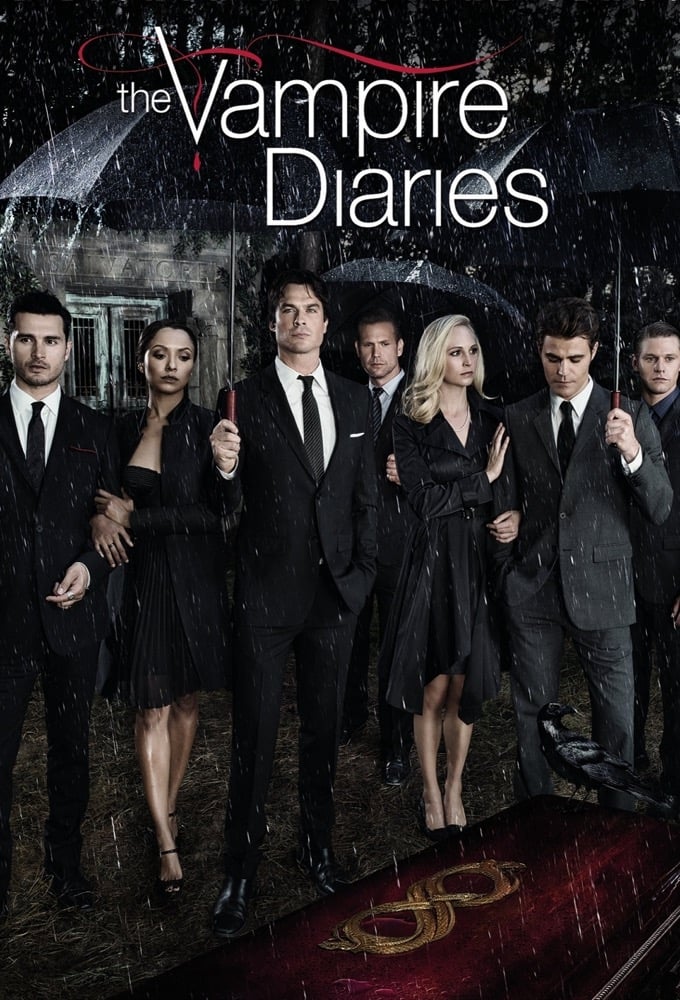
Bonnie Bennett, a strong and important witch on the show, was often given less focus to prioritize the stories of white characters. Her plotlines frequently involved her losing her abilities, facing death, or experiencing hardship—all to help others. The writers rarely let her have fulfilling relationships or personal growth that weren’t tied to serving those around her. This pattern led to discussions about the problematic “Magical Negro” trope and how black female characters can be undervalued in storytelling.
‘Friends’ (1994–2004)
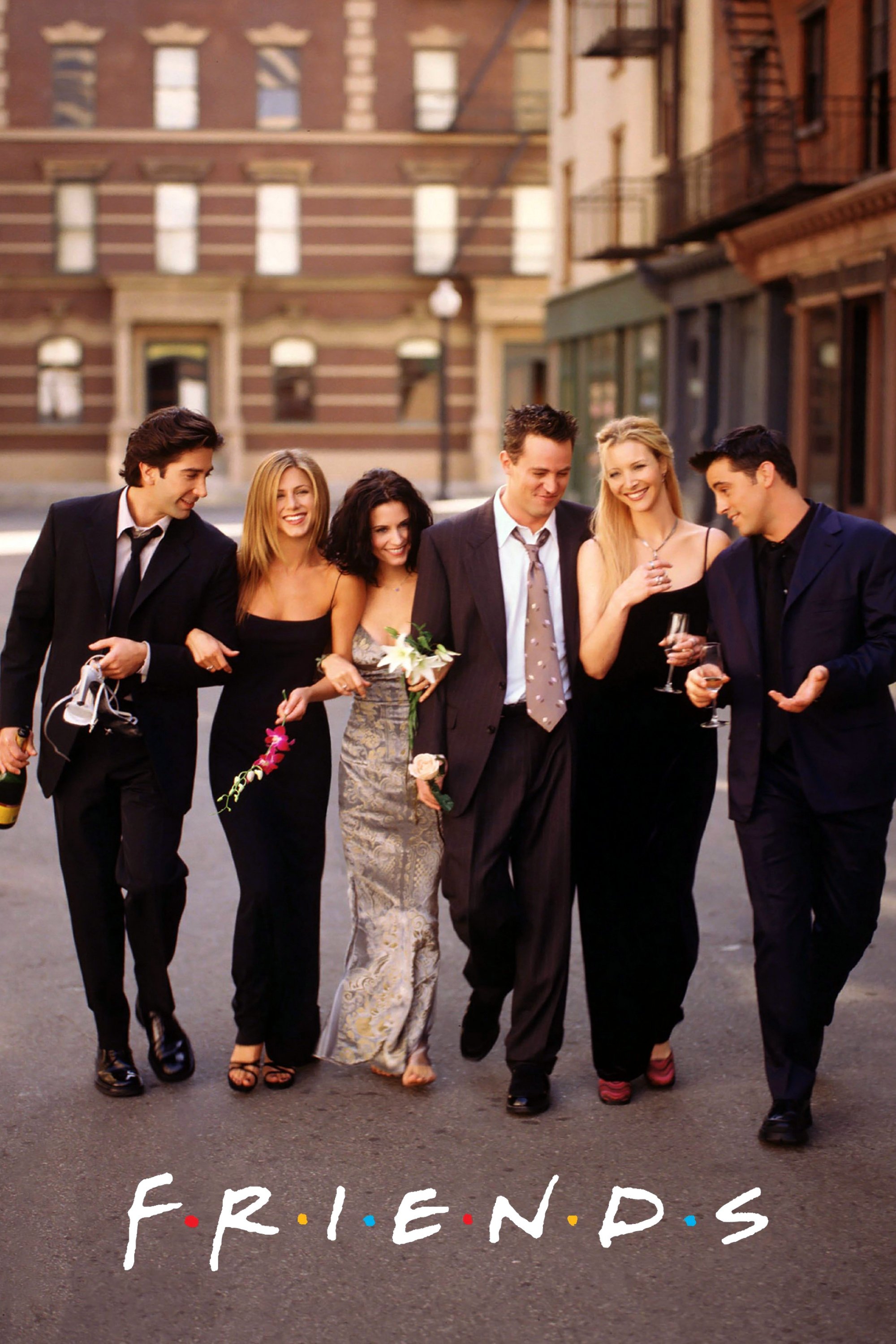
Chandler Bing’s father was a character on the show who was a drag queen, played by a woman. The show never explained whether he was a transgender woman or a gay man performing in drag, which created a confusing portrayal. The jokes made about this character were frequently hurtful and insensitive, leaning into transphobic tropes rather than promoting understanding. This lack of respect made the character feel like a source of amusement instead of a meaningful example of diversity.
‘Sleepy Hollow’ (2013–2017)
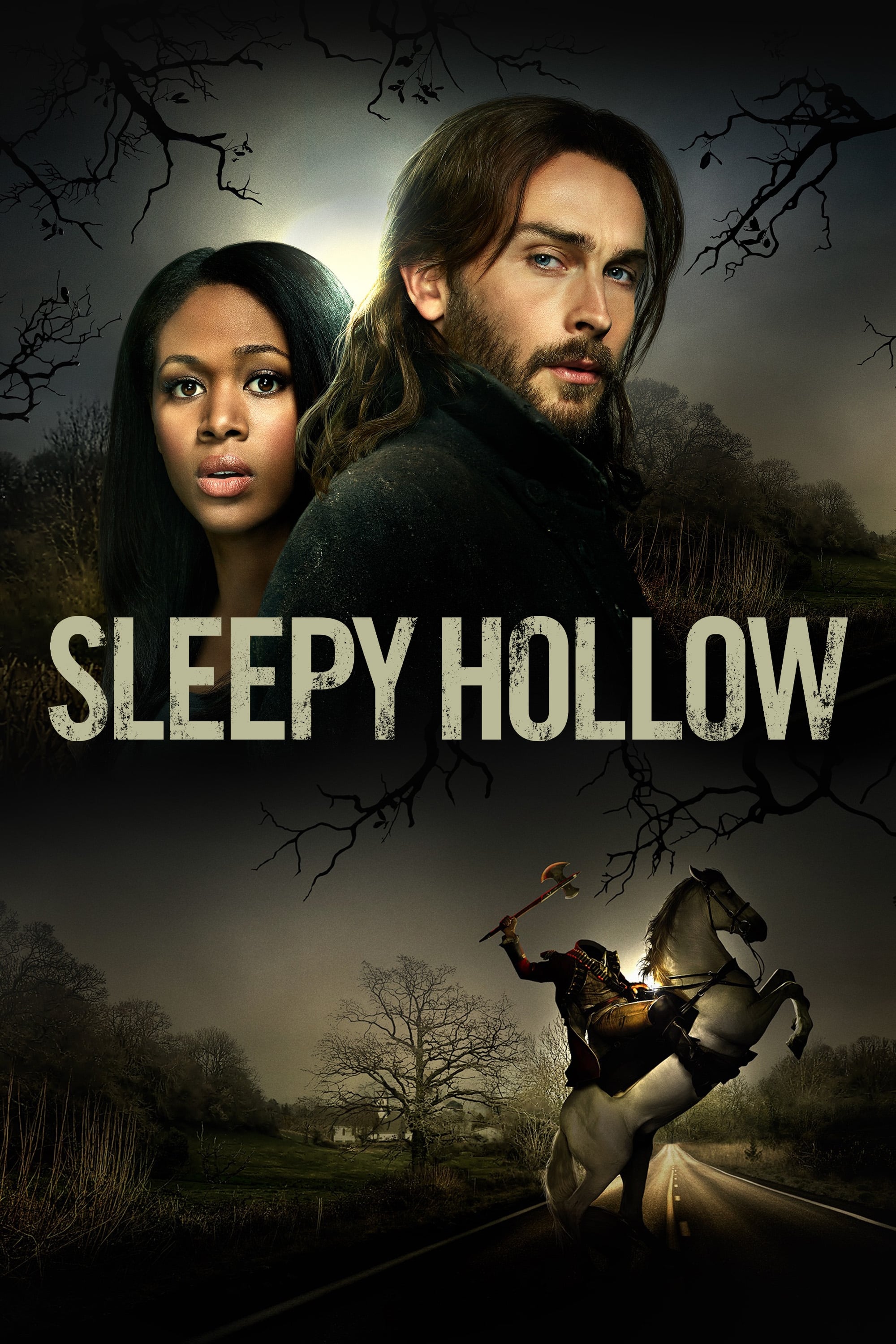
Nicole Beharie played Abbie Mills, one of the main characters on the show, alongside Tom Mison’s Ichabod Crane. However, as the series went on, her character’s importance was gradually reduced, and she was ultimately killed off at the end of the third season. This decision, removing the show’s Black female lead while continuing with the white male lead, sparked criticism. Many viewers felt it showed the show only valued diversity initially, and wasn’t committed to it long-term.
‘Brooklyn Nine-Nine’ (2013–2021)
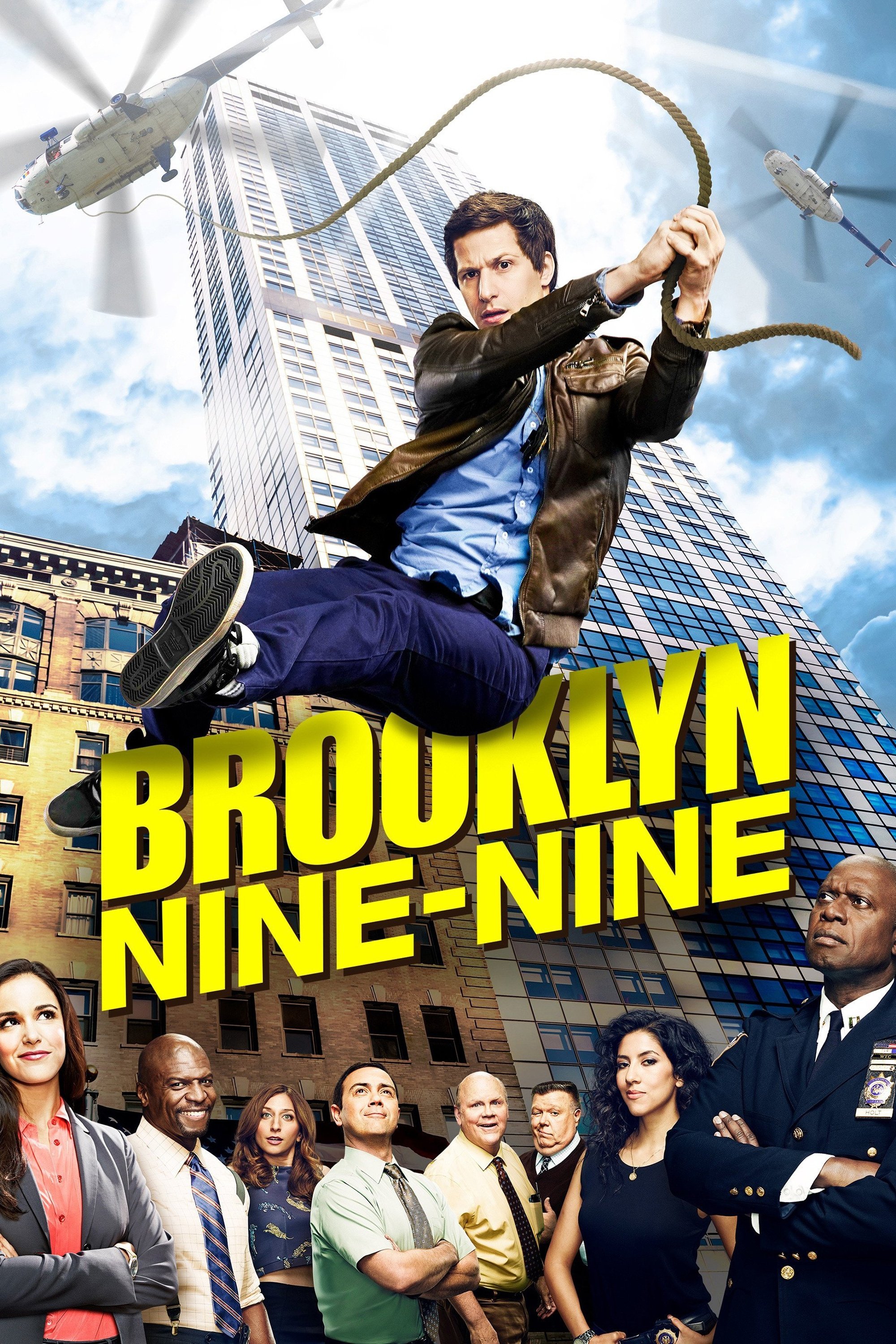
The show’s eighth season tried to tackle important issues like the Black Lives Matter movement and police brutality, prompted by events in the real world. However, many viewers felt these episodes were too preachy and didn’t fit the show’s usual comedic style. Instead of feeling like genuine conversations, characters often gave long speeches, and the sudden change in tone seemed like a quick response to current events rather than a natural progression of the show’s storytelling.
‘Fate: The Winx Saga’ (2021–2022)
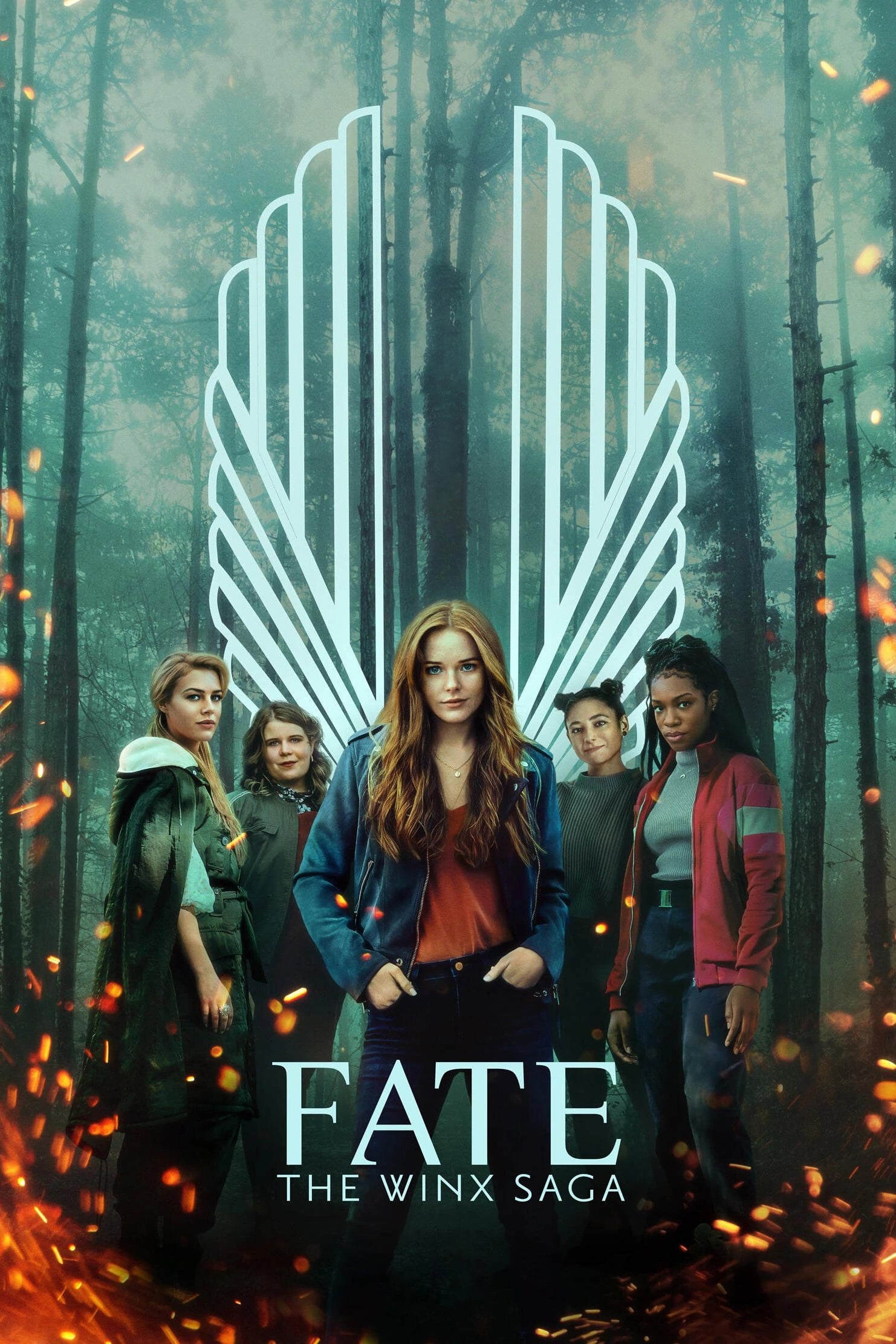
The live-action version of this well-known cartoon quickly received criticism for a lack of diversity in its casting. The show changed the ethnicity of two characters – Musa, who was originally East Asian, and Flora, a Latina character who was replaced with a white character named Terra. After significant criticism from fans, the show tried to address the removal of Flora in its second season. These initial casting choices implied that the show’s creators didn’t prioritize diversity when the show was being developed.
‘New Girl’ (2011–2018)
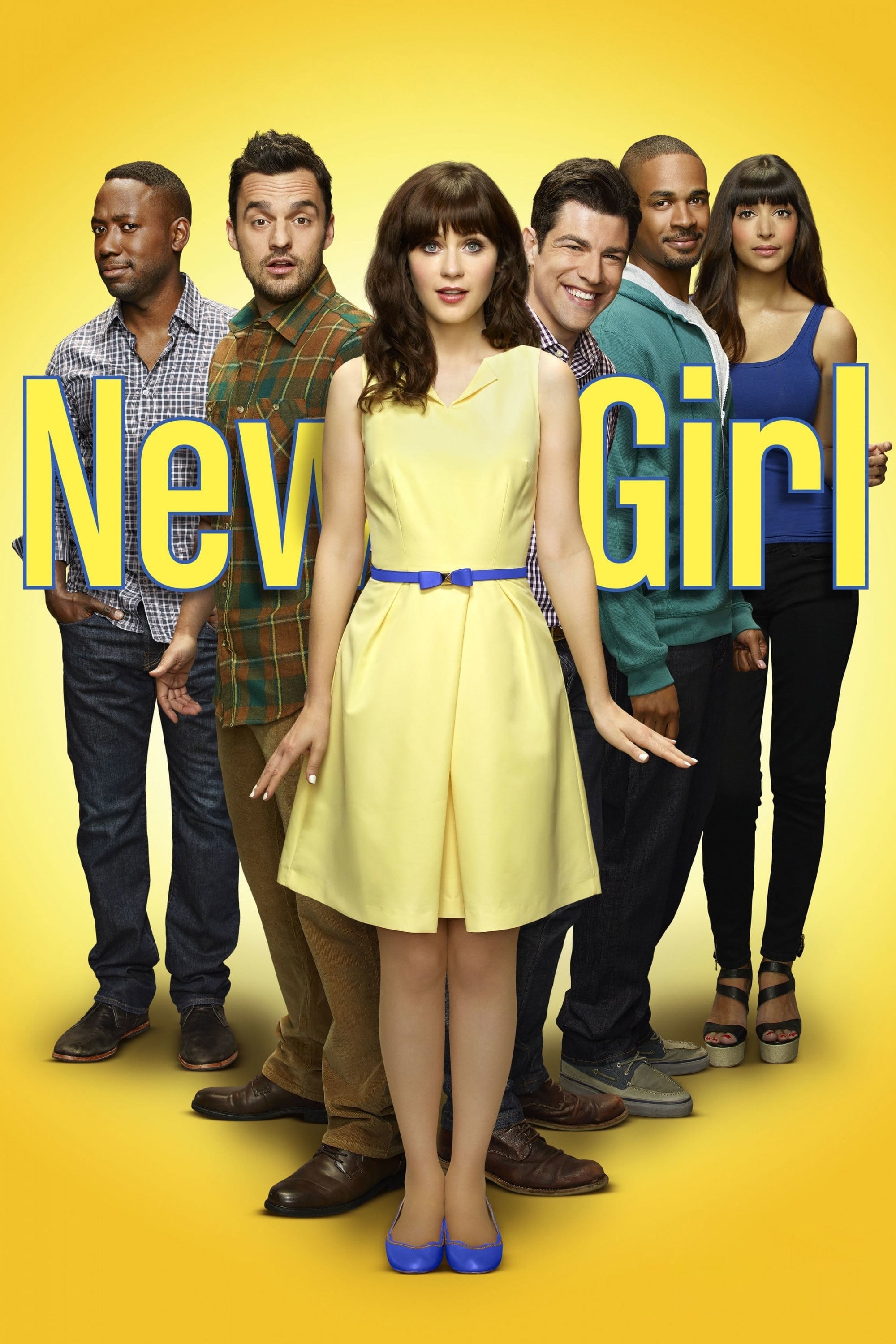
Winston Bishop wasn’t originally part of the show, joining after the first episode when another actor’s character was removed. At first, he didn’t quite fit in with the other roommates. He often had storylines that felt separate from what everyone else was doing, and he didn’t have a strong, defined personality. Although he eventually became a beloved character, his introduction to the show was a bit awkward and lacked a clear purpose.
‘Heroes’ (2006–2010)
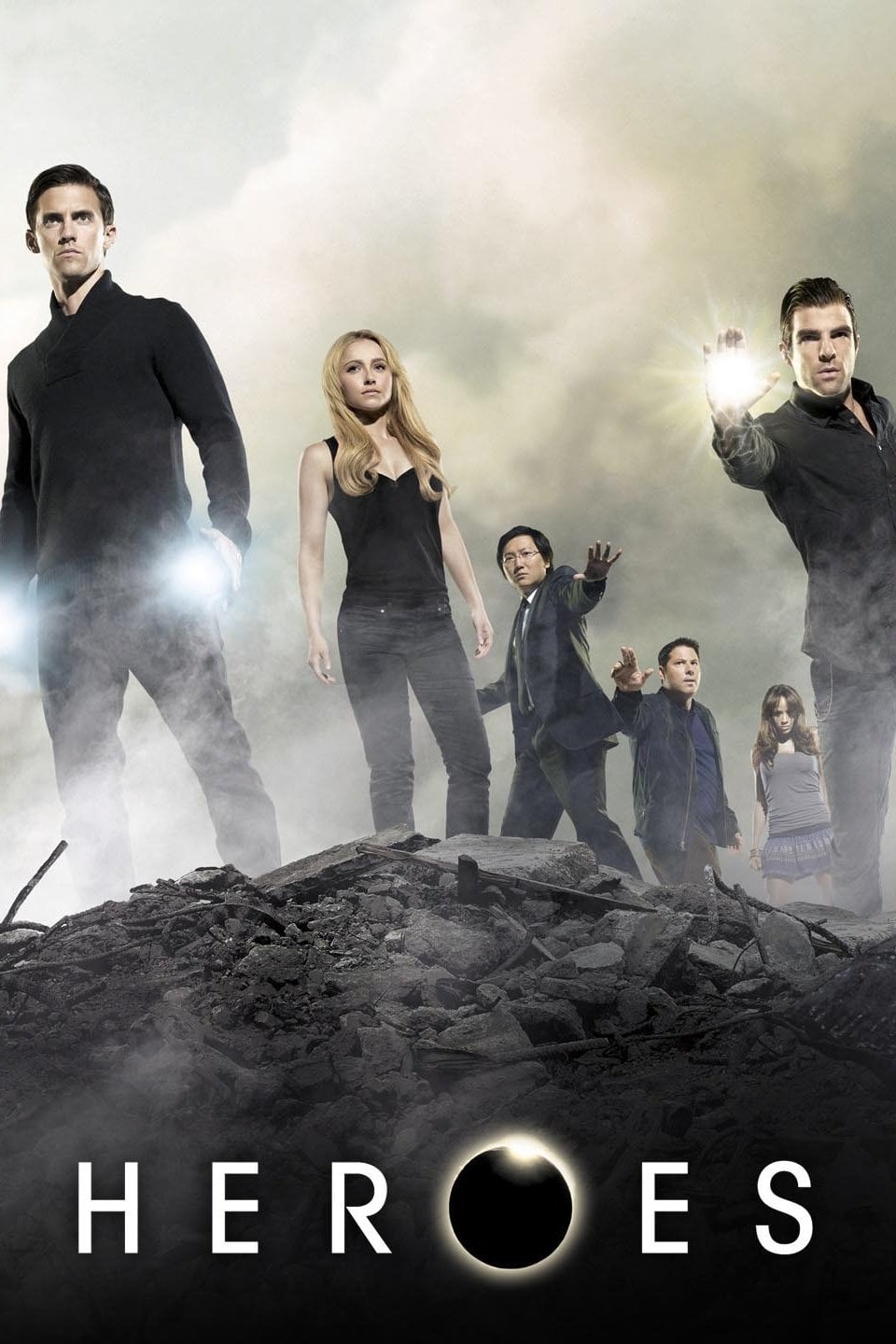
Season two featured new characters Maya and Alejandro Herrera, siblings with powerful and dangerous abilities who were constantly on the move. Their story felt separate from the main plot and became predictable as they journeyed to meet the other characters. Alejandro’s death happened quickly and without much impact, and Maya’s storyline ended when it connected with the villain, Sylar. Ultimately, their arc felt like an unnecessary diversion that didn’t really contribute to the bigger picture of the series.
‘Scrubs’ (2001–2010)
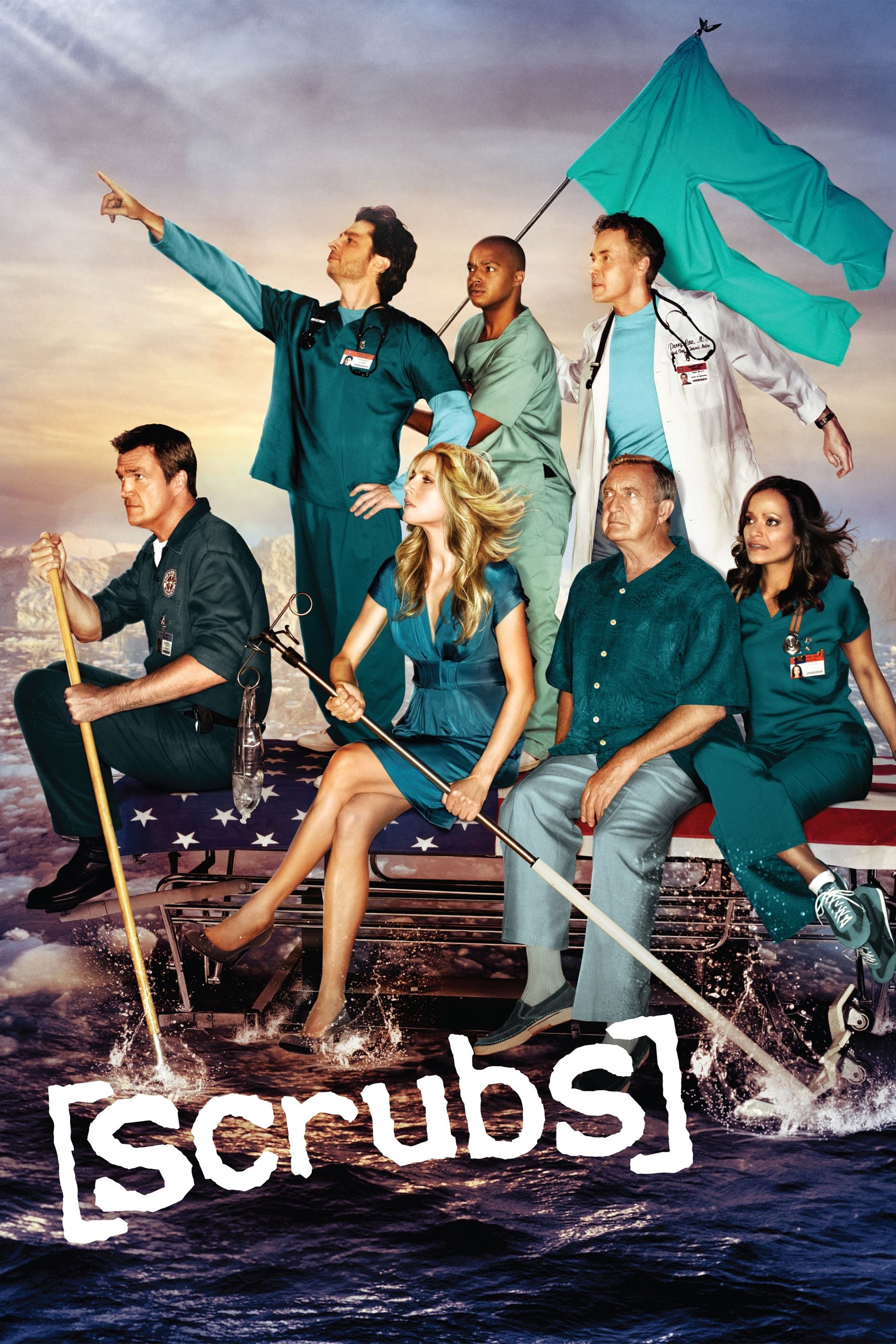
Franklin was a lab technician who appeared repeatedly on the show, mainly to deliver jokes based on his race and sexual orientation. Although the show included other diverse characters, Franklin wasn’t developed with the same depth or complexity as the main characters. His role was almost entirely to provide quick laughs through stereotypes, making him more of a comedic tool than a genuinely inclusive character.
‘Saved by the Bell’ (1989–1993)
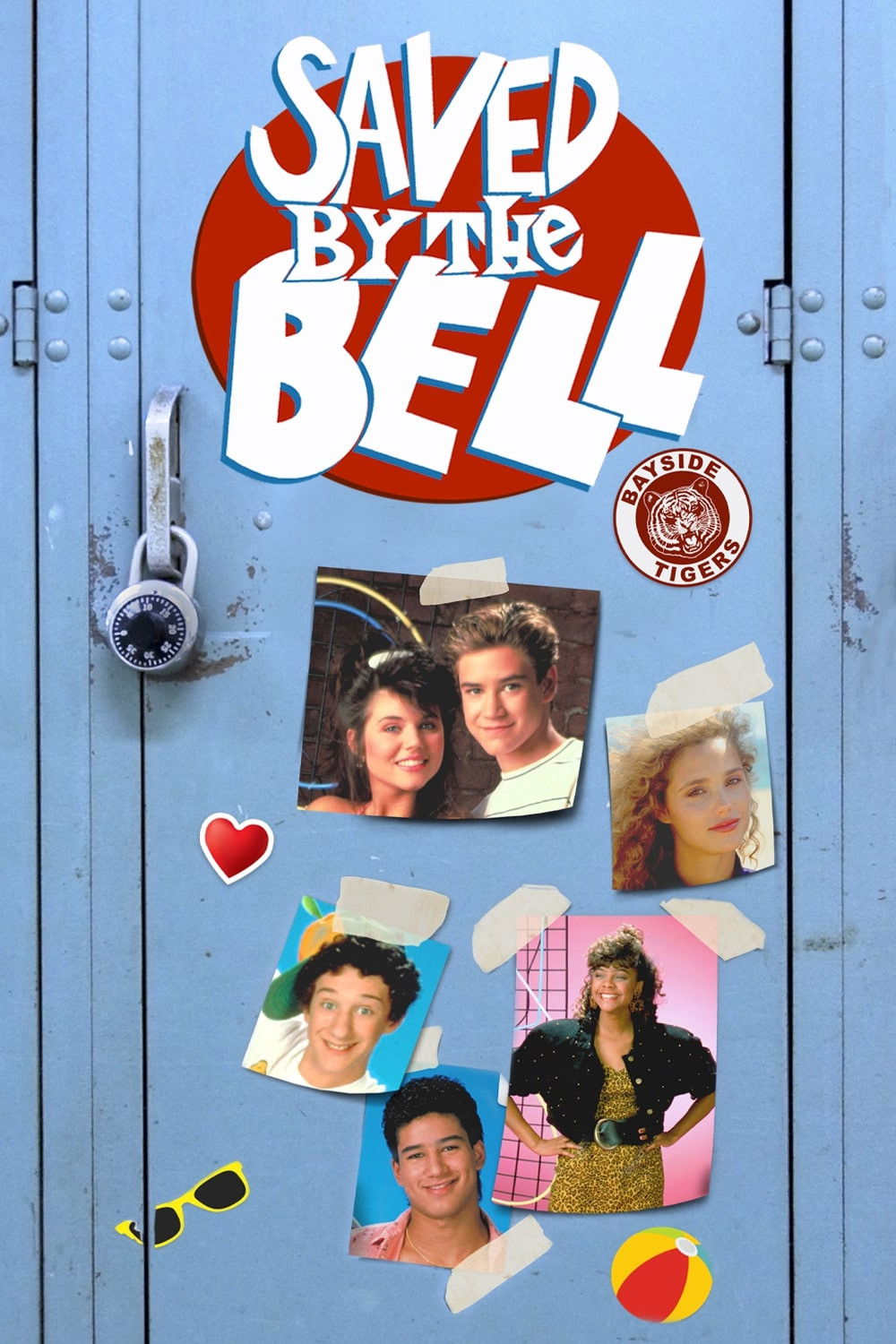
Lisa Turtle was a stylish and popular character on the show, and one of the few Black students given significant screen time. However, the series rarely acknowledged her race or culture, treating her experiences as the same as those of her white friends. Instead of meaningful romantic relationships, she was often involved in one-sided crushes with the goofy character Screech. This approach made her character feel as though her identity as a Black woman was overlooked.
‘House’ (2004–2012)
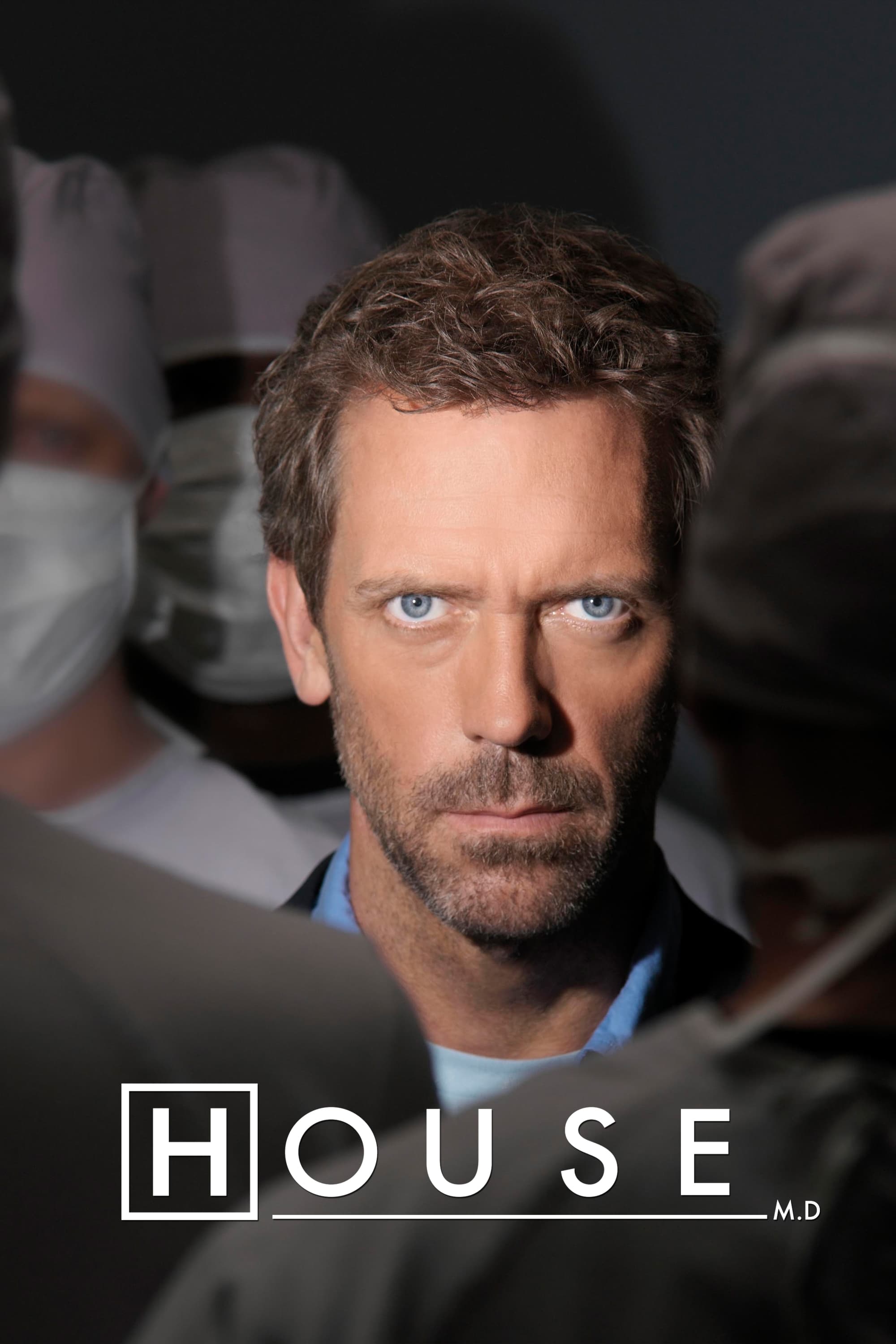
Dr. Thirteen, a bisexual character on the medical drama, joined the team later in the series. Unfortunately, the show often focused on her sexuality to appeal to a male audience rather than develop her as a person. Her relationships with women were frequently downplayed or made fun of, while her relationships with men were taken seriously. This created the impression that her bisexuality wasn’t genuine and was either temporary or just for male attention.
‘Shadowhunters’ (2016–2019)
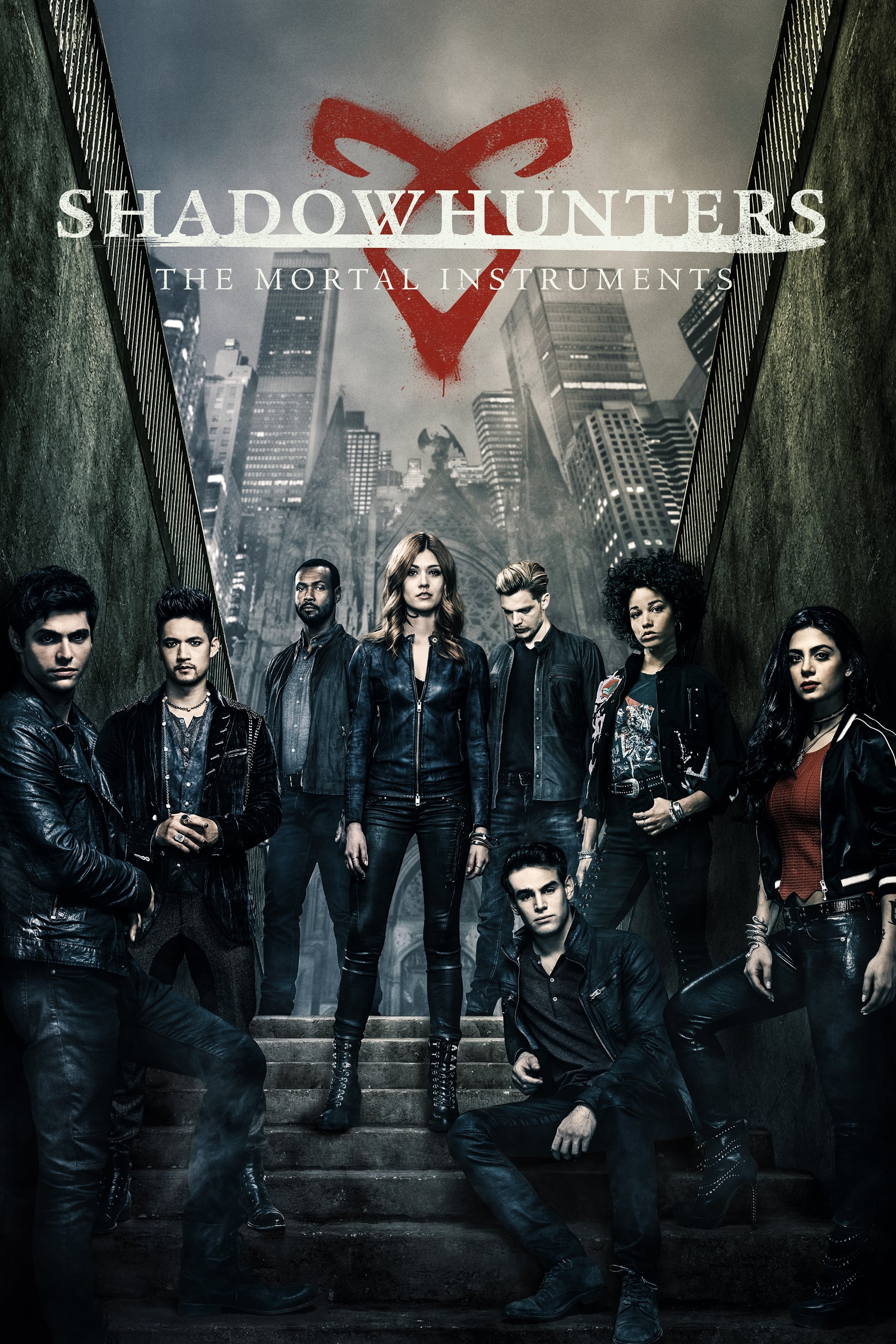
Fans were excited when the show confirmed Raphael Santiago was asexual, as established in the original books. However, the series briefly acknowledged his lack of sexual interest before unexpectedly involving him in romantic storylines. This ultimately simplified his asexuality and overshadowed its complexities within the show’s dramatic teen fantasy setting. It seemed the writers struggled to create engaging romance without relying on sexual attraction.
‘Desperate Housewives’ (2004–2012)
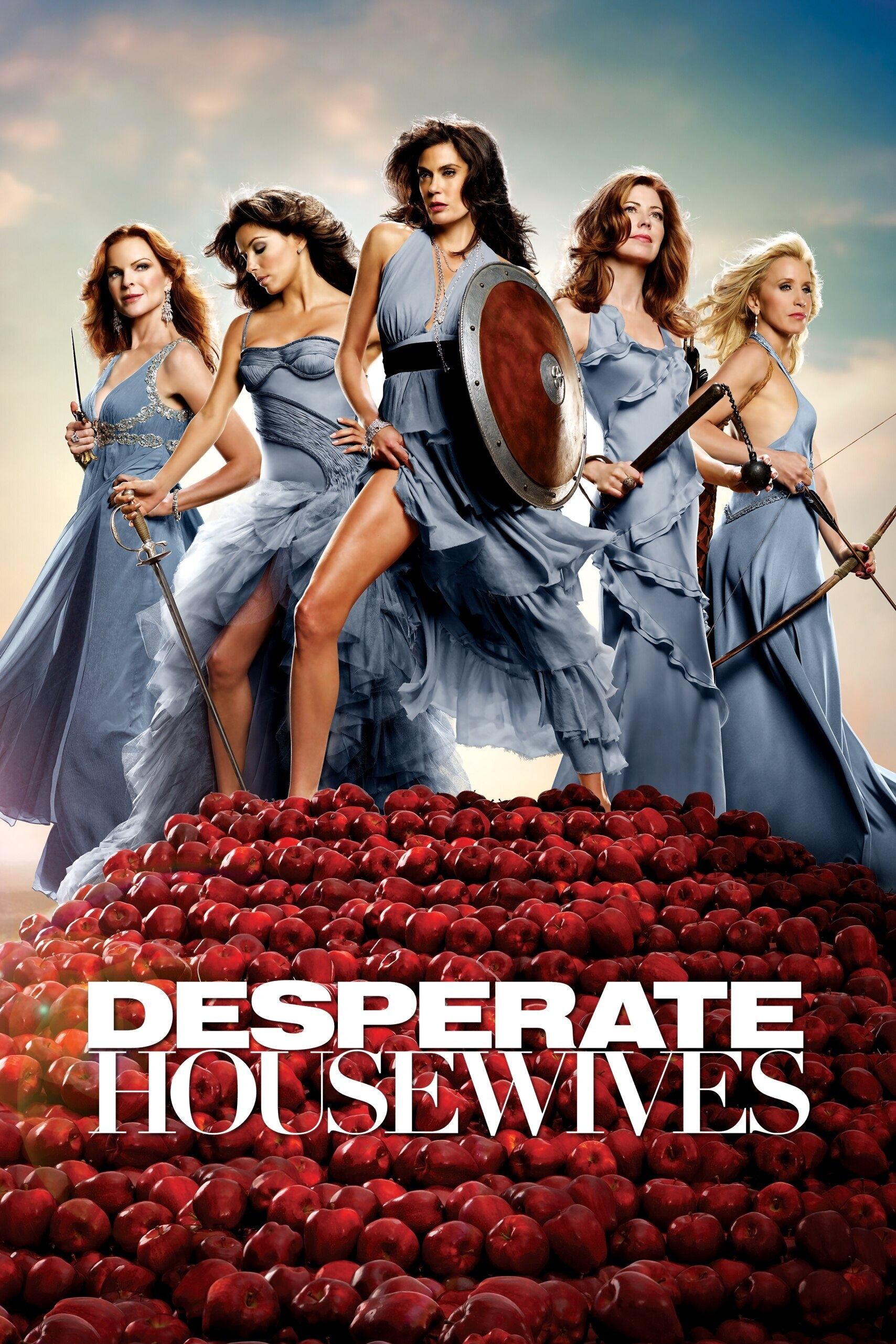
The second season’s mystery focused on the Applewhite family, the first Black family to move to Wisteria Lane. The story involved hiding a family member in the basement, portraying them as secretive and threatening. This storyline was generally considered one of the show’s worst, and the family was quickly removed from the show by the season’s end. The attempt to include a Black family in the show’s satirical world ultimately proved unsuccessful and was quickly abandoned.
‘Batwoman’ (2019–2022)
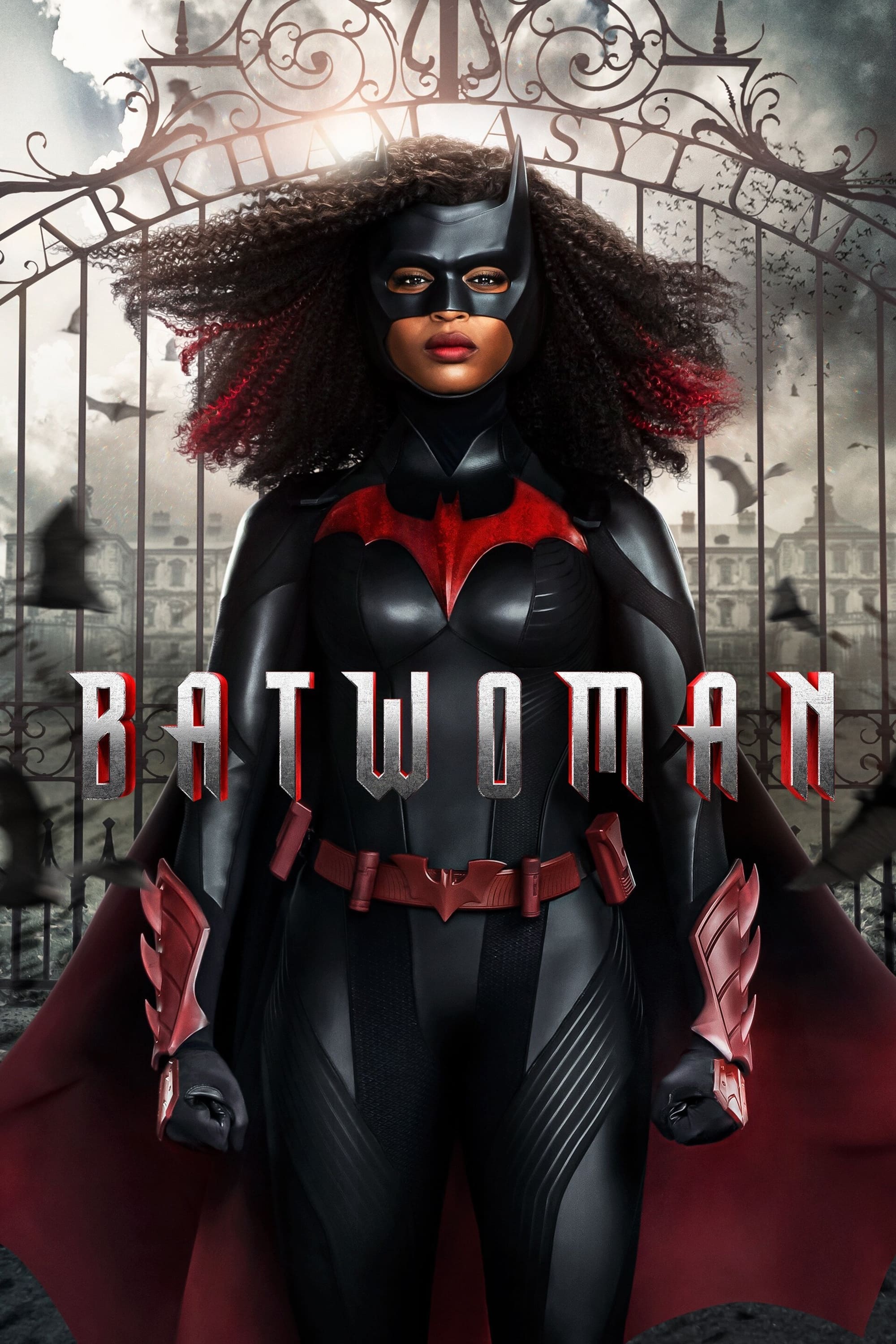
When the main actress left the show, the creators brought in a new character, Ryan Wilder, to take her place. This change happened quickly, and the writers had to make Ryan fit into storylines originally written for the first actress. As a result, Ryan’s introduction to the team sometimes felt unnatural, as the writers worked to explain why she was there. The unexpected switch revealed that the show hadn’t prepared for the possibility of needing a new lead actress.
‘The Walking Dead’ (2010–2022)
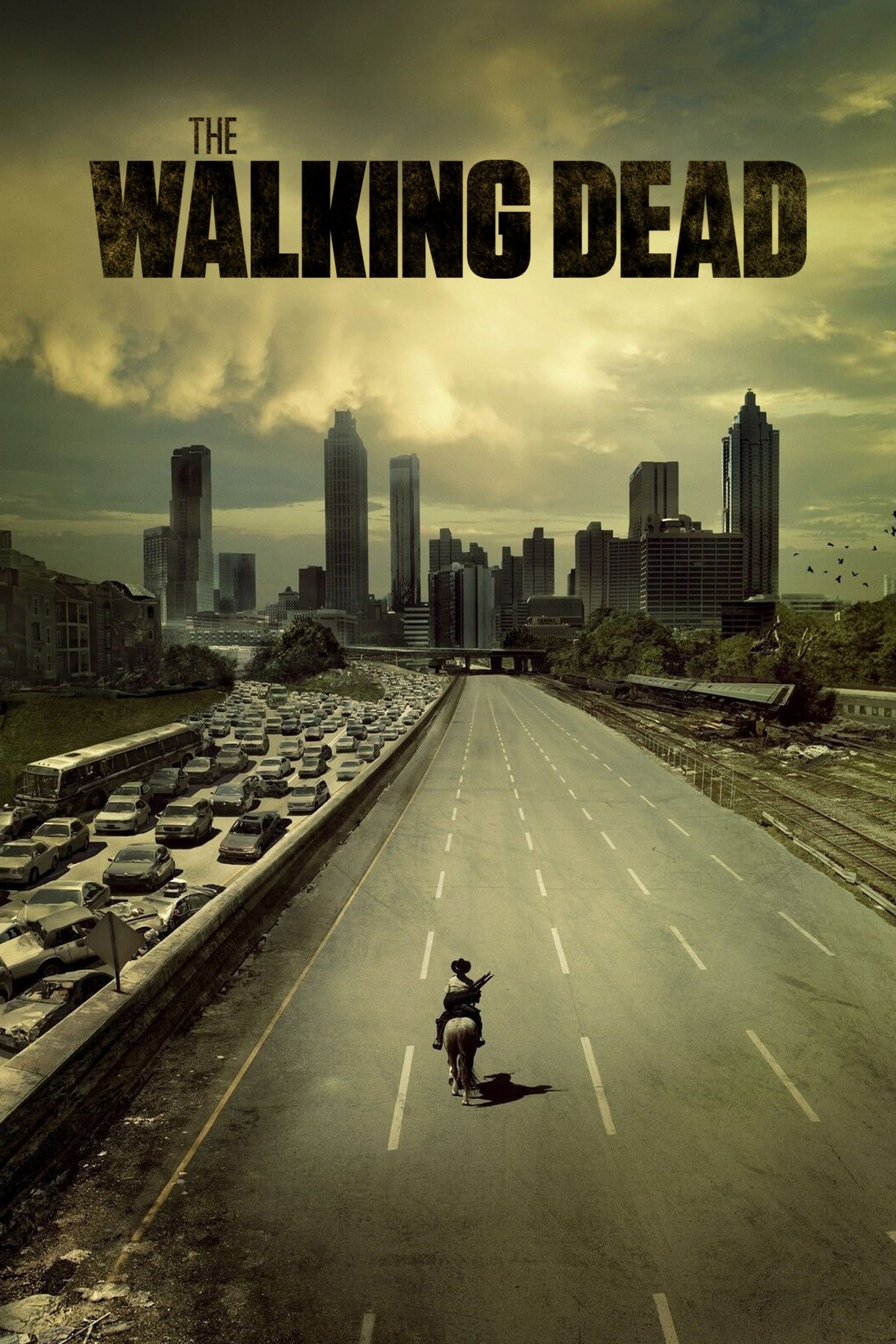
Paul Rovia, known as “Jesus,” was a skilled fighter and an openly gay character. His death in a surprising, but ultimately unsatisfying, graveyard scene upset many viewers. The actor who played him was disappointed that the show didn’t explore the character’s full story, as presented in the original comics. This added to a pattern of LGBTQ+ characters being killed off on the series.
Please share your thoughts on these storylines or other examples you’ve noticed in the comments.
Read More
- Building 3D Worlds from Words: Is Reinforcement Learning the Key?
- The Best Directors of 2025
- 2025 Crypto Wallets: Secure, Smart, and Surprisingly Simple!
- 20 Best TV Shows Featuring All-White Casts You Should See
- Umamusume: Gold Ship build guide
- Mel Gibson, 69, and Rosalind Ross, 35, Call It Quits After Nearly a Decade: “It’s Sad To End This Chapter in our Lives”
- Uncovering Hidden Signals in Finance with AI
- Gold Rate Forecast
- 39th Developer Notes: 2.5th Anniversary Update
- TV Shows That Race-Bent Villains and Confused Everyone
2026-01-08 20:19