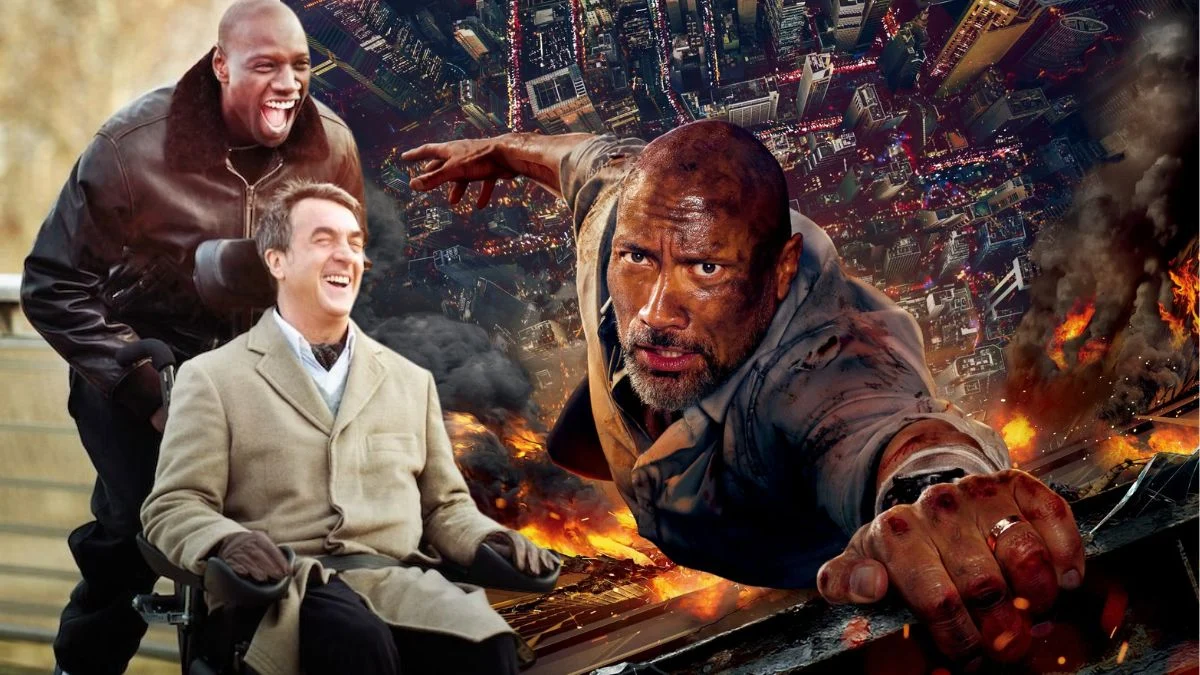
Throughout film history, actors without disabilities have often been cast in roles portraying characters with disabilities. This practice is frequently criticized by disability advocates who believe these roles should be played by actors who personally understand the experience. While studios often justify these decisions by saying well-known actors help guarantee funding and attract viewers, many films still prioritize famous names over authentically casting actors with disabilities. The films below offer notable examples of this ongoing issue.
‘Music’ (2021)

Director Sia chose Maddie Ziegler, a frequent collaborator, to play a teenage character with autism who doesn’t speak. This decision quickly sparked strong criticism from the autism community, who raised concerns about how autism was being represented. Ziegler herself doesn’t have autism and reportedly felt uneasy playing the part. The film also received backlash for showing scenes of potentially harmful physical restraint.
‘Me Before You’ (2016)

Sam Claflin plays Will Traynor, a successful banker who becomes paralyzed after an accident. The film faced criticism from disability advocates who objected to its ending and the message it sent about living with a disability. Claflin, who is not disabled himself, used a wheelchair only while filming. Many critics felt the story unfairly diminished the value of the lives of people with disabilities.
‘Skyscraper’ (2018)
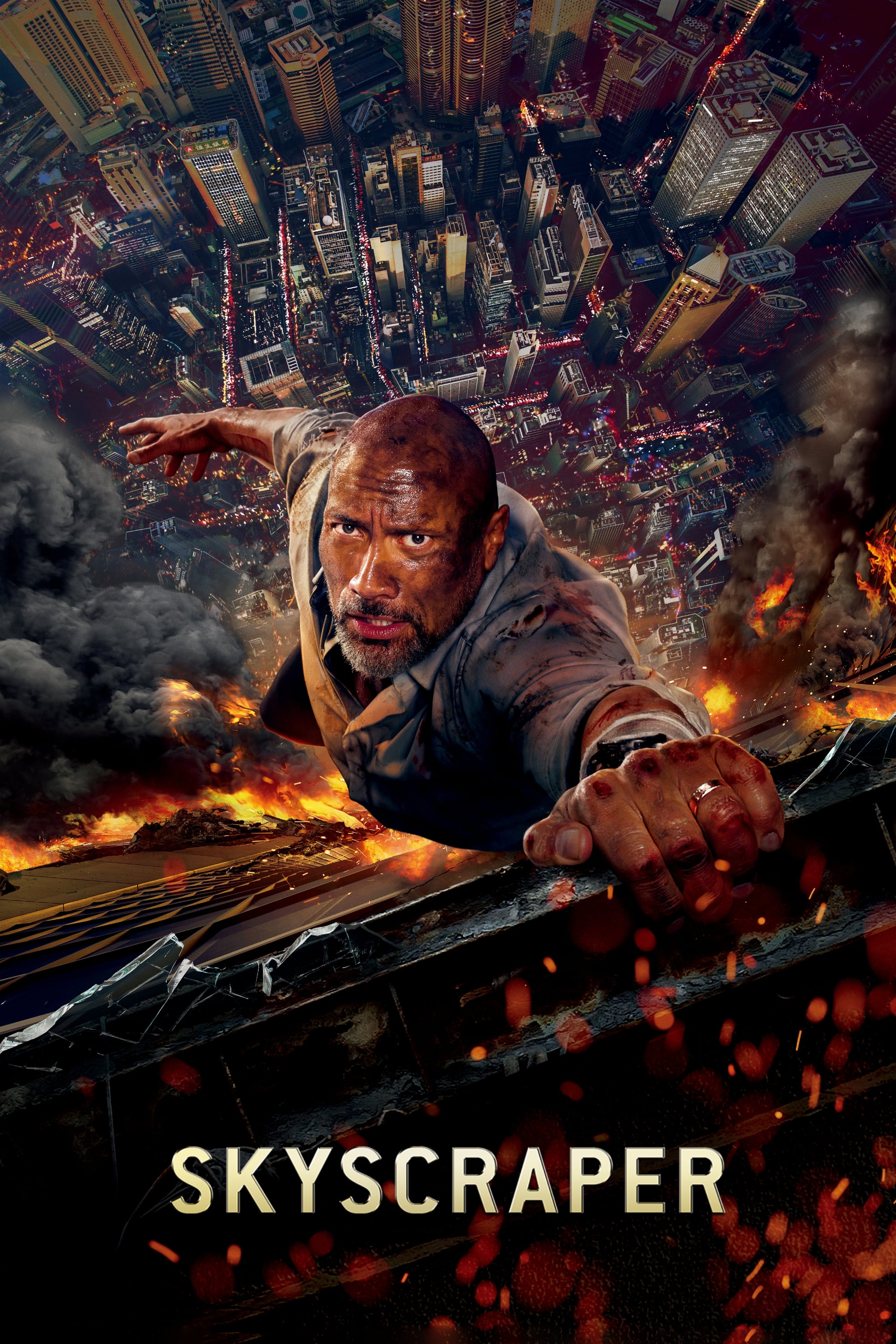
The movie stars Dwayne Johnson as a former FBI agent who lost a leg and now has a prosthetic. He has to rescue his family from a fire. Although filmmakers consulted with amputees to make the portrayal realistic, an actor without a disability was ultimately cast in the lead role. Critics have pointed out that it’s rare for actors with missing limbs to get action roles in Hollywood. Johnson has said he aimed to pay tribute to the amputee community with his performance.
‘Blind’ (2017)
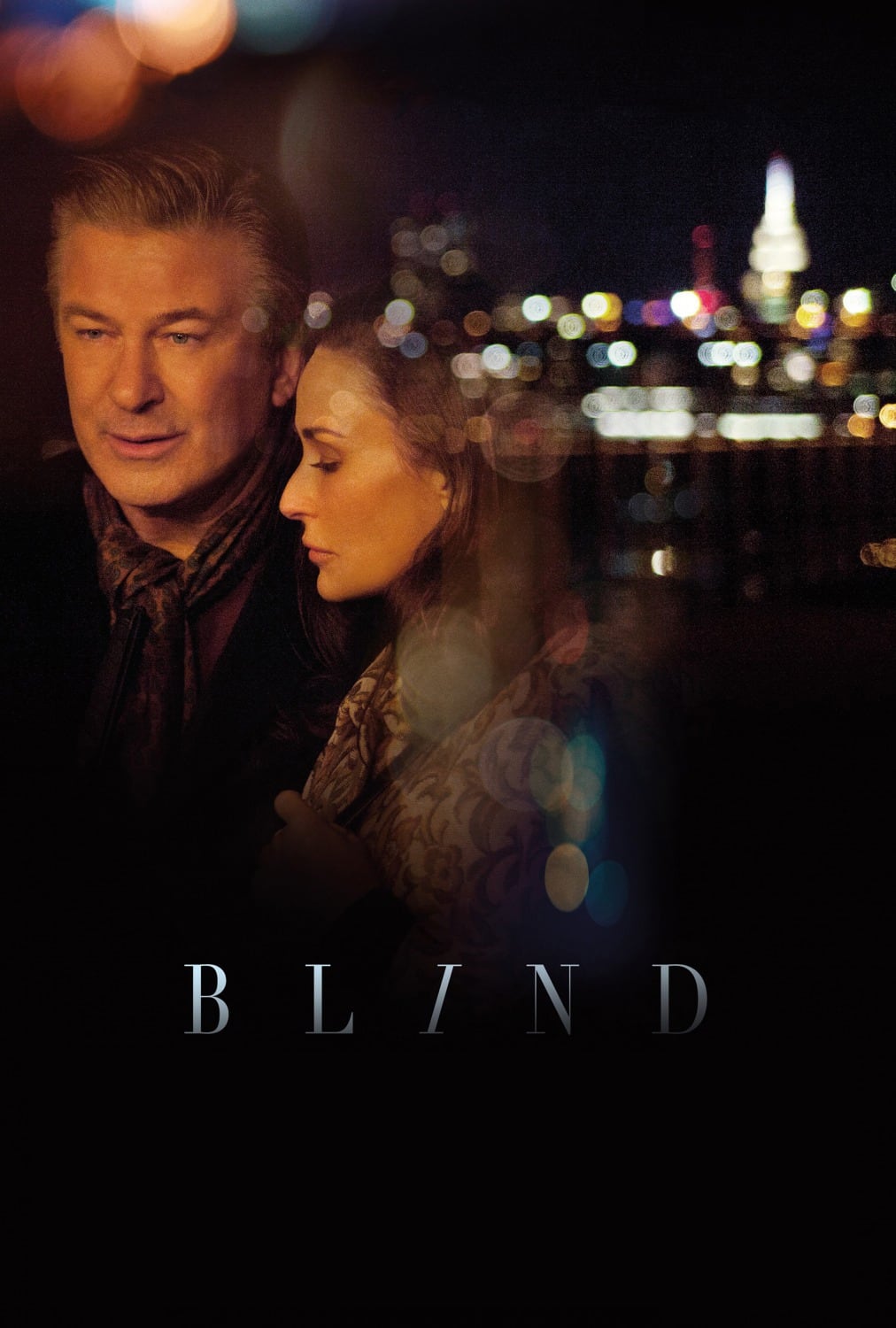
Alec Baldwin plays a writer who is blinded in a car accident that also takes his wife’s life. Some people, including the Ruderman Family Foundation, pointed out that the role could have gone to an actor with visual impairments. Baldwin explained that the film, being an independent production, faced budget constraints. The story follows the character as he finds his love for writing again while adjusting to life without sight.
‘Come As You Are’ (2019)
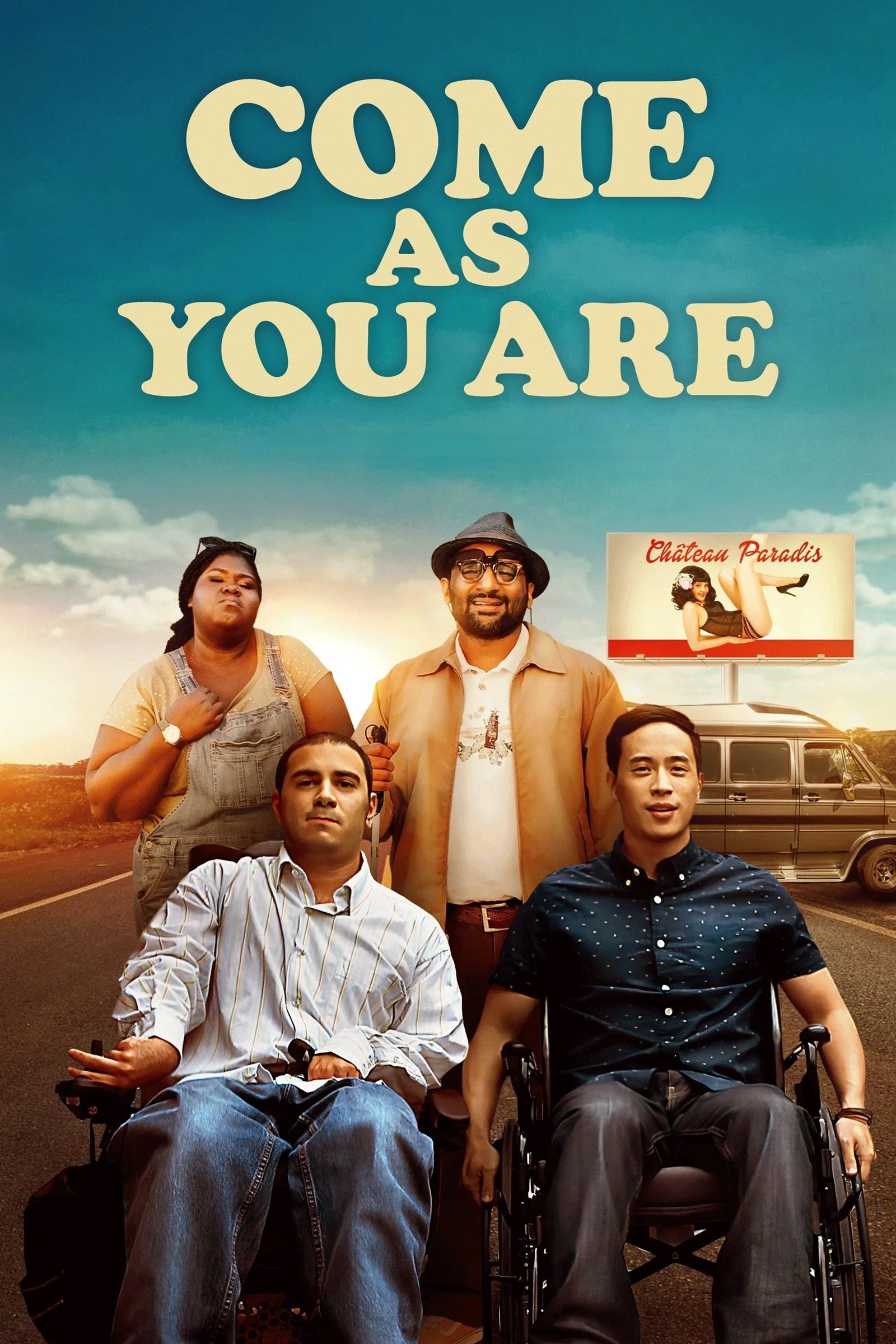
The film features Grant Rosenmeyer, Hayden Szeto, and Ravi Patel as three friends with disabilities who take a road trip. Interestingly, none of the actors share the specific disabilities of their characters. The director explained this was due to the demanding filming schedule, requiring actors without those challenges. However, disability advocates expressed disappointment, pointing out that this decision reflects broader issues of exclusion within the film industry.
‘Don’t Worry, He Won’t Get Far on Foot’ (2018)

Joaquin Phoenix stars as John Callahan, a talented cartoonist who lived with quadriplegia. The film tells the story of Callahan’s life, focusing on how he found recovery and purpose through art after a car accident. Some people criticized the filmmakers for not casting an actor with quadriplegia in the role. The studio responded by explaining that they also needed someone who could convincingly portray Callahan before his injury.
‘Stronger’ (2017)

Jake Gyllenhaal plays Jeff Bauman, a man who lost both legs in the Boston Marathon bombing. The movie uses special effects to show Gyllenhaal’s character with altered legs. While many praised the film’s emotional impact, some critics wondered why an actor who is a double amputee wasn’t cast in the role. Jeff Bauman himself was part of the filmmaking process and approved of Gyllenhaal being cast.
‘Breathe’ (2017)

Andrew Garfield plays Robin Cavendish, a man who was paralyzed by polio at just 28 years old. The movie shows how Cavendish fought for better lives for people with disabilities and helped create a wheelchair with a built-in breathing machine. Garfield, who is fully able-bodied, realistically portrayed the effects of paralysis for the role. A central part of the film is the loving relationship between Cavendish and his wife.
‘The Theory of Everything’ (2014)
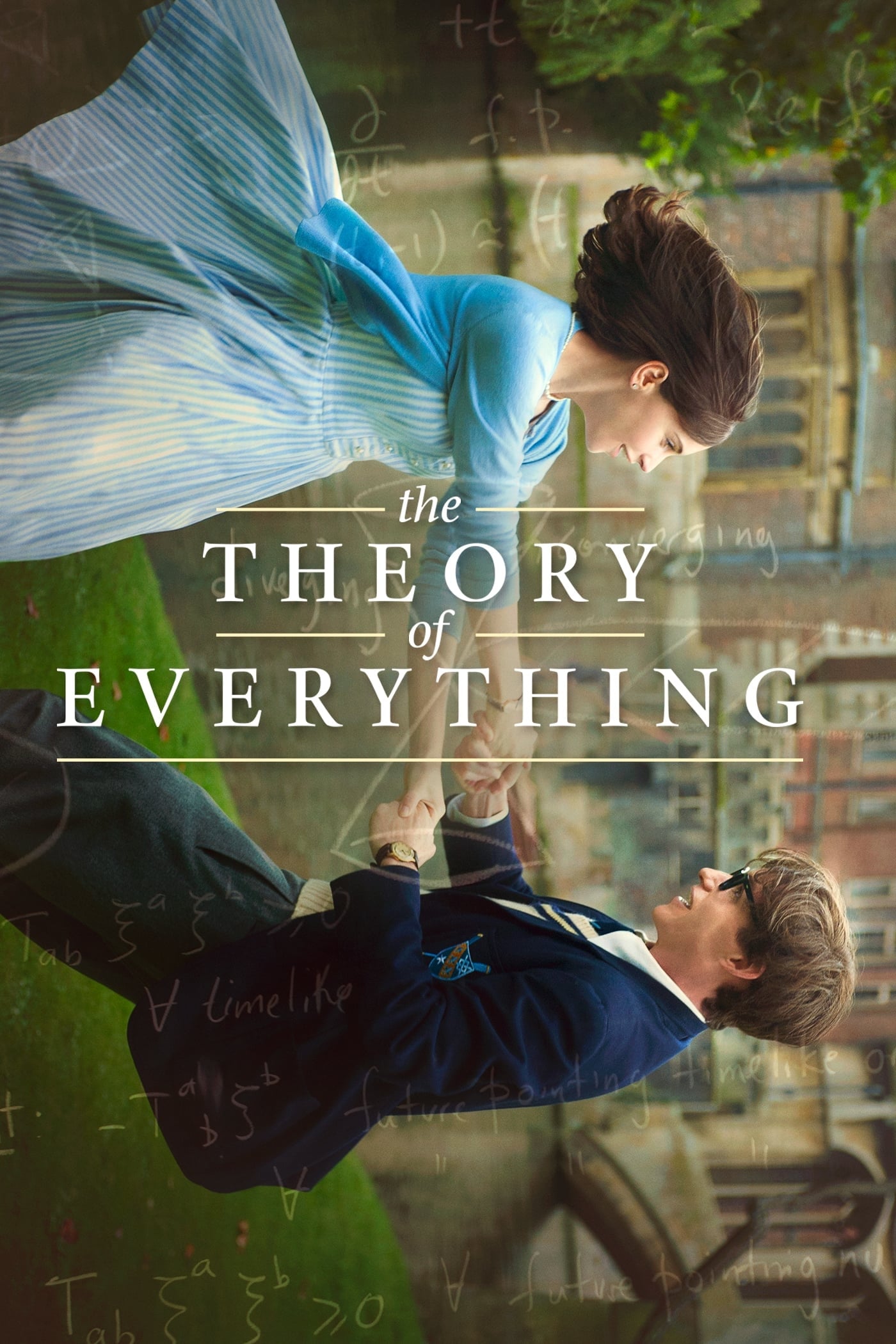
Eddie Redmayne received an Academy Award for his performance as Stephen Hawking, the renowned physicist. The movie tells the story of Hawking’s battle with ALS, a disease that gradually affected his physical abilities. Redmayne dedicated months to observing people with ALS to accurately portray the condition. However, the film has also sparked debate about whether awards shows sometimes favor actors for depicting disability.
‘Rain Man’ (1988)
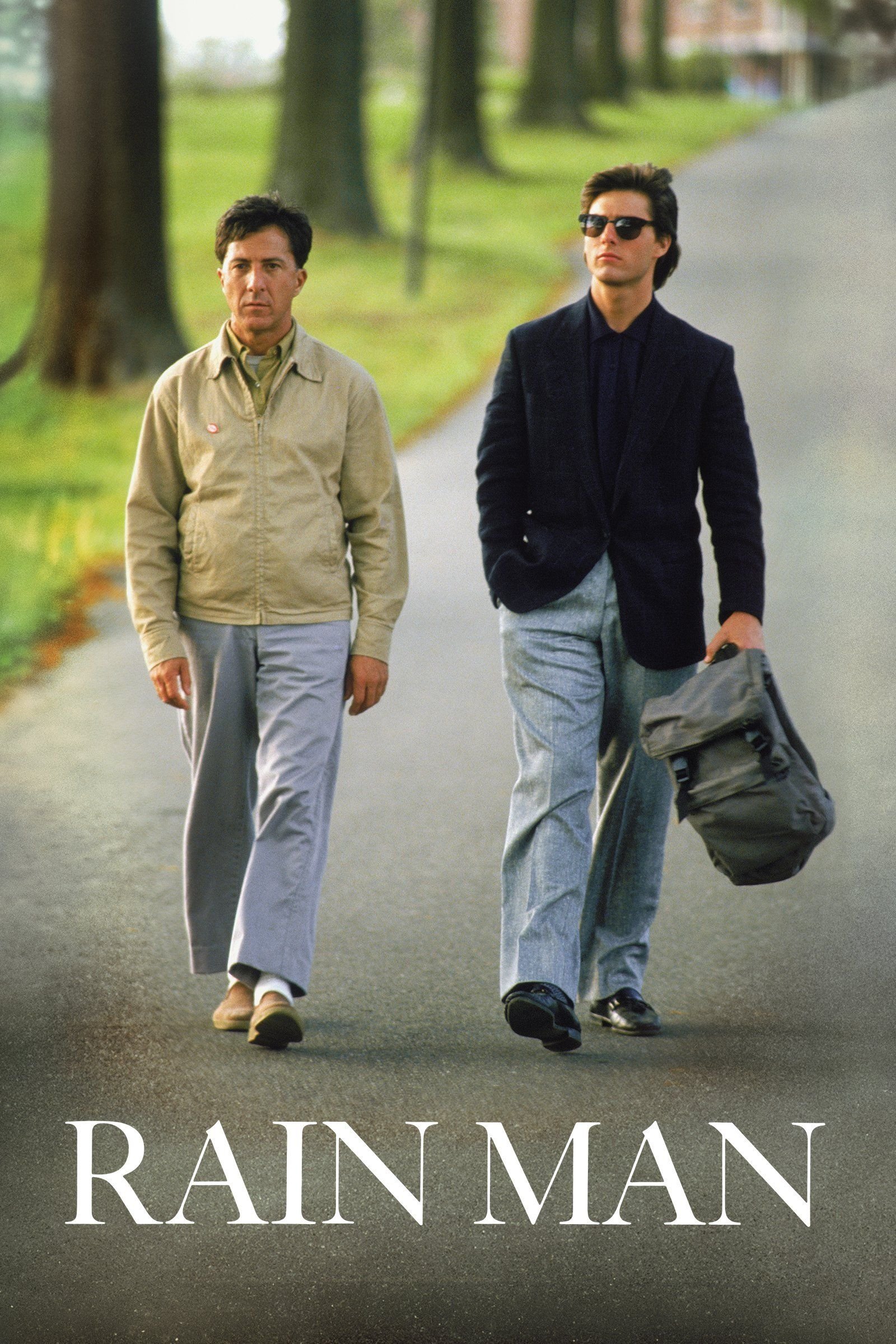
Dustin Hoffman stars as Raymond Babbitt, a wealthy man with autism and extraordinary abilities. The movie was hugely popular and greatly influenced how the public understood autism for many years. While Hoffman himself doesn’t have autism, he prepared for the role by spending time with people on the spectrum. However, autism advocates now argue that the film reinforced inaccurate and limiting ideas about savant syndrome.
‘The Sessions’ (2012)
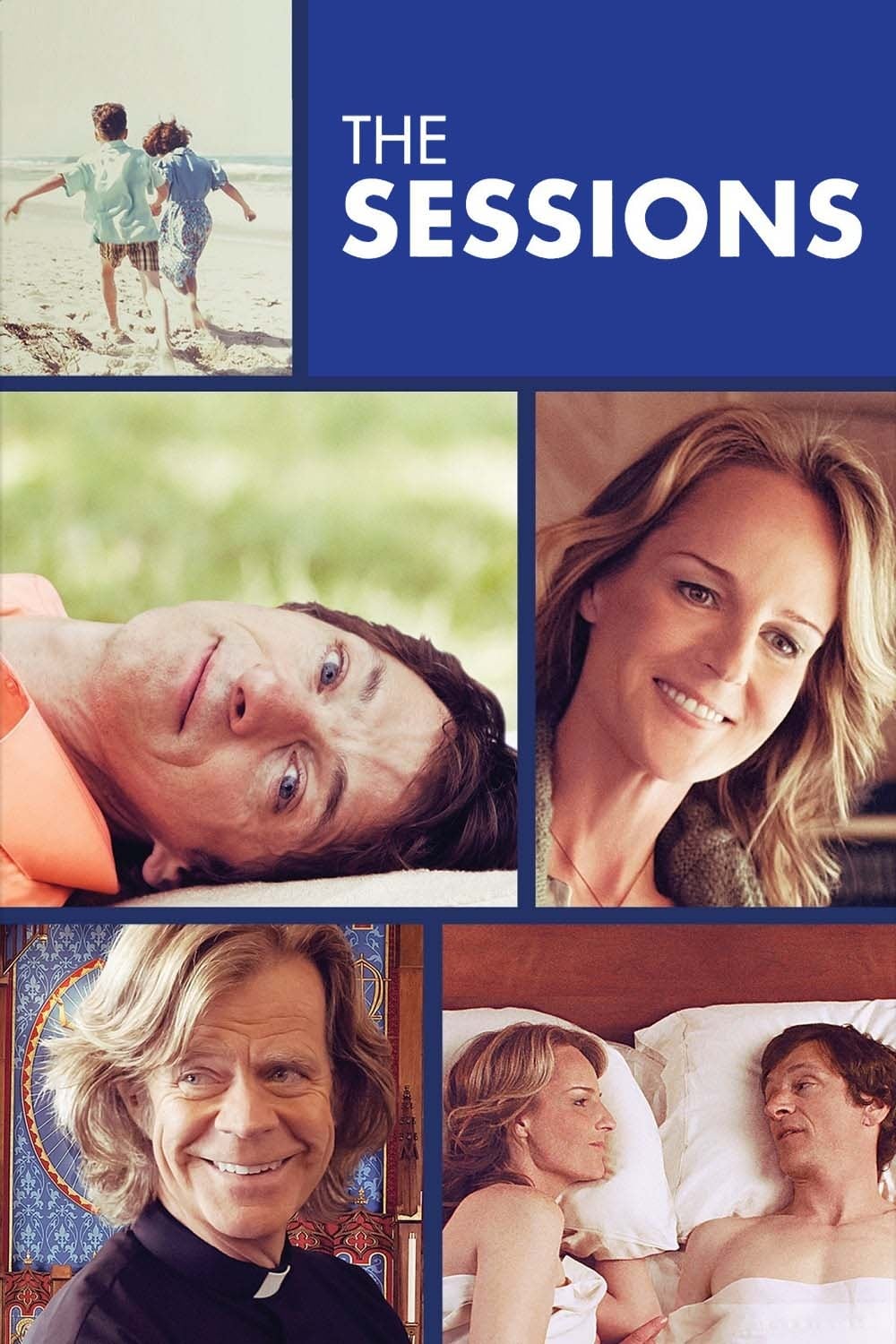
I recently saw a truly remarkable performance by John Hawkes. He plays Mark O’Brien, a brilliant poet living with paralysis from polio, and the film centers around Mark’s decision to hire a sexual surrogate. Hawkes completely transformed himself for the role, physically contorting his body to realistically portray the effects of Mark’s condition. While many lauded the casting as a sensitive approach, it also sparked a debate – a valid one, I think – about why a disabled actor wasn’t chosen to play a character whose story is so intimately tied to the experience of disability.
‘I Am Sam’ (2001)
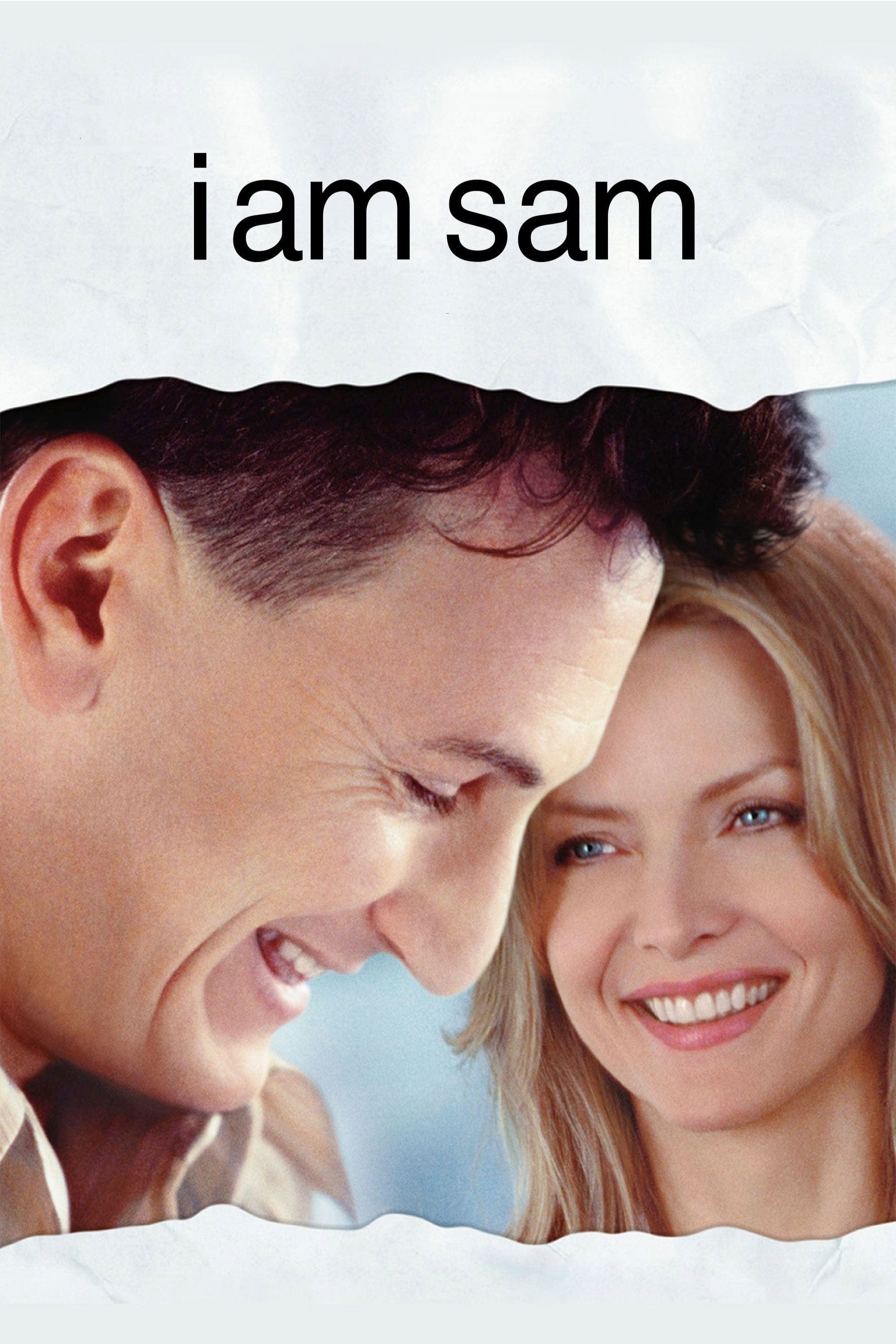
Sean Penn stars as a father with intellectual disabilities who is trying to gain custody of his daughter. However, his performance was criticized by many reviewers for relying on familiar and overused tropes. Given that Penn himself does not have an intellectual disability, the film has been cited by disability advocates as an example of how representation can fall short and feel inauthentic. The movie also received mixed reviews overall, with some finding its emotional tone overly sentimental.
‘Split’ (2016)
James McAvoy’s character in the film has 23 different personalities, stemming from Dissociative Identity Disorder. However, mental health experts have voiced concerns, arguing the movie portrays the disorder negatively, turning it into a scary plot device. The film suggests people with this condition have supernatural powers, which reinforces harmful stereotypes and contributes to the stigma surrounding mental illness in movies.
‘Rust and Bone’ (2012)

Okay, let me tell you about this film. Marion Cotillard delivers a truly stunning performance as a marine park trainer whose life is dramatically altered when she loses both legs in an accident with an orca. What’s remarkable is that for most of the movie, Cotillard portrays this character without the use of prosthetics – they cleverly used visual effects to achieve it. And despite being a fully able-bodied actress, she’s been getting rave reviews for the authenticity she brings to the role. The story itself is a moving one, charting her journey through physical and emotional recovery, and also exploring a blossoming new romance. It’s a powerful and surprisingly uplifting film.
‘Soul Surfer’ (2011)

In the movie, AnnaSophia Robb plays Bethany Hamilton, a surfer who lost her arm in a shark attack. Filmmakers used special effects to make it appear as if Robb didn’t have an arm during scenes. Bethany Hamilton actually worked on the film and did some of the surfing stunts herself, even with only one arm. The filmmakers chose AnnaSophia Robb because she was a well-known young actress.
‘Wonder’ (2017)

Jacob Tremblay used extensive makeup and prosthetics to portray a young boy with Treacher Collins syndrome in a recent film. This casting choice sparked some criticism, as many felt a child with the condition should have been cast instead. The filmmakers explained that the prosthetics were essential to accurately represent the character as described in the original book. However, parents of children with facial differences were upset, believing the role could have provided important representation.
‘The Elephant Man’ (1980)
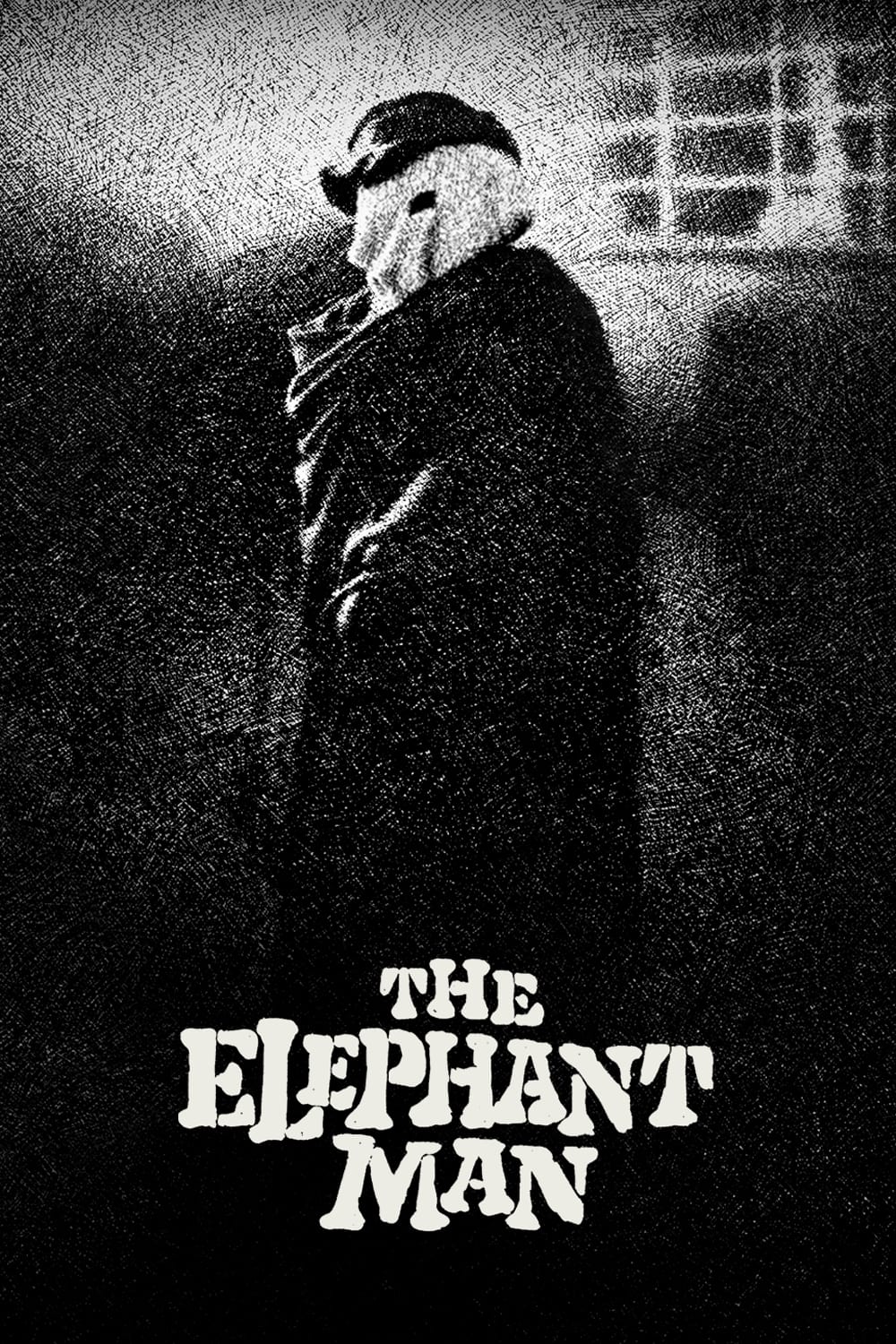
As a film buff, I always think about the dedication actors bring to their roles, and John Hurt’s performance as Joseph Merrick is just incredible. He spent hours every day getting makeup applied to portray Merrick’s severe deformities. The film really digs into the awful way Merrick was exploited in freak shows. It’s a legendary performance, but it’s also a product of its time – back then, they wouldn’t have even considered casting a disabled actor in that role. Ultimately, the film does a beautiful job of showing the person behind all that prosthetics, really humanizing Merrick and his story.
‘Scent of a Woman’ (1992)
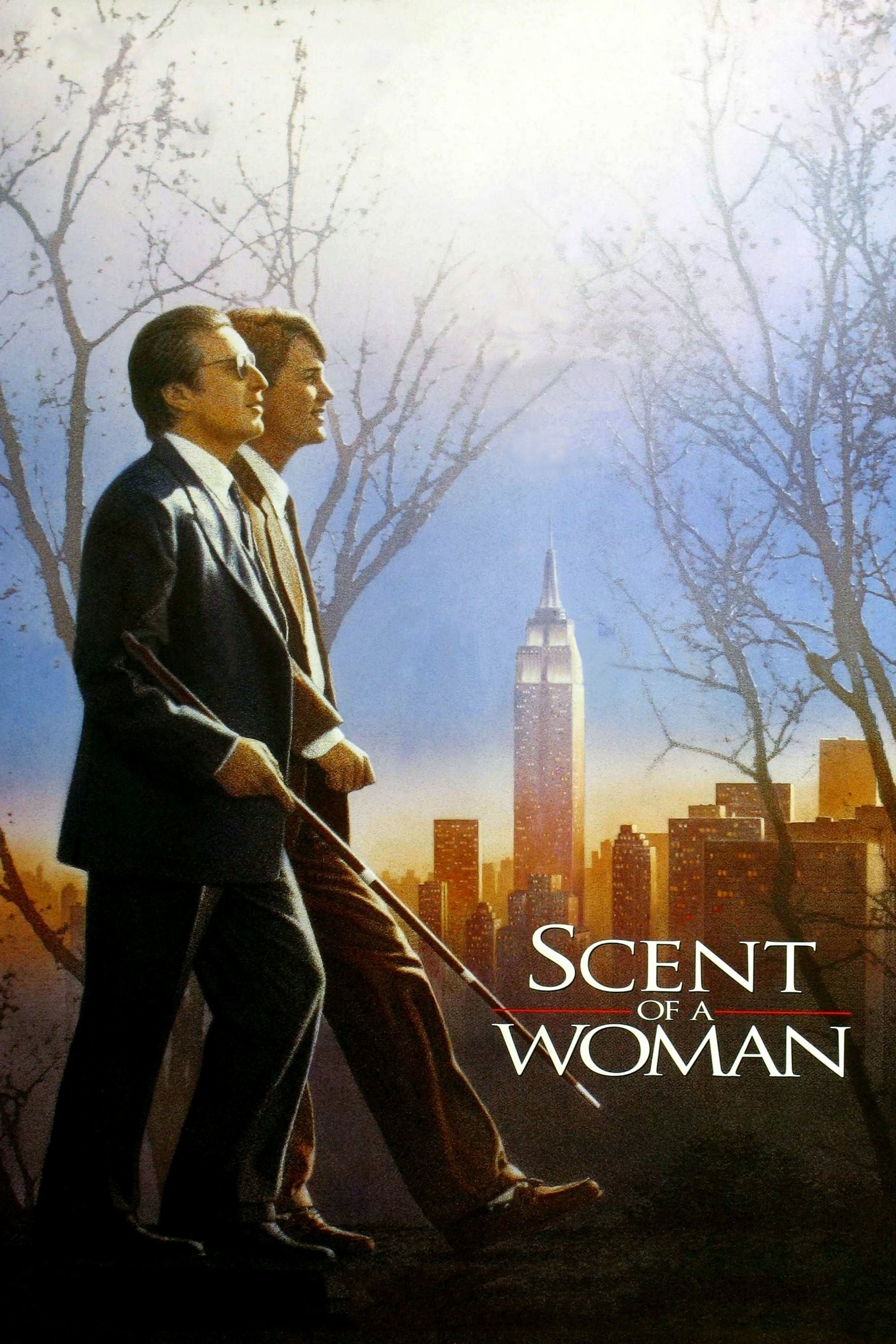
In the film, Al Pacino portrays a former army officer who is blind. He hires a student to help him with daily tasks. Pacino prepared for the role by spending time with people who are blind, and his performance earned him the Academy Award for Best Actor. However, the film is often cited as an example of an actor without a disability being recognized for playing a disabled character.
‘Ray’ (2004)
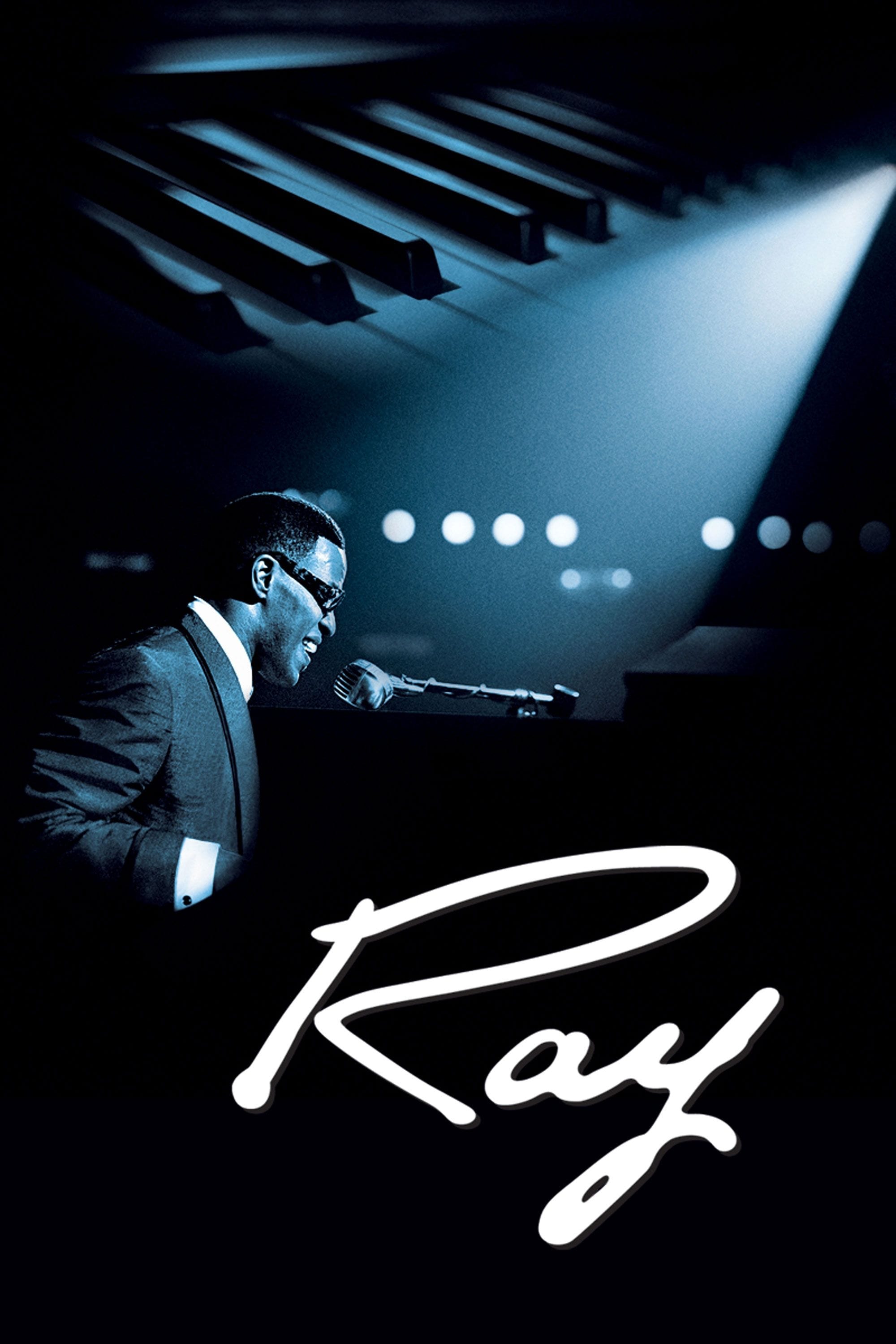
Jamie Foxx played Ray Charles, the famous musician who lost his vision as a child. To prepare for the role, Foxx used special contacts with silicone coverings that made it impossible for him to see while filming. This commitment to realism was widely appreciated, but it also sparked discussion about a sighted actor portraying a blind individual.
‘Born on the Fourth of July’ (1989)

I recently saw ‘Born on the Fourth of July,’ and Tom Cruise delivers a truly powerful performance as Ron Kovic, a Vietnam vet paralyzed during the war. What struck me was Cruise’s dedication – he spent a lot of time in a wheelchair to really feel what Kovic went through physically. And it wasn’t just acting; Kovic himself was involved in the film and gave his blessing to Cruise’s casting. The movie isn’t just about the war, though; it really focuses on Kovic’s transformation into a political activist after his injury, and it’s incredibly moving.
‘Me, Myself & Irene’ (2000)
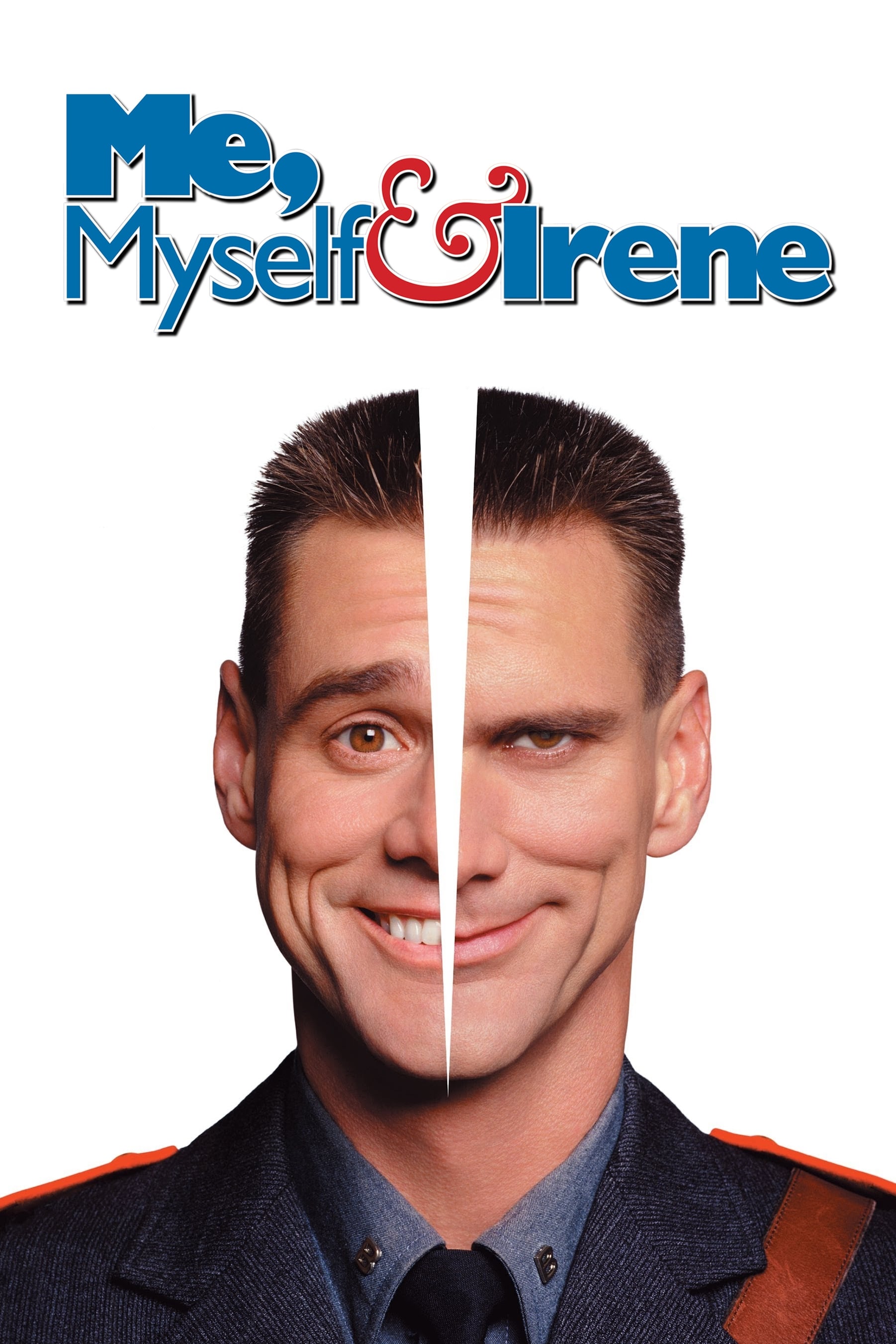
Jim Carrey’s character in the movie is a state trooper who pretends to have Dissociative Identity Disorder for comedic effect, but the portrayal isn’t accurate. The National Alliance on Mental Illness protested to the studio, concerned the film relied on the condition mostly for laughs and to move the plot forward. This inaccurate depiction unfortunately helped create confusion about what the disorder actually is.
‘Hush’ (2016)

I recently watched this really interesting horror film starring Kate Siegel, and it’s been sticking with me. She plays a deaf writer who lives alone and finds herself fighting for her life when someone breaks in. What’s fascinating is that Kate herself isn’t deaf; she learned American Sign Language specifically for the role. The director made a point of writing the character as deaf to add a different kind of suspense to the story, which I thought worked really well. However, it’s also sparked a debate, and honestly, I get it. A lot of people in the deaf community have pointed out that a deaf actress would have brought a level of authenticity and depth to the character that maybe wasn’t quite there, and they have a really good point about representation.
‘The Silence’ (2019)
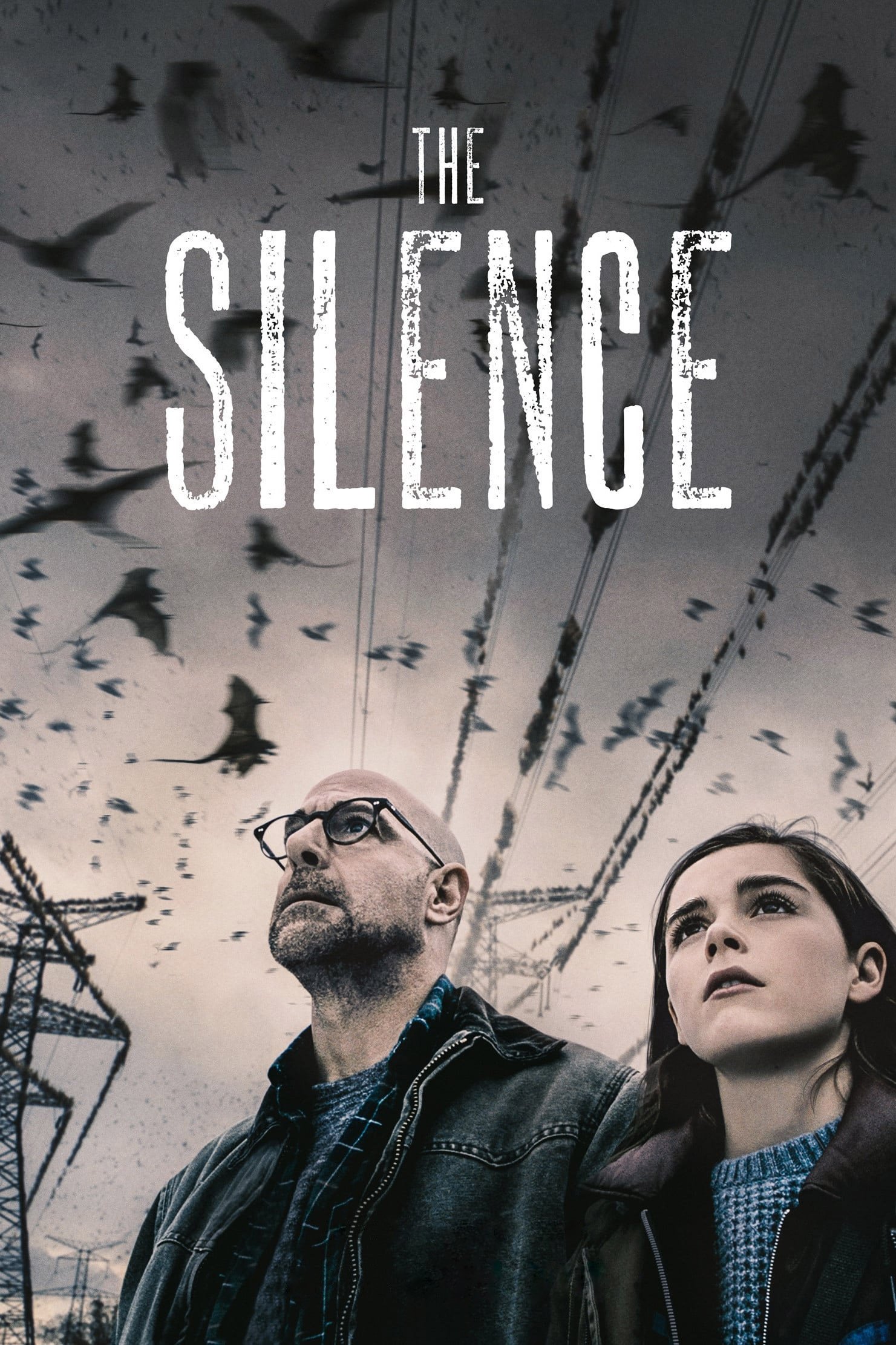
Kiernan Shipka stars as a deaf teenager in a movie about a world terrorized by sound-sensitive creatures. The casting choice sparked criticism from the Deaf community, especially because the character’s deafness is a key part of the story. Many also pointed out inaccuracies in Shipka’s use of sign language. Critics felt the film didn’t handle the subject matter as well as ‘A Quiet Place’.
‘What’s Eating Gilbert Grape’ (1993)
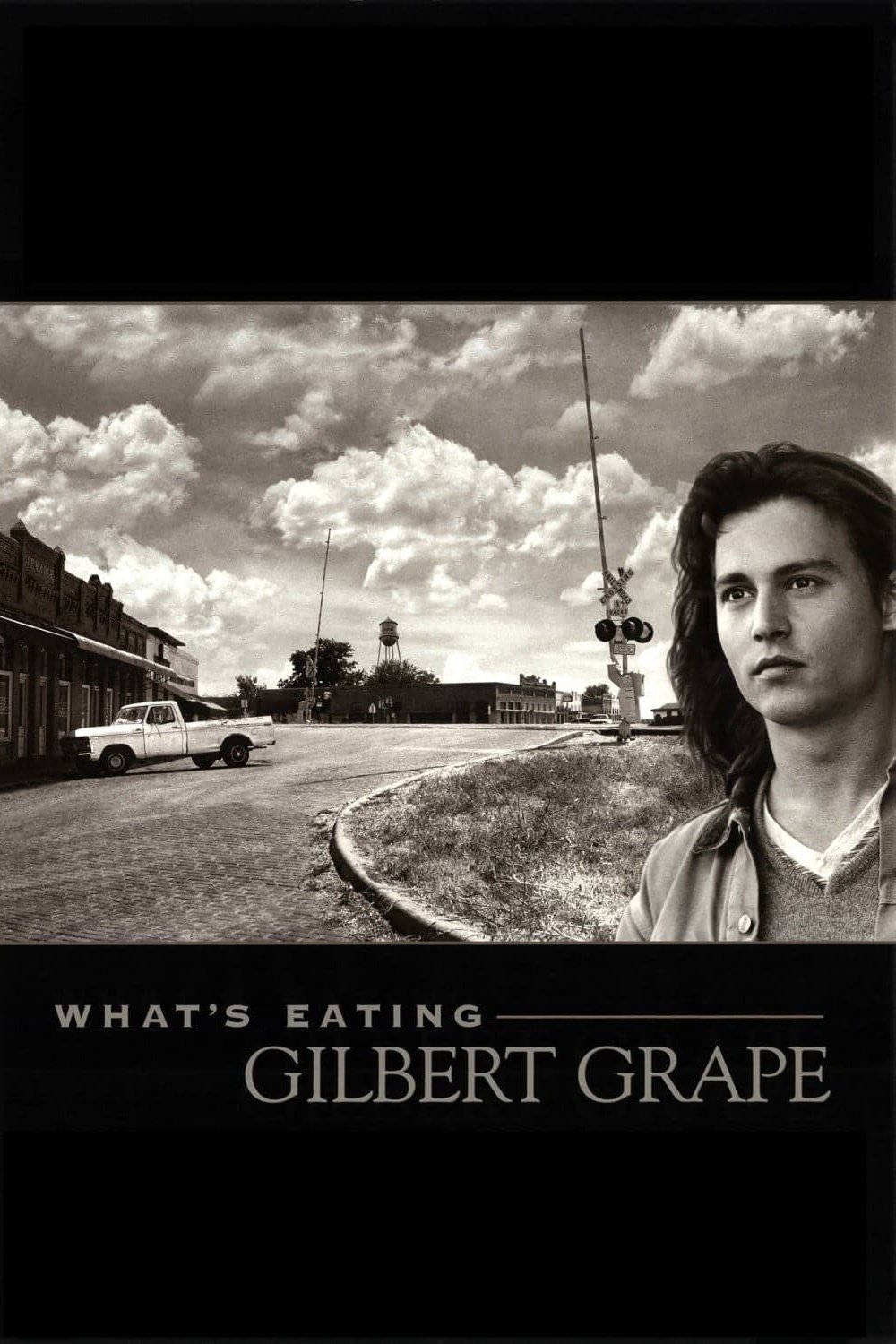
Leonardo DiCaprio portrayed Arnie Grape, a teenager with a developmental disability, in the film. To prepare for the role, DiCaprio spent time observing children with disabilities, studying their behaviors and movements. This performance was critically acclaimed and earned him his first Oscar nomination. It’s often praised as one of the most realistic depictions of a disability by an actor without one.
‘Radio’ (2003)
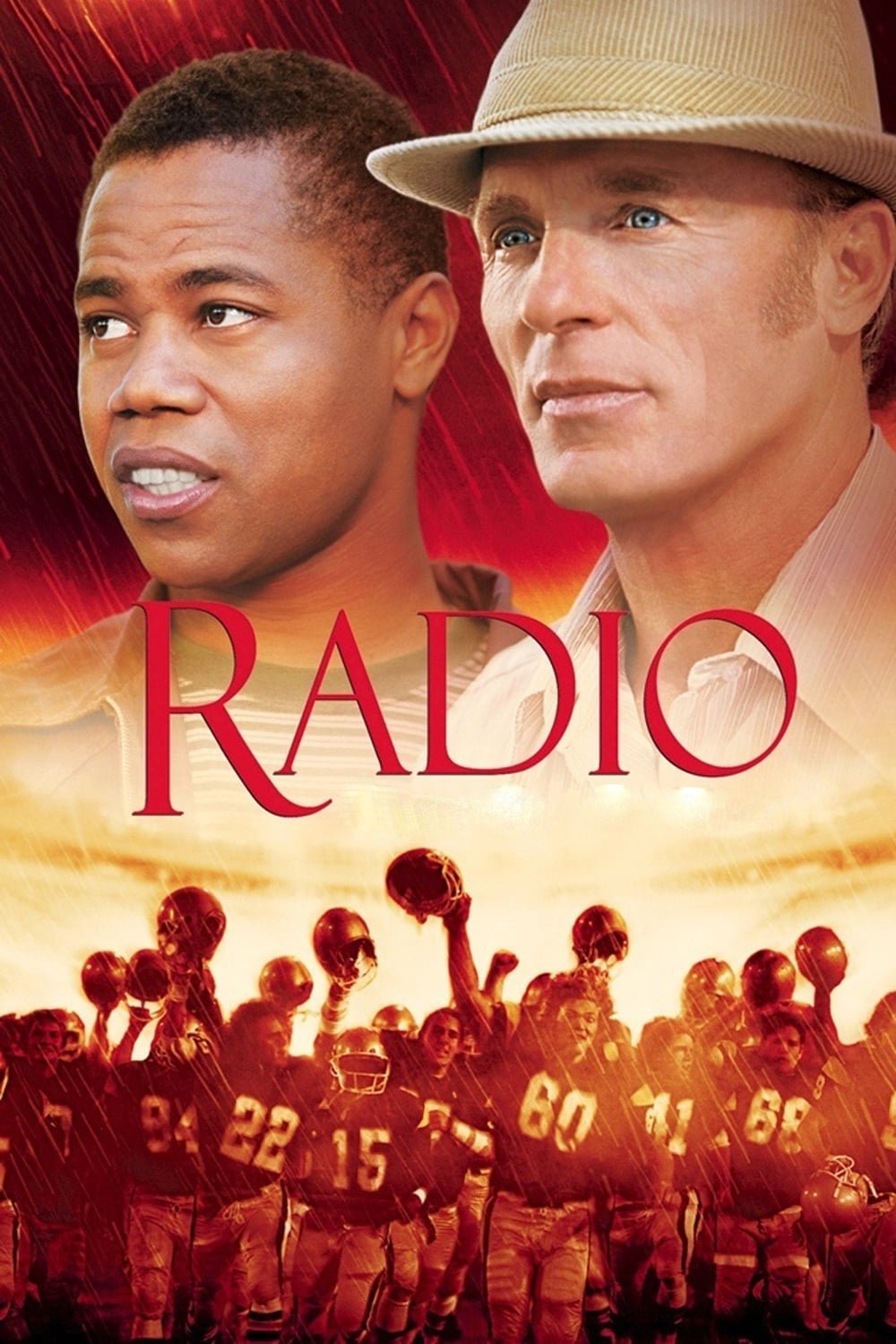
Cuba Gooding Jr. stars as a young man with a developmental disability who forms a friendship with a high school football coach. While the movie is based on a real-life story, some critics found it overly sentimental and lacking in nuance. They felt Gooding Jr.’s performance focused too much on outward mannerisms and didn’t convey genuine emotion. The actor, however, explained that he was trying to capture the essence of the person he portrayed.
‘Forrest Gump’ (1994)
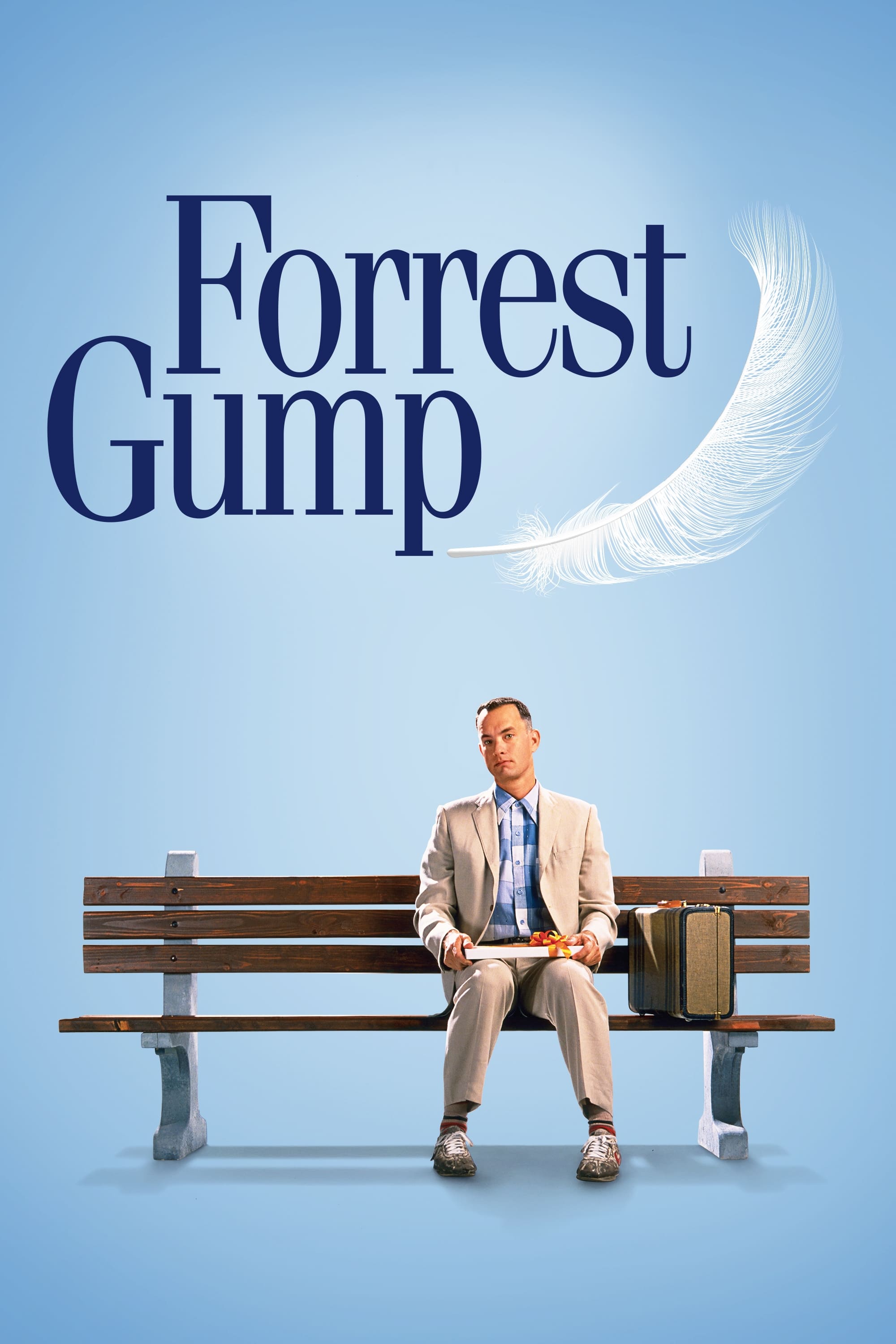
Tom Hanks starred in a hugely popular and award-winning film where he portrayed a young man facing both intellectual and physical difficulties. While Hanks himself does not have these challenges, the movie offers a somewhat simplified depiction of disability. Since its release, many scholars have examined how the film uses disability to tell a story about American history.
‘The Intouchables’ (2011)
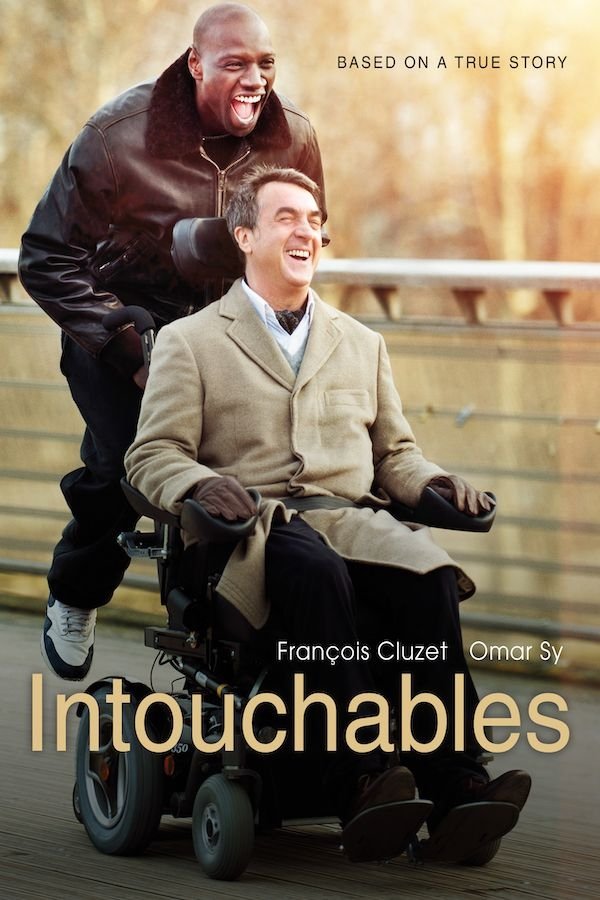
This popular French film stars François Cluzet as a rich aristocrat who is paralyzed from the neck down. While the movie was a hit with audiences and praised for the connection between the main actors, some criticized the decision to cast an able-bodied actor in the lead role. Cluzet himself said playing someone with such physical limitations was a difficult acting task. The film’s success led to remakes in other countries, which also tended to cast actors without disabilities in the same role.
‘Mask’ (1985)

Eric Stoltz underwent a significant makeup transformation to play Rocky Dennis, a young man with a rare bone disorder called craniodiaphyseal dysplasia. The movie is based on the real story of Dennis’s life and his close bond with his mother. Stoltz, who was a conventionally attractive actor before the role, was almost unrecognizable thanks to the makeup. The makeup design itself won an Oscar, and the casting choices were typical for films made in the 1980s.
‘Million Dollar Baby’ (2004)

Hilary Swank stars as a boxer whose life changes forever when she’s paralyzed from the neck down by an unfair blow during a match. The film’s ending, which involves assisted suicide, sparked strong criticism from disability rights advocates. They protested the movie, believing it suggested the lives of people with spinal cord injuries were less valuable. Despite the controversy, Swank received an Oscar for her performance.
‘Daredevil’ (2003)
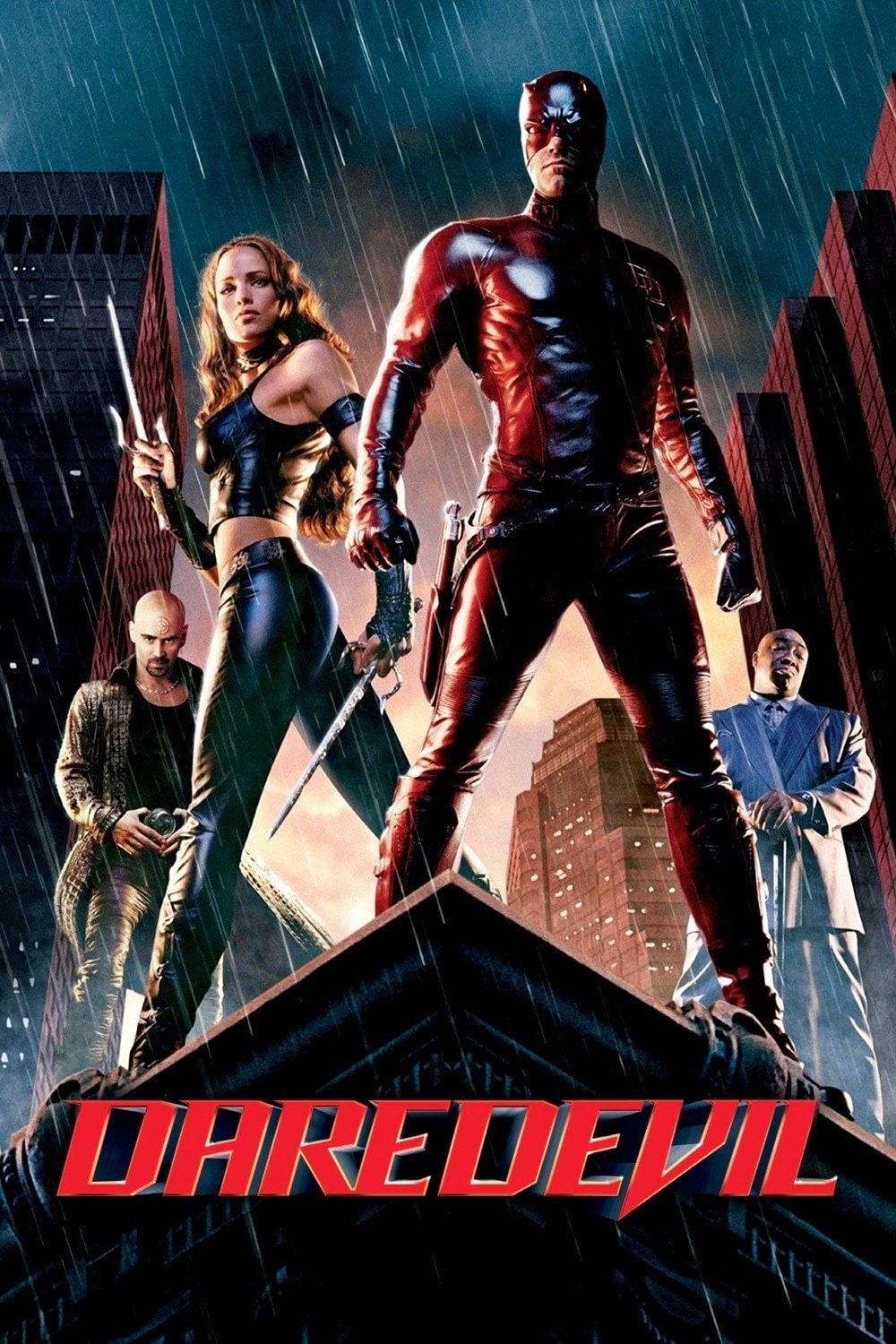
Ben Affleck plays Matt Murdock, a lawyer who is also a crime-fighting superhero, in the film. To portray blindness, Affleck wore special contact lenses that limited his vision. While the movie got a mixed reaction from critics, it was common at the time to cast actors who could see in roles based on comic books. Subsequent versions of the character have followed this same practice.
‘At First Sight’ (1999)

Val Kilmer stars as a man born blind who has surgery to regain his sight. The movie delves into the difficulties his brain faces in learning to interpret vision after a lifetime without it. While Kilmer’s character can now see, the film centers on how this impacts his romantic relationship. Some viewers felt the movie exaggerated the effects of blindness for dramatic effect.
‘Wait Until Dark’ (1967)
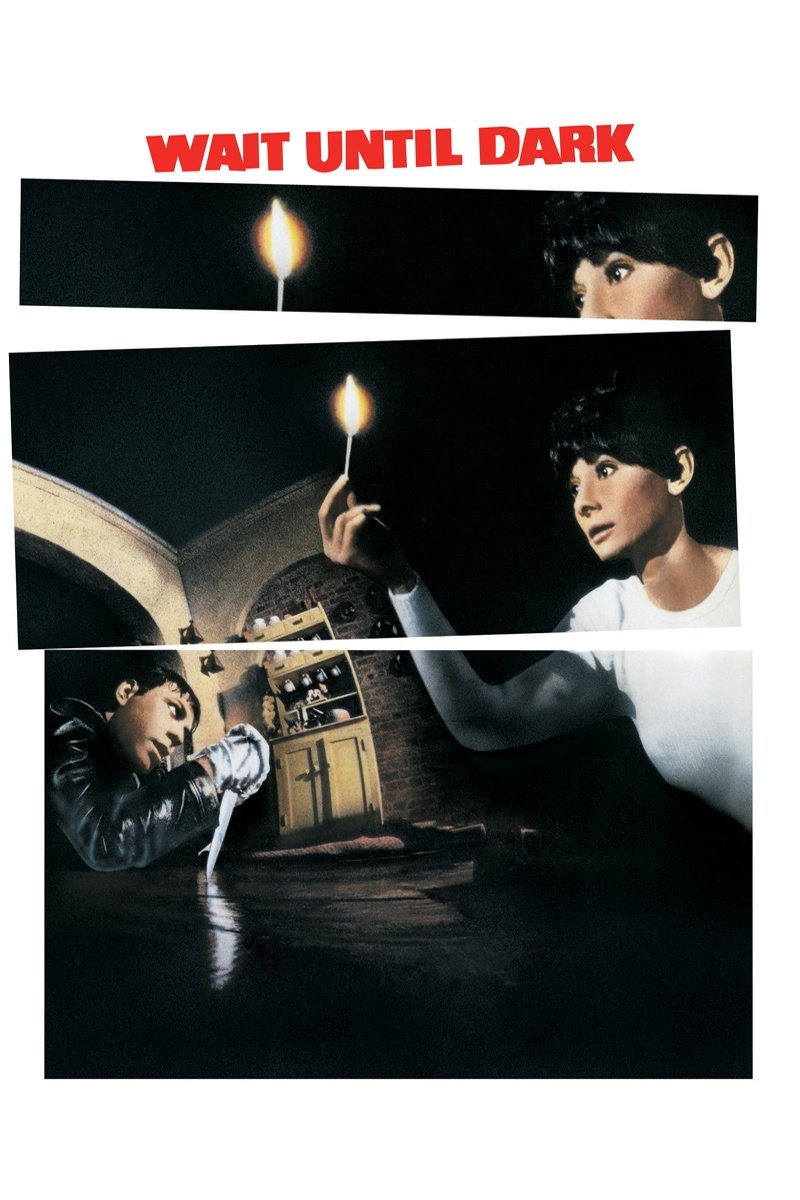
In the classic thriller film, Audrey Hepburn portrays a blind woman who is frightened by criminals invading her home. To convincingly play the role, Hepburn thoroughly researched blindness by studying at a school for the blind. The film is well-known for using the character’s disability to create tension and is a famous example of a major Hollywood star taking on the role of a blind person.
‘A Beautiful Mind’ (2001)
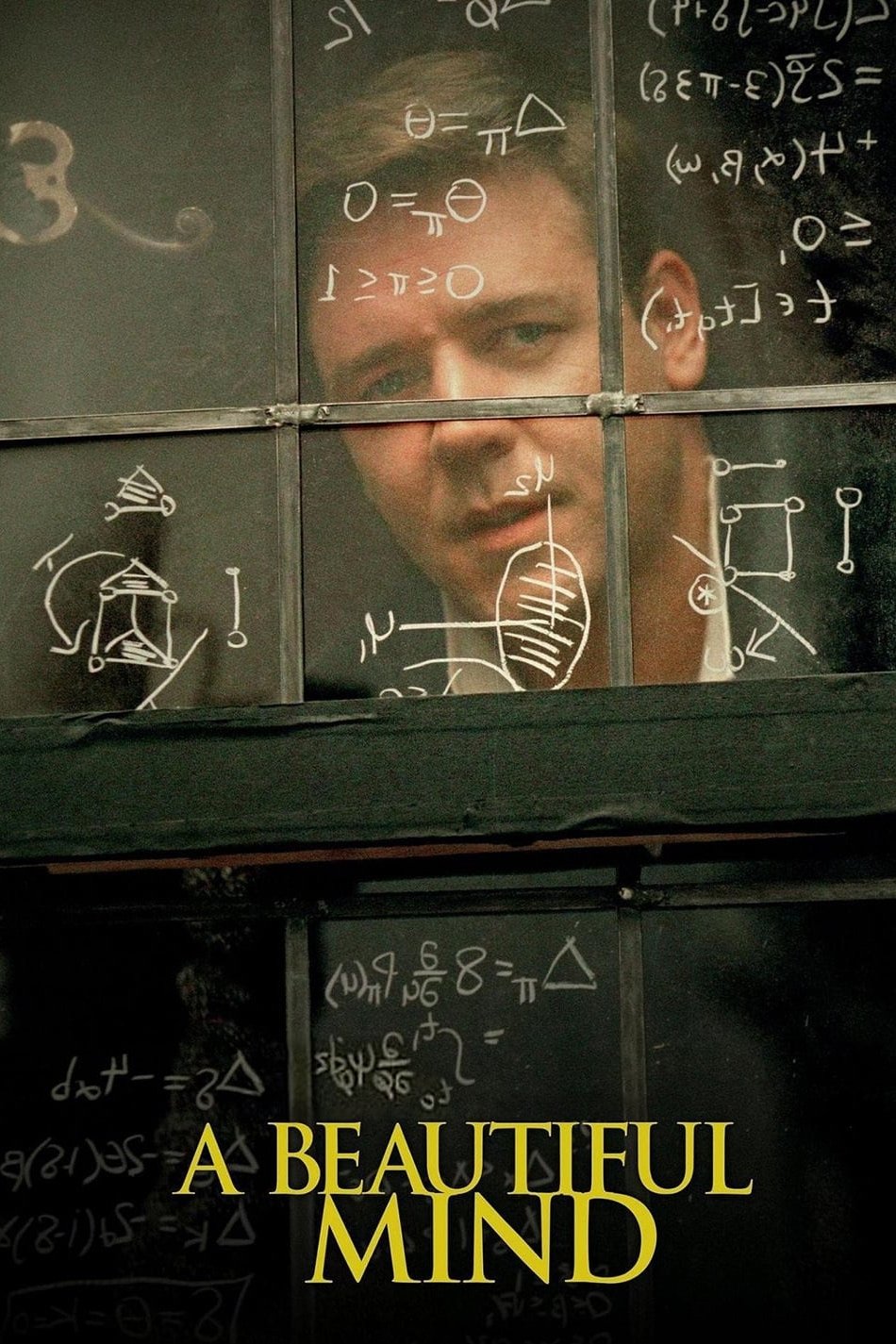
Russell Crowe stars as John Nash, a brilliant mathematician battling schizophrenia. The movie portrays Nash’s confusing hallucinations and his difficulty telling what was real from what wasn’t. While Crowe doesn’t have the condition himself, and the film isn’t a completely accurate depiction of Nash’s life, it was a critical success, winning Best Picture and earning Crowe an Oscar nomination for his acting.
‘Shine’ (1996)
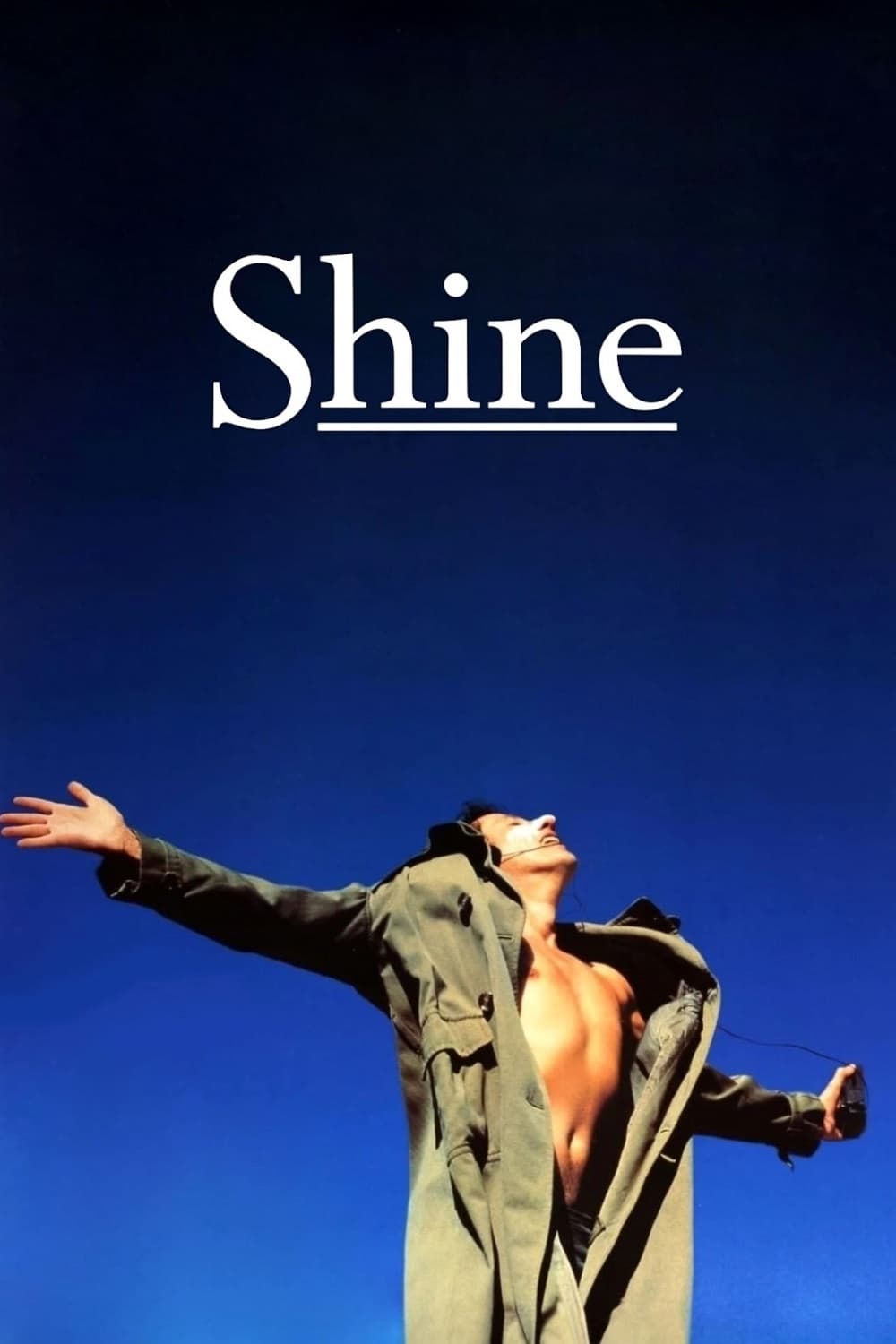
Geoffrey Rush powerfully portrays David Helfgott, a pianist who experiences a mental breakdown and spends years in psychiatric care. Rush received an Academy Award for his energetic and unusual performance. While the film highlights Helfgott’s musical talent, its portrayal of his mental illness is somewhat dramatized. Helfgott’s family had varying opinions on how accurately the movie represented his life.
‘Sling Blade’ (1996)
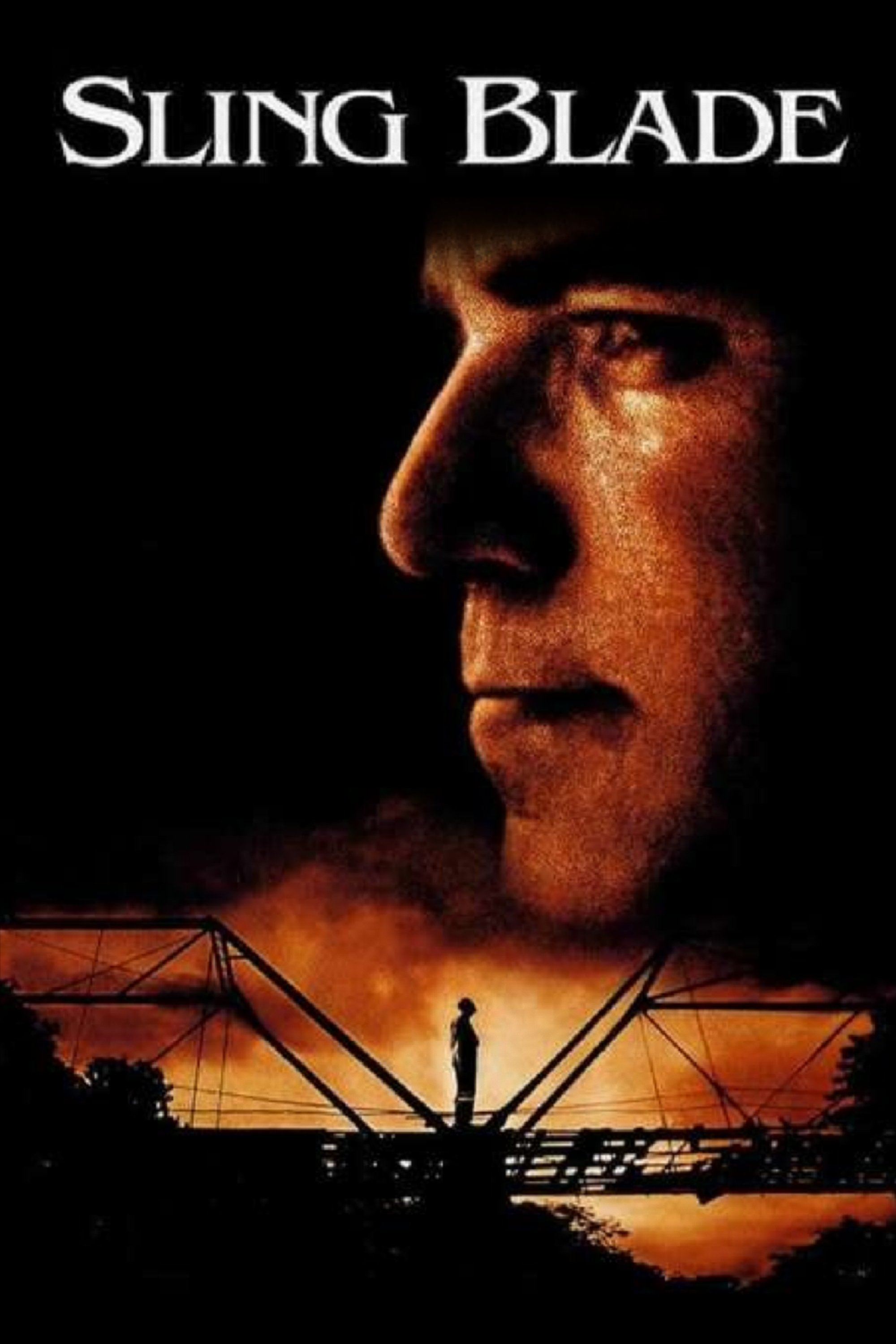
Billy Bob Thornton’s film features his portrayal of Karl Childers, a man with intellectual disabilities recently released from a psychiatric hospital. Thornton not only starred as Karl but also wrote and directed the film, developing the character’s unique voice and behavior during a prior project. While the performance is memorable, it reflects a common practice where an actor without disabilities plays a character defined by those traits. Despite this, the film received positive reviews from critics.
‘As Good as It Gets’ (1997)
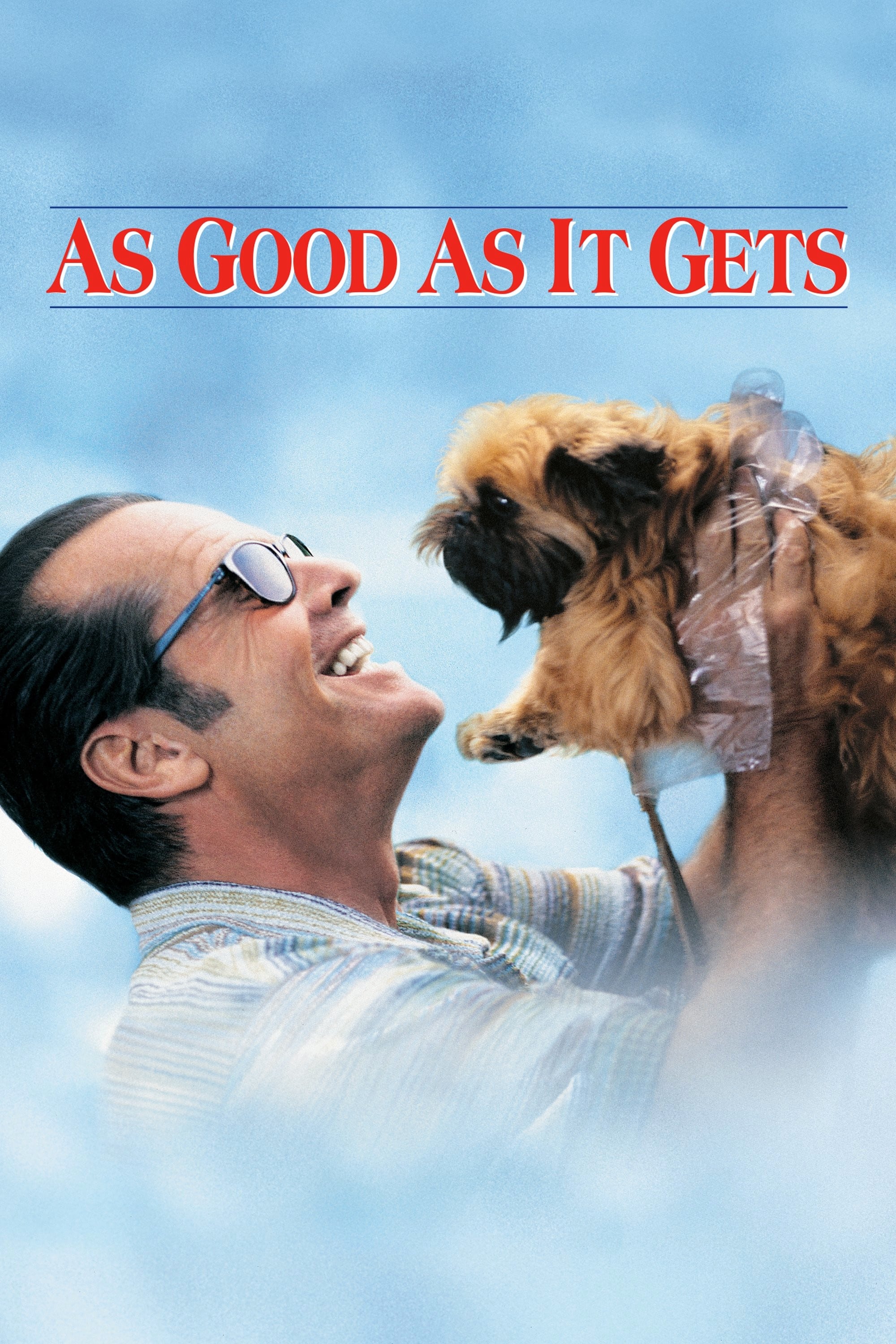
Jack Nicholson stars as a romance writer who struggles with Obsessive-Compulsive Disorder. The movie uses his repetitive behaviors for both humorous and heartfelt moments. Though Nicholson received an Academy Award for his performance, some mental health professionals felt the depiction wasn’t always realistic. The film also relies on the familiar idea that love can cure mental health conditions, a plot device often criticized by experts.
‘Avatar’ (2009)

Sam Worthington stars as Jake Sully, a marine who uses a wheelchair. In the movie, Jake ultimately transfers his mind into a fully functional alien body. Some viewers have pointed out that this storyline suggests disability is something to be overcome or left behind. It’s worth noting that Worthington himself doesn’t have a disability, and the film used both real wheelchairs and computer-generated imagery to portray Jake’s condition.
‘Glass’ (2019)
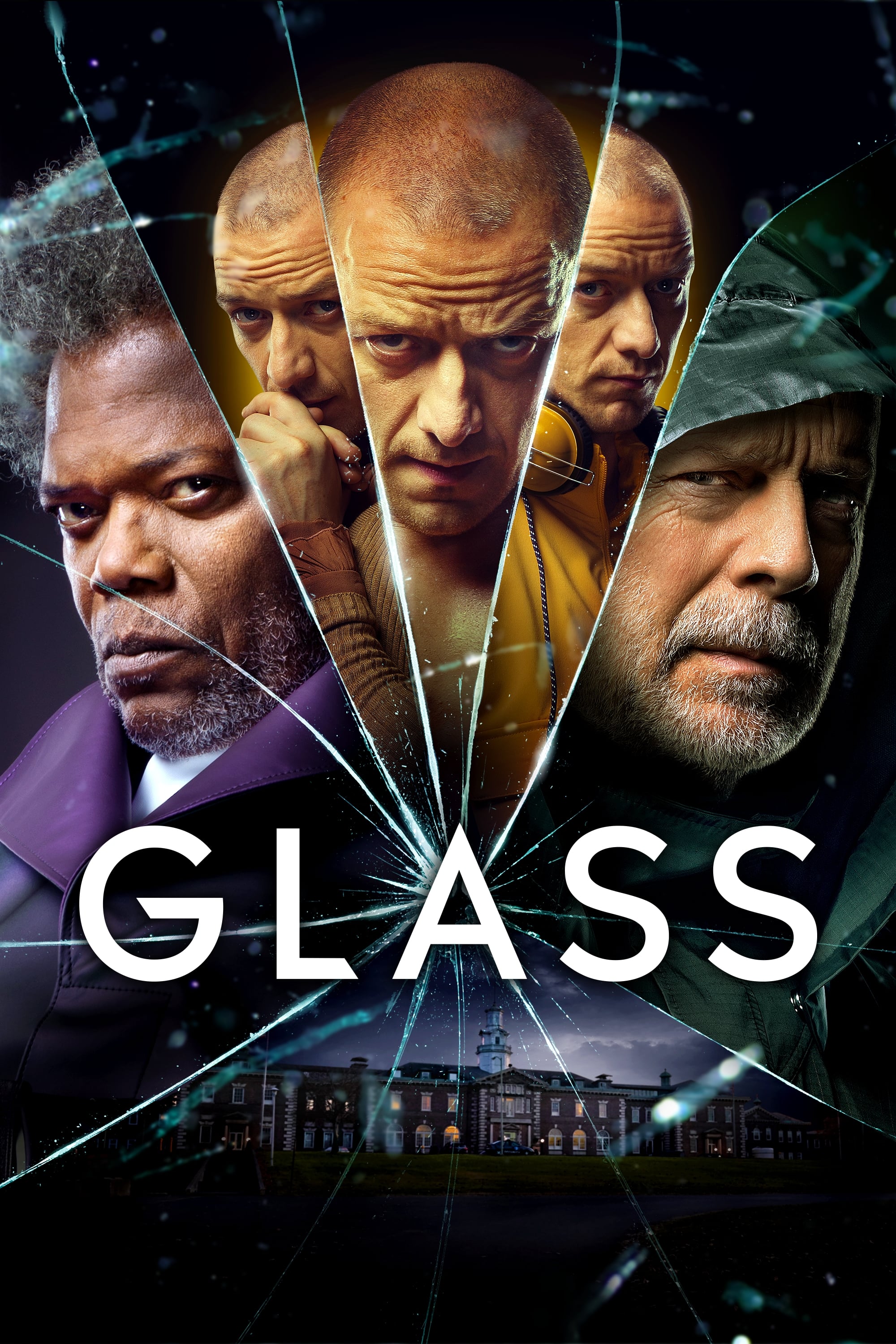
Samuel L. Jackson returns as Elijah Price, a character with a condition called osteogenesis imperfecta, which causes his bones to break easily. Despite his physical fragility, Elijah is a brilliant supervillain. Jackson, who is physically healthy, skillfully portrays the character’s limitations through his movements and performance. The movie presents the condition as a key part of the character’s backstory, similar to how powers are developed in comic books.
‘127 Hours’ (2010)
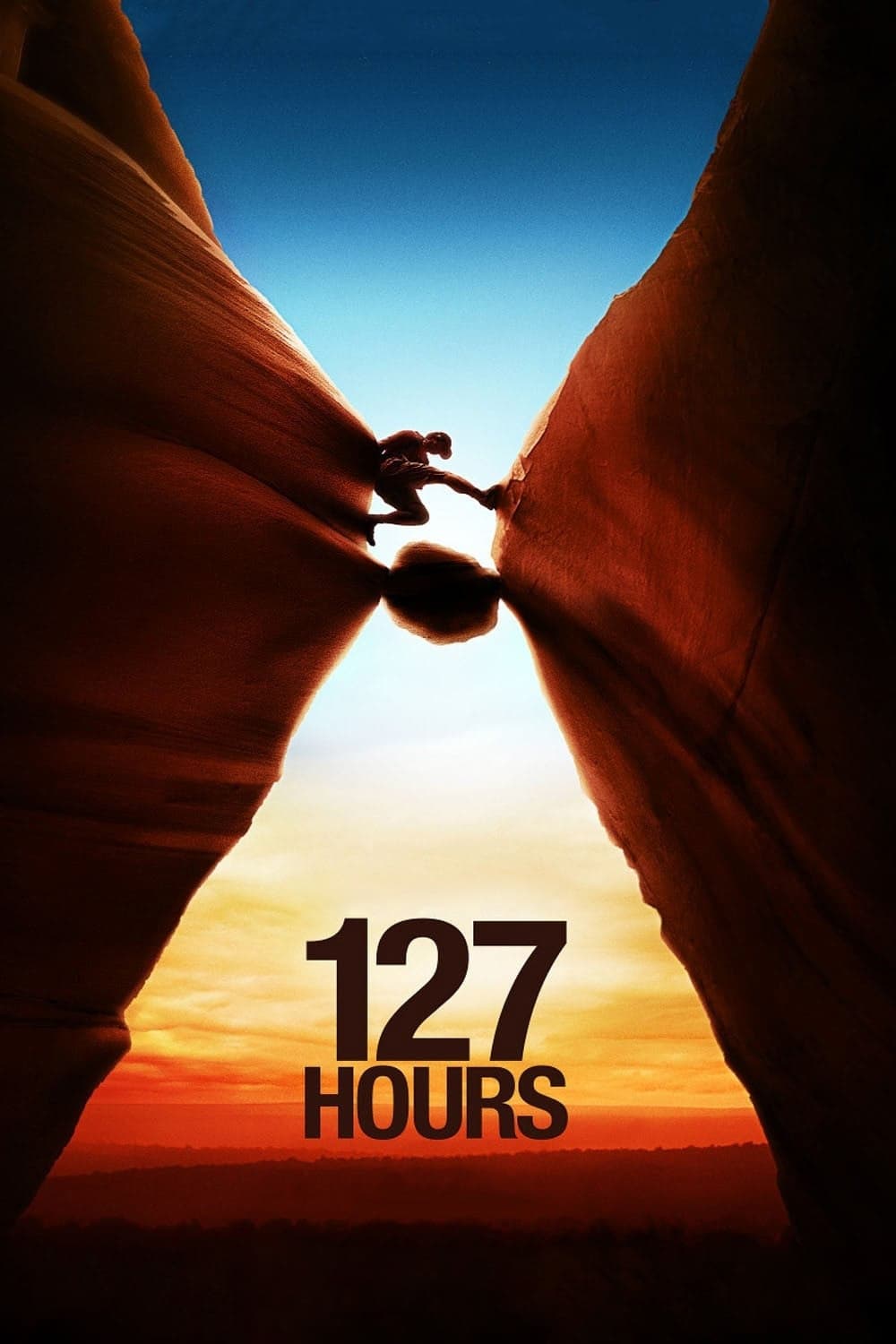
James Franco stars as Aron Ralston, a man who had to amputate his own arm to escape a canyon after becoming trapped. The movie shows the difficult and painful process of the amputation and its immediate effects. While Franco doesn’t have a disability himself, the film uses lifelike prosthetics to portray the injury. It’s a true story focusing on this single, dramatic event, rather than exploring the broader experience of living with a disability.
‘Gattaca’ (1997)
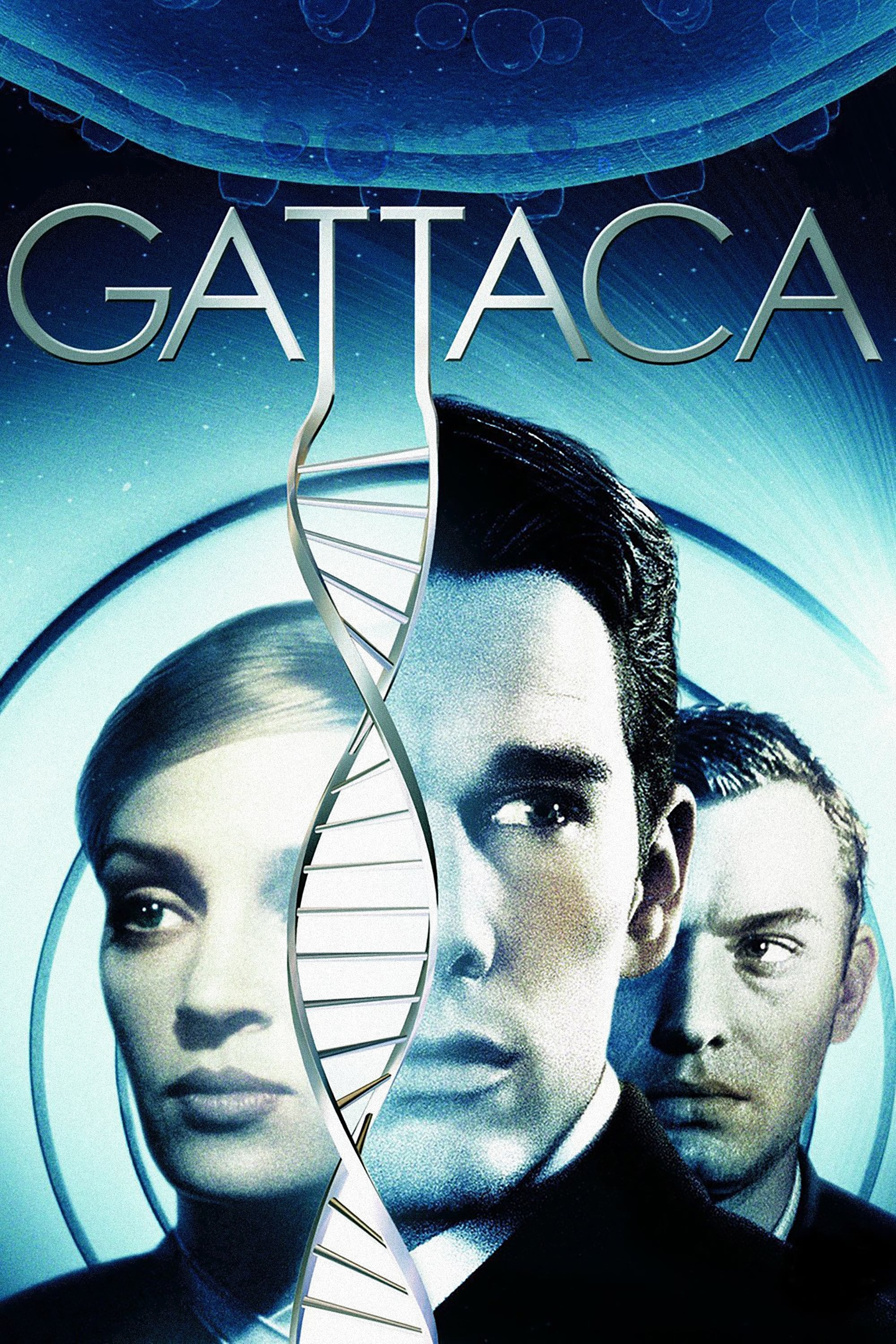
Jude Law stars as a once-successful swimmer who is paralyzed in a car crash. In the film’s world, his excellent genes become valuable, and he sells access to them to the main character. Despite being unable to walk, Law’s character is physically pushed to his limits – a pivotal moment involves him struggling to pull himself up a spiral staircase. A major part of his story revolves around his frustration and anger over his disability.
‘Of Mice and Men’ (1992)
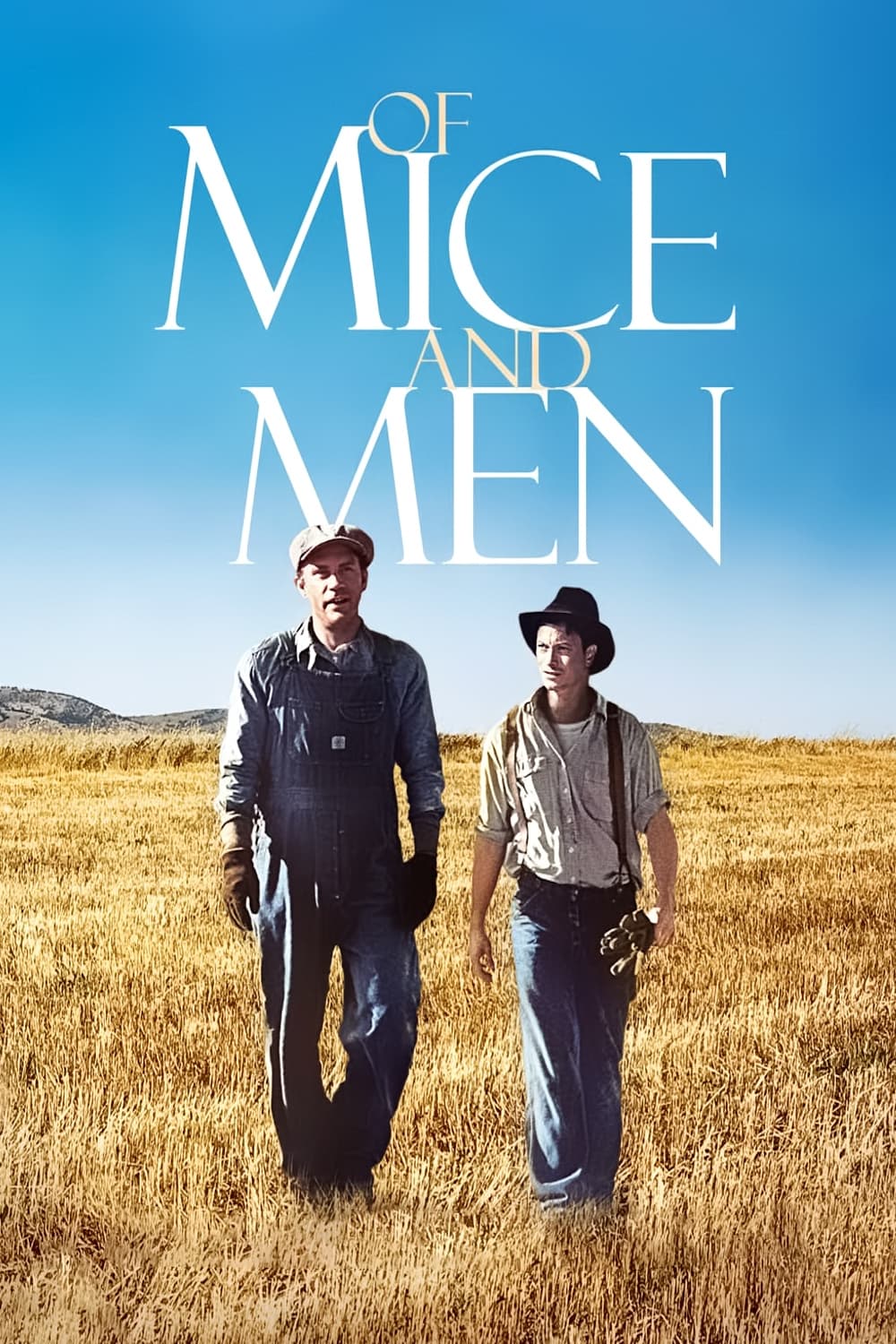
Okay, so I recently rewatched ‘Of Mice and Men,’ and John Malkovich is just incredible as Lennie. He plays this migrant worker who has a pretty significant intellectual disability. It’s a really faithful adaptation of the book, but it’s always a little tricky when a non-disabled actor takes on a role like this, you know? Lennie is such a famous example of disability in literature, and Malkovich really captures the tragedy of someone who just doesn’t fully get what’s going on around him. It’s heartbreaking, honestly.
‘Simple Simon’ (2010)

Bill Skarsgård stars as Simon, a young man with Asperger’s who relies on a very structured daily life. This Swedish comedy follows the humorous disruptions Simon creates for his brother. Although Skarsgård doesn’t have Asperger’s himself, the film uses special visual effects to represent Simon’s individual way of seeing the world. It was Sweden’s submission for the Academy Award for Best International Feature Film.
‘Adam’ (2009)

Hugh Dancy plays a solitary electronics engineer with Asperger’s syndrome who forms a connection with the woman next door. While Dancy prepared for the role by studying the condition, he doesn’t have it himself. The movie was advertised as a love story that looked at the challenges of dating with neurodiversity. Critics had differing opinions on whether the character felt realistically developed as a person, or simply like a list of traits associated with the condition.
‘Inside I’m Dancing’ (2004)
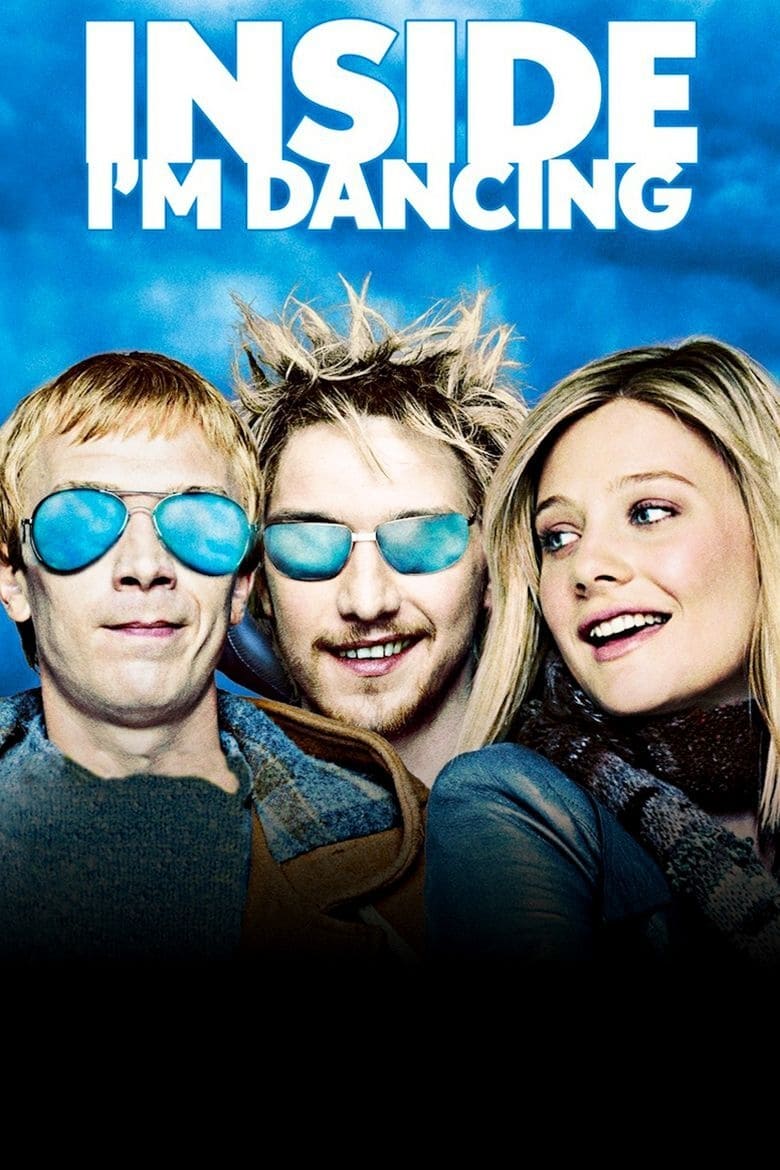
I recently watched a film featuring James McAvoy as Rory O’Shea, a character living with Duchenne muscular dystrophy. What struck me most was Rory’s defiant spirit and how he pushes his friend, who has cerebral palsy, to embrace independence. McAvoy, who is physically able-bodied, did a lot of research and spent time with people living with the condition to prepare for the role, which is commendable. However, the film has sparked debate – while many praise its heart, some critics, myself included, question the decision to cast two able-bodied actors in these roles.
‘Champions’ (2023)
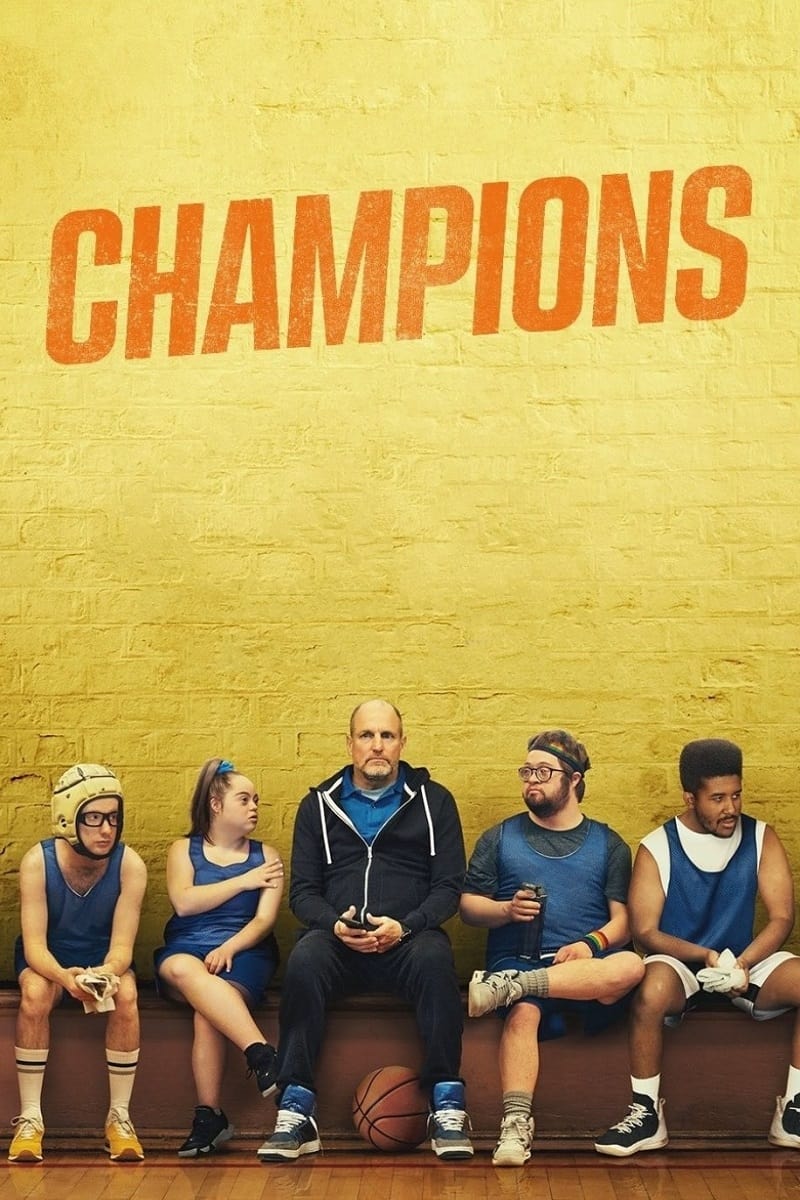
I recently watched a film starring Woody Harrelson as a basketball coach who’s assigned to work with a team of players with intellectual disabilities. What struck me was that the actors with disabilities actually played the team members, which was fantastic. However, it also sparked some debate – a lot of critics pointed out that the story really focused on the coach’s journey, and that the players’ experiences felt secondary, almost like they were there just to help him grow. It really made me think about the difference between simply including actors with disabilities and actually telling stories about the disabled experience – it’s a subtle but important distinction.
Please share your thoughts on these casting choices in the comments.
Read More
- Building 3D Worlds from Words: Is Reinforcement Learning the Key?
- The Best Directors of 2025
- 2025 Crypto Wallets: Secure, Smart, and Surprisingly Simple!
- 20 Best TV Shows Featuring All-White Casts You Should See
- Umamusume: Gold Ship build guide
- Mel Gibson, 69, and Rosalind Ross, 35, Call It Quits After Nearly a Decade: “It’s Sad To End This Chapter in our Lives”
- 39th Developer Notes: 2.5th Anniversary Update
- Gold Rate Forecast
- Most Famous Richards in the World
- The Most Famous Foreign Actresses of All Time
2026-01-08 19:08