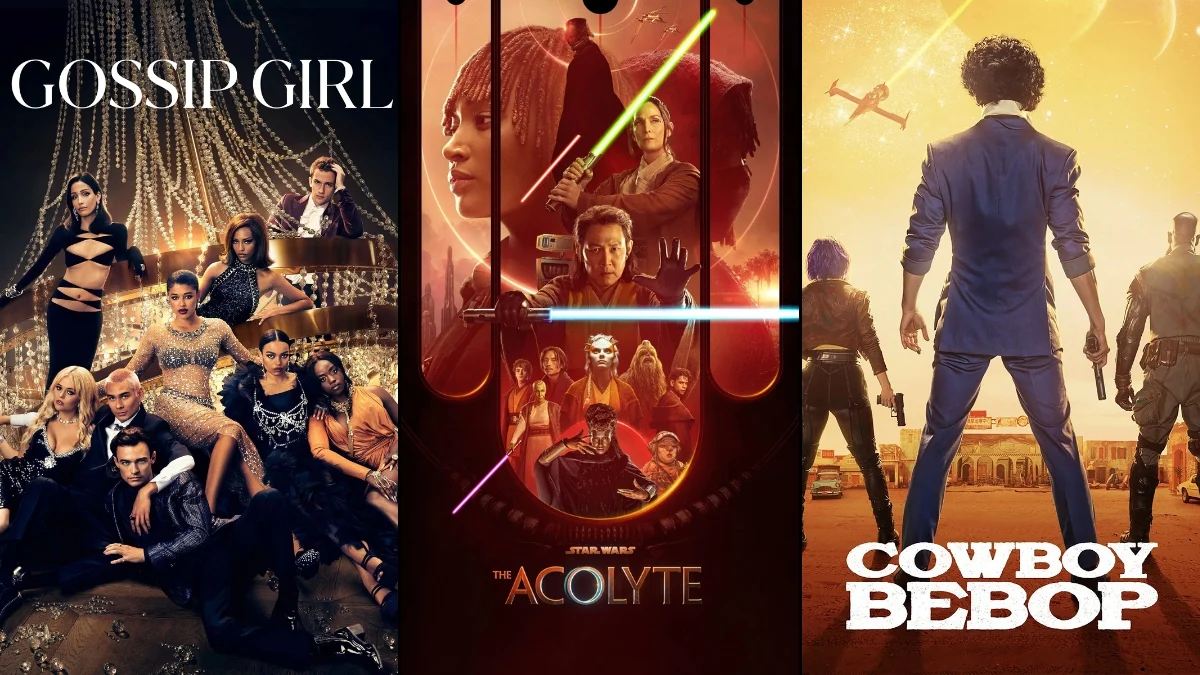
Television is increasingly featuring more diverse stories, but some shows with strong diversity themes have been canceled after sparking public discussion. These cancellations often happened because of falling ratings, high production expenses, and criticism online about the show’s creative direction. Sometimes, the conversations about diversity and inclusion actually became a major part of why the show ended. Here are fifteen TV shows that were canceled while being accused of prioritizing diverse themes.
‘The Acolyte’ (2024)
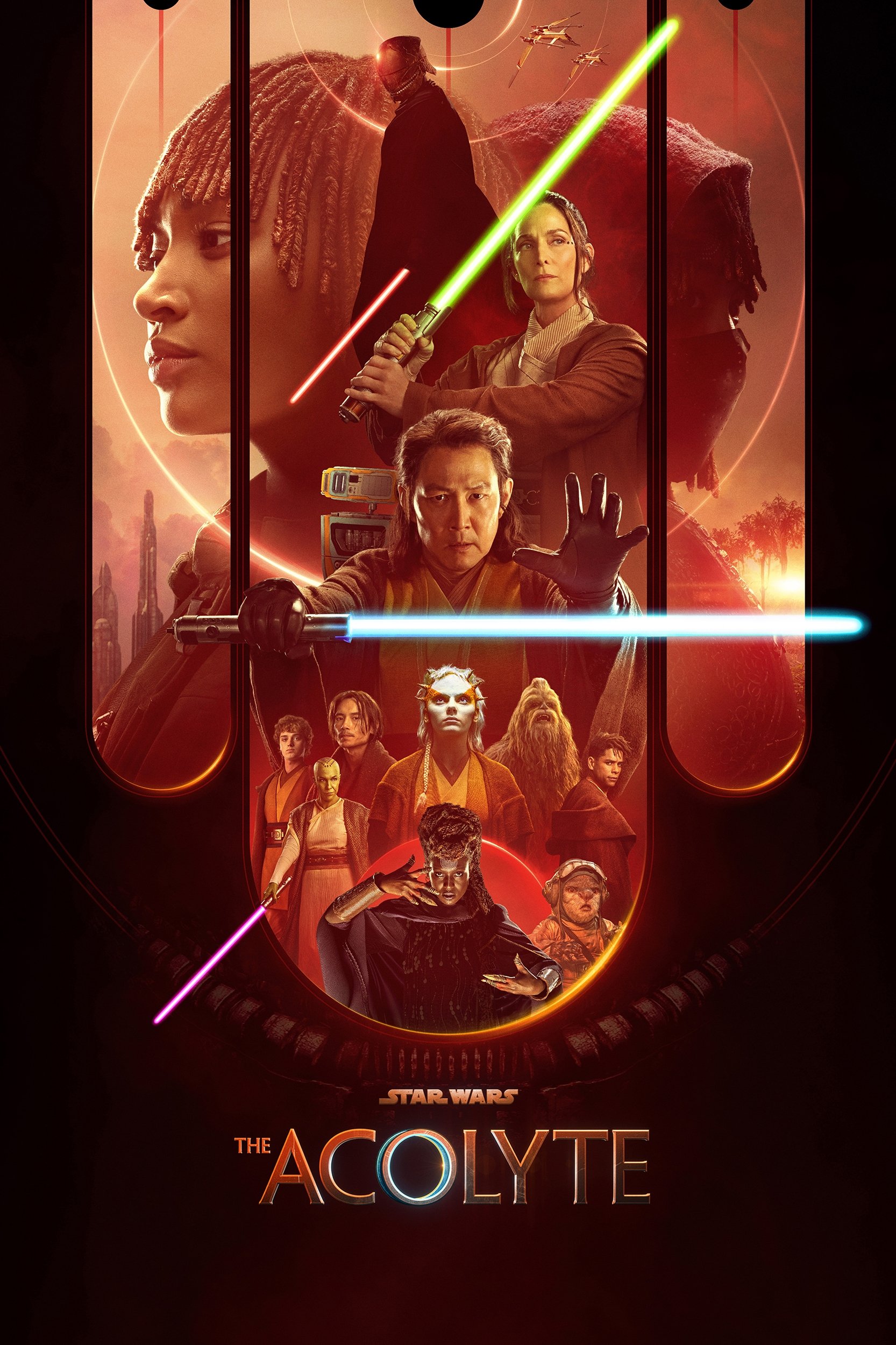
This series, taking place towards the end of the High Republic period, centers on a former Jedi apprentice who teams up with her old master to solve a string of crimes. After a mixed reaction from ‘Star Wars’ fans, Disney+ decided not to continue the show for another season. Online discussions often centered on the show’s diverse cast and unique creative choices, with some viewers using the term “woke” to express their disapproval. Although the series ended with unresolved plot points, it didn’t hold onto its initial audience in the weeks after it first aired.
‘First Kill’ (2022)
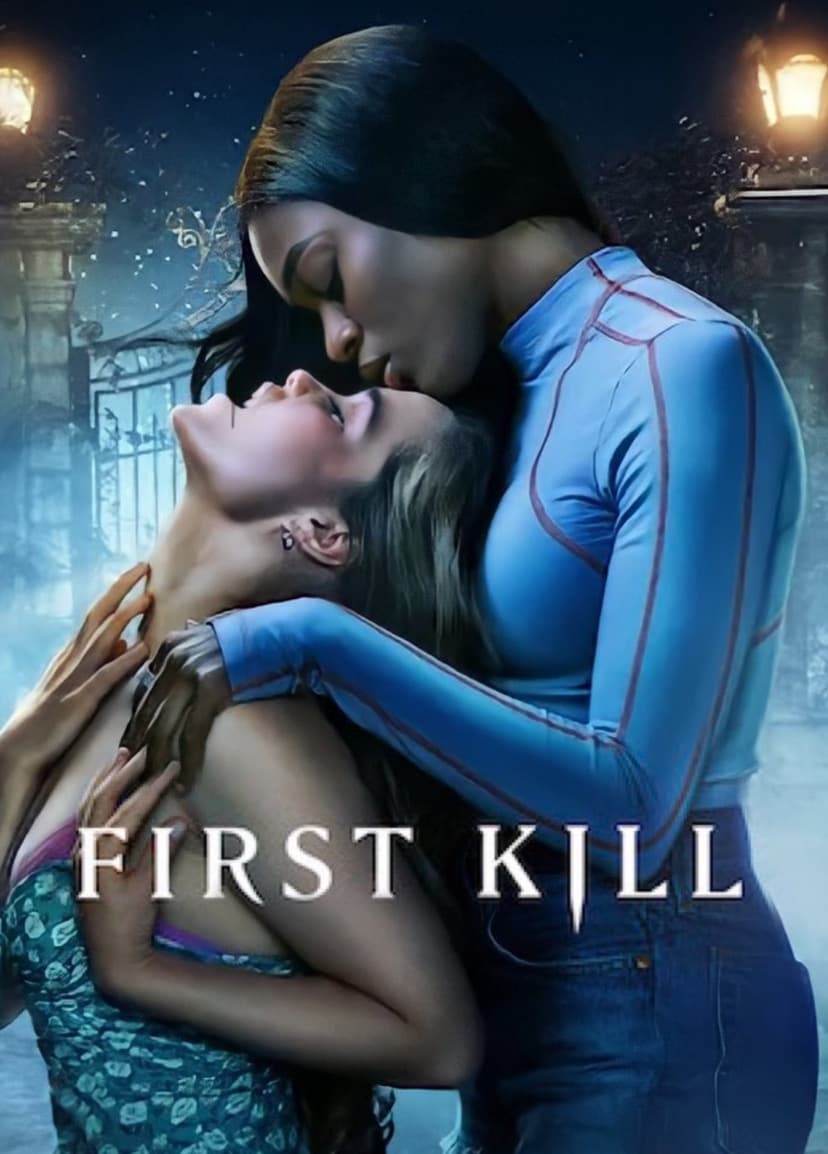
This Netflix show follows a forbidden love story between a teenage vampire and a monster hunter, both on the verge of their first kill. Despite a passionate fan campaign – fueled by concerns that LGBTQ+ representation was being overlooked – the series was canceled after just one season. Although it briefly appeared in Netflix’s Top 10, low viewership numbers led the platform to believe renewal wasn’t financially viable. Many who protested the cancellation highlighted Netflix’s past issues with supporting diverse shows and content created by women.
‘Willow’ (2022–2023)
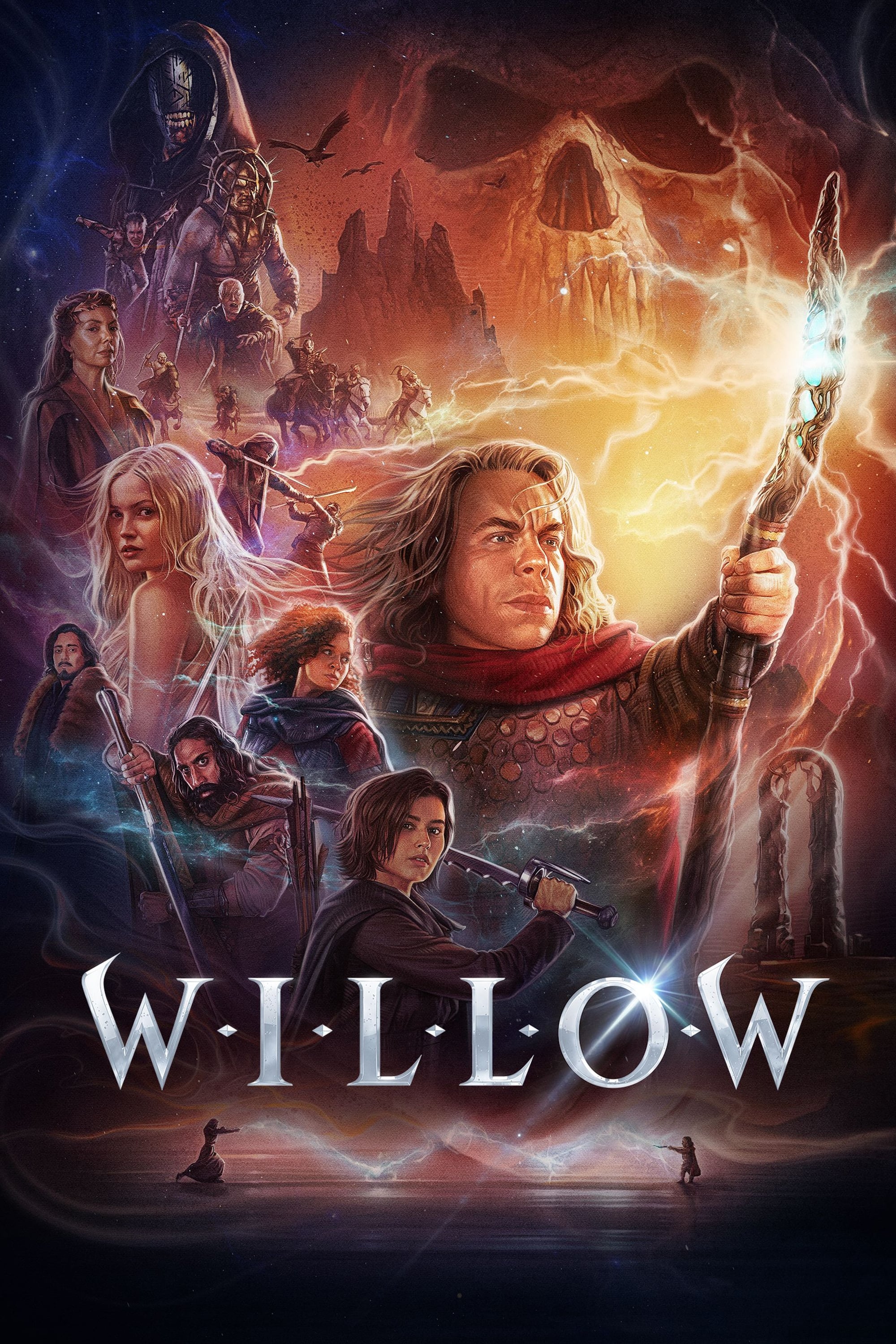
This series continues the story from the 1988 film, with Warwick Davis reprising his role as the main sorcerer and guiding a new group of heroes. However, Disney+ canceled it after just eight episodes and later removed it from their streaming service as part of a larger content cut. While it was airing, some viewers criticized the show for including LGBTQ+ storylines, feeling they didn’t fit with the classic fantasy feel of the original story. This sparked a debate about how much to update older, well-known franchises.
‘Resident Evil’ (2022)
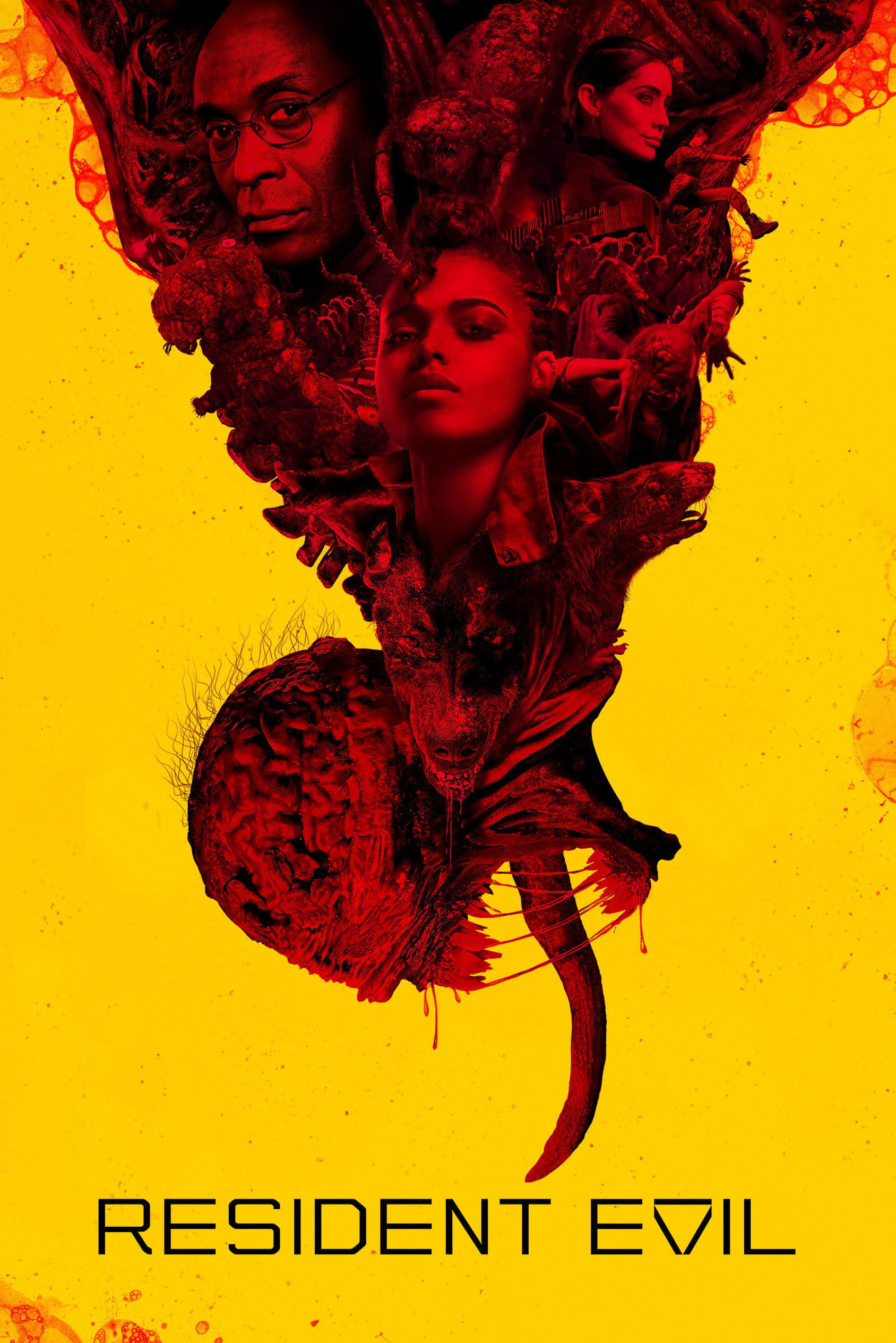
This Netflix series, based on the popular Resident Evil video games, tells a story across two time periods, focusing on the Wesker family and a worldwide outbreak of a deadly virus. Despite the show’s ambition, Netflix canceled it after just one season because fewer people were watching and reviews were mixed. Many viewers and critics reacted negatively to the casting choices, particularly Lance Reddick, and to how the show changed the characters from the original games. The show also tried to add new social commentary to the established horror story, which didn’t appeal to many longtime fans.
‘Batwoman’ (2019–2022)
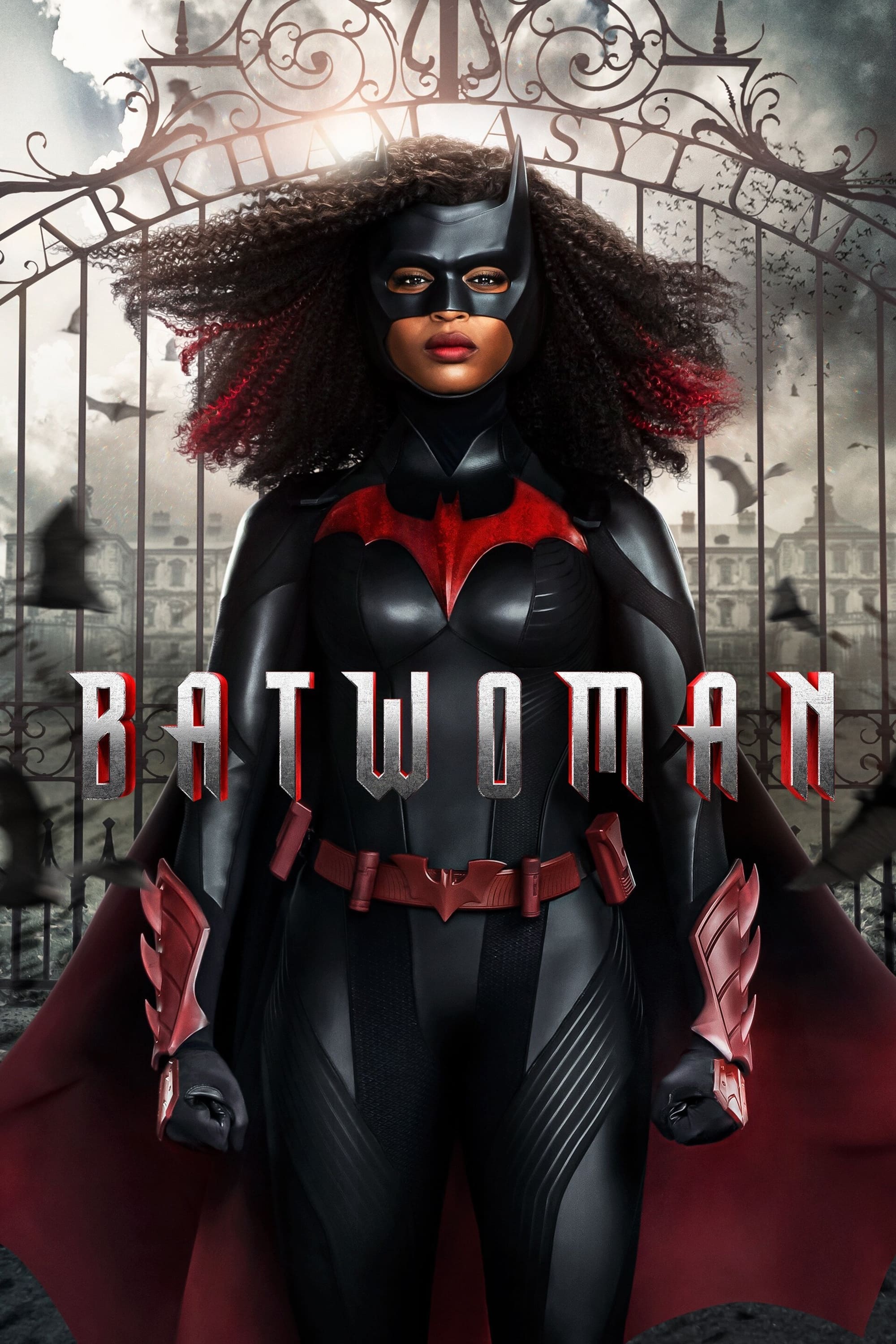
Batwoman, a CW television series, tells the story of Kate Kane and later Ryan Wilder as they become Gotham City’s hero. After three seasons, the show was canceled as part of changes at the network. During its run, Batwoman sparked conversations about its focus on social justice and the groundbreaking casting of a Black, LGBTQ+ lead actress. Despite having a loyal fanbase, the series often faced online criticism for its storytelling choices.
‘Q-Force’ (2021)
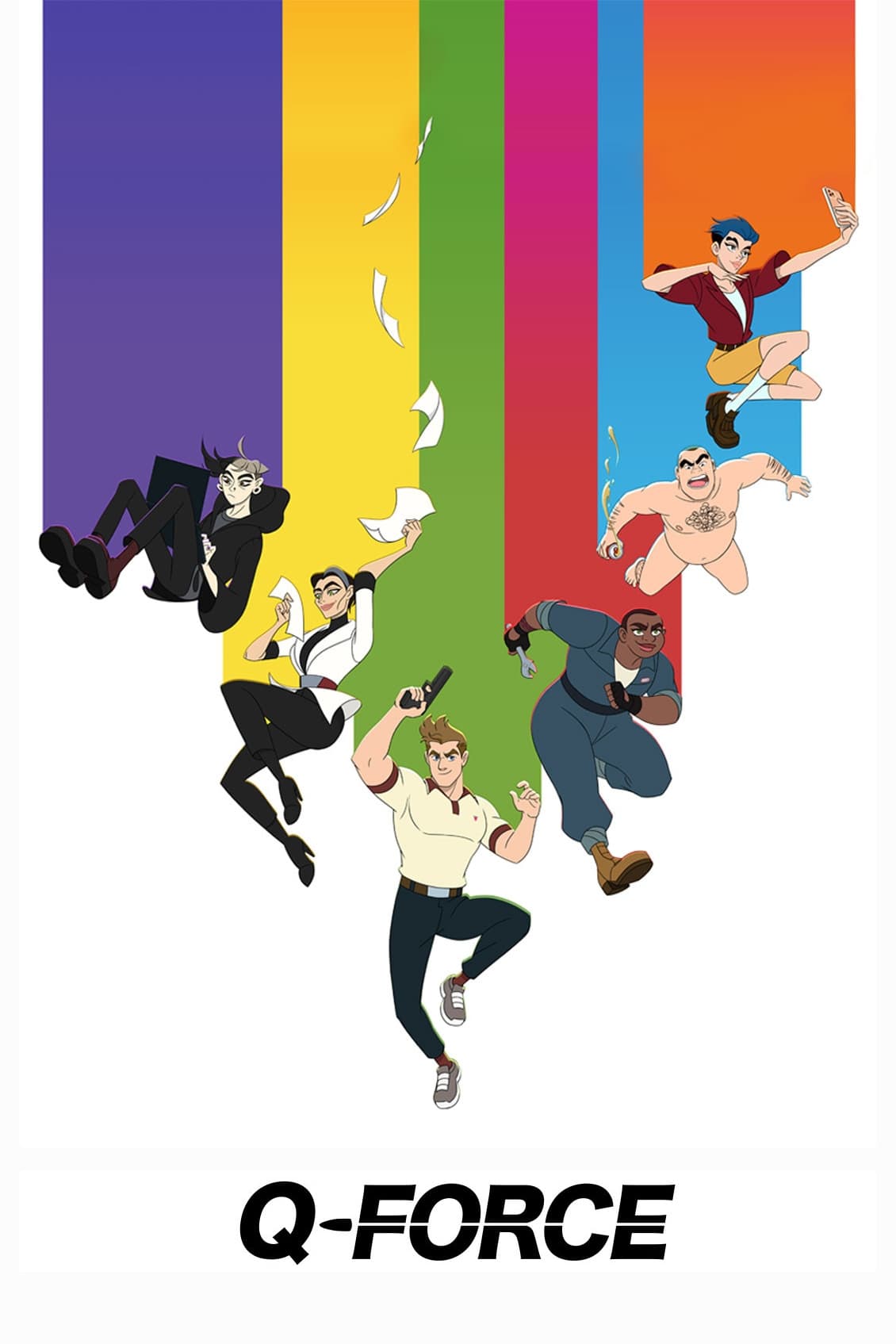
This animated series follows a team of LGBTQ+ spies who are constantly trying to prove themselves to their agency. Despite aiming for positive representation, the show faced criticism for using tired stereotypes and struggled to balance humor with genuine character stories. After a poorly received social media promotion, Netflix canceled it after just one season.
‘High Guardian Spice’ (2021)

A new animated series followed four students at a school for heroes as they trained to defend their world from an unknown danger. Even before it aired, the show sparked controversy because the creators highlighted the diverse backgrounds of the writers. After its release, many viewers disliked the animation and story, leading to poor reviews and harsh criticism online. Despite finishing its first season, the show was canceled without any official announcement about future plans.
‘The Wilds’ (2020–2022)
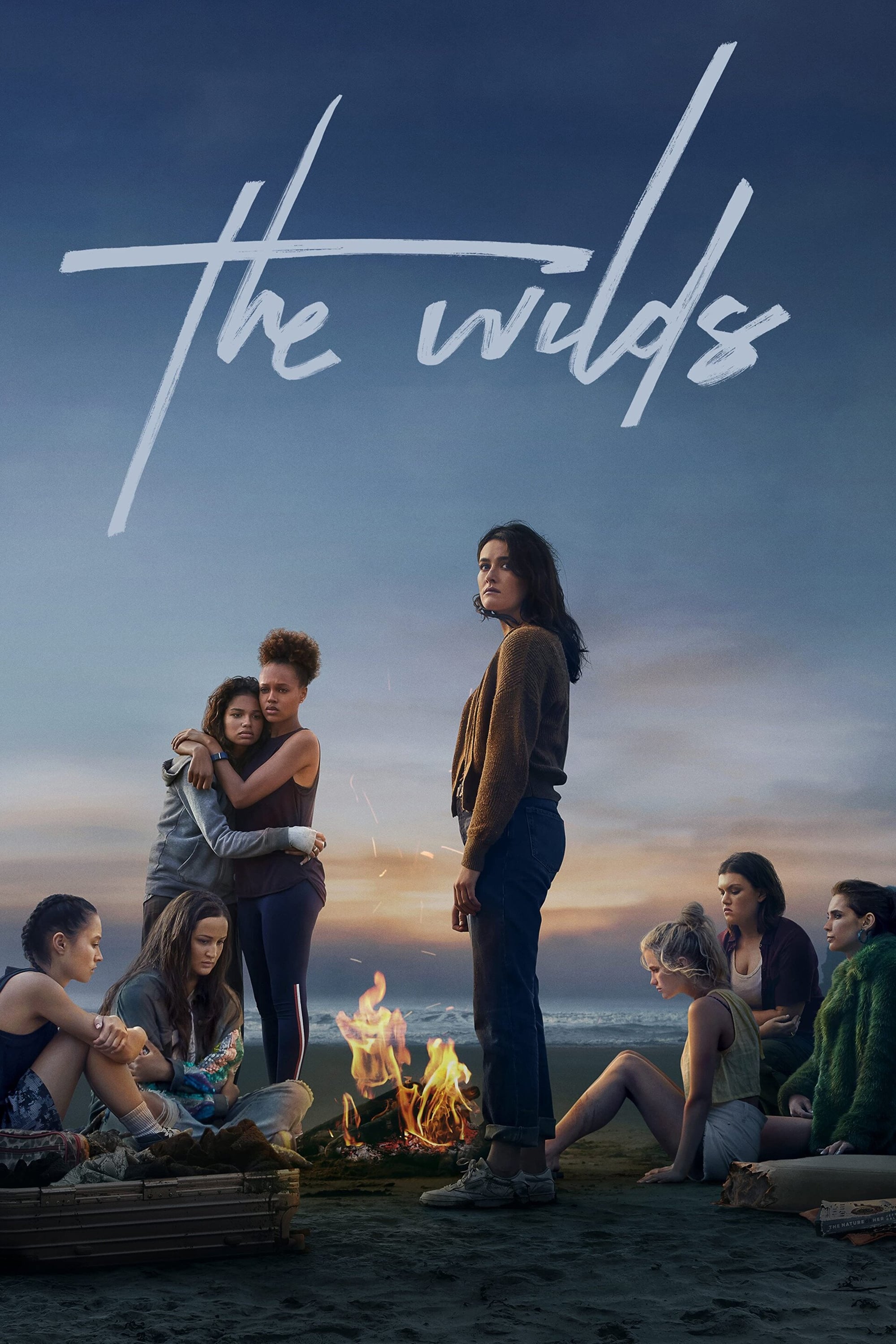
After a plane crash leaves them stranded on a deserted island, a diverse group of teenage girls fights for survival, unaware they’re part of a large-scale social experiment. The show, which aired on Prime Video, was canceled after two seasons, despite introducing a new group of male survivors. Many viewers who enjoyed the first season were upset by this change, feeling it took away from the show’s original focus on stories about girls and women. The cancellation sparked a wider conversation about how long streaming shows with diverse, female, and LGBTQ+ leads are able to last.
‘Warrior Nun’ (2020–2022)
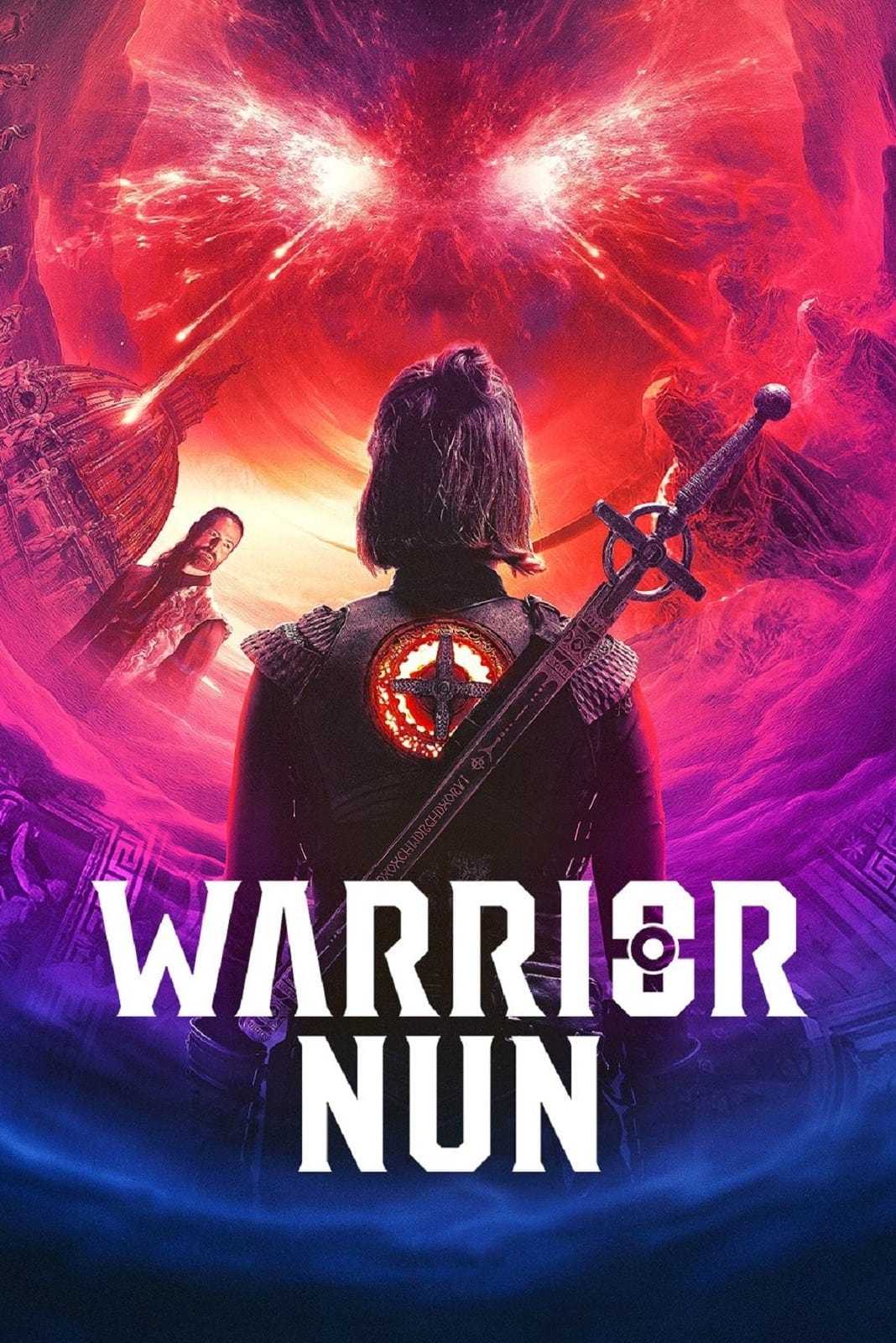
A teenage girl who lost her parents wakes up in a morgue and discovers she has superpowers. She then teams up with a hidden group of nuns who hunt demons. When Netflix canceled the show after two seasons, fans launched a large campaign to try and save it. A major concern for viewers was the cancellation of the developing romance between the two main characters, Ava and Beatrice, which was praised for its positive portrayal of a lesbian relationship in a fantasy setting. While the show received high ratings from audiences, Netflix stated that its own internal data led to the decision to cancel it.
‘Generation’ (2021)
This show was a funny and serious drama that looked at how teenagers dealt with sexuality and identity in a very conservative town. HBO Max canceled it after only one season and then took it off their streaming service as part of a larger plan to cut back on content. It often came up in discussions about whether there were already too many intense, diverse shows about teens. Though some critics liked how realistic it was, the show didn’t attract enough viewers to justify its expensive production.
‘Y: The Last Man’ (2021)
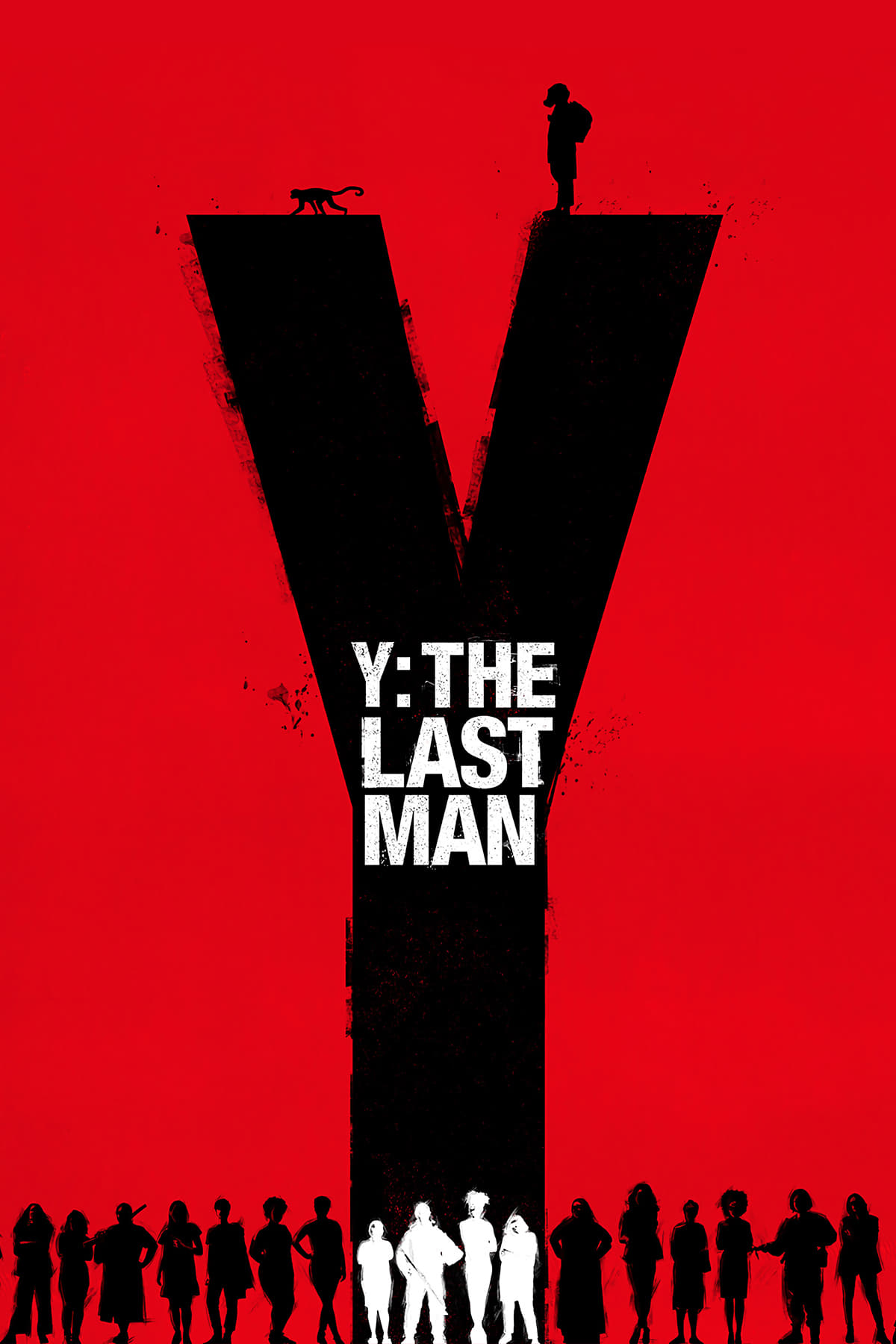
The show, inspired by a popular comic book, tells the story of a world where a disaster wipes out nearly all mammals with a Y chromosome, leaving only one man alive. The TV adaptation on FX and Hulu updated the story to include transgender and non-binary characters, which some original fans disagreed with. Unfortunately, the show was canceled mid-season due to production problems and disagreements about its direction. It faced challenges in capturing the spirit of the comic while also addressing sensitive social and political issues.
‘Queer as Folk’ (2022)
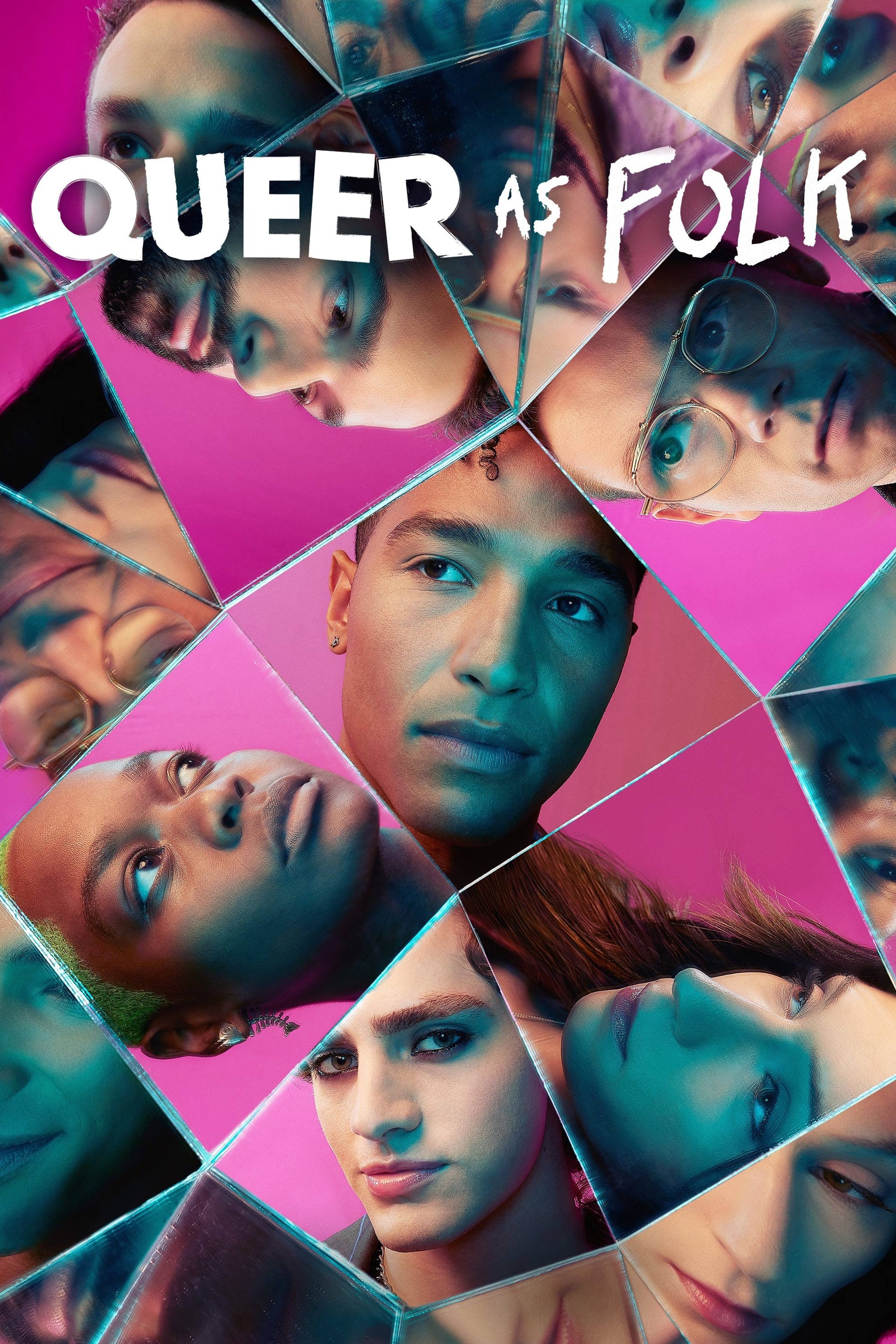
This new version of a popular British and American show takes place in New Orleans and centers on a group of diverse friends whose lives change following a difficult event. It was designed to be more inclusive than previous versions, featuring transgender and disabled actors in prominent roles. Unfortunately, the show was canceled after just one season due to low viewership, which is a challenge for expensive streaming series. Many who defended the show pointed out that it offered a fresh, modern take on a franchise that had traditionally focused on white characters.
‘Gossip Girl’ (2021–2023)
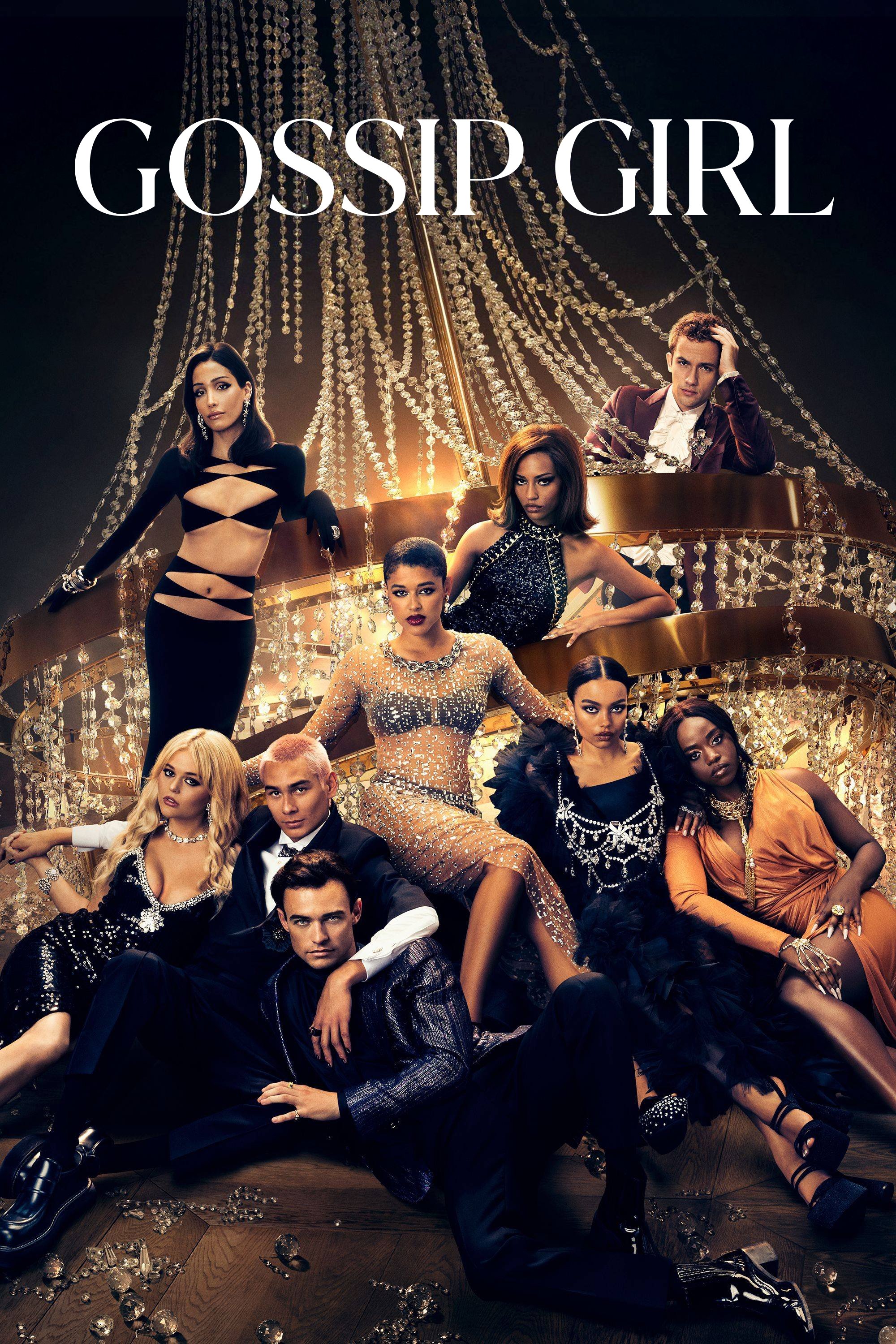
Nearly ten years after the events of the original, a new group of privileged high schoolers in New York City find themselves under the scrutiny of the ever-present Gossip Girl. This updated version intentionally featured a more diverse cast and tackled current social issues more openly than before. However, after two seasons, HBO Max canceled the show due to a mixed response. Many viewers didn’t feel the new, more socially aware approach lived up to the original series, and the show struggled to find a balance between addressing important issues and portraying the exclusive world of the Upper East Side.
‘Cowboy Bebop’ (2021)
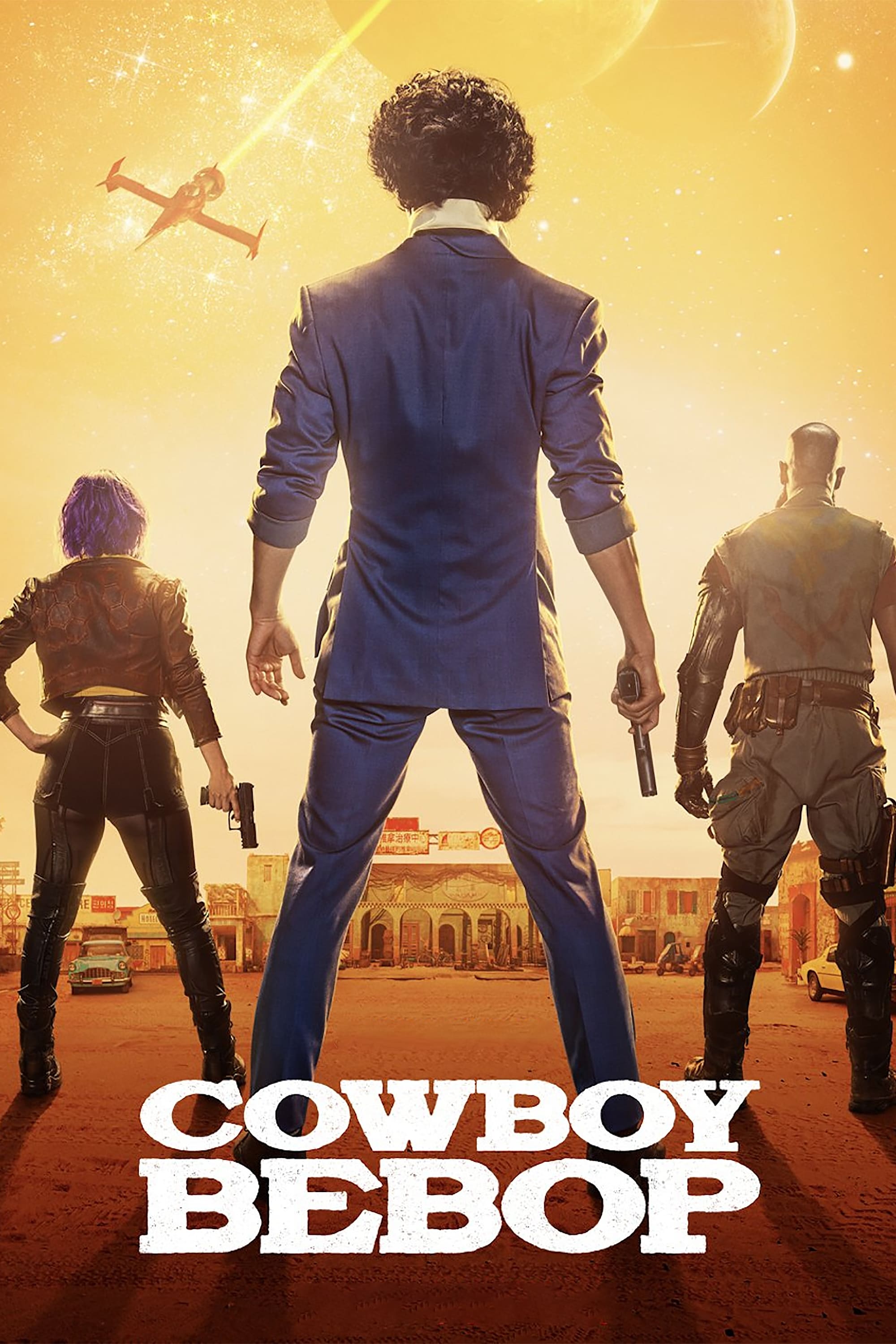
This new live-action series, set in 2071, centers on a diverse team of bounty hunters pursuing criminals throughout the solar system. Unfortunately, Netflix canceled it quickly – less than a month after it launched – because viewership dropped significantly after the first week. The show sparked a lot of discussion, particularly about changes made to characters like Faye Valentine and the addition of the non-binary character Gren. While some viewers liked the updated take on the 1998 anime, many fans felt it strayed too far from what made the original so special.
‘The Baby-Sitters Club’ (2020–2022)
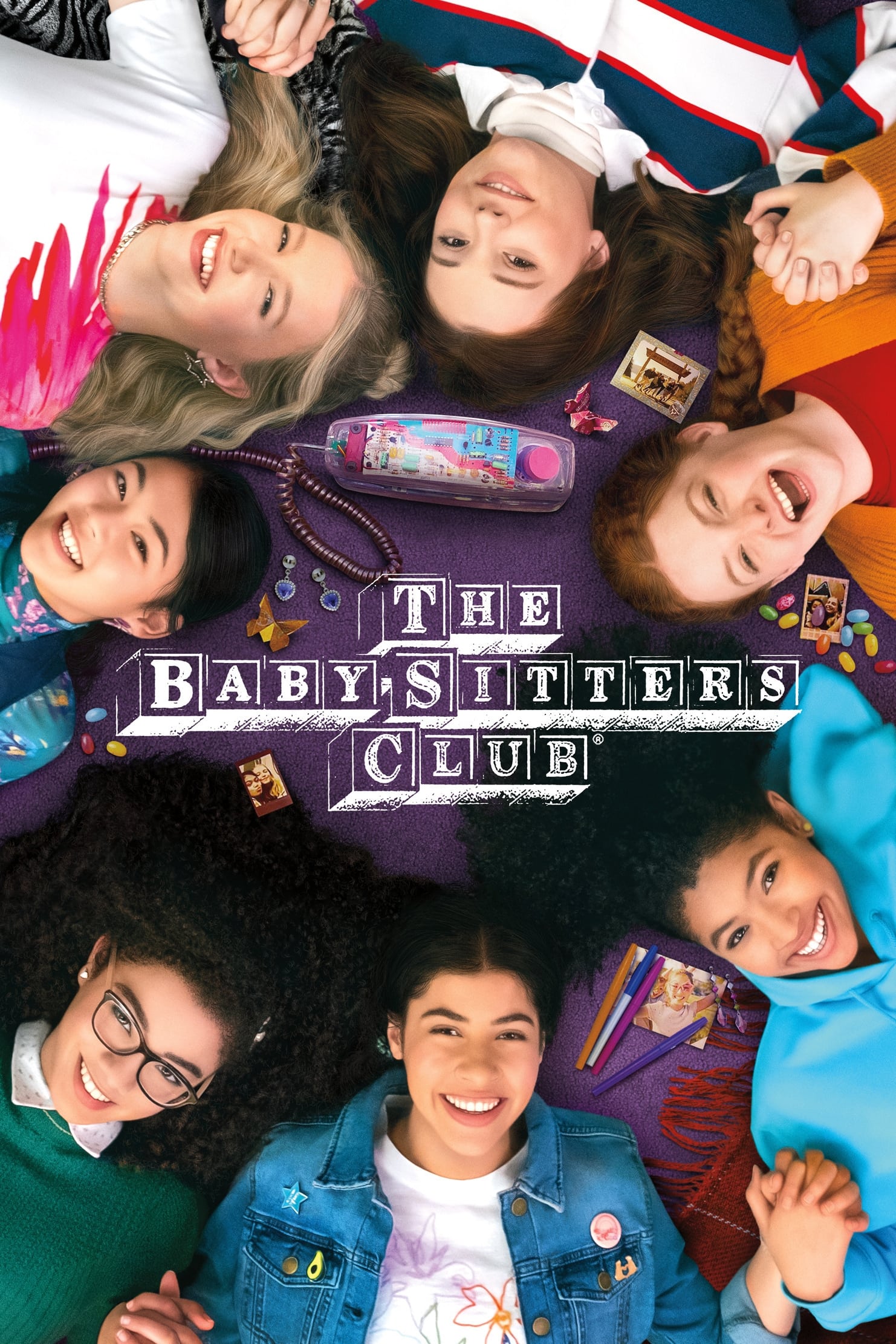
This series, based on the popular books, centers around a group of middle schoolers starting a babysitting business in Stoneybrook, Connecticut. Despite receiving positive reviews and high ratings, Netflix canceled it after just two seasons. The producer believes the streaming platform’s recommendation system may not have highlighted the show’s diverse stories and important social messages to the right viewers. Fans were disappointed, feeling the show was a successful and inclusive update to a beloved classic that deserved to continue.
Please share your thoughts on these cancelations in the comments.
Read More
- 39th Developer Notes: 2.5th Anniversary Update
- Celebs Slammed For Hyping Diversity While Casting Only Light-Skinned Leads
- The Sega Dreamcast’s Best 8 Games Ranked
- :Amazon’s ‘Gen V’ Takes A Swipe At Elon Musk: Kills The Goat
- Game of Thrones author George R. R. Martin’s starting point for Elden Ring evolved so drastically that Hidetaka Miyazaki reckons he’d be surprised how the open-world RPG turned out
- Gold Rate Forecast
- Umamusume: All G1, G2, and G3 races on the schedule
- Ethereum’s Affair With Binance Blossoms: A $960M Romance? 🤑❓
- Thinking Before Acting: A Self-Reflective AI for Safer Autonomous Driving
- Quentin Tarantino Reveals the Monty Python Scene That Made Him Sick
2026-01-08 08:46