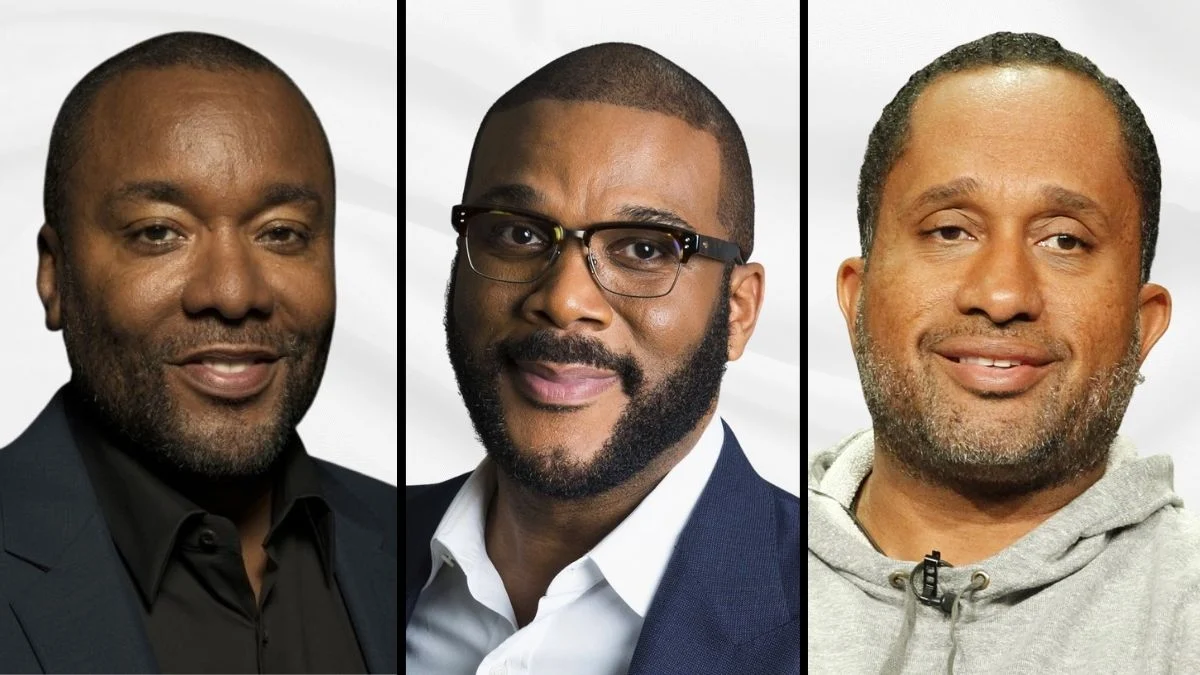
The entertainment industry often receives criticism for how it portrays different shades of Black skin. Several well-known actors and creators have been called out for colorism – a preference for lighter skin tones – in their work and public comments, particularly when casting decisions favor light-skinned actors over those with darker skin. Looking at these situations helps us understand the broader conversation about diversity and inclusion in media. This collection explores specific examples of Black celebrities who have faced criticism for perceived colorism in their careers.
Kenya Barris
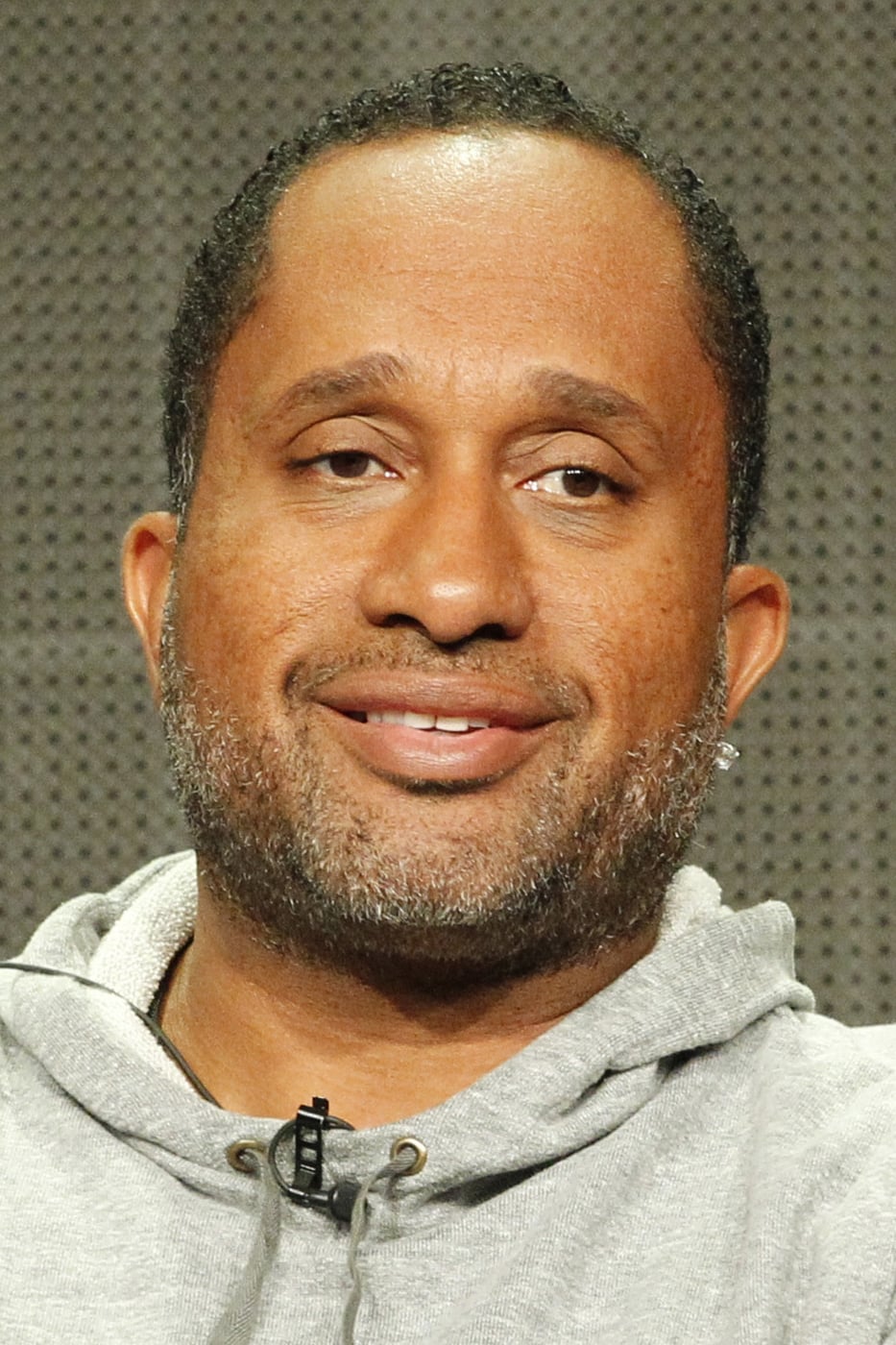
Kenya Barris often received criticism for the actors he chose in his TV shows and movies. Viewers noticed he frequently cast lighter-skinned actors as the central families in shows like ‘Blackish’. This trend continued with ‘#BlackAF’, leading to online discussions and accusations that he wasn’t representing darker-skinned Black families in his work. Barris responded by explaining that his casting choices were inspired by his own life and family background.
Tyler Perry
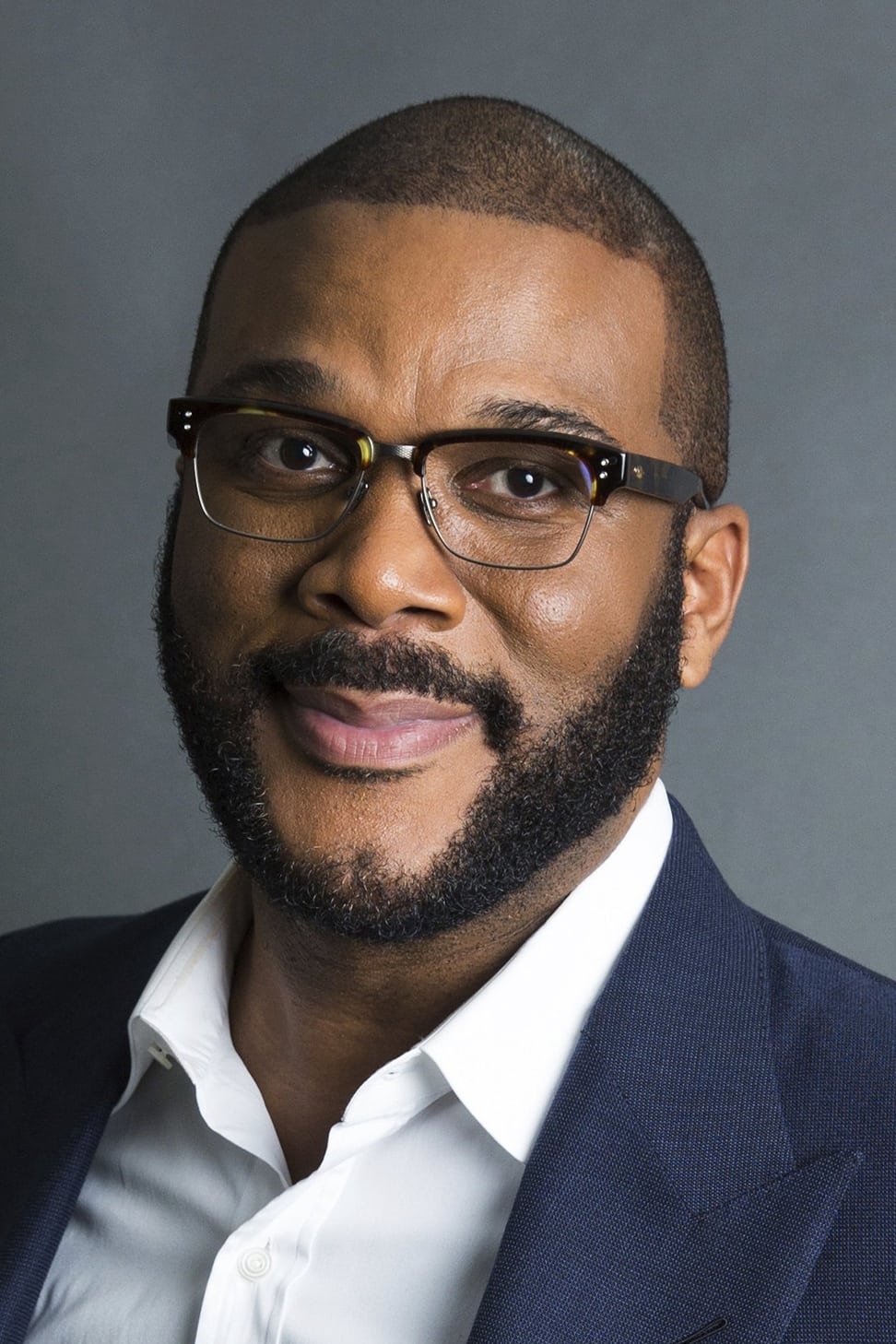
Tyler Perry has frequently faced criticism for casting lighter-skinned actors in main and romantic roles in his movies and TV shows. Shows like ‘Sistas’ and ‘The Haves and the Have Nots’ are often cited as examples, with some viewers observing that darker-skinned characters were often limited to supporting or negative roles. Perry has defended his casting choices by highlighting the overall diversity of actors he employs throughout his work. These conversations continue with each new release, as audiences examine the range of skin tones represented in his productions.
Spike Lee
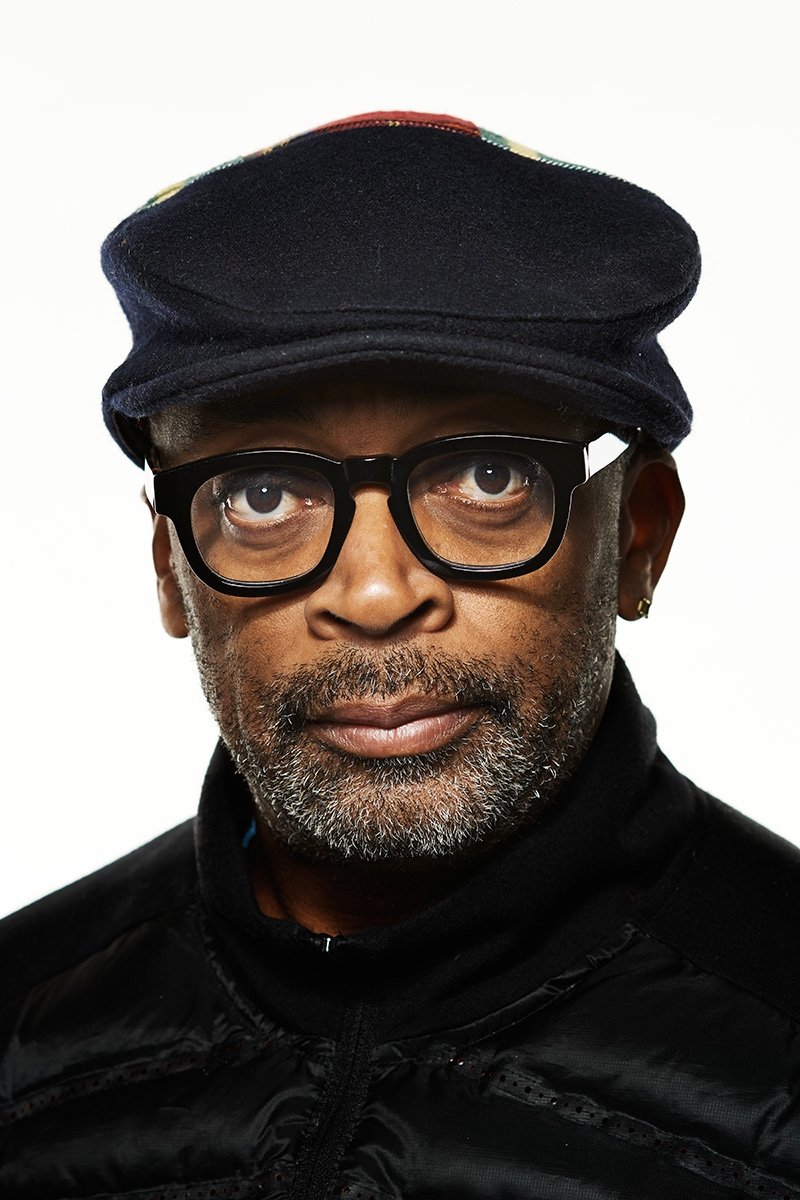
In his 1988 film ‘School Daze,’ Spike Lee directly addressed the issue of colorism by showing the tensions between different groups at a historically Black college. However, some viewers have pointed out that his later projects sometimes featured a pattern of casting lighter-skinned actresses as romantic leads. This was particularly criticized with the reboot of his ‘She’s Gotta Have It’ series, with fans wondering if the show’s visuals matched the progressive messages Lee usually conveys. Despite this criticism, Lee remains a hugely important figure in bringing discussions about race to the forefront of filmmaking.
Lee Daniels
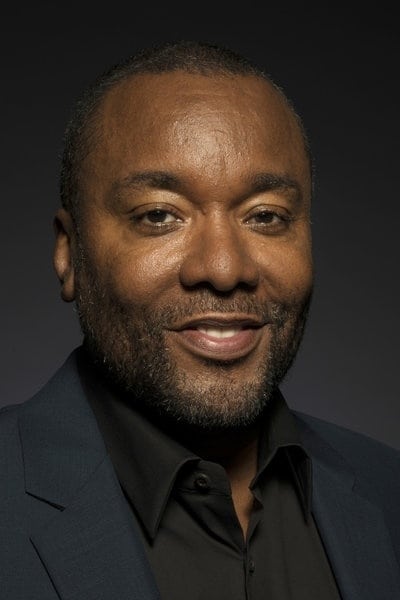
As a critic, I remember the controversy surrounding Lee Daniels’ casting on ‘Empire’ quite vividly. It wasn’t about a lack of representation overall, but specifically the tendency to cast lighter-skinned actresses in the main romantic roles. People online and fellow critics rightly pointed this out, and it opened up a larger conversation about the scarcity of dark-skinned women in prominent roles across his projects. Daniels himself made things even more complicated with a comment about the difficulty of finding actresses who ‘fit’ certain roles, which understandably caused a lot of backlash. While he later tried to explain his perspective, the discussion about colorism in his work continues to this day, and it’s a valid point to keep raising.
Chris Brown
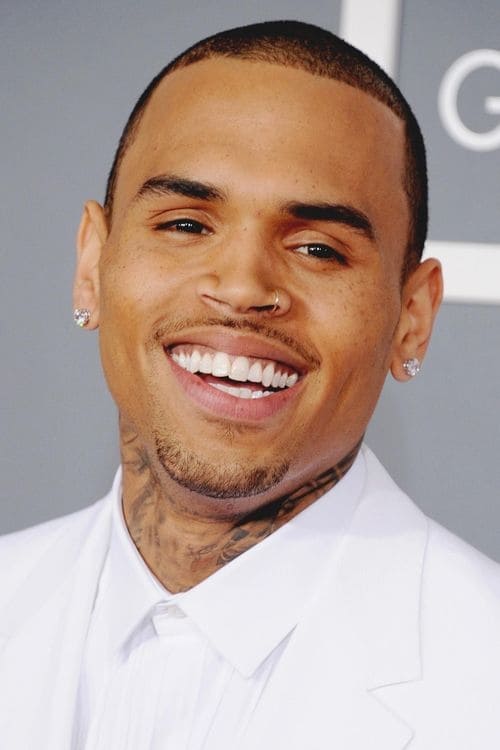
Chris Brown has repeatedly been accused of favoring lighter-skinned women in his music videos. Many people have noticed that his videos often feature models who are light-skinned or have mixed racial backgrounds. These accusations intensified after reports suggested he limited who could attend his private parties based on skin tone. While Brown has sometimes responded by sharing pictures of diverse women he’s collaborated with, the discussion continues with each new video he releases, and remains a frequent topic among his fans.
50 Cent
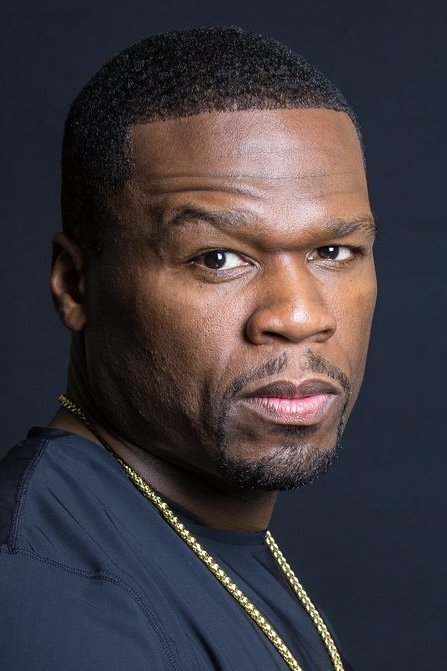
50 Cent has faced criticism regarding the women cast in leading roles across his ‘Power’ television shows. Many viewers have noticed that the majority of prominent female characters in shows like ‘Power’ and ‘Power Book II: Ghost’ are light-skinned, leading to conversations about the lack of representation for dark-skinned women in his dramas on Starz. 50 Cent often responds to these critiques on social media. Despite the criticism, the ‘Power’ franchise continues to grow with several spin-off series and different actors.
Will Smith
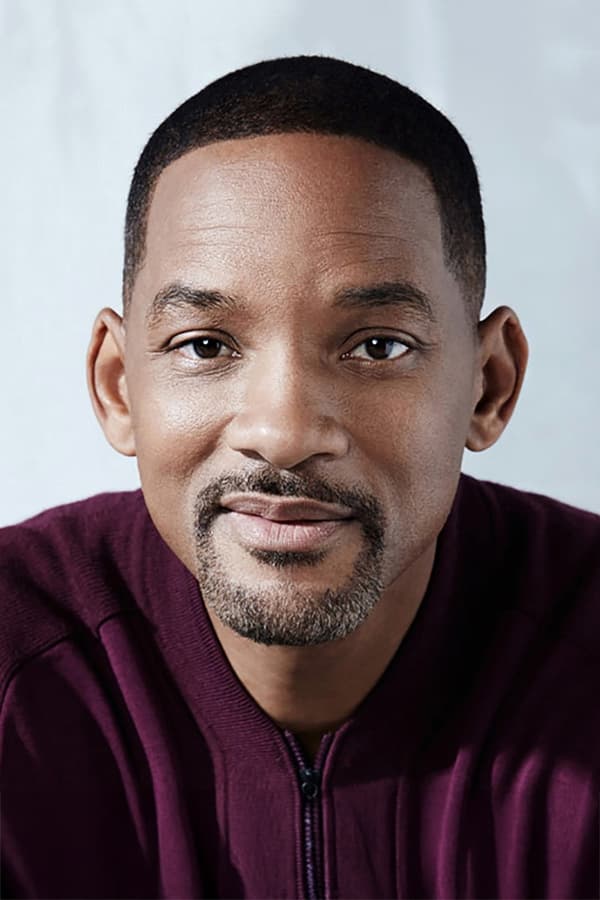
Will Smith’s performance in the movie ‘King Richard,’ which he also produced, sparked debate. The controversy stemmed from the fact that Smith, who is light-skinned, played Richard Williams, a dark-skinned man. Some argued that a darker-skinned actor would have been more appropriate for the role, leading to a wider discussion about the tendency to cast lighter-skinned actors in biographical films. Despite the initial casting concerns, Smith received praise for his acting.
Ye
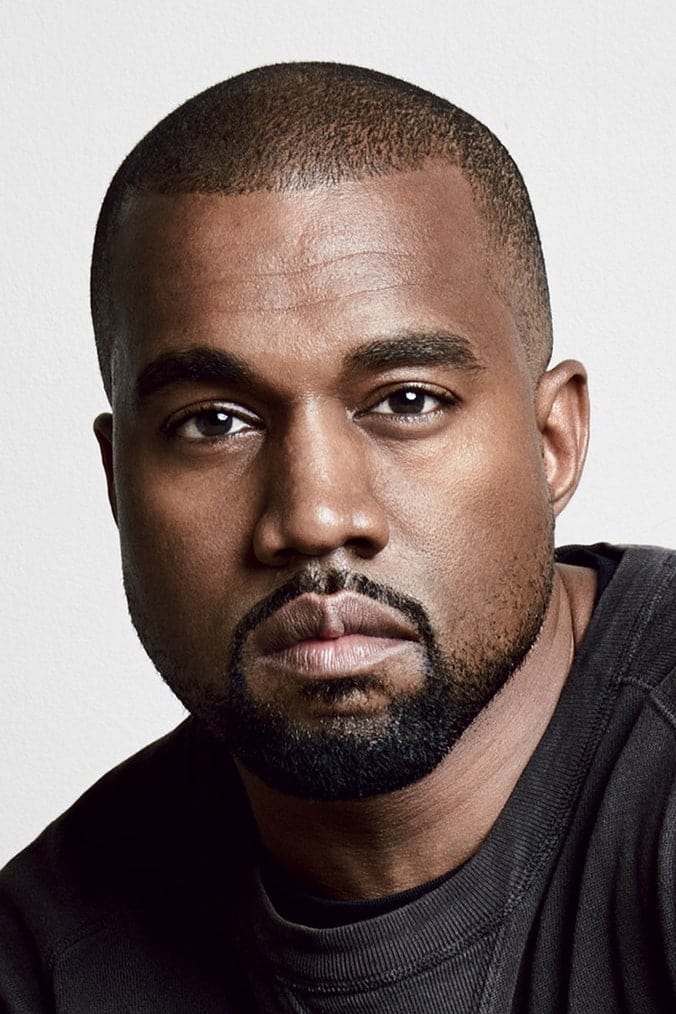
Kanye West caused significant backlash when choosing models for his Yeezy Season 4 fashion show. The casting call specifically asked for multiracial women, and told applicants who didn’t fit that description not to apply. Many people saw this as discrimination based on skin tone, effectively excluding numerous Black women. West explained he was aiming for a particular look for his clothing line. The situation is still frequently discussed as an example of colorism within the fashion and music industries.
Kodak Black
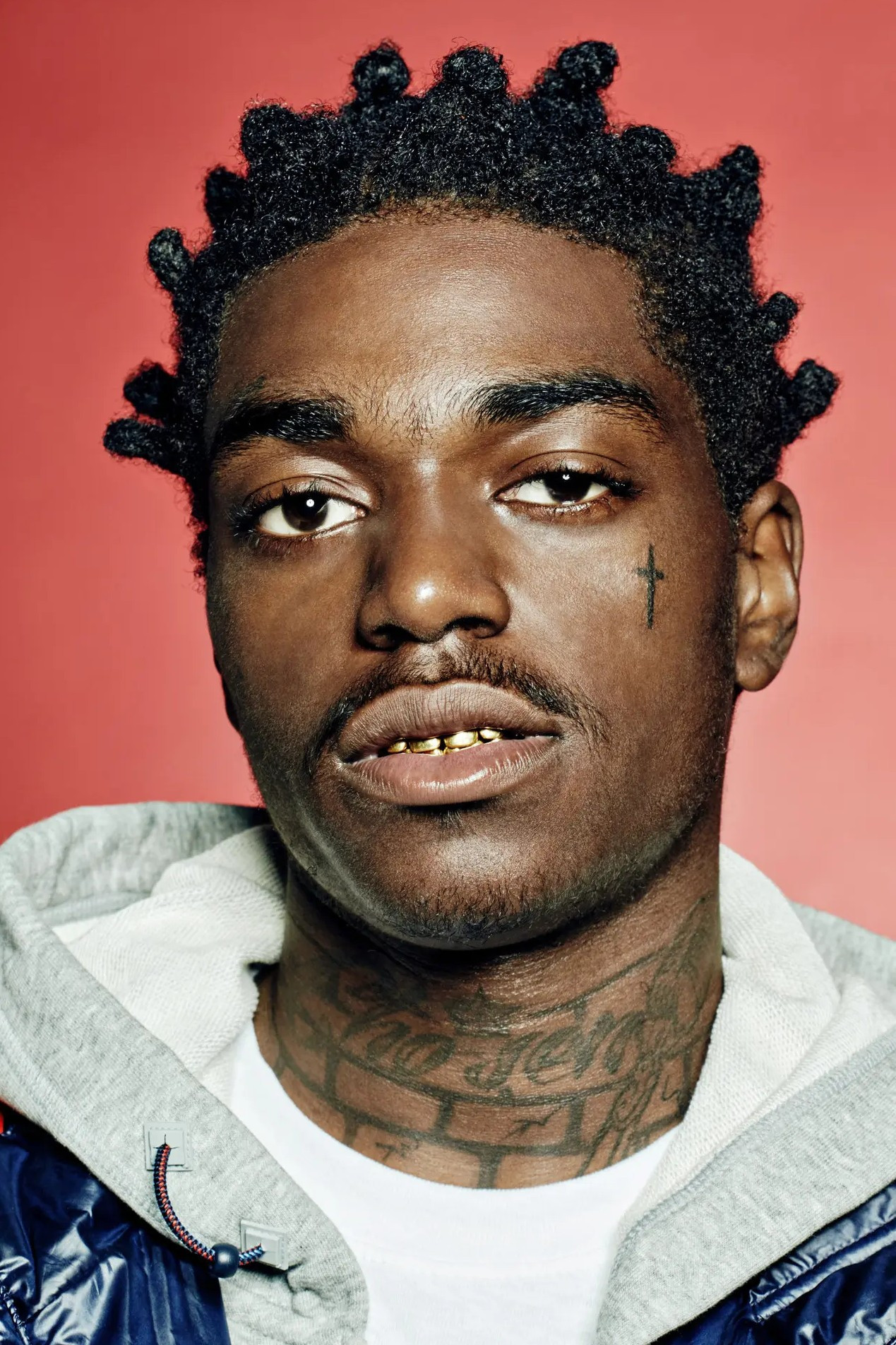
Kodak Black has faced criticism for colorism, stemming from both the lyrics of his songs and the women featured in his music videos. He’s been accused of making negative comments about dark-skinned women while favoring light-skinned women in his music. This sparked a lot of negative reactions online, with fans calling his lyrics harmful and creating division. While he tried to clarify his views in interviews, his explanations often caused further misunderstanding. People continue to examine his music videos to see how he portrays Black women with different skin tones.
Lil Wayne
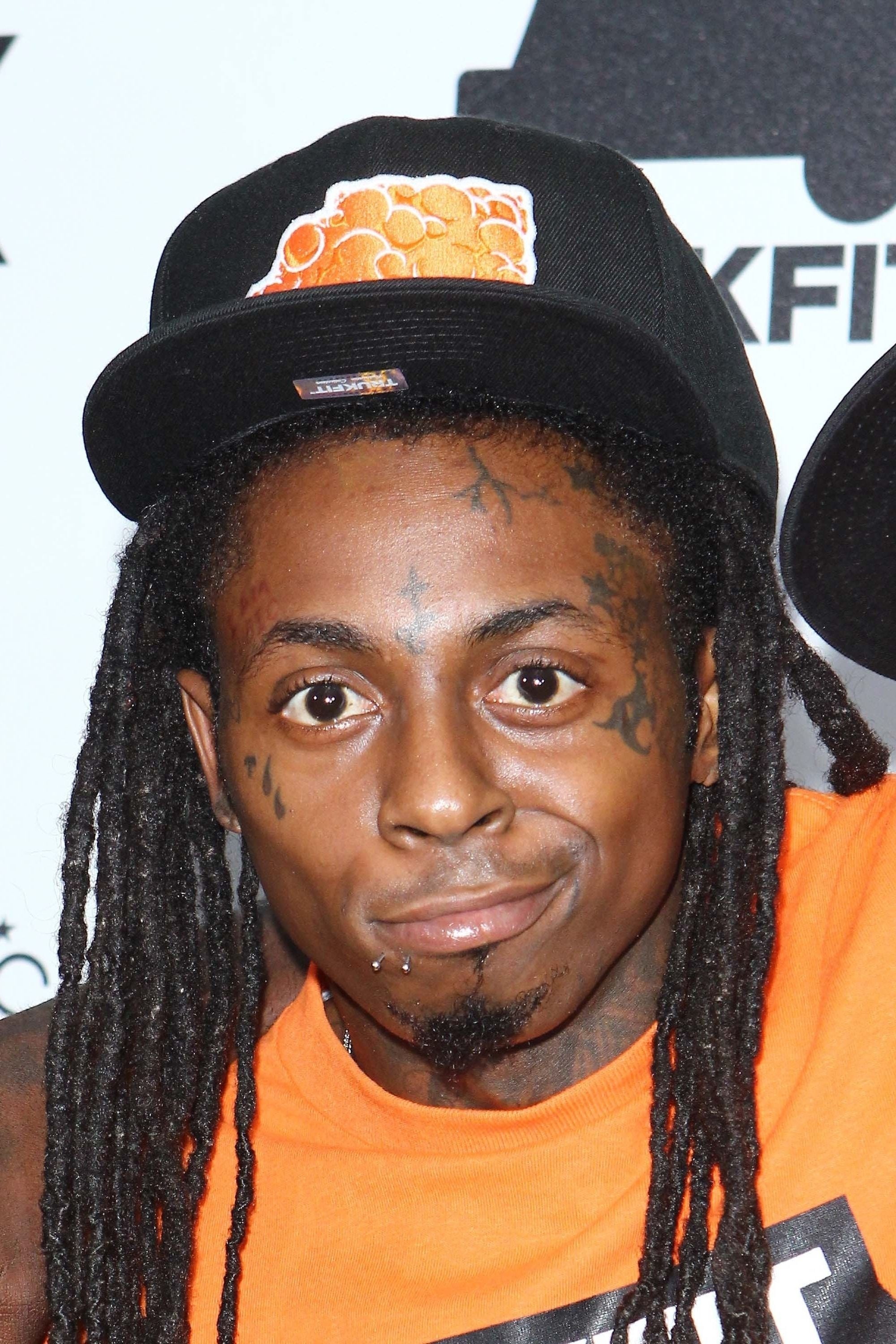
Lil Wayne has been criticized for a long time for what some see as favoring lighter skin tones in his music and videos. Many of his popular songs and music videos from the 2000s consistently presented light-skinned women more positively than dark-skinned women. This pattern has been seen as reinforcing harmful stereotypes within the Black community and has made him a key figure in conversations about bias within hip hop culture.
Nicki Minaj

As a long-time Nicki Minaj fan, I’ve noticed a recurring conversation about colorism surrounding her projects. It seems some people have pointed out that the dancers and models featured in her music videos and ads often have lighter skin tones. This sparked a discussion about whether, as a major Black artist, she has a responsibility to showcase a broader spectrum of skin tones in her visuals. I know she has worked with tons of talented dark-skinned creators and often speaks about Black excellence, which is amazing. But this issue with her casting choices keeps popping up, and it’s something people continue to talk about.
A$AP Rocky
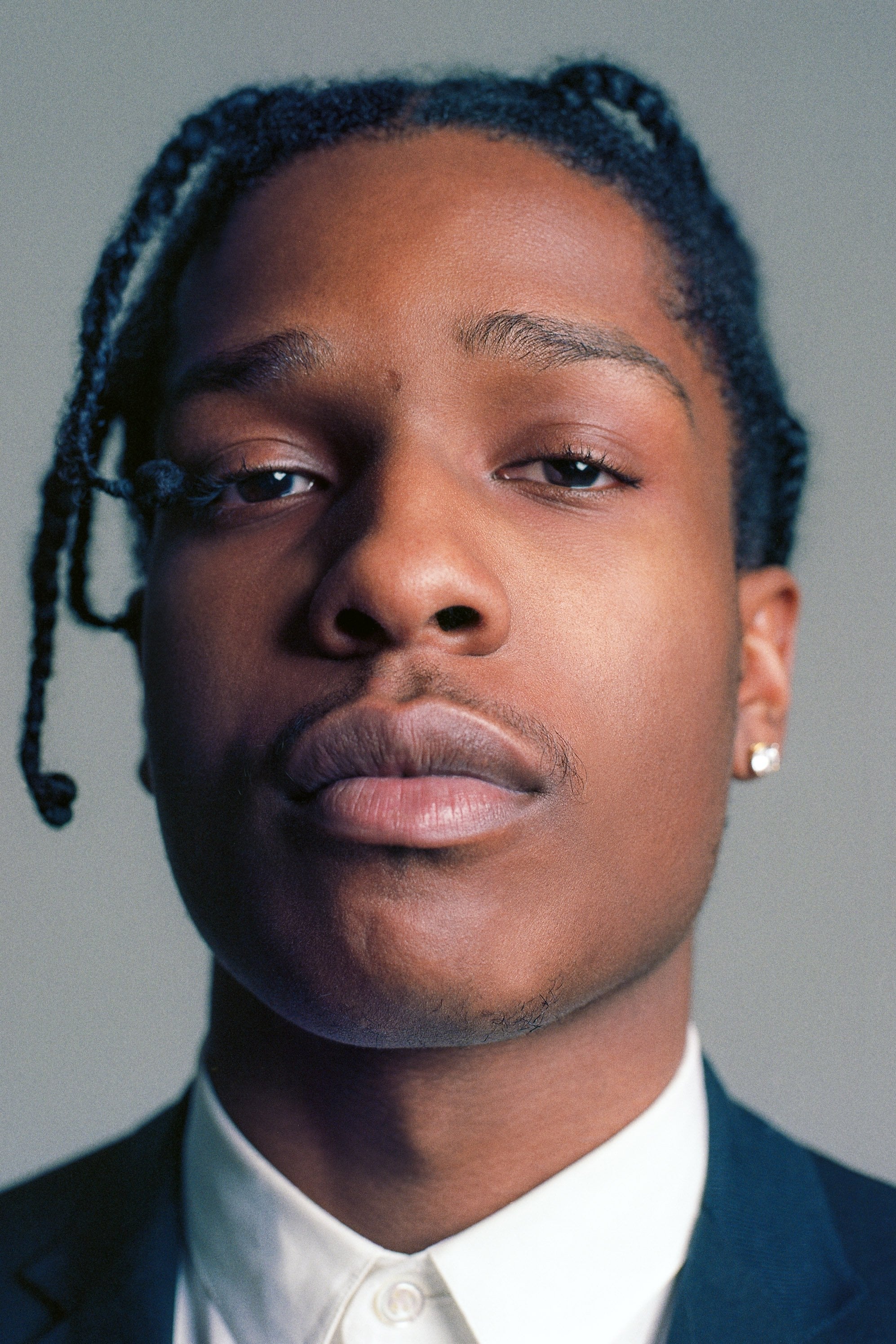
A$AP Rocky faced backlash after suggesting that dark-skinned women shouldn’t wear certain lipstick colors, like red. Many people criticized this as promoting unfair and prejudiced beauty standards, pointing out a pattern of bias against Black women in fashion and media. While he later tried to explain his comments, the initial remarks damaged his reputation on the topic.
T.I.
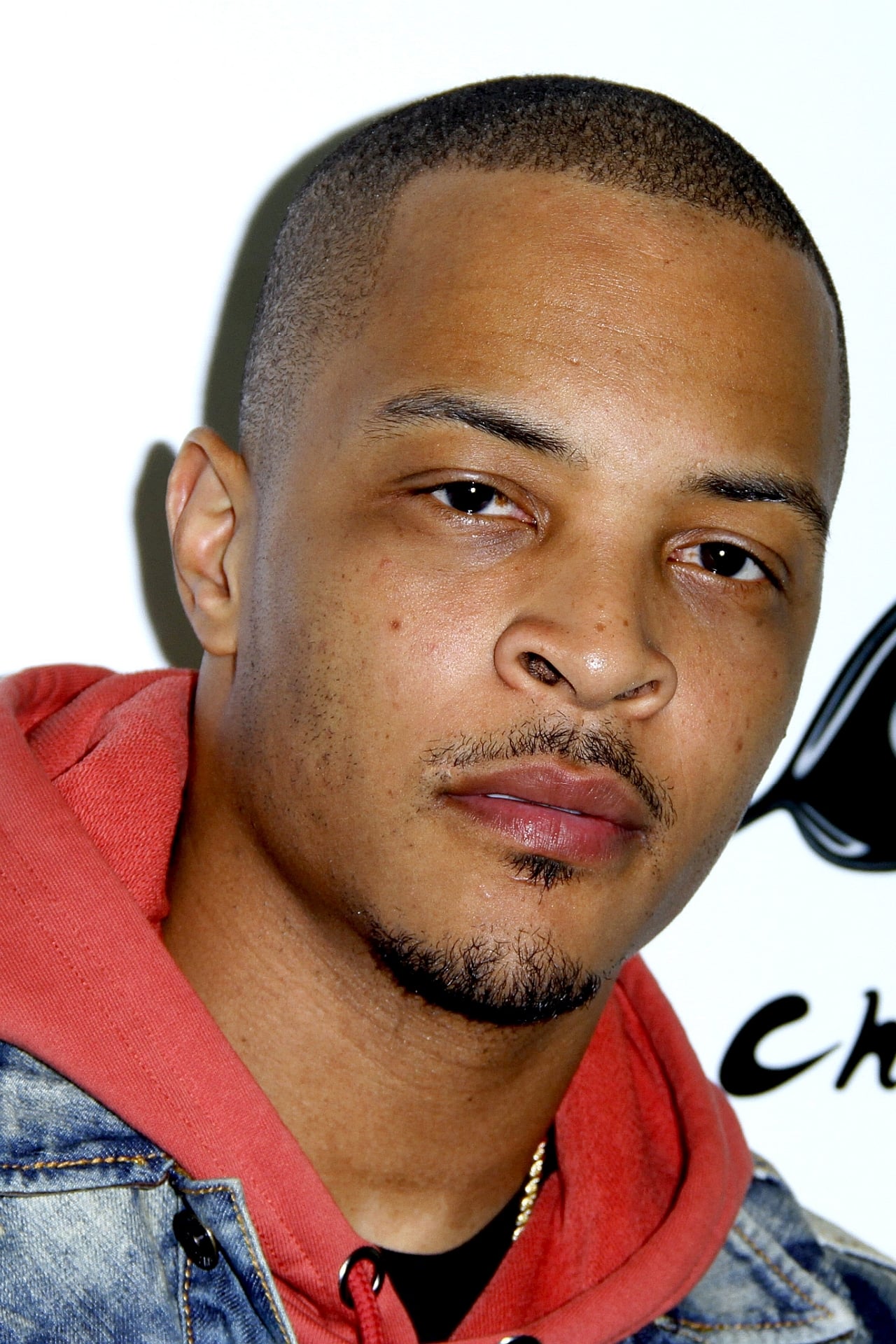
T.I. has been criticized for favoring lighter-skinned women in his music videos and films. People noticed a pattern of featuring women with similar, lighter complexions, leading to discussions about how prominent Black male artists can unintentionally limit the representation of darker-skinned women. He’s also faced backlash for comments he’s made about skin tone and beauty standards, which many considered unfair or prejudiced. Despite remaining a well-known figure in hip hop, these controversies continue to be part of his public history.
Tyrese Gibson
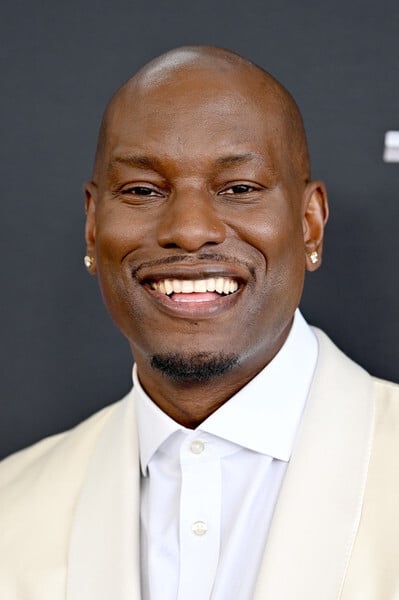
Tyrese Gibson is facing criticism for comments he’s made about his preferences in women, which some people have interpreted as favoring lighter skin tones. Many found these remarks offensive and a discussion started on social media about unconscious biases. While Tyrese often openly shares details about his life, these particular statements have sparked the most controversy surrounding issues of race. Fans have also pointed to the women featured in his music videos as evidence of a pattern.
Nick Cannon
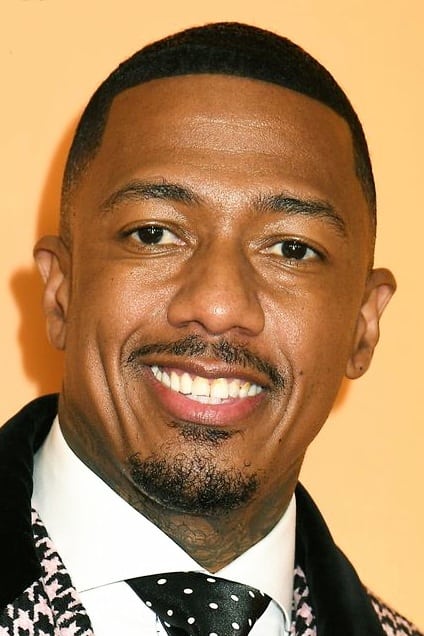
Nick Cannon’s show, Wild ‘N Out, has been criticized for a lack of diversity among its female performers, often called the Wild ‘N Out Girls. Many of these women are light-skinned or have mixed racial backgrounds, leading some to argue that the show doesn’t showcase the wide range of Black beauty. While Cannon often speaks about supporting Black talent, the appearance of the women on his show remains a concern for certain viewers.
Ice Cube
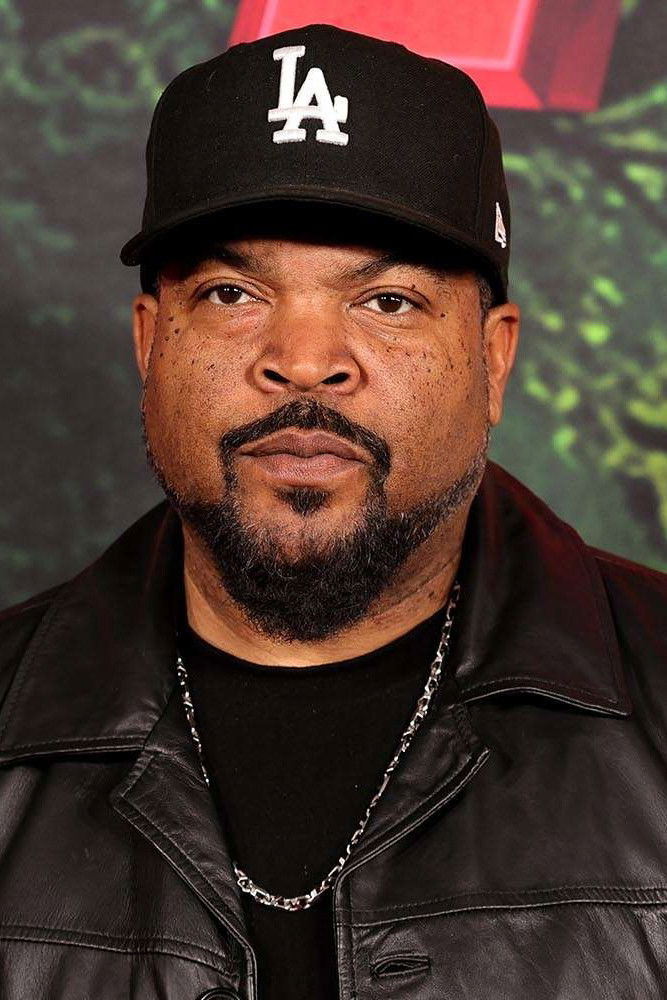
During the making of ‘Straight Outta Compton’, Ice Cube faced criticism for colorism. The film’s casting process reportedly used a system that ranked women based on how light or dark their skin was and the texture of their hair, with lighter-skinned women favored over those with darker skin. This caused significant public upset and raised questions about the film’s production methods. Ice Cube was a producer on the movie, which told the story of his former hip hop group, N.W.A.
Zoe Saldaña
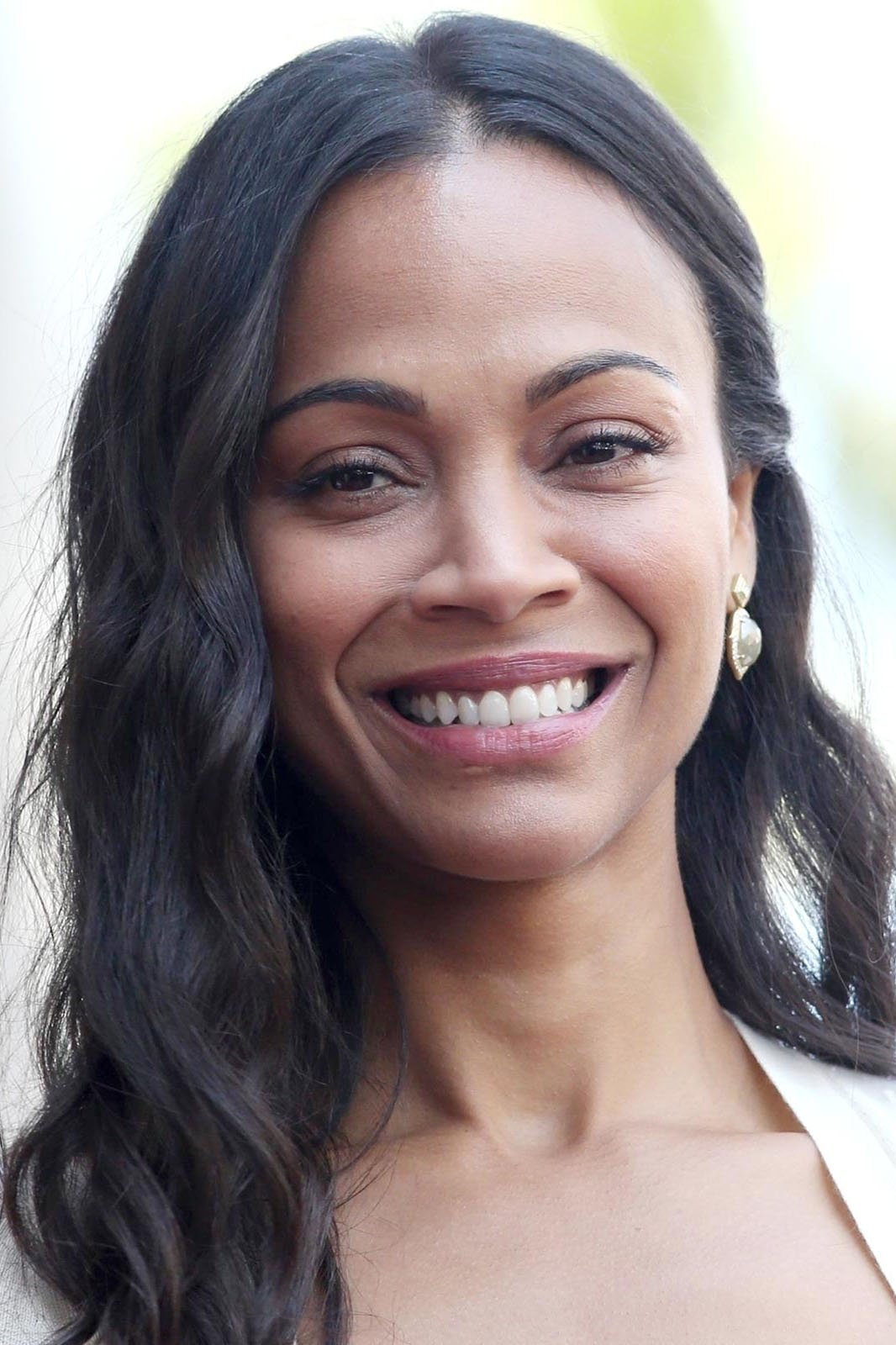
As a fan of Nina Simone, I was really disappointed when Zoe Saldana was cast to play her in the biopic. While I understand they wanted a well-known actress, it felt wrong that they used makeup and a prosthetic nose to try and make Zoe look like Nina. So many people felt the role should have gone to a dark-skinned actress who naturally resembled the icon. Honestly, the controversy around the casting ended up overshadowing the movie itself, and it sparked a much-needed discussion about how Hollywood often overlooks actresses of color. It was good to hear Zoe later admit she regretted taking the part and recognized the hurt it caused. It just highlighted how important representation is.
Amandla Stenberg
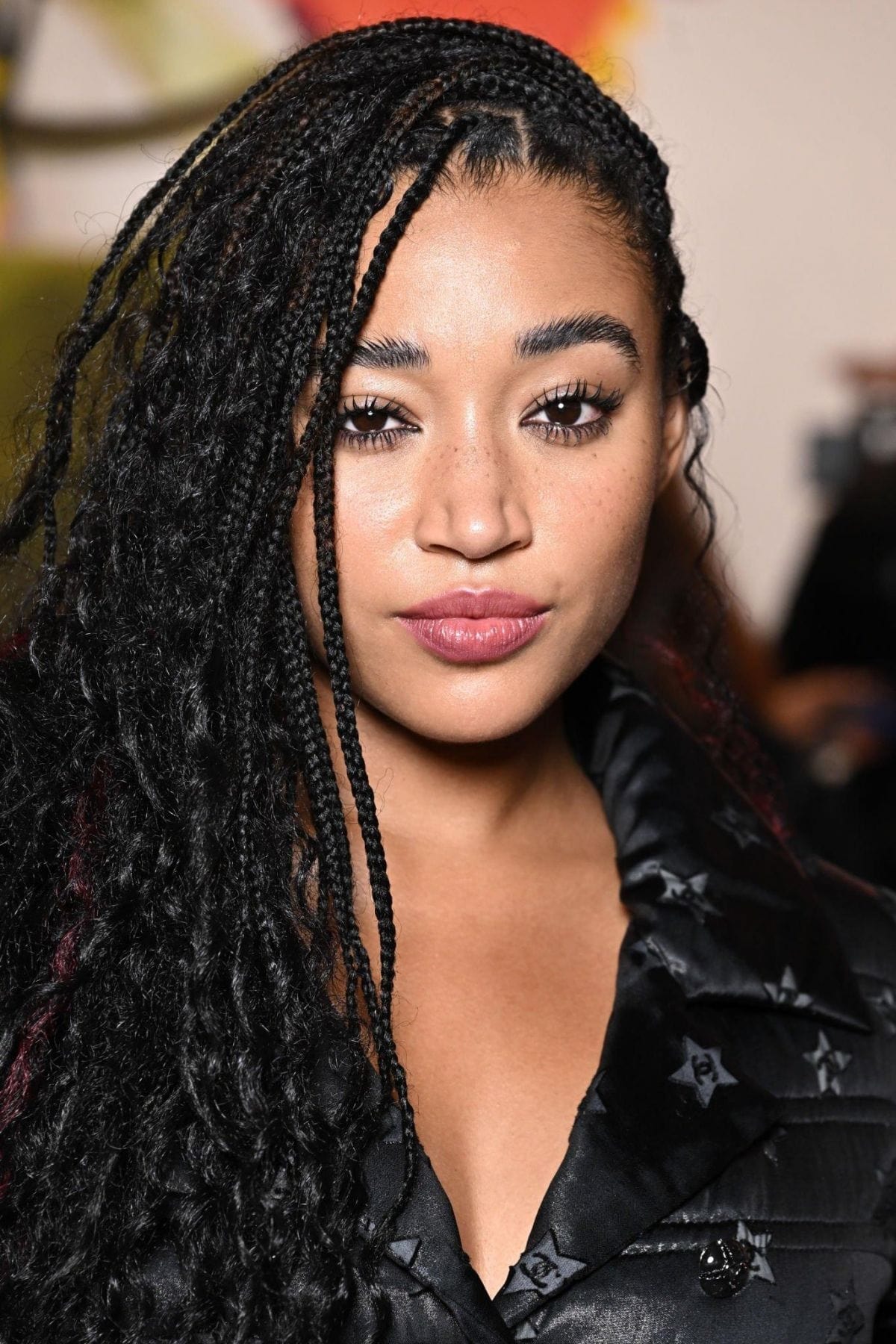
When Amandla Stenberg was cast as the main character in the movie ‘The Hate U Give’, it sparked controversy. The book described the character in a way that many believed meant she should be dark-skinned, and Stenberg, who is light-skinned, acknowledged her privilege in taking the role. This led to a debate about who gets represented in film, with some arguing that Hollywood continues to favor lighter-skinned actresses. While the movie did well at the box office, the casting choice remains a topic of discussion when people talk about colorism.
Yara Shahidi
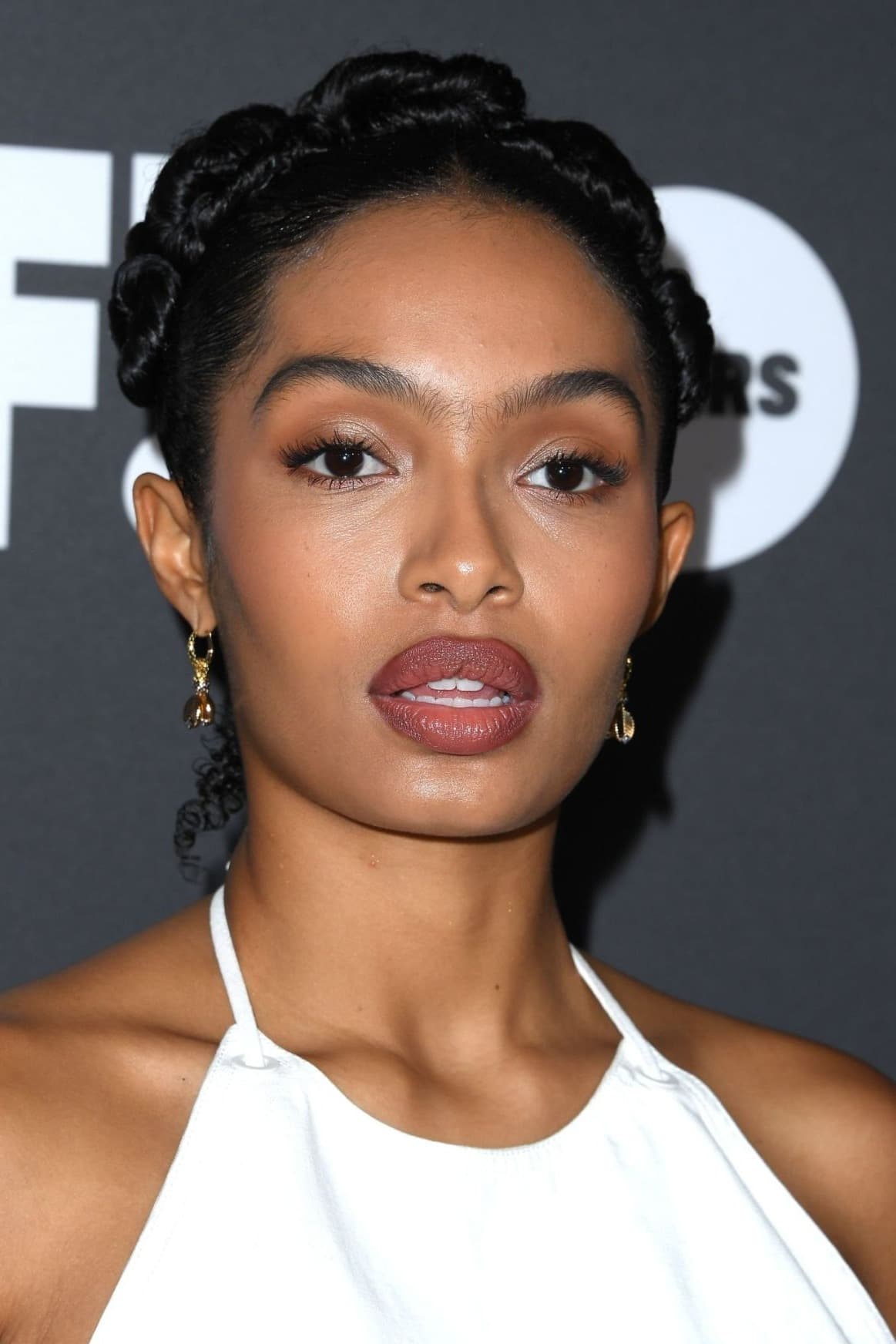
The casting of Yara Shahidi in the film ‘The Sun Is Also a Star’ led to a discussion about colorism. Because she has lighter skin, some fans of the original book were upset, pointing out that young adult romance novels rarely feature dark-skinned protagonists. While Shahidi is well-known for her work promoting diversity and social justice, the situation revealed a continuing tendency in the film industry to favor lighter-skinned actors in leading roles.
Zendaya

Zendaya has publicly discussed how her lighter skin tone gives her an advantage as a Black actress in Hollywood. She recognizes that the industry often favors her appearance, leading to more job opportunities. However, she’s also been cast in roles where some believe a darker-skinned actress would have been a better fit, such as her part in ‘The Greatest Showman,’ which sparked conversations about historical accuracy and skin tone. Despite this, Zendaya continues to use her influence to push for greater representation of dark-skinned women in significant film and television projects.
Michael B. Jordan
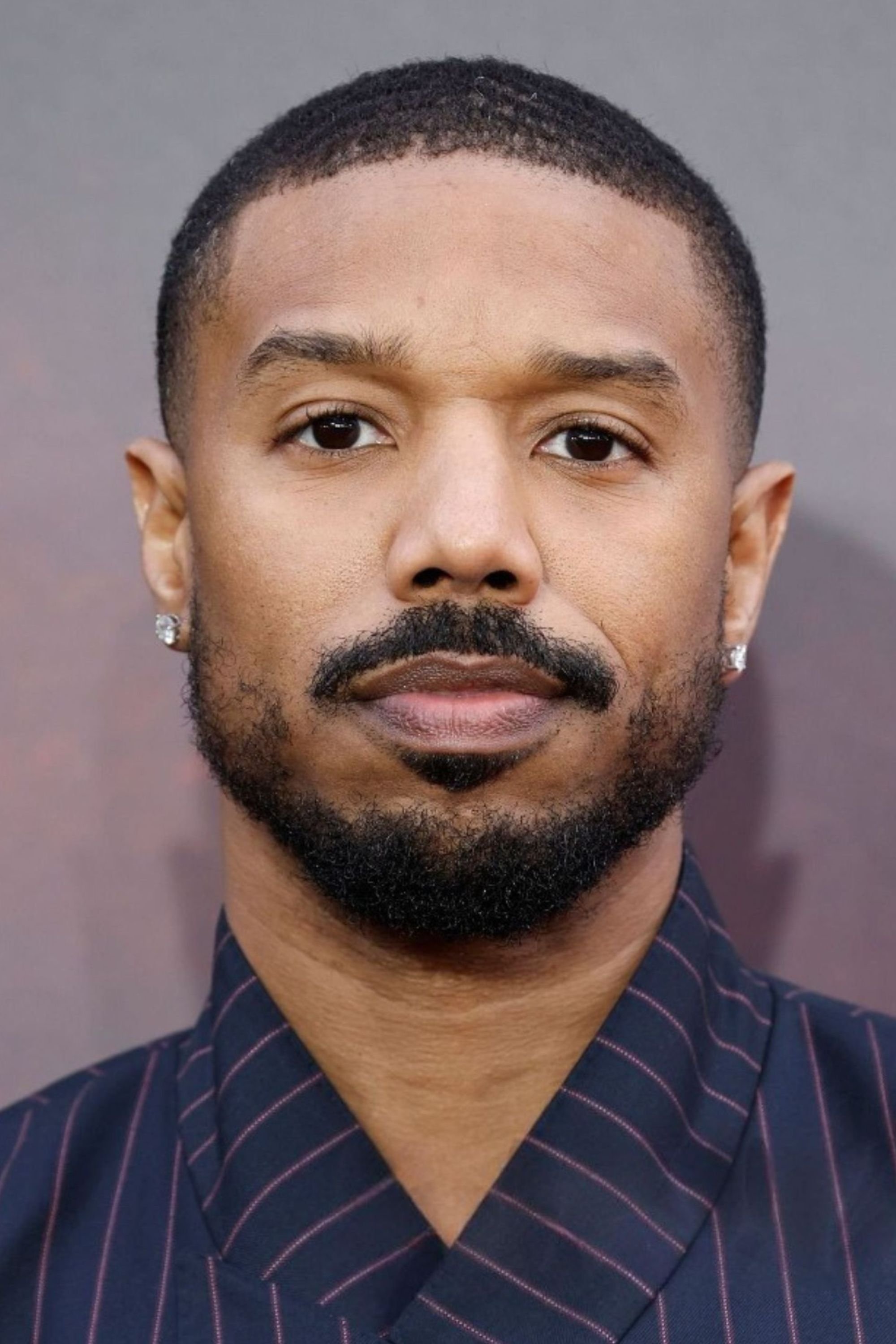
Michael B. Jordan has been criticized for a pattern in his films where his characters are often paired with light-skinned actresses. This has sparked conversations online about whether Black actors in leading roles have a responsibility to showcase a wider range of skin tones in their romantic pairings. While Jordan’s production company, Outlier Society, aims for diversity, the skin tone of his on-screen love interests continues to be a frequent point of discussion among fans.
Kevin Hart
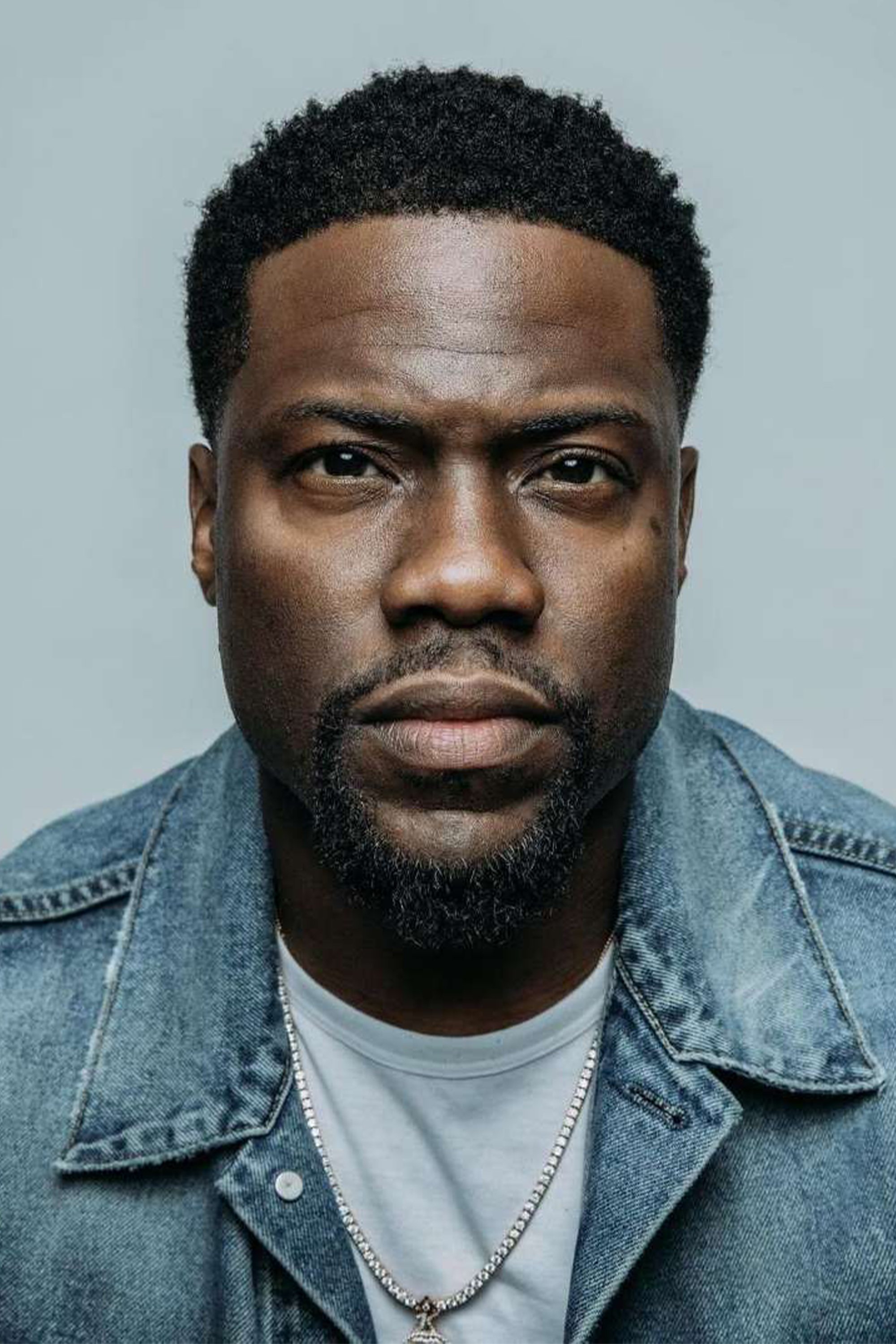
After a promotional image for Kevin Hart’s movie ‘Night School’ appeared to downplay the roles of darker-skinned actresses, he faced accusations of colorism. People also pointed to jokes from his older stand-up routines that seemed to target dark-skinned women. This sparked a wider conversation about his views on skin tone and what he finds attractive. Hart has responded to the criticism, and remains a very popular and successful comedian.
Bill Cosby
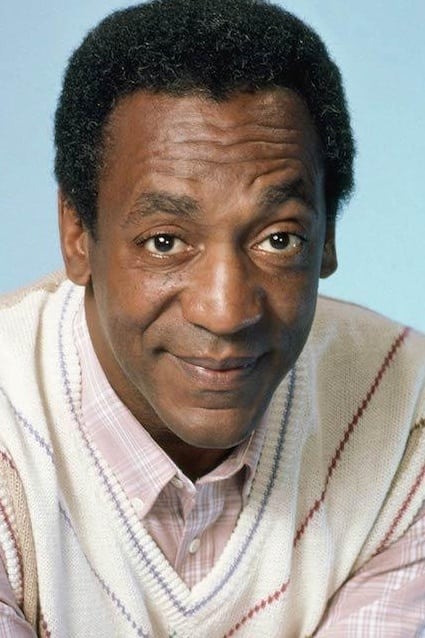
During the popular run of ‘The Cosby Show,’ some viewers and critics pointed out that many of the actors chosen for the Huxtable family had lighter skin tones. While the show was groundbreaking for depicting a successful Black family, this casting choice was seen by some as prioritizing lighter complexions, which was a common practice in 1980s television to appeal to a wider audience. Though the show is still considered a landmark achievement, its casting decisions continue to be discussed today in terms of colorism. Bill Cosby had significant control over all creative decisions, including who was cast.
Anthony Anderson
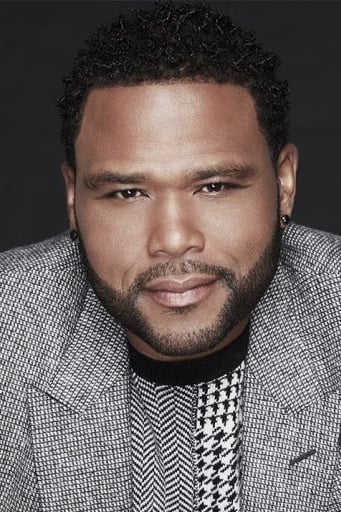
Like Kenya Barris, Anthony Anderson received criticism for the skin tones of the child actors playing his and Tracee Ellis Ross’s children on ‘Black-ish’. Viewers noticed the actors were all light-skinned, sparking a conversation about whether the show realistically portrayed the diversity within Black families. Some felt the casting choices promoted the idea that lighter skin is the preferred standard of beauty in television. As an executive producer and a key creative force behind the show’s long run, Anderson played a significant role in these decisions.
Nelly
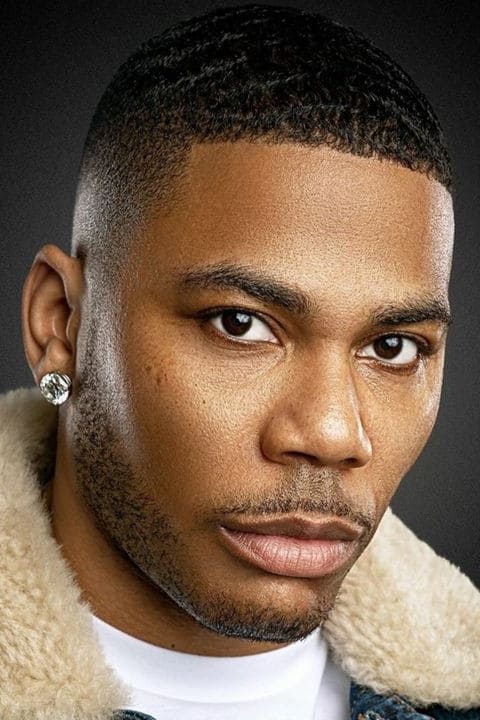
As a long-time fan, I remember when Nelly’s ‘Tip Drill’ video came out and the huge controversy it caused. It really sparked a national conversation about how Black women were being portrayed in hip-hop, and people were upset about both the way women were treated in the video and the fact that it seemed like lighter-skinned women were favored. There were even protests at Spelman College! Looking back, it feels like that moment was a turning point – artists started being held more accountable for what they showed in their music videos. Honestly, a lot of Nelly’s videos around that time really highlighted how much the industry seemed to prefer certain skin tones.
Ludacris
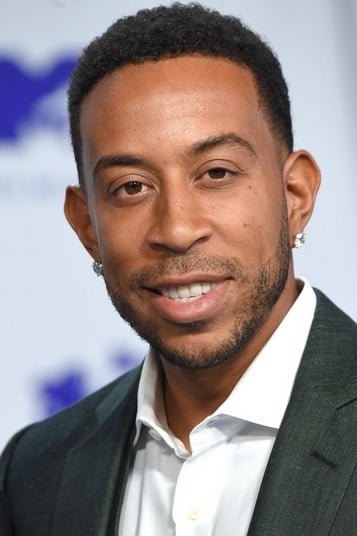
Early in his career, Ludacris received criticism for the women featured in his music videos, which often showcased a limited range of skin tones. While his videos were known for being energetic and funny, they also sparked discussion about the beauty standards they presented. Like many rappers in the early 2000s, he frequently featured lighter-skinned models, contributing to a larger conversation about colorism in the music industry. Since then, Ludacris has successfully transitioned into acting, becoming well-known for his role in the ‘Fast & Furious’ films.
Rick Ross
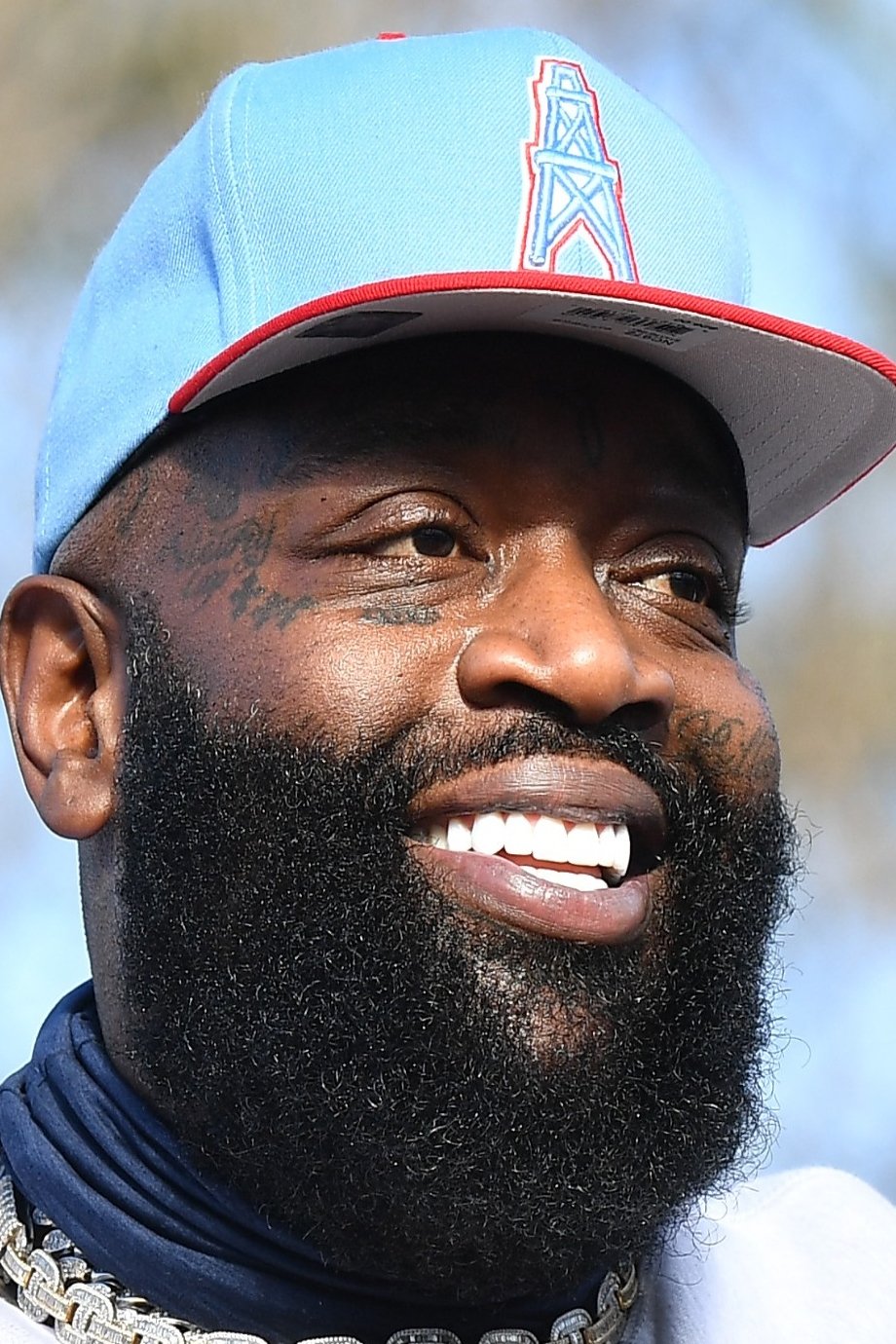
Rick Ross is facing criticism for what some see as a preference for lighter-skinned women in his music videos and public statements. People have noticed that the women appearing as his romantic interests are consistently light-skinned, and some of his comments about personal preferences have been seen as dismissive of darker-skinned women. This has sparked conversations online about a lack of diversity in his visual style. As the leader of Maybach Music Group, Ross has a lot of control over the images used in his projects, making this issue particularly noteworthy.
Future

Future has repeatedly been called out for colorism in his music and videos. Some listeners find his frequent references to light-skinned women problematic, and he’s been criticized for not including enough dark-skinned women in his music video appearances. Fans wanting more diversity in hip-hop visuals have voiced these concerns. Despite this ongoing criticism, Future remains a very influential artist.
Drake
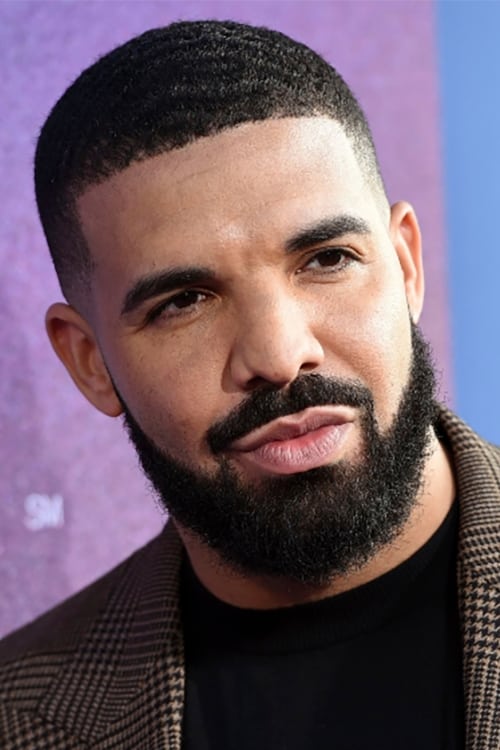
Drake has faced criticism for potentially favoring lighter-skinned women in his music and visuals. Many of his songs and music videos, like ‘Hotline Bling,’ often feature or reference women with lighter complexions as his preferred romantic interests. Critics and fans have pointed out this pattern, arguing it promotes harmful beauty standards that prioritize lighter skin tones. As a hugely influential artist, Drake’s impact on these standards is a frequent topic of discussion.
Dr. Dre
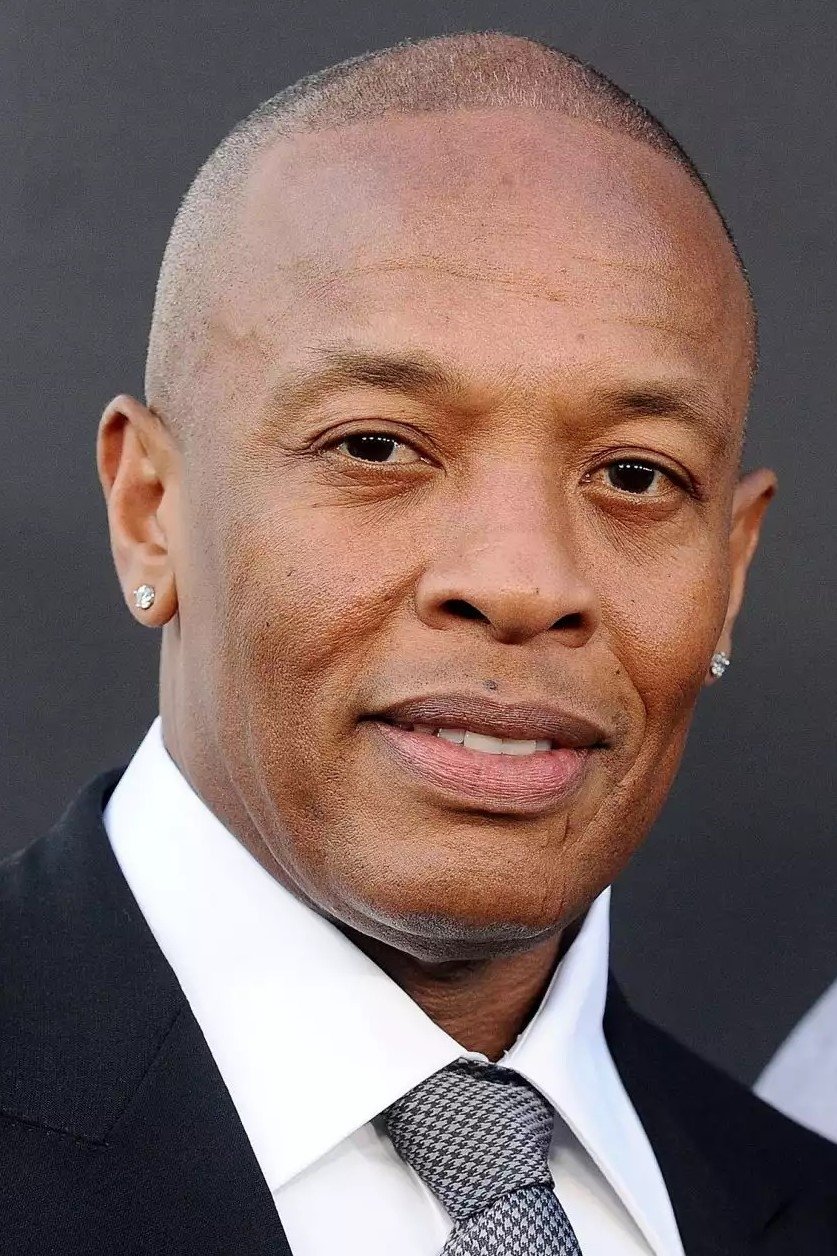
Dr. Dre received criticism for a casting call for the film ‘Straight Outta Compton’ that asked for women to be categorized by their skin tone. The call suggested that darker-skinned women were less preferred, which many saw as a clear example of colorism – discrimination based on skin tone – within the film industry. Given the film’s focus on the history of a Black hip hop group, the casting call felt particularly surprising and offensive to many. After widespread public criticism, the production team issued an apology for the way the call was worded.
Beyoncé
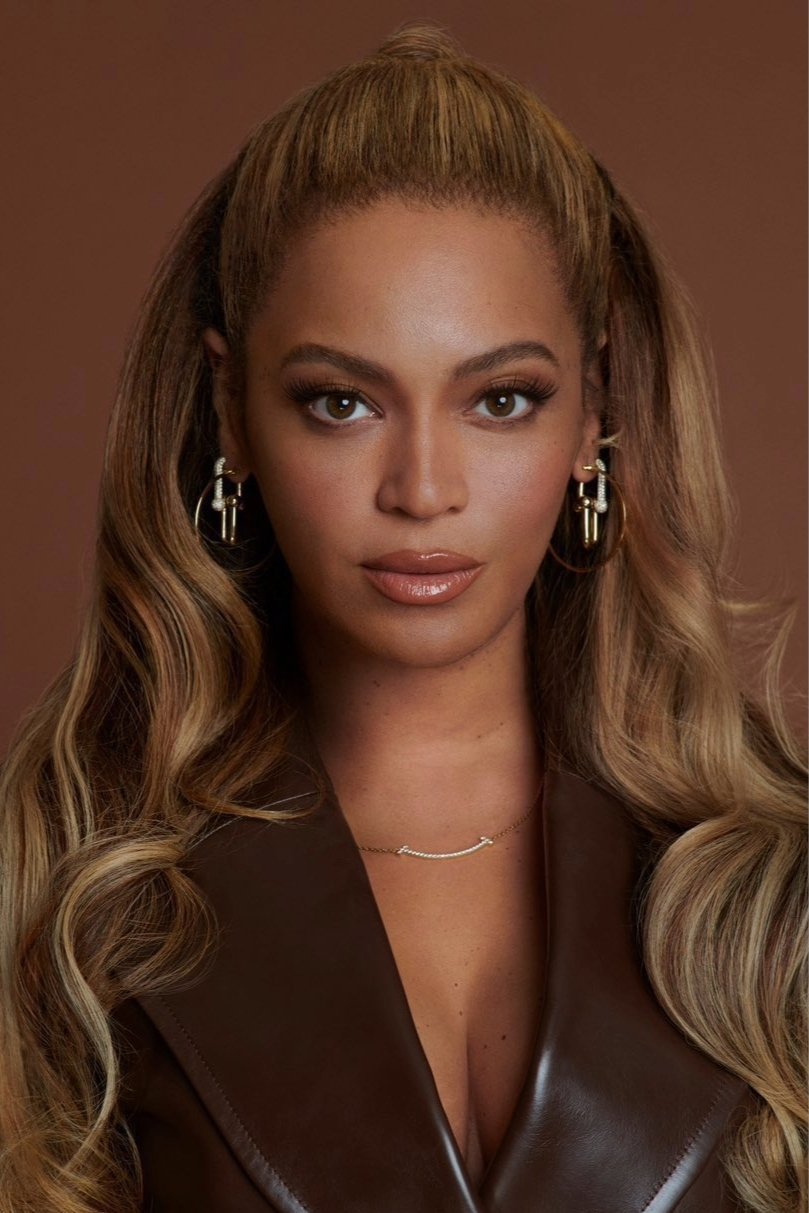
Despite being celebrated for embracing Black culture, Beyoncé has sometimes been criticized for colorism. Discussions arose with the release of ‘Black Is King,’ as some viewers questioned the choices made in terms of who was featured and how. People have also pointed to earlier parts of her career and how her rise to fame was handled by the music industry. While she’s made a clear effort to highlight darker-skinned women in her recent work, the conversation about her own lighter skin tone continues. Her father, Mathew Knowles, has even publicly stated that her skin tone likely contributed to her widespread success.
We’d love to hear your thoughts on how colorism impacts the world of entertainment. Please share in the comments which examples you found most surprising.
Read More
- Building 3D Worlds from Words: Is Reinforcement Learning the Key?
- Spotting the Loops in Autonomous Systems
- The Best Directors of 2025
- 2025 Crypto Wallets: Secure, Smart, and Surprisingly Simple!
- 20 Best TV Shows Featuring All-White Casts You Should See
- Umamusume: Gold Ship build guide
- Mel Gibson, 69, and Rosalind Ross, 35, Call It Quits After Nearly a Decade: “It’s Sad To End This Chapter in our Lives”
- Uncovering Hidden Signals in Finance with AI
- Gold Rate Forecast
- TV Shows That Race-Bent Villains and Confused Everyone
2026-01-07 07:18