
The movie business is known for being complicated, often pitting artistic vision against legal rules. Directors especially face these challenges, dealing with issues like copyright and potential legal responsibility for their work. Disputes can range from accusations of copying others’ ideas to disagreements about money and who gets credit for the film. Learning about these legal issues helps us understand how the global film industry actually works.
James Cameron
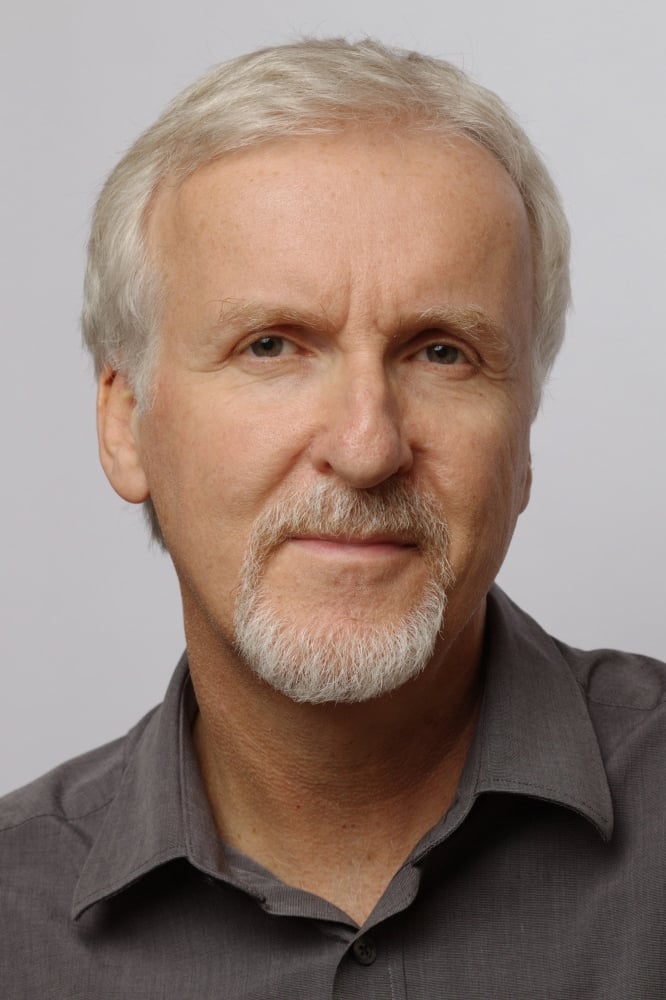
You know, after ‘Avatar’ blew up, James Cameron had a real headache with lawsuits. A bunch of people came forward claiming he’d basically stolen their ideas for the movie. Thankfully, Cameron was super prepared – he had tons of notes, sketches, and early drafts to prove his creative process. The courts eventually sided with him, and all those plagiarism claims were thrown out. It was a relief to see him defend his work so well – ‘Avatar’ deserved its success!
Steven Spielberg
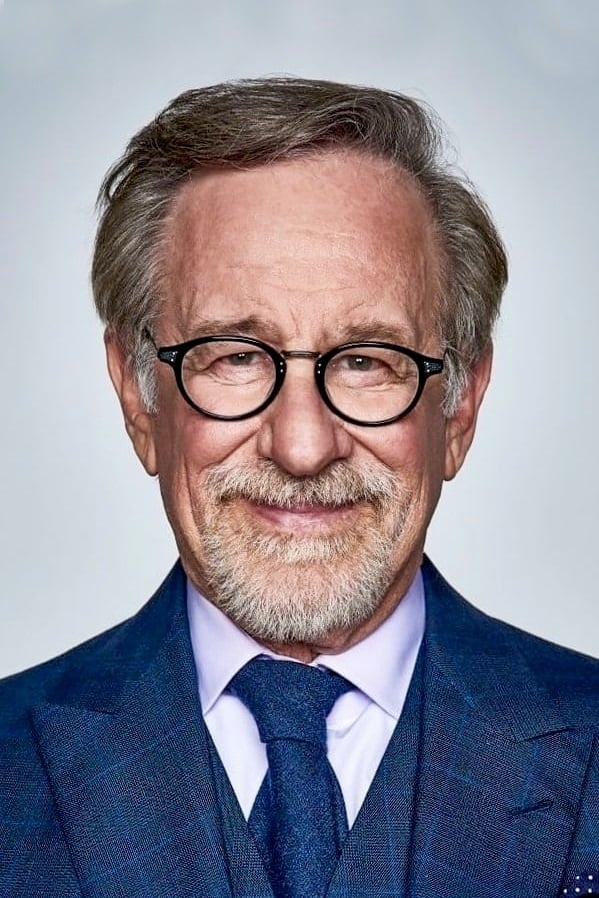
During the making of ‘Amistad’, Steven Spielberg faced a copyright lawsuit. Author Barbara Chase Riboud argued that the film used her book without permission. The issue was resolved through a settlement before going to court, demonstrating the challenges of turning historical stories into movies.
Quentin Tarantino
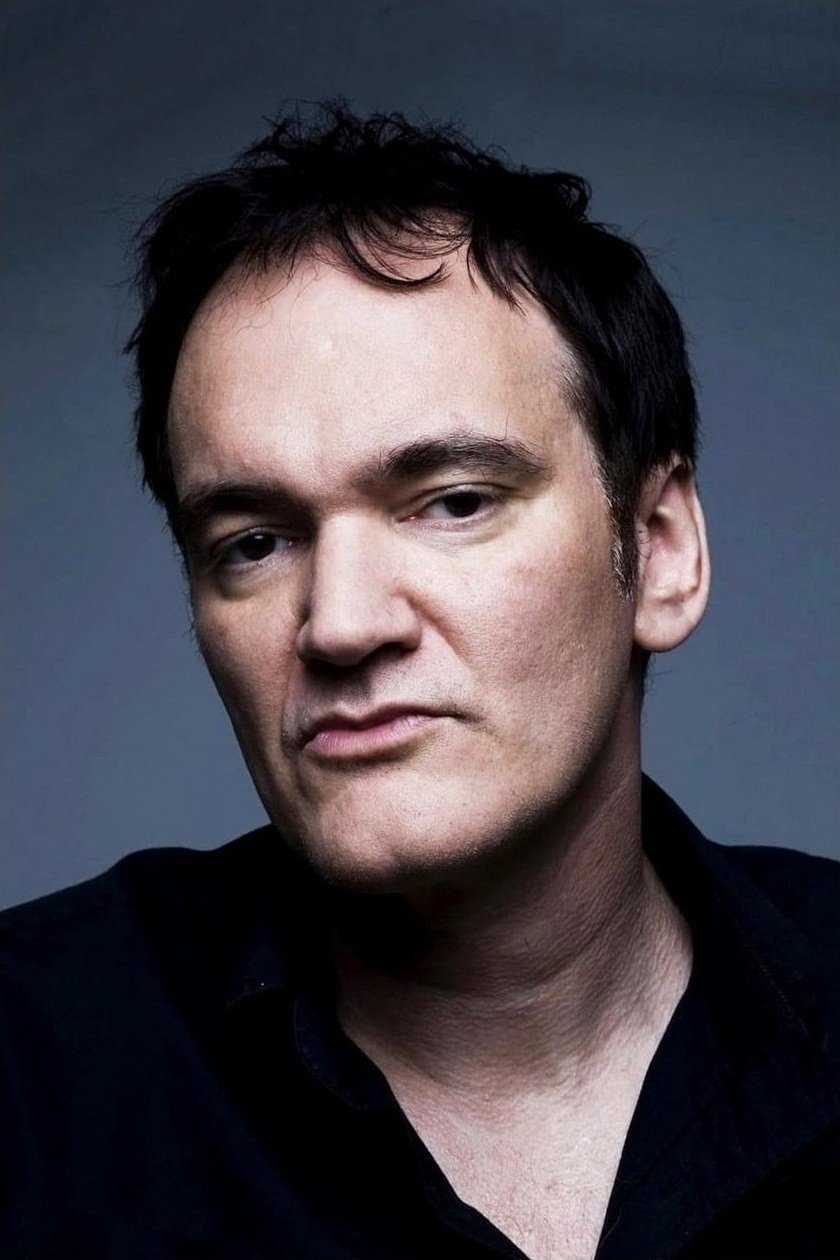
Quentin Tarantino and Miramax had a legal disagreement about the sale of ‘Pulp Fiction’ as NFTs (non-fungible tokens). Miramax claimed they owned all rights to the film and anything created from it. Tarantino believed his contract gave him the right to release parts of the original script in this new digital form. Ultimately, they settled the issue privately, avoiding a court case.
Guillermo del Toro

Guillermo del Toro’s film ‘The Shape of Water’ was the subject of a legal dispute claiming it copied elements from a play by Paul Zindel. The playwright’s estate highlighted several similarities between the film and his 1969 play. While the case was first dismissed by a judge, the family successfully appealed and the matter was revisited. Eventually, the dispute was resolved, and the estate recognized the film as an original work.
Peter Jackson
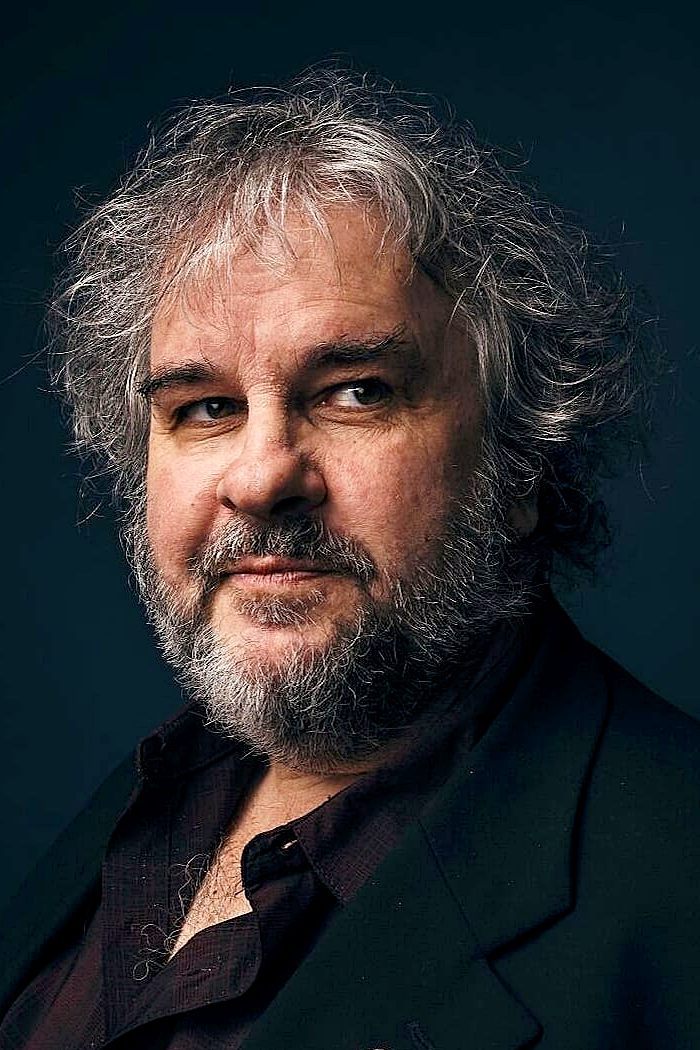
Peter Jackson had a public legal battle with New Line Cinema regarding the profits from ‘The Lord of the Rings’ movies. Jackson argued the studio hadn’t paid him his fair share of the earnings. This dispute briefly halted any new projects based on the series. Eventually, the issue was resolved, and Jackson went on to direct ‘The Hobbit’ films.
Todd Phillips
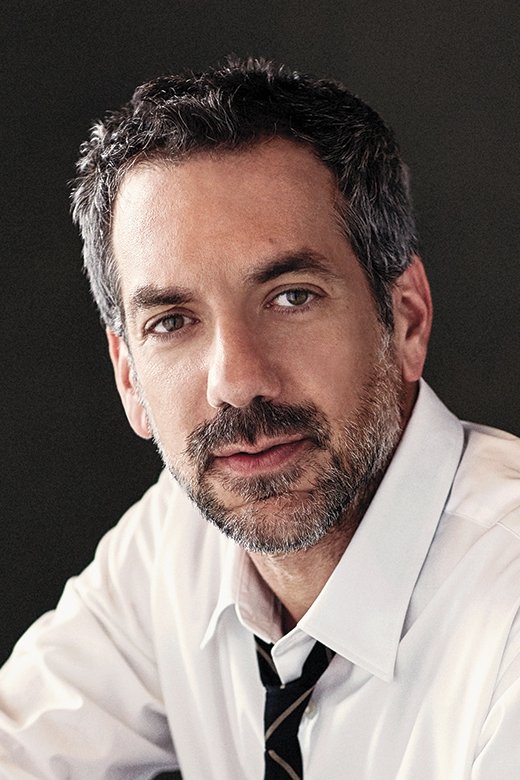
A tattoo artist sued Todd Phillips over a design in ‘The Hangover Part II’, claiming the movie copied a tattoo of Mike Tyson’s face. This lawsuit could have delayed the film’s release and its planned marketing. Ultimately, Warner Bros. reached a settlement with the artist to ensure the movie came out on time.
Kathryn Bigelow
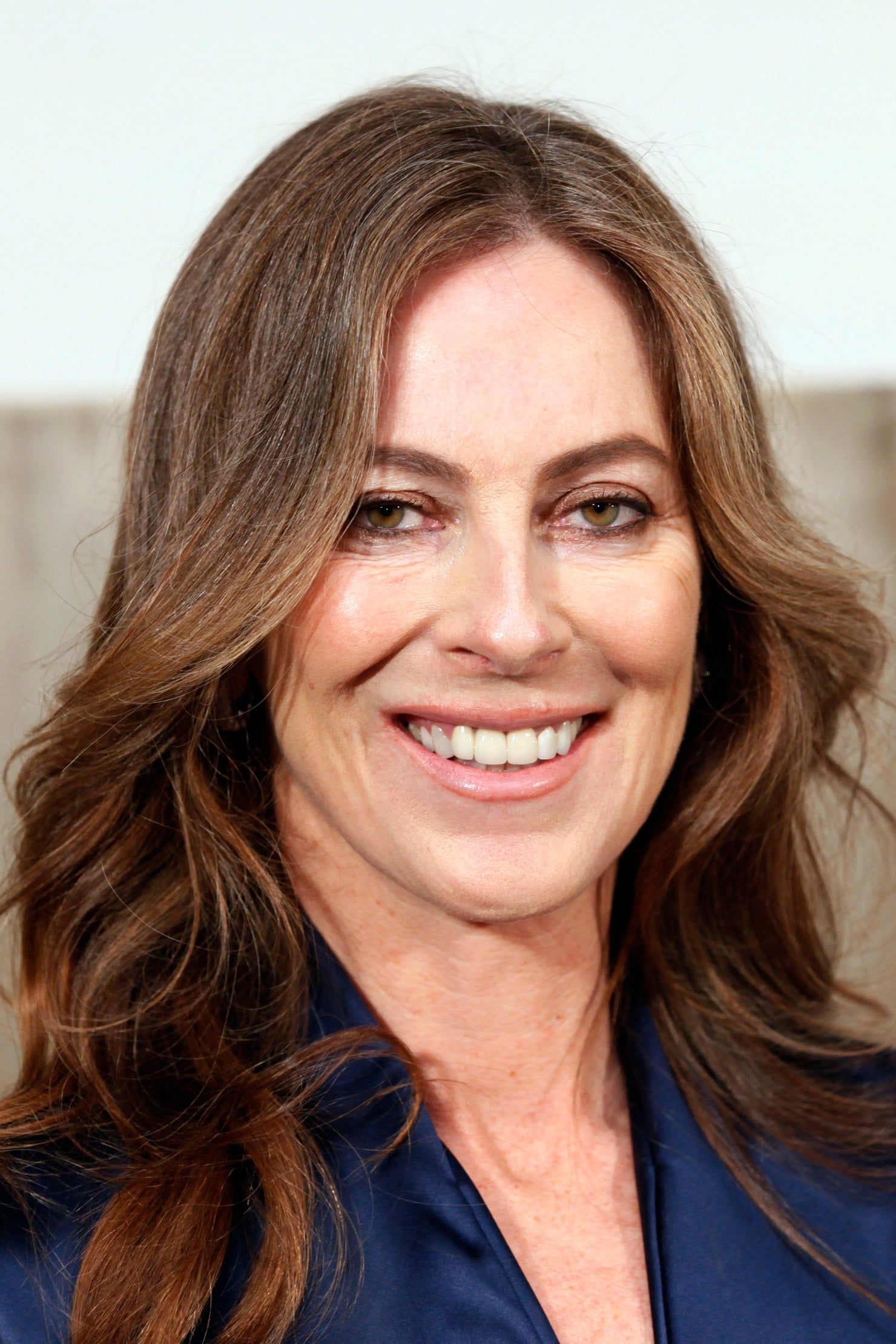
After the movie ‘The Hurt Locker’ came out, a U.S. soldier, Master Sergeant Jeffrey Sarver, sued director Kathryn Bigelow. Sarver claimed the film’s main character was based on his life without his permission, causing him emotional distress and illegally using his identity. However, the court rejected his lawsuit, ruling that the character was a fictional creation and protected under free speech laws.
Martin Scorsese
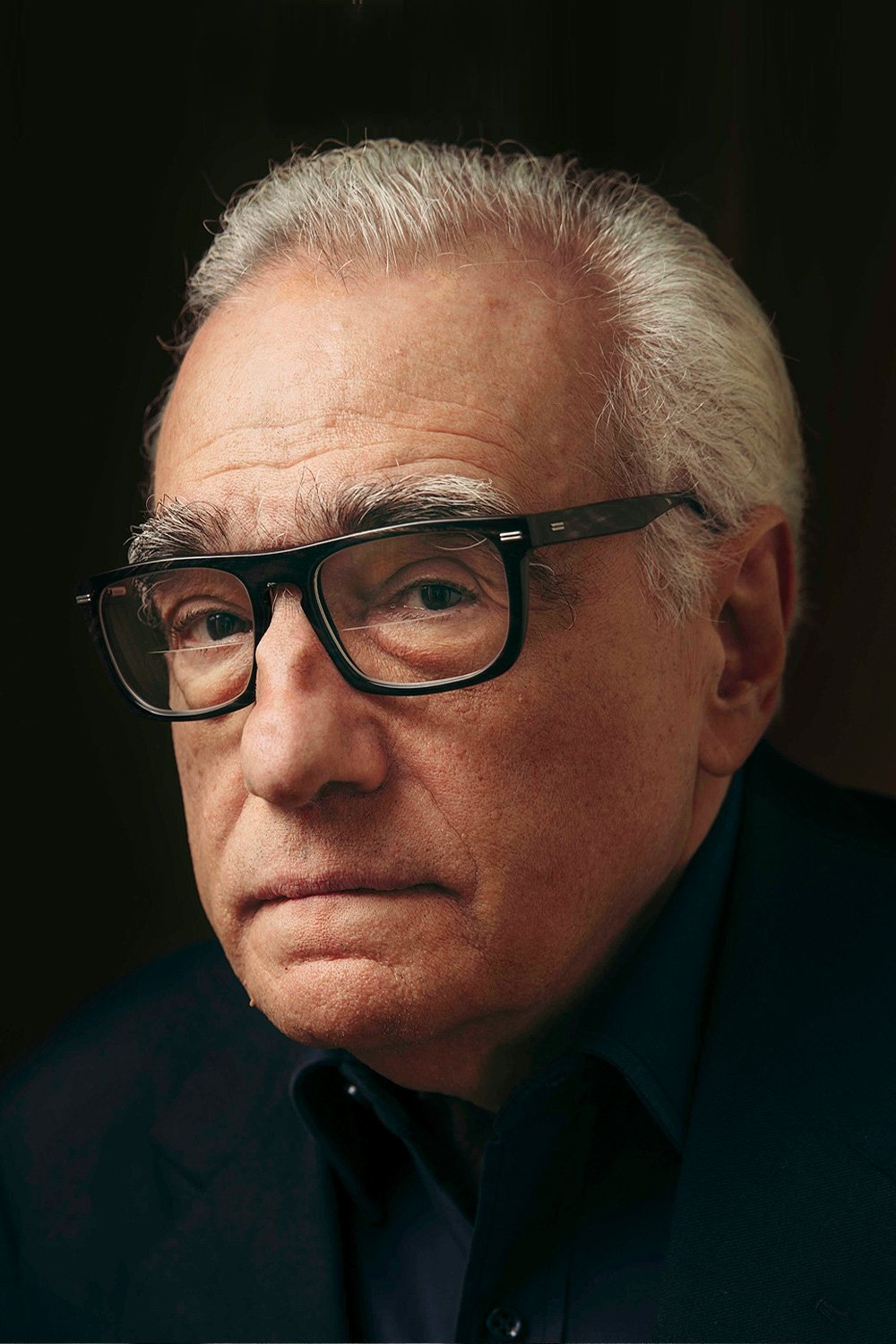
Martin Scorsese was involved in a lawsuit over his film ‘Silence’. A production company argued he’d previously promised to direct it, years before filming began. The disagreement stemmed from earlier agreements made during the film’s long development. The issue was resolved with a settlement, allowing the movie to be made with a new production crew.
Spike Lee
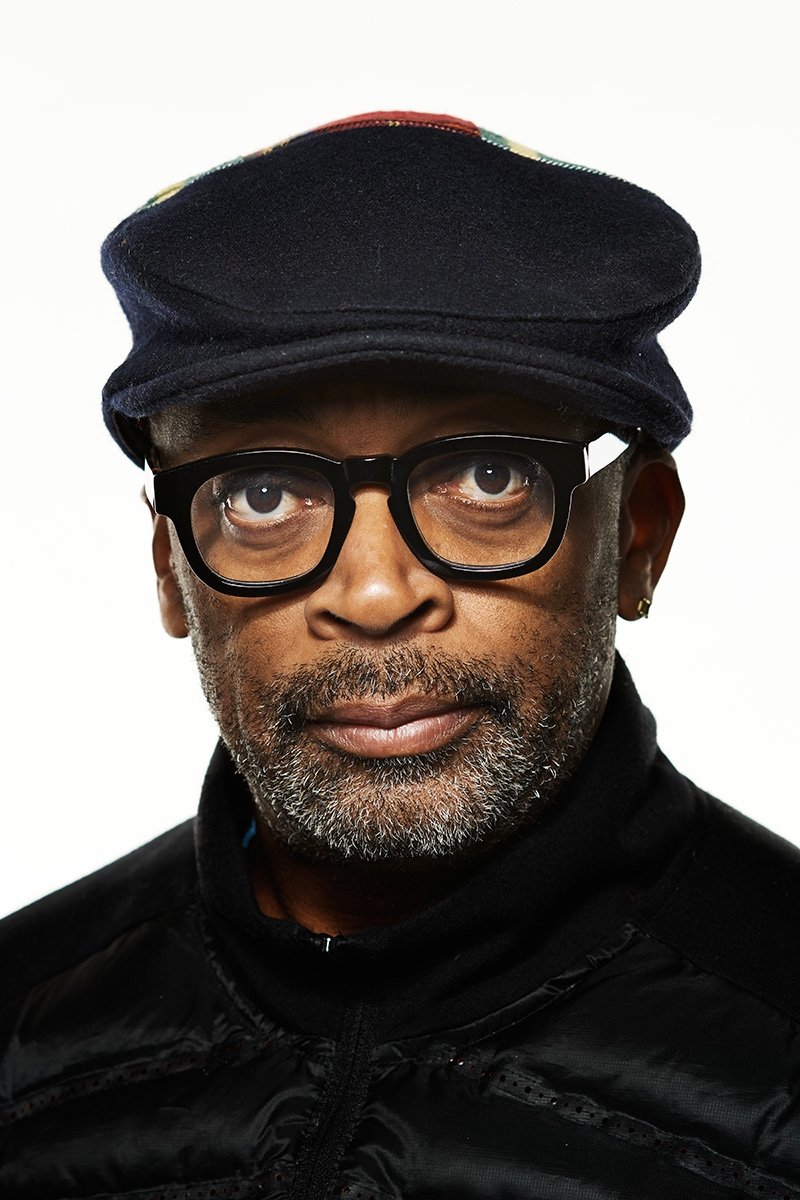
Director Spike Lee faced a legal issue concerning the advertising for his remake of ‘Oldboy’. An artist sued Lee and the studio, claiming they used his poster designs without paying him. The artist first brought the problem to light by sharing his experience on social media. Lee responded by saying he wasn’t involved in the decision to hire the designers.
George Lucas
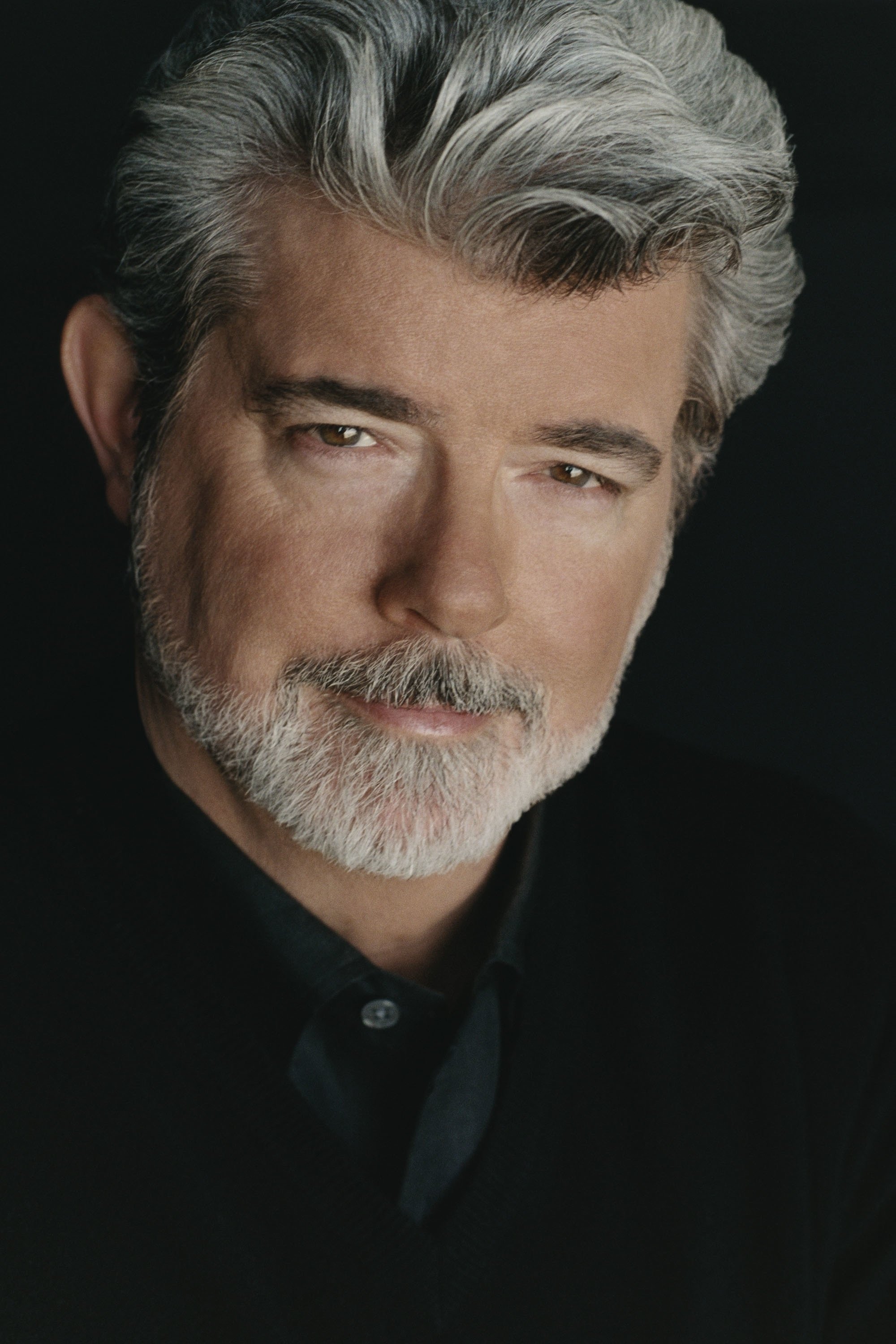
A significant lawsuit arose between George Lucas and Universal Studios, sparked by claims that ‘Battlestar Galactica’ closely resembled ‘Star Wars’. 20th Century Fox sued Universal, alleging that Lucas’s ideas were illegally copied, specifically in terms of characters and special effects. Although the case was eventually dropped, it’s still remembered as a key example of a legal dispute in the science fiction genre.
Ridley Scott
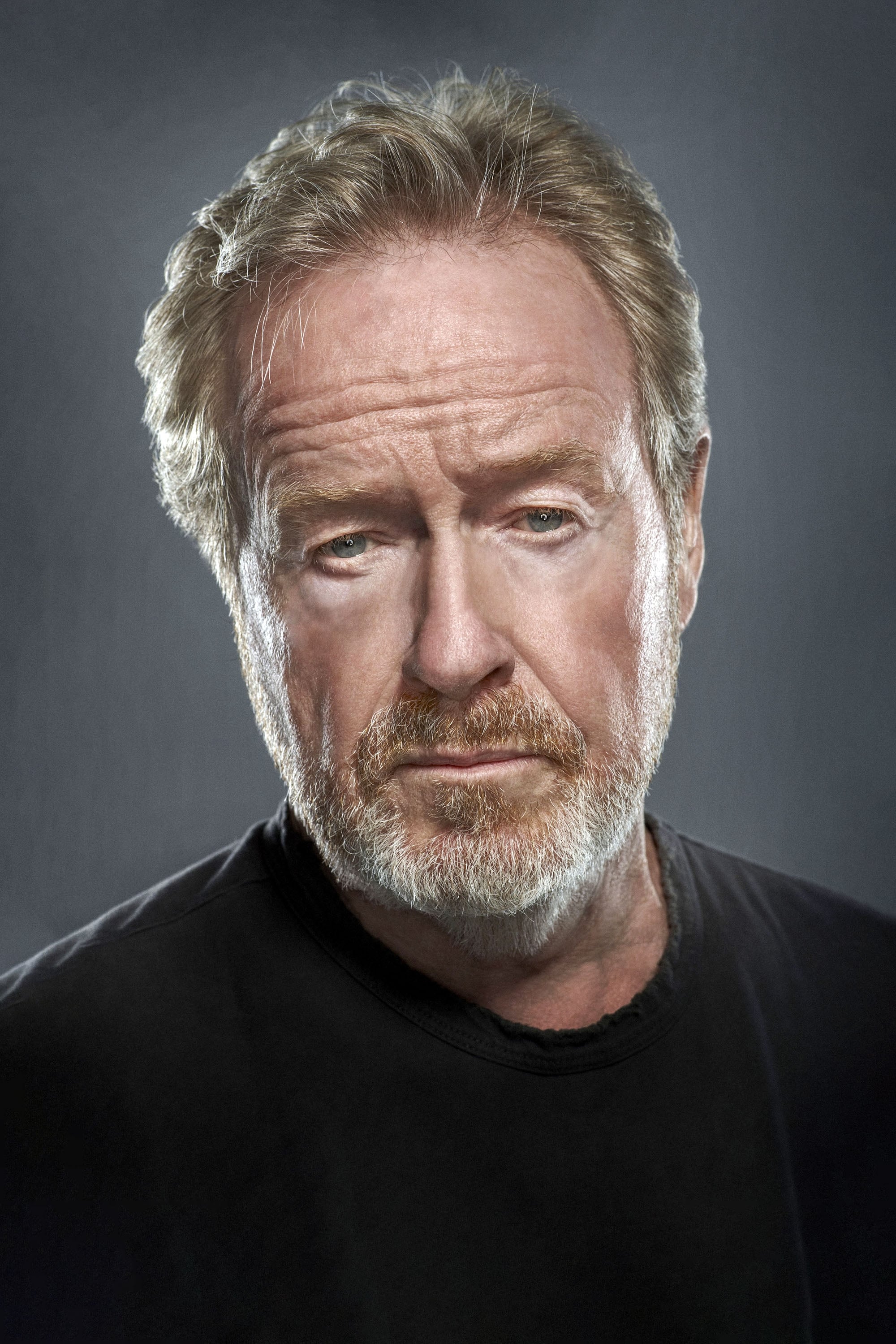
After the movie ‘American Gangster’ came out, several retired federal agents sued Ridley Scott, claiming the film falsely portrayed them as corrupt. They believed the movie harmed their reputations by inaccurately showing events that had actually happened. However, a judge threw out the lawsuit, deciding the film didn’t meet the legal standard for defamation.
John Landis
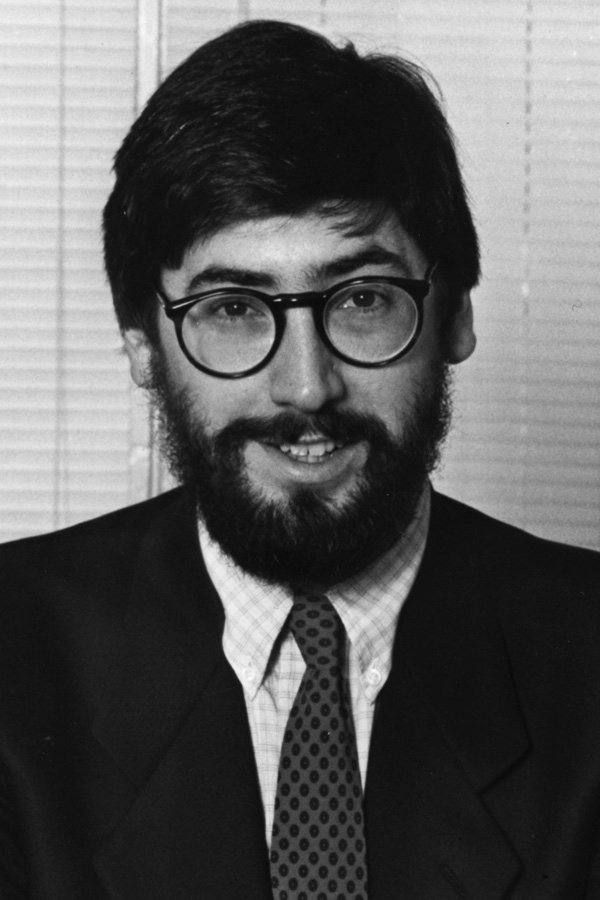
I remember when that terrible accident happened on the set of ‘Twilight Zone The Movie’. It was awful – a helicopter crash that tragically took the lives of three actors, and director John Landis was actually put on trial for it. While he was found not guilty in criminal court, he still had to deal with lawsuits and pay a price for what happened. Honestly, that whole situation was a turning point for safety on film sets. It forced everyone to really rethink how things were done and led to much stricter rules, which is a good thing considering the cost.
Clint Eastwood
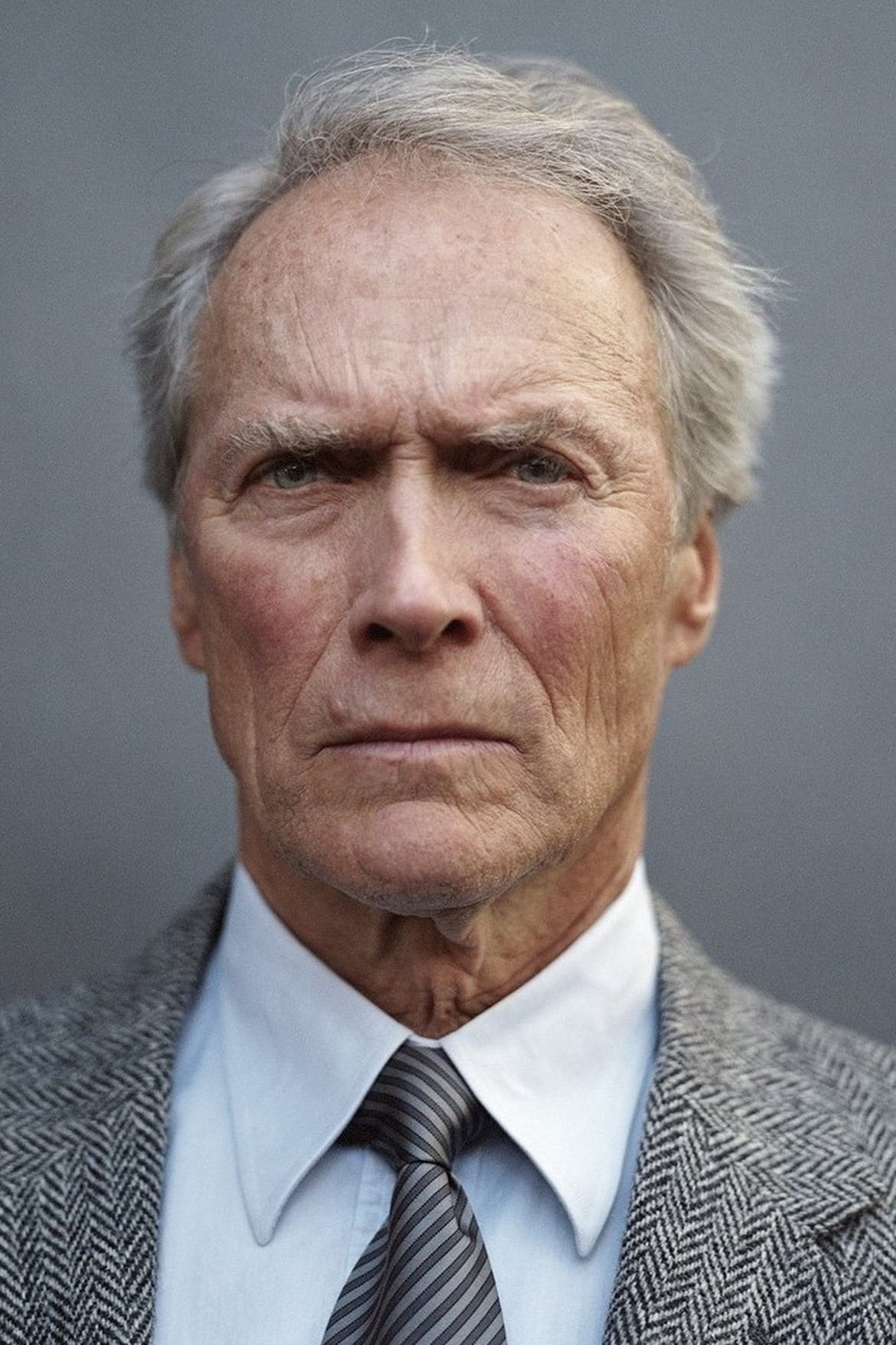
Clint Eastwood’s film ‘Richard Jewell’ sparked a legal dispute with the Atlanta Journal Constitution. The newspaper alleged the movie inaccurately showed one of their reporters obtaining information in exchange for sexual favors. They requested a public apology and a statement added to the film clarifying its depiction of events. Eastwood and the studio maintained that the movie was a dramatized version of a true story.
Luc Besson
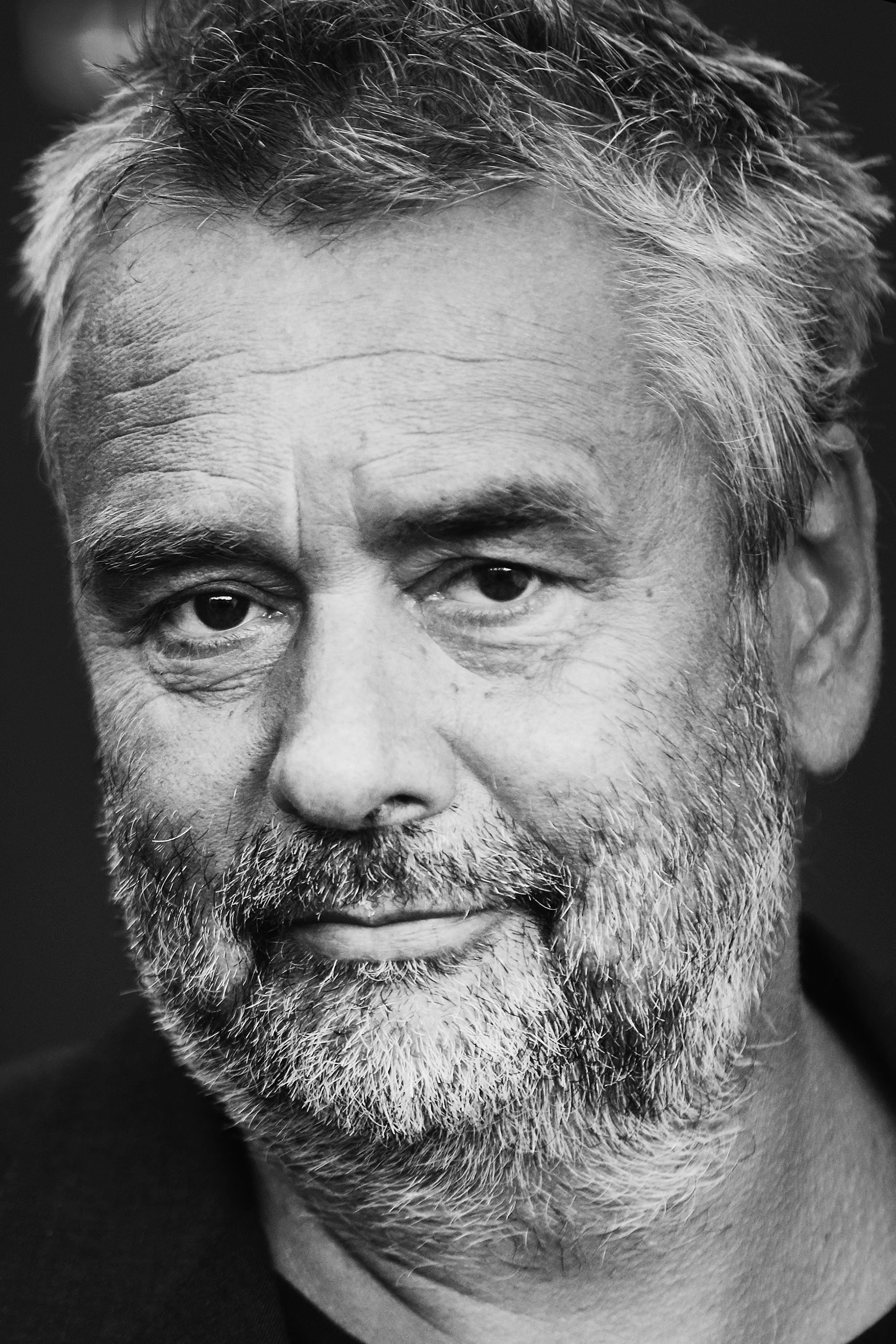
Director Luc Besson lost a plagiarism lawsuit over his film ‘Lockout’. A French court determined the movie closely copied the 1981 film ‘Escape from New York’, directed by John Carpenter. Besson was required to pay compensation to the original filmmakers because the scripts were too similar. The case highlighted how strongly international law protects unique ideas in film.
Bong Joon Ho
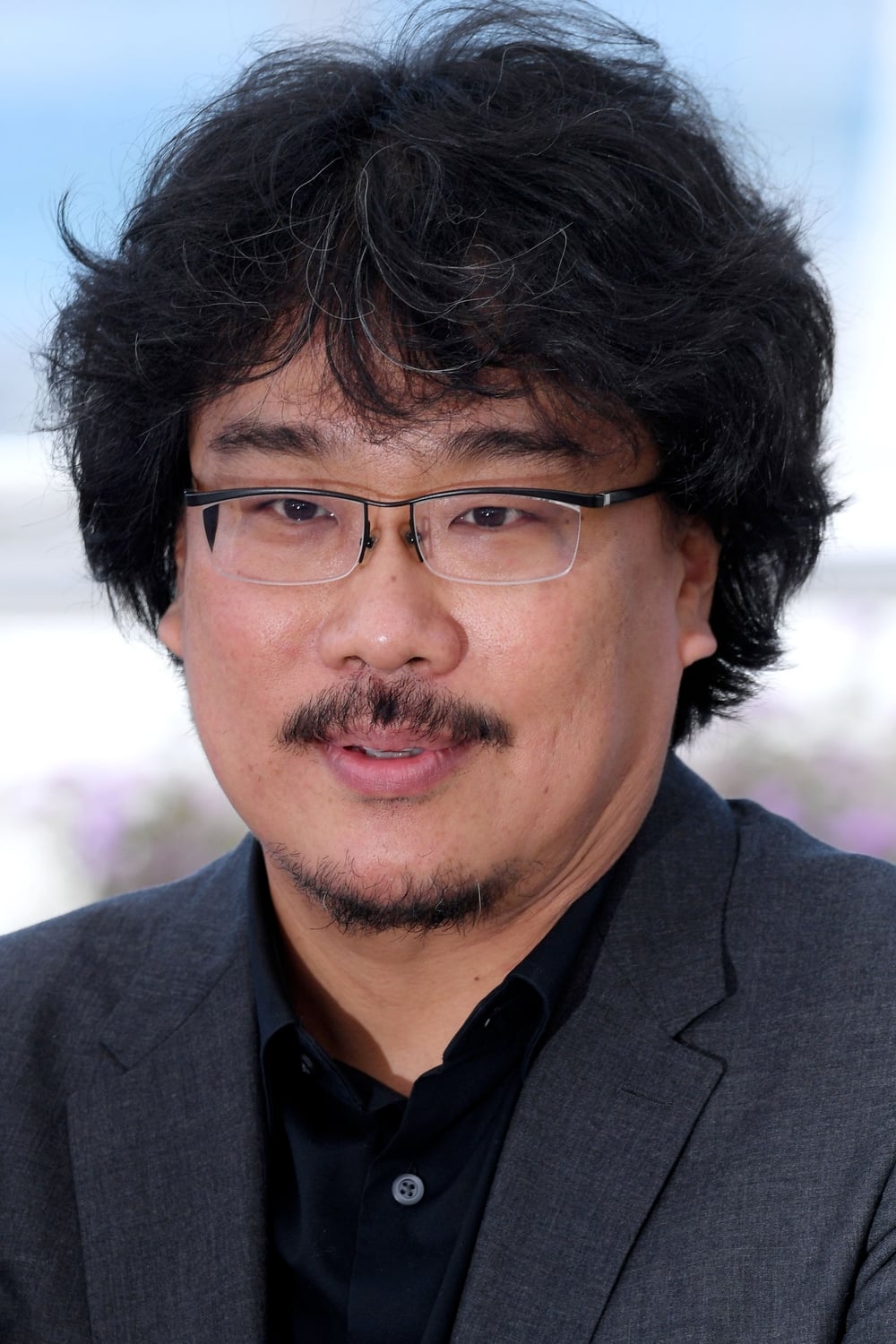
Okay, so after Bong Joon Ho’s ‘Parasite’ blew up worldwide, things got a little messy. An Indian producer came forward claiming the movie ripped off the plot of his film, ‘Minsara Kanna.’ He even hinted at legal action, but it never actually materialized – no lawsuit was ever formally filed. Bong and his team strongly denied any wrongdoing, saying the claims of plagiarism were completely false. It was a bit of a headache for everyone involved, but ultimately, the accusations didn’t stick.
Larry Charles
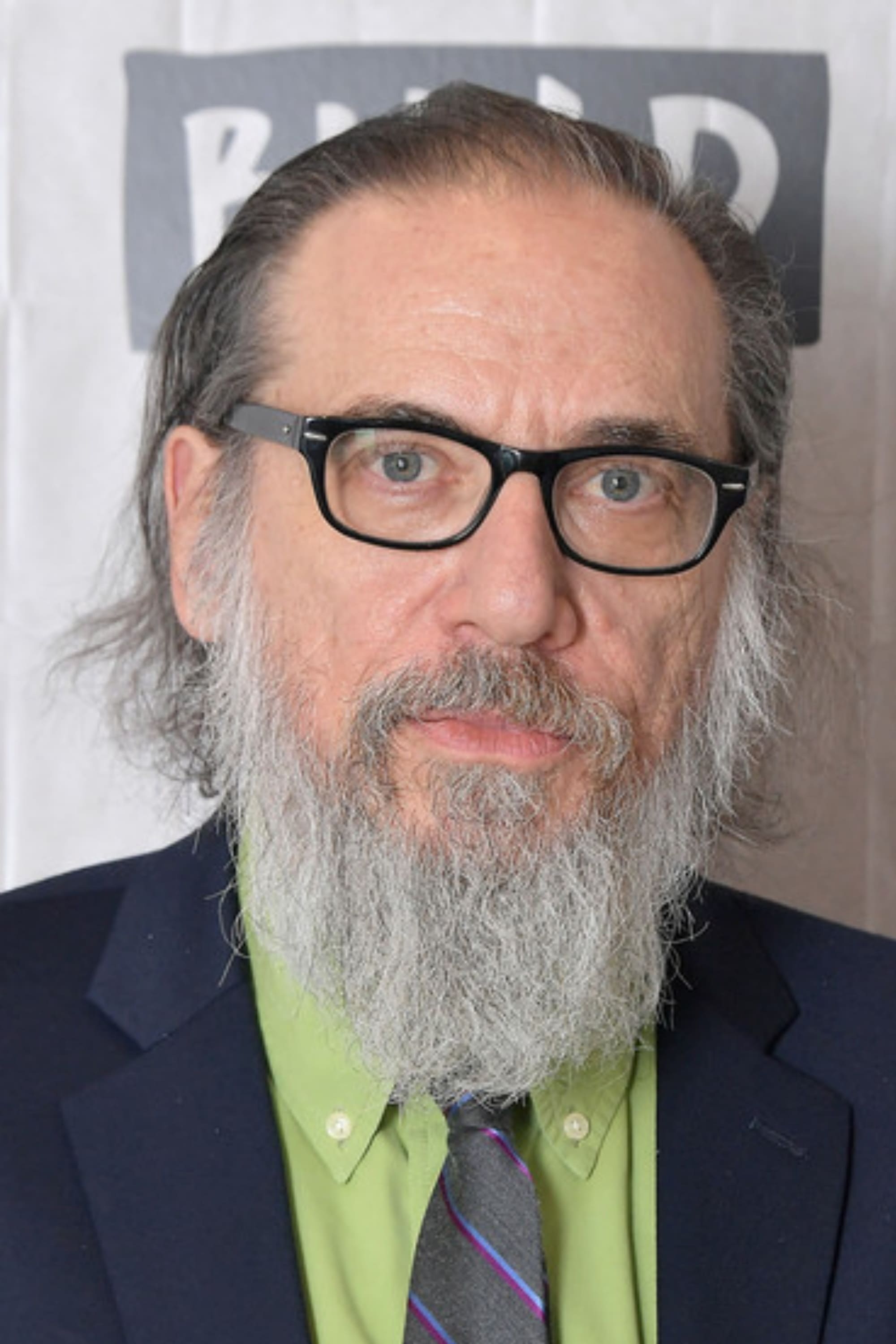
The film ‘Borat,’ directed by Larry Charles, led to many lawsuits from people featured in it. These individuals claimed they were tricked into appearing in the movie based on false information, and that the film’s editing and controversial humor harmed their reputations. However, most of these lawsuits were unsuccessful because the participants had previously signed legal agreements.
Oliver Stone
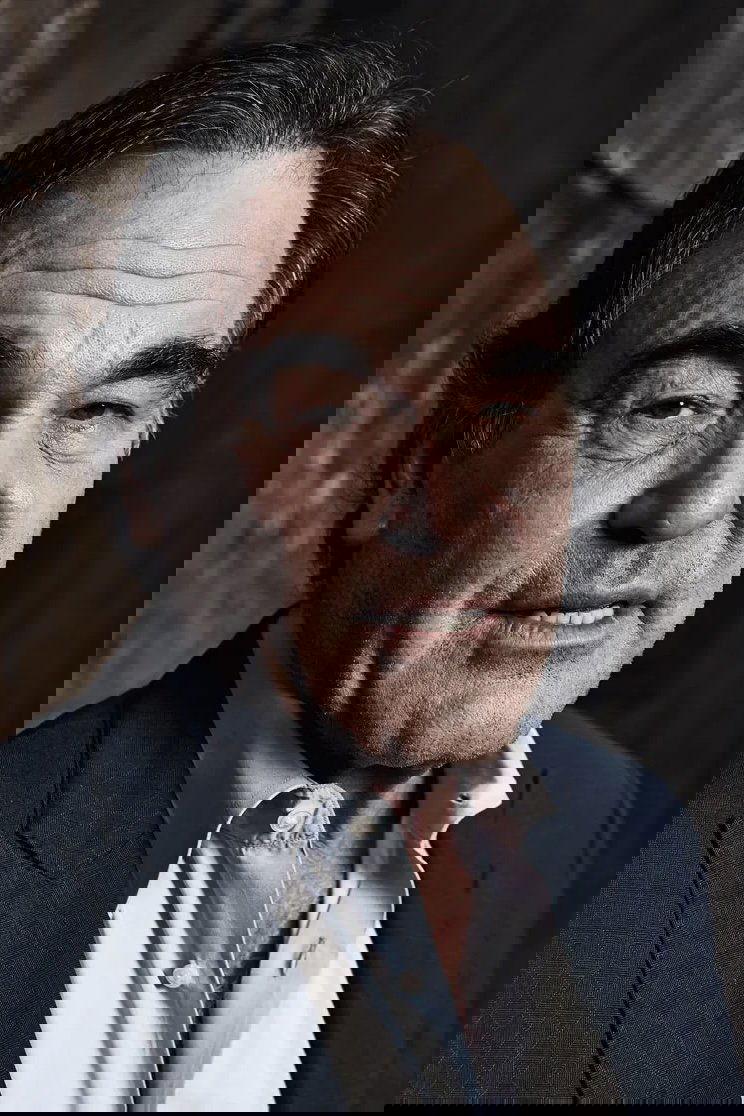
Oliver Stone faced legal challenges involving claims that ‘Natural Born Killers’ inspired real world violent crimes. A lawsuit was filed by a victim of a shooting who argued that the director should be held responsible for the influence of his film. The case tested the legal boundaries of whether media could be blamed for the actions of its viewers. The courts eventually ruled that the film was protected by the First Amendment and Stone was not liable.
Wes Craven
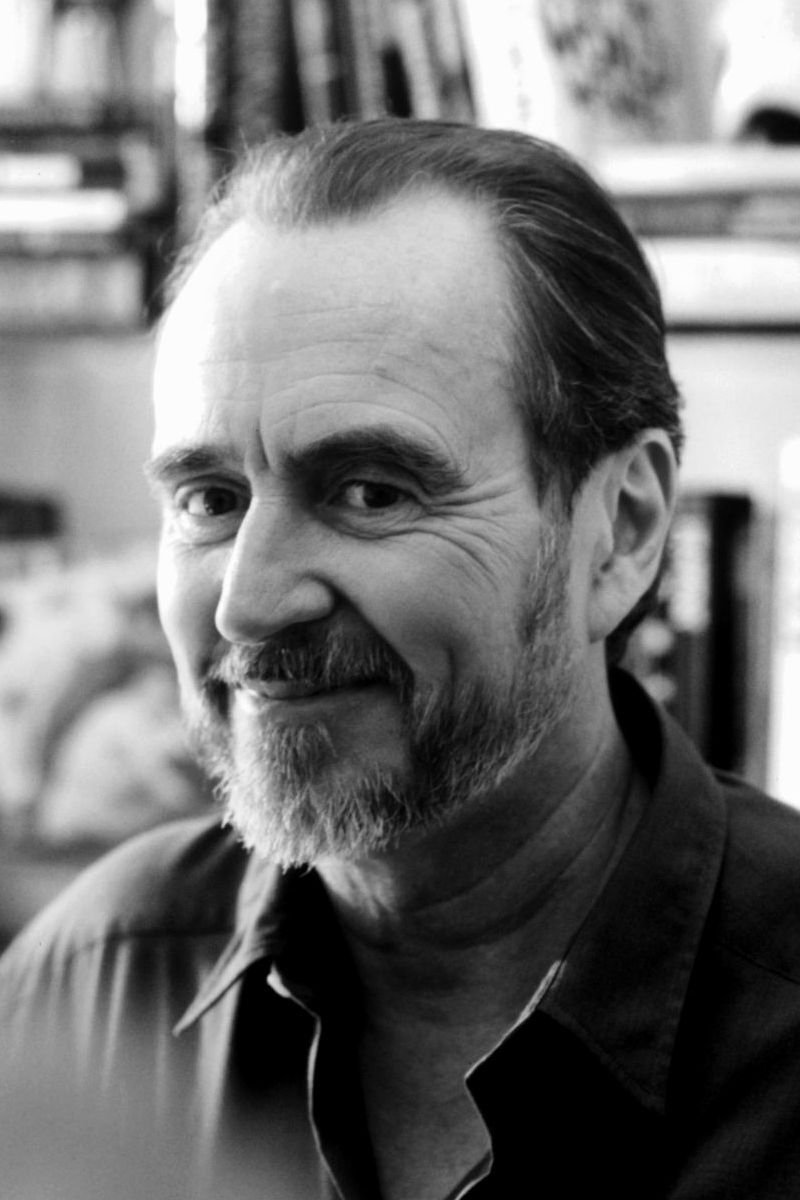
Several lawsuits claimed Wes Craven’s film ‘Scream’ inspired copycat killings, arguing the movie showed young people how to commit crimes. These cases gained attention within the entertainment industry because of concerns about artistic freedom. However, courts repeatedly dismissed the lawsuits, finding no proof that the film directly caused the crimes.
Woody Allen
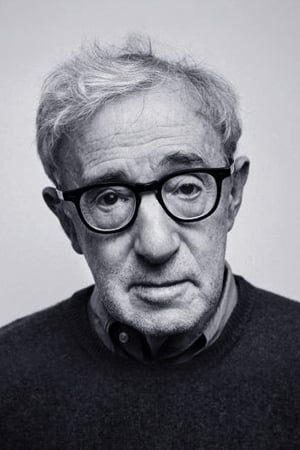
The estate of William Faulkner sued Woody Allen and the makers of ‘Midnight in Paris’ because the film included a quote from Faulkner without permission. They claimed this violated their copyright and potential to profit from his work. However, a judge ruled that the film’s use of the quote was legally allowed under the ‘fair use’ doctrine.
Sam Raimi
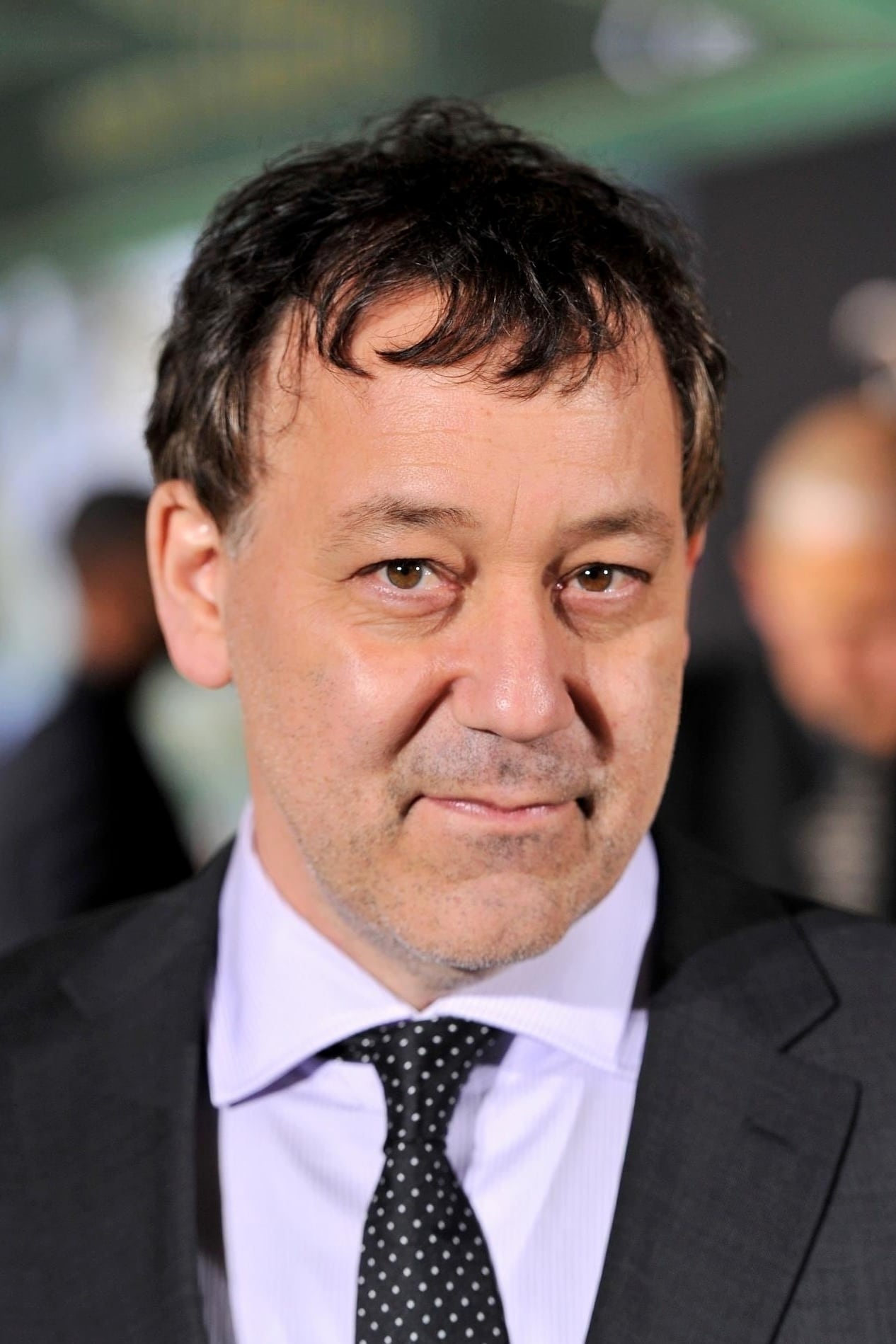
Sam Raimi encountered legal problems concerning the money and ownership of his film ‘The Evil Dead’. Several people who initially helped fund the movie claimed they hadn’t been paid what they were owed. Raimi had to deal with these lawsuits while also working on his bigger, more popular films. The situation showed just how valuable successful, low-budget horror movies can be over time.
Share your thoughts on these legal disputes in the comments.
Read More
- Building 3D Worlds from Words: Is Reinforcement Learning the Key?
- Spotting the Loops in Autonomous Systems
- The Best Directors of 2025
- 2025 Crypto Wallets: Secure, Smart, and Surprisingly Simple!
- The Glitch in the Machine: Spotting AI-Generated Images Beyond the Obvious
- 20 Best TV Shows Featuring All-White Casts You Should See
- Umamusume: Gold Ship build guide
- Mel Gibson, 69, and Rosalind Ross, 35, Call It Quits After Nearly a Decade: “It’s Sad To End This Chapter in our Lives”
- Gold Rate Forecast
- Uncovering Hidden Signals in Finance with AI
2026-01-07 02:46