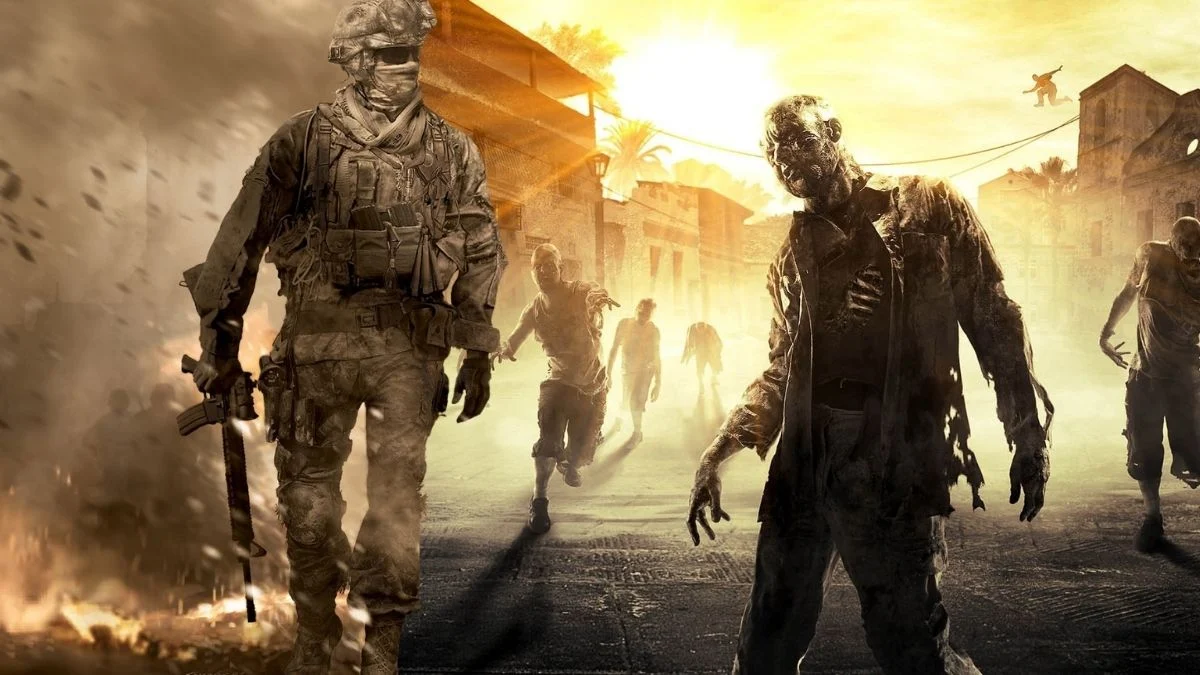
Video game creators often have to change their games to avoid upsetting players or appearing disrespectful to different cultures. These changes can be small, like altering a character’s appearance or what they say, or they can be major, like removing entire parts of the game. Looking at how games have been changed over time helps us understand the delicate balance between artistic freedom and respecting cultural sensitivities in the gaming world.
‘LittleBigPlanet’ (2008)
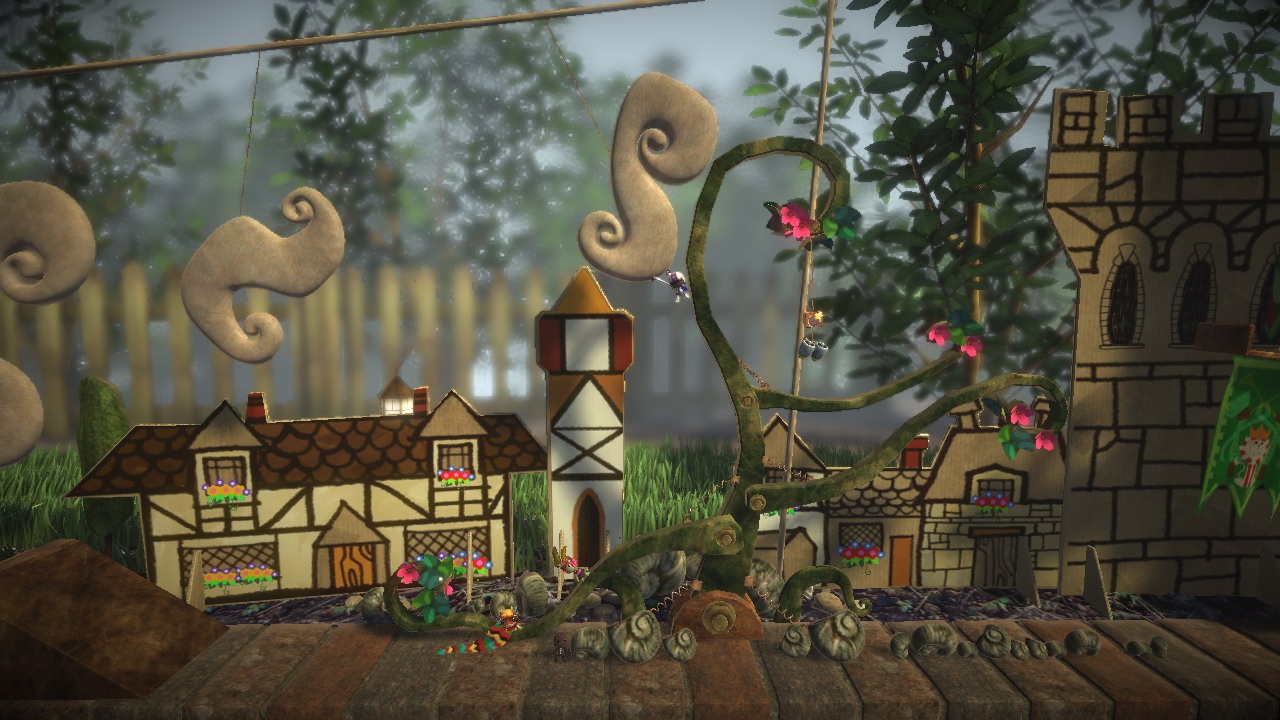
Just before its release, Sony had to recall physical copies of the game ‘LittleBigPlanet’ because a song contained lyrics from the Quran. Religious experts advised that the song, titled ‘Tapha Niang’ by Toumani Diabate, wasn’t suitable for a video game. This caused a worldwide delay while Sony removed the audio from the game discs. The updated version of the game replaced the song to prevent upsetting the Muslim community.
‘The Legend of Zelda: Ocarina of Time’ (1998)
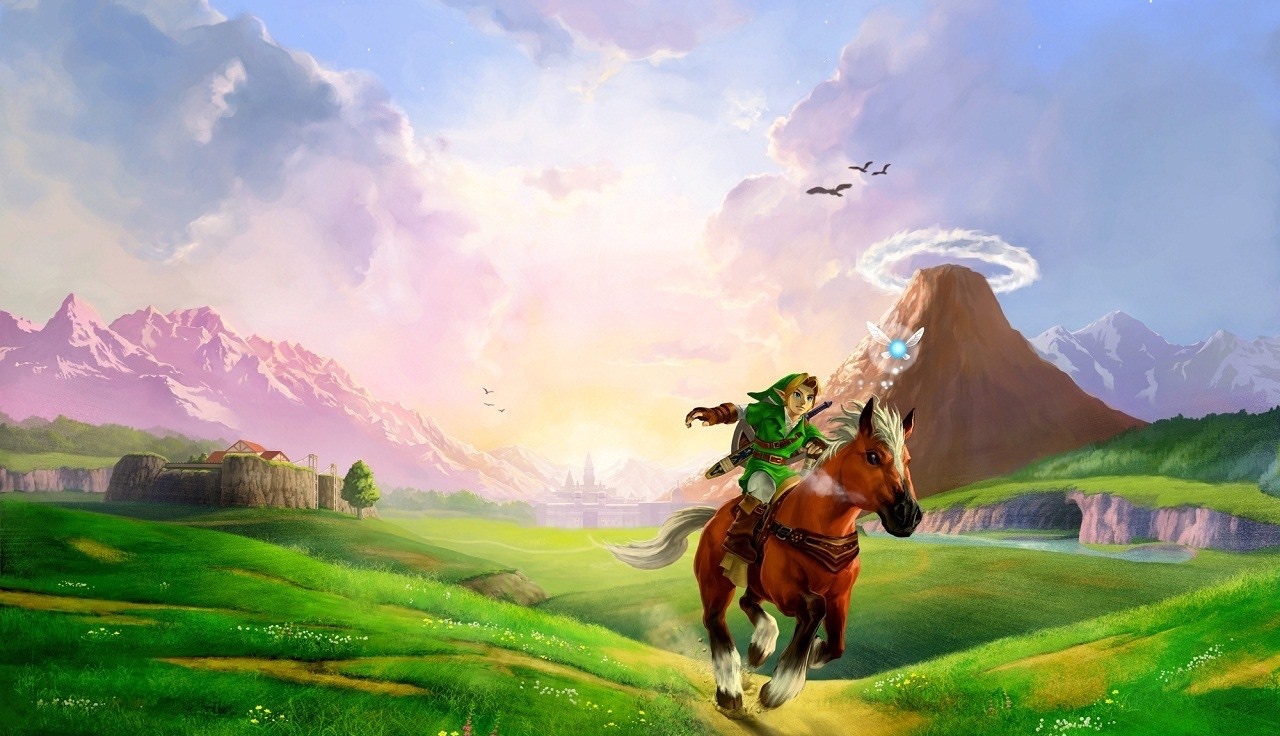
The original release of ‘The Legend of Zelda: Ocarina of Time’ included Islamic chants in the music for the Fire Temple. Nintendo later removed these chants and altered the design of the Mirror Shield – which initially featured a crescent moon and star – in later versions and the GameCube remake. These changes were made to avoid potential religious offense and to distance the game’s fictional Gerudo people from any specific religious association, showing respect for different cultures.
‘Call of Duty: Modern Warfare 2’ (2009)
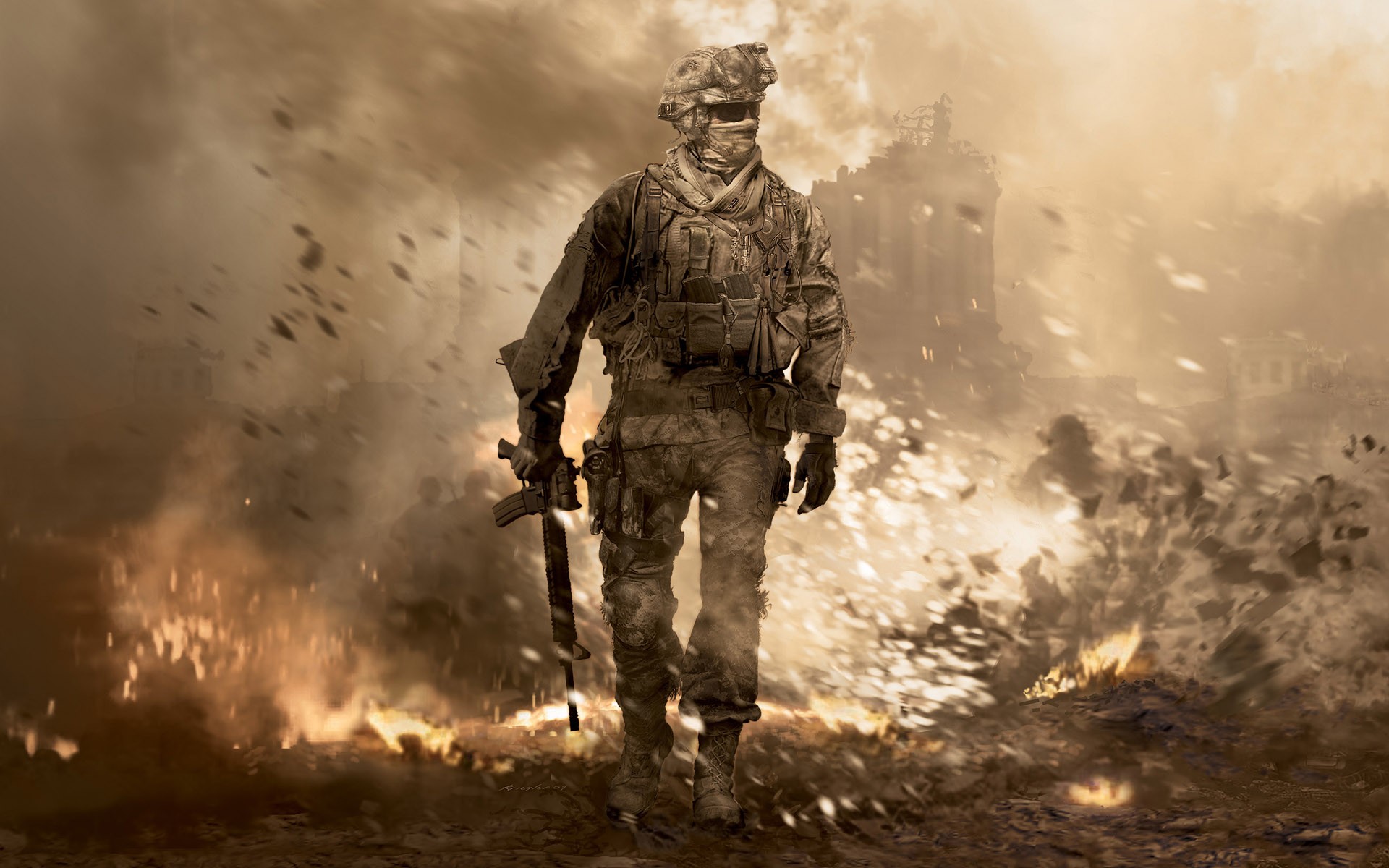
Activision temporarily removed the Favela map from its online game after players noticed an Islamic teaching displayed in an inappropriate location – on a picture frame in a bathroom. The text, written in Arabic, was positioned above a toilet, which many Muslim players found deeply offensive and highlighted a lack of cultural sensitivity. The developers quickly fixed the issue by removing the image and then made the map available to players again.
‘Street Fighter V’ (2016)
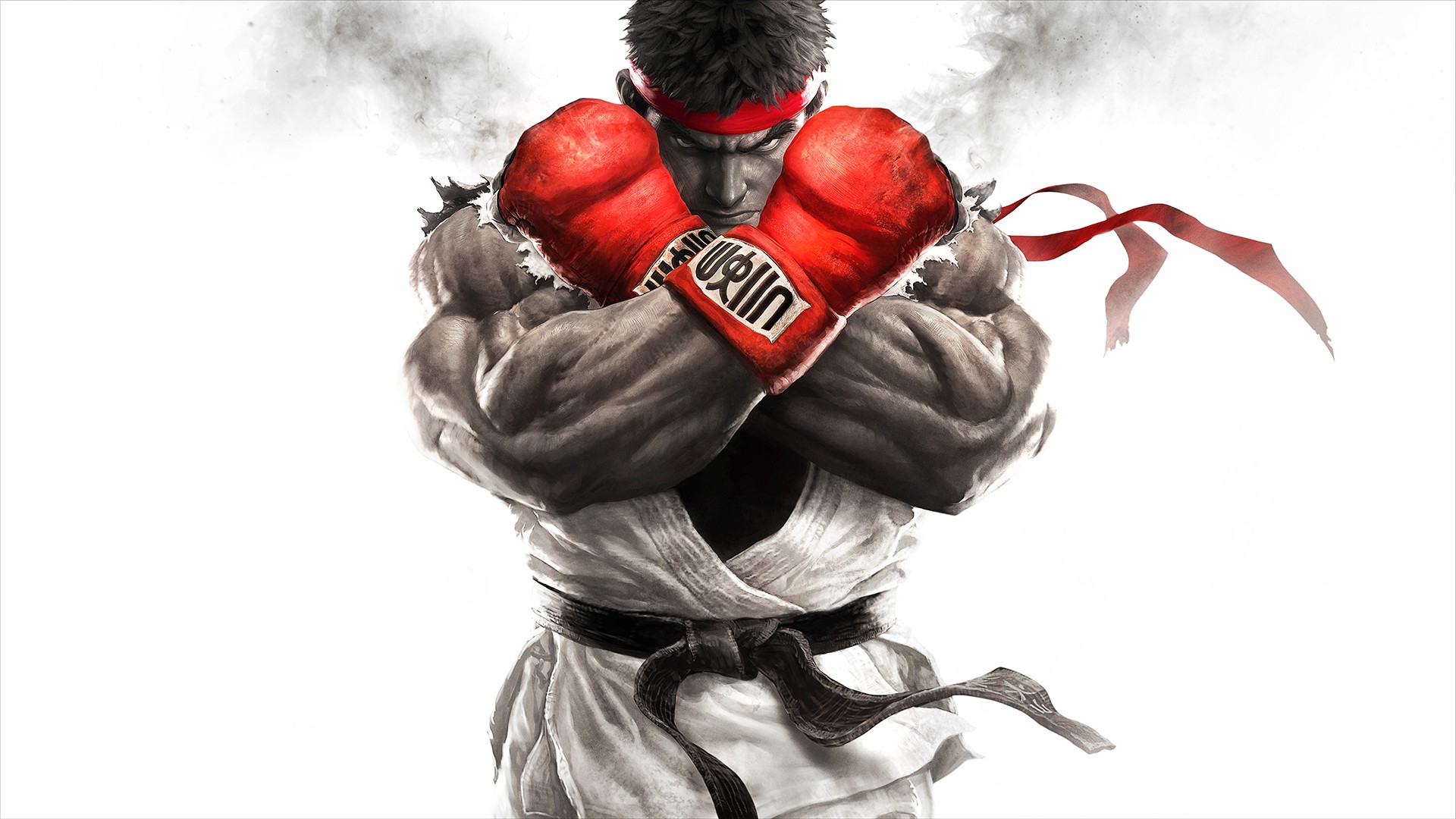
Before its release, Capcom made changes to the camera angles in ‘Street Fighter V’ to tone down potentially suggestive animations. For example, a move where Rainbow Mika slapped her buttocks was altered so the camera wouldn’t show it. The introduction for Cammy White was also adjusted to focus less on her lower body. These adjustments aimed to make the game more welcoming and professional, especially as its esports scene grew.
‘Pokémon’ (1998)
The original design of the Pokémon Jynx was criticized for resembling racist caricatures due to its black skin and large pink lips. After receiving public feedback and discussions about the history of blackface, The Pokémon Company changed Jynx’s skin color to purple. This change was applied to all versions of the character, including the video games and animated series, and continues to be used today to ensure cultural sensitivity.
‘Overwatch’ (2016)
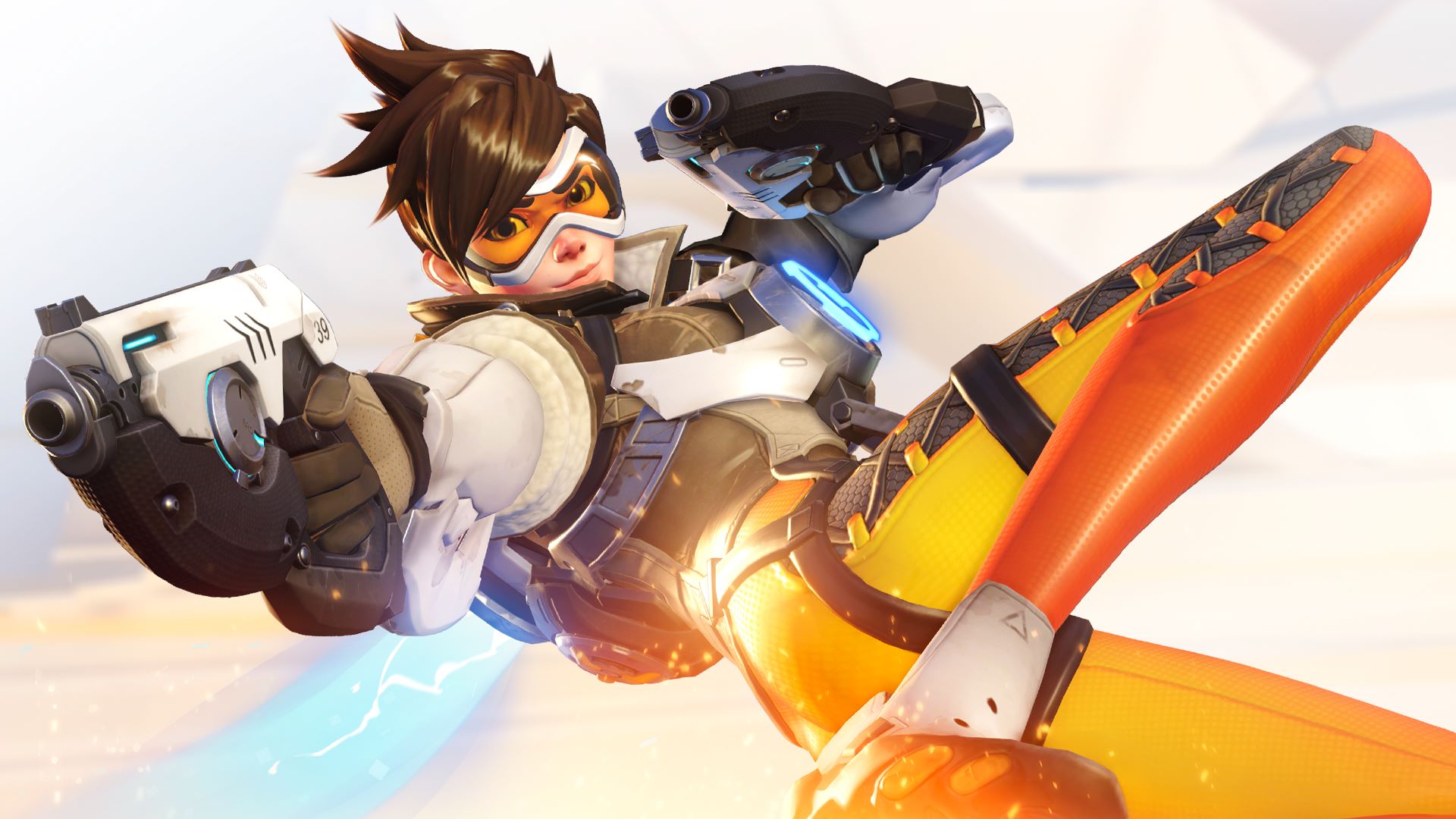
Blizzard Entertainment changed a winning pose for the character Tracer after a player pointed out it seemed too suggestive and didn’t match her personality. The original pose focused on her body, but Blizzard agreed it didn’t fit Tracer’s upbeat and heroic character. They replaced it with a new pose inspired by vintage pin-up art, aiming to please both players and stay true to the game’s design.
‘Wolfenstein: The New Order’ (2014)
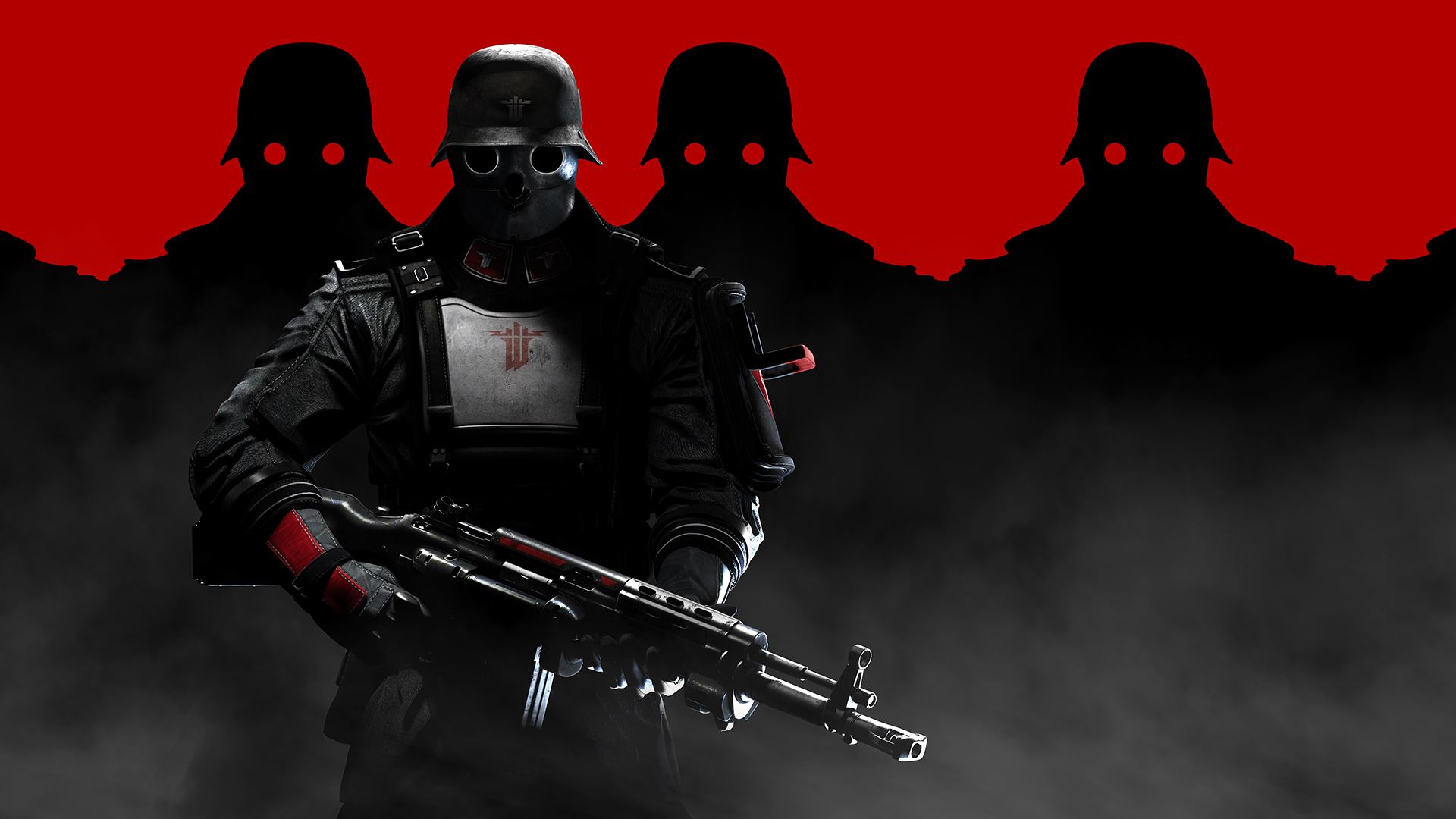
To meet German legal requirements regarding the portrayal of extremist groups, the game ‘Wolfenstein: The New Order’ was altered for release in Germany. All swastikas and Nazi imagery were removed and replaced with symbols for the game’s fictional governing power. The game also replaced references to the Nazi party with the more general term ‘the Regime’ to avoid legal problems and show cultural sensitivity. These changes allowed the game to be sold in Germany without compromising its main storyline.
‘South Park: The Stick of Truth’ (2014)
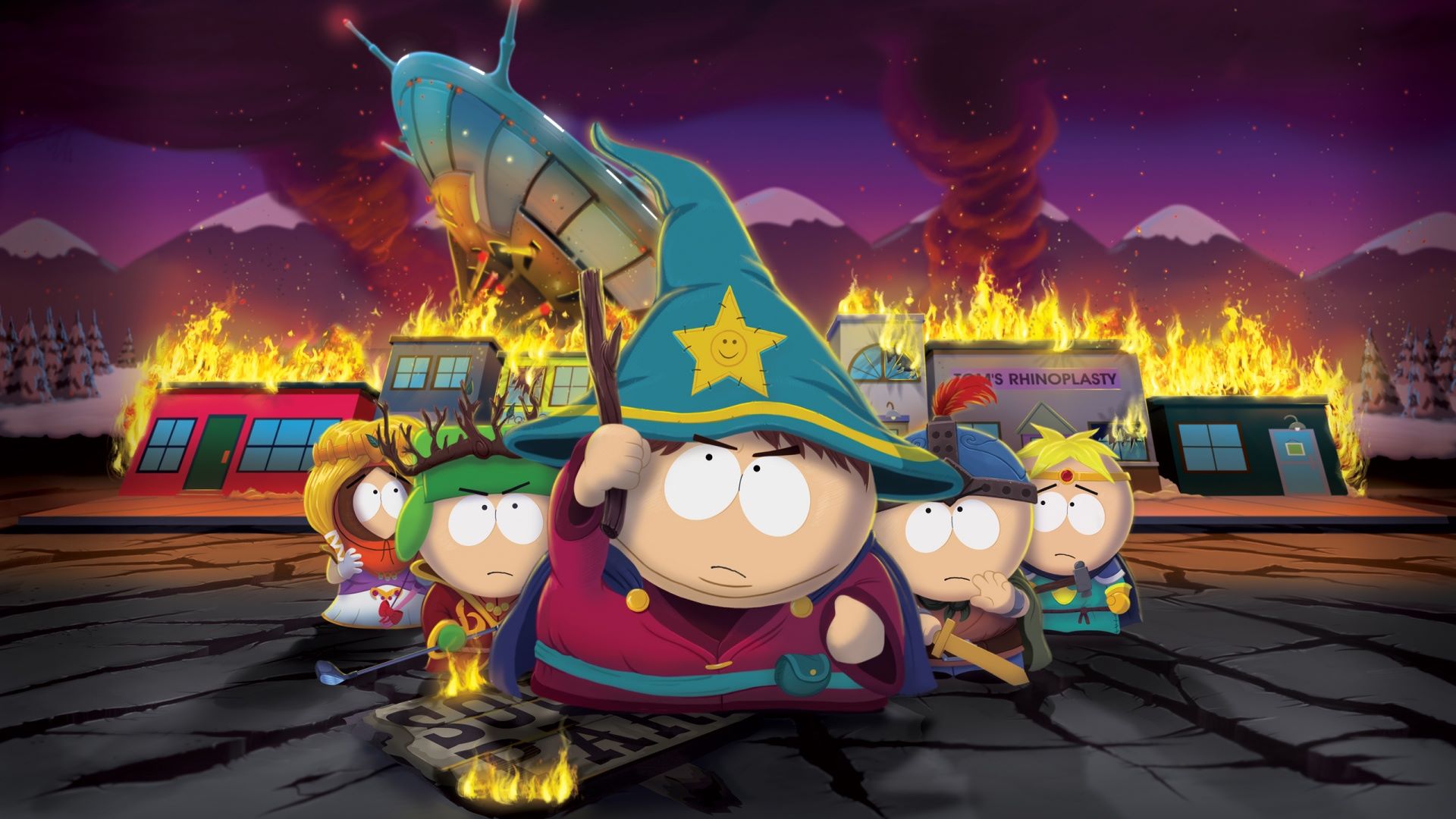
To avoid potential bans in Europe and Australia, Ubisoft removed some scenes from the game ‘South Park: The Stick of Truth’. These included an interactive abortion minigame and a segment involving an alien probe. Instead of letting players experience these scenes, the developers replaced them with text descriptions. This change was made to ensure the game would be approved by rating boards in different countries.
‘Persona 5’ (2016)
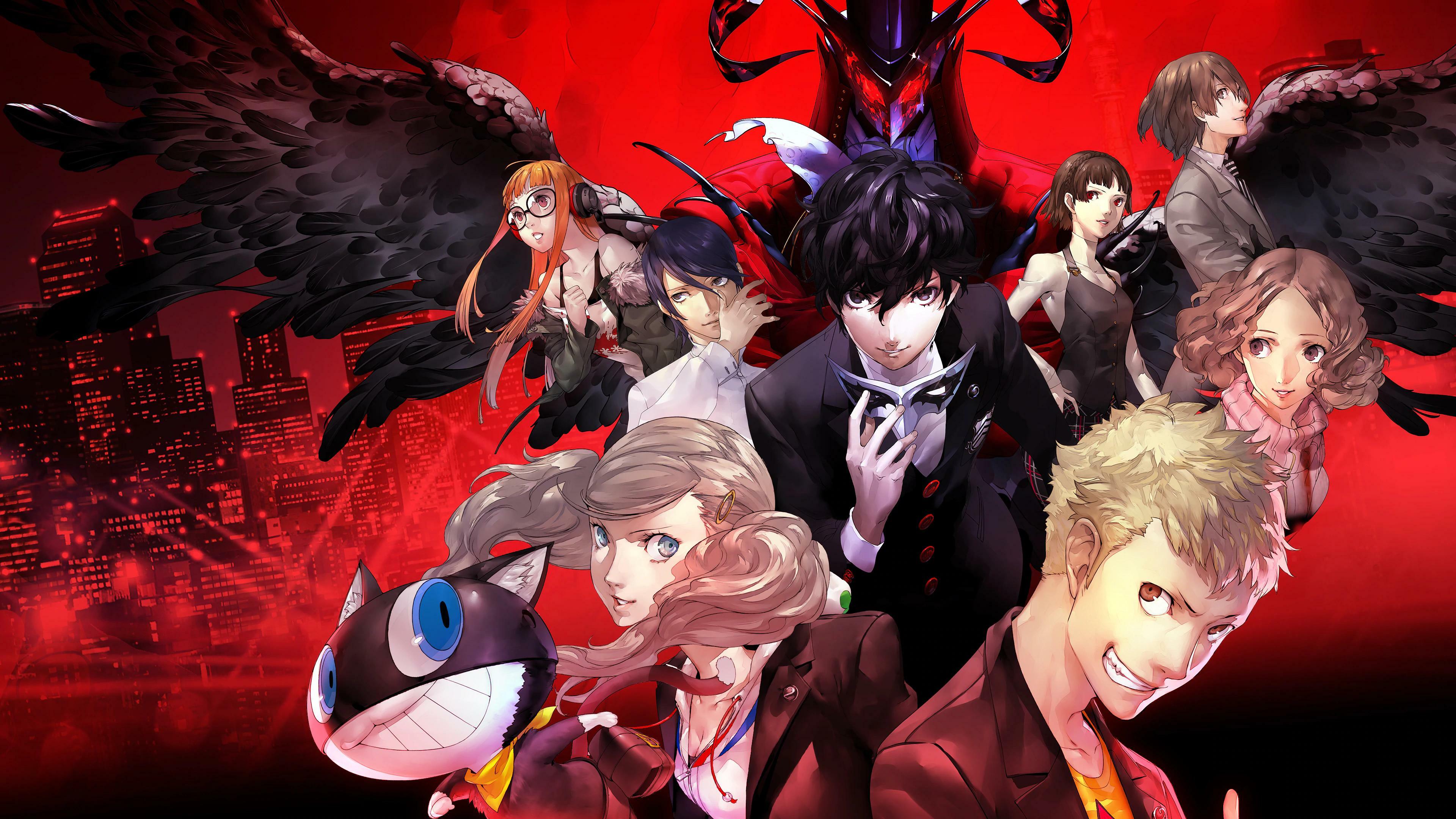
Ryuji Sakamoto, a character in ‘Persona 5’, initially wore sneakers with a design resembling the Rising Sun flag. This flag is seen as a symbol of Japanese imperialism by many in Asia. To avoid causing offense, Atlus removed the flag from versions of the game released in Western countries and Korea. They replaced it with a plain red design, keeping the character’s look while avoiding the controversial imagery. This change shows Atlus’s dedication to being mindful of historical sensitivities when releasing their games internationally.
‘Tom Clancy’s Rainbow Six Siege’ (2015)
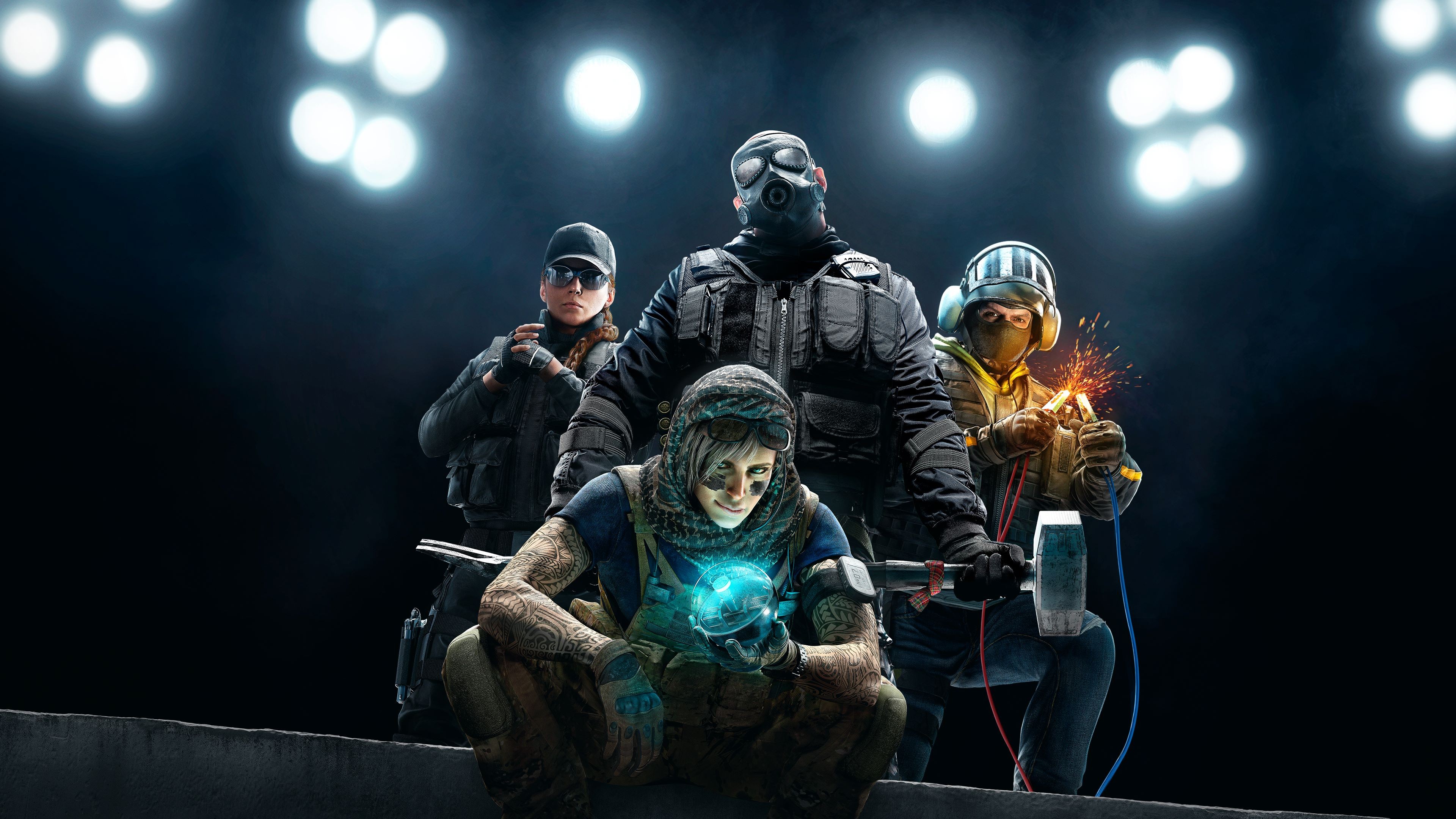
Ubisoft initially planned to alter ‘Tom Clancy’s Rainbow Six Siege’ to comply with Chinese regulations and gain access to that market. These changes included removing gambling elements, blood, skulls, and other violent imagery. However, players outside of China strongly disliked these modifications. As a result, Ubisoft decided to keep the original game intact for international players and create a separate, modified version specifically for China.
‘Fallout 3’ (2008)
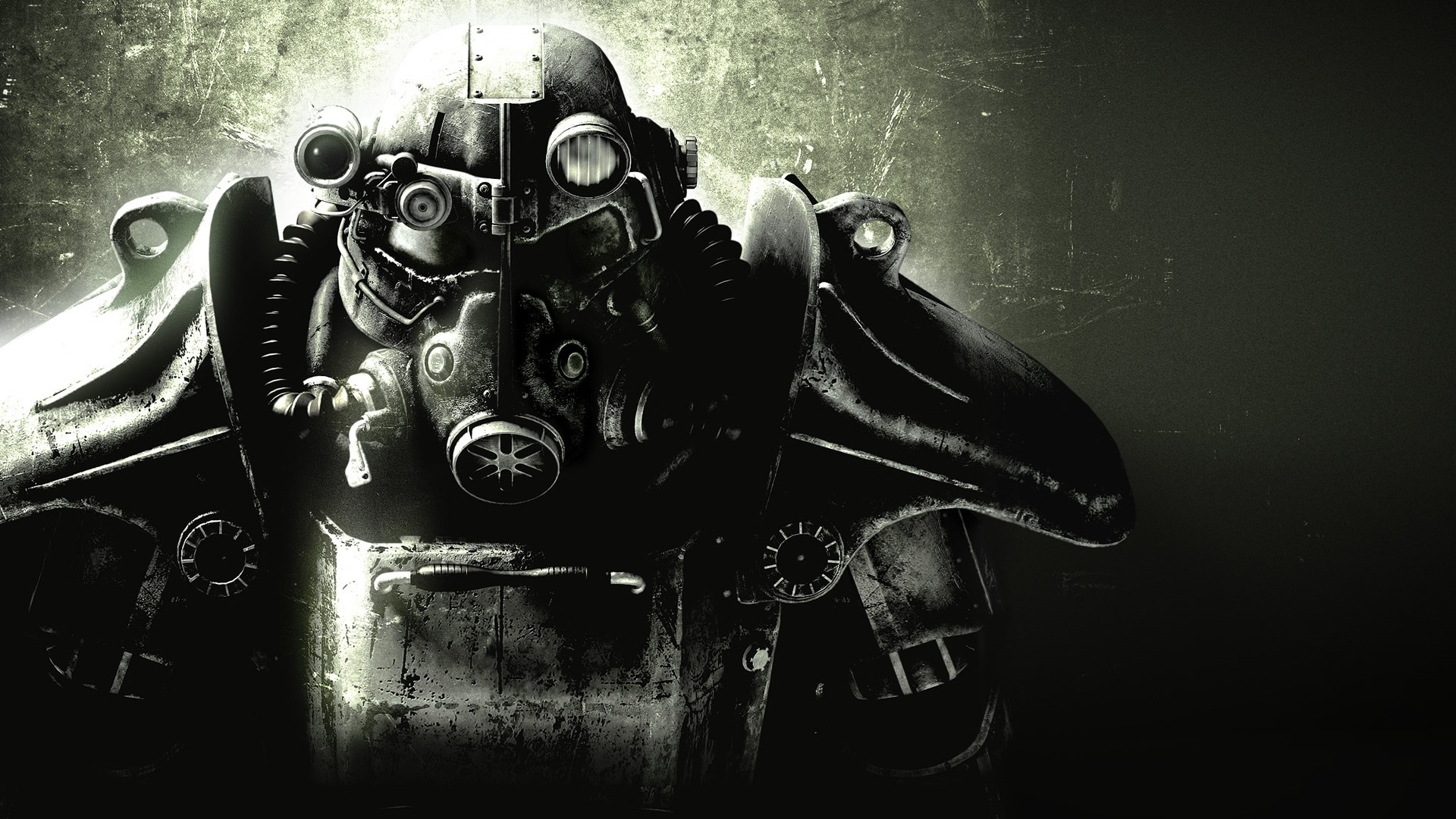
Bethesda changed a part of ‘Fallout 3’ for players in Japan because of the sensitive topic of nuclear bombs. The game includes a quest called ‘Power of the Atom’ where players can explode a nuclear bomb in a town. However, in the Japanese version, a character named Mr. Burke doesn’t appear in some scenes. This change was made to be respectful of Japan’s history, as the country has experienced a nuclear attack.
‘Six Days in Fallujah’ (2023)
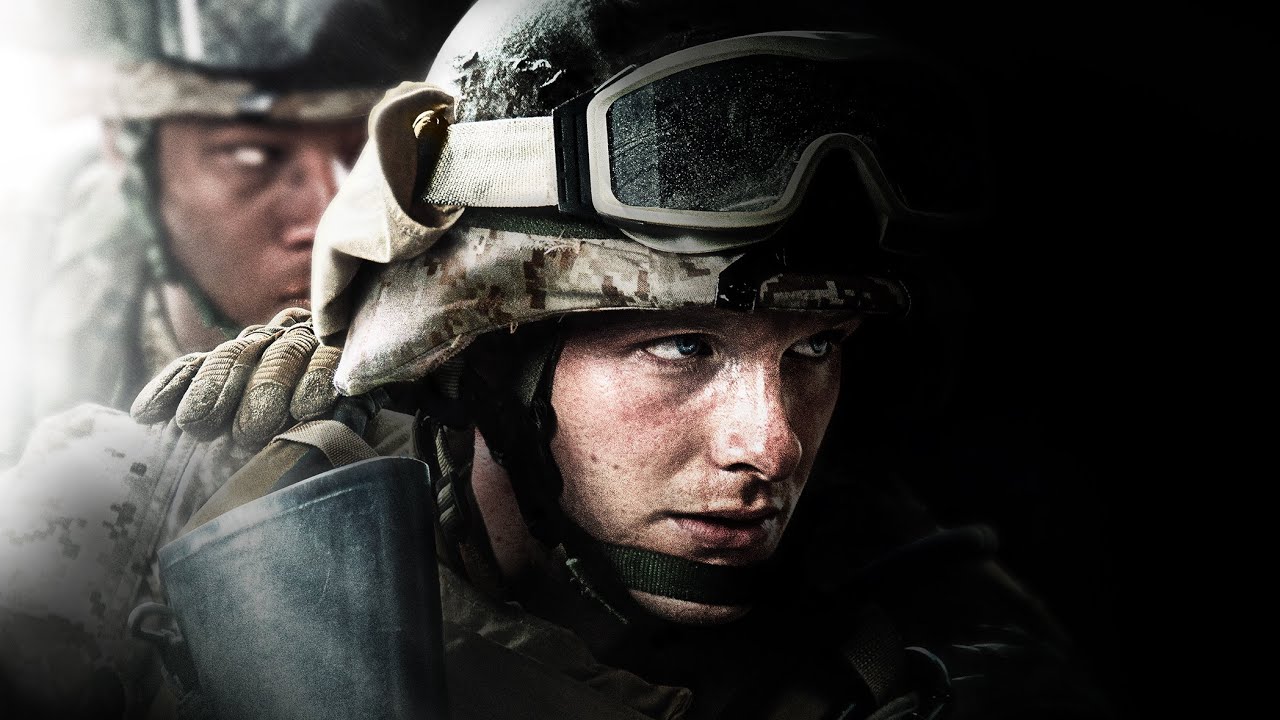
The game faced significant criticism and was delayed for years because of how it portrayed a real battle in Iraq. Some worried it could encourage recruitment or be hurtful to people affected by the war. Developers responded by saying they worked with military and civilian experts to create a realistic, documentary-style experience. The finished game concentrates on specific combat situations and avoids taking a political stance.
‘Devotion’ (2019)
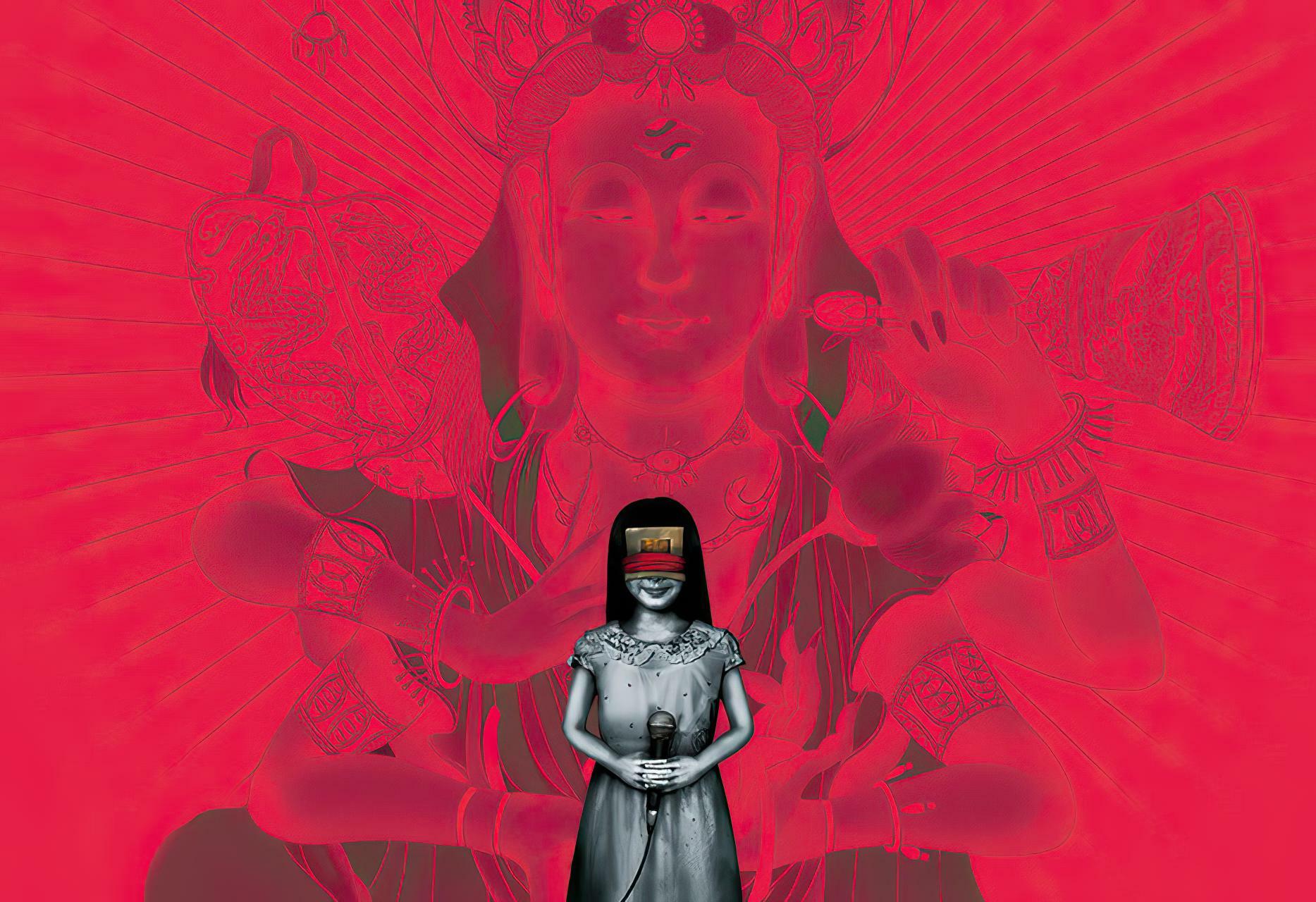
The horror game ‘Devotion’ was taken down from online stores when players found a hidden joke that made fun of Chinese President Xi Jinping. The joke involved a religious symbol with text comparing him to Winnie the Pooh, a comparison that’s not allowed in China. This led to a flood of negative reviews and the game’s publisher in China pulling out. The game’s developer, Red Candle Games, eventually released it directly to players after being unable to get it back on major platforms.
‘Mortal Kombat 11’ (2019)

In ‘Mortal Kombat 11,’ NetherRealm Studios designed the female characters with less revealing costumes than in past games. The lead designer explained they wanted the fighters to appear practical and ready for combat. This change was viewed as a positive step towards more inclusive and modern character representation, and while some players preferred the older designs, the new look was largely well-received as a more professional approach.
‘Smite’ (2014)
Some Hindu groups criticized the initial design of the goddess Kali in the game ‘Smite,’ finding it too revealing and unlike traditional representations. Leaders within those groups pointed out the depiction didn’t match the deity’s established imagery. The game developers, Hi Rez Studios, responded by redesigning Kali with more modest clothing and a look closer to traditional depictions. They also adjusted her movements and overall appearance to better reflect respect for the Hindu faith.
‘Dota 2’ (2013)
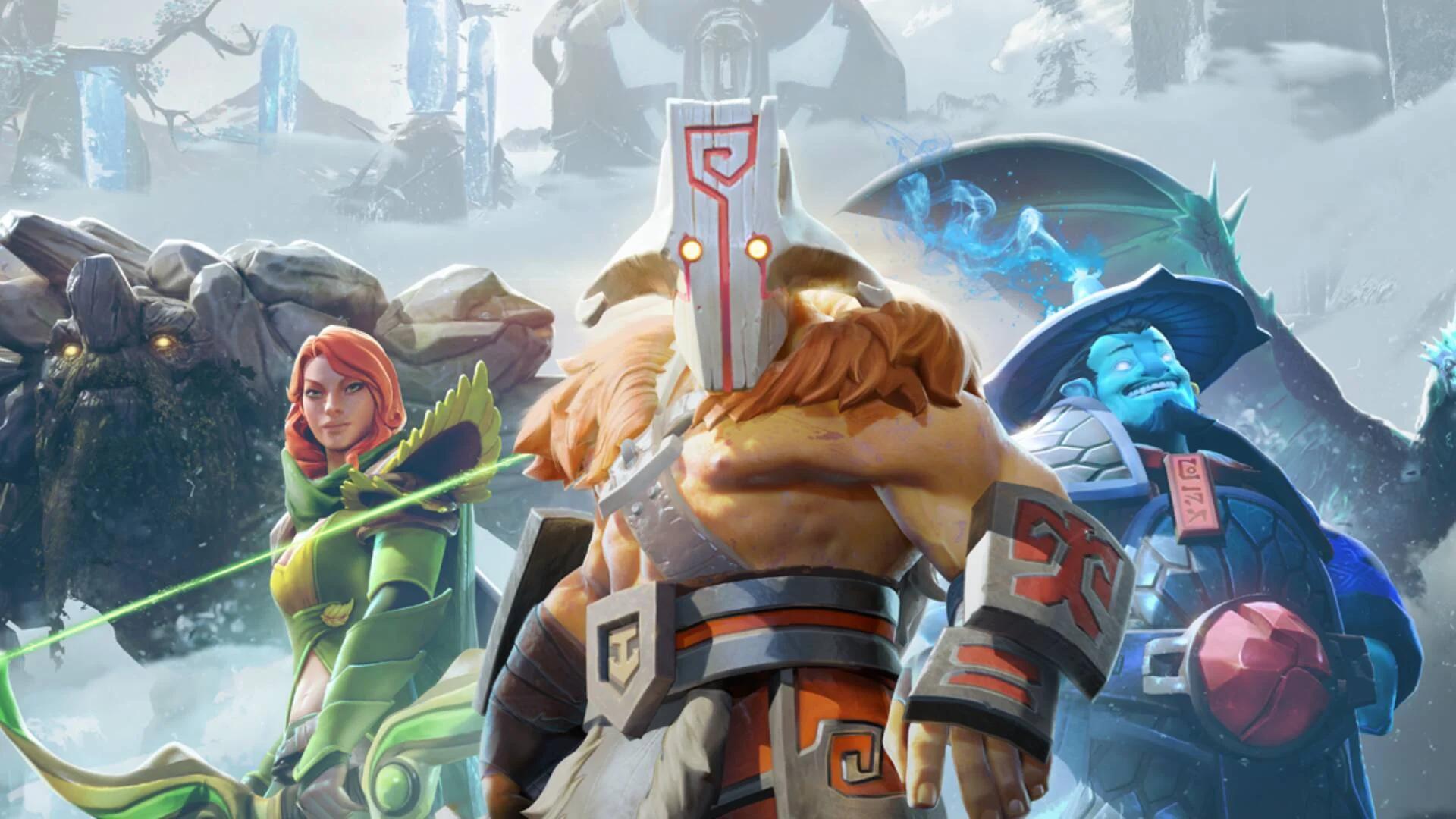
Valve temporarily updated the character Skeleton King to Wraith King for a holiday event, giving him a ghostly green appearance instead of a skeletal one. Many players think this change was made to meet rules in China, which limit how human skeletons can be shown in games and other media. This allowed ‘Dota 2’ to look the same worldwide while still respecting local regulations in China.
‘League of Legends’ (2009)
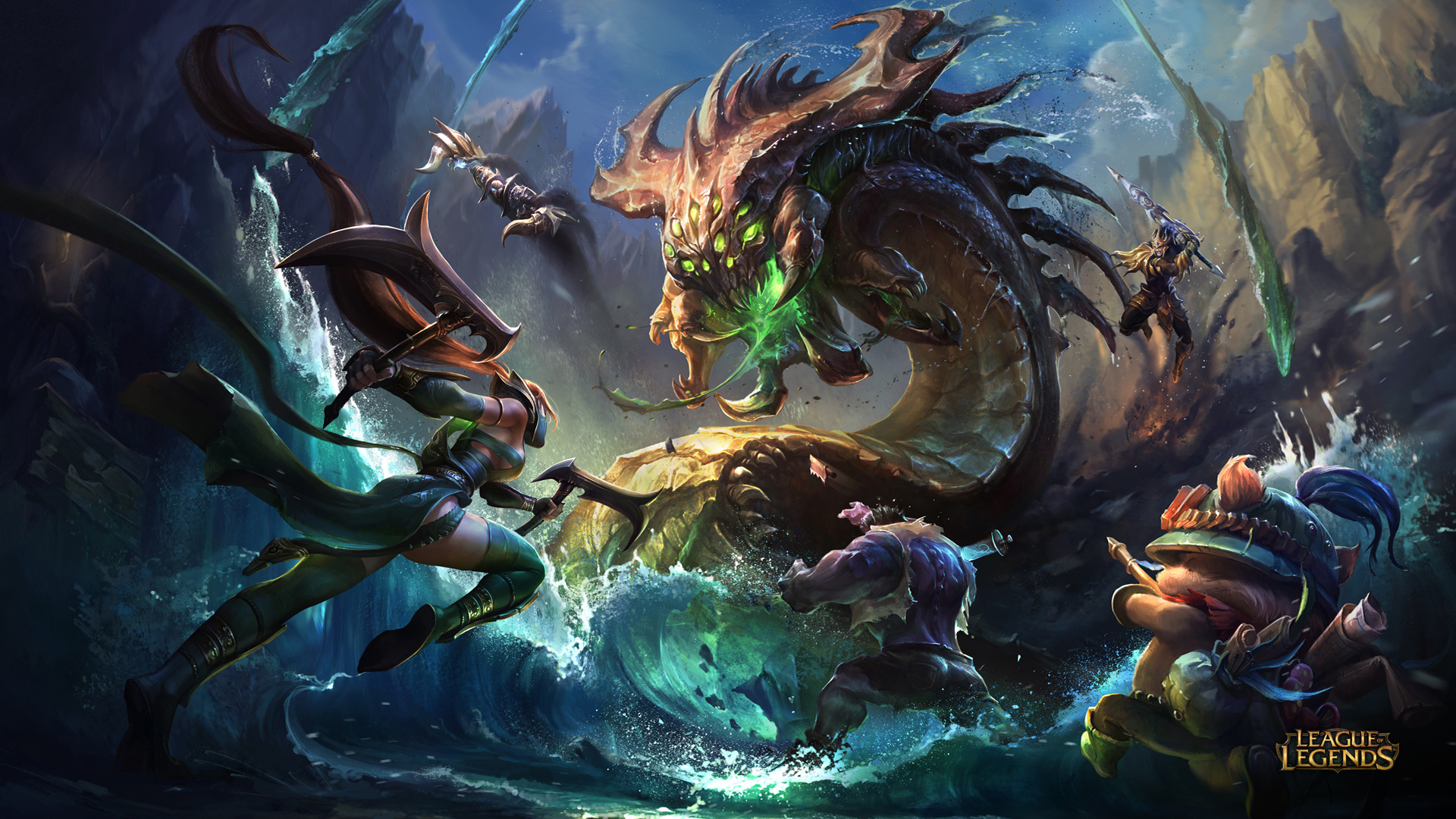
Riot Games took out a cigar from the artwork of the character Graves to follow anti-smoking laws in some countries. They explained this change was needed to keep the game rated for younger players and make sure it could be sold worldwide without problems. While the change led to a lot of jokes among players, it stayed that way for several years. Eventually, once laws changed, the cigar was added back to the character in some versions of the game.
‘Hitman: Absolution’ (2012)
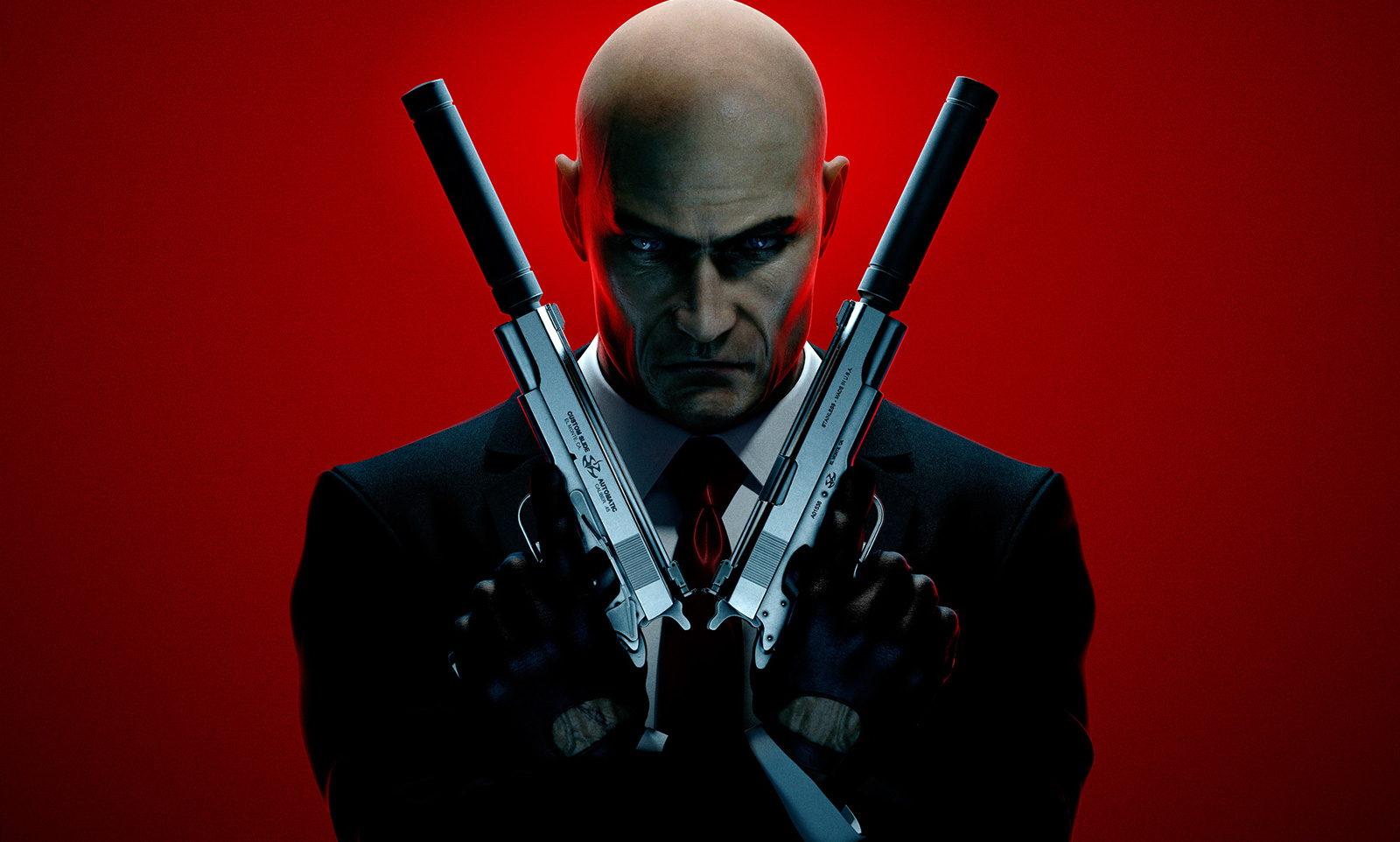
As a fan, I was pretty surprised by that initial trailer IO Interactive put out. It featured these characters dressed as nuns, but the outfits were… well, a bit much, and a lot of people, myself included, felt it was disrespectful and just didn’t fit the game. It felt totally unnecessary. Thankfully, the developers listened to the feedback and quickly apologized. They even changed some things in the game to make sure the overall tone was better. They admitted it was a misstep and thankfully, the final game feels much more focused and realistic – which is what we all wanted!
‘Catherine’ (2011)
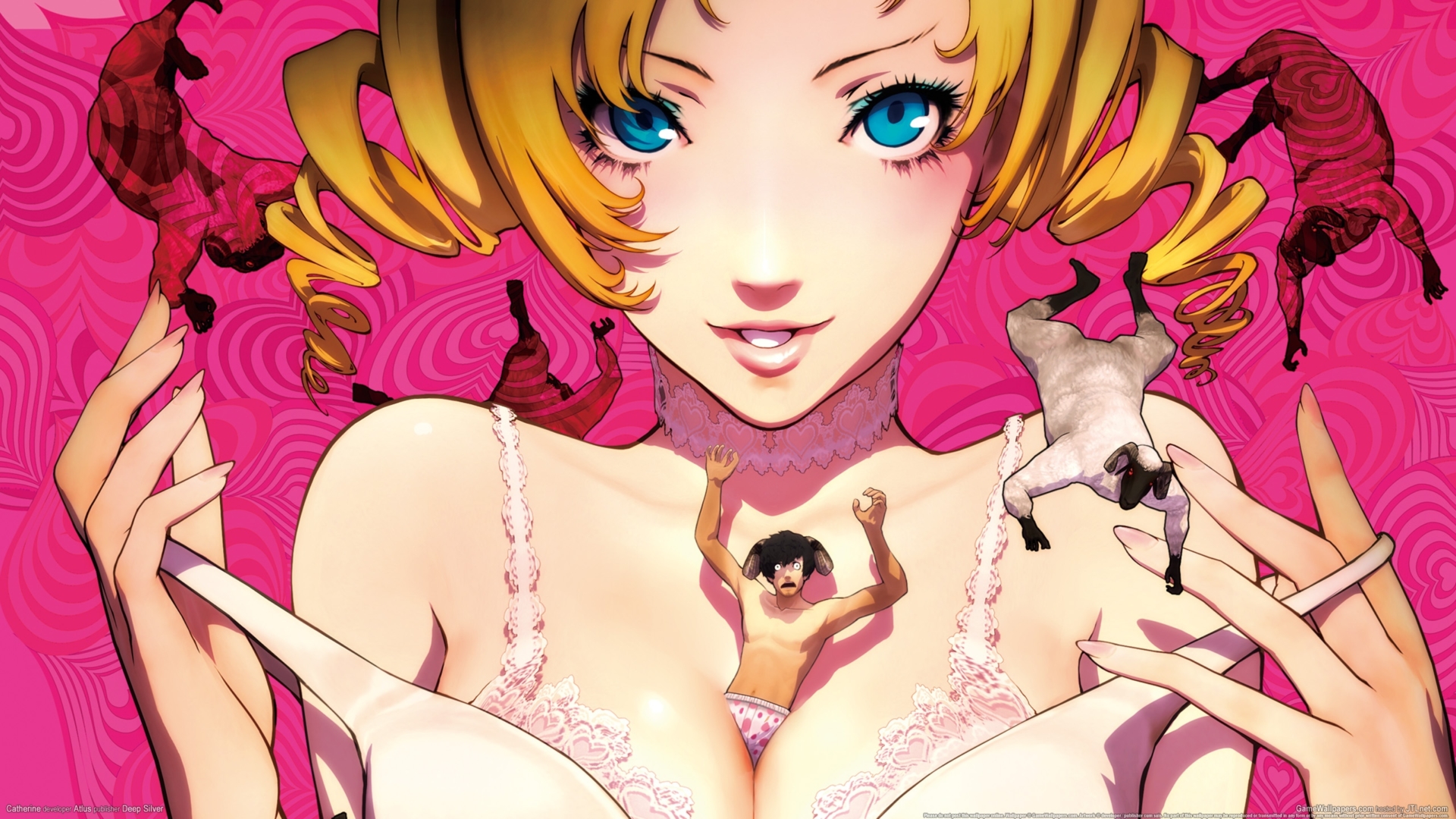
The remaster of the puzzle game ‘Catherine,’ called Full Body, made changes to how it portrays a transgender character, Erica. Players and critics pointed out that the original game used Erica’s previous name and included dialogue that some found hurtful. The updated version now uses her chosen name in the credits and has revised conversations to be more respectful and inclusive. These adjustments were made to update the story and ensure it doesn’t offend players with outdated representations.
‘Bravely Default’ (2012)
To avoid issues with character ages, Nintendo and Square Enix changed some outfits and ages for the Western release of ‘Bravely Default.’ They made costumes more modest by adding fabric and increased the main characters’ ages from fifteen to eighteen. These changes were made to better suit Western audiences and ensure the game received an appropriate rating.
‘Fire Emblem Fates’ (2015)
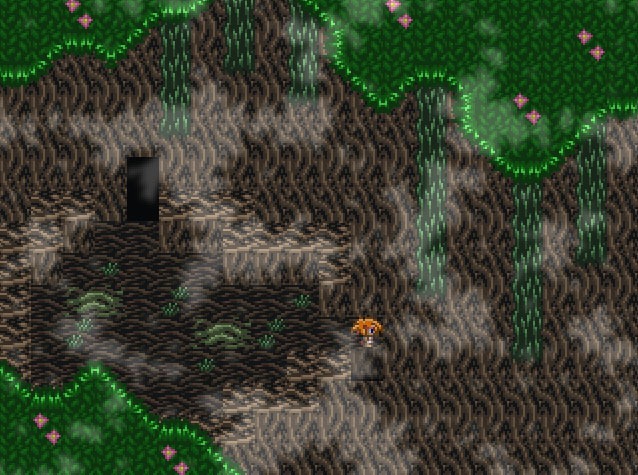
When ‘Fire Emblem Fates’ was released in the West, a feature where players could pet their allies’ faces to build relationships was removed. Nintendo felt this interaction might be seen as odd or make players uncomfortable, so they replaced it with a simpler way to strengthen bonds that didn’t use the touch screen. This change was made to emphasize the game’s strategic gameplay and story.
‘Xenoblade Chronicles X’ (2015)
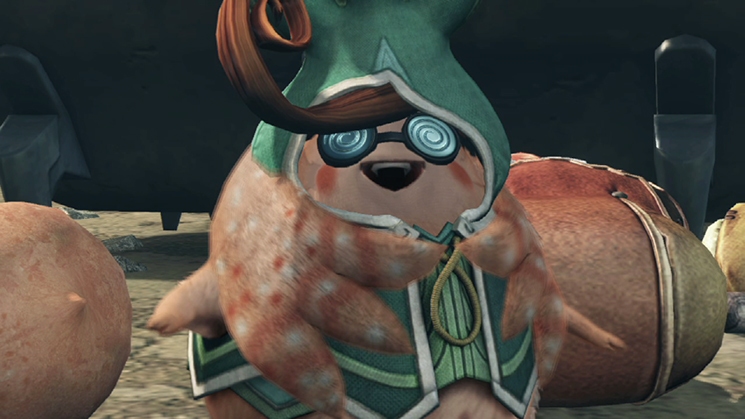
For the Western release of ‘Xenoblade Chronicles X’, Monolith Soft removed a feature that allowed players to adjust the breast size of female characters. They also made some armor designs less revealing. These changes were made to ensure the game was suitable for younger players in North America and Europe, and they reflect a wider conversation about how gender and customization are handled in role-playing games worldwide.
‘Tokyo Mirage Sessions #FE’ (2015)
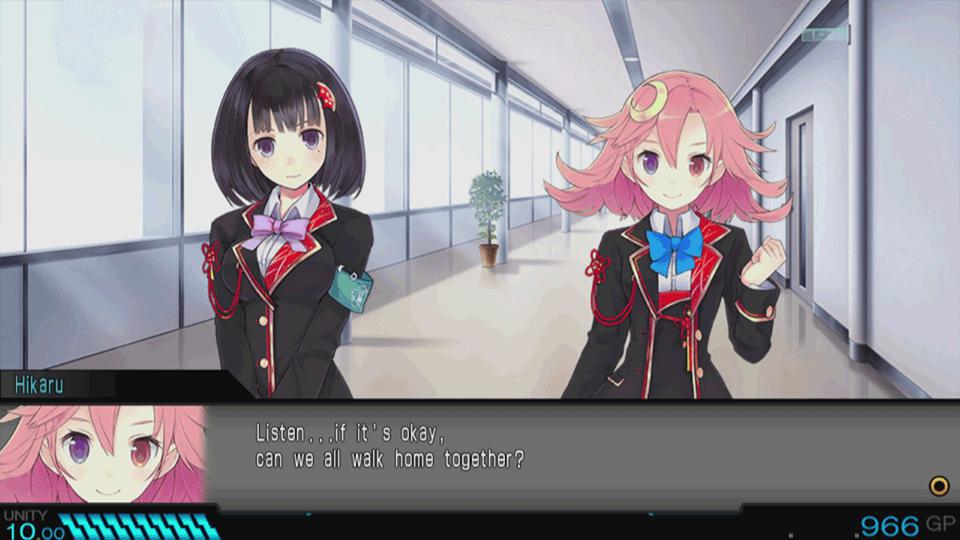
When this game, which combines elements from Shin Megami Tensei and Fire Emblem, was released outside of Japan, some content was altered. For example, a dungeon originally themed around swimwear was changed to focus on general fashion. Additionally, some character outfits were adjusted to be more modest in both gameplay and story scenes. These changes were made to comply with different countries’ rating systems and to be more appropriate for various cultures.
‘Saints Row’ (2006)
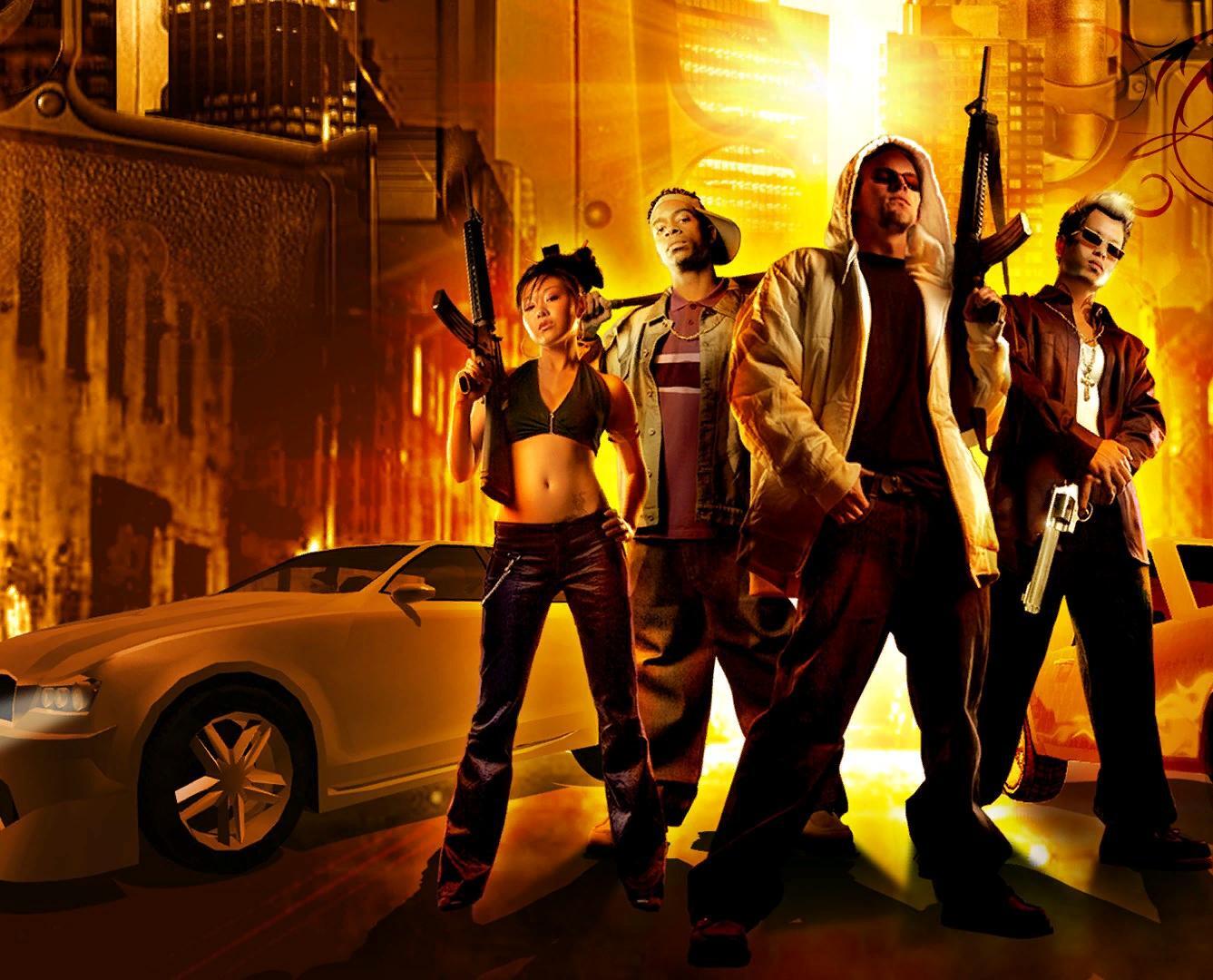
To release the ‘Saints Row’ game in Japan, the developers, Volition, had to remove a weapon called ‘The Penetrator.’ This weapon, a large purple adult toy used as a club, was considered unsuitable for sale by Japanese censors. Getting a rating from the Japanese rating board, CERO, required this change, and a few other minor adjustments were also made to the game’s content to meet local regulations.
‘Dead or Alive Xtreme 3’ (2016)
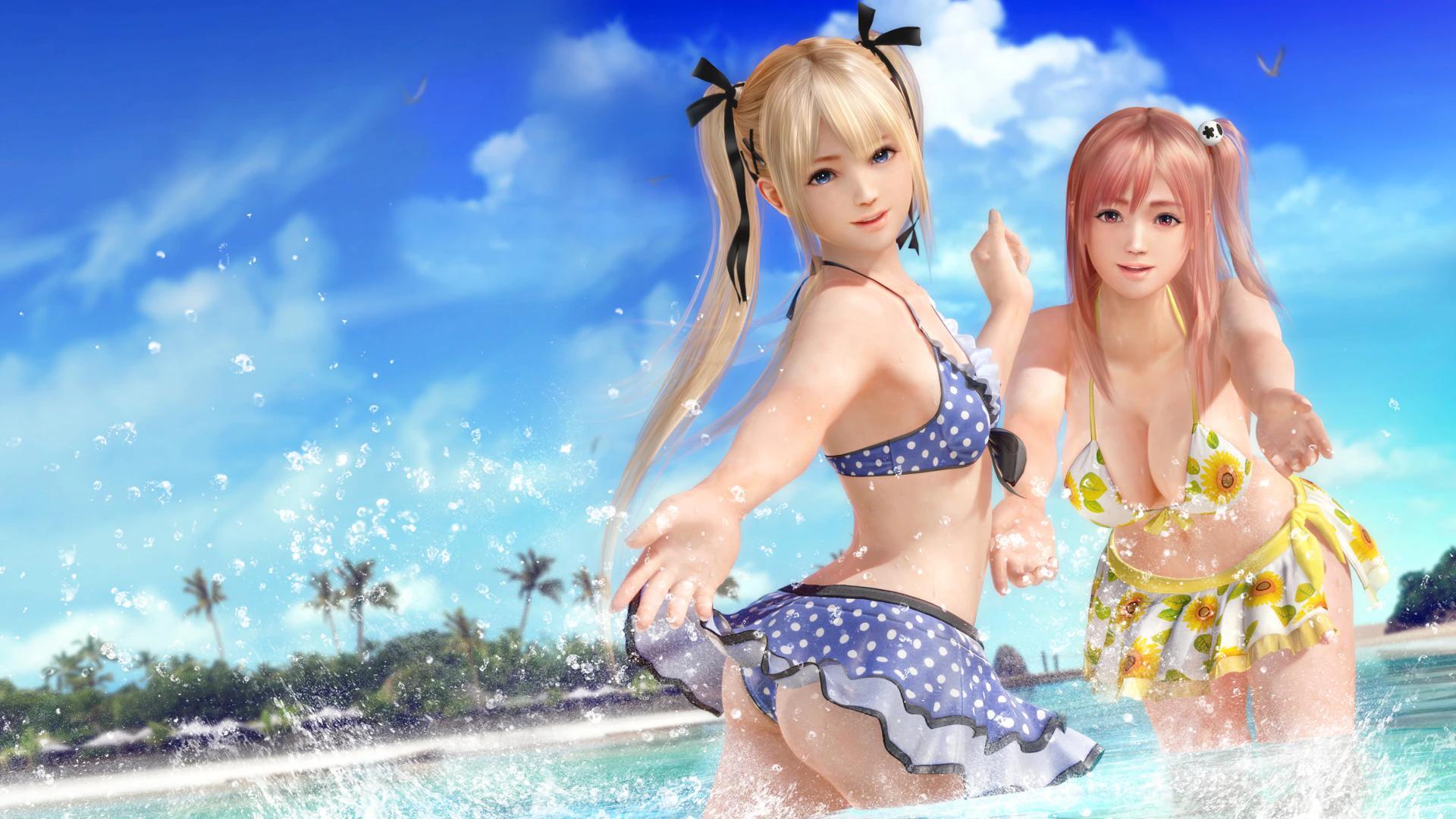
Koei Tecmo chose not to release ‘Dead or Alive Xtreme 3’ in North America and Europe because of how it portrays women. The company was worried about negative reactions given current social attitudes. Although the game was still sold in Asia, its absence in Western markets emphasized differing cultural expectations around content aimed at fans. This decision led to discussions about censorship and how Japanese games and media are adapted for different regions.
‘Yakuza 3’ (2009)
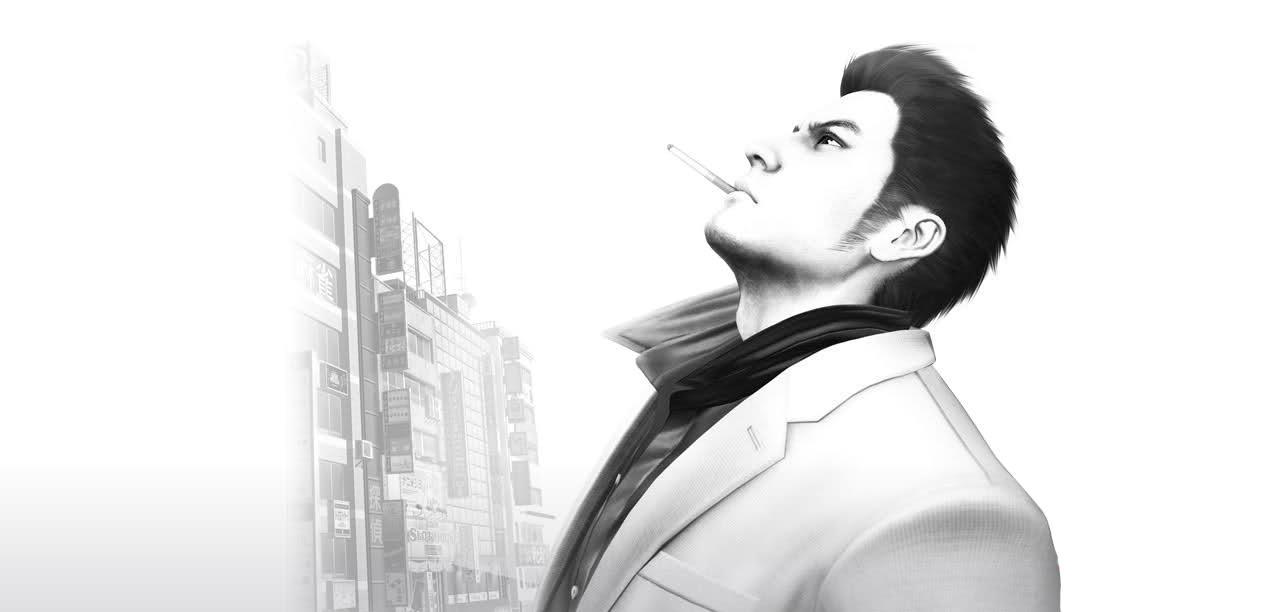
When ‘Yakuza 3’ was first released in the West, Sega cut out several optional activities and quests. This included a complete minigame where you managed a hostess club. The publishers felt these features were too rooted in Japanese culture and wouldn’t resonate with Western players. They also removed a challenging history quiz focused on Japanese culture. However, after fans asked for a more genuine experience, much of this content was added back in the remastered version.
‘Genshin Impact’ (2020)
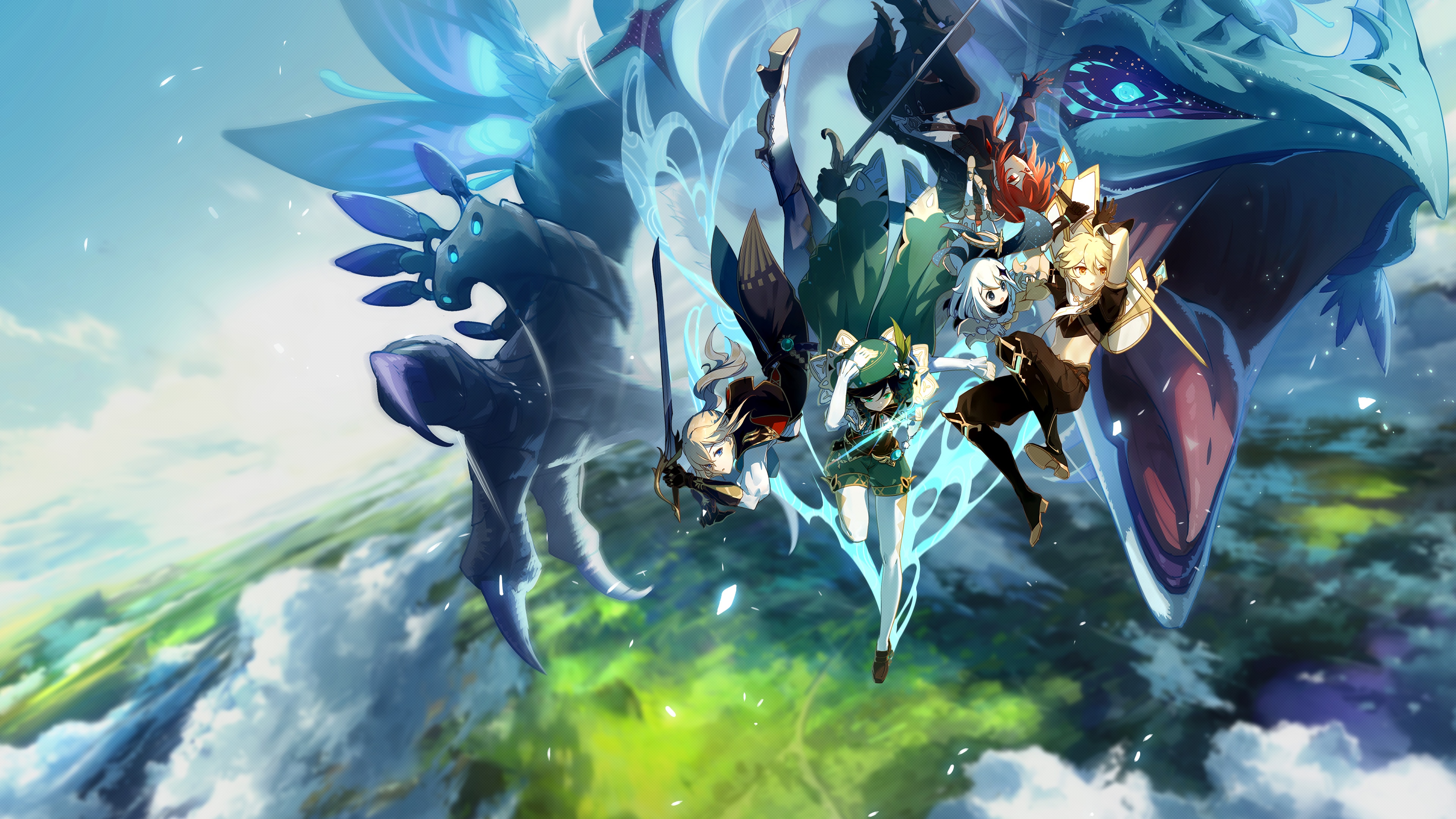
To meet stricter rules in China, HoYoverse released new, more modest outfit options for some characters in ‘Genshin Impact,’ like Jean and Amber. These outfits cover more skin during gameplay. While these changes were required for players in China, the rest of the world received them as free, optional skins, giving players a choice while still allowing the game to comply with local laws.
‘Splatoon’ (2015)
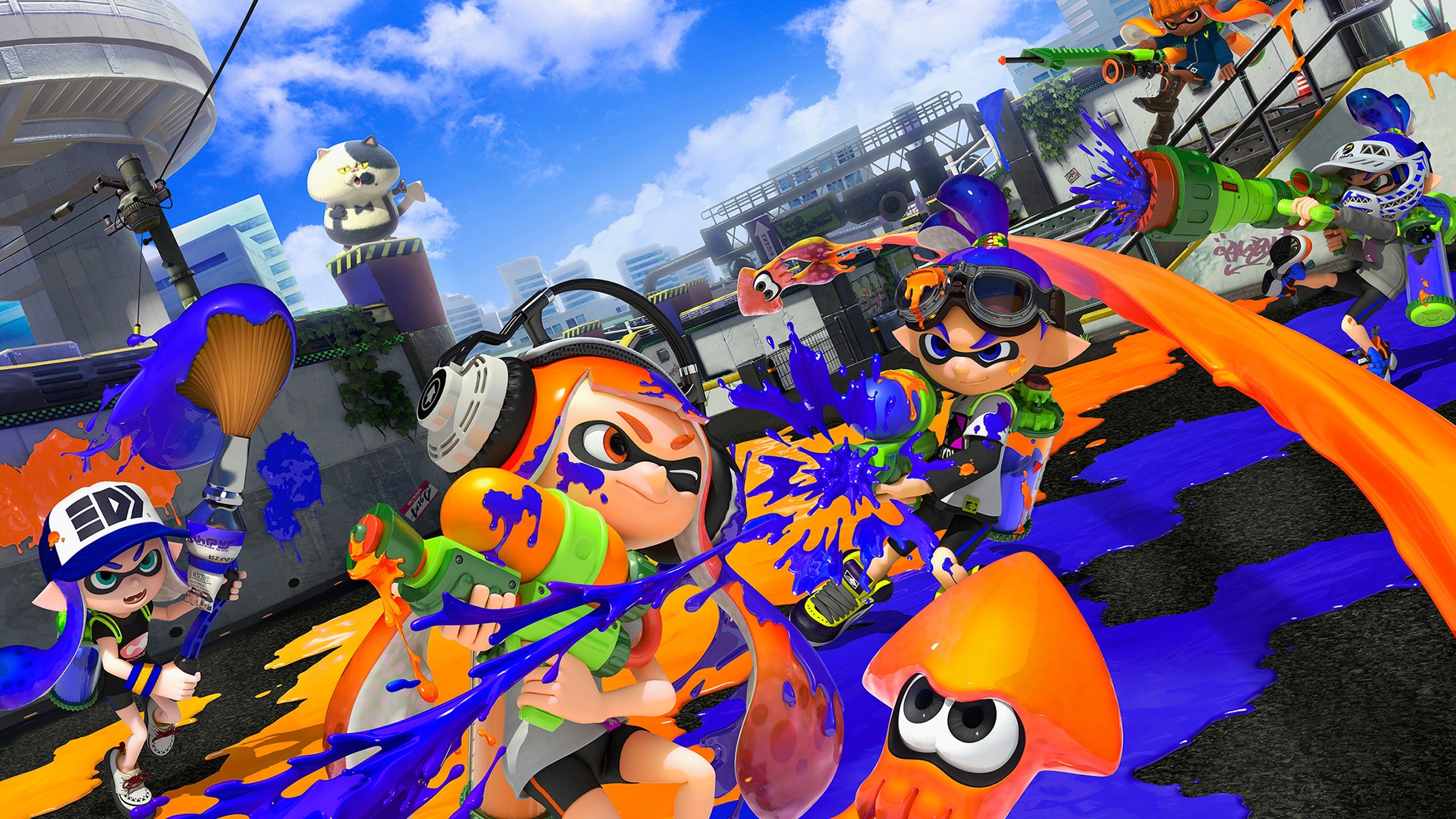
Nintendo adjusted an animation for a character in ‘Splatoon’ after it was seen as offensive in some European countries. The original animation, where the character pumped her fist, looked similar to an insulting gesture in places like Italy and France. To prevent causing offense, the developers changed it to a standard victory pose.
‘Injustice 2’ (2017)
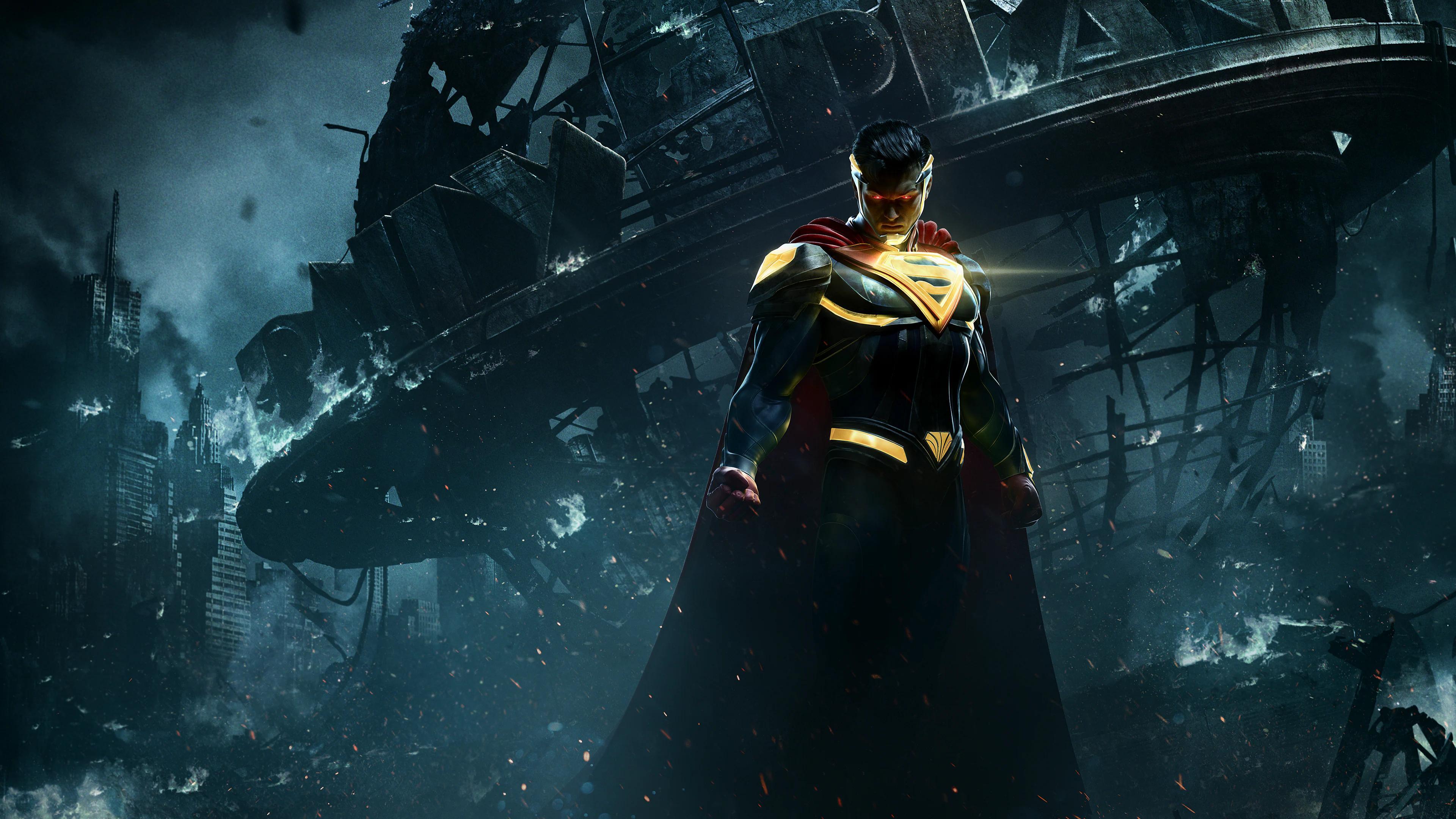
NetherRealm Studios changed a line of dialogue for the character Starfire after players noted it was offensive. The original line contained a harmful racial stereotype that many found inappropriate. The developers promptly fixed the issue with an update after the game launched, demonstrating their commitment to listening to player feedback and addressing cultural sensitivity concerns.
‘The Last of Us Part II’ (2020)
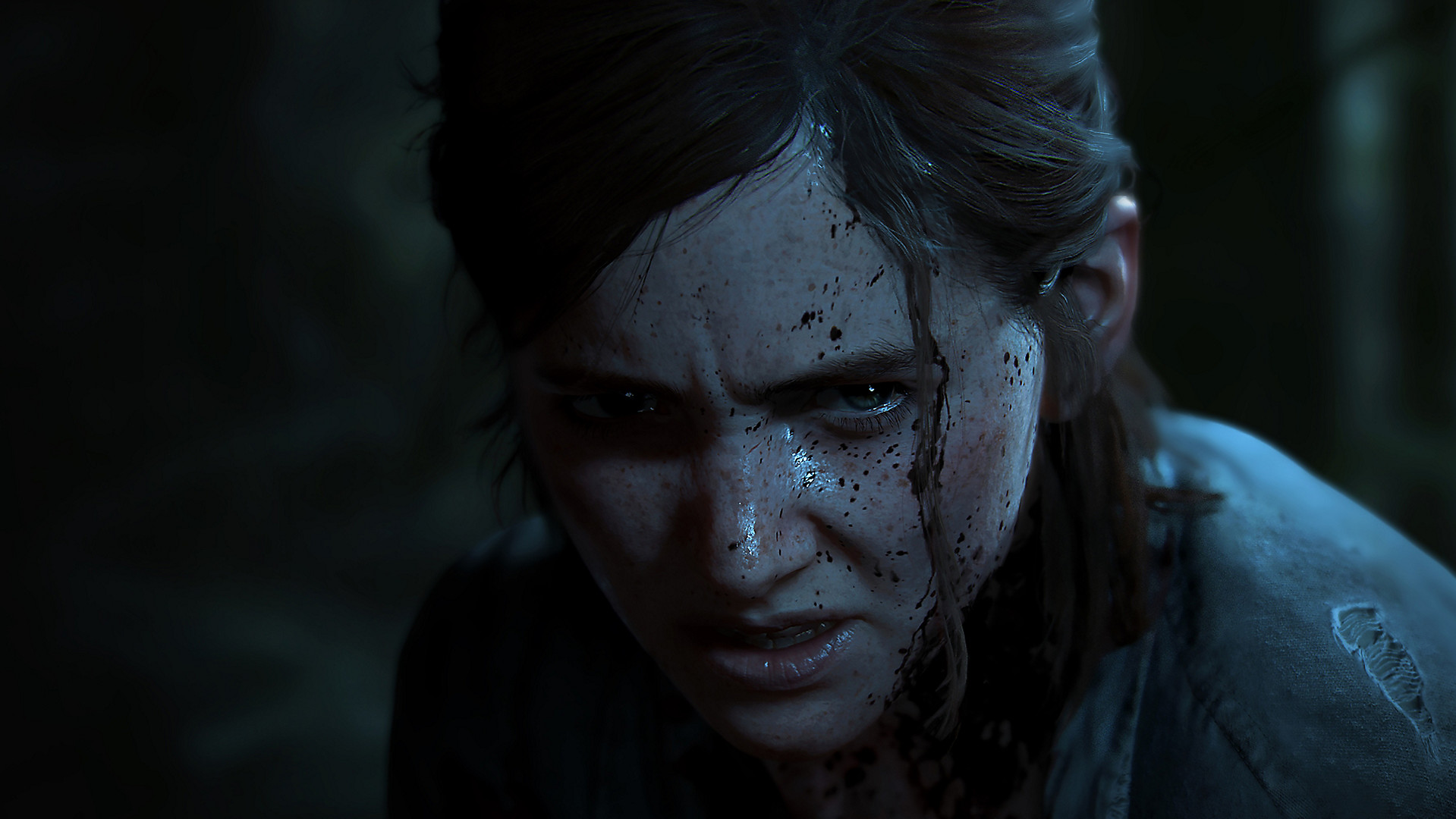
Naughty Dog carefully revised details and artwork in ‘The Last of Us Part II’ to ensure everything was culturally sensitive and respectful. Players pointed out some textures that could be seen as offensive to certain groups, and the developers quickly fixed this with a game update. They replaced the problematic images with neutral alternatives to maintain the game’s realistic and serious atmosphere.
‘Guilty Gear Strive’ (2021)
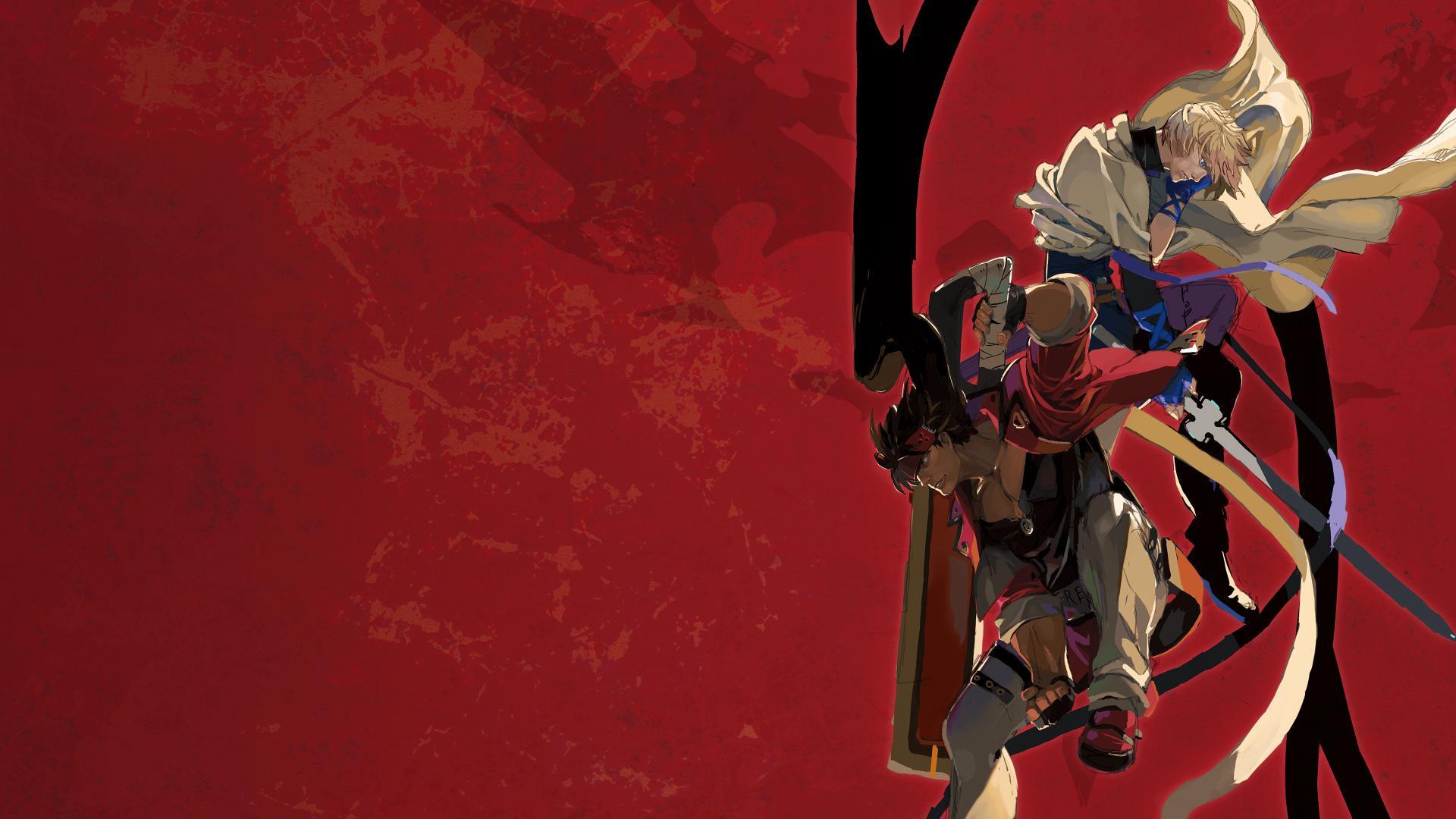
Arc System Works updated the backstory details in ‘Guilty Gear Strive’ to remove references to certain areas as separate countries. This was done after requests to meet political requirements in some regions. While the change allows wider access to the game, some fans are upset because it feels like the story’s consistency was sacrificed. The situation shows how difficult it can be for Japanese game developers to navigate global politics while still staying true to their artistic vision.
‘Hearts of Iron IV’ (2016)
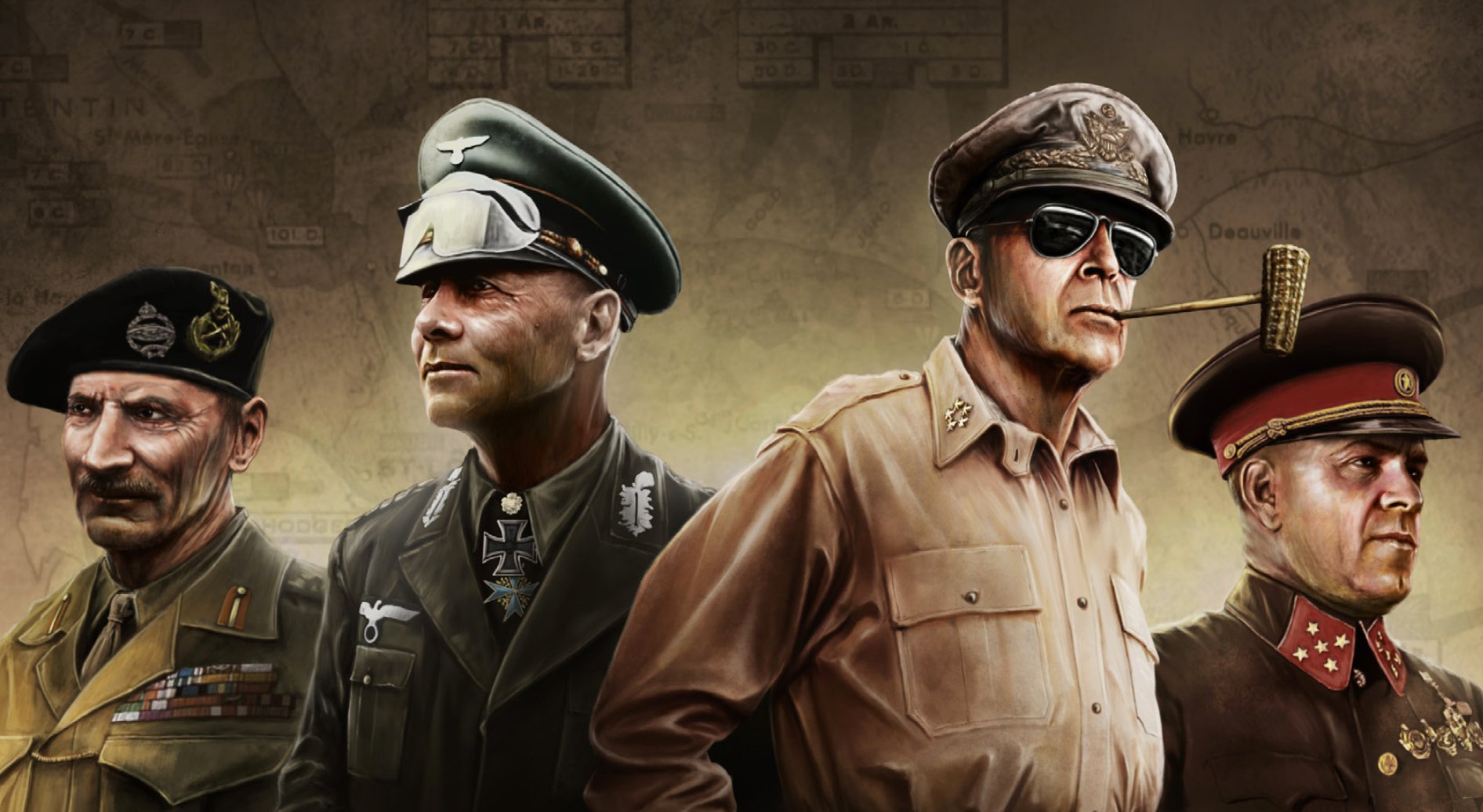
The strategy game ‘Hearts of Iron IV’ has a special version for players in China. To comply with local laws regarding political symbols and historical figures, the game removes certain flags and portraits. This also includes changes to the map. These adjustments ensure Chinese players can still enjoy the game while respecting the country’s regulations.
‘World of Warcraft’ (2004)
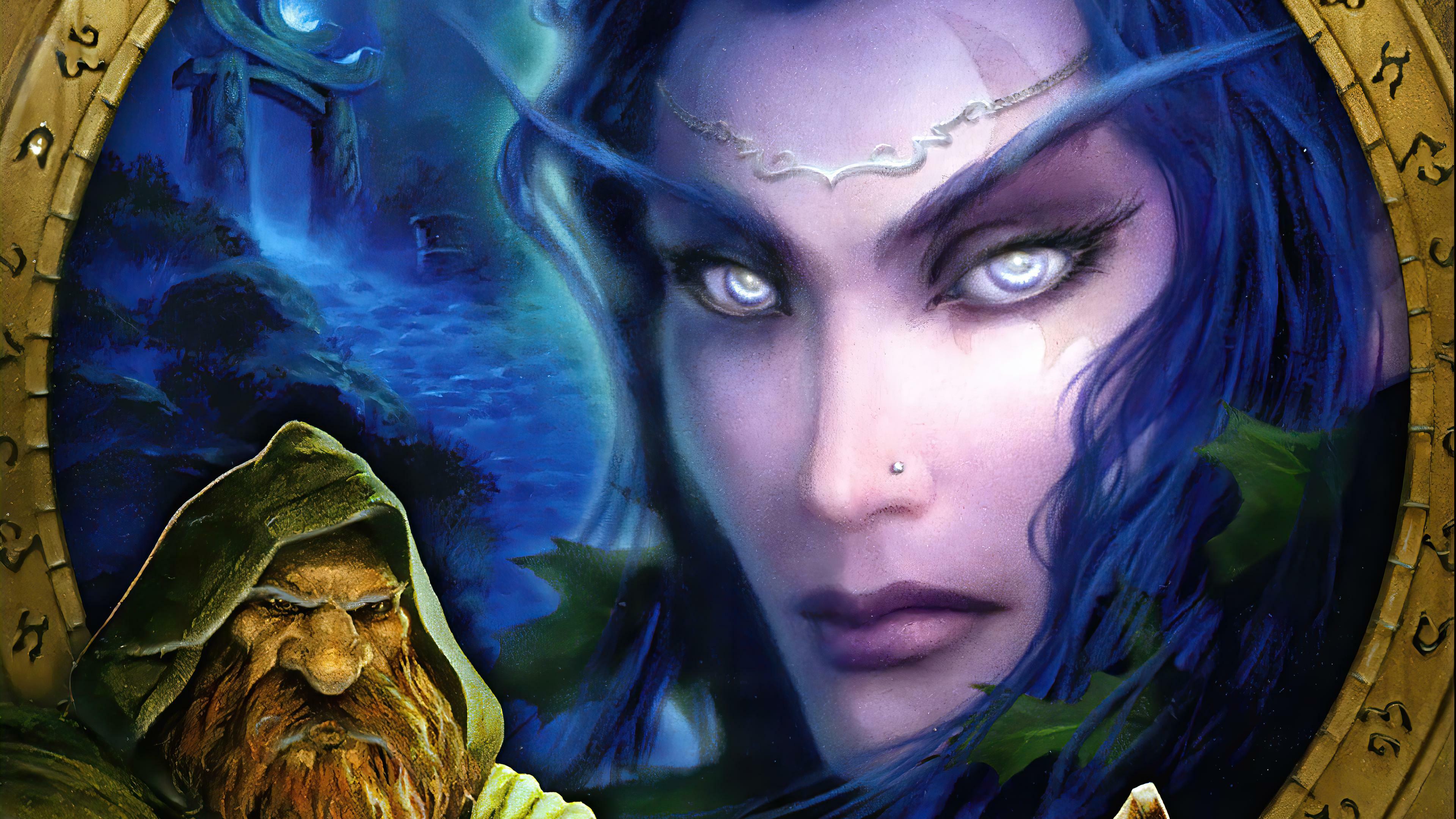
To make ‘World of Warcraft’ suitable for players in China, Blizzard Entertainment made some visual adjustments. They replaced images of corpses and skeletons with things like sacks of grain, as Chinese culture has restrictions on showing the dead. Some characters, like Sylvanas Windrunner, also had their outfits changed to provide more coverage. These updates were necessary for the game to comply with local laws and cultural norms and be legally available in China.
‘Final Fantasy XIV’ (2010)
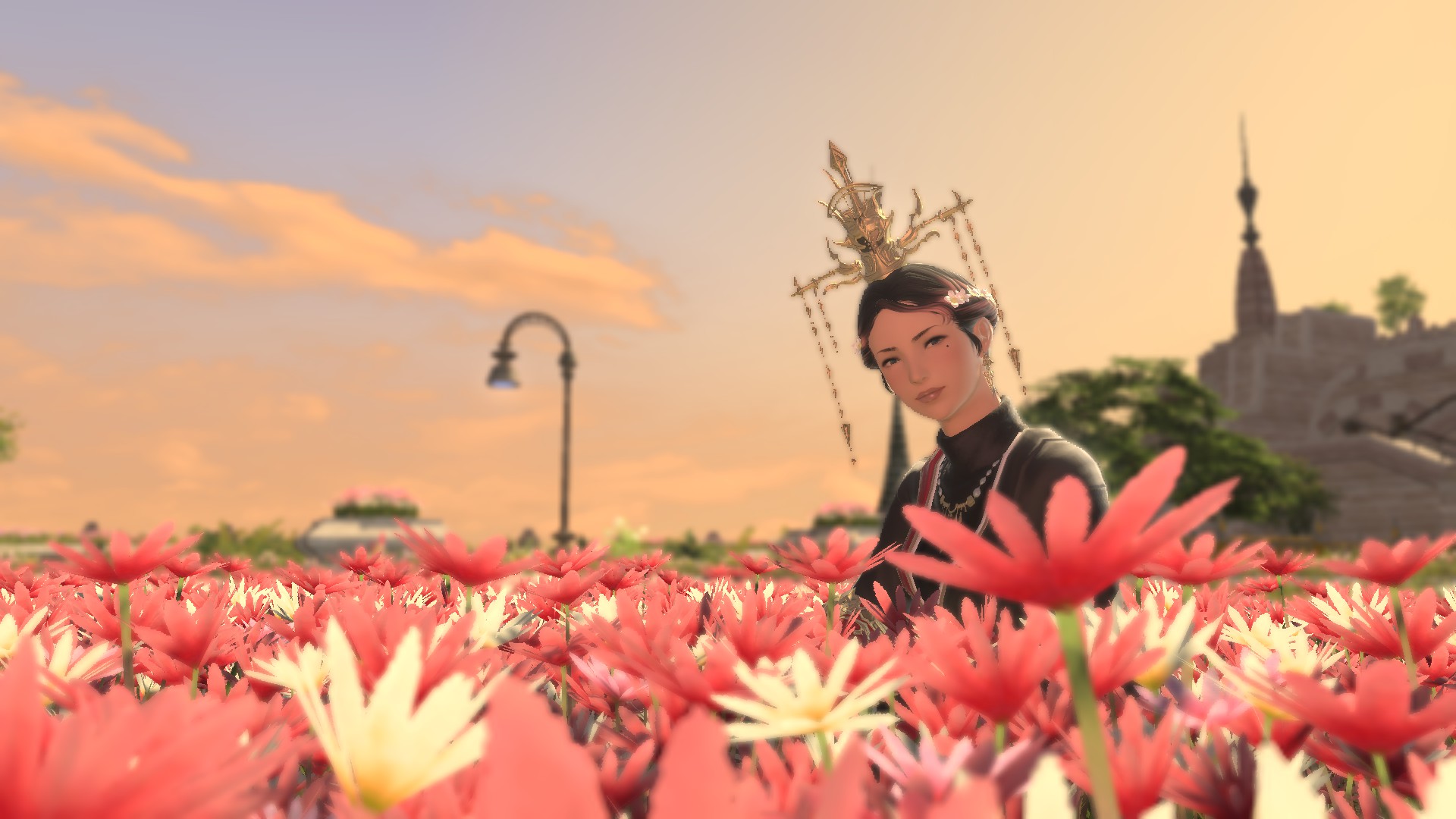
Square Enix has been updating ‘Final Fantasy XIV’ to be more respectful of different cultures. This included revising animations of traditional dances to avoid unintentionally making fun of real-world cultures and changing the names of some equipment that used potentially offensive language. The developers are committed to making the game welcoming and inclusive for everyone.
‘Age of Empires’ (1997)
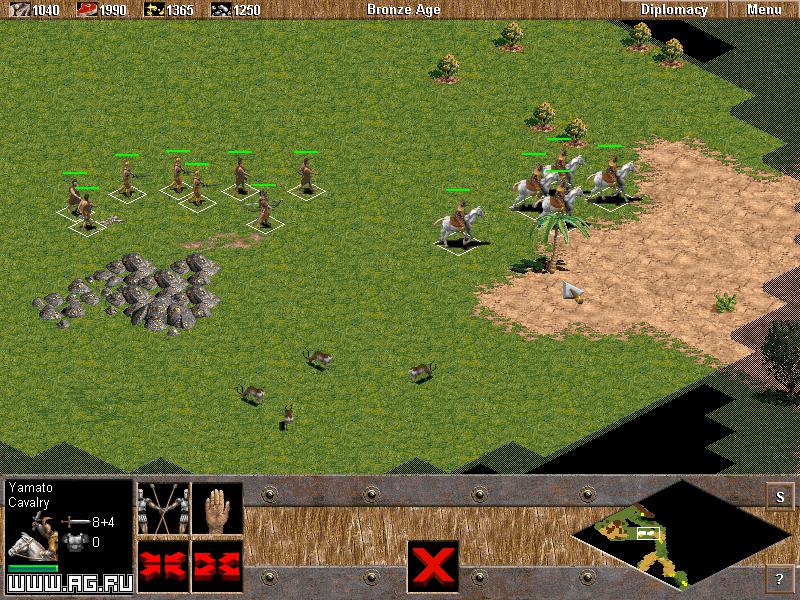
The creators of ‘Age of Empires’ modified how the priest unit and religious conversions were portrayed in the game to avoid offending anyone and to comply with laws in countries with strong religious restrictions. They made the sounds and visuals more general and symbolic, rather than referencing any particular religion, so the game could focus on its historical strategy gameplay instead of religious themes.
‘Dying Light’ (2015)
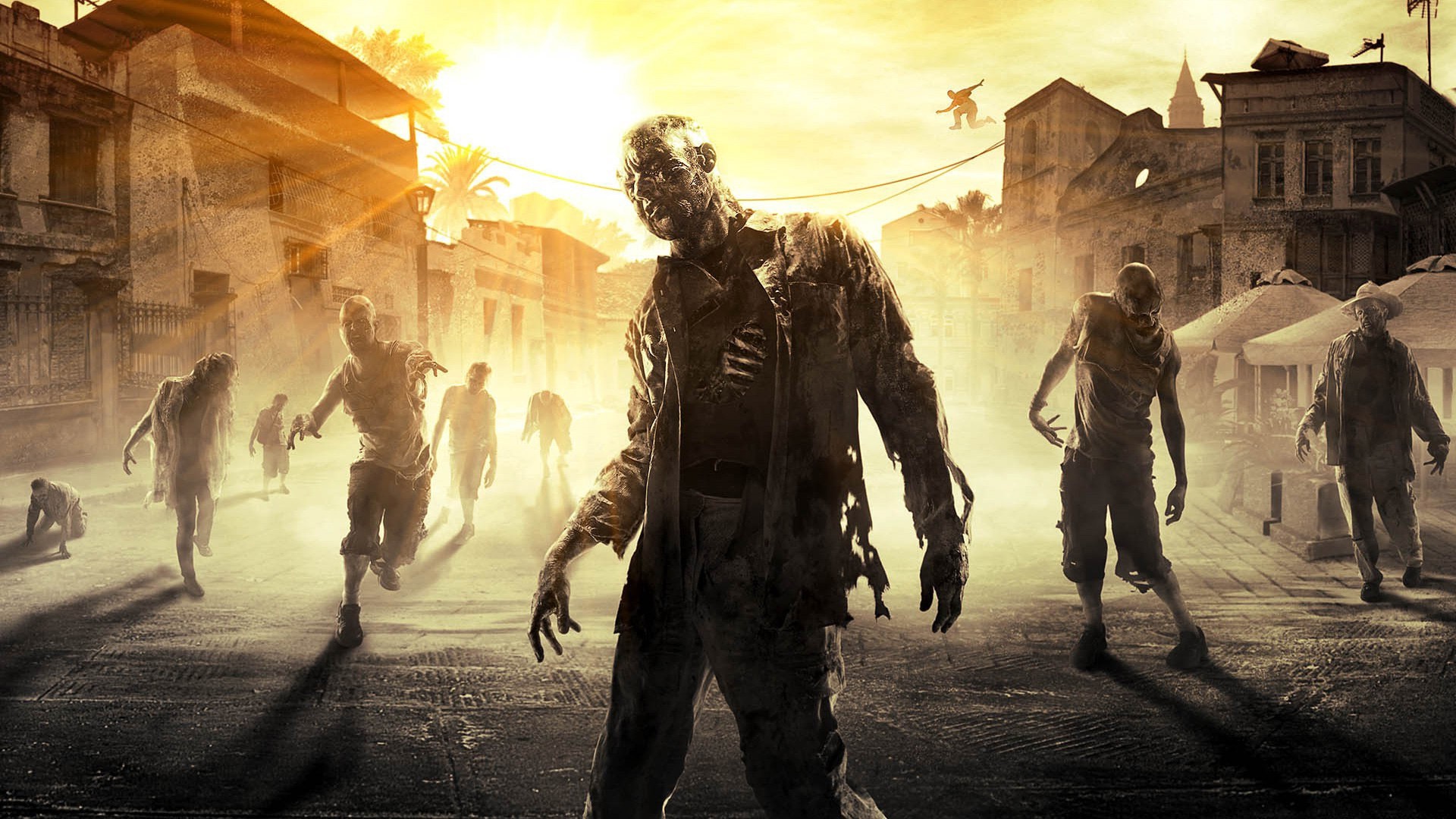
Techland took down some textures in ‘Dying Light’ that contained Arabic writing which didn’t make sense or was used inappropriately – players noticed religious phrases appearing on things like garbage cans. The developers have apologized for the mistake and swapped the textures with better options. This situation highlighted how important it is for game developers to consult with native speakers when using other languages in their games.
‘Friday the 13th: The Game’ (2017)
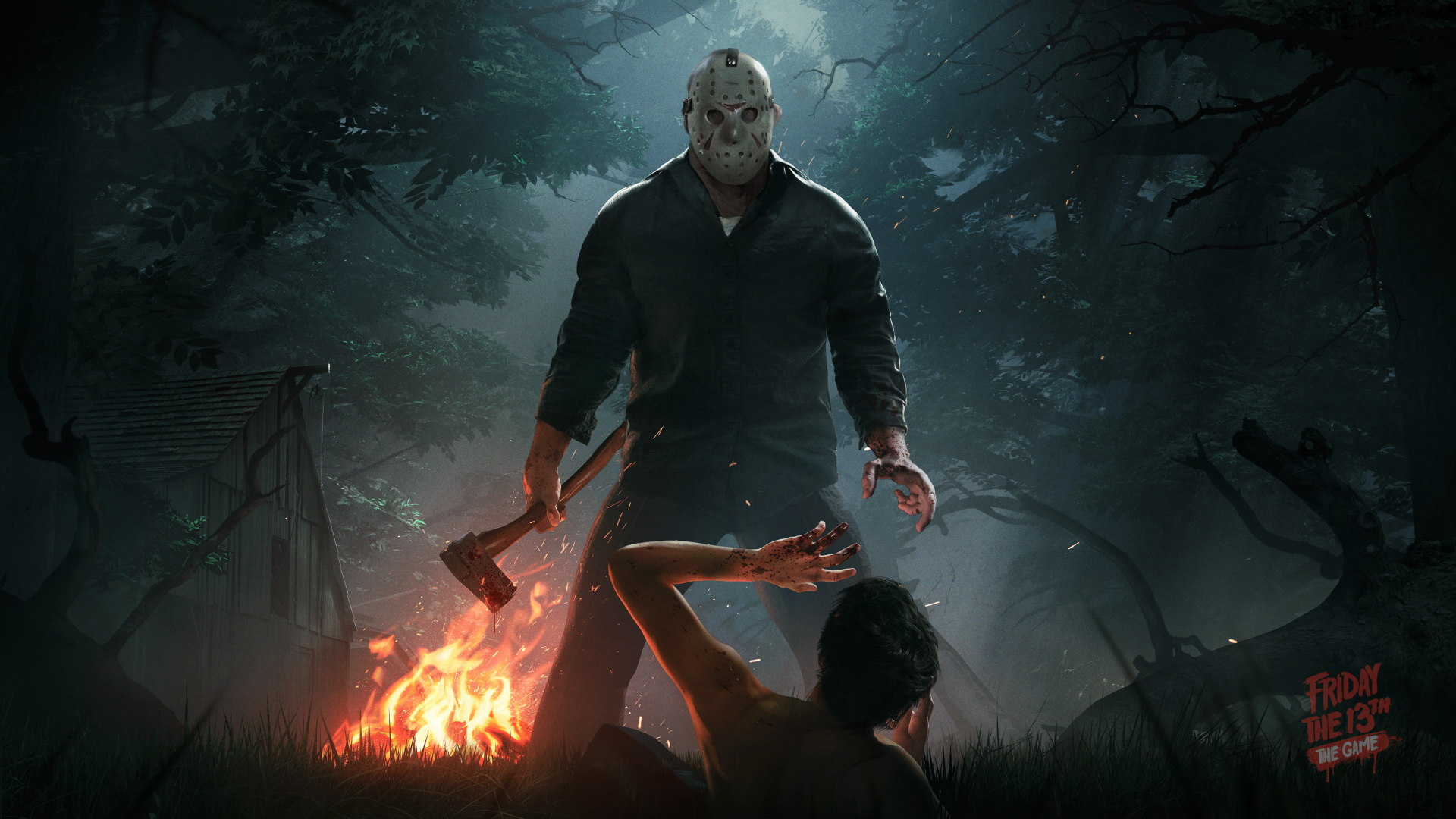
As a big fan of ‘Friday the 13th: The Game’, I was really glad to hear the developers were thinking about how the kill animations looked. They made some changes to make sure nothing was too over the top or targeted any specific group of people. It’s a horror game, so it’s supposed to be violent, but they wanted to avoid anything that felt biased or insensitive, especially in those death scenes. They really tried to strike a balance – keeping the scary vibe we all love while making sure it wasn’t offensive. It’s cool to see them being thoughtful about that!
‘For Honor’ (2017)
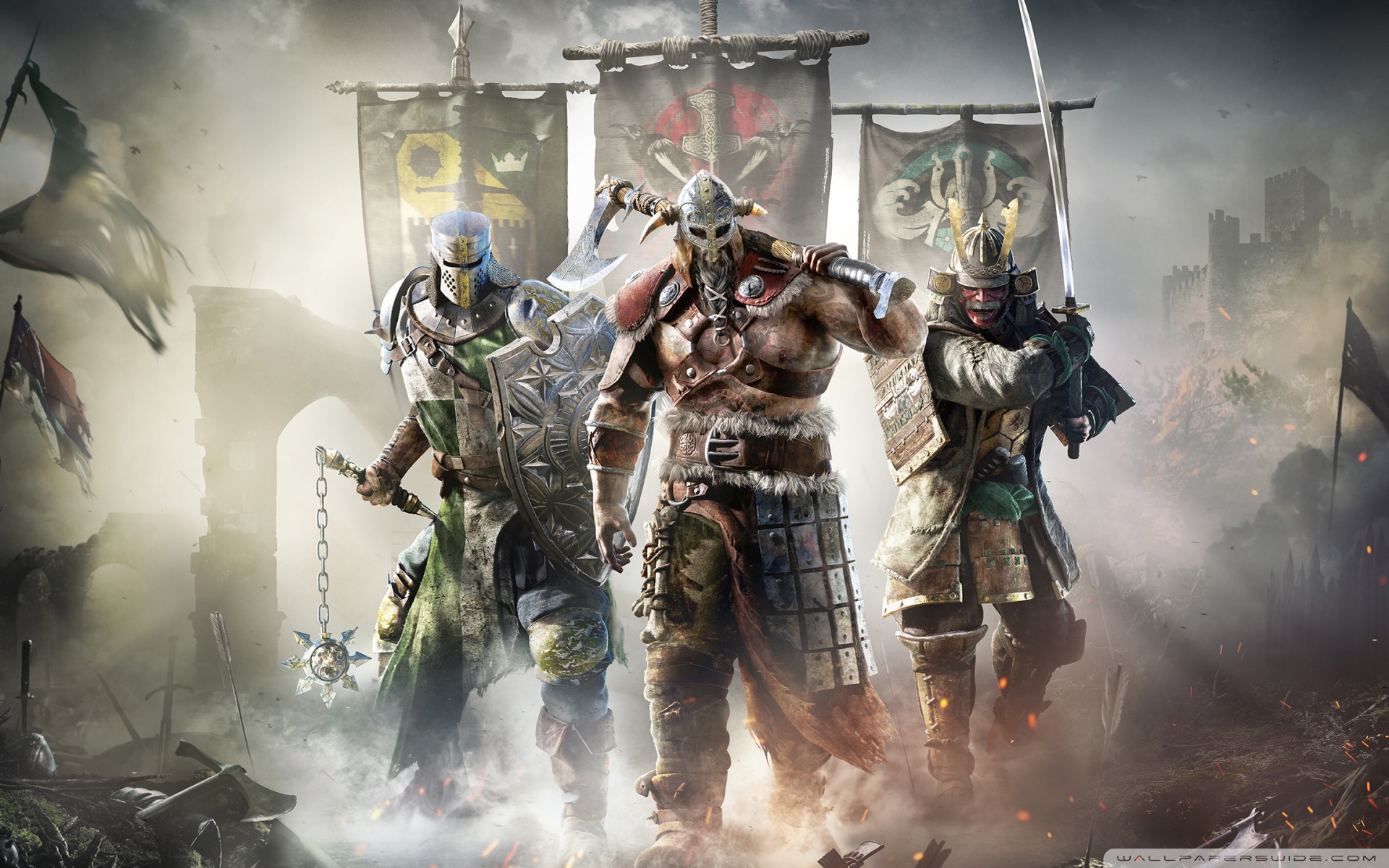
Ubisoft updated an animation for the character Valkyrie after players noticed a move where she grabbed her own chest during a takedown. The original animation was considered inappropriate for a combat situation. The developers adjusted the hand positioning to keep the move aggressive without being sexualized, ensuring the game maintains a professional and respectful competitive environment.
‘Mass Effect’ (2007)
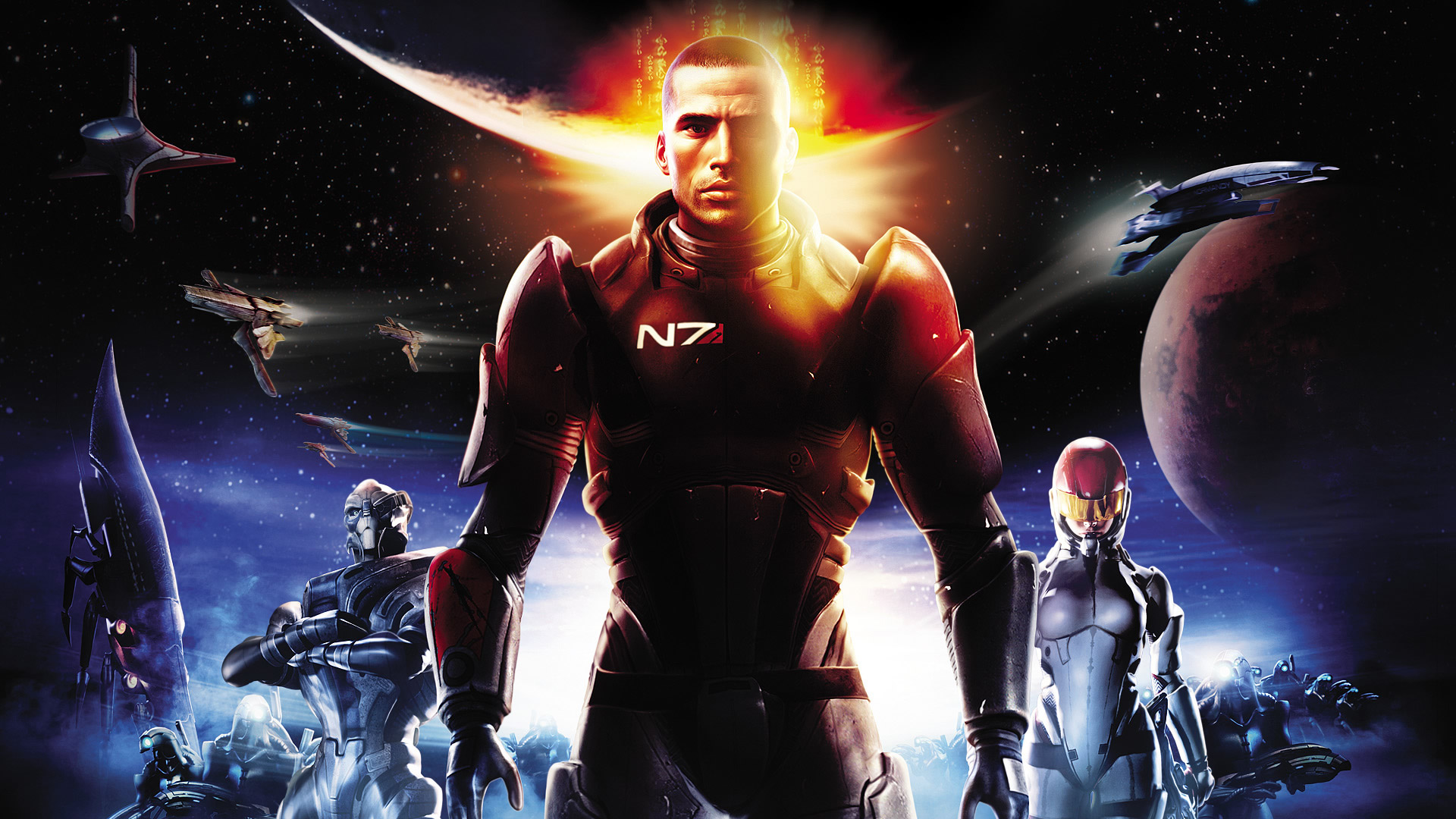
BioWare recently changed how the character Tali looks in the ‘Mass Effect Legendary Edition’ after years of feedback from fans. The original game used a stock photo that was altered slightly, which many players felt didn’t properly represent an alien species and was disrespectful. The updated version has a more original and detailed alien design that better reflects the Quarian culture and has been well-received by fans who appreciate the improved representation.
‘Animal Crossing: New Horizons’ (2020)
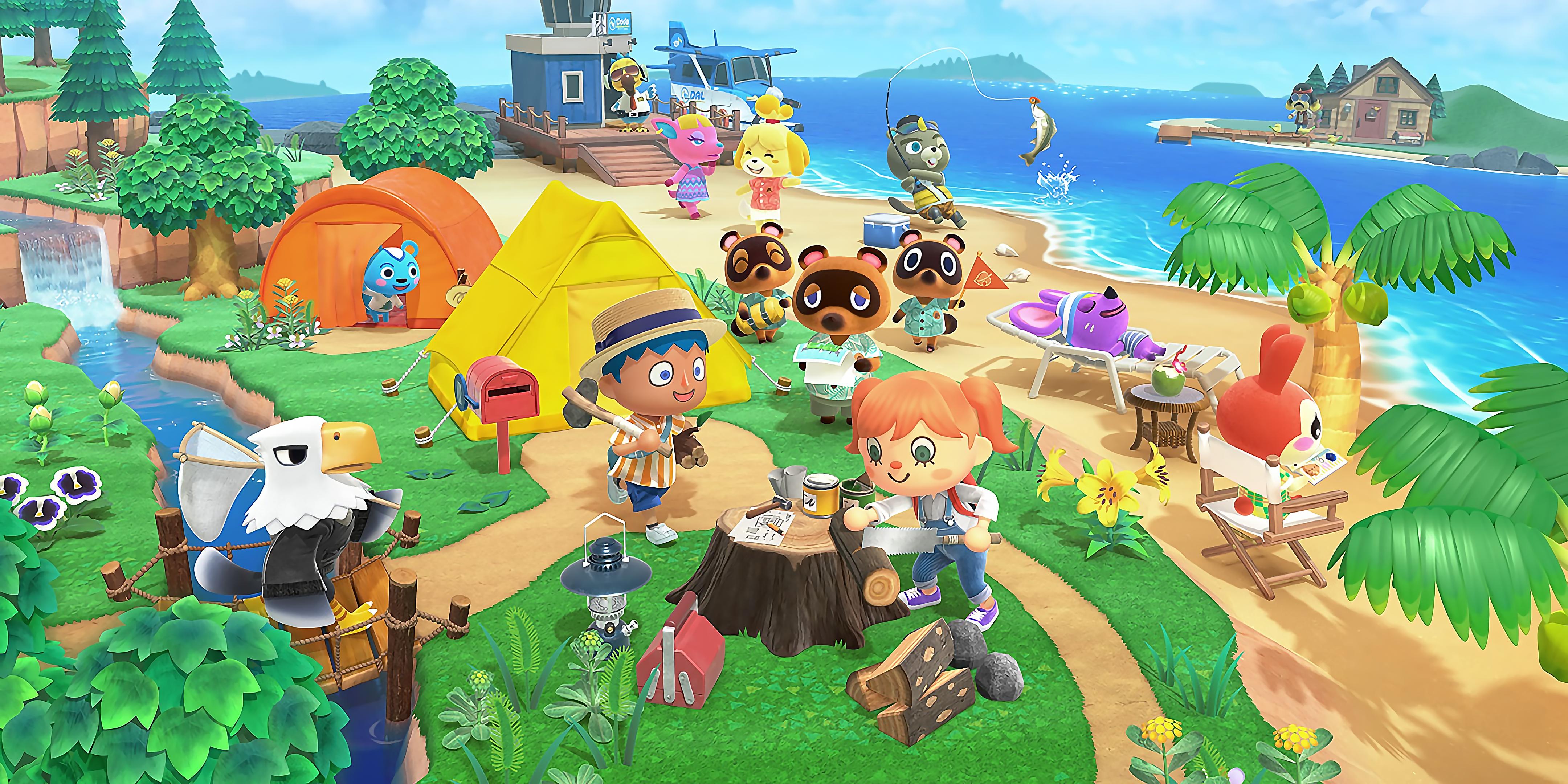
After players voiced concerns online, Nintendo expanded the hair and skin tone options in ‘Animal Crossing: New Horizons’. This wasn’t about removing anything already in the game, but rather adding more choices to better represent a wider range of players and cultures. Players also highlighted some potentially insensitive item names and uses. Nintendo is committed to regularly updating the game to create a welcoming and respectful experience for everyone around the world.
‘Resident Evil 4’ (2023)
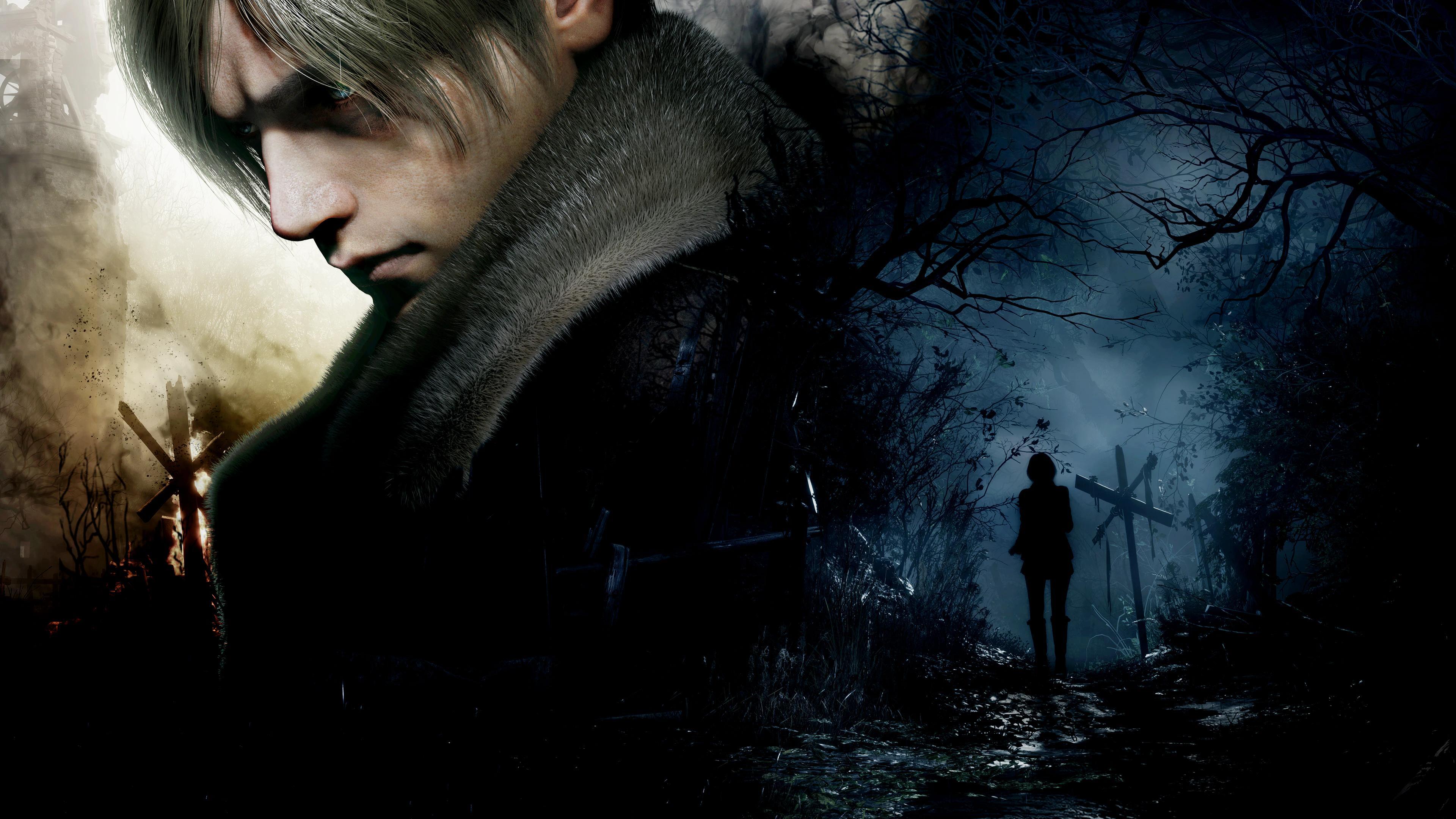
The new version of ‘Resident Evil 4’ made some changes from the original 2005 game. Developers removed certain lines of dialogue and camera angles, particularly comments from the character Luis about Ashley, to update the game’s tone and make it more appropriate for modern audiences. They also adjusted some camera work to avoid overly focusing on character appearances. These changes were made to ensure the game aligns with today’s standards for sensitivity and how characters are depicted.
‘Cyberpunk 2077’ (2020)
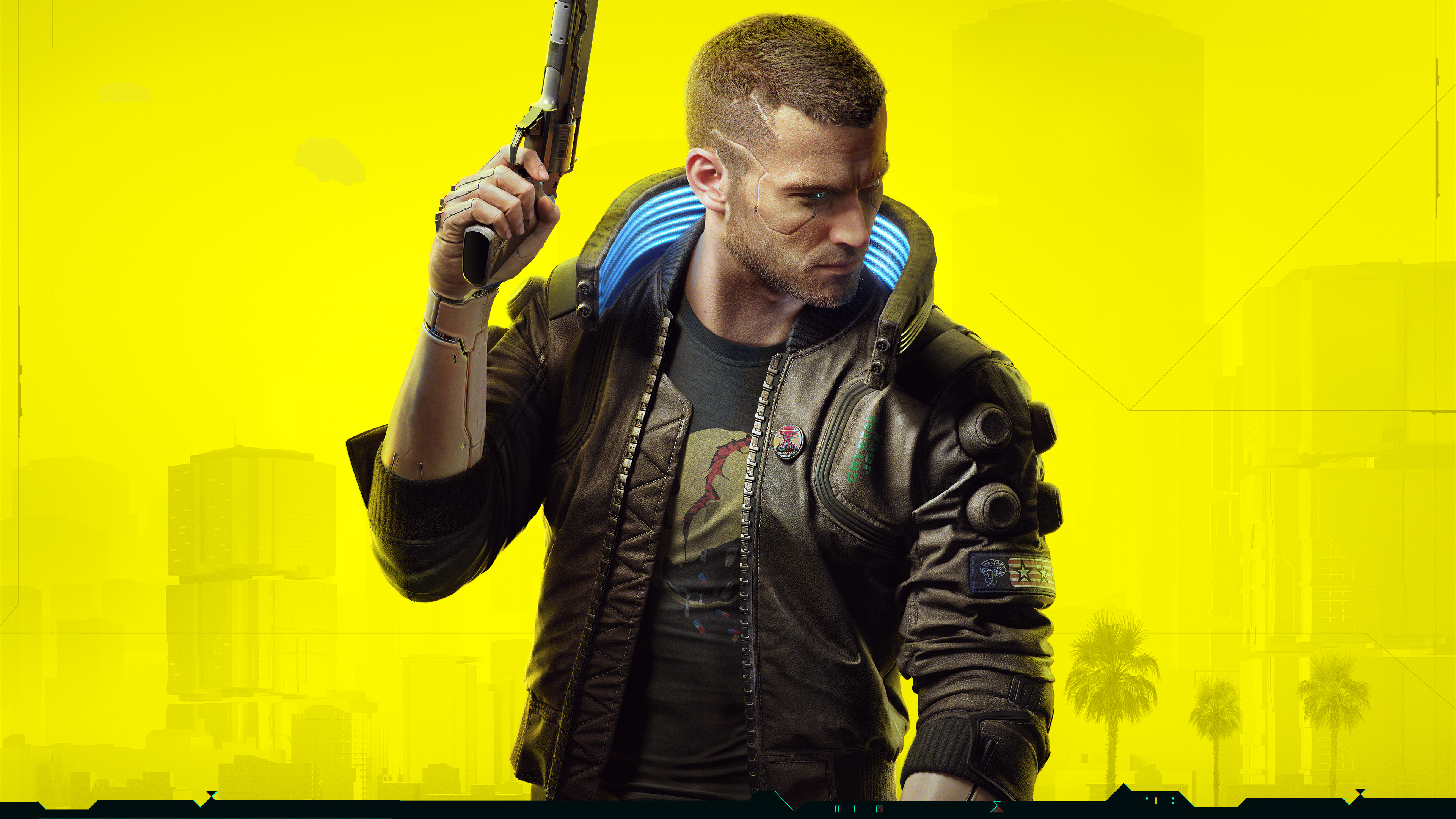
To make ‘Cyberpunk 2077’ available in more countries, CD Projekt Red made some changes to fit local rules and customs. This included giving characters clothes in some versions of the game where they originally didn’t have any. They also adjusted certain religious imagery and how characters interacted to avoid causing offense. These edits were essential for reaching a broader international audience while complying with different regional regulations.
‘Life is Strange’ (2015)
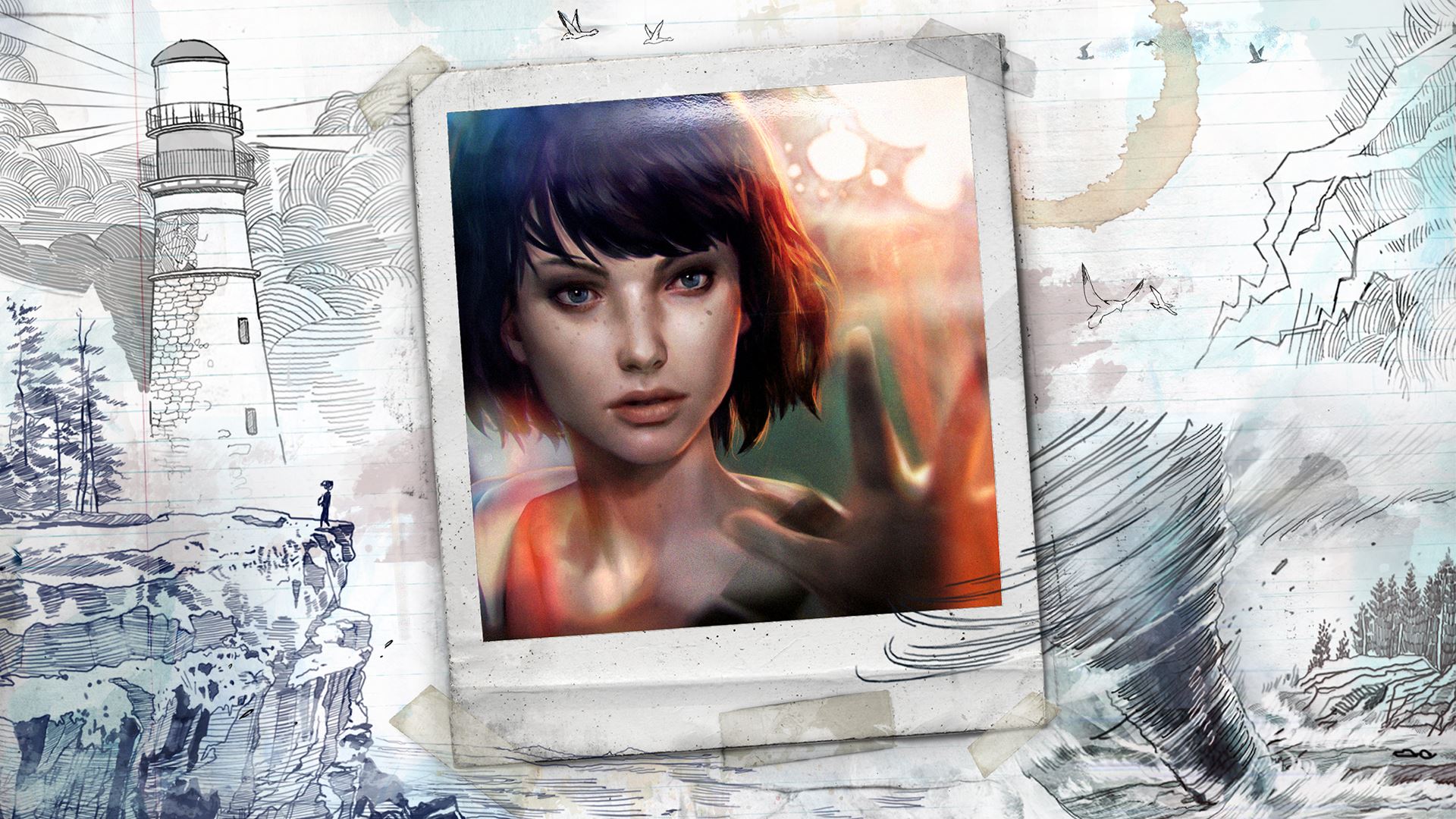
As a big fan of ‘Life is Strange,’ I was really impressed with how the developers handled some concerns players raised about certain images in the early parts of the game. Apparently, some background details – things like textures on school walls or street scenes – unintentionally came across as culturally insensitive. The team quickly jumped in and swapped those out for more neutral designs. It was awesome to see them prioritize creating a respectful experience and keeping the focus on the story and characters. It shows they really care about their players and the impact of their game!
‘Left 4 Dead 2’ (2009)
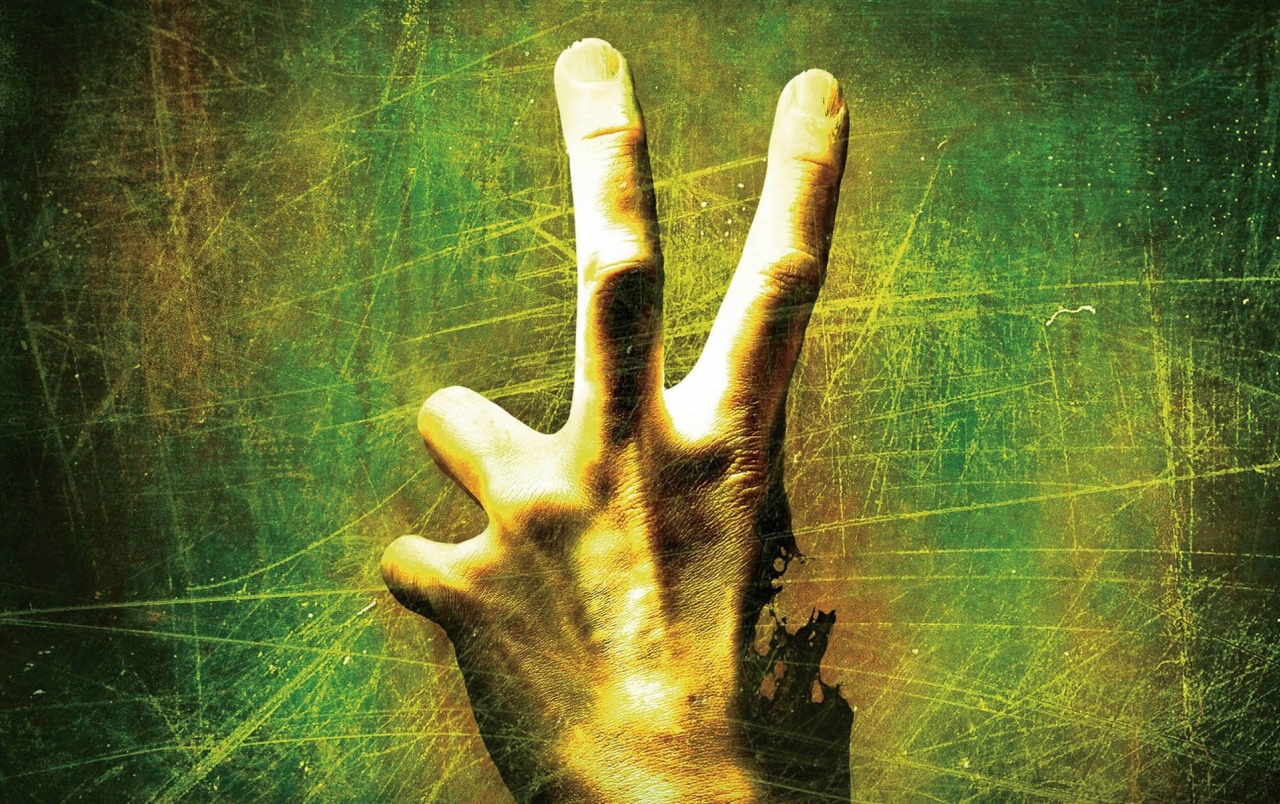
The game cover for ‘Left 4 Dead 2’ was altered in the UK and Germany because the original image was deemed too graphic. The initial artwork showed a hand with severed fingers, which censors found unacceptable. To avoid issues with ratings boards and legal problems, the cover was changed to show the hand with its fingers simply tucked in, rather than cut off. This allowed the game to be sold legally in those countries.
‘Fortnite’ (2017)
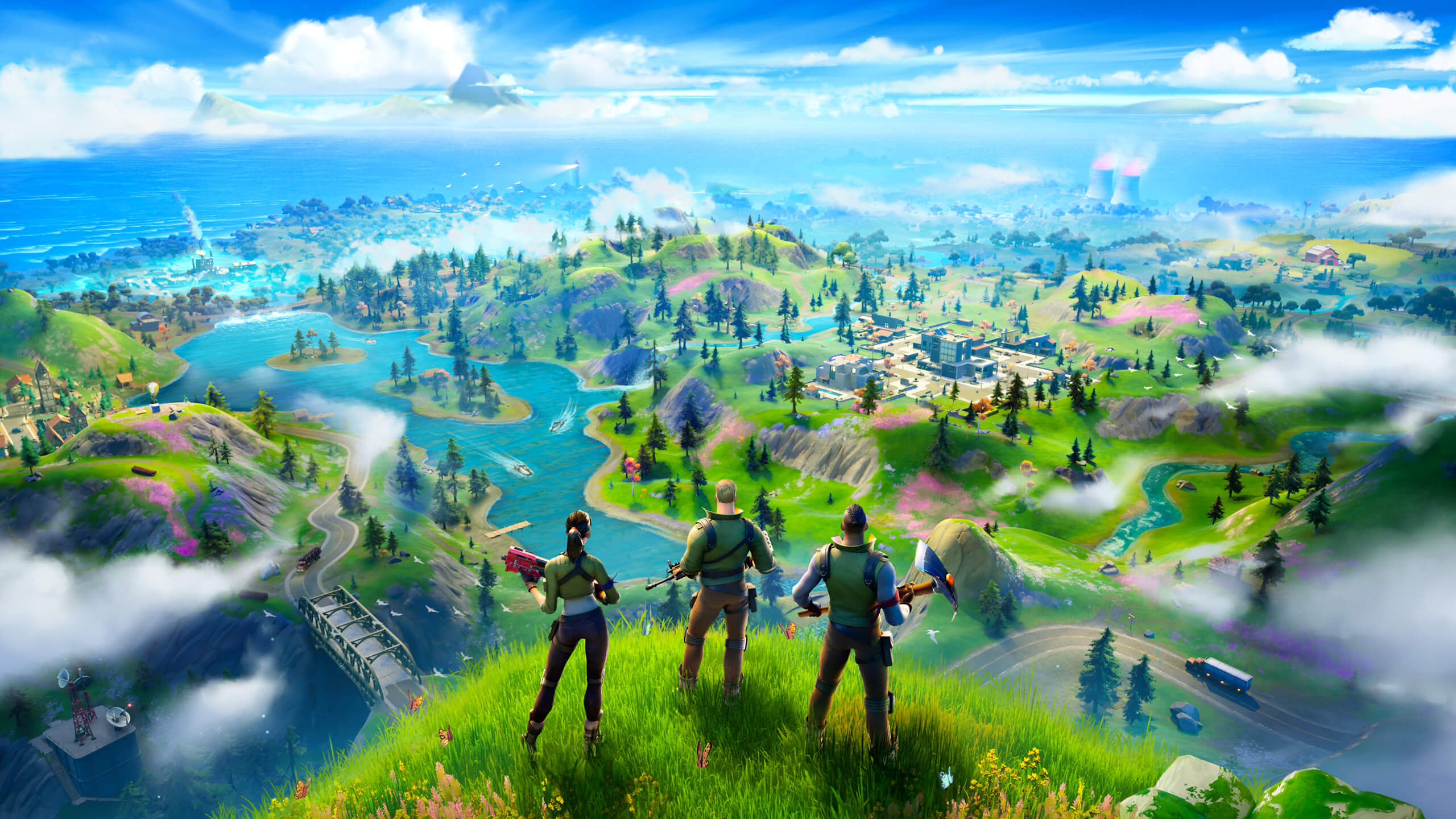
Epic Games has taken down or changed some of the dances and emotes in ‘Fortnite’ after people pointed out they might be disrespectful to certain cultures or too similar to existing copyrighted dances. The company regularly checks all the in-game items to make sure they don’t unintentionally offend anyone. Some dances have been removed completely, while others have been altered to avoid causing offense. This shows Epic’s commitment to making ‘Fortnite’ a welcoming and respectful game for everyone.
‘PUBG: Battlegrounds’ (2017)
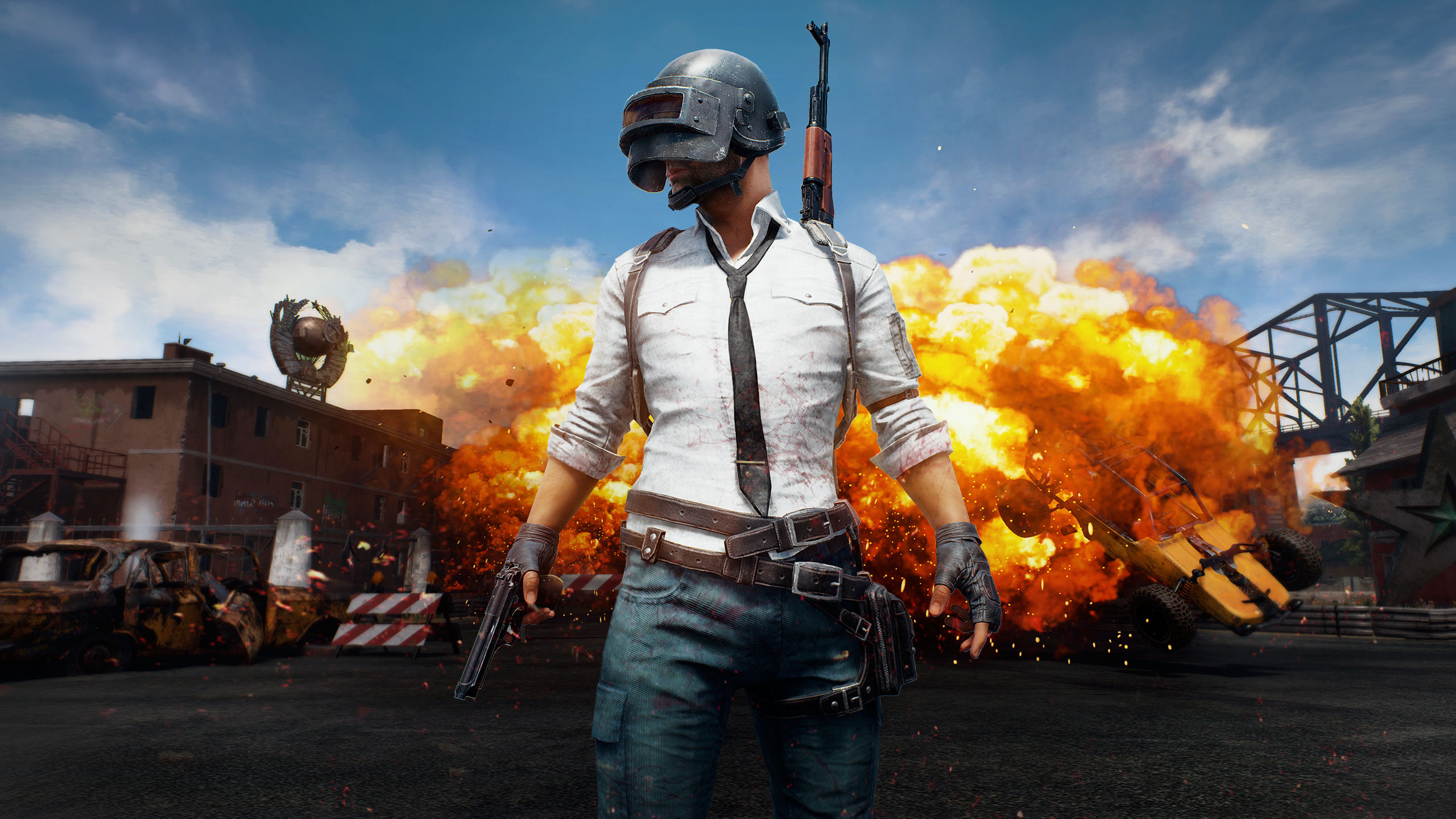
To make the popular battle royale game acceptable in countries like China, developers changed the blood color to green. This was done to lessen the impact of realistic violence and meet the requirements of local regulators who have strict rules about how blood is shown in games. They also toned down how characters react when they’re hurt, making the game less graphic overall. These changes helped the game stay popular with its large player base in Asia.
‘Counter-Strike: Global Offensive’ (2012)
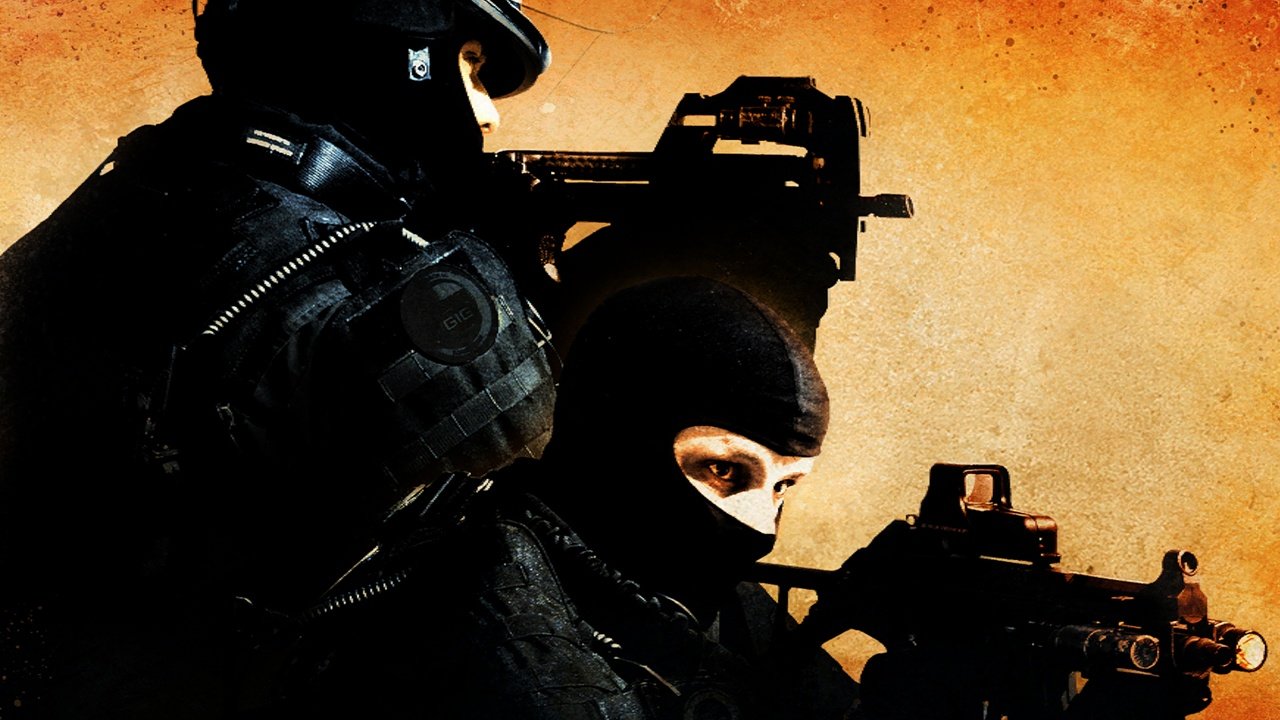
The Chinese version of ‘Counter-Strike: Global Offensive’ had some character designs altered. Masks and symbols linked to real-world groups were removed and replaced with standard tactical equipment. This was done to avoid potential political or cultural issues and to better suit Chinese players. The actual gameplay of the game wasn’t changed, only the way the characters look.
‘Final Fantasy VII Remake’ (2020)
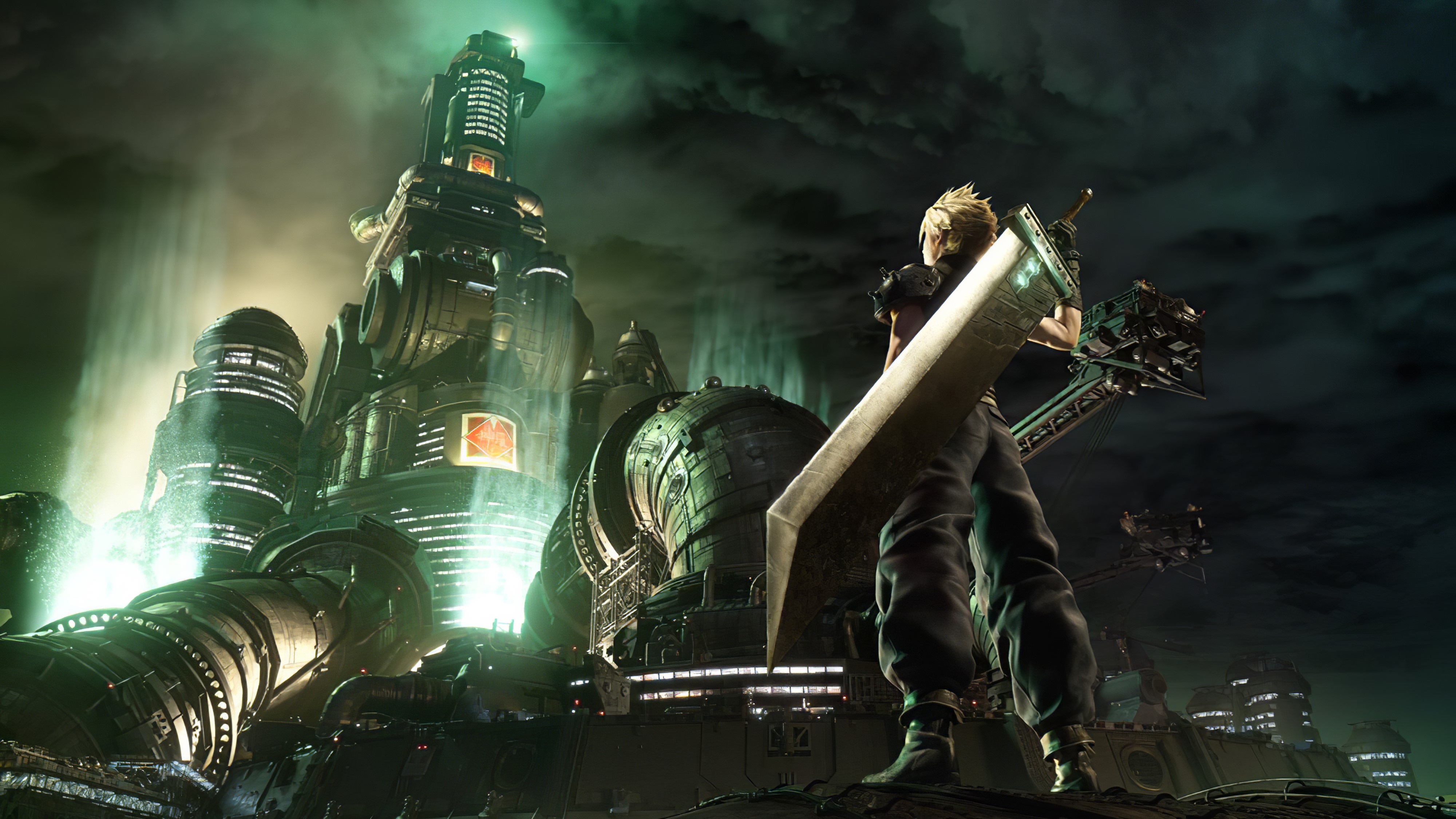
In ‘Final Fantasy VII Remake’, Square Enix updated Tifa Lockhart’s outfit to be more suitable for today’s audiences. They worked with an internal ethics team to make sure the character designs looked good in high definition and were appropriate. This meant adding an undershirt and slightly changing the outfit’s fit, aiming to keep the character’s original style while meeting modern design standards.
‘The Witcher 3: Wild Hunt’ (2015)
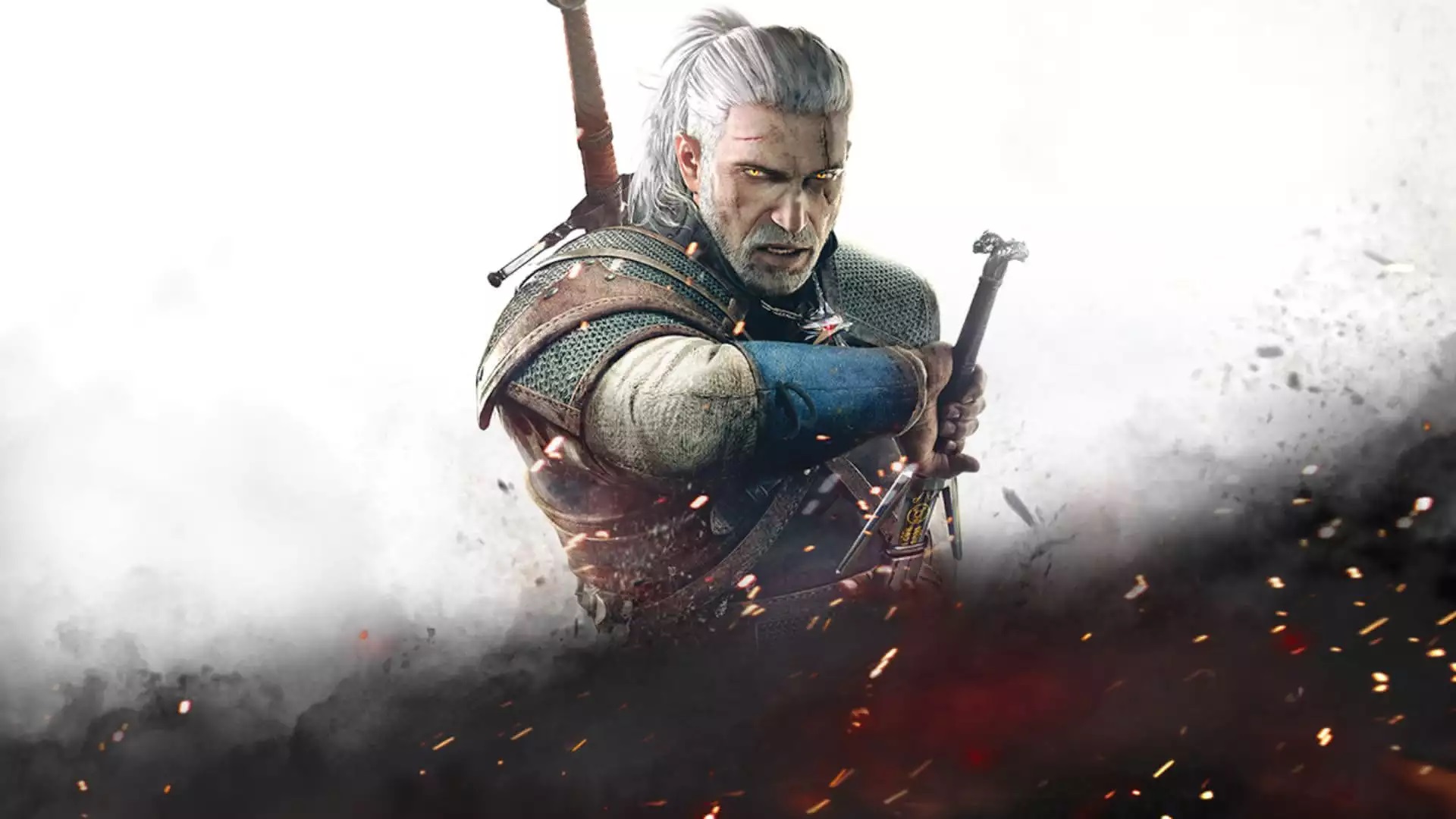
As a huge Witcher 3 fan, I learned that the developers actually changed some symbols in the game depending on where you were in the world! It was a smart move – they swapped out things like posters or small decorations that might have caused trouble or offense in certain countries. They really wanted to keep the game’s dark, immersive world intact, but also be respectful of different cultures. I think that level of detail is a big reason why the game was such a hit everywhere!
‘Call of Duty: Modern Warfare’ (2019)
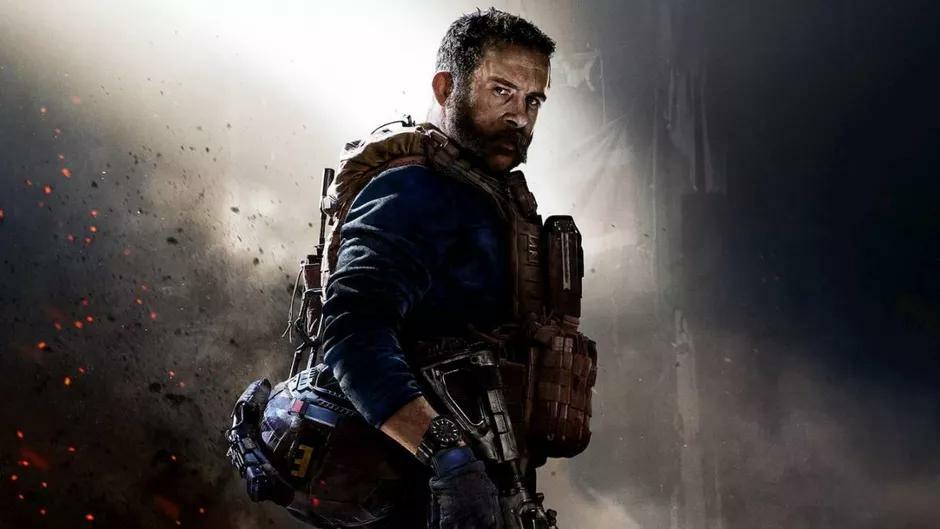
Infinity Ward adjusted how they showed a white phosphorus killstreak in marketing materials to avoid appearing to celebrate a controversial weapon. Although the feature stayed the same in the game itself, they carefully controlled its public presentation to respond to concerns raised by human rights organizations. The developers explained that their intention was to portray the harsh realities of war, not to endorse specific weapons. Managing sensitive military topics like this was a central part of how they marketed the game.
Tell us which of these game changes surprised you the most in the comments.
Read More
- Building 3D Worlds from Words: Is Reinforcement Learning the Key?
- The Best Directors of 2025
- Gold Rate Forecast
- 2025 Crypto Wallets: Secure, Smart, and Surprisingly Simple!
- 20 Best TV Shows Featuring All-White Casts You Should See
- Mel Gibson, 69, and Rosalind Ross, 35, Call It Quits After Nearly a Decade: “It’s Sad To End This Chapter in our Lives”
- Umamusume: Gold Ship build guide
- Top 20 Educational Video Games
- Celebs Who Married for Green Cards and Divorced Fast
- Most Famous Richards in the World
2026-01-06 19:22