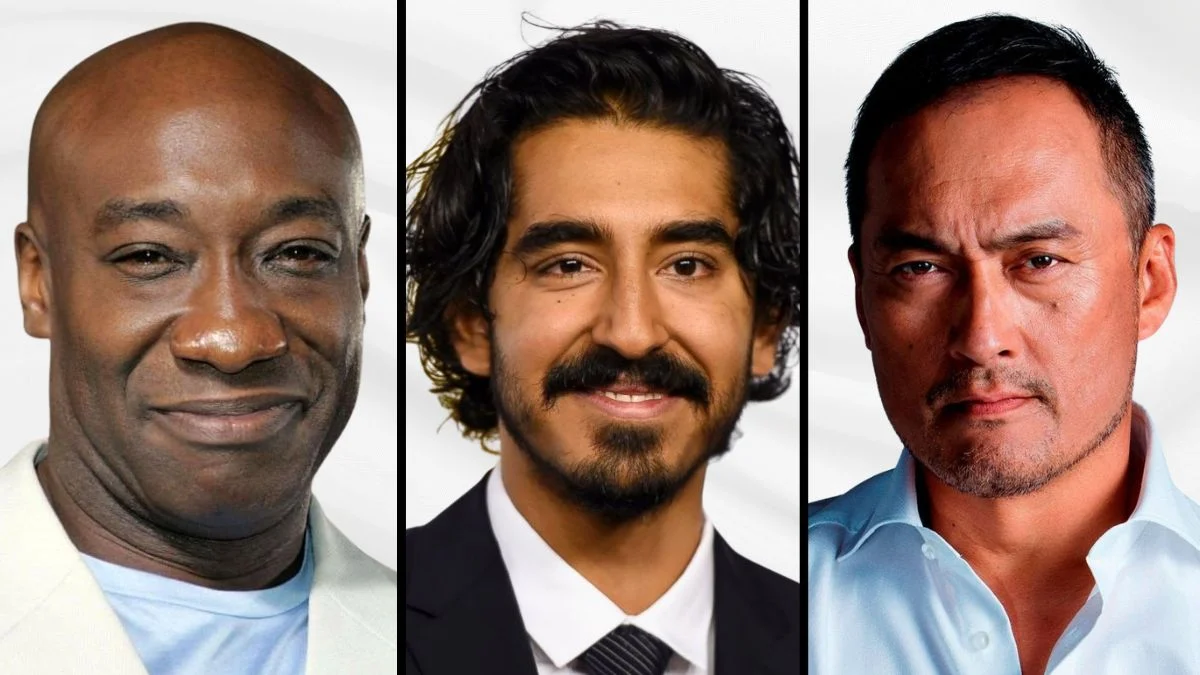
Throughout film history, many actors have become famous and won awards playing characters based on harmful stereotypes. Often, these roles involved minority characters who existed mainly to help white protagonists with their knowledge or magical powers. While grateful for the opportunities these roles provided, several well-known actors have expressed regret over the problematic messages they reinforced. This list focuses on male actors who gained recognition for such roles and later advocated for more diverse and accurate representation in film.
Michael Clarke Duncan
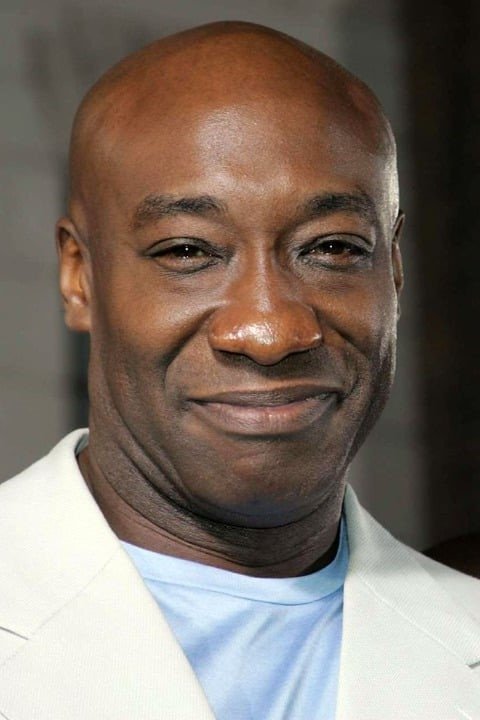
Michael Clarke Duncan gained widespread recognition after his Oscar-nominated role in ‘The Green Mile’. He portrayed a gentle giant with the innocent mind of a child and the power to heal people with a single touch. Although the role brought him fame and praise, it’s often pointed to as a classic example of the ‘magical negro’ stereotype – a character whose primary purpose is to help and redeem the white main character, offering them emotional support and growth. Duncan later said he wanted to avoid similar roles in the future, hoping to demonstrate his versatility as an actor.
Will Smith
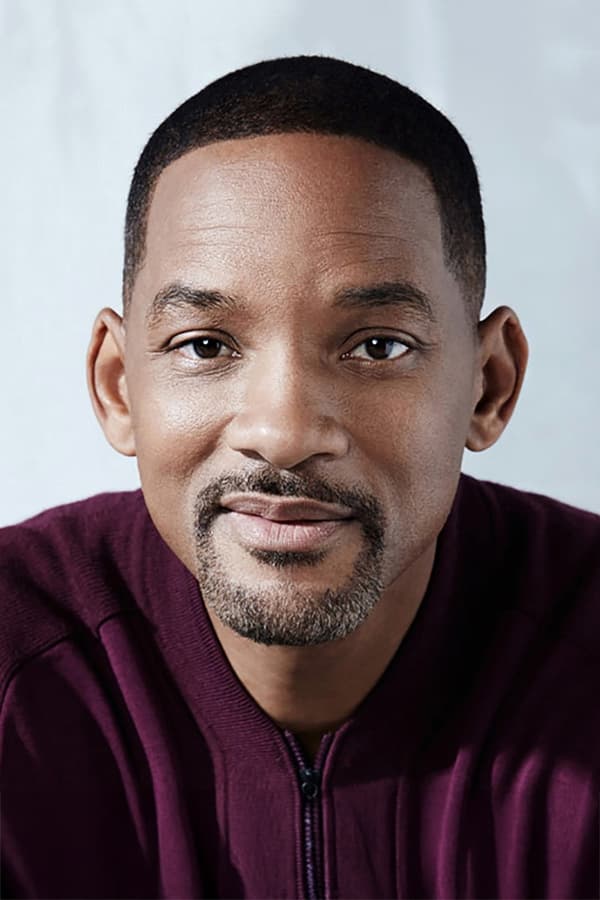
Will Smith gained recognition for his role in ‘The Legend of Bagger Vance’ as a wise and enigmatic golf caddy who guides a struggling war veteran back to himself. While the film was popular, some criticized the character for falling into familiar stereotypes about spiritual Black figures. After this, Smith began choosing roles that allowed his characters more control and independence. He’s become more careful about accepting parts that could perpetuate harmful, outdated ideas, and now focuses on portraying nuanced and well-developed characters.
Morgan Freeman
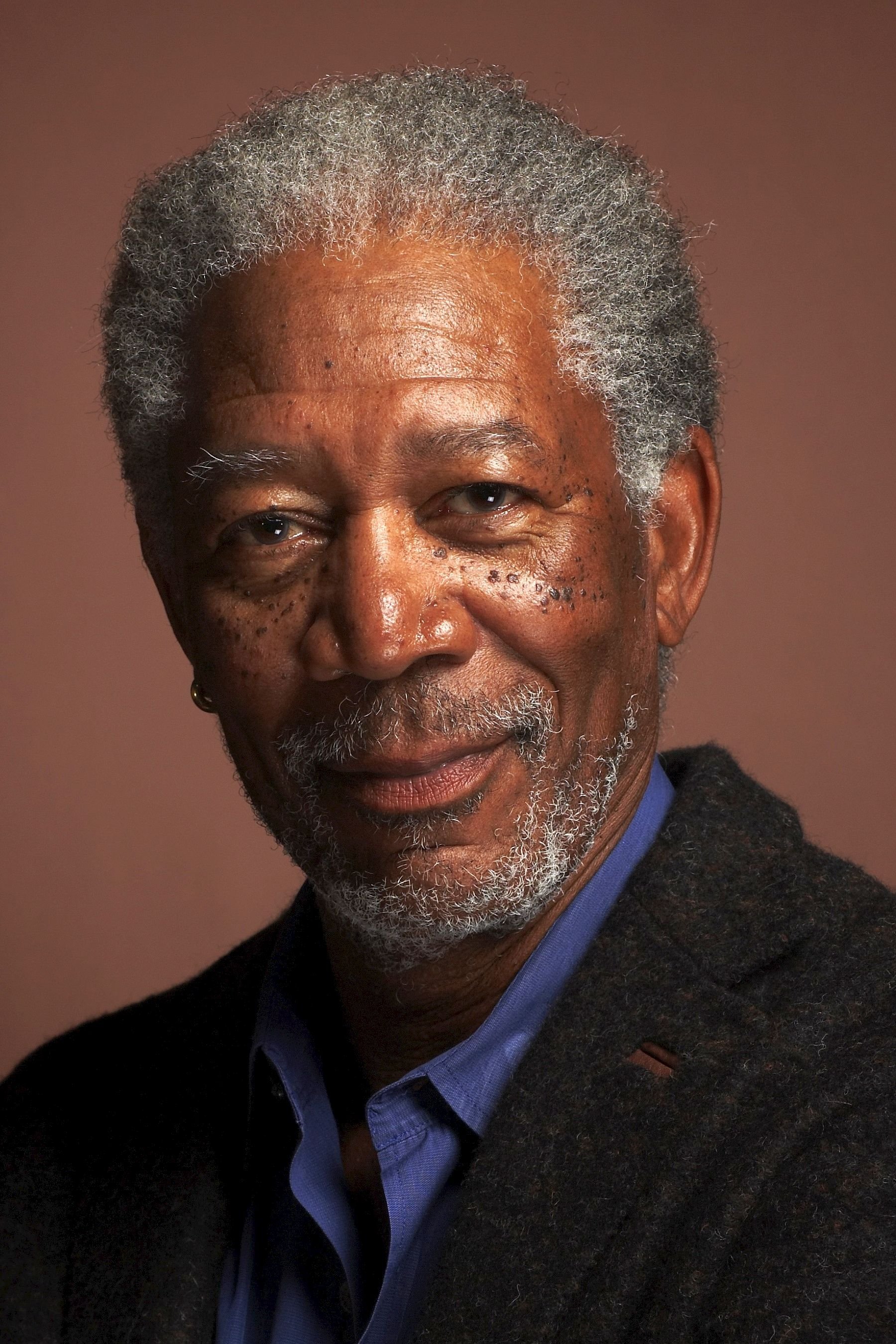
Morgan Freeman won an Oscar for ‘Million Dollar Baby’ and was nominated for his work in films like ‘Driving Miss Daisy.’ He became famous for playing wise, older characters who help white protagonists learn and grow. While these roles made him a Hollywood legend, they’ve also been criticized as fitting the ‘magical minority’ stereotype. Over the years, Freeman has spoken about how these characters are seen and has actively sought out roles that allow Black actors to be more than just supporting or mysterious figures.
Mahershala Ali
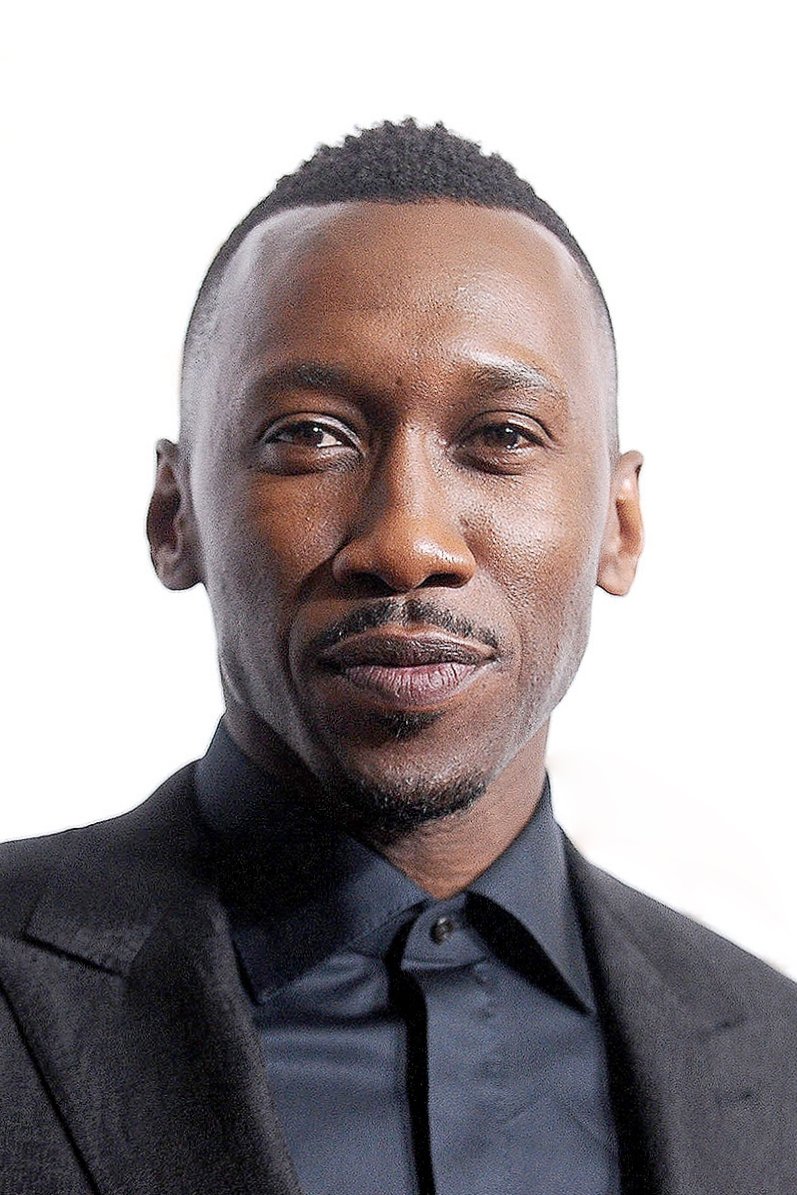
Mahershala Ali won his second Oscar for his role as Dr. Don Shirley in the popular film ‘Green Book.’ While the movie was a box office success, it faced criticism for centering the story on the white character’s personal growth through his connection with a Black musician. Ali has spoken about the controversy and understands the concerns raised by Dr. Shirley’s family regarding how he was depicted. He remains committed to choosing roles that offer complex characters and move beyond typical Hollywood storylines.
Cuba Gooding Jr.
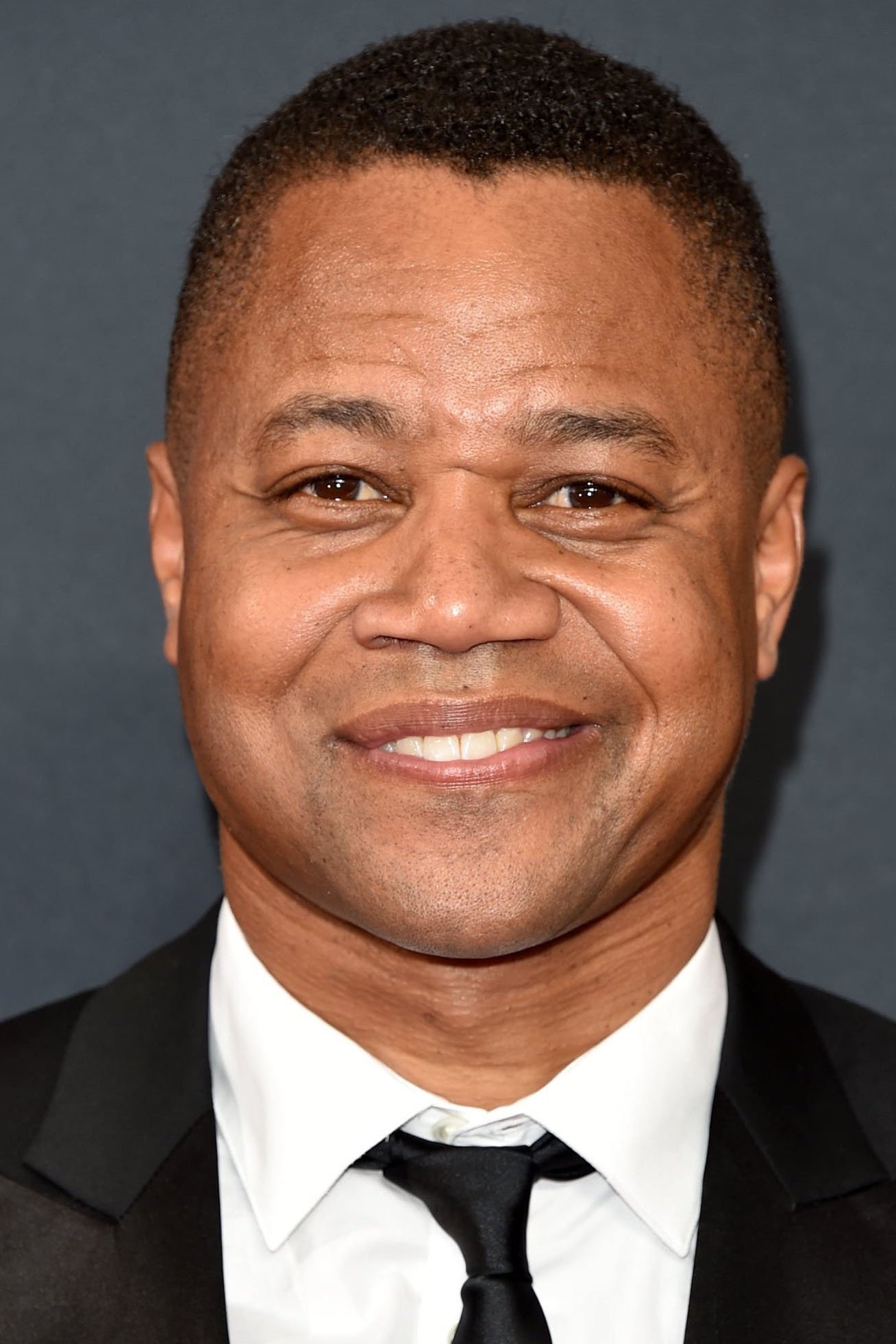
Cuba Gooding Jr. was initially praised for his performance in ‘Radio,’ where he played a man with a disability who touched the lives of people in a small town. However, over time, many viewers felt the role relied too heavily on harmful stereotypes. While he received awards and nominations at the time, critics later argued that the character existed primarily to help the white characters develop. Gooding Jr. has since considered how the film industry chooses which stories to tell.
Sidney Poitier
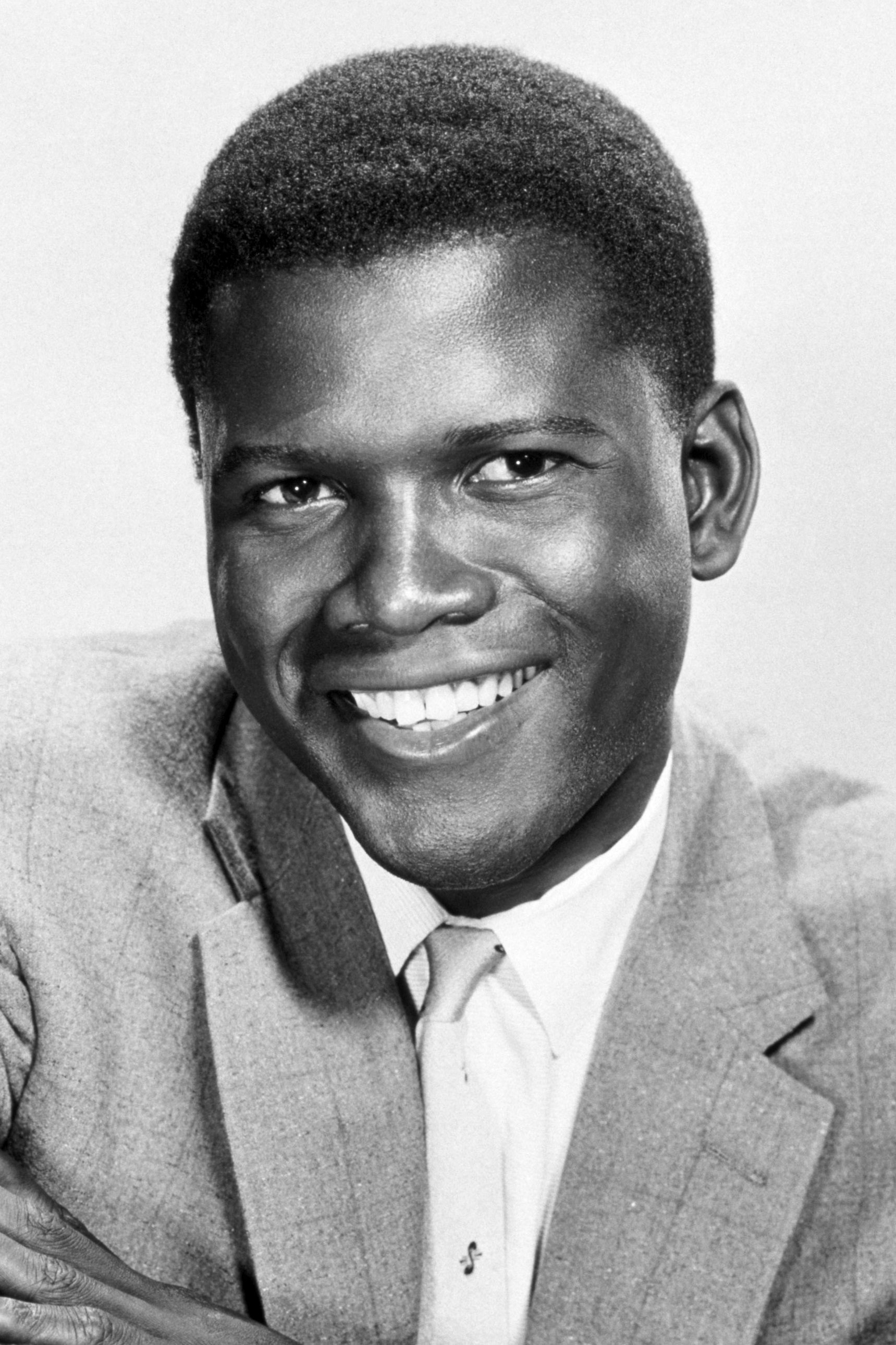
Sidney Poitier made history as the first Black man to win an Academy Award for Best Actor, receiving the honor for his performance in ‘Lilies of the Field’. He portrayed a kind handyman who assists nuns in building a chapel in the desert. Though a groundbreaking achievement for representation, the role was that of an exceptionally virtuous character. Poitier often spoke about the pressure of having to be a flawless role model for Black audiences through his films. Later in his career, he focused on advocating for more complex and realistic Black characters with both strengths and weaknesses.
Pat Morita
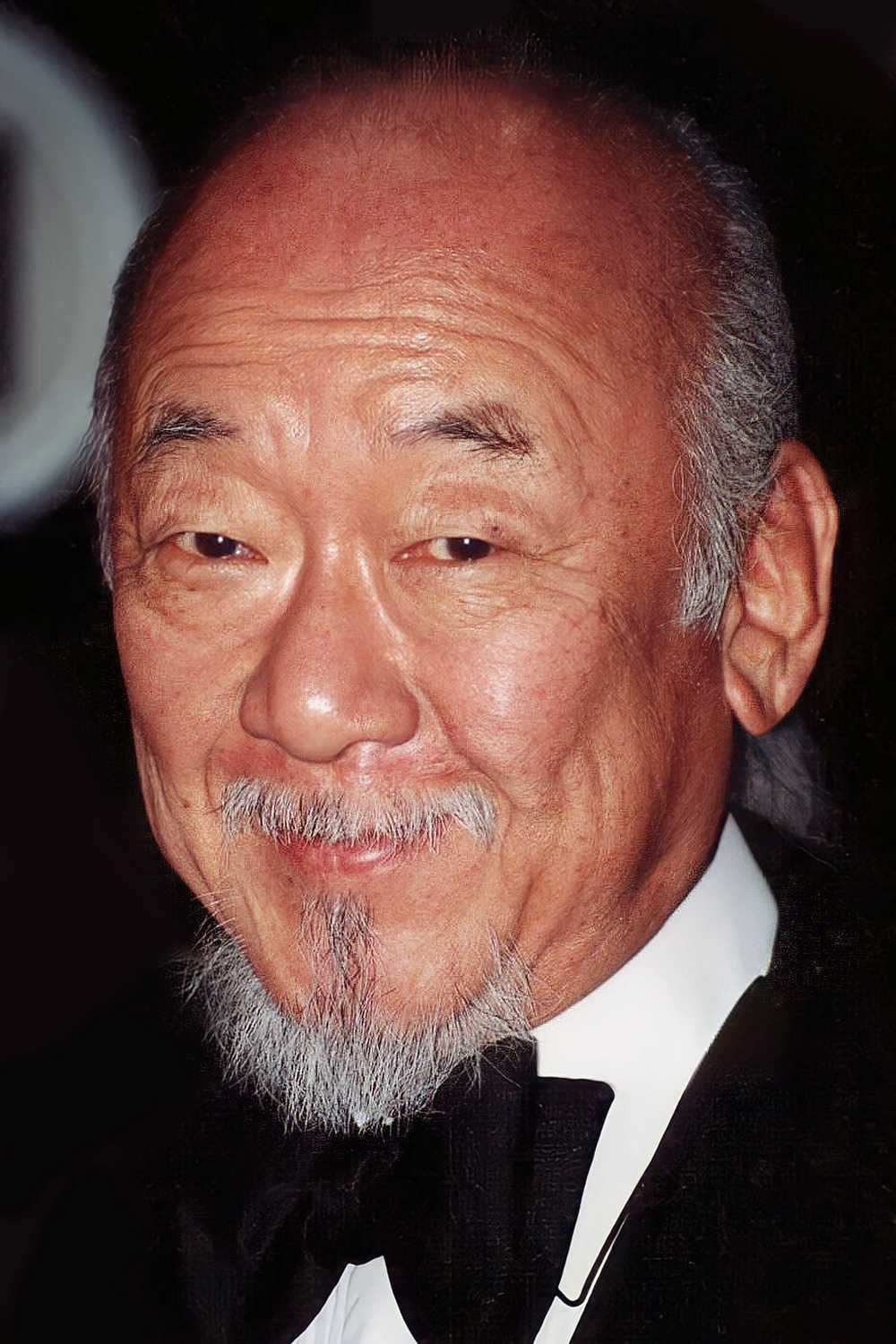
I’ll always remember Pat Morita as Mr. Miyagi – he was incredible in ‘The Karate Kid’! It meant so much to see him share such important life lessons and teach Daniel about karate. But looking back, I realize the role, while loved by many, unfortunately fit into a common stereotype of the wise, mysterious Asian character that we saw a lot in movies back then. Pat himself was grateful for the opportunity, but he also talked about how hard it was to find roles that didn’t require him to use an accent. He really struggled for years to escape being seen as just that ‘wise old man’ character and show everyone what else he could do.
Ken Jeong
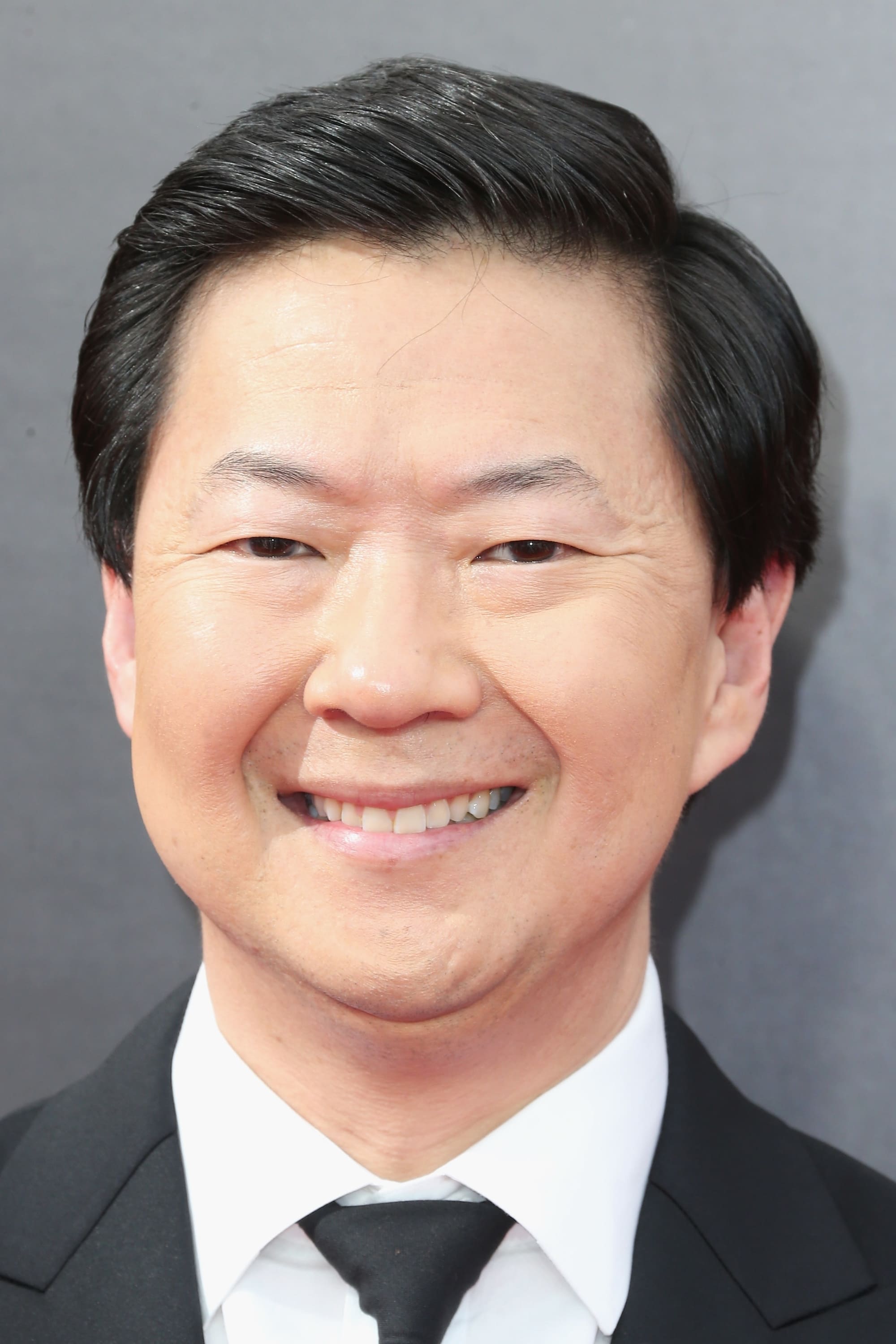
Ken Jeong gained widespread recognition for playing Mr. Chow in ‘The Hangover’ movies. While the character was a wildly popular, over-the-top and sometimes stereotypical depiction of an Asian man, Jeong later admitted he had complicated feelings about it and how it might have perpetuated harmful stereotypes. He’s since focused on roles that allow him to demonstrate his range as an actor and now actively uses his voice to push for more genuine and diverse representation of Asian Americans in film and television.
Laurence Fishburne
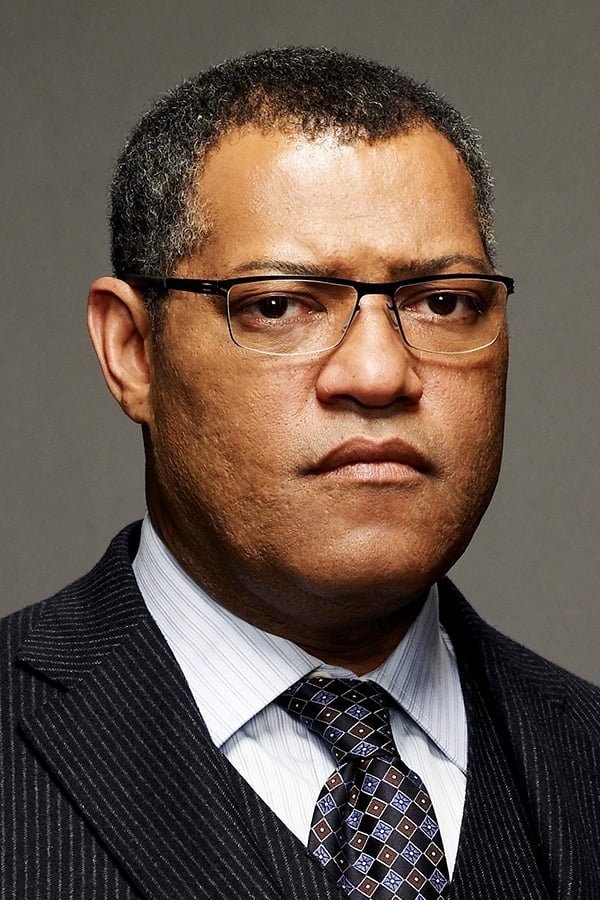
Laurence Fishburne is famous for playing Morpheus in ‘The Matrix’ films, which became hugely popular worldwide. Morpheus is the classic mentor character who deeply believes in the hero’s destiny. Although the role is known for its stylishness, it also falls into a common science fiction trope of a wise, often non-white, guiding figure. Fishburne has talked about the impact of this role on his career, and has often chosen to play characters who are leaders with complicated backgrounds and reasons for acting as they do.
Anthony Mackie
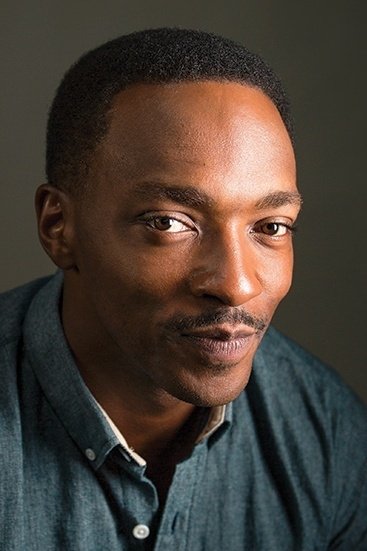
Anthony Mackie played a mysterious guide in ‘The Adjustment Bureau,’ and he’s spoken openly about a pattern he’s noticed in Hollywood: Black actors are often cast as supporting characters with magical abilities, but rarely get fully developed stories of their own. He’s made a conscious effort to choose diverse roles, appearing in both big-budget franchises and smaller independent films, and continues to advocate for more opportunities for actors of color in major movies.
John Boyega
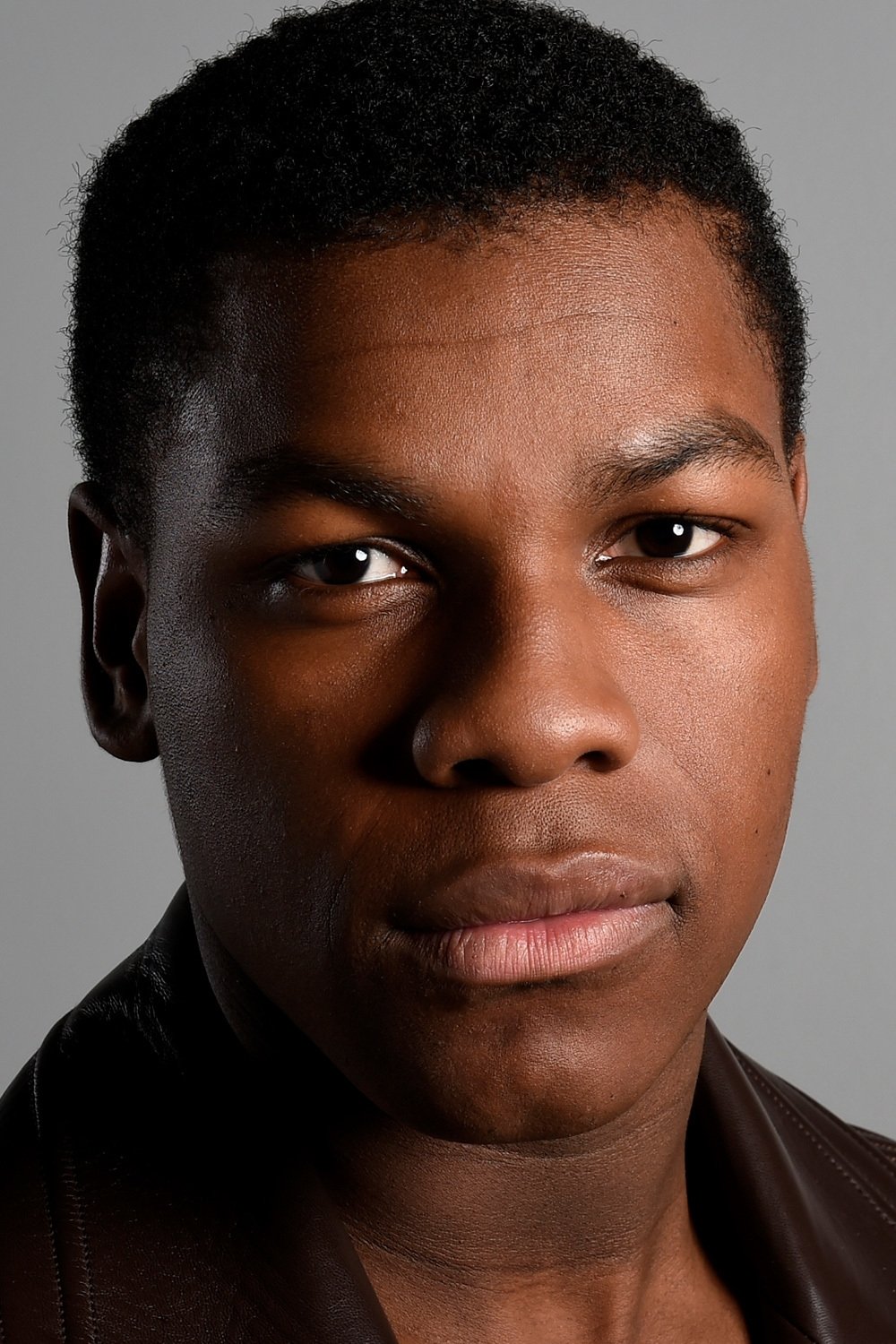
John Boyega became well-known internationally for playing Finn in the latest ‘Star Wars’ films. He later spoke out about his disappointment that Finn’s role diminished as the series went on, feeling the character was initially important but ended up being a secondary one. Boyega expressed his frustration with being used to promote diversity without his character getting a substantial storyline. His comments led to a broader discussion about how studios portray characters from minority groups.
Samuel L. Jackson
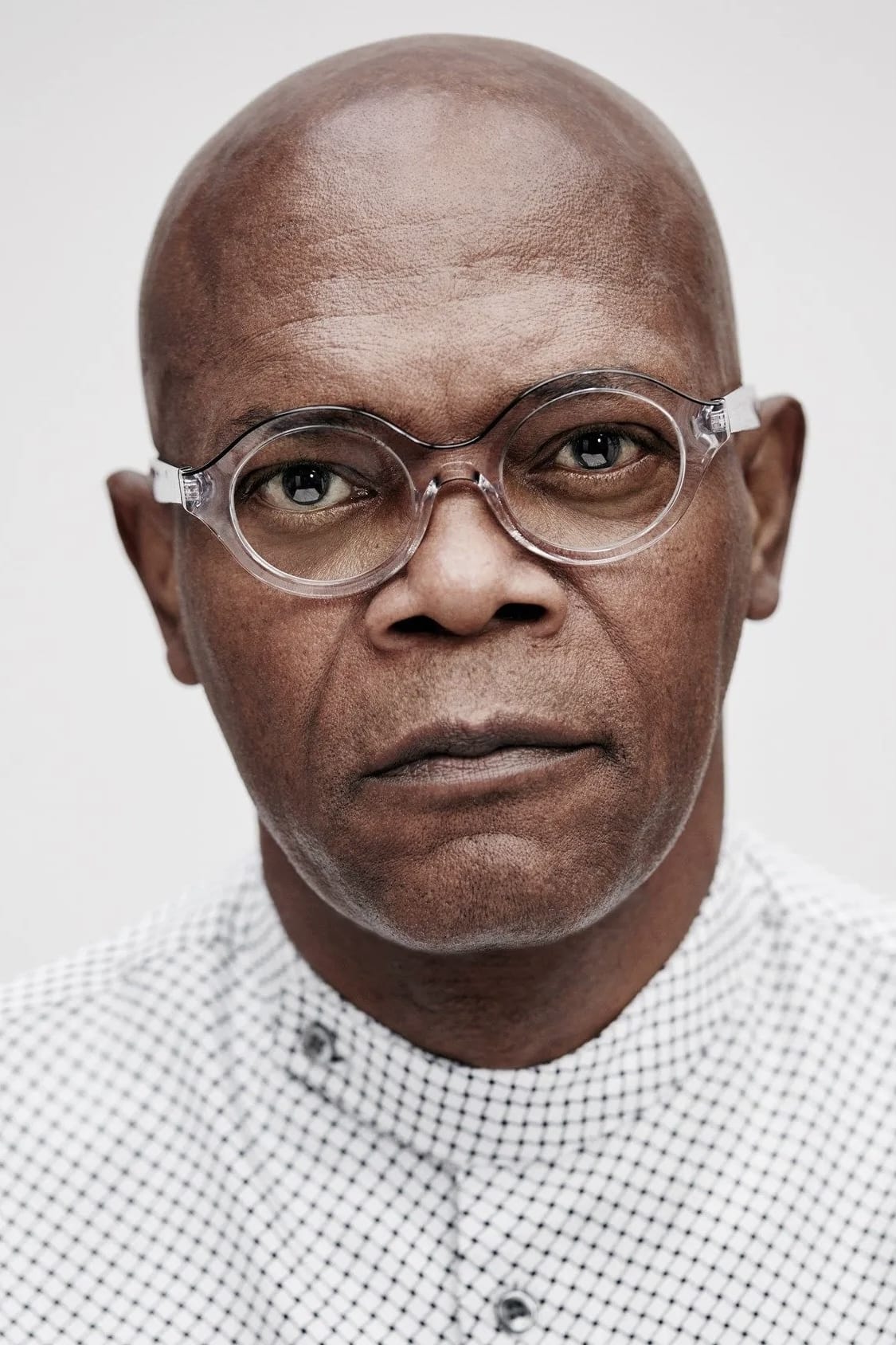
In ‘The Legend of Tarzan,’ Chiwetel Ejiofor played George Washington Williams, a character who helped Tarzan on his journey. This meant playing a supporting role to a white protagonist in a story set in Africa, a type of role Ejiofor has occasionally taken on despite his considerable talent. He’s spoken about the history behind these kinds of stories and the difficulties they present. Despite this, Ejiofor remains a very successful actor in Hollywood and continues to seek out more meaningful and impactful roles.
Don Cheadle
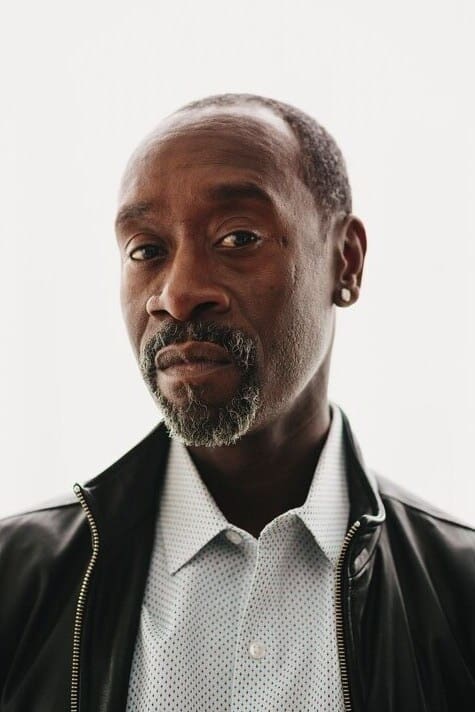
Don Cheadle played a spiritual guide in ‘The Family Man,’ showing the main character a different version of his life. This role exemplifies a common pattern in romantic comedies where minority characters are used as magical devices. Throughout his career, Cheadle has skillfully combined mainstream films with projects that are personally meaningful and address important social issues. He’s consistently advocated for better, more nuanced writing of minority characters in Hollywood, and his work demonstrates a clear preference for realistic, complex stories over stereotypical roles.
James Earl Jones
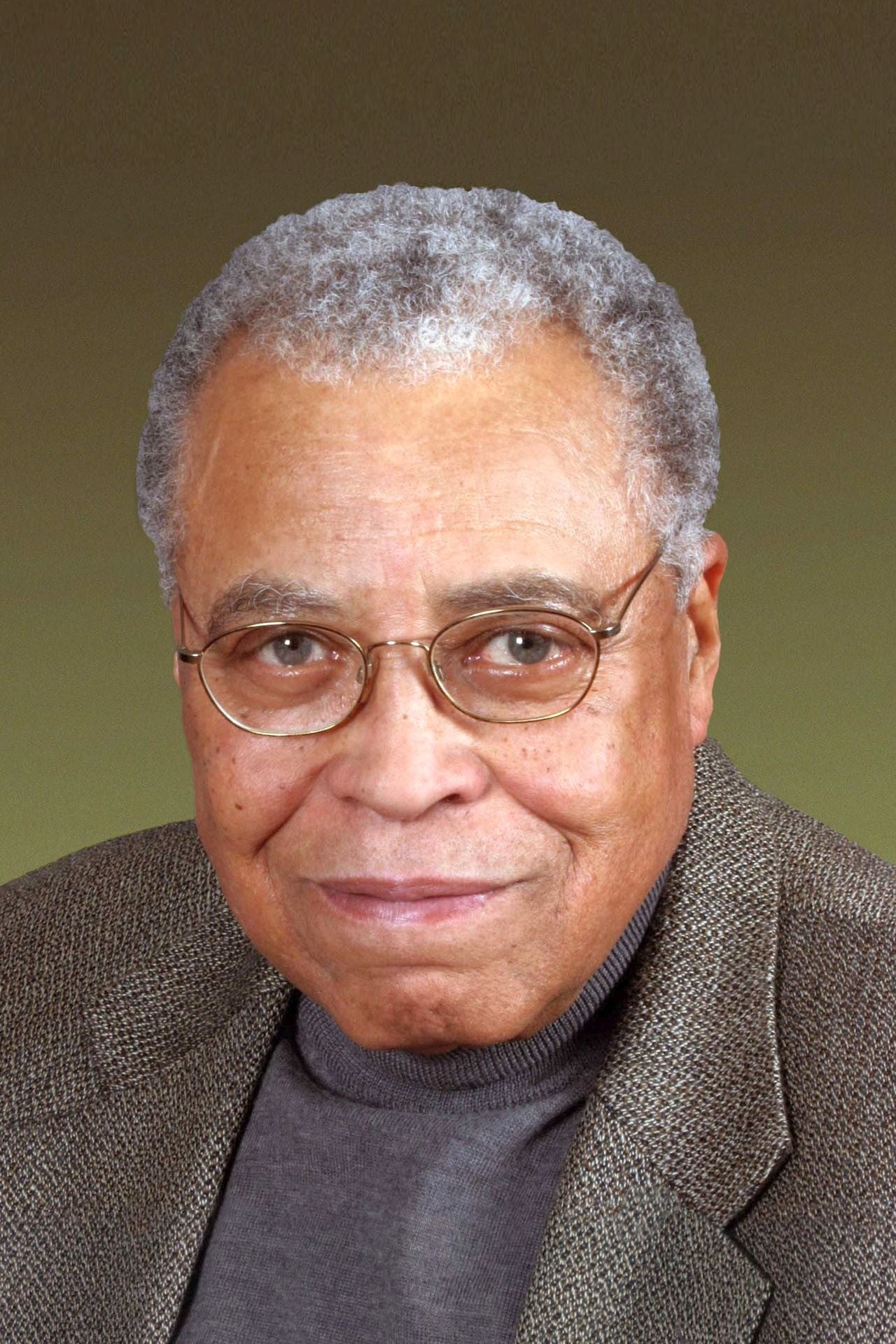
James Earl Jones is remembered for his powerful portrayal of Terence Mann in ‘Field of Dreams,’ where he served as a wise and guiding figure. While his strong voice and commanding presence greatly enhanced the film, the role was ultimately that of a mentor. Throughout his long and celebrated career, Jones has delivered many iconic performances, breaking down barriers. He has also spoken about the historical lack of leading roles for Black actors. Even now, he is widely considered one of the most talented actors of his generation.
Scatman Crothers
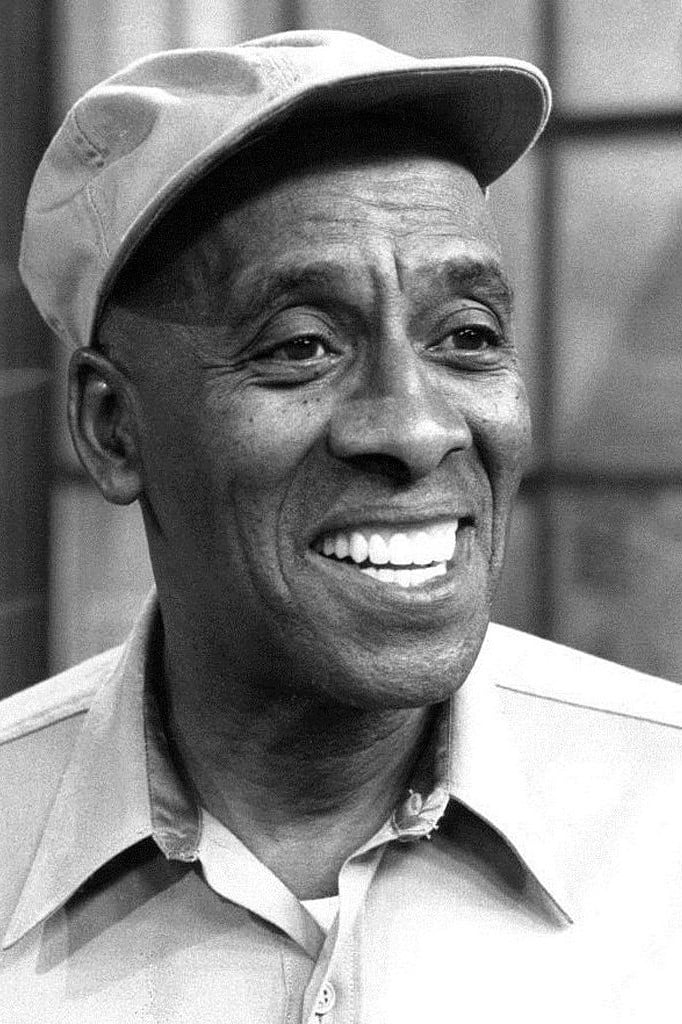
Scatman Crothers became well-known for his role as Dick Hallorann in ‘The Shining,’ a character known for his psychic powers. Hallorann served as a guide to the supernatural events in the film and tried to help the family at the center of the story. This role is frequently discussed as a prime example of the ‘magical minority’ trope often found in horror movies. Crothers was a talented and diverse performer who worked across many areas of entertainment, but like many Black actors of his time, he faced limitations in the types of roles offered to him.
Ken Watanabe
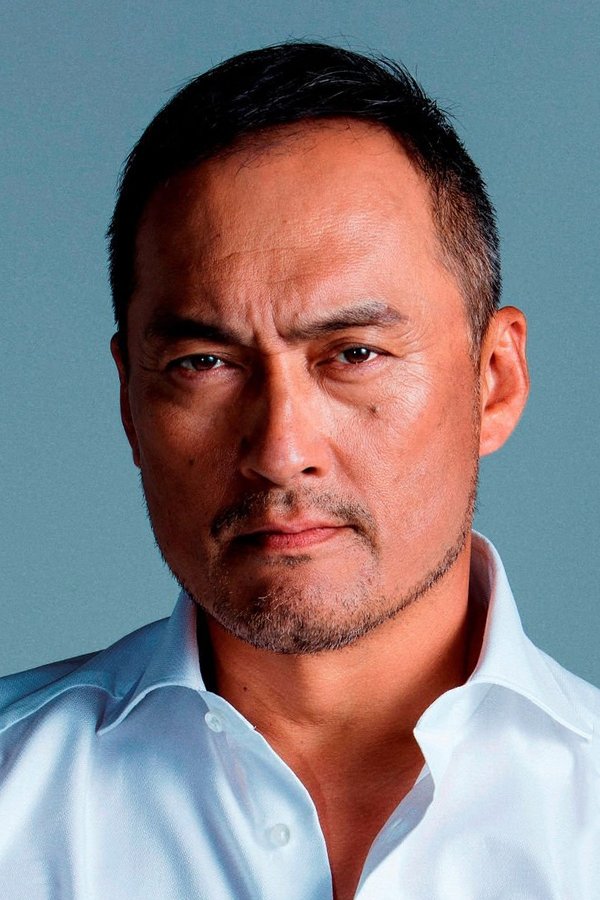
Ken Watanabe was nominated for an Academy Award for his role in ‘The Last Samurai,’ where he portrayed a dignified warrior who guided Tom Cruise’s character, both culturally and spiritually. While his performance was strong, it unfortunately leaned on familiar and somewhat outdated stereotypes of Asian characters. Watanabe has said he’s proud of the role, but hopes to see Japanese actors take on more modern and diverse parts. He’s since appeared in numerous international films that offer better representation.
Hiroyuki Sanada
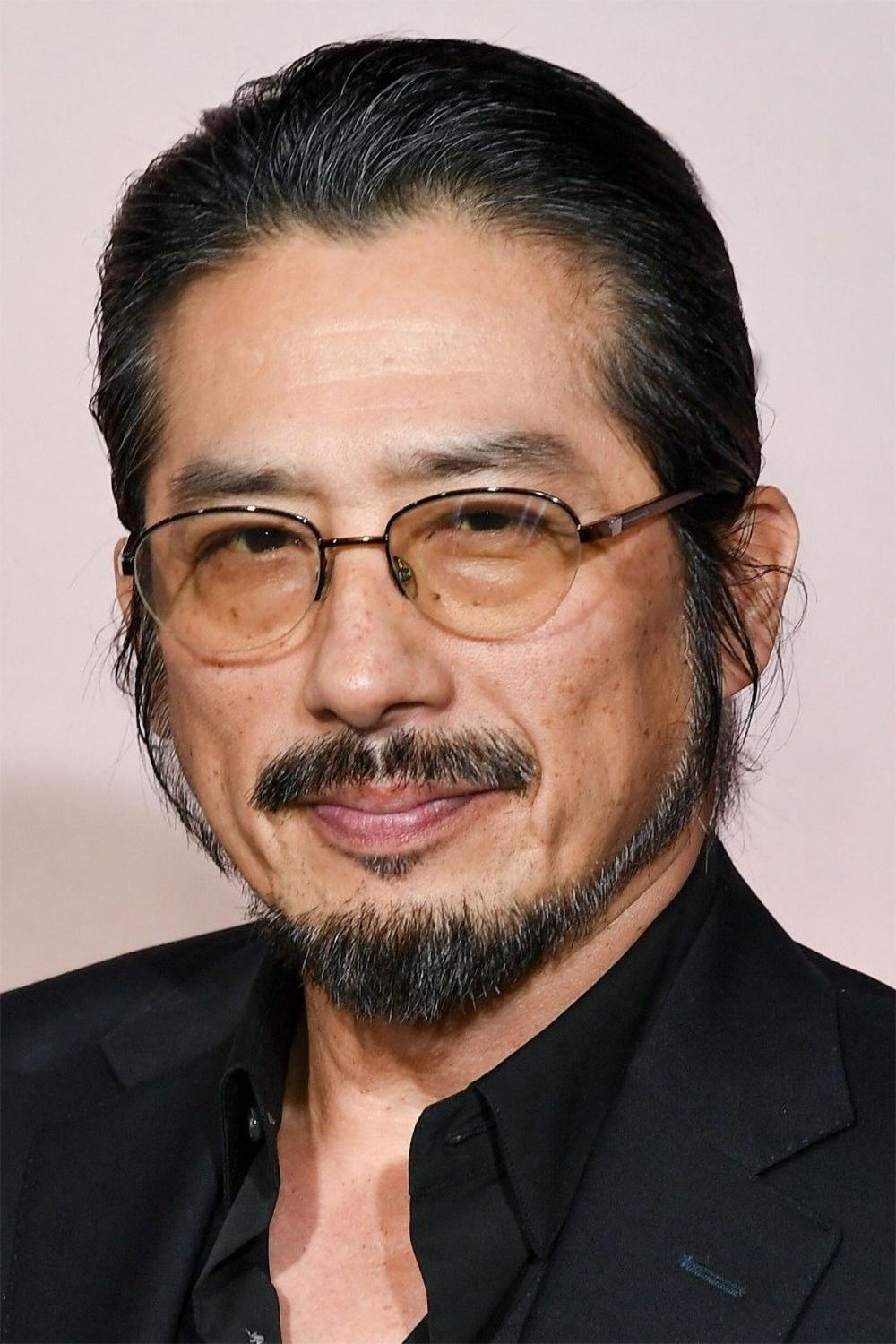
I’ve been following Hiroyuki Sanada’s career for years, and he’s fantastic – you might recognize him from ‘The Last Samurai.’ He’s a huge star in Japan, but here in Hollywood, he often found himself playing the same kind of role: the wise mentor or stoic warrior. Honestly, it felt like they didn’t quite know what to do with his talent. That’s why I’m so impressed he’s now producing as well. He’s clearly passionate about showing a more real, complex side of Japanese culture, and moving away from those tired, old stereotypes. His recent projects really demonstrate a commitment to authenticity and telling stories with depth – it’s really refreshing to see.
Graham Greene
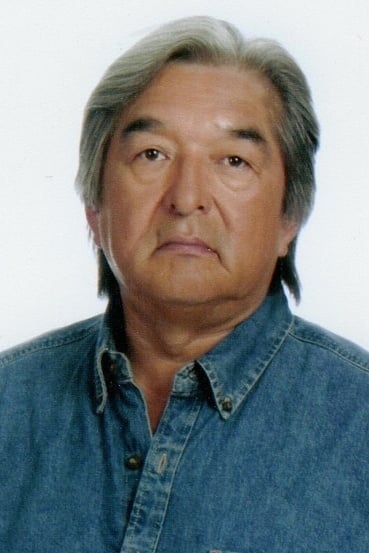
Rodney A. Grant earned an Academy Award nomination for his role as Kicking Bird in ‘Dances with Wolves.’ He portrayed a thoughtful Native American character who mentors the film’s main white character, introducing him to his people’s way of life. While the movie was very popular, it later faced criticism for presenting a ‘white savior’ storyline. Throughout his career, Grant has consistently taken on roles that challenge the types of characters he first became known for. He is still a prominent and well-recognized Indigenous actor in Hollywood.
Wes Studi
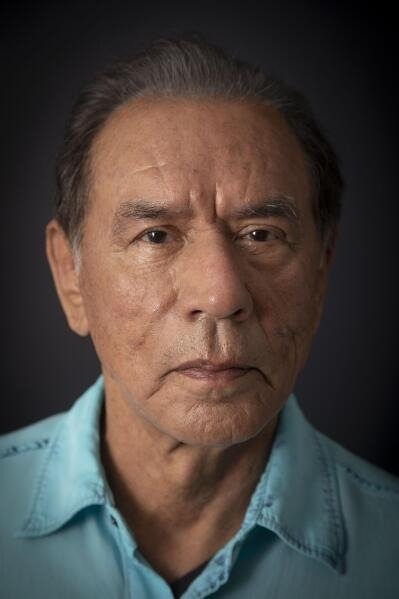
Wes Studi is a celebrated actor known for his strong performances in films like ‘The Last of the Mohicans’ and ‘Geronimo’. He often plays proud and powerful warriors, bringing a sense of dignity to these roles. However, he’s also been a vocal advocate for more opportunities for Native American actors to play a wider range of contemporary characters. Studi received an Honorary Oscar recognizing his impact on the film industry, and continues to champion Indigenous representation behind and in front of the camera.
Chief Dan George
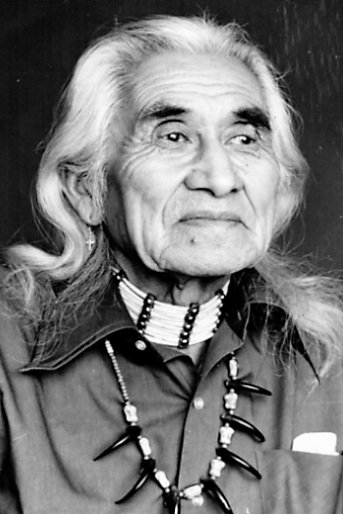
George was a well-known actor, even earning an Oscar nomination for his part in ‘Little Big Man’. He played a humorous and insightful elder who offered guidance to the main character. While his performance was groundbreaking for Native American representation at the time, it still relied on some common stereotypes of the period. George used his platform to advocate for the rights of Indigenous people and to emphasize the importance of protecting their culture.
Ben Kingsley
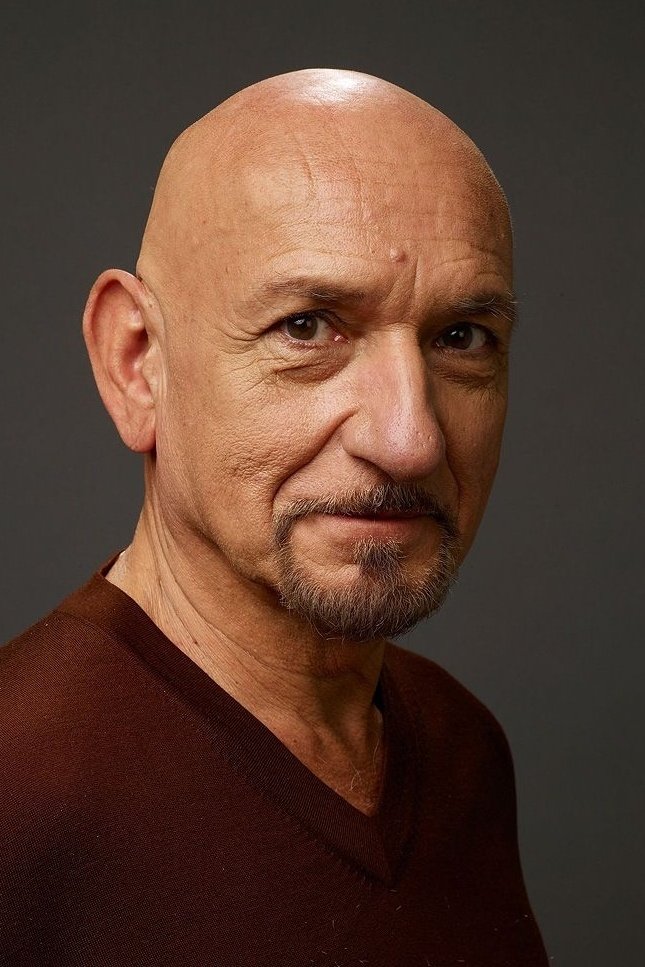
Ben Kingsley received an Academy Award for his performance as Gandhi in the film of the same name. The movie presented Gandhi as a deeply inspiring and almost saintly leader. Kingsley, who comes from a multicultural background, has sometimes faced discussion about his portrayals of different ethnicities. He’s talked about the pressure and depth required to play such a famous and spiritually important figure. Throughout his career, Kingsley continues to choose diverse roles across many genres and cultures.
Dev Patel

Dev Patel became famous for his role in ‘Slumdog Millionaire,’ where he played a young man who uses his life knowledge to succeed on a game show. While the film was hugely popular worldwide, some critics thought it presented a too-simple view of poverty in India. Patel has discussed how hard it’s been to move beyond that initial breakthrough role, and he’s carefully chosen projects to avoid being typecast. His performances in films like ‘Lion’ show how much he’s developed as an actor.
Suraj Sharma

Suraj Sharma gained recognition for his role in ‘Life of Pi,’ where he played a shipwreck survivor stranded with a tiger. The movie was known for its spiritual messages and beautiful depiction of nature. Despite receiving praise for his performance, Sharma found it difficult to be cast in a variety of roles afterwards. He’s said he wants to play characters who aren’t solely defined by being mysterious or unusual. He continues to act in projects for both international and American audiences.
Gedde Watanabe
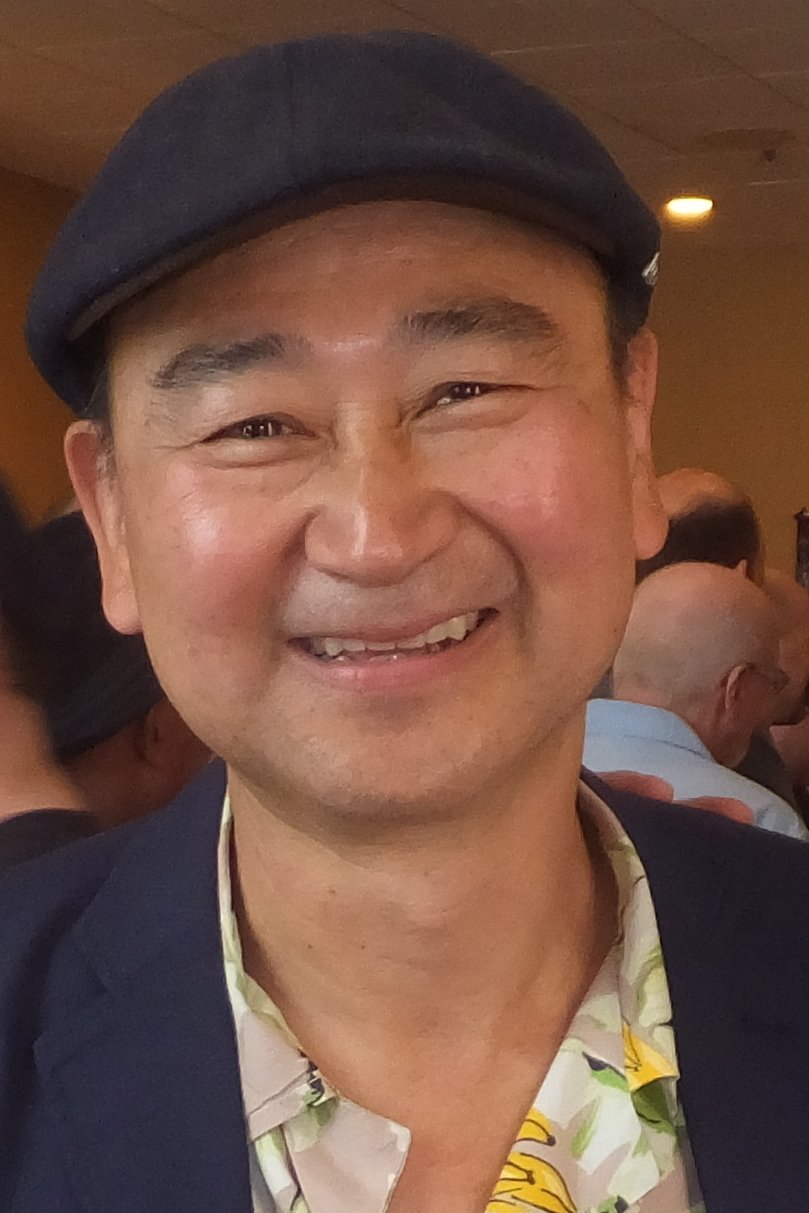
Watanabe is widely remembered for playing Long Duk Dong in the movie ‘Sixteen Candles’. This character is often cited as a harmful and damaging stereotype of Asian people in film. Watanabe has publicly stated he regrets taking the role and understands the negative effect it had on the Asian American community. He’s shared how the part followed him throughout his career and restricted the types of roles he was offered. Since then, he’s dedicated himself to building a career with more meaningful and respected work.
Burt Kwouk
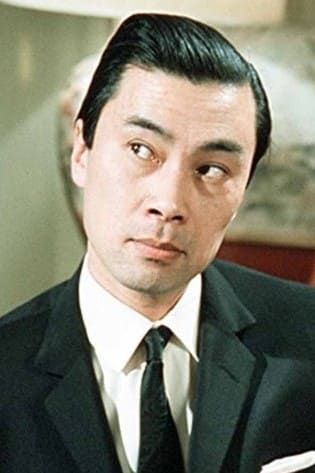
As a film buff, I always loved the ‘Pink Panther’ movies, and Herbert Kwouk as Cato was a huge part of that! He played Clouseau’s martial arts assistant, and was famous for those surprise attacks. Beyond that role, Kwouk was a really versatile actor who showed up in tons of great films, even a few James Bond movies. It’s clear he was incredibly talented, but sadly, like many Asian actors at the time, he often faced limited opportunities. While Cato is a beloved character, it’s also a bit complicated when you look back at it now – it’s a role that sparks some debate when considering his overall career.
Mako
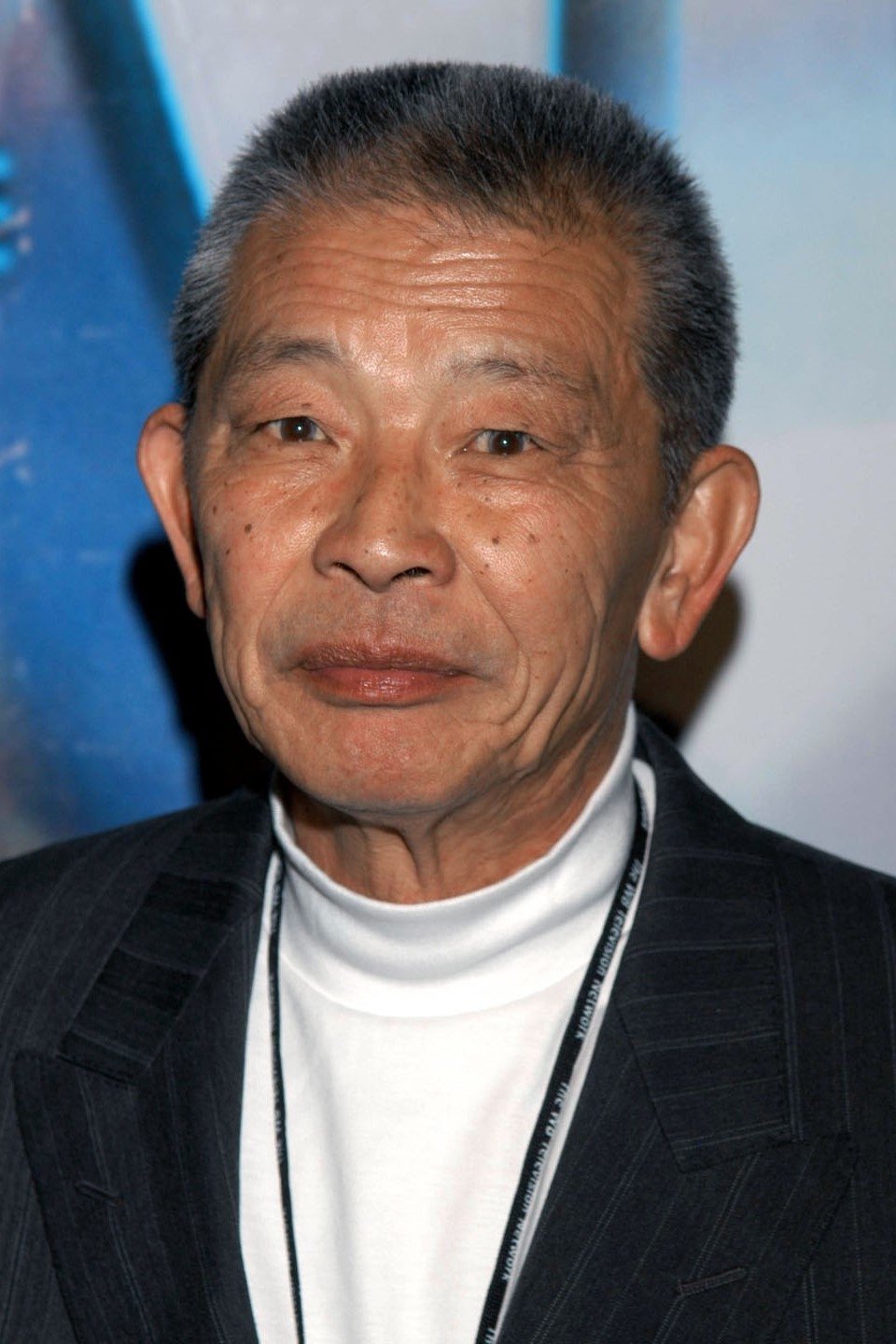
Mako was a groundbreaking actor, even earning an Oscar nomination for his work in ‘The Sand Pebbles’. He was known for playing characters like the wise wizard in ‘Conan the Barbarian’, a role that unfortunately relied on common stereotypes. Beyond acting, Mako helped found the East West Players, dedicating himself to creating more opportunities for Asian actors in the industry. He openly expressed his disappointment with the limited range of meaningful roles available in Hollywood. Ultimately, Mako’s impact comes from both his memorable performances and his fight for greater representation.
Victor Wong
As a film critic, I always enjoyed seeing James Hong – or, as many of us knew him, Wong – on screen. He and John Carpenter worked together a lot, most memorably in ‘Big Trouble in Little China.’ He had this incredible knack for playing the wise, older man who gets what’s happening when things get weird and supernatural. Honestly, while he was always charming and brought a lot to his roles, he often seemed typecast in that particular archetype. It’s easy to forget he was a seriously talented multi-hyphenate – a journalist and artist as well! Even when the scripts didn’t give him a ton of range, he always managed to inject a unique energy into his performances.
Keye Luke
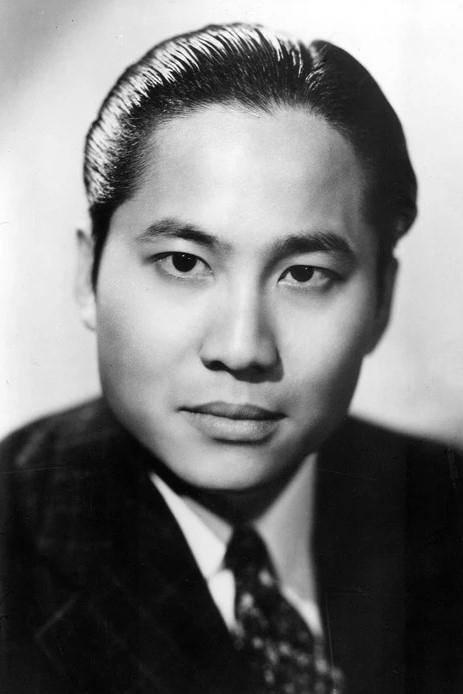
Luke enjoyed a successful acting career, famously playing the Master in the ‘Kung Fu’ TV series. He was among the first Asian American actors to regularly appear in Hollywood. Often, his characters served as wise mentors to white leads. Luke was a pioneer, opening doors for future Asian American actors. Throughout his life, he frequently discussed how portrayals of Asian characters in American media had changed.
David Oyelowo
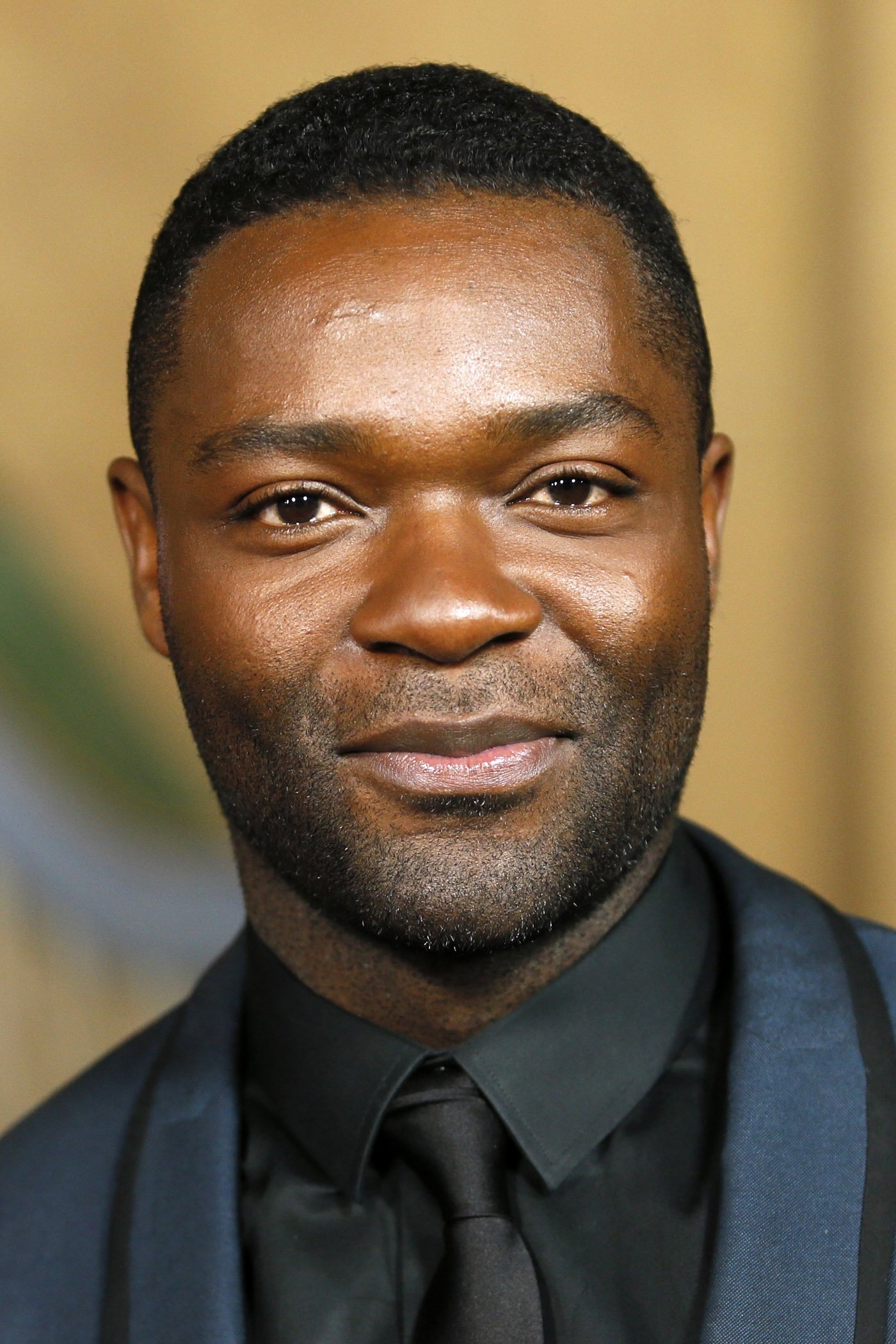
Oyelowo played the title character in ‘The Butler’ which followed a man serving multiple presidents. The film was a major success but some critics felt it focused too much on the white historical figures. Oyelowo has been very vocal about the types of black stories that Hollywood chooses to tell. He has expressed frustration with the industry’s obsession with black trauma and servitude. The actor now focuses on producing and starring in films that offer more diverse narratives.
Djimon Hounsou
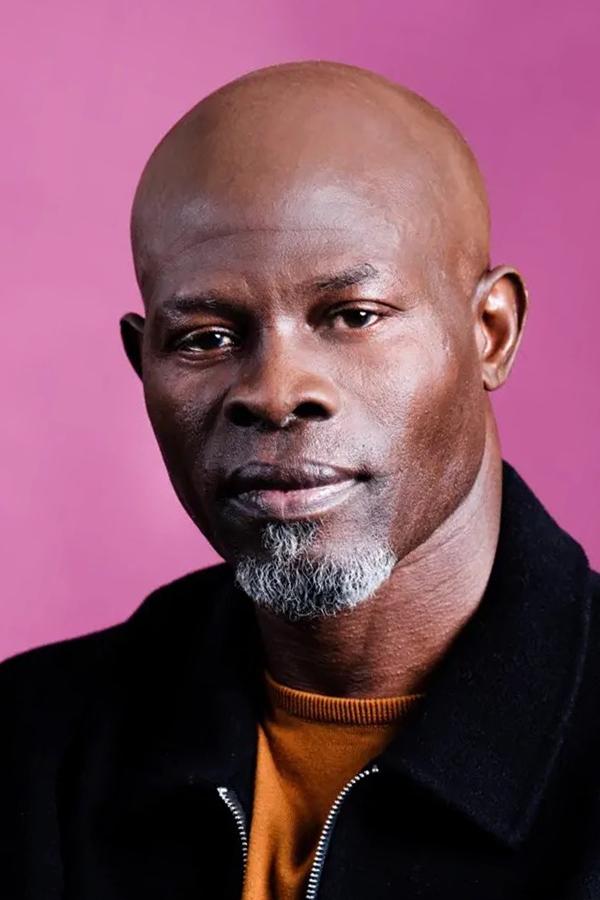
Djimon Hounsou has earned praise for his performances in films like ‘Amistad’ and ‘Gladiator’, often portraying strong, dignified supporting characters. However, he’s spoken about his frustration with being typecast in roles that emphasize his physical appearance or a stereotypical image of African nobility, rather than showcasing his full acting talent. Hounsou has also pointed out the challenge of finding leading roles that aren’t centered around slavery or difficult historical events. He remains committed to advocating for greater diversity and more complex opportunities for African actors in Hollywood, as his career demonstrates the continuing fight against limited and stereotypical representations.
Robert Guillaume
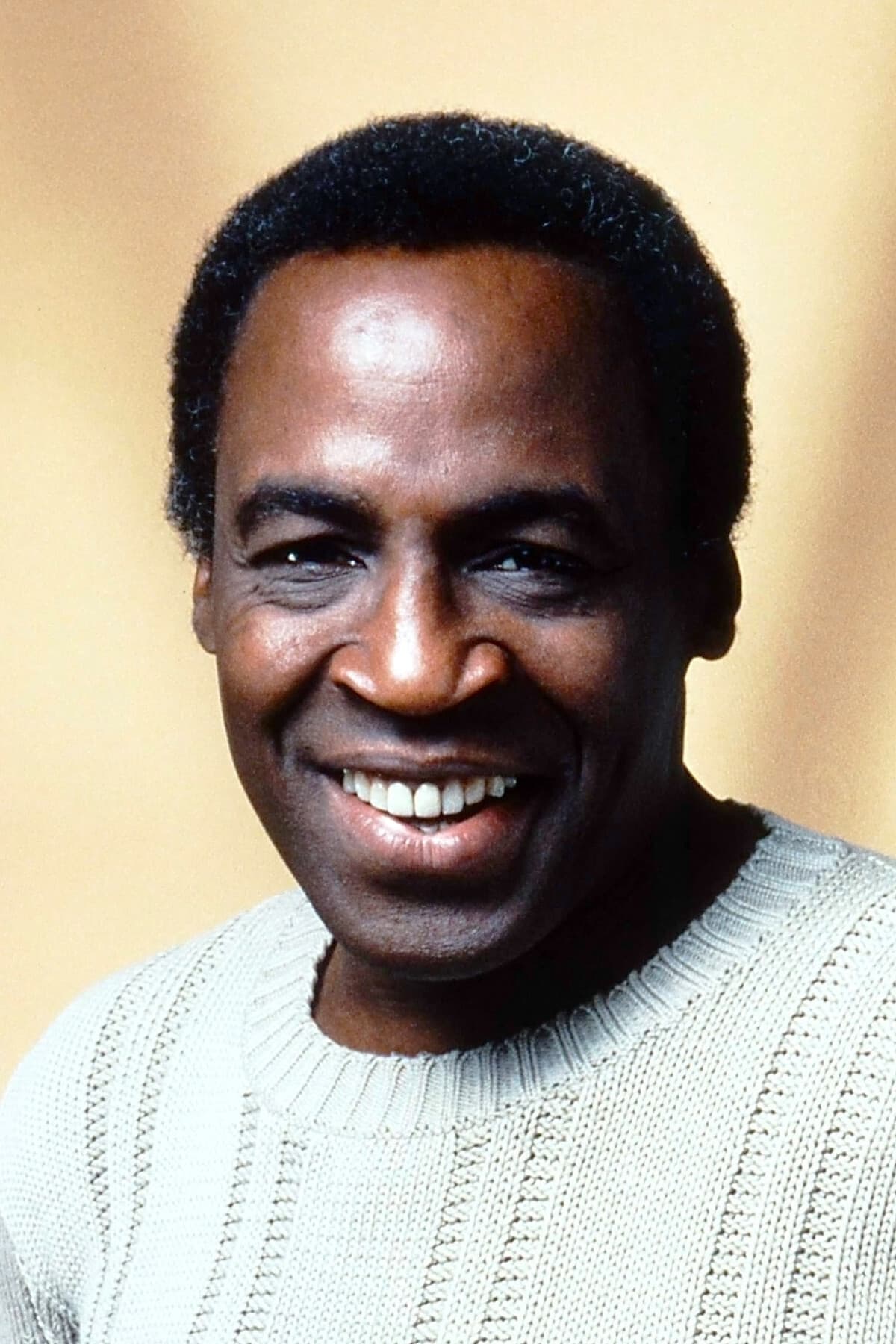
Guillaume earned two Emmy Awards for his role as Benson DuBois in ‘Soap’ and ‘Benson’. Initially, his character was a capable but humble domestic worker for a white family. Guillaume intentionally developed the character into a politician, wanting to move beyond the typical ‘servant’ stereotype. He frequently spoke about the challenges and nuance of playing such a role on television at that time. Ultimately, his work helped change how Black characters were seen on screen.
Yaphet Kotto
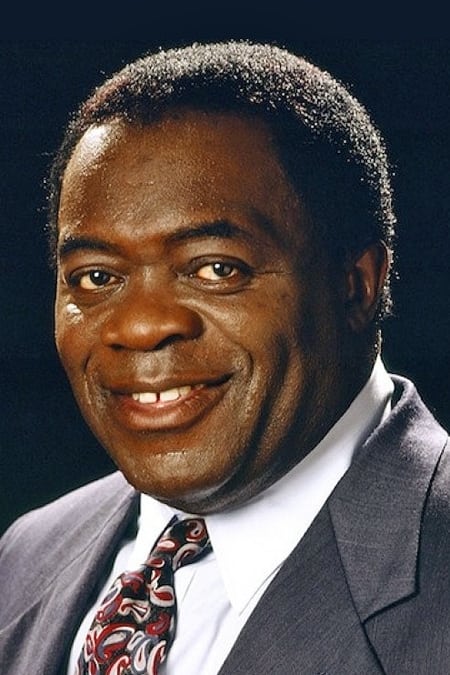
Yaphet Kotto was known for playing the villain Kananga in ‘Live and Let Die,’ and he often took on roles portraying strong, but often stereotypical, minority characters – typically the wise or dangerous figure who either helped or hindered the white protagonist. He felt limited by the types of roles available to him and consistently strived to bring depth and dignity to every character he played, even when the script didn’t allow for it. Kotto’s lasting impact is as an actor who fought for respect within a challenging and limiting industry.
We’d love to hear your thoughts on how these performers moved beyond predictable character types to deliver more complex and realistic portrayals. Share your ideas in the comments below!
Read More
- Building 3D Worlds from Words: Is Reinforcement Learning the Key?
- The Best Directors of 2025
- Gold Rate Forecast
- 2025 Crypto Wallets: Secure, Smart, and Surprisingly Simple!
- Mel Gibson, 69, and Rosalind Ross, 35, Call It Quits After Nearly a Decade: “It’s Sad To End This Chapter in our Lives”
- 20 Best TV Shows Featuring All-White Casts You Should See
- Umamusume: Gold Ship build guide
- Top 20 Educational Video Games
- Walmart: A Stillness in the Shifting Sands
- Celebs Who Married for Green Cards and Divorced Fast
2026-01-05 09:30