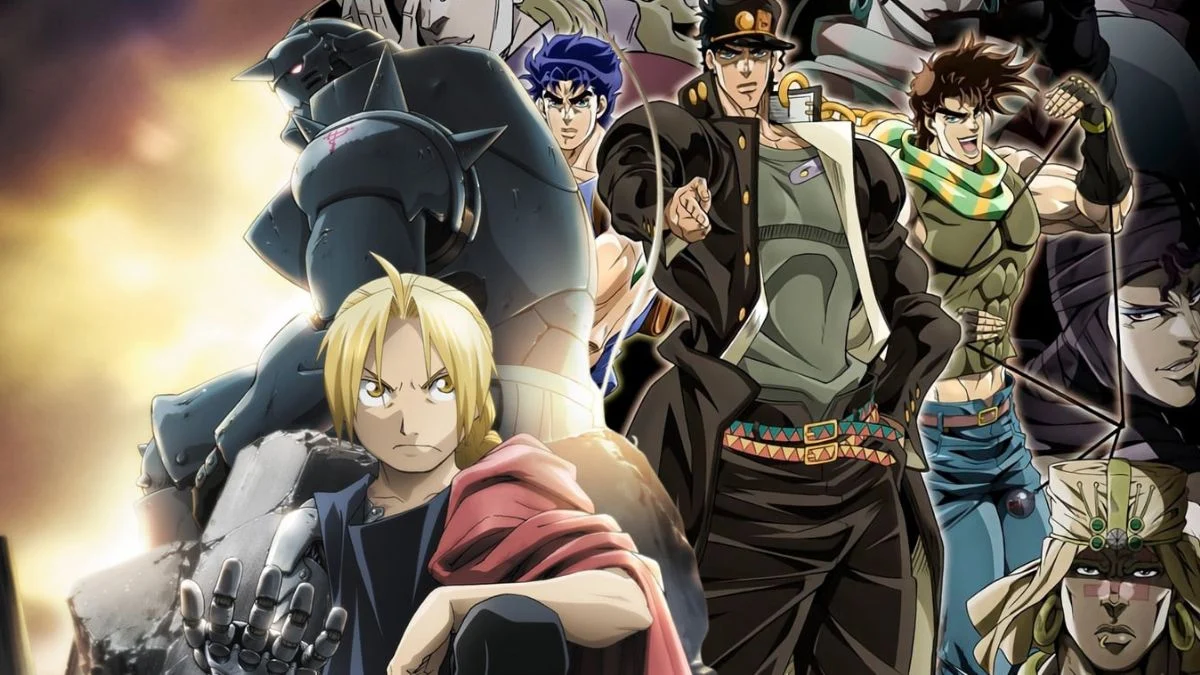
When classic anime series are remade, creators often update the animation and simplify the story to appeal to modern audiences. However, these updates sometimes mean changes to how characters look, or even removing characters altogether. Notably, some remakes have altered or removed characters who were originally members of minority groups or had distinct ethnic features. These decisions are sometimes made to stay true to the original manga or to avoid potentially problematic depictions. This article looks at several anime remakes where minority characters were changed or removed during the production process.
‘Shaman King’ (2021)
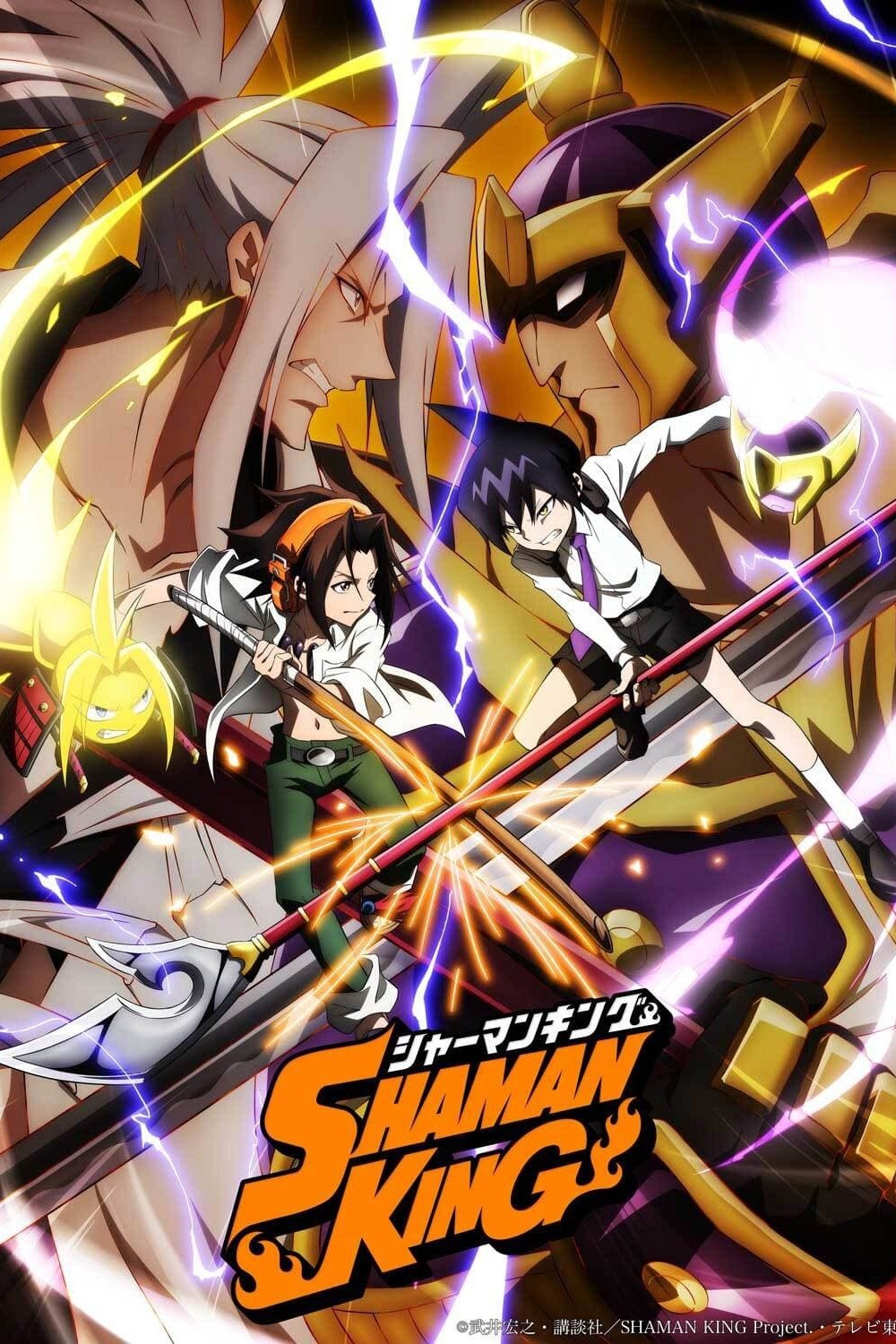
The recent remake of ‘Shaman King’ significantly changed the appearance of the character Joco McDonnell, previously known as Chocolove. In the original 2001 version, his design—particularly his large lips and hair texture—was criticized for resembling harmful stereotypes of Black people. The 2021 remake removed these features to update his look and avoid controversy. However, this change also dramatically altered the character’s established visual identity, and reflects a wider practice of updating or removing potentially problematic elements from older anime designs in modern remakes.
‘Dragon Ball Z Kai’ (2009–2011)
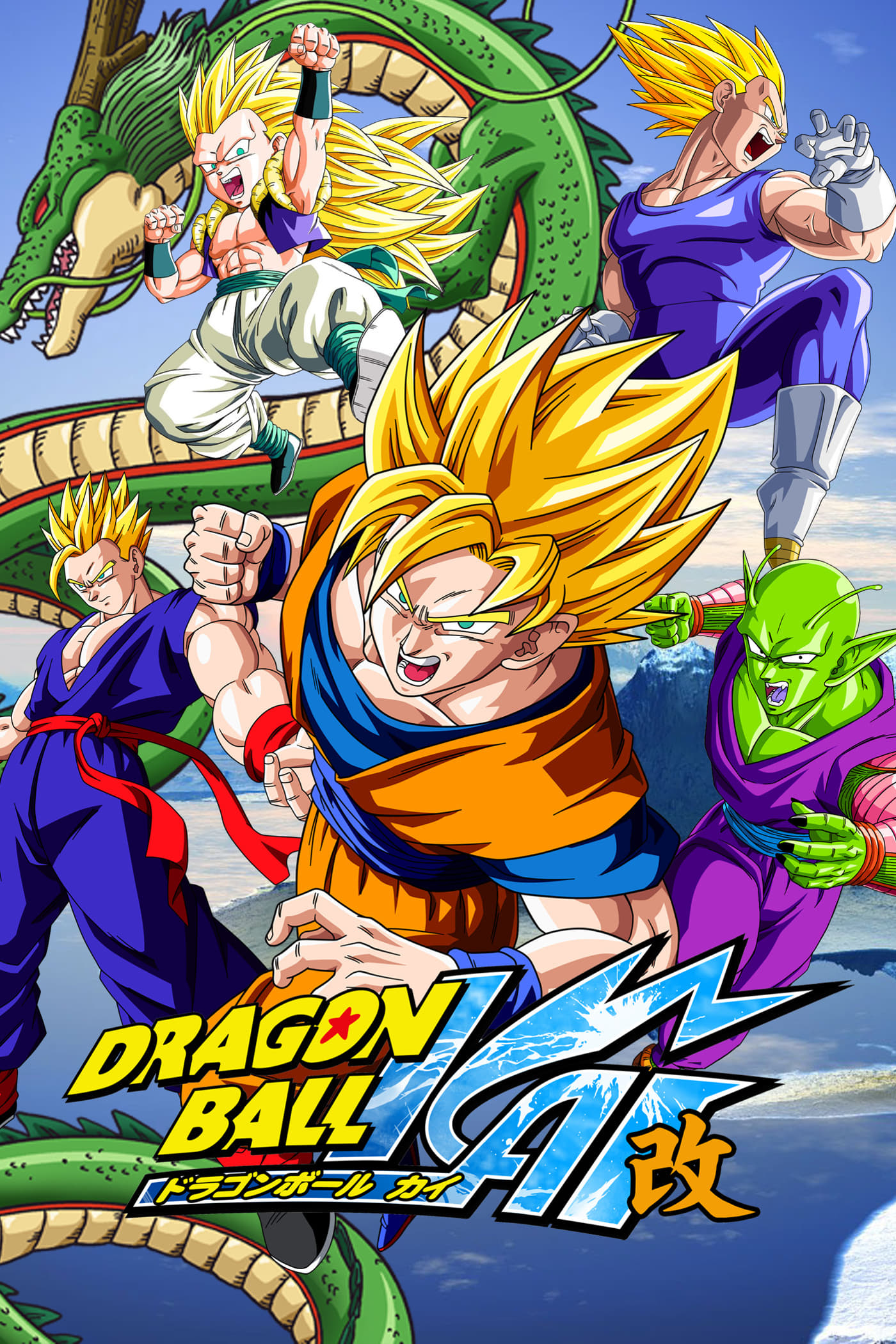
When ‘Dragon Ball Z Kai’ was broadcast, some versions were edited to change the appearance of the character Mr. Popo. The original design featured very dark skin and large red lips, which some viewers felt relied on harmful racial stereotypes. To address these concerns, the edited versions changed Mr. Popo’s skin color to bright blue, removing the original associations. This change shows how updated versions of shows sometimes use editing to address potentially offensive elements from older character designs and be more culturally sensitive.
‘Hunter x Hunter’ (2011)
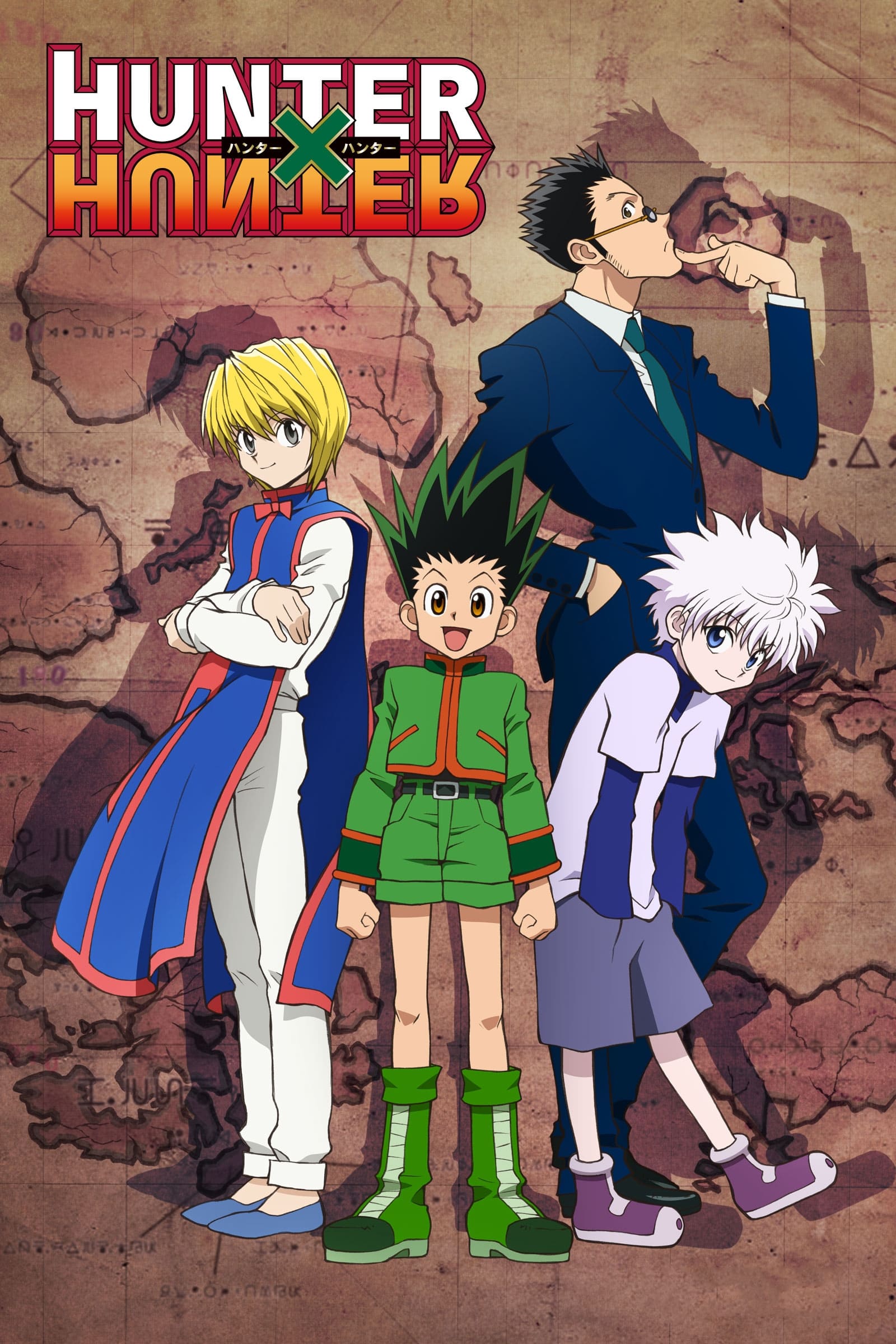
The 2011 version of ‘Hunter x Hunter’ updated the character Canary, a member of the Zoldyck family’s security, but some fans feel these changes lessened her unique appearance. While she still has a different ethnicity, her features were smoothed out. Additionally, the remake replaced many background characters with darker skin from the original 1999 anime with lighter-skinned characters. This change reduced the diversity seen in the first adaptation. These adjustments seem to reflect how character coloring is handled differently in today’s anime production.
‘Fullmetal Alchemist: Brotherhood’ (2009–2010)
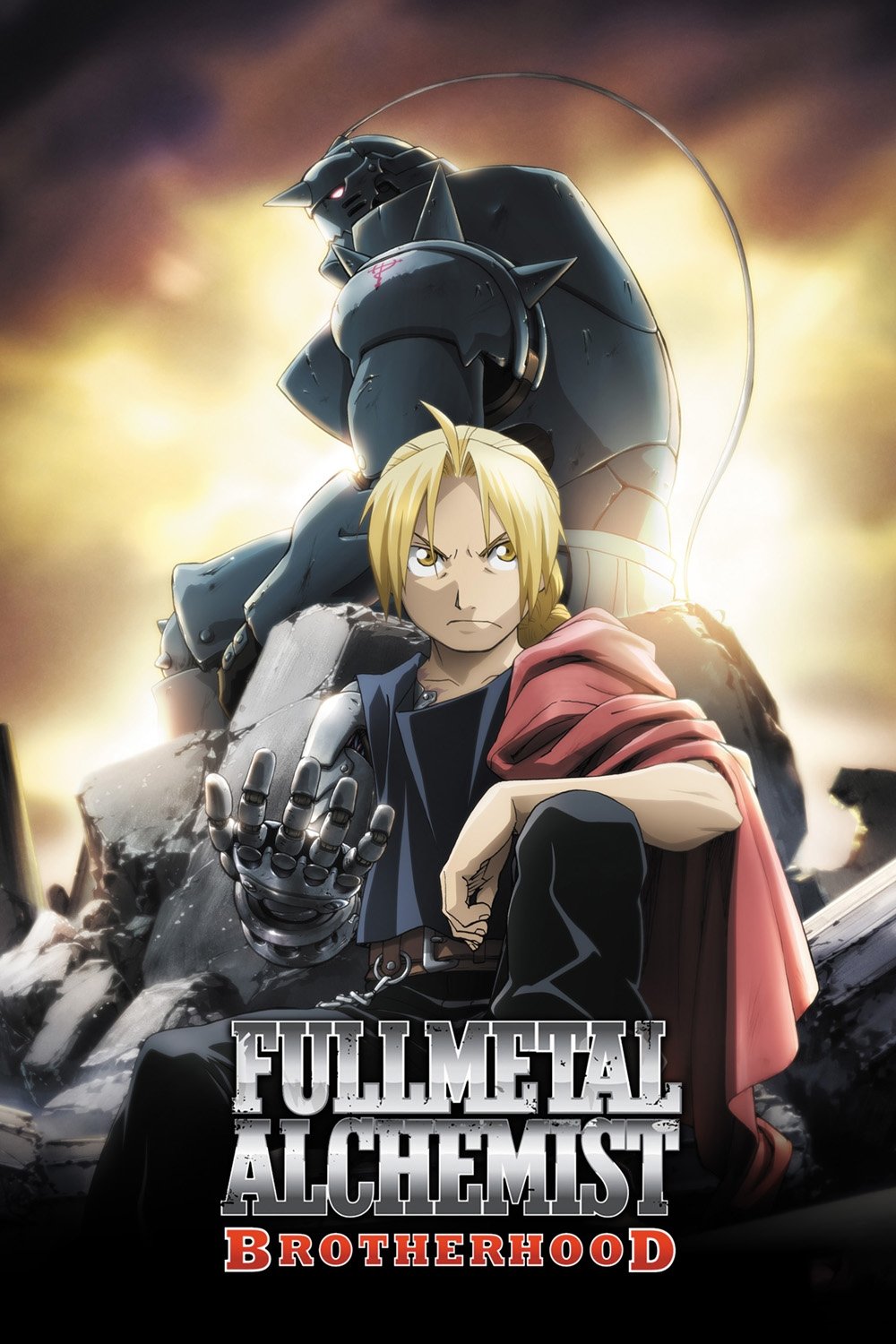
When ‘Fullmetal Alchemist Brotherhood’ was created, the depiction of the Ishvalan people changed compared to the 2003 anime. The original series showed more of the Ishvalan refugees and highlighted the difficulties they faced as a minority group. ‘Brotherhood’ stuck closer to the manga, which meant some characters created for the first anime, and their stories, were removed. While this made the plot more focused, it also meant less time was spent showing the experiences of the Ishvalan people. The remake primarily concentrates on the Elric brothers’ journey, with less emphasis on side characters.
‘Sailor Moon Crystal’ (2014–2016)
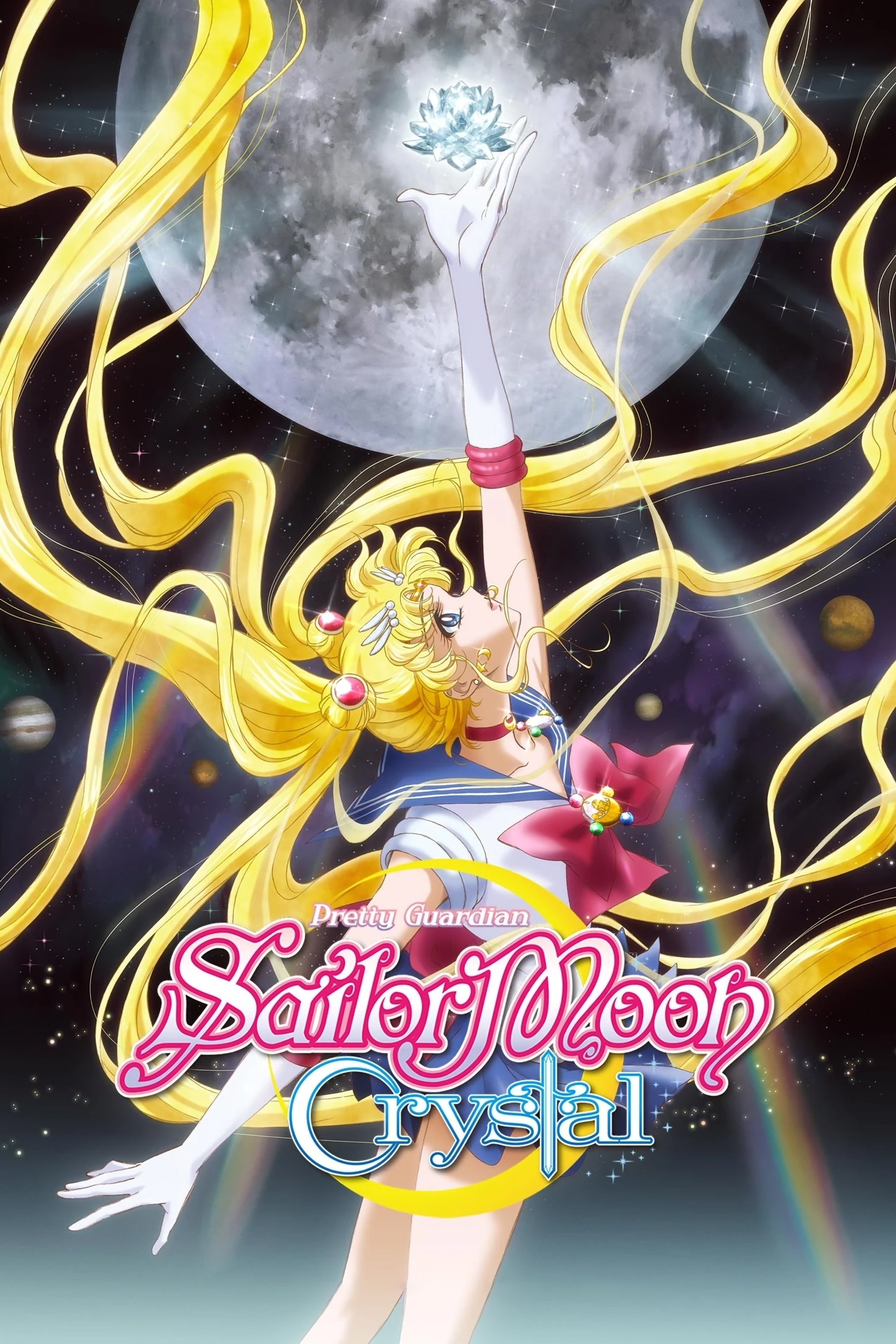
The 2014 reboot of ‘Sailor Moon Crystal’ aimed to be a closer retelling of Naoko Takeuchi’s original manga. To achieve this, it cut out many of the side characters and villains that were added to the 1990s anime as filler. These removed characters often had distinct cultural backgrounds and appearances. As a result, the remake focuses more on the main Sailor Guardians and features a less diverse cast of supporting characters than the original series, leading to a less varied depiction of Tokyo’s population.
‘Urusei Yatsura’ (2022–2024)
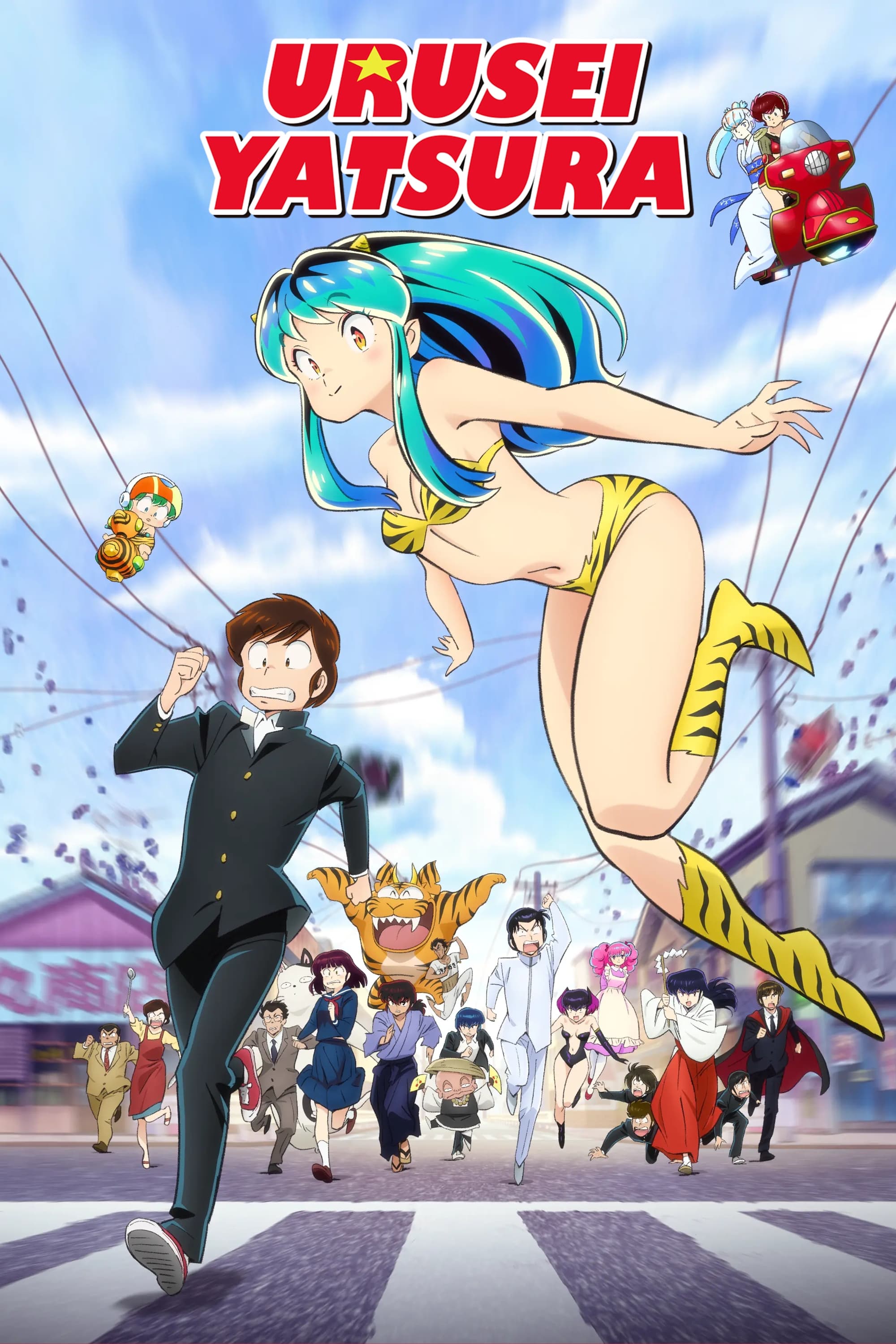
The new version of ‘Urusei Yatsura’ brings the 1980s comedy to modern viewers with updated, high-definition animation. To keep things moving quickly, the remake removed many of the standalone stories and guest characters from the original series. This included travelers and people from different cultures who appeared throughout the long-running show. While focusing on the main characters keeps the pace fast, it also means the remake loses some of the original anime’s diverse and worldly feel. This focus on a smaller cast often means less representation of different cultures and backgrounds.
‘Rurouni Kenshin’ (2023–2024)
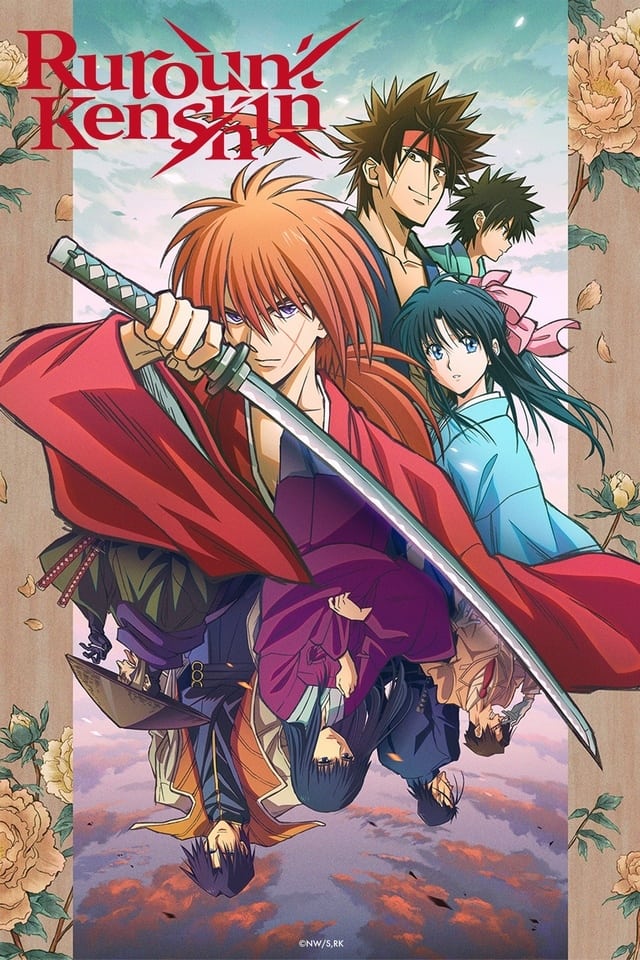
The new 2023 version of ‘Rurouni Kenshin’ is a more direct adaptation of the original manga, cutting out the lengthy, added storylines from the 1990s anime. While the older version included a wide range of characters – including foreigners and minorities – representing Meiji-era Japan’s diverse population, the remake focuses solely on the manga’s plot, meaning these characters are no longer included. Although the new version stays truer to the author’s original intent, it results in a less diverse cast compared to the first adaptation. This illustrates a common challenge with remakes: balancing faithfulness to the source material with the inclusion of varied characters.
‘Trigun Stampede’ (2023)
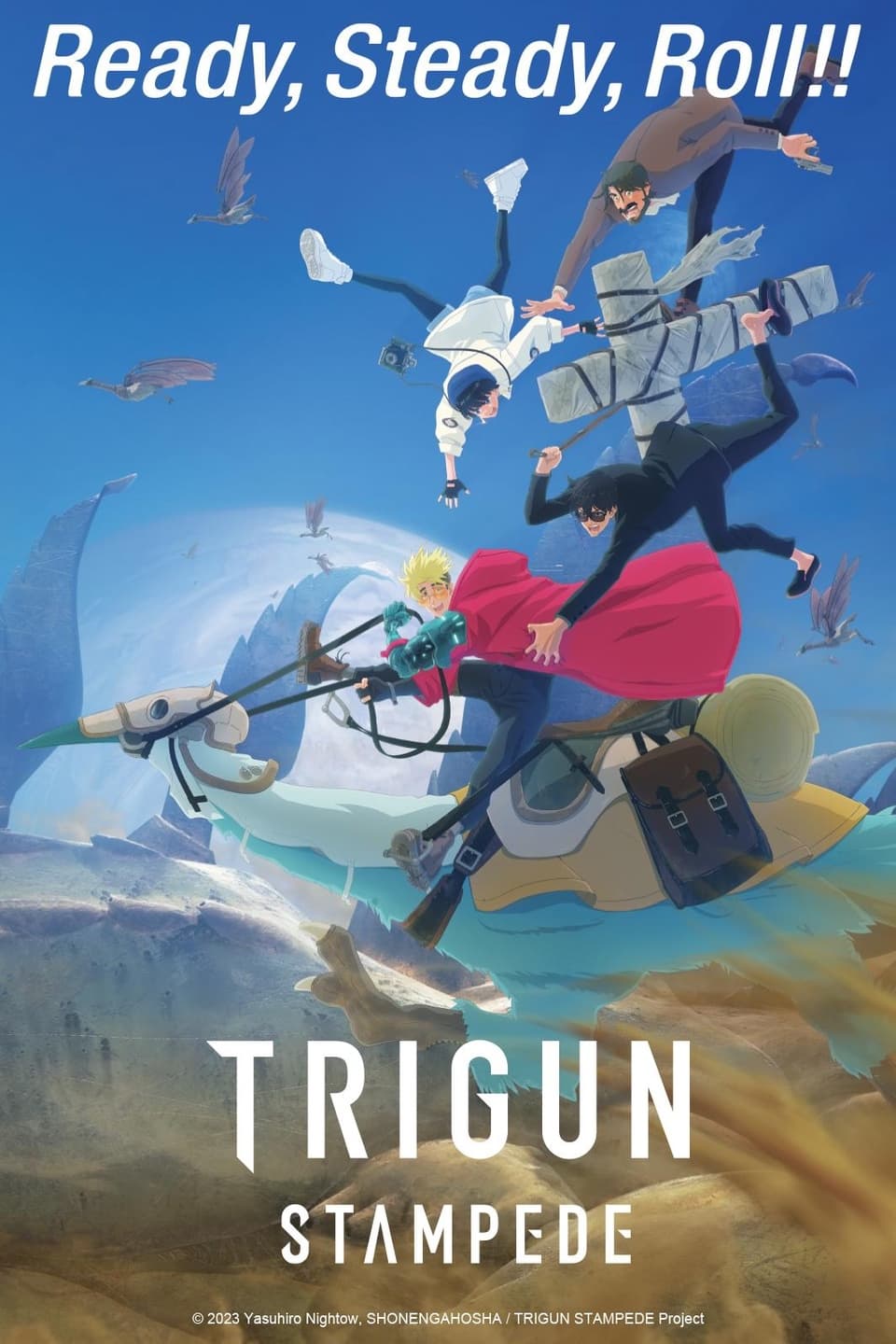
‘Trigun Stampede’ updates the classic ‘Gunsmoke’ world with a fresh look and a revised story. While it follows Vash the Stampede’s journey, the remake simplifies things by leaving out many of the unique towns and characters from the original 1998 anime. These omitted characters often had strong cultural backgrounds that contributed to the original series’ rich and varied world. The new version tells a more focused story, prioritizing the main characters and their immediate struggles, which results in a different, more streamlined feel.
‘Astro Boy’ (2003–2004)
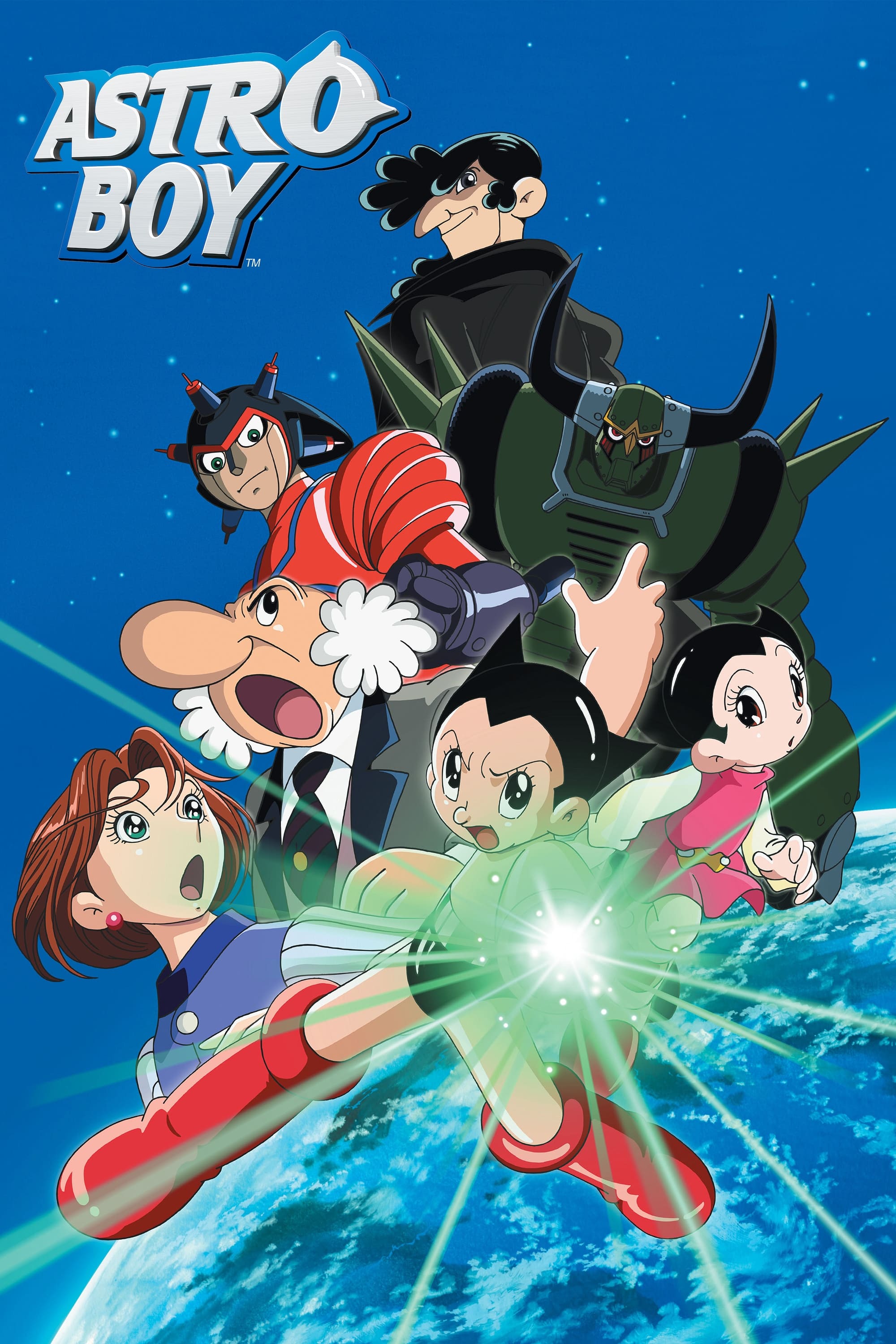
The 2003 version of ‘Astro Boy’ brought the classic 1960s and 1980s series to a new audience. Like the original, it used robots to represent groups facing prejudice in a world built for humans. However, the remake changed things by removing or simplifying robot characters who once symbolized different cultures and ethnicities. This made the show’s social message less subtle. The new version prioritized exciting action over exploring the complex relationships and social issues involving these diverse characters.
‘GeGeGe no Kitaro’ (2018–2020)
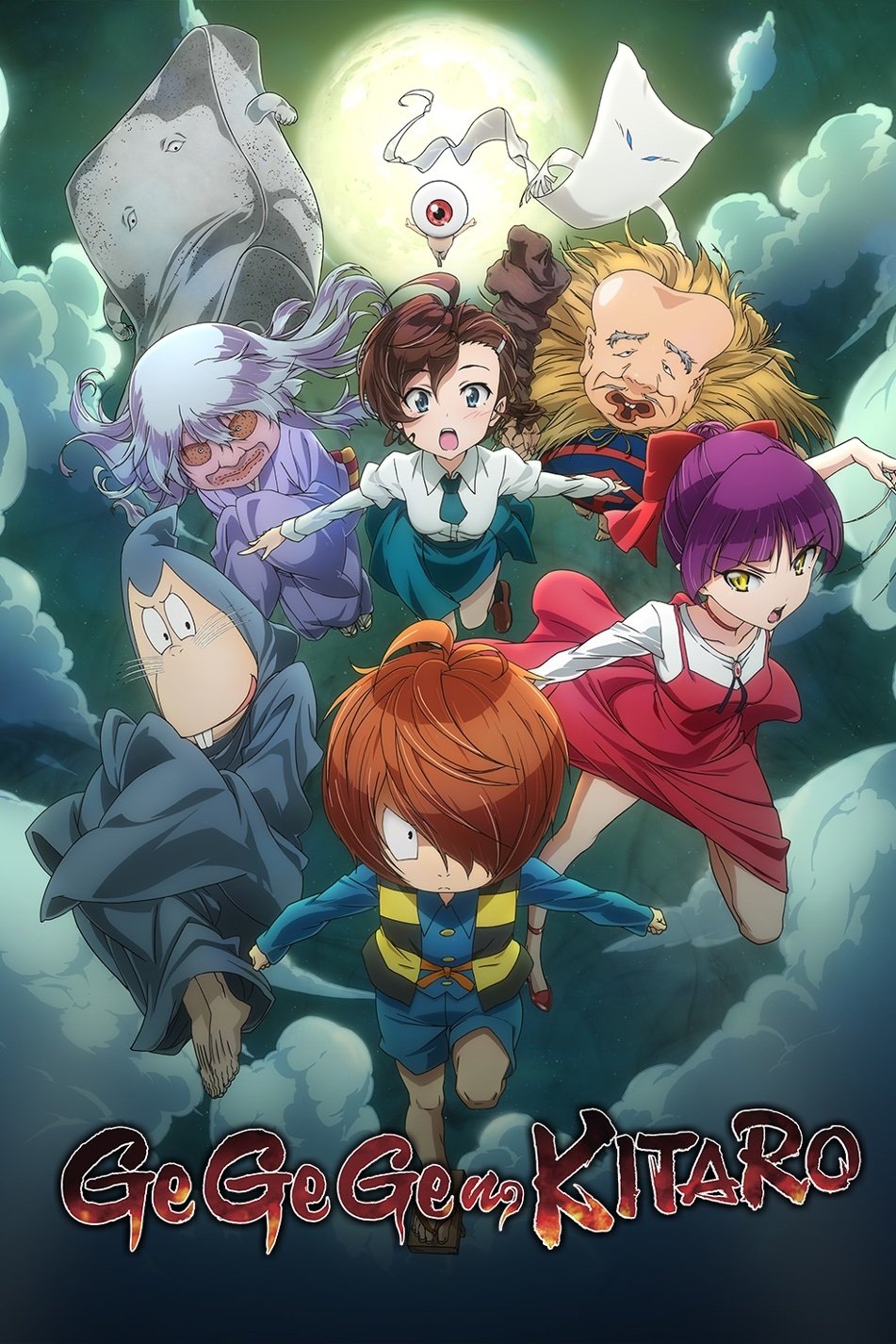
The 2018 version of ‘GeGeGe no Kitaro’ updated the classic Japanese folklore for today’s audiences. While the show is known for its insightful look at society, it also featured fewer yokai (supernatural creatures) than previous versions. The remake left out some of the minor yokai who originally represented specific local communities and traditions, replacing them with more modern, city-focused themes. This makes the new series feel very relevant, but it also means it doesn’t showcase the same range of regional cultures as the older versions.
‘Moominvalley’ (2019–2022)
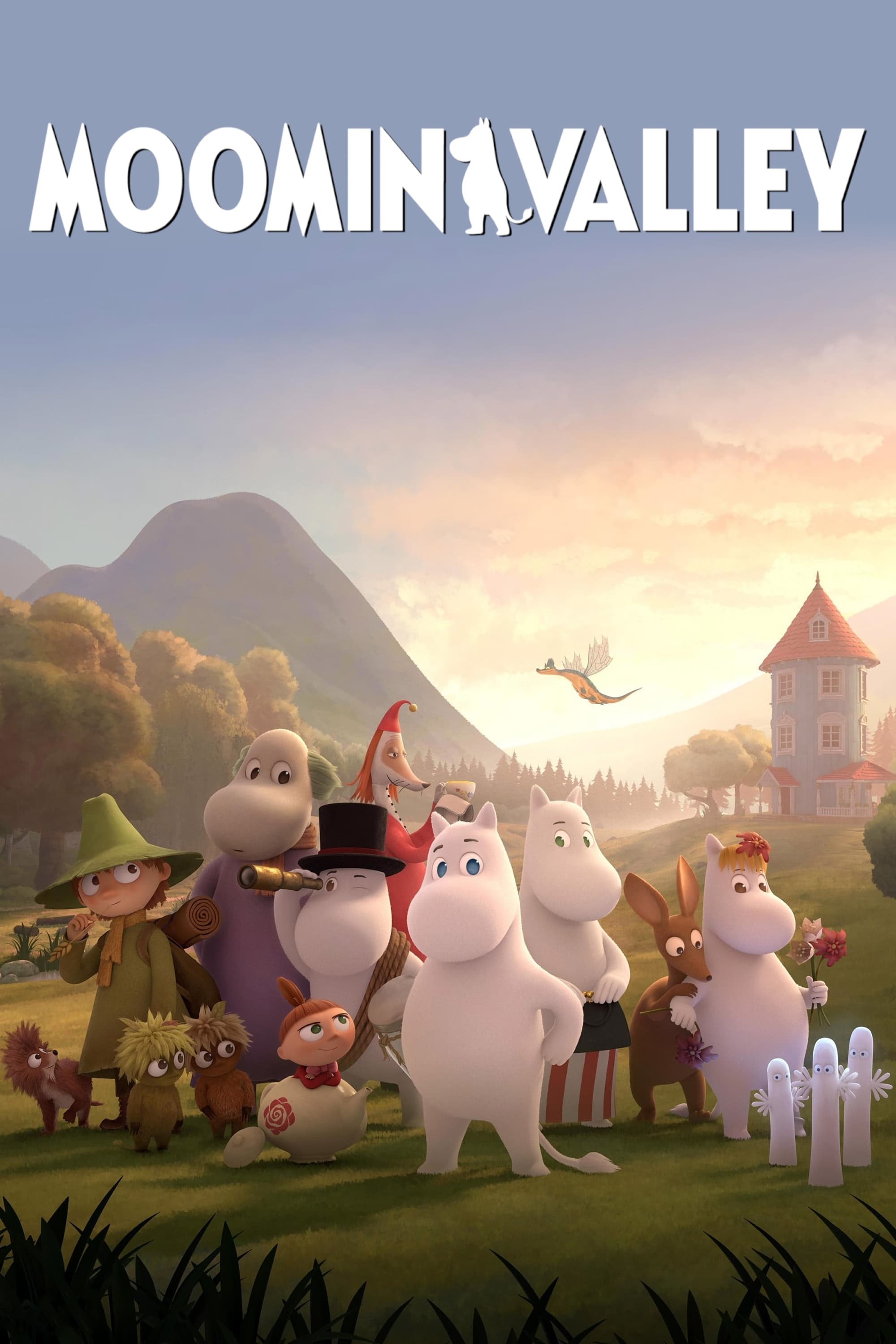
The new ‘Moominvalley’ series reimagined the classic story with 3D animation and a different storyline. Unlike the original 1990s anime, it left out many of the traveling characters who used to visit Moominvalley. These characters often represented people from different walks of life and brought unique viewpoints to the story. By removing them, the new series makes the valley feel more closed off and less like a meeting place for a wide range of people. The focus now is more on the Moomin family itself, rather than the diverse group of friends they once knew.
‘Hellsing Ultimate’ (2006–2012)

‘Hellsing Ultimate’ was created as a more faithful adaptation of the original manga than the 2001 anime series. The earlier series had introduced several original characters within the Hellsing Organization or as encounters for Alucard, but these were removed in ‘Ultimate’ to closely follow the manga’s storyline. While many consider ‘Ultimate’ to be a better version due to its action and speed, it lost the interesting and varied characters that the first anime team added. This demonstrates that strictly following the manga can sometimes mean losing the diversity that an initial adaptation brought to the story.
‘Berserk’ (2016–2017)
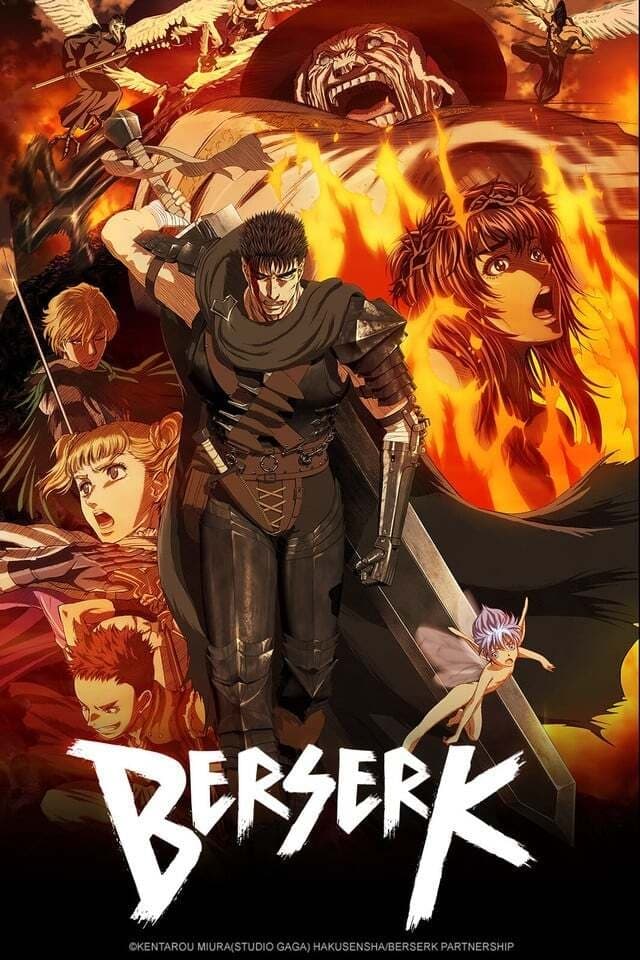
The 2016 ‘Berserk’ remake and its sequel used computer-generated imagery to bring the dark fantasy world to life. However, this version left out several characters from the Kushan Empire, a significant ethnic group inspired by Indian and Middle Eastern cultures, who appeared in the original manga and previous anime adaptations. By streamlining the story and removing these characters, the remake diminished the cultural diversity and complex political landscape of the ‘Berserk’ universe.
‘Spriggan’ (2022)
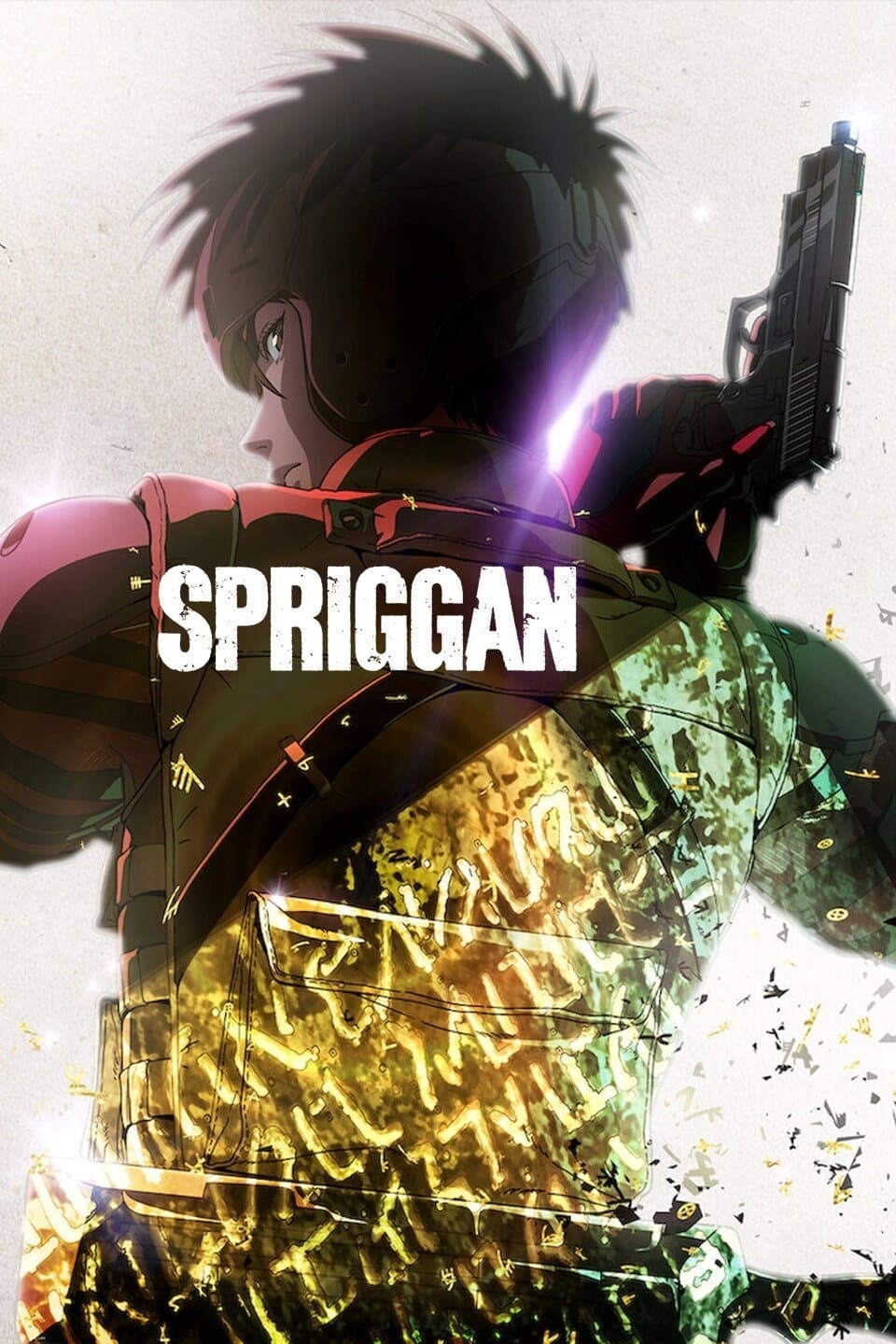
Netflix’s 2022 remake of ‘Spriggan’ brought the exciting treasure-hunting story to a new audience. However, in updating the series, the filmmakers made some changes, simplifying the various international groups and cultures featured in the original manga. Specifically, they removed some of the unique ethnic and cultural details of the villains, streamlining the story. This resulted in a less diverse cast of characters compared to the 1998 film, as the remake prioritized fast-paced action over the rich world-building of the original source material.
‘Baki Hanma’ (2021–2023)
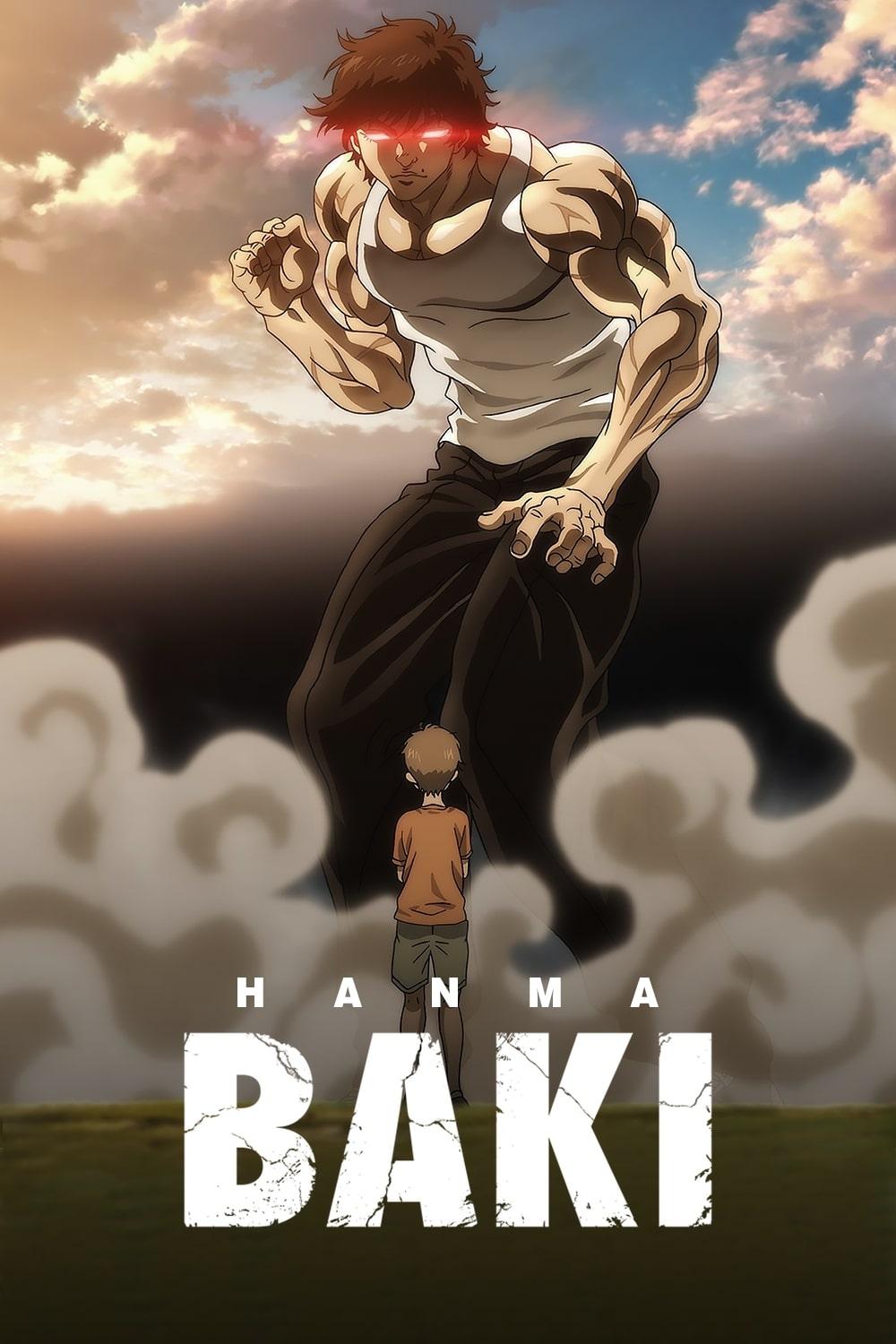
The ‘Baki Hanma’ series is a fresh take on the original martial arts story. However, the remake has reduced the roles of many international fighters who were prominent in the earlier series from the 1990s and 2000s. These characters often represented different cultures and fighting styles. The new series concentrates more on the central family conflict, leaving less space for the diverse group of fighters seen before. As a result, the global martial arts community isn’t as well-represented as it once was.
‘JoJo’s Bizarre Adventure’ (2012–2013)
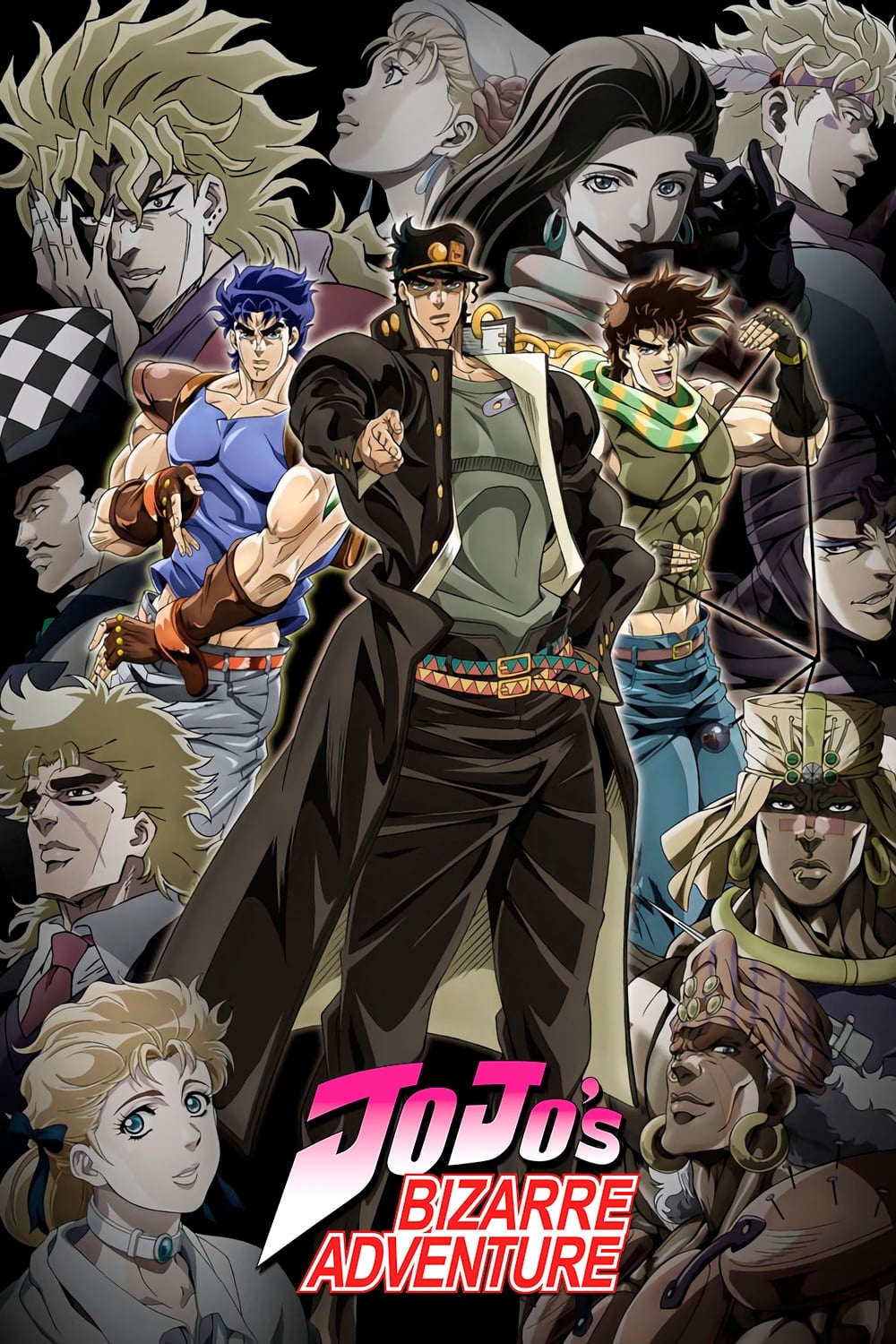
The 2012 anime series ‘JoJo’s Bizarre Adventure’ successfully adapted the popular manga for television. However, some viewers pointed out a difference between it and the older 1993 OVA. Specifically, the crowds in the Cairo story arc were less detailed in the newer series. The original OVA showed a more vibrant and diverse Egyptian population as background characters, with unique clothing and features. The 2012 series prioritized dynamic action and focused more on the main characters, resulting in simpler depictions of the local people and a less immersive sense of place and cultural variety.
‘Fruits Basket’ (2019–2021)
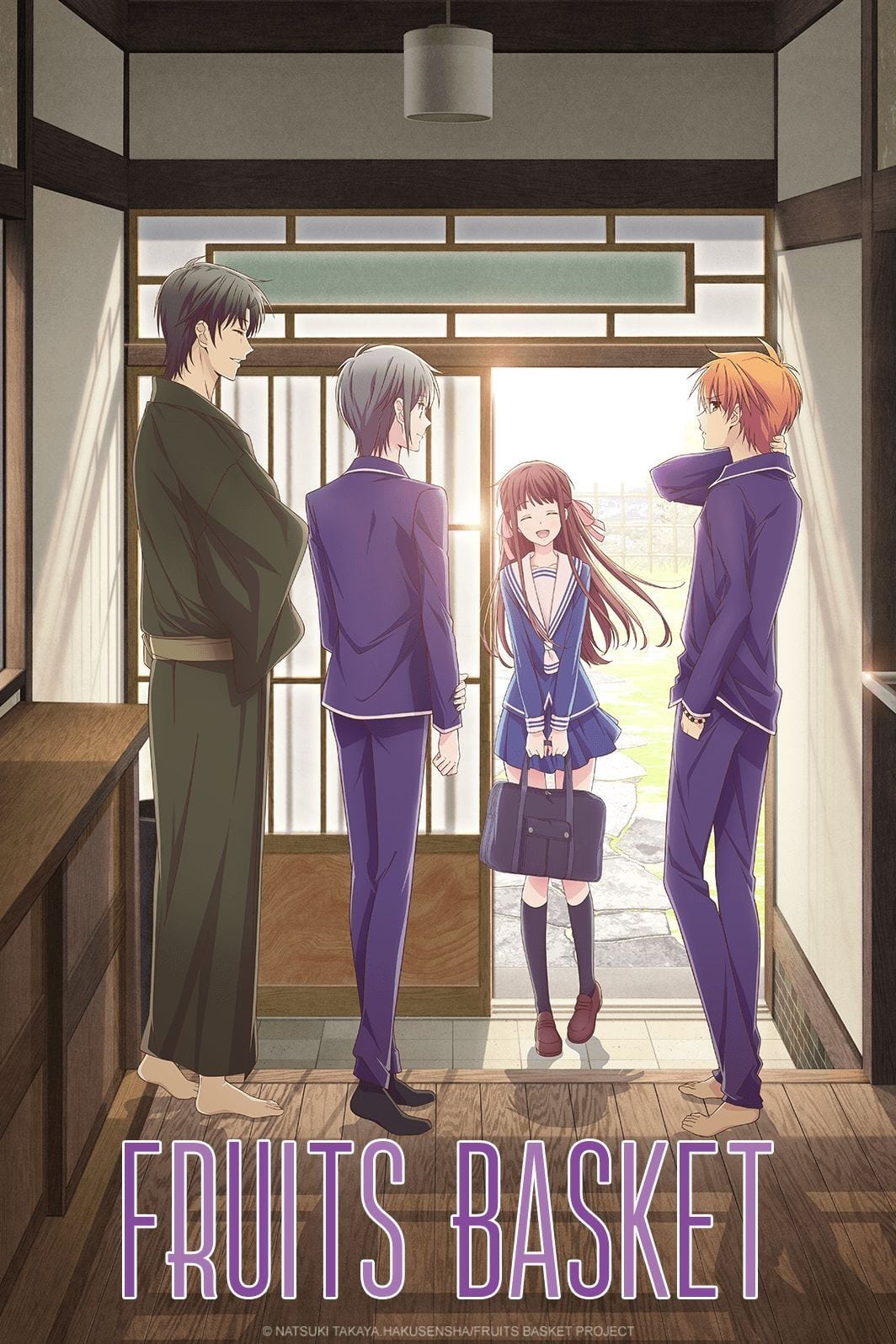
The recent ‘Fruits Basket’ remake earned praise for completing the entire story from the original manga. To do this, the new series cut some characters that were created for the 2001 anime, like various townspeople and classmates. While these characters added variety to the supporting cast, the remake focused more closely on the manga’s core group. This shows how adapting a story directly from its source material can sometimes mean losing diverse characters that were added in the anime version.
‘Saint Seiya: Knights of the Zodiac’ (2019–2020)
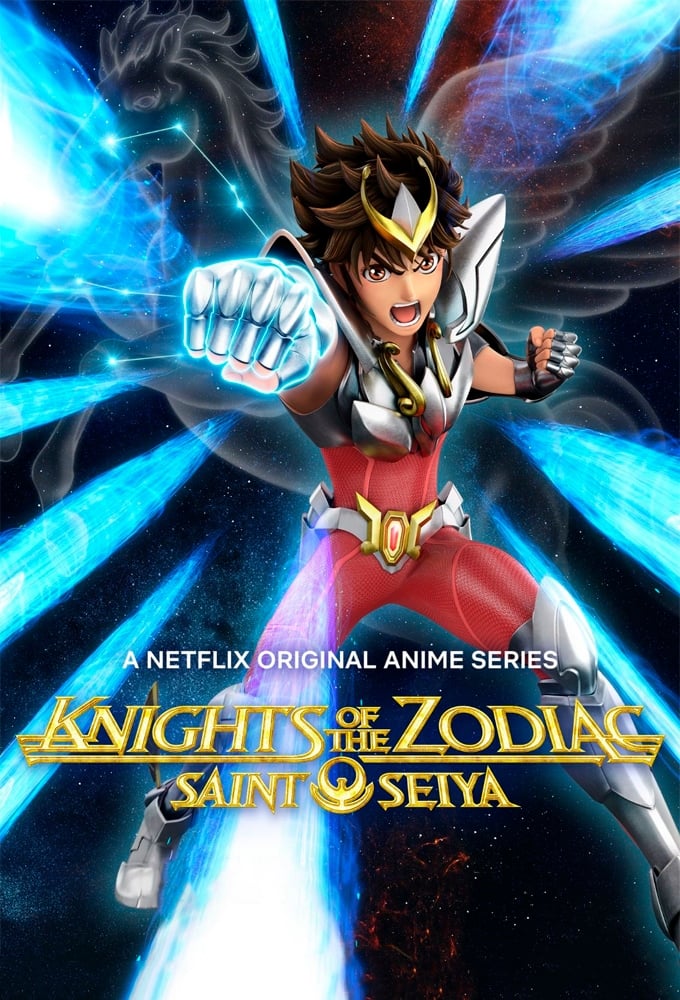
The updated 3D version of ‘Saint Seiya’ sparked debate with changes to its characters. A key decision was to reimagine the character Shun as female, aiming for more diversity. However, this and other alterations diminished the original group’s unique international representation and simplified the designs of many supporting characters. As a result, the new cast felt less like a diverse, worldwide team and more like a typical superhero group.
‘Devilman Crybaby’ (2018)
‘Devilman Crybaby’ updates the original 1972 ‘Devilman’ story for a new audience. While the new version adds some diverse characters, it also leaves out several from the original anime who represented different cultures. The 1972 series had a lot of supporting characters who created a strong sense of community around the main character. The remake concentrates more on intense psychological themes and the end of the world, which resulted in fewer characters focused on community and cultural identity. This change affects the story’s overall feel and how we see the world around Akira.
‘Dororo’ (2019)
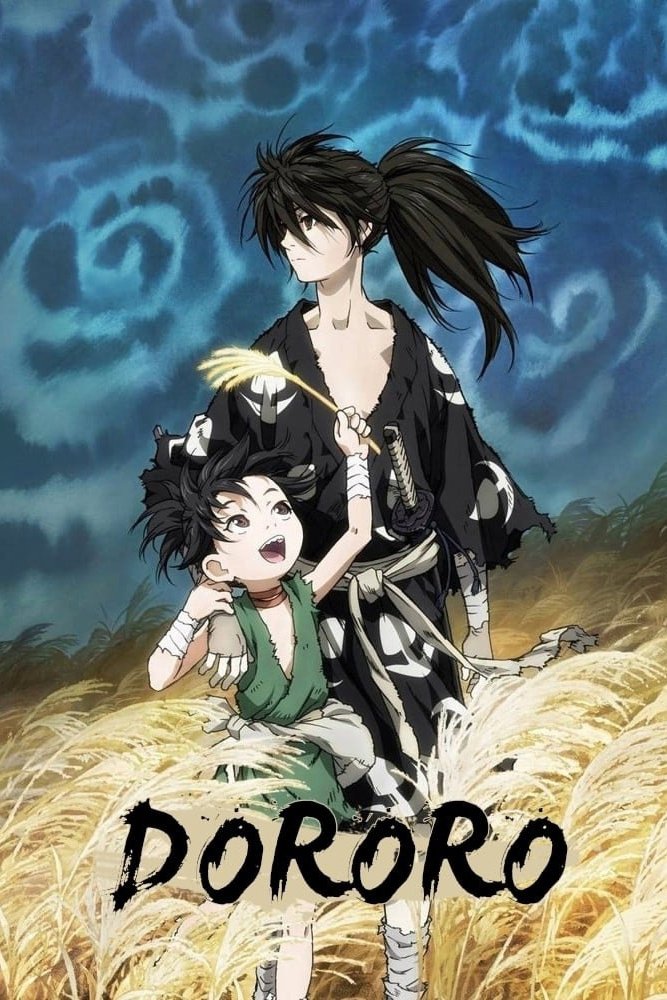
The 2019 version of ‘Dororo’ was a darker and more grown-up take on the 1969 series. To achieve this, it left out some of the travelers and less privileged people that the main character met in the original. These characters had previously helped show the different social classes and ethnic groups of feudal Japan. The remake instead concentrated on Hyakkimaru’s inner conflicts and his bond with Dororo, which meant the original series’ rich portrayal of society was streamlined for a more intimate story.
‘Ushio and Tora’ (2015–2016)
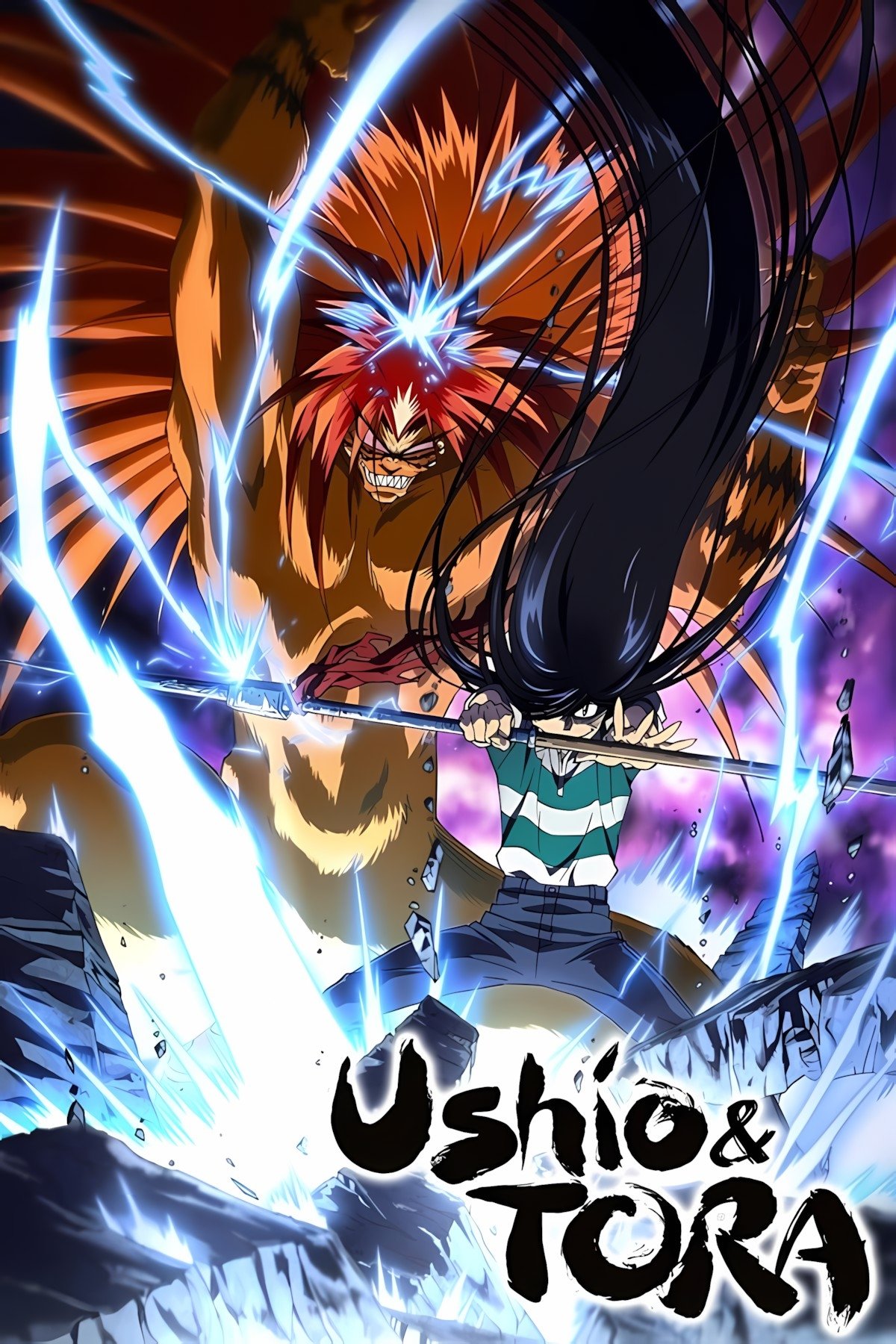
The recent remake of ‘Ushio and Tora’ updated the classic 1990s manga with vibrant animation, but it also shortened the story. To make it fit into fewer episodes, many side stories featuring local spirits and lesser gods were removed. These stories were important because they showcased a wide range of Japanese cultural traditions and folklore. By cutting them, the remake lost some of the unique cultural depth that made the original manga and earlier versions so special, resulting in a faster-paced but less culturally detailed story.
‘Karakuri Circus’ (2018–2019)
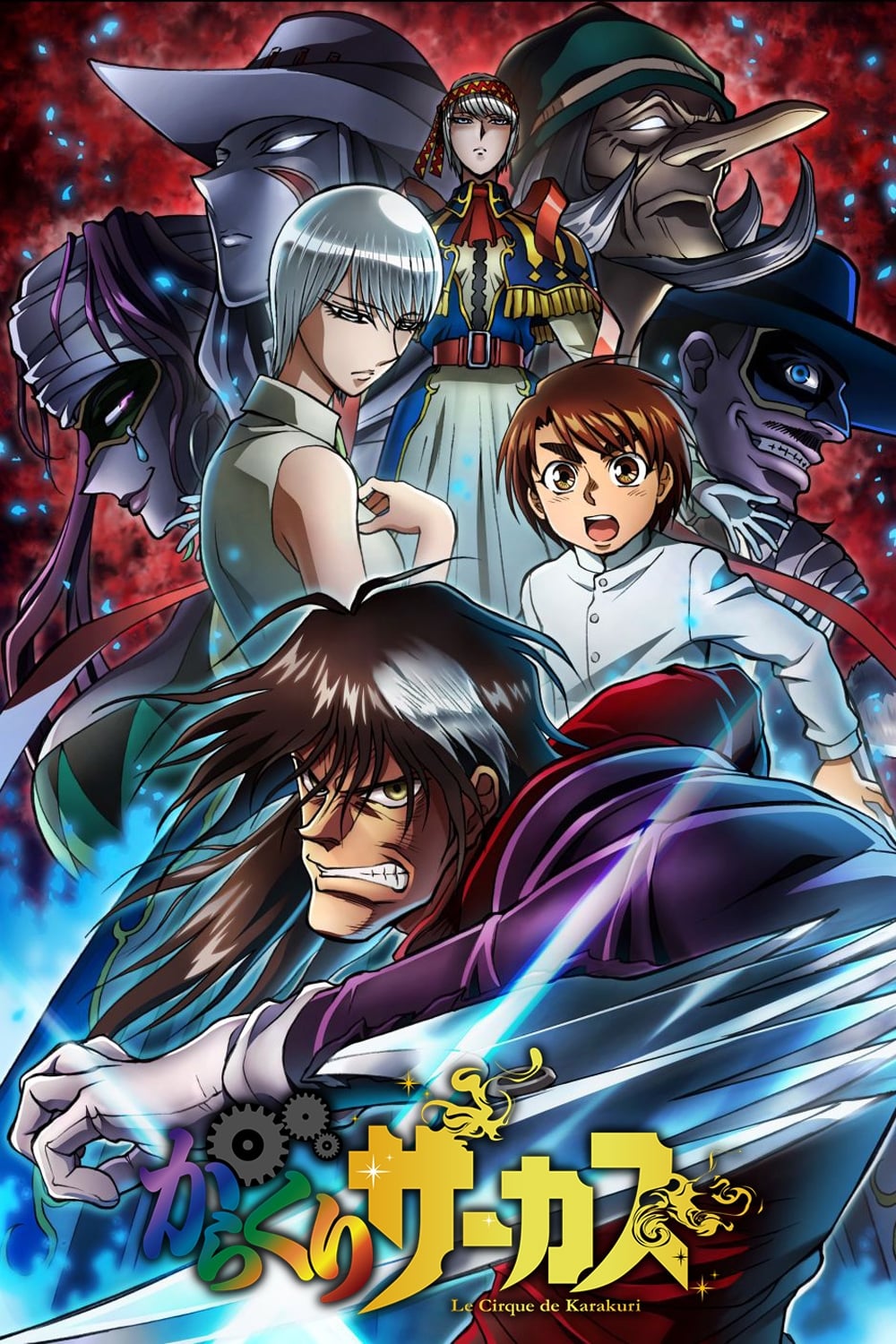
The new version of ‘Karakuri Circus’ had a tough time fitting the long manga story into one TV season. To do this, the creators had to leave out many characters, particularly those from the international circus groups. These characters, representing different cultures from Europe and Asia, were often unique and interesting. By concentrating on the main story, the remake lost most of these diverse characters, which greatly diminished the series’ vibrant, multicultural circus atmosphere.
‘Blade of the Immortal’ (2019–2020)
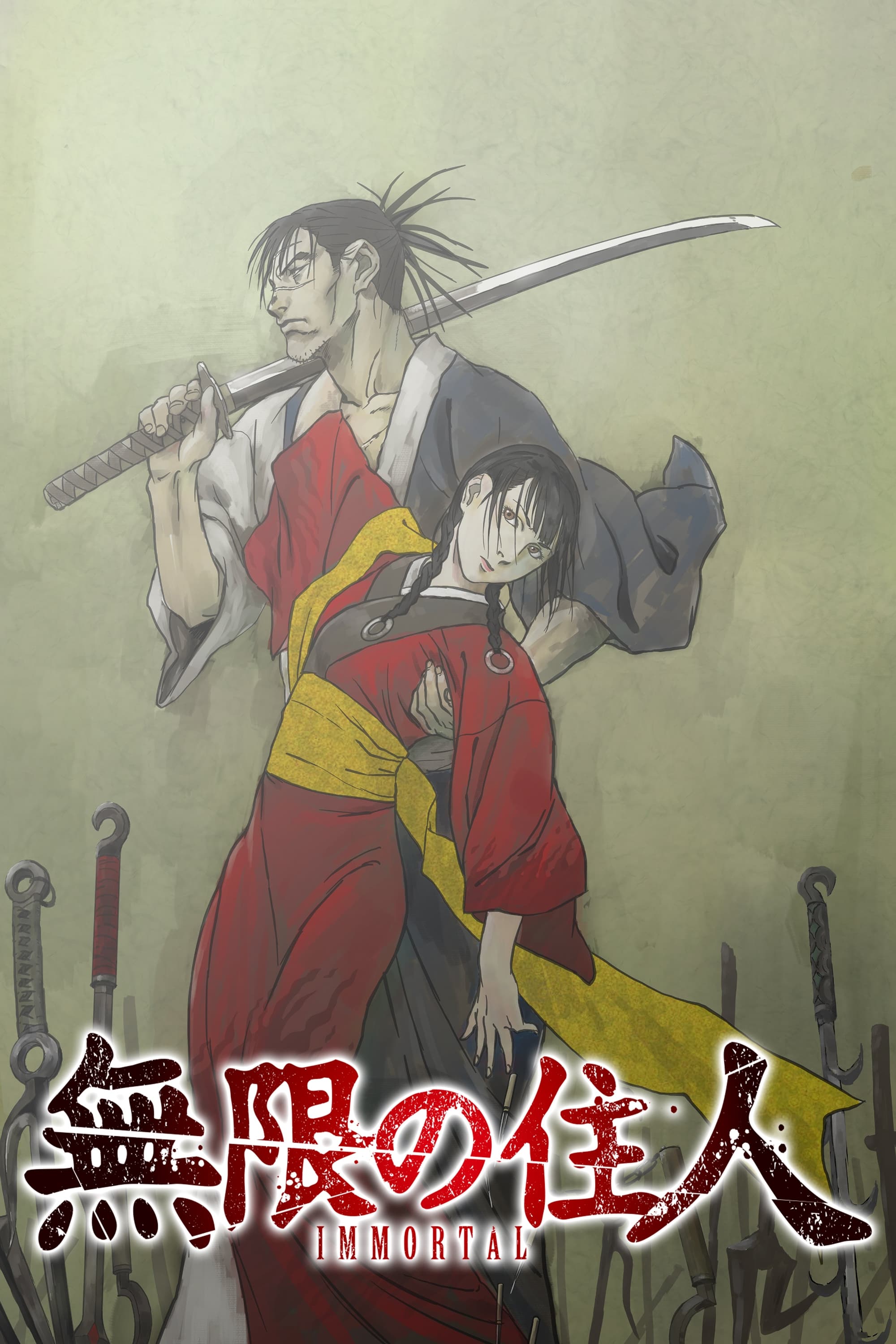
The recent adaptation of ‘Blade of the Immortal’ tried to fit the entire manga into just twenty-four episodes, which meant things moved very quickly. As a result, many smaller clans and individual fighters were left out. These excluded characters often represented diverse or marginalized communities and added richness to the original story. The remake primarily focused on the central fight between Rin and the Itto ryu, sacrificing the wider cast of characters that made the world feel so detailed and vibrant.
‘Tokyo Mew Mew New’ (2022–2023)
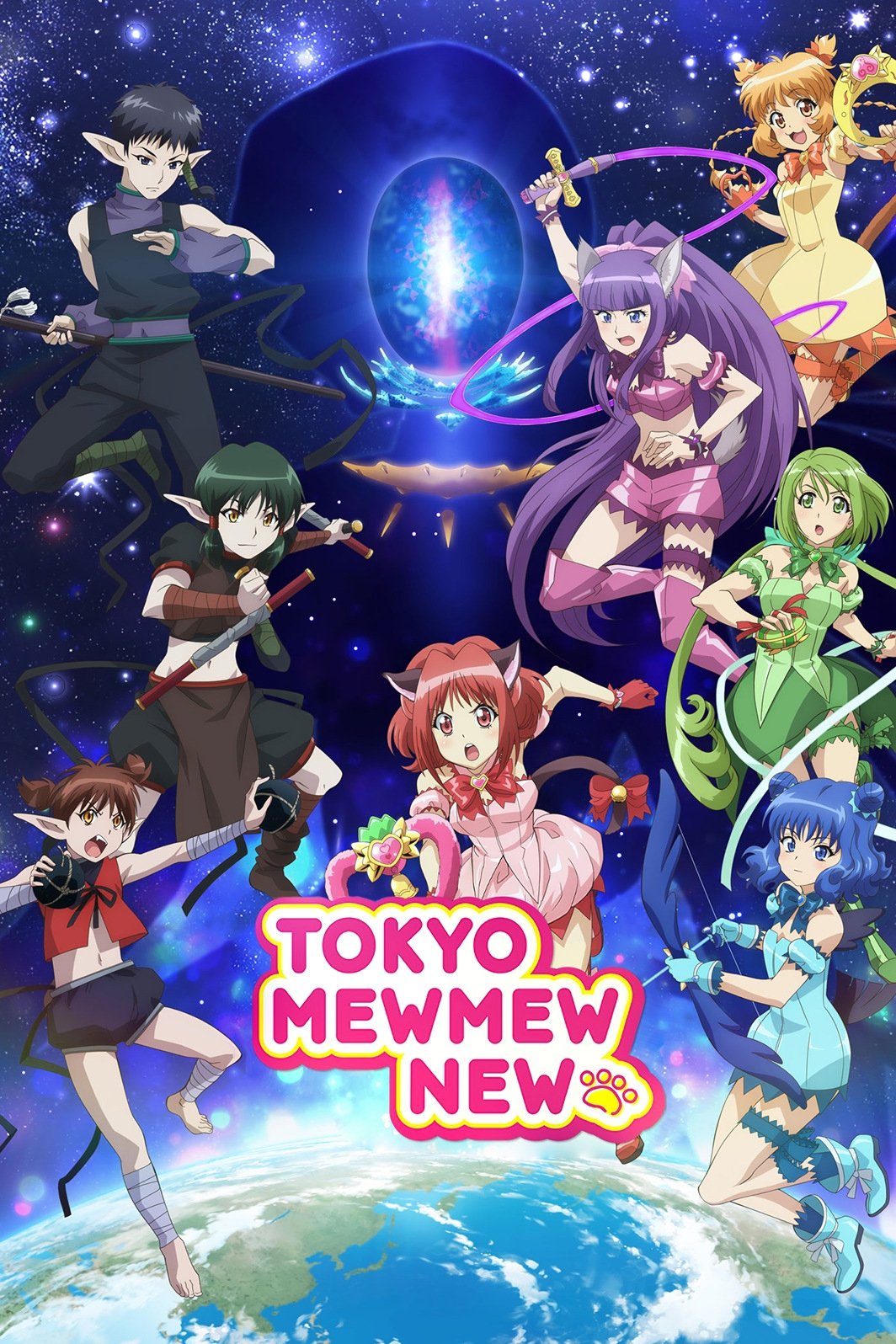
As a big fan of the original ‘Tokyo Mew Mew,’ I was excited about the remake, and I appreciated the updated look. But honestly, one thing really bothered me. The original series had a lot of fun with international characters and different people coming into the cafe – it felt really connected to the world. The remake, though, seemed to cut almost all of that out. It kept the focus tightly on the main Mew Mews, which made the show feel a bit… smaller, and less vibrant. It lost some of that cool, multicultural vibe that I loved about the 2002 anime.
Share your thoughts on these changes and any other examples you have noticed in the comments.
Read More
- Building 3D Worlds from Words: Is Reinforcement Learning the Key?
- The Best Directors of 2025
- 2025 Crypto Wallets: Secure, Smart, and Surprisingly Simple!
- Gold Rate Forecast
- 20 Best TV Shows Featuring All-White Casts You Should See
- Mel Gibson, 69, and Rosalind Ross, 35, Call It Quits After Nearly a Decade: “It’s Sad To End This Chapter in our Lives”
- Umamusume: Gold Ship build guide
- Top 20 Educational Video Games
- Walmart: A Stillness in the Shifting Sands
- Celebs Who Married for Green Cards and Divorced Fast
2026-01-05 06:24