
While many filmmakers like the convenience of studio sets, some directors strongly prefer filming in real locations to create a particular mood. These directors often avoid using artificial effects like green screens and instead choose to shoot on actual streets, in natural landscapes, and within historic buildings. This dedication to realism can mean longer shoots and tougher conditions for everyone involved. The following is a list of directors known for prioritizing authentic locations in their films to make their stories feel more grounded and believable.
Werner Herzog
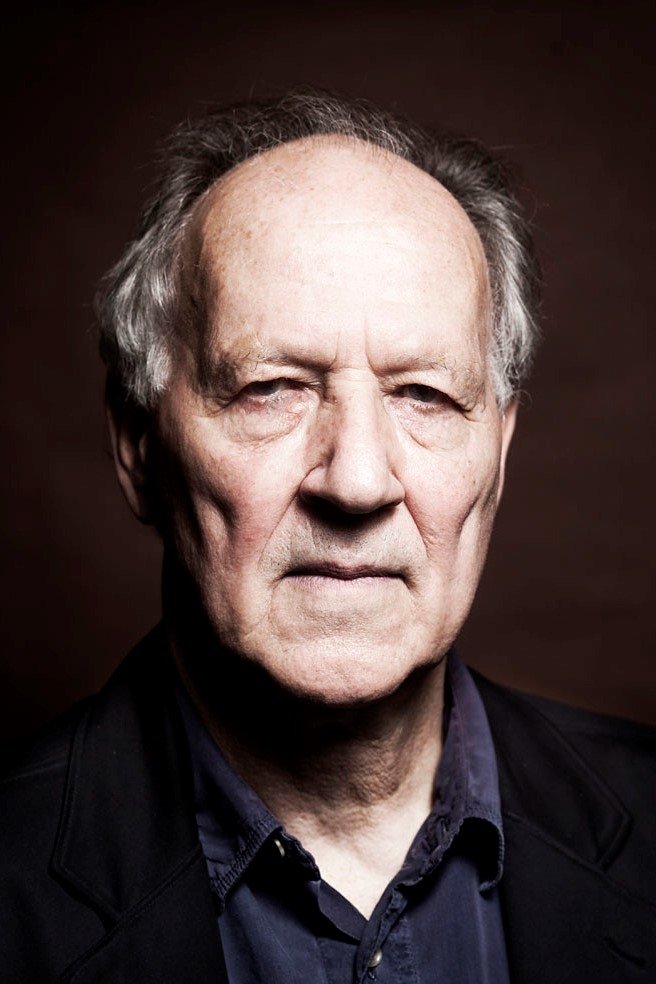
Werner Herzog is known for filming in incredibly remote and dangerous places around the world. He’s famous for going to extreme lengths to achieve his vision – for example, he actually hauled a steamship over a hill in the Amazon rainforest for his film ‘Fitzcarraldo’. He prefers shooting on location, avoiding studio sets, to make the challenges faced by his characters feel real to viewers. In ‘Aguirre, the Wrath of God,’ he used the difficult environment of the Peruvian rainforest to create a truly suspenseful and dangerous atmosphere. Herzog feels that accurately portraying a location is crucial to the heart of filmmaking.
Terrence Malick
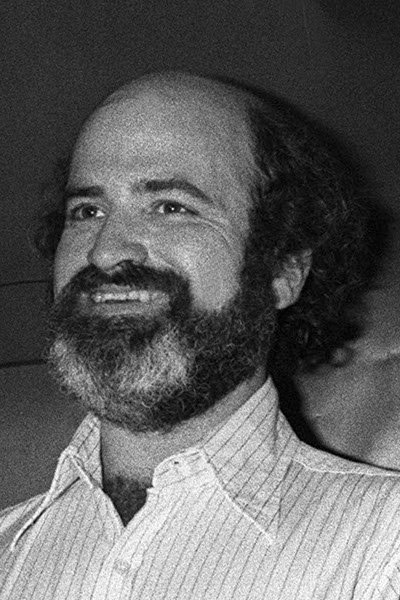
Terrence Malick is known for his beautiful visuals, which he achieves by primarily using natural light and shooting in expansive outdoor settings. Films like ‘The Tree of Life’ and ‘The Thin Red Line’ showcase his preference for the authentic beauty of the environment over artificial effects. He’s famous for having his film crews wait for the perfect natural light – especially the ‘golden hour’ – rather than trying to mimic it indoors. This creates a peaceful, reflective mood and highlights the relationship between people and the natural world. Malick often shoots on location in places like Texas and the South Pacific to keep his films feeling real and connected to their surroundings.
Christopher Nolan
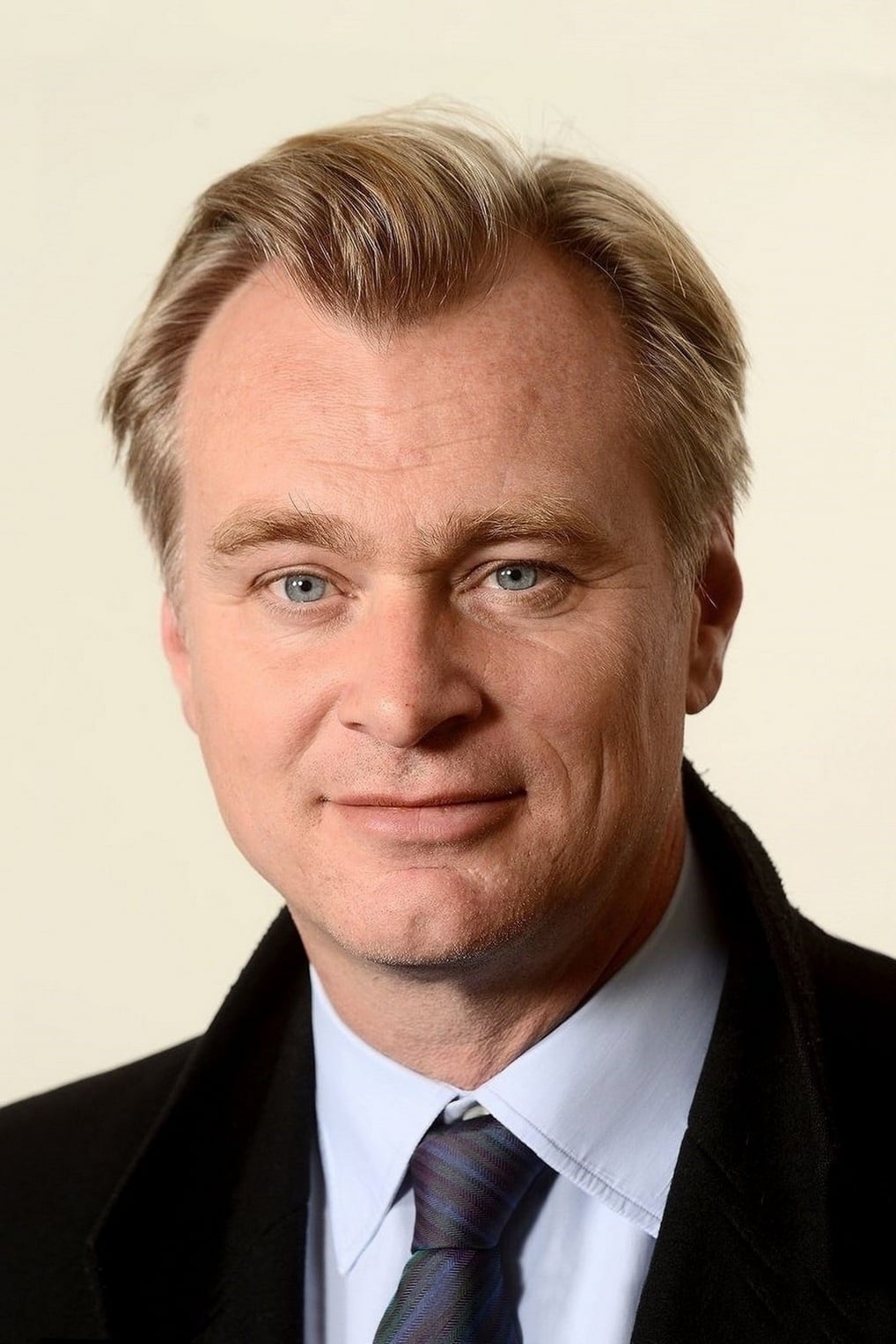
Christopher Nolan strongly prefers using real-world effects and filming on location whenever possible. He shot the impressive mountain scenes in ‘Inception’ and the beaches of ‘Dunkirk’ in their actual locations to create a more realistic feel. For ‘Oppenheimer,’ he chose New Mexico to accurately capture the lighting and landscape of the Manhattan Project. Nolan avoids relying heavily on digital backgrounds, instead constructing large, physical sets in real environments. He feels this approach leads to more authentic performances from his actors, as they are truly immersed in the story’s setting.
Sean Baker

As a film lover, I’ve always admired how Sean Baker approaches storytelling. He really immerses himself in the worlds he depicts, filming directly in the neighborhoods where his characters live. Think of ‘The Florida Project’ – he shot around the actual Disney World area, and ‘Tangerine’ on the streets of Hollywood. He doesn’t just build sets; he uses real locations – shops, apartments, everything – which gives his films this incredible, documentary-like feel. And he often casts people from the local community, non-actors mostly, which just adds to the authenticity. It’s like the setting isn’t just a backdrop, but a character in itself, breathing and living alongside the others.
Andrea Arnold
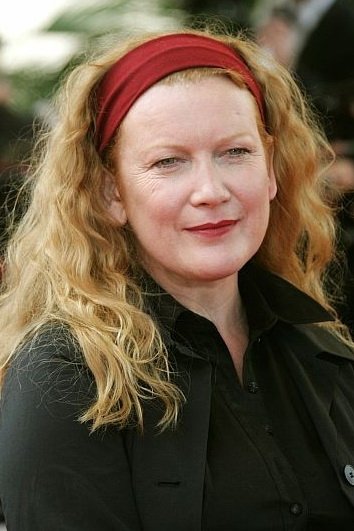
I’m a huge fan of Andrea Arnold’s work because it feels so real. She doesn’t film on fancy sets; instead, she goes out into the world and shoots in actual places, like motels and housing estates. For ‘American Honey,’ she even took the young actors on a road trip across the Midwest! It’s amazing how she captures the energy of young people and their lives by shooting in real locations, embracing the challenges and finding beauty in the everyday. It really makes you feel like you’re right there with the characters.
Chloé Zhao
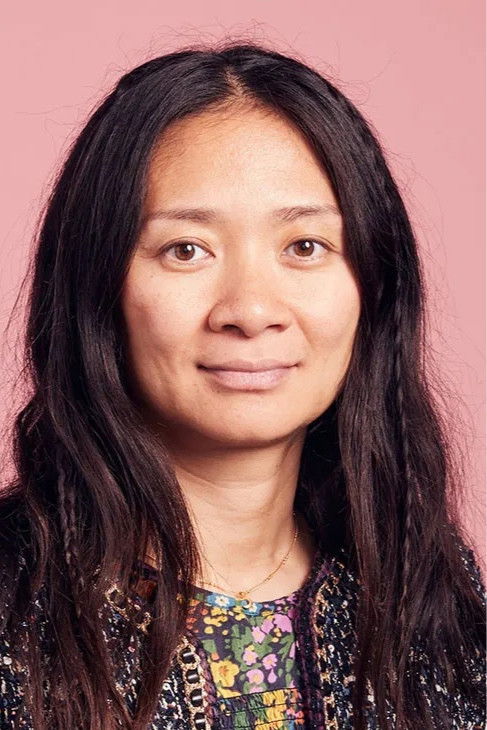
Chloe Zhao is known for filming with real people, often in their actual homes and workplaces. In her Oscar-winning film, ‘Nomadland,’ she and a small team traveled throughout the American West to document the lives of people living on the road. She uses natural light and the stark beauty of landscapes like the Badlands to create compelling stories. This dedication to filming on location gives her films, like ‘The Rider,’ a strong sense of realism and closeness. Zhao blends her stories seamlessly into the environment to portray her subjects authentically.
Michael Mann
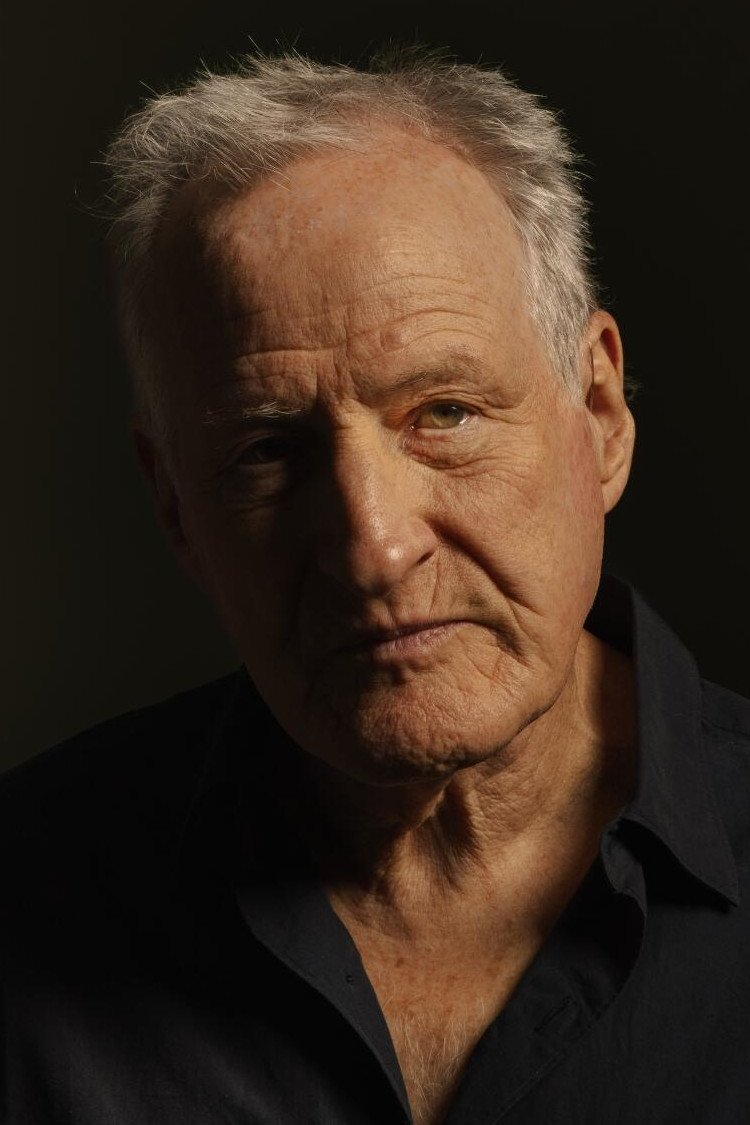
Michael Mann is known for making cities feel like fully realized worlds on screen. He famously shot the entire movie ‘Heat’ on location in Los Angeles, capturing the unique nighttime feel of the city. Instead of using a lot of studio lights, he prefers to use digital cameras to work with the existing lights of a city. In ‘Collateral,’ he shows Los Angeles’s public transportation and hidden streets with a detached, precise style. Mann feels that a city’s buildings and layout actually influence the personalities and motivations of the characters in his films.
Alejandro González Iñárritu
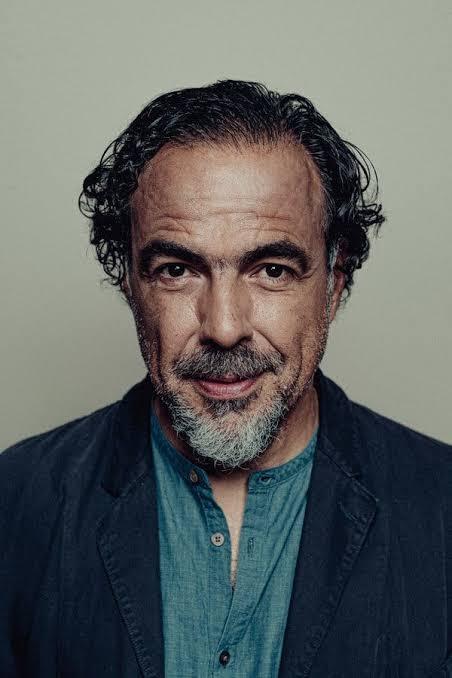
During the filming of ‘The Revenant’, director Alejandro G. Inarritu went to great lengths to shoot on location. He and his team spent months in the Canadian and Argentinian wilderness, insisting on using only natural light. This challenging approach was meant to fully immerse both the actors and viewers in the harsh conditions of the frontier. Inarritu generally prefers to avoid using artificial effects like green screens, believing the real environment should shape how a scene plays out. This commitment to realistic settings is also clear in the expansive city scenes of his film ‘Babel’.
William Friedkin
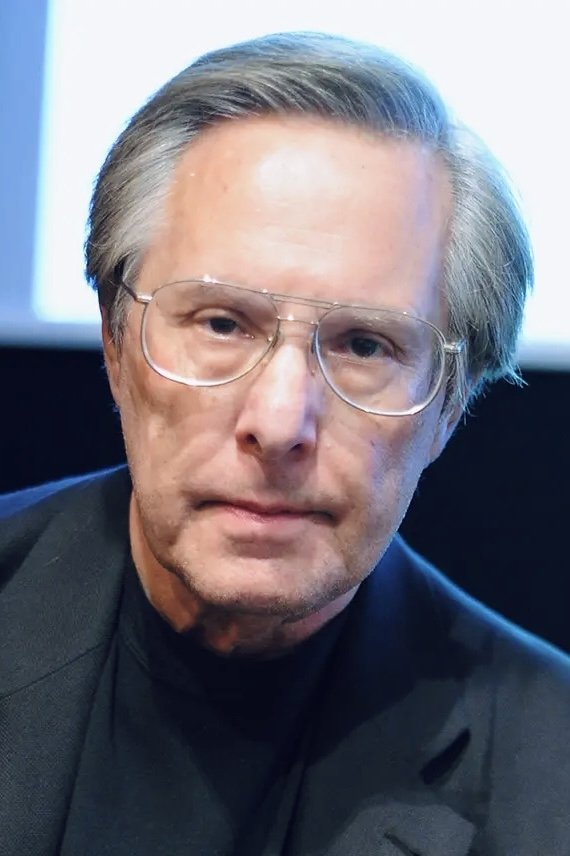
William Friedkin was a director known for his commitment to realism. He famously filmed the car chases in ‘The French Connection’ on actual New York City streets, preferring the energy of real environments over studio sets. For ‘To Live and Die in L.A.’, he highlighted the rough, industrial areas of Los Angeles to create a dark and intense atmosphere. Friedkin felt that a location’s genuine energy was impossible to fake, and this commitment gives his films a raw, authentic feel.
Jean-Luc Godard
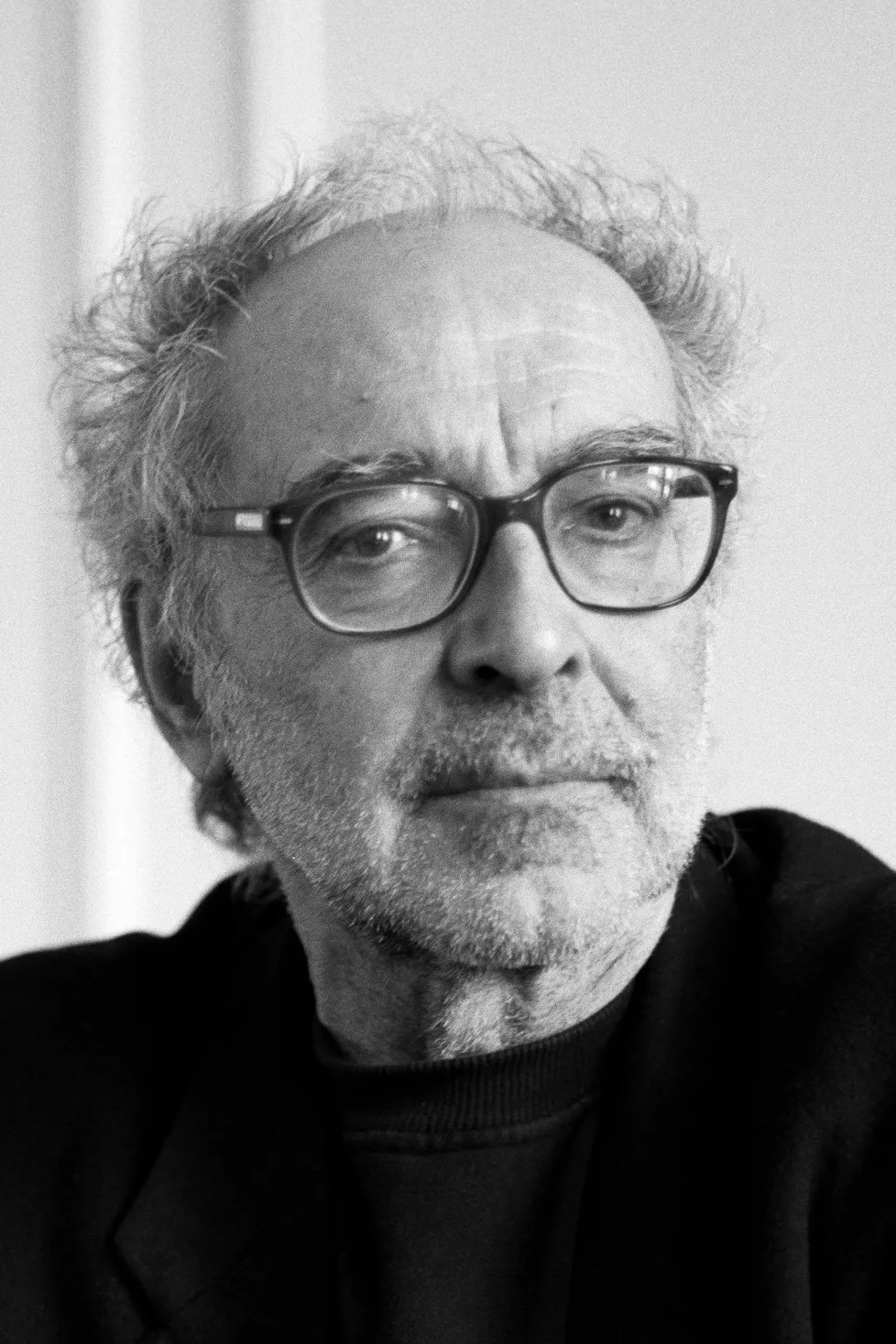
Jean-Luc Godard was a leading figure in the French New Wave cinema movement. He revolutionized filmmaking by moving away from studio sets and filming on location in Paris, using natural light and handheld cameras. His first film, ‘Breathless,’ exemplified this new style, embracing a raw, spontaneous energy. Godard frequently incorporated the sounds of the city into his films, and by avoiding artificiality, he powerfully captured the social changes happening in France during the mid-20th century.
Wong Kar-Wai
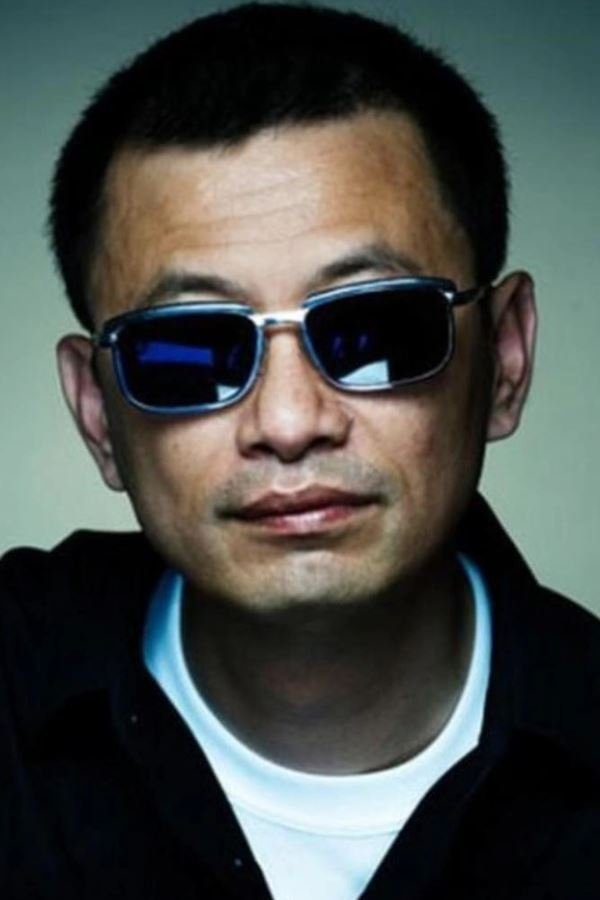
Wong Kar Wai is a celebrated director known for his visually striking films about Hong Kong. He often captures the city’s bustling, crowded atmosphere, as seen in ‘Chungking Express,’ which was filmed in the tight spaces of the Chungking Mansions. Rather than sticking to a strict script, Wong Kar Wai often lets the locations themselves guide how a scene unfolds. For example, the confined hallways and rainy streets in ‘In the Mood for Love’ powerfully convey a sense of yearning. He masterfully uses the city’s natural colors and shadows to create his distinctive cinematic style.
Abbas Kiarostami
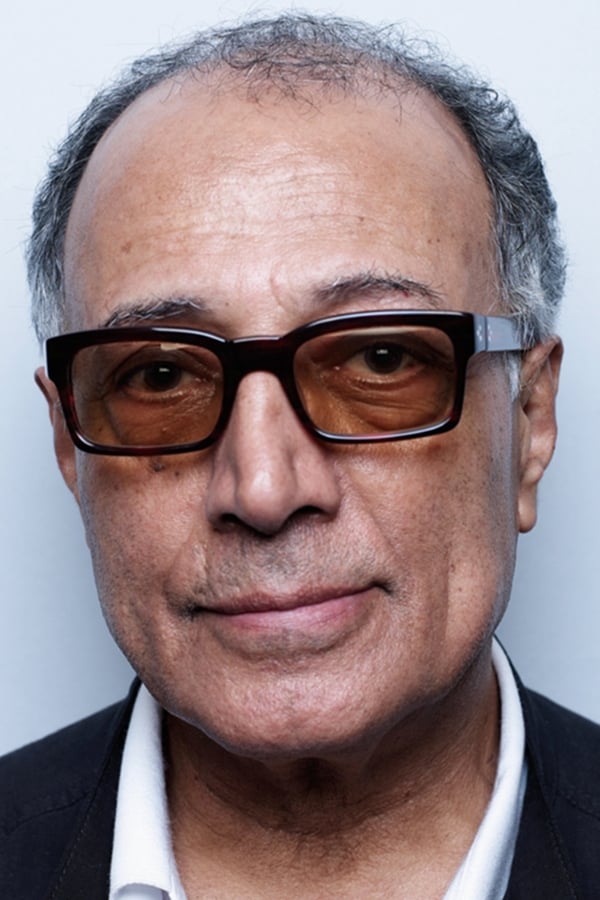
Abbas Kiarostami often set his films in the Iranian countryside, using dusty roads and natural landscapes. In movies like ‘Taste of Cherry,’ much of the action happens inside a car driving through actual construction zones and hills. He favored working with ordinary people instead of professional actors, and filming in real locations to create a sense of authenticity. Kiarostami didn’t just use landscapes as scenery; he saw them as a key part of the story’s meaning. Films such as ‘Where Is the Friend’s House?’ depend on the unique landscapes of northern Iran to move the plot forward.
Richard Linklater
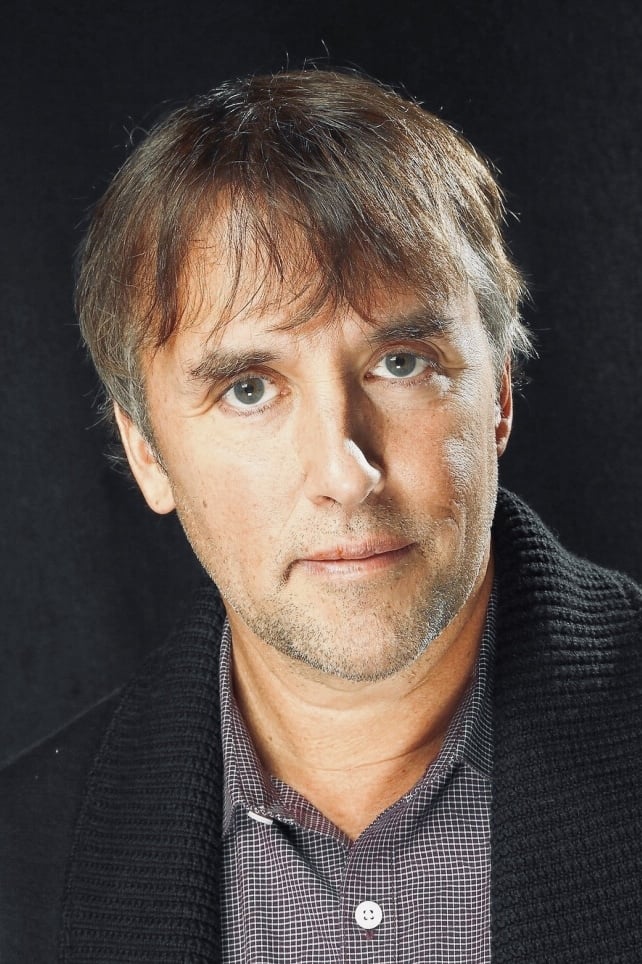
Richard Linklater is a director who excels at showing the effects of time by filming at the same real-world locations over extended periods. He used the streets of Vienna, Paris, and the Peloponnese to create a sense of place in his ‘Before’ trilogy, and famously filmed ‘Boyhood’ over twelve years across Texas to ensure the actors’ lives felt consistent. Linklater prefers to avoid studio sets, opting instead for natural settings that allow his characters’ conversations to feel genuine. This dedication to realism makes their stories feel relatable and authentic.
Kelly Reichardt
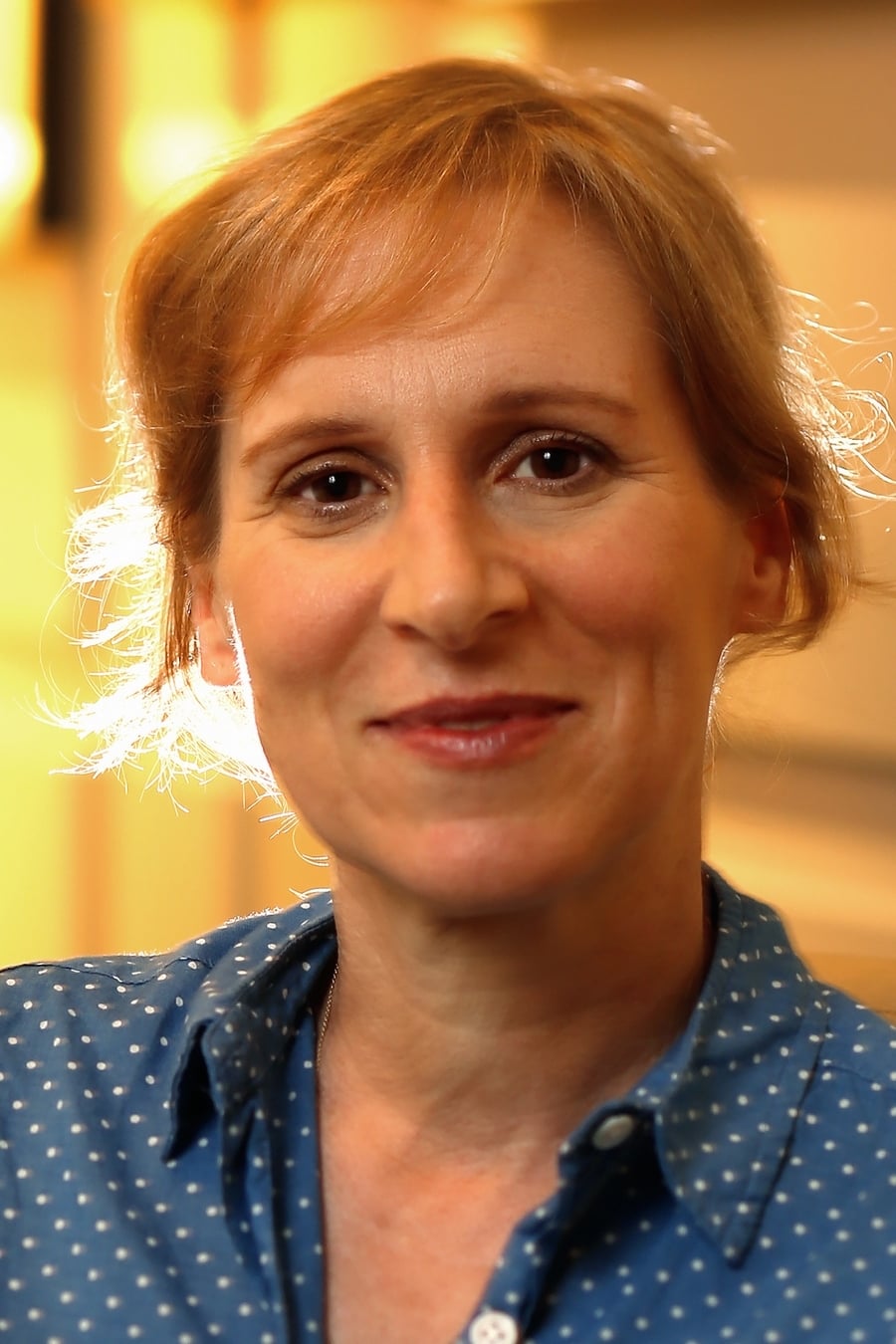
Kelly Reichardt’s films capture the subtle pace of life in the Pacific Northwest, and she achieves this by filming directly on location in Oregon. In ‘First Cow,’ she used the region’s forests and rivers to create a historically accurate and realistic feel. Her signature style includes long, uninterrupted shots that immerse viewers in the natural world of her characters. Rather than building elaborate sets, Reichardt prefers to use real locations – homes and small towns – to match her simple, understated storytelling. She sees the landscape itself as a key element in understanding the challenges faced by the people in her films.
Ken Loach
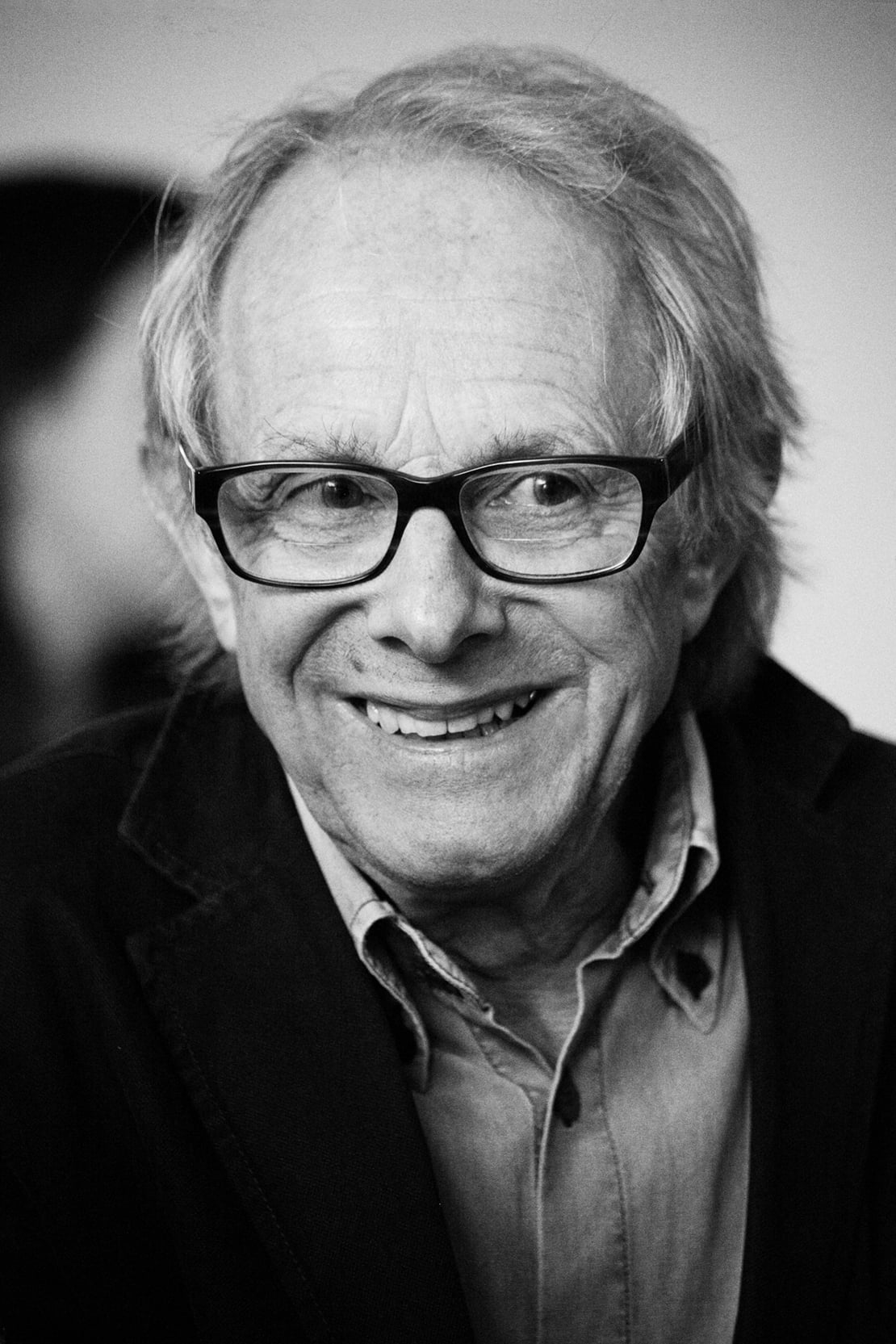
Ken Loach is known for his realistic films that focus on working-class life in the UK. He films on location, using real places like community centers, pubs, and council estates to tell the stories of everyday people. In films like ‘I, Daniel Blake,’ these authentic settings emphasize the difficulties his characters face with official systems. Loach deliberately avoids the artificiality of studio sets to create a raw, documentary-style honesty. This helps ensure his films’ political messages feel genuine and are rooted in the real experiences of the people he portrays.
Mike Leigh
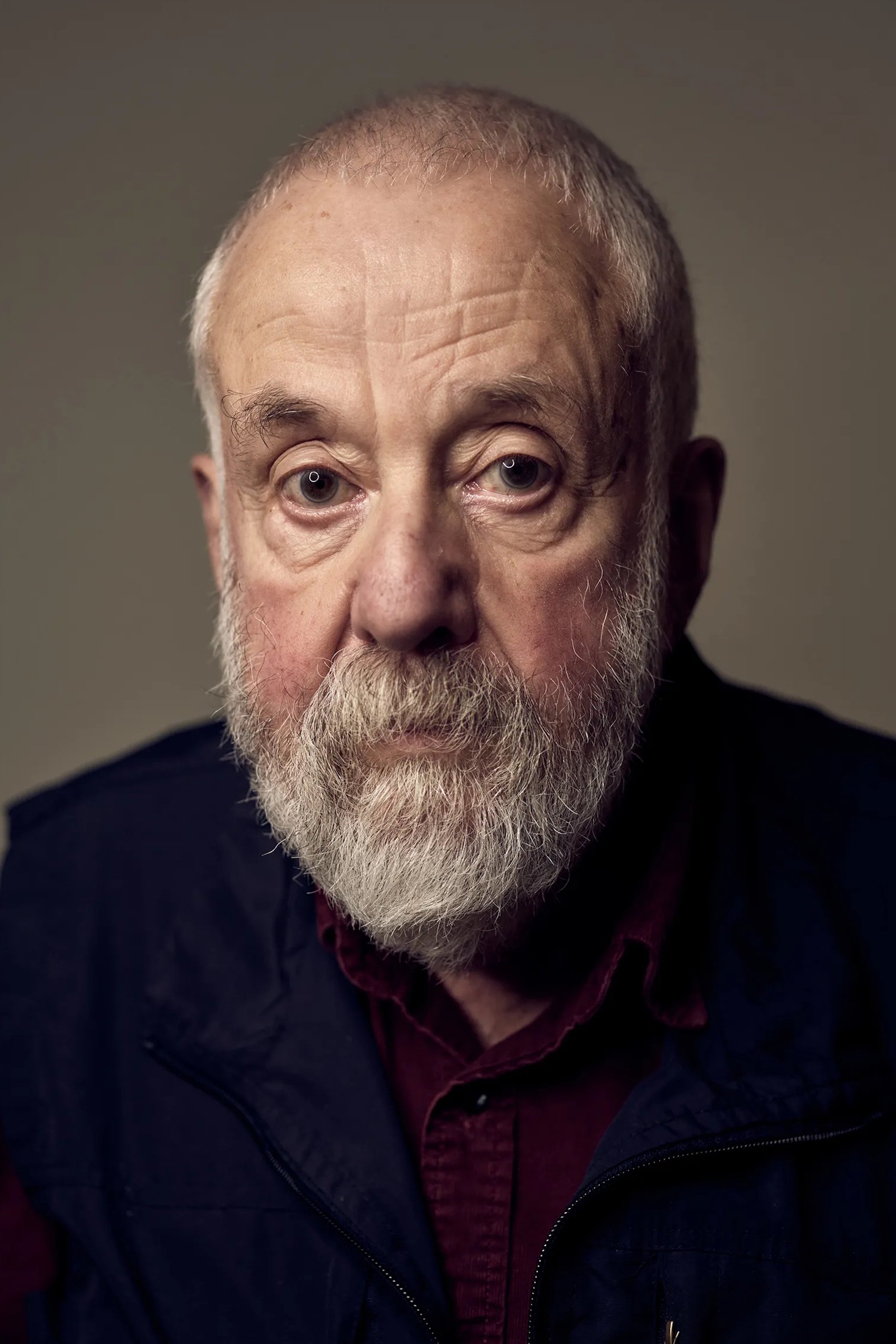
Mike Leigh creates his film scripts through extensive improvisation with actors, often over several months, in realistic home environments. He typically uses genuine suburban houses and apartments in London, as seen in films like ‘Secrets and Lies’ and ‘Abigail’s Party’. By avoiding studio sets, Leigh aims to authentically portray British social life and family relationships. The confined spaces of these real homes contribute to the feeling of closeness and underlying tension in his stories, and he considers the location to be crucial in shaping his characters.
Jean Pierre and Luc Dardenne

Belgian filmmakers Jean-Pierre and Luc Dardenne are famous for their realistic and gritty portrayal of working-class life, often set in industrial towns like Seraing. They frequently shoot on location, using real factories and streets to enhance the authenticity of their stories. In films like ‘Two Days, One Night,’ the main characters walk through actual neighborhoods, and the filmmakers use a shaky, close-up camera style to create a sense of immediacy. The Dardenne brothers intentionally avoid any flashy filmmaking techniques that would distract from the realism of their settings.
Sofia Coppola

Sofia Coppola frequently sets her films in well-known, opulent locations to emphasize her characters’ feelings of loneliness. She shot ‘Lost in Translation’ on location in Tokyo, mostly within the Park Hyatt hotel and its surrounding areas. For ‘Marie Antoinette,’ she secured special permission to film inside the real Palace of Versailles, ensuring historical detail. Coppola favors the genuine light and textures of these famous places over artificial studio sets. This approach helps balance her films’ fantastical visuals with a sense of realism.
Jim Jarmusch
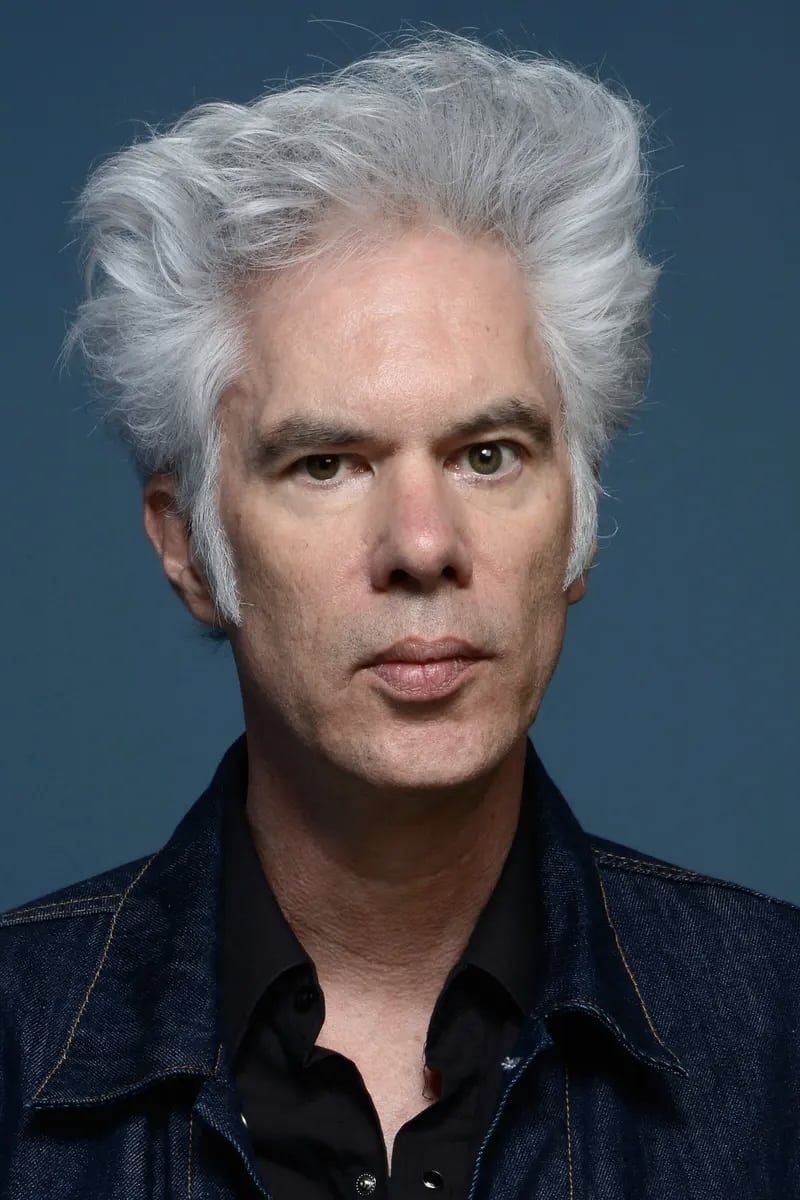
Jim Jarmusch is a filmmaker known for his independent style and for showcasing the less-seen sides of American cities. He often shoots on location, using real places like rundown bars and motels to create a sense of dry wit and a feeling of wandering in his characters. For example, he filmed ‘Stranger Than Paradise’ in the stark winter scenery of Cleveland and Florida, and ‘Paterson’ in the actual city of Paterson, New Jersey, highlighting its everyday beauty with shots of its streets and waterfalls. Jarmusch uses the distinct personality of each location to create the atmosphere for his simple, understated stories.
Steven Soderbergh
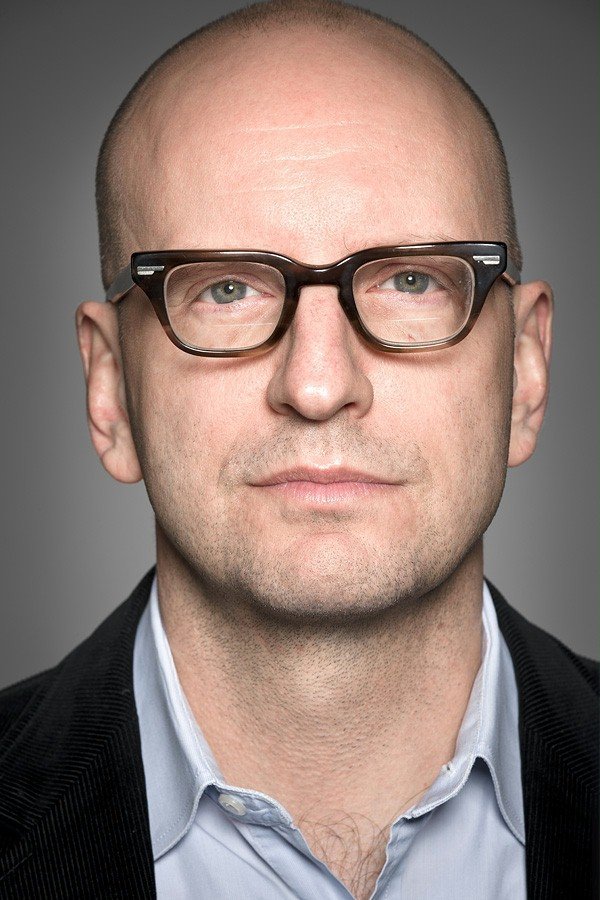
Steven Soderbergh is a filmmaker known for working quickly and creatively with digital cameras, often shooting on location. He frequently handles the cinematography himself and prefers using natural light, filming in real-world places like hospitals, offices, and hotels. For example, he shot ‘Magic Mike’ in actual Florida nightclubs to capture a genuine atmosphere. By keeping his crews small and filming in existing locations, Soderbergh avoids the delays of traditional studio filmmaking, allowing him to create visually realistic films at a fast pace.
Agnès Varda
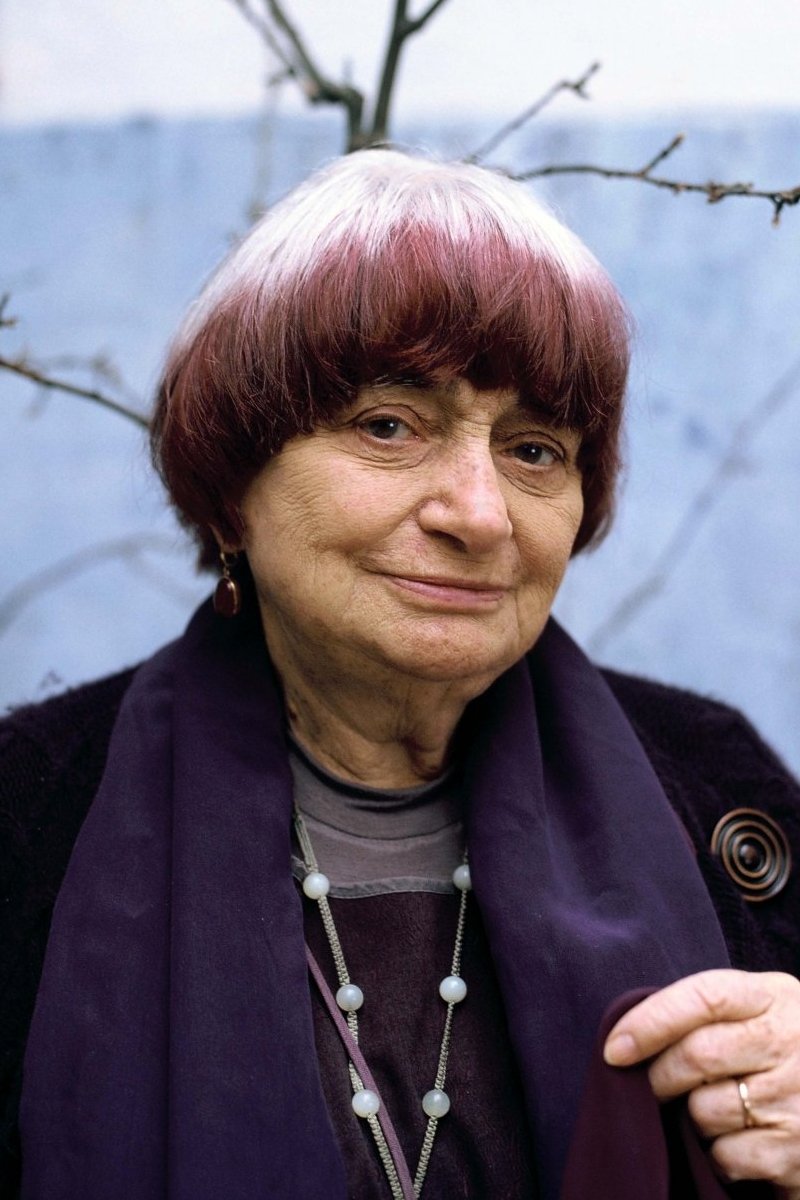
Agnes Varda was a key filmmaker of the French New Wave, known for finding beauty in everyday life and shooting films on location. Her movie ‘Cleo from 5 to 7’ realistically follows a woman’s journey through Paris. Varda frequently blended documentary and fictional elements by filming in the actual communities where her subjects lived, as seen in ‘The Gleaners and I,’ where she traveled the French countryside, interviewing people in their homes and fields. She believed the camera’s purpose was to reveal the truth about the world.
Jia Zhangke
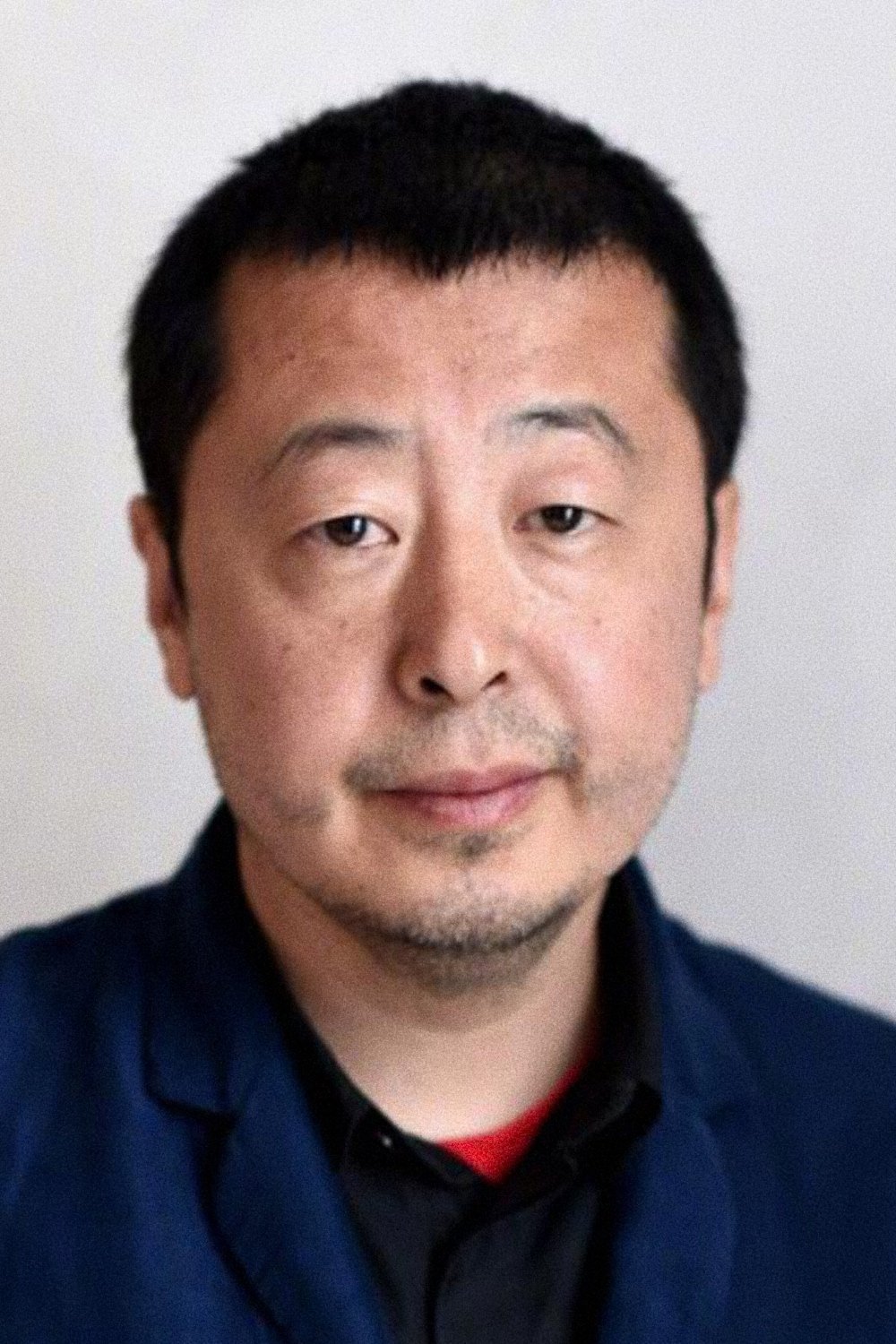
Jia Zhangke captures China’s dramatic changes by filming in towns undergoing demolition and reconstruction. He famously used the construction of the Three Gorges Dam as the setting for his film ‘Still Life’ to showcase the evolving landscape. Avoiding artificial studio environments, he focuses on recording the genuine sights and sounds of a society in transition. His films frequently include extended shots of actual factories, coal mines, and public spaces, creating a compelling and authentic record of modern Chinese life.
Satyajit Ray
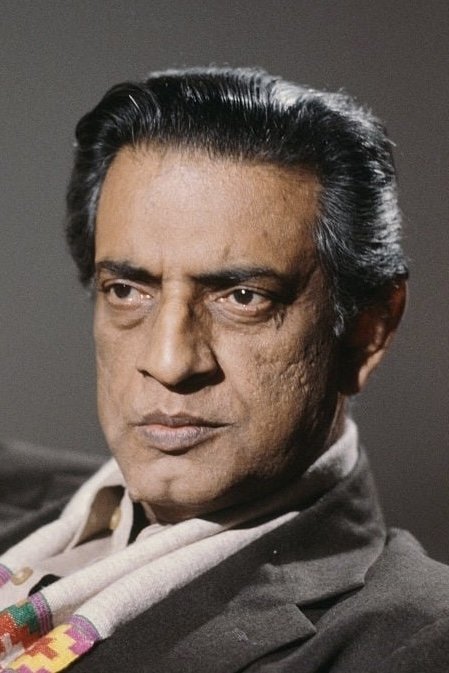
As a film critic, I have to say Satyajit Ray truly changed the game for Indian cinema. He didn’t chase the bright lights of Bollywood; instead, he went to the villages of Bengal and filmed the ‘Apu Trilogy’ with a raw, natural feel. Watching ‘Pather Panchali’, you’re immediately struck by how the rain and the landscapes aren’t just backdrops – they feel real, because he filmed on location during the actual monsoon season! Ray believed in letting the honesty of the environment speak for itself, and it deeply enhances the emotional impact of his stories. He really set a new benchmark for realism in South Asian film, and his influence is still felt today.
Yasujirō Ozu
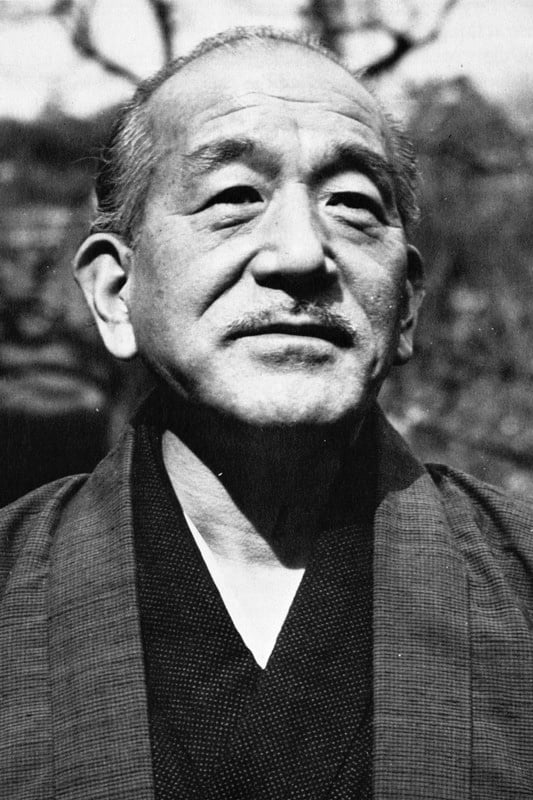
Yasujiro Ozu was a renowned filmmaker known for his intimate dramas depicting postwar Japan and its evolving society. He frequently shot on location in actual Japanese houses, and his low camera angles mimicked the view from a traditional floor mat. Though he sometimes used sets, he preferred real places – like the streets of Tokyo and the town of Onomichi in ‘Tokyo Story’ – to ground his films in authenticity. Ozu’s attention to the small moments of daily life meant a strong connection to the physical world of his characters, and he often used the design of homes to explore ideas about family and tradition.
John Cassavetes

John Cassavetes is known as the pioneer of American independent film. He often shot movies in his own home or the homes of friends, choosing real locations like bars and streets to avoid the typical rules of Hollywood and create authentic, unpolished stories. The realistic home setting in his film ‘A Woman Under the Influence’ is key to the powerful and emotional performances. Cassavetes let his actors improvise and used a handheld camera to follow them around these real places, giving the film a rare feeling of closeness and naturalness.
Lars von Trier
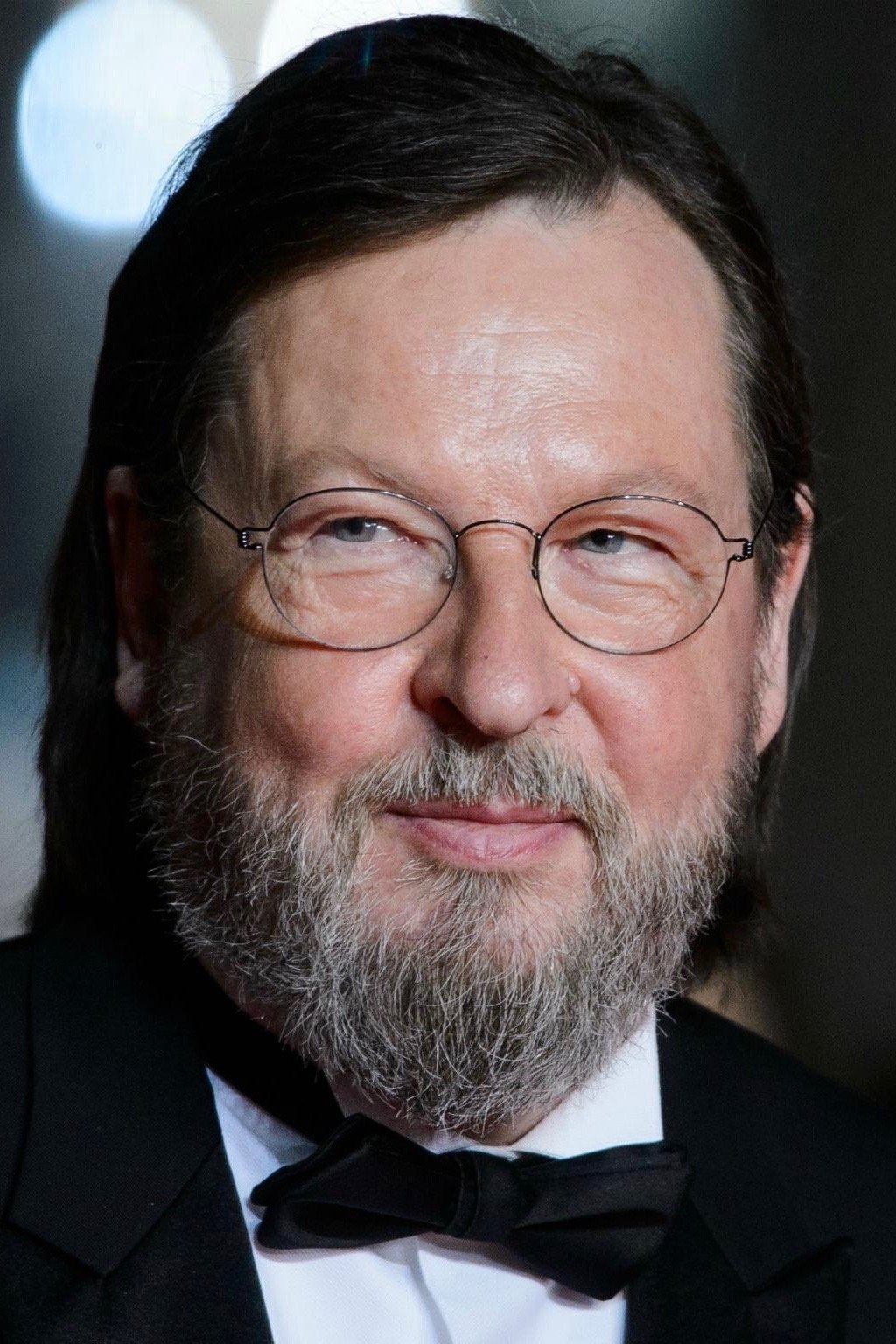
Lars von Trier was a key founder of the Dogme 95 movement, which had very strict rules – notably, forbidding the use of constructed sets or props. He filmed his film ‘The Idiots’ adhering to these rules, relying solely on natural light and sound from each location. The goal of this movement was to remove the artificial elements often found in movies and emphasize acting and storytelling. Although von Trier later embraced more visually elaborate filmmaking, his initial dedication to shooting in real locations had a lasting impact on many filmmakers. He felt that working with the constraints of a genuine environment could actually spark more innovative ideas.
Apichatpong Weerasethakul
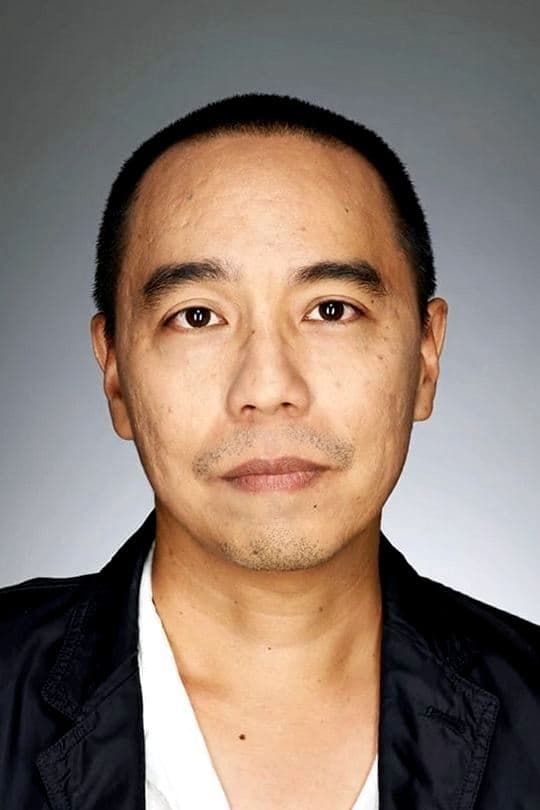
Apichatpong Weerasethakul makes films that feel like dreams, strongly connected to the landscapes and small towns of Thailand. He shoots on location to capture the authentic sounds of nature and the changing light of the jungle. In his film ‘Uncle Boonmee Who Can Recall His Past Lives,’ the natural world becomes a magical place where the past and present blend together. He prefers to film in real locations, avoiding artificial sets, to maintain a connection to the land’s history and spirituality. His films are known for being deeply immersive, drawing viewers in through the details of the real world.
Wim Wenders
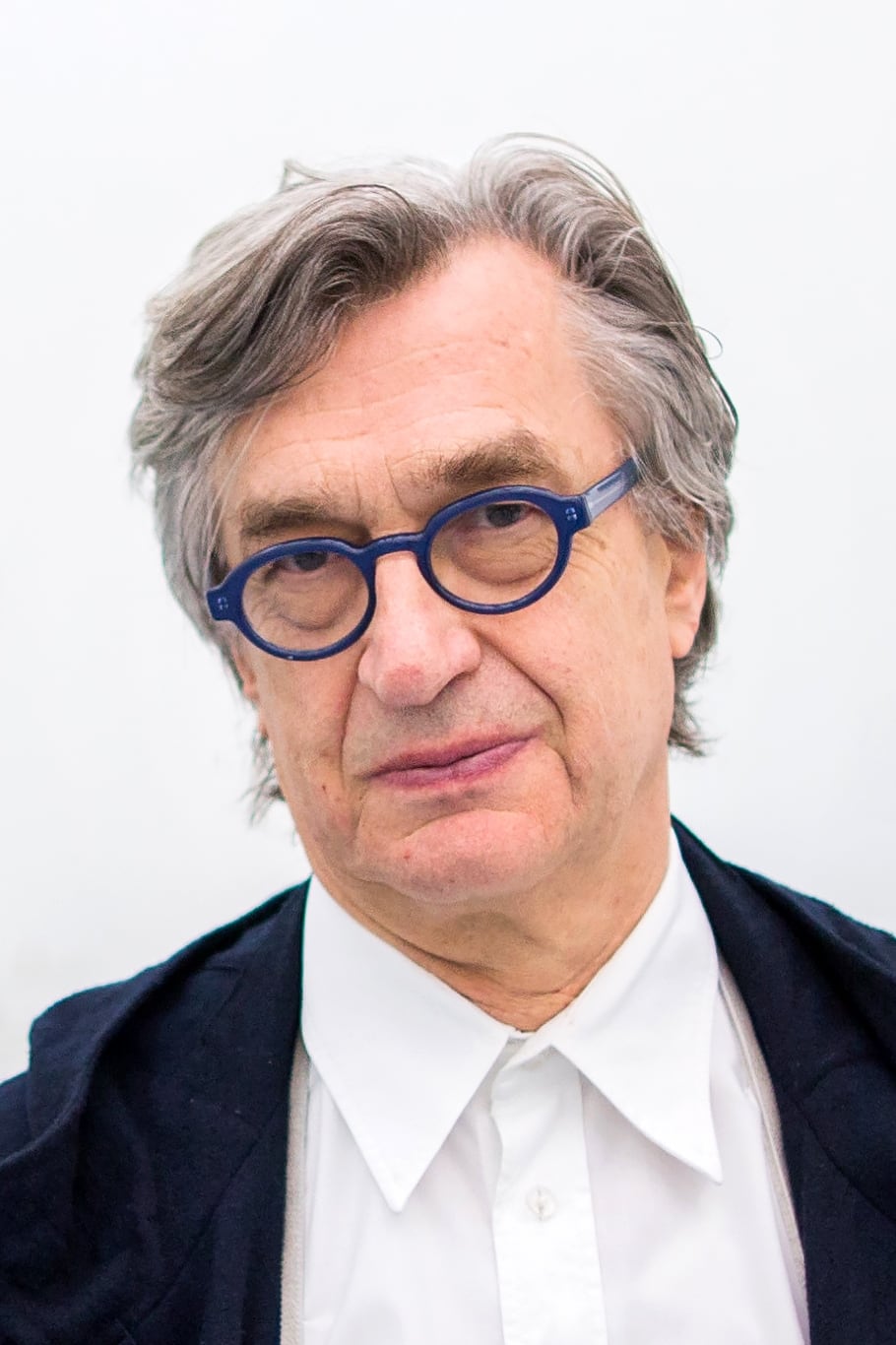
Wim Wenders is a filmmaker famous for his movies about journeys, which often examine how people connect with the places around them. He shot ‘Paris, Texas’ in the wide-open deserts of the American Southwest to create a feeling of both loneliness and stunning beauty. Wenders frequently chooses to film in cities like Berlin and Lisbon, allowing their unique histories to shape his stories. In ‘Wings of Desire,’ the city of Berlin isn’t just a setting – it’s almost a character itself, deeply affecting the lives of the angels in the film. Wenders is a firm believer that filming on location captures a genuine atmosphere that simply can’t be achieved in a studio.
Pedro Costa
Pedro Costa is a Portuguese filmmaker known for his immersive and realistic style. He spent years filming in the Fontainhas slum in Lisbon, even before it was torn down. Working with a small team and digital cameras, he captured the everyday lives of residents inside their homes. His film ‘Vitalina Varela’ uses the gritty reality of the location – shadows, decaying buildings – to create a powerful and unsettling atmosphere. Costa often avoids typical filmmaking techniques, preferring to live in the places he films for months or years at a time. This approach blurs the lines between fiction and documentary, allowing him to portray his subjects with honesty and depth.
Paul Thomas Anderson
Paul Thomas Anderson is known for filming in authentic historical locations, paying close attention to detail to recreate the past. He shot ‘There Will Be Blood’ in the Texas desert around Marfa to capture the harsh reality of the oil boom era. And for ‘Phantom Thread’, he used an actual Georgian townhouse in London instead of a studio set, adding to the film’s believable atmosphere. Anderson appreciates the challenges that real locations present – they often inspire unique camera work. He feels that a location’s history and physical presence can be sensed by viewers, enhancing their experience.
Tell us which director captures the most atmospheric real world settings in the comments.
Read More
- Building 3D Worlds from Words: Is Reinforcement Learning the Key?
- The Best Directors of 2025
- 2025 Crypto Wallets: Secure, Smart, and Surprisingly Simple!
- Gold Rate Forecast
- Mel Gibson, 69, and Rosalind Ross, 35, Call It Quits After Nearly a Decade: “It’s Sad To End This Chapter in our Lives”
- 20 Best TV Shows Featuring All-White Casts You Should See
- Umamusume: Gold Ship build guide
- Top 20 Educational Video Games
- Most Famous Richards in the World
- Celebs Who Married for Green Cards and Divorced Fast
2026-01-05 06:18