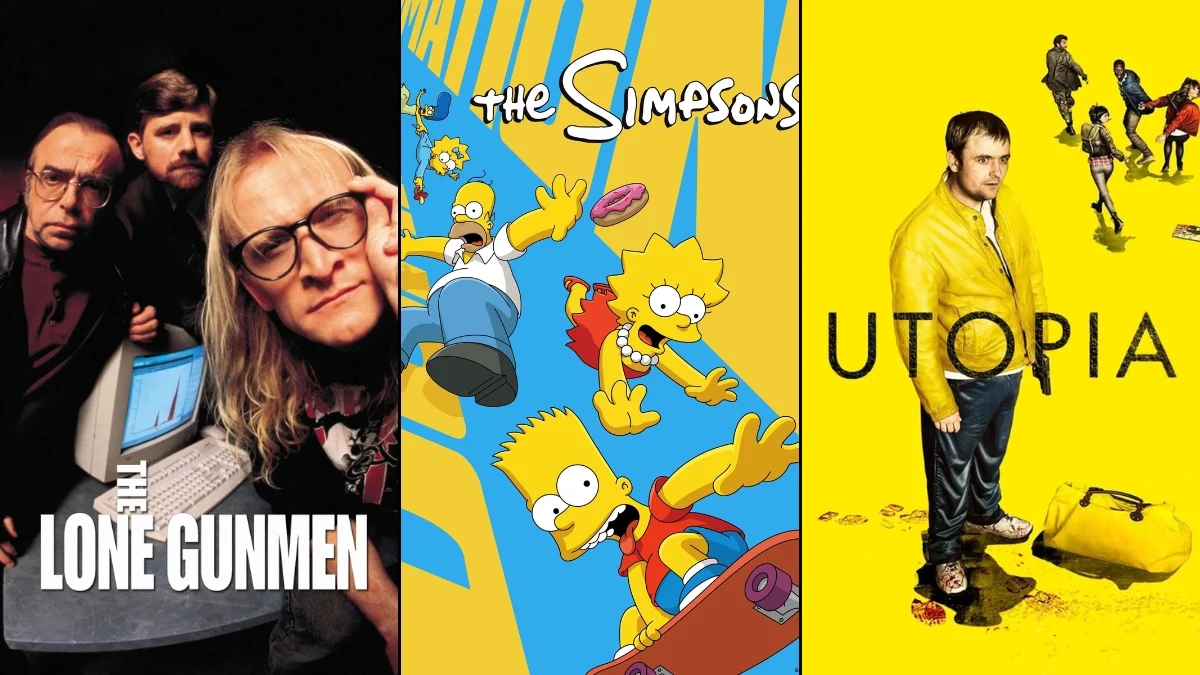
I’ve always been amazed by how often TV seems to predict the future! It’s incredible to think that so many shows, through the imaginations of their writers, actually showed us glimpses of what was to come. From the gadgets we now carry around to big changes in the world, these programs were often surprisingly spot-on. I’ve put together a look at some of the most remarkable times TV actually foresaw what history had in store.
‘The Simpsons’ (1989–Present)
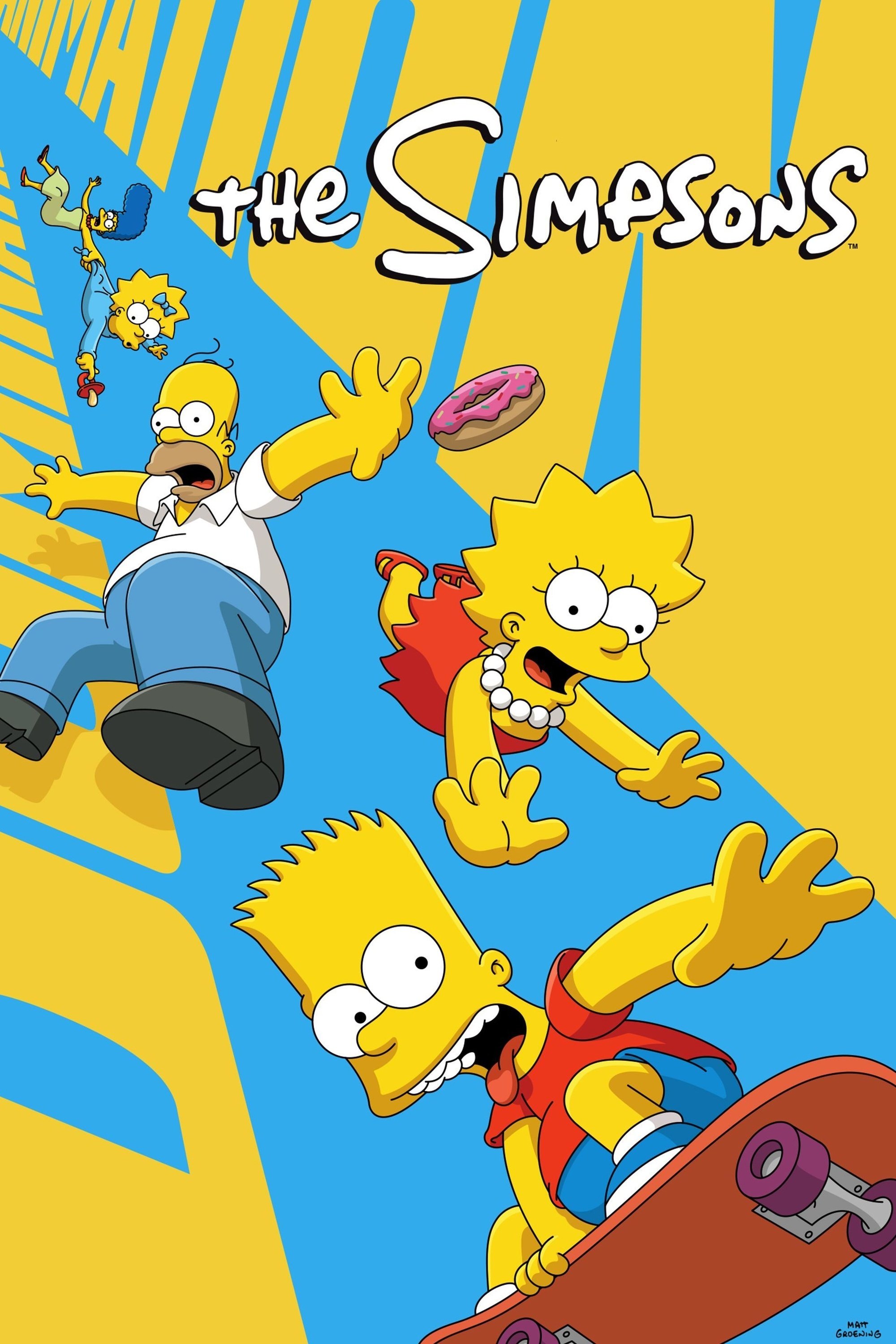
Years before they happened, the animated series accurately predicted several major events. In a 2000 episode, it showed Donald Trump becoming president and Disney buying 20th Century Fox. A scene with a brochure is also widely believed to have hinted at the 9/11 attacks. The show also featured technologies like smartwatches and video calls well before they became common.
‘The Jetsons’ (1962–1963)
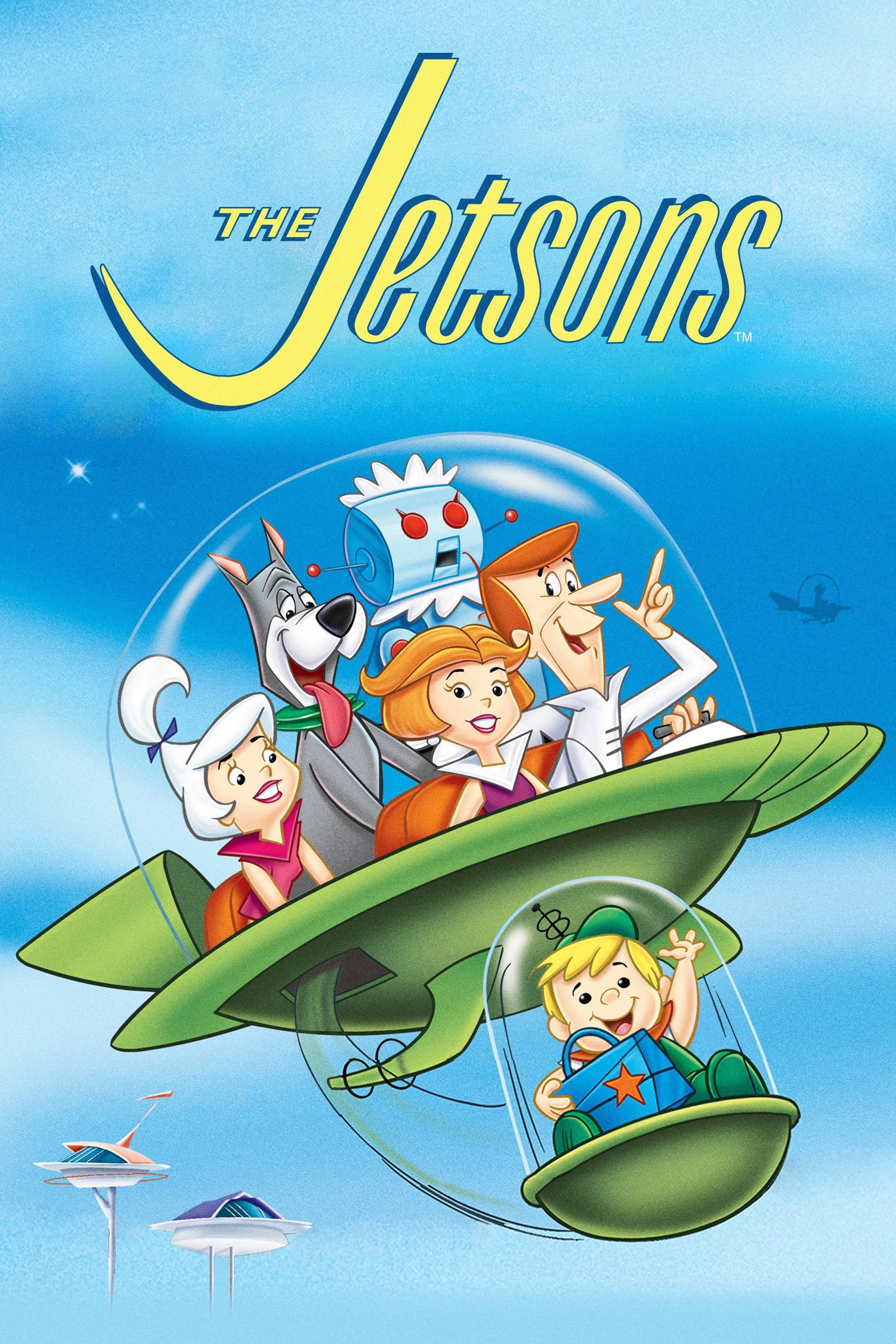
This classic cartoon, created in the early 1960s, surprisingly predicted many technologies we use today, like robot vacuum cleaners and video calls. It showed a family using gadgets that are now found in homes everywhere, and even imagined people working from home on screens – something many of us do now. The show also featured ideas that have become reality, such as smartwatches and miniature cameras used in medicine and everyday products.
‘Star Trek: The Original Series’ (1966–1969)
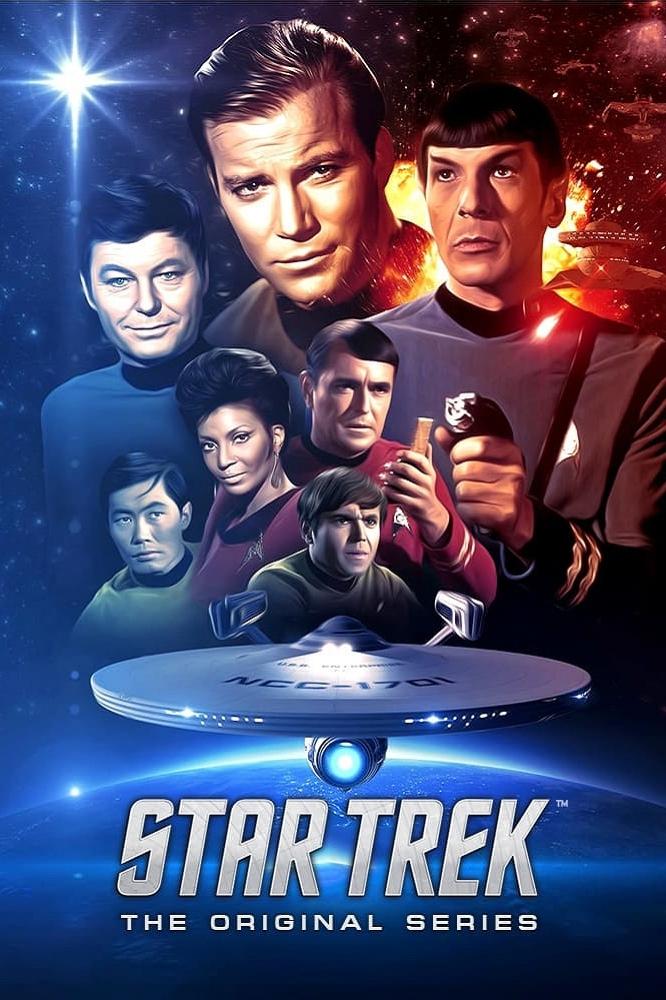
This classic sci-fi series famously predicted technologies we now use every day. Characters carried devices like today’s flip phones, used tablets similar to iPads, and even had a universal translator that works like real-time translation apps. These futuristic ideas influenced the development of consumer electronics in the late 1900s.
‘The Lone Gunmen’ (2001)
The first episode of this show featured a storyline about a hijacked airplane. In the story, the plane was controlled from a distance and aimed at the World Trade Center in New York City. This episode originally aired in March 2001, just six months before the September 11th attacks. The striking similarities between the fictional plot and the real tragedy make it one of the most unsettling coincidences ever seen on television.
‘Black Mirror’ (2011–Present)
As a film buff, I was really struck by the ‘Nosedive’ episode of Black Mirror. It imagined a world where everyone constantly rates each other, and it’s honestly a little scary how real that’s becoming with some governments now using similar systems to score citizens based on their behavior. And it wasn’t just that! The show also had these robotic dogs that looked exactly like the ones tech companies are building now. Each story felt less like science fiction and more like a warning – a look at how the tech we’re developing today could have some really unexpected and potentially negative consequences down the road.
‘Parks and Recreation’ (2009–2015)
As a huge baseball fan, I always get a kick out of this detail from the show’s final season. They have the characters visiting Chicago in 2017, and someone casually mentions how happy everyone is because the Cubs finally won the World Series. It’s amazing because the writers actually predicted that! The Cubs hadn’t won in over a hundred years, and they broke that drought in 2016, just before the show aired that scene. It’s a really cool little moment knowing they nailed the timing of such a historic win.
‘Futurama’ (1999–Present)
The show had a plotline about a contested election, similar to the famous Florida recount in 2000. It also explored the idea of virtual reality, where people could interact with digital environments using headsets. Interestingly, the writers predicted the now-common practice of seeing large advertisements even within our dreams. It’s remarkable how many of the futuristic inventions from the show, set in the year 3000, are actually starting to become reality today.
‘Quantum Leap’ (1989–1993)
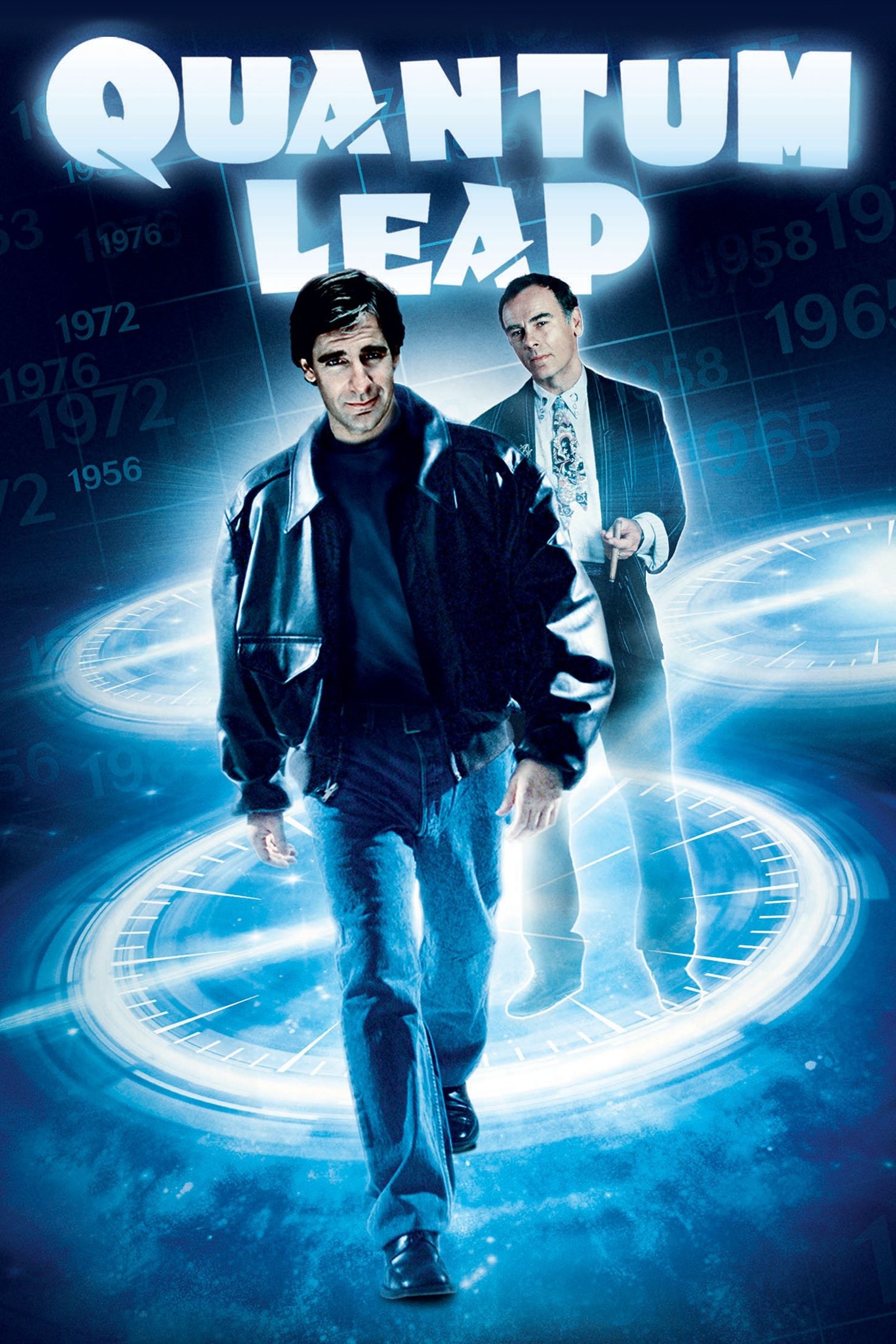
As a big film and football fan, I always find it amazing when art seems to predict life. There was this episode of Quantum Leap from 1990 where the main character, Sam Beckett, casually mentions the Steelers winning the Super Bowl – and he gets really specific. He said they’d be losing by three points with just minutes left on the clock. Years later, in Super Bowl XXX in 1996, that exact scenario happened! The score and how the game ended matched what Sam said in the show almost perfectly. It’s one of those eerie, cool coincidences that always sticks with me.
‘Knight Rider’ (1982–1986)

The classic TV series featured KITT, a smart, self-driving car that could even talk to its owner. Today, the car industry is quickly making similar self-driving cars a reality, using sophisticated artificial intelligence. The show also predicted the use of smartwatches to control vehicles – a feature now commonly found in high-end cars. What was once considered futuristic in the show is now becoming everyday technology.
‘The Twilight Zone’ (1959–1964)
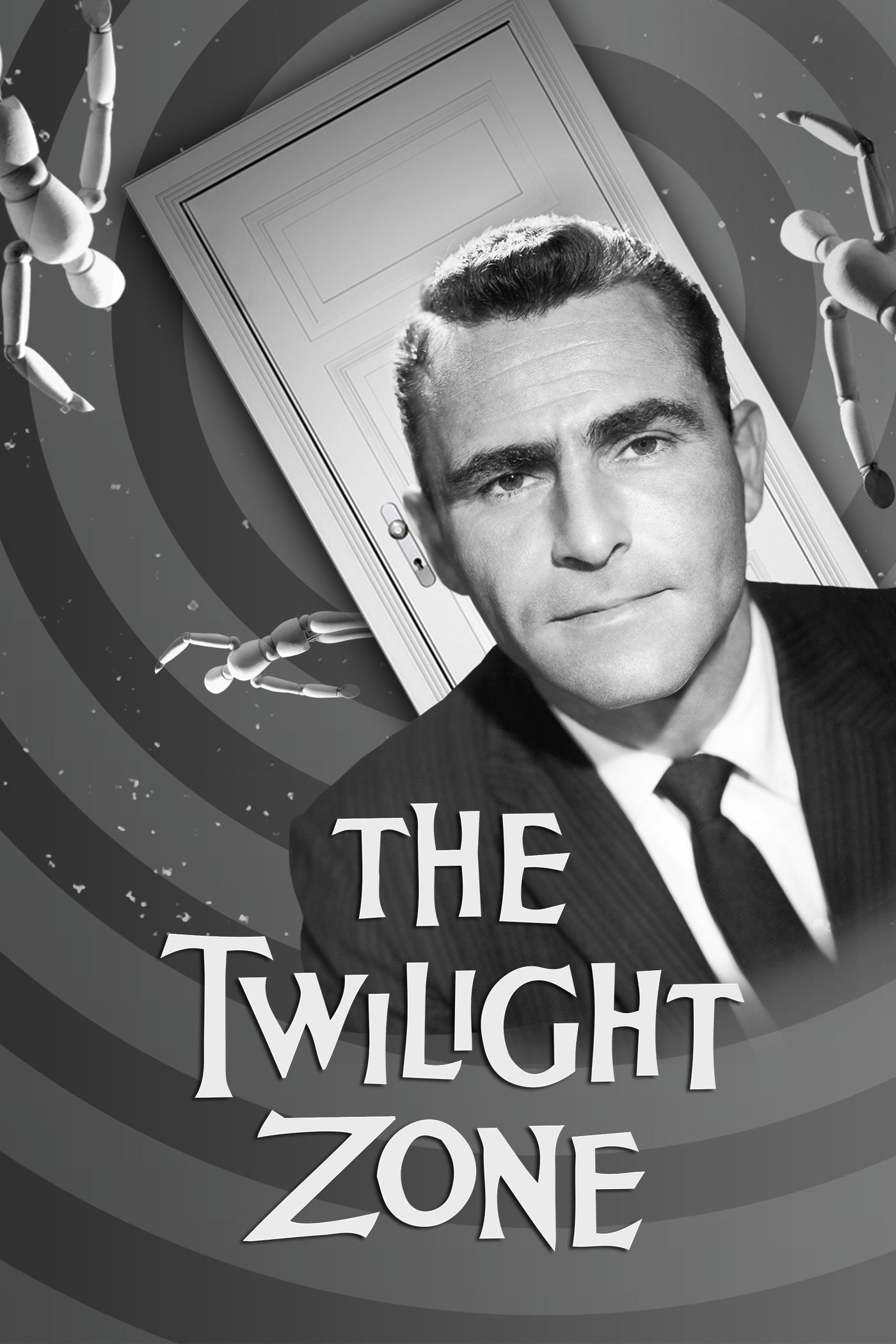
As a huge fan of classic sci-fi, I always loved how forward-thinking ‘The Twilight Zone’ was. It’s amazing to me that an episode actually predicted things like flat-screen TVs and security cameras! They weren’t just about monsters, though. The show really tapped into our fears about becoming obsessed with reality TV and the desire for instant fame. And they imagined these incredible home computers that could run your entire house – way before smart homes were even a concept. Looking back, those stories weren’t just about the Cold War; they were spot-on about the tech we’d all be using someday.
’30 Rock’ (2006–2013)
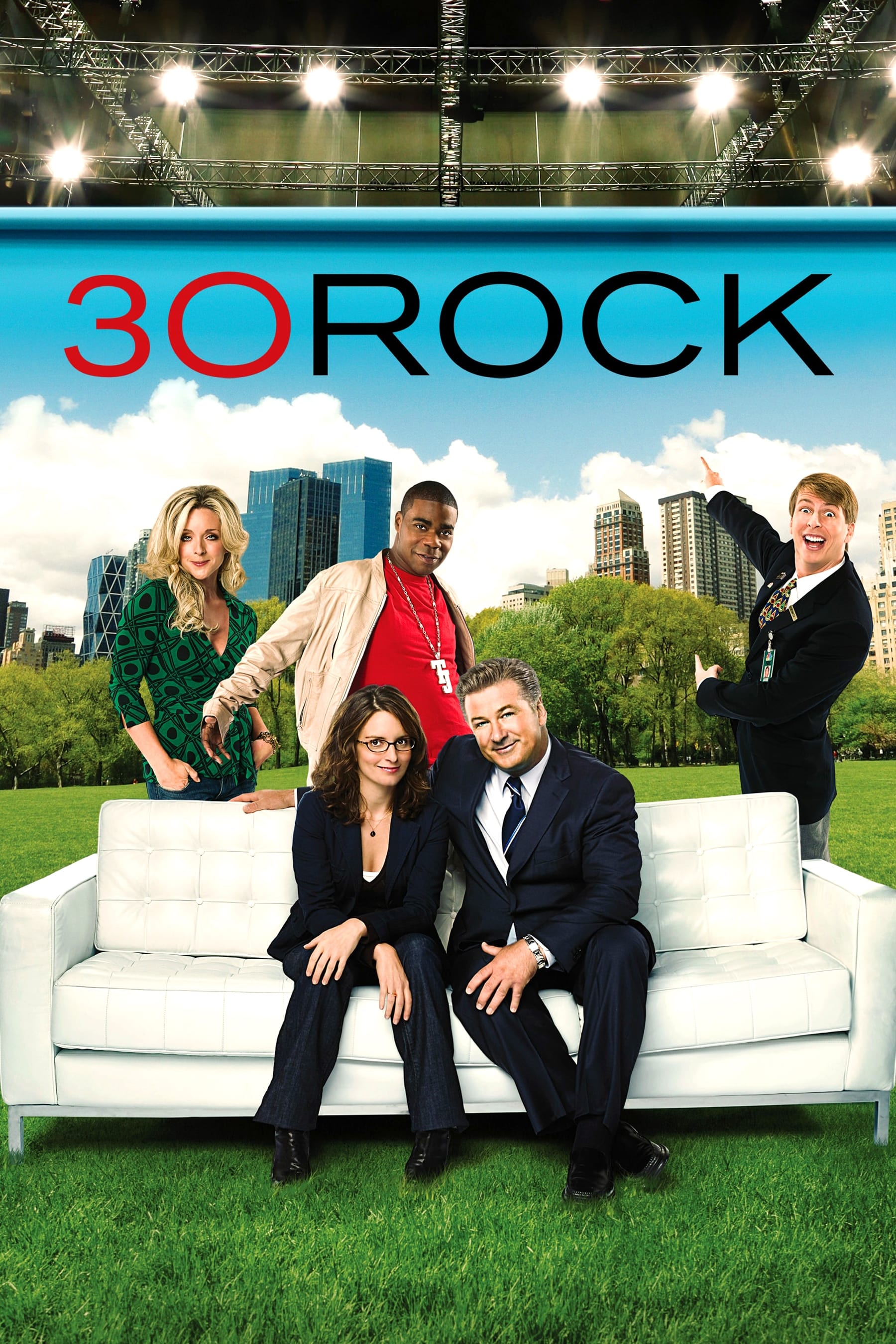
One joke on the show alluded to rumors surrounding Bill Cosby’s treatment of women – this was years before the allegations surfaced and he was ultimately convicted. The series also playfully predicted a large cable company buying a major television network, a scenario that later mirrored real-world media consolidation, though with some differences.
‘The X-Files’ (1993–2018)
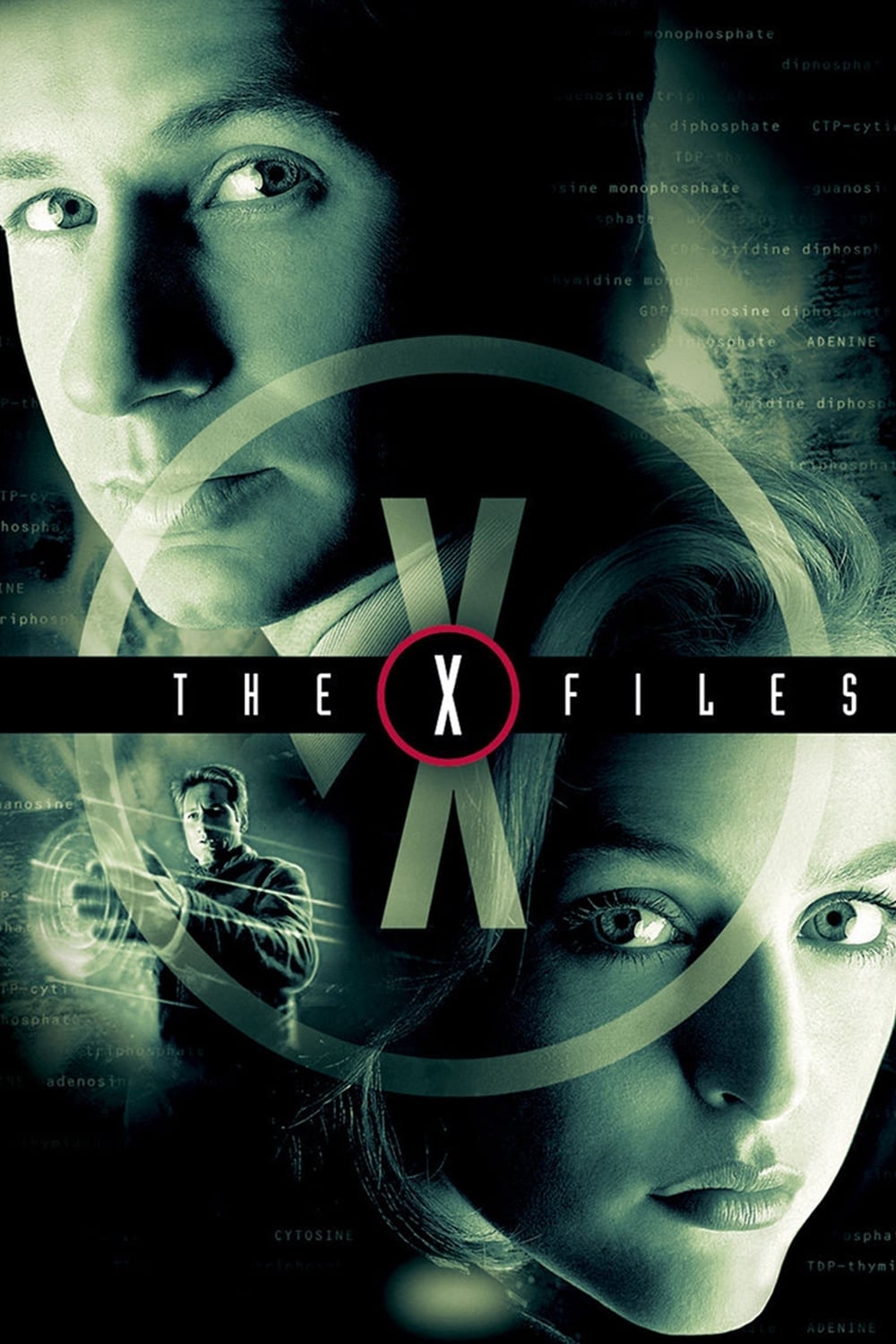
The show frequently explored how governments might use technology to keep tabs on people’s personal lives. It depicted surveillance through drones and the gathering of online data by secretive intelligence groups – themes it presented well before public discussions about agencies like the NSA became widespread. The series accurately predicted the trend toward a more connected and closely watched world in the 21st century.
‘Scrubs’ (2001–2010)
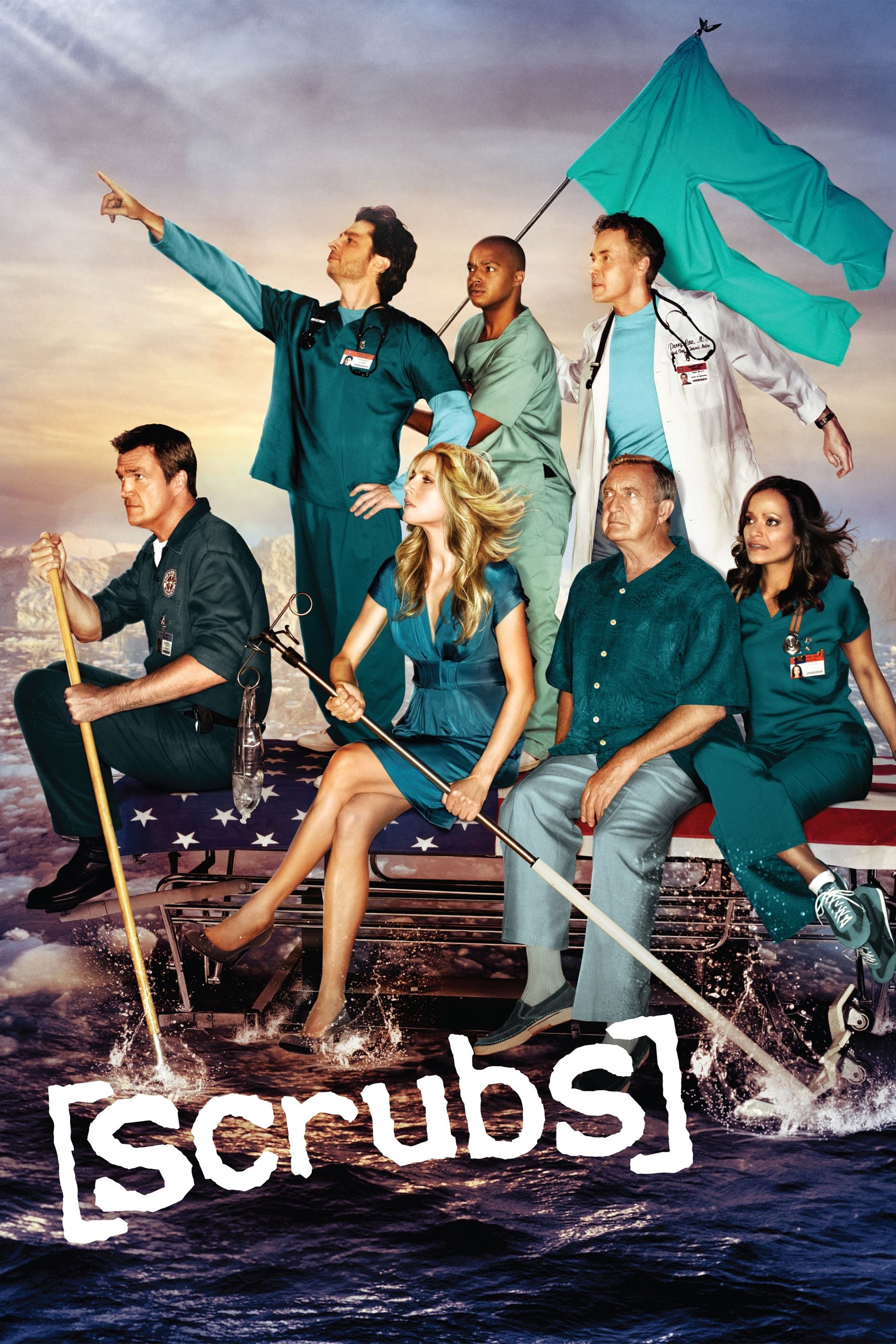
Back in 2006, a character on a TV show, played by Neil Flynn, jokingly mentioned that Osama bin Laden might be hiding in Pakistan. Most people at the time thought he was somewhere in the mountains of Afghanistan. Surprisingly, when bin Laden was actually found in 2011, it was in a compound located in Pakistan. This offhand comment on a comedy show turned out to be remarkably accurate in predicting a major geopolitical event.
‘Person of Interest’ (2011–2016)
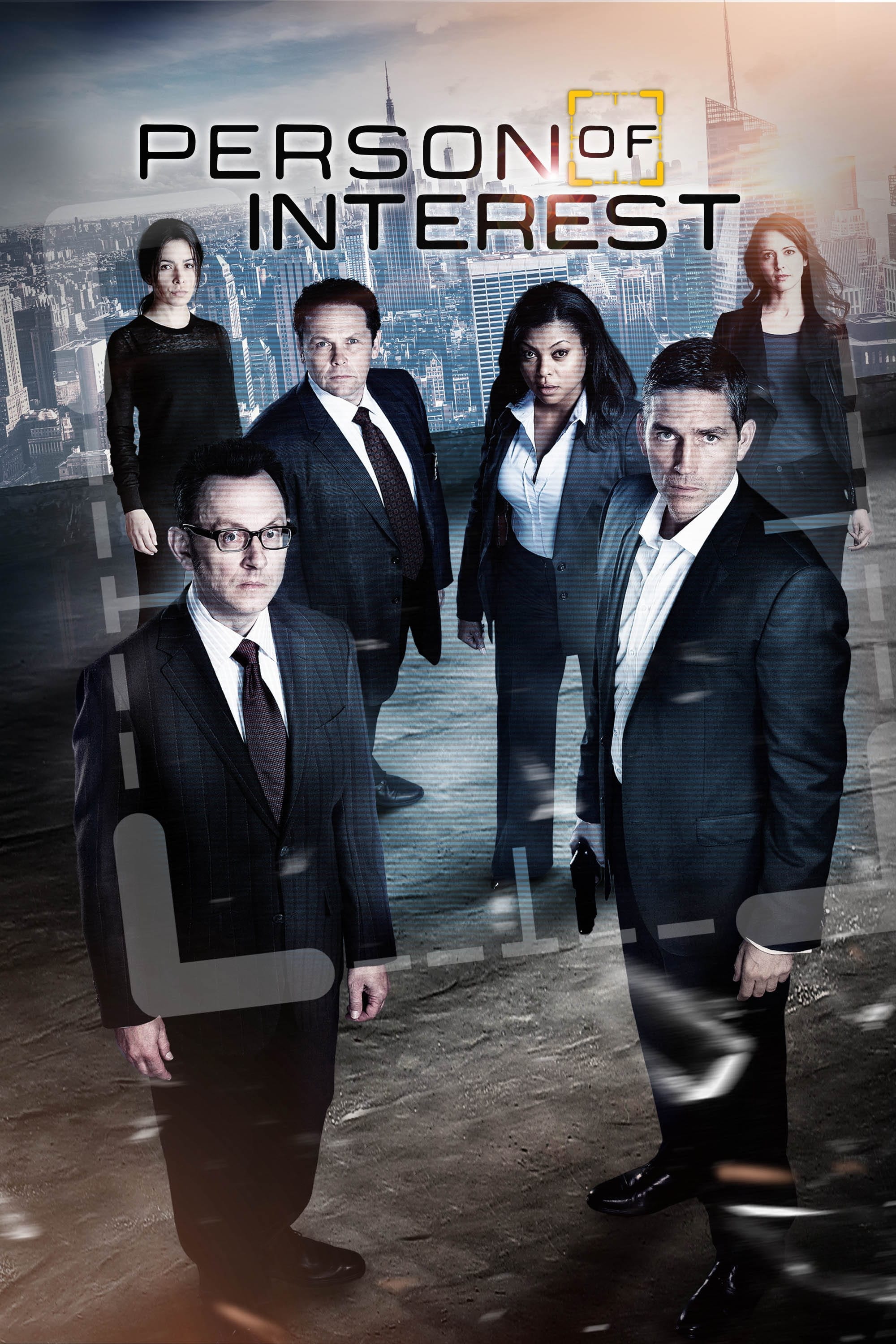
The series centers on a powerful AI that monitors people by tracking their online activity. It examines how governments might use this data to foresee and stop crimes before they occur. Interestingly, many of the surveillance techniques depicted were later revealed to be real, thanks to the Edward Snowden leaks. Ultimately, the show offers a chillingly realistic portrayal of eroding privacy in today’s world of big data and complex algorithms.
‘The Wire’ (2002–2008)
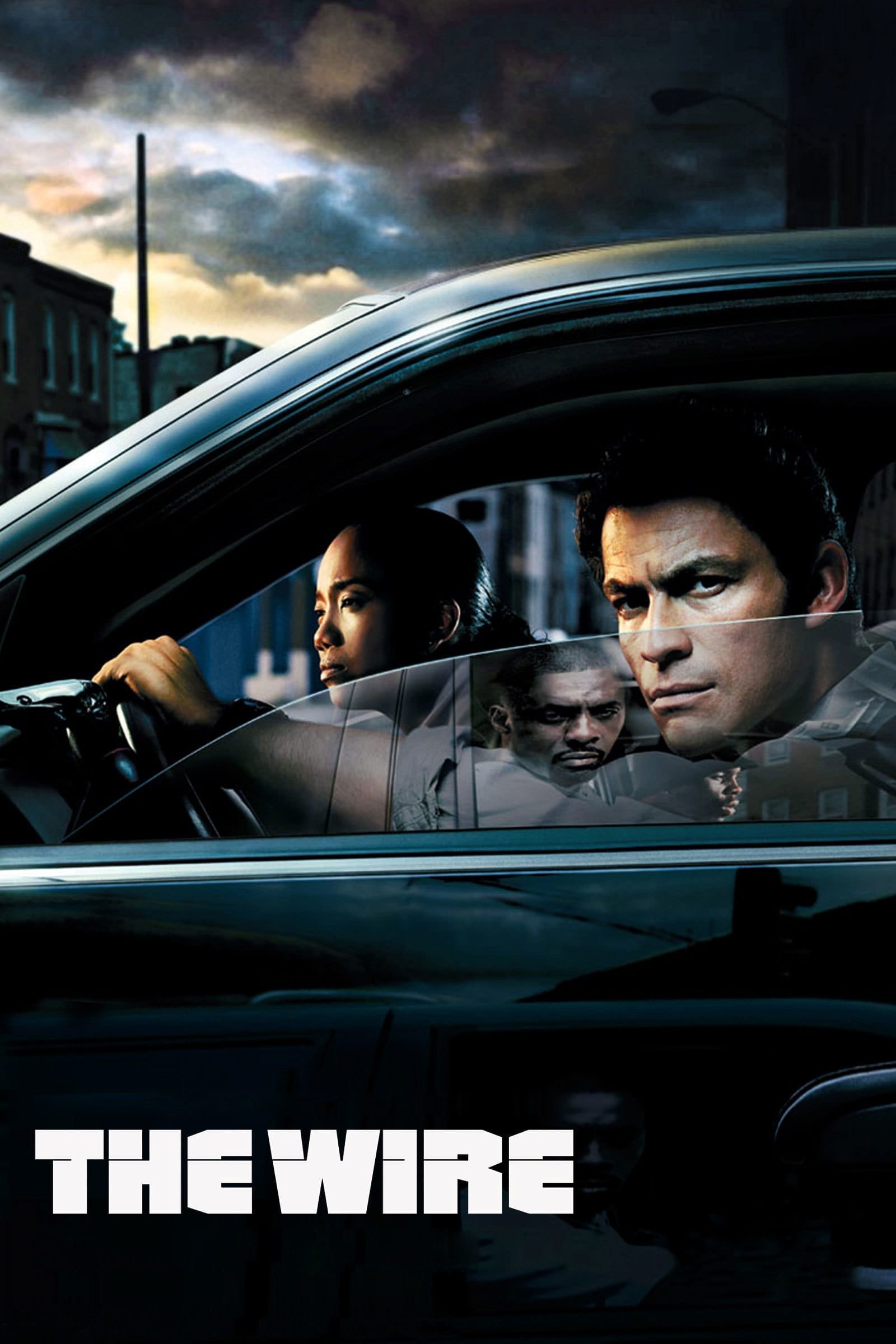
The show highlighted how criminals used temporary, untraceable phones to evade the police, and explained the methods law enforcement employs to track cell phone signals. Interestingly, many of the techniques demonstrated by both sides – criminals and police – became commonly used in actual investigations. The series was known for its realistic depiction of how digital communication was changing, and for accurately portraying those changes.
‘Spooks’ (2002–2011)

A TV episode depicting a terrorist attack on London’s public transportation was completed shortly before the 2005 bombings took place. This created a difficult situation for the producers, who had to consider whether to broadcast the episode given its striking similarities to the actual event. The show frequently explored themes like cyberattacks and the rise of homegrown extremism – topics that would soon become major news stories. The writers collaborated with experts to make sure the fictional threats reflected the real worries of intelligence officials.
‘Arrested Development’ (2003–2019)
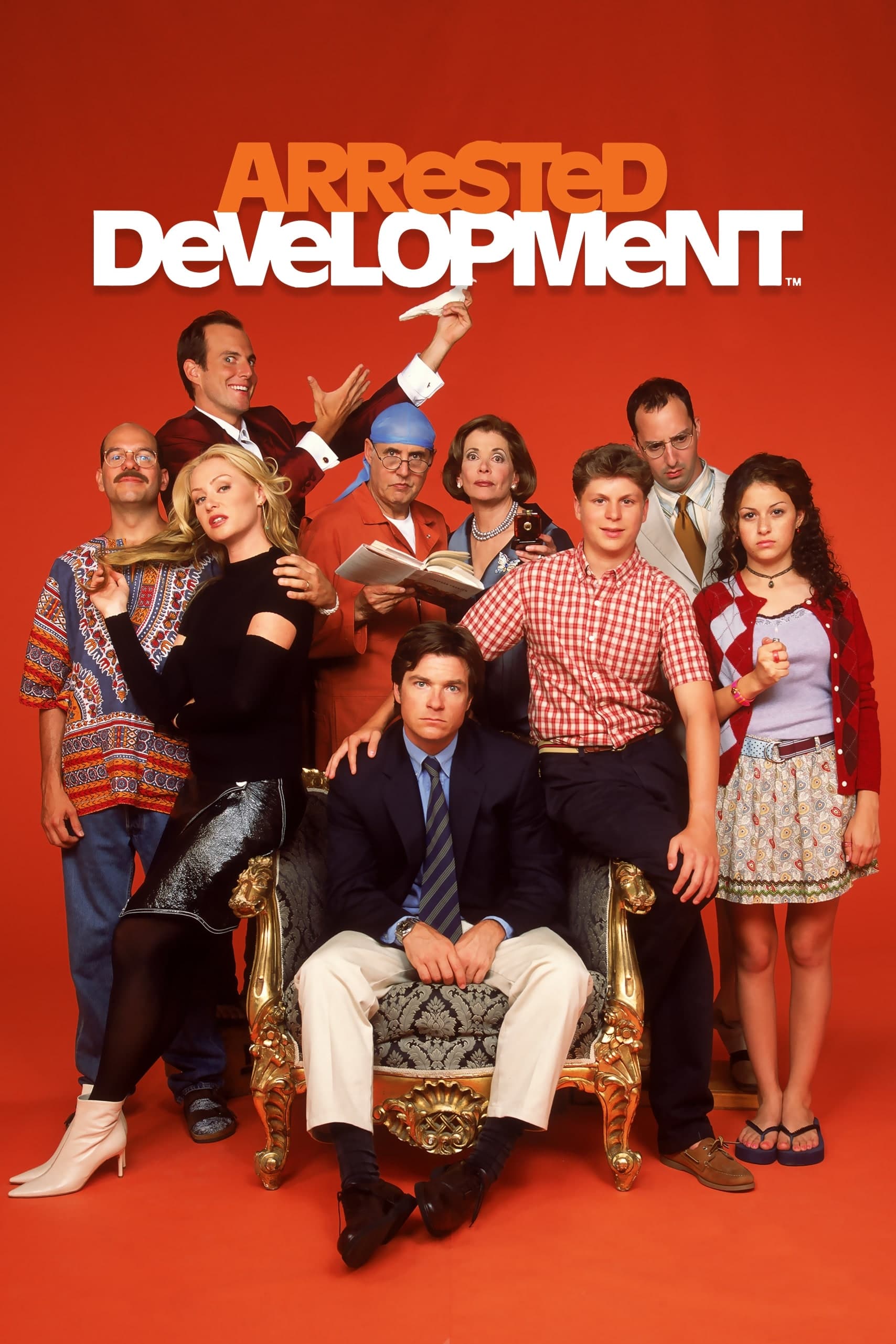
As a critic, I always appreciated how ahead of the curve Arrested Development was. One storyline, involving the Bluths attempting to build a border wall, is particularly striking. What’s fascinating is that this plot aired before a similar proposal became a major political talking point. It wasn’t just a coincidence; the show brilliantly used the wall as a way to poke fun at the power dynamics and overall craziness of business and politics at the time. Looking back, it’s a really notable example of the series anticipating and reflecting cultural shifts before they even hit mainstream conversation.
‘Family Guy’ (1999–Present)
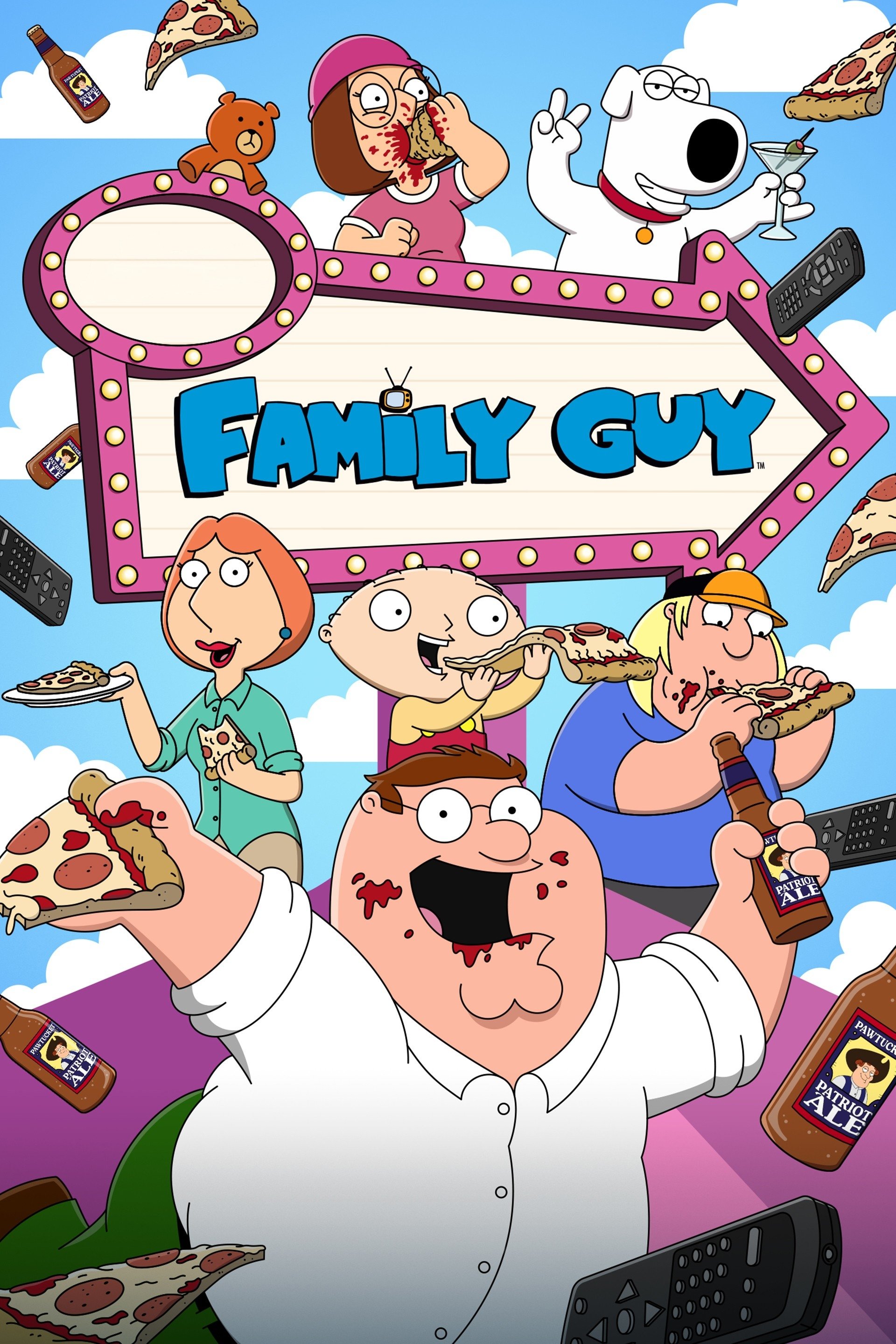
I remember an episode from 2009 where a character made a comment about Bruce Jenner becoming a woman. It was years before Caitlyn Jenner came forward with her story, which is pretty wild when I think about it now. The show also used to make these crazy jokes about celebrities that, looking back, actually turned out to be true! A lot of fans, myself included, feel like the show had some strange ability to predict what would happen in pop culture.
‘Utopia’ (2013–2014)
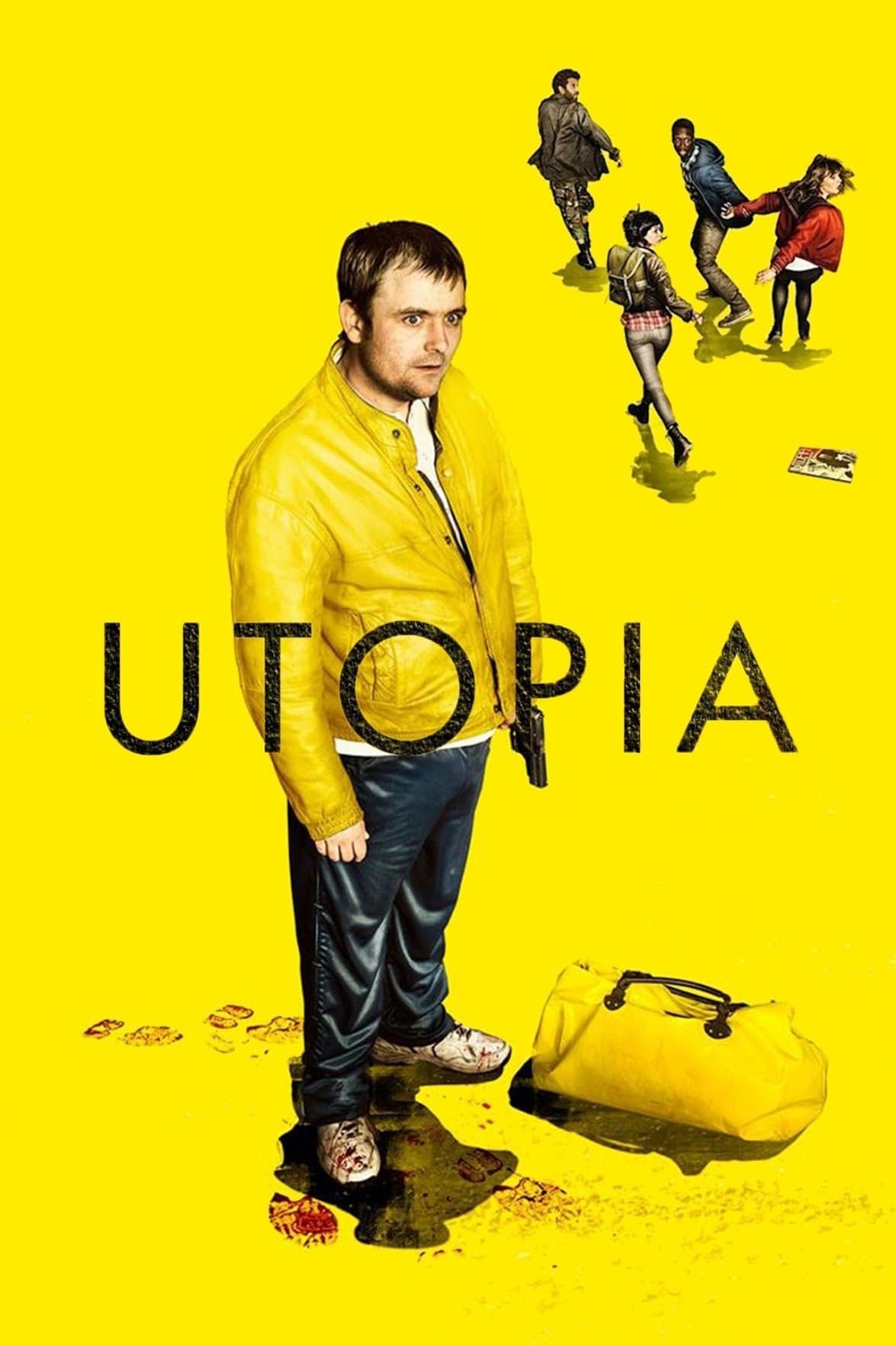
This British thriller centers around a group who discover a comic book that seems to predict worldwide catastrophes. The story touches on a deliberately created pandemic and the debated implementation of a global vaccination campaign. Many viewers felt the show’s themes were particularly striking given the health crises of the 2020s, and it realistically portrayed the fear and practical difficulties of a large-scale international health emergency.
‘Thunderbirds’ (1965–1966)
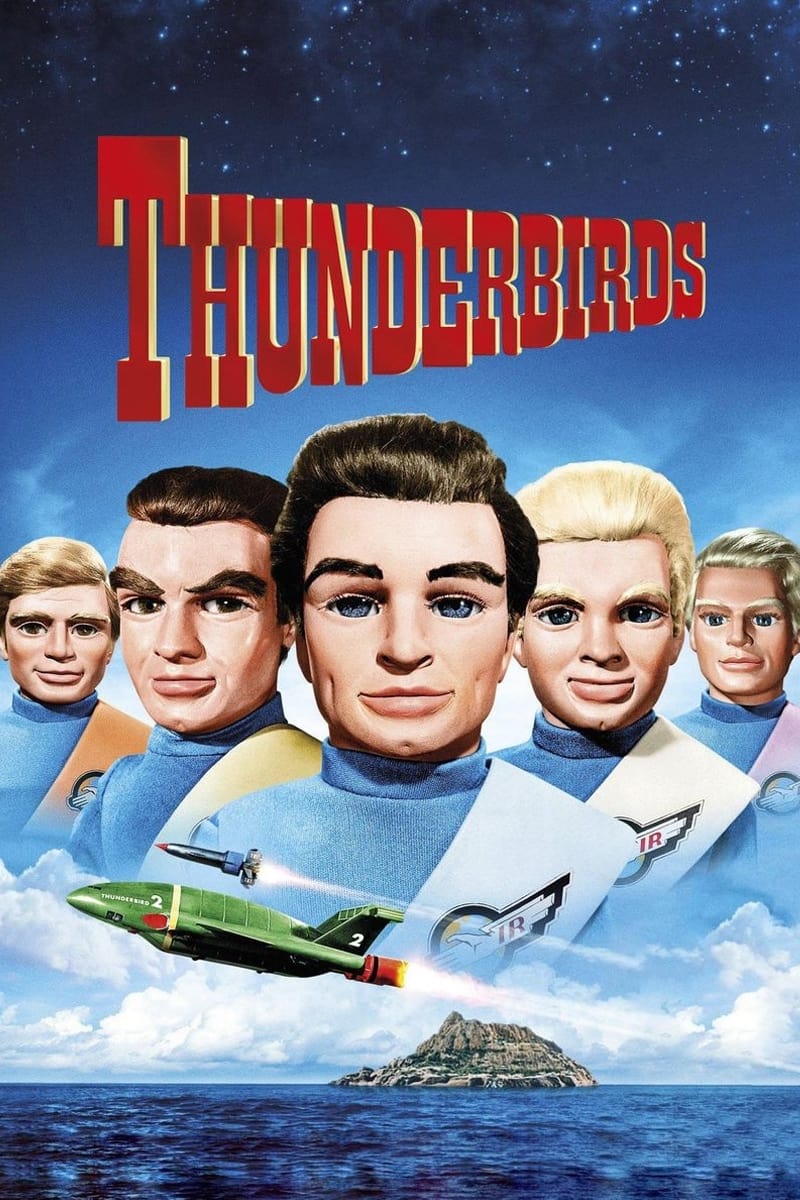
This beloved show used puppets to depict a future where phone calls included seeing the person you were talking to – much like video calls today. It famously featured large screens on walls for international meetings and strategic planning. The series also predicted the development of aircraft that can take off and land vertically, a technology now emerging in the aviation world. Its imaginative vision of the future inspired countless designers and engineers who watched it as children.
‘Star Trek: The Next Generation’ (1987–1994)
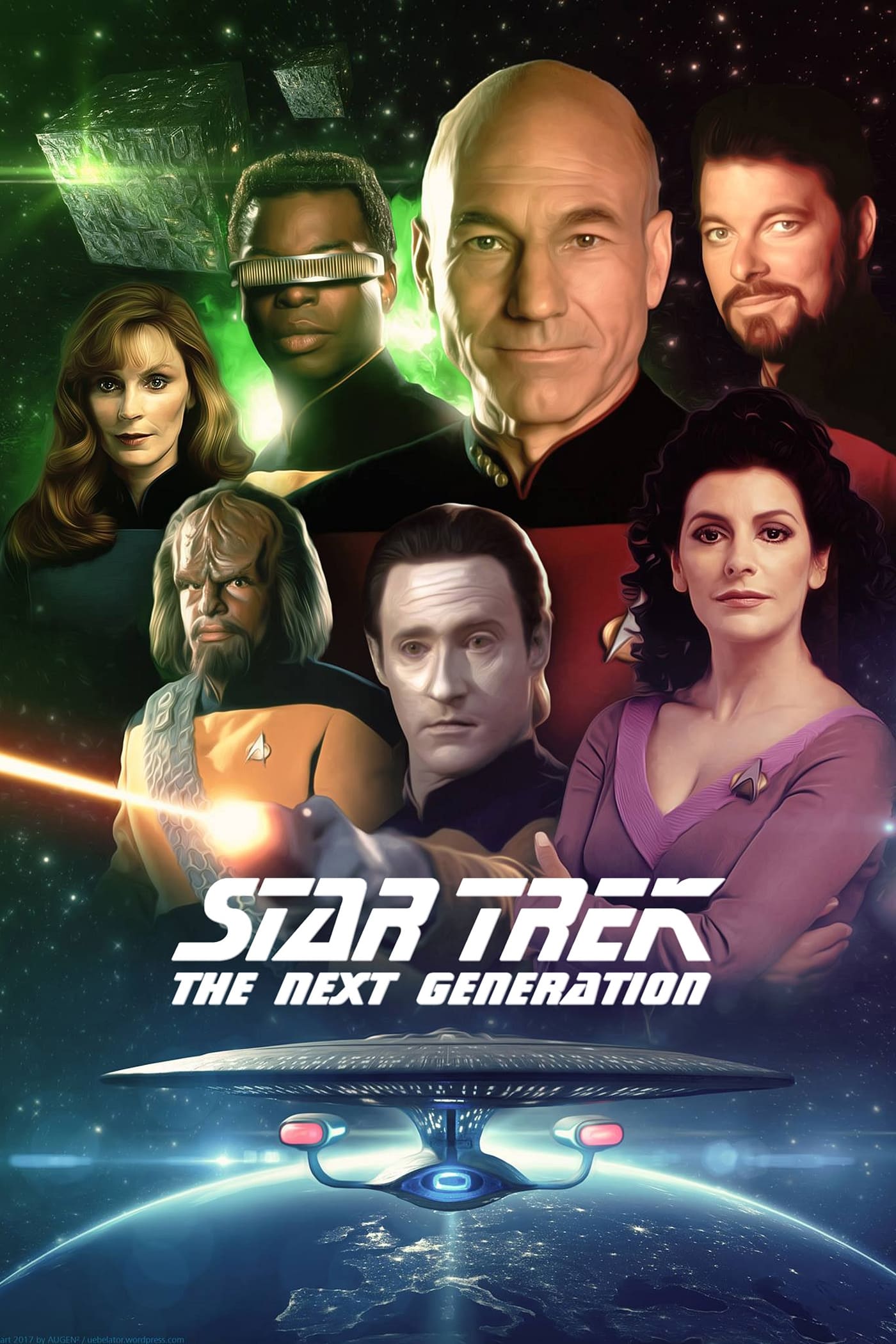
The crew of the Starship Enterprise used early portable devices – essentially the first tablets – to read reports and access information using a simple touch screen. The show also imagined 3D printing with its ‘replicators,’ which could instantly create food and tools. Interestingly, many of the design elements from the Enterprise’s control panels have inspired the way software is designed today.
‘Silicon Valley’ (2014–2019)
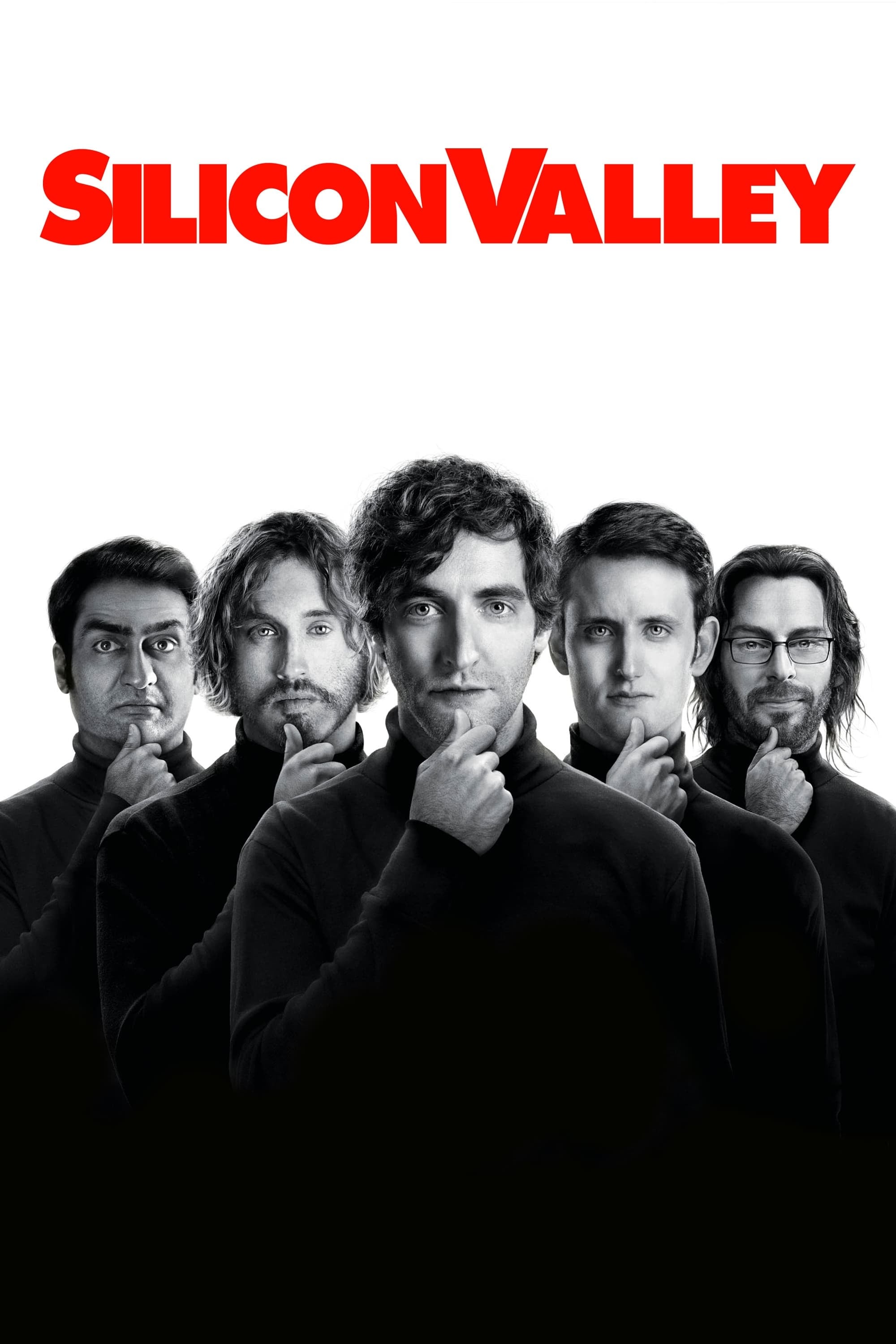
The show accurately foresaw the growing popularity of decentralized online platforms and the unpredictable nature of cryptocurrency. It even included a storyline about a hacked smart fridge becoming part of a botnet. The writers cleverly explored the world of tech startups and how they were poised to reshape the global economy. The show’s humorous look at technology frequently pointed out emerging trends before they became widely known.
‘Max Headroom’ (1987–1988)
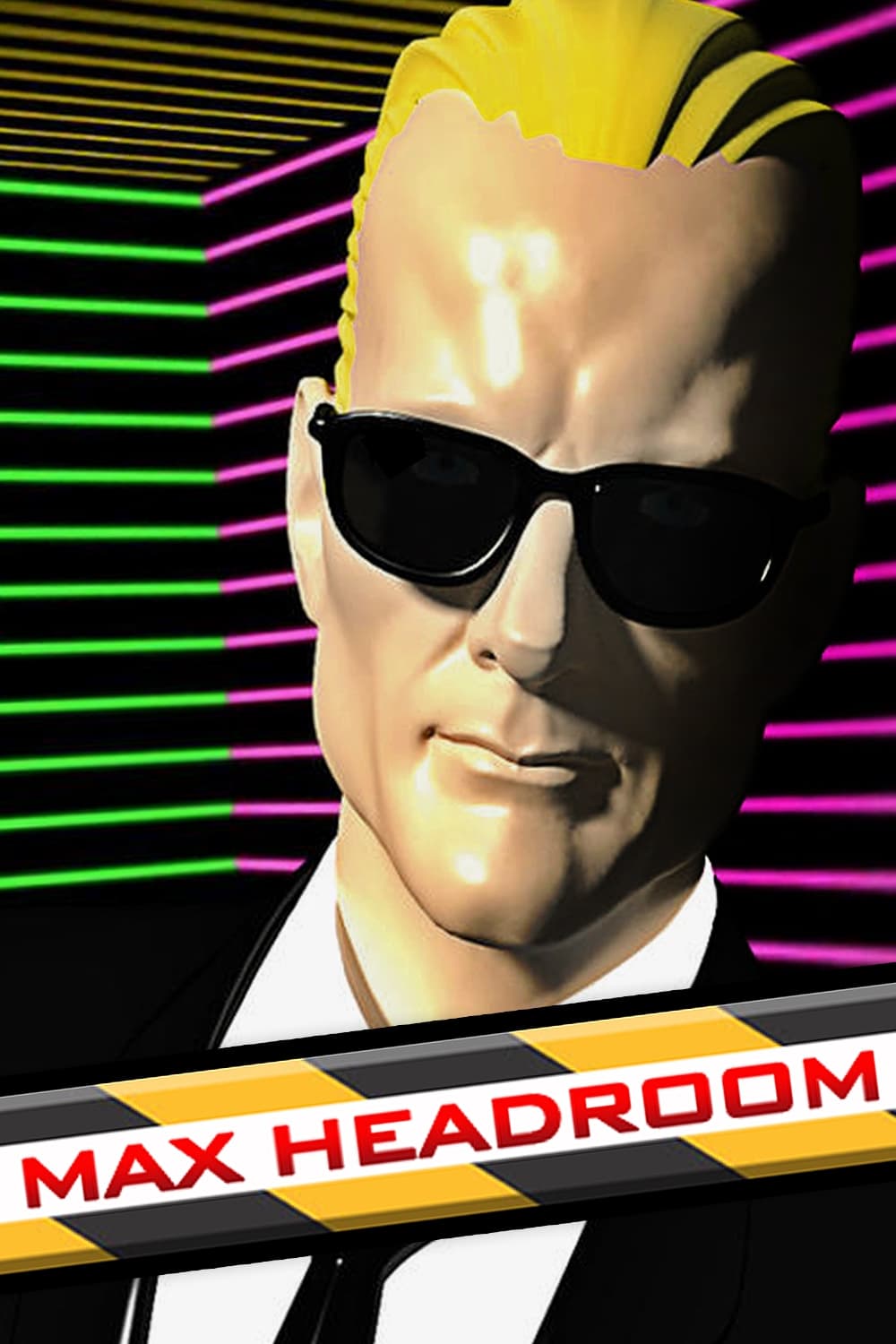
The show imagined a world where television networks reigned supreme and realistic digital characters came to life. It delved into the concept of computer-generated personalities interacting with people live on air – something we’re now seeing with deepfakes and AI avatars. The series was remarkably prescient, recognizing how digital media could shape what people think.
‘The Prisoner’ (1967–1968)
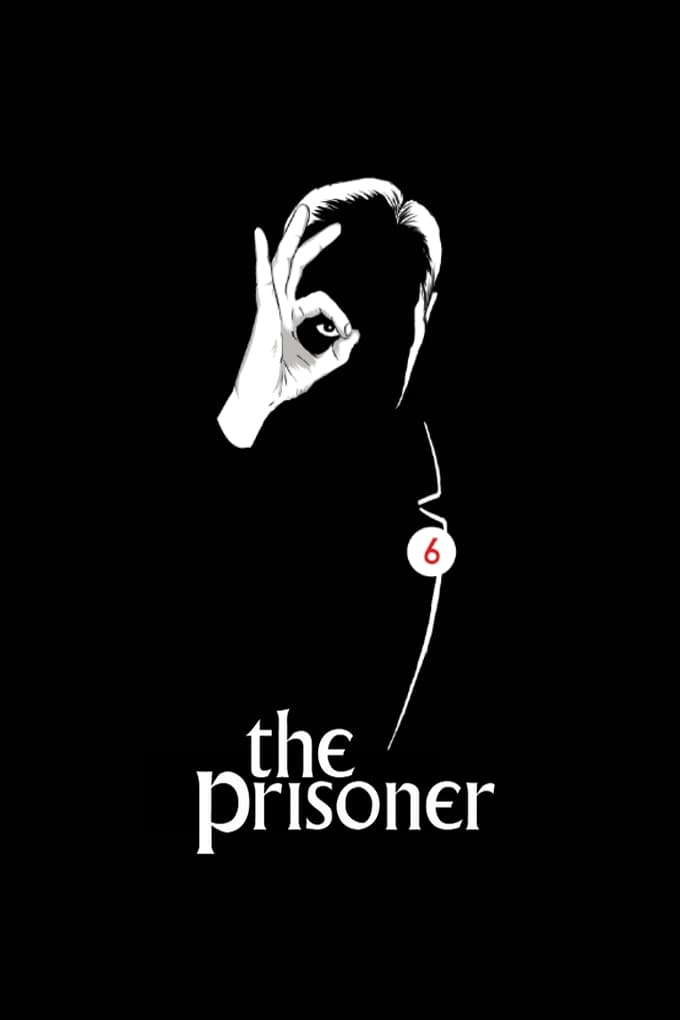
The show depicted a futuristic village where residents were constantly watched by hidden cameras. It predicted the increasing use of surveillance cameras in public areas and the loss of privacy that comes with it. A central computer system tracked characters using their personal information, allowing for complete control. The show’s concerns about a lack of privacy and government monitoring feel even more important today than when it originally aired.
‘Mr. Robot’ (2015–2019)

The series realistically portrayed how hackers break into major companies and government networks. It highlighted how easily the global financial system could be disrupted by online attacks, and the economic problems that could cause. Security professionals applauded the show’s technical accuracy. It also correctly anticipated the growing importance of cyber warfare in both international conflicts and business competition.
Read More
- Building 3D Worlds from Words: Is Reinforcement Learning the Key?
- The Best Directors of 2025
- 2025 Crypto Wallets: Secure, Smart, and Surprisingly Simple!
- Gold Rate Forecast
- Mel Gibson, 69, and Rosalind Ross, 35, Call It Quits After Nearly a Decade: “It’s Sad To End This Chapter in our Lives”
- 20 Best TV Shows Featuring All-White Casts You Should See
- Umamusume: Gold Ship build guide
- Top 20 Educational Video Games
- Celebs Who Married for Green Cards and Divorced Fast
- Most Famous Richards in the World
2026-01-04 19:47