
Video games often spark public debate and legal challenges. Games have moved beyond simple entertainment, with issues like violence and political themes frequently making headlines. These controversies can lead to changes in how games are made, rated, and sold worldwide. Lawmakers and activist groups continue to pay close attention as games become more complex and push creative limits.
‘Mortal Kombat’ (1992)
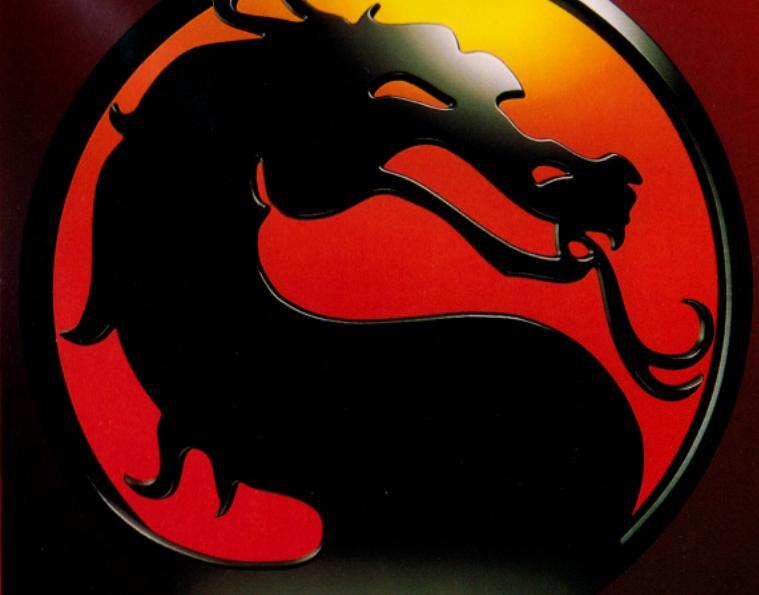
I remember when Mortal Kombat first came out – it was unlike anything I’d ever seen! They used real actors, which was amazing, and those finishing moves, called Fatalities, were just…wow. But it also caused a huge stir. There were Senate hearings in 1993 because of how violent it was, and everyone was worried about the impact on kids. All that controversy actually led to the creation of the ESRB, which is the rating system we have today. It really changed how game companies market more mature titles, and honestly, it’s still felt today. It was a wild time to be a gamer!
‘Night Trap’ (1992)
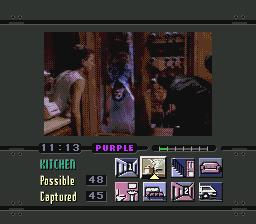
Digital Pictures created a video game using live-action footage, published by Sega for the Sega CD. The game depicted vampires attacking young women during a sleepover. It sparked controversy when US Senators Joe Lieberman and Herb Kohl publicly criticized it for its violent portrayal of women. As a result, major retailers like Toys R Us and Kay Bee Toys stopped selling the game, and the negative reaction helped lead to the creation of a standardized rating system for video games.
‘Doom’ (1993)
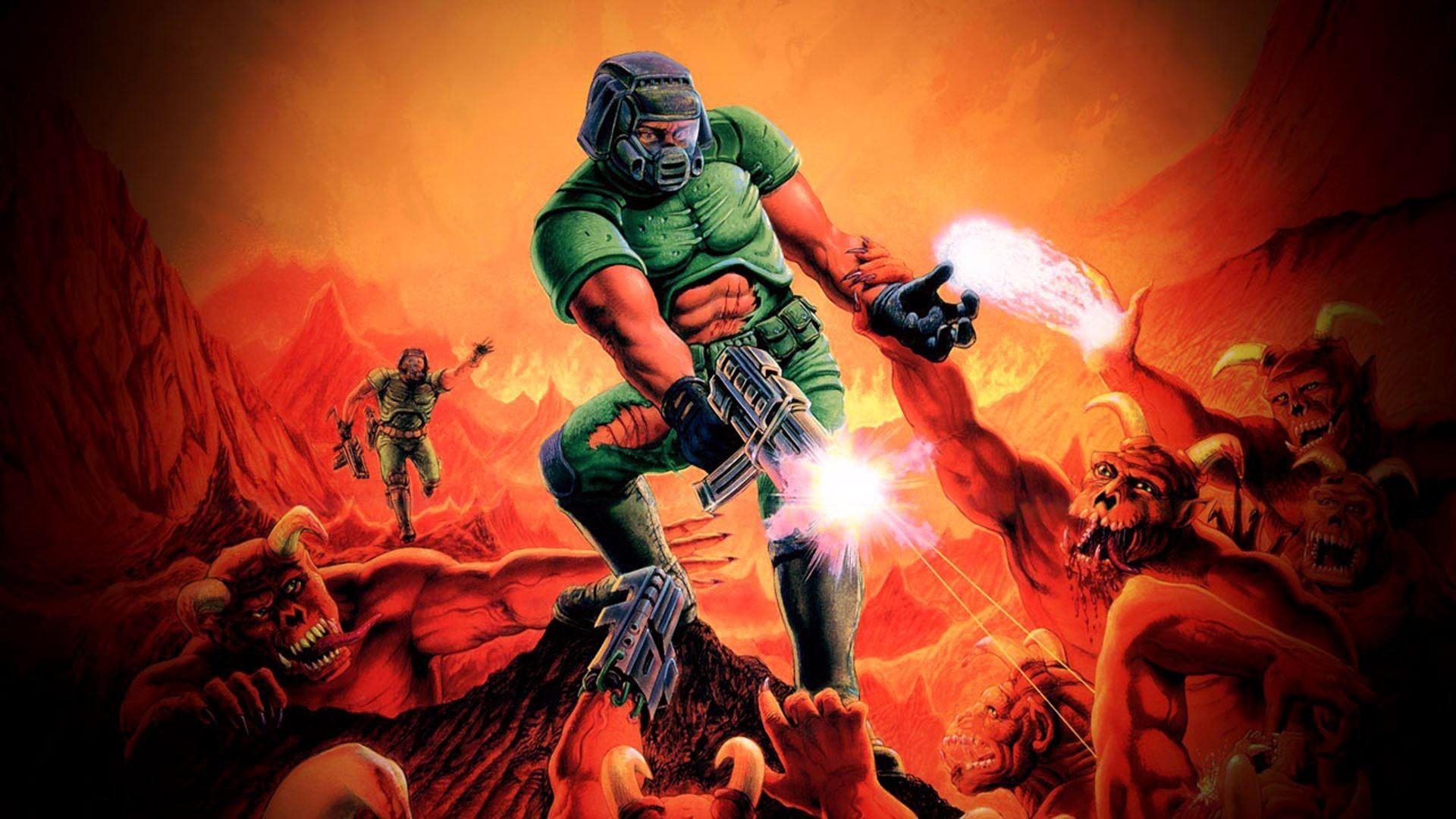
Created by id Software, this game dramatically changed first-person shooter games with its quick action and 3D visuals. However, it faced strong criticism after the Columbine High School shooting, as the media highlighted the shooters’ interest in it. Some argued the game’s violent themes and graphic content contributed to real-life violence. The developers countered that the game was just entertainment and shouldn’t be linked to criminal acts. This controversy led to extensive studies on how violent media impacts teenagers.
‘Postal 2’ (2003)
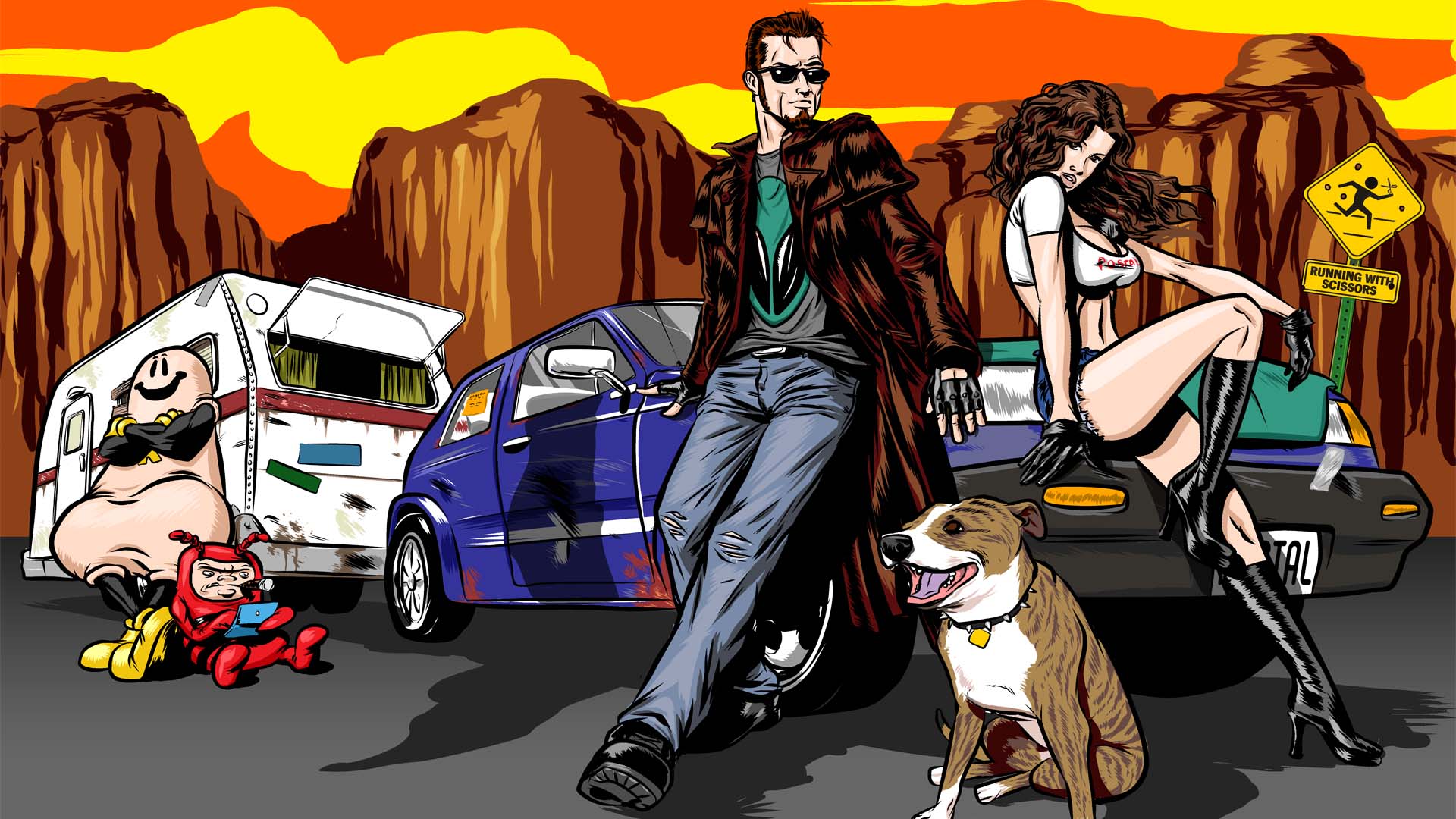
The open-world game, developed and published by Running With Scissors, was known for its extreme and often shocking content. Players could choose to do everyday tasks or commit violent acts, and the game included controversial features like using cats as silencers and the ability to urinate on characters. Its graphic content led to complete bans in countries like New Zealand and Australia. While the developers claimed it was a satire of American culture, many critics believed it simply aimed to be shocking. To this day, it’s one of the most censored games ever created.
‘Manhunt’ (2003)
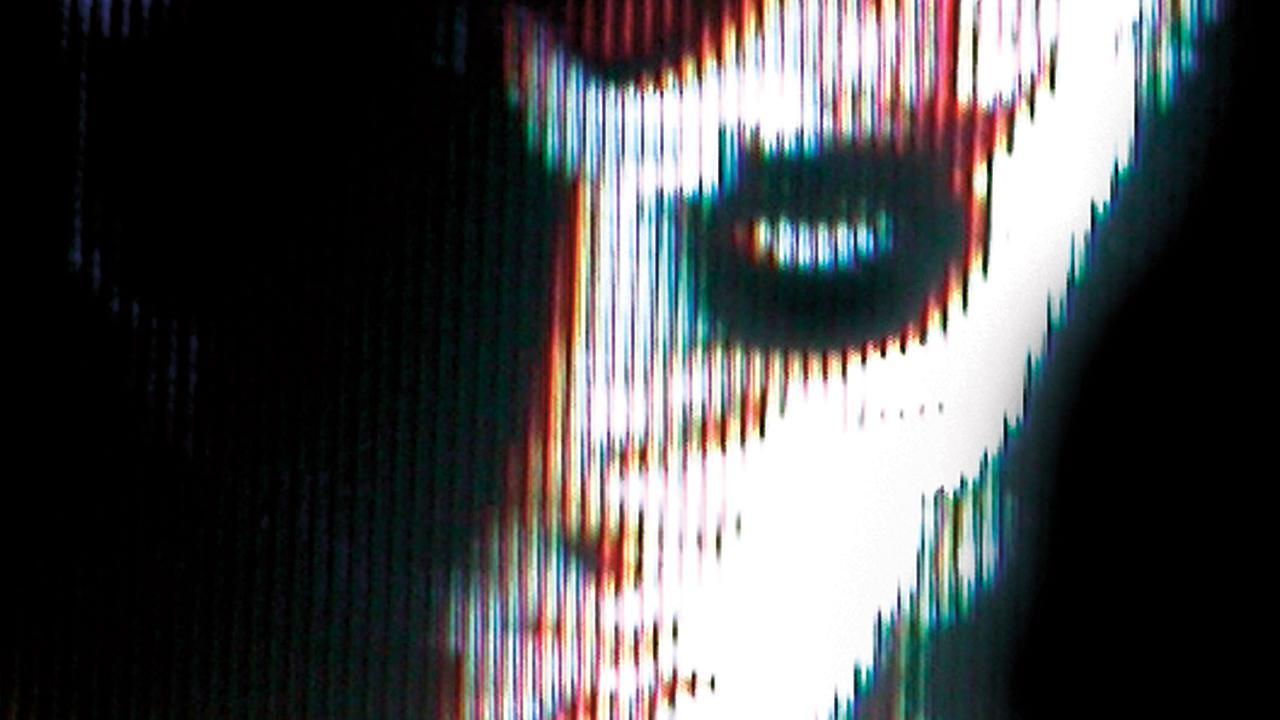
This stealth game, created by Rockstar North and published by Take-Two Interactive, was known for its violent and graphic depictions of executions. It faced a temporary ban in the UK after a tragic murder, as the victim’s family believed the killer was obsessed with the game. While police found no connection between the game and the crime, the intense media coverage cemented its controversial reputation. Many critics felt the game’s extreme violence went too far for mainstream audiences. Despite being removed from many stores, the controversy ultimately turned the game into a cult classic.
‘Grand Theft Auto: San Andreas’ (2004)
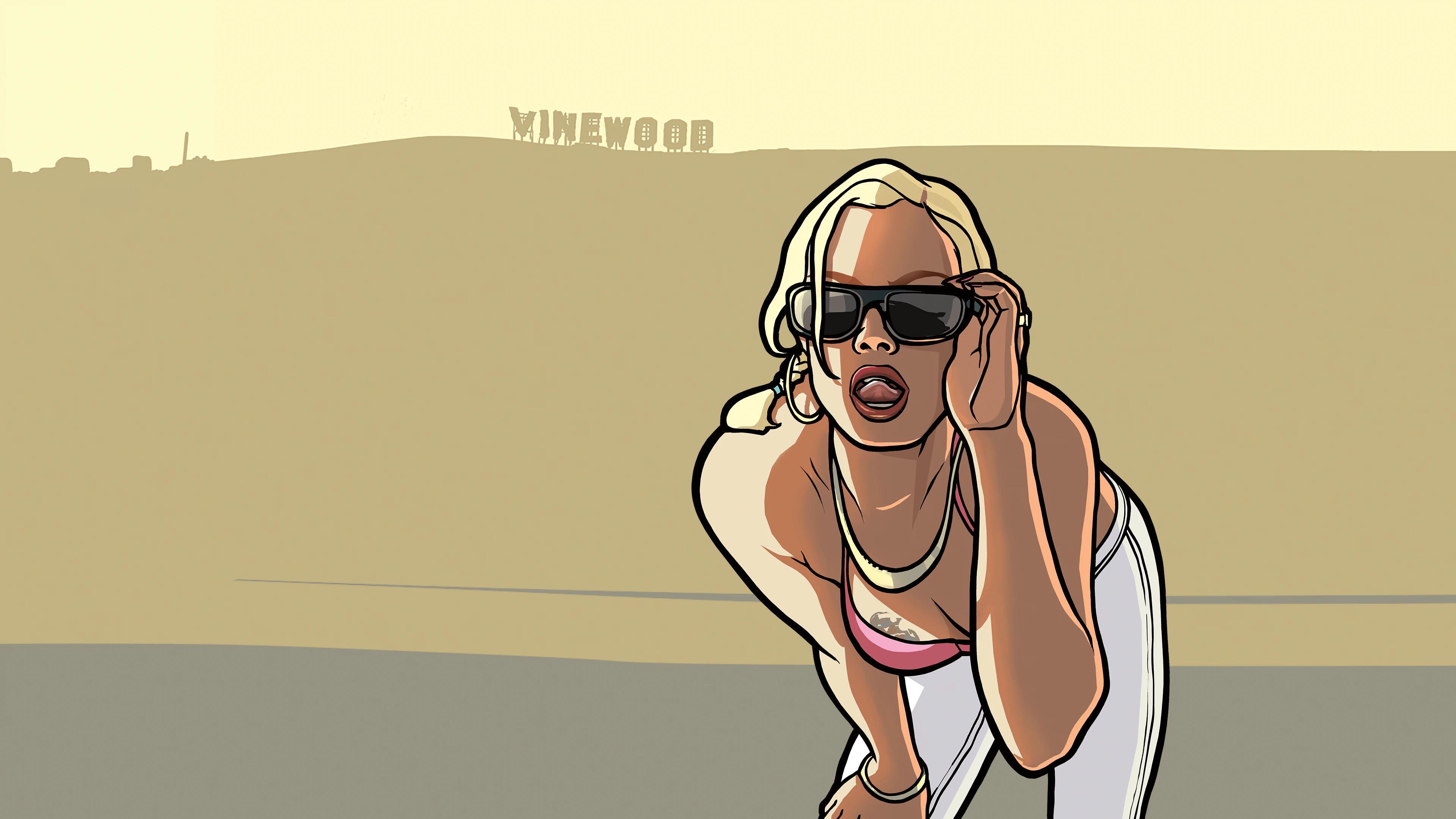
Rockstar North created this large, open-world game, which was published by Take-Two Interactive. It became controversial when players discovered a hidden, explicit mini-game called ‘Hot Coffee.’ This content showed graphic sexual acts and caused the game’s rating to be changed from ‘Mature’ to ‘Adults Only.’ The discovery led to legal issues, lawsuits, and calls from politicians like Hillary Clinton for stricter rules regarding the sale of video games. Rockstar later released an update to remove the problematic content and reinstate the original ‘Mature’ rating.
‘Bully’ (2006)
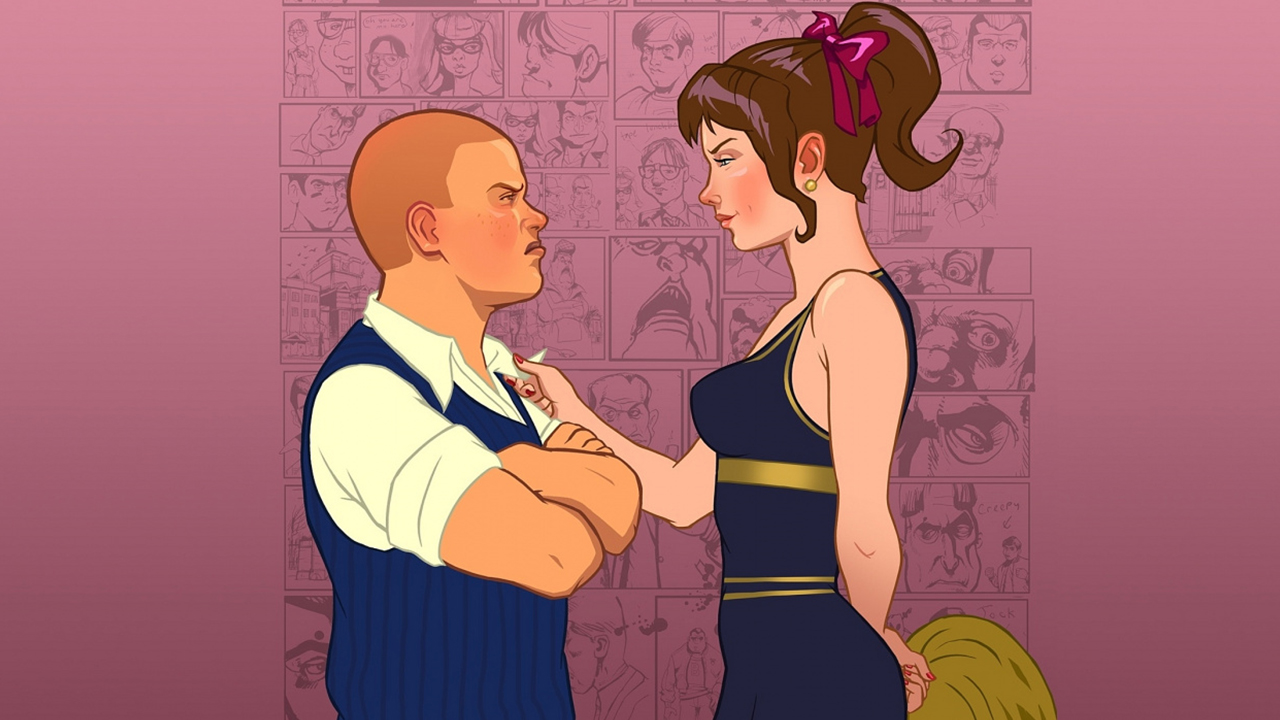
Rockstar Vancouver created this game for the PlayStation 2, and Take-Two Interactive published it. Before it was released, lawyer Jack Thompson tried to get the game banned, claiming it simulated a school shooting. However, Florida courts decided the game wasn’t legally obscene and allowed its release. The game actually centered around managing social relationships and protecting students from bullies, not promoting violence. Even though it wasn’t banned, the situation is still a well-known example of attempts to censor media before it’s even available to the public.
‘Resident Evil 5’ (2009)
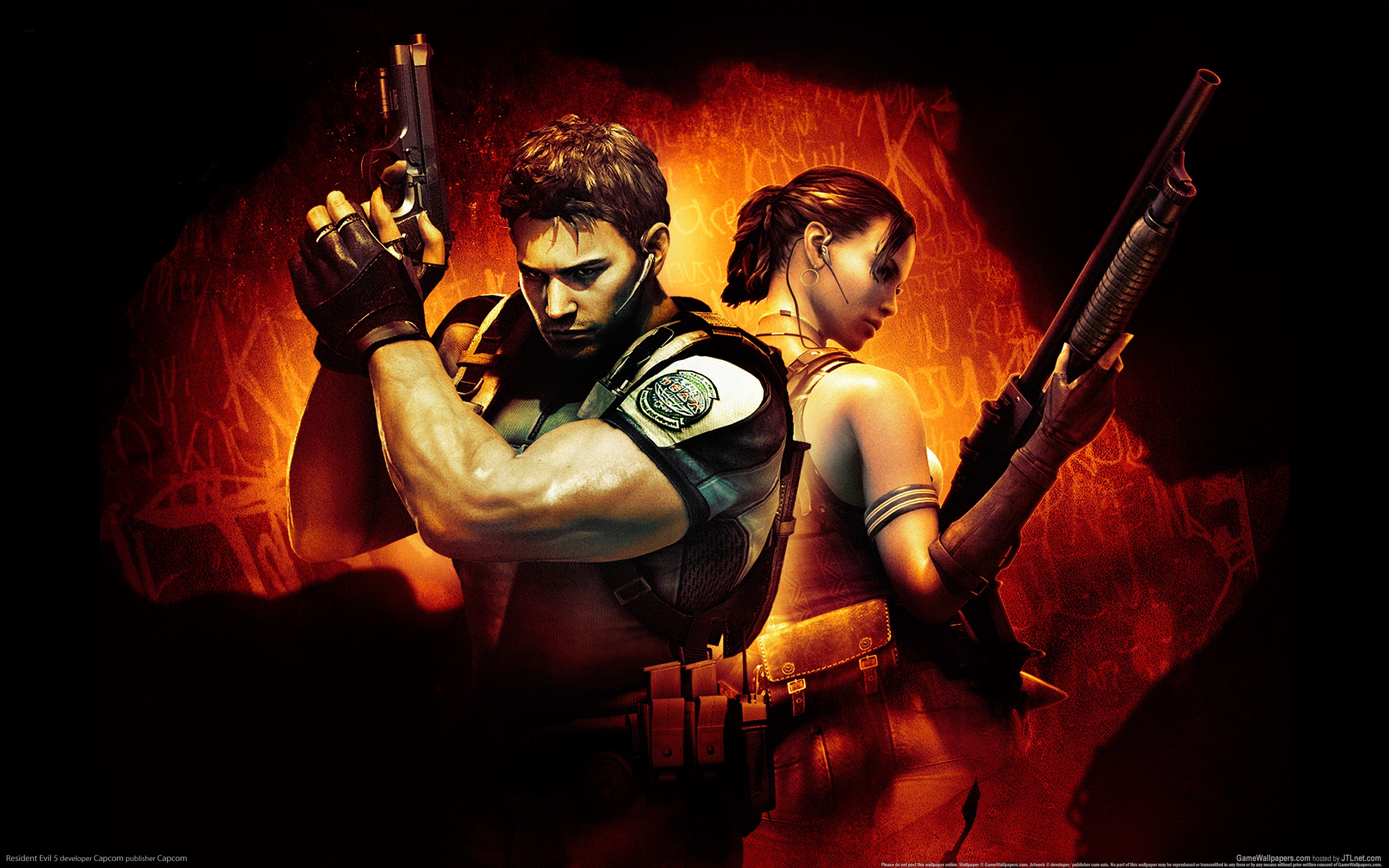
Capcom created a survival horror game set in a made-up part of Africa. Initial trailers caused controversy, with some people claiming they showed racist imagery – a white hero fighting against hordes of infected Black villagers. Critics pointed out that this looked like harmful, outdated colonial stereotypes and disrespectful depictions of African people. Before the game was released, Capcom tried to address these concerns by adding more characters of different backgrounds. Although the game was a commercial success, selling millions of copies, discussions about how race is portrayed in video games continued for a long time.
‘Call of Duty: Modern Warfare 2’ (2009)
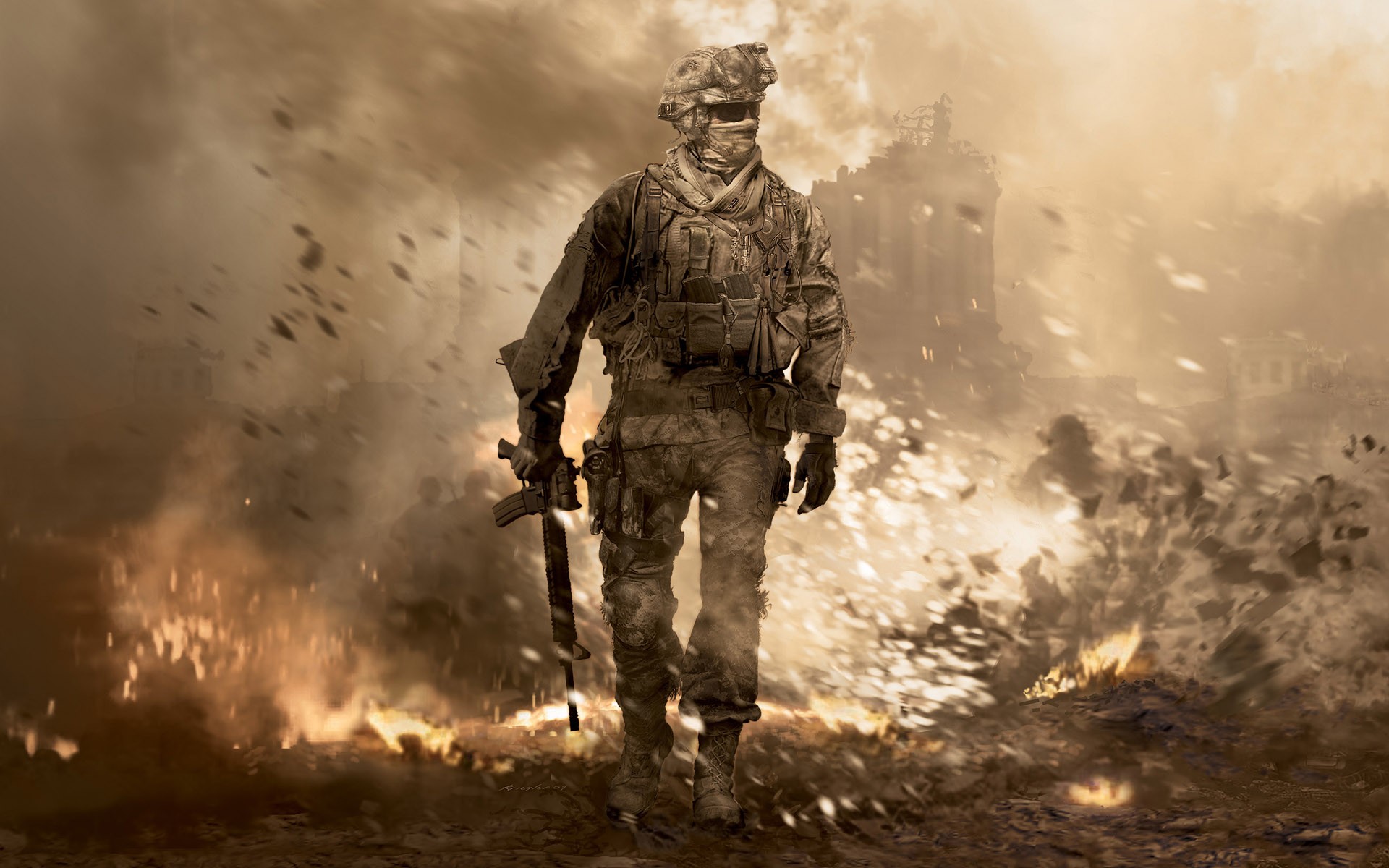
Okay, so I remember playing this Call of Duty game – it was made by Infinity Ward and published by Activision. There was this one mission, ‘No Russian,’ that everyone talked about. You play as an undercover agent, and… well, you’re basically involved in a terrorist attack on an airport. It caused a huge uproar in Russia, and they actually took that part out of the game over there. The news went crazy debating if it was a cool storytelling move or just unnecessary violence. Luckily, they let you skip the mission if you didn’t want to go through with it, which was a good call, honestly.
‘Star Wars Battlefront II’ (2017)
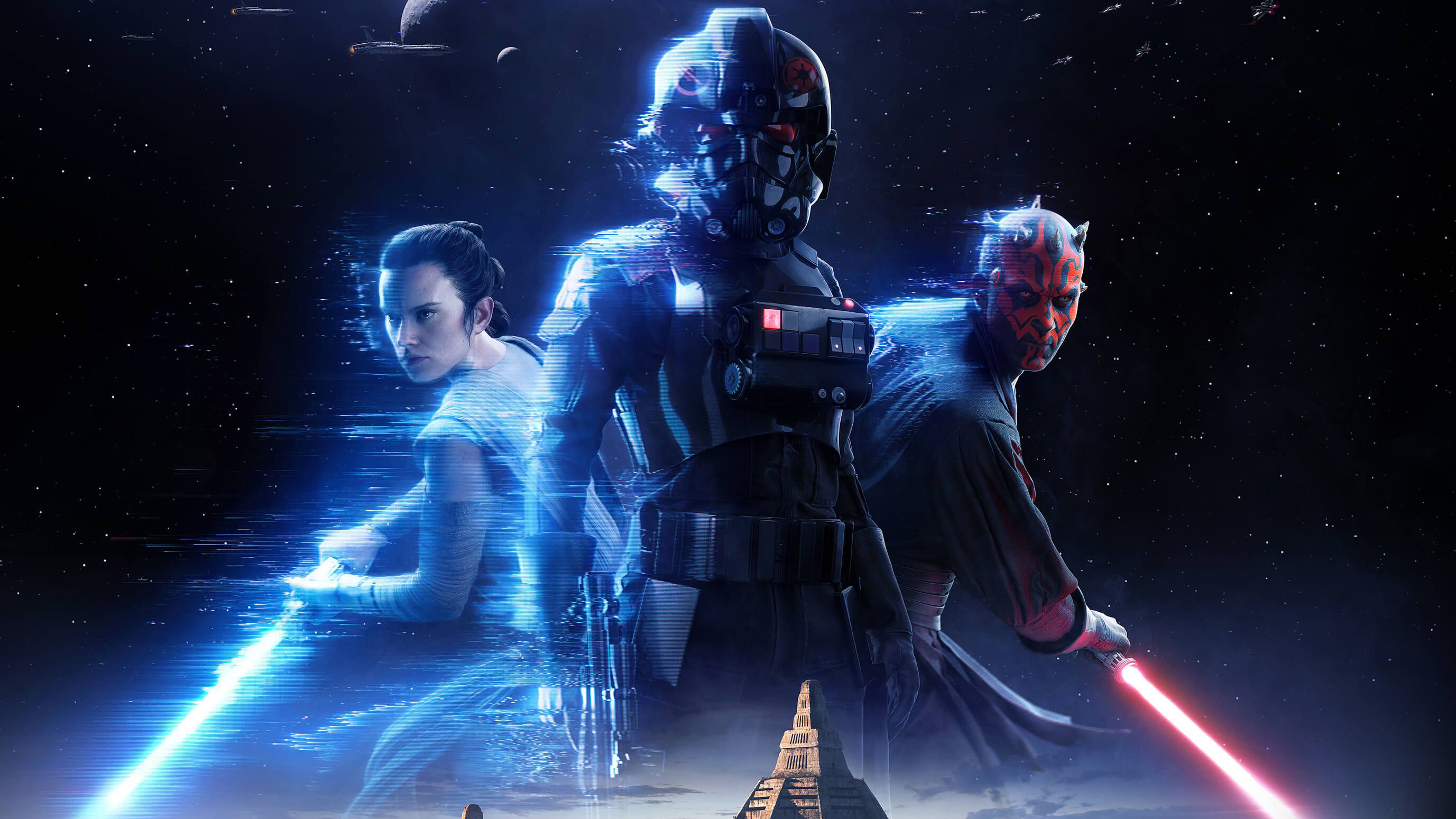
Okay, so this game, made by DICE and published by EA, totally became ground zero for all the drama around loot boxes. Seriously, everyone was furious because to unlock the cool characters, you either had to grind for hundreds of hours or just spend a ton of money. It got so bad that governments in Europe started looking into whether those loot boxes were actually illegal gambling! I heard Disney even stepped in and made them pull the microtransactions right before the game launched. It was a huge deal, and honestly, it changed how almost every game handles buying stuff and being upfront with players ever since.
‘Devotion’ (2019)
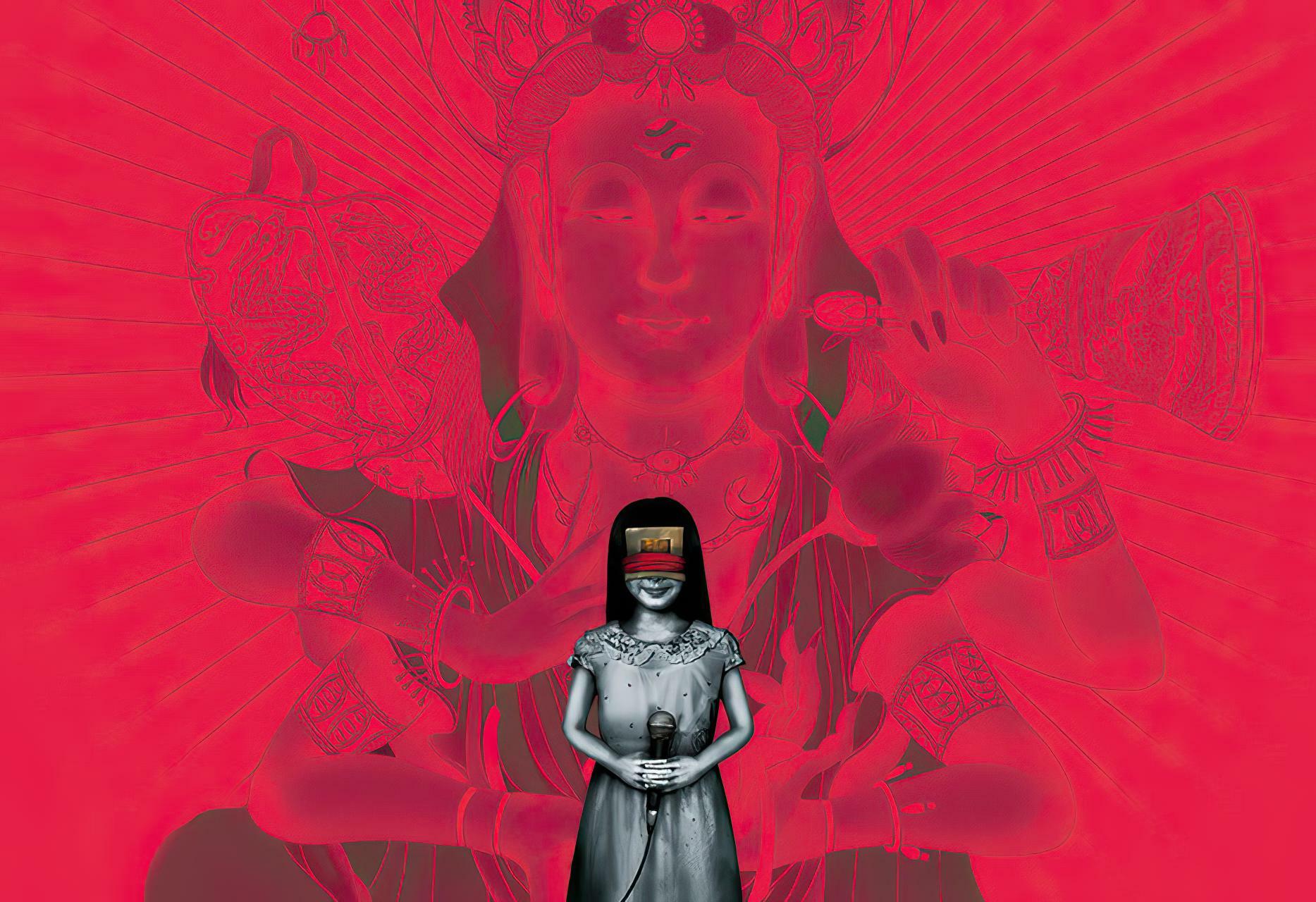
This psychological horror game, created by Red Candle Games and set in 1980s Taiwan, faced significant backlash after players found an image mocking Chinese President Xi Jinping. As a result, the game was removed from Steam worldwide, and the studio lost its business license in China, facing intense criticism online. For years afterward, many online stores refused to sell the game, fearing repercussions from the Chinese government. Eventually, the developer began selling it directly on their own website after a long period of being unavailable.
‘Cyberpunk 2077’ (2020)
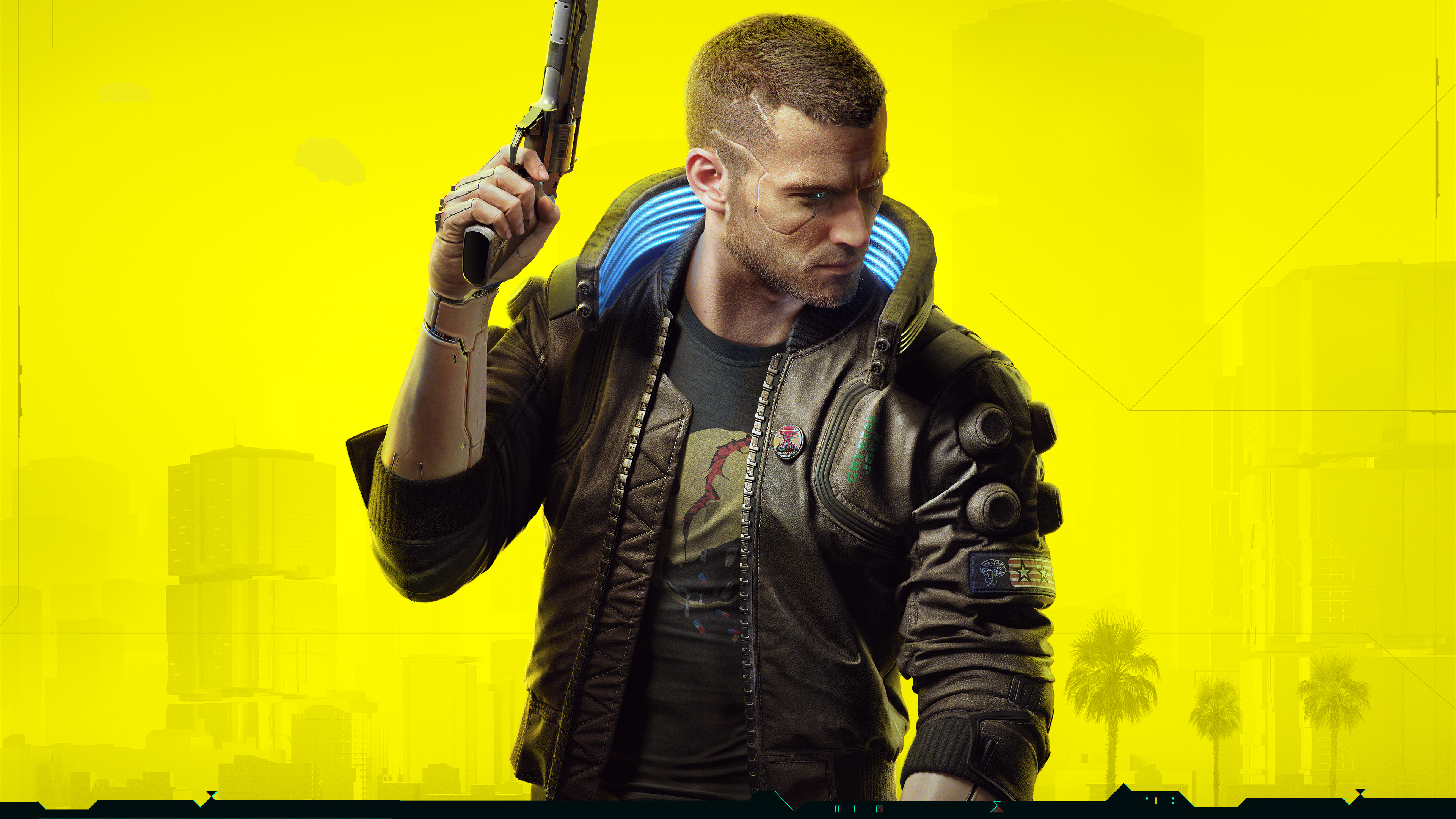
The highly anticipated role-playing game from CD Projekt Red had a very troubled launch, plagued by technical problems. Initially, the game contained flashing visuals that could cause seizures, and a Game Informer journalist actually experienced one during a preview. This sparked public concern about the game’s accessibility and safety. The developers responded by releasing an update to fix the problematic lighting effects and lessen the risk for players sensitive to such visuals. The incident served as a crucial reminder of the need for comprehensive medical testing in large-scale game development.
‘The Last of Us Part II’ (2020)
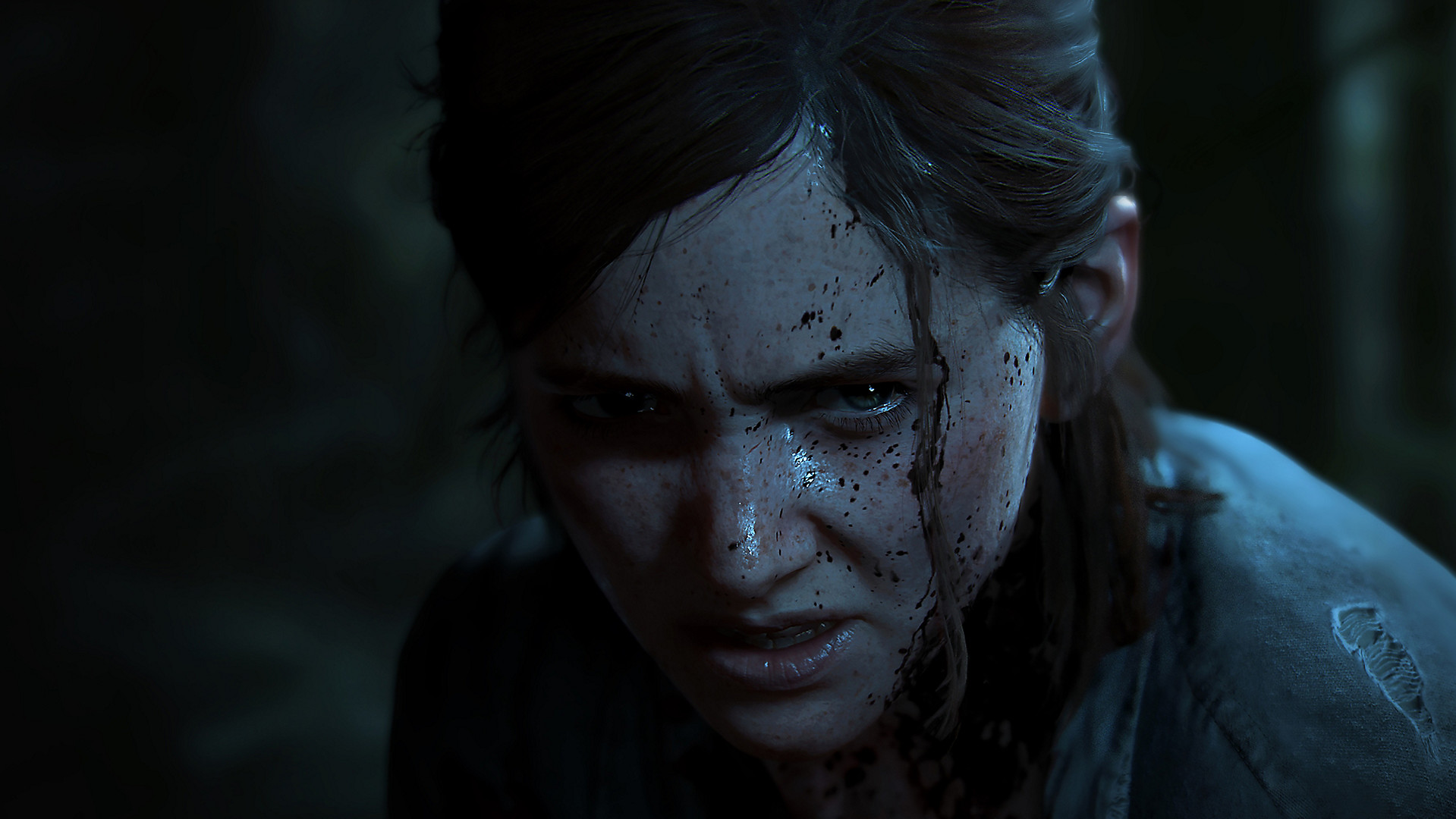
The sequel, created by Naughty Dog for Sony Interactive Entertainment, sparked significant outrage after key plot details were revealed online. Fans reacted negatively to how familiar characters were treated and disliked the sudden introduction of a new main character. Before the game even launched, it was flooded with negative reviews on Metacritic. Sadly, the developers and actors involved also received death threats because of the story decisions. This situation highlighted both the influence and sometimes harmful behavior of passionate fan communities when a highly anticipated sequel arrives.
‘Six Days in Fallujah’ (2023)
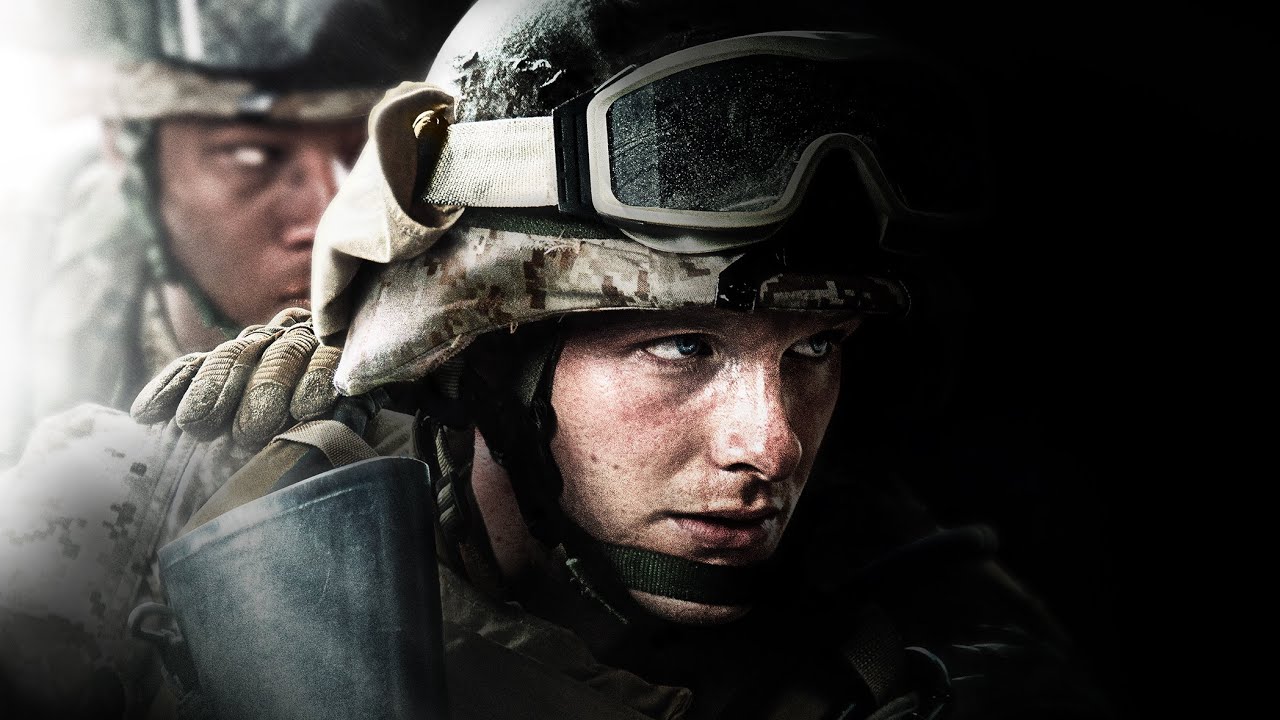
This tactical shooter, developed by Victura and Highwire Games, recreates the Second Battle of Fallujah during the Iraq War. The game faced significant controversy and was initially canceled by Konami in 2009 due to criticism from veterans and anti-war groups who felt it was inappropriate to turn a recent, painful conflict into a game. Concerns were raised that the game couldn’t accurately portray the war’s human cost. Developers maintained they were aiming to historically document the experiences of soldiers. Even after its eventual release in early access, the game continued to spark ethical debates about the nature of military simulations.
‘Hogwarts Legacy’ (2023)
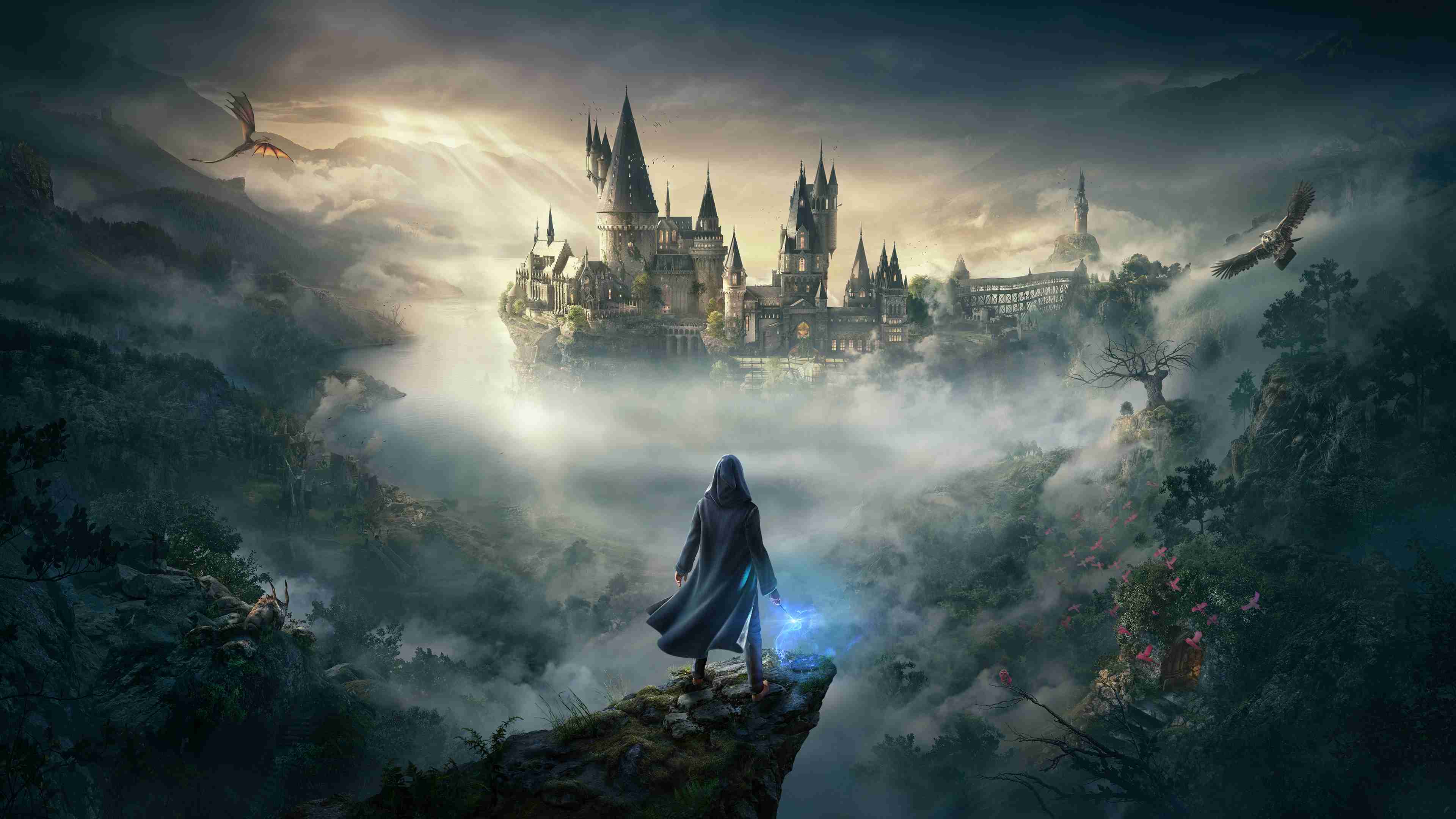
As a huge fan of the wizarding world, it was really tough seeing all the controversy around the new RPG. Avalanche Software put so much work into it, but it launched while there was a big boycott happening because of some really harmful views expressed by the series creator about transgender rights. A lot of people, including gamers and popular streamers, felt that buying the game would indirectly support those views. Others, myself included, felt it wasn’t fair to punish the developers, who had nothing to do with it. It was a really difficult situation, but despite everything, the game actually went on to be one of the biggest hits of the year!
Please share which of these gaming controversies you remember most vividly in the comments.
Read More
- Building 3D Worlds from Words: Is Reinforcement Learning the Key?
- Securing the Agent Ecosystem: Detecting Malicious Workflow Patterns
- The Best Directors of 2025
- Gold Rate Forecast
- 2025 Crypto Wallets: Secure, Smart, and Surprisingly Simple!
- Mel Gibson, 69, and Rosalind Ross, 35, Call It Quits After Nearly a Decade: “It’s Sad To End This Chapter in our Lives”
- 20 Best TV Shows Featuring All-White Casts You Should See
- TV Shows Where Asian Representation Felt Like Stereotype Checklists
- Umamusume: Gold Ship build guide
- Most Famous Richards in the World
2026-01-04 17:49