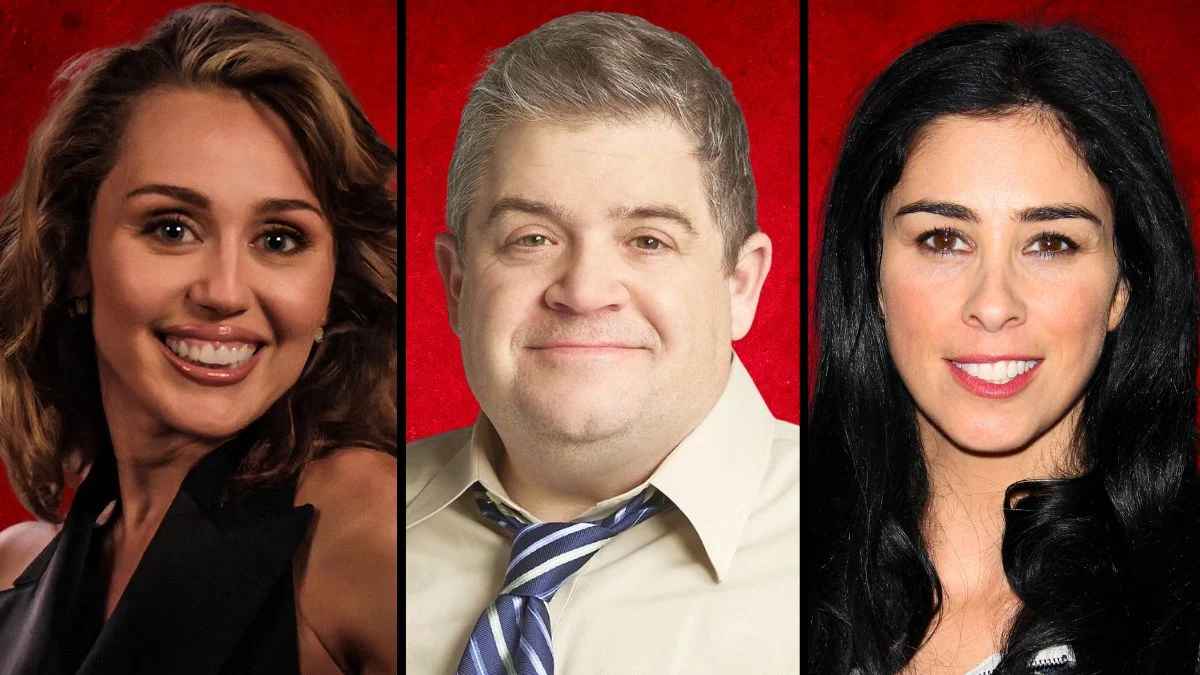
It’s common now to see public boycotts, where celebrities try to influence what people buy. Often, these boycotts surprisingly help the companies they’re aimed at, giving them a lot of free publicity. When a well-known person criticizes a product, their fans sometimes respond by buying even more of it to show their support. This can lead to huge sales and stronger customer loyalty for the targeted business. Here are some examples of celebrities whose boycotts actually boosted the companies they were trying to impact.
Chrissy Teigen
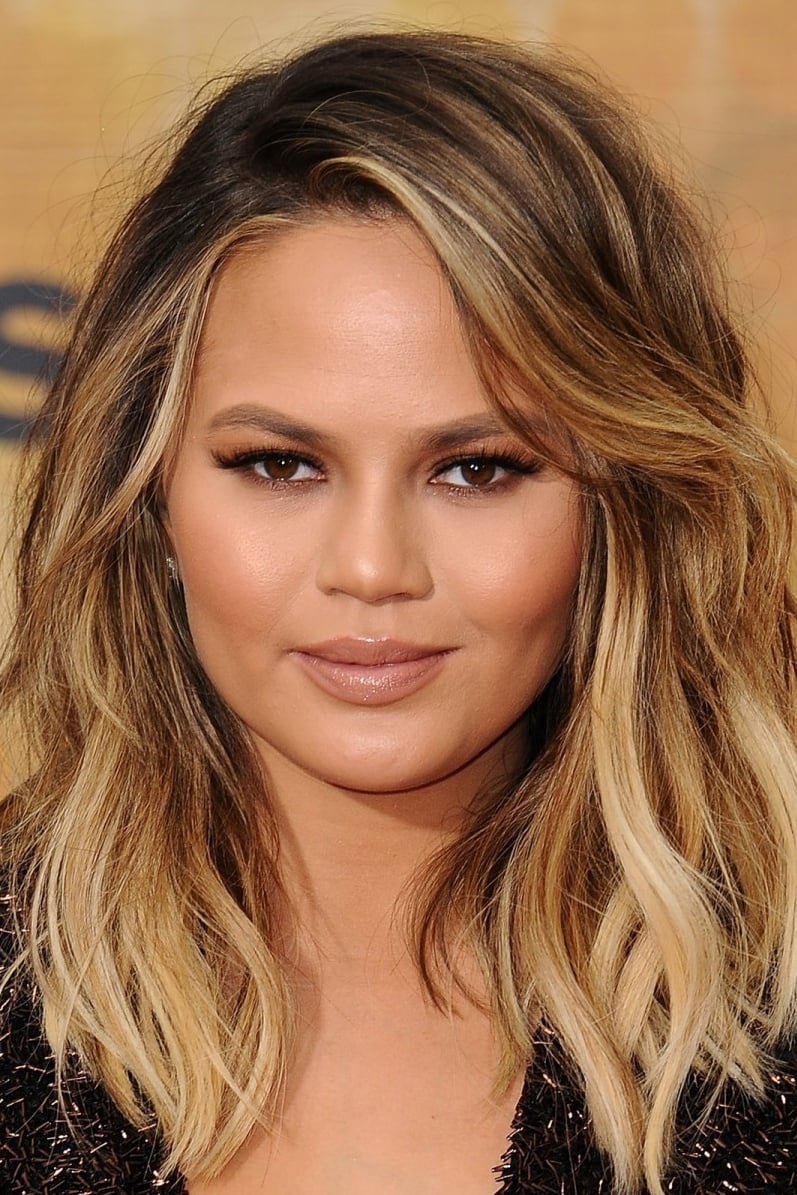
In 2020, Chrissy Teigen participated in a social media boycott of Goya Foods after company leaders publicly supported the president. She urged her followers to buy groceries and cooking essentials from other brands. Surprisingly, instead of losing sales, Goya saw a huge increase, fueled by a campaign from its dedicated customers. Stores nationwide reported unusually high demand for Goya products. The effort to damage the brand financially actually strengthened its position and increased its visibility in the long run.
John Leguizamo
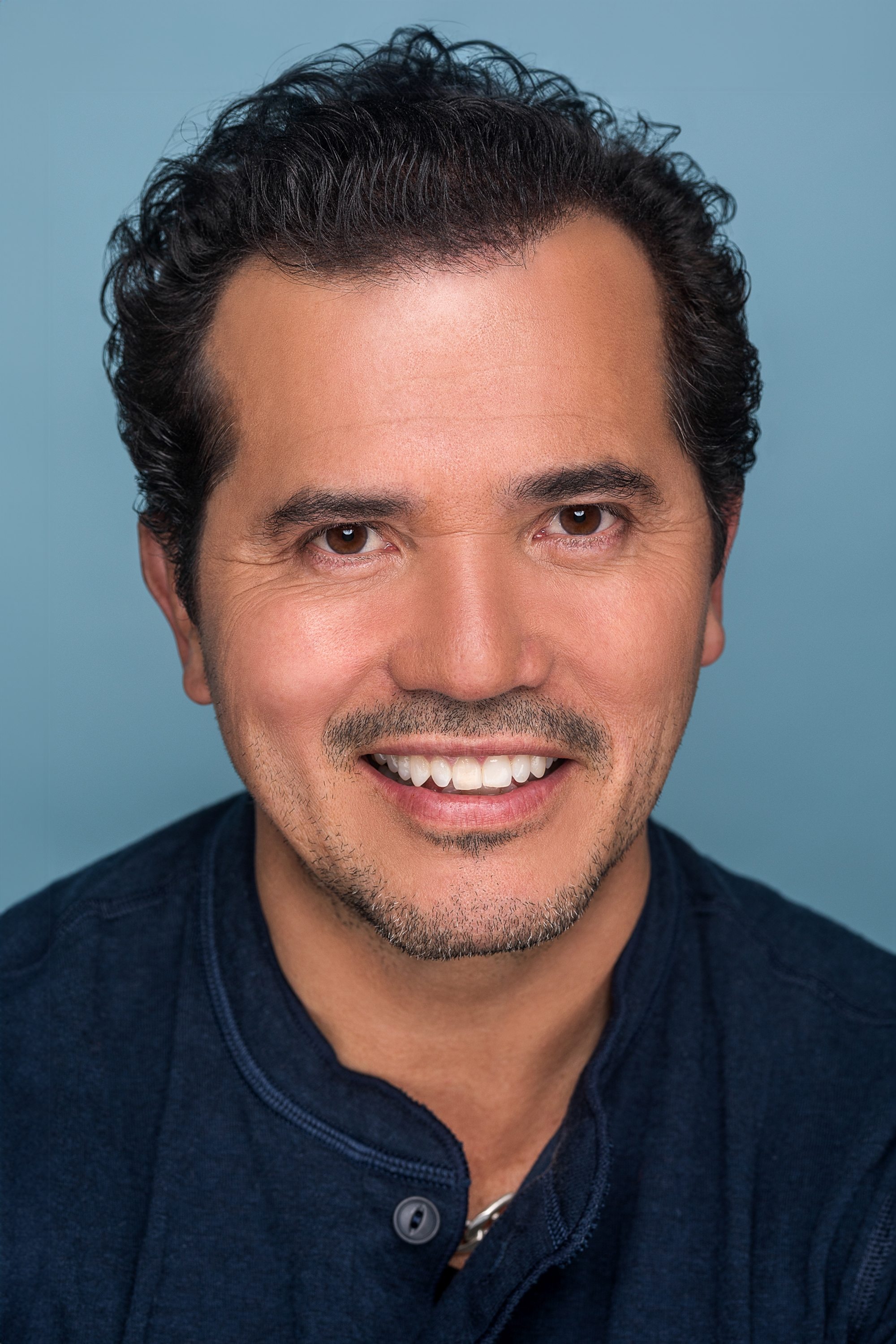
John Leguizamo spoke out against the casting choices in ‘The Super Mario Bros. Movie,’ arguing that the main characters weren’t diverse enough. He announced he wouldn’t be watching the film and encouraged his followers to do the same. However, the movie became a huge hit worldwide, earning over a billion dollars despite Leguizamo’s criticism. This made it one of the highest-grossing animated films ever made.
Sarah Silverman
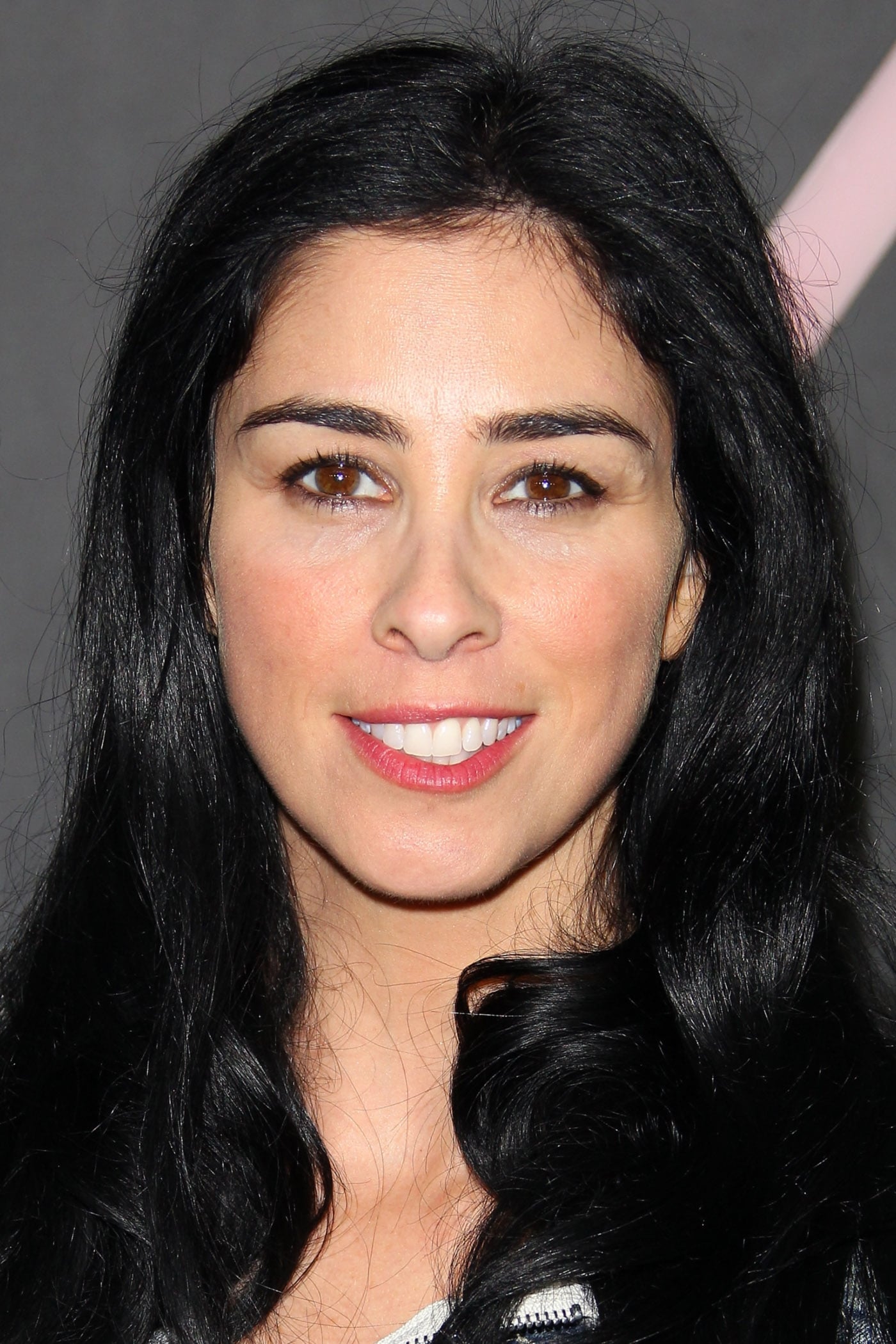
Sarah Silverman publicly joined the boycott of Chick-fil-A because of the company’s past donations to certain groups. She used her influence to express her disapproval and urged people to choose other fast food restaurants. Surprisingly, during the protests, Chick-fil-A’s sales actually increased, and it eventually became the third-largest fast food chain in the U.S. It appears the attention, even negative, strengthened the brand’s appeal to its loyal customers.
Ben Shapiro
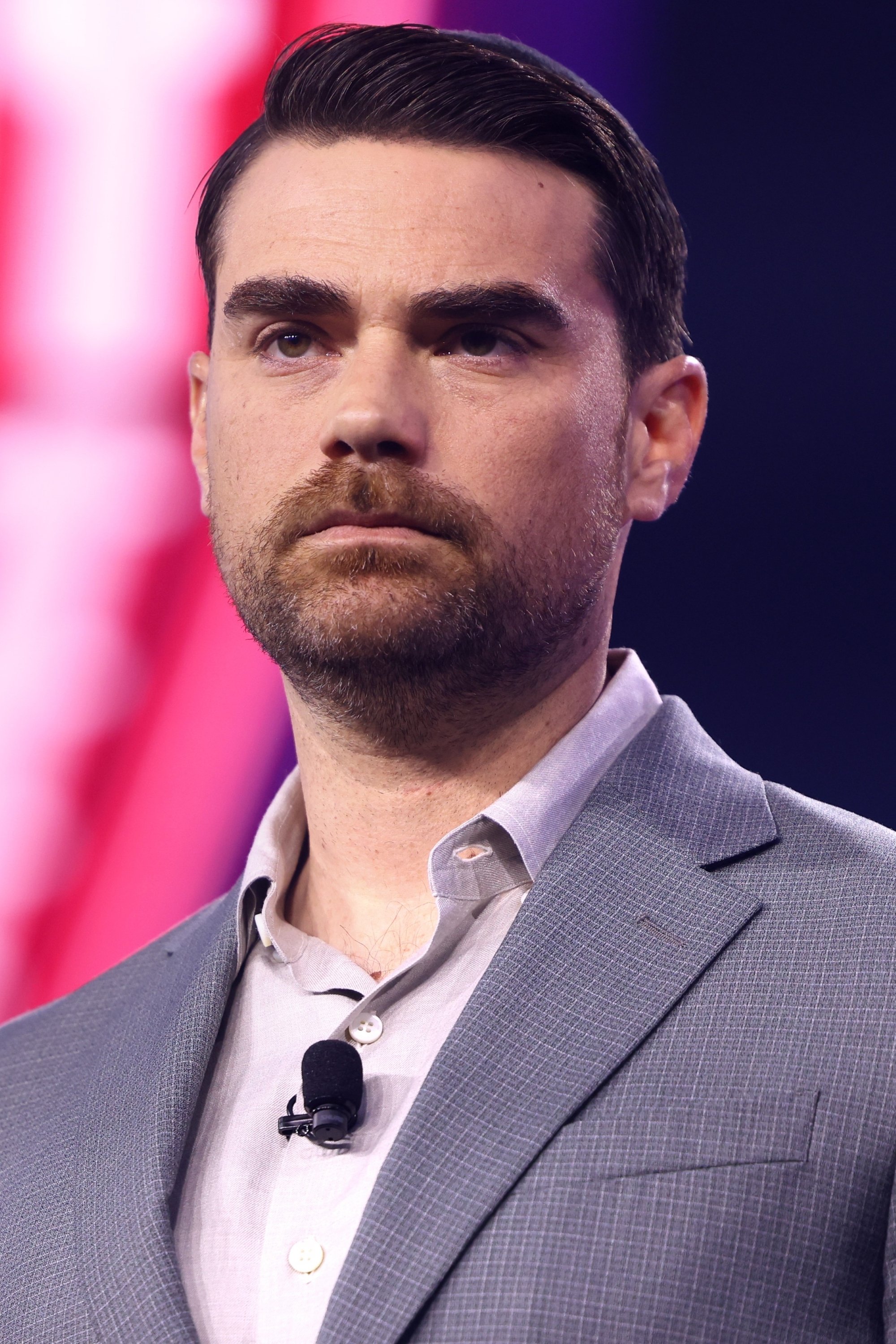
Ben Shapiro made a video criticizing the ‘Barbie’ movie and predicted it would flop. He even burned Barbie dolls as part of a protest. However, the movie became a huge success, earning over a billion dollars worldwide and boosting sales of Barbie toys. Ironically, Shapiro’s criticism actually helped promote the film and brought more viewers to theaters.
Alyssa Milano
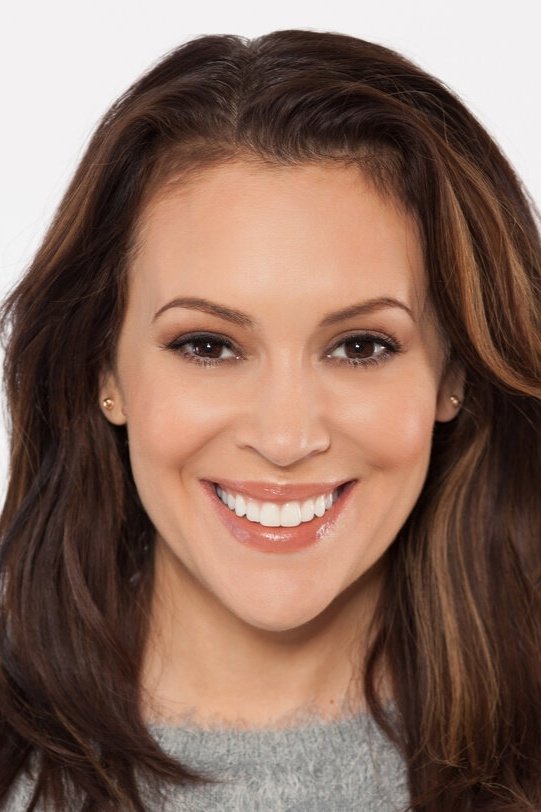
Alyssa Milano is switching from her Tesla to another electric car as a way to protest how X, the social media platform, is being run. She urged others to do the same, encouraging a boycott of Tesla and its parent companies. However, despite her public statement, Tesla quickly reported record sales and remained the leader in the electric vehicle market. It seems most customers are more focused on the car’s technology than on the political views of those in charge.
Patton Oswalt
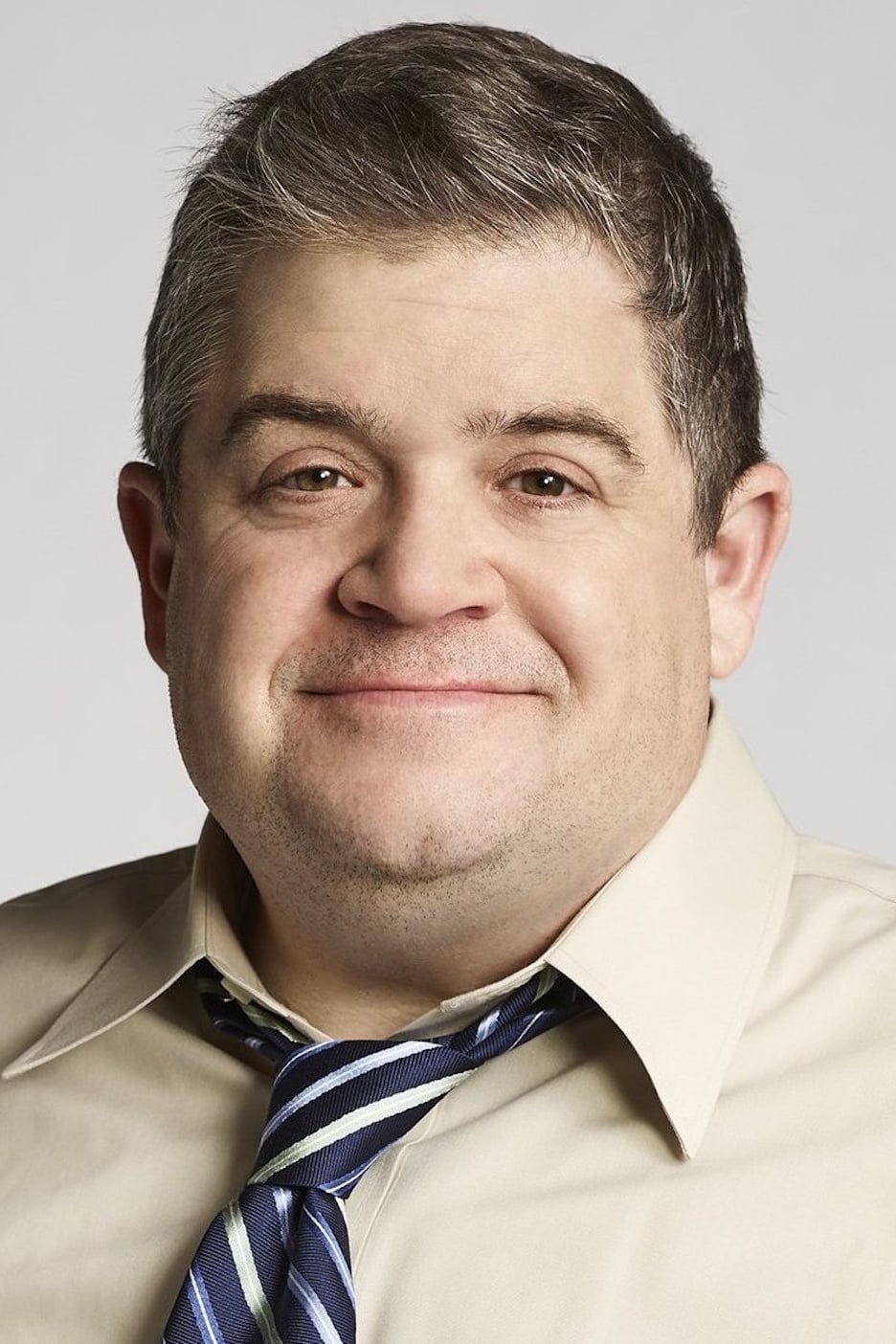
Patton Oswalt joined other comedians in publicly criticizing Chick-fil-A and encouraging people to stop supporting the restaurant. He used social media to voice his concerns about the company’s values and how it was run. Even with criticism from many in the entertainment industry, Chick-fil-A continued to grow and make more money each year, remaining one of the most profitable fast-food chains. Surprisingly, the controversy actually seemed to make the brand more well-known and strengthened customer loyalty.
Debra Messing

After a Goya Foods executive publicly praised the current administration, Debra Messing encouraged a boycott of the brand on social media, suggesting alternative products and asking her followers to stop buying Goya. Surprisingly, this led to a surge in sales from people who disagreed with Messing. Goya’s leaders later admitted the controversy actually generated millions of dollars in free publicity and expanded their customer base.
Rosie O’Donnell
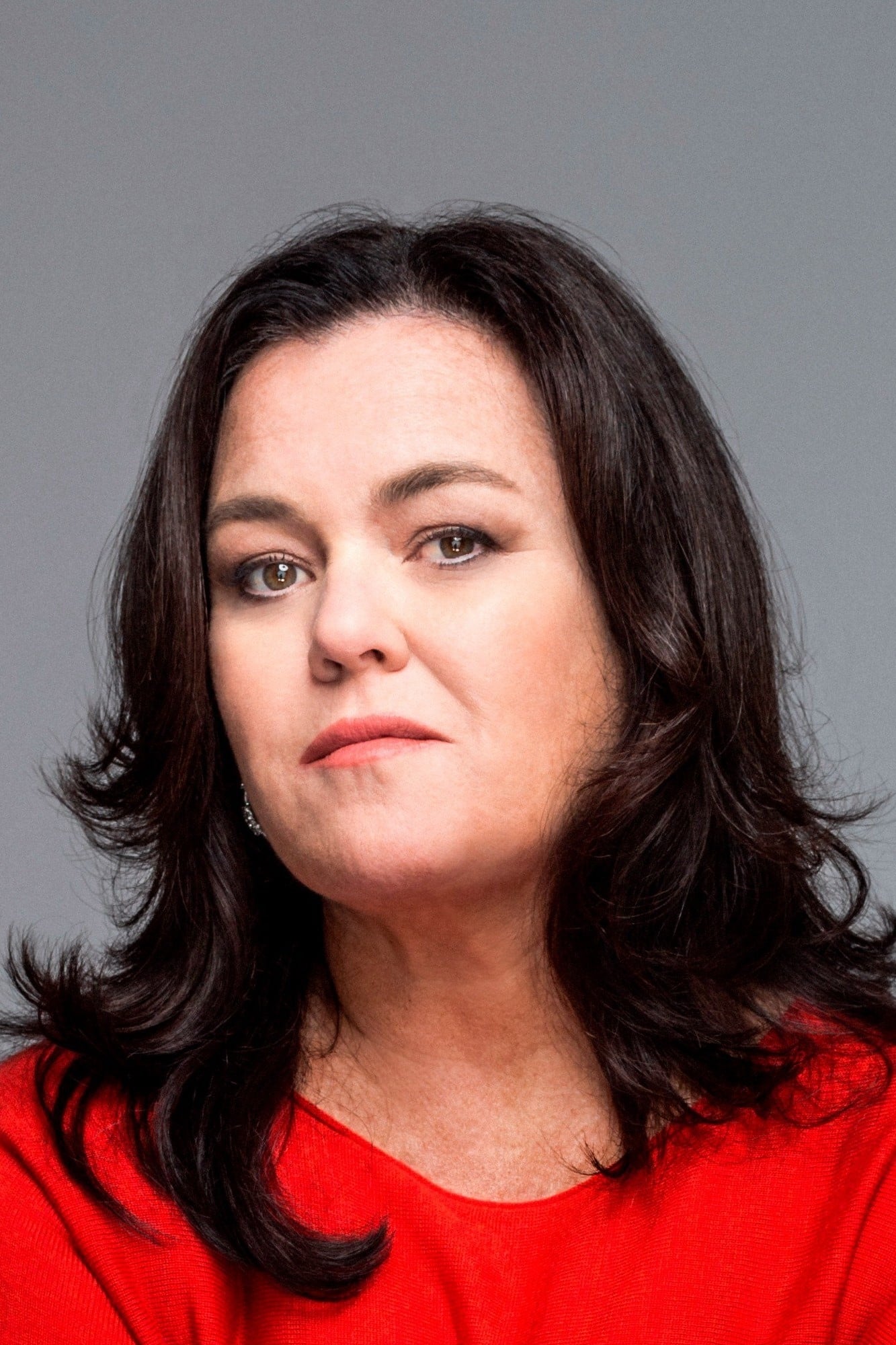
Following comments made by its CEO at the White House, Goya Foods became the focus of a boycott, and Rosie O’Donnell was among the first to support it. Activists hoped that reduced sales would send a clear message to the company. However, the boycott unexpectedly turned into a surge of support for Goya, as people began buying products in large quantities. This led to the company’s most profitable quarter ever, meaning the initial effort to harm the company financially ultimately failed.
George Takei
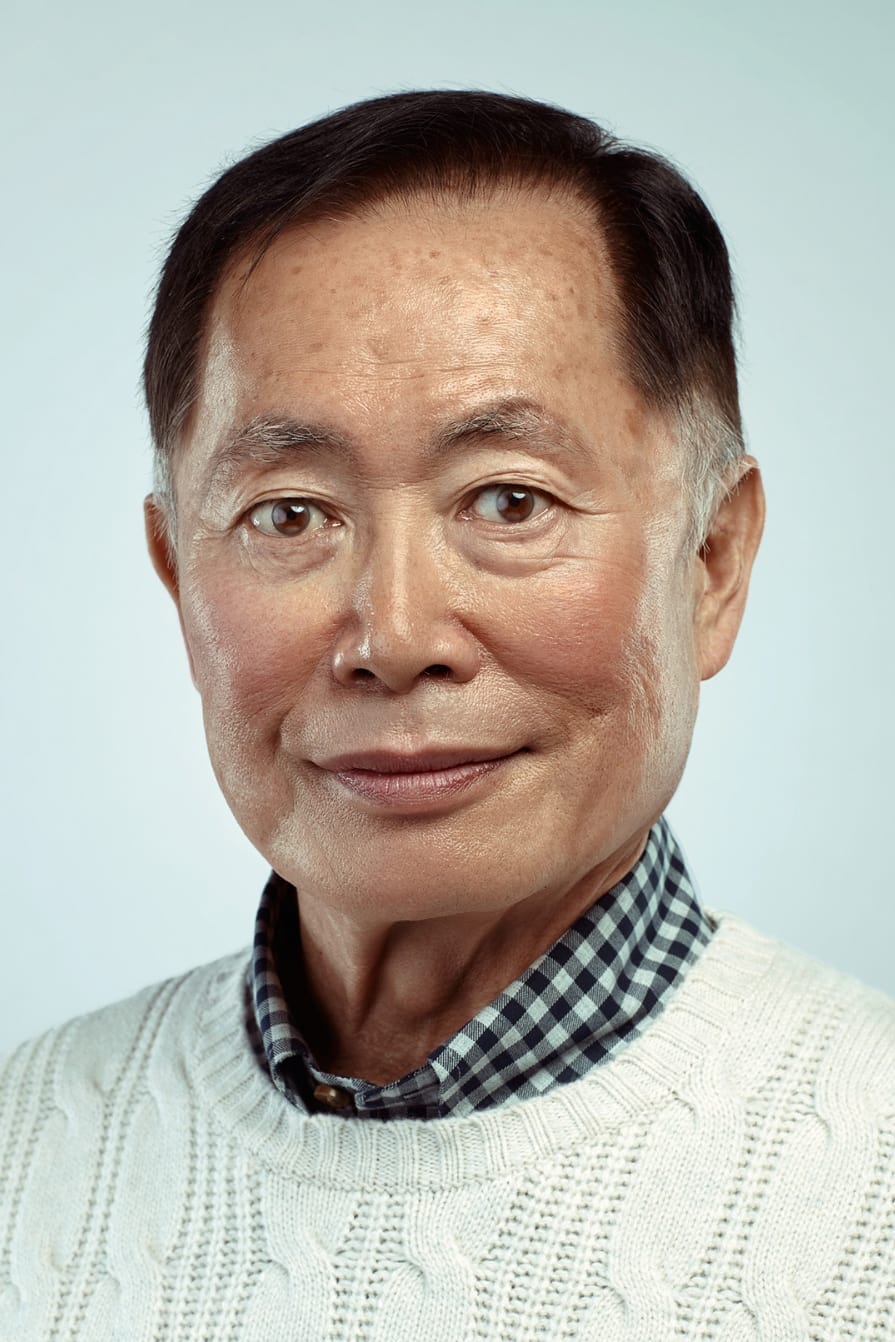
George Takei publicly opposed Chick-fil-A and actively supported efforts to prevent new restaurants from opening. He believed the company’s values were outdated and encouraged people to boycott it. Despite the protests, Chick-fil-A continued to be very popular, with long lines and many new locations opening nationwide. Sales showed that demand for their food was much stronger than the impact of the celebrity-led opposition. Today, Chick-fil-A remains a leading fast-food chain.
Ed Helms
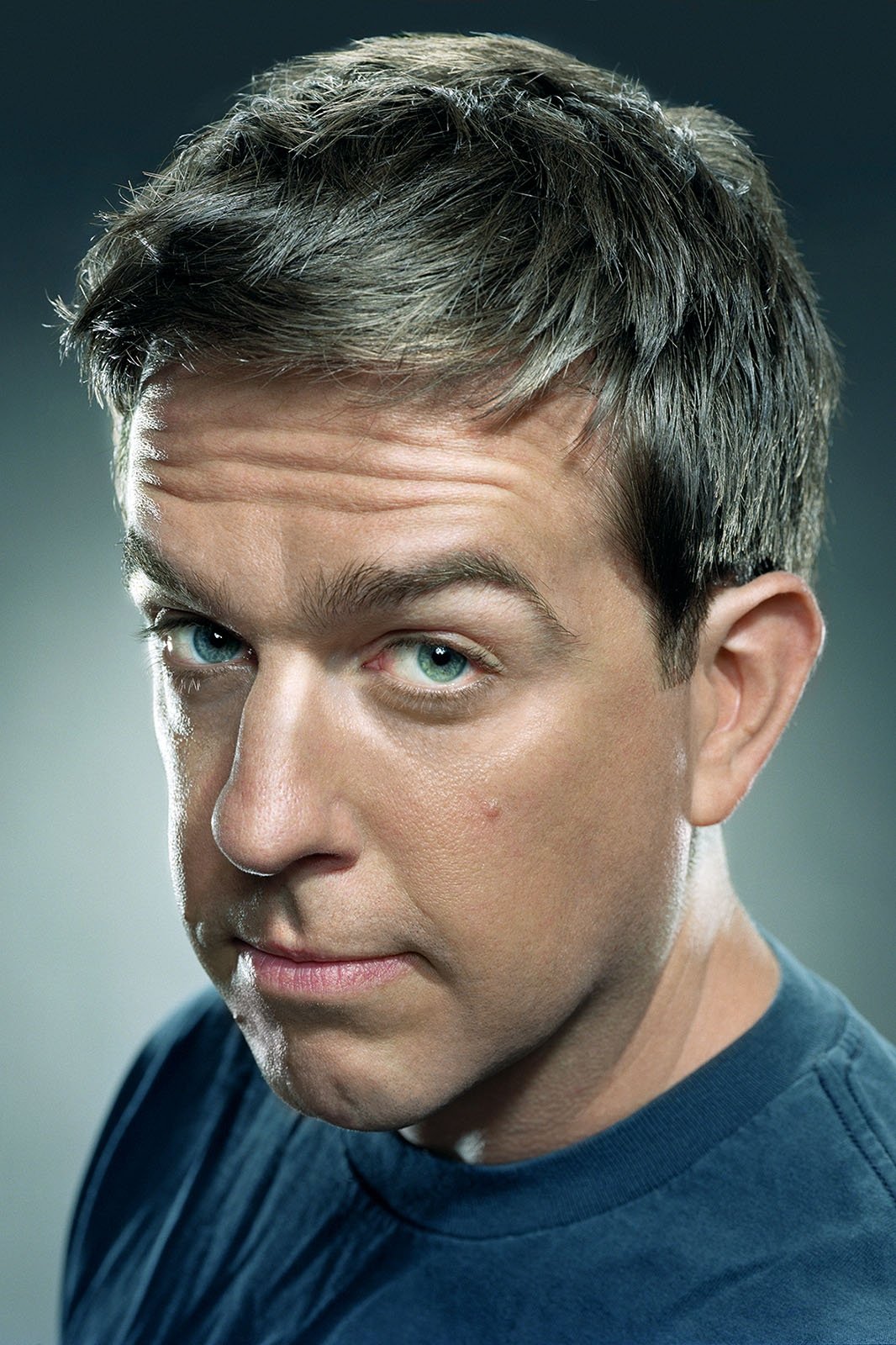
Ed Helms announced he would stop supporting Chick-fil-A and urged others to think about where their money goes. This was part of a broader trend of celebrities criticizing the company in hopes of changing its practices. Chick-fil-A responded by emphasizing its good service and food quality, which actually increased customer happiness. Despite the boycott, the company’s financial reports showed continued revenue growth, meaning the efforts by celebrities didn’t cause the financial downturn they hoped for.
Miley Cyrus

Miley Cyrus publicly criticized fast food chains like Chick-fil-A on social media, urging her followers – especially young people – to think about the values of the companies they support and choose more inclusive brands. Despite the criticism, the company continued to thrive, with sales actually increasing during the controversy. Ultimately, Miley’s efforts didn’t significantly impact the company’s financial success.
Hasan Piker
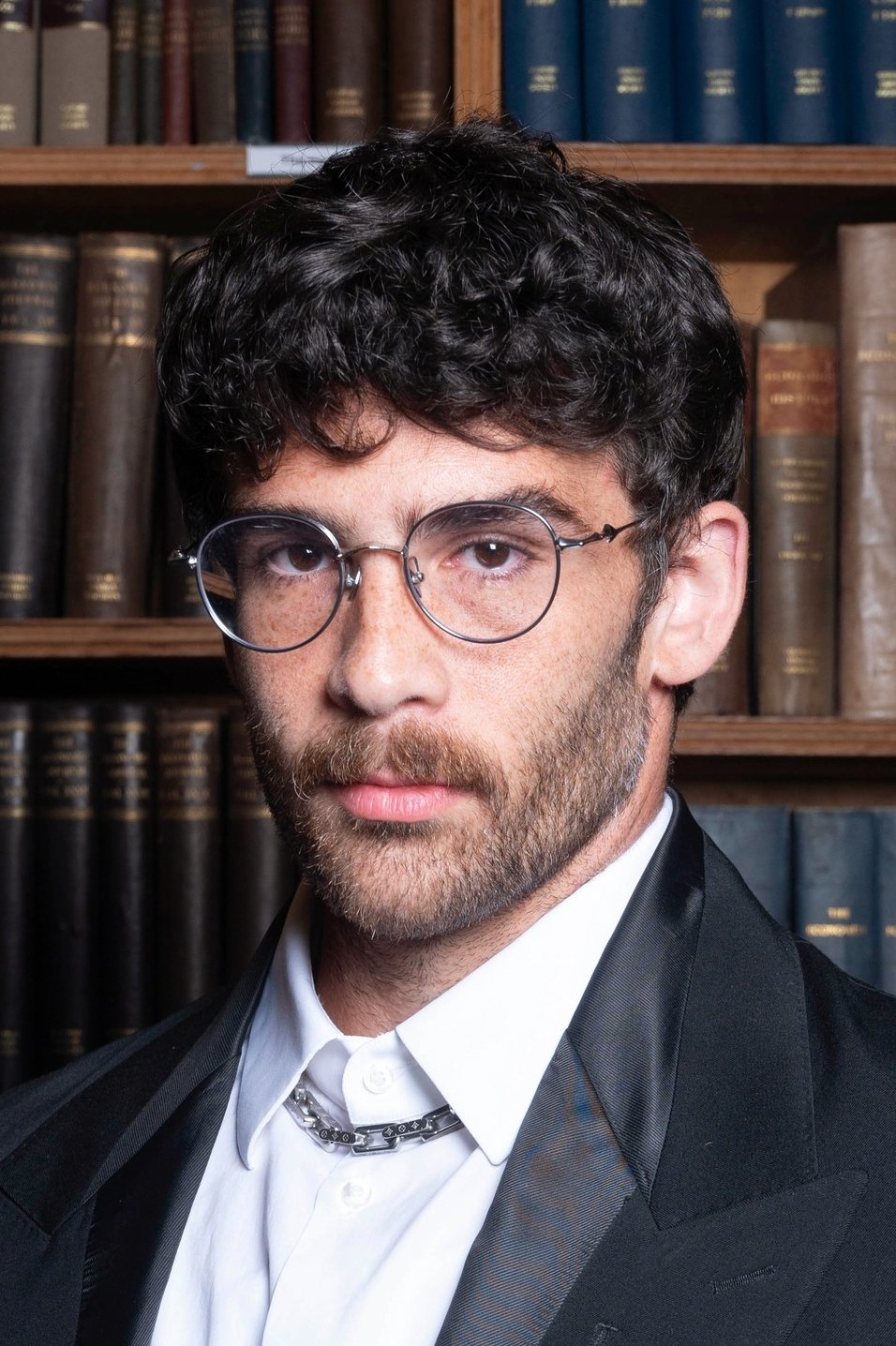
Hasan Piker actively campaigned against the video game ‘Hogwarts Legacy’ because of the author’s controversial opinions. He and other streamers urged players not to buy the game, hoping to avoid financially supporting the author. Despite the boycott, the game became a massive success, selling over twenty million copies in its first year and becoming the best-selling game of the year. It set numerous sales and engagement records across different gaming platforms. Ironically, the controversy surrounding the game actually helped it reach a wider audience.
Bill Maher
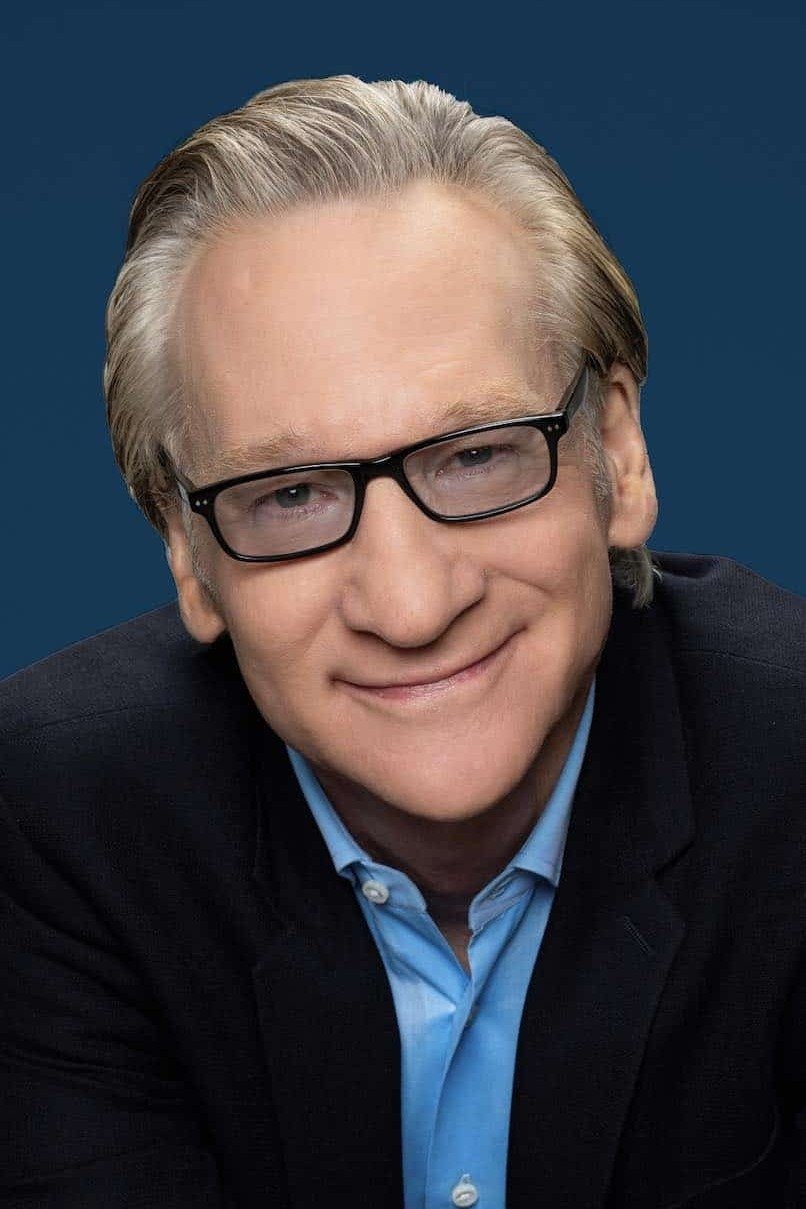
Bill Maher shared his negative opinion of the ‘Barbie’ movie on his show and social media, describing it as overly preachy and likely to cause disagreement. Although he didn’t ask people to avoid seeing it, his criticism led some viewers to dismiss the film. Despite this, ‘Barbie’ became a huge success, breaking box office records and receiving positive reviews from both critics and audiences. It quickly became a cultural phenomenon, driving massive sales of tickets and related merchandise. Maher’s disapproval ultimately didn’t hinder the film’s historic commercial performance.
James Woods
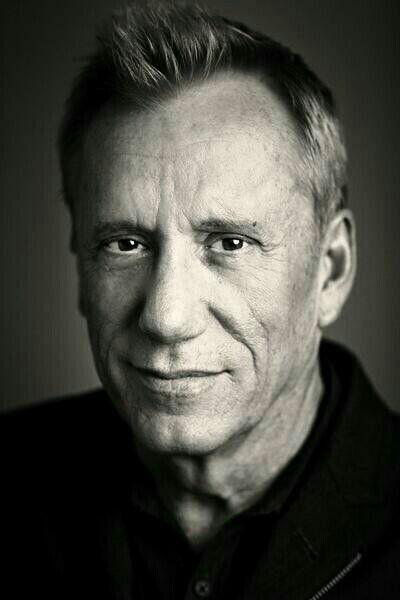
When Nike released an ad campaign with Colin Kaepernick, actor James Woods was among the first public figures to call for a boycott, sharing images of himself avoiding Nike products and encouraging his followers to sell their stock. Surprisingly, the campaign actually increased Nike’s sales and drove its stock price to a record high. The resulting controversy generated a lot of attention, especially among younger consumers, and ultimately added billions of dollars to the company’s brand value.
Julianne Moore
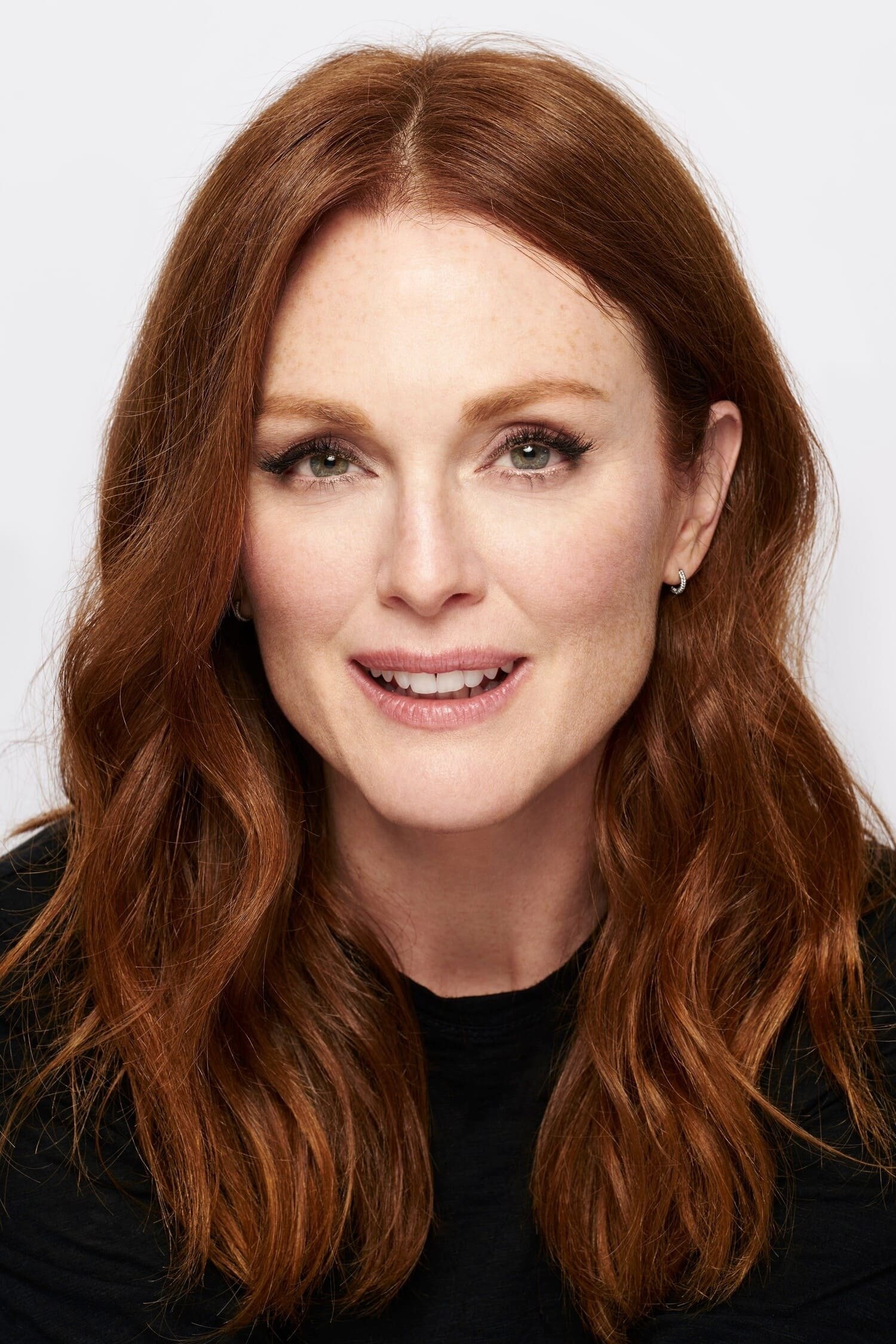
Julianne Moore supported the boycott of Goya Foods by promoting minority-owned businesses as alternatives. She felt the company’s leaders didn’t understand their customers. Surprisingly, sales actually increased in the months following the boycott. The controversy broadened Goya’s appeal, attracting new customers and ultimately resulting in a more diverse and engaged customer base for the brand.
Jim Carrey
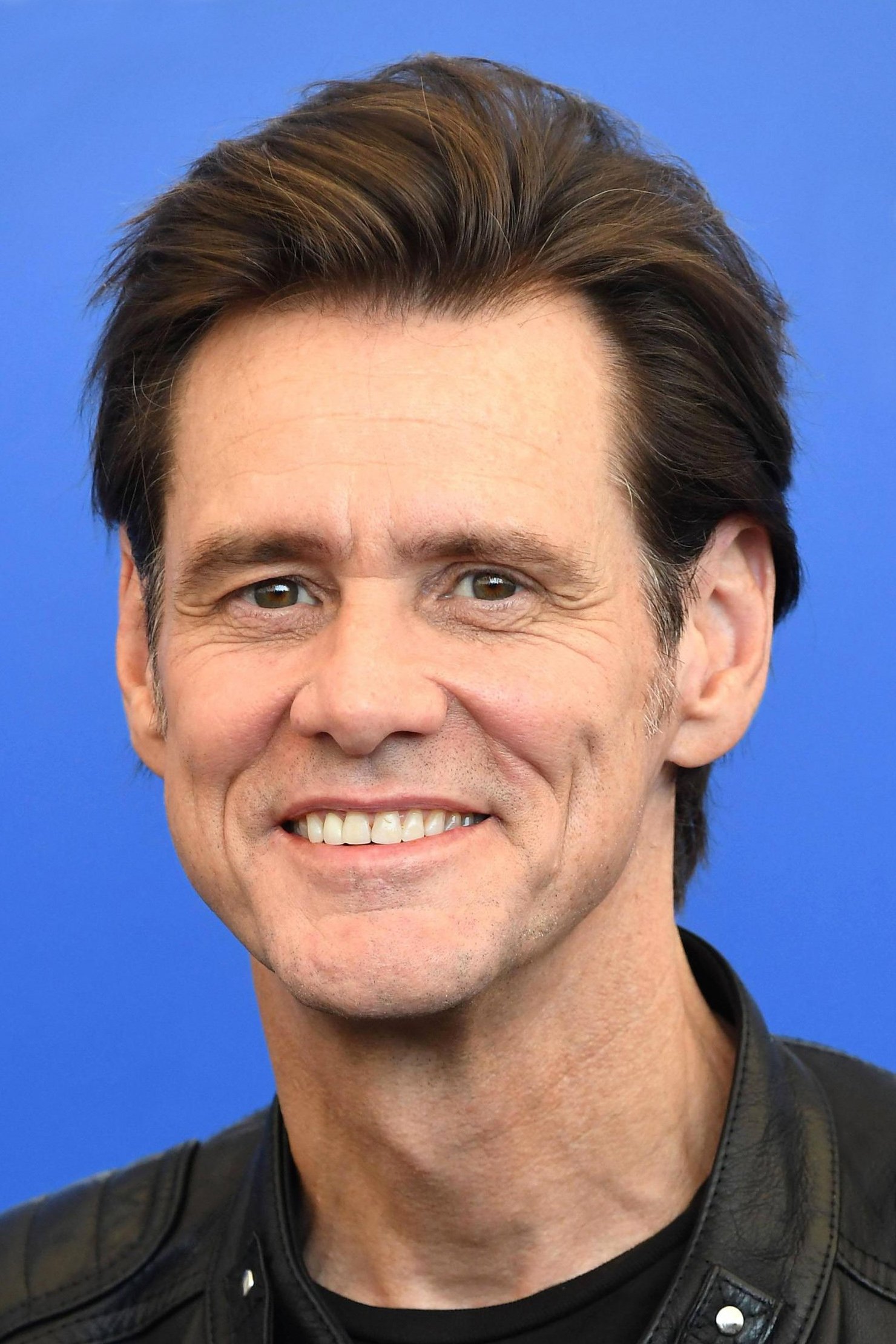
Jim Carrey called for a boycott of In-N-Out Burger after learning the company had donated to a particular political party. He shared his disappointment on Twitter, encouraging people to consider other burger options. Despite the call for a boycott, the popular West Coast chain continued to thrive, with consistently long lines and strong sales. Many customers seemed to value the quality of In-N-Out’s food more than the political views of its owners, and the boycott ultimately didn’t impact the company’s success.
Billy Porter
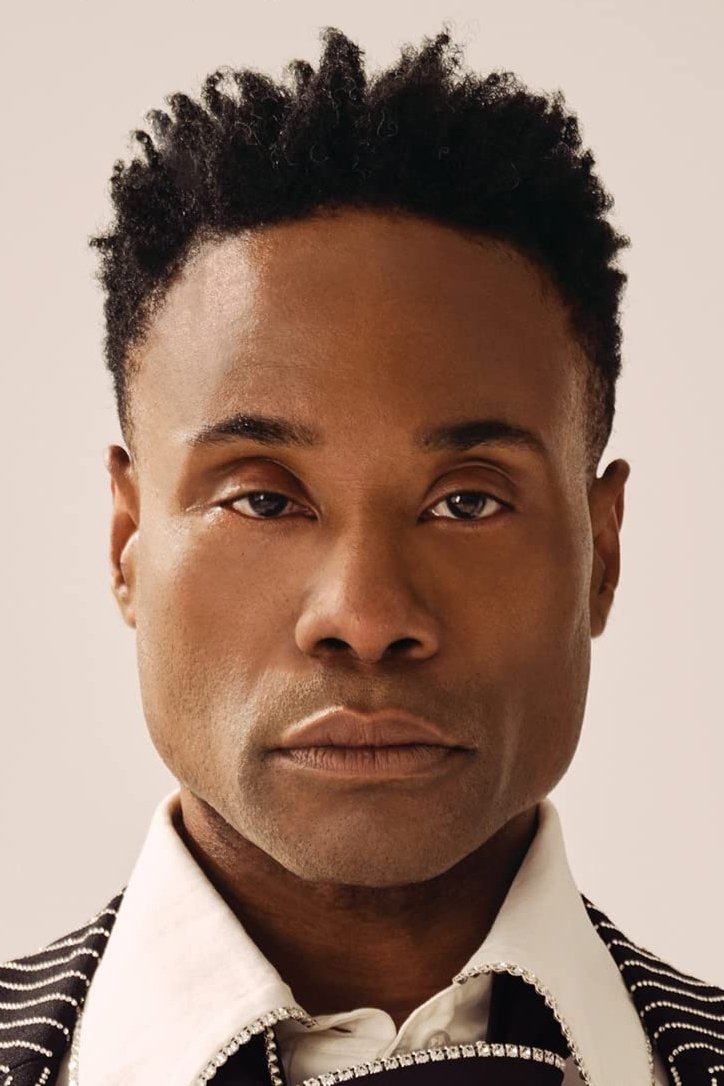
Billy Porter publicly opposed the release of ‘Hogwarts Legacy’ and backed calls for a boycott. He stressed the need to support inclusive communities and encouraged fans to explore other entertainment options. Despite criticism from prominent figures like Porter, the game quickly became a massive commercial success, selling millions of copies and topping sales charts for months. This demonstrated the enduring popularity and market strength of the franchise.
Cynthia Nixon
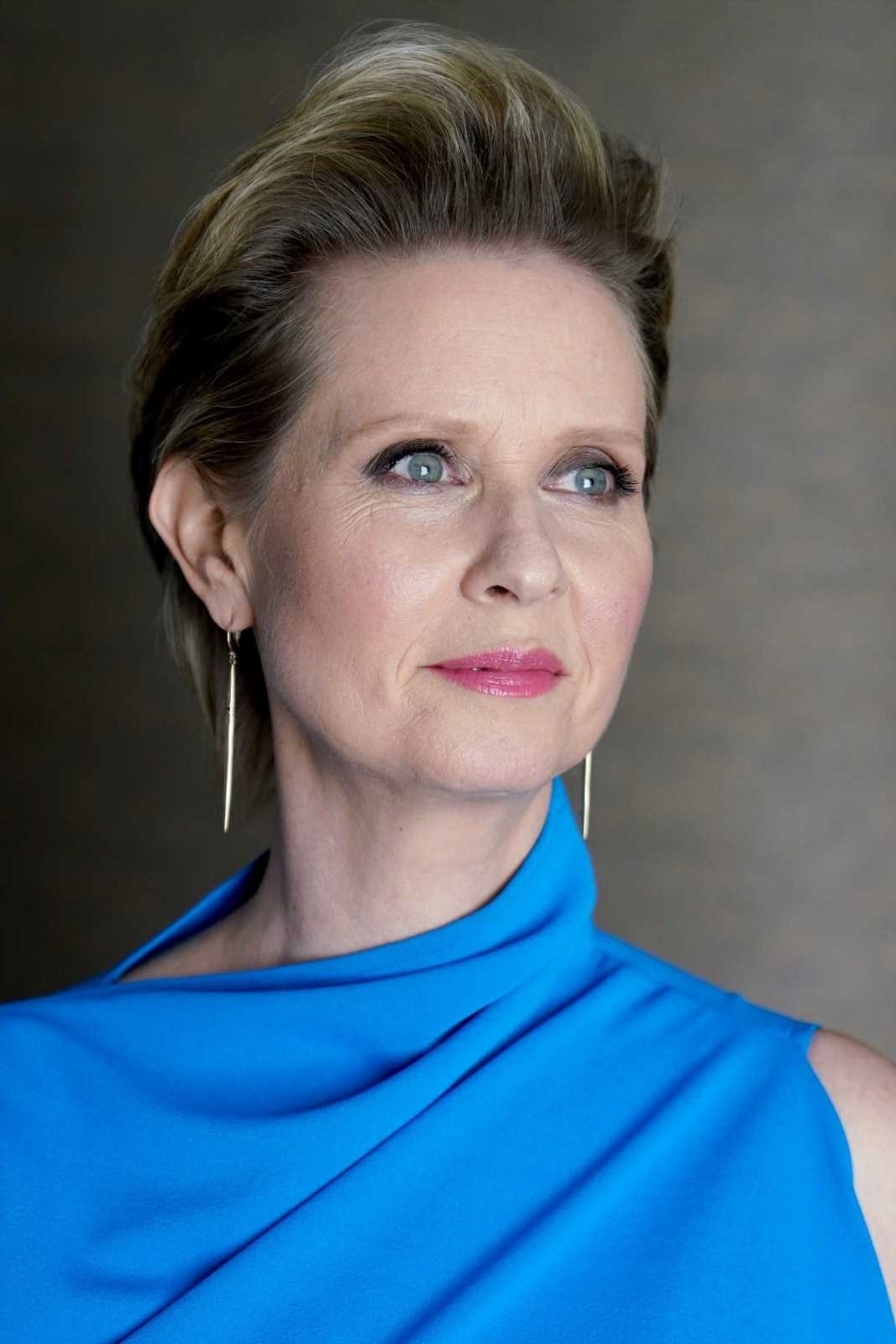
After a disagreement with its workers, Kellogg’s faced a boycott supported by Cynthia Nixon. She urged her followers to switch to other cereal brands until Kellogg’s addressed the employees’ concerns. Although the strike caused some changes within the company, Kellogg’s maintained strong sales and market share throughout the year, successfully navigating the negative publicity without a major drop in annual revenue. Customers continued to buy their familiar cereal brands at a consistent rate.
Jameela Jamil

Jameela Jamil publicly supported the boycott of ‘Hogwarts Legacy,’ using her social media to explain the reasons for the protest. She urged a complete online silence of the game, hoping to limit its popularity. However, ‘Hogwarts Legacy’ became incredibly popular on streaming platforms and achieved record-breaking sales. Ironically, the attempt to suppress the game actually sparked more public interest and discussion, ultimately making it one of the year’s biggest successes in the video game world.
Zachary Quinto
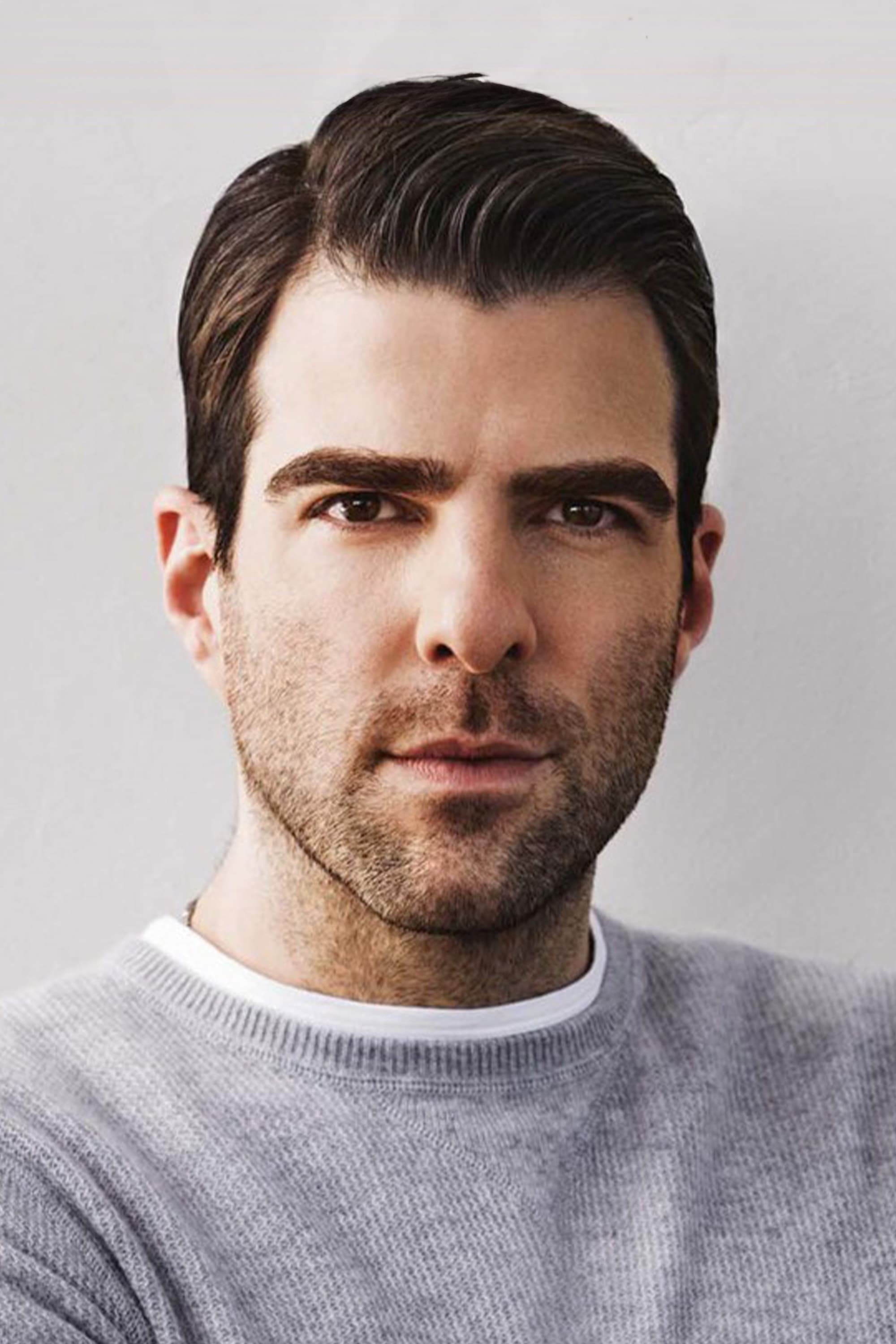
As a supporter of inclusivity, I was really disappointed to see Chick-fil-A’s position on LGBTQ+ rights. I joined many others, including actors like Zachary Quinto, in deciding to stop supporting them with my money. It’s frustrating, though, because despite the protests and boycotts, the company has actually thrived! They’ve made billions in sales and continue to be incredibly popular with people all over the country, which is honestly disheartening.
Rose McGowan

Following public criticism of Goya Foods, Rose McGowan voiced her support for a boycott, hoping to financially impact the company. However, Goya reported surprisingly high demand and increased sales. This outcome was often pointed to as an example of how protests can sometimes unintentionally increase a company’s popularity. Despite the controversy, Goya remains a popular brand in many households.
Chelsea Handler

After a major investor hosted a political fundraiser, Chelsea Handler called for a boycott of Equinox and SoulCycle, canceling her own memberships and urging her followers to do the same. Though some people did leave, both fitness brands continued to thrive, maintaining high membership numbers and even expanding into new areas. Despite the initial negative publicity, the companies remained financially stable, proving surprisingly resistant to the celebrity-driven protest.
Indya Moore
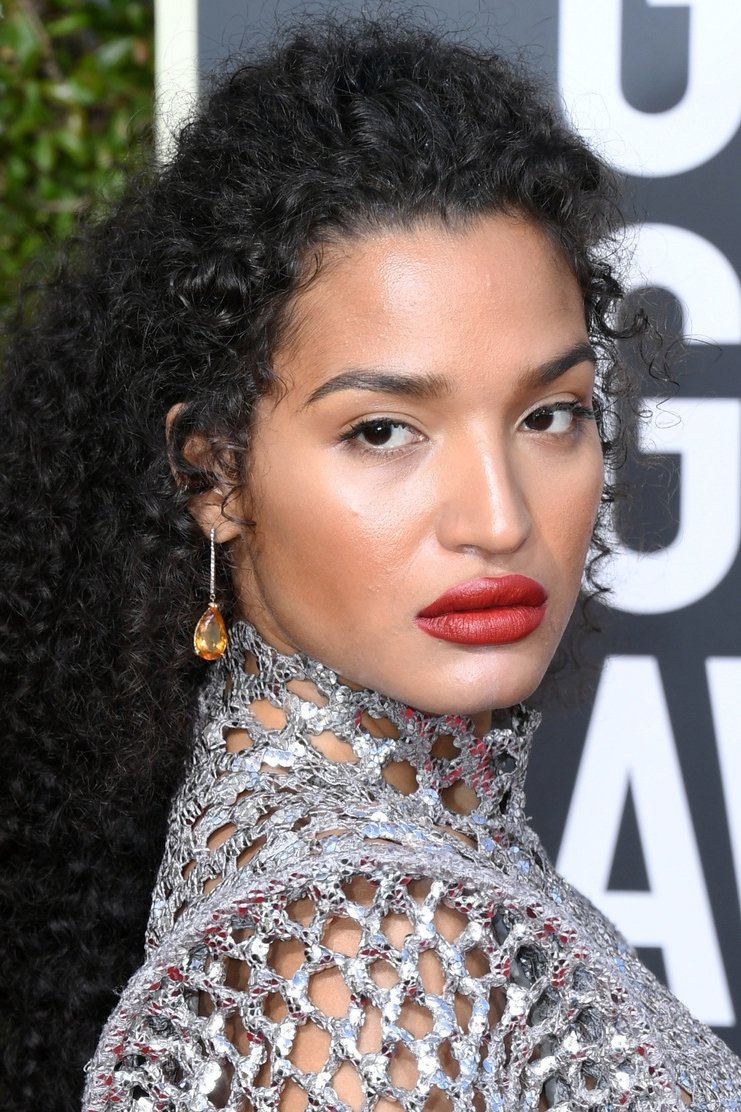
Indya Moore was a leading voice advocating for a boycott of ‘Hogwarts Legacy’ before and after its release, encouraging fans to think about the ethical implications of buying the game and to avoid it altogether. Despite the boycott, the game became a huge commercial success, selling record numbers and receiving generally positive feedback from gamers. It proved to be a significant financial victory for those involved in its creation and distribution.
Mark Hamill
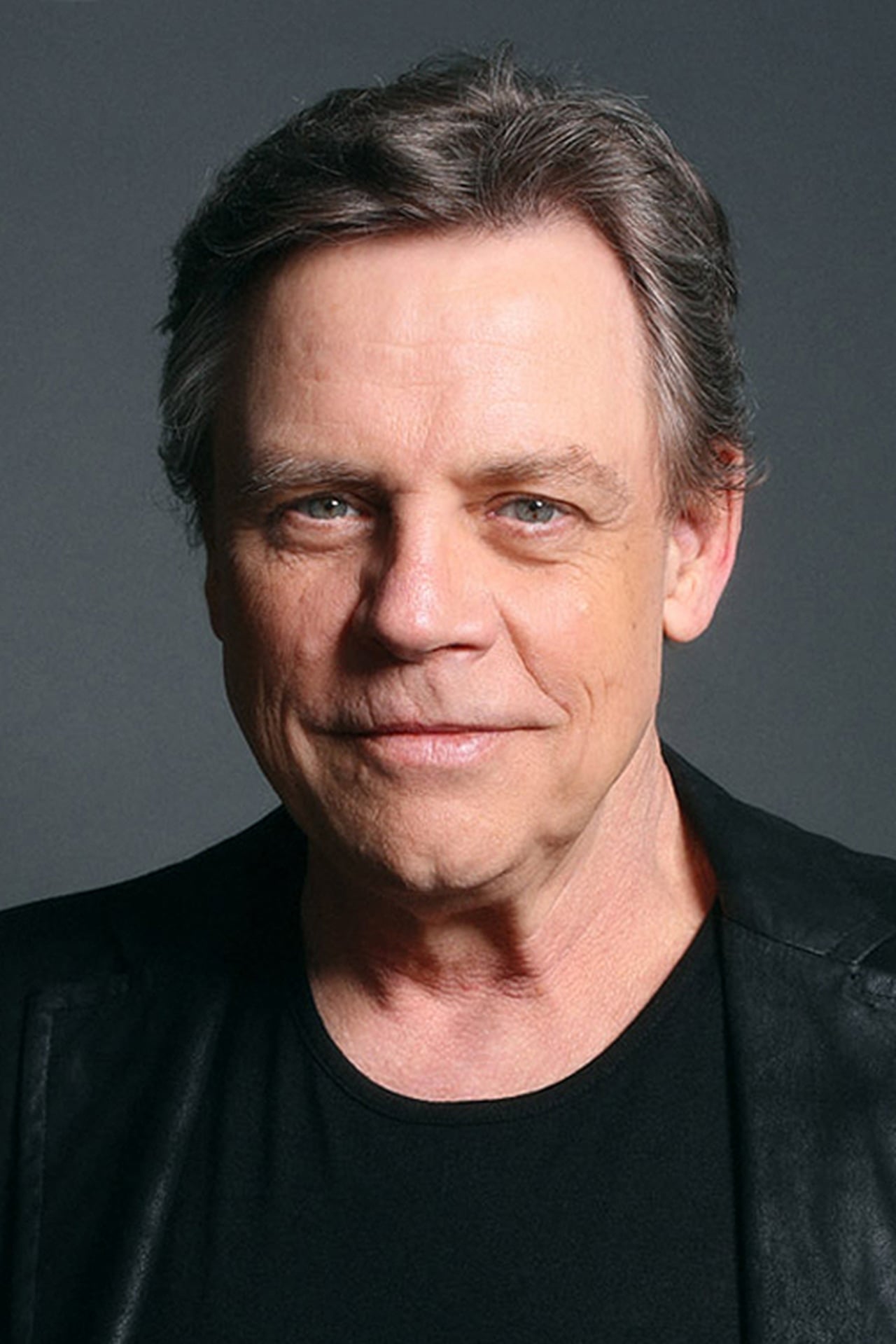
Mark Hamill has publicly criticized recent changes to X (formerly Twitter) and has encouraged people to leave or stop using the platform. He often points out problems with how the platform is being managed and suggests alternatives to his followers. Even though some well-known users have left, X remains a major place for global news and discussions. Despite the criticism, user activity and engagement have stayed high. Many businesses around the world still rely on X for marketing and connecting with the public.
Stephen King
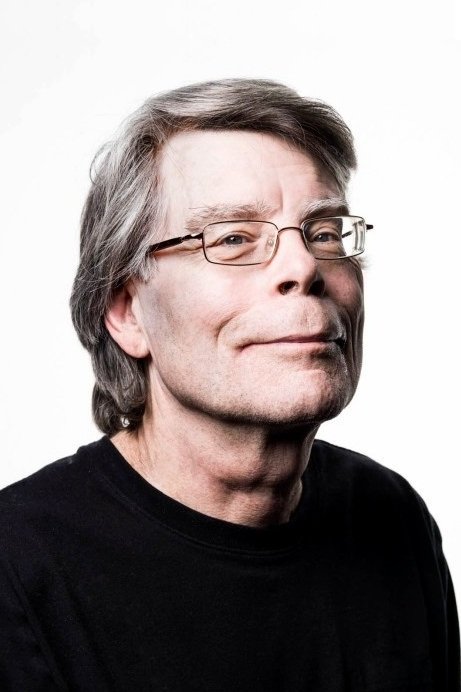
I’ve been following the situation with Stephen King and X closely. He’s been really unhappy with how the platform is being run, especially the subscription model, and has said several times he’s thinking of leaving. It’s been interesting to see because a lot of his fans felt the same way and started talking about leaving too! Even though things have changed a lot on the platform, and some advertisers left, X seems to be doing okay. It hasn’t fallen apart like Mr. King predicted, and it’s still a place where a lot of people get their news. It’s just a complicated situation, and I’m curious to see how it all plays out.
Piers Morgan
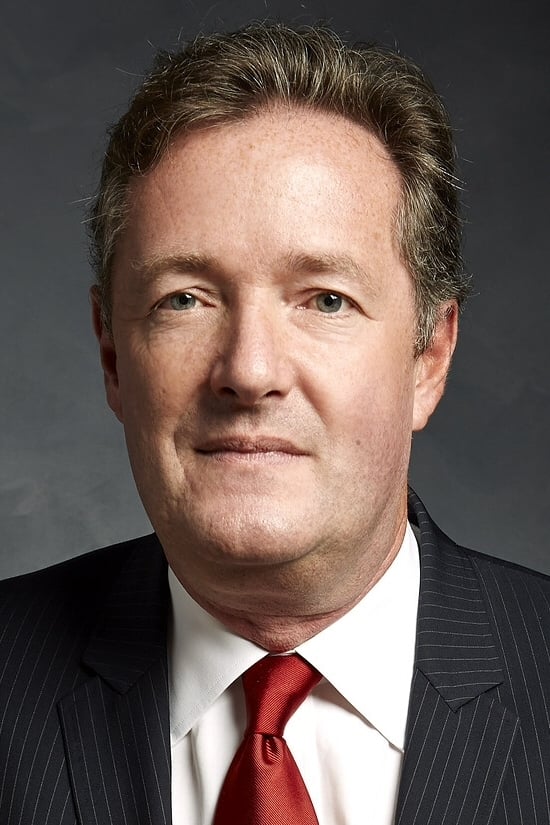
Piers Morgan strongly disapproved of the movie ‘Barbie,’ using his platform to voice concerns that it was critical of certain groups and would turn off many viewers. However, the film became a huge success with audiences of all kinds, quickly earning over a billion dollars and receiving praise for its originality. Ironically, Morgan’s criticism actually helped generate even more interest in the movie, contributing to its box office success and cultural impact.
Ted Nugent
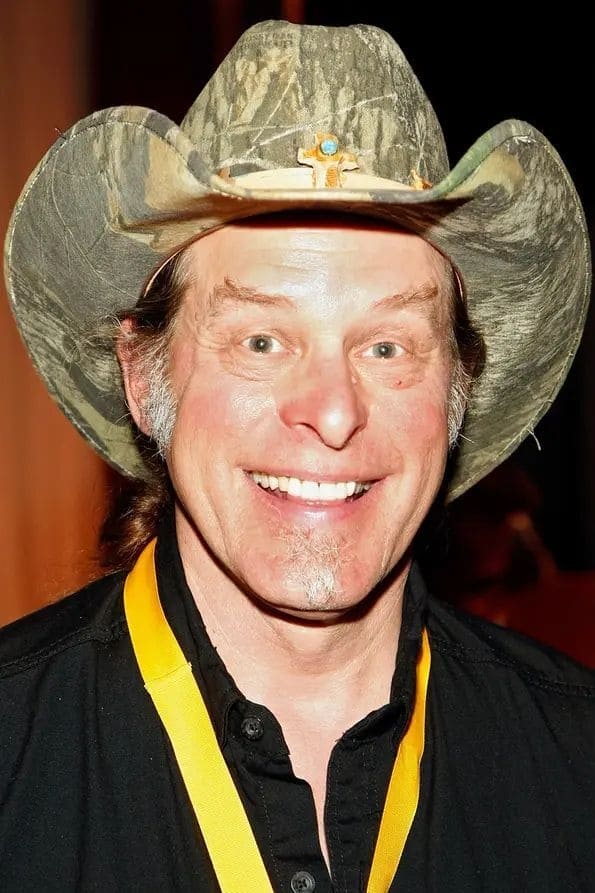
Ted Nugent publicly supported a boycott of Nike, criticizing their advertising choices and predicting it would end their dominance in sportswear. However, shortly after his comments, Nike actually saw a significant increase in revenue and stronger customer loyalty. The company’s stock price continued to climb, solidifying its position as the industry leader. Ultimately, the boycott ended up being a marketing success for Nike.
Jon Voight
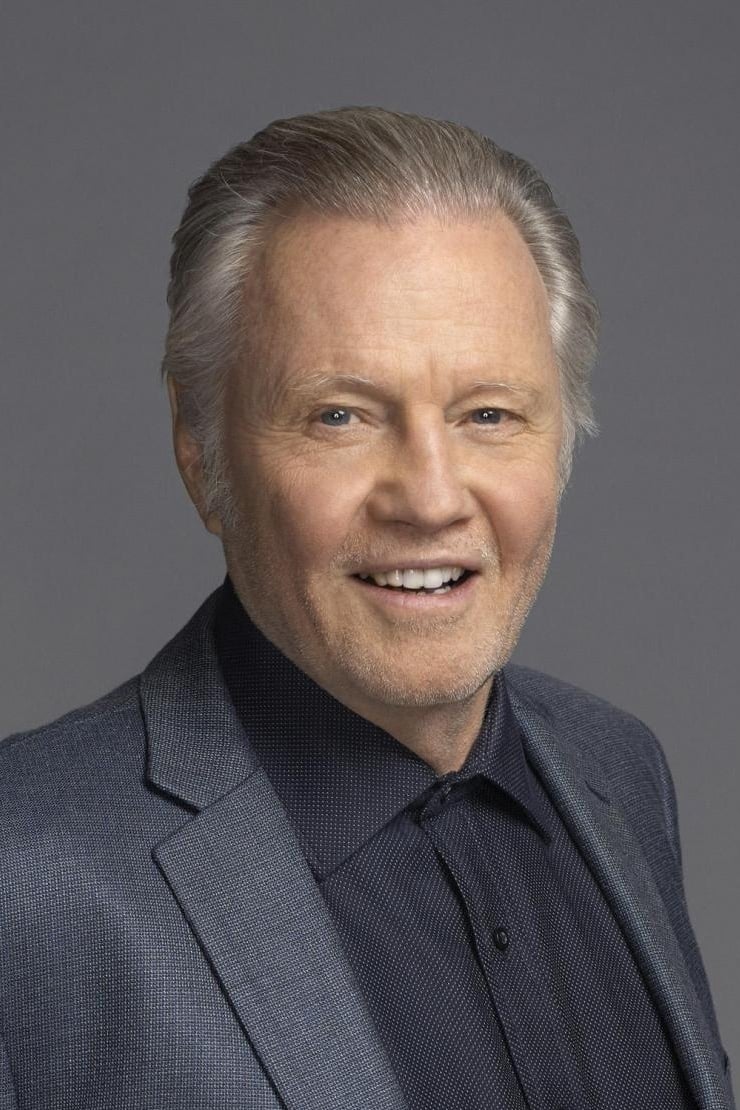
Jon Voight publicly called for people to stop buying Nike products, saying he was unhappy with the company’s recent choices. He asked his followers to support businesses that share his beliefs. Nike, however, continued with its current advertising approach, which actually increased sales with younger customers. Despite the controversy and boycott attempt, Nike’s global influence and financial success continued to grow, and the actor’s desired financial impact didn’t happen.
Kristy Swanson

Kristy Swanson publicly called for a boycott of Nike on social media, even sharing pictures of people destroying Nike products. She thought this would cause a significant drop in the brand’s popularity. However, Nike’s market value actually increased by billions of dollars in the following year. The company managed to attract new customers because of the controversy, which helped it continue to thrive. Ultimately, Nike’s strong financial results proved more impactful than the celebrity-led boycott.
Robert Davi
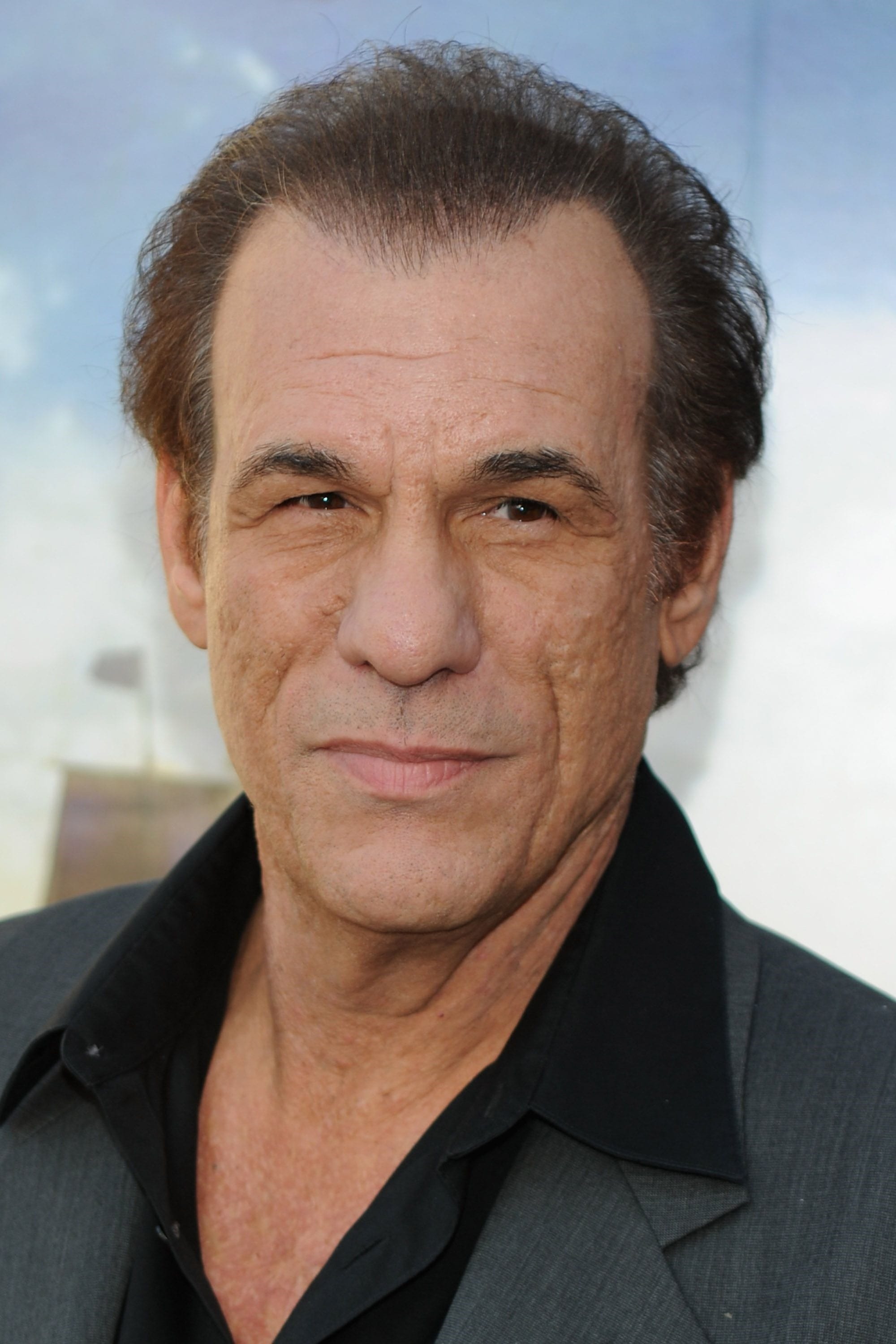
Actor Robert Davi joined others in publicly protesting Nike and criticizing its choices, believing the company had alienated its original customers and would face consequences. However, Nike actually experienced record-breaking growth in online sales and customer engagement. Today, its marketing campaign is considered a prime example of how facing controversy can actually boost profits, proving the boycott attempts were unsuccessful in hindering the brand’s progress.
Sebastian Croft

Sebastian Croft, an actor in ‘Hogwarts Legacy,’ publicly apologized for being part of the game and voiced support for those boycotting it. He shared his regrets and encouraged fans to make their own decisions based on their values. Despite his comments, the game was a huge success, becoming the best-selling title in many countries and maintaining strong popularity online. Ultimately, ‘Hogwarts Legacy’ became one of the most significant and popular games of the decade.
Sophia Bush

Sophia Bush publicly supported the boycott of Equinox and SoulCycle, explaining to her fans that she was ending her membership due to the political views of the companies’ leaders. While the boycott gained attention, the fitness brands continued to thrive, maintaining their popularity and attracting customers in major cities. The financial effects of the protest were short-lived, and the companies didn’t experience significant closures or lasting financial damage. They remain prominent players in the boutique fitness market.
Jonathan Van Ness
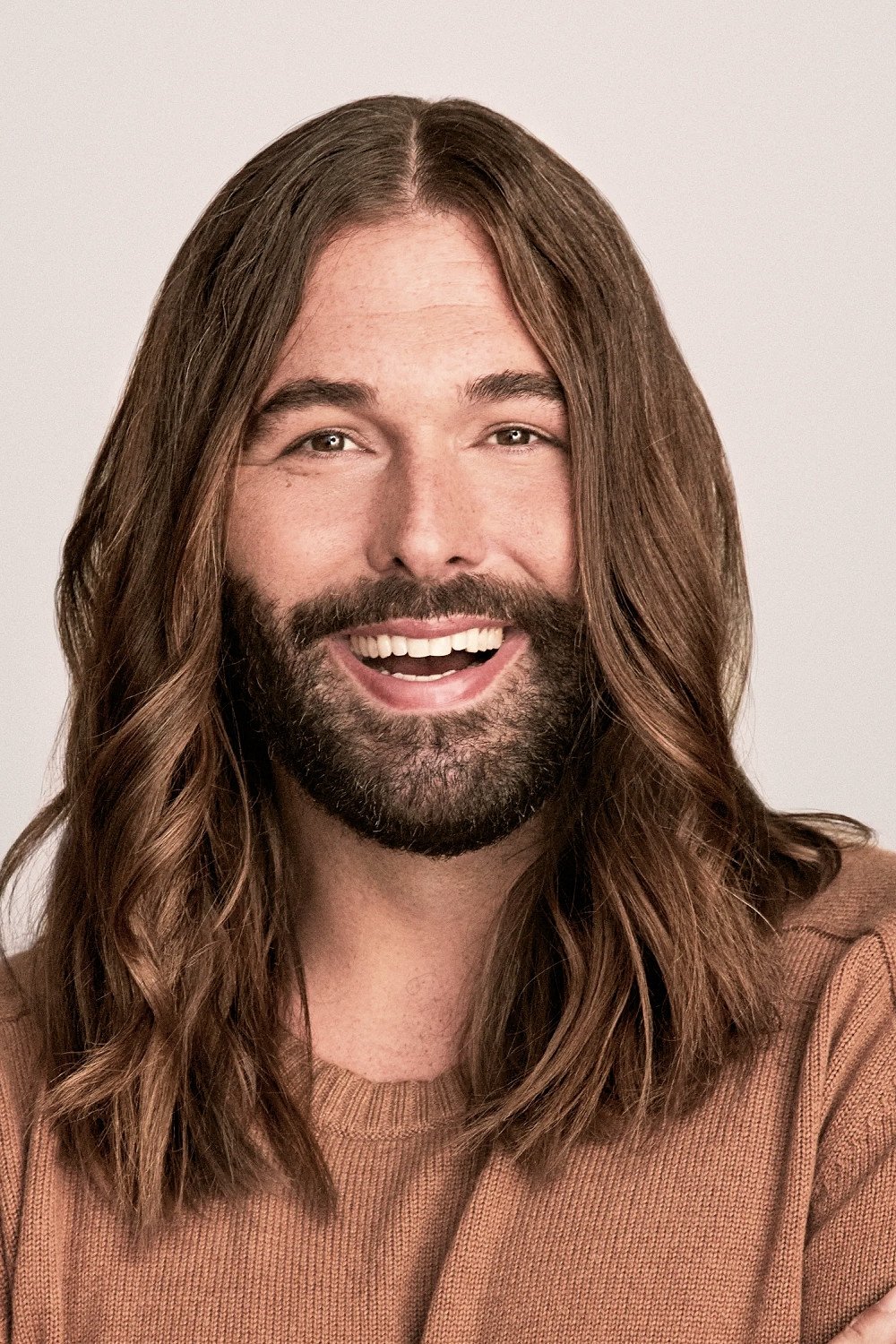
Jonathan Van Ness publicly criticized SoulCycle and Equinox, urging fans to support gyms that are more welcoming to everyone. He highlighted the political contributions made by the companies’ investors. While many people initially canceled their memberships, both brands later reported continued strong numbers. Ultimately, the controversy didn’t seem to significantly impact the popularity of their high-end fitness classes, and both companies kept growing and maintaining their position in the market.
Busy Philipps
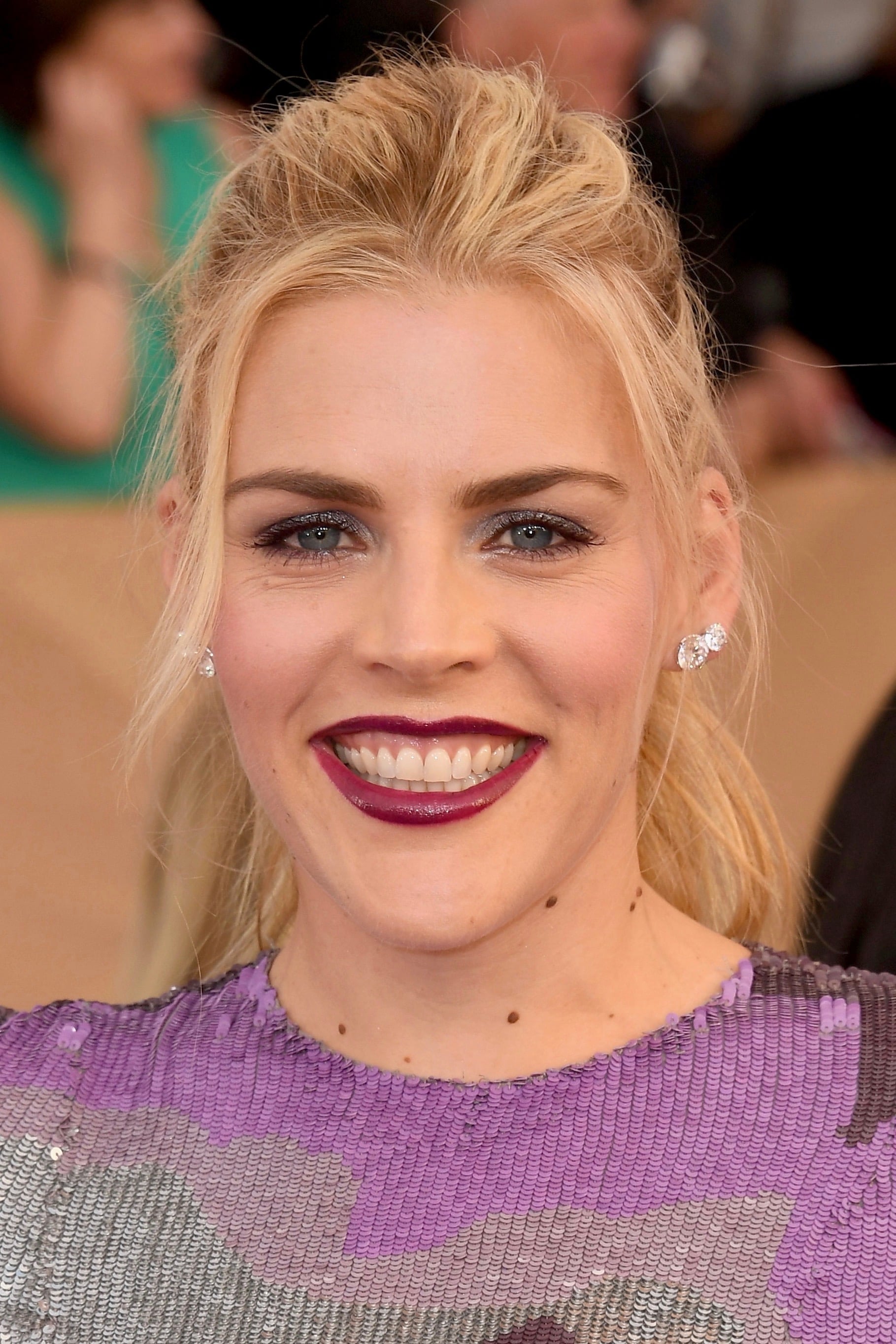
Busy Philipps publicly backed the call to stop supporting Equinox and explained why she herself canceled her membership. She urged her followers to think about where their money was going. Despite some well-known people leaving, the gyms stayed busy and continued to attract celebrities and fitness fans. The company’s overall growth wasn’t really affected, and Equinox remains a leading brand in the luxury fitness world.
Samantha Bee
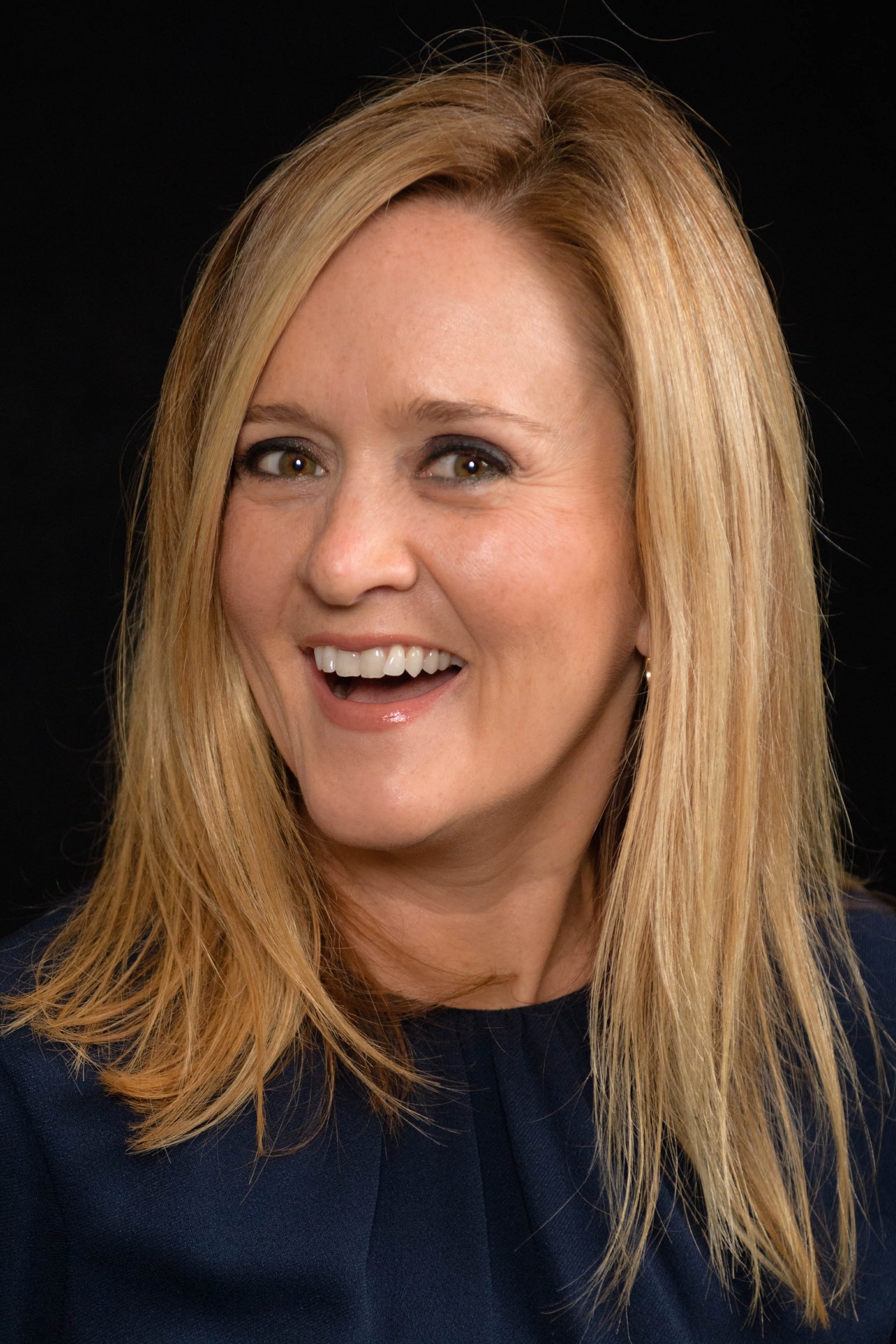
Samantha Bee publicly criticized Chick-fil-A and encouraged people to boycott it, pointing out a difference between how the company presents itself and where its money actually goes. Despite this criticism – and even while facing boycotts – Chick-fil-A continued to grow rapidly, expanding into new areas and consistently breaking revenue records. The boycott efforts ultimately didn’t prevent the company from becoming a major force in the fast-food industry.
Tituss Burgess
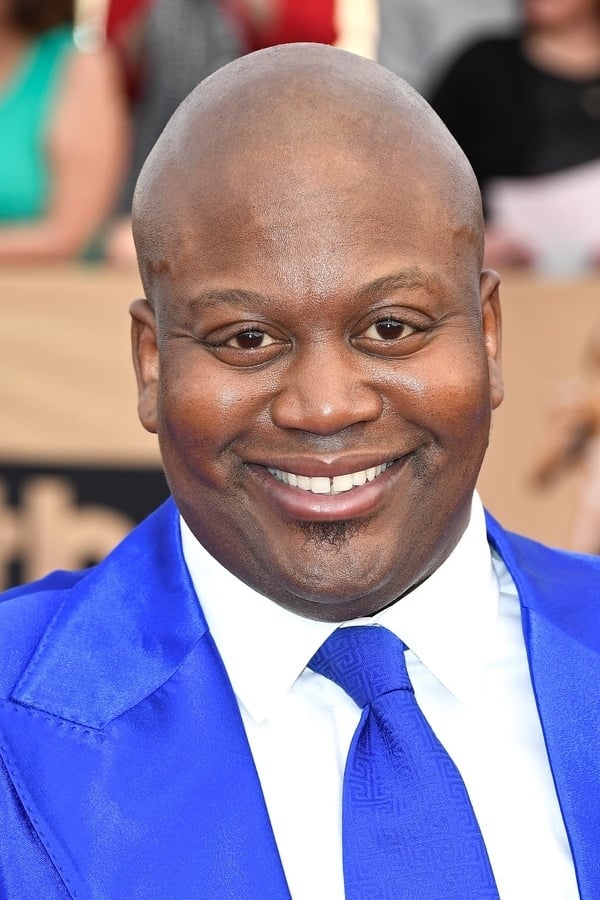
Tituss Burgess joined other celebrities in criticizing Equinox’s ownership and backing a boycott of their gyms. He expressed worry about the political views of those in charge and urged people to switch to different fitness centers. Despite the controversy, the gyms remained popular with affluent customers in major cities, and the parent company didn’t suffer long-term financial losses. The brands have continued to do well since the protests began.
Bette Midler
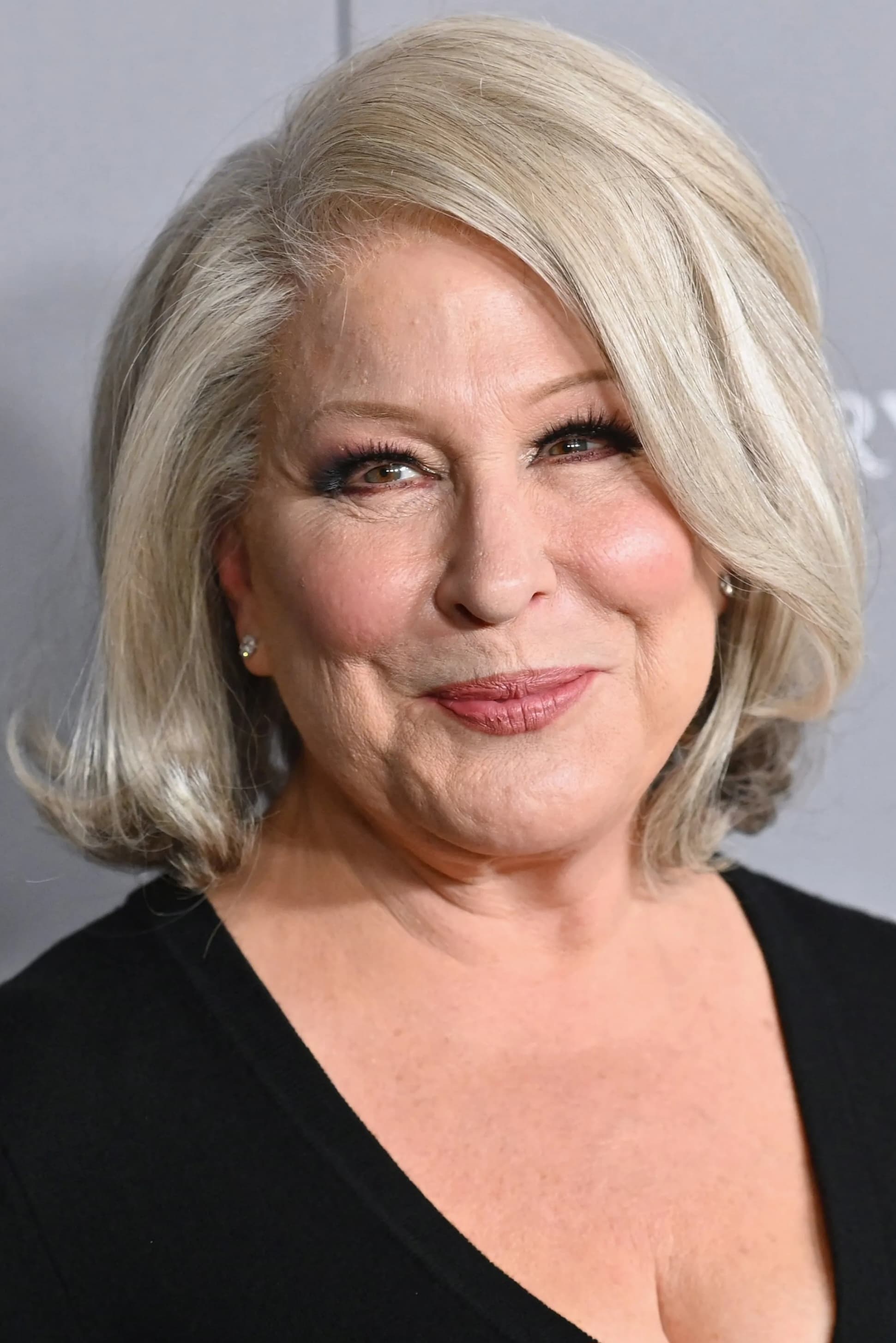
Bette Midler has often publicly criticized companies like Chick-fil-A and encouraged people to stop supporting them, frequently sharing her reasons on social media. Despite this criticism from public figures, Chick-fil-A continues to thrive, consistently increasing sales and maintaining a very loyal customer base. The company has grown into a global leader, now worth billions of dollars.
Mark Ruffalo
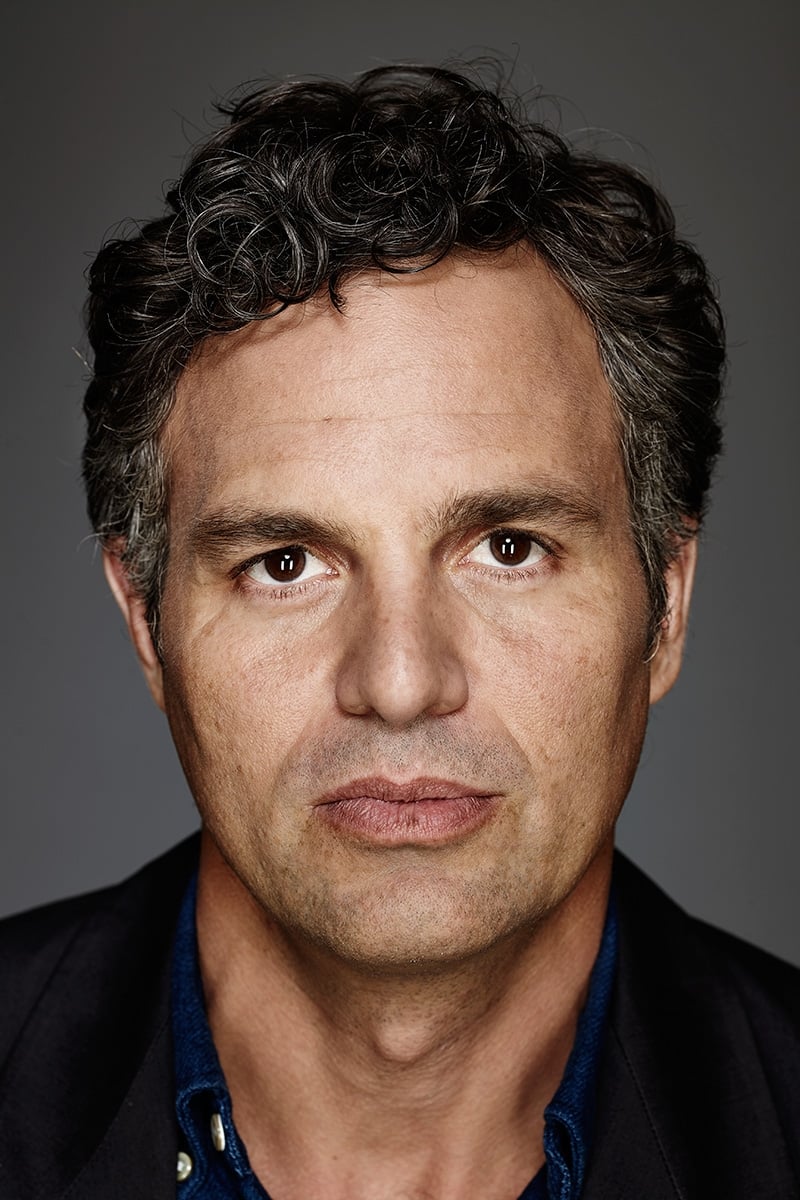
Mark Ruffalo actively supports boycotts of companies like Starbucks and several tech firms, advocating for more ethical and fair business practices. While his efforts bring attention to these issues, the companies he targets often continue to grow and increase profits as they expand globally. Essentially, consumer demand for their products tends to be stronger than the impact of the boycotts, meaning his activism raises awareness but hasn’t dramatically changed their financial success.
Shailene Woodley

Shailene Woodley asked her fans to close their accounts at banks such as JP Morgan Chase as a way to protest the bank’s funding of certain construction projects. She joined public protests and used her influence to encourage people to withdraw their money. However, the bank continued to grow, with its assets and revenue steadily increasing in the years after the protests. Despite the celebrity-driven campaign, the bank’s position as a major global financial institution remained strong, and the effort to harm its finances through a boycott didn’t achieve significant results.
Share your thoughts on these celebrity boycotts in the comments.
Read More
- 39th Developer Notes: 2.5th Anniversary Update
- Avantor’s Plunge and the $23M Gamble
- :Amazon’s ‘Gen V’ Takes A Swipe At Elon Musk: Kills The Goat
- Why the Russell 2000 ETF Might Just Be the Market’s Hidden Gem
- Top gainers and losers
- Gold Rate Forecast
- Umamusume: All current and upcoming characters
- 20 Anime Where the Protagonist’s Love Interest Is Canonically Non-Binary
- Stranger Things 5 Ending Explained: Was Vecna Defeated? All About Eleven’s Choice and Hawkins’ Future
- Overrated Crime Movies Everyone Seems To Like
2026-01-04 10:19