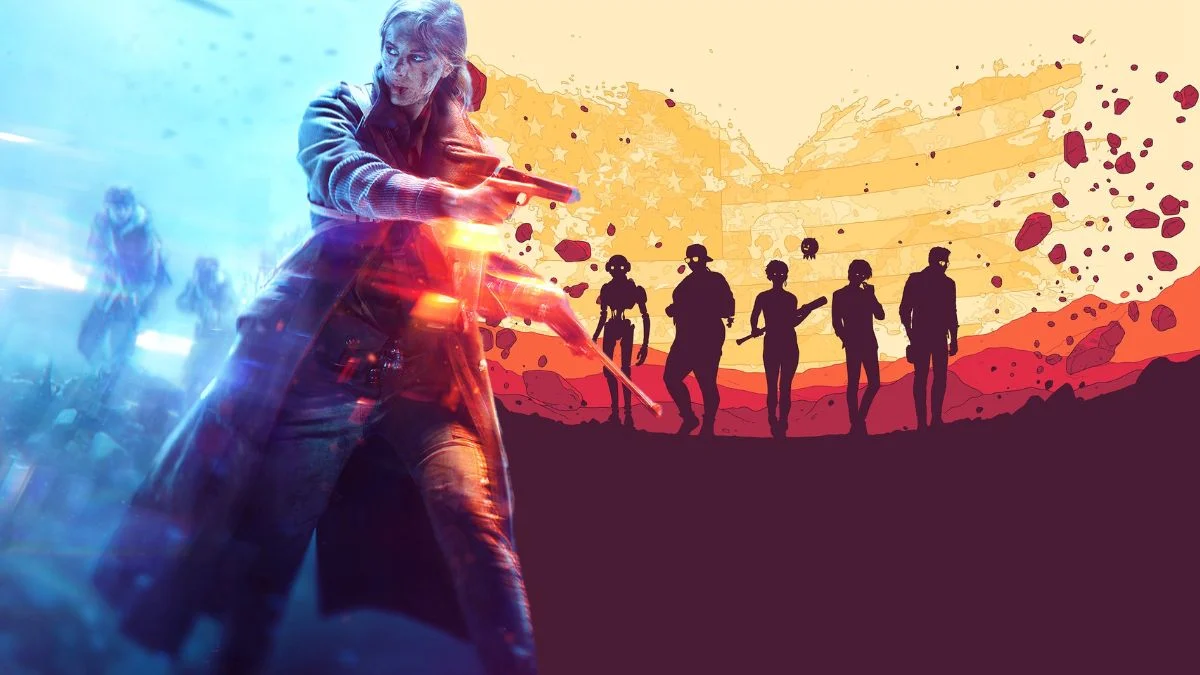
Video games are changing, with developers increasingly adding current social issues to long-running series. This has caused a split between game companies trying to be more inclusive and players who worry these changes ruin the experience or disrespect the history of games they love. Several games have faced strong negative reactions, including unfair reviews and fewer players, soon after they launched. Game studios are finding it difficult to satisfy both modern players and their long-time fans.
‘Concord’ (2024)
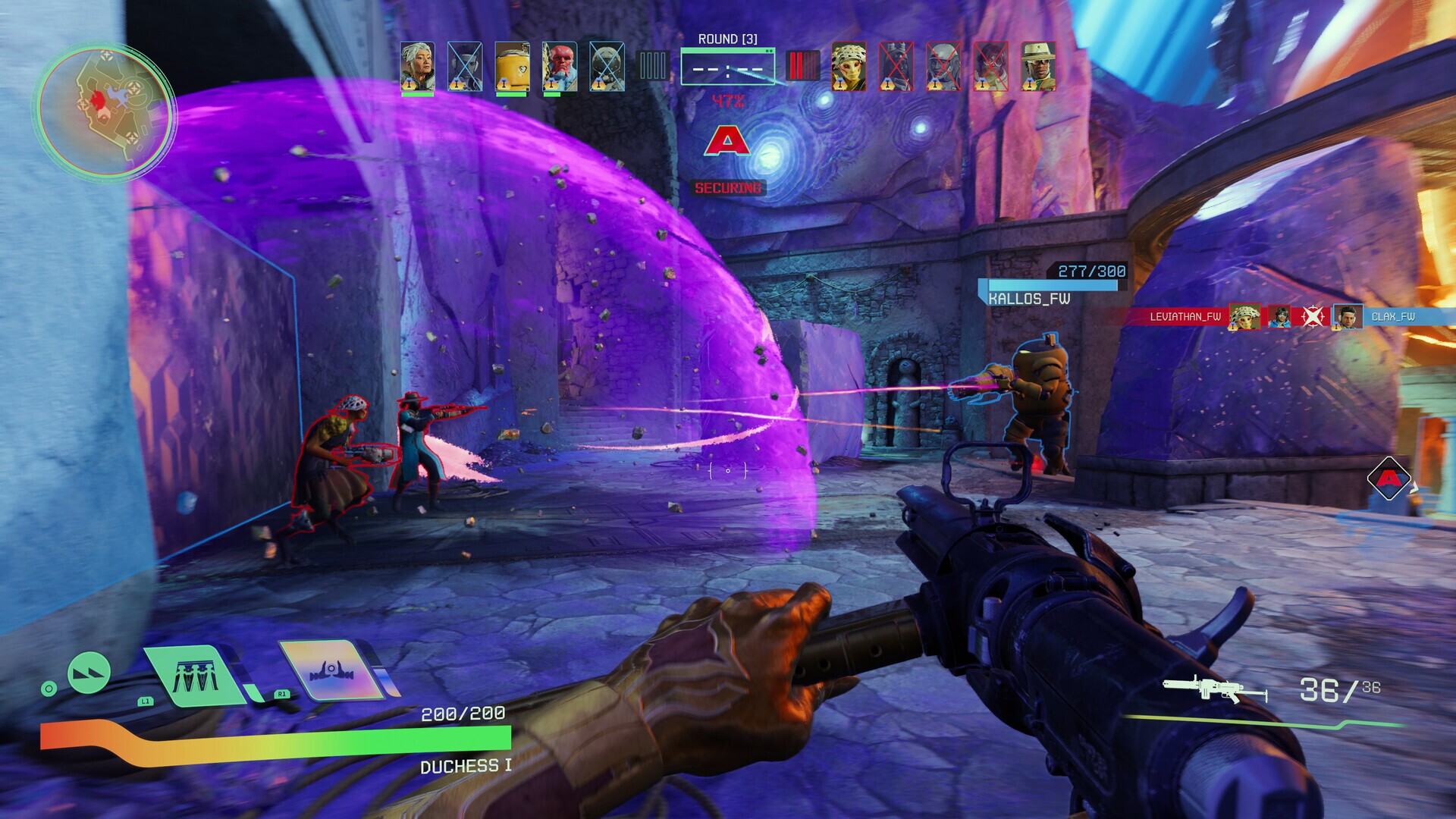
The game, a team-based shooter, didn’t find an audience when it launched because players found the characters bland and felt the game focused more on social messages than fun gameplay. Instead of exciting new features or competitive elements, the developers highlighted the diverse backgrounds of the characters. Within days, almost no one was playing on PC, and the game was a complete failure. In an unusual move, Sony cancelled the game and offered refunds to players after only two weeks.
‘Saints Row’ (2022)
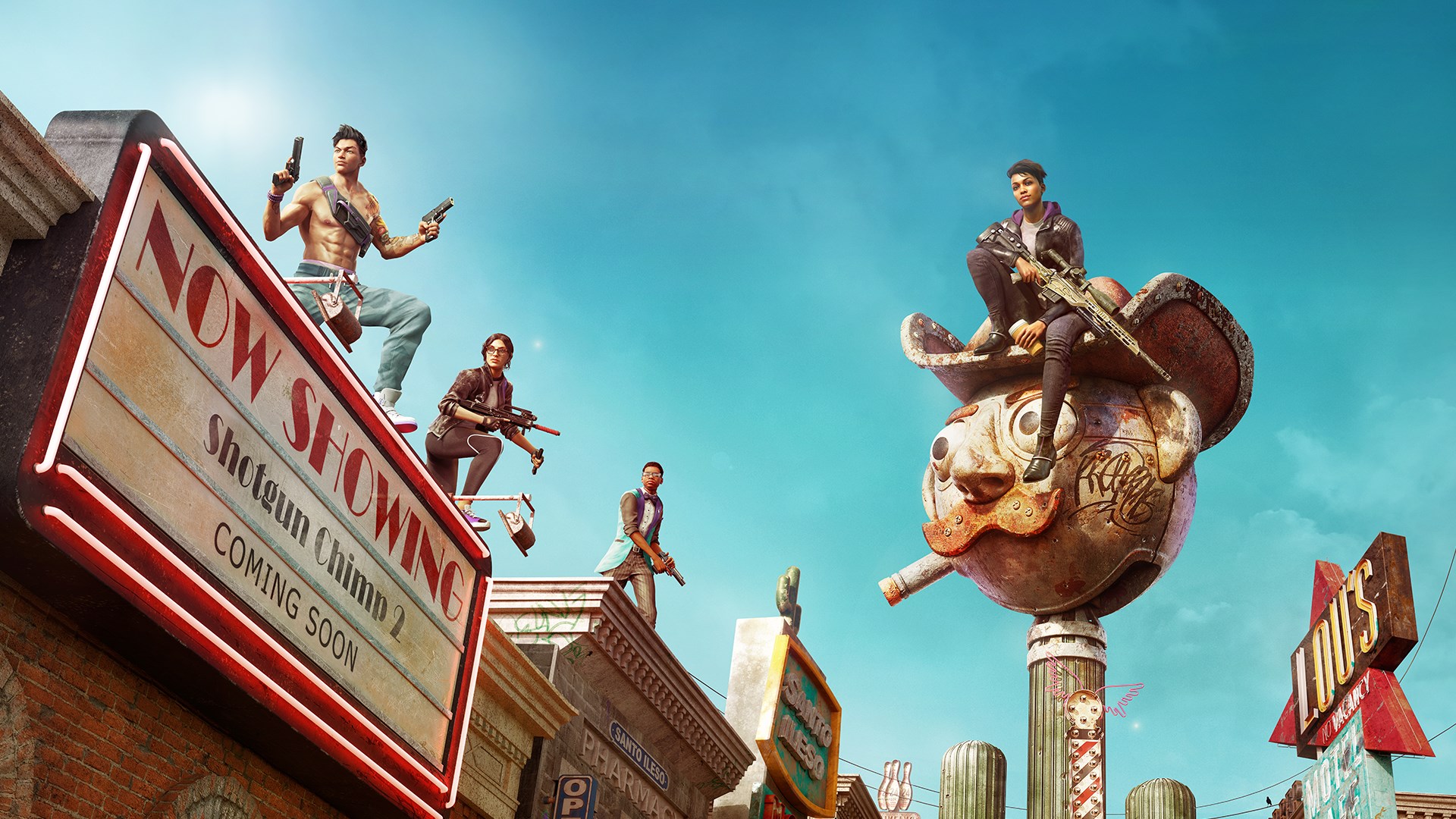
Volition tried to revitalize their popular gangster game series by toning down the edgy humor and offensive jokes that were hallmarks of the original games. The new version featured characters dealing with everyday issues like college debt and rent, a departure from the hardened criminals fans were used to. Many longtime players felt the writing was too clean and lacked the feel of previous installments. The negative response was significant, leading to poor sales and ultimately, the studio’s closure.
‘Suicide Squad: Kill the Justice League’ (2024)
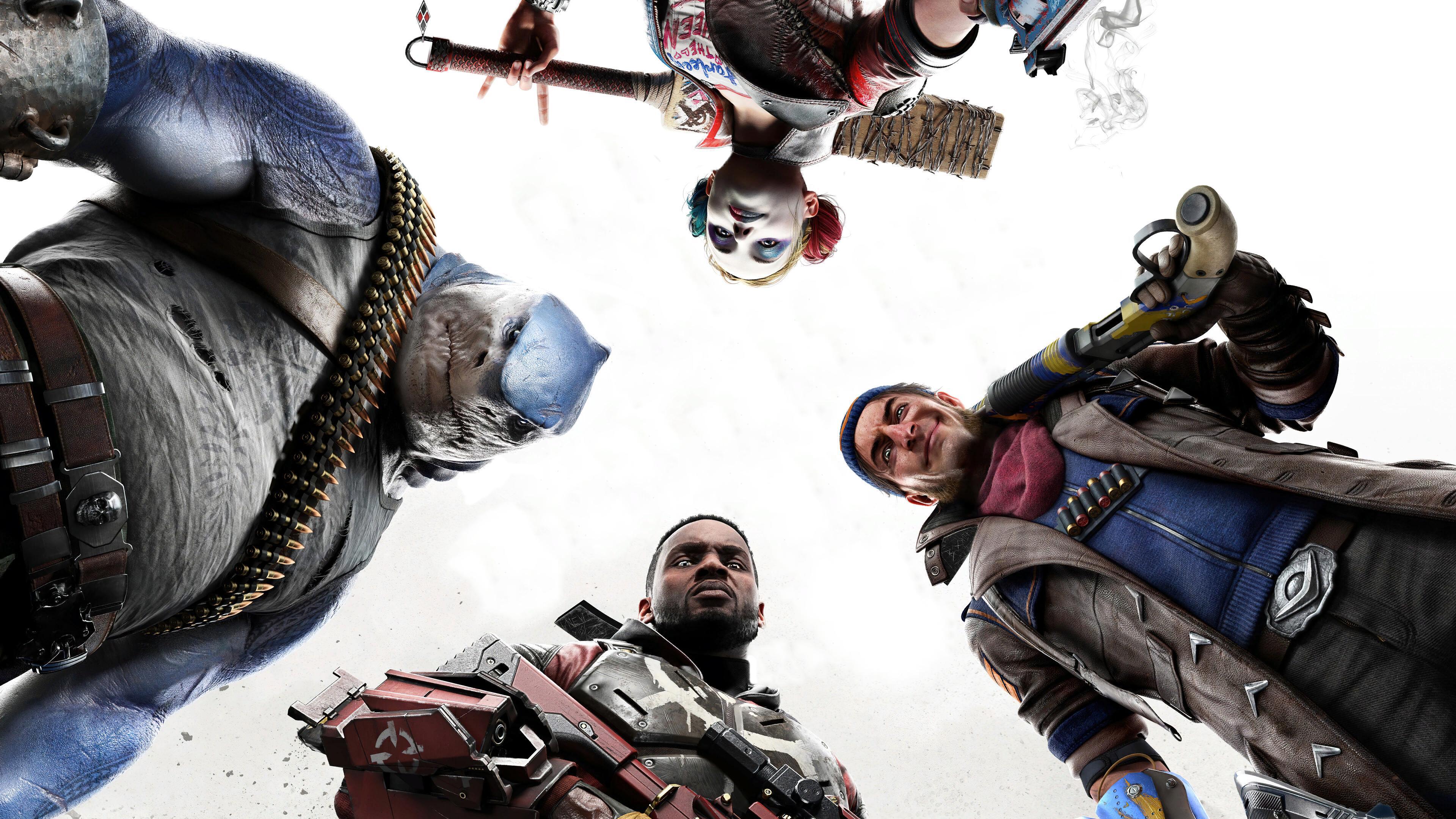
Rocksteady Studios received significant backlash for the story choices in their new, ongoing Arkham game. Many fans were upset with how Batman was portrayed and found the dialogue, particularly from characters like Harley Quinn, to be preachy and off-putting. Some players blamed the game’s writing on the involvement of a consultancy firm, Sweet Baby Inc, and their focus on diversity. As a result, the game quickly lost players who went back to playing the older, standalone Batman titles.
‘Dustborn’ (2024)
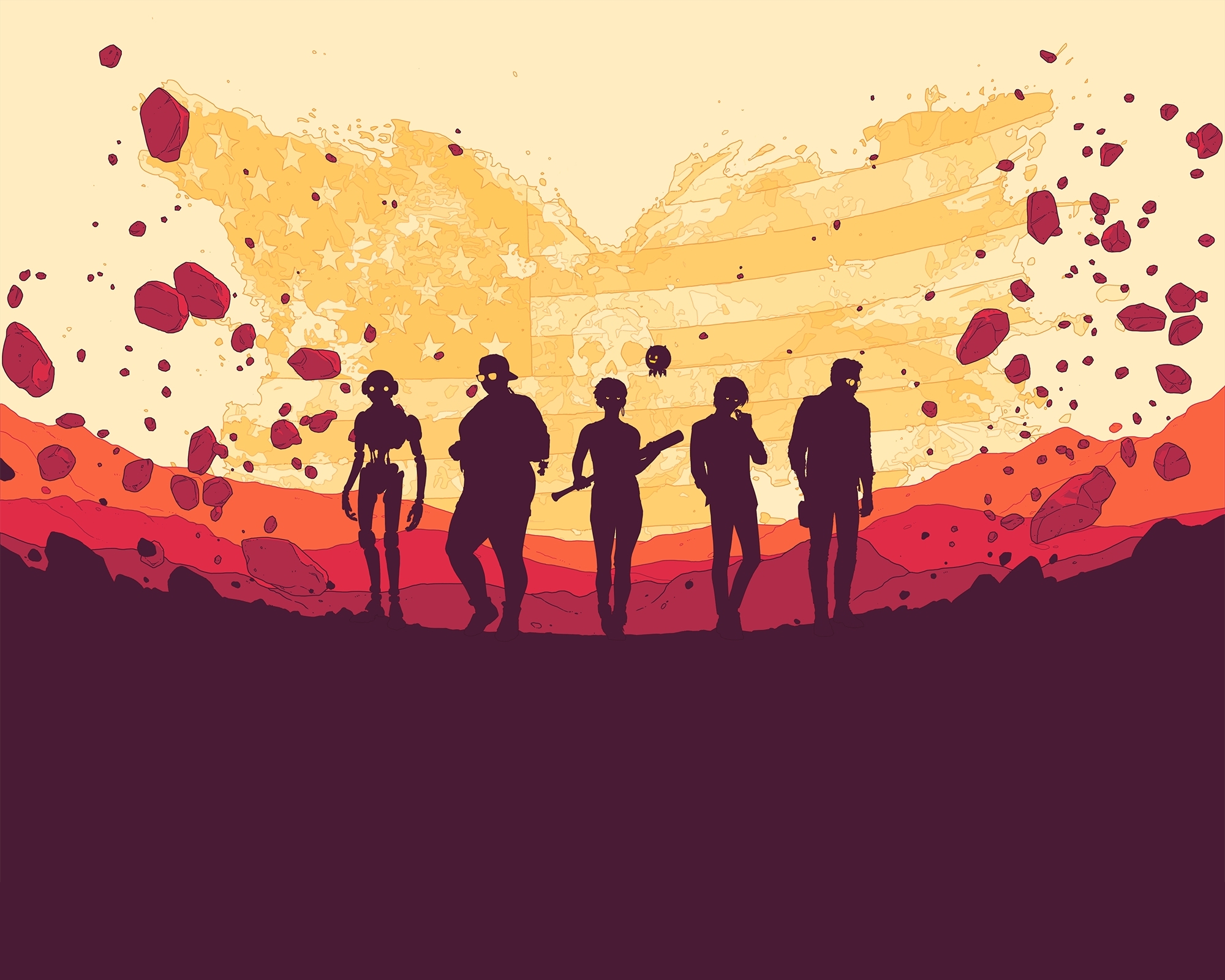
This action game focuses on a story driven by modern political ideas and how powerful words can be used as weapons. While the game promoted its diverse characters and attempts at social commentary, this actually turned off many potential players before it even came out. When it launched, the game never had more than one hundred people playing it at the same time on Steam. Players said they avoided the game because it was too focused on politics and they didn’t like the main character.
‘Battlefield V’ (2018)
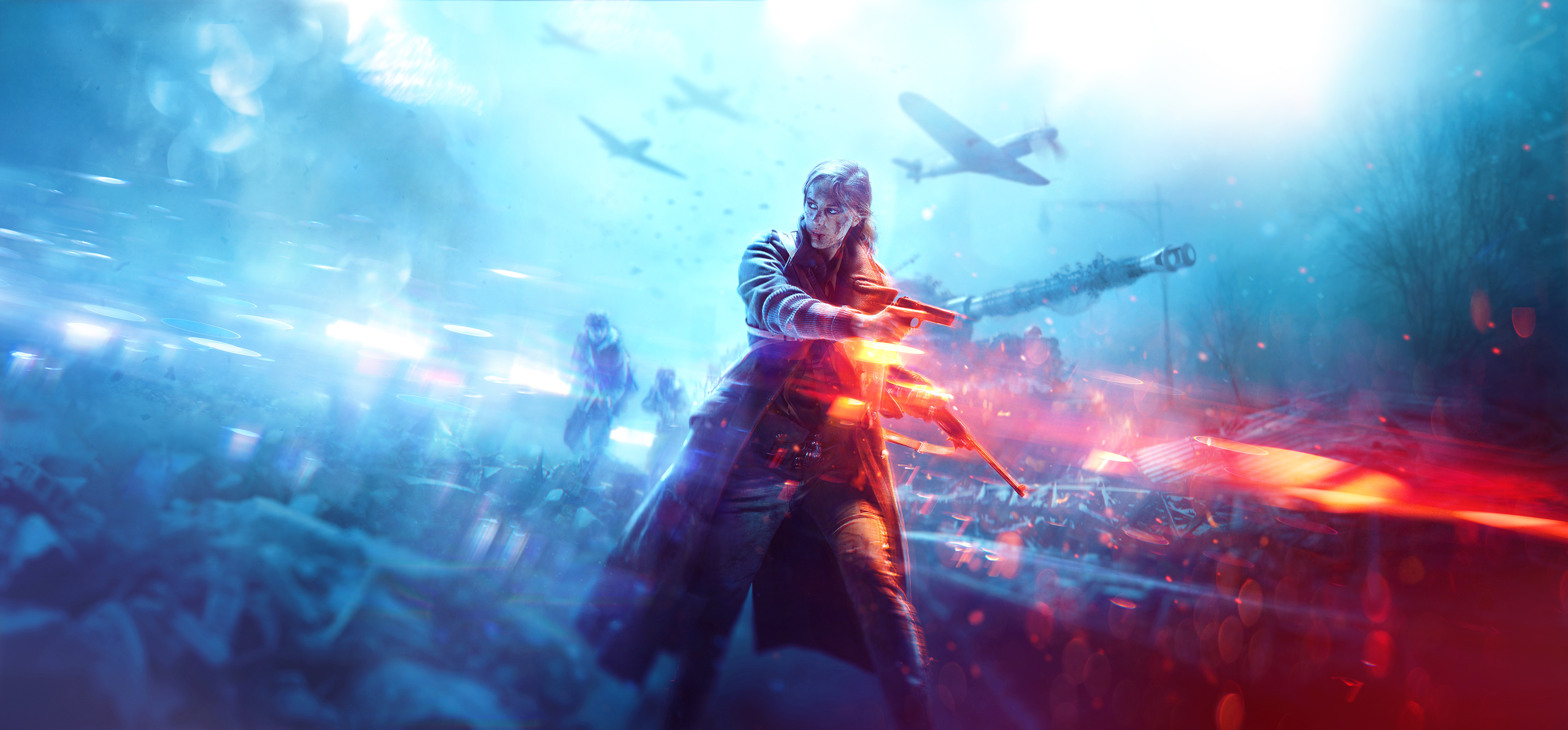
EA DICE faced backlash after revealing a trailer for their World War II game featuring a female soldier with a prosthetic arm. When some players questioned the historical accuracy, a former executive, Patrick Soderlund, suggested they shouldn’t buy the game if they didn’t approve of the changes. Many players followed this advice, leading to significantly lower pre-order numbers compared to previous games in the series. The game had trouble keeping players engaged, and updates were stopped sooner than planned.
‘The Last of Us Part II’ (2020)
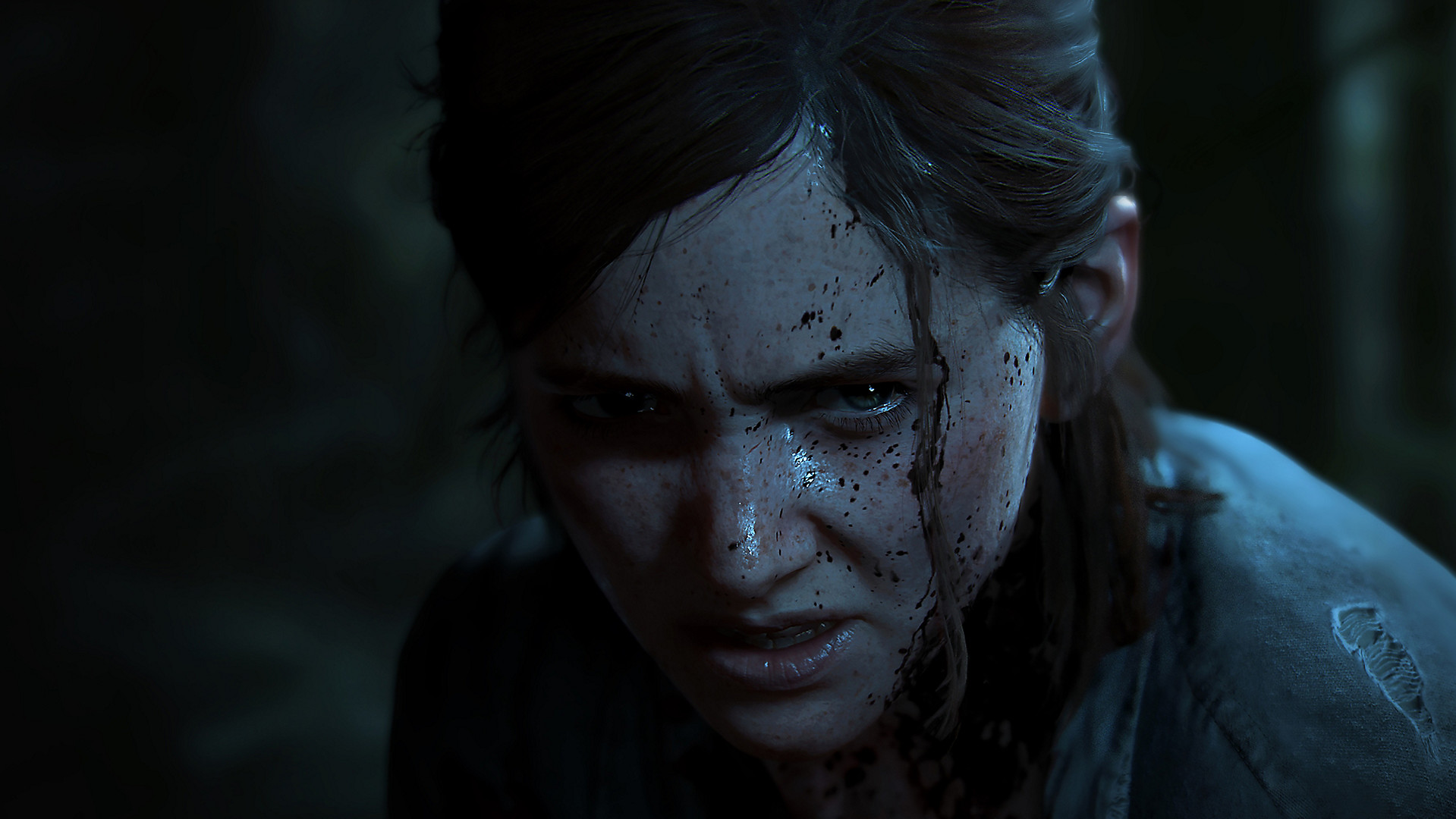
The highly anticipated sequel from Naughty Dog sparked intense debate among fans, largely due to story leaks and unexpected creative decisions involving the popular character Joel. While critics generally praised the game, initial player reviews were very negative, with many criticizing the focus on a new character, Abby, and what they saw as unfair treatment of established favorites. Many players felt the story prioritized shocking twists and social commentary over a fulfilling ending. Even now, the game remains a hugely divisive topic within the PlayStation community.
‘Overwatch 2’ (2022)
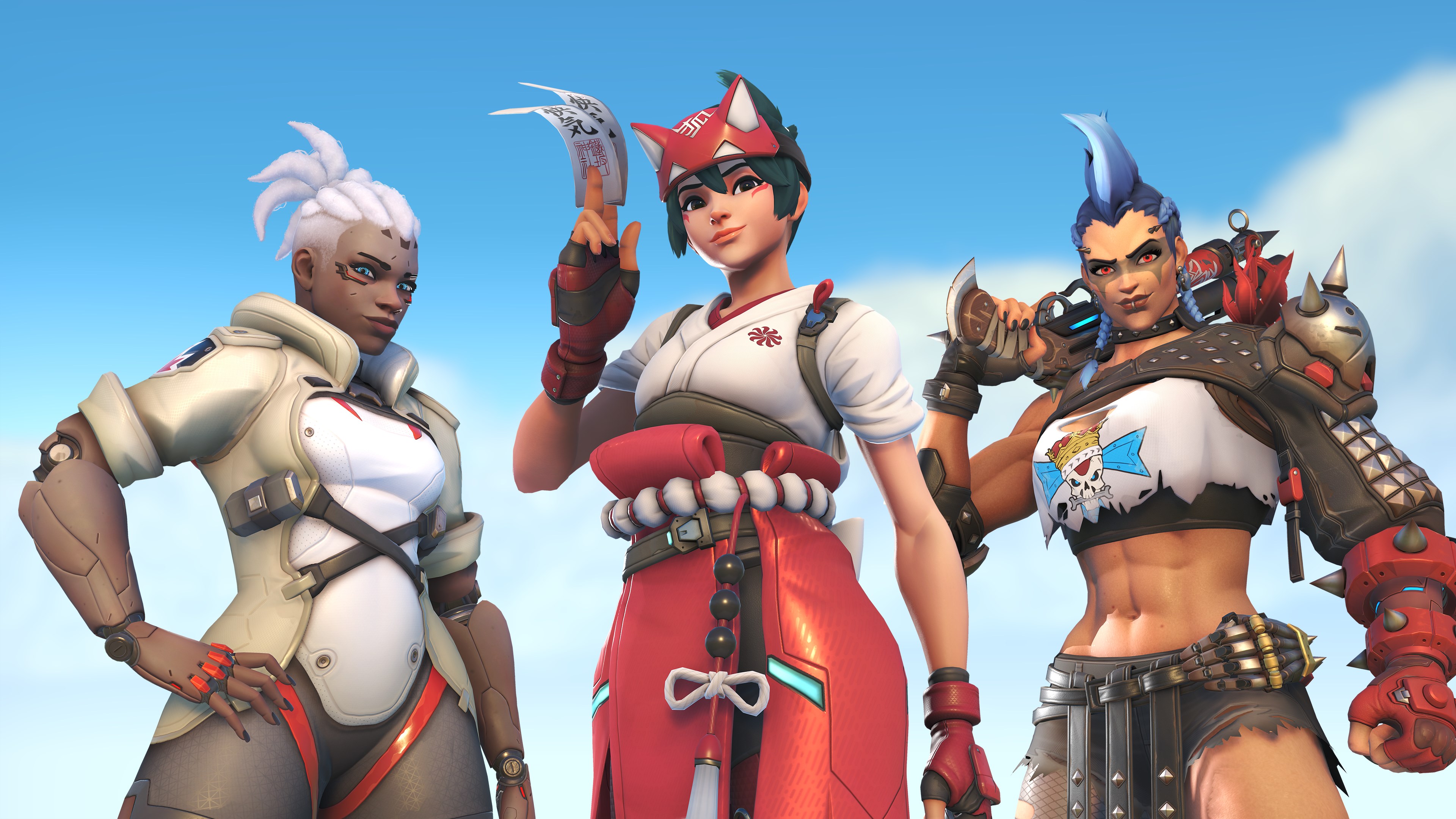
Blizzard received significant criticism after canceling the planned PvE hero mode, especially because they continued to focus on selling in-game items and adding content centered around character identities. Revealing characters’ sexual orientations and holding in-game Pride events led to discussions about whether these elements were appropriate for a competitive shooting game. Player reviews on Steam dropped dramatically, making it one of the platform’s lowest-rated games, as players expressed their disappointment. This decrease in player activity led the developers to re-evaluate their plans for future content and the game’s battle pass system.
‘Apex Legends’ (2019)
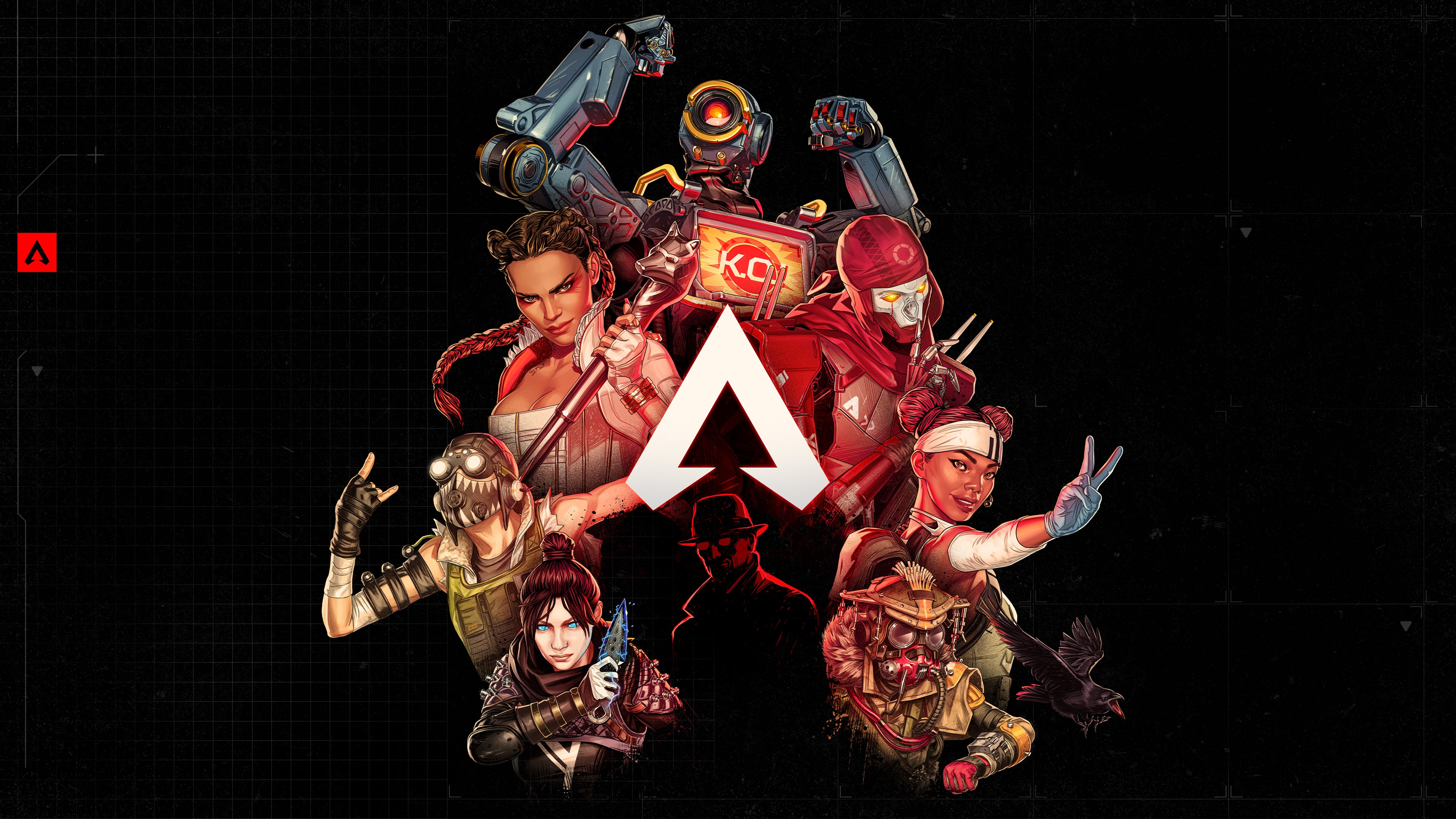
Respawn Entertainment has regularly added new characters to the game, including Catalyst, a transgender character. While many appreciated this move towards inclusivity, others felt the game’s story updates focused too much on representation and not enough on fixing problems like server issues and cheating. Some players also expressed frustration with the frequent emphasis on the characters’ sexual identities, which contributed to a decrease in player satisfaction and activity during certain seasons.
‘Starfield’ (2023)
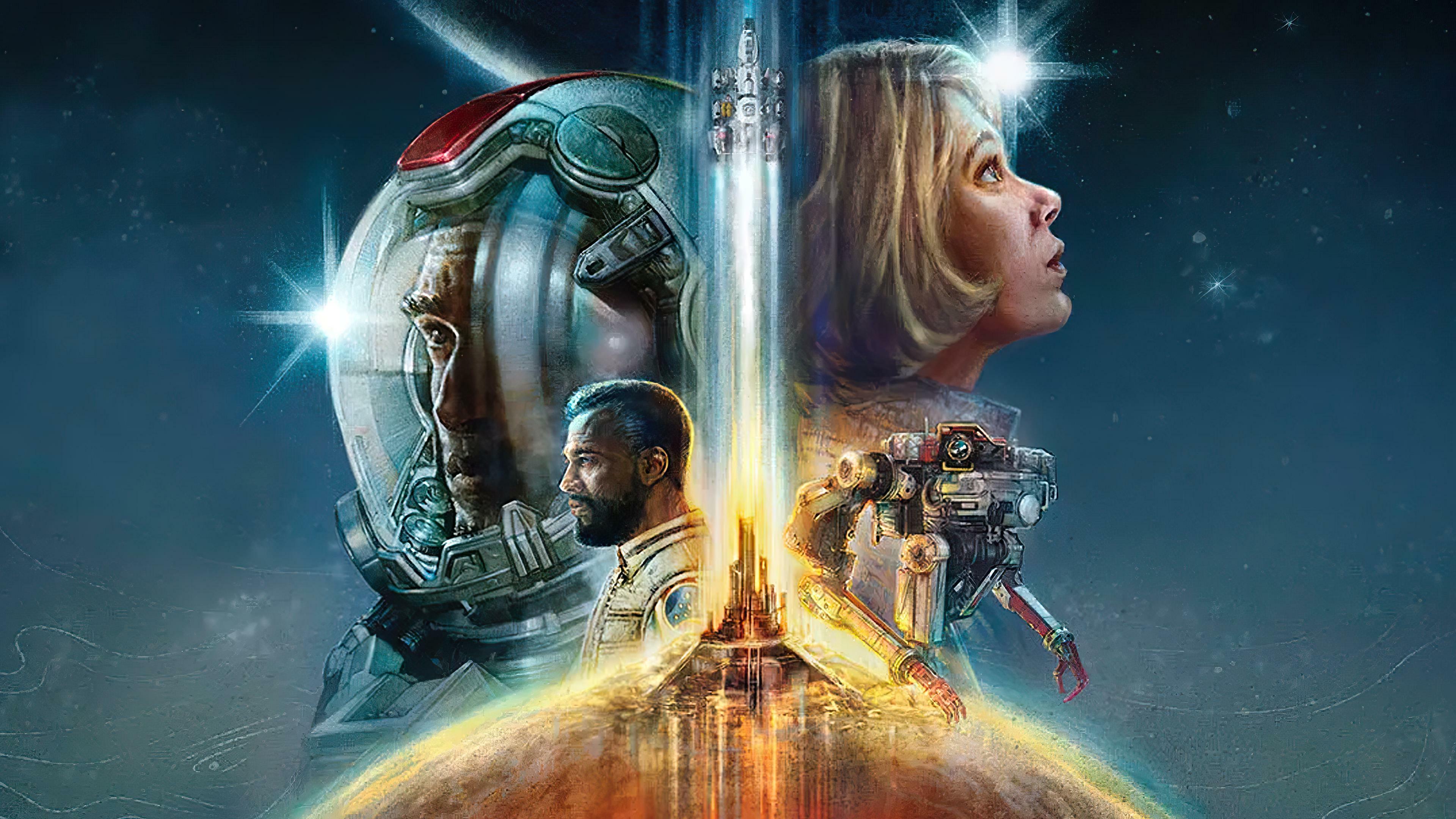
Bethesda Game Studios received backlash from players over the inclusion of pronoun options and the flexible character creation system, which blurred traditional gender lines. A popular streamer’s widely shared complaint voiced the frustration some felt about the introduction of contemporary social issues into a science fiction role-playing game. Following this, the game’s player numbers on Steam quickly decreased, with players citing both these political aspects and the game’s older design as reasons. Eventually, fans created modifications to remove these features, offering players who preferred a more classic experience an alternative.
‘Mortal Kombat 1’ (2023)
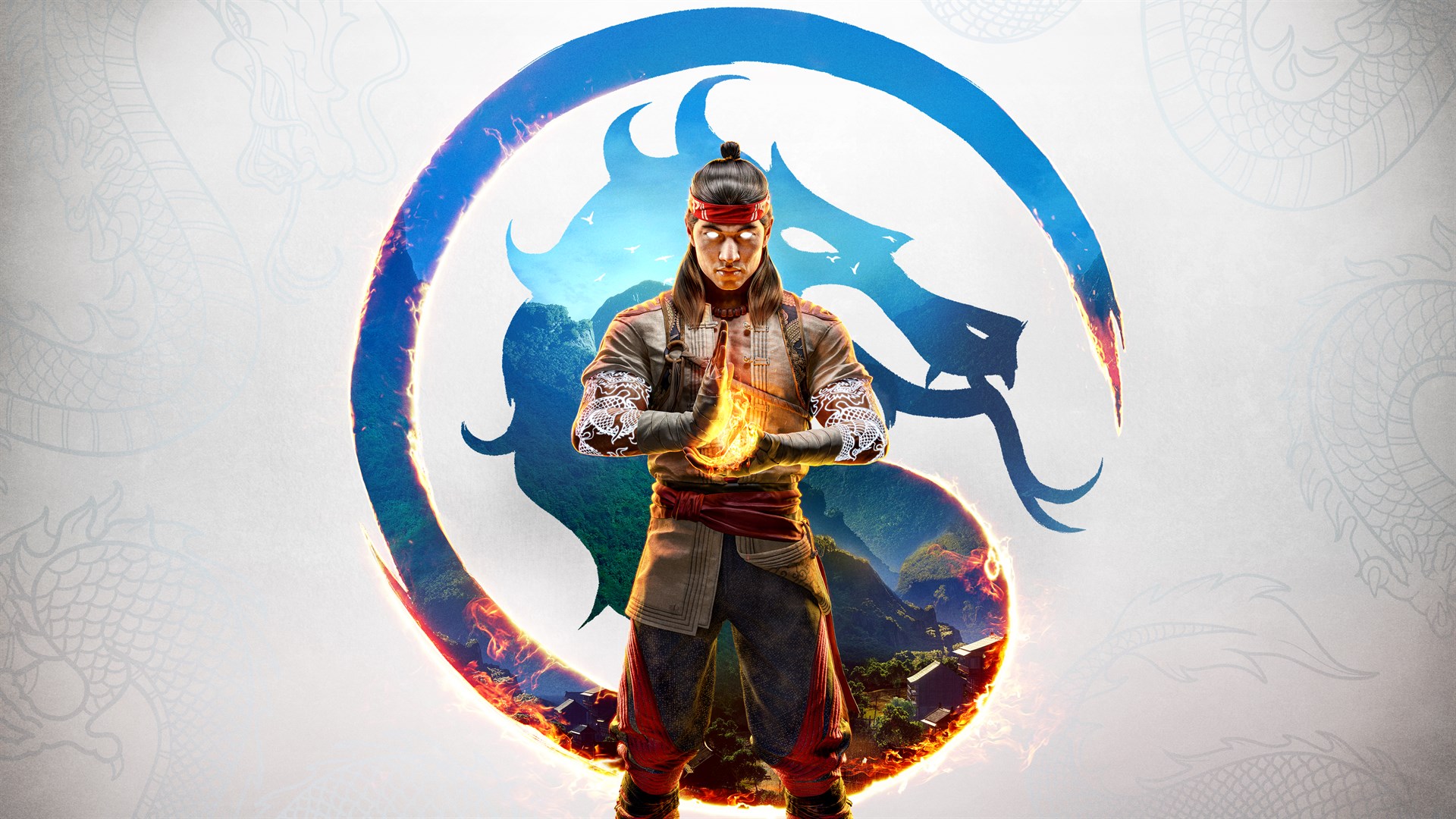
NetherRealm Studios faced backlash over the designs of female characters like Tanya, with fans saying they were less striking than in previous games. Some players believed the developers deliberately made the characters less visually appealing to satisfy concerns raised by sensitivity consultants. This change in style, along with the game’s use of microtransactions, upset many in the community and led to negative reviews. As a result, the game had trouble attracting and keeping the casual players who typically enjoy the franchise’s bold and dramatic style.
‘Marvel’s Spider-Man 2’ (2023)
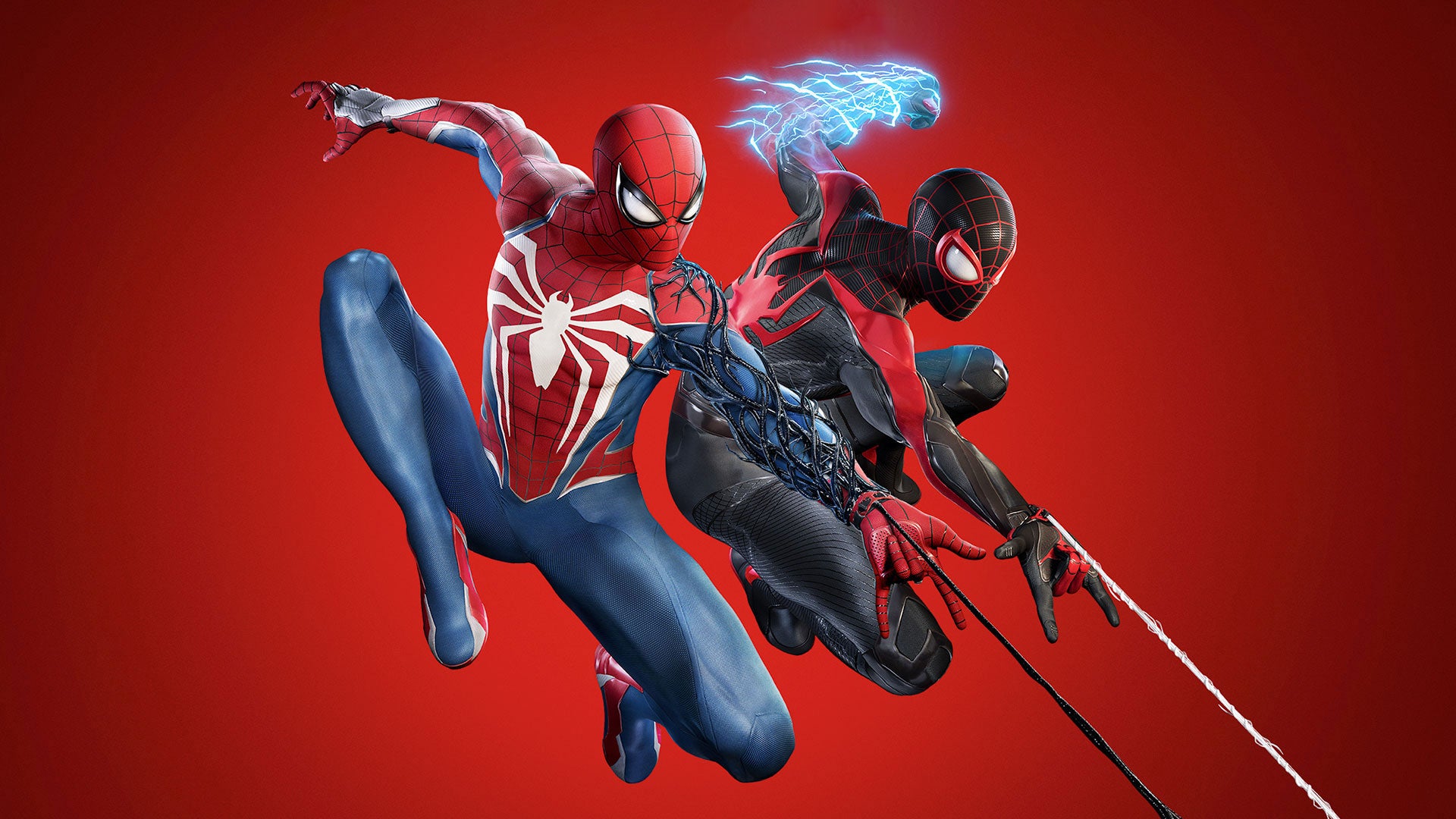
Insomniac Games received criticism for adding a lot of pride flags to the game’s virtual New York City and updating Spanish dialogue to be gender-neutral. Players also disliked missions where they played as Mary Jane, finding her sections too easy and distracting from the main heroes. While the game sold well, the focus on social justice issues divided the player base, with some feeling like the game was trying to preach to them instead of providing a fun superhero experience.
‘World of Warcraft’ (2004)
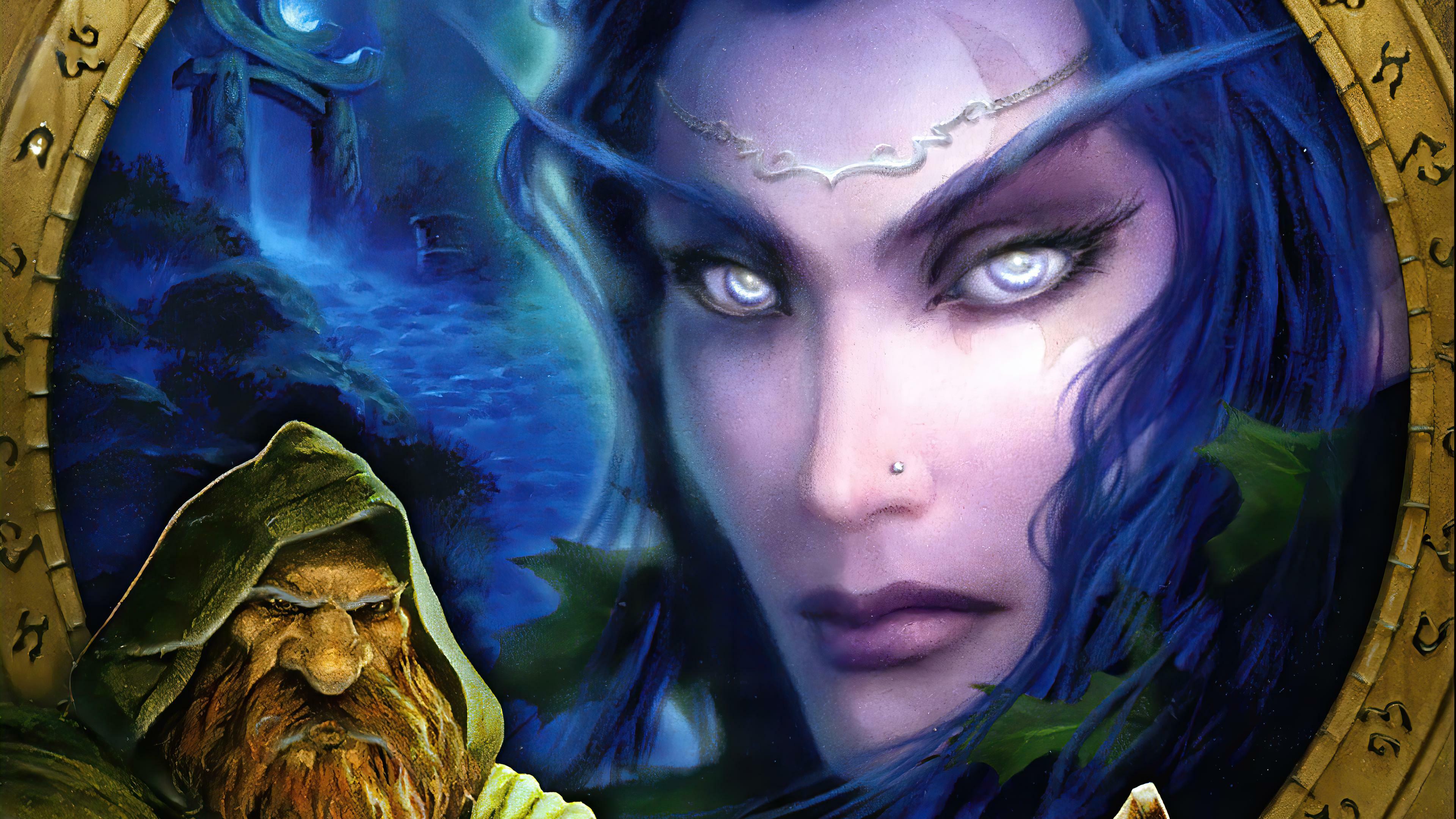
Blizzard made several updates to their classic online game, removing jokes and changing artwork considered offensive by today’s standards. They also allowed players to customize character bodies without being limited by traditional gender roles and updated the language used during character creation. Many longtime players felt these changes were unnecessary censorship that softened the game’s original, sometimes dark, tone. Combined with disappointing new content, these shifts led to players losing interest during the Shadowlands period.
‘Dead Rising Deluxe Remaster’ (2024)
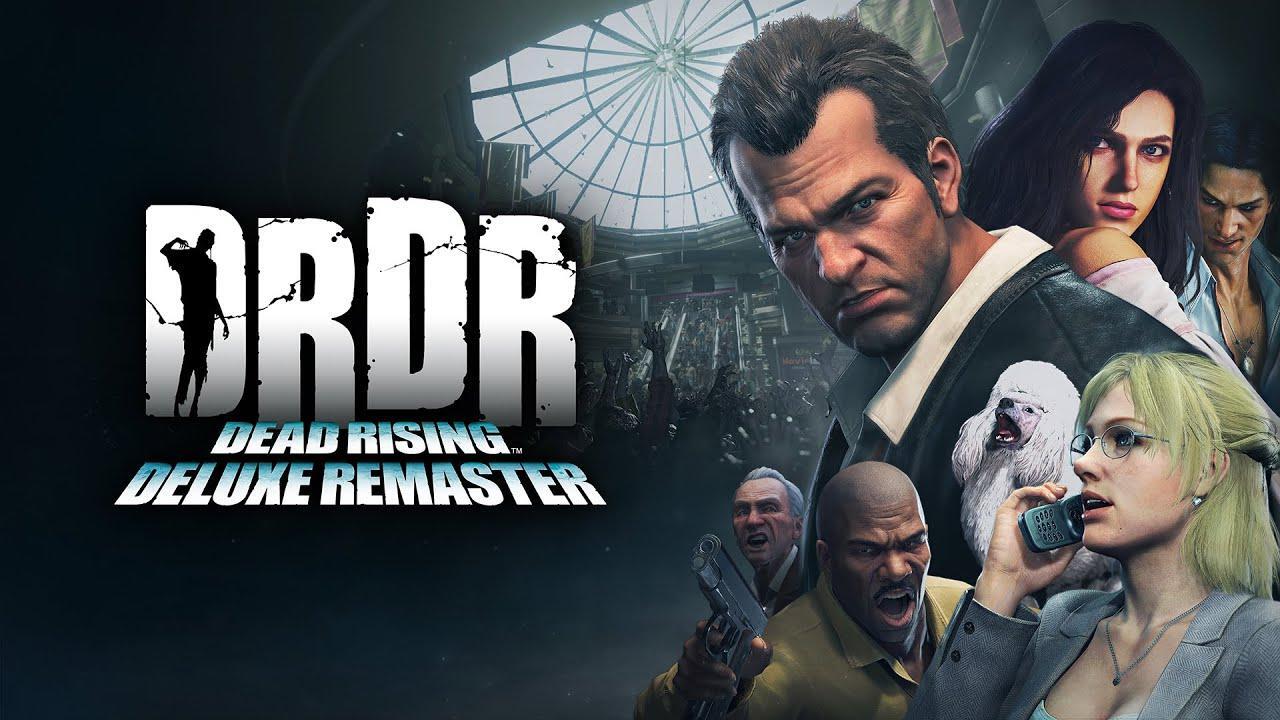
In this updated version of the game, Capcom removed the ability to take erotic photos and changed some lines spoken by a veteran boss character to remove references to communism. Some longtime fans felt these changes watered down the original game’s quirky and over-the-top style, sparking a debate about how much older games should be changed for modern audiences. As a result, many fans of the original version chose not to purchase the updated release.
‘Dragon Age: The Veilguard’ (2024)
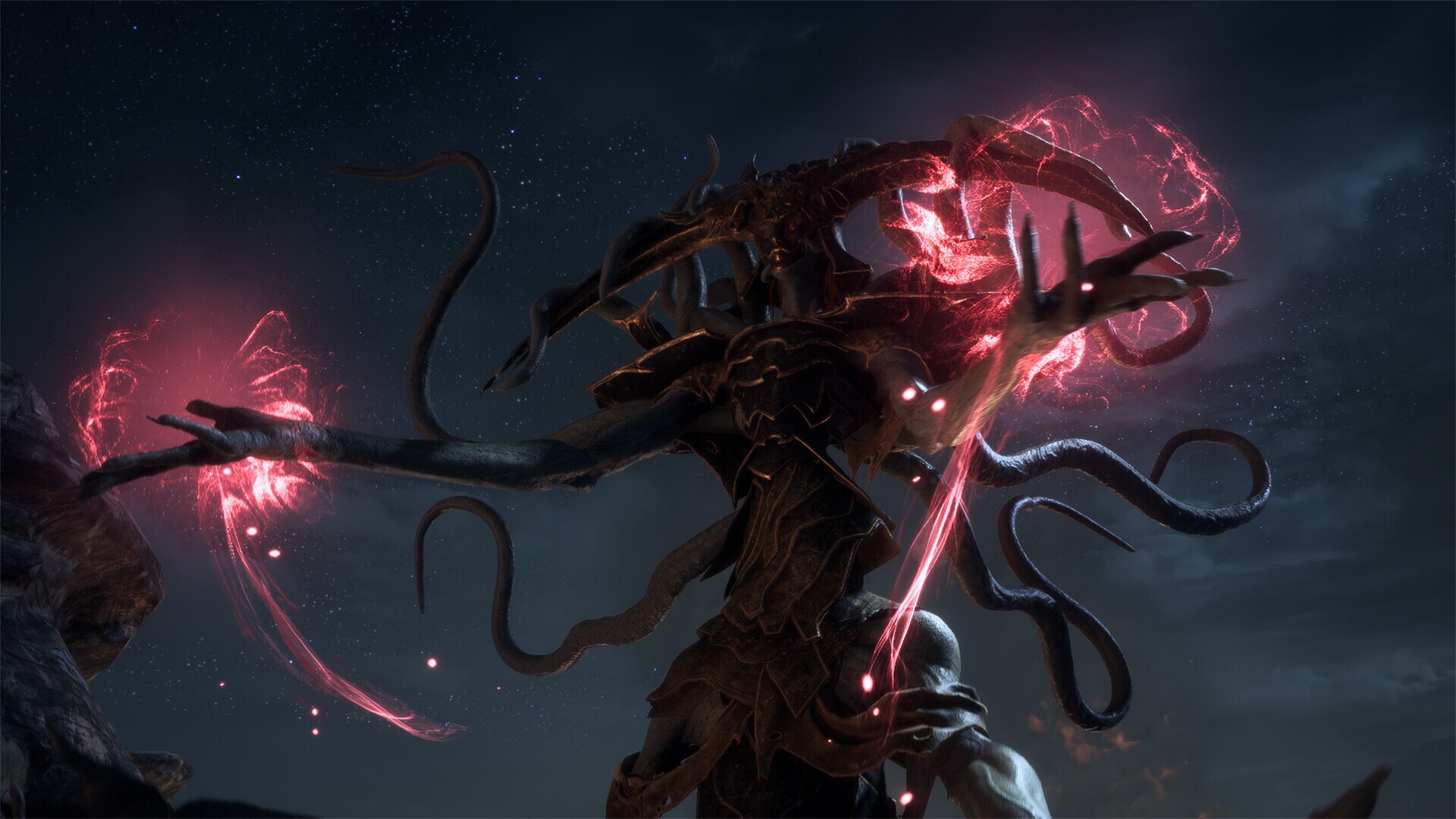
BioWare’s latest game offered detailed character customization, including options like scars from top surgery and gender-neutral dialogue. While the writers explored themes of identity, some players and critics felt this didn’t quite fit the game’s traditionally dark and gritty world. Before the game even released, discussions about its approach to gender identity online led to some negative reactions. This change in focus from the series’ original, more serious tone disappointed some longtime RPG fans.
‘Assassin’s Creed Shadows’ (2025)
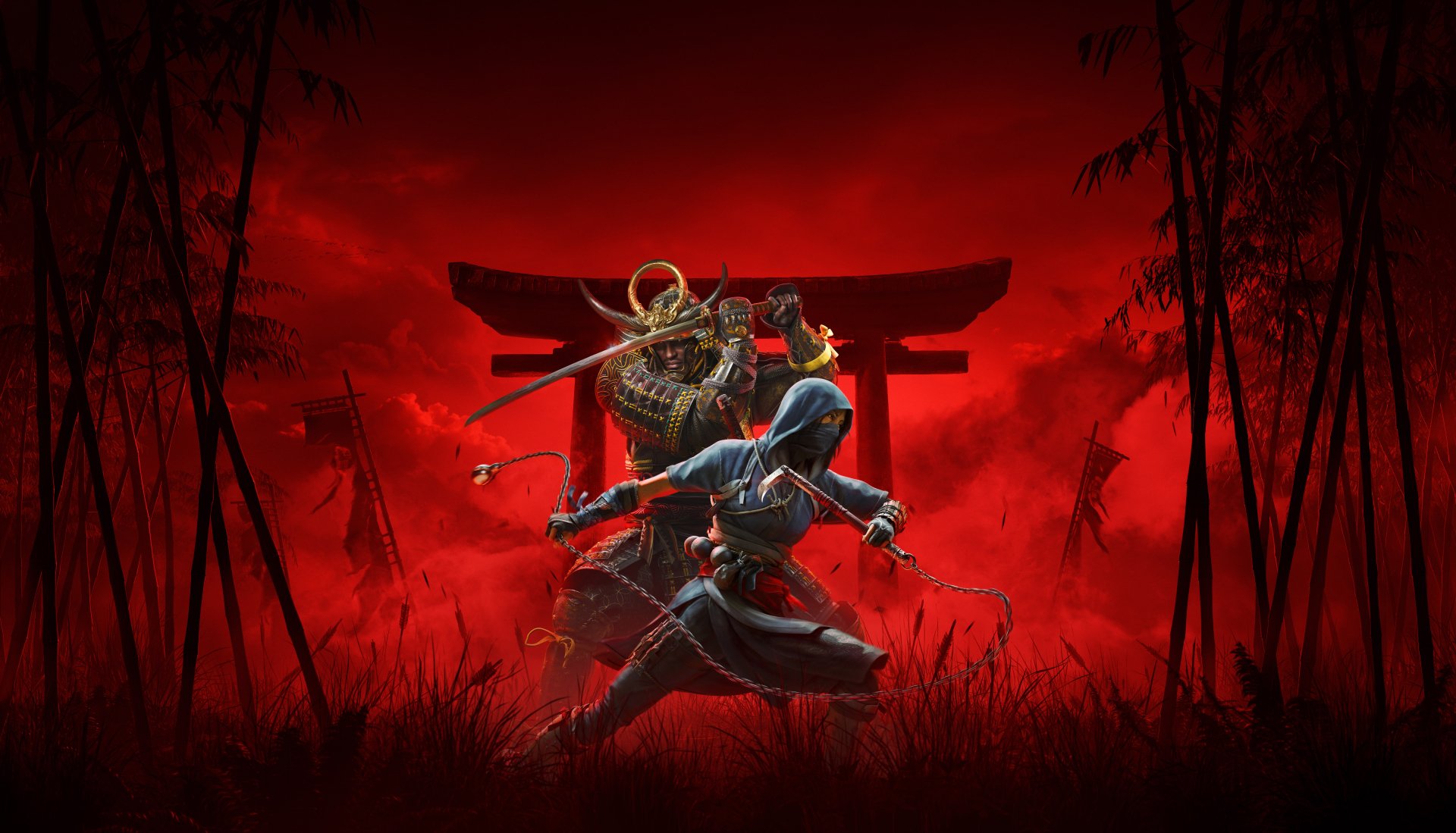
Ubisoft ran into major trouble with the public after announcing Yasuke as a key character in their game set in feudal Japan. Many Japanese players and historians criticized the portrayal as inaccurate and accused the company of changing history to push a Western-focused diversity initiative. The strong negative reaction to the game’s trailers led Ubisoft to postpone its release so they could address these concerns, and a significant number of pre-orders were cancelled as people lost faith in the brand.
‘Silent Hill 2’ (2024)
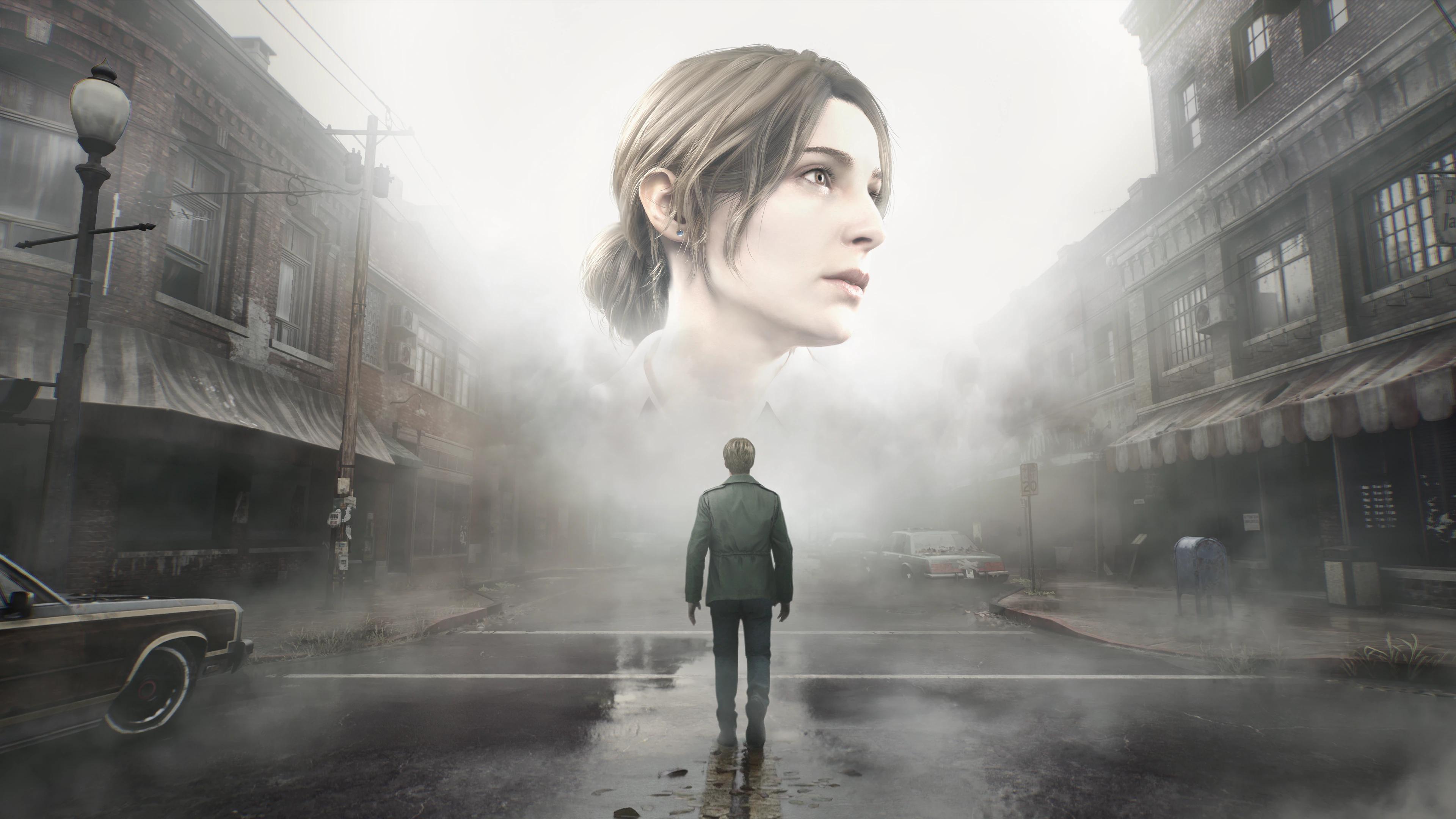
The updated version of this classic horror game received criticism for small changes made to characters like Angela and Maria. Some players closely examined the character models and outfits, believing the changes were meant to make the female characters less sexualized. The developers, Bloober Team, had to carefully manage fan expectations, as many worried that modern standards of sensitivity would soften the original game’s mature content. This led to a lot of debate and a divided reaction before the game was released.
‘Unknown 9: Awakening’ (2024)
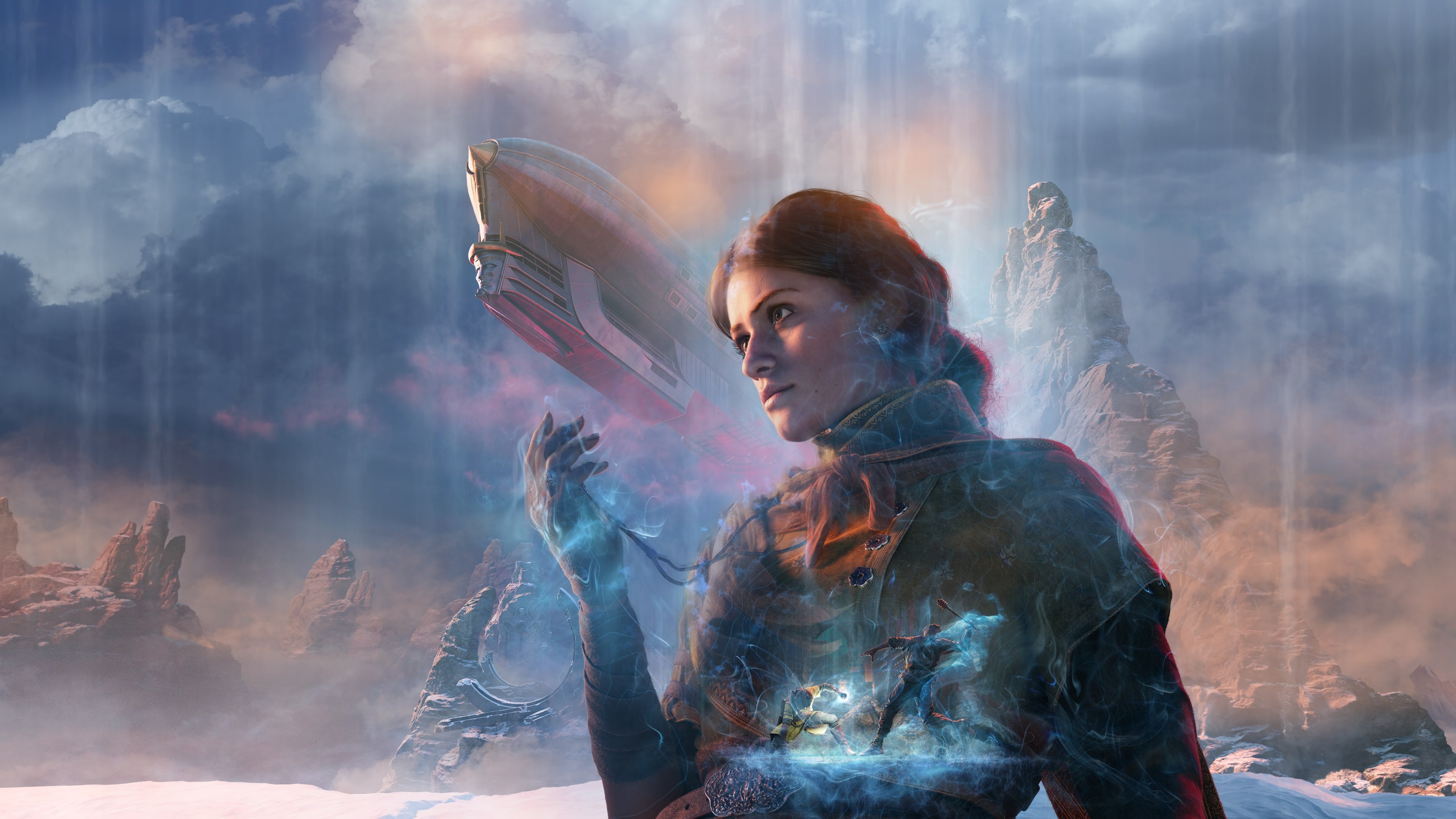
Bandai Namco released this action game with a main character intentionally designed to break away from typical beauty ideals. However, the game faced criticism because of the involvement of Sweet Baby Inc., a company that helped with the story, with some groups raising concerns about its potential influence on the game’s themes. Ultimately, the game didn’t sell well and was largely overlooked by players, likely due to both the character’s appearance and the controversy surrounding the development process.
‘Forspoken’ (2023)
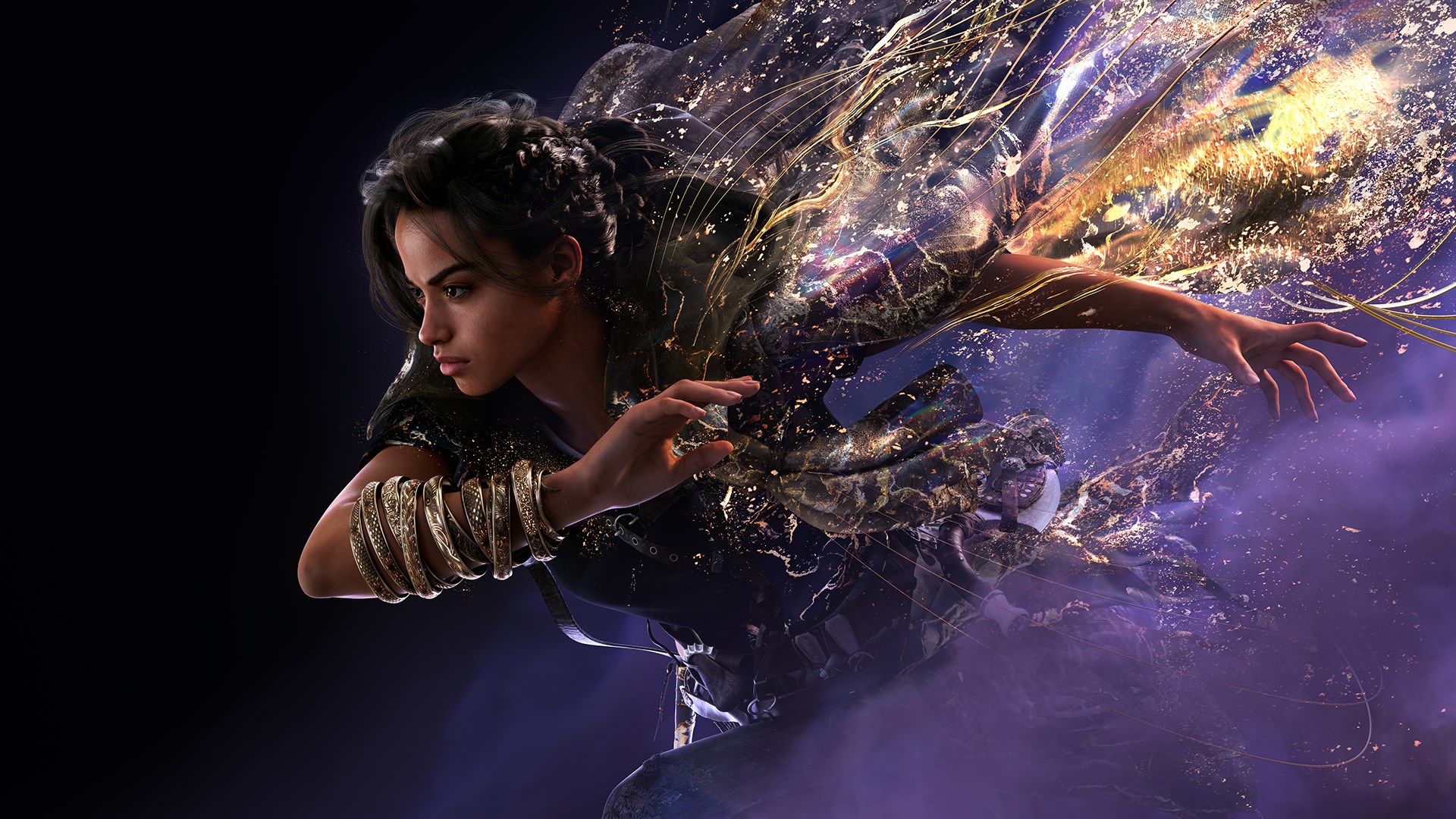
Square Enix’s new open-world magic game faced immediate criticism due to its main character’s awkward and overly sensitive dialogue. The writing aimed for a contemporary feel, but many players found it annoying and off-putting. Viral clips showcasing the character rudely interacting with other characters quickly harmed the game’s reputation, ultimately leading to the game’s development team being merged back into Square Enix.
‘Gotham Knights’ (2022)
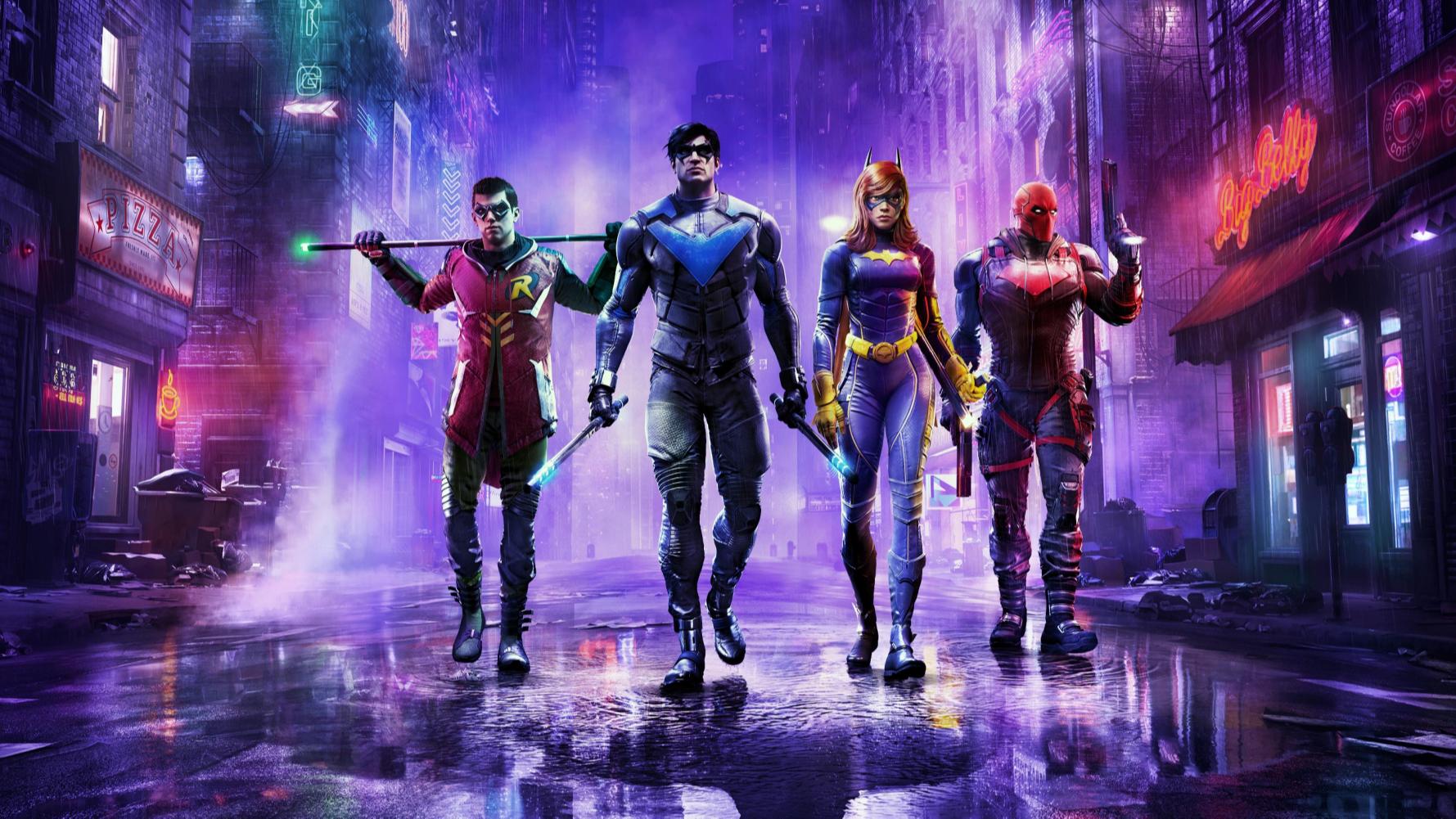
Warner Bros Montreal’s take on the Batman universe featured updates like pride flags in the police station and a revised origin story for Barbara Gordon. While the game had technical problems, some of the story changes also upset longtime comic book fans. Many players found the focus on teen relationships and social issues overshadowed the expected dark and intense crime-fighting. As a result, the game didn’t hold onto many players for long and was soon sold at reduced prices.
‘Horizon Forbidden West’ (2022)
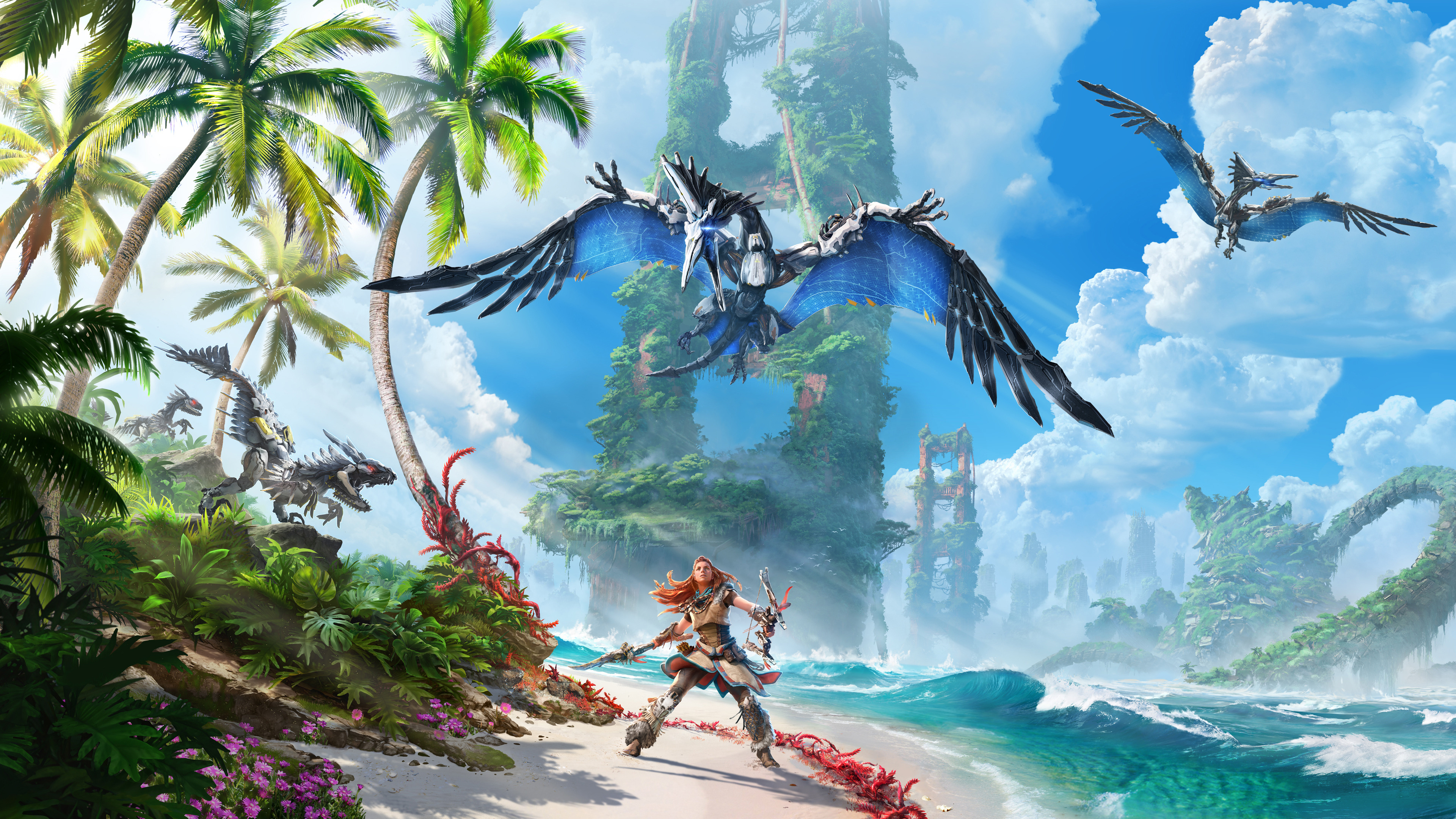
The new ‘Burning Shores’ expansion for the popular open-world game received a wave of negative user reviews on Metacritic after a scene allowed players to have Aloy kiss a female character. Players against this romantic option deliberately lowered the score by leaving zero ratings. This sparked controversy, forcing Sony to address the situation as discussion moved from the game’s quality to the protagonist’s sexuality. The incident underscored the challenges and continued debate surrounding LGBTQ+ representation in major video games.
‘Tom Clancy’s Rainbow Six Siege’ (2015)
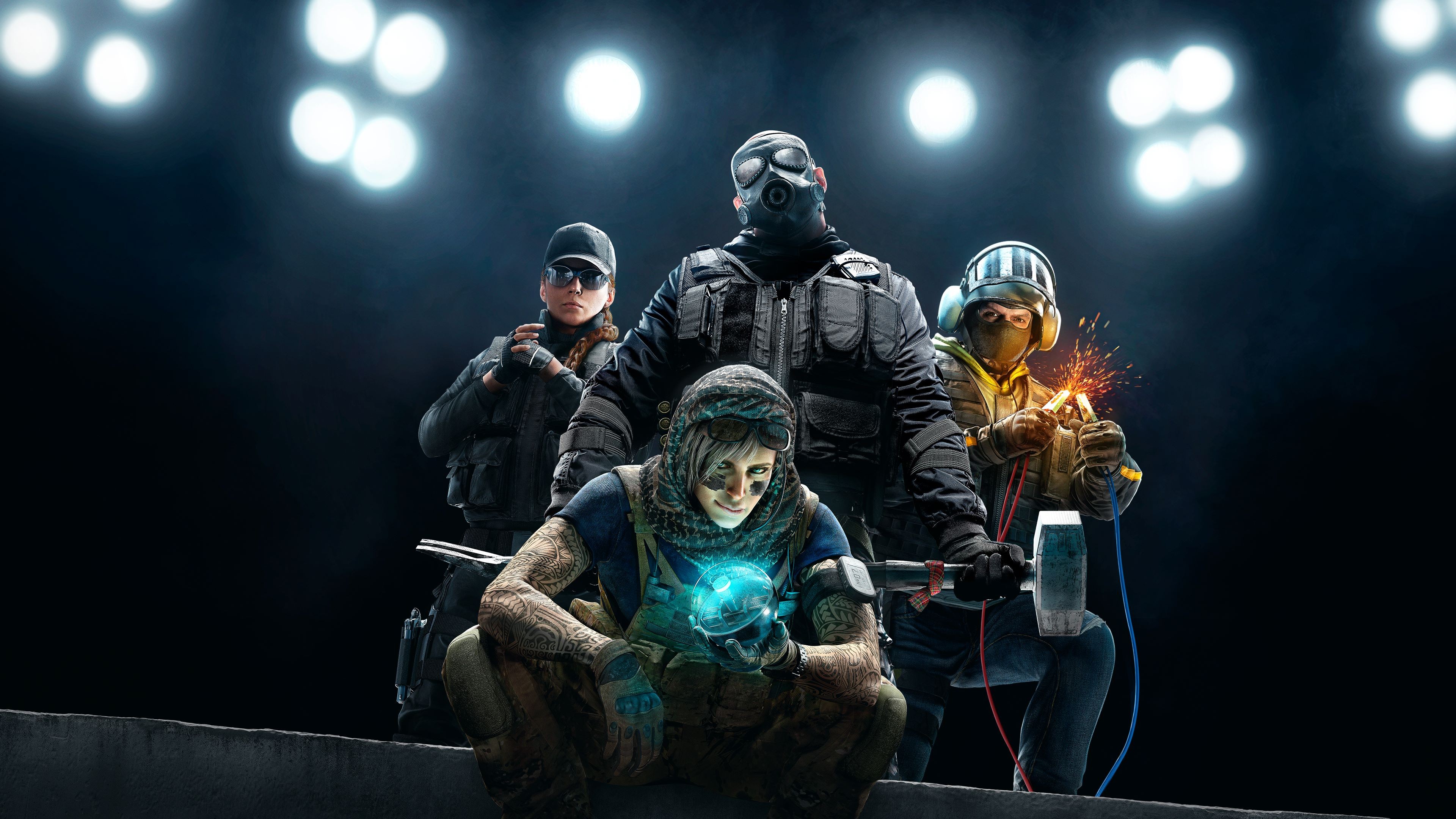
Rainbow Six Siege started as a realistic, tactical shooter focused on counter-terrorism. Over time, Ubisoft gradually changed it into a game with unique characters and more vibrant, fantastical elements. This included characters with diverse backgrounds and identities, as well as special in-game items celebrating Pride. These changes upset some players in the ‘milsim’ community—those who prefer highly realistic gameplay—who felt it damaged the game’s serious and immersive atmosphere. As a result, some long-time players left to find more authentic tactical experiences elsewhere.
‘The Sims 4’ (2014)
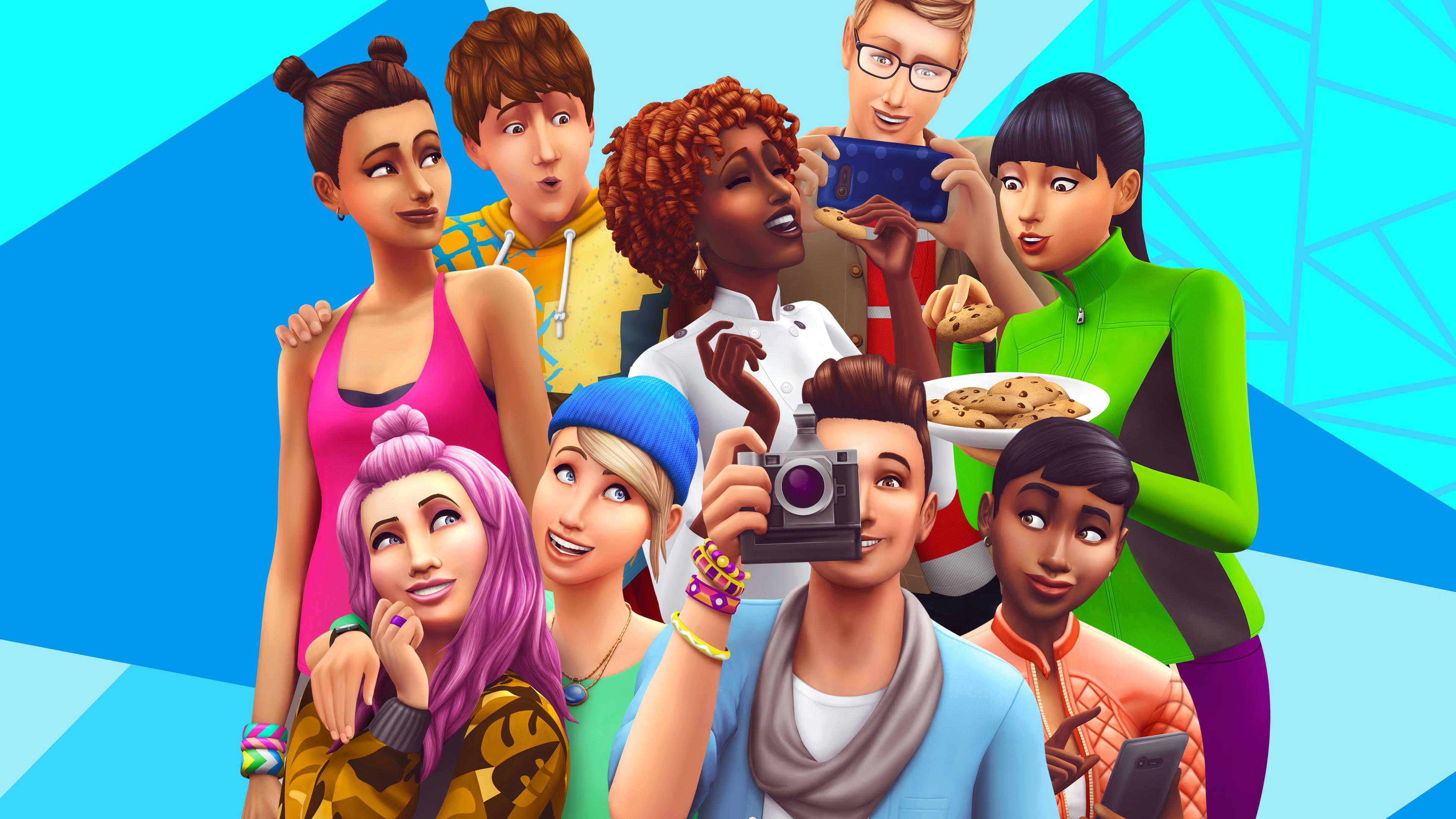
EA recently updated its life simulation game to include options for players to customize pronouns and sexual orientation. Although many fans of the game are open-minded, some felt the updates caused technical issues and put too much emphasis on identity-related features. The game’s switch to a free-to-play system also raised concerns about how these inclusive features were being used to generate revenue. Some players voiced their disappointment that the developers were prioritizing social updates over improving the game’s core gameplay.
‘Guilty Gear Strive’ (2021)
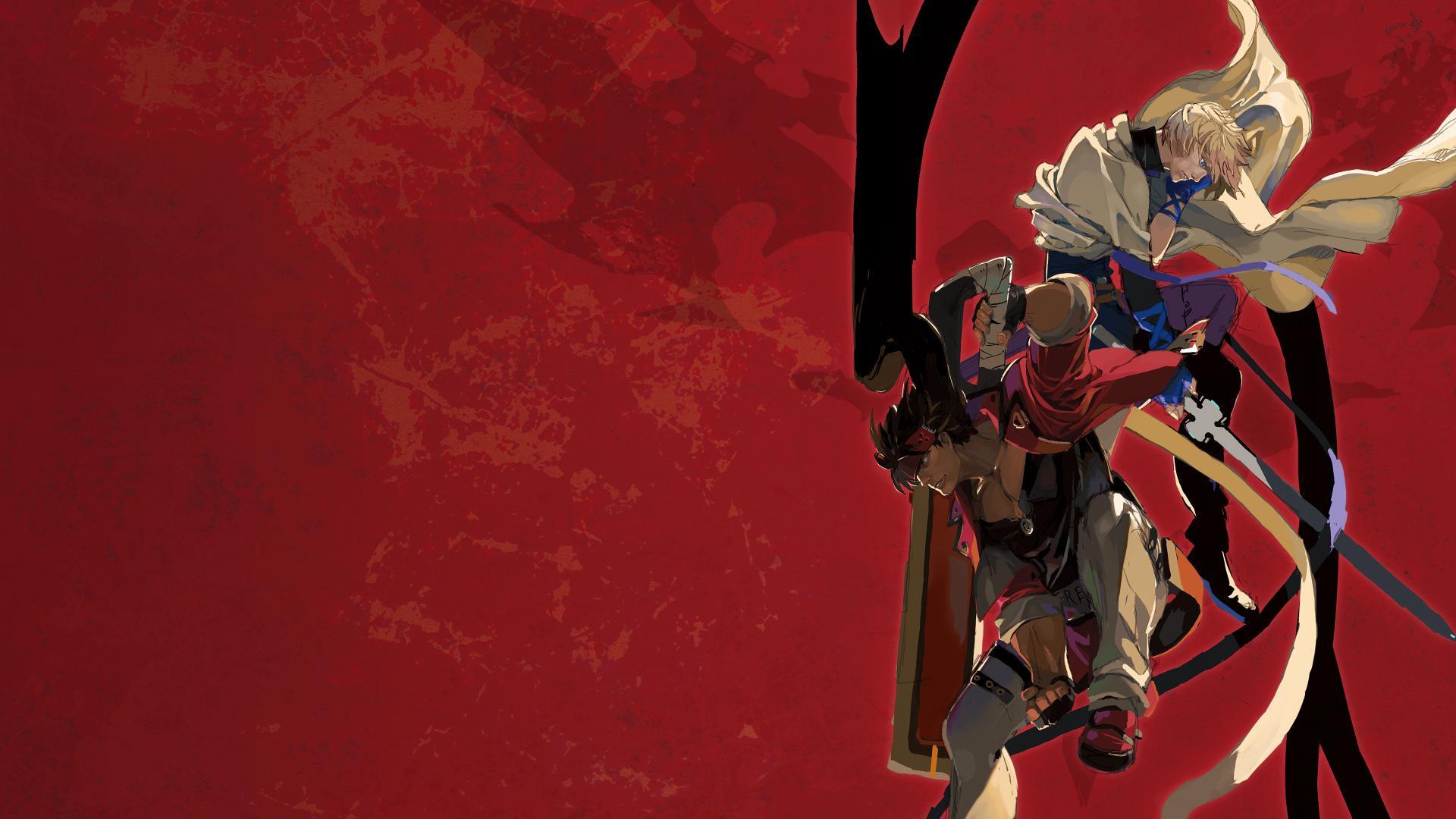
Arc System Works has confirmed that the character Bridget now identifies as a woman in the newest version of the fighting game. This announcement sparked a large debate among fans about the character’s backstory and how accurately it was translated and adapted for different regions. Some longtime players believed the change was made to align with western social views, rather than reflecting the original creator’s intent. The discussion quickly became a major topic online, drawing attention away from the game’s gameplay improvements for several months.
‘Mass Effect Legendary Edition’ (2021)
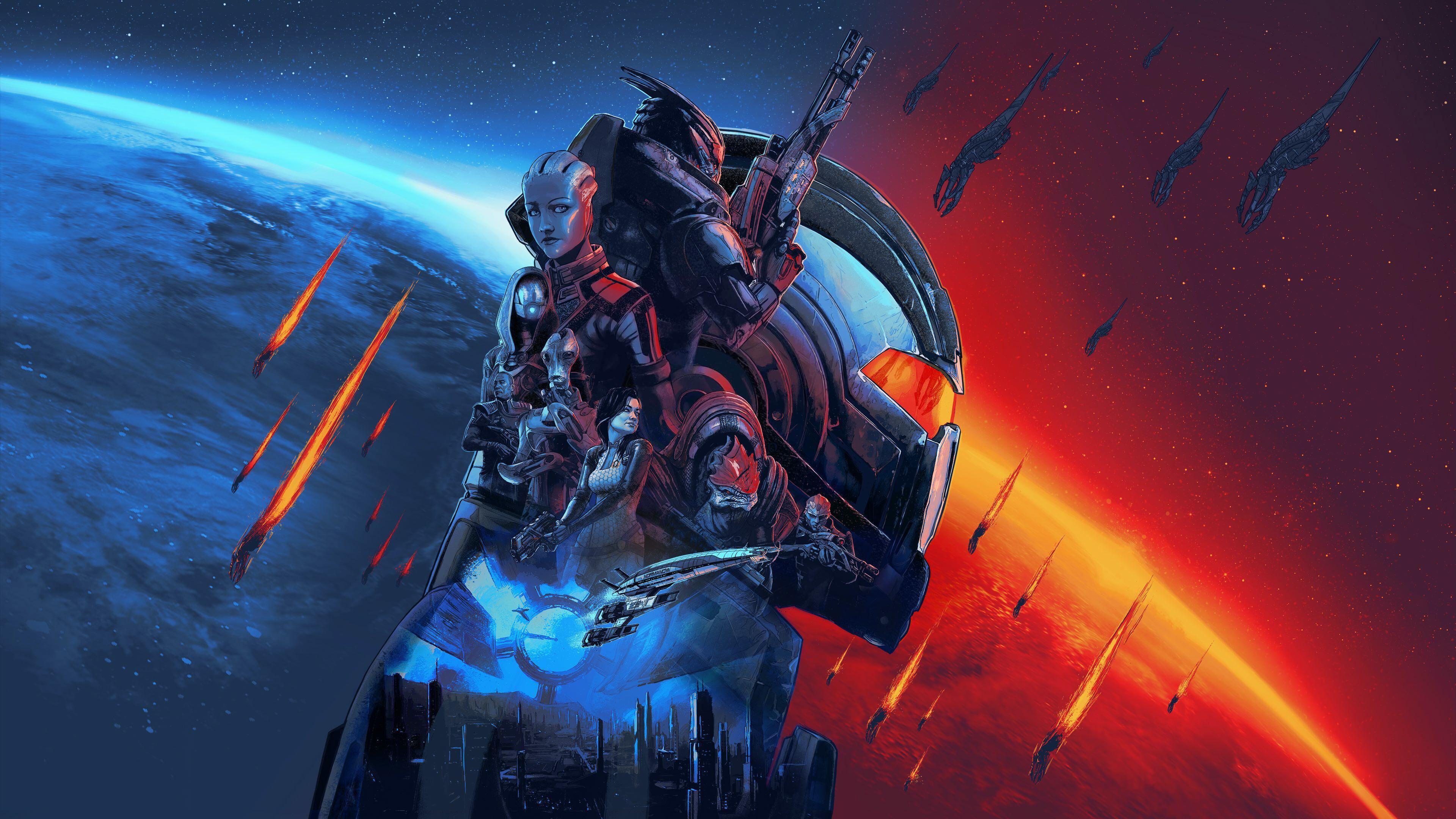
When BioWare remastered the Mass Effect trilogy, they adjusted some camera angles to avoid focusing on the rear views of female characters like Miranda. They explained this was to update the game’s presentation and prevent objectification. However, some longtime fans felt this was an unnecessary change to an adult-rated game and criticized it as censorship. This sparked a discussion about balancing artistic vision with modern expectations during the game’s release.
‘Call of Duty: Modern Warfare II’ (2022)
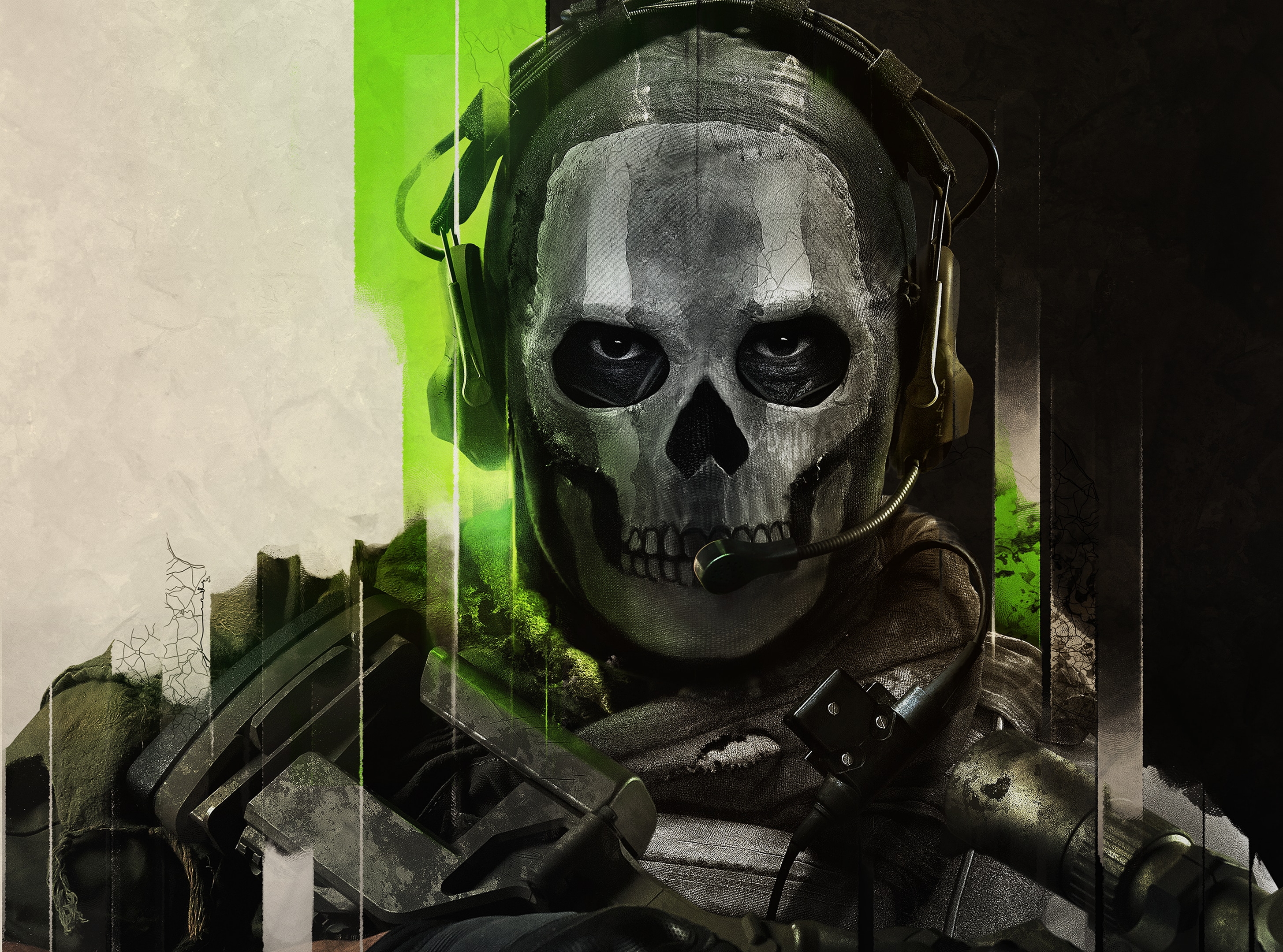
Activision took down a special item pack for streamer Nickmercs after he made a statement some found controversial about school policies related to LGBTQ+ issues. This led to players protesting, believing Activision was taking sides politically and unfairly punishing a creator. Several other streamers asked Activision to remove their own items in support of Nickmercs. The situation briefly upset many players and showed the conflict between what companies believe in and what the gaming community wants.
‘Wolfenstein: Youngblood’ (2019)
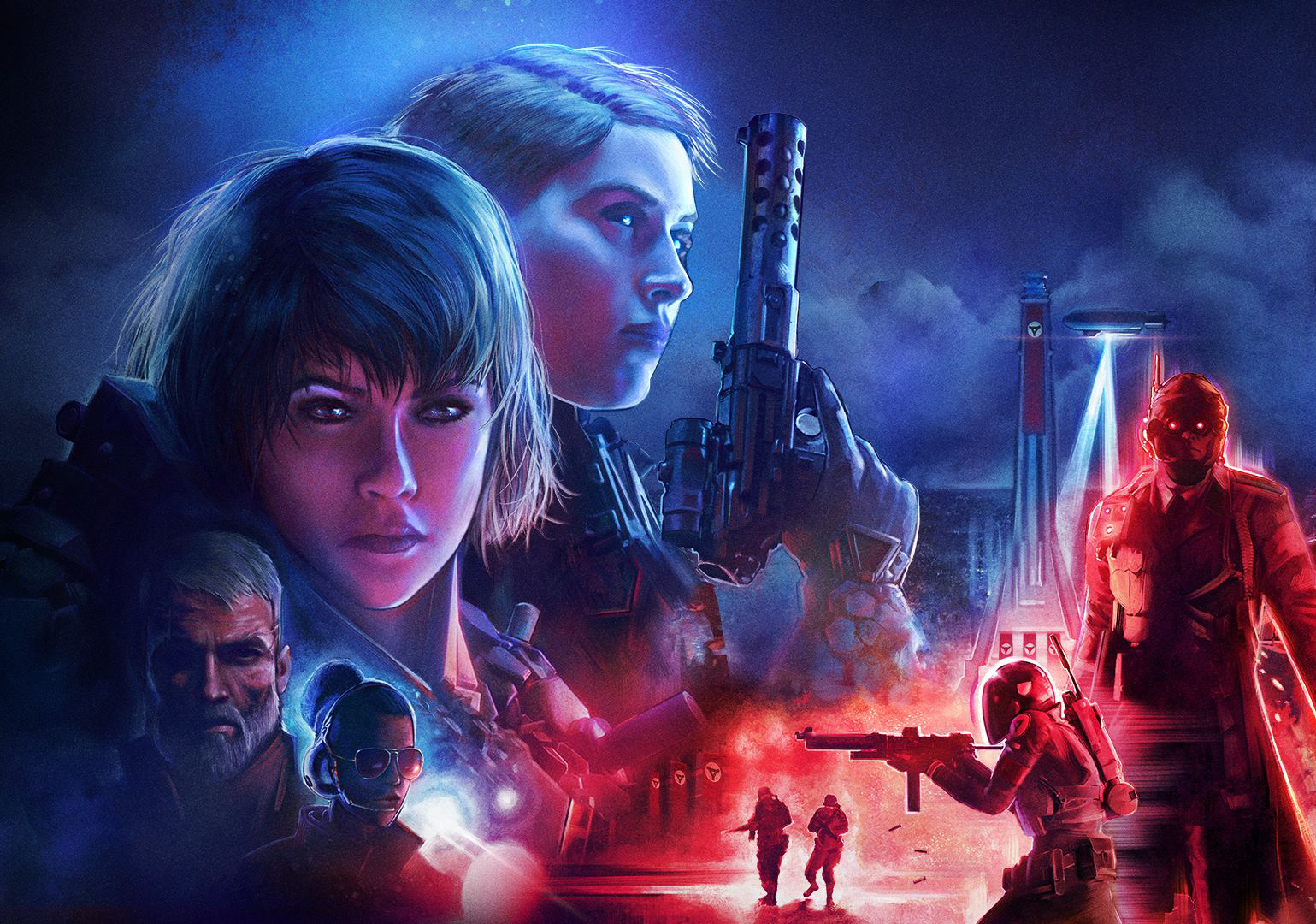
This spin-off game moved away from the original hero, BJ Blazkowicz, and instead featured his twin daughters as playable characters in a cooperative shooter. However, it received criticism for its immature dialogue and its heavy-handed attempt to portray a ‘girl power’ story. Many players found the characters irritating and the game’s humor didn’t fit the dark and serious atmosphere of earlier titles. Because of these story choices, it’s often considered the weakest entry in the rebooted series.
‘Alan Wake 2’ (2023)
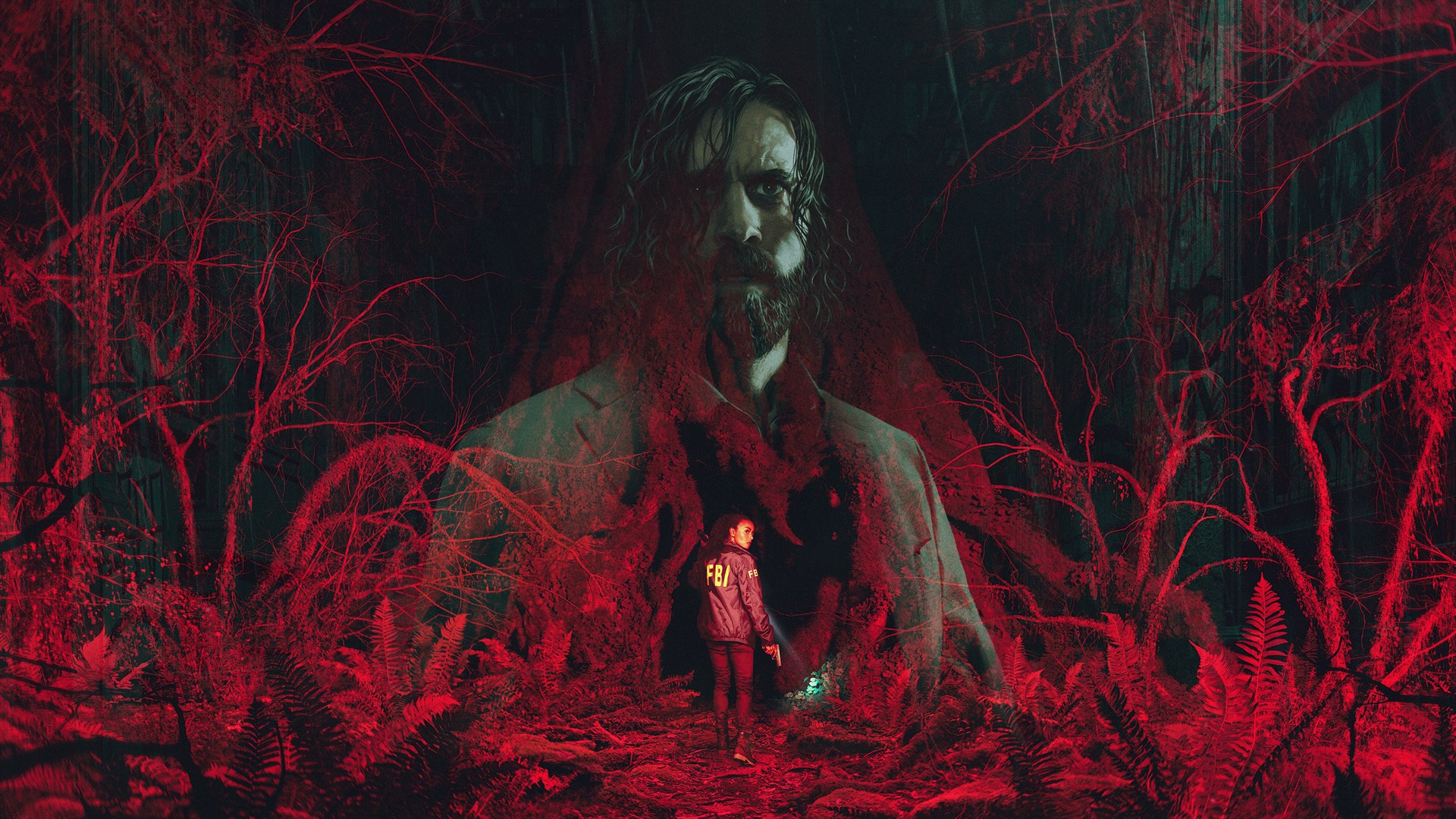
Okay, so there was a bit of a drama with Remedy’s latest game. They showed off a character, Saga Anderson, in a teaser and she looked white. But when the game actually came out, she was Black. It caused a huge debate online – some people accused the developers of just checking boxes for diversity, while others said it was a creative choice. The game itself got good reviews, but the player scores were definitely lower because a lot of people were upset about the change. Honestly, it was a big topic for anyone who’d been following the game’s development for a while.
‘Far Cry 6’ (2021)
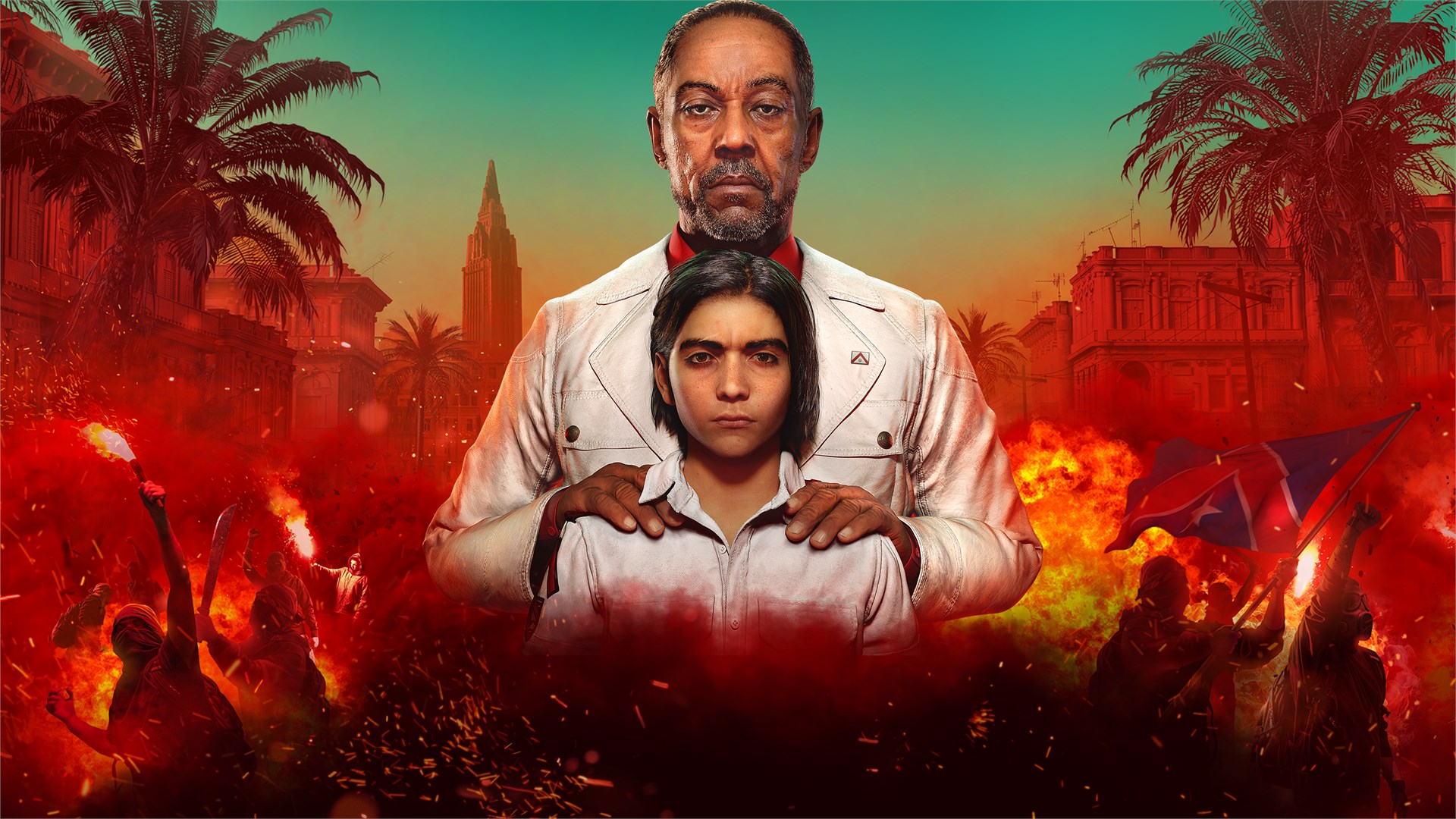
Ubisoft’s latest game included a transgender character, Rosa Mel Paquete, and explored political themes that some found overly assertive. Critics felt the storyline about her transition didn’t quite fit the game’s fast-paced, unpredictable world. Many players also expressed frustration with what they saw as excessive political messaging, especially since the series was previously celebrated for its over-the-top villains and chaotic gameplay. This mixed reaction contributed to a sense that the franchise is becoming stale.
‘Gears 5’ (2019)
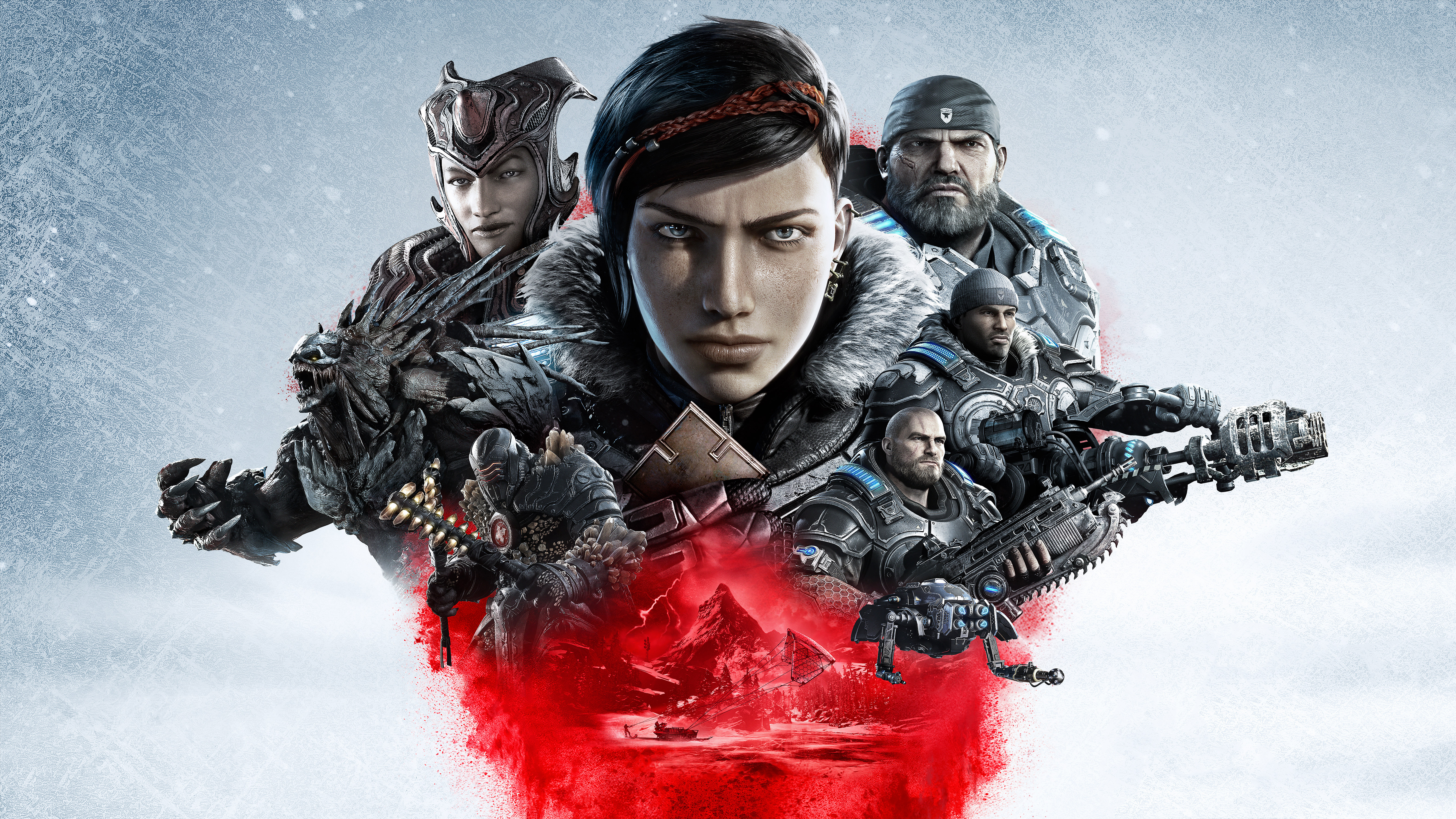
The latest Gears of War games moved the main character from JD Fenix to Kait Diaz and removed all references to smoking. Some longtime fans, who enjoyed the tough, action-focused feel of the original games, felt the series was becoming less masculine in an attempt to attract more players. The new focus on Kait’s personal story didn’t connect with the original fans, who missed the strong sense of camaraderie seen in the earlier games. As a result, player interest declined compared to the series’ peak popularity on the Xbox 360.
‘New Tales from the Borderlands’ (2022)
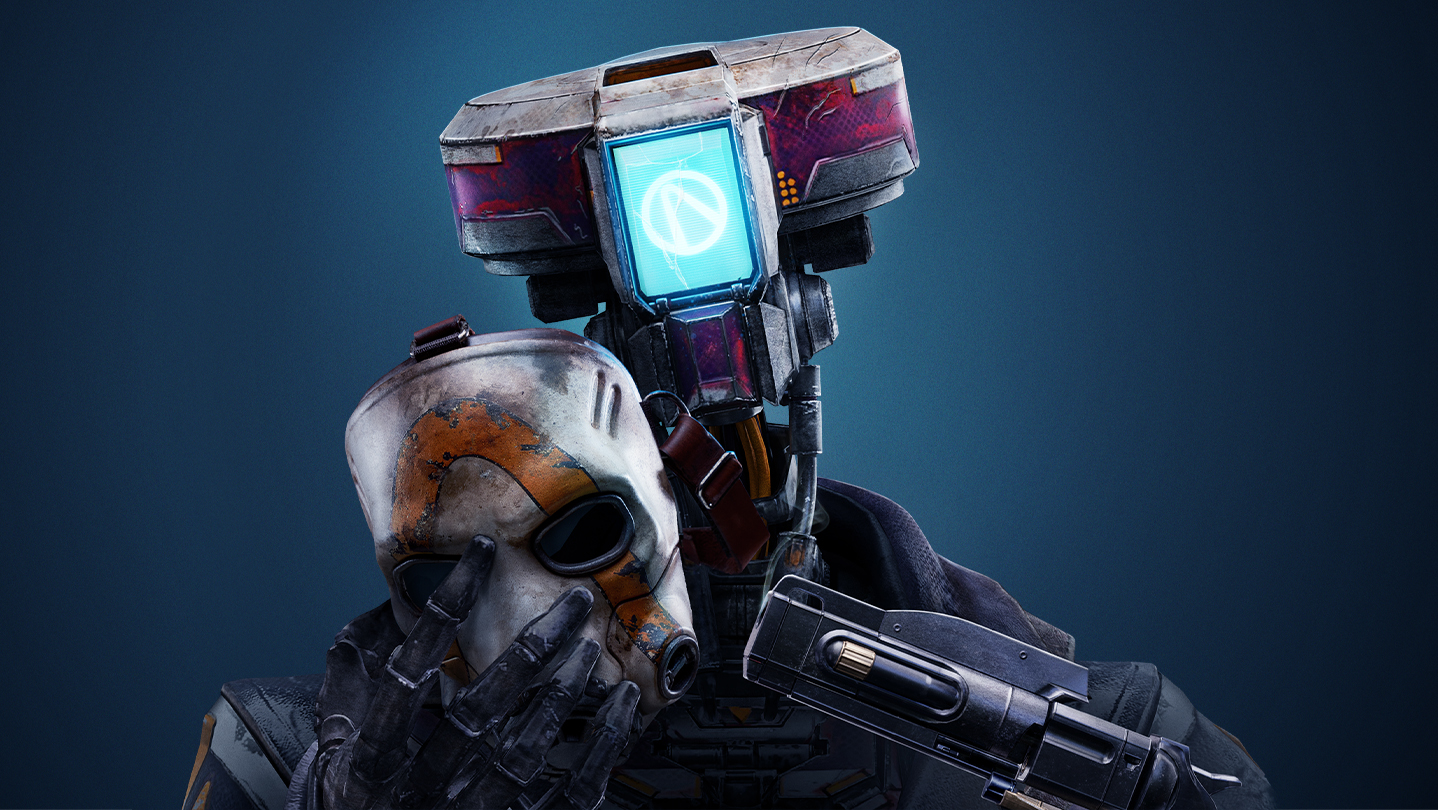
Gearbox’s new story-driven game introduced a cast of characters that many players disliked. The writing explored themes of modern social issues and peaceful solutions, a departure from the Borderlands universe’s usual violence and dark comedy. Critics heavily disapproved, with fans missing the clever humor of the earlier Telltale game. As a result, the game quickly faded into obscurity and was seen as a storytelling misstep for the Borderlands franchise.
‘State of Decay 2’ (2018)
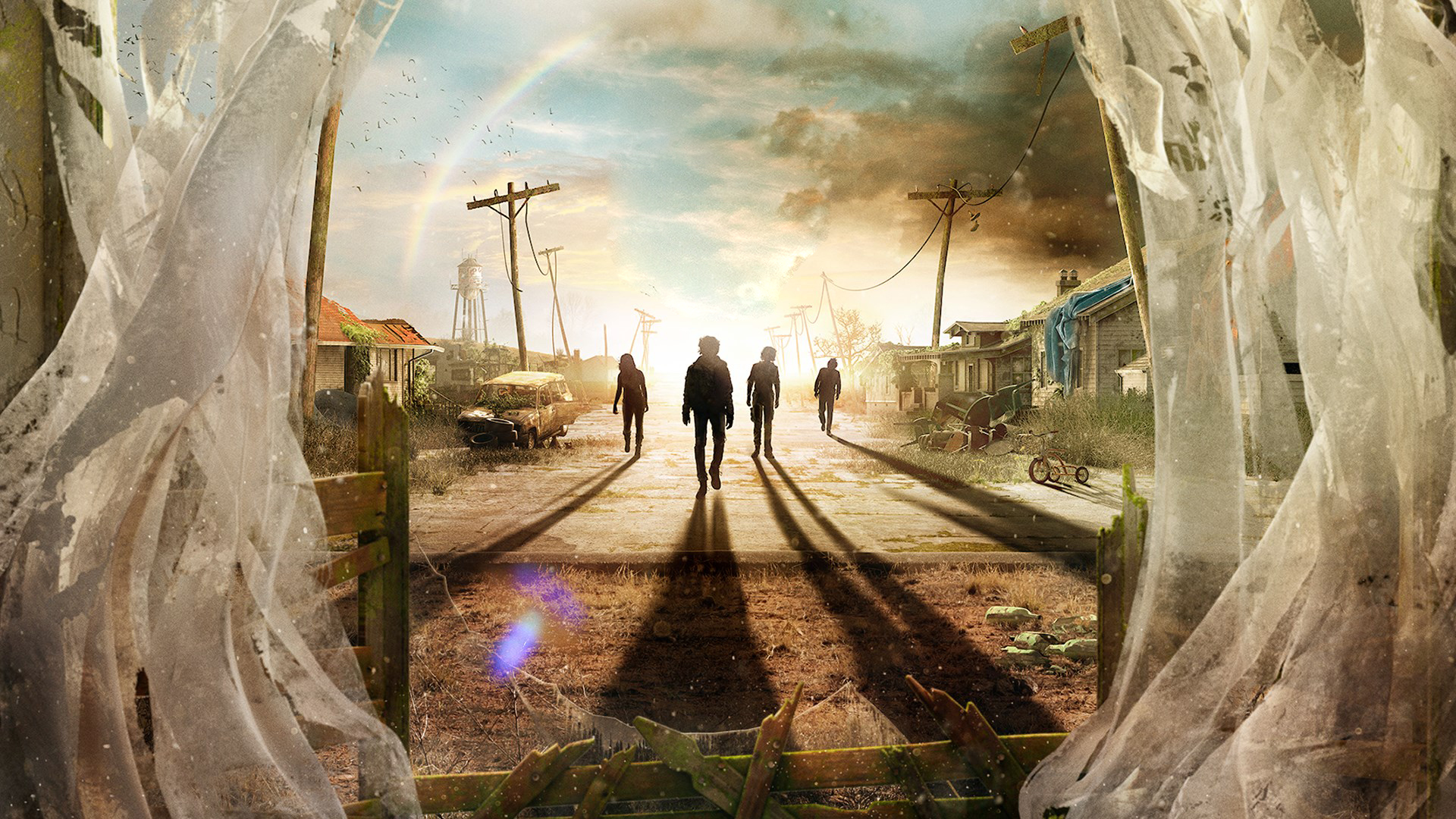
As a longtime fan of the game, I was surprised to see the developers add t-shirts with political slogans. It really kicked off a debate within the community! Some of us felt like it pulled you out of the immersive, post-apocalyptic world, while the developers explained they wanted to reflect the reality of how things are today. Honestly, the reaction was pretty split, and it felt like one of the first times we really saw how tricky it is to mix current political issues with a game that’s supposed to be an escape.
‘Flintlock: The Siege of Dawn’ (2024)
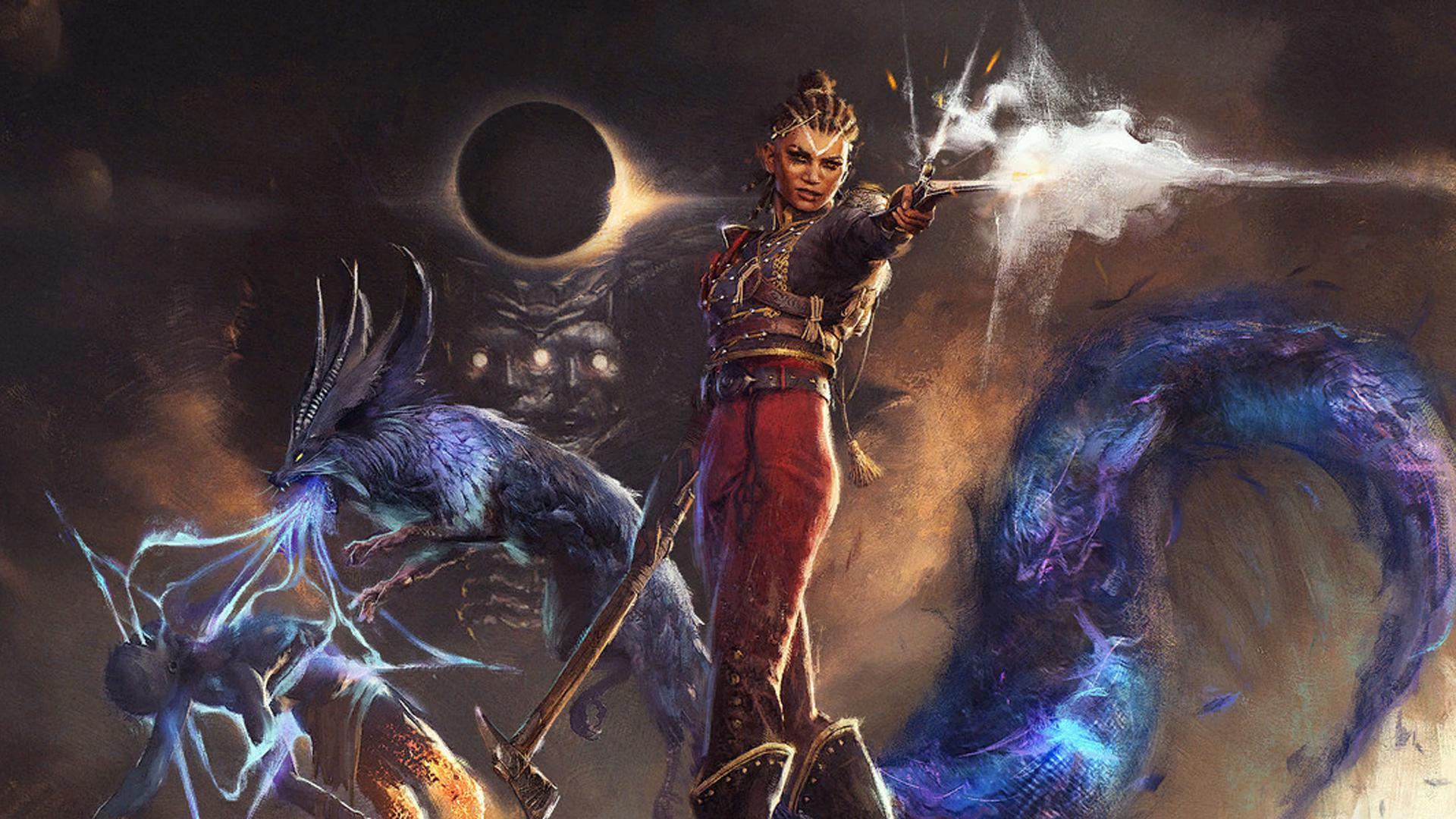
Honestly, I was really curious about this action RPG, but it had a lot of controversy surrounding it before it even came out. It seemed like the developers got some backlash for working with Sweet Baby Inc and for how they designed the main character. They also pointed out a lack of diversity in other fantasy games, which rubbed some people the wrong way. When it finally launched, a lot of players – myself included – were hesitant because it felt like they were focusing more on making a statement than on actually making a fun game. Sadly, it didn’t really catch on, and with so many other games coming out around the same time, it just got lost in the shuffle.
‘Tales of Kenzera: Zau’ (2024)

The team behind this platformer spoke out about the harassment they received for their inclusive approach, but the game still didn’t gain much popularity. Their marketing emphasized the story’s emotional depth and cultural importance, but that didn’t translate into sales. Players were hesitant about the strong focus on narrative, and the game had few players online at any given time on Steam. Discussions about the game quickly shifted from its quality to broader arguments about inclusivity in gaming.
‘Diablo IV’ (2023)
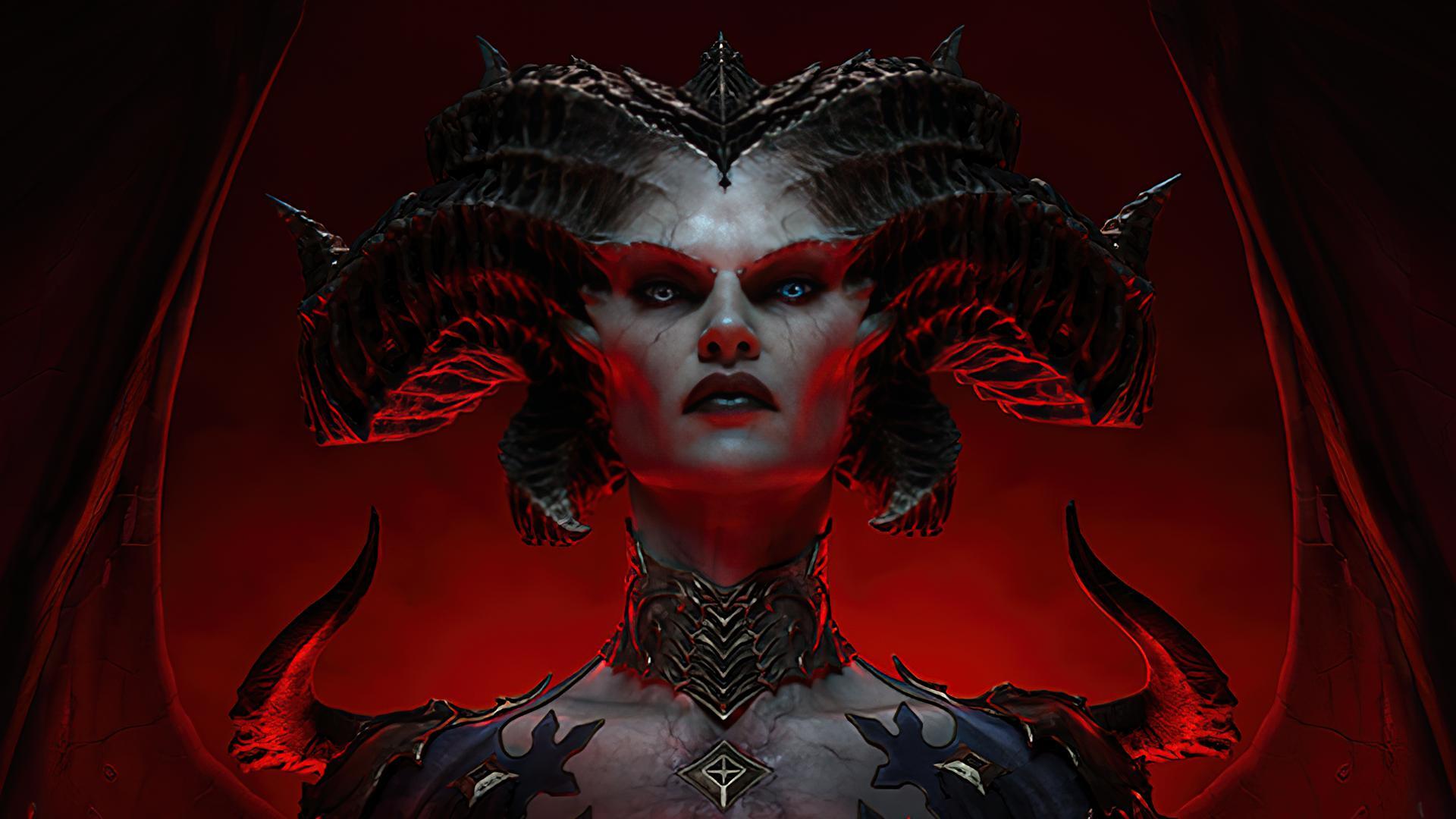
Blizzard received backlash regarding the character designs for the Druid class, specifically the available body types, and how these designs differed from previous versions. Although the main reason for the drop in players was a poorly received update to the game, discussions about body image worsened the situation. Some players believed the designs were deliberately made less conventionally attractive to fit current trends around body positivity, and this belief contributed to negative reviews and criticism alongside complaints about how the game played.
‘Street Fighter 6’ (2023)
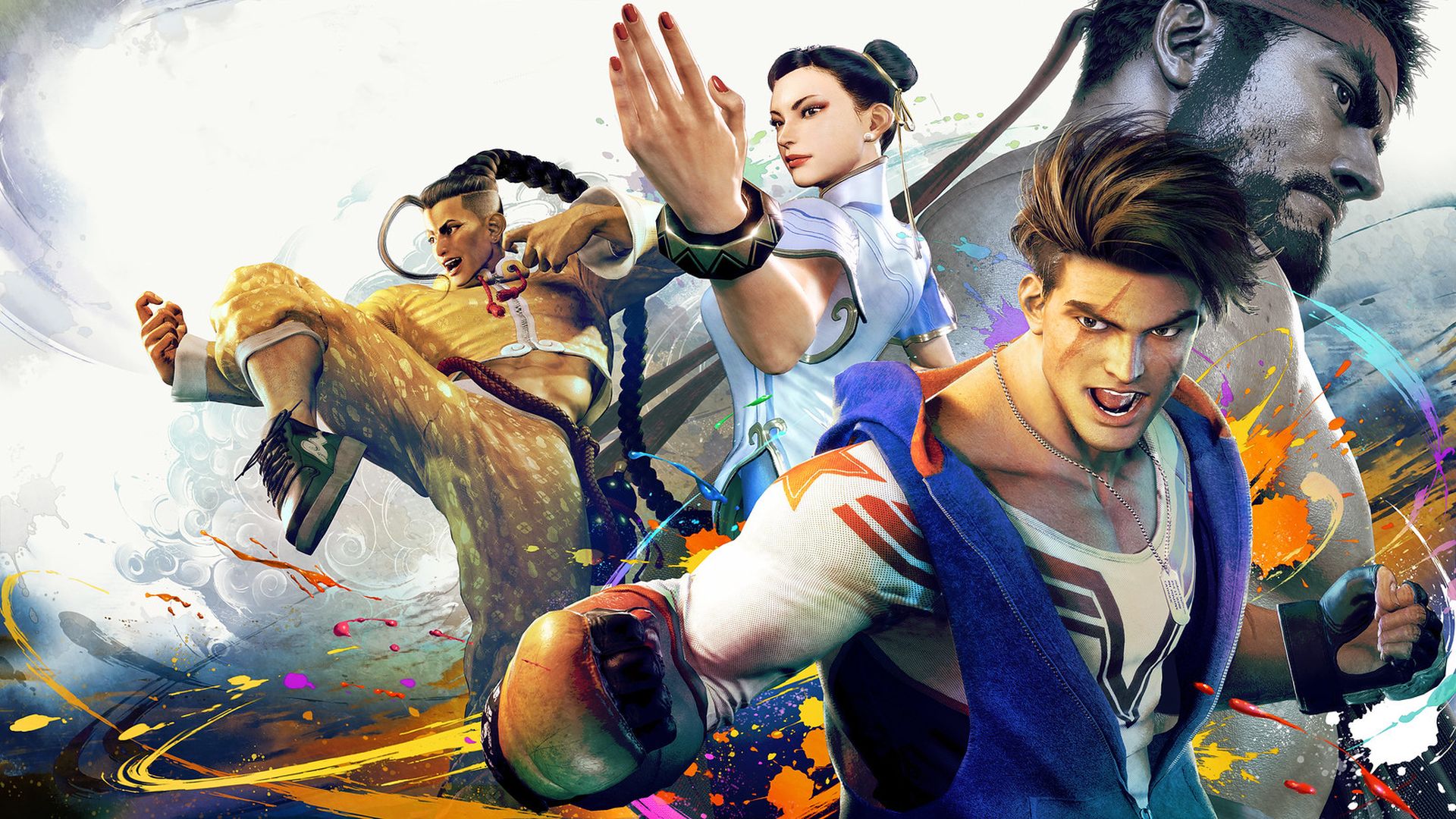
Capcom’s new game features a host character named Eternity, who comments on current trends. Some critics and players felt Eternity’s over-the-top appearance and dialogue seemed like an unnecessary attempt to appeal to a wider audience. Although the game was generally well-received for its gameplay, this character sparked a lot of debate online, with many players expressing frustration with what they saw as forced social messaging. Despite the controversy, the game’s competitive community largely enjoyed the gameplay itself.
‘Fable’ (2025)
The first trailer for the revived RPG series received a huge wave of negative reactions on YouTube. Many fans criticized the design of the female lead, with some claiming the developers intentionally made her unappealing. This strong negative response showed a lack of confidence in the new game, even before anyone had seen actual gameplay. Microsoft was forced to turn off comments on some videos to deal with the overwhelmingly negative and hostile feedback.
‘Skull and Bones’ (2024)
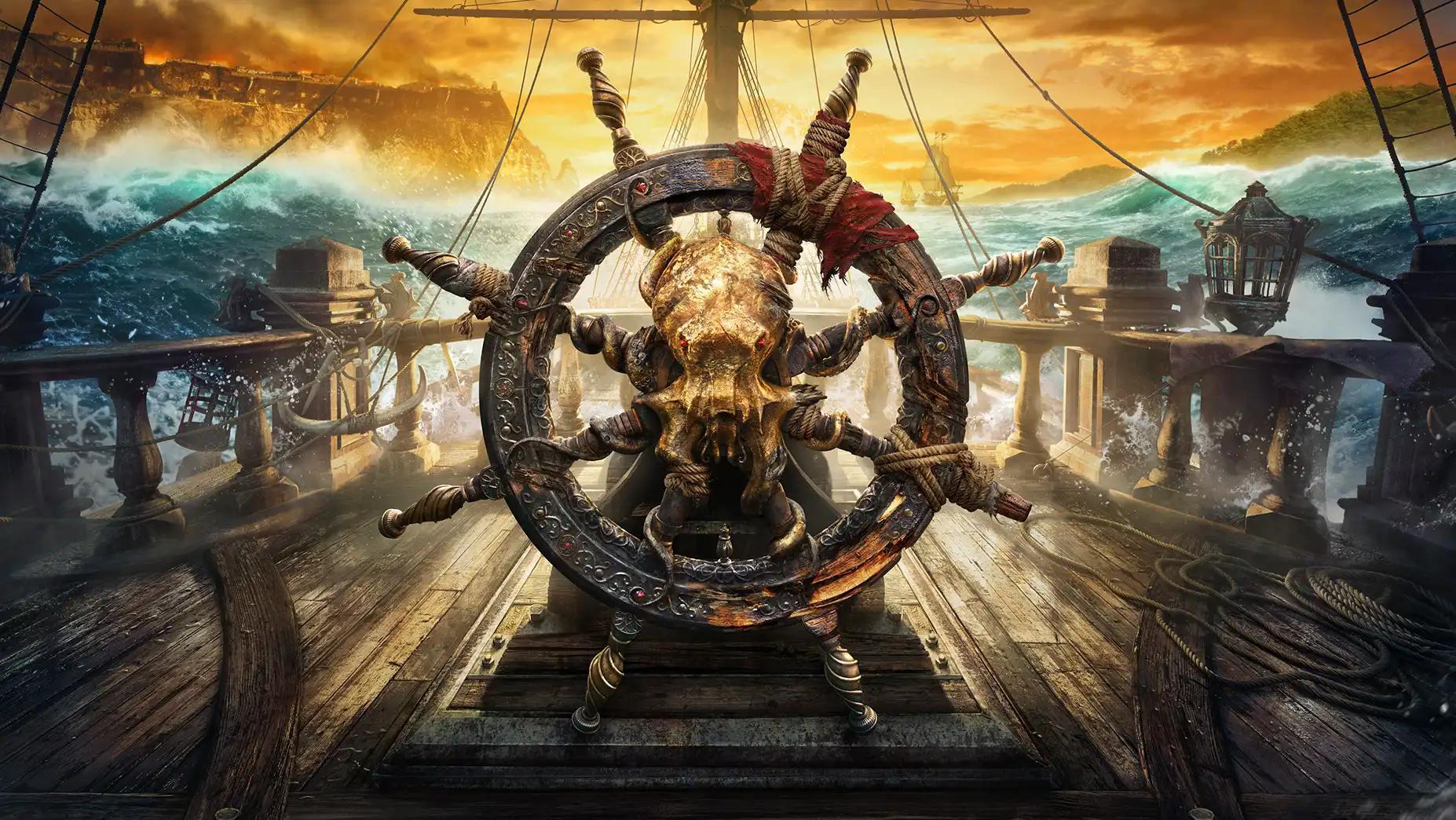
Ubisoft promoted this pirate game as a top-tier experience, but players felt it didn’t capture the authentic feel of the historical period. The writing and characters felt too modern for a game set in the 1600s. As a result, players went back to enjoying older pirate games like Black Flag. The game’s ongoing service model failed because players didn’t connect with the concept or the way it was priced.
‘Life is Strange: True Colors’ (2021)
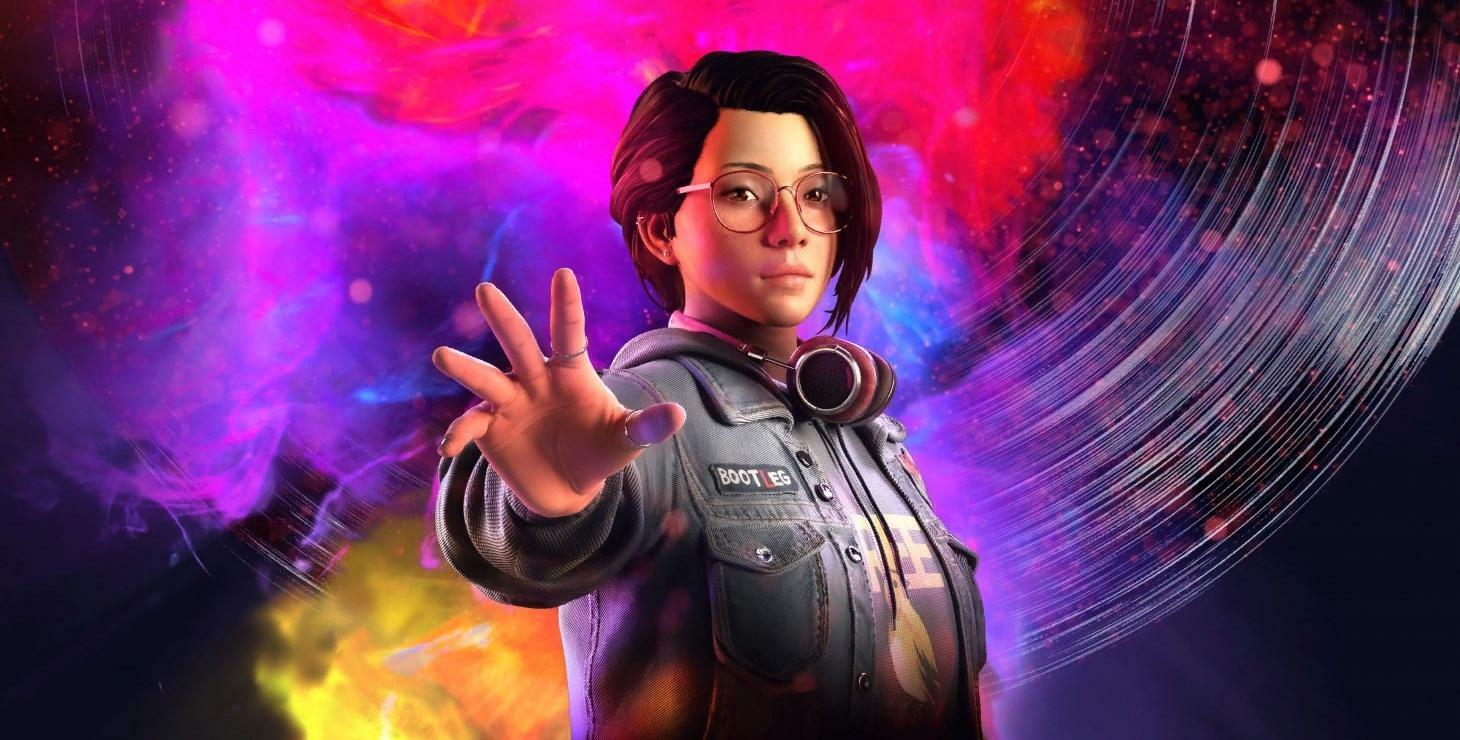
Life is Strange: True Colors centered the story around Alex Chen’s ability to feel others’ emotions and her difficult experiences growing up in foster care. Though the Life is Strange series is known for tackling important issues, some players felt this game’s themes were too heavy-handed. Controversy arose when a Tibetan flag appeared in the game, leading to negative reviews from players in China. Ultimately, the game didn’t achieve the same level of popularity as the first installment in the series.
Share your experiences with these updates and how they impacted your gaming habits in the comments.
Read More
- Building 3D Worlds from Words: Is Reinforcement Learning the Key?
- The Best Directors of 2025
- Gold Rate Forecast
- 2025 Crypto Wallets: Secure, Smart, and Surprisingly Simple!
- Mel Gibson, 69, and Rosalind Ross, 35, Call It Quits After Nearly a Decade: “It’s Sad To End This Chapter in our Lives”
- 20 Best TV Shows Featuring All-White Casts You Should See
- Umamusume: Gold Ship build guide
- Top 20 Educational Video Games
- Most Famous Richards in the World
- Walmart: A Stillness in the Shifting Sands
2026-01-04 08:32