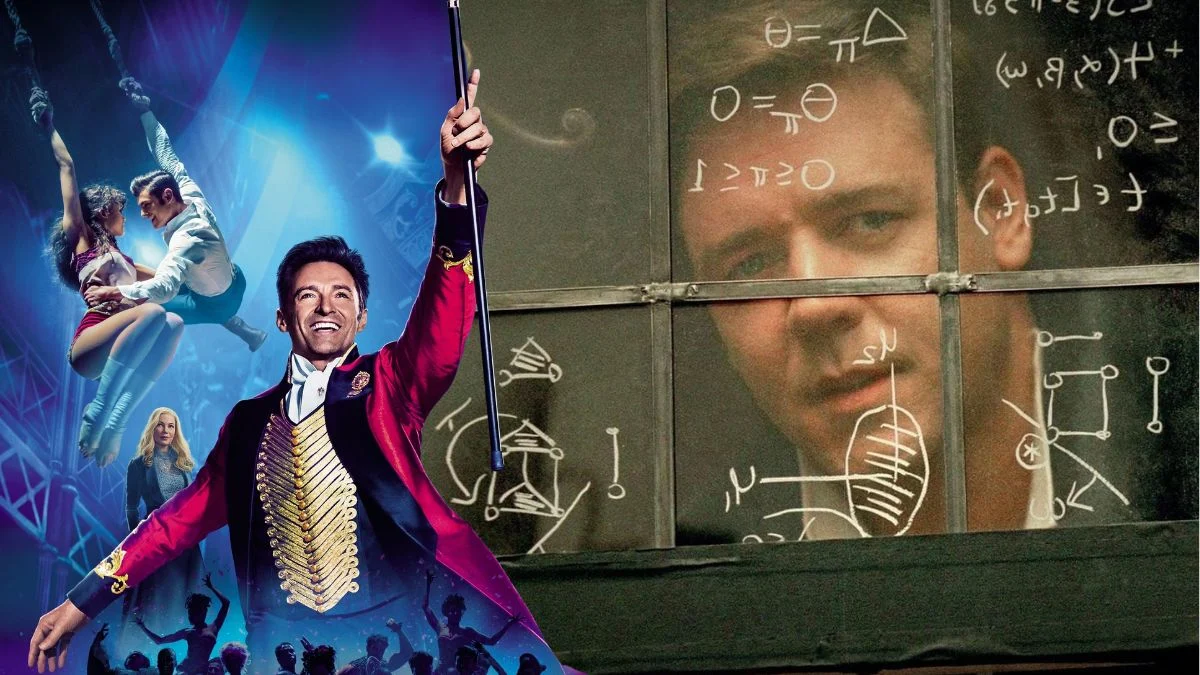
Movies based on real people often have to balance telling a true story with creating something engaging for viewers. To make a subject more appealing, filmmakers sometimes leave out troubling details or change the order of events. This can unintentionally make flawed or even harmful figures seem like heroes. The films discussed below have been criticized for focusing on the positive aspects of their subjects while downplaying their negative actions.
‘The Greatest Showman’ (2017)
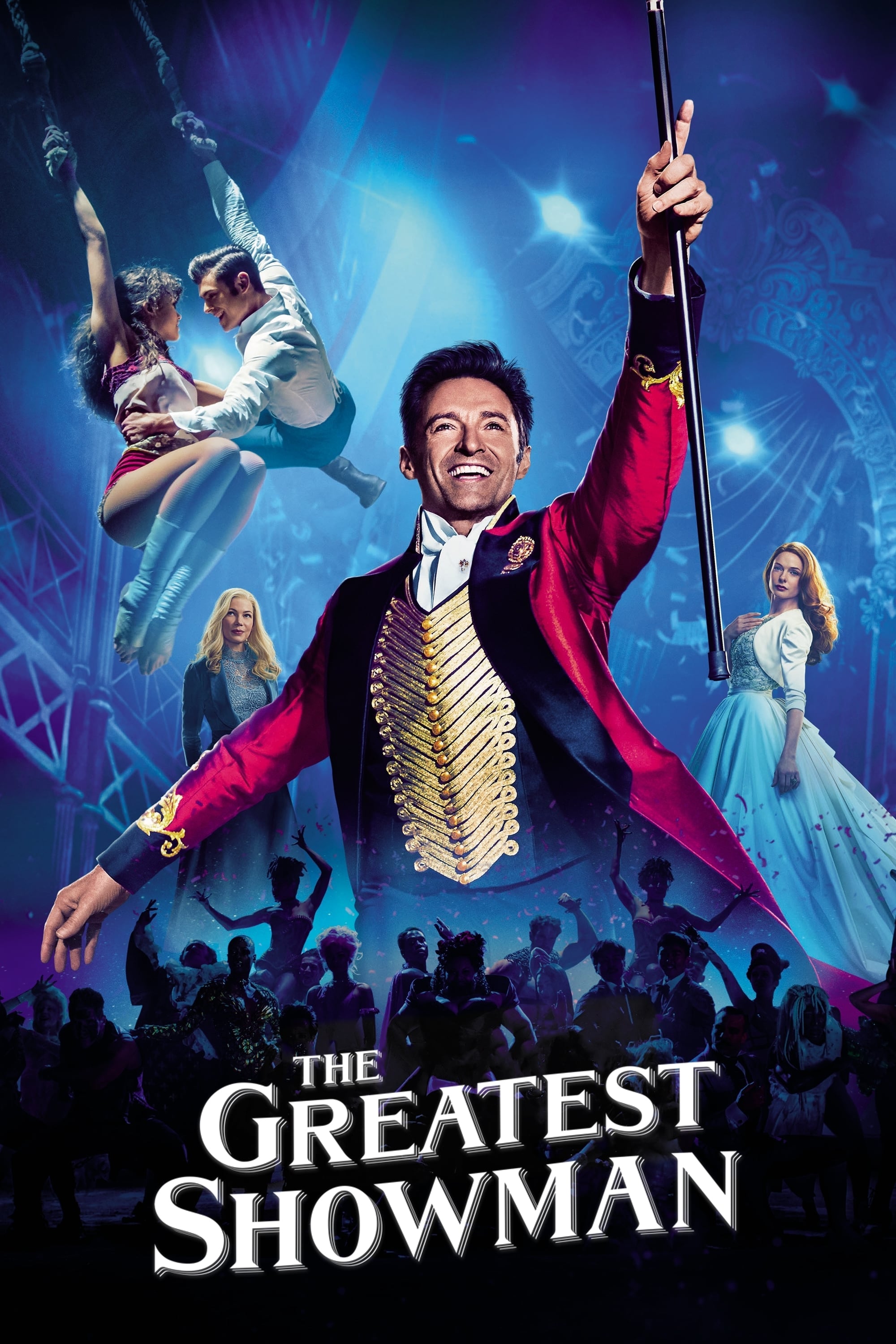
The musical The Greatest Showman depicts P.T. Barnum as a forward-thinking innovator who celebrated differences and gave opportunities to those society often rejected, all through his circus. However, the real P.T. Barnum was a complex and often problematic figure. He made money by exploiting people, including those with disabilities, and even purchased an enslaved woman named Joice Heth, whom he exhibited as a curiosity and publicly dissected after her death to boost ticket sales. The film largely avoids showing these harsh realities, instead focusing on a more uplifting story of acceptance and entertainment.
‘The Wolf of Wall Street’ (2013)
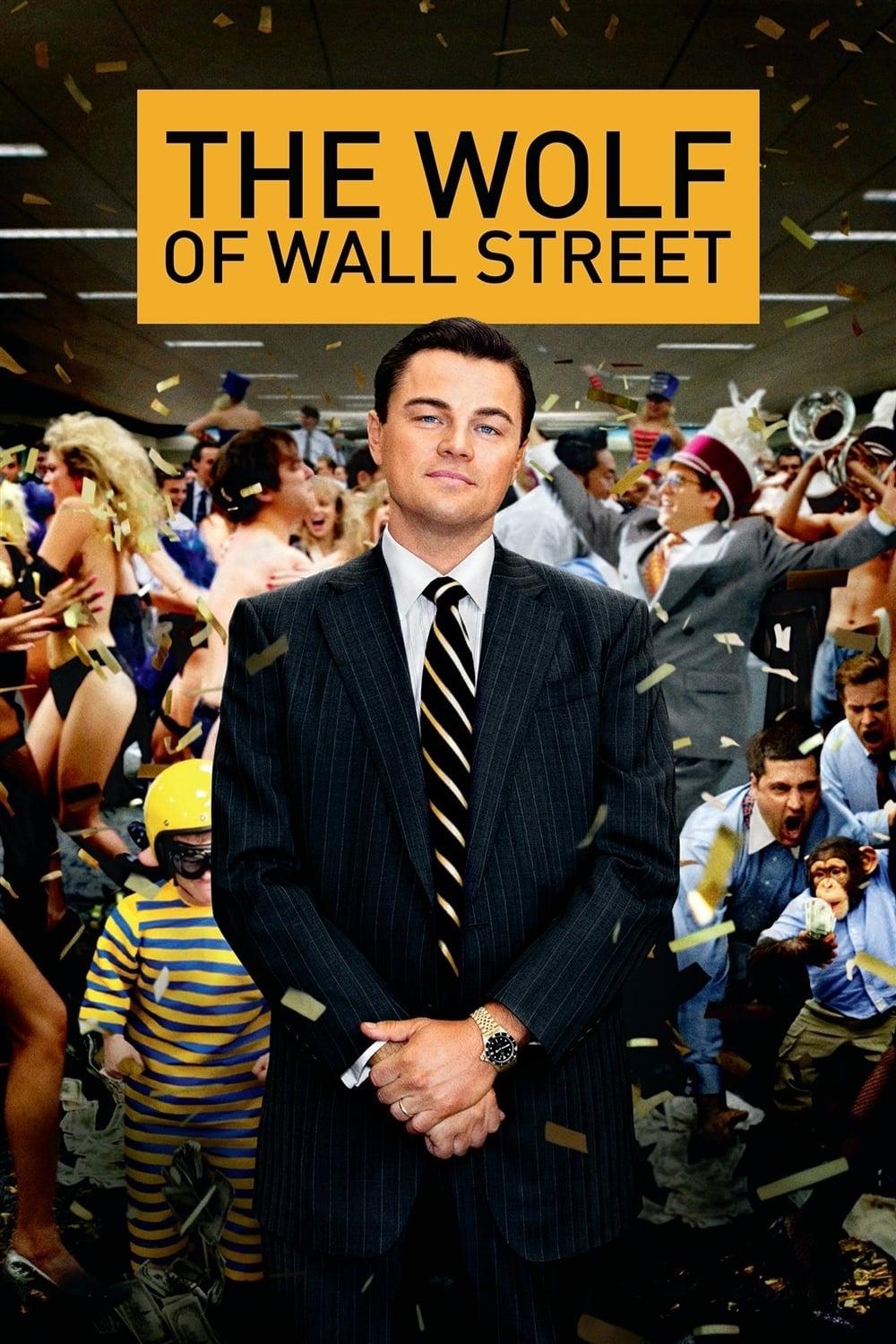
Martin Scorsese’s film tells the fast-paced story of Jordan Belfort, a man who made a fortune through dishonest stock trading. While the movie vividly portrays Belfort’s wild and extravagant lifestyle, some critics argue it glosses over the seriousness of his crimes. His scams ruined many people financially, costing them their life savings, yet he received a comparatively light prison sentence. As a result, some viewers found themselves admiring Belfort instead of recognizing the harm he inflicted on others.
‘American Sniper’ (2014)

Directed by Clint Eastwood, this war film tells the story of Chris Kyle, a Navy SEAL sniper, and his four deployments to Iraq. The movie portrays Kyle as a troubled hero battling PTSD, driven by a desire to protect his comrades. Some critics noted that the film leaves out details from Kyle’s book about incidents during Hurricane Katrina, specifically claims of looting and shooting looters. The movie also presents a simplified view of the Iraq War, framing it as a clear conflict between good and evil.
‘Pocahontas’ (1995)
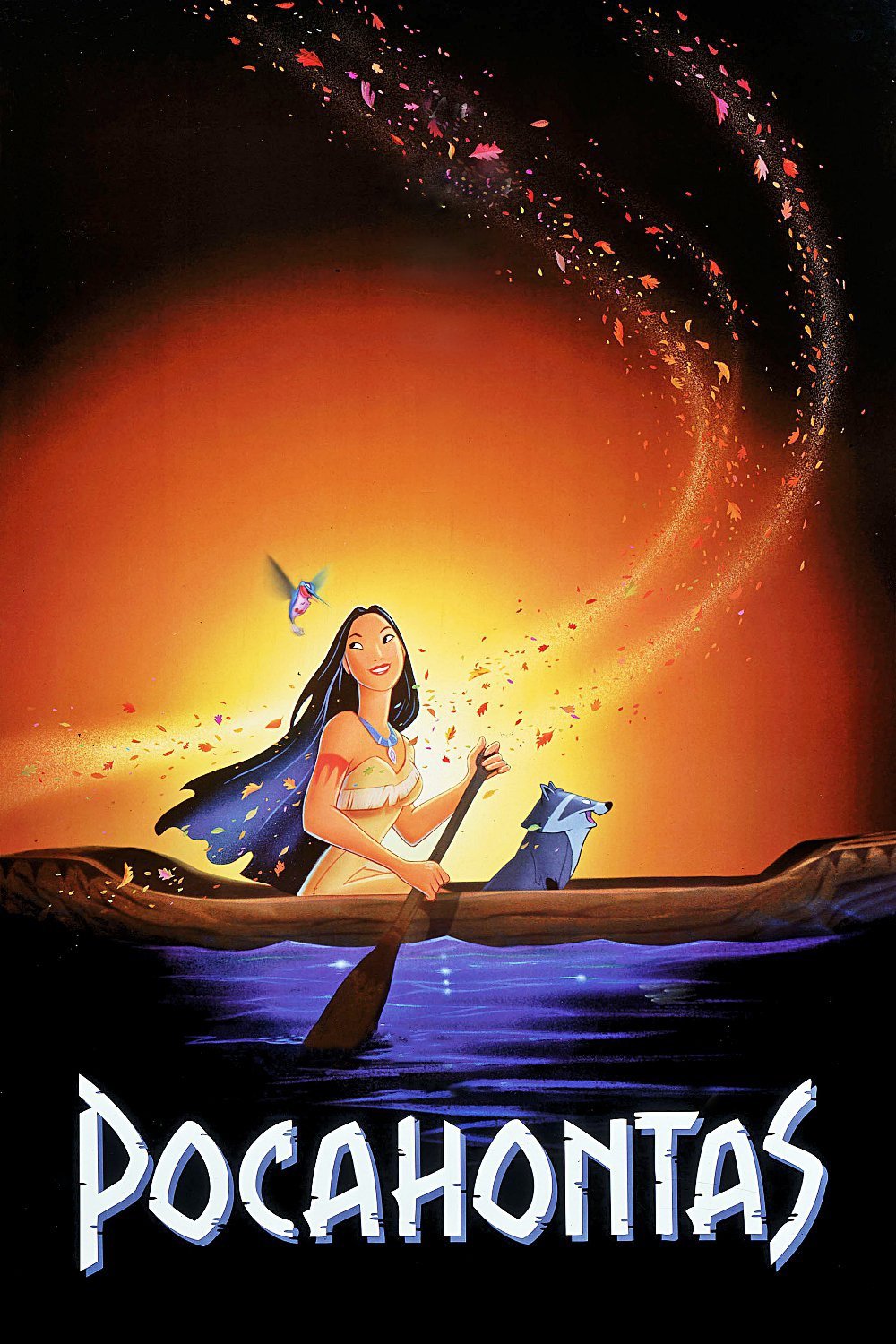
Disney’s movie ‘Pocahontas’ tells a romanticized story about the Jamestown settlement and a love between Pocahontas and John Smith. However, historical evidence shows Pocahontas was only a child – around ten or eleven years old – when she met Smith, and there was no romantic relationship. The film avoids showing the harsh realities of colonization and the sad life that the real Pocahontas eventually faced. This simplified and inaccurate portrayal has given generations of children a misleading understanding of early American history.
‘A Beautiful Mind’ (2001)
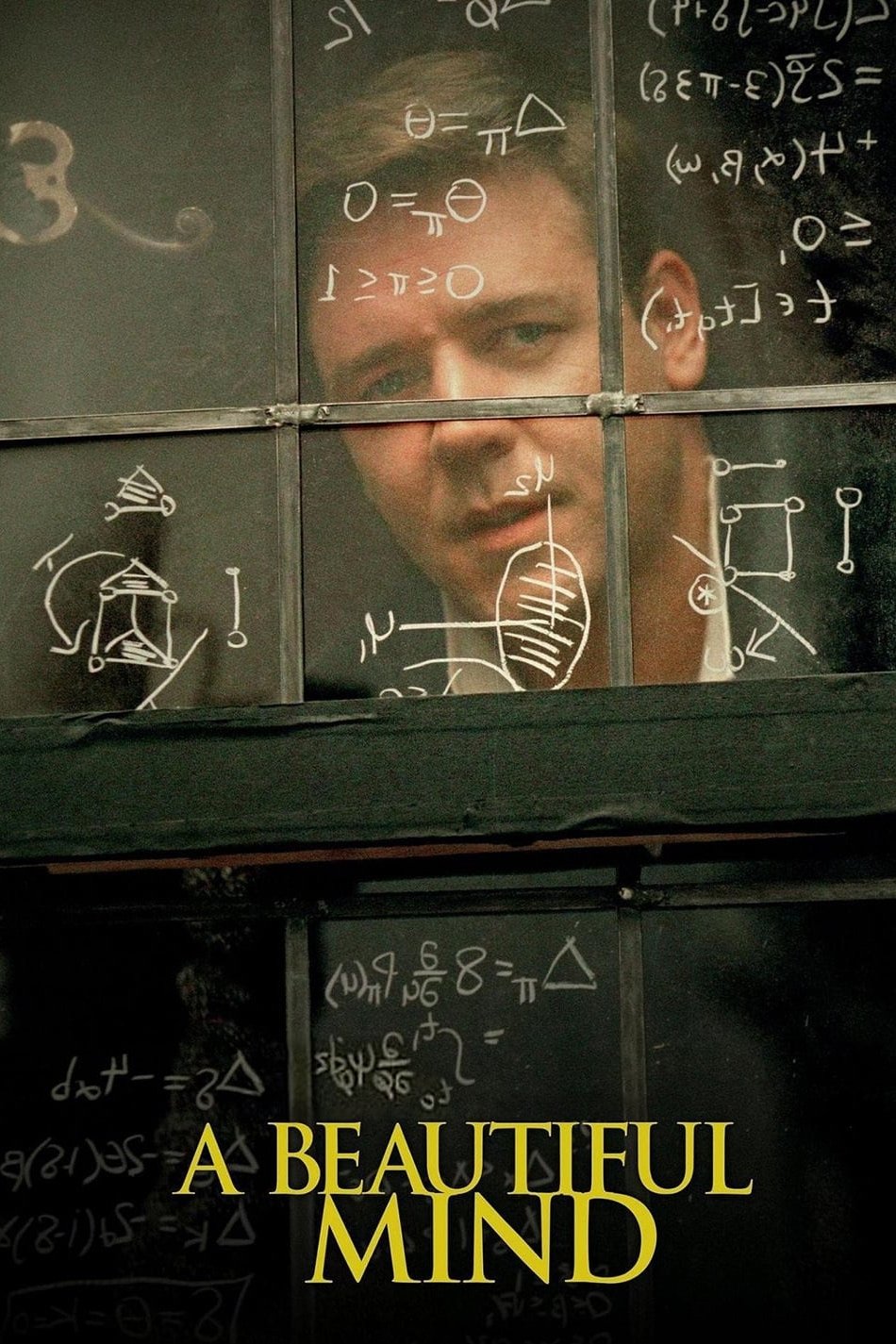
The movie, starring Russell Crowe as John Nash, tells the story of a gifted mathematician battling schizophrenia and achieving remarkable breakthroughs. While the film highlights Nash’s loving relationship with his wife and his fight against illness, it omits difficult truths about his life. In reality, Nash had abandoned his son and, during periods of severe illness, expressed antisemitic views. The filmmakers deliberately left these troubling details out of the movie to portray Nash as a more sympathetic character.
‘Seven Years in Tibet’ (1997)
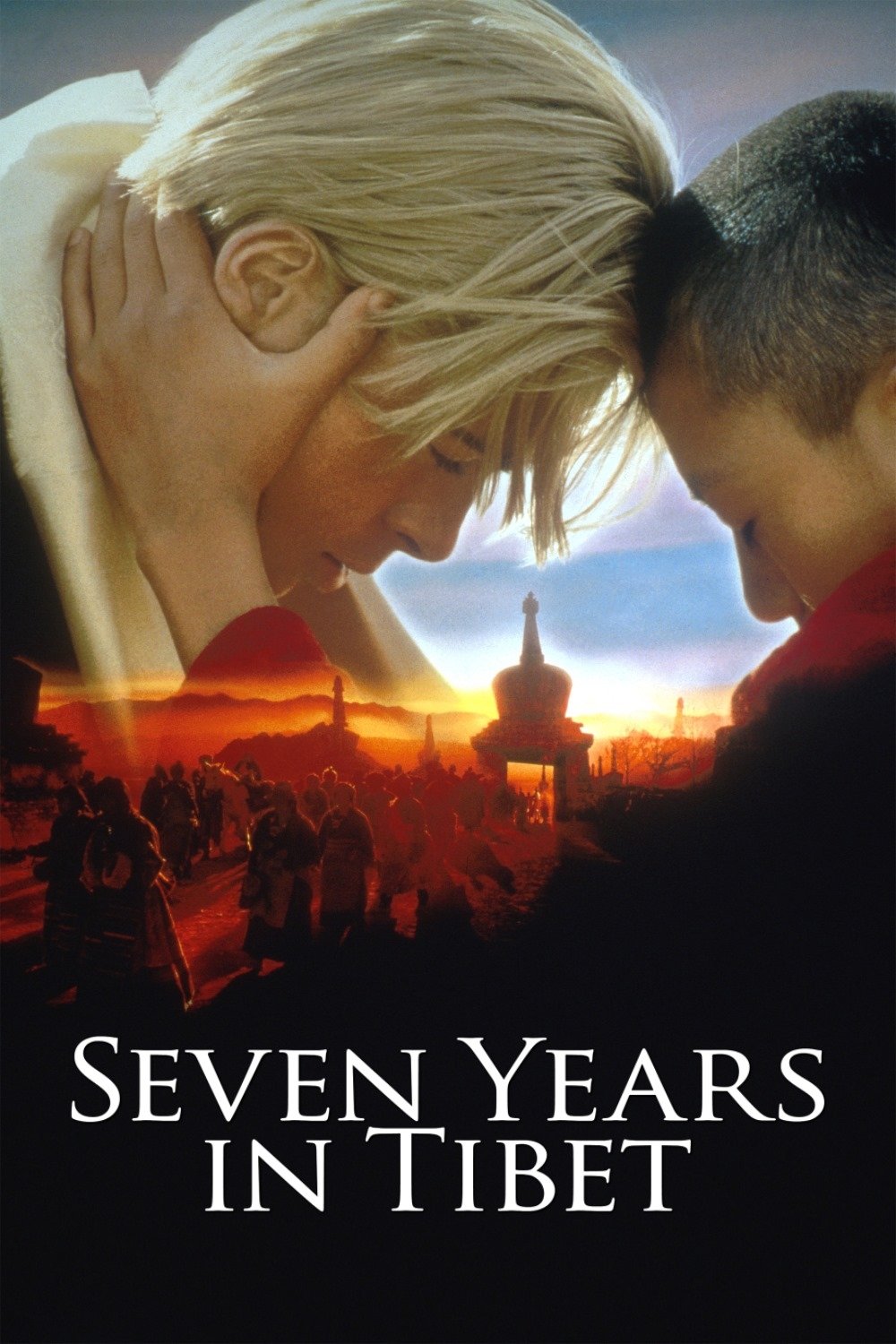
This film, starring Brad Pitt as Heinrich Harrer, tells the story of an Austrian mountaineer who develops a friendship with the Dalai Lama during World War II. The movie depicts Harrer as someone who isn’t interested in politics and finds spiritual growth while stuck in the Himalayas. However, after the film’s release, it came to light that the real Harrer had been a sergeant in the SS and a member of the Nazi party before his journey. The movie primarily focuses on his path to redemption and doesn’t fully explore the extent of his involvement with the Nazi regime.
‘The King and I’ (1956)
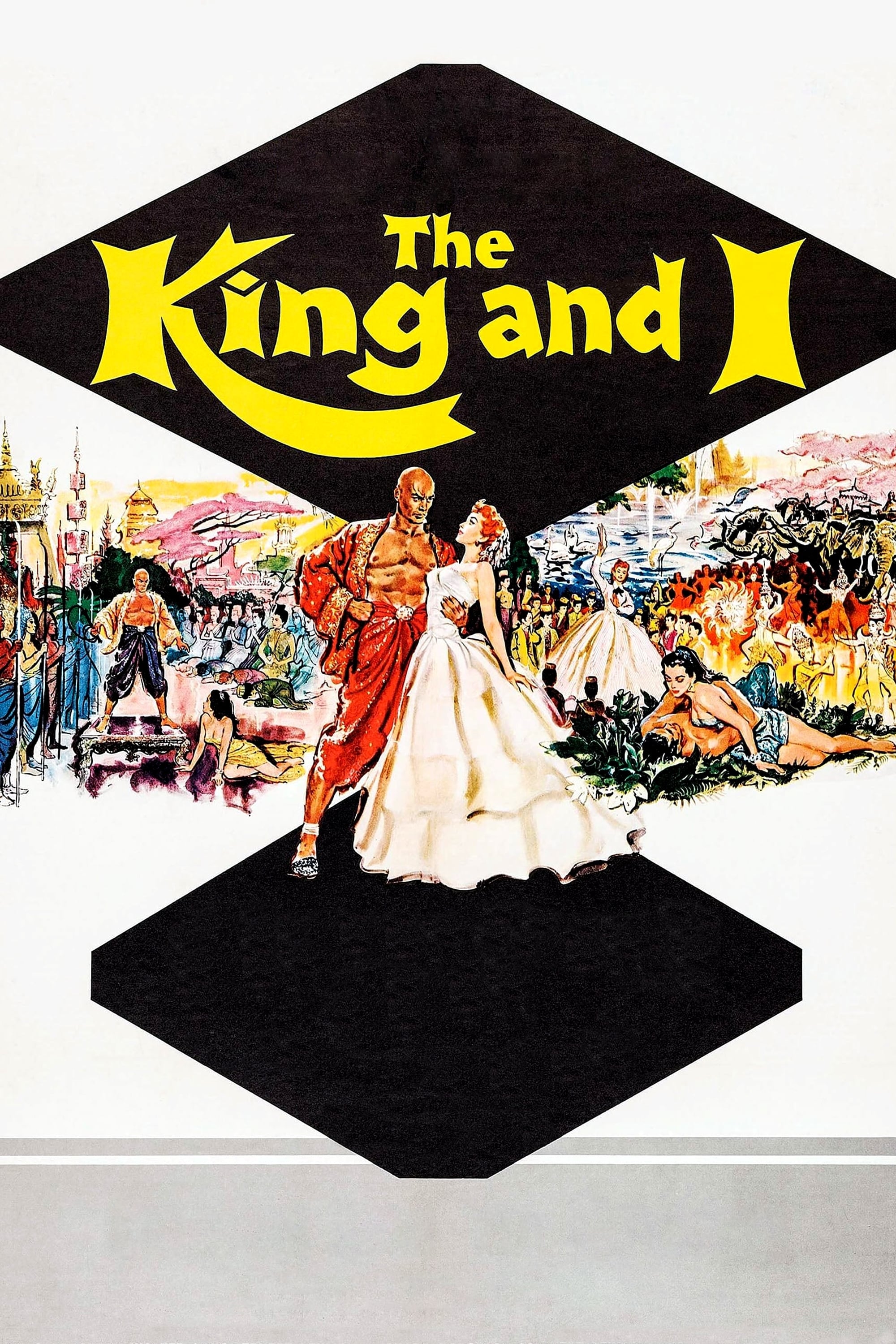
The musical film features Yul Brynner as King Mongkut of Siam and tells the story of a king who clashes with, and eventually learns from, a British governess. However, the film is banned in Thailand because many believe it misrepresents the King and is disrespectful to his legacy. Critics argue the film overstates the impact of Anna Leonowens and portrays the King as less sophisticated than Westerners, reinforcing outdated and biased ideas about the need for Western influence to improve Thai society.
‘They Died with Their Boots On’ (1941)
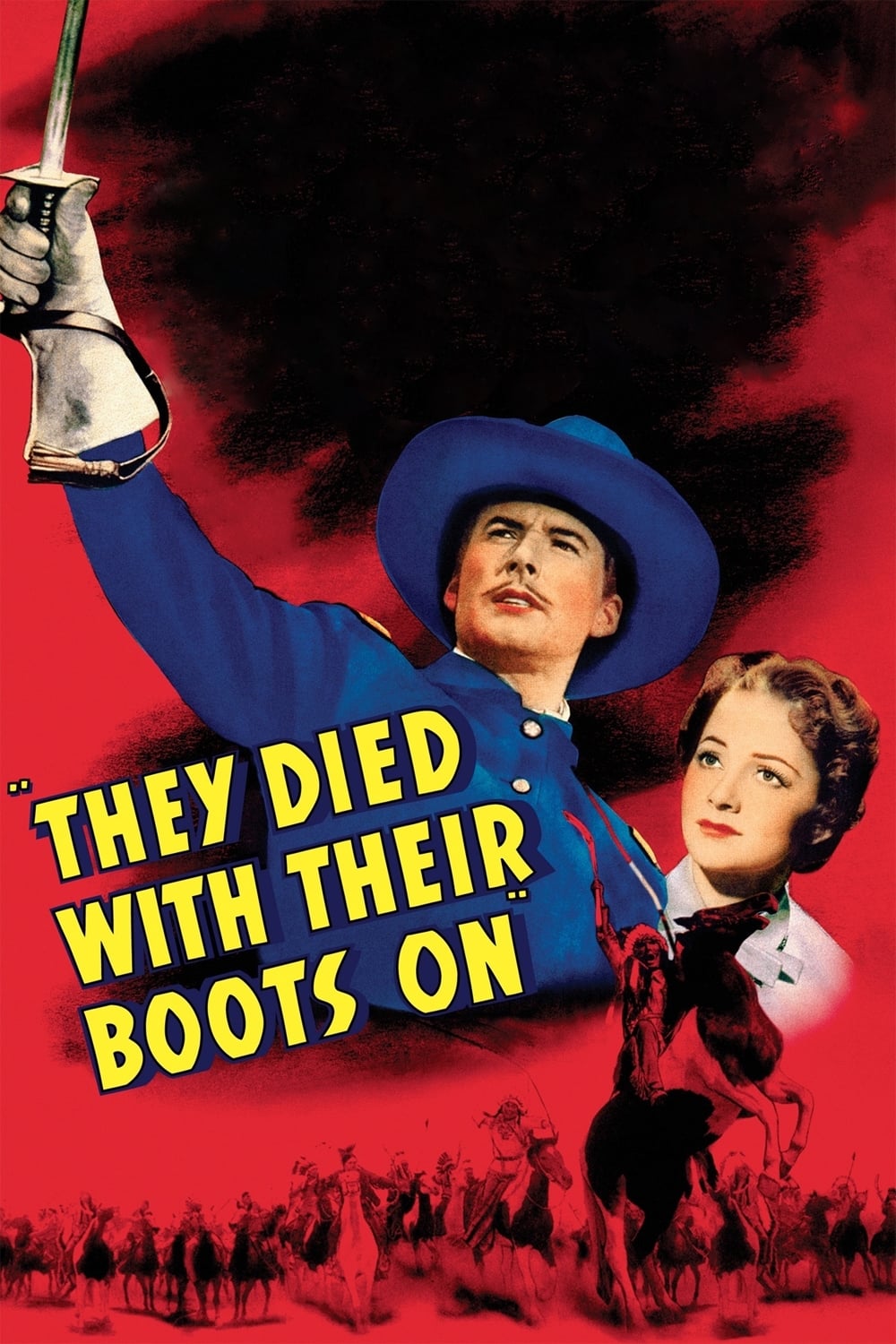
I’ve always been captivated by Errol Flynn’s portrayal of Custer. He really comes across as a heroic figure, bravely fighting for his country. The movie takes a lot of liberties with the Battle of Little Bighorn, reimagining it as a selfless sacrifice by Custer – he’s shown protecting his men and uncovering wrongdoing. But honestly, it glosses over the darker side of his history. The film paints this romantic picture of a noble cavalry officer, and it completely overlooks the real devastation his campaigns inflicted on Native American tribes and just how reckless he could be as a leader. It really contributes to this myth, unfortunately at the expense of acknowledging the suffering of those who were actually impacted.
‘1492: Conquest of Paradise’ (1992)
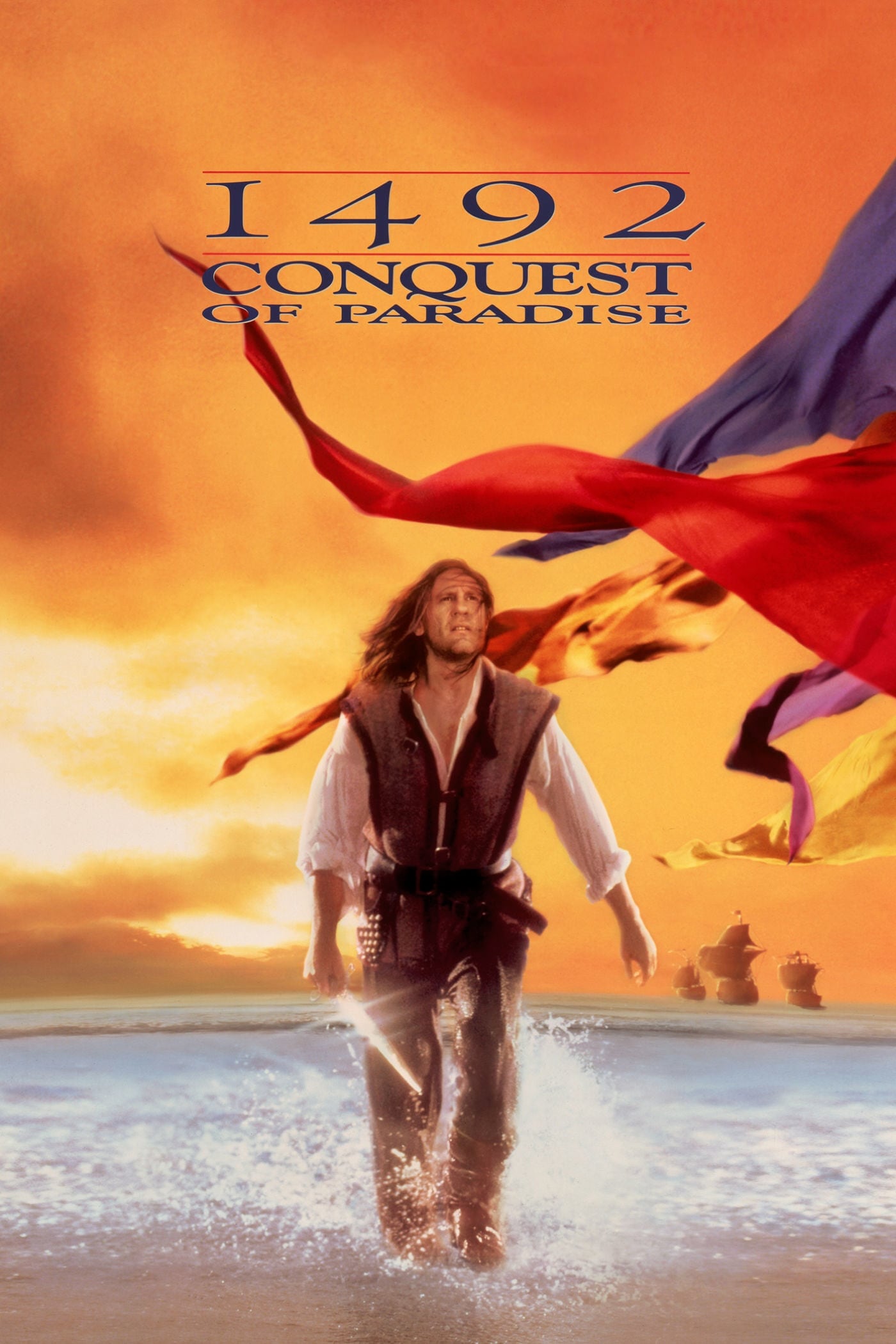
Ridley Scott’s film presents Christopher Columbus as a forward-thinking explorer with a dream of discovering a new world. While it shows some conflict, the movie largely depicts Columbus as a peaceful man hampered by the actions of his unruly crew. However, historical records reveal that Columbus himself authorized harsh treatment of native people and was involved in starting the transatlantic slave trade. The film tries to separate Columbus from the widespread violence and death that occurred after his arrival in the Americas.
‘Evita’ (1996)
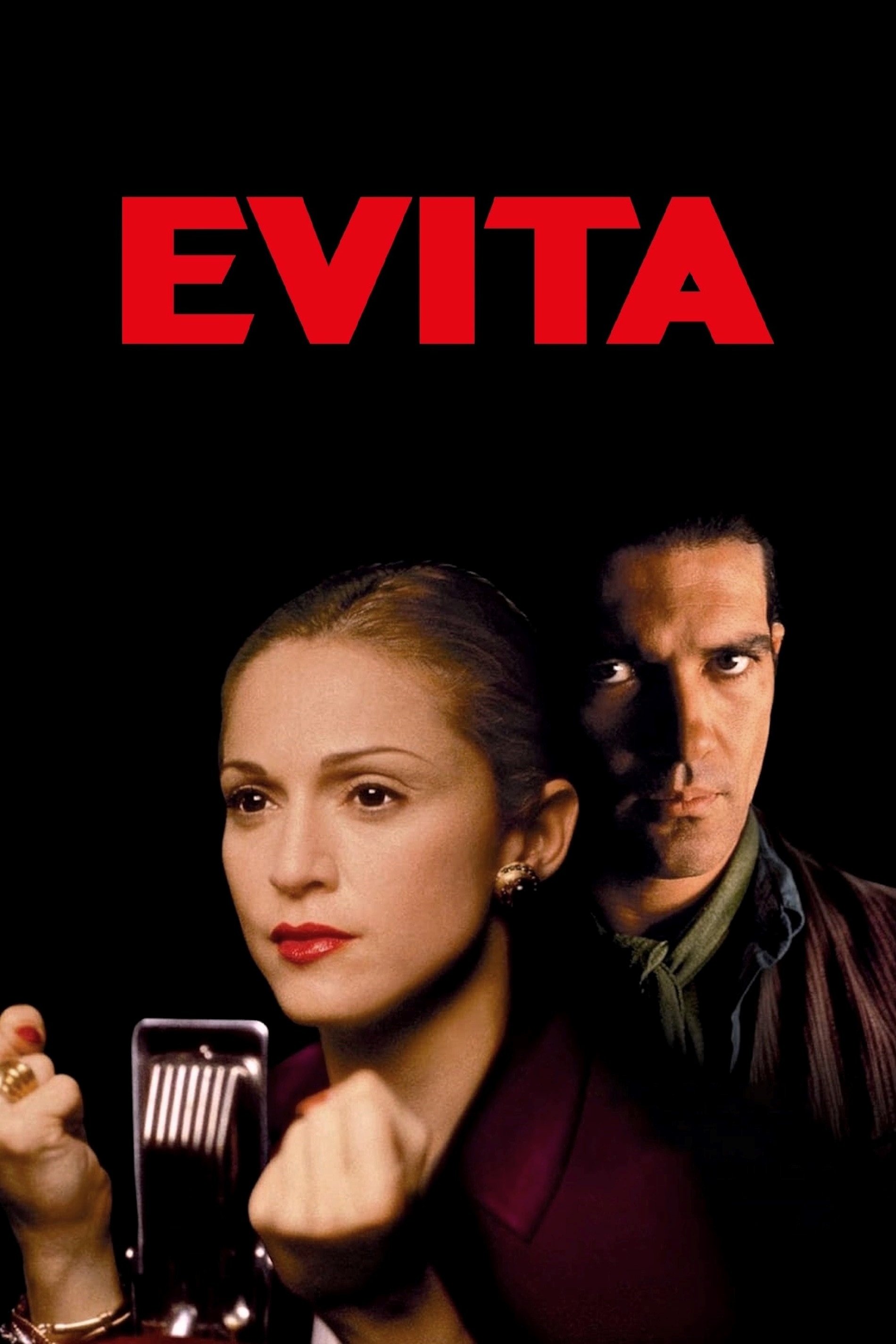
This musical film stars Madonna as Eva Perón, telling the story of her life from humble beginnings to becoming Argentina’s First Lady. While it showcases her glamorous public image and appeal to working-class people, the film doesn’t fully address the harsh realities of the Perón government. Many critics felt the movie focused more on the excitement of her fame than on the political problems and censorship that existed at the time. The story presents a romanticized version of a historical figure who is still controversial in Argentina, especially because of her ties to fascist ideologies.
‘The Motorcycle Diaries’ (2004)

This movie tells the story of a young Che Guevara’s journey through South America, where he sees firsthand the widespread poverty and unfairness. The film stops before he becomes the famous, and often controversial, revolutionary leader. By only showing his early life, the movie portrays him as a hopeful and compassionate person, without showing the difficult and often brutal actions he took later in life. This approach means the film doesn’t address the violence and controversial decisions that ultimately shaped his reputation.
‘Bonnie and Clyde’ (1967)
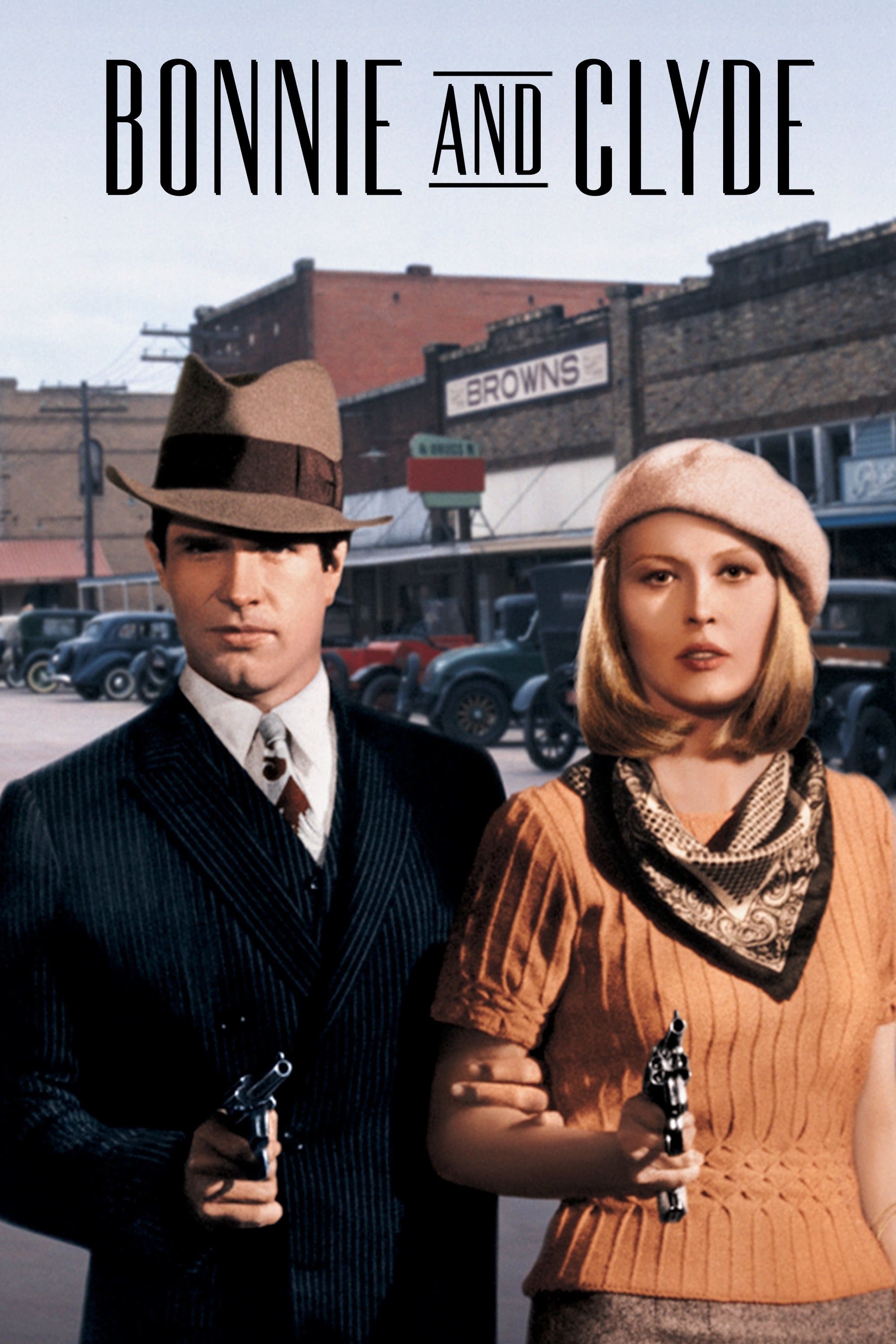
Warren Beatty and Faye Dunaway star as Bonnie and Clyde, portraying them as fashionable rebels taking on the banks during the Great Depression. The film changed how gangster movies were made, turning the criminals into sympathetic figures and even cultural icons. However, the real Bonnie and Clyde were responsible for violent crimes, including the murders of police officers and civilians. The movie downplays this brutality, choosing instead to focus on their love story and eventual tragic fate.
‘Public Enemies’ (2009)
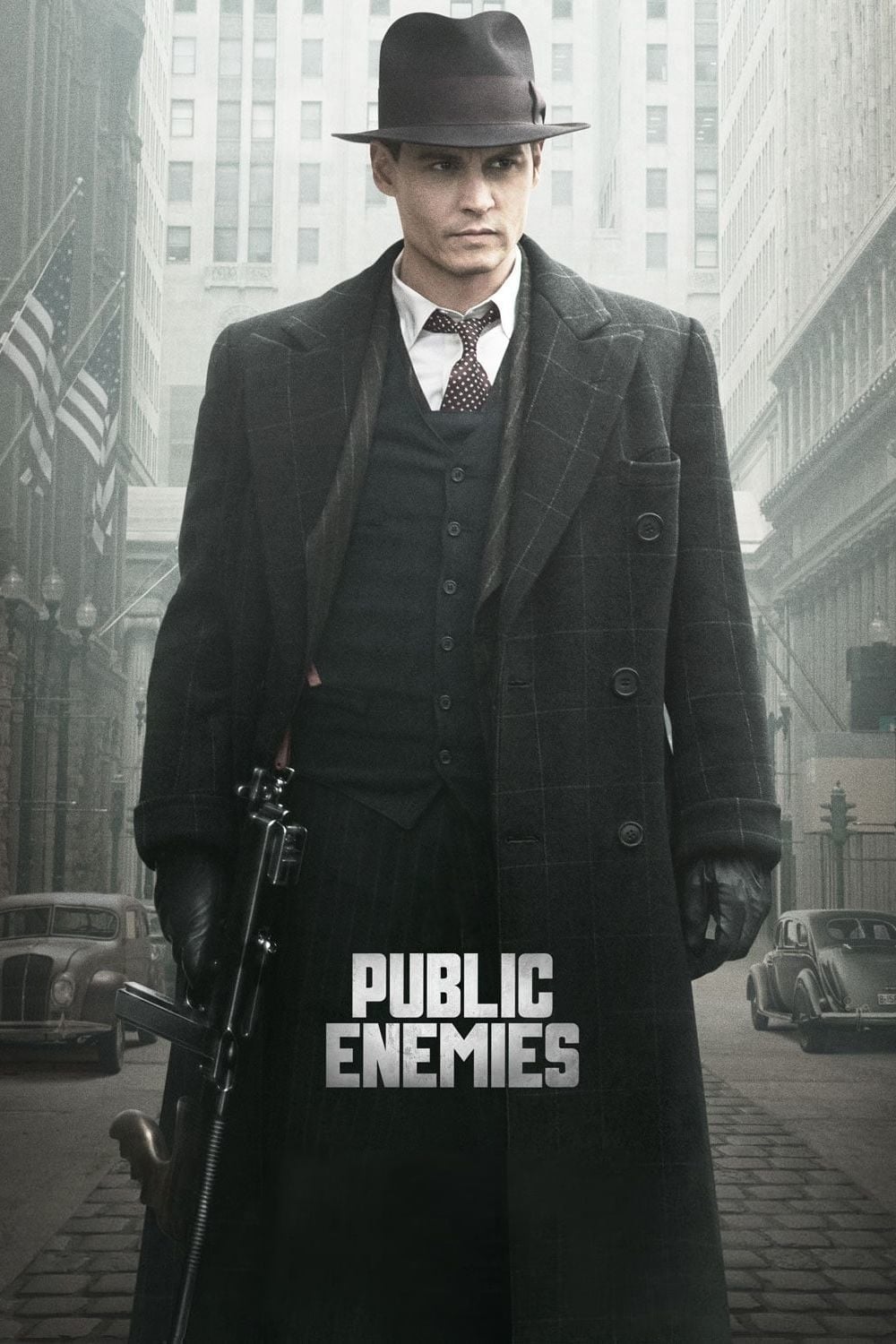
As a film buff, I always find it interesting when movies play with history. In this Dillinger film, Johnny Depp really leans into the charismatic side of the notorious bank robber, making him seem almost…likeable. The movie really focuses on his personal code and his relationship with Billie Frechette, and honestly, it paints the FBI agents chasing him as the bad guys. But it’s important to remember the real Dillinger was a truly dangerous criminal, and his gang’s actions often resulted in innocent people getting hurt. The film, though, kind of glosses over the violence and frames his crimes as some kind of rebellion against the banks, which feels like a pretty big stretch from reality.
‘Monster’ (2003)
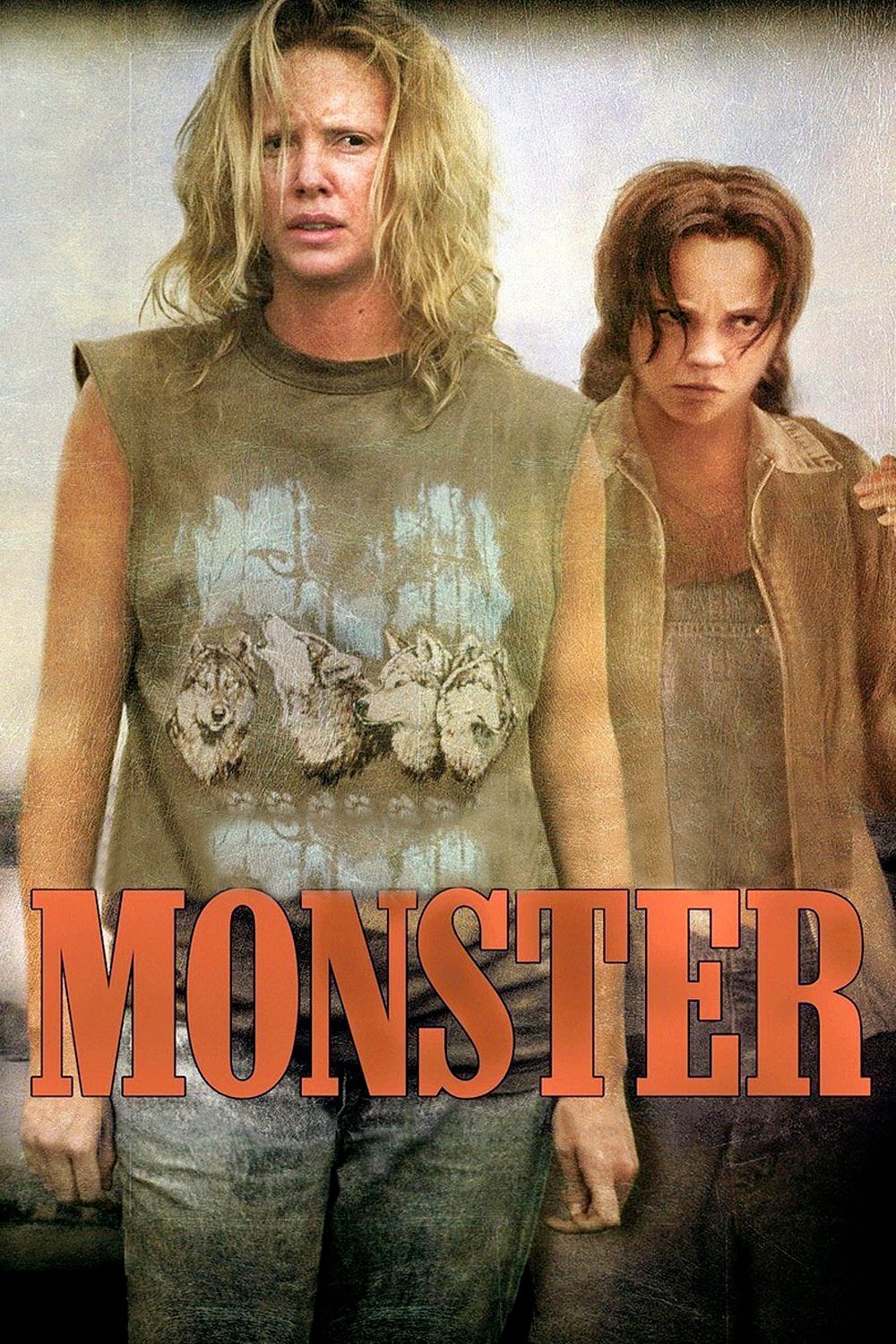
Charlize Theron gives a powerful and compelling performance as Aileen Wuornos, a serial killer, in a movie that tries to understand the reasons behind her crimes. The film portrays Wuornos largely as someone who suffered abuse and acted in self-defense when she committed her first murder. While the movie aims to show the hardships she faced, some victims’ families have criticized it for making people feel sympathy for a mass murderer. The film implies that her later killings were driven by past trauma, not by calculated malice.
‘Blow’ (2001)

The movie stars Johnny Depp as George Jung, portraying him as a driven and charismatic businessman who played a key role in building the American cocaine trade. While the film emphasizes his bond with his daughter and shows him as someone wronged by his partners, it downplays the widespread harm caused by the drug trade and the suffering of many communities. The movie frames Jung as a flawed, sympathetic character instead of focusing on his role as a criminal who benefited from others’ addiction.
‘Catch Me If You Can’ (2002)

Leonardo DiCaprio delivers a captivating performance as Frank Abagnale Jr. in this entertaining story about a remarkably clever young con artist. The film presents his fraudulent activities – like forging checks and pretending to be other people – as harmless acts stemming from a boy’s desire for his father’s acceptance. However, recent research indicates that the real Abagnale may have exaggerated or even invented many of the adventures described in his life story and portrayed in the movie. The film tends to romanticize the life of a fraudster, downplaying the real financial harm caused to those he deceived.
‘Goodfellas’ (1990)
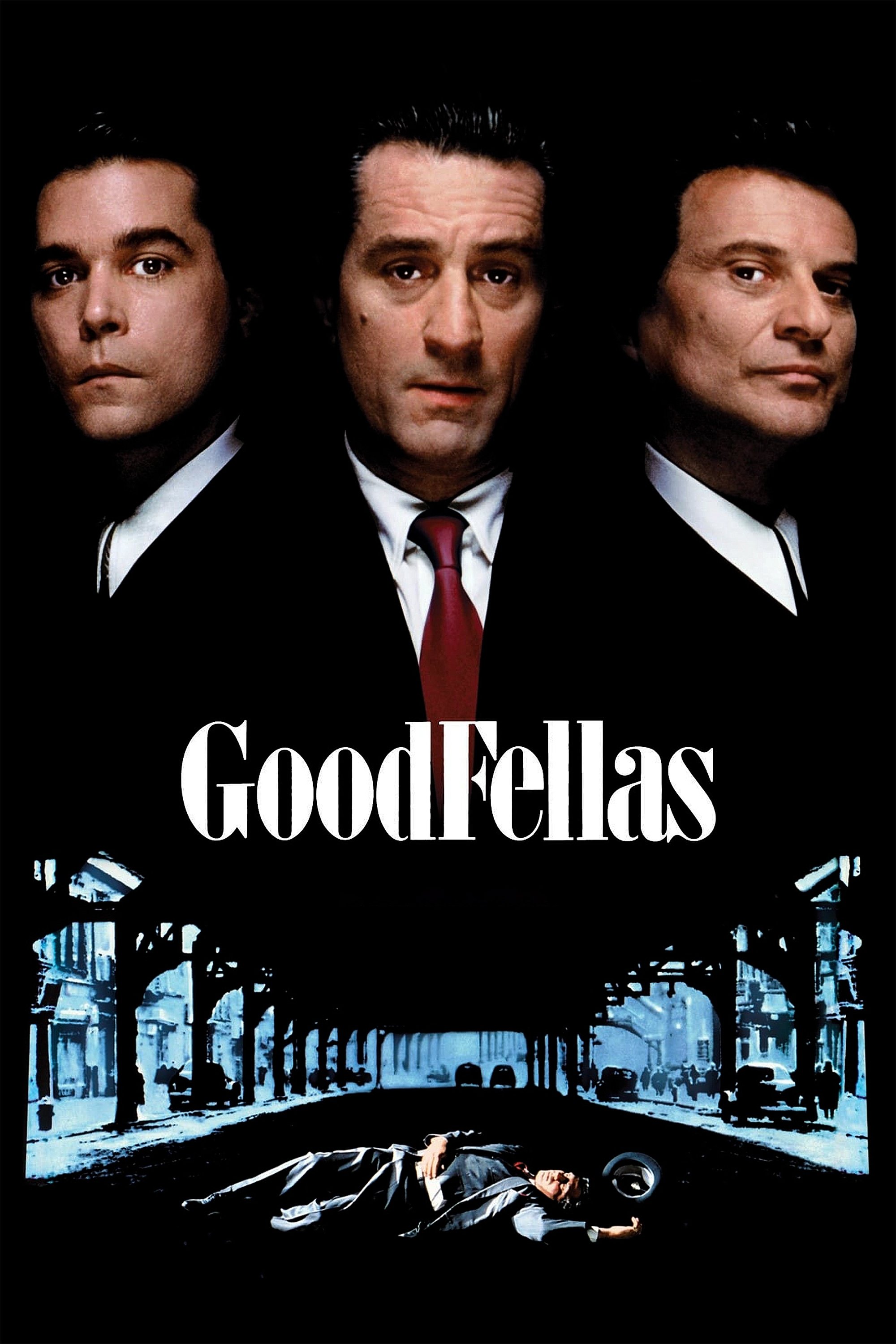
This movie tells the story of Henry Hill, a man involved with the Lucchese crime family. It initially draws viewers in with a glamorous look at the gangster lifestyle – the money and the sense of belonging – but then reveals how it all falls apart. Although the film contains intense violence, it primarily focuses on Hill, a man who committed crimes like robbery and drug dealing without feeling guilty. The movie presents him more as someone who turned on his friends to save himself, rather than a criminal being punished for his actions.
‘Legend’ (2015)
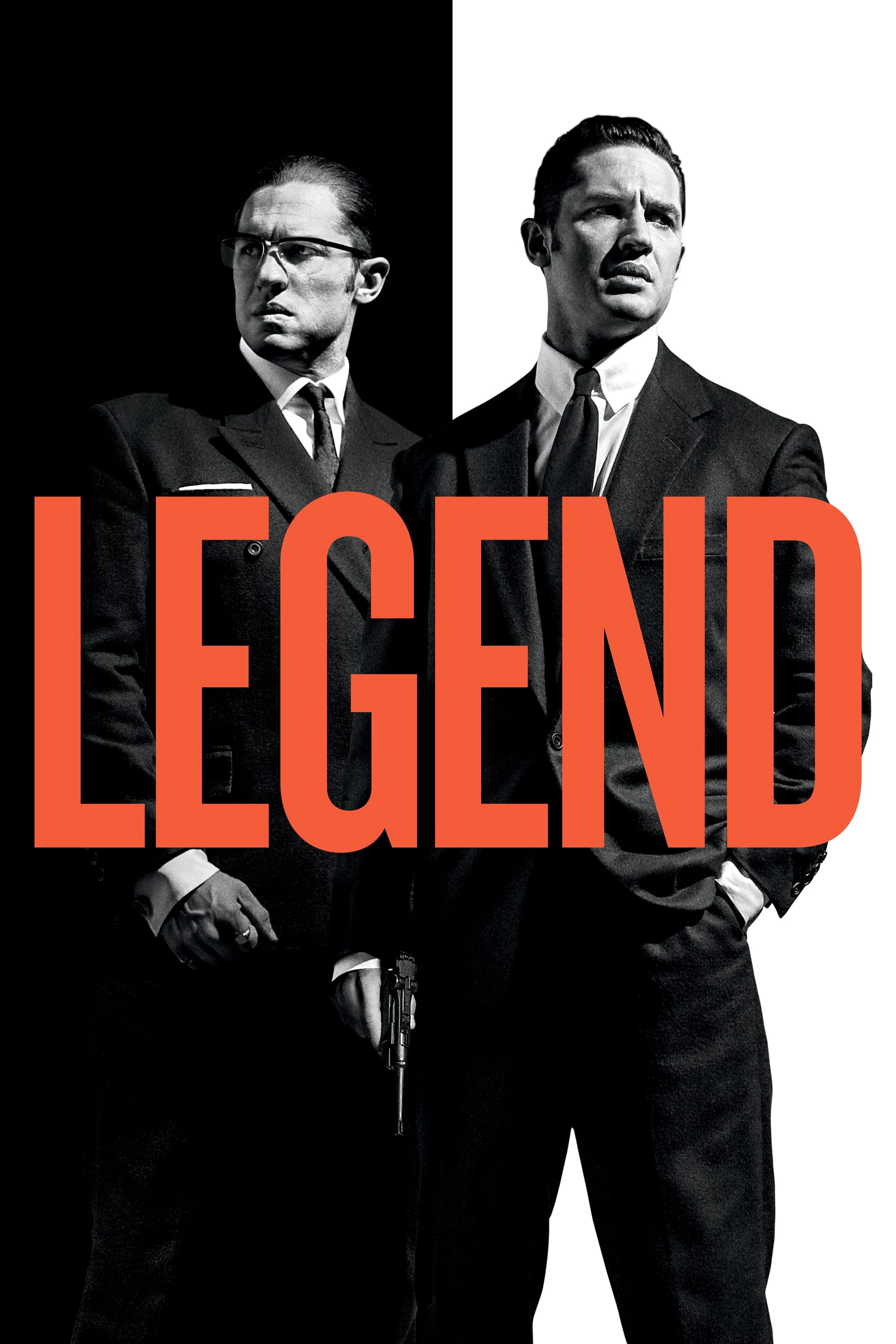
Tom Hardy delivers a captivating performance playing both of the Kray twins in this thrilling film set in 1960s London. The movie centers on the complex love story between Reggie Kray and his wife, Frances, with the brothers’ violent criminal activity shown as a constant, but secondary, element. Though the Kray twins were notorious gangsters responsible for horrific acts, the film often portrays them with a rockstar-like appeal, which ultimately downplays the fear and terror they instilled in London’s East End for many years.
‘Black Mass’ (2015)
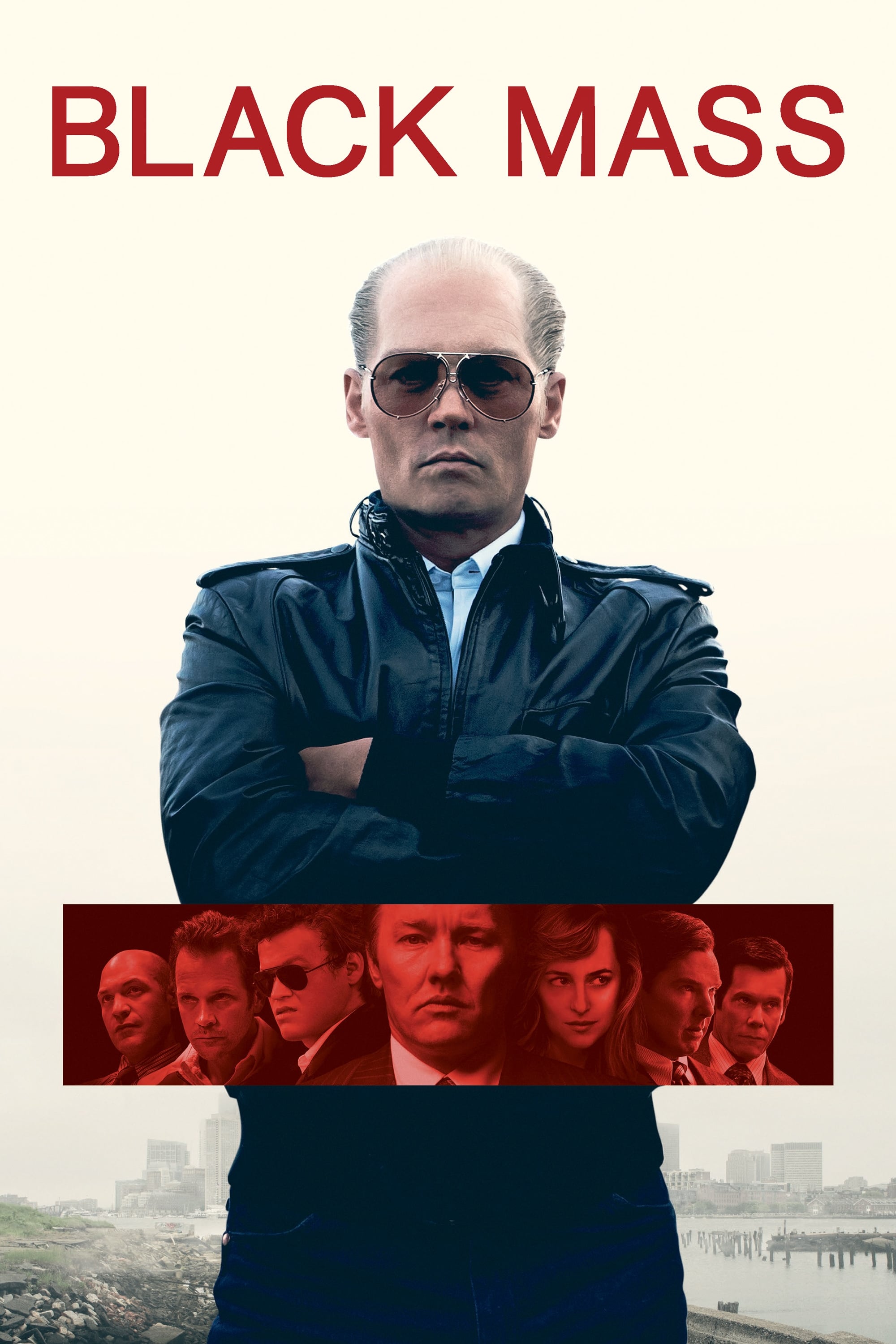
Johnny Depp plays James “Whitey” Bulger as a frightening but strangely honorable crime boss who looked out for his community. The movie delves into his damaging partnership with the FBI, which let him get away with crimes for many years. While the film shows Bulger’s violent side, it also creates a larger-than-life image of him, setting him apart from typical criminals. In reality, Bulger was a master manipulator who ruined people’s lives, all while using his role as an informant as cover.
‘Bronson’ (2008)
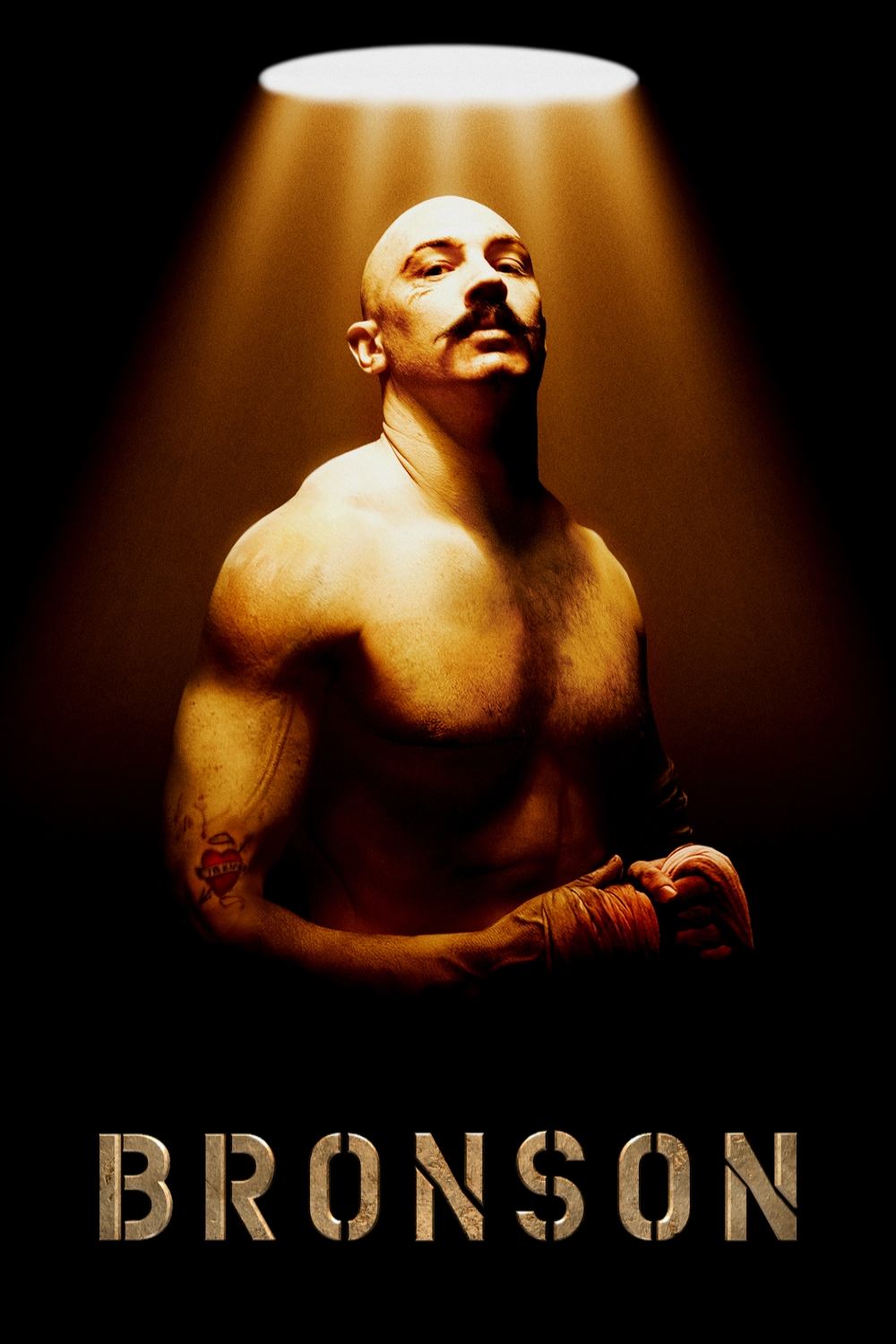
Tom Hardy plays Charles Bronson, widely known as Britain’s most violent prisoner, in this film. It portrays his frequent fights and hostage situations not as simple aggression, but as a strange form of self-expression and performance art. This unique style transforms a man known for serious violence into a somewhat eccentric and misunderstood public figure. The movie emphasizes Bronson’s dramatic personality and showmanship, rather than the damage he inflicted on others in prison.
‘Chopper’ (2000)
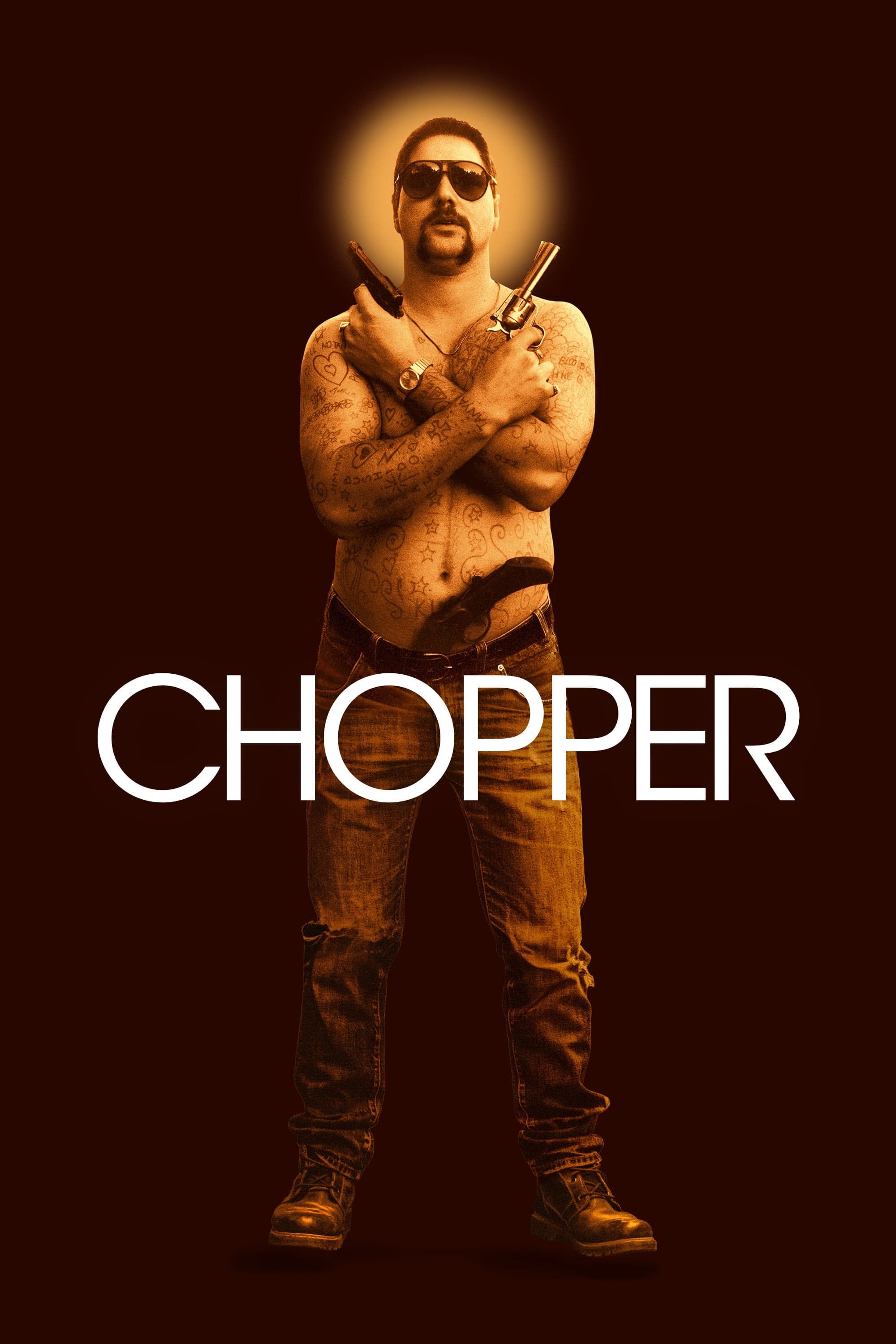
The movie starring Eric Bana portrays Mark “Chopper” Read, a notorious Australian criminal, based on his own often-exaggerated life story. While the film shows Read as charming and funny, with his own strange sense of right and wrong, the real Chopper Read was a deeply violent kidnapper and torturer who craved attention. The filmmakers lean into the fact that Read wasn’t truthful, ultimately turning him into a strangely appealing, almost legendary figure.
‘The Founder’ (2016)
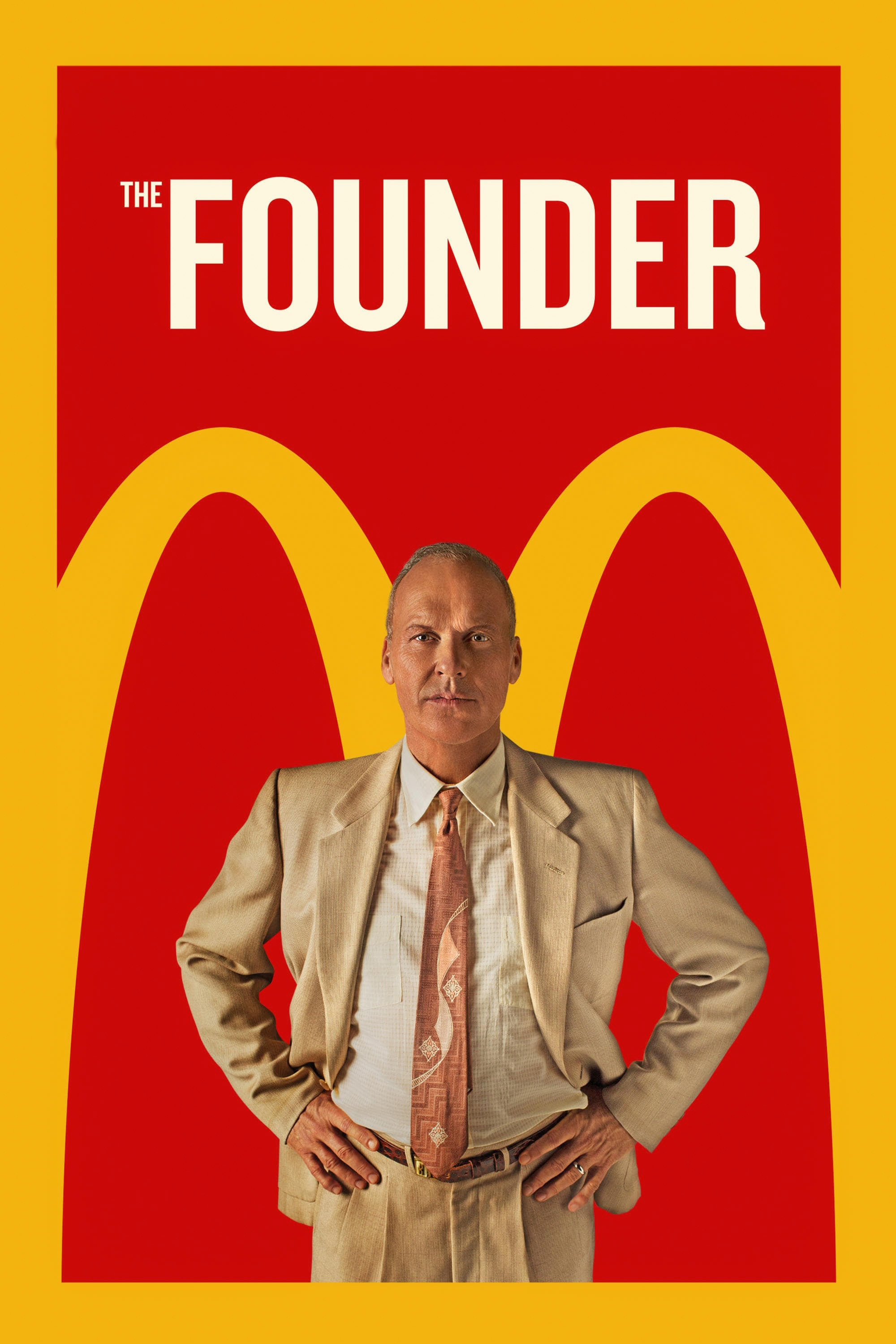
Michael Keaton portrays Ray Kroc, a determined but struggling salesman who ultimately gains control of McDonald’s. While the film doesn’t shy away from Kroc’s harsh business methods, it presents him as a symbol of American determination. He broke promises and effectively pushed the McDonald brothers out of the company they founded. Despite these questionable actions, the movie largely focuses on and celebrates his success in growing the McDonald’s brand.
‘Saving Mr. Banks’ (2013)

I just finished watching a movie where Tom Hanks plays Walt Disney, and it tells the story of how they made the Mary Poppins film. It paints Disney as this really kind, patient guy, especially when dealing with the author of the book, P.L. Travers. But from what I’ve read, the real story was quite different! Apparently, Disney wasn’t nearly as understanding, and P.L. Travers actually hated the movie and felt like the studio took advantage of her. It felt like the film was a really carefully crafted version of events, designed to make Disney and the studio look good.
‘Straight Outta Compton’ (2015)
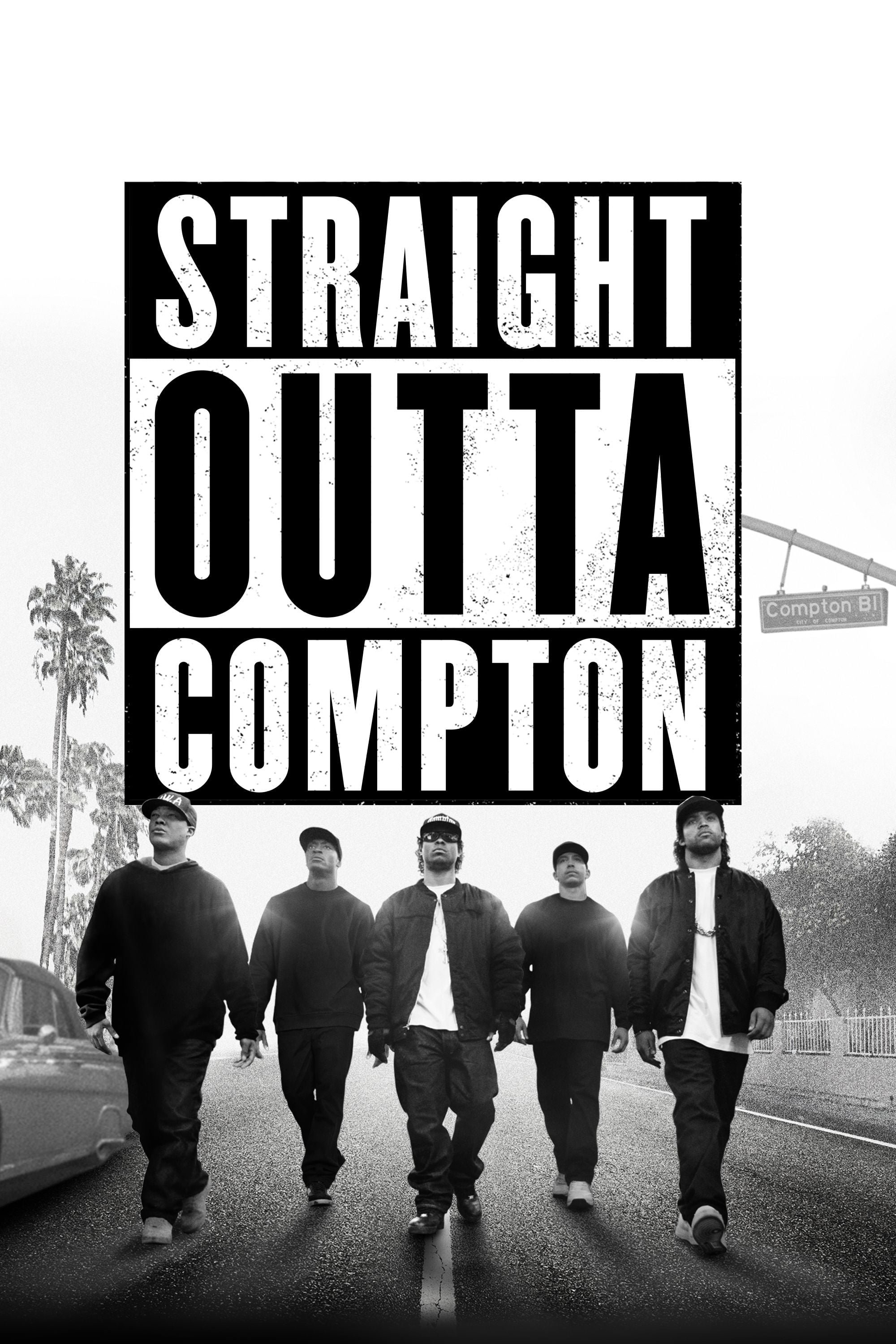
This movie tells the story of N.W.A’s success, portraying the group as fighters against police misconduct and attempts to silence them. However, the film leaves out troubling parts of the members’ pasts, specifically Dr. Dre’s history of violence towards women. Events involving female reporters and partners were completely left out of the movie. Because the surviving members of the group produced the film, they were able to shape the story to present themselves in a more positive light.
‘The Aviator’ (2004)

The film depicts Howard Hughes as a brilliant but troubled man whose mental health issues ultimately hindered his success in aviation and filmmaking. It primarily explores his obsessive-compulsive disorder and his struggles against government regulations and competing airlines. However, the movie overlooks significant evidence of his racism and mistreatment of women, instead solidifying his image as an unusual and innovative figure while downplaying his negative traits.
‘Coco Chanel & Igor Stravinsky’ (2009)

The film tells the love story between a fashion designer and a composer in the 1920s. While it showcases the designer’s independence and creative talent, it avoids discussing her controversial past. Historical records confirm she worked as a spy for the Nazis and attempted to exploit discriminatory laws to gain full control of her business, removing her Jewish business partners. The movie presents a romanticized version of her life, failing to acknowledge her involvement with the German occupation of France.
‘Gods and Generals’ (2003)

This historical film about the Civil War centers on Stonewall Jackson and depicts Confederate leaders as devout men protecting their families and way of life. However, it has faced criticism for reinforcing the harmful “Lost Cause” narrative – a romanticized view of the Confederacy that minimizes the importance of slavery. The film presents a misleading picture by showing enslaved people as content and devoted to their owners, which goes against historical evidence. Ultimately, the movie celebrates those who fought to maintain slavery, disguising their motives as a defense of states’ rights and religious beliefs.
‘Gone with the Wind’ (1939)
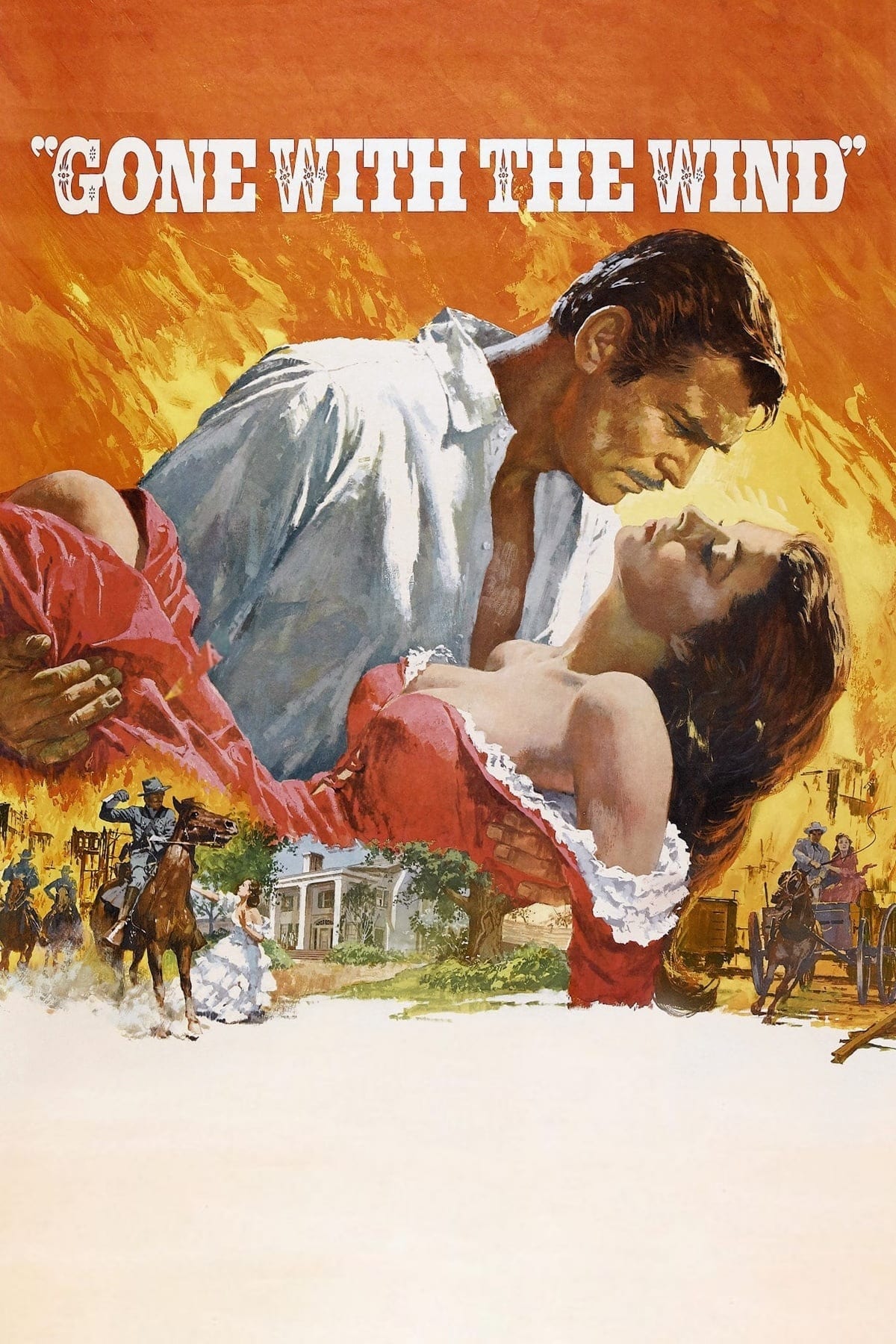
This beloved film is a grand romantic story set during and after the American Civil War. While visually stunning and technically impressive, it presents a highly idealized view of the pre-war South, portraying slave owners as kind and generous. Enslaved people are shown as either naive or devoted to those who own them, and Northerners are often depicted negatively. Because of these depictions, the film has faced significant criticism for reinforcing harmful and inaccurate ideas about the Confederacy and the realities of slavery.
‘The Birth of a Nation’ (1915)
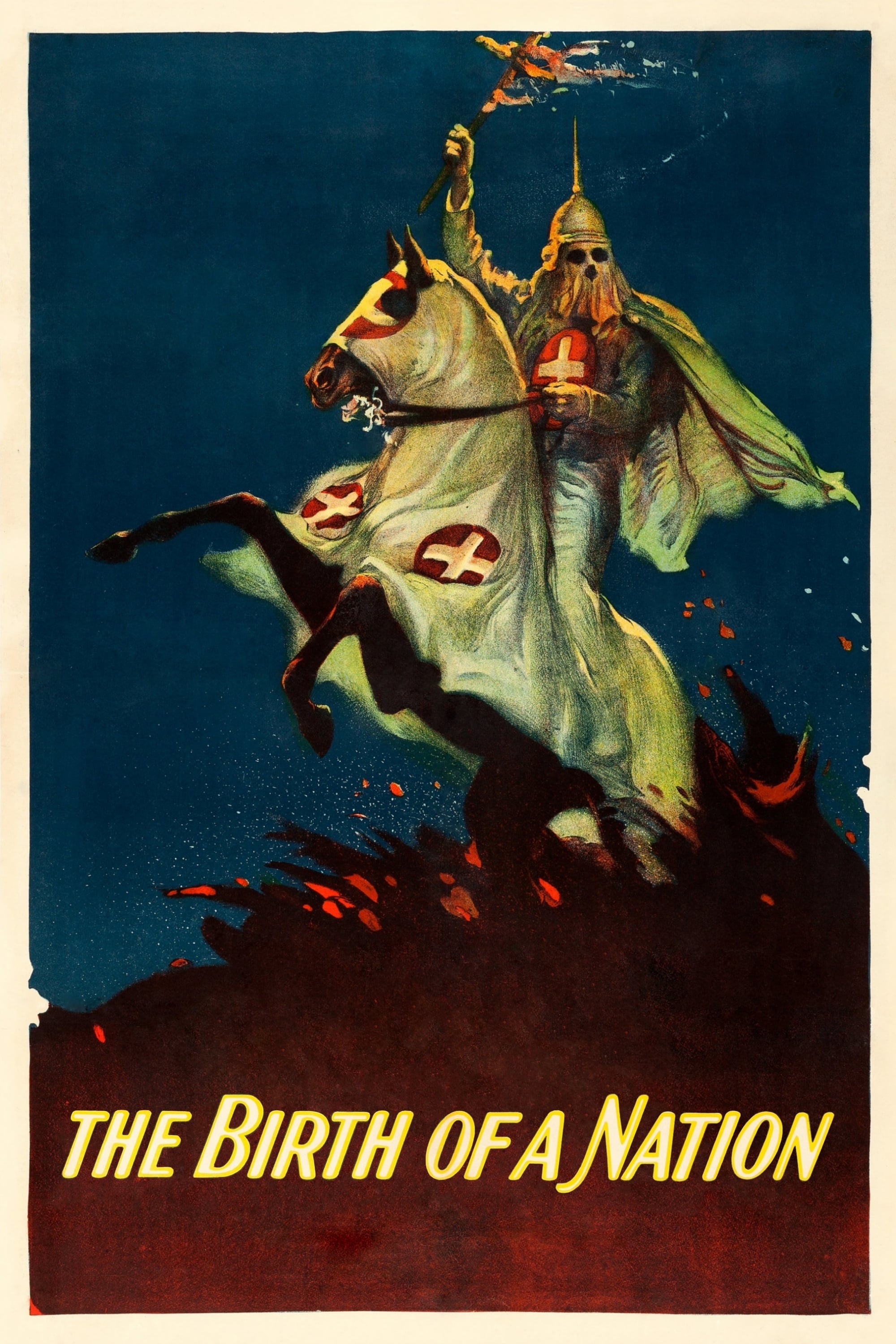
D.W. Griffith’s silent film is widely criticized for its racist portrayal of the Ku Klux Klan as heroes. The film depicts Black men as dangerous and unintelligent, falsely suggesting they were a threat to white communities. This harmful representation is believed to have contributed to the resurgence of the KKK in the early 1900s and fueled violence against African Americans. Despite being recognized for its filmmaking innovations, the movie remains a deeply offensive and historically inaccurate work.
‘300’ (2006)
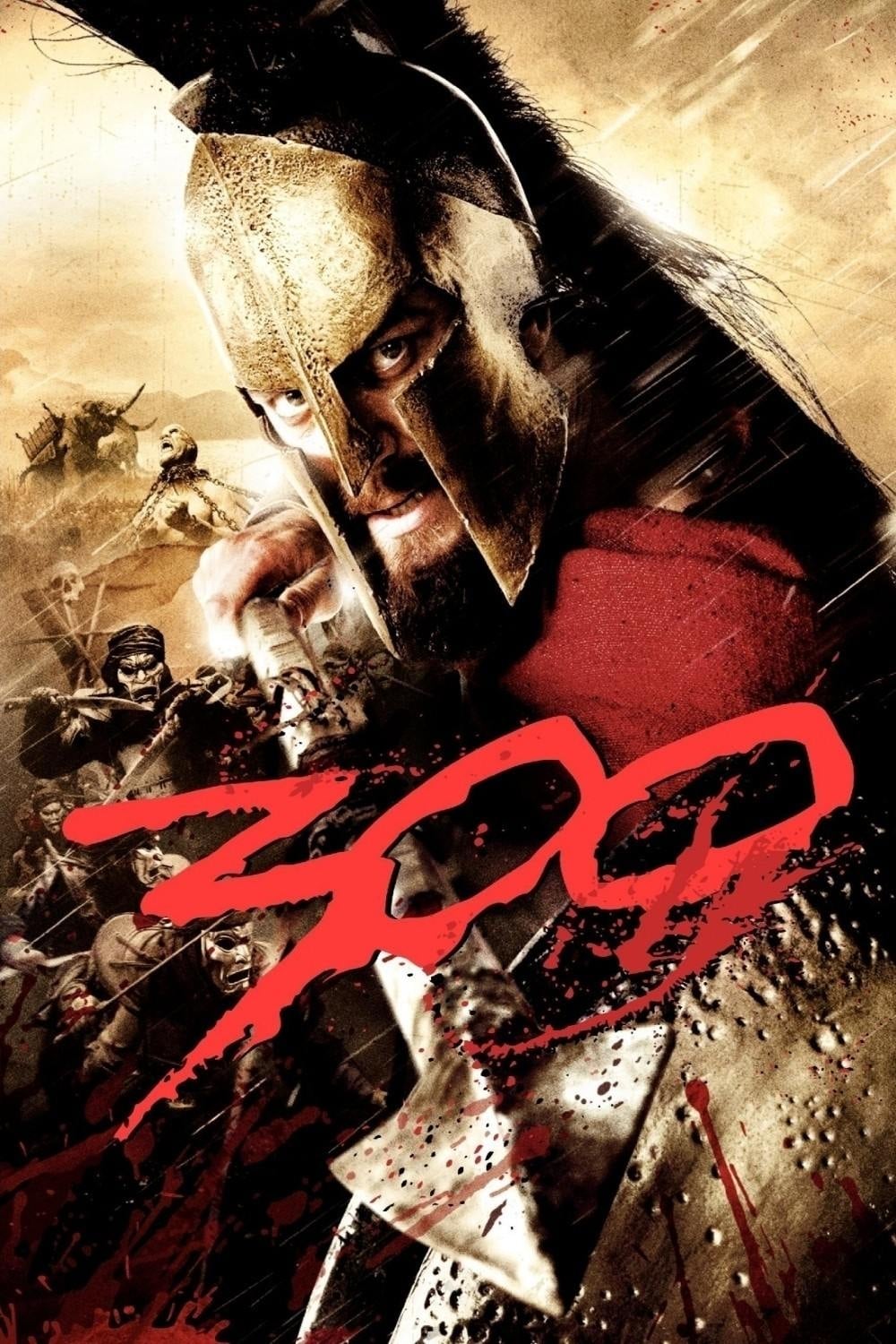
As a movie fan, I always find it interesting when filmmakers tackle historical events. Zack Snyder’s take on the Battle of Thermopylae is definitely visually striking, with a lot of stylized action. He really paints the Spartans as these incredibly brave heroes fighting for freedom, and the Persians… well, they’re portrayed as pretty much the villains. But what’s fascinating – and a little troubling – is that the movie glosses over some really dark parts of Spartan society. History tells us they built their whole way of life on brutally controlling and enslaving people, and they even practiced selective breeding. The film completely leaves that stuff out, instead presenting Sparta as this shining example of Western ideals. It’s a powerful story, but it definitely takes a lot of liberties with the truth.
‘Alexander’ (2004)
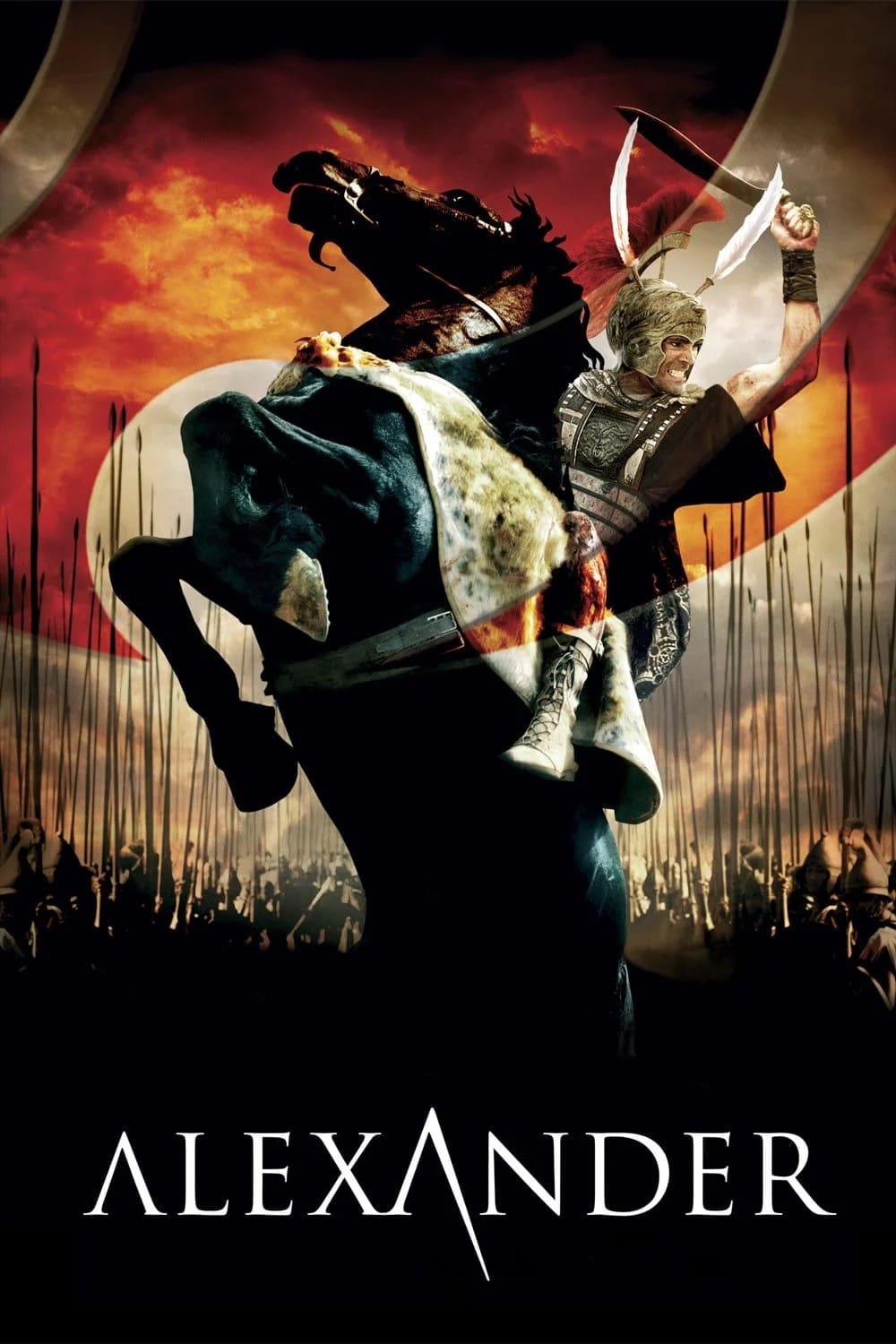
Colin Farrell stars as Alexander the Great in a movie that focuses on his battles and personal life. While the film portrays his desire to create a single, unified empire as inspiring, it downplays the brutal violence his army inflicted. Alexander’s conquests involved the destruction of cities and the enslavement of thousands, but the movie presents him as a thoughtful leader rather than a power-hungry conqueror.
‘The Iron Lady’ (2011)
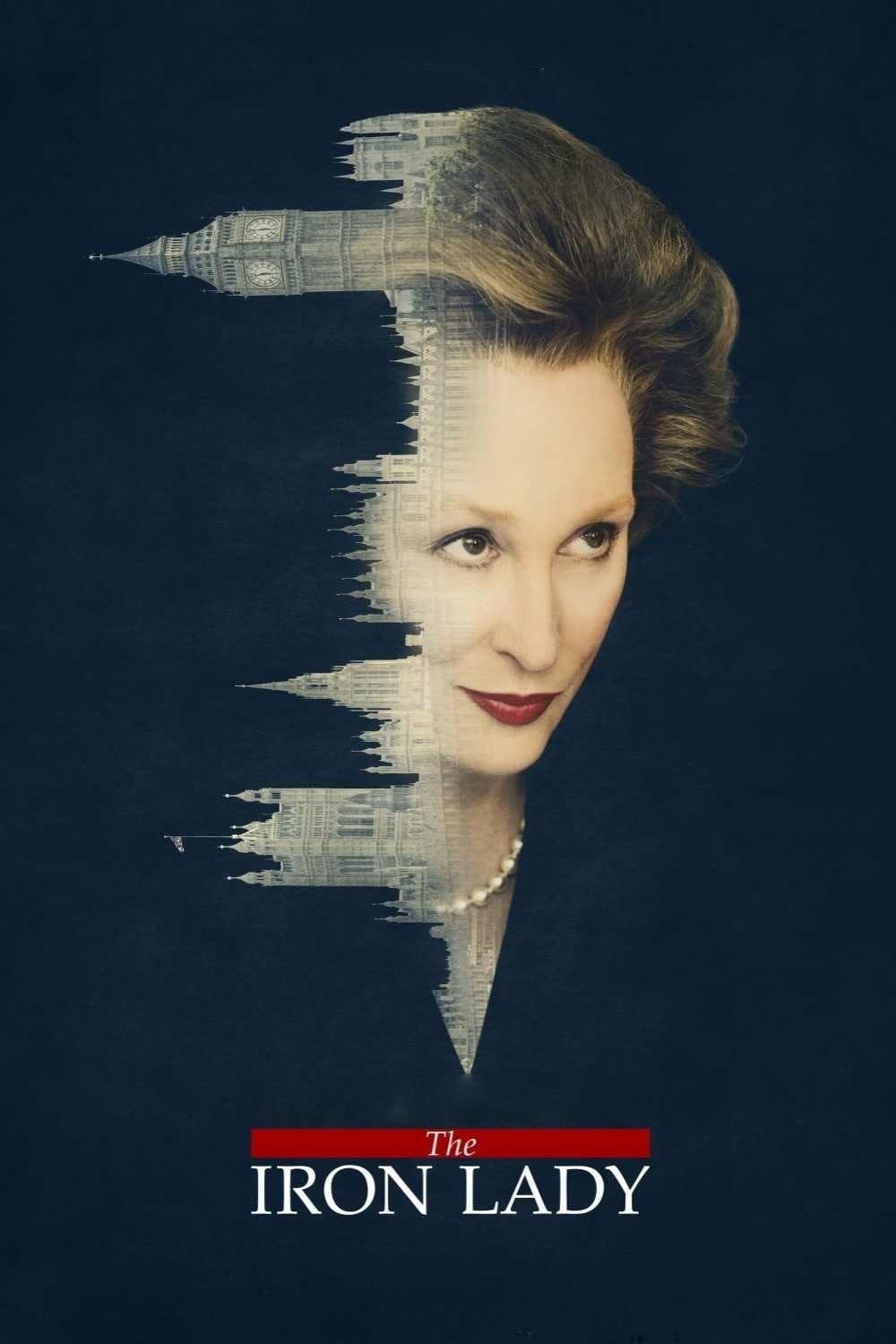
Meryl Streep won an Academy Award for playing Margaret Thatcher, the former British Prime Minister, in this biographical film. The movie centers on her challenges with sexism in politics and her battle with dementia later in life. While it shows her personal struggles, it doesn’t delve deeply into the difficulties caused by her policies, like the miners’ strike. Many critics thought the film made Thatcher seem more relatable without fully acknowledging the hardships her decisions created for working-class people.
‘Darkest Hour’ (2017)
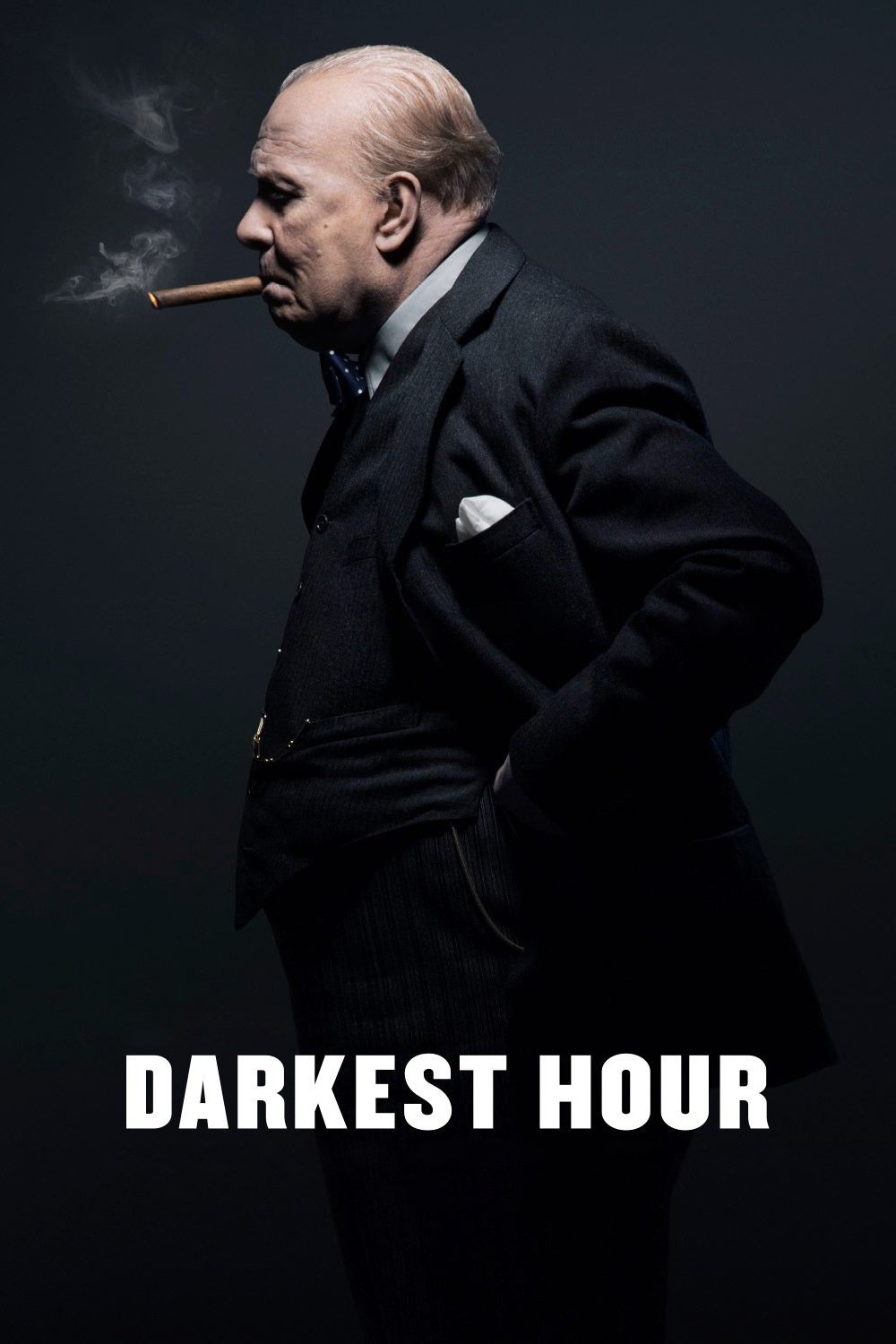
Gary Oldman gives an incredible performance as Winston Churchill in the beginning of World War II. The movie concentrates solely on his motivating speeches and his firm decision not to negotiate with Adolf Hitler. It doesn’t show his problematic views on race or his actions that worsened the Bengal Famine in 1943. By focusing only on a short period in 1940, the film sidesteps the more difficult aspects of Churchill’s beliefs and leadership.
‘Green Book’ (2018)
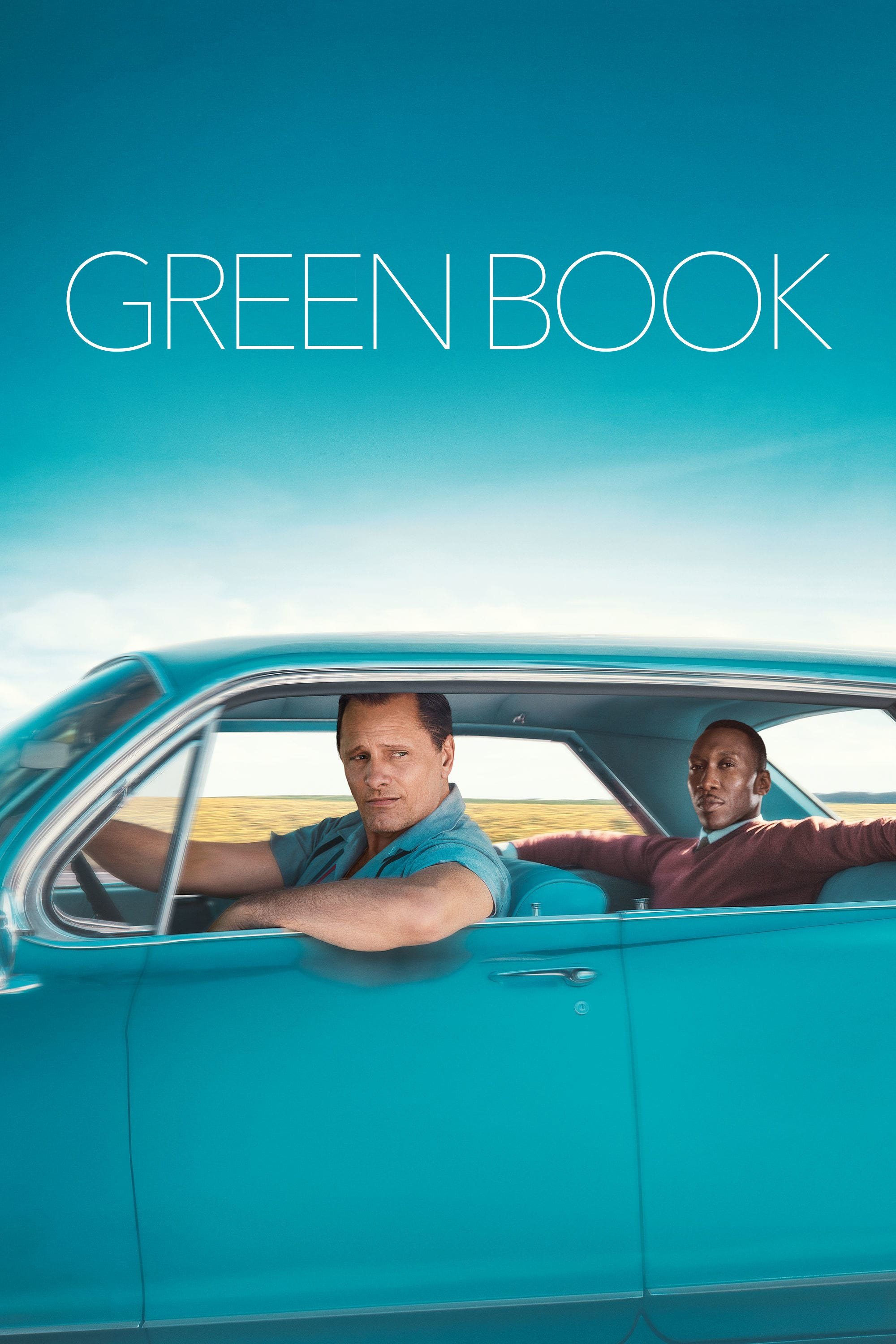
The Academy Award-winning film portrays the unlikely friendship between a pianist, Don Shirley, and his driver, Tony Lip. However, Don Shirley’s family objected to the movie’s depiction of his relationships, both with his family and with Lip. Critics also argued that the film leans on the problematic “white savior” trope, presenting a white character as someone who guides a Black character. Many felt it glossed over the brutal realities of segregation, turning it into an overly optimistic story about conquering prejudice.
‘The Blind Side’ (2009)
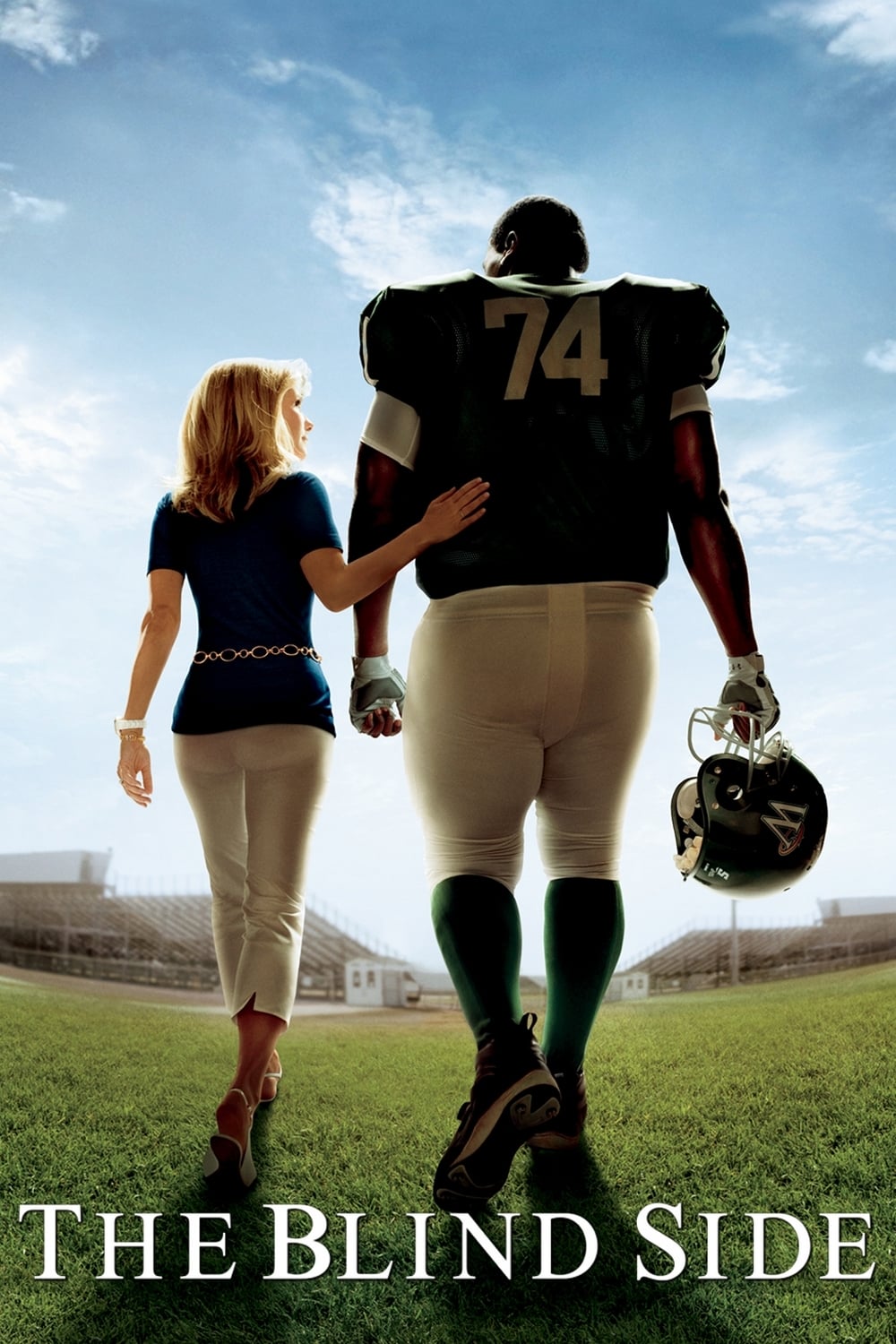
The film, starring Sandra Bullock, tells the story of Leigh Anne Tuohy and her family, who take in Michael Oher, a homeless teenager. While the movie depicts Oher as needing significant help to succeed in football due to intellectual limitations, Oher himself has said the film damaged his career by inaccurately portraying him as lacking intelligence and football knowledge. He later sued the family, claiming they misled him about being legally adopted and exploited his life story for financial gain.
‘Captain Phillips’ (2013)
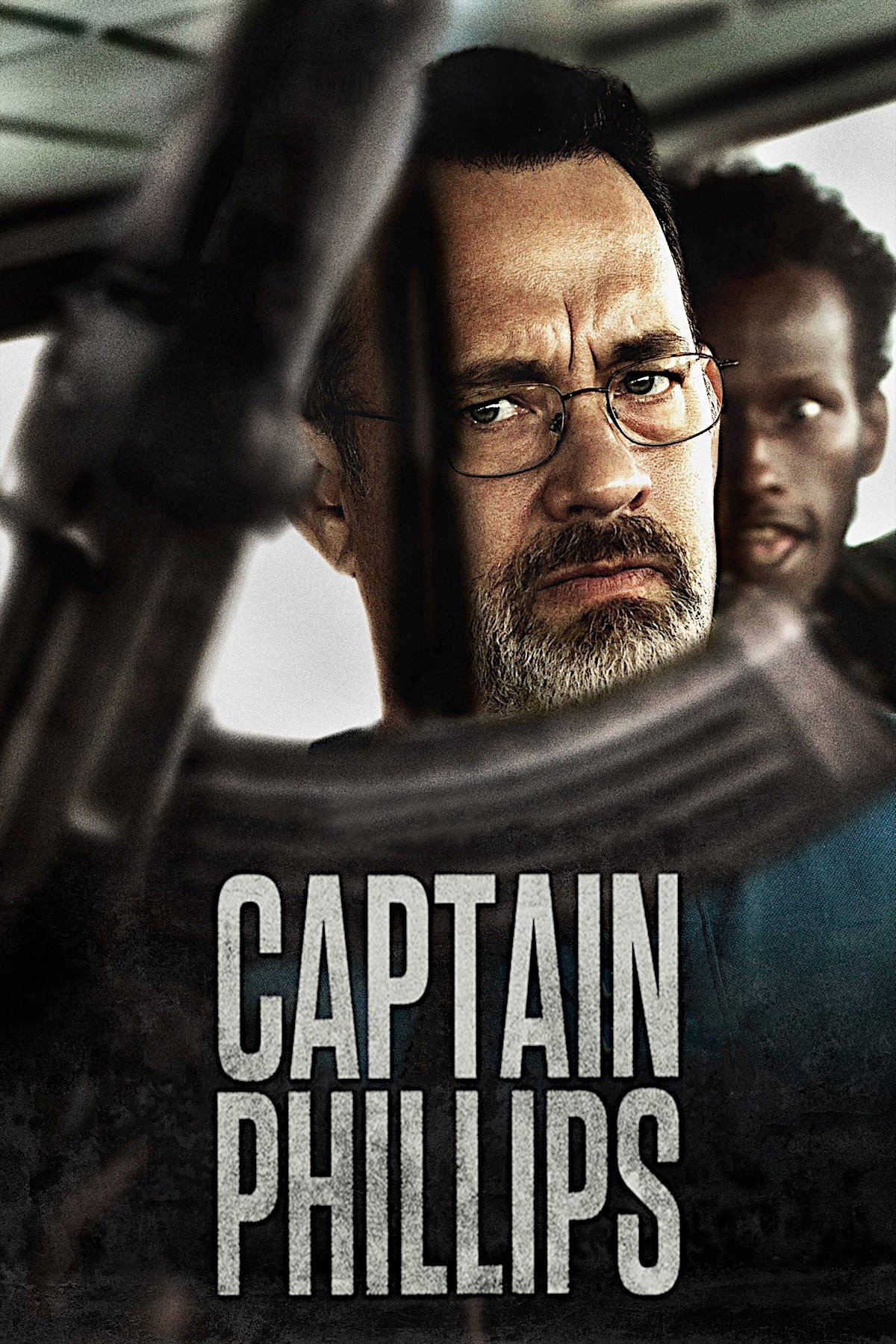
Tom Hanks stars as Captain Phillips, a ship captain whose vessel is taken over by Somali pirates. The film portrays Phillips as a brave hero who prioritizes the safety of his crew and ship. However, crew members from the actual Maersk Alabama filed lawsuits alleging Phillips disregarded safety protocols to cut costs, putting them at risk. The movie doesn’t address this crew discontent, instead focusing solely on Phillips’s fight for survival.
‘Ned Kelly’ (2003)

I just finished watching this movie about Ned Kelly, and Heath Ledger is incredible! He plays this legendary Australian outlaw who basically made his own armor and fought against the police. The film really makes you see Kelly as someone who was wronged by the authorities and was fighting for the little guy. It definitely highlights the corruption within the police force at the time, which was a real issue. However, it kind of glosses over the fact that Ned Kelly and his gang did kill police officers. It really paints him as this folk hero, almost completely ignoring the violent side of his story. It’s a compelling film, but it definitely leans into the legend more than the full truth.
‘Butch Cassidy and the Sundance Kid’ (1969)

This delightful western stars Paul Newman and Robert Redford as charismatic outlaws. The film centers on their bond and their longing for a life free from the rules of society. While the real outlaws were dangerous criminals responsible for bank and train robberies and a history of violence across two continents, the movie portrays them as sympathetic and tragic characters, largely overlooking the impact of their crimes on others.
‘Young Guns’ (1988)
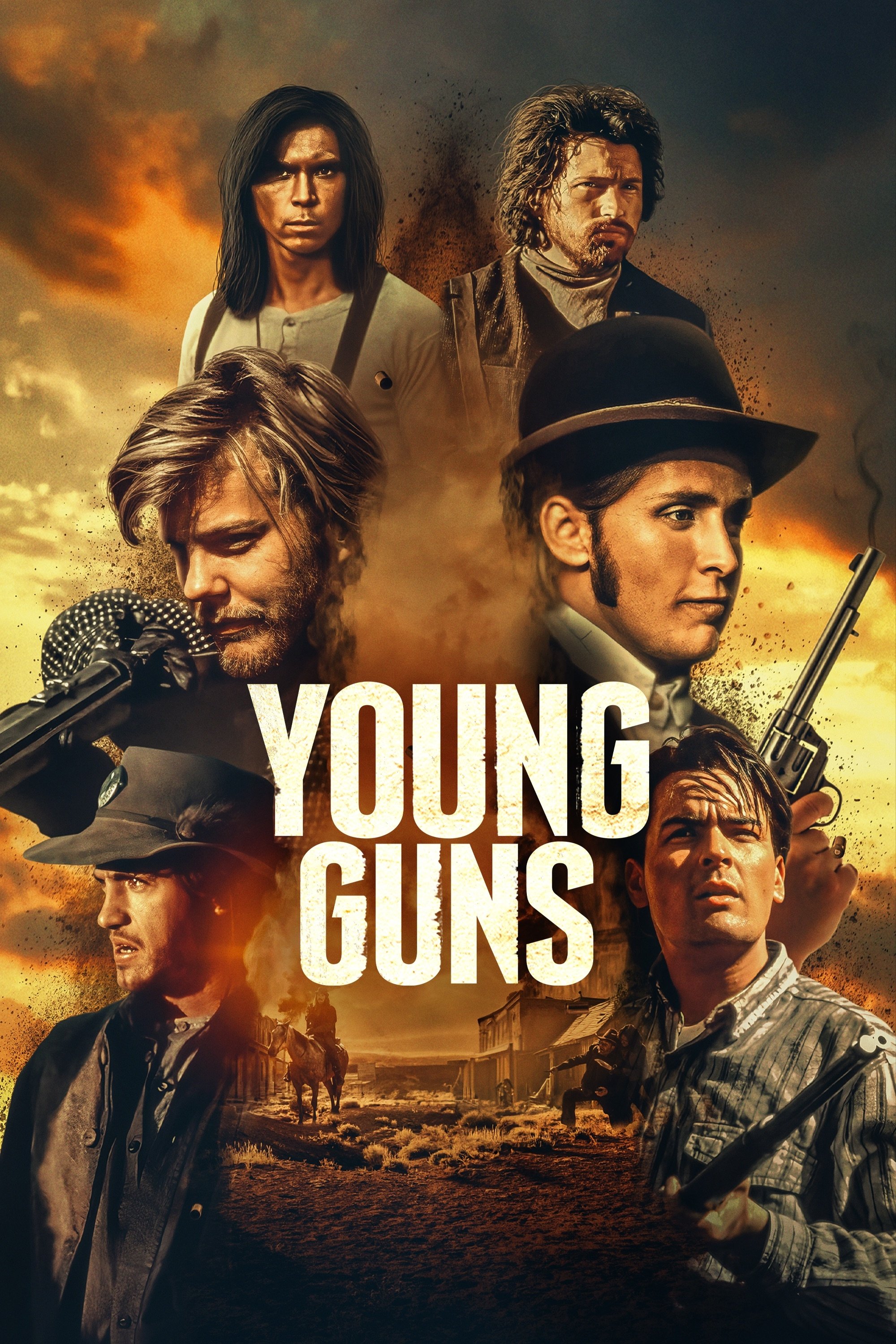
Emilio Estevez portrays Billy the Kid as a captivating but unpredictable leader of a band of law enforcers. The film presents their violent actions as a justified reaction to a dishonest businessman who killed their guide. While historical records depict Billy the Kid as a wandering criminal caught up in a brutal range war, the movie reimagines these men as heroic cowboys fighting for what’s right, rather than simply taking part in a chaotic conflict.
‘Lawrence of Arabia’ (1962)
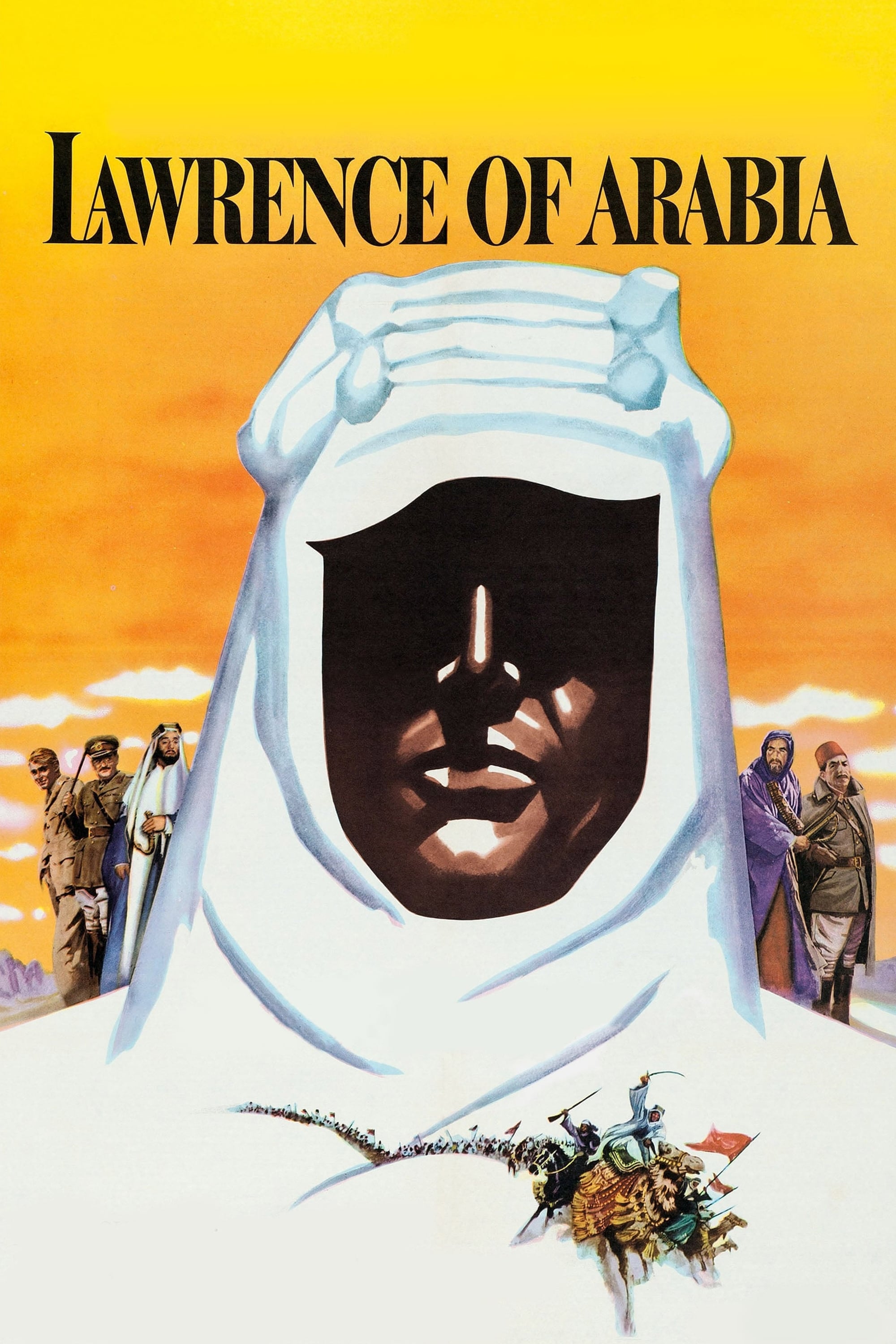
This epic film features Peter O’Toole as T.E. Lawrence, telling the story of the Arab Revolt against the Ottoman Empire with breathtaking visuals. While portraying Lawrence as a key figure in the Arab victory and a man caught between cultures, historians point out the movie overemphasizes his role and glosses over the complicated relationships between Arab tribes. The film also falls into the trope of a Westerner leading and liberating people of color.
‘The Last Samurai’ (2003)
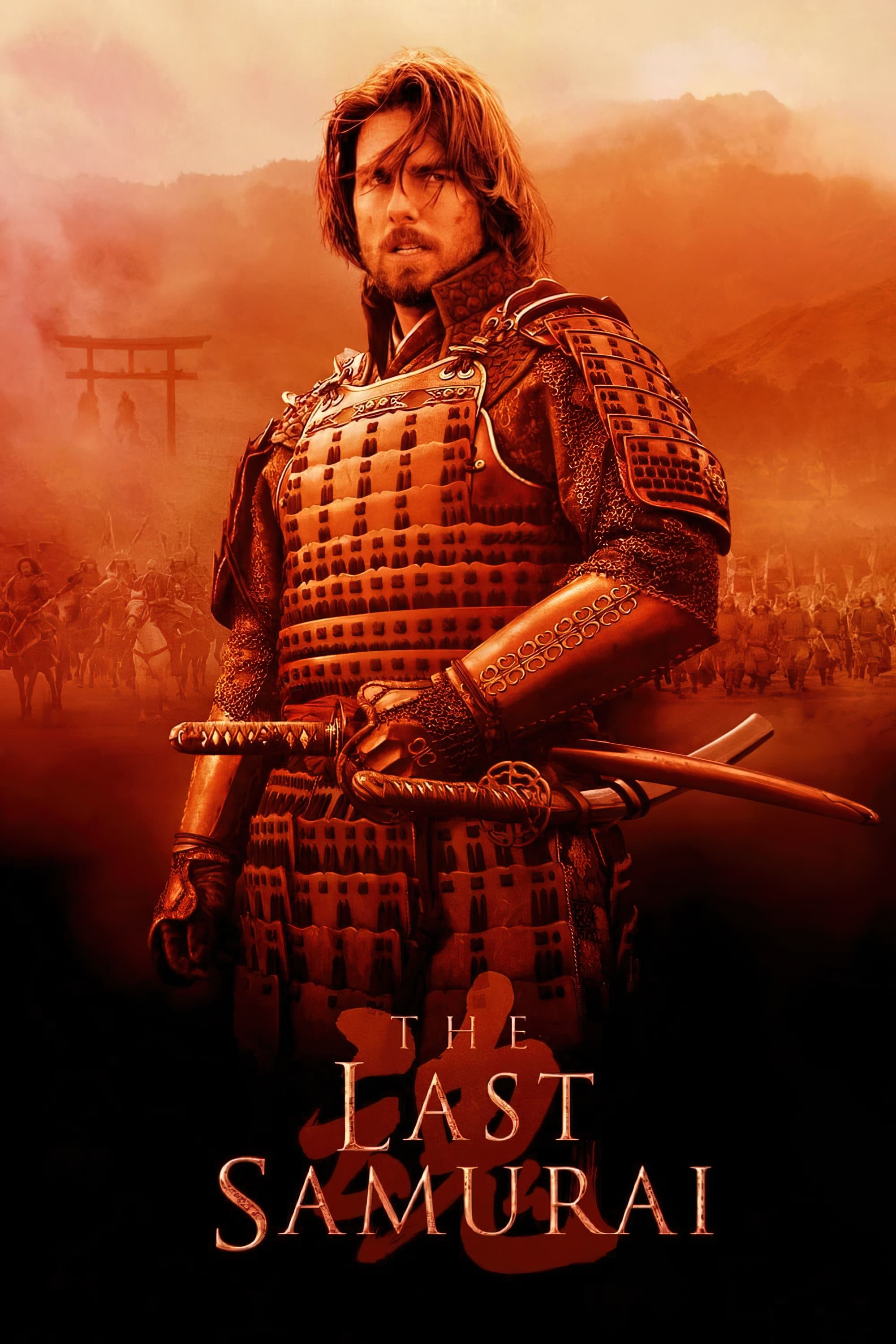
The film stars Tom Cruise as an American soldier who learns the ways of the samurai in Japan during a time of major change. While the movie portrays the samurai’s uprising as a heroic defense of tradition against a corrupting modern world, the historical reality is more complex. The samurai were actually fighting to protect their own power and social standing, not to benefit the common people. The film simplifies this difficult history, focusing instead on themes of honor and skillful sword fighting.
‘Midnight Express’ (1978)
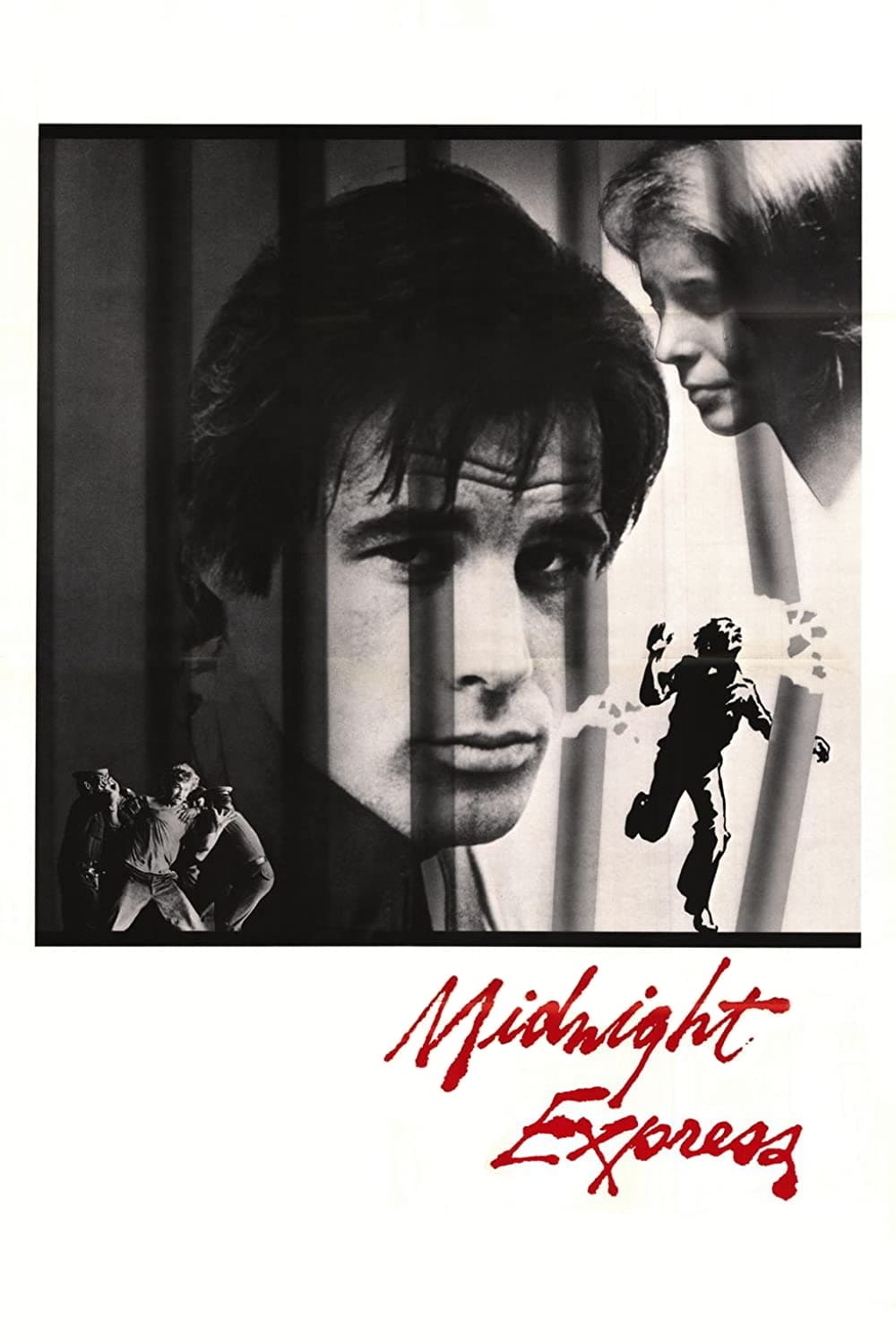
This suspenseful film follows Billy Hayes, who is arrested in Turkey for attempting to smuggle drugs. However, the movie portrays Turkish people and prison staff as consistently cruel and corrupt. The real Billy Hayes later said the film overstated his hardships and unfairly painted a negative picture of Turkey. To increase the drama, the filmmakers also created a fictional murder that didn’t actually occur.
‘Pain & Gain’ (2013)
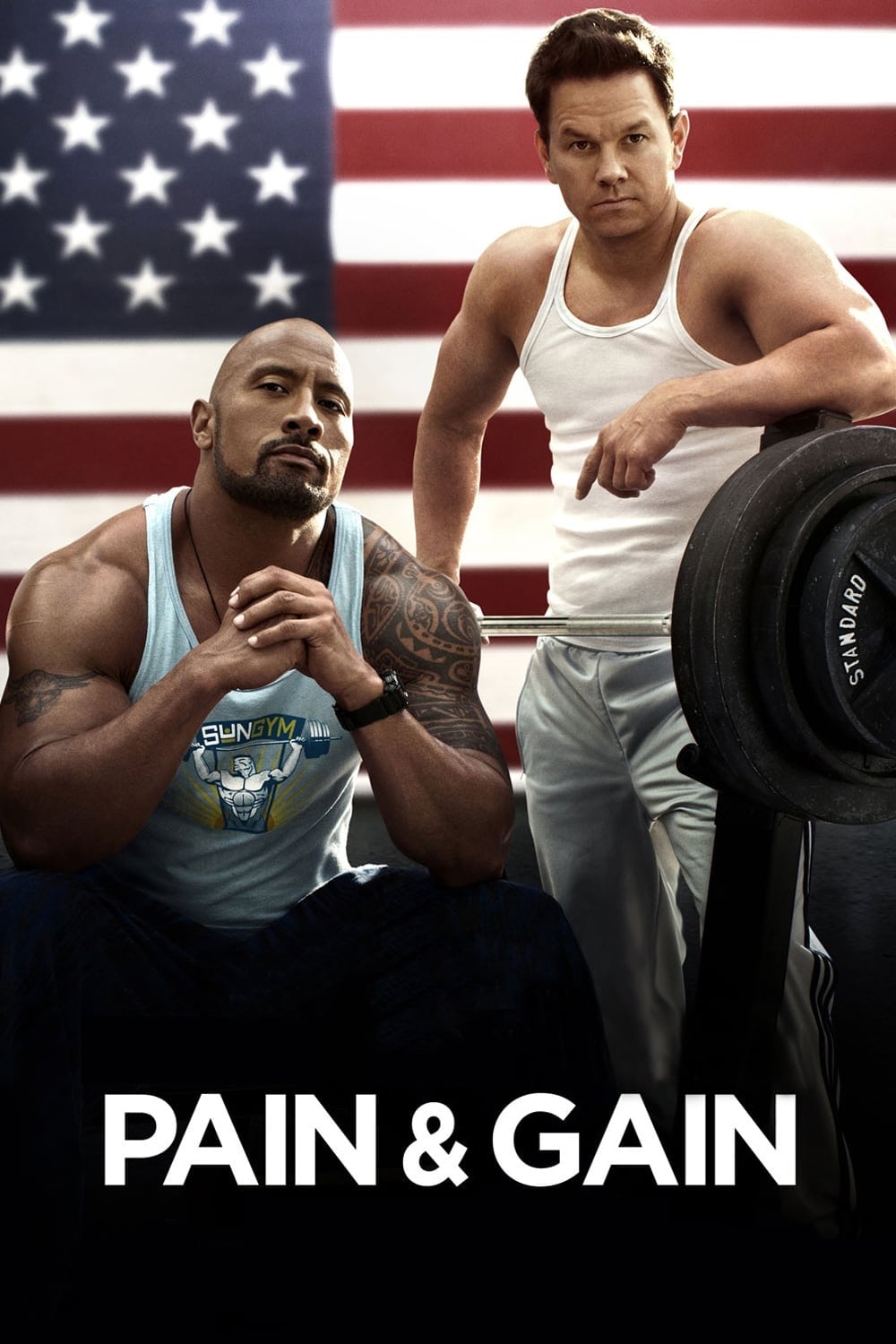
Michael Bay’s film is a dark comedy based on the true story of the Sun Gym gang, who kidnapped and tortured a rich man. The movie tries to find humor in these awful events, portraying the criminals as clumsy and foolish as they pursue their idea of the American Dream. However, the film faced criticism from survivors and victims’ families who felt it trivialized the brutal crimes. Its quick cuts and comedic approach downplay the horror of what actually happened.
‘War Dogs’ (2016)

The film follows two young men, Jonah Hill and Miles Teller, who become arms dealers and win a big government contract to supply ammunition to the Afghan military. It portrays their illegal dealings as a fun, fast-paced adventure driven by their desire for success and recreational drug use. However, the movie doesn’t fully address the serious consequences of their actions – they were selling faulty and dangerous ammunition that endangered soldiers. Instead of exploring the ethics of profiting from war, the film primarily focuses on the strange and often illogical way the Pentagon buys equipment.
‘I, Tonya’ (2017)

As a film buff, I recently watched the movie about Tonya Harding, and it’s a really interesting take on the whole Nancy Kerrigan situation. Margot Robbie does an amazing job playing Tonya, and the film is done in a mockumentary style, almost like a tell-all interview. What struck me is how it really makes you question what Tonya actually knew about the attack on Nancy. It paints her as someone who was dealt a really bad hand – abused by her mother and husband – and suggests the media and the skating world really piled on unfairly. Honestly, it made me feel sorry for Tonya, though I did wish the film spent a bit more time acknowledging the impact on Nancy herself.
‘The Social Network’ (2010)

I thought Jesse Eisenberg really nailed the portrayal of Mark Zuckerberg – he came across as this brilliant but incredibly awkward guy who started Facebook, at least partly, to prove a point after a breakup. The movie mostly centers around the legal battles with the Winklevoss twins and Eduardo Saverin, who claimed they were cheated out of their share of the company. Honestly, it felt a little strange that the film didn’t really dig into the bigger issues, like privacy and the ethics of what Facebook would become. It felt less like the story of a world-changing invention and more like a college dispute, which downplayed the huge impact Facebook would eventually have.
‘Jobs’ (2013)
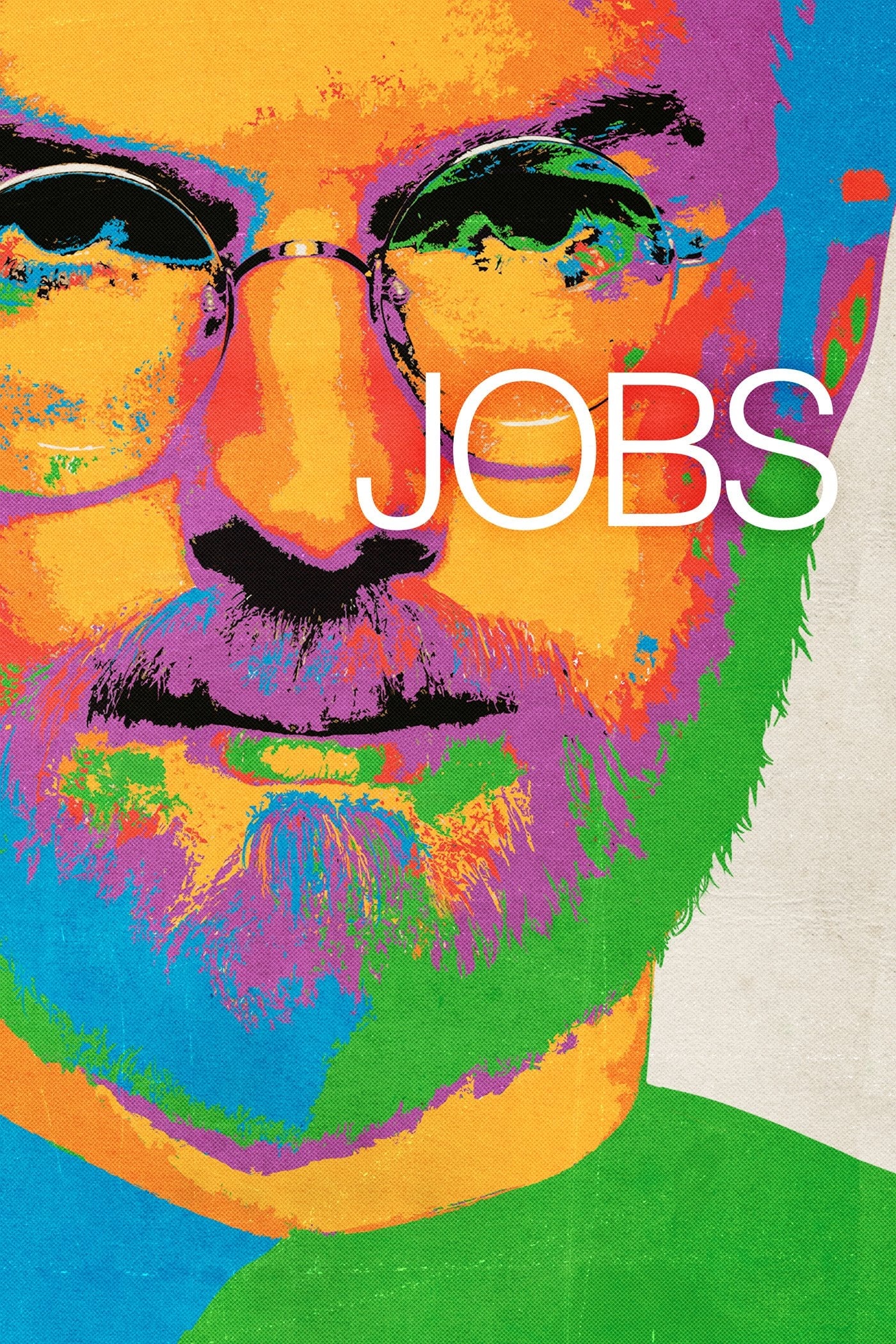
Ashton Kutcher portrays Steve Jobs in a film that follows his life, from dropping out of college to becoming the CEO of Apple. The movie focuses on his innovative product releases and his talent for motivating those around him. While it briefly mentions a dispute over his daughter Lisa’s paternity, it quickly resolves the issue to keep the focus on Jobs as a heroic figure. The film doesn’t explore in detail stories about his harsh treatment of employees or his controversial health choices.
‘Ip Man’ (2008)
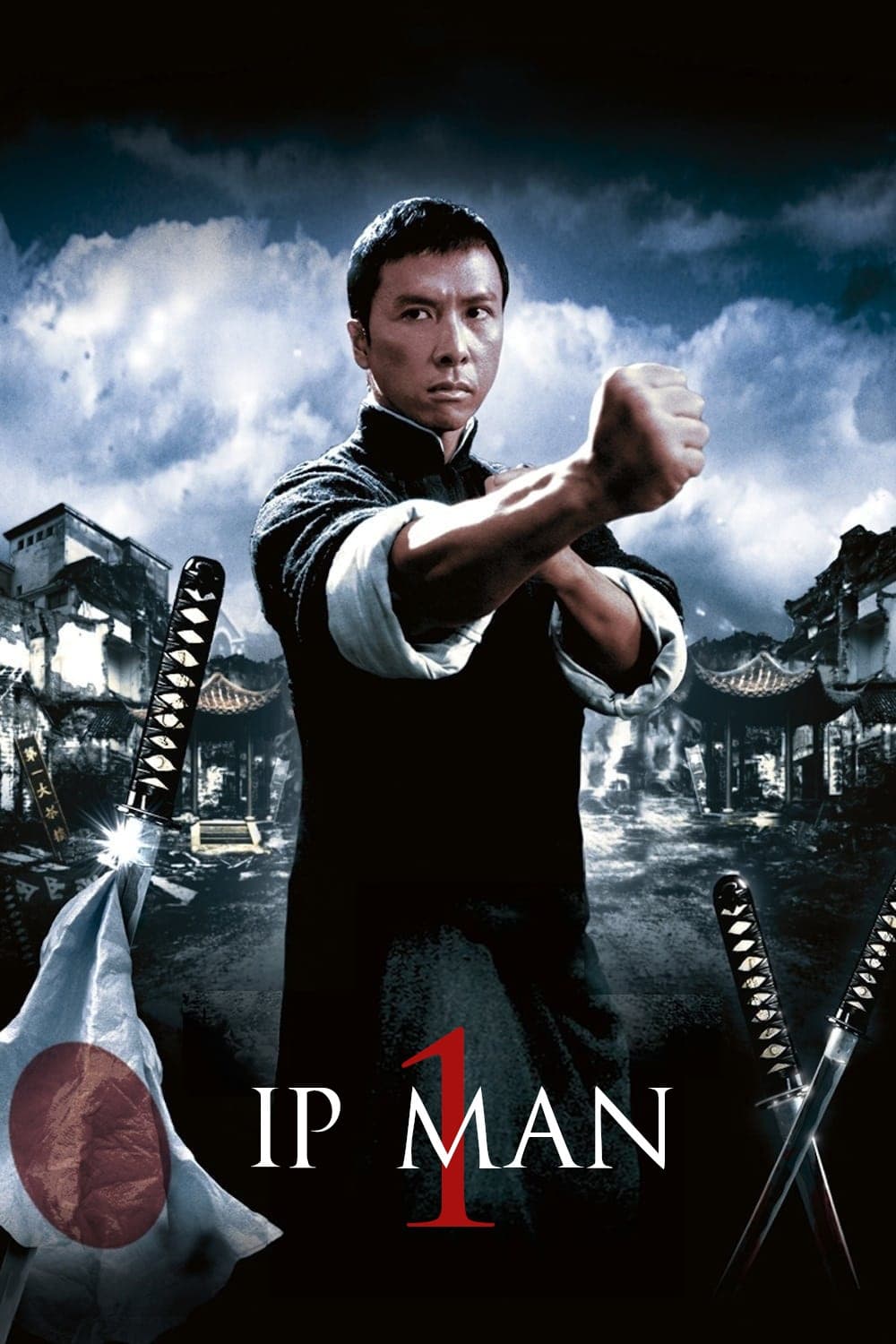
Donnie Yen plays the iconic martial artist Ip Man in a movie inspired by his life during the Japanese occupation of China. The film portrays him as a patriotic figure who fights against foreign invaders in exciting battles, aiming to reclaim Chinese honor. While the real Ip Man was a police officer who later moved to Hong Kong to avoid the Communist government, the movie adds fictional fights and events to create a thrilling and patriotic action film.
Tell us which historical movie portrayal surprised you the most in the comments.
Read More
- Building 3D Worlds from Words: Is Reinforcement Learning the Key?
- The Best Directors of 2025
- 2025 Crypto Wallets: Secure, Smart, and Surprisingly Simple!
- Gold Rate Forecast
- Mel Gibson, 69, and Rosalind Ross, 35, Call It Quits After Nearly a Decade: “It’s Sad To End This Chapter in our Lives”
- 20 Best TV Shows Featuring All-White Casts You Should See
- Umamusume: Gold Ship build guide
- Top 20 Educational Video Games
- Most Famous Richards in the World
- Celebs Who Married for Green Cards and Divorced Fast
2026-01-04 04:23