As a film critic, I’ve definitely noticed a shift in how we view older movies. We’re re-evaluating performances through a modern lens, and frankly, some haven’t aged well. A lot of actors are now facing criticism for roles that relied on cultural appropriation or harmful stereotypes. While some have apologized, others are digging in their heels, defending their work by pointing to the ‘context of the time’ or claiming it was ‘satire.’ This piece dives into the cases of male actors who’ve publicly defended controversial roles, and the fallout that followed. It’s a tricky conversation, balancing artistic intent with the impact those portrayals had – and continue to have – on marginalized communities.
Robert Downey Jr.
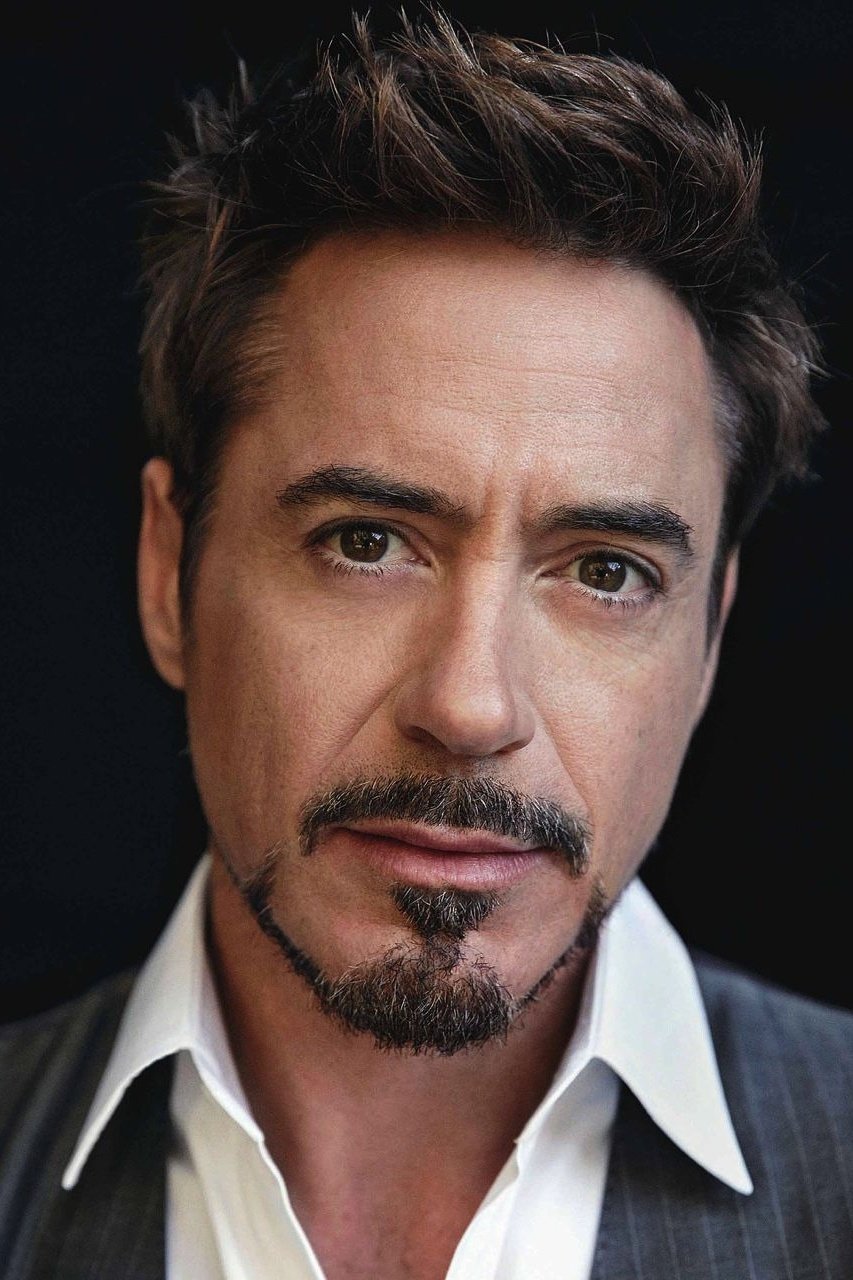
In the comedy ‘Tropic Thunder,’ Robert Downey Jr. played Kirk Lazarus, an Australian actor who controversially darkened his skin for a role using blackface. Downey has repeatedly explained that the performance was meant to satirize the film industry and the self-importance of actors, and that it wasn’t intended to be racist. He also shared that most of his Black friends thought the portrayal was a successful satire, and that the film was a commentary on Hollywood culture.
Ben Stiller
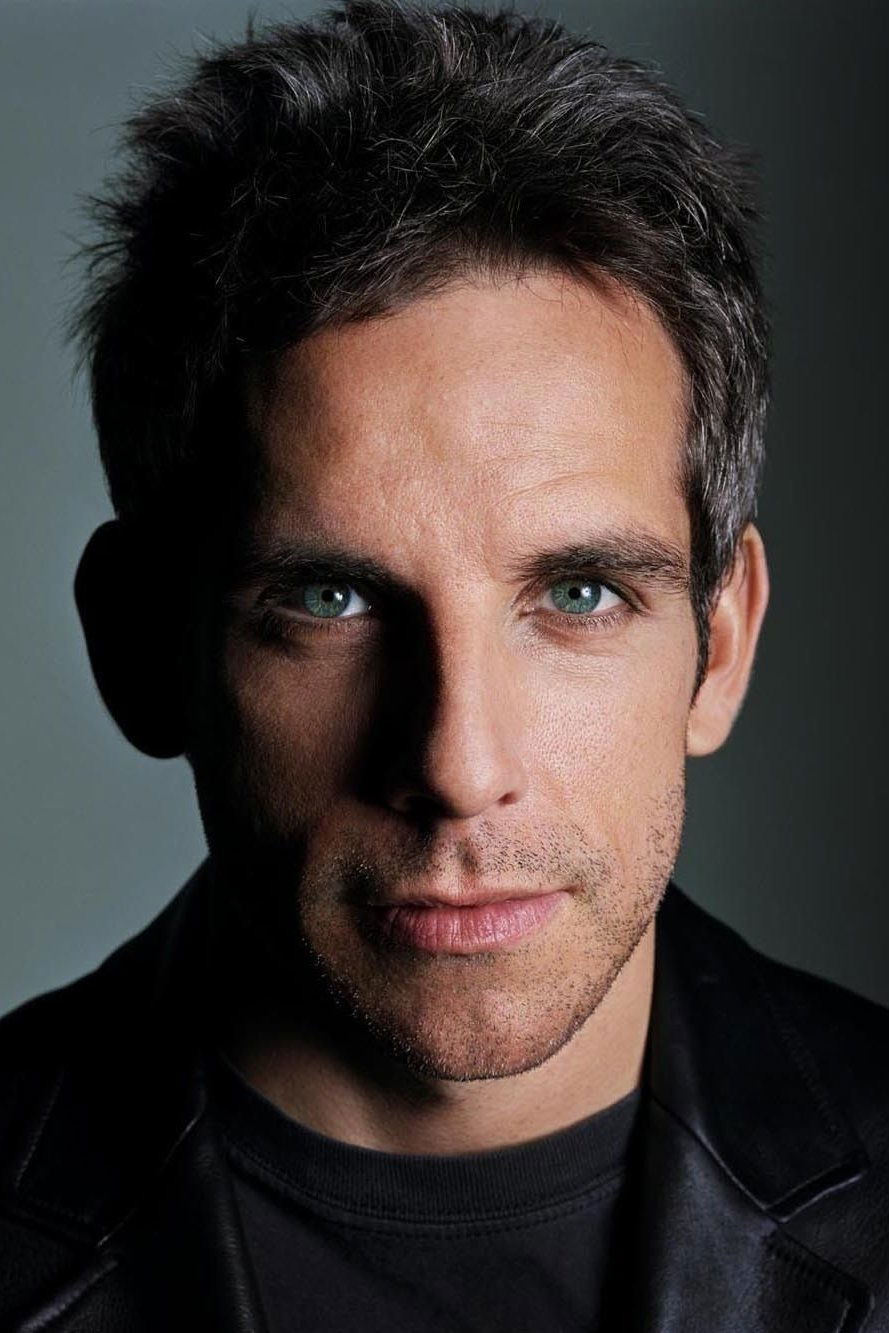
Ben Stiller’s film ‘Tropic Thunder’ has recently faced criticism for its edgy humor. However, Stiller has consistently defended the movie, refusing to apologize for it even years later. He explains that the film was intended as a pointed satire of Hollywood’s over-the-top nature and the dedication of method actors. Stiller remains proud of the film’s message and its commentary on the industry, and his strong stance continues to fuel discussions online about how far satirical comedy can go today.
Matt Damon
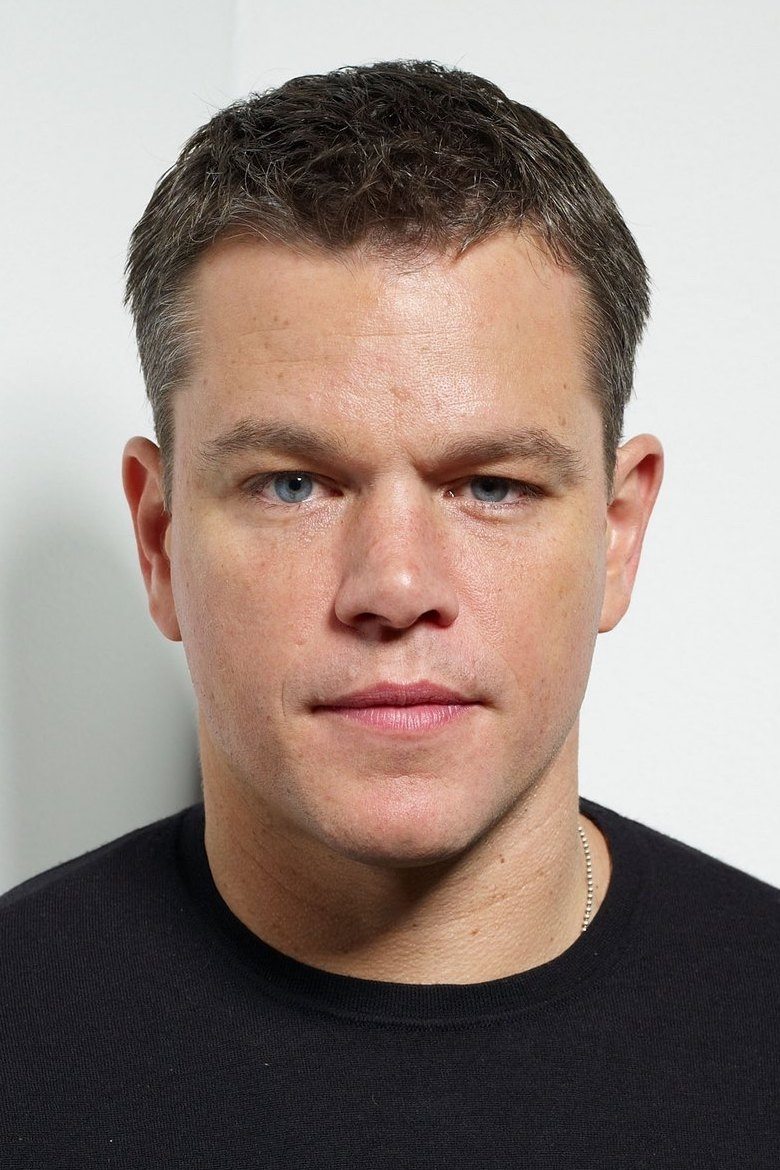
Matt Damon received criticism for his role in ‘The Great Wall’, with some accusing the film of ‘whitewashing’ – casting a white actor in a role that should have gone to someone of Chinese descent – and relying on the ‘white savior’ storyline. Critics felt a Western actor shouldn’t be the central figure in a movie set in ancient China. Damon explained that his character was always written as a foreigner and believed the criticism stemmed from a misleading film trailer. Despite the public backlash, he emphasized his commitment to diversity in film.
Hank Azaria
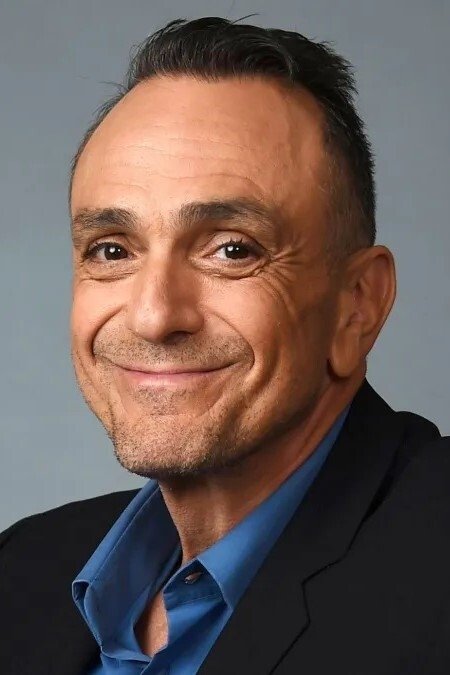
For many years, Hank Azaria voiced Apu on ‘The Simpsons’. When a documentary pointed out that the character relied on harmful stereotypes about Indian people, Azaria at first defended his portrayal, explaining it was meant with good intentions and was a fan favorite. However, after ongoing public debate, he eventually decided to stop voicing the character. His initial defense sparked criticism from those who believed Apu was a racist caricature.
Eddie Redmayne
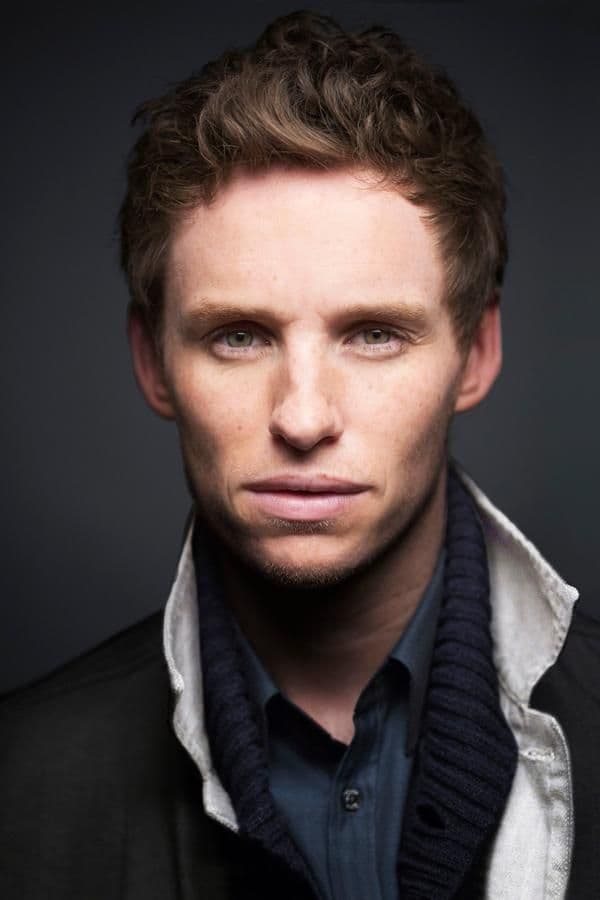
Eddie Redmayne’s role as a transgender woman in ‘The Danish Girl’ caused controversy, with many questioning why a cisgender actor was chosen for the part. Redmayne initially defended his casting, explaining he’d thoroughly researched the role and focused on portraying the emotional truth of the story with sensitivity and respect. He has since said he wouldn’t accept the role now, but his original defense ignited a significant public discussion. The issue continues to be a key topic in conversations about accurate and genuine representation in the film industry.
Jared Leto
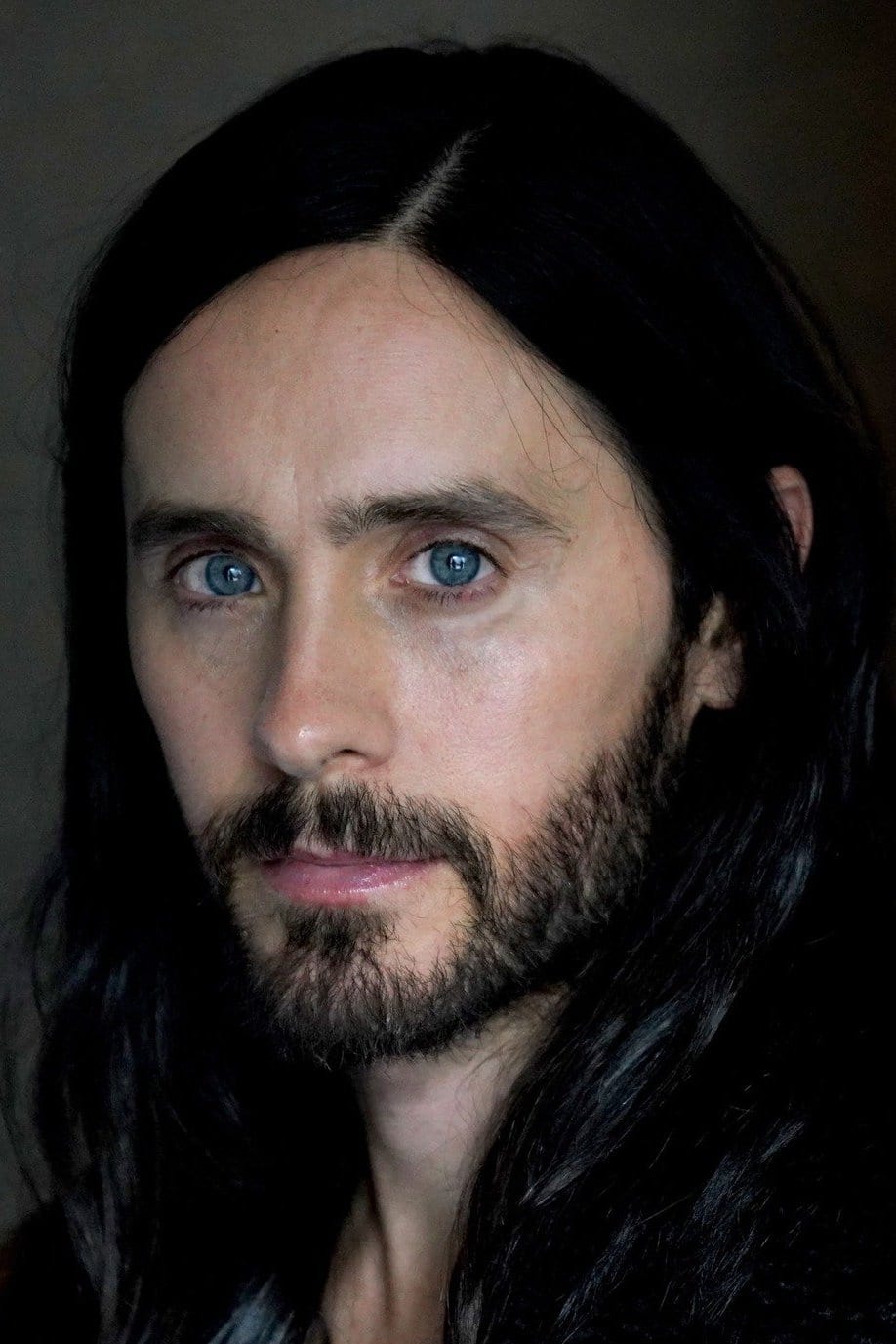
After winning an Oscar for his role in ‘Dallas Buyers Club’, Jared Leto addressed criticism about playing a transgender woman. Some critics and activists believed a trans actor should have been cast for more authentic representation. Leto explained that he put a lot of effort into portraying the character with sensitivity and respect, and saw his performance as a tribute to those impacted by the AIDS crisis. However, many in the LGBTQ+ community still felt the role could have been a valuable opportunity to include a trans actor.
Johnny Depp
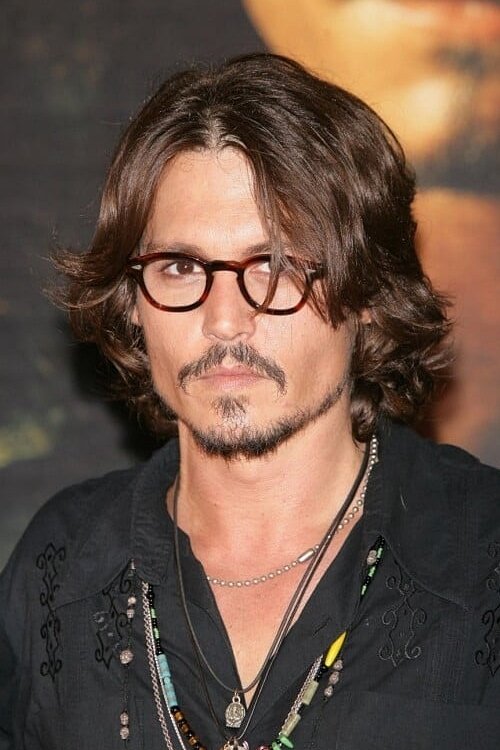
Casting Johnny Depp as Tonto in ‘The Lone Ranger’ movie caused significant controversy. Critics argued the role relied on harmful Native American stereotypes and should have gone to a Native American actor. Depp responded by stating he had Native American ancestry and aimed to modernize the character, presenting Tonto as strong and respectful. However, both the film and his explanation faced strong backlash from Native American communities and cultural experts.
Jake Gyllenhaal
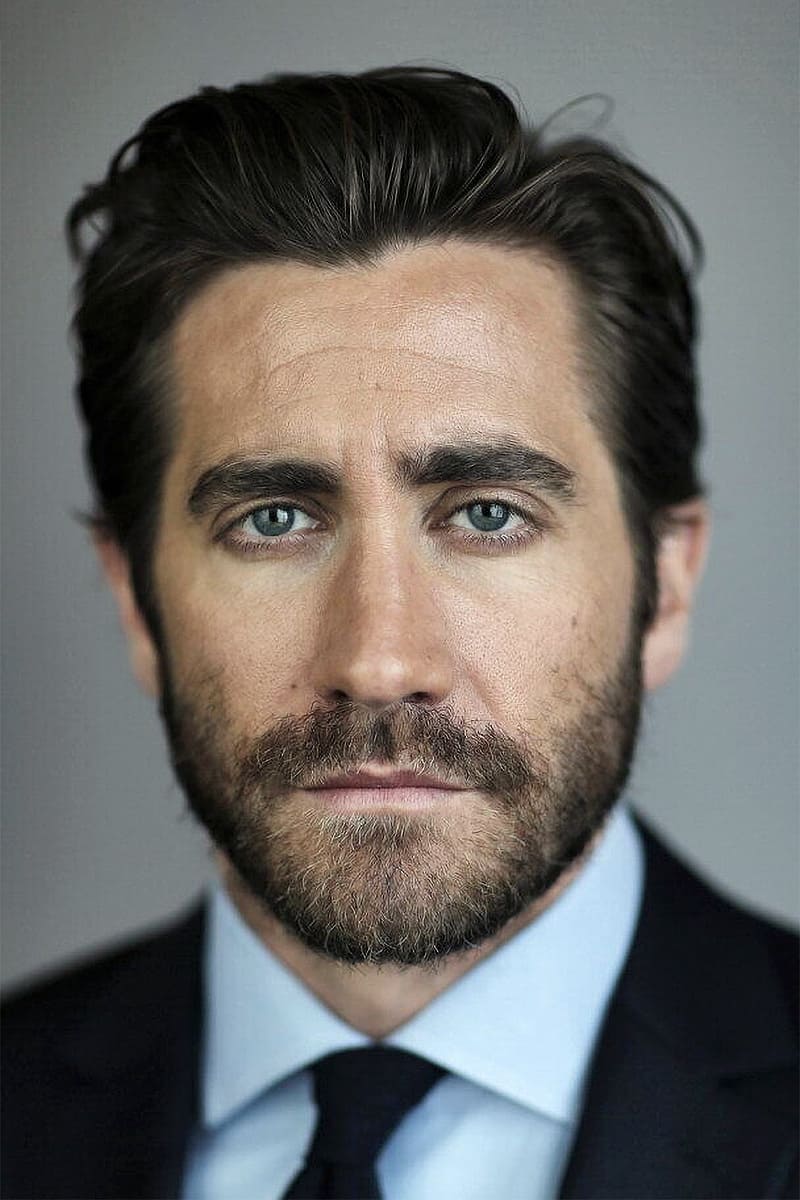
Jake Gyllenhaal received criticism for starring in the film ‘Prince of Persia,’ which was adapted from a well-known video game. Many people felt the movie was an example of whitewashing, as a white actor was chosen to play a character who was originally of Middle Eastern heritage. During interviews about the film, Gyllenhaal emphasized the difficult stunts and grand scale of the story, suggesting it was a fantasy adventure not limited by ethnicity. While he’s since given the role more thought, his original explanation remains part of the conversation.
Christian Bale
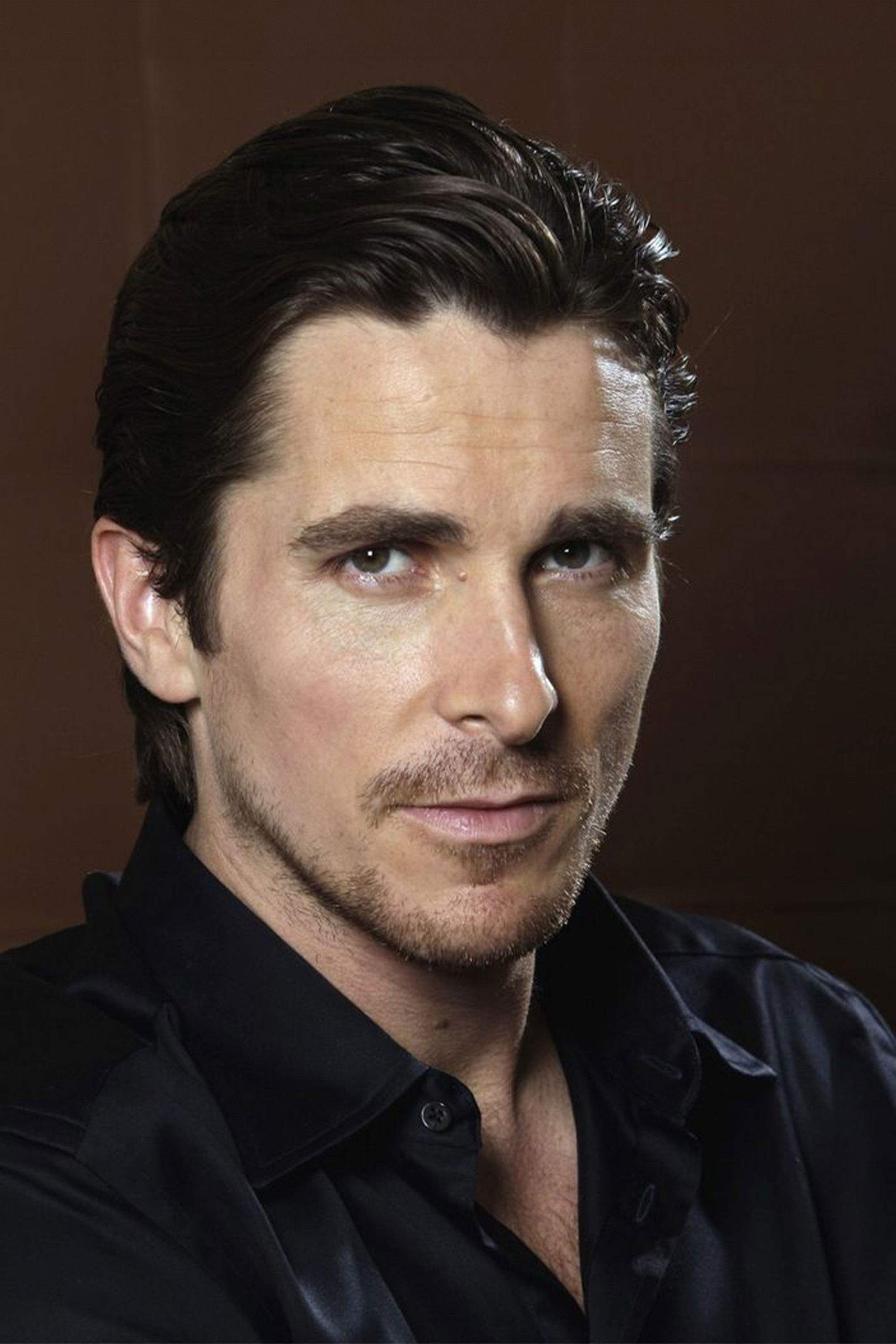
Christian Bale, who played Moses in the film ‘Exodus: Gods and Kings’, faced criticism for the movie’s decision to cast white actors as characters from the Middle East. Bale explained that the film needed a large budget, and securing that funding required well-known stars. He suggested the casting choices were a practical necessity within the Hollywood system. While acknowledging the controversy, Bale said he concentrated on portraying the character’s inner turmoil. However, many people felt his response downplayed the important issue of racial representation in historical films.
Gerard Butler
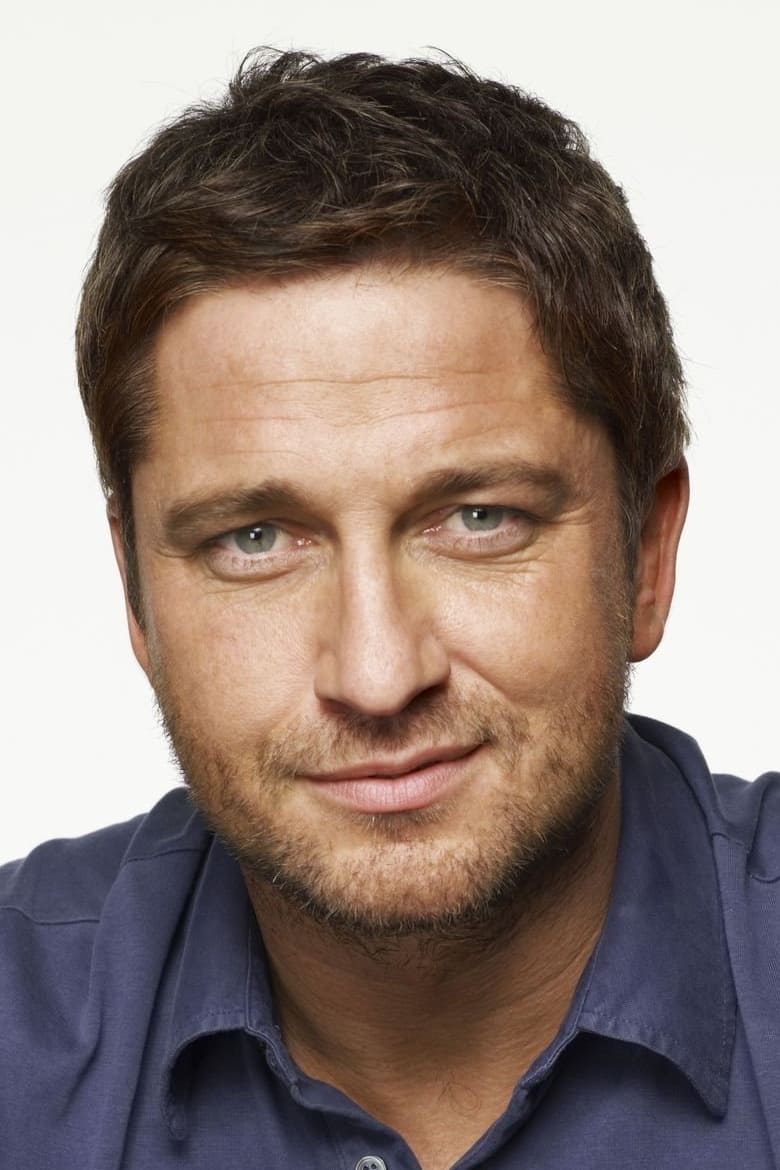
Gerard Butler played an Egyptian god in the movie ‘Gods of Egypt,’ which received a lot of criticism for not having a diverse cast. When people accused the film of whitewashing, Butler explained that it was a reimagining of ancient myths and wasn’t meant to be historically accurate. He believed the cast was well-rounded and that the movie was simply intended as an entertaining summer film. However, his explanation didn’t satisfy critics who felt the film overlooked the story’s cultural origins.
Nikolaj Coster-Waldau
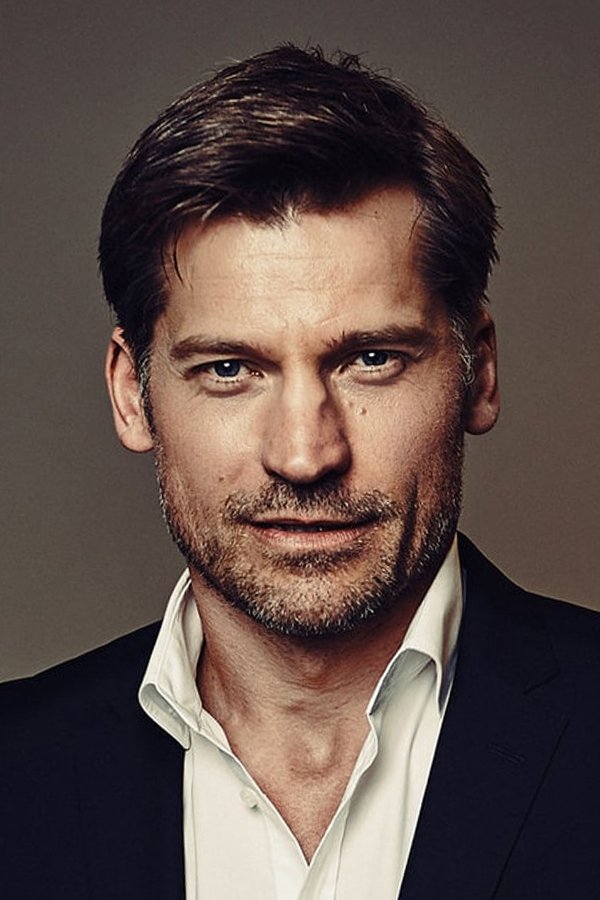
Nikolaj Coster-Waldau, who also starred in ‘Gods of Egypt,’ received similar criticism to his fellow actors regarding the film’s lack of Egyptian representation. He responded by explaining that the movie wasn’t intended to be historically accurate, but rather a fantastical story. He emphasized that the filmmakers put a lot of effort into building a unique and imaginative world. He disagreed with accusations of whitewashing, suggesting they didn’t fully appreciate the creative choices made. However, many viewers felt his explanation didn’t acknowledge the increasing desire for more diversity in mainstream films.
Joseph Fiennes
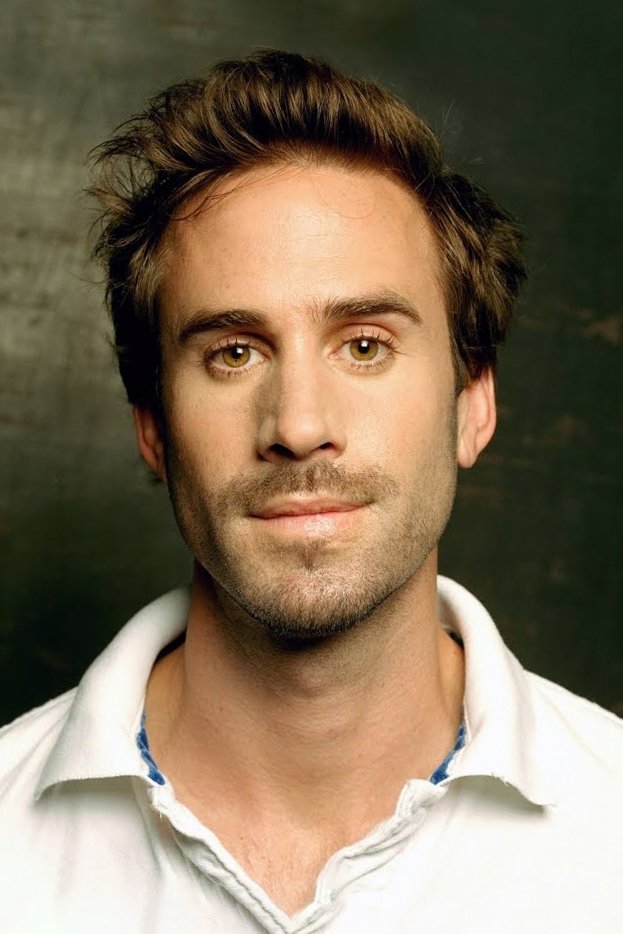
Joseph Fiennes played Michael Jackson in an episode of the TV series ‘Urban Myths,’ which caused a strong and immediate public outcry worldwide. Many people were upset that a white actor was chosen to portray the iconic Black musician. Fiennes explained that the story focused on a period when Jackson’s appearance had changed considerably, and that the episode was intended as a humorous take on events, not a detailed biography. However, the criticism was so intense that the episode was ultimately removed from the broadcast schedule.
Mickey Rooney
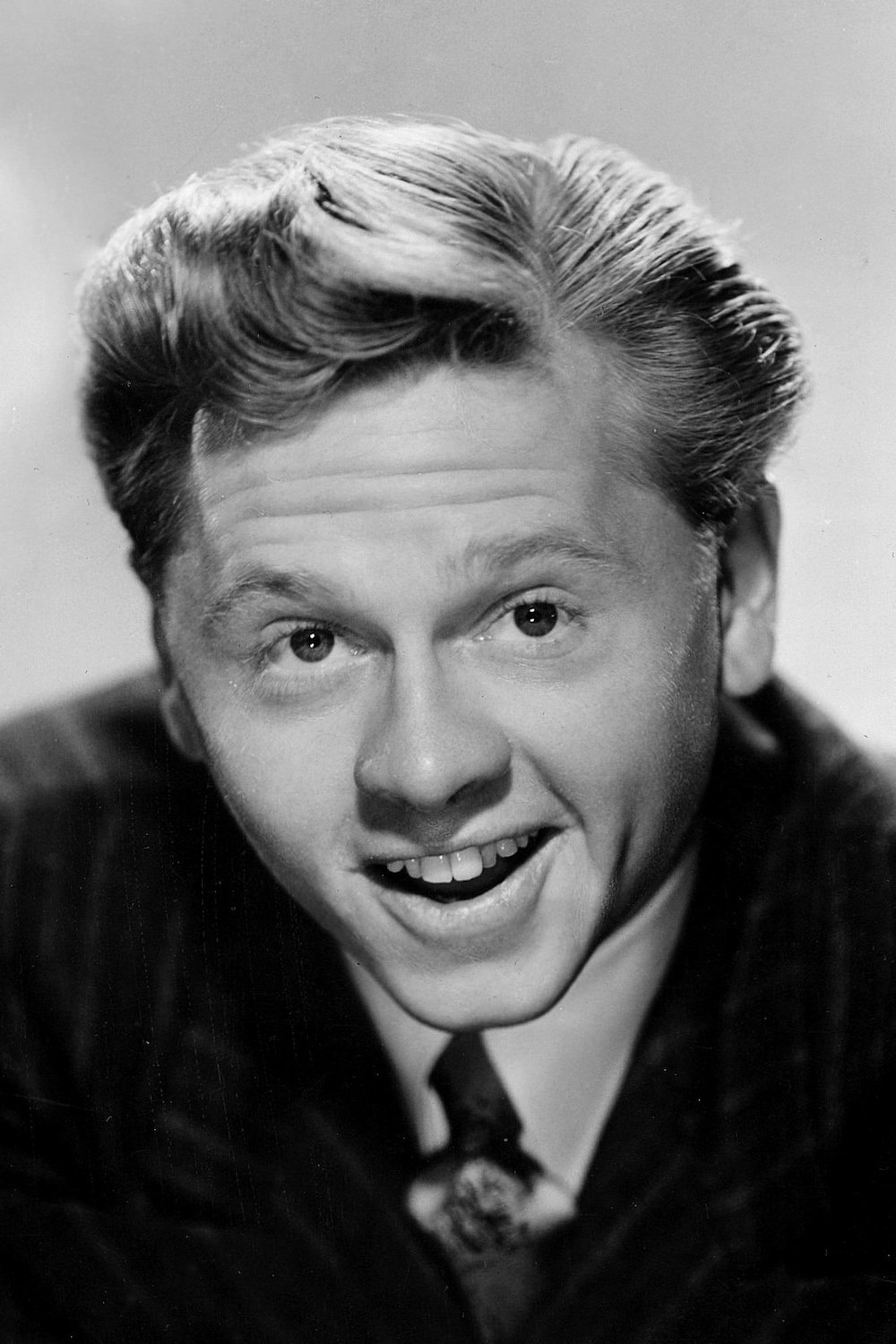
Mickey Rooney’s portrayal of Mr. Yunioshi in ‘Breakfast at Tiffany’s’ is now widely seen as a deeply offensive stereotype in film. For years, Rooney maintained he didn’t mean to cause harm, explaining that he believed the character was simply meant to be comedic and was well-received by audiences when the film was released. He was often surprised by the later controversy surrounding the role, and his unwillingness to fully recognize the damaging impact of the stereotype remained a point of debate throughout his life.
Fisher Stevens
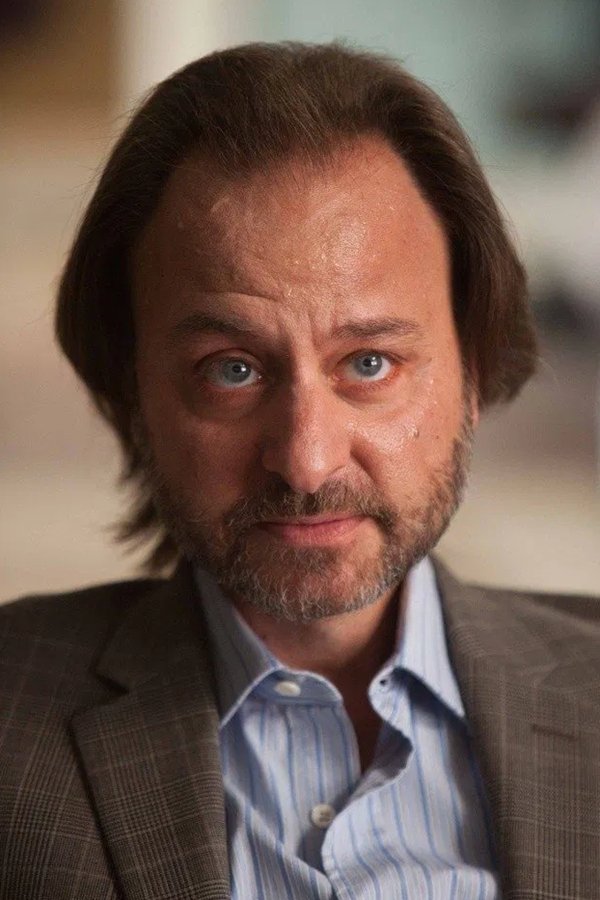
Fisher Stevens portrayed a Native American character, Ben Jabituya, in the movies ‘Short Circuit’ and its sequel. He used makeup to darken his skin and adopted a stereotypical accent for the role, which is now widely criticized as an example of brownface. For years, Stevens justified his performance by saying he thoroughly researched and spent months learning about Native American culture. He felt he was creating a respectful and positive character. Although he later apologized for the role, his initial defense is frequently brought up when discussing insensitive casting choices.
Sacha Baron Cohen
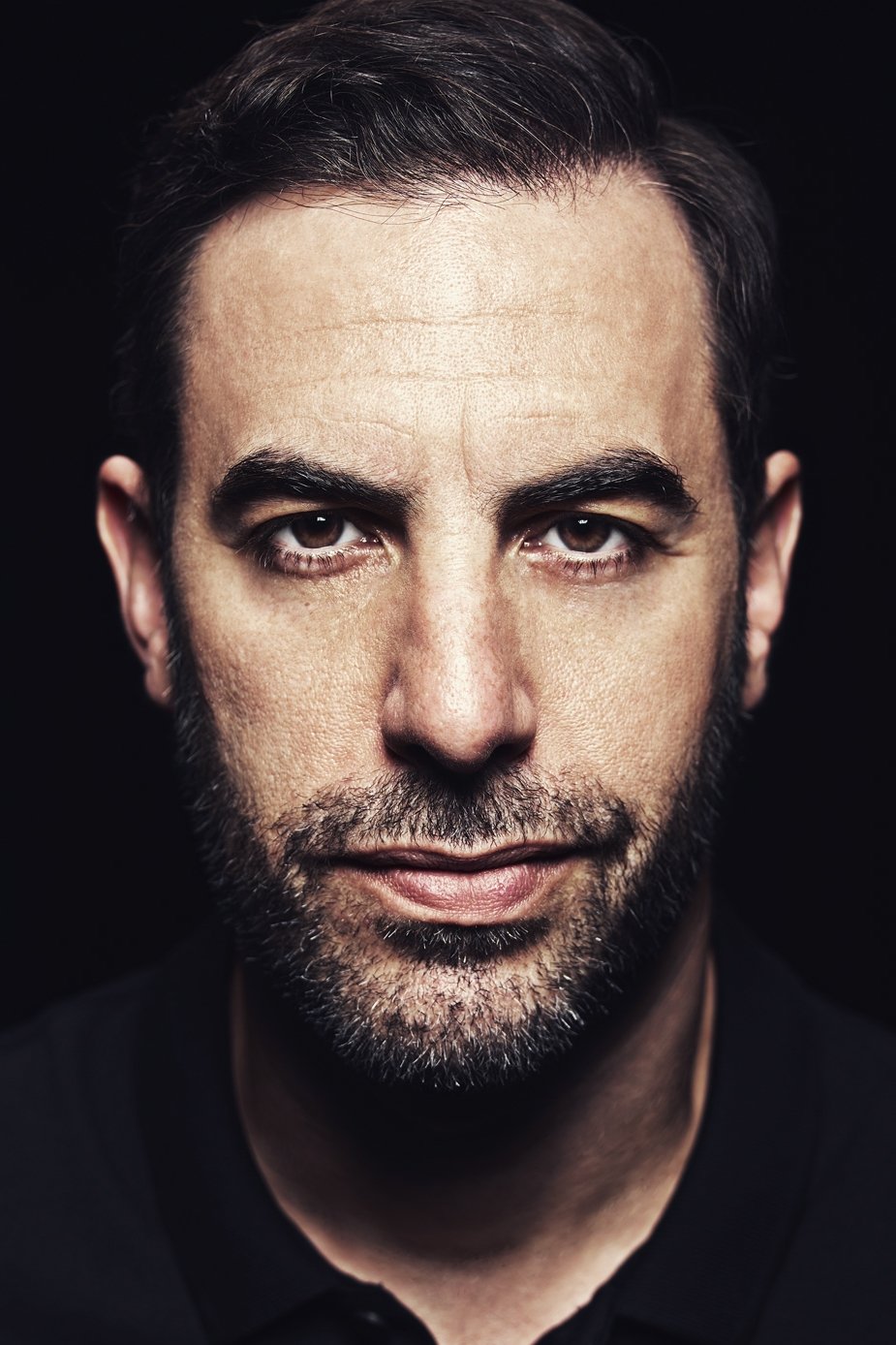
Sacha Baron Cohen is known for creating deliberately outrageous characters like Borat and Bruno, who exaggerate harmful stereotypes. He maintains that these roles are actually a form of social commentary, meant to reveal the prejudices held by others. Cohen believes that by portraying bigoted or clueless characters, he challenges audiences to recognize their own hidden biases. While some consider his work to be clever satire, others criticize it for reinforcing the stereotypes it intends to ridicule. Despite the debate, Cohen continues to be a leading voice for bold and provocative comedy today.
Mike Myers
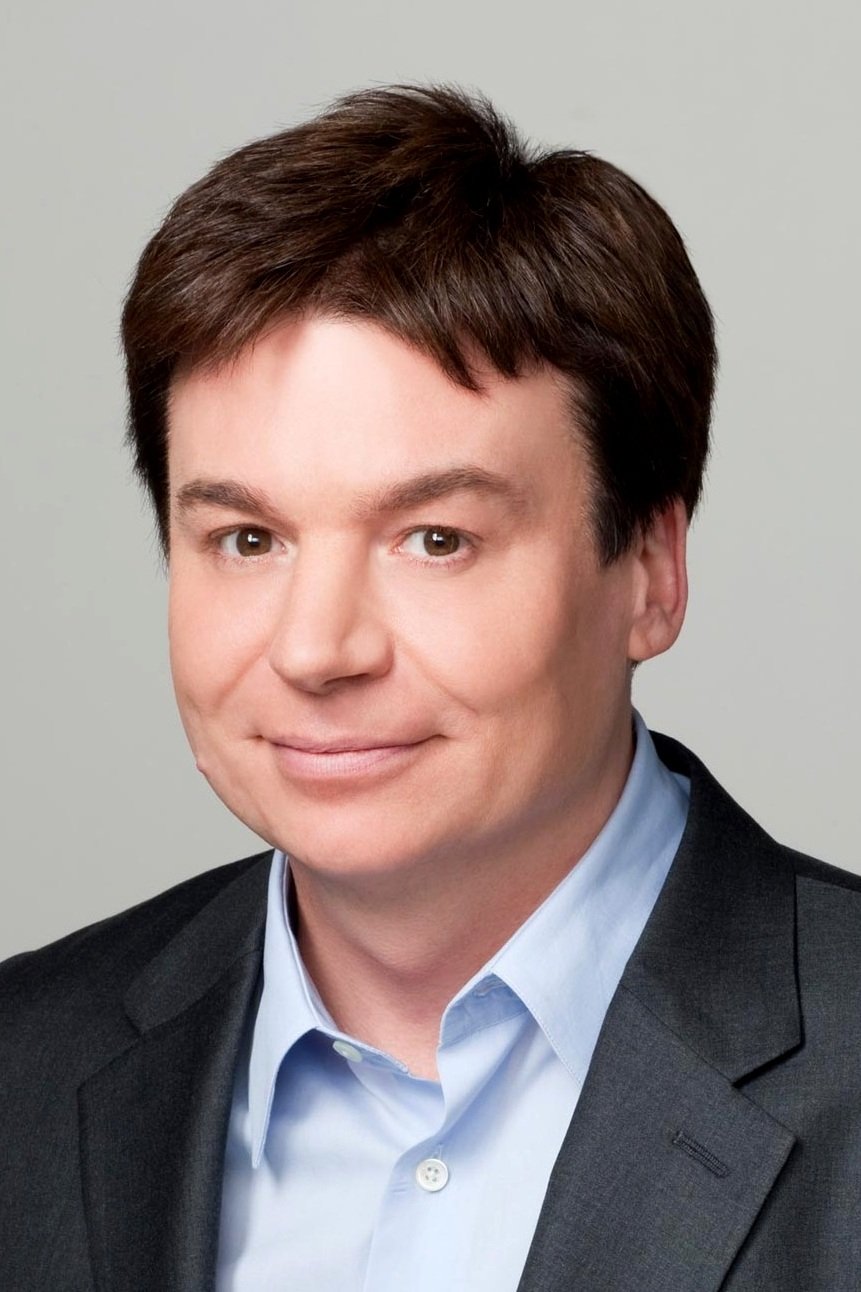
Mike Myers received backlash for his role in the comedy ‘The Love Guru,’ with many Hindu groups claiming the film disrespected their faith and relied on harmful stereotypes. Myers explained that the movie was simply meant to be a lighthearted comedy about self-improvement and finding inner peace, and that he had no intention of causing offense. However, despite his explanation, the film wasn’t well-received by critics or audiences and continues to be a controversial topic.
Benedict Cumberbatch
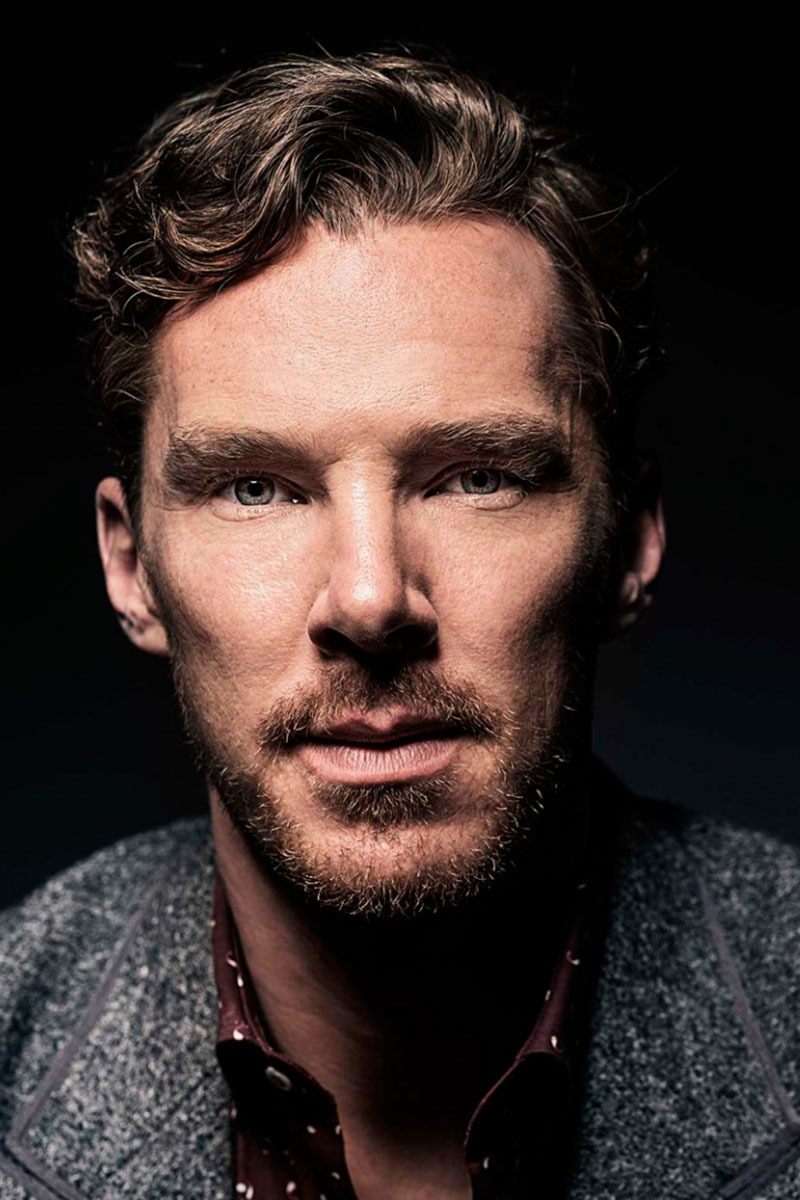
Benedict Cumberbatch portrayed a nonbinary character, All, in the movie ‘Zoolander 2’. The character sparked controversy and criticism from LGBTQ+ activists who felt it was a damaging and stereotypical representation of gender identity. Cumberbatch and the film’s creators responded by saying the character was intended as satire, poking fun at the often-absurd world of high fashion and its fleeting trends. Despite their explanation that All was an intentionally over-the-top character, a boycott was still organized by those who found the portrayal offensive.
Bradley Cooper
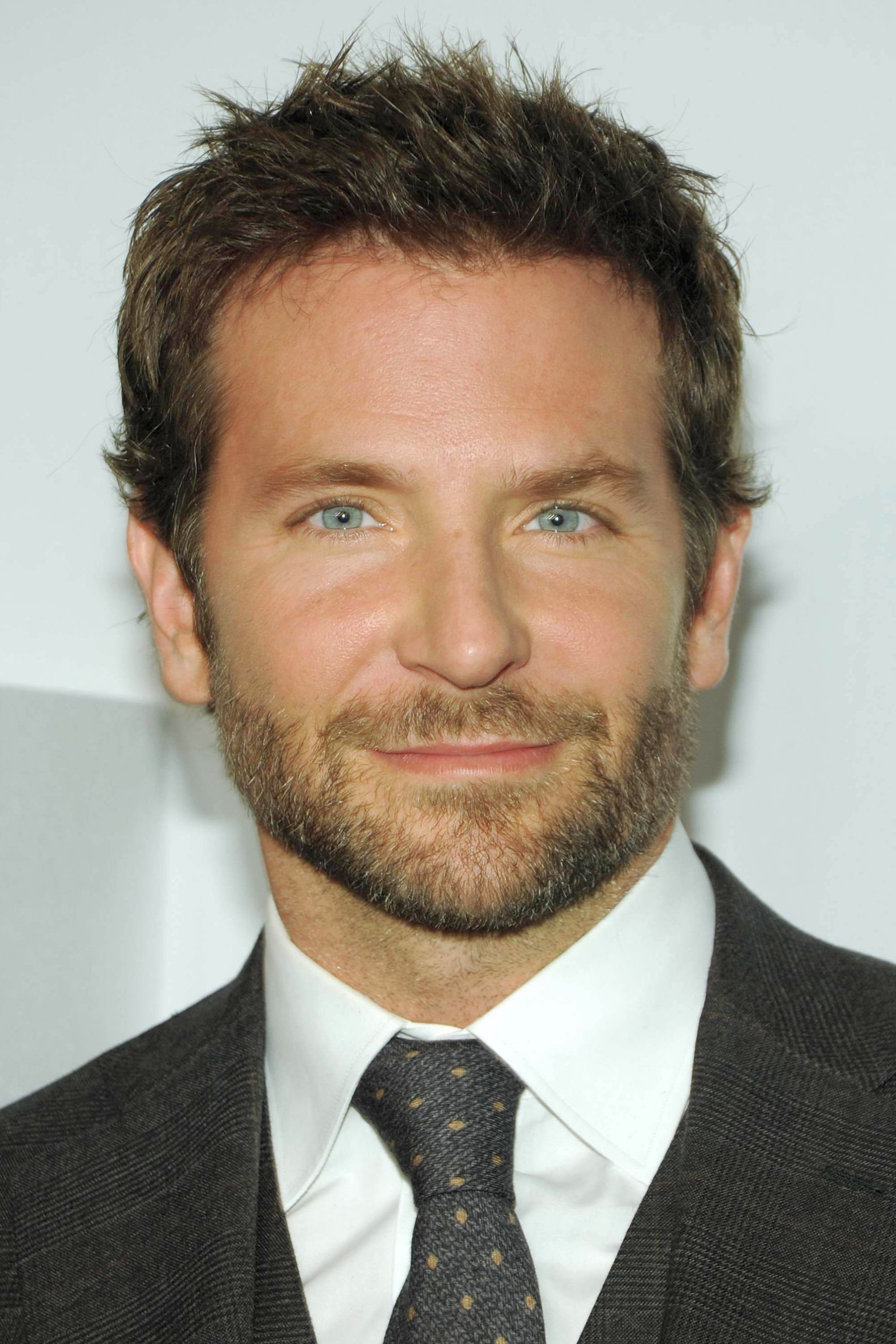
Bradley Cooper received backlash for wearing a prosthetic nose while playing Leonard Bernstein in the film ‘Maestro’. Some felt it wasn’t needed and played into harmful stereotypes about Jewish people. Cooper explained the choice was made to more closely resemble Bernstein, and that Bernstein’s family supported it, appreciating the dedication to accuracy. He stressed the prosthetic was intended to enhance realism, not to create a comical imitation.
Alec Baldwin
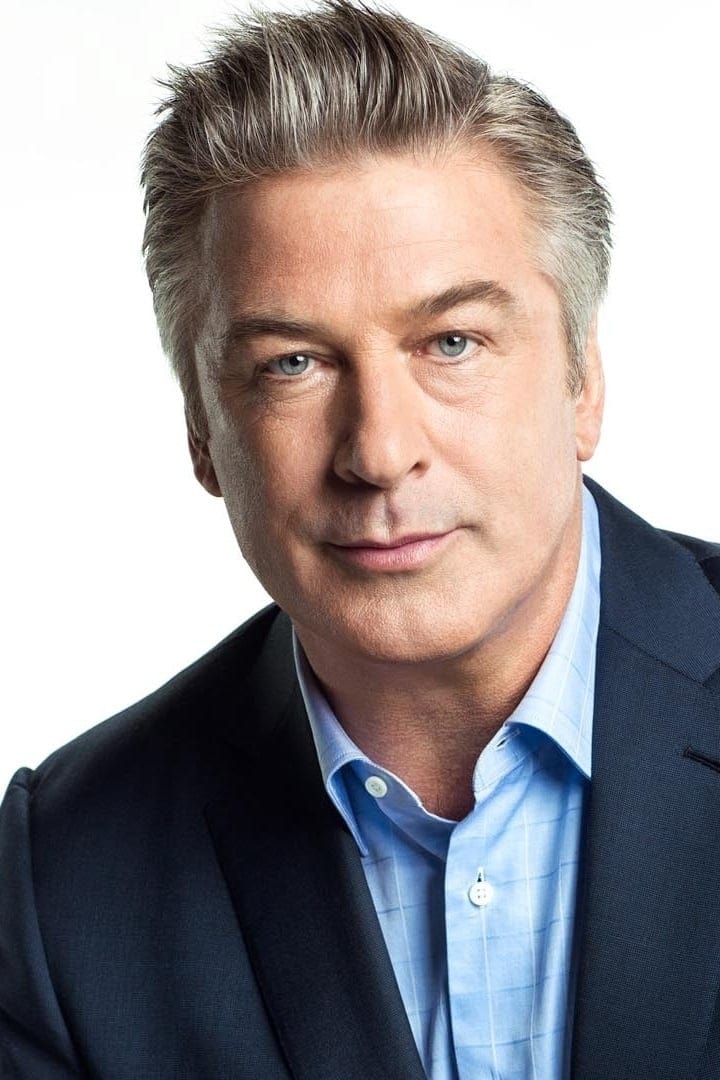
Alec Baldwin’s portrayal of a blind man in the film ‘Blind’ faced criticism because the role wasn’t given to an actor who is actually blind. Baldwin responded by saying that actors often play characters unlike themselves, and he took on the role as a challenging acting opportunity, preparing thoroughly. He disagreed with the idea that certain roles should be limited to people with specific lived experiences. This led to a wider discussion about the need for better representation of people with disabilities in film and other art forms.
Dustin Hoffman
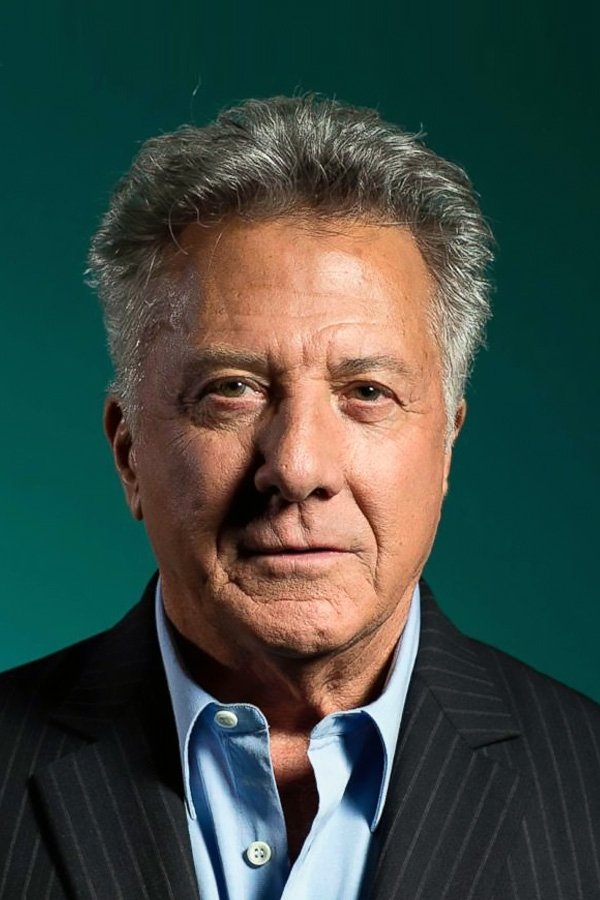
In the classic comedy ‘Tootsie,’ Dustin Hoffman famously played a man pretending to be a woman. Although the film is still popular, some recent critics have noted issues with how it portrays gender roles. Hoffman has responded by explaining how playing the role opened his eyes to the challenges women face. He believes the movie honestly explored questions of gender and identity when it was made, and emphasizes how much the experience personally affected him and broadened his understanding.
Mel Gibson
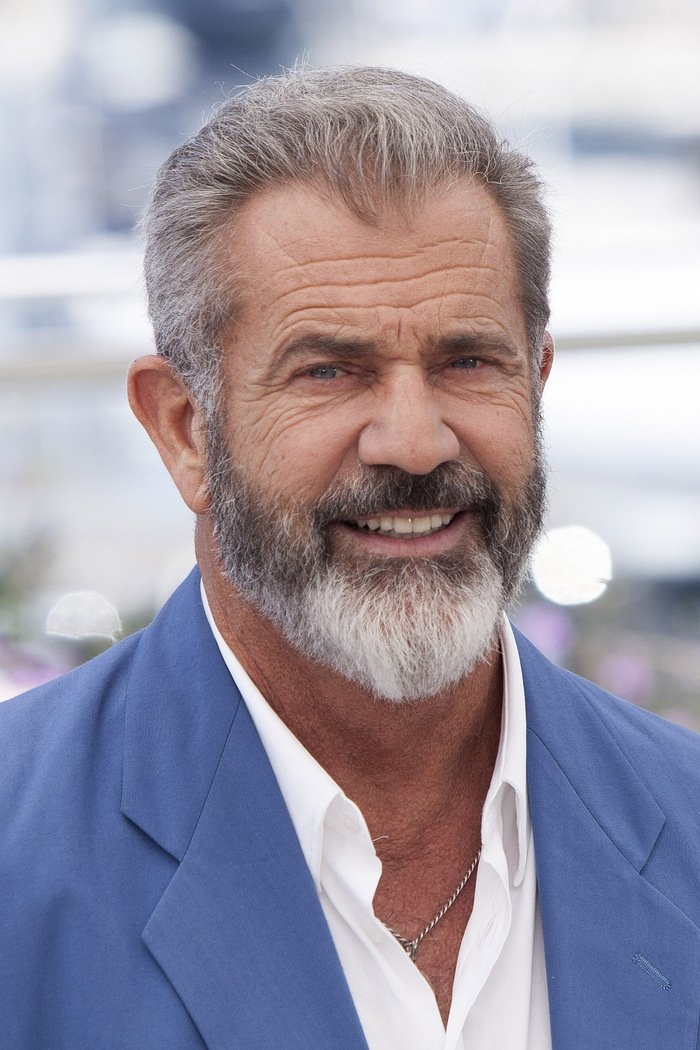
Mel Gibson was criticized for how he depicted Jewish characters in his film ‘The Passion of the Christ’, with many claiming it relied on harmful stereotypes. The movie led to worldwide discussions about the accuracy and sensitivity of portraying the trial and crucifixion of Jesus. Gibson maintained that the film closely followed the Gospel accounts and was meant as a work of art, denying accusations of prejudice. He insisted the film focused on themes of love and sacrifice, not hatred. These controversies have repeatedly come up throughout his career following several public incidents.
Sean Penn
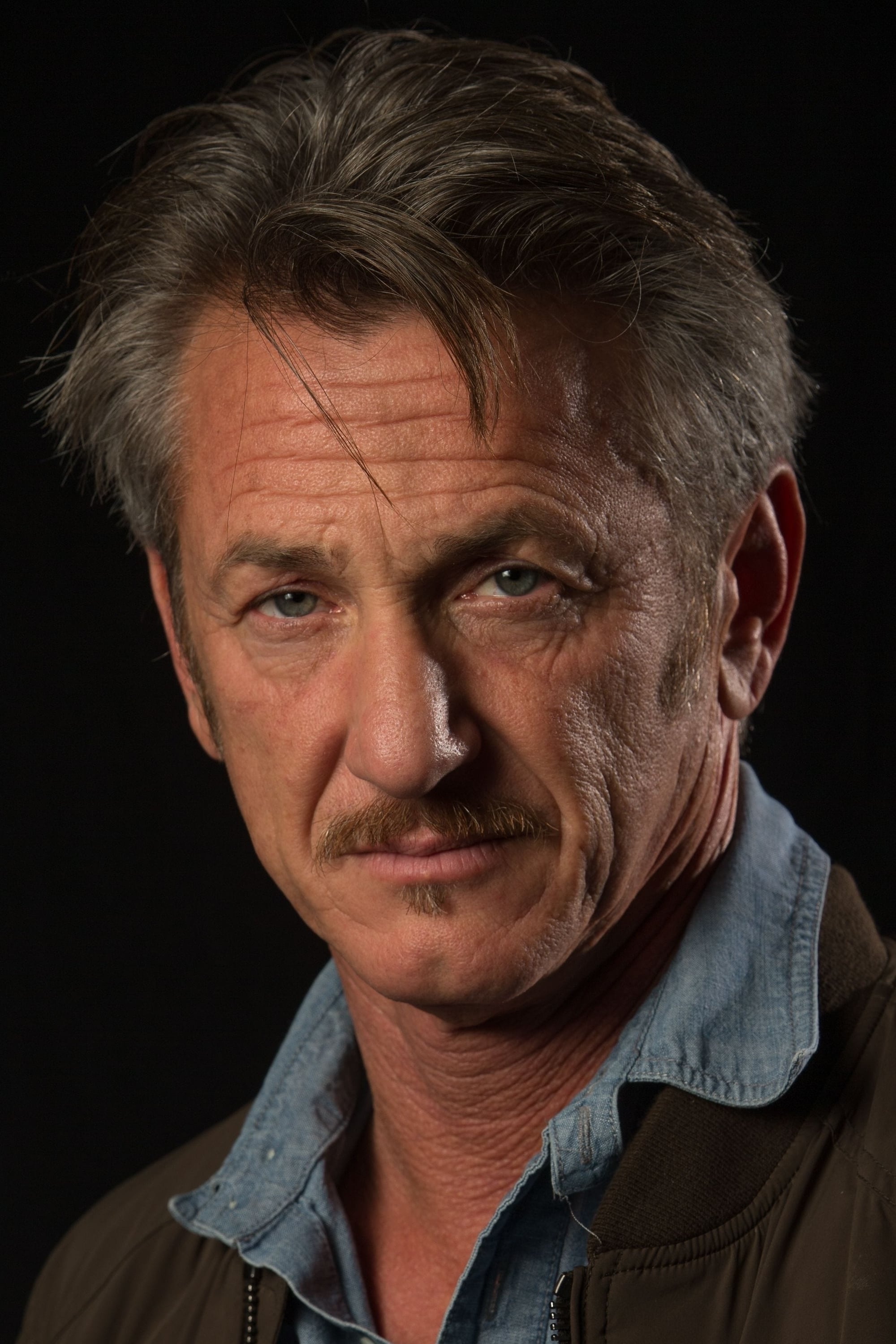
Sean Penn received an Oscar for his portrayal of Harvey Milk, the gay rights pioneer, in the movie ‘Milk’. More recently, he’s spoken out in favor of straight actors playing gay characters, even as many call for more authentic representation. Penn believes the current atmosphere in Hollywood limits actors’ ability to fully explore diverse roles, and that the quality of the acting should be the primary consideration, not the actor’s personal life. His views have sparked debate and mixed reactions within the entertainment industry.
Kevin Hart
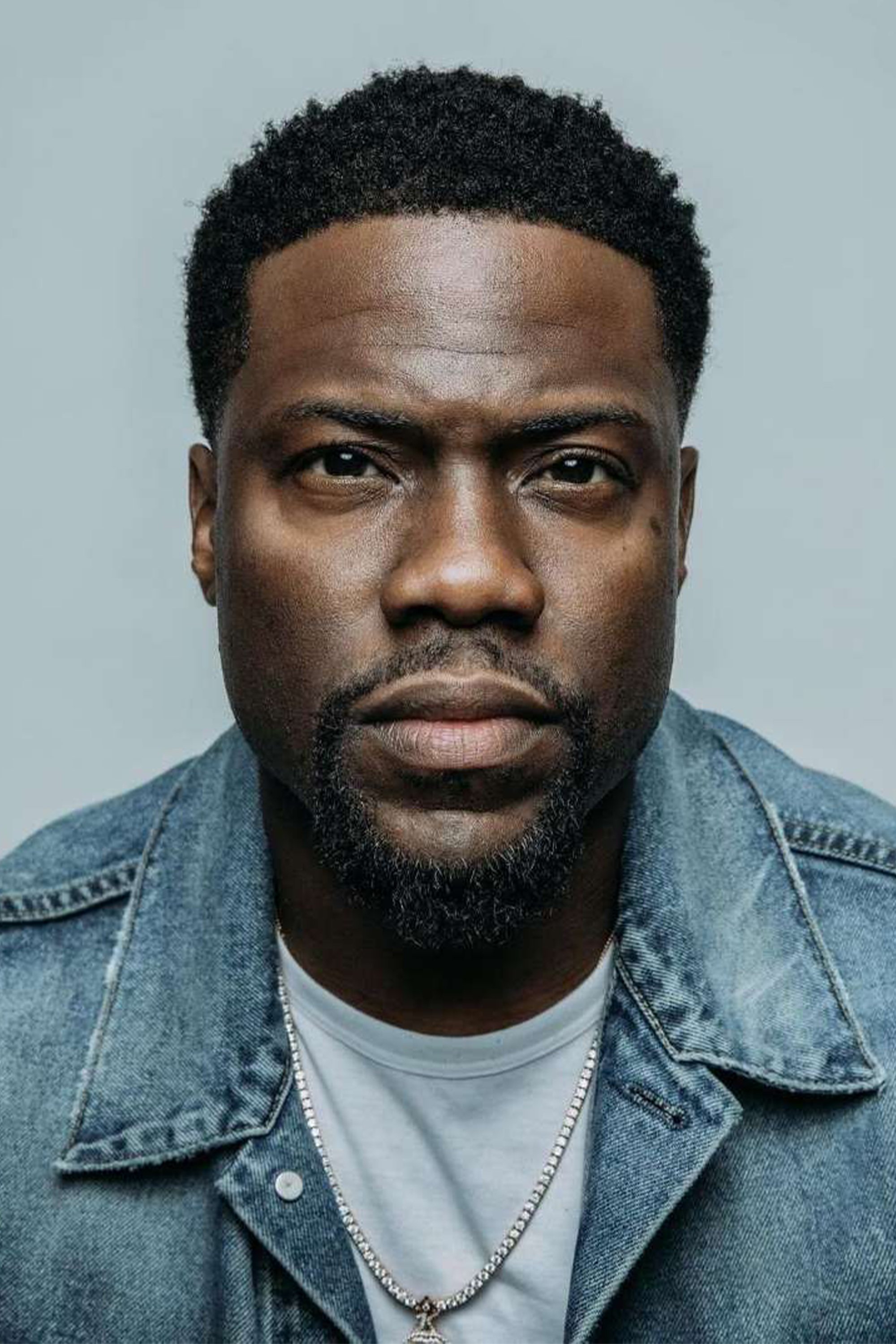
The comedy film ‘Get Hard,’ starring Kevin Hart, faced criticism for jokes considered insensitive to prison life and potentially homophobic. Hart responded by explaining the humor came from the characters’ flaws and wasn’t meant to be taken as genuine commentary. He insisted the film’s purpose was simply to entertain, and that he personally holds no prejudice. Despite his defense, the controversy lingered and later affected his ability to host events.
Will Ferrell
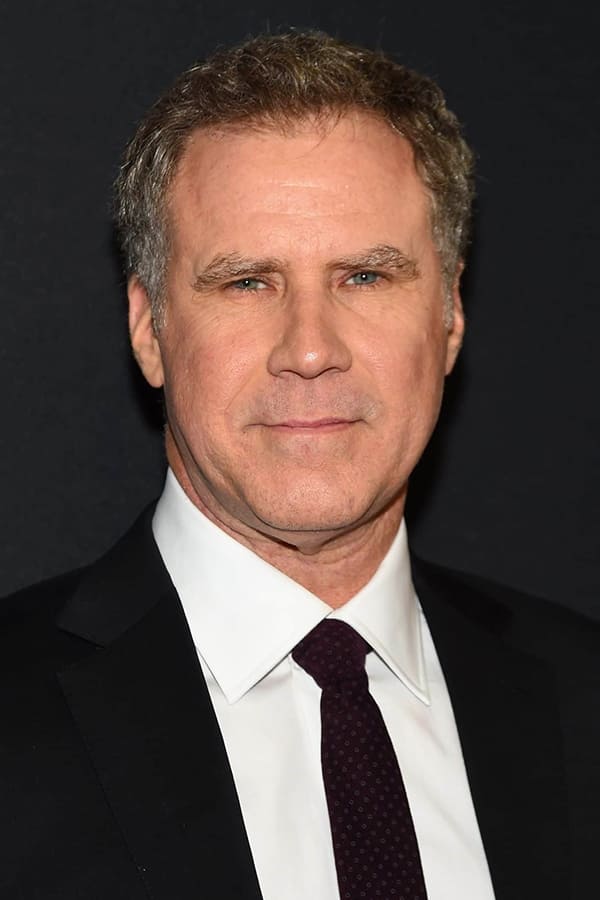
Will Ferrell appeared in ‘Get Hard’ and responded to criticism that the movie used harmful stereotypes. He explained that the film was meant to be a satire, poking fun at the ignorance and fears of its wealthy characters, not the groups the jokes referenced. Ferrell believed the strong connection between the two main actors was key to the film’s success. He also pointed out the difficulty of creating comedy today, balancing modern expectations with more traditional humor styles.
Robert De Niro
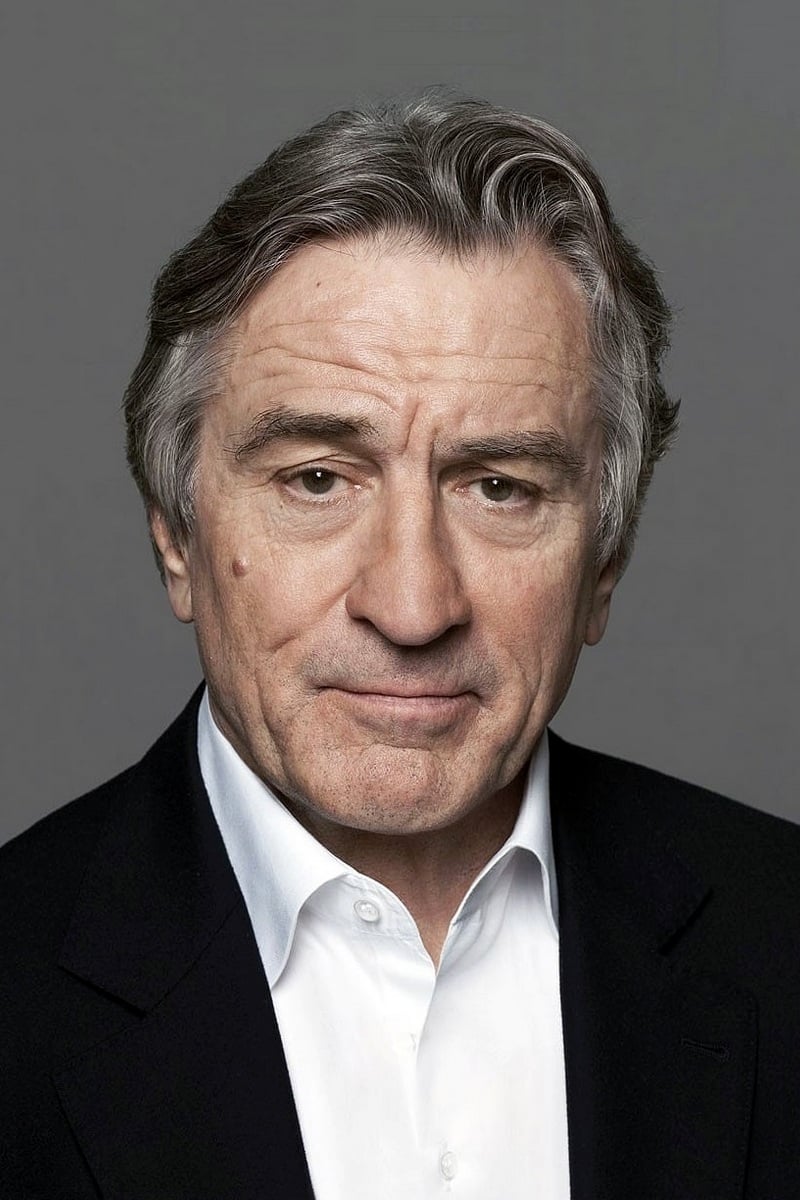
‘The Deer Hunter,’ starring Robert De Niro, sparked controversy for its depiction of Vietnamese soldiers and its use of the game Russian roulette. Some critics felt the film unfairly portrayed Vietnamese people as cruel and wasn’t historically accurate. De Niro responded by emphasizing the film’s focus on the emotional and psychological effects of war on American soldiers, explaining it was intended as a powerful story about friendship and the lasting impact of trauma, not as a political message. Even today, the film is still widely discussed and debated because of its intense subject matter and contentious scenes.
John Wayne
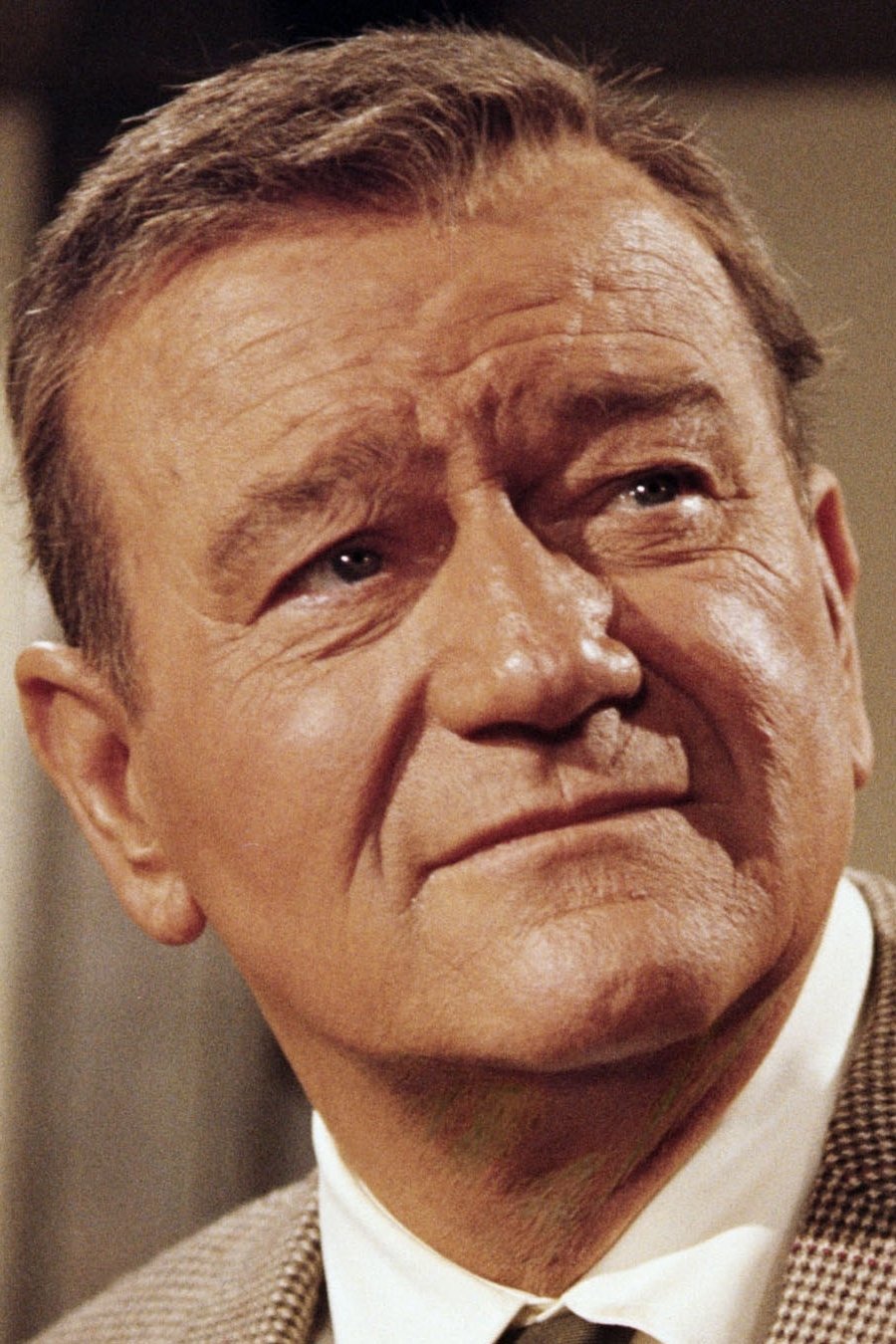
John Wayne often portrayed characters now considered offensive for how they treated Native Americans. He once defended the historical taking of Indigenous lands, claiming Native Americans were simply protecting their own territory. He believed the growth of the United States was essential, and he supported how his Western movies showed these events. These views have sparked recent debates about removing his name from public places. His justification continues to be a major topic of discussion among historians and film critics.
Laurence Olivier
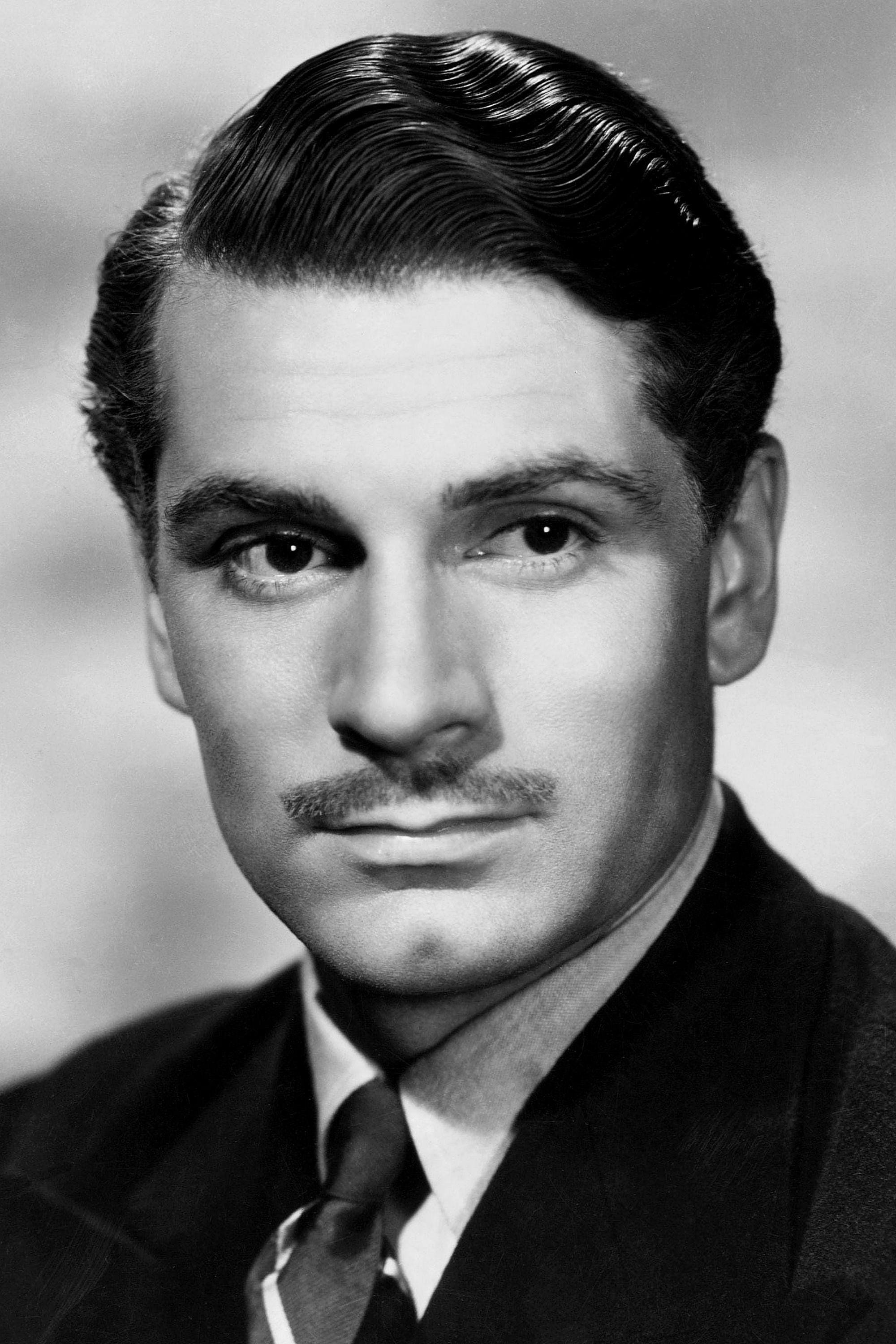
Laurence Olivier’s performance as Othello involved using dark makeup and a dramatic voice, a choice that is now widely seen as an example of blackface in a respected art form. While he was alive, Olivier explained this approach by saying it was how the role had traditionally been played. He believed the makeup helped him meet the demands of the script and the character. However, his reasoning reflects outdated theatrical practices that are no longer accepted.
Peter Sellers
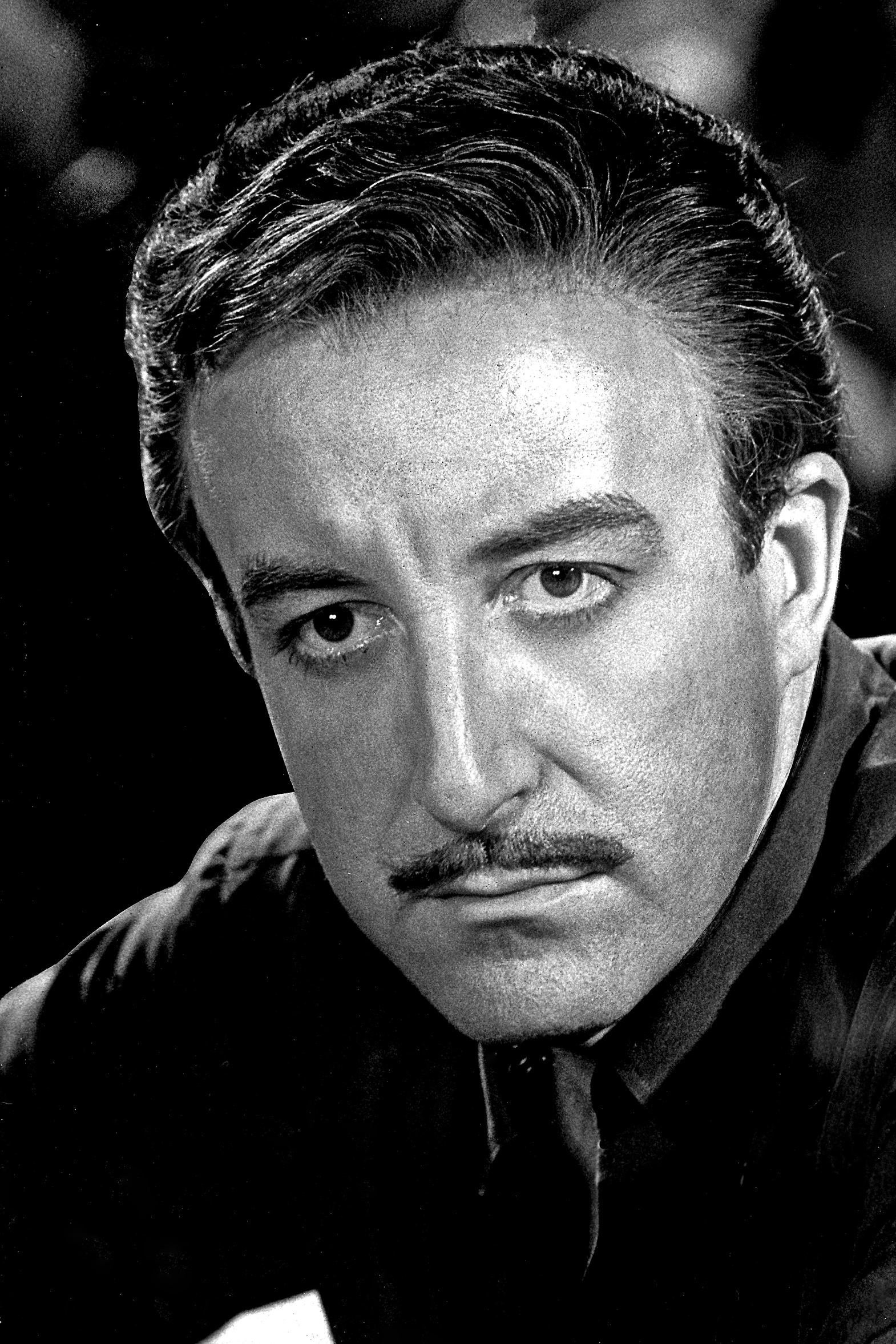
In the comedy film ‘The Party’, Peter Sellers portrayed an Indian character using heavy makeup and a deliberately over-the-top accent. He justified the performance by saying the character was kind and meant well. Sellers believed his humor came from the silly situations in the movie, not from the characters’ backgrounds, and that he was simply showcasing his talent for impressions. However, many viewers today see the performance as a problematic and hurtful example of how films have historically used stereotypes based on ethnicity.
Woody Allen
Woody Allen’s films, like ‘Manhattan’, have often been criticized for showing relationships with significant age differences. He has consistently responded by saying these relationships simply reflect the complicated nature of love and city living. Allen maintains his films are fictional explorations of his characters’ inner lives, and he believes focusing on the story’s artistic merit is more important than any perceived issues. This justification remains a key point of discussion when considering his work and reputation.
James Franco
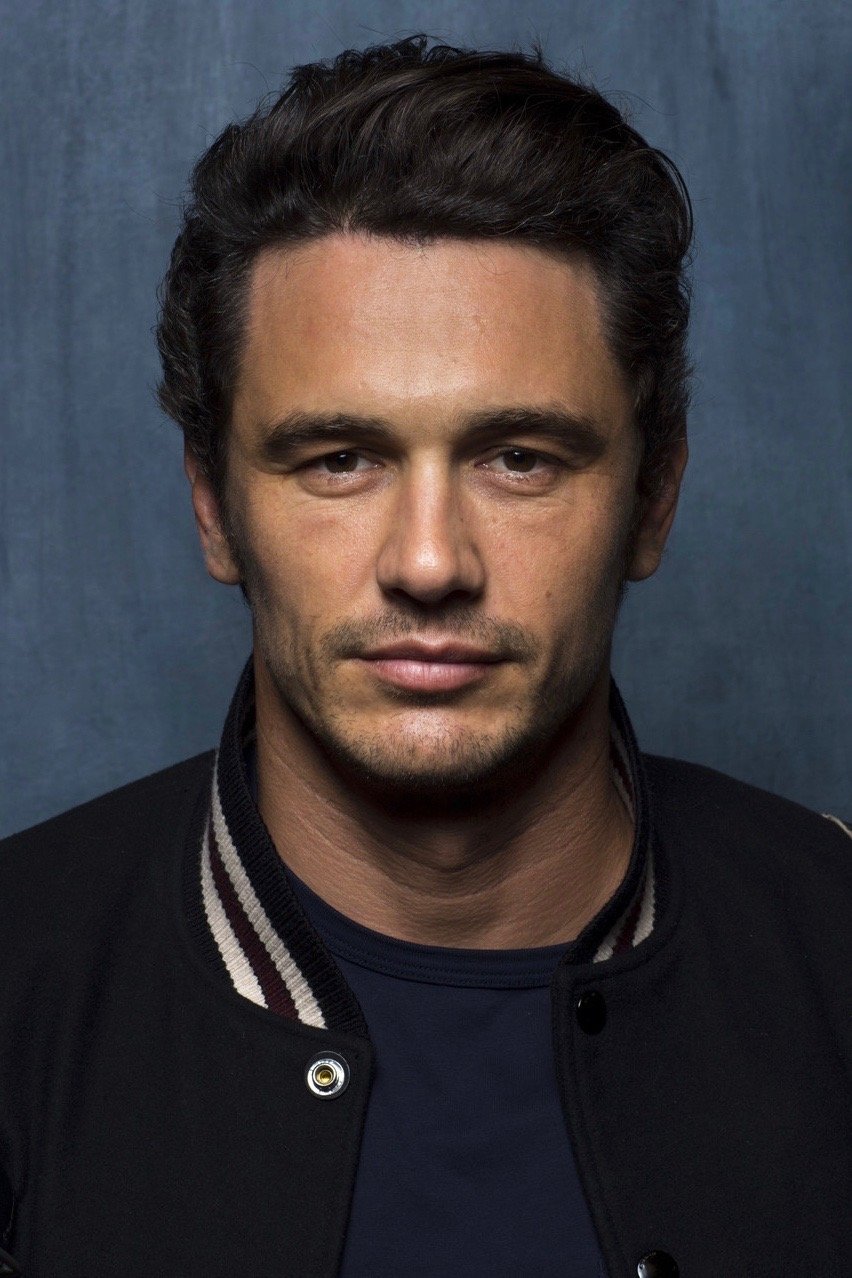
James Franco received criticism for his role in the movie ‘The Interview,’ which showed the fictional assassination of a real-life political leader. The film sparked an international crisis and led to threats against cinemas. Franco explained that the movie was meant as political satire and a defense of free speech, clarifying it was intended as a comedy, not a serious political statement. Despite significant pressure and controversy, he continued to support the film’s release.
Seth Rogen

Seth Rogen not only acted in and produced ‘The Interview,’ but he also strongly defended its controversial plot. He believed comedy should be free to challenge norms and those in power, and he emphasized that the film’s creators simply aimed to be funny, not to start an international incident. Rogen argued the uproar actually demonstrated how powerfully movies can spark discussion. His support of the film remains a key moment in the ongoing conversation about censorship and satirical expression.
Adam Sandler
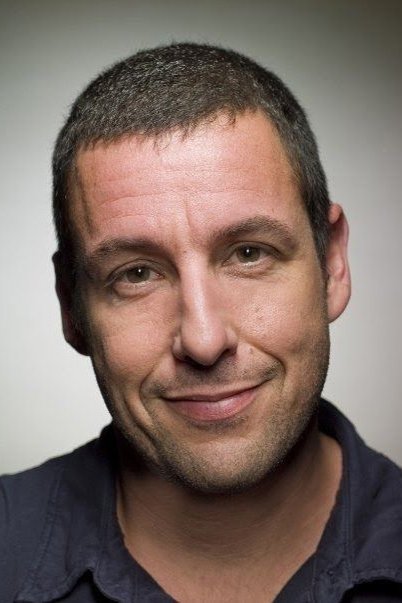
During filming of his comedy Western, ‘The Ridiculous 6’, Adam Sandler experienced a protest when several Native American actors walked off set. They felt the script contained disrespectful jokes and inaccurate portrayals of their culture. Sandler responded by explaining the film was intended as a broad, over-the-top satire, and that the jokes would make sense within the context of the full movie. Despite the controversy, Sandler supported the project and it was ultimately released on a popular streaming service.
Rob Schneider
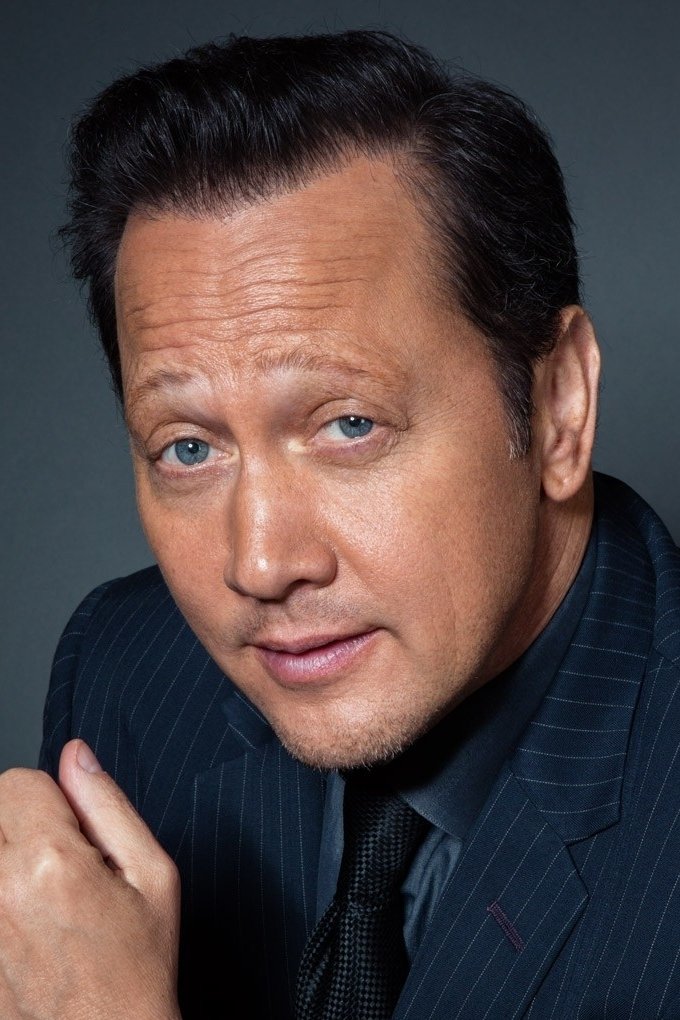
Rob Schneider starred in the movie ‘I Now Pronounce You Chuck and Larry,’ which faced criticism for relying on stereotypical portrayals of gay people. Schneider explained that the film was actually meant to encourage acceptance and friendship. He believed the humor was designed to expose how ridiculous the characters’ biases were. Despite this, many LGBTQ+ advocacy groups still considered the film offensive.
Tom Cruise
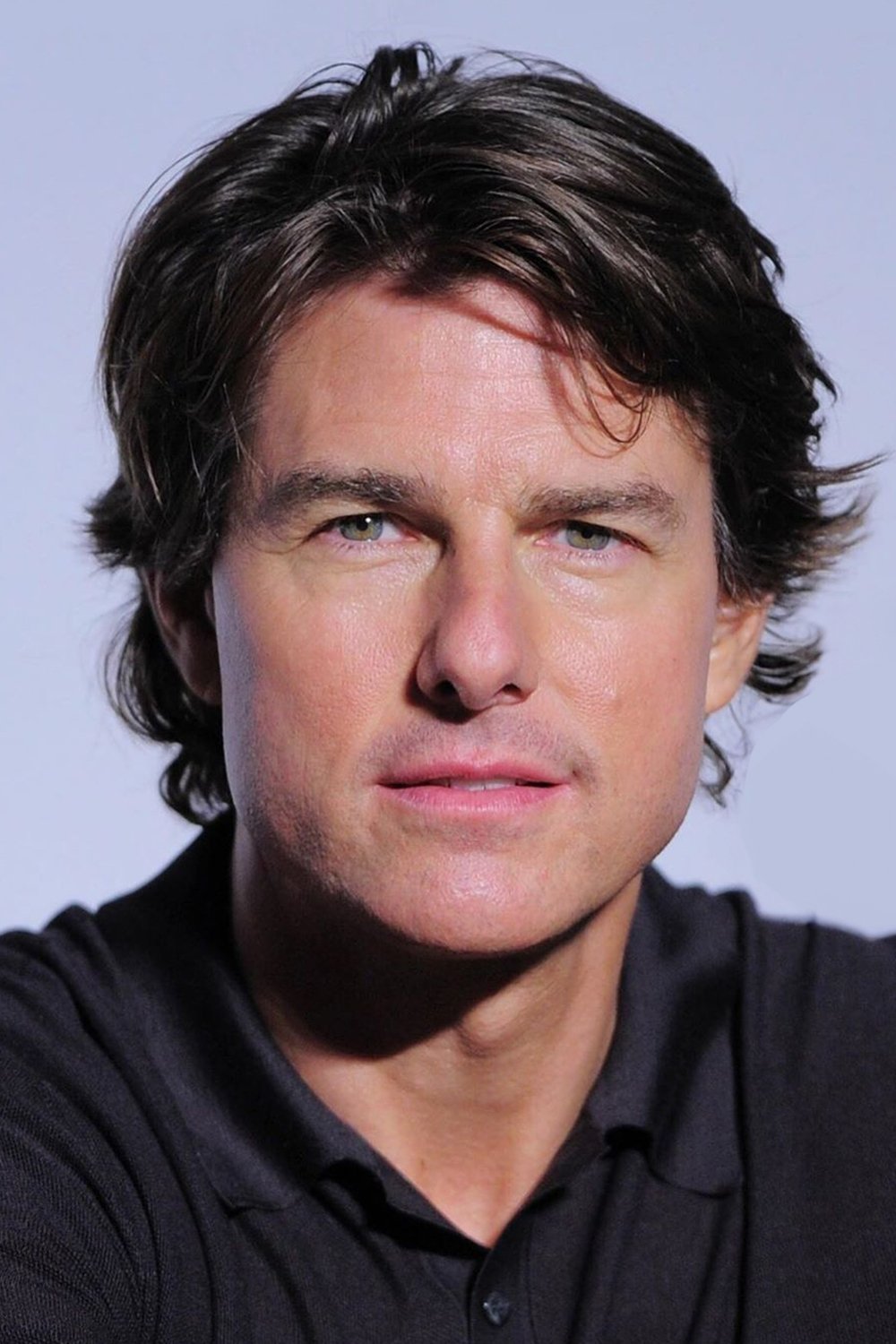
The movie ‘The Last Samurai,’ starring Tom Cruise, received some criticism for portraying a ‘white savior’ storyline. Some critics felt the film centered on the Western protagonist instead of the Japanese characters and their culture. Cruise responded by highlighting the production’s deep respect for Japanese history and traditions. He explained that his character was meant to be someone who learned and grew to admire Japanese culture, and that the film ultimately aimed to honor the spirit of the samurai.
John Cleese
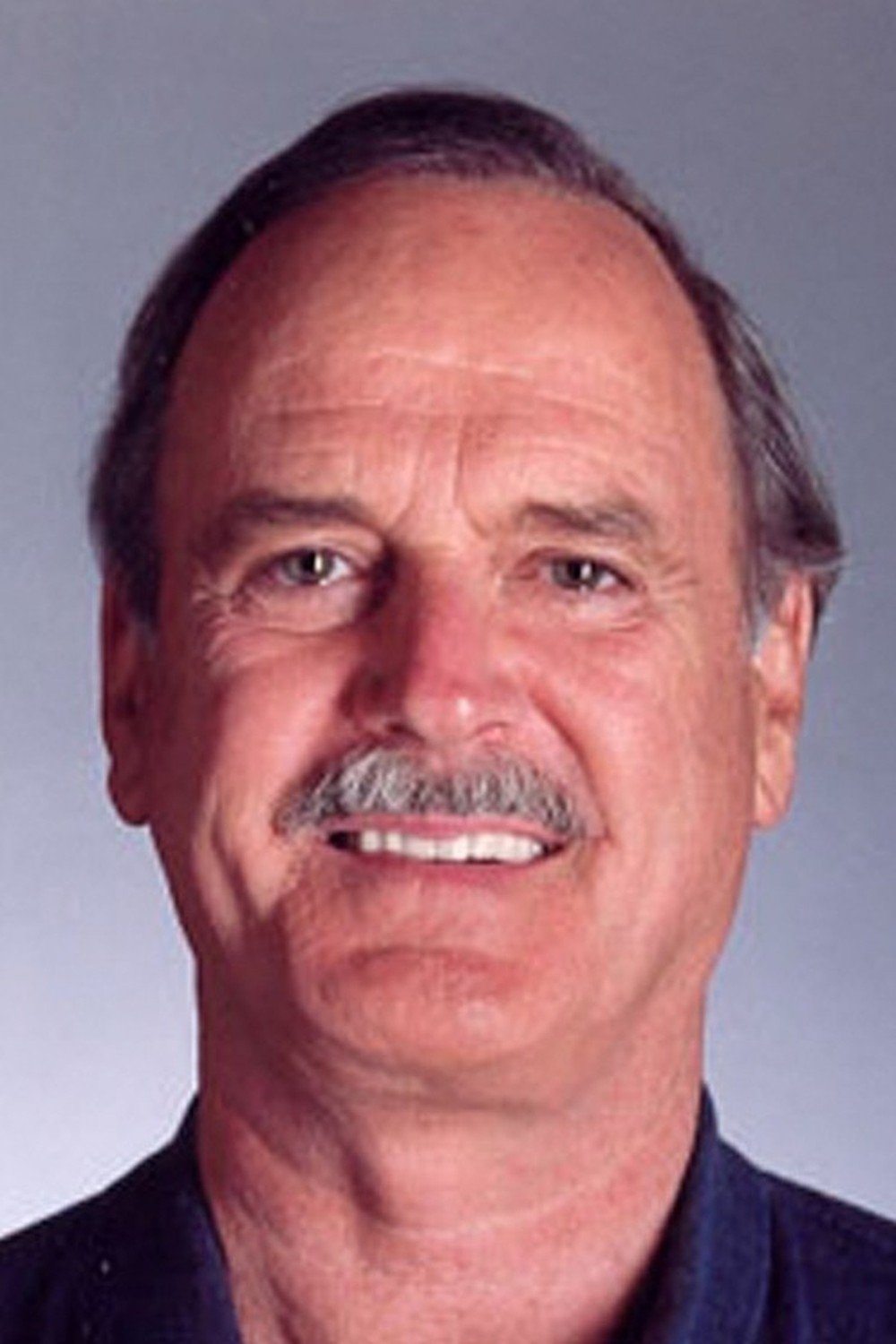
John Cleese has consistently stood up for the often-debated aspects of ‘Monty Python’s Life of Brian,’ which some found blasphemous when it first came out. He’s explained that the film wasn’t meant to attack religious belief itself, but rather to poke fun at institutions and how people act. Cleese has said the movie’s humor was designed to encourage critical thinking and challenge those in power. He’s also been a strong critic of today’s ‘cancel culture’ and continues to champion the film’s lasting importance, believing that comedy should be free to address any topic, even sensitive ones.
Ricky Gervais
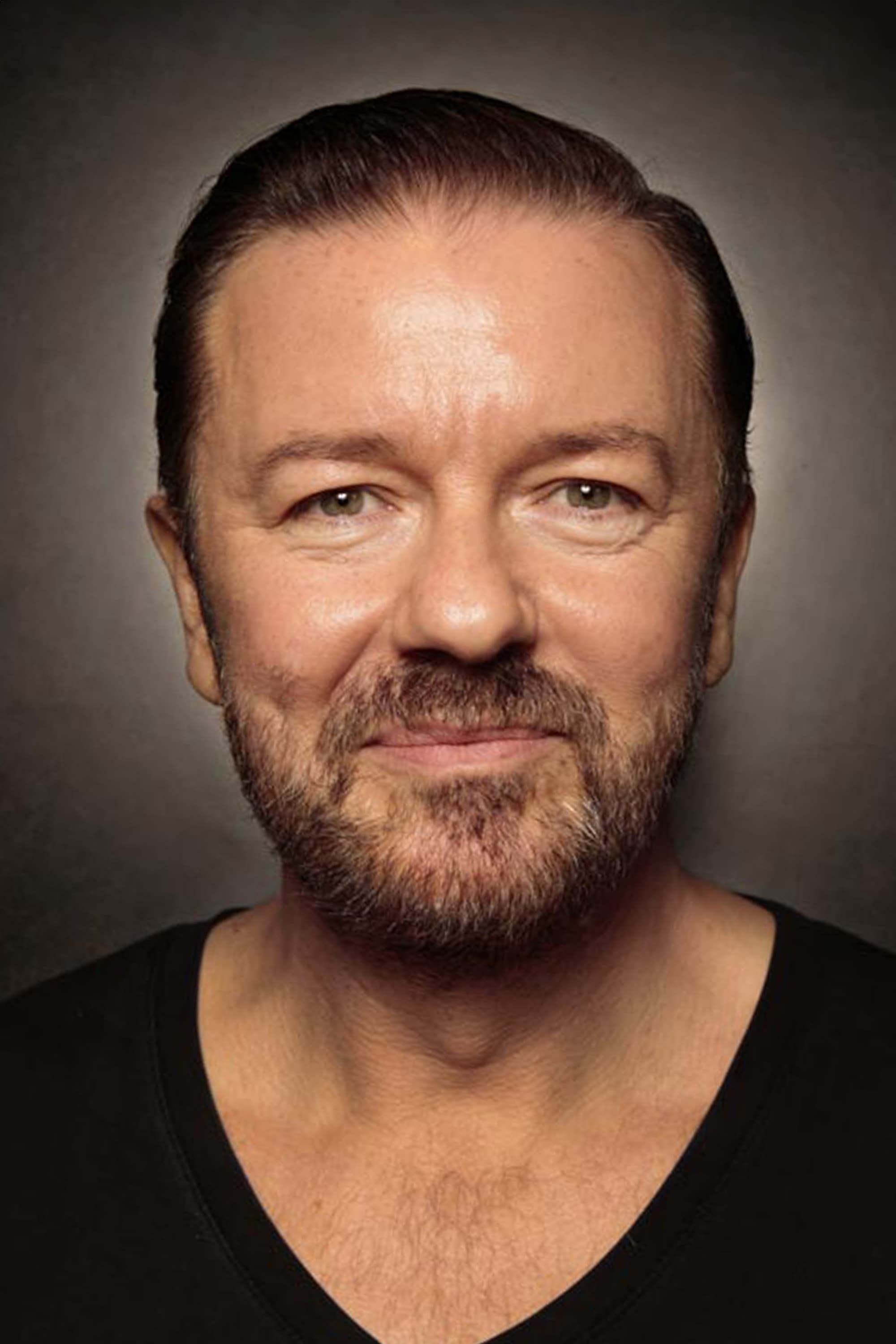
Ricky Gervais has received backlash for jokes considered transphobic and generally offensive in his comedy shows and acting roles. He consistently explains these jokes by saying he’s either playing a character or using satire to make a broader point. Gervais believes all topics should be fair game for comedy, and that audiences should recognize his intent is satirical, not literal. He argues that because it’s performance, his jokes don’t actually cause harm. Despite this, he remains a controversial figure when discussing the boundaries of what’s acceptable in modern humor.
Gene Wilder
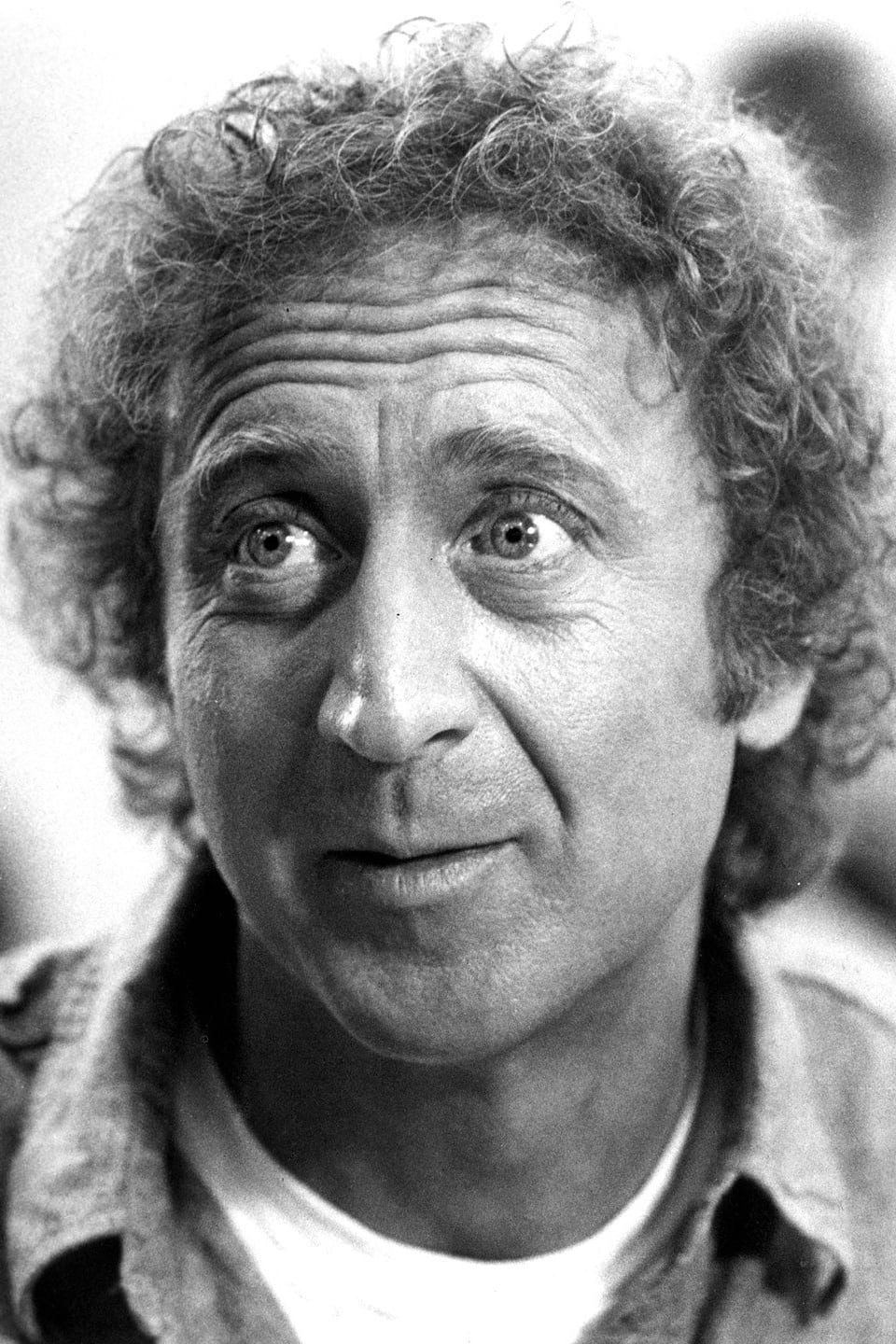
Gene Wilder’s film ‘Blazing Saddles’ famously used strong language and controversial topics to poke fun at traditional Western movies. Wilder consistently explained that this type of humor was essential to reveal the foolishness of racism. He believed the film was groundbreaking, challenging how Hollywood usually operated, and that its creators aimed to encourage equality through comedy. Many others agree, considering ‘Blazing Saddles’ a brilliant and hilarious film.
Mel Brooks
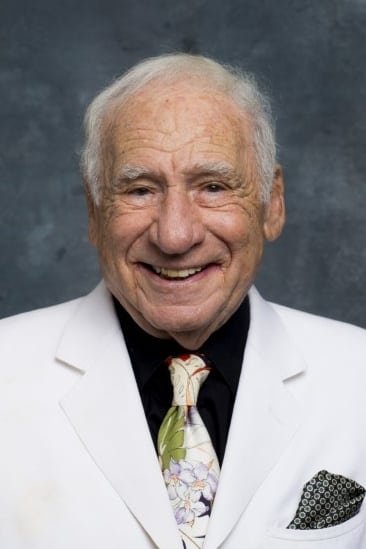
Mel Brooks, who directed and starred in ‘Blazing Saddles,’ has consistently defended the film for many years. He believes it couldn’t be made today because society is now too easily offended by its type of humor. Brooks explains that the film used offensive language specifically to ridicule prejudiced characters. He feels comedy is a powerful way to fight hate, and that ‘Blazing Saddles’ still holds value, even with recent discussions about its potentially offensive content. He continues to champion the film’s lasting impact.
Vince Vaughn
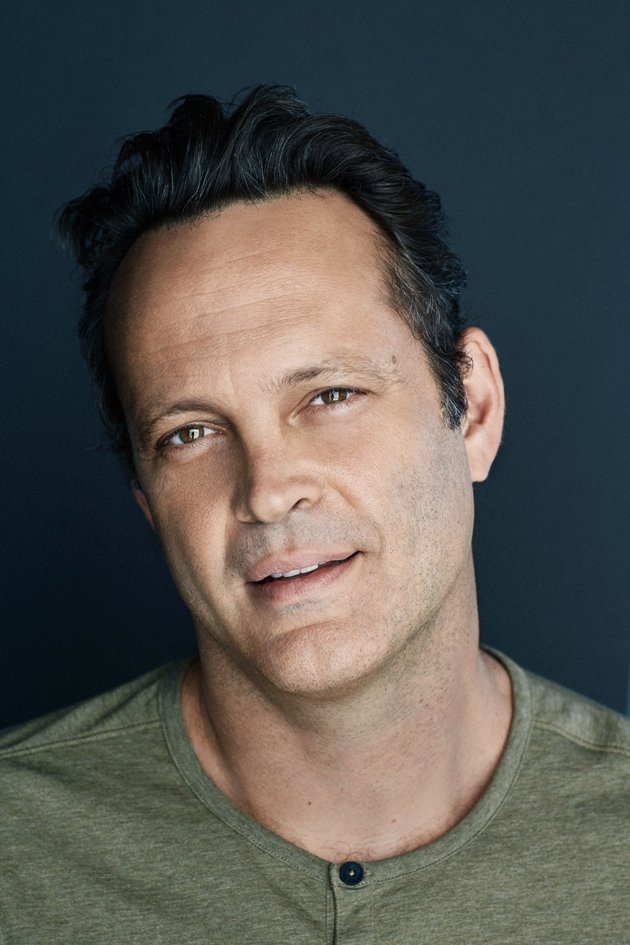
Actor Vince Vaughn received criticism after a trailer for his movie, ‘The Dilemma,’ featured a joke containing a homophobic insult. Several organizations asked for the joke to be cut from both the film and its trailers. Vaughn initially defended the joke, explaining it was meant to realistically portray how people sometimes talk. He believed comedy should be free to show imperfect characters using everyday language. Ultimately, he agreed to remove the line, but his initial stance ignited a discussion about the use of language in movies.
Shia LaBeouf
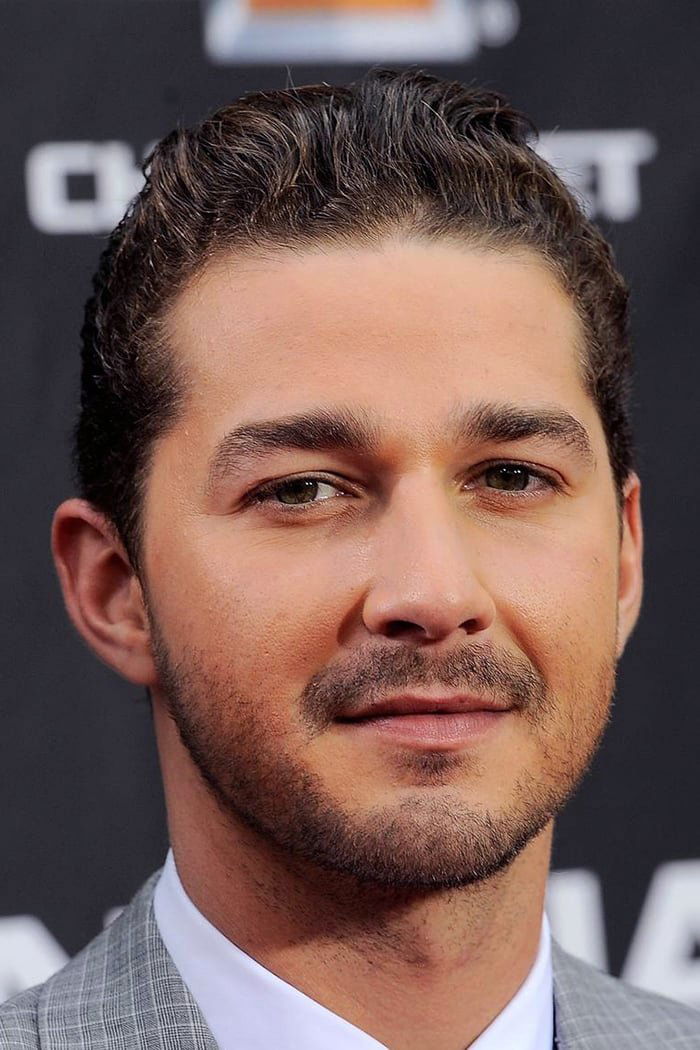
Shia LaBeouf faced criticism for his role in ‘The Tax Collector’, where he played a character seen by many as a stereotypical Latino gang member. Some accused him of using makeup to darken his skin (brownface) and argued that a Latino actor should have been cast instead. LaBeouf responded by saying his character was meant to be a white man raised in that environment, and that he based his performance on real people he knew to make it feel genuine. The situation sparked a larger conversation about who gets cast in roles and how different cultures are portrayed in crime shows and movies.
Ansel Elgort

When Ansel Elgort was cast in ‘West Side Story,’ he received some backlash related to past accusations and the role he was playing. He explained his involvement by highlighting the director’s creative vision and the story’s significance. Elgort expressed his pride in being part of such a well-known film and emphasized his dedication to portraying the character accurately. Despite public criticism, he remained professional and focused on promoting the movie, though he hasn’t publicly addressed the specific issues surrounding the role itself.
Armie Hammer
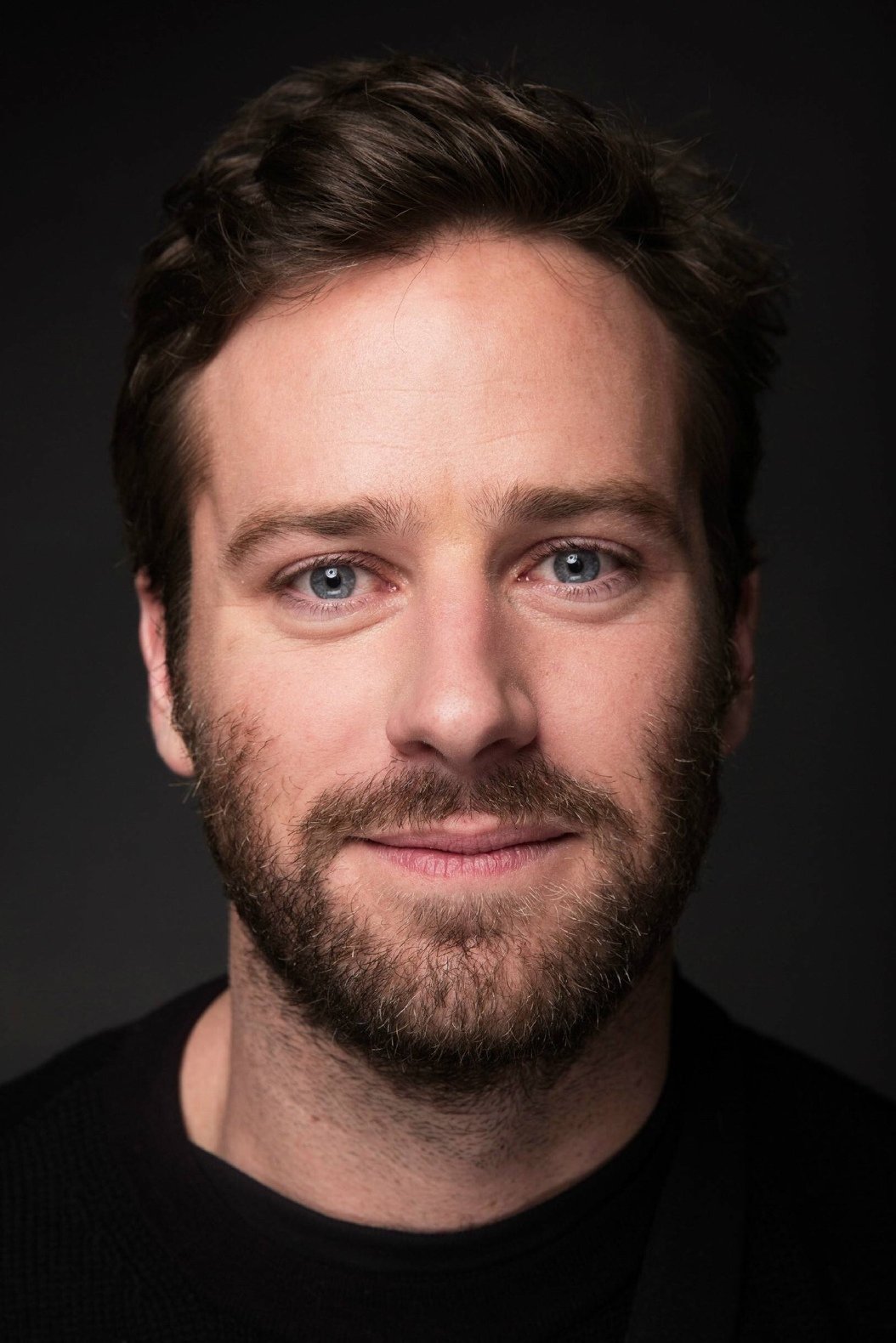
Armie Hammer, who appeared with Johnny Depp in ‘The Lone Ranger,’ spoke out to defend the film after it received a lot of criticism. He felt the criticism about the casting was unfair and believed the movie was an enjoyable family adventure. Hammer also emphasized that the filmmakers worked hard to be respectful of Native American culture, and he suggested the negative reviews were simply due to a general negativity among critics. He fully supported both his co-star and the artistic decisions made during production.
Joel Edgerton
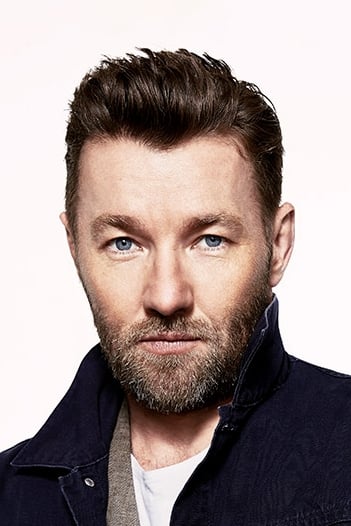
Joel Edgerton, who played Ramses in ‘Exodus: Gods and Kings,’ received criticism for the film’s casting choices, similar to Christian Bale. He explained that as an actor, his focus was on portraying the character, despite the controversy. Edgerton pointed out that casting decisions were made by the studio and director with commercial considerations in mind. He felt a sense of responsibility towards the role and prioritized telling the story’s dramatic arc. While he now understands the issue is complicated, he initially supported the film.
James Corden
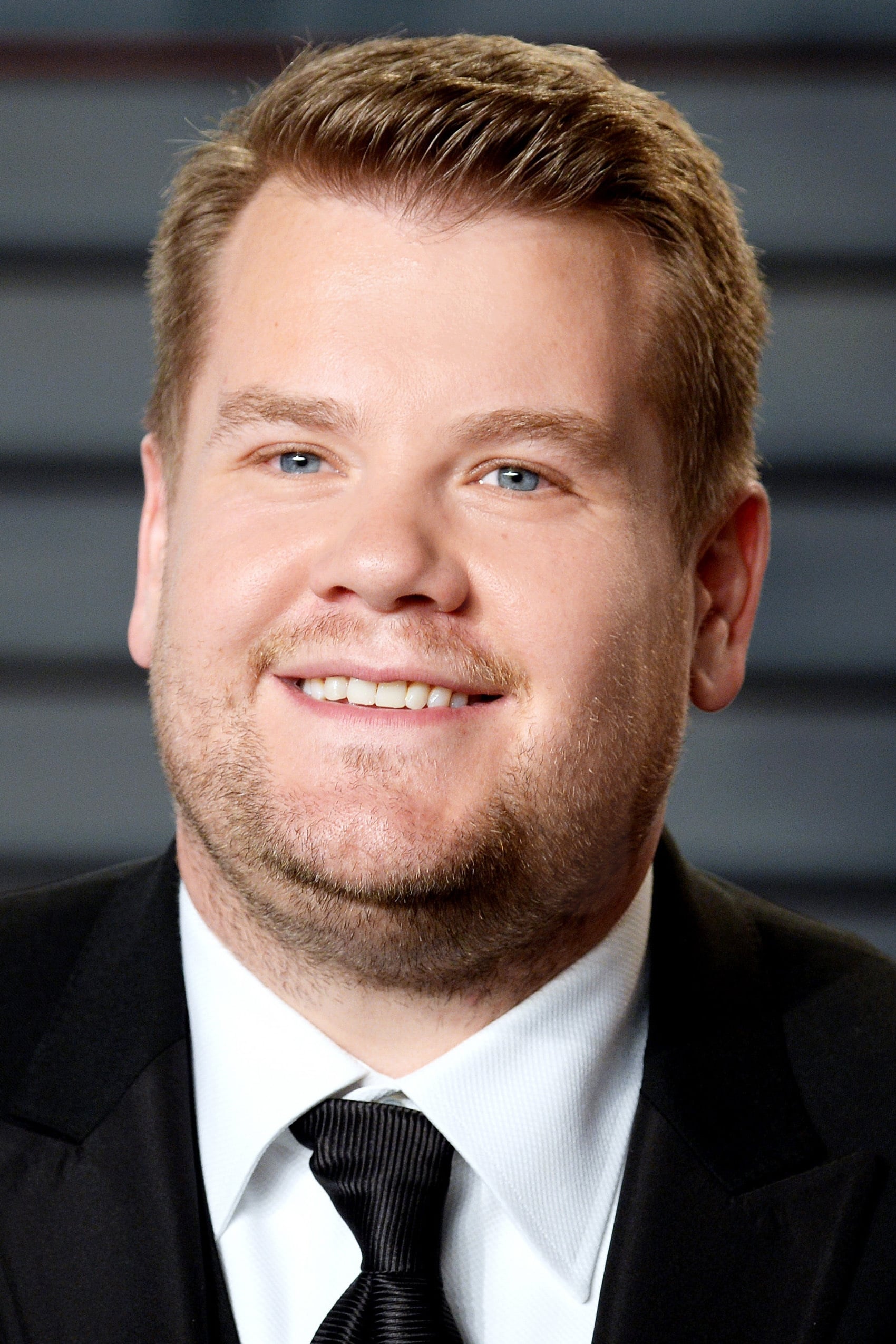
James Corden received criticism for how he played a gay character in the movie ‘The Prom’. Many felt his performance relied on harmful and old-fashioned stereotypes. Corden responded by saying he aimed to bring happiness to the role and had good intentions, believing the film ultimately offered a positive message for the LGBTQ+ community. However, the criticism grew, with many questioning why a straight actor was cast in such a showy part.
Hugh Grant
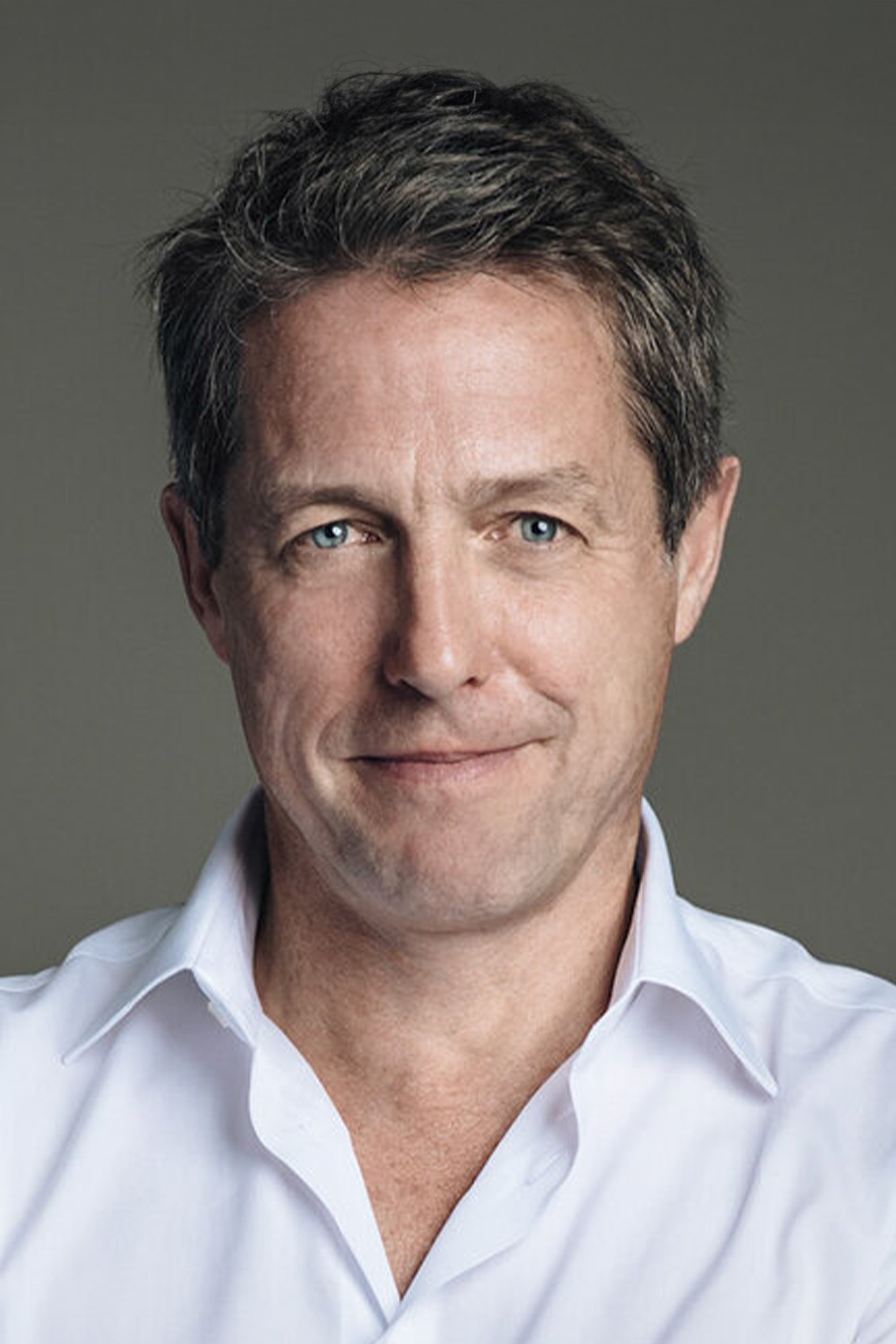
Hugh Grant portrayed characters of various ethnicities in the movie ‘Cloud Atlas’, which sparked criticism from some who accused the film of using yellowface and appropriating other cultures. Grant responded by explaining the film’s central idea – that it explores the journey of souls through time and different lives – and argued that the casting choices were essential to telling that complex story. He believed the film was a groundbreaking artistic endeavor that didn’t adhere to typical casting conventions.
Tom Hanks
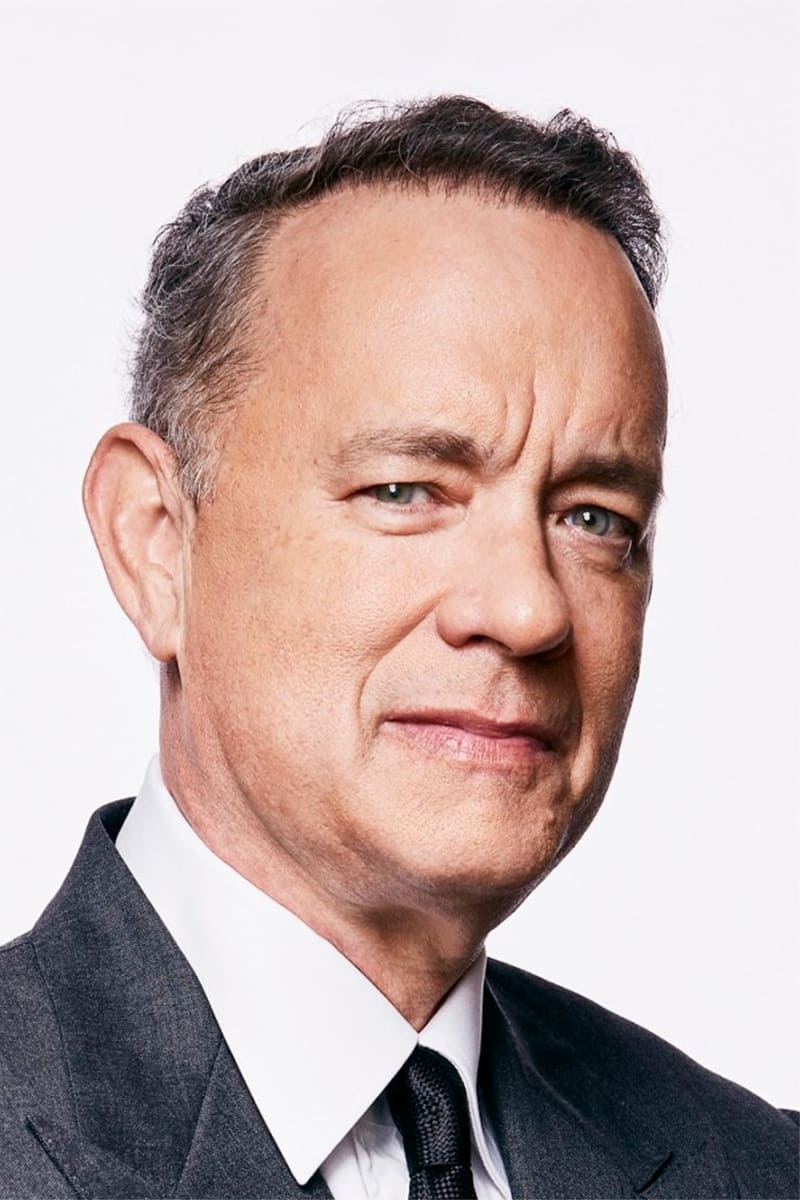
Tom Hanks starred in ‘Cloud Atlas’ where he played multiple characters, requiring extensive makeup to alter his appearance. He explained that the film’s central message was the interconnectedness of all people throughout history and across racial lines. Hanks believed the actors’ varied roles helped emphasize this connection for viewers, and described the film as a daring work that challenged audiences to look beyond superficial differences. However, his explanation didn’t satisfy everyone, as many still found the use of makeup to change actors’ ethnicities to be problematic.
John Travolta
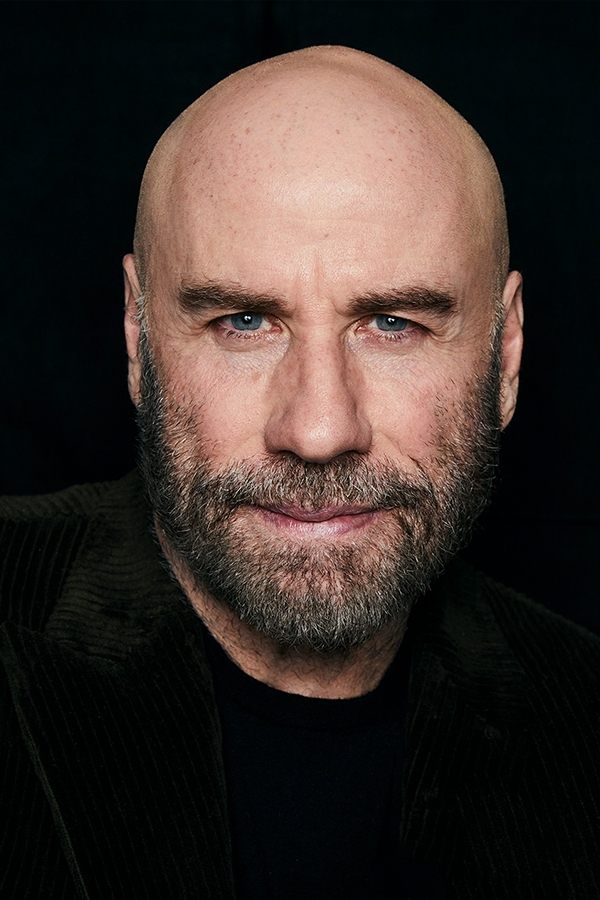
John Travolta played a female character in the movie ‘Hairspray,’ continuing a long-standing tradition in theater. Though most people liked his performance, some critics wondered if it was appropriate for a man to play a woman in a modern film. Travolta explained that he loved the role because it was both enjoyable and a good acting challenge. He also said his performance was meant to honor the original ‘Hairspray’ film and the stage play, and he emphasized the movie’s upbeat spirit and positive message.
Richard Gere
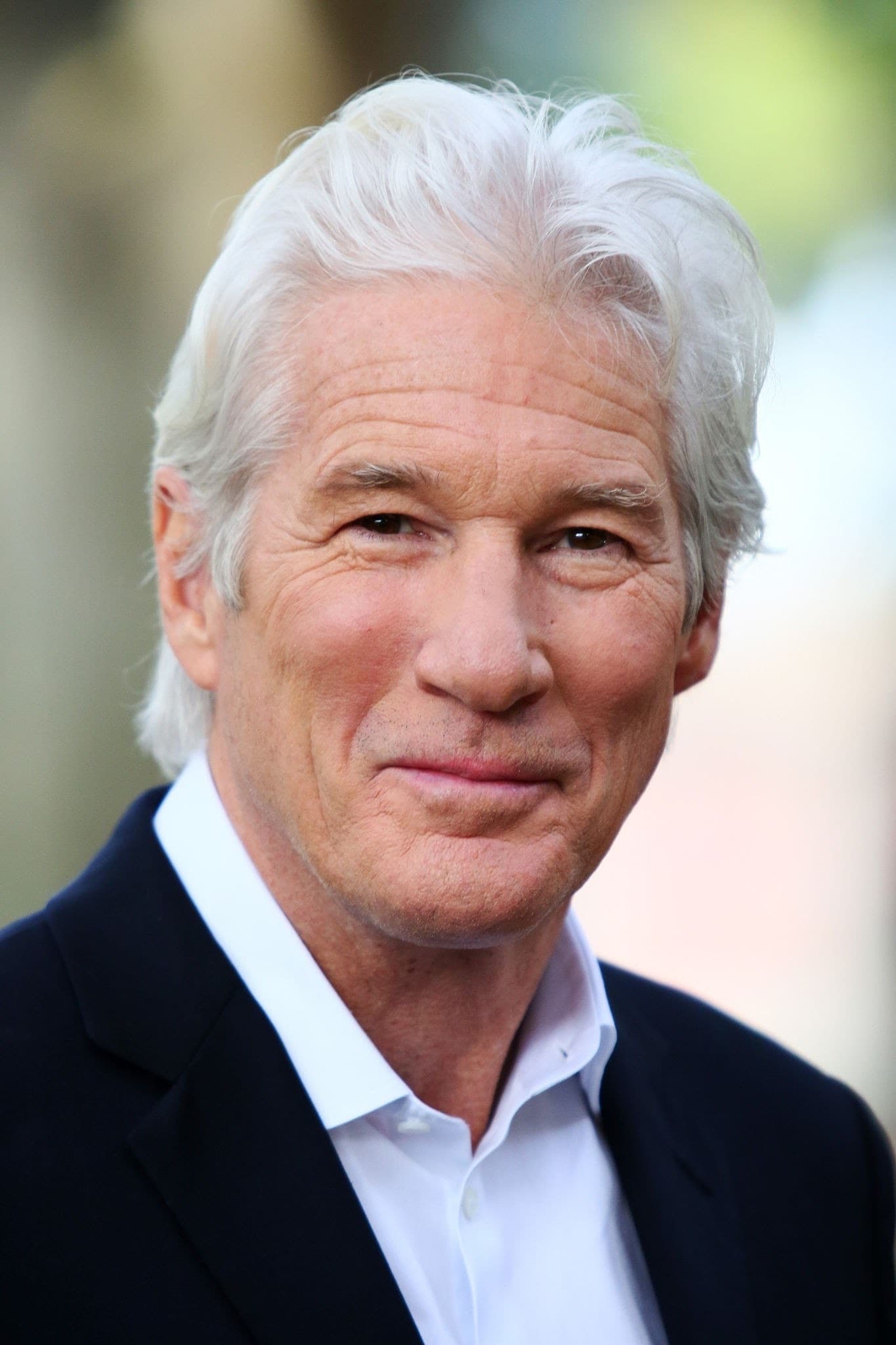
Richard Gere’s film ‘The Cotton Club’ faced criticism for how it portrayed race and for centering the story on white characters within a Black historical context. Gere responded by explaining the film was a nuanced depiction of different worlds colliding in 1930s New York. He believed it was a genuine effort to capture the feel and music of that time, and maintained it was an ambitious artistic project despite the controversy. His comments underscored the challenges of creating historical films that deal with sensitive topics.
Christopher Walken
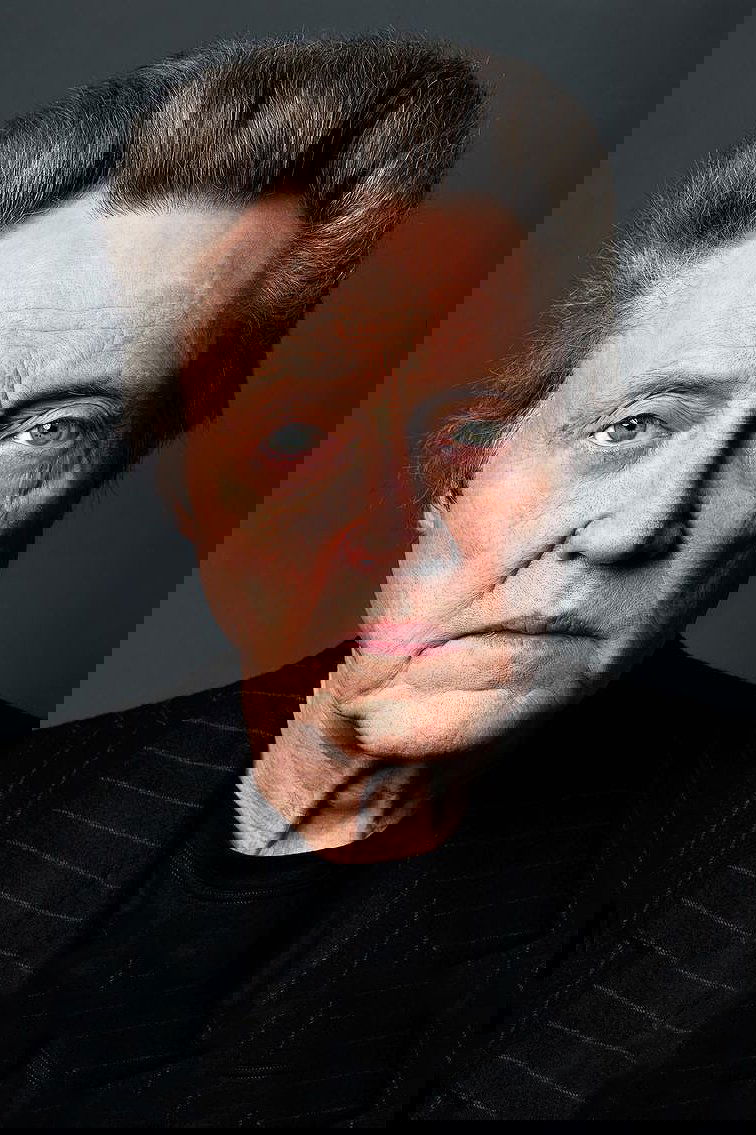
When the musical ‘Hairspray’ came out, Christopher Walken, who starred in it, spoke up to defend the casting decisions. He explained that the film was meant to be a positive and unifying story. Walken pointed out that it’s common in theater for actors to play characters unlike themselves, and he emphasized the cast’s talent and the fun of the music to counter any criticism. He’s long been an advocate for artistic expression and freedom in the arts.
Johnny Knoxville
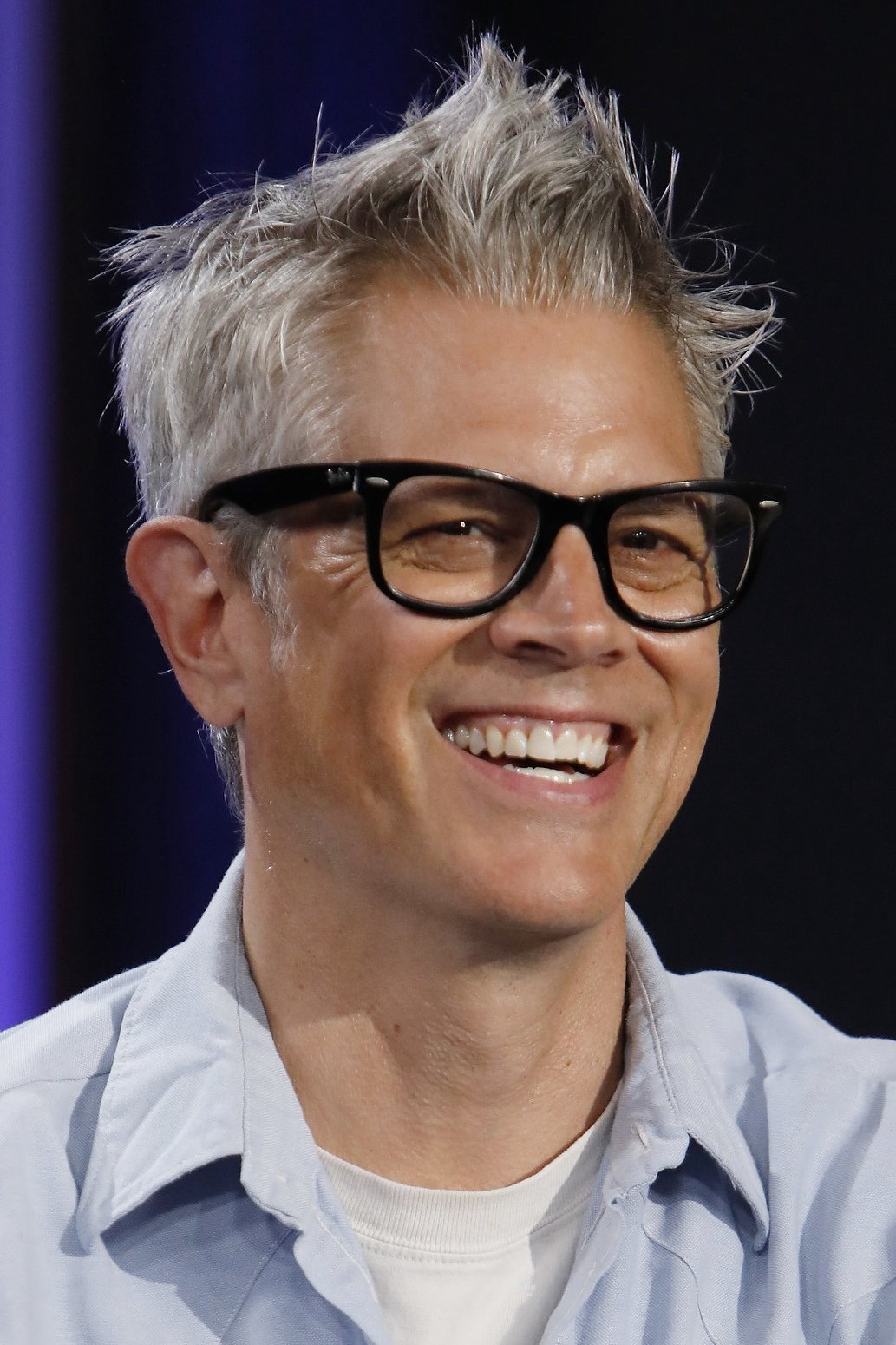
The comedy film ‘The Ringer,’ starring Johnny Knoxville, tells the story of a man who fakes a disability to enter the Special Olympics. This premise immediately drew criticism from advocacy groups who considered it insensitive and exploitative. Knoxville responded by explaining that filmmakers collaborated closely with the Special Olympics to ensure the humor was respectful. He maintained the film’s intention was to be uplifting and celebrate the athletes, not to make fun of them. However, many viewers continue to find the film’s central idea troubling.
Share your own thoughts on these controversial actor defenses in the comments.
Read More
- Gold Rate Forecast
- DOT PREDICTION. DOT cryptocurrency
- Securing the Agent Ecosystem: Detecting Malicious Workflow Patterns
- Silver Rate Forecast
- 4 Reasons to Buy Interactive Brokers Stock Like There’s No Tomorrow
- EUR UAH PREDICTION
- NEAR PREDICTION. NEAR cryptocurrency
- Top 15 Insanely Popular Android Games
- Did Alan Cumming Reveal Comic-Accurate Costume for AVENGERS: DOOMSDAY?
- USD COP PREDICTION
2026-01-02 23:21