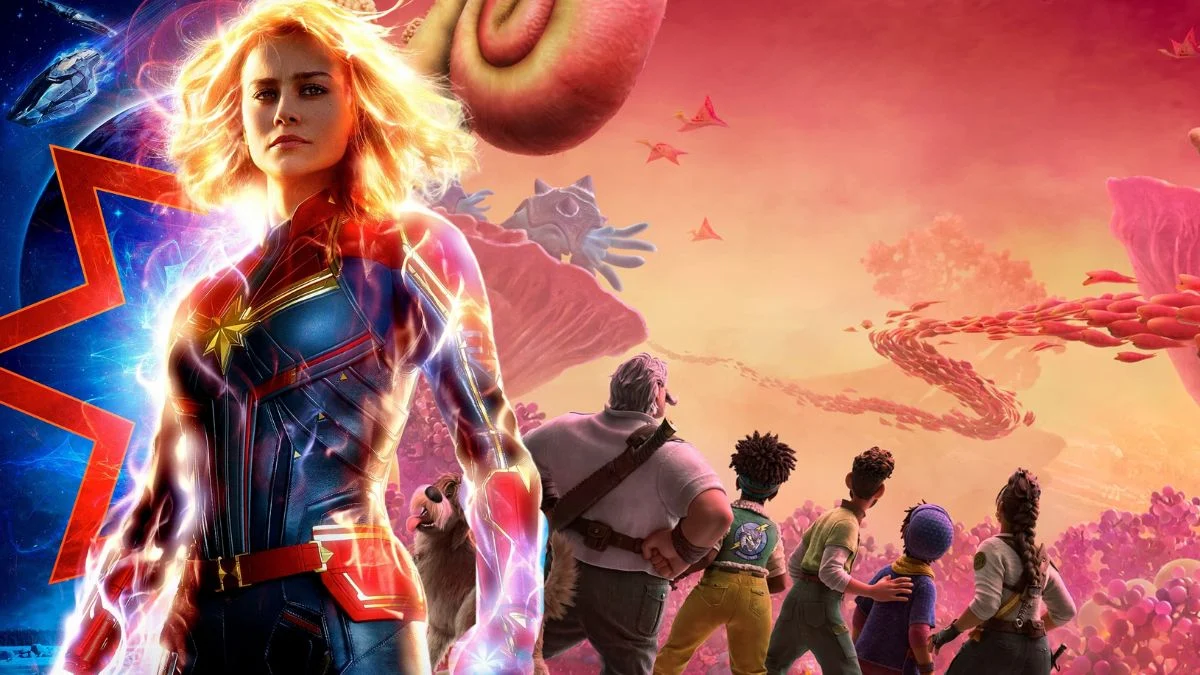
The movie and TV industry is increasingly focused on including more diverse actors and characters. Studios are often trying to better represent the population by changing characters who used to be typically white or male. However, this has often led to strong negative reactions and calls to boycott from some viewers, who believe these changes are driven by politics rather than good storytelling or staying true to the original material. Several films have faced major online criticism and campaigns because of casting choices seen as prioritizing diversity over other factors.
‘Snow White’ (2025)
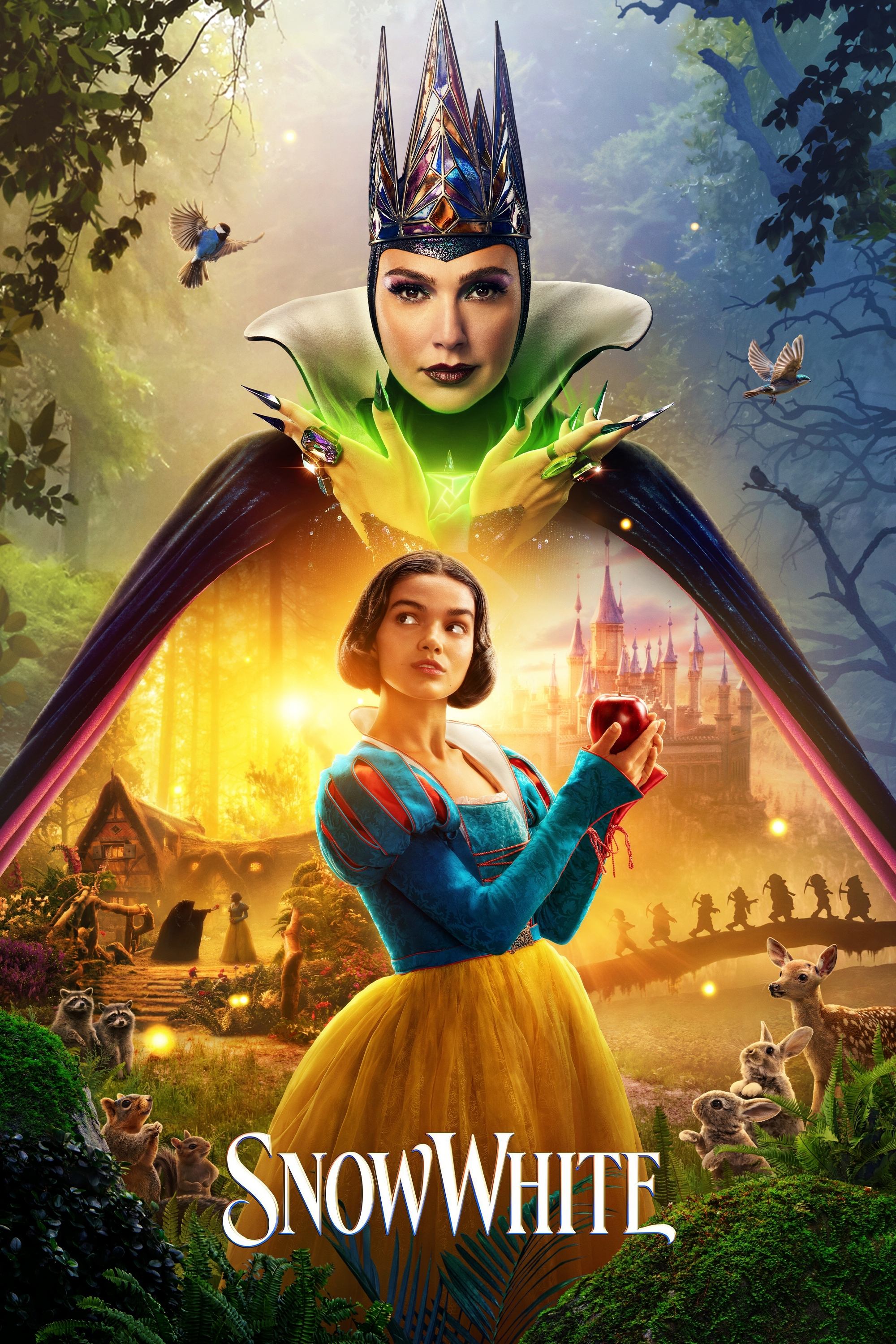
Even before it came out in theaters, the live-action movie caused a lot of controversy, largely because of the casting of Rachel Zegler. Some people who prefer traditional versions of the story objected to a Latina actress playing Snow White, a character known for her pale skin. The movie also received criticism after pictures from the set were released and Zegler spoke about how the original story felt outdated. Some critics claimed the studio was changing the story too much, removing the prince and making the themes overly modern. Ultimately, the film became a central point in the debate over whether classic fairytales should be faithfully preserved or updated for today’s audiences.
‘Ghostbusters’ (2016)
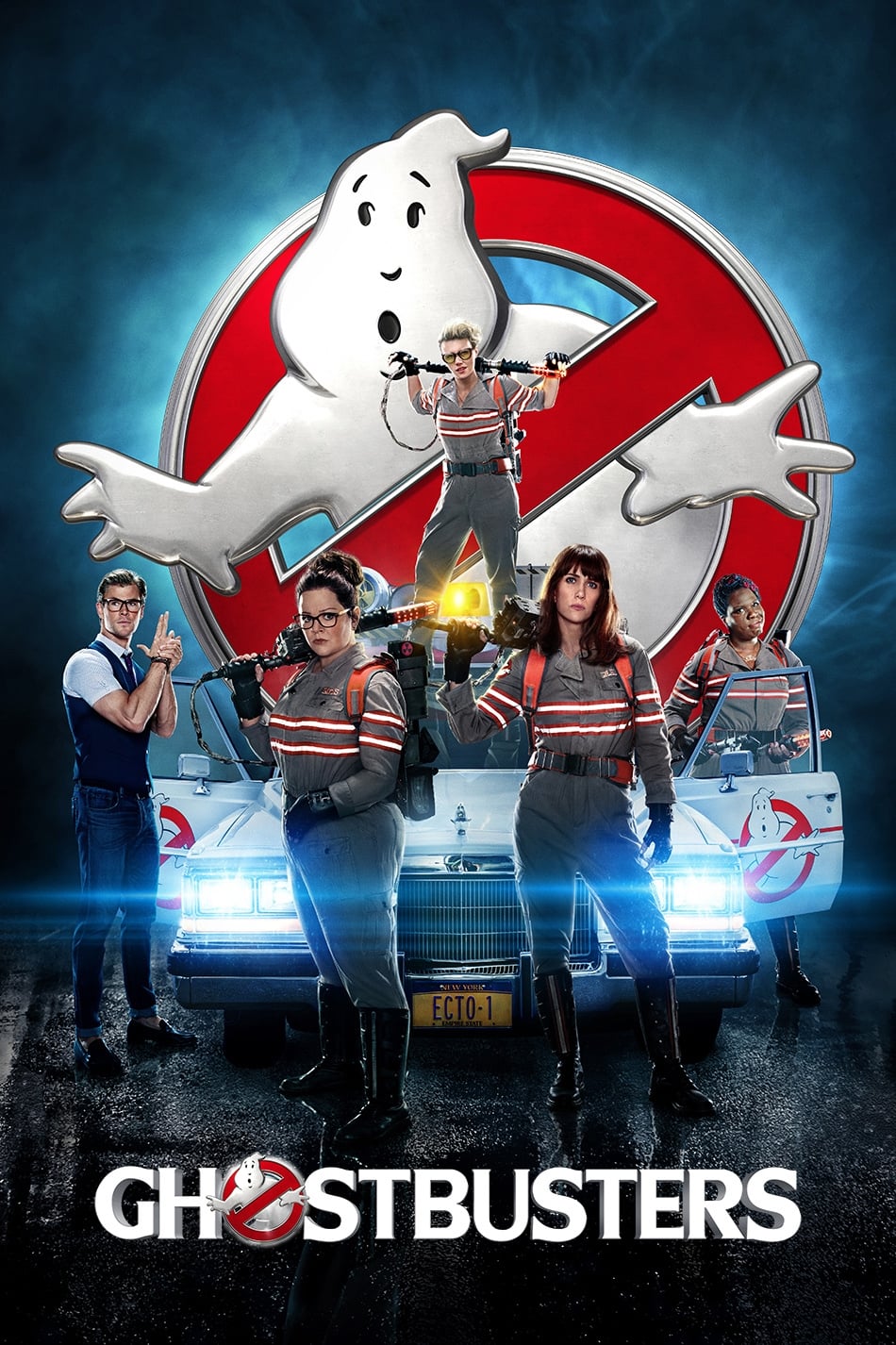
Reviving the popular 1980s movie series with a completely female cast sparked a remarkably negative reaction online, becoming one of the most intensely critical campaigns in film history. Fans of the original movies filled the trailer comments with complaints, objecting to the change in gender roles. Many believed the studio was prioritizing a political message over a natural continuation of the story. Throughout the movie’s promotion, the actors faced significant online harassment. This controversy ultimately overshadowed the film itself and led to lower-than-expected ticket sales.
‘Captain Marvel’ (2019)
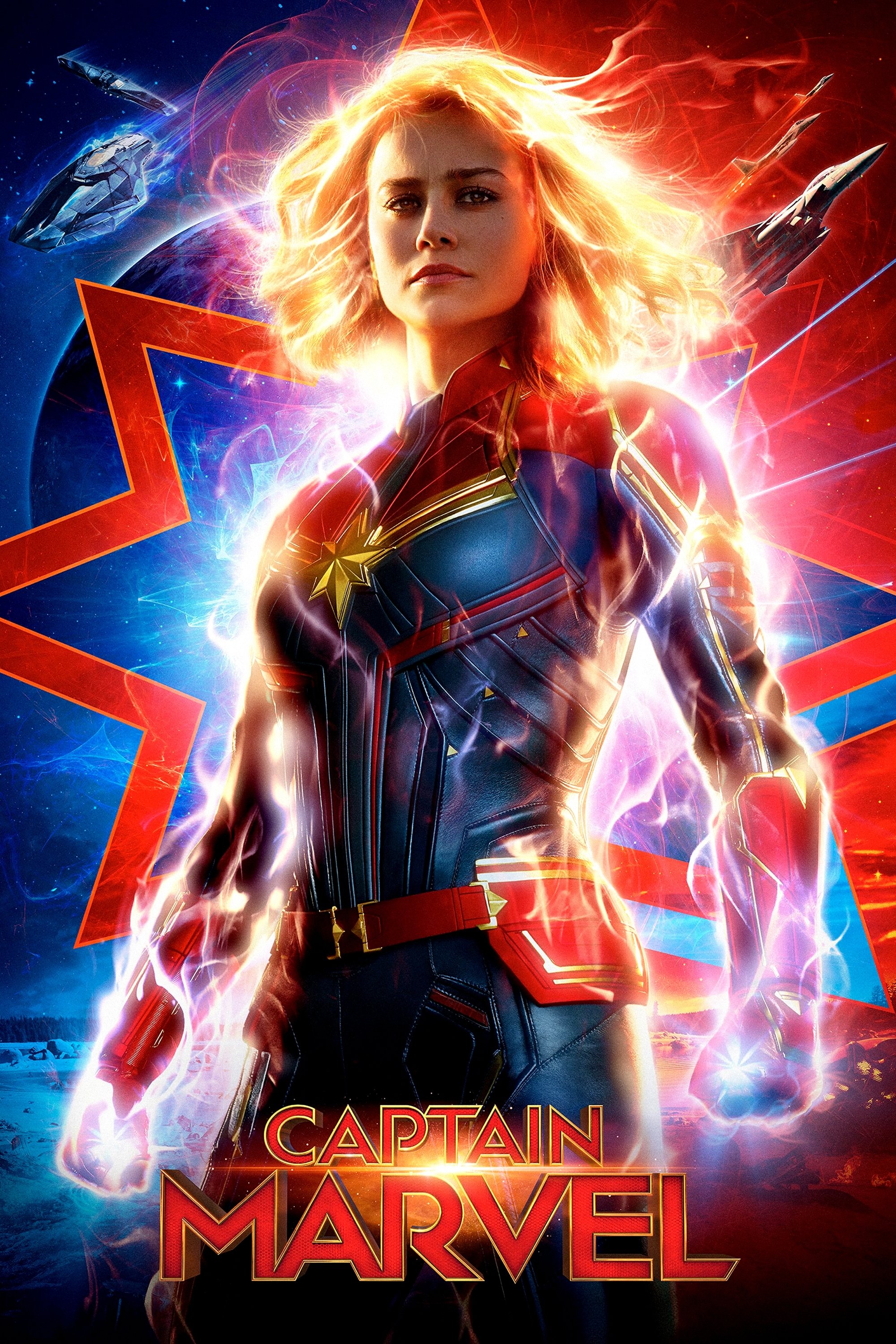
Brie Larson faced online harassment because some people felt the movie’s advertising excluded male viewers. Comments she made about a lack of diversity among film critics were seen by others as critical of white men. Before the film even came out, groups of people deliberately posted negative reviews online to try and hurt its reputation. These groups also criticized the movie’s main character, saying she was too perfect and didn’t have to work for her abilities. However, despite these attempts to boycott the film, it still earned over a billion dollars worldwide.
‘Star Wars: The Last Jedi’ (2017)
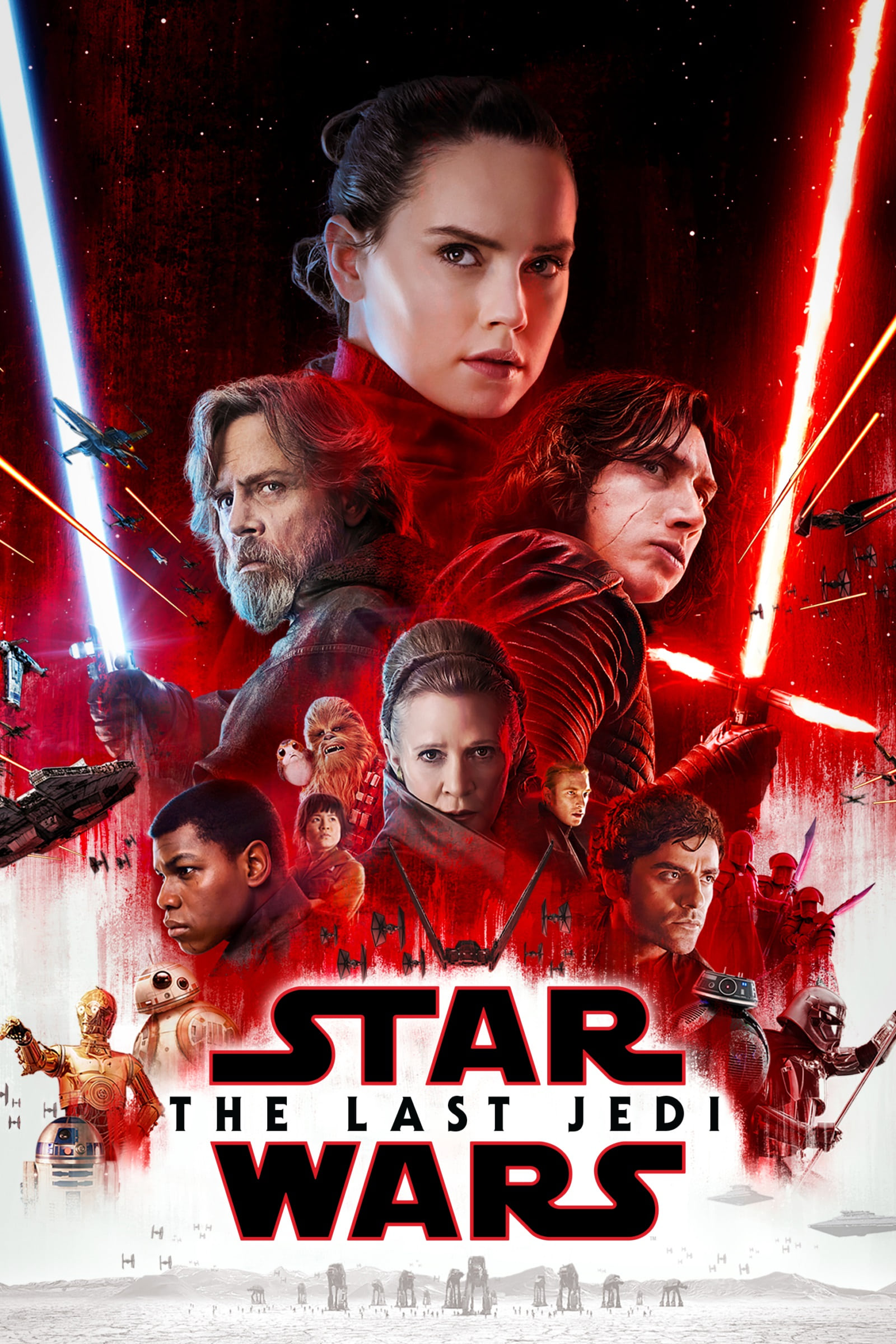
Rian Johnson’s film in the Star Wars saga proved highly controversial, creating a major divide among fans. The movie sparked intense debate, particularly regarding its diverse cast and how beloved characters were portrayed. Kelly Marie Tran, who played Rose Tico, was subjected to severe online harassment, ultimately leading her to leave social media. Critics argued the film focused too much on diversity and political themes, and not enough on respecting the established characters like Luke Skywalker. Some viewers also felt the introduction of strong female characters undermined the male heroes. This negative reaction caused a lasting split within the Star Wars community and highlighted concerns about the franchise’s direction under Disney.
‘Star Wars: The Force Awakens’ (2015)
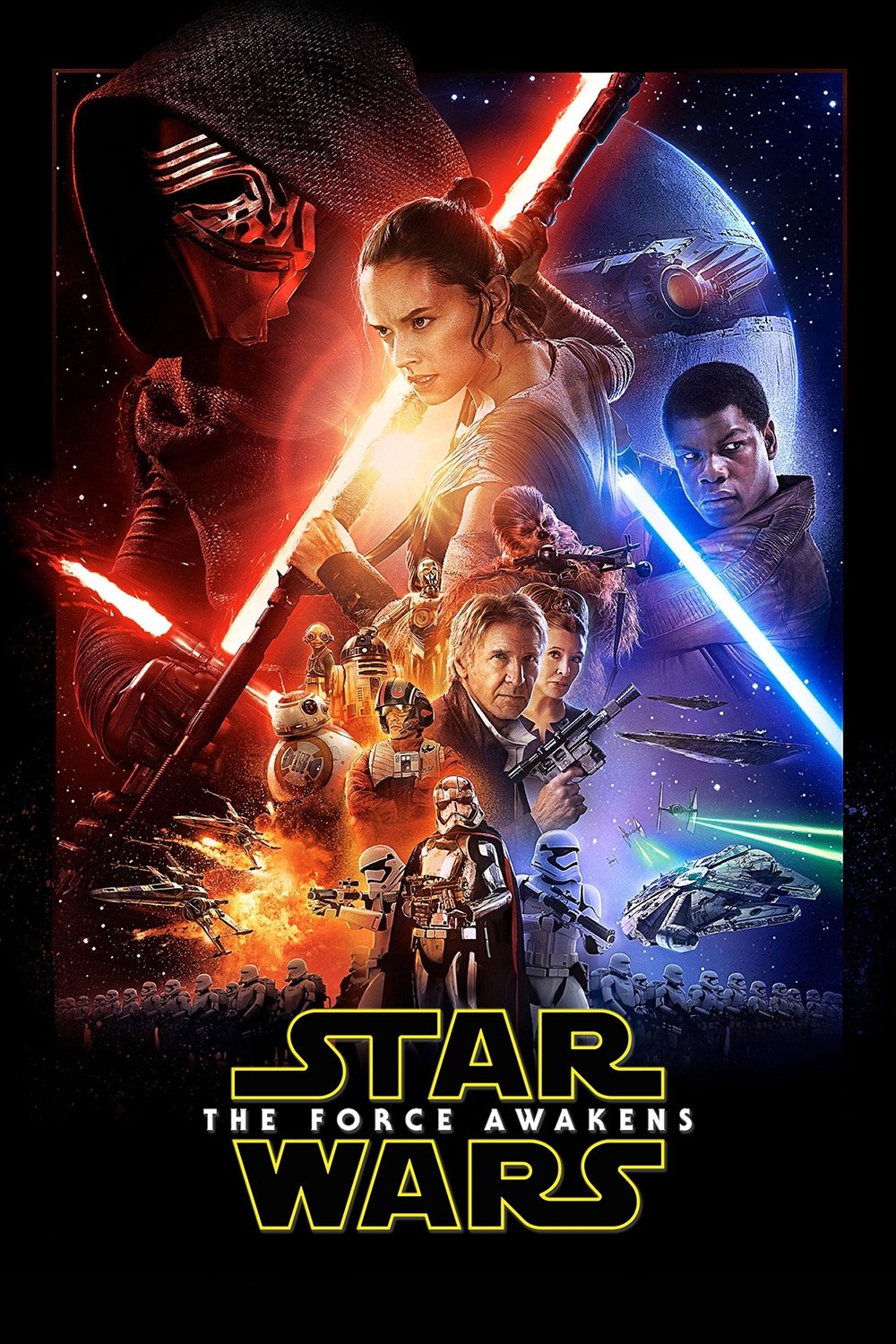
When the first trailer for the sequel trilogy revealed John Boyega as a Black stormtrooper, it sparked immediate backlash. Some viewers posted racist comments, arguing it didn’t fit with the established lore because stormtroopers were originally created as clones of Jango Fett. However, fans countered that the cloning program had ended within the Star Wars timeline, and new stormtroopers were being recruited from various backgrounds. Despite attempts to boycott the film using social media, it proved to be a huge box office hit.
‘The Marvels’ (2023)
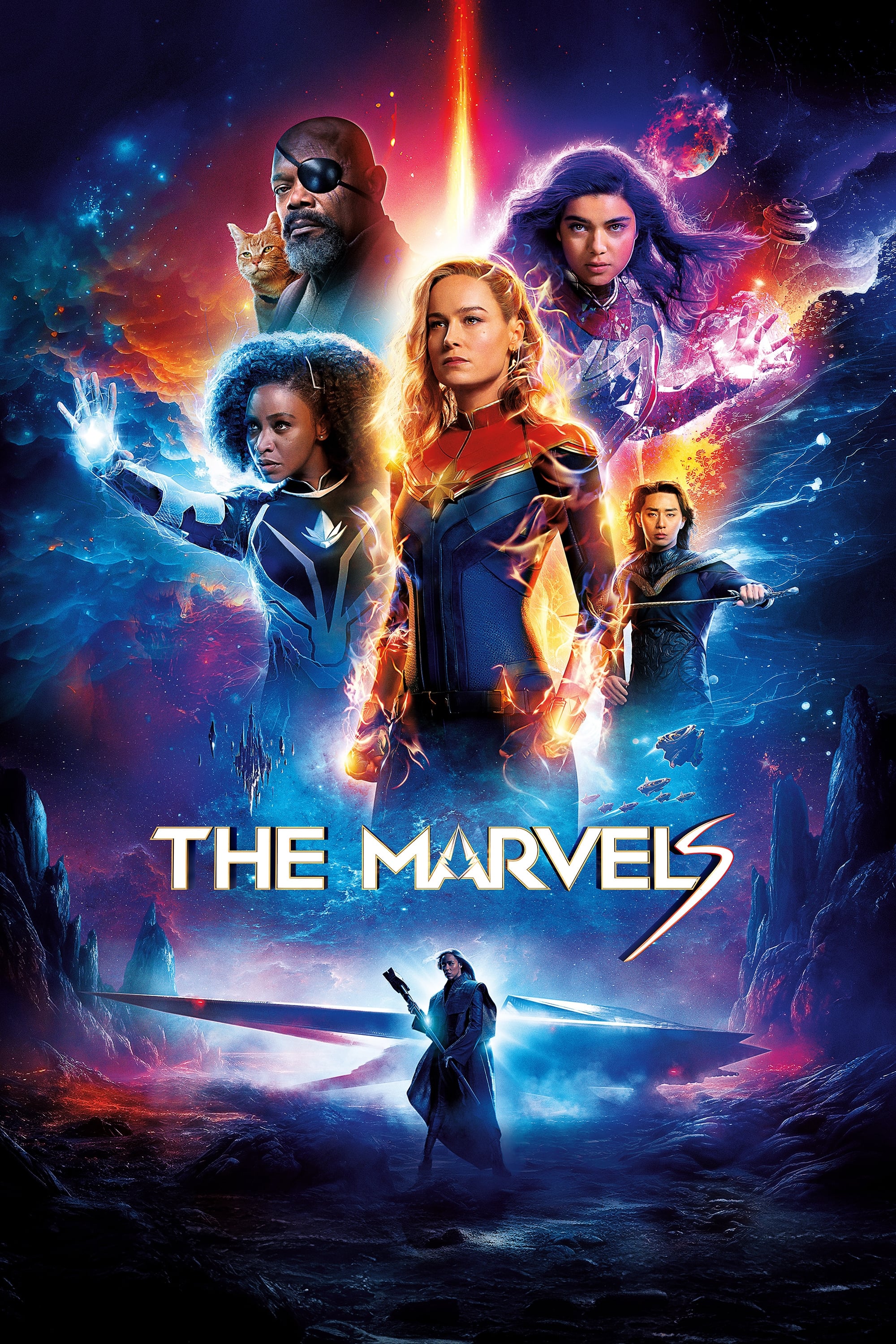
The latest installment in the series featured three female leads but faced a strong negative reaction from many viewers who criticized it as overly focused on social issues. The film underperformed in theaters, with some arguing the studio had lost touch with its traditional audience. Many critics felt the emphasis on female empowerment and diverse representation felt forced. The film’s marketing was also hurt by the actors’ strike, preventing the cast from addressing the criticism online. Ultimately, it became the lowest-earning film in the franchise’s history.
‘Peter Pan & Wendy’ (2023)
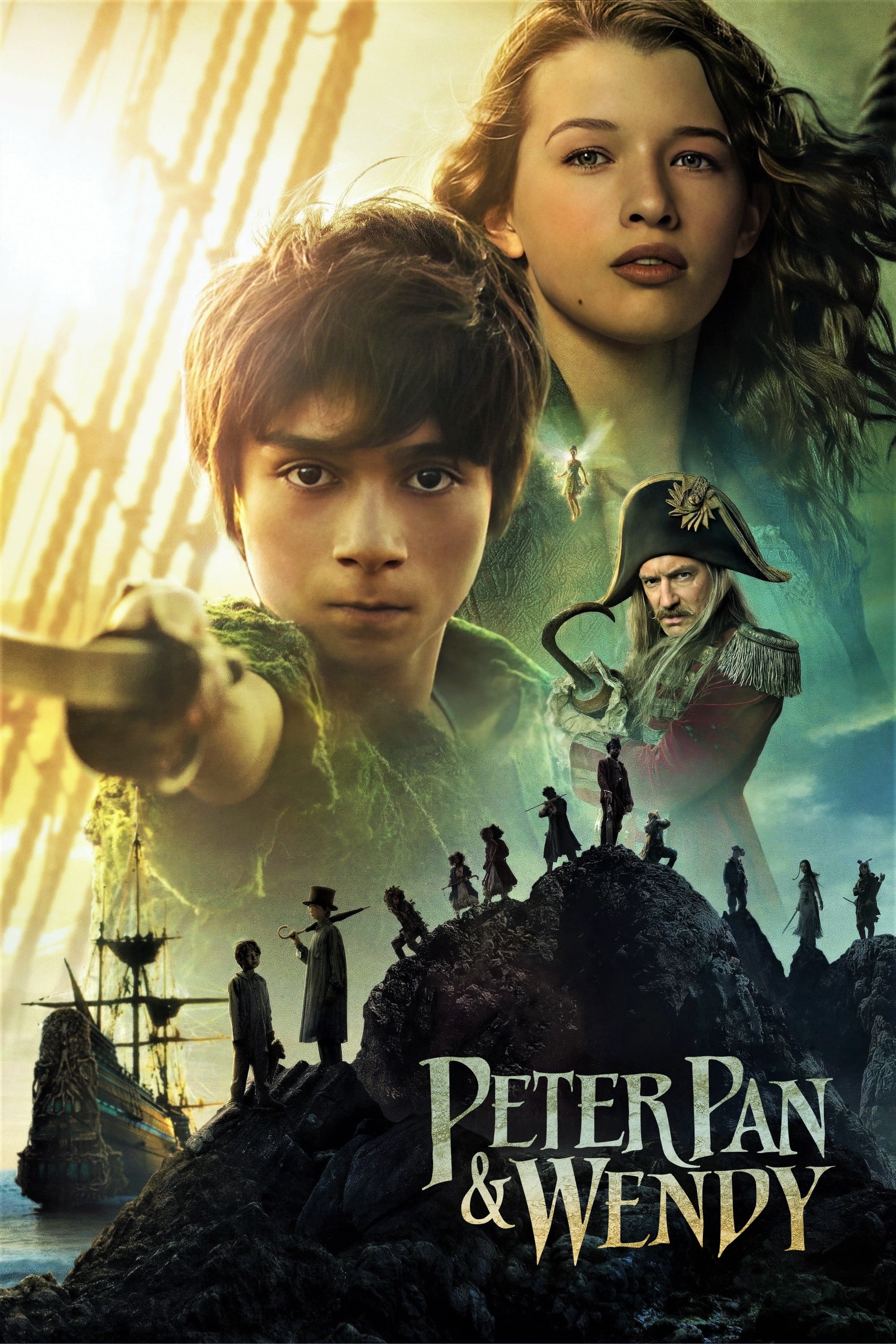
Disney released the film straight to streaming, but it quickly sparked debate over who was cast. Some viewers criticized the choice of Yara Shahidi as Tinker Bell, claiming it felt like a superficial attempt to include diversity and that it changed the character’s established appearance. Others objected to girls being added to the Lost Boys, arguing it went against the original story. Critics of these changes said Disney was removing classic redheaded characters from its films. This backlash led to poor audience ratings on many review sites.
‘Pinocchio’ (2022)
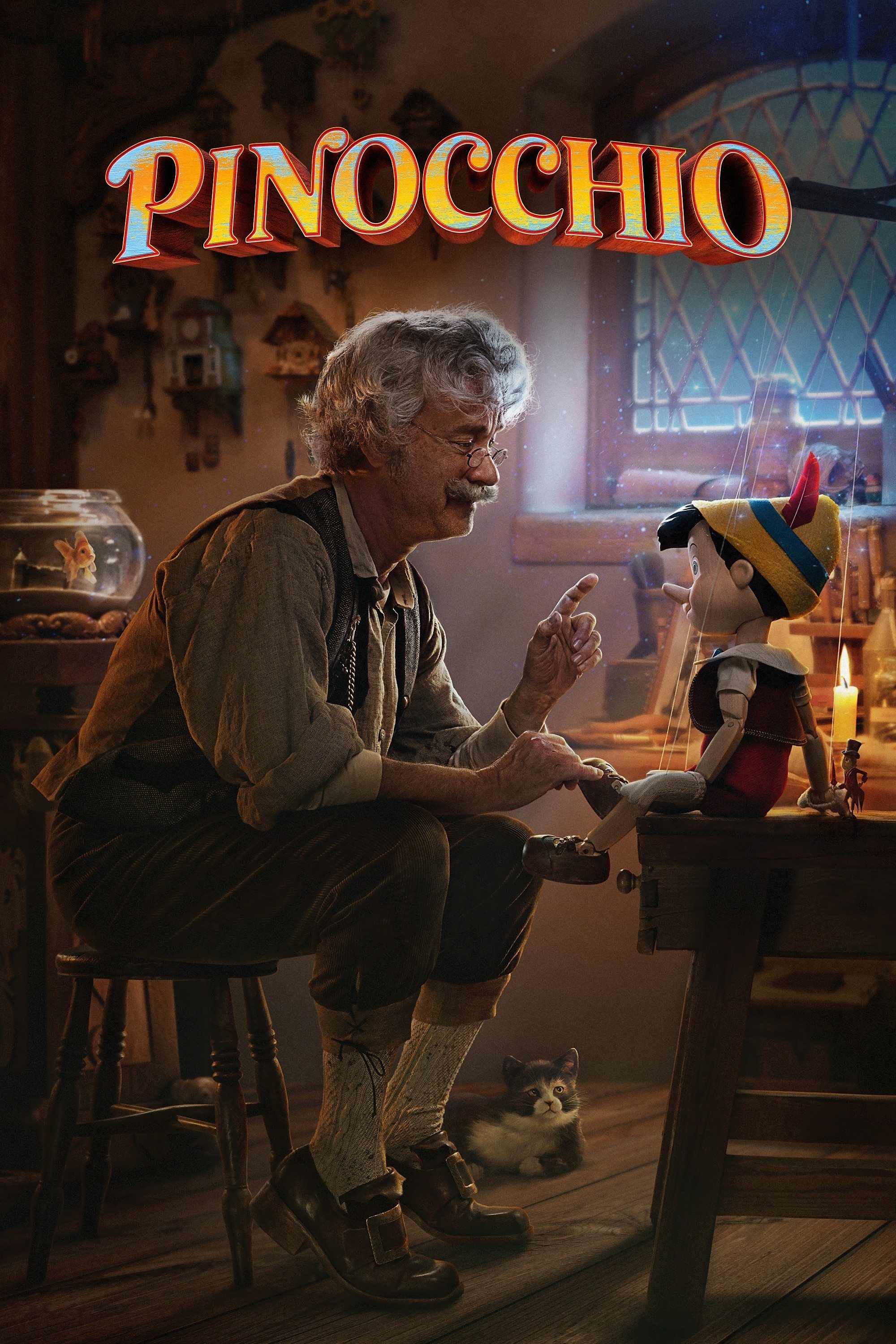
Robert Zemeckis’ live-action version of the classic story received significant criticism, largely focused on the casting of Cynthia Erivo as the Blue Fairy. Many viewers objected to her appearance, as she didn’t match the traditionally blonde and fair-skinned depiction from the original animated film. Some angry viewers felt this change was made to improve the film’s diversity numbers at the expense of staying true to the original look. While this casting choice was a major point of contention, the film also received generally negative reviews from both critics and audiences for other reasons.
‘Lightyear’ (2022)

Pixar faced significant backlash after including a short kiss between two female characters in one of its films. Some conservative groups and even governments asked Disney to remove the scene, but Disney declined. This controversy became a major news story before the film’s release, drawing more attention than the movie’s actual story. Some parents said they would not take their children to see it because of the scene. The film didn’t do as well as expected in theaters, and many experts believe the controversy contributed to its disappointing performance.
‘Strange World’ (2022)
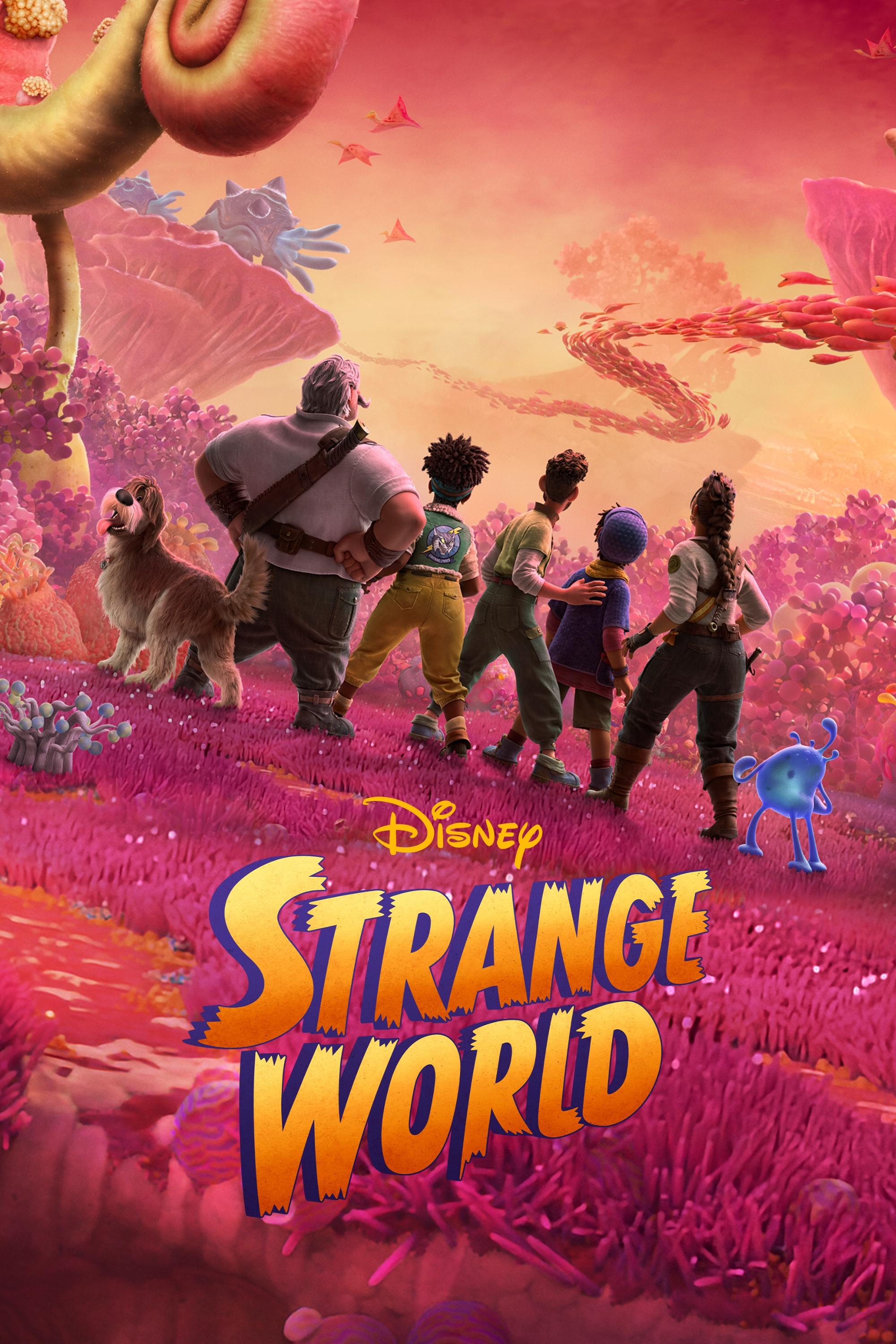
This animated movie included a gay teenager as a central character. While supporters applauded the natural portrayal of his romance – it wasn’t presented as a surprise or a moral lesson – conservative viewers disapproved. Some family groups called for a boycott, claiming the studio was promoting a particular viewpoint. Combined with a lack of typical advertising, this controversy led to significant financial losses for the studio. Much of the conversation surrounding the film centered on the character’s sexual orientation, overshadowing the animation and storyline.
‘Indiana Jones and the Dial of Destiny’ (2023)
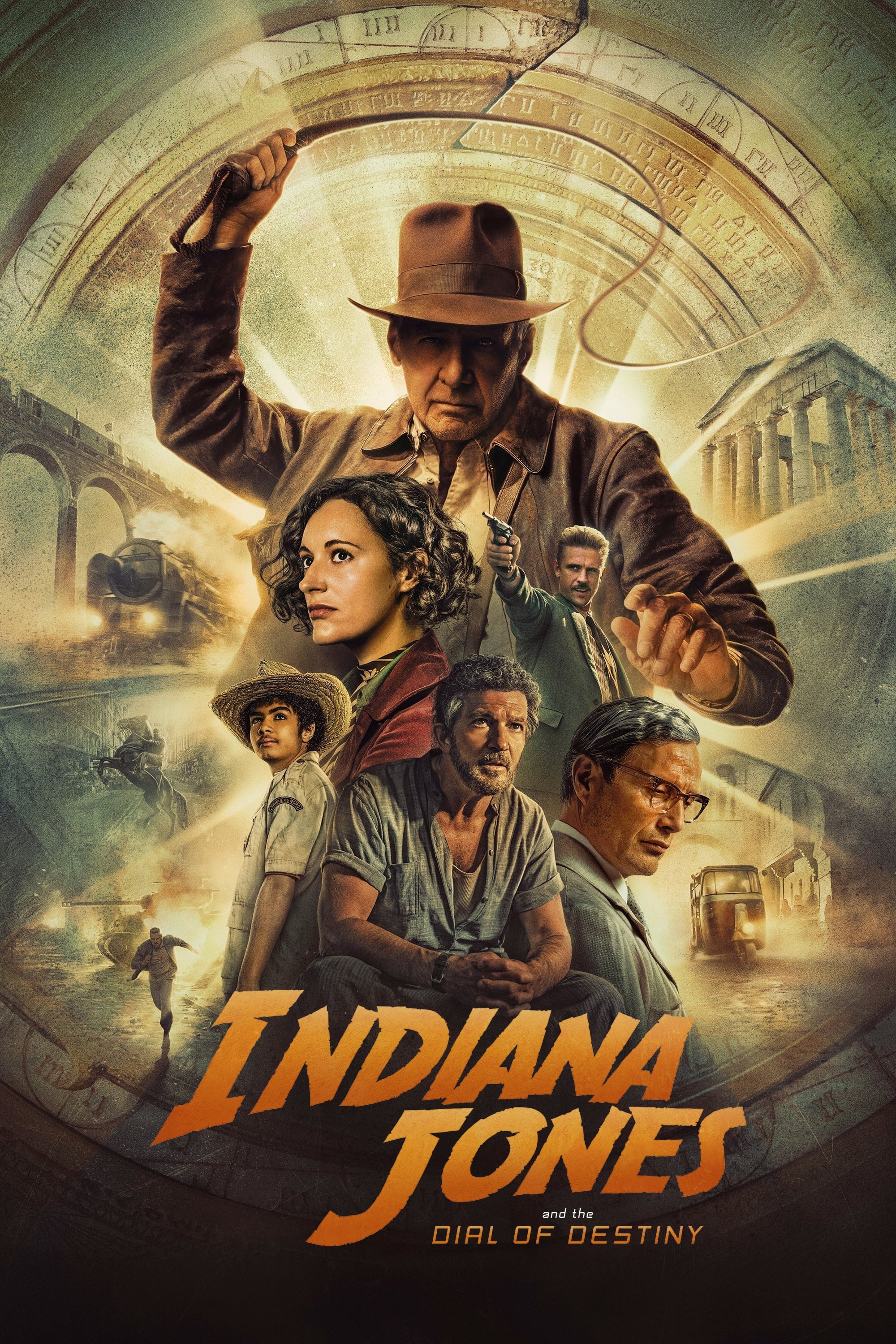
There was a lot of negativity surrounding the new Indiana Jones film, largely focused on the character of Helena Shaw, played by Phoebe Waller-Bridge. Before the movie even came out, rumors spread that she would overshadow Indiana Jones and even take over the franchise. Many online commentators claimed the film was intentionally trying to diminish the classic hero to promote a strong female character. This created a negative atmosphere that hurt the film’s chances at the box office, even though Helena Shaw didn’t actually replace Indiana Jones.
‘No Time to Die’ (2021)
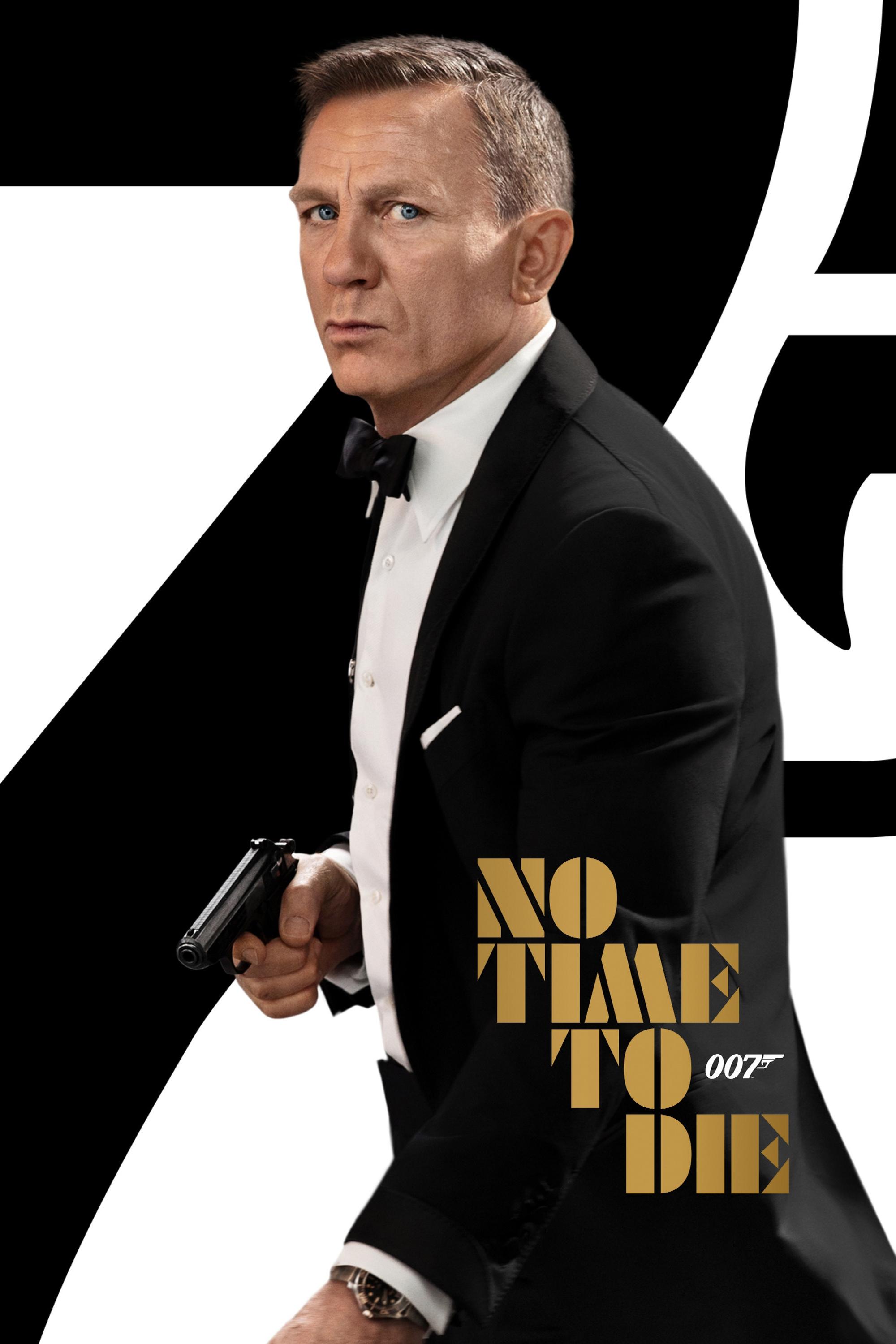
When Lashana Lynch was cast in a role using the 007 code name, some longtime James Bond fans reacted with strong disapproval. False reports circulated claiming she would take over the lead role permanently, which upset many who felt a Black woman shouldn’t be associated with the iconic character created by Ian Fleming. Although filmmakers explained her character was simply another agent filling in while James Bond was away, the criticism continued. This reaction showed how fiercely protective fans are of the James Bond identity.
‘Thor: Love and Thunder’ (2022)
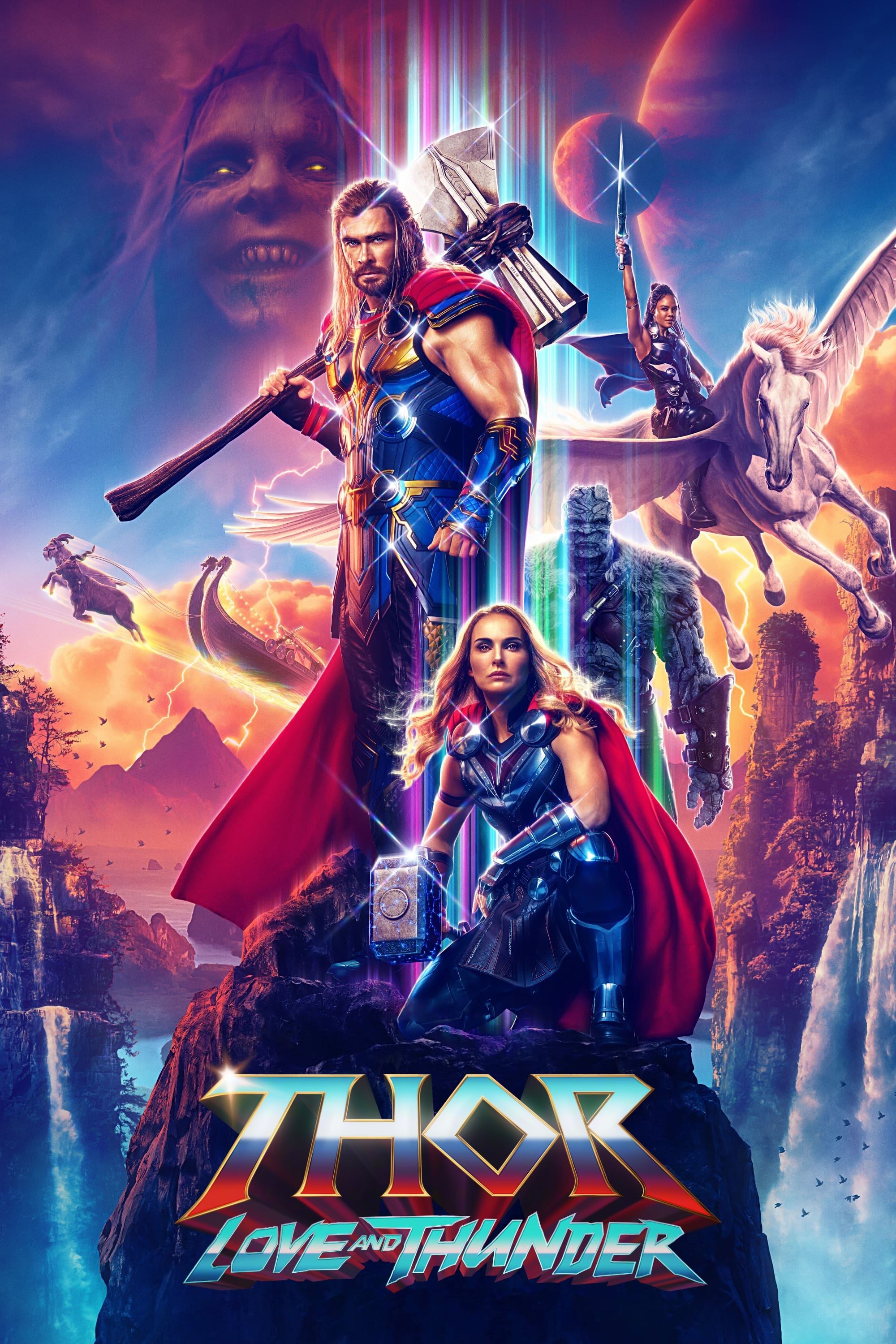
Taika Waititi’s latest superhero film included prominent LGBTQ+ themes and a focus on diverse characters, which some viewers didn’t appreciate. The film revealed the character Korg was gay and showed Valkyrie looking for a female partner. Some fans also disliked seeing Jane Foster use the powerful hammer Mjolnir, feeling it took away from the original hero’s story. Critics accused the movie of being superficial and argued that its humor didn’t fit the serious tone. This led to a less positive reaction from audiences compared to the previous film, suggesting a disagreement over the movie’s cultural elements.
‘Eternals’ (2021)
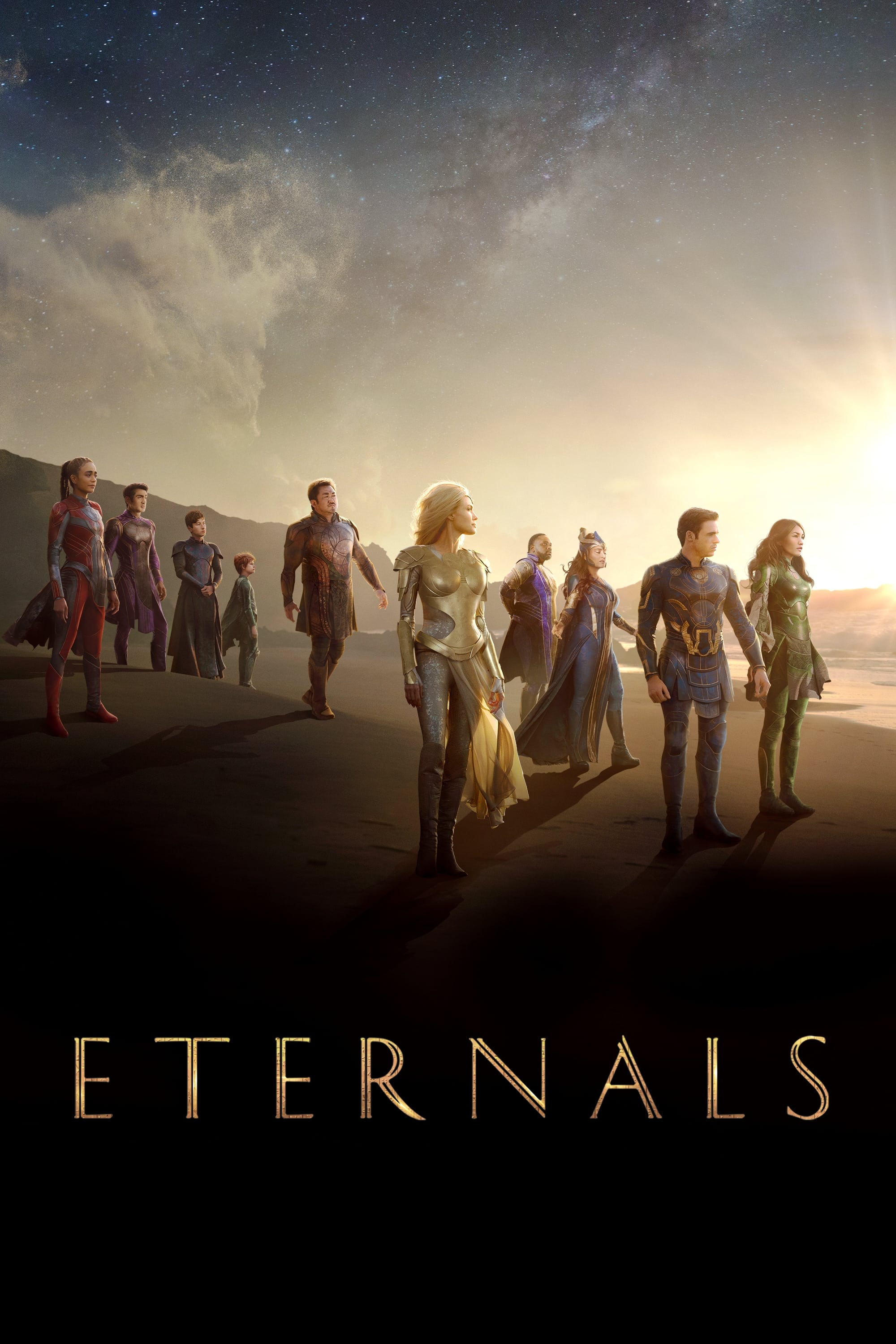
Marvel’s latest film broke new ground with a team of heroes featuring characters of diverse backgrounds and identities, including deaf, gay, and race-swapped individuals compared to the original comics. It also included the first same-sex kiss in the franchise, which resulted in the film being banned in some countries. While some viewers praised the increased diversity, others felt it was forced or lacked meaningful development. The film faced negative reviews and a significant drop in its audience score on IMDb before its wider release, and discussions quickly centered on its focus on social representation.
‘Doctor Strange in the Multiverse of Madness’ (2022)
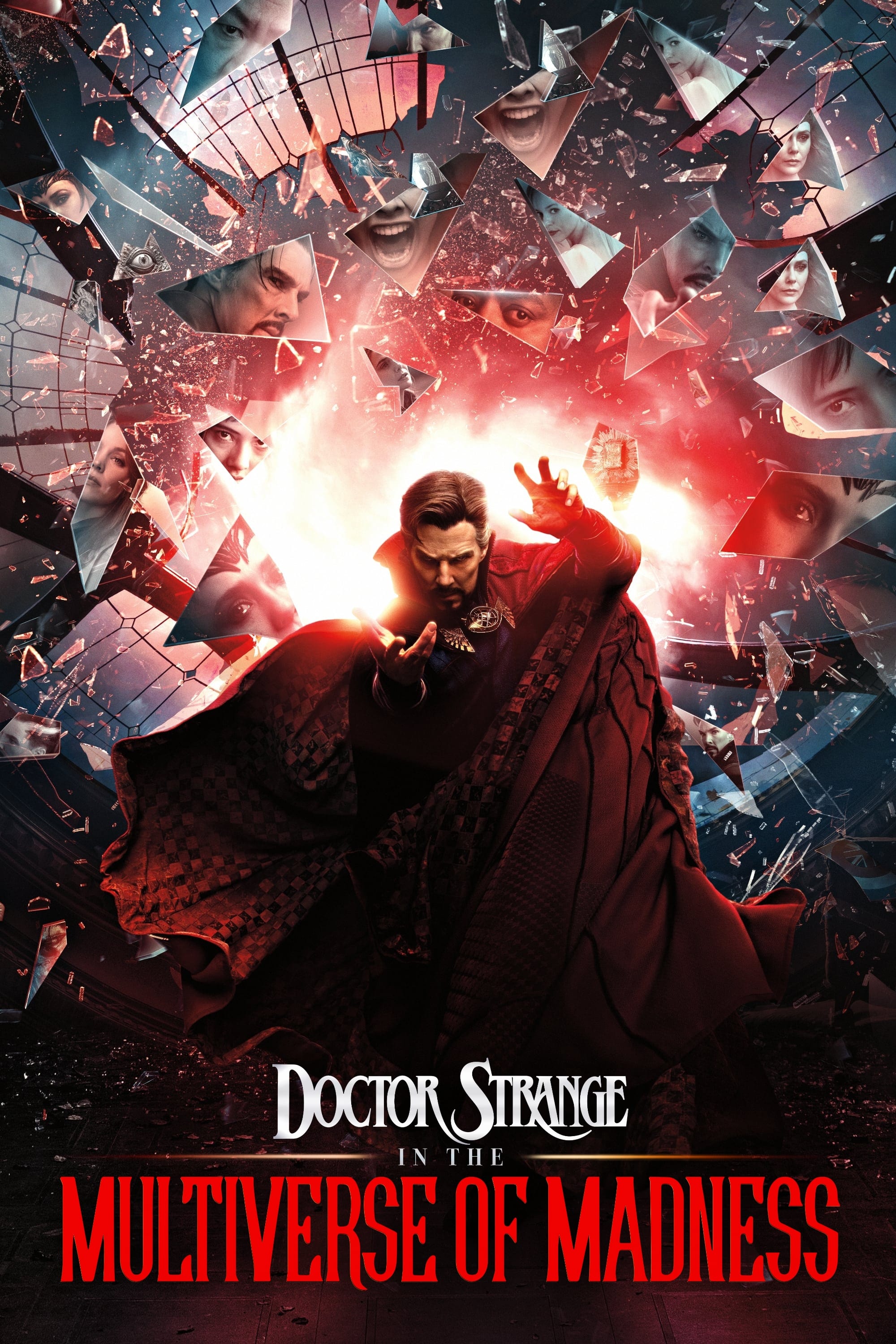
The introduction of the character America Chavez caused controversy due to her identity as a Latina teenager with two mothers. Some viewers and critics felt her powers and story were primarily used to promote LGBTQ+ representation in the film. This led to requests from several Middle Eastern countries to remove references to her mothers, which Disney refused. Consequently, the film was banned in those countries, sparking a wider discussion about censorship worldwide. Online, the character was often criticized for being included as a diversity initiative rather than as an integral part of the story.
‘Fantastic Four’ (2015)
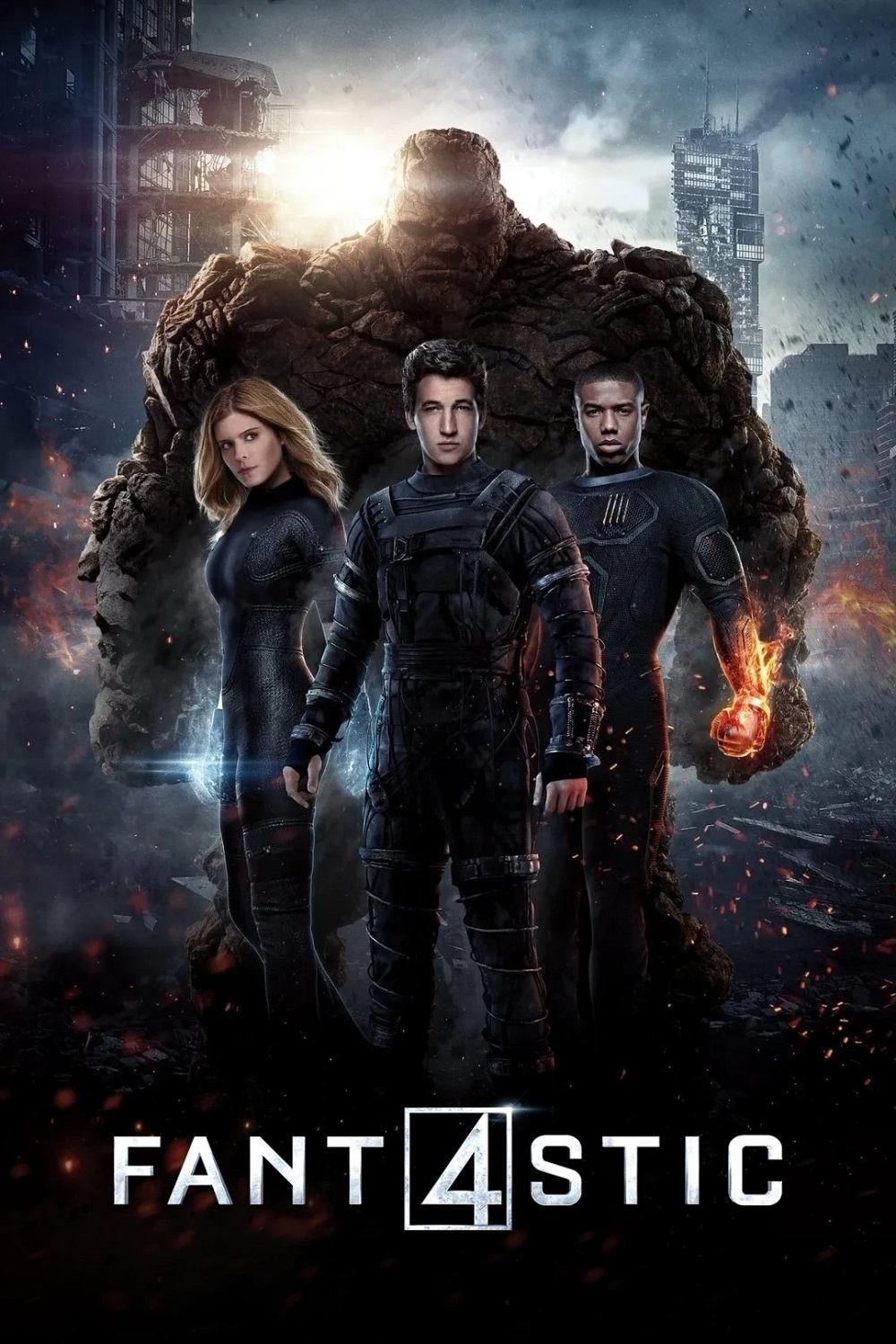
When director Josh Trank cast Michael B. Jordan as Johnny Storm, it sparked strong backlash from traditional comic book fans. The character had always been portrayed as white and Sue Storm’s brother, and critics felt changing his race unnecessarily complicated their relationship and was a publicity stunt. While the film faced many problems during production, the casting choice became the main point of controversy during its promotion. Ultimately, the movie was unsuccessful with both critics and audiences, and it’s frequently used as an example in debates about changing characters’ races.
‘Spider-Man: Homecoming’ (2017)

When Zendaya was cast as MJ, some fans were confused and upset because they expected a character more like the traditional Mary Jane Watson. Those fans, who preferred the classic version of the character as a redhead and romantic interest, disliked the new take on her as a biracial character with a more serious personality. Zendaya unfortunately faced racist online harassment when news of her casting first appeared. Marvel explained that she was actually playing a new character, Michelle Jones, who was inspired by the original MJ. Over time, as audiences saw her strong connection with the lead actor in later movies, the negative reaction died down.
‘The Dark Tower’ (2017)
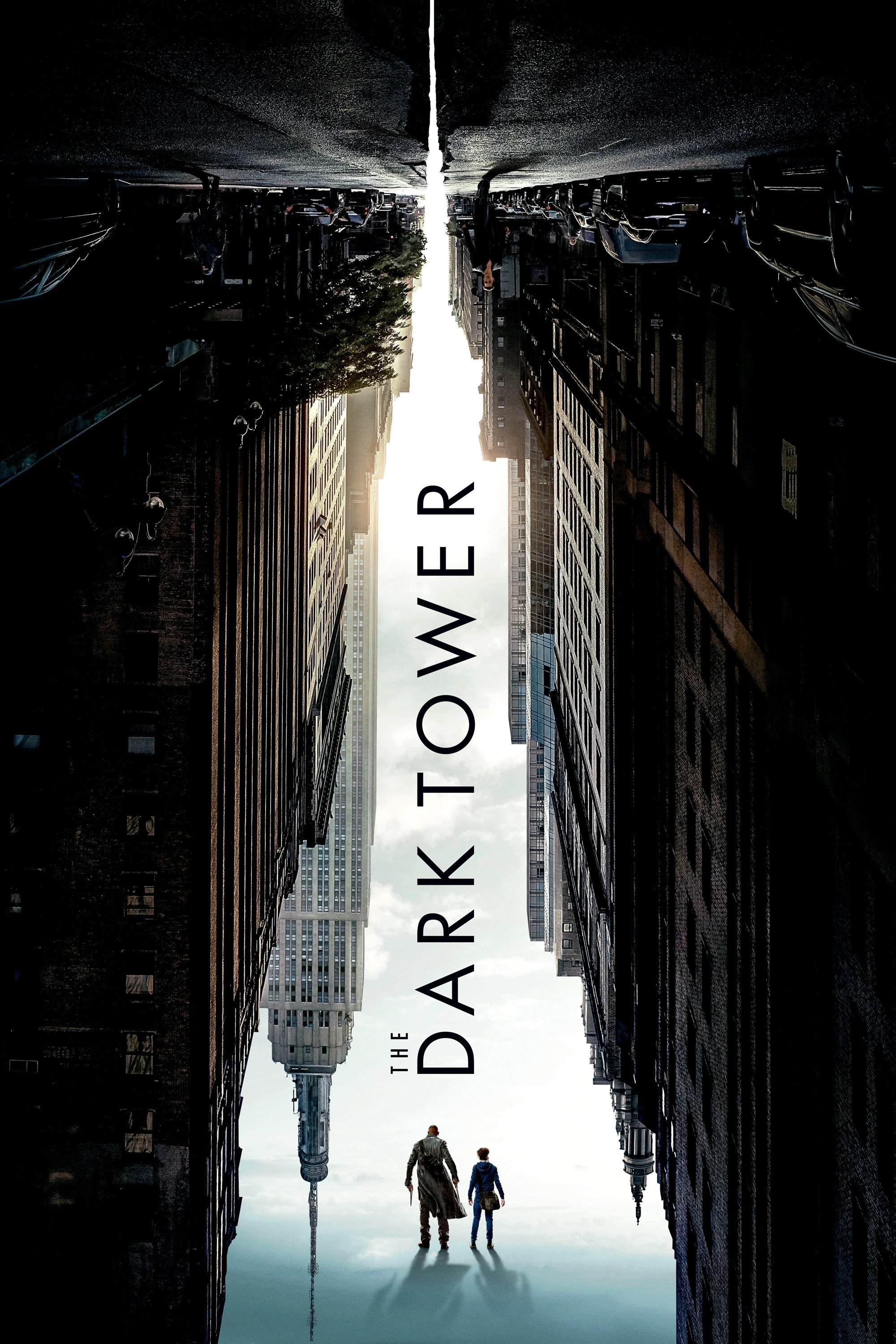
When Idris Elba was cast as Stephen King’s Roland Deschain, fans had mixed reactions. The character was originally described as resembling Clint Eastwood, and his race played a role in a key relationship within the books. Some argued that casting a Black actor significantly altered the story. Others believed Elba had the strength and talent to embody the role, regardless of his race. Ultimately, the film didn’t start a franchise, largely because the script was too rushed and didn’t satisfy fans of the books.
‘Annie’ (2014)
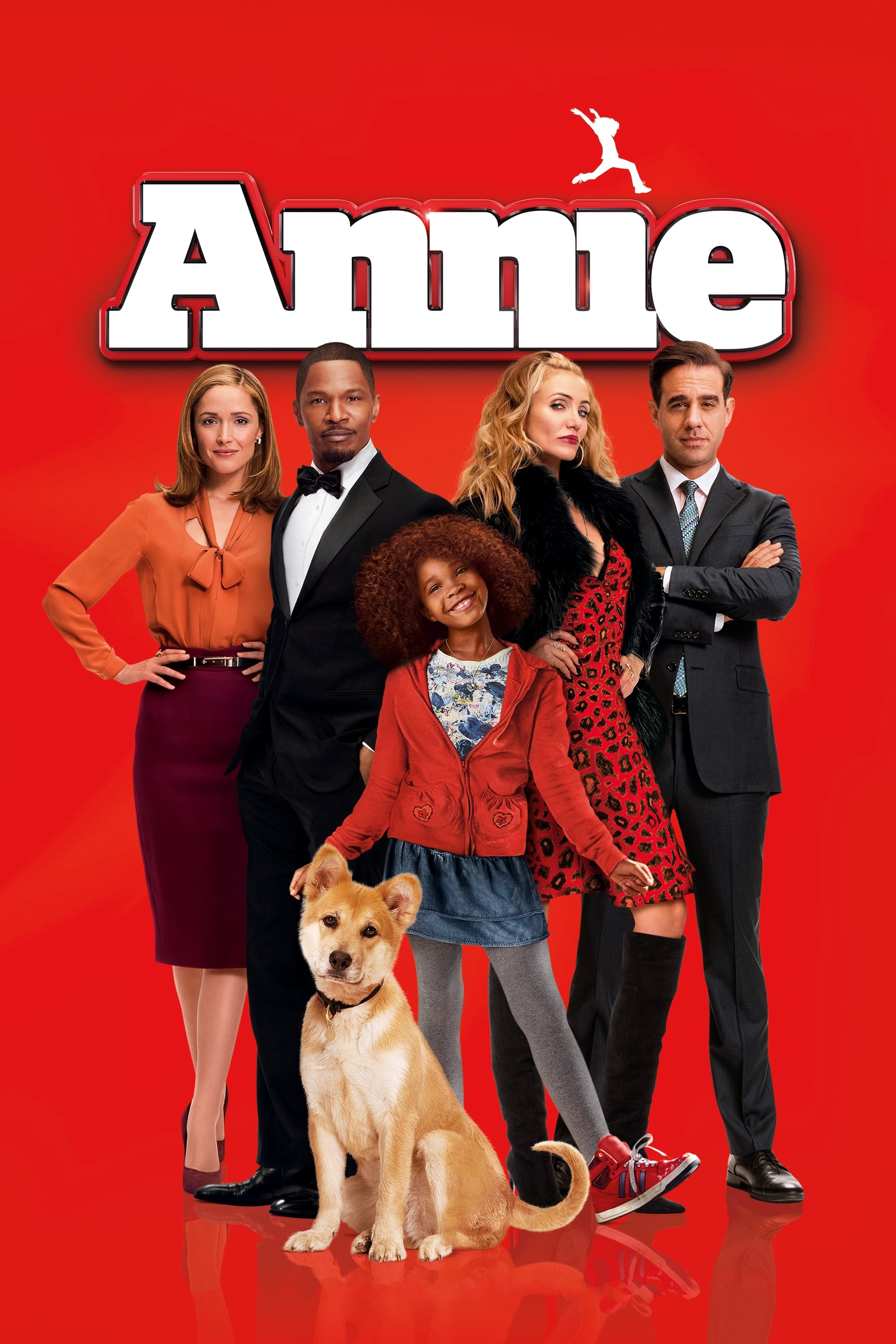
A recent remake of the beloved musical featured Quvenzhané Wallis in the iconic role previously played by a redheaded orphan. This casting choice sparked a wave of racist backlash online, with many social media users upset by the departure from the character’s original depiction. Some critics also argued the change was unnecessary and damaged the nostalgic appeal of the story. The film’s move to a modern setting further disappointed fans of the original’s historical context. Ultimately, the remake received negative reviews and didn’t perform as well at the box office as the 1982 film.
‘A Wrinkle in Time’ (2018)
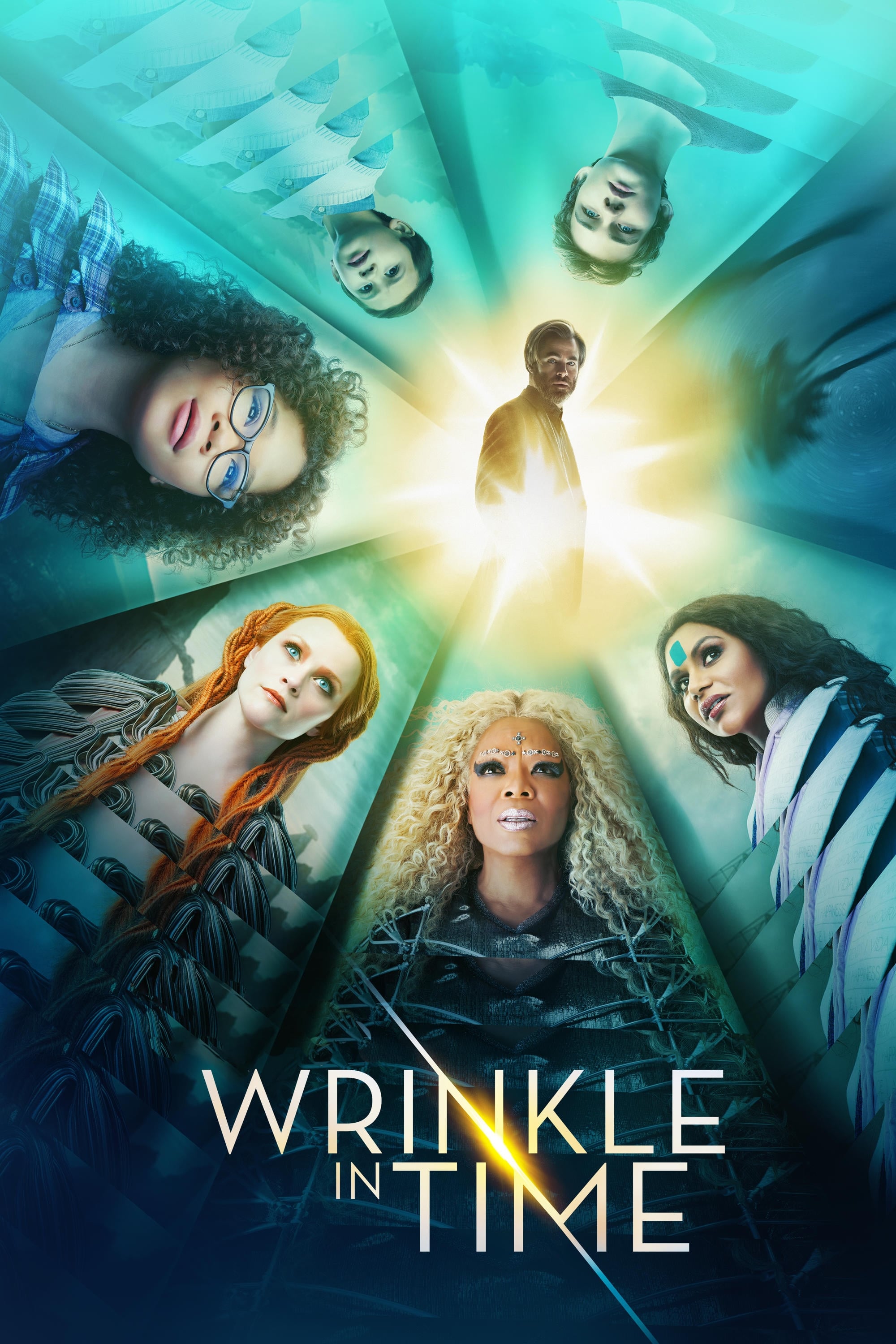
Ava DuVernay’s film adaptation intentionally included a diverse cast, particularly in the roles of the celestial guides. She cast Oprah Winfrey and Mindy Kaling in roles that weren’t originally written as diverse in the book. Some critics on the right claimed the film focused too much on representation and not enough on a good story and strong visuals, with some viewers feeling it was preachy instead of exciting. The film didn’t perform well at the box office, and some used this as evidence that prioritizing diversity doesn’t automatically lead to success.
‘Beauty and the Beast’ (2017)
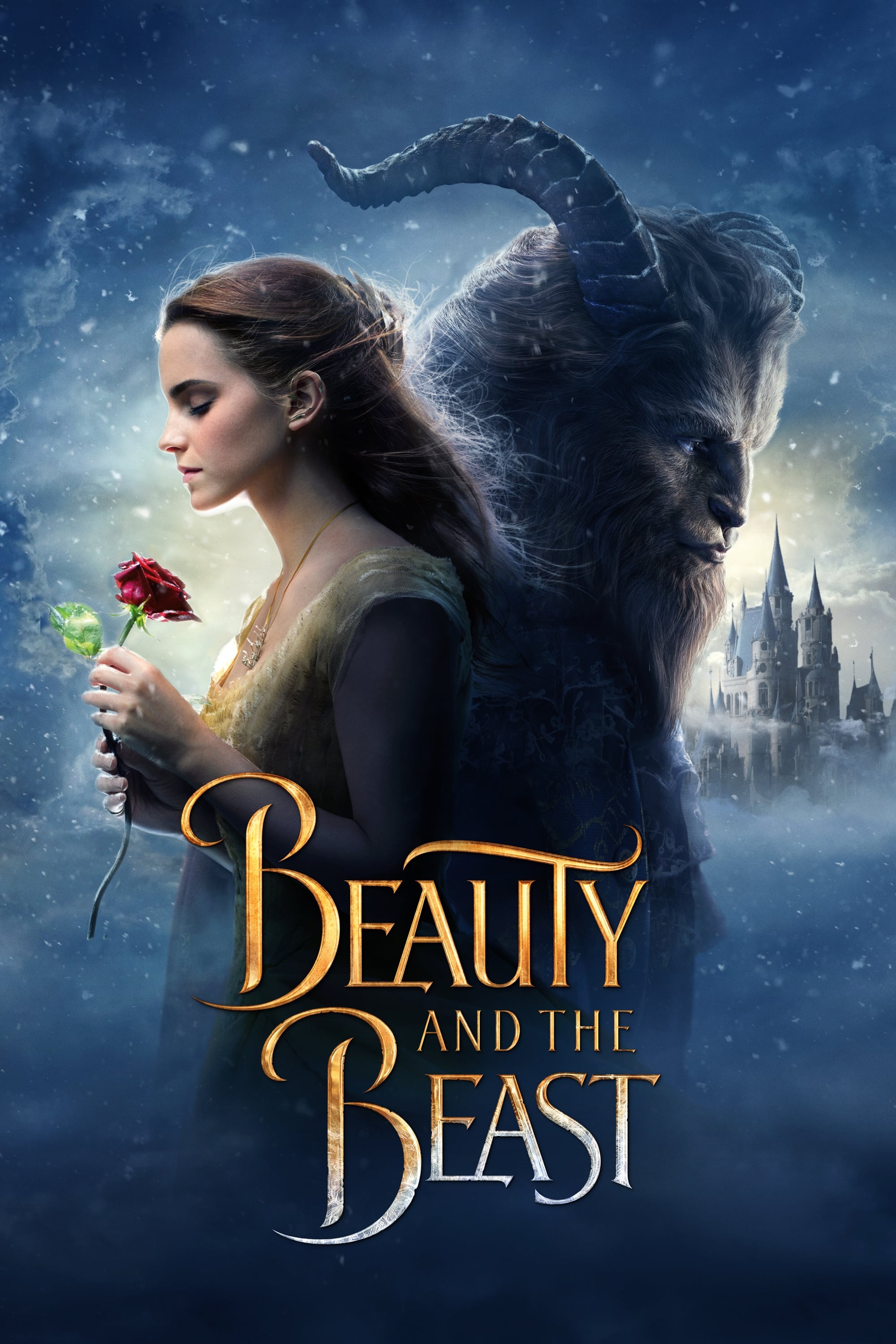
A lot of controversy started when the director, Bill Condon, said the movie would include a brief moment showing the character LeFou as gay – a quick scene of him dancing with another man. This immediately led to calls for a boycott from religious and conservative groups, and one drive-in theater in Alabama even refused to show the film. Despite the strong objections, the movie was a huge success, breaking box office records and making a lot of money.
‘Terminator: Dark Fate’ (2019)
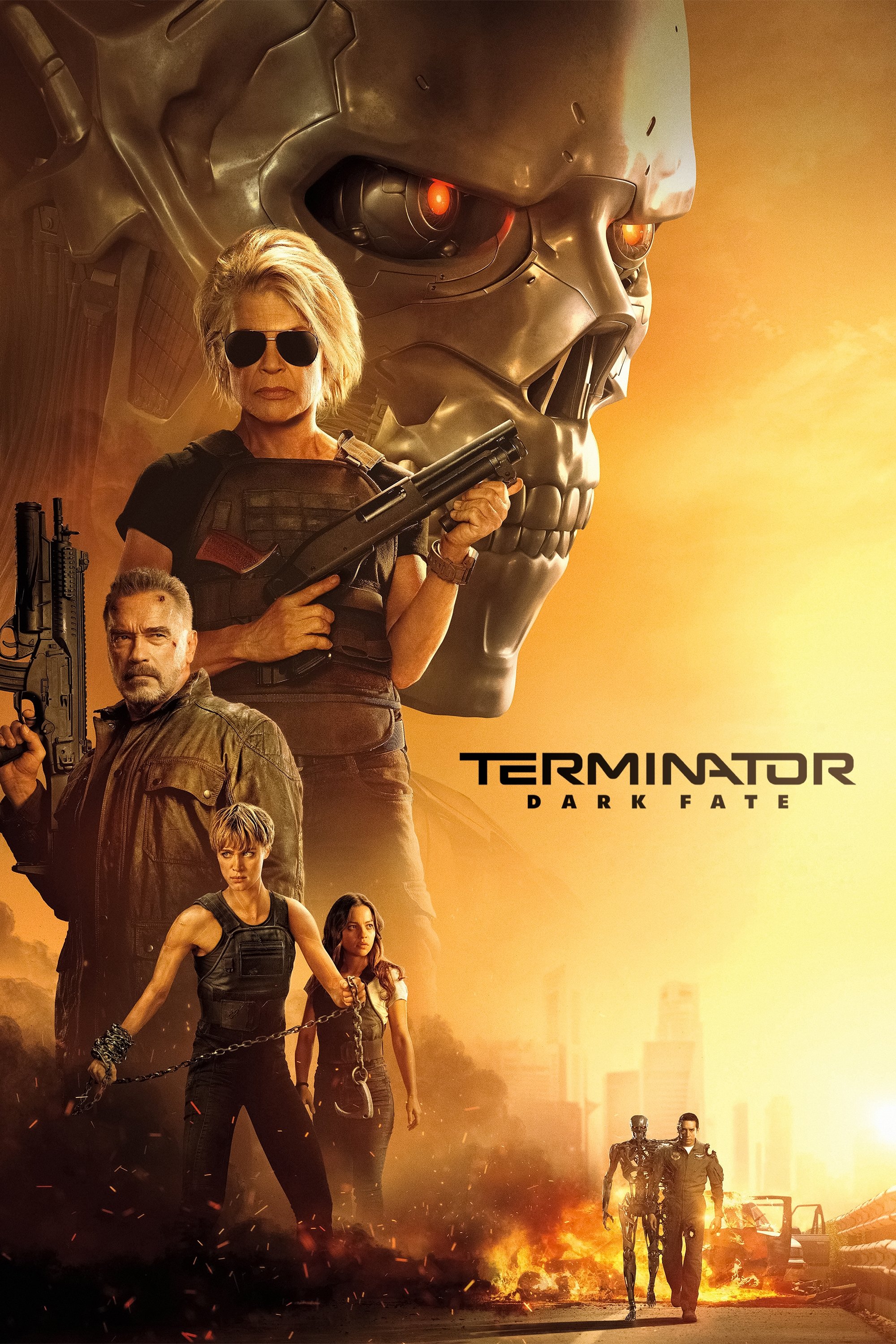
James Cameron produced a sequel that sparked outrage among fans by killing off John Connor early in the film. The movie shifted focus to three female leads, a decision many felt disregarded the established storyline and the character’s importance as the future leader of the resistance. Director Tim Miller’s response to criticism, telling those with misogynistic views not to watch, further alienated the fanbase. Many viewers believed the film prioritized a message of female empowerment at the expense of the franchise’s history. Ultimately, the movie performed poorly financially and stalled future installments.
‘Charlie’s Angels’ (2019)
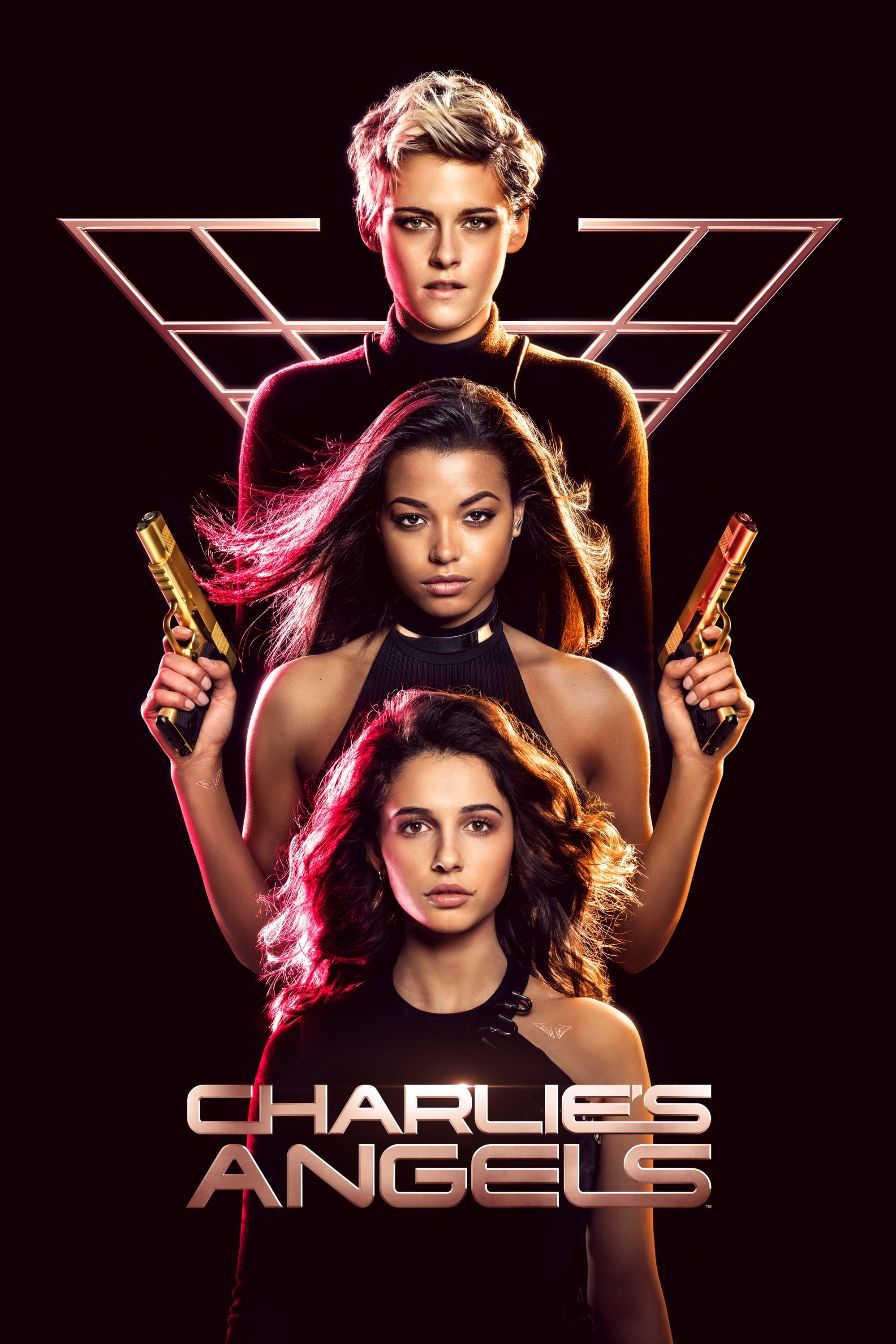
Elizabeth Banks directed and actively promoted the new version of this film as a strong, female-led action movie. The advertising focused on appealing to women and girls. However, the film didn’t do well in theaters, and many believe this was because the director had previously suggested men weren’t supportive of female-driven action films. While Banks attributed the movie’s failure to sexism within the film industry, critics argued that it just wasn’t as enjoyable or featured stars as captivating as previous films in the series.
‘Death Note’ (2017)
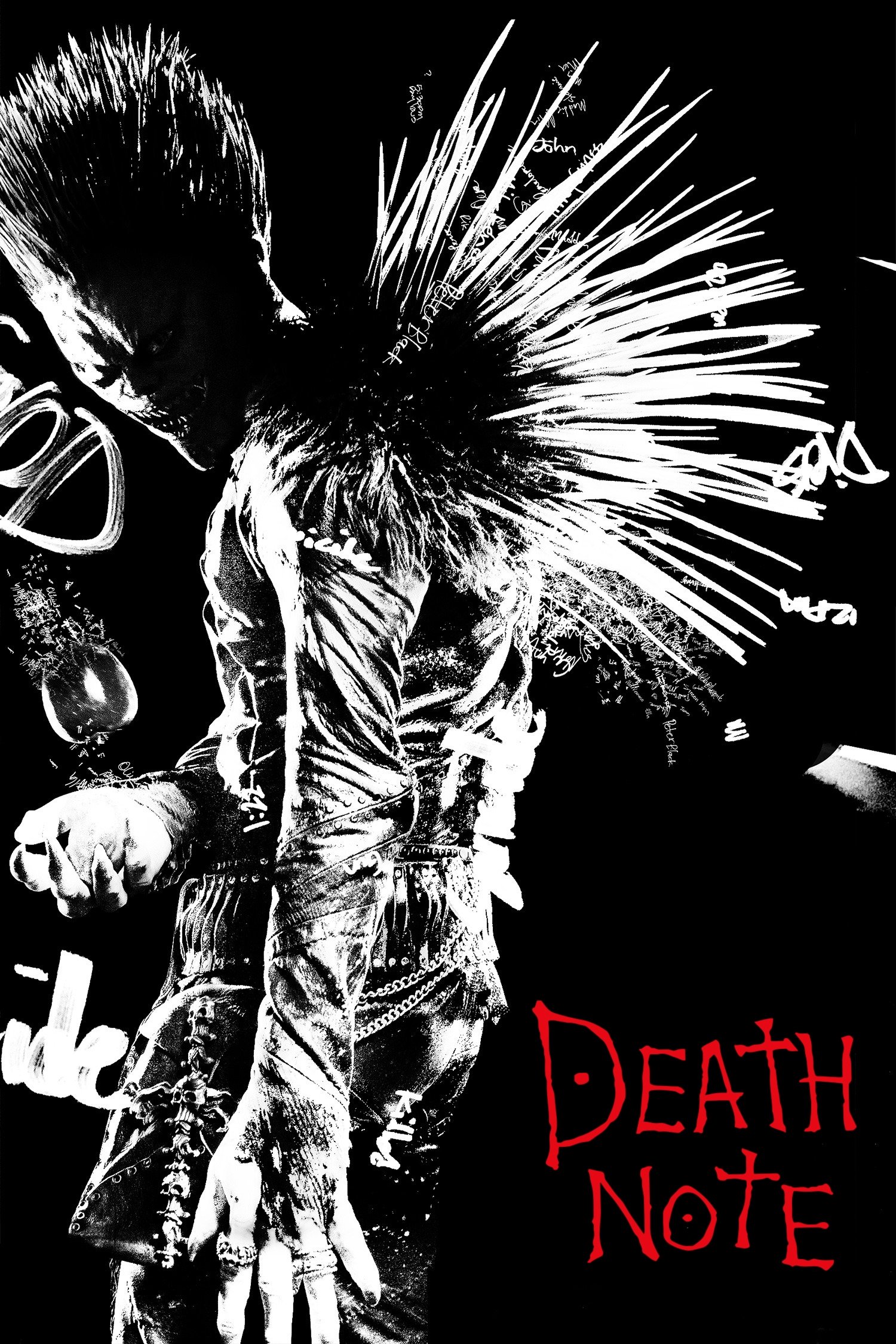
Netflix’s adaptation of the popular Japanese manga faced significant backlash. By moving the story to Seattle and casting Lakeith Stanfield, many fans felt the production erased the original character of Light and artificially inserted diversity. These changes, along with alterations to character personalities, upset the anime community worldwide. The director received death threats and was forced to delete his Twitter account. The film is now largely considered a poor adaptation due to its departure from the original source material.
‘Resident Evil: Welcome to Raccoon City’ (2021)
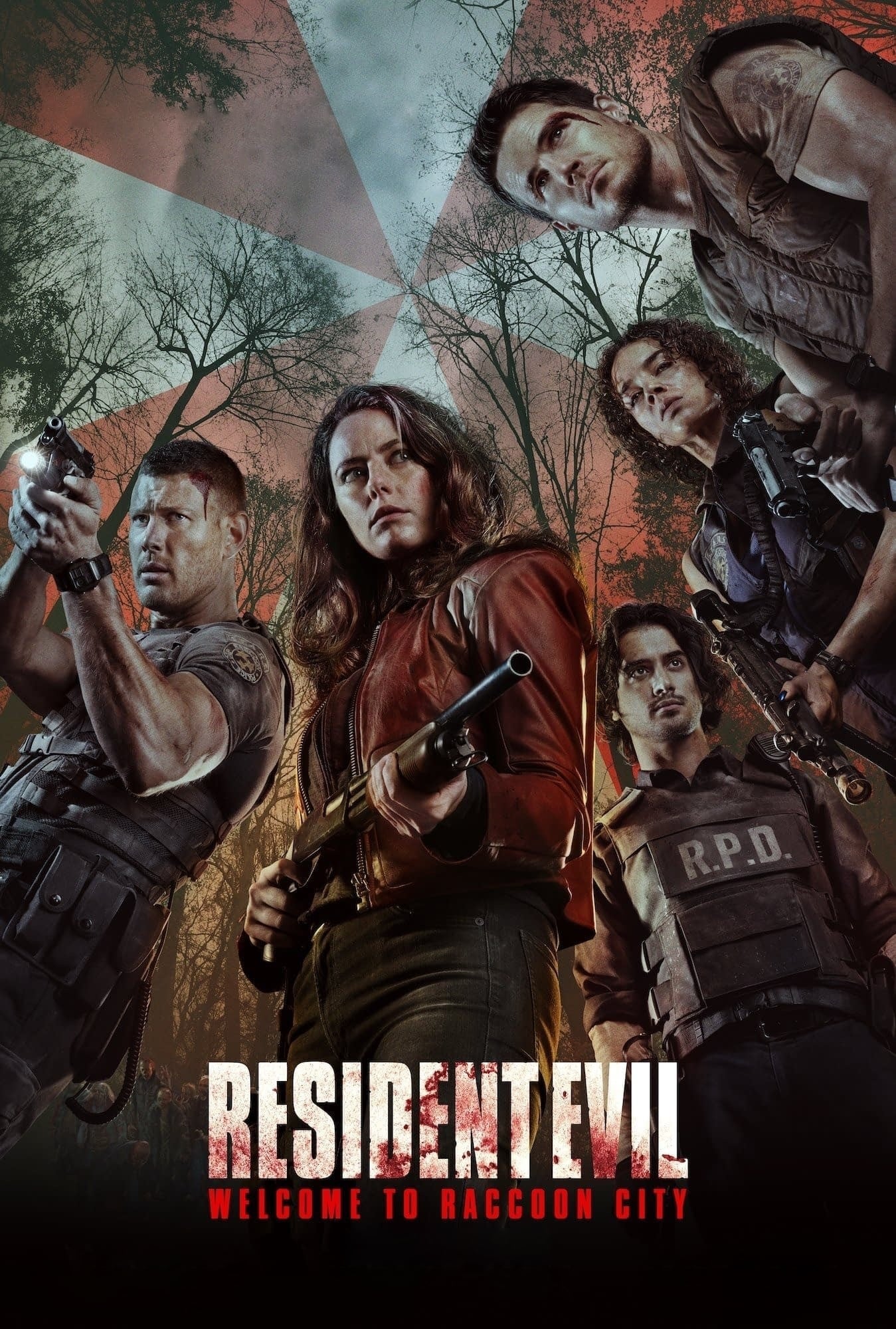
When Avan Jogia and Hannah John-Kamen were cast as Leon Kennedy and Jill Valentine, many longtime fans of the video game series were upset. The actors didn’t look like the characters as they appeared in the games, which fans had known for years. A major point of contention was the decision to cast actors of different races than the original game characters. The director explained that he prioritized capturing the essence of the characters over finding actors who looked exactly like them. Ultimately, the movie didn’t revive the film series and was largely rejected by the gaming community.
‘Prey’ (2022)

The film ‘Prey,’ a new installment in the ‘Predator’ series, features Amber Midthunder as a skilled Comanche warrior facing off against the alien hunter. Before its release, some critics questioned whether a female protagonist could convincingly defeat such a powerful enemy, leading to discussions about the character being an unrealistic ‘Mary Sue’ and accusations of the film being driven by a feminist agenda. However, after the movie premiered, it was widely praised for its realistic and strategic action sequences. The initial criticism faded as audiences and critics alike recognized the film’s quality and celebrated its success on streaming platforms.
‘Cinderella’ (2021)
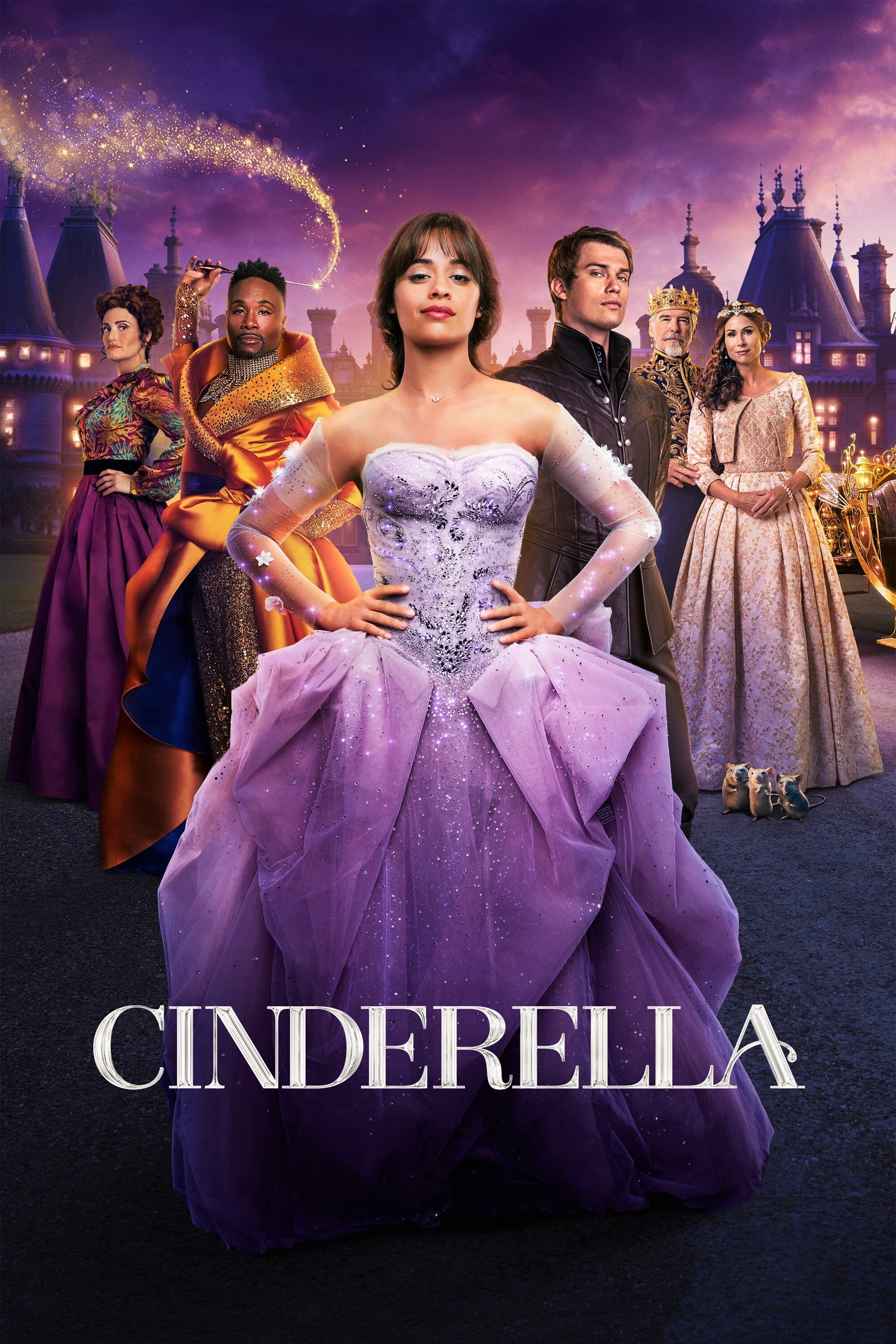
Amazon’s new musical version of Cinderella sparked controversy with Billy Porter playing Fab G, a gender-neutral Fairy Godmother. Some viewers who prefer the traditional story were upset by this change to a traditionally maternal character. The film also received a lot of criticism online for trying too hard to be modern with its language and themes. Many felt these additions felt forced and took away from the love story. As a result, the movie has received poor reviews and is often used as an example of unnecessary updates to classic stories.
‘Barbie’ (2023)
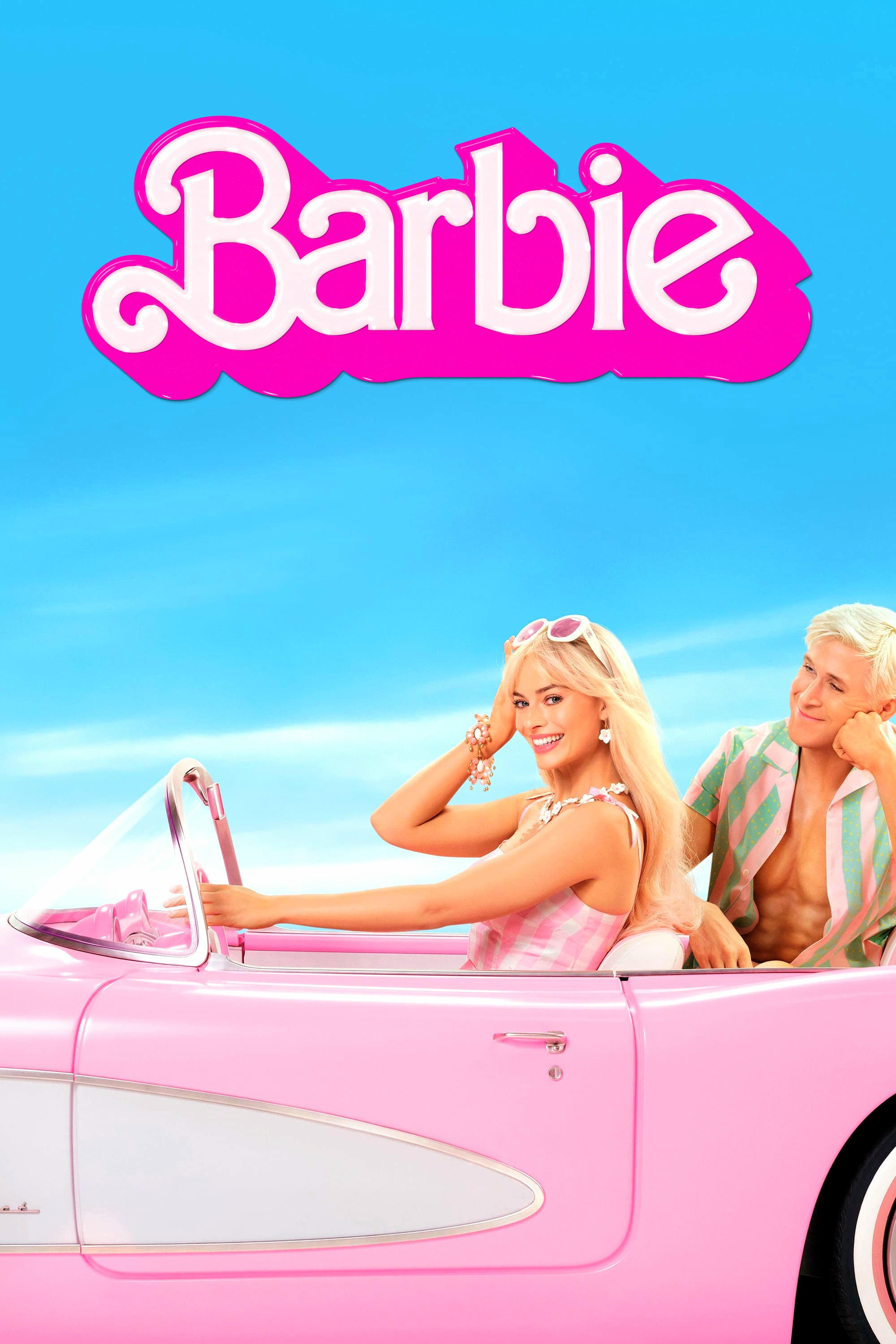
Despite a campaign to boycott it led by conservatives who criticized its portrayal of men, the film was a huge success. Some groups also objected to the casting of a transgender actress. Critics on the right even destroyed Barbie dolls and predicted the movie would flop because of its progressive themes. The film tackled issues of male dominance, sparking debate about whether it was appropriate for children. Ironically, the controversy generated a lot of publicity and ultimately helped the movie become the year’s biggest box office hit.
‘Bros’ (2022)
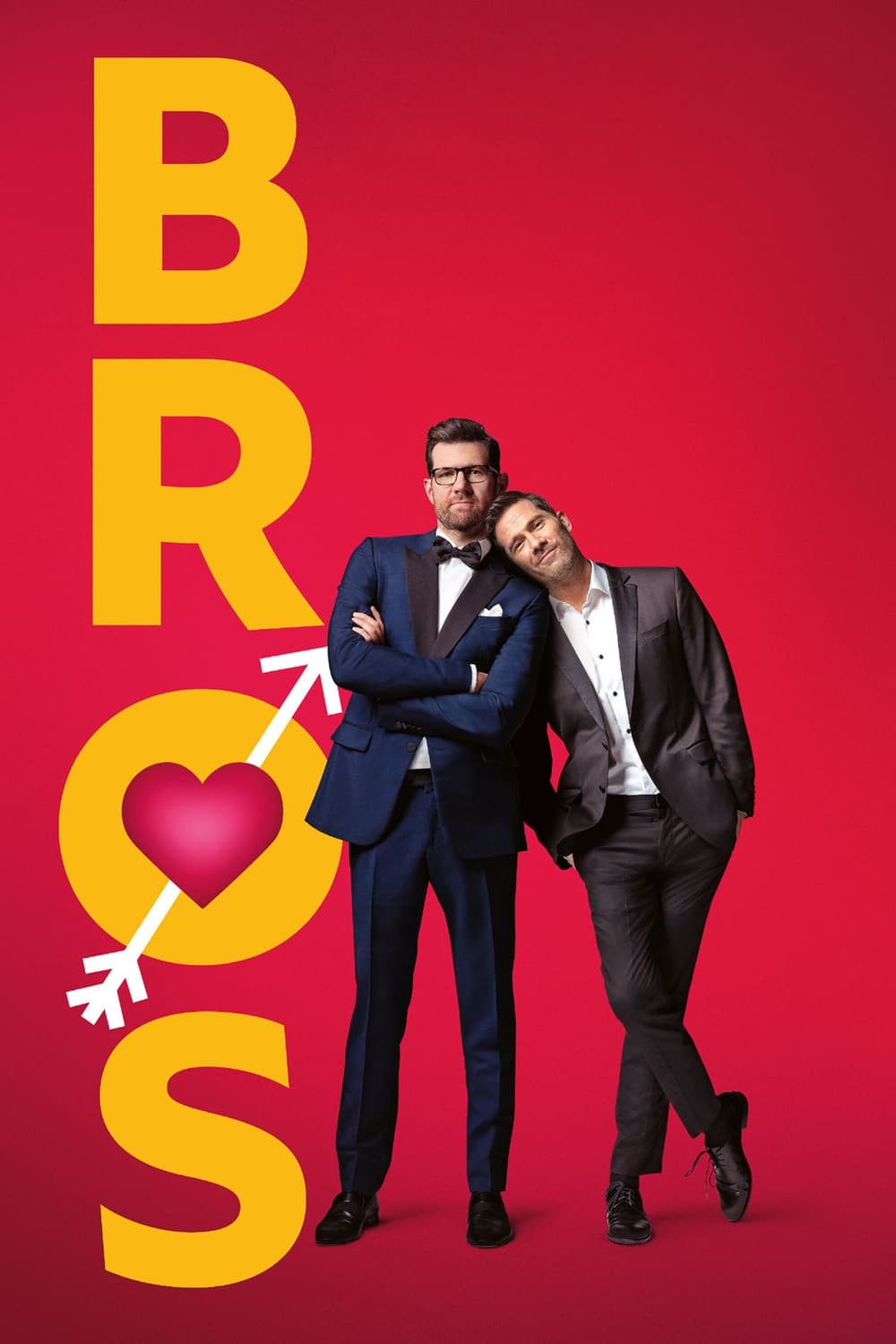
Billy Eichner’s romantic comedy was promoted as a groundbreaking film – the first major studio movie with a gay love story. However, it didn’t do well in theaters, and Eichner responded by suggesting a lack of support from straight audiences. This led to further criticism, with many people arguing the film’s marketing focused too much on being diverse and not enough on being funny. The conversation quickly moved away from the movie itself and focused on what some saw as an unfair reaction from Eichner after its release.
‘Mary Queen of Scots’ (2018)
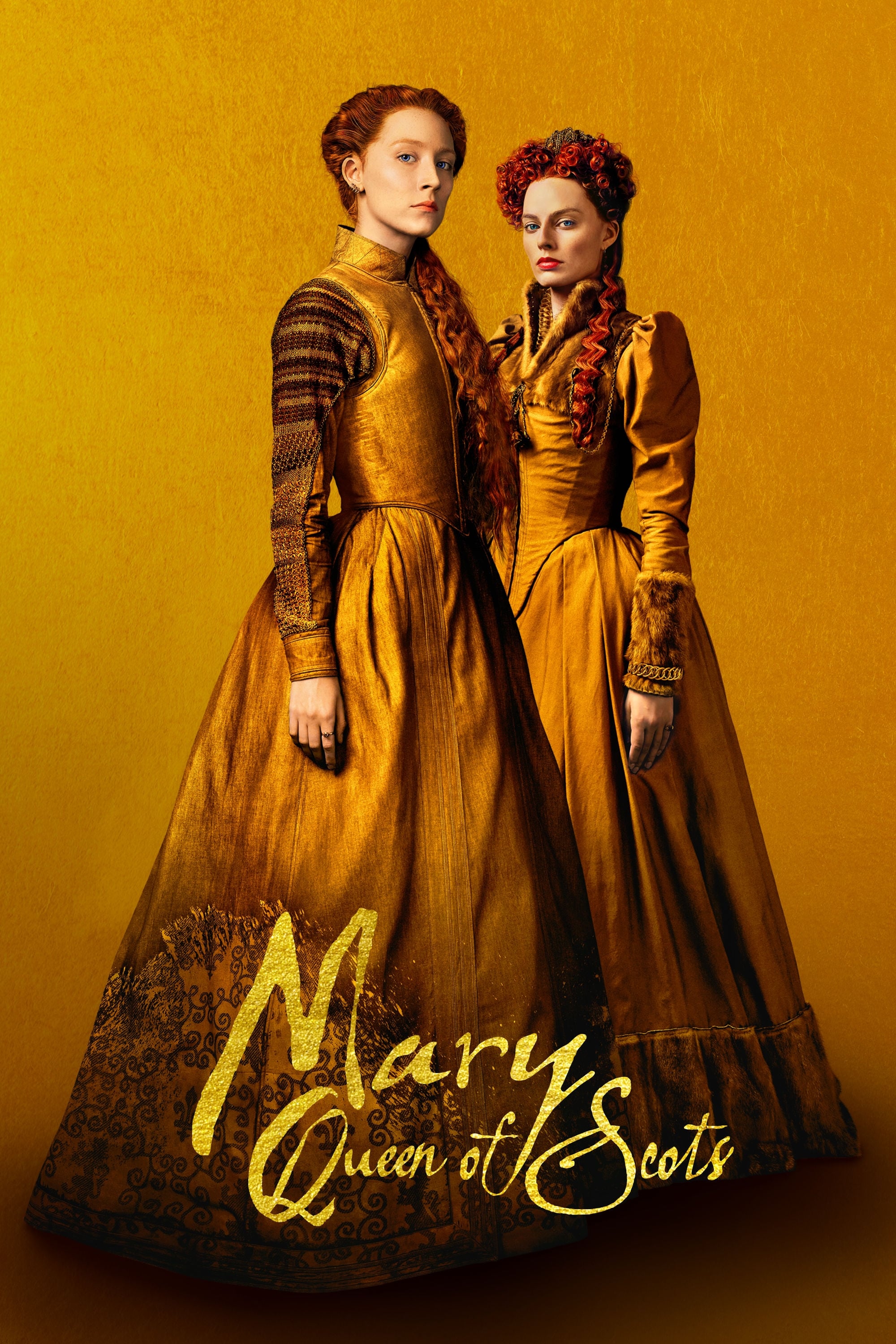
The historical drama starred Gemma Chan as Elizabeth of Hardwick and Adrian Lester as Lord Thomas Randolph. Some viewers and historians noted that the real-life individuals were white and criticized the film for changing history. Director Josie Rourke explained that the casting choices, which didn’t match the historical figures’ race, were a deliberate artistic decision meant to reflect contemporary Britain. However, critics argued that, unlike dramas set in fantasy or the future, historical films should prioritize accurate visual depictions. This sparked a larger discussion about balancing representation with historical truth.
‘The Personal History of David Copperfield’ (2019)
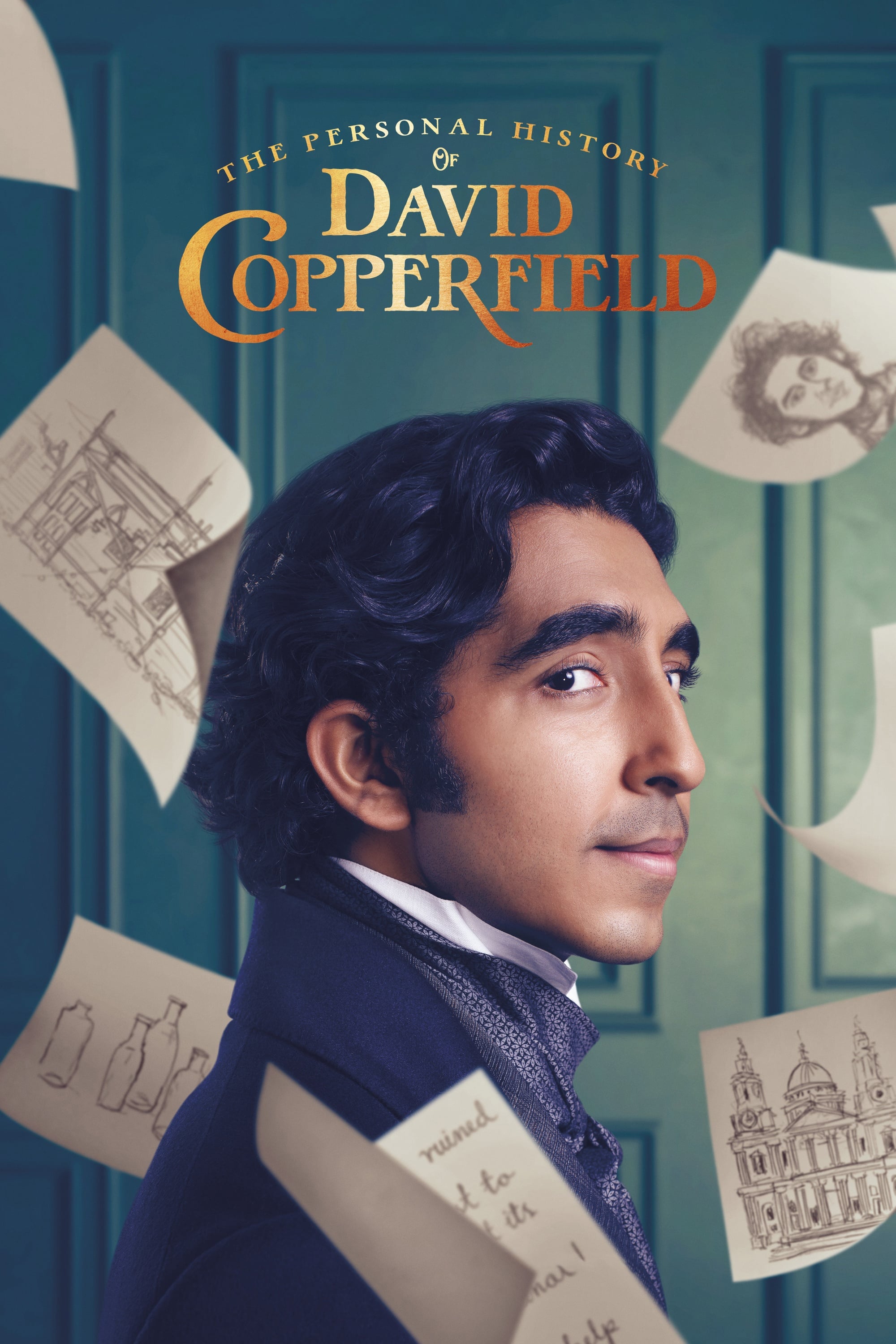
This movie, starring Dev Patel, was based on a Charles Dickens story and featured a diverse cast, intentionally ignoring traditional racial expectations. While some viewers were thrown off by seeing families with members of different races, and some literary fans felt it didn’t accurately reflect the Victorian era, the film was praised for its vibrant energy. However, it didn’t attract a large mainstream audience and became an example of how ‘colorblind casting’ practices from theater can be applied – and debated – in filmmaking.
‘West Side Story’ (2021)

The recent remake of the musical, directed by Steven Spielberg, featured a transgender character, Anybodys, played by a non-binary actor. This led to the film being banned in several countries in the Gulf region. While the movie received positive reviews from critics, some viewers debated whether it was necessary to explicitly state the character’s gender identity, as it was left more open to interpretation in the original version. Although there were also production issues involving the lead actor, Ansel Elgort, the controversy surrounding diversity received the most attention. Ultimately, despite the critical acclaim, the film was a financial failure.
‘Onward’ (2020)
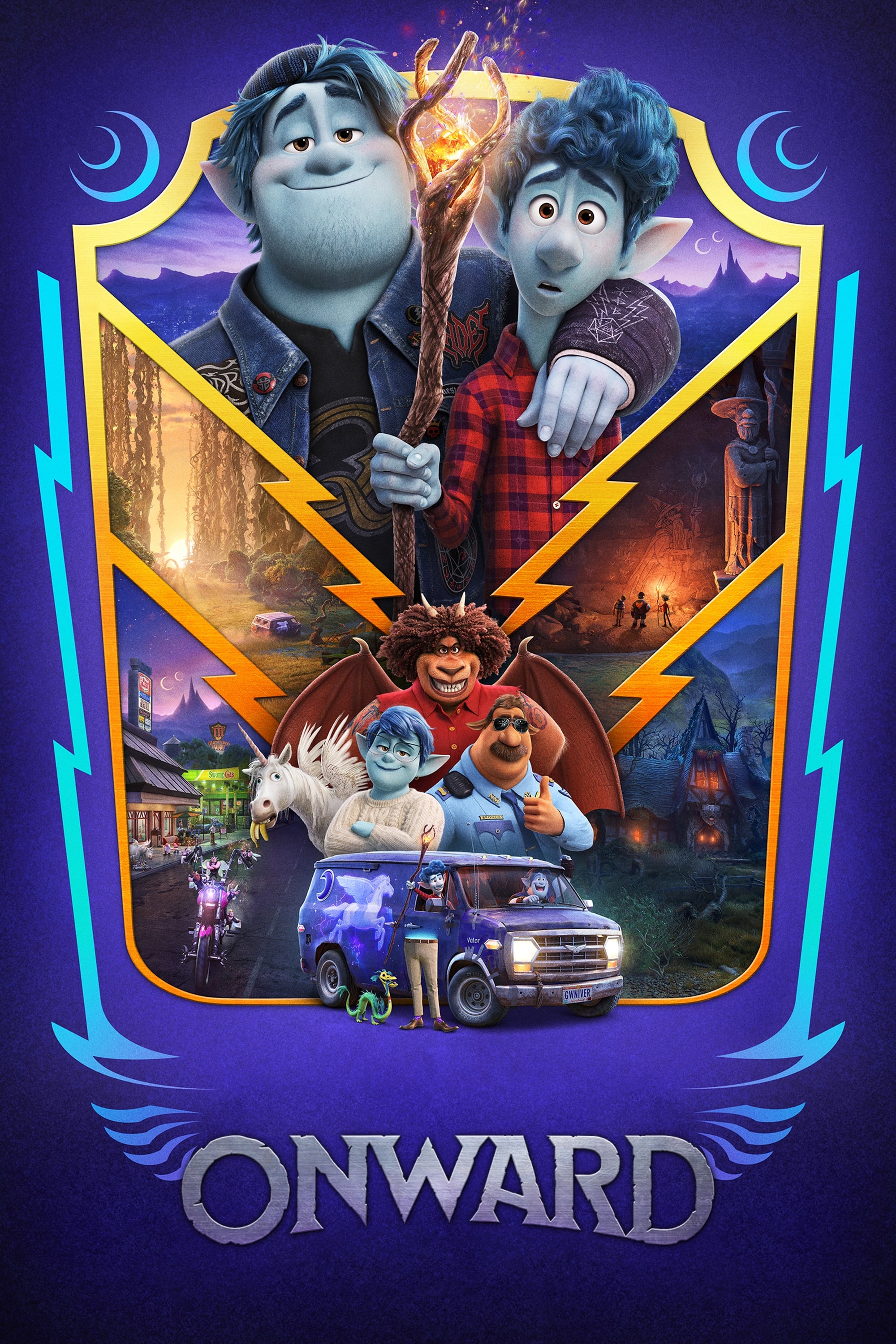
Pixar’s animated film featured a brief mention of a police officer’s girlfriend, which sparked bans in several Middle Eastern countries and Russia. In the United States, some conservative groups cautioned parents about LGBTQ+ representation in the movie. The issue quickly gained attention on social media, and while the film’s release was also affected by the pandemic, the controversy clearly influenced how it was initially received by audiences.
‘Wish’ (2023)
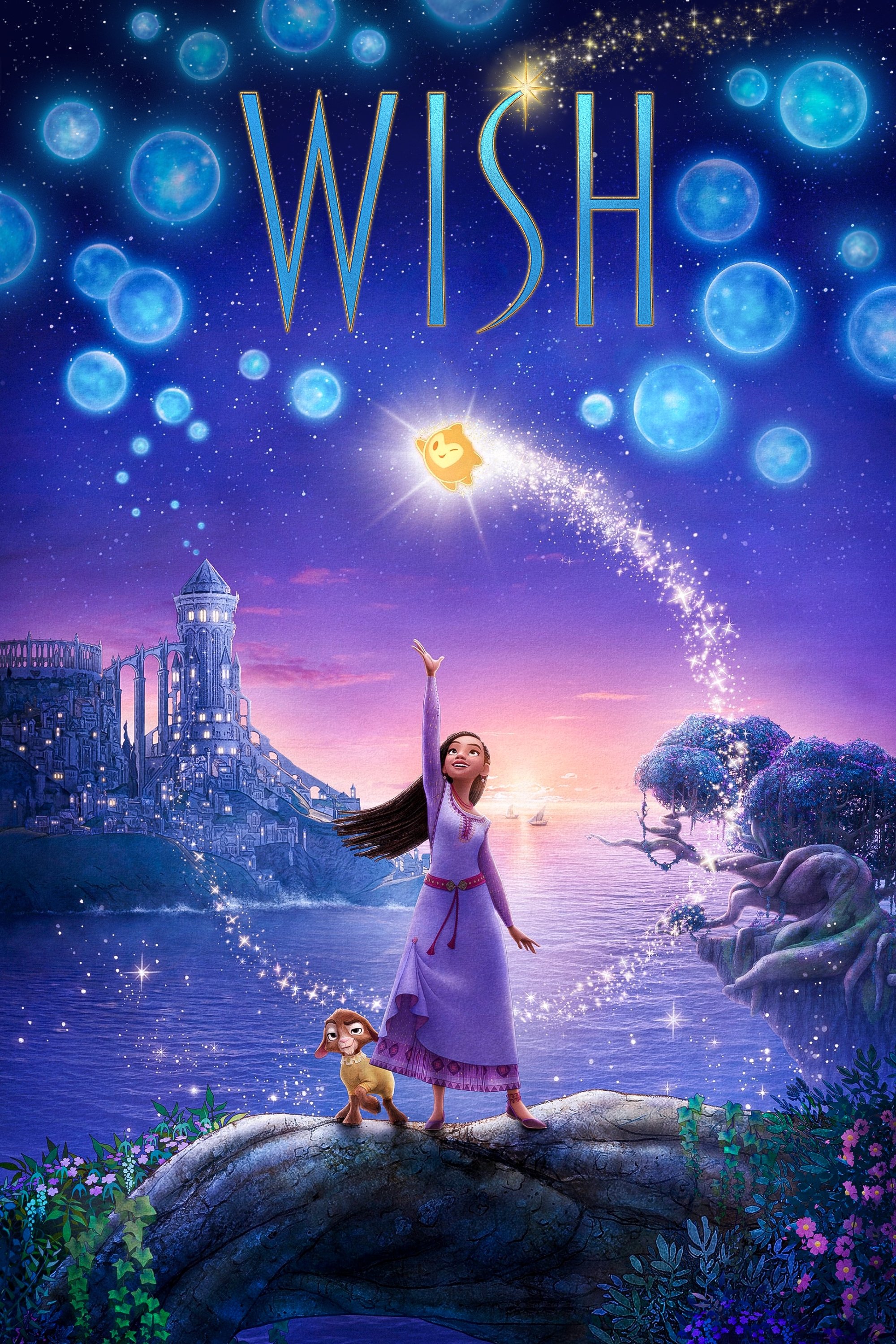
Disney’s recent film, released during its 100th anniversary, starred Asha, a princess of Afro-Latina heritage. This sparked criticism from some online, particularly on YouTube, who felt the film strayed from Disney’s historical focus on European princesses. While the movie’s music and story also received negative feedback, much of the online backlash centered on the diversity shown in the kingdom’s characters and setting. Some viewers felt the film’s visuals resembled a contemporary college campus instead of a traditional fairy tale world. Ultimately, the film didn’t perform well at the box office and contributed to ongoing discussions about the future of Disney’s creative choices.
‘Artemis Fowl’ (2020)
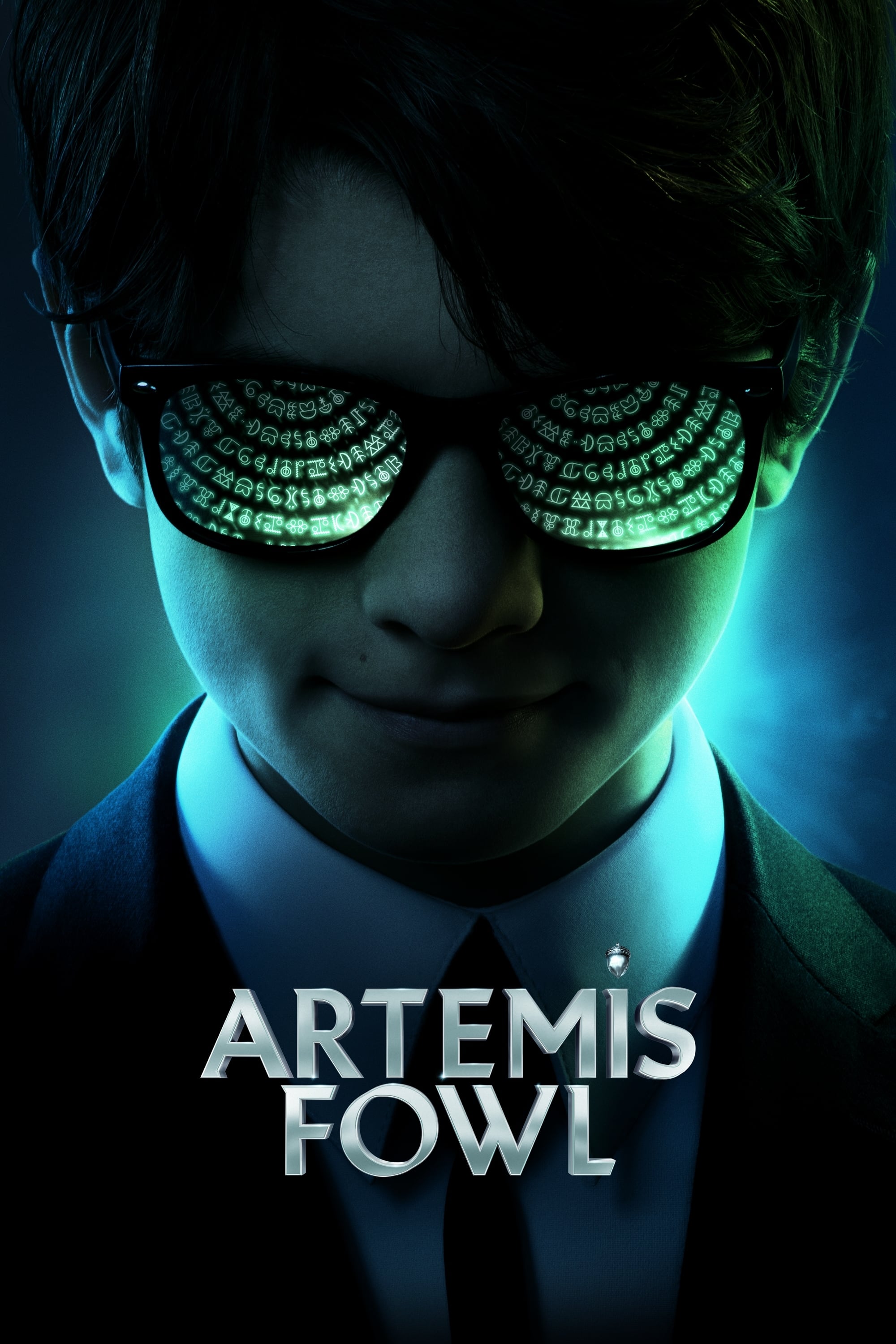
Readers of the original book series were confused by the casting of Nonso Anozie as Butler, a character described as having Eurasian heritage. The main issue wasn’t simply a change in race, but the loss of the character’s detailed history and physical characteristics. The film also reimagined Commander Root as a female character, played by Judi Dench. These alterations led many fans to feel the source material was being ignored in favor of superficial diversity. The adaptation is generally disliked by the fanbase due to these and other departures from the books.
‘Mulan’ (2020)

The film faced criticism for both political reasons – stemming from comments about Hong Kong – and casting choices. Many fans were disappointed that Li Shang, a popular character often seen as a bisexual icon, was removed and split into two separate characters. Producers made this change to avoid problematic power dynamics, but viewers felt it erased a meaningful, queer-coded relationship from the original animated film. The decision to leave out the dragon Mushu also upset those who hoped for a close adaptation of the source material.
Share your thoughts on these casting controversies in the comments.
Read More
- Gold Rate Forecast
- DOT PREDICTION. DOT cryptocurrency
- Silver Rate Forecast
- Securing the Agent Ecosystem: Detecting Malicious Workflow Patterns
- 4 Reasons to Buy Interactive Brokers Stock Like There’s No Tomorrow
- EUR UAH PREDICTION
- NEAR PREDICTION. NEAR cryptocurrency
- Top 15 Insanely Popular Android Games
- Did Alan Cumming Reveal Comic-Accurate Costume for AVENGERS: DOOMSDAY?
- USD COP PREDICTION
2026-01-02 20:20