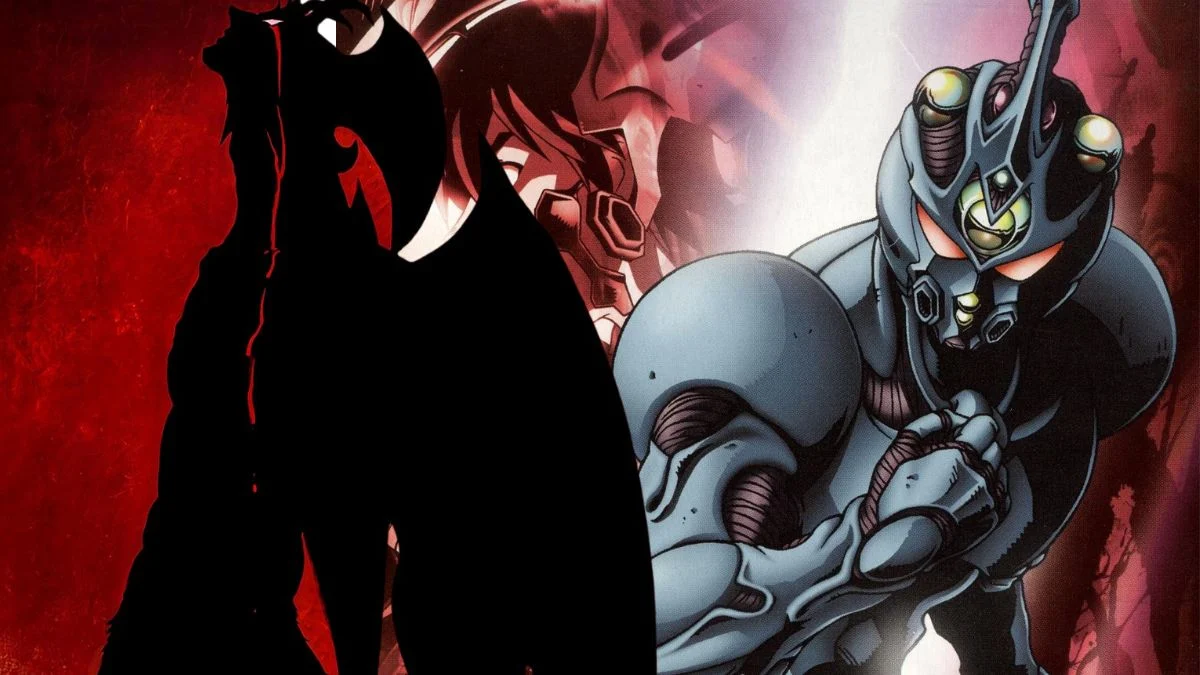
It’s common for animated shows and movies to remake older favorites, bringing them to new audiences with updated graphics and sound. Fans often hope these remakes will improve on the originals, fixing plot holes or giving characters more depth. However, a worrying pattern is emerging: strong, independent female characters are often weakened in these new versions. Studios sometimes rewrite these capable women into more passive roles, either to highlight the male characters or to appeal to a different audience. This means iconic heroes and leaders are sometimes turned into characters who simply exist to help the male protagonists’ stories move forward.
‘Dragon Ball Super’ (2015–2018)

This story shows a big change for Videl, who goes from being a strong and independent fighter to mostly a stay-at-home wife. Once known for teaching herself to fly and actively fighting crime, she now focuses on supporting her husband, Gohan, and taking care of their daughter, Pan. She’s no longer involved in combat or making plans as a hero.
‘Trigun Stampede’ (2023)
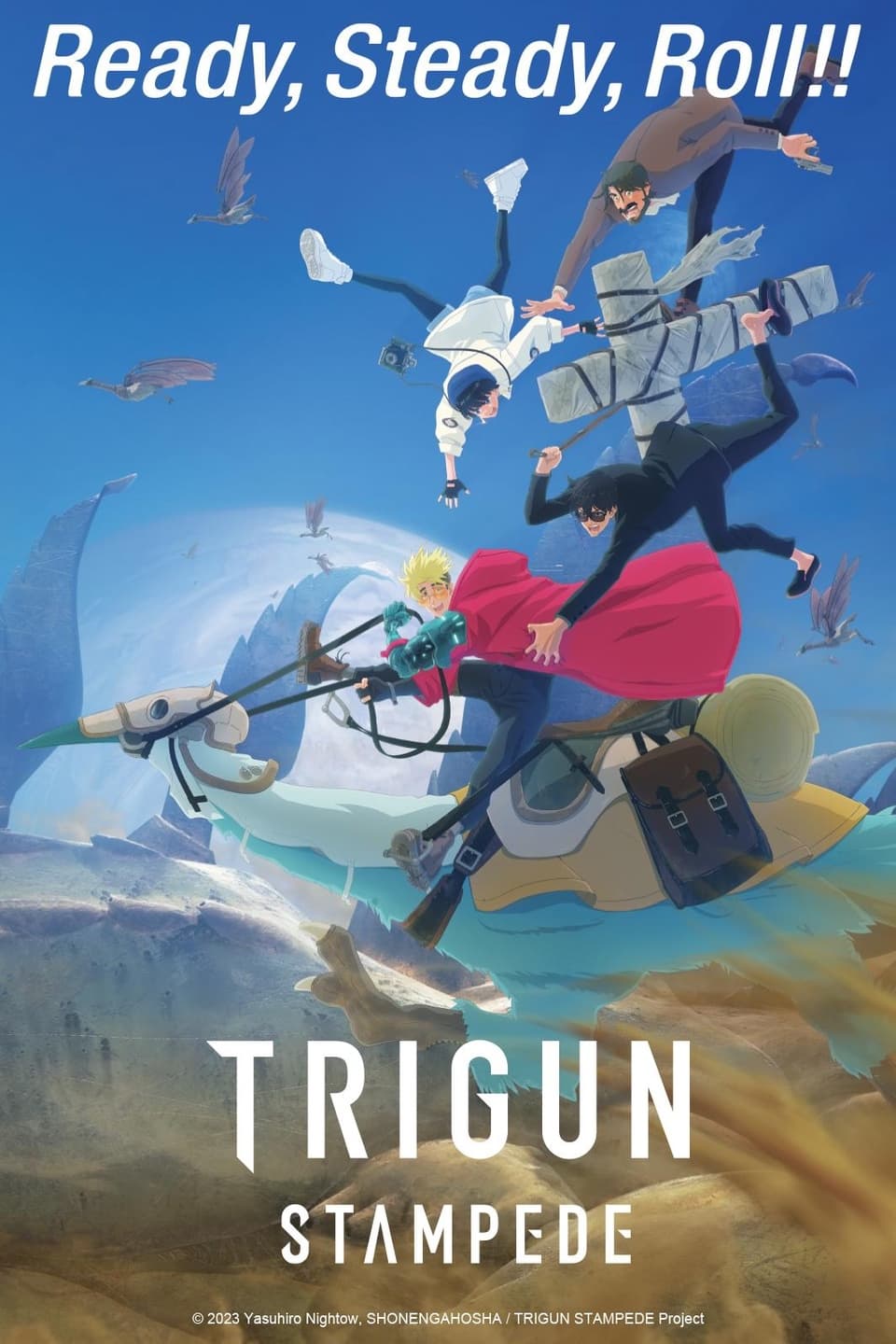
This new version of Meryl Stryfe is a big departure from the 1998 anime. Instead of a tough, armed insurance agent, she’s now a fresh-faced, inexperienced reporter. While the original Meryl was a capable leader who could handle threats, this adaptation reimagines her as a less confident character who relies more on Vash for support.
‘Boruto: Naruto Next Generations’ (2017–2023)

Anko Mitarashi was once a formidable and quick special jonin, known during the original Chunin Exams. This new story shows her as a retired teacher who isn’t as sharp or physically capable as she used to be. The story portrays her past as a fierce fighter as something that’s over, and now she mainly observes the younger ninja, offering her thoughts instead of joining the action.
‘Sailor Moon Crystal’ (2014–2015)
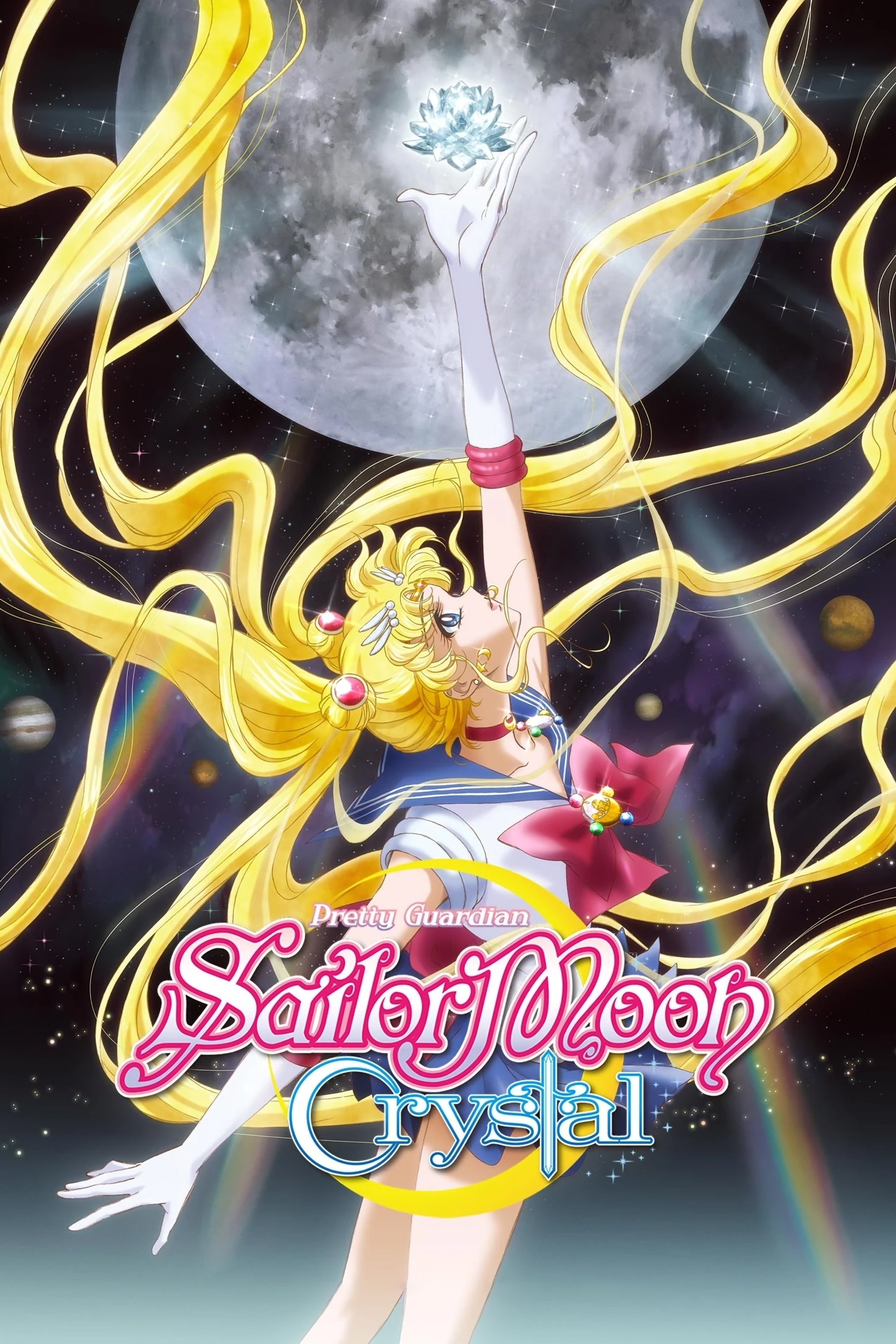
As a longtime Sailor Moon fan, I’ve noticed a big change with Rei in this new adaptation. She feels… different. In the 90s anime, they really built her up as this strong, fiery leader, a great contrast to Usagi. But here, they’ve gone back to the original manga version, making her much more quiet and reserved, a mysterious shrine maiden. Honestly, it’s a little disappointing. Her assertive personality is what made her so compelling, and without it, she doesn’t quite stand out as much with the other Sailor Guardians.
‘Ghost in the Shell: SAC_2045’ (2020–2022)
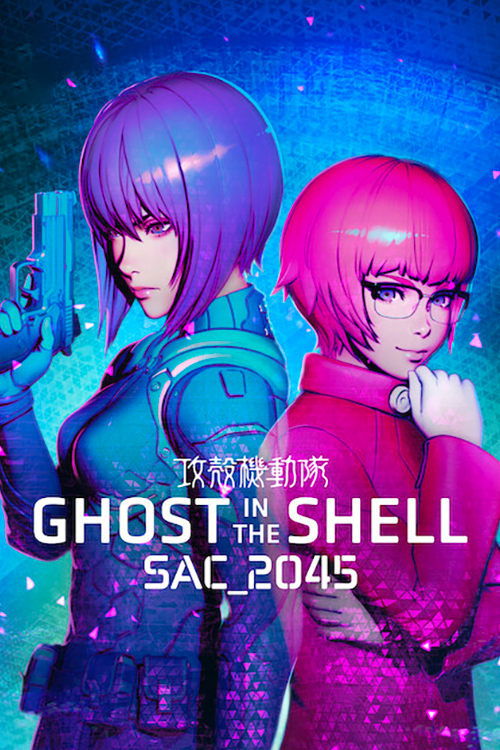
Motoko Kusanagi’s new design, with its softer features and more doll-like appearance, was criticized by many for making her seem less powerful. The change from her previously tough look, combined with a focus on action and teamwork, resulted in her feeling less like a strong, philosophical leader and more like a typical action hero.
‘Bubblegum Crisis Tokyo 2040’ (1998–1999)
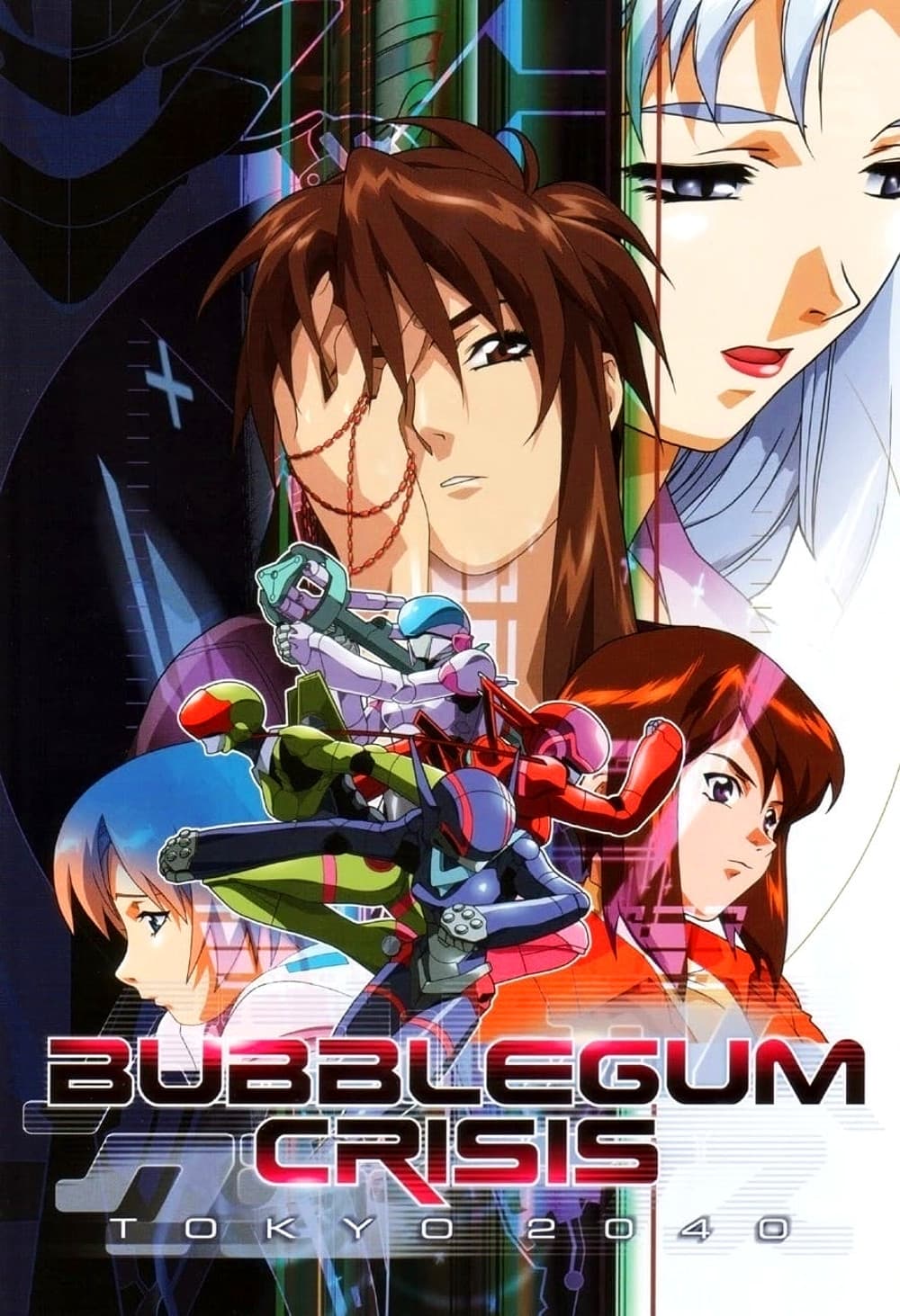
In the original animated series, Priss Asagiri was a tough, independent singer and motorcycle rider for the Knight Sabers. This new TV version presents a softer version of her and makes her more of a team player. As a result, she loses some of the strong, lone-wolf personality that made her so popular in the first place, and the story often puts her in overly dramatic scenarios that undermine her tough image.
‘Digimon Adventure:’ (2020–2021)

In this new version of the series, Sora Takenouchi doesn’t get the same focus as the main character, Taichi. While the original series explored her feelings about her mother and her role as a caring leader, this reboot gives her less screen time and reduces her unique strength – the Crest of Love – to just general support. She often needs help or rescuing, unlike the original Sora who was much more capable of handling things on her own.
‘Fullmetal Alchemist: Brotherhood’ (2009–2010)
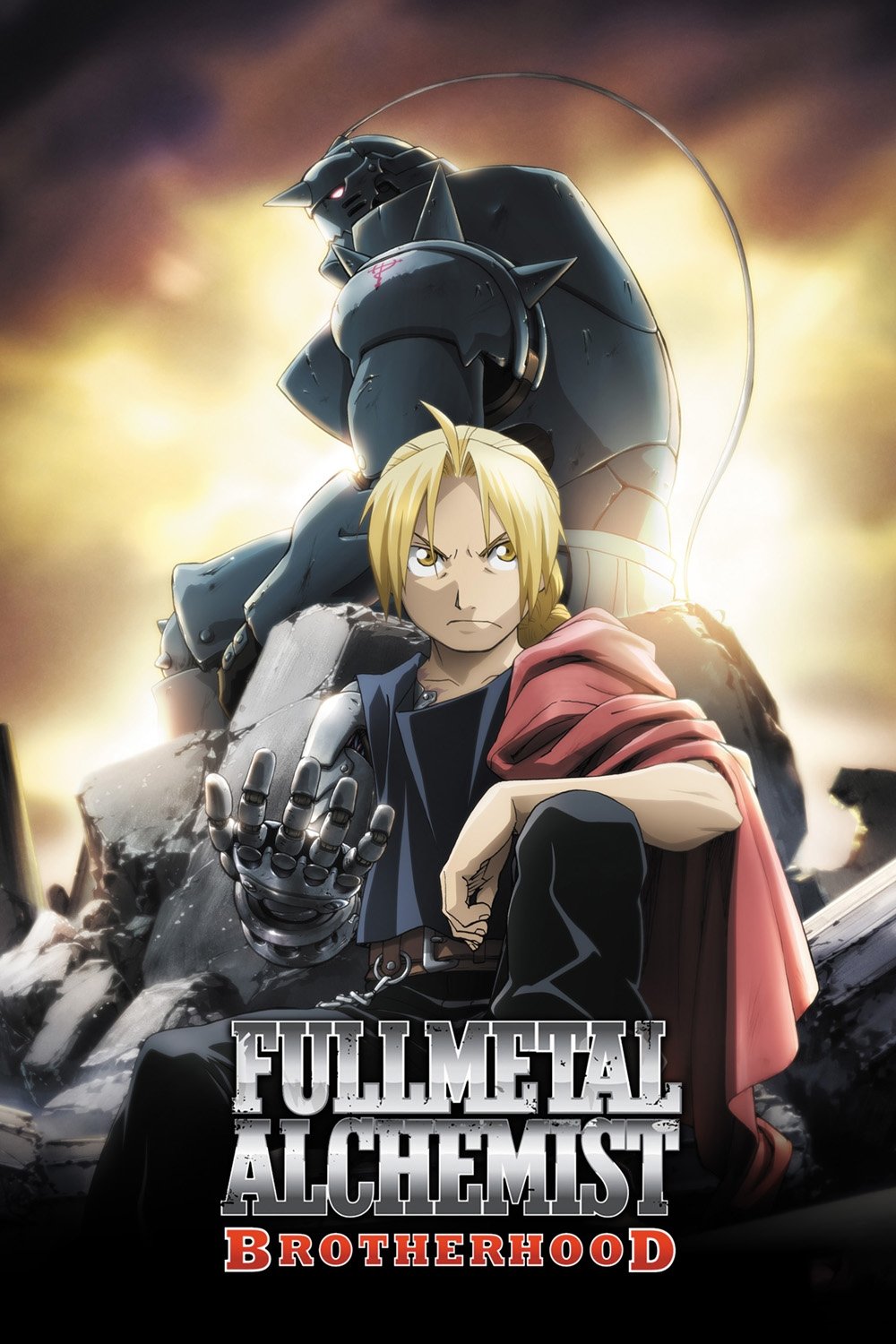
As a big fan, I’ve always found Lust fascinating. In the 2003 anime, she’s a truly compelling villain – she’s not just evil for the sake of it, but has her own goals and a really complex backstory. But the 2009 series, which sticks much closer to the manga, handles her differently. She’s gone fairly early on, which is a shame, really. It shifts her from being this major, scheming force driving the plot to more of a powerful, but ultimately temporary, challenge. Honestly, in that version, she feels less like a fully developed character and more like a way to push Roy Mustang’s story forward.
‘Yu-Gi-Oh! Arc-V’ (2014–2017)
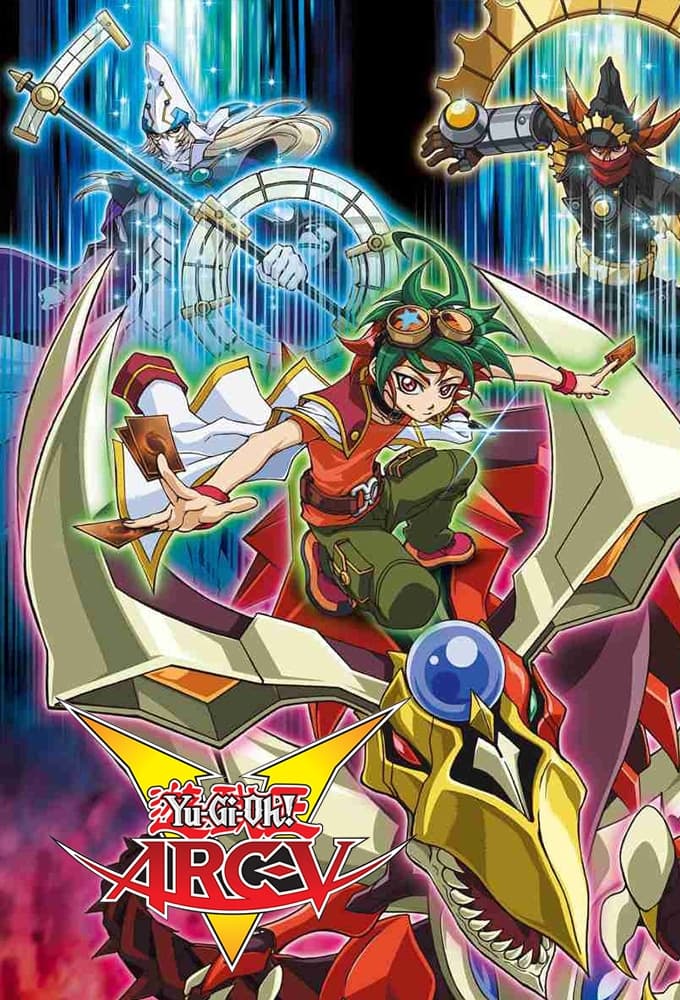
Alexis Rhodes reappears from the earlier GX series, but she’s not the powerful duelist she used to be. She doesn’t win as often, and her duels aren’t as impressive as when she was known as the Queen of Obelisk Blue. The story mainly uses her to help the male characters succeed, rather than letting her win on her own. We often see her being captured or losing duels, which serves to highlight how strong the new villains are.
‘Berserk’ (2016–2017)
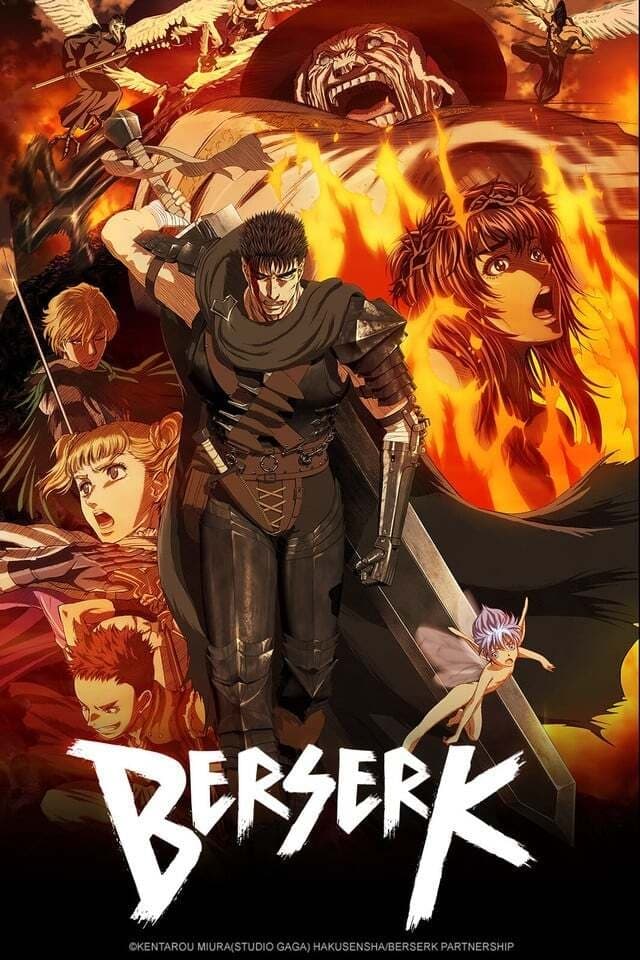
Throughout this anime adaptation, Casca remains trapped in a catatonic state called the Eclipse. While consistent with the original manga, the anime doesn’t capture the depth of her character as seen in the Golden Age arc. Instead, she’s presented solely as a vulnerable person constantly needing Guts’ help and protection. The series doesn’t show any of her past experiences or reveal the powerful warrior she once was.
‘Gunslinger Girl: Il Teatrino’ (2008)
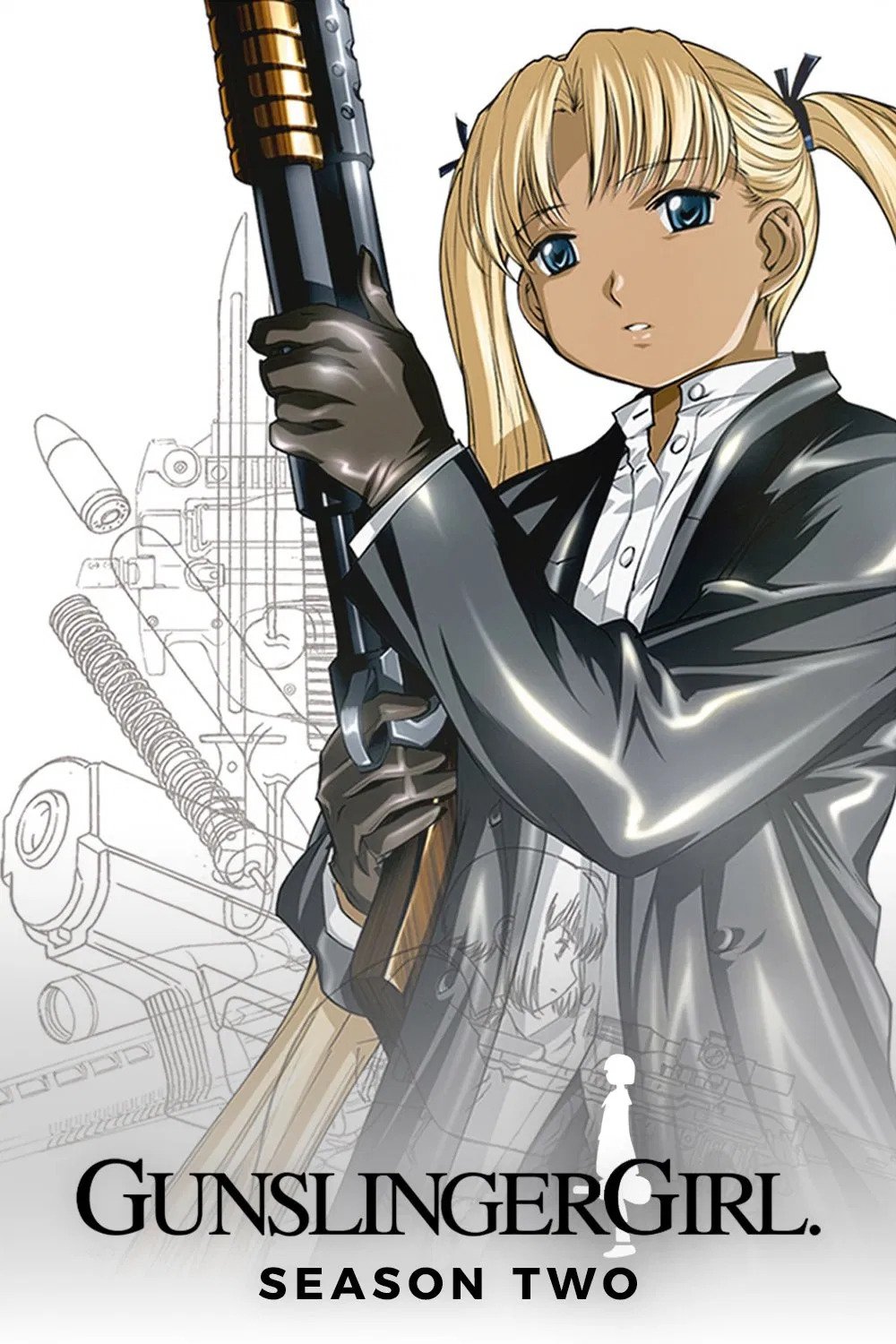
The cyborg girls, including Triela, have a noticeably different look and feel in this new season. Where the first season focused on their tragic pasts and deadly skills with a dark, intense style, this sequel presents them as more innocent and cute, similar to typical ‘moe’ characters. The action sequences are also less impactful and don’t emphasize their dangerous capabilities as much.
‘Powerpuff Girls Z’ (2006–2007)

Buttercup’s character changes significantly in the anime adaptation. Instead of being the strongest fighter of the Powerpuff Girls, she becomes a magical girl who fights with a hammer. Because anime often features transformation sequences and magical tools, Buttercup loses some of the fierce, physical strength that was central to her personality in the original cartoon. This version of Buttercup is also more concerned with things like fashion and relationships than just battling monsters.
‘Guyver: The Bioboosted Armor’ (2005–2006)

Throughout much of this accurate adaptation, Mizuki Segawa typically plays the role of someone who needs rescuing. Because the series closely follows the original manga, her character doesn’t have many opportunities to act independently, often just waiting to be saved. Viewers today often find this frustrating when compared to stronger female characters in other shows. She mainly exists to give the hero, Sho, a reason to fight.
‘Cutie Honey Universe’ (2018)
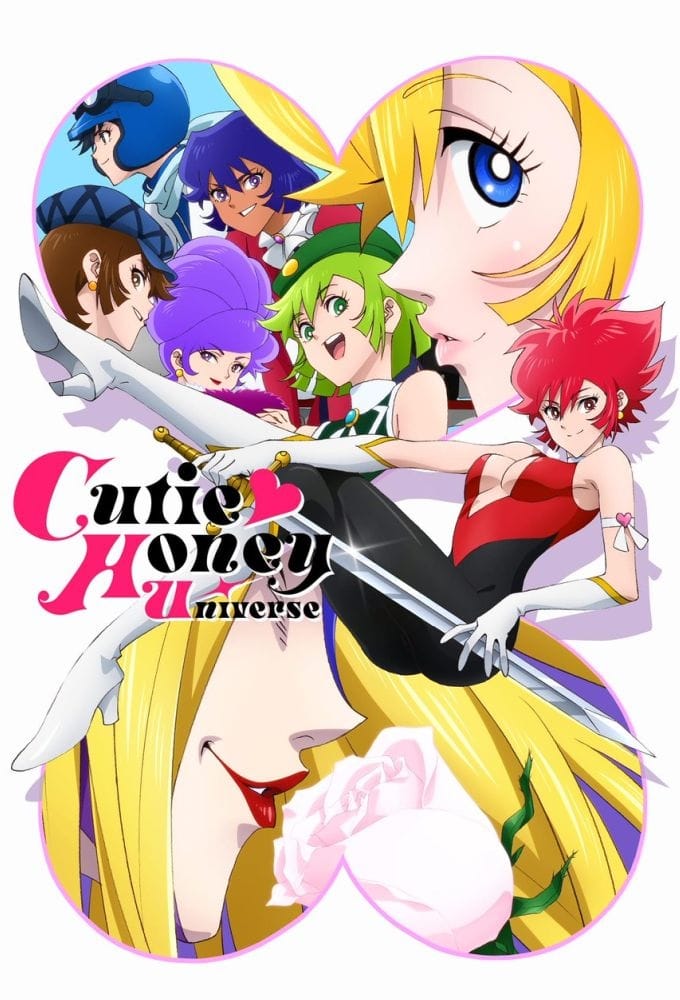
In this special anniversary project, Honey Kisaragi feels less powerful than she did in previous, action-packed episodes. The story emphasizes the sadness and hardship she experiences instead of her victories. Her transformations seem more about how she looks than about giving her strength, and the villains often easily defeat her, taking away her usual confidence and control.
‘FLCL Progressive’ (2018)
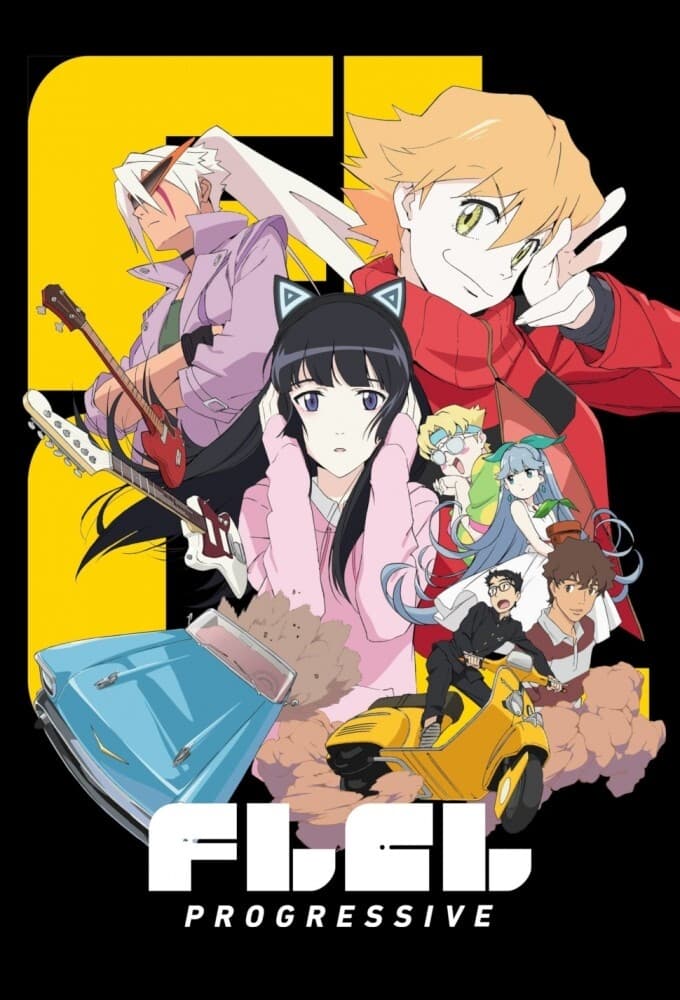
Haruko Haruhara is different in this sequel. She no longer has the overwhelming, unpredictable power she possessed before. The story tries to show us why she acts the way she does and make her more relatable, but this unfortunately makes her less of a powerful, chaotic figure. We see her struggle and get outmaneuvered more often, and the writing turns her from a wild force into a more ordinary villain motivated by smaller concerns.
‘Kino’s Journey -the Beautiful World- the Animated Series’ (2017)

Kino is a skilled traveler and sharpshooter who views the world with a calm, thoughtful perspective. The 2017 version of her story emphasizes action more, changing the overall feel of her travels. Some reviewers thought this made her feel less like a quiet, contemplative character and more like a typical action hero. The quieter, more nuanced parts of her personality were lost in favor of more exciting gunfights.
‘Sorcerous Stabber Orphen’ (2020)

As a long-time fan, I’ve noticed a big change with Cleao between the original anime and the remake. In the 90s version, she was a real firecracker, jumping right into battles and helping Orphen out. But the 2020 version is much more faithful to the novels, and honestly, it really hurts Cleao’s character. Now, Orphen does almost all the fighting, and she’s mostly just…standing there, offering advice. It makes her feel less like a valuable teammate and more like she’s just along for the ride, which is a shame because I used to love her action scenes!
‘Record of Lodoss War: Chronicles of the Heroic Knight’ (1998)
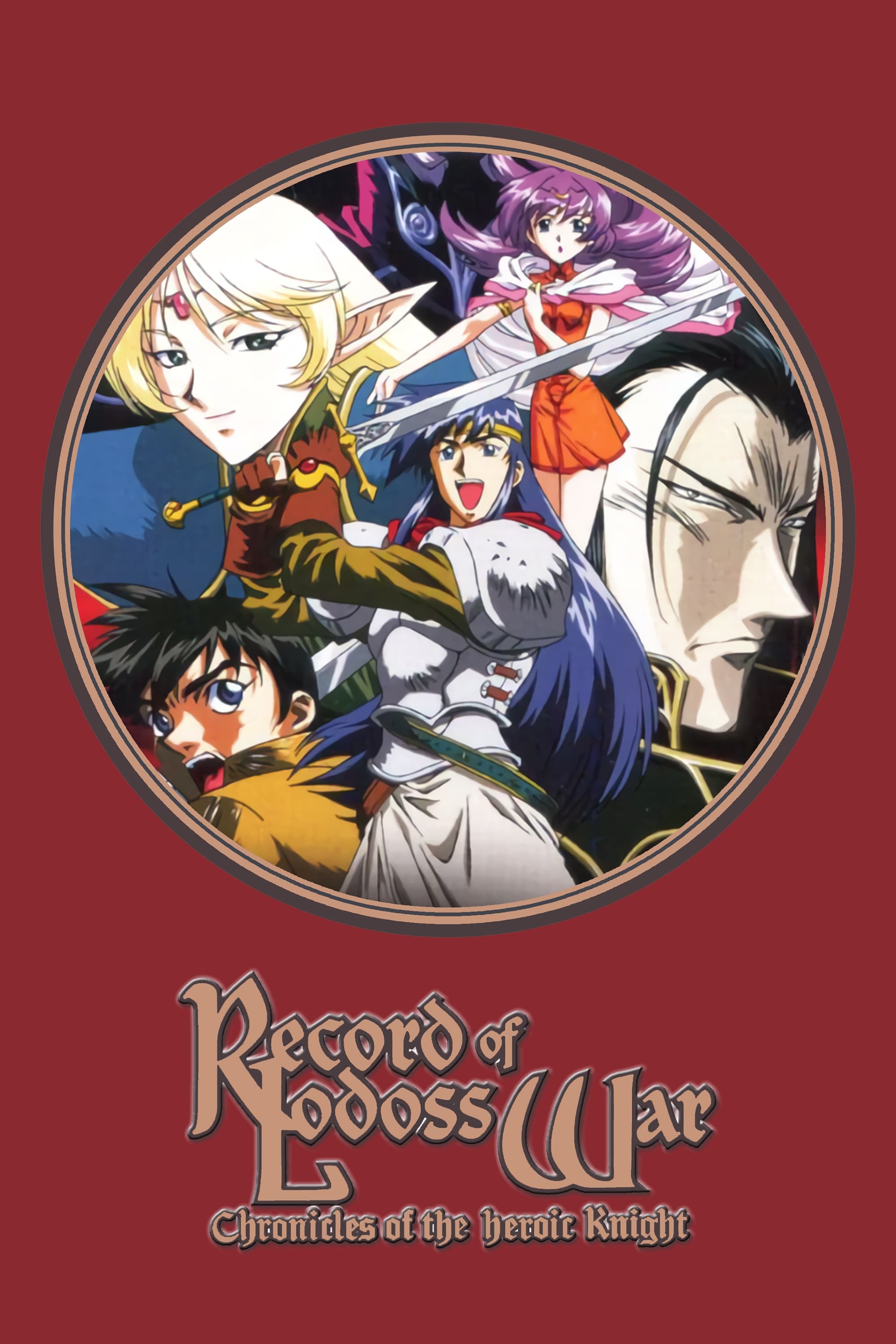
In this TV series, Deedlit the High Elf doesn’t have as prominent a role as she did in the original OVA. The OVA really highlighted her skills with both a sword and magic, showing how essential she was to the group’s success. But the TV series shifts the focus to new characters like Spark, and Deedlit often just supports Parn without getting to take the lead or perform the key actions she was known for before.
‘Baki’ (2018–2020)
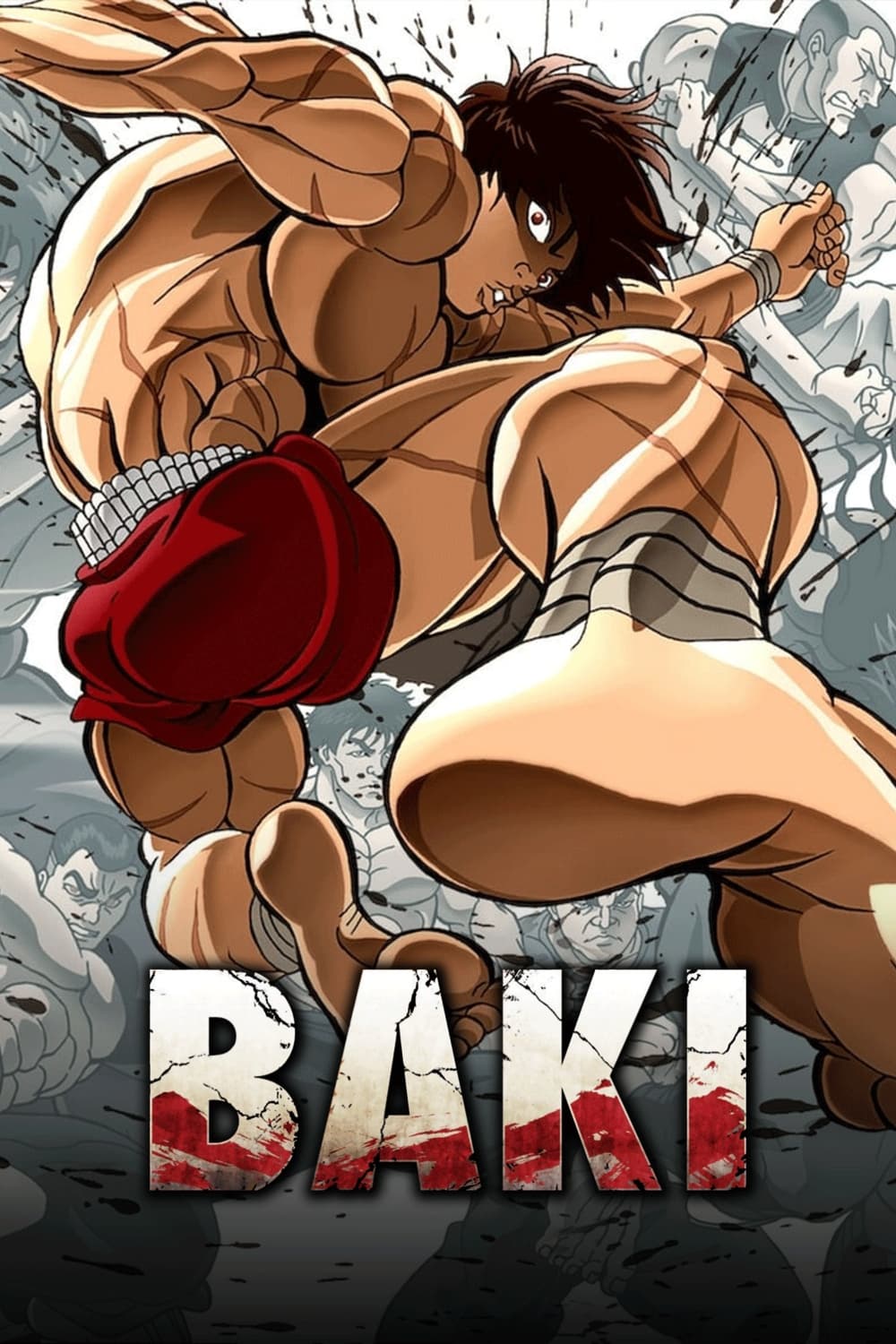
At the start of the series, Kozue Matsumoto is a stabilizing influence for Baki, demonstrating a determined spirit. However, as the story unfolds, she becomes less and less important, eventually almost vanishing from the plot. The show focuses overwhelmingly on physical strength and fighting, leaving no opportunity to develop her character. She goes from being a key emotional support to someone who barely appears at all.
‘Shaman King’ (2021–2022)
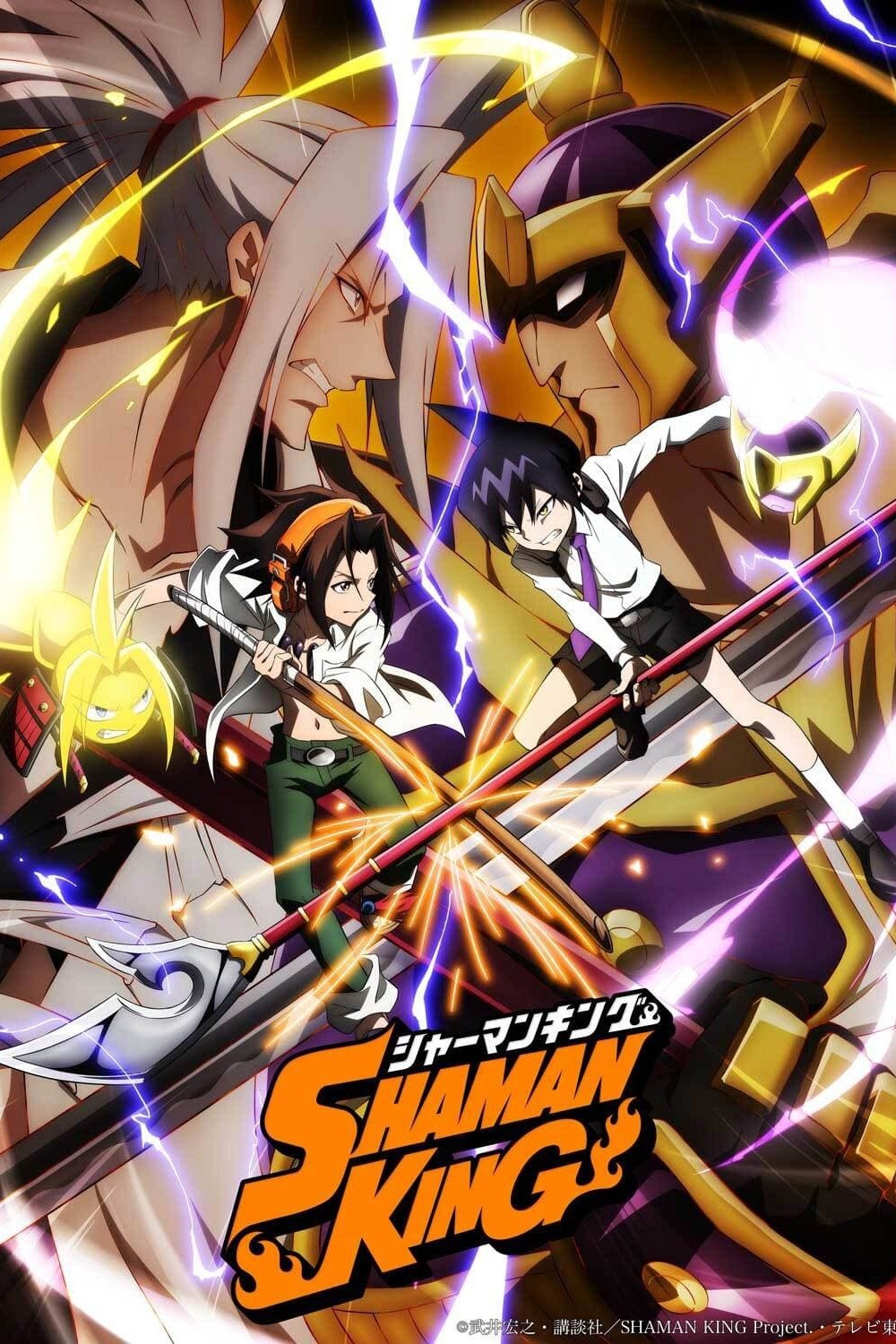
Anna Kyoyama is still a strong psychic, but the new adaptation doesn’t give her as much screen time as the 2001 anime did. The older version included extra storylines that let her powers and influence shine, while the remake moves quickly and sticks closely to the original manga. This means she’s often absent for long stretches, and her powerful presence feels hurried and doesn’t have the same impact.
‘Rurouni Kenshin’ (2023)
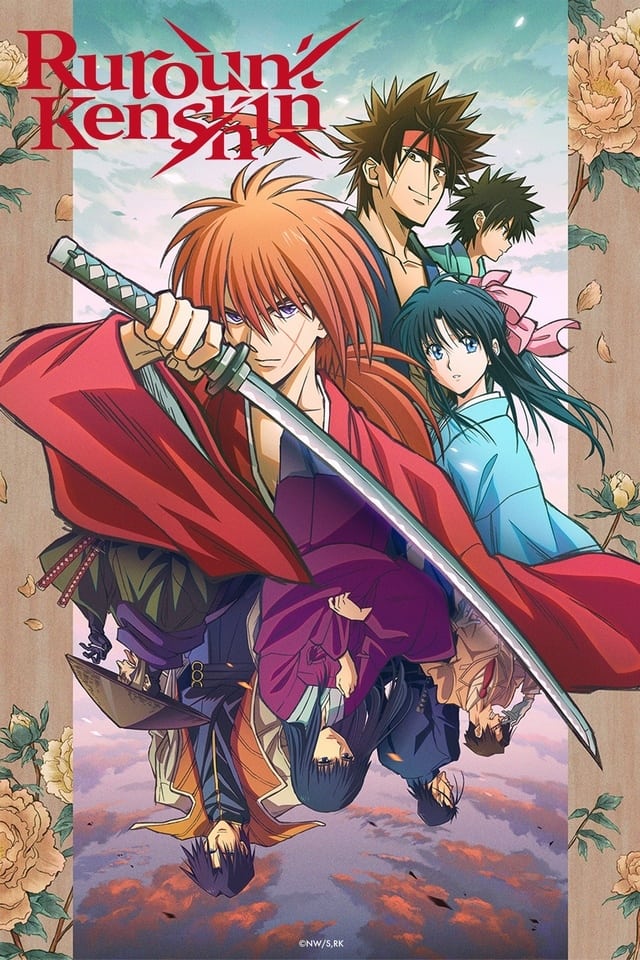
Kaoru Kamiya is portrayed accurately as a skilled teacher who often finds herself outmatched by the series’ powerful enemies. The new animation makes the difference in strength between her and the villains even more noticeable compared to the original anime. She’s often captured to create tension and give Kenshin more to fight for. This role of being in danger is a key part of the original story, and the remake keeps it that way without changing it.
‘Saint Seiya: Knights of the Zodiac’ (2019–2020)
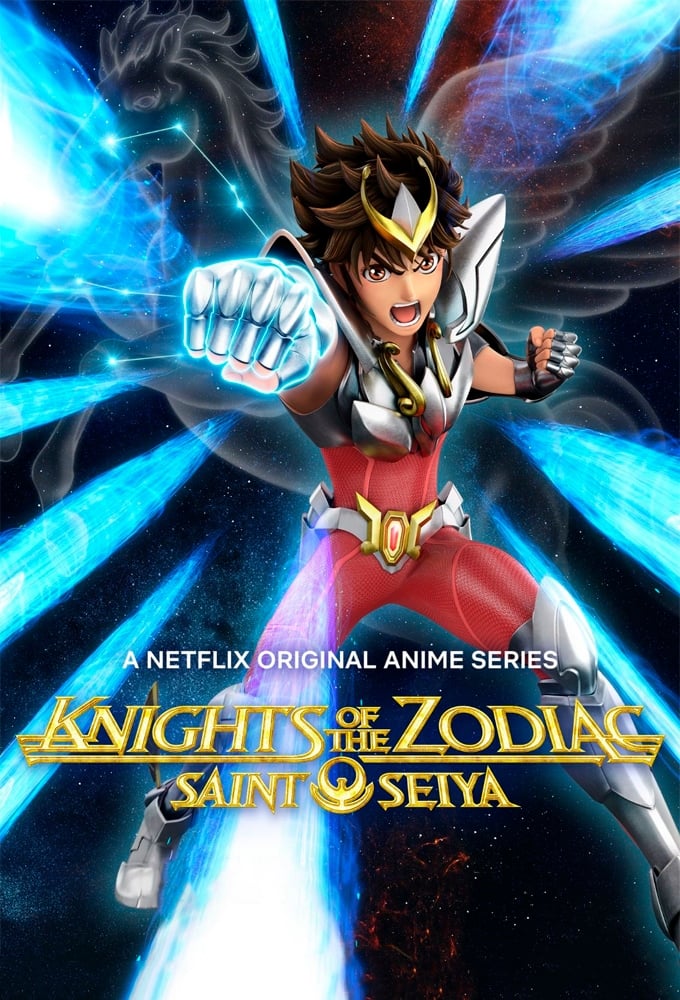
Despite being updated with modern special effects, Sienna (Athena) still lacks control over her own destiny. The writers tried to modernize the story, but she remains a character who mostly needs rescuing by the heroes. Throughout the Sanctuary storyline, she’s either unconscious or in danger, and the adaptation doesn’t give her the strong, independent leadership qualities that today’s viewers would expect from a goddess.
‘Astro Boy’ (2003–2004)
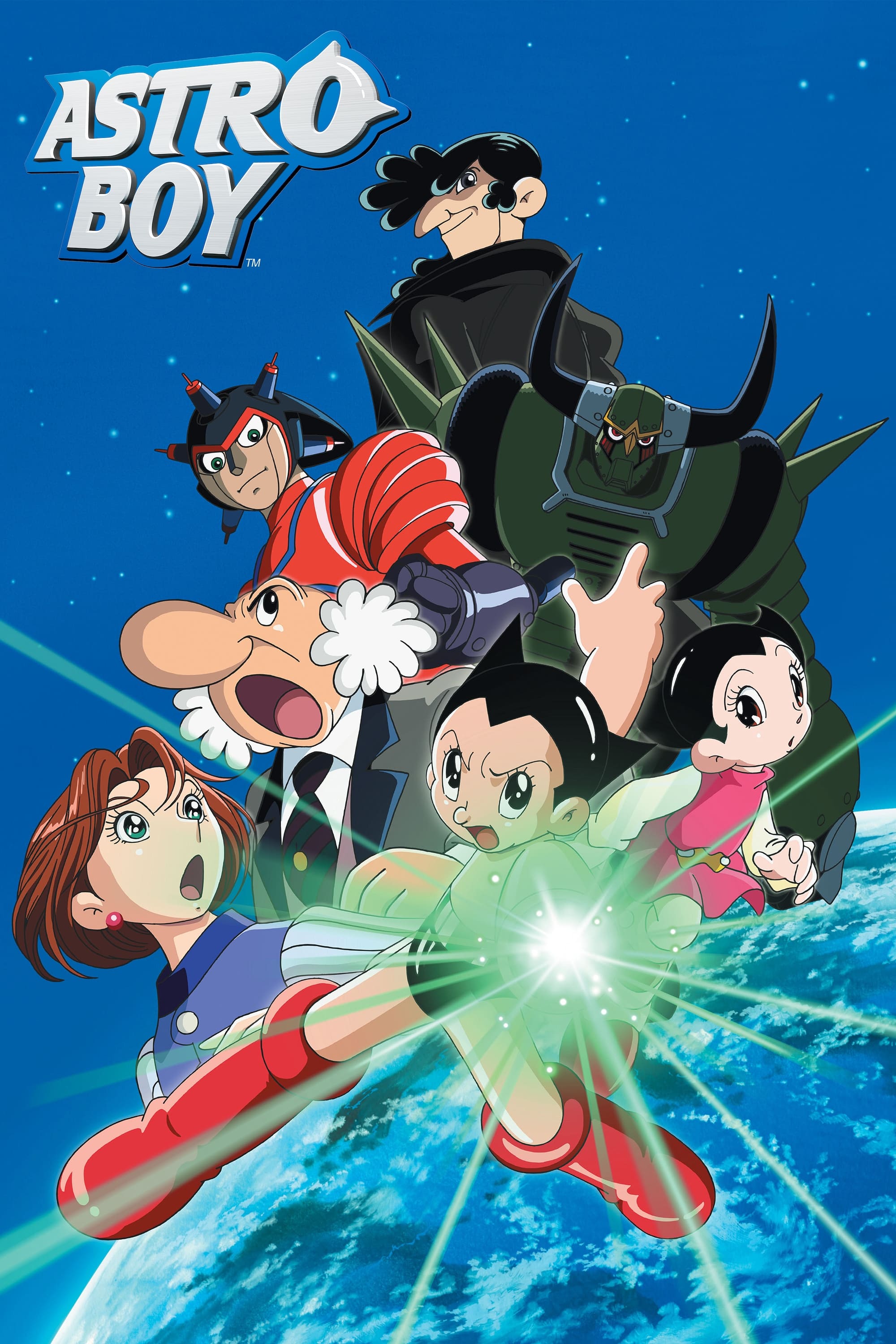
Uran is a robot designed to be Astro Boy’s sister, emphasizing kindness and understanding. This version of Uran is much more innocent and often gets into trouble, needing Astro to help when she misunderstands others. Her fighting skills are less prominent, which emphasizes Astro’s role as her guardian.
‘Yatterman’ (2008)
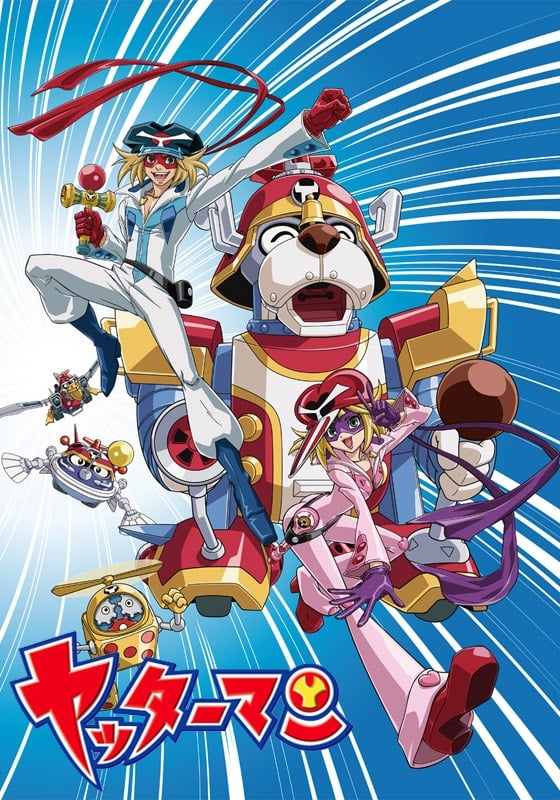
Doronjo is the leader of the Dorombo gang and a classic villain. This new version of the story focuses on how silly and inept her henchmen are, rather than how dangerous they are. Though she was never a truly frightening villain, this version really plays up the humor of her failures. A recurring joke is showing her covered in soot and with torn clothes after things explode.
‘Devilman Crybaby’ (2018)
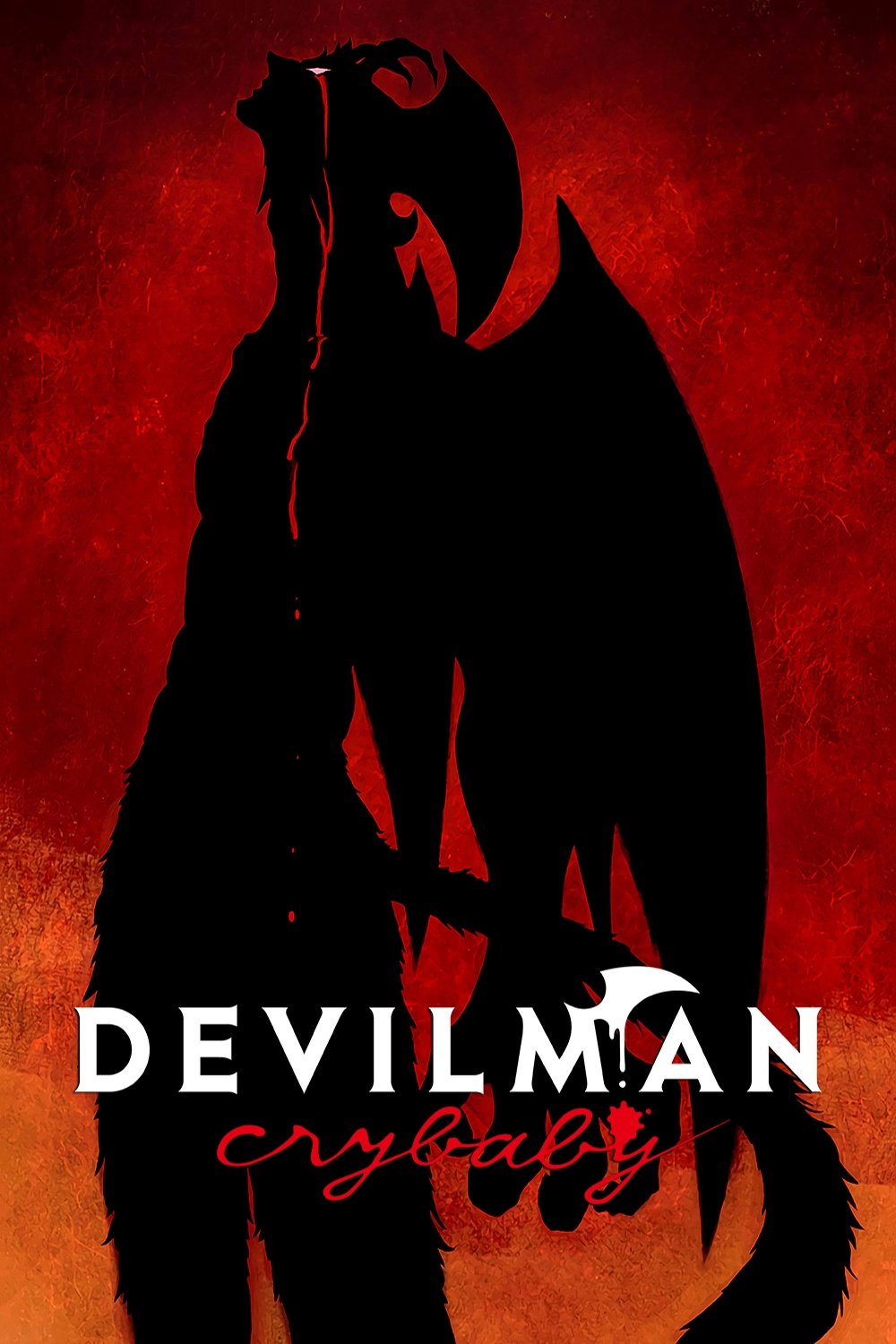
Miki Makimura is a kind and talented runner who has faith in people. Sadly, she becomes the victim of a terrible attack, which pushes the main character, Akira, further into hopelessness. The story uses her tragic death to motivate Akira, rather than letting her live or defend herself. Ultimately, her potential is cut short to emphasize the story’s dark and tragic themes.
Read More
- Gold Rate Forecast
- Silver Rate Forecast
- DOT PREDICTION. DOT cryptocurrency
- Securing the Agent Ecosystem: Detecting Malicious Workflow Patterns
- 4 Reasons to Buy Interactive Brokers Stock Like There’s No Tomorrow
- NEAR PREDICTION. NEAR cryptocurrency
- EUR UAH PREDICTION
- Did Alan Cumming Reveal Comic-Accurate Costume for AVENGERS: DOOMSDAY?
- Top 15 Insanely Popular Android Games
- USD COP PREDICTION
2026-01-02 18:17