
For decades, Black actors have done more than just perform – they’ve fought for better, more truthful representation on screen. They consistently pushed for roles that went beyond stereotypes, challenging racism and correcting historical misrepresentations. By leveraging their platform, they made sure Black stories were told with respect and meaning. Their efforts have fundamentally changed Hollywood and inspired a new wave of Black filmmakers and artists.
Sidney Poitier
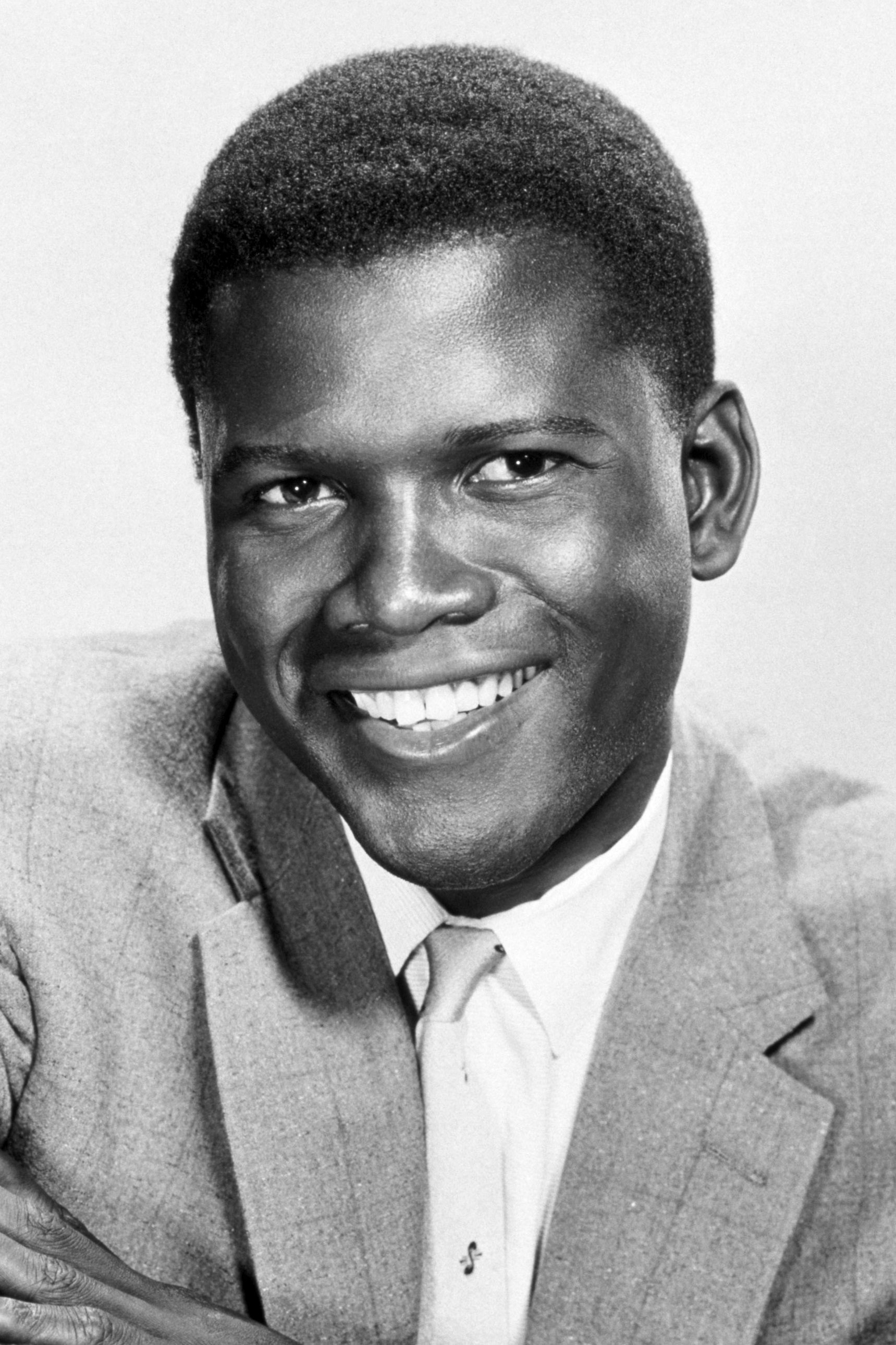
Sidney Poitier significantly altered how Black men were depicted in movies during the mid-1900s. A notable example is in ‘In the Heat of the Night,’ where he demanded his character respond to a slap from a white man, powerfully conveying a message of equality and respect during the Civil Rights Movement. He consistently selected roles that highlighted intelligence and professionalism, actively challenging the negative stereotypes common in Hollywood at the time.
Paul Robeson
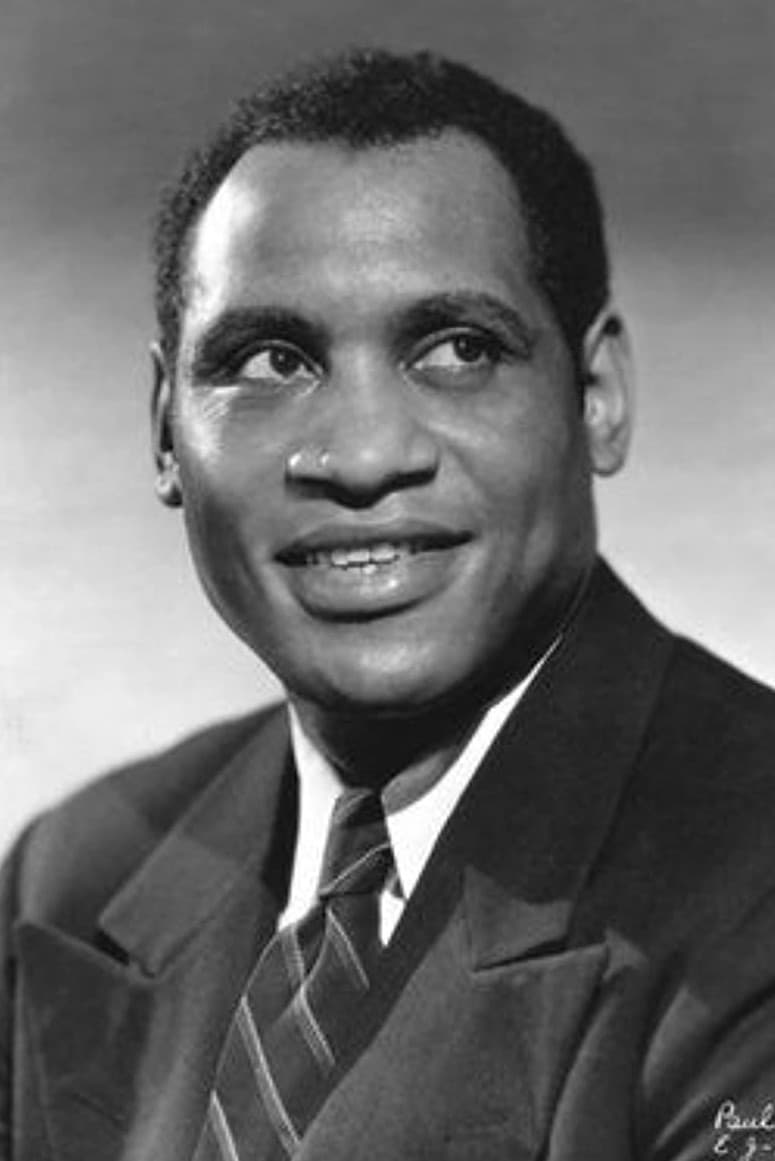
Paul Robeson, a famous performer, used his platform to advocate for more meaningful stories in his films. While making ‘The Proud Valley,’ he collaborated with the filmmakers to highlight the strong connection between Black workers and Welsh miners. He often turned down scripts that he felt didn’t truthfully depict the lives and struggles of working-class people or address racial inequality. This dedication meant his acting always reflected his deep commitment to social justice and improving society.
Harry Belafonte

Harry Belafonte used his fame to fight for racial equality and civil rights, carefully choosing projects that reflected his values. He pushed for honest portrayals of interracial relationships and Caribbean politics in films like ‘Island in the Sun.’ Belafonte consistently turned down roles that felt disrespectful to his background or offered a shallow look at Black life. By maintaining control over his work, he was able to create art that tackled important worldwide issues of injustice and freedom.
Ossie Davis
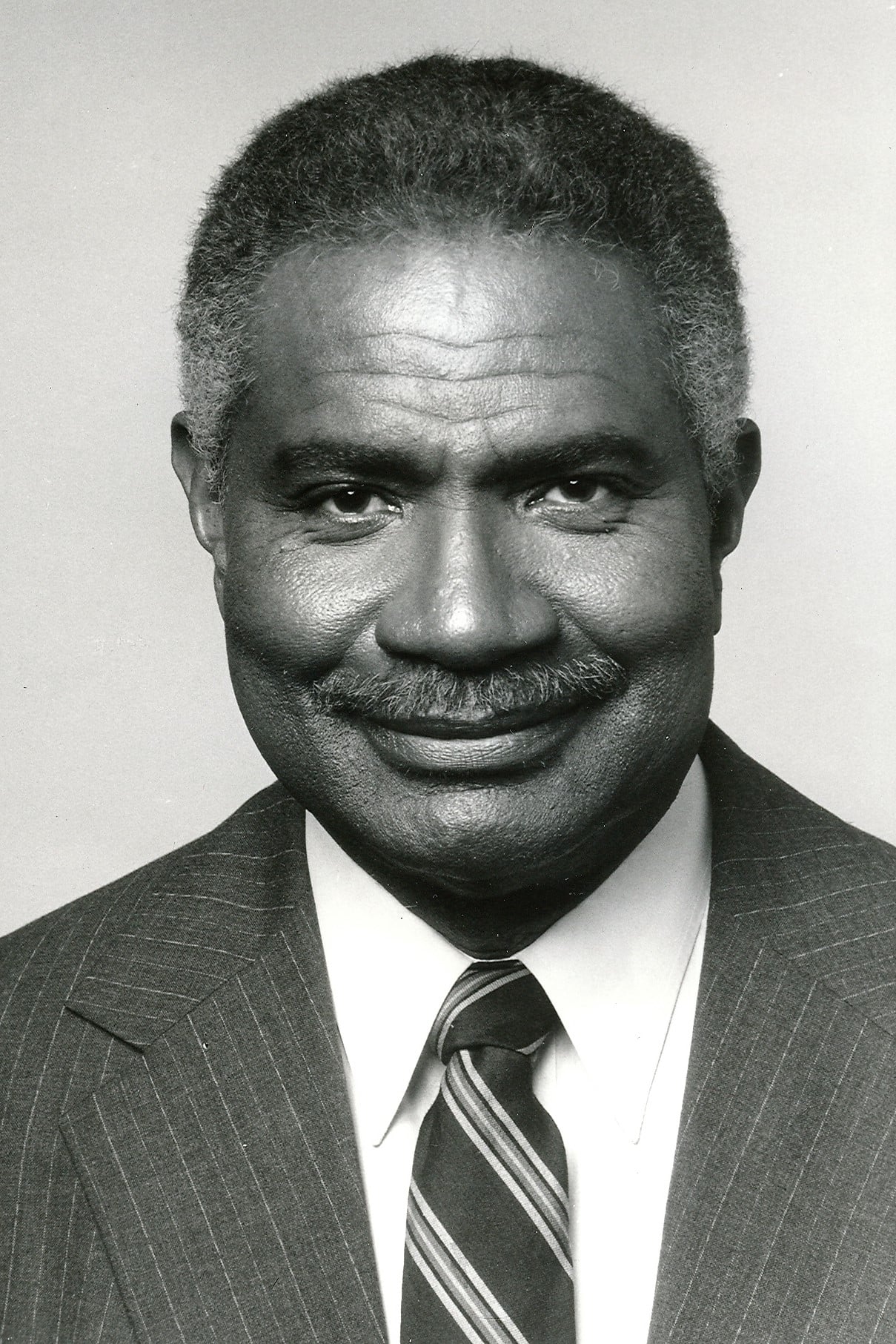
Ossie Davis was a passionate activist who fought for racial justice through his work in film and theater. He frequently revised his lines to add insightful commentary on the Black American experience and its history. For example, in the play ‘Purlie Victorious,’ he used satire to expose the ridiculousness and injustice of segregation. Throughout his career, Davis believed in the power of the arts to educate people and strengthen communities politically.
James Earl Jones
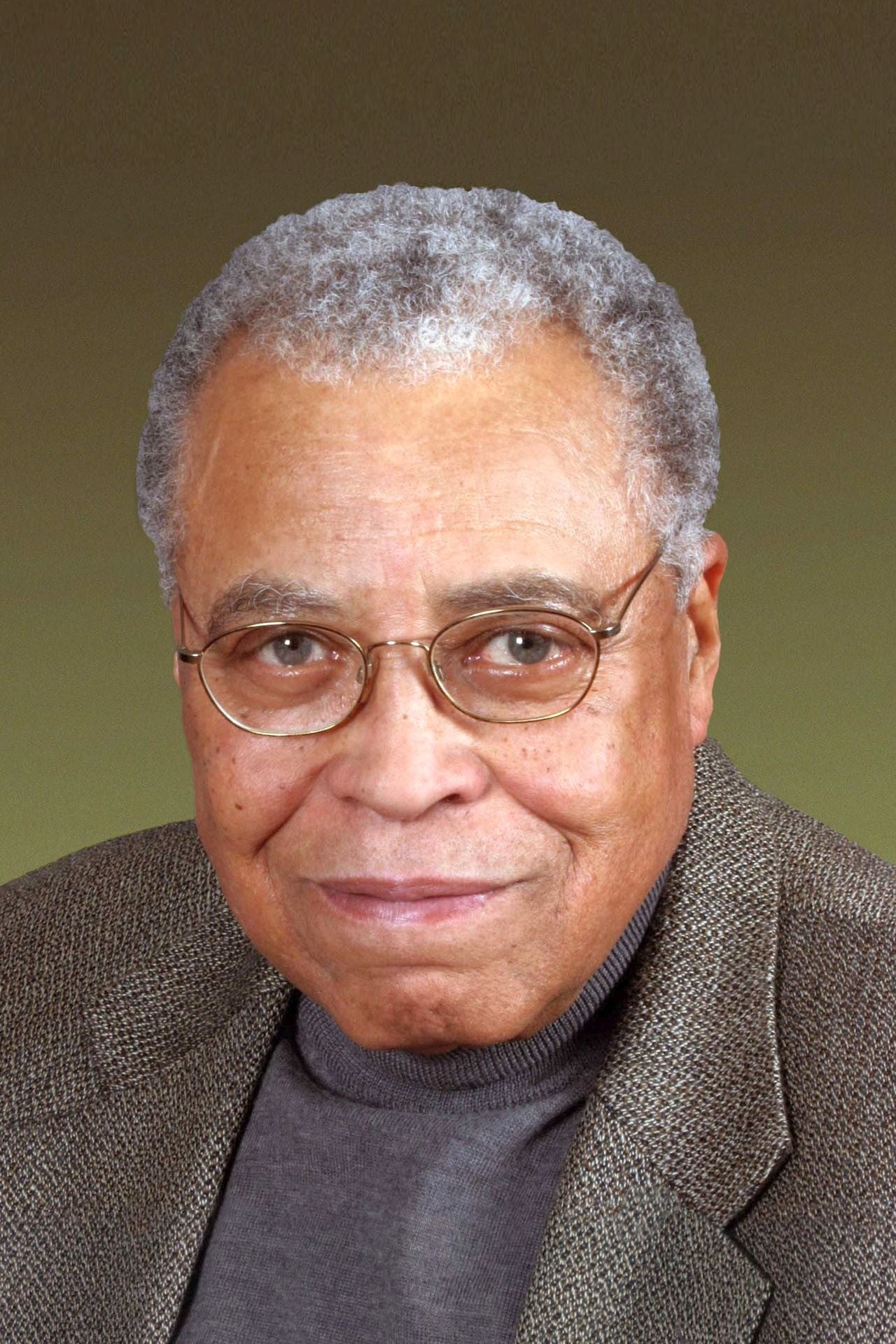
James Earl Jones infused his characters with weight and intelligence, preventing them from becoming one-dimensional. He powerfully depicted the challenges faced by a Black boxer in a prejudiced society in ‘The Great White Hope,’ bringing a deeply realistic psychological portrayal to the role. He collaborated with directors to ensure his characters were seen as complex people with their own power, not simply as victims. His strong voice and commanding presence revolutionized how Black leaders were portrayed in popular culture.
Denzel Washington
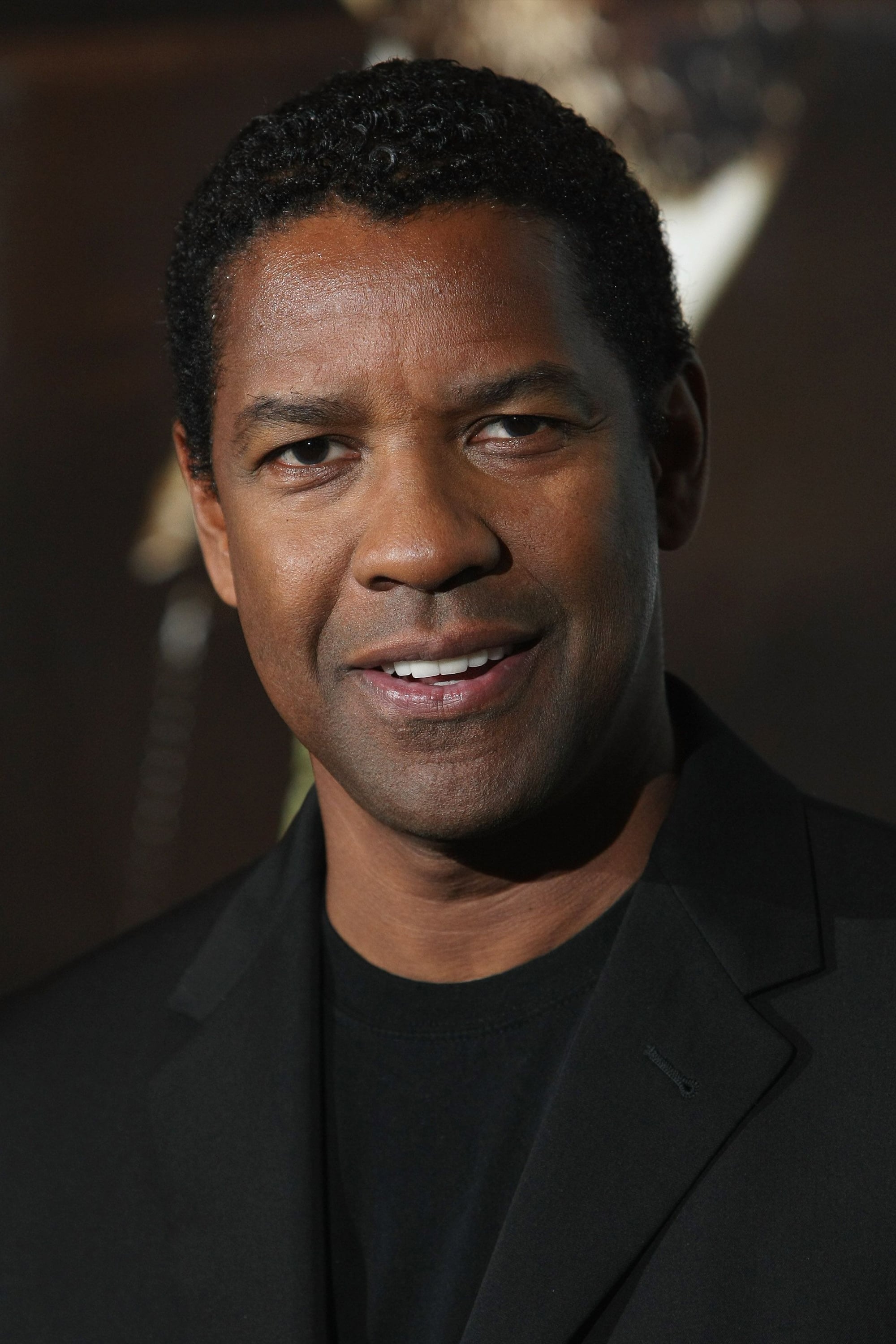
Denzel Washington is famous for carefully developing his characters and not being afraid to suggest changes to a script. When preparing for his role as Malcolm X, he worked closely with the director to accurately show the leader’s growth and beliefs. He often changed his lines to make sure they matched historical facts and conveyed the seriousness of the character. Many of his performances focus on the conflict between what’s right and wrong, and the problems within American society.
Morgan Freeman
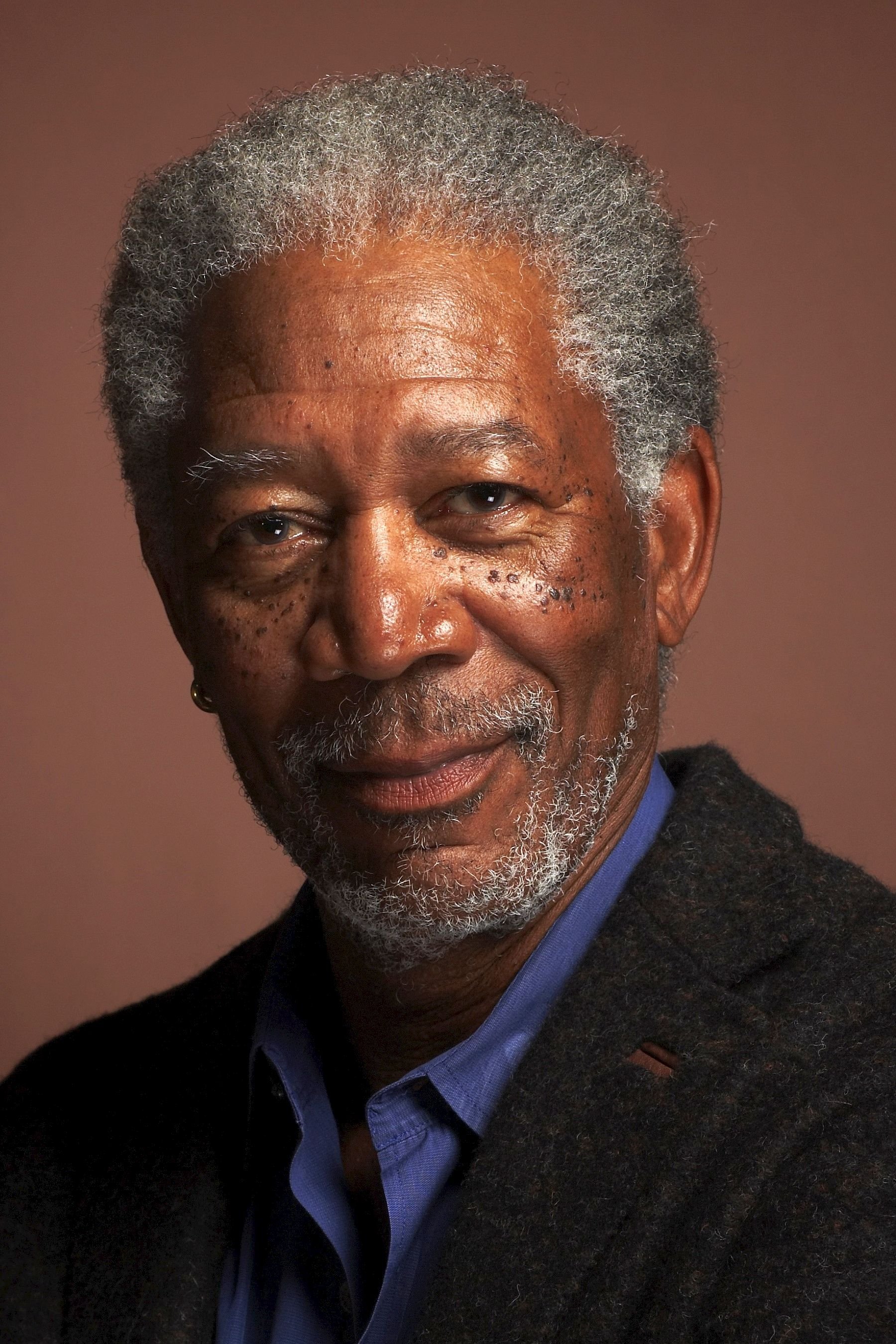
Morgan Freeman consistently selects roles that challenge typical ideas about race and power. For example, in ‘Glory,’ he portrayed a Black soldier with depth and realism, showing the difficulties they faced. He also often collaborated with screenwriters to eliminate clichés and ensure his characters spoke with intelligence and respect. Because he’s such a commanding presence, he’s able to bring a sense of importance to films across many different genres.
Samuel L. Jackson
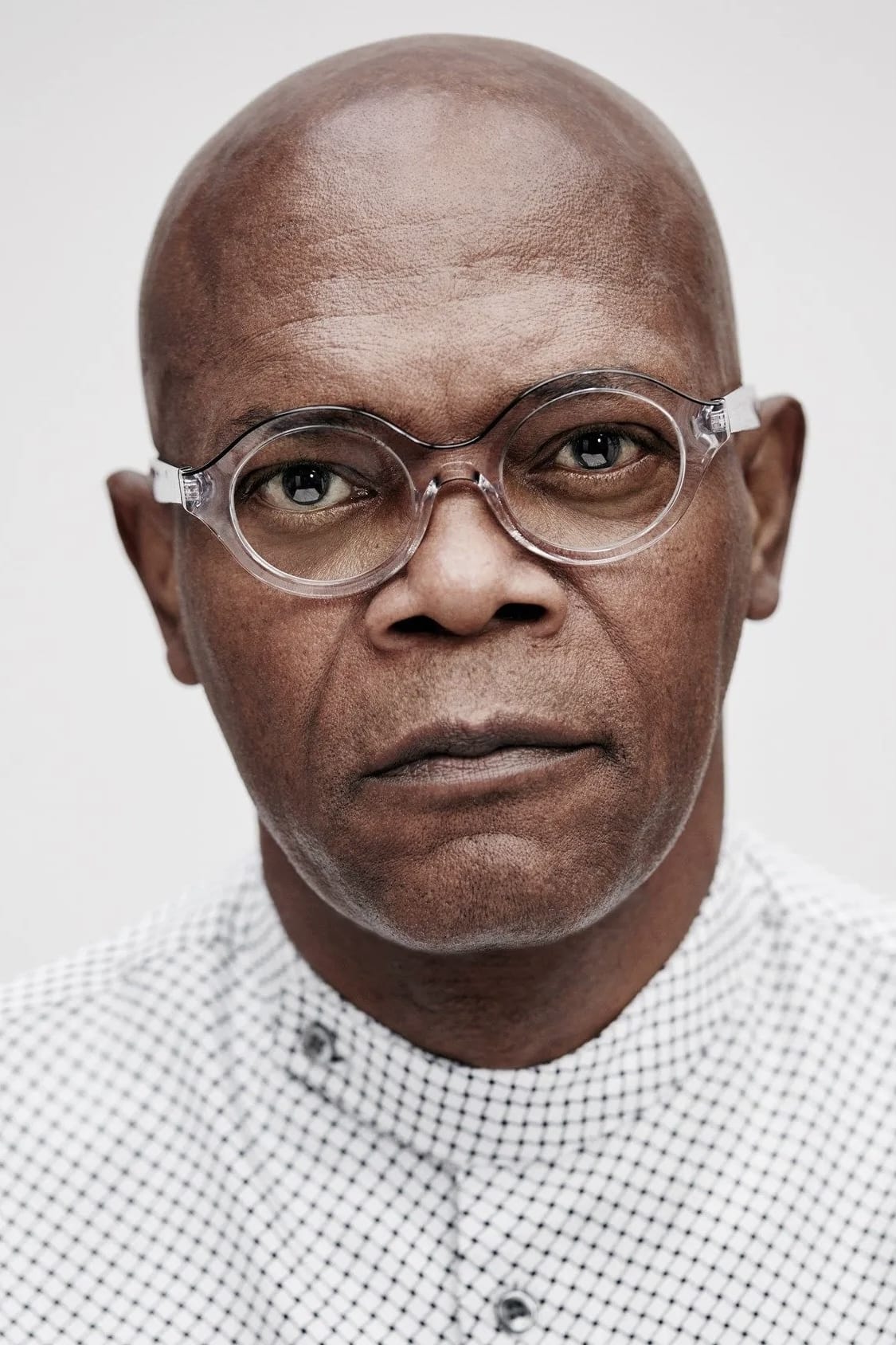
Samuel L. Jackson consistently pushes for more depth and nuance in the characters he plays, especially in big-budget films. For example, in ‘Django Unchained,’ he chose a role that delved into the emotional and psychological effects of slavery. He frequently works closely with directors to make sure his characters are fully developed, with unique personalities and believable reasons for their actions, rather than being simple stereotypes. This shows how a well-known actor can add meaningful themes and ideas to popular movies.
Laurence Fishburne
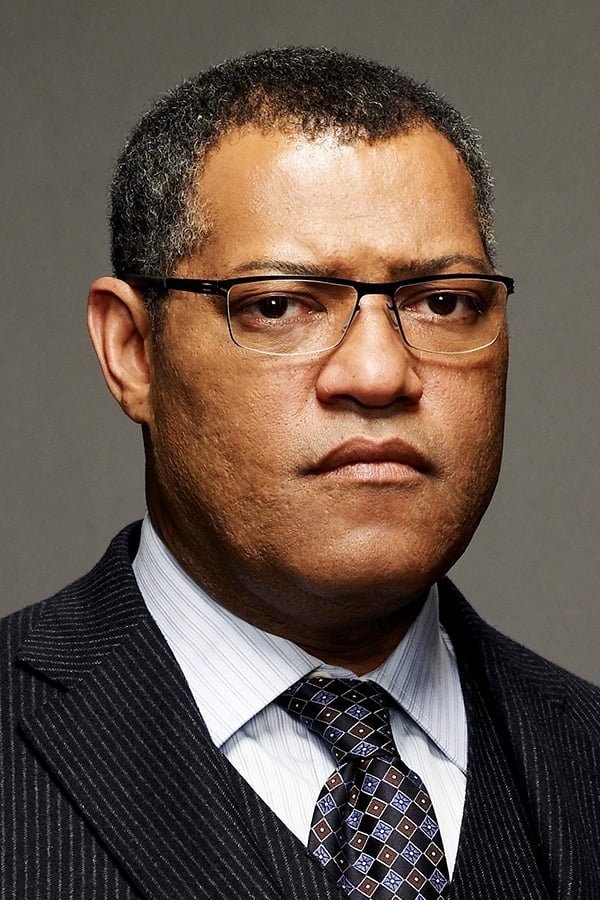
Laurence Fishburne consistently chooses roles that explore the social and political issues facing American cities. For example, in ‘Boyz n the Hood,’ he portrayed a father who gave moving speeches about neighborhood change and the need for self-reliance. He collaborated with the filmmakers to make sure these scenes felt real and spoke directly to viewers. Through his acting, Fishburne often connects compelling stories with important social messages.
Forest Whitaker
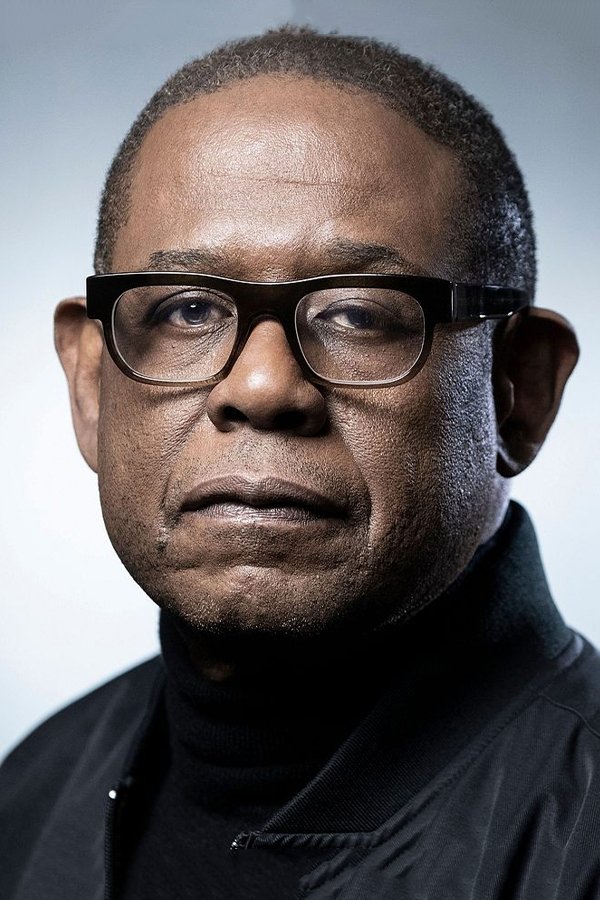
Forest Whitaker is known for his talent in finding the relatable human side of stories dealing with difficult political issues. To play his role in ‘The Last King of Scotland,’ he did a lot of research to accurately show the complicated and frightening character of a dictator. He also insisted the film focus on the internal dynamics of Uganda, rather than a Western viewpoint. This commitment to detail and depth has made him an important voice in movies that explore themes of power and what’s right and wrong.
Don Cheadle
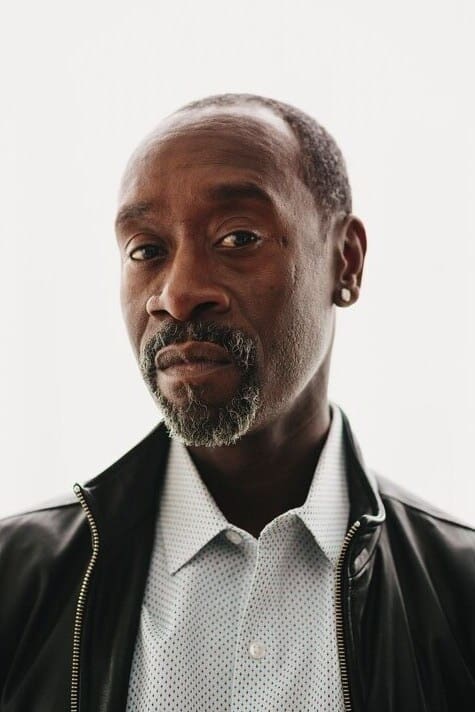
Don Cheadle has always used his work to highlight important human rights issues and political conflicts around the world. His performance in ‘Hotel Rwanda’ powerfully and realistically depicted the courage of one man during a terrible genocide, and he worked with the film’s creators to make sure the story emphasized the political mistakes that led to the tragedy. Cheadle’s dedication to fairness and justice goes beyond acting – he’s also a committed producer and activist.
Danny Glover
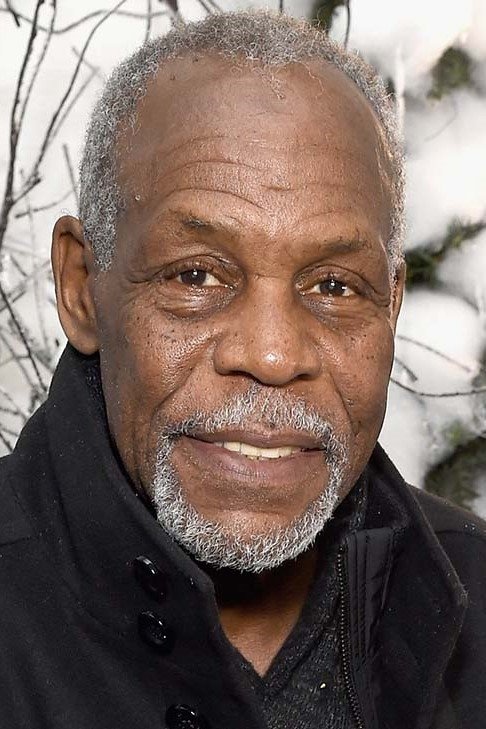
Danny Glover is known for both his action movie roles and his strong commitment to social and political issues. He frequently used his influence to champion independent films that addressed topics like workers’ rights and racial injustice. In ‘The Color Purple,’ he delivered a thoughtful performance, portraying a character dealing with abuse and the possibility of healing. Throughout his career, Glover has consistently used filmmaking as a way to raise awareness and encourage discussions about fairness and justice around the world.
Delroy Lindo
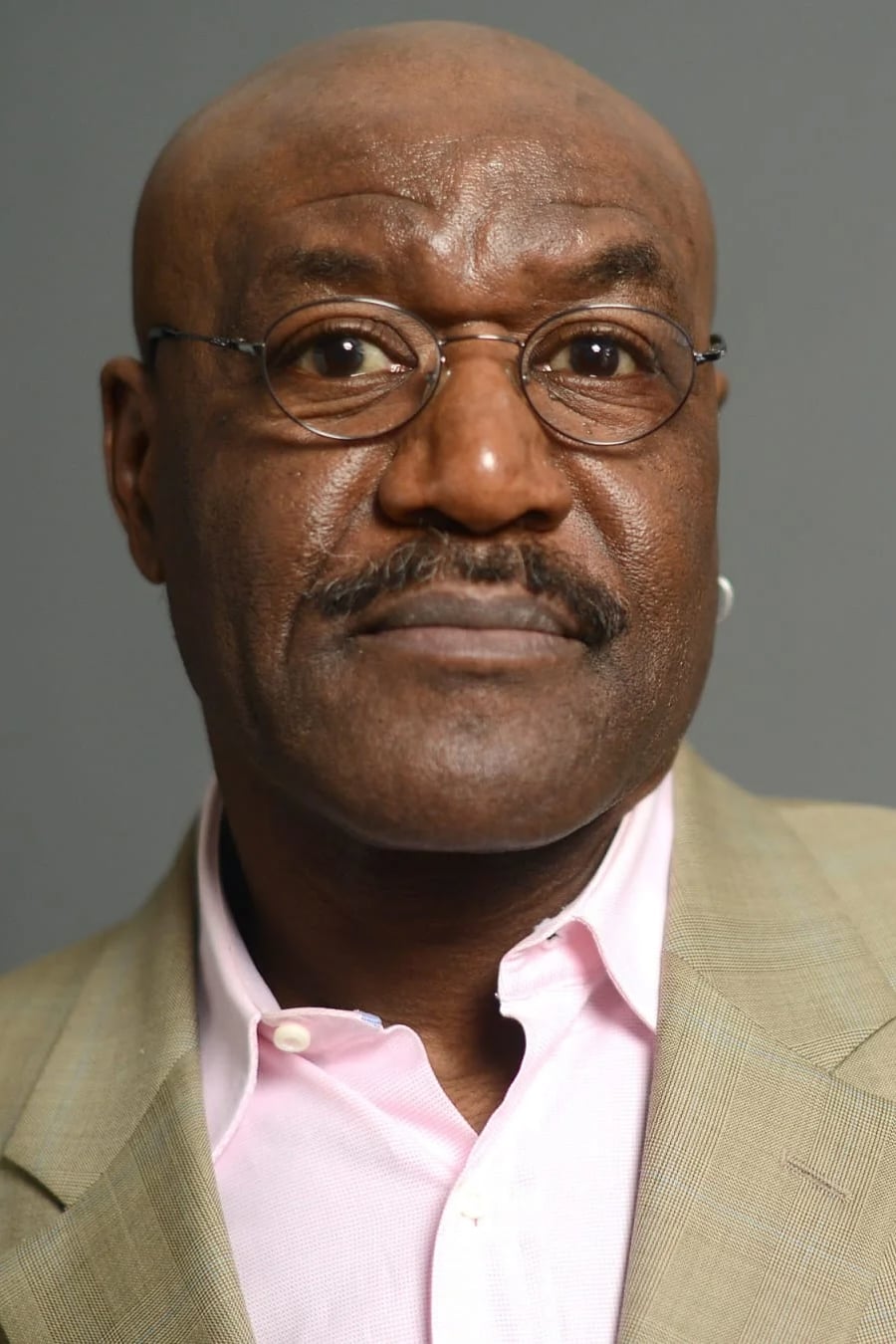
Delroy Lindo is celebrated for his powerful and nuanced acting, frequently focusing on the experiences of Black communities around the world. In ‘Da 5 Bloods,’ he collaborated with the director to depict a Black war veteran grappling with the emotional scars of combat and the ongoing effects of societal injustice. He brought a strong sense of political importance to the character by showing the unique traumas faced by Black soldiers. Lindo’s performances often challenge viewers to consider difficult aspects of history and who we are.
Courtney B. Vance
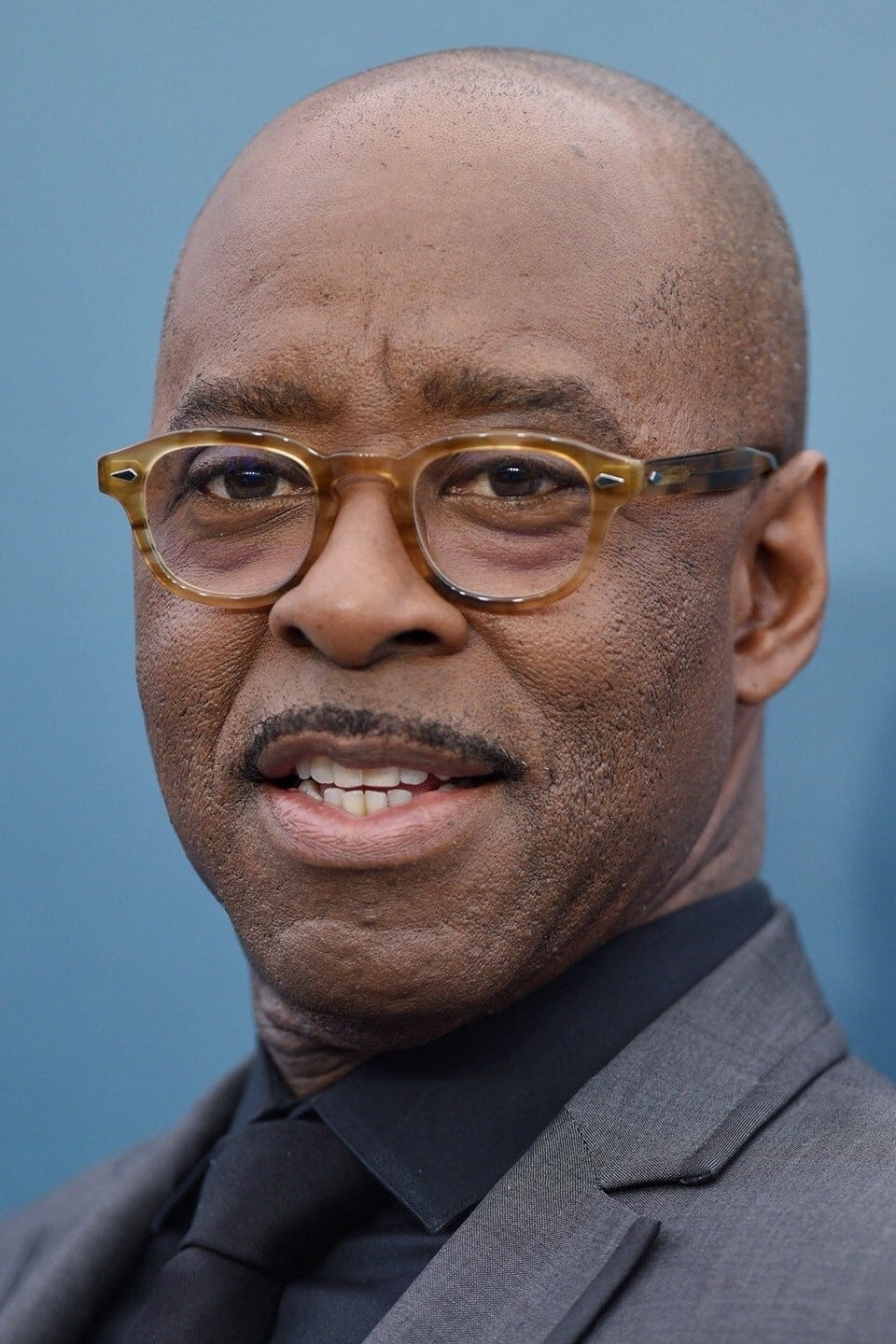
Courtney B. Vance consistently delivers thoughtful and insightful performances in roles that explore the American legal and political worlds. For example, in ‘The People v. O. J. Simpson,’ he didn’t just play a lawyer; he showed how racial issues of the time deeply impacted the case. He worked closely with the show’s writers to accurately portray the lawyer’s intelligence and ability to overcome prejudice in the courtroom. Throughout his career, Vance’s work often sheds light on the complex relationship between race and power in today’s society.
Giancarlo Esposito
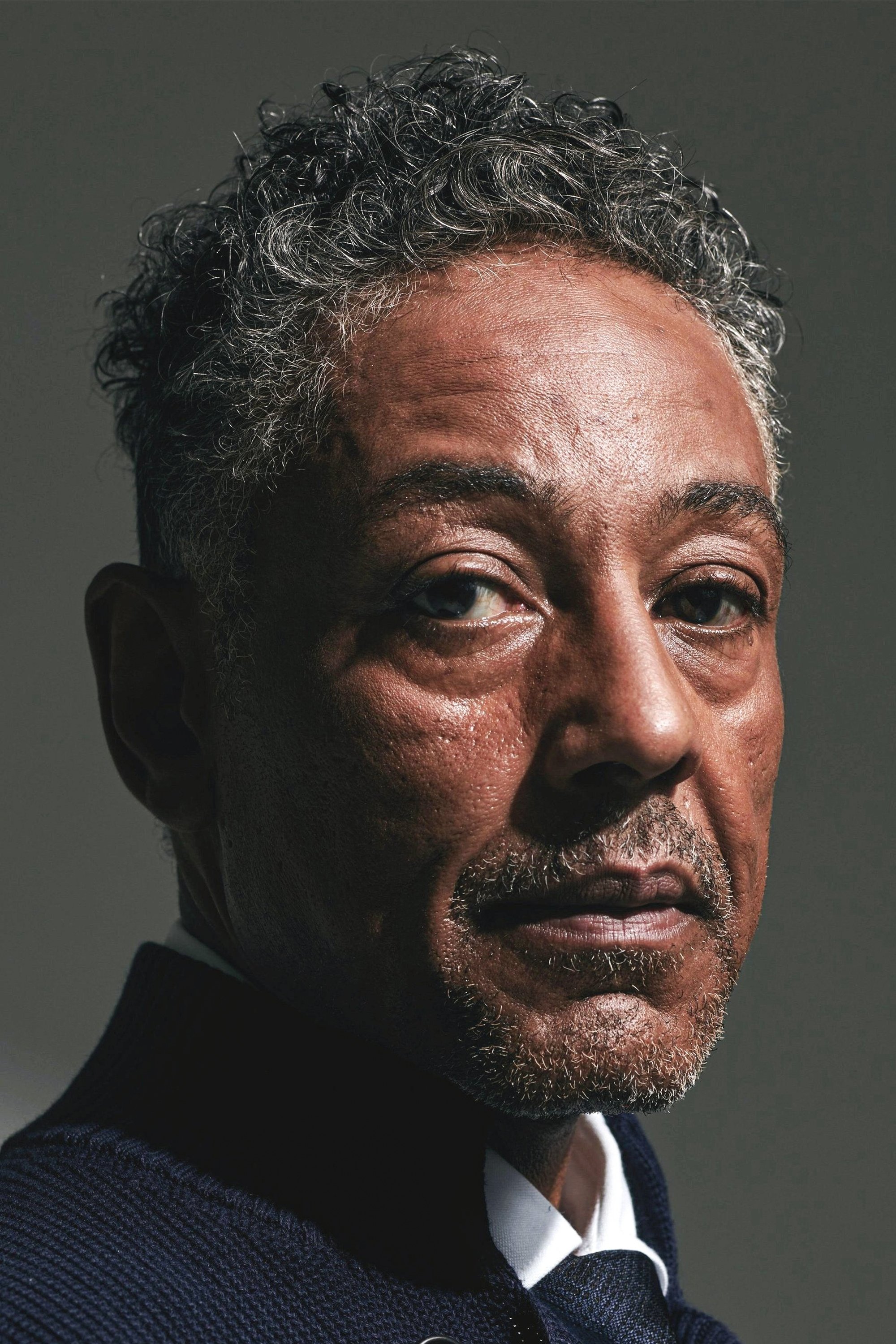
Giancarlo Esposito is known for creating complex and intimidating characters who often question societal expectations. For example, in ‘Do the Right Thing,’ he portrayed a man fighting for his community’s voice, which ignited a major political clash. He collaborated closely with the director to make sure the character’s actions stemmed from a genuine pursuit of fairness. Throughout his career, Esposito has consistently delivered performances that delve into the nuances of identity and the struggle against oppression.
Jeffrey Wright
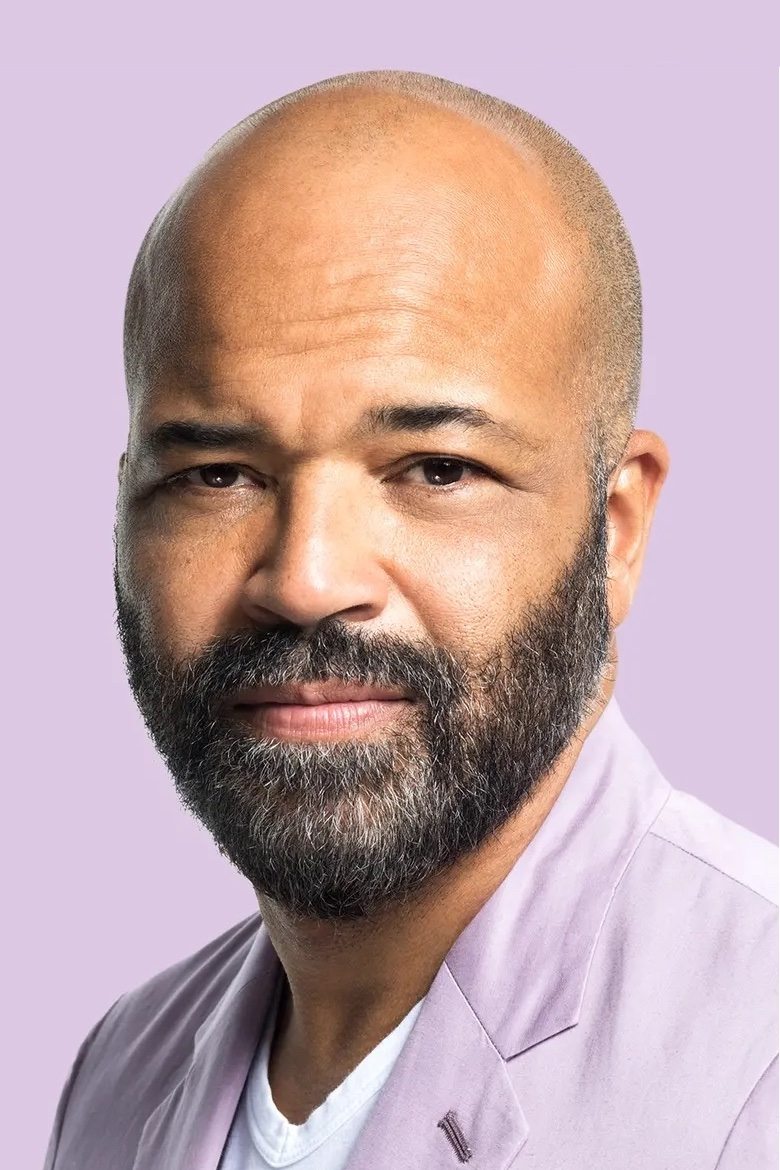
Jeffrey Wright is known for his powerful performances as characters who live on the edges of important social and political events. He brought incredible sensitivity and strength to his role in ‘Angels in America,’ where he explored the connections between race and the AIDS crisis. He consistently chooses roles that make audiences question their understanding of famous people and artists. For example, his work in ‘Basquiat’ showed the difficulties faced by Black artists trying to succeed in a world dominated by white institutions.
Chiwetel Ejiofor
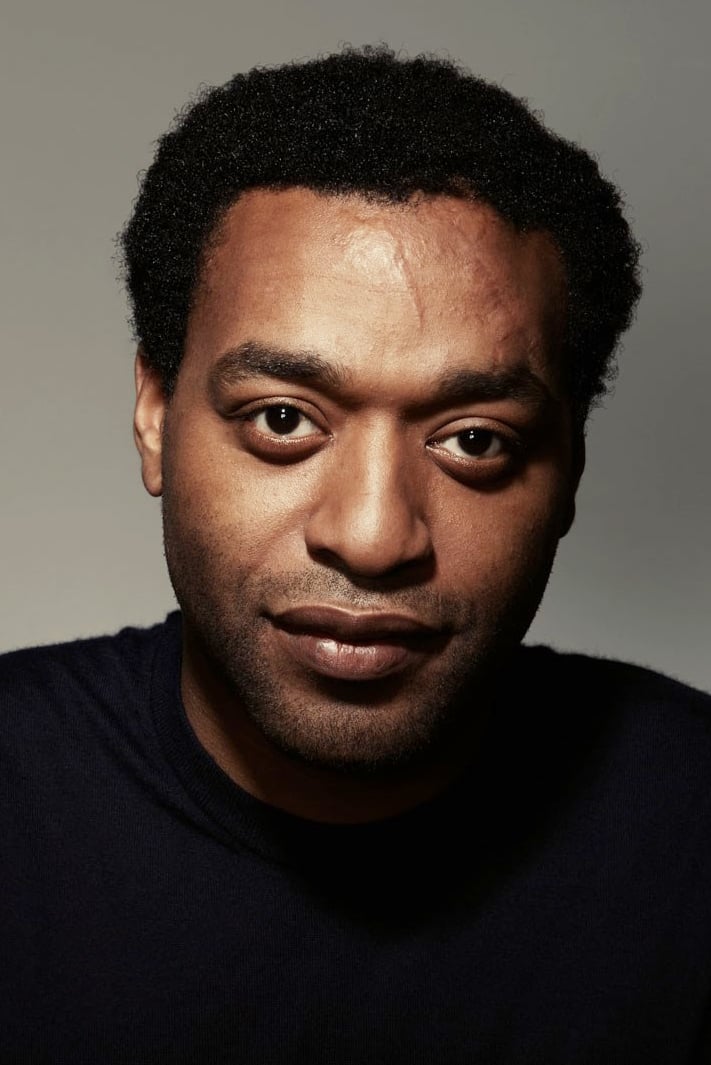
Chiwetel Ejiofor consistently chooses roles that explore how history and inequality continue to affect people today. His powerful performance in ’12 Years a Slave’ presented the harsh truth of slavery, moving beyond typical Hollywood portrayals. He collaborated with the filmmakers to highlight the inner strength of his character. His first film as a director, ‘The Boy Who Harnessed the Wind,’ showed his dedication to sharing stories about African ingenuity and the challenges faced by its people.
Idris Elba
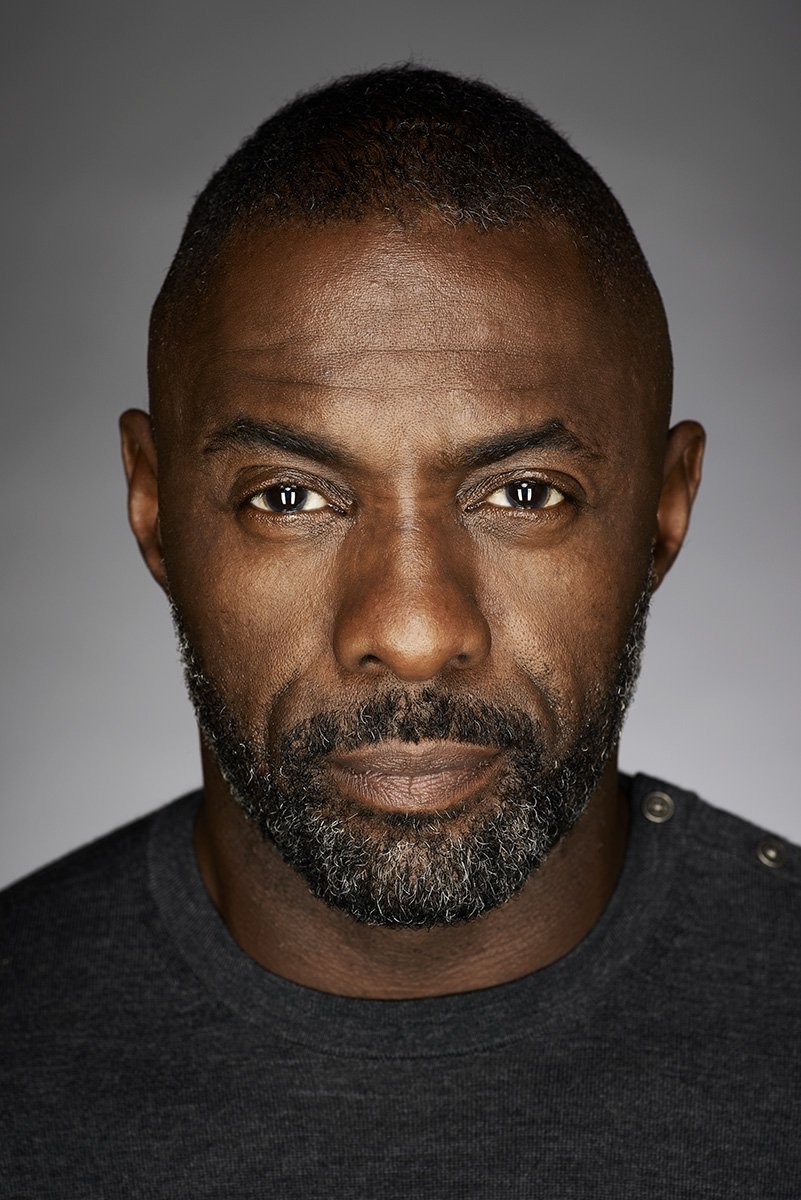
Idris Elba has leveraged his worldwide fame to share compelling stories of African leaders and heroes with audiences around the globe. To prepare for his role as Mandela in ‘Long Walk to Freedom,’ he deeply researched the icon’s beliefs and the personal costs of his fight. He wanted to go beyond just imitating Mandela and deliver a realistic, nuanced performance. Throughout his career, Elba often focuses on the difficulties of leading and the heavy burdens that come with political power.
David Oyelowo
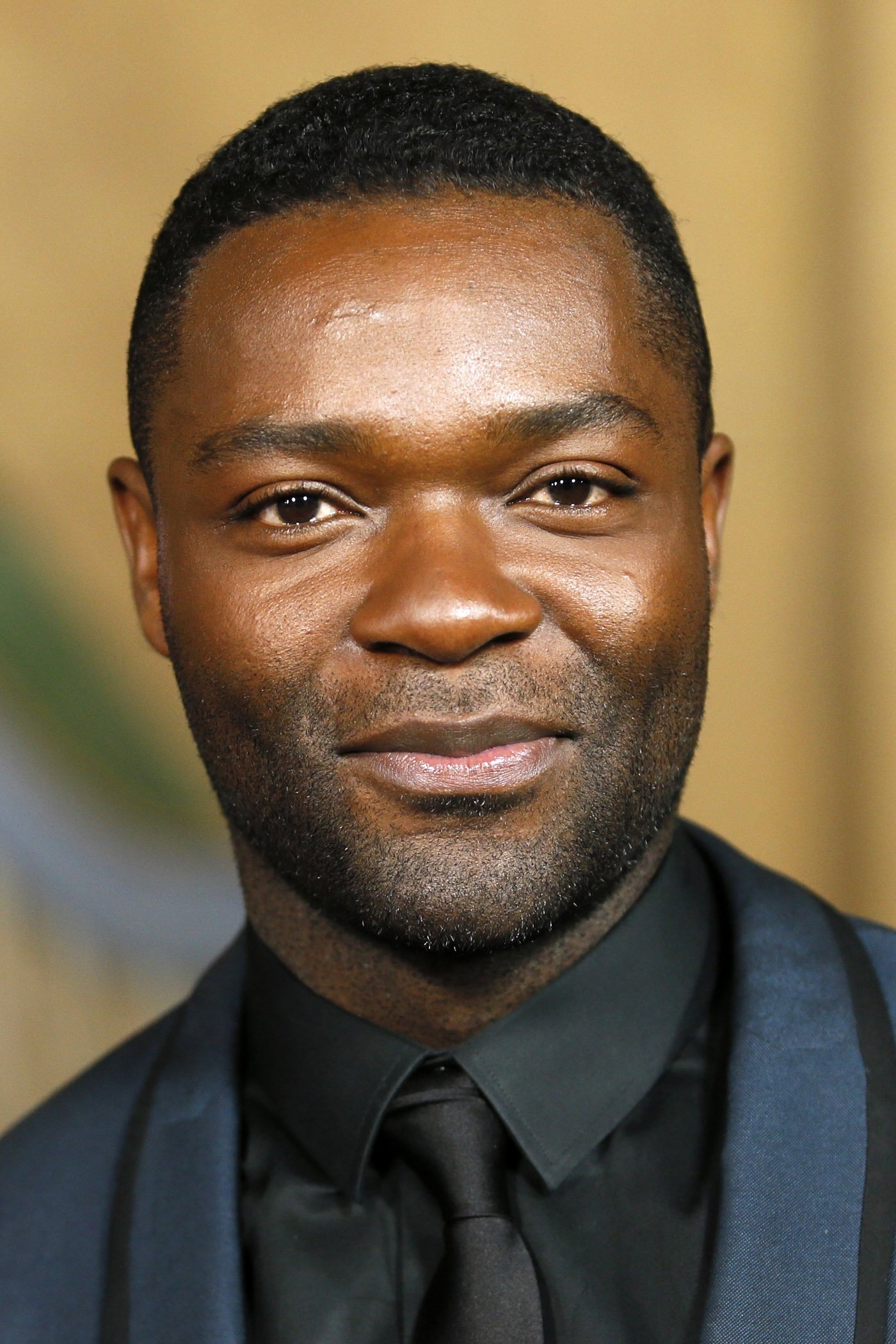
David Oyelowo is celebrated for his thorough portrayals of historical figures, particularly his focus on their political thinking and personal motivations. In the movie ‘Selma,’ he collaborated with the director to highlight Martin Luther King Jr.’s strategic brilliance. He advocated for a script that avoided idealized depictions and instead offered a realistic view of the Civil Rights Movement. Through these dedicated performances, Oyelowo has influenced how history is presented in film.
Chadwick Boseman
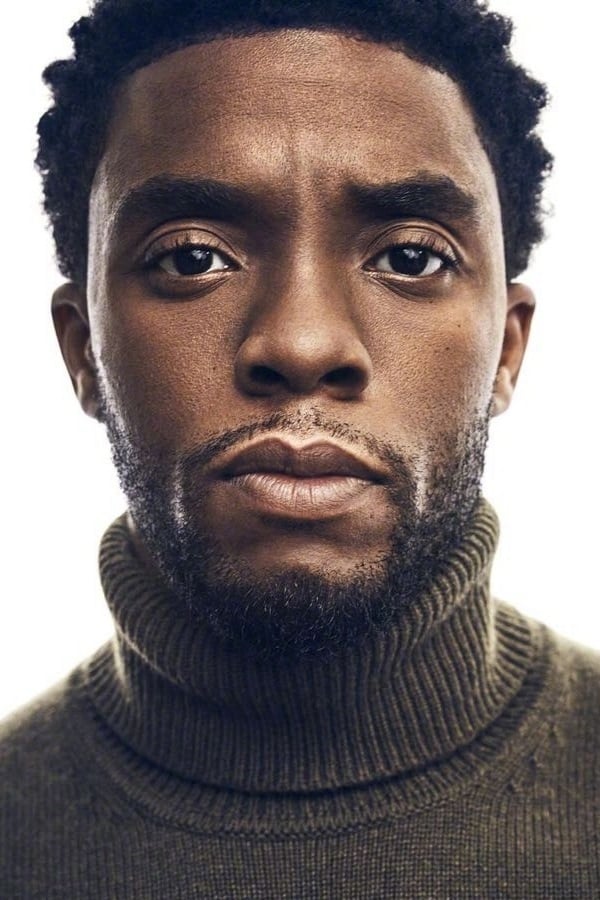
Chadwick Boseman consistently chose roles that showcased Black achievement and empowerment. While making ‘Black Panther,’ he strongly advocated for the characters to speak with African accents, wanting to represent a culture untouched by colonization. This was a deliberate choice that questioned the typical Western focus in film language. He also played real-life figures like Thurgood Marshall, bringing attention to the fight for racial justice through legal means.
Michael B. Jordan
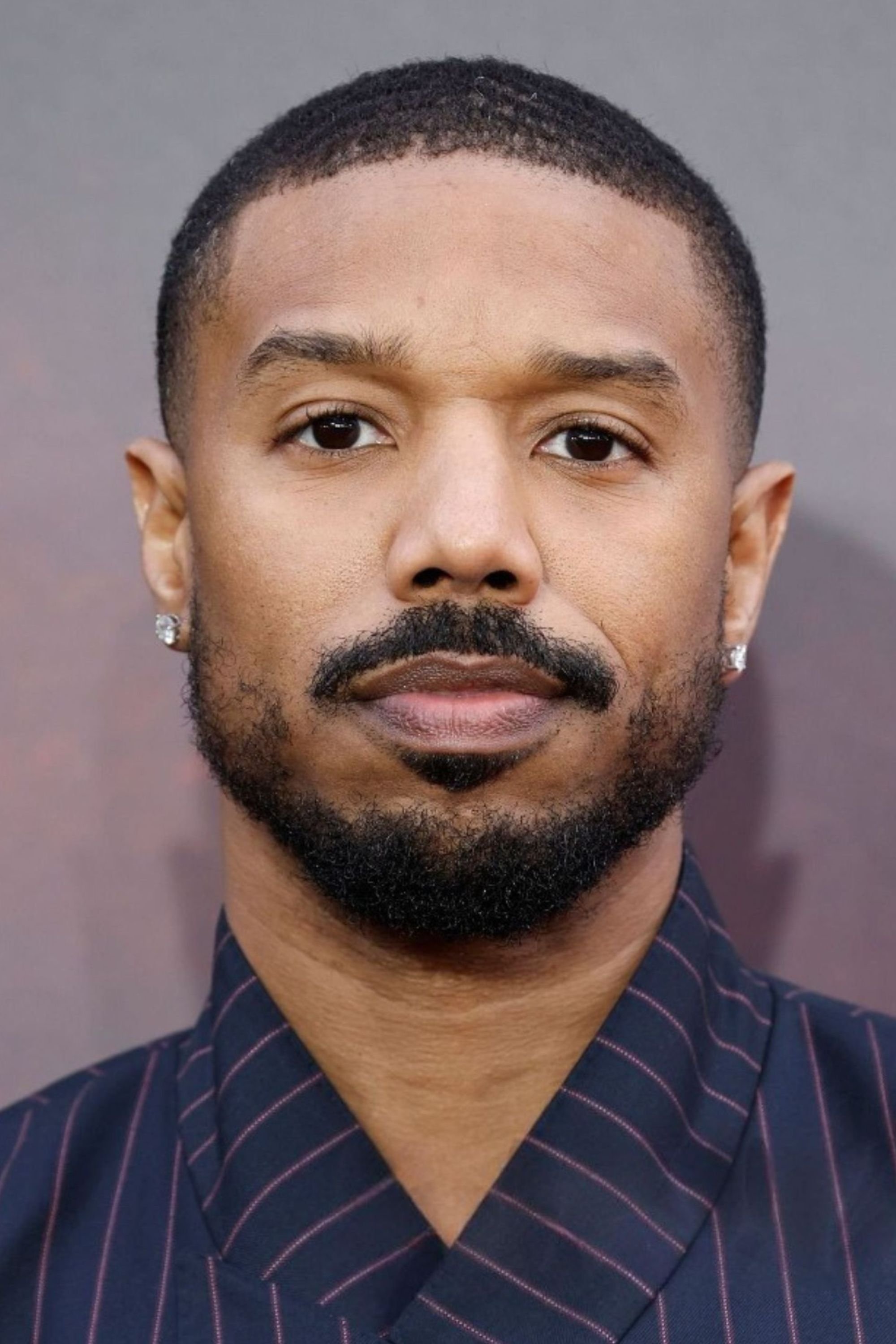
Michael B. Jordan frequently chooses roles and projects that explore important social and political issues, particularly the struggle for fairness and justice. For example, his performance in ‘Fruitvale Station’ powerfully depicted the life and humanity of a young man killed by police. He also starred in and helped create ‘Just Mercy,’ a film that highlighted problems within the American death penalty system. Jordan consistently balances creating commercially successful films with delivering a strong message about social responsibility.
Daniel Kaluuya
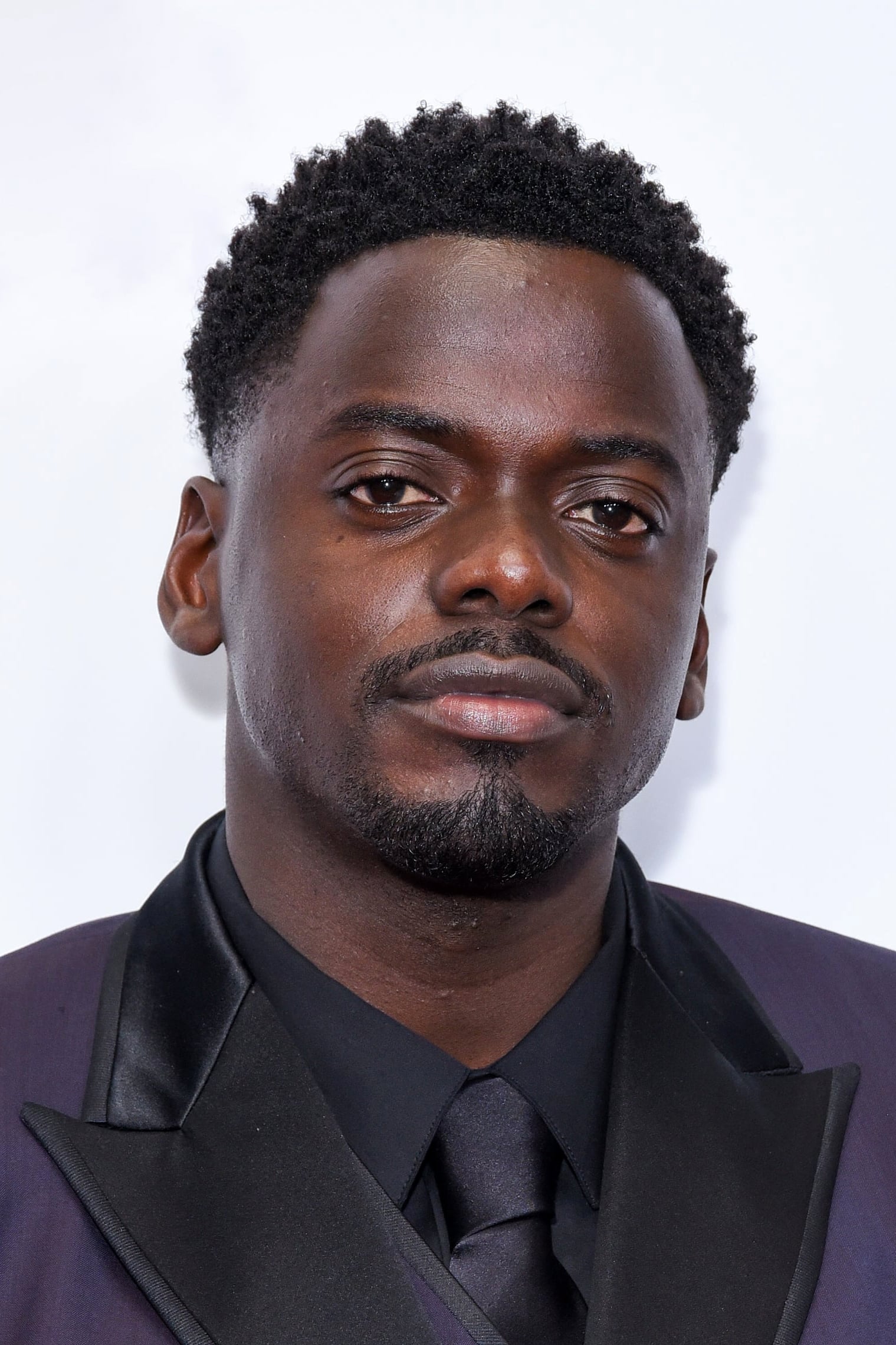
Daniel Kaluuya is now known for choosing films that use exciting genres to tackle important political and social problems. His powerful performance in ‘Judas and the Black Messiah’ brilliantly showed the energy and goals of the Black Panther Party. He was dedicated to making sure the film respectfully portrayed Fred Hampton’s life and highlighted his work helping the community. Throughout his career, Kaluuya has consistently chosen projects that question existing norms and push for a better society.
Mahershala Ali
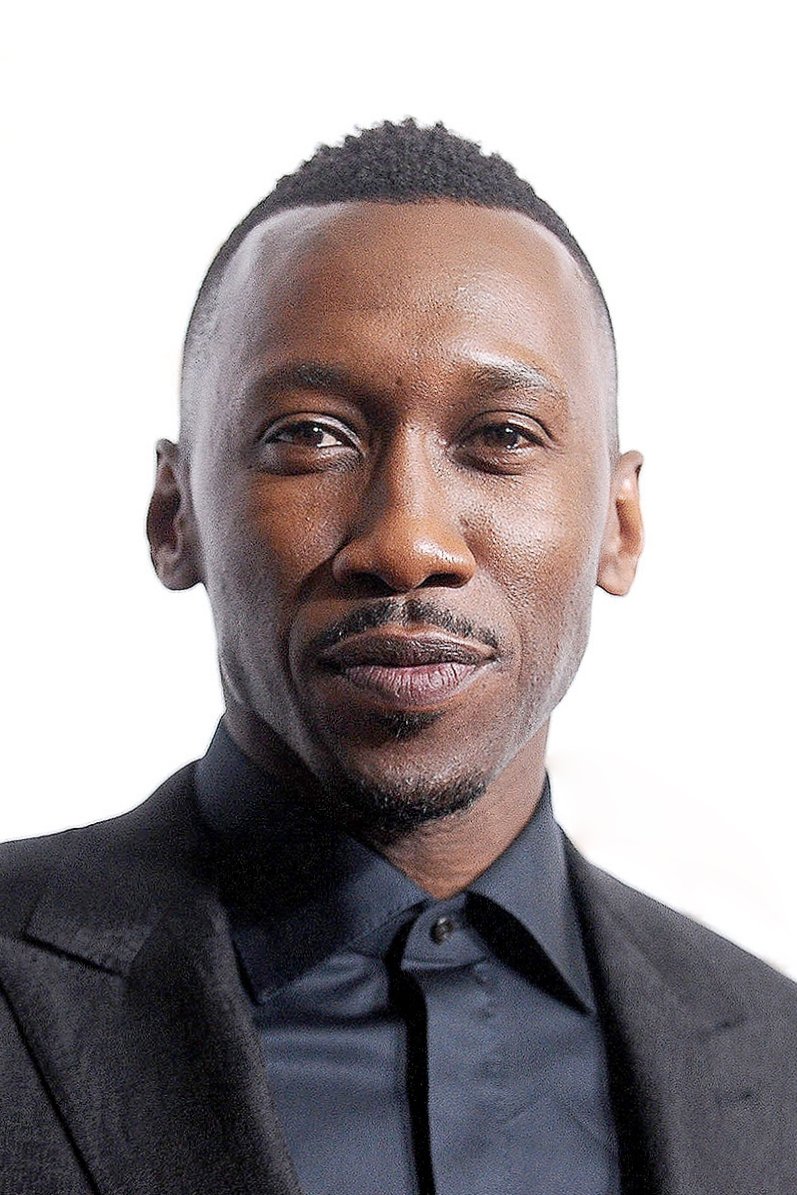
Mahershala Ali is celebrated for his subtle yet impactful acting, which often redefines how we think about masculinity and race. In the film ‘Green Book,’ he insisted on portraying a Black artist with both dignity and a sense of loneliness as he journeyed through the racially segregated South. He collaborates closely with directors to develop well-rounded, psychologically complex characters. Now, thanks to his success, he’s able to support films that examine how individual identity and public image connect.
Lakeith Stanfield
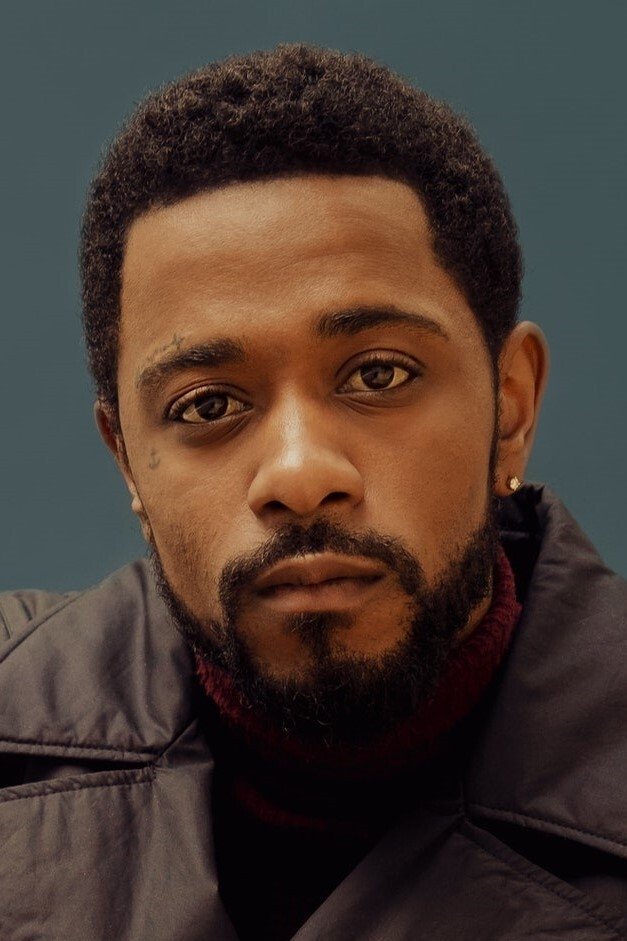
Lakeith Stanfield has become known in Hollywood for choosing roles in films that are both strange and challenge the status quo. For example, in ‘Sorry to Bother You,’ he was part of a satirical story that examined issues of race and money in the workplace. He consistently brings a surprising and thought-provoking quality to his performances, making viewers reconsider their assumptions about society. His portrayal in ‘Judas and the Black Messiah’ offered a deeply moving and complicated look at a historical instance of political treachery.
John Boyega
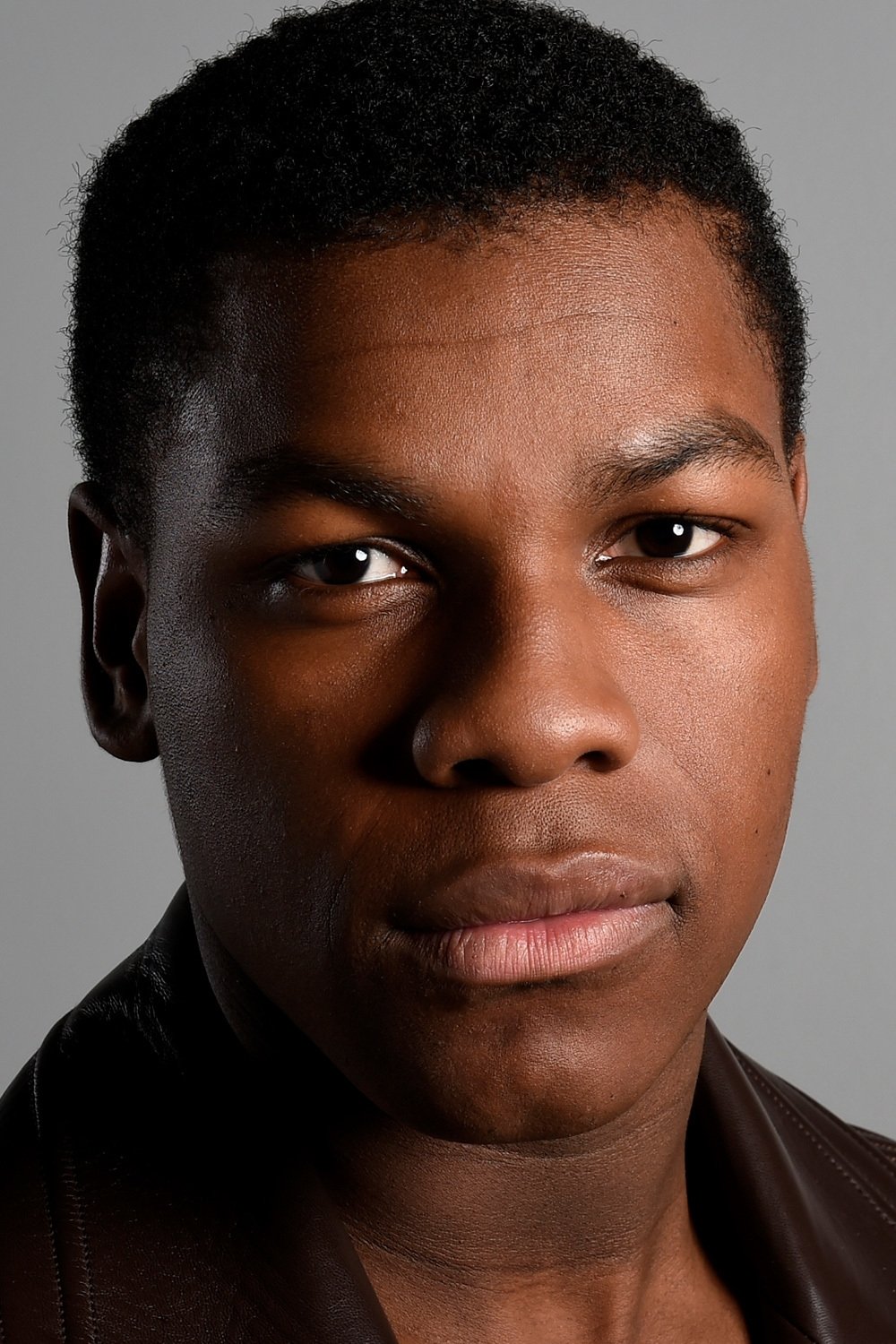
John Boyega consistently uses his public voice to fight against racial injustice, both in the entertainment industry and in society as a whole. His compelling work in the ‘Small Axe’ series powerfully depicted the history of racism and police misconduct in the UK. He’s openly discussed his own experiences with major film franchises, advocating for more diverse representation for actors of color. Through his work, he aims to share authentic stories about what it means to be Black and British.
Yahya Abdul-Mateen II
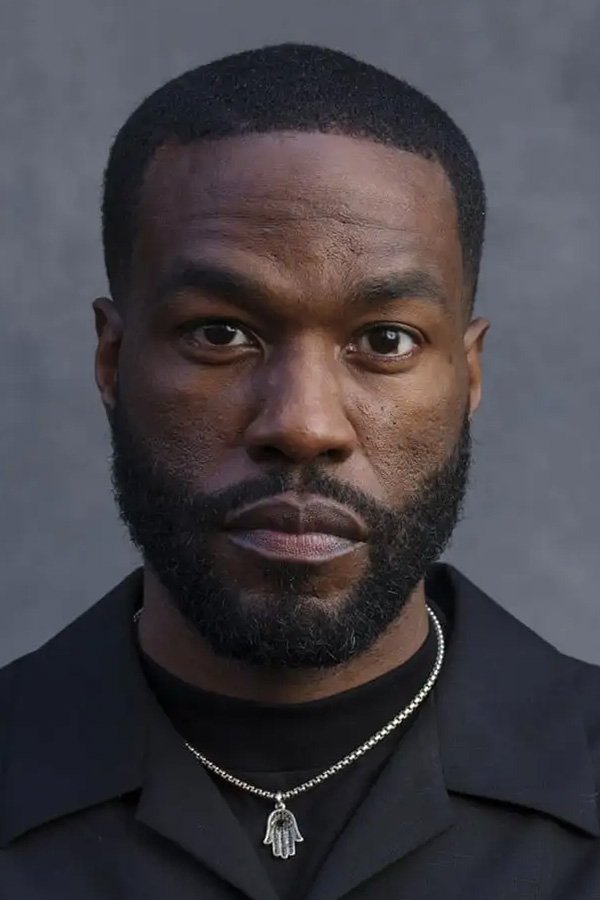
Yahya Abdul-Mateen II has become a well-known actor by choosing roles that explore important social and political issues. For example, in ‘The Trial of the Chicago 7,’ he powerfully played a Black Panther leader facing an unfair trial, and he made sure the film highlighted the systemic injustice his character experienced. Much of his work focuses on how individuals interact with and are affected by the government.
Sterling K. Brown
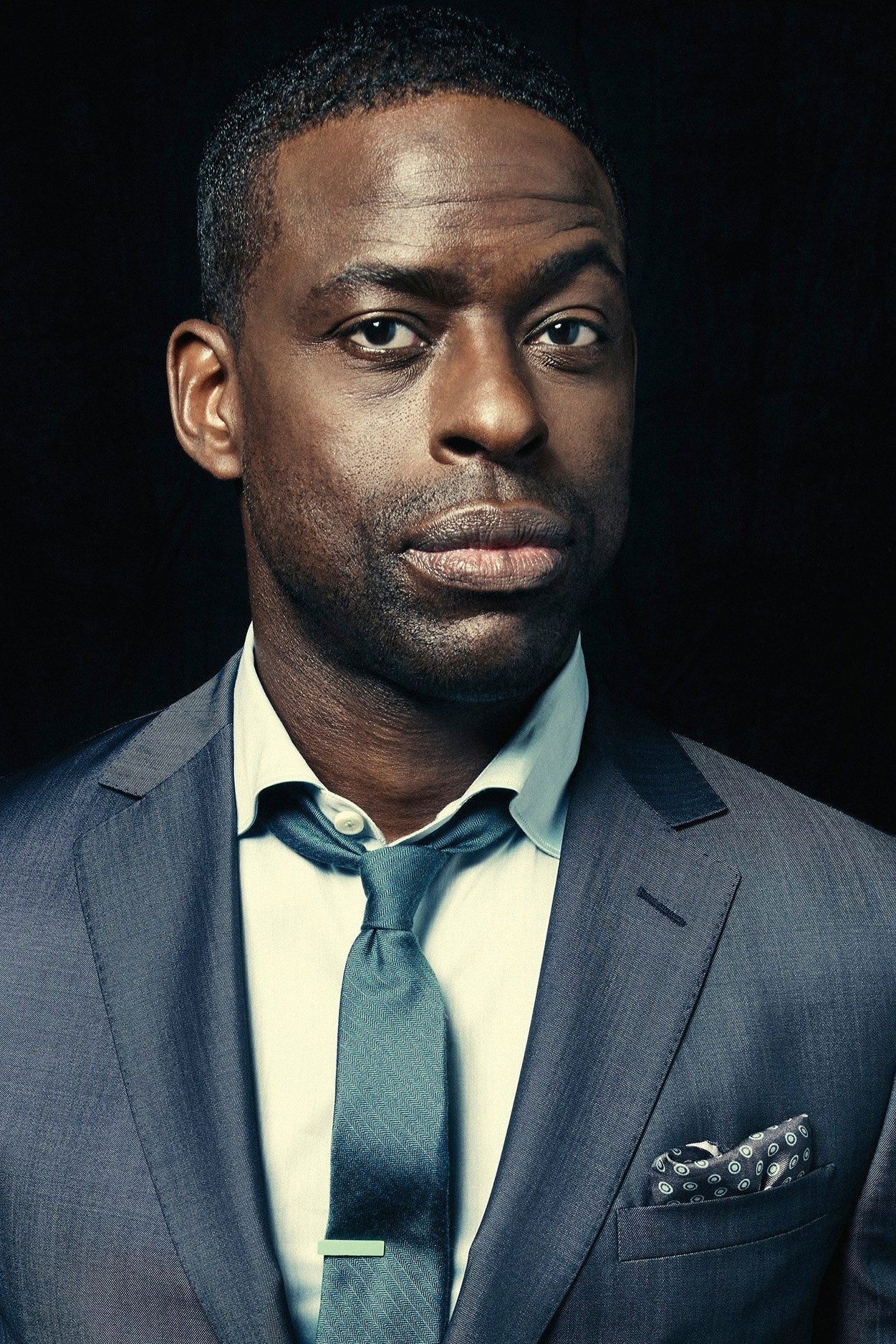
Sterling K. Brown has become known for his thoughtful performances in TV and movies, often focusing on the complexities of Black families and the challenges they’ve faced throughout history. For example, in the film ‘Marshall,’ he played a man falsely accused of a crime in a racially charged environment. Brown consistently brings a sensitive and intelligent quality to his roles, avoiding stereotypes and offering more nuanced characters. His work emphasizes the power of genuine emotion when telling stories about difficult social and political issues.
André Holland
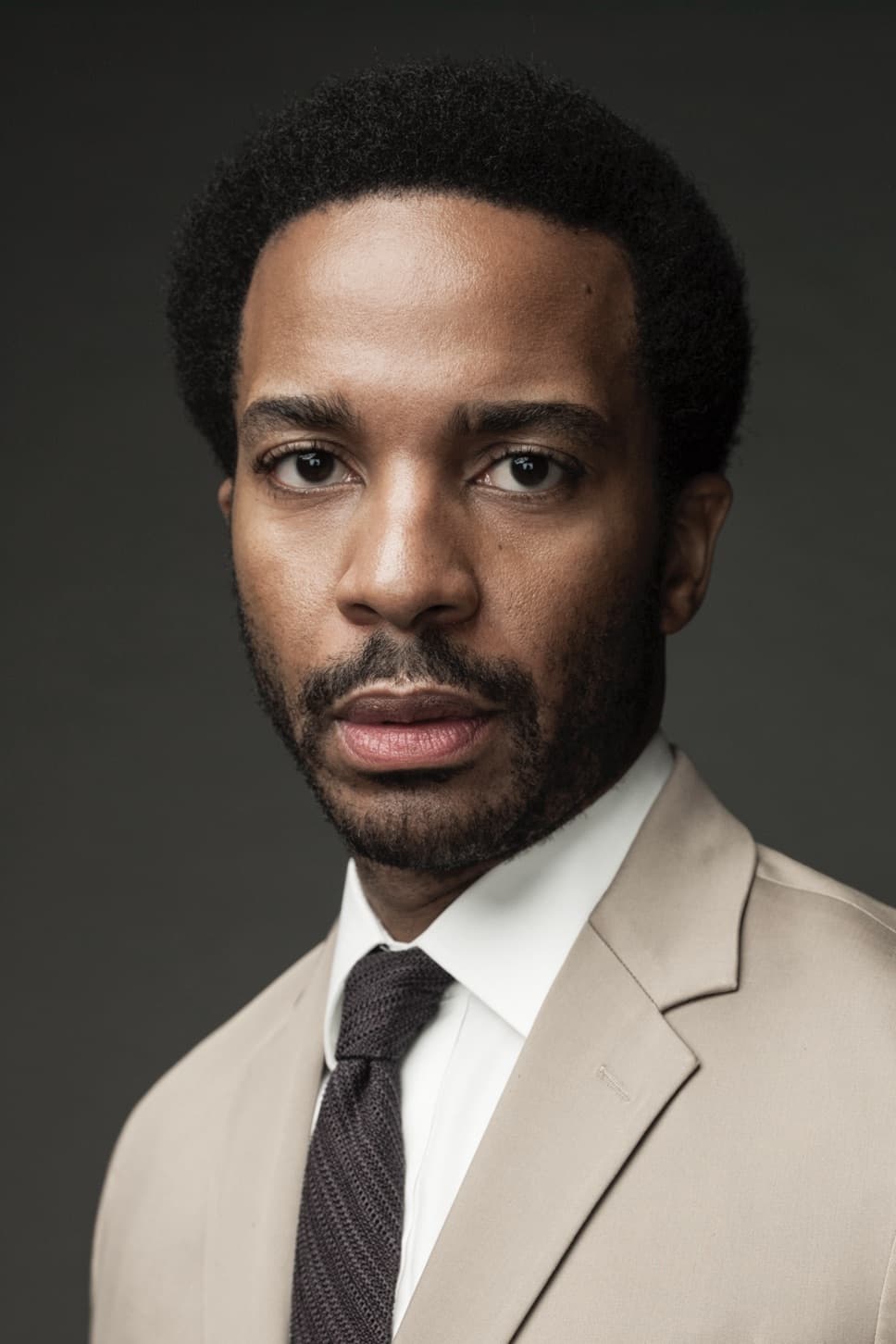
André Holland is known for his powerful and subtle performances in films that delve into the history of race in America. He played a key part in ‘Moonlight,’ a story about finding yourself and the importance of community. He also starred in ‘High Flying Bird,’ which used the world of sports to examine issues of Black labor and who really benefits from it. Throughout his career, Holland consistently chooses projects that are meaningful and address important social and political themes.
Brian Tyree Henry
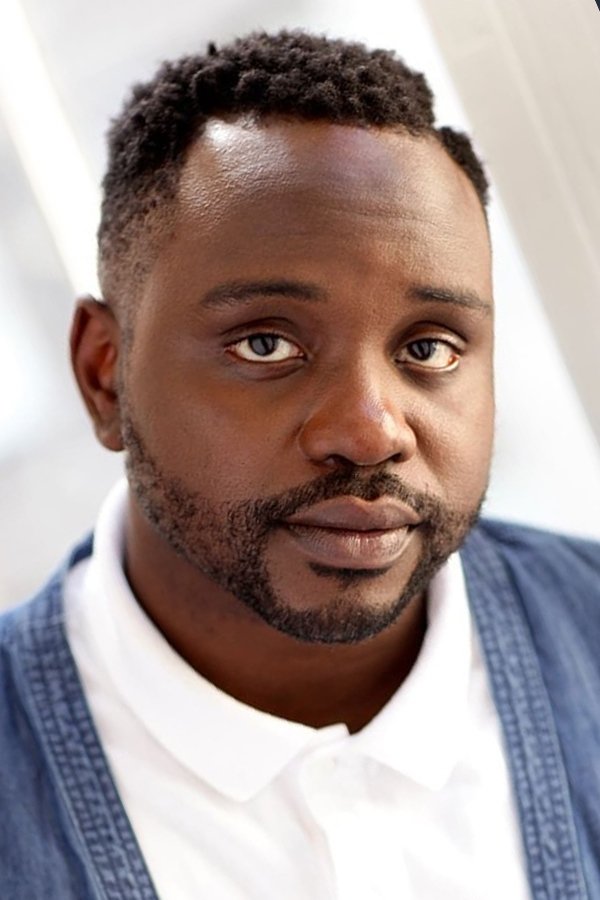
As a movie and TV lover, I’m consistently blown away by Brian Tyree Henry. He just brings so much depth and realness to his characters, especially when he’s portraying Black life in the city. Think about ‘Atlanta’ – his character’s story was wild, but also a really smart take on the music world and class. What’s amazing is he adds this weight, this sense of having seen things, to every role, even beyond what’s written on the page. And then you see him in something like ‘If Beale Street Could Talk,’ and it’s heartbreaking how powerfully he shows the ways systemic injustice messes with people’s lives and relationships.
Colman Domingo

Colman Domingo has become an important actor in films telling stories about Black history and the struggle for equal rights. In ‘Rustin,’ he played a central figure in organizing the March on Washington, highlighting both his intelligence and the difficulties he faced as a gay Black man. He was dedicated to making the film accurately portray the nuances of the civil rights movement and the sacrifices activists made. Domingo often brings attention to historical figures who haven’t received the recognition they deserve.
Stephan James
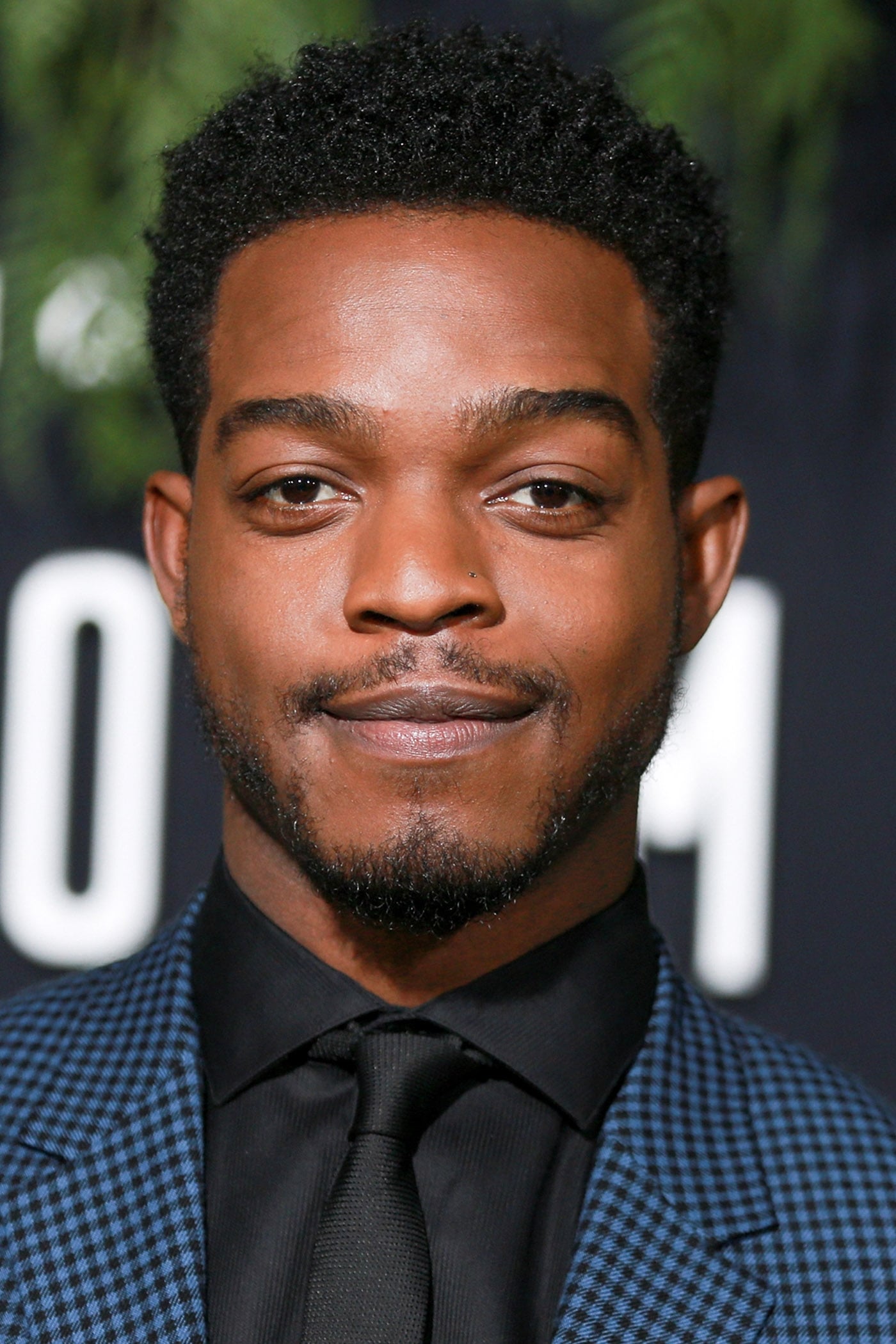
Stephan James often plays Black men who overcome significant historical challenges. For example, he portrayed Jesse Owens in ‘Race,’ highlighting the contradiction of an athlete competing for a country that still discriminated against him. He also powerfully showed the impact of racism on individuals in ‘If Beale Street Could Talk,’ demonstrating his ability to capture the emotional toll of systemic injustice.
Damson Idris
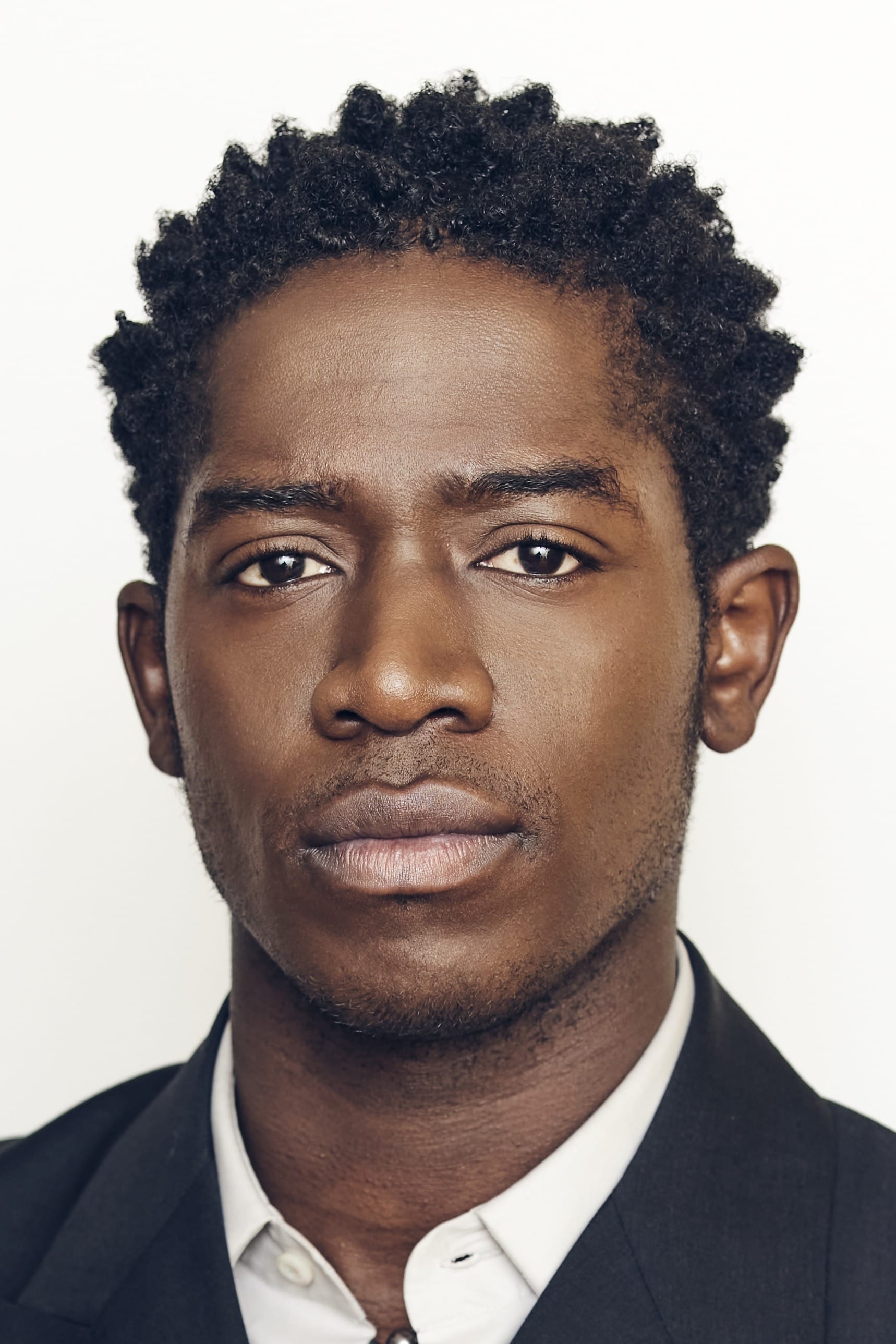
Damson Idris has become well-known for his role in a series that explores how the drug trade affects Black communities. In ‘Snowfall,’ he played a young man struggling with the turmoil caused by the rise of crack cocaine in Los Angeles. He collaborated with the show’s writers to portray his character not just as a criminal, but as someone shaped by larger societal issues. His work offers a stark reminder of how government decisions can harm communities.
Leslie Odom Jr.
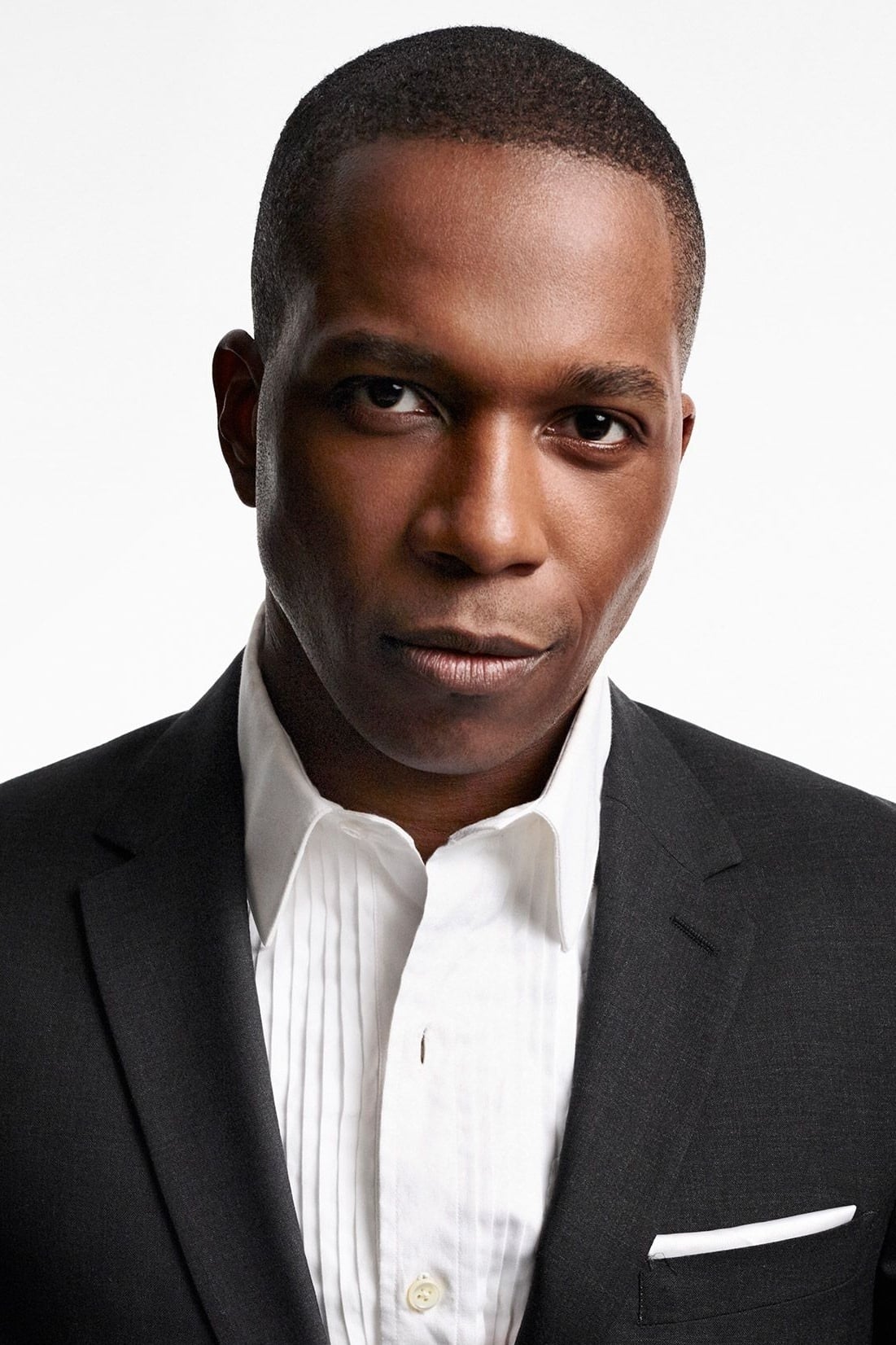
Leslie Odom Jr. has moved seamlessly from theater to film, choosing roles that spark important conversations about society. In ‘One Night in Miami,’ he played a famous singer wrestling with how to use his platform during the Civil Rights Movement. He and the director collaborated to show the difficulties of balancing a successful career with a commitment to social justice. His performance captured the inner struggles of Black role models who fought for change through their work.
Aldis Hodge
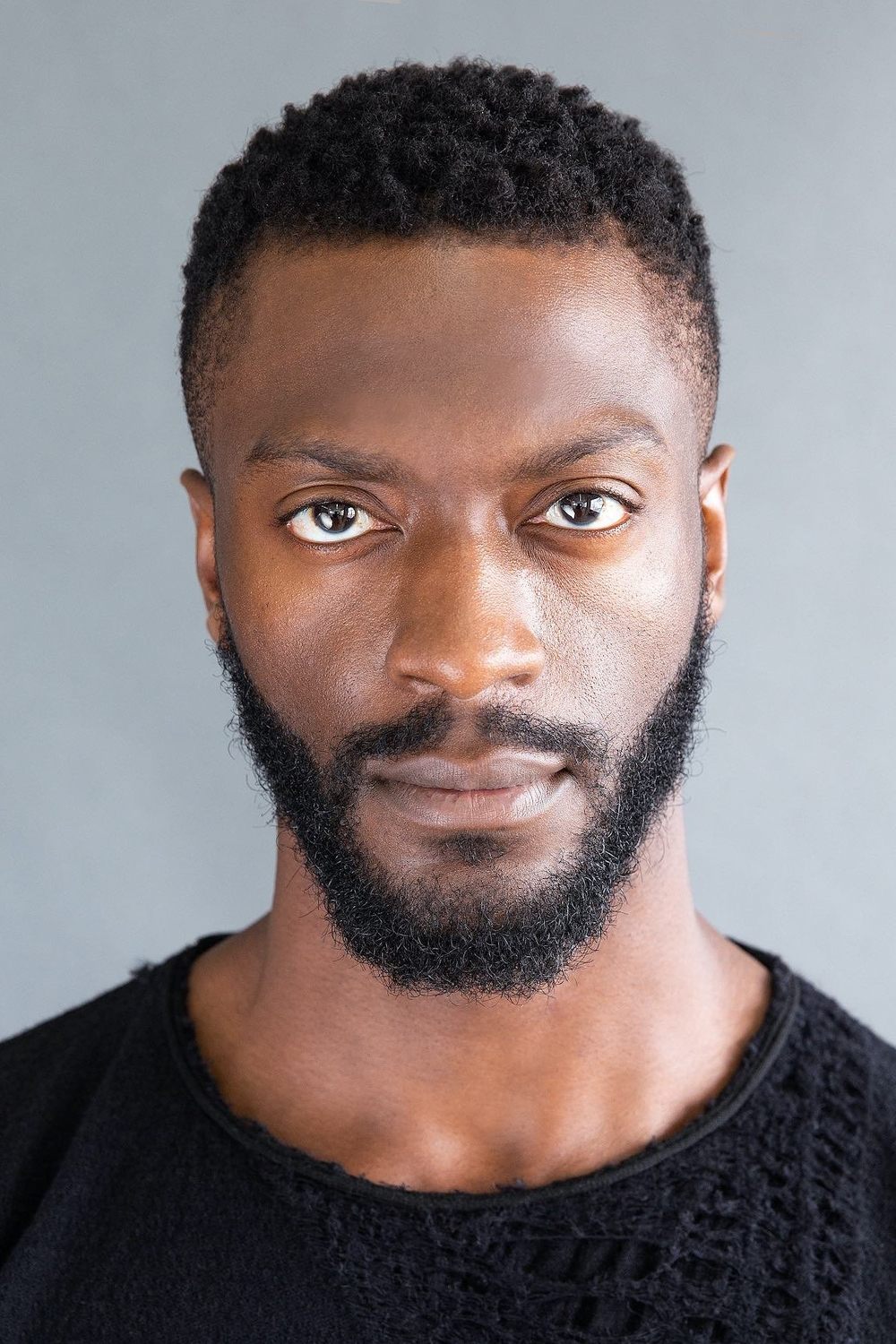
Aldis Hodge is a talented actor who often appears in films about law, history, and progress. He’s particularly known for his powerful performance in ‘Clemency,’ where he played a death row inmate and made viewers question the fairness of capital punishment. He also appeared in ‘Hidden Figures,’ celebrating the important role African Americans played in the early space program. Hodge’s acting skillfully blends attention to detail with a clear sense of right and wrong.
Winston Duke
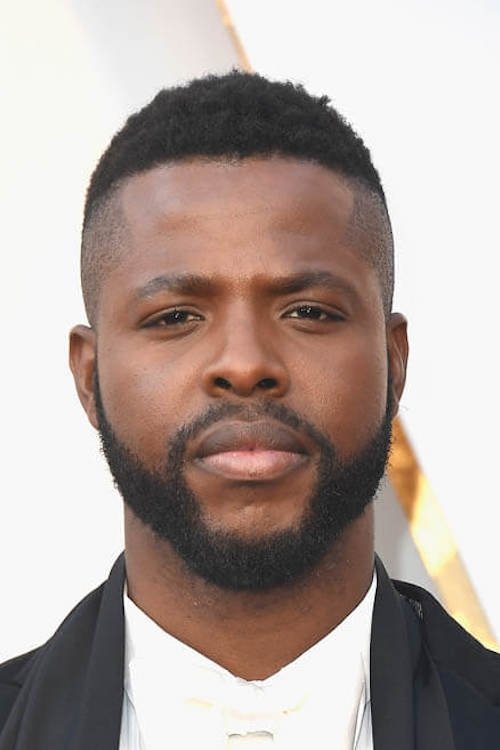
Winston Duke became well-known for playing a strong leader in ‘Black Panther’ who fought against his country being cut off from the rest of the world. He brought both humor and power to the role, portraying a character who believed in traditional values and taking care of his own people. Duke intentionally shaped his character as a respected equal, not an enemy. He continues to focus on stories about leadership and the many different experiences within the Black community.
Jonathan Majors
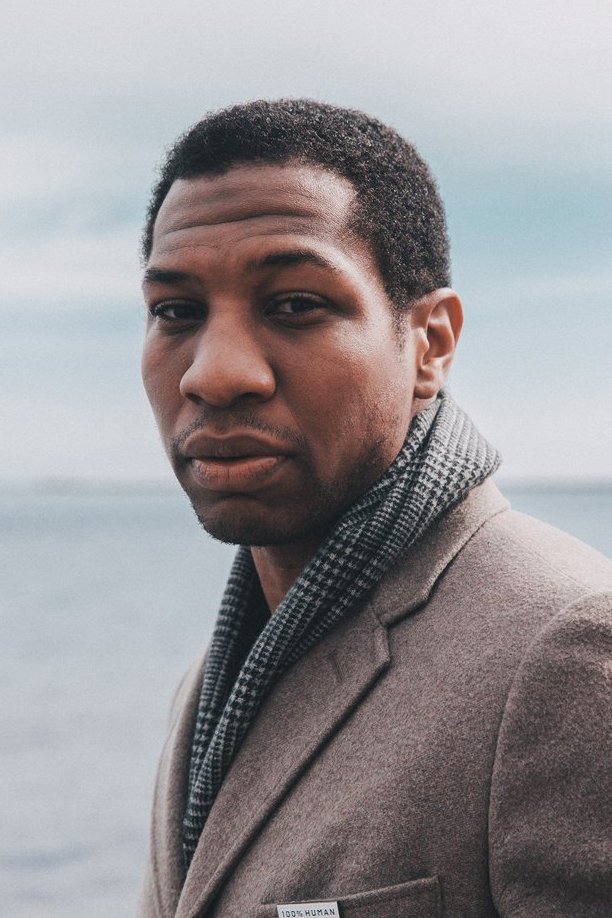
Jonathan Majors is known for powerful performances that delve into American history and society. In films like ‘The Last Black Man in San Francisco,’ he beautifully portrays themes of displacement and the loss of community. He collaborates closely with directors to create characters with rich inner lives and physicality. His work often prompts viewers to think about what ‘home’ truly means and how larger societal forces affect individuals.
Glynn Turman
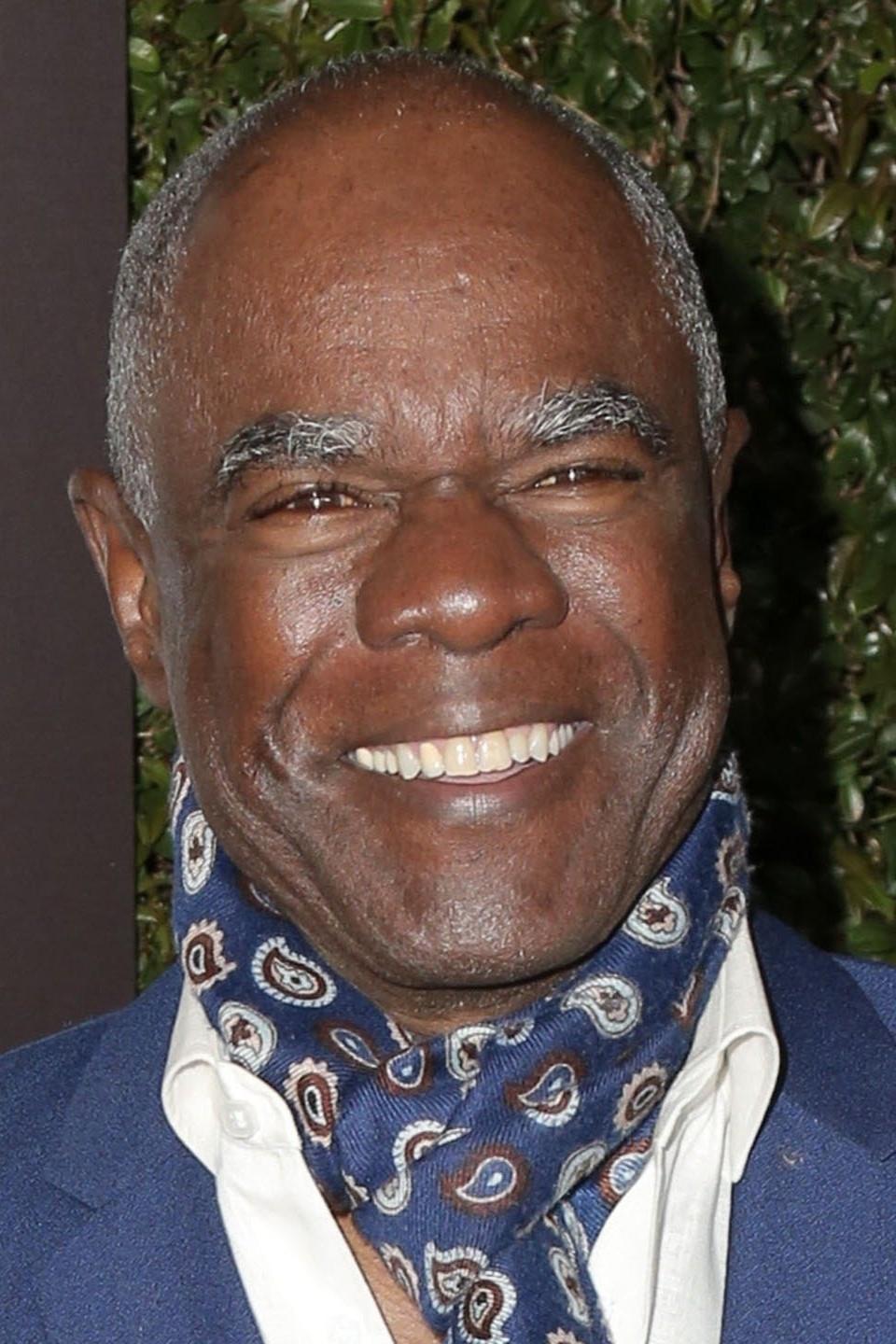
Glynn Turman is a long-time actor who has worked through many shifts in how Black stories are told on screen. In ‘Ma Rainey’s Black Bottom,’ he portrayed a musician whose experiences showed both the hardships and strength of the Great Migration. Throughout his career, he’s consistently brought historical understanding and a connection to the past to his roles, adding depth and weight to every film and show he’s in.
Robert Guillaume
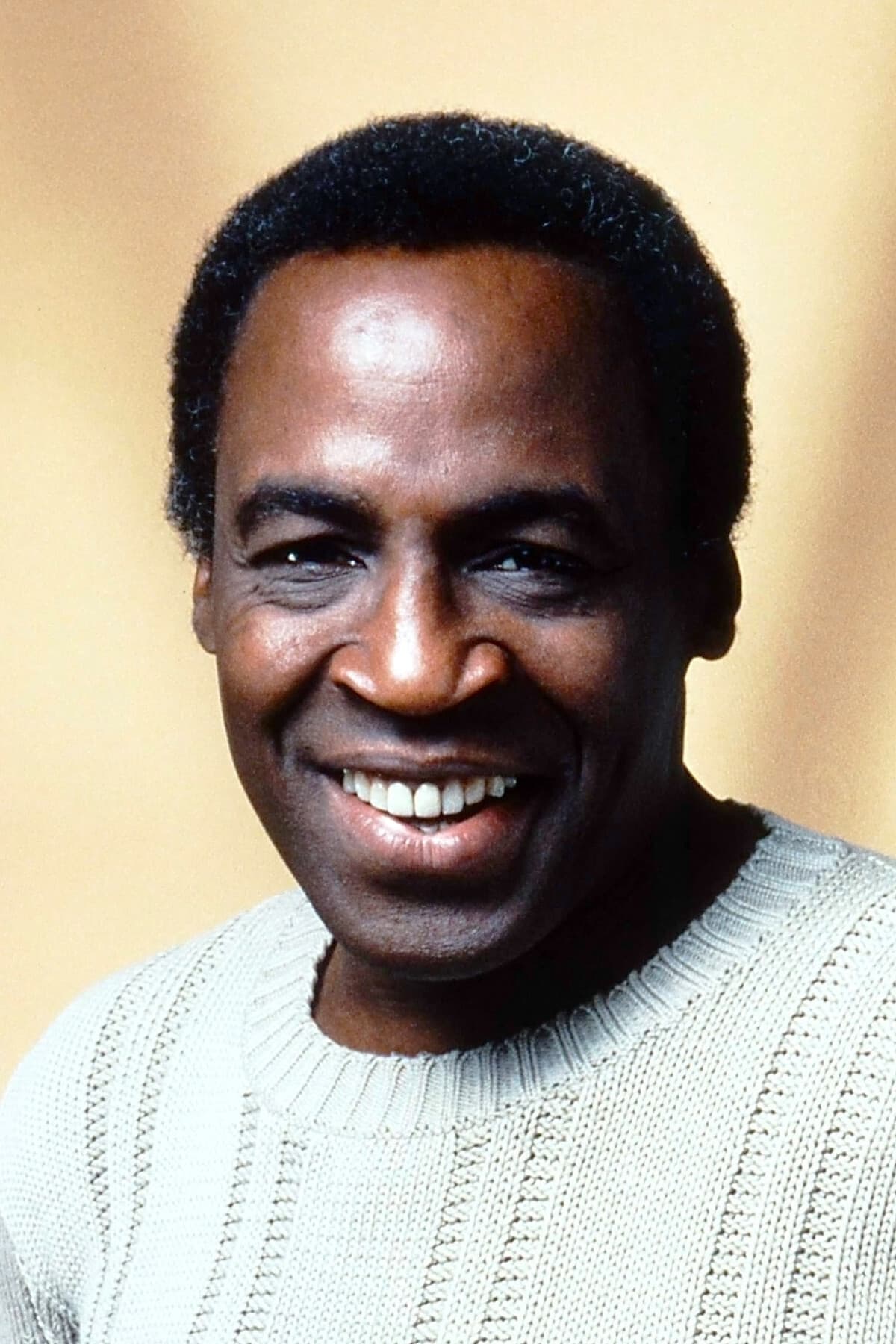
Robert Guillaume broke barriers as an actor, using his fame to advocate for more diverse and impactful roles for Black characters on TV. He famously convinced the writers of his show to evolve his character from a household employee into a prominent government figure – a bold move that challenged the limited and stereotypical roles often given to Black actors at the time. Throughout his career, Guillaume proved how an actor’s dedication and talent could reshape public opinion.
Brock Peters
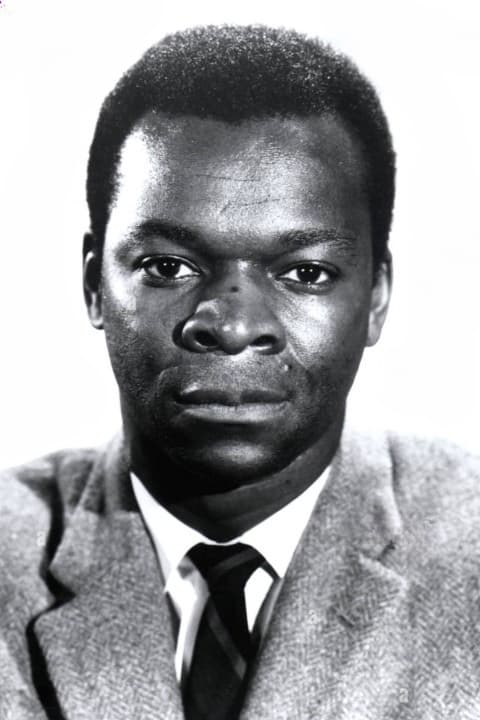
Brock Peters was a commanding actor who often appeared in films dealing with the racial conflicts of the mid-1900s. He’s especially remembered for his deeply moving performance in ‘To Kill a Mockingbird,’ which became the heart of the film’s story. Throughout his career, he frequently took on roles that emphasized the strength and humanity of Black men confronting unfair treatment. His work played a significant role in bringing more honest and compassionate portrayals of racial issues to American movies.
Clarence Williams III
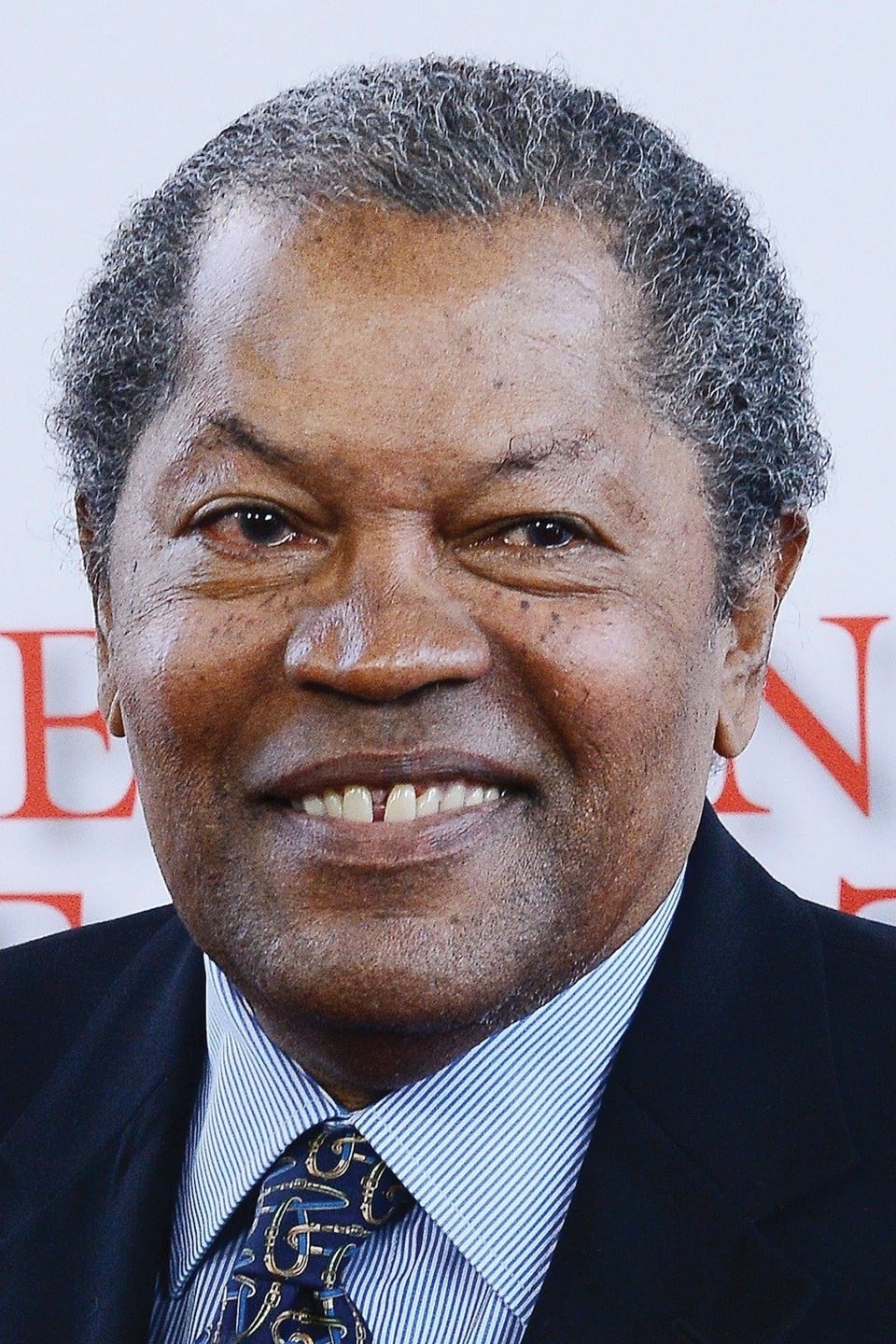
Clarence Williams III became a beloved figure thanks to his role as a police officer who broke stereotypes and offered a fresh perspective on young Black men. His character on ‘The Mod Squad’ was known for its coolness and awareness of social issues, connecting with a younger audience. Throughout his career, he consistently chose projects that delved into the challenging realities behind the American dream. Films like ‘Hoodlum’ showcased his continued focus on themes of power and resilience within communities facing hardship.
Wood Harris

Wood Harris is famous for playing a powerful and complicated character in the TV series ‘The Wire,’ which explored the problems of a struggling American city. He played a man whose choices were shaped by limited opportunities and the long-term problems in his community. Harris collaborated with the show’s writers to make his character realistic and avoid clichés, and his performance is now considered a defining portrayal of life in an urban environment.
Bokeem Woodbine
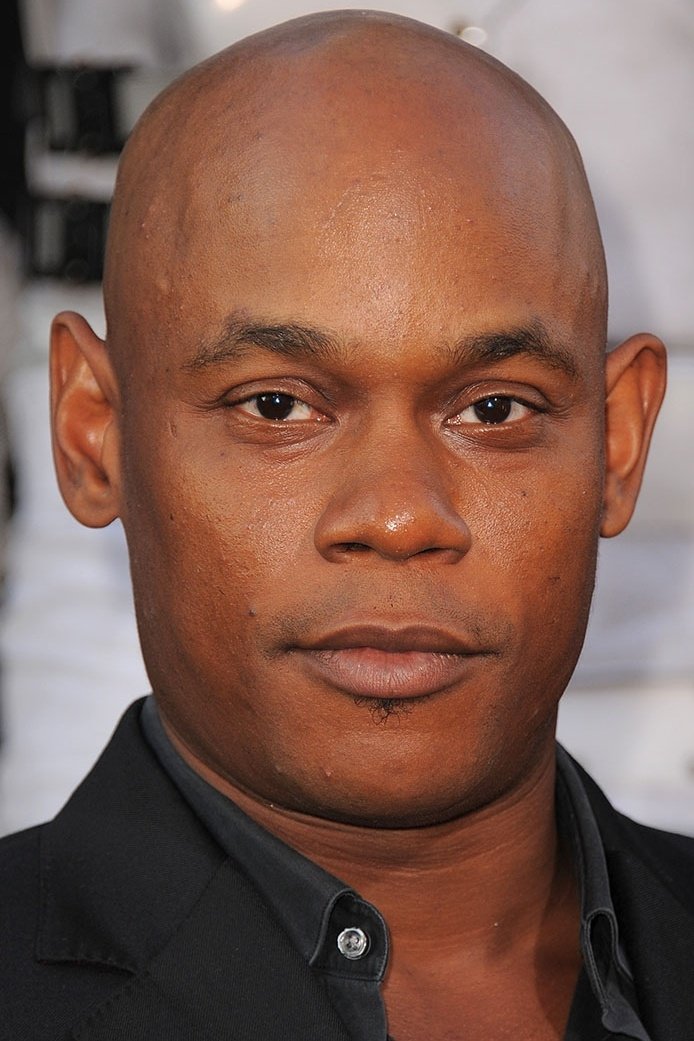
Bokeem Woodbine is known for bringing thoughtful and insightful performances to his roles. For example, in ‘Fargo,’ his character delivered long, detailed speeches about history and how violence repeats itself. He often plays characters who are outsiders, but brings a surprising level of intelligence and depth to them. His performance in ‘Queen and Slim’ helped tell a powerful story about race and the police in today’s world.
Louis Gossett Jr.
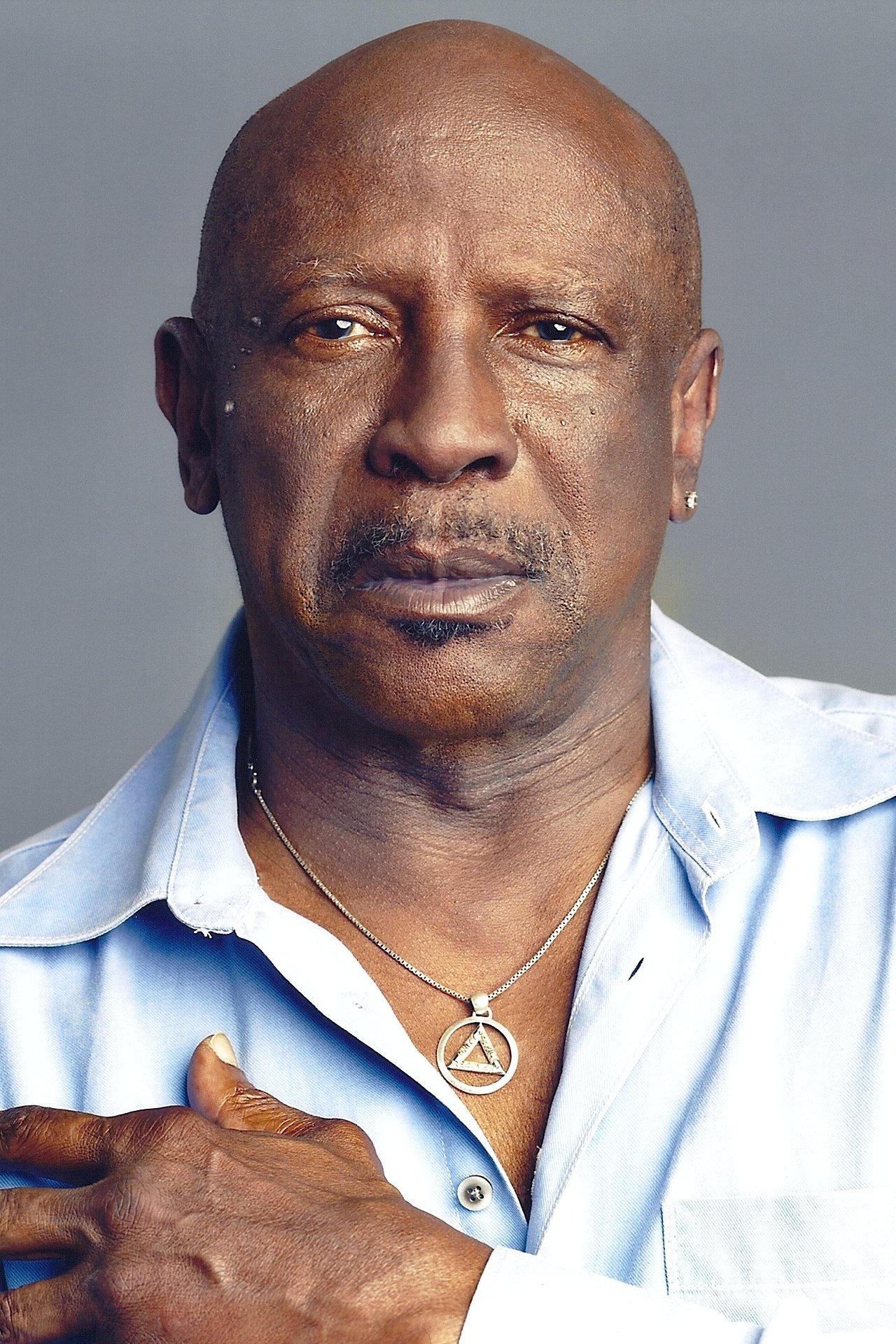
Louis Gossett Jr. was a groundbreaking actor, notably winning an Oscar for his portrayal of a strict but highly professional drill sergeant in ‘An Officer and a Gentleman.’ He also powerfully impacted audiences with his role in ‘Roots,’ a landmark television series about slavery. Throughout his career, he consistently chose roles that commanded respect and explored important historical themes.
Keith David
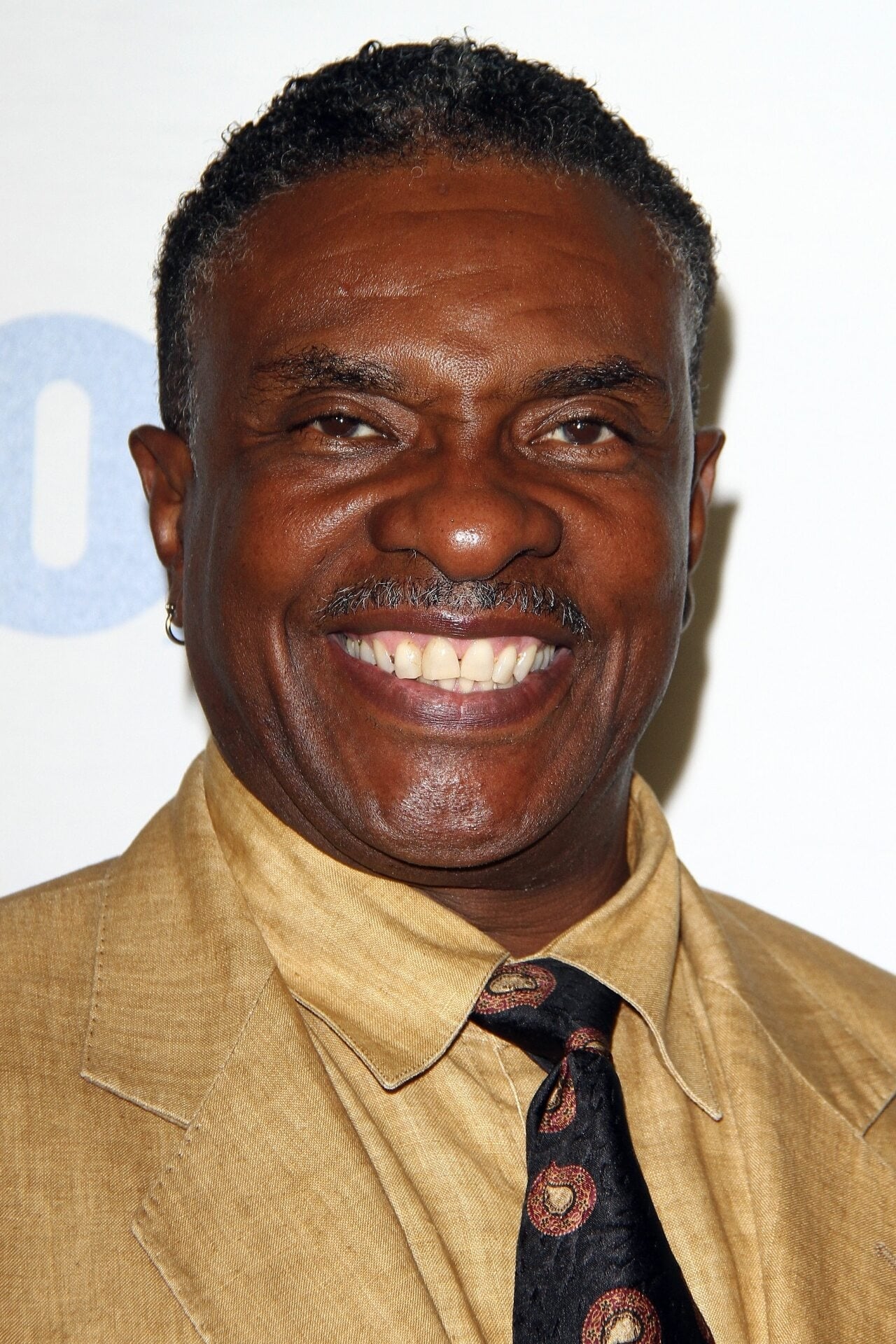
Keith David is a highly respected actor known for appearing in films that often explore important social and political issues. He powerfully portrayed the realities of war in ‘Platoon’, capturing the exhaustion and hardship faced by soldiers in Vietnam. He also starred in ‘They Live’, a sci-fi film that cleverly criticized consumerism and how society controls people. David’s distinctive deep voice and strong screen presence have made him a favorite in films that question conventional thinking.
Yaphet Kotto
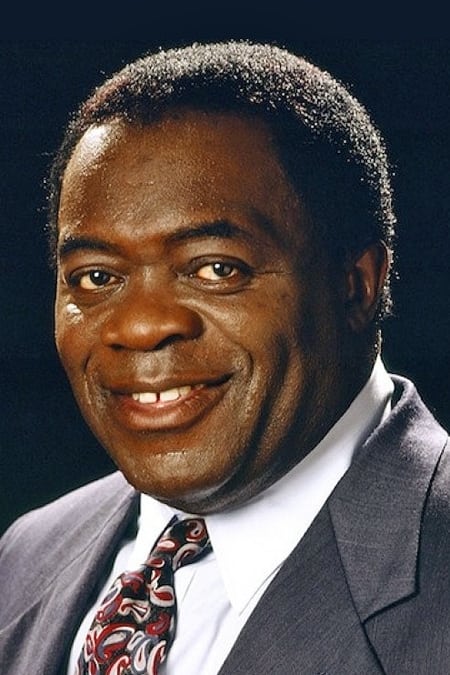
I was a huge fan of Yaphet Kotto. What always struck me was how powerfully he brought his characters to life, and he wouldn’t take roles that didn’t show people with respect. I remember seeing him in ‘Blue Collar’ – he perfectly captured the frustration of a worker dealing with both money troubles and crooked unions. He really collaborated with directors to make sure his characters were smart and capable, never just stereotypes. Throughout his career, he consistently chose roles that explored how class and race impacted people’s lives, and he did it across so many different kinds of films.
Billy Dee Williams
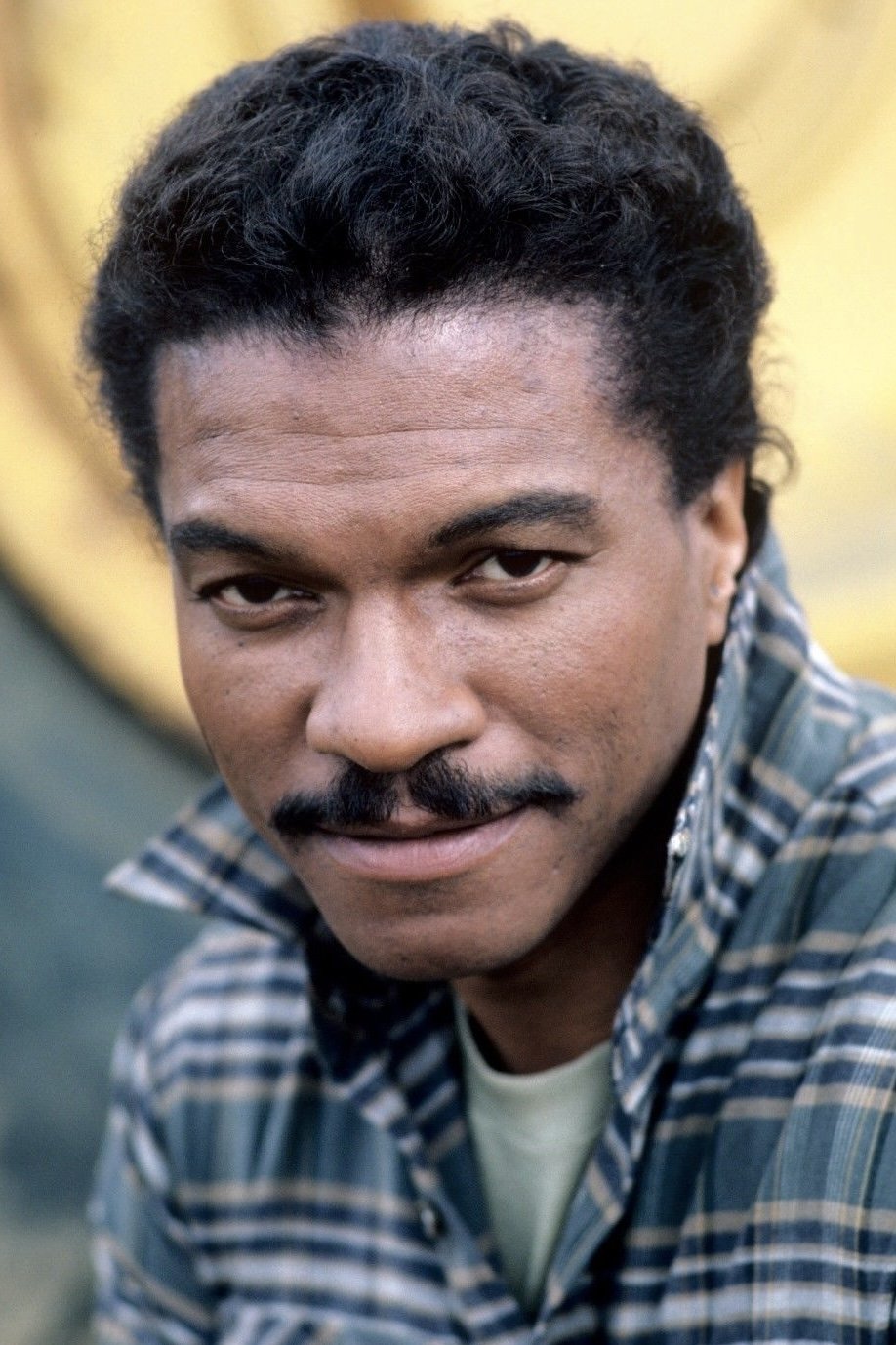
Billy Dee Williams became famous for his smooth style and captivating performances. He was a supportive presence as a love interest in films like ‘Lady Sings the Blues,’ portraying a character who believed in a Black woman’s talent despite the challenges she faced. He also achieved a breakthrough role as a powerful figure in a popular sci-fi series. Ultimately, Williams helped open doors for other Black actors in Hollywood by demonstrating a wider range of possibilities for their careers.
Richard Pryor

Richard Pryor was a remarkably talented comedian who wasn’t afraid to tackle serious issues in his films. In ‘Blue Collar,’ he powerfully portrayed the struggles of working-class people and how they were often pitted against each other along racial lines. He skillfully used humor to expose the ridiculousness of racism and honestly depict what it was like to be Black in America. As an actor and writer, he paved the way for more authentic and unfiltered stories to be told.
Will Smith
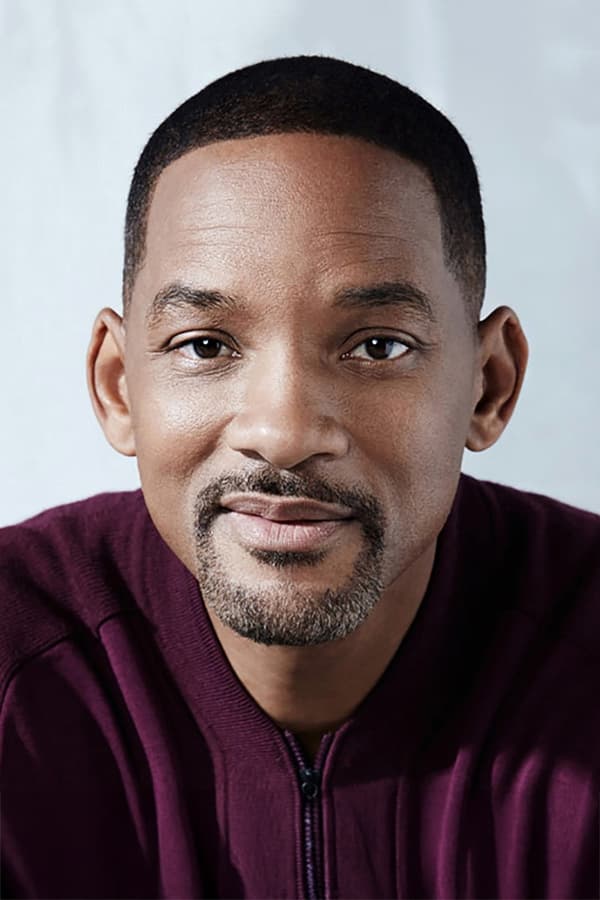
Will Smith has leveraged his worldwide fame to portray important figures from Black history. To play Muhammad Ali, he completely transformed his body and studied the boxer’s life, focusing on his bravery and beliefs. Smith also made sure the film accurately reflected Ali’s religious and social views. Throughout his career, he’s demonstrated how a major celebrity can use their platform to share powerful and meaningful stories with a large audience.
Jamie Foxx
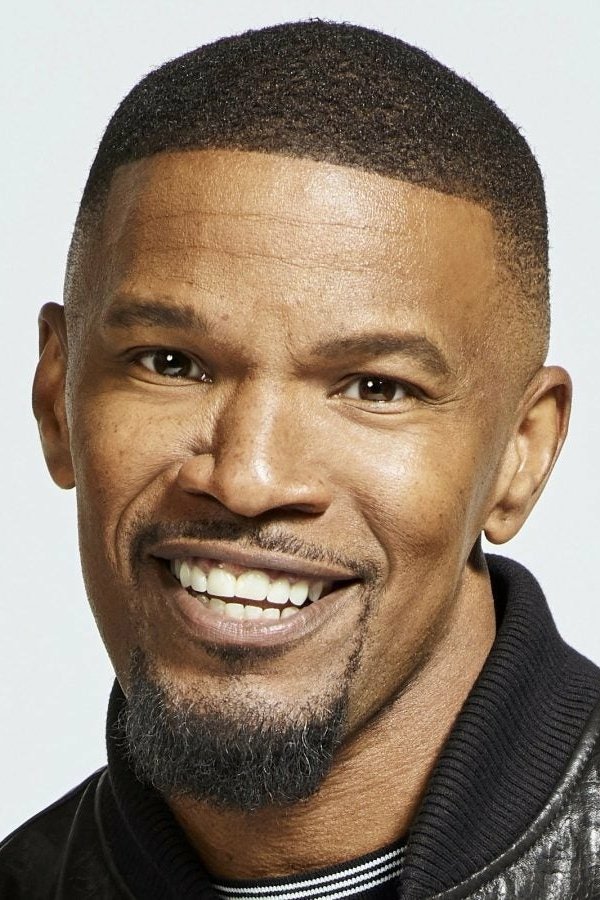
Jamie Foxx is known for his ability to play a wide variety of roles, especially those based on real people who fought for positive change. He powerfully depicted the life and challenges of Ray Charles, a musical icon who battled racial discrimination. Later, in ‘Just Mercy,’ he portrayed a man wrongly accused and facing a biased legal system. Through these roles, Foxx has brought attention to the continuing fight for civil rights and fair treatment for all.
Please share your favorite performances from these influential actors in the comments.
Read More
- Gold Rate Forecast
- Silver Rate Forecast
- Securing the Agent Ecosystem: Detecting Malicious Workflow Patterns
- DOT PREDICTION. DOT cryptocurrency
- 4 Reasons to Buy Interactive Brokers Stock Like There’s No Tomorrow
- NEAR PREDICTION. NEAR cryptocurrency
- EUR UAH PREDICTION
- Did Alan Cumming Reveal Comic-Accurate Costume for AVENGERS: DOOMSDAY?
- Top 15 Insanely Popular Android Games
- USD COP PREDICTION
2026-01-02 15:20