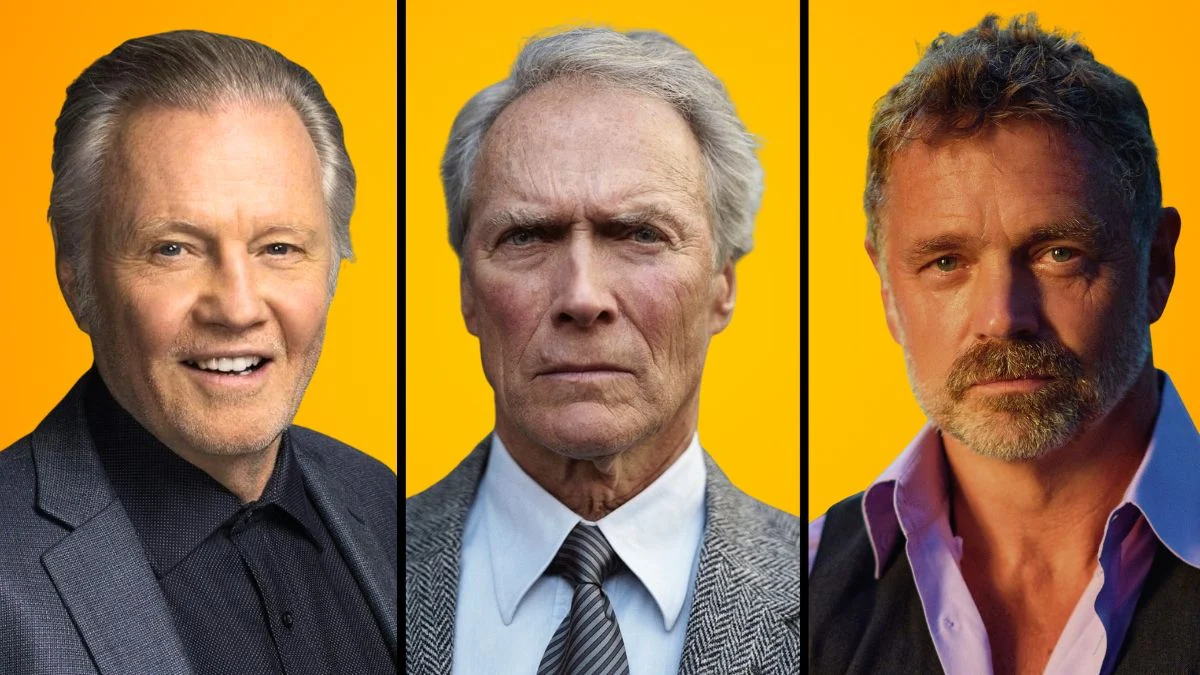
Hollywood is changing. Studios are now often focusing on promoting social messages when they develop movies and choose actors. Some actors have voiced concerns that this focus can sometimes hurt the story or make characters feel less genuine. They worry that trying to force diversity can feel unnatural and distract from the creative vision. This issue is a major topic of conversation in the entertainment world as everyone adjusts to new cultural expectations.
Richard Dreyfuss
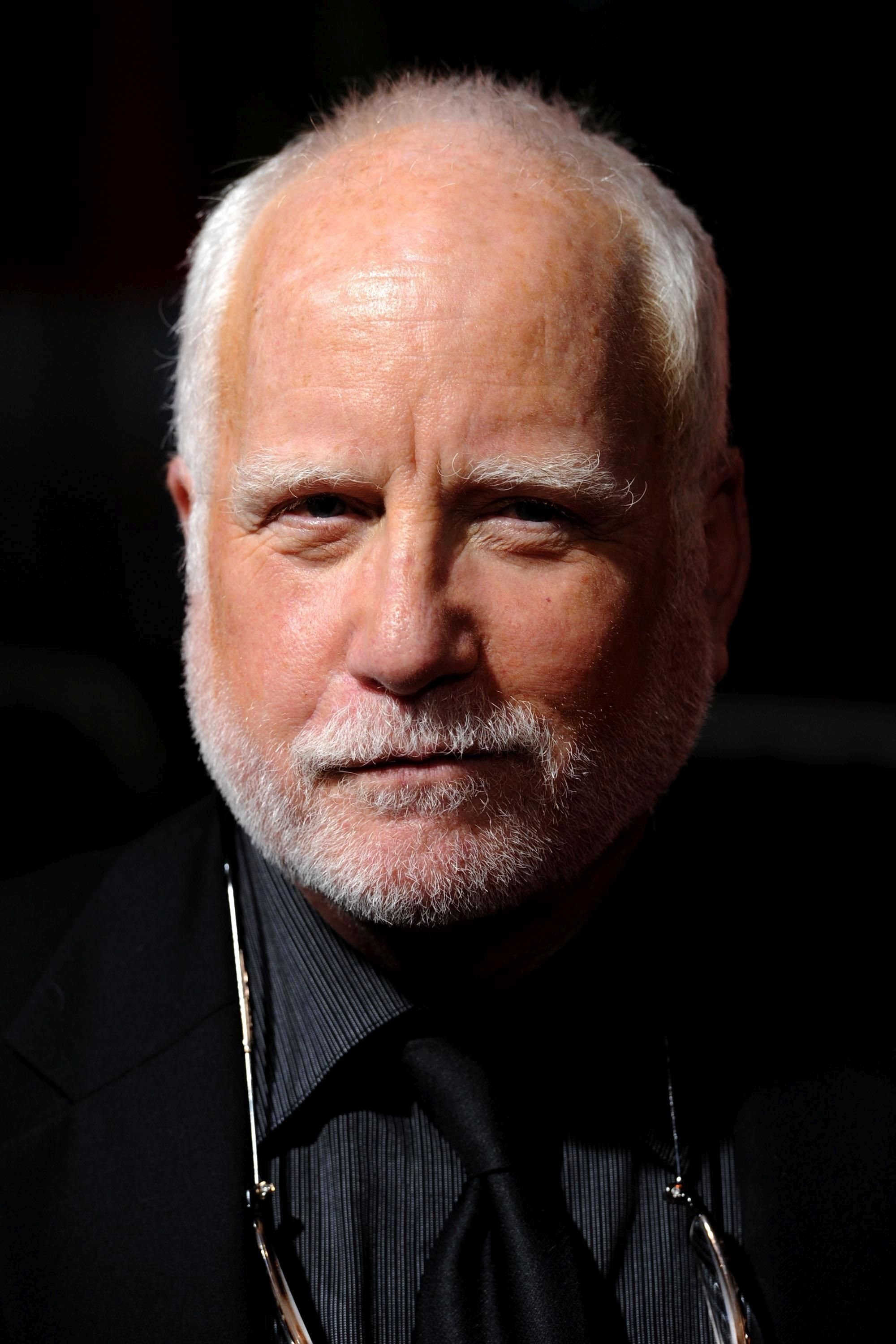
Look, I’ve been following the debate around the new Academy diversity standards, and Richard Dreyfuss has made some really interesting points. He’s worried these rules, which essentially require certain levels of diversity on screen and behind the camera, are actually going to hurt filmmaking. He thinks art should come from a filmmaker’s unique vision, not from ticking boxes on a diversity checklist. He’s particularly concerned that it’ll become harder to accurately portray history or explore specific cultures if filmmakers are too focused on meeting quotas. Dreyfuss believes a movie should be judged solely on its artistic quality, and that the Academy shouldn’t be dictating what stories get told or how. It’s a thought-provoking argument, and I can see where he’s coming from.
Laurence Fox
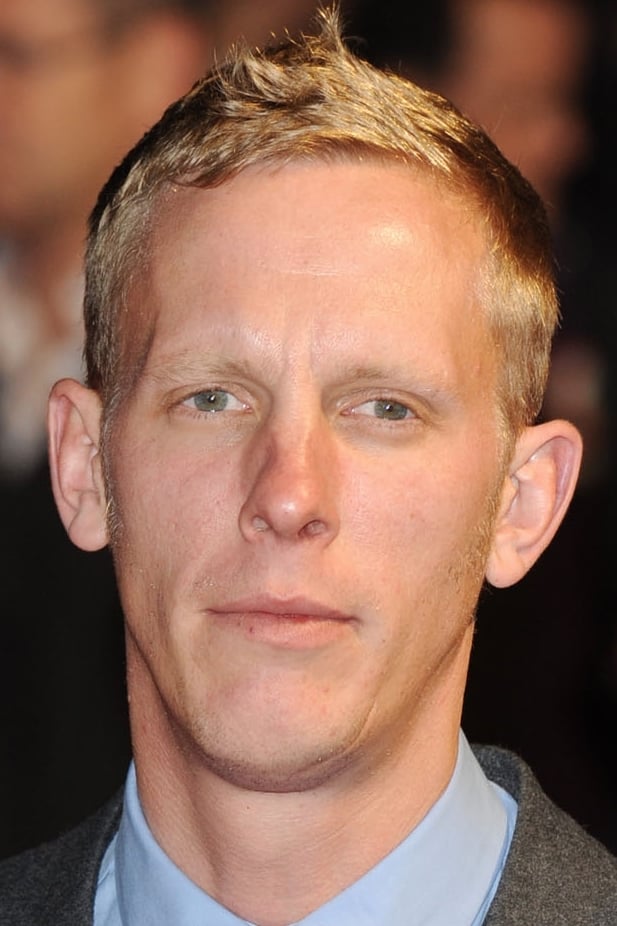
Laurence Fox gained attention for criticizing the film industry, starting with his comments about a Sikh soldier appearing in ‘1917’. He believes the film prioritized showing diversity over historical accuracy, which he feels can distract viewers and come across as a political statement. Fox often argues that the industry focuses too much on social justice themes and not enough on good storytelling. This position has generated a lot of media coverage and changed the direction of his career.
John Cleese
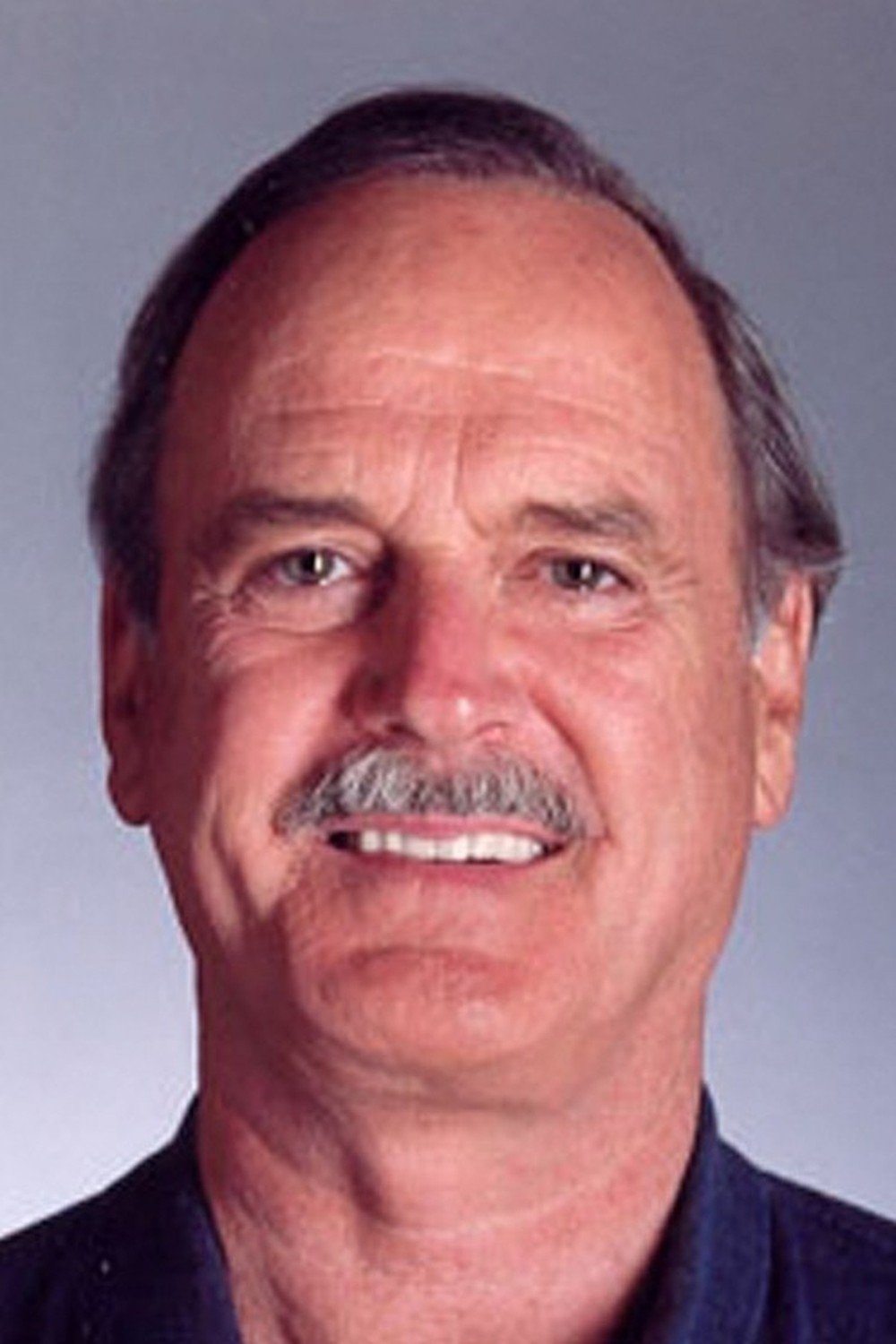
John Cleese has often criticized how political correctness affects comedy and storytelling. He thinks the desire to avoid causing offense has made today’s scripts less daring and humorous. Cleese argues that the emphasis on inclusivity in the entertainment industry often leads writers and performers to censor themselves. He’s also frustrated that older works are now often judged by today’s standards, distorting their original meaning. Ultimately, Cleese believes that creative freedom includes the ability to potentially offend, and that this is vital for the arts.
Terry Gilliam
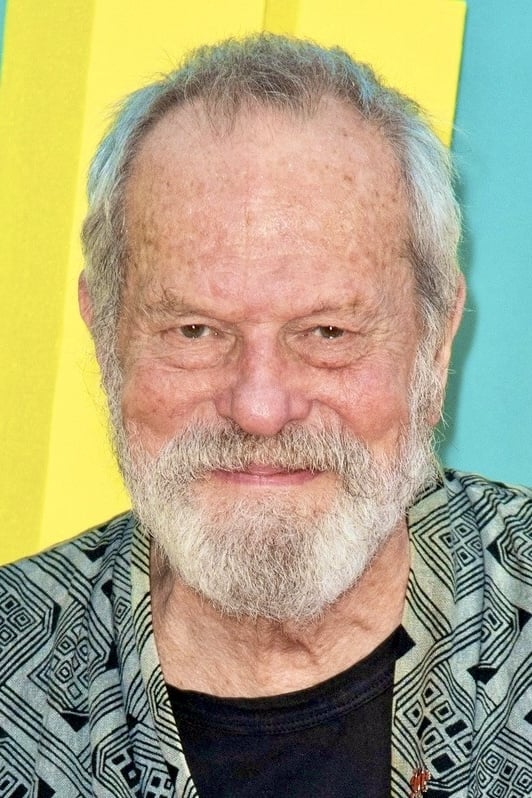
Terry Gilliam is a vocal critic of diversity quotas in filmmaking. He feels these requirements stifle creativity and prevent him from telling the stories he envisions. Gilliam argues that forcing actors to match a character’s background isn’t necessary for a good performance and that prioritizing imagination is more important than following strict rules. He believes these mandates ultimately harm the quality of films.
Kevin Sorbo
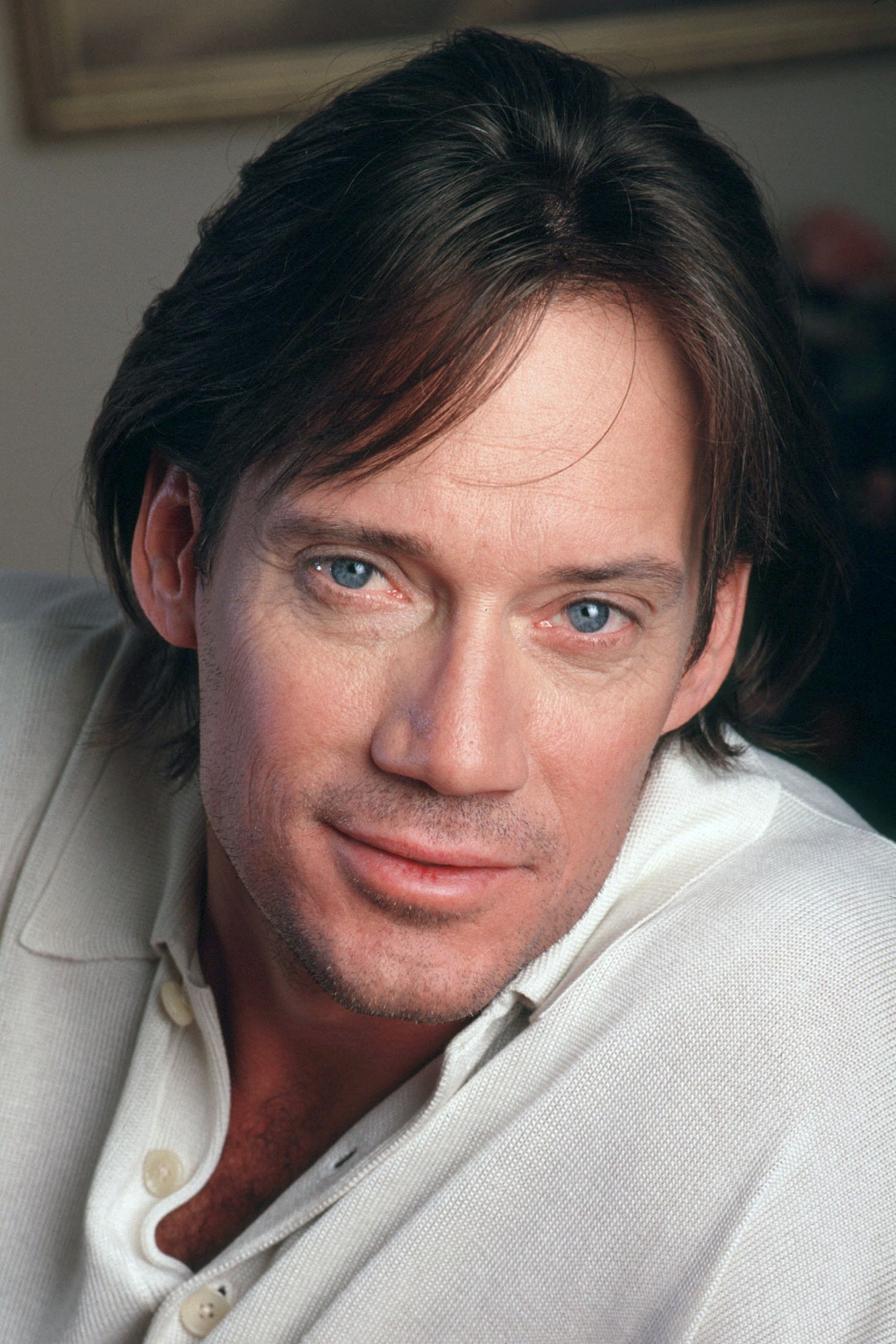
Kevin Sorbo frequently talks about how his acting career was affected after he publicly disagreed with the changing values in Hollywood. He believes the industry’s emphasis on progressive ideas and diversity has resulted in the neglect of more traditional stories. Sorbo feels that many new scripts prioritize pushing a specific viewpoint over simply providing entertainment for everyone. He also argues that altering well-known characters can upset longtime fans. Sorbo continues to voice his concerns about what he sees as an overly politically correct environment within major film studios.
James Woods
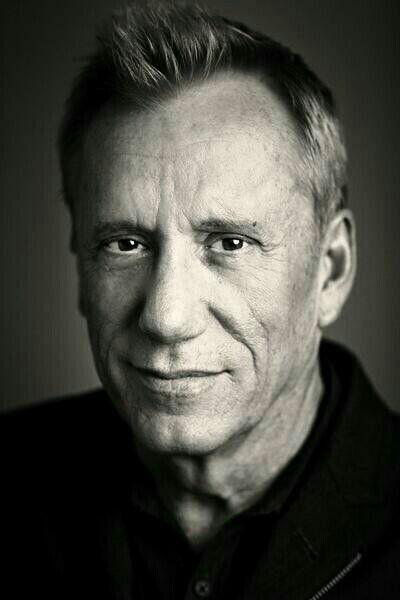
James Woods has long been critical of politics in Hollywood. He frequently uses social media to express his concerns that an overemphasis on diversity in casting is hurting storytelling. Woods believes that casting decisions are now often based on meeting social expectations rather than finding the most talented actors, which he feels lowers the quality and believability of movies and shows. He argues that the industry prioritizes adhering to certain beliefs over creating truly excellent art.
Jon Voight
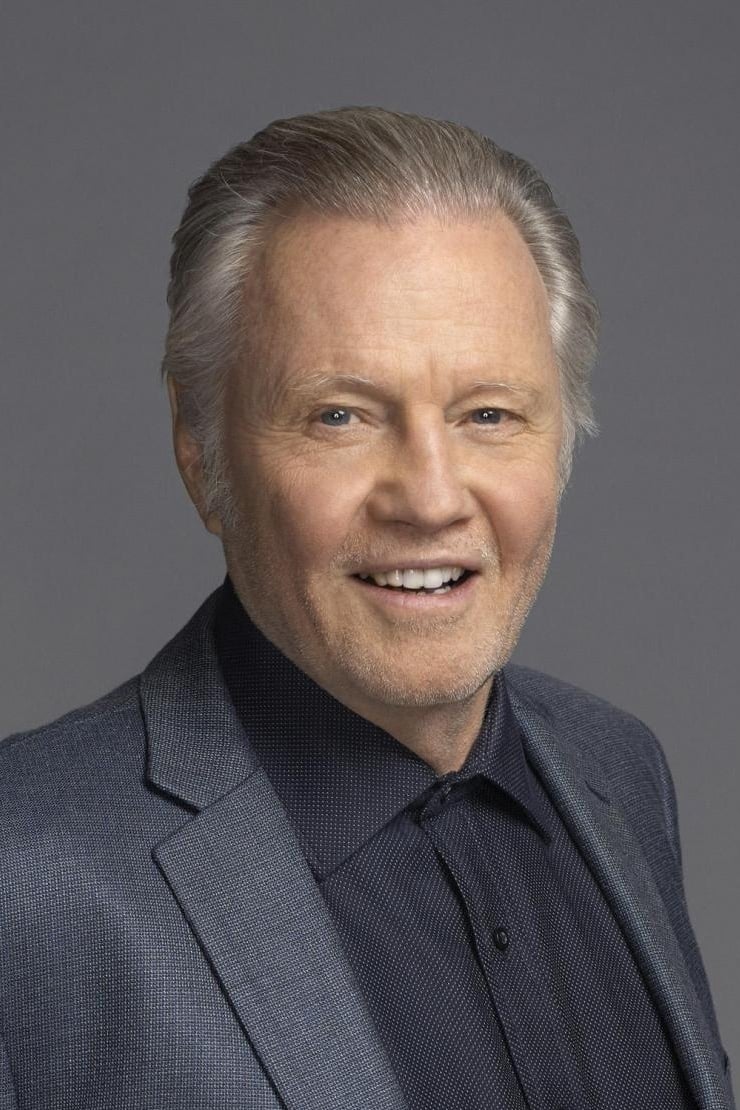
Jon Voight often speaks out about changes in the entertainment industry, particularly what he sees as a trend of pushing specific political and social messages in movies. He feels this emphasis on delivering a message has hurt the quality of filmmaking, arguing that Hollywood now prioritizes teaching lessons over telling authentic stories. Voight believes the focus on inclusivity sometimes leads to unoriginal and uninteresting characters. He’s a well-known advocate for those who feel traditional values are being lost in mainstream media.
Robert Davi
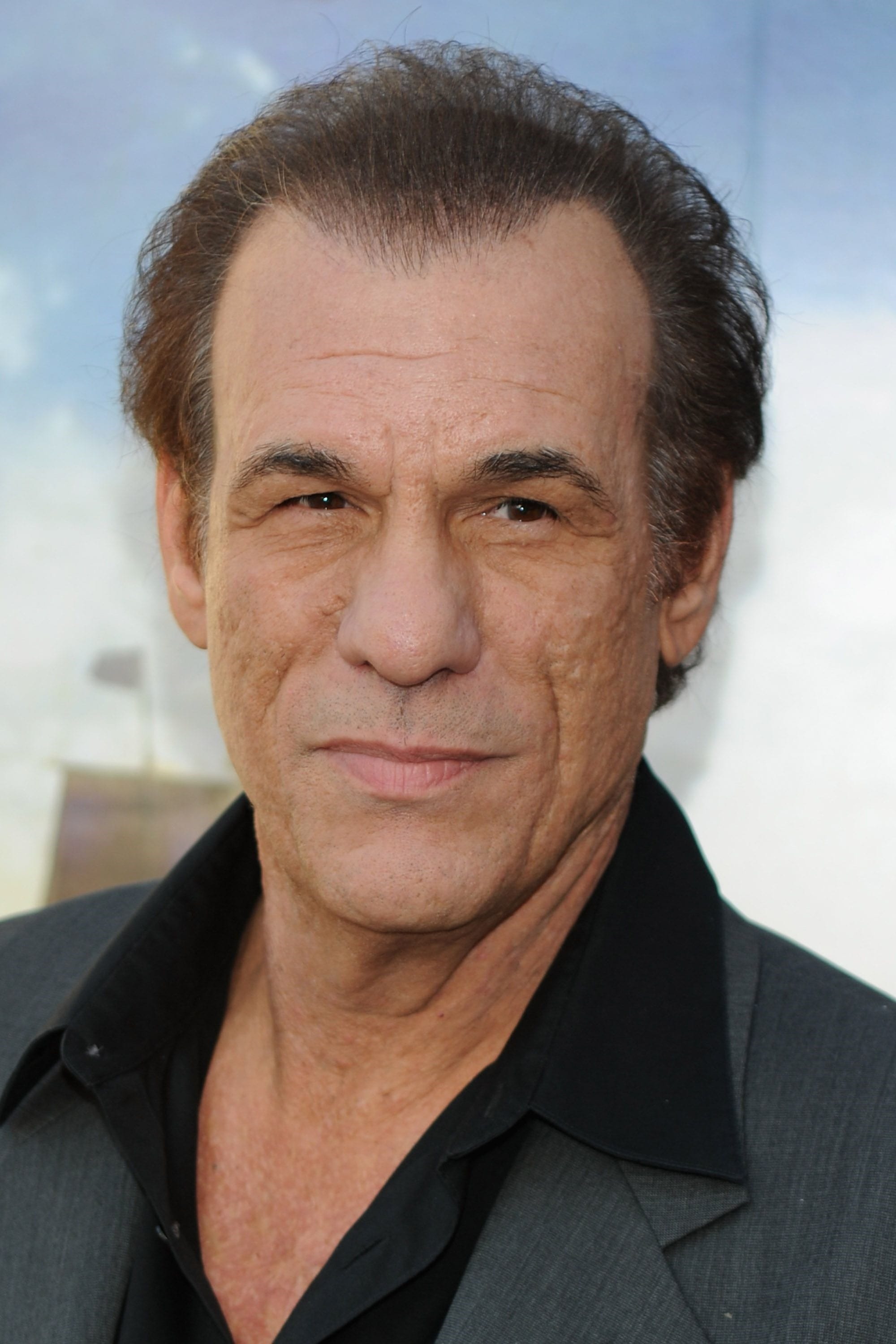
Robert Davi argues that the entertainment industry’s emphasis on meeting diversity requirements is stifling creativity. He believes that films are becoming less original because creators are focused on fulfilling quotas rather than telling authentic stories. Davi feels that truly great art comes from personal honesty, not from studio directives, and he’s critical of the practice of altering established characters simply to align with current trends. He champions a return to storytelling that centers on shared human experiences, rather than focusing on demographic representation.
Dean Cain
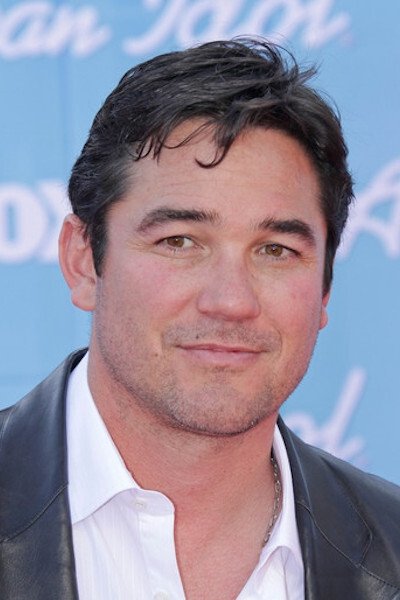
Dean Cain has voiced concerns about updating well-known characters to meet current expectations for diversity and inclusion. He feels changing a character’s established history puts political agendas ahead of honoring the original creation and its fanbase. Cain believes these iconic characters should stay true to their roots as a sign of respect to both the creators and the audience, and that altering them too much can feel like a disservice to the original stories. He frequently talks about how these shifts in the entertainment industry affect people’s connection to their favorite heroes.
Nick Searcy
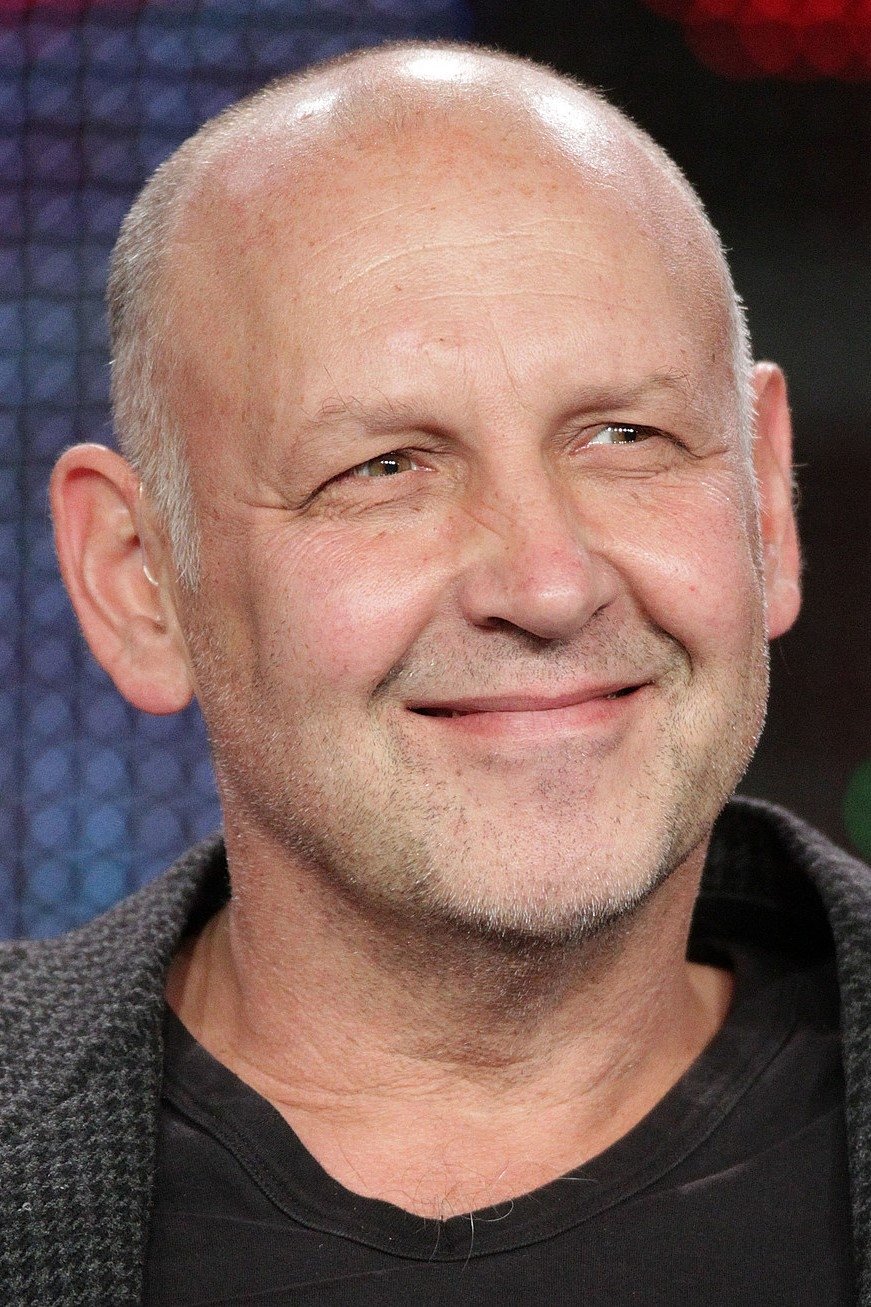
Nick Searcy often criticizes what he sees as a growing emphasis on ideology in TV and film. He believes the push for diversity and inclusion has become forced, hindering honest storytelling. According to the actor, many modern shows and movies prioritize a particular social message over a well-developed plot. He’s also discussed the difficulties faced by actors who don’t conform to the industry’s current values. Searcy insists that a strong story should always be the most important goal for any production.
Scott Baio
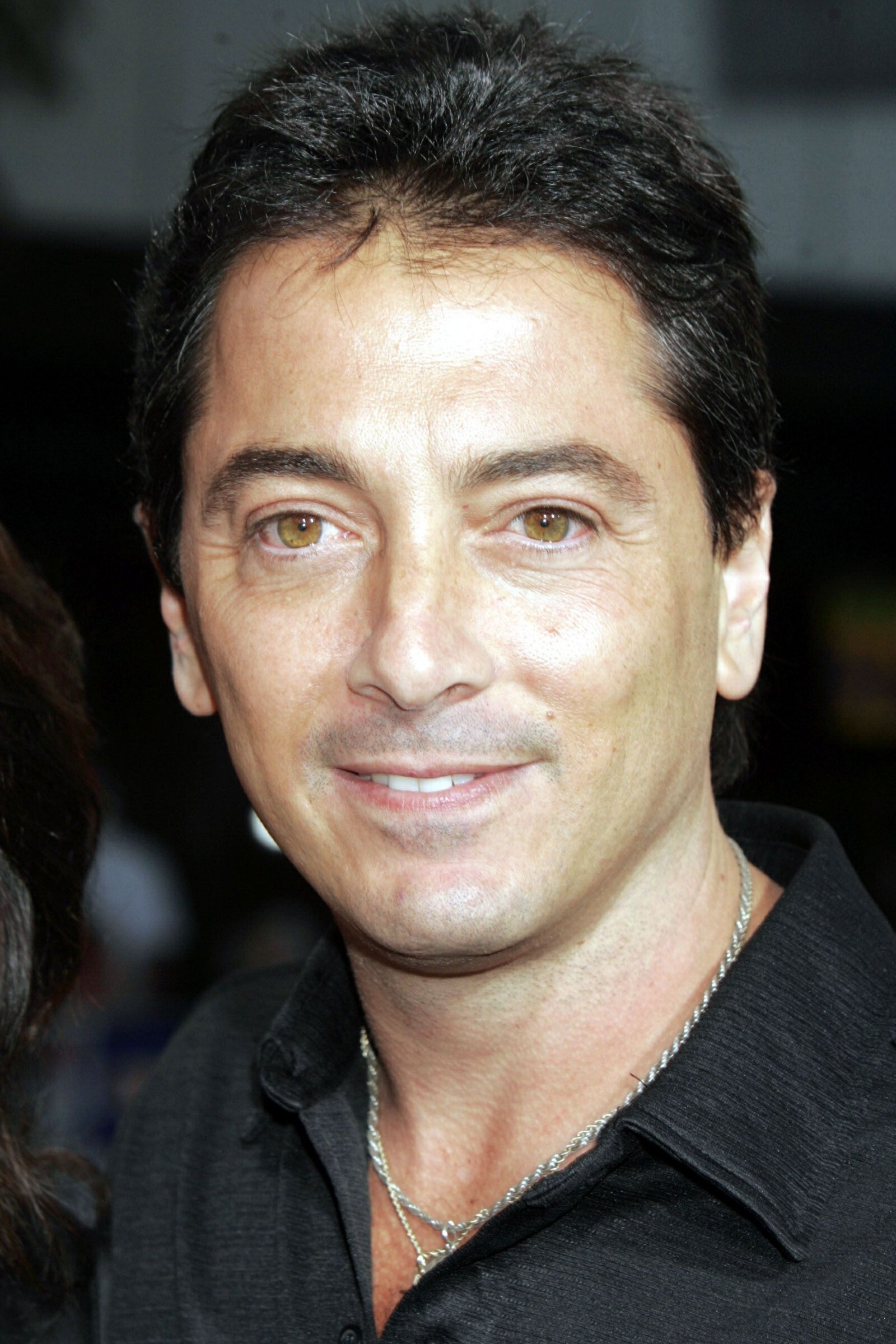
Scott Baio has expressed his worry that current social movements are affecting TV shows. He feels the desire to include diverse characters sometimes results in stereotypes instead of realistic portrayals. Baio suggests writers are often pressured to force certain topics into stories where they don’t belong, making modern TV harder for many viewers to connect with. He continues to voice his concerns about what he sees as a decline in classic storytelling.
Kirk Cameron
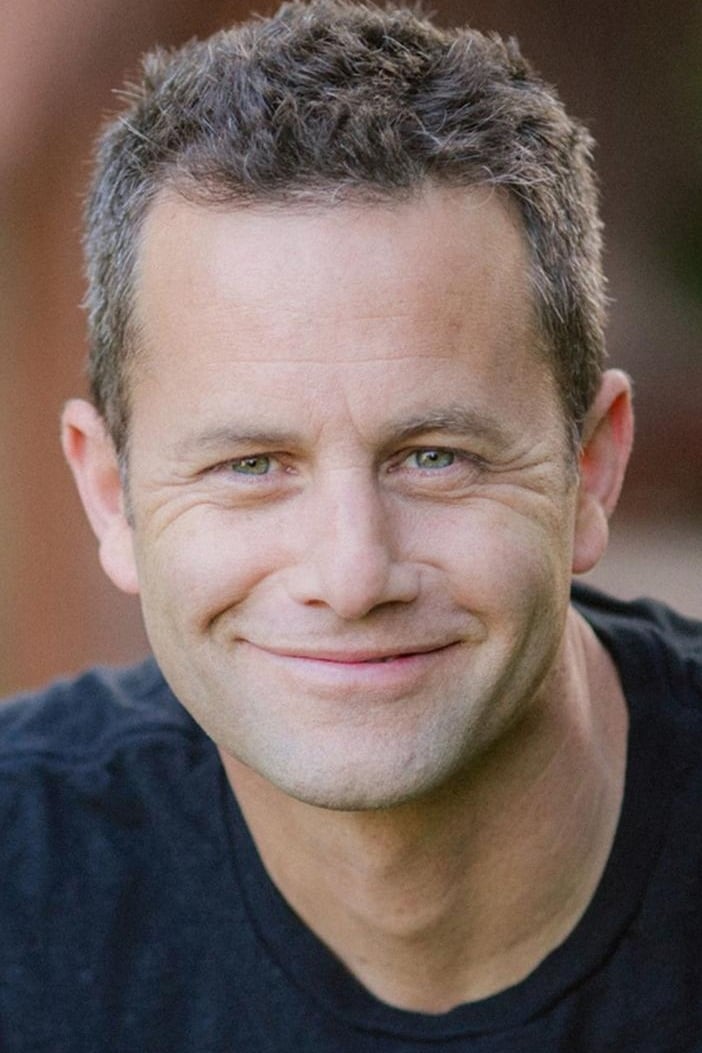
As a film fan, I’ve noticed Kirk Cameron shifting his focus lately to creating content that really reflects what he believes in. He’s said that Hollywood often seems to leave out or twist traditional values when trying to be inclusive. He feels like the industry’s current drive for certain narratives often pushes aside stories that don’t fit a particular progressive viewpoint, and he worries that forcing changes to how we see the world can actually be damaging. Basically, he’s arguing for a more balanced approach to storytelling, one that includes a wider range of perspectives and doesn’t leave anyone out.
John Rhys-Davies

John Rhys-Davies believes understanding the history and culture of a time period is crucial when telling stories. He’s critical of the trend of updating historical stories to meet modern diversity expectations, arguing that changing the past to align with current political views is dishonest. He feels that altering stories for the sake of inclusion prevents audiences from truly learning from history, and that stories should accurately reflect the time in which they are set.
Clint Eastwood
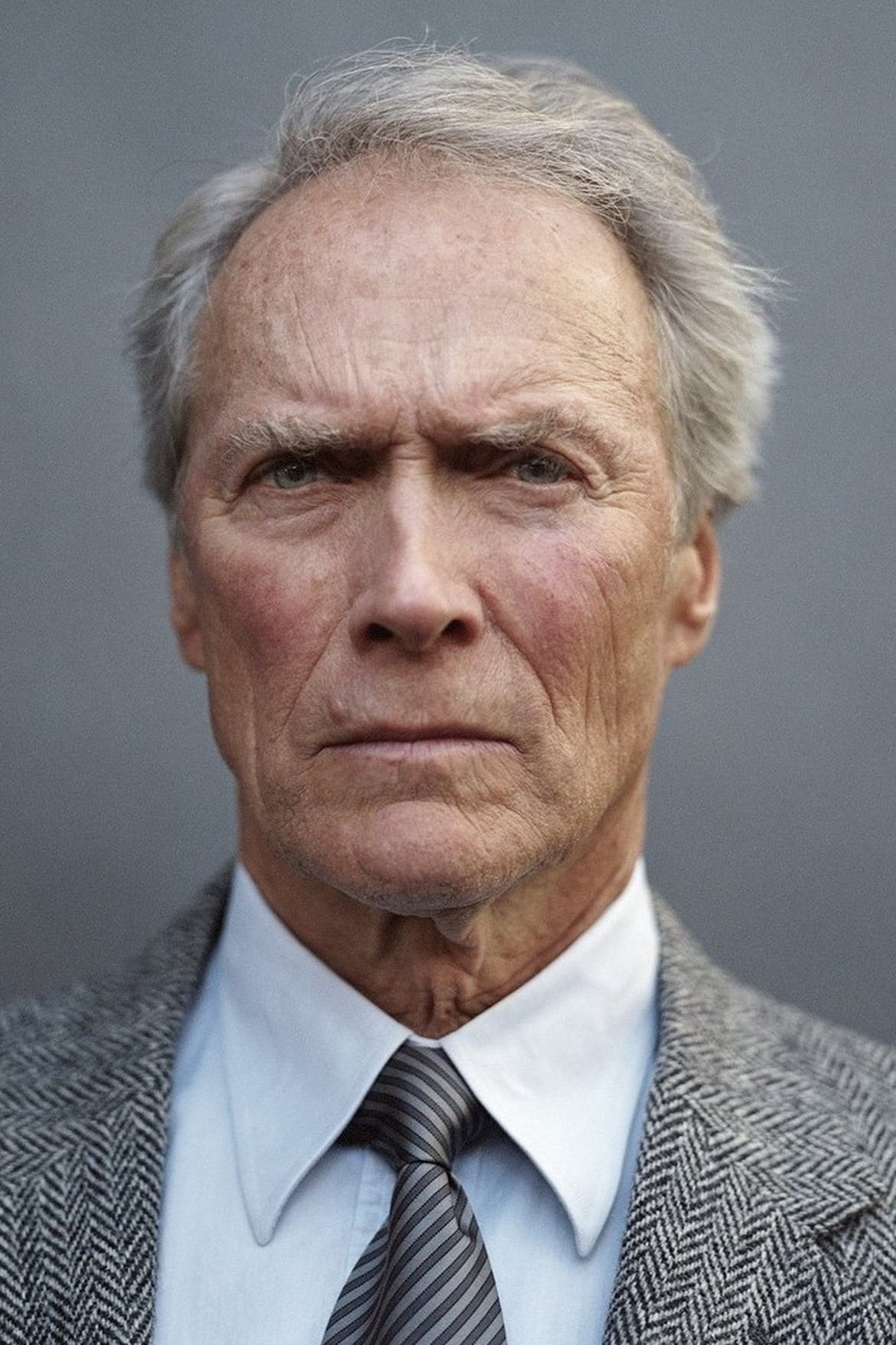
Clint Eastwood has often spoken out against what he sees as excessive political correctness, both in filmmaking and in general. He argues that the focus on avoiding offense is hindering the ability to create raw, authentic stories. Eastwood believes artists shouldn’t be afraid to push boundaries and that individual creative vision is more important than following strict social rules. He feels the most powerful films are those that honestly portray the human experience, free from outside interference.
Vince Vaughn
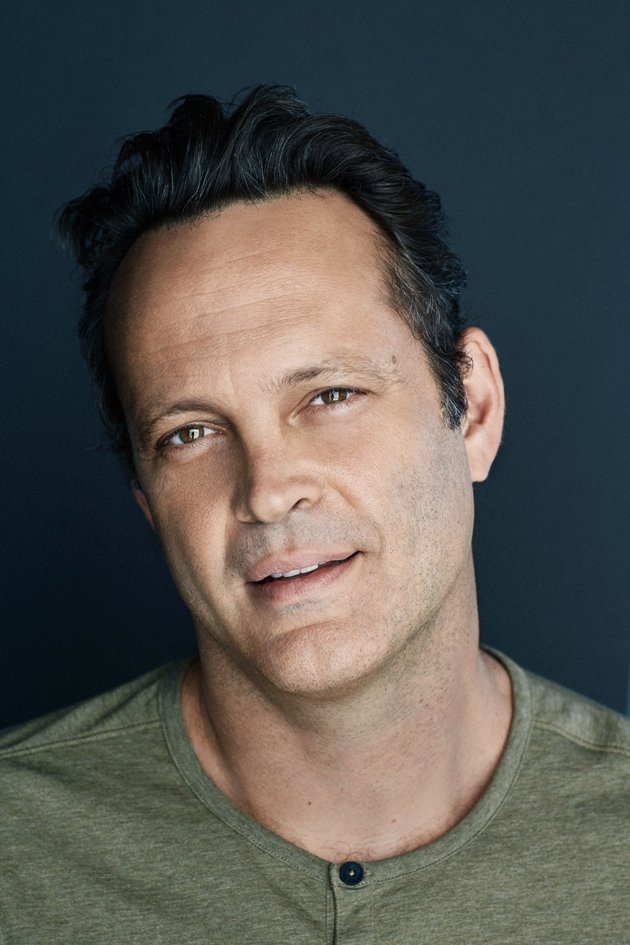
Vince Vaughn recently discussed how the current focus on being sensitive and inclusive is impacting R-rated comedies. He feels studios are now less willing to take chances with their creative ideas. Vaughn believes that truly funny comedy often pushes boundaries and tackles difficult topics. He argues that today’s environment leads to safer, more predictable movies that don’t really challenge viewers, and that this lack of freedom ultimately hurts the potential for great stories.
Rob Lowe
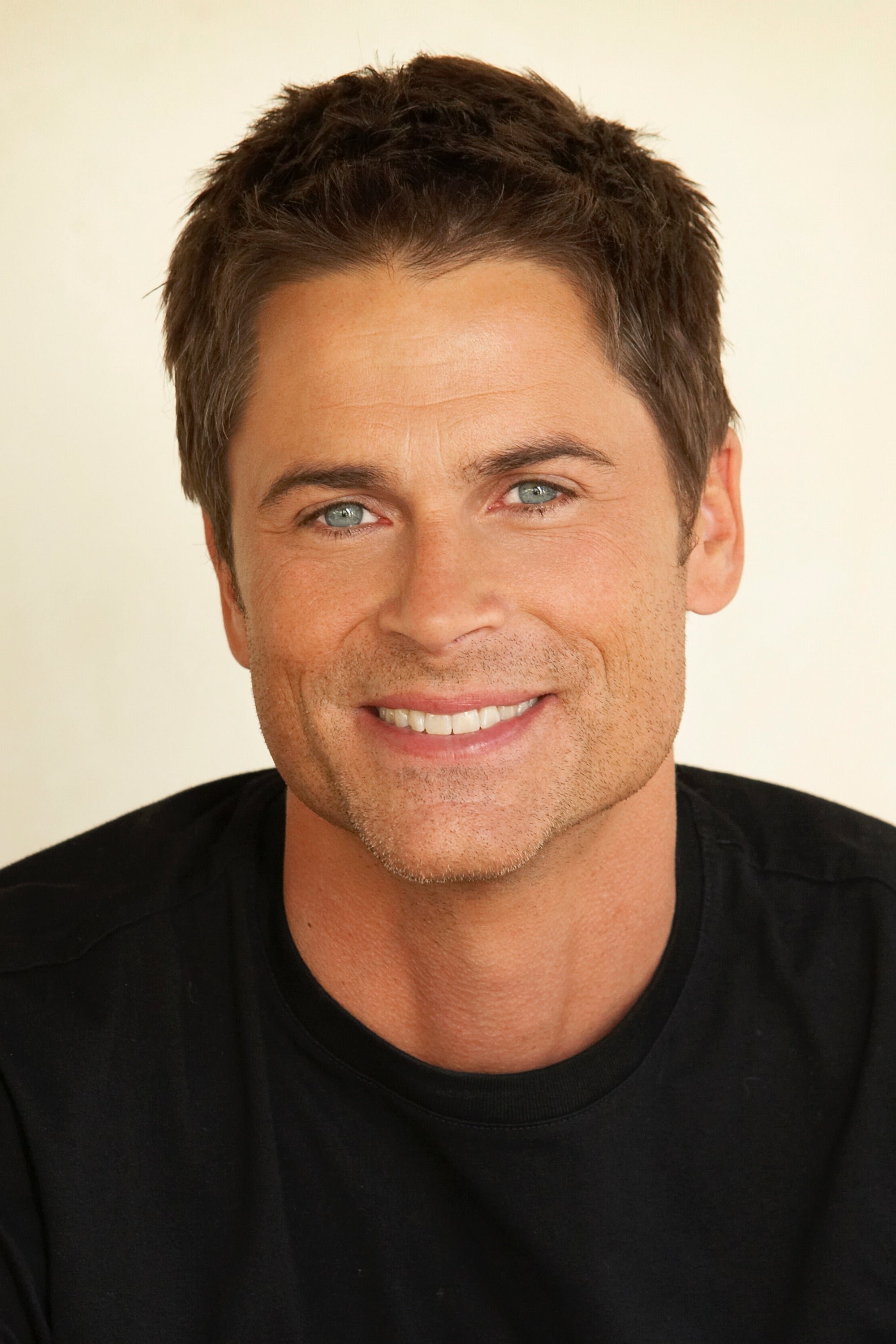
Rob Lowe has noticed a big shift in the entertainment industry since he began his career. He’s worried that discussions about politics and social issues are now more important than the actual work of acting. He feels this environment can stifle actors’ creativity and make performances feel inauthentic, sometimes due to pressure for specific kinds of representation. Lowe is still working in the industry and hopes it will refocus on strong acting and good stories.
John Schneider
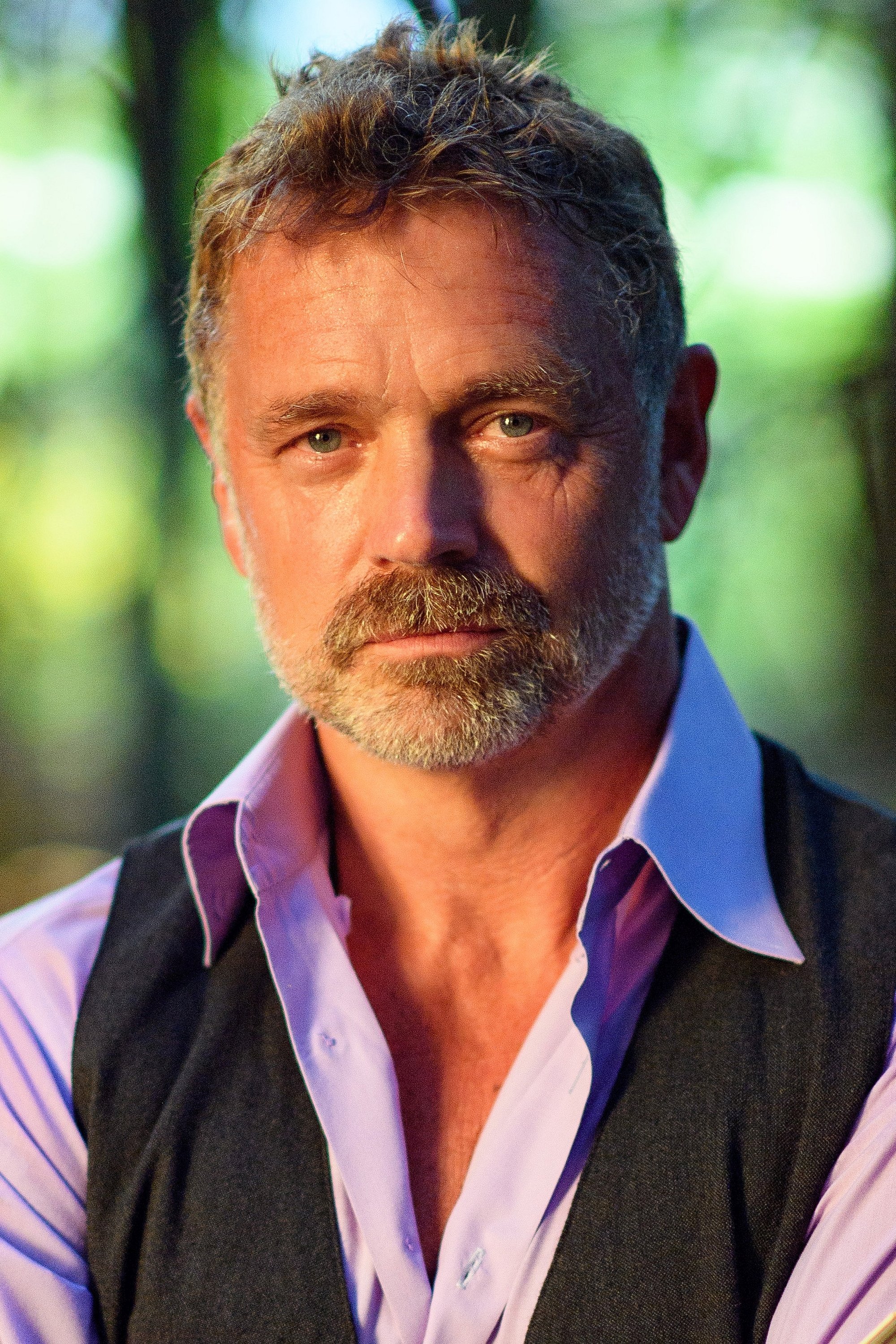
As a film fan, I’ve been following John Schneider’s comments lately, and it’s interesting to hear his perspective. He feels like a lot of what’s coming out of Hollywood these days pushes a certain agenda, and he’s concerned it’s happening at the cost of good storytelling and traditional values. He thinks scripts are too often designed to promote a message instead of simply entertaining us. He’s particularly frustrated to see classic character types being tossed aside in favor of fitting in modern social issues. Ultimately, he wants to see more content created that appeals to a broader, more mainstream audience – what he calls ‘Middle America.’
Jim Caviezel
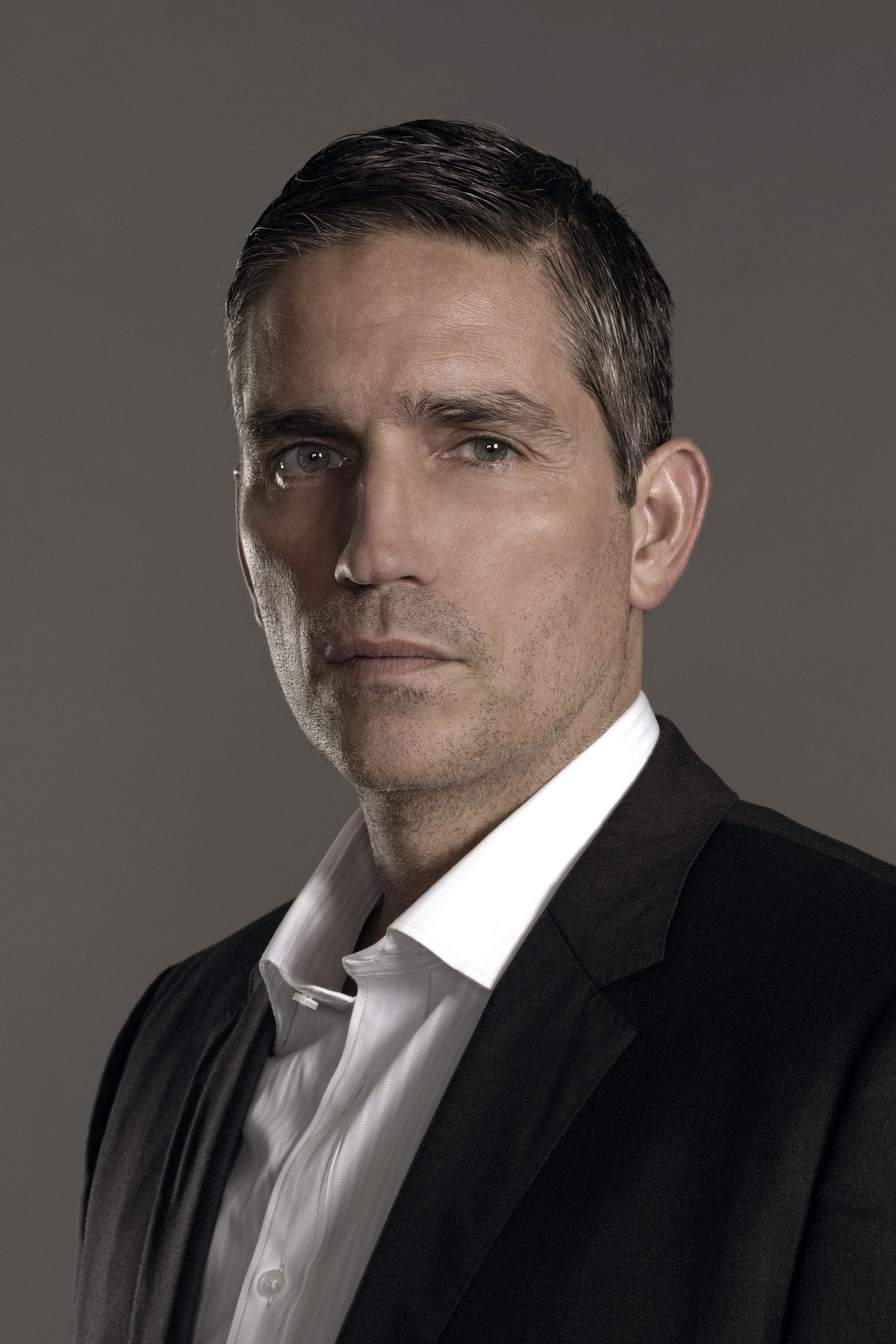
Jim Caviezel often talks about his concern that many films today lack genuine storytelling. He believes that while the industry aims to be more inclusive, this sometimes feels like a way to push a particular set of beliefs he doesn’t agree with. Caviezel thinks stories should be based on strong moral and spiritual principles, not just current social issues. He’s been critical of how the film industry portrays characters with traditional values and actively seeks out projects that he believes are both creatively and morally sound.
Isaiah Washington
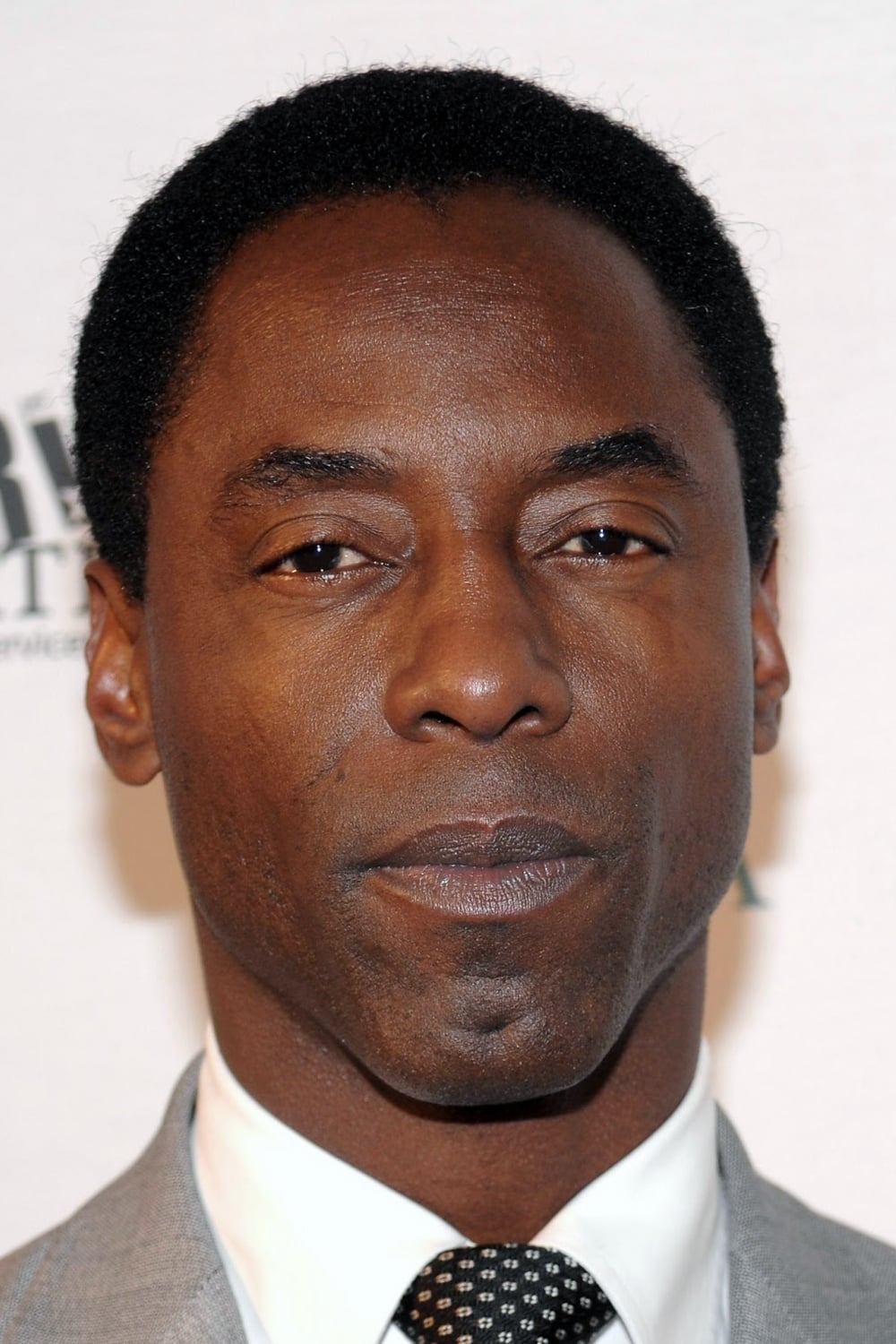
Isaiah Washington has discussed the entertainment industry’s efforts with diversity and inclusion, suggesting that current initiatives often feel like superficial gestures rather than real change. He believes that an overemphasis on meeting demographic quotas can actually restrict creativity and the kinds of stories that get told. Washington feels the industry is too focused on ideology and argues it should prioritize individual skill and fresh ideas over group labels.
Dennis Quaid
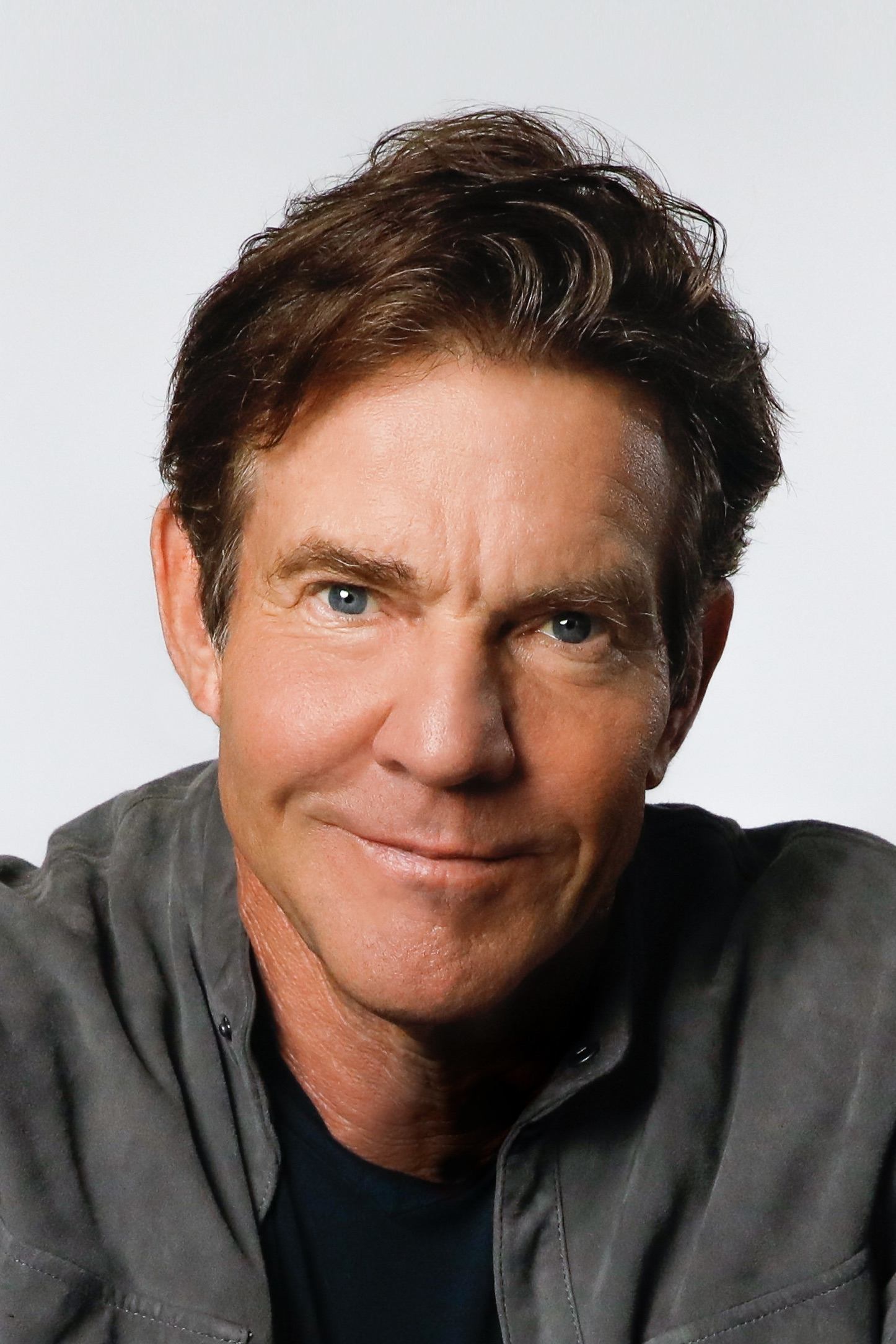
Dennis Quaid has observed a big change in Hollywood over the years. He feels the industry is now much more focused on delivering political and social messages. Quaid believes this can sometimes result in movies that feel preachy instead of entertaining. He argues that the most effective films let the audience form their own opinions, rather than being told what to think. He stresses the need for a good balance between artistic storytelling and social commentary.
Randy Quaid
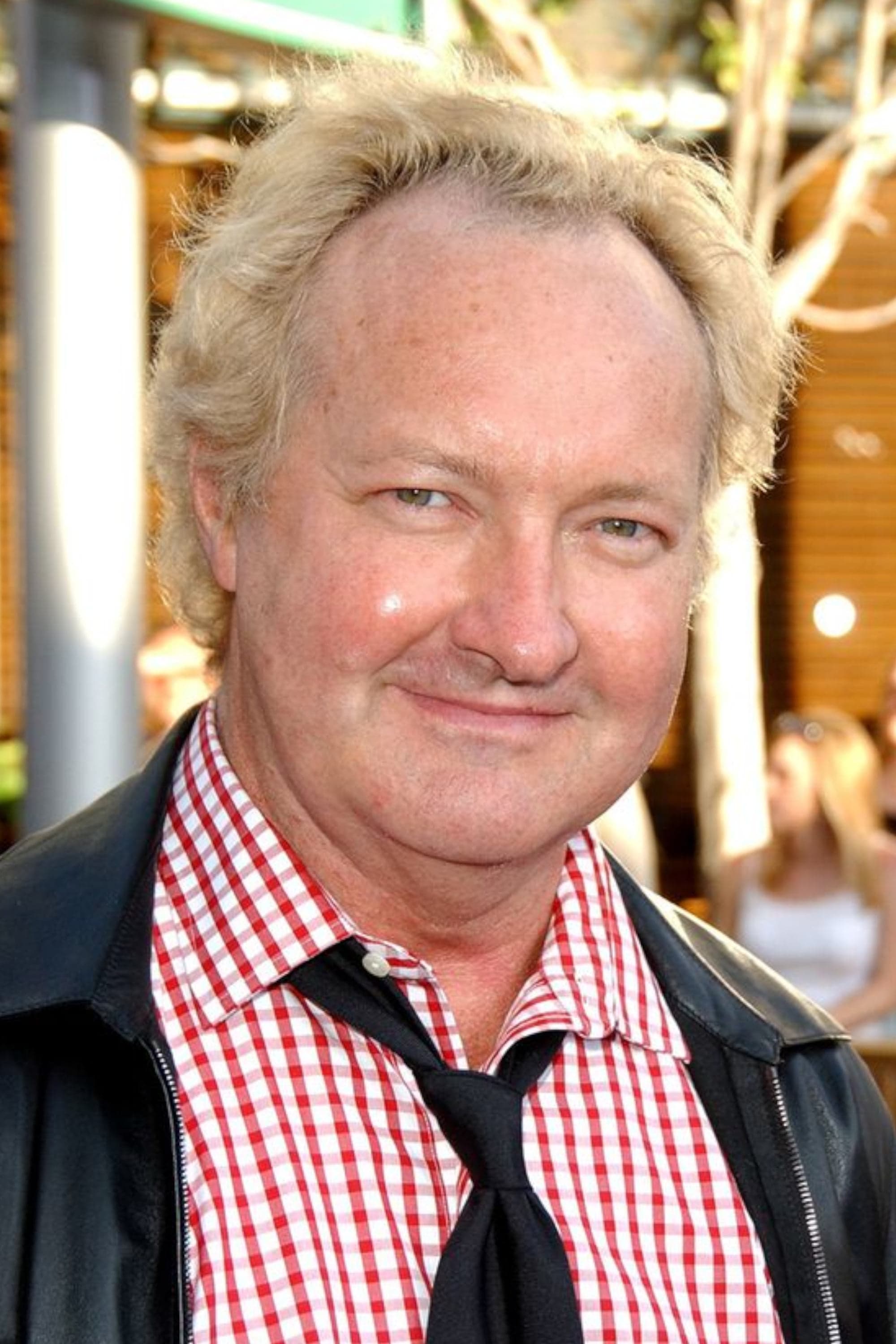
Randy Quaid often shares his opinions on social media about the film industry, arguing that an overemphasis on political correctness and inclusivity is stifling creativity and leading to less original movies. He feels major studios prioritize appearing socially responsible over making genuinely entertaining films, and this approach has turned off some viewers. Quaid continues to publicly express his concerns about what he sees as a leaning towards certain ideologies in Hollywood casting decisions.
Stephen Baldwin

Stephen Baldwin has talked about how his beliefs have affected his work in Hollywood. He feels that the industry’s push for inclusivity sometimes leaves out people with more traditional or religious values. Baldwin believes that movies and TV shows are often used to promote certain social ideas, and that pressure to follow current trends makes it harder for diverse viewpoints to be heard. He continues to support bringing more traditional stories and themes into mainstream films.
Adam Baldwin
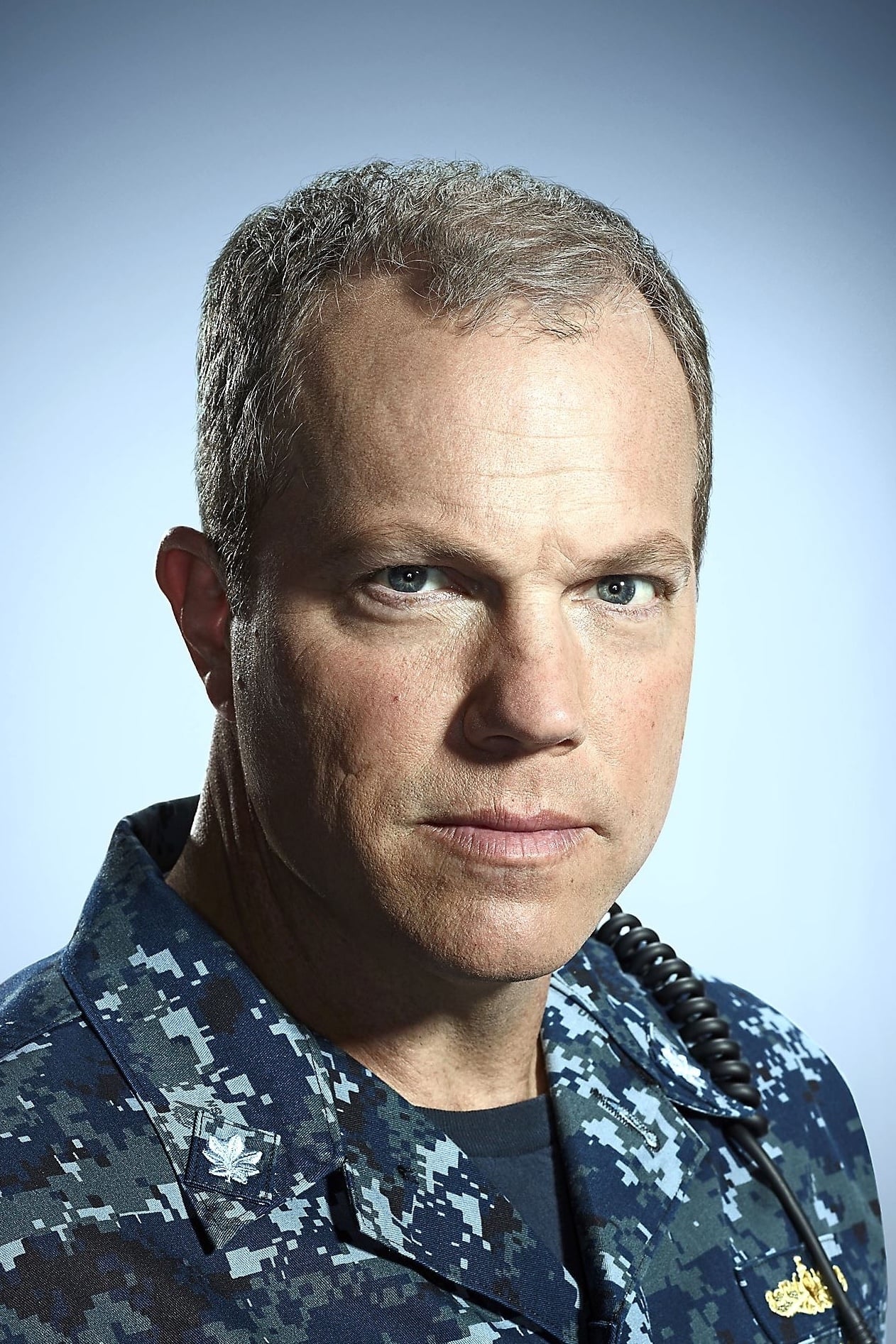
Adam Baldwin is well-known for openly criticizing the political and cultural climate in Hollywood. He feels that pushing diversity for the sake of appearances harms storytelling, and that actors should be cast based on who best fits the character, not to fulfill quotas. Baldwin believes this focus on identity politics is making writing and character development worse, and he often speaks about how it impacts the connection between creators and their audience.
Mel Gibson
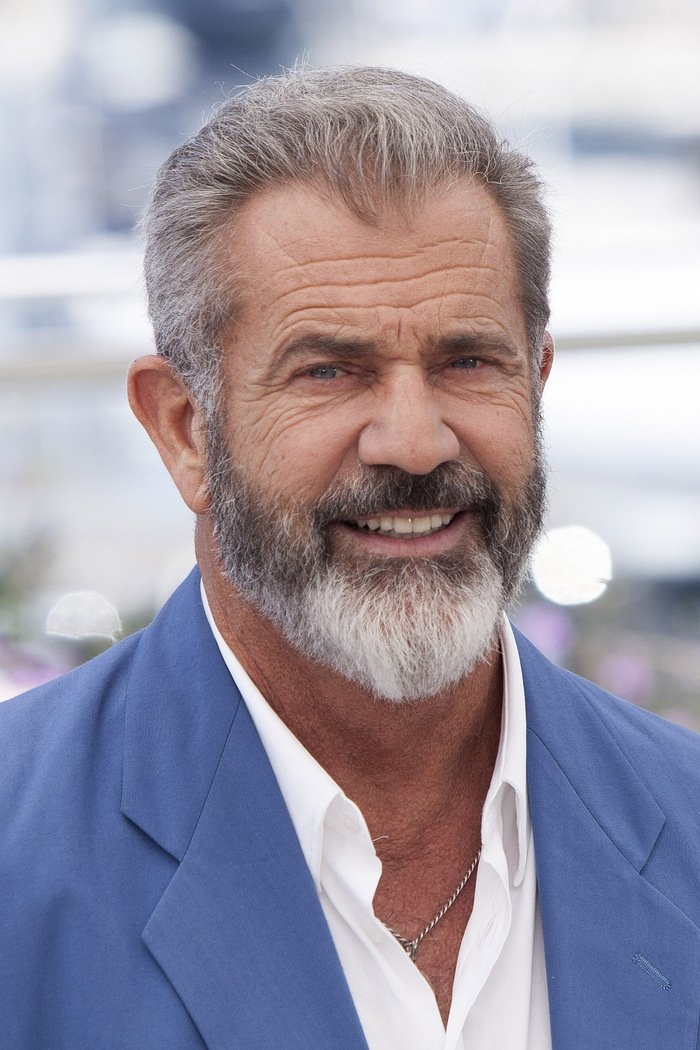
Mel Gibson has achieved great success in Hollywood, but he’s also faced career difficulties. He questions the industry’s increasing emphasis on social and political correctness, believing that strong storytelling comes from a bold and unwavering creative vision. He’s critical of attempts to control the creative process with demographic quotas, arguing that a filmmaker’s main goal should be to create impactful and memorable art.
Tim Allen
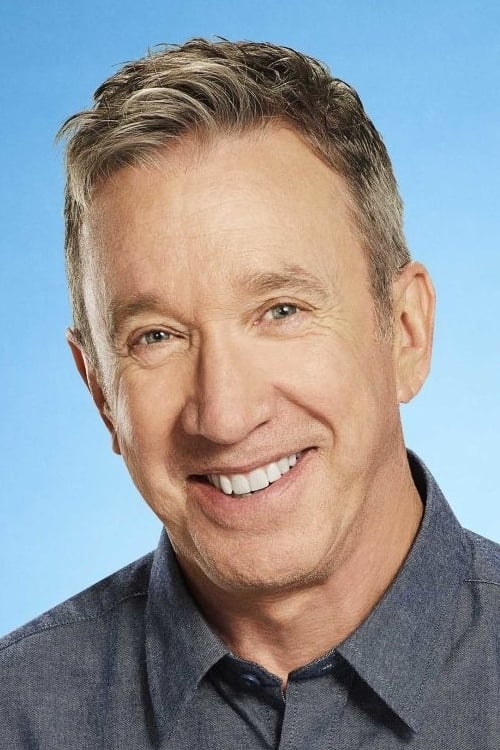
As a comedy fan, I’ve been following Tim Allen’s recent comments, and I think he hits on something important. He’s talked about how tough it is to be a comedian today, with everyone being so aware of potentially causing offense. It sounds like writers are hesitant to push boundaries or take chances, fearing a negative reaction online. Honestly, he makes a good point – that fear can easily lead to really safe, and frankly, boring comedy. He’s really just arguing for creative freedom, wanting artists to be able to explore all kinds of characters and ideas without constant worry. I can definitely see where he’s coming from.
Gary Oldman
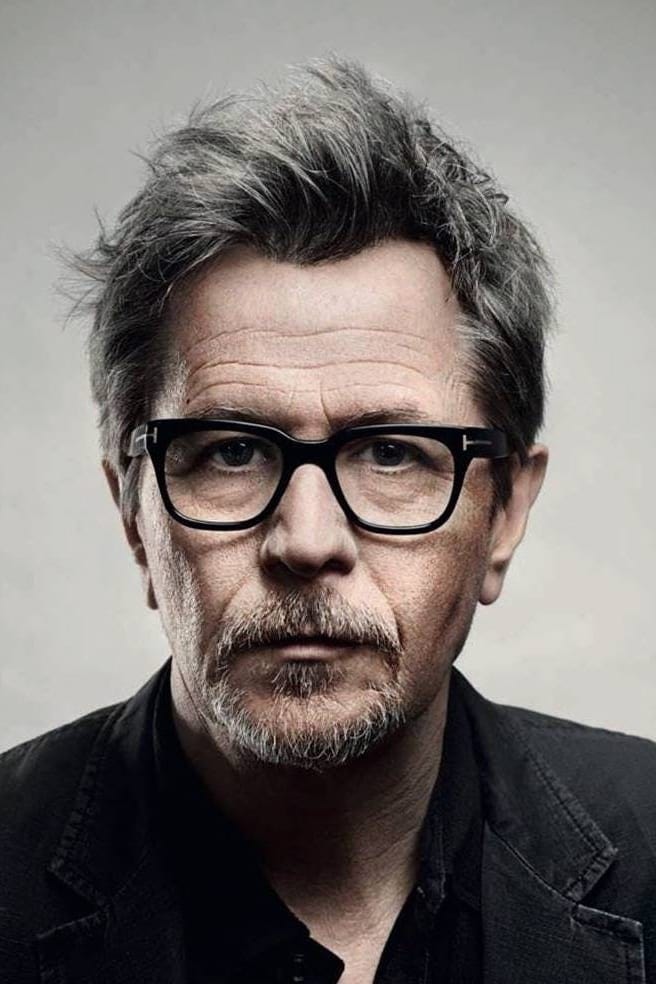
Gary Oldman has spoken out against what he sees as excessive sensitivity and hypocrisy in the entertainment industry, particularly during awards season. He believes the current emphasis on avoiding offense is stifling creativity. Oldman argues that actors and writers shouldn’t be expected to be perfect, and that focusing too much on political correctness can make it harder to portray realistic, flawed characters. He feels the industry should prioritize strong acting and compelling storytelling again.
Kelsey Grammer
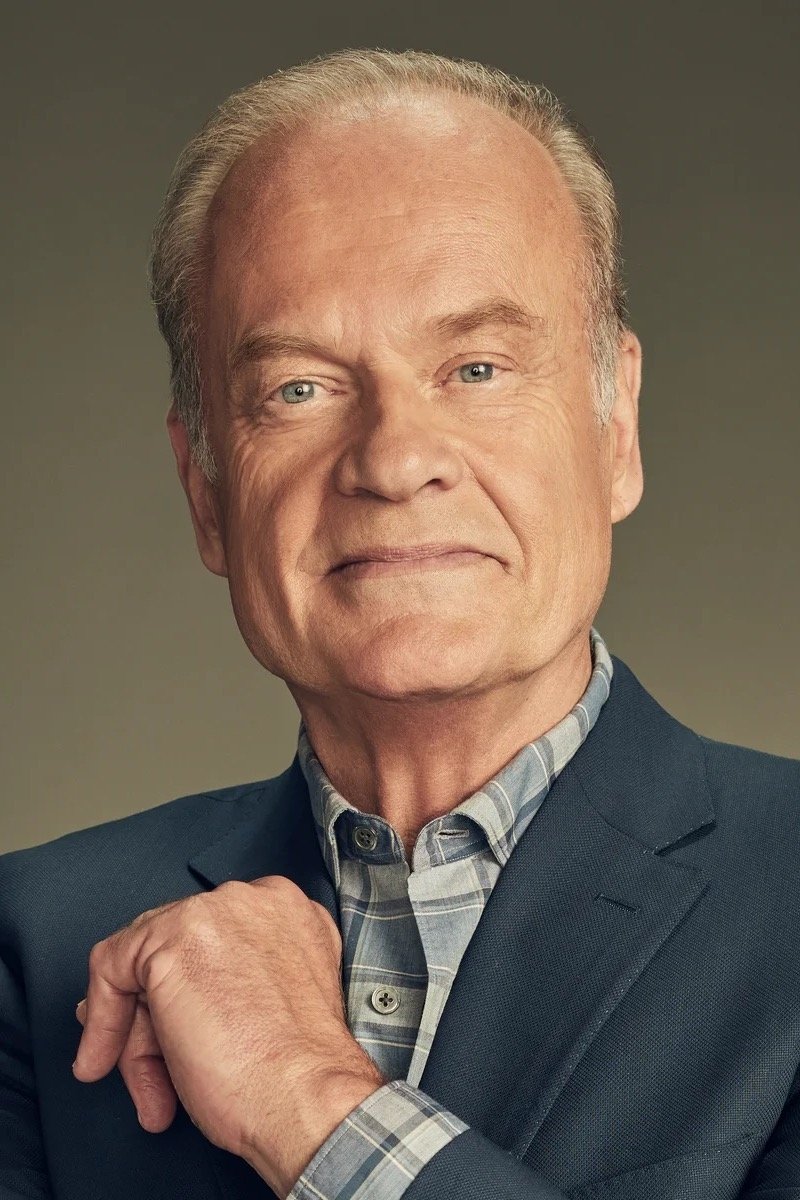
Kelsey Grammer has discussed how difficult it can be for performers who hold traditional beliefs in today’s entertainment world. He feels the industry’s push for inclusivity sometimes limits the variety of ideas that are considered. Grammer believes that TV and film can occasionally seem to promote just one way of thinking. He argues that real diversity means including many different political and social viewpoints. Despite this, Grammer continues to work in the industry while staying true to his own beliefs.
Michael Caine
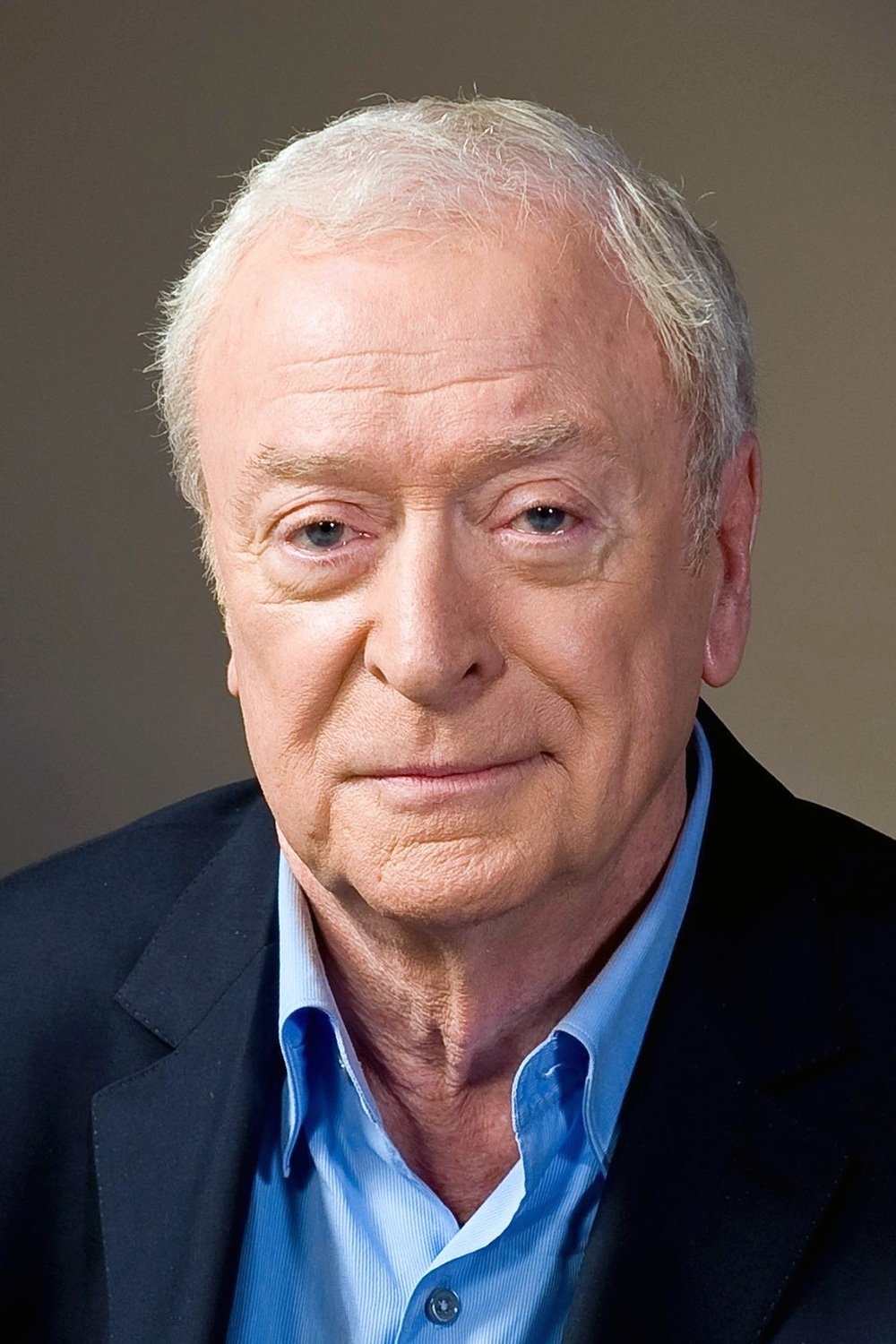
Michael Caine has noticed significant changes in how the film industry operates, particularly when it comes to language and acceptable behavior. He’s a little frustrated with the current rules about what actors can say or do, feeling that the emphasis on inclusivity sometimes makes characters feel less real. Caine remembers a time when the industry felt more open and less restrictive, and he continues to work on major films while observing these shifting norms.
Sylvester Stallone
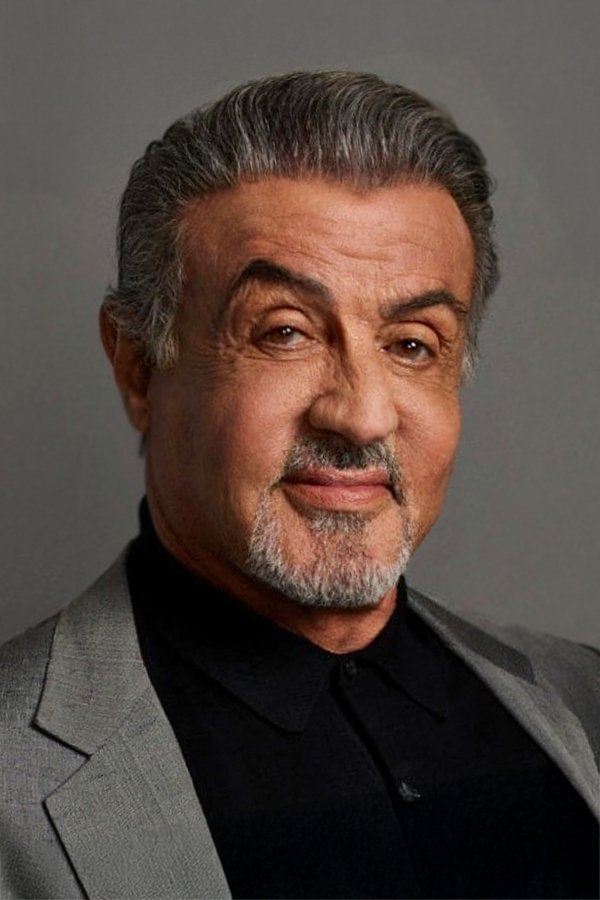
Sylvester Stallone has observed changes in how movies depict traditional heroes and masculinity. He feels that the current trend of breaking down these classic characters can alienate audiences. Stallone suggests that while social progress is important, it shouldn’t come at the expense of a universally enjoyable action story. He believes people still want to see heroes who embody strength and determination, without being weighed down by modern political issues. He remains committed to creating content that honors the core values of his most famous characters.
Mel Brooks
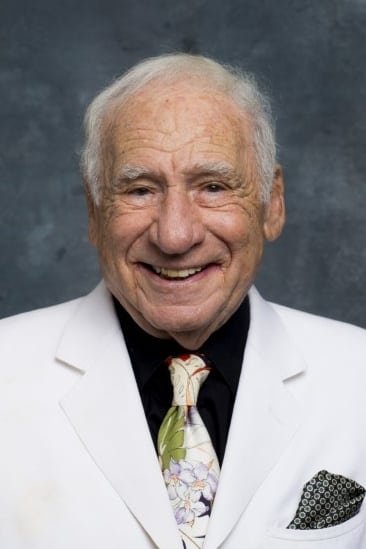
Mel Brooks feels many of his classic comedies wouldn’t be possible today. He believes the current focus on political correctness is hurting satire, because comedy needs to be able to playfully challenge everything and everyone. Brooks worries that being overly sensitive about inclusivity can actually ruin a joke’s effectiveness. He argues that humor is a vital way to tackle difficult social issues, something strict rules just can’t achieve.
Rowan Atkinson
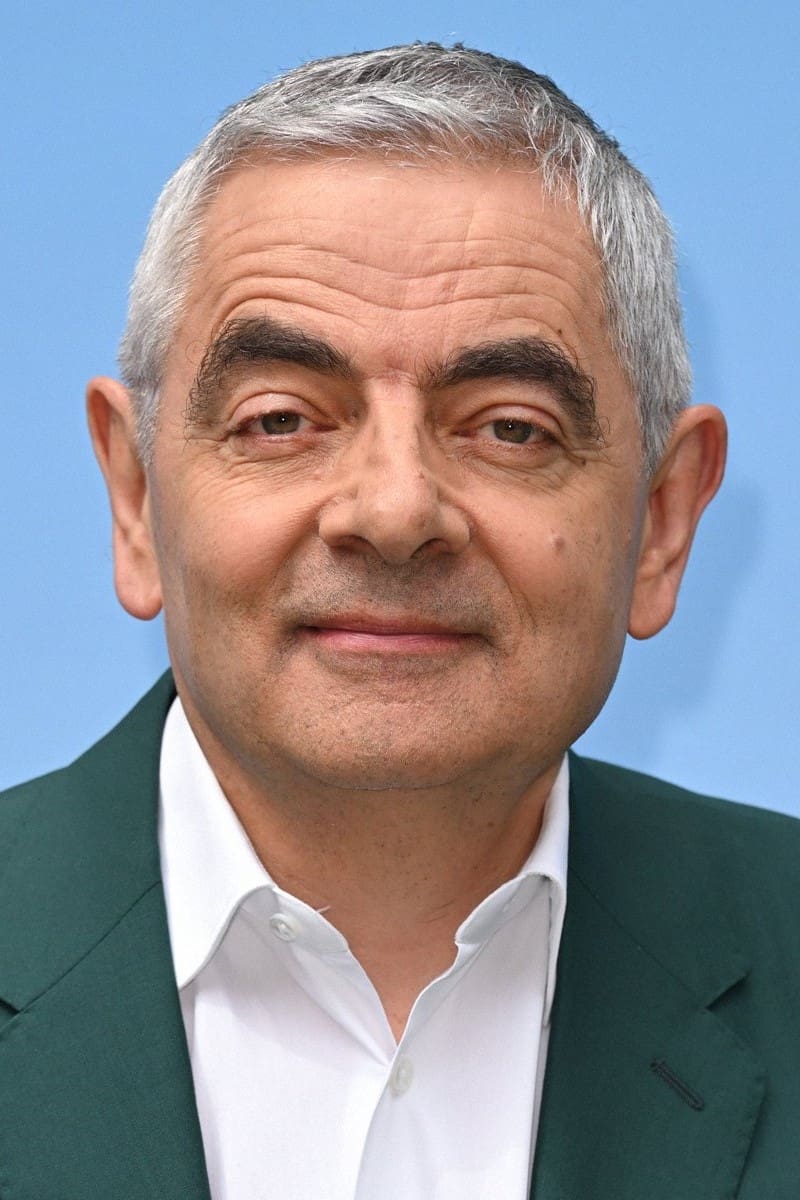
Rowan Atkinson is a firm believer in free speech and artistic freedom. He feels that a modern emphasis on avoiding offense is causing artists to censor themselves. Atkinson argues that while inclusivity is important, it shouldn’t restrict a writer’s ability to tackle challenging subjects. He worries that the current trend could lead to a lack of diversity in stories and ideas. He continues to champion a society where people can freely express and satirize ideas without fear of punishment.
Ricky Gervais
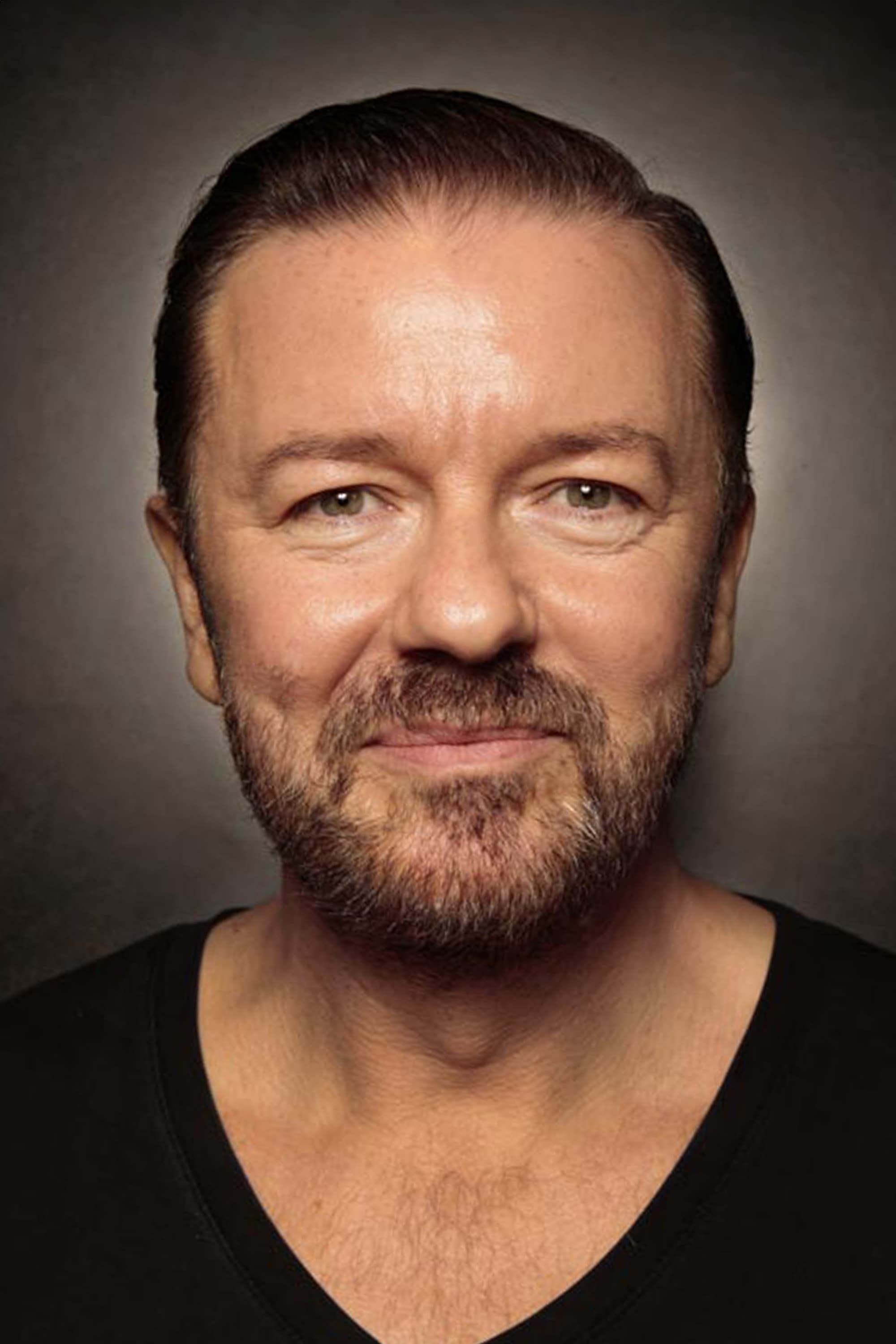
Ricky Gervais often criticized Hollywood’s tendency to appear socially and politically correct while hosting awards shows. He feels their emphasis on inclusivity often seems fake and disingenuous. According to the actor and comedian, stories should be evaluated based on their quality, not how well they fit current social trends. He’s repeatedly joked about celebrities acting as if they should dictate morality. Gervais believes truly great art is honest and doesn’t shy away from difficult truths.
David Mamet
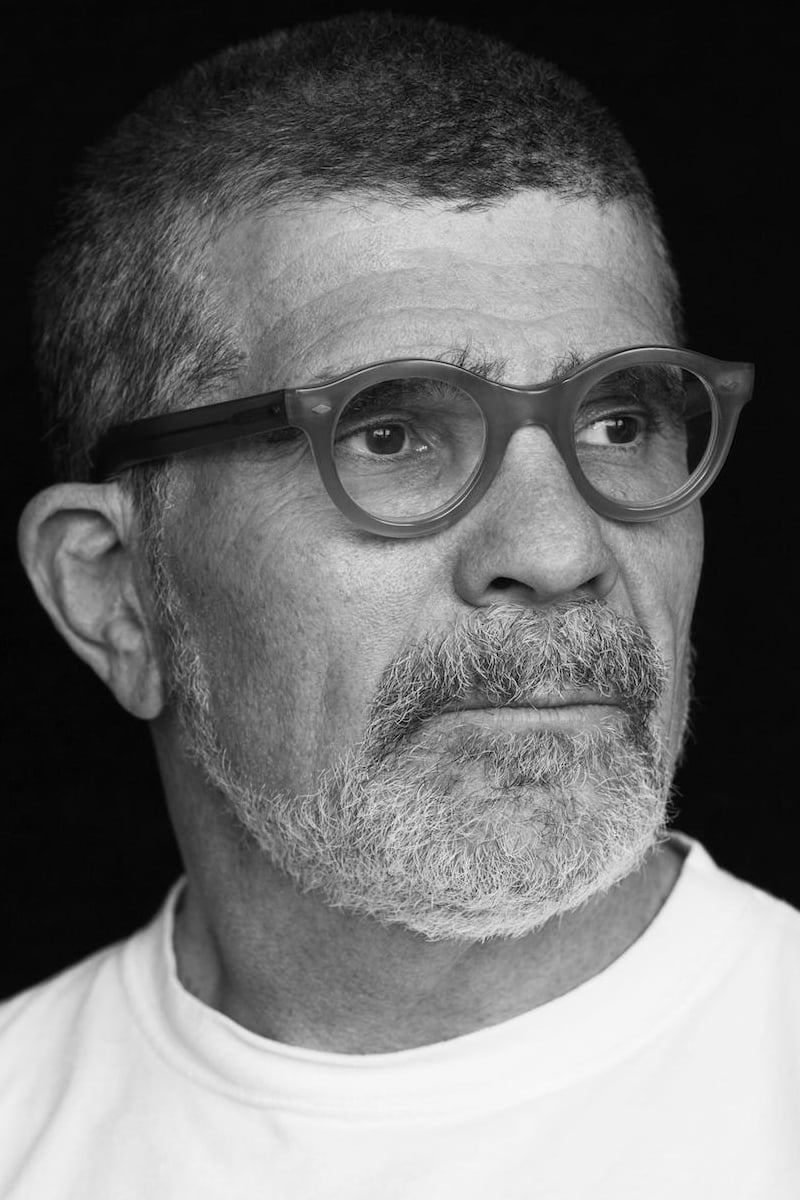
David Mamet has openly discussed his growing distance from the dominant political views in Hollywood. He feels the industry’s emphasis on diversity and inclusion has led to a lack of original thought and creative freedom. According to Mamet, current pressures are hindering the creation of nuanced and complex stories, as the focus has shifted from honest storytelling to simply gaining social acceptance. He continues to advocate for a return to artistic and intellectual independence.
Eduardo Verástegui
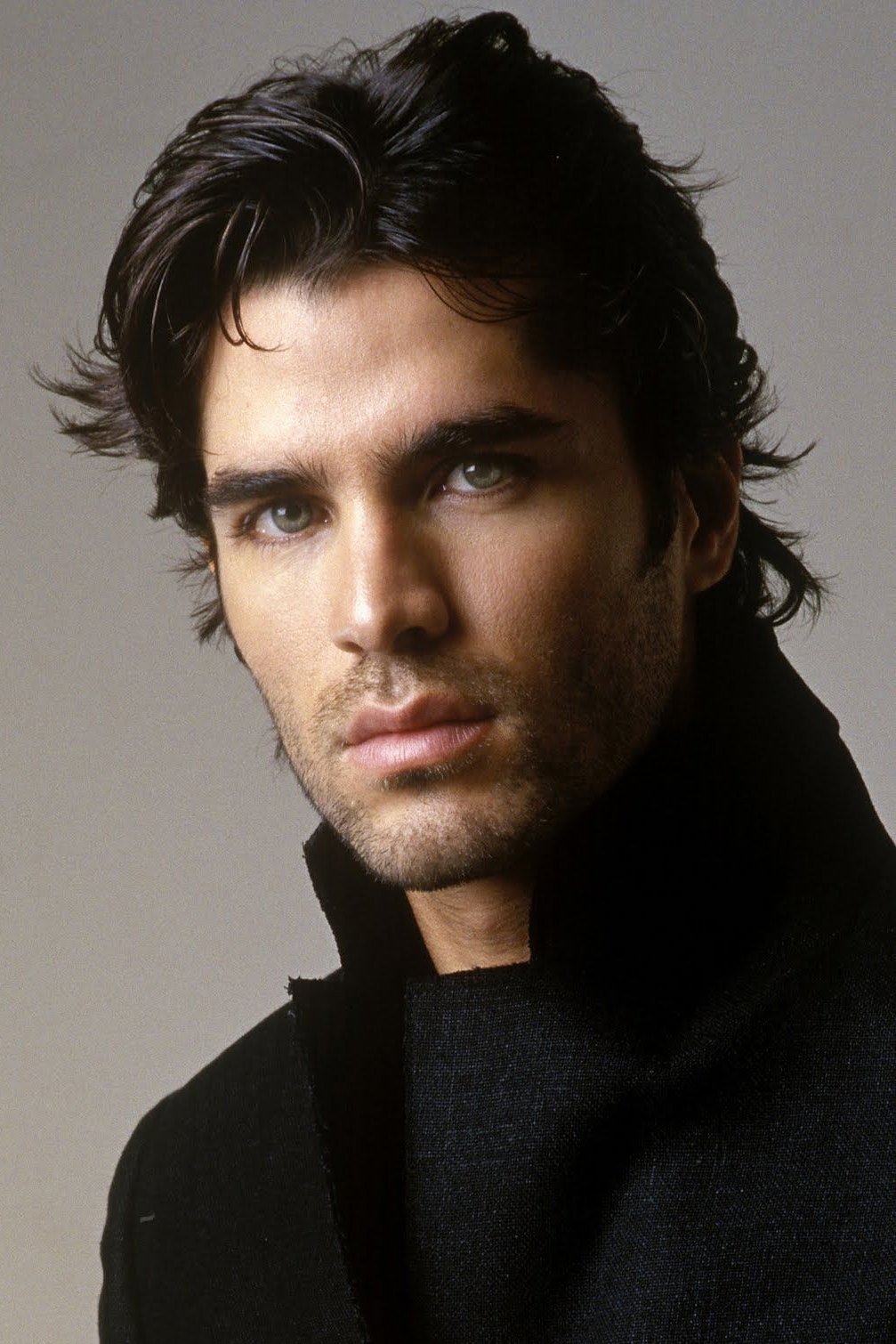
Eduardo Verástegui dedicates his work to projects that reflect his personal beliefs. He feels that the entertainment industry sometimes uses inclusivity as a way to promote ideas that go against traditional family values. He points out that many modern movies don’t accurately portray or even include the viewpoints of people with strong religious or moral convictions. Verástegui believes this narrow focus on certain social issues actually limits true diversity in storytelling. Ultimately, he wants to see more films that respect the inherent worth of every person.
Terrence Howard
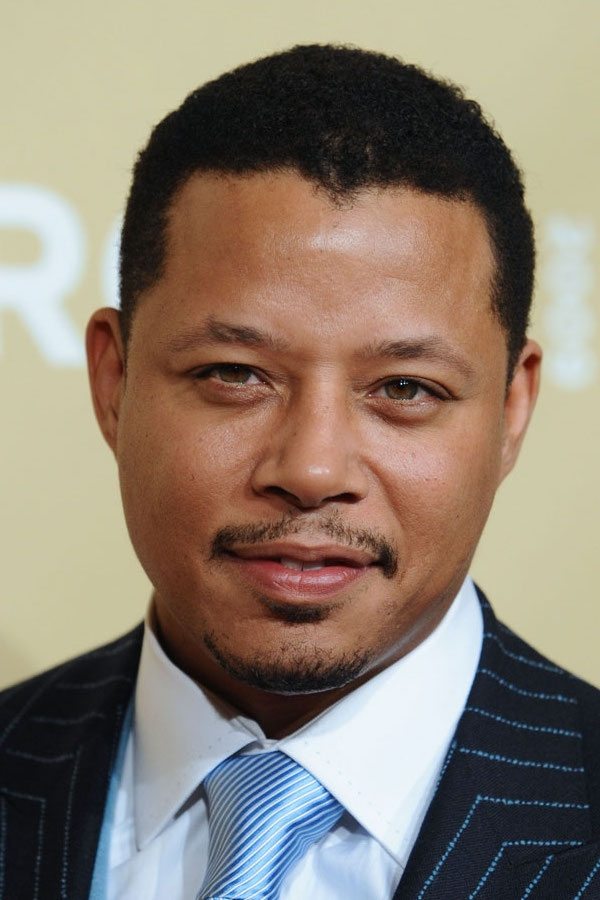
Terrence Howard has talked about how challenging it is to work in an entertainment industry he sees as overly rigid and predictable. He feels that while social initiatives are important, too much focus on them can stifle the creativity of filmmakers. Howard believes modern movies often prioritize visuals over a compelling story and that current efforts to promote diversity sometimes feel more like a business tactic than a true commitment to art. He stresses the need for artists to stay true to their own vision and individuality.
Jerry Seinfeld
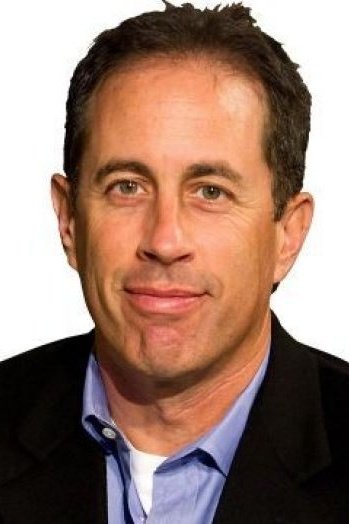
Jerry Seinfeld often complains that being overly sensitive is hurting comedy on TV. He thinks audiences and TV executives are now so worried about offending people that it’s become hard to create truly funny and daring shows. He believes the push for inclusivity sometimes leads to removing the sharp, edgy humor that makes comedy work. Seinfeld feels the best stories are those that can be a little rough around the edges and aren’t constantly checked for political correctness, and he worries this trend will harm the future of entertainment.
Anthony Hopkins
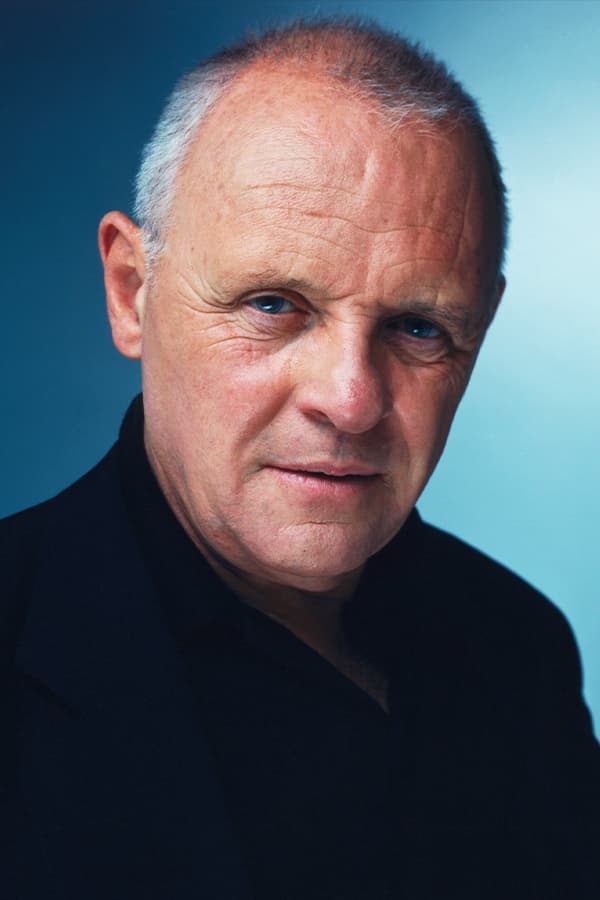
Anthony Hopkins feels somewhat disconnected from current trends in acting, particularly the emphasis on method acting and being overly sensitive to social issues. He thinks many of today’s expectations for actors – how they should act and think off-screen – are simply unnecessary and get in the way of their work. Hopkins believes actors should primarily focus on the script and delivering a strong performance, rather than trying to achieve external social goals. He prefers a simpler, less restrictive approach to acting, and remains a highly respected figure despite his critical view of the industry’s evolving culture.
Sean Penn
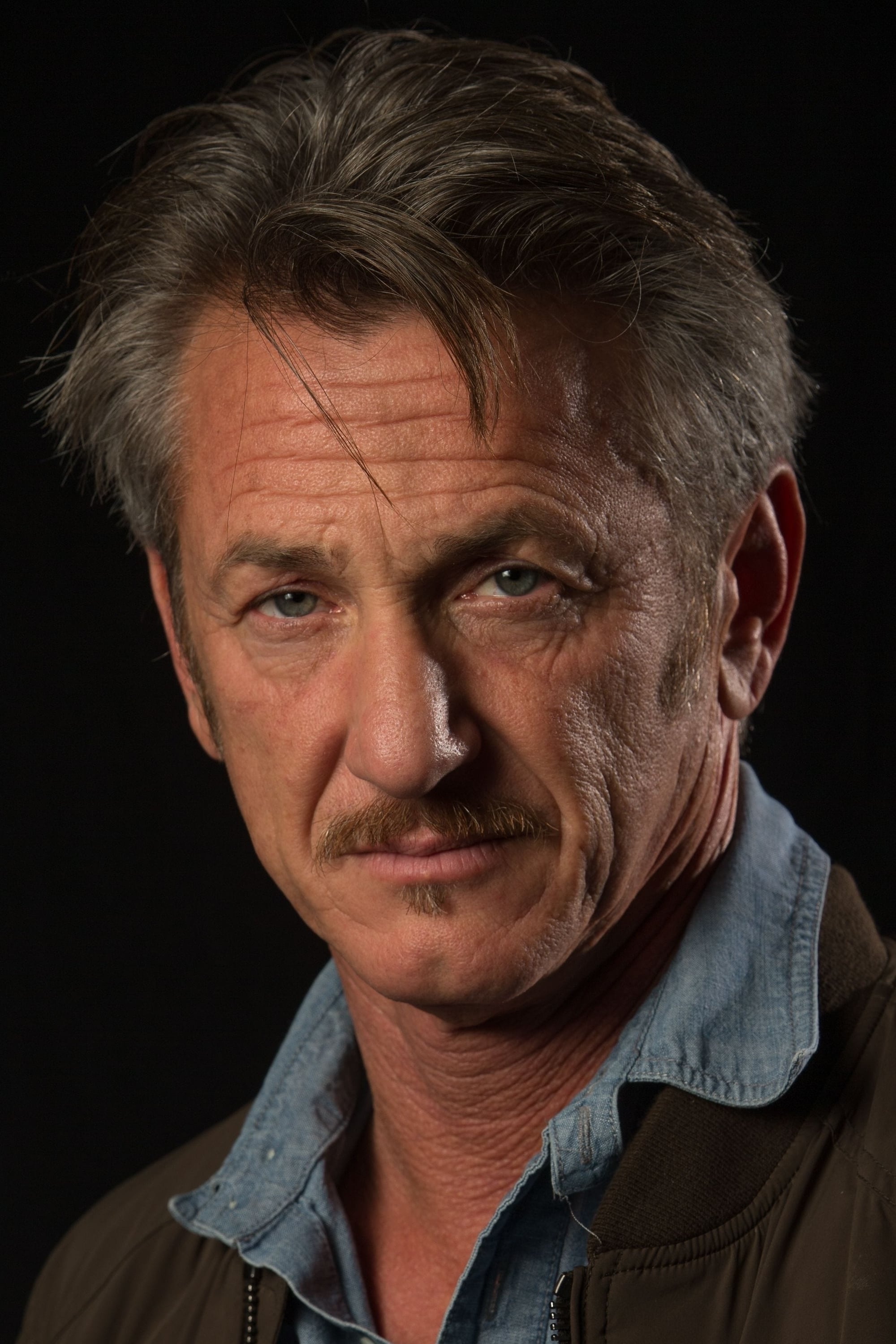
Sean Penn feels that modern filmmaking lacks courage when dealing with difficult subjects. He argues that a strong emphasis on inclusivity and avoiding offense has made filmmakers hesitant to take creative risks, ultimately hindering good storytelling. He also objects to the practice of judging historical works through today’s social lens. Penn believes artists should prioritize honesty and challenge audiences, even if it’s unpopular or controversial.
Rob Schneider
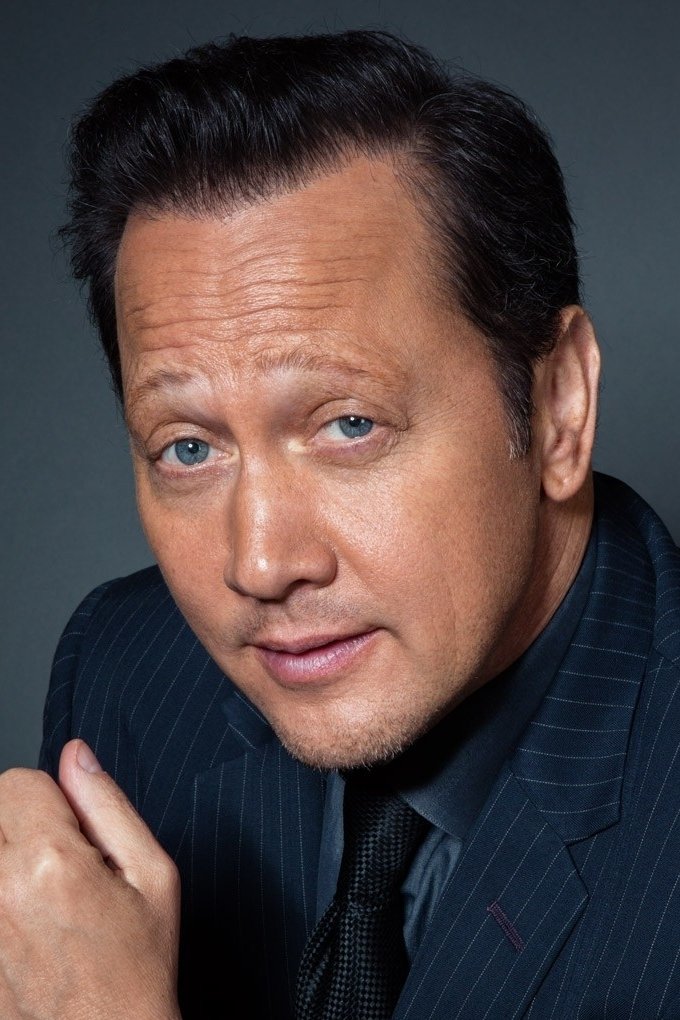
I’ve been following Rob Schneider’s comments lately, and he makes a really interesting point about how things are changing in Hollywood. He thinks the big push for inclusivity, while important, has gone too far and is actually hurting the quality of movies and TV shows. He believes writers are now more worried about ticking boxes for HR than about telling good stories and making people laugh. He feels a lot of performers are afraid to be truly creative because they’re scared of saying the wrong thing. Basically, he’s saying Hollywood seems to have lost its way a bit, prioritizing social correctness over good, honest entertainment, and I kind of see what he means.
Share your thoughts on these actors and their views on modern storytelling in the comments.
Read More
- Gold Rate Forecast
- Securing the Agent Ecosystem: Detecting Malicious Workflow Patterns
- Wuthering Waves – Galbrena build and materials guide
- 2025 Crypto Wallets: Secure, Smart, and Surprisingly Simple!
- The Best Directors of 2025
- Building 3D Worlds from Words: Is Reinforcement Learning the Key?
- Games That Faced Bans in Countries Over Political Themes
- The Most Anticipated Anime of 2026
- Most Famous Richards in the World
- Top 20 Educational Video Games
2026-01-01 21:20